JP5388564B2 - Diabetes care support system, computer program, and recording medium - Google Patents
Diabetes care support system, computer program, and recording medium Download PDFInfo
- Publication number
- JP5388564B2 JP5388564B2 JP2008325875A JP2008325875A JP5388564B2 JP 5388564 B2 JP5388564 B2 JP 5388564B2 JP 2008325875 A JP2008325875 A JP 2008325875A JP 2008325875 A JP2008325875 A JP 2008325875A JP 5388564 B2 JP5388564 B2 JP 5388564B2
- Authority
- JP
- Japan
- Prior art keywords
- glucose
- block
- simulated
- insulin
- liver
- Prior art date
- Legal status (The legal status is an assumption and is not a legal conclusion. Google has not performed a legal analysis and makes no representation as to the accuracy of the status listed.)
- Expired - Fee Related
Links
Images
Classifications
-
- G—PHYSICS
- G16—INFORMATION AND COMMUNICATION TECHNOLOGY [ICT] SPECIALLY ADAPTED FOR SPECIFIC APPLICATION FIELDS
- G16B—BIOINFORMATICS, i.e. INFORMATION AND COMMUNICATION TECHNOLOGY [ICT] SPECIALLY ADAPTED FOR GENETIC OR PROTEIN-RELATED DATA PROCESSING IN COMPUTATIONAL MOLECULAR BIOLOGY
- G16B40/00—ICT specially adapted for biostatistics; ICT specially adapted for bioinformatics-related machine learning or data mining, e.g. knowledge discovery or pattern finding
-
- G—PHYSICS
- G16—INFORMATION AND COMMUNICATION TECHNOLOGY [ICT] SPECIALLY ADAPTED FOR SPECIFIC APPLICATION FIELDS
- G16B—BIOINFORMATICS, i.e. INFORMATION AND COMMUNICATION TECHNOLOGY [ICT] SPECIALLY ADAPTED FOR GENETIC OR PROTEIN-RELATED DATA PROCESSING IN COMPUTATIONAL MOLECULAR BIOLOGY
- G16B25/00—ICT specially adapted for hybridisation; ICT specially adapted for gene or protein expression
-
- G—PHYSICS
- G16—INFORMATION AND COMMUNICATION TECHNOLOGY [ICT] SPECIALLY ADAPTED FOR SPECIFIC APPLICATION FIELDS
- G16B—BIOINFORMATICS, i.e. INFORMATION AND COMMUNICATION TECHNOLOGY [ICT] SPECIALLY ADAPTED FOR GENETIC OR PROTEIN-RELATED DATA PROCESSING IN COMPUTATIONAL MOLECULAR BIOLOGY
- G16B5/00—ICT specially adapted for modelling or simulations in systems biology, e.g. gene-regulatory networks, protein interaction networks or metabolic networks
-
- G—PHYSICS
- G16—INFORMATION AND COMMUNICATION TECHNOLOGY [ICT] SPECIALLY ADAPTED FOR SPECIFIC APPLICATION FIELDS
- G16B—BIOINFORMATICS, i.e. INFORMATION AND COMMUNICATION TECHNOLOGY [ICT] SPECIALLY ADAPTED FOR GENETIC OR PROTEIN-RELATED DATA PROCESSING IN COMPUTATIONAL MOLECULAR BIOLOGY
- G16B5/00—ICT specially adapted for modelling or simulations in systems biology, e.g. gene-regulatory networks, protein interaction networks or metabolic networks
- G16B5/20—Probabilistic models
-
- G—PHYSICS
- G16—INFORMATION AND COMMUNICATION TECHNOLOGY [ICT] SPECIALLY ADAPTED FOR SPECIFIC APPLICATION FIELDS
- G16H—HEALTHCARE INFORMATICS, i.e. INFORMATION AND COMMUNICATION TECHNOLOGY [ICT] SPECIALLY ADAPTED FOR THE HANDLING OR PROCESSING OF MEDICAL OR HEALTHCARE DATA
- G16H50/00—ICT specially adapted for medical diagnosis, medical simulation or medical data mining; ICT specially adapted for detecting, monitoring or modelling epidemics or pandemics
- G16H50/50—ICT specially adapted for medical diagnosis, medical simulation or medical data mining; ICT specially adapted for detecting, monitoring or modelling epidemics or pandemics for simulation or modelling of medical disorders
Landscapes
- Health & Medical Sciences (AREA)
- Physics & Mathematics (AREA)
- Engineering & Computer Science (AREA)
- Life Sciences & Earth Sciences (AREA)
- Medical Informatics (AREA)
- Bioinformatics & Cheminformatics (AREA)
- General Health & Medical Sciences (AREA)
- Spectroscopy & Molecular Physics (AREA)
- Biophysics (AREA)
- Theoretical Computer Science (AREA)
- Evolutionary Biology (AREA)
- Biotechnology (AREA)
- Bioinformatics & Computational Biology (AREA)
- Molecular Biology (AREA)
- Public Health (AREA)
- Data Mining & Analysis (AREA)
- Databases & Information Systems (AREA)
- Physiology (AREA)
- Epidemiology (AREA)
- Computer Vision & Pattern Recognition (AREA)
- Pathology (AREA)
- Bioethics (AREA)
- Probability & Statistics with Applications (AREA)
- Artificial Intelligence (AREA)
- Evolutionary Computation (AREA)
- Biomedical Technology (AREA)
- Software Systems (AREA)
- Primary Health Care (AREA)
- Genetics & Genomics (AREA)
- Investigating Or Analysing Biological Materials (AREA)
- Measurement Of The Respiration, Hearing Ability, Form, And Blood Characteristics Of Living Organisms (AREA)
- Management, Administration, Business Operations System, And Electronic Commerce (AREA)
- Medical Treatment And Welfare Office Work (AREA)
- Instructional Devices (AREA)
Description
本発明は、糖尿病の診療支援に用いられるシステム、コンピュータプログラム、及び記録媒体に関するものである。 The present invention relates to a system, a computer program, and a recording medium used for diabetes medical assistance.
糖尿病の診療支援に用いられるシステムとしては、例えば、特許文献1に記載のものがある。
特許文献1記載のシステムは、生体器官の機能が数理モデルによって表現された生体モデルを備えており、この生体モデルを用いて生体器官の機能をコンピュータによってシミュレートするものである。
An example of a system used for medical treatment support for diabetes is disclosed in
The system described in
特許文献1の生体モデルは、膵臓の機能が表現された膵臓ブロック、インスリン動態の機能が表現されたインスリン動態ブロック、及び末梢組織の機能が表現された末梢組織ブロック、肝臓の機能が表現された肝臓ブロックという4つのブロックを有しており、これらのブロックによって生体をシミュレートしている。
The biological model of
特許文献1の生体モデルにおいては、前記膵臓ブロックは、末梢組織ブロックから与えられる血糖値に基づいて、インスリン分泌速度を求める。そのインスリン分泌速度は肝臓ブロックに与えられる。
また、前記肝臓ブロックは、外部からのグルコース吸収、末梢組織ブロックから与えられる血糖値、及び膵臓ブロックから与えられるインスリン分泌速度に基づいて、肝臓からの正味グルコース放出及び肝臓通過後インスリンを求める。肝臓からの正味グルコース放出は、末梢組織ブロックに与えられ、肝臓通過後インスリンは、インスリン動態ブロックに与えられる。
In the living body model of
The liver block calculates net glucose release from the liver and post-liver insulin based on glucose absorption from the outside, blood glucose level given from the peripheral tissue block, and insulin secretion rate given from the pancreas block. Net glucose release from the liver is provided to the peripheral tissue block and post-liver insulin is provided to the insulin kinetic block.
また、前記インスリン動態ブロックは、肝臓ブロックからの肝臓通過後インスリンに基づいて、血中インスリン濃度及び末梢組織インスリン濃度を求める。血中インスリン濃度は他のブロックに与えられないが、末梢組織インスリン濃度は末梢組織ブロックに与えられる。
前記末梢組織ブロックは、肝臓ブロックからの正味グルコース放出及びインスリン動態ブロックからの末梢組織インスリン濃度に基づいて、血糖値を求める。血糖値は、膵臓ブロック及び肝臓ブロックに与えられる。
The insulin kinetic block obtains blood insulin concentration and peripheral tissue insulin concentration based on post-liver insulin from the liver block. Blood insulin levels are not given to other blocks, but peripheral tissue insulin levels are given to peripheral tissue blocks.
The peripheral tissue block determines the blood glucose level based on the net glucose release from the liver block and the peripheral tissue insulin concentration from the insulin kinetic block. The blood glucose level is given to the pancreas block and the liver block.
ここで、個々の患者に対する糖負荷試験の結果を模した疑似応答を再現する生体モデルに基づいて、糖尿病の病態分析用指標を精度良く生成するには、患者の各臓器における収支を反映したグルコース/インスリンの蓄積量又は濃度が重要である。これは、糖尿病の病態分析用指標となりうるグルコース/インスリンの取込速度(消費速度)が、各臓器でのグルコース/インスリンの蓄積量、濃度に依存するからである。 Here, based on a biological model that reproduces a pseudo-response that simulates the results of a glucose tolerance test for individual patients, glucose that reflects the balance of each organ of the patient is used to accurately generate an indicator for analyzing the pathological condition of diabetes. / Accumulated amount or concentration of insulin is important. This is because the glucose / insulin uptake rate (consumption rate) that can be an index for analyzing the pathological condition of diabetes depends on the accumulated amount and concentration of glucose / insulin in each organ.
しかし、特許文献1の生体モデルでは、生体モデルを構成する複数の模擬臓器ブロックを、グルコース/インスリンの濃度を求めるべき臓器単位で構成し、複数の模擬臓器ブロックそれぞれにおいて、収支を勘案したグルコース/インスリンの蓄積量若しくは濃度を求めるものではない。
However, in the living body model of
また、各模擬臓器ブロックにおいて収支を勘案したグルコース/インスリンの蓄積量若しくは濃度を求めるには、生体モデルを構成する複数の模擬臓器ブロックそれぞれにおいて、グルコース/インスリンの流入出の収支をとることが必要であるが、特許文献1では、生体モデルを構成する各ブロック間でグルコースやインスリンのやりとりが行われているものの、各ブロックでは、各臓器の機能のみを表現することに重点が置かれており、各ブロックでグルコース/インスリンの流入出の収支をとって、グルコース/インスリンの蓄積量若しくは濃度を求めているわけではない。
In addition, in order to obtain the accumulated amount or concentration of glucose / insulin in consideration of the balance in each simulated organ block, it is necessary to balance the inflow / outflow of glucose / insulin in each of the plurality of simulated organ blocks constituting the biological model. However, in
例えば、特許文献1の肝臓ブロックは、流入したグルコースから放出されるグルコースの量を一方通行で計算しているだけで、当該肝臓ブロックへのグルコース流入出の収支は考慮されていない。このため、収支を考慮した肝臓ブロックにおけるグルコースの蓄積量若しくは濃度を求めることができない。
また、特許文献1の末梢組織ブロックは、肝臓ブロックからのグルコース放出量に基づいて血糖値(血漿中のグルコース量)を計算しているだけで、収支を勘案した末梢組織ブロック自体のグルコースの蓄積量若しくは濃度を求めているわけではない。
For example, the liver block of
Further, the peripheral tissue block of
一方、特許文献1のインスリン動態ブロックでは、インスリン濃度が算出されているものの、その収支が反映されたものではない。
On the other hand, in the insulin dynamic block of
そこで、本発明は、生体モデルを構成する複数の模擬臓器ブロックにおいて収支を反映したそれぞれグルコースの蓄積量若しくは濃度、及び/又は、インスリン蓄積量若しくは濃度を求めて、糖尿病患者の診療支援を精度良く行えるようにすることを目的とする。 Therefore, the present invention obtains the accumulated amount or concentration of glucose and / or the accumulated amount or concentration of insulin that reflects the balance in a plurality of simulated organ blocks constituting the living body model, and provides medical support for diabetic patients with high accuracy. It aims to be able to do it.
本発明は、患者に対する糖負荷試験の結果を模した疑似応答を再現する生体モデルに基づいて、前記患者の診療支援情報を生成する糖尿病診療支援システムであって、患者の採血グルコース濃度及び/又は採血インスリン濃度を含む診療データを入力するための入力部と、糖尿病に関連する臓器の機能を複数のパラメータを有する数理モデルとして記述した生体モデルを記憶する記憶部と、前記記憶部に記憶された前記生体モデルの出力が前記入力部によって入力された診療データと合致するまで各パラメータの値を調整し、前記診療データと合致するパラメータのセットを求め、当該パラメータのセットを持つ患者固有の生体モデルを生成する生体モデル生成部と、前記生体モデル生成部によって生成された生体モデルに基づいて、患者の病態を分析し、診療支援情報を生成する診療支援情報生成部と、を備え、前記記憶部に記憶された前記生体モデルは、患者の肝臓の機能と当該肝臓における間質液とを表現した模擬肝臓ブロック、患者の血漿を表現した模擬血漿ブロック、及び患者の末梢組織の機能と当該末梢組織における間質液とを表現した模擬末梢ブロックを含む複数の模擬臓器ブロックを有し、かつ前記模擬肝臓ブロック、前記模擬血漿ブロック、及び前記模擬末梢ブロックの間で、血液循環に伴う間質液、及び血漿におけるグルコースの流入出及び/又はインスリンの流入出が相互に生じるように構成され、前記模擬肝臓ブロック、前記模擬血漿ブロック、及び前記模擬末梢ブロックのそれぞれは、各模擬臓器ブロックのグルコース流入出量及び/又はインスリン流入出量に基づいて、各模擬臓器ブロックにおけるグルコースの蓄積量若しくは濃度、及び/又は、インスリン蓄積量若しくは濃度を算出するよう構成され、前記診療支援情報生成部は、前記模擬肝臓ブロック、前記模擬血漿ブロック、及び前記模擬末梢ブロックのそれぞれにおけるグルコースの蓄積量若しくは濃度、及び/又は、インスリン蓄積量若しくは濃度に基づいて、患者の病態を分析することを特徴とする糖尿病診療支援システムである。
本発明によれば、複数の模擬臓器ブロックにおいて、グルコースの流入出及び/又はインスリンの流入出の収支をとることができるため、各模擬臓器ブロックにおけるグルコースの蓄積量若しくは濃度、及び/又は、インスリン蓄積量若しくは濃度を算出することができる。
なお、糖負荷試験としては、経口糖負荷試験(OGTT)や食事試験(MT)のように経口から糖を摂取するものがある。また、糖負荷試験の結果とは、例えば、採血により測定されたグルコース濃度(以下、採血グルコース濃度という)及び/又は採血により測定されたインスリン濃度(以下、採血インスリン濃度という)である。
The present invention is a diabetes medical support system that generates medical support information for a patient based on a biological model that reproduces a pseudo-response that simulates the result of a glucose tolerance test on a patient, and includes a blood glucose concentration and / or blood collected from the patient. An input unit for inputting medical data including blood collection insulin concentration, a storage unit for storing a biological model describing a function of an organ related to diabetes as a mathematical model having a plurality of parameters, and stored in the storage unit Adjusting the value of each parameter until the output of the biological model matches the medical data input by the input unit, obtaining a set of parameters that match the medical data, and a patient-specific biological model having the set of parameters Based on the biological model generated by the biological model generation unit and the biological model generation unit. Simulated state analyzes, and a diagnosis support information generation unit for generating diagnosis support information, the biological model stored in the storage unit, which represents the interstitial fluid in the function and the liver of the patient's liver A plurality of simulated organ blocks including a liver block, a simulated plasma block expressing the patient's plasma, and a simulated peripheral block expressing the function of the patient's peripheral tissue and interstitial fluid in the peripheral tissue; block, wherein the simulated plasma blocks, and between the simulated peripheral blocks, interstitial fluid accompanying the blood circulation, and the inflow and out of the inflow and out and / or insulin glucose is configured to mutually occurring in plasma, the simulated liver block, the simulated plasma blocks, and wherein the simulated each of the peripheral blocks, glucose influx out amount and / or insulin flow of each simulated organ blocks Based on the output, the accumulated amount or concentration of glucose in the simulated organ blocks, and / or is configured to calculate the insulin accumulation or concentration, the diagnosis support information generating unit, the simulated hepatic block, the simulated blood plasma A diabetes medical care support system which analyzes a patient's pathological condition based on the accumulated amount or concentration of glucose and / or the accumulated amount or concentration of insulin in each of the block and the simulated peripheral block .
According to the present invention, since the balance of glucose inflow and / or insulin inflow / outflow can be obtained in a plurality of simulated organ blocks, the accumulated amount or concentration of glucose in each simulated organ block and / or insulin Accumulated amount or concentration can be calculated.
In addition, as a glucose tolerance test, there is an oral glucose tolerance test (OGTT) or a meal test (MT) in which sugar is taken orally. The result of the glucose tolerance test is, for example, a glucose concentration measured by blood collection (hereinafter referred to as blood glucose concentration) and / or an insulin concentration measured by blood collection (hereinafter referred to as blood collection insulin concentration) .
前記生体モデルは、前記糖負荷試験におけるグルコース負荷量が前記生体モデル外からの外因性グルコース量として与えられる腸ブロックを有し、前記腸ブロックは、外因性グルコース量に基づいて、前記模擬肝臓ブロックへ与えられる外因性グルコース流入速度を算出するように構成されているのが好ましい。このような腸ブロックを備えていると、腸からのグルコース吸収に配慮しなければならない患者に有益である。 The biological model has a bowel block given as exogenous glucose level from outside the biological model glucose load in the glucose tolerance test, the intestine block, based on exogenous glucose levels, before liver pseudo preferably configured to calculate the exogenous glucose inflow rate imparted to the liver block. Providing such an intestinal block is beneficial for patients who must consider glucose absorption from the intestine.
前記生体モデルは、グルコース濃度に基づいてインスリンを分泌する膵臓に対応した模擬膵臓ブロックを更に備え、前記模擬膵臓ブロックは、前記模擬肝臓ブロックへ流入させるためのインスリンの分泌量を、前記グルコース濃度とともに、前記グルコース濃度の時間的変動にも依存して決定するよう構成されているのが好ましい。この場合、グルコース濃度に依存したインスリン分泌感度とは独立した分泌機能(グルコース濃度の時間的変動に依存したインスリン分泌感度)の情報を得ることができる。この情報は、糖負荷直後の早期のインスリン分泌機能の解析に有用である。 The biological model is based on the glucose concentration further comprising a simulated pancreatic blocks corresponding to the pancreas to secrete insulin, the simulated pancreas block the secretion of insulin for flowing Previous liver pseudo liver blocks, wherein It is preferable that the determination is made depending on the time variation of the glucose concentration together with the glucose concentration. In this case, it is possible to obtain information on a secretory function (insulin secretion sensitivity depending on the temporal variation of the glucose concentration) independent of the insulin secretion sensitivity depending on the glucose concentration. This information is useful for analysis of early insulin secretion function immediately after glucose load.
前記診療支援情報生成部は、前記模擬肝臓ブロック、前記模擬血漿ブロック、及び前記模擬末梢ブロックのそれぞれにおけるグルコースの蓄積量若しくは濃度及び/又はインスリン蓄積量若しくは濃度に基づいて、前記患者の病態の分析に用いられる指標を生成する手段及び/又は病態を分類する手段を更に備えるのが好ましい。各模擬臓器ブロックにおけるグルコースの蓄積量若しくは濃度、及び/又は、インスリン蓄積量若しくは濃度が算出されているため、病態分析指標を精度良く求めることができる。 The medical care support information generation unit analyzes the pathological condition of the patient based on the accumulated amount or concentration of glucose and / or the accumulated amount or concentration of insulin in each of the simulated liver block, the simulated plasma block, and the simulated peripheral block. It is preferable to further comprise means for generating an index used for the above and / or means for classifying a disease state . Since the accumulated amount or concentration of glucose and / or the accumulated amount or concentration of insulin in each simulated organ block is calculated, the pathological condition analysis index can be obtained with high accuracy.
前記模擬肝臓ブロックは、当該模擬肝臓ブロックにおけるグルコースの蓄積量若しくは濃度に基づいて、当該模擬肝臓ブロックにおける肝糖取込及び/又は糖産生の機能を示す値を演算するよう構成されているとともに、前記肝糖取込及び/又は肝糖産生の機能によるグルコースの蓄積量若しくは濃度の変動を算出しながら、当該模擬肝臓ブロックにおけるグルコースの蓄積量若しくは濃度を算出するよう構成されているのが好ましい。この場合、肝糖取込機能及び又は肝糖産生機能を考慮して肝グルコース蓄積量若しくは濃度を算出できる。 Before Symbol simulated liver blocks, based on the accumulated amount or concentration of glucose in the simulated liver blocks, with is configured for calculating a value indicative of the function of hepatic glucose uptake and / or sugar production in the simulated hepatic block It is preferable that the accumulated amount or concentration of glucose in the simulated liver block is calculated while calculating the variation in accumulated amount or concentration of glucose due to the function of liver glucose uptake and / or liver glucose production. . In this case, the hepatic glucose accumulation amount or concentration can be calculated in consideration of the hepatic glucose uptake function and / or hepatic sugar production function.
前記模擬末梢ブロックは、当該模擬末梢ブロックにおけるグルコースの蓄積量若しくは濃度に基づいて、当該模擬末梢ブロックにおける末梢糖取込機能を示す値を演算するように構成されているとともに、前記末梢糖取込機能によるグルコースの蓄積量若しくは濃度の変動を算出しながら、当該模擬末梢ブロックにおけるグルコースの蓄積量若しくは濃度を算出するよう構成されているのが好ましい。この場合、末梢糖取込機能を考慮して末梢グルコース蓄積量若しくは濃度を算出できる。 Before Symbol simulated peripheral blocks on the basis of the accumulated amount or concentration of glucose in the simulated peripheral blocks, along with being configured to calculate a value indicating a peripheral glucose uptake function in the simulated peripheral blocks, preparative said peripheral sugar It is preferable to calculate the accumulated amount or concentration of glucose in the simulated peripheral block while calculating the fluctuation of the accumulated amount or concentration of glucose due to the loading function. In this case, the peripheral glucose accumulation amount or concentration can be calculated in consideration of the peripheral sugar uptake function.
前記診療支援情報生成部は、前記指標として、空腹時のインスリン分泌量、血糖依存性インスリン分泌感度、糖負荷試験における末梢糖取込総量の変化量、末梢インスリン感受性、糖負荷試験における肝糖取込総量、及び、糖負荷試験における肝糖産生総量の少なくとも一つを生成することが好ましい。The medical care support information generation unit includes, as the index, fasting insulin secretion amount, blood glucose-dependent insulin secretion sensitivity, amount of change in peripheral glucose uptake in glucose tolerance test, peripheral insulin sensitivity, liver glucose uptake in glucose tolerance test It is preferable to generate at least one of the total amount of liver and the total amount of liver sugar produced in the glucose tolerance test.
また、前記診療支援情報生成部は、前記指標に基づいて前記患者の病態を分類し、分類された病態及び前記指標を含む診療支援情報を生成することが好ましい。Moreover, it is preferable that the said medical assistance information generation part classify | categorizes the said patient's medical condition based on the said parameter | index, and produces | generates the medical assistance information containing the classified medical condition and the said parameter | index.
さらに他の観点からみた本発明は、患者に対する糖負荷試験の結果を模した疑似応答を再現する生体モデルに基づいて、前記患者の診療支援情報を生成する糖尿病診療支援システムとしてコンピュータを機能させるためのコンピュータプログラムであって、当該コンピュータを、患者の採血グルコース濃度及び/又は採血インスリン濃度を含む診療データの入力を受け付ける入力受付手段、糖尿病に関連する臓器の機能を複数のパラメータを有する数理モデルとして記述した生体モデルを記憶部から読み出し、読み出した生体モデルの出力が前記入力受付手段によって受け付けた診療データと合致するまで各パラメータの値を調整し、診療データと合致するパラメータのセットを求め、当該パラメータセットを持つ患者固有の生体モデルを生成する生体モデル生成手段、及び前記生体モデル生成手段によって生成された生体モデルに基づいて、患者の病態を分析し、診療支援情報を生成する診療支援情報生成手段、として機能させ、前記記憶部から読み出された前記生体モデルは、患者の肝臓の機能と当該肝臓における間質液とを表現した模擬肝臓ブロック、患者の血漿を表現した模擬血漿ブロック、及び患者の末梢組織の機能と当該末梢組織における間質液とを表現した模擬末梢ブロックを含む複数の模擬臓器ブロックを有し、前記模擬肝臓ブロック、前記模擬血漿ブロック、及び前記模擬末梢ブロックの間で、血液循環に伴う間質液、及び血漿におけるグルコースの流入出及び/又はインスリンの流入出が相互に生じるように構成され、前記模擬肝臓ブロック、前記模擬血漿ブロック、及び前記模擬末梢ブロックのそれぞれは、各模擬臓器ブロックのグルコース流入出量及び/又はインスリン流入出量に基づいて、各模擬臓器ブロックにおけるグルコースの蓄積量若しくは濃度、及び/又は、インスリン蓄積量若しくは濃度を算出するよう構成され、前記診療支援情報生成手段は、前記模擬肝臓ブロック、前記模擬血漿ブロック、及び前記模擬末梢ブロックのそれぞれにおけるグルコースの蓄積量若しくは濃度、及び/又は、インスリン蓄積量若しくは濃度に基づいて、患者の病態を分析することを特徴とするコンピュータプログラムである。
さらに他の観点からみた本発明は、前記コンピュータプログラムを記録した記録媒体である。
From another viewpoint, the present invention is to enable a computer to function as a diabetes medical support system that generates medical support information for a patient based on a biological model that reproduces a pseudo-response that simulates the result of a glucose tolerance test on a patient. The computer program is an input receiving means for receiving input of medical data including blood sampling glucose concentration and / or blood sampling insulin concentration of a patient, and a function of an organ related to diabetes as a mathematical model having a plurality of parameters Read the described biological model from the storage unit, adjust the value of each parameter until the output of the read biological model matches the medical data received by the input receiving means, obtain the set of parameters that match the medical data, Generate patient-specific biological models with parameter sets Based on the living body model generated by the living body model generating means and analyzing the patient's pathology and generating medical support information, and reading from the storage unit The biological model issued includes a simulated liver block expressing the function of the patient's liver and interstitial fluid in the liver, a simulated plasma block expressing the patient's plasma, and the function of the patient's peripheral tissue and the peripheral tissue. A plurality of simulated organ blocks including a simulated peripheral block expressing interstitial fluid, and the interstitial fluid and plasma accompanying blood circulation between the simulated liver block, the simulated plasma block, and the simulated peripheral block inflow and out of the inflow and out and / or insulin glucose is configured to mutually occurring in the simulated hepatic block, the simulated plasma Bed Click, and the mock each of the peripheral blocks on the basis of the glucose influx out amount and / or insulin inflow out of the simulated organ blocks, accumulation or concentration of glucose in the simulated organ blocks, and / or insulin accumulation The medical support information generating means is configured to calculate an amount or concentration, and the medical assistance information generating means includes an accumulation amount or concentration of glucose and / or an insulin accumulation amount in each of the simulated liver block, the simulated plasma block, and the simulated peripheral block. Alternatively, it is a computer program characterized by analyzing a patient's pathological condition based on concentration .
From another viewpoint, the present invention is a recording medium on which the computer program is recorded.
本発明に係るシステム及びコンピュータプログラムによれば、生体モデルを構成する複数の模擬臓器ブロックにおいて収支を反映したそれぞれグルコースの蓄積量若しくは濃度、及び/又は、インスリン蓄積量若しくは濃度を求めることができる。 According to the system and the computer program according to the present invention, it is possible to obtain the accumulated amount or concentration of glucose and / or the accumulated amount or concentration of insulin, respectively, reflecting the balance in the plurality of simulated organ blocks constituting the biological model.
以下、添付図面を参照しつつ、本発明の実施の形態を詳細に説明する。
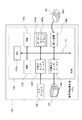
図1は、本発明の一実施の形態に係る糖尿病診療支援システム(以下、単に「システム」ともいう)のハードウェア構成を示すブロック図である。本実施の形態に係るシステム100は、本体110と、ディスプレイ120と、入力デバイス130とから主として構成されたコンピュータによって構成されている。本体110は、CPU110aと、ROM110bと、RAM110cと、ハードディスク110dと、読出装置110eと、入出力インタフェース110fと、画像出力インタフェース110hとから主として構成されており、CPU110a、ROM110b、RAM110c、ハードディスク110d、読出装置110e、入出力インタフェース110f、及び画像出力インタフェース110hは、バス110iによってデータ通信可能に接続されている。
Hereinafter, embodiments of the present invention will be described in detail with reference to the accompanying drawings.
FIG. 1 is a block diagram showing a hardware configuration of a diabetes medical care support system (hereinafter also simply referred to as “system”) according to an embodiment of the present invention. The
CPU110aは、ROM110bに記憶されているコンピュータプログラム及びRAM110cにロードされたコンピュータプログラムを実行することが可能である。そして、後述するようなアプリケーションプログラム140aを当該CPU110aが実行することにより、後述するような各機能ブロックが実現され、コンピュータがシステム100として機能する。
ROM110bは、マスクROM、PROM、EPROM、EEPROM等によって構成されており、CPU110aに実行されるコンピュータプログラムおよびこれに用いるデータ等が記録されている。
The
The
RAM110cは、SRAM又はDRAM等によって構成されている。RAM110cは、ROM110b及びハードディスク110dに記録されているコンピュータプログラムの読み出しに用いられる。また、これらのコンピュータプログラムを実行するときに、CPU110aの作業領域として利用される。
ハードディスク110dは、オペレーティングシステム及びアプリケーションプログラム等、CPU110aに実行させるための種々のコンピュータプログラム及び当該コンピュータプログラムの実行に用いるデータがインストールされている。後述するアプリケーションプログラム140aも、このハードディスク110dにインストールされている。
The
The
読出装置110eは、フレキシブルディスクドライブ、CD−ROMドライブ、又はDVD−ROMドライブ等によって構成されており、可搬型記録媒体140に記録されたコンピュータプログラム又はデータを読み出すことができる。また、可搬型記録媒体140には、コンピュータを本発明のシステムとして機能させるためのアプリケーションプログラム140aが格納されており、コンピュータが当該可搬型記録媒体140から本発明に係るアプリケーションプログラム140aを読み出し、当該アプリケーションプログラム140aをハードディスク110dにインストールすることが可能である。
The
なお、前記アプリケーションプログラム140aは、可搬型記録媒体140によって提供されるのみならず、電気通信回線(有線、無線を問わない)によってコンピュータと通信可能に接続された外部の機器から前記電気通信回線を通じて提供することも可能である。例えば、前記アプリケーションプログラム140aがインターネット上のサーバコンピュータのハードディスク内に格納されており、このサーバコンピュータにコンピュータがアクセスして、当該コンピュータプログラムをダウンロードし、これをハードディスク110dにインストールすることも可能である。
また、ハードディスク110dには、例えば米マイクロソフト社が製造販売するWindows(登録商標)等のグラフィカルユーザインタフェース環境を提供するオペレーティングシステムがインストールされている。以下の説明においては、本実施形態に係るアプリケーションプログラム140aは当該オペレーティングシステム上で動作するものとしている。
The
In addition, an operating system that provides a graphical user interface environment such as Windows (registered trademark) manufactured and sold by US Microsoft Corporation is installed in the
入出力インタフェース110fは、例えばUSB、IEEE1394、RS−232C等のシリアルインタフェース、SCSI、IDE、IEEE1284等のパラレルインタフェース、およびD/A変換器、A/D変換器等からなるアナログインタフェース等から構成されている。入出力インタフェース110fには、キーボードおよびマウスからなる入力デバイス130が接続されており、ユーザが当該入力デバイス130を使用することにより、コンピュータ100aにデータを入力することが可能である。
画像出力インタフェース110hは、LCDまたはCRT等で構成されたディスプレイ120に接続されており、CPU110aから与えられた画像データに応じた映像信号をディスプレイ120に出力するようになっている。ディスプレイ120は、入力された映像信号にしたがって、画像(画面)を表示する。
The input /
The
[本システムにおける生体モデル]
本システム100は、OGTTなどの糖負荷試験の結果(採血グルコース濃度及び/又は採血インスリン濃度など)を模した疑似応答を再現する生体モデルMに基づいて、患者の糖尿病に関する病態分析に用いられる指標を生成し、糖尿病に関する診療支援情報を生成・出力するものである。
以下では、本システム100における生体モデルについて説明し、その後、システム100のその他の機能について説明する。
[Biological model in this system]
This
Hereinafter, a biological model in the
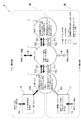
前記生体モデルMは、図2に示すように、患者の臓器(生体のあらゆる器官・部位を含む)を模した複数の模擬臓器ブロック1,2,3,4,5を有している。これらのブロック1〜5は、臓器の機能を数理モデルとして記述したものである。
模擬臓器ブロックには、肝臓を模した模擬肝臓ブロック1(以下、「肝臓ブロック」という)、血漿を模した模擬血漿ブロック2(以下、「血漿ブロック」という)、末梢組織を模した模擬末梢ブロック3(以下、「末梢ブロック」という)、腸を模した模擬腸ブロック4(以下、「腸ブロック」という)、膵臓を模した模擬膵臓ブロック5(以下、「膵臓ブロック」という)を有している。
As shown in FIG. 2, the living body model M has a plurality of simulated organ blocks 1, 2, 3, 4, and 5 simulating a patient's organ (including all organs and parts of the living body). These
The simulated organ block includes a
生体モデルMは、各患者に共通の基本構造(図2〜図4のブロック図として示す構造)を有し、生体モデルMの各ブロック1〜5は、各患者共通の値(固定パラメータ)と、個々の患者固有の値(固定パラメータから算出される設定パラメータ及び可変パラメータ)とを有している。生体モデルM生成時には、個々の患者固有の可変パラメータが、経口糖負荷試験(OGTT)の結果である採血グルコース濃度及び採血インスリン濃度を再現するように探索・調整され、個々の患者に適合した生体モデルが生成される。
なお、可変パラメータは、本実施形態において例示されたものに限らず、本実施形態における固定パラメータ、設定パラメータの一部を可変パラメータとしてもよい。
The biological model M has a basic structure common to each patient (structure shown as a block diagram in FIGS. 2 to 4), and each
Note that the variable parameters are not limited to those exemplified in this embodiment, and some of the fixed parameters and setting parameters in this embodiment may be variable parameters.
なお、模擬臓器ブロック1〜5のうち、肝臓ブロック1、血漿ブロック2、末梢ブロック3の3ブロックだけを総称する場合は、「第1模擬臓器ブロック」といい、腸ブロック4と膵臓ブロック5の2ブロックだけを総称する場合は、「第2模擬臓器」ブロックという。
後述するように、第1模擬臓器ブロック1,2,3と第2模擬臓器ブロック4,5とでは、臓器の表現の仕方が異なっている。
In addition, among the simulated organ blocks 1 to 5, when only the three blocks of the
As will be described later, the first simulated organ blocks 1, 2, 3 and the second simulated organ blocks 4, 5 have different ways of expressing the organ.
また、本システム100において生成され患者の診療支援に用いられる生体モデルMは、各模擬臓器ブロック1〜5におけるグルコース及びインスリンの流れを表現したものであり、インスリンの流れを示すインスリン動態部M1と、グルコースの流れを示すグルコース動態部M2に大別される。
インスリン動態部M1には、肝臓ブロック1のインスリンに関する機能と、血漿ブロック2のインスリンに関する機能と、末梢ブロック3のインスリンに関する機能、及び膵臓ブロック5が属する。
グルコース動態部M2には、肝臓ブロック1のグルコースに関する機能と、血漿ブロック2のグルコースに関する機能と、末梢ブロック3のグルコースに関する機能、及び腸ブロック4が属する。
In addition, the biological model M generated in the
The insulin dynamic part M1 includes a function related to insulin in the
The glucose dynamic part M2 includes a function related to glucose in the
第1模擬臓器ブロックである、肝臓ブロック1、血漿ブロック2、末梢ブロック3は、臓器(肝臓、血漿、末梢組織)の機能だけを単に表現したのではなく、各臓器(肝臓、血漿、末梢組織)において、グルコース及びインスリンの運搬・蓄積媒体となる間質液又は血漿を表現したものである。
具体的には、第1模擬臓器ブロック1,2,3としては、ブロック間でのグルコース収支及びインスリン収支が同じ単位次元で計算され、グルコース及びインスリンの蓄積状態が、第1模擬臓器ブロック1,2,3単位で計算されるコンパートメントが採用されている。
つまり、第1模擬臓器ブロック1,2,3では、これら臓器における間質液又は血漿へのグルコース及びインスリンの流入出、臓器における取込・消失などが表現され、各臓器の間質液又は血漿でのグルコース及びインスリンの蓄積量が算出されるよう構成されている。
このように第1模擬臓器ブロック1,2,3では、血液循環に伴う間質液及び血漿におけるグルコース及びインスリンの移動が表現されているのである。
ただし、臓器としては、上記のものに限られるわけではなく、他の臓器を含んでも良い。
The first simulated organ block,
Specifically, as the first simulated organ blocks 1, 2, and 3, the glucose balance and the insulin balance between the blocks are calculated in the same unit dimension, and the accumulation state of glucose and insulin is the first
That is, in the first simulated organ blocks 1, 2, and 3, the inflow and outflow of glucose and insulin to and from the interstitial fluid or plasma in these organs, the uptake / disappearance in the organ, and the like are expressed. The amount of accumulated glucose and insulin in the apparatus is calculated.
Thus, in the first simulated organ blocks 1, 2, and 3, movement of glucose and insulin in the interstitial fluid and plasma accompanying blood circulation is expressed.
However, the organs are not limited to those described above, and may include other organs.
前記肝臓ブロック1は、肝臓における間質液へのグルコース及びインスリンの流入出に基づくとともに、肝臓の機能(肝糖取込・肝糖産生など)によって肝臓の間質液から増減する量をも考慮して、肝臓(の間質液)におけるグルコース及びインスリンの蓄積量(濃度)などを表現するためのものである。
The
図2に示すように、肝臓ブロック1には、腸ブロック4からのグルコース流入X14及び血漿ブロック2からグルコース流入X12があり、血漿ブロック2へグルコース流出X21がある。
また、肝臓ブロック1には、膵臓ブロック5からのインスリン流入Y15及び血漿ブロック2からのインスリン流入Y12があり、血漿ブロック2へインスリン流出21がある。
As shown in FIG. 2, the
Further, the
また、血漿ブロック2は、血漿へのグルコース及びインスリンの流入出に基づいて、血漿におけるグルコース及びインスリンの蓄積量(濃度)などを表現するためのものである。
図2に示すように、血漿ブロック2には、肝臓ブロック2からのグルコース流入X21及び末梢ブロック3からのグルコース流入X23があり、肝臓ブロック2へのグルコース流出X12及び末梢ブロック3へのグルコース流出X32がある。
また、血漿ブロック2には、肝臓ブロック2からのインスリン流入Y21及び末梢ブロック3からのインスリン流入Y23があり、肝臓ブロック2へのグルコース流出Y12及び末梢ブロックへのグルコース流出Y32がある。
The
As shown in FIG. 2, the
また、末梢ブロック3は、患者の身体器官(臓器)のうち、主に筋・脂肪を模している。ただし、末梢組織としては、肝臓ブロック及び末梢ブロック以外の糖を消費し得る組織(腸及び膵臓の糖消費機能を含む)であってもよい。
末梢ブロック3は、末梢組織における間質液へのグルコース及びインスリンの流入出に基づくとともに、末梢の機能(末梢糖取り込みなど)によって末梢の間質液から増減する量をも考慮して、末梢(の間質液)におけるグルコース及びインスリンの蓄積量(濃度)などを表現するためのものである。
The
図2に示すように、末梢ブロック3には、血漿ブロック2からのグルコース流入X32があり、血漿ブロック2へグルコース流出X23がある。
また、末梢ブロック3には、血漿ブロックからのインスリン流入Y32があり、血漿ブロックへインスリン流出Y23がある。
As shown in FIG. 2, the
Further, the
第2模擬臓器ブロックである腸ブロック4及び膵臓ブロック5は、間質液又は血漿を表現したものではないため、第1模擬臓器ブロック1,2,3のようなブロック間でのグルコース及びインスリンの相互の流入出はなく、単に、グルコース又はインスリンを肝臓ブロック1へ流出させるフローモデルとして構成されている。
Since the
例えば、腸ブロック4は、経口から所定のグルコース負荷量X4が与えられた場合に、腸におけるグルコース吸収速度を調整し、肝臓ブロック1(第1模擬臓器ブロック)へ外因性グルコースを与える量(速度)を調整し、肝臓ブロック1への外因性グルコース流出X14を行う。ただし、腸ブロック4が、肝臓ブロック1からのグルコース流入を受けることはない。
つまり、腸ブロック4は、腸の間質液におけるグルコース蓄積量ではなく、腸におけるグルコース吸収という腸の機能を表現したものである。
For example, the
That is, the
また、膵臓ブロック5は、血漿ブロック2における血漿グルコース濃度の上昇に応じてインスリンを分泌し、肝臓ブロック1へのインスリン流出(インスリン分泌)Y15を行う。ただし、膵臓ブロック5が、肝臓ブロック1や血漿ブロック2からのインスリン流入を受けることはない。
つまり、膵臓ブロック5は、膵臓の間質液におけるインスリン蓄積量ではなく、膵臓におけるインスリン分泌という膵臓の機能を表現したものである。
In addition, the
That is, the
なお、上記各ブロック1〜5におけるグルコース又はインスリンの流入出は、各ブロック間において、グルコースの流入速度又はインスリンの流入速度という共通の単位次元の値でもって受け渡しがなされる。このため、各ブロックにおいてグルコース及びインスリンの流出入の収支をとる演算が容易となっている。
The inflow / outflow of glucose or insulin in each of the
[生体モデルのインスリン動態部及びグルコース動態部]
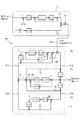
図3及び図4は、インスリン動態部M1及びグルコース動態部M2を更に詳細に示したものである。
[Insulin dynamic part and glucose dynamic part of biological model]
3 and 4 show the insulin dynamic part M1 and the glucose dynamic part M2 in more detail.
[インスリン動態部]
図3に示すように、インスリン動態部M1は、膵臓ブロック5と、インスリン動態ブロック6とからなる。インスリン動態ブロック6は、肝臓ブロック1のうちインスリンに関する肝インスリン動態ブロック1a、血漿ブロック2のうちインスリンに関する血漿インスリン動態ブロック2a、及び末梢ブロック3のうちインスリンに関する末梢インスリン動態ブロック3aから構成されている。
[Insulin dynamics]
As shown in FIG. 3, the insulin dynamic part M <b> 1 includes a
インスリン動態部M1において用いられる各値を、下記の表1及び表2に示した。
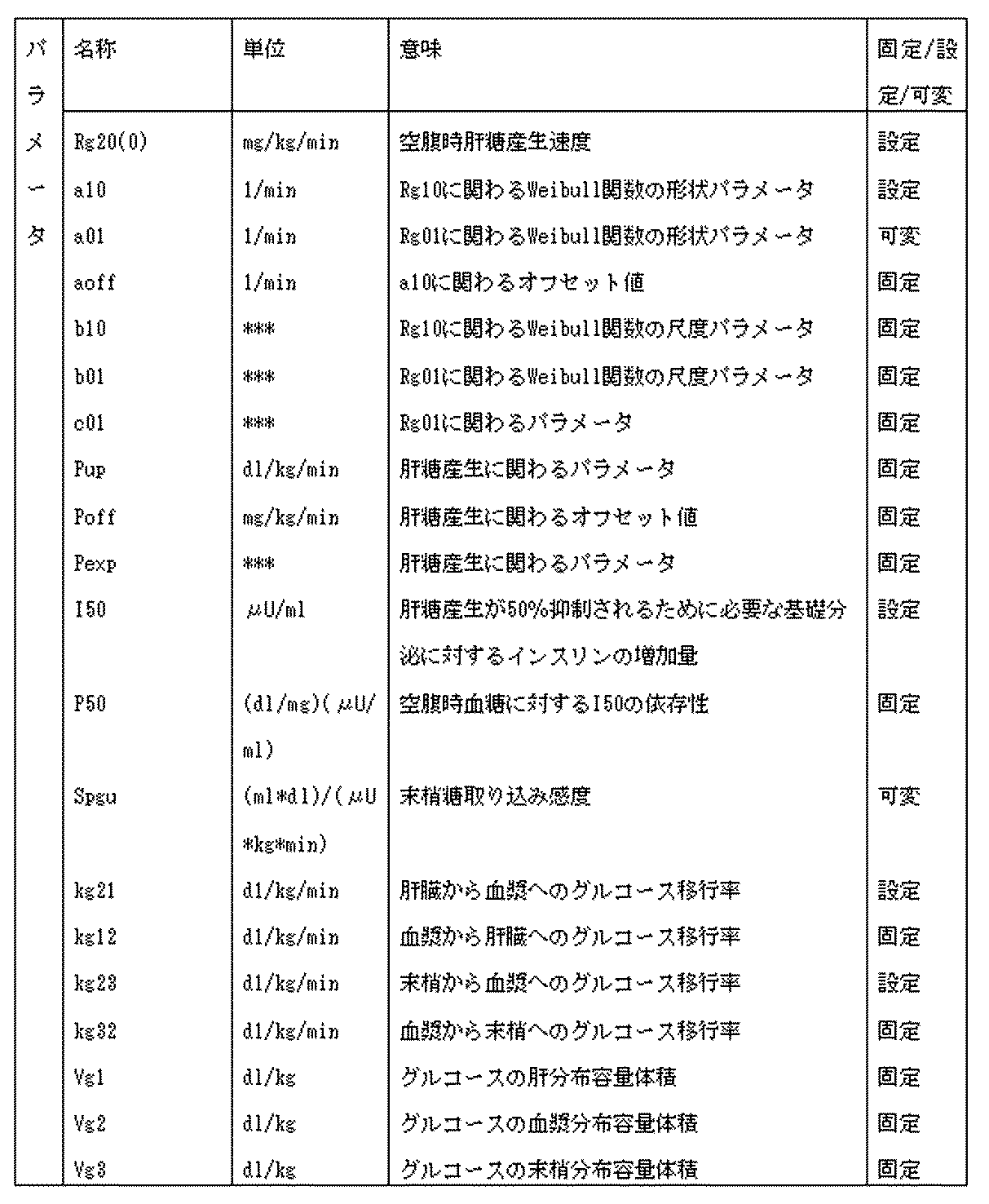
表2のパラメータのうち、固定パラメータの固定値は、例えば、下記のように設定される。
Vi1=88
Vi2=45
Vi3=95
ki12=12.1
ki32=1.9
ki01=16.3
ki02=5.6
Of the parameters in Table 2, the fixed values of the fixed parameters are set as follows, for example.
Vi1 = 88
Vi2 = 45
Vi3 = 95
ki12 = 12.1
ki32 = 1.9
ki01 = 16.3
ki02 = 5.6
表2のパラメータのうち、設定パラメータは、設定式に基づいて設定され、設定式は、例えば、下記のとおりである。
Rib=(ki01+ki02)*I2(0)
ki23=ki32
ki21=ki12+ki32+ki02−ki23
Of the parameters in Table 2, the setting parameters are set based on a setting formula, and the setting formula is as follows, for example.
Rib = (ki01 + ki02) * I2 (0)
ki23 = ki32
ki21 = ki12 + ki32 + ki02−ki23
表2のパラメータのうち、可変パラメータは、個々の患者固有の生体モデルMを生成するために、生体モデルM(インスリン動態部M1)生成時に値が調整(探索)されるパラメータである。各可変パラメータの探索範囲は、例えば、下記の通りである。
Sis:最小値0〜最大値500
Sid:最小値0〜6000
τis:最小値1〜240
Among the parameters in Table 2, the variable parameter is a parameter whose value is adjusted (searched) when the biological model M (insulin dynamic part M1) is generated in order to generate the biological model M specific to each patient. The search range for each variable parameter is, for example, as follows.
Sis:
Sid: Minimum value 0-6000
τis:
表2の内部変数のうち、Ris、I1、I3の初期値は、下記の通りである。
Ris(0)=0
I1(0)=I2(0)
I3(0)=I2(0)
Among the internal variables in Table 2, the initial values of Ris, I1, and I3 are as follows.
Ris (0) = 0
I1 (0) = I2 (0)
I3 (0) = I2 (0)
[膵臓ブロックにおける演算の詳細]
膵臓ブロック5において行われる演算の方程式は、下記(数1)の通りであり、採血グルコース濃度G2からインスリン分泌速度Ri10が算出される。下記式は、図3の膵臓ブロック5内のブロック線図と対応している。
The equation of calculation performed in the
上記式のうち、設定パラメータであるRib以外の変数であるRis及びRidは、下記(数2)のように演算される。
上記式のRisは、グルコース濃度G2に依存したインスリン分泌速度であり、グルコース濃度G2に基づき、グルコース濃度に依存したインスリン分泌感度Sis及びグルコース濃度に依存したインスリン分泌の応答性τisによって算出される。
上記式のRidは、グルコース濃度G2の「時間的変動に」依存したインスリン分泌速度であり、グルコース濃度の微分値(dG2/dt)と、グルコース濃度の時間的変動に依存したインスリン分泌感度Sidから算出される。
上記インスリン分泌速度Ris(t),Rid(t)を決定するパラメータであるSis,τis,Sidは、生体モデル生成時に、個々の患者に合わせて値が探索される可変パラメータであるため、個々の患者に合わせたインスリン分泌速度が得られる。
Ris in the above equation is an insulin secretion rate depending on the glucose concentration G2, and is calculated based on the glucose concentration G2 by an insulin secretion sensitivity Sis depending on the glucose concentration and an insulin secretion responsiveness τis depending on the glucose concentration.
Rid in the above equation is an insulin secretion rate that depends on the “temporal fluctuation” of the glucose concentration G2, and is derived from a differential value of the glucose concentration (dG2 / dt) and an insulin secretion sensitivity Sid that depends on the temporal fluctuation of the glucose concentration. Calculated.
The parameters Sis, τis, and Sid that determine the insulin secretion rates Ris (t) and Rid (t) are variable parameters that are searched for in accordance with individual patients when the biological model is generated. An insulin secretion rate tailored to the patient is obtained.
また、本実施形態では、インスリン分泌速度は、単に「グルコース濃度G2(t)」によって算出されるRis(t)だけでなく、「グルコース濃度G2(t)の時間的変動」に応じて算出されるRid(t)もRis(t)とは独立して算出されるため、Rid(t)を利用して、糖負荷直後の早期のインスリン分泌機能の解析を行うことが可能である。 In this embodiment, the insulin secretion rate is calculated not only according to Ris (t) calculated based on “glucose concentration G2 (t)” but also according to “temporal fluctuation of glucose concentration G2 (t)”. Since Rid (t) is also calculated independently of Ris (t), it is possible to analyze the early insulin secretion function immediately after glucose load using Rid (t).
上記のように、膵臓ブロック5は、OGTTの結果である採血グルコース濃度G2(t)を外部入力として受け付け、インスリン動態ブロック6(肝インスリン動態ブロック1a)に対して、上記のようにして求めたインスリン分泌速度Ri10を出力する。
As described above, the
インスリン動態ブロック6の各ブロック1a,1b,1cにおいて行われる演算の方程式は、下記(数3)の通りである。下記式は、図3の各ブロック1a,1b,1cのブロック線図と対応している。
上記式に示すように、各インスリン動態ブロック1a,1b,1cは、それぞれのブロックにおけるインスリン濃度I1(t),I2(t),I3(t)を算出している。
As shown in the above formula, each insulin
[肝インスリン動態ブロックにおける演算の詳細]
肝インスリン動態ブロック1aでは、インスリン流入として、Y15とY12があり、これらの和が、流入総量である。Y15とY12の和をとるため、演算部11が設けられている。
また、肝インスリン動態ブロック1aでは、インスリン流出として、Y21があり、肝インスリン動態ブロック1aにおけるインスリン濃度(蓄積量)を求めるには、インスリン流入総量からインスリン流出量Y21を減算する必要がある。この減算を行うため、インスリン流出Y21を流入側にフィードバックするためのループ14が設けられ、流入総量(Y15+Y12)から流出量Y21を減算するための演算部12が設けられている。
[Details of calculation in liver insulin dynamics block]
In the liver insulin
Further, in the liver insulin
また、肝臓ではインスリンがある程度消失するため、肝インスリン動態ブロック1aにおけるインスリン濃度(蓄積量)を正確に求めるには、当該消失分を、(Y15+Y12−Y21)から減算する必要がある。この減算は、演算部13によって行われる。演算部13では、肝インスリン濃度I1(t)及び肝インスリン消失率ki01に基づいて求められた消失分を減算する。
In addition, since insulin disappears to some extent in the liver, in order to accurately determine the insulin concentration (accumulated amount) in the liver insulin
演算部13の出力は、肝インスリン動態ブロック1aにおけるインスリン流入出及び肝インスリン消失を反映しインスリン収支をとった値(インスリンの速度)を示している。肝インスリン動態ブロック1aでは、この値を、積分操作(1/S)して肝インスリン蓄積量を求め、さらに、肝インスリン蓄積量にインスリンの肝分布容量体積Vi1の逆数を乗じることで、肝インスリン濃度I1(t)が算出される。
The output of the
肝インスリン動態ブロック1aでは、さらに、算出された肝インスリン濃度I1(t)に、インスリン移行率ki21を乗じて、血漿インスリン動態ブロック2aへのインスリン流入速度(Y21)を求める。当該インスリン流入速度(Y21)が、血漿インスリン動態ブロック2aへ与えるための出力となる。
In the liver insulin
[血漿インスリン動態ブロックにおける演算の詳細]
血漿インスリン動態ブロック2aでは、インスリン流入として、Y21とY23があり、これらの和が、流入総量である。Y21とY23の和をとるため、演算部15が設けられている。
また、血漿インスリン動態ブロック2aでは、インスリン流出として、Y12及びY32があり、血漿インスリン動態ブロック2aにおけるインスリン濃度(蓄積量)を求めるには、インスリン流入総量(Y21+Y23)からインスリン流出総量(Y12+Y32)を減算する必要がある。この減算を行うため、インスリン流出を流入側にフィードバックするためのループ16,17が設けられ、流入総量(Y21+Y23)から流出総量(Y12+Y32)を減算するための演算部18が設けられている。
[Details of calculation in plasma insulin dynamic block]
In the plasma insulin
Further, in the plasma insulin
また、血漿ではインスリンがある程度消失するため、血漿インスリン動態ブロック2aにおけるインスリン濃度(蓄積量)を正確に求めるには、当該消失分を、((Y32+Y23−(Y12+Y32))から減算する必要がある。この減算は、演算部19によって行われる。演算部19では、血漿インスリン濃度I2(t)及び血漿インスリン消失率ki02に基づいて求められた消失分を減算する。
Moreover, since insulin disappears to some extent in plasma, in order to accurately determine the insulin concentration (accumulated amount) in the plasma insulin
演算部19の出力は、血漿インスリン動態ブロック2aにおけるインスリン流入出及び肝インスリン消失を反映しインスリン収支をとった値(インスリンの速度)を示している。この値を、積分操作(1/S)して血漿インスリン蓄積量を算出し、さらに、血漿インスリン蓄積量にインスリンの血漿分布容量体積Vi2の逆数を乗じることで、血漿インスリン濃度I2(t)が算出される。
The output of the
血漿インスリン動態ブロック2aでは、さらに、算出された血漿インスリン濃度I2(t)に、インスリン移行率ki12を乗じて、肝インスリン動態ブロック1aへのインスリン流入速度(Y12)を求め、肝インスリン動態ブロック1aへ出力する。また、算出された血漿インスリン濃度I2(t)に、インスリン移行率ki32を乗じて、末梢インスリン動態ブロック3aへのインスリン流入速度(Y32)を求め、末梢インスリン動態ブロック3aへ出力する。
In the plasma insulin
[末梢インスリン動態ブロックにおける演算の詳細]
末梢インスリン動態ブロック3aでは、インスリン流入として、Y32があり、インスリン流出として、Y23がある。したがって、末梢インスリン動態ブロック3aにおけるインスリン濃度(蓄積量)を求めるには、インスリン流入量Y32からインスリン流出量Y23を減算する必要がある。この減算を行うため、インスリン流出Y23を流入側にフィードバックするためのループ21が設けられ、流入量Y32から流出量Y23を減算するための演算部21が設けられている。
[Details of calculation in peripheral insulin dynamic block]
In the peripheral insulin
演算部21の出力は、末梢インスリン動態ブロック3aにおけるインスリン流入出を反映しインスリン収支をとった値(インスリン流入速度)を示している。末梢インスリン動態ブロック3aでは、この値を、積分操作(1/S)して末梢インスリン蓄積量を求め、さらに、末梢インスリン蓄積量にインスリンの末梢分布容量体積Vi3の逆数を乗じることで、末梢インスリン濃度I3(t)が算出される。
The output of the
末梢インスリン動態ブロック3aでは、さらに、算出された末梢インスリン濃度I3(t)に、インスリン移行率ki23を乗じて、血漿インスリン動態ブロック2aへのインスリン流入速度(Y23)を求め、血漿インスリン動態ブロック2aへ出力する。
In the peripheral insulin
[グルコース動態部]
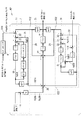
図4に示すように、グルコース動態部M2は、腸ブロック5と、グルコース動態ブロック7とからなる。グルコース動態ブロック7は、肝臓ブロック1のうちグルコースに関する肝グルコース動態ブロック1b、血漿ブロック2のうちグルコースに関する血漿グルコース動態ブロック2b、及び末梢ブロック3のうちグルコースに関する末梢グルコース動態ブロック3bから構成されている。
[Glucose dynamic part]
As shown in FIG. 4, the glucose dynamic part M <b> 2 includes an
グルコース動態部M2において用いられる各値を、下記の表3〜表6に示した。 Each value used in the glucose dynamic part M2 is shown in Tables 3 to 6 below.
表5のパラメータのうち、固定パラメータの固定値は、例えば、下記のように設定される。
Vg1=0.88
Vg2=0.45
Vg3=0.95
kg12=0.464
kg32=0.131
Pup=0.008
Poff=1.9
Pexp=1.38
P50=0.2
aoff=160
b10=1.4
c01=1.5
Among the parameters in Table 5, the fixed values of the fixed parameters are set as follows, for example.
Vg1 = 0.88
Vg2 = 0.45
Vg3 = 0.95
kg12 = 0.464
kg32 = 0.131
Pup = 0.008
Poff = 1.9
Pexp = 1.38
P50 = 0.2
aoff = 160
b10 = 1.4
c01 = 1.5
表5のパラメータのうち、設定パラメータは、設定式に基づいて設定され、設定式は、例えば、下記の式のとおりである。
kg23=kg32−(Rg20(0)/G2(0))
kg21=kg12
a10=aoff−a01
b01=b10
I50=p50*G2(0)
Among the parameters in Table 5, the setting parameter is set based on a setting formula, and the setting formula is, for example, the following formula.
kg23 = kg32- (Rg20 (0) / G2 (0))
kg21 = kg12
a10 = aoff−a01
b01 = b10
I50 = p50 * G2 (0)
表5のパラメータのうち、可変パラメータは、個々の患者固有の生体モデルMを生成するために、生体モデルM(グルコース動態部M2)生成時に値が調整(探索)されるパラメータである。各可変パラメータの探索範囲は、例えば、下記の通りである。
a01:最小値10〜最大値150
Spgu:最小値0〜最大値0.16
Among the parameters in Table 5, the variable parameter is a parameter whose value is adjusted (searched) when the biological model M (glucose dynamic part M2) is generated in order to generate the biological model M specific to each patient. The search range for each variable parameter is, for example, as follows.
a01:
Spgu:
表4の内部変数のうち、Rg20、G1、G3の初期値は、下記の通りである。
Rg20(0)=(Pup×G2(0)+poff)
G1(0)=G2(0)
G3(0)=G2(0)
Of the internal variables in Table 4, the initial values of Rg20, G1, and G3 are as follows.
Rg20 (0) = (Pup × G2 (0) + poff)
G1 (0) = G2 (0)
G3 (0) = G2 (0)
腸ブロック4及びグルコース動態ブロック7の各ブロック1b,2b,3bにおいて行われる演算式は、下記(数4〜数11)の通りである。下記式は、図4のブロック線図と対応している。
The arithmetic expressions performed in the
上記式に示すように、各グルコース動態ブロック1b,2b,3bは、それぞれのブロックにおけるグルコース濃度G1(t),G2(t),G3(t)を算出している。
As shown in the above equation, each glucose
[腸ブロックにおける演算の詳細]
腸ブロック4は、肝グルコース動態ブロック1bへの外因性グルコース流入速度Rg10(X14)を算出する。肝グルコース動態ブロック1bへの外因性グルコース流入速度Rg10は、上記(数7)に示すように、OGTTにおける経口からのグルコース負荷量Dに、Weibull関数を乗じることで算出される。
[Details of operations in intestinal block]
The
Weibull関数は、上記(数5)に示すとおりの関数であり、物体の強度を統計的に記述するために提案された確立分布を記述する関数である。上記(数5)において、aは形状パラメータ、bは尺度パラメータとよばれる。本実施形態で用いられるパラメータ範囲では、形状パラメータaが小さいほど最大値が大きくなり、また、尺度パラメータbが小さいほど最大値に達するまでの時間が短くなる。 The Weibull function is a function as shown in the above (Formula 5), and is a function that describes a probability distribution proposed for statistically describing the strength of an object. In the above (Formula 5), a is called a shape parameter and b is called a scale parameter. In the parameter range used in the present embodiment, the smaller the shape parameter a, the larger the maximum value, and the smaller the scale parameter b, the shorter the time to reach the maximum value.
上記(数7)に示すWeibull関数のパラメータのうち、形状パラメータa10は、パラメータa01及びオフセット値aoffによって設定される値であるところ、前記パラメータa01は、生体モデル生成時に、個々の患者に合わせて値が探索される可変パラメータであるため、パラメータa10も個々の患者に合わせて値が調整されることになる。
したがって、肝グルコース動態ブロック1bへの外因性グルコース流入速度Rg10(X14)は、個々の患者に合わせて調整される。つまり、腸ブロック4は、肝グルコース動態ブロック1bへの外因性グルコース流入速度をコントロールするコントロール部として機能する。
Among the parameters of the Weibull function shown in the above (Formula 7), the shape parameter a10 is a value set by the parameter a01 and the offset value aoff. The parameter a01 is adapted to each patient at the time of generating the biological model. Since the value is a variable parameter to be searched, the value of the parameter a10 is also adjusted according to the individual patient.
Therefore, the exogenous glucose inflow rate Rg10 (X14) to the hepatic glucose
このように、本実施形態では、外因性グルコース流入速度をコントロールするコントロール部として機能する腸ブロック4を備えているので、本システム100は、腸からのグルコース吸収に配慮しなければならない患者の病態解析に有益な情報が提供できる。
Thus, in the present embodiment, since the
すなわち、αグルコシダーゼ阻害薬による患者の状態変化を、客観的かつ的確に把握することができる。この結果、本システム100は、経過状態に応じて適切な判断、治療を行うために、有益な情報が提供できる。
That is, it is possible to objectively and accurately grasp the patient's state change due to the α-glucosidase inhibitor. As a result, the
ここで、食事時に摂取された糖質は、多糖類、オリゴ糖、二糖類と分解され、腸においてαグルコシダーゼにより単糖に分解され、小腸により吸収される。αグルコシダーゼ阻害薬は、この二糖類の分解を阻害することにより、腸からのグルコース吸収を低下させるグルコース吸収阻害薬である。 Here, carbohydrates ingested during meals are decomposed into polysaccharides, oligosaccharides, and disaccharides, decomposed into monosaccharides by α-glucosidase in the intestine, and absorbed by the small intestine. The α-glucosidase inhibitor is a glucose absorption inhibitor that reduces the absorption of glucose from the intestine by inhibiting the decomposition of the disaccharide.
αグルコシダーゼ阻害薬を服用している患者とそうでない患者との間では、腸からのグルコース吸収度の差が大きくなることがあるが、本実施形態のシステムでは、腸ブロック4を設けられており、この腸ブロック4が個々の患者に適合するようにパラメータa10が調整(探索)されるため、個々の患者毎の外因性グルコース流入速度Rg10(X14)を適切に表現することができる。
There may be a large difference in glucose absorption from the intestine between patients taking an α-glucosidase inhibitor and those not taking it, but the system of this embodiment is provided with an
[肝グルコース動態ブロックにおける演算の詳細]
肝グルコース動態ブロック1bでは、グルコース流入として、X14とX12があり、これらの和が、流入総量である。X14とX12の和をとるため、演算部22が設けられている。
また、肝グルコース動態ブロック1bでは、グルコース流出として、X21aがあり、肝グルコース動態ブロック1bにおけるグルコース濃度(蓄積量)を求めるには、グルコース流入総量(X14+X12)からグルコース流出量X21aを減算する必要がある。この減算を行うため、グルコース流出X21aを流入側にフィードバックするためのループ25が設けられ、グルコース流入総量(X14+X12)からグルコース流出量X21aを減算する演算部23が設けられている。
[Details of calculation in liver glucose dynamics block]
In the liver glucose
Further, in the liver glucose
また、肝臓では肝糖取込があるため、肝グルコース動態ブロック1bにおけるグルコース濃度(蓄積量)を正確に求めるには、肝糖取込によって肝臓の間質液からなくなった分のグルコースを、(X14+X12−X21a)から減算する必要がある。この減算は、演算部24によって行われる。
In addition, since there is hepatic glucose uptake in the liver, in order to accurately determine the glucose concentration (accumulated amount) in the hepatic glucose
肝グルコース動態ブロック1bにおける肝糖取込速度Rg01は、上記(数10)によって算出される。肝糖取込速度Rg01は、肝グルコース動態ブロック1bにおける肝グルコース濃度G1(t)及び肝糖取り込み率kg01に基づいて算出される。
ここで、肝糖取り込み率kg01を求める式は、上記(数9)に示すように、パラメータa01を含み、このパラメータa01は、生体モデル生成時に、個々の患者に合わせて値が探索される可変パラメータであるため、個々の患者に合わせた肝糖取り込み率kg01が得られ、ひいては個々の患者に合わせた肝糖取込速度Rg01が得られる。
また、パラメータa01とパラメータa10が相互依存する関係式を用いているのは、肝糖取込機能が低下するほど、肝臓からの糖放出は増加するという関係を表現するためのものである。
The liver glucose uptake rate Rg01 in the liver glucose
Here, the formula for obtaining the liver glucose uptake rate kg01 includes a parameter a01, as shown in the above (Equation 9), and this parameter a01 is a variable whose value is searched for in accordance with individual patients when a biological model is generated. Since it is a parameter, a liver glucose uptake rate kg01 tailored to each patient is obtained, and thus a liver sugar uptake rate Rg01 tailored to each patient is obtained.
Further, the relational expression in which the parameter a01 and the parameter a10 are interdependent is used to express the relationship that the sugar release from the liver increases as the liver glucose uptake function decreases.
演算部24の出力は、肝グルコース動態ブロック1bにおけるグルコース流入出及び肝糖取り込みを反映しグルコース収支をとった値(グルコースの速度)を示している。肝グルコース動態ブロック1bでは、この値を、積分操作(1/S)して肝グルコース蓄積量を求め、さらに、肝グルコース蓄積量にグルコースの肝分布容量体積Vg1の逆数を乗じることで、肝グルコース濃度G1(t)が算出される。
The output of the
肝グルコース動態ブロック1bでは、さらに、算出された肝グルコース濃度G1(t)に,グルコース移行率kg21を乗じて、血漿グルコース動態ブロック2bへの第1のグルコース流入速度(X21a)を求める。当該第1グルコース流入速度(X21)は、血漿グルコース動態ブロック2bへ出力される。
In the liver glucose
また、肝グルコース動態ブロック1bは、肝インスリン動態ブロック1aにて算出された肝インスリン濃度I1に基づいて、肝糖産生速度Rg20を算出する。
肝糖産生速度Rg20は、前記(数8)に基づいて算出される。肝糖産生速度Rg20を算出する(数8)には、(数6)に示す肝糖産生抑制に関わる関数fpが含まれている。
算出された肝糖産生速度Rg20は、血漿グルコース動態ブロック2bへの第2のグルコース流入速度(X21b)として、血漿グルコース動態ブロック2bへ出力される。
このように、肝グルコース動態ブロック1bから血漿グルコース動態ブロック2bへは、2つのグルコース流入速度X21a,X21bが与えられる。
Further, the liver glucose
The liver sugar production rate Rg20 is calculated based on the above (Equation 8). The formula (Equation 8) for calculating the liver sugar production rate Rg20 includes the function fp related to liver glucose production suppression shown in (Equation 6).
The calculated liver glucose production rate Rg20 is output to the plasma glucose
Thus, two glucose inflow rates X21a and X21b are given from the liver glucose
[血漿グルコース動態ブロックにおける演算の詳細]
血漿グルコース動態ブロック2bでは、グルコース流入として、X21aとX21bとX23とがあり、これらの和が、流入総量である。X21aとX21bとX23の和をとるため、演算部26が設けられている。
また、血漿グルコース動態ブロック2bでは、グルコース流出として、X12及びX32があり、血漿グルコース動態ブロック2bにおけるグルコース濃度(蓄積量)を求めるには、グルコース流入総量(X21a+X21b+X23)からグルコース流出総量(X12+X32)を減算する必要がある。この減算を行うため、グルコース流出を流入側にフィードバックするためのループ28,29が設けられ、流入総量(X21a+X21b+X23)から流出総量(X12+X32)を減算するための演算部27が設けられている。
[Details of calculation in plasma glucose kinetic block]
In the plasma glucose
The plasma glucose
演算部27の出力は、血漿グルコース動態ブロック2bにおけるグルコース流入出を反映しグルコース収支をとった値(グルコースの速度)を示している。この値を、積分操作(1/S)して血漿グルコース蓄積量を求め、さらに、血漿グルコース蓄積量にグルコースの血漿分布容量体積Vg2の逆数を乗じることで、血漿グルコース濃度G2(t)が算出される。
The output of the calculating
血漿グルコース動態ブロック2bでは、さらに、算出された血漿グルコース濃度G2(t)に、グルコース移行率kg12を乗じて、肝グルコース動態ブロック1bへのグルコース流入速度(X12)を求め、肝グルコース動態ブロック1bへ出力する。また、算出された血漿グルコース濃度G2(t)に、グルコース移行率kg32を乗じて、末梢グルコース動態ブロック3bへのグルコース流入速度(X32)を求め、末梢グルコース動態ブロック3bへ出力する。
The plasma glucose
[末梢グルコース動態ブロックにおける演算の詳細]
末梢グルコース動態ブロック3bでは、グルコース流入として、X32があり、グルコース流出として、X23がある。したがって、末梢グルコース動態ブロック3bにおけるグルコース濃度(蓄積量)を求めるには、グルコース流入量X32からグルコース流出量X23を減算する必要がある。この減算を行うため、グルコース流出X23を流入側にフィードバックするためのループ33が設けられ、流入量X32から流出量X23を減算するための演算部30が設けられている。
[Details of calculation in peripheral glucose dynamic block]
In the peripheral glucose
また、末梢では、末梢糖取込があるため、末梢グルコース動態ブロック3bにおけるグルコース濃度(蓄積量)を正確に求めるには、末梢糖取込によって末梢組織の間質液からなくなった分のグルコースを、(X32−X23)から減算する必要がある。この減算は、演算部32及び演算部32によって行われる。
In addition, since there is peripheral glucose uptake at the periphery, in order to accurately determine the glucose concentration (accumulated amount) in the peripheral glucose
末梢グルコース動態ブロック3bにおける末梢糖取り込み速度PGU(t)は、上記(数11)によって算出される。末梢糖取り込み速度PGU(t)は、肝糖産生速度の初期値Rg20(0)と基礎に対する末梢糖取り込みの速度の変化Rg03の和として算出される。
基礎に対する末梢糖取り込みの速度の変化Rg03は、上記(数11)に示すように、基礎に対する末梢糖取り込み率の変化kg03(t)に、末梢グルコース濃度G3(t)を乗じることによって算出される。
The peripheral glucose uptake rate PGU (t) in the peripheral glucose
The change Rg03 in the rate of peripheral glucose uptake with respect to the basal is calculated by multiplying the change in the peripheral glucose uptake rate with respect to the basis kg03 (t) by the peripheral glucose concentration G3 (t) as shown in the above (Equation 11). .
基礎に対する末梢糖取り込み率の変化kg03(t)は、上記(数9)に示すように、末梢インスリン動態ブロック3aによって算出された末梢インスリン濃度I3(t)に、末梢糖取込感度Spguを乗じることによって算出される。
この末梢糖取込感度Spguは、生体モデル生成時に、個々の患者に合わせて値が探索される可変パラメータであるため、個々の患者に合わせた末梢糖取込感度Spguが得られ、ひいては個々の患者に合わせた末梢糖取り込み速度PGU(t)が得られる。
As shown in the above (Equation 9), the change in the peripheral glucose uptake rate kg03 (t) relative to the basal is obtained by multiplying the peripheral insulin concentration I3 (t) calculated by the peripheral insulin
This peripheral sugar uptake sensitivity Spgu is a variable parameter whose value is searched for in accordance with individual patients when a biological model is generated. Therefore, a peripheral sugar uptake sensitivity Spgu tailored to individual patients can be obtained. Peripheral sugar uptake rate PGU (t) tailored to the patient is obtained.
末梢糖取り込み速度の減算が行われている演算部32の出力は、末梢グルコース動態ブロック3bにおけるグルコース流入出及び末梢糖取り込みを反映しグルコース収支をとった値(グルコースの速度)を示している。
The output of the
末梢グルコース動態ブロック3bでは、この値を、積分操作(1/S)して末梢グルコース蓄積量を求め、さらに、末梢グルコース蓄積量にグルコースの末梢分布容量体積Vg3の逆数を乗じることで、末梢グルコース濃度G3(t)が算出される。
In the peripheral glucose
末梢グルコース動態ブロック3bでは、さらに、算出された末梢グルコース濃度G3(t)に,グルコース移行率kg23を乗じて、血漿グルコース動態ブロック2bへのグルコース流入速度(X23)を求め、血漿グルコース動態ブロック2bへ出力する。
In the peripheral glucose
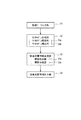
[システムの全体構成]
図4は、本システム100の全体構成を示している。このシステム100は、診療データ入力部31、生体モデル生成部32、診療支援情報生成部33、及び診療支援情報出力部34を有している。生体モデル生成部32は、生体モデル推定部32aと生体モデル構成部32bとを備えている。また、診療支援情報生成部33は、病態推定部32aと病態分類部32bとを備えている。
[System overall configuration]
FIG. 4 shows the overall configuration of the
前記診療データ入力部31は、OGTTや食事負荷試験(MT)によって実測された採血グルコース濃度、採血インスリン濃度などの数値(検査値)、医師の問診により得られた所見情報、データベース等にすでに入力されている各種情報等を本システム100に入力するためのものである。
入力された情報は、生体モデル生成部32等において使用できるように、ハードディスク110dなどの不揮発性記憶装置に格納される。
入力部31によって入力される診療データとしては、採血グルコース濃度G2_ref、採血インスリン濃度I2_ref(t)のほか、経口からのグルコース負荷量Dがある。また、入力される所見情報(臨床所見)としては、肥満または痩せの状態、糖質の摂取状態などが挙げられる。
The medical
The input information is stored in a nonvolatile storage device such as the
The medical data input by the
前記生体モデル生成部32の生体モデル構成部32bは、前述の生体モデルMにおける演算を行うものであり、入力された診療データに基づいて、前述した(数1)〜(数11)に従って演算を行い、インスリン分泌速度Ri10(t)、肝インスリン濃度I1(t)、血漿インスリン濃度I2(t)、末梢インスリン濃度I3(t)、肝臓ブロック1への外因性グルコース流入速度Rg10(t)、肝グルコース濃度G1(t)、血漿グルコース濃度G2(t)、末梢グルコース濃度G3(t)、肝糖取込速度Rg01(t)、肝糖産生速度Rg20(t)、末梢糖取込速度PGU(t)などの演算を行う。
The biological
前記生体モデル生成部32の生体モデル推定部32aは、生体の挙動を再現するために適した生体モデルMを推定するためのものであり、生体モデルMの出力が、診療データとして入力された患者の試験結果(糖負荷試験の結果)と合致するように、可変パラメータを決定する。
The biological
生体モデル推定部32aでは、可変パラメータを、探索範囲内で調整し、候補となる可変パラメータ値で、生体モデルMの演算を生体モデル構成部32bに行わせる。生体モデル推定部32aでは、可変パラメータを、探索範囲内で調整し、候補となる可変パラメータ値で、生体モデルMの演算を生体モデル構成部32bに行わせる。なお、可変パラメータの候補値は、遺伝的アルゴリズムによって決定した。但し、乱数か、公知の最適化手法によって決定してもよい。
生体モデル推定部32aは、可変パラメータの候補値を、生体モデルMの可変パラメータとしてセットし、生体モデルMの演算を生体モデル構成部32bに行わせる。これにより生体モデルMから出力される血漿グルコース濃度G2(t)及び血漿インスリン濃度I2(t)は、それぞれ、採血グルコース濃度G2_ref(t)及び採血インスリン濃度I2_ref(t)と比較される。
The biological
The biological
この比較は、可変パラメータ候補値を変更して何度か行われ、生体モデルからの出力と実測値との差が小さいものが、可変パラメータとして決定される。
こうして決定された可変パラメータを持つ生体モデルMは、個々の患者の糖負荷試験の結果を模した疑似応答を再現することができるため、数理モデルとしての生体モデルMが持つ各種パラメータ・変数は、個々の患者の特性を表したものとなる。
This comparison is performed several times by changing the variable parameter candidate value, and a parameter having a small difference between the output from the biological model and the actually measured value is determined as the variable parameter.
Since the biological model M having the variable parameters determined in this way can reproduce a pseudo-response that simulates the result of the glucose tolerance test of each individual patient, the various parameters and variables of the biological model M as a mathematical model are as follows: It represents the characteristics of individual patients.
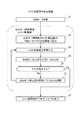
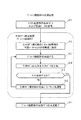
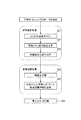
図6及び図7は、個々の患者固有の生体モデルMを生成するための処理手順を示している。本実施形態では、最初にインスリン動態部M1が生成され、その後、グルコース動態部M2が生成される。なお、ここでの計算は、MATLAB(マスワークス社製品)やE−Cell(慶応技術大学公開ソフトウェア)を用いて行うことができる。 6 and 7 show a processing procedure for generating a biological model M specific to each patient. In the present embodiment, the insulin dynamic part M1 is first generated, and then the glucose dynamic part M2 is generated. In addition, calculation here can be performed using MATLAB (product of Masworks) and E-Cell (Keio University of Technology public software).
図6に示すように、インスリン動態部M1の生成の際には、生体モデル推定部32aは、まず、入力された診療データのうち、インスリン動態部M1の入力として必要な採血グルコース濃度G2_ref(t)などを取得する(ステップS1)。
そして、生体モデル推定部32aは、インスリン動態ブロックM1の可変パラメータセット(Sis,Sid,τis)を、適当な初期値に設定する(ステップS2)。
As shown in FIG. 6, when generating the insulin kinetic part M1, the biological
Then, the biological
そして、生体モデル推定部32aは、G2_ref(t)などの入力値に基づいて、生体モデル構成部32bにインスリン動態部M1における演算を行わせ、患者のインスリン動態部を再現する(ステップS3)。
Then, based on the input value such as G2_ref (t), the biological
そして、生体モデル推定部32aは、インスリン動態部M1から出力される血漿インスリン濃度I2(t)と、実測値である採血インスリン濃度I2_ref(t)とを比較する(ステップS4)。両者が十分に合致していない場合(ステップS5)、可変パラメータセットの各値を調整し(ステップS6)、再度、インスリン動態部M1における演算を行わせる。可変パラメータセットの調整を繰り返して、両者が十分に合致した場合、インスリン動態部M1の生成を完了する(ステップS7)。
なお、生成されたインスリン動態部M1(の変数・パラメータの各値)は、記憶装置に記憶される。
Then, the biological
The generated insulin dynamic part M1 (each variable / parameter value) is stored in the storage device.
続いて行われるグルコース動態部M2の生成時には、図6に示すように、生体モデル推定部32aは、記憶装置から、インスリン動態部M1によって算出された肝インスリン濃度I1(t)や末梢インスリン濃度I3(t)などグルコース動態部M2の入力として必要な値と、入力された診療データのうち、経口グルコース負荷量Dなどのグルコース動態部M2の入力として必要な値を取得する(ステップS11)。
Subsequently, as shown in FIG. 6, when the glucose dynamic part M2 is generated, the biological
そして、生体モデル推定部32aは、グルコース動態ブロックM2の可変パラメータセット(a01,Spgu)を、適当な初期値に設定する(ステップS12)。
Then, the biological
そして、生体モデル推定部32aは、グルコース負荷量Dなどの入力値に基づいて、生体モデル構成部32bにグルコース動態部M2における演算を行わせ、患者のグルコース動態部を再現する(ステップS13)。
Then, the biological
そして、生体モデル推定部32aは、グルコース動態部M2から出力される血漿グルコース濃度G2(t)と、実測値である採血グルコース濃度G2_ref(t)とを比較する(ステップS14)。両者が十分に合致していない場合(ステップS5)、可変パラメータセットの各値を調整し(ステップS16)、再度、グルコース動態部M2における演算を行わせる。可変パラメータセットの調整を繰り返して、両者が十分に合致した場合、グルコース動態部M2の生成を完了する(ステップS17)。
なお、生成されたグルコース動態部M2(の変数・パラメータの各値)は、記憶装置に記憶される。
Then, the biological
The generated glucose dynamic part M2 (each variable / parameter value) is stored in the storage device.
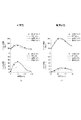
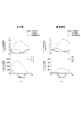
図8及び図9は、上記のようにして生成された生体モデルMから出力された値を示すグラフである。なお、図8及び図9のグラフは、表示装置120によって出力したり、プリンタなどによって紙媒体に出力可能であり、これらの出力によって、医師の診療を支援することができる。
8 and 9 are graphs showing values output from the biological model M generated as described above. The graphs of FIGS. 8 and 9 can be output by the
図8は、生成された生体モデルMから出力された肝グルコース濃度G1(t)、血漿グルコース濃度G2(t)、末梢グルコース濃度G3(t)、肝インスリン濃度I1(t)、血漿インスリン濃度I2(t)、末梢インスリン濃度I3(t)を、実測値である採血グルコース濃度G2_ref(t)及び採血インスリン濃度I2_ref(t)とともに表したものである。 FIG. 8 shows the liver glucose concentration G1 (t), plasma glucose concentration G2 (t), peripheral glucose concentration G3 (t), liver insulin concentration I1 (t), and plasma insulin concentration I2 output from the generated biological model M. (T), the peripheral insulin concentration I3 (t) is shown together with the blood sampling glucose concentration G2_ref (t) and the blood sampling insulin concentration I2_ref (t) which are actually measured values.
また、図8(a)は、糖尿病ではない正常型の患者に適合するように生成された生体モデルの出力を示しており、図8(b)は、糖尿病の患者に適合するように生成された生体モデルの出力を示している。
なお、図8及び図9において、正常型生体モデルの可変パラメータは、Sis=21.2、Sid=122.7、τis=4.7、a01=75.6、Spgu=10.4に調整されており、糖尿病型生体モデルの可変パラメータは、Sis=3.1、Sid=24、τis=19.2、a01=84.7、Spgu=12.9に調整されている。
FIG. 8A shows an output of a biological model generated so as to be adapted to a normal type patient who is not diabetic, and FIG. 8B is generated to be adapted to a diabetic patient. The output of the living body model is shown.
8 and 9, the variable parameters of the normal biological model are adjusted to Sis = 21.2, Sid = 12.7, τis = 4.7, a01 = 75.6, Spgu = 10.4. The variable parameters of the diabetic biological model are adjusted to Sis = 3.1, Sid = 24, τis = 19.2, a01 = 84.7, and Spgu = 12.9.
図8に示すように、実測値(採血グルコース濃度及び採血インスリン濃度)と生体モデルMの血漿グルコース濃度及び血漿インスリン濃度とは、十分に合致している。また、血漿グルコース濃度や血漿インスリン濃度だけではなく、肝グルコース濃度、末梢グルコース濃度、肝インスリン濃度、末梢インスリン濃度の時間的変化も出力されるため、これらの濃度もシステム利用者が把握することができ、診療支援情報として有益である。 As shown in FIG. 8, the actually measured values (blood glucose concentration and blood insulin concentration) and the plasma glucose concentration and plasma insulin concentration of the biological model M are in good agreement. In addition, not only plasma glucose concentration and plasma insulin concentration, but also liver glucose concentration, peripheral glucose concentration, liver insulin concentration, and temporal changes in peripheral insulin concentration are output, so these concentrations can be grasped by the system user. This is useful as medical support information.
図9は、生成された生体モデルMによって算出された肝糖産生速度Rg20(t)、肝糖取込速度Rg01(t)、末梢糖取込速度PGU(t)、グルコース濃度G2(t)に依存したインスリン分泌速度Ris(t)、グルコース濃度G2(t)の時間的変動に依存したインスリン分泌速度Rid(t)、及び生体モデルMにおいて予め設定された空腹時インスリン産生速度Rib(t)を示している。 FIG. 9 shows the liver sugar production rate Rg20 (t), liver sugar uptake rate Rg01 (t), peripheral sugar uptake rate PGU (t), and glucose concentration G2 (t) calculated by the generated biological model M. Insulin secretion rate Ris (t) depending on time, insulin secretion rate Rid (t) depending on temporal variation of glucose concentration G2 (t), and fasting insulin production rate Rib (t) preset in biological model M Show.
また、図9(a)は、正常型患者に適合するように生成された生体モデルでの値であり、図9(b)は、糖尿病患者に適合するように生成された生体モデルでの値である。なお、図8(b)と図9(b)は同じ患者についての生体モデルに基づくものである。 FIG. 9A shows values in a biological model generated so as to be adapted to a normal patient, and FIG. 9B shows values in a biological model generated so as to be adapted to a diabetic patient. It is. 8B and 9B are based on a biological model for the same patient.
図9(b)で例示された糖尿病型症例の病態は、図9(b)の正常型症例と比較することより理解することができる。両者の比較から図9(b)の症例では、インスリン分泌が低下(Rid(t)およびRis(t))しており、特に糖負荷後早期の時間帯(〜1時間)における分泌が低下していることがわかる。このため、糖負荷後早期の末梢糖取込速度Rg03(t)が低下し、肝糖産生速度Rg20(t)の抑制が十分に行われていない。 The pathological condition of the diabetic type case illustrated in FIG. 9B can be understood by comparing with the normal type case of FIG. 9B. From the comparison between the two cases, insulin secretion decreased (Rid (t) and Ris (t)) in the case of FIG. 9 (b), and in particular, secretion decreased early in the time zone (˜1 hour) after glucose load. You can see that For this reason, the peripheral sugar uptake rate Rg03 (t) in the early stage after glucose load is reduced, and the liver sugar production rate Rg20 (t) is not sufficiently suppressed.
したがって、この患者は、膵臓のインスリン分泌の低下が食後高血糖の主要因であると推定される。 Therefore, in this patient, it is estimated that a decrease in pancreatic insulin secretion is a major factor in postprandial hyperglycemia.
図5に戻り、前記診療支援情報生成部33の病態推定部33aは、個々の患者に対して生成された生成モデルMと入力された診療データとを用いて、インスリン分泌不全、末梢インスリン抵抗性、肝糖放出亢進の観点から、糖尿病の病態を分析する。また、病態分類部33bは、推定された病態に基づき、病態を分類し、診療支援情報を生成する。
Returning to FIG. 5, the pathological
図10は、診療支援情報生成部33による病態推定処理及び病態分類処理を示している。診療支援情報生成部33は、まず、記憶装置に記憶されている生体モデルM及び診療データを取得する。
FIG. 10 shows a pathological condition estimation process and a pathological condition classification process performed by the medical assistance
そして、病態推定部33aは、インスリン分泌不全、末梢インスリン抵抗性、肝糖放出亢進に関する分析を行う(ステップS21,S22,S23)。
具体的には、生体モデルMの各値及び入力された診療データに基づいて、上記観点からの病態分析のための指標を演算する。指標としては、例えば、「基礎分泌」、「分泌量」、「分泌感度」、「末梢糖取込」、「末梢感受性」、「肝糖取込」、「肝糖産生」が挙げられる。
Then, the pathological
Specifically, based on each value of the biological model M and the input medical data, an index for pathological analysis from the above viewpoint is calculated. Examples of the index include “basal secretion”, “secretion amount”, “secretion sensitivity”, “peripheral glucose uptake”, “peripheral sensitivity”, “liver glucose uptake”, and “liver glucose production”.
ここで、「基礎分泌」とは、空腹時のインスリン分泌量であり、生体モデルMの変数である空腹時血漿インスリン濃度I2(t=0)から算出される。
「分泌量」とは、OGTTにおけるインスリン分泌総量であり、生体モデルMの血漿インスリン濃度I2(t)の積分値から算出される。
「分泌感度」とは、血糖依存性インスリン分泌感度であり、生体モデルMの可変パラメータであるグルコース濃度に依存したインスリン分泌感度Sisから算出される。
Here, “basal secretion” is the amount of insulin secretion during fasting, and is calculated from the fasting plasma insulin concentration I2 (t = 0) which is a variable of the biological model M.
The “secreted amount” is the total amount of insulin secreted by OGTT and is calculated from the integrated value of the plasma insulin concentration I2 (t) of the biological model M.
The “secretion sensitivity” is blood glucose-dependent insulin secretion sensitivity and is calculated from the insulin secretion sensitivity Sis depending on the glucose concentration, which is a variable parameter of the biological model M.
「末梢糖取込」とは、OGTTにおける末梢糖取込総量の変化量であり、生体モデルMの変数である末梢糖取り込み速度Rg03(t)の積分値から算出される。なお、Rg03(t)は、末梢グルコース濃度G3(t)、末梢インスリン濃度I3(t)、及び可変パラメータである末梢糖取り込み感度Spguに基づいて算出される値である。
「末梢感受性」とは、末梢インスリン感受性であり、生体モデルMの可変パラメータである末梢糖取り込み感度Spguから算出される。
「肝糖取込」とは、OGTTにおける肝糖取込総量であり、生体モデルMの変数である肝糖取込速度Rg01(t)の積分値から算出される。なお、肝糖取込速度Rg01は、肝グルコース濃度G1(t)及び可変パラメータa01に基づいて算出される値である。
「肝糖産生」とは、OGTTにおける肝糖産生総量であり、生体モデルMの変数である肝糖産生速度Rg20(t)の積分値から算出される。なお、肝糖産生速度Rg20(t)は、肝インスリン濃度I1(t)に基づいて算出される値である。
“Peripheral sugar uptake” is the amount of change in the total amount of peripheral sugar taken up by OGTT, and is calculated from the integrated value of peripheral sugar uptake rate Rg03 (t), which is a variable of biological model M. Rg03 (t) is a value calculated based on the peripheral glucose concentration G3 (t), the peripheral insulin concentration I3 (t), and the peripheral glucose uptake sensitivity Spgu which is a variable parameter.
“Peripheral sensitivity” is peripheral insulin sensitivity and is calculated from peripheral sugar uptake sensitivity Spgu which is a variable parameter of biological model M.
“Hepatic glucose uptake” is the total amount of liver glucose uptake in OGTT, and is calculated from the integrated value of liver glucose uptake rate Rg01 (t), which is a variable of biological model M. The liver glucose uptake rate Rg01 is a value calculated based on the liver glucose concentration G1 (t) and the variable parameter a01.
“Liver sugar production” is the total amount of liver sugar produced in OGTT, and is calculated from the integrated value of liver sugar production rate Rg20 (t), which is a variable of biological model M. The liver sugar production rate Rg20 (t) is a value calculated based on the liver insulin concentration I1 (t).
上記指標は、生成された生体モデルMの内部情報又は実測値からすべて算出可能なものである。後述の図11で示すように、本実施形態においては、病態を直感的にイメージできるようにするため、各指標は、規格化されている。本実施形態においては、これらの指標を用いて表現される患者の病態を「病態プロファイル」とよぶ。なお、病態を示す指標は、上記のものに限られるものではなく、必要に応じて、他の指標を用いても良い。 All the indexes can be calculated from internal information or actual measurement values of the generated biological model M. As shown in FIG. 11 to be described later, in this embodiment, each index is standardized so that a pathological condition can be intuitively imaged. In the present embodiment, a patient's pathological condition expressed using these indices is referred to as a “pathological profile”. In addition, the parameter | index which shows a disease state is not restricted to said thing, You may use another parameter | index as needed.
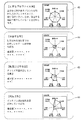
続いて、病態分類部33bは、推定された病態プロファイルに基づいて、病態を分類する(ステップS24)。病態の分類例としては、図11に示すように、「正常」、「インスリン分泌不全型」、「軽度インスリン分泌不全型」、「インスリン抵抗性型」が挙げられる。
また、他の分類例としては、「スルホニル尿素薬型」、「グリニド型」、「チアゾリジン誘導体薬型」、「ビグアナイド薬型」など、各薬剤の適応グループに分類するものであってもよい。
Subsequently, the pathological
In addition, as other classification examples, “sulfonylurea drug type”, “glinide type”, “thiazolidine derivative drug type”, “biguanide drug type” and the like may be classified into indication groups for each drug.
病態プロファイルに基づいて病態を分類するには、予め、様々な病態プロファイルに対する専門医による病態分類結果をデータベースとして構築しておき、対象患者の病態プロファイルが、データベース上で最も類似する病態プロファイルに対する専門医分類結果を、病態分類部33bが選択すればよい。
また、病態プロファイルに含まれる各指標の値に基づく所定の分類基準を予め定めておき、当該分類基準に基づいて病態を分類してもよい。また、薬剤の作用部位に対応する生体モデルのパラメータを擬似的に改善させるなど、生体モデルを利用した薬効予測結果を用いて、病態を分類してもよい。このように、病態分類の方法は特に限定されるものではない。
In order to classify the pathological condition based on the pathological profile, the pathological classification results by specialists for various pathological profiles are constructed in advance as a database, and the pathological profile of the target patient is the specialist classification for the pathological profile most similar on the database. The pathological
Moreover, a predetermined classification criterion based on the value of each index included in the pathological profile may be determined in advance, and the pathological condition may be classified based on the classification criterion. In addition, the pathological condition may be classified using a drug effect prediction result using the biological model, such as artificially improving the parameters of the biological model corresponding to the drug action site. Thus, the pathological classification method is not particularly limited.
上記のようにして分類された病態及び病態プロファイルは診療支援情報として記憶装置に保存される(ステップS25)。生成される診療支援情報には、病態分類に応じて、推奨される処方薬など診療支援に役立つ情報が含まれる。 The pathological condition and pathological profile classified as described above are stored in the storage device as medical assistance information (step S25). The generated medical assistance information includes information useful for medical assistance such as recommended prescription drugs according to the pathological condition classification.
上記のように生成された診療支援情報(図8及び図9に示す情報を含んでも良い)は、診療支援情報出力部34によって、表示装置やプリンタによって出力される(ステップS26)。このため、システム利用者(医師)は、糖尿病患者の診療のための有益な情報が得られる。
The medical assistance information (which may include the information shown in FIGS. 8 and 9) generated as described above is output by the medical assistance
本発明は、上記実施形態に限定されるものではなく、様々な変形が可能である。 The present invention is not limited to the above embodiment, and various modifications can be made.
100 糖尿病診療支援システム
M 生体モデル
M1 インスリン動態部
M2 グルコース動態部
1 模擬肝臓ブロック
1a 肝インスリン動態ブロック
1b 肝グルコース動態ブロック
2 模擬血漿ブロック
2a 血漿インスリン動態ブロック
2b 血漿グルコース動態ブロック
3 模擬末梢ブロック
3a 末梢インスリン動態ブロック
3b 末梢グルコース動態ブロック
4 模擬腸ブロック(コントロール部)
5 模擬膵臓ブロック
31 診療データ入力部
32 生体モデル生成部
33 診療支援情報生成部
34 診療支援情報出力部
100 Diabetes medical care support system M Living body model M1 Insulin dynamic part M2 Glucose
5
Claims (10)
患者の採血グルコース濃度及び/又は採血インスリン濃度を含む診療データを入力するための入力部と、
糖尿病に関連する臓器の機能を複数のパラメータを有する数理モデルとして記述した生体モデルを記憶する記憶部と、
前記記憶部に記憶された前記生体モデルの出力が前記入力部によって入力された診療データと合致するまで各パラメータの値を調整し、前記診療データと合致するパラメータのセットを求め、当該パラメータのセットを持つ患者固有の生体モデルを生成する生体モデル生成部と、
前記生体モデル生成部によって生成された生体モデルに基づいて、患者の病態を分析し、診療支援情報を生成する診療支援情報生成部と、を備え、
前記記憶部に記憶された前記生体モデルは、患者の肝臓の機能と当該肝臓における間質液とを表現した模擬肝臓ブロック、患者の血漿を表現した模擬血漿ブロック、及び患者の末梢組織の機能と当該末梢組織における間質液とを表現した模擬末梢ブロックを含む複数の模擬臓器ブロックを有し、かつ前記模擬肝臓ブロック、前記模擬血漿ブロック、及び前記模擬末梢ブロックの間で、血液循環に伴う間質液、及び血漿におけるグルコースの流入出及び/又はインスリンの流入出が相互に生じるように構成され、
前記模擬肝臓ブロック、前記模擬血漿ブロック、及び前記模擬末梢ブロックのそれぞれは、各模擬臓器ブロックのグルコース流入出量及び/又はインスリン流入出量に基づいて、各模擬臓器ブロックにおけるグルコースの蓄積量若しくは濃度、及び/又は、インスリン蓄積量若しくは濃度を算出するよう構成され、
前記診療支援情報生成部は、前記模擬肝臓ブロック、前記模擬血漿ブロック、及び前記模擬末梢ブロックのそれぞれにおけるグルコースの蓄積量若しくは濃度、及び/又は、インスリン蓄積量若しくは濃度に基づいて、患者の病態を分析することを特徴とする糖尿病診療支援システム。 Based on a biological model that reproduces a pseudo-response that mimics the result of a glucose tolerance test for a patient, a diabetes medical assistance system that generates medical assistance information for the patient,
An input unit for inputting medical data including the blood glucose concentration and / or blood insulin concentration of the patient;
A storage unit for storing a biological model describing a function of an organ related to diabetes as a mathematical model having a plurality of parameters;
The value of each parameter is adjusted until the output of the biological model stored in the storage unit matches the medical data input by the input unit, a set of parameters matching the medical data is obtained, and the set of parameters A biological model generation unit that generates a patient-specific biological model having
Based on the biological model generated by the biological model generation unit, a medical support information generation unit that analyzes a patient's pathology and generates medical support information,
The biological model stored in the storage unit includes a simulated liver block expressing a function of a patient's liver and interstitial fluid in the liver, a simulated plasma block expressing a patient's plasma, and functions of a patient's peripheral tissue. Between the simulated liver block, the simulated plasma block, and the simulated peripheral block between the simulated liver block, the simulated plasma block, and the simulated peripheral block, having a plurality of simulated organ blocks including the interstitial fluid expressing the interstitial fluid in the peripheral tissue quality liquid, and flows into and out of the inflow and out and / or insulin glucose is configured to mutually occurring in plasma,
Each of the simulated liver block , the simulated plasma block, and the simulated peripheral block is based on the glucose inflow / outflow amount and / or insulin inflow / outflow amount of each simulated organ block. And / or configured to calculate insulin accumulation or concentration ,
The medical care support information generation unit determines a patient's pathology based on the accumulated amount or concentration of glucose and / or the accumulated amount or concentration of insulin in each of the simulated liver block, the simulated plasma block, and the simulated peripheral block. Diabetes care support system characterized by analyzing .
前記腸ブロックは、外因性グルコース量に基づいて、前記模擬肝臓ブロックへ与えられる外因性グルコース流入速度を算出するように構成されている請求項1記載の糖尿病診療支援システム。 The biological model has an intestinal block in which a glucose load amount in the glucose tolerance test is given as an exogenous glucose amount from outside the biological model,
The intestinal block, based on exogenous glucose levels, the simulated diabetes diagnosis supporting system according to claim 1, wherein is configured to calculate the exogenous glucose inflow rate imparted to the liver block.
前記模擬膵臓ブロックは、前記模擬肝臓ブロックへ流入させるためのインスリンの分泌量を、前記グルコース濃度とともに、前記グルコース濃度の時間的変動にも依存して決定するよう構成されている請求項1又は2に記載の糖尿病診療支援システム。 The biological model further includes a simulated pancreas block corresponding to a pancreas that secretes insulin based on glucose concentration,
The said simulated pancreas block is comprised so that the secretion amount of the insulin for making it flow into the said simulated liver block may be determined depending on the time fluctuation | variation of the said glucose concentration with the said glucose concentration. Diabetes care support system described in 1.
前記肝糖取込及び/又は前記肝糖産生の機能によるグルコースの蓄積量若しくは濃度の変動を算出しながら、当該模擬肝臓ブロックにおけるグルコースの蓄積量若しくは濃度を算出するよう構成されている請求項1〜4のいずれか1項に記載の糖尿病診療支援システム。 The simulated liver block is configured to calculate a value indicating a function of liver glucose uptake and / or liver sugar production in the simulated liver block based on an accumulation amount or concentration of glucose in the simulated liver block ,
2. The glucose accumulation amount or concentration in the simulated liver block is calculated while calculating the fluctuation in glucose accumulation amount or concentration due to the liver sugar uptake and / or the liver sugar production function. The diabetes medical treatment support system of any one of -4.
前記末梢糖取込機能によるグルコースの蓄積量若しくは濃度の変動を算出しながら、当該模擬末梢ブロックにおけるグルコースの蓄積量若しくは濃度を算出するよう構成されている請求項1〜5のいずれか1項に記載の糖尿病診療支援システム。 The simulated peripheral block is configured to calculate a value indicating a peripheral sugar uptake function in the simulated peripheral block based on the accumulated amount or concentration of glucose in the simulated peripheral block,
The glucose accumulation amount or concentration in the simulated peripheral block is calculated while calculating the variation in glucose accumulation amount or concentration by the peripheral sugar uptake function. Diabetes medical care support system of description.
当該コンピュータを、患者の採血グルコース濃度及び/又は採血インスリン濃度を含む診療データの入力を受け付ける入力受付手段、
糖尿病に関連する臓器の機能を複数のパラメータを有する数理モデルとして記述した生体モデルを記憶部から読み出し、読み出した生体モデルの出力が前記入力受付手段によって受け付けた診療データと合致するまで各パラメータの値を調整し、診療データと合致するパラメータのセットを求め、当該パラメータセットを持つ患者固有の生体モデルを生成する生体モデル生成手段、及び
前記生体モデル生成手段によって生成された生体モデルに基づいて、患者の病態を分析し、診療支援情報を生成する診療支援情報生成手段、として機能させ、
前記記憶部から読み出された前記生体モデルは、患者の肝臓の機能と当該肝臓における間質液とを表現した模擬肝臓ブロック、患者の血漿を表現した模擬血漿ブロック、及び患者の末梢組織の機能と当該末梢組織における間質液とを表現した模擬末梢ブロックを含む複数の模擬臓器ブロックを有し、前記模擬肝臓ブロック、前記模擬血漿ブロック、及び前記模擬末梢ブロックの間で、血液循環に伴う間質液、及び血漿におけるグルコースの流入出及び/又はインスリンの流入出が相互に生じるように構成され、
前記模擬肝臓ブロック、前記模擬血漿ブロック、及び前記模擬末梢ブロックのそれぞれは、各模擬臓器ブロックのグルコース流入出量及び/又はインスリン流入出量に基づいて、各模擬臓器ブロックにおけるグルコースの蓄積量若しくは濃度、及び/又は、インスリン蓄積量若しくは濃度を算出するよう構成され、
前記診療支援情報生成手段は、前記模擬肝臓ブロック、前記模擬血漿ブロック、及び前記模擬末梢ブロックのそれぞれにおけるグルコースの蓄積量若しくは濃度、及び/又は、インスリン蓄積量若しくは濃度に基づいて、患者の病態を分析することを特徴とするコンピュータプログラム。 A computer program for causing a computer to function as a diabetes medical assistance system that generates medical assistance information for the patient based on a biological model that reproduces a pseudo-response that simulates the result of a glucose tolerance test for a patient,
An input receiving means for receiving input of medical data including blood sampling glucose concentration and / or blood sampling insulin concentration of the patient,
A biological model describing the function of an organ related to diabetes as a mathematical model having a plurality of parameters is read from the storage unit, and the value of each parameter until the output of the read biological model matches the medical data received by the input receiving unit A biological model generation means for determining a set of parameters that match the medical data, and generating a patient-specific biological model having the parameter set; and
Based on the biological model generated by the biological model generation means, analyze a patient's pathology, and function as medical assistance information generating means for generating medical assistance information,
The biological model read from the storage unit includes a simulated liver block expressing the function of the patient's liver and interstitial fluid in the liver, a simulated plasma block expressing the patient's plasma, and the function of the peripheral tissue of the patient And a plurality of simulated organ blocks including a simulated peripheral block expressing interstitial fluid in the peripheral tissue, and during the blood circulation between the simulated liver block, the simulated plasma block, and the simulated peripheral block quality liquid, and flows into and out of the inflow and out and / or insulin glucose is configured to mutually occurring in plasma,
Each of the simulated liver block, the simulated plasma block, and the simulated peripheral block is based on the glucose inflow / outflow amount and / or insulin inflow / outflow amount of each simulated organ block. And / or configured to calculate insulin accumulation or concentration,
The medical assistance information generating means determines the pathology of the patient based on the accumulated amount or concentration of glucose and / or the accumulated amount or concentration of insulin in each of the simulated liver block, the simulated plasma block, and the simulated peripheral block. A computer program characterized by analyzing .
Priority Applications (4)
| Application Number | Priority Date | Filing Date | Title |
|---|---|---|---|
| JP2008325875A JP5388564B2 (en) | 2008-12-22 | 2008-12-22 | Diabetes care support system, computer program, and recording medium |
| CN200910254160.8A CN101763464B (en) | 2008-12-22 | 2009-12-10 | Treatment of diabetes assisting system |
| EP09015715.7A EP2224363A3 (en) | 2008-12-22 | 2009-12-18 | Diagnostic support apparatus for diabetes and computer program product |
| US12/644,863 US9202009B2 (en) | 2008-12-22 | 2009-12-22 | Diagnostic support apparatus for diabetes and computer program product |
Applications Claiming Priority (1)
| Application Number | Priority Date | Filing Date | Title |
|---|---|---|---|
| JP2008325875A JP5388564B2 (en) | 2008-12-22 | 2008-12-22 | Diabetes care support system, computer program, and recording medium |
Publications (2)
| Publication Number | Publication Date |
|---|---|
| JP2010146491A JP2010146491A (en) | 2010-07-01 |
| JP5388564B2 true JP5388564B2 (en) | 2014-01-15 |
Family
ID=42267338
Family Applications (1)
| Application Number | Title | Priority Date | Filing Date |
|---|---|---|---|
| JP2008325875A Expired - Fee Related JP5388564B2 (en) | 2008-12-22 | 2008-12-22 | Diabetes care support system, computer program, and recording medium |
Country Status (4)
| Country | Link |
|---|---|
| US (1) | US9202009B2 (en) |
| EP (1) | EP2224363A3 (en) |
| JP (1) | JP5388564B2 (en) |
| CN (1) | CN101763464B (en) |
Families Citing this family (4)
| Publication number | Priority date | Publication date | Assignee | Title |
|---|---|---|---|---|
| US10438700B2 (en) | 2012-08-03 | 2019-10-08 | University Of Virginia Patent Foundation | Computer simulation for testing and monitoring of treatment strategies for stress hyperglycemia |
| US10529454B2 (en) * | 2014-10-17 | 2020-01-07 | Bradley E. Kahlbaugh | Human metabolic condition management |
| CN109903838B (en) * | 2019-02-22 | 2020-01-10 | 爱尔眼科医院集团股份有限公司 | Network prevention and treatment system for diabetes and diabetic retinopathy |
| CN117373681B (en) * | 2023-10-30 | 2024-04-26 | 中国航天科工集团七三一医院 | Fracture healing simulation method and system based on blood glucose regulation system effect |
Family Cites Families (5)
| Publication number | Priority date | Publication date | Assignee | Title |
|---|---|---|---|---|
| JP4547173B2 (en) | 2004-03-17 | 2010-09-22 | シスメックス株式会社 | Diabetes care support system |
| JP5102439B2 (en) * | 2004-05-11 | 2012-12-19 | シスメックス株式会社 | Simulation system and computer program |
| US20090312620A1 (en) * | 2005-04-27 | 2009-12-17 | Hou-Mei Henry Chang | Diabetes monitor |
| JP2006313481A (en) | 2005-05-09 | 2006-11-16 | Sysmex Corp | Function simulation system for organ of organism, and program therefor |
| US8758245B2 (en) * | 2007-03-20 | 2014-06-24 | Lifescan, Inc. | Systems and methods for pattern recognition in diabetes management |
-
2008
- 2008-12-22 JP JP2008325875A patent/JP5388564B2/en not_active Expired - Fee Related
-
2009
- 2009-12-10 CN CN200910254160.8A patent/CN101763464B/en not_active Expired - Fee Related
- 2009-12-18 EP EP09015715.7A patent/EP2224363A3/en not_active Withdrawn
- 2009-12-22 US US12/644,863 patent/US9202009B2/en active Active
Also Published As
| Publication number | Publication date |
|---|---|
| CN101763464A (en) | 2010-06-30 |
| JP2010146491A (en) | 2010-07-01 |
| US9202009B2 (en) | 2015-12-01 |
| EP2224363A3 (en) | 2013-07-31 |
| EP2224363A2 (en) | 2010-09-01 |
| US20100161299A1 (en) | 2010-06-24 |
| CN101763464B (en) | 2015-12-09 |
Similar Documents
| Publication | Publication Date | Title |
|---|---|---|
| Romero-Brufau et al. | Using machine learning to improve the accuracy of patient deterioration predictions: Mayo Clinic Early Warning Score (MC-EWS) | |
| JP7293050B2 (en) | Mild Cognitive Impairment Judgment System | |
| Viceconti et al. | Big data, big knowledge: big data for personalized healthcare | |
| EP2911642B1 (en) | Drug monitoring and regulation systems and methods | |
| JP4781710B2 (en) | Treatment effect prediction system and program thereof | |
| US20150148621A1 (en) | Methods and systems for creating a preventative care plan in mental illness treatment | |
| CN111297329B (en) | Method and system for predicting dynamic risk of cardiovascular complications in diabetic patients | |
| JP2007507814A (en) | Simulation of patient-specific results | |
| US20210241909A1 (en) | Method and a system for evaluating treatment strategies on a virtual model of a patient | |
| EP4173006A2 (en) | System and method for peri-anaesthetic risk evaluation | |
| Narayanan et al. | An inverse method for mechanical characterization of heterogeneous diseased arteries using intravascular imaging | |
| WO2020027213A1 (en) | Dementia risk presentation system and method | |
| Herrgårdh et al. | Digital twins and hybrid modelling for simulation of physiological variables and stroke risk | |
| JP7027359B2 (en) | Healthcare data analyzer and healthcare data analysis method | |
| CN120260941A (en) | A method and system for predicting the risk of cardiovascular and metabolic diseases | |
| JP2010146491A (en) | Diabetes medical care support system, computer program, and recording medium | |
| JP2006304833A (en) | Diagnosis supporting system and computer program | |
| Meixide et al. | Neural interval‐censored survival regression with feature selection | |
| JP5102439B2 (en) | Simulation system and computer program | |
| JP7266807B1 (en) | Lifestyle prediction device, lifestyle prediction system, lifestyle prediction method, lifestyle prediction program, and recording medium | |
| EP1722311A1 (en) | Simulation system for functions of biological organs and recording medium in which program therefor is recorded | |
| Rodilla et al. | Optimization of artificial intelligence models for prediction of new-onset cardiovascular disease in patients with arterial hypertension | |
| Cate | Quantile-Based Precision Medicine for Diabetes Management: A High-Dimensional Single-Index Regression Framework | |
| Saxena | Predicting the Prognosis of Ulcerative Colitis with Machine Learning. | |
| CN120072156A (en) | Ulcerative colitis severity assessment method and system |
Legal Events
| Date | Code | Title | Description |
|---|---|---|---|
| A621 | Written request for application examination |
Free format text: JAPANESE INTERMEDIATE CODE: A621 Effective date: 20111214 |
|
| A977 | Report on retrieval |
Free format text: JAPANESE INTERMEDIATE CODE: A971007 Effective date: 20130130 |
|
| A131 | Notification of reasons for refusal |
Free format text: JAPANESE INTERMEDIATE CODE: A131 Effective date: 20130226 |
|
| A521 | Request for written amendment filed |
Free format text: JAPANESE INTERMEDIATE CODE: A523 Effective date: 20130426 |
|
| TRDD | Decision of grant or rejection written | ||
| A01 | Written decision to grant a patent or to grant a registration (utility model) |
Free format text: JAPANESE INTERMEDIATE CODE: A01 Effective date: 20130917 |
|
| A61 | First payment of annual fees (during grant procedure) |
Free format text: JAPANESE INTERMEDIATE CODE: A61 Effective date: 20131008 |
|
| R150 | Certificate of patent or registration of utility model |
Free format text: JAPANESE INTERMEDIATE CODE: R150 Ref document number: 5388564 Country of ref document: JP Free format text: JAPANESE INTERMEDIATE CODE: R150 |
|
| R250 | Receipt of annual fees |
Free format text: JAPANESE INTERMEDIATE CODE: R250 |
|
| R250 | Receipt of annual fees |
Free format text: JAPANESE INTERMEDIATE CODE: R250 |
|
| R250 | Receipt of annual fees |
Free format text: JAPANESE INTERMEDIATE CODE: R250 |
|
| LAPS | Cancellation because of no payment of annual fees |