JP4825552B2 - Speech recognition device, frequency spectrum acquisition device, and speech recognition method - Google Patents
Speech recognition device, frequency spectrum acquisition device, and speech recognition method Download PDFInfo
- Publication number
- JP4825552B2 JP4825552B2 JP2006068264A JP2006068264A JP4825552B2 JP 4825552 B2 JP4825552 B2 JP 4825552B2 JP 2006068264 A JP2006068264 A JP 2006068264A JP 2006068264 A JP2006068264 A JP 2006068264A JP 4825552 B2 JP4825552 B2 JP 4825552B2
- Authority
- JP
- Japan
- Prior art keywords
- frequency spectrum
- sound
- speech
- component
- noise
- Prior art date
- Legal status (The legal status is an assumption and is not a legal conclusion. Google has not performed a legal analysis and makes no representation as to the accuracy of the status listed.)
- Expired - Lifetime
Links
Images



Landscapes
- Image Analysis (AREA)
Abstract
Description
本発明は、対話者が話しかける音声を認識する装置と方法、および対話者が話しかける音声の周波数スペクトルを取得する装置に関する。 The present invention relates to an apparatus and method for recognizing speech spoken by a talker, and an apparatus for obtaining a frequency spectrum of speech spoken by a talker.
人間が装置の動作を制御する際に、キーボードやレバーなどのインターフェースを操作することなく、音声を発することによって装置を制御する技術がある。このような技術においては、マイクロホンなどの音入力手段から入力される音声から、音声によって表現される言語の内容を認識し、認識された言語の内容に応じた制御が行われる。 When a human controls the operation of the device, there is a technique for controlling the device by emitting a voice without operating an interface such as a keyboard or a lever. In such a technique, the content of the language expressed by the speech is recognized from the speech input from the sound input means such as a microphone, and control according to the recognized language content is performed.
音入力手段から入力される音には、対話者が発した音声以外にも、周囲の雑音が混入する場合がある。周囲の雑音が混入した音に基づいて言語の内容の認識を行うと、誤認識を起こし、装置の誤作動などを引き起こしてしまう。音声を認識する技術においては、雑音の影響をいかにして排除するかが重要である。 In addition to the voice uttered by the conversation person, ambient noise may be mixed in the sound input from the sound input means. If the language content is recognized based on sounds mixed with ambient noise, erroneous recognition will occur, causing malfunction of the device. In the technology for recognizing speech, how to eliminate the influence of noise is important.
入力される音から雑音成分を除去する技術が従来から開発されている。例えば特許文献1には、独立成分分析(ICA:Independent Component Analysis)を用いて、入力される音から雑音成分を除去する技術が開示されている。 Techniques for removing noise components from input sound have been developed. For example, Patent Document 1 discloses a technique for removing a noise component from an input sound using independent component analysis (ICA).
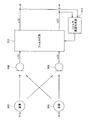
図5を参照しながら、ICAを用いた雑音成分の除去技術の概要を説明する。図5の音源502と音源504では、それぞれが別個に独立して音を発生する。マイクロホン506、508は、入力される音を音信号に変換する。マイクロホン506には、音源502からの音と音源504からの音が重畳した音が入力される。マイクロホン508にも、音源502からの音と音源504からの音が重畳した音が入力される。図5では、音源502で発生する音をs1(t)と示し、音源504で発生する音をs2(t)と示す。また、マイクロホン506で取得される音をx1(t)と示し、マイクロホン508で取得される音をx2(t)と示す。ICAを用いる手法では、マイクロホン506と508で観測される観測信号x1(t)とx2(t)を、フィルタ行列510を用いて、出力信号y1(t)とy2(t)に分離する。フィルタ行列510は、出力信号y1(t)、y2(t)が統計的に独立となるように、フィルタ最適化手段512によって、その係数が最適化される。フィルタ行列510の最適化には、例えば出力信号y1(t)、y2(t)についてのコスト関数を最小化する手法などが知られている。
音源502で発生する音s1(t)と音源504で発生する音s2(t)は統計的に独立であるから、x1(t)とx2(t)から抽出された統計的に独立な出力信号y1(t)とy2(t)は、一方が音源502で発生した音s1(t)であり、他方が音源504で発生した音s2(t)であると推定される。
An outline of a noise component removal technique using ICA will be described with reference to FIG. The
Since the sound s1 (t) generated by the
上記では2つの音源502、504で発生した音を分離する例を説明しているが、同様の手法によって、3つ以上の音源からの音が重畳した音が入力される場合に、認識の対象としたい特定の1つの音源からの音と、それ以外の音源からの音が重畳した音に分離することができる。これによって、音声認識の対象としたい音源からの音(対話者の音声)と、それ以外の音源からの音が重畳した音(雑音)を分離することができる。
In the above, an example in which sounds generated by two
また、特許文献2には、スペクトル・サブトラクション(SS:Spectral Subtraction)法を用いて、入力される音から雑音成分を除去する技術が開示されている。 Patent Document 2 discloses a technique for removing a noise component from an input sound by using a spectral subtraction (SS) method.
図6を参照しながら、SS法を用いた雑音成分の除去技術の概要を説明する。SS法では、同一の面に沿って所定の間隔dで配置された複数のマイクロホン604、606、・・・を用いる。間隔dに比べて十分に離れた位置にある音源602で発生した音は、マイクロホン604、606、・・・の近傍ではほぼ平面波として伝播して、マイクロホン604、606、・・・に到達する。マイクロホン604に到達する音は経路610に沿って伝播してきており、マイクロホン606に到達する音は経路612に沿って伝播してきている。平面波として伝播してくる音は、波面616や波面618において、同一の位相を備えている。従って、音源602がマイクロホン604、606、・・・から見て角度θの方向にある場合、経路610に沿ってある時点でマイクロホン604に到達した音は、経路612に沿って点620まで到達しており、その後さらにdcosθの長さの経路を伝播してから、マイクロホン606の点622に到達する。従って、隣接するマイクロホン604と606では、音の伝播速度をλとすると、到来時間差Δt=dcosθ/λで、それぞれ音が到達する。
An outline of a noise component removal technique using the SS method will be described with reference to FIG. In the SS method, a plurality of
上記のような音源の方向と音の到来時間差についての関係を利用して、複数のマイクロホン604、606、・・・に入力される音に基いて、特定の方向からの音を強調したり、逆に特定の方向からの音を抑圧したりすることができる。
例えば図6に示す例で、θ方向からの音を強調したい場合には、マイクロホン606で取得された音信号626と、マイクロホン604で取得された音信号624をΔt=dcosθ/λだけ遅延させた信号の和を算出することで、方向θからの音を強調した音信号を得ることができる。
また、マイクロホン606で取得された音信号626と、マイクロホン604で取得された音信号624をΔt=dcosθ/λだけ遅延させて正負を反転させた信号の和を算出し、この信号にスペクトル形状補正フィルタを適用することで、方向θからの音を抑圧した音信号を得ることができる。
上記のようにして、マイクロホン604、606、・・・の配置と音の方向に応じた遅延時間をそれぞれ設定しておく。そして、それぞれのマイクロホン604、606、・・・から入力される音信号を、音の方向に応じた遅延時間だけ遅延させてから和を算出する遅延和アレーを用いることで、特定の方向からの音を強調した信号を取得したり、逆に特定の方向からの音を抑圧した信号を取得したりすることができる。図7に、上記のような遅延和アレーを用いた場合の、特定の方向からの音を強調する指向特性702と、特定の方向からの音を抑圧する指向特性704の例を示す。図7では、θ=90°の方向、すなわちマイクロホン604、606、・・・の正面の方向からの音を強調したり抑圧したりする場合の指向特性を示している。
Using the relationship between the direction of the sound source and the arrival time difference of the sound as described above, the sound from a specific direction is emphasized based on the sound input to the plurality of
For example, in the example shown in FIG. 6, in order to emphasize the sound from the θ direction, the
Further, the sum of the
As described above, the delay times corresponding to the arrangement of the
上記において、対話者の方向からの音を抑圧した信号は、対話者の方向以外からの音を検出しており、雑音成分と推定することができる。SS法では、対話者の方向からの音を強調した周波数スペクトルと、雑音成分の周波数スペクトルをそれぞれ特定し、両者の差をとることによって、雑音成分が除去された音声の周波数スペクトルを取得する。雑音成分が除去された周波数スペクトルから、音声認識の対象としたい音源からの音(対話者の音声)の特徴を把握することができる。 In the above, the signal from which the sound from the direction of the talker is suppressed detects the sound from other than the direction of the talker, and can be estimated as a noise component. In the SS method, the frequency spectrum in which the sound from the direction of the talker is emphasized and the frequency spectrum of the noise component are respectively specified, and the frequency spectrum of the speech from which the noise component is removed is obtained by taking the difference between the two. From the frequency spectrum from which the noise component has been removed, it is possible to grasp the characteristics of the sound (speaker's voice) from the sound source that is desired for speech recognition.
上述のようなICAを用いた雑音成分の除去技術では、対話者の位置や、それぞれのマイクロホンの位置や、それぞれのマイクロホンの感度特性などが未知であっても、実際の状況に応じてフィルタ行列が最適化されるため、入力される音から雑音成分を除去することができる。従って、対話者が移動して位置が変化したり、マイクロホンの取付け位置や感度特性にばらつきがあったりしても、それに合わせてフィルタ行列が最適化されるため、入力される音から雑音成分を除去することができる。ロバストな音声認識システムを構築することができる。 In the noise component removal technique using ICA as described above, even if the position of the talker, the position of each microphone, the sensitivity characteristics of each microphone, etc. are unknown, the filter matrix depends on the actual situation. Is optimized, noise components can be removed from the input sound. Therefore, the filter matrix is optimized according to the movement of the interlocutor and the position changes, or the microphone mounting position and sensitivity characteristics vary. Can be removed. A robust speech recognition system can be constructed.
しかしながら、ICAによる雑音成分の除去技術には、演算負荷が高いという問題がある。ICAを用いる場合、最終的な出力信号が統計的に独立となるように、常にフィルタ行列を最適化する必要がある。例えば音源の位置が変わった場合には、フィルタ行列は新たに最適化しなければならない。従って、ICAによる雑音成分の除去では、音源の移動の有無に関わらず、フィルタ行列を所定の時間間隔で繰り返し更新して、フィルタ行列が最適化された状態を維持する必要がある。このようにフィルタ行列の更新を常時行っていると、計算の負荷が増大して、処理に要する時間が長いものとなってしまう。処理に要する時間が長いと、対話者への応答が遅れ、対話者は不快感を覚えてしまう。 However, the noise component removal technique by ICA has a problem that the calculation load is high. When using ICA, it is always necessary to optimize the filter matrix so that the final output signal is statistically independent. For example, if the position of the sound source changes, the filter matrix must be newly optimized. Therefore, in the removal of the noise component by ICA, it is necessary to repeatedly update the filter matrix at predetermined time intervals regardless of whether the sound source is moved or not to maintain the optimized state of the filter matrix. If the filter matrix is constantly updated in this way, the calculation load increases and the time required for processing becomes long. If the processing time is long, the response to the interlocutor is delayed, and the interlocutor feels uncomfortable.
上述したSS法を用いた雑音成分の除去技術では、フィルタ行列の最適化のような複雑な計算を行う必要がないため、演算の負荷はそれほど高いものではない。従って、対話者が話しかけてから、短時間で雑音成分を除去することができる。さらにSS法では、雑音成分を除去するのみではなく、対話者の方向からの音を強調しているため、ICAを用いる場合に比べて、対話者の音声の特徴をより鮮明に抽出することができる。 In the noise component removal technique using the SS method described above, it is not necessary to perform a complicated calculation such as optimization of a filter matrix, so that the calculation load is not so high. Therefore, the noise component can be removed in a short time after the talker speaks. Furthermore, in the SS method, not only the noise component is removed but also the sound from the direction of the talker is emphasized, so that the voice characteristics of the talker can be extracted more clearly than in the case of using ICA. it can.
しかしながら、SS法による雑音成分の除去技術は、対話者の位置や、マイクロホンの位置や、マイクロホンの感度特性の変動に影響を受けるという問題がある。特に、マイクロホンの感度特性のばらつきが、雑音成分の除去に大きな影響を及ぼす。
図8と図9は、マイクロホンの感度特性のばらつきが、遅延和アレーによって実現される指向特性に及ぼす影響を示している。図8はマイクロホンの感度特性のばらつきが、特定の方向からの音を強調する処理の際に用いられる指向特性に及ぼす影響を示す。分布702は全てのマイクロホンが同じ感度特性を持つ場合の理想的な指向特性を示す。分布810と分布812は、マイクロホンに感度特性のばらつきがある場合の指向特性を示す。ここでは一例として、マイクロホンの感度特性に±2dBのばらつきがある場合の指向特性を分布810で示し、マイクロホンの感度特性に±4dBのばらつきがある場合の指向特性を分布812で示す。図8から明らかなように、音声を強調する処理の際には、マイクロホンの感度特性のばらつきによって、わずかに指向特性が鈍化するものの、大きな影響はない。一方、図9はマイクロホンの感度特性のばらつきが、特定の方向からの音を抑圧する処理の際に用いられる指向特性に及ぼす影響を示す。分布704は全てのマイクロホンが同じ感度特性を持つ場合の理想的な指向特性を示す。分布910と分布912は、マイクロホンに感度特性のばらつきがある場合の指向特性を示す。ここでは一例として、マイクロホンの感度特性に±2dBのばらつきがある場合の指向特性を分布910で示し、マイクロホンの感度特性に±4dBのばらつきがある場合の指向特性を分布912で示す。図9から明らかなように、特定の方向からの音を抑圧する処理の際に用いられる指向特性は、マイクロホンの感度特性のばらつきによって、大きな影響を受ける。マイクロホン間の感度特性にばらつきがあると、特定の方向からの音について、ほとんど抑圧することができなくなってしまう。
However, the noise component removal technique by the SS method has a problem that it is affected by fluctuations in the position of the conversation person, the position of the microphone, and the sensitivity characteristic of the microphone. In particular, variations in sensitivity characteristics of microphones have a great influence on the removal of noise components.
FIG. 8 and FIG. 9 show the influence of variations in sensitivity characteristics of microphones on the directivity characteristics realized by the delay sum array. FIG. 8 shows the influence of variations in sensitivity characteristics of microphones on directivity characteristics used in the process of emphasizing sound from a specific direction. A
上記のように、遅延和アレーによって特定の方向からの音声を抑圧する場合、マイクロホンの感度特性のばらつきが大きな影響を及ぼす。マイクロホンの感度特性にばらつきがあると、音声認識の対象としたい音声まで雑音成分に含ませてしまうことになる。従って、対話者の方向からの音を強調したスペクトルから雑音成分のスペクトルを減算する際に、本来は減算すべきでない対話者の方向からの音の成分についてまで減ずることになってしまう。正確に雑音成分の除去を行うことが困難となる。 As described above, when the sound from a specific direction is suppressed by the delay sum array, the variation in the sensitivity characteristic of the microphone has a great influence. If there are variations in the sensitivity characteristics of the microphones, even the speech that is the subject of speech recognition will be included in the noise component. Therefore, when subtracting the spectrum of the noise component from the spectrum that emphasizes the sound from the direction of the talker, the sound component from the direction of the talker that should not be subtracted is reduced. It is difficult to accurately remove noise components.
上述のように、ICAを用いる技術と、SS法を用いる技術には、それぞれ一長一短がある。ICAを用いる場合には、マイクロホンの感度特性のばらつきは何ら影響しないが、計算負荷が高く、処理が遅くなる。SS法を用いる場合には、計算負荷が軽いものの、マイクロホンの感度特性のばらつきによって、正確な雑音成分の除去が困難になってしまう。処理の負荷が軽く、なおかつマイクロホンの感度特性のばらつきの影響を受けずに、対話者の音声を鮮明に抽出することが可能な技術が待望されている。 As described above, the technology using ICA and the technology using SS method have their advantages and disadvantages. When ICA is used, variations in the sensitivity characteristics of the microphone are not affected at all, but the calculation load is high and the processing is slow. When the SS method is used, although the calculation load is light, accurate noise component removal becomes difficult due to variations in sensitivity characteristics of microphones. There is a need for a technique that can lightly extract a conversation person's voice without being affected by variations in sensitivity characteristics of the microphone, which is light in processing load.
本発明では上記課題を解決する。本発明では、少ない計算負荷で、マイクロホンの感度特性のばらつきの影響を受けずに、対話者の音声を鮮明に抽出して、正確な音声認識を行うことが可能な技術を提供する。 The present invention solves the above problems. The present invention provides a technology that can accurately extract a voice of a talker and perform accurate voice recognition with a small calculation load and without being affected by variations in sensitivity characteristics of microphones.
本発明は装置として具現化される。本発明の装置は、対話者が話しかける音声から言語の内容を認識する音声認識装置である。その装置は、音を入力して音信号に変換する複数の音入力手段と、音信号を周波数スペクトル(原周波数スペクトル)に変換する周波数変換手段と、原周波数スペクトルから対話者の音声成分を含む1の周波数スペクトル(基本周波数スペクトル)を取得する音声成分検出手段と、複数の原周波数スペクトルからフィルタ行列を用いる独立成分分析によって雑音成分の1の周波数スペクトル(雑音周波数スペクトル)を取得する雑音成分推定手段と、基本周波数スペクトルから雑音周波数スペクトルを減算して対話者の音声成分の周波数スペクトル(音声周波数スペクトル)を取得するスペクトル減算手段と、音声周波数スペクトルに基いて対話者が話しかけた言語の内容を認識する言語内容認識手段を備えている。 The present invention is embodied as a device. The device of the present invention is a speech recognition device that recognizes the contents of a language from speech spoken by a conversation person. The apparatus includes a plurality of sound input means for inputting sound and converting the sound signal into a sound signal, frequency conversion means for converting the sound signal into a frequency spectrum (original frequency spectrum), and a voice component of a conversation person from the original frequency spectrum. Noise component estimation means for acquiring a frequency spectrum (noise frequency spectrum) of a noise component by means of independent component analysis using a filter matrix from a plurality of original frequency spectra, and a speech component detection means for acquiring a frequency spectrum of 1 (basic frequency spectrum) Means, subtracting the noise frequency spectrum from the fundamental frequency spectrum to obtain the frequency spectrum (voice frequency spectrum) of the voice component of the talker, and the language content spoken by the talker based on the voice frequency spectrum. Language content recognition means is provided.
上記の音声認識装置は、複数の音入力手段からの音信号に基いて、対話者の音声成分を含む周波数スペクトル(基本周波数スペクトル)と、雑音成分の周波数スペクトル(雑音周波数スペクトル)をそれぞれ取得して、両者の差を取ることによって、対話者の音声成分の周波数スペクトル(音声周波数スペクトル)を取得する。基本周波数スペクトルは、例えば複数の原周波数スペクトルのうちの1つであってもよいし、遅延和アレーによって対話者の方向からの音声を強調した周波数スペクトルであってもよい。雑音周波数スペクトルは、フィルタ行列を用いるICAによって、取得することができる。上記のようにして得られる音声周波数スペクトルは、対話者の音声成分を含んでいる基本周波数スペクトルから、雑音周波数スペクトルを除去したものであるから、対話者の音声を鮮明に抽出したものと言える。上記の音声認識装置は、スペクトル減算手段で取得された音声周波数スペクトルに基いて、言語内容の認識を行う。このような構成とすることによって、処理に要する時間が短く、かつ誤認識を起こしにくい音声認識装置を実現することができる。 The above speech recognition apparatus obtains a frequency spectrum (basic frequency spectrum) including a speech component of a conversation person and a frequency spectrum (noise frequency spectrum) of a noise component based on sound signals from a plurality of sound input means. Then, by obtaining the difference between them, the frequency spectrum (voice frequency spectrum) of the voice component of the conversation person is acquired. The fundamental frequency spectrum may be, for example, one of a plurality of original frequency spectra, or may be a frequency spectrum in which the voice from the direction of the talker is emphasized by a delay sum array. The noise frequency spectrum can be acquired by ICA using a filter matrix. The voice frequency spectrum obtained as described above is obtained by removing the noise frequency spectrum from the basic frequency spectrum including the voice component of the talker, so that it can be said that the voice of the talker is clearly extracted. The above speech recognition apparatus recognizes the language content based on the speech frequency spectrum acquired by the spectrum subtracting means. By adopting such a configuration, it is possible to realize a speech recognition apparatus that requires less time for processing and is less prone to erroneous recognition.
上記の音声認識装置によれば、複数の音声入力手段の間で感度特性にばらつきがあっても、従来のSS法を用いた技術とは異なり、雑音成分推定手段は正確に雑音成分を推定することができる。これによって、対話者の音声成分の周波数スペクトルを鮮明に抽出して、言語内容の認識を行うことができる。言語内容の認識の精度を向上することができる。 According to the above speech recognition apparatus, even if sensitivity characteristics vary among a plurality of speech input means, unlike the technique using the conventional SS method, the noise component estimation means accurately estimates the noise component. be able to. As a result, it is possible to clearly extract the frequency spectrum of the speech component of the conversation person and recognize the language content. The accuracy of language content recognition can be improved.
上記の音声認識装置は、フィルタ行列の更新を行うか否かを判定する更新判定手段をさらに備えており、雑音成分推定手段が、更新判定手段によって更新を行うと判定された場合に独立成分分析で用いるフィルタ行列の更新を行うことが好ましい。 The speech recognition apparatus further includes an update determination unit that determines whether or not to update the filter matrix, and independent component analysis is performed when the noise component estimation unit determines that the update determination unit performs the update. It is preferable to update the filter matrix used in.
上記の音声認識装置によれば、雑音成分推定手段における独立成分分析で用いるフィルタ行列が必要な時にのみ更新されるため、雑音成分推定手段での演算の負荷が軽減される。音声認識に係る処理時間を短縮することができる。 According to the speech recognition apparatus described above, since the filter matrix used in the independent component analysis in the noise component estimation unit is updated only when necessary, the calculation load in the noise component estimation unit is reduced. Processing time related to speech recognition can be shortened.
上記の音声認識装置は、対話者の方向を取得する方向取得手段をさらに備えており、音声成分検出手段が、複数の原周波数スペクトルから対話者の方向からの音声成分を強調した1の周波数スペクトルを基本周波数スペクトルとして取得することがさらに好ましい。 The above speech recognition apparatus further includes direction acquisition means for acquiring the direction of the conversation person, and the speech component detection means is one frequency spectrum in which the speech component from the direction of the conversation person is emphasized from a plurality of original frequency spectra. Is more preferably acquired as a fundamental frequency spectrum.
対話者の方向を取得することができれば、複数の原周波数スペクトルによる遅延和アレーを用いることで、対話者の方向からの音声成分を強調した周波数スペクトルを得ることができる。対話者の方向の取得は、例えばセンサ等を用いて対話者の位置を検出してもよいし、予め対話者の位置を制限しておいて、その位置を記憶しておいてもよい。
上記の音声認識装置によれば、対話者の方向からの音声成分を強調した周波数スペクトルが基本周波数スペクトルとして取得されるため、対話者の音声成分をより鮮明に抽出することができる。言語内容の認識の精度をさらに向上することができる。
If the direction of the talker can be acquired, a frequency spectrum in which the speech component from the direction of the talker is emphasized can be obtained by using a delay sum array based on a plurality of original frequency spectra. For obtaining the direction of the conversation person, for example, the position of the conversation person may be detected by using a sensor or the like, or the position of the conversation person may be limited in advance and the position may be stored.
According to the above speech recognition apparatus, since the frequency spectrum in which the speech component from the direction of the conversation person is emphasized is acquired as the fundamental frequency spectrum, the speech component of the conversation person can be extracted more clearly. The accuracy of language content recognition can be further improved.
上記の音声認識装置においては、方向取得手段が、対話者を繰り返し撮影し撮影された画像データを時刻と関連付ける撮像手段と、画像データから対話者の方向を特定する方向特定手段を備えており、更新判定手段が、対話者の方向が前回の更新時から所定の角度以上変化した場合にフィルタ行列の更新を行うと判定することがさらに好ましい。 In the above speech recognition apparatus, the direction acquisition unit includes an imaging unit that repeatedly shoots the conversation person and associates the captured image data with the time, and a direction identification unit that identifies the direction of the conversation person from the image data. More preferably, the update determination means determines to update the filter matrix when the direction of the conversation person changes by a predetermined angle or more from the previous update.
対話者の方向は、例えば複数の撮像手段からの画像データを用いてステレオ視の原理によって計算することができる。
上記の音声認識装置によれば、画像データに基いて対話者の正確な方向を取得することができるため、音声成分強調手段において対話者の方向からの音声成分をより的確に強調することができる。さらに、上記の音声認識装置によれば、対話者の方向が所定の角度以上変化した時点で雑音成分推定手段のフィルタ行列の更新を行うため、不要な更新処理を行うことがなく、かつ必要な更新処理は確実に行うため、処理の負荷をさらに軽減して対話者の音声をより鮮明に抽出することができる。言語内容の認識の精度をさらに向上することができる。
The direction of the conversation person can be calculated based on the principle of stereo vision using image data from a plurality of imaging means, for example.
According to the above speech recognition apparatus, since the accurate direction of the conversation person can be acquired based on the image data, the sound component from the direction of the conversation person can be more accurately emphasized by the sound component enhancement means. . Furthermore, according to the above speech recognition apparatus, since the filter matrix of the noise component estimation means is updated when the direction of the conversation person changes by a predetermined angle or more, unnecessary update processing is not performed and necessary. Since the update process is performed reliably, it is possible to further reduce the processing load and extract the voice of the conversation person more clearly. The accuracy of language content recognition can be further improved.
上記したフィルタ行列の更新は、音声認識装置と対話者との位置関係が変化した場合にのみ行うのではなく、音声認識装置と対話者の周囲の環境が変化した場合に行うことで、独立成分分析に用いるフィルタ行列を適切に更新することができる。
すなわち、上記の音声認識装置は、対話者を繰り返し撮影し撮影された画像データを時刻と関連付ける撮像手段と、画像データから周囲の環境の変化を認識する環境認識手段をさらに備えており、更新判定手段が、周囲の環境が変化した場合にフィルタ行列の更新を行うと判定することも好ましい。
The filter matrix update described above is performed not only when the positional relationship between the speech recognition apparatus and the conversation person changes, but also when the environment around the speech recognition apparatus and the conversation person changes, so that the independent component The filter matrix used for analysis can be appropriately updated.
That is, the voice recognition apparatus further includes an imaging unit that repeatedly captures a conversation person and associates the captured image data with time, and an environment recognition unit that recognizes a change in the surrounding environment from the image data. It is also preferable that the means determines that the filter matrix is updated when the surrounding environment changes.
周囲の環境の変化は、例えば画像データから対話者の輪郭を抽出し、対話者の輪郭に基づいて対話者の映像と周囲の環境の映像を識別し、周囲の環境の映像の経時的変化から認識することができる。
上記の音声認識装置によれば、雑音成分推定手段における独立成分分析で用いるフィルタ行列が必要な時にのみ更新されるため、雑音成分推定手段での演算の負荷が軽減される。音声認識に係る処理時間を短縮することができる。
The change in the surrounding environment is, for example, by extracting the contour of the conversation person from the image data, identifying the conversation person's image and the surrounding environment image based on the conversation person's contour, and from the temporal change of the surrounding environment image. Can be recognized.
According to the speech recognition apparatus described above, since the filter matrix used in the independent component analysis in the noise component estimation unit is updated only when necessary, the calculation load in the noise component estimation unit is reduced. Processing time related to speech recognition can be shortened.
本発明は、対話者の音声の周波数スペクトルを取得する装置としても具現化される。本発明の他の1つの装置は、音を入力して音信号に変換する複数の音入力手段と、音信号を周波数スペクトル(原周波数スペクトル)に変換する周波数変換手段と、原周波数スペクトルから対話者の音声成分を含む1の周波数スペクトル(基本周波数スペクトル)を取得する音声成分検出手段と、複数の原周波数スペクトルからフィルタ行列を用いる独立成分分析によって雑音成分の1の周波数スペクトル(雑音周波数スペクトル)を取得する雑音成分推定手段と、基本周波数スペクトルから雑音周波数スペクトルを減算して対話者の音声成分の周波数スペクトル(音声周波数スペクトル)を取得するスペクトル減算手段を備えている。 The present invention is also embodied as an apparatus for acquiring a frequency spectrum of a conversation person's voice. Another device of the present invention includes a plurality of sound input means for inputting sound and converting it into a sound signal, frequency conversion means for converting the sound signal into a frequency spectrum (original frequency spectrum), and dialogue from the original frequency spectrum. A frequency component (noise frequency spectrum) of a noise component by means of independent component analysis using a filter matrix from a plurality of original frequency spectra, and a speech component detection means for acquiring one frequency spectrum (fundamental frequency spectrum) including the speech component of the person And a spectrum subtracting unit for subtracting the noise frequency spectrum from the fundamental frequency spectrum to obtain a frequency spectrum (voice frequency spectrum) of the voice component of the talker.
本発明は方法としても具現化される。本発明の方法は、対話者が話しかける音声から言語の内容を認識する音声認識方法である。その方法は、複数の音入力手段によって入力される音を音信号に変換する工程と、音信号を周波数スペクトル(原周波数スペクトル)に変換する工程と、原周波数スペクトルから対話者の音声成分を含む1の周波数スペクトル(基本周波数スペクトル)を取得する工程と、複数の原周波数スペクトルからフィルタ行列を用いる独立成分分析によって雑音成分の1の周波数スペクトル(雑音周波数スペクトル)を取得する工程と、基本周波数スペクトルから雑音周波数スペクトルを減算して対話者の音声成分の周波数スペクトル(音声周波数スペクトル)を取得する工程と、音声周波数スペクトルに基いて対話者が話しかけた言語の内容を認識する工程を備えている。 The present invention is also embodied as a method. The method of the present invention is a speech recognition method for recognizing the contents of a language from speech spoken by a conversation person. The method includes a step of converting a sound input by a plurality of sound input means into a sound signal, a step of converting the sound signal into a frequency spectrum (original frequency spectrum), and a voice component of a conversation person from the original frequency spectrum. Obtaining a frequency spectrum (fundamental frequency spectrum) of one, obtaining a frequency spectrum of one noise component (noise frequency spectrum) by independent component analysis using a filter matrix from a plurality of original frequency spectra, and a fundamental frequency spectrum And subtracting the noise frequency spectrum from the speech component to obtain the frequency spectrum (voice frequency spectrum) of the voice component of the talker, and recognizing the language content spoken by the talker based on the voice frequency spectrum.
本発明によれば、少ない計算負荷で、マイクロホンの感度特性のばらつきの影響を受けずに、対話者の音声を鮮明に抽出して、正確な音声認識を行うことができる。 According to the present invention, it is possible to extract a conversation person's voice clearly and perform accurate voice recognition with a small calculation load and without being affected by variations in sensitivity characteristics of microphones.
以下に発明を実施するための最良の形態を列記する。
(形態1)音声成分検出手段は、複数の原周波数スペクトルによる遅延和アレーを用いて、対話者の方向からの音声成分を強調した1の周波数スペクトルを基本周波数スペクトルとして取得する。
The best mode for carrying out the invention is listed below.
(Mode 1) The voice component detection means acquires, as a basic frequency spectrum, one frequency spectrum in which the voice component from the direction of the conversation person is emphasized, using a delay sum array by a plurality of original frequency spectra.
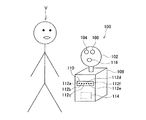
本実施例では、図1に例示する音声認識装置100において、対話者Vが話しかける音声を認識する例を説明する。音声認識装置100は、例えばショールームやイベント会場に配置された案内ロボットであり、案内を求めて話しかけてくる来場者(対話者)Vが話しかける音声を認識する。
In this embodiment, an example will be described in which the
音声認識装置100は、頭部102の前方に並んで配置された右カメラ104と左カメラ106と、胴体部108の前方の集音部110に所定の間隔で並んで配置されたマイクロホン112a、112b、112c、112d、112eおよび112fと、頭部102の前方に配置されたスピーカ116と、右カメラ104、左カメラ106、マイクロホン112a、112b、112c、112d、112eおよび112f、スピーカ116と通信可能なコントローラ114を備えている。
The
右カメラ104と左カメラ106は、一般的なCCDカメラである。右カメラ104と左カメラ106は、所定の時間間隔で同時に撮影を実施し、撮影された画像データを撮影時刻と関連付けてコントローラ114へ出力する。
The
マイクロホン112a、112b、112c、112d、112eおよび112fは、入力される音声によって振動板に加えられる音圧を検知し、検知した音圧に応じた電圧値を内蔵されたアンプによって増幅し、コントローラ114へ出力する。
The
スピーカ116は、コントローラ114から送信される信号をアンプによって増幅し、増幅された電流の変動に応じて振動板を振動させ、音声を出力する。
The
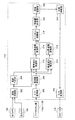
図2はコントローラ114の構成を示すブロック図である。コントローラ114は、処理装置(CPU)、記憶装置(光学記憶媒体、磁気記憶媒体、あるいはRAMやROMといった半導体メモリ等)、入出力装置、演算装置などから構成されているコンピュータ装置である。コントローラ114は、右カメラ104、左カメラ106から入力される画像データと、マイクロホン112a、112b、112c、112d、112eおよび112fから入力される音信号に基いて、対話者Vが話しかける言語の内容を認識して、その内容に対する返答をスピーカ116から音声で出力する。コントローラ114は機能的に、画像認識部202、更新判定部204、A/D変換部206、周波数変換部208、音声成分強調部210、雑音成分推定部212、メル周波数変換部214および216、スペクトル減算部218、特徴量計算部220、言語認識部222、応答制御部224、D/A変換部226を備えている。
FIG. 2 is a block diagram showing the configuration of the
画像認識部202は、右カメラ104と左カメラ106から出力される画像データに基づいて、対話者Vの位置を認識する。対話者Vの位置は、右カメラ104と左カメラ106のそれぞれの画像データにおいて対話者Vの輪郭を抽出し、輪郭を抽出された対話者Vと音声認識装置100との相対的な位置関係をステレオ視の原理によって算出することで、算出することができる。画像認識部202は、対話者Vの位置から対話者Vの方向を特定する。画像認識部202は、特定された対話者Vの方向を、時刻と関連付けて、更新判定部204と音声成分強調部210に出力する。
The
更新判定部204は、対話者Vの方向に基いて、音声成分強調部210において音を強調する方向の更新と、雑音成分推定部212において雑音成分の推定に用いるフィルタ行列の更新を行うか否かを判定する。
更新判定部204は、前回更新を行った際の対話者Vの方向を保持している。更新判定部204は、画像認識部202から新たに対話者Vの方向が入力されると、前回更新を行った際の対話者Vの方向との比較を行い、所定の角度以上変化しているか否かを評価する。対話者Vの方向が、前回の更新時点から所定の角度以上変化している場合に、更新判定部204は更新が必要であると判定する。更新が必要であると判定した場合、更新判定部204は、音声成分強調部210と雑音成分推定部212に、更新指示を出力する。
Based on the direction of the conversation person V, the
The
A/D変換部206は、マイクロホン112a、112b、112c、112d、112eおよび112fから入力されるそれぞれの音信号を、A/D変換してデジタル化する。図2では図示の簡略化のためにA/D変換部206は1つのブロックとして図示されているが、本実施例の音声認識装置100は、マイクロホン112a、112b、112c、112d、112eおよび112fのそれぞれに対応するA/D変換手段を、並列に処理可能な状態で備えている。A/D変換部206は、デジタル化された音信号を音データとして周波数変換部208へ出力する。
The A /
周波数変換部208は、A/D変換部206から入力される音データのそれぞれについて、周波数スペクトルの時系列を特定する。周波数変換部208は、まず音データのフレーム化処理を行い、次いで各フレームについての高速フーリエ変換を行って、周波数スペクトルの時系列を特定する。図10に音データのフレーム化処理と、各フレームの音データの周波数スペクトルの時系列を特定する様子を示す。本実施例では、フレームの長さは20msであり、フレーム間隔は10msである。図10に示すように、音データ1002についてフレームF1、F2、F3、・・・が規定される。周波数変換部208は、フレームF1、F2、F3、・・・のそれぞれにおける音データ1002の周波数スペクトルf1、f2、f3、・・・を特定する。周波数スペクトルは、周波数に対する振幅の分布として与えられる。周波数スペクトルの特定は、例えば高速フーリエ変換を用いて行うことができる。
The
なお図2では図示の簡略化のために周波数変換部208は1つのブロックとして図示されているが、本実施例の音声認識装置100は、マイクロホン112a、112b、112c、112d、112eおよび112fの入力信号をデジタル化した音データのそれぞれに対応する周波数変換手段を、並列に処理可能な状態で備えている。周波数変換部208は、特定された周波数スペクトルの時系列を音声成分強調部210と雑音成分推定部212に出力する。
In FIG. 2, the
音声成分強調部210は、マイクロホン112a、112b、112c、112d、112eおよび112fのそれぞれに対応する周波数スペクトルの時系列から、対話者Vの方向から到来した音を強調した周波数スペクトル(以下では基本周波数スペクトルと呼ぶ)の時系列を算出する。音声成分強調部210は、音を強調する方向を保持している。音声成分強調部210は、更新判定部204から更新指示が送信される度に、音を強調する方向を、画像認識部202から入力される対話者Vの方向に更新する。
The voice
音声成分強調部210は、マイクロホン112a、112b、112c、112d、112eおよび112fのそれぞれに対応する周波数スペクトルの時系列から、遅延和アレーを用いて、基本周波数スペクトルを算出する。具体的には、音を強調する方向から、各マイクロホンに対応する遅延時間を特定し、特定された遅延時間に相当するフレーム数を特定する。音声成分強調部210は、マイクロホン112a、112b、112c、112d、112eおよび112fのそれぞれに対応する周波数スペクトルについて、それぞれについて特定されたフレーム数だけオフセットさせて、和を算出する。音声成分強調部210は、算出された基本周波数スペクトルの時系列を、メル周波数変換部214へ出力する。
The speech
雑音成分推定部212は、マイクロホン112a、112b、112c、112d、112eおよび112fのそれぞれに対応する周波数スペクトルの時系列から、対話者Vの音声以外の音の周波数スペクトル(雑音周波数スペクトル)の時系列を算出する。
雑音成分推定部212は、マイクロホン112a、112b、112c、112d、112eおよび112fのそれぞれに対応する周波数スペクトルから、統計的に独立な2の周波数スペクトルを算出する、フィルタ行列を保持している。雑音成分推定部212は、統計的に独立な2の周波数スペクトルが算出されると、両者のうちの一方を雑音周波数スペクトルとして選択する。雑音周波数スペクトルの選択は、例えば雑音の周波数スペクトルとして典型的な周波数スペクトル形状を予め記憶しておき、その典型的な周波数スペクトル形状との類似性が高い方を、雑音周波数スペクトルとして選択することができる。雑音成分推定部212は、推定された雑音周波数スペクトルの時系列を、メル周波数変換部216へ出力する。
なお、雑音成分推定部212は、更新判定部204から更新指示が入力されると、保持されているフィルタ行列の最適化処理を行う。フィルタ行列の最適化処理は、例えばフィルタ行列によって分離される2の周波数スペクトルについてのコスト関数を最小化する手法によって行うことができる。
The noise
The noise
Note that, when an update instruction is input from the
メル周波数変換部214は、音声成分強調部210から出力される強調周波数スペクトルの時系列を、メル周波数に関するスペクトルの時系列へ変換する。メル周波数は音の高低に対する人間の感覚を示す尺度であって、周波数fからメル周波数Mel(f)への変換は、次の関係式を用いて行うことができる。
The mel

メル周波数変換部214は、基本周波数スペクトルをメル周波数に変換したスペクトル(基本メル周波数スペクトル)の時系列を、スペクトル減算部218へ出力する。
The mel
メル周波数変換部216は、雑音成分推定部212から出力される雑音周波数スペクトルの時系列を、メル周波数に関するスペクトルの時系列へ変換する。メル周波数変換部216は、雑音周波数スペクトルをメル周波数に変換したスペクトル(雑音メル周波数スペクトル)の時系列を、スペクトル減算部218へ出力する。
The mel
スペクトル減算部218は、メル周波数変換部214から出力された基本メル周波数スペクトルの時系列から、メル周波数変換部216から出力された雑音メル周波数スペクトルの時系列を減じて、雑音成分が除去された対話者Vの音声のメル周波数スペクトル(音声メル周波数スペクトル)の時系列を算出する。スペクトル減算部218は、特定された音声メル周波数スペクトルの時系列を特徴量計算部220へ出力する。
The
特徴量計算部220は、スペクトル減算部218から出力される音声メル周波数スペクトルの時系列から、対話者Vが話しかけた音声の特徴量の時系列を算出する。本実施例では、特徴量として、メル周波数ケプストラム係数(MFCC)を扱う。特徴量計算部220は、計算されたMFCCの時系列を言語認識部222へ出力する。
The feature
言語認識部222は、特徴量計算部220から出力されるMFCCの時系列から、対話者Vが話しかけた言語の内容を認識する。言語認識部222は、MFCCと音素との対応を示す対応表を保持しており、入力されるMFCCの時系列から、対話者Vが発した音素の時系列を特定する。さらに言語認識部222は、特定された音素の時系列から、対話者Vが話しかけた言語の内容を示す文字列を特定する。言語認識部222は、特定された文字列を応答制御部224へ出力する。
The
応答制御部224は、言語認識部222で特定された文字列から、対話者Vが話しかけた言語の内容に対する適切な返答を生成する。応答制御部224は、対話者Vが話しかける言語の内容を示す文字列と、その内容に対する適切な返答を表現する音声データの対応を示す対応表を保持しており、入力される文字列をキーとして、適切な返答の音声データを検索する。応答制御部224は、検索された適切な返答の音声データをD/A変換部226へ出力する。
The
D/A変換部226は、応答制御部224から入力される音声データをD/A変換して、スピーカ116へ出力する。これによって、対話者Vが話しかけた言語の内容に応じた適切な返答がスピーカ116から音声で出力される。
The D /
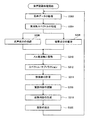
図3と図4に示すフローチャートを用いて、音声認識装置100の動作を説明する。音声認識装置100は、図3のフローチャートに示す音声認識処理を常に実行している。それと並行して、音声認識装置100は、所定の時間間隔で、図4のフローチャートに示す更新判定処理を実行する。
The operation of the
図3の音声認識処理を開始すると、ステップS302において、マイクロホン112a、112b、112c、112d、112eおよび112fから音信号が入力され、それらの音信号をA/D変換部206で音データに変換する。
ステップS304では、周波数変換部208が、音データの周波数スペクトルを特定する。
ステップS306では、音声成分強調部210が、基本周波数スペクトルを算出する。
ステップS308では、雑音成分推定部212が、雑音周波数スペクトルを算出する。
なお本実施例の音声認識装置100では、ステップS306とステップS308は、ステップS304の後に、同時に並行して実施される。ステップS306とステップS308の両方の処理が終了した後、処理はステップS310へ移行する。
ステップS310では、基本周波数スペクトルと、雑音周波数スペクトルを、それぞれメル周波数に関するスペクトルに変換する。
ステップS312では、スペクトル減算部218が、基本メル周波数スペクトルから、雑音メル周波数スペクトルを減算(スペクトル・サブトラクション)して、音声メル周波数スペクトルを算出する。
ステップS314では、特徴量計算部220が、音声メル周波数スペクトルから、対話者Vの音声の特徴量であるMFCCを計算する。
ステップS316では、言語認識部222が、MFCCから言語の内容を認識して対応する文字列を特定する。
ステップS318では、応答制御部224が、特定された文字列に応じた適切な返答を生成する。
ステップS320では、スピーカ116から、返答が音声で出力される。
ステップS320の後、処理はステップS303へ移行し、上述の処理を繰り返し実行する。
When the voice recognition process of FIG. 3 is started, sound signals are input from the
In step S304, the
In step S306, the speech
In step S308, the noise
Note that in the
In step S310, the fundamental frequency spectrum and the noise frequency spectrum are each converted into a spectrum relating to the mel frequency.
In step S312, the
In step S314, the feature
In step S316, the
In step S318, the
In step S320, a response is output from the
After step S320, the process proceeds to step S303, and the above process is repeatedly executed.
図4の更新判定処理が開始されると、ステップS402において、右カメラ104と左カメラ106から画像データを取得する。
ステップS404では、画像認識部202が、取得された画像データから対話者Vの方向を特定する。
ステップS406では、更新判定部204が、対話者Vの方向から、音声成分強調部210において音を強調する方向と、雑音成分推定部212におけるフィルタ行列の、更新が必要か否かを判断する。更新が必要と判定された場合(ステップS406でYESの場合)、処理はステップS408へ進む。更新が不要と判定された場合(ステップS406でNOの場合)、音声成分強調部210において音を強調する方向と、雑音成分推定部212のフィルタ行列について、更新をすることなく、図4の更新判定処理は終了する。
ステップS408では、音声成分強調部210において、音を強調する方向を更新する。
ステップS410では、雑音成分強調部212において、フィルタ行列の最適化処理を行って、フィルタ行列の更新を行う。
なお本実施例の音声認識装置100では、ステップS408とステップS410は、ステップS406で更新が必要と判定された後に、同時に並行して実施される。ステップS408とステップS410の両方の処理が終了した後、図4の更新判定処理は終了する。
When the update determination process of FIG. 4 is started, image data is acquired from the
In step S404, the
In step S <b> 406, the
In step S408, the sound
In step S410, the noise
In the
本実施例の音声認識装置100によれば、雑音成分を推定するにあたり、対話者Vの方向からの音を抑圧するのではなく、ICAに基づいた信号の分離によって、雑音成分を推定する。このような手法を用いることによって、マイクロホンの感度特性のばらつきの影響を受けることなく、雑音成分を推定することができる。これによって、雑音成分を正確に除去した音声メル周波数スペクトルを得ることができる。言語認識部222における誤認識を防ぐことができる。
According to the
本実施例の音声認識装置100によれば、雑音成分推定部212におけるフィルタ行列を、常に更新し続けるのではなく、対話者Vの方向が所定の角度以上変化した場合に更新する構成としている。フィルタ行列の更新を頻繁に行う場合、処理の負荷は非常に重いものとなってしまうが、本実施例のように必要な時にのみフィルタ行列を更新する構成とすることによって、処理の負荷を大幅に軽減することができる。音声認識処理に要する時間を短時間にすることができる。
According to the
上記の実施例では、対話者Vの方向が所定の角度以上変化した場合に、更新判定部204が更新を指示する例を説明したが、更新の判定基準はこれに限らない。例えば、所定の時間(例えば10s)が経過するごとに、更新を指示する構成としてもよい。あるいは、音声認識装置100が対話者を新たに検出するごとに、更新を指示する構成としてもよい。
In the above embodiment, an example has been described in which the
また上記とは異なり、雑音成分推定部212におけるフィルタ行列の更新について、音声認識装置100および対話者Vの周囲の環境が変化した場合に、更新判定部204で更新を指示する構成としてもよい。この場合、画像認識部202において、右カメラ104と左カメラ106から出力される画像データから、対話者Vの輪郭を抽出して、対話者Vの輪郭から対話者Vの映像と周囲の環境の映像を識別し、周囲の環境の映像の経時的変化を特定することで、周囲の環境の変化を認識することができる。この場合、更新判定部204は、画像認識部202から周囲の環境が変化したことを通知されると、雑音成分推定部212へフィルタ行列の更新を指示する。
Unlike the above, regarding the update of the filter matrix in the noise
上記の実施例では、音声成分強調部210において音を強調する方向の更新と、雑音成分推定部212におけるフィルタ行列の更新を同時に行う例を説明したが、これらは別々のタイミングで更新する構成としてもよい。特に、音声成分強調部210において音を強調する方向の更新は、雑音成分推定部212におけるフィルタ行列の更新に比べて処理の負荷が軽いため、音声成分強調部210において音を強調する方向は、対話者Vの方向が変化する度に更新する構成としてもよい。
In the above embodiment, the example in which the sound
上記の実施例では、音声成分強調部210で算出された基本周波数スペクトルと、雑音成分推定部212で算出された雑音周波数スペクトルのそれぞれについて、先ずメル周波数変換部214および216で別個にメル周波数スペクトルへの変換を行い、その後にスペクトル減算部218でスペクトル・サブトラクションを行っている。上記とは異なり、先ず音声成分強調部210で算出された基本周波数スペクトルと、雑音成分推定部212で算出された雑音周波数スペクトルについてスペクトル・サブトラクションを行い、その後にメル周波数スペクトルへの変換を行う構成としてもよい。
In the above embodiment, for each of the fundamental frequency spectrum calculated by the speech
以上、本発明の具体例を詳細に説明したが、これらは例示にすぎず、特許請求の範囲を限定するものではない。特許請求の範囲に記載の技術には、以上に例示した具体例を様々に変形、変更したものが含まれる。
また、本明細書または図面に説明した技術要素は、単独であるいは各種の組み合わせによって技術的有用性を発揮するものであり、出願時請求項記載の組み合わせに限定されるものではない。また、本明細書または図面に例示した技術は複数目的を同時に達成するものであり、そのうちの一つの目的を達成すること自体で技術的有用性を持つものである。
Specific examples of the present invention have been described in detail above, but these are merely examples and do not limit the scope of the claims. The technology described in the claims includes various modifications and changes of the specific examples illustrated above.
In addition, the technical elements described in the present specification or the drawings exhibit technical usefulness alone or in various combinations, and are not limited to the combinations described in the claims at the time of filing. In addition, the technology illustrated in the present specification or the drawings achieves a plurality of objects at the same time, and has technical utility by achieving one of the objects.
100:音声認識装置
102:頭部
104:右カメラ
106:左カメラ
108:胴体部
110:集音部
112a、112b、112c、112d、112e、112f:マイクロホン
114:コントローラ
116:スピーカ
202:画像認識部
204:更新判定部
206:A/D変換部
208:周波数変換部
210:音声成分強調部
212:雑音成分推定部
214、216:メル周波数変換部
218:スペクトル減算部
220:特徴量計算部
222:言語認識部
224:応答制御部
226:D/A変換部
502、504:音源
506、508:マイクロホン
510:フィルタ行列
512:フィルタ最適化手段
602:音源
604、606:マイクロホン
610、612:経路
616、618:波面
620、622:点
624、626:音信号
702、704、810、812、910、912:指向特性の分布
1002:音データ
DESCRIPTION OF SYMBOLS 100: Voice recognition apparatus 102: Head 104: Right camera 106: Left camera 108: Body part 110:
Claims (6)
音を入力して、音信号に変換する複数の音入力手段と、
音信号を周波数スペクトル(原周波数スペクトル)に変換する周波数変換手段と、
原周波数スペクトルから、対話者の音声成分を含む1の周波数スペクトル(基本周波数スペクトル)を取得する音声成分検出手段と、
複数の原周波数スペクトルから、フィルタ行列を用いる独立成分分析によって、雑音成分の1の周波数スペクトル(雑音周波数スペクトル)を取得する雑音成分推定手段と、
基本周波数スペクトルから雑音周波数スペクトルを減算して、対話者の音声成分の周波数スペクトル(音声周波数スペクトル)を取得するスペクトル減算手段と、
音声周波数スペクトルに基いて、対話者が話しかけた言語の内容を認識する言語内容認識手段と、
対話者の方向を取得する方向取得手段と、
フィルタ行列の更新を行うか否かを判定する更新判定手段を備えており、
更新判定手段は、対話者の方向が変化した場合に、フィルタ行列の更新を行うと判定し、
雑音成分推定手段は、更新判定手段によって更新を行うと判定された場合に、フィルタ行列の更新を行うことを特徴とする音声認識装置。 A speech recognition device that recognizes the language content from speech spoken by a conversation person,
A plurality of sound input means for inputting sound and converting it into a sound signal;
A frequency conversion means for converting the sound signal into a frequency spectrum (original frequency spectrum);
Speech component detection means for acquiring one frequency spectrum (basic frequency spectrum) including the speech component of the conversation person from the original frequency spectrum;
Noise component estimation means for acquiring a frequency spectrum of one noise component (noise frequency spectrum) from a plurality of original frequency spectra by independent component analysis using a filter matrix;
Spectral subtraction means for subtracting the noise frequency spectrum from the fundamental frequency spectrum to obtain the frequency spectrum of the voice component of the talker (voice frequency spectrum);
Language content recognition means for recognizing the language content spoken by the interlocutor based on the audio frequency spectrum ;
Direction acquisition means for acquiring the direction of the conversation person;
An update determination means for determining whether or not to update the filter matrix is provided,
The update determination means determines to update the filter matrix when the direction of the conversation person changes,
The speech recognition apparatus , wherein the noise component estimation unit updates the filter matrix when it is determined that the update determination unit updates .
音を入力して、音信号に変換する複数の音入力手段と、A plurality of sound input means for inputting sound and converting it into a sound signal;
音信号を周波数スペクトル(原周波数スペクトル)に変換する周波数変換手段と、A frequency conversion means for converting the sound signal into a frequency spectrum (original frequency spectrum);
原周波数スペクトルから、対話者の音声成分を含む1の周波数スペクトル(基本周波数スペクトル)を取得する音声成分検出手段と、Speech component detection means for acquiring one frequency spectrum (basic frequency spectrum) including the speech component of the conversation person from the original frequency spectrum;
複数の原周波数スペクトルから、フィルタ行列を用いる独立成分分析によって、雑音成分の1の周波数スペクトル(雑音周波数スペクトル)を取得する雑音成分推定手段と、Noise component estimation means for acquiring a frequency spectrum of one noise component (noise frequency spectrum) from a plurality of original frequency spectra by independent component analysis using a filter matrix;
基本周波数スペクトルから雑音周波数スペクトルを減算して、対話者の音声成分の周波数スペクトル(音声周波数スペクトル)を取得するスペクトル減算手段と、Spectral subtraction means for subtracting the noise frequency spectrum from the fundamental frequency spectrum to obtain the frequency spectrum of the voice component of the talker (voice frequency spectrum);
対話者の方向を取得する方向取得手段と、Direction acquisition means for acquiring the direction of the conversation person;
フィルタ行列の更新を行うか否かを判定する更新判定手段を備えており、An update determination means for determining whether or not to update the filter matrix is provided,
更新判定手段は、対話者の方向が変化した場合に、フィルタ行列の更新を行うと判定し、The update determination means determines to update the filter matrix when the direction of the conversation person changes,
雑音成分推定手段は、更新判定手段によって更新を行うと判定された場合に、フィルタ行列の更新を行うことを特徴とする周波数スペクトル取得装置。The frequency component acquisition device, wherein the noise component estimation unit updates the filter matrix when it is determined that the update determination unit updates.
複数の音入力手段によって、入力される音を音信号に変換する音入力工程と、A sound input step of converting an input sound into a sound signal by a plurality of sound input means;
音信号を周波数スペクトル(原周波数スペクトル)に変換する周波数変換工程と、A frequency conversion step of converting the sound signal into a frequency spectrum (original frequency spectrum);
原周波数スペクトルから、対話者の音声成分を含む1の周波数スペクトル(基本周波数スペクトル)を取得する音声成分検出工程と、A voice component detection step of acquiring one frequency spectrum (basic frequency spectrum) including the voice component of the conversation person from the original frequency spectrum;
複数の原周波数スペクトルから、フィルタ行列を用いる独立成分分析によって、雑音成分の1の周波数スペクトル(雑音周波数スペクトル)を取得する雑音成分推定工程と、A noise component estimation step of acquiring a frequency spectrum of one noise component (noise frequency spectrum) from a plurality of original frequency spectra by independent component analysis using a filter matrix;
基本周波数スペクトルから雑音周波数スペクトルを減算して、対話者の音声成分の周波数スペクトル(音声周波数スペクトル)を取得するスペクトル減算工程と、Subtracting the noise frequency spectrum from the fundamental frequency spectrum to obtain the frequency spectrum (voice frequency spectrum) of the voice component of the interlocutor;
音声周波数スペクトルに基いて、対話者が話しかけた言語の内容を認識する言語内容認識工程と、A language content recognition process for recognizing the language content spoken by the interlocutor based on the speech frequency spectrum;
対話者の方向を取得する方向取得工程と、A direction acquisition step of acquiring the direction of the conversation person;
フィルタ行列の更新を行うか否かを判定する更新判定工程と、An update determination step for determining whether or not to update the filter matrix;
更新判定工程において更新を行うと判定された場合に、フィルタ行列の更新を行う更新工程を備えており、When it is determined that the update is performed in the update determination step, the update step includes updating the filter matrix,
更新判定工程では、対話者の方向が変化した場合に、フィルタ行列の更新を行うと判定することを特徴とする音声認識方法。A speech recognition method characterized in that, in the update determination step, it is determined that the filter matrix is updated when the direction of the talker changes.
Priority Applications (1)
| Application Number | Priority Date | Filing Date | Title |
|---|---|---|---|
| JP2006068264A JP4825552B2 (en) | 2006-03-13 | 2006-03-13 | Speech recognition device, frequency spectrum acquisition device, and speech recognition method |
Applications Claiming Priority (1)
| Application Number | Priority Date | Filing Date | Title |
|---|---|---|---|
| JP2006068264A JP4825552B2 (en) | 2006-03-13 | 2006-03-13 | Speech recognition device, frequency spectrum acquisition device, and speech recognition method |
Publications (2)
| Publication Number | Publication Date |
|---|---|
| JP2007248534A JP2007248534A (en) | 2007-09-27 |
| JP4825552B2 true JP4825552B2 (en) | 2011-11-30 |
Family
ID=38592947
Family Applications (1)
| Application Number | Title | Priority Date | Filing Date |
|---|---|---|---|
| JP2006068264A Expired - Lifetime JP4825552B2 (en) | 2006-03-13 | 2006-03-13 | Speech recognition device, frequency spectrum acquisition device, and speech recognition method |
Country Status (1)
| Country | Link |
|---|---|
| JP (1) | JP4825552B2 (en) |
Cited By (1)
| Publication number | Priority date | Publication date | Assignee | Title |
|---|---|---|---|---|
| CN109850651A (en) * | 2019-04-03 | 2019-06-07 | 东莞市达瑞电子股份有限公司 | Terminal automatic material collecting device of die cutting machine |
Families Citing this family (12)
| Publication number | Priority date | Publication date | Assignee | Title |
|---|---|---|---|---|
| JP4934580B2 (en) * | 2007-12-17 | 2012-05-16 | 株式会社日立製作所 | Video / audio recording apparatus and video / audio reproduction apparatus |
| JP5642339B2 (en) * | 2008-03-11 | 2014-12-17 | トヨタ自動車株式会社 | Signal separation device and signal separation method |
| JP2010054954A (en) * | 2008-08-29 | 2010-03-11 | Toyota Motor Corp | Voice emphasizing device and voice emphasizing method |
| JP2010124370A (en) * | 2008-11-21 | 2010-06-03 | Fujitsu Ltd | Signal processing device, signal processing method, and signal processing program |
| JP5207479B2 (en) | 2009-05-19 | 2013-06-12 | 国立大学法人 奈良先端科学技術大学院大学 | Noise suppression device and program |
| JP2011002535A (en) * | 2009-06-17 | 2011-01-06 | Toyota Motor Corp | Voice interaction system, voice interaction method, and program |
| KR101579534B1 (en) * | 2014-10-16 | 2015-12-22 | 현대자동차주식회사 | Vehicle and controlling method thereof, and microphone therefor |
| JP6631694B2 (en) * | 2016-03-17 | 2020-01-15 | 日本電気株式会社 | Search support device, search support system, search support method, and program |
| CN113470621B (en) * | 2021-08-23 | 2023-10-24 | 杭州网易智企科技有限公司 | Voice detection method, device, medium and electronic equipment |
| CN114972868B (en) * | 2022-05-27 | 2026-03-31 | 重庆交通大学 | A method for identifying moving loads on bridges based on displacement response power spectrum |
| CN118354028B (en) * | 2024-05-20 | 2024-09-27 | 国家电网有限公司信息通信分公司 | Video conference sound delay detection method and system based on machine learning |
| CN118645089B (en) * | 2024-08-16 | 2024-12-20 | 罗普特科技集团股份有限公司 | Speech recognition method for multidimensional AI platform |
Family Cites Families (5)
| Publication number | Priority date | Publication date | Assignee | Title |
|---|---|---|---|---|
| JP2003066986A (en) * | 2001-08-23 | 2003-03-05 | Sharp Corp | Voice recognition robot |
| JP4173978B2 (en) * | 2002-08-01 | 2008-10-29 | 株式会社デンソー | Noise removing device, voice recognition device, and voice communication device |
| JP2004133403A (en) * | 2002-09-20 | 2004-04-30 | Kobe Steel Ltd | Sound signal processing apparatus |
| JP2005031258A (en) * | 2003-07-09 | 2005-02-03 | Canon Inc | Recognition model learning apparatus and method |
| JP4543731B2 (en) * | 2004-04-16 | 2010-09-15 | 日本電気株式会社 | Noise elimination method, noise elimination apparatus and system, and noise elimination program |
-
2006
- 2006-03-13 JP JP2006068264A patent/JP4825552B2/en not_active Expired - Lifetime
Cited By (1)
| Publication number | Priority date | Publication date | Assignee | Title |
|---|---|---|---|---|
| CN109850651A (en) * | 2019-04-03 | 2019-06-07 | 东莞市达瑞电子股份有限公司 | Terminal automatic material collecting device of die cutting machine |
Also Published As
| Publication number | Publication date |
|---|---|
| JP2007248534A (en) | 2007-09-27 |
Similar Documents
| Publication | Publication Date | Title |
|---|---|---|
| JP6520878B2 (en) | Voice acquisition system and voice acquisition method | |
| CN111370014B (en) | System and method for multi-stream object-speech detection and channel fusion | |
| US11790900B2 (en) | System and method for audio-visual multi-speaker speech separation with location-based selection | |
| CN107910011B (en) | A kind of speech noise reduction method, device, server and storage medium | |
| JP6464449B2 (en) | Sound source separation apparatus and sound source separation method | |
| CN106872945B (en) | Sound source positioning method and device and electronic equipment | |
| JP6543848B2 (en) | Voice processing apparatus, voice processing method and program | |
| CN108630222B (en) | Signal processing system and signal processing method | |
| JP2006181651A (en) | Interactive robot, interactive robot speech recognition method, and interactive robot speech recognition program | |
| CN102388416A (en) | Signal processing device and signal processing method | |
| JP2007248534A (en) | Speech recognition device, frequency spectrum acquisition device, and speech recognition method | |
| JP2011191423A (en) | Device and method for recognition of speech | |
| WO2007138503A1 (en) | Method of driving a speech recognition system | |
| JP7079189B2 (en) | Sound source direction estimation device, sound source direction estimation method and its program | |
| JP2004199053A (en) | Method for processing speech signal by using absolute loudness | |
| JP2008064892A (en) | Speech recognition method and speech recognition apparatus using the same | |
| JP7838292B2 (en) | Speech recognition device, speech recognition method, speech recognition program, speech recognition system | |
| WO2021206679A1 (en) | Audio-visual multi-speacer speech separation | |
| KR101811716B1 (en) | Method for voice recognition and apparatus for voice recognition thereof | |
| US20150039314A1 (en) | Speech recognition method and apparatus based on sound mapping | |
| KR102208536B1 (en) | Speech recognition device and operating method thereof | |
| CN113939871A (en) | Speaking section detection device, speaking section detection method, and speaking section detection program | |
| JP5435221B2 (en) | Sound source signal separation device, sound source signal separation method and program | |
| KR20180087038A (en) | Hearing aid with voice synthesis function considering speaker characteristics and method thereof | |
| KR101430342B1 (en) | Speech recognition method using estimation of speaker distance and voice recognition apparatus using the same |
Legal Events
| Date | Code | Title | Description |
|---|---|---|---|
| A621 | Written request for application examination |
Free format text: JAPANESE INTERMEDIATE CODE: A621 Effective date: 20080709 |
|
| A977 | Report on retrieval |
Free format text: JAPANESE INTERMEDIATE CODE: A971007 Effective date: 20101129 |
|
| A131 | Notification of reasons for refusal |
Free format text: JAPANESE INTERMEDIATE CODE: A131 Effective date: 20101221 |
|
| A521 | Request for written amendment filed |
Free format text: JAPANESE INTERMEDIATE CODE: A523 Effective date: 20110208 |
|
| TRDD | Decision of grant or rejection written | ||
| A01 | Written decision to grant a patent or to grant a registration (utility model) |
Free format text: JAPANESE INTERMEDIATE CODE: A01 Effective date: 20110906 |
|
| A01 | Written decision to grant a patent or to grant a registration (utility model) |
Free format text: JAPANESE INTERMEDIATE CODE: A01 |
|
| A61 | First payment of annual fees (during grant procedure) |
Free format text: JAPANESE INTERMEDIATE CODE: A61 Effective date: 20110912 |
|
| R150 | Certificate of patent or registration of utility model |
Ref document number: 4825552 Country of ref document: JP Free format text: JAPANESE INTERMEDIATE CODE: R150 Free format text: JAPANESE INTERMEDIATE CODE: R150 |
|
| FPAY | Renewal fee payment (event date is renewal date of database) |
Free format text: PAYMENT UNTIL: 20140916 Year of fee payment: 3 |
|
| R250 | Receipt of annual fees |
Free format text: JAPANESE INTERMEDIATE CODE: R250 |
|
| R250 | Receipt of annual fees |
Free format text: JAPANESE INTERMEDIATE CODE: R250 |
|
| R250 | Receipt of annual fees |
Free format text: JAPANESE INTERMEDIATE CODE: R250 |
|
| R250 | Receipt of annual fees |
Free format text: JAPANESE INTERMEDIATE CODE: R250 |
|
| R250 | Receipt of annual fees |
Free format text: JAPANESE INTERMEDIATE CODE: R250 |
|
| R250 | Receipt of annual fees |
Free format text: JAPANESE INTERMEDIATE CODE: R250 |
|
| R250 | Receipt of annual fees |
Free format text: JAPANESE INTERMEDIATE CODE: R250 |
|
| R250 | Receipt of annual fees |
Free format text: JAPANESE INTERMEDIATE CODE: R250 |
|
| R250 | Receipt of annual fees |
Free format text: JAPANESE INTERMEDIATE CODE: R250 |
|
| S111 | Request for change of ownership or part of ownership |
Free format text: JAPANESE INTERMEDIATE CODE: R313117 |
|
| R350 | Written notification of registration of transfer |
Free format text: JAPANESE INTERMEDIATE CODE: R350 |