JP4635486B2 - Concept acquisition apparatus and method thereof, robot apparatus and action control method thereof - Google Patents
Concept acquisition apparatus and method thereof, robot apparatus and action control method thereof Download PDFInfo
- Publication number
- JP4635486B2 JP4635486B2 JP2004191935A JP2004191935A JP4635486B2 JP 4635486 B2 JP4635486 B2 JP 4635486B2 JP 2004191935 A JP2004191935 A JP 2004191935A JP 2004191935 A JP2004191935 A JP 2004191935A JP 4635486 B2 JP4635486 B2 JP 4635486B2
- Authority
- JP
- Japan
- Prior art keywords
- concept
- person
- positive
- attribute information
- target
- Prior art date
- Legal status (The legal status is an assumption and is not a legal conclusion. Google has not performed a legal analysis and makes no representation as to the accuracy of the status listed.)
- Expired - Fee Related
Links
Images

Landscapes
- Manipulator (AREA)
Description
本発明は、外界から得られた情報と装置内部に記憶されている知識とに基づいて新しい概念を獲得する概念獲得装置及びその方法、並びに概念に基づいて行動するロボット装置及びその行動制御方法に関する。 The present invention relates to a concept acquisition apparatus and method for acquiring a new concept based on information obtained from the outside world and knowledge stored in the apparatus, and a robot apparatus that operates based on the concept and a behavior control method thereof. .
論理に基づく帰納推論を行うシステム(ILP:Inductive Logic Programing)が90年代後半にStephen Muggletonらによって開発された(例えば、非特許文献1参照。)。ILPは、多くの事例から共通するルールを導き出すシステムである。このILPは、事例として正しい例(正例)と間違った例(負例)が与えられることにより、これらの正負例を事例に関連する背景知識に基づいて組み合わせ、多くの事例が成り立つ仮説を作り出す。作り出された仮説は、概念と呼ばれる。このようにして実現されたILPとして、Progolと呼ばれるシステムがある。 A system that performs inductive logic programming (ILP) was developed by Stephen Muggleton et al. In the late 90s (see, for example, Non-Patent Document 1). ILP is a system for deriving common rules from many cases. In this ILP, correct examples (positive examples) and incorrect examples (negative examples) are given as examples, and these positive and negative examples are combined based on the background knowledge related to the examples to create a hypothesis in which many examples are valid. . The hypothesis created is called a concept. As an ILP realized in this way, there is a system called Progol.
しかしながら、Progolでは、求めようとする概念(目標概念)、背景知識及び正負例はプログラムで与えることになっており、どのように目標概念、背景知識及び正負例を選択するか決まっておらず、新しい概念を自動的に獲得することができなかった。 However, in Progol, the concept to be obtained (target concept), background knowledge, and positive / negative examples are given by the program, and it is not determined how to select the target concept, background knowledge, and positive / negative examples. A new concept could not be acquired automatically.
したがって、Progolがロボット装置に組み込まれた場合であっても、新しい概念を獲得することができず、概念に対応した動作を行うことができなかった。 Therefore, even when Progol is incorporated in the robot apparatus, a new concept cannot be acquired and an operation corresponding to the concept cannot be performed.
本発明は、このような従来の実情に鑑みて提案されたものであり、外界から得られた情報と装置内部に記憶されている知識とに基づいて新しい概念を獲得する概念獲得装置及びその方法、並びに概念に基づいて行動するロボット装置及びその行動制御方法を提供することを目的とする。 The present invention has been proposed in view of such a conventional situation, and a concept acquisition apparatus and method for acquiring a new concept based on information obtained from the outside world and knowledge stored in the apparatus. It is another object of the present invention to provide a robot apparatus that behaves based on a concept and a behavior control method thereof.
そこで、上述した目的を達成するために、本発明に係る概念獲得装置は、画像から人の顔を認識し、人物IDを出力するとともに、顔の特徴を抽出し、顔の特徴を示す属性情報を出力する顔認識手段と、音声から発話内容を認識し、テキスト文章を出力する音声認識手段と、上記属性情報に基づいて顔の特徴の有無を示す正負例を上記人物ID毎に生成するとともに、上記テキスト文章に基づいて発話内容と同じ意味又は反対の意味を示す正負例を上記人物ID毎に生成する正負例生成手段と、上記属性情報又は上記テキスト文章に基づいて目標概念を決定する目標概念決定手段と、上記目標概念に対して上記正負例を組み合わせ、最も多くの人物IDに対して事例が成り立つものを概念として獲得する概念獲得手段とを有することを特徴としている。 Therefore, in order to achieve the above-described object, the concept acquisition device according to the present invention recognizes a human face from an image, outputs a person ID, extracts a facial feature, and attribute information indicating the facial feature. Generating a positive / negative example indicating the presence / absence of a facial feature based on the attribute information for each person ID, and a face recognition unit that outputs utterances and outputs a text sentence. , A positive / negative example generating means for generating a positive / negative example showing the same meaning or opposite meaning to the utterance content based on the text sentence for each person ID, and a target for determining a target concept based on the attribute information or the text sentence and concepts determining unit, a combination of the above positive and negative examples with respect to the target concept, and characterized in that it has a concept acquisition means for acquiring those cases holds against most personal ID as a concept To have.
また、本発明に係る概念獲得方法は、顔認識手段により、画像から人の顔を認識し、人物IDを出力するとともに、顔の特徴を抽出し、顔の特徴を示す属性情報を出力する顔認識工程と、音声認識手段により、音声から発話内容を認識し、テキスト文章を出力する音声認識工程と、情報処理装置により、上記属性情報又は上記テキスト文章に基づいて目標概念を決定する目標概念決定工程と、情報処理装置により、上記属性情報に基づいて顔の特徴の有無を示す正負例を上記人物ID毎に生成するとともに、上記テキスト文章に基づいて発話内容と同じ意味又は反対の意味を示す正負例を上記人物ID毎に生成する正負例生成工程と、情報処理装置により、上記目標概念に対して上記正負例を組み合わせ、最も多くの人物IDに対して事例が成り立つものを概念として獲得する概念獲得工程とを有することを特徴としている。 In the concept acquisition method according to the present invention, a face recognition unit recognizes a human face from an image, outputs a person ID, extracts a facial feature, and outputs attribute information indicating the facial feature. A recognition step, a speech recognition step for recognizing speech content from speech by means of speech recognition means and outputting a text sentence, and a target concept determination for determining a target concept based on the attribute information or the text sentence by an information processing device The process and the information processing device generate positive / negative examples indicating the presence or absence of facial features based on the attribute information for each person ID, and indicate the same or opposite meaning as the utterance content based on the text sentence. positive and negative examples generating step of generating positive and negative examples for each of the person ID, the information processing apparatus, the combination of the positive and negative examples with respect to the target concept is case for the most number of persons ID Is characterized by having a concept acquisition step of acquiring Ri stands things as concepts.
また、本発明に係るロボット装置は、自律的な動作が可能なロボット装置において、画像から人の顔を認識し、人物IDを出力するとともに、顔の特徴を抽出し、顔の特徴を示す属性情報を出力する顔認識手段と、音声から発話内容を認識し、テキスト文章を出力する音声認識手段と、上記属性情報に基づいて顔の特徴の有無を示す正負例を上記人物ID毎に生成するとともに、上記テキスト文章に基づいて発話内容と同じ意味又は反対の意味を示す正負例を上記人物ID毎に生成する正負例生成手段と、上記属性情報又は上記テキスト文章に基づいて目標概念を決定する目標概念決定手段と、上記目標概念に対して上記正負例を組み合わせ、最も多くの人物IDに対して事例が成り立つものを概念として獲得する概念獲得手段と、上記概念獲得手段にて獲得した概念を記憶する知識記憶手段とを有することを特徴としている。 The robot device according to the present invention is an attribute that recognizes a human face from an image, outputs a person ID, extracts a facial feature, and indicates a facial feature in a robot device capable of autonomous operation. A face recognition unit that outputs information, a voice recognition unit that recognizes utterance contents from voice and outputs a text sentence, and generates a positive / negative example indicating the presence or absence of facial features based on the attribute information for each person ID A positive / negative example generating means for generating positive / negative examples showing the same meaning or opposite meaning to the utterance content based on the text sentence for each person ID, and a target concept is determined based on the attribute information or the text sentence. A target concept determination unit, a concept acquisition unit that combines the positive and negative examples with respect to the target concept, and acquires as a concept a case where the case is established for the most person IDs; and the concept It is characterized by having a knowledge storage means for storing the concepts acquired at yield means.
また、本発明に係るロボット装置の行動制御方法は、顔認識手段により、画像から人の顔を認識し、人物IDを出力するとともに、顔の特徴を抽出し、顔の特徴を示す属性情報を出力する顔認識工程と、音声認識手段により、音声から発話内容を認識し、テキスト文章を出力する音声認識工程と、情報処理装置により、上記属性情報又は上記テキスト文章に基づいて目標概念を決定する目標概念決定工程と、情報処理装置により、上記属性情報に基づいて顔の特徴の有無を示す正負例を上記人物ID毎に生成するとともに、上記テキスト文章に基づいて発話内容と同じ意味又は反対の意味を示す正負例を上記人物ID毎に生成する正負例生成工程と、情報処理装置により、上記目標概念に対して上記正負例を組み合わせ、最も多くの人物IDに対して事例が成り立つものを概念として獲得する概念獲得工程と、情報処理装置により、上記概念獲得工程にて獲得した概念を記憶手段に記憶する知識記憶工程とを有することを特徴としている。 In the behavior control method of the robot apparatus according to the present invention, the face recognition unit recognizes a human face from an image, outputs a person ID, extracts a facial feature, and obtains attribute information indicating the facial feature. The face recognition step for outputting, the speech recognition unit for recognizing the utterance content from the voice by the voice recognition means, and the target concept is determined based on the attribute information or the text sentence by the information processing device. The target concept determination step and the information processing device generate positive / negative examples indicating the presence / absence of facial features based on the attribute information for each person ID, and have the same meaning or opposite to the utterance content based on the text sentence. positive and negative examples indicating the meaning and negative examples generating step of generating for each of the person ID, the information processing apparatus, the combination of the positive and negative examples with respect to the target concept, most personal ID And concepts acquisition step of acquiring the concept what cases is true for, by the information processing apparatus is characterized by having a knowledge storage step of storing the concepts acquired in the above concept acquisition step in the memory means.
本発明によれば、外界から得られた情報より目標概念を決定し、正負例を生成することができるため、正負例を組み合わせて新しい概念を獲得することができる。 According to the present invention, since a target concept can be determined from information obtained from the outside world and a positive / negative example can be generated, a new concept can be acquired by combining positive / negative examples.
また、外界から得られた情報よりロボット装置の行動に反映させる概念を識別し、行動を選択することができるため、どのような場面でも概念に対応した行動をとることができる。 Moreover, since the concept reflected in the action of the robot apparatus can be identified from the information obtained from the outside world and the action can be selected, the action corresponding to the concept can be taken in any scene.
以下、本発明を適用した具体的な実施の形態について、図面を参照しながら詳細に説明する。この実施の形態は、本発明を、外界から得られた知識と装置内部に記憶されている知識とに基づいて新しい概念を獲得し、行動に反映させる2足歩行タイプのロボット装置に適用したものである。このロボット装置は、住環境その他の日常生活上の様々な場面における人的活動を支援する実用ロボットであり、人間が行う基本的な動作を表出できるエンターテインメントロボットでもある。以下では先ず、このようなロボット装置の構成について説明し、次いで、このロボット装置の概念獲得方法及び行動制御方法について詳細に説明する。 Hereinafter, specific embodiments to which the present invention is applied will be described in detail with reference to the drawings. In this embodiment, the present invention is applied to a biped robot device that acquires a new concept based on knowledge obtained from the outside world and knowledge stored in the device and reflects it in the action. It is. This robot apparatus is a practical robot that supports human activities in various situations in the living environment and other daily lives, and is also an entertainment robot that can express basic actions performed by humans. Hereinafter, the configuration of such a robot apparatus will be described first, and then the concept acquisition method and the behavior control method of the robot apparatus will be described in detail.
(1)ロボット装置の構成
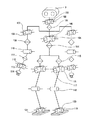
先ず、本実施の形態におけるロボット装置の構成について説明する。図1に示すように、本実施の形態におけるロボット装置1は、体幹部ユニット2の所定の位置に頭部ユニット3が連結されるとともに、左右2つの腕部ユニット4R/Lと、左右2つの脚部ユニット5R/Lが連結されて構成されている(但し、R及びLの各々は、右及び左の各々を示す接尾辞である。以下において同じ。)。
(1) Configuration of the robot device
First, the configuration of the robot apparatus according to the present embodiment will be described. As shown in FIG. 1, the robot apparatus 1 according to the present embodiment includes a
このロボット装置1が具備する関節自由度構成を図2に模式的に示す。頭部ユニット3を支持する首関節は、首関節ヨー軸101と、首関節ピッチ軸102と、首関節ロール軸103という3自由度を有している。
The joint degree-of-freedom configuration of the robot apparatus 1 is schematically shown in FIG. The neck joint that supports the
また、上肢を構成する各々の腕部ユニット4R/Lは、肩関節ピッチ軸107と、肩関節ロール軸108と、上腕ヨー軸109と、肘関節ピッチ軸110と、前腕ヨー軸111と、手首関節ピッチ軸112と、手首関節ロール軸113と、手部114とで構成される。手部114は、実際には、複数本の指を含む多関節・多自由度構造体である。但し、手部114の動作は、ロボット装置1の姿勢制御や歩行制御に対する寄与や影響が少ないので、本明細書ではゼロ自由度と仮定する。したがって、各腕部ユニット4R/Lは、7自由度で構成される。
Each
また、体幹部ユニット2は、体幹ピッチ軸104と、体幹ロール軸105と、体幹ヨー軸106という3自由度を有する。
The
また、下肢を構成する各々の脚部ユニット5R/Lは、股関節ヨー軸115と、股関節ピッチ軸116と、股関節ロール軸117と、膝関節ピッチ軸118と、足首関節ピッチ軸119と、足首関節ロール軸120と、足部121とで構成される。本明細書中では、股関節ピッチ軸116と股関節ロール軸117の交点は、ロボット装置1の股関節位置を定義する。人体の足部は、実際には多関節・多自由度の足底を含んだ構造体であるが、ロボット装置1の足部121は、ゼロ自由度とする。したがって、各脚部ユニット5R/Lは、6自由度で構成される。
Each
以上を総括すれば、ロボット装置1全体としては、合計で3+7×2+3+6×2=32自由度を有することになる。但し、エンターテインメント向けのロボット装置1が必ずしも32自由度に限定される訳ではない。設計・制作上の制約条件や要求仕様等に応じて、自由度すなわち関節数を適宜増減することができることはいうまでもない。 In summary, the robot apparatus 1 as a whole has a total of 3 + 7 × 2 + 3 + 6 × 2 = 32 degrees of freedom. However, the robot device 1 for entertainment is not necessarily limited to 32 degrees of freedom. Needless to say, the degree of freedom, that is, the number of joints, can be increased or decreased as appropriate in accordance with design / production constraints or required specifications.
上述したようなロボット装置1が持つ各自由度は、実際にはアクチュエータを用いて実装される。外観上で余分な膨らみを排してヒトの自然体形状に近似させること、2足歩行という不安定構造体に対して姿勢制御を行うことなどの要請から、アクチュエータは小型且つ軽量であることが好ましい。 Each degree of freedom of the robot apparatus 1 as described above is actually implemented using an actuator. It is preferable that the actuator be small and light in light of demands such as eliminating the appearance of extra bulges on the appearance and approximating the shape of a human body, and performing posture control on an unstable structure such as biped walking. .
図3には、ロボット装置1の制御システム構成を模式的に示している。図3に示すように、制御システムは、ユーザ入力などに動的に反応して情緒判断や感情表現を司る思考制御モジュール200と、アクチュエータ350の駆動などロボット装置1の全身協調運動を制御する運動制御モジュール300とで構成される。
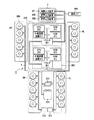
FIG. 3 schematically shows a control system configuration of the robot apparatus 1. As shown in FIG. 3, the control system is a motion that controls the whole body cooperative motion of the robot apparatus 1 such as driving the
思考制御モジュール200は、情緒判断や感情表現に関する演算処理を実行するCPU(Central Processing Unit)211や、RAM(Random Access Memory)212、ROM(Read Only Memory)213、及び外部記憶装置(ハード・ディスク・ドライブなど)214で構成され、モジュール内で自己完結した処理を行うことができる独立駆動型の情報処理装置である。
The
この思考制御モジュール200は、画像入力装置251から入力される画像データや音声入力装置252から入力される音声データなど、外界からの刺激などに従って、ロボット装置1の現在の感情や意思を決定する。ここで、画像入力装置251は、例えばCCD(Charge Coupled Device)カメラを左右に1つずつ備えており、また、音声入力装置252は、例えばマイクロホンを複数備えている。また、思考制御モジュール200は、スピーカを備える音声出力装置253を介して、音声を出力することができる。
The
また、思考制御モジュール200は、意思決定に基づいた動作又は行動シーケンス、すなわち四肢の運動を実行するように、運動制御モジュール300に対して指令を発行する。
In addition, the
一方の運動制御モジュール300は、ロボット装置1の全身協調運動を制御するCPU311や、RAM312、ROM313、及び外部記憶装置(ハード・ディスク・ドライブなど)314で構成され、モジュール内で自己完結した処理を行うことができる独立駆動型の情報処理装置である。外部記憶装置314には、例えば、オフラインで算出された歩行パターンや目標とするZMP軌道、その他の行動計画を蓄積することができる。ここで、ZMPとは、歩行中の床反力によるモーメントがゼロとなる床面上の点のことであり、また、ZMP軌道とは、例えばロボット装置1の歩行動作期間中にZMPが動く軌跡を意味する。なお、ZMPの概念並びにZMPを歩行ロボットの安定度判別規範に適用する点については、Miomir Vukobratovic 著“LEGGED LOCOMOTION ROBOTS”(加藤一郎外著『歩行ロボットと人工の足』(日刊工業新聞社))に記載されている。
One
運動制御モジュール300には、図2に示したロボット装置1の全身に分散するそれぞれの関節自由度を実現するアクチュエータ350、体幹部ユニット2の姿勢や傾斜を計測する姿勢センサ351、左右の足底の離床又は着床を検出する接地確認センサ352,353、バッテリなどの電源を管理する電源制御装置354などの各種の装置が、バス・インターフェース(I/F)301経由で接続されている。ここで、姿勢センサ351は、例えば加速度センサとジャイロ・センサの組み合わせによって構成され、接地確認センサ352,353は、近接センサ又はマイクロ・スイッチなどで構成される。
The
思考制御モジュール200と運動制御モジュール300とは、共通のプラットフォーム上で構築され、両者間はバス・インターフェース201,301を介して相互接続されている。
The
運動制御モジュール300では、思考制御モジュール200から指示された行動を体現すべく、各アクチュエータ350による全身協調運動を制御する。すなわち、CPU311は、思考制御モジュール200から指示された行動に応じた動作パターンを外部記憶装置314から取り出し、又は内部的に動作パターンを生成する。そして、CPU311は、指定された動作パターンに従って、足部運動、ZMP軌道、体幹運動、上肢運動、腰部水平位置及び高さなどを設定するとともに、これらの設定内容に従った動作を指示する指令値を各アクチュエータ350に転送する。
The
また、CPU311は、姿勢センサ351の出力信号によりロボット装置1の体幹部ユニット2の姿勢や傾きを検出するとともに、各接地確認センサ352,353の出力信号により各脚部ユニット5R/Lが遊脚又は立脚の何れの状態であるかを検出することによって、ロボット装置1の全身協調運動を適応的に制御することができる。
Further, the CPU 311 detects the posture and inclination of the
また、CPU311は、ZMP位置が常にZMP安定領域の中心に向かうように、ロボット装置1の姿勢や動作を制御する。 Further, the CPU 311 controls the posture and operation of the robot apparatus 1 so that the ZMP position is always directed to the center of the ZMP stable region.
さらに、運動制御モジュール300は、思考制御モジュール200において決定された意思通りの行動がどの程度発現されたか、すなわち処理の状況を、思考制御モジュール200に返すようになっている。
Furthermore, the
このようにしてロボット装置1は、制御プログラムに基づいて自己及び周囲の状況を判断し、自律的に行動することができる。 In this way, the robot apparatus 1 can determine its own and surrounding conditions based on the control program and act autonomously.
(2)概念獲得方法
次に、本実施の形態における概念獲得方法について説明する。図4は、本実施の形態における概念獲得装置40を示すブロック図である。概念獲得装置40を搭載したロボット装置1は、外界の情報を取得するセンサに図3に示す画像入力装置251に設けられたCCDカメラ41と音声入力装置252に設けられたマイクロホン43とを用いることができる。なお、ここではILP(Inductive Logic Programming)システムの1つであるProgolを用いて概念を獲得する方法を説明する。
(2) Concept acquisition method
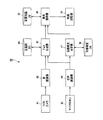
Next, the concept acquisition method in the present embodiment will be described. FIG. 4 is a block diagram showing the
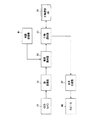
概念獲得装置40は、CCDカメラ41で撮像された画像から人の顔を認識し、その顔の特徴を示す属性情報とその顔の人物IDとを出力する顔認識器42と、マイクロホン43で集音した音声から発話内容を認識し、発話内容のテキスト文章を出力する音声認識器44と、顔認識器42から入力された属性情報又は音声認識器44から入力されたテキスト文章より正負例データベース46を参照して正例又は負例を生成するFact生成器45と、音声認識器44から入力されたテキスト文章より目標概念データベース48を参照して目標概念を決定する目標概念決定器47と、Fact生成器45で生成された正負例及び目標概念決定器47で決定された目標概念から背景知識データベース50を参照して新しい概念を獲得する概念獲得器49と、概念獲得器49で獲得した概念を記憶する知識記憶器51とを備えている。
The
顔認識器42は、例えば平均的な正面顔のテンプレート画像を使用し、CCDカメラ41から入力された画像と、テンプレート画像との相関を求めることにより、顔検出を行う。そして、検出した顔の人物IDを識別し、顔の特徴、例えば、髭が生えているか、眼鏡をかけているかなどを示す属性情報を人物IDとともに出力する。また、顔認識器42は、新しい顔を検出した場合、その顔に人物IDを付すとともに、その顔の特徴を抽出し、人物IDと属性情報とを出力する。顔認識器42から出力された人物ID及び属性情報は、Fact生成器44に入力される。
The
音声認識器44は、マイクロホン43で集音した音声から発話内容を認識し、発話内容のテキスト文章をFact生成器45及び目標概念決定器47に出力する。
The voice recognizer 44 recognizes the utterance content from the voice collected by the
Fact生成器45は、音声認識器44から入力されたテキスト文章より正負例を生成する。この際、Fact生成器45は、正負例データベース46に格納された正負例決定ルールを参照し、正例又は負例を生成する。この正負例決定ルールは、入力されたテキスト文章に対応して正例又は負例を生成するように規定されている。例えば、「わたしはらーめんがすきです」と入力されたテキスト文章に対しては正例である記述like(person, ramen)を生成するように規定され、その反対の意味を表す、例えば「わたしはらーめんがすきではありません」、「わたしはらーめんがきらいです」などと入力されたテキスト文章に対しては負例である記述not like(person, ramen)を生成するように規定されている。ここで、personには顔認識器42で認識された人のIDが入力される。
The
また、Fact生成器45は、顔認識器42から入力された属性情報に基づいて正負例を生成する。例えば、眼鏡をかけている人という属性情報が入力された場合には、正例である記述megane(person)を生成し、眼鏡をかけていない人という属性情報が入力された場合には、負例である記述not megane(person)を生成する。Fact生成器45は、生成した正負例を概念獲得器49に出力する。
Further, the
目標概念決定器47は、音声認識器44から入力されたテキスト文章を、目標概念データベース48に格納された目標概念決定ルールと比較して、合致したものを目標概念として決定する。目標概念決定ルールは、入力されたテキスト文章に対応して目標概念を決定するように規定されている。例えば、「わたしはらーめんがすきです」と入力されたテキストに対しては、likeを目標概念とするように規定されている。目標概念決定器47は、決定した目標概念を概念獲得器49に出力する。
The
概念獲得器49は、背景知識データベース50に格納された背景ルールで規定された正負例を組み合わせて最も多くの事例が成り立つ仮説を作り出す。そして、作り出された仮説を概念として獲得する。背景ルールには、目標概念に関する概念を獲得するために利用される正負例が規定されている。例えば、目標概念決定器47から入力された目標概念likeに対しては、Fact生成器45から出力された髭が生えているか否か、眼鏡をかけているか否かなどの正負例を利用するように規定されている。概念獲得器49は、獲得した概念を知識記憶器51に出力する。
The
知識記憶器51は、概念獲得器49で獲得された概念を記憶する。記憶された概念は、後述するロボット装置1の行動に反映される。
The
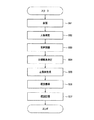
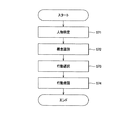
次に、本実施の形態におけるロボット装置1の概念獲得方法について、具体的な例を示して説明する。図5は、本実施の形態におけるロボット装置1の概念獲得方法を説明するフローチャートである。 Next, the concept acquisition method of the robot apparatus 1 in the present embodiment will be described with a specific example. FIG. 5 is a flowchart for explaining the concept acquisition method of the robot apparatus 1 according to the present embodiment.
先ず、人が、例えば「私はラーメンが好きです。」とロボット装置1のCCDカメラ41の前で話しかける(ステップS51)。顔認識器42は、CCDカメラ41で撮像された顔画像より話しかけた人物を特定する(ステップS52)。この際、顔認識器42は、人物IDと髭が生えているか否か、眼鏡をかけているか否か等の属性情報とを次のようなテーブル型式で出力する。
人物ID:p1
髭:true
眼鏡:false
ステップS51にて、マイクロホン43から入力された音声は、音声認識器44にて発話内容が認識され、テキスト文章が出力される(ステップS53)。
First, a person speaks in front of the
Person ID: p1
髭: true
Glasses: false
In step S51, the speech input from the
目標概念決定器47は、ステップS53にて認識されたテキスト文章と目標概念データベース48に格納された目標概念決定ルールとを比較し、目標概念として決定する(ステップS54)。例えば、目標概念データベース48には、次のような目標概念決定ルールが格納されているとする。
ルール:わたしはXがすきです ,like
ルール:わたしはXがすきではありません ,like
ルール:わたしはXがきらいです ,like
そして、例えば「わたしはらーめんがすきです。」とステップS53で認識された場合、目標概念決定器47は、その発話内容に対応する目標概念決定ルールに従ってlikeを目標概念として決定する。
The
Rule: I like X, like
Rule: I do n’t like X, like
Rule: I don't like X, like
Then, for example, when “I am Ramen Suki” is recognized in step S53, the
Fact生成器45は、ステップS53で認識されたテキスト文章に対応する正負例決定ルールに従い、正負例を生成する(ステップS55)。例えば、正負例データベース46には、次のような正負例決定ルールが格納されているとする。
ルール:わたしはTARGETがすきです ,like(person, TARGET)
ルール:わたしはTARGETがすきではありません ,not(like(person, TARGET))
ルール:わたしはTARGETがきらいです ,not(like(person, TARGET))
ここで、TARGETには、テキスト文章に応じて様々な要素が入力される。そして、Fact生成器45は、、ステップS53にて、例えば「わたしはらーめんがすきです。」と認識されたテキスト文章に対応する正負例決定ルールに従って、正例であるlike(person, ramen)を生成する。
The
Rule: I like TARGET, like (person, TARGET)
Rule: I don't like TARGET, not (like (person, TARGET))
Rule: I hate TARGET, not (like (person, TARGET))
Here, in TARGET, various elements are input according to the text sentence. In step S53, the
また、Fact生成器45は、顔認識器42から出力された属性情報に基づいて、正負例を生成する。例えば、髭が生えている場合、正例であるhige(person)を生成し、髭が生えていない場合、負例であるnot hige(person)を生成する。
Further, the
以上、ステップS51からステップS55までを順次繰り返し行い、正負例を生成する。例えば、p1からp9までのIDの人が、ラーメン及びうどんの好き嫌いについて話した場合、正負例は次のように生成される。
like(p1, ramen). not like(p1, udon). not hige(p1). not megane(p1).
not like(p2, ramen). like(p2, udon). hige(p2). not megane(p2).
like(p3, ramen). not like(p3, udon). not hige(p3). megane(p3).
like(p4, ramen). not like(p4, udon). not hige(p4). megane(p4).
not like(p5, ramen). not like(p5, udon). hige(p5). megane(p5).
like(p6, ramen). not like(p6, udon). not hige(p6). megane(p6).
not like(p7, ramen). like(p7, udon). hige(p7). not megane(p7).
not like(p8, ramen). like(p8, udon). hige(p8). not megane(p8).
not like(p9, ramen). not like(p9, udon). not hige(p9). not megane(p9).
ここで、例えば1段目のp1の人について説明すれば、顔には髭も眼鏡もなく、ラーメンが好きで、うどんが嫌いな人であることを示している。
As described above, steps S51 to S55 are sequentially repeated to generate positive and negative examples. For example, when a person with an ID from p1 to p9 talks about likes and dislikes of ramen and udon, positive and negative examples are generated as follows.
like (p1, ramen) .not like (p1, udon) .not hige (p1) .not megane (p1).
not like (p2, ramen) .like (p2, udon) .hige (p2) .not megane (p2).
like (p3, ramen) .not like (p3, udon) .not hige (p3) .megane (p3).
like (p4, ramen) .not like (p4, udon) .not hige (p4) .megane (p4).
not like (p5, ramen). not like (p5, udon). hige (p5). megane (p5).
like (p6, ramen) .not like (p6, udon) .not hige (p6) .megane (p6).
not like (p7, ramen) .like (p7, udon) .hige (p7) .not megane (p7).
not (p8, ramen) .like (p8, udon) .hige (p8) .not megane (p8).
not like (p9, ramen) .not like (p9, udon) .not hige (p9) .not megane (p9).
Here, for example, the person at p1 in the first row shows that the face has no wrinkles or glasses, likes ramen, and dislikes udon.
概念獲得器49は、背景知識データベース50に格納された複数のルールの中からステップS54で決定された目標概念に関するルール、例えば次に示すようなlikeに関するルールを取り出す。
modeh(1, like(+person, #food))
modeb(1, hige (+person))
modeb(1, megane (+person))
modeb(1, not hige(+person)))
modeb(1, not (megane(+person,)))
modeb(*,+any, +any)
ここで、modeh(1, like(+person, #food))の記述は、食べ物#foodに対する目標概念likeについてmodebに記述されている正負例の分類規則を見つけるように規定したものである。また、modeb(*,+any, +any)の記述は、modebに記述されている正負例を組み合わせて分類できるように規定したものである。なお、ラーメン及びうどんについては、背景知識データベース50に食べ物であることが記述されているものとする。
The
modeh (1, like (+ person, #food))
modeb (1, hige (+ person))
modeb (1, megane (+ person))
modeb (1, not hige (+ person)))
modeb (1, not (megane (+ person,)))
modeb (*, + any, + any)
Here, the description of modeh (1, like (+ person, #food)) is defined so as to find positive and negative classification rules described in modeb for the target concept like for food #food. The description of modeb (*, + any, + any) is defined so that it can be classified by combining positive and negative examples described in modeb. Note that ramen and udon are described as food in the
このようにステップS55で得られた正負例を組み合わせて最も多くの事例が成り立つ仮説を作り出し、概念を獲得する(ステップS56)。例えば、上述のp1からp9までのIDの人が、ラーメン及びうどんの好き嫌いについて話した場合、次のような概念を獲得する。
like(A, ramen)←not hige(A)
like(A, udon)←not(megane(A))and hige(A)
ここで、like(A, ramen)←not hige(A)の記述は、「髭を生やしていない人はラーメンが好きである」という概念を表すものである。これは、髭を生やしていない人であるp1、p3、p4、p6及びp9のうち、ラーメンが好きではない人はp9のみであるという事実に基づくものである。また、like(A, udon)←not(megane(A))and hige(A)の記述は、「眼鏡をかけておらず、且つ髭を生やしている人は、うどんが好きである」という概念を表すものである。これは、眼鏡をかけておらず、且つ髭を生やしている人であるp2、p7及びp8は、皆うどんが好きであるという事実に基づくものである。
In this way, a hypothesis in which the most cases are established by combining the positive and negative examples obtained in step S55, and a concept is acquired (step S56). For example, when the above-mentioned persons with IDs from p1 to p9 talk about the likes and dislikes of ramen and udon, the following concept is acquired.
like (A, ramen) ← not hige (A)
like (A, udon) ← not (megane (A)) and hige (A)
Here, the description of like (A, ramen) ← not hige (A) expresses the concept that “a person who does not grow cocoons likes ramen”. This is based on the fact that among p1, p3, p4, p6, and p9, who are not bearded, only p9 does not like ramen. Also, the description of like (A, udon) ← not (megane (A)) and hige (A) is the concept that `` people who don't wear glasses and grow beards like udon '' Is expressed. This is based on the fact that p2, p7 and p8, who are not wearing glasses and are growing beards, all like udon.
ステップS56にて獲得した概念は、知識記憶器51に記憶される(ステップS57)。 The concept acquired in step S56 is stored in the knowledge memory 51 (step S57).
なお、ステップS51において、人がロボット装置1のCCDカメラ41の前で話しかける際に、顔を撮像することとしたが、ロボット装置1が話しかけている人の方向を検知し、その方向にCCDカメラ41を向けて顔を撮像するようにしてもよい。
In step S51, when a person speaks in front of the
また、ステップS54において、音声認識器44で認識されたテキスト文章に基づいて目標概念を決定することとしたが、顔認識器42で認識された顔の属性情報に基づいて目標概念を決定するようにしてもよい。例えば、眼鏡をかけている人という属性情報が入力された場合、視力について目標概念を決定するようにしておき、例えば、「視力が著しく悪い人は眼鏡をかけている」という概念を獲得してもよい。
In step S54, the target concept is determined based on the text sentence recognized by the speech recognizer 44. However, the target concept is determined based on the face attribute information recognized by the
(3)行動制御方法
本実施の形態における行動制御方法について説明する。図6は、本実施の形態におけるロボット装置1の行動制御に関わる部分を示すブロック図である。ロボット装置1の行動制御に関わる部分は、外界の情報を取得するセンサとして図3に示す画像入力装置251に設けられたCCDカメラ61を用いることができる。
(3) Behavior control method
The behavior control method in the present embodiment will be described. FIG. 6 is a block diagram showing a part related to behavior control of the robot apparatus 1 in the present embodiment. The part related to behavior control of the robot apparatus 1 can use the
行動制御に関わる部分は、CCDカメラ61で撮像された画像から人の顔を識別し、その人のIDとその人の顔の特徴を示す属性情報とを出力する顔認識器62と、知識記憶器64に記憶された概念が真か偽かを顔認識器62から入力された属性情報に基づいて識別する概念識別器63と、概念識別器63にて真であると識別された概念を反映させるロボット装置1の行動を行動選択データベース66に基づいて選択する行動選択器65と、音声波形を合成する音声合成器67と、合成された音声波形を出力するスピーカ68とを備えている。
The part relating to the behavior control includes a
顔認識器62は、例えば平均的な正面顔のテンプレート画像を使用し、CCDカメラ61から入力された画像と、テンプレート画像との相関を求めることにより、顔検出を行う。そして、検出した顔の人物IDを識別し、顔の特徴、例えば、髭が生えているか、眼鏡をかけているかなどを示す属性情報を人物IDとともに出力する。また、顔認識器62は、新しい顔を検出した場合、その顔に人物IDを付すとともに、その顔の特徴を抽出し、人物IDと属性情報とを出力する。顔認識器62から出力された人物ID及び属性情報は、概念識別器63に入力される。
The
概念識別器63は、顔認識器62から入力された属性情報に基づいて知識記憶器64に記憶された概念が真か偽かを識別する。そして、真であると識別された概念をロボット装置1に反映させる概念として行動選択器65に出力する。
The
知識記憶器64は、上述した概念獲得装置40で獲得された概念が記憶されている。
The
行動選択器65は、概念識別器63にて真であると識別された概念を反映させるロボット装置1の行動を、行動選択データベース66に格納された行動選択ルールに基づいて選択する。行動選択ルールは、概念識別器63にて真であると識別された概念に対応する行動が規定されている。
The
音声合成器67は、行動選択器65にて発話行動が選択された場合、テキスト文章などを音声波形に合成する。合成された音声波形はスピーカ68から出力される。
The
次に、本実施の形態におけるロボット装置1の行動制御方法について、図7のフローチャートを参照して説明する。なお、ここでは、ロボット装置1がこれまでに会ったことのない人物に遭遇した場合の行動制御例について説明する。 Next, the behavior control method of the robot apparatus 1 in this Embodiment is demonstrated with reference to the flowchart of FIG. Here, an example of behavior control when the robot apparatus 1 encounters a person who has never met before will be described.
先ず、顔認識器62は、新しい顔が検出された場合、CCDカメラ61で撮像された顔画像より話しかけた人物を特定する(ステップS71)。この際、顔認識器62は、人物IDと髭が生えているか否か、眼鏡をかけているか否か等の属性情報とを次のようなテーブル型式で出力する。なお、顔認識器62は、新しい顔を検出した場合、人物IDを付すこととしているが、本実施の形態のロボット装置1の行動制御方法においては、必ずしも必要なものではない。
人物ID:p10
髭:false
眼鏡:false
概念識別器63は、顔認識器62から入力された属性情報に基づいて知識記憶器64に記憶された概念が真か偽かを識別する(ステップS72)。そして、真である概念をロボット装置1の行動に反映させる概念として行動選択器65に出力する。例えば、人物IDp10の属性情報に基づいて、次のような概念が知識記憶器64から取得される。
First, when a new face is detected, the
Person ID: p10
髭: false
Glasses: false
The
like(A, ramen)←not hige(A)
like(A, udon)←not(megane(A))and hige(A)
ここで、人物IDp10の属性情報を元に概念が真か偽かを識別する。人物IDp10の属性情報よりlike(p10, ramen)が真となることから、この概念をロボット装置1の行動に反映させる概念として行動選択器65に出力する。
like (A, ramen) ← not hige (A)
like (A, udon) ← not (megane (A)) and hige (A)
Here, whether the concept is true or false is identified based on the attribute information of the person ID p10. Since like (p10, ramen) is true from the attribute information of the person ID p10, this concept is output to the
行動選択器65は、ステップS72で真と識別された概念を反映させるロボット装置1の行動を選択する(ステップS73)。この選択は、概念識別器63にて真と識別された概念に対応した行動が規定された行動選択ルールに基づいて行われる。例えば、like(A, ramen)←not hige(A)が真であると識別された場合には、次のような行動選択ルールに基づいて行動が選択される。
like(P, OBJ), speak(Pさん”は”OBJ”がすきなんだね”)
行動選択器65は、行動識別子speakに基づいて発話行動を選択し、speak(“あなた は らーめん がすきなんだね”)を音声合成器67に出力する。ここでは、顔認識器62が新しい顔を検出し、人物名を知らないため、“Pさん”には“あなた”が挿入される。なお、人物名を知っている場合は、“Pさん”に人物IDで識別された人物名が挿入される。
The
like (P, OBJ), speak (P-san likes “OBJ”)
The
音声合成器67では、行動選択器65で発話行動が選択された場合、行動選択器65から入力されたテキスト文章を音声波形に変換し、スピーカ68を介して出力する(ステップS74)。したがって、本例では、ロボット装置1が、人物IDp10の人に「あなたは、ラーメンが好きなんだね」と話す。
In the
このように、ロボット装置1の行動制御方法によれば、CCDカメラ61で撮像された画像情報に基づいて知識記憶器64に記憶された概念から真となる概念を識別し、その概念に対応した行動を選択することができるため、ロボット装置1は、概念に基づいて自律的に行動することができる。
As described above, according to the behavior control method of the robot apparatus 1, the true concept is identified from the concept stored in the
本実施の形態のロボット装置1によれば、外界から入力された画像、音声等の情報から新しい概念を作り出すことができるだけでなく、その概念に基づいて行動することができる。したがって、ロボット装置1が、本実施の形態のように未知の場面に遭遇した場合、それまでの経験を元に概念を獲得していれば、例えば画像情報から真となる概念を識別し、その概念に基づいて適切な行動することができる。 According to the robot apparatus 1 of the present embodiment, not only can a new concept be created from information such as images and sounds input from the outside world, but it is also possible to act based on the concept. Therefore, when the robot apparatus 1 encounters an unknown scene as in the present embodiment, if the concept is acquired based on previous experience, for example, the true concept is identified from the image information, Can act appropriately based on the concept.
なお、本発明は上述した実施の形態のみに限定されるものではなく、本発明の要旨を逸脱しない範囲において種々の変更が可能であることは勿論である。本実施の形態では、獲得した概念を発話行動に反映させることとしたが、これに限定されるものではなく、例えば、「髭を生やしている人は、ダンスが好きである」という概念に対し、髭が生えている属性情報が入力された場合、ロボット装置1がダンスをするようにしてもよい。 It should be noted that the present invention is not limited to the above-described embodiments, and various modifications can be made without departing from the scope of the present invention. In this embodiment, the acquired concept is reflected in the utterance behavior. However, the present invention is not limited to this. For example, for the concept that “the person who grows a strawberry likes dance” When the attribute information on which the cocoon grows is input, the robot apparatus 1 may perform a dance.
40 概念獲得装置、 41 CCDカメラ、 42 顔認識器、 43 マイクロホン、 44 音声認識器、 45 Fact生成器、 46 正負例データベース、 47 目標概念決定器、 48 目標概念データベース、 49 概念獲得器、 50 背景知識データベース、 51 知識記憶器、 61 CCDカメラ、 62 顔認識器、 63 概念識別器、 64 知識記憶器、 65 行動選択器、 66 行動選択データベース、 67 音声合成器、 68 スピーカ
40 concept acquisition device, 41 CCD camera, 42 face recognizer, 43 microphone, 44 speech recognizer, 45 Fact generator, 46 positive / negative example database, 47 target concept determiner, 48 target concept database, 49 concept acquirer, 50 background Knowledge database, 51 Knowledge memory, 61 CCD camera, 62 Face recognizer, 63 Concept identifier, 64 Knowledge memory, 65 Action selector, 66 Action selection database, 67 Speech synthesizer, 68 Speaker
Claims (8)
音声から発話内容を認識し、テキスト文章を出力する音声認識手段と、
上記属性情報に基づいて顔の特徴の有無を示す正負例を上記人物ID毎に生成するとともに、上記テキスト文章に基づいて発話内容と同じ意味又は反対の意味を示す正負例を上記人物ID毎に生成する正負例生成手段と、
上記属性情報又は上記テキスト文章に基づいて目標概念を決定する目標概念決定手段と、
上記目標概念に対して上記正負例を組み合わせ、最も多くの人物IDに対して事例が成り立つものを概念として獲得する概念獲得手段と
を有する概念獲得装置。 A face recognition means for recognizing a human face from an image, outputting a person ID, extracting a facial feature, and outputting attribute information indicating the facial feature;
Voice recognition means for recognizing the utterance content from the voice and outputting a text sentence;
A positive / negative example indicating the presence or absence of facial features based on the attribute information is generated for each person ID, and a positive / negative example indicating the same meaning or opposite meaning to the utterance content based on the text sentence is generated for each person ID. A positive / negative example generating means for generating;
A target concept determination means for determining a target concept based on the attribute information or the text sentence;
A concept acquisition device comprising: a concept acquisition unit that combines the positive and negative examples with the target concept and acquires as a concept a case where a case is established for the largest number of person IDs.
音声認識手段により、音声から発話内容を認識し、テキスト文章を出力する音声認識工程と、
情報処理装置により、上記属性情報又は上記テキスト文章に基づいて目標概念を決定する目標概念決定工程と、
情報処理装置により、上記属性情報に基づいて顔の特徴の有無を示す正負例を上記人物ID毎に生成するとともに、上記テキスト文章に基づいて発話内容と同じ意味又は反対の意味を示す正負例を上記人物ID毎に生成する正負例生成工程と、
情報処理装置により、上記目標概念に対して上記正負例を組み合わせ、最も多くの人物IDに対して事例が成り立つものを概念として獲得する概念獲得工程と
を有する概念獲得方法。 A face recognition step of recognizing a human face from an image by a face recognition means, outputting a person ID, extracting a facial feature, and outputting attribute information indicating the facial feature;
A speech recognition step of recognizing utterance content from speech and outputting a text sentence by speech recognition means;
A target concept determination step of determining a target concept based on the attribute information or the text sentence by the information processing device ;
A positive / negative example showing the presence or absence of facial features based on the attribute information is generated for each person ID by the information processing device, and a positive / negative example showing the same meaning or opposite meaning as the utterance content based on the text sentence. A positive / negative example generation process generated for each person ID;
A concept acquisition method comprising: a concept acquisition step of combining the positive and negative examples with respect to the target concept by an information processing apparatus and acquiring as a concept a case where the case is established for the most person IDs.
画像から人の顔を認識し、人物IDを出力するとともに、顔の特徴を抽出し、顔の特徴を示す属性情報を出力する顔認識手段と、
音声から発話内容を認識し、テキスト文章を出力する音声認識手段と、
上記属性情報に基づいて顔の特徴の有無を示す正負例を上記人物ID毎に生成するとともに、上記テキスト文章に基づいて発話内容と同じ意味又は反対の意味を示す正負例を上記人物ID毎に生成する正負例生成手段と、
上記属性情報又は上記テキスト文章に基づいて目標概念を決定する目標概念決定手段と、
上記目標概念に対して上記正負例を組み合わせ、最も多くの人物IDに対して事例が成り立つものを概念として獲得する概念獲得手段と、
上記概念獲得手段にて獲得した概念を記憶する知識記憶手段と
を有するロボット装置。 In a robot device capable of autonomous operation,
A face recognition means for recognizing a human face from an image, outputting a person ID, extracting a facial feature, and outputting attribute information indicating the facial feature;
Voice recognition means for recognizing the utterance content from the voice and outputting a text sentence;
A positive / negative example indicating the presence or absence of facial features based on the attribute information is generated for each person ID, and a positive / negative example indicating the same meaning or opposite meaning to the utterance content based on the text sentence is generated for each person ID. A positive / negative example generating means for generating;
A target concept determination means for determining a target concept based on the attribute information or the text sentence;
A concept acquisition means for combining the target concept with the positive and negative examples, and acquiring as a concept a case where the case is established for the most person IDs,
And a knowledge storage means for storing the concept acquired by the concept acquisition means.
上記概念識別手段にて真であると識別された概念を反映させる行動を選択する行動選択手段とを有する請求項5記載のロボット装置。 Concept identification means for identifying the authenticity of the concept stored in the knowledge storage means based on the attribute information;
The robot apparatus according to claim 5, further comprising behavior selecting means for selecting an action that reflects a concept identified as true by the concept identifying means.
音声認識手段により、音声から発話内容を認識し、テキスト文章を出力する音声認識工程と、
情報処理装置により、上記属性情報又は上記テキスト文章に基づいて目標概念を決定する目標概念決定工程と、
情報処理装置により、上記属性情報に基づいて顔の特徴の有無を示す正負例を上記人物ID毎に生成するとともに、上記テキスト文章に基づいて発話内容と同じ意味又は反対の意味を示す正負例を上記人物ID毎に生成する正負例生成工程と、
情報処理装置により、上記目標概念に対して上記正負例を組み合わせ、最も多くの人物IDに対して事例が成り立つものを概念として獲得する概念獲得工程と、
情報処理装置により、上記概念獲得工程にて獲得した概念を記憶手段に記憶する知識記憶工程と
を有するロボット装置の行動制御方法。 A face recognition step of recognizing a human face from an image by a face recognition means, outputting a person ID, extracting a facial feature, and outputting attribute information indicating the facial feature;
A speech recognition step of recognizing utterance content from speech and outputting a text sentence by speech recognition means;
A target concept determination step of determining a target concept based on the attribute information or the text sentence by the information processing device ;
A positive / negative example showing the presence or absence of facial features based on the attribute information is generated for each person ID by the information processing device, and a positive / negative example showing the same meaning or opposite meaning as the utterance content based on the text sentence. A positive / negative example generation process generated for each person ID;
The information acquisition device combines the positive and negative examples with the target concept, and obtains a concept acquisition step as a concept for which a case holds for the largest number of person IDs,
A robot apparatus behavior control method comprising: a knowledge storage step of storing in a storage means the concept acquired in the concept acquisition step by an information processing device .
Priority Applications (1)
| Application Number | Priority Date | Filing Date | Title |
|---|---|---|---|
| JP2004191935A JP4635486B2 (en) | 2004-06-29 | 2004-06-29 | Concept acquisition apparatus and method thereof, robot apparatus and action control method thereof |
Applications Claiming Priority (1)
| Application Number | Priority Date | Filing Date | Title |
|---|---|---|---|
| JP2004191935A JP4635486B2 (en) | 2004-06-29 | 2004-06-29 | Concept acquisition apparatus and method thereof, robot apparatus and action control method thereof |
Publications (2)
| Publication Number | Publication Date |
|---|---|
| JP2006012082A JP2006012082A (en) | 2006-01-12 |
| JP4635486B2 true JP4635486B2 (en) | 2011-02-23 |
Family
ID=35779240
Family Applications (1)
| Application Number | Title | Priority Date | Filing Date |
|---|---|---|---|
| JP2004191935A Expired - Fee Related JP4635486B2 (en) | 2004-06-29 | 2004-06-29 | Concept acquisition apparatus and method thereof, robot apparatus and action control method thereof |
Country Status (1)
| Country | Link |
|---|---|
| JP (1) | JP4635486B2 (en) |
Cited By (1)
| Publication number | Priority date | Publication date | Assignee | Title |
|---|---|---|---|---|
| CN100444985C (en) * | 2004-11-19 | 2008-12-24 | 财团法人名古屋产业科学研究所 | Multi-pitch thread, method and device for manufacturing multi-pitch thread |
Families Citing this family (2)
| Publication number | Priority date | Publication date | Assignee | Title |
|---|---|---|---|---|
| KR20080075932A (en) * | 2007-01-11 | 2008-08-20 | (주)에이치씨아이랩 | How to control the owner of a digital aquarium using voice and image recognition and interactive interface with the owner |
| CN108235697B (en) | 2017-09-12 | 2020-03-31 | 深圳前海达闼云端智能科技有限公司 | Robot dynamic learning method and system, robot and cloud server |
Family Cites Families (3)
| Publication number | Priority date | Publication date | Assignee | Title |
|---|---|---|---|---|
| FR2697101B1 (en) * | 1992-10-21 | 1994-11-25 | Sextant Avionique | Speech detection method. |
| JP2788402B2 (en) * | 1993-11-17 | 1998-08-20 | 株式会社エイ・ティ・アール音声翻訳通信研究所 | Audio signal processing device |
| FR2787902B1 (en) * | 1998-12-23 | 2004-07-30 | France Telecom | MODEL AND METHOD FOR IMPLEMENTING A RATIONAL DIALOGUE AGENT, SERVER AND MULTI-AGENT SYSTEM FOR IMPLEMENTATION |
-
2004
- 2004-06-29 JP JP2004191935A patent/JP4635486B2/en not_active Expired - Fee Related
Cited By (1)
| Publication number | Priority date | Publication date | Assignee | Title |
|---|---|---|---|---|
| CN100444985C (en) * | 2004-11-19 | 2008-12-24 | 财团法人名古屋产业科学研究所 | Multi-pitch thread, method and device for manufacturing multi-pitch thread |
Also Published As
| Publication number | Publication date |
|---|---|
| JP2006012082A (en) | 2006-01-12 |
Similar Documents
| Publication | Publication Date | Title |
|---|---|---|
| AU2018204246B2 (en) | Method of performing multi-modal dialogue between a humanoid robot and user, computer program product and humanoid robot for implementing said method | |
| JP4086024B2 (en) | Robot apparatus and behavior control method thereof | |
| JP7205148B2 (en) | ROBOT, CONTROL METHOD AND PROGRAM | |
| KR100988708B1 (en) | Learning device, learning method and robotic device | |
| US20200086496A1 (en) | Emotion recognizer, robot including the same, and server including the same | |
| US7152050B2 (en) | Learning system capable of performing additional learning and robot apparatus | |
| JP7205533B2 (en) | Information processing device, information processing method, and robot device | |
| JP4179230B2 (en) | Robot apparatus and operation control method thereof | |
| CN113056315B (en) | Information processing device, information processing method, and program | |
| JP2004283959A (en) | Robot apparatus, operation control method thereof, and program | |
| JP2019175432A (en) | Dialogue control device, dialogue system, dialogue control method, and program | |
| JP2005238422A (en) | Robot apparatus, state transition model construction method and action control method thereof | |
| JP4600736B2 (en) | Robot control apparatus and method, recording medium, and program | |
| JP2006012082A (en) | Concept acquisition apparatus and method thereof, robot apparatus and action control method thereof | |
| JP4433273B2 (en) | Robot apparatus and control method of robot apparatus | |
| JP2005111654A (en) | Robot apparatus and walking control method for robot apparatus | |
| JP4281286B2 (en) | Robot apparatus and control method thereof | |
| JP2004283927A (en) | Robot control device and method, recording medium, and program | |
| JP2003255990A (en) | Dialogue processing apparatus and method, and robot apparatus | |
| JP2005231012A (en) | Robot apparatus and control method thereof | |
| JP2004302645A (en) | Face registration device, face registration method, recording medium, and robot device | |
| Bennewitz et al. | Enabling a humanoid robot to interact with multiple persons | |
| JP2025137268A (en) | Learning devices, learning methods, and programs | |
| JP2003260681A (en) | Robot apparatus and control method thereof |
Legal Events
| Date | Code | Title | Description |
|---|---|---|---|
| A621 | Written request for application examination |
Free format text: JAPANESE INTERMEDIATE CODE: A621 Effective date: 20070614 |
|
| A131 | Notification of reasons for refusal |
Free format text: JAPANESE INTERMEDIATE CODE: A131 Effective date: 20100601 |
|
| A521 | Request for written amendment filed |
Free format text: JAPANESE INTERMEDIATE CODE: A523 Effective date: 20100723 |
|
| A131 | Notification of reasons for refusal |
Free format text: JAPANESE INTERMEDIATE CODE: A131 Effective date: 20100817 |
|
| A521 | Request for written amendment filed |
Free format text: JAPANESE INTERMEDIATE CODE: A523 Effective date: 20101008 |
|
| TRDD | Decision of grant or rejection written | ||
| A01 | Written decision to grant a patent or to grant a registration (utility model) |
Free format text: JAPANESE INTERMEDIATE CODE: A01 Effective date: 20101026 |
|
| A01 | Written decision to grant a patent or to grant a registration (utility model) |
Free format text: JAPANESE INTERMEDIATE CODE: A01 |
|
| A61 | First payment of annual fees (during grant procedure) |
Free format text: JAPANESE INTERMEDIATE CODE: A61 Effective date: 20101108 |
|
| FPAY | Renewal fee payment (event date is renewal date of database) |
Free format text: PAYMENT UNTIL: 20131203 Year of fee payment: 3 |
|
| FPAY | Renewal fee payment (event date is renewal date of database) |
Free format text: PAYMENT UNTIL: 20131203 Year of fee payment: 3 |
|
| LAPS | Cancellation because of no payment of annual fees |