JP4330552B2 - Cogeneration system - Google Patents
Cogeneration system Download PDFInfo
- Publication number
- JP4330552B2 JP4330552B2 JP2005147527A JP2005147527A JP4330552B2 JP 4330552 B2 JP4330552 B2 JP 4330552B2 JP 2005147527 A JP2005147527 A JP 2005147527A JP 2005147527 A JP2005147527 A JP 2005147527A JP 4330552 B2 JP4330552 B2 JP 4330552B2
- Authority
- JP
- Japan
- Prior art keywords
- hot water
- load state
- probability
- absence
- time zone
- Prior art date
- Legal status (The legal status is an assumption and is not a legal conclusion. Google has not performed a legal analysis and makes no representation as to the accuracy of the status listed.)
- Expired - Fee Related
Links
- XLYOFNOQVPJJNP-UHFFFAOYSA-N water Substances O XLYOFNOQVPJJNP-UHFFFAOYSA-N 0.000 claims description 415
- 238000003287 bathing Methods 0.000 description 21
- 239000000498 cooling water Substances 0.000 description 9
- 238000010586 diagram Methods 0.000 description 9
- 239000000446 fuel Substances 0.000 description 8
- 238000000034 method Methods 0.000 description 5
- 238000002485 combustion reaction Methods 0.000 description 3
- 230000005611 electricity Effects 0.000 description 3
- 230000003203 everyday effect Effects 0.000 description 2
- 238000005259 measurement Methods 0.000 description 2
- 235000001537 Ribes X gardonianum Nutrition 0.000 description 1
- 235000001535 Ribes X utile Nutrition 0.000 description 1
- 235000016919 Ribes petraeum Nutrition 0.000 description 1
- 244000281247 Ribes rubrum Species 0.000 description 1
- 235000002355 Ribes spicatum Nutrition 0.000 description 1
- 230000002354 daily effect Effects 0.000 description 1
- 238000007599 discharging Methods 0.000 description 1
- 238000010248 power generation Methods 0.000 description 1
- 239000008399 tap water Substances 0.000 description 1
- 235000020679 tap water Nutrition 0.000 description 1
- 230000009466 transformation Effects 0.000 description 1
- 238000005406 washing Methods 0.000 description 1
Images


Classifications
-
- Y—GENERAL TAGGING OF NEW TECHNOLOGICAL DEVELOPMENTS; GENERAL TAGGING OF CROSS-SECTIONAL TECHNOLOGIES SPANNING OVER SEVERAL SECTIONS OF THE IPC; TECHNICAL SUBJECTS COVERED BY FORMER USPC CROSS-REFERENCE ART COLLECTIONS [XRACs] AND DIGESTS
- Y02—TECHNOLOGIES OR APPLICATIONS FOR MITIGATION OR ADAPTATION AGAINST CLIMATE CHANGE
- Y02E—REDUCTION OF GREENHOUSE GAS [GHG] EMISSIONS, RELATED TO ENERGY GENERATION, TRANSMISSION OR DISTRIBUTION
- Y02E20/00—Combustion technologies with mitigation potential
- Y02E20/14—Combined heat and power generation [CHP]
-
- Y—GENERAL TAGGING OF NEW TECHNOLOGICAL DEVELOPMENTS; GENERAL TAGGING OF CROSS-SECTIONAL TECHNOLOGIES SPANNING OVER SEVERAL SECTIONS OF THE IPC; TECHNICAL SUBJECTS COVERED BY FORMER USPC CROSS-REFERENCE ART COLLECTIONS [XRACs] AND DIGESTS
- Y02—TECHNOLOGIES OR APPLICATIONS FOR MITIGATION OR ADAPTATION AGAINST CLIMATE CHANGE
- Y02T—CLIMATE CHANGE MITIGATION TECHNOLOGIES RELATED TO TRANSPORTATION
- Y02T10/00—Road transport of goods or passengers
- Y02T10/10—Internal combustion engine [ICE] based vehicles
- Y02T10/12—Improving ICE efficiencies
Landscapes
- Control For Baths (AREA)
- Heat-Pump Type And Storage Water Heaters (AREA)
Description
本発明は、電力と熱とを発生する熱電併給装置からの熱を温水として貯湯する貯湯装置を備えたコージェネレーションシステムに関する。 The present invention relates to a cogeneration system provided with a hot water storage device that stores hot water as hot water from a cogeneration device that generates electric power and heat.
家庭などで使用されるコージェネレーションシステムは、熱と電気とを発生する熱電併給装置(例えば、燃料電池、内燃機関と発電機との組合せなど)と、熱電併給装置からの熱を温水として貯湯する貯湯装置と、この熱電併給装置を運転制御するための制御手段とを備えている。このようなコージェネレーションシステムにおいては、熱電併給装置を運転制御するための制御手段を備え、制御手段は設定された運転スケジュールに基づいて熱電併給装置を運転制御する(例えば、特許文献1参照)。このように運転スケジュールに基づいて運転制御すると、必要な熱負荷に対応する温水量が貯湯装置に貯えられ、浴槽の湯張りなどにおいて必要な温水を供給することができ、コージェネレーションシステムを効率良く運転することができる。 A cogeneration system used at home and the like stores a heat and electricity cogeneration device (for example, a combination of a fuel cell, an internal combustion engine and a generator, etc.) that generates heat and electricity, and stores the heat from the cogeneration device as hot water. A hot water storage device and control means for controlling the operation of the combined heat and power supply device are provided. In such a cogeneration system, a control means for controlling the operation of the combined heat and power supply device is provided, and the control means controls the operation of the combined heat and power supply device based on the set operation schedule (see, for example, Patent Document 1). If the operation is controlled based on the operation schedule in this way, the amount of hot water corresponding to the required heat load is stored in the hot water storage device, and the necessary hot water can be supplied in the hot water filling of the bathtub, etc., making the cogeneration system efficient You can drive.
このようなコージェネレーションシステムでは、瞬間的に大量の温水を生成することができないので、過去の熱負荷(熱需要)を利用して運転スケジュールを設定している。各家庭においては、単位時間当たりの熱負荷が大きくなるのは浴槽の湯張りであり、浴槽の湯張りの有無によって一日の熱負荷量が大きく相違する。このようなことから、運転スケジュールを設定する際にも、過去の入浴の有無(浴槽の湯張りの有無)による過去の熱負荷データを利用している。 In such a cogeneration system, since a large amount of hot water cannot be generated instantaneously, an operation schedule is set using the past heat load (heat demand). In each household, the heat load per unit time increases in the hot water bath of the bathtub, and the daily heat load varies greatly depending on the presence or absence of the hot water bath in the bathtub. For this reason, when setting an operation schedule, past heat load data based on the presence or absence of past bathing (presence or absence of hot water in a bathtub) is used.
しかし、各家庭の生活を考えると、毎日入浴したり、1日おきに入浴したり、一週間のうち水曜日のみは入浴しなかったりし、その生活パターンは多様であるが、過去の入浴の有無による過去の熱負荷データを利用して運転当日の熱負荷を予測して運転制御しているために、熱負荷の予測をある程度正確に行うことが難しく、特に風呂の湯張りについての予測を誤ると、熱電併給装置を無駄に運転することになり、コージェネレーションシステムの運転効率が悪化する。 However, considering the life of each family, bathing every day, bathing every other day, not bathing only on Wednesdays of the week, the life pattern is diverse, but whether there is a past bathing Because the heat load of the past is used to control the operation by predicting the heat load on the day of operation, it is difficult to predict the heat load to a certain degree of accuracy. As a result, the cogeneration system is unnecessarily operated, and the operation efficiency of the cogeneration system deteriorates.
本発明の目的は、過去の特定時間帯の負荷状態と運転当日の特定時間帯の負荷状態とを利用して風呂の湯張りをある程度正確に予測することができるコージェネレーションシステムを提供することである。 An object of the present invention is to provide a cogeneration system that can predict bath filling in a certain degree of accuracy by using a load state in a specific time zone in the past and a load state in a specific time zone on the day of operation. is there.
また、本発明の他の目的は、過去の負荷状態と現在の負荷状態とを利用して風呂の湯張りをある程度正確に予測することができるコージェネレーションシステムを提供することである。 Another object of the present invention is to provide a cogeneration system capable of predicting hot water bathing to some extent accurately using the past load state and the current load state.
本発明の請求項1記載のコージェネレーションシステムは、電力と熱を発生する熱電併給装置と、前記熱電併給装置からの熱を温水として貯湯するための貯湯装置と、前記熱電併給装置を運転制御するための制御手段と、を備えたコージェネレーションシステムであって、
前記制御手段は、運転当日の風呂湯張りの有無を判定するための予測湯張り判定手段を有し、前記予測湯張り判定手段は、過去の特定時間帯の負荷状態と風呂湯張りの有無との関係に基づいて負荷状態に対応した湯張り有無確率を演算するための湯張り確率演算手段と、運転当日の特定時間帯の負荷状態に対応する、過去の特定時間帯の負荷状態における前記湯張り有無確率に基づいて、運転当日の湯張りの有無を予測判定する予測判定手段と、を含んでいることを特徴とする。
The cogeneration system according to claim 1 of the present invention controls the operation of the cogeneration device that generates electric power and heat, the hot water storage device for storing hot water from the cogeneration device as hot water, and the cogeneration device. A cogeneration system comprising a control means for
The control means includes a predicted hot water determination means for determining the presence or absence of bath hot water on the day of operation, and the predicted hot water determination means includes a load state in the past specific time zone and the presence or absence of bath hot water. A hot water filling probability calculating means for calculating a hot water filling probability corresponding to the load state based on the relationship of the load, and the hot water in the past load state of the specific time zone corresponding to the load state of the specific time zone on the day of operation. Prediction prediction means for predicting the presence / absence of hot water on the day of operation based on the tension presence / absence probability.
また、本発明の請求項2に記載のコージェネレーションシステムでは、前記湯張り確率演算手段は、過去の一日の複数の特定時間帯の負荷状態と風呂湯張りの有無との関係に基づいて、前記複数の特定時間帯の負荷状態に対応した湯張り有無確率を演算し、前記予測判定手段は、運転当日の複数の特定時間帯の負荷状態に対応する、過去の複数の特定時間帯の負荷状態における前記湯張り有無確率に基づいて、運転当日の湯張りの有無を予測判定することを特徴とする。
Further, in the cogeneration system according to
また、本発明の請求項3に記載のコージェネレーションシステムは、電力と熱を発生する熱電併給装置と、前記熱電併給装置からの熱を温水として貯湯するための貯湯装置と、前記熱電併給装置を運転制御するための制御手段と、を備えたコージェネレーションシステムであって、
前記制御手段は、風呂湯張りの有無を判定するための予測湯張り判定手段を有し、前記予測湯張り判定手段は、過去の負荷状態に対応した湯張り有無確率を演算するための湯張り確率演算手段と、現在の負荷状態に対応する、過去の負荷状態における前記湯張り有無確率に基づいて、湯張りの有無を予測判定する予測判定手段と、を含み、前記湯張り確率演算手段は、一日を複数に分割した複数の時間帯を利用し、過去の連続する特定数の時間帯についての負荷状態に対応した湯張り有無確率を演算し、前記予測判定手段は、直近の特定数の時間帯の負荷状態に対応する、過去の連続する特定数の時間帯についての負荷状態における前記湯張り有無確率に基づいて、続く次の時間帯における湯張りの有無を予測判定することを特徴とする。
According to a third aspect of the present invention, there is provided a cogeneration system comprising: a combined heat and power supply device that generates electric power and heat; a hot water storage device that stores hot water from the combined heat and power supply device as hot water; and the combined heat and power supply device. A cogeneration system comprising control means for controlling operation,
The control means includes a predicted hot water determination means for determining the presence or absence of bath hot water, and the predicted hot water determination means includes a hot water for calculating a hot water presence / absence probability corresponding to a past load state. probability calculating means, corresponding to the current load state, based on the water filling existence probability in a past load conditions, comprising: a prediction determining prediction judgment means whether water filling, and the hot water filling probability calculation means , Using a plurality of time zones obtained by dividing the day into a plurality of times, calculating a hot water presence / absence probability corresponding to a load state for a specific number of continuous time zones in the past, and the prediction determining means corresponding to the load state of the time zone, past successive based on the water filling existence probability in the load state for a certain number of hours, followed by the prediction determining this the presence or absence of water filling in the next time zone Features.
また、本発明に従う請求項4に記載のコージェネレーションシステムでは、電力と熱を発生する熱電併給装置と、前記熱電併給装置からの熱を温水として貯湯するための貯湯装置と、前記熱電併給装置を運転制御するための制御手段と、を備えたコージェネレーションシステムであって、
前記制御手段は、運転当日の風呂湯張り有無の確率を演算するための湯張り確率演算手段と、運転当日の湯張り有無確率を設定するための湯張り確率設定手段とを有し、前記湯張り確率演算手段は、過去の特定時間帯の負荷状態と風呂湯張りの有無との関係に基づいて負荷状態に対応した湯張り有無確率を演算し、前記湯張り確率設定手段は、運転当日の特定時間帯の負荷状態に対応する、過去の特定時間帯の負荷状態における前記湯張り有無確率を運転当日の湯張り有無確率として設定することを特徴とする。
In the cogeneration system according to claim 4 according to the present invention, a combined heat and power device for generating electric power and heat, a hot water storage device for storing hot water from the combined heat and power device as hot water, and the combined heat and power supply device are provided. A cogeneration system comprising control means for controlling operation,
The control means includes a hot water probability calculating means for calculating the probability of the presence or absence of a bath on the day of operation, and a hot water probability setting means for setting the probability of the presence or absence of a hot water on the day of operation. The tension probability calculating means calculates a hot water presence / absence probability corresponding to the load state based on the relationship between the load state in the past specific time zone and the presence / absence of bath hot water, and the hot water probability setting means The hot water presence / absence probability in the past specific load period corresponding to the load state in the specific time zone is set as the hot water presence / absence probability of the operation day.
また、本発明に従う請求項5に記載のコージェネレーションシステムでは、電力と熱を発生する熱電併給装置と、前記熱電併給装置からの熱を温水として貯湯するための貯湯装置と、前記熱電併給装置を運転制御するための制御手段と、を備えたコージェネレーションシステムであって、
前記制御手段は、風呂湯張りの有無の確率を演算するための湯張り確率演算手段と、運転湯張り有無確率を設定するための湯張り確率設定手段とを有し、前記湯張り確率演算手段は、一日を複数に分割した複数の時間帯を利用し、過去の連続する特定数の時間帯についての負荷状態に対応した湯張り有無確率を演算し、前記湯張り確率設定手段は、直近の特定数の時間帯の負荷状態に対応する、過去の連続する特定数の時間帯についての負荷状態における前記湯張り有無確率を前記運転湯張り有無確率として設定することを特徴とする。
Moreover, in the cogeneration system according to claim 5 according to the present invention, a cogeneration device that generates electric power and heat, a hot water storage device for storing hot water from the cogeneration device as hot water, and the cogeneration device are provided. A cogeneration system comprising control means for controlling operation,
The control means includes a hot water probability calculation means for calculating the probability of the presence or absence of bath hot water and a hot water probability setting means for setting the probability of presence or absence of hot water hot water, and the hot water probability calculation means. Uses a plurality of time zones obtained by dividing a day into a plurality of times, calculates a hot water filling probability corresponding to a load state for a specific number of continuous time zones in the past, and the hot water probability setting means The hot water presence / absence probability in a load state for a specific number of consecutive time periods corresponding to the load state of a specific number of time zones is set as the operation hot water presence / absence probability.
本発明の請求項1に記載のコージェネレーションシステムによれば、過去の特定時間帯(例えば、7時〜9時の時間帯)の負荷状態が計測され、この負荷状態とその日の風呂湯張りの有無に関するデータが利用され、これらデータによって、特定時間帯の負荷状態に対応した湯張り有無確率が演算される。また、運転当日の特定時間帯(例えば、7時〜9時)の負荷状態が計測され、この負荷状態に対応する過去の負荷状態における湯張り有無確率が湯張り有無を判定する際に用いられ、予測判定手段は、この湯張り有無確率が所定確率値(例えば50%)以上のときには湯張り有りと判定し、この湯張り有無確率が所定確率値より小さいと湯張り無しと判定する。このように湯張りの有無が判定されると、この予測判定手段の判定結果に基づいて例えば運転スケジュールが設定され、設定される運転スケジュールは、過去の負荷状態と当日の負荷状態を考慮したもの、換言すると、過去の生活状態と運転当日の生活状態の類似性を考慮したものとなり、その結果、運転当日の湯張りの有無をある程度正確に予測することが可能となり、コージェネレーションの無駄な運転を少なくすることができる。尚、湯張り有無確率とは湯張りをする確率及び湯張りをしない確率の双方を含み、これら確率のいずれか一方を用いるようになる。また、特定時間帯の負荷状態とは、電気負荷状態又は熱負荷状態を用いるようにしてもよく、或いは電気負荷状態と熱負荷状態の双方を用いるようにしてもよい。 According to the cogeneration system according to claim 1 of the present invention, the load state in the past specific time zone (for example, the time zone from 7 o'clock to 9 o'clock) is measured. Presence / absence data is used, and the hot water presence / absence probability corresponding to the load state in a specific time zone is calculated from these data. Moreover, the load state in a specific time zone (for example, 7:00 to 9:00) on the day of operation is measured, and the hot water presence / absence probability in the past load state corresponding to this load state is used when determining the presence or absence of the hot water. The prediction determining means determines that the hot water filling is present when the hot water presence / absence probability is equal to or higher than a predetermined probability value (for example, 50%), and determines that there is no hot water filling when the hot water presence / absence probability is smaller than the predetermined probability value. When the presence or absence of hot water filling is determined in this way, for example, an operation schedule is set based on the determination result of the prediction determination means, and the set operation schedule takes into account the past load state and the load state of the day. In other words, it takes into account the similarity between the past living state and the living state on the day of driving, and as a result, it is possible to predict the presence or absence of hot water on the driving day with some accuracy, and wasteful driving of cogeneration Can be reduced. The hot water presence / absence probability includes both the probability of hot water filling and the probability of no hot water filling, and one of these probabilities is used. In addition, as the load state in the specific time zone, an electric load state or a heat load state may be used, or both an electric load state and a heat load state may be used.
また、本発明の請求項2に記載のコージェネレーションシステムによれば、一日の複数の特定時間帯(例えば、7時〜9時と12時〜14時の二つの特定時間帯)の負荷状態とその日の湯張りの有無についてのデータが利用され、これらデータによって、複数の特定時間帯の負荷状態に対応した湯張り有無確率が演算される。また、運転当日の複数の特定時間帯(例えば、7時〜9時と12時〜14時)の負荷状態が計測され、これら負荷状態に対応する過去の負荷状態における湯張り有無確率が湯張り有無を判定する際に用いられる。このように一日の複数の特定時間帯の負荷状態を利用して湯張りの有無を予測するので、湯張りの有無をより正確に予測することができる。
Moreover, according to the cogeneration system of
また、本発明の請求項3に記載のコージェネレーションシステムによれば、負荷状態とこの負荷状態における風呂湯張りの有無に関するデータが利用され、これらデータによって、負荷状態に対応した湯張り有無確率が演算される。また、現在の負荷状態が計測され、この負荷状態に対応する過去の負荷状態における湯張り有無確率が湯張り有無を判定する際に用いられ、予測判定手段は、この湯張り有無確率が所定確率値(例えば50%)以上のときには湯張り有りと判定し、この湯張り有無確率が所定確率値より小さいと湯張り無しと判定する。このように湯張りの有無が判定されると、この判定結果に基づいて例えば運転スケジュールが設定され、設定される運転スケジュールは、過去の負荷状態と現在の負荷状態を考慮したもの、換言すると、過去の生活状態と現在の生活状態の類似性を考慮したものとなり、その結果、今後発生する湯張りの有無をある程度正確に予測することが可能となり、コージェネレーションの無駄な運転を少なくすることができる。また、過去の連続する特定数の時間帯についての負荷状態に対応した湯張り有無確率が演算され、現在の負荷状態として直近の特定数の負荷状態が用いられ、この直近の特定数の負荷状態に対応する過去の連続する負荷状態における湯張り有無確率が湯張り有無を判定する際に用いられる。このように連続する特定数の時間帯の負荷状態を利用してそれに続く次の時間帯における湯張りの有無を予測するので、湯張りの有無をより正確に予測することができる。尚、この場合にも、負荷状態として電力負荷状態又は熱負荷状態を用いるようにしてもよく、或いは電力負荷状態と熱負荷状態の双方を用いるようにしてもよい。 Further, according to the cogeneration system according to claim 3 of the present invention, the data regarding the load state and the presence / absence of bath hot water filling in this load state is utilized, and the hot water filling probability corresponding to the load state is determined by these data. Calculated. Further, the current load state is measured, and the hot water presence / absence probability in the past load state corresponding to the load state is used when determining the hot water presence / absence. When a value (for example, 50%) or more is reached, it is determined that there is a hot water filling, and when this hot water presence / absence probability is smaller than a predetermined probability value, it is determined that there is no hot water filling. When the presence or absence of hot water filling is determined in this way, for example, an operation schedule is set based on this determination result, and the set operation schedule takes into account the past load state and the current load state, in other words, It will take into account the similarity between the past living state and the current living state, and as a result, it will be possible to accurately predict the presence or absence of hot water that will occur in the future, and reduce cogeneration wasteful operation. it can. Also, the hot water presence / absence probability corresponding to the load state for a specific number of continuous time periods in the past is calculated, and the most recent specific number of load states is used as the current load state. The hot water presence / absence probability in the past continuous load state corresponding to is used when determining the presence or absence of hot water filling. In this way, since the presence or absence of hot water filling is predicted using the load state in a specific number of continuous time zones, the presence or absence of hot water filling can be predicted more accurately. In this case as well, the power load state or the heat load state may be used as the load state, or both the power load state and the heat load state may be used.
また、本発明の請求項4に記載のコージェネレーションシステムによれば、過去の特定時間帯の負荷状態とその日の風呂湯張りの有無に関するデータによって湯張り有無確率が演算され、運転当日の特定時間帯の負荷状態に対応する過去の負荷状態における湯張り有無確率が設定される。このように湯張り有無確率が設定されると、設定された湯張り有無確率に基づいて例えば運転スケジュールが設定され、この運転スケジュールに沿って熱電併給装置を運転することによって、湯張りのための貯湯量が大きく外れることはなく、将来の湯張りを考慮しながらコージェネレーションシステムを効率良く運転することができる。 According to the cogeneration system according to claim 4 of the present invention, the hot water presence / absence probability is calculated based on the data regarding the load state in the past specific time zone and the presence / absence of bath hot water on that day, and the specific time on the day of operation. The hot water filling probability in the past load state corresponding to the belt load state is set. When the hot water presence / absence probability is set in this manner, for example, an operation schedule is set based on the set hot water presence / absence probability, and by operating the combined heat and power supply device according to this operation schedule, The amount of stored hot water is not greatly deviated, and the cogeneration system can be operated efficiently while considering future hot water filling.
また、本発明の請求項5に記載のコージェネレーションシステムでは、過去の連続する特定数の時間帯についての負荷状態とこれら負荷状態における風呂湯張りの有無に関するデータによって湯張り有無確率が演算され、直近の連続する特定数の時間帯についての負荷状態に対応する過去の連続する特定数の時間帯についての負荷状態における湯張り有無確率が運転湯張り有無確率として設定される。このように運転湯張り有無確率が設定されると設定された運転湯張り有無確率に基づいて例えば運転スケジュールが設定され、このようにしても湯張りのための貯湯量が大きく外れることはなく、将来の湯張りを考慮しながらコージェネレーションシステムを効率良く運転することができる。 Further, in the cogeneration system according to claim 5 of the present invention, the hot water presence / absence probability is calculated from the load state for a specific number of continuous time zones in the past and the data regarding the presence or absence of bath hot water in these load states, The hot water presence / absence probability in the load state for the past specific number of time periods corresponding to the load state for the most recent specific number of time periods is set as the operating hot water presence / absence probability. If the hot water filling presence / absence probability is set in this way, for example, an operation schedule is set based on the set hot water filling presence / absence probability, and even in this way, the amount of hot water stored for hot water filling does not greatly deviate, The cogeneration system can be operated efficiently while considering future hot water filling.
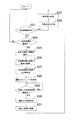
以下、添付図面を参照して、本発明に従うコージェネレーションシステムの実施形態について説明する。まず、図1〜図4を参照して、本発明に従うコージェネレーションシステムの一実施形態について説明する。図1は、一実施形態のコージェネレーションシステムの全体を簡略的に示すシステム図であり、図2は、図1のコージェネレーションシステムの制御系を簡略的に示すブロック図であり、図3は、過去の電力負荷状態及び熱負荷状態と湯張りの有無のデータの一例を示す図であり、図4は、過去の電力負荷状態及び熱負荷状態と湯張り有無確率を示す図であり、図5は、図2の制御系による運転スケジュールの設定の流れを示すフローチャートである。 Hereinafter, an embodiment of a cogeneration system according to the present invention will be described with reference to the accompanying drawings. First, with reference to FIGS. 1-4, one Embodiment of the cogeneration system according to this invention is described. FIG. 1 is a system diagram schematically showing an entire cogeneration system according to an embodiment, FIG. 2 is a block diagram schematically showing a control system of the cogeneration system of FIG. 1, and FIG. FIG. 4 is a diagram illustrating an example of past power load state, heat load state, and hot water presence / absence data, and FIG. 4 is a diagram illustrating past power load state, thermal load state, and hot water presence / absence probability, and FIG. These are the flowcharts which show the flow of the setting of the driving schedule by the control system of FIG.
図1において、図示のコージェネレーションシステムは、家庭用のシステムに適用されており、電力と熱とを発生する熱電併給装置2と、熱電併給装置2にて発生した熱を回収して温水として貯えるための貯湯装置3とを備え、貯湯装置3は温水を貯える貯湯タンク4を有している。この形態では、熱電併給装置2は燃料電池6から構成され、燃料電池6にて発生する熱が後述する如くして貯湯装置3に貯えられる。尚、熱電併給装置2として、内燃機関(例えばガスエンジン、ディーゼルエンジンから構成される)及び内燃機関により駆動される発電装置の組合せから構成するようにしてもよい。
In FIG. 1, the illustrated cogeneration system is applied to a household system, and a combined heat and
燃料電池6の出力側には系統連系用のインバータ10が設けられ、このインバータ10は燃料電池6の出力電力を商業系統12から供給される電力と同じ電圧及び周波数にする。商用系統12は電力供給ライン14を介して各家庭の電力負荷16(例えば、テレビ、冷蔵庫、洗濯機、照明装置など)に接続され、インバータ10はコージェネ用供給ライン18を介して電力供給ライン14に電気的に接続され、燃料電池6からの発電電力がインバータ10及びコージェネ用供給ライン18を介して電力負荷16に供給される。
An
貯湯装置3の貯湯タンク4には温水(又は水)を循環する温水循環流路20が設けられ、その一端側が貯湯タンク4の底部に接続され、その他端側が貯湯タンク4の上端部に接続されている。この温水循環流路20には、熱交換器21及び温水循環ポンプ22が配設されている。従って、温水循環ポンプ22が作動すると、貯湯タンク4の底部の温水が温水循環流路20を通して流れ、熱交換器21にて後述する如く熱交換された後その上端部に流れ、このようにして貯湯タンク4内に温水が貯湯される。
The hot water storage tank 4 of the hot water storage device 3 is provided with a hot
この貯湯タンク4の底部には、更に、水(例えば水道水)を供給するための給水流路26が接続され、その上端部には、温水を出湯するための温水出湯流路28が接続され、この温水出湯流路28には1又は2個以上のカラン(図示せず)が接続される。従って、カランを開栓すると、貯湯タンク4内の温水が温水出湯流路28を通して給湯される。
A
熱電併給装置2は、更に、燃料電池6の冷却水を循環する冷却水循環流路30を含み、この冷却水循環流路30が、温水循環流路20に配設された熱交換器21に接続されている。従って、熱交換器21において、冷却水循環流路30を流れる冷却水と温水循環流路20を流れる温水との間で熱交換が行われ、温水循環流路20を流れる温水(又は水)が加熱され、このようにして熱電併給装置2にて発生した熱が温水として貯湯タンク4に貯えられる。尚、冷却水循環流路30には、冷却水を循環するための冷却水循環ポンプ32が配設されている。
The combined heat and
図2をも参照して、このコージェネレーションシステムは、例えばマイクロプロセッサから構成される制御手段34によって作動制御される。図示の制御手段34は、作動制御手段36、湯張り判定手段38、湯張り登録手段40、負荷状態判定手段42、予測湯張り判定手段44及び運転スケジュール設定手段46を含んでいる。作動制御手段36はコージェネレーションシステムの各種構成要素、例えば熱電併給装置2、インバータ10、温水循環ポンプ22及び冷却水循環ポンプ32などを作動制御する。湯張り判定手段38は、運転当日に浴槽の湯張りが行われたか否かを判定する。この実施形態では、温水出湯流路28に給湯熱負荷計測手段48が配設されている。この給湯熱負荷計測手段48は、温水出湯流路28を流れる温水の温度を検出する温度センサと、温水出湯流路28を流れる温水の流量を検出する流量センサとから構成され、温度センサの検出温度及び流量センサの検出流量に基づいて給湯熱負荷を計測し、湯張り判定手段38は、この給湯熱負荷計測手段46の検知給湯熱負荷に基づき、所定設定時間に湯張り熱量以上の熱負荷があると湯張り有りと判定する。
Referring also to FIG. 2, the operation of this cogeneration system is controlled by control means 34 composed of, for example, a microprocessor. The illustrated control means 34 includes an operation control means 36, a hot water determination means 38, a hot water registration means 40, a load state determination means 42, a predicted hot water determination means 44, and an operation schedule setting means 46. The operation control means 36 controls the operation of various components of the cogeneration system, such as the combined heat and
また、負荷状態判定手段42は、電力負荷16で消費される電力負荷状態及び風呂湯張りなどで消費される熱負荷状態を判定する。この実施形態では、一日のうちの特定時間帯、例えば7時〜9時の時間帯において消費される電力量及び熱量とその日の入浴の有無(換言すると、湯張りの有無)とに着目し、熱負荷状態については、給湯熱負荷計測手段46の検知給湯熱量が用いられ、負荷状態判定手段42は、検知給湯熱量が大きいときには熱負荷状態が「大」と判定し、検知給湯熱量が小さいときには熱負荷状態が「小」と判定する。また、電力供給ライン14には電力負荷計測手段50が配設され、この電力負荷計測手段50は電力負荷16で消費される電力量を計測する。電力量については、この電力負荷計測手段50の検知電力量が用いられ、負荷状態判定手段42は、検知電力量が大きいときには電力負荷状態が「大」と判定し、検知電力量が小さいときには電力負荷状態が「小」と判定する。尚、この実施形態では、電力負荷状態及び熱負荷状態を「大」及び「小」の二段階に判定しているが、これに限定されず、例えば、「大」、「中」及び「小」と三段階に判定するようにしてもよく、或いは4段階以上に判定するようにしてもよい。
In addition, the load
制御手段34は各種データを登録するためのメモリ手段48と、時刻を計時する計時手段52を含んでおり、湯張り登録手段40は、一日の特定時間帯における電力負荷状態及び熱負荷状態とその特定時間帯を含む日の湯張りの有無とに関するデータをメモリ手段48に登録し、これらデータは湯張り履歴データ51として登録される。湯張り履歴データ51は、例えば図3に示すようなデータとなり、この実施形態では100日前までのデータが登録されるように構成されている。例えば、特定時間帯における電力負荷状態が大きく、且つ熱負荷状態が大きく、その日を通して風呂の湯張りが行われなかったときには、計時手段52がその日の終了を計時した時点で、湯張り登録手段40は、電力負荷状態「大」、熱負荷状態「大」、湯張り「×」のデータを湯張り履歴データとして登録し(図3の1日前の欄を参照)、このデータを新たに登録した時点で最も古いデータ(100日前のデータ)が削除される。図3において、「大」は特定時間帯の負荷状態が大きいことを示し、「小」は特定時間帯の負荷状態が小さいことを示し、「○」はその日に風呂湯張りが行われたことを示し、「×」はその日に風呂湯張りが行われなかったことを示す。尚、この実施形態では、湯張り履歴データ51に登録するデータ数を100に構成している(換言すると、100日前までのデータを登録する)が、これに限定されず、この登録するデータ数を50、200などの適宜の数に設定することができる。 The control means 34 includes a memory means 48 for registering various data, and a time measuring means 52 for measuring time, and the hot water filling registration means 40 includes the power load state and the heat load state in a specific time zone of the day. Data relating to the presence or absence of hot water filling on the day including the specific time zone is registered in the memory means 48, and these data are registered as hot water filling history data 51. The hot water filling history data 51 is, for example, data as shown in FIG. 3, and in this embodiment, data up to 100 days ago is registered. For example, when the power load state in the specific time zone is large and the heat load state is large, and the hot water filling of the bath is not performed throughout the day, the hot water filling registration means 40 is used when the time measuring means 52 times the end of the day. Registered the data of the power load state “large”, the heat load state “large”, and the hot water filling “×” as the hot water filling history data (see the column of the previous day in FIG. 3), and newly registered this data. The oldest data at that time (data 100 days ago) is deleted. In FIG. 3, “Large” indicates that the load state in the specific time zone is large, “Small” indicates that the load state in the specific time zone is small, and “○” indicates that the hot water bathing was performed on that day. “×” indicates that bath bathing was not performed on that day. In this embodiment, the number of data to be registered in the hot water filling history data 51 is configured as 100 (in other words, data up to 100 days before is registered), but the present invention is not limited to this, and the number of data to be registered Can be set to an appropriate number such as 50, 200, etc.
図示の予測湯張り判定手段44は、湯張り情報読出し手段54、湯張り情報選択手段56、湯張り確率演算手段58及び予測判定手段60を含んでいる。湯張り情報読出し手段54はメモリ手段48の湯張り履歴データ51に登録されている履歴データを読み出し、湯張り情報選択手段56は読み出した履歴データを選択する。例えば、特定時間帯の電力負荷状態及び熱負荷状態について「大」及び「小」の二段階の負荷状態があるので、この湯張り情報選択手段56は、図4に示すように、電力負荷状態「大」且つ熱負荷状態「大」の履歴データ、電力負荷状態「大」且つ熱負荷状態「小」の履歴データ、電力負荷状態「小」且つ熱負荷状態「大」の履歴データ、及び電力負荷状態「小」且つ熱負荷状態「小」の履歴データを選択する。また、湯張り確率演算手段58は、湯張り情報選択手段56により選択された履歴データに基づいて湯張り有無確率を演算する。例えば、電力負荷状態「小」且つ熱負荷状態「小」の履歴データが5個存在し、これら5個の履歴データの全てにおいて湯張りが行われていなかった(5個とも湯張り「×」である)場合、湯張り確率演算手段58は湯張り有無確率(この場合、湯張り有り確率)0%と演算する。また、例えば、電力負荷状態「小」且つ熱負荷状態「大」の履歴データが10個存在し、これら10個の履歴データの一つにおいて湯張りが行われていた場合、湯張り確率演算手段58は湯張り有無確率10%と演算する。このようにして湯張り確率演算手段58は、図4に示すように、電気負荷状態及び熱負荷状態の全組合せについて、湯張り有無確率(この場合、湯張り有り確率)を演算する。
The illustrated hot water
予測判定手段60は、風呂湯張りが発生するかを予測判定し、例えば湯張りが発生すると判定するしきい値が例えば50%と設定された場合、湯張り確率演算手段58により演算された湯張り有無確率が50%以上であると、予測判定手段60は風呂湯張りの発生する可能性が大きいとして湯張り有りの判定を行い、一方この湯張り有無確率が50%未満であると、予測判定手段60は風呂湯張りの発生する可能性が小さいとして湯張り無しの判定を行う。この予測判定の際には、運転当日の特定時間帯の電力負荷状態及び熱負荷状態が計測され、この特定時間帯の電力負荷状態及び熱負荷状に対応する過去の電力負荷状態及び熱負荷状態における湯張り有無確率が用いられる。尚、このしきい値は、メモリ手段48に登録される。 The prediction determination means 60 predicts whether or not bath filling will occur. For example, when the threshold value for determining that hot water filling occurs is set to 50%, for example, the hot water calculated by the hot water probability calculation means 58 is calculated. When the tension presence / absence probability is 50% or more, the prediction determining means 60 determines that there is a hot water bathing because there is a high possibility that the bath water bathing will occur. The determination means 60 determines that there is no hot water filling because there is little possibility of hot water bathing. In the prediction determination, the power load state and the thermal load state in a specific time zone on the day of operation are measured, and the past power load state and the thermal load state corresponding to the power load state and the heat load state in the specific time zone are measured. The hot water presence / absence probability is used. This threshold value is registered in the memory means 48.
このように風呂湯張りの有無判定が行われると、運転スケジュール設定手段46は、特定時間帯後にその湯張り有無の判定結果に基づいて運転スケジュールを設定し、この設定された運転スケジュールで熱電併給装置2が運転制御されることになる。この運転スケジュール設定手段46によって設定される運転スケジュールは、例えば、運転時刻とその時刻における発電電力とを関連付けた発電電力のタイムテーブルであり、このようなタイムテーブルに代えて、運転当日の特定時間までに貯めるべき熱量のみを定め、予め発電出力を定めないようなものでもよい。
When the presence / absence determination of bath hot water is thus determined, the operation schedule setting means 46 sets an operation schedule based on the determination result of the presence / absence of water hot water after a specific time period, and the combined heat and power supply according to the set operation schedule. The operation of the
次に、主として、図2及び図5を参照して、上述したコージェネレーションシステムの運転制御について説明する。このコージェネレーションシステムの運転中においては、運転当日の特定時間帯、例えば7時〜9時の時間帯内であるかが判断され、この特定時間帯内であると、ステップS1からステップS2に進み、この特定時間帯の電力負荷16での消費電力量が電力負荷計測手段50により計測され、またこの特定時間帯の給湯による消費熱量が給湯熱負荷計測手段48により計測され(ステップS3)、このようにして運転当日の特定時間帯における電力負荷状態及び熱負荷状態が計測される。
Next, operation control of the above-described cogeneration system will be described mainly with reference to FIGS. 2 and 5. During operation of this cogeneration system, it is determined whether or not it is within a specific time zone on the day of operation, for example, from 7:00 to 9:00, and if it is within this specific time zone, the process proceeds from step S1 to step S2. The amount of power consumed by the
このような電力負荷状態及び熱負荷状態の計測は特定時間が経過するまで行われ、この特定時間が経過すると、次に、この負荷状態に対応する過去の負荷状態における風呂湯張りの有無の確率が演算される。即ち、ステップS4からステップS5に進み、湯張り情報読出し手段54はメモリ手段48の湯張り履歴データ51に登録されている湯張り履歴を読み出し、湯張り情報選択手段56は、図4に示すように、電力負荷状態及び熱負荷状態の各組合せについての湯張り有無のデータを選択し、湯張り確率演算手段58は、図4に示すように、電力負荷状態及び熱負荷状態の各組合せについての湯張り有無確率を算出する(ステップS6)。そして、予測判定手段60は、運転当日の特定時間帯の電力負荷状態及び熱負荷状態に対応する過去の電力負荷状態及び熱負荷状態における湯張り有無確率に基づいて運転当日の湯張り有無の予測判定を行う(ステップS7)。
Such measurement of the power load state and the thermal load state is performed until a specific time elapses, and then, when this specific time elapses, the probability of the presence or absence of bath hot water in the past load state corresponding to this load state Is calculated. That is, the process proceeds from step S4 to step S5, where the hot water filling information reading means 54 reads the hot water filling history registered in the hot water filling history data 51 of the memory means 48, and the hot water filling
例えば、運転当日の特定時間帯における電力負荷状態が「大」で、熱負荷状態が「小」であると、予測判定手段60は図4における特定時間帯の電力負荷状態が「大」で、熱負荷状態が「小」である湯張り有無確率値に基づいて湯張りの有無を判定し、この例のように湯張り有無確率が80%であると、湯張りしきい値(例えば、50%)を超えているので湯張りが行われる可能性が大きいとして湯張り有りと判定する。 For example, when the power load state in the specific time zone on the day of operation is “large” and the thermal load state is “small”, the prediction determination means 60 indicates that the power load state in the specific time zone in FIG. The presence / absence of hot water filling is determined based on the hot water filling presence / absence probability value in which the thermal load state is “small”, and when the hot water filling probability is 80% as in this example, the hot water filling threshold (for example, 50 %), It is determined that there is a hot water filling because there is a high possibility that the hot water filling will be performed.
このように湯張り有無の判定が行われると、運転スケジュール設定手段46はこの湯張り有無の判定結果に基づいて運転スケジュールを設定する(ステップS8)。即ち、湯張り有りの判定が行われると、湯張りに相当する熱負荷が発生することを前提として、必要な熱量が貯湯装置3に温水として貯湯されるように、熱電併給装置2を所要の通りに運転制御し、また湯張り無しの判定が行われると、湯張りに相当する熱負荷が発生しないことを前提として貯湯を行うように、熱電併給装置2を所要の通りに運転制御する。
When the determination as to whether or not the hot water is filled is thus made, the operation schedule setting means 46 sets the operation schedule based on the result of the determination as to whether or not the hot water is filled (step S8). That is, when it is determined that there is a hot water filling, on the assumption that a thermal load corresponding to the hot water filling is generated, the combined heat and
運転スケジュール設定手段46により設定された運転スケジュールに従って熱電併給装置2の運転当日の運転制御が終了すると、ステップS9からステップS10に進み、湯張り判定手段38はこの運転当日に風呂張りが実際に行われたかを判定し、湯張り登録手段40は、運転当日の特定時間帯における電力負荷状態及び熱負荷状態とともに、実際の湯張りの有無結果をメモリ手段48に登録する。その後、ステップS1に戻り、上述した運転制御が毎日繰り返し遂行される。
When the operation control on the day of operation of the combined heat and
上述した実施形態では、一日における一つの特定時間帯(例えば、7時〜9時の時間帯)における電力負荷状態及び熱負荷状態を利用しているが、これに限定されず、一日における複数の特定時間帯、例えば二つの特定時間帯(例えば、7時〜9時の時間帯と12時〜14時の時間帯)における電力負荷状態及び熱負荷状態を利用するようにしてもよい。図6は、二つの特定時間帯における電力負荷状態及び熱負荷状態と湯張りの有無のデータの一例を示す図であり、図7は、過去の電力負荷状態及び熱負荷状態と湯張り有無確率を示す図である。 In the above-described embodiment, the power load state and the heat load state in one specific time zone (for example, the time zone from 7 o'clock to 9 o'clock) in the day are used. You may make it utilize the electric power load state and thermal load state in a plurality of specific time zones, for example, two specific time zones (for example, a time zone from 7 o'clock to 9 o'clock and a time zone from 12 o'clock to 14 o'clock). FIG. 6 is a diagram illustrating an example of data on the power load state, the thermal load state, and the presence / absence of hot water filling in two specific time zones, and FIG. 7 shows the past power load state, the thermal load state, and the hot water presence / absence probability. FIG.
このように二つの特定時間帯における負荷状態を用いる場合、コージェネレーションシステムの基本的構成は、上述した構成と同様でよく、その湯張りの予測判定は、例えば次のように行われる。即ち、負荷状態判定手段42は、一日のうちの第1特定時間帯(例えば7時〜9時の時間帯)において消費される電力量及び熱量、並びにその第2特定時間帯(例えば、12時〜14時)において消費される電力量及び熱量と、その日の入浴の有無(換言すると、湯張りの有無)とに着目し、第1及び第2特定時間帯の電力負荷状態について上述したと同様にして負荷状態を判定するとともに、熱負荷量についても上述したと同様にして負荷状態を判定する。また、湯張り登録手段40は、一日の第1及び第2特定時間帯における電力負荷状態及び熱負荷状態と第1及び第2特定時間帯を含む日の湯張りの有無とに関するデータをメモリ手段48の湯張り履歴データ51に登録する。この場合の湯張り履歴データ51は、例えば図6に示すようなデータとなり、この例では200日前までのデータが登録されるように構成されている。例えば、第1特定時間帯における電力負荷状態が小さく、且つ熱負荷状態が小さく、また第2特定時間帯における電力負荷状態が大きく、且つ熱負荷状態が大きく、その日に風呂の湯張りが行われたときには、計時手段52がその日の終了を計時した時点で、図6の1日前の欄に示されているように、湯張り登録手段40は、第1特定時間帯の電力負荷状態「小」、熱負荷状態「小」、第2特定時間帯の電力負荷状態「大」、熱負荷状態「大」、また湯張り「○」のデータを湯張り履歴データとして登録する。
Thus, when using the load state in two specific time zones, the basic configuration of the cogeneration system may be the same as the configuration described above, and the prediction of hot water filling is performed, for example, as follows. That is, the load state determination means 42 includes the amount of power and heat consumed in the first specific time zone (for example, the time zone from 7:00 to 9:00) of the day, and the second specific time zone (for example, 12 Paying attention to the amount of power and heat consumed at (hours to 14:00) and the presence or absence of bathing on the day (in other words, presence or absence of hot water filling), the power load states in the first and second specific time zones have been described above. The load state is determined in the same manner, and the load state is determined in the same manner as described above for the thermal load amount. Moreover, the hot water filling registration means 40 stores data relating to the power load state and the thermal load state in the first and second specific time zones of the day and the presence / absence of hot water filling in the day including the first and second specific time zones. The hot water filling history data 51 of the
また、第1及び第2特定時間帯の電力負荷状態及び熱負荷状態についてそれぞれ「大」及び「小」の二段階の負荷状態があるので、この湯張り情報選択手段56は、図7に示すように、第1特定時間帯の電力負荷状態の「大」及び「小」、第1特定時間帯の熱負荷状態の「大」及び「小」、第2特定時間帯の電力負荷状態の「大」及び「小」、並びに第2特定時間帯の熱負荷状態の「大」及び「小」についての全組合せについて湯張り履歴データを順次選択し、湯張り確率演算手段58は、湯張り情報選択手段56により選択された履歴データに基づいて上述したと同様にして湯張り有無確率を演算し、このようにして演算された湯張り有無確率は、例えば図7に示すようになる。 Further, since there are two-stage load states of “large” and “small” for the power load state and the thermal load state in the first and second specific time zones, this hot water filling information selection means 56 is shown in FIG. Thus, “Large” and “Small” of the power load state in the first specific time zone, “Large” and “Small” in the heat load state of the first specific time zone, “ The hot water filling history data is sequentially selected for all combinations of “large” and “small” and “large” and “small” of the heat load state in the second specific time period, and the hot water filling probability calculating means 58 performs hot water filling information. Based on the history data selected by the selection means 56, the hot water presence / absence probability is calculated in the same manner as described above, and the hot water presence / absence probability calculated in this way is as shown in FIG.
更に、予測判定手段60は、次のようにして湯張り有無の予測判定を行う。即ち、運転当日の第1及び第2特定時間帯の電力負荷状態及び熱負荷状態が計測され、またこの第1及び第2特定時間帯の電力負荷状態及び熱負荷状態に対応する過去の電力負荷状態及び熱負荷状態における湯張り有無確率が用いられ、この湯張り有無確率に基づいて上述したと同様にして湯張り有無の予測判定が行われる。 Furthermore, the prediction determination means 60 performs the prediction determination of the presence or absence of hot water as follows. That is, the power load state and the thermal load state in the first and second specific time zones on the operation day are measured, and the past power load corresponding to the power load state and the thermal load state in the first and second specific time zones is measured. The hot water presence / absence probability in the state and the heat load state is used, and the prediction of hot water presence / absence is performed in the same manner as described above based on the hot water presence / absence probability.
例えば、運転当日の第1特定時間帯における電力負荷状態が「大」で、熱負荷状態が「大」であり、また運転当日の第2特定時間帯における電力負荷状態が「大」で、熱負荷状態が「大」であると、予測判定手段60は、図7における第1特定時間帯の電力負荷状態が「大」で、熱負荷状態が「小」で、更に第2特定時間帯の電力負荷状態が「大」で、熱負荷状態が「大」である湯張り有無確率値に基づいて湯張りの有無を予測判定し、この例のように湯張り有無確率が80%であると、湯張りしきい値(例えば、50%)を超えているので湯張りが行われる可能性が大きいとして湯張り有りと判定する。この場合におけるその他の構成及び運転制御などについては、上述した実施形態の内容と実質上同一である。 For example, the power load state in the first specific time zone on the operation day is “large”, the heat load state is “large”, and the power load state in the second specific time zone on the operation day is “large”. When the load state is “large”, the prediction determination means 60 indicates that the power load state in the first specific time zone in FIG. 7 is “large”, the thermal load state is “small”, and further in the second specific time zone. Presence / absence of hot water filling is predicted based on the probability value of hot water filling presence / absence when the electric power load state is “large” and the thermal load state is “large”, and the hot water filling presence / absence probability is 80% as in this example. Since the hot water filling threshold (for example, 50%) is exceeded, it is determined that there is a high hot water filling possibility that the hot water filling is performed. Other configurations and operation control in this case are substantially the same as the contents of the above-described embodiment.
上述した実施形態では、一日における特定時間帯における電力負荷状態及び熱負荷状態を利用しているが、このような一日における特定時間帯を用いることなく、過去の電力負荷状態及び熱負荷状態と現在の電力負荷状態及び熱負荷状態を用いて湯張り有無の予測判定を行うようにしてもよい。図8は、電力負荷状態及び熱負荷状態を計測する時間帯を説明するための図であり、図9は、過去の電力負荷状態及び熱負荷状態と湯張り有無確率を示す図であり、図10は、図8の時間帯の概念を用いたときの運転スケジュールの設定の流れを示すフローチャートである。 In the embodiment described above, the power load state and the heat load state in a specific time zone in one day are used, but the past power load state and the heat load state are not used without using the specific time zone in the day. And the prediction determination of the presence or absence of hot water filling may be performed using the current power load state and heat load state. FIG. 8 is a diagram for explaining a time zone for measuring the power load state and the heat load state, and FIG. 9 is a diagram showing the past power load state, the heat load state, and the hot water presence / absence probability. 10 is a flowchart showing a flow of setting an operation schedule when the concept of the time zone of FIG. 8 is used.
この場合においても、コージェネレーションシステムの基本的構成は、上述した構成と同様でよい。そして、特定時間帯というものを設定することに代えて、一日を複数の時間帯に、この実施形態においては3つの時間帯に分割し、過去の電力負荷状態及び熱負荷状態と現在の電気負荷状態及び熱負荷状態とを用いて湯張りの予測判定を行うようになっている。 Even in this case, the basic configuration of the cogeneration system may be the same as that described above. Then, instead of setting a specific time zone, the day is divided into a plurality of time zones, in this embodiment, three time zones, and the past power load state, the heat load state and the current electricity The prediction of hot water filling is performed using the load state and the heat load state.
図8及び図9を参照して、この実施形態では、一日が3つの時間帯に、例えば、0時〜8時の時間帯と、9〜16時の時間帯と、17時〜24時の時間帯の3つの時間帯に分割され、連続する特定数(この形態では、2つ)の時間帯についての電力負荷状態及び熱負荷状態と湯張り有無との関係が湯張り履歴データ50に登録される。
8 and 9, in this embodiment, one day is divided into three time zones, for example, a time zone of 0:00 to 8:00, a time zone of 9 to 16:00, and 17:00 to 24:00. The hot water filling
過去の連続する2つの時間帯(一例として、図8(a)の第1時間帯(ある日の0時〜8時の時間帯)と第2時間帯(ある日の9時〜16時の時間帯)、図8(b)の第2時間帯と第3時間帯(ある日の16時〜24時の時間帯)、図8(c)の第3時間帯と第4時間帯(ある日の翌日の0時〜8時の時間帯)・・・)において消費される電力量及び熱量と、連続する2つの時間帯に続く次の時間帯(例えば、第3時間帯、第4時間帯、第5時間帯・・・)の入浴の有無(換言すると、湯張りの有無)とに着目しており、負荷状態判定手段42は、連続する2つの時間帯、例えば第1及び第2時間帯の電力負荷状態及び熱負荷状態について上述したと同様にして負荷状態を判定する。また、湯張り登録手段40は、連続する2つの時間帯、例えば先の時間帯としての第1時間帯及び後の時間帯としての第2時間帯における電力負荷状態及び熱負荷状態と、連続するこれら2つの時間帯に続く次の時間帯、例えば第3時間帯における湯張りの有無とに関するデータをメモリ手段48の湯張り履歴データ51に登録する。例えば、先の時間帯(例えば、第1時間帯)における電力負荷状態が大きく、且つ熱負荷状態が大きく、また後の時間帯(例えば、第2時間帯)における電力負荷状態が大きく、且つ熱負荷状態が大きいときには、連続する2つの時間帯の負荷状態は、図9の最上段に示す通りの負荷状態となり、このような負荷状態のデータに次の時間帯における湯張りの有無データを加えたものが湯張り履歴データとなり、湯張り登録手段40は、このような履歴データをメモリ手段48の湯張り履歴データ50に登録する。
Two consecutive time zones in the past (as an example, the first time zone in FIG. 8A (the time zone from 0:00 to 8:00 on one day) and the second time zone (from 9:00 to 16:00 on a day) Time zone), the second time zone and the third time zone in FIG. 8B (the time zone from 16:00 to 24:00 on a certain day), the third time zone and the fourth time zone in FIG. The amount of power and heat consumed in the next day of the day from 0:00 to 8:00) ...)) and the next time zone following the two consecutive time zones (for example, the third time zone, the fourth time zone) Focusing on the presence / absence of bathing (in other words, presence / absence of hot water filling) in the fifth and fifth time zones, the load state determination means 42 is provided with two consecutive time zones, for example, first and second time zones. The load state is determined in the same manner as described above for the power load state and the thermal load state in the time zone. Moreover, the hot water filling registration means 40 is continuous with the power load state and the heat load state in two successive time zones, for example, the first time zone as the previous time zone and the second time zone as the later time zone. Data relating to the presence / absence of hot water filling in the next time zone following these two time zones, for example, the third time zone, is registered in the hot water filling history data 51 of the memory means 48. For example, the power load state in the previous time zone (for example, the first time zone) is large, the heat load state is large, the power load state in the later time zone (for example, the second time zone) is large, and the heat load state is large. When the load state is large, the load state in two consecutive time zones becomes the load state as shown in the uppermost part of FIG. 9, and the data on the presence or absence of hot water filling in the next time zone is added to such load state data. The hot water filling history data becomes the hot water filling history data, and the hot water filling registration means 40 registers such history data in the hot water filling
また、先の時間帯及び後の時間帯の電力負荷状態及び熱負荷状態についてそれぞれ「大」及び「小」の二段階の負荷状態があるので、湯張り情報選択手段56は、図9に示すように、先の時間帯の電力負荷状態の「大」及び「小」、先の時間帯の熱負荷状態の「大」及び「小」、後の時間帯の電力負荷状態の「大」及び「小」、並びに後の時間帯の熱負荷状態の「大」及び「小」についての全組合せについて湯張り履歴データを順次選択し、湯張り確率演算手段58は、湯張り情報選択手段56により選択された履歴データに基づいて上述したと同様にして湯張り有無確率を演算し、このようにして演算された湯張り有無確率は、例えば図9に示すようになる。 Further, since there are two stages of load states of “large” and “small” for the power load state and the heat load state in the previous time zone and the later time zone, the hot water filling information selection means 56 is shown in FIG. Thus, “Large” and “Small” of the power load state of the previous time zone, “Large” and “Small” of the heat load state of the previous time zone, “Large” and “Large” of the power load state of the later time zone The hot water filling history data is sequentially selected for all combinations of “small” and “large” and “small” of the heat load states in the subsequent time zones. Based on the selected history data, the hot water presence / absence probability is calculated in the same manner as described above, and the hot water presence / absence probability calculated in this way is as shown in FIG. 9, for example.
更に、予測判定手段60は、次のようにして湯張り有無の予測判定を行う。即ち、現在の電力負荷状態及び熱負荷状態として直近の連続する2つの時間帯(例えば、第1及び第2時間帯)の電力負荷状態及び熱負荷状態が用いられ、またこの連続する2つの時間帯の電力負荷状態及び熱負荷状態に対応する過去の電力負荷状態及び熱負荷状態における湯張り有無確率が用いられ、この湯張り有無確率に基づいて上述したと同様にして、後の時間帯に続く次の時間帯(例えば、第3時間帯)の湯張り有無の予測判定が行われる。 Furthermore, the prediction determination means 60 performs the prediction determination of the presence or absence of hot water as follows. That is, as the current power load state and the heat load state, the power load state and the heat load state in the last two consecutive time periods (for example, the first and second time periods) are used, and the two consecutive time periods are used. The hot water presence / absence probability in the past power load state and thermal load state corresponding to the power load state and heat load state of the belt is used, and in the same manner as described above based on this hot water presence / absence probability, Prediction determination of the presence or absence of hot water filling in the next time zone (for example, the third time zone) is performed.
例えば、現在の電力負荷状態及び熱負荷状態としての先の時間帯(例えば、第1時間帯)における電力負荷状態が「大」で、熱負荷状態が「大」であり、また後の時間帯(例えば、第2時間帯)における電力負荷状態が「大」で、熱負荷状態が「大」であると、予測判定手段60は、図9における第1時間帯の電力負荷状態が「大」で、熱負荷状態が「小」で、更に第2時間帯の電力負荷状態が「大」で、熱負荷状態が「大」である湯張り有無確率値に基づいて湯張りの有無を予測判定し、この例のように湯張り有無確率が0%であると、次の時間帯において湯張りが行われる可能性がほとんどなく、湯張り無しと判定する。
For example, the current power load state and the heat load state in the previous time zone (for example, the first time zone), the power load state is “large”, the heat load state is “large”, and the later time zone When the power load state in the second time zone is “Large” and the thermal load state is “Large”, the
次に、この実施形態における運転スケジュールの設定は、次のようにして行われる。図10において、この場合には所定時間帯を経過する毎に運転スケジュールの設定が行われ、所定時間帯(例えば、第2時間帯)内であるときには、ステップS21からステップS22に進み、現在の電力負荷状態の計測が行われ、また現在の熱負荷状態の計測が行われる(ステップS23)。 Next, the setting of the operation schedule in this embodiment is performed as follows. In FIG. 10, in this case, the operation schedule is set every time the predetermined time zone elapses. When the operation schedule is within the predetermined time zone (for example, the second time zone), the process proceeds from step S21 to step S22. The power load state is measured, and the current thermal load state is measured (step S23).
そして、この所定時間帯が経過すると、上述したと同様に、過去の湯張り情報、即ちメモリ手段48に登録された湯張り履歴データ50の読み出しが行われ(ステップS25)、過去の電力負荷状態及び熱負荷状態における湯張りの有無に関する情報の選択が行われ、各電力負荷状態及び熱負荷状態における湯張り有無確率の演算が行われ(ステップS26)、このように演算された湯張り有無確率(この形態では、湯張り有り確率)の値は、過去の連続する2つの時間帯における電力負荷状態及び熱負荷状態との関係で例えば図9に示す通りとなる。そして、予測判定手段60は、現在の時間帯(直近の連続する2つの時間帯)の電力負荷状態及び熱負荷状態に対応する過去の電力負荷状態及び熱負荷状態における湯張り有無確率に基づいて直近の時間帯に続く次の時間帯(例えば、第3時間帯)の湯張り有無の予測判定を上述したと同様にして行う(ステップS27)。
When the predetermined time period elapses, the past hot water filling information, that is, the hot
このように湯張り有無の判定が行われると、運転スケジュール設定手段46はこの湯張り有無の判定結果に基づいて、直近の2つの時間帯に続く次の時間帯(例えば、第3時間帯)の運転スケジュールを設定する(ステップS28)。即ち、湯張り有りの判定が行われると、湯張りに相当する熱負荷が発生することを前提として、必要な熱量が貯湯装置3に温水として貯湯されるように、熱電併給装置2を運転制御し、また湯張り無しの判定が行われると、湯張りに相当する熱負荷が発生しないことを前提にして貯湯を行うように、熱電併給装置2を運転制御する。
When the determination of the presence or absence of hot water is thus performed, the operation schedule setting means 46, based on the determination result of the presence or absence of hot water, the next time zone (for example, the third time zone) following the two most recent time zones. The operation schedule is set (step S28). That is, when it is determined that there is a hot water filling, on the assumption that a thermal load corresponding to the hot water filling is generated, the operation of the combined heat and
設定された運転スケジュールに従って熱電併給装置2の次の時間帯(例えば、第3時間帯)の運転制御が終了すると、ステップS29からステップS30に進み、湯張り判定手段38はこの次の時間帯(例えば、第3時間帯)に風呂湯張りが実際に行われたかを判定し、湯張り登録手段40は、この時間帯(例えば、第3時間帯)における電力負荷状態及び熱負荷状態と、この時間帯の前の時間帯(例えば、第2時間帯)における電力負荷状態及び熱負荷状態とともに、実際の湯張りの有無結果をメモリ手段48に登録する(ステップS31)。その後、ステップS21に戻り、上述した運転制御が所定時間帯を経過する毎に繰り返し遂行される。
When the operation control of the next time zone (for example, the third time zone) of the combined heat and
以上、本発明に従うコージェネレーションシステムの実施形態について説明したが、本発明はかかる実施形態に限定されるものではなく、本発明の範囲を逸脱することなく種々の変形乃至修正が可能である。 As mentioned above, although embodiment of the cogeneration system according to this invention was described, this invention is not limited to this embodiment, A various deformation | transformation thru | or correction | amendment are possible without deviating from the scope of this invention.
例えば、上述した実施形態では、湯張り確率演算手段58によって湯張り有無確率を演算する際に、湯張り有り確率を演算し、この湯張り有り確率に基づいて予測判定手段60によって湯張り有無の判定を行っているが、これとは反対に、湯張り確率演算手段58によって湯張り有無確率として湯張り無し確率を演算し、この湯張り無し確率に基づいて予測判定手段60によって湯張り有無の判定を行うようにしてもよい。 For example, in the above-described embodiment, when the hot water presence / absence probability calculation means 58 calculates the hot water presence / absence probability, the hot water presence / absence probability is calculated. On the contrary, the hot water probability calculation means 58 calculates the hot water presence / absence probability as the hot water presence / absence probability, and based on the hot water presence / absence probability, the prediction determination means 60 determines the presence or absence of hot water. You may make it perform determination.
また、例えば、上述した実施形態では、湯張り確率演算手段58により演算された湯張り有無確率に基づいて湯張りの有無の判定をし、湯張り有りの判定したときには湯張りが行われる可能性が高く、風呂湯張りに必要な熱量が熱電併給装置2の運転によって生成されるような運転スケジュールを設定し、湯張り無しの判定をしたときには湯張りが行われる可能性が少なく、風呂湯張りに必要な熱量が熱電併給装置2の運転によって生成されないような運転スケジュールを設定するように構成しているが、このような構成に代えて、湯張り確率演算手段58により演算された湯張り有無確率に対応する割合でもって風呂湯張りに必要な熱量を貯えるようにしてもよい。例えば、湯張り確率演算手段58による湯張り有無確率(例えば、湯張り有り確率)が60%である場合、風呂湯張りに必要な熱量の60%の熱量が貯湯装置3に貯えられるように、運転スケジュールを設定するようにしてもよく、或いはこの湯張り湯無確率に対応した所定割合の熱量が貯えられるようにしてもよい。
Further, for example, in the above-described embodiment, the presence / absence of the hot water filling is determined based on the hot water filling probability calculated by the hot water filling
2 熱電併給装置
4 貯湯タンク
6 燃料電池
10 インバータ
12 商用系統
16 電力負荷
34 制御手段
38 湯張り判定手段
42 負荷状態判定手段
44 予測湯張り判定手段
46 運転スケジュール設定手段
48 給湯熱負荷計測手段
50 電力負荷計測手段
51 湯張り履歴データ
58 湯張り確率演算手段
60 予測判定手段
DESCRIPTION OF
Claims (5)
前記制御手段は、運転当日の風呂湯張りの有無を判定するための予測湯張り判定手段を有し、前記予測湯張り判定手段は、過去の特定時間帯の負荷状態と風呂湯張りの有無との関係に基づいて負荷状態に対応した湯張り有無確率を演算するための湯張り確率演算手段と、運転当日の特定時間帯の負荷状態に対応する、過去の特定時間帯の負荷状態における前記湯張り有無確率に基づいて、運転当日の湯張りの有無を予測判定する予測判定手段と、を含んでいることを特徴とするコージェネレーションシステム。 A cogeneration system comprising: a cogeneration device that generates electric power and heat; a hot water storage device for storing hot water from the cogeneration device as hot water; and a control means for controlling the operation of the cogeneration device. There,
The control means includes a predicted hot water determination means for determining the presence or absence of bath hot water on the day of operation, and the predicted hot water determination means includes a load state in the past specific time zone and the presence or absence of bath hot water. A hot water filling probability calculating means for calculating a hot water filling probability corresponding to the load state based on the relationship of the load, and the hot water in the past load state of the specific time zone corresponding to the load state of the specific time zone on the day of operation. And a prediction judging means for predicting the presence / absence of hot water on the day of operation based on the tension presence / absence probability.
前記制御手段は、風呂湯張りの有無を判定するための予測湯張り判定手段を有し、前記予測湯張り判定手段は、過去の負荷状態に対応した湯張り有無確率を演算するための湯張り確率演算手段と、現在の負荷状態に対応する、過去の負荷状態における前記湯張り有無確率に基づいて、湯張りの有無を予測判定する予測判定手段と、を含み、前記湯張り確率演算手段は、一日を複数に分割した複数の時間帯を利用し、過去の連続する特定数の時間帯についての負荷状態に対応した湯張り有無確率を演算し、前記予測判定手段は、直近の特定数の時間帯の負荷状態に対応する、過去の連続する特定数の時間帯についての負荷状態における前記湯張り有無確率に基づいて、続く次の時間帯における湯張りの有無を予測判定することを特徴とするコージェネレーションシステム。 A cogeneration system comprising: a cogeneration device that generates electric power and heat; a hot water storage device for storing hot water from the cogeneration device as hot water; and a control means for controlling the operation of the cogeneration device. There,
The control means includes a predicted hot water determination means for determining the presence or absence of bath hot water, and the predicted hot water determination means includes a hot water for calculating a hot water presence / absence probability corresponding to a past load state. probability calculating means, corresponding to the current load state, based on the water filling existence probability in a past load conditions, comprising: a prediction determining prediction judgment means whether water filling, and the hot water filling probability calculation means , Using a plurality of time zones obtained by dividing the day into a plurality of times, calculating a hot water presence / absence probability corresponding to a load state for a specific number of continuous time zones in the past, and the prediction determining means corresponding to the load state of the time zone, past successive based on the water filling existence probability in the load state for a certain number of hours, followed by the prediction determining this the presence or absence of water filling in the next time zone Characteristic coat E ne configuration system.
前記制御手段は、運転当日の風呂湯張り有無の確率を演算するための湯張り確率演算手段と、運転当日の湯張り有無確率を設定するための湯張り確率設定手段とを有し、前記湯張り確率演算手段は、過去の特定時間帯の負荷状態と風呂湯張りの有無との関係に基づいて負荷状態に対応した湯張り有無確率を演算し、前記湯張り確率設定手段は、運転当日の特定時間帯の負荷状態に対応する、過去の特定時間帯の負荷状態における前記湯張り有無確率を運転当日の湯張り有無確率として設定することを特徴とするコージェネレーションシステム。 A cogeneration system comprising: a cogeneration device that generates electric power and heat; a hot water storage device for storing hot water from the cogeneration device as hot water; and a control means for controlling the operation of the cogeneration device. There,
The control means includes a hot water probability calculating means for calculating the probability of the presence or absence of a bath on the day of operation, and a hot water probability setting means for setting the probability of the presence or absence of a hot water on the day of operation. The tension probability calculating means calculates a hot water presence / absence probability corresponding to the load state based on the relationship between the load state in the past specific time zone and the presence / absence of bath hot water, and the hot water probability setting means A cogeneration system, wherein the hot water presence / absence probability in a past specific time zone load state corresponding to a load state in a specific time zone is set as a hot water presence / absence probability on the day of operation.
前記制御手段は、風呂湯張りの有無の確率を演算するための湯張り確率演算手段と、運転湯張り有無確率を設定するための湯張り確率設定手段とを有し、前記湯張り確率演算手段は、一日を複数に分割した複数の時間帯を利用し、過去の連続する特定数の時間帯についての負荷状態に対応した湯張り有無確率を演算し、前記湯張り確率設定手段は、直近の特定数の時間帯の負荷状態に対応する、過去の連続する特定数の時間帯についての負荷状態における前記湯張り有無確率を前記運転湯張り有無確率として設定することを特徴とするコージェネレーションシステム。 A cogeneration system comprising: a cogeneration device that generates electric power and heat; a hot water storage device for storing hot water from the cogeneration device as hot water; and a control means for controlling the operation of the cogeneration device. There,
The control means includes a hot water probability calculation means for calculating the probability of presence or absence of bath hot water, and a hot water probability setting means for setting the probability of presence or absence of hot water hot water. Uses a plurality of time zones obtained by dividing a day into a plurality of times, calculates a hot water filling probability corresponding to a load state for a specific number of continuous time zones in the past, and the hot water probability setting means A cogeneration system that sets the hot water presence / absence probability in the load state for a specific number of consecutive time periods corresponding to the load state of a specific number of time zones as the operation hot water presence / absence probability .
Priority Applications (1)
| Application Number | Priority Date | Filing Date | Title |
|---|---|---|---|
| JP2005147527A JP4330552B2 (en) | 2005-05-20 | 2005-05-20 | Cogeneration system |
Applications Claiming Priority (1)
| Application Number | Priority Date | Filing Date | Title |
|---|---|---|---|
| JP2005147527A JP4330552B2 (en) | 2005-05-20 | 2005-05-20 | Cogeneration system |
Publications (2)
| Publication Number | Publication Date |
|---|---|
| JP2006322679A JP2006322679A (en) | 2006-11-30 |
| JP4330552B2 true JP4330552B2 (en) | 2009-09-16 |
Family
ID=37542494
Family Applications (1)
| Application Number | Title | Priority Date | Filing Date |
|---|---|---|---|
| JP2005147527A Expired - Fee Related JP4330552B2 (en) | 2005-05-20 | 2005-05-20 | Cogeneration system |
Country Status (1)
| Country | Link |
|---|---|
| JP (1) | JP4330552B2 (en) |
Families Citing this family (1)
| Publication number | Priority date | Publication date | Assignee | Title |
|---|---|---|---|---|
| JP2013228178A (en) * | 2012-04-27 | 2013-11-07 | Noritz Corp | Water heater |
-
2005
- 2005-05-20 JP JP2005147527A patent/JP4330552B2/en not_active Expired - Fee Related
Also Published As
| Publication number | Publication date |
|---|---|
| JP2006322679A (en) | 2006-11-30 |
Similar Documents
| Publication | Publication Date | Title |
|---|---|---|
| JP2006286450A (en) | Fuel cell system, its control method, and its control device | |
| JP6098994B2 (en) | Heat pump hot water supply system | |
| JP7035969B2 (en) | Hot water storage type hot water supply device | |
| JP4330552B2 (en) | Cogeneration system | |
| JP2005291561A (en) | Operating method for cogeneration system and cogeneration system | |
| JP5401946B2 (en) | Hot water storage water heater | |
| JP5191636B2 (en) | Cogeneration system | |
| JP2005223964A (en) | Cogeneration system operation control system | |
| JP4367695B2 (en) | Cogeneration system | |
| JP2004245451A (en) | Storage type hot water supply system | |
| JP6672982B2 (en) | Hot water storage system | |
| JP4152366B2 (en) | Cogeneration system | |
| JP4484632B2 (en) | Heat source control device | |
| JP5671694B2 (en) | Fuel cell system | |
| JP2004257590A (en) | Heat source system | |
| JP4523864B2 (en) | Heat source control device | |
| JP4994108B2 (en) | Thermal storage control device | |
| JP4453895B2 (en) | Cogeneration system | |
| JP3992146B2 (en) | Cogeneration system | |
| JP5950159B2 (en) | Cogeneration system | |
| JP4841994B2 (en) | Cogeneration system | |
| JP2006275479A (en) | Energy supply system | |
| JP2006250471A (en) | Energy supply system | |
| JP2007003047A (en) | Cogeneration system | |
| JP2012119114A (en) | Fuel cell system |
Legal Events
| Date | Code | Title | Description |
|---|---|---|---|
| A621 | Written request for application examination |
Free format text: JAPANESE INTERMEDIATE CODE: A621 Effective date: 20080125 |
|
| A977 | Report on retrieval |
Free format text: JAPANESE INTERMEDIATE CODE: A971007 Effective date: 20090323 |
|
| A131 | Notification of reasons for refusal |
Free format text: JAPANESE INTERMEDIATE CODE: A131 Effective date: 20090325 |
|
| A521 | Request for written amendment filed |
Free format text: JAPANESE INTERMEDIATE CODE: A523 Effective date: 20090521 |
|
| TRDD | Decision of grant or rejection written | ||
| A01 | Written decision to grant a patent or to grant a registration (utility model) |
Free format text: JAPANESE INTERMEDIATE CODE: A01 Effective date: 20090616 |
|
| A01 | Written decision to grant a patent or to grant a registration (utility model) |
Free format text: JAPANESE INTERMEDIATE CODE: A01 |
|
| A61 | First payment of annual fees (during grant procedure) |
Free format text: JAPANESE INTERMEDIATE CODE: A61 Effective date: 20090616 |
|
| R150 | Certificate of patent or registration of utility model |
Free format text: JAPANESE INTERMEDIATE CODE: R150 |
|
| FPAY | Renewal fee payment (event date is renewal date of database) |
Free format text: PAYMENT UNTIL: 20120626 Year of fee payment: 3 |
|
| LAPS | Cancellation because of no payment of annual fees |