JP3676830B2 - Hydrogen-absorbing composition for optical fiber cable - Google Patents
Hydrogen-absorbing composition for optical fiber cable Download PDFInfo
- Publication number
- JP3676830B2 JP3676830B2 JP14811194A JP14811194A JP3676830B2 JP 3676830 B2 JP3676830 B2 JP 3676830B2 JP 14811194 A JP14811194 A JP 14811194A JP 14811194 A JP14811194 A JP 14811194A JP 3676830 B2 JP3676830 B2 JP 3676830B2
- Authority
- JP
- Japan
- Prior art keywords
- optical fiber
- hydrogen
- composition
- fiber cable
- viscosity
- Prior art date
- Legal status (The legal status is an assumption and is not a legal conclusion. Google has not performed a legal analysis and makes no representation as to the accuracy of the status listed.)
- Expired - Fee Related
Links
- 239000000203 mixture Substances 0.000 title claims description 139
- 239000013307 optical fiber Substances 0.000 title claims description 57
- 239000001257 hydrogen Substances 0.000 claims description 86
- 229910052739 hydrogen Inorganic materials 0.000 claims description 86
- UFHFLCQGNIYNRP-UHFFFAOYSA-N Hydrogen Chemical compound [H][H] UFHFLCQGNIYNRP-UHFFFAOYSA-N 0.000 claims description 78
- 150000002430 hydrocarbons Chemical class 0.000 claims description 41
- 229920001083 polybutene Polymers 0.000 claims description 40
- VYPSYNLAJGMNEJ-UHFFFAOYSA-N Silicium dioxide Chemical compound O=[Si]=O VYPSYNLAJGMNEJ-UHFFFAOYSA-N 0.000 claims description 34
- 239000003054 catalyst Substances 0.000 claims description 29
- 239000000835 fiber Substances 0.000 claims description 25
- 229930195733 hydrocarbon Natural products 0.000 claims description 24
- 229930195735 unsaturated hydrocarbon Natural products 0.000 claims description 22
- ZCYVEMRRCGMTRW-UHFFFAOYSA-N 7553-56-2 Chemical compound [I] ZCYVEMRRCGMTRW-UHFFFAOYSA-N 0.000 claims description 17
- 239000011630 iodine Substances 0.000 claims description 17
- 229910052740 iodine Inorganic materials 0.000 claims description 17
- 239000000377 silicon dioxide Substances 0.000 claims description 16
- 229920000642 polymer Polymers 0.000 claims description 15
- 238000006116 polymerization reaction Methods 0.000 claims description 13
- 229910052723 transition metal Inorganic materials 0.000 claims description 13
- 239000005062 Polybutadiene Substances 0.000 claims description 12
- 229920002857 polybutadiene Polymers 0.000 claims description 12
- 150000001993 dienes Chemical class 0.000 claims description 11
- 239000004215 Carbon black (E152) Substances 0.000 claims description 10
- 230000032683 aging Effects 0.000 claims description 9
- 230000009974 thixotropic effect Effects 0.000 claims description 9
- 150000003624 transition metals Chemical class 0.000 claims description 9
- RSWGJHLUYNHPMX-UHFFFAOYSA-N Abietic-Saeure Natural products C12CCC(C(C)C)=CC2=CCC2C1(C)CCCC2(C)C(O)=O RSWGJHLUYNHPMX-UHFFFAOYSA-N 0.000 claims description 6
- KAKZBPTYRLMSJV-UHFFFAOYSA-N Butadiene Chemical compound C=CC=C KAKZBPTYRLMSJV-UHFFFAOYSA-N 0.000 claims description 6
- KHPCPRHQVVSZAH-HUOMCSJISA-N Rosin Natural products O(C/C=C/c1ccccc1)[C@H]1[C@H](O)[C@@H](O)[C@@H](O)[C@@H](CO)O1 KHPCPRHQVVSZAH-HUOMCSJISA-N 0.000 claims description 6
- 239000003921 oil Substances 0.000 claims description 6
- KHPCPRHQVVSZAH-UHFFFAOYSA-N trans-cinnamyl beta-D-glucopyranoside Natural products OC1C(O)C(O)C(CO)OC1OCC=CC1=CC=CC=C1 KHPCPRHQVVSZAH-UHFFFAOYSA-N 0.000 claims description 6
- 125000003118 aryl group Chemical group 0.000 claims description 5
- 239000004359 castor oil Substances 0.000 claims description 5
- 235000019438 castor oil Nutrition 0.000 claims description 5
- ZEMPKEQAKRGZGQ-XOQCFJPHSA-N glycerol triricinoleate Natural products CCCCCC[C@@H](O)CC=CCCCCCCCC(=O)OC[C@@H](COC(=O)CCCCCCCC=CC[C@@H](O)CCCCCC)OC(=O)CCCCCCCC=CC[C@H](O)CCCCCC ZEMPKEQAKRGZGQ-XOQCFJPHSA-N 0.000 claims description 5
- 229910021432 inorganic complex Inorganic materials 0.000 claims description 5
- 239000000178 monomer Substances 0.000 claims description 5
- 150000003839 salts Chemical class 0.000 claims description 5
- -1 transition metal salts Chemical class 0.000 claims description 5
- 229920001577 copolymer Polymers 0.000 claims description 4
- 238000009826 distribution Methods 0.000 claims description 4
- 229920001897 terpolymer Polymers 0.000 claims description 4
- PMJHHCWVYXUKFD-SNAWJCMRSA-N (E)-1,3-pentadiene Chemical compound C\C=C\C=C PMJHHCWVYXUKFD-SNAWJCMRSA-N 0.000 claims description 3
- 239000005977 Ethylene Substances 0.000 claims description 3
- YACLQRRMGMJLJV-UHFFFAOYSA-N chloroprene Chemical compound ClC(=C)C=C YACLQRRMGMJLJV-UHFFFAOYSA-N 0.000 claims description 3
- 125000003976 glyceryl group Chemical group [H]C([*])([H])C(O[H])([H])C(O[H])([H])[H] 0.000 claims description 3
- GJTGYNPBJNRYKI-UHFFFAOYSA-N hex-1-ene;prop-1-ene Chemical compound CC=C.CCCCC=C GJTGYNPBJNRYKI-UHFFFAOYSA-N 0.000 claims description 3
- PMJHHCWVYXUKFD-UHFFFAOYSA-N penta-1,3-diene Chemical compound CC=CC=C PMJHHCWVYXUKFD-UHFFFAOYSA-N 0.000 claims description 3
- 229920005653 propylene-ethylene copolymer Polymers 0.000 claims description 3
- 239000011347 resin Substances 0.000 claims 2
- 229920005989 resin Polymers 0.000 claims 2
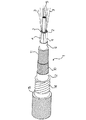
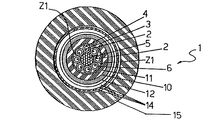
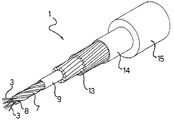
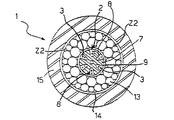
- 238000010521 absorption reaction Methods 0.000 description 27
- KDLHZDBZIXYQEI-UHFFFAOYSA-N Palladium Chemical compound [Pd] KDLHZDBZIXYQEI-UHFFFAOYSA-N 0.000 description 21
- 230000003287 optical effect Effects 0.000 description 16
- 238000012360 testing method Methods 0.000 description 16
- 239000000126 substance Substances 0.000 description 15
- 239000000463 material Substances 0.000 description 14
- 230000000694 effects Effects 0.000 description 10
- 229910052751 metal Inorganic materials 0.000 description 10
- 239000002184 metal Substances 0.000 description 10
- 150000001875 compounds Chemical class 0.000 description 8
- 150000002431 hydrogen Chemical group 0.000 description 8
- 239000010410 layer Substances 0.000 description 8
- 238000004519 manufacturing process Methods 0.000 description 8
- 230000003647 oxidation Effects 0.000 description 8
- 238000007254 oxidation reaction Methods 0.000 description 8
- 239000002245 particle Substances 0.000 description 7
- 239000007787 solid Substances 0.000 description 7
- 239000011521 glass Substances 0.000 description 6
- 229910052763 palladium Inorganic materials 0.000 description 6
- 238000000034 method Methods 0.000 description 5
- 230000009257 reactivity Effects 0.000 description 5
- ZQPPMHVWECSIRJ-UHFFFAOYSA-N Oleic acid Natural products CCCCCCCCC=CCCCCCCCC(O)=O ZQPPMHVWECSIRJ-UHFFFAOYSA-N 0.000 description 4
- 229910000831 Steel Inorganic materials 0.000 description 4
- 239000003963 antioxidant agent Substances 0.000 description 4
- 230000015572 biosynthetic process Effects 0.000 description 4
- 238000003795 desorption Methods 0.000 description 4
- 238000009792 diffusion process Methods 0.000 description 4
- 230000002427 irreversible effect Effects 0.000 description 4
- 239000010959 steel Substances 0.000 description 4
- WRIDQFICGBMAFQ-UHFFFAOYSA-N (E)-8-Octadecenoic acid Natural products CCCCCCCCCC=CCCCCCCC(O)=O WRIDQFICGBMAFQ-UHFFFAOYSA-N 0.000 description 3
- LQJBNNIYVWPHFW-UHFFFAOYSA-N 20:1omega9c fatty acid Natural products CCCCCCCCCCC=CCCCCCCCC(O)=O LQJBNNIYVWPHFW-UHFFFAOYSA-N 0.000 description 3
- QSBYPNXLFMSGKH-UHFFFAOYSA-N 9-Heptadecensaeure Natural products CCCCCCCC=CCCCCCCCC(O)=O QSBYPNXLFMSGKH-UHFFFAOYSA-N 0.000 description 3
- 229920000271 Kevlar® Polymers 0.000 description 3
- 239000005642 Oleic acid Substances 0.000 description 3
- 239000003463 adsorbent Substances 0.000 description 3
- 230000003078 antioxidant effect Effects 0.000 description 3
- 230000008901 benefit Effects 0.000 description 3
- 230000008859 change Effects 0.000 description 3
- 239000012530 fluid Substances 0.000 description 3
- 239000004519 grease Substances 0.000 description 3
- 238000005984 hydrogenation reaction Methods 0.000 description 3
- QXJSBBXBKPUZAA-UHFFFAOYSA-N isooleic acid Natural products CCCCCCCC=CCCCCCCCCC(O)=O QXJSBBXBKPUZAA-UHFFFAOYSA-N 0.000 description 3
- ZQPPMHVWECSIRJ-KTKRTIGZSA-N oleic acid Chemical compound CCCCCCCC\C=C/CCCCCCCC(O)=O ZQPPMHVWECSIRJ-KTKRTIGZSA-N 0.000 description 3
- 238000005191 phase separation Methods 0.000 description 3
- 239000004033 plastic Substances 0.000 description 3
- 229920003023 plastic Polymers 0.000 description 3
- 230000002829 reductive effect Effects 0.000 description 3
- 239000013008 thixotropic agent Substances 0.000 description 3
- XLYOFNOQVPJJNP-UHFFFAOYSA-N water Substances O XLYOFNOQVPJJNP-UHFFFAOYSA-N 0.000 description 3
- VXNZUUAINFGPBY-UHFFFAOYSA-N 1-Butene Chemical compound CCC=C VXNZUUAINFGPBY-UHFFFAOYSA-N 0.000 description 2
- OKTJSMMVPCPJKN-UHFFFAOYSA-N Carbon Chemical compound [C] OKTJSMMVPCPJKN-UHFFFAOYSA-N 0.000 description 2
- XEEYBQQBJWHFJM-UHFFFAOYSA-N Iron Chemical compound [Fe] XEEYBQQBJWHFJM-UHFFFAOYSA-N 0.000 description 2
- VQTUBCCKSQIDNK-UHFFFAOYSA-N Isobutene Chemical compound CC(C)=C VQTUBCCKSQIDNK-UHFFFAOYSA-N 0.000 description 2
- PXHVJJICTQNCMI-UHFFFAOYSA-N Nickel Chemical compound [Ni] PXHVJJICTQNCMI-UHFFFAOYSA-N 0.000 description 2
- QVGXLLKOCUKJST-UHFFFAOYSA-N atomic oxygen Chemical compound [O] QVGXLLKOCUKJST-UHFFFAOYSA-N 0.000 description 2
- 238000006243 chemical reaction Methods 0.000 description 2
- 239000008119 colloidal silica Substances 0.000 description 2
- 238000013016 damping Methods 0.000 description 2
- 238000010908 decantation Methods 0.000 description 2
- 238000011161 development Methods 0.000 description 2
- 230000018109 developmental process Effects 0.000 description 2
- 239000006185 dispersion Substances 0.000 description 2
- 239000004761 kevlar Substances 0.000 description 2
- 239000002480 mineral oil Substances 0.000 description 2
- 235000010446 mineral oil Nutrition 0.000 description 2
- 238000002156 mixing Methods 0.000 description 2
- SSDSCDGVMJFTEQ-UHFFFAOYSA-N octadecyl 3-(3,5-ditert-butyl-4-hydroxyphenyl)propanoate Chemical compound CCCCCCCCCCCCCCCCCCOC(=O)CCC1=CC(C(C)(C)C)=C(O)C(C(C)(C)C)=C1 SSDSCDGVMJFTEQ-UHFFFAOYSA-N 0.000 description 2
- 230000001590 oxidative effect Effects 0.000 description 2
- 239000001301 oxygen Substances 0.000 description 2
- 229910052760 oxygen Inorganic materials 0.000 description 2
- 230000000704 physical effect Effects 0.000 description 2
- BASFCYQUMIYNBI-UHFFFAOYSA-N platinum Chemical compound [Pt] BASFCYQUMIYNBI-UHFFFAOYSA-N 0.000 description 2
- 229920001296 polysiloxane Polymers 0.000 description 2
- 238000002360 preparation method Methods 0.000 description 2
- 230000008569 process Effects 0.000 description 2
- 230000009467 reduction Effects 0.000 description 2
- 230000002441 reversible effect Effects 0.000 description 2
- 229930195734 saturated hydrocarbon Natural products 0.000 description 2
- 238000005204 segregation Methods 0.000 description 2
- 238000000926 separation method Methods 0.000 description 2
- 229910052710 silicon Inorganic materials 0.000 description 2
- 239000010703 silicon Substances 0.000 description 2
- 229920002545 silicone oil Polymers 0.000 description 2
- VXEGSRKPIUDPQT-UHFFFAOYSA-N 4-[4-(4-methoxyphenyl)piperazin-1-yl]aniline Chemical compound C1=CC(OC)=CC=C1N1CCN(C=2C=CC(N)=CC=2)CC1 VXEGSRKPIUDPQT-UHFFFAOYSA-N 0.000 description 1
- RYGMFSIKBFXOCR-UHFFFAOYSA-N Copper Chemical compound [Cu] RYGMFSIKBFXOCR-UHFFFAOYSA-N 0.000 description 1
- JHKXZYLNVJRAAJ-WDSKDSINSA-N Met-Ala Chemical compound CSCC[C@H](N)C(=O)N[C@@H](C)C(O)=O JHKXZYLNVJRAAJ-WDSKDSINSA-N 0.000 description 1
- 239000004698 Polyethylene Substances 0.000 description 1
- 235000021355 Stearic acid Nutrition 0.000 description 1
- 239000002253 acid Substances 0.000 description 1
- 239000000654 additive Substances 0.000 description 1
- 239000000853 adhesive Substances 0.000 description 1
- 230000001070 adhesive effect Effects 0.000 description 1
- 230000000274 adsorptive effect Effects 0.000 description 1
- 230000002411 adverse Effects 0.000 description 1
- 150000001336 alkenes Chemical class 0.000 description 1
- 229910052782 aluminium Inorganic materials 0.000 description 1
- XAGFODPZIPBFFR-UHFFFAOYSA-N aluminium Chemical compound [Al] XAGFODPZIPBFFR-UHFFFAOYSA-N 0.000 description 1
- 238000013459 approach Methods 0.000 description 1
- 239000004760 aramid Substances 0.000 description 1
- 150000001491 aromatic compounds Chemical class 0.000 description 1
- 239000010692 aromatic oil Substances 0.000 description 1
- 229920003235 aromatic polyamide Polymers 0.000 description 1
- 230000003139 buffering effect Effects 0.000 description 1
- IAQRGUVFOMOMEM-UHFFFAOYSA-N butene Natural products CC=CC IAQRGUVFOMOMEM-UHFFFAOYSA-N 0.000 description 1
- 125000004432 carbon atom Chemical group C* 0.000 description 1
- 239000003610 charcoal Substances 0.000 description 1
- 239000003795 chemical substances by application Substances 0.000 description 1
- 238000004587 chromatography analysis Methods 0.000 description 1
- 239000011248 coating agent Substances 0.000 description 1
- 238000000576 coating method Methods 0.000 description 1
- 229910052802 copper Inorganic materials 0.000 description 1
- 239000010949 copper Substances 0.000 description 1
- 230000007797 corrosion Effects 0.000 description 1
- 238000005260 corrosion Methods 0.000 description 1
- 230000000911 decarboxylating effect Effects 0.000 description 1
- 238000000354 decomposition reaction Methods 0.000 description 1
- 238000013461 design Methods 0.000 description 1
- ZQPPMHVWECSIRJ-MDZDMXLPSA-N elaidic acid Chemical compound CCCCCCCC\C=C\CCCCCCCC(O)=O ZQPPMHVWECSIRJ-MDZDMXLPSA-N 0.000 description 1
- 230000001747 exhibiting effect Effects 0.000 description 1
- 238000002474 experimental method Methods 0.000 description 1
- 230000002349 favourable effect Effects 0.000 description 1
- 239000002657 fibrous material Substances 0.000 description 1
- 239000000945 filler Substances 0.000 description 1
- 239000007789 gas Substances 0.000 description 1
- 125000001475 halogen functional group Chemical group 0.000 description 1
- 239000002815 homogeneous catalyst Substances 0.000 description 1
- 229920001519 homopolymer Polymers 0.000 description 1
- 230000007062 hydrolysis Effects 0.000 description 1
- 238000006460 hydrolysis reaction Methods 0.000 description 1
- 230000006698 induction Effects 0.000 description 1
- 238000003780 insertion Methods 0.000 description 1
- 230000037431 insertion Effects 0.000 description 1
- 229910052742 iron Inorganic materials 0.000 description 1
- 230000000670 limiting effect Effects 0.000 description 1
- 239000007788 liquid Substances 0.000 description 1
- 230000007774 longterm Effects 0.000 description 1
- 238000005259 measurement Methods 0.000 description 1
- 150000002739 metals Chemical class 0.000 description 1
- 229910052759 nickel Inorganic materials 0.000 description 1
- QIQXTHQIDYTFRH-UHFFFAOYSA-N octadecanoic acid Chemical compound CCCCCCCCCCCCCCCCCC(O)=O QIQXTHQIDYTFRH-UHFFFAOYSA-N 0.000 description 1
- OQCDKBAXFALNLD-UHFFFAOYSA-N octadecanoic acid Natural products CCCCCCCC(C)CCCCCCCCC(O)=O OQCDKBAXFALNLD-UHFFFAOYSA-N 0.000 description 1
- 150000002894 organic compounds Chemical class 0.000 description 1
- 239000007800 oxidant agent Substances 0.000 description 1
- 239000004014 plasticizer Substances 0.000 description 1
- 229910052697 platinum Inorganic materials 0.000 description 1
- 229920000573 polyethylene Polymers 0.000 description 1
- 229920000098 polyolefin Polymers 0.000 description 1
- 229920002635 polyurethane Polymers 0.000 description 1
- 239000004814 polyurethane Substances 0.000 description 1
- 239000000843 powder Substances 0.000 description 1
- 239000002994 raw material Substances 0.000 description 1
- 238000000518 rheometry Methods 0.000 description 1
- 239000005049 silicon tetrachloride Substances 0.000 description 1
- 230000003068 static effect Effects 0.000 description 1
- 239000008117 stearic acid Substances 0.000 description 1
- 238000003756 stirring Methods 0.000 description 1
- 238000003860 storage Methods 0.000 description 1
- 230000035882 stress Effects 0.000 description 1
- 239000002344 surface layer Substances 0.000 description 1
- 238000004381 surface treatment Methods 0.000 description 1
- 239000002562 thickening agent Substances 0.000 description 1
- IAQRGUVFOMOMEM-ONEGZZNKSA-N trans-but-2-ene Chemical compound C\C=C\C IAQRGUVFOMOMEM-ONEGZZNKSA-N 0.000 description 1
- 239000011345 viscous material Substances 0.000 description 1
- 238000005303 weighing Methods 0.000 description 1
Images

Classifications
-
- G—PHYSICS
- G02—OPTICS
- G02B—OPTICAL ELEMENTS, SYSTEMS OR APPARATUS
- G02B6/00—Light guides; Structural details of arrangements comprising light guides and other optical elements, e.g. couplings
- G02B6/44—Mechanical structures for providing tensile strength and external protection for fibres, e.g. optical transmission cables
- G02B6/4401—Optical cables
- G02B6/4429—Means specially adapted for strengthening or protecting the cables
- G02B6/44382—Means specially adapted for strengthening or protecting the cables the means comprising hydrogen absorbing materials
Landscapes
- Physics & Mathematics (AREA)
- General Physics & Mathematics (AREA)
- Optics & Photonics (AREA)
- Compositions Of Macromolecular Compounds (AREA)
- Optical Fibers, Optical Fiber Cores, And Optical Fiber Bundles (AREA)
- Addition Polymer Or Copolymer, Post-Treatments, Or Chemical Modifications (AREA)
- Glass Compositions (AREA)
- Sealing Material Composition (AREA)
- Lubricants (AREA)
- Surface Treatment Of Glass Fibres Or Filaments (AREA)
Description
【0001】
【産業上の利用分野】
本発明は概して言えば、水素吸収性組成物を含む光学繊維ケーブルに関する。
【0002】
本発明は詳しくは、限定はしないが、好ましくは、例えば海底ケーブルのような、いわゆる耐水性型の光学繊維ケーブルに有用な水素吸収性組成物に関する。
【0003】
【従来の技術】
周知であるように、光学繊維ケーブルに関する特定の必要条件は、ケーブルがそれを通って伝達されるシグナルの減衰からできる限り良好に保護されるべきであるということである。
【0004】
光学繊維ケーブルによって伝播されるシグナルの減衰の充分に認められた原因は繊維中への水素拡散である。
【0005】
耐水性海底ケーブルの場合には、光学繊維を保護するために備えられた金属又はプラスチックシース(sheath)、又はケーブルの金属被覆層(armour)から水素が多年にわたって放出されるので、光学繊維中への水素拡散を特に警戒しなければならない。
【0006】
シースに用いられるプラスチック物質の分解プロセスから及び/又はケーブルの使用温度において形成される凝縮物によって誘導される金属部品の腐食から水素が発生すると、特に考えられる。
【0007】
水素拡散によって誘導される光シグナル減衰を制御するために、関連先行技術は、水素が光学繊維に接触する前に水素と結合する物質の使用に基づく数種類のアプローチを提供している。
【0008】
この目的のために、水素を可逆的な形式で物理的に吸着する物質又は水素を不可逆的な形式で化学的に吸収する物質が用いられている。
【0009】
例えば英国特許出願第2,144,559号から知られるように、光学繊維受容管内に収容されたパラジウム線又はこのような管内に導入され、水素を物理的に吸着することができる化合物と混合された水不透過性グリースのいずれかを用いて、水素を物理的に吸着させる。
【0010】
ポリブテン、活性炭、パラジウム、又は前記グリース中に導入された不飽和若しくは飽和炭化水素が選択的な吸着性化合物として提案されている。
【0011】
しかし、ケーブル、特に海底ケーブルの圧力及び温度条件下においては、可逆的な水素−吸着剤結合のためと、吸着剤が水素を安定に結合する可能性が低いか若しくは実質的に不可能であるために、物理的な吸着剤系が光学繊維中への水素拡散を阻止するために殆ど有効ではないことが実証されている。
【0012】
化学反応による吸収系に関しては、米国特許第4,688,889号及び第4,741,592号から、水素との化学的な反応に適した化合物として、不飽和基を含むポリシロキサンと、共役ジエンを含むポリマーとを適当な触媒下でそれぞれ用いることが知られている。
【0013】
ポリシロキサンの使用に基づく化学的水素吸収系は、その目的を実質的に達成するとは言え、市場から入手することが困難かつ高価であるという欠点をまだ有し、共役ジエンから得られるポリマーの使用に基づく系は、ポリマー反応性による問題を有しており、この反応性はこれらの系を酸化現象を受け易くして、ある種の条件下では空気に暴露されたときにポリマー過度硬化(overcuring)を生ずる。
【0014】
【発明が解決しようとする課題】
本発明の開発において、ケーブル使用条件下で水素と不可逆的に反応するために特に有効である光学繊維ケーブル用水素吸収性組成物が、例えば不飽和度、粘度、酸化安定性、及び実質的な構成上の均質性のような組合せによって得ることができることが判明している。
【0015】
【課題を解決するための手段】
従って、本発明は、光伝導性コアの各ハウジング中に収容された少なくとも1本の光学繊維を含み、その内部容積の少なくとも一部内に配置された、炭化水素化合物と、遷移金属、遷移金属の塩並びに遷移金属の有機及び無機の錯体から成る群から選択される触媒とを含む水素吸収性組成物を含有する、光学繊維遠距離通信ケーブルであって、前記炭化水素化合物が、共役ジエンを含むモノマーの重合によって得られない、実質的に均質な、ケイ素を含まない非芳香族不飽和炭化水素を少なくとも90重量%含み、室温において500〜70,000cSt範囲内の粘度を有し、薄層として100℃において少なくとも7日間空気に暴露させることによるエージング後に、室温において70,000cSt未満の粘度を有すること、及び前記炭化水素化合物が室温において水素に反応する二重結合を70〜1,000mg/g範囲内のヨウ素価に相当する量で有することを特徴とする前記光学繊維ケーブルを提供する。
【0016】
他の態様によると、本発明は、炭化水素化合物と、遷移金属、遷移金属の塩並びに
遷移金属の有機及び無機の錯体から成る群から選択される触媒とを含む種類の水素吸収性組成物であって、前記炭化水素化合物が、共役ジエンを含むモノマーの重合によって得られない、実質的に均質な、ケイ素を含まない非芳香族不飽和炭化水素を少なくとも90重量%含み、室温において500〜70,000cSt範囲内の粘度を有し、薄層として100℃において少なくとも7日間空気に暴露させることによるエージング後に、室温において70,000cSt未満の粘度を有すること、及び前記炭化水素化合物が室温において水素に反応する二重結合を70〜1,000mg/g範囲内のヨウ素価に相当する量で有することを特徴とする前記水素吸収性組成物に関する。
【0017】
この説明及び特許請求の範囲を通して、“実質的に均質な炭化水素”なる表現は、デカンテーション(decantation)又は繊維サポート上でのクロマトグラフィーによって有意な相分離現象を示さないような、一定範囲内で変化する平均値を中心とする分子量分布を有する、ケイ素を含まない油性有機化合物を意味する。
【0018】
本発明によると、上記水素吸収値は、適当な触媒の存在下で室温において水素と反応することができる、二重結合を含む不飽和炭化水素を用いて得ることができる。このような化合物では、水素吸収容量は分子内の二重結合数に関係する。
【0019】
しかし、多くの不飽和炭化水素は水素化後に稠度が変化する、すなわち低粘度液体から実質的に固体状態若しくは非常に高粘度な流体状態まで変化する。例えば、水素に対して特有に高反応性である共役ジエンから得られるポリマーがある種の条件下で、空気への暴露時に実際に実質的に固化する点まで、不当に高い粘度を示すことが判明している。
【0020】
このような問題は主として、そのようなポリマーの高反応性に帰せられ、そのことがポリマーを酸化現象及び重合現象を受け易いものにする。
【0021】
この欠点は特に、ポリブタジエンに関して出願人によって経験的に観察されている。同様な状態が、例えば9−オクタデセン酸又はオレイン酸のような、多数の二重結合を有する油性(oily)物質においても見いだされる。
【0022】
オレイン酸は一方では非常に高い水素吸収容量(約22Nml/gに等しい)を有するが、他方では水素化時にステアリン酸に変換され、この物質は室温において固体であり、従って必要なクッション機能を与えることができない。
【0023】
このような変化又は硬化現象は、付加的な結合の形成又は、いずれにせよ、高粘性固体化合物の形成をもたらす多数の高反応性の二重結合によると考えられる。
【0024】
このようにして、本発明の開発において、水素を化学的に吸収することができる炭化水素化合物の反応性を厳密に制御すべきであるが、他方では、光学繊維に適切な保護を保証するためにはこのような反応性が充分に高いことが望ましいことが理解されたが、他方では、上記副作用を避けるべき場合には、上記最大値を越えるべきではない。
【0025】
さらに、炭化水素化合物の反応性特徴を、製造と光学繊維ケーブル中での使用との特定の条件を考慮して、その種々な特徴と組合せるべきである。
【0026】
好ましいレベルの反応性と粘度の物質は、第1高反応性化合物と、適合する第2非反応性化合物との混合物を用いることによって、すなわち低粘度化合物と高粘度化合物とを混合することによってむしろ容易に得ることができるように見受けられるが、生ずる組成物がその重要な特徴そのものを放棄する(loose)ような点までその成分を脱離(demixing)及び分離し易いことを出願人は発見した。
【0027】
上記臨界条件の全てを、それらの平均分子量に依存してそして70〜1,000mg/gの範囲内のヨウ素価に相当する反応性二重結合数を有し、水素の吸収の前後および空気への暴露後に臨界的範囲内で変動する粘度を有する実質的に均質な炭化水素の使用によって一度に満たすことができることも判明した。
【0028】
特に、水素吸収性組成物の製造を可能にし、その長期間安定性を保証するために、前記不飽和炭化水素は好ましくは混合温度において1,000〜30,000cSt範囲内の粘度を有するべきであることが判明した。
【0029】
さらに、このような不飽和炭化水素の室温粘度は、組成物をケーブルに塗布することができ、最終ケーブル中のその特定の位置に維持することができるように、組成物にチキソトロープ特徴を与えるために充分な量の増粘剤の添加を可能にするような室温粘度であるべきである。
【0030】
本発明の組成物に、例えばピロゲナス(pyrogenous)シリカのような、適当なチキソトロープ剤を加えることによって本発明の組成物をチキソトロープ性(thixotropic)にすることが好ましい。
【0031】
本発明によると、過度に低粘度を有する炭化水素は目的の最終粘度において安定であるチキソトロープ組成物の製造を可能にしないことが判明した;実際に、チキソトロープ組成物が低粘度流体を含む場合には、組成物のレオロジー性及び水素吸収性を変化させる、組成物の流体成分の表面分離が数日間から数週間までの範囲内に観察される。
【0032】
他方では、あまりに高い粘度を有する炭化水素は、炭化水素中の固体粒子の分散に高い剪断力を必要とするために、シリカ及び水素化触媒の混入を困難又は不可能にする。
【0033】
さらに、基本(basic)炭化水素の過度の初期粘度はケーブルへの組成物の塗布を、全く不可能ではないとしても、非実際的にする。
【0034】
実際に、このような場合には、組成物がその塗布中に受ける剪断応力は、(組成物中に埋封される光学繊維に対するそのクッション効果を危険にさらす他に)ケーブル内での組成物の必要な流動性を保証するのに不適切であることが判明した。
【0035】
本発明によると、水素吸収性組成物に有用な実質的に均質な炭化水素の例には、ポリブテン、プロピレン−エチレンコポリマー、プロピレン−ブテンコポリマー、プロピレン−ヘキセンコモリマー、プロピレン−ブテン−エチレンターポリマー、合成又は天然発生(ヒマシ油)グリセリルレシノレエート及びロジン油(ロジンを脱炭酸することによって得られる炭化水素化合物)等がある。
【0036】
上記炭化水素の中で、本発明の目的のために、ポリブテンが好ましい。
【0037】
下記説明と特許請求の範囲とを通して、“ポリブテン”なる用語は、ブテン−1、ブテン−2、イソブテンを含めて、炭素数4のオレフィンの重合によって得られる直鎖又は分枝鎖ポリオレフィンを意味するために用いられる。
【0038】
本発明に用いるためには、500〜1,100範囲内の数平均分子量、1,000〜50,000cSt範囲内の25℃における動粘度、300〜800mg/g範囲内のヨウ素価としての不飽和度を有するポリブテンが好ましい。
【0039】
特に、本発明のポリブテンは少なくとも2x10⁻⁶モル/gの不飽和基を含み、好ましくは1.1x10-3モル/gを越える不飽和基数を含む。
【0040】
好ましくは、不飽和ポリブテン基数は以下で説明するような、適当な触媒の存在下、室温(25℃)において少なくとも1.15Nml/gの水素を吸収するようなものであるべきである。
【0041】
さらに、本発明の目的のために、数平均分子量に関して±20%範囲内の分子量分布を有するポリブテンが好ましい。
【0042】
このようなポリブテンを含む組成物は、実際に、本発明の目的のために有意な脱離現象を示さず、このことは、約20μmの間隙サイズを有する繊維サポート上で有意に分離した、それぞれ450と1,250の分子量を有する2種類の商業的ポリブテンのフラクション(fraction)の等量混合物(equally proportioned mixture)の場合に観察されたことと対照的であった。
【0043】
さらに、本発明に用いるためのポリブテンは好ましくは、薄層(5mm)として100℃において7日間空気へ暴露した後に、70,000cStを越えない、室温(25℃)における動粘度を有する。
【0044】
本発明による実質的に均質な炭化水素の中では、下記表に示した特徴を有するヒマシ油とロジン油も有利に用いられる。
【0045】
物質 ヒマシ油 ロジン油
粘度(cSt,25℃) 900 2,200
粘度(cSt,50℃) 144 165
粘度(cSt,100℃) 20 12.1
ヨウ素価(mg/g) 85 100
H 2 吸収(Nml/g) 7.66 3.18
本発明によると、水素吸収性組成物のもう一つの必要条件は、性質において実質的に均質であるべきだということである。
【0046】
特に、“実質的に均質な組成物”なる表現は、繊維サポート上でのクロマトグラフィー的効果によって任意成分の偏析又は分離が生じないような、その成分の親和度を有する組成物を意味する。
【0047】
本発明の他の態様によると、有利には、第2の実質的に均質な不飽和炭化水素の5重量%までの量が特に効果的な水素吸収性組成物を生ずる。
【0048】
本発明の目的のために、前記第2の不飽和炭化水素は少なくとも1種の共役ジエンの重合によって得られる不飽和ポリマーから選択される。
【0049】
詳しくは、この第2の不飽和炭化水素は、本発明の目的のために、少なくとも1個の不飽和基を有するモノマーに関連した、ホモポリマー、コポリマー又はターポリマーである。
【0050】
ブタジエン、ペンタジエン、メチル−ブタジエン及び2−クロロブタジエンの重合によって得られるものが好ましい。
【0051】
1,500〜2,000範囲の数平均分子量を有するポリブタジエンが好ましい。
【0052】
少なくとも1種の共役ジエンの重合によって得られ、本発明への使用に望ましい、他の不飽和ポリマーは、例えば、米国特許第4,741,592号に述べられている不飽和ポリマーであり、この米国特許の明細書はここに参考文献として関係する。
【0053】
ある期間にわたる及び空気への暴露時の最適レオロジー性と安定性とを保証するために、本発明の組成物中に存在するこの第2不飽和炭化水素の量が好ましくは2重量%未満であるべきであり、如何なる場合にも5重量%という上記限界を超えるべきではないことが判明した。
【0054】
本発明の組成物は、遷移金属並びにその塩又はその有機及び無機錯体を含む群から選択される少なくとも1種の触媒の存在下で、室温において水素と反応する。
【0055】
上記触媒は、適当な担体に支持されて、又は他の適当な形状で用いられる。
【0056】
本発明の触媒の中では、適当な不活性物質に任意に担持された、粉状白金、粉状パラジウム、粉状ニッケル、前記金属の無機及び有機の塩又は錯体、鉄ペンタカルボニルが好ましい。
【0057】
上記触媒の中では、当分野でパラジウムチャーコール(palladium charcoal)として知られた、炭素担体付きパラジウムが特に好ましい。
【0058】
本発明に用いるための他の適当な触媒は、例えば、米国特許第4,688,889号に述べられており、この米国特許の明細書はここに参考文献として関係する。
【0059】
本発明の組成物を光学繊維と直接接触させて用いる予定である場合には、塩、溶解性錯体、又は5μm未満の粒度を有する粒子としてのパラジウム触媒が特に好ましい。
【0060】
この場合には、マイクロベンディング(microbending)として知られる現象による光シグナルの減衰が実質的に阻止される。
【0061】
本発明の組成物中の触媒量は典型的にはパラジウム0.005〜1重量%、好ましくはパラジウム0.0125重量%(5%パラジウムを含むパラジウム化チャーコール(palladiate charcoal)0.1〜2重量%、好ましくは0.25重量%の量にそれぞれ相当)である。
【0062】
本発明によると、重要であると実証されている組成物のレオロジー特性、特に、求められるチキソトロープ特性は1〜20重量%、好ましくは4〜8重量%のチキソトロープ剤を加えることによって得ることができる。
【0063】
このような適当なチキソトロープ剤の中では、1,100℃での四塩化ケイ素の加水分解によって得られる、“フレーム(flame)"シリカとして知られる顕微鏡で見えないほど小さいコロイド状シリカが好ましく、これは200〜400m2/g(BET)の範囲の表面積と0.07〜0.012mmの範囲の粒度とを有する。
【0064】
理解できるように、本発明の組成物は例えば酸化防止剤のような、それ自体公知の、他の添加剤を当業者が容易に判断できるような量で含むことができる。
【0065】
本発明によると、上記水素吸収性組成物が実質的に均質であるために特有の利益が得られる。
【0066】
従って、本発明の組成物は光学繊維ケーブルのコアを囲む繊維質シースの含浸剤として、その成分のいずれかのクロマトグラフィー的効果による偏析又は相分離を示すことなく、有利に用いることができる。
【0067】
本発明を説明するために、限定するためではなく記載した、本発明の水素吸収性組成物及び光学繊維ケーブルの幾つかの実施例の、添付図面に関連した下記の説明から、本発明の他の特徴と利点が明らかになると思われる。
【0068】
図1〜4を参照すると、本発明による光学ケーブルはハウジング2を備えた光学コア1を含み、ハウジング2内には、1本以上の光学繊維が好ましくはゆるく支持される。
【0069】
図1と2に示した典型的な実施態様では、光学コア1は好ましくはプラスチック製の複数の管4を含み、これらの管は中心サポート5の周囲に配置され、シース6によって包まれた光学繊維3のそれぞれのハウジング2を画定する。
【0070】
図3と4に示した実施態様では、光学コア1は1個以上のらせん溝8を有する溝付きコア7を含み、らせん溝8はその外側をテープシース9の1つ以上の層によって閉鎖されて、光学繊維3のための複数のハウジング2を画定する。
【0071】
次に、ケーブル張力要素が光学コア1に関連して、ケーブルの構造上及び使用上の必要条件に応じて軸方向又は周辺に配置される。
【0072】
図1と2に示した実施例では、張力要素は誘電性型(dielectric type)であり、例えば芳香族ポリアミド又はケブラー(Kevlar)(登録商標)の繊維のような、高張力繊維10の二重層を含む。
【0073】
ケブラー繊維10と、管4を包むシース6との間には、ポリウレタンシース11が挿入され、他のシース12はケブラー繊維10上に配置される。
【0074】
図3と4に示した実施態様では、張力要素は光学コア1のシース9の周囲に配置された鋼線13の1つ以上の層を含む。
【0075】
誘電性若しくは金属の張力要素を部分的に又は完全に軸方向に配置することが他の実施態様において得策である又は好ましいと実証されるとしても、これらの張力要素をサポート5若しくはコア7の内側に配置することも、或いはこれらの一体部分であることも可能である。
【0076】
本発明の目的のために、図1と2に実施例として示した実施態様では、“管”型の光学コアが非金属型の張力要素と関連しており、図3と4に実施例として示した実施態様では、溝付き型の光学コアが金属張力要素と関連しており、管型光学コアを金属張力要素と共に用いることができ、溝付き光学コアを誘電性張力要素と共に用いることができる、或いは前記コアを、特定使用条件に最も良く適するように、形状及び性質において異なる張力要素に関連づけることができる。
【0077】
繊維光学ケーブルはさらに、図1と2の実施態様及び図3と4の実施態様の両方において、光学コアに好ましい防湿性、気密性等の性質を与えるために有効な金属管状要素14及び、例えばポリエチレン製の外部シース15を含む。
【0078】
管状金属要素14は好ましくは管形に巻き付けられ、縦方向にシーム溶接されたストリップから形成され、このストリップは鋼、銅等から製造される、又はアルミニウムから製造され、重複縁を接着性物質によって一緒にシールする。
【0079】
ケーブルのフレキシビリティの改良のために必要である場合には、要素14を図1に示すように波形にすることもできる。
【0080】
光学コア1の構造に関係なく、陸上用途のためには、誘電性張力要素を含むケーブルを用いることが一般的な慣例であるが、海底用途には、金属(通常は高張力鋼)製の張力要素を含むケーブルが好ましい。
【0081】
海底用途では、上記ケーブルが、その設計使用条件下で光学コアに必要な保護度を与えるために、金属の付加的外部被覆層を備えて完成される。
【0082】
ハウジング2内並びに管4の間の間隙Z1には、ケーブル中に浸透した水又は湿分がケーブル自体を通って拡散するのを阻止し、ハウジング2内の光学繊維3に充分な制動を与えるために、例えばチキソトロープ鉱油又はグリースに基づくクッション(緩衝性)組成物のような、クッション組成物を供給する。
【0083】
さらに、シース6,9は好ましくは、クッション組成物によって含浸された繊維質物質の1つ以上の層を含む。
【0084】
海底ケーブルの場合には、管状金属要素14の内側上の鋼線13の間の間隙Z2にもクッション組成物を充填する。
【0085】
本発明によると、ケーブルに入った水素又はケーブルの成分の分解プロセスによってケーブル内に放出された水素は、クッション組成物として、上記水素吸収性組成物のいずれかを上記位置の1つ以上においてケーブル中に含めて用いることによって、不可逆的な形式で化学的に吸収される。
【0086】
ケーブル中に含まれる水素吸収性組成物量はケーブル構造内の有効容積によって必然的に限定されるので、その単位吸収容量(unitary absorbing capacity)はケーブルの使用寿命にわたってケーブルから放出されうる水素の全量を確実に吸収すべきである。
【0087】
1例として、この量が(例えば、30年間のケーブル使用寿命に対して)5x10⁻⁵モル/mであると見積もられ、供給されうる水素吸収性組成物量が1.4g/mであるならば、図3と4に示すようなケーブルのシース9を含浸させる又はこのシース9上に塗布するために、0.8Nml/g以上の水素を吸収することができる水素吸収性組成物が必要である。
【0088】
例えば、管4若しくは被覆線(armour wire)13の間のスペース又は管4若しくは溝8内のスペースに充填剤として、水素吸収性組成物を10〜12g/mまでの多量で供給する場合に、光学繊維と接触して供給することができるならば、0.2Nml/gの吸収力も充分である。
【0089】
本発明の目的のために、約0.2Nml/g未満の水素吸収容量を有する組成物は考えられるケーブル用途に対して実用的に重要ではありえないと考えられる。
【0090】
次に、本発明による水素吸収性組成物の幾つかの例を、上記説明に関連して、単に例示のためにのみ述べることにする。
【0091】
【実施例】
実施例1
25℃においてそれぞれ200cSt及び10,000cStの粘度を有する、2種の不飽和シリコーン油の1:1比混合物を含む、米国特許第4,688,889号による水素吸収性組成物をポリエステル繊維のテープ上に、最大ウェブ間隙約20μmで、塗布した。
【0092】
この組成物の水素吸収容量を以下の実施例2の方法を用いて、製造直後に又は65℃における7日間後に測定した。出発価の50%にほぼ等しい、水素吸収容量の低下が検査時に発見された。
【0093】
同じテープ上で、5,000cStの粘度を有するシリコーン油の単一フラクションを含む水素吸収性組成物は、同じ条件下で、10%を越えない水素吸収容量低下を示した。
【0094】
同じ条件下で、300cSt(25℃)の粘度を有するポリブテンと10,000cSt(25℃)の粘度を有する鉱油(飽和炭化水素)との等量並びに触媒(パラジウム化チャーコール)0.25重量%とシリカ5%を含む組成物は、約50%の水素吸収容量低下を示した。
【0095】
観察された効果は、ケーブル中の組成物のクッション性能を変化させる、組成物中の異なる粘度の部分の形成を結果として伴う繊維サポート上での毛管(クロマトグラフィー)脱離現象と、炭化水素からの触媒の分離とによると考えられ、これの全てが組成物の水素吸収容量に不利に影響すると考えられる。
【0096】
脱離効果がケーブルに使用可能な組成物の貯蔵中に例えばデカンテーションによっても生ずることにも注目すべきである。
【0097】
ケーブル中には、特にケーブルのシース6又は9中には、一般に繊維サポートが存在し、組成物の貯蔵期間が通常は提供されるので、種々な物質の混合物が実質的な量で組成物中に存在する場合には、観察された脱離効果は不均質組成物の使用を不適切にする。
【0098】
実施例1によって明らかであるように、異なる性質の炭化水素の適当な混合物を用いて最終の粘度特性が得られると推定されたとしても、光学繊維に使用するために必要な性質の全てを得ることができるのは、均質な水素吸収性組成物によってのみである。
【0099】
実施例2
組成物の総重量の重量%として表現して、下記組成:
ポリブテン 94.35
触媒 0.25
ピロゲナスシリカ(2〜300Å) 5.00
酸化防止剤
(イルガノックス(Irganox)1076) 0.4
を有する組成物を、下記特徴:
数平均分子量 800
動粘度(25℃)(cSt) 10,000
ヨウ素価(mg/g) 537
を有するポリブテンを用いて得た。
【0100】
得られた組成物は下記物理的性質:
粘度(剪断速度1.56/秒)(Paxs) 380
密度(20゜)(g/cm3) 0.92
ドリッピングポイント(dripping point) 200℃以上
を示した。
【0101】
触媒は炭素担体付きパラジウムから成り、平均粒度約30μmと組成物の総重量に関して125ppmのPd含量を有した。
【0102】
触媒を室温においてパドルスターラー(paddle stirrer)を用いた分散によってポリブテン中に混入した;このようにして得られた生成物はなおも強力に絶えず撹拌しながら、コロイド状シリカ粉末を加えることによって、直ちに増粘化した。
【0103】
最後に、混合物をスリーシリンダーリファイナー(three-cylinder refiner)で均質化した。
【0104】
この組成物の製造は問題を有さず;7日間の放置期間後に、組成物の表面に相分離又は脱離現象は観察されなかった。
【0105】
実施例3
上記実施例2と同様に水素吸収性組成物を下記特徴:
数平均分子量 950
動粘度(25℃)(cSt) 28,000
ヨウ素価(mg/g) 349
を有するポリブテンを用いて製造した。
【0106】
実施例4
上記実施例2と同様に水素吸収性組成物を下記特徴:
数平均分子量 450
動粘度(25℃)(cSt) 300
ヨウ素価(mg/g) 916
を有するポリブテンを用いて製造した。
【0107】
剪断速度1.56/秒において約400Pa x sの最終粘度を得るために、この組成物のシリカ含量を約7%の値にまで上昇させた。
【0108】
7日間の放置期間後に、組成物の表面に脱離したフラクションが出現した。
【0109】
実施例5
上記実施例2と同様に水素吸収性組成物を下記特徴:
数平均分子量 1,250
動粘度(25℃)(cSt) 90,000
ヨウ素価(mg/g) 300
を有するポリブテンを用いて製造した。
【0110】
剪断速度1.56/秒において約400Pa x sの最終粘度を得るために、この組成物のシリカ含量を2%だけ低下させた。
【0111】
室温において実施した組成物の製造は実行可能であると判明したが、実施例2〜4におけるよりも50%長い時間を要した。
【0112】
実施例6
水素吸収性組成物を下記特徴:
数平均分子量 11,000
動粘度(50℃)(cSt) 24,000
ヨウ素価(mg/g) 80
を有するポリブテンを用い、かつ実施例2に述べた方法及び量によって触媒を加えて製造した。
【0113】
ポリブテンの初期粘度(original viscosity)を減じ、触媒分散を可能にするために、製造を50℃の温度において実施した。
【0114】
この組成物は室温において実質的に固体であり、これにシリカは混入しなかった。
【0115】
この組成物はケーブルに塗布することが不可能であると判明した。
【0116】
実施例7
上記実施例2と同様に水素吸収性組成物を下記特徴:
数平均分子量 1,800
動粘度(50℃)(cSt) 10,000
ヨウ素価(mg/g) 3,100
を有するポリブタジエンを用いて製造した。
【0117】
この組成物に1.5%のシリカ含量を用いて、約400Pa x sの最終粘度を得た。
【0118】
用いたポリブタジエンの粘度を減ずるために50℃の温度において製造を実施した。
【0119】
実施例8
組成物の総重量の重量%として表現して、下記組成:
ポリブテン 93.35
ポリブタジエン 1.00
触媒(パラジウム化チャーコール) 0.25
ピロゲナスシリカ(2〜300Å) 5.00
酸化防止剤(イルガノックス1076) 0.4
を有する組成物を、下記特徴:
数平均分子量 800
動粘度(50℃)(cSt) 10,000
ヨウ素価(mg/g) 537
を有するポリブテンと、下記特徴:
数平均分子量 800
動粘度(50℃)(cSt) 10,000
ヨウ素価(mg/g) 3,100
を有するポリブタジエンとを用いて、製造した。
【0120】
得られた組成物は下記物理的性質:
粘度(剪断速度1.56/秒)(Paxs) 380
密度(20゜)(g/cm3) 0.92
ドリッピングポイント 200℃以上
を示した。
【0121】
実施例9
上記実施例2と同様な水素吸収性組成物を下記特徴:
平均分子量 268
動粘度(25℃)(cSt) 30
ヨウ素価(mg/g) 80〜90
を有する9−オクトデセン酸(オレイン酸)を含む油を用いて製造した。
【0122】
約400Pa x sの最終粘度を得るために、組成物に用いたシリカ含量は約15%であった。混合物をチキソトロープにするために先行実施例において指定したシリカ量は表面処理を加えない物質に関するものであることに注目すべきである。シリカに表面処理を施して、シリカの表面性を変化させる場合には、当業者が容易に判断できるように、それに応じて量を変化させるべきである。
【0123】
実施例10
上記組成物の水素吸収容量を、水素雰囲気中での試験下で物質を封入した密封容器内で検出される圧力低下の測定に基づく方法によって、測定した。
【0124】
自動装置を用いて、1,000〜1mbarの範囲内の圧力を測定した。
【0125】
この装置は2個の弁(その1つは水素の流入を制御するニードル弁であり、他方は真空ポンプへの接続に有用な型である)を備えた一定容積室を含み、その上に取り付けられた、デジタル読み取り装置に接続する圧力変換器を有する。
【0126】
実際に用いられる圧力変換器とデジタル読み取り装置とは、両方ともエドワード アルト ヴオトー(Edward Alto Vuoto)S.p.A.から入手される、それぞれE8510型とEMV251型であった。
【0127】
この装置の内部にガラス容器を固定する。
【0128】
デジタル表示を有する圧力制御装置は1mbarの分解能を有し、圧力読み取りはガス組成及び大気圧に関係しない。
【0129】
試験は23℃の一定温度において実施した。
【0130】
ガラス容器を0.01gの精度まで秤量した(重量A)後に、容器の底と壁に被験物質約10gを一様に塗布した。
【0131】
物質を塗布した後に、もう一度、ガラス容器を0.01gの精度まで秤量した(重量B)。
【0132】
被験物質を含むガラス容器を装置に入れ、約1〜2時間真空にした。
【0133】
装置を静真空(static vacuum)下に少なくとも12時間置いた後に、容器を水素シリンダーに、デジタル圧力ゲージが所望の圧力(一般に約500〜1,000mbar)を示すまで、接続させた。
【0134】
水素シリンダー弁を遮断し、水素の時間と圧力を記録した。
【0135】
24時間後に、残留水素圧を読み取った。
【0136】
公称(normal)cm3/gで表現した、水素吸収容量は次式を用いて算出した:
(P−Pr)xVx273
1013x(273+C)x(B−A)
式中、
P=出発水素圧
Pr=24時間試験後の残留水素圧
C=試験中の温度(℃)
V=物質約10gを塗布した後の装置の自由容積
B=ガラス容器+物質の重量
A=空のガラス容器の重量
水素吸収性組成物の各サンプルに対して上記試験を2回実施して、2回の得られた値の平均値を採用した。先行実施例に述べた物質によって得られた結果を下記表1に要約する。
【0137】
【表1】
**:50℃における粘度
***:Pd触媒なし
試験したポリブテンはBPケミカルス社(BP Chemicals snc.)(フランス,パリ,ツール ネプチューン セデックス)から商品名ナプビス(Napvis)で(実施例2〜5)及びエッソ ケミカルス社(ESSO Chemicals Inc.)(米国,ニューヨーク)から商品名ビスタネックス(Vistanex)LMMHで(実施例6)販売されるものである。
【0138】
試験したポリブタジエンはリバーテックス社(Revertex Ltd.)(英国、エッセクス、ハロー,テンプル フィールド)から商品名リセン(Lithene)AHで販売されている。
【0139】
実施例11
上記実施例2と7の水素吸収性組成物の性質を、薄層(5mm)としての100℃における7日間空気への暴露の前後に測定して、エージング(aging)(空気中での酸化)耐性を検査し、比較した。動粘度と、耐酸化性の指標と見なされるO.I.T.(酸素誘導時間)データとをASTM規格D445とD4565に準拠して測定し、以下の表2に示す。
【0140】
【表2】
【0141】
上記データから、ポリブテンでは酸化によって約34%の粘度増加が得られたが、酸素に対するポリブタジエン二重結合の高反応性は138%の粘度増加を生じ、これは組成物の性質を実質的に変化させるために充分であることが推測される。固体塊の形成も観察され、繊維の近くでのこの塊の存在はミクロベンディングによるシグナル減衰を有意に増大させるであろう。
【0142】
ポリブテン物体中に拡散した少量(5%未満)のポリブタジエンが有意なエージングを示すことも判明した。
【0143】
水素吸収性組成物の酸化によるエージング現象は完成ケーブル(長期間(30〜40年間)完全作動状態に留まることが期待される)においても、ケーブルに挿入前の組成物においても恐るべきことである。
【0144】
実際に、水素吸収性組成物はこのようなエージングを開始させるほど充分に長期間貯蔵されなければならない。
【0145】
組成物内の適合性酸化防止剤の適当量の存在は、出願人による試験では、ポリブタジエンを用いた場合にこのような現象の発現を阻止するために充分であると実証されなかった。
【0146】
他の試験は、炭化水素分子の鎖又は末端位置における二重結合の存在は水素の好ましい吸収を促進するが、芳香族化合物は効果的ではないことを示している。可塑剤として一般に用いられ、約6,000cSt(25℃)の動粘度と84.4%の芳香族総含量とを有する芳香族油によって実施した試験は、約0.05Nml/gを生じ、これは好ましい吸収値よりも一桁小さい値であり、今までに指定した最小許容値よりもかなり低い。
【0147】
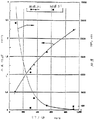
実施例2〜6の組成物に対して実施した試験結果を図5にグラフによって示す、このグラフでは吸収された水素の測定値とポリブテンの粘度とを二重結合数(ヨウ素価として表現)に対して、従って試験下のポリブテンの平均分子量に対してプロットする。
【0148】
図5は、ケーブル中の水素吸収性組成物としての使用に適切な組成物を得るために、考慮すべき重要なパラメーターは特定の炭化水素の水素吸収容量のみでなく、主として炭化水素粘度も含み、この粘度が50℃において約500〜約10,000cSt範囲内、好ましくは約1,000〜約10,000cSt範囲内の値に達するべきであることを示す。
【0149】
さらに、本発明の炭化水素では、ポリブテンが、光学繊維ケーブルに用いるために適した水素吸収性組成物が製造されうるように、用途の必要条件を満たすために適切な水素吸収容量を有する粘度範囲に有利にフラクションを有することが判明している。
【0150】
上記によると、ポリブテンは総組成物重量の少なくとも90重量%の量で供給されるべきであり、実質的に均質であるべきである。
【0151】
上記試験の結果も、高い水素吸収容量を与えるために、多数の二重結合を有する物質が望ましいと思われるが、このような物質の他の物理−化学的性質(例えば、酸化前後の粘度)がこれらの物質を光学繊維ケーブル内で役に立たなくさせる可能性があるために、この特徴だけではケーブルに用いる物質を限定するために充分ではないことを示す。
【0152】
実際に、先行技術は鎖中に単一の二重結合を有する炭化水素が光学繊維ケーブルに用いた場合に比較的無効であることを指摘し、単位重量あたりの二重結合数を高めるために低分子量(及び比較的低粘度)炭化水素を選択すべきであることをせいぜい示唆するにすぎないが、本発明によると、鎖中に一定数の二重結合を有し、臨界範囲内の粘度を有する均質な炭化水素が光学繊維ケーブル用の水素吸収性組成物に効果的に使用可能である。
【0153】
特に、組成物の安定性とその製造条件の両方に関して既述した副作用を避ける、望ましい粘度値を有するポリブテンが、触媒の存在下で水素に対して有利な活性を示すことが実験によって判明した。
【0154】
実施したエージング試験も、過度に多数の二重結合の存在及び/又は過度に反応性の二重結合の存在がそのうちに許容されない粘度増加を生ずることを示した。
【0155】
換言すると、適当な触媒の存在下で水素を吸収することができる炭化水素を含む水素吸収性組成物を形成するためには、その水素吸収容量のみが重要であるのではなく、炭化水素酸化剤の存在下での一定期間にわたるそのレオロジー特徴及び化学的安定性特徴も重要であることが判明した。
【0156】
これらの重要な特徴は実際に、ケーブルへの適用可能性と、ケーブルの使用寿命を通してのその性能の両方に影響を与える。
【0157】
図5から、ポリブテンが触媒の不存在下でケーブルに予想される温度及び圧力条件下で水素と実際に反応できないことも立証される。
【0158】
本発明の水素吸収性組成物をスペースZ1若しくはZ2に用いる、又はシース6若しくは9を含浸する予定である場合には、水素吸収性組成物は先の実施例に述べた種類の触媒、又は固体(粉状)担体付き触媒を含むことができる;その代わりに、本発明の組成物を繊維に直接接触させて配置する場合には、ミクロベンディングによる光学繊維内での減衰現象発生を避けるために、例えば米国特許第5,140,664号に述べられているような均質触媒、又は少なくとも、粒状形である場合には、5μmより小さい粒度を有する均質触媒が好ましい。
【0159】
組成物を光学繊維に接触させて塗布する場合には、室温粘度と一定期間にわたる酸化安定性との両方に関して上記限界がさらに一層重要になる。
【0160】
【発明の効果】
上記説明から、本発明によって与えられる多くの利点を直ちに認識することができるであろう。
【0161】
実際に、本発明は水素の不可逆的で化学的な吸収によって、光学繊維3をその中への水素拡散から効果的に保護することができる。
【0162】
この不可逆的化学吸収は組成物中に均一に分散した適当な触媒によってケーブル使用温度において有利に行われる。
【0163】
さらに、実施した試験は、本発明の組成物が水素吸収のために有効であり、使用中及び光学繊維ケーブルの製造中の両方において物理−化学的見地から特に安定であることを実証する。
【0164】
最後に、前記均質な炭化水素が、低価格の原料物質であり、市場で容易に入手可能であるポリブテンである場合に、特に有効な特徴が本発明によって与えられうることに注目すべきである。
【図面の簡単な説明】
【図1】 本発明の水素吸収性組成物を含む光学繊維ケーブルの斜視図。
【図2】 図1のケーブルの断面図。
【図3】 本発明の水素吸収性組成物を含む光学繊維ケーブルの別の実施態様の斜視図。
【図4】 図3のケーブルの断面図。
【図5】 本発明による若干の炭化水素の水素吸収量対不飽和度、及びその対応粘度を示すグラフ。
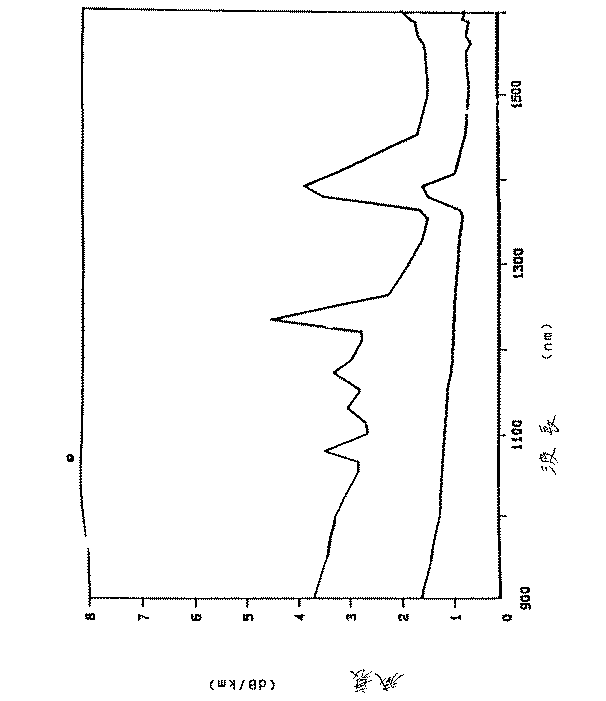
【図6】 本発明の組成物の存在下及び不存在下の光学繊維ケーブル内でのシグナル減衰対波長を示すグラフ。
【符号の説明】
1.光学コア
2.ハウジング
3.光学繊維
4.管
5.中心サポート
6.シース[0001]
[Industrial application fields]
The present inventiongenerallySpeaking, it relates to an optical fiber cable comprising a hydrogen absorbing composition.
[0002]
The present invention is described in detail below.Not limitedPreferably, it relates to a hydrogen-absorbing composition useful for so-called water-resistant optical fiber cables, such as submarine cables.
[0003]
[Prior art]
As is well known, a specific requirement for fiber optic cables is that the cable should be protected as well as possible from the attenuation of signals transmitted through it.
[0004]
A well-known cause of the attenuation of the signal transmitted by the fiber optic cable is hydrogen diffusion into the fiber.
[0005]
Water resistant seabedIn the case of cables, hydrogen is released over many years from the metal or plastic sheath provided to protect the optical fiber, or from the metal armor of the cable, so that hydrogen diffusion into the optical fiber. You must be particularly wary.
[0006]
It is particularly conceivable that hydrogen is generated from the decomposition process of the plastic material used in the sheath and / or from corrosion of metal parts induced by condensate formed at the service temperature of the cable.
[0007]
In order to control the optical signal decay induced by hydrogen diffusion, the related prior art provides several approaches based on the use of materials that bind to hydrogen before it contacts the optical fiber.
[0008]
For this purpose, substances are used that physically adsorb hydrogen in a reversible manner or that chemically absorb hydrogen in an irreversible manner.
[0009]
For example, as known from British Patent Application No. 2,144,559, in an optical fiber receiving tube.ContainedThe hydrogen is physically adsorbed using either a palladium wire or a water-impermeable grease mixed with a compound introduced into such a tube and capable of physically adsorbing hydrogen.
[0010]
Polybutene, activated carbon, palladium, or unsaturated or saturated hydrocarbons introduced into the greaseSelectiveIt has been proposed as an adsorptive compound.
[0011]
However, under pressure and temperature conditions of cables, especially submarine cables, the adsorbent binds hydrogen stably for reversible hydrogen-adsorbent binding.Is unlikelyOr, because it is virtually impossible, physical adsorbent systems have proven to be almost ineffective at preventing hydrogen diffusion into optical fibers.
[0012]
Regarding the absorption system by chemical reaction, from US Pat. Nos. 4,688,889 and 4,741,592, as a compound suitable for chemical reaction with hydrogen, polysiloxane containing an unsaturated group and conjugated It is known to use a diene-containing polymer under an appropriate catalyst.
[0013]
Chemical hydrogen absorption systems based on the use of polysiloxanes, while substantially achieving their purpose, still have the disadvantage of being difficult and expensive to obtain from the market, and the use of polymers derived from conjugated dienes Based systems have problems due to polymer reactivity, which makes these systems susceptible to oxidation phenomena and under certain conditions polymer overcuring when exposed to air. ).
[0014]
[Problems to be solved by the invention]
In the development of the present invention, hydrogen-absorbing compositions for optical fiber cables that are particularly effective for irreversibly reacting with hydrogen under cable service conditions include, for example, unsaturation, viscosity, oxidation stability, and substantial It has been found that it can be obtained by combinations such as structural homogeneity.
[0015]
[Means for Solving the Problems]
Accordingly, the present invention includes a hydrocarbon compound, a transition metal, a transition metal, and at least one optical fiber housed in each housing of the photoconductive core, disposed within at least a portion of its internal volume. Salt andTransition metalAn optical fiber telecommunications cable comprising a hydrogen absorbing composition comprising a catalyst selected from the group consisting of organic and inorganic complexes, wherein the hydrocarbon compound is obtained by polymerization of a monomer containing a conjugated diene. Not substantially homogeneous, silicon-freeContaining at least 90% by weight of non-aromatic unsaturated hydrocarbons,Said hydrocarbon compound having a viscosity in the range of 500-70,000 cSt at room temperature, having a viscosity of less than 70,000 cSt at room temperature after aging by exposure to air at 100 ° C. for at least 7 days as a thin layer, and Has a double bond that reacts with hydrogen at room temperature in an amount corresponding to an iodine value in the range of 70 to 1,000 mg / g.
[0016]
According to another aspect, the present invention provides a hydrocarbon compound, a transition metal, a transition metal salt, and
Transition metalA hydrogen-absorbing composition of the kind comprising a catalyst selected from the group consisting of organic and inorganic complexes, wherein the hydrocarbon compound is substantially inhomogeneous not obtainable by polymerization of monomers containing conjugated dienes Does not contain siliconContaining at least 90% by weight of non-aromatic unsaturated hydrocarbons,Said hydrocarbon compound having a viscosity in the range of 500-70,000 cSt at room temperature, having a viscosity of less than 70,000 cSt at room temperature after aging by exposure to air at 100 ° C. for at least 7 days as a thin layer, and Has a double bond that reacts with hydrogen at room temperature in an amount corresponding to an iodine value in the range of 70 to 1,000 mg / g.
[0017]
Throughout this description and the claims, the expression “substantially homogeneous hydrocarbon” is within a range that does not show significant phase separation by decantation or chromatography on a fiber support. It means an oily organic compound not containing silicon and having a molecular weight distribution centered on an average value that varies with the
[0018]
According to the present invention, the hydrogen absorption values can be obtained using unsaturated hydrocarbons containing double bonds that can react with hydrogen at room temperature in the presence of a suitable catalyst. For such compounds, the hydrogen absorption capacity is related to the number of double bonds in the molecule.
[0019]
However, many unsaturated hydrocarbons change in consistency after hydrogenation, i.e., from a low viscosity liquid to a substantially solid or very high viscosity fluid state. For example, polymers obtained from conjugated dienes that are specifically highly reactive with hydrogen may exhibit unreasonably high viscosity to the point that they actually substantially solidify on exposure to air under certain conditions. It turns out.
[0020]
These problems are mainlyAttributed to the high reactivity of such polymers,Polymer undergoes oxidation and polymerization phenomenaEasy to useTo do.
[0021]
This drawback has been observed empirically by the applicant in particular with respect to polybutadiene. A similar condition is that of an oily substance having multiple double bonds, such as 9-octadecenoic acid or oleic acid.Also found in.
[0022]
Oleic acid on the one hand has a very high hydrogen absorption capacity (equal to about 22 Nml / g), but on the other hand it is converted to stearic acid on hydrogenation, and this material is solid at room temperature and thus provides the necessary cushioning function I can't.
[0023]
Such a change or hardening phenomenon isFormation of additional bonds or in any case the formation of highly viscous solid compoundsBringThis is thought to be due to a large number of highly reactive double bonds.
[0024]
Thus, in the development of the present invention, the reactivity of hydrocarbon compounds capable of chemically absorbing hydrogen is reduced.StrictlyIt should be controlled, but on the other hand, it was understood that such reactivity should be high enough to ensure adequate protection for the optical fiber, but on the other hand, if the above side effects should be avoided Should not exceed the above maximum value.
[0025]
Furthermore, the reactive characteristics of the hydrocarbon compound should be combined with its various characteristics, taking into account the specific conditions of manufacture and use in fiber optic cables.
[0026]
A preferred level of reactive and viscous material is rather obtained by using a mixture of a first highly reactive compound and a compatible second non-reactive compound, ie, by mixing a low viscosity compound and a high viscosity compound. Applicants have found that it appears to be easily obtainable, but the resulting composition is easy to demix and separate its components to a point where it will loose its important features themselves. .
[0027]
All of the above critical conditions depend on their average molecular weightAnd thenBefore and after absorption of hydrogen, having a reactive double bond number corresponding to an iodine value in the range of 70 to 1,000 mg / gAnd within the critical range after exposure to airIt has also been found that it can be filled at once by the use of substantially homogeneous hydrocarbons with varying viscositiesdid.
[0028]
In particular, the unsaturated hydrocarbon should preferably have a viscosity in the range of 1,000 to 30,000 cSt at the mixing temperature in order to allow the production of a hydrogen-absorbing composition and to ensure its long-term stability. Turned out to bedid.
[0029]
In addition, the room temperature viscosity of such unsaturated hydrocarbons provides the composition with thixotropic characteristics so that the composition can be applied to the cable and maintained at that particular location in the final cable. Should be at room temperature so that a sufficient amount of thickener can be added.
[0030]
The composition of the present invention is added to the composition of the present invention by adding a suitable thixotropic agent such as pyrogenous silica.Thixotropic(thixotropic) is preferable.
[0031]
According to the invention, it has an excessively low viscosityHydrocarbonsIt has been found that it does not allow the production of thixotropic compositions that are stable at the desired final viscosity;ThixotropeWhen the composition comprises a low viscosity fluid, surface separation of the fluid components of the composition, which changes the rheological and hydrogen absorption properties of the composition, is observed within a range of days to weeks.
[0032]
On the other hand, hydrocarbons with too high a viscosity require high shear forces to disperse solid particles in the hydrocarbon, making it difficult or impossible to incorporate silica and hydrogenation catalyst.
[0033]
Furthermore, the excessive initial viscosity of basic hydrocarbons makes the application of the composition to the cable impractical, if not impossible at all.
[0034]
In fact, in such a case, the shear stress that the composition experiences during its application is the composition in the cable (in addition to jeopardizing its cushioning effect on the optical fibers embedded in the composition). Guarantees the necessary liquidityTo doTurned out to be inappropriatedid.
[0035]
In accordance with the present invention, examples of substantially homogeneous hydrocarbons useful in hydrogen absorbing compositions include polybutene, propylene-ethylene copolymer, propylene-butene copolymer, propylene-hexene comomer, propylene-butene-ethylene terpolymer. Synthetic or naturally occurring (castor oil) glyceryl resinoleate and rosin oil (hydrocarbon compounds obtained by decarboxylating rosin).
[0036]
Of the above hydrocarbons, polybutene is preferred for the purposes of the present invention.
[0037]
Throughout the following description and claims, the term “polybutene” means a linear or branched polyolefin obtained by polymerization of olefins having 4 carbon atoms, including butene-1, butene-2, isobutene. Used for.
[0038]
For use in the present invention, the number average molecular weight within the range of 500 to 1,100, the kinematic viscosity at 25 ° C. within the range of 1,000 to 50,000 cSt, and the unsaturation as the iodine number within the range of 300 to 800 mg / g Polybutene having a degree is preferred.
[0039]
In particular, the polybutene of the present invention is at least 2 × 10⁻⁶Containing mol / g of unsaturated groups, preferably 1.1 × 10⁻³The number of unsaturated groups exceeding mol / gInclude.
[0040]
Preferably, the number of unsaturated polybutene groups should be such that it absorbs at least 1.15 Nml / g of hydrogen at room temperature (25 ° C.) in the presence of a suitable catalyst as described below.
[0041]
Furthermore, for the purposes of the present invention, polybutenes having a molecular weight distribution in the range of ± 20% with respect to the number average molecular weight are preferred.
[0042]
Such polybutene-containing compositions actually do not exhibit significant desorption phenomena for the purposes of the present invention.Not shownAnd thisOn a fiber support with a gap size of about 20 μmIn contrast to what was observed in the case of a significantly separated, equal proportioned mixture of two commercial polybutene fractions with molecular weights of 450 and 1,250 respectively.
[0043]
Furthermore, the polybutene for use in the present invention preferably has a kinematic viscosity at room temperature (25 ° C.) that does not exceed 70,000 cSt after exposure to air at 100 ° C. for 7 days as a thin layer (5 mm).
[0044]
Among the substantially homogeneous hydrocarbons according to the present invention, castor oil and rosin oil having the characteristics shown in the following table are also advantageously used.
[0045]
material Castor oil Rosin oil
Viscosity (cSt, 25 ° C) 900 2,200
Viscosity (cSt, 50 ° C) 144 165
Viscosity (cSt, 100 ° C.) 20 12.1
Iodine value (mg / g) 85 100
H 2 Absorption (Nml / g) 7.66 3.18
According to the present invention, another requirement for the hydrogen absorbing composition is substantially homogeneous in nature.ShouldThat's what it means.
[0046]
In particular, the expression “substantially homogeneous composition” means that the component is such that the chromatographic effect on the fiber support does not cause segregation or separation of any component.AffinityMeans a composition having
[0047]
According to another aspect of the invention, advantageouslySecondAn amount of up to 5% by weight of the substantially homogeneous unsaturated hydrocarbon results in a particularly effective hydrogen absorbing composition.
[0048]
For the purposes of the present invention,SecondThe unsaturated hydrocarbon is selected from unsaturated polymers obtained by polymerization of at least one conjugated diene.
[0049]
Specifically, thisSecondUnsaturated hydrocarbons are homopolymers, copolymers or terpolymers associated with monomers having at least one unsaturated group for the purposes of the present invention.
[0050]
Those obtained by polymerization of butadiene, pentadiene, methyl-butadiene and 2-chlorobutadiene are preferred.
[0051]
Polybutadiene having a number average molecular weight in the range of 1,500 to 2,000 is preferred.
[0052]
Other unsaturated polymers obtained by polymerization of at least one conjugated diene and desirable for use in the present invention are, for example, the unsaturated polymers described in US Pat. No. 4,741,592, The specification of the US patent is hereby incorporated by reference.
[0053]
In order to ensure optimal rheology and stability over a period of time and upon exposure to air, the amount of this second unsaturated hydrocarbon present in the composition of the present invention is preferably less than 2% by weight. It should be found that the above limit of 5% by weight should not be exceeded in any casedid.
[0054]
The composition of the present invention reacts with hydrogen at room temperature in the presence of at least one catalyst selected from the group comprising transition metals and salts thereof or organic and inorganic complexes thereof.
[0055]
The catalyst is, Supported on a suitable carrier, or used in any other suitable shape.
[0056]
Among the catalysts of the present invention, suitable inert materials are optionally included.CarryingPreference is given to powdered platinum, powdered palladium, powdered nickel, inorganic and organic salts or complexes of the metals, and iron pentacarbonyl.
[0057]
Among the above catalysts,In this fieldParticular preference is given to palladium on carbon support, known as palladium charcoal.
[0058]
Other suitable catalysts for use in the present invention are described, for example, in US Pat. No. 4,688,889, the specification of which is hereby incorporated by reference.
[0059]
When the composition of the present invention is to be used in direct contact with an optical fiber, a palladium catalyst as a salt, a soluble complex, or particles having a particle size of less than 5 μm is particularly preferred.
[0060]
In this case, the attenuation of the optical signal due to a phenomenon known as microbending is substantially prevented.
[0061]
The amount of catalyst in the composition of the present invention is typically 0.005 to 1 wt% palladium, preferably 0.0125 wt% palladium (5% palladiumincluding(Palladiate charcoal 0.1 to 2 wt%, preferably 0.25 wt% respectively)Is.
[0062]
According to the invention, the rheological properties of the compositions that have proven to be important, in particular the thixotropic properties sought, can be obtained by adding 1 to 20% by weight, preferably 4 to 8% by weight of thixotropic agent. .
[0063]
Among such suitable thixotropic agents, colloidal silica obtained by hydrolysis of silicon tetrachloride at 1,100 ° C., known as “flame” silica, is so small that it cannot be seen under a microscope, and is preferred. 200-400m2/ G (BET)RangeSurface area of 0.07 to 0.012 mmRangeWith a particle size of
[0064]
As can be appreciated, the compositions of the present invention can include other additives known per se, such as, for example, antioxidants, in amounts that can be readily determined by one skilled in the art.
[0065]
In accordance with the present invention, particular benefits are obtained because the hydrogen absorbing composition is substantially homogeneous.
[0066]
Thus, the composition of the present invention can be advantageously used as an impregnating agent for a fibrous sheath surrounding the core of an optical fiber cable without exhibiting segregation or phase separation due to any chromatographic effects of its components.
[0067]
The description of several embodiments of the hydrogen-absorbing composition and fiber optic cable of the present invention, which are described for the purpose of illustrating the present invention, but not for the purpose of limiting the invention, The features and benefits of this will become clear.
[0068]
1-4, an optical cable according to the present invention includes an
[0069]
In the exemplary embodiment shown in FIGS. 1 and 2, the
[0070]
In the embodiment shown in FIGS. 3 and 4, the
[0071]
A cable tension element is then placed in relation to the
[0072]
In the embodiment shown in FIGS. 1 and 2, the tension element is of the dielectric type, for example a double layer of high-
[0073]
A
[0074]
In the embodiment shown in FIGS. 3 and 4, the tensioning element comprises one or more layers of
[0075]
Although it may prove advantageous or preferred in other embodiments to place the dielectric or metallic tension elements partially or completely axially, these tension elements are supported on the inside of the
[0076]
For the purposes of the present invention, in the embodiment shown in FIGS. 1 and 2 as an example, a “tube” type optical core is associated with a non-metallic tension element, and FIGS. In the illustrated embodiment, a grooved optical core is associated with the metal tension element, a tubular optical core can be used with the metal tension element, and a grooved optical core can be used with the dielectric tension element. Alternatively, the core can be associated with tension elements that differ in shape and nature to best suit the particular use conditions.
[0077]
The fiber optic cable further includes a metallic
[0078]
The
[0079]
If necessary for improved cable flexibility, the
[0080]
Regardless of the structure of the
[0081]
SeabedIn application, the cable is completed with an additional outer coating of metal to provide the necessary degree of protection to the optical core under its design and use conditions.
[0082]
The gap Z1 in the
[0083]
Furthermore, the
[0084]
SeabedIn the case of a cable, the gap Z2 between the
[0085]
According to the present invention, hydrogen entering the cable or released into the cable by the process of decomposing the components of the cable is used as a cushioning composition in any one or more of the above locations as a cushioning composition. It is chemically absorbed in an irreversible manner when used in it.
[0086]
Since the amount of hydrogen absorbing composition contained in a cable is necessarily limited by the effective volume within the cable structure, its unitary absorbing capacity is the total amount of hydrogen that can be released from the cable over the life of the cable. It should be absorbed reliably.
[0087]
As an example, this amount is 5 x 10 (for example, for 30 years of cable service life)-FiveIf the amount of hydrogen absorbing composition that can be supplied is 1.4 g / m, the sheath 9 of the cable as shown in FIGS. 3 and 4 is impregnated or on the sheath 9. In order to apply, a hydrogen-absorbing composition capable of absorbing 0.8 Nml / g or more of hydrogen is required.
[0088]
For example, when supplying a hydrogen absorbing composition in a large amount of 10 to 12 g / m as a filler in the space between the tube 4 or the
[0089]
For the purposes of the present invention, it is believed that compositions having a hydrogen absorption capacity of less than about 0.2 Nml / g may not be of practical importance for possible cable applications.
[0090]
Next, some examples of the hydrogen absorbing composition according to the present invention will be described only for the purpose of illustration in connection with the above description.
[0091]
【Example】
Example 1
A hydrogen absorbing composition according to US Pat. No. 4,688,889 comprising a 1: 1 ratio mixture of two unsaturated silicone oils having a viscosity of 200 cSt and 10,000 cSt, respectively, at 25 ° C. Above, it was applied with a maximum web gap of about 20 μm.
[0092]
The hydrogen absorption capacity of this composition was measured using the method of Example 2 below, immediately after manufacture or after 7 days at 65 ° C. A decrease in hydrogen absorption capacity was found during testing, approximately equal to 50% of the starting value.
[0093]
On the same tape, a hydrogen-absorbing composition comprising a single fraction of silicone oil having a viscosity of 5,000 cSt showed a hydrogen absorption capacity reduction not exceeding 10% under the same conditions.
[0094]
Under the same conditions, an equivalent amount of polybutene having a viscosity of 300 cSt (25 ° C.) and a mineral oil (saturated hydrocarbon) having a viscosity of 10,000 cSt (25 ° C.) and 0.25% by weight of catalyst (palladium charcoal) And a composition containing 5% silica showed about 50% reduction in hydrogen absorption capacity.
[0095]
The observed effect is that from the hydrocarbon (capillary) desorption phenomenon on the fiber support, resulting in the formation of different viscosity parts in the composition, which changes the cushioning performance of the composition in the cable, and from the hydrocarbon It is believed that all of this would adversely affect the hydrogen absorption capacity of the composition.
[0096]
It should also be noted that the detachment effect can also occur during storage of the composition usable for the cable, for example by decantation.
[0097]
In the cable, particularly in the
[0098]
As is evident from Example 1, using a suitable mixture of hydrocarbons of different propertiesThe final viscosity characteristic isEven if presumed to be obtained, all of the properties necessary for use in optical fibers can only be obtained with a homogeneous hydrogen-absorbing composition.
[0099]
Example 2
Expressed as weight percent of the total weight of the composition, the following composition:
Polybutene 94.35
Catalyst 0.25
Pyrogenus silica (2 to 300 mm) 5.00
Antioxidant
(Irganox 1076) 0.4
A composition having the following characteristics:
Number average molecular weight 800
Kinematic viscosity (25 ° C) (cSt) 10,000
Iodine value (mg / g) 537
Obtained using polybutene having
[0100]
The resulting composition has the following physical properties:
Viscosity (Shear rate 1.56 / sec) (Paxs) 380
Density (20 °) (g / cmThree0.92
Dripping point 200 ℃ or higher
showed that.
[0101]
The catalyst consisted of palladium on carbon and had an average particle size of about 30 μm and a Pd content of 125 ppm relative to the total weight of the composition.
[0102]
The catalyst was incorporated into the polybutene by dispersion with a paddle stirrer at room temperature; the product obtained in this way was immediately added by adding colloidal silica powder while still stirring vigorously. Thickened.
[0103]
Finally, the mixture was homogenized with a three-cylinder refiner.
[0104]
The preparation of this composition was not problematic; no phase separation or desorption phenomenon was observed on the surface of the composition after a 7 day standing period.
[0105]
Example 3
Similar to Example 2 above, the hydrogen absorbing composition was characterized as follows:
Number average molecular weight 950
Kinematic viscosity (25 ° C.) (cSt) 28,000
Iodine value (mg / g) 349
It was produced using polybutene having
[0106]
Example 4
Similar to Example 2 above, the hydrogen absorbing composition was characterized as follows:
Number average molecular weight 450
Kinematic viscosity (25 ° C.) (cSt) 300
Iodine value (mg / g) 916
It was produced using polybutene having
[0107]
In order to obtain a final viscosity of about 400 Pa x s at a shear rate of 1.56 / sec, the silica content of the composition was increased to a value of about 7%.
[0108]
After 7 days of standing, a detached fraction appeared on the surface of the composition.
[0109]
Example 5
Similar to Example 2 above, the hydrogen absorbing composition was characterized as follows:
Number average molecular weight 1,250
Kinematic viscosity (25 ° C.) (cSt) 90,000
Iodine value (mg / g) 300
It was produced using polybutene having
[0110]
In order to obtain a final viscosity of about 400 Pa x s at a shear rate of 1.56 / sec, the silica content of the composition was reduced by 2%.
[0111]
The preparation of the composition carried out at room temperature proved feasible but took 50% longer than in Examples 2-4.
[0112]
Example 6
The hydrogen absorbing composition has the following characteristics:
Number average molecular weight 11,000
Kinematic viscosity (50 ° C) (cSt) 24,000
Iodine value (mg / g) 80
Was prepared using the polybutene having the following composition and by the method and amount described in Example 2.
[0113]
The production was carried out at a temperature of 50 ° C. in order to reduce the original viscosity of the polybutene and to allow catalyst dispersion.
[0114]
The composition was substantially solid at room temperature and was free of silica.
[0115]
This composition has proven impossible to apply to cables.
[0116]
Example 7
Similar to Example 2 above, the hydrogen absorbing composition was characterized as follows:
Number average molecular weight 1,800
Kinematic viscosity (50 ° C) (cSt) 10,000
Iodine number (mg / g) 3,100
It was produced using polybutadiene having
[0117]
A final viscosity of about 400 Pa x s was obtained using a silica content of 1.5% for this composition.
[0118]
Production was carried out at a temperature of 50 ° C. in order to reduce the viscosity of the polybutadiene used.
[0119]
Example 8
Expressed as weight percent of the total weight of the composition, the following composition:
Polybutene 93.35
Polybutadiene 1.00
Catalyst (palladium charcoal) 0.25
Pyrogenus silica (2 to 300 mm) 5.00
Antioxidant (Irganox 1076) 0.4
A composition having the following characteristics:
Number average molecular weight 800
Kinematic viscosity (50 ° C) (cSt) 10,000
Iodine value (mg / g) 537
Polybutene having the following characteristics:
Number average molecular weight 800
Kinematic viscosity (50 ° C) (cSt) 10,000
Iodine number (mg / g) 3,100
It was produced using polybutadiene having
[0120]
The resulting composition has the following physical properties:
Viscosity (Shear rate 1.56 / sec) (Paxs) 380
Density (20 °) (g / cmThree0.92
Dripping point more than 200 ℃
showed that.
[0121]
Example 9
The same hydrogen-absorbing composition as in Example 2 was characterized as follows:
Average molecular weight 268
Kinematic viscosity (25 ° C.) (cSt) 30
Iodine value (mg / g) 80-90
It was produced using an oil containing 9-octodecenoic acid (oleic acid) having
[0122]
In order to obtain a final viscosity of about 400 Pa x s, the silica content used in the composition was about 15%. It should be noted that the amount of silica specified in the previous examples to make the mixture thixotropic relates to the material without any surface treatment. If the silica is surface treated to change the surface properties of the silica, the amount should be changed accordingly, as can be readily determined by one skilled in the art.
[0123]
Example 10
The hydrogen absorption capacity of the composition was measured by a method based on the measurement of the pressure drop detected in a sealed container enclosing the substance under a test in a hydrogen atmosphere.
[0124]
Using an automatic device, pressures in the range of 1,000-1 mbar were measured.
[0125]
The device includes a fixed volume chamber with two valves, one of which is a needle valve that controls the inflow of hydrogen and the other is of a type useful for connection to a vacuum pump, mounted on it. And a pressure transducer connected to the digital reader.
[0126]
The pressure transducer and the digital reader used in practice are both Edward Alto Vuoto S.C. p. A. Were E8510 and EMV251, respectively.
[0127]
A glass container is fixed inside the apparatus.
[0128]
A pressure controller with a digital display has a resolution of 1 mbar and the pressure reading is independent of gas composition and atmospheric pressure.
[0129]
The test was performed at a constant temperature of 23 ° C.
[0130]
After weighing the glass container to an accuracy of 0.01 g (weight A), about 10 g of the test substance was uniformly applied to the bottom and wall of the container.
[0131]
SubstanceAppliedLater, the glass container was again weighed to an accuracy of 0.01 g (weight B).
[0132]
Place the glass container containing the test substance in the device,Evacuated for about 1-2 hours.
[0133]
apparatusAfter being placed under static vacuum for at least 12 hours, the vessel was connected to a hydrogen cylinder until the digital pressure gauge indicated the desired pressure (generally about 500-1,000 mbar).
[0134]
The hydrogen cylinder valve was shut off and the hydrogen time and pressure were recorded.
[0135]
After 24 hours, the residual hydrogen pressure was read.
[0136]
Nominal cmThreeThe hydrogen absorption capacity, expressed in / g, was calculated using the following formula:
(P-Pr) xVx273
1013x (273 + C) x (BA)
Where
P = starting hydrogen pressure
Pr = residual hydrogen pressure after 24 hours test
C = temperature during the test (° C.)
V = free volume of the device after applying about 10 g of material
B = Glass container + material weight
A = Weight of empty glass container
The above test was performed twice for each sample of the hydrogen-absorbing composition, and an average value of the two obtained values was adopted. The results obtained with the materials described in the preceding examples are summarized in Table 1 below.
[0137]
[Table 1]
**: Viscosity at 50 ° C
***: No Pd catalyst
The polybutenes tested were from BP Chemicals snc. (France, Paris, Tour Neptune Cedex) under the trade name Napvis (Examples 2-5) and ESSO Chemicals Inc. (USA, New York) is sold under the trade name Vistanex LMMH (Example 6).
[0138]
The polybutadiene tested is sold under the trade name Lithene AH by Revertex Ltd. (Essexs, Halo, Templefield, UK).
[0139]
Example 11
The properties of the hydrogen-absorbing compositions of Examples 2 and 7 above were measured before and after exposure to air for 7 days at 100 ° C. as a thin layer (5 mm), and aging (oxidation in air) Resistance was tested and compared. Kinematic viscosity and O.D. regarded as an index of oxidation resistance. I. T.A. (Oxygen induction time) data were measured according to ASTM standards D445 and D4565, and are shown in Table 2 below.
[0140]
[Table 2]
[0141]
From the above data, the polybutene resulted in a viscosity increase of about 34% due to oxidation, but the high reactivity of the polybutadiene double bond to oxygen resulted in a viscosity increase of 138%, which substantially changed the properties of the composition. It is speculated that it is sufficient to Solid mass formation was also observed, and the presence of this mass near the fiber significantly reduced signal attenuation due to microbending.Will increase.
[0142]
It has also been found that small amounts (less than 5%) of polybutadiene diffused into the polybutene body show significant aging.
[0143]
The aging phenomenon due to oxidation of the hydrogen-absorbing composition is terrible both in the finished cable (expected to remain fully operational for a long period (30-40 years)) and in the composition before insertion into the cable. .
[0144]
In fact, the hydrogen absorbing composition must be stored long enough to initiate such aging.
[0145]
The presence of an appropriate amount of a compatible antioxidant in the composition has not been demonstrated by applicants' tests to be sufficient to prevent such phenomena from occurring when polybutadiene is used.
[0146]
Other tests show that the presence of double bonds in the chain or terminal position of the hydrocarbon molecule promotes favorable absorption of hydrogen, but aromatic compounds are not effective. A test commonly used as a plasticizer and performed with an aromatic oil having a kinematic viscosity of about 6,000 cSt (25 ° C.) and a total aromatic content of 84.4% yielded about 0.05 Nml / g, Is an order of magnitude less than the preferred absorption value and is much lower than the minimum allowable value specified so far.
[0147]
The test results carried out on the compositions of Examples 2 to 6 are shown graphically in FIG. 5, in which the measured value of absorbed hydrogen and the viscosity of polybutene are expressed in double bond numbers (expressed as iodine number). In contrast, it is therefore plotted against the average molecular weight of the polybutene under test.
[0148]
FIG. 5 shows that in order to obtain a composition suitable for use as a hydrogen absorbing composition in a cable, important parameters to consider include not only the hydrogen absorption capacity of a particular hydrocarbon, but also primarily the hydrocarbon viscosity. Indicates that the viscosity should reach a value in the range of about 500 to about 10,000 cSt at 50 ° C., preferably in the range of about 1,000 to about 10,000 cSt.
[0149]
Furthermore, in the hydrocarbons of the present invention, polybutene has a viscosity range with an appropriate hydrogen absorption capacity to meet the application requirements so that a hydrogen absorbing composition suitable for use in optical fiber cables can be produced. It has been found to have a fraction in favor of.
[0150]
According to the above, the polybutene should be supplied in an amount of at least 90% by weight of the total composition weight and should be substantially homogeneous.
[0151]
The results of the above test also suggest that materials with multiple double bonds would be desirable to give high hydrogen absorption capacity, but other physico-chemical properties of such materials (eg, viscosity before and after oxidation) Since this may make these materials useless in fiber optic cables, this feature alone indicates that it is not sufficient to limit the materials used in the cable.
[0152]
In fact, the prior art points out that hydrocarbons with a single double bond in the chain are relatively ineffective when used in fiber optic cables, to increase the number of double bonds per unit weight It only suggests that low molecular weight (and relatively low viscosity) hydrocarbons should be selected, but according to the invention, it has a certain number of double bonds in the chain and has a viscosity within the critical range. Homogeneous hydrocarbons having can be effectively used in hydrogen absorbing compositions for optical fiber cables.
[0153]
In particular, experiments have shown that polybutenes with the desired viscosity values, which avoid the side effects already mentioned with regard to both the stability of the composition and its production conditions, show advantageous activity against hydrogen in the presence of a catalyst.did.
[0154]
Aging tests performed also show that the presence of excessively many double bonds and / or the presence of excessively reactive double bonds results in an unacceptable increase in viscosity over time.did.
[0155]
In other words, in order to form a hydrogen-absorbing composition containing hydrocarbons that can absorb hydrogen in the presence of a suitable catalyst, not only the hydrogen absorption capacity is important, but the hydrocarbon oxidant Its rheological and chemical stability characteristics over a period of time in the presence ofdid.
[0156]
These important features actually affect both the applicability to the cable and its performance throughout the service life of the cable.
[0157]
FIG. 5 also demonstrates that polybutene cannot actually react with hydrogen under the temperature and pressure conditions expected for the cable in the absence of catalyst.
[0158]
When the hydrogen-absorbing composition of the present invention is used in the space Z1 or Z2, or the
[0159]
When the composition is applied in contact with optical fibers, the above limits become even more important with respect to both room temperature viscosity and oxidative stability over a period of time.
[0160]
【The invention's effect】
From the above description, one can immediately recognize the many advantages afforded by the present invention.
[0161]
In fact, the present inventionBy irreversible and chemical absorption of hydrogen, the
[0162]
This irreversible chemical absorption is advantageously carried out at the cable service temperature by means of a suitable catalyst uniformly dispersed in the composition.
[0163]
Furthermore, the tests performed demonstrate that the compositions of the present invention are effective for hydrogen absorption and are particularly stable from a physico-chemical standpoint both during use and during the manufacture of fiber optic cables.
[0164]
Finally, it should be noted that particularly useful features can be provided by the present invention when the homogeneous hydrocarbon is a low cost raw material and is a polybutene that is readily available on the market. .
[Brief description of the drawings]
FIG. 1 shows an optical fiber cable including the hydrogen-absorbing composition of the present invention.PerspectiveFigure.
FIG. 2 is a cross-sectional view of the cable of FIG.
FIG. 3 shows an optical fiber cable containing the hydrogen-absorbing composition of the present invention.anotherOf the embodimentPerspectiveFigure.
4 is a cross-sectional view of the cable of FIG.
FIG. 5 is a graph showing the hydrogen absorption vs. degree of unsaturation of some hydrocarbons and their corresponding viscosities according to the present invention.
FIG. 6 is a graph showing signal attenuation versus wavelength in a fiber optic cable in the presence and absence of a composition of the present invention.
[Explanation of symbols]
1. Optical core
2. housing
3. Optical fiber
4). tube
5. Core support
6). sheath
Claims (30)
Applications Claiming Priority (2)
| Application Number | Priority Date | Filing Date | Title |
|---|---|---|---|
| IT93A001398 | 1993-06-29 | ||
| IT93MI001398A IT1264902B1 (en) | 1993-06-29 | 1993-06-29 | HYDROGEN-ABSORBENT COMPOSITION FOR FIBER OPTIC CABLES AND FIBER OPTIC CABLE INCLUDING THE ABOVE COMPOSITION |
Publications (2)
| Publication Number | Publication Date |
|---|---|
| JPH0727954A JPH0727954A (en) | 1995-01-31 |
| JP3676830B2 true JP3676830B2 (en) | 2005-07-27 |
Family
ID=11366496
Family Applications (1)
| Application Number | Title | Priority Date | Filing Date |
|---|---|---|---|
| JP14811194A Expired - Fee Related JP3676830B2 (en) | 1993-06-29 | 1994-06-29 | Hydrogen-absorbing composition for optical fiber cable |
Country Status (14)
| Country | Link |
|---|---|
| US (1) | US5455881A (en) |
| EP (1) | EP0632301B2 (en) |
| JP (1) | JP3676830B2 (en) |
| CN (1) | CN1079540C (en) |
| AU (1) | AU671911B2 (en) |
| BR (1) | BR9402216A (en) |
| CA (1) | CA2126426C (en) |
| DE (1) | DE69402765T2 (en) |
| ES (1) | ES2102729T5 (en) |
| IL (1) | IL109954A (en) |
| IT (1) | IT1264902B1 (en) |
| MY (1) | MY112395A (en) |
| NZ (1) | NZ260808A (en) |
| PE (1) | PE20495A1 (en) |
Families Citing this family (39)
| Publication number | Priority date | Publication date | Assignee | Title |
|---|---|---|---|---|
| US5496404A (en) * | 1993-05-03 | 1996-03-05 | Waste Markets, Inc. | Process of recycling paint waste |
| US5764835A (en) * | 1996-05-07 | 1998-06-09 | W. L. Gore & Associates, Inc. | Fluoropolymer fiber reinforced integral composite cable jacket and tubing |
| EP0920649A1 (en) * | 1996-08-21 | 1999-06-09 | Pirelli Cabos S/A | High mechanical and heat performance optical cable |
| GB2323481A (en) * | 1997-03-14 | 1998-09-23 | Pirelli General Plc | A composite electrical/optical cable joint |
| US5905833A (en) * | 1997-07-01 | 1999-05-18 | Lucent Technologies Inc. | Optical fiber cable having an improved filling material within its core |
| KR100524158B1 (en) * | 1997-07-15 | 2005-10-25 | 코닝 인코포레이티드 | Decreased H2 sensitivity in optical fiber |
| FR2774183B1 (en) * | 1998-01-26 | 2002-04-26 | Alsthom Cge Alkatel | SUBSTANTIALLY WATERPROOF TUBE CABLE HAVING AT LEAST ONE OPTICAL CONDUCTOR AND A HYDROGEN-ABSORBING PRODUCT |
| US20010009198A1 (en) | 1998-03-04 | 2001-07-26 | Sergio Belli | Electrical cable with self-repairing protection |
| US6278824B1 (en) | 1998-06-05 | 2001-08-21 | Pirelli Cavi E Sistemi S.P.A. | Optical cable with filling material comprising an internal olefin oligomer |
| US6404961B1 (en) * | 1998-07-23 | 2002-06-11 | Weatherford/Lamb, Inc. | Optical fiber cable having fiber in metal tube core with outer protective layer |
| US6028974A (en) * | 1998-08-10 | 2000-02-22 | Alcatel | Seal for underwater cable joint |
| US8101862B2 (en) * | 1999-01-11 | 2012-01-24 | Southwire Company | Self-sealing electrical cable using rubber resins |
| US6359231B2 (en) * | 1999-01-11 | 2002-03-19 | Southwire Company, A Delaware Corporation | Electrical cable having a self-sealing agent and method for preventing water from contacting the conductor |
| US8470108B2 (en) | 1999-01-11 | 2013-06-25 | Southwire Company | Self-sealing electrical cable using rubber resins |
| US6184473B1 (en) * | 1999-01-11 | 2001-02-06 | Southwire Company | Electrical cable having a self-sealing agent and method for preventing water from contacting the conductor |
| US6208790B1 (en) | 1999-01-28 | 2001-03-27 | The Stewart Group, Inc. | Ultra violet light curable polymer matrix for tight-buffering optical fibers |
| GB9912746D0 (en) * | 1999-06-01 | 1999-08-04 | Cit Alcatel | A submarine casing |
| US6631095B1 (en) * | 1999-07-08 | 2003-10-07 | Pgs Exploration (Us), Inc. | Seismic conductive rope lead-in cable |
| WO2001009659A1 (en) | 1999-07-28 | 2001-02-08 | Pirelli Cavi E Sistemi S.P.A. | Submarine optical cable resistant to longitudinal water propagation |
| EP1208397B1 (en) | 1999-07-28 | 2003-02-26 | PIRELLI CAVI E SISTEMI S.p.A. | Submarine optical cable resistant to longitudinal water propagation |
| US6658185B2 (en) | 1999-08-23 | 2003-12-02 | Pirelli Cavi E Sistemi S.P.A. | Optical fiber cable with components having improved compatibility with waterblocking filling compositions |
| US6272273B1 (en) * | 1999-09-02 | 2001-08-07 | Alcatel | Hermetic cable joint |
| JP2001208943A (en) * | 2000-01-26 | 2001-08-03 | Sumitomo Electric Ind Ltd | Optical fiber cable and optical transmission system |
| FR2811242B1 (en) * | 2000-07-05 | 2003-02-14 | Seppic Sa | NOVEL HYDROGEN ABSORBING COMPOSITION FOR ITS PREPARATION AND USE AS A FILLING COMPOSITION FOR FIBER OPTIC CABLES |
| US7367373B2 (en) | 2000-12-06 | 2008-05-06 | Southwire Company | Multi-layer extrusion head for self-sealing cable |
| DE60111274D1 (en) * | 2001-03-16 | 2005-07-07 | Global Environmental Concepts | EXHAUST GAS CLEANING DEVICE AND METHOD |
| DE60236166D1 (en) * | 2001-05-30 | 2010-06-10 | Prysmian Spa | A FORMSTABILE POLYMER CONTAINING OPTICAL FIBER CABLE |
| DE10158863A1 (en) * | 2001-11-30 | 2003-06-12 | Ccs Technology Inc | Optical fiber cables |
| DE10201719A1 (en) * | 2002-01-18 | 2003-07-31 | Ccs Technology Inc | Optical fiber cable for installation of the same in a gas line |
| FR2840690B1 (en) * | 2002-06-06 | 2004-08-27 | Cit Alcatel | FIBER OPTIC CABLE COMPRISING A HYDROGEN ABSORBING COMPOSITION |
| US20040109652A1 (en) * | 2002-12-04 | 2004-06-10 | Alcatel | Fiber optic cables with a hydrogen absorbing material |
| US7646953B2 (en) | 2003-04-24 | 2010-01-12 | Weatherford/Lamb, Inc. | Fiber optic cable systems and methods to prevent hydrogen ingress |
| US7024081B2 (en) * | 2003-04-24 | 2006-04-04 | Weatherford/Lamb, Inc. | Fiber optic cable for use in harsh environments |
| US9377598B2 (en) | 2003-04-24 | 2016-06-28 | Weatherford Technology Holdings, Llc | Fiber optic cable systems and methods to prevent hydrogen ingress |
| US7496258B1 (en) | 2007-11-09 | 2009-02-24 | Schlumberger Technology Corporation | Hydrocarbon monitoring cable |
| US7769251B2 (en) * | 2007-11-12 | 2010-08-03 | Schlumberger Technology Corporation | Hydrocarbon monitoring cable with an absorbing layer |
| WO2014176447A1 (en) * | 2013-04-24 | 2014-10-30 | Wireco Worldgroup Inc. | High-power low-resistance electromechanical cable |
| CN204834136U (en) * | 2014-11-21 | 2015-12-02 | 3M创新有限公司 | power cable |
| CN106948264B (en) * | 2017-02-21 | 2019-01-22 | 沈阳建筑大学 | A high damping stay cable based on shear thickening liquid |
Family Cites Families (14)
| Publication number | Priority date | Publication date | Assignee | Title |
|---|---|---|---|---|
| GB8321229D0 (en) * | 1983-08-05 | 1983-09-07 | Bicc Plc | Optical cables |
| US4718747A (en) * | 1984-04-27 | 1988-01-12 | Societa Cavi Pirelli S.P.A. | Optical fiber and cable with hydrogen combining layer |
| GB8412721D0 (en) * | 1984-05-18 | 1984-06-27 | Standard Telephones Cables Ltd | Fibre optic cables |
| IT1177317B (en) * | 1984-11-23 | 1987-08-26 | Pirelli Cavi Spa | FILLER FOR CABLES AND COMPONENTS OF FIBER OPTIC CABLES AND FIBER OPTIC CABLES AND THEIR INCORPORATING COMPONENTS SUCH FILLER |
| GB8506497D0 (en) * | 1985-03-13 | 1985-04-17 | Telephone Cables Ltd | Cables |
| KR970003167B1 (en) * | 1985-04-10 | 1997-03-14 | 아메리칸 텔리폰 앤드 텔레그라프 캄파니 | Optical fiber cable and method of making the same |
| IT1184428B (en) * | 1985-04-12 | 1987-10-28 | Pirelli Cavi Spa | HYDROGEN ABSORBENT COMPOSITION FOR CABLES AND ELECTRIC CABLES, FIBER OPTIC CABLES AND THEIR INCORPORATING COMPONENTS SAID COMPOSITION |
| IT1185667B (en) * | 1985-08-30 | 1987-11-12 | Pirelli Cavi Spa | FIBER OPTIC TELECOMMUNICATION CABLE |
| IT1186003B (en) * | 1985-10-08 | 1987-11-18 | Pirelli Cavi Spa | ABSORBENT HYDROGEN MIXTURE AND HYDROGEN ABSORBENT MIXTURE FOR FIBER OPTIC CABLE |
| JPH01255812A (en) * | 1988-04-06 | 1989-10-12 | Nippon Telegr & Teleph Corp <Ntt> | Submarine optical fiber cable |
| JPH0275657A (en) * | 1988-09-12 | 1990-03-15 | Mitsubishi Kasei Corp | polymer composition |
| JP3019364B2 (en) * | 1990-06-13 | 2000-03-13 | 大日本インキ化学工業株式会社 | Waterproof mixture |
| IT1246760B (en) * | 1990-07-02 | 1994-11-26 | Pirelli Cavi Spa | OPTICAL FIBER CABLES AND RELATED COMPONENTS CONTAINING A HOMOGENEOUS BARRIER COMPOSITION CAPABLE OF PROTECTING OPTICAL FIBERS FROM HYDROGEN AND RELATIVE HOMOGENEOUS BARRIER COMPOSITION. |
| DE4108032A1 (en) * | 1991-03-13 | 1992-09-17 | Bayer Ag | PALLADIUM-CONTAINING POLYMER COMPOSITION AND METHOD FOR THE PRODUCTION THEREOF |
-
1993
- 1993-06-29 IT IT93MI001398A patent/IT1264902B1/en active IP Right Grant
-
1994
- 1994-06-09 US US08/257,266 patent/US5455881A/en not_active Expired - Lifetime
- 1994-06-09 IL IL10995494A patent/IL109954A/en not_active IP Right Cessation
- 1994-06-15 EP EP94109180A patent/EP0632301B2/en not_active Expired - Lifetime
- 1994-06-15 ES ES94109180T patent/ES2102729T5/en not_active Expired - Lifetime
- 1994-06-15 DE DE69402765T patent/DE69402765T2/en not_active Expired - Lifetime
- 1994-06-21 MY MYPI94001606A patent/MY112395A/en unknown
- 1994-06-21 NZ NZ260808A patent/NZ260808A/en not_active IP Right Cessation
- 1994-06-21 CA CA002126426A patent/CA2126426C/en not_active Expired - Lifetime
- 1994-06-23 AU AU65915/94A patent/AU671911B2/en not_active Expired
- 1994-06-28 CN CN94107941.4A patent/CN1079540C/en not_active Expired - Lifetime
- 1994-06-28 PE PE1994245568A patent/PE20495A1/en not_active Application Discontinuation
- 1994-06-29 JP JP14811194A patent/JP3676830B2/en not_active Expired - Fee Related
- 1994-06-29 BR BR9402216A patent/BR9402216A/en not_active IP Right Cessation
Also Published As
| Publication number | Publication date |
|---|---|
| DE69402765D1 (en) | 1997-05-28 |
| CN1111358A (en) | 1995-11-08 |
| EP0632301B2 (en) | 2010-05-05 |
| PE20495A1 (en) | 1995-07-18 |
| EP0632301A1 (en) | 1995-01-04 |
| ES2102729T5 (en) | 2010-07-02 |
| ES2102729T3 (en) | 1997-08-01 |
| US5455881A (en) | 1995-10-03 |
| CA2126426C (en) | 2001-03-27 |
| BR9402216A (en) | 1995-03-14 |
| IL109954A (en) | 1997-02-18 |
| DE69402765T2 (en) | 1997-11-13 |
| JPH0727954A (en) | 1995-01-31 |
| EP0632301B1 (en) | 1997-04-23 |
| IT1264902B1 (en) | 1996-10-17 |
| ITMI931398A1 (en) | 1994-12-29 |
| ITMI931398A0 (en) | 1993-06-29 |
| MY112395A (en) | 2001-06-30 |
| NZ260808A (en) | 1996-07-26 |
| AU6591594A (en) | 1995-01-12 |
| CN1079540C (en) | 2002-02-20 |
| AU671911B2 (en) | 1996-09-12 |
| CA2126426A1 (en) | 1994-12-30 |
| IL109954A0 (en) | 1994-10-07 |
Similar Documents
| Publication | Publication Date | Title |
|---|---|---|
| AU671911B2 (en) | Hydrogen-absorbing composition for optical fiber cables and optical fiber cables incorporating such compositions | |
| US7615247B2 (en) | Method for treating electrical cable at sustained elevated pressure | |
| AU2005218560B2 (en) | Method for selecting formulations to treat electrical cables | |
| CA1324276C (en) | Optical fiber cable | |
| EP0067009B1 (en) | Water-excluding filling composition | |
| US4002819A (en) | Water blocked electric cables | |
| EP1803011B1 (en) | Optical cable for communication | |
| JPS63316011A (en) | Optical fiber cable | |
| GB2167424A (en) | Fillers for optical fibre cables and their components and cables and cable components comprising such fillers | |
| JPH08234065A (en) | Optical cable and moisture absorbing composition | |
| USRE30715E (en) | Water blocked electric cables | |
| EP1369725B1 (en) | Optical fibre cable comprising a hydrogen absorbing composition | |
| EP1072698A1 (en) | Fibre, yarn and cable and method for manufacturing the same | |
| CN113831618A (en) | Gel paste with hydrogen-removing function, preparation method and optical cable containing paste | |
| AU753705B2 (en) | Optical cable with filling material comprising an internal olefin oligomer | |
| GB2300931A (en) | Optical fibre cables containing vegetable oil based grease | |
| EP1218894A1 (en) | Method of suppressing supersaturation in underground electrical cables |
Legal Events
| Date | Code | Title | Description |
|---|---|---|---|
| A601 | Written request for extension of time |
Free format text: JAPANESE INTERMEDIATE CODE: A601 Effective date: 20040213 |
|
| A602 | Written permission of extension of time |
Free format text: JAPANESE INTERMEDIATE CODE: A602 Effective date: 20040218 |
|
| A521 | Request for written amendment filed |
Free format text: JAPANESE INTERMEDIATE CODE: A523 Effective date: 20040514 |
|
| TRDD | Decision of grant or rejection written | ||
| A01 | Written decision to grant a patent or to grant a registration (utility model) |
Free format text: JAPANESE INTERMEDIATE CODE: A01 Effective date: 20050415 |
|
| A61 | First payment of annual fees (during grant procedure) |
Free format text: JAPANESE INTERMEDIATE CODE: A61 Effective date: 20050502 |
|
| R150 | Certificate of patent or registration of utility model |
Free format text: JAPANESE INTERMEDIATE CODE: R150 |
|
| FPAY | Renewal fee payment (event date is renewal date of database) |
Free format text: PAYMENT UNTIL: 20090513 Year of fee payment: 4 |
|
| FPAY | Renewal fee payment (event date is renewal date of database) |
Free format text: PAYMENT UNTIL: 20090513 Year of fee payment: 4 |
|
| S111 | Request for change of ownership or part of ownership |
Free format text: JAPANESE INTERMEDIATE CODE: R313111 Free format text: JAPANESE INTERMEDIATE CODE: R313113 |
|
| FPAY | Renewal fee payment (event date is renewal date of database) |
Free format text: PAYMENT UNTIL: 20090513 Year of fee payment: 4 |
|
| R350 | Written notification of registration of transfer |
Free format text: JAPANESE INTERMEDIATE CODE: R350 |
|
| FPAY | Renewal fee payment (event date is renewal date of database) |
Free format text: PAYMENT UNTIL: 20090513 Year of fee payment: 4 |
|
| FPAY | Renewal fee payment (event date is renewal date of database) |
Free format text: PAYMENT UNTIL: 20100513 Year of fee payment: 5 |
|
| FPAY | Renewal fee payment (event date is renewal date of database) |
Free format text: PAYMENT UNTIL: 20110513 Year of fee payment: 6 |
|
| LAPS | Cancellation because of no payment of annual fees |