JP3674875B2 - Animation system - Google Patents
Animation system Download PDFInfo
- Publication number
- JP3674875B2 JP3674875B2 JP25857094A JP25857094A JP3674875B2 JP 3674875 B2 JP3674875 B2 JP 3674875B2 JP 25857094 A JP25857094 A JP 25857094A JP 25857094 A JP25857094 A JP 25857094A JP 3674875 B2 JP3674875 B2 JP 3674875B2
- Authority
- JP
- Japan
- Prior art keywords
- animation
- parameter
- voice
- image information
- pattern
- Prior art date
- Legal status (The legal status is an assumption and is not a legal conclusion. Google has not performed a legal analysis and makes no representation as to the accuracy of the status listed.)
- Expired - Fee Related
Links
- 238000000034 method Methods 0.000 claims description 27
- 230000008921 facial expression Effects 0.000 claims description 23
- 230000007274 generation of a signal involved in cell-cell signaling Effects 0.000 claims description 3
- 239000011295 pitch Substances 0.000 description 27
- 230000014509 gene expression Effects 0.000 description 20
- 238000010586 diagram Methods 0.000 description 17
- 230000005236 sound signal Effects 0.000 description 10
- 230000004397 blinking Effects 0.000 description 7
- 210000004709 eyebrow Anatomy 0.000 description 7
- 206010034719 Personality change Diseases 0.000 description 1
- 238000001514 detection method Methods 0.000 description 1
- 230000000694 effects Effects 0.000 description 1
- 210000000887 face Anatomy 0.000 description 1
- 238000009877 rendering Methods 0.000 description 1
- 230000008961 swelling Effects 0.000 description 1
- 230000001360 synchronised effect Effects 0.000 description 1
- 230000037303 wrinkles Effects 0.000 description 1
Images








Landscapes
- Processing Or Creating Images (AREA)
Description
【0001】
【産業上の利用分野】
本発明はアニメーションシステムに関し、特にキャラクターアニメーションをリアルタイムに行うアニメーションシステムに関する。
【0002】
【従来の技術】
従来より、コンピュータグラフィックスでキャラクターが話をするときの動作(トーキングアニメーション)を人間の音声でコントロールするシステムがある。
従来のトーキングアニメーションは、例えば音声を検出したときに、口を閉じたキャラクターの画像と、口を開けたキャラクターの画像とを交互に表示し、音声に同期した口の動きを表現している。
【0003】
【発明が解決しようとする課題】
従来のトーキングアニメーションは単に音声が発せられたとき、これに同期してキャラクターの口がパクパク動くだけであり、この音声の大きさや音質に従ったアニメーションを行うことはできず、また、音声が発せられてないときはキャラクターは動きがなく静止してしまい、表現が乏しいという問題があった。
【0004】
本発明は上記の点に鑑みなされたもので、音声に応じてキャラクターの口をリアルタイムで細かに動かすことができ、キャラクターがときおり細かな仕草を行って生命感を持った動作を行い、表現が豊かなリアルタイムキャラクターアニメーションを行うことのできるアニメーションシステムを提供することを目的とする。
【0005】
【課題を解決するための手段】
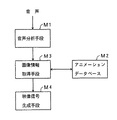
請求項1に記載の発明は、図1の原理図に示す如く、供給される音声を分析して音声パラメータを得る音声分析手段M1と、
アニメーションを構成するキャラクターの画像情報を予め格納したアニメーションデータベースM2と、
上記音声パラメータに基づき上記アニメーションデータベースから画像情報を取得する画像情報取得手段M3と、
上記画像情報取得手段で取得した画像情報からアニメーション表示用の映像信号を生成する映像信号生成手段M4とを有する。
【0006】
請求項2に記載の発明は、前記音声パラメータに対応するアニメーションデータベース内の複数の画像情報のうちどの画像情報を取得するかを決定するためのアニメーションパラメータを、上記音声パラメータと同一音声パラメータの継続時間とに基づき生成するアニメーションパラメータ生成手段を有し、
前記画像情報取得手段は上記音声パラメータとアニメーションパラメータとに基づき画像情報を取得する。
【0007】
請求項3に記載の発明は、キャラクターの動作と表情との少なくとも一方を選択する選択スイッチを有し、
前記画像情報取得手段は、上記選択スイッチで選択された動作又は表情で、前記音声パラメータに基づくリップパターンのキャラクターの画像情報を取得する。
【0008】
請求項4に記載の発明では、前記画像情報取得手段は、前記音声パラメータに
基づきキャラクターの表情とリップパターンとを選択して画像情報を取得する。
【0009】
【作用】
請求項1に記載の発明においては、音声を分析した音声パラメータに基づきキャラクターの画像情報を取得してアニメーション表示用の映像信号を生成するため、音声に応じてキャラクターの口をリアルタイムで動かすことができる。
請求項2に記載の発明においては、音声パラメータとアニメーションパラメータとに基づいて画像情報を取得するため、同一音声パラメータの継続時間が長くなるとキャラクターがときおり細かな仕草を行って生命感のある豊かなキャラクター表現を行うことができる。
【0010】
請求項3に記載の発明においては、キャラクターの動作や表情を選択スイッチで選択し、リップパターンを音声パラメータから選択するため、キャラクターは音声に応じた口の動きの他に動作や表情を自由に変えることができ、表現が豊かになる。
請求項4に記載の発明においては、キャラクターの表情及びリップパターンを音声パラメータに応じて選択するため、キャラクターは音声に応じて表情及び口の動きを自動的に変化することができ、選択スイッチの数を減らすことができ、簡単な操作で豊かな表現のアニメーションが可能となる。
【0011】
【実施例】
図2は本発明システムの一実施例の機能構成図を示す。同図中、入力装置10は例えばマイクロホン又はライン入力端子であり、この入力装置10で得られた音声信号はアンプ及びフィルタ11において増幅され、かつ不要周波数成分を除去されて音声分析部12に供給される。音声分析手段M1である音声分析部12は、アニメーションジェネレータ15から音声パラメータ取得トリガ信号を供給されると、音声信号のレベル(音圧)及び周波数(音高)を解析して音圧パラメータ、音高パラメータ、音圧変化パラメータ、音高変化パラメータ夫々を得て、これらのパラメータを用いて音声パラメータファイル16を参照して音声パラメータを得る。音声パラメータファイル16は例えば男性と女性とで別々に設けられてており、入力音声が男性か女性かによって選択して使用する。
【0012】
アニメーションパラメータ生成手段であるアニメーションパラメータ生成部17は、上記の音声パラメータを用いてアニメーションパラメータファイル18を参照してアニメーションパラメータを得る。このアニメーションパラメータは音声パラメータと共にアニメーションジェネレータ15に供給される。選択スイッチ20は会話アクションや表情の切換えを指示するもので、選択したキーの情報つまりキーステータスはアニメーションジェネレータ15に供給される。
【0013】
画像情報取得手段M3であるアニメーションジェネレータ15は選択スイッチ20からのキーステータスと、音声分析部12からの音声パラメータとによってアニメーションデータグループを選択し、更にアニメーションパラメータ生成部17からのアニメーションパラメータによってキャラクターの顔の向き等の動作、表情、及び口の形状であるリップパターンを選択し、これらにアニメーションパラメータ生成部17からのアニメーションパラメータを加えてアニメーションデータベース21(M2)を参照してパターンデータを取得して画像表示装置22に供給する。映像信号生成手段M4である画像表示装置22はこのパターンデータを背景画データと合成して画像メモリ23に書き込み、この画像メモリ23から順次画像データを読み出して映像信号を生成し、これをディスプレイ装置24に供給してアニメーションの表示を行う。
【0014】
なお、アニメーションパラメータファイル18及びアニメーションデータベース21はキャラクタ毎に設けられており、使用するキャラクタに合わせて選択し使用する。
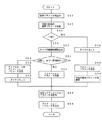
図3は音声分析部12が実行する音声分析処理のフローチャートを示す。この処理はアニメーションジェネレータ15より音声パラメータ取得トリガが供給されることにより開始される。同図中、ステップS10ではアンプ及びフィルタ11から供給される音声信号のピッチシフト処理を行う。この加工処理としては、入来する音声が男声の声の場合には例えば周波数200〜4000Hzの帯域を周波数250〜5000Hzの帯域に周波数シフトを行う。これは音圧検知を容易とするために行われるもので必ずしも必要ではない。
【0015】
次にステップS12では加工処理された音声信号のレベルをA/D変換して例えば8ビットの音声データ即ち音圧パラメータとする。ステップS14では前回取得音圧パラメータと今回取得した音圧パラメータとの差を算出して音圧変化パラメータを得る。この後、ステップS16で今回取得した音圧パラメータを前回取得音圧パラメータとして保存する。
【0016】
次にステップS20でアンプ及びフィルタ11から供給される音声信号の不要周波数帯域をカットする。ここでは人間の音声の主な帯域である周波数200〜4000Hzの帯域を残し、200Hz未満の帯域及び4000Hzを越える帯域をカットする。次にステップS22で上記周波数200〜4000Hzの帯域を例えば10分割し、各帯域毎に音声信号レベルをA/D変換する。この後、ステップS24で10分割された帯域の中でレベルが最大の帯域の中心周波数を音高パラメータとする。なお音圧パラメータとしては音声の基音の周波数を用いても良い。
【0017】
次にステップS26では前回取得音高パラメータと今回取得した音高パラメータとの差を算出して音高変化パラメータを得る。この後、ステップS28で今回取得した音高パラメータを前回取得音高パラメータとして保存する。
この後、ステップS30では今回取得した音圧パラメータ、音圧変化パラメータ、音高パラメータ、音高変化パラメータを用いて音声パラメータファイル16を参照し音声パラメータを得る。この音声パラメータとは上記音圧パラメータ、音圧変化パラメータ、音高パラメータ、音高変化パラメータをコード化したもので、アニメーションパターンを決定するための条件データである。上記ステップS30で取得した音声パラメータはステップS32で出力され、処理が終了する。
【0018】
図4はアニメーションパラメータ生成部17が実行するアニメーションパラメータ生成処理のフローチャートを示す。同図中、ステップS40では音声分析部12から供給される音声パラメータを取り込み、ステップS42で前回取り込み保存されている音声パラメータと比較し、ステップS44でその比較結果が一致したかどうかを判別する。
【0019】
ここで、不一致の場合はステップS46に進み、タイマをリセットする。この後、ステップS48で今回取り込んだ音声パラメータからアニメーションパラメータファイル18を参照してアニメーションパラメータを生成するための条件データ、つまりアニメーションキャラクターに対応したパターンバリエーションと夫々の出現頻度のデータを得て、この条件データとタイマで計測した継続時間とに基づきアニメーションパラメータを決定する。次にステップS50で今回取り込んだ音声パラメータを保存する。
【0020】
一方、ステップS44で今回取り込んだ音声パラメータが保存されている前回のパラメータと一致する場合はステップS52でタイマで計測されている継続時間を取り込む。次にステップS54で音声パラメータが口閉じ状態を指示し、かつ継続時間が一定時間を越えているかどうかを判別する。
ここで、口開き状態又は口閉じ状態で一定時間経過してない場合はステップS56に進んで音声パラメータからアニメーションパラメータファイル18を参照して条件データを得て、この条件データと継続時間保存された前回のアニメーションパラメータとに基づきアニメーションパラメータを決定する。また、口閉じ状態で一定時間を越えている場合はステップS58で音声パラメータからアニメーションパラメータファイル18を参照して条件データを得、この条件データと継続時間保存された前回のアニメーションパラメータとに基づき、アイドルモードのアニメーションパラメータを決定する。次にステップS60でタイマをリセットする。
【0021】
次に、ステップS62では上記のステップS50,S56,S60のいずれかで決定されたアニメーションパラメータを保存し、ステップS64では決定されたアニメーションパラメータをアニメーションジェネレータ15に供給して、処理を終了する。
アニメーションジェネレータ15は図5の機能ブロック図に示す如く、アニメーションデータグループ選択部15aとパターンデータ決定取得部15bとより構成されている。アニメーションデータグループ選択部15aは選択スイッチ20のキーステータスを読取り、音声分析部16の出力する音声パラメータを取込んでアニメーションデータグループを選択する。パターンデータ取得部15bはアニメーションデータグループ選択部15aで選択されたアニメーションデータグループとアニメーションパラメータ生成部17から供給されるアニメーションパラメータとによってアニメーションデータベース21を参照してパターンデータを取得し、画像表示制御部22へ供給する。
【0022】
図6はアニメーションデータグループ選択部15aによる顔向き選択処理のフローチャートを示す。この処理は所定時間毎に実行される。同図中、ステップS70では選択スイッチ20にキーステータスを要求し、ステップS72でキーステータスを取得する。次にステップS74でこのキーステータスから向き選択キーが押されているか否かを判別し、押されていない場合はステップS76で正面向きを選択して処理を終了する。押されている場合はステップS78で押されている向き選択キーに対応して左向き又は右向きを選択して処理を終了する。
【0023】
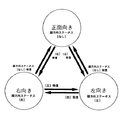
ここで、キャラクターの顔向き等の動作は例えば図7に示す如く、正面向き、右向き、左向きの3種類であり、選択スイッチ20の顔向きのキーステータスが無い場合は正面向きが指定されたものとみなされる。3種類の顔向きは相互に制限なく移行することができ、例えば、正面向きの状態で右向きのキーステータスが指示されれば、キャラクターの顔向きはキーステータスで指示された右向きに変わる。
【0024】
図8はアニメーションデータグループ選択部15aによる表情選択処理のフローチャートを示す。この処理は所定時間毎に実行される。同図中、ステップS80では選択スイッチ20にキーステータスを要求し、ステップS82でキーステータスを取得する。次にステップS84でこのキーステータスから表情選択キーが押されているか否かを判別し、押されていない場合はステップS86でノーマルの表情を選択して処理を終了する。押されている場合はステップS78で押されている表情選択キーに対応して喜び又は怒り又は驚き又は哀みいずれかの表情を選択して処理を終了する。
【0025】
ここで、キャラクターの表情は例えば図9に示す如く、ノーマル、喜び、怒り、驚き、哀みの5種類であり、選択スイッチ20の表情のキーステータスが無い場合はノーマルが指定されたものとみなされる。5種類の表情は相互に制限なく移行することができ、例えば、ノーマルの状態で驚きのキーステータスが指示されれば、キャラクターの表情はキーステータスで指示された驚きに変わる。なお、上記5種類の表情は、正面向き、右向き、左向き夫々毎に用意されている。
【0026】
図10はアニメーションデータグループ選択部15aによるリップパターン選択処理のフローチャートを示す。この処理は所定時間毎に実行される。同図中、ステップS90で音声分析部16に音声パラメータ取得トリガーを供給し、ステップS92で音声パラメータを取得する。次にステップS94でこの音声パラメータが口開きを指示しているか否かを判別し、口開きを指示していない場合はステップS96で口閉じリップパターンを選択して処理を終了する。口開きを指示している場合はステップS98で音声パラメータで指示されている小さな口開き又は中ぐらいの口開き又は大きな口開きのリップパターンを選択して処理を終了する。
【0027】
ここで、キャラクターのリップパターンは例えば図11に示す如く、口閉じ、口開き(小)、口開き(中)、口開き(大)の4種類である。なお、口閉じは音声入力がないことに対応している。3種類のリップパターンは相互に制限なく移行することができ、例えば、口閉じの状態で口開き(大)の音声パラメータが取得されれば、キャラクターのリップパターンは音声パラメータで指示された口開き(大)に変わる。なお、上記4種類のリップパターンはノーマル、喜び、怒り、驚き、哀み夫々毎に用意されている。
【0028】
上記の顔向きと表情とリップパターンとの組合せによりアニメーションデータグループが指定され、これにアニメーションパラメータを加えることによりアニメーションデータベース21を参照するキーが得られる。
アニメーションデータベースは例えば図12に示す如く、3種類の顔向きの下層に5種類の表情が連なり、表情の下層に4種類のリップパターンが連なり、リップパターンの下層にアニメーションパラメータが連なる階層構造である。アニメーションパラメータは基本形正面パターン、基本形左傾パターン、基本形右傾パターンと、複数のゆらぎパターンと複数のアイドルパターンとを区別するためのものである。なお、アイドルパターンは口閉じのリップパターンに対してのみ設けられ、口開きのリップパターンに対しては設けられていない。
【0029】
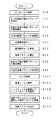
ここで、顔向きが正面向き、表情がノーマル、リップパターンが口閉じのアニメーションデータグループには例えば図13に示す如く、基本形正面パターンP1 と基本形左傾パターンP2 と、基本形右傾パターンP3 と、ゆらぎパターン群FP1 と、アイドルパターン群IP1 が含まれる。
ゆらぎパターン群FP1 は例えば図14に示す如く、正面の瞬き、眉動き、耳動き夫々のパターンP11,P12,P13と、左傾の瞬き、眉動き、耳動き夫々のパターンP14,P15,P16と、右傾の瞬き、眉動き、耳動き夫々のパターンP17,P18,P19を含む。
【0030】
また、アイドルパターン群IP1 は例えば図15に示す如く、目左向きのパターンP21、瞬きのパターンP22、目右向きのパターンP23、左上向きのパターンP24、頬膨らみのパターンP25、右上向きのパターンP26、眉動きのパターンP27、耳動きのパターンP28、及び足踏みの連続パターンP30,P31,P32を含む。
【0031】
アニメーションパラメータ生成部17は図4に示す処理によって、図13乃至図15に示す各種パターンの中から表示しようとするパターンのアニメーションパラメータを決定している。例えばステップS48では基本形パターンP1 〜PP3 のいずれかのアニメーションパラメータの指示を決定する。
ステップS56では基本形パターンP1 〜P3 とゆらぎパターン群FP1 の各パターンP11〜P17のいずれかのアニメーションパラメータの指示を決定する。このとき継続時間と前回のアニメーションパラメータに基づいて決定が行われるため、例えは基本形パターンP1 を数秒連続して表示した後、ゆらぎパターン群FP1 の基本形P1 と同形のパターンP11〜P13内の例えばパターンP11を表示し、その後基本形パターンP1 を表示することにより、キャラクターが瞬きする動作を表現ができる。
【0032】
ステップS58ではアイドルパターン群IP1 の各パターンP21〜P32のいずれかのアニメーションパラメータの指示を決定する。例えば基本形パターンP1 をゆらぎパターンを挿入しつつ一定時間表示した後、アイドルパターン群IP1 の例えばパターンP24を表示し、その後基本形パターンP1 を表示することによりキャラクターが左上向き動作を表現できる。またパターンP24の代りに連続パターンP30,P31,P32を表示することによりキャラクターが足踏みする動作を表現できる。
【0033】
このように口閉じのリップパターンを持つアニメーションデータグループでアイドルパターン群が設定されているのは音声入力がないためにリップパターンが変化せずキャラクターの動きが少なくなるので、このような状態で少しでもキャラクターを動作させるためである。
また、顔向きが正面向き、表情がノーマル、リップパターンが口開き(中)のアニメーションデータグループには例えば図16に示す如く、基本形正面パターンP41と基本形左傾パターンP42と、基本形右傾パターンP43と、ゆらぎパターン群FP2 が含まれる。
【0034】
ゆらぎパターン群FP2 は例えば図17に示す如く、正面の上向き、下向き、瞬き、眉動き夫々のパターンP51,P52,P53,P54と、左傾の上向き、下向き、瞬き、眉動き夫々のパターンP55,P56,P57,P58と、右傾の上向き、下向き、瞬き、眉動き夫々のパターンP59,P60,P61,P62を含む。
アニメーションパラメータ生成部17は図4に示す処理によって、図16及び図17に示す各種パターンの中から表示しようとするパターンのアニメーションパラメータを決定している。例えばステップS48では基本形パターンP41〜P43のいずれかのアニメーションパラメータの指示を決定する。
【0035】
ステップS56では基本形パターンP41〜P43とゆらぎパターン群FP2 の各パターンP51〜P62のいずれかのアニメーションパラメータの指示を決定する。このとき連続時間と前回のアニメーションパラメータに基づいて決定が行われるため、例えば基本形パターンP41を数秒連続して表示した後、ゆらぎパターン群FP2 の基本形P41と同形のパターンP51〜P54内の例えばパターンP51を表示し、その後基本形パターンP41を表示することにより、キャラクターが下向く動作を表現ができる。
【0036】
このように、音声信号を分析して音圧、音圧変化、音高、音高変化に基きリップパターンを決定しているため、音声に応じてキャラクター口が音声に応じてリアルタイムできめ細かに動き表現が豊かになる。また音声が同一の状態が連続するときは、ゆらぎパターンを挿入しており、更に無音状態が連続するときはアイドルパターンを挿入しているため、キャラクターが長時間同じ姿勢を続ける間にときおり細かな仕草を行い、キャラクターが生命感を持った動きを行い、表現が豊かになる。
【0037】
このため、歌に合わせてキャラクターが動くカラオケや、ニュースや天気予報の音声に合わせてキャラクターが動く放送支援システム、製品説明の音声に合わせてキャラクターが動くトークパフォーマンス等の利用が好適である。
なお、図3の処理では音圧パラメータ、音圧変化パラメータ、音高パラメータ、音高変化パラメータによって音声パラメータを取得しているが、音圧パラメータ又はこれと音圧変化パラメータだけで音声パラメータを取得することも可能である。
【0038】
更に、図3のステップS10のピッチシフト処理において、供給された音声信号の周波数200〜4000Hzの帯域を周波数250〜5000Hzの帯域に周波数シフトした第1の信号と、供給された音声信号の周波数200〜4000Hzの帯域を周波数350〜7200Hzの帯域に周波数シフトした第2の信号とを加算し、次のステップS12に進んでも良い。この場合は2種類のピッチの異なる音声信号を混合することにより音の干渉が起き、これによって生じる音圧パラメータのゆらぎによって、キャラクターの口の動きが自然なゆらめきを持つ。
【0039】
更に、図3の代りに図18に示す音声分析処理を行っても良い。図18において図3と同一部分には同一符号を付し、その説明を省略する。図18において、ステップS28を実行した後、ステップS102に進み、アンプ及びフィルタ11から供給される音声信号をA/D変換する。この後、ステップS104で高速フーリエ解析を行って音声信号の周波数分布データを得る。次のステップS106では全てのリップ形状についての周波数分布データが登録されたリップパラメータファイルを参照して音声の発声時のリップ形状を表わすリップパラメータを得る。
【0040】
この後、ステップS108では今回取得した音圧パラメータ、音圧変化パラメータ、音高パラメータ、音高変化パラメータ、リップパラメータを用いて音声パラメータファイル16を参照し音声パラメータを得る。ここでは音声パラメータとは上記音圧パラメータ、音圧変化パラメータ、音高パラメータ、音高変化パラメータ及びリップパラメータをコード化したものである。上記ステップS108で取得した音声パラメータはステップS110で出力され、処理が終了する。
【0041】
なお、この場合は図2の音声分析部12にはリップファイルを接続し、音声パラメータファイルはキーの一部としてリップパラメータを有してなければならない。
ところで、図5に示すアニメーションジェネレータ15は選択スイッチ20からキーステータスを取得して顔の向き及び表情のアニメーションデータグループを選択しているが、図19に示す如く、アニメーションデータグループ選択部15cで取得した音声パラメータからアニメーションデータグループを選択しても良い。この場合は例えば音高パラメータから音高が低いとき哀み、音高パラメータから音高が高いとき喜び、音圧パラメータから音圧が大なるとき怒り、音圧変化パラメータから音圧が増大したとき驚き等の表情を選択する。
【0042】
上記実施例では、アニメーションデータベース21にビットマップ形式のパターンデータが格納されているとして説明をしたが、アニメーションデータベース21に3次元画像生成用データが格納されている場合は、図20に示す如く、アニメーションジェネレータ15内に画像生成部15dを設け、この画像生成部15dにおいてアニメーションデータベース21から取得した3次元画像生成用データを用いてレンダリングを行い、3次元画像のパターンデータを生成して出力する構成とすれば良い。
【0043】
なお、選択スイッチ20として話者の手足の動きを検出するセンサを設け、このセンサ出力に応じてキャラクタの手足の動きを変化させても良い。
更に入力音声として、音楽を用い、この音楽に合わせてキャラクタがピアノ,ギター,ドラムス等の楽器を演奏するように動作,表情を変化させるようにしても良く、上記実施例に限定されない。
【0044】
【発明の効果】
上述の如く、請求項1に記載の発明によれば、音声を分析した音声パラメータに基づきキャラクターの画像情報を取得してアニメーション表示用の映像信号を生成するため、音声に応じてキャラクターの口をリアルタイムで動かすことができる。
【0045】
請求項2に記載の発明によれば、音声パラメータとアニメーションパラメータとに基づいて画像情報を取得するため、同一音声パラメータの継続時間が長くなるとキャラクターがときおり細かな仕草を行って生命感のある豊かなキャラクター表現を行うことができる。
請求項3に記載の発明によれば、キャラクターの動作や表情を選択スイッチで選択し、リップパターンを音声パラメータから選択するため、キャラクターは音声に応じた口の動きの他に動作や表情を自由に変えることができ、表現が豊かになる。
【0046】
請求項4に記載の発明によれば、キャラクターの表情及びリップパターンを音声パラメータに応じて選択するため、キャラクターは音声に応じて表情及び口の動きを自動的に変化することができ、選択スイッチの数を減らすことができ、簡単な操作で豊かな表現が可能となり、リアルタイムのキャラクターアニメーションを行うことができ、実用上きわめて有用である。
【図面の簡単な説明】
【図1】本発明の原理図である。
【図2】本発明の機能構成図である。
【図3】音声分析処理のフローチャートである。
【図4】アニメーションパラメータ処理のフローチャートである。
【図5】アニメーションジェネレータの機能ブロック図である。
【図6】顔向き選択処理のフローチャートである。
【図7】顔向き選択を説明するための図である。
【図8】表情選択処理のフローチャートである。
【図9】表情選択を説明するための図である。
【図10】リップパターン選択処理のフローチャートである。
【図11】リップパターン選択を説明するための図である。
【図12】アニメーションデータベースの楮をを示す図である。
【図13】パターンデータ決定を説明するための図である。
【図14】パターンデータ決定を説明するための図である。
【図15】パターンデータ決定を説明するための図である。
【図16】パターンデータ決定を説明するための図である。
【図17】パターンデータ決定を説明するための図である。
【図18】音声分析処理のフローチャートである。
【図19】アニメーションジェネレータの機能ブロック図である。
【図20】アニメーションジェネレータの機能ブロック図である。
【符号の説明】
10 入力装置
12 音声分析部
15 アニメーションジェネレータ
16 音声パラメータファイル
17 アニメーションパラメータ生成部
18 アニメーションファイル
20 選択スイッチ
21,M2 アニメーションデータベース
22 画像表示制御部
23 画像メモリ
24 ディスプレイ装置
M1 音声分析手段
M3 画像情報取得手段
M4 映像信号生成部[0001]
[Industrial application fields]
The present invention relates to an animation system, and more particularly to an animation system that performs character animation in real time.
[0002]
[Prior art]
2. Description of the Related Art Conventionally, there is a system that controls a human voice when a character speaks in computer graphics (talking animation).
In the conventional talking animation, for example, when voice is detected, an image of a character with a closed mouth and an image of a character with an open mouth are alternately displayed to express the movement of the mouth synchronized with the voice.
[0003]
[Problems to be solved by the invention]
In conventional talking animation, when the voice is simply emitted, the character's mouth simply moves in sync with this, and it is impossible to animate according to the size and quality of the voice. When it wasn't done, there was a problem that the character was stationary with no movement and poor expression.
[0004]
The present invention has been made in view of the above points. The character's mouth can be moved in real time according to the voice, and the character sometimes performs detailed actions to perform life-like movements. An object is to provide an animation system capable of performing rich real-time character animation.
[0005]
[Means for Solving the Problems]
As shown in the principle diagram of FIG. 1, the invention described in
An animation database M2 in which image information of characters constituting the animation is stored in advance;
Image information acquisition means M3 for acquiring image information from the animation database based on the audio parameters;
Video signal generation means M4 for generating a video signal for animation display from the image information acquired by the image information acquisition means.
[0006]
According to a second aspect of the present invention, an animation parameter for determining which image information is acquired from among a plurality of pieces of image information in an animation database corresponding to the audio parameter is a continuation of the same audio parameter as the audio parameter. Animation parameter generating means for generating based on time,
The image information acquisition unit acquires image information based on the audio parameter and the animation parameter.
[0007]
The invention according to
The image information acquisition means acquires image information of a lip pattern character based on the voice parameter by the action or expression selected by the selection switch.
[0008]
According to a fourth aspect of the present invention, the image information acquisition means includes the voice parameter.
Based on the character's facial expression and lip pattern, image information is acquired.
[0009]
[Action]
According to the first aspect of the present invention, the character's mouth is moved in real time according to the sound in order to acquire the image information of the character based on the sound parameter obtained by analyzing the sound and generate the video signal for animation display. it can.
In the invention described in
[0010]
According to the third aspect of the present invention, since the character's movement and expression are selected with the selection switch, and the lip pattern is selected from the voice parameters, the character can freely move and move in addition to the mouth movement according to the voice. It can be changed and the expression becomes richer.
In the invention of
[0011]
【Example】
FIG. 2 shows a functional block diagram of an embodiment of the system of the present invention. In the figure, an
[0012]
The animation parameter generation unit 17 serving as an animation parameter generation unit obtains an animation parameter by referring to the
[0013]
The
[0014]
The
FIG. 3 shows a flowchart of a voice analysis process executed by the
[0015]
Next, in step S12, the level of the processed audio signal is A / D converted into, for example, 8-bit audio data, that is, a sound pressure parameter. In step S14, a difference between the previously acquired sound pressure parameter and the currently acquired sound pressure parameter is calculated to obtain a sound pressure change parameter. Thereafter, the sound pressure parameter acquired this time in step S16 is stored as the previously acquired sound pressure parameter.
[0016]
In step S20, an unnecessary frequency band of the audio signal supplied from the amplifier and filter 11 is cut. Here, the band of the frequency 200 to 4000 Hz, which is the main band of human voice, is left, and the band below 200 Hz and the band exceeding 4000 Hz are cut. Next, in step S22, the frequency band of 200 to 4000 Hz is divided into, for example, 10 and the audio signal level is A / D converted for each band. Thereafter, the center frequency of the band having the maximum level among the bands divided into 10 in step S24 is set as a pitch parameter. Note that the sound fundamental frequency may be used as the sound pressure parameter.
[0017]
In step S26, a difference between the previously acquired pitch parameter and the currently acquired pitch parameter is calculated to obtain a pitch change parameter. Thereafter, the pitch parameter acquired this time in step S28 is stored as a previously acquired pitch parameter.
Thereafter, in step S30, the sound parameter is obtained by referring to the
[0018]
FIG. 4 shows a flowchart of an animation parameter generation process executed by the animation parameter generation unit 17. In the figure, in step S40, the voice parameter supplied from the
[0019]
If they do not match, the process proceeds to step S46, and the timer is reset. Thereafter, in step S48, condition data for generating an animation parameter by referring to the
[0020]
On the other hand, if the voice parameter fetched this time in step S44 matches the previous parameter stored, the duration measured by the timer is fetched in step S52. Next, in step S54, it is determined whether or not the voice parameter indicates the closed mouth state and the duration exceeds a certain time.
Here, if the fixed time has not elapsed in the mouth open state or the mouth closed state, the process proceeds to step S56, the condition data is obtained by referring to the
[0021]
Next, in step S62, the animation parameter determined in any of the above steps S50, S56, S60 is stored, and in step S64, the determined animation parameter is supplied to the
As shown in the functional block diagram of FIG. 5, the
[0022]
FIG. 6 shows a flowchart of face orientation selection processing by the animation data group selection unit 15a. This process is executed every predetermined time. In the figure, the key status is requested to the
[0023]
Here, for example, as shown in FIG. 7, there are three types of actions such as front direction, right direction, and left direction, as shown in FIG. 7, and when there is no key status of the face direction of the
[0024]
FIG. 8 shows a flowchart of facial expression selection processing by the animation data group selection unit 15a. This process is executed every predetermined time. In the figure, the key status is requested to the
[0025]
Here, for example, as shown in FIG. 9, there are five types of facial expressions of normal, joy, anger, surprise, and sadness. If there is no key status of the facial expression of the
[0026]
FIG. 10 shows a flowchart of the lip pattern selection process by the animation data group selection unit 15a. This process is executed every predetermined time. In the figure, a voice parameter acquisition trigger is supplied to the
[0027]
Here, for example, as shown in FIG. 11, there are four types of character lip patterns: mouth closing, mouth opening (small), mouth opening (medium), and mouth opening (large). Note that closing the mouth corresponds to no voice input. The three types of lip patterns can be transferred without limitation. For example, if a mouth opening (large) voice parameter is acquired with the mouth closed, the character's lip pattern will be the mouth opening indicated by the voice parameter. (Large) The above four types of lip patterns are prepared for each of normal, joy, anger, surprise and sadness.
[0028]
An animation data group is designated by a combination of the face orientation, expression and lip pattern, and a key for referring to the animation database 21 is obtained by adding an animation parameter to the animation data group.
For example, as shown in FIG. 12, the animation database has a hierarchical structure in which five types of facial expressions are connected to the lower layer of three types of faces, four types of lip patterns are connected to the lower layer of the facial expression, and animation parameters are connected to the lower layer of the lip pattern. . The animation parameters are for distinguishing a basic front pattern, a basic left tilt pattern, a basic right tilt pattern, and a plurality of fluctuation patterns and a plurality of idle patterns. Note that the idle pattern is provided only for the mouth-opening lip pattern, and is not provided for the mouth-opening lip pattern.
[0029]
Here, in the animation data group in which the face direction is the front direction, the expression is normal, and the lip pattern is the closed mouth, for example, as shown in FIG. 1 And basic left tilt pattern P 2 And the basic shape right tilt pattern P Three And fluctuation pattern group FP 1 And idle pattern group IP 1 Is included.
Fluctuation pattern group FP 1 For example, as shown in FIG. 14, each pattern P of blinking of the front, eyebrow movement, ear movement 11 , P 12 , P 13 Pattern P for blinking leftward, eyebrow movement, ear movement 14 , P 15 , P 16 Pattern P for blinking rightward, eyebrow movement, ear movement 17 , P 18 , P 19 including.
[0030]
Also, the idle pattern group IP 1 For example, as shown in FIG. twenty one , Blink pattern P twenty two , Right eye pattern P twenty three , The upper left pattern P twenty four , Cheek swelling pattern P twenty five , Pattern P facing right 26 , Eyebrow movement pattern P 27 , Ear movement pattern P 28 , And stepping pattern P 30 , P 31 , P 32 including.
[0031]
The animation parameter generation unit 17 determines the animation parameter of the pattern to be displayed from the various patterns shown in FIGS. 13 to 15 by the process shown in FIG. For example, in step S48, the basic pattern P 1 ~ PP Three Determine the direction of any of the animation parameters.
In step S56, the basic pattern P 1 ~ P Three And fluctuation pattern group FP 1 Each pattern P 11 ~ P 17 Determine the direction of any of the animation parameters. At this time, since the determination is made based on the duration and the previous animation parameter, for example, the basic pattern P 1 Is displayed for several seconds continuously, then the fluctuation pattern group FP 1 Basic form P 1 Pattern P of the same shape as 11 ~ P 13 For example, pattern P 11 Is displayed, and then the basic pattern P 1 By displaying, the character's blinking motion can be expressed.
[0032]
In step S58, the idle pattern group IP 1 Each pattern P twenty one ~ P 32 Determine the direction of any of the animation parameters. For example, basic pattern P 1 Is displayed for a certain period of time while inserting a fluctuation pattern, and then the idle pattern group IP 1 For example, pattern P twenty four Is displayed, and then the basic pattern P 1 By displaying, the character can express an upward leftward movement. Pattern P twenty four Instead of the continuous pattern P 30 , P 31 , P 32 By displaying, the character's stepping motion can be expressed.
[0033]
In this way, the idol pattern group is set in the animation data group with the closed lip pattern because there is no voice input, so the lip pattern does not change and the character moves less, so in this state a little But to make the character work.
In addition, for example, as shown in FIG. 16, the basic front pattern P is an animation data group in which the face direction is the front direction, the expression is normal, and the lip pattern is the mouth opening (medium). 41 And basic left tilt pattern P 42 And the basic shape right tilt pattern P 43 And fluctuation pattern group FP 2 Is included.
[0034]
Fluctuation pattern group FP 2 For example, as shown in FIG. 17, each pattern P of upward, downward, blinking, and eyebrow movement in the front is shown. 51 , P 52 , P 53 , P 54 And the pattern P of each of the upward, downward, blinking, and eyebrow movements tilted to the left 55 , P 56 , P 57 , P 58 And the patterns P of upward, downward, blinking, and eyebrow movement that tilt right 59 , P 60 , P 61 , P 62 including.
The animation parameter generation unit 17 determines the animation parameter of the pattern to be displayed from the various patterns shown in FIGS. 16 and 17 by the process shown in FIG. For example, in step S48, the basic pattern P 41 ~ P 43 Determine the direction of any of the animation parameters.
[0035]
In step S56, the basic pattern P 41 ~ P 43 And fluctuation pattern group FP 2 Each pattern P 51 ~ P 62 Determine the direction of any of the animation parameters. At this time, since the determination is made based on the continuous time and the previous animation parameter, for example, the basic pattern P 41 Is displayed for several seconds continuously, then the fluctuation pattern group FP 2 Basic form P 41 Pattern P of the same shape as 51 ~ P 54 For example, pattern P 51 Is displayed, and then the basic pattern P 41 By displaying, the character's downward movement can be expressed.
[0036]
In this way, the voice signal is analyzed and the lip pattern is determined based on the sound pressure, sound pressure change, pitch, and pitch change, so the character's mouth moves in real time according to the sound in a detailed manner. Rich in expression. In addition, a fluctuation pattern is inserted when the same voice continues, and an idle pattern is inserted when the silent state continues. Performing gestures, the character moves with a sense of life, and the expression is enriched.
[0037]
For this reason, it is preferable to use karaoke in which the character moves in accordance with the song, a broadcasting support system in which the character moves in accordance with the voice of news or weather forecast, and a talk performance in which the character moves in accordance with the voice of the product description.
In the process of FIG. 3, the sound parameter is acquired by the sound pressure parameter, the sound pressure change parameter, the pitch parameter, and the pitch change parameter. However, the sound parameter is acquired only by the sound pressure parameter or the sound pressure change parameter. It is also possible to do.
[0038]
Further, in the pitch shift process of step S10 of FIG. 3, the first signal obtained by frequency shifting the frequency band of the supplied audio signal from 200 to 4000 Hz to the frequency band of 250 to 5000 Hz, and the frequency 200 of the supplied audio signal. The second signal obtained by shifting the frequency band of ~ 4000 Hz to the frequency band of 350 to 7200 Hz may be added, and the process may proceed to the next step S12. In this case, sound interference occurs when two types of audio signals having different pitches are mixed, and the movement of the character's mouth naturally fluctuates due to fluctuations in the sound pressure parameter caused thereby.
[0039]
Further, the voice analysis processing shown in FIG. 18 may be performed instead of FIG. 18, the same parts as those in FIG. 3 are denoted by the same reference numerals, and the description thereof is omitted. In FIG. 18, after executing step S <b> 28, the process proceeds to step S <b> 102, and the audio signal supplied from the amplifier and filter 11 is A / D converted. Thereafter, in step S104, fast Fourier analysis is performed to obtain frequency distribution data of the audio signal. In the next step S106, a lip parameter representing a lip shape at the time of speech is obtained by referring to a lip parameter file in which frequency distribution data for all lip shapes is registered.
[0040]
Thereafter, in step S108, the sound parameter is obtained by referring to the
[0041]
In this case, a lip file must be connected to the
Incidentally, the
[0042]
In the above embodiment, the description has been given on the assumption that the bitmap data is stored in the animation database 21. However, when the animation database 21 stores data for generating a three-dimensional image, as shown in FIG. A configuration in which an image generator 15d is provided in the
[0043]
A sensor for detecting the movement of the speaker's limb may be provided as the
Furthermore, music may be used as the input voice, and the action and expression may be changed so that the character plays an instrument such as a piano, guitar, drums, etc. according to the music, and the present invention is not limited to the above-described embodiment.
[0044]
【The invention's effect】
As described above, according to the first aspect of the present invention, in order to acquire the image information of the character based on the sound parameter obtained by analyzing the sound and generate the video signal for animation display, It can be moved in real time.
[0045]
According to the second aspect of the present invention, since the image information is acquired based on the voice parameter and the animation parameter, if the duration of the same voice parameter is long, the character sometimes performs detailed gestures and is rich with a sense of life. You can make a character expression.
According to the third aspect of the present invention, since the character's movement and expression are selected by the selection switch and the lip pattern is selected from the voice parameter, the character can freely move and move the expression according to the voice. It can be changed to a richer expression.
[0046]
According to the invention of
[Brief description of the drawings]
FIG. 1 is a principle diagram of the present invention.
FIG. 2 is a functional configuration diagram of the present invention.
FIG. 3 is a flowchart of voice analysis processing.
FIG. 4 is a flowchart of animation parameter processing.
FIG. 5 is a functional block diagram of an animation generator.
FIG. 6 is a flowchart of face orientation selection processing.
FIG. 7 is a diagram for explaining face orientation selection;
FIG. 8 is a flowchart of facial expression selection processing.
FIG. 9 is a diagram for explaining facial expression selection.
FIG. 10 is a flowchart of a lip pattern selection process.
FIG. 11 is a diagram for explaining lip pattern selection;
FIG. 12 is a diagram showing wrinkles in an animation database.
FIG. 13 is a diagram for explaining pattern data determination.
FIG. 14 is a diagram for explaining pattern data determination.
FIG. 15 is a diagram for explaining pattern data determination;
FIG. 16 is a diagram for explaining pattern data determination;
FIG. 17 is a diagram for explaining pattern data determination;
FIG. 18 is a flowchart of voice analysis processing.
FIG. 19 is a functional block diagram of an animation generator.
FIG. 20 is a functional block diagram of an animation generator.
[Explanation of symbols]
10 Input device
12 Speech analysis unit
15 Animation generator
16 Voice parameter file
17 Animation parameter generator
18 Animation file
20 selection switch
21, M2 animation database
22 Image display controller
23 Image memory
24 Display device
M1 voice analysis means
M3 image information acquisition means
M4 video signal generator
Claims (7)
Priority Applications (1)
| Application Number | Priority Date | Filing Date | Title |
|---|---|---|---|
| JP25857094A JP3674875B2 (en) | 1994-10-24 | 1994-10-24 | Animation system |
Applications Claiming Priority (1)
| Application Number | Priority Date | Filing Date | Title |
|---|---|---|---|
| JP25857094A JP3674875B2 (en) | 1994-10-24 | 1994-10-24 | Animation system |
Publications (2)
| Publication Number | Publication Date |
|---|---|
| JPH08123977A JPH08123977A (en) | 1996-05-17 |
| JP3674875B2 true JP3674875B2 (en) | 2005-07-27 |
Family
ID=17322084
Family Applications (1)
| Application Number | Title | Priority Date | Filing Date |
|---|---|---|---|
| JP25857094A Expired - Fee Related JP3674875B2 (en) | 1994-10-24 | 1994-10-24 | Animation system |
Country Status (1)
| Country | Link |
|---|---|
| JP (1) | JP3674875B2 (en) |
Families Citing this family (13)
| Publication number | Priority date | Publication date | Assignee | Title |
|---|---|---|---|---|
| JP3771989B2 (en) | 1997-03-24 | 2006-05-10 | オリンパス株式会社 | Image / audio communication system and videophone transmission / reception method |
| FR2807188B1 (en) * | 2000-03-30 | 2002-12-20 | Vrtv Studios | EQUIPMENT FOR AUTOMATIC REAL-TIME PRODUCTION OF VIRTUAL AUDIOVISUAL SEQUENCES FROM A TEXT MESSAGE AND FOR THE BROADCAST OF SUCH SEQUENCES |
| JP2002133445A (en) * | 2000-10-30 | 2002-05-10 | Namco Ltd | Image processing apparatus, image processing method, and information storage medium |
| JP2003108502A (en) * | 2001-09-28 | 2003-04-11 | Interrobot Inc | Physical media communication system |
| JP4631077B2 (en) * | 2006-05-02 | 2011-02-16 | 株式会社国際電気通信基礎技術研究所 | Animation creation device |
| KR101541907B1 (en) | 2008-10-14 | 2015-08-03 | 삼성전자 주식회사 | Apparatus and method for generating face character based on voice |
| JP6134151B2 (en) * | 2013-02-04 | 2017-05-24 | 任天堂株式会社 | GAME SYSTEM, GAME DEVICE, GAME PROCESSING METHOD, AND GAME PROGRAM |
| JP2016080908A (en) * | 2014-10-17 | 2016-05-16 | ヤマハ株式会社 | Signal processing equipment |
| JP7130201B2 (en) * | 2018-01-18 | 2022-09-05 | 株式会社ユピテル | Equipment and programs, etc. |
| CN109801349B (en) * | 2018-12-19 | 2023-01-24 | 武汉西山艺创文化有限公司 | Sound-driven three-dimensional animation character real-time expression generation method and system |
| CN111459454B (en) * | 2020-03-31 | 2021-08-20 | 北京市商汤科技开发有限公司 | Driving method, apparatus, device and storage medium for interactive objects |
| CN112188304B (en) * | 2020-09-28 | 2022-11-15 | 广州酷狗计算机科技有限公司 | Video generation method, device, terminal and storage medium |
| CN117726730A (en) * | 2023-12-19 | 2024-03-19 | 联通沃音乐文化有限公司 | A digital human generation method and system |
-
1994
- 1994-10-24 JP JP25857094A patent/JP3674875B2/en not_active Expired - Fee Related
Also Published As
| Publication number | Publication date |
|---|---|
| JPH08123977A (en) | 1996-05-17 |
Similar Documents
| Publication | Publication Date | Title |
|---|---|---|
| JP3674875B2 (en) | Animation system | |
| US10681408B2 (en) | Systems and methods for creating composite videos | |
| US9691429B2 (en) | Systems and methods for creating music videos synchronized with an audio track | |
| US20180295427A1 (en) | Systems and methods for creating composite videos | |
| EP0829847B1 (en) | Conduct-along system | |
| US5974386A (en) | Timeline display of sound characteristics with thumbnail video | |
| KR100874176B1 (en) | Audio signal output method and background music generation method | |
| WO2016121921A1 (en) | Data structure for computer graphics, information processing device, information processing method, and information processing system | |
| US7203558B2 (en) | Method for computing sense data and device for computing sense data | |
| Borchers et al. | Personal orchestra: a real-time audio/video system for interactive conducting | |
| US6828498B2 (en) | Audio signal outputting method, audio signal reproduction method, and computer program product | |
| CN113538628A (en) | Expression package generation method and device, electronic equipment and computer readable storage medium | |
| JP5110706B2 (en) | Picture book image reproduction apparatus, picture book image reproduction method, picture book image reproduction program, and recording medium | |
| US7446252B2 (en) | Music information calculation apparatus and music reproduction apparatus | |
| JP2010160358A (en) | Moving image control system and moving image control method | |
| JPH10143151A (en) | Conductor device | |
| JP2000132150A (en) | Video display device | |
| JP2006178052A (en) | Audio generator and computer program therefor | |
| JP2007298786A (en) | Music playback program and music playback device | |
| JP2003271158A (en) | Karaoke device having image changing function and program | |
| JP2008268368A (en) | Evaluation device | |
| JPH06130981A (en) | Music player | |
| JP2004354583A (en) | Music generation device and music generation method | |
| JP2006064973A (en) | Control system | |
| JP2002112113A (en) | Video-editing apparatus and storage medium |
Legal Events
| Date | Code | Title | Description |
|---|---|---|---|
| A131 | Notification of reasons for refusal |
Free format text: JAPANESE INTERMEDIATE CODE: A131 Effective date: 20040826 |
|
| A521 | Written amendment |
Free format text: JAPANESE INTERMEDIATE CODE: A523 Effective date: 20041025 |
|
| A131 | Notification of reasons for refusal |
Free format text: JAPANESE INTERMEDIATE CODE: A131 Effective date: 20041214 |
|
| A521 | Written amendment |
Free format text: JAPANESE INTERMEDIATE CODE: A523 Effective date: 20050214 |
|
| TRDD | Decision of grant or rejection written | ||
| A01 | Written decision to grant a patent or to grant a registration (utility model) |
Free format text: JAPANESE INTERMEDIATE CODE: A01 Effective date: 20050405 |
|
| A61 | First payment of annual fees (during grant procedure) |
Free format text: JAPANESE INTERMEDIATE CODE: A61 Effective date: 20050422 |
|
| R150 | Certificate of patent or registration of utility model |
Free format text: JAPANESE INTERMEDIATE CODE: R150 |
|
| FPAY | Renewal fee payment (event date is renewal date of database) |
Free format text: PAYMENT UNTIL: 20080513 Year of fee payment: 3 |
|
| S111 | Request for change of ownership or part of ownership |
Free format text: JAPANESE INTERMEDIATE CODE: R313113 |
|
| FPAY | Renewal fee payment (event date is renewal date of database) |
Free format text: PAYMENT UNTIL: 20080513 Year of fee payment: 3 |
|
| R350 | Written notification of registration of transfer |
Free format text: JAPANESE INTERMEDIATE CODE: R350 |
|
| FPAY | Renewal fee payment (event date is renewal date of database) |
Free format text: PAYMENT UNTIL: 20090513 Year of fee payment: 4 |
|
| FPAY | Renewal fee payment (event date is renewal date of database) |
Free format text: PAYMENT UNTIL: 20100513 Year of fee payment: 5 |
|
| LAPS | Cancellation because of no payment of annual fees |