JP3608844B2 - High viscosity liquid detergent composition - Google Patents
High viscosity liquid detergent composition Download PDFInfo
- Publication number
- JP3608844B2 JP3608844B2 JP14640395A JP14640395A JP3608844B2 JP 3608844 B2 JP3608844 B2 JP 3608844B2 JP 14640395 A JP14640395 A JP 14640395A JP 14640395 A JP14640395 A JP 14640395A JP 3608844 B2 JP3608844 B2 JP 3608844B2
- Authority
- JP
- Japan
- Prior art keywords
- fatty acid
- mixture
- polyoxypropylene
- polyoxyethylene
- sodium
- Prior art date
- Legal status (The legal status is an assumption and is not a legal conclusion. Google has not performed a legal analysis and makes no representation as to the accuracy of the status listed.)
- Expired - Lifetime
Links
- 239000000203 mixture Substances 0.000 title claims description 228
- 239000003599 detergent Substances 0.000 title claims description 39
- 239000007788 liquid Substances 0.000 title claims description 16
- -1 polyoxyethylene Polymers 0.000 claims description 347
- 235000014113 dietary fatty acids Nutrition 0.000 claims description 243
- 239000000194 fatty acid Substances 0.000 claims description 243
- 229930195729 fatty acid Natural products 0.000 claims description 243
- 150000004665 fatty acids Chemical class 0.000 claims description 225
- 229920001451 polypropylene glycol Polymers 0.000 claims description 179
- 229920003171 Poly (ethylene oxide) Polymers 0.000 claims description 124
- GOOHAUXETOMSMM-UHFFFAOYSA-N Propylene oxide Chemical compound CC1CO1 GOOHAUXETOMSMM-UHFFFAOYSA-N 0.000 claims description 94
- 150000001875 compounds Chemical class 0.000 claims description 89
- 230000008719 thickening Effects 0.000 claims description 49
- QZXSMBBFBXPQHI-UHFFFAOYSA-N N-(dodecanoyl)ethanolamine Chemical compound CCCCCCCCCCCC(=O)NCCO QZXSMBBFBXPQHI-UHFFFAOYSA-N 0.000 claims description 47
- 239000003240 coconut oil Substances 0.000 claims description 32
- 239000011734 sodium Substances 0.000 claims description 32
- 238000007259 addition reaction Methods 0.000 claims description 26
- 239000002562 thickening agent Substances 0.000 claims description 25
- POULHZVOKOAJMA-UHFFFAOYSA-N dodecanoic acid Chemical compound CCCCCCCCCCCC(O)=O POULHZVOKOAJMA-UHFFFAOYSA-N 0.000 claims description 21
- 239000011541 reaction mixture Substances 0.000 claims description 21
- 235000019864 coconut oil Nutrition 0.000 claims description 20
- 239000004088 foaming agent Substances 0.000 claims description 20
- KWIUHFFTVRNATP-UHFFFAOYSA-N Betaine Natural products C[N+](C)(C)CC([O-])=O KWIUHFFTVRNATP-UHFFFAOYSA-N 0.000 claims description 18
- 229960003237 betaine Drugs 0.000 claims description 18
- KWIUHFFTVRNATP-UHFFFAOYSA-O N,N,N-trimethylglycinium Chemical compound C[N+](C)(C)CC(O)=O KWIUHFFTVRNATP-UHFFFAOYSA-O 0.000 claims description 16
- 125000006353 oxyethylene group Chemical group 0.000 claims description 16
- XLYOFNOQVPJJNP-UHFFFAOYSA-N water Substances O XLYOFNOQVPJJNP-UHFFFAOYSA-N 0.000 claims description 16
- 239000012459 cleaning agent Substances 0.000 claims description 14
- 229910052708 sodium Inorganic materials 0.000 claims description 12
- 239000005639 Lauric acid Substances 0.000 claims description 11
- RTZKZFJDLAIYFH-UHFFFAOYSA-N Diethyl ether Chemical compound CCOCC RTZKZFJDLAIYFH-UHFFFAOYSA-N 0.000 claims description 10
- PMZURENOXWZQFD-UHFFFAOYSA-L Sodium Sulfate Chemical compound [Na+].[Na+].[O-]S([O-])(=O)=O PMZURENOXWZQFD-UHFFFAOYSA-L 0.000 claims description 10
- 125000004432 carbon atom Chemical group C* 0.000 claims description 6
- ILRSCQWREDREME-UHFFFAOYSA-N dodecanamide Chemical compound CCCCCCCCCCCC(N)=O ILRSCQWREDREME-UHFFFAOYSA-N 0.000 claims description 5
- MTNDZQHUAFNZQY-UHFFFAOYSA-N imidazoline Chemical compound C1CN=CN1 MTNDZQHUAFNZQY-UHFFFAOYSA-N 0.000 claims description 5
- DGAQECJNVWCQMB-PUAWFVPOSA-M Ilexoside XXIX Chemical compound C[C@@H]1CC[C@@]2(CC[C@@]3(C(=CC[C@H]4[C@]3(CC[C@@H]5[C@@]4(CC[C@@H](C5(C)C)OS(=O)(=O)[O-])C)C)[C@@H]2[C@]1(C)O)C)C(=O)O[C@H]6[C@@H]([C@H]([C@@H]([C@H](O6)CO)O)O)O.[Na+] DGAQECJNVWCQMB-PUAWFVPOSA-M 0.000 claims description 4
- KZRXPHCVIMWWDS-AWEZNQCLSA-N (4S)-4-amino-5-dodecanoyloxy-5-oxopentanoic acid Chemical compound CCCCCCCCCCCC(=O)OC(=O)[C@@H](N)CCC(O)=O KZRXPHCVIMWWDS-AWEZNQCLSA-N 0.000 claims description 3
- FKKAGFLIPSSCHT-UHFFFAOYSA-N 1-dodecoxydodecane;sulfuric acid Chemical compound OS(O)(=O)=O.CCCCCCCCCCCCOCCCCCCCCCCCC FKKAGFLIPSSCHT-UHFFFAOYSA-N 0.000 claims description 3
- VNUREHWOFQRPGE-UHFFFAOYSA-N 2-[2-dodecyl-1-(2-hydroxyethyl)-4,5-dihydroimidazol-1-ium-1-yl]acetate Chemical compound CCCCCCCCCCCCC1=NCC[N+]1(CCO)CC([O-])=O VNUREHWOFQRPGE-UHFFFAOYSA-N 0.000 claims description 3
- WLMZUANPXHJWCH-UHFFFAOYSA-N 2-[bis(2-hydroxyethyl)amino]ethanol;dodecanoic acid Chemical compound OCCN(CCO)CCO.CCCCCCCCCCCC(O)=O WLMZUANPXHJWCH-UHFFFAOYSA-N 0.000 claims description 3
- NBDYSLCMCUDINP-UHFFFAOYSA-N 3-[dodecanoyl(methyl)amino]propanoic acid;sodium Chemical compound [Na].CCCCCCCCCCCC(=O)N(C)CCC(O)=O NBDYSLCMCUDINP-UHFFFAOYSA-N 0.000 claims description 3
- QGZKDVFQNNGYKY-UHFFFAOYSA-O Ammonium Chemical compound [NH4+] QGZKDVFQNNGYKY-UHFFFAOYSA-O 0.000 claims description 3
- FXALIOUHXMVTMJ-UHFFFAOYSA-N CCCCCCCCCCCC([Na])=O Chemical compound CCCCCCCCCCCC([Na])=O FXALIOUHXMVTMJ-UHFFFAOYSA-N 0.000 claims description 3
- JDRSMPFHFNXQRB-CMTNHCDUSA-N Decyl beta-D-threo-hexopyranoside Chemical compound CCCCCCCCCCO[C@@H]1O[C@H](CO)C(O)[C@H](O)C1O JDRSMPFHFNXQRB-CMTNHCDUSA-N 0.000 claims description 3
- DHMQDGOQFOQNFH-UHFFFAOYSA-N Glycine Natural products NCC(O)=O DHMQDGOQFOQNFH-UHFFFAOYSA-N 0.000 claims description 3
- 239000004471 Glycine Substances 0.000 claims description 3
- BACYUWVYYTXETD-UHFFFAOYSA-N N-Lauroylsarcosine Chemical compound CCCCCCCCCCCC(=O)N(C)CC(O)=O BACYUWVYYTXETD-UHFFFAOYSA-N 0.000 claims description 3
- 229910019142 PO4 Inorganic materials 0.000 claims description 3
- ZTHVRAQSVWOVSI-UHFFFAOYSA-N S(=O)(=O)(O)O.C(CCCCCCCC)C=1C(=C(C=CC1)OC1=C(C(=CC=C1)CCCCCCCCC)S(=O)(=O)O)S(=O)(=O)O Chemical compound S(=O)(=O)(O)O.C(CCCCCCCC)C=1C(=C(C=CC1)OC1=C(C(=CC=C1)CCCCCCCCC)S(=O)(=O)O)S(=O)(=O)O ZTHVRAQSVWOVSI-UHFFFAOYSA-N 0.000 claims description 3
- DBMJMQXJHONAFJ-UHFFFAOYSA-M Sodium laurylsulphate Chemical compound [Na+].CCCCCCCCCCCCOS([O-])(=O)=O DBMJMQXJHONAFJ-UHFFFAOYSA-M 0.000 claims description 3
- GSEJCLTVZPLZKY-UHFFFAOYSA-N Triethanolamine Chemical compound OCCN(CCO)CCO GSEJCLTVZPLZKY-UHFFFAOYSA-N 0.000 claims description 3
- JBIROUFYLSSYDX-UHFFFAOYSA-M benzododecinium chloride Chemical compound [Cl-].CCCCCCCCCCCC[N+](C)(C)CC1=CC=CC=C1 JBIROUFYLSSYDX-UHFFFAOYSA-M 0.000 claims description 3
- 229940000635 beta-alanine Drugs 0.000 claims description 3
- 229940073499 decyl glucoside Drugs 0.000 claims description 3
- LQZZUXJYWNFBMV-UHFFFAOYSA-N dodecan-1-ol Chemical compound CCCCCCCCCCCCO LQZZUXJYWNFBMV-UHFFFAOYSA-N 0.000 claims description 3
- BXWAIGKJAVEJDQ-UHFFFAOYSA-N dodecanoic acid;tetradecanoic acid Chemical compound CCCCCCCCCCCC(O)=O.CCCCCCCCCCCCCC(O)=O BXWAIGKJAVEJDQ-UHFFFAOYSA-N 0.000 claims description 3
- JZKFHQMONDVVNF-UHFFFAOYSA-N dodecyl sulfate;tris(2-hydroxyethyl)azanium Chemical compound OCCN(CCO)CCO.CCCCCCCCCCCCOS(O)(=O)=O JZKFHQMONDVVNF-UHFFFAOYSA-N 0.000 claims description 3
- SYELZBGXAIXKHU-UHFFFAOYSA-N dodecyldimethylamine N-oxide Chemical compound CCCCCCCCCCCC[N+](C)(C)[O-] SYELZBGXAIXKHU-UHFFFAOYSA-N 0.000 claims description 3
- 125000001495 ethyl group Chemical group [H]C([H])([H])C([H])([H])* 0.000 claims description 3
- 229940070808 lauroyl aspartate Drugs 0.000 claims description 3
- 229940071085 lauroyl glutamate Drugs 0.000 claims description 3
- PYIDGJJWBIBVIA-UYTYNIKBSA-N lauryl glucoside Chemical compound CCCCCCCCCCCCO[C@@H]1O[C@H](CO)[C@@H](O)[C@H](O)[C@H]1O PYIDGJJWBIBVIA-UYTYNIKBSA-N 0.000 claims description 3
- 229940048848 lauryl glucoside Drugs 0.000 claims description 3
- NBIIXXVUZAFLBC-UHFFFAOYSA-K phosphate Chemical compound [O-]P([O-])([O-])=O NBIIXXVUZAFLBC-UHFFFAOYSA-K 0.000 claims description 3
- 239000010452 phosphate Substances 0.000 claims description 3
- 108700004121 sarkosyl Proteins 0.000 claims description 3
- 229940079776 sodium cocoyl isethionate Drugs 0.000 claims description 3
- 235000019333 sodium laurylsulphate Nutrition 0.000 claims description 3
- 239000001488 sodium phosphate Substances 0.000 claims description 3
- 229910000162 sodium phosphate Inorganic materials 0.000 claims description 3
- 229910052938 sodium sulfate Inorganic materials 0.000 claims description 3
- 235000011152 sodium sulphate Nutrition 0.000 claims description 3
- BDHFUVZGWQCTTF-UHFFFAOYSA-M sulfonate Chemical compound [O-]S(=O)=O BDHFUVZGWQCTTF-UHFFFAOYSA-M 0.000 claims description 3
- RYFMWSXOAZQYPI-UHFFFAOYSA-K trisodium phosphate Chemical compound [Na+].[Na+].[Na+].[O-]P([O-])([O-])=O RYFMWSXOAZQYPI-UHFFFAOYSA-K 0.000 claims description 3
- 239000004711 α-olefin Substances 0.000 claims description 3
- PSBDWGZCVUAZQS-UHFFFAOYSA-N (dimethylsulfonio)acetate Chemical compound C[S+](C)CC([O-])=O PSBDWGZCVUAZQS-UHFFFAOYSA-N 0.000 claims description 2
- GFOBSZSXQKGNMN-UHFFFAOYSA-N 2-[dodecanoyl(methyl)amino]ethanesulfonic acid;sodium Chemical compound [Na].CCCCCCCCCCCC(=O)N(C)CCS(O)(=O)=O GFOBSZSXQKGNMN-UHFFFAOYSA-N 0.000 claims description 2
- QTBSBXVTEAMEQO-UHFFFAOYSA-M Acetate Chemical compound CC([O-])=O QTBSBXVTEAMEQO-UHFFFAOYSA-M 0.000 claims description 2
- KYCGJEUFKIUYEH-UHFFFAOYSA-N CCCCCCCCC[Na] Chemical compound CCCCCCCCC[Na] KYCGJEUFKIUYEH-UHFFFAOYSA-N 0.000 claims description 2
- YPIGGYHFMKJNKV-UHFFFAOYSA-N N-ethylglycine Chemical compound CC[NH2+]CC([O-])=O YPIGGYHFMKJNKV-UHFFFAOYSA-N 0.000 claims description 2
- VBIIFPGSPJYLRR-UHFFFAOYSA-M Stearyltrimethylammonium chloride Chemical compound [Cl-].CCCCCCCCCCCCCCCCCC[N+](C)(C)C VBIIFPGSPJYLRR-UHFFFAOYSA-M 0.000 claims description 2
- QAOWNCQODCNURD-UHFFFAOYSA-L Sulfate Chemical compound [O-]S([O-])(=O)=O QAOWNCQODCNURD-UHFFFAOYSA-L 0.000 claims description 2
- 125000000217 alkyl group Chemical group 0.000 claims description 2
- NHFDKKSSQWCEES-UHFFFAOYSA-N dihydrogen phosphate;tris(2-hydroxyethyl)azanium Chemical compound OP(O)(O)=O.OCCN(CCO)CCO NHFDKKSSQWCEES-UHFFFAOYSA-N 0.000 claims description 2
- FURYAADUZGZUGQ-UHFFFAOYSA-N phenoxybenzene;sulfuric acid Chemical compound OS(O)(=O)=O.C=1C=CC=CC=1OC1=CC=CC=C1 FURYAADUZGZUGQ-UHFFFAOYSA-N 0.000 claims description 2
- 229930195734 saturated hydrocarbon Natural products 0.000 claims description 2
- 229940045998 sodium isethionate Drugs 0.000 claims description 2
- HFQQZARZPUDIFP-UHFFFAOYSA-M sodium;2-dodecylbenzenesulfonate Chemical compound [Na+].CCCCCCCCCCCCC1=CC=CC=C1S([O-])(=O)=O HFQQZARZPUDIFP-UHFFFAOYSA-M 0.000 claims description 2
- 229940117986 sulfobetaine Drugs 0.000 claims description 2
- 229930195735 unsaturated hydrocarbon Natural products 0.000 claims description 2
- 125000001183 hydrocarbyl group Chemical group 0.000 claims 2
- 238000005187 foaming Methods 0.000 description 77
- 238000012360 testing method Methods 0.000 description 58
- IAYPIBMASNFSPL-UHFFFAOYSA-N Ethylene oxide Chemical compound C1CO1 IAYPIBMASNFSPL-UHFFFAOYSA-N 0.000 description 47
- 238000004519 manufacturing process Methods 0.000 description 39
- 238000000034 method Methods 0.000 description 38
- WQDUMFSSJAZKTM-UHFFFAOYSA-N Sodium methoxide Chemical compound [Na+].[O-]C WQDUMFSSJAZKTM-UHFFFAOYSA-N 0.000 description 34
- OKKJLVBELUTLKV-UHFFFAOYSA-N Methanol Chemical compound OC OKKJLVBELUTLKV-UHFFFAOYSA-N 0.000 description 33
- 239000000047 product Substances 0.000 description 30
- 230000008018 melting Effects 0.000 description 29
- 238000002844 melting Methods 0.000 description 29
- UMEMJLBVOVXVBT-UHFFFAOYSA-N 2-(2-amino-2-oxoethoxy)acetamide dodecanoic acid Chemical compound NC(=O)COCC(N)=O.CCCCCCCCCCCC(O)=O UMEMJLBVOVXVBT-UHFFFAOYSA-N 0.000 description 28
- 238000006243 chemical reaction Methods 0.000 description 28
- CNDWHJQEGZZDTQ-UHFFFAOYSA-N 2-(2-amino-2-oxoethoxy)acetamide Chemical compound NC(=O)COCC(N)=O CNDWHJQEGZZDTQ-UHFFFAOYSA-N 0.000 description 25
- 230000000052 comparative effect Effects 0.000 description 25
- 239000003054 catalyst Substances 0.000 description 24
- UQDUPQYQJKYHQI-UHFFFAOYSA-N methyl laurate Chemical compound CCCCCCCCCCCC(=O)OC UQDUPQYQJKYHQI-UHFFFAOYSA-N 0.000 description 22
- RYHBNJHYFVUHQT-UHFFFAOYSA-N 1,4-Dioxane Chemical compound C1COCCO1 RYHBNJHYFVUHQT-UHFFFAOYSA-N 0.000 description 19
- 239000002585 base Substances 0.000 description 18
- 238000004140 cleaning Methods 0.000 description 18
- 239000006260 foam Substances 0.000 description 18
- 230000007794 irritation Effects 0.000 description 18
- 238000004458 analytical method Methods 0.000 description 17
- 238000002360 preparation method Methods 0.000 description 16
- VEXZGXHMUGYJMC-UHFFFAOYSA-N Hydrochloric acid Chemical compound Cl VEXZGXHMUGYJMC-UHFFFAOYSA-N 0.000 description 15
- HEMHJVSKTPXQMS-UHFFFAOYSA-M Sodium hydroxide Chemical compound [OH-].[Na+] HEMHJVSKTPXQMS-UHFFFAOYSA-M 0.000 description 15
- 238000010438 heat treatment Methods 0.000 description 15
- 239000002453 shampoo Substances 0.000 description 15
- 239000002904 solvent Substances 0.000 description 14
- 238000004925 denaturation Methods 0.000 description 13
- 230000036425 denaturation Effects 0.000 description 13
- 238000009826 distribution Methods 0.000 description 12
- HZAXFHJVJLSVMW-UHFFFAOYSA-N 2-Aminoethan-1-ol Chemical compound NCCO HZAXFHJVJLSVMW-UHFFFAOYSA-N 0.000 description 10
- GHVNFZFCNZKVNT-UHFFFAOYSA-N Decanoic acid Natural products CCCCCCCCCC(O)=O GHVNFZFCNZKVNT-UHFFFAOYSA-N 0.000 description 10
- 150000001412 amines Chemical class 0.000 description 10
- 230000000704 physical effect Effects 0.000 description 10
- 239000000523 sample Substances 0.000 description 10
- 239000003760 tallow Substances 0.000 description 10
- KWYUFKZDYYNOTN-UHFFFAOYSA-M Potassium hydroxide Chemical compound [OH-].[K+] KWYUFKZDYYNOTN-UHFFFAOYSA-M 0.000 description 9
- 235000015278 beef Nutrition 0.000 description 9
- KRKNYBCHXYNGOX-UHFFFAOYSA-N citric acid Chemical compound OC(=O)CC(O)(C(O)=O)CC(O)=O KRKNYBCHXYNGOX-UHFFFAOYSA-N 0.000 description 9
- 230000000694 effects Effects 0.000 description 9
- 230000007062 hydrolysis Effects 0.000 description 9
- 238000006460 hydrolysis reaction Methods 0.000 description 9
- 125000002887 hydroxy group Chemical group [H]O* 0.000 description 9
- XDOFQFKRPWOURC-UHFFFAOYSA-N 16-methylheptadecanoic acid Chemical compound CC(C)CCCCCCCCCCCCCCC(O)=O XDOFQFKRPWOURC-UHFFFAOYSA-N 0.000 description 8
- 238000011156 evaluation Methods 0.000 description 8
- 239000002994 raw material Substances 0.000 description 8
- 239000003381 stabilizer Substances 0.000 description 8
- 230000000638 stimulation Effects 0.000 description 8
- 238000005160 1H NMR spectroscopy Methods 0.000 description 7
- DCERHCFNWRGHLK-UHFFFAOYSA-N C[Si](C)C Chemical compound C[Si](C)C DCERHCFNWRGHLK-UHFFFAOYSA-N 0.000 description 7
- 108010058846 Ovalbumin Proteins 0.000 description 7
- 239000002253 acid Substances 0.000 description 7
- DTOSIQBPPRVQHS-PDBXOOCHSA-N alpha-linolenic acid Chemical compound CC\C=C/C\C=C/C\C=C/CCCCCCCC(O)=O DTOSIQBPPRVQHS-PDBXOOCHSA-N 0.000 description 7
- 235000020661 alpha-linolenic acid Nutrition 0.000 description 7
- 229960004488 linolenic acid Drugs 0.000 description 7
- KQQKGWQCNNTQJW-UHFFFAOYSA-N linolenic acid Natural products CC=CCCC=CCC=CCCCCCCCC(O)=O KQQKGWQCNNTQJW-UHFFFAOYSA-N 0.000 description 7
- 238000002156 mixing Methods 0.000 description 7
- 229940092253 ovalbumin Drugs 0.000 description 7
- 108090000623 proteins and genes Proteins 0.000 description 7
- 102000004169 proteins and genes Human genes 0.000 description 7
- 239000000126 substance Substances 0.000 description 7
- GIAFURWZWWWBQT-UHFFFAOYSA-N 2-(2-aminoethoxy)ethanol Chemical compound NCCOCCO GIAFURWZWWWBQT-UHFFFAOYSA-N 0.000 description 6
- QTBSBXVTEAMEQO-UHFFFAOYSA-N Acetic acid Chemical compound CC(O)=O QTBSBXVTEAMEQO-UHFFFAOYSA-N 0.000 description 6
- HEDRZPFGACZZDS-UHFFFAOYSA-N Chloroform Chemical compound ClC(Cl)Cl HEDRZPFGACZZDS-UHFFFAOYSA-N 0.000 description 6
- LFQSCWFLJHTTHZ-UHFFFAOYSA-N Ethanol Chemical compound CCO LFQSCWFLJHTTHZ-UHFFFAOYSA-N 0.000 description 6
- 235000019865 palm kernel oil Nutrition 0.000 description 6
- 239000003346 palm kernel oil Substances 0.000 description 6
- 238000013112 stability test Methods 0.000 description 6
- 239000004094 surface-active agent Substances 0.000 description 6
- 239000006227 byproduct Substances 0.000 description 5
- 230000008859 change Effects 0.000 description 5
- 239000007795 chemical reaction product Substances 0.000 description 5
- 239000003795 chemical substances by application Substances 0.000 description 5
- 230000007423 decrease Effects 0.000 description 5
- 239000002270 dispersing agent Substances 0.000 description 5
- 210000004400 mucous membrane Anatomy 0.000 description 5
- 150000003839 salts Chemical class 0.000 description 5
- 235000011121 sodium hydroxide Nutrition 0.000 description 5
- 239000007787 solid Substances 0.000 description 5
- 239000000243 solution Substances 0.000 description 5
- GYSCBCSGKXNZRH-UHFFFAOYSA-N 1-benzothiophene-2-carboxamide Chemical compound C1=CC=C2SC(C(=O)N)=CC2=C1 GYSCBCSGKXNZRH-UHFFFAOYSA-N 0.000 description 4
- ROSDSFDQCJNGOL-UHFFFAOYSA-N Dimethylamine Chemical compound CNC ROSDSFDQCJNGOL-UHFFFAOYSA-N 0.000 description 4
- QAOWNCQODCNURD-UHFFFAOYSA-N Sulfuric acid Chemical compound OS(O)(=O)=O QAOWNCQODCNURD-UHFFFAOYSA-N 0.000 description 4
- WTEOIRVLGSZEPR-UHFFFAOYSA-N boron trifluoride Chemical compound FB(F)F WTEOIRVLGSZEPR-UHFFFAOYSA-N 0.000 description 4
- 239000002537 cosmetic Substances 0.000 description 4
- 230000001804 emulsifying effect Effects 0.000 description 4
- 238000000746 purification Methods 0.000 description 4
- 230000003381 solubilizing effect Effects 0.000 description 4
- TWJNQYPJQDRXPH-UHFFFAOYSA-N 2-cyanobenzohydrazide Chemical compound NNC(=O)C1=CC=CC=C1C#N TWJNQYPJQDRXPH-UHFFFAOYSA-N 0.000 description 3
- UHOVQNZJYSORNB-UHFFFAOYSA-N Benzene Chemical compound C1=CC=CC=C1 UHOVQNZJYSORNB-UHFFFAOYSA-N 0.000 description 3
- FPAQSLVAHWRRMI-UHFFFAOYSA-N C(COCC(=O)N)(=O)N.C(CCCCCCCCCCCCC)(=O)O Chemical compound C(COCC(=O)N)(=O)N.C(CCCCCCCCCCCCC)(=O)O FPAQSLVAHWRRMI-UHFFFAOYSA-N 0.000 description 3
- LKCUMADSTDEBEL-KVVVOXFISA-N C(COCC(=O)N)(=O)N.C(CCCCCCC\C=C/CCCCCCCC)(=O)O Chemical compound C(COCC(=O)N)(=O)N.C(CCCCCCC\C=C/CCCCCCCC)(=O)O LKCUMADSTDEBEL-KVVVOXFISA-N 0.000 description 3
- 239000005632 Capric acid (CAS 334-48-5) Substances 0.000 description 3
- OYHQOLUKZRVURQ-HZJYTTRNSA-N Linoleic acid Chemical compound CCCCC\C=C/C\C=C/CCCCCCCC(O)=O OYHQOLUKZRVURQ-HZJYTTRNSA-N 0.000 description 3
- 235000021360 Myristic acid Nutrition 0.000 description 3
- TUNFSRHWOTWDNC-UHFFFAOYSA-N Myristic acid Natural products CCCCCCCCCCCCCC(O)=O TUNFSRHWOTWDNC-UHFFFAOYSA-N 0.000 description 3
- DNIAPMSPPWPWGF-UHFFFAOYSA-N Propylene glycol Chemical compound CC(O)CO DNIAPMSPPWPWGF-UHFFFAOYSA-N 0.000 description 3
- FAPWRFPIFSIZLT-UHFFFAOYSA-M Sodium chloride Chemical compound [Na+].[Cl-] FAPWRFPIFSIZLT-UHFFFAOYSA-M 0.000 description 3
- YXFVVABEGXRONW-UHFFFAOYSA-N Toluene Chemical compound CC1=CC=CC=C1 YXFVVABEGXRONW-UHFFFAOYSA-N 0.000 description 3
- ZMANZCXQSJIPKH-UHFFFAOYSA-N Triethylamine Chemical compound CCN(CC)CC ZMANZCXQSJIPKH-UHFFFAOYSA-N 0.000 description 3
- 238000010521 absorption reaction Methods 0.000 description 3
- 125000005907 alkyl ester group Chemical group 0.000 description 3
- 238000007112 amidation reaction Methods 0.000 description 3
- 239000002280 amphoteric surfactant Substances 0.000 description 3
- 239000003945 anionic surfactant Substances 0.000 description 3
- 239000003093 cationic surfactant Substances 0.000 description 3
- 235000015165 citric acid Nutrition 0.000 description 3
- 238000013329 compounding Methods 0.000 description 3
- 230000007797 corrosion Effects 0.000 description 3
- 238000005260 corrosion Methods 0.000 description 3
- 238000013016 damping Methods 0.000 description 3
- 239000003995 emulsifying agent Substances 0.000 description 3
- 238000001914 filtration Methods 0.000 description 3
- 239000004872 foam stabilizing agent Substances 0.000 description 3
- 150000002430 hydrocarbons Chemical group 0.000 description 3
- 235000020778 linoleic acid Nutrition 0.000 description 3
- OYHQOLUKZRVURQ-IXWMQOLASA-N linoleic acid Natural products CCCCC\C=C/C\C=C\CCCCCCCC(O)=O OYHQOLUKZRVURQ-IXWMQOLASA-N 0.000 description 3
- VLKZOEOYAKHREP-UHFFFAOYSA-N n-Hexane Chemical compound CCCCCC VLKZOEOYAKHREP-UHFFFAOYSA-N 0.000 description 3
- BOWVQLFMWHZBEF-KTKRTIGZSA-N oleoyl ethanolamide Chemical compound CCCCCCCC\C=C/CCCCCCCC(=O)NCCO BOWVQLFMWHZBEF-KTKRTIGZSA-N 0.000 description 3
- 229950007031 palmidrol Drugs 0.000 description 3
- HXYVTAGFYLMHSO-UHFFFAOYSA-N palmitoyl ethanolamide Chemical compound CCCCCCCCCCCCCCCC(=O)NCCO HXYVTAGFYLMHSO-UHFFFAOYSA-N 0.000 description 3
- 230000008569 process Effects 0.000 description 3
- 238000010791 quenching Methods 0.000 description 3
- QDRKDTQENPPHOJ-UHFFFAOYSA-N sodium ethoxide Chemical compound [Na+].CC[O-] QDRKDTQENPPHOJ-UHFFFAOYSA-N 0.000 description 3
- PUPZLCDOIYMWBV-UHFFFAOYSA-N (+/-)-1,3-Butanediol Chemical compound CC(O)CCO PUPZLCDOIYMWBV-UHFFFAOYSA-N 0.000 description 2
- RKZVUQKOFJVAOC-UHFFFAOYSA-N 2-(2-amino-2-oxoethoxy)acetamide;octadecanoic acid Chemical compound NC(=O)COCC(N)=O.CCCCCCCCCCCCCCCCCC(O)=O RKZVUQKOFJVAOC-UHFFFAOYSA-N 0.000 description 2
- TZGPACAKMCUCKX-UHFFFAOYSA-N 2-hydroxyacetamide Chemical compound NC(=O)CO TZGPACAKMCUCKX-UHFFFAOYSA-N 0.000 description 2
- OYYXZGFIZTYYRB-UHFFFAOYSA-N 2-octyldecanoic acid Chemical compound CCCCCCCCC(C(O)=O)CCCCCCCC OYYXZGFIZTYYRB-UHFFFAOYSA-N 0.000 description 2
- CIWBSHSKHKDKBQ-JLAZNSOCSA-N Ascorbic acid Chemical compound OC[C@H](O)[C@H]1OC(=O)C(O)=C1O CIWBSHSKHKDKBQ-JLAZNSOCSA-N 0.000 description 2
- BSYNRYMUTXBXSQ-UHFFFAOYSA-N Aspirin Chemical compound CC(=O)OC1=CC=CC=C1C(O)=O BSYNRYMUTXBXSQ-UHFFFAOYSA-N 0.000 description 2
- IJGRMHOSHXDMSA-UHFFFAOYSA-N Atomic nitrogen Chemical compound N#N IJGRMHOSHXDMSA-UHFFFAOYSA-N 0.000 description 2
- 229910015900 BF3 Inorganic materials 0.000 description 2
- UOWDVCFBHKWFIP-UHFFFAOYSA-N C(CO)(=O)N.C(CO)(=O)N.C(CO)(=O)N.C(CCCCCCCCCCC)(=O)O Chemical compound C(CO)(=O)N.C(CO)(=O)N.C(CO)(=O)N.C(CCCCCCCCCCC)(=O)O UOWDVCFBHKWFIP-UHFFFAOYSA-N 0.000 description 2
- RGHNJXZEOKUKBD-SQOUGZDYSA-N D-gluconic acid Chemical compound OC[C@@H](O)[C@@H](O)[C@H](O)[C@@H](O)C(O)=O RGHNJXZEOKUKBD-SQOUGZDYSA-N 0.000 description 2
- PEDCQBHIVMGVHV-UHFFFAOYSA-N Glycerine Chemical compound OCC(O)CO PEDCQBHIVMGVHV-UHFFFAOYSA-N 0.000 description 2
- KFZMGEQAYNKOFK-UHFFFAOYSA-N Isopropanol Chemical compound CC(C)O KFZMGEQAYNKOFK-UHFFFAOYSA-N 0.000 description 2
- 239000002841 Lewis acid Substances 0.000 description 2
- OTGQIQQTPXJQRG-UHFFFAOYSA-N N-(octadecanoyl)ethanolamine Chemical compound CCCCCCCCCCCCCCCCCC(=O)NCCO OTGQIQQTPXJQRG-UHFFFAOYSA-N 0.000 description 2
- CTQNGGLPUBDAKN-UHFFFAOYSA-N O-Xylene Chemical compound CC1=CC=CC=C1C CTQNGGLPUBDAKN-UHFFFAOYSA-N 0.000 description 2
- ZTHYODDOHIVTJV-UHFFFAOYSA-N Propyl gallate Chemical compound CCCOC(=O)C1=CC(O)=C(O)C(O)=C1 ZTHYODDOHIVTJV-UHFFFAOYSA-N 0.000 description 2
- UIIMBOGNXHQVGW-UHFFFAOYSA-M Sodium bicarbonate Chemical compound [Na+].OC([O-])=O UIIMBOGNXHQVGW-UHFFFAOYSA-M 0.000 description 2
- LSNNMFCWUKXFEE-UHFFFAOYSA-N Sulfurous acid Chemical compound OS(O)=O LSNNMFCWUKXFEE-UHFFFAOYSA-N 0.000 description 2
- WYURNTSHIVDZCO-UHFFFAOYSA-N Tetrahydrofuran Chemical compound C1CCOC1 WYURNTSHIVDZCO-UHFFFAOYSA-N 0.000 description 2
- 230000009471 action Effects 0.000 description 2
- 239000012190 activator Substances 0.000 description 2
- 150000001298 alcohols Chemical class 0.000 description 2
- 150000004703 alkoxides Chemical class 0.000 description 2
- POJWUDADGALRAB-UHFFFAOYSA-N allantoin Chemical compound NC(=O)NC1NC(=O)NC1=O POJWUDADGALRAB-UHFFFAOYSA-N 0.000 description 2
- 229940050390 benzoate Drugs 0.000 description 2
- WPYMKLBDIGXBTP-UHFFFAOYSA-N benzoic acid Chemical compound OC(=O)C1=CC=CC=C1 WPYMKLBDIGXBTP-UHFFFAOYSA-N 0.000 description 2
- FUWUEFKEXZQKKA-UHFFFAOYSA-N beta-thujaplicin Chemical compound CC(C)C=1C=CC=C(O)C(=O)C=1 FUWUEFKEXZQKKA-UHFFFAOYSA-N 0.000 description 2
- 239000007853 buffer solution Substances 0.000 description 2
- 238000004040 coloring Methods 0.000 description 2
- 239000012153 distilled water Substances 0.000 description 2
- NQGIJDNPUZEBRU-UHFFFAOYSA-N dodecanoyl chloride Chemical compound CCCCCCCCCCCC(Cl)=O NQGIJDNPUZEBRU-UHFFFAOYSA-N 0.000 description 2
- 239000000839 emulsion Substances 0.000 description 2
- MMXKVMNBHPAILY-UHFFFAOYSA-N ethyl laurate Chemical compound CCCCCCCCCCCC(=O)OCC MMXKVMNBHPAILY-UHFFFAOYSA-N 0.000 description 2
- 210000000744 eyelid Anatomy 0.000 description 2
- 238000009472 formulation Methods 0.000 description 2
- 238000007710 freezing Methods 0.000 description 2
- 230000008014 freezing Effects 0.000 description 2
- 239000007789 gas Substances 0.000 description 2
- 125000003827 glycol group Chemical group 0.000 description 2
- IPCSVZSSVZVIGE-UHFFFAOYSA-N hexadecanoic acid Chemical compound CCCCCCCCCCCCCCCC(O)=O IPCSVZSSVZVIGE-UHFFFAOYSA-N 0.000 description 2
- 239000011968 lewis acid catalyst Substances 0.000 description 2
- 150000007517 lewis acids Chemical class 0.000 description 2
- KQXDGUVSAAQARU-HZJYTTRNSA-N linoleoyl ethanolamide Chemical compound CCCCC\C=C/C\C=C/CCCCCCCC(=O)NCCO KQXDGUVSAAQARU-HZJYTTRNSA-N 0.000 description 2
- 230000014759 maintenance of location Effects 0.000 description 2
- 238000000691 measurement method Methods 0.000 description 2
- 125000002496 methyl group Chemical group [H]C([H])([H])* 0.000 description 2
- 210000004877 mucosa Anatomy 0.000 description 2
- 231100000017 mucous membrane irritation Toxicity 0.000 description 2
- 239000002736 nonionic surfactant Substances 0.000 description 2
- QIQXTHQIDYTFRH-UHFFFAOYSA-N octadecanoic acid Chemical compound CCCCCCCCCCCCCCCCCC(O)=O QIQXTHQIDYTFRH-UHFFFAOYSA-N 0.000 description 2
- 239000003921 oil Substances 0.000 description 2
- 235000019198 oils Nutrition 0.000 description 2
- 229920000642 polymer Polymers 0.000 description 2
- 229920001296 polysiloxane Polymers 0.000 description 2
- 239000012488 sample solution Substances 0.000 description 2
- 239000000344 soap Substances 0.000 description 2
- 238000003756 stirring Methods 0.000 description 2
- 150000003511 tertiary amides Chemical group 0.000 description 2
- 231100000331 toxic Toxicity 0.000 description 2
- 230000002588 toxic effect Effects 0.000 description 2
- ILWRPSCZWQJDMK-UHFFFAOYSA-N triethylazanium;chloride Chemical compound Cl.CCN(CC)CC ILWRPSCZWQJDMK-UHFFFAOYSA-N 0.000 description 2
- 229960004418 trolamine Drugs 0.000 description 2
- 239000008096 xylene Substances 0.000 description 2
- KIUKXJAPPMFGSW-DNGZLQJQSA-N (2S,3S,4S,5R,6R)-6-[(2S,3R,4R,5S,6R)-3-Acetamido-2-[(2S,3S,4R,5R,6R)-6-[(2R,3R,4R,5S,6R)-3-acetamido-2,5-dihydroxy-6-(hydroxymethyl)oxan-4-yl]oxy-2-carboxy-4,5-dihydroxyoxan-3-yl]oxy-5-hydroxy-6-(hydroxymethyl)oxan-4-yl]oxy-3,4,5-trihydroxyoxane-2-carboxylic acid Chemical compound CC(=O)N[C@H]1[C@H](O)O[C@H](CO)[C@@H](O)[C@@H]1O[C@H]1[C@H](O)[C@@H](O)[C@H](O[C@H]2[C@@H]([C@@H](O[C@H]3[C@@H]([C@@H](O)[C@H](O)[C@H](O3)C(O)=O)O)[C@H](O)[C@@H](CO)O2)NC(C)=O)[C@@H](C(O)=O)O1 KIUKXJAPPMFGSW-DNGZLQJQSA-N 0.000 description 1
- OYHQOLUKZRVURQ-NTGFUMLPSA-N (9Z,12Z)-9,10,12,13-tetratritiooctadeca-9,12-dienoic acid Chemical compound C(CCCCCCC\C(=C(/C\C(=C(/CCCCC)\[3H])\[3H])\[3H])\[3H])(=O)O OYHQOLUKZRVURQ-NTGFUMLPSA-N 0.000 description 1
- WRIDQFICGBMAFQ-UHFFFAOYSA-N (E)-8-Octadecenoic acid Natural products CCCCCCCCCC=CCCCCCCC(O)=O WRIDQFICGBMAFQ-UHFFFAOYSA-N 0.000 description 1
- WSWCOQWTEOXDQX-MQQKCMAXSA-M (E,E)-sorbate Chemical compound C\C=C\C=C\C([O-])=O WSWCOQWTEOXDQX-MQQKCMAXSA-M 0.000 description 1
- BJEPYKJPYRNKOW-REOHCLBHSA-N (S)-malic acid Chemical compound OC(=O)[C@@H](O)CC(O)=O BJEPYKJPYRNKOW-REOHCLBHSA-N 0.000 description 1
- SCYULBFZEHDVBN-UHFFFAOYSA-N 1,1-Dichloroethane Chemical compound CC(Cl)Cl SCYULBFZEHDVBN-UHFFFAOYSA-N 0.000 description 1
- 229940058015 1,3-butylene glycol Drugs 0.000 description 1
- DURPTKYDGMDSBL-UHFFFAOYSA-N 1-butoxybutane Chemical compound CCCCOCCCC DURPTKYDGMDSBL-UHFFFAOYSA-N 0.000 description 1
- SPSPIUSUWPLVKD-UHFFFAOYSA-N 2,3-dibutyl-6-methylphenol Chemical compound CCCCC1=CC=C(C)C(O)=C1CCCC SPSPIUSUWPLVKD-UHFFFAOYSA-N 0.000 description 1
- ASDQMECUMYIVBG-UHFFFAOYSA-N 2-[2-(2-aminoethoxy)ethoxy]ethanol Chemical compound NCCOCCOCCO ASDQMECUMYIVBG-UHFFFAOYSA-N 0.000 description 1
- BIHQJMSIEXRWPS-UHFFFAOYSA-N 2-[bis(2-hydroxyethyl)amino]ethanol;dodecyl dihydrogen phosphate Chemical compound OCCN(CCO)CCO.CCCCCCCCCCCCOP(O)(O)=O BIHQJMSIEXRWPS-UHFFFAOYSA-N 0.000 description 1
- YLZIMEJTDZWVJG-UHFFFAOYSA-N 2-heptylundecanoic acid Chemical compound CCCCCCCCCC(C(O)=O)CCCCCCC YLZIMEJTDZWVJG-UHFFFAOYSA-N 0.000 description 1
- LQJBNNIYVWPHFW-UHFFFAOYSA-N 20:1omega9c fatty acid Natural products CCCCCCCCCCC=CCCCCCCCC(O)=O LQJBNNIYVWPHFW-UHFFFAOYSA-N 0.000 description 1
- QCVGEOXPDFCNHA-UHFFFAOYSA-N 5,5-dimethyl-2,4-dioxo-1,3-oxazolidine-3-carboxamide Chemical compound CC1(C)OC(=O)N(C(N)=O)C1=O QCVGEOXPDFCNHA-UHFFFAOYSA-N 0.000 description 1
- SQDAZGGFXASXDW-UHFFFAOYSA-N 5-bromo-2-(trifluoromethoxy)pyridine Chemical compound FC(F)(F)OC1=CC=C(Br)C=N1 SQDAZGGFXASXDW-UHFFFAOYSA-N 0.000 description 1
- QSBYPNXLFMSGKH-UHFFFAOYSA-N 9-Heptadecensaeure Natural products CCCCCCCC=CCCCCCCCC(O)=O QSBYPNXLFMSGKH-UHFFFAOYSA-N 0.000 description 1
- 108010088751 Albumins Proteins 0.000 description 1
- 102000009027 Albumins Human genes 0.000 description 1
- POJWUDADGALRAB-PVQJCKRUSA-N Allantoin Natural products NC(=O)N[C@@H]1NC(=O)NC1=O POJWUDADGALRAB-PVQJCKRUSA-N 0.000 description 1
- VELFLQXDHOQMDL-UHFFFAOYSA-N C(COCC(=O)N)(=O)N.C(CCCCCC)C(C(=O)O)CCCCCCCCC Chemical compound C(COCC(=O)N)(=O)N.C(CCCCCC)C(C(=O)O)CCCCCCCCC VELFLQXDHOQMDL-UHFFFAOYSA-N 0.000 description 1
- CONQJSBOMVGCML-UHFFFAOYSA-N C(COCC(=O)N)(=O)N.C(CCCCCCC)C(C(=O)O)CCCCCCCC Chemical compound C(COCC(=O)N)(=O)N.C(CCCCCCC)C(C(=O)O)CCCCCCCC CONQJSBOMVGCML-UHFFFAOYSA-N 0.000 description 1
- OKTJSMMVPCPJKN-UHFFFAOYSA-N Carbon Chemical compound [C] OKTJSMMVPCPJKN-UHFFFAOYSA-N 0.000 description 1
- 239000004215 Carbon black (E152) Substances 0.000 description 1
- 229920002101 Chitin Polymers 0.000 description 1
- 229920001661 Chitosan Polymers 0.000 description 1
- VEXZGXHMUGYJMC-UHFFFAOYSA-M Chloride anion Chemical compound [Cl-] VEXZGXHMUGYJMC-UHFFFAOYSA-M 0.000 description 1
- 229920001287 Chondroitin sulfate Polymers 0.000 description 1
- 102000008186 Collagen Human genes 0.000 description 1
- 108010035532 Collagen Proteins 0.000 description 1
- FBPFZTCFMRRESA-FSIIMWSLSA-N D-Glucitol Natural products OC[C@H](O)[C@H](O)[C@@H](O)[C@H](O)CO FBPFZTCFMRRESA-FSIIMWSLSA-N 0.000 description 1
- RGHNJXZEOKUKBD-UHFFFAOYSA-N D-gluconic acid Natural products OCC(O)C(O)C(O)C(O)C(O)=O RGHNJXZEOKUKBD-UHFFFAOYSA-N 0.000 description 1
- 208000001840 Dandruff Diseases 0.000 description 1
- ZAFNJMIOTHYJRJ-UHFFFAOYSA-N Diisopropyl ether Chemical compound CC(C)OC(C)C ZAFNJMIOTHYJRJ-UHFFFAOYSA-N 0.000 description 1
- KCXVZYZYPLLWCC-UHFFFAOYSA-N EDTA Chemical compound OC(=O)CN(CC(O)=O)CCN(CC(O)=O)CC(O)=O KCXVZYZYPLLWCC-UHFFFAOYSA-N 0.000 description 1
- 108010000912 Egg Proteins Proteins 0.000 description 1
- 102000002322 Egg Proteins Human genes 0.000 description 1
- 102000016942 Elastin Human genes 0.000 description 1
- 108010014258 Elastin Proteins 0.000 description 1
- 206010015946 Eye irritation Diseases 0.000 description 1
- 102000016359 Fibronectins Human genes 0.000 description 1
- 108010067306 Fibronectins Proteins 0.000 description 1
- 229920002907 Guar gum Polymers 0.000 description 1
- AOMUHOFOVNGZAN-UHFFFAOYSA-N N,N-bis(2-hydroxyethyl)dodecanamide Chemical compound CCCCCCCCCCCC(=O)N(CCO)CCO AOMUHOFOVNGZAN-UHFFFAOYSA-N 0.000 description 1
- 239000005642 Oleic acid Substances 0.000 description 1
- ZQPPMHVWECSIRJ-UHFFFAOYSA-N Oleic acid Natural products CCCCCCCCC=CCCCCCCCC(O)=O ZQPPMHVWECSIRJ-UHFFFAOYSA-N 0.000 description 1
- 241000283977 Oryctolagus Species 0.000 description 1
- 235000019482 Palm oil Nutrition 0.000 description 1
- 235000021314 Palmitic acid Nutrition 0.000 description 1
- 206010040880 Skin irritation Diseases 0.000 description 1
- 229920002125 Sokalan® Polymers 0.000 description 1
- 235000021355 Stearic acid Nutrition 0.000 description 1
- FHNINJWBTRXEBC-UHFFFAOYSA-N Sudan III Chemical compound OC1=CC=C2C=CC=CC2=C1N=NC(C=C1)=CC=C1N=NC1=CC=CC=C1 FHNINJWBTRXEBC-UHFFFAOYSA-N 0.000 description 1
- XEFQLINVKFYRCS-UHFFFAOYSA-N Triclosan Chemical compound OC1=CC(Cl)=CC=C1OC1=CC=C(Cl)C=C1Cl XEFQLINVKFYRCS-UHFFFAOYSA-N 0.000 description 1
- 238000010306 acid treatment Methods 0.000 description 1
- 230000002378 acidificating effect Effects 0.000 description 1
- 150000007513 acids Chemical class 0.000 description 1
- 238000005917 acylation reaction Methods 0.000 description 1
- 239000003905 agrochemical Substances 0.000 description 1
- 239000003513 alkali Substances 0.000 description 1
- 150000003973 alkyl amines Chemical class 0.000 description 1
- 125000002947 alkylene group Chemical group 0.000 description 1
- 229960000458 allantoin Drugs 0.000 description 1
- 229940069521 aloe extract Drugs 0.000 description 1
- TUFYVOCKVJOUIR-UHFFFAOYSA-N alpha-Thujaplicin Natural products CC(C)C=1C=CC=CC(=O)C=1O TUFYVOCKVJOUIR-UHFFFAOYSA-N 0.000 description 1
- BJEPYKJPYRNKOW-UHFFFAOYSA-N alpha-hydroxysuccinic acid Natural products OC(=O)C(O)CC(O)=O BJEPYKJPYRNKOW-UHFFFAOYSA-N 0.000 description 1
- 125000003368 amide group Chemical group 0.000 description 1
- 150000001408 amides Chemical class 0.000 description 1
- 229940024606 amino acid Drugs 0.000 description 1
- 230000000844 anti-bacterial effect Effects 0.000 description 1
- 229940121363 anti-inflammatory agent Drugs 0.000 description 1
- 239000002260 anti-inflammatory agent Substances 0.000 description 1
- 230000002421 anti-septic effect Effects 0.000 description 1
- 239000003963 antioxidant agent Substances 0.000 description 1
- 235000006708 antioxidants Nutrition 0.000 description 1
- 229940064004 antiseptic throat preparations Drugs 0.000 description 1
- 235000010323 ascorbic acid Nutrition 0.000 description 1
- 239000011668 ascorbic acid Substances 0.000 description 1
- 229960005070 ascorbic acid Drugs 0.000 description 1
- 239000003899 bactericide agent Substances 0.000 description 1
- 230000008901 benefit Effects 0.000 description 1
- 229960001716 benzalkonium Drugs 0.000 description 1
- CYDRXTMLKJDRQH-UHFFFAOYSA-N benzododecinium Chemical compound CCCCCCCCCCCC[N+](C)(C)CC1=CC=CC=C1 CYDRXTMLKJDRQH-UHFFFAOYSA-N 0.000 description 1
- 238000007664 blowing Methods 0.000 description 1
- 238000009835 boiling Methods 0.000 description 1
- 230000005587 bubbling Effects 0.000 description 1
- 235000019437 butane-1,3-diol Nutrition 0.000 description 1
- CZBZUDVBLSSABA-UHFFFAOYSA-N butylated hydroxyanisole Chemical compound COC1=CC=C(O)C(C(C)(C)C)=C1.COC1=CC=C(O)C=C1C(C)(C)C CZBZUDVBLSSABA-UHFFFAOYSA-N 0.000 description 1
- 235000010354 butylated hydroxytoluene Nutrition 0.000 description 1
- 238000011088 calibration curve Methods 0.000 description 1
- 229910052799 carbon Inorganic materials 0.000 description 1
- 150000001732 carboxylic acid derivatives Chemical class 0.000 description 1
- 239000001913 cellulose Substances 0.000 description 1
- 229920002678 cellulose Polymers 0.000 description 1
- 229940106189 ceramide Drugs 0.000 description 1
- 150000001783 ceramides Chemical class 0.000 description 1
- 239000007809 chemical reaction catalyst Substances 0.000 description 1
- 239000003153 chemical reaction reagent Substances 0.000 description 1
- 239000007810 chemical reaction solvent Substances 0.000 description 1
- 229940059329 chondroitin sulfate Drugs 0.000 description 1
- 229960004106 citric acid Drugs 0.000 description 1
- 229920001436 collagen Polymers 0.000 description 1
- 238000009833 condensation Methods 0.000 description 1
- 230000005494 condensation Effects 0.000 description 1
- 238000006482 condensation reaction Methods 0.000 description 1
- 230000003750 conditioning effect Effects 0.000 description 1
- 238000007796 conventional method Methods 0.000 description 1
- 238000001816 cooling Methods 0.000 description 1
- 239000013078 crystal Substances 0.000 description 1
- 238000005520 cutting process Methods 0.000 description 1
- 238000000354 decomposition reaction Methods 0.000 description 1
- 229940071120 dehydroacetate Drugs 0.000 description 1
- MTHSVFCYNBDYFN-UHFFFAOYSA-N diethylene glycol Chemical compound OCCOCCO MTHSVFCYNBDYFN-UHFFFAOYSA-N 0.000 description 1
- 150000002012 dioxanes Chemical class 0.000 description 1
- XPPKVPWEQAFLFU-UHFFFAOYSA-J diphosphate(4-) Chemical compound [O-]P([O-])(=O)OP([O-])([O-])=O XPPKVPWEQAFLFU-UHFFFAOYSA-J 0.000 description 1
- 235000011180 diphosphates Nutrition 0.000 description 1
- 239000006185 dispersion Substances 0.000 description 1
- 238000004821 distillation Methods 0.000 description 1
- 238000001035 drying Methods 0.000 description 1
- 229940009662 edetate Drugs 0.000 description 1
- 235000014103 egg white Nutrition 0.000 description 1
- 210000000969 egg white Anatomy 0.000 description 1
- 229920002549 elastin Polymers 0.000 description 1
- 238000004945 emulsification Methods 0.000 description 1
- 239000004210 ether based solvent Substances 0.000 description 1
- 125000004494 ethyl ester group Chemical group 0.000 description 1
- 231100000013 eye irritation Toxicity 0.000 description 1
- 230000001815 facial effect Effects 0.000 description 1
- 239000000835 fiber Substances 0.000 description 1
- 239000000706 filtrate Substances 0.000 description 1
- 235000013305 food Nutrition 0.000 description 1
- 239000003205 fragrance Substances 0.000 description 1
- 238000002523 gelfiltration Methods 0.000 description 1
- 239000000174 gluconic acid Substances 0.000 description 1
- 235000012208 gluconic acid Nutrition 0.000 description 1
- 229950006191 gluconic acid Drugs 0.000 description 1
- 235000011187 glycerol Nutrition 0.000 description 1
- 229960005150 glycerol Drugs 0.000 description 1
- 229940074774 glycyrrhizinate Drugs 0.000 description 1
- LPLVUJXQOOQHMX-QWBHMCJMSA-N glycyrrhizinic acid Chemical compound O([C@@H]1[C@@H](O)[C@H](O)[C@H](O[C@@H]1O[C@@H]1C([C@H]2[C@]([C@@H]3[C@@]([C@@]4(CC[C@@]5(C)CC[C@@](C)(C[C@H]5C4=CC3=O)C(O)=O)C)(C)CC2)(C)CC1)(C)C)C(O)=O)[C@@H]1O[C@H](C(O)=O)[C@@H](O)[C@H](O)[C@H]1O LPLVUJXQOOQHMX-QWBHMCJMSA-N 0.000 description 1
- 239000000665 guar gum Substances 0.000 description 1
- 235000010417 guar gum Nutrition 0.000 description 1
- 229960002154 guar gum Drugs 0.000 description 1
- 229910052736 halogen Inorganic materials 0.000 description 1
- 150000002367 halogens Chemical class 0.000 description 1
- 239000001307 helium Substances 0.000 description 1
- 229910052734 helium Inorganic materials 0.000 description 1
- SWQJXJOGLNCZEY-UHFFFAOYSA-N helium atom Chemical compound [He] SWQJXJOGLNCZEY-UHFFFAOYSA-N 0.000 description 1
- 229940005740 hexametaphosphate Drugs 0.000 description 1
- 238000004128 high performance liquid chromatography Methods 0.000 description 1
- 229920002674 hyaluronan Polymers 0.000 description 1
- 229960003160 hyaluronic acid Drugs 0.000 description 1
- 229930195733 hydrocarbon Natural products 0.000 description 1
- IXCSERBJSXMMFS-UHFFFAOYSA-N hydrogen chloride Substances Cl.Cl IXCSERBJSXMMFS-UHFFFAOYSA-N 0.000 description 1
- 229910000041 hydrogen chloride Inorganic materials 0.000 description 1
- 238000009776 industrial production Methods 0.000 description 1
- 239000011261 inert gas Substances 0.000 description 1
- 238000002347 injection Methods 0.000 description 1
- 239000007924 injection Substances 0.000 description 1
- 229910052500 inorganic mineral Inorganic materials 0.000 description 1
- 229910017053 inorganic salt Inorganic materials 0.000 description 1
- QXJSBBXBKPUZAA-UHFFFAOYSA-N isooleic acid Natural products CCCCCCCC=CCCCCCCCCC(O)=O QXJSBBXBKPUZAA-UHFFFAOYSA-N 0.000 description 1
- 125000001449 isopropyl group Chemical group [H]C([H])([H])C([H])(*)C([H])([H])[H] 0.000 description 1
- 229940031957 lauric acid diethanolamide Drugs 0.000 description 1
- 239000001630 malic acid Substances 0.000 description 1
- 235000011090 malic acid Nutrition 0.000 description 1
- 229940099690 malic acid Drugs 0.000 description 1
- 239000000463 material Substances 0.000 description 1
- 238000005259 measurement Methods 0.000 description 1
- 230000007246 mechanism Effects 0.000 description 1
- 229910052751 metal Inorganic materials 0.000 description 1
- 239000002184 metal Substances 0.000 description 1
- 229910000000 metal hydroxide Inorganic materials 0.000 description 1
- 150000004692 metal hydroxides Chemical class 0.000 description 1
- 150000004702 methyl esters Chemical class 0.000 description 1
- 235000010755 mineral Nutrition 0.000 description 1
- 239000011707 mineral Substances 0.000 description 1
- WQEPLUUGTLDZJY-UHFFFAOYSA-N n-Pentadecanoic acid Natural products CCCCCCCCCCCCCCC(O)=O WQEPLUUGTLDZJY-UHFFFAOYSA-N 0.000 description 1
- 229910052757 nitrogen Inorganic materials 0.000 description 1
- OQCDKBAXFALNLD-UHFFFAOYSA-N octadecanoic acid Natural products CCCCCCCC(C)CCCCCCCCC(O)=O OQCDKBAXFALNLD-UHFFFAOYSA-N 0.000 description 1
- ZQPPMHVWECSIRJ-KTKRTIGZSA-N oleic acid Chemical compound CCCCCCCC\C=C/CCCCCCCC(O)=O ZQPPMHVWECSIRJ-KTKRTIGZSA-N 0.000 description 1
- 235000021313 oleic acid Nutrition 0.000 description 1
- 150000007524 organic acids Chemical class 0.000 description 1
- 125000000466 oxiranyl group Chemical group 0.000 description 1
- GNWXVOQHLPBSSR-UHFFFAOYSA-N oxolane;toluene Chemical compound C1CCOC1.CC1=CC=CC=C1 GNWXVOQHLPBSSR-UHFFFAOYSA-N 0.000 description 1
- 125000005702 oxyalkylene group Chemical group 0.000 description 1
- 239000003973 paint Substances 0.000 description 1
- 239000002540 palm oil Substances 0.000 description 1
- 239000000049 pigment Substances 0.000 description 1
- BTSZTGGZJQFALU-UHFFFAOYSA-N piroctone olamine Chemical compound NCCO.CC(C)(C)CC(C)CC1=CC(C)=CC(=O)N1O BTSZTGGZJQFALU-UHFFFAOYSA-N 0.000 description 1
- 229940081510 piroctone olamine Drugs 0.000 description 1
- 210000002826 placenta Anatomy 0.000 description 1
- 229920001223 polyethylene glycol Polymers 0.000 description 1
- 238000006116 polymerization reaction Methods 0.000 description 1
- 229910052573 porcelain Inorganic materials 0.000 description 1
- 239000000843 powder Substances 0.000 description 1
- 238000001556 precipitation Methods 0.000 description 1
- 239000000473 propyl gallate Substances 0.000 description 1
- 235000010388 propyl gallate Nutrition 0.000 description 1
- 229940075579 propyl gallate Drugs 0.000 description 1
- 125000001436 propyl group Chemical group [H]C([*])([H])C([H])([H])C([H])([H])[H] 0.000 description 1
- 229960004063 propylene glycol Drugs 0.000 description 1
- 235000013772 propylene glycol Nutrition 0.000 description 1
- 125000004805 propylene group Chemical group [H]C([H])([H])C([H])([*:1])C([H])([H])[*:2] 0.000 description 1
- 239000008213 purified water Substances 0.000 description 1
- 229940048084 pyrophosphate Drugs 0.000 description 1
- 230000000171 quenching effect Effects 0.000 description 1
- 230000035484 reaction time Effects 0.000 description 1
- 238000001953 recrystallisation Methods 0.000 description 1
- 238000011160 research Methods 0.000 description 1
- GHMLBKRAJCXXBS-UHFFFAOYSA-N resorcinol Chemical compound OC1=CC=CC(O)=C1 GHMLBKRAJCXXBS-UHFFFAOYSA-N 0.000 description 1
- 229960001755 resorcinol Drugs 0.000 description 1
- 230000004044 response Effects 0.000 description 1
- YGSDEFSMJLZEOE-UHFFFAOYSA-M salicylate Chemical compound OC1=CC=CC=C1C([O-])=O YGSDEFSMJLZEOE-UHFFFAOYSA-M 0.000 description 1
- 229960001860 salicylate Drugs 0.000 description 1
- 229920006395 saturated elastomer Polymers 0.000 description 1
- 125000003156 secondary amide group Chemical group 0.000 description 1
- 230000036556 skin irritation Effects 0.000 description 1
- 231100000475 skin irritation Toxicity 0.000 description 1
- 235000017557 sodium bicarbonate Nutrition 0.000 description 1
- 229910000030 sodium bicarbonate Inorganic materials 0.000 description 1
- 239000011780 sodium chloride Substances 0.000 description 1
- ZZMDMGNQUXYKQX-UHFFFAOYSA-L sodium;1-nonyl-2-(2-nonylphenoxy)benzene;sulfate Chemical compound [Na+].[O-]S([O-])(=O)=O.CCCCCCCCCC1=CC=CC=C1OC1=CC=CC=C1CCCCCCCCC ZZMDMGNQUXYKQX-UHFFFAOYSA-L 0.000 description 1
- 230000007928 solubilization Effects 0.000 description 1
- 238000005063 solubilization Methods 0.000 description 1
- 229940075554 sorbate Drugs 0.000 description 1
- 239000000600 sorbitol Substances 0.000 description 1
- 241000894007 species Species 0.000 description 1
- 230000006641 stabilisation Effects 0.000 description 1
- 238000011105 stabilization Methods 0.000 description 1
- 239000007858 starting material Substances 0.000 description 1
- 239000008117 stearic acid Substances 0.000 description 1
- 238000003860 storage Methods 0.000 description 1
- 229940099373 sudan iii Drugs 0.000 description 1
- 239000000725 suspension Substances 0.000 description 1
- 229940104261 taurate Drugs 0.000 description 1
- TUNFSRHWOTWDNC-HKGQFRNVSA-N tetradecanoic acid Chemical compound CCCCCCCCCCCCC[14C](O)=O TUNFSRHWOTWDNC-HKGQFRNVSA-N 0.000 description 1
- YLQBMQCUIZJEEH-UHFFFAOYSA-N tetrahydrofuran Natural products C=1C=COC=1 YLQBMQCUIZJEEH-UHFFFAOYSA-N 0.000 description 1
- 238000005406 washing Methods 0.000 description 1
- 229920003169 water-soluble polymer Polymers 0.000 description 1
- 229940043810 zinc pyrithione Drugs 0.000 description 1
- PICXIOQBANWBIZ-UHFFFAOYSA-N zinc;1-oxidopyridine-2-thione Chemical compound [Zn+2].[O-]N1C=CC=CC1=S.[O-]N1C=CC=CC1=S PICXIOQBANWBIZ-UHFFFAOYSA-N 0.000 description 1
- 229930007845 β-thujaplicin Natural products 0.000 description 1
Images


Classifications
-
- Y—GENERAL TAGGING OF NEW TECHNOLOGICAL DEVELOPMENTS; GENERAL TAGGING OF CROSS-SECTIONAL TECHNOLOGIES SPANNING OVER SEVERAL SECTIONS OF THE IPC; TECHNICAL SUBJECTS COVERED BY FORMER USPC CROSS-REFERENCE ART COLLECTIONS [XRACs] AND DIGESTS
- Y02—TECHNOLOGIES OR APPLICATIONS FOR MITIGATION OR ADAPTATION AGAINST CLIMATE CHANGE
- Y02P—CLIMATE CHANGE MITIGATION TECHNOLOGIES IN THE PRODUCTION OR PROCESSING OF GOODS
- Y02P20/00—Technologies relating to chemical industry
- Y02P20/50—Improvements relating to the production of bulk chemicals
- Y02P20/52—Improvements relating to the production of bulk chemicals using catalysts, e.g. selective catalysts
Landscapes
- Cosmetics (AREA)
- Emulsifying, Dispersing, Foam-Producing Or Wetting Agents (AREA)
- Detergent Compositions (AREA)
- Organic Low-Molecular-Weight Compounds And Preparation Thereof (AREA)
- Low-Molecular Organic Synthesis Reactions Using Catalysts (AREA)
Description
【0001】
【産業上の利用分野】
本発明は、ポリオキシプロピレン脂肪酸アルカノールアミド化合物(ポリオキシプロピレンポリオキシエチレン脂肪酸アルカノールアミド化合物を包含する)の混合物を増粘増泡剤成分として含む水性高粘度液体洗浄剤組成物に関するものである。前記増粘増泡剤成分用化合物混合物は、増粘剤、増泡剤、起泡安定化剤、乳化剤、分散剤、可溶化剤、乳化安定剤として良好な性能を有しており、このため、使用感に優れ、および広範囲のpH領域で安定であって、起泡力・洗浄力・起泡安定性・増粘性・低温安定性に優れ、皮膚や毛髪に対する刺激がない洗浄剤組成物などに有用なものである。
【0002】
【従来の技術】
一般に、シャンプーやボディシャンプーなどの洗浄剤では、豊かな泡立ちを示すこと、および洗浄力に優れていることが求められる傾向がある。そこで、主基剤となる界面活性剤に対して起泡安定化剤として作用する増泡剤が配合されている。また、主基剤として用いられる界面活性剤成分は、比較的粘度が低いものが多いため、その用途に応じて、製品を扱い易い粘度に調節するために増粘剤を添加することが普通に行われている。
【0003】
従来、増粘剤、増泡剤、および起泡安定化剤としては、脂肪酸モノエタノールアミド、脂肪酸ジグリコールアミド、および脂肪酸ジエタノールアミドなどのように、皮膚や毛髪に対して刺激が少ない脂肪酸アルカノールアミドが好んで用いられていた。
しかし脂肪酸モノエタノールアミドや脂肪酸ジグリコールアミドは、増粘作用には極めて優れているが、それ自体の融点が高く、このために洗浄剤や化粧料に配合する際の溶解性が悪いという欠点を有していた。特に脂肪酸モノエタノールアミドは、その配合量が多い場合や低温で保存した場合には、濁りやクスミを生じる原因となり、このためその使用量や製品形態、用途に制限があった。また、脂肪酸モノエタノールアミドは、若干の眼粘膜刺激性を有しており、これをシャンプー組成物などに配合したものを目に入れた場合、目がしみるという欠点を有していた。
【0004】
脂肪酸ジエタノールアミドは、脂肪酸モノエタノールアミドに比べ融点が低いためハンドリング性や配合時の溶解性には優れている。またその増粘性は脂肪酸モノエタノールアミドのそれに比して劣っているものの、適度な粘度に調整しやすく、この利点によりシャンプーやボディシャンプーに好んで用いられていた。しかし脂肪酸ジエタノールアミドは、脂肪酸モノエタノールアミド類に比べて、アミド基が加水分解を受けやすく、このため化合物自体の安定性が悪く、特にpH9以上の比較的高いpH領域における安定性が悪いという欠点を有し、このため、高pH系への配合には不適である。
【0005】
一般に増泡剤としては、上記脂肪酸アルカノールアミド以外にも、長鎖アルキルジメチルアミンオキサイドなどが用いられているが、これは皮膚刺激性を有しており、近年の低刺激性を強く求める傾向を考慮して、その実用は敬遠されつつある。その他の増粘剤、増泡剤、および起泡安定化剤としては、たとえば、脂肪酸エステル類、アルキルアミンオキサイド類、セルロース誘導体、アクリル酸ポリマー、ポリエチレングリコール類、高級アルコール類などが用いられているが、これらは、あるpH領域では分解しやすかったり、刺激性を有していたり、或は高価であるなどの欠点を有している。
【0006】
起泡安定性の改善のために、上記脂肪酸アルカノールアミド以外にも、ポリオキシエチレン(2〜10)脂肪酸モノエタノールアミドなども広く用いられている。しかしこれらは起泡安定性には優れているが、増粘性や増泡性については十分ではないという欠点がある。さらにポリオキシエチレン(2〜10)脂肪酸モノエタノールアミドは、その製造過程において、すなわち脂肪酸モノエタノールアミドにエチレンオキサイドを付加する際に、エチレンオキサイド自身の重合により、微量ながら有毒なジオキサンを副生するという問題を有している。このため、エチレンオキサイド付加後、反応混合物からジオキサンを除去する工程が必要であって、製造工程が煩雑になるという欠点がある。
【0007】
上記のような状況に於いて、溶解性やハンドリング性に優れ、また安定性にも優れ、しかも刺激性を有しない増粘剤、増泡剤、および起泡安定化剤が求められていた。また、経時的に安定な乳化剤、分散剤、および可溶化剤も求められていた。また、それらを工業的に容易かつまた安全に製造する方法の開発も望まれていた。さらにまた、起泡力、洗浄力、起泡安定性および増粘性に優れ、広範囲のpH領域で安定であり、ハンドリングが容易でなおかつ溶解性が良好であり、配合時の低温安定性に優れ、皮膚や毛髪および眼粘膜に対する刺激がない洗浄剤組成物が求められていた。
【0008】
ポリオキシアルキレン脂肪酸アルカノールアミドについては、特開昭53−54208号、54−15911号、59−210999号、60−49099号、60−96695号、63−189499号、63−196697号、特開平2−151692号、2−504165号などに開示されているが、脂肪酸アルカノールアミドにプロピレンオキサイドを付加したものについての記載はない。
【0009】
また特開昭61−61625号、61−227830号、61−227832号、61−246296号、62−57491号、および62−209200号などには脂肪酸アルカノールアミドのアルキレンオキサイド付加物の記載があるが、いずれもエチレンオキサイドとプロピレンオキサイドのブロックあるいはランダム付加物であり、なおかつその付加モル数が合計で13倍モル以上という大きなものでありその用途も非水系の固体分散剤や非水洗浄剤として用いられているのみである。
【0010】
特開昭61−114727号にはポリオキシプロピレン(20)ヤシ油脂肪酸モノエタノールアミドの記載があるが、この化合物はヤシ油脂肪酸モノエタノールアミドに、その20倍モルのプロピレンオキサイドを付加したものであって、プロピレンオキサイド付加モル数が20という大きな数であって、また用途も非水系の固体分散剤についてのみ記載されているだけである。
【0011】
【発明が解決しようとする課題】
本発明は、特定ポリオキシプロピレン脂肪酸アルカノールアミド化合物の混合物を、増粘増泡剤として含み、起泡力・洗浄力・起泡安定性・増粘性に優れ、広範囲のpH領域で安定であり、ハンドリングが容易でかつ溶解性が良好で、配合時の低温安定性が良好で、皮膚や毛髪・眼粘膜に対する刺激がほとんどなく安全性に優れた高粘度液体洗浄剤組成物を提供しようとするものである。
【0012】
【課題を解決するための手段】
本発明者らは、代表的な増粘剤である脂肪酸アルカノールアミドの特性を生かしつつ、高いpHにおける不安定性やハンドリング性の悪さ、低温配合時の低温安定性などの問題を改善する為、鋭意研究を行った結果、特定の付加モル数を有するポリオキシプロピレン脂肪酸アルカノールアミドおよびポリオキシプロピレンポリオキシエチレン脂肪酸アルカノールアミド(以下これをポリオキシプロピレン脂肪酸アルカノールアミド化合物と記す)の混合物が、特定洗浄剤に対して優れた増粘性、増泡性、起泡安定性を有していること、およびそのものの融点が低いことからハンドリング性が良好で、かつ広範囲のpH領域で安定であり、なおかつ皮膚や毛髪、眼粘膜に対する刺激がきわめて少なく、これを用いれば、起泡力・洗浄力・起泡安定性・増粘性が向上し、配合時の低温安定性にも優れ、皮膚や毛髪に対する刺激がほとんどなく安全性に優れた洗浄剤組成物が得られることを見いだした。さらに驚くべきことに、本発明の特定のポリオキシプロピレン脂肪酸アルカノールアミド化合物混合物は、乳化力、分散力および可溶化力にも優れていることを見いだした。本発明は、上記発見に基いて完成されたものである。
【0013】
本発明の水性高粘度液体洗浄剤組成物は、洗浄剤成分と、増粘増泡剤成分と、水とを含む水性液体組成物であって、
前記洗浄剤成分が、ポリオキシエチレン(3)ラウリルエーテル硫酸Na混合物、ラウリル硫酸トリエタノールアミン、ラウリル硫酸ナトリウム、ラウリルアルコール硫酸アンモニウム、α−オレフィンスルホン酸ナトリウム、ラウリルベンゼンスルホン酸Na、POE(9)ノニルフェニルエーテル硫酸ナトリウム、POE(9)ノニルスルホフェニルエーテル硫酸ナトリウム、ポリオキシエチレン(3)ラウリン酸モノエタノールアミド硫酸Na混合物、ポリオキシエチレン(3)ヤシ油脂肪酸モノエタノールアミド硫酸ナトリウム、ポリオキシエチレン(3)ラウリン酸ミリスチン酸(75:25)モノエタノールアミドリン酸エステルNa混合物、モノ(ポリオキシエチレン(6)ラウリン酸アミド)リン酸ナトリウム、モノドデシルリン酸トリエタノールアミン、ラウロイルサルコシンNa、ラウロイル−N−メチル−β−アラニンナトリウム、ラウロイルグルタミン酸Na、N−ココイル−L−グルタミン酸トリエタノールアミン、ラウロイルアスパラギン酸Na、ラウロイル−N−メチルタウリンナトリウム、ラウロイルイセチオン酸Na、ココイルイセチオン酸ナトリウム、POE(3)ラウリルエーテルカルボン酸ナトリウム、ポリオキシエチレンラウリン酸アミドエーテル(3)カルボン酸Na混合物、ヤシ脂肪酸Na、ラウリン酸トリエタノールアミン、ラウロイルアミドプロピルジメチル酢酸ベタイン、ヤシ油脂肪酸アミドジメチルプロピルベタイン、N−2−ヒドロキシエチル−N−2−ヤシ脂肪酸アミドエチルグリシン、N−2−ヒドロキシエチル−N−2−ヤシ油脂肪酸アミドエチル−β−アラニン、N−カルボキシメチル−N−{2−〔2−ヒドロキシエチル−ヤシ油脂肪酸アミド〕エチル}グリシン、2−ヤシ油アルキル−N−カルボキシエチル−N−ヒドロキシ−エチルイミダゾリニウムベタイン、2−ヤシ油アルキル−N−カルボキシメチル−N−ヒドロキシエチルイミダゾリニウムベタイン、2−ラウリル−N−カルボキシメチル−N−ヒドロキシエチルイミダゾリニウムベタイン、2−アルキル−N−カルボキシメチル−N−ヒドロキシエチルイミダゾリニウムベタイン、ラウリルアミドジメチルヒドロキシプロピルスルホベタイン、ラウリルジメチルアミンオキサイド、塩化ラウリルジメチルベンジルアンモニウム、塩化ステアリルトリメチルアンモニウム、デシルグルコシド、ラウリルグルコシド、ヤシ油脂肪酸ジエタノールアミド、ヤシ油脂肪酸モノエタノールアミド、ラウリン酸モノエタノールアミド、ラウリン酸イソプロパノールアミド、及びポリオキシエチレン(2)ラウリン酸モノエタノールアミドから選ばれた少なくとも1種を含み、
前記増粘増泡剤成分が、下記一般式(1):
【化6】

により表される2種以上のポリオキシプロピレン脂肪酸アルカノールアミド化合物の混合物を含み、この混合物におけるmの平均値が0又は1以下の正数であり、かつnの平均値が0.3〜2の正数であり、かつ前記増粘増泡剤成分の、洗浄剤組成物中の含有量が0.1〜20重量%であることを特徴とするものである。
本発明の水性高粘度液体洗浄剤組成物において、前記増粘増泡剤成分用2種以上のポリオキシプロピレン脂肪酸アルカノール化合物混合物が、
下記一般式(2):
【化7】
で示される脂肪酸アルキルエステルと、下記一般式(3):
【化8】
で表されるアルカノールアミンとを、塩基触媒の存在下に反応せしめ、下記一般式(4):
【化9】
で示される脂肪酸アルカノールアミドを含む反応混合物を調製し、この反応混合物を精製することなしに、この反応混合物に含まれている一般式(4)の化合物に、そのモル量の0〜1倍モルのエチレンオキサイドを付加反応させて、下記一般式(5):
【化10】
で示されるポリオキシエチレン脂肪酸アルカノールアミドを含有する反応混合物を調製し、この反応混合物を精製することなしに、この反応混合物に含まれている一般式(5)の化合物に、そのモル量の0.3〜2倍モルのプロピレンオキサイドを付加反応させ、かつ前記混合物中のmの平均値を0又は1以下の正数に調整し、かつnの平均値を0.3〜2の正数に調整して得られたものであることが好ましい。
【0014】
【作用】
本発明の水性高粘度液体洗浄剤組成物用増粘増泡剤成分に含まれるポリオキシプロピレン脂肪酸アルカノールアミド化合物混合物を具体的に例示すれば下記の通りである。下記化合物名において、( )内の数字は、脂肪酸アルカノールアミド1モルに対して付加反応に供されたプロピレンオキサイドのモル数(つまり混合物の平均m値又はn値)である。
<1>ポリオキシプロピレン(0.3)ラウリン酸モノエタノールアミド、ポリオキシプロピレン(1)ラウリン酸モノエタノールアミド、ポリオキシプロピレン(2)ラウリン酸モノエタノールアミド、ポリオキシプロピレン(1.5)カプリン酸モノエタノールアミド、ポリオキシプロピレン(1.5)デカン酸モノエタノールアミド、ポリオキシプロピレン(1.5)ミリスチン酸モノエタノールアミド、ポリオキシプロピレン(1.5)パルミチン酸モノエタノールアミド、ポリオキシプロピレン(1.5)ステアリン酸モノエタノールアミド、ポリオキシプロピレン(1.5)イソステアリン酸モノエタノールアミド、ポリオキシプロピレン(1.5)オレイン酸モノエタノールアミド、ポリオキシプロピレン(1.5)リノール酸モノエタノールアミド、ポリオキシプロピレン(1.5)リノレン酸モノエタノールアミド、ポリオキシプロピレン(1.5)−2−オクチルデカン酸モノエタノールアミド、ポリオキシプロピレン(1.5)−2−ヘプチルウンデカン酸モノエタノールアミド、ポリオキシプロピレン(1.5)ヤシ油脂肪酸モノエタノールアミド、ポリオキシプロピレン(1.5)牛脂脂肪酸モノエタノールアミド、およびポリオキシプロピレン(1.5)パーム核油脂肪酸モノエタノールアミドなどのポリオキシプロピレン脂肪酸モノエタノールアミド、
【0015】
<2>ポリオキシプロピレン(0.3)ラウリン酸ジグリコールアミド、ポリオキシプロピレン(1)ラウリン酸ジグリコールアミド、ポリオキシプロピレン(2)ラウリン酸ジグリコールアミド、ポリオキシプロピレン(1.5)カプリン酸ジグリコールアミド、ポリオキシプロピレン(1.5)デカン酸ジグリコールアミド、ポリオキシプロピレン(1.5)ミリスチン酸ジグリコールアミド、ポリオキシプロピレン(1.5)パルミチン酸ジグリコールアミド、ポリオキシプロピレン(1.5)ステアリン酸ジグリコールアミド、ポリオキシプロピレン(1.5)イソステアリン酸ジグリコールアミド、ポリオキシプロピレン(1.5)オレイン酸ジグリコールアミド、ポリオキシプロピレン(1.5)リノール酸ジグリコールアミド、ポリオキシプロピレン(1.5)リノレン酸ジグリコールアミド、ポリオキシプロピレン(1.5)−2−オクチルデカン酸ジグリコールアミド、ポリオキシプロピレン(1.5)−2−ヘプチルウンデカン酸ジグリコールアミド、ポリオキシプロピレン(1.5)ヤシ油脂肪酸ジグリコールアミド、ポリオキシプロピレン(1.5)牛脂脂肪酸ジグリコールアミド、およびポリオキシプロピレン(1.5)パーム核油脂肪酸ジグリコールアミドなどのポリオキシプロピレン脂肪酸ジグリコールアミド。
【0016】
本発明に用いられるポリオキシプロピレンポリオキシエチレン脂肪酸アルカノールアミド化合物を下記に例示する。下記化合物名中の( )内の数字は、脂肪酸アルカノールアミド1モルに対して付加反応に供されたプロピレンオキサイド、およびエチレンオキサイドのモル数(すなわち、混合物における平均m値又は平均n値)を表わす。
<3>ポリオキシプロピレン(0.3)ポリオキシエチレン(0.5)ラウリン酸モノエタノールアミド、ポリオキシプロピレン(1)ポリオキシエチレン(1)ラウリン酸モノエタノールアミド、ポリオキシプロピレン(2)ポリオキシエチレン(1)ラウリン酸モノエタノールアミド、ポリオキシプロピレン(1.5)ポリオキシエチレン(1)カプリン酸モノエタノールアミド、ポリオキシプロピレン(1.5)ポリオキシエチレン(1)デカン酸モノエタノールアミド、ポリオキシプロピレン(1.5)ポリオキシエチレン(1)ミリスチン酸モノエタノールアミド、ポリオキシプロピレン(1.5)ポリオキシエチレン(1)パルミチン酸モノエタノールアミド、ポリオキシプロピレン(1.5)ポリオキシエチレン(1)ステアリン酸モノエタノールアミド、ポリオキシプロピレン(1.5)ポリオキシエチレン(1)イソステアリン酸モノエタノールアミド、ポリオキシプロピレン(1.5)ポリオキシエチレン(1)オレイン酸モノエタノールアミド、ポリオキシプロピレン(1.5)ポリオキシエチレン(1)リノール酸モノエタノールアミド、ポリオキシプロピレン(1.5)ポリオキシエチレン(1)リノレン酸モノエタノールアミド、ポリオキシプロピレン(1.5)ポリオキシエチレン(1)−2−オクチルデカン酸モノエタノールアミド、ポリオキシプロピレン(1.5)ポリオキシエチレン(1)−2−ヘプチルウンデカン酸モノエタノールアミド、ポリオキシプロピレン(1.5)ポリオキシエチレン(1)ヤシ油脂肪酸モノエタノールアミド、ポリオキシプロピレン(1.5)ポリオキシエチレン(1)牛脂脂肪酸モノエタノールアミド、ポリオキシプロピレン(1.5)ポリオキシエチレン(1)パーム核油脂肪酸モノエタノールアミドなどのポリオキシプロピレンポリオキシエチレン脂肪酸モノエタノールアミド、並びに
【0017】
<4>ポリオキシプロピレン(0.3)ポリオキシエチレン(0.5)ラウリン酸ジグリコールアミド、ポリオキシプロピレン(1)ポリオキシエチレン(1)ラウリン酸ジグリコールアミド、ポリオキシプロピレン(2)ポリオキシエチレン(1)ラウリン酸ジグリコールアミド、ポリオキシプロピレン(1.5)ポリオキシエチレン(1)カプリン酸ジグリコールアミド、ポリオキシプロピレン(1.5)ポリオキシエチレン(1)デカン酸ジグリコールアミド、ポリオキシプロピレン(1.5)ポリオキシエチレン(1)ミリスチン酸ジグリコールアミド、ポリオキシプロピレン(1.5)ポリオキシエチレン(1)パルミチン酸ジグリコールアミド、ポリオキシプロピレン(1.5)ポリオキシエチレン(1)ステアリン酸ジグリコールアミド、ポリオキシプロピレン(1.5)ポリオキシエチレン(1)イソステアリン酸ジグリコールアミド、ポリオキシプロピレン(1.5)ポリオキシエチレン(1)オレイン酸ジグリコールアミド、ポリオキシプロピレン(1.5)ポリオキシエチレン(1)リノール酸ジグリコールアミド、ポリオキシプロピレン(1.5)ポリオキシエチレン(1)リノレン酸ジグリコールアミド、ポリオキシプロピレン(1.5)ポリオキシエチレン(1)−2−オクチルデカン酸ジグリコールアミド、ポリオキシプロピレン(1.5)ポリオキシエチレン(1)−2−ヘプチルウンデカン酸ジグリコールアミド、ポリオキシプロピレン(1.5)ポリオキシエチレン(1)ヤシ油脂肪酸ジグリコールアミド、ポリオキシプロピレン(1.5)ポリオキシエチレン(1)牛脂脂肪酸ジグリコールアミド、ポリオキシプロピレン(1.5)ポリオキシエチレン(1)パーム核油脂肪酸ジグリコールアミドなどのポリオキシプロピレンポリオキシエチレン脂肪酸ジグリコールアミド。
【0018】
本発明に用いられるポリオキシプロピレン脂肪酸アルカノールアミド化合物混合物の内、ポリオキシプロピレン脂肪酸モノエタノールアミド化合物混合物とポリオキシプロピレン脂肪酸ジグリコールアミド化合物混合物とを比較すると、脂肪酸アシル基が同一で、かつプロピレンオキサイド平均付加モル数が同一の場合、ポリオキシプロピレン脂肪酸モノエタノールアミド化合物混合物の方が、増粘性、増泡性、乳化性、可溶化性の点で優れているが、しかし起泡安定性、分散性の点ではポリオキシプロピレン脂肪酸ジグリコールアミド化合物混合物の方が優れている。またポリオキシプロピレン脂肪酸ジグリコールアミド化合物混合物は、融点が低いので、溶解性やハンドリング性、耐寒性において優れている。同様のことが、ポリオキシプロピレンポリオキシエチレン脂肪酸ジグリコールアミド化合物混合物とポリオキシプロピレンポリオキシエチレン脂肪酸ジグリコールアミド化合物混合物との関係においても存在する。
一般式(1)の化合物において、pが3以上の場合、すなわちポリオキシプロピレン(ポリオキシエチレン)脂肪酸トリ−、テトラ−又はペンタグリコールアミド化合物のように3個以上のグリコール基(CH2CH2O基)を有する場合、これらの化合物の増粘性、増泡性、および起泡安定性は、グリコール基の数(p)の増大に対応して急激に低下する。
【0019】
本発明に用いられるポリオキシプロピレン脂肪酸アルカノールアミド化合物混合物のエチレンオキサイド(EO)の付加モル数mは平均値は0又は1以下の正数である。この平均付加モル数が1を越えると、得られる化合物混合物の増粘性や増泡性が不十分になる。特に増粘作用の高いものを得るためには、エチレンオキサイド平均付加モル数を0.5以下にすることが好ましく、その中でも特にエチレンオキサイド平均付加モル数が0、すなわちエチレンオキサイドを付加しないものが優れている。エチレンオキサイド付加モル数が1より大きいものは、エチレンオキサイドの平均付加モル数が1以下(0の場合を含む)のものに比べて、融点が低いので、溶解性やハンドリング性、耐寒性の点においてはより優れているが、しかし、増粘性、増泡性、可溶化性などにおいて劣っている。
【0020】
本発明に用いられるポリオキシプロピレン脂肪酸アルカノールアミド化合物混合物におけるプロピレンオキサイドの付加モル数nは0又は1以上の整数であり、その平均値、すなわち平均付加モル数は0.3〜2である。この平均付加モル数が0.3未満では、融点が過度に高くなるためハンドリング性が悪く、また溶解性も不良になる。しかし、それが2を越えると増粘性、増泡性、起泡安定性、乳化性、分散性、可溶化性が不十分になる。
【0021】
本発明に用いられる化合物混合物に含まれるポリオキシプロピレン脂肪酸アルカノールアミドあるいはポリオキシプロピレンポリオキシエチレン脂肪酸アルカノールアミドに類似した構造を有する化合物として、ポリオキシエチレン脂肪酸アルカノールアミドがある。この化合物と本発明の化合物混合物とを比較すると、本発明の化合物混合物の方が増粘性や増泡性に優れ、ジオキサン含量がより少なく、しかもそれを配合した洗浄剤組成物はよりすぐれた洗浄力を示す。
【0022】
以下、一般式(1)で示されるポリオキシプロピレン脂肪酸アルカノールアミド化合物混合物の製造法について詳細に説明する。
【0023】
本発明に用いられるポリオキシプロピレン脂肪酸アルカノールアミド化合物混合物は、脂肪酸アルカノールアミドにプロピレンオキサイドを付加して製造される。また本発明のポリオキシプロピレンポリオキシエチレン脂肪酸アルカノールアミド化合物混合物は、脂肪酸アルカノールアミドに、エチレンオキサイドを付加したのち、さらにプロピレンオキサイドを付加して製造される。
【0024】
ここで脂肪酸アルカノールアミドとしては、脂肪酸モノエタノールアミドまたは脂肪酸ジグリコールアミドが用いられる。具体的に例示すると脂肪酸モノエタノールアミドとしては、カプリン酸モノエタノールアミド、デカン酸モノエタノールアミド、ラウリン酸モノエタノールアミド、ミリスチン酸モノエタノールアミド、パルミチン酸モノエタノールアミド、ステアリン酸モノエタノールアミド、イソステアリン酸モノエタノールアミド、オレイン酸モノエタノールアミド、リノール酸モノエタノールアミド、リノレン酸モノエタノールアミド、2−オクチルデカン酸モノエタノールアミド、2−ヘプチルウンデカン酸モノエタノールアミド、ヤシ油脂肪酸モノエタノールアミド、牛脂脂肪酸モノエタノールアミド、パーム核油脂肪酸モノエタノールアミドなどが挙げられる。これら脂肪酸モノエタノールアミドは、単独で用いられてもよく、或は2種以上の混合物として用いられてもよい。
【0025】
また脂肪酸ジグリコールアミドとしては、カプリン酸ジグリコールアミド、デカン酸ジグリコールアミド、ラウリン酸ジグリコールアミド、ミリスチン酸ジグリコールアミド、パルミチン酸ジグリコールアミド、ステアリン酸ジグリコールアミド、イソステアリン酸ジグリコールアミド、オレイン酸ジグリコールアミド、リノール酸ジグリコールアミド、リノレン酸ジグリコールアミド、2−オクチルデカン酸ジグリコールアミド、2−ヘプチルウンデカン酸ジグリコールアミド、ヤシ油脂肪酸ジグリコールアミド、牛脂脂肪酸ジグリコールアミド、パーム核油脂肪酸ジグリコールアミドなどが用いられる。これら脂肪酸ジグリコールアミドは単独、又は2種以上の混合物として用いられる。さらに、1種以上の脂肪酸モノエタノールアミドと1種以上の脂肪酸ジグリコールアミドとの混合物でもよい。
【0026】
脂肪酸アルカノールアミドに対するエチレンオキサイドの付加反応の条件には特に限定はないが、例えば三フッ化ホウ素などのルイス酸触媒、あるいは水酸化ナトリウム、水酸化カリウム、ナトリウムメトキサイド、又はナトリウムエトキサイドなどの塩基触媒の存在下に、脂肪酸アルカノールアミドに、エチレンオキサイドを反応させることによって達成される。この付加反応では、上記のような触媒の存在が必要であり、また酸処理などで高度に精製した脂肪酸アルカノールアミドに対する付加反応は、進行しないかまたは非常に遅くなる。
【0027】
脂肪酸アルカノールアミドあるいはポリオキシエチレン脂肪酸アルカノールアミドに対するプロピレンオキサイドの付加方法には特に限定はない。例えば三フッ化ホウ素などのルイス酸触媒、あるいは水酸化ナトリウム、水酸化カリウム、ナトリウムメトキサイド、ナトリウムエトキサイドなどの塩基触媒の存在下に、プロピレンオキサイドを上記アルカノールアミド化合物に反応させることができる。この反応ではいずれかの触媒の存在が必要であり、また、高度に精製した脂肪酸アルカノールアミドでは付加反応は進行しないかまたは非常に遅くなる。
【0028】
プロピレンオキサイド付加反応の温度は、脂肪酸アルカノールアミドあるいはポリオキシエチレン脂肪酸アルカノールアミドの融点以上であればよいが、80〜180℃が好ましい。80℃より低い温度では反応が遅く、また、180℃を超える温度では着色が著しくなるので好ましくない。このため、着色を防止または抑制するためには、反応器内の空気を不活性ガスで予め置換しておくことが効果的である。プロピレンオキサイドの仕込み法としては、(a)加熱前に仕込んでおく、(b)反応温度に加熱後、液体状で圧入する、(c)反応温度に加熱後、ガス状で吹き込む、などのいずれの方法を用いてもよい。ただし、付加反応の際に発熱を伴うので、上記(a)の方法では温度制御が困難となる場合がある。したがって、大量に製造するときは温度制御の容易な上記(b)又は(c)の方法を採用することが好ましい。
【0029】
プロピレンオキサイド付加反応終了後、得られたポリオキシプロピレン脂肪酸アルカノールアミドおよびポリオキシプロピレンポリオキシエチレン脂肪酸アルカノールアミド含有反応混合物は、精製することなくそのままで次工程に使用できる。一般にポリオキシエチレン脂肪酸アルカノールアミドのように、脂肪酸アルカノールアミドにエチレンオキサイドを付加したものは、有毒なジオキサンを微量ながら含有しているので、このジオキサンを除去する工程を必要とするが、本発明の化合物混合物の製造方法では、エチレンオキサイドを使用しないか、あるいは使用した場合でもその使用量が少ないので、生成するジオキサンは極めて微量であるから、特殊な場合を除いてその反応混合物からジオキサンを除去する工程を必要としない。但し、微量のジオキサンや、微量の溶存プロピレンオキサイドの存在を避けなければならない場合は、反応混合液を軽く減圧にする事により、ジオキサン、および溶存プロピレンオキサイドを容易に除去できる。
【0030】
また、用いた触媒の残存を避けなければならない場合は、下記の処理を施すとよい。すなわち、触媒としてルイス酸を用いた場合は、反応混合物に用いた触媒量に対して、1〜100倍量の水を加えたクエンチしたのち、減圧でルイス酸除去する。また塩基触媒を用いた場合は、塩酸、硫酸など鉱酸或は酢酸などの有機酸により中和すればよい。しかしその際生成する無機塩あるいは有機塩をも忌避される場合は、濾過などの方法によって容易に除去することができる。
【0031】
プロピレンオキサイド付加反応の際、反応を阻害しない限り溶媒を使用してもかまわない。使用できる溶媒としては、例えば、ヘキサン、ベンゼン、トルエン、およびキシレンなどの炭化水素系溶媒、クロロホルム、およびジクロロエタンなどのハロゲン系溶媒、並びにテトラヒドロフラン、ジイソプロピルエーテル、およびジブチルエーテルなどのエーテル系溶媒などを挙げることができる。これらの溶媒を用いる場合は、プロピレンオキサイド付加反応の終了後、この溶媒を減圧下留去して除去する必要がある。
【0032】
脂肪酸アルカノールアミドを得るには、(1)脂肪酸とアルカノールアミンを脱水縮合する方法、(2)脂肪酸ハライドとアルカノールアミンを反応させる方法、および(3)脂肪酸の低級アルコールエステルとアルカノールアミンから低級アルコールを除去しながら反応させる方法などを用いることができる。上記(1)の方法では、反応を完結させることが困難で未反応原料がいくらか残ってしまい、また、反応温度も他の方法に比べ高くしなければならないので、着色が著しいという欠点がある。上記(2)の方法では、塩化水素が発生するためそれをトラップする試薬や装置を必要とし、また装置の腐食の問題や脂肪酸ハライドが比較的高価であるから、工業的に優れた方法とは言い難い。
【0033】
本発明に用いられるポリオキシプロピレン脂肪酸アルカノールアミドあるいはポリオキシプロピレンポリオキシエチレン脂肪酸アルカノールアミドを得るには、得られる脂肪酸アルカノールアミドの純度が高い上記(3)の方法が好ましい。この(3)の反応には、塩基触媒が用いられる。次工程のエチレンオキサイドやプロピレンオキサイド付加において触媒の使用が必要なことは既に述べたが、(3)の方法により脂肪酸アルカノールアミドを製造する場合は、その塩基触媒が、エチレンオキサイドおよびプロピレンオキサイド付加反応の触媒としても有効であるから、エチレンオキサイドやプロピレンオキサイドを付加する段階でこの付加反応に必須な触媒を添加する必要がなくなるため、この方法は非常に効率のよい方法である。
【0034】
本発明に用いられるポリオキシプロピレン脂肪酸アルカノールアミド化合物混合物を最も効率的に製造する方法は、例えば下記の通りである。すなわち、脂肪酸低級アルキルエステル、モノエタノールアミンあるいはジグリコールアミン、および塩基触媒を含む反応系を加熱し、発生する低級アルノールを留去しながら縮合反応を行ない、脂肪酸アルカノールアミドを調製する。次に、この脂肪酸アルカノールアミドにプロピレンオキサイドの付加反応を施すか、または、エチレンオキサイド付加を施し、次にプロピレンオキサイドの付加反応を施す。この反応の一実施態様を例示すれば次のようになる。
【化11】
本発明に用いられる一般式(2)で示される脂肪酸低級アルキルエステルは、例えば、カプリン酸、デカン酸、ラウリン酸、ミリスチン酸、パルミチン酸、ステアリン酸、イソステアリン酸、オレイン酸、リノール酸、リノレン酸、ヤシ油脂肪酸、牛脂脂肪酸、およびパーム核油脂肪酸などのメチルエステル、エチルエステル、プロピルエステル、イソプロピルエステルなどから選ぶことができる。
【0036】
本発明で用いられる一般式(3)で示されるアルカノールアミンは、モノエタノールアミン、ジグリコールアミンのいずれかである。一般式(3)で示されるアルカノールアミンと、一般式(2)で示される脂肪酸アルキルエステルとのモル比(3)/(2)は、0.8:1〜1.2:1であることが好ましく、1.0:1〜1.1:1であることがさらに好ましい。
【0037】
上記反応(3)に用いられる塩基触媒としては、ナトリウムメトキシド、およびナトリウムエトキシドなどの金属アルコキシド、並びに水酸化ナトリウム、および水酸化カリウムなどの金属水酸化物などが挙げられる。その使用量は一般式(2)で示される脂肪酸アルキルエステルに対して、0.01〜5 mol%であることが好ましく、0.5〜2 mol%がさらに好ましい。
【0038】
前記アミド化反応の温度は50〜150℃であることが適当であり、反応時間は12時間までで十分である。なお、アミド化反応により生成する低級アルコールを留去するため、圧力を0.1〜760mmHgの範囲にコントロールすることが好ましく、10〜50mmHgの範囲がさらに好ましい。しかし、このときに反応の温度が脂肪酸低級アルキルエステルおよびアルカノールアミンの沸点以上にならぬよう、温度との関係を見ながら圧力を設定する事が望ましい。
【0039】
このアミド化反応はほぼ定量的に進行するため、得られた塩基触媒を含む脂肪酸アルカノールアミド反応混合物は、精製することなくそのまま次のエチレンオキサイドあるいはプロピレンオキサイド付加反応に供す事が出来る。エチレンオキサイド又はプロピレンオキサイドの付加反応については上述の方法で行えばよい。しかし、一般に、脂肪酸アルカノールアミドやポリオキシエチレン(0〜1)脂肪酸アルカノールアミドは、冷却すると固化するものが多いので、反応液の温度を所望のプロピレンオキサイド付加温度に調製し、プロピレンオキサイドを液状あるいはガス状で仕込む方法、すなわち、既述の(2)ないしは(3)の方法が効率的である。
【0040】
プロピレンオキサイドを付加したのち、その反応触媒として用いた塩基触媒が問題となる場合には、反応混合物を塩酸、硫酸、酢酸、亜硫酸あるいは亜硫酸ガスなどの酸性物質により中和し、生成した塩を濾過によって除去すればよい。また、プロピレンオキサイド付加後、反応液に溶存している微量の未反応プロピレンオキサイドを忌避する場合は、反応容器内を軽く減圧にすることにより、残存プロピレンオキサイドを、容易に除去できる。
【0041】
本発明に用いられる一般式(1)で示されるポリオキシプロピレン脂肪酸アルカノールアミド化合物混合物は、それ自体単独でも界面活性能を有する。しかし、これを単独で用いた場合は、起泡力や洗浄力などが必ずしも十分ではない。しかし、これを他の界面活性剤と組み合わせることによって、当該他の界面活性剤の性能を増強させることができる。本発明の化合物混合物の配合により増強できる性能としては、増粘性(増粘剤)、起泡力(増泡剤)、および泡立ちを長持ちさせる泡安定化性(起泡安定化剤)などがある。
【0042】
本発明に用いられる一般式(1)で示されるポリオキシプロピレン脂肪酸アルカノールアミド化合物混合物は、洗浄剤に対し増粘剤、増泡剤、起泡安定化剤として優れた性能を有しているばかりか、皮膚や毛髪、眼粘膜への刺激が少なく、ハンドリング性・溶解性にも優れ、また広い範囲のpHでも加水分解しにくいという特徴を有している。したがって、従来の脂肪酸アルカノールアミドやポリオキシエチレン脂肪酸アルカノールアミドなどからなる増粘剤、増泡剤、および起泡安定化剤に比べて、本発明の化合物混合物からなる増粘剤、増泡剤、および起泡安定化剤は、より幅広い分野、およびさまざまな製品形態への適用が可能である。さらにまた、本発明の化合物混合物は、乳化力、分散力、および可溶化力にも優れ、その良好な溶解性および分解しにくい性質から、洗浄剤の他に、化粧品、繊維、食品、農薬、塗料、高分子などのさまざまな分野で、優れた乳化剤、分散剤、および可溶化剤として使用できる。
【0043】
本発明の水性洗浄剤組成物に含まれる一般式(1)で示されるポリオキシプロピレン脂肪酸アルカノールアミド化合物混合物の含有量は、0.1〜20重量%であり、好ましくは、1〜5重量%である。洗浄剤組成物中の含有量が0.1重量%未満ではその効果が不十分になり、それが、20重量%を越えるとかえって起泡性、洗浄力、増粘性が低下してしまい、また、使用時のベタツキ感も過度に強くなることがある。
【0044】
本発明の水性洗浄剤組成物に配合される洗浄剤成分は、ポリオキシエチレン(3)ラウリルエーテル硫酸Na混合物、ラウリル硫酸トリエタノールアミン、ラウリル硫酸ナトリウム、ラウリルアルコール硫酸アンモニウム、α−オレフィンスルホン酸ナトリウム、ラウリルベンゼンスルホン酸Na、POE(9)ノニルフェニルエーテル硫酸ナトリウム、POE(9)ノニルスルホフェニルエーテル硫酸ナトリウム、ポリオキシエチレン(3)ラウリン酸モノエタノールアミド硫酸Na混合物、ポリオキシエチレン(3)ヤシ油脂肪酸モノエタノールアミド硫酸ナトリウム、ポリオキシエチレン(3)ラウリン酸ミリスチン酸(75:25)モノエタノールアミドリン酸エステルNa混合物、モノ(ポリオキシエチレン(6)ラウリン酸アミド)リン酸ナトリウム、モノドデシルリン酸トリエタノールアミン、ラウロイルサルコシンNa、ラウロイル−N−メチル−β−アラニンナトリウム、ラウロイルグルタミン酸Na、N−ココイル−L−グルタミン酸トリエタノールアミン、ラウロイルアスパラギン酸Na、ラウロイル−N−メチルタウリンナトリウム、ラウロイルイセチオン酸Na、ココイルイセチオン酸ナトリウム、POE(3)ラウリルエーテルカルボン酸ナトリウム、ポリオキシエチレンラウリン酸アミドエーテル(3)カルボン酸Na混合物、ヤシ脂肪酸Na、ラウリン酸トリエタノールアミン、ラウロイルアミドプロピルジメチル酢酸ベタイン、ヤシ油脂肪酸アミドジメチルプロピルベタイン、N−2−ヒドロキシエチル−N−2−ヤシ脂肪酸アミドエチルグリシン、N−2−ヒドロキシエチル−N−2−ヤシ油脂肪酸アミドエチル−β−アラニン、N−カルボキシメチル−N−{2−〔2−ヒドロキシエチル−ヤシ油脂肪酸アミド〕エチル}グリシン、2−ヤシ油アルキル−N−カルボキシエチル−N−ヒドロキシ−エチルイミダゾリニウムベタイン、2−ヤシ油アルキル−N−カルボキシメチル−N−ヒドロキシエチルイミダゾリニウムベタイン、2−ラウリル−N−カルボキシメチル−N−ヒドロキシエチルイミダゾリニウムベタイン、2−アルキル−N−カルボキシメチル−N−ヒドロキシエチルイミダゾリニウムベタイン、ラウリルアミドジメチルヒドロキシプロピルスルホベタイン、ラウリルジメチルアミンオキサイド、塩化ラウリルジメチルベンジルアンモニウム、塩化ステアリルトリメチルアンモニウム、デシルグルコシド、ラウリルグルコシド、ヤシ油脂肪酸ジエタノールアミド、ヤシ油脂肪酸モノエタノールアミド、ラウリン酸モノエタノールアミド、ラウリン酸イソプロパノールアミド、及びポリオキシエチレン(2)ラウリン酸モノエタノールアミドから選ばれた少なくとも1種を含む。
【0045】
本発明の水性洗浄剤組成物に用いられるアニオン界面活性剤、カチオン界面活性剤、両性界面活性剤および/又は非イオン界面活性剤を含む洗浄剤成分の配合量は、使用目的により適宜に設定することができるが、一般に、洗浄剤合計重量に対し1〜99重量%が適当である。
【0046】
本発明の水性洗浄剤組成物には必要に応じて下記の追加成分を用いることができる。すなわち追加成分として、例えばカチオン化ポリマー、カチオン化グアーガム、グリセリン、プロピレングリコール、1,3−ブチレングリコール、およびソルビトールなどの多価アルコール類、メチルポリシロキサン、およびオキシアルキレン変性オルガノポリシロキサンなどのシリコール類、ジンクピリチオン、およびピロクトンオラミンなどのフケ取り剤、ヒアルロン酸、コラーゲン、エラスチンコンドロイチン硫酸、デルマタン酸、フィブロネクチン、セラミド類、キチン、およびキトサン等の水溶性高分子物質、アロエエキス、および胎盤抽出エキスなどの細胞賦活剤、アラントイン、およびグリチルリチン酸塩などの消炎剤、エデト酸塩、ピロリン酸塩、ヘキサメタリン酸塩、クエン酸、リンゴ酸、およびグルコン酸などのキレート剤、安息香酸塩、サリチル酸塩、ソルビン酸塩、デヒドロ酢酸塩、パラオキシ安息香酸塩、2,4,4′−トリクロロ−2′−ヒドロキシジフェニルエーテル、3,4,4′−トリクロロカルバニト、塩化ベンザルコニウム、ヒノキチオール、およびレゾルシンなどの防腐剤、殺菌剤、ジブチルヒドロキシトルエン、ブチルヒドロキシアニソール、没食子酸プロピル、およびアスコルビン酸などの酸化防止剤、香料並びに色素などを挙げることができる。
【0047】
本発明の高粘度液体洗浄剤組成物の外観は透明、またはパール状、或は乳濁状を呈しているのが一般的であるがこれに限定されるわけではない。本発明の洗浄剤組成物を製造するには、当業者間で一般的に行われている配合方法により、所要の成分を混合すればよい。
【0048】
また本発明の水性洗浄剤組成物の用途も任意であるが、代表的なものとして、台所洗剤、硬質表面洗浄剤、洗顔剤、クレンジングフォーム、シャンプー、ボディシャンプーなどの洗浄剤が挙げられる。
【0049】
本発明品のポリオキシプロピレン脂肪酸アルカノールアミド化合物混合物が、広範囲のpHで高い安定性を示す理由は下記のように説明できる。すなわち脂肪酸ジエタノールアミドが高いpHで加水分解を受けやすいのは、それが3級アミドであるためである。本発明の混合物に含まれるポリオキシプロピレン脂肪酸アルカノールアミド化合物は2級のアミド基を有しているので、酸やアルカリに対してはかなり安定であり、3級アミドに比べれば加水分解されにくいのである。
【0050】
本発明のポリオキシプロピレン脂肪酸アルカノールアミド化合物混合物のうち、特にプロピレンオキサイドの平均付加モル数が2以下のものが、増粘性や増泡性に特に優れた特性を有しているのは、脂肪酸アルカノールアミドあるいはポリオキシエチレン脂肪酸アルカノールアミドへのプロピレンオキサイドの付加反応機構に特徴があるためと考えられる。プロピレンオキサイドのヒドロキシル基に対する第一次付加反応は比較的容易に進行する。この際メチル基の位置によって、生成するPO付加体は下記反応式で示され、2種類の化合物(a)および(b)を与える。
【0051】
【化12】
この2種の化合物の生成割合は、ナトリウムメトキシドなどの塩基触媒を用いた場合、(a):(b)≒85:15であり、圧倒的に多量の二級のアルコール化合物(a)を与える。この理由は明らかである。すなわち、脂肪酸アルカノールアミドまたはポリオキシエチレン脂肪酸アルカノールアミドと塩基触媒との反応により生成した脂肪酸アルカノールアミドあるいはポリオキシエチレン脂肪酸アルカノールアミドのアルコキサイドが、プロピレンオキサイドを求核的に攻撃する際、プロピレンオキサイドは、下記に示すようにメチル基による立体障害が少ない方のオキシラン環炭素と反応しやすいからである。
【0053】
【化13】
次に、化合物(a)および(b)にもう一分子のプロピレンオキサイドが付加する段階を考える。その反応速度は、化合物(a)よりも化合物(b)に付加する方が速いが、生成物の割合としては依然化合物(a)に付加するものが多く、その生成物は一段階目と同様に二級のアルコール化合物を多量に含む。その結果として主生成物は下記の化合物(i)である。
【0055】
【化14】
また他の生成物は下記化合物(ii)〜(iv)である。
【化15】
上記のようなプロピレンオキサイド付加反応により、プロピレンオキサイドの付加モル数が小さい場合は、この付加反応は比較的逐次的に進行し、このため脂肪酸アルカノールアミドまたはポリオキシエチレン脂肪酸アルカノールアミドに対するオキシプロピレン基数の分布はかなり狭いものとなる。ただし、プロピレンオキサイドの平均付加モル数が大きい場合はこの限りではない。
【0058】
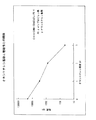
これに対して、脂肪酸アルカノールアミドにエチレンオキサイドを付加させて得られるポリオキシエチレン脂肪酸アルカノールアミドのオキシエチレン基数の分布はブロードである。その理由は、エチレンオキサイド付加の場合は、生成物がいずれも一級アルコール化合物となるため、エチレンオキサイドが付加していないものと、それが1モル以上付加したものとの区別なく、次段の付加反応が進行するという事実にある。本発明のポリオキシプロピレン(2)ラウリン酸モノエタノールアミド混合物およびポリオキシプロピレン(2)ラウリン酸ジグリコールアミド混合物と、比較混合物として、ポリオキシエチレン(2)ラウリン酸モノエタノールアミド混合物およびポリオキシエチレン(2)ラウリン酸ジグリコールアミド混合物におけるオキシアルキレン基の分布状態を図1に示す。
【0059】
オキシプロピレン基またはオキシエチレン基数が多くなると、得られる化合物の融点が下がってハンドリング性は向上するが、その増粘性は急激に低下する。例えばエチレンオキサイド2モルを付加反応に供した場合では、オキシエチレン基数が3以上のポリオキシエチレン脂肪酸アルカノールアミドが合計31〜34重量%の含有率で生成してしまう。また、オキシエチレン基数が0の化合物、すなわちエチレンオキサイドが付加されていない化合物も13〜15重量%の割合で存在する。したがってエチレンオキサイド2モルを付加反応に供した場合でも、実際にはオキシエチレン基数が2のものは生成物全体の30〜36重量%にしか達しない。これに対し、プロピレンオキサイドを付加した場合は、オキシプロピレン基数が3以上のポリオキシプロピレン脂肪酸アルカノールアミドの含有量は17〜19重量%と少なく、また、オキシプロピレン基数が1又は0の化合物の含有割合も小さい。
【0060】
近年、高級アルコールのエチレンオキサイド付加物に関する研究において、特殊な触媒を用いてエチレンオキサイドを付加したり、通常の方法でエチレンオキサイドを付加したのち、目的生成物以外の付加モル数の生成物を蒸留などの方法でカットするなどして、オキシエチレン基分布域を狭くした高級アルコールエトキシレートを「ナローレンジエトキシレート(NRE)」と称し、これは、従来のブロードな分布を示すものに比べ、増粘性などの性能が向上し、また刺激も少ないことが報告されている。
【0061】
本発明のポリオキシプロピレン脂肪酸アルカノールアミド化合物混合物のうち、プロピレンオキサイド平均付加モル数が2以下のものは、一種のナローレンジ体と考えられる。通常の方法でエチレンオキサイドを付加する方法では決して得られなかったナローレンジ化を、特殊な触媒を用いることなく、また蒸留などの精製方法を用いることなく、ただエチレンオキサイドをプロピレンオキサイドに置き換えることによって達成し得たと考えられる。
【0062】
但し、本発明に認められる種々の効果は、単にナローレンジ化によってのみで説明出来るものではなく、末端のヒドロキシプロピル基による影響や、その他の数多くの要因によって発現されているものと推定される。
【0063】
上述のように、本発明のポリオキシプロピレン脂肪酸アルカノールアミド化合物混合物は、脂肪酸ジエタノールアミドの性能をより向上させ、さらに、その欠点を解消したものである。特に、融点や溶解性などの物性が、従来化粧料や洗浄剤組成物などの配合品中に用いられていた脂肪酸ジエタノールアミドに類似していることから、それに代えて本発明のポリオキシプロピレン脂肪酸アルカノールアミド化合物混合物を用いると、増粘性、起泡力、洗浄力、起泡安定性、および乳化安定性などの増強などの効果も期待できる。さらにまた、本発明の化合物混合物は、加水分解に対する耐性が強いので、従来、脂肪酸ジエタノールアミドを用いることが出来なかった高いpHの配合品にも用いることができ、このため、従来の脂肪酸ジエタノールアミドに比べその使用範囲を制限されることが少なくなっている。
【0064】
また、従来の脂肪酸ジエタノールアミドでは、その配合系に最適なものを選択しようとした場合、脂肪酸の組成を変化させる事しか許容されなかったが、本発明の化合物混合物においては、脂肪酸組成はもちろんのこと、アルカノールアミド基の種類、エチレンオキサイドの付加モル数、およびプロピレンオキサイドの付加モル数についても変化させることができる。したがって、増粘性を重視したい場合、あるいは高い起泡安定性を求める場合、あるいは十分な乳化安定性を必要とする場合などの多種多様な要望を満足するための性能発現変数が多く、あらゆる配合品への添加の可能性が高くなっている。
【0065】
【実施例】
下記実施例により本発明を具体的に説明するが、本発明はこれら実施例により限定されるものではない。
【0066】
製造例1(ポリオキシプロピレン(1)ラウリン酸モノエタノールアミド混合物の調製)
ラウリン酸メチル214gに、モノエタノールアミン62gおよびナトリウムメトキサイド1gを加え、副生成するメタノールを減圧下留去しながら加熱攪拌(20mmHg、90℃、1時間)して、ラウリン酸モノエタノールアミド244gを調製した。このラウリン酸モノエタノールアミド244gとプロピレンオキサイド58g(1倍モル)とをオートクレーブに仕込み、120℃で3時間攪拌してポリオキシプロピレン(1)ラウリン酸モノエタノールアミド混合物を合成した。収量:302g。
【0067】
その物性値は下記の通りであった。
融点:36℃
水酸基価:191
アミン価:6.0
IR分析(日立270−30、KBr錠剤):
3292,3092,2916,2848,1642,1470,1378,1128,1052cm-1
1H−NMR(Bruker AC−250、CDCl3、TMS内部標準):
δ0.88ppm (t,3H,−CH3),
1.14ppm (d,3H,−CH(CH 3 )−O−),
1.26ppm (br,16H,−CH2−),
1.62ppm (t,2H,−CH 2 CH2CONH−),
2.18ppm (t,2H,−CH 2 CONH−),
2.68ppm (br,1H,−OH),
3.2〜4.1ppm (m,7H,−CH2CH2OCH2CHO−),
6.09ppm (br,1H,NH)
【0068】
GLC分析:試料20mgをトリメチルシリル(TMS)化したサンプルをGLCに注入した。
GLC条件
キャリアー:ヘリウム
流量:30ml/分
カラム:CHROMPACK OV1701
25m×0.32mmID、膜厚0.2μ
初期温度:230℃
昇温速度:5℃/分
最終温度:300℃
注入口温度:280℃
検出器:FID
上記GLC分析の保持時間と組成とを表1に示す。
【0069】
【表1】
製造例2(ポリオキシプロピレン(1)ラウリン酸ジグリコールアミド混合物の調製)
ラウリン酸メチル214gに、ジグリコールアミン106gおよびナトリウムメトキサイド2gを加え、副生成するメタノールを減圧下留去しながら加熱攪拌(20mmHg、120℃、1時間)して、ラウリン酸ジグリコールアミド290gを調製した。このラウリン酸ジグリコールアミド290gとプロピレンオキサイド58g(1倍モル)とをオートクレーブに仕込み、120℃で3時間攪拌してポリオキシプロピレン(1)ラウリン酸ジグリコールアミド混合物を合成した。
【0071】
物性値は次の通りであった。
融点:30℃
水酸基価:170
アミン価:10.7
IR分析(日立270−30、KBr錠剤):
3304,3084,2920,2852,1648,1556,1466,1376,1286,1128cm-1
1H−NMR(Bruker AC−250、CDCl3、TMS内部標準):
δ0.88ppm (t,3H,−CH3),
1.14ppm (d,3H,−CH(CH 3 )−O−),
1.26ppm (br,16H,−CH2−),
1.62ppm (t,2H,−CH 2 CH2CONH−),
2.18ppm (t,2H,−CH 2 CONH−),
2.68ppm (br,1H,−OH),
3.2〜4.1ppm (m,11H,−(CH2CH2O)2−CH2CHO−),
6.09ppm (br,1H,NH)
【0072】
GLC分析:製造例1記載に同じ。分析結果(保持時間と組成)を表2に示す。
【表2】
製造例3〜6および比較製造例1〜4(ポリオキシプロピレンラウリン酸モノエタノールアミド混合物の調製)
ラウリン酸メチル214gに、モノエタノールアミン62gおよびナトリウムメトキサイド2gを加え、副生成するメタノールを減圧下留去しながら加熱攪拌(20mmHg、140℃、1時間)して、ラウリン酸モノエタノールアミド244gを得た。このラウリン酸モノエタノールアミド244gをオートクレーブに入れて90℃に加熱し攪拌しながらこれに表3に示す量のプロピレンオキサイドをプロピレンオキサイド導入器から圧入し、100℃で3時間攪拌して種々の平均付加モル数のポリオキシプロピレンラウリン酸モノエタノールアミド混合物を合成した。
【0074】
各種物性値、組成を表3に示す。
【表3】
製造例7〜10および比較製造例5〜8(ポリオキシプロピレンラウリン酸ジグリコールアミド混合物の調製)
ラウリン酸エチル228gに、ジグリコールアミン106gおよびナトリウムメトキサイド2gを加え、副生成するエタノールを減圧下留去しながら加熱攪拌(20mmHg、140℃、1時間)して、ラウリン酸ジグリコールアミド288gを調製した。これをオートクレーブに入れて90℃に加熱し攪拌しながら、これに表4に示す量のプロピレンオキサイドをプロピレンオキサイド導入器から圧入し、100℃で3時間攪拌して、種々の平均付加モル数のポリオキシプロピレンラウリン酸ジグリコールアミド混合物を合成した。
【0076】
各種物性値、組成を表4に示す。
【表4】
比較製造例9(ポリオキシプロピレン(1)ラウリン酸トリグリコールアミド混合物の調製)
ラウリン酸メチル214gに、トリグリコールアミン150gおよびナトリウムメトキサイド2gを加え、副生成するメタノールを減圧下留去しながら加熱攪拌(20mmHg、150℃、1時間)して、ラウリン酸トリグリコールアミド333gを得た。これをオートクレーブに入れて90℃に加熱攪拌しておき、これに58g(1倍モル量)のガス状にしたプロピレンオキサイドを吹き込み、100℃で6時間攪拌してポリオキシプロピレン(1)ラウリン酸トリグリコールアミド混合を合成した。
【0078】
物性値は次の通りであった。
融点:24℃
水酸基価:144
アミン価:2.7
IR分析(日立270−30、KBr錠剤):
3304,3084,2920,2852,1648,1556,1466,1376,1286,1128cm-1
1H−NMR(Bruker AC−250、CDCl3、TMS内部標準):
δ0.88ppm (t,3H,−CH3),
1.14ppm (d,3H,−CH(CH 3 )−O−),
1.26ppm (br,16H,−CH2−),
1.62ppm (t,2H,−CH 2 CH2CONH−),
2.18ppm (t,2H,−CH 2 CONH−),
2.68ppm (br,1H,−OH),
3.2〜4.1ppm (m,15H,−(CH2CH2O)3CH2CHO−),
6.09ppm (br,1H,NH)
【0079】
製造例11(ポリオキシプロピレン(2)ポリオキシエチレン(1)ラウリン酸モノエタノールアミド混合物の調製)
ラウリン酸メチル214gに、モノエタノールアミン62gおよびナトリウムメトキサイド2gを加え、副生成するメタノールを減圧下留去しながら加熱攪拌(20mmHg、140℃、1時間)して、ラウリン酸モノエタノールアミド244gを調製した。これをオートクレーブに入れて90℃に加熱し攪拌しながら、これにエチレンオキサイド44g(1倍モル量)をガス状で吹き込み、120℃で2時間反応させた。こうして得られたポリオキシエチレン(1)ラウリン酸モノエタノールアミド混合物含有生成反応物に288gに、続けてプロピレンオキサイド116g(2倍モル量)をプロピレンオキサイド導入器から圧入し、100℃で3時間攪拌してポリオキシプロピレン(2)ポリオキシエチレン(1)ラウリン酸モノエタノールアミド混合物を合成した。この混合物中に含まれているジオキサン量を定量したところ5ppm であった。したがって、特別な脱ジオキサン処理をしなくとも、そのまま使用できるものであった。
【0080】
生成物物性値は下記の通りである。
融点:−5℃以下
水酸基価:140
アミン価:5.6
IR分析(日立270−30、KBr錠剤):
3312,3080,2924,2852,1650,1556,1466,1376,1352,1286,1114cm-1
1H−NMR(Bruker AC−250、CDCl3、TMS内部標準):
δ0.88ppm (t,3H,−CH3),
1.14ppm (d,6H,−CH(CH 3 )−O−),
1.26ppm (br,16H,−CH2−),
1.62ppm (t,2H,−CH 2 CH2CONH−),
2.18ppm (t,2H,−CH 2 CONH−),
2.68ppm (br,1H,−OH),
3.2〜4.1ppm (m,14H,−(CH2CH2O)2−(CH2CHO)2−),
6.09ppm (br,1H,NH)
【0081】
製造例12(ポリオキシプロピレン(2)ポリオキシエチレン(1)ラウリン酸ジグリコールアミド混合物の調製)
ラウリン酸メチル214gに、ジグリコールアミン106gおよびナトリウムメトキサイド1gを加え、副生成するメタノールを減圧下留去しながら加熱攪拌(20mmHg、140℃、1時間)して、ラウリン酸ジグリコールアミド288gを調製した。これをオートクレーブに入れて90℃に加熱し攪拌しながら、これにエチレンオキサイド44g(1倍モル量)をガス状で吹き込み、120℃で2時間反応させた。こうして得られたポリオキシエチレン(1)ラウリン酸ジグリコールアミド混合物含有反応混合物332gに、続けてプロピレンオキサイド116g(2倍モル量)をプロピレンオキサイド導入器から圧入し、100℃で3時間攪拌してポリオキシプロピレン(2)ポリオキシエチレン(1)ラウリン酸ジグリコールアミド混合物を合成した。この混合物の中に含まれているジオキサン量を定量したところ4ppm であった。これに水を4.5g加えて30分攪拌したのち、これに減圧下で脱ジオキサン処理を施した(20mmHg、100℃、1時間)得られた処理混合物中のジオキサン含量は1ppm 未満であった。
【0082】
この混合物の物性値は次の通りであった。
融点:−5℃以下
水酸基価:125
アミン価:7.6
IR分析(日立270−30、KBr錠剤):
3310,3080,2920,2852,1650,1556,1466,1376,1350,1288,1114cm-1
1H−NMR(Bruker AC−250、CDCl3、TMS内部標準):
δ0.88ppm (t,3H,−CH3),
1.14ppm (d,6H,−CH(CH 3 )−O−),
1.26ppm (br,16H,−CH2−),
1.62ppm (t,2H,−CH 2 CH2CONH−),
2.18ppm (t,2H,−CH 2 CONH−),
2.68ppm (br,1H,−OH),
3.2〜4.1ppm (m,18H,−(CH2CH2O)3−(CH2CHO)2−),
6.09ppm (br,1H,NH)
【0083】
比較製造例10(ポリオキシプロピレン(2)ポリオキシエチレン(2)ラウリン酸モノエタノールアミド混合物の調製)
ラウリン酸メチル214gに、モノエタノールアミン62gおよびナトリウムメトキサイド2gを加え、副生成するメタノールを減圧下留去しながら加熱攪拌(20mmHg、140℃、1時間)して、ラウリン酸モノエタノールアミド244gを得た。これをオートクレーブに入れて90℃に加熱し攪拌しておき、これにエチレンオキサイド88g(2倍モル量)をガス状で吹き込み、120℃で2時間反応させた。こうして得られたポリオキシエチレン(2)ラウリン酸モノエタノールアミド混合物332gを含む反応混合物に続けてプロピレンオキサイド116g(2倍モル量)をプロピレンオキサイド導入器から圧入し、100℃で3時間攪拌してポリオキシプロピレン(2)ポリオキシエチレン(2)ラウリン酸モノエタノールアミド混合物を合成した。この混合物の中に含まれているジオキサン量を定量した所25ppm であった。
【0084】
この混合物の物性値は次の通りであった。
融点:−5℃以下
水酸基価:126
アミン価:10.3
IR分析(日立270−30、KBr錠剤):
3312,3080,2924,2852,1650,1556,1466,1376,1352,1286,1114cm-1
1H−NMR(Bruker AC−250、CDCl3、TMS内部標準):
δ0.88ppm (t,3H,−CH3),
1.14ppm (d,6H,−CH(CH 3 )−O−),
1.26ppm (br,16H,−CH2−),
1.62ppm (t,2H,−CH 2 CH2CONH−),
2.18ppm (t,2H,−CH 2 CONH−),
2.68ppm (br,1H,−OH),
3.2〜4.1ppm (m,18H,−(CH2CH2O)3−(CH2CHO)2−),
6.09ppm (br,1H,NH)
【0085】
比較製造例11(ポリオキシプロピレン(2)ポリオキシエチレン(2)ラウリン酸ジグリコールアミド混合物の調製)
ラウリン酸メチル214gに、ジグリコールアミン106gおよびナトリウムメトキサイド1gを加え、副生成するメタノールを減圧下留去しながら加熱攪拌(20mmHg、140℃、1時間)して、ラウリン酸ジグリコールアミド288gを得た。これをオートクレーブに入れて90℃に加熱し攪拌しながら、これにエチレンオキサイド88g(2倍モル量)をガス状で吹き込み、120℃で2時間反応させた。こうして得られたポリオキシエチレン(2)ラウリン酸ジグリコールアミド混合物376gに続けてプロピレンオキサイド116g(2倍モル量)をプロピレンオキサイド導入器から圧入し、100℃で3時間攪拌してポリオキシプロピレン(2)ポリオキシエチレン(2)ラウリン酸ジグリコールアミド混合物を合成した。この混合物の中に含まれているジオキサン量を定量したところ、25ppm であった。これに水を4.5g加えて30分攪拌したのち、減圧下に脱ジオキサンを行なった(20mmHg、100℃、1時間)ところ、ジオキサン含量は1ppm 未満であった。
【0086】
この混合物の物性値は下記の通りである。
融点:−5℃以下
水酸基価:114
アミン価:12.5
IR分析(日立270−30、KBr錠剤):
3310,3080,2920,2852,1650,1556,1466,1376,1350,1288,1114cm-1
1H−NMR(Bruker AC−250、CDCl3、TMS内部標準):
δ0.88ppm (t,3H,−CH3),
1.14ppm (d,6H,−CH(CH 3 )−O−),
1.26ppm (br,16H,−CH2−),
1.62ppm (t,2H,−CH 2 CH2CONH−),
2.18ppm (t,2H,−CH 2 CONH−),
2.68ppm (br,1H,−OH),
3.2〜4.1ppm (m,22H,−(CH2CH2O)4−(CH2CHO)2−),
6.09ppm (br,1H,NH)
【0087】
製造例13(ポリオキシプロピレン(2)ラウリン酸モノエタノールアミド混合物の調製)
オートクレーブに、精製したラウリン酸モノエタノールアミド243gとBF3・エーテル錯体2.4gとを入れ、さらにプロピレンオキサイド116g(2倍モル量)を加えて、150℃、1時間反応した。反応終了後、水を加えクエンチしたのち、減圧下で脱溶媒を行い、ポリオキシプロピレン(2)ラウリン酸モノエタノールアミド混合物360gを得た。
【0088】
GLC分析によるオキシプロピレン基数分布を表5に示す。
【表5】
表5に示されているように、製造例7〜10において塩基触媒を用いて調製したときの製品にくらべ、オキシプロピレン基数の分布がやや狭くなっていた。
【0090】
製造例14(ポリオキシプロピレン(2)ラウリン酸ジグリコールアミド混合物の調製)
オートクレーブに、精製したラウリン酸ジグリコールアミド243gとBF3・エーテル錯体2.4gとを入れ、さらにプロピレンオキサイド116g(2倍モル量)を加えて、150℃、1時間反応した。反応終了後、水を加えクエンチしたのち、減圧下で脱溶媒を行い、ポリオキシプロピレン(2)ラウリン酸モノエタノールアミド混合物360gを得た。GLC分析によるオキシプロピレン基数分布を表6に示す。
【0091】
【表6】
【0092】
比較製造例12(ポリオキシエチレン(2)ラウリン酸モノエタノールアミド混合物の調製)
ラウリン酸メチル214gに、モノエタノールアミン62gとナトリウムメトキサイド0.5gとを加え、減圧下に副生成するメタノールを留去しながら加熱し(100℃、20mmHg、1時間)、ラウリン酸モノエタノールアミド243gを得た。これを120℃まで加熱したのち、エチレンオキサイド88g(2倍モル量)をガス状にして吹き込んだ。添加後さらに120℃で1時間加熱してポリオキシエチレン(2)ラウリン酸モノエタノールアミド混合物331gを得た。この混合物には1,4−ジオキサンが50ppm 含まれていた。
【0093】
この混合物10mgを採り、これをトリメチルシリル化しGLC分析を行なった。その結果を表7に示した。
【表7】
表7に示されているように、製造例6のポリオキシプロピレン(2)ラウリン酸モノエタノールアミド混合物におけるオキシプロピレン基数分布と比較すると、本比較製造例12のエチレンオキサイド付加物混合物は、そのオキシプロピレン基数が幅広くブロードに分布していた。特に未反応原料の残量を比較すると、2倍モル量のプロピレンオキサイドを付加した生成物には未反応原料は含まれていなかったのに対して、2倍モル量のエチレンオキサイドを付加した本比較製造例混合物には10%以上も未反応原料が残っていた。
【0095】
比較製造例13(ポリオキシエチレン(2)ラウリン酸ジグリコールアミド混合物の調製)
ラウリン酸メチル214gに、ジグリコールアミン106gとナトリウムメトキサイド0.5gとを加え、減圧下に副生成するメタノールを留去しながら加熱し(100℃、20mmHg、1時間)、ラウリン酸ジグリコールアミド287gを得た。これを120℃まで加熱したのち、エチレンオキサイド88g(2倍モル量)をガス状にして吹き込んだ。添加後さらに120℃で1時間加熱してポリオキシエチレン(2)ラウリン酸ジグリコールアミド混合物375gを得た。
この混合物には1,4−ジオキサンが30ppm 含まれていた。ジオキサンの許容濃度は25ppm と云われているので、この製品に脱ジオキサン処理を施す必要があった。ジオキサンを除くため水を3.7g加え、30分攪拌したのち、100℃、20mmHg、1時間減圧で脱溶媒しジオキサンを除去した。
【0096】
この生成物10mgを採り、これをトリメチルシリル化した後GLC分析を行なった。その結果を表8に示す。
【表8】
表8に示されているように、前記製造例10のポリオキシプロピレン(2)ラウリン酸ジグリコールアミド混合物のオキシプロピレン基数分布と比較すると、本比較製造例13のエチレンオキサイド付加物混合物においては、エチレンオキサイド基数が幅広くブロードに分布していた。特に未反応原料の残量を比較すると、プロピレンオキサイド2倍モル量を付加した混合物中には未反応原料が含まれていなかったのに対して、本比較製造例13においてエチレンオキサイド2倍モル量を付加した混合物中には10%以上も未反応原料が残っていた。
【0098】
比較製造例14(ポリオキシプロピレン(1)ラウリン酸モノエタノールアミド混合物の調製)
ラウリン酸200gに、モノエタノールアミン62gを加え、窒素気流下、180℃で12時間加熱攪拌した。このとき生成した水を留去しながら反応を行ったが、留出水分量は理論量の80%であった。GLC分析の結果、反応生成物中のラウリン酸モノエタノールアミド含量は75%であった。この反応生成物にプロピレンオキサイドを58g(1倍モル量)を加えオートクレーブ中、120℃で1時間付加反応を行った。GLC分析の結果、生成物は殆んどモノエタノールアミンのプロピレンオキサイド付加物からなり、目的物の含量は12%であった。また得られた反応生成物は黒褐色を呈しており、不快臭を伴っていた。
【0099】
製造例15(ポリオキシプロピレン(1)ラウリン酸ジグリコールアミド混合物の調製)
ジグリコールアミン106gをクロロホルム1000gに溶解し、この溶液にトリエチルアミン111gを加え、10℃に冷却した。これに、反応温度20℃を保つようにしながらラウリン酸クロライド219gを滴下した。滴下終了後、30℃で1時間の攪拌を施した。反応終了後、析出したトリエチルアミン塩酸塩を濾過により除去した。濾液を1N塩酸500mlで3回洗浄したのち、飽和重曹水500mlで3回洗浄し、最後に飽和芒硝水で洗浄した。この生成物を無水硫酸ナトリウムで乾燥したのち、減圧下で溶媒を除去して、白色固体のラウリン酸ジグリコールアミド272g(収率95%)を得た。
【0100】
得られたラウリン酸ジグリコールアミド272gと、プロピレンオキサイド61g(1倍モル量)、とナトリウムメトキサイド0.5gとをオートクレーブに入れ、130℃で2時間加熱攪拌し、プロピレンオキサイド付加を行なった。得られたポリオキシプロピレン(1)ラウリン酸ジグリコールアミド混合物の収量は333g(収率95%)であった。各種分析結果において、水酸基価が172、アミン価が11.0であったことを除き、その他は製造例2の方法で得られたものと同じであった。
【0101】
上記の様に、ラウリン酸クロライドなどの脂肪酸ハライドを出発原料とする製造方法では、クロロホルムや水のような反応溶媒を必要とし、反応で生成する塩酸をトラップする為アルカリや塩基を必要とする。また、塩酸をトラップした事によって生成する塩、たとえばトリエチルアミン塩酸塩や塩化ナトリウムなどを除去する工程(具体的には濾過や水洗などの工程)が必要となる。この為に若干の収率低下を招いてしまう。またその塩を除去する工程において、次工程におけるプロピレンオキサイド付加に必要な塩基触媒も系外に除かれてしまう為、プロピレンオキサイドを付加する段階で、改めて塩基触媒を添加しなければならない。また、アシル化の反応で発生する塩酸や塩による装置の腐食も大きな問題である。このように脂肪酸ハライドから製造する方法は、操作も煩雑であり、副原料を必要とし、腐食の問題も含んでいることから、工業的な製造法としては、製造例2に記載した製造法に比べ格段に劣るものである。
【0102】
比較製造例15(ポリオキシプロピレン(1)ラウリン酸モノエタノールアミド混合物の調製)
ラウリン酸メチル214gに、モノエタノールアミン62gおよびナトリウムメトキサイド2gを加え、副生成するメタノールを減圧下留去しながら加熱攪拌(20mmHg、140℃、1時間)して、ラウリン酸モノエタノールアミド244gを得た。この生成物のアミン価は6.2であった。これをキシレン3000mlに溶解し、2重量%塩酸水800mlで2回洗浄し、更に飽和食塩水800mlで3回洗浄したのち、無水硫酸ナトリウムで乾燥した。減圧下溶媒を除去したのち、THF−トルエンから再結晶して精製ラウリン酸モノエタノールアミド195gを得た(収率80%)。この物のアミン価は0.01であった。これをオートクレーブに入れ、さらにプロピレンオキサイド46g(1倍モル量)を加えて、150℃で6時間攪拌したが、反応せず原料を回収したのみであった。
【0103】
融点測定
融点は日本薬局方B−414融点測定法(第1法)にしたがって測定した。室温付近で液体状の化合物あるいは毛細管に充填しづらい試料については、日本薬局方B−116凝固点測定法にしたがって測定した凝固点を以て融点とした。
下記表9に本発明のポリオキシプロピレンポリオキシエチレン脂肪酸アルカノールアミド混合物とポリオキシプロピレン脂肪酸アルカノールアミドの融点と、参考までにプロピレンオキサイド付加原料である脂肪酸アルカノールアミドおよび脂肪酸ジエタノールアミドの融点を示す。
【0104】
【表9】
表9に示されているように、プロピレンオキサイドを付加した反応生成物は、付加前の脂肪酸アルカノールアミドに比べて融点がかなり下がっていた。本発明に用いられるポリオキシプロピレン(ポリオキシエチレン)脂肪酸アルカノールアミド混合物のうち、プロピレンオキサイド付加モル数が多いものは、室温で液状であった。この融点値は対応する脂肪酸ジエタノールアミドの融点より低い値であった。一般に配合品を調製しようとする場合は、固体状や粉体状のものより液体状の化合物の方が取り扱いが容易である。しかし固体や粉体であっても、加熱によって容易に溶解するものであれば一旦溶かしてから配合品に添加すればよいが、その際、融点が70℃を越えるものは、加熱水浴上で溶かそうとしても、なかなか溶けないので取り扱いが不便である。その点本発明に用いられるポリオキシプロピレン(ポリオキシエチレン)脂肪酸アルカノールアミド混合物は融点が低く、したがってわずかに加温するだけで液状にする事ができ、その結果、配合時のハンドリング性がきわめて向上していた。
【0106】
加水分解試験
試料2gにイソプロパノール27gと精製水71gを加えて溶解させたのち、クエン酸あるいはカセイソーダを添加して所定のpHに調節し、この溶液を50℃で1ヵ月保存した。その間、1週間ごとにpHを測定し、変化しているようであれば、クエン酸あるいはカセイソーダで元のpH値に合致させた。1ヵ月後、試料溶液中の加水分解によって生成したラウリン酸含量をGLCにより測定した(絶対検量線法)。
このラウリン酸含量から、次式によって加水分解率を求めた。
加水分解率(%)=(ラウリン酸含量×200.3)/(仕込み試料のモル数)×100
試験結果を表10に示す。
【0107】
【表10】
表10に示されているように、ラウリン酸ジエタノールアミドは加水分解を受けやすい事が判明した。特にpH3以下や9以上では分解しやすいことが認められた。これに対して、本発明に用いられるポリオキシプロピレン脂肪酸モノエタノールアミド混合物は、ラウリン酸モノエタノールアミドなどと同様、広いpH範囲で低い加水分解率を示した。したがって、本発明のポリオキシプロピレン脂肪酸モノエタノールアミド混合物は広範囲のpHにおいて安定であり、従ってそれを配合しようとした場合に受けるpHの制約が少ない事が判明した。
【0109】
眼粘膜刺激試験
日本白色種ウサギ雌(14週齢)に10%試料溶液あるいは懸濁液の0.1mlを右下眼瞼嚢に滴下し、上下瞼を約5秒間合わせてよく接触させ、そのまま放置した。なお反対側(左眼)は無処置対照とした。
判定は投与1,3,6時間後および1,2,3,4,7日後にDraize法の判定基準に従って行った。
安全性評価の基準は平均刺激値の最大値とスコアーの持続時間を元に、KAY & CALANDRAの眼刺激評価基準に基づいて行った。評価は以下のような8段階とした。
1:無刺激
2:実際上無刺激
3:最小の刺激
4:軽度の刺激
5:中等度の刺激
6:強度の刺激
7:きわめて強度の刺激
8:最大の刺激
試験結果を表11に示す。
【0110】
【表11】
表11に示されているように、本発明に用いられるポリオキシプロピレン(ポリオキシエチレン)脂肪酸モノエタノールアミド混合物は実質上眼粘膜刺激を有していない事が確認された。これに比して、他のプロピレンオキサイド付加平均モル数を有する化合物では、わずかな刺激が認められた。また、脂肪酸モノエタノールアミドにもわずかではあるが刺激が認められた。さらにポリオキシエチレン脂肪酸モノエタノールアミドでは軽微な刺激が認められた。上記の結果から、本発明に用いられるポリオキシプロピレン(ポリオキシエチレン)脂肪酸アルカノールアミド混合物は、シャンプーなどの洗浄剤やリンスなどの化粧料に安心して使用し得る化合物である事が確認された。
【0112】
実施例1〜7および比較例1〜9
実施例1〜7及び比較例1〜9の各々において、ポリオキシプロピレン脂肪酸モノエタノールアミド、ポリオキシプロピレン脂肪酸ジグリコールアミド、ポリオキシプロピレンポリオキシエチレン脂肪酸モノエタノールアミド、ポリオキシプロピレンポリオキシエチレン脂肪酸ジグリコールアミドおよび市販の脂肪酸アルカノールアミドを用い、表12および表13に示す配合組成の組成物を調製した。得られた組成物について増粘性試験、起泡力試験および起泡安定性試験を行った。各々の試験は下記の方法で行った。
【0113】
1)増粘性試験
試料7.5mlを少量サンプルアダプターに入れ、25℃に保った後、B型粘度計(東京計器製、B8M)にて粘度を測定した。
2)起泡力試験
活性剤純分が0.25%となるように洗浄剤を蒸留水で希釈し、JIS規格K3362記載の方法に従って起泡力を測定した。
評価の基準を次のように設定した。
◎…泡立ちが極めて良好、起泡力200mm以上
○…泡立ちが良好、起泡力180mm以上、200mm未満
△…泡立ちが普通、起泡力150mm以上、180mm未満
×…泡立ちが不良、起泡力150mm未満
【0114】
3)起泡安定性試験
既述したロスマイルス起泡力試験を行う際、投入直後の起泡力と5分後の起泡力を測定し、泡の減衰率を求めた。
減衰率(%)=(FH0−FH5)/(FH0)×100
但し、上式中、FH0:投入直後の起泡力
FH5:5分後の起泡力
評価の基準を次のように設定した。
◎…起泡安定性が極めて良好、減衰率10%未満
○…起泡安定性が良好、減衰率10〜20%
△…起泡安定性が普通、減衰率21〜50%
×…起泡安定性に乏しい、減衰率50%以上
試験結果を表12および表13に示す。
【0115】
【表12】
【表13】
表12および表13の結果から明らかなように、ポリオキシエチレンラウリルエーテルサルフェートNaのみの場合より、脂肪酸アルカノールアミド誘導体を含有した組成物の方が粘度が高い事から、いずれの脂肪酸アルカノールアミド誘導体も増粘性を有していることが確認された。しかしながら、本発明のポリオキシプロピレン脂肪酸アルカノールアミド化合物混合物は、特に適度な粘度を有しており好適なものである。また、ポリオキシエチレンラウリルエーテルサルフェートNaのみの場合より、脂肪酸アルカノールアミド誘導体を含有した方が起泡力が高くなっているが、本発明に用いられるポリオキシプロピレン脂肪酸アルカノールアミド化合物混合物を含有した場合の方が、他の脂肪酸アルカノールアミドを含有したものよりも起泡力の増加の割合が大きかった。同様の傾向が、起泡安定性についても認められた。上記の結果より、本発明のポリオキシプロピレン脂肪酸アルカノールアミド化合物混合物が、増粘剤、増泡剤、起泡安定化剤として優れた特性を有している事が確認された。
【0118】
表12および表13の結果のうち、プロピレンオキサイド平均添加モル量を1倍モル量に固定した場合、得られる混合物の分子内のオキシエチレン基数と増粘性の変化との関係を図2のグラフが示している。この図2からオキシエチレン基数を変化させた時の粘度の変化を読み取ることが出来る。
【0119】
図2から明らかなように、オキシエチレン基数(p)が1未満のもの、すなわち、ラウリン酸イソプロパノールアミドでは粘度が高すぎかえって使いづらい。またオキシエチレン基数(p)が2を越えると急激に粘度が低下している。これに比して、本発明で用いられるオキシエチレン基数(p)が1すなわちモノエタノールアミド化合物混合物、およびオキシエチレン基数(p)が2すなわちジグリコールアミド化合物は適度な粘度を有していることが確認された。
【0120】
同様にして、表12および表13の結果の内、化合物分子内のオキシエチレン基数(p)を1に固定したとき、プロピレンオキサイドの平均付加モル数と、得られる化合物混合物の増粘性の関係を図3に示す。この図3からプロピレンオキサイド平均付加モル数を変化させた時の粘度の変化を読み取ることが出来る。
【0121】
図3から明らかなようにプロピレンオキサイド、平均付加モル数が0.3未満の物では、粘度が急激に高くなっており、洗浄剤としては使いにくい物である。これに比して、本発明の平均付加モル数(0.3〜2)を有するプロピレンオキサイド付加化合物混合物は適度な粘度を有していることがわかる。ただ、プロピレンオキサイド平均付加モル数を増やすと粘度は低下する傾向があるので、特にシャンプーなどの洗浄剤に配合して用いる場合は、プロピレンオキサイド平均付加モル数は2以下である。
【0122】
実施例8〜13および比較例10〜19
実施例8〜13及び比較例10〜19の各各において、表14に示されている組成の洗浄剤を調製した。得られた製品を、起泡力試験、洗浄力試験、起泡安定性試験、増粘性試験、耐寒性試験およびタンパク質変性試験に供した。
【0123】
これらの試験は下記方法で行った。
1)起泡力試験
実施例1に記載した方法と同一。
2)洗浄力試験
牛脂に、指示薬としてSudanIII 0.1%を添加し、その5gを磁製の皿(直径25cm)に塗布し、この牛脂塗布皿を、10重量%の洗浄溶液30gにしみ込ませたスポンジでこすり洗いし、もはや皿より牛脂が洗浄できなくなるまでに洗浄された皿の枚数をもって洗浄力とした。
【0124】
3)起泡安定性試験
実施例1に記載した方法と同一。
4)増粘性試験
実施例1に記載した方法と同一の方法で粘度を測定し、増粘性があるかどうか調べた。
評価の基準を次のように設定した。
◎…著しい増粘効果あり
○…増粘効果あり
×…増粘作用を認めず
【0125】
5)耐寒性試験
試料を試験管に入れ、−5℃の冷凍庫中に7日間保存して濁りが認められるかどうかで、耐寒性を調べた。
評価の基準を次のように設定した。
◎…−5℃、7日間保存でも濁りなし
○…室温では透明だが、−5℃、7日間保存でわずかな濁りあり
△…室温で濁りあり
×…結晶析出
【0126】
6)タンパク質変性率試験
水系ゲル濾過高速液体クロマトグラフィーを使用し、卵白アルブミンpH7緩衝溶液に、試料濃度1%になるように試料を加えた場合の卵白アルブミン変性率を、220nmの吸収ピークを用いて測定した。
変性率(%)=(Ho−Hs)/Ho×100
Ho:卵白アルブミンの220nm吸収ピークの高さ
Hs:卵白アルブミン緩衝溶液に試料を加えた時の220nm吸収ピークの高さ 評価の基準を次のように設定した。
◎:卵白アルブミン変性率 10%未満
○:卵白アルブミン変性率 10〜29%
△:卵白アルブミン変性率 30〜59%
×:卵白アルブミン変性率 60%以上
【0127】
試験結果を表14に示す。
【表14】
表14の結果から明らかなように、本発明に用いられるポリオキシプロピレン脂肪酸アルカノールアミド混合物およびポリオキシプロピレンポリオキシエチレン脂肪酸アルカノールアミド混合物を含有した実施例8〜13の洗浄剤組成物は、起泡力、洗浄力および起泡安定性に優れ、適度な増粘性を有し、耐寒性にも優れており、かつ刺激性も低かった。一方、本発明で用いられる範囲外のポリオキシプロピレン脂肪酸アルカノールアミド混合物や、本発明の範囲外のポリオキシプロピレンポリオキシエチレン脂肪酸アルカノールアミド混合物、脂肪酸アルカノールアミドおよびポリオキシエチレン脂肪酸モノエタノールアミドを含有した比較例10〜19の洗浄剤は、起泡力、洗浄力、起泡安定性、増粘性、耐寒性、刺激性のいずれかの点で劣っていた。
【0129】
実施例14〜21および比較例20〜27
実施例14〜21および比較例20〜27において、表15に示されている組成の洗浄剤を調製した。得られた製品を、起泡力試験、洗浄力試験、起泡安定性試験、増粘性試験、耐寒性試験およびタンパク質変性試験に供した。
【0130】
試験結果を表15に示す。
【表15】
表15の結果から明らかなように、本発明のポリオキシプロピレン脂肪酸アルカノールアミド混合物およびポリオキシプロピレンポリオキシエチレン脂肪酸アルカノールアミド混合物と、アニオン界面活性剤、両性界面活性剤、カチオン界面活性剤および非イオン界面活性剤から選ばれた少なくとも一種とからなる実施例14〜21の洗浄剤は、起泡力、洗浄力および起泡安定性に優れ、適度な増粘性を有し、耐寒性にも優れており、かつ刺激性も低かった。一方、本発明の範囲外のポリオキシプロピレン脂肪酸アルカノールアミド混合物、ポリオキシプロピレンポリオキシエチレン脂肪酸アルカノールアミド混合物、脂肪酸アルカノールアミドおよびポリオキシエチレン脂肪酸モノエタノールアミドと、アニオン界面活性剤、両性界面活性剤、カチオン界面活性剤および非イオン界面活性剤から選ばれた少なくとも一種とからなる比較例20〜27の洗浄剤は、起泡力、洗浄力、起泡安定性、増粘性、耐寒性、刺激性のいずれかの点で劣っていた。
【0132】
実施例22〜35および比較例28〜42
実施例22〜35および比較例28〜42において、表16および表17に示されている組成の洗浄剤を調製した。得られた製品を、起泡力試験、洗浄力試験、起泡安定性試験、増粘性試験、耐寒性試験およびタンパク質変性試験に供した。
【0133】
試験結果を表16および表17に示す。
【表16】
【表17】
表16および表17の結果から明らかなように、本発明のポリオキシプロピレン脂肪酸アルカノールアミド混合物やポリオキシプロピレンポリオキシエチレン脂肪酸アルカノールアミド混合物を用いた洗浄剤は、脂肪酸ジエタノールアミドを配合した従来の洗浄剤に比べ、耐寒性やタンパク質変性率は同程度であったにもかかわらず、起泡力、洗浄力、起泡安定性、および増粘性においてすぐれていた。したがって、従来の脂肪酸ジエタノールアミドを用いていた配合品において、脂肪酸ジエタノールアミドの代わりに本発明のポリオキシプロピレン脂肪酸アルカノールアミド混合物あるいはポリオキシプロピレンポリオキシエチレン脂肪酸アルカノールアミド混合物を用いることによりさらに優れた洗浄剤とすることができることが確認された。
【0136】
また、実施例22の洗浄剤組成物は、比較例22の洗浄剤組成物に比べ、50℃で一ヵ月保存しておいても、pHの低下はほとんどなかった。一般に、脂肪酸石けんを基剤とした配合ではpHを10前後に調整するので、このような高いpHで加水分解しやすい脂肪酸ジエタノールアミドの使用は困難であった。しかし、本発明のポリオキシプロピレン脂肪酸アルカノールアミド混合物およびポリオキシプロピレンポリオキシエチレン脂肪酸アルカノールアミド混合物は上記の高pHでも安定であるので、脂肪酸石けんとの配合も可能であることが確認された。
【0137】
実施例36
下記組成のリンス一体型シャンプーを調製し、実施例8と同一の起泡力、洗浄力、起泡安定性、増粘性、耐寒性、タンパク質変性率試験に供した。
【0138】
実施例37
下記組成のコンディショニングシャンプーを調製し、実施例36と同一の試験に供した。
【0139】
実施例38
下記組成のパール状シャンプーを調製し、実施例36と同一の試験に供した。
【0140】
実施例39
下記組成のゲル状シャンプーを調製し、実施例36と同一の試験に供した。
【0141】
実施例40
下記組成のシャンプーを調製し、実施例36と同一の試験に供した。
【0142】
実施例41
下記組成のボディシャンプーを調製し、実施例36と同一の試験に供した。
【0143】
実施例42
下記組成の洗顔料を調製し、実施例36と同一の試験に供した。
【0144】
実施例43
下記組成の硬質表面洗浄剤を調製し、実施例36と同一の試験に供した。
【0145】
実施例44
下記組成の台所洗剤を調製し、実施例36と同一の試験に供した。
【0146】
実施例45
下記組成の自動食器洗い機用洗剤を調製し、実施例36と同一の試験に供した。
【0147】
実施例46
下記組成のオーブンクリーナーを調製し、実施例36と同一の試験に供した。この洗浄剤は特に熱変質した油汚れの除去に有効であった。
【0148】
【表18】
表18の結果から明らかなように、本発明に用いられるポリオキシプロピレン脂肪酸アルカノールアミド混合物又はポリオキシプロピレンポリオキシエチレン脂肪酸アルカノールアミド混合物を含有した実施例36〜46の洗浄剤は、起泡力、洗浄力、起泡安定性、増粘性、耐寒性に優れており、タンパク質変性率も少なかった。
【0150】
【発明の効果】
本発明に用いられるポリオキシプロピレン脂肪酸アルカノールアミド化合物混合物含有水性洗浄剤用増粘増泡剤は、融点が低くハンドリング性が良好であり、また、広範囲のpH領域で安定であり、さらに眼粘膜刺激も少ないという特長を有する。また、本発明の化合物混合物含有増粘増泡剤は、他の界面活性剤との併用において、優れた増粘性・増泡性・起泡安定性を有しているので、ハンドリングが容易で、低温安定性に優れ、広範囲のpHでも使え、また刺激が少なく安全な洗浄剤組成物を提供することができる。
【0151】
また本発明に用いられるポリオキシプロピレン脂肪酸アルカノールアミド化合物混合物は、その製造工程間、又は最終工程後に、精製工程を行なわなくても、高純度のポリオキシプロピレン脂肪酸アルカノールアミド化合物混合物として得ることができる。この方法によれば工業的にも容易にポリオキシプロピレン脂肪酸アルカノールアミド化合物混合物を製造することができる。
【0152】
本発明のポリオキシプロピレン脂肪酸アルカノールアミド化合物混合物含有増粘増泡剤を含有する水性洗浄剤組成物は、皮膚や毛髪・眼粘膜に対する刺激が少なく、さらに、起泡力・洗浄力・粘度・起泡安定性を向上させることができ、融点が低いことから調合が容易であり、なおかつ低温安定性にも優れた水性洗浄剤組成物として有用なものである。
【図面の簡単な説明】
【図1】本発明に用いられる化合物混合物および比較化合物混合物における、PO基数(n)およびEO基数(m)の分布を示すグラフ。
【図2】本発明に用いられる化合物混合物におけるオキシエチレン基数(p)と粘度との関係を示すグラフ。
【図3】本発明に用いられる化合物混合物におけるPO基数(n)と粘度との関係を示すグラフ。[0001]
[Industrial application fields]
The present invention relates to an aqueous high-viscosity liquid detergent composition comprising a mixture of polyoxypropylene fatty acid alkanolamide compounds (including polyoxypropylene polyoxyethylene fatty acid alkanolamide compounds) as a thickening and foaming agent component. The above-mentioned compound mixture for thickening foaming agent component has good performance as a thickening agent, foaming agent, foaming stabilizer, emulsifier, dispersant, solubilizer, and emulsion stabilizer. Detergent composition with excellent usability and stability in a wide pH range, excellent foaming power, detergency, foaming stability, thickening and low-temperature stability, and no irritation to skin or hair It is useful for.
[0002]
[Prior art]
In general, cleaning agents such as shampoos and body shampoos tend to be required to exhibit rich foaming and to have excellent cleaning power. Therefore, a foam increasing agent that acts as a foaming stabilizer is added to the surfactant as the main base. In addition, since many surfactant components used as the main base have a relatively low viscosity, it is common to add a thickener to adjust the product to a viscosity that is easy to handle depending on its application. Has been done.
[0003]
Conventionally, as a thickener, a foam thickener, and a foam stabilizer, fatty acid alkanolamides that are less irritating to skin and hair, such as fatty acid monoethanolamide, fatty acid diglycolamide, and fatty acid diethanolamide Was preferred.
However, although fatty acid monoethanolamide and fatty acid diglycolamide are extremely excellent in thickening action, they have a high melting point, and therefore have the disadvantage of poor solubility when incorporated into detergents and cosmetics. Had. In particular, fatty acid monoethanolamide causes turbidity and blurring when stored in a large amount or stored at a low temperature, and therefore its use amount, product form, and application are limited. In addition, fatty acid monoethanolamide has a slight irritation property to the eye mucous membrane, and has a drawback that when it is mixed with a shampoo composition or the like, the eyes are glazed.
[0004]
Since fatty acid diethanolamide has a lower melting point than fatty acid monoethanolamide, it is excellent in handling properties and solubility during compounding. Further, although its thickening is inferior to that of fatty acid monoethanolamide, it can be easily adjusted to an appropriate viscosity, and because of this advantage, it has been used favorably for shampoos and body shampoos. However, fatty acid diethanolamide is more susceptible to hydrolysis of the amide group than fatty acid monoethanolamides, so that the stability of the compound itself is poor, particularly in the relatively high pH range of pH 9 or higher. Therefore, it is unsuitable for blending into a high pH system.
[0005]
In general, in addition to the fatty acid alkanolamide, long-chain alkyldimethylamine oxide, etc. are used as the foam increasing agent. However, this has skin irritation and has recently tended to strongly demand low irritation. In consideration, its practical use is being avoided. Other thickeners, foaming agents, and foam stabilizers include, for example, fatty acid esters, alkylamine oxides, cellulose derivatives, acrylic acid polymers, polyethylene glycols, and higher alcohols. However, they have drawbacks such as being easily decomposed at certain pH ranges, irritating, and expensive.
[0006]
In order to improve foaming stability, polyoxyethylene (2 to 10) fatty acid monoethanolamide and the like are widely used in addition to the fatty acid alkanolamide. However, these are excellent in foaming stability but have a drawback that they are not sufficient in terms of thickening and foaming. Furthermore, polyoxyethylene (2 to 10) fatty acid monoethanolamide produces a trace amount of toxic dioxane as a by-product by polymerization of ethylene oxide itself during its production process, that is, when ethylene oxide is added to fatty acid monoethanolamide. Has the problem. For this reason, the process of removing a dioxane from a reaction mixture is required after ethylene oxide addition, and there exists a fault that a manufacturing process becomes complicated.
[0007]
Under the circumstances as described above, there has been a demand for thickeners, foaming agents, and foaming stabilizers that are excellent in solubility and handling properties, have excellent stability, and have no irritation. There has also been a need for emulsifiers, dispersants, and solubilizers that are stable over time. It has also been desired to develop a method for producing them industrially easily and safely. Furthermore, it is excellent in foaming power, detergency, foaming stability and thickening, stable in a wide range of pH, easy to handle and good in solubility, and excellent in low temperature stability during compounding, There has been a need for a detergent composition that does not irritate skin, hair, and eye mucous membranes.
[0008]
Polyoxyalkylene fatty acid alkanolamides are disclosed in JP-A Nos. 53-54208, 54-15911, 59-210999, 60-49099, 60-96695, 63-189499, 63-196697, and JP-A-2. Although it is disclosed in -151692 and 2-504165, there is no description about what added propylene oxide to fatty acid alkanolamide.
[0009]
JP-A Nos. 61-61625, 61-227830, 61-227832, 61-246296, 62-57491, and 62-209200 describe the alkylene oxide adducts of fatty acid alkanolamides. , Both are blocks or random adducts of ethylene oxide and propylene oxide, and the total number of addition moles is 13 times mol or more, and their uses are also used as non-aqueous solid dispersants and non-aqueous detergents. It has only been done.
[0010]
Japanese Patent Laid-Open No. 61-114727 describes polyoxypropylene (20) coconut oil fatty acid monoethanolamide. This compound is obtained by adding 20 times moles of propylene oxide to coconut oil fatty acid monoethanolamide. The number of moles of propylene oxide added is as large as 20, and the use is only described for non-aqueous solid dispersants.
[0011]
[Problems to be solved by the invention]
The present invention contains a mixture of specific polyoxypropylene fatty acid alkanolamide compounds as a thickening foaming agent, and is excellent in foaming power, detergency, foaming stability and thickening, and stable in a wide pH range. A high-viscosity liquid detergent composition that is easy to handle, has good solubility, has good low-temperature stability when blended, has little irritation to skin, hair, and eye mucous membranes, and is excellent in safety. It is.
[0012]
[Means for Solving the Problems]
In order to improve problems such as instability at low pH, poor handling properties, and low-temperature stability during low-temperature blending, the present inventors have earnestly made use of the characteristics of fatty acid alkanolamide, which is a typical thickener. As a result of research, a mixture of a polyoxypropylene fatty acid alkanolamide and a polyoxypropylene polyoxyethylene fatty acid alkanolamide (hereinafter referred to as a polyoxypropylene fatty acid alkanolamide compound) having a specific added mole number is a specific detergent. It has excellent thickening, foaming and foaming stability, and its low melting point makes it easy to handle and stable in a wide pH range. There is very little irritation to hair and eye mucous membranes, and if this is used, foaming power, cleaning power, foaming stability, It has been found that a thickening agent is improved, a low temperature stability at the time of blending is excellent, and there is almost no irritation to the skin and hair, and an excellent safety composition can be obtained. Further surprisingly, it has been found that the specific polyoxypropylene fatty acid alkanolamide compound mixture of the present invention is also excellent in emulsifying power, dispersing power and solubilizing power. The present invention has been completed based on the above findings.
[0013]
The aqueous high-viscosity liquid detergent composition of the present invention is an aqueous liquid composition comprising a detergent component, a thickening and foaming agent component, and water,
The detergent component is polyoxyethylene (3) lauryl ether sulfate Na mixture, lauryl sulfate triethanolamine, sodium lauryl sulfate, ammonium lauryl alcohol sulfate, sodium α-olefin sulfonate, sodium lauryl benzene sulfonate, POE (9) nonyl Sodium phenyl ether sulfate, POE (9) sodium nonylsulfophenyl ether sulfate, polyoxyethylene (3) lauric acid monoethanolamide sulfate sodium mixture, polyoxyethylene (3) coconut oil fatty acid monoethanolamide sodium sulfate, polyoxyethylene ( 3) Lauric acid myristic acid (75:25) monoethanolamide phosphate Na mixture, mono (polyoxyethylene (6) lauric acid amide) sodium phosphate, monododecy Triethanolamine phosphate, Lauroylsarcosine Na, Lauroyl-N-methyl-β-alanine sodium, Lauroyl glutamate Na, N-cocoyl-L-glutamate triethanolamine, Lauroyl aspartate Na, Lauroyl-N-methyltaurine sodium, Lauroyl Sodium isethionate, sodium cocoyl isethionate, POE (3) sodium lauryl ether carboxylate, polyoxyethylene lauric acid amide ether (3) sodium carboxylic acid mixture, palm fatty acid Na, lauric acid triethanolamine, lauroylamidopropyldimethyl Betaine acetate, coconut oil fatty acid amide dimethylpropyl betaine, N-2-hydroxyethyl-N-2-coconut fatty acid amide ethylglycine, N-2-hydroxyethyl-N 2-coconut oil fatty acid amidoethyl-β-alanine, N-carboxymethyl-N- {2- [2-hydroxyethyl-coconut oil fatty acid amide] ethyl} glycine, 2-coconut oil alkyl-N-carboxyethyl-N-hydroxy -Ethyl imidazolinium betaine, 2-coconut oil alkyl-N-carboxymethyl-N-hydroxyethyl imidazolinium betaine, 2-lauryl-N-carboxymethyl-N-hydroxyethyl imidazolinium betaine, 2-alkyl-N -Carboxymethyl-N-hydroxyethylimidazolinium betaine, lauryl amide dimethyl hydroxypropyl sulfobetaine, lauryl dimethylamine oxide, lauryl dimethyl benzyl ammonium chloride, stearyl trimethyl ammonium chloride, decyl glucoside Lauryl glucoside, coconut oil fatty acid diethanolamide, coconut oil fatty acid monoethanolamide, lauric acid monoethanolamide, lauric acid isopropanolamide, and polyoxyethylene (2) lauric acid monoethanolamide,
The thickening and foaming agent component is represented by the following general formula (1):
[Chemical 6]
A mixture of two or more polyoxypropylene fatty acid alkanolamide compounds represented by the formula, wherein the average value of m in this mixture is a positive number of 0 or 1 and the average value of n is 0.3 to 2 It is a positive number, and the content of the thickening and foaming agent component in the cleaning composition is 0.1 to 20% by weight.
In the aqueous high-viscosity liquid detergent composition of the present invention, a mixture of two or more polyoxypropylene fatty acid alkanol compounds for the thickening and foaming agent component,
The following general formula (2):
[Chemical 7]
A fatty acid alkyl ester represented by the following general formula (3):
[Chemical 8]
And an alkanolamine represented by the following general formula (4):
[Chemical 9]
A reaction mixture containing a fatty acid alkanolamide represented by formula (1) is prepared, and without purifying the reaction mixture, the compound of the general formula (4) contained in the reaction mixture is added in an amount of 0 to 1 mol of the molar amount. Of the following general formula (5):
[Chemical Formula 10]
A reaction mixture containing a polyoxyethylene fatty acid alkanolamide represented by the formula (1) is prepared, and without purifying the reaction mixture, the compound of the general formula (5) contained in the reaction mixture is added to its molar amount of 0. Addition reaction of 3 to 2 moles of propylene oxide, and the average value of m in the mixture is adjusted to a positive number of 0 or 1 and the average value of n is set to a positive number of 0.3 to 2 It is preferable that it is obtained by adjusting.
[0014]
[Action]
A specific example of the polyoxypropylene fatty acid alkanolamide compound mixture contained in the thickening foaming agent component for the aqueous high-viscosity liquid detergent composition of the present invention is as follows. In the following compound names, the number in () is the number of moles of propylene oxide subjected to the addition reaction per 1 mole of fatty acid alkanolamide (that is, the average m value or n value of the mixture).
<1> Polyoxypropylene (0.3) lauric acid monoethanolamide, polyoxypropylene (1) lauric acid monoethanolamide, polyoxypropylene (2) lauric acid monoethanolamide, polyoxypropylene (1.5) caprin Acid monoethanolamide, polyoxypropylene (1.5) decanoic acid monoethanolamide, polyoxypropylene (1.5) myristic acid monoethanolamide, polyoxypropylene (1.5) palmitic acid monoethanolamide, polyoxypropylene (1.5) stearic acid monoethanolamide, polyoxypropylene (1.5) isostearic acid monoethanolamide, polyoxypropylene (1.5) oleic acid monoethanolamide, polyoxypropylene (1.5) linol Monoethanolamide, polyoxypropylene (1.5) linolenic acid monoethanolamide, polyoxypropylene (1.5) -2-octyldecanoic acid monoethanolamide, polyoxypropylene (1.5) -2-heptylundecanoic acid Monoethanolamide, polyoxypropylene (1.5) coconut oil fatty acid monoethanolamide, polyoxypropylene (1.5) beef tallow fatty acid monoethanolamide, polyoxypropylene (1.5) palm kernel oil fatty acid monoethanolamide, etc. Of polyoxypropylene fatty acid monoethanolamide,
[0015]
<2> Polyoxypropylene (0.3) lauric acid diglycolamide, polyoxypropylene (1) lauric acid diglycolamide, polyoxypropylene (2) lauric acid diglycolamide, polyoxypropylene (1.5) caprin Acid diglycolamide, polyoxypropylene (1.5) decanoic acid diglycolamide, polyoxypropylene (1.5) myristic acid diglycolamide, polyoxypropylene (1.5) palmitic acid diglycolamide, polyoxypropylene (1.5) stearic acid diglycolamide, polyoxypropylene (1.5) isostearic acid diglycolamide, polyoxypropylene (1.5) oleic acid diglycolamide, polyoxypropylene (1.5) linoleic acid diglycolamide Glycolamide Polyoxypropylene (1.5) linolenic acid diglycolamide, polyoxypropylene (1.5) -2-octyldecanoic acid diglycolamide, polyoxypropylene (1.5) -2-heptylundecanoic acid diglycolamide, Polyoxypropylenes such as polyoxypropylene (1.5) palm oil fatty acid diglycolamide, polyoxypropylene (1.5) beef tallow fatty acid diglycolamide, and polyoxypropylene (1.5) palm kernel oil fatty acid diglycolamide Fatty acid diglycolamide.
[0016]
The polyoxypropylene polyoxyethylene fatty acid alkanolamide compound used for this invention is illustrated below. The numbers in parentheses in the following compound names represent the number of moles of propylene oxide and ethylene oxide subjected to the addition reaction per mole of fatty acid alkanolamide (that is, the average m value or average n value in the mixture). .
<3> Polyoxypropylene (0.3) polyoxyethylene (0.5) lauric acid monoethanolamide, polyoxypropylene (1) polyoxyethylene (1) lauric acid monoethanolamide, polyoxypropylene (2) poly Oxyethylene (1) lauric acid monoethanolamide, polyoxypropylene (1.5) polyoxyethylene (1) capric acid monoethanolamide, polyoxypropylene (1.5) polyoxyethylene (1) decanoic acid monoethanolamide , Polyoxypropylene (1.5) polyoxyethylene (1) myristic acid monoethanolamide, polyoxypropylene (1.5) polyoxyethylene (1) palmitic acid monoethanolamide, polyoxypropylene (1.5) poly Oxyethylene (1) steer Acid monoethanolamide, polyoxypropylene (1.5) polyoxyethylene (1) isostearic acid monoethanolamide, polyoxypropylene (1.5) polyoxyethylene (1) oleic acid monoethanolamide, polyoxypropylene ( 1.5) polyoxyethylene (1) linoleic acid monoethanolamide, polyoxypropylene (1.5) polyoxyethylene (1) linolenic acid monoethanolamide, polyoxypropylene (1.5) polyoxyethylene (1) 2-octyldecanoic acid monoethanolamide, polyoxypropylene (1.5) polyoxyethylene (1) -2-heptylundecanoic acid monoethanolamide, polyoxypropylene (1.5) polyoxyethylene (1) coconut oil Fatty acid monoethanolamide, Polyoxypropylene (1.5) polyoxyethylene (1) beef tallow fatty acid monoethanolamide, polyoxypropylene (1.5) polyoxyethylene (1) palm kernel oil fatty acid monoethanolamide, and other polyoxypropylene polyoxyethylene fatty acids Monoethanolamide, and
[0017]
<4> Polyoxypropylene (0.3) Polyoxyethylene (0.5) Lauric acid diglycolamide, Polyoxypropylene (1) Polyoxyethylene (1) Lauric acid diglycolamide, Polyoxypropylene (2) Poly Oxyethylene (1) lauric acid diglycolamide, polyoxypropylene (1.5) polyoxyethylene (1) capric acid diglycolamide, polyoxypropylene (1.5) polyoxyethylene (1) decanoic acid diglycolamide , Polyoxypropylene (1.5) polyoxyethylene (1) myristic acid diglycolamide, polyoxypropylene (1.5) polyoxyethylene (1) palmitic acid diglycolamide, polyoxypropylene (1.5) poly Oxyethylene (1) stearate diglycol Luamide, polyoxypropylene (1.5) polyoxyethylene (1) isostearic acid diglycolamide, polyoxypropylene (1.5) polyoxyethylene (1) oleic acid diglycolamide, polyoxypropylene (1.5) Polyoxyethylene (1) linoleic acid diglycolamide, polyoxypropylene (1.5) polyoxyethylene (1) linolenic acid diglycolamide, polyoxypropylene (1.5) polyoxyethylene (1) -2-octyl Decanoic acid diglycolamide, polyoxypropylene (1.5) polyoxyethylene (1) -2-heptylundecanoic acid diglycolamide, polyoxypropylene (1.5) polyoxyethylene (1) coconut oil fatty acid diglycolamide , Polyoxypropylene (1.5) Polyoxypropylene polyoxyethylene fatty acid diglycol amides such as polyoxyethylene (1) tallow fatty acid diglycol amides, polyoxypropylene (1.5) polyoxyethylene (1) palm kernel oil fatty acid diglycol amides.
[0018]
When the polyoxypropylene fatty acid alkanolamide compound mixture used in the present invention is compared with the polyoxypropylene fatty acid monoethanolamide compound mixture and the polyoxypropylene fatty acid diglycolamide compound mixture, the fatty acid acyl groups are the same and the propylene oxide When the average number of added moles is the same, the polyoxypropylene fatty acid monoethanolamide compound mixture is superior in terms of thickening, foaming, emulsifying and solubilizing properties, but foaming stability and dispersion In terms of properties, the polyoxypropylene fatty acid diglycolamide compound mixture is superior. Moreover, since the polyoxypropylene fatty acid diglycolamide compound mixture has a low melting point, it is excellent in solubility, handling properties, and cold resistance. The same also exists in the relationship between the polyoxypropylene polyoxyethylene fatty acid diglycolamide compound mixture and the polyoxypropylene polyoxyethylene fatty acid diglycolamide compound mixture.
In the compound of the general formula (1), when p is 3 or more, that is, 3 or more glycol groups (CH) such as polyoxypropylene (polyoxyethylene) fatty acid tri-, tetra- or pentaglycolamide compounds.2CH2In the case of having an O group), the thickening, foaming, and foaming stability of these compounds rapidly decrease in response to an increase in the number (p) of glycol groups.
[0019]
The average number m of added moles of ethylene oxide (EO) in the polyoxypropylene fatty acid alkanolamide compound mixture used in the present invention is a positive number of 0 or 1 or less. When this average addition mole number exceeds 1, the viscosity increase and foam increase property of the compound mixture obtained will become inadequate. In order to obtain a particularly high thickening effect, it is preferable that the average number of moles of ethylene oxide added be 0.5 or less, and among them, the average number of moles of ethylene oxide added is 0, that is, those that do not add ethylene oxide. Are better. Those with an ethylene oxide addition mole number greater than 1 have a lower melting point than those with an average addition mole number of ethylene oxide of 1 or less (including 0), so solubility, handling, and cold resistance However, it is inferior in thickening, foaming, solubilization and the like.
[0020]
The addition mole number n of propylene oxide in the polyoxypropylene fatty acid alkanolamide compound mixture used in the present invention is 0 or an integer of 1 or more, and the average value, that is, the average addition mole number is 0.3-2. If the average number of added moles is less than 0.3, the melting point becomes excessively high, so that the handling property is poor and the solubility is also poor. However, when it exceeds 2, the thickening, foaming, foaming stability, emulsifying, dispersibility, and solubilizing properties become insufficient.
[0021]
As a compound having a structure similar to polyoxypropylene fatty acid alkanolamide or polyoxypropylene polyoxyethylene fatty acid alkanolamide contained in the compound mixture used in the present invention, there is polyoxyethylene fatty acid alkanolamide. When this compound is compared with the compound mixture of the present invention, the compound mixture of the present invention is superior in viscosity and foaming properties, has a lower dioxane content, and the detergent composition containing the compound has better cleaning. Showing power.
[0022]
Hereafter, the manufacturing method of the polyoxypropylene fatty acid alkanolamide compound mixture shown by General formula (1) is demonstrated in detail.
[0023]
The polyoxypropylene fatty acid alkanolamide compound mixture used in the present invention is produced by adding propylene oxide to a fatty acid alkanolamide. The polyoxypropylene polyoxyethylene fatty acid alkanolamide compound mixture of the present invention is produced by adding ethylene oxide to a fatty acid alkanolamide and then adding propylene oxide.
[0024]
Here, fatty acid monoethanolamide or fatty acid diglycolamide is used as the fatty acid alkanolamide. Specifically, as fatty acid monoethanolamide, capric acid monoethanolamide, decanoic acid monoethanolamide, lauric acid monoethanolamide, myristic acid monoethanolamide, palmitic acid monoethanolamide, stearic acid monoethanolamide, isostearic acid Monoethanolamide, oleic acid monoethanolamide, linoleic acid monoethanolamide, linolenic acid monoethanolamide, 2-octyldecanoic acid monoethanolamide, 2-heptylundecanoic acid monoethanolamide, coconut oil fatty acid monoethanolamide, beef tallow fatty acid mono Examples include ethanolamide and palm kernel oil fatty acid monoethanolamide. These fatty acid monoethanolamides may be used alone or as a mixture of two or more.
[0025]
As fatty acid diglycolamide, capric acid diglycolamide, decanoic acid diglycolamide, lauric acid diglycolamide, myristic acid diglycolamide, palmitic acid diglycolamide, stearic acid diglycolamide, isostearic acid diglycolamide, Oleic acid diglycolamide, linoleic acid diglycolamide, linolenic acid diglycolamide, 2-octyldecanoic acid diglycolamide, 2-heptylundecanoic acid diglycolamide, coconut oil fatty acid diglycolamide, beef tallow fatty acid diglycolamide, palm Nuclear oil fatty acid diglycolamide and the like are used. These fatty acid diglycolamides are used alone or as a mixture of two or more. Further, it may be a mixture of one or more fatty acid monoethanolamides and one or more fatty acid diglycolamides.
[0026]
The conditions for the addition reaction of ethylene oxide to a fatty acid alkanolamide are not particularly limited. For example, a Lewis acid catalyst such as boron trifluoride or a base such as sodium hydroxide, potassium hydroxide, sodium methoxide, or sodium ethoxide. This is achieved by reacting a fatty acid alkanolamide with ethylene oxide in the presence of a catalyst. In this addition reaction, the presence of the catalyst as described above is necessary, and the addition reaction to the fatty acid alkanolamide highly purified by acid treatment or the like does not proceed or becomes very slow.
[0027]
There is no particular limitation on the method for adding propylene oxide to the fatty acid alkanolamide or the polyoxyethylene fatty acid alkanolamide. For example, propylene oxide can be reacted with the alkanolamide compound in the presence of a Lewis acid catalyst such as boron trifluoride or a base catalyst such as sodium hydroxide, potassium hydroxide, sodium methoxide, or sodium ethoxide. This reaction requires the presence of either catalyst, and addition reactions do not proceed or are very slow with highly purified fatty acid alkanolamides.
[0028]
The temperature of the propylene oxide addition reaction may be equal to or higher than the melting point of the fatty acid alkanolamide or polyoxyethylene fatty acid alkanolamide, but is preferably 80 to 180 ° C. A temperature lower than 80 ° C. is not preferable because the reaction is slow, and a temperature higher than 180 ° C. is remarkably colored. For this reason, in order to prevent or suppress coloring, it is effective to replace the air in the reactor with an inert gas in advance. Examples of the propylene oxide charging method include (a) charging before heating, (b) press-fitting in a liquid state after heating to the reaction temperature, and (c) blowing in a gaseous state after heating to the reaction temperature. The method may be used. However, since heat is generated during the addition reaction, temperature control may be difficult with the method (a). Therefore, when manufacturing in large quantities, it is preferable to employ the above method (b) or (c) which allows easy temperature control.
[0029]
After completion of the propylene oxide addition reaction, the obtained polyoxypropylene fatty acid alkanolamide and polyoxypropylene polyoxyethylene fatty acid alkanolamide-containing reaction mixture can be used as they are in the next step without purification. Generally, a product obtained by adding ethylene oxide to a fatty acid alkanolamide, such as polyoxyethylene fatty acid alkanolamide, contains a small amount of toxic dioxane, and thus requires a step of removing this dioxane. In the method of producing the compound mixture, ethylene oxide is not used or even when used, the amount used is small, so the dioxane produced is very small, so dioxane is removed from the reaction mixture except in special cases. No process is required. However, when it is necessary to avoid the presence of a small amount of dioxane or a small amount of dissolved propylene oxide, the dioxane and the dissolved propylene oxide can be easily removed by slightly reducing the pressure of the reaction mixture.
[0030]
In addition, when it is necessary to avoid the remaining of the catalyst used, the following treatment may be performed. That is, when a Lewis acid is used as the catalyst, the Lewis acid is removed under reduced pressure after quenching by adding 1 to 100 times the amount of water to the amount of catalyst used in the reaction mixture. When a base catalyst is used, it may be neutralized with a mineral acid such as hydrochloric acid or sulfuric acid or an organic acid such as acetic acid. However, when the inorganic salt or organic salt produced at that time is also avoided, it can be easily removed by a method such as filtration.
[0031]
In the propylene oxide addition reaction, a solvent may be used as long as the reaction is not inhibited. Examples of the solvent that can be used include hydrocarbon solvents such as hexane, benzene, toluene, and xylene, halogen solvents such as chloroform and dichloroethane, and ether solvents such as tetrahydrofuran, diisopropyl ether, and dibutyl ether. be able to. When these solvents are used, it is necessary to remove the solvent by distilling off under reduced pressure after completion of the propylene oxide addition reaction.
[0032]
In order to obtain fatty acid alkanolamide, (1) a method of dehydrating condensation of fatty acid and alkanolamine, (2) a method of reacting fatty acid halide and alkanolamine, and (3) a lower alcohol from a lower alcohol ester of fatty acid and alkanolamine. A method of reacting while removing can be used. In the method (1), it is difficult to complete the reaction and some unreacted raw materials remain, and the reaction temperature has to be higher than in other methods, so that there is a disadvantage that coloring is remarkable. In the above method (2), since hydrogen chloride is generated, a reagent and a device for trapping it are required, and the corrosion problem of the device and the fatty acid halide are relatively expensive. It's hard to say.
[0033]
In order to obtain the polyoxypropylene fatty acid alkanolamide or polyoxypropylene polyoxyethylene fatty acid alkanolamide used in the present invention, the method (3) above, in which the resulting fatty acid alkanolamide is highly pure, is preferred. A base catalyst is used in the reaction (3). As described above, it is necessary to use a catalyst in addition of ethylene oxide or propylene oxide in the next step. When a fatty acid alkanolamide is produced by the method (3), the base catalyst is an addition reaction of ethylene oxide and propylene oxide. Therefore, it is not necessary to add a catalyst essential for this addition reaction at the stage of adding ethylene oxide or propylene oxide, and this method is very efficient.
[0034]
The most efficient method for producing the polyoxypropylene fatty acid alkanolamide compound mixture used in the present invention is as follows, for example. That is, a fatty acid alkanolamide is prepared by heating a reaction system containing a fatty acid lower alkyl ester, monoethanolamine or diglycolamine, and a base catalyst, and performing a condensation reaction while distilling off the generated lower alkanol. Next, this fatty acid alkanolamide is subjected to an addition reaction of propylene oxide or an addition of ethylene oxide, and then an addition reaction of propylene oxide. An example of one embodiment of this reaction is as follows.
Embedded image
The fatty acid lower alkyl ester represented by the general formula (2) used in the present invention is, for example, capric acid, decanoic acid, lauric acid, myristic acid, palmitic acid, stearic acid, isostearic acid, oleic acid, linoleic acid, linolenic acid , Coconut oil fatty acid, beef tallow fatty acid, palm kernel oil fatty acid and other methyl esters, ethyl esters, propyl esters, isopropyl esters and the like.
[0036]
The alkanolamine represented by the general formula (3) used in the present invention is either monoethanolamine or diglycolamine. The molar ratio (3) / (2) between the alkanolamine represented by the general formula (3) and the fatty acid alkyl ester represented by the general formula (2) is 0.8: 1 to 1.2: 1. Is preferable, and it is more preferable that it is 1.0: 1 to 1.1: 1.
[0037]
Examples of the base catalyst used in the reaction (3) include metal alkoxides such as sodium methoxide and sodium ethoxide, and metal hydroxides such as sodium hydroxide and potassium hydroxide. The amount used is preferably 0.01 to 5 mol%, more preferably 0.5 to 2 mol%, based on the fatty acid alkyl ester represented by the general formula (2).
[0038]
The temperature of the amidation reaction is suitably 50 to 150 ° C., and the reaction time is up to 12 hours. In order to distill off the lower alcohol produced by the amidation reaction, the pressure is preferably controlled in the range of 0.1 to 760 mmHg, more preferably in the range of 10 to 50 mmHg. However, it is desirable to set the pressure while looking at the relationship with the temperature so that the reaction temperature does not exceed the boiling points of the fatty acid lower alkyl ester and alkanolamine at this time.
[0039]
Since this amidation reaction proceeds almost quantitatively, the obtained fatty acid alkanolamide reaction mixture containing a base catalyst can be directly used for the next ethylene oxide or propylene oxide addition reaction without purification. The addition reaction of ethylene oxide or propylene oxide may be performed by the method described above. However, in general, fatty acid alkanolamides and polyoxyethylene (0-1) fatty acid alkanolamides often solidify upon cooling, so the temperature of the reaction solution is adjusted to the desired propylene oxide addition temperature, and propylene oxide is liquid or The method of charging in a gaseous state, that is, the above-described methods (2) to (3) is efficient.
[0040]
After adding propylene oxide, if the base catalyst used as the reaction catalyst becomes a problem, the reaction mixture is neutralized with an acidic substance such as hydrochloric acid, sulfuric acid, acetic acid, sulfurous acid or sulfurous acid gas, and the resulting salt is filtered. Can be removed. In addition, when adding a small amount of unreacted propylene oxide dissolved in the reaction solution after addition of propylene oxide, the residual propylene oxide can be easily removed by slightly reducing the pressure in the reaction vessel.
[0041]
The polyoxypropylene fatty acid alkanolamide compound mixture represented by the general formula (1) used in the present invention itself has a surface activity. However, when this is used alone, foaming power, cleaning power, etc. are not always sufficient. However, by combining this with other surfactants, the performance of the other surfactants can be enhanced. Performances that can be enhanced by blending the compound mixture of the present invention include thickening (thickening agent), foaming power (foaming agent), and foam stabilization (foaming stabilizer) that prolongs foaming. .
[0042]
The polyoxypropylene fatty acid alkanolamide compound mixture represented by the general formula (1) used in the present invention has excellent performance as a thickener, a foam thickener, and a foam stabilizer for a cleaning agent. In addition, it is characterized by little irritation to the skin, hair and ocular mucosa, excellent handling and solubility, and hardly hydrolyzed even in a wide range of pH. Therefore, compared with conventional thickeners, foaming agents, and foam stabilizers made of fatty acid alkanolamides or polyoxyethylene fatty acid alkanolamides, thickeners, foaming agents made of the compound mixture of the present invention, And foam stabilizers can be applied to a wider range of fields and various product forms. Furthermore, the compound mixture of the present invention is excellent in emulsifying power, dispersing power, and solubilizing power, and because of its good solubility and property of not easily decomposing, in addition to detergents, cosmetics, fibers, foods, agricultural chemicals, It can be used as an excellent emulsifier, dispersant and solubilizer in various fields such as paints and polymers.
[0043]
The content of the polyoxypropylene fatty acid alkanolamide compound mixture represented by the general formula (1) contained in the aqueous cleaning composition of the present invention is 0.1 to 20% by weight, preferably 1 to 5% by weight. It is. If the content in the cleaning composition is less than 0.1% by weight, the effect becomes insufficient, and if it exceeds 20% by weight, the foamability, detergency and viscosity increase are reduced. The sticky feeling during use may become excessively strong.
[0044]
The detergent component blended in the aqueous detergent composition of the present invention is a polyoxyethylene (3) lauryl ether sulfate Na mixture, lauryl sulfate triethanolamine, sodium lauryl sulfate, ammonium lauryl alcohol sulfate, sodium α-olefin sulfonate, Naurylbenzenesulfonate Na, POE (9) sodium nonylphenyl ether sulfate, POE (9) sodium nonylsulfophenyl ether sulfate, polyoxyethylene (3) lauric acid monoethanolamide sulfate Na mixture, polyoxyethylene (3) coconut oil Fatty acid monoethanolamide sodium sulfate, polyoxyethylene (3) lauric acid myristic acid (75:25) monoethanolamide phosphate Na mixture, mono (polyoxyethylene (6) lauric acid amino acid ) Sodium phosphate, monododecyl phosphate triethanolamine, lauroyl sarcosine Na, lauroyl-N-methyl-β-alanine sodium, lauroyl glutamate Na, N-cocoyl-L-glutamate triethanolamine, lauroyl aspartate Na, lauroyl- Sodium N-methyl taurate, sodium laureuylisethionate, sodium cocoyl isethionate, POE (3) sodium lauryl ether carboxylate, polyoxyethylene lauric acid amide ether (3) carboxylic acid Na mixture, palm fatty acid Na, lauric acid tri Ethanolamine, lauroylamidopropyldimethylacetic acid betaine, coconut oil fatty acid amidodimethylpropyl betaine, N-2-hydroxyethyl-N-2-coconut fatty acid amidoethylglyci N-hydroxyethyl-N-2-coconut oil fatty acid amidoethyl-β-alanine, N-carboxymethyl-N- {2- [2-hydroxyethyl-coconut oil fatty acid amide] ethyl} glycine, 2-coconut oil Alkyl-N-carboxyethyl-N-hydroxy-ethylimidazolinium betaine, 2-coconut oil alkyl-N-carboxymethyl-N-hydroxyethylimidazolinium betaine, 2-lauryl-N-carboxymethyl-N-hydroxyethyl Imidazolinium betaine, 2-alkyl-N-carboxymethyl-N-hydroxyethyl imidazolinium betaine, laurylamide dimethylhydroxypropylsulfobetaine, lauryldimethylamine oxide, lauryldimethylbenzylammonium chloride, stearyltrimethyl At least selected from ruammonium, decyl glucoside, lauryl glucoside, coconut oil fatty acid diethanolamide, coconut oil fatty acid monoethanolamide, lauric acid monoethanolamide, lauric acid isopropanolamide, and polyoxyethylene (2) lauric acid monoethanolamide Contains one species.
[0045]
The blending amount of the detergent component containing the anionic surfactant, cationic surfactant, amphoteric surfactant and / or nonionic surfactant used in the aqueous detergent composition of the present invention is appropriately set depending on the purpose of use. In general, however, 1 to 99% by weight based on the total weight of the detergent is suitable.
[0046]
The following additional components can be used in the aqueous cleaning composition of the present invention as needed. That is, as an additional component, for example, cationized polymer, cationized guar gum, glycerin, propylene glycol, 1,3-butylene glycol, and polysiloxane such as sorbitol, methylpolysiloxane, and silicols such as oxyalkylene-modified organopolysiloxane , Anti-dandruff agents such as zinc pyrithione and piroctone olamine, water-soluble polymer substances such as hyaluronic acid, collagen, elastin chondroitin sulfate, dermatanic acid, fibronectin, ceramides, chitin, and chitosan, aloe extract, and placenta extract Cell activators such as, allantoin, and anti-inflammatory agents such as glycyrrhizinate, edetate, pyrophosphate, hexametaphosphate, citric acid, malic acid, and gluconic acid Benzoate, benzoate, salicylate, sorbate, dehydroacetate, paraoxybenzoate, 2,4,4'-trichloro-2'-hydroxydiphenyl ether, 3,4,4'-trichlorocarbanito, chloride Examples include antiseptics such as benzalkonium, hinokitiol, and resorcin, bactericides, antioxidants such as dibutylhydroxytoluene, butylhydroxyanisole, propyl gallate, and ascorbic acid, fragrances, and pigments.
[0047]
The appearance of the high-viscosity liquid detergent composition of the present invention is generally transparent, pearly or emulsified, but is not limited thereto. In order to produce the cleaning composition of the present invention, required components may be mixed by a blending method generally performed by those skilled in the art.
[0048]
The use of the aqueous detergent composition of the present invention is also arbitrary, but representative examples include detergents such as kitchen detergents, hard surface detergents, facial cleansers, cleansing foams, shampoos, body shampoos and the like.
[0049]
The reason why the polyoxypropylene fatty acid alkanolamide compound mixture of the present invention exhibits high stability in a wide range of pH can be explained as follows. That is, fatty acid diethanolamide is susceptible to hydrolysis at high pH because it is a tertiary amide. Since the polyoxypropylene fatty acid alkanolamide compound contained in the mixture of the present invention has a secondary amide group, it is quite stable against acids and alkalis, and is less hydrolyzed than a tertiary amide. is there.
[0050]
Among the polyoxypropylene fatty acid alkanolamide compound mixtures of the present invention, those having an average addition mole number of propylene oxide of 2 or less have particularly excellent properties in terms of thickening and foaming properties. This is thought to be due to the feature of the addition reaction mechanism of propylene oxide to amide or polyoxyethylene fatty acid alkanolamide. The primary addition reaction to the hydroxyl group of propylene oxide proceeds relatively easily. At this time, depending on the position of the methyl group, the resulting PO adduct is represented by the following reaction formula to give two types of compounds (a) and (b).
[0051]
Embedded image
The production ratio of these two compounds is (a) :( b) ≈85: 15 when a base catalyst such as sodium methoxide is used, and an overwhelmingly large amount of secondary alcohol compound (a) is produced. give. The reason for this is clear. That is, when the alkoxide of the fatty acid alkanolamide or polyoxyethylene fatty acid alkanolamide produced by the reaction of the fatty acid alkanolamide or polyoxyethylene fatty acid alkanolamide and the base catalyst attacks the propylene oxide nucleophilically, the propylene oxide is This is because, as shown below, it easily reacts with the oxirane ring carbon having less steric hindrance due to the methyl group.
[0053]
Embedded image
Next, consider a stage where another molecule of propylene oxide is added to the compounds (a) and (b). The reaction rate is higher when added to the compound (b) than the compound (a), but the product ratio is still much added to the compound (a), and the product is the same as in the first stage. Contains a large amount of secondary alcohol compounds. As a result, the main product is the following compound (i).
[0055]
Embedded image
Other products are the following compounds (ii) to (iv).
Embedded image
When the number of moles of propylene oxide added is small due to the propylene oxide addition reaction as described above, the addition reaction proceeds relatively sequentially. Therefore, the number of oxypropylene groups relative to the fatty acid alkanolamide or polyoxyethylene fatty acid alkanolamide is increased. The distribution is quite narrow. However, this is not the case when the average added mole number of propylene oxide is large.
[0058]
In contrast, the distribution of the number of oxyethylene groups in the polyoxyethylene fatty acid alkanolamide obtained by adding ethylene oxide to the fatty acid alkanolamide is broad. The reason is that in the case of addition of ethylene oxide, the product is a primary alcohol compound, so that the addition of the next stage is made without distinction between those in which ethylene oxide is not added and those in which 1 mol or more is added. The fact is that the reaction proceeds. The polyoxypropylene (2) lauric acid monoethanolamide mixture and polyoxypropylene (2) lauric acid diglycolamide mixture of the present invention and, as a comparative mixture, polyoxyethylene (2) lauric acid monoethanolamide mixture and polyoxyethylene (2) The distribution state of oxyalkylene groups in the lauric acid diglycolamide mixture is shown in FIG.
[0059]
When the number of oxypropylene groups or oxyethylene groups is increased, the melting point of the resulting compound is lowered and the handling properties are improved, but the thickening is rapidly reduced. For example, when 2 moles of ethylene oxide are subjected to the addition reaction, polyoxyethylene fatty acid alkanolamides having 3 or more oxyethylene groups are produced at a total content of 31 to 34% by weight. Further, a compound having 0 oxyethylene group, that is, a compound to which ethylene oxide is not added is also present in a ratio of 13 to 15% by weight. Therefore, even when 2 moles of ethylene oxide are subjected to the addition reaction, those having 2 oxyethylene groups actually reach only 30 to 36% by weight of the total product. On the other hand, when propylene oxide is added, the content of the polyoxypropylene fatty acid alkanolamide having 3 or more oxypropylene groups is as small as 17 to 19% by weight, and the content of the compound having 1 or 0 oxypropylene groups is contained. The proportion is also small.
[0060]
In recent years, in studies on ethylene oxide adducts of higher alcohols, ethylene oxide was added using a special catalyst, or ethylene oxide was added by a conventional method, and then products with an additional mole number other than the target product were distilled. Higher alcohol ethoxylates with a narrow oxyethylene group distribution range, for example, by cutting with such a method, are called “narrow range ethoxylates (NRE)”, which is an increase compared to the conventional broad distribution. It has been reported that performance such as viscosity is improved, and that there is little stimulation.
[0061]
Among the polyoxypropylene fatty acid alkanolamide compound mixture of the present invention, those having an average added mole number of propylene oxide of 2 or less are considered as a kind of narrow range. Narrow-range conversion, which was never obtained by the usual method of adding ethylene oxide, can be obtained by replacing ethylene oxide with propylene oxide without using a special catalyst and without using a purification method such as distillation. It is thought that it was able to be achieved.
[0062]
However, the various effects recognized in the present invention cannot be explained only by narrowing, but are presumed to be manifested by the influence of the terminal hydroxypropyl group and many other factors.
[0063]
As described above, the polyoxypropylene fatty acid alkanolamide compound mixture of the present invention further improves the performance of fatty acid diethanolamide and further eliminates its drawbacks. In particular, since the physical properties such as melting point and solubility are similar to those of fatty acid diethanolamide conventionally used in formulations such as cosmetics and detergent compositions, the polyoxypropylene fatty acid of the present invention is used instead. When an alkanolamide compound mixture is used, effects such as thickening, foaming power, detergency, foaming stability, and emulsion stability can be expected. Furthermore, since the compound mixture of the present invention has a strong resistance to hydrolysis, it can also be used in a high-pH compound that cannot be used with fatty acid diethanolamide. Compared to, the range of use is less restricted.
[0064]
In addition, in the conventional fatty acid diethanolamide, when trying to select the most suitable one for the blending system, it was only allowed to change the composition of the fatty acid. In addition, the kind of alkanolamide group, the number of added moles of ethylene oxide, and the number of added moles of propylene oxide can be changed. Therefore, there are many performance variables to satisfy a wide variety of demands, such as when thickening is important, when high foaming stability is required, or when sufficient emulsification stability is required. The possibility of addition to is increased.
[0065]
【Example】
The present invention will be specifically described by the following examples, but the present invention is not limited to these examples.
[0066]
Production Example 1 (Preparation of polyoxypropylene (1) lauric acid monoethanolamide mixture)
To 214 g of methyl laurate, 62 g of monoethanolamine and 1 g of sodium methoxide were added and stirred under heating (20 mmHg, 90 ° C., 1 hour) while distilling off the by-produced methanol under reduced pressure to obtain 244 g of lauric acid monoethanolamide. Prepared. 244 g of this lauric acid monoethanolamide and 58 g (1 mole) of propylene oxide were charged into an autoclave and stirred at 120 ° C. for 3 hours to synthesize a polyoxypropylene (1) lauric acid monoethanolamide mixture. Yield: 302g.
[0067]
The physical property values were as follows.
Melting point: 36 ° C
Hydroxyl value: 191
Amine number: 6.0
IR analysis (Hitachi 270-30, KBr tablet):
3292,3092,2916,2848,1642,1470,1378,1128,1052cm-1
1H-NMR (Bruker AC-250, CDClThree, TMS internal standard):
δ0.88ppm (t, 3H, -CHThree),
1.14 ppm (d, 3H, -CH (CH Three ) -O-),
1.26 ppm (br, 16H, -CH2−),
1.62 ppm (t, 2H,-CH 2 CH2CONH-),
2.18ppm (t, 2H,-CH 2 CONH-),
2.68 ppm (br, 1H, -OH),
3.2 to 4.1 ppm (m, 7H, -CH2CH2OCH2CHO-),
6.09 ppm (br, 1H, NH)
[0068]
GLC analysis: A sample obtained by converting 20 mg of the sample into trimethylsilyl (TMS) was injected into the GLC.
GLC conditions
Carrier: Helium
Flow rate: 30ml / min
Column: CHROMPACK OV1701
25m × 0.32mmID, film thickness 0.2μ
Initial temperature: 230 ° C
Temperature increase rate: 5 ° C / min
Final temperature: 300 ° C
Inlet temperature: 280 ° C
Detector: FID
Table 1 shows the retention time and composition of the GLC analysis.
[0069]
[Table 1]
Production Example 2 (Preparation of polyoxypropylene (1) lauric acid diglycolamide mixture)
Diglycolamine 106g and sodium methoxide 2g were added to 214g of methyl laurate and heated and stirred (20mmHg, 120 ° C, 1 hour) while distilling off the by-produced methanol under reduced pressure to obtain 290g of lauric diglycolamide Prepared. 290 g of this lauric acid diglycolamide and 58 g of propylene oxide (1 mole) were charged into an autoclave and stirred at 120 ° C. for 3 hours to synthesize a polyoxypropylene (1) lauric acid diglycolamide mixture.
[0071]
The physical property values were as follows.
Melting point: 30 ° C
Hydroxyl value: 170
Amine number: 10.7
IR analysis (Hitachi 270-30, KBr tablet):
3304, 3084, 2920, 2852, 1648, 1556, 1466, 1376, 1286, 1128cm-1
1H-NMR (Bruker AC-250, CDClThree, TMS internal standard):
δ0.88ppm (t, 3H, -CHThree),
1.14 ppm (d, 3H, -CH (CH Three ) -O-),
1.26 ppm (br, 16H, -CH2−),
1.62 ppm (t, 2H,-CH 2 CH2CONH-),
2.18ppm (t, 2H,-CH 2 CONH-),
2.68 ppm (br, 1H, -OH),
3.2 to 4.1 ppm (m, 11H,-(CH2CH2O)2-CH2CHO-),
6.09 ppm (br, 1H, NH)
[0072]
GLC analysis: Same as described in Production Example 1. The analysis results (retention time and composition) are shown in Table 2.
[Table 2]
Production Examples 3 to 6 and Comparative Production Examples 1 to 4 (Preparation of polyoxypropylene lauric acid monoethanolamide mixture)
To 214 g of methyl laurate, 62 g of monoethanolamine and 2 g of sodium methoxide were added and stirred under heating (20 mmHg, 140 ° C., 1 hour) while distilling off the by-produced methanol under reduced pressure to obtain 244 g of lauric acid monoethanolamide. Obtained. 244 g of this lauric acid monoethanolamide was placed in an autoclave, heated to 90 ° C. and stirred, and then the amount of propylene oxide shown in Table 3 was injected from the propylene oxide introducer and stirred at 100 ° C. for 3 hours to obtain various averages. An addition mole number polyoxypropylene lauric acid monoethanolamide mixture was synthesized.
[0074]
Table 3 shows various physical property values and compositions.
[Table 3]
Production Examples 7 to 10 and Comparative Production Examples 5 to 8 (Preparation of polyoxypropylene lauric acid diglycolamide mixture)
Diglycolamine (106 g) and sodium methoxide (2 g) were added to ethyl laurate (228 g), and ethanol by-product was distilled off under reduced pressure while heating and stirring (20 mmHg, 140 ° C., 1 hour) to obtain 288 g of lauric acid diglycolamide. Prepared. This was put in an autoclave, heated to 90 ° C. and stirred, and the amount of propylene oxide shown in Table 4 was injected from the propylene oxide introducer into the autoclave and stirred at 100 ° C. for 3 hours. A polyoxypropylene lauric acid diglycolamide mixture was synthesized.
[0076]
Table 4 shows various physical property values and compositions.
[Table 4]
Comparative Production Example 9 (Preparation of polyoxypropylene (1) lauric acid triglycolamide mixture)
To 214 g of methyl laurate, 150 g of triglycolamine and 2 g of sodium methoxide were added, and the resulting by-produced methanol was heated and stirred while distilling off under reduced pressure (20 mmHg, 150 ° C., 1 hour) to obtain 333 g of lauric acid triglycolamide. Obtained. This was put in an autoclave and heated and stirred at 90 ° C., and 58 g (1 times molar amount) of propylene oxide in the form of gas was blown into this, and stirred at 100 ° C. for 6 hours to polyoxypropylene (1) lauric acid A triglycolamide mixture was synthesized.
[0078]
The physical property values were as follows.
Melting point: 24 ° C
Hydroxyl value: 144
Amine number: 2.7
IR analysis (Hitachi 270-30, KBr tablet):
3304, 3084, 2920, 2852, 1648, 1556, 1466, 1376, 1286, 1128cm-1
1H-NMR (Bruker AC-250, CDClThree, TMS internal standard):
δ0.88ppm (t, 3H, -CHThree),
1.14 ppm (d, 3H, -CH (CH Three ) -O-),
1.26 ppm (br, 16H, -CH2−),
1.62 ppm (t, 2H,-CH 2 CH2CONH-),
2.18ppm (t, 2H,-CH 2 CONH-),
2.68 ppm (br, 1H, -OH),
3.2 to 4.1 ppm (m, 15H,-(CH2CH2O)ThreeCH2CHO-),
6.09 ppm (br, 1H, NH)
[0079]
Production Example 11 (Preparation of polyoxypropylene (2) polyoxyethylene (1) lauric acid monoethanolamide mixture)
To 214 g of methyl laurate, 62 g of monoethanolamine and 2 g of sodium methoxide were added and stirred under heating (20 mmHg, 140 ° C., 1 hour) while distilling off the by-produced methanol under reduced pressure to obtain 244 g of lauric acid monoethanolamide. Prepared. This was put in an autoclave, heated to 90 ° C. and stirred, and 44 g (1 times the molar amount) of ethylene oxide was blown into the mixture in a gaseous state and reacted at 120 ° C. for 2 hours. 288 g of the resulting polyoxyethylene (1) lauric acid monoethanolamide mixture-containing reaction product thus obtained was successively injected with 116 g of propylene oxide (2-fold molar amount) from a propylene oxide introducer and stirred at 100 ° C. for 3 hours. Thus, a polyoxypropylene (2) polyoxyethylene (1) lauric acid monoethanolamide mixture was synthesized. When the amount of dioxane contained in this mixture was quantified, it was 5 ppm. Therefore, it can be used as it is without special dedioxane treatment.
[0080]
The product physical property values are as follows.
Melting point: -5 ° C or less
Hydroxyl value: 140
Amine number: 5.6
IR analysis (Hitachi 270-30, KBr tablet):
3312, 3080, 2924, 2852, 1650, 1556, 1466, 1376, 1352, 1286, 1114 cm-1
1H-NMR (Bruker AC-250, CDClThree, TMS internal standard):
δ0.88ppm (t, 3H, -CHThree),
1.14 ppm (d, 6H, -CH (CH Three ) -O-),
1.26 ppm (br, 16H, -CH2−),
1.62 ppm (t, 2H,-CH 2 CH2CONH-),
2.18ppm (t, 2H,-CH 2 CONH-),
2.68 ppm (br, 1H, -OH),
3.2 to 4.1 ppm (m, 14H,-(CH2CH2O)2-(CH2CHO)2−),
6.09 ppm (br, 1H, NH)
[0081]
Production Example 12 (Preparation of polyoxypropylene (2) polyoxyethylene (1) lauric acid diglycolamide mixture)
Dimethylamine 106g and sodium methoxide 1g were added to 214g of methyl laurate, and the resulting by-produced methanol was distilled off under reduced pressure while heating and stirring (20mmHg, 140 ° C, 1 hour) to obtain 288g of lauric diglycolamide. Prepared. This was put in an autoclave, heated to 90 ° C. and stirred, and 44 g (1 times molar amount) of ethylene oxide was blown into the mixture in a gaseous state and reacted at 120 ° C. for 2 hours. Next, 332 g of the polyoxyethylene (1) lauric acid diglycolamide mixture-containing reaction mixture thus obtained was injected with 116 g of propylene oxide (2-fold molar amount) from a propylene oxide introducer and stirred at 100 ° C. for 3 hours. A polyoxypropylene (2) polyoxyethylene (1) lauric acid diglycolamide mixture was synthesized. When the amount of dioxane contained in this mixture was quantified, it was 4 ppm. 4.5 g of water was added thereto, and the mixture was stirred for 30 minutes and then subjected to dedioxane treatment under reduced pressure (20 mmHg, 100 ° C., 1 hour). The dioxane content in the obtained treatment mixture was less than 1 ppm. .
[0082]
The physical properties of this mixture were as follows.
Melting point: -5 ° C or less
Hydroxyl value: 125
Amine number: 7.6
IR analysis (Hitachi 270-30, KBr tablet):
3310, 3080, 2920, 2852, 1650, 1556, 1466, 1376, 1350, 1288, 1114 cm-1
1H-NMR (Bruker AC-250, CDClThree, TMS internal standard):
δ0.88ppm (t, 3H, -CHThree),
1.14 ppm (d, 6H, -CH (CH Three ) -O-),
1.26 ppm (br, 16H, -CH2−),
1.62 ppm (t, 2H,-CH 2 CH2CONH-),
2.18ppm (t, 2H,-CH 2 CONH-),
2.68 ppm (br, 1H, -OH),
3.2 to 4.1 ppm (m, 18H,-(CH2CH2O)Three-(CH2CHO)2−),
6.09 ppm (br, 1H, NH)
[0083]
Comparative Production Example 10 (Preparation of polyoxypropylene (2) polyoxyethylene (2) lauric acid monoethanolamide mixture)
To 214 g of methyl laurate, 62 g of monoethanolamine and 2 g of sodium methoxide were added and stirred under heating (20 mmHg, 140 ° C., 1 hour) while distilling off the by-produced methanol under reduced pressure to obtain 244 g of lauric acid monoethanolamide. Obtained. This was put into an autoclave, heated to 90 ° C. and stirred, and 88 g (2 times the molar amount) of ethylene oxide was blown into the mixture in a gaseous state and reacted at 120 ° C. for 2 hours. Into the reaction mixture containing 332 g of the polyoxyethylene (2) lauric acid monoethanolamide mixture thus obtained, 116 g of propylene oxide (2-fold molar amount) was injected from the propylene oxide introducer and stirred at 100 ° C. for 3 hours. A polyoxypropylene (2) polyoxyethylene (2) lauric acid monoethanolamide mixture was synthesized. The amount of dioxane contained in this mixture was quantified to be 25 ppm.
[0084]
The physical properties of this mixture were as follows.
Melting point: -5 ° C or less
Hydroxyl value: 126
Amine number: 10.3
IR analysis (Hitachi 270-30, KBr tablet):
3312, 3080, 2924, 2852, 1650, 1556, 1466, 1376, 1352, 1286, 1114 cm-1
1H-NMR (Bruker AC-250, CDClThree, TMS internal standard):
δ0.88ppm (t, 3H, -CHThree),
1.14 ppm (d, 6H, -CH (CH Three ) -O-),
1.26 ppm (br, 16H, -CH2−),
1.62 ppm (t, 2H,-CH 2 CH2CONH-),
2.18ppm (t, 2H,-CH 2 CONH-),
2.68 ppm (br, 1H, -OH),
3.2 to 4.1 ppm (m, 18H,-(CH2CH2O)Three-(CH2CHO)2−),
6.09 ppm (br, 1H, NH)
[0085]
Comparative Production Example 11 (Preparation of polyoxypropylene (2) polyoxyethylene (2) lauric acid diglycolamide mixture)
Diglycolamine 106g and sodium methoxide 1g were added to 214g of methyl laurate, and heated and stirred (20mmHg, 140 ° C, 1 hour) while distilling off by-product methanol under reduced pressure. Obtained. This was put into an autoclave, heated to 90 ° C. and stirred, and 88 g (2 times the molar amount) of ethylene oxide was blown into the mixture in a gaseous state and reacted at 120 ° C. for 2 hours. Subsequently, 376 g of the polyoxyethylene (2) lauric acid diglycolamide mixture thus obtained was injected with 116 g of propylene oxide (2-fold molar amount) from a propylene oxide introducer, and the mixture was stirred at 100 ° C. for 3 hours to obtain polyoxypropylene ( 2) A polyoxyethylene (2) lauric acid diglycolamide mixture was synthesized. When the amount of dioxane contained in this mixture was quantified, it was 25 ppm. 4.5 g of water was added thereto and stirred for 30 minutes, followed by dedioxane removal under reduced pressure (20 mmHg, 100 ° C., 1 hour). The dioxane content was less than 1 ppm.
[0086]
The physical properties of this mixture are as follows.
Melting point: -5 ° C or less
Hydroxyl value: 114
Amine number: 12.5
IR analysis (Hitachi 270-30, KBr tablet):
3310, 3080, 2920, 2852, 1650, 1556, 1466, 1376, 1350, 1288, 1114 cm-1
1H-NMR (Bruker AC-250, CDClThree, TMS internal standard):
δ0.88ppm (t, 3H, -CHThree),
1.14 ppm (d, 6H, -CH (CH Three ) -O-),
1.26 ppm (br, 16H, -CH2−),
1.62 ppm (t, 2H,-CH 2 CH2CONH-),
2.18ppm (t, 2H,-CH 2 CONH-),
2.68 ppm (br, 1H, -OH),
3.2 to 4.1 ppm (m, 22H,-(CH2CH2O)Four-(CH2CHO)2−),
6.09 ppm (br, 1H, NH)
[0087]
Production Example 13 (Preparation of polyoxypropylene (2) lauric acid monoethanolamide mixture)
In an autoclave, 243 g of purified lauric acid monoethanolamide and BFThree-The ether complex 2.4g was put, and also the propylene oxide 116g (2 times mole amount) was added, and it reacted at 150 degreeC for 1 hour. After completion of the reaction, water was added to quench the reaction, and then the solvent was removed under reduced pressure to obtain 360 g of a polyoxypropylene (2) lauric acid monoethanolamide mixture.
[0088]
Table 5 shows the number distribution of oxypropylene groups by GLC analysis.
[Table 5]
As shown in Table 5, in the production examples 7 to 10, the distribution of the number of oxypropylene groups was slightly narrower than the products prepared using the base catalyst.
[0090]
Production Example 14 (Preparation of polyoxypropylene (2) lauric acid diglycolamide mixture)
In an autoclave, 243 g of purified lauric acid diglycolamide and BFThree-The ether complex 2.4g was put, and also the propylene oxide 116g (2 times mole amount) was added, and it reacted at 150 degreeC for 1 hour. After completion of the reaction, water was added to quench the reaction, and then the solvent was removed under reduced pressure to obtain 360 g of a polyoxypropylene (2) lauric acid monoethanolamide mixture. Table 6 shows the oxypropylene group number distribution by GLC analysis.
[0091]
[Table 6]
[0092]
Comparative Production Example 12 (Preparation of polyoxyethylene (2) lauric acid monoethanolamide mixture)
To 214 g of methyl laurate, 62 g of monoethanolamine and 0.5 g of sodium methoxide are added, and heated while distilling off by-product methanol under reduced pressure (100 ° C., 20 mmHg, 1 hour). 243 g was obtained. After heating this to 120 degreeC, 88g (2 times mole amount) of ethylene oxide was made into the gaseous state, and was blown in. After the addition, the mixture was further heated at 120 ° C. for 1 hour to obtain 331 g of a polyoxyethylene (2) lauric acid monoethanolamide mixture. This mixture contained 50 ppm of 1,4-dioxane.
[0093]
10 mg of this mixture was taken, trimethylsilylated, and subjected to GLC analysis. The results are shown in Table 7.
[Table 7]
As shown in Table 7, when compared with the oxypropylene group number distribution in the polyoxypropylene (2) lauric acid monoethanolamide mixture of Production Example 6, the ethylene oxide adduct mixture of Comparative Production Example 12 has its oxy The number of propylene groups was wide and distributed widely. In particular, when comparing the remaining amount of unreacted raw material, the product added with 2-fold molar amount of propylene oxide contained no unreacted raw material, whereas the product with 2-fold molar amount of ethylene oxide added. More than 10% of unreacted raw materials remained in the comparative production example mixture.
[0095]
Comparative Production Example 13 (Preparation of polyoxyethylene (2) lauric acid diglycolamide mixture)
Dimethylamine 106g and sodium methoxide 0.5g were added to 214g of methyl laurate, and heated while distilling off by-product methanol under reduced pressure (100 ° C, 20mmHg, 1 hour). 287 g was obtained. After heating this to 120 degreeC, 88g (2 times mole amount) of ethylene oxide was made into the gaseous state, and was blown in. After the addition, the mixture was further heated at 120 ° C. for 1 hour to obtain 375 g of a polyoxyethylene (2) lauric acid diglycolamide mixture.
This mixture contained 30 ppm of 1,4-dioxane. Since the allowable concentration of dioxane is said to be 25 ppm, this product had to be dedioxane treated. In order to remove dioxane, 3.7 g of water was added and stirred for 30 minutes, and then the solvent was removed under reduced pressure at 100 ° C., 20 mmHg for 1 hour to remove dioxane.
[0096]
10 mg of this product was taken and trimethylsilylated, followed by GLC analysis. The results are shown in Table 8.
[Table 8]
As shown in Table 8, when compared with the oxypropylene group number distribution of the polyoxypropylene (2) lauric acid diglycolamide mixture of Production Example 10, in the ethylene oxide adduct mixture of Comparative Production Example 13, The number of ethylene oxide groups was broad and widely distributed. In particular, when the remaining amount of the unreacted raw material was compared, the unreacted raw material was not contained in the mixture to which the 2-fold molar amount of propylene oxide was added. More than 10% of the unreacted raw material remained in the mixture to which was added.
[0098]
Comparative Production Example 14 (Preparation of polyoxypropylene (1) lauric acid monoethanolamide mixture)
62 g of monoethanolamine was added to 200 g of lauric acid, and the mixture was heated and stirred at 180 ° C. for 12 hours under a nitrogen stream. The reaction was carried out while distilling off the water produced at this time, but the amount of distilled water was 80% of the theoretical amount. As a result of GLC analysis, the content of lauric acid monoethanolamide in the reaction product was 75%. To this reaction product, 58 g (1 times molar amount) of propylene oxide was added, and an addition reaction was carried out in an autoclave at 120 ° C. for 1 hour. As a result of GLC analysis, the product was almost composed of a propylene oxide adduct of monoethanolamine, and the content of the target product was 12%. Further, the obtained reaction product had a dark brown color and was accompanied by an unpleasant odor.
[0099]
Production Example 15 (Preparation of polyoxypropylene (1) lauric acid diglycolamide mixture)
106 g of diglycolamine was dissolved in 1000 g of chloroform, and 111 g of triethylamine was added to this solution and cooled to 10 ° C. To this, 219 g of lauric acid chloride was added dropwise while maintaining the reaction temperature at 20 ° C. After completion of dropping, the mixture was stirred at 30 ° C. for 1 hour. After completion of the reaction, the precipitated triethylamine hydrochloride was removed by filtration. The filtrate was washed 3 times with 500 ml of 1N hydrochloric acid, then 3 times with 500 ml of saturated aqueous sodium hydrogen carbonate, and finally with saturated sodium sulfate water. After drying this product with anhydrous sodium sulfate, the solvent was removed under reduced pressure to obtain 272 g (yield 95%) of lauric acid diglycolamide as a white solid.
[0100]
272 g of the obtained lauric acid diglycolamide, 61 g of propylene oxide (1 times molar amount), and 0.5 g of sodium methoxide were placed in an autoclave, and the mixture was heated and stirred at 130 ° C. for 2 hours to carry out propylene oxide addition. The yield of the obtained polyoxypropylene (1) lauric acid diglycolamide mixture was 333 g (yield 95%). The results of the various analyzes were the same as those obtained by the method of Production Example 2 except that the hydroxyl value was 172 and the amine value was 11.0.
[0101]
As described above, in the production method using a fatty acid halide such as lauric acid chloride as a starting material, a reaction solvent such as chloroform or water is required, and an alkali or a base is required to trap hydrochloric acid generated in the reaction. Further, a step of removing a salt generated by trapping hydrochloric acid, such as triethylamine hydrochloride or sodium chloride (specifically, a step such as filtration or washing with water) is required. This leads to a slight decrease in yield. Further, in the step of removing the salt, the base catalyst necessary for the addition of propylene oxide in the next step is also removed from the system, and therefore a base catalyst must be added again at the stage of adding propylene oxide. Further, corrosion of the apparatus due to hydrochloric acid or salt generated in the acylation reaction is also a big problem. As described above, the method for producing from a fatty acid halide is complicated in operation, requires auxiliary materials, and also includes a problem of corrosion. As an industrial production method, the production method described in Production Example 2 is used. It is much worse than that.
[0102]
Comparative Production Example 15 (Preparation of polyoxypropylene (1) lauric acid monoethanolamide mixture)
To 214 g of methyl laurate, 62 g of monoethanolamine and 2 g of sodium methoxide were added and stirred under heating (20 mmHg, 140 ° C., 1 hour) while distilling off the by-produced methanol under reduced pressure to obtain 244 g of lauric acid monoethanolamide. Obtained. The amine value of this product was 6.2. This was dissolved in 3000 ml of xylene, washed twice with 800 ml of 2% by weight hydrochloric acid, further washed three times with 800 ml of saturated saline, and then dried over anhydrous sodium sulfate. After removing the solvent under reduced pressure, 195 g of purified lauric acid monoethanolamide was obtained by recrystallization from THF-toluene (yield 80%). The amine value of this product was 0.01. This was put into an autoclave, and 46 g (1 times the molar amount) of propylene oxide was further added and stirred at 150 ° C. for 6 hours.
[0103]
Melting point measurement
The melting point was measured according to the Japanese Pharmacopoeia B-414 melting point measurement method (first method). For liquid compounds or samples that are difficult to fill into capillaries near room temperature, the melting point was determined by the freezing point measured according to the Japanese Pharmacopoeia B-116 freezing point measurement method.
Table 9 below shows the melting points of the polyoxypropylene polyoxyethylene fatty acid alkanolamide mixture and polyoxypropylene fatty acid alkanolamide of the present invention, and the melting points of fatty acid alkanolamide and fatty acid diethanolamide, which are propylene oxide addition raw materials, for reference.
[0104]
[Table 9]
As shown in Table 9, the reaction product to which propylene oxide was added had a considerably lower melting point than the fatty acid alkanolamide before addition. Among the polyoxypropylene (polyoxyethylene) fatty acid alkanolamide mixtures used in the present invention, those having a large number of added moles of propylene oxide were liquid at room temperature. This melting point value was lower than the melting point of the corresponding fatty acid diethanolamide. In general, when preparing a blended product, a liquid compound is easier to handle than a solid or powdery one. However, even if it is a solid or powder that can be easily dissolved by heating, it may be dissolved once and then added to the compounded product. However, if the melting point exceeds 70 ° C, it should be dissolved in a heated water bath. Even so, it is difficult to handle because it does not melt easily. In that respect, the polyoxypropylene (polyoxyethylene) fatty acid alkanolamide mixture used in the present invention has a low melting point, and therefore can be made into a liquid form by slightly heating, resulting in extremely improved handling during compounding. Was.
[0106]
Hydrolysis test
To 2 g of sample, 27 g of isopropanol and 71 g of purified water were added and dissolved, then citric acid or caustic soda was added to adjust to a predetermined pH, and this solution was stored at 50 ° C. for 1 month. Meanwhile, the pH was measured every week, and if it seemed to change, it was adjusted to the original pH value with citric acid or caustic soda. One month later, the content of lauric acid produced by hydrolysis in the sample solution was measured by GLC (absolute calibration curve method).
From the lauric acid content, the hydrolysis rate was determined by the following formula.
Hydrolysis rate (%) = (lauric acid content × 200.3) / (number of moles of charged sample) × 100
The test results are shown in Table 10.
[0107]
[Table 10]
As shown in Table 10, it was found that lauric acid diethanolamide is susceptible to hydrolysis. In particular, it was recognized that the decomposition was easy at
[0109]
Ocular mucosal irritation test
To a Japanese white rabbit (14 weeks old), 0.1 ml of a 10% sample solution or suspension was dropped onto the right lower eyelid sac, and the upper and lower eyelids were brought into good contact for about 5 seconds and left as it was. The opposite side (left eye) was used as an untreated control.
The determination was performed according to the criteria of the
The safety evaluation criteria were based on the KAY & CALANDRA eye irritation evaluation criteria based on the maximum average stimulation value and the duration of the score. The evaluation was made in the following eight stages.
1: No stimulation
2: No stimulation in practice
3: Minimal stimulation
4: Mild irritation
5: Moderate stimulation
6: Strong stimulation
7: Extremely strong stimulus
8: Maximum stimulation
The test results are shown in Table 11.
[0110]
[Table 11]
As shown in Table 11, it was confirmed that the polyoxypropylene (polyoxyethylene) fatty acid monoethanolamide mixture used in the present invention has substantially no ocular mucosal irritation. Compared to this, slight irritation was observed in other compounds having an average mole number of propylene oxide addition. In addition, a slight irritation was observed in fatty acid monoethanolamide. In addition, slight irritation was observed with polyoxyethylene fatty acid monoethanolamide. From the above results, it was confirmed that the polyoxypropylene (polyoxyethylene) fatty acid alkanolamide mixture used in the present invention is a compound that can be safely used in detergents such as shampoos and cosmetics such as rinses.
[0112]
Examples 1-7 and Comparative Examples 1-9
In each of Examples 1-7 and Comparative Examples 1-9, polyoxypropylene fatty acid monoethanolamide, polyoxypropylene fatty acid diglycolamide, polyoxypropylene polyoxyethylene fatty acid monoethanolamide, polyoxypropylene polyoxyethylene fatty acid diethanolamide Using glycolamide and commercially available fatty acid alkanolamide, compositions having the composition shown in Table 12 and Table 13 were prepared. The resulting composition was subjected to a thickening test, a foaming force test, and a foaming stability test. Each test was performed by the following method.
[0113]
1) Thickening test
7.5 ml of a sample was placed in a small sample adapter and kept at 25 ° C., and then the viscosity was measured with a B-type viscometer (manufactured by Tokyo Keiki Co., Ltd., B8M).
2) Foam test
The cleaning agent was diluted with distilled water so that the activator purity was 0.25%, and the foaming power was measured according to the method described in JIS standard K3362.
The evaluation criteria were set as follows.
◎… Bubbling is very good, foaming power is 200mm or more
○: Good foaming, foaming power of 180mm or more, less than 200mm
Δ: Foaming is normal, foaming power is 150mm or more and less than 180mm
X: Poor foaming, foaming power less than 150mm
[0114]
3) Foam stability test
When performing the Ross Miles foaming force test described above, the foaming force immediately after charging and the foaming force after 5 minutes were measured to determine the foam attenuation rate.
Attenuation rate (%) = (FH0-FHFive) / (FH0) × 100
However, in the above formula, FH0: Foaming power immediately after injection
FHFive: Foaming power after 5 minutes
The evaluation criteria were set as follows.
Excellent foaming stability, damping rate less than 10%
○: Good foaming stability, damping rate of 10-20%
Δ: Foaming stability is normal, damping rate is 21-50%
X: Poor foaming stability, attenuation rate of 50% or more
The test results are shown in Table 12 and Table 13.
[0115]
[Table 12]
[Table 13]
As is clear from the results of Table 12 and Table 13, since the composition containing the fatty acid alkanolamide derivative has higher viscosity than the case of using only polyoxyethylene lauryl ether sulfate Na, any of the fatty acid alkanolamide derivatives is It was confirmed to have thickening. However, the polyoxypropylene fatty acid alkanolamide compound mixture of the present invention has a particularly suitable viscosity and is suitable. Also, the foaming power is higher when the fatty acid alkanolamide derivative is contained than when only the polyoxyethylene lauryl ether sulfate Na is contained, but when the polyoxypropylene fatty acid alkanolamide compound mixture used in the present invention is contained. The rate of increase in foaming power was greater than that containing other fatty acid alkanolamides. A similar trend was observed for foam stability. From the above results, it was confirmed that the polyoxypropylene fatty acid alkanolamide compound mixture of the present invention has excellent properties as a thickener, a foam thickener and a foam stabilizer.
[0118]
Of the results shown in Table 12 and Table 13, when the average added molar amount of propylene oxide is fixed to 1 time molar amount, the graph of FIG. 2 shows the relationship between the number of oxyethylene groups in the molecule of the resulting mixture and the change in thickening. Show. From this FIG. 2, the change in viscosity when the number of oxyethylene groups is changed can be read.
[0119]
As is apparent from FIG. 2, the viscosity of oxyethylene group (p) less than 1, that is, lauric acid isopropanolamide is too high to be used. On the other hand, when the number of oxyethylene groups (p) exceeds 2, the viscosity rapidly decreases. In comparison, the number of oxyethylene groups (p) used in the present invention is 1, that is, a monoethanolamide compound mixture, and the number of oxyethylene groups (p) is 2, that is, a diglycolamide compound has an appropriate viscosity. Was confirmed.
[0120]
Similarly, when the number of oxyethylene groups (p) in the compound molecule is fixed to 1 among the results of Table 12 and Table 13, the relationship between the average added mole number of propylene oxide and the viscosity increase of the resulting compound mixture is expressed as follows. As shown in FIG. From FIG. 3, it is possible to read the change in viscosity when the average number of added moles of propylene oxide is changed.
[0121]
As is clear from FIG. 3, propylene oxide having an average added mole number of less than 0.3 has a viscosity that is abruptly high and is difficult to use as a cleaning agent. Compared with this, it turns out that the propylene oxide addition compound mixture which has the average added mole number (0.3-2) of this invention has moderate viscosity. However, since the viscosity tends to decrease when the propylene oxide average addition mole number is increased, the propylene oxide average addition mole number is 2 or less especially when blended with a cleaning agent such as shampoo.
[0122]
Examples 8 to 13 and Comparative Examples 10 to 19
In each of Examples 8 to 13 and Comparative Examples 10 to 19, cleaning agents having the compositions shown in Table 14 were prepared. The obtained product was subjected to a foaming force test, a detergency test, a foaming stability test, a thickening test, a cold resistance test, and a protein denaturation test.
[0123]
These tests were performed by the following method.
1) Foaming force test
Same as the method described in Example 1.
2) Detergency test
Sudan III 0.1% as an indicator is added to beef tallow, 5 g of it is applied to a porcelain dish (diameter 25 cm), and this beef tallow application dish is rubbed with a sponge soaked in 30 g of a 10 wt% cleaning solution. Then, the cleaning power was defined as the number of dishes washed until the beef tallow could no longer be washed from the dishes.
[0124]
3) Foam stability test
Same as the method described in Example 1.
4) Thickening test
Viscosity was measured by the same method as described in Example 1 to determine whether there was a thickening.
The evaluation criteria were set as follows.
◎… There is a remarkable thickening effect
○ ... Thickening effect
×… No thickening effect
[0125]
5) Cold resistance test
The sample was put into a test tube and stored in a freezer at −5 ° C. for 7 days, and whether or not turbidity was observed was examined for cold resistance.
The evaluation criteria were set as follows.
◎… No turbidity even when stored at -5 ℃ for 7 days
○: Transparent at room temperature, but slightly turbid after storage at -5 ° C for 7 days
Δ: Turbid at room temperature
×: Crystal precipitation
[0126]
6) Protein denaturation rate test
Using an aqueous gel filtration high performance liquid chromatography, the ovalbumin denaturation rate when a sample was added to an
Denaturation rate (%) = (Ho-Hs) / Ho× 100
Ho: 220 nm absorption peak height of ovalbumin
Hs: Height of 220 nm absorption peak when sample was added to ovalbumin buffer solution The standard for evaluation was set as follows.
A: Ovalbumin denaturation rate less than 10%
○: Ovalbumin denaturation rate 10-29%
Δ: Ovalbumin denaturation rate 30-59%
×: Egg white
[0127]
The test results are shown in Table 14.
[Table 14]
As is clear from the results of Table 14, the detergent compositions of Examples 8 to 13 containing the polyoxypropylene fatty acid alkanolamide mixture and the polyoxypropylene polyoxyethylene fatty acid alkanolamide mixture used in the present invention were foamed. It was excellent in strength, detergency and foaming stability, had a moderate viscosity increase, excellent cold resistance, and low irritation. On the other hand, polyoxypropylene fatty acid alkanolamide mixture outside the range used in the present invention, polyoxypropylene polyoxyethylene fatty acid alkanolamide mixture outside the range of the present invention, fatty acid alkanolamide and polyoxyethylene fatty acid monoethanolamide were contained. The cleaning agents of Comparative Examples 10 to 19 were inferior in any of foaming power, cleaning power, foaming stability, thickening, cold resistance, and irritation.
[0129]
Examples 14 to 21 and Comparative Examples 20 to 27
In Examples 14 to 21 and Comparative Examples 20 to 27, cleaning agents having the compositions shown in Table 15 were prepared. The obtained product was subjected to a foaming force test, a detergency test, a foaming stability test, a thickening test, a cold resistance test, and a protein denaturation test.
[0130]
The test results are shown in Table 15.
[Table 15]
As is apparent from the results in Table 15, the polyoxypropylene fatty acid alkanolamide mixture and polyoxypropylene polyoxyethylene fatty acid alkanolamide mixture of the present invention, anionic surfactant, amphoteric surfactant, cationic surfactant and nonionic The cleaning agents of Examples 14 to 21 consisting of at least one selected from surfactants are excellent in foaming power, cleaning power and foaming stability, have an appropriate viscosity increase, and are excellent in cold resistance. And irritation was low. On the other hand, polyoxypropylene fatty acid alkanolamide mixture, polyoxypropylene polyoxyethylene fatty acid alkanolamide mixture, fatty acid alkanolamide and polyoxyethylene fatty acid monoethanolamide outside the scope of the present invention, anionic surfactant, amphoteric surfactant, The cleaning agents of Comparative Examples 20 to 27 consisting of at least one selected from cationic surfactants and nonionic surfactants have foaming power, cleaning power, foaming stability, thickening, cold resistance and irritation. It was inferior in any respect.
[0132]
Examples 22-35 and Comparative Examples 28-42
In Examples 22 to 35 and Comparative Examples 28 to 42, cleaning agents having the compositions shown in Table 16 and Table 17 were prepared. The obtained product was subjected to a foaming force test, a detergency test, a foaming stability test, a thickening test, a cold resistance test, and a protein denaturation test.
[0133]
The test results are shown in Table 16 and Table 17.
[Table 16]
[Table 17]
As apparent from the results of Table 16 and Table 17, the cleaning agent using the polyoxypropylene fatty acid alkanolamide mixture or polyoxypropylene polyoxyethylene fatty acid alkanolamide mixture of the present invention is a conventional cleaning compound containing fatty acid diethanolamide. Although the cold resistance and the protein denaturation rate were comparable to those of the agents, they were excellent in foaming power, detergency, foaming stability, and thickening. Therefore, in the blended product using the conventional fatty acid diethanolamide, the use of the polyoxypropylene fatty acid alkanolamide mixture or the polyoxypropylene polyoxyethylene fatty acid alkanolamide mixture of the present invention in place of the fatty acid diethanolamide further improves the cleaning. It was confirmed that it can be used as an agent.
[0136]
In addition, the cleaning composition of Example 22 showed almost no decrease in pH even when stored at 50 ° C. for one month, compared with the cleaning composition of Comparative Example 22. In general, in the formulation based on fatty acid soap, the pH is adjusted to around 10, so that it is difficult to use fatty acid diethanolamide which is easily hydrolyzed at such a high pH. However, since the polyoxypropylene fatty acid alkanolamide mixture and the polyoxypropylene polyoxyethylene fatty acid alkanolamide mixture of the present invention are stable even at the high pH described above, it was confirmed that they can be blended with fatty acid soap.
[0137]
Example 36
A rinse-integrated shampoo having the following composition was prepared and subjected to the same foaming power, detergency, foaming stability, viscosity increase, cold resistance, and protein denaturation rate test as in Example 8.
[0138]
Example 37
A conditioning shampoo having the following composition was prepared and subjected to the same test as Example 36.
[0139]
Example 38
A pearl shampoo having the following composition was prepared and subjected to the same test as in Example 36.
[0140]
Example 39
A gel shampoo having the following composition was prepared and subjected to the same test as in Example 36.
[0141]
Example 40
A shampoo having the following composition was prepared and subjected to the same test as in Example 36.
[0142]
Example 41
A body shampoo having the following composition was prepared and subjected to the same test as in Example 36.
[0143]
Example 42
A face wash having the following composition was prepared and subjected to the same test as in Example 36.
[0144]
Example 43
A hard surface cleaner having the following composition was prepared and subjected to the same test as in Example 36.
[0145]
Example 44
A kitchen detergent having the following composition was prepared and subjected to the same test as in Example 36.
[0146]
Example 45
An automatic dishwasher detergent having the following composition was prepared and subjected to the same test as Example 36.
[0147]
Example 46
An oven cleaner having the following composition was prepared and subjected to the same test as in Example 36. This cleaning agent was particularly effective in removing thermally denatured oil stains.
[0148]
[Table 18]
As is clear from the results of Table 18, the detergents of Examples 36 to 46 containing the polyoxypropylene fatty acid alkanolamide mixture or polyoxypropylene polyoxyethylene fatty acid alkanolamide mixture used in the present invention have a foaming power, Excellent detergency, foam stability, thickening and cold resistance, and low protein denaturation rate.
[0150]
【The invention's effect】
The thickening and foaming agent for aqueous detergents containing a polyoxypropylene fatty acid alkanolamide compound mixture used in the present invention has a low melting point and good handling properties, is stable in a wide pH range, and further stimulates ocular mucosa. It has the feature that there are few. In addition, the compound mixture-containing thickening foaming agent of the present invention has excellent thickening / foaming / foaming stability in combination with other surfactants, and is therefore easy to handle, It is possible to provide a safe detergent composition that is excellent in low-temperature stability, can be used in a wide range of pH, and has little irritation.
[0151]
Further, the polyoxypropylene fatty acid alkanolamide compound mixture used in the present invention can be obtained as a highly pure polyoxypropylene fatty acid alkanolamide compound mixture during the production process or after the final process without performing a purification process. . According to this method, a polyoxypropylene fatty acid alkanolamide compound mixture can be easily produced industrially.
[0152]
The aqueous detergent composition containing the thickening and thickening agent containing the polyoxypropylene fatty acid alkanolamide compound mixture of the present invention has little irritation to the skin, hair and eye mucous membranes, and further has a foaming power, detergency, viscosity and foaming. It is useful as an aqueous detergent composition that can improve foam stability, has a low melting point, is easy to prepare, and has excellent low-temperature stability.
[Brief description of the drawings]
FIG. 1 is a graph showing the distribution of the number of PO groups (n) and the number of EO groups (m) in a compound mixture and a comparative compound mixture used in the present invention.
FIG. 2 is a graph showing the relationship between the number of oxyethylene groups (p) and the viscosity in the compound mixture used in the present invention.
FIG. 3 is a graph showing the relationship between the number of PO groups (n) and the viscosity in the compound mixture used in the present invention.
Claims (2)
前記洗浄剤成分が、ポリオキシエチレン(3)ラウリルエーテル硫酸Na混合物、ラウリル硫酸トリエタノールアミン、ラウリル硫酸ナトリウム、ラウリルアルコール硫酸アンモニウム、α−オレフィンスルホン酸ナトリウム、ラウリルベンゼンスルホン酸Na、POE(9)ノニルフェニルエーテル硫酸ナトリウム、POE(9)ノニルスルホフェニルエーテル硫酸ナトリウム、ポリオキシエチレン(3)ラウリン酸モノエタノールアミド硫酸Na混合物、ポリオキシエチレン(3)ヤシ油脂肪酸モノエタノールアミド硫酸ナトリウム、ポリオキシエチレン(3)ラウリン酸ミリスチン酸(75:25)モノエタノールアミドリン酸エステルNa混合物、モノ(ポリオキシエチレン(6)ラウリン酸アミド)リン酸ナトリウム、モノドデシルリン酸トリエタノールアミン、ラウロイルサルコシンNa、ラウロイル−N−メチル−β−アラニンナトリウム、ラウロイルグルタミン酸Na、N−ココイル−L−グルタミン酸トリエタノールアミン、ラウロイルアスパラギン酸Na、ラウロイル−N−メチルタウリンナトリウム、ラウロイルイセチオン酸Na、ココイルイセチオン酸ナトリウム、POE(3)ラウリルエーテルカルボン酸ナトリウム、ポリオキシエチレンラウリン酸アミドエーテル(3)カルボン酸Na混合物、ヤシ脂肪酸Na、ラウリン酸トリエタノールアミン、ラウロイルアミドプロピルジメチル酢酸ベタイン、ヤシ油脂肪酸アミドジメチルプロピルベタイン、N−2−ヒドロキシエチル−N−2−ヤシ脂肪酸アミドエチルグリシン、N−2−ヒドロキシエチル−N−2−ヤシ油脂肪酸アミドエチル−β−アラニン、N−カルボキシメチル−N−{2−〔2−ヒドロキシエチル−ヤシ油脂肪酸アミド〕エチル}グリシン、2−ヤシ油アルキル−N−カルボキシエチル−N−ヒドロキシ−エチルイミダゾリニウムベタイン、2−ヤシ油アルキル−N−カルボキシメチル−N−ヒドロキシエチルイミダゾリニウムベタイン、2−ラウリル−N−カルボキシメチル−N−ヒドロキシエチルイミダゾリニウムベタイン、2−アルキル−N−カルボキシメチル−N−ヒドロキシエチルイミダゾリニウムベタイン、ラウリルアミドジメチルヒドロキシプロピルスルホベタイン、ラウリルジメチルアミンオキサイド、塩化ラウリルジメチルベンジルアンモニウム、塩化ステアリルトリメチルアンモニウム、デシルグルコシド、ラウリルグルコシド、ヤシ油脂肪酸ジエタノールアミド、ヤシ油脂肪酸モノエタノールアミド、ラウリン酸モノエタノールアミド、ラウリン酸イソプロパノールアミド、及びポリオキシエチレン(2)ラウリン酸モノエタノールアミドから選ばれた少なくとも1種を含み、
前記増粘増泡剤成分が、下記一般式(1):
により表される2種以上のポリオキシプロピレン脂肪酸アルカノールアミド化合物の混合物を含み、この混合物におけるmの平均値が0又は1以下の正数であり、かつnの平均値が0.3〜2の正数であり、かつ前記増粘増泡剤成分の、洗浄剤組成物中の含有量が0.1〜20重量%であることを特徴とする水性高粘度液体洗浄剤組成物。A composition comprising a cleaning agent component, a thickening and foaming agent component, and water,
The detergent component is polyoxyethylene (3) lauryl ether sulfate Na mixture, lauryl sulfate triethanolamine, sodium lauryl sulfate, ammonium lauryl alcohol sulfate, sodium α-olefin sulfonate, sodium lauryl benzene sulfonate, POE (9) nonyl Sodium phenyl ether sulfate, POE (9) sodium nonylsulfophenyl ether sulfate, polyoxyethylene (3) lauric acid monoethanolamide sulfate Na mixture, polyoxyethylene (3) coconut oil fatty acid monoethanolamide sodium sulfate, polyoxyethylene ( 3) Lauric acid myristic acid (75:25) monoethanolamide phosphate Na mixture, mono (polyoxyethylene (6) lauric acid amide) sodium phosphate, monododecy Triethanolamine phosphate, Lauroylsarcosine Na, Lauroyl-N-methyl-β-alanine sodium, Lauroyl glutamate Na, N-cocoyl-L-glutamate triethanolamine, Lauroyl aspartate Na, Lauroyl-N-methyltaurine sodium, Lauroyl Sodium isethionate, sodium cocoyl isethionate, POE (3) sodium lauryl ether carboxylate, polyoxyethylene lauric acid amide ether (3) sodium carboxylic acid mixture, palm fatty acid Na, lauric acid triethanolamine, lauroylamidopropyldimethyl Betaine acetate, coconut oil fatty acid amide dimethylpropyl betaine, N-2-hydroxyethyl-N-2-coconut fatty acid amide ethylglycine, N-2-hydroxyethyl-N 2-coconut oil fatty acid amidoethyl-β-alanine, N-carboxymethyl-N- {2- [2-hydroxyethyl-coconut oil fatty acid amide] ethyl} glycine, 2-coconut oil alkyl-N-carboxyethyl-N-hydroxy -Ethyl imidazolinium betaine, 2-coconut oil alkyl-N-carboxymethyl-N-hydroxyethyl imidazolinium betaine, 2-lauryl-N-carboxymethyl-N-hydroxyethyl imidazolinium betaine, 2-alkyl-N -Carboxymethyl-N-hydroxyethylimidazolinium betaine, lauryl amide dimethyl hydroxypropyl sulfobetaine, lauryl dimethylamine oxide, lauryl dimethyl benzyl ammonium chloride, stearyl trimethyl ammonium chloride, decyl glucoside Lauryl glucoside, coconut oil fatty acid diethanolamide, coconut oil fatty acid monoethanolamide, lauric acid monoethanolamide, lauric acid isopropanolamide, and polyoxyethylene (2) lauric acid monoethanolamide,
The thickening and foaming agent component is represented by the following general formula (1):
A mixture of two or more polyoxypropylene fatty acid alkanolamide compounds represented by the formula, wherein the average value of m in this mixture is a positive number of 0 or 1 and the average value of n is 0.3-2 An aqueous high-viscosity liquid detergent composition, which is a positive number and the content of the thickening foaming agent component in the detergent composition is 0.1 to 20% by weight.
下記一般式(2):
で示される脂肪酸アルキルエステルと、下記一般式(3):
で表されるアルカノールアミンとを、塩基触媒の存在下に反応せしめ、下記一般式(4):
で示される脂肪酸アルカノールアミドを含む反応混合物を調製し、この反応混合物を精製することなしに、この反応混合物に含まれている一般式(4)の化合物に、そのモル量の0〜1倍モルのエチレンオキサイドを付加反応させて、下記一般式(5):
で示されるポリオキシエチレン脂肪酸アルカノールアミドを含有する反応混合物を調製し、この反応混合物を精製することなしに、この反応混合物に含まれている一般式(5)の化合物に、そのモル量の0.3〜2倍モルのプロピレンオキサイドを付加反応させ、かつ前記混合物中のmの平均値を0又は1以下の正数に調整し、かつnの平均値を0.3〜2の正数に調整して得られたものである、請求項1に記載の水性高粘度液体洗浄剤組成物。A mixture of two or more polyoxypropylene fatty acid alkanol compounds for the thickening and foaming agent component,
The following general formula (2):
A fatty acid alkyl ester represented by the following general formula (3):
And an alkanolamine represented by the following general formula (4):
A reaction mixture containing a fatty acid alkanolamide represented by formula (1) is prepared, and without purifying the reaction mixture, the compound of the general formula (4) contained in the reaction mixture is added in an amount of 0 to 1 mol of the molar amount. The following general formula (5):
A reaction mixture containing a polyoxyethylene fatty acid alkanolamide represented by the formula (1) is prepared, and without purifying the reaction mixture, the compound of the general formula (5) contained in the reaction mixture is added to its molar amount of 0. Addition reaction of 3 to 2 moles of propylene oxide, and the average value of m in the mixture is adjusted to a positive number of 0 or 1 and the average value of n is set to a positive number of 0.3 to 2 The aqueous high-viscosity liquid detergent composition according to claim 1, which is obtained by adjusting.
Priority Applications (1)
| Application Number | Priority Date | Filing Date | Title |
|---|---|---|---|
| JP14640395A JP3608844B2 (en) | 1995-06-13 | 1995-06-13 | High viscosity liquid detergent composition |
Applications Claiming Priority (1)
| Application Number | Priority Date | Filing Date | Title |
|---|---|---|---|
| JP14640395A JP3608844B2 (en) | 1995-06-13 | 1995-06-13 | High viscosity liquid detergent composition |
Related Child Applications (1)
| Application Number | Title | Priority Date | Filing Date |
|---|---|---|---|
| JP2004064088A Division JP2004155796A (en) | 2004-03-08 | 2004-03-08 | Emulsifying, dispersing and solubilizing agent for cosmetic and cosmetic composition containing the agent |
Publications (2)
| Publication Number | Publication Date |
|---|---|
| JPH08337560A JPH08337560A (en) | 1996-12-24 |
| JP3608844B2 true JP3608844B2 (en) | 2005-01-12 |
Family
ID=15406921
Family Applications (1)
| Application Number | Title | Priority Date | Filing Date |
|---|---|---|---|
| JP14640395A Expired - Lifetime JP3608844B2 (en) | 1995-06-13 | 1995-06-13 | High viscosity liquid detergent composition |
Country Status (1)
| Country | Link |
|---|---|
| JP (1) | JP3608844B2 (en) |
Families Citing this family (23)
| Publication number | Priority date | Publication date | Assignee | Title |
|---|---|---|---|---|
| JP3352353B2 (en) * | 1997-04-07 | 2002-12-03 | 花王株式会社 | Detergent composition |
| WO1999007333A1 (en) * | 1997-08-11 | 1999-02-18 | Kao Corporation | Hair care product |
| ATE335803T1 (en) * | 1998-03-11 | 2006-09-15 | Mona Industries Inc | IMPROVED ALKANOLAMIDES |
| US6531443B2 (en) | 1998-03-11 | 2003-03-11 | Mona Industries, Inc. | Alkanolamides |
| FR2798387B1 (en) * | 1999-09-09 | 2003-10-24 | Rhodia Chimie Sa | OPTIONALLY FUNCTIONALIZED POLYALCOXYL SUPERAMIDES, USE AS EMULSIFIERS |
| DE10039742A1 (en) * | 2000-08-12 | 2002-02-28 | Goldwell Gmbh | Use of propoxylated C¶10¶-C¶18¶ fatty acid alkanolamides in shampoos |
| US6635607B2 (en) | 2001-05-15 | 2003-10-21 | Ici Americas Inc. | Mixed polyalkylene glycol hydroxyalkyl isostearamides as rheology adjuvants |
| JP4932090B2 (en) * | 2001-05-30 | 2012-05-16 | 三洋化成工業株式会社 | Surfactant and its use |
| AU2002312339B2 (en) * | 2001-06-01 | 2007-01-04 | Croda Uniqema Inc. | Solutions of alkoxylated alkanol amide surfactants and antimicrobial compounds |
| FR2833837B1 (en) | 2001-12-21 | 2005-08-05 | Oreal | COMPOSITION FOR KERATIN FIBER OXIDATION DYE COMPRISING COLZA OXYETHYLENE FATTY ACID AMIDE |
| US20050026805A1 (en) | 2003-07-14 | 2005-02-03 | Ici Americas, Inc. | Solvated nonionic surfactants and fatty acids |
| JP4337585B2 (en) * | 2004-03-10 | 2009-09-30 | 新日本理化株式会社 | Thickener composition and method for producing the same, and thickening method using the thickener composition |
| US7456139B2 (en) | 2004-05-07 | 2008-11-25 | Croda Uniqema, Inc. | Solvated nonionic surfactants |
| EP2082022A4 (en) * | 2006-11-13 | 2011-12-07 | Croda Uniqema Inc | Compounds |
| FR2940067B1 (en) * | 2008-12-19 | 2011-02-25 | Oreal | OXIDIZING COMPOSITION FOR THE TREATMENT OF KERATIN FIBERS COMPRISING A CATIONIC POLYMER, A FATTY AMIDE AND AN OXYGEN AGENT |
| JP2011121893A (en) * | 2009-12-10 | 2011-06-23 | Tamari Kagaku Kk | Hair cosmetic |
| WO2011094897A1 (en) * | 2010-02-05 | 2011-08-11 | 南京中狮化学品有限公司 | Surfactant consisting of polyalkoxyl hydroxyethyl fatty acid amide composition and preparation method thereof |
| JP5567888B2 (en) * | 2010-04-23 | 2014-08-06 | 東邦化学工業株式会社 | Cleaning composition |
| JP5952590B2 (en) * | 2011-03-04 | 2016-07-13 | 川研ファインケミカル株式会社 | Hair composition |
| JP6134837B1 (en) * | 2016-04-20 | 2017-05-24 | クラシエホームプロダクツ株式会社 | Liquid detergent composition |
| CN107188816B (en) * | 2017-06-14 | 2023-06-06 | 上海欧睿生物科技有限公司 | Improved synthesis method of fatty acid monoethanolamide |
| US20220211600A1 (en) * | 2019-05-21 | 2022-07-07 | Conopco, Inc., D/B/A/ Unilever | Isotropic liquid cleansers comprising acyl isethionate and methyl acyl taurate surfactant mixtures |
| CN110845716A (en) * | 2019-11-26 | 2020-02-28 | 上海东大化学有限公司 | Fatty acid monoethanolamide polyoxyethylene ether and preparation method thereof |
-
1995
- 1995-06-13 JP JP14640395A patent/JP3608844B2/en not_active Expired - Lifetime
Also Published As
| Publication number | Publication date |
|---|---|
| JPH08337560A (en) | 1996-12-24 |
Similar Documents
| Publication | Publication Date | Title |
|---|---|---|
| JP3608844B2 (en) | High viscosity liquid detergent composition | |
| JP3524223B2 (en) | Thickened detergent composition containing a mixture of polyoxypropylene fatty acid isopropanolamides | |
| US6232496B1 (en) | Process for the preparation of amphoacetate surfactants | |
| JP5132154B2 (en) | Novel acylalkylisethionate esters and applications in consumer products | |
| US4791097A (en) | Benzoic acid esters and their use | |
| US4614622A (en) | Polyoxyalkylene ethers of glycerin or 1,2-propanediol, esterified with fatty acid and/or isostearic acid, their synthesis and use as thickening or solubilizing agents | |
| EP0690044B1 (en) | Process for producing amidoether carboxylic acid or salt thereof, and surface active agent mixture containing the same | |
| JP2935641B2 (en) | High-purity imidazoline-based amphoteric acetate surfactants and their preparation | |
| US6346259B1 (en) | Method for preparing of betaine alkyl ester mixture | |
| EP1956065B1 (en) | Thickening/foam boosting agent | |
| JP5037472B2 (en) | Process for producing betaine ester-containing mixtures | |
| JP5101493B2 (en) | Cleaning composition | |
| US4415487A (en) | Bis-betaines, a process for their preparation, and cleaning agents containing these compounds | |
| JP3293972B2 (en) | Polyoxyethylene fatty acid amide type surfactant and detergent composition containing the same | |
| CN101415810B (en) | detergent composition | |
| JP2002514618A (en) | Ethoxylated ester quart | |
| JPH0967333A (en) | Polyoxypropylene fatty acid alkanolamide sulfuric acid ester salt compound mixture, its production and detergent composition | |
| JPH0987289A (en) | Surfactant | |
| JP2003034661A (en) | Method for producing hydroxyalkyl polyhydric alcohol ether compound and detergent composition containing the same | |
| JP3436836B2 (en) | Detergent composition | |
| JP4705505B2 (en) | Cleaning composition | |
| JP4067625B2 (en) | Fatty acid amide | |
| JP4079759B2 (en) | Cosmetics containing polyoxypropylene fatty acid isopropanolamide mixture | |
| JPH06116134A (en) | Detergent composition | |
| JP2004155796A (en) | Emulsifying, dispersing and solubilizing agent for cosmetic and cosmetic composition containing the agent |
Legal Events
| Date | Code | Title | Description |
|---|---|---|---|
| A977 | Report on retrieval |
Free format text: JAPANESE INTERMEDIATE CODE: A971007 Effective date: 20031218 |
|
| A131 | Notification of reasons for refusal |
Free format text: JAPANESE INTERMEDIATE CODE: A131 Effective date: 20040106 |
|
| A521 | Request for written amendment filed |
Free format text: JAPANESE INTERMEDIATE CODE: A523 Effective date: 20040308 |
|
| A02 | Decision of refusal |
Free format text: JAPANESE INTERMEDIATE CODE: A02 Effective date: 20040420 |
|
| A521 | Request for written amendment filed |
Free format text: JAPANESE INTERMEDIATE CODE: A523 Effective date: 20040621 |
|
| A911 | Transfer to examiner for re-examination before appeal (zenchi) |
Free format text: JAPANESE INTERMEDIATE CODE: A911 Effective date: 20040810 |
|
| TRDD | Decision of grant or rejection written | ||
| A01 | Written decision to grant a patent or to grant a registration (utility model) |
Free format text: JAPANESE INTERMEDIATE CODE: A01 Effective date: 20040914 |
|
| A61 | First payment of annual fees (during grant procedure) |
Free format text: JAPANESE INTERMEDIATE CODE: A61 Effective date: 20041012 |
|
| R150 | Certificate of patent or registration of utility model |
Free format text: JAPANESE INTERMEDIATE CODE: R150 |
|
| FPAY | Renewal fee payment (event date is renewal date of database) |
Free format text: PAYMENT UNTIL: 20071022 Year of fee payment: 3 |
|
| FPAY | Renewal fee payment (event date is renewal date of database) |
Free format text: PAYMENT UNTIL: 20071022 Year of fee payment: 3 |
|
| FPAY | Renewal fee payment (event date is renewal date of database) |
Free format text: PAYMENT UNTIL: 20081022 Year of fee payment: 4 |
|
| FPAY | Renewal fee payment (event date is renewal date of database) |
Free format text: PAYMENT UNTIL: 20081022 Year of fee payment: 4 |
|
| FPAY | Renewal fee payment (event date is renewal date of database) |
Free format text: PAYMENT UNTIL: 20091022 Year of fee payment: 5 |
|
| FPAY | Renewal fee payment (event date is renewal date of database) |
Free format text: PAYMENT UNTIL: 20091022 Year of fee payment: 5 |
|
| FPAY | Renewal fee payment (event date is renewal date of database) |
Free format text: PAYMENT UNTIL: 20091022 Year of fee payment: 5 |
|
| FPAY | Renewal fee payment (event date is renewal date of database) |
Free format text: PAYMENT UNTIL: 20101022 Year of fee payment: 6 |
|
| FPAY | Renewal fee payment (event date is renewal date of database) |
Free format text: PAYMENT UNTIL: 20111022 Year of fee payment: 7 |
|
| FPAY | Renewal fee payment (event date is renewal date of database) |
Free format text: PAYMENT UNTIL: 20111022 Year of fee payment: 7 |
|
| FPAY | Renewal fee payment (event date is renewal date of database) |
Free format text: PAYMENT UNTIL: 20121022 Year of fee payment: 8 |
|
| FPAY | Renewal fee payment (event date is renewal date of database) |
Free format text: PAYMENT UNTIL: 20121022 Year of fee payment: 8 |
|
| FPAY | Renewal fee payment (event date is renewal date of database) |
Free format text: PAYMENT UNTIL: 20131022 Year of fee payment: 9 |
|
| R250 | Receipt of annual fees |
Free format text: JAPANESE INTERMEDIATE CODE: R250 |
|
| R250 | Receipt of annual fees |
Free format text: JAPANESE INTERMEDIATE CODE: R250 |
|
| EXPY | Cancellation because of completion of term |