JP2025041231A - Management system and method for controlling management device - Google Patents
Management system and method for controlling management device Download PDFInfo
- Publication number
- JP2025041231A JP2025041231A JP2023148405A JP2023148405A JP2025041231A JP 2025041231 A JP2025041231 A JP 2025041231A JP 2023148405 A JP2023148405 A JP 2023148405A JP 2023148405 A JP2023148405 A JP 2023148405A JP 2025041231 A JP2025041231 A JP 2025041231A
- Authority
- JP
- Japan
- Prior art keywords
- user
- information
- period
- amount
- cartridge
- Prior art date
- Legal status (The legal status is an assumption and is not a legal conclusion. Google has not performed a legal analysis and makes no representation as to the accuracy of the status listed.)
- Pending
Links
Images


Classifications
-
- B—PERFORMING OPERATIONS; TRANSPORTING
- B41—PRINTING; LINING MACHINES; TYPEWRITERS; STAMPS
- B41J—TYPEWRITERS; SELECTIVE PRINTING MECHANISMS, i.e. MECHANISMS PRINTING OTHERWISE THAN FROM A FORME; CORRECTION OF TYPOGRAPHICAL ERRORS
- B41J2/00—Typewriters or selective printing mechanisms characterised by the printing or marking process for which they are designed
- B41J2/005—Typewriters or selective printing mechanisms characterised by the printing or marking process for which they are designed characterised by bringing liquid or particles selectively into contact with a printing material
- B41J2/01—Ink jet
- B41J2/17—Ink jet characterised by ink handling
- B41J2/175—Ink supply systems ; Circuit parts therefor
- B41J2/17503—Ink cartridges
- B41J2/17559—Cartridge manufacturing
-
- B—PERFORMING OPERATIONS; TRANSPORTING
- B41—PRINTING; LINING MACHINES; TYPEWRITERS; STAMPS
- B41J—TYPEWRITERS; SELECTIVE PRINTING MECHANISMS, i.e. MECHANISMS PRINTING OTHERWISE THAN FROM A FORME; CORRECTION OF TYPOGRAPHICAL ERRORS
- B41J29/00—Details of, or accessories for, typewriters or selective printing mechanisms not otherwise provided for
- B41J29/38—Drives, motors, controls or automatic cut-off devices for the entire printing mechanism
- B41J29/393—Devices for controlling or analysing the entire machine ; Controlling or analysing mechanical parameters involving printing of test patterns
-
- G—PHYSICS
- G06—COMPUTING OR CALCULATING; COUNTING
- G06F—ELECTRIC DIGITAL DATA PROCESSING
- G06F3/00—Input arrangements for transferring data to be processed into a form capable of being handled by the computer; Output arrangements for transferring data from processing unit to output unit, e.g. interface arrangements
- G06F3/12—Digital output to print unit, e.g. line printer, chain printer
- G06F3/1201—Dedicated interfaces to print systems
- G06F3/1202—Dedicated interfaces to print systems specifically adapted to achieve a particular effect
- G06F3/121—Facilitating exception or error detection and recovery, e.g. fault, media or consumables depleted
-
- G—PHYSICS
- G06—COMPUTING OR CALCULATING; COUNTING
- G06F—ELECTRIC DIGITAL DATA PROCESSING
- G06F3/00—Input arrangements for transferring data to be processed into a form capable of being handled by the computer; Output arrangements for transferring data from processing unit to output unit, e.g. interface arrangements
- G06F3/12—Digital output to print unit, e.g. line printer, chain printer
- G06F3/1201—Dedicated interfaces to print systems
- G06F3/1223—Dedicated interfaces to print systems specifically adapted to use a particular technique
- G06F3/1237—Print job management
- G06F3/1238—Secure printing, e.g. user identification, user rights for device usage, unallowed content, blanking portions or fields of a page, releasing held jobs
-
- G—PHYSICS
- G06—COMPUTING OR CALCULATING; COUNTING
- G06F—ELECTRIC DIGITAL DATA PROCESSING
- G06F3/00—Input arrangements for transferring data to be processed into a form capable of being handled by the computer; Output arrangements for transferring data from processing unit to output unit, e.g. interface arrangements
- G06F3/12—Digital output to print unit, e.g. line printer, chain printer
- G06F3/1201—Dedicated interfaces to print systems
- G06F3/1223—Dedicated interfaces to print systems specifically adapted to use a particular technique
- G06F3/1237—Print job management
- G06F3/1239—Restricting the usage of resources, e.g. usage or user levels, credit limit, consumables, special fonts
Landscapes
- Engineering & Computer Science (AREA)
- Theoretical Computer Science (AREA)
- Human Computer Interaction (AREA)
- Physics & Mathematics (AREA)
- General Engineering & Computer Science (AREA)
- General Physics & Mathematics (AREA)
- Manufacturing & Machinery (AREA)
- Management, Administration, Business Operations System, And Electronic Commerce (AREA)
Abstract
【課題】持続可能な開発目標(SDGs)の目標12に貢献する。【解決手段】印刷装置に用いられる消耗品を収容する収容容器を管理する管理装置の制御方法であって、管理装置のプロセッサを、第1期間において、収容容器を回収するための回収行為を行ったユーザーに対して、第1の量の特典を付与し、第1期間とは異なる第2期間において、回収行為を行ったユーザーに対して、第1の量とは異なる第2の量の特典を付与する付与部、として機能させる、ことを特徴とする制御方法。【選択図】図7[Problem] Contributing to Goal 12 of the Sustainable Development Goals (SDGs). [Solution] A control method for a management device that manages storage containers that contain consumables used in printing devices, the control method is characterized in that the processor of the management device functions as an awarding unit that awards a first amount of reward to a user who performs a collection action to collect a storage container in a first period, and awards a second amount of reward different from the first amount to a user who performs a collection action in a second period different from the first period. [Selected Figure] Figure 7
Description
本発明は、管理システム及び管理装置の制御方法に関する。 The present invention relates to a management system and a control method for a management device.
従来から、特許文献1に示すように、印刷装置に用いられる消耗品を収容する収容容器を回収し、回収された収容容器を再利用する方法が知られている。
As shown in
しかし、従来の技術のように、収容容器を回収し、回収した収容容器を再利用して、再生品としての収容容器を製造する場合、再生品として製造された収容容器の需要に対して、再生品として製造された収容容器の供給量が不足するという問題が生じることがあった。このため、従来の技術は、SDGs、すなわち、2015年9月25日に国連総会で採択された17個の持続可能な開発目標のうち、例えば、目標12「持続可能な生産消費形態を確保する」について、改善の余地があった。
However, when collecting storage containers and reusing them to manufacture recycled storage containers, as in the conventional technology, there was a problem that the supply of recycled storage containers was insufficient to meet the demand for recycled storage containers. For this reason, the conventional technology had room for improvement in, for example,
なお、上述した課題は、印刷装置に用いられる消耗品を収容する収容容器の再利用に限られる課題では無く、例えば、再利用可能な部材の再利用の場面全般についても該当する。 The above-mentioned problem is not limited to the reuse of containers that contain consumables used in printing devices, but also applies to all situations in which reusable parts are reused, for example.
以上の課題を解決するために、本発明に係る管理装置の制御方法は、印刷装置に用いられる消耗品を収容する収容容器を管理する管理装置の制御方法であって、前記管理装置のプロセッサを、第1期間において、前記収容容器を回収するための回収行為を行ったユーザーに対して、第1の量の特典を付与し、前記第1期間とは異なる第2期間において、前記回収行為を行ったユーザーに対して、前記第1の量とは異なる第2の量の特典を付与する付与部、として機能させる、ことを特徴とする。 To solve the above problems, the control method of the management device according to the present invention is a control method of a management device that manages storage containers that contain consumables used in a printing device, and is characterized in that it causes a processor of the management device to function as an awarding unit that awards a first amount of a reward to a user who performs a collection action to collect the storage container during a first period, and awards a second amount of a reward different from the first amount to a user who performs the collection action during a second period different from the first period.
また、本発明に係る管理システムは、再利用可能な特定部材を管理する管理システムであって、第1期間において、前記特定部材を回収するための回収行為を行ったユーザーに対して、第1の量の特典を付与し、前記第1期間とは異なる第2期間において、前記回収行為を行ったユーザーに対して、前記第1の量とは異なる第2の量の特典を付与する付与部、を備える、ことを特徴とする。 The management system according to the present invention is a management system for managing reusable specific components, and is characterized in that it includes an awarding unit that awards a first amount of a benefit to a user who performs a collection action to collect the specific components during a first period, and awards a second amount of a benefit different from the first amount to a user who performs the collection action during a second period different from the first period.
以下、本発明を実施するための形態について図面を参照して説明する。ただし、各図において、各部の寸法及び縮尺は、実際のものと適宜に異ならせてある。また、以下に述べる実施の形態は、本発明の好適な具体例であるから、技術的に好ましい種々の限定が付されているが、本発明の範囲は、以下の説明において特に本発明を限定する旨の記載がない限り、これらの形態に限られるものではない。 Below, the embodiments for carrying out the present invention will be described with reference to the drawings. However, in each drawing, the dimensions and scale of each part have been appropriately changed from the actual ones. In addition, the embodiments described below are preferred examples of the present invention, and therefore various technically preferable limitations have been added, but the scope of the present invention is not limited to these embodiments unless otherwise specified in the following description to the effect that the present invention is limited.
<<A.実施形態>>
本実施形態では、印刷装置PRに用いられるインクを収容するカートリッジ7を管理する管理システムSysを例示して説明する。
<<A. Embodiment>>
In this embodiment, a management system Sys that manages
<<1.管理システムの構成>>
以下、図1乃至図5を参照しつつ、本実施形態に係る管理システムSysの構成の一例について説明する。
<<1. Management system configuration>>
An example of the configuration of the management system Sys according to this embodiment will be described below with reference to FIGS.
図1は、管理システムSysの構成の一例を示すブロック図である。 Figure 1 is a block diagram showing an example of the configuration of the management system Sys.
図1に示すように、管理システムSysは、管理サーバー1と、1または複数の回収ボックス3と、1または複数の回収受付端末5と、再生工場9と、を備え、印刷装置PRに用いられるインクを収容するカートリッジ7を管理する。
As shown in FIG. 1, the management system Sys includes a
管理サーバー1は、カートリッジ7を管理するためのサーバー装置である。ここで、カートリッジ7は、印刷装置PRに用いられるインクを収容する容器であって、印刷装置PRに装着可能な容器である。
本実施形態において、管理サーバー1は「管理装置」の一例であり、インクは「消耗品」の一例であり、カートリッジ7は「収容容器」の一例である。
The
In this embodiment, the
回収ボックス3は、印刷装置PRのユーザーUPから使用済みカートリッジ7を回収するための設備である。ここで、使用済みカートリッジ7とは、例えば、内部に収容されたインクの残量が少量となったカートリッジ7、または、内部に収容されたインクが劣化したカートリッジ7等である。すなわち、本実施形態において、回収ボックス3は、カートリッジ7の内部にインクが残置している場合においても、当該カートリッジ7を回収することができる。
なお、本実施形態において、回収ボックス3は、商用施設FSに設置される。ここで、商用施設FSとは、印刷装置PRを販売する家電量販店、若しくは、各種商品を販売するショッピングモール等の商業施設、公民館等の公共施設、または、病院等の医療施設等である。
本実施形態において、回収ボックス3は「回収設備」の一例である。
The
In this embodiment, the
In this embodiment, the
回収受付端末5は、回収センターFEに設けられる端末装置である。具体的には、回収受付端末5は、印刷装置PRのユーザーUPが回収センターFEに対して使用済みカートリッジ7を郵送した場合に、回収センターFEの係員UEが、ユーザーUPの郵送したカートリッジ7の情報を投入するための端末装置である。ここで、回収センターFEとは、印刷装置PRのユーザーUPから使用済みカートリッジ7を回収するための施設である。
本実施形態において、回収センターFEは「回収設備」の他の例である。
The
In this embodiment, the recovery center F E is another example of a "recovery facility."
再生工場9は、回収ボックス3または回収センターFEにおいてユーザーUPから回収された使用済みカートリッジ7を、リサイクルすることで再生品として再生するための施設である。具体的には、再生工場9は、使用済みカートリッジ7を洗浄したうえで、洗浄済みのカートリッジ7に対してインクを再充填することで、使用済みカートリッジ7をリサイクルした「カートリッジ7の再生品」を製造する施設である。但し、再生工場9は、使用済みカートリッジ7を素材に分解したうえで、当該分解された素材を用いて、カートリッジ7の再生品を製造してもよい。また、再生工場9は、使用済みカートリッジ7を素材に分解したうえで、当該分解された素材を用いて、カートリッジ7とは異なる商品を再生品として製造してもよい。
The
なお、本実施形態では、印刷装置PRが、ユーザー施設FUに設けられている場合を想定する。ここで、ユーザー施設FUとは、ユーザーUPの自宅、または、ユーザーUPのオフィス等、ユーザーUPが印刷装置PRを使用する施設である。 In this embodiment, it is assumed that the printing device PR is installed in a user facility FU. Here, the user facility FU is a facility where the user UP uses the printing device PR, such as the user UP's home or the user UP's office.
また、本実施形態では、一例として、使用済みカートリッジ7の回収ルートとして、ユーザー持参回収ルートRT1と、郵送回収ルートRT2との、2つの回収ルートが存在する場合を想定する。 In addition, in this embodiment, as an example, it is assumed that there are two collection routes for used cartridges 7: a user-carrying collection route RT1 and a mail-in collection route RT2.
ユーザー持参回収ルートRT1とは、ユーザー施設FUにおいて使用済みとなったカートリッジ7を商用施設FSに設けられた回収ボックス3までユーザーUPが持参することで、使用済みカートリッジ7をユーザーUPから回収するルートである。なお、本実施形態では、ユーザー持参回収ルートRT1により使用済みカートリッジ7を回収する場合、ユーザーUPは、使用済みカートリッジ7を回収ボックス3に投入する際に、ユーザーUPが所有するユーザーカード8により、ユーザーUPの認証を行う場合を、一例として想定する。
本実施形態において、ユーザーUPが商用施設FSの回収ボックス3にカートリッジ7を持参する行為は「回収行為」の一例である。
The user-brought collection route RT1 is a route for collecting the used
In this embodiment, the act of the user UP bringing the
郵送回収ルートRT2とは、ユーザー施設FUから回収センターFEに対して、使用済みカートリッジ7を郵送することで、使用済みカートリッジ7をユーザーUPから回収するルートである。なお、本実施形態では、郵送回収ルートRT2により使用済みカートリッジ7を回収する場合、ユーザーUPは、使用済みカートリッジ7と回収申込書APとを同封した郵送物MLを、回収センターFEに郵送する場合を、一例として想定する。
本実施形態において、ユーザーUPが回収センターFEにカートリッジ7を郵送する行為は「回収行為」の他の例である。
The mail collection route RT2 is a route for collecting the used
In this embodiment, the act of the user UP mailing the
図2は、カートリッジ7の構成の一例を示すブロック図である。
Figure 2 is a block diagram showing an example of the configuration of the
図2に示すように、カートリッジ7は、記憶装置70を備える。また、カートリッジ7には、インクを収容するインク収容室(図示省略)が設けられる。
As shown in FIG. 2, the
記憶装置70は、例えば、ICチップであり、カートリッジ型番情報DQ1と、カートリッジ製造日情報DQ2と、カートリッジ再利用情報DQ3と、を記憶している。
The
カートリッジ型番情報DQ1は、カートリッジ7の製品の型番を示す情報である。
カートリッジ製造日情報DQ2は、カートリッジ7の製造年月日を示す情報である。
カートリッジ再利用情報DQ3は、カートリッジ7が再生品として再生された回数を示す情報である。具体的には、カートリッジ再利用情報DQ3は、カートリッジ7がリサイクル前の新品である場合には「0」を示し、カートリッジ7がリサイクルされた再生品である場合には「1」以上の数値を示す。
The cartridge model number information DQ1 is information that indicates the product model number of the
The cartridge manufacturing date information DQ2 is information that indicates the date on which the
The cartridge reuse information DQ3 is information that indicates the number of times that the
図3は、ユーザーカード8の構成の一例を示すブロック図である。
Figure 3 is a block diagram showing an example of the configuration of a
図3に示すように、ユーザーカード8は、ユーザーUPが利用可能なポイントに関する情報を記憶する記憶装置80を備える。
As shown in FIG. 3, the
なお、本実施形態では、ユーザーUPが、カートリッジ7の再生品を購入する際に、当該購入金額の一部または全部をポイントで代替可能な場合を想定する。また、本実施形態では、ユーザーUPが、商用施設FSにおいて商品を購入する際に、当該購入金額の一部または全部をポイントで代替可能な場合を想定する。すなわち、本実施形態では、一例として、ポイントが、カートリッジ7の再生品と交換可能であり、また、ポイントが、商用施設FSにおいて購入可能な商品と交換可能な場合を想定する。但し、本発明はこのような態様に限定されるものではない。ポイントは、少なくとも、カートリッジ7の再生品と交換可能であればよい。
In this embodiment, it is assumed that when a user UP purchases a recycled
また、本実施形態では、ユーザーUPが使用済みカートリッジ7を回収ボックス3に持ち込んだ場合、ユーザーUPが使用済みカートリッジ7を回収センターFEに郵送した場合、及び、ユーザーUPが商用施設FSにおいて商品を購入した場合に、ユーザーUPに対してポイントが付与されることとする。但し、本発明はこのような態様に限定されるものではない。少なくとも、ユーザーUPが使用済みカートリッジ7を回収ボックス3に持ち込んだ場合、及び、ユーザーUPが使用済みカートリッジ7を回収センターFEに郵送した場合に、ユーザーUPに対してポイントが付与されればよい。すなわち、少なくとも、ユーザーUPが回収行為を行った場合に、ユーザーUPに対してポイントが付与されればよい。
なお、本実施形態において、ポイントは「特典」の一例である。
Furthermore, in this embodiment, points are awarded to the user UP when the user UP brings the used
In this embodiment, points are an example of a "benefit."
記憶装置80は、例えば、ICチップであり、ユーザー識別情報DU1と、ユーザー所有ポイント情報DU2と、ユーザー累積ポイント情報DU3と、ポイント履歴情報DU4と、を記憶している。
The
ユーザー識別情報DU1は、ユーザーカード8を所有する複数のユーザーの中から、各ユーザーを一意に識別するためのユーザーIDを示す情報である。なお、本実施形態では、ユーザーカード8を所有するユーザーが、印刷装置PRを利用するユーザーUPである場合を想定する。但し、本発明はこのような態様に限定されるものではない。ユーザーカード8を所有するユーザーは、印刷装置PRを利用するユーザーUPであって、且つ、商用施設FSを利用するユーザーであってもよい。また、ユーザーカード8を所有するユーザーは、カートリッジ7を利用するユーザーであってもよい。
The user identification information DU1 is information indicating a user ID for uniquely identifying each user from among multiple users who possess a
ユーザー所有ポイント情報DU2は、ユーザーUPが所有しているポイント数を示す情報である。ここで、ポイント数とは、ポイントの数量である。 User owned point information DU2 is information that indicates the number of points owned by user UP. Here, the number of points is the quantity of points.
ユーザー累積ポイント情報DU3は、管理システムSysによるユーザーUPの管理が開始されてから現在に至るまでに、当該ユーザーUPが獲得したポイント数の累積値を示す情報である。ここで、管理システムSysによるユーザーUPの管理は、例えば、ユーザーUPが、印刷装置PRを購入したタイミングにおいて開始されてもよい。また、管理システムSysによるユーザーUPの管理は、例えば、ユーザーUPが、カートリッジ7を購入したタイミングにおいて開始されてもよい。
The user accumulated point information DU3 is information that indicates the accumulated number of points that the user UP has acquired from the time management of the user UP by the management system Sys began to the present. Here, management of the user UP by the management system Sys may be initiated, for example, when the user UP purchases a printing device PR. Furthermore, management of the user UP by the management system Sys may be initiated, for example, when the user UP purchases a
ポイント履歴情報DU4は、管理システムSysによるユーザーUPの管理が開始されてから現在に至るまでの期間における、ユーザーUPに対するポイントの付与履歴と、ユーザーUPによるポイントの使用履歴とを、示す情報である。 The point history information DU4 is information that shows the history of points granted to the user UP and the history of points used by the user UP from the time the management system Sys began managing the user UP to the present.
図4は、回収ボックス3の構成の一例を示すブロック図である。
Figure 4 is a block diagram showing an example of the configuration of the
図1及び図4に示すように、回収ボックス3は、カートリッジ投入口30と、カートリッジ情報読取装置31と、ユーザーカード情報読取装置32と、通信装置33と、制御装置35と、を備える。
As shown in Figures 1 and 4, the
カートリッジ投入口30は、ユーザーUPが、回収ボックス3の内部に設けられたカートリッジ収容空間(図示省略)に対して、カートリッジ7を投入するための開口である。
The
カートリッジ情報読取装置31は、カートリッジ7がカートリッジ投入口30に投入される場合に、当該カートリッジ7に設けられた記憶装置70から、当該記憶装置70に記憶されたカートリッジ型番情報DQ1、カートリッジ製造日情報DQ2、及び、カートリッジ再利用情報DQ3を読み取る。但し、本発明はこのような態様に限定されるものではない。カートリッジ情報読取装置31は、カートリッジ7がカートリッジ投入口30に投入される場合に、当該カートリッジ7に設けられた記憶装置70から、少なくとも、当該記憶装置70に記憶されたカートリッジ型番情報DQ1を読み取ればよい。
When the
ユーザーカード情報読取装置32は、ユーザーUPがユーザーカード8をユーザーカード情報読取装置32にタッチした場合に、当該ユーザーカード8に設けられた記憶装置80から、当該記憶装置80に記憶された、ユーザー識別情報DU1、ユーザー所有ポイント情報DU2、ユーザー累積ポイント情報DU3、及び、ポイント履歴情報DU4を読み取る。但し、本発明はこのような態様に限定されるものではない。ユーザーカード情報読取装置32は、ユーザーUPがユーザーカード8をユーザーカード情報読取装置32にタッチした場合に、当該ユーザーカード8に設けられた記憶装置80から、少なくとも、ユーザー識別情報DU1を読み取ればよい。
When a user UP touches a
通信装置33は、有線ネットワーク及び無線ネットワークの一方または双方を介して、回収ボックス3の外部に存在する外部装置との通信を行うためのハードウェアである。
The
制御装置35は、カートリッジ回収判定部36と、ユーザーカード認証部37と、を備える。
The
カートリッジ回収判定部36は、カートリッジ情報読取装置31による読取結果に基づいて、カートリッジ投入口30に投入された物体が、回収ボックス3により回収可能なカートリッジ7に該当するか否かを判定する。具体的には、カートリッジ回収判定部36は、カートリッジ情報読取装置31が読み取ったカートリッジ型番情報DQ1の示す型番が、回収ボックス3により回収可能なカートリッジ7に対応する型番であるか否かを判定する。
The cartridge
そして、カートリッジ回収判定部36は、カートリッジ情報読取装置31が読み取ったカートリッジ型番情報DQ1の示す型番が、回収ボックス3により回収可能なカートリッジ7に対応する型番である場合、カートリッジ投入口30に投入された物体が、回収ボックス3により回収可能なカートリッジ7に該当する旨の判定を行う。また、カートリッジ回収判定部36は、カートリッジ情報読取装置31が読み取ったカートリッジ型番情報DQ1の示す型番が、回収ボックス3により回収可能なカートリッジ7に対応する型番ではない場合、カートリッジ投入口30に投入された物体が、回収ボックス3により回収可能なカートリッジ7に該当しない旨の判定を行う。また、カートリッジ回収判定部36は、カートリッジ情報読取装置31がカートリッジ型番情報DQ1を読み取れなかった場合、カートリッジ投入口30に投入された物体が、回収ボックス3により回収可能なカートリッジ7に該当しない旨の判定を行う。
Then, if the model number indicated by the cartridge model number information DQ1 read by the
なお、回収ボックス3は、カートリッジ回収判定部36による判定の結果が肯定の場合、すなわち、カートリッジ投入口30に投入された物体が回収ボックス3により回収可能なカートリッジ7に該当する場合、当該カートリッジ7を、回収ボックス3内のカートリッジ収容空間に収容する。他方、回収ボックス3は、カートリッジ回収判定部36による判定の結果が否定の場合、すなわち、カートリッジ投入口30に投入された物体が回収ボックス3により回収可能なカートリッジ7に該当しない場合、当該物体を回収ボックス3の外部に排出する。
When the result of the determination by the cartridge
ユーザーカード認証部37は、ユーザーカード情報読取装置32にユーザーカード8がタッチされた場合に、当該ユーザーカード8が具備する記憶装置80に記憶されたユーザー識別情報DU1に基づいて、ユーザーカード8を所有するユーザーUPのユーザーIDを特定する。
When the
図5は、管理サーバー1の構成の一例を示すブロック図である。
Figure 5 is a block diagram showing an example of the configuration of the
図5に示すように、管理サーバー1は、制御装置10と、記憶装置20と、通信装置29と、を備える。
As shown in FIG. 5, the
通信装置29は、有線ネットワーク及び無線ネットワークの一方または双方を介して、管理サーバー1の外部に存在する外部装置との通信を行うためのハードウェアである。
The
記憶装置20は、制御装置10の作業領域として機能するRAM(Random Access Memory)等の揮発性メモリと、各種情報を記憶するEEPROM(Electrically Erasable Programmable Read-Only Memory)等の不揮発性メモリと、を含む。本実施形態において、記憶装置20は、年間需要実績情報DD0と、年間需要予測情報DDAと、年間ポイント付与情報DDEと、ユーザー管理情報DPと、累積ポイント情報DSと、管理サーバー1の各部を制御するための制御プログラムPG-Kと、を記憶している。
The
年間需要実績情報DD0は、過去の所定期間における、管理システムSysが管理するカートリッジ7の需要の実績を示す情報である。ここで、本実施形態では、一例として、所定期間が「1年間」である場合を想定する。すなわち、本実施形態では、過去の所定期間が過去の1年間である場合を想定する。具体的には、本実施形態では、一例として、過去の所定期間が、昨年の1月から12月までの1年間である場合を想定する。すなわち、本実施形態において、年間需要実績情報DD0は、昨年の1月から12月までの1年間における、カートリッジ7の需要の実績値を示す。
The annual demand performance information DD0 is information that indicates the performance of demand for
なお、以下では、所定期間である1年間を、M個の単位期間に区分する場合がある。ここで、値Mは、1≦Mを満たす自然数である。具体的には、本実施形態では、一例として、単位期間が「1月間」である場合を想定する。つまり、本実施形態では、一例として、「M=12」である場合を想定する。
また、以下では、所定期間を構成するM個の単位期間のうち、m番目の単位期間に対応する情報を、添え字[m]を付与して表すことがある。ここで、変数mは、1≦m≦Mを満たす自然数である。以下では、m番目の単位期間を、「m月」と称する場合がある。
In the following description, a predetermined period of one year may be divided into M unit periods. Here, the value M is a natural number satisfying 1≦M. Specifically, in this embodiment, as an example, the unit period is assumed to be "one month." That is, in this embodiment, as an example, the case where "M=12" is assumed.
In the following, information corresponding to the m-th unit period among the M unit periods constituting a predetermined period may be expressed by adding the subscript [m]. Here, the variable m is a natural number satisfying 1≦m≦M. In the following, the m-th unit period may be referred to as "m months."
本実施形態において、年間需要実績情報DD0は、M個の単位期間に対応するM個の需要実績情報D0[1]~D0[M]を含む。このうち、需要実績情報D0[m]は、m番目の単位期間におけるカートリッジ7の需要の実績値である需要実績値S0[m]示す情報である。
In this embodiment, the annual demand actual information DD0 includes M pieces of demand actual information D0[1] to D0[M] corresponding to M unit periods. Of these, the demand actual information D0[m] is information indicating the demand actual value S0[m], which is the actual value of the demand for
年間需要予測情報DDAは、現在を含む所定期間における、カートリッジ7の需要の予測値を示す情報である。具体的には、本実施形態では、一例として、現在を含む所定期間が、今年の1月から12月までの1年間である場合を想定する。すなわち、本実施形態において、年間需要予測情報DDAは、今年の1月から12月までの1年間における、カートリッジ7の需要の予測値を示す。
The annual demand forecast information DDA is information that indicates the predicted value of demand for
本実施形態において、年間需要予測情報DDAは、M個の単位期間に対応するM個の需要予測情報DA[1]~DA[M]を含む。このうち、需要予測情報DA[m]は、m番目の単位期間におけるカートリッジ7の需要の予測値である需要予測値SA[m]示す情報である。
In this embodiment, the annual demand forecast information DDA includes M pieces of demand forecast information DA[1] to DA[M] corresponding to M unit periods. Of these, the demand forecast information DA[m] is information indicating the demand forecast value SA[m], which is the forecast value of the demand for
年間ポイント付与情報DDEは、現在を含む所定期間において、ユーザーUPに付与されるポイントの付与率を示す情報である。なお、本実施形態では、ユーザーUPに付与されるポイントの付与率が、単位期間毎に個別に定められる場合を想定する。 The annual point allocation information DDE is information that indicates the allocation rate of points that are granted to the user UP during a specified period including the present. Note that in this embodiment, it is assumed that the allocation rate of points that are granted to the user UP is determined individually for each unit period.
また、本実施形態において、年間ポイント付与情報DDEは、M個の単位期間に対応するM個のポイント付与率情報DE[1]~DE[M]を含む。このうち、ポイント付与率情報DE[m]は、m番目の単位期間においてユーザーUPに付与されるポイントの付与率を示す情報である。以下では、ポイント付与率情報DE[m]の示すポイントの付与率を、ポイント付与率SE[m]と称する。 In addition, in this embodiment, the annual point allocation information DDE includes M pieces of point allocation rate information DE[1] to DE[M] corresponding to M unit periods. Of these, the point allocation rate information DE[m] is information indicating the allocation rate of points to be allocated to the user UP in the mth unit period. Hereinafter, the point allocation rate indicated by the point allocation rate information DE[m] is referred to as the point allocation rate SE[m].
ユーザー管理情報DPは、ユーザーUPを識別するためのユーザーIDを示す情報と、ユーザーUPが所有するポイント数を示す情報と、ユーザーUPに付与されたポイントの履歴を示す情報と、ユーザーUPが使用したポイントの履歴を示す情報と、ユーザーUPに付与されたポイントの累積値を示す情報と、を含む情報である。つまり、ユーザー管理情報DPは、ユーザー識別情報DU1、ユーザー所有ポイント情報DU2、ユーザー累積ポイント情報DU3、及び、ポイント履歴情報DU4と、同様の内容を示す情報である。
なお、本実施形態において、ユーザー管理情報DPは「履歴情報」の一例である。
The user management information DP includes information indicating a user ID for identifying the user UP, information indicating the number of points owned by the user UP, information indicating the history of points granted to the user UP, information indicating the history of points used by the user UP, and information indicating the accumulated value of points granted to the user UP. In other words, the user management information DP is information indicating the same contents as the user identification information DU1, the user owned point information DU2, the user accumulated point information DU3, and the point history information DU4.
In this embodiment, the user management information DP is an example of "history information."
なお、本実施形態では、一例として、記憶装置80が、ユーザー識別情報DU1と、ユーザー所有ポイント情報DU2と、ユーザー累積ポイント情報DU3と、ポイント履歴情報DU4とを、記憶し、記憶装置20が、ユーザー管理情報DPを記憶する場合を想定するが、本発明はこのような態様に限定されるものではない。例えば、記憶装置80は、少なくとも、ユーザーIDを示すユーザー識別情報DU1を記憶していればよく、ユーザー所有ポイント情報DU2、ユーザー累積ポイント情報DU3、及び、ポイント履歴情報DU4を記憶していなくてもよい。
In this embodiment, as an example, it is assumed that the
本実施形態では、ユーザーUPが回収行為を行った場合に、管理システムSysがユーザーUPに対してポイントを付与するのに加えて、ユーザーUPの獲得したポイント数の累積値が特定の条件を充足した場合に、管理システムSysがユーザーUPに対してポイントを付与することを想定する。
なお、以下では、ユーザーUPが獲得したポイント数の累積値を、累積獲得ポイントと称する場合がある。また、以下では、ユーザーUPの獲得したポイント数の累積値が特定の条件を充足した場合に、ユーザーUPに対して付与されるポイントを、累積付与ポイントと称する場合がある。
In this embodiment, when user UP performs a collection action, the management system Sys awards points to user UP. In addition, it is assumed that the management system Sys awards points to user UP when the cumulative number of points acquired by user UP satisfies certain conditions.
In the following, the cumulative value of the number of points acquired by the user UP may be referred to as the "accumulated acquired points." In addition, in the following, the points granted to the user UP when the cumulative value of the number of points acquired by the user UP satisfies a specific condition may be referred to as the "accumulated granted points."
累積ポイント情報DSは、ユーザーUPの有する累積獲得ポイントと、ユーザーUPに付与すべき累積付与ポイントの数量との関係を規定する情報である。具体的には、累積ポイント情報DSは、ユーザーUPに累積付与ポイントを付与するために、累積獲得ポイントが満たすべき特定の条件を示す情報であってもよい。ここで、特定の条件とは、例えば、累積獲得ポイントが特定の値となることであってもよいし、または、累積獲得ポイントが特定の値の倍数となることであってもよい。 The accumulated point information Ds is information that specifies the relationship between the accumulated earned points held by the user UP and the quantity of accumulated points to be awarded to the user UP. Specifically, the accumulated point information Ds may be information that indicates a specific condition that the accumulated earned points must satisfy in order to award the accumulated points to the user UP. Here, the specific condition may be, for example, that the accumulated earned points are a specific value, or that the accumulated earned points are a multiple of a specific value.
制御装置10は、プロセッサーを備える。制御装置10のプロセッサーは、例えば、1または複数のCPU(Central Processing Unit)を含んで構成される。本実施形態において、制御装置10のプロセッサーは、記憶装置20に記憶された制御プログラムPG-Kを実行し、当該制御プログラムPG-Kに従って動作することで、需要予測部11、ポイント付与率決定部12、付与ポイント数決定部13、及び、ポイント付与部14として機能することができる。なお、制御装置10のプロセッサーは、1または複数のCPUに加え、または、1または複数のCPUのうち一部または全部に替えて、GPU(Graphics Processing Unit)、DSP(Digital Signal Processor)、または、FPGA(Field Programmable Gate Array)等の、ハードウェアを含んで構成されるものであってもよい。この場合、制御装置10のプロセッサーにより実現される機能の一部または全部は、DSP等のハードウェアにより実現されてもよい。
The
需要予測部11は、カートリッジ7の需要を予測する。
具体的には、本実施形態において、需要予測部11は、一の所定期間が開始される前に、当該一の所定期間に先行する他の所定期間における年間需要実績情報DD0に基づいて、一の所定期間における年間需要予測情報DDAを生成する。すなわち、本実施形態において、需要予測部11は、例えば、前年のカートリッジ7の需要の実績に基づいて、今年のカートリッジ7の需要を予測する。但し、本発明はこのような態様に限定されるものではない。需要予測部11は、過去の複数年に亘るカートリッジ7の需要の実績に基づいて、今年以降のカートリッジ7の需要を予測するものであってもよい。なお、本実施形態では、簡単のため、需要予測部11が、需要予測情報DA[m]の示す需要予測値SA[m]を、需要実績情報D0[m]の示す需要実績値S0[m]と同じ値に設定する場合を想定する。
The
Specifically, in this embodiment, before a certain predetermined period starts, the
ポイント付与率決定部12は、年間需要予測情報DDAに基づいて年間ポイント付与情報DDEを生成する。
The point allocation
付与ポイント数決定部13は、年間ポイント付与情報DDEに含まれるポイント付与率情報DE[m]に基づいて、ユーザーUPに付与するポイント数を決定する。具体的には、本実施形態において、付与ポイント数決定部13は、ユーザーUPから使用済みカートリッジ7が回収された場合に、当該ユーザーUPから回収されたカートリッジ7の販売価格と、ポイント付与率情報DE[m]の示すポイント付与率SE[m]とを、積算した値を、ユーザーUPに付与するポイント数として決定する。また、付与ポイント数決定部13は、ユーザー管理情報DPの示すユーザーUPの累積獲得ポイントと、累積ポイント情報DSと、に基づいて、ユーザーUPに付与するポイント数を決定する。
The point-to-be-given
なお、本実施形態において、ポイント付与率決定部12及び付与ポイント数決定部13を、ポイント決定部19と称する。本実施形態において、ポイント決定部19は「決定部」の一例である。
In this embodiment, the point award
ポイント付与部14は、付与ポイント数決定部13が決定したポイント数のポイントを、ユーザーUPに付与する。そして、ポイント付与部14は、ポイント付与部14がユーザーUPにポイントを付与した場合、及び、ユーザーUPがポイントを使用した場合に、ユーザー管理情報DPを更新する。なお、以下では、ポイント付与部13がユーザーUPに付与するポイント数を示す情報を、付与ポイント情報DXと称する場合がある。
なお、本実施形態において、ポイント付与部14は「付与部」の一例である。
The
In this embodiment, the
<<2.ポイント付与率決定処理>>
以下、図6を参照しつつ、ポイント付与率決定処理の一例について説明する。ここで、ポイント付与率決定処理とは、年間ポイント付与情報DDEを生成する処理である。
<<2. Point Granting Rate Determination Process>>
An example of the point grant rate determination process will be described below with reference to Fig. 6. Here, the point grant rate determination process is a process for generating annual point grant information DDE.
図6は、管理システムSysがポイント付与率決定処理を行う場合における、管理システムSysの動作の一例を示すフローチャートである。 Figure 6 is a flowchart showing an example of the operation of the management system Sys when the management system Sys performs the point allocation rate determination process.
図6に示すように、ポイント付与率決定処理において、管理サーバー1に設けられた需要予測部11は、まず、記憶装置20から年間需要実績情報DD0を取得する(S11)。なお、本実施形態では、管理サーバー1は、ポイント付与率決定処理を実行する前に、年間需要実績情報DD0を生成して、生成した年間需要実績情報DD0を記憶装置20に記憶させていることとする。
As shown in FIG. 6, in the point allocation rate determination process, the
次に、需要予測部11は、ステップS11で取得した年間需要実績情報DD0に基づいて、年間需要予測情報DDAを生成する(S13)。
Next, the
具体的には、需要予測部11は、ステップS13において、需要予測情報DA[m]の示す需要予測値SA[m]を、需要実績情報D0[m]の示す需要実績値S0[m]と同じ値に設定することで、年間需要予測情報DDAを生成する。
Specifically, in step S13, the
次に、ポイント付与率決定部12は、年間需要予測情報DDAに基づいて、新品年間需要予測情報DDBと、再生品年間需要予測情報DDCとを生成する(S15)。
Next, the point allocation
新品年間需要予測情報DDBは、現在を含む所定期間におけるカートリッジ7の新品の需要の予測値を示す情報である。本実施形態において、新品年間需要予測情報DDBは、M個の単位期間に対応するM個の新品需要予測情報DB[1]~DB[M]を含む。このうち、新品需要予測情報DB[m]は、m番目の単位期間における新品のカートリッジ7の需要の予測値である新品需要予測値SB[m]示す情報である。
New product annual demand forecast information DDB is information that indicates the predicted value of demand for
本実施形態では、一例として、需要予測情報DA[m]の示す需要予測値SA[m]と、新品需要予測情報DB[m]の示す新品需要予測値SB[m]との間に、以下の式(1)の関係が成立する、という仮定を導入する。ここで、新品需要率αは、「0<α<1」を満たす実数である。
SB[m] = α*SA[m] …… (1)
In this embodiment, as an example, an assumption is made that the relationship of the following formula (1) holds between the demand forecast value SA[m] indicated by the demand forecast information DA[m] and the new product demand forecast value SB[m] indicated by the new product demand forecast information DB[m], where the new product demand rate α is a real number that satisfies "0<α<1."
SB[m] = α*SA[m] ... (1)
このため、本実施形態では、一例として、ポイント付与率決定部12が、需要予測情報DA[m]の示す需要予測値SA[m]と新品需要率αとを積算した値を新品需要予測値SB[m]とすることで、新品需要予測情報DB[m]を生成する場合を想定する。
For this reason, in this embodiment, as an example, it is assumed that the point allocation
再生品年間需要予測情報DDCは、現在を含む所定期間におけるカートリッジ7の再生品の需要の予測値を示す情報である。本実施形態において、再生品年間需要予測情報DDCは、M個の単位期間に対応するM個の再生品需要予測情報DC[1]~DC[M]を含む。このうち、再生品需要予測情報DC[m]は、m番目の単位期間におけるカートリッジ7の再生品の需要の予測値である再生品需要予測値SC[m]を示す情報である。
The recycled product annual demand forecast information DDC is information indicating the forecast value of demand for
本実施形態では、一例として、需要予測情報DA[m]の示す需要予測値SA[m]と、再生品需要予測情報DC[m]の示す再生品需要予測値SC[m]との間に、以下の式(2)の関係が成立する、という仮定を導入する。
SC[m] = (1-α)*SA[m] …… (2)
In this embodiment, as an example, an assumption is made that the relationship expressed by the following formula (2) holds between the demand forecast value S A[m] indicated by the demand forecast information D A[m] and the recycled product demand forecast value S C[m] indicated by the recycled product demand forecast information D C[m].
SC[m] = (1-α)*SA[m] ... (2)
このため、本実施形態では、一例として、ポイント付与率決定部12が、ステップS15において、需要予測情報DA[m]の示す需要予測値SA[m]と、「1」から新品需要率αを減算した値「1-α」とを、積算した値を、再生品需要予測値SC[m]とすることで、再生品需要予測情報DC[m]を生成する場合を想定する。
For this reason, in this embodiment, as an example, it is assumed that in step S15, the point allocation
なお、本実施形態では、ポイント付与率決定部12が、ステップS15において、新品年間需要予測情報DDBと再生品年間需要予測情報DDCとを生成する場合を想定するが、本発明はこのような態様に限定されるものではない。ポイント付与率決定部12は、ステップS15において、新品年間需要予測情報DDBと再生品年間需要予測情報DDCの一方を生成するものであってもよい。
In this embodiment, it is assumed that the point grant
次に、ポイント付与率決定部12は、年間需要予測情報DDAと再生品年間需要予測情報DDCとに基づいて、年間回収率情報DDDを生成する(S17)。
Next, the point allocation
ここで、年間回収率情報DDDは、カートリッジ7の需要に対して、管理システムSysが回収すべきカートリッジ7の割合を示す情報である。換言すれば、年間回収率情報DDDは、ユーザーUPが購入したカートリッジ7のうち、廃棄されずに回収行為により回収されることが必要となるカートリッジ7の割合を示す情報である。
Here, the annual collection rate information DDD is information that indicates the proportion of
なお、本実施形態では、一例として、ユーザーUPによるカートリッジ7の購入と、ユーザーUPによる使用済みカートリッジ7の廃棄または回収とが、同じ単位期間において実施される、という仮定を導入する。すなわち、本実施形態では、一例として、ユーザーUPによるカートリッジ7の購入が、m番目の単位期間に実施された場合に、ユーザーUPが当該カートリッジ7を使用した後の使用済みカートリッジ7の廃棄または回収が、m番目の単位期間に実施される、という仮定を導入する。
In this embodiment, as an example, the assumption is introduced that the purchase of the
また、本実施形態では、一例として、ユーザーUPによる回収行為から、当該回収行為により回収された使用済みカートリッジ7が再生工場9に移送されるまでに、単位期間に相当する時間長を要する、という仮定を導入する。すなわち、本実施形態では、一例として、ユーザーUPによる回収行為が、m番目の単位期間に実施された場合に、当該回収行為により回収された使用済みカートリッジ7の再生工場9への移送が、(m+1)番目の単位期間に実施される、という仮定を導入する。
In addition, in this embodiment, as an example, an assumption is made that it takes a length of time equivalent to a unit period from the collection action by the user UP until the used
また、本実施形態では、一例として、使用済みカートリッジ7が再生工場9に移送されてから、当該使用済みカートリッジ7を再生したカートリッジ7の再生品が市場に供給されるまでに、単位期間に相当する時間長を要する、という仮定を導入する。すなわち、本実施形態では、一例として、使用済みカートリッジ7の再生工場9への移送が、(m+1)番目の単位期間に実施された場合に、当該使用済みカートリッジ7を再生したカートリッジ7の再生品の市場への供給が、(m+2)番目の単位期間に実施される、という仮定を導入する。
In addition, in this embodiment, as an example, an assumption is made that it takes a length of time equivalent to a unit period from when a used
なお、本実施形態では、一の所定期間のうちm番目の所定期間における、カートリッジ7の需要量と、他の所定期間のうちm番目の所定期間における、カートリッジ7の需要量とが、類似している、という仮定を導入する。具体的には、本実施形態では、ある一年のm月における、カートリッジ7の需要量と、他の一年のm月における、カートリッジ7の需要量とが、類似している、という仮定を導入する。このため、本実施形態において、例えば、「(m+1)>M」の場合、(m+1)番目の単位期間は、(m+1-M)番目の単位期間として読み替え、「(m+2)>M」の場合、(m+2)番目の単位期間は、(m+2-M)番目の単位期間として読み替える場合がある。具体的には、本実施形態において、例えば、m番目の単位期間が「12月」の場合、(m+1)番目の単位期間は「1月」と看做し、(m+2)番目の単位期間は「2月」と看做す場合がある。
In this embodiment, the assumption is introduced that the demand for
本実施形態において、年間回収率情報DDDは、M個の単位期間に対応するM個の回収率情報DD[1]~DD[M]を含む。このうち、回収率情報DD[m]は、m番目の単位期間におけるカートリッジ7の需要に対する、管理システムSysが回収すべきカートリッジ7の割合である回収率SD[m]を示す情報である。
In this embodiment, the annual collection rate information DDD includes M collection rate information DD[1] to DD[M] corresponding to M unit periods. Of these, collection rate information DD[m] is information indicating the collection rate SD[m], which is the proportion of
本実施形態では、上述のとおり、m番目の単位期間において回収されたカートリッジ7は、(m+2)番目の単位期間において、カートリッジ7の再生品として市場に再供給される。このため、本実施形態では、ポイント付与率決定部12は、ステップS17において、m番目の単位期間におけるカートリッジ7の需要の予測値を示す需要予測情報DA[m]と、(m+2)番目の単位期間におけるカートリッジ7の再生品の需要の予測値を示す再生品需要予測情報DC[m+2]と、に基づいて、回収率SD[m]を定める。具体的には、ポイント付与率決定部12は、以下の式(3)に示すように、(m+2)番目の単位期間におけるカートリッジ7の再生品の需要の予測値である再生品需要予測値SC[m+2]と、m番目の単位期間におけるカートリッジ7の需要の予測値である需要予測値SA[m]と、に基づいて、回収率SD[m]を算出する。
SD[m] = SC[m+2] ÷ SA[m] …… (3)
In this embodiment, as described above, the
SD[m] = SC[m+2] ÷ SA[m] ... (3)
このように、本実施形態では、(m+2)番目の単位期間におけるカートリッジ7の再生品の需要の予測値に基づいて、m番目の単位期間における使用済みカートリッジ7の回収率を設定する。このため、本実施形態によれば、(m+2)番目の単位期間におけるカートリッジ7の再生品の需要量に応じた、(m+2)番目の単位期間におけるカートリッジ7の再生品の市場への供給量の設定が可能となる。
In this manner, in this embodiment, the collection rate of used
次に、ポイント付与率決定部12は、年間回収率情報DDDに基づいて、年間ポイント付与情報DDEを生成する(S19)。
Next, the point allocation
なお、本実施形態では、m番目の単位期間におけるポイント付与率SE[m]が高い場合に、低い場合と比較して、m番目の単位期間における回収率SD[m]が高くなるという、という仮定を導入する。更に、本実施形態では、回収率SD[m]とポイント付与率SE[m]との間に、以下の式(4)の関係が成立する、という仮定を導入する。なお、以下の式(4)に登場する値λは「λ>0」を満たす実数である。
SD[m] = λ*SE[m] …… (4)
In this embodiment, the assumption is introduced that when the point grant rate SE[m] in the m-th unit period is high, the collection rate SD[m] in the m-th unit period is higher than when it is low. Furthermore, in this embodiment, the assumption is introduced that the relationship of the following formula (4) holds between the collection rate SD[m] and the point grant rate SE[m]. Note that the value λ appearing in the following formula (4) is a real number that satisfies "λ>0".
SD[m] = λ*SE[m] ... (4)
そこで、本実施形態では、ポイント付与率決定部12は、ステップS19において、以下の式(5)のように、回収率SD[m]に基づいてポイント付与率SE[m]を定めることで、年間ポイント付与情報DDEを生成する。なお、以下の式(5)に登場する値μは「μ=1/λ」を満たす実数である。
SE[m] = μ*SD[m] …… (5)
Therefore, in this embodiment, the point grant
SE[m] = μ*SD[m] ... (5)
次に、ポイント付与率決定部12は、年間需要予測情報DDAと年間回収率情報DDDとに基づいて、年間回収数予測情報DDFを生成する(S21)。
Next, the point allocation
ここで、年間回収数予測情報DDFは、所定期間において再生工場9に移送される使用済みカートリッジ7の個数の予測値を示す情報である。
本実施形態において、年間回収数予測情報DDFは、M個の単位期間に対応するM個の回収数予測情報DF[1]~DF[M]を含む。このうち、回収数予測情報DF[m]は、m番目の単位期間において再生工場9に移送される使用済みカートリッジ7の個数の予測値である回収数予測値SF[m]を示す情報である。
Here, the annual collection number forecast information DDF is information that indicates a forecast value of the number of used
In this embodiment, the annual collection number prediction information DDF includes M collection number prediction information DF[1] to DF[M] corresponding to M unit periods. Among them, the collection number prediction information DF[m] is information indicating the collection number prediction value SF[m], which is a prediction value of the number of used
なお、上述のとおり、本実施形態では、ユーザーUPによる回収行為が、m番目の単位期間に実施された場合、当該回収行為により回収された使用済みカートリッジ7の再生工場9への移送が、(m+1)番目の単位期間に実施される場合を想定する。このため、本実施形態において、ポイント付与率決定部12は、ステップS21において、年間需要予測情報DDAに含まれる需要予測情報DA[m-1]と、年間需要実績情報DD0に含まれる回収率情報DD[m-1]と、に基づいて、回収数予測情報DF[m]を生成する。より具体的には、ポイント付与率決定部12は、ステップS21において、以下の式(6)に示すように、需要予測情報DA[m-1]の示す需要予測値SA[m-1]と、回収率情報DD[m-1]の示す回収率SD[m-1]と、に基づいて、回収数予測情報DF[m]の示す回収数予測値SF[m]を算出する。
SF[m] = SA[m-1]*SD[m-1] …… (6)
As described above, in this embodiment, it is assumed that when the user UP performs a collection action in the m-th unit period, the transport of the used
SF[m] = SA[m-1]*SD[m-1] ... (6)
次に、ポイント付与率決定部12は、年間回収数予測情報DDFに基づいて、再生品年間供給予定情報DDGを生成する(S23)。
Next, the point allocation
ここで、再生品年間供給予定情報DDGは、所定期間におけるカートリッジ7の再生品の市場への供給量の予定値を示す情報である。
本実施形態において、再生品年間供給予定情報DDGは、M個の単位期間に対応するM個の再生品供給予定情報DG[1]~DG[M]を含む。このうち、再生品供給予定情報DG[m]は、m番目の単位期間におけるカートリッジ7の再生品の市場への供給量の予定値である、再生品供給予定値SG[m]を示す情報である。
Here, the recycled product annual supply schedule information DDG is information that indicates the planned supply amount of
In this embodiment, the recycled product annual supply schedule information D DG includes M pieces of recycled product supply schedule information D G[1] to D G[M] corresponding to M unit periods. Among these, the recycled product supply schedule information D G[m] is information indicating the recycled product supply schedule value S G[m], which is the scheduled value of the supply amount of
なお、上述のとおり、本実施形態では、使用済みカートリッジ7の再生工場9への移送がm番目の単位期間に実施された場合に、当該使用済みカートリッジ7を再生したカートリッジ7の再生品の市場への供給が(m+1)番目の単位期間に実施される場合を想定する。このため、本実施形態において、ポイント付与率決定部12は、ステップS23において、年間回収数予測情報DDFに含まれる回収数予測情報DF[m-1]に基づいて、再生品供給予定情報DG[m]を生成する。具体的には、ポイント付与率決定部12は、ステップS23において、回収数予測情報DF[m-1]の示す回収数予測値SF[m-1]を、再生品供給予定情報DG[m]の示す再生品供給予定値SG[m]として設定することで、再生品供給予定情報DG[m]を生成する。
As described above, in this embodiment, it is assumed that when the transport of the used
次に、ポイント付与率決定部12は、再生品年間需要予測情報DDCと再生品年間供給予定情報DDGとに基づいて、再生品年間不足情報DDHと再生品年間超過情報DDIとを生成する(S25)。
Next, the point allocation
再生品年間不足情報DDHは、所定期間におけるカートリッジ7の再生品の供給の不足量を示す情報である。
本実施形態において、再生品年間不足情報DDHは、M個の単位期間に対応するM個の再生品不足情報DH[1]~DH[M]を含む。このうち、再生品不足情報DH[m]は、m番目の単位期間におけるカートリッジ7の再生品の供給の不足量である再生品不足量SH[m]を示す情報である。
The recycled product annual shortage information DDH is information that indicates the shortage amount of
In this embodiment, the recycled product annual shortage information DDH includes M pieces of recycled product shortage information DH[1] to DH[M] corresponding to M unit periods. Among these, the recycled product shortage information DH[m] is information indicating a recycled product shortage amount SH[m], which is the shortage amount of recycled products of the
本実施形態において、ポイント付与率決定部12は、ステップS25において、再生品年間需要予測情報DDCに含まれる再生品需要予測情報DC[m]と、再生品年間供給予定情報DDGに含まれる再生品供給予定情報DG[m]と、に基づいて、再生品不足情報DH[m]を生成する。
具体的には、ポイント付与率決定部12は、ステップS25において、再生品需要予測情報DC[m]の示す再生品需要予測値SC[m]が、再生品供給予定情報DG[m]の示す再生品供給予定値SG[m]よりも大きい場合には、再生品需要予測値SC[m]から再生品供給予定値SG[m]を減算した値を、再生品不足量SH[m]として設定することで、再生品不足情報DH[m]を生成する。
また、ポイント付与率決定部12は、ステップS25において、再生品需要予測情報DC[m]の示す再生品需要予測値SC[m]が、再生品供給予定情報DG[m]の示す再生品供給予定値SG[m]以下の場合には、再生品不足量SH[m]に「0」を設定することで、再生品不足情報DH[m]を生成する。
In this embodiment, in step S25, the point allocation
Specifically, in step S25, if the recycled product demand forecast value SC[m] indicated by the recycled product demand forecast information DC[m] is greater than the recycled product supply plan value SG[m] indicated by the recycled product supply plan information DG[m], the point award
In addition, in step S25, if the recycled product demand forecast value SC[m] indicated by the recycled product demand forecast information DC[m] is equal to or less than the recycled product supply plan value SG[m] indicated by the recycled product supply plan information DG[m], the point allocation
再生品年間超過情報DDIは、所定期間においてカートリッジ7の再生品の供給の超過量を示す情報である。
本実施形態において、再生品年間超過情報DDIは、M個の単位期間に対応するM個の再生品超過情報DI[1]~DI[M]を含む。このうち、再生品超過情報DI[m]は、m番目の単位期間におけるカートリッジ7の再生品の供給の超過量である再生品超過量SI[m]を示す情報である。
The recycled product annual excess information DDI is information that indicates the excess amount of
In this embodiment, the recycled product annual excess information DDI includes M pieces of recycled product excess information DI[1] to DI[M] corresponding to M unit periods. Among these, the recycled product excess information DI[m] is information indicating a recycled product excess amount SI[m] that is the excess amount of the recycled product supply of the
本実施形態において、ポイント付与率決定部12は、ステップS25において、再生品年間需要予測情報DDCに含まれる再生品需要予測情報DC[m]と、再生品年間供給予定情報DDGに含まれる再生品供給予定情報DG[m]と、に基づいて、再生品超過情報DI[m]を生成する。
具体的には、ポイント付与率決定部12は、ステップS25において、再生品供給予定情報DG[m]の示す再生品供給予定値SG[m]が、再生品需要予測情報DC[m]の示す再生品需要予測値SC[m]よりも大きい場合には、再生品供給予定値SG[m]から再生品需要予測値SC[m]を減算した値を、再生品超過量SI[m]として設定することで、再生品超過情報DI[m]を生成する。
また、ポイント付与率決定部12は、ステップS25において、再生品供給予定情報DG[m]の示す再生品供給予定値SG[m]が、再生品需要予測情報DC[m]の示す再生品需要予測値SC[m]以下の場合には、再生品超過量SI[m]に「0」を設定することで、再生品超過情報DI[m]を生成する。
In this embodiment, in step S25, the point allocation
Specifically, in step S25, if the recycled product supply plan value SG[m] indicated by the recycled product supply plan information DG[m] is greater than the recycled product demand forecast value SC[m] indicated by the recycled product demand forecast information DC[m], the point award
In addition, in step S25, if the recycled product supply plan value SG[m] indicated by the recycled product supply plan information DG[m] is equal to or less than the recycled product demand forecast value SC[m] indicated by the recycled product demand forecast information DC[m], the point allocation
なお、本実施形態では、ポイント付与率決定部12が、ステップS25において、再生品年間不足情報DDHと再生品年間超過情報DDIとを生成する場合を想定するが、本発明はこのような態様に限定されるものではない。ポイント付与率決定部12は、ステップS25において、再生品年間不足情報DDHと再生品年間超過情報DDIの一方を生成するものであってもよい。
In this embodiment, it is assumed that the point allocation
次に、ポイント付与率決定部12は、新品年間需要予測情報DDBと再生品年間不足情報DDHとに基づいて、新品年間供給予定情報DDJを生成する(S27)。
Next, the point allocation
新品年間供給予定情報DDJは、所定期間におけるカートリッジ7の新品の市場への供給量の予定値を示す情報である。
本実施形態において、新品年間供給予定情報DDJは、M個の単位期間に対応するM個の新品供給予定情報DJ[1]~DJ[M]を含む。このうち、新品供給予定情報DJ[m]は、m番目の単位期間におけるカートリッジ7の新品の市場への供給量の予定値である、新品供給予定値SJ[m]を示す情報である。
The new cartridge annual supply schedule information DDJ is information that indicates the planned supply amount of
In this embodiment, the new annual supply schedule information DDJ includes M new supply schedule information DJ[1] to DJ[M] corresponding to M unit periods. Among these, the new supply schedule information DJ[m] is information indicating the new supply schedule value SJ[m], which is the schedule value of the supply amount of
本実施形態において、ポイント付与率決定部12は、ステップS27において、新品年間需要予測情報DDBに含まれる新品需要予測情報DB[m]と、再生品年間不足情報DDHに含まれる再生品不足情報DH[m]と、に基づいて、新品供給予定情報DJ[m]を生成する。具体的には、ポイント付与率決定部12は、ステップS27において、新品需要予測情報DB[m]の示す新品需要予測値SB[m]と、再生品不足情報DH[m]の示す再生品不足量SH[m]とを加算した値を新品供給予定値SJ[m]に設定することで、新品供給予定情報DJ[m]を生成する。
In this embodiment, in step S27, the point grant
<<3.数値例>>
以下、図7乃至図10を参照しつつ、ポイント付与率決定処理の数値例について説明する。
<<3. Numerical examples>>
Hereinafter, numerical examples of the point award rate determination process will be described with reference to FIGS.
<<3.1.第1数値例>>
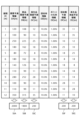
図7及び図8は、本実施形態に係るポイント付与率決定処理の数値例を示す図である。以下では、図7及び図8に示す数値例を、「第1数値例」と称する。
なお、第1数値例では、値Mが「12」である場合を想定する。また、第1数値例では、新品需要率αが「0.9」に設定され、値λが「10」に設定され、値μが「0.1」に設定される場合を想定する。
<<3.1. First Numerical Example>>
7 and 8 are diagrams showing examples of numerical values in the point grant rate determination process according to this embodiment. Hereinafter, the numerical example shown in FIG. 7 and FIG. 8 will be referred to as a "first numerical example."
In the first numerical example, it is assumed that the value M is "12". In addition, in the first numerical example, it is assumed that the new product demand rate α is set to "0.9", the value λ is set to "10", and the value μ is set to "0.1".
図7及び図8に示すように、第1数値例では、年間需要予測情報DDAに含まれる需要予測情報DA[1]~DA[12]の示す需要予測値SA[1]~SA[12]の合計値SSAが、「2000」である場合を想定する。また、第1数値例では、10月の需要予測値SA[10]が「100」であり、12月の需要予測値SA[12]が「350」である場合を想定する。なお、第1数値例では、1月から12月までの需要予測値SA[1]~SA[12]のうち、12月の需要予測値SA[12](=「350」)が最大である場合を想定する。 As shown in Figures 7 and 8, in the first numerical example, it is assumed that the total value SSA of the demand forecast values SA[1] to SA[12] indicated by the demand forecast information DA[1] to DA[12] included in the annual demand forecast information DDA is "2000". In addition, in the first numerical example, it is assumed that the demand forecast value SA[10] for October is "100" and the demand forecast value SA[12] for December is "350". In addition, in the first numerical example, it is assumed that the demand forecast value SA[12] (= "350") for December is the largest of the demand forecast values SA[1] to SA[12] from January to December.
そして、第1数値例において、ポイント付与率決定部12は、12月の需要予測値SA[12](=「350」)と、新品需要率α(=「0.9」)とを、乗算することで、12月の新品需要予測値SB[12](=「315」)を算出し、12月の需要予測値SA[12](=「350」)と、「1」から新品需要率αを減算した値(=「0.1」)とを、乗算することで、12月の再生品需要予測値SC[12](=「35」)を算出する。
なお、第1数値例では、新品年間需要予測情報DDBに含まれる新品需要予測情報DB[1]~DB[12]の示す新品需要予測値SB[1]~SB[12]の合計値SSBが、「1800」になる。また、第1数値例では、再生品年間需要予測情報DDCに含まれる再生品需要予測情報DC[1]~DC[12]の示す再生品需要予測値SC[1]~SC[12]の合計値SSCが、「200」になる。
Then, in the first numerical example, the point award
In the first numerical example, the sum SSB of the new product demand forecast values SB[1] to SB[12] indicated by the new product demand forecast information DB[1] to DB[12] included in the new product annual demand forecast information DDB is "1800." In the first numerical example, the sum SSC of the recycled product demand forecast values SC[1] to SC[12] indicated by the recycled product demand forecast information DC[1] to DC[12] included in the recycled product annual demand forecast information DDC is "200."
また、第1数値例において、ポイント付与率決定部12は、12月の再生品需要予測値SC[12](=「35」)を、10月の需要予測値SA[10](=「100」)によって、除算することで、10月の回収率SD[10](=「35%」)を算出し、10月の回収率SD[10](=「35%」)と、値μ(=「0.1」)とを、乗算することで、10月のポイント付与率SE[10](=「3.5%」)を算出する。
In the first numerical example, the point grant
そして、第1数値例において、ポイント付与率決定部12は、10月の需要予測値SA[10](=「100」)と、10月の回収率SD[10](=「35%」)とを、乗算することで、11月の回収数予測値SF[11](=「35」)を算出し、当該算出値を、12月の再生品供給予定値SG[12](=「35」)に設定する。
なお、第1数値例では、年間回収数予測情報DDFに含まれる回収数予測情報DF[1]~DF[12]の示す回収数予測値SF[1]~SF[12]の合計値SSFが、「200」になる。また、第1数値例では、再生品年間供給予定情報DDGに含まれる再生品供給予定情報DG[1]~DG[12]の示す再生品供給予定値SG[1]~SG[12]の合計値SSGが、「200」になる。
Then, in the first numerical example, the point award
In the first numerical example, the sum SSF of the recovery number forecast values SF[1] to SF[12] indicated by the recovery number forecast information DF[1] to DF[12] included in the annual recovery number forecast information DDF is "200." Also, in the first numerical example, the sum SSG of the recycled product supply schedule values SG[1] to SG[12] indicated by the recycled product supply schedule information DG[1] to DG[12] included in the recycled product annual supply schedule information DDG is "200."
また、第1数値例において、ポイント付与率決定部12は、12月の再生品需要予測値SC[12](=「35」)と、12月の再生品供給予定値SG[12](=「35」)とが等しいため、12月の再生品不足量SH[12]に「0」を設定し、また、12月の再生品超過量SI[12]に「0」を設定する。
なお、第1数値例では、再生品年間不足情報DDHに含まれる再生品不足情報DH[1]~DH[12]の示す再生品不足量SH[1]~SH[12]の合計値SSHが、「0」になる。また、第1数値例では、再生品不足量SH[1]~SH[12]の各々が「0」になる。
また、第1数値例では、再生品年間超過情報DDIに含まれる再生品超過情報DI[1]~DI[12]の示す再生品超過量SI[1]~SI[12]の合計値SSIが、「0」になる。また、第1数値例では、再生品超過量SI[1]~SI[12]の各々が「0」になる。
Furthermore, in the first numerical example, since the forecasted demand value SC[12] (="35") of recycled products for December is equal to the planned supply value SG[12] (="35") of recycled products for December, the point award
In the first numerical example, the sum SSH of the recycled product shortage amounts SH[1] to SH[12] indicated by the recycled product shortage information DH[1] to DH[12] included in the recycled product annual shortage information DDH is "0." Also, in the first numerical example, each of the recycled product shortage amounts SH[1] to SH[12] is "0."
In the first numerical example, the total value SSI of the recycled product excess amounts SI[1] to SI[12] indicated by the recycled product excess information DI[1] to DI[12] included in the recycled product annual excess information DDI becomes "0." In the first numerical example, each of the recycled product excess amounts SI[1] to SI[12] becomes "0."
そして、第1数値例において、ポイント付与率決定部12は、12月の新品需要予測値SB[12](=「315」)と、12月の再生品不足量SH[12](=「0」)とを加算した値を、12月の新品供給予定値SJ[12](=「315」)に設定する。
なお、第1数値例では、新品年間供給予定情報DDJに含まれる新品供給予定情報DJ[1]~DJ[12]の示す新品供給予定値SJ[1]~SJ[12]の合計値SSJが、「1800」になる。また、第1数値例では、新品供給予定値SJ[m]が新品需要予測値SB[m]と等しい値になる。
In the first numerical example, the point award
In the first numerical example, the total value SSJ of the new product supply schedule values SJ[1] to SJ[12] indicated by the new product supply schedule information DJ[1] to DJ[12] included in the new product annual supply schedule information DDJ is "1800." In the first numerical example, the new product supply schedule value SJ[m] is equal to the new product demand forecast value SB[m].
このように、本実施形態に係る第1数値例では、再生品不足量SH[1]~SH[12]の各々を「0」にするため、新品供給予定値SJ[1]~SJ[12]の合計値SSJを、新品需要予測値SB[1]~SB[12]の合計値SSBと、等しい値にすることができる。 In this way, in the first numerical example according to this embodiment, each of the recycled product shortage amounts SH[1] to SH[12] is set to "0", so that the total value SSJ of the new product supply forecast values SJ[1] to SJ[12] can be set to a value equal to the total value SSB of the new product demand forecast values SB[1] to SB[12].
<<3.2.第2数値例>>
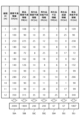
図9及び図10は、参考例に係るポイント付与率決定処理の数値例を示す図である。以下では、図9及び図10に示す数値例を、「第2数値例」と称する。
<<3.2. Second Numerical Example>>
9 and 10 are diagrams showing examples of numerical values in the point grant rate determination process according to the reference example. Hereinafter, the numerical example shown in FIG. 9 and FIG. 10 will be referred to as a "second numerical example."
参考例に係るポイント付与率決定処理は、回収率情報DD[m]の示す回収率SD[m]と、ポイント付与率情報DE[m]の示すポイント付与率SE[m]とが、固定値である点において、実施形態と相違する。具体的には、参考例において、回収率SD[m]が「10.0%」に固定されており、ポイント付与率SE[m]が「1.0%」に固定されている場合を想定する。 The point award rate determination process according to the reference example differs from the embodiment in that the recovery rate SD[m] indicated by the recovery rate information DD[m] and the point award rate SE[m] indicated by the point award rate information DE[m] are fixed values. Specifically, in the reference example, it is assumed that the recovery rate SD[m] is fixed at "10.0%" and the point award rate SE[m] is fixed at "1.0%".
なお、参考例に係る第2数値例では、第1数値例と同様に、値Mが「12」である場合を想定する。また、第2数値例では、第1数値例と同様に、新品需要率αが「0.9」に設定され、値λが「10」に設定され、値μが「0.1」に設定される場合を想定する。 In the second numerical example of the reference example, as in the first numerical example, it is assumed that the value M is "12". In addition, in the second numerical example, as in the first numerical example, it is assumed that the new product demand rate α is set to "0.9", the value λ is set to "10", and the value μ is set to "0.1".
図9及び図10に示すように、第2数値例では、第1数値例と同様に、年間需要予測情報DDAに含まれる需要予測情報DA[1]~DA[12]の示す需要予測値SA[1]~SA[12]の合計値SSAが、「2000」である場合を想定する。また、第2数値例では、第1数値例と同様に、10月の需要予測値SA[10]が「100」であり、12月の需要予測値SA[12]が「350」である場合を想定する。 As shown in Figures 9 and 10, in the second numerical example, as in the first numerical example, it is assumed that the total value SSA of the demand forecast values SA[1] to SA[12] indicated by the demand forecast information DA[1] to DA[12] included in the annual demand forecast information DDA is "2000". In addition, in the second numerical example, as in the first numerical example, it is assumed that the demand forecast value SA[10] for October is "100" and the demand forecast value SA[12] for December is "350".
そして、第2数値例において、ポイント付与率決定部12は、第1数値例と同様に、12月の需要予測値SA[12](=「350」)と、新品需要率α(=「0.9」)とを、乗算することで、12月の新品需要予測値SB[12](=「315」)を算出し、12月の需要予測値SA[12](=「350」)と、「1」から新品需要率αを減算した値(=「0.1」)とを、乗算することで、12月の再生品需要予測値SC[12](=「35」)を算出する。
なお、第2数値例では、第1数値例と同様に、新品年間需要予測情報DDBに含まれる新品需要予測情報DB[1]~DB[12]の示す新品需要予測値SB[1]~SB[12]の合計値SSBが、「1800」になる。
Then, in the second numerical example, the point award
In the second numerical example, as in the first numerical example, the total value SSB of the new product demand forecast values SB[1] to SB[12] indicated by the new product demand forecast information DB[1] to DB[12] contained in the new product annual demand forecast information DDB is “1800”.
そして、第2数値例において、ポイント付与率決定部12は、10月の需要予測値SA[10](=「100」)と、10月の回収率SD[10](=「10%」)とを、乗算することで、11月の回収数予測値SF[11](=「10」)を算出し、当該算出値を、12月の再生品供給予定値SG[12](=「10」)に設定する。
なお、第2数値例では、年間回収数予測情報DDFに含まれる回収数予測情報DF[1]~DF[12]の示す回収数予測値SF[1]~SF[12]の合計値SSFが、「200」になる。また、第2数値例では、再生品年間供給予定情報DDGに含まれる再生品供給予定情報DG[1]~DG[12]の示す再生品供給予定値SG[1]~SG[12]の合計値SSGが、「200」になる。
Then, in the second numerical example, the point award
In the second numerical example, the sum SSF of the recovery number forecast values SF[1] to SF[12] indicated by the recovery number forecast information DF[1] to DF[12] included in the annual recovery number forecast information DDF is "200." Also, in the second numerical example, the sum SSG of the recycled product supply schedule values SG[1] to SG[12] indicated by the recycled product supply schedule information DG[1] to DG[12] included in the recycled product annual supply schedule information DDG is "200."
また、第2数値例において、ポイント付与率決定部12は、12月の再生品需要予測値SC[12](=「35」)から、12月の再生品供給予定値SG[12](=「10」)を減算することで、12月の再生品不足量SH[12](=「25」)を算出する。そして、第2数値例において、ポイント付与率決定部12は、12月の再生品超過量SI[12]に「0」を設定する。
なお、第2数値例では、再生品年間不足情報DDHに含まれる再生品不足情報DH[1]~DH[12]の示す再生品不足量SH[1]~SH[12]の合計値SSHが「67」になる。また、第2数値例では、再生品年間超過情報DDIに含まれる再生品超過情報DI[1]~DI[12]の示す再生品超過量SI[1]~SI[12]の合計値SSIが「67」になる。
In the second numerical example, the point grant
In the second numerical example, the sum SSH of the recycled product shortage amounts SH[1] to SH[12] indicated by the recycled product shortage information DH[1] to DH[12] included in the recycled product annual shortage information DDH is "67." Also, in the second numerical example, the sum SS of the recycled product excess amounts SI[1] to SI[12] indicated by the recycled product excess information DI[1] to DI[12] included in the recycled product annual excess information DDI is "67."
そして、第2数値例において、ポイント付与率決定部12は、12月の新品需要予測値SB[12](=「315」)と、12月の再生品不足量SH[12](=「25」)とを加算した値を、12月の新品供給予定値SJ[12](=「340」)に設定する。
なお、第2数値例では、新品年間供給予定情報DDJに含まれる新品供給予定情報DJ[1]~DJ[12]の示す新品供給予定値SJ[1]~SJ[12]の合計値SSJが「1867」になる。また、第1数値例では、新品供給予定値SJ[m]が新品需要予測値SB[m]とが異なる値になる場合がある。
In the second numerical example, the point award
In the second numerical example, the total value SSJ of the new product supply schedule values SJ[1] to SJ[12] indicated by the new product supply schedule information DJ[1] to DJ[12] included in the new product annual supply schedule information DDJ is 1867. In the first numerical example, the new product supply schedule value SJ[m] may be different from the new product demand forecast value SB[m].
このように、参考例では、第2数値例に示すように、再生品不足量SH[1]~SH[12]の中に、「SH[m]>0」となる再生品不足量SH[m]が存在し、再生品超過量SI[1]~SI[12]の中に、「SI[m]>0」となる再生品超過量SI[m]が存在するため、カートリッジ7の再生品の供給量が不足する単位期間、及び、カートリッジ7の再生品の供給量が過剰となる単位期間が生じることになる。このため、参考例においては、第2数値例に示すように、新品供給予定値SJ[1]~SJ[12]の合計値SSJ「1867」を、新品需要予測値SB[1]~SB[12]の合計値SSB「1800」よりも多くすることが必要となる。
In this way, in the reference example, as shown in the second numerical example, there is a recycled product shortage SH[m] where "SH[m]>0" among the recycled product shortage SH[1] to SH[12], and there is a recycled product excess SI[m] where "SI[m]>0" among the recycled product excess SI[1] to SI[12], so there will be unit periods in which the supply of
これに対して、本実施形態では、第1数値例に示すように、第2数値例と比較して、再生品不足量SH[1]~SH[12]の各々を「0」にすることができ、また、再生品超過量SI[1]~SI[12]の各々を「0」にすることができる可能性が高くなるため、カートリッジ7の再生品の供給量が不足する単位期間、及び、カートリッジ7の再生品の供給量が過剰となる単位期間が発生する可能性を低減することができる。このため、本実施形態においては、第1数値例に示すように、第2数値例と比較して、新品供給予定値SJ[1]~SJ[12]の合計値SSJ「1800」を、新品需要予測値SB[1]~SB[12]の合計値SSB「1800」により近い値にすることが可能となる。
In contrast, in this embodiment, as shown in the first numerical example, compared to the second numerical example, it is more likely that each of the recycled product shortages SH[1] to SH[12] can be set to "0" and each of the recycled product excesses SI[1] to SI[12] can be set to "0", so that the possibility of a unit period in which the supply amount of
<<4.ポイント付与処理>>
以下、図11乃至図12を参照しつつ、ポイント付与処理の一例について説明する。ここで、ポイント付与処理とは、ユーザーUPに対してポイントを付与する処理である。なお、以下では、ユーザーUPがユーザー持参回収ルートRT1による回収行為を行う場合において、管理システムSysが実行するポイント付与処理を、持参時ポイント付与処理と称する。また、以下では、ユーザーUPが郵送回収ルートRT2による回収行為を行う場合において、管理システムSysが実行するポイント付与処理を、郵送時ポイント付与処理と称する。
<<4. Point Assignment Process>>
An example of the point granting process will be described below with reference to Figures 11 and 12. Here, the point granting process is a process of granting points to the user UP. In the following, the point granting process executed by the management system Sys when the user UP performs a collection action via the user-brought-in collection route RT1 is referred to as the point-at-delivery process. In the following, the point granting process executed by the management system Sys when the user UP performs a collection action via the mail-in collection route RT2 is referred to as the point-at-mail process.
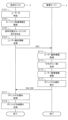
図11は、管理システムSysが持参時ポイント付与処理を実行する場合における、管理システムSysの動作の一例を示すシーケンスチャートである。 Figure 11 is a sequence chart showing an example of the operation of the management system Sys when the management system Sys executes the point allocation process when the device is brought in.
図11に示すように、持参時ポイント付与処理において、回収ボックス3のユーザーカード認証部37は、ユーザーUPがユーザーカード8をユーザーカード情報読取装置32にタッチして、ユーザーカード情報読取装置32がユーザーカード8に設けられた記憶装置80からユーザー識別情報DU1を読み取った場合に、当該ユーザー識別情報DU1に基づいて、ユーザーカード8を所有するユーザーUPのユーザーIDを特定する(S101)。
As shown in FIG. 11, in the point allocation process when the user UP touches the
次に、回収ボックス3のカートリッジ回収判定部36は、ユーザーUPがカートリッジ投入口30にカートリッジ7を投入した場合に、カートリッジ7に設けられた記憶装置70に記憶されているカートリッジ型番情報DQ1等の情報を読み取るようにカートリッジ情報読取装置31を制御する(S103)。
Next, when the user UP inserts the
次に、回収ボックス3のカートリッジ回収判定部36は、ステップS103におけるカートリッジ情報読取装置31による読取結果に基づいて、カートリッジ投入口30に投入された物体が、回収ボックス3により回収可能なカートリッジ7に該当するか否かを判定する(S105)。
Next, the cartridge
次に、回収ボックス3の制御装置35は、ステップS105における判定の結果が肯定の場合、ステップS101で特定したユーザーUPを識別するユーザー識別情報DU1を、管理サーバー1に送信するように、通信装置33を制御する(S107)。
Next, if the result of the judgment in step S105 is positive, the
その後、管理サーバー1の付与ポイント数決定部13は、ステップS107において制御装置35が送信したユーザー識別情報DU1を取得する(S111)。
Then, the point-granting
次に、管理サーバー1の付与ポイント数決定部13は、ステップS111において付与ポイント数決定部13が取得したユーザー識別情報DU1と、ポイント付与率決定処理において生成されたポイント付与率情報DE[m]と、に基づいて、ユーザーUPに付与するポイント数を決定する(S113)。
Next, the point-to-be-given
次に、管理サーバー1のポイント付与部14は、ステップS113における付与ポイント数決定部13の決定結果に基づいて、ステップS111において付与ポイント数決定部13が取得したユーザー識別情報DU1の示すユーザーUPに対応するユーザー管理情報DPを更新することで当該ユーザーUPにポイントを付与する(S115)。具体的には、ポイント付与部14は、ステップS115において、ユーザー管理情報DPのうち、ユーザー識別情報DU1の示すユーザーUPが所有するポイント数と、ユーザー識別情報DU1の示すユーザーUPに付与されたポイントの履歴と、ユーザー識別情報DU1の示すユーザーUPに付与されたポイントの累積値と、を更新することで、ユーザー識別情報DU1の示すユーザーUPにポイントを付与する。
Next, the
次に、管理サーバー1のポイント付与部14は、ポイント付与通知を発行する(S117)。ここで、ポイント付与通知とは、付与ポイント数決定部13がステップS111で取得したユーザー識別情報DU1の示すユーザーUPに対して、ステップS113において付与ポイント数決定部13が決定したポイント数のポイントが付与されたことを示す通知である。具体的には、ポイント付与通知は、ステップS111において付与ポイント数決定部13が取得したユーザー識別情報DU1と、ステップS113において付与ポイント数決定部13が決定したポイント数を示す付与ポイント情報DXと、を含む情報である。
Next, the
その後、回収ボックス3の制御装置35は、ステップS117においてポイント付与部14が送信したポイント付与通知を取得する(S121)。
Then, the
次に、回収ボックス3の制御装置35は、ユーザーカード8に対してポイント付与結果を反映させる(S123)。具体的には、制御装置35は、ステップS123において、ユーザーUPのユーザーカード8に設けられた記憶装置80が記憶している、ユーザー所有ポイント情報DU2、ユーザー累積ポイント情報DU3、及び、ポイント履歴情報DU4を、ポイント付与通知に基づいて更新するようにユーザーカード情報読取装置32を制御することで、ポイント付与結果をユーザーカード8に反映させる。
Next, the
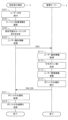
図12は、管理システムSysが郵送時ポイント付与処理を実行する場合における、管理システムSysの動作の一例を示すシーケンスチャートである。なお、本実施形態では、回収センターFEに設けられた回収受付端末5が、回収ボックス3が備えるカートリッジ情報読取装置31、通信装置33、及び、制御装置35と同等の機能を有していることとする。また、本実施形態では、ユーザーUPが郵送回収ルートRT2による回収行為を行う場合に、回収センターFEへの郵送物MLに同封される回収申込書APにおいて、ユーザーUPを一意に識別するためのユーザーIDが記載されていることとする。
Figure 12 is a sequence chart showing an example of the operation of the management system Sys when the management system Sys executes a mailing point allocation process. In this embodiment, it is assumed that the
図12に示すように、回収センターFEの係員UEが、ユーザーUPからの郵送物MLに同封された回収申込書APに記載されたユーザーIDを、回収受付端末5に対して入力した場合に、回収受付端末5は、当該ユーザーIDを受け付け、当該ユーザーIDを示すユーザー識別情報DU1を生成する(S201)。
As shown in FIG. 12, when a staff member UE at collection center FE inputs the user ID listed on the collection application form AP enclosed with mailing ML from user UP into
次に、回収センターFEの係員UEが、ユーザーUPからの郵送物MLに同封されたカートリッジ7に設けられた記憶装置70に記憶されたカートリッジ型番情報DQ1を、図示省略した読取装置を用いて読み取る。そして、回収受付端末5は、当該読取装置で読み取ったカートリッジ型番情報DQ1を受け付ける(S203)。
Next, a staff member UE at the collection center FE uses a reading device (not shown) to read the cartridge model number information DQ1 stored in the
次に、回収受付端末5は、ステップS203において受け付けたカートリッジ型番情報DQ1に基づいて、ユーザーUPからの郵送物MLに同封されたカートリッジ7が、回収センターFEにより回収可能なカートリッジ7に該当するか否かを判定する(S205)。
Next, the
次に、回収受付端末5は、ステップS205における判定の結果が肯定の場合、ステップS201で受け付けたユーザーIDを示すユーザー識別情報DU1を、管理サーバー1に送信する(S207)。
Next, if the result of the judgment in step S205 is positive, the
その後、管理サーバー1は、上述したステップS111~S117の処理を実行する。
Then, the
その後、回収受付端末5は、ステップS117においてポイント付与部14が送信したポイント付与通知を取得する(S221)。
Then, the
そして、回収受付端末5は、ユーザーUPに対して、電子メール等の通信手段を用いて、ポイント付与結果を通知する(S223)。
Then, the
<<5.実施形態の結び>>
以上のように、本実施形態に係る管理サーバー1は、印刷装置PRに用いられるインクを収容するカートリッジ7を管理する管理サーバー1であって、m1番目の単位期間において、カートリッジ7を回収するための回収行為を行ったユーザーUPに対して、ポイント付与率SE[m1]に応じた量のポイントを付与し、m2番目の単位期間において、カートリッジ7を回収するための回収行為を行ったユーザーUPに対して、ポイント付与率SE[m2]に応じた量のポイントを付与するポイント付与部14を備える、ことを特徴とする。
ここで、変数m1は、「1≦m1≦M」を満たす自然数であり、変数m2は、「1≦m2≦M」且つ「m1≠m2」を満たす自然数である。また、本実施形態において、m1番目の単位期間は「第1期間」の一例であり、m2番目の単位期間は「第2期間」の一例であり、ポイント付与率SE[m1]に応じた量は「第1の量」の一例であり、ポイント付与率SE[m2]に応じた量は「第2の量」の一例である。
<<5. Conclusion of the embodiment>>
As described above, the
Here, the variable m1 is a natural number that satisfies "1 ≦ m1 ≦ M", and the variable m2 is a natural number that satisfies "1 ≦ m2 ≦ M" and "m1 ≠ m2". In this embodiment, the m1th unit period is an example of a "first period", the m2th unit period is an example of a "second period", the amount according to the point award rate SE[m1] is an example of a "first amount", and the amount according to the point award rate SE[m2] is an example of a "second amount".
このように、本実施形態によれば、管理サーバー1は、カートリッジ7を回収する回収行為を行ったユーザーUPに対して付与されるポイントの量を可変とする。このため、本実施形態によれば、ユーザーUPに対してポイントが付与されない態様、及び、ユーザーUPに対して付与されるポイントの量が一定となる態様と比較して、ユーザーUPからの使用済みカートリッジ7の回収量を、より柔軟にコントロール可能となる。これにより、本実施形態では、ユーザーUPに対してポイントが付与されない態様、及び、ユーザーUPに対して付与されるポイントの量が一定となる態様と比較して、再生品として製造されたカートリッジ7の供給と、カートリッジ7の需要とのバランスを、より適切にコントロールすることができる。すなわち、本実施形態では、ユーザーUPに対してポイントが付与されない態様、及び、ユーザーUPに対して付与されるポイントの量が一定となる態様と比較して、カートリッジ7の需要に対する、カートリッジ7の再生品の割合を高くすることが可能となる。
よって、本実施形態によれば、ユーザーUPに対してポイントが付与されない態様、及び、ユーザーUPに対して付与されるポイントの量が一定となる態様と比較して、SDGsのターゲット12.5に記載の、「廃棄物の発生防止、削減、再生利用及び再利用により、廃棄物の発生を大幅に削減する」ことへの、より大きな貢献が可能となる。
Thus, according to this embodiment, the
Therefore, according to this embodiment, compared to a case where points are not awarded to user UP and a case where the amount of points awarded to user UP is constant, it is possible to make a greater contribution to "significantly reduce waste generation through prevention, reduction, recycling and reuse" as stated in Target 12.5 of the SDGs.
また、本実施形態において、管理サーバー1は、年間需要予測情報DDAの示すカートリッジ7の需要の予測量に応じて、ポイント付与率SE[m1]と、ポイント付与率SE[m2]と、を決定するポイント決定部19を備える、ことを特徴とする。
Furthermore, in this embodiment, the
このように、本実施形態によれば、管理サーバー1は、カートリッジ7の需要の予測量に応じて、ユーザーUPに付与されるポイントの量を決定する。このため、本実施形態によれば、ユーザーUPに対してポイントが付与されない態様、及び、ユーザーUPに対して付与されるポイントの量が一定となる態様と比較して、カートリッジ7の需要に対する、カートリッジ7の再生品の割合を高くすることが可能となる。
よって、本実施形態によれば、ユーザーUPに対してポイントが付与されない態様、及び、ユーザーUPに対して付与されるポイントの量が一定となる態様と比較して、SDGsのターゲット12.5に記載の、「廃棄物の発生防止、削減、再生利用及び再利用により、廃棄物の発生を大幅に削減する」ことへの、より大きな貢献が可能となる。
Thus, according to this embodiment, the
Therefore, according to this embodiment, compared to a case where points are not awarded to user UP and a case where the amount of points awarded to user UP is constant, it is possible to make a greater contribution to "significantly reduce waste generation through prevention, reduction, recycling and reuse" as stated in Target 12.5 of the SDGs.
また、本実施形態において、m1番目の単位期間において回収されたカートリッジ7を用いて再製造されたカートリッジ7の再生品が供給されるm3番目の単位期間におけるカートリッジ7の需要の予測量である需要予測値SA[m3]は、m2番目の単位期間において回収されたカートリッジ7を用いて再製造されたカートリッジ7の再生品が供給されるm4番目の単位期間におけるカートリッジ7の需要の予測量である需要予測値SA[m4]よりも大きく、ポイント付与率SE[m1]に対応するポイント数は、ポイント付与率SE[m2]に対応するポイント数よりも多い、ことを特徴とする。
ここで、m3番目の単位期間は「第1供給期間」の一例であり、m4番目の単位期間は「第2供給期間」の一例である。
例えば、第1数値例において、10月に回収されたカートリッジ7を用いて再製造されたカートリッジ7の再生品が供給される12月におけるカートリッジ7の需要の予測量である需要予測値SA[12](=「350」)は、9月に回収されたカートリッジ7を用いて再製造されたカートリッジ7の再生品が供給される11月におけるカートリッジ7の需要の予測量である需要予測値SA[11](=「110」)よりも大きく、ポイント付与率SE[10](=「3.5%」)に対応するポイント数は、ポイント付与率SE[9](=0.39%)に対応するポイント数よりも多い、ことを特徴とする。
Furthermore, in this embodiment, the demand forecast value SA[m3], which is the forecast amount of demand for
Here, the m3th unit period is an example of a "first supply period", and the m4th unit period is an example of a "second supply period".
For example, in the first numerical example, the demand forecast value SA[12] (="350"), which is the forecast amount of demand for
このように、本実施形態によれば、管理サーバー1は、カートリッジ7の需要の予測量に応じて、ユーザーUPに付与されるポイントの量を決定する。このため、本実施形態によれば、ユーザーUPに対してポイントが付与されない態様、及び、ユーザーUPに対して付与されるポイントの量が一定となる態様と比較して、カートリッジ7の需要に対する、カートリッジ7の再生品の割合を高くすることが可能となる。
よって、本実施形態によれば、ユーザーUPに対してポイントが付与されない態様、及び、ユーザーUPに対して付与されるポイントの量が一定となる態様と比較して、SDGsのターゲット12.5に記載の、「廃棄物の発生防止、削減、再生利用及び再利用により、廃棄物の発生を大幅に削減する」ことへの、より大きな貢献が可能となる。
Thus, according to this embodiment, the
Therefore, according to this embodiment, compared to a case where points are not awarded to user UP and a case where the amount of points awarded to user UP is constant, it is possible to make a greater contribution to "significantly reduce waste generation through prevention, reduction, recycling and reuse" as stated in Target 12.5 of the SDGs.
また、本実施形態において、m3番目の単位期間は、印刷装置PRに用いられるインクの需要が所定期間において最多の期間であり、m1番目の単位期間は、回収行為を行ったユーザーUPに対して付与されるポイントの量が所定期間において最多の期間である、ことを特徴とする。
例えば、第1数値例において、12月は、印刷装置PRに用いられるインクの需要が年間において最多の期間であり、10月は、回収行為を行ったユーザーUPに対して付与されるポイントの量が年間において最多の期間である、ことを特徴とする。
Furthermore, in this embodiment, the m3th unit period is the period in which the demand for ink used in the printing device PR is the greatest in a specified period, and the m1th unit period is the period in which the amount of points awarded to a user UP who performs a collection action is the greatest in a specified period.
For example, in the first numerical example, December is the period in the year when there is the greatest demand for ink used in the printing device PR, and October is the period in the year when the amount of points awarded to a user UP who performs a recycling action is the greatest.
このように、本実施形態によれば、管理サーバー1は、カートリッジ7の需要が最多となる期間に応じて、ユーザーUPに付与されるポイントの量が最多となる期間が規定される。このため、本実施形態によれば、ユーザーUPに対してポイントが付与されない態様、及び、ユーザーUPに対して付与されるポイントの量が一定となる態様と比較して、カートリッジ7の需要に対する、カートリッジ7の再生品の割合を高くすることが可能となる。
よって、本実施形態によれば、ユーザーUPに対してポイントが付与されない態様、及び、ユーザーUPに対して付与されるポイントの量が一定となる態様と比較して、SDGsのターゲット12.5に記載の、「廃棄物の発生防止、削減、再生利用及び再利用により、廃棄物の発生を大幅に削減する」ことへの、より大きな貢献が可能となる。
Thus, according to this embodiment, the
Therefore, according to this embodiment, compared to a case where points are not awarded to user UP and a case where the amount of points awarded to user UP is constant, it is possible to make a greater contribution to "significantly reduce waste generation through prevention, reduction, recycling and reuse" as stated in Target 12.5 of the SDGs.
また、本実施形態において、ポイントは、回収行為によって回収されたカートリッジ7を用いて再製造されたカートリッジ7の再生品を入手する権利である、ことを特徴とする。
Furthermore, in this embodiment, the points are a right to obtain a
このように、本実施形態によれば、使用済みカートリッジ7を入手することが可能となるポイントをユーザーUPに付与することで、ユーザーUPに対して、カートリッジ7の再利用の動機付けを与える。よって、本実施形態によれば、ユーザーUPに対してポイントが付与されない態様、及び、ユーザーUPに対して付与されるポイントの量が一定となる態様と比較して、カートリッジ7の回収の必要性についてユーザーUPをより強く啓発することができる。
よって、本実施形態によれば、ユーザーUPに対してポイントが付与されない態様、及び、ユーザーUPに対して付与されるポイントの量が一定となる態様と比較して、SDGsのターゲット13.3に記載の、「気候変動の緩和、適応、影響軽減及び早期警戒に関する教育、啓発、人的能力及び制度機能を改善する」ことへの、より大きな貢献が可能となる。
Thus, according to this embodiment, points that enable the user UP to obtain used
Therefore, according to this embodiment, compared to a case where points are not awarded to user UP and a case where the amount of points awarded to user UP is constant, it is possible to make a greater contribution to "improve education, awareness, human capacity and institutional capacity on climate change mitigation, adaptation, impact reduction and early warning" as stated in Target 13.3 of the SDGs.
また、本実施形態において、ポイント付与部14は、ユーザーUPによる回収行為の履歴に係るユーザー管理情報DPを管理し、ユーザー管理情報DPに基づいてユーザーUPに付与するポイントの量を決定する、ことを特徴とする。
Furthermore, in this embodiment, the
このように、本実施形態によれば、ユーザーUPによる回収行為の履歴に基づいて、ユーザーUPに対して付与されるポイントの量が決定される。このため、本実施形態によれば、ユーザーUPに対するポイントの付与において、ユーザーUPによる回収行為の履歴を考慮しない態様と比較して、ユーザーUPに対して、カートリッジ7の再利用に対する動機を、より長期間に亘り継続的に与えることができる。
よって、本実施形態によれば、ユーザーUPに対してポイントが付与されない態様、及び、ユーザーUPに対して付与されるポイントの量が一定となる態様と比較して、SDGsのターゲット13.3に記載の、「気候変動の緩和、適応、影響軽減及び早期警戒に関する教育、啓発、人的能力及び制度機能を改善する」ことへの、より大きな貢献が可能となる。
Thus, according to this embodiment, the amount of points to be given to the user UP is determined based on the history of the recycling action by the user UP. Therefore, according to this embodiment, the motivation for reusing the
Therefore, according to this embodiment, compared to a case where points are not awarded to user UP and a case where the amount of points awarded to user UP is constant, it is possible to make a greater contribution to "improve education, awareness, human capacity and institutional capacity on climate change mitigation, adaptation, impact reduction and early warning" as stated in Target 13.3 of the SDGs.
また、本実施形態において、回収行為は回収ボックス3または回収センターFEに対してカートリッジ7を持ち込む行為であり、回収ボックス3及び回収センターFEは、カートリッジ7のインク収容室内にインクが残置していない場合と、カートリッジ7のインク収容室内にインクが残置している場合と、の両方において、カートリッジ7を回収可能である、ことを特徴とする。
Furthermore, in this embodiment, the collection action is the action of bringing the
このように、本実施形態によれば、カートリッジ7内にインクが残置している場合にもカートリッジ7を回収可能であるため、カートリッジ7内にインクが残置していない場合に限りカートリッジ7を回収可能な態様と比較して、ユーザーUPによるインクの不適切な廃棄に起因する環境汚染の招来の可能性を低下することができる。
よって、本実施形態によれば、カートリッジ7内にインクが残置していない場合に限りカートリッジ7を回収可能な態様と比較して、SDGsのターゲット3.9に記載の、「有害化学物質、並びに、大気、水質、及び、土壌の汚染による死亡及び疾病の件数を減少させる」ことへの、より大きな貢献が可能となる。
Thus, according to this embodiment, the
Therefore, according to this embodiment, compared to a configuration in which the
また、本実施形態によれば、カートリッジ7内にインクが残置していない場合に限りカートリッジ7を回収可能な態様と比較して、SDGsのターゲット6.3に記載の、「有害な化学物質の放出の最小化による水質の改善」への、より大きな貢献が可能となる。
In addition, this embodiment can make a greater contribution to "improving water quality by minimizing the release of harmful chemicals" as stated in Target 6.3 of the SDGs, compared to an embodiment in which the
<<B.変形例>>
以上の各形態は多様に変形され得る。具体的な変形の態様を以下に例示する。以下の例示から任意に選択された2以上の態様は、相互に矛盾しない範囲内で適宜に併合され得る。なお、以下に例示する変形例において作用や機能が実施形態と同等である要素については、以上の説明で参照した符号を流用して各々の詳細な説明を適宜に省略する。
<<B. Modifications>>
Each of the above embodiments may be modified in various ways. Specific modified embodiments are exemplified below. Two or more embodiments arbitrarily selected from the following examples may be appropriately combined within a range that does not contradict each other. In the modified examples exemplified below, the elements whose actions and functions are equivalent to those of the embodiment will be appropriately omitted by using the symbols referenced in the above description.
<<変形例1>>
上述した実施形態では、説明の便宜上、管理サーバー1が、ポイント付与率決定処理において、年間需要実績情報DD0に基づいて、年間需要予測情報DDAと、新品年間需要予測情報DDBと、再生品年間需要予測情報DDCと、年間回収率情報DDDと、年間ポイント付与情報DDEと、年間回収数予測情報DDFと、再生品年間供給予定情報DDGと、再生品年間不足情報DDHと、再生品年間超過情報DDIと、新品年間供給予定情報DDJと、を生成する態様を例示して説明したが、本発明はこのような態様に限定されるものではない。管理サーバー1は、ポイント付与率決定処理において、少なくとも、年間需要実績情報DD0に基づいて年間ポイント付与情報DDEを生成すればよい。例えば、管理サーバー1は、ポイント付与率決定処理において、図6に示すステップS11~S27の処理のうち、ステップS11~S19の処理のみを実行してもよい。
<<
In the above embodiment, for the sake of convenience, an example was given in which the
<<変形例2>>
上述した実施形態及び変形例1では、カートリッジ7が、カートリッジ型番情報DQ1を記憶した記憶装置70を備える場合を例示して説明したが、本発明はこのような態様に限定されるものではない。例えば、カートリッジ7は、カートリッジ型番情報DQ1を表すためのシンボルを備えていてもよい。ここで、シンボルとは、カートリッジ型番情報DQ1を表すための模様を有する表示物であってもよい。より具体的には、シンボルとは、カートリッジ型番情報DQ1を表すための二次元コードであってもよいし、または、カートリッジ型番情報DQ1を表すための一次元コードであってもよい。
<<
In the above-mentioned embodiment and
なお、カートリッジ7がシンボルを備える場合、カートリッジ情報読取装置31は、シンボルを撮像する撮像装置であってもよいし、または、シンボルからカートリッジ型番情報DQ1を読み取るための画像処理装置であってもよい。
When the
このように、本変形例によれば、回収ボックス3は、カートリッジ7に設けられたシンボルに基づいて、回収ボックス3に持ち込まれた物品が回収ボックス3で回収すべきカートリッジ7であるか否かを判定するため、カートリッジ7の種別を判別可能な特定の技能を有する人員を配置する態様、及び、カートリッジ7の種別を判別可能な特定のセンサー装置を配置する態様等の、従来の態様と比較して、カートリッジ7の判別をより容易に行うことが可能となる。
よって、本実施形態によれば、従来のように特定な技能を有する人員または特定のセンサー装置を配置する態様と比較して、SDGsのターゲット9.2に記載のように、リサイクルに係る産業分野において、「包摂的かつ持続可能な産業化を促進し、雇用を増加させる」ことへのより大きな貢献が可能となる。
Thus, according to this modified example, the
Therefore, according to this embodiment, compared to the conventional approach of deploying personnel with specific skills or specific sensor devices, it is possible to make a greater contribution to "promote inclusive and sustainable industrialization and increase employment" in the recycling-related industrial sector, as described in Target 9.2 of the SDGs.
<<変形例3>>
上述した実施形態並びに変形例1及び2では、カートリッジ情報読取装置31が、カートリッジ7からカートリッジ型番情報DQ1を読み取る場合を例示して説明したが、本発明はこのような態様に限定されるものではない。
<<
In the above-described embodiment and modified examples 1 and 2, the
例えば、カートリッジ情報読取装置31は、カートリッジ7の形状を読み取る画像解析装置であってもよい。この場合、カートリッジ回収判定部36は、カートリッジ情報読取装置31の読み取ったカートリッジ7の形状に基づいて、回収ボックス3に持ち込まれた物品が回収ボックス3により回収可能なカートリッジ7であるか否かを判定してもよい。
また、例えば、カートリッジ情報読取装置31は、カートリッジ7を撮像する撮像装置であってもよい。この場合、カートリッジ回収判定部36は、カートリッジ情報読取装置31による撮像結果に基づいて、回収ボックス3に持ち込まれた物品が回収ボックス3により回収可能なカートリッジ7であるか否かを判定してもよい。
For example, the cartridge
Also, for example, the cartridge
<<変形例4>>
上述した実施形態及び変形例1乃至3では、管理サーバー1が、ユーザーUPが回収行為を行った場合に、ユーザーUPにポイントを付与し、また、ユーザーUPの累積獲得ポイントが特定の条件を満たした場合に、ユーザーUPにポイントが付与する場合を、例示して説明したが、本発明はこのような態様に限定されるものではない。
<<
In the above-described embodiment and
例えば、管理サーバー1は、ユーザーUPが回収行為を行う場合に、当該回収行為の対象となるカートリッジ7がカートリッジ7の再生品として再生された回数に基づいて、ユーザーUPに付与するポイントを決定してもよい。
また、例えば、管理サーバー1は、ユーザーUPが回収行為を行う場合に、当該回収行為の対象となるカートリッジ7の製造年月日に基づいて、ユーザーUPに付与するポイントを決定してもよい。
For example, when a user UP performs a recycling action, the
Furthermore, for example, when the user UP performs a disposal action, the
<<変形例5>>
上述した実施形態及び変形例1乃至4では、管理サーバー1は、ユーザーUPが回収行為を行った場合等において、ユーザーUPに対してポイントを付与したが、本発明はこのような態様に限定されるものではない。例えば、管理サーバー1は、ユーザーUPが回収行為を行った場合等において、ユーザーUPに対して付与されるポイントの付与率を向上させてもよい。すなわち、本変形例においては、ポイント付与率の向上が「特典」の一例である。
<<
In the above-described embodiment and modified examples 1 to 4, the
なお、本発明において、「特典」は、ポイント、及び、ポイント付与率の向上、等に限定されるものではない。「特典」は、例えば、金銭若しくは商品券等のようなユーザーUPにとって価値のある有体物若しくは無体物であってもよいし、または、回収行為を行うことをユーザーUPに動機付けするものであってもよい。 In the present invention, the "benefit" is not limited to points and an increase in the point allocation rate. The "benefit" may be, for example, a tangible or intangible item that has value to the user UP, such as money or a gift certificate, or may be something that motivates the user UP to perform a collection action.
<<変形例6>>
上述した実施形態及び変形例1乃至5では、単位期間に応じてポイント等の特典の量が定められる態様、すなわち、一の単位期間において回収行為を行ったユーザーUPに付与される特典の量と、他の単位期間において回収行為を行ったユーザーUPに付与される特典の量とが異なる態様を例示して説明したが、本発明はこのような態様に限定されるものではない。
<<
In the above-described embodiment and
例えば、管理サーバー1は、単位期間に応じて特典の種類を変更してもよい。具体的には、管理サーバー1は、一の単位期間において回収行為を行ったユーザーUPに対して、第1の種類の特典を付与し、他の単位期間において回収行為を行ったユーザーUPに対して、第1の種類の特典とは異なる第2の種類の特典を付与してもよい。ここで、例えば、一の単位期間において求められる回収率SD[m]が大きく、一の単位期間においてより多くのカートリッジ7の回収が必要であり、また、他の単位期間における求められる回収率SD[m]が小さく、他の単位期間においてカートリッジ7の回収の必要性が低い場合、第1の種類の特典は、第2の種類の特典に比べて、ユーザーUPに対してより強く回収行為を動機付けする特典であること、または、ユーザーUPにとってより多くの利益となる特典であることが好ましい。
For example, the
<<変形例7>>
上述した実施形態及び変形例1乃至6では、回収行為の対象である特定部材としてカートリッジ7を例示して説明したが、本発明はこのような態様に限定されるものではない。管理システムSysにおける回収行為の対象は、再利用可能な特定部材であればよい。
<<
In the above-described embodiment and modified examples 1 to 6, the
ここで、特定部材は、例えば、消耗品としてのインクを収容するカートリッジ7の他に、消耗品としてのトナーを収容するトナーボトル等、印刷装置PRにおいて使用する消耗品を収容容器であってもよい。また、特定部材は、例えば、廃棄物としての廃インクを収容する廃インクボックス、及び、廃棄物としての廃トナーを収容する廃トナーボックス等、印刷装置PRの使用に応じて発生する廃棄物を収容する収容容器であってもよい。
The specific member may be, for example, a container for storing consumables used in the printing device PR, such as a
さらに、特定部材は、印刷装置PRに関連する部材に限定されない。例えば、特定部材は、消耗品としてのランプを備えたプロジェクター、及び、消耗品としてのバッテリーを備えたスマートフォン等、消耗品を交換することで再利用可能な部材であってもよい。 Furthermore, the specific component is not limited to a component related to the printing device PR. For example, the specific component may be a component that can be reused by replacing the consumables, such as a projector with a lamp as a consumable item, or a smartphone with a battery as a consumable item.
さらに、特定部材は、消耗品を交換することで再利用可能となる部材に限定されない。例えば、特定部材は、素材としての布地から構成される衣類、及び、素材としての繊維から構成される印刷用紙等、素材に分解することで再利用可能となる部材であってもよい。 Furthermore, the specific component is not limited to a component that can be reused by replacing a consumable item. For example, the specific component may be a component that can be reused by breaking it down into its components, such as clothing made of fabric and printing paper made of fiber.
1…管理サーバー、3…回収ボックス、5…回収受付端末、7…カートリッジ、8…ユーザーカード、9…再生工場、10…制御装置、11…需要予測部、12…ポイント付与率決定部、13…付与ポイント数決定部、14…ポイント付与部、19…ポイント決定部、20…記憶装置、PR…印刷装置、Sys…管理システム。 1...Management server, 3...Collection box, 5...Collection reception terminal, 7...Cartridge, 8...User card, 9...Recycling factory, 10...Control device, 11...Demand forecasting unit, 12...Point allocation rate determination unit, 13...Number of points to be allocated determination unit, 14...Point allocation unit, 19...Point determination unit, 20...Storage device, PR...Printing device, Sys...Management system.
Claims (13)
前記管理装置のプロセッサを、
第1期間において、前記収容容器を回収するための回収行為を行ったユーザーに対して、第1の量の特典を付与し、
前記第1期間とは異なる第2期間において、前記回収行為を行ったユーザーに対して、前記第1の量とは異なる第2の量の特典を付与する付与部、
として機能させる、
ことを特徴とする制御方法。 A method for controlling a management device that manages a container that contains consumables used in a printing device, comprising:
A processor of the management device
granting a first amount of a benefit to a user who performs a collection action to collect the storage container during a first period;
an awarding unit that awards a second amount of a benefit, different from the first amount, to a user who has performed the collection action during a second period, different from the first period;
To function as
A control method comprising:
前記消耗品の需要の予測量に応じて前記第1の量及び前記第2の量を決定する決定部として機能させる、
ことを特徴とする、請求項1に記載の制御方法。 A processor of the management device
a determining unit that determines the first amount and the second amount according to a predicted amount of demand for the consumable product;
2. The control method according to claim 1 .
前記第2期間において回収された収容容器を用いて再製造された収容容器の再生品が供給される第2供給期間における前記消耗品の需要の予測量よりも多く、
前記第1の量は、前記第2の量よりも多い、
ことを特徴とする、請求項1に記載の制御方法。 A predicted demand amount for the consumable in a first supply period in which remanufactured storage containers are supplied using storage containers collected in the first period,
the demand for the consumables is greater than the predicted demand for the consumables in a second supply period in which remanufactured storage containers are supplied using the storage containers collected in the second period,
the first amount is greater than the second amount;
2. The control method according to claim 1 .
前記第1期間は、前記回収行為を行ったユーザーに対して付与される特典の量が年間において最多の期間である、
ことを特徴とする、請求項3に記載の制御方法。 the first supply period is a period during which demand for the consumables used in the printing device is greatest in an annual period;
The first period is a period during which the amount of benefits granted to the user who performed the collection action is the largest in a year.
4. The control method according to claim 3 .
ことを特徴とする、請求項1に記載の制御方法。 The privilege is a right to obtain a remanufactured storage container that is remanufactured using the storage containers collected through the collection activity.
2. The control method according to claim 1 .
前記ユーザーによる回収行為の履歴に係る履歴情報を管理し、
前記履歴情報に基づいて前記ユーザーに付与する特典の量を決定する、
ことを特徴とする、請求項1に記載の制御方法。 The applying unit is
Manage history information relating to the history of collection actions by the user;
determining an amount of a reward to be granted to the user based on the historical information;
2. The control method according to claim 1 .
前記収容容器を回収するための回収設備に前記収容容器を持ち込む行為であり、
前記回収設備は、
前記収容容器内に消耗品が残置していない場合と、
前記収容容器内に消耗品が残置している場合と、の両方において、
前記収容容器を回収可能である、
ことを特徴とする、請求項1に記載の制御方法。 The recovery action is:
An act of bringing the container into a recovery facility for recovering the container,
The recovery facility includes:
When no consumables are left in the storage container,
In both cases, when consumables are left in the storage container,
The container is retrievable.
2. The control method according to claim 1 .
第1期間において、前記特定部材を回収するための回収行為を行ったユーザーに対して、第1の量の特典を付与し、
前記第1期間とは異なる第2期間において、前記回収行為を行ったユーザーに対して、前記第1の量とは異なる第2の量の特典を付与する付与部、
を備える、
ことを特徴とする管理システム。 A management system for managing a reusable specific member,
granting a first amount of a benefit to a user who performs a collection action to collect the specific component during a first period;
an awarding unit that awards a second amount of a benefit, different from the first amount, to a user who has performed the collection action during a second period, different from the first period;
Equipped with
1. A management system comprising:
ことを特徴とする、請求項8に記載の管理システム。 a determination unit that determines the first amount and the second amount according to a predicted amount of demand for the specific component,
The management system according to claim 8 .
前記第2期間において回収された特定部材を用いて再製造された特定部材の再生品が供給される第2供給期間における特定部材の需要の予測量よりも多く、
前記第1の量は、前記第2の量よりも多い、
ことを特徴とする、請求項8に記載の管理システム。 A forecasted demand for a specific part in a first supply period in which a remanufactured product of the specific part remanufactured using the specific part recovered in the first period is supplied is
the demand for the specific component is greater than the predicted demand for the specific component in a second supply period in which the remanufactured product of the specific component remanufactured using the specific component recovered in the second period is supplied,
the first amount is greater than the second amount;
The management system according to claim 8 .
前記第1期間は、前記回収行為を行ったユーザーに対して付与される特典の量が年間において最多の期間である、
ことを特徴とする、請求項10に記載の管理システム。 the first supply period is a period during which the demand for the specific component is the highest in an annual period;
The first period is a period during which the amount of benefits granted to the user who performed the collection action is the largest in a year.
The management system according to claim 10 .
ことを特徴とする、請求項8に記載の管理システム。 The privilege is a right to obtain a remanufactured product of a specific component that is remanufactured using the specific component recovered through the recovery action.
The management system according to claim 8 .
前記ユーザーによる回収行為の履歴に係る履歴情報を管理し、
前記履歴情報に基づいて前記ユーザーに付与する特典の量を決定する、
ことを特徴とする、請求項8に記載の管理システム。 The applying unit is
Manage history information relating to the history of collection actions by the user;
determining an amount of a reward to be granted to the user based on the historical information;
The management system according to claim 8 .
Priority Applications (3)
| Application Number | Priority Date | Filing Date | Title |
|---|---|---|---|
| JP2023148405A JP2025041231A (en) | 2023-09-13 | 2023-09-13 | Management system and method for controlling management device |
| CN202411264781.5A CN119610892A (en) | 2023-09-13 | 2024-09-10 | Management system and control method of management device |
| US18/830,692 US20250085909A1 (en) | 2023-09-13 | 2024-09-11 | Management system and control method for management device |
Applications Claiming Priority (1)
| Application Number | Priority Date | Filing Date | Title |
|---|---|---|---|
| JP2023148405A JP2025041231A (en) | 2023-09-13 | 2023-09-13 | Management system and method for controlling management device |
Publications (1)
| Publication Number | Publication Date |
|---|---|
| JP2025041231A true JP2025041231A (en) | 2025-03-26 |
Family
ID=94872726
Family Applications (1)
| Application Number | Title | Priority Date | Filing Date |
|---|---|---|---|
| JP2023148405A Pending JP2025041231A (en) | 2023-09-13 | 2023-09-13 | Management system and method for controlling management device |
Country Status (3)
| Country | Link |
|---|---|
| US (1) | US20250085909A1 (en) |
| JP (1) | JP2025041231A (en) |
| CN (1) | CN119610892A (en) |
Family Cites Families (7)
| Publication number | Priority date | Publication date | Assignee | Title |
|---|---|---|---|---|
| JP3890204B2 (en) * | 2000-04-28 | 2007-03-07 | キヤノン株式会社 | Data processing apparatus, method thereof, and program thereof |
| JP2002297840A (en) * | 2001-04-02 | 2002-10-11 | Kawakami Yoshimitsu | System, method and program for sorting waste collection using point system |
| EP1276065A3 (en) * | 2001-07-12 | 2004-01-14 | Seiko Epson Corporation | Printing cost calculation system and coloring material supply management system |
| US7313602B2 (en) * | 2001-10-26 | 2007-12-25 | Canon Kabushiki Kaisha | Server, management system, and management control method |
| JP2004295382A (en) * | 2003-03-26 | 2004-10-21 | Seiko Epson Corp | Consumables collection promotion method and system |
| JP4650523B2 (en) * | 2008-06-18 | 2011-03-16 | カシオ電子工業株式会社 | Electronic device, consumable cartridge, replacement part, and method of informing the degree of use |
| JP7065624B2 (en) * | 2018-01-30 | 2022-05-12 | キヤノン株式会社 | Image forming device, control method of image forming device |
-
2023
- 2023-09-13 JP JP2023148405A patent/JP2025041231A/en active Pending
-
2024
- 2024-09-10 CN CN202411264781.5A patent/CN119610892A/en active Pending
- 2024-09-11 US US18/830,692 patent/US20250085909A1/en active Pending
Also Published As
| Publication number | Publication date |
|---|---|
| CN119610892A (en) | 2025-03-14 |
| US20250085909A1 (en) | 2025-03-13 |
Similar Documents
| Publication | Publication Date | Title |
|---|---|---|
| Khouja et al. | Linking advertising and quantity decisions in the single-period inventory model | |
| US8682719B2 (en) | Rewards program manager | |
| Eden | The adjustment of prices to monetary shocks when trade is uncertain and sequential | |
| CN114445155B (en) | Tobacco big data prediction method and system | |
| JP2024110428A (en) | Store support method, program, and store support system | |
| Datta et al. | Demand promotion by upgradation under stock-dependent demand situation–a model | |
| Van Zyl et al. | A lot sizing model for two items with imperfect manufacturing process, time varying demand and return rates, dependent demand and different quality grades | |
| JP2022019965A (en) | Print ordering system and program | |
| JP4847030B2 (en) | Ordering system and ordering method | |
| Mitchell | The use of alternative knowledge-acquisition procedures in the development of a knowledge-based media planning system | |
| Dwivedi et al. | Interval-valued optimal control strategies for vaccine distribution and infection awareness investment in preservation technology | |
| Nagare et al. | Extended distribution‐free newsvendor models with demand updates using experts’ judgment | |
| US20240161210A1 (en) | Electric power transaction system, and electric power transaction method | |
| JP7509664B2 (en) | Energy usage purpose management system and energy usage purpose management method | |
| CN119610892A (en) | Management system and control method of management device | |
| JP2025041223A (en) | Management system and method for controlling management device | |
| Kuttner et al. | Ramping constraint formulations under consideration of reserve activation in unit commitment problems | |
| JP2025074475A (en) | electronic equipment | |
| Souza | Product disposition decisions on closed-loop supply chains | |
| Bylahally et al. | A utility-based framework for avoided emissions credit-allocation in product reuse | |
| JP7514341B1 (en) | Payment support system, method and program for providing information on payment support services | |
| JP7050378B2 (en) | Print ordering system and program | |
| JP7498812B1 (en) | Payment support system, method and program for providing information on payment support services | |
| JP2025057552A (en) | Printing devices and electronic devices | |
| Orbach et al. | Resource-efficiency accounting |