JP2021136868A - Estimating system for estimating animal health, estimation method, learning model generation method - Google Patents
Estimating system for estimating animal health, estimation method, learning model generation method Download PDFInfo
- Publication number
- JP2021136868A JP2021136868A JP2020034629A JP2020034629A JP2021136868A JP 2021136868 A JP2021136868 A JP 2021136868A JP 2020034629 A JP2020034629 A JP 2020034629A JP 2020034629 A JP2020034629 A JP 2020034629A JP 2021136868 A JP2021136868 A JP 2021136868A
- Authority
- JP
- Japan
- Prior art keywords
- individual
- data
- estimation
- learning model
- unit
- Prior art date
- Legal status (The legal status is an assumption and is not a legal conclusion. Google has not performed a legal analysis and makes no representation as to the accuracy of the status listed.)
- Pending
Links
Images





Classifications
-
- A—HUMAN NECESSITIES
- A01—AGRICULTURE; FORESTRY; ANIMAL HUSBANDRY; HUNTING; TRAPPING; FISHING
- A01K—ANIMAL HUSBANDRY; AVICULTURE; APICULTURE; PISCICULTURE; FISHING; REARING OR BREEDING ANIMALS, NOT OTHERWISE PROVIDED FOR; NEW BREEDS OF ANIMALS
- A01K29/00—Other apparatus for animal husbandry
- A01K29/005—Monitoring or measuring activity
Landscapes
- Life Sciences & Earth Sciences (AREA)
- Environmental Sciences (AREA)
- Biophysics (AREA)
- Animal Husbandry (AREA)
- Biodiversity & Conservation Biology (AREA)
- Image Analysis (AREA)
Abstract
Description
本発明は、学習モデルを用いて牛などの動物の健康状態を推定する推定システムなどに関する。 The present invention relates to an estimation system for estimating the health condition of an animal such as a cow using a learning model.
畜産業において、飼育している牛などの家畜が病気にかかると、患畜の価値の低下や治療の必要が発生となる。また、病気の発見が遅れた場合、他の健康な家畜に伝染する可能性もある。特に、病気が伝染病である場合、感染拡大を防ぐために患畜や疑似患畜の大規模な殺処分が必要となり、経済的に大きな打撃となりうる。そのため、家畜の病気を早期に発見することは非常に重要である。 In the livestock industry, when livestock such as cattle are sick, the value of the affected livestock is reduced and treatment is required. It can also be transmitted to other healthy livestock if the detection of the disease is delayed. In particular, when the disease is an infectious disease, large-scale culling of the patient or pseudo-patient is required to prevent the spread of the infection, which can be a great economic blow. Therefore, it is very important to detect livestock diseases at an early stage.
家畜の病気の早期に発見するためには、家畜の健康状態を観察し、異常や普段と異なる点がないかといった確認を、個々の家畜に対して毎日行う必要がある。
しかし、家畜の健康状態の確認を人の手ですべての個体に対して毎日行うことには大きな負担となる。こうした作業を他の作業の間に行うことは、特に、畜産業に従事する人材が不足している中、困難である。また、人の目による確認では、見逃しが発生する可能性があるため、家畜の健康管理の自動化が求められている。
In order to detect livestock diseases at an early stage, it is necessary to observe the health condition of livestock and check each livestock daily for any abnormalities or unusual points.
However, it is a heavy burden to manually check the health status of livestock for all individuals every day. Performing such work between other tasks is difficult, especially in the face of a shortage of human resources engaged in the livestock industry. In addition, since there is a possibility that oversight may occur in confirmation by human eyes, automation of livestock health management is required.
このような点から、特許文献1には、牛の健康状態を推定する健康状態推定装置が開示されている。特許文献1では、距離画像から牛の3次元形状を取得することで、牛の第一胃のへこみ具合や、背線の曲がり具合、歩き方、体格などの特徴量を取得し、それぞれの健康具合を表すスコアを算出することが記載されている。
また、非特許文献1にも、乳牛の3次元形状から抽出した歩容特徴から跛行スコアを算出し、軽度の蹄病を発見するシステムが開示されている。
From this point of view,
In addition, Non-Patent
例えば、特許文献1では、距離画像から取得した3次元形状から牛の健康状態を推定するが、牛の健康状態の確認のために検討すべき観点は他にも多数ある。例えば、排泄物の状態、皮膚の状態など目で見て判断できる項目もあるが、食欲、運動量、咳の有無など行動の変化、発熱の有無など、目で見ただけでの判断では困難な項目もある。
For example, in
本発明では、このような課題に対応するために、動物を撮影した映像に加えて、個々の動物の状態を測定するセンサから取得されるデータを用いて、動物の個体毎に健康状態の異常があるか否かを推定するシステムを提案することを目的とする。 In the present invention, in order to deal with such a problem, in addition to the image of the animal, the data acquired from the sensor for measuring the state of each animal is used, and the abnormal health condition of each animal is used. The purpose is to propose a system for estimating whether or not there is.
本発明は、1又は複数の動物の映像を撮影する撮影手段と、前記動物の個体毎の状態を測定する測定手段と、前記撮影手段から取得された前記動物の映像データと前記測定手段から取得された前記個体毎の測定データとに基づいて、学習モデルを用いて前記個体毎の健康状態を推定する、推定手段と、を備えることを特徴とする動物の健康状態を推定する推定システム。 The present invention is a photographing means for photographing one or a plurality of animals, a measuring means for measuring the state of each individual animal, and the image data of the animal acquired from the photographing means and the measuring means. An estimation system for estimating the health condition of an animal, which comprises an estimation means for estimating the health condition of each individual using a learning model based on the measurement data for each individual.
本発明により、動物の健康状態の異常を早期発見し、また、異常の見落としの防止が可能な、システムを提供することができる。 INDUSTRIAL APPLICABILITY According to the present invention, it is possible to provide a system capable of early detection of abnormalities in the health condition of animals and prevention of oversight of abnormalities.
以下に、図面を参照して、本発明を実施するための各実施例について説明する。以下の実施例では、本発明を牛の健康状態の管理に適用した例について説明する。
ただし、以下に説明する実施例はあくまで例示であり、本発明の範囲をそれらに限定する趣旨のものではない。また、以下の各実施例で説明されている特徴の組み合わせのすべてが本発明の解決手段に必須のものとは限らない。
Hereinafter, examples for carrying out the present invention will be described with reference to the drawings. In the following examples, an example in which the present invention is applied to the management of the health condition of cattle will be described.
However, the examples described below are merely examples, and are not intended to limit the scope of the present invention to them. In addition, not all combinations of features described in each of the following examples are essential for the means for solving the present invention.
<実施例1>
<学習・推定システムの全体構成>
図1は、本実施例を実施するための学習・推定システム100の全体的なシステム構成を示す図である。本実施例では、学習・推定システム100により管理する対象の動物として、家畜である牛に適用した例について説明する。
<Example 1>
<Overall configuration of learning / estimation system>
FIG. 1 is a diagram showing an overall system configuration of a learning / estimation system 100 for carrying out this embodiment. In this embodiment, an example applied to a domestic cattle as a target animal managed by the learning / estimation system 100 will be described.
図1において、学習・推定システム100は、カメラ101a及び101b、センサ102a及び102a、データ収集サーバ103、推定サーバ104、ユーザ端末105の各デバイスを備えている。学習・推定システム100において、各デバイスは、ネットワーク110を介して接続されている。
In FIG. 1, the learning / estimation system 100 includes
ネットワーク110は、例えば、インターネットなどのLAN、WAN、電話回線、専用デジタル回線、ATMやフレームリレー回線、ケーブルテレビ回線、データ放送用無線回線などにより実現される、いわゆる通信ネットワークである。ネットワーク110は、データの送受信が可能であればよい。本実施例では、ネットワーク110は、学習・推定システム100が利用される動物の飼育場などで使用できるネットワークである。
The
カメラ101a及び101bは、動物の飼育場内の飼育舎や放牧場などに設置されたカメラである。カメラ101a及び101bは、ネットワーク110に接続されており、牛の様子を撮影し、撮影した映像データをデータ収集サーバ103に送信する。
なお、図1では2台のカメラが図示されているが、飼育場の大きさや管理する家畜の数などに応じて、1台であっても、より多数であってもよい。また、1台のカメラが複数の牛の映像を撮影してもよく、また、複数のカメラが牛の映像を撮影してもよい。なお、以下では、説明のため、適宜、カメラ101a及び101bを、まとめて「カメラ101」ともいう。
The
Although two cameras are shown in FIG. 1, one or more cameras may be used depending on the size of the breeding farm and the number of livestock to be managed. Further, one camera may capture an image of a plurality of cows, and a plurality of cameras may capture an image of a cow. In the following, for the sake of explanation, the
センサ102a及び102b、図1に示されるように、牛の各個体について一つずつ取り付けられ、牛の生理や動作などに関する状態を測定する。本実施例では、センサ102a及び102bは、牛の頸部に取り付けられる。センサ102a及び102bは、それぞれ、温度を測定する機能、音を検知する機能、加速度を測定する機能、などを備える。
なお、図1では2頭の牛が図示されているが、1頭であっても、より多数であってもよい。また、各カメラ101が多数の牛の映像を撮影するように構成されてもよい。なお、以下では、説明のため、適宜、センサ102a及び102bを、まとめて「センサ102」ともいう。
As shown in the
Although two cows are shown in FIG. 1, it may be one cow or a larger number. In addition, each
センサ102により測定された測定データは、それぞれ、ネットワーク110により、データ収集サーバ103に送信される。また、測定データは、センサ102から、不図示の送受信機を介して、ネットワーク110によりデータ収集サーバ103に送信されてもよい。
The measurement data measured by the
データ収集サーバ103、推定サーバ104は、それぞれ、コンピュータにより実現される。
データ収集サーバ103は、カメラ101から撮影データを受信し、また、センサ102から測定データを受信する。そして、各データを受信した次第、解析を行う。データ収集サーバ103は、解析したデータに基づいて、個々の牛について健康状態の判別に必要な項目の抽出を行う。抽出された項目は、推定サーバ104に送信される。
The
The
推定サーバ104は、データ収集サーバ103から受信した項目のデータから、個々の牛の健康状態に異常があるか否かを推定する機能を備える。推定結果は、ユーザ端末105に送信される。
The
ユーザ端末105は、スマートホン、タブレット、デスクトップパソコンなどからなる情報端末である。ユーザ端末105は、推定サーバ104から個々の牛の健康状態に関する推定結果を受信する。ユーザ端末105には、推定サーバ104が送信する推定結果を受信するなどの実行環境が内蔵されている。
The
<健康状態の推定に用いられる項目>
本実施例において、牛の健康状態に異常があるか否かの推定に用いる項目としては、鼻鏡の渇き、表面体温、排泄物の状態、よだれの異常、鼻水の異常、咳の有無、皮膚の状態、食欲、反芻の有無、歩数、跛行の状態、などが用いられる。
<Items used to estimate health status>
In this example, the items used to estimate whether or not there is an abnormality in the health condition of the cow include thirst of the nasal speculum, surface body temperature, excrement condition, drooling abnormality, runny nose abnormality, presence or absence of cough, and skin. State, appetite, presence or absence of regurgitation, number of steps, lameness, etc. are used.
鼻鏡の渇き、表面体温は、いずれも、発熱の有無を確認するために用いられる項目である。牛の場合、体温の測定には直腸温や膣内温度など、深部体温を用いる場合が多いが、直腸温の測定は一頭ずつ行う必要があり、また、測定器具を装着するための牛の保定や測定作業に労力がかかる。そこで、本実施例では、発熱の有無を確認するために、表面温度と鼻鏡の渇きを観察する。
表面温度が深部温度を反映していると考えられることは、非特許文献2に記載されている。また、牛の鼻鏡は、普段は湿っているが、発熱時には乾く場合が多いため、発熱の有無の指標に使うことができる。
Both nasal thirst and surface body temperature are items used to confirm the presence or absence of fever. In the case of cows, core body temperature such as rectal temperature and vaginal temperature is often used to measure body temperature, but rectal temperature must be measured one by one, and the cow is retained to wear a measuring device. And the measurement work is laborious. Therefore, in this embodiment, the surface temperature and thirst of the nasal speculum are observed in order to confirm the presence or absence of fever.
It is described in
食欲、反芻の有無、歩数、跛行の状態も、牛の健康状態を推定する上で確認すべき項目である。牛は、健康状態が悪化すると、食欲が低下したり、活動量が落ちたりするため、食欲や歩数の変化は、体調の変化を表すと考えられる。また、牛は胃に異常がある場合には反芻が止まるため、反芻の有無も体調の指標となりうる。また、跛行の有無や程度から、蹄疾患をはじめとした体調の悪化を見て取れると考えられる。 Appetite, rumination, steps, and lameness are also items to check when estimating the health of cattle. When the health condition of cattle deteriorates, the appetite decreases and the amount of activity decreases. Therefore, changes in appetite and the number of steps are considered to indicate changes in physical condition. In addition, since rumination of cows stops when there is an abnormality in the stomach, the presence or absence of rumination can also be an index of physical condition. In addition, it is considered that deterioration of physical condition such as hoof disease can be seen from the presence or absence and degree of lameness.
排泄物の状態、皮膚の状態、よだれの異常、鼻水の異常、咳の有無も、同様に、牛の健康状態を推定できる項目である。特に、これらの項目は、家畜伝染病予防法により家畜伝染病や届出伝染病に指定された疾病の症状としても現れるため、家畜の健康管理において重要な項目である。 The condition of excrement, the condition of the skin, the abnormality of drooling, the abnormality of runny nose, and the presence or absence of cough are also items that can estimate the health condition of cattle. In particular, these items are important items in livestock health management because they also appear as symptoms of diseases designated as livestock infectious diseases and reported infectious diseases by the Domestic Animal Infectious Diseases Control Law.
上述した項目のうち、鼻鏡の渇き、排泄物の状態、よだれの異常、鼻水の異常、跛行の状態、皮膚の状態については、カメラで牛の様子を撮影した映像データを解析することで抽出する。
また、食欲、反芻の有無、表面体温、咳の有無、歩数については、個々の牛に取り付けたセンサからの測定データとして取得する。
Of the above items, thirst of the nasal speculum, excrement condition, drooling abnormality, runny nose abnormality, lameness condition, and skin condition are extracted by analyzing the video data of the cow with a camera. do.
In addition, appetite, presence / absence of rumination, surface body temperature, presence / absence of cough, and number of steps are acquired as measurement data from sensors attached to individual cows.
<データ収集サーバ及び推定サーバのハードウェア構成>
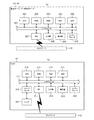
図2A(a)は、データ収集サーバ103及び推定サーバ104のハードウェア構成図である。なお、データ収集サーバ103と推定サーバ104は同様のハードウェア構成を採用することができるため、以下では、代表してデータ収集サーバ103について説明する。
<Hardware configuration of data collection server and estimation server>
FIG. 2A (a) is a hardware configuration diagram of the
図2A(a)において、CPU(Central Processing Unit)202は、データ収集サーバ103全体の制御を行う。CPU202は、HDD205に格納されているアプリケーションプログラム、OS(Operating System)などを実行し、RAM204にプログラムの実行に必要な情報、ファイルなどを一時的に格納する制御を行う。
In FIG. 2A (a), the CPU (Central Processing Unit) 202 controls the entire
GPU(Graphic Processing Unit)206は、ディープラーニングのような学習モデルを用いて複数回にわたり学習を行う場合の処理を行う。GPU206を利用することで、データをより多く並列処理することが可能となり、効率的な演算を行うことができる。ディープラーニングのような学習モデルを用いて複数回に渡り学習を行う場合、GPU206で処理を行うことが有効である。そこで、実施形態1では、学習部342による処理については、CPU202に加えて、GPU209を用いる。具体的には、学習モデルを含む学習プログラムを実行する場合に、CPU202とGPU206が協働して演算を行うことにより学習を行う。なお、学習部342における処理は、CPU202又はGPU209の一方のみにより演算が行われてもよい。また、推定部341も学習部342についても、同様に、GPU209を用いてもよい。
The GPU (Graphic Processing Unit) 206 performs processing when learning is performed a plurality of times using a learning model such as deep learning. By using GPU206, more data can be processed in parallel, and efficient calculation can be performed. When learning is performed a plurality of times using a learning model such as deep learning, it is effective to perform processing with
ROM(Read Only Memory)203は、記憶手段であり、CPU202、GPU206の主メモリ、ワークエリアなどとして機能する。
RAM(Random Access Memory)204も、記憶手段であり、プログラムの実行に必要な情報、ファイルなどを一時的に格納する。
HDD(Hard Disk Drive)は、外部記憶手段の一つであり、大容量メモリとして機能し、Webブラウザなどのアプリケーションプログラム、サービスサーバ群のプログラム、OS、関連プログラムなどを格納する。
The ROM (Read Only Memory) 203 is a storage means, and functions as a main memory of the
The RAM (Random Access Memory) 204 is also a storage means, and temporarily stores information, files, and the like necessary for executing a program.
The HDD (Hard Disk Drive) is one of the external storage means, functions as a large-capacity memory, and stores an application program such as a Web browser, a service server group program, an OS, and related programs.
表示部209は、ディスプレイなどにより構成される表示手段であり、入力部208から入力されたコマンドなどを表示する。
インターフェース210は、外部装置I/Fであり、不図示のUSB機器、周辺機器を接続する。
入力部208は、キーボードやマウスなどにより構成される指示入力手段である。
システムバス201は、データ収集サーバ103内におけるデータの流れを司るものである。
NIC(Network Interface Card)207は、ネットワーク110と介して、不図示の外部装置との間でデータのやり取りを行う。
The
The
The
The
The NIC (Network Interface Card) 207 exchanges data with an external device (not shown) via the
なお、図2A(a)に示したハードウェア構成は一例であり、このような構成に限られるものではない。例えば、データやプログラムの格納先は、その特徴に応じて、ROM203、RAM204、HDD205なども変更することも可能である。また、図3で後述するソフトウェア構成による処理は、CPU202及びGPU206が、HDD205に記憶されているプログラムに基づき処理を実行することによって、実現される。
The hardware configuration shown in FIG. 2A (a) is an example, and is not limited to such a configuration. For example, the storage destination of data or programs can be changed from
<カメラのハードウェア構成>
図2A(b)は、カメラ101のハードウェア構成図である。なお、カメラ101aとカメラ101bは同様のハードウェア構成を採用することができる。
<Camera hardware configuration>
FIG. 2A (b) is a hardware configuration diagram of the
図2(B)において、CPU212は、カメラ101全体の制御を行う。CPU212は、HDD215に格納されているアプリケーションプログラム、OSなどを実行し、RAM214にプログラムの実行に必要な情報、ファイルなどを一時的に格納する制御を行う。
In FIG. 2B, the
ROM213は、記憶手段であり、CPU212の主メモリ、ワークエリアなどとして機能する。
RAM214も、記憶手段であり、プログラムの実行に必要な情報、ファイルなどを一時的に格納する。
HDD215は、外部記憶手段の一つであり、大容量メモリとして機能し、Webブラウザなどのアプリケーションプログラム、サービスサーバ群のプログラム、OS、関連プログラムなどを格納する。
The
The
The
表示部219は、ディスプレイなどにより構成される表示手段であり、入力部218から入力されたコマンドなどを表示する。
インターフェース220は、外部装置I/Fであり、不図示のUSB機器、周辺機器を接続する。
入力部218は、キーボードやマウスなどにより構成される指示入力手段である。
システムバス211は、カメラ101a内におけるデータの流れを司るものである。
The
The
The
The
NIC217は、ネットワーク110と介して、不図示の外部装置とのデータのやり取りを行う。
レンズ221は、画像を撮影するためのレンズである。カメラ101aは、レンズ221を介して入力された光をイメージセンサ216で読み取り、イメージセンサ216で読み取った結果をHDD215に格納することで、画像を記録することができる。
NIC217 exchanges data with an external device (not shown) via the
The
なお、図2A(b)に示したハードウェア構成は一例であり、このような構成に限られるものではない。例えば、データやプログラムの格納先は、その特徴に応じて、ROM213、RAM214、HDD215などに変更することも可能である。また、図3で後述するソフトウェア構成による処理は、CPU212がHDD215に記憶されているプログラムに基づき処理を実行することによって、実現される。
The hardware configuration shown in FIG. 2A (b) is an example, and is not limited to such a configuration. For example, the storage destination of data or a program can be changed to
<センサのハードウェア構成>
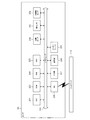
図2Bは、センサ102のハードウェア構成図である。なお、センサ102aとセンサ102bは同様のハードウェア構成を採用することができる。
<Sensor hardware configuration>
FIG. 2B is a hardware configuration diagram of the
図2Bにおいて、CPU222は、センサ102a全体の制御を行う。CPU222はHDD225に格納されているアプリケーションプログラム、OSなどを実行し、RAM214にプログラムの実行に必要な情報、ファイルなどを一時的に格納する制御を行う。
In FIG. 2B, the
ROM223は、記憶手段であり、CPU222の主メモリ、ワークエリアなどとして機能する。
RAM224も、記憶手段であり、プログラムの実行に必要な情報、ファイルなどを一時的に格納する。
HDD225は、外部記憶手段の一つであり、大容量メモリとして機能し、Webブラウザなどのアプリケーションプログラム、サービスサーバ群のプログラム、OS、関連プログラムなどを格納する。
The
The
The
表示部228は、ディスプレイなどにより構成される表示手段であり、入力部227から入力したコマンドなどを表示する。
インターフェース229は、外部装置I/Fであり、不図示のUSB機器、周辺機器を接続する。
入力部227は、キーボードやマウスなどにより構成される指示入力手段である。
システムバス221は、センサ102内におけるデータの流れを司るものである。
NIC226は、ネットワーク110と介して、不図示の外部装置とのデータのやり取りを行う。
The
The
The
The
The
温度センサ230は、センサ102が接触している部分の温度を測定する。音センサ231は、センサ102周辺の音声を取得する。加速度センサ232は、センサ102にかかる加速度を測定する。
The
なお、図2Bに示したハードウェア構成は一例であり、このような構成に限られるものではない。例えば、データやプログラムの格納先は、その特徴に応じて、ROM223、RAM224、HDD225などに変更することも可能である。
また、図3で後述するソフトウェア構成による処理は、CPU222及びGPU226が、HDD225に記憶されているプログラムに基づき処理を実行することによって、実現される。
The hardware configuration shown in FIG. 2B is an example, and is not limited to such a configuration. For example, the storage destination of data or a program can be changed to
Further, the processing by the software configuration described later in FIG. 3 is realized by the
<学習・推定システムのソフトウェア構成>
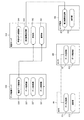
図3は、学習・推定システム100における、特徴的な機能を抜粋したソフトウェア構成図である。学習・推定システム100が、カメラ101、センサ102、データ収集サーバ103、推定サーバ104、ユーザ端末105を備えるのは、図1で説明したとおりである。
<Software configuration of learning / estimation system>
FIG. 3 is a software configuration diagram excerpting characteristic functions in the learning / estimation system 100. As described in FIG. 1, the learning / estimation system 100 includes a
<カメラのソフトウェア構成>
まず、カメラ101について、説明する。
カメラ101は、データ送信部311と、撮影部312と、から構成される。
撮影部312は、レンズ221及びイメージセンサ216を介して入力された光を画像信号に変換してHDD215に格納する。
データ送信部311は、撮影部312において変換された映像信号をデータ収集サーバ103に送信する。
<Camera software configuration>
First, the
The
The photographing
The
<センサのソフトウェア構成>
次に、センサ102について説明する。
センサ102は、データ送信部321と、データ取得部322から構成される。
データ送信部321は、データ取得部322において取得した測定データを、データ収集サーバ103へ送信する。
各センサ102は、それぞれ、牛の首に取り付けられ、図2Bで説明した各種センサ230〜232を用いて、動物の健康状態を推定するために必要なデータを取得する。本実施例においてセンサ102が取得するデータの具体例を、以下で説明する。
<Sensor software configuration>
Next, the
The
The
Each
<測定データから取得される項目>
食欲を示すデータとしては、一日の採食時間を計測する。
採食行動を行っているか否かは、加速度センサ232が測定する牛の首の姿勢や振動から判別する。また、音センサ231が測定した咀嚼音・食塊の通過音も判別のために用いることができる。これらのデータにより、採食行動を行っている時間を計測する。
<Items obtained from measurement data>
As data showing appetite, the feeding time of one day is measured.
Whether or not the food is foraging is determined from the posture and vibration of the cow's neck measured by the
飼料の反芻をしているか否かを表すデータとしては、一日の反芻時間を計測する。
牛が反芻を行っているか否かは、音センサ231が測定した反芻の咀嚼音、食塊の通過音や、加速度センサ232が測定した牛の首の姿勢や振動から判別する。
As data indicating whether or not the feed is ruminated, the rumination time of one day is measured.
Whether or not the cow is ruminating is determined from the chewing sound of the rumination measured by the
表面体温を示すデータとしては、温度センサ230が測定した、センサ102を装着した牛の体表面の体温について、代表値として一日の平均体温が用いられる。また、代表値としては、一日の平均体温の他に、指定時刻における体温を用いることもできる。
As the data indicating the surface body temperature, the average daily body temperature of the body surface of the cow equipped with the
咳の有無を示すデータとしては、音センサ231が測定した、一日における咳の音を検知した回数が用いられる。
咳の検出には、あらかじめ対象となる種類の動物の咳の音をサンプリングして作成した、咳の音を判別するモデルをセンサ102に組み込むことで検出する。
As the data indicating the presence or absence of cough, the number of times the cough sound is detected in a day measured by the
The cough is detected by incorporating a model for discriminating the cough sound, which is created by sampling the cough sound of a target type of animal in advance, into the
歩数を示すデータとしては、加速度センサ232が測定した歩数が用いられる。
歩数の計測は、一般的な歩数計と同様にして行うことができる。
As the data indicating the number of steps, the number of steps measured by the
The number of steps can be measured in the same manner as a general pedometer.
また、これらのデータがどの個体についての情報であるのかを示す情報として、各牛の耳標に記載された個体識別番号を用いる。
センサ102は牛の各個体に取り付けられるため、センサ毎にどの個体についてのデータであるかの情報が添付されて、上記のデータはデータ収集サーバ103に送信される。
データ送信部321は、データを一日にわたり測定した後、測定した一日間のデータをまとめてデータ収集サーバ103へ送信する。
In addition, the individual identification number written on the ear tag of each cow is used as information indicating which individual these data are for.
Since the
The
<データ収集サーバのソフトウェア構成>
次に、データ収集サーバ103について説明する。
データ収集サーバ103は、データ受信部331、データ解析部332、データ記憶部333、解析データ提供部334から構成される。
データ受信部331は、カメラ101のデータ送信部311、及びセンサ102のデータ送信部321から、それぞれ、映像データと測定データを受信する。
データ解析部332は、データ受信部331を介して受信した映像データを解析し、その判別結果を映像解析データとして生成する。
データ解析部332は、映像解析データから、鼻鏡の渇き、排泄物の状態、唾液の異常、鼻水の異常、皮膚の状態、跛行の状態、を抽出する。以下に、それぞれの解析方法を示す。
<Software configuration of data collection server>
Next, the
The
The
The
The
<映像データから取得される項目>
鼻鏡の渇きの有無を判別するためには、深層学習などにより、画像から、乾いた鼻鏡と湿った鼻鏡とを判別する画像認識プログラムが作成済みであることを前提とする。鼻鏡の渇き)の有無は、このような画像認識プログラムを用いて判別される。
<Items acquired from video data>
In order to determine the presence or absence of thirst in the nasal speculum, it is premised that an image recognition program for discriminating between a dry nasal speculum and a damp nasal speculum has been created from images by deep learning or the like. The presence or absence of thirst) is determined using such an image recognition program.
排泄物の状態の異常の有無を判別するためには、深層学習などにより、画像から、下痢を起こしている液体状であるなど、排泄物の形状に異常があるか否かを判別する画像認識プログラムが作成済であることを前提とする。排泄物の状態の異常の有無は、このような画像認識プログラムを用いて判別される。 In order to determine whether or not there is an abnormality in the state of excrement, image recognition is used to determine whether or not there is an abnormality in the shape of the excrement, such as a liquid that causes diarrhea, from the image by deep learning or the like. It is assumed that the program has been created. The presence or absence of abnormalities in the state of excrement is determined using such an image recognition program.
唾液の異常の有無を判別するためには、深層学習などにより、画像から、唾液が多量である、泡状であるなど、唾液の異常があるか否かを判別する画像認識プログラムが作成済であることを前提とする。唾液の異常の有無は、このような画像認識プログラムを用いて判別される。 In order to determine the presence or absence of saliva abnormalities, an image recognition program has already been created that determines whether or not there are saliva abnormalities such as a large amount of saliva or foaminess from images by deep learning. It is assumed that there is. The presence or absence of saliva abnormalities is determined using such an image recognition program.
鼻水の異常の有無を判別するためには、深層学習などにより、画像から、鼻水を出しているか否かを判別する画像認識プログラムが作成済であることを前提とする。鼻水の異常の有無は、このような画像認識プログラムを用いて判別される。 In order to determine the presence or absence of a runny nose abnormality, it is premised that an image recognition program for determining whether or not a runny nose is produced from an image has been created by deep learning or the like. The presence or absence of a runny nose abnormality is determined using such an image recognition program.
皮膚の異常の有無については、深層学習などにより、画像から、皮膚に水泡やびらんなどの異常が見られるか否かを判別する画像認識プログラムが作成済であることを前提とする。皮膚の異常の有無は、このような画像認識プログラムを用いて判別される。 Regarding the presence or absence of skin abnormalities, it is assumed that an image recognition program has been created to determine whether or not abnormalities such as blisters and erosions are found on the skin from images by deep learning or the like. The presence or absence of skin abnormalities is determined using such an image recognition program.
跛行の状態については、跛行の程度を示す値として跛行スコアを用いる。特許文献1に示されているように、人間用の人物歩行映像解析技術を牛の歩行に適用することで、牛の歩行の仕方を特徴化し、それにも跛行の程度を計測することができる。これにより、データ解析部332により映像から歩行の仕方を特徴化し、跛行スコアを算出する。
For the state of lameness, the lameness score is used as a value indicating the degree of lameness. As shown in
また、測定データ402と同様に、これらの判別結果がどの個体の情報であるのかを示す情報として、各牛の耳標に記載された個体識別番号を用いる。
なお、個体を識別する方法としては、耳標に限られ、顔認証技術を牛に適用し、データ解析部332で顔などの外見から個体を判別して個体識別番号と結びつけるなど方法であってもよい。
Further, as in the case of the
The method for identifying an individual is limited to ear tags, and a method such as applying face recognition technology to a cow, identifying an individual from the appearance of the face or the like by the
<解析データ>
データ解析部332により、カメラ101から取得された映像解析データ401と、センサ102から取得された測定データ402を合わせて、解析データという。解析データは、機械学習に用いるための学習データであり、また、その結果生成される学習モデル403の入力データである(図4も参照)。解析データは、管理する牛の個体毎に、データ記憶部333において管理される。
<Analysis data>
The
表1に、データ記憶部333において管理されている、ある個体についての解析データの一例を示す。
Table 1 shows an example of analysis data for a certain individual managed by the

解析データID列は、表1の各行に示される解析データ毎に一意に付与されるIDである。それぞれの解析データは、前述のとおり、映像解析データ401から取得される項目と、測定データ402から取得される項目と、からなる。
映像解析データ401から取得される項目は、カメラ101が撮影した映像データをデータ解析部332が解析した結果であり、鼻鏡の渇き、排泄物の状態、よだれの異常の有無、鼻水の有無、跛行スコア、皮膚の異常の有無の判別結果、からなる。
また、測定データ402から取得される項目は、センサ102が取得した値自体であり、採食時間、反芻時間、表面体温、咳の有無、歩数、からなる。
The analysis data ID column is an ID uniquely assigned to each analysis data shown in each row of Table 1. As described above, each analysis data includes an item acquired from the
The items acquired from the
Further, the item acquired from the
以下に、それぞれの項目について、具体例を用いて説明する。まず、映像解析データ401から取得される項目について説明する。
鼻鏡の渇きについて、「0」は鼻鏡の渇きなし、「1」は鼻鏡の渇きあり、を表す。
排泄物の状態について、「0」は正常、「1」は下痢、「2」は便秘、を表す。
唾液の異常の有無について、「0」はよだれの正常、「1」はよれだの量や泡状などの異常があること、を表す。
鼻水の有無は、「0」は鼻水なし、「1」は鼻水あり、を表す。
跛行スコアは、「1」は跛行の程度が小、「2」は跛行の程度が中、「3」は跛行の程度が大、を表す。
皮膚の異常の有無は、「0」は正常、「1」は水泡やびらんなどの異常があること、を示す。
Hereinafter, each item will be described with reference to specific examples. First, the items acquired from the
Regarding nasal thirst, "0" indicates no nasal thirst, and "1" indicates nasal thirst.
Regarding the state of excrement, "0" indicates normal, "1" indicates diarrhea, and "2" indicates constipation.
Regarding the presence or absence of saliva abnormalities, "0" indicates normal drooling, and "1" indicates abnormalities such as the amount of drooling and foaminess.
As for the presence or absence of runny nose, "0" means no runny nose and "1" means runny nose.
In the lameness score, "1" indicates that the degree of lameness is small, "2" indicates that the degree of lameness is medium, and "3" indicates that the degree of lameness is large.
As for the presence or absence of skin abnormalities, "0" indicates normal, and "1" indicates that there are abnormalities such as blisters and erosions.
次に、測定データ402から取得される項目について説明する。
採食時間は、センサ102が計測した一日間の採食時間を分単位で表したものである。例えば、採食時間が「150」であるとは、一日間の採食時間が150分であることを表す。
反芻時間は、センサ102が計測した一日間の反芻時間を分単位で表したものである。
例えば、反芻時間が「200」であるとは、一日間の反芻時間が200分であることを示す。
表面体温は、センサ102が計測した体温の代表値を表す。例えば、表面体温が「36」であるとは、センサ102が計測した体温の代表値が36℃であることを表す。
咳の有無は、センサ102が検知した一日間の咳の回数を表す。例えば、咳の有無が「5」であるとは、一日間の咳の回数が5回であることを表す。
歩数は、センサが検知した一日間の歩数を表す。例えば、歩数が「1200」であるとは、一日間の歩数が1200歩であることを示す。
Next, the items acquired from the
The feeding time is the daily feeding time measured by the
The rumination time represents the rumination time of one day measured by the
For example, a rumination time of "200" means that the rumination time for one day is 200 minutes.
The surface body temperature represents a representative value of the body temperature measured by the
The presence or absence of cough indicates the number of coughs per day detected by the
The number of steps represents the number of steps per day detected by the sensor. For example, when the number of steps is "1200", it means that the number of steps in a day is 1200 steps.
解析データは、各個体について、一日毎に、生成される。また、解析データに取得できなかった項目があった場合は、前日に取得された同じ項目の値を用いてもよい。
解析データ提供部334は、データ記憶部333に記録した解析データを、推定サーバ104に送信する。
Analytical data is generated daily for each individual. If there is an item that could not be acquired in the analysis data, the value of the same item acquired on the previous day may be used.
The analysis
<推定サーバのソフトウェア構成>
最後に、推定サーバ104について説明する。
推定サーバ104は、推定部341、学習部342、推定結果送信部343、学習モデル記憶部344から構成される。
学習部342は、データ収集サーバ103の解析データ提供部334から取得した解析データを、学習データとして機械学習を行い、学習モデルを生成する。学習部342は、学習を動物の個体毎に行い、個体毎に健康状態を推定する学習モデルを生成する。
推定部341は、学習部342によって生成された学習モデルを用いて推定を行う。すなわち、推定部341は、ある個体の健康状態に異常があるか否かを、その個体について生成された学習モデルを用いて推定する。
「0054」
推定結果送信部343は、推定部341が推定した健康状態の異常に関する結果を、ユーザ端末105に送信する。
学習モデル記憶部344は、学習部342が生成した学習モデルを記録する。学習モデル記憶部344は、管理する動物の個体毎に生成された学習モデルをすべて記録し、推定部341が推定を行う際に、対応する個体の学習モデルを提供する。
<Software configuration of estimated server>
Finally, the
The
The
The
"0054"
The estimation
The learning
<学習モデルの概念図>
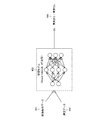
図4は、学習モデルを用いた入出力の構造を示す概念図である。
学習モデル403は、学習部342が生成する学習モデルである。学習モデルは、動物の個体毎に一つずつ生成される。
映像解析データ401は、カメラ101が撮影した映像データを、データ収集サーバ103のデータ解析部332が解析して生成したデータである。
測定データ402は、センサ102が取得したデータ自体である。
<Conceptual diagram of learning model>
FIG. 4 is a conceptual diagram showing an input / output structure using a learning model.
The
The
The
映像解析データ401とセンサデータ402を学習モデル403に入力すると、出力データ404が出力される。
出力データ404は、対象となる動物の個体について、健康状態に異常があるか否かを示す推定結果である。本実施例においては、異常である可能性の点数や確率などの値を算出し、算出した値が所定の閾値を超えるか否かにより対象となる個体の健康状態に異常があるか否かを判定し、その判定結果を推定結果として出力する
本実施例においては、図4に示される学習モデルを用いた健康状態の推定は、健康状態の異常の有無を確認したい動物毎に、毎日一回、実行される。
When the
The
本実施例に用いられる学習モデル403、すなわち、推定部341において用いられる機械学習アルゴリズムは、正常範囲から逸脱したデータを検出する機械学習アルゴリズムであれば、各種のものを適用することができる。具体的に適用可能な機械学習アルゴリズムとしては、例えば、MT法、ニューラルネットワークなどが挙げられる。
また、ニューラルネットワークを利用して、学習するための特徴量、結合重み付け係数を自ら生成する深層学習(ディープラーニング)も挙げられる。本実施例では、適宜、利用可能なアルゴリズム適用する。
As the
In addition, deep learning (deep learning) in which features and coupling weighting coefficients for learning are generated by themselves using a neural network can also be mentioned. In this embodiment, the available algorithms are applied as appropriate.
また、学習部342は、誤差検出部と更新部とを備えてもよい。
誤差検出部は、入力層に入力される入力データに応じて、ニューラルネットワークの出力層から出力される出力データと、教師データとの誤差を取得する。誤差検出部は、損失関数を用いて、ニューラルネットワークからの出力データと教師データとの誤差を計算するようにしてもよい。
Further, the
The error detection unit acquires an error between the output data output from the output layer of the neural network and the teacher data according to the input data input to the input layer. The error detection unit may use the loss function to calculate the error between the output data from the neural network and the teacher data.
更新部は、誤差検出部が取得した誤差に基づいて、その誤差が小さくなるように、ニューラルネットワークのノード間の結合重み付け係数などを更新する。更新部は、例えば、誤差逆伝播法を用いて、結合重み付け係数などを更新する。なお、誤差逆伝播法は、上記の誤差が小さくなるように、各ニューラルネットワークのノード間の結合重み付け係数などを調整する手法である。 Based on the error acquired by the error detection unit, the update unit updates the coupling weighting coefficient between the nodes of the neural network so that the error becomes small. The update unit updates the coupling weighting coefficient and the like by using, for example, the backpropagation method. The error backpropagation method is a method of adjusting the coupling weighting coefficient between the nodes of each neural network so that the above error becomes small.
<推定処理の概要>
図5は、図4で示した学習モデルを用いて、本実施例の学習・予測システム100において実施される推定処理の概要を説明する図である。図5に示すような処理により、動物の個体毎に、カメラが撮影した映像データと、センサが取得した測定データを用いて、毎日一回、健康状態に異常があるか否かを推定することができる。これにより、動物の個体毎の健康管理を効率化し、病気の早期発見や見落とし防止に貢献することができる。
<Overview of estimation processing>
FIG. 5 is a diagram illustrating an outline of estimation processing performed in the learning / prediction system 100 of the present embodiment using the learning model shown in FIG. By the processing as shown in FIG. 5, it is estimated once a day whether or not there is an abnormality in the health condition of each individual animal by using the video data taken by the camera and the measurement data acquired by the sensor. Can be done. This makes it possible to streamline the health management of each individual animal and contribute to early detection of diseases and prevention of oversight.
<学習処理の流れ>
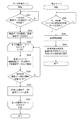
次に、図6を用いて、本実施例の学習フェーズにおいて実行される学習処理について説明する。図6は、推定サーバ104の学習部342が学習モデル403を生成するまでの処理を示すフローチャートである。
<Flow of learning process>
Next, the learning process executed in the learning phase of this embodiment will be described with reference to FIG. FIG. 6 is a flowchart showing a process until the
まず、図6A(1)に示したフローチャートを用いて、学習フェーズにおいて、カメラ101が実行する処理について説明する。
ステップS611において、カメラ101の撮影部312は、一日にわたり、飼育場にいる、本システムが管理する動物の各個体の様子を撮影し、映像データを取得する。
ステップS612において、データ送信部311は、撮影部312が撮影した一日分の映像データを、データ収集サーバ103のデータ受信部331に送信する。
First, the process executed by the
In step S611, the photographing
In step S612, the
次に、図6A(2)に示したフローチャートを用いて、学習フェーズにおいて、センサ102が実行する処理について説明する。
ステップS621において、センサ102のデータ取得部322は、一日にわたり、センサ102を取り付けた、本システムが管理するすべての個体から、測定データを取得する。
ステップS622において、データ送信部321は、データ取得部322が取得した一日分の測定データを、データ収集サーバ103のデータ受信部331に送信する。
Next, the process executed by the
In step S621, the
In step S622, the
次に、図6B(1)に示したフローチャートを用いて、学習フェーズにおいて、データ収集サーバ103が実行する処理について説明する。
ステップS631において、データ収集サーバ103のデータ受信部331は、カメラ101とセンサ102から、それぞれ、一日分の映像データと測定データを受信したか否かを確認する。
一日分の映像データとセンサデータを受信すると、ステップS632に進む。それ以外の場合は、データ受信部331は、ステップS631においてデータの受信を待ち続ける。
ステップS632において、データ収集サーバ103のデータ解析部332は、カメラ101から受信した映像データの解析を行い、映像解析データを生成する。
Next, the process executed by the
In step S631, the
When the video data and the sensor data for one day are received, the process proceeds to step S632. In other cases, the
In step S632, the
データ解析部332は、ステップS633からステップS637までの処理を、本システムが管理する動物すべての個体について繰り返す。ここでは、処理の対象である個体を「個体N」として説明する。
The
ステップS634において、データ解析部332は、個体Nについて、ステップS631で受信した測定データとステップS632で生成した映像解析データを、個体N用の解析データとして、表1の形式で記録する。
ステップS635において、データ記憶部333に蓄積された個体Nについての解析データの個数が、所定の閾値を超えたかを否かを判断する。この閾値とは、機械学習の実施に十分なデータの個数である。
解析データの個数が閾値を超えた場合は、ステップS636に進む。閾値をまだ超えていない場合は、S633に戻る。
In step S634, the
In step S635, it is determined whether or not the number of analysis data for the individual N stored in the
If the number of analysis data exceeds the threshold value, the process proceeds to step S636. If the threshold value has not been exceeded yet, the process returns to S633.
ステップS636において、解析データ提供部334は、データ記録部333に記録された個体Nについての解析データを、推定サーバ104の学習部342に送信。
本システムが管理するすべての個体について、ステップS633からステップS637までの処理を行ったら、図6B(1)のフローチャートは終了する。
In step S636, the analysis
When the processes from step S633 to step S637 are performed for all the individuals managed by this system, the flowchart of FIG. 6B (1) ends.
次に、図6B(2)に示したフローチャートを用いて、学習フェーズにおいて、推定サーバ104が実行する処理について説明する。
ステップS641において、推定サーバ104の学習部342は、データ収集サーバ103の解析データ提供部334から個体Nについての解析データを受信したら、ステップS642へ進む。それ以外の場合は、学習部342は、ステップS641において解析データの受信を待ち続ける。
Next, the process executed by the
In step S641, the
ステップS642において、学習部342は、ステップS641で受信した個体Nについて解析データを入力として、機械学習を実施し、個体Nについての学習モデルを生成する。
ステップS643において、学習モデル記憶部344は、ステップS642において生成された個体Nについての学習モデルを、記録する。
以上のように、図6の各フローチャートに示した処理により、動物の個体毎の学習モデルが生成される。
In step S642, the
In step S643, the learning
As described above, the learning model for each individual animal is generated by the processing shown in each flowchart of FIG.
<推定処理の流れ>
次に、図7を用いて、本実施例の推定フェーズにおいて実行される推定処理について説明する。図7は、推定サーバ104の学習部342が、生成した学習モデル403を用いて、出力データ404として推定結果を出力し、ユーザ端末105に通知するまでの処理を示すフローチャートである。
<Flow of estimation processing>
Next, the estimation process executed in the estimation phase of this embodiment will be described with reference to FIG. 7. FIG. 7 is a flowchart showing a process in which the
まず、図7A(1)に示したフローチャートを用いて、推定フェーズにおいて、カメラ102が実行する処理について説明する。
ステップS711において、カメラ101の撮影部312は、一日にわたり、動物の飼育場にいる、本システムが管理する動物の各個体の様子を撮影し、映像データを取得する。
ステップS712において、データ送信部311は、撮影部312が撮影した一日分の映像データを、データ収集サーバ103のデータ受信部331に送信する。
First, the process executed by the
In step S711, the photographing
In step S712, the
次に、図7A(2)に示したフローチャートを用いて、推定フェーズにおいて、センサ102が実行する処理について説明する。
ステップS721において、センサ102のデータ取得部322は、一日にわたり、センサ102を取り付けた、本システムが管理するすべての個体から、測定データを取得する。
ステップS722において、データ送信部321は、データ取得部322が取得した一日分の測定データを、データ収集サーバ103のデータ受信部331に送信する。
Next, the process executed by the
In step S721, the
In step S722, the
次に、図7B(1)に示したフローチャートを用いて、推定フェーズにおいて、データ収集サーバ103が実行する処理について説明する。
ステップS731において、データ収集サーバ103のデータ受信部331は、カメラ101とセンサ102から、それぞれ、一日分の映像データと測定データを受信したか否かを確認する。
一日分の映像データとセンサデータを受信すると、ステップS632に進む。それ以外の場合は、データ受信部331は、ステップS731においてデータの受信を待ち続ける。
ステップS732において、データ収集サーバ103のデータ解析部332は、カメラ101から受信した映像データの解析を行い、映像解析データを生成する。
Next, the process executed by the
In step S731, the
When the video data and the sensor data for one day are received, the process proceeds to step S632. In other cases, the
In step S732, the
データ解析部332は、ステップS733からステップS737までの処理を、本システムが管理するすべての個体について繰り返す。ここでは、処理の対象である個体を「個体N」として説明する。
The
ステップS734において、データ解析部332は、個体Nについて、ステップS631で受信した測定データとステップS632で生成した映像解析データを、個体N用の解析データとして、表1の形式で記録する。
ステップS735において、解析データ提供部334は、データ記録部333に記録された個体Nについての解析データを、推定サーバ104の推定部341に送信する。
In step S734, the
In step S735, the analysis
最後に、図7B(2)に示したフローチャートを用いて、推定フェーズにおいて、推定サーバ104が実行する処理について説明する。
ステップS741において、推定サーバ104の学習部342は、データ収集サーバ103の解析データ提供部334から個体Nについての解析データを受信したら、ステップS742へ進む。それ以外の場合は、学習部342は、ステップS741において解析データの受信を待ち続ける。
Finally, the process executed by the
In step S741, the
ステップS742において、学習部342は、ステップS741において受信した個体Nに対応する学習モデル403を、学習モデル記憶部344から読み込む。
ステップS743において、学習部342は、ステップS742において読み込んだ学習モデル403に、ステップS741で受け取った解析データを入力し、個体Nについての健康状態の異常の有無の推定を実行する。
ステップS744において、ステップS743において実行した、個体Nについての健康状態の異常の有無を、推定結果として、個体識別番号と合わせて、ユーザ端末105へ送信する。
以上のように、図7の各フローチャートに示した処理により、牛の個体毎に学習モデルを用いた健康状態の異常の有無の推定を行う。
In step S742, the
In step S743, the
In step S744, the presence or absence of an abnormality in the health condition of the individual N, which was executed in step S743, is transmitted to the
As described above, by the processing shown in each flowchart of FIG. 7, the presence or absence of abnormal health condition is estimated for each individual cow using the learning model.
図8は、図7のフローチャートのステップS744において推定サーバ104がユーザ端末105に対して推定結果を送信した際の、ユーザ端末105において表示される推定結果の一例である。
ユーザ端末105の推定結果受信部351が推定サーバ104の推定結果送信部343から推定結果を受信すると、表示部352は、受信したすべての個体について、個体識別番号とその個体の健康状態の推定結果を表示する。
FIG. 8 is an example of the estimation result displayed on the
When the estimation
以上のように、実施例1によれば、牛などの動物の各個体について、毎日取得する映像データと測定データを学習データとして機械学習を実施し、健康状態の異常の有無を推定するための学習モデルを生成する。そして、各個体について生成した学習モデルを用いて、映像データと測定データとから各個体の健康状態の異常の有無を推定する。
これにより、畜産業における動物の健康管理の効率化や負担の軽減、病気の早期発見や見落とし防止などを実現することができる。
As described above, according to the first embodiment, machine learning is performed on each individual animal such as a cow using the video data and the measurement data acquired every day as learning data to estimate the presence or absence of abnormal health condition. Generate a learning model. Then, using the learning model generated for each individual, the presence or absence of an abnormality in the health condition of each individual is estimated from the video data and the measurement data.
As a result, it is possible to improve the efficiency and burden of animal health management in the livestock industry, detect diseases at an early stage, and prevent oversight.
<実施例2>
畜産業においては、通常よりも厳しい条件で動物の健康管理を実施したいような状況が発生する場合がある。
例えば、近隣の飼育場において感染症のような異常が発生しているという情報がある場合がある。このような緊急時の場合、通常時であれば異常と判定しない程度の小さなものであっても、動物の健康状態の変化を早期に発見することが求められる。
<Example 2>
In the livestock industry, there may be situations in which it is desirable to carry out animal health management under stricter conditions than usual.
For example, there may be information that an abnormality such as an infectious disease has occurred in a nearby breeding farm. In such an emergency, it is required to detect changes in the health condition of animals at an early stage, even if they are small enough to be normally not judged to be abnormal.
そこで、実施例2では、近隣の飼育場で感染症が発生しているという情報があるなどの緊急時には、学習モデル403が推定結果として「異常あり」と判断する閾値を下げて判定を行う。
具体的には、実施例1で示した推定フェーズである図7B(1)のステップS743において、実施例2では、学習モデル403が異常の有無の判定を行う際に用いる閾値を、緊急時では通常時よりも低く設定する。閾値を通常時よりも低くする程度としては、例えば、20パーセントなどが考えられるが、状況に応じて閾値は任意の値に設定することができる。
Therefore, in the second embodiment, in an emergency such as when there is information that an infectious disease has occurred in a nearby breeding farm, the
Specifically, in step S743 of FIG. 7B (1), which is the estimation phase shown in Example 1, in Example 2, the threshold value used when the
以上のように、実施例2によれば、近隣の飼育場において感染症のような異常が発生しているなどの緊急時の場合、学習モデルが用いる閾値を変更して動物の健康状態の異常の有無を推定する。
これにより、状況に応じて、動物の健康状態の変化を早期に発見することができる。
As described above, according to the second embodiment, in the case of an emergency such as an abnormality such as an infectious disease occurring in a nearby breeding farm, the threshold value used by the learning model is changed to cause an abnormality in the health condition of the animal. Estimate the presence or absence of.
This makes it possible to detect changes in the health status of animals at an early stage depending on the situation.
<実施例3>
畜産業においては、繁殖や新たな買い付けなどによって、新たに管理の対象となる個体が導入される場合がある。この場合、新たに導入された個体については、まだ機械学習に十分な数の解析データが蓄積されておらず、学習モデル403が生成されていないため、それを用いた健康状態の異常の有無を推定することができない。
<Example 3>
In the livestock industry, new individuals to be managed may be introduced due to breeding or new purchases. In this case, for the newly introduced individual, a sufficient number of analysis data for machine learning has not yet been accumulated, and a
そこで、実施例3では、新たに導入された個体については、学習に必要な個数の解析データが蓄積されるまでの期間、同じ飼育場内の類似する個体について生成された学習モデル403を用いて、健康状態の異常の有無の推定を行う。
新たに導入された個体の代わりとして利用する個体は、性別が一致し、年齢、体重が近い個体を選択するのがよい。そして、新たに導入された個体については、このように選択された個体について生成された学習モデル403を使用する。
Therefore, in Example 3, for the newly introduced individuals, the
As an individual to be used as a substitute for the newly introduced individual, it is preferable to select an individual having the same gender and similar age and weight. Then, for the newly introduced individuals, the
具体的には、実施例1に示した推定フェーズである図7B(1)のS742において、実施例3では、まだ対応する学習モデル403が生成されていない個体については、すでに学習モデル403が生成されている類似した個体の学習モデルを採用する。そして、ステップS743において、ステップS741で取得した解析データを入力し、推定を実施する。
新たに導入された個体について、ステップS635において学習に必要な個数の解析データが蓄積された後は、実施例1と同様に、解析データを推定サーバ104に送信し、推定サーバ104にて機械学習を行い、学習モデル403を生成する。
Specifically, in S742 of FIG. 7B (1), which is the estimation phase shown in Example 1, in Example 3, a
After the number of analysis data required for learning is accumulated for the newly introduced individual in step S635, the analysis data is transmitted to the
以上のように、実施例3によれば、新たに個体が導入された場合は、その個体に類似した個体について生成された学習モデル403を用いて、動物の健康状態の異常の有無を推定する。
これにより、新しく管理する動物が増えた場合、まだ対応する学習モデル403が生成されていない期間においても、健康状態の異常の有無を推定することが可能になる。
As described above, according to Example 3, when a new individual is introduced, the presence or absence of abnormal health condition of the animal is estimated using the
This makes it possible to estimate the presence or absence of abnormal health status when the number of newly managed animals increases, even during the period when the
<その他の実施形態>
本発明は、上述の実施形態の1以上の機能を実現するプログラムを、ネットワーク又は記憶媒体を介してシステム又は装置に供給し、そのシステム又は装置のコンピュータにおける1つ以上のプロセッサがプログラムを読出し実行する処理でも実現可能である。また、1以上の機能を実現する回路(例えば、ASIC)によっても実現可能である。
また、本発明は、複数の機器から構成されるシステムに適用しても、1つの機器からなる装置に適用してもよい。
本発明は上述の実施形態に限定されるものではなく、本発明の趣旨に基づき種々の変形が可能であり、それらを本発明の範囲から除外するものではない。すなわち、上述した構成例及びその変形例を組み合わせた構成もすべて本発明に含まれるものである。
<Other Embodiments>
The present invention supplies a program that realizes one or more functions of the above-described embodiment to a system or device via a network or storage medium, and one or more processors in the computer of the system or device reads and executes the program. It can also be realized by the processing to be performed. It can also be realized by a circuit (for example, ASIC) that realizes one or more functions.
Further, the present invention may be applied to a system composed of a plurality of devices or a device composed of one device.
The present invention is not limited to the above-described embodiment, and various modifications can be made based on the gist of the present invention, and these are not excluded from the scope of the present invention. That is, all the configurations in which the above-mentioned configuration examples and modifications thereof are combined are also included in the present invention.
100 学習・推定システム
101 カメラ
102 センサ
103 データ収集サーバ
104 推定サーバ
105 ユーザ端末
401 映像解析データ
402 測定データ
403 学習モデル
100 Learning /
Claims (12)
前記動物の個体毎の状態を測定する測定手段と、
前記撮影手段から取得された前記動物の映像データと前記測定手段から取得された前記個体毎の測定データとに基づいて、学習モデルを用いて前記個体毎の健康状態を推定する、推定手段と、を備える
ことを特徴とする動物の健康状態を推定する推定システム。 A shooting means for shooting images of one or more animals, and
A measuring means for measuring the state of each individual animal, and
An estimation means for estimating the health state of each individual using a learning model based on the image data of the animal acquired from the photographing means and the measurement data for each individual acquired from the measuring means. An estimation system that estimates the health status of an animal, characterized by being equipped with.
ことを特徴とする請求項1に記載の推定システム。 The estimation system according to claim 1, wherein the measuring means is attached to each individual.
ことを特徴とする請求項1又は2に記載の推定システム。 The estimation system according to claim 1 or 2, wherein the learning model is provided for each individual.
ことを特徴とする請求項3に記載の推定システム。 The estimation system according to claim 3, wherein the estimation means estimates the health state of the individual using the learning model generated for the individual.
ことを特徴とする請求項3に記載の推定システム。 The estimation system according to claim 3, wherein the estimation means estimates the health state of the individual using the learning model generated for an individual different from the individual.
ことを特徴とする請求項1乃至5のいずれか1項に記載の推定システム。 The estimation system according to any one of claims 1 to 5, wherein the health condition is the presence or absence of an abnormality.
ことを特徴とする請求項6に記載の推定システム。 The estimation system according to claim 6, wherein the estimation means estimates the presence or absence of the abnormality using a predetermined threshold value.
ことを特徴とする請求項7に記載の推定システム。 The estimation system according to claim 7, wherein the threshold value can be changed in setting.
ことを特徴とする請求項1乃至8のいずれか1項に記載の推定システム。 The estimation system according to any one of claims 1 to 8, wherein the estimation means has a display means for displaying the estimated health condition of each individual.
測定手段により測定された前記動物の個体毎の状態である測定データを取得する工程と、
前記映像データと前記測定データとに基づいて前記個体毎の健康状態を推定するための学習モデルを生成する工程と、を有する
ことを特徴とする動物の健康状態を推定する学習モデルを生成する生成方法。 The process of acquiring video data about one or more animals photographed by the photographing means, and
The step of acquiring measurement data which is the state of each individual animal measured by the measuring means, and
Generation of generating a learning model for estimating the health condition of an animal, which comprises a step of generating a learning model for estimating the health condition of each individual based on the video data and the measurement data. Method.
ことを特徴とする請求項1乃至9のいずれか1項に記載の推定システム。 The estimation system according to any one of claims 1 to 9, wherein the learning model is generated by the generation method according to claim 10.
前記動物の個体毎の状態を測定する測定工程と、
前記撮影工程において取得された前記動物の映像データと前記測定工程において取得された前記個体毎の測定データとに基づいて、学習モデルを用いて前記個体毎の健康状態を推定する工程と、を有する
ことを特徴とする動物の健康状態を推定する推定方法。 A shooting process that shoots images of one or more animals,
A measurement step for measuring the state of each individual animal, and
It has a step of estimating the health state of each individual using a learning model based on the image data of the animal acquired in the photographing step and the measurement data of each individual acquired in the measuring step. An estimation method for estimating the health status of an animal.
Priority Applications (1)
| Application Number | Priority Date | Filing Date | Title |
|---|---|---|---|
| JP2020034629A JP2021136868A (en) | 2020-03-02 | 2020-03-02 | Estimating system for estimating animal health, estimation method, learning model generation method |
Applications Claiming Priority (1)
| Application Number | Priority Date | Filing Date | Title |
|---|---|---|---|
| JP2020034629A JP2021136868A (en) | 2020-03-02 | 2020-03-02 | Estimating system for estimating animal health, estimation method, learning model generation method |
Publications (1)
| Publication Number | Publication Date |
|---|---|
| JP2021136868A true JP2021136868A (en) | 2021-09-16 |
Family
ID=77666694
Family Applications (1)
| Application Number | Title | Priority Date | Filing Date |
|---|---|---|---|
| JP2020034629A Pending JP2021136868A (en) | 2020-03-02 | 2020-03-02 | Estimating system for estimating animal health, estimation method, learning model generation method |
Country Status (1)
| Country | Link |
|---|---|
| JP (1) | JP2021136868A (en) |
Cited By (5)
| Publication number | Priority date | Publication date | Assignee | Title |
|---|---|---|---|---|
| JP7204859B1 (en) | 2021-10-29 | 2023-01-16 | アニコム ホールディングス株式会社 | Personality determination system and method for determining personality |
| WO2023113009A1 (en) * | 2021-12-17 | 2023-06-22 | 日本電気通信システム株式会社 | Health state ascertaining device, health state ascertaining method, and program |
| WO2023191045A1 (en) * | 2022-03-31 | 2023-10-05 | 古河電気工業株式会社 | Information processing device, information processing method, and program |
| WO2023191043A1 (en) * | 2022-03-31 | 2023-10-05 | 古河電気工業株式会社 | Animal behavior recording device, animal behavior recording method, and program |
| JP7693780B1 (en) | 2023-12-07 | 2025-06-17 | キヤノン株式会社 | Image Inspection System |
-
2020
- 2020-03-02 JP JP2020034629A patent/JP2021136868A/en active Pending
Cited By (13)
| Publication number | Priority date | Publication date | Assignee | Title |
|---|---|---|---|---|
| JP7204859B1 (en) | 2021-10-29 | 2023-01-16 | アニコム ホールディングス株式会社 | Personality determination system and method for determining personality |
| JP2023066950A (en) * | 2021-10-29 | 2023-05-16 | アニコム ホールディングス株式会社 | Character determination system and character determination method |
| US12626529B2 (en) | 2021-10-29 | 2026-05-12 | Anicom Holdings, Inc. | Character determination system and character determination method |
| WO2023113009A1 (en) * | 2021-12-17 | 2023-06-22 | 日本電気通信システム株式会社 | Health state ascertaining device, health state ascertaining method, and program |
| JPWO2023113009A1 (en) * | 2021-12-17 | 2023-06-22 | ||
| JP7823926B2 (en) | 2021-12-17 | 2026-03-04 | 日本電気通信システム株式会社 | Health condition monitoring device, health condition monitoring method, and program |
| JP2023150555A (en) * | 2022-03-31 | 2023-10-16 | 古河電気工業株式会社 | Information processing device, information processing method and program |
| CN118973387A (en) * | 2022-03-31 | 2024-11-15 | 古河电气工业株式会社 | Information processing device, information processing method and program |
| JP7822234B2 (en) | 2022-03-31 | 2026-03-02 | 古河電気工業株式会社 | Information processing device, information processing method, and program |
| WO2023191043A1 (en) * | 2022-03-31 | 2023-10-05 | 古河電気工業株式会社 | Animal behavior recording device, animal behavior recording method, and program |
| WO2023191045A1 (en) * | 2022-03-31 | 2023-10-05 | 古河電気工業株式会社 | Information processing device, information processing method, and program |
| JP7693780B1 (en) | 2023-12-07 | 2025-06-17 | キヤノン株式会社 | Image Inspection System |
| JP2025094290A (en) * | 2023-12-07 | 2025-06-25 | キヤノン株式会社 | Image Inspection System |
Similar Documents
| Publication | Publication Date | Title |
|---|---|---|
| US11516992B2 (en) | System, client terminal, control method for system, and storage medium | |
| Chaudhry et al. | Internet of Things (IoT) and machine learning (ML) enabled livestock monitoring | |
| US20240382109A1 (en) | Systems and methods for the automated monitoring of animal physiological conditions and for the prediction of animal phenotypes and health outcomes | |
| Alvarenga et al. | Using a three-axis accelerometer to identify and classify sheep behaviour at pasture | |
| KR102341715B1 (en) | Apparatus and method for livestock monitoring | |
| KR102486761B1 (en) | System for abnornal signs dection of individual animals and method thereof | |
| KR20190105210A (en) | System for providing integrated medical diagnostic service and method thereof | |
| JP7260922B2 (en) | Learning data generation device, learning device, behavior analysis device, behavior analysis device, program, and recording medium | |
| Yin et al. | Analysis and classification of pig health status using hourly activity data: Combining statistical analysis and machine learning | |
| KR20220064712A (en) | Apparatus and method for monitoring growing progress of livestock individual based on image | |
| Qin et al. | Identification of body size characteristic points based on the Mask R-CNN and correlation with body weight in Ujumqin sheep | |
| CN117379016A (en) | Remote monitoring system and method for beef cattle breeding | |
| Azarpajouh et al. | Farm 4.0: innovative smart dairy technologies and their applications as tools for welfare assessment in dairy cattle | |
| Xu et al. | Posture identification for stall-housed sows around estrus using a robotic imaging system | |
| Nigade et al. | Review paper on IOT based cattle health monitoring system | |
| KR20220089443A (en) | Contactless smart diagnosis system for livestocks | |
| US20230084267A1 (en) | System and a control method thereof | |
| JP7092624B2 (en) | Behavior identification device, behavior identification method and program | |
| JP7822234B2 (en) | Information processing device, information processing method, and program | |
| US20250324948A1 (en) | Automated mobility scoring of farm animals | |
| WO2025112389A1 (en) | Method and apparatus for measuring animal backfat and eye muscle thicknesses based on machine learning | |
| Hewawasam et al. | Accurate Poultry Disease Identification and Risk Assessment through Object Detection | |
| GE et al. | AI and IOT Based Algorithm for Cattle Lumpy Disease Detection | |
| Yuan et al. | Stress-free detection technologies for pig growth based on welfare farming: A review | |
| Farias et al. | Proof of concept of a wearable IoT-based system for monitoring respiratory rate and surface temperature in horses |