JP2017517543A - Treatment of viral skin diseases - Google Patents
Treatment of viral skin diseases Download PDFInfo
- Publication number
- JP2017517543A JP2017517543A JP2016572431A JP2016572431A JP2017517543A JP 2017517543 A JP2017517543 A JP 2017517543A JP 2016572431 A JP2016572431 A JP 2016572431A JP 2016572431 A JP2016572431 A JP 2016572431A JP 2017517543 A JP2017517543 A JP 2017517543A
- Authority
- JP
- Japan
- Prior art keywords
- extract
- herpes
- treatment
- viral
- water
- Prior art date
- Legal status (The legal status is an assumption and is not a legal conclusion. Google has not performed a legal analysis and makes no representation as to the accuracy of the status listed.)
- Pending
Links
- 0 CCC(*C=*1)C1(C)O Chemical compound CCC(*C=*1)C1(C)O 0.000 description 2
Images
Classifications
-
- A—HUMAN NECESSITIES
- A61—MEDICAL OR VETERINARY SCIENCE; HYGIENE
- A61K—PREPARATIONS FOR MEDICAL, DENTAL OR TOILETRY PURPOSES
- A61K36/00—Medicinal preparations of undetermined constitution containing material from algae, lichens, fungi or plants, or derivatives thereof, e.g. traditional herbal medicines
- A61K36/18—Magnoliophyta (angiosperms)
- A61K36/185—Magnoliopsida (dicotyledons)
- A61K36/28—Asteraceae or Compositae (Aster or Sunflower family), e.g. chamomile, feverfew, yarrow or echinacea
- A61K36/288—Taraxacum (dandelion)
-
- A—HUMAN NECESSITIES
- A61—MEDICAL OR VETERINARY SCIENCE; HYGIENE
- A61K—PREPARATIONS FOR MEDICAL, DENTAL OR TOILETRY PURPOSES
- A61K31/00—Medicinal preparations containing organic active ingredients
- A61K31/33—Heterocyclic compounds
- A61K31/395—Heterocyclic compounds having nitrogen as a ring hetero atom, e.g. guanethidine or rifamycins
- A61K31/41—Heterocyclic compounds having nitrogen as a ring hetero atom, e.g. guanethidine or rifamycins having five-membered rings with two or more ring hetero atoms, at least one of which being nitrogen, e.g. tetrazole
- A61K31/4196—1,2,4-Triazoles
-
- A—HUMAN NECESSITIES
- A61—MEDICAL OR VETERINARY SCIENCE; HYGIENE
- A61K—PREPARATIONS FOR MEDICAL, DENTAL OR TOILETRY PURPOSES
- A61K31/00—Medicinal preparations containing organic active ingredients
- A61K31/70—Carbohydrates; Sugars; Derivatives thereof
- A61K31/7042—Compounds having saccharide radicals and heterocyclic rings
- A61K31/7052—Compounds having saccharide radicals and heterocyclic rings having nitrogen as a ring hetero atom, e.g. nucleosides, nucleotides
- A61K31/706—Compounds having saccharide radicals and heterocyclic rings having nitrogen as a ring hetero atom, e.g. nucleosides, nucleotides containing six-membered rings with nitrogen as a ring hetero atom
- A61K31/7064—Compounds having saccharide radicals and heterocyclic rings having nitrogen as a ring hetero atom, e.g. nucleosides, nucleotides containing six-membered rings with nitrogen as a ring hetero atom containing condensed or non-condensed pyrimidines
- A61K31/7076—Compounds having saccharide radicals and heterocyclic rings having nitrogen as a ring hetero atom, e.g. nucleosides, nucleotides containing six-membered rings with nitrogen as a ring hetero atom containing condensed or non-condensed pyrimidines containing purines, e.g. adenosine, adenylic acid
-
- A—HUMAN NECESSITIES
- A61—MEDICAL OR VETERINARY SCIENCE; HYGIENE
- A61K—PREPARATIONS FOR MEDICAL, DENTAL OR TOILETRY PURPOSES
- A61K9/00—Medicinal preparations characterised by special physical form
- A61K9/0012—Galenical forms characterised by the site of application
- A61K9/0014—Skin, i.e. galenical aspects of topical compositions
-
- A—HUMAN NECESSITIES
- A61—MEDICAL OR VETERINARY SCIENCE; HYGIENE
- A61P—SPECIFIC THERAPEUTIC ACTIVITY OF CHEMICAL COMPOUNDS OR MEDICINAL PREPARATIONS
- A61P31/00—Antiinfectives, i.e. antibiotics, antiseptics, chemotherapeutics
- A61P31/12—Antivirals
- A61P31/20—Antivirals for DNA viruses
- A61P31/22—Antivirals for DNA viruses for herpes viruses
Landscapes
- Health & Medical Sciences (AREA)
- Life Sciences & Earth Sciences (AREA)
- Natural Medicines & Medicinal Plants (AREA)
- Medicinal Chemistry (AREA)
- Chemical & Material Sciences (AREA)
- General Health & Medical Sciences (AREA)
- Veterinary Medicine (AREA)
- Public Health (AREA)
- Pharmacology & Pharmacy (AREA)
- Animal Behavior & Ethology (AREA)
- Epidemiology (AREA)
- Engineering & Computer Science (AREA)
- Biotechnology (AREA)
- Molecular Biology (AREA)
- Virology (AREA)
- Botany (AREA)
- Mycology (AREA)
- Microbiology (AREA)
- Medical Informatics (AREA)
- Alternative & Traditional Medicine (AREA)
- Dermatology (AREA)
- Chemical Kinetics & Catalysis (AREA)
- Oncology (AREA)
- General Chemical & Material Sciences (AREA)
- Nuclear Medicine, Radiotherapy & Molecular Imaging (AREA)
- Organic Chemistry (AREA)
- Communicable Diseases (AREA)
- Pharmaceuticals Containing Other Organic And Inorganic Compounds (AREA)
- Medicines Containing Plant Substances (AREA)
- Medicinal Preparation (AREA)
- Medicines That Contain Protein Lipid Enzymes And Other Medicines (AREA)
Abstract
本発明は、ウイルス性皮膚疾患、特に単純ヘルペスウイルス1型および帯状ヘルペスの治療方法であって、ウイルス性皮膚疾患を患っている被検者の皮膚へのタンポポの水抽出物、水/アルコール抽出物または天然植物油抽出物の治療的量の局所投与を含む、治療方法に関する。
【選択図】図1The present invention relates to a method for the treatment of viral skin diseases, particularly herpes simplex virus type 1 and herpes zoster, wherein a dandelion water extract, water / alcohol extraction is applied to the skin of a subject suffering from a viral skin disease. Or a therapeutic method comprising topical administration of a therapeutic amount of a natural vegetable oil extract.
[Selection] Figure 1
Description
本発明は、特定のウイルス性皮膚疾患の治療、特に単純ヘルペスウイルス1型(HSV−1)、および帯状疱疹(shingles)または水痘帯状疱疹ウイルス(VZV)として一般に知られる帯状ヘルペス(herpes zoster)の治療に関する。 The present invention relates to the treatment of certain viral skin diseases, particularly herpes simplex virus type 1 (HSV-1), and herpes zoster commonly known as shingles or varicella-zoster virus (VZV). Regarding treatment.
ウイルス性皮膚疾患は、特にヘルペスウイルスによって引き起こされる疾患および/または感染症を含み、通称では単にヘルペスとも呼ばれる。ヘルペスウイルスは、脊椎動物、特に哺乳動物、とりわけ、ヒト、ウマ、ブタ、ウシ、ヤギ、ヒツジ、ネコおよびイヌに広範に存在する。 Viral skin diseases include in particular diseases and / or infections caused by herpesviruses, commonly referred to simply as herpes. Herpesviruses are widespread in vertebrates, especially mammals, especially humans, horses, pigs, cows, goats, sheep, cats and dogs.
ヒト病原性ヘルペスウイルス(HHV)は、アルファヘルペスウイルス、ベータヘルペスウイルスおよびガンマヘルペスウイルス(HHV1〜HHV8)に分類され、このうちアルファウイルスおよびガンマウイルスは動物、例えば、ウマ(ウマへルペスウイルス)、ウシ(ウシへルペスウイルス)、ブタ(ブタへルペスウイルス)、ネコ(ネコへルペスウイルス)、イヌ(イヌへルペスウイルス)およびニワトリ(トリへルペスウイルス1型)などの動物に感染し得るウイルスでもある。 Human pathogenic herpesviruses (HHV) are classified as alphaherpesviruses, betaherpesviruses and gammaherpesviruses (HHV1-HHV8), of which alphaviruses and gammaviruses are animals, such as horses (horse herpesviruses), Even viruses that can infect animals such as cattle (bovine herpesvirus), pigs (pig herpesvirus), cats (feline herpesvirus), dogs (canine herpesvirus) and chickens (avian herpesvirus type 1) is there.
ヒト病原性ヘルペスウイルスのうち、ヒトに感染するもの、特にアルファヘルペスウイルスは極めて重大である。アルファヘルペスウイルスとして、単純ヘルペスウイルス1型(HSV−1)、単純ヘルペスウイルス2型(HSV−2)および水痘帯状疱疹ウイルス(VZV)が挙げられる。 Among human pathogenic herpes viruses, those that infect humans, especially alpha herpes viruses, are extremely important. Alpha herpesviruses include herpes simplex virus type 1 (HSV-1), herpes simplex virus type 2 (HSV-2) and varicella-zoster virus (VZV).
単純ヘルペスウイルスHSV−1およびHSV−2によって引き起こされる皮膚疾患としては、例えば、いずれも主にHSV−1によって引き起こされる口唇ヘルペス(熱性疱疹または唇ヘルペスとも呼ばれる)および鼻ヘルペス、ヘルペス性角結膜炎、ヘルペス性口内炎、顔面ヘルペス、咽頭ヘルペス、陰部ヘルペス、肛門周囲ヘルペス、殿部ヘルペスが挙げられる。水痘帯状疱疹ウイルス(VZV)は、例えば、水痘および帯状疱疹などを引き起こす。 Skin diseases caused by herpes simplex viruses HSV-1 and HSV-2 include, for example, cold sores (also called febrile herpes or labial herpes) both mainly caused by HSV-1, nasal herpes, herpes keratoconjunctivitis, Herpes stomatitis, facial herpes, pharyngeal herpes, genital herpes, perianal herpes, buttocks herpes. Varicella-zoster virus (VZV) causes, for example, chickenpox and shingles.
ウイルス学者の推定によると、世界の全人口中80%がHSV−1不顕性感染者であり、30%がHSV−2不顕性感染者である。HSV−1およびHSV−2は、互いに密接に関連しており、高確率で同一のヌクレオチド配列を有している。HSV−1は主に口腔および顔面の領域に感染するが、HSV−2は主に生殖器の領域で発生する。 According to virologist estimates, 80% of the world's population are HSV-1 subclinically infected and 30% are HSV-2 subclinically infected. HSV-1 and HSV-2 are closely related to each other and have the same nucleotide sequence with a high probability. HSV-1 infects mainly the oral and facial areas, whereas HSV-2 occurs mainly in the genital area.
アルファヘルペスウイルスは通常、上皮細胞、例えば皮膚細胞、粘液細胞および粘膜細胞などに最初に感染し、次いで宿主細胞内でウイルスの顕著な複製が生じ、感染した宿主細胞は死に至る。 Alphaherpesviruses usually infect epithelial cells, such as skin cells, mucus cells, and mucosal cells first, followed by significant replication of the virus within the host cell, causing the infected host cell to die.
例えば、HSV−1は顔および口の皮膚細胞および/または粘膜細胞に広がり、通常は局所的な損傷、すなわち小水疱の形態での損傷を引き起こす。短期間のうちに、抗体は小水疱中のウイルスを中和するが、一方で体液性免疫応答が起こり得る前に、感染した宿主細胞の溶菌によってウイルスが放出される。溶菌によって放出されたウイルスは、口の神経終末上の受容体に付着することによって、特定の神経細胞(ニューロン)にも感染し、顔面神経(三叉神経)の神経節に到達し得る。ウイルスDNAはアクソン内に浸入し、神経細胞の細胞質に入り込み、最終的に細胞核に到達すると、神経細胞のゲノム内にウイルスDNAを組み込み、ウイルス遺伝子の発現をごく少数に留める潜伏状態に移行する(溶原化サイクル)。種々の外部刺激によって、ウイルスの再活性化、すなわち、潜伏状態および/または溶原化サイクルから、最終的に神経細胞の破壊(溶菌化)を招く溶菌サイクルへの移行が生じ得る。このような刺激として、例えば、免疫抑制、ストレス、ホルモン変動、物理的または精神的ストレス、発熱(熱性疱疹と呼ばれる理由でもある)、紫外線、組織の損傷および多くの場合に免疫学上の弱体化が挙げられる。HSV−1のこのような活性化の発生率は、遺伝因子と環境因子の両方に依存すると考えられており、また年齢とホルモン変動の両方が関与している可能性がある。活性化の一環として発生する後代ウイルスは、最初にアクソンによって元の皮膚感染の部位および/または領域へと移送され、そこで皮膚細胞および/または粘膜細胞の感染および複製によって小水疱または疱疹(熱性疱疹)を再び産生する。これらのウイルスが免疫系によって再び中和された場合でも、ゲノム内にウイルスDNAが統合されたまま(潜伏状態)である別の神経細胞は絶えず感染下にあるため、HSV−1を免疫系によって身体から完全に排除することは不可能である。 For example, HSV-1 spreads to the skin and / or mucosal cells of the face and mouth and usually causes local damage, ie damage in the form of blisters. Within a short period of time, the antibody neutralizes the virus in the vesicles, while the virus is released by lysis of the infected host cells before a humoral immune response can occur. Viruses released by lysis can also infect certain nerve cells (neurons) by attaching to receptors on the nerve endings of the mouth and reach the ganglia of the facial nerve (trigeminal nerve). When the viral DNA penetrates into the axon, enters the cytoplasm of the nerve cell, and finally reaches the cell nucleus, the virus DNA is incorporated into the genome of the nerve cell and transitions to a latent state that keeps the expression of the virus gene very small ( Lysogenization cycle). Various external stimuli can result in reactivation of the virus, ie, a transition from a latent state and / or a lysogenization cycle to a lysis cycle that ultimately leads to neuronal destruction (lysis). Such stimuli include, for example, immunosuppression, stress, hormonal fluctuations, physical or mental stress, fever (also called fever herpes), ultraviolet light, tissue damage and often immunological weakening Is mentioned. The incidence of such activation of HSV-1 is believed to depend on both genetic and environmental factors, and may involve both age and hormonal variation. The progeny virus that occurs as part of the activation is first transported by Axon to the site and / or area of the original skin infection, where there are small blisters or herpes (fever herpes zoster) due to infection and replication of skin cells and / or mucosal cells. ) Again. Even when these viruses are neutralized again by the immune system, other neurons that remain integrated in the genome (latent state) in the genome are constantly under infection, so HSV-1 is It is impossible to eliminate it completely from the body.
へルペスウイルス性皮膚疾患は、以下により詳細に説明するような、特にウイルス複製に介入する、抗ウイルス活性成分を用いて一般に治療される。 Herpes viral skin diseases are generally treated with antiviral active ingredients, particularly those that intervene in viral replication, as described in more detail below.
したがって、抗ウイルス活性成分の開発において、ひいてはウイルス性皮膚疾患の予防および/または治療においても重要となる一般的手法は、ウイルス複製サイクルに介入して、宿主細胞のウイルス感染または宿主細胞内のウイルス核酸の複製を、例えば、ウイルス核酸によってコードされるウイルスタンパク質の発現を阻害することによって阻害することである。 Thus, a common approach that is important in the development of antiviral active ingredients, and therefore also in the prevention and / or treatment of viral skin diseases, is to intervene in the viral replication cycle to infect the host cell with viral infections or viruses within the host cell. Nucleic acid replication is inhibited, for example, by inhibiting the expression of viral proteins encoded by viral nucleic acids.
ここ数十年にわたり、このような抗ウイルス活性成分、いわゆるウイルス増殖抑制剤(virustatics)が開発されてきた。ウイルス増殖抑制剤の多くは、例えば、酵素DNAポリメラーゼ、逆転写酵素またはプロテアーゼなどを阻害して、それによりウイルスの複製および/または合成された長鎖のウイルスタンパク質から、より小さいタンパク質セグメントへのプロセシングを阻止する。本明細書では、これらの治療法の例を、特にHIV感染症の治療に関して記載する。しかしながら、ヘルペスウイルスHSV−1またはHSV−2によって引き起こされるウイルス性皮膚疾患の治療分野では、全身投与または局所投与されるウイルス増殖抑制剤も知られている。例としては、活性成分アシクロビル、バラシクロビル、ホスカルネットおよびペンシクロビルが挙げられる。 Over the last few decades, such antiviral active ingredients have been developed, so-called viral growth inhibitors. Many of the viral growth inhibitors inhibit, for example, the enzyme DNA polymerase, reverse transcriptase or protease, thereby replicating the virus and / or processing the long viral protein synthesized into smaller protein segments. To prevent. Examples of these therapies are described herein, particularly with respect to the treatment of HIV infection. However, in the field of treatment of viral skin diseases caused by herpesvirus HSV-1 or HSV-2, viral growth inhibitors administered systemically or locally are also known. Examples include the active ingredients acyclovir, valacyclovir, foscarnet and penciclovir.
ウイルス増殖抑制剤を用いたウイルス性皮膚疾患の予防および/または治療として、次の2つの手法が一般に知られている。(1)全身投与:ウイルス増殖抑制剤の全身投与によって、活性成分が細胞核内でのウイルス核酸の複製、または宿主細胞の細胞質内に完全なウイルスを形成するウイルス粒子の組立てを阻害するため、宿主細胞に存在するウイルスの活性化を顕著に低減させることができる。(2)局所投与:ウイルスによる初期感染領域へのウイルス増殖抑制剤の局所投与によって、例えば、HSV−1感染の場合に結果として生じる熱性疱疹などにおいて、別のルートへのウイルス複製を活性化の初期段階で予防でき、その結果、熱性疱疹のより急速な腫脹減退をもたらすことができる。 The following two methods are generally known as prevention and / or treatment of viral skin diseases using viral growth inhibitors. (1) Systemic administration: The systemic administration of a viral growth inhibitor prevents the active ingredient from replicating viral nucleic acids in the cell nucleus, or the assembly of viral particles that form a complete virus in the cytoplasm of the host cell. Activation of viruses present in cells can be significantly reduced. (2) Topical administration: Activation of viral replication to another route by local administration of a virus growth inhibitor to the area of early infection by the virus, for example, febrile rash resulting from HSV-1 infection It can be prevented at an early stage, resulting in a more rapid swelling reduction of febrile shingles.
ウイルス増殖抑制剤の投与に関して、いずれの方法にもいくつかの重大な欠点がある。全身投与では、有効な治療のために比較的高い投与量を必要とし、それによって処置された生物に対する重篤な副作用、例えば非特異的免疫応答および自己免疫反応などを伴う。アシクロビルの場合、多数のこのような副作用が、文献から既知である。したがって、長期治療も反復治療も望ましくなく、患者の期待するものとはなり得ない。局所投与では、ウイルス感染領域、例えば熱性疱疹に対して、時間単位当たりに放出できる生物学的利用能の活性成分(ウイルス抑制薬)の量が極めて低い。こうしたウイルス増殖抑制剤の生物学的利用能の低さは、有効な局所処置にとって重大な障壁である。極めて低い水溶性を有するアシクロビルの場合、生物学的利用能が低い原因は、例えば、活性成分の経皮輸送に劣るためである。ウイルス増殖抑制剤の活性成分の供給を改善するためのプロドラッグ概念である、ウイルス抑制薬の種々の化学修飾は、この現象について何ら改善をもたらしてきていない。 There are several significant drawbacks to either method for the administration of viral growth inhibitors. Systemic administration requires relatively high dosages for effective therapy, thereby involving serious side effects on the treated organism, such as non-specific immune responses and autoimmune responses. In the case of acyclovir, a number of such side effects are known from the literature. Therefore, neither long-term treatment nor repeated treatment is desirable and cannot be expected by the patient. For topical administration, the amount of bioavailable active ingredient (virus suppressor) that can be released per unit of time against a virally infected area, such as fever, is very low. The low bioavailability of these viral growth inhibitors is a significant barrier to effective local treatment. In the case of acyclovir with very low water solubility, the reason for the low bioavailability is, for example, inferior transdermal transport of the active ingredient. Various chemical modifications of virus inhibitors, a prodrug concept for improving the supply of active ingredients of virus growth inhibitors, have not led to any improvement on this phenomenon.
先行技術に関する前述の説明は、主に特許文献1から得ている。この特許文献には、へルペスウイルス性疾患を患っている被検者の皮膚に重水を局所投与することにより、へルペスウイルス性皮膚疾患の治療に重水を使用することが提案されている。 The above description regarding the prior art is mainly obtained from US Pat. This patent document proposes the use of heavy water for the treatment of herpes viral skin disease by locally administering heavy water to the skin of a subject suffering from a herpes viral disease.
本発明は、へルペスウイルス性皮膚疾患の治療のための代替的かつ改善された方法を提供する。より詳細には、本発明者は、タンポポ草、すなわち葉および根の水抽出物および水/アルコール抽出物が、単純ヘルペスウイルス1型(HSV−1)および帯状ヘルペス(VZV)の治療のための局所治療として予想外に使用し得ることを見出した。 The present invention provides an alternative and improved method for the treatment of herpes viral skin diseases. More particularly, the inventor has found that dandelion grass, ie leaf and root water extract and water / alcohol extract, for the treatment of herpes simplex virus type 1 (HSV-1) and herpes zoster (VZV). It has been found that it can be used unexpectedly as a local treatment.
より詳細には、本発明者は、タンポポの水抽出物、水/アルコール抽出物および天然植物油抽出物が、局所的に塗布されるとき単純ヘルペスおよび帯状ヘルペスの両方を予想外に緩和することを見出した。 More particularly, the inventor has shown that dandelion water extract, water / alcohol extract and natural vegetable oil extract unexpectedly alleviate both herpes simplex and herpes zoster when applied topically. I found it.
本発明の更なる特徴および利点は、次の添付図面を参照して以下の詳細な説明からわかる。 Further features and advantages of the present invention will become apparent from the following detailed description, taken in conjunction with the accompanying drawings.
本明細書で使用される場合、「アルコール」は、低級アルコール、好ましくはC1〜C4アルコールを意味する。また、天然植物油は、好ましくは亜麻油であり、または例示として挙げる他の市販の油、例えばアーモンド油、ココナッツ油、ホホバ油、レモン油、オリーブ油、セサミシード油およびヒマワリ油を意味する。 As used herein, “alcohol” means a lower alcohol, preferably a C 1 -C 4 alcohol. Natural vegetable oils are also preferably flax oil or mean other commercially available oils such as almond oil, coconut oil, jojoba oil, lemon oil, olive oil, sesame seed oil and sunflower oil.
調製および抽出プロトコル
乾燥タンポポ(原産国モンゴル)を刻み、蒸留水中またはメタノール中のいずれかで煮沸して抽出した(1250mLの水またはメタノールに対して50gのタンポポ)。1:1、1:2、1:5、1:10の範囲内の各種希釈液を、30分間ウイルスと接触させた後、抽出物をピペット採取することにより、脱イオン水およびアルコール抽出物をHSV−1について試験した。次に、MRC−5細胞の入った試験管にウイルスをピペット滴下し、各試験管の細胞変性効果を観察した。濃度1:1および1:2のTM抽出物は、ウイルス増殖を阻止した。
Preparation and Extraction Protocol Dried dandelions (country of origin Mongolia) were minced and extracted by boiling in either distilled water or methanol (50 g dandelion for 1250 mL water or methanol). The various dilutions in the range of 1: 1, 1: 2, 1: 5, 1:10 were contacted with the virus for 30 minutes and then the extract was pipetted to remove deionized water and alcohol extract. Tested for HSV-1. Next, the virus was pipetted into a test tube containing MRC-5 cells, and the cytopathic effect of each test tube was observed. TM extracts at concentrations of 1: 1 and 1: 2 inhibited virus growth.
帯状疱疹の場合、脱イオン水を用いた以外は、同様の方法で植物を調製した。帯状疱疹と診断された個人が、タオルにTM液体抽出物を含ませ、2時間ごとに、または必要に応じて、1回20分間、身体にタオルで抽出物を当てた。1日または2日間、必要に応じて実施した。2日以内に、帯状疱疹は消えた。 In the case of shingles, plants were prepared in the same manner except that deionized water was used. Individuals diagnosed with herpes zoster included TM liquid extract in a towel and applied the extract to the body with a towel every 2 hours or as needed for 20 minutes once. Conducted as needed for 1 or 2 days. Within 2 days, the shingles disappeared.
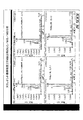
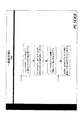
図8に示す一般的な手順に従って、LC/MSおよびUV装置にて、抽出物の採取および分画を行った。次に、各種希釈液を30分間ウイルスと接触させた後、MRC−5細胞が入っている試験管の中へ溶液をピペット滴下することにより、LC/MS/MSを使用して分析された脱イオン水抽出物を(上記と同じ希釈倍率で)HSV−1について試験した。各試験管の細胞変性効果(CPE)を観察した。 Extracts were collected and fractionated with LC / MS and UV instruments according to the general procedure shown in FIG. The various dilutions were then contacted with the virus for 30 minutes and then pipetted into a test tube containing MRC-5 cells to analyze the analyzed using LC / MS / MS. The ionic water extract was tested for HSV-1 (at the same dilution factor as above). The cytopathic effect (CPE) of each tube was observed.
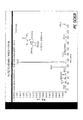
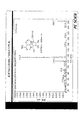
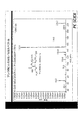
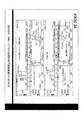
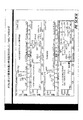
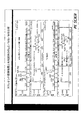
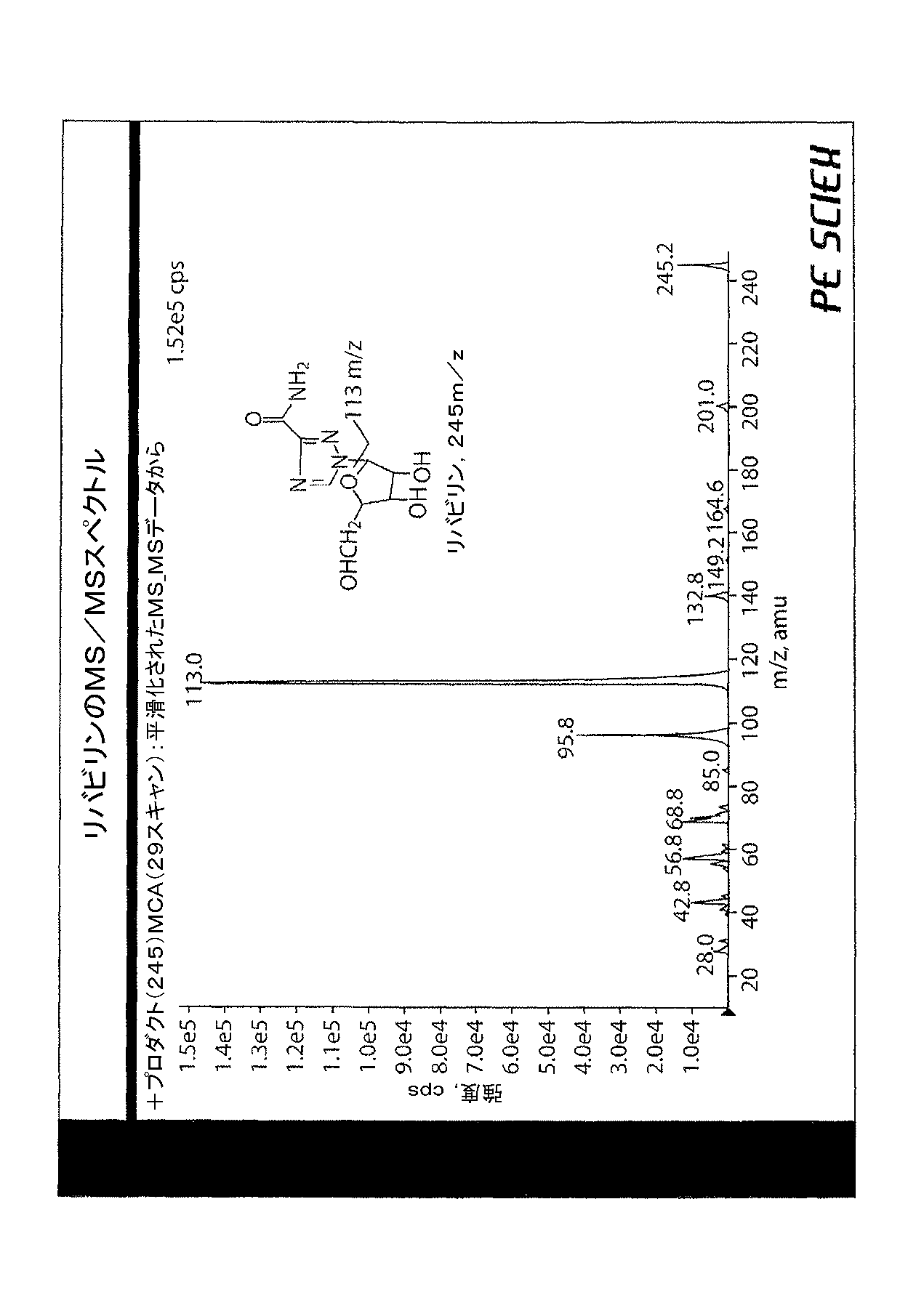
モンゴル産タンポポの異なるバッチおよび油を含む異なる抽出液について同様の結果が見られ、結果の再現性を確認した。理論に束縛されるものではないが、タンポポ抽出物に含有された特定のヌクレオシド類が、観察された効果に対して大きく寄与し得ると考えられる。これらの寄与化合物を単離し、それぞれの推定構造を図5〜図7に示した。ただし、抽出物の他の成分も関与している場合も考えられる。 Similar results were seen for different batches of Mongolian dandelions and different extracts containing oil, confirming the reproducibility of the results. Without being bound by theory, it is believed that the specific nucleosides contained in the dandelion extract can contribute significantly to the observed effects. These contributing compounds were isolated, and the respective estimated structures are shown in FIGS. However, there may be cases where other components of the extract are also involved.
Claims (11)
Applications Claiming Priority (3)
| Application Number | Priority Date | Filing Date | Title |
|---|---|---|---|
| US201462010860P | 2014-06-11 | 2014-06-11 | |
| US62/010,860 | 2014-06-11 | ||
| PCT/US2015/035384 WO2015191891A1 (en) | 2014-06-11 | 2015-06-11 | Treatment of virus-based diseases of the skin |
Publications (2)
| Publication Number | Publication Date |
|---|---|
| JP2017517543A true JP2017517543A (en) | 2017-06-29 |
| JP2017517543A5 JP2017517543A5 (en) | 2018-07-19 |
Family
ID=54834337
Family Applications (1)
| Application Number | Title | Priority Date | Filing Date |
|---|---|---|---|
| JP2016572431A Pending JP2017517543A (en) | 2014-06-11 | 2015-06-11 | Treatment of viral skin diseases |
Country Status (6)
| Country | Link |
|---|---|
| US (3) | US10034908B2 (en) |
| EP (1) | EP3154637A4 (en) |
| JP (1) | JP2017517543A (en) |
| CN (1) | CN106457000A (en) |
| CA (1) | CA2951881C (en) |
| WO (1) | WO2015191891A1 (en) |
Families Citing this family (4)
| Publication number | Priority date | Publication date | Assignee | Title |
|---|---|---|---|---|
| RU2018144745A (en) * | 2016-06-01 | 2020-07-09 | Эксижн Биотерапьютикс, Инк. | Compositions and methods of treatment directed to lytic and lysogenic viruses |
| CN107184886B (en) | 2017-05-16 | 2018-06-19 | 贾洪章 | Anti virus herb composition and its preparation method and application |
| US11065289B1 (en) * | 2020-12-21 | 2021-07-20 | Elena Sanchez Alonso | Substance and method for the treatment of poxvirus |
| US12485153B1 (en) | 2021-06-16 | 2025-12-02 | Elena Sanchez Alonso | Substance for the treatment of poxvirus |
Citations (4)
| Publication number | Priority date | Publication date | Assignee | Title |
|---|---|---|---|---|
| JPH11103832A (en) * | 1997-09-25 | 1999-04-20 | Sho Ki | Method for producing dandelion tea leaves, dandelion tea leaves, antiviral agent |
| CN101023972A (en) * | 2007-03-26 | 2007-08-29 | 赵昱 | Use of phenolic acids effective part in dandelion for treating stomatocace |
| CN102961521A (en) * | 2012-12-11 | 2013-03-13 | 王正艳 | Drug for treating herpes simplex virus keratities |
| CN103800485A (en) * | 2014-03-12 | 2014-05-21 | 马丽 | Traditional Chinese medicine preparation for treating herpes simplex keratitis |
Family Cites Families (6)
| Publication number | Priority date | Publication date | Assignee | Title |
|---|---|---|---|---|
| CN1246029C (en) * | 2002-05-28 | 2006-03-22 | 杨毓龙 | Medicine for treating herpes zoster |
| CN100998657A (en) * | 2006-12-28 | 2007-07-18 | 江蕾 | Traditional Chinese medicine for treating herpes zoster |
| CN101181366B (en) * | 2007-11-26 | 2010-06-16 | 仲海崑 | Chinese medicine composition oral administration and externally used for curing zoster |
| CN101391044A (en) * | 2008-11-13 | 2009-03-25 | 牛德兴 | External traditional Chinese medicine for treating zoster, herpes simplex or the other viral disease and preparation method thereof |
| WO2011044122A1 (en) * | 2009-10-05 | 2011-04-14 | Steven Charles Roberts | Compositions and methods of treatment that include plant extracts |
| CN102068611B (en) * | 2009-11-19 | 2012-06-06 | 谢菊荣 | Externally applied medicine for treating acute herpes |
-
2015
- 2015-06-11 US US14/737,164 patent/US10034908B2/en active Active
- 2015-06-11 EP EP15807542.4A patent/EP3154637A4/en not_active Withdrawn
- 2015-06-11 CN CN201580029943.XA patent/CN106457000A/en active Pending
- 2015-06-11 JP JP2016572431A patent/JP2017517543A/en active Pending
- 2015-06-11 WO PCT/US2015/035384 patent/WO2015191891A1/en not_active Ceased
- 2015-06-11 CA CA2951881A patent/CA2951881C/en active Active
-
2018
- 2018-06-22 US US16/015,701 patent/US10213468B2/en active Active
- 2018-06-22 US US16/015,711 patent/US10220066B2/en active Active
Patent Citations (4)
| Publication number | Priority date | Publication date | Assignee | Title |
|---|---|---|---|---|
| JPH11103832A (en) * | 1997-09-25 | 1999-04-20 | Sho Ki | Method for producing dandelion tea leaves, dandelion tea leaves, antiviral agent |
| CN101023972A (en) * | 2007-03-26 | 2007-08-29 | 赵昱 | Use of phenolic acids effective part in dandelion for treating stomatocace |
| CN102961521A (en) * | 2012-12-11 | 2013-03-13 | 王正艳 | Drug for treating herpes simplex virus keratities |
| CN103800485A (en) * | 2014-03-12 | 2014-05-21 | 马丽 | Traditional Chinese medicine preparation for treating herpes simplex keratitis |
Non-Patent Citations (2)
| Title |
|---|
| 中西医結合雑誌, vol. 10, no. 1, JPN6019008694, 1990, pages 39 - 41, ISSN: 0004189393 * |
| 日本臨床, vol. 70, no. 4, JPN6019008693, 2012, pages 558 - 563, ISSN: 0004189394 * |
Also Published As
| Publication number | Publication date |
|---|---|
| US10213468B2 (en) | 2019-02-26 |
| US20180296620A1 (en) | 2018-10-18 |
| CN106457000A (en) | 2017-02-22 |
| US20180296619A1 (en) | 2018-10-18 |
| US20150359833A1 (en) | 2015-12-17 |
| US10034908B2 (en) | 2018-07-31 |
| US10220066B2 (en) | 2019-03-05 |
| CA2951881A1 (en) | 2015-12-17 |
| EP3154637A1 (en) | 2017-04-19 |
| WO2015191891A1 (en) | 2015-12-17 |
| EP3154637A4 (en) | 2018-02-07 |
| CA2951881C (en) | 2020-12-29 |
Similar Documents
| Publication | Publication Date | Title |
|---|---|---|
| Schiffer et al. | Rapid host immune response and viral dynamics in herpes simplex virus-2 infection | |
| Mustafa et al. | Herpes simplex virus infections, Pathophysiology and Management | |
| Sluka et al. | Acid‐sensing ion channel 3 deficiency increases inflammation but decreases pain behavior in murine arthritis | |
| Klimas et al. | Chronic fatigue syndrome: inflammation, immune function, and neuroendocrine interactions | |
| Stiles | Feline herpesvirus | |
| US10220066B2 (en) | Treatment of virus-based diseases of the skin | |
| Nikkels et al. | Treatment of mucocutaneous presentations of herpes simplex virus infections | |
| Staikuniene et al. | Long-term valacyclovir treatment and immune modulation for Herpes-associated erythema multiforme | |
| Ledbetter et al. | Experimental reactivation of latent canine herpesvirus-1 and induction of recurrent ocular disease in adult dogs | |
| Stiles | Feline herpesvirus | |
| Cherpes et al. | Medroxyprogesterone acetate inhibits CD8+ T cell viral-specific effector function and induces herpes simplex virus type 1 reactivation | |
| Breier et al. | Herpes simplex virus 1 infection and valacyclovir treatment in schizophrenia: Results from the VISTA study | |
| Lachmann | Herpes simplex virus latency | |
| US8450330B2 (en) | Pharmaceutical acceptable composition containing non-steroidal anti-inflammatory drug and local anesthetics | |
| Di Pietro et al. | Herpes zoster vaccine: a protection for the elderly | |
| Shinde et al. | Revisiting the therapeutic potential of homeopathic medicine Rhus Tox for herpes simplex virus and inflammatory conditions | |
| Sen et al. | Retinoic Acid Neutralizes the Effects of Herpes Simplex Virus Type 1-Infected Cell Protein 0 (ICP0) in Retinal Pigment Epithelial Cells | |
| CN108210886A (en) | Applications of the Metrnl in ulcerative colitis is prevented | |
| Narita et al. | Pathological changes in young and adult cattle after intranasal inoculation with infectious bovine rhinotracheitis virus | |
| EP1239923A2 (en) | Stabilized veterinary compositions comprising more than one antiviral agent | |
| CN121818590A (en) | Application of OTX008 in treating HSV-1 virus infection | |
| Al-Khayri et al. | Inhibitory effect on acute herpes and prevention of postherpetic neuralgia in herpes simplex virus-1-infected mice using a plant extract Ricinus communis | |
| CN121868301A (en) | Use of iron chelators in the treatment of HSV-1 and VSV viral infections | |
| DE102024113926A1 (en) | Benfo-oxythiamine (B-OT) and/or oxythiamine (OT) as the active ingredient in a medicinal product for the topical treatment of viral skin diseases | |
| Lin et al. | Acute HSV-2 infection with a low-passage clinical strain: Analysis of viral tropism, immunity, and disease manifestations in a dual animal model system |
Legal Events
| Date | Code | Title | Description |
|---|---|---|---|
| A521 | Request for written amendment filed |
Free format text: JAPANESE INTERMEDIATE CODE: A523 Effective date: 20161228 |
|
| A521 | Request for written amendment filed |
Free format text: JAPANESE INTERMEDIATE CODE: A523 Effective date: 20180607 |
|
| A621 | Written request for application examination |
Free format text: JAPANESE INTERMEDIATE CODE: A621 Effective date: 20180607 |
|
| A977 | Report on retrieval |
Free format text: JAPANESE INTERMEDIATE CODE: A971007 Effective date: 20190213 |
|
| A131 | Notification of reasons for refusal |
Free format text: JAPANESE INTERMEDIATE CODE: A131 Effective date: 20190319 |
|
| A601 | Written request for extension of time |
Free format text: JAPANESE INTERMEDIATE CODE: A601 Effective date: 20190619 |
|
| A521 | Request for written amendment filed |
Free format text: JAPANESE INTERMEDIATE CODE: A523 Effective date: 20190814 |
|
| A02 | Decision of refusal |
Free format text: JAPANESE INTERMEDIATE CODE: A02 Effective date: 20200114 |