JP2010526041A - Self-precipitating formulations for controlled release of active ingredients - Google Patents
Self-precipitating formulations for controlled release of active ingredients Download PDFInfo
- Publication number
- JP2010526041A JP2010526041A JP2010504756A JP2010504756A JP2010526041A JP 2010526041 A JP2010526041 A JP 2010526041A JP 2010504756 A JP2010504756 A JP 2010504756A JP 2010504756 A JP2010504756 A JP 2010504756A JP 2010526041 A JP2010526041 A JP 2010526041A
- Authority
- JP
- Japan
- Prior art keywords
- formulation
- group
- polymer
- active ingredient
- cationic
- Prior art date
- Legal status (The legal status is an assumption and is not a legal conclusion. Google has not performed a legal analysis and makes no representation as to the accuracy of the status listed.)
- Pending
Links
- 239000000203 mixture Substances 0.000 title claims abstract description 136
- 238000009472 formulation Methods 0.000 title claims abstract description 124
- 239000004480 active ingredient Substances 0.000 title claims abstract description 63
- 238000013270 controlled release Methods 0.000 title 1
- 229920000642 polymer Polymers 0.000 claims abstract description 207
- 239000000243 solution Substances 0.000 claims abstract description 97
- 125000002091 cationic group Chemical group 0.000 claims abstract description 76
- 125000000291 glutamic acid group Chemical group N[C@@H](CCC(O)=O)C(=O)* 0.000 claims abstract description 32
- 125000001165 hydrophobic group Chemical group 0.000 claims abstract description 30
- 238000012360 testing method Methods 0.000 claims abstract description 30
- 239000002245 particle Substances 0.000 claims abstract description 28
- 238000002360 preparation method Methods 0.000 claims abstract description 28
- 238000000034 method Methods 0.000 claims abstract description 26
- 239000007853 buffer solution Substances 0.000 claims abstract description 16
- 239000002253 acid Substances 0.000 claims abstract description 15
- 238000002156 mixing Methods 0.000 claims abstract description 8
- 239000007788 liquid Substances 0.000 claims abstract description 5
- 235000018102 proteins Nutrition 0.000 claims description 43
- 102000004169 proteins and genes Human genes 0.000 claims description 43
- 108090000623 proteins and genes Proteins 0.000 claims description 43
- -1 hetero atom cyclic compound Chemical class 0.000 claims description 36
- 230000002209 hydrophobic effect Effects 0.000 claims description 25
- 230000007935 neutral effect Effects 0.000 claims description 25
- 238000001556 precipitation Methods 0.000 claims description 21
- 239000012730 sustained-release form Substances 0.000 claims description 20
- 238000013268 sustained release Methods 0.000 claims description 19
- 102000006992 Interferon-alpha Human genes 0.000 claims description 15
- 108010047761 Interferon-alpha Proteins 0.000 claims description 15
- 108090000765 processed proteins & peptides Proteins 0.000 claims description 13
- 150000001768 cations Chemical class 0.000 claims description 12
- WHUUTDBJXJRKMK-VKHMYHEASA-N L-glutamic acid Chemical compound OC(=O)[C@@H](N)CCC(O)=O WHUUTDBJXJRKMK-VKHMYHEASA-N 0.000 claims description 10
- 125000000217 alkyl group Chemical group 0.000 claims description 10
- 125000005842 heteroatom Chemical group 0.000 claims description 10
- 239000012669 liquid formulation Substances 0.000 claims description 10
- VEXZGXHMUGYJMC-UHFFFAOYSA-M Chloride anion Chemical compound [Cl-] VEXZGXHMUGYJMC-UHFFFAOYSA-M 0.000 claims description 8
- NOESYZHRGYRDHS-UHFFFAOYSA-N insulin Chemical compound N1C(=O)C(NC(=O)C(CCC(N)=O)NC(=O)C(CCC(O)=O)NC(=O)C(C(C)C)NC(=O)C(NC(=O)CN)C(C)CC)CSSCC(C(NC(CO)C(=O)NC(CC(C)C)C(=O)NC(CC=2C=CC(O)=CC=2)C(=O)NC(CCC(N)=O)C(=O)NC(CC(C)C)C(=O)NC(CCC(O)=O)C(=O)NC(CC(N)=O)C(=O)NC(CC=2C=CC(O)=CC=2)C(=O)NC(CSSCC(NC(=O)C(C(C)C)NC(=O)C(CC(C)C)NC(=O)C(CC=2C=CC(O)=CC=2)NC(=O)C(CC(C)C)NC(=O)C(C)NC(=O)C(CCC(O)=O)NC(=O)C(C(C)C)NC(=O)C(CC(C)C)NC(=O)C(CC=2NC=NC=2)NC(=O)C(CO)NC(=O)CNC2=O)C(=O)NCC(=O)NC(CCC(O)=O)C(=O)NC(CCCNC(N)=N)C(=O)NCC(=O)NC(CC=3C=CC=CC=3)C(=O)NC(CC=3C=CC=CC=3)C(=O)NC(CC=3C=CC(O)=CC=3)C(=O)NC(C(C)O)C(=O)N3C(CCC3)C(=O)NC(CCCCN)C(=O)NC(C)C(O)=O)C(=O)NC(CC(N)=O)C(O)=O)=O)NC(=O)C(C(C)CC)NC(=O)C(CO)NC(=O)C(C(C)O)NC(=O)C1CSSCC2NC(=O)C(CC(C)C)NC(=O)C(NC(=O)C(CCC(N)=O)NC(=O)C(CC(N)=O)NC(=O)C(NC(=O)C(N)CC=1C=CC=CC=1)C(C)C)CC1=CN=CN1 NOESYZHRGYRDHS-UHFFFAOYSA-N 0.000 claims description 8
- 150000003839 salts Chemical class 0.000 claims description 8
- ODHCTXKNWHHXJC-VKHMYHEASA-N 5-oxo-L-proline Chemical compound OC(=O)[C@@H]1CCC(=O)N1 ODHCTXKNWHHXJC-VKHMYHEASA-N 0.000 claims description 7
- 150000001413 amino acids Chemical class 0.000 claims description 7
- 125000001797 benzyl group Chemical group [H]C1=C([H])C([H])=C(C([H])=C1[H])C([H])([H])* 0.000 claims description 7
- WHUUTDBJXJRKMK-VKHMYHEASA-L glutamate group Chemical group N[C@@H](CCC(=O)[O-])C(=O)[O-] WHUUTDBJXJRKMK-VKHMYHEASA-L 0.000 claims description 7
- 229920001223 polyethylene glycol Polymers 0.000 claims description 7
- 108700012941 GNRH1 Proteins 0.000 claims description 6
- 239000000579 Gonadotropin-Releasing Hormone Substances 0.000 claims description 6
- 150000003862 amino acid derivatives Chemical class 0.000 claims description 6
- 239000000122 growth hormone Substances 0.000 claims description 6
- 125000001453 quaternary ammonium group Chemical group 0.000 claims description 6
- 102000004127 Cytokines Human genes 0.000 claims description 5
- 108090000695 Cytokines Proteins 0.000 claims description 5
- 239000002202 Polyethylene glycol Substances 0.000 claims description 5
- 235000001014 amino acid Nutrition 0.000 claims description 5
- 239000000427 antigen Substances 0.000 claims description 5
- 102000036639 antigens Human genes 0.000 claims description 5
- 108091007433 antigens Proteins 0.000 claims description 5
- 125000004432 carbon atom Chemical group C* 0.000 claims description 5
- 229930195712 glutamate Natural products 0.000 claims description 5
- 230000014759 maintenance of location Effects 0.000 claims description 5
- 239000000843 powder Substances 0.000 claims description 5
- QTBSBXVTEAMEQO-UHFFFAOYSA-M Acetate Chemical compound CC([O-])=O QTBSBXVTEAMEQO-UHFFFAOYSA-M 0.000 claims description 4
- 102000007350 Bone Morphogenetic Proteins Human genes 0.000 claims description 4
- 108010007726 Bone Morphogenetic Proteins Proteins 0.000 claims description 4
- 102100023804 Coagulation factor VII Human genes 0.000 claims description 4
- 102400001368 Epidermal growth factor Human genes 0.000 claims description 4
- 101800003838 Epidermal growth factor Proteins 0.000 claims description 4
- 108010023321 Factor VII Proteins 0.000 claims description 4
- 102400000921 Gastrin Human genes 0.000 claims description 4
- 108010052343 Gastrins Proteins 0.000 claims description 4
- 108010088406 Glucagon-Like Peptides Proteins 0.000 claims description 4
- 102000004269 Granulocyte Colony-Stimulating Factor Human genes 0.000 claims description 4
- 108010017080 Granulocyte Colony-Stimulating Factor Proteins 0.000 claims description 4
- 102000004457 Granulocyte-Macrophage Colony-Stimulating Factor Human genes 0.000 claims description 4
- 108010017213 Granulocyte-Macrophage Colony-Stimulating Factor Proteins 0.000 claims description 4
- 108090001061 Insulin Proteins 0.000 claims description 4
- 102000004877 Insulin Human genes 0.000 claims description 4
- 102000007651 Macrophage Colony-Stimulating Factor Human genes 0.000 claims description 4
- 108010046938 Macrophage Colony-Stimulating Factor Proteins 0.000 claims description 4
- 108010025020 Nerve Growth Factor Proteins 0.000 claims description 4
- 102000015336 Nerve Growth Factor Human genes 0.000 claims description 4
- 229910019142 PO4 Inorganic materials 0.000 claims description 4
- 108010038512 Platelet-Derived Growth Factor Proteins 0.000 claims description 4
- 102000010780 Platelet-Derived Growth Factor Human genes 0.000 claims description 4
- QAOWNCQODCNURD-UHFFFAOYSA-L Sulfate Chemical compound [O-]S([O-])(=O)=O QAOWNCQODCNURD-UHFFFAOYSA-L 0.000 claims description 4
- 108060008682 Tumor Necrosis Factor Proteins 0.000 claims description 4
- 125000002877 alkyl aryl group Chemical group 0.000 claims description 4
- 125000000539 amino acid group Chemical group 0.000 claims description 4
- 150000001450 anions Chemical class 0.000 claims description 4
- 125000003710 aryl alkyl group Chemical group 0.000 claims description 4
- 229940112869 bone morphogenetic protein Drugs 0.000 claims description 4
- AOXOCDRNSPFDPE-UKEONUMOSA-N chembl413654 Chemical compound C([C@H](C(=O)NCC(=O)N[C@H](CC=1C2=CC=CC=C2NC=1)C(=O)N[C@H](CCSC)C(=O)N[C@H](CC(O)=O)C(=O)N[C@H](CC=1C=CC=CC=1)C(N)=O)NC(=O)[C@@H](C)NC(=O)[C@@H](CCC(O)=O)NC(=O)[C@@H](CCC(O)=O)NC(=O)[C@@H](CCC(O)=O)NC(=O)[C@H](CCC(O)=O)NC(=O)[C@H](CCC(O)=O)NC(=O)[C@H](CC(C)C)NC(=O)[C@H](CC=1C2=CC=CC=C2NC=1)NC(=O)[C@H]1N(CCC1)C(=O)CNC(=O)[C@@H](N)CCC(O)=O)C1=CC=C(O)C=C1 AOXOCDRNSPFDPE-UKEONUMOSA-N 0.000 claims description 4
- 229940012413 factor vii Drugs 0.000 claims description 4
- 229940125396 insulin Drugs 0.000 claims description 4
- 229940053128 nerve growth factor Drugs 0.000 claims description 4
- NBIIXXVUZAFLBC-UHFFFAOYSA-K phosphate Chemical compound [O-]P([O-])([O-])=O NBIIXXVUZAFLBC-UHFFFAOYSA-K 0.000 claims description 4
- 239000010452 phosphate Substances 0.000 claims description 4
- 238000006116 polymerization reaction Methods 0.000 claims description 4
- 239000003488 releasing hormone Substances 0.000 claims description 4
- 239000007787 solid Substances 0.000 claims description 4
- 102000003390 tumor necrosis factor Human genes 0.000 claims description 4
- VBEQCZHXXJYVRD-GACYYNSASA-N uroanthelone Chemical compound C([C@@H](C(=O)N[C@H](C(=O)N[C@@H](CS)C(=O)N[C@@H](CC(N)=O)C(=O)N[C@@H](CS)C(=O)N[C@H](C(=O)N[C@@H]([C@@H](C)CC)C(=O)NCC(=O)N[C@@H](CC=1C=CC(O)=CC=1)C(=O)N[C@@H](CO)C(=O)NCC(=O)N[C@@H](CC(O)=O)C(=O)N[C@@H](CCCNC(N)=N)C(=O)N[C@@H](CS)C(=O)N[C@@H](CCC(N)=O)C(=O)N[C@@H]([C@@H](C)O)C(=O)N[C@@H](CCCNC(N)=N)C(=O)N[C@@H](CC(O)=O)C(=O)N[C@@H](CC(C)C)C(=O)N[C@@H](CCCNC(N)=N)C(=O)N[C@@H](CC=1C2=CC=CC=C2NC=1)C(=O)N[C@@H](CC=1C2=CC=CC=C2NC=1)C(=O)N[C@@H](CCC(O)=O)C(=O)N[C@@H](CC(C)C)C(=O)N[C@@H](CCCNC(N)=N)C(O)=O)C(C)C)[C@@H](C)O)NC(=O)[C@H](CO)NC(=O)[C@H](CC(O)=O)NC(=O)[C@H](CC(C)C)NC(=O)[C@H](CO)NC(=O)[C@H](CCC(O)=O)NC(=O)[C@@H](NC(=O)[C@H](CC=1NC=NC=1)NC(=O)[C@H](CCSC)NC(=O)[C@H](CS)NC(=O)[C@@H](NC(=O)CNC(=O)CNC(=O)[C@H](CC(N)=O)NC(=O)[C@H](CC(C)C)NC(=O)[C@H](CS)NC(=O)[C@H](CC=1C=CC(O)=CC=1)NC(=O)CNC(=O)[C@H](CC(O)=O)NC(=O)[C@H](CC=1C=CC(O)=CC=1)NC(=O)[C@H](CO)NC(=O)[C@H](CO)NC(=O)[C@H]1N(CCC1)C(=O)[C@H](CS)NC(=O)CNC(=O)[C@H]1N(CCC1)C(=O)[C@H](CC=1C=CC(O)=CC=1)NC(=O)[C@H](CO)NC(=O)[C@@H](N)CC(N)=O)C(C)C)[C@@H](C)CC)C1=CC=C(O)C=C1 VBEQCZHXXJYVRD-GACYYNSASA-N 0.000 claims description 4
- 108010088751 Albumins Proteins 0.000 claims description 3
- 102000009027 Albumins Human genes 0.000 claims description 3
- PMATZTZNYRCHOR-CGLBZJNRSA-N Cyclosporin A Chemical compound CC[C@@H]1NC(=O)[C@H]([C@H](O)[C@H](C)C\C=C\C)N(C)C(=O)[C@H](C(C)C)N(C)C(=O)[C@H](CC(C)C)N(C)C(=O)[C@H](CC(C)C)N(C)C(=O)[C@@H](C)NC(=O)[C@H](C)NC(=O)[C@H](CC(C)C)N(C)C(=O)[C@H](C(C)C)NC(=O)[C@H](CC(C)C)N(C)C(=O)CN(C)C1=O PMATZTZNYRCHOR-CGLBZJNRSA-N 0.000 claims description 3
- 108010036949 Cyclosporine Proteins 0.000 claims description 3
- 108090000790 Enzymes Proteins 0.000 claims description 3
- 102000004190 Enzymes Human genes 0.000 claims description 3
- 108010000817 Leuprolide Proteins 0.000 claims description 3
- 108091034117 Oligonucleotide Proteins 0.000 claims description 3
- 125000003545 alkoxy group Chemical group 0.000 claims description 3
- 125000003282 alkyl amino group Chemical group 0.000 claims description 3
- 150000001414 amino alcohols Chemical group 0.000 claims description 3
- 229960001265 ciclosporin Drugs 0.000 claims description 3
- 229930182912 cyclosporin Natural products 0.000 claims description 3
- 150000002009 diols Chemical group 0.000 claims description 3
- 229940088598 enzyme Drugs 0.000 claims description 3
- 150000001261 hydroxy acids Chemical group 0.000 claims description 3
- GFIJNRVAKGFPGQ-LIJARHBVSA-N leuprolide Chemical compound CCNC(=O)[C@@H]1CCCN1C(=O)[C@H](CCCNC(N)=N)NC(=O)[C@H](CC(C)C)NC(=O)[C@@H](CC(C)C)NC(=O)[C@@H](NC(=O)[C@H](CO)NC(=O)[C@H](CC=1C2=CC=CC=C2NC=1)NC(=O)[C@H](CC=1N=CNC=1)NC(=O)[C@H]1NC(=O)CC1)CC1=CC=C(O)C=C1 GFIJNRVAKGFPGQ-LIJARHBVSA-N 0.000 claims description 3
- 229960004338 leuprorelin Drugs 0.000 claims description 3
- 125000000956 methoxy group Chemical group [H]C([H])([H])O* 0.000 claims description 3
- 229920001515 polyalkylene glycol Polymers 0.000 claims description 3
- 108091033319 polynucleotide Proteins 0.000 claims description 3
- 239000002157 polynucleotide Substances 0.000 claims description 3
- 102000040430 polynucleotide Human genes 0.000 claims description 3
- 108010064733 Angiotensins Proteins 0.000 claims description 2
- 102000015427 Angiotensins Human genes 0.000 claims description 2
- 108010001478 Bacitracin Proteins 0.000 claims description 2
- 241000283690 Bos taurus Species 0.000 claims description 2
- 101800004538 Bradykinin Proteins 0.000 claims description 2
- 102400000967 Bradykinin Human genes 0.000 claims description 2
- 108010037003 Buserelin Proteins 0.000 claims description 2
- 108060001064 Calcitonin Proteins 0.000 claims description 2
- 102400000113 Calcitonin Human genes 0.000 claims description 2
- 108010078777 Colistin Proteins 0.000 claims description 2
- 102400000739 Corticotropin Human genes 0.000 claims description 2
- 101800000414 Corticotropin Proteins 0.000 claims description 2
- 102000018832 Cytochromes Human genes 0.000 claims description 2
- 108010052832 Cytochromes Proteins 0.000 claims description 2
- 108010092674 Enkephalins Proteins 0.000 claims description 2
- 108010074604 Epoetin Alfa Proteins 0.000 claims description 2
- 108090000394 Erythropoietin Proteins 0.000 claims description 2
- 102000003951 Erythropoietin Human genes 0.000 claims description 2
- 108010008165 Etanercept Proteins 0.000 claims description 2
- 102000003972 Fibroblast growth factor 7 Human genes 0.000 claims description 2
- 108090000385 Fibroblast growth factor 7 Proteins 0.000 claims description 2
- 102400000321 Glucagon Human genes 0.000 claims description 2
- 108060003199 Glucagon Proteins 0.000 claims description 2
- 102000003886 Glycoproteins Human genes 0.000 claims description 2
- 108090000288 Glycoproteins Proteins 0.000 claims description 2
- BLCLNMBMMGCOAS-URPVMXJPSA-N Goserelin Chemical compound C([C@@H](C(=O)N[C@H](COC(C)(C)C)C(=O)N[C@@H](CC(C)C)C(=O)N[C@@H](CCCN=C(N)N)C(=O)N1[C@@H](CCC1)C(=O)NNC(N)=O)NC(=O)[C@H](CO)NC(=O)[C@H](CC=1C2=CC=CC=C2NC=1)NC(=O)[C@H](CC=1NC=NC=1)NC(=O)[C@H]1NC(=O)CC1)C1=CC=C(O)C=C1 BLCLNMBMMGCOAS-URPVMXJPSA-N 0.000 claims description 2
- 108010069236 Goserelin Proteins 0.000 claims description 2
- 108010026389 Gramicidin Proteins 0.000 claims description 2
- 102000018997 Growth Hormone Human genes 0.000 claims description 2
- 108010051696 Growth Hormone Proteins 0.000 claims description 2
- QXZGBUJJYSLZLT-UHFFFAOYSA-N H-Arg-Pro-Pro-Gly-Phe-Ser-Pro-Phe-Arg-OH Natural products NC(N)=NCCCC(N)C(=O)N1CCCC1C(=O)N1C(C(=O)NCC(=O)NC(CC=2C=CC=CC=2)C(=O)NC(CO)C(=O)N2C(CCC2)C(=O)NC(CC=2C=CC=CC=2)C(=O)NC(CCCN=C(N)N)C(O)=O)CCC1 QXZGBUJJYSLZLT-UHFFFAOYSA-N 0.000 claims description 2
- 108010054147 Hemoglobins Proteins 0.000 claims description 2
- 102000001554 Hemoglobins Human genes 0.000 claims description 2
- 108010022901 Heparin Lyase Proteins 0.000 claims description 2
- 102000014150 Interferons Human genes 0.000 claims description 2
- 108010050904 Interferons Proteins 0.000 claims description 2
- 108010002350 Interleukin-2 Proteins 0.000 claims description 2
- 102000015696 Interleukins Human genes 0.000 claims description 2
- 108010063738 Interleukins Proteins 0.000 claims description 2
- URLZCHNOLZSCCA-VABKMULXSA-N Leu-enkephalin Chemical compound C([C@@H](C(=O)N[C@@H](CC(C)C)C(O)=O)NC(=O)CNC(=O)CNC(=O)[C@@H](N)CC=1C=CC(O)=CC=1)C1=CC=CC=C1 URLZCHNOLZSCCA-VABKMULXSA-N 0.000 claims description 2
- 229940124041 Luteinizing hormone releasing hormone (LHRH) antagonist Drugs 0.000 claims description 2
- 102100033342 Lysosomal acid glucosylceramidase Human genes 0.000 claims description 2
- 108010021717 Nafarelin Proteins 0.000 claims description 2
- 108010013106 O-raffinose cross-linked human hemoglobin Proteins 0.000 claims description 2
- 101800000989 Oxytocin Proteins 0.000 claims description 2
- 102400000050 Oxytocin Human genes 0.000 claims description 2
- XNOPRXBHLZRZKH-UHFFFAOYSA-N Oxytocin Natural products N1C(=O)C(N)CSSCC(C(=O)N2C(CCC2)C(=O)NC(CC(C)C)C(=O)NCC(N)=O)NC(=O)C(CC(N)=O)NC(=O)C(CCC(N)=O)NC(=O)C(C(C)CC)NC(=O)C1CC1=CC=C(O)C=C1 XNOPRXBHLZRZKH-UHFFFAOYSA-N 0.000 claims description 2
- 108091006006 PEGylated Proteins Proteins 0.000 claims description 2
- 108010079943 Pentagastrin Proteins 0.000 claims description 2
- 108010040201 Polymyxins Proteins 0.000 claims description 2
- 102000003946 Prolactin Human genes 0.000 claims description 2
- 108010057464 Prolactin Proteins 0.000 claims description 2
- 102100028255 Renin Human genes 0.000 claims description 2
- 108090000783 Renin Proteins 0.000 claims description 2
- 102100037505 Secretin Human genes 0.000 claims description 2
- 108010086019 Secretin Proteins 0.000 claims description 2
- 102000005157 Somatostatin Human genes 0.000 claims description 2
- 108010056088 Somatostatin Proteins 0.000 claims description 2
- 108010039185 Tenecteplase Proteins 0.000 claims description 2
- 108010061174 Thyrotropin Proteins 0.000 claims description 2
- 102000011923 Thyrotropin Human genes 0.000 claims description 2
- 108090000373 Tissue Plasminogen Activator Proteins 0.000 claims description 2
- 102000003978 Tissue Plasminogen Activator Human genes 0.000 claims description 2
- 108010050144 Triptorelin Pamoate Proteins 0.000 claims description 2
- GXBMIBRIOWHPDT-UHFFFAOYSA-N Vasopressin Natural products N1C(=O)C(CC=2C=C(O)C=CC=2)NC(=O)C(N)CSSCC(C(=O)N2C(CCC2)C(=O)NC(CCCN=C(N)N)C(=O)NCC(N)=O)NC(=O)C(CC(N)=O)NC(=O)C(CCC(N)=O)NC(=O)C1CC1=CC=CC=C1 GXBMIBRIOWHPDT-UHFFFAOYSA-N 0.000 claims description 2
- 102000002852 Vasopressins Human genes 0.000 claims description 2
- 108010004977 Vasopressins Proteins 0.000 claims description 2
- JLCPHMBAVCMARE-UHFFFAOYSA-N [3-[[3-[[3-[[3-[[3-[[3-[[3-[[3-[[3-[[3-[[3-[[5-(2-amino-6-oxo-1H-purin-9-yl)-3-[[3-[[3-[[3-[[3-[[3-[[5-(2-amino-6-oxo-1H-purin-9-yl)-3-[[5-(2-amino-6-oxo-1H-purin-9-yl)-3-hydroxyoxolan-2-yl]methoxy-hydroxyphosphoryl]oxyoxolan-2-yl]methoxy-hydroxyphosphoryl]oxy-5-(5-methyl-2,4-dioxopyrimidin-1-yl)oxolan-2-yl]methoxy-hydroxyphosphoryl]oxy-5-(6-aminopurin-9-yl)oxolan-2-yl]methoxy-hydroxyphosphoryl]oxy-5-(6-aminopurin-9-yl)oxolan-2-yl]methoxy-hydroxyphosphoryl]oxy-5-(6-aminopurin-9-yl)oxolan-2-yl]methoxy-hydroxyphosphoryl]oxy-5-(6-aminopurin-9-yl)oxolan-2-yl]methoxy-hydroxyphosphoryl]oxyoxolan-2-yl]methoxy-hydroxyphosphoryl]oxy-5-(5-methyl-2,4-dioxopyrimidin-1-yl)oxolan-2-yl]methoxy-hydroxyphosphoryl]oxy-5-(4-amino-2-oxopyrimidin-1-yl)oxolan-2-yl]methoxy-hydroxyphosphoryl]oxy-5-(5-methyl-2,4-dioxopyrimidin-1-yl)oxolan-2-yl]methoxy-hydroxyphosphoryl]oxy-5-(5-methyl-2,4-dioxopyrimidin-1-yl)oxolan-2-yl]methoxy-hydroxyphosphoryl]oxy-5-(6-aminopurin-9-yl)oxolan-2-yl]methoxy-hydroxyphosphoryl]oxy-5-(6-aminopurin-9-yl)oxolan-2-yl]methoxy-hydroxyphosphoryl]oxy-5-(4-amino-2-oxopyrimidin-1-yl)oxolan-2-yl]methoxy-hydroxyphosphoryl]oxy-5-(4-amino-2-oxopyrimidin-1-yl)oxolan-2-yl]methoxy-hydroxyphosphoryl]oxy-5-(4-amino-2-oxopyrimidin-1-yl)oxolan-2-yl]methoxy-hydroxyphosphoryl]oxy-5-(6-aminopurin-9-yl)oxolan-2-yl]methoxy-hydroxyphosphoryl]oxy-5-(4-amino-2-oxopyrimidin-1-yl)oxolan-2-yl]methyl [5-(6-aminopurin-9-yl)-2-(hydroxymethyl)oxolan-3-yl] hydrogen phosphate Polymers Cc1cn(C2CC(OP(O)(=O)OCC3OC(CC3OP(O)(=O)OCC3OC(CC3O)n3cnc4c3nc(N)[nH]c4=O)n3cnc4c3nc(N)[nH]c4=O)C(COP(O)(=O)OC3CC(OC3COP(O)(=O)OC3CC(OC3COP(O)(=O)OC3CC(OC3COP(O)(=O)OC3CC(OC3COP(O)(=O)OC3CC(OC3COP(O)(=O)OC3CC(OC3COP(O)(=O)OC3CC(OC3COP(O)(=O)OC3CC(OC3COP(O)(=O)OC3CC(OC3COP(O)(=O)OC3CC(OC3COP(O)(=O)OC3CC(OC3COP(O)(=O)OC3CC(OC3COP(O)(=O)OC3CC(OC3COP(O)(=O)OC3CC(OC3COP(O)(=O)OC3CC(OC3COP(O)(=O)OC3CC(OC3COP(O)(=O)OC3CC(OC3CO)n3cnc4c(N)ncnc34)n3ccc(N)nc3=O)n3cnc4c(N)ncnc34)n3ccc(N)nc3=O)n3ccc(N)nc3=O)n3ccc(N)nc3=O)n3cnc4c(N)ncnc34)n3cnc4c(N)ncnc34)n3cc(C)c(=O)[nH]c3=O)n3cc(C)c(=O)[nH]c3=O)n3ccc(N)nc3=O)n3cc(C)c(=O)[nH]c3=O)n3cnc4c3nc(N)[nH]c4=O)n3cnc4c(N)ncnc34)n3cnc4c(N)ncnc34)n3cnc4c(N)ncnc34)n3cnc4c(N)ncnc34)O2)c(=O)[nH]c1=O JLCPHMBAVCMARE-UHFFFAOYSA-N 0.000 claims description 2
- 125000002252 acyl group Chemical group 0.000 claims description 2
- 229960002964 adalimumab Drugs 0.000 claims description 2
- 125000005907 alkyl ester group Chemical group 0.000 claims description 2
- 229960003318 alteplase Drugs 0.000 claims description 2
- 229960002616 ancestim Drugs 0.000 claims description 2
- 108700024685 ancestim Proteins 0.000 claims description 2
- KBZOIRJILGZLEJ-LGYYRGKSSA-N argipressin Chemical compound C([C@H]1C(=O)N[C@@H](CCC(N)=O)C(=O)N[C@@H](CC(N)=O)C(=O)N[C@@H](CSSC[C@@H](C(N[C@@H](CC=2C=CC(O)=CC=2)C(=O)N1)=O)N)C(=O)N1[C@@H](CCC1)C(=O)N[C@@H](CCCN=C(N)N)C(=O)NCC(N)=O)C1=CC=CC=C1 KBZOIRJILGZLEJ-LGYYRGKSSA-N 0.000 claims description 2
- 229960003071 bacitracin Drugs 0.000 claims description 2
- 229930184125 bacitracin Natural products 0.000 claims description 2
- CLKOFPXJLQSYAH-ABRJDSQDSA-N bacitracin A Chemical compound C1SC([C@@H](N)[C@@H](C)CC)=N[C@@H]1C(=O)N[C@@H](CC(C)C)C(=O)N[C@H](CCC(O)=O)C(=O)N[C@@H]([C@@H](C)CC)C(=O)N[C@@H]1C(=O)N[C@H](CCCN)C(=O)N[C@@H]([C@@H](C)CC)C(=O)N[C@H](CC=2C=CC=CC=2)C(=O)N[C@@H](CC=2N=CNC=2)C(=O)N[C@H](CC(O)=O)C(=O)N[C@@H](CC(N)=O)C(=O)NCCCC1 CLKOFPXJLQSYAH-ABRJDSQDSA-N 0.000 claims description 2
- 229960000182 blood factors Drugs 0.000 claims description 2
- QXZGBUJJYSLZLT-FDISYFBBSA-N bradykinin Chemical compound NC(=N)NCCC[C@H](N)C(=O)N1CCC[C@H]1C(=O)N1[C@H](C(=O)NCC(=O)N[C@@H](CC=2C=CC=CC=2)C(=O)N[C@@H](CO)C(=O)N2[C@@H](CCC2)C(=O)N[C@@H](CC=2C=CC=CC=2)C(=O)N[C@@H](CCCNC(N)=N)C(O)=O)CCC1 QXZGBUJJYSLZLT-FDISYFBBSA-N 0.000 claims description 2
- CUWODFFVMXJOKD-UVLQAERKSA-N buserelin Chemical compound CCNC(=O)[C@@H]1CCCN1C(=O)[C@H](CCCN=C(N)N)NC(=O)[C@H](CC(C)C)NC(=O)[C@@H](COC(C)(C)C)NC(=O)[C@@H](NC(=O)[C@H](CO)NC(=O)[C@H](CC=1C2=CC=CC=C2NC=1)NC(=O)[C@H](CC=1NC=NC=1)NC(=O)[C@H]1NC(=O)CC1)CC1=CC=C(O)C=C1 CUWODFFVMXJOKD-UVLQAERKSA-N 0.000 claims description 2
- 229960002719 buserelin Drugs 0.000 claims description 2
- BBBFJLBPOGFECG-VJVYQDLKSA-N calcitonin Chemical compound N([C@H](C(=O)N[C@@H](CC(C)C)C(=O)NCC(=O)N[C@@H](CCCCN)C(=O)N[C@@H](CC(C)C)C(=O)N[C@@H](CO)C(=O)N[C@@H](CCC(N)=O)C(=O)N[C@@H](CCC(O)=O)C(=O)N[C@@H](CC(C)C)C(=O)N[C@@H](CC=1NC=NC=1)C(=O)N[C@@H](CCCCN)C(=O)N[C@@H](CC(C)C)C(=O)N[C@@H](CCC(N)=O)C(=O)N[C@@H]([C@@H](C)O)C(=O)N[C@@H](CC=1C=CC(O)=CC=1)C(=O)N1[C@@H](CCC1)C(=O)N[C@@H](CCCNC(N)=N)C(=O)N[C@@H]([C@@H](C)O)C(=O)N[C@@H](CC(N)=O)C(=O)N[C@@H]([C@@H](C)O)C(=O)NCC(=O)N[C@@H](CO)C(=O)NCC(=O)N[C@@H]([C@@H](C)O)C(=O)N1[C@@H](CCC1)C(N)=O)C(C)C)C(=O)[C@@H]1CSSC[C@H](N)C(=O)N[C@@H](CO)C(=O)N[C@@H](CC(N)=O)C(=O)N[C@@H](CC(C)C)C(=O)N[C@@H](CO)C(=O)N[C@@H]([C@@H](C)O)C(=O)N1 BBBFJLBPOGFECG-VJVYQDLKSA-N 0.000 claims description 2
- 229960004015 calcitonin Drugs 0.000 claims description 2
- 229960005395 cetuximab Drugs 0.000 claims description 2
- 229960003346 colistin Drugs 0.000 claims description 2
- 229920001577 copolymer Polymers 0.000 claims description 2
- IDLFZVILOHSSID-OVLDLUHVSA-N corticotropin Chemical compound C([C@@H](C(=O)N[C@@H](CO)C(=O)N[C@@H](CCSC)C(=O)N[C@@H](CCC(O)=O)C(=O)N[C@@H](CC=1NC=NC=1)C(=O)N[C@@H](CC=1C=CC=CC=1)C(=O)N[C@@H](CCCNC(N)=N)C(=O)N[C@@H](CC=1C2=CC=CC=C2NC=1)C(=O)NCC(=O)N[C@@H](CCCCN)C(=O)N1[C@@H](CCC1)C(=O)N[C@@H](C(C)C)C(=O)NCC(=O)N[C@@H](CCCCN)C(=O)N[C@@H](CCCCN)C(=O)N[C@@H](CCCNC(N)=N)C(=O)N[C@@H](CCCNC(N)=N)C(=O)N1[C@@H](CCC1)C(=O)N[C@@H](C(C)C)C(=O)N[C@@H](CCCCN)C(=O)N[C@@H](C(C)C)C(=O)N[C@@H](CC=1C=CC(O)=CC=1)C(=O)N1[C@@H](CCC1)C(=O)N[C@@H](CC(N)=O)C(=O)NCC(=O)N[C@@H](C)C(=O)N[C@@H](CCC(O)=O)C(=O)N[C@@H](CC(O)=O)C(=O)N[C@@H](CCC(O)=O)C(=O)N[C@@H](CO)C(=O)N[C@@H](C)C(=O)N[C@@H](CCC(O)=O)C(=O)N[C@@H](C)C(=O)N[C@@H](CC=1C=CC=CC=1)C(=O)N1[C@@H](CCC1)C(=O)N[C@@H](CC(C)C)C(=O)N[C@@H](CCC(O)=O)C(=O)N[C@@H](CC=1C=CC=CC=1)C(O)=O)NC(=O)[C@@H](N)CO)C1=CC=C(O)C=C1 IDLFZVILOHSSID-OVLDLUHVSA-N 0.000 claims description 2
- 229960000258 corticotropin Drugs 0.000 claims description 2
- 150000001923 cyclic compounds Chemical class 0.000 claims description 2
- 125000004427 diamine group Chemical group 0.000 claims description 2
- 229940056176 drotrecogin alfa Drugs 0.000 claims description 2
- 229940116977 epidermal growth factor Drugs 0.000 claims description 2
- 229960003388 epoetin alfa Drugs 0.000 claims description 2
- 108010002601 epoetin beta Proteins 0.000 claims description 2
- 229960004579 epoetin beta Drugs 0.000 claims description 2
- 229940105423 erythropoietin Drugs 0.000 claims description 2
- 229960000403 etanercept Drugs 0.000 claims description 2
- 125000003754 ethoxycarbonyl group Chemical group C(=O)(OCC)* 0.000 claims description 2
- 239000012634 fragment Substances 0.000 claims description 2
- MASNOZXLGMXCHN-ZLPAWPGGSA-N glucagon Chemical compound C([C@@H](C(=O)N[C@H](C(=O)N[C@@H](CCC(N)=O)C(=O)N[C@@H](CC=1C2=CC=CC=C2NC=1)C(=O)N[C@@H](CC(C)C)C(=O)N[C@@H](CCSC)C(=O)N[C@@H](CC(N)=O)C(=O)N[C@@H]([C@@H](C)O)C(O)=O)C(C)C)NC(=O)[C@H](CC(O)=O)NC(=O)[C@H](CCC(N)=O)NC(=O)[C@H](C)NC(=O)[C@H](CCCNC(N)=N)NC(=O)[C@H](CCCNC(N)=N)NC(=O)[C@H](CO)NC(=O)[C@H](CC(O)=O)NC(=O)[C@H](CC(C)C)NC(=O)[C@H](CC=1C=CC(O)=CC=1)NC(=O)[C@H](CCCCN)NC(=O)[C@H](CO)NC(=O)[C@H](CC=1C=CC(O)=CC=1)NC(=O)[C@H](CC(O)=O)NC(=O)[C@H](CO)NC(=O)[C@@H](NC(=O)[C@H](CC=1C=CC=CC=1)NC(=O)[C@@H](NC(=O)CNC(=O)[C@H](CCC(N)=O)NC(=O)[C@H](CO)NC(=O)[C@@H](N)CC=1NC=NC=1)[C@@H](C)O)[C@@H](C)O)C1=CC=CC=C1 MASNOZXLGMXCHN-ZLPAWPGGSA-N 0.000 claims description 2
- 229960004666 glucagon Drugs 0.000 claims description 2
- 150000004676 glycans Chemical class 0.000 claims description 2
- 125000003827 glycol group Chemical group 0.000 claims description 2
- 229960002913 goserelin Drugs 0.000 claims description 2
- 229960004905 gramicidin Drugs 0.000 claims description 2
- ZWCXYZRRTRDGQE-SORVKSEFSA-N gramicidina Chemical compound C1=CC=C2C(C[C@H](NC(=O)[C@@H](CC(C)C)NC(=O)[C@H](CC=3C4=CC=CC=C4NC=3)NC(=O)[C@@H](CC(C)C)NC(=O)[C@H](CC=3C4=CC=CC=C4NC=3)NC(=O)[C@@H](CC(C)C)NC(=O)[C@H](CC=3C4=CC=CC=C4NC=3)NC(=O)[C@H](C(C)C)NC(=O)[C@H](C(C)C)NC(=O)[C@@H](C(C)C)NC(=O)[C@H](C)NC(=O)[C@H](NC(=O)[C@H](C)NC(=O)CNC(=O)[C@@H](NC=O)C(C)C)CC(C)C)C(=O)NCCO)=CNC2=C1 ZWCXYZRRTRDGQE-SORVKSEFSA-N 0.000 claims description 2
- 239000003102 growth factor Substances 0.000 claims description 2
- 229960004732 hemoglobin raffimer Drugs 0.000 claims description 2
- 230000011132 hemopoiesis Effects 0.000 claims description 2
- 208000002672 hepatitis B Diseases 0.000 claims description 2
- 229960002127 imiglucerase Drugs 0.000 claims description 2
- 108010039650 imiglucerase Proteins 0.000 claims description 2
- 229960000598 infliximab Drugs 0.000 claims description 2
- 229940079322 interferon Drugs 0.000 claims description 2
- 125000005647 linker group Chemical group 0.000 claims description 2
- 125000001160 methoxycarbonyl group Chemical group [H]C([H])([H])OC(*)=O 0.000 claims description 2
- 238000012986 modification Methods 0.000 claims description 2
- 230000004048 modification Effects 0.000 claims description 2
- JORAUNFTUVJTNG-BSTBCYLQSA-N n-[(2s)-4-amino-1-[[(2s,3r)-1-[[(2s)-4-amino-1-oxo-1-[[(3s,6s,9s,12s,15r,18s,21s)-6,9,18-tris(2-aminoethyl)-3-[(1r)-1-hydroxyethyl]-12,15-bis(2-methylpropyl)-2,5,8,11,14,17,20-heptaoxo-1,4,7,10,13,16,19-heptazacyclotricos-21-yl]amino]butan-2-yl]amino]-3-h Chemical compound CC(C)CCCCC(=O)N[C@@H](CCN)C(=O)N[C@H]([C@@H](C)O)CN[C@@H](CCN)C(=O)N[C@H]1CCNC(=O)[C@H]([C@@H](C)O)NC(=O)[C@H](CCN)NC(=O)[C@H](CCN)NC(=O)[C@H](CC(C)C)NC(=O)[C@@H](CC(C)C)NC(=O)[C@H](CCN)NC1=O.CCC(C)CCCCC(=O)N[C@@H](CCN)C(=O)N[C@H]([C@@H](C)O)CN[C@@H](CCN)C(=O)N[C@H]1CCNC(=O)[C@H]([C@@H](C)O)NC(=O)[C@H](CCN)NC(=O)[C@H](CCN)NC(=O)[C@H](CC(C)C)NC(=O)[C@@H](CC(C)C)NC(=O)[C@H](CCN)NC1=O JORAUNFTUVJTNG-BSTBCYLQSA-N 0.000 claims description 2
- RWHUEXWOYVBUCI-ITQXDASVSA-N nafarelin Chemical compound C([C@@H](C(=O)N[C@H](CC=1C=C2C=CC=CC2=CC=1)C(=O)N[C@@H](CC(C)C)C(=O)N[C@@H](CCCN=C(N)N)C(=O)N1[C@@H](CCC1)C(=O)NCC(N)=O)NC(=O)[C@H](CO)NC(=O)[C@H](CC=1C2=CC=CC=C2NC=1)NC(=O)[C@H](CC=1NC=NC=1)NC(=O)[C@H]1NC(=O)CC1)C1=CC=C(O)C=C1 RWHUEXWOYVBUCI-ITQXDASVSA-N 0.000 claims description 2
- 229960002333 nafarelin Drugs 0.000 claims description 2
- 229960000470 omalizumab Drugs 0.000 claims description 2
- XNOPRXBHLZRZKH-DSZYJQQASA-N oxytocin Chemical compound C([C@H]1C(=O)N[C@H](C(N[C@@H](CCC(N)=O)C(=O)N[C@@H](CC(N)=O)C(=O)N[C@@H](CSSC[C@H](N)C(=O)N1)C(=O)N1[C@@H](CCC1)C(=O)N[C@@H](CC(C)C)C(=O)NCC(N)=O)=O)[C@@H](C)CC)C1=CC=C(O)C=C1 XNOPRXBHLZRZKH-DSZYJQQASA-N 0.000 claims description 2
- 229960001723 oxytocin Drugs 0.000 claims description 2
- 229960000444 pentagastrin Drugs 0.000 claims description 2
- ANRIQLNBZQLTFV-DZUOILHNSA-N pentagastrin Chemical compound C([C@H](NC(=O)[C@H](CC(O)=O)NC(=O)[C@@H](NC(=O)[C@H](CC=1[C]2C=CC=CC2=NC=1)NC(=O)CCNC(=O)OC(C)(C)C)CCSC)C(N)=O)C1=CC=CC=C1 ANRIQLNBZQLTFV-DZUOILHNSA-N 0.000 claims description 2
- 229920001281 polyalkylene Polymers 0.000 claims description 2
- XDJYMJULXQKGMM-UHFFFAOYSA-N polymyxin E1 Natural products CCC(C)CCCCC(=O)NC(CCN)C(=O)NC(C(C)O)C(=O)NC(CCN)C(=O)NC1CCNC(=O)C(C(C)O)NC(=O)C(CCN)NC(=O)C(CCN)NC(=O)C(CC(C)C)NC(=O)C(CC(C)C)NC(=O)C(CCN)NC1=O XDJYMJULXQKGMM-UHFFFAOYSA-N 0.000 claims description 2
- KNIWPHSUTGNZST-UHFFFAOYSA-N polymyxin E2 Natural products CC(C)CCCCC(=O)NC(CCN)C(=O)NC(C(C)O)C(=O)NC(CCN)C(=O)NC1CCNC(=O)C(C(C)O)NC(=O)C(CCN)NC(=O)C(CCN)NC(=O)C(CC(C)C)NC(=O)C(CC(C)C)NC(=O)C(CCN)NC1=O KNIWPHSUTGNZST-UHFFFAOYSA-N 0.000 claims description 2
- 229920001282 polysaccharide Polymers 0.000 claims description 2
- 239000005017 polysaccharide Substances 0.000 claims description 2
- OXCMYAYHXIHQOA-UHFFFAOYSA-N potassium;[2-butyl-5-chloro-3-[[4-[2-(1,2,4-triaza-3-azanidacyclopenta-1,4-dien-5-yl)phenyl]phenyl]methyl]imidazol-4-yl]methanol Chemical compound [K+].CCCCC1=NC(Cl)=C(CO)N1CC1=CC=C(C=2C(=CC=CC=2)C2=N[N-]N=N2)C=C1 OXCMYAYHXIHQOA-UHFFFAOYSA-N 0.000 claims description 2
- 230000001376 precipitating effect Effects 0.000 claims description 2
- 229940097325 prolactin Drugs 0.000 claims description 2
- 229940043131 pyroglutamate Drugs 0.000 claims description 2
- 150000003254 radicals Chemical class 0.000 claims description 2
- 229960004641 rituximab Drugs 0.000 claims description 2
- 229960002101 secretin Drugs 0.000 claims description 2
- OWMZNFCDEHGFEP-NFBCVYDUSA-N secretin human Chemical compound C([C@@H](C(=O)N[C@H](C(=O)N[C@@H](CO)C(=O)N[C@@H](CCC(O)=O)C(=O)N[C@@H](CC(C)C)C(=O)N[C@@H](CO)C(=O)N[C@@H](CCCNC(N)=N)C(=O)N[C@@H](CC(C)C)C(=O)N[C@@H](CCCNC(N)=N)C(=O)N[C@@H](CCC(O)=O)C(=O)NCC(=O)N[C@@H](C)C(=O)N[C@@H](CCCNC(N)=N)C(=O)N[C@@H](CC(C)C)C(=O)N[C@@H](CCC(N)=O)C(=O)N[C@@H](CCCNC(N)=N)C(=O)N[C@@H](CC(C)C)C(=O)N[C@@H](CC(C)C)C(=O)N[C@@H](CCC(N)=O)C(=O)NCC(=O)N[C@@H](CC(C)C)C(=O)N[C@@H](C(C)C)C(N)=O)[C@@H](C)O)NC(=O)[C@@H](NC(=O)CNC(=O)[C@H](CC(O)=O)NC(=O)[C@H](CO)NC(=O)[C@@H](N)CC=1NC=NC=1)[C@@H](C)O)C1=CC=CC=C1 OWMZNFCDEHGFEP-NFBCVYDUSA-N 0.000 claims description 2
- NHXLMOGPVYXJNR-ATOGVRKGSA-N somatostatin Chemical compound C([C@H]1C(=O)N[C@H](C(N[C@@H](CO)C(=O)N[C@@H](CSSC[C@@H](C(=O)N[C@@H](CCCCN)C(=O)N[C@@H](CC(N)=O)C(=O)N[C@@H](CC=2C=CC=CC=2)C(=O)N[C@@H](CC=2C=CC=CC=2)C(=O)N[C@@H](CC=2C3=CC=CC=C3NC=2)C(=O)N[C@@H](CCCCN)C(=O)N[C@H](C(=O)N1)[C@@H](C)O)NC(=O)CNC(=O)[C@H](C)N)C(O)=O)=O)[C@H](O)C)C1=CC=CC=C1 NHXLMOGPVYXJNR-ATOGVRKGSA-N 0.000 claims description 2
- 229960000553 somatostatin Drugs 0.000 claims description 2
- 229960000216 tenecteplase Drugs 0.000 claims description 2
- 229960005267 tositumomab Drugs 0.000 claims description 2
- 108010078749 trafermin Proteins 0.000 claims description 2
- 229950009227 trafermin Drugs 0.000 claims description 2
- 229960000575 trastuzumab Drugs 0.000 claims description 2
- 150000004072 triols Chemical group 0.000 claims description 2
- VXKHXGOKWPXYNA-PGBVPBMZSA-N triptorelin Chemical compound C([C@@H](C(=O)N[C@H](CC=1C2=CC=CC=C2NC=1)C(=O)N[C@@H](CC(C)C)C(=O)N[C@@H](CCCNC(N)=N)C(=O)N1[C@@H](CCC1)C(=O)NCC(N)=O)NC(=O)[C@H](CO)NC(=O)[C@H](CC=1C2=CC=CC=C2NC=1)NC(=O)[C@H](CC=1N=CNC=1)NC(=O)[C@H]1NC(=O)CC1)C1=CC=C(O)C=C1 VXKHXGOKWPXYNA-PGBVPBMZSA-N 0.000 claims description 2
- 229960004824 triptorelin Drugs 0.000 claims description 2
- 229960005486 vaccine Drugs 0.000 claims description 2
- 229960003726 vasopressin Drugs 0.000 claims description 2
- 229960000284 efalizumab Drugs 0.000 claims 1
- 239000003814 drug Substances 0.000 abstract description 15
- 239000007900 aqueous suspension Substances 0.000 abstract description 5
- HEMHJVSKTPXQMS-UHFFFAOYSA-M Sodium hydroxide Chemical compound [OH-].[Na+] HEMHJVSKTPXQMS-UHFFFAOYSA-M 0.000 description 48
- FAPWRFPIFSIZLT-UHFFFAOYSA-M Sodium chloride Chemical compound [Na+].[Cl-] FAPWRFPIFSIZLT-UHFFFAOYSA-M 0.000 description 41
- 108010020346 Polyglutamic Acid Proteins 0.000 description 26
- 229920000370 gamma-poly(glutamate) polymer Polymers 0.000 description 26
- ZMXDDKWLCZADIW-UHFFFAOYSA-N N,N-Dimethylformamide Chemical compound CN(C)C=O ZMXDDKWLCZADIW-UHFFFAOYSA-N 0.000 description 24
- XLYOFNOQVPJJNP-UHFFFAOYSA-N water Substances O XLYOFNOQVPJJNP-UHFFFAOYSA-N 0.000 description 22
- GVJHHUAWPYXKBD-IEOSBIPESA-N α-tocopherol Chemical compound OC1=C(C)C(C)=C2O[C@@](CCC[C@H](C)CCC[C@H](C)CCCC(C)C)(C)CCC2=C1C GVJHHUAWPYXKBD-IEOSBIPESA-N 0.000 description 21
- 230000001225 therapeutic effect Effects 0.000 description 20
- 230000015572 biosynthetic process Effects 0.000 description 18
- 239000011780 sodium chloride Substances 0.000 description 18
- 238000003786 synthesis reaction Methods 0.000 description 16
- 239000002105 nanoparticle Substances 0.000 description 12
- 239000002244 precipitate Substances 0.000 description 12
- UMMQVDUMUMBTAV-YFKPBYRVSA-N (2s)-2-amino-3-(1h-imidazol-5-yl)propanamide Chemical compound NC(=O)[C@@H](N)CC1=CN=CN1 UMMQVDUMUMBTAV-YFKPBYRVSA-N 0.000 description 11
- 239000000725 suspension Substances 0.000 description 11
- SECXISVLQFMRJM-UHFFFAOYSA-N N-Methylpyrrolidone Chemical compound CN1CCCC1=O SECXISVLQFMRJM-UHFFFAOYSA-N 0.000 description 10
- HNDVDQJCIGZPNO-UHFFFAOYSA-N histidine Natural products OC(=O)C(N)CC1=CN=CN1 HNDVDQJCIGZPNO-UHFFFAOYSA-N 0.000 description 10
- VEXZGXHMUGYJMC-UHFFFAOYSA-N Hydrochloric acid Chemical compound Cl VEXZGXHMUGYJMC-UHFFFAOYSA-N 0.000 description 9
- SJRJJKPEHAURKC-UHFFFAOYSA-N N-Methylmorpholine Chemical compound CN1CCOCC1 SJRJJKPEHAURKC-UHFFFAOYSA-N 0.000 description 9
- ZMANZCXQSJIPKH-UHFFFAOYSA-N Triethylamine Chemical compound CCN(CC)CC ZMANZCXQSJIPKH-UHFFFAOYSA-N 0.000 description 9
- 229940087168 alpha tocopherol Drugs 0.000 description 9
- 229940079593 drug Drugs 0.000 description 9
- 229960000984 tocofersolan Drugs 0.000 description 9
- 235000004835 α-tocopherol Nutrition 0.000 description 9
- 239000002076 α-tocopherol Substances 0.000 description 9
- HZAXFHJVJLSVMW-UHFFFAOYSA-N 2-Aminoethan-1-ol Chemical compound NCCO HZAXFHJVJLSVMW-UHFFFAOYSA-N 0.000 description 8
- OHDXDNUPVVYWOV-UHFFFAOYSA-N n-methyl-1-(2-naphthalen-1-ylsulfanylphenyl)methanamine Chemical compound CNCC1=CC=CC=C1SC1=CC=CC2=CC=CC=C12 OHDXDNUPVVYWOV-UHFFFAOYSA-N 0.000 description 8
- 230000036470 plasma concentration Effects 0.000 description 8
- 229920000867 polyelectrolyte Polymers 0.000 description 8
- GVJHHUAWPYXKBD-UHFFFAOYSA-N d-alpha-tocopherol Natural products OC1=C(C)C(C)=C2OC(CCCC(C)CCCC(C)CCCC(C)C)(C)CCC2=C1C GVJHHUAWPYXKBD-UHFFFAOYSA-N 0.000 description 7
- QTBSBXVTEAMEQO-UHFFFAOYSA-N Acetic acid Chemical compound CC(O)=O QTBSBXVTEAMEQO-UHFFFAOYSA-N 0.000 description 6
- IAZDPXIOMUYVGZ-UHFFFAOYSA-N Dimethylsulphoxide Chemical compound CS(C)=O IAZDPXIOMUYVGZ-UHFFFAOYSA-N 0.000 description 6
- NTYJJOPFIAHURM-UHFFFAOYSA-N Histamine Chemical compound NCCC1=CN=CN1 NTYJJOPFIAHURM-UHFFFAOYSA-N 0.000 description 6
- 230000002378 acidificating effect Effects 0.000 description 6
- 125000000524 functional group Chemical group 0.000 description 6
- 229920001308 poly(aminoacid) Polymers 0.000 description 6
- 229920002643 polyglutamic acid Polymers 0.000 description 6
- 239000007864 aqueous solution Substances 0.000 description 5
- 230000000052 comparative effect Effects 0.000 description 5
- 150000002410 histidine derivatives Chemical class 0.000 description 5
- 102000004196 processed proteins & peptides Human genes 0.000 description 5
- 239000012429 reaction media Substances 0.000 description 5
- KBPLFHHGFOOTCA-UHFFFAOYSA-N 1-Octanol Chemical compound CCCCCCCCO KBPLFHHGFOOTCA-UHFFFAOYSA-N 0.000 description 4
- VHYFNPMBLIVWCW-UHFFFAOYSA-N 4-Dimethylaminopyridine Chemical compound CN(C)C1=CC=NC=C1 VHYFNPMBLIVWCW-UHFFFAOYSA-N 0.000 description 4
- WCUXLLCKKVVCTQ-UHFFFAOYSA-M Potassium chloride Chemical compound [Cl-].[K+] WCUXLLCKKVVCTQ-UHFFFAOYSA-M 0.000 description 4
- 150000001408 amides Chemical class 0.000 description 4
- 125000003178 carboxy group Chemical group [H]OC(*)=O 0.000 description 4
- 238000010382 chemical cross-linking Methods 0.000 description 4
- HVYWMOMLDIMFJA-DPAQBDIFSA-N cholesterol Chemical compound C1C=C2C[C@@H](O)CC[C@]2(C)[C@@H]2[C@@H]1[C@@H]1CC[C@H]([C@H](C)CCCC(C)C)[C@@]1(C)CC2 HVYWMOMLDIMFJA-DPAQBDIFSA-N 0.000 description 4
- 238000007865 diluting Methods 0.000 description 4
- LQZZUXJYWNFBMV-UHFFFAOYSA-N dodecan-1-ol Chemical compound CCCCCCCCCCCCO LQZZUXJYWNFBMV-UHFFFAOYSA-N 0.000 description 4
- 239000013020 final formulation Substances 0.000 description 4
- 230000006870 function Effects 0.000 description 4
- 229940049906 glutamate Drugs 0.000 description 4
- 238000001727 in vivo Methods 0.000 description 4
- 239000000178 monomer Substances 0.000 description 4
- GLDOVTGHNKAZLK-UHFFFAOYSA-N octadecan-1-ol Chemical compound CCCCCCCCCCCCCCCCCCO GLDOVTGHNKAZLK-UHFFFAOYSA-N 0.000 description 4
- 239000002243 precursor Substances 0.000 description 4
- HLZKNKRTKFSKGZ-UHFFFAOYSA-N tetradecan-1-ol Chemical compound CCCCCCCCCCCCCCO HLZKNKRTKFSKGZ-UHFFFAOYSA-N 0.000 description 4
- YOETUEMZNOLGDB-UHFFFAOYSA-N 2-methylpropyl carbonochloridate Chemical compound CC(C)COC(Cl)=O YOETUEMZNOLGDB-UHFFFAOYSA-N 0.000 description 3
- 238000002965 ELISA Methods 0.000 description 3
- LFQSCWFLJHTTHZ-UHFFFAOYSA-N Ethanol Chemical compound CCO LFQSCWFLJHTTHZ-UHFFFAOYSA-N 0.000 description 3
- PEDCQBHIVMGVHV-UHFFFAOYSA-N Glycerine Chemical compound OCC(O)CO PEDCQBHIVMGVHV-UHFFFAOYSA-N 0.000 description 3
- ULEBESPCVWBNIF-BYPYZUCNSA-N L-arginine amide Chemical compound NC(=O)[C@@H](N)CCCNC(N)=N ULEBESPCVWBNIF-BYPYZUCNSA-N 0.000 description 3
- HNDVDQJCIGZPNO-YFKPBYRVSA-N L-histidine Chemical compound OC(=O)[C@@H](N)CC1=CN=CN1 HNDVDQJCIGZPNO-YFKPBYRVSA-N 0.000 description 3
- 241001465754 Metazoa Species 0.000 description 3
- 241000700159 Rattus Species 0.000 description 3
- 238000002835 absorbance Methods 0.000 description 3
- 229940024606 amino acid Drugs 0.000 description 3
- 230000008859 change Effects 0.000 description 3
- 230000008878 coupling Effects 0.000 description 3
- 238000010168 coupling process Methods 0.000 description 3
- 238000005859 coupling reaction Methods 0.000 description 3
- 150000004985 diamines Chemical class 0.000 description 3
- 238000002296 dynamic light scattering Methods 0.000 description 3
- 125000004494 ethyl ester group Chemical group 0.000 description 3
- 238000004108 freeze drying Methods 0.000 description 3
- 229960002989 glutamic acid Drugs 0.000 description 3
- 238000010438 heat treatment Methods 0.000 description 3
- 229960001340 histamine Drugs 0.000 description 3
- 238000000338 in vitro Methods 0.000 description 3
- 238000002347 injection Methods 0.000 description 3
- 239000007924 injection Substances 0.000 description 3
- 150000004702 methyl esters Chemical class 0.000 description 3
- 229910052760 oxygen Inorganic materials 0.000 description 3
- 239000011541 reaction mixture Substances 0.000 description 3
- 239000002904 solvent Substances 0.000 description 3
- 125000006850 spacer group Chemical group 0.000 description 3
- 238000003756 stirring Methods 0.000 description 3
- 238000007920 subcutaneous administration Methods 0.000 description 3
- 229930003799 tocopherol Natural products 0.000 description 3
- 239000011732 tocopherol Substances 0.000 description 3
- 229960001295 tocopherol Drugs 0.000 description 3
- 235000010384 tocopherol Nutrition 0.000 description 3
- ALSTYHKOOCGGFT-KTKRTIGZSA-N (9Z)-octadecen-1-ol Chemical compound CCCCCCCC\C=C/CCCCCCCCO ALSTYHKOOCGGFT-KTKRTIGZSA-N 0.000 description 2
- BDNKZNFMNDZQMI-UHFFFAOYSA-N 1,3-diisopropylcarbodiimide Chemical compound CC(C)N=C=NC(C)C BDNKZNFMNDZQMI-UHFFFAOYSA-N 0.000 description 2
- USFZMSVCRYTOJT-UHFFFAOYSA-N Ammonium acetate Chemical compound N.CC(O)=O USFZMSVCRYTOJT-UHFFFAOYSA-N 0.000 description 2
- 239000005695 Ammonium acetate Substances 0.000 description 2
- 108091003079 Bovine Serum Albumin Proteins 0.000 description 2
- WHUUTDBJXJRKMK-UHFFFAOYSA-N Glutamic acid Natural products OC(=O)C(N)CCC(O)=O WHUUTDBJXJRKMK-UHFFFAOYSA-N 0.000 description 2
- ZQISRDCJNBUVMM-UHFFFAOYSA-N L-Histidinol Natural products OCC(N)CC1=CN=CN1 ZQISRDCJNBUVMM-UHFFFAOYSA-N 0.000 description 2
- ZQISRDCJNBUVMM-YFKPBYRVSA-N L-histidinol Chemical compound OC[C@@H](N)CC1=CNC=N1 ZQISRDCJNBUVMM-YFKPBYRVSA-N 0.000 description 2
- 238000005481 NMR spectroscopy Methods 0.000 description 2
- 206010028980 Neoplasm Diseases 0.000 description 2
- 229920003171 Poly (ethylene oxide) Polymers 0.000 description 2
- 239000013543 active substance Substances 0.000 description 2
- 125000002947 alkylene group Chemical group 0.000 description 2
- 150000001412 amines Chemical group 0.000 description 2
- 125000003277 amino group Chemical group 0.000 description 2
- 229940043376 ammonium acetate Drugs 0.000 description 2
- 235000019257 ammonium acetate Nutrition 0.000 description 2
- 239000001961 anticonvulsive agent Substances 0.000 description 2
- 239000012736 aqueous medium Substances 0.000 description 2
- QVGXLLKOCUKJST-UHFFFAOYSA-N atomic oxygen Chemical compound [O] QVGXLLKOCUKJST-UHFFFAOYSA-N 0.000 description 2
- 229920001400 block copolymer Polymers 0.000 description 2
- 150000001718 carbodiimides Chemical class 0.000 description 2
- 239000003054 catalyst Substances 0.000 description 2
- 238000006243 chemical reaction Methods 0.000 description 2
- 229940107161 cholesterol Drugs 0.000 description 2
- 235000012000 cholesterol Nutrition 0.000 description 2
- 239000000084 colloidal system Substances 0.000 description 2
- 238000009833 condensation Methods 0.000 description 2
- 230000005494 condensation Effects 0.000 description 2
- 239000007822 coupling agent Substances 0.000 description 2
- BGRWYRAHAFMIBJ-UHFFFAOYSA-N diisopropylcarbodiimide Natural products CC(C)NC(=O)NC(C)C BGRWYRAHAFMIBJ-UHFFFAOYSA-N 0.000 description 2
- 230000000694 effects Effects 0.000 description 2
- 235000019441 ethanol Nutrition 0.000 description 2
- 235000013922 glutamic acid Nutrition 0.000 description 2
- 239000004220 glutamic acid Substances 0.000 description 2
- LNEPOXFFQSENCJ-UHFFFAOYSA-N haloperidol Chemical compound C1CC(O)(C=2C=CC(Cl)=CC=2)CCN1CCCC(=O)C1=CC=C(F)C=C1 LNEPOXFFQSENCJ-UHFFFAOYSA-N 0.000 description 2
- BXWNKGSJHAJOGX-UHFFFAOYSA-N hexadecan-1-ol Chemical compound CCCCCCCCCCCCCCCCO BXWNKGSJHAJOGX-UHFFFAOYSA-N 0.000 description 2
- 230000000147 hypnotic effect Effects 0.000 description 2
- 238000007918 intramuscular administration Methods 0.000 description 2
- 238000007912 intraperitoneal administration Methods 0.000 description 2
- 230000007774 longterm Effects 0.000 description 2
- 238000005259 measurement Methods 0.000 description 2
- QYSGYZVSCZSLHT-UHFFFAOYSA-N octafluoropropane Chemical compound FC(F)(F)C(F)(F)C(F)(F)F QYSGYZVSCZSLHT-UHFFFAOYSA-N 0.000 description 2
- 229940055577 oleyl alcohol Drugs 0.000 description 2
- XMLQWXUVTXCDDL-UHFFFAOYSA-N oleyl alcohol Natural products CCCCCCC=CCCCCCCCCCCO XMLQWXUVTXCDDL-UHFFFAOYSA-N 0.000 description 2
- 239000001301 oxygen Substances 0.000 description 2
- 239000008363 phosphate buffer Substances 0.000 description 2
- 229920000768 polyamine Polymers 0.000 description 2
- 150000003077 polyols Chemical class 0.000 description 2
- 239000001103 potassium chloride Substances 0.000 description 2
- 235000011164 potassium chloride Nutrition 0.000 description 2
- 125000002924 primary amino group Chemical group [H]N([H])* 0.000 description 2
- 239000003368 psychostimulant agent Substances 0.000 description 2
- 230000002685 pulmonary effect Effects 0.000 description 2
- KIDHWZJUCRJVML-UHFFFAOYSA-N putrescine Chemical compound NCCCCN KIDHWZJUCRJVML-UHFFFAOYSA-N 0.000 description 2
- 108020003175 receptors Proteins 0.000 description 2
- 102000005962 receptors Human genes 0.000 description 2
- 238000011160 research Methods 0.000 description 2
- 210000002966 serum Anatomy 0.000 description 2
- 150000003384 small molecules Chemical class 0.000 description 2
- 238000010254 subcutaneous injection Methods 0.000 description 2
- 239000007929 subcutaneous injection Substances 0.000 description 2
- 239000004094 surface-active agent Substances 0.000 description 2
- BGRJTUBHPOOWDU-NSHDSACASA-N (S)-(-)-sulpiride Chemical compound CCN1CCC[C@H]1CNC(=O)C1=CC(S(N)(=O)=O)=CC=C1OC BGRJTUBHPOOWDU-NSHDSACASA-N 0.000 description 1
- KWTSXDURSIMDCE-QMMMGPOBSA-N (S)-amphetamine Chemical compound C[C@H](N)CC1=CC=CC=C1 KWTSXDURSIMDCE-QMMMGPOBSA-N 0.000 description 1
- 108091032973 (ribonucleotides)n+m Proteins 0.000 description 1
- 238000005160 1H NMR spectroscopy Methods 0.000 description 1
- 206010000599 Acromegaly Diseases 0.000 description 1
- QYPPJABKJHAVHS-UHFFFAOYSA-N Agmatine Natural products NCCCCNC(N)=N QYPPJABKJHAVHS-UHFFFAOYSA-N 0.000 description 1
- 208000007848 Alcoholism Diseases 0.000 description 1
- 239000004475 Arginine Substances 0.000 description 1
- 0 CC(C)NC(CCC(*)=O)C(C(C)(C)NC(CCC(NC(Cc1c[n]cn1)C(N)=O)=O)C(*(C)C(C)(C)NC(CCC(*)O)C(N)=O)=O)=O Chemical compound CC(C)NC(CCC(*)=O)C(C(C)(C)NC(CCC(NC(Cc1c[n]cn1)C(N)=O)=O)C(*(C)C(C)(C)NC(CCC(*)O)C(N)=O)=O)=O 0.000 description 1
- OYPRJOBELJOOCE-UHFFFAOYSA-N Calcium Chemical compound [Ca] OYPRJOBELJOOCE-UHFFFAOYSA-N 0.000 description 1
- 206010011224 Cough Diseases 0.000 description 1
- 201000003883 Cystic fibrosis Diseases 0.000 description 1
- 108020004414 DNA Proteins 0.000 description 1
- QOSSAOTZNIDXMA-UHFFFAOYSA-N Dicylcohexylcarbodiimide Chemical compound C1CCCCC1N=C=NC1CCCCC1 QOSSAOTZNIDXMA-UHFFFAOYSA-N 0.000 description 1
- ZAFNJMIOTHYJRJ-UHFFFAOYSA-N Diisopropyl ether Chemical compound CC(C)OC(C)C ZAFNJMIOTHYJRJ-UHFFFAOYSA-N 0.000 description 1
- 201000009273 Endometriosis Diseases 0.000 description 1
- 208000010228 Erectile Dysfunction Diseases 0.000 description 1
- PLDUPXSUYLZYBN-UHFFFAOYSA-N Fluphenazine Chemical compound C1CN(CCO)CCN1CCCN1C2=CC(C(F)(F)F)=CC=C2SC2=CC=CC=C21 PLDUPXSUYLZYBN-UHFFFAOYSA-N 0.000 description 1
- SXRSQZLOMIGNAQ-UHFFFAOYSA-N Glutaraldehyde Chemical compound O=CCCCC=O SXRSQZLOMIGNAQ-UHFFFAOYSA-N 0.000 description 1
- HTTJABKRGRZYRN-UHFFFAOYSA-N Heparin Chemical compound OC1C(NC(=O)C)C(O)OC(COS(O)(=O)=O)C1OC1C(OS(O)(=O)=O)C(O)C(OC2C(C(OS(O)(=O)=O)C(OC3C(C(O)C(O)C(O3)C(O)=O)OS(O)(=O)=O)C(CO)O2)NS(O)(=O)=O)C(C(O)=O)O1 HTTJABKRGRZYRN-UHFFFAOYSA-N 0.000 description 1
- 102000002265 Human Growth Hormone Human genes 0.000 description 1
- 108010000521 Human Growth Hormone Proteins 0.000 description 1
- 239000000854 Human Growth Hormone Substances 0.000 description 1
- 102000003839 Human Proteins Human genes 0.000 description 1
- 108090000144 Human Proteins Proteins 0.000 description 1
- UFHFLCQGNIYNRP-UHFFFAOYSA-N Hydrogen Chemical compound [H][H] UFHFLCQGNIYNRP-UHFFFAOYSA-N 0.000 description 1
- 206010020751 Hypersensitivity Diseases 0.000 description 1
- DGAQECJNVWCQMB-PUAWFVPOSA-M Ilexoside XXIX Chemical compound C[C@@H]1CC[C@@]2(CC[C@@]3(C(=CC[C@H]4[C@]3(CC[C@@H]5[C@@]4(CC[C@@H](C5(C)C)OS(=O)(=O)[O-])C)C)[C@@H]2[C@]1(C)O)C)C(=O)O[C@H]6[C@@H]([C@H]([C@@H]([C@H](O6)CO)O)O)O.[Na+] DGAQECJNVWCQMB-PUAWFVPOSA-M 0.000 description 1
- AHLPHDHHMVZTML-BYPYZUCNSA-N L-Ornithine Chemical compound NCCC[C@H](N)C(O)=O AHLPHDHHMVZTML-BYPYZUCNSA-N 0.000 description 1
- ODKSFYDXXFIFQN-BYPYZUCNSA-P L-argininium(2+) Chemical compound NC(=[NH2+])NCCC[C@H]([NH3+])C(O)=O ODKSFYDXXFIFQN-BYPYZUCNSA-P 0.000 description 1
- 229930195714 L-glutamate Natural products 0.000 description 1
- KDXKERNSBIXSRK-YFKPBYRVSA-N L-lysine Chemical compound NCCCC[C@H](N)C(O)=O KDXKERNSBIXSRK-YFKPBYRVSA-N 0.000 description 1
- KDXKERNSBIXSRK-UHFFFAOYSA-N Lysine Natural products NCCCCC(N)C(O)=O KDXKERNSBIXSRK-UHFFFAOYSA-N 0.000 description 1
- 239000004472 Lysine Substances 0.000 description 1
- FYYHWMGAXLPEAU-UHFFFAOYSA-N Magnesium Chemical compound [Mg] FYYHWMGAXLPEAU-UHFFFAOYSA-N 0.000 description 1
- 208000026139 Memory disease Diseases 0.000 description 1
- 101001026869 Mus musculus F-box/LRR-repeat protein 3 Proteins 0.000 description 1
- 108010038807 Oligopeptides Proteins 0.000 description 1
- 102000015636 Oligopeptides Human genes 0.000 description 1
- AHLPHDHHMVZTML-UHFFFAOYSA-N Orn-delta-NH2 Natural products NCCCC(N)C(O)=O AHLPHDHHMVZTML-UHFFFAOYSA-N 0.000 description 1
- UTJLXEIPEHZYQJ-UHFFFAOYSA-N Ornithine Natural products OC(=O)C(C)CCCN UTJLXEIPEHZYQJ-UHFFFAOYSA-N 0.000 description 1
- 208000001132 Osteoporosis Diseases 0.000 description 1
- RGCVKNLCSQQDEP-UHFFFAOYSA-N Perphenazine Chemical compound C1CN(CCO)CCN1CCCN1C2=CC(Cl)=CC=C2SC2=CC=CC=C21 RGCVKNLCSQQDEP-UHFFFAOYSA-N 0.000 description 1
- 229920002873 Polyethylenimine Polymers 0.000 description 1
- 239000004721 Polyphenylene oxide Substances 0.000 description 1
- 239000005700 Putrescine Substances 0.000 description 1
- GUGOEEXESWIERI-UHFFFAOYSA-N Terfenadine Chemical compound C1=CC(C(C)(C)C)=CC=C1C(O)CCCN1CCC(C(O)(C=2C=CC=CC=2)C=2C=CC=CC=2)CC1 GUGOEEXESWIERI-UHFFFAOYSA-N 0.000 description 1
- GSEJCLTVZPLZKY-UHFFFAOYSA-N Triethanolamine Chemical compound OCCN(CCO)CCO GSEJCLTVZPLZKY-UHFFFAOYSA-N 0.000 description 1
- 238000002479 acid--base titration Methods 0.000 description 1
- 150000007513 acids Chemical group 0.000 description 1
- 230000004913 activation Effects 0.000 description 1
- 239000000654 additive Substances 0.000 description 1
- 230000000996 additive effect Effects 0.000 description 1
- QYPPJABKJHAVHS-UHFFFAOYSA-P agmatinium(2+) Chemical compound NC(=[NH2+])NCCCC[NH3+] QYPPJABKJHAVHS-UHFFFAOYSA-P 0.000 description 1
- 239000000556 agonist Substances 0.000 description 1
- 201000007930 alcohol dependence Diseases 0.000 description 1
- 150000001298 alcohols Chemical class 0.000 description 1
- 208000026935 allergic disease Diseases 0.000 description 1
- 230000007815 allergy Effects 0.000 description 1
- 150000001370 alpha-amino acid derivatives Chemical class 0.000 description 1
- 235000008206 alpha-amino acids Nutrition 0.000 description 1
- 229960003036 amisulpride Drugs 0.000 description 1
- NTJOBXMMWNYJFB-UHFFFAOYSA-N amisulpride Chemical compound CCN1CCCC1CNC(=O)C1=CC(S(=O)(=O)CC)=C(N)C=C1OC NTJOBXMMWNYJFB-UHFFFAOYSA-N 0.000 description 1
- 229940025084 amphetamine Drugs 0.000 description 1
- 230000003444 anaesthetic effect Effects 0.000 description 1
- 230000000202 analgesic effect Effects 0.000 description 1
- 125000000129 anionic group Chemical group 0.000 description 1
- 229920001448 anionic polyelectrolyte Polymers 0.000 description 1
- 229940045799 anthracyclines and related substance Drugs 0.000 description 1
- 239000004004 anti-anginal agent Substances 0.000 description 1
- 230000001088 anti-asthma Effects 0.000 description 1
- 230000001093 anti-cancer Effects 0.000 description 1
- 230000001078 anti-cholinergic effect Effects 0.000 description 1
- 230000001773 anti-convulsant effect Effects 0.000 description 1
- 230000001430 anti-depressive effect Effects 0.000 description 1
- 230000003178 anti-diabetic effect Effects 0.000 description 1
- 230000003474 anti-emetic effect Effects 0.000 description 1
- 230000003556 anti-epileptic effect Effects 0.000 description 1
- 230000000843 anti-fungal effect Effects 0.000 description 1
- 230000001384 anti-glaucoma Effects 0.000 description 1
- 230000001387 anti-histamine Effects 0.000 description 1
- 230000002924 anti-infective effect Effects 0.000 description 1
- 230000003110 anti-inflammatory effect Effects 0.000 description 1
- 230000000648 anti-parkinson Effects 0.000 description 1
- 230000000840 anti-viral effect Effects 0.000 description 1
- 229940124345 antianginal agent Drugs 0.000 description 1
- 239000003416 antiarrhythmic agent Substances 0.000 description 1
- 239000000924 antiasthmatic agent Substances 0.000 description 1
- 239000003146 anticoagulant agent Substances 0.000 description 1
- 229940127219 anticoagulant drug Drugs 0.000 description 1
- 239000000935 antidepressant agent Substances 0.000 description 1
- 229940005513 antidepressants Drugs 0.000 description 1
- 239000003472 antidiabetic agent Substances 0.000 description 1
- 239000002111 antiemetic agent Substances 0.000 description 1
- 229960003965 antiepileptics Drugs 0.000 description 1
- 229940121375 antifungal agent Drugs 0.000 description 1
- 229940006133 antiglaucoma drug and miotics carbonic anhydrase inhibitors Drugs 0.000 description 1
- 239000000739 antihistaminic agent Substances 0.000 description 1
- 239000002220 antihypertensive agent Substances 0.000 description 1
- 229940030600 antihypertensive agent Drugs 0.000 description 1
- 229940124433 antimigraine drug Drugs 0.000 description 1
- 239000000939 antiparkinson agent Substances 0.000 description 1
- 239000004019 antithrombin Substances 0.000 description 1
- 239000002249 anxiolytic agent Substances 0.000 description 1
- 230000000949 anxiolytic effect Effects 0.000 description 1
- 239000002830 appetite depressant Substances 0.000 description 1
- 238000013459 approach Methods 0.000 description 1
- 239000013011 aqueous formulation Substances 0.000 description 1
- ODKSFYDXXFIFQN-UHFFFAOYSA-N arginine Natural products OC(=O)C(N)CCCNC(N)=N ODKSFYDXXFIFQN-UHFFFAOYSA-N 0.000 description 1
- CKLJMWTZIZZHCS-REOHCLBHSA-N aspartic acid group Chemical group N[C@@H](CC(=O)O)C(=O)O CKLJMWTZIZZHCS-REOHCLBHSA-N 0.000 description 1
- 238000005311 autocorrelation function Methods 0.000 description 1
- HNYOPLTXPVRDBG-UHFFFAOYSA-N barbituric acid Chemical compound O=C1CC(=O)NC(=O)N1 HNYOPLTXPVRDBG-UHFFFAOYSA-N 0.000 description 1
- 230000008901 benefit Effects 0.000 description 1
- 229940049706 benzodiazepine Drugs 0.000 description 1
- 150000001557 benzodiazepines Chemical class 0.000 description 1
- 230000003115 biocidal effect Effects 0.000 description 1
- 229920002988 biodegradable polymer Polymers 0.000 description 1
- 239000004621 biodegradable polymer Substances 0.000 description 1
- 230000004071 biological effect Effects 0.000 description 1
- 229920001222 biopolymer Polymers 0.000 description 1
- 210000005252 bulbus oculi Anatomy 0.000 description 1
- 239000011575 calcium Substances 0.000 description 1
- 229910052791 calcium Inorganic materials 0.000 description 1
- 238000004364 calculation method Methods 0.000 description 1
- 239000003489 carbonate dehydratase inhibitor Substances 0.000 description 1
- 125000002915 carbonyl group Chemical group [*:2]C([*:1])=O 0.000 description 1
- 229920006317 cationic polymer Polymers 0.000 description 1
- 210000004027 cell Anatomy 0.000 description 1
- 210000003169 central nervous system Anatomy 0.000 description 1
- 239000003576 central nervous system agent Substances 0.000 description 1
- 229940125693 central nervous system agent Drugs 0.000 description 1
- 208000015114 central nervous system disease Diseases 0.000 description 1
- 238000002144 chemical decomposition reaction Methods 0.000 description 1
- FZFAMSAMCHXGEF-UHFFFAOYSA-N chloro formate Chemical compound ClOC=O FZFAMSAMCHXGEF-UHFFFAOYSA-N 0.000 description 1
- OEYIOHPDSNJKLS-UHFFFAOYSA-N choline Chemical compound C[N+](C)(C)CCO OEYIOHPDSNJKLS-UHFFFAOYSA-N 0.000 description 1
- 229960001231 choline Drugs 0.000 description 1
- 239000000544 cholinesterase inhibitor Substances 0.000 description 1
- NJMYODHXAKYRHW-DVZOWYKESA-N cis-flupenthixol Chemical compound C1CN(CCO)CCN1CC\C=C\1C2=CC(C(F)(F)F)=CC=C2SC2=CC=CC=C2/1 NJMYODHXAKYRHW-DVZOWYKESA-N 0.000 description 1
- 229960004170 clozapine Drugs 0.000 description 1
- QZUDBNBUXVUHMW-UHFFFAOYSA-N clozapine Chemical compound C1CN(C)CCN1C1=NC2=CC(Cl)=CC=C2NC2=CC=CC=C12 QZUDBNBUXVUHMW-UHFFFAOYSA-N 0.000 description 1
- 239000012141 concentrate Substances 0.000 description 1
- 239000000470 constituent Substances 0.000 description 1
- 239000003433 contraceptive agent Substances 0.000 description 1
- 229940124558 contraceptive agent Drugs 0.000 description 1
- 238000004132 cross linking Methods 0.000 description 1
- 230000003111 delayed effect Effects 0.000 description 1
- 230000001627 detrimental effect Effects 0.000 description 1
- 150000001985 dialkylglycerols Chemical class 0.000 description 1
- 239000010432 diamond Substances 0.000 description 1
- 230000001079 digestive effect Effects 0.000 description 1
- 125000000118 dimethyl group Chemical group [H]C([H])([H])* 0.000 description 1
- 208000037265 diseases, disorders, signs and symptoms Diseases 0.000 description 1
- PXEDJBXQKAGXNJ-QTNFYWBSSA-L disodium L-glutamate Chemical class [Na+].[Na+].[O-]C(=O)[C@@H](N)CCC([O-])=O PXEDJBXQKAGXNJ-QTNFYWBSSA-L 0.000 description 1
- 208000035475 disorder Diseases 0.000 description 1
- 239000003136 dopamine receptor stimulating agent Substances 0.000 description 1
- 230000002526 effect on cardiovascular system Effects 0.000 description 1
- 230000005684 electric field Effects 0.000 description 1
- 230000009881 electrostatic interaction Effects 0.000 description 1
- 239000000839 emulsion Substances 0.000 description 1
- 238000005516 engineering process Methods 0.000 description 1
- 150000002148 esters Chemical class 0.000 description 1
- DQYBDCGIPTYXML-UHFFFAOYSA-N ethoxyethane;hydrate Chemical compound O.CCOCC DQYBDCGIPTYXML-UHFFFAOYSA-N 0.000 description 1
- 125000001495 ethyl group Chemical group [H]C([H])([H])C([H])([H])* 0.000 description 1
- 238000002270 exclusion chromatography Methods 0.000 description 1
- 238000002474 experimental method Methods 0.000 description 1
- 230000035558 fertility Effects 0.000 description 1
- 239000002871 fertility agent Substances 0.000 description 1
- 238000001914 filtration Methods 0.000 description 1
- 238000007667 floating Methods 0.000 description 1
- 229960002419 flupentixol Drugs 0.000 description 1
- 229960002690 fluphenazine Drugs 0.000 description 1
- 239000006260 foam Substances 0.000 description 1
- 150000002334 glycols Chemical class 0.000 description 1
- 229960003878 haloperidol Drugs 0.000 description 1
- 229960002897 heparin Drugs 0.000 description 1
- 229920000669 heparin Polymers 0.000 description 1
- 125000000623 heterocyclic group Chemical group 0.000 description 1
- 231100000086 high toxicity Toxicity 0.000 description 1
- 239000012456 homogeneous solution Substances 0.000 description 1
- 229920001519 homopolymer Polymers 0.000 description 1
- 229940088597 hormone Drugs 0.000 description 1
- 239000005556 hormone Substances 0.000 description 1
- 229910052739 hydrogen Inorganic materials 0.000 description 1
- 239000001257 hydrogen Substances 0.000 description 1
- 230000007062 hydrolysis Effects 0.000 description 1
- 238000006460 hydrolysis reaction Methods 0.000 description 1
- 239000003326 hypnotic agent Substances 0.000 description 1
- 239000012729 immediate-release (IR) formulation Substances 0.000 description 1
- 229960003444 immunosuppressant agent Drugs 0.000 description 1
- 239000003018 immunosuppressive agent Substances 0.000 description 1
- 201000001881 impotence Diseases 0.000 description 1
- 238000011065 in-situ storage Methods 0.000 description 1
- 239000000411 inducer Substances 0.000 description 1
- 238000001802 infusion Methods 0.000 description 1
- 239000003112 inhibitor Substances 0.000 description 1
- 239000007972 injectable composition Substances 0.000 description 1
- 239000008141 laxative Substances 0.000 description 1
- 229940125722 laxative agent Drugs 0.000 description 1
- 150000002632 lipids Chemical class 0.000 description 1
- 239000006194 liquid suspension Substances 0.000 description 1
- 238000011068 loading method Methods 0.000 description 1
- 210000004072 lung Anatomy 0.000 description 1
- 239000011777 magnesium Substances 0.000 description 1
- 229910052749 magnesium Inorganic materials 0.000 description 1
- 239000002609 medium Substances 0.000 description 1
- 229910052751 metal Inorganic materials 0.000 description 1
- 239000002184 metal Substances 0.000 description 1
- 125000002496 methyl group Chemical group [H]C([H])([H])* 0.000 description 1
- 239000003607 modifier Substances 0.000 description 1
- 229940035363 muscle relaxants Drugs 0.000 description 1
- 239000003158 myorelaxant agent Substances 0.000 description 1
- 210000005036 nerve Anatomy 0.000 description 1
- 239000002777 nucleoside Substances 0.000 description 1
- 150000003833 nucleoside derivatives Chemical class 0.000 description 1
- 150000002892 organic cations Chemical class 0.000 description 1
- 229960003104 ornithine Drugs 0.000 description 1
- 229940094443 oxytocics prostaglandins Drugs 0.000 description 1
- 239000000734 parasympathomimetic agent Substances 0.000 description 1
- 230000001499 parasympathomimetic effect Effects 0.000 description 1
- 229940005542 parasympathomimetics Drugs 0.000 description 1
- 238000005897 peptide coupling reaction Methods 0.000 description 1
- 229960000762 perphenazine Drugs 0.000 description 1
- 108010064470 polyaspartate Proteins 0.000 description 1
- 229920000570 polyether Polymers 0.000 description 1
- 239000004626 polylactic acid Substances 0.000 description 1
- 229920005862 polyol Polymers 0.000 description 1
- 229920001184 polypeptide Polymers 0.000 description 1
- 229920002635 polyurethane Polymers 0.000 description 1
- 239000004814 polyurethane Substances 0.000 description 1
- 239000000047 product Substances 0.000 description 1
- 150000003180 prostaglandins Chemical class 0.000 description 1
- 125000006239 protecting group Chemical group 0.000 description 1
- 239000003223 protective agent Substances 0.000 description 1
- 238000000425 proton nuclear magnetic resonance spectrum Methods 0.000 description 1
- 229940001470 psychoactive drug Drugs 0.000 description 1
- 239000004089 psychotropic agent Substances 0.000 description 1
- 229960004431 quetiapine Drugs 0.000 description 1
- URKOMYMAXPYINW-UHFFFAOYSA-N quetiapine Chemical compound C1CN(CCOCCO)CCN1C1=NC2=CC=CC=C2SC2=CC=CC=C12 URKOMYMAXPYINW-UHFFFAOYSA-N 0.000 description 1
- 230000005855 radiation Effects 0.000 description 1
- 239000000376 reactant Substances 0.000 description 1
- 230000035484 reaction time Effects 0.000 description 1
- 229960001534 risperidone Drugs 0.000 description 1
- RAPZEAPATHNIPO-UHFFFAOYSA-N risperidone Chemical compound FC1=CC=C2C(C3CCN(CC3)CCC=3C(=O)N4CCCCC4=NC=3C)=NOC2=C1 RAPZEAPATHNIPO-UHFFFAOYSA-N 0.000 description 1
- 239000000932 sedative agent Substances 0.000 description 1
- 229940125723 sedative agent Drugs 0.000 description 1
- 210000003491 skin Anatomy 0.000 description 1
- 239000011734 sodium Substances 0.000 description 1
- 229910052708 sodium Inorganic materials 0.000 description 1
- 238000001179 sorption measurement Methods 0.000 description 1
- 239000003381 stabilizer Substances 0.000 description 1
- 150000003431 steroids Chemical class 0.000 description 1
- 239000000021 stimulant Substances 0.000 description 1
- 230000000638 stimulation Effects 0.000 description 1
- 239000000126 substance Substances 0.000 description 1
- 125000001424 substituent group Chemical group 0.000 description 1
- 239000000758 substrate Substances 0.000 description 1
- 235000000346 sugar Nutrition 0.000 description 1
- 150000008163 sugars Chemical class 0.000 description 1
- 150000003462 sulfoxides Chemical class 0.000 description 1
- 229960004940 sulpiride Drugs 0.000 description 1
- 239000013589 supplement Substances 0.000 description 1
- 230000002459 sustained effect Effects 0.000 description 1
- 229940124597 therapeutic agent Drugs 0.000 description 1
- 231100000419 toxicity Toxicity 0.000 description 1
- 230000001988 toxicity Effects 0.000 description 1
- 229940125725 tranquilizer Drugs 0.000 description 1
- 239000003204 tranquilizing agent Substances 0.000 description 1
- 230000002936 tranquilizing effect Effects 0.000 description 1
- 230000007704 transition Effects 0.000 description 1
- LENZDBCJOHFCAS-UHFFFAOYSA-N tris Chemical compound OCC(N)(CO)CO LENZDBCJOHFCAS-UHFFFAOYSA-N 0.000 description 1
- 210000001215 vagina Anatomy 0.000 description 1
- 230000002792 vascular Effects 0.000 description 1
- 229940124549 vasodilator Drugs 0.000 description 1
- 239000003071 vasodilator agent Substances 0.000 description 1
- 229960000607 ziprasidone Drugs 0.000 description 1
- MVWVFYHBGMAFLY-UHFFFAOYSA-N ziprasidone Chemical compound C1=CC=C2C(N3CCN(CC3)CCC3=CC=4CC(=O)NC=4C=C3Cl)=NSC2=C1 MVWVFYHBGMAFLY-UHFFFAOYSA-N 0.000 description 1
- WFPIAZLQTJBIFN-DVZOWYKESA-N zuclopenthixol Chemical compound C1CN(CCO)CCN1CC\C=C\1C2=CC(Cl)=CC=C2SC2=CC=CC=C2/1 WFPIAZLQTJBIFN-DVZOWYKESA-N 0.000 description 1
- 125000001020 α-tocopherol group Chemical group 0.000 description 1
Images
Classifications
-
- A—HUMAN NECESSITIES
- A61—MEDICAL OR VETERINARY SCIENCE; HYGIENE
- A61K—PREPARATIONS FOR MEDICAL, DENTAL OR TOILETRY PURPOSES
- A61K9/00—Medicinal preparations characterised by special physical form
- A61K9/0012—Galenical forms characterised by the site of application
- A61K9/0019—Injectable compositions; Intramuscular, intravenous, arterial, subcutaneous administration; Compositions to be administered through the skin in an invasive manner
-
- A—HUMAN NECESSITIES
- A61—MEDICAL OR VETERINARY SCIENCE; HYGIENE
- A61K—PREPARATIONS FOR MEDICAL, DENTAL OR TOILETRY PURPOSES
- A61K9/00—Medicinal preparations characterised by special physical form
- A61K9/10—Dispersions; Emulsions
-
- A—HUMAN NECESSITIES
- A61—MEDICAL OR VETERINARY SCIENCE; HYGIENE
- A61K—PREPARATIONS FOR MEDICAL, DENTAL OR TOILETRY PURPOSES
- A61K38/00—Medicinal preparations containing peptides
- A61K38/02—Peptides of undefined number of amino acids; Derivatives thereof
-
- A—HUMAN NECESSITIES
- A61—MEDICAL OR VETERINARY SCIENCE; HYGIENE
- A61K—PREPARATIONS FOR MEDICAL, DENTAL OR TOILETRY PURPOSES
- A61K38/00—Medicinal preparations containing peptides
- A61K38/16—Peptides having more than 20 amino acids; Gastrins; Somatostatins; Melanotropins; Derivatives thereof
- A61K38/17—Peptides having more than 20 amino acids; Gastrins; Somatostatins; Melanotropins; Derivatives thereof from animals; from humans
- A61K38/22—Hormones
-
- A—HUMAN NECESSITIES
- A61—MEDICAL OR VETERINARY SCIENCE; HYGIENE
- A61K—PREPARATIONS FOR MEDICAL, DENTAL OR TOILETRY PURPOSES
- A61K47/00—Medicinal preparations characterised by the non-active ingredients used, e.g. carriers or inert additives; Targeting or modifying agents chemically bound to the active ingredient
- A61K47/30—Macromolecular organic or inorganic compounds, e.g. inorganic polyphosphates
- A61K47/42—Proteins; Polypeptides; Degradation products thereof; Derivatives thereof, e.g. albumin, gelatin or zein
-
- A—HUMAN NECESSITIES
- A61—MEDICAL OR VETERINARY SCIENCE; HYGIENE
- A61K—PREPARATIONS FOR MEDICAL, DENTAL OR TOILETRY PURPOSES
- A61K47/00—Medicinal preparations characterised by the non-active ingredients used, e.g. carriers or inert additives; Targeting or modifying agents chemically bound to the active ingredient
- A61K47/50—Medicinal preparations characterised by the non-active ingredients used, e.g. carriers or inert additives; Targeting or modifying agents chemically bound to the active ingredient the non-active ingredient being chemically bound to the active ingredient, e.g. polymer-drug conjugates
- A61K47/51—Medicinal preparations characterised by the non-active ingredients used, e.g. carriers or inert additives; Targeting or modifying agents chemically bound to the active ingredient the non-active ingredient being chemically bound to the active ingredient, e.g. polymer-drug conjugates the non-active ingredient being a modifying agent
- A61K47/62—Medicinal preparations characterised by the non-active ingredients used, e.g. carriers or inert additives; Targeting or modifying agents chemically bound to the active ingredient the non-active ingredient being chemically bound to the active ingredient, e.g. polymer-drug conjugates the non-active ingredient being a modifying agent the modifying agent being a protein, peptide or polyamino acid
- A61K47/64—Drug-peptide, drug-protein or drug-polyamino acid conjugates, i.e. the modifying agent being a peptide, protein or polyamino acid which is covalently bonded or complexed to a therapeutically active agent
- A61K47/645—Polycationic or polyanionic oligopeptides, polypeptides or polyamino acids, e.g. polylysine, polyarginine, polyglutamic acid or peptide TAT
-
- A—HUMAN NECESSITIES
- A61—MEDICAL OR VETERINARY SCIENCE; HYGIENE
- A61K—PREPARATIONS FOR MEDICAL, DENTAL OR TOILETRY PURPOSES
- A61K48/00—Medicinal preparations containing genetic material which is inserted into cells of the living body to treat genetic diseases; Gene therapy
-
- A—HUMAN NECESSITIES
- A61—MEDICAL OR VETERINARY SCIENCE; HYGIENE
- A61K—PREPARATIONS FOR MEDICAL, DENTAL OR TOILETRY PURPOSES
- A61K9/00—Medicinal preparations characterised by special physical form
- A61K9/14—Particulate form, e.g. powders, Processes for size reducing of pure drugs or the resulting products, Pure drug nanoparticles
-
- A—HUMAN NECESSITIES
- A61—MEDICAL OR VETERINARY SCIENCE; HYGIENE
- A61K—PREPARATIONS FOR MEDICAL, DENTAL OR TOILETRY PURPOSES
- A61K9/00—Medicinal preparations characterised by special physical form
- A61K9/14—Particulate form, e.g. powders, Processes for size reducing of pure drugs or the resulting products, Pure drug nanoparticles
- A61K9/16—Agglomerates; Granulates; Microbeadlets ; Microspheres; Pellets; Solid products obtained by spray drying, spray freeze drying, spray congealing,(multiple) emulsion solvent evaporation or extraction
- A61K9/1605—Excipients; Inactive ingredients
- A61K9/1629—Organic macromolecular compounds
- A61K9/1641—Organic macromolecular compounds obtained otherwise than by reactions only involving carbon-to-carbon unsaturated bonds, e.g. polyethylene glycol, poloxamers
Landscapes
- Health & Medical Sciences (AREA)
- Life Sciences & Earth Sciences (AREA)
- Chemical & Material Sciences (AREA)
- Medicinal Chemistry (AREA)
- Pharmacology & Pharmacy (AREA)
- Epidemiology (AREA)
- Animal Behavior & Ethology (AREA)
- General Health & Medical Sciences (AREA)
- Public Health (AREA)
- Veterinary Medicine (AREA)
- Engineering & Computer Science (AREA)
- Bioinformatics & Cheminformatics (AREA)
- Proteomics, Peptides & Aminoacids (AREA)
- Molecular Biology (AREA)
- Immunology (AREA)
- Dispersion Chemistry (AREA)
- Biotechnology (AREA)
- Genetics & Genomics (AREA)
- Dermatology (AREA)
- Gastroenterology & Hepatology (AREA)
- Zoology (AREA)
- Endocrinology (AREA)
- Inorganic Chemistry (AREA)
- Medicinal Preparation (AREA)
- Medicines That Contain Protein Lipid Enzymes And Other Medicines (AREA)
- Peptides Or Proteins (AREA)
Abstract
本発明は、少なくとも一つの活性成分(AP)を数日または数週間の持続期間にわたって放出するための新規の製剤に関するものである。
本発明は、第1態様において、少なくとも一つの活性成分(AP)とポリマー(PO)のコロイド粒子を基にした水性懸濁液とを備える液体製剤に関するものであり、前記製剤は、以下の4つの条件:
(a)ポリマー(PO)が、グルタミン酸残基を含むポリアミノ酸であり、ここで、
一部のグルタミン酸残基は、それぞれがペンダントの陽イオン基(CG)を有し、前記陽イオン基は、互いに同一でも異なっていてもよく、
他のグルタミン酸残基は、それぞれがペンダントの疎水基(GH)を有し、前記疎水基(GH)は、互いに同一でも異なっていてもよいこと、
(b)前記製剤のpHのpHf値が、3.0〜6.5の間であること;
(c)前記pHf値にて、ポリマー(PO)が、活性成分(AP)と自発的に非共有で会合しているコロイド溶液を形成すること;
(d)1mlの前記製剤が、体積1mlのテスト緩衝溶液Tpと混合する間に沈殿すること、
を満たす。
本発明はまた、かかる製剤を調製する方法と、かかる製剤を含む薬剤を調製する方法とに関するものである。The present invention relates to novel formulations for releasing at least one active ingredient (AP) over a period of days or weeks.
In a first aspect, the present invention relates to a liquid preparation comprising at least one active ingredient (AP) and an aqueous suspension based on colloidal particles of a polymer (PO), the preparation comprising the following 4 One condition:
(A) the polymer (PO) is a polyamino acid containing a glutamic acid residue,
Some glutamic acid residues each have a pendant cationic group (CG), and the cationic groups may be the same or different from each other;
The other glutamic acid residues each have a pendant hydrophobic group (GH), and the hydrophobic groups (GH) may be the same or different from each other,
(B) the pH value of the formulation is between 3.0 and 6.5;
(C) forming a colloidal solution in which the polymer (PO) spontaneously and non-covalently associates with the active ingredient (AP) at the pHf value;
(D) 1 ml of the formulation is precipitated during mixing with a volume of 1 ml of test buffer solution Tp;
Meet.
The invention also relates to a method for preparing such a formulation and a method for preparing a medicament comprising such a formulation.
Description
本発明は、一つ又は複数の活性成分(AP)、とくに一つ又は複数のタンパク質およびペプチド活性成分を持続放出する新規の製剤に関するものである。また、本願は、これらの製剤の用途または使用、とくに治療用途または使用に関するものである。これらの活性製剤は、ヒトの治療および動物の治療の両方に関するものである。 The present invention relates to novel formulations that provide sustained release of one or more active ingredients (AP), in particular one or more protein and peptide active ingredients. The present application also relates to the use or use of these formulations, in particular therapeutic use or use. These active formulations relate to both human treatment and animal treatment.
本明細書を通して用いるAPは、少なくとも一つの活性成分を示す。 AP as used throughout this specification refers to at least one active ingredient.
薬剤AP、とくに治療用ペプチド/タンパク質の持続放出の分野において、その目的は、多くが、患者に可能な限り健康体において観測される値に近い血漿ペプチドまたはタンパク質血漿濃度を再現することである。 In the field of sustained release of drug APs, especially therapeutic peptides / proteins, the objective is to reproduce plasma peptide or protein plasma concentrations that are as close to those observed in the healthy body as possible for patients.
この目的は、血漿におけるタンパク質の短い寿命に抵触し、これによって、治療用タンパク質の反復投与を導く。その結果として、治療用タンパク質の血漿濃度は、高濃度ピークおよび最低濃度によって特徴づけられるプロファイルを示す。濃度ピークは、健康体における基本濃度よりずっと高く、サイトカイン等の治療用タンパク質の高毒性のために非常に有害である。さらに、最低濃度は、治療効果を与えるのに必要な濃度より低く、その結果、患者に対して低い治療範囲および長期間の重篤な副作用をもたらす。 This purpose violates the short lifespan of proteins in plasma, thereby leading to repeated administration of therapeutic proteins. Consequently, the plasma concentration of the therapeutic protein exhibits a profile characterized by a high concentration peak and a minimum concentration. The concentration peak is much higher than the basal concentration in healthy bodies and is very detrimental due to the high toxicity of therapeutic proteins such as cytokines. Furthermore, the minimum concentration is lower than that required to provide a therapeutic effect, resulting in a low therapeutic range and long-term serious side effects for the patient.
したがって、治療に対して理想的な値に近い治療用タンパク質の血漿濃度を患者において再現するため、製剤は、時間と共に血漿濃度の変動を制限するように、持続時間にわたって治療用タンパク質を放出できるようにすることが重要である。 Therefore, in order to reproduce in the patient a plasma concentration of the therapeutic protein that is close to the ideal value for treatment, the formulation can release the therapeutic protein over time to limit fluctuations in plasma concentration over time. It is important to make it.
さらに、この活性製剤は、好ましくは、当業者には既知である以下の要件を満たすべきである。
1.活性および非変性治療用プロテイン、例えば、ヒトタンパク質または合成タンパク質を持続放出し、血漿濃度を治療用の濃度に維持すること
2.容易に注入可能とするのに十分に低い注射での粘度
3.優れた毒性・耐性プロファイルを示す生体適合性および生分解性
In addition, the active formulation should preferably meet the following requirements known to those skilled in the art.
1. 1. Sustained release of active and non-denaturing therapeutic protein, eg human protein or synthetic protein, to maintain plasma concentration at therapeutic concentration. 2. Viscosity at injection low enough to allow easy infusion. Biocompatibility and biodegradability with excellent toxicity / resistance profiles
これらの目的を達成する試みにおいて、従来技術において提示された最良のアプローチの一つは、治療用タンパク質を有するナノ粒子の比較的非粘性の液体懸濁液から成る治療用タンパク質の持続放出形態を開発することであった。これらの懸濁液によって、天然の治療用タンパク質を簡単に投与することが可能になる。 In an attempt to achieve these objectives, one of the best approaches presented in the prior art is to develop a sustained release form of therapeutic protein consisting of a relatively non-viscous liquid suspension of nanoparticles with therapeutic protein. Was to develop. These suspensions make it easy to administer natural therapeutic proteins.
このようにして、フラメル・テクノロジーズは、治療用タンパク質が、疎水基および親水基を有するコポリアミノ酸のナノ粒子と会合する手段を提供してきた。 In this way, Flamel Technologies has provided a means for therapeutic proteins to associate with copolyamino acid nanoparticles having hydrophobic and hydrophilic groups.
米国特許出願公開第2006/0099264号明細書(特許文献1)は、アスパラギン酸残基および/またはグルタミン酸残基を備える両親媒性ポリアミノ酸を開示し、これらの残基の少なくとも一部は、例えば、少なくとも一つのα−トコフェロール残基を有するグラフトを持つ(合成もしくは天然由来のα−トコフェロールとグラフトしたポリグルタミン酸塩またはポリアスパラギン酸塩)。これらの「疎水的に変性された」ホモポリアミノ酸は、pH7.4の水性懸濁液において少なくとも一つの活性タンパク質(インスリン)と容易に会合することができるナノ粒子のコロイド懸濁液を水中で自発的に形成する。 U.S. Patent Application Publication No. 2006/0099264 discloses an amphiphilic polyamino acid comprising aspartic acid residues and / or glutamic acid residues, at least some of these residues being, for example, And a graft having at least one α-tocopherol residue (polyglutamate or polyaspartate grafted with a synthetic or naturally-derived α-tocopherol). These “hydrophobically modified” homopolyamino acids form a colloidal suspension of nanoparticles in water that can easily associate with at least one active protein (insulin) in an aqueous suspension at pH 7.4. Form spontaneously.
特許文献1に記載の懸濁液によって「ベクトル化した」一つ又は複数の活性タンパク質(例えばインスリン)の生体内での放出時間は、長くなることによって効果が上がる。 Increasing the release time in vivo of one or more active proteins (eg, insulin) “vectorized” by the suspension described in US Pat.
放出時間の増加は、とくに国際公開第05/051416号(特許文献2)に記載の製剤によって部分的に得られた。この出願は、皮下注射後、内因性アルブミンに接触してその患者のインサイチューでゲルを形成するような濃度で注射される疎水的に変性したポリ(L−グルタミン酸ナトリウム)のナノ粒子(0.001〜0.5μm)のコロイド懸濁液を開示する。タンパク質は、その後、1週間の標準的な期間をかけてゆっくりと放出される。しかしながら、投与される治療用タンパク質の濃度が比較的高い場合、例えばヒト成長ホルモンのような場合には、放出時間が数日に限定される。 The increase in release time was obtained in part by the formulation described in WO 05/051416 (Patent Document 2). This application describes nanoparticles of hydrophobically modified poly (sodium L-glutamate) injected at a concentration such that after subcutaneous injection, it contacts the endogenous albumin to form a gel in situ in the patient (0. 001-0.5 μm) is disclosed. The protein is then released slowly over a standard period of one week. However, when the concentration of therapeutic protein administered is relatively high, such as human growth hormone, the release time is limited to a few days.
これらの製剤の放出時間は、さらに長くなることで効果が上がる。 The release time of these preparations is increased by increasing the effect.
皮下注射後の生体内でのAPの放出時間を長くするために提示された別の経路は、注射温度では液体であるが、温度が37℃に上昇するとゲルを形成する製剤を使用するものである。 Another route presented to increase the release time of AP in vivo after subcutaneous injection is to use a formulation that is liquid at the injection temperature but forms a gel when the temperature rises to 37 ° C. is there.
国際公開第99/18142号(特許文献3)および国際公開第00/18821号(特許文献4)は、とくに注射によって温血動物に投与でき、また、生理的温度がゲル化温度より高いため生体内でゲル化した沈殿物を形成するポリマーを溶解状態又はコロイド状態で備えるAPの水溶液に関するものである。このようにして形成されるゲルは、持続的にAPを放出する。これらの特定の生分解性ポリマーは、ABAまたはBABのトリブロックであり、ここで、A=ポリ乳酸−co−グリコール酸(PLAGA)又はポリ乳酸(PLA)であり、B=ポリエチレングリコールである。これらトリブロックポリマーの液体からゲルへの転移温度は、例えば、36℃、34℃、30℃および26℃である。米国特許第6143314号明細書(特許文献5)に記載の類似のポリマー(A)は、これらABAまたはBABのトリブロックポリマーの生体内での加水分解によって、局所的に十分な耐性がない酸をもたらす。 WO 99/18842 (Patent Document 3) and WO 00/18821 (Patent Document 4) can be administered to warm-blooded animals by injection, and the physiological temperature is higher than the gelling temperature. The present invention relates to an aqueous solution of AP provided with a polymer that forms a gelled precipitate in the body in a dissolved or colloidal state. The gel thus formed continuously releases AP. These specific biodegradable polymers are ABA or BAB triblocks, where A = polylactic acid-co-glycolic acid (PLAGA) or polylactic acid (PLA) and B = polyethylene glycol. The transition temperatures of these triblock polymers from liquid to gel are, for example, 36 ° C, 34 ° C, 30 ° C and 26 ° C. A similar polymer (A) described in US Pat. No. 6,143,314 (Patent Document 5) is capable of producing an acid that is not sufficiently resistant locally by hydrolysis of these ABA or BAB triblock polymers in vivo. Bring.
国際出願第PCT/FR2006/002443号(特許文献6)は、本出願人によるものであり、ヒスチジン誘導体および疎水基によって変性されたポリグルタミン酸塩およびそれらの用途を開示する。 International Application No. PCT / FR2006 / 002443 is by the Applicant and discloses histidine derivatives and polyglutamates modified with hydrophobic groups and their uses.
とくに、この出願は、ポリマーが酸性のpHで可溶であり、中性のpHで沈殿することを開示する。これにより、治療用タンパク質等の活性成分を放出するための製剤の調製が可能となる。 In particular, this application discloses that the polymer is soluble at acidic pH and precipitates at neutral pH. This makes it possible to prepare a formulation for releasing an active ingredient such as a therapeutic protein.
かかるポリマーを用いて持続放出するための自己沈澱水性液体製剤の開発との関連で、予想外にも、厳しい要件を満たす製剤がある特定の条件下でしか得られないことを見出した。 In the context of developing self-precipitating aqueous liquid formulations for sustained release using such polymers, we have unexpectedly found that formulations that meet stringent requirements can only be obtained under certain conditions.
例えば、特許文献6に記載のポリマーpGluHisOEt α−トコフェロールは、pH5.5で処方され、45mg/mlのポリマーを備えるが、期待される結果につながらない。 For example, the polymer pGluHisOEt α-tocopherol described in Patent Document 6 is formulated at pH 5.5 and comprises 45 mg / ml polymer, but does not lead to the expected results.
出願人の長期にわたる研究は、i)自己沈澱システムの要件を満たす陽イオン性ポリマー(PO)を備える製剤、及びii)かかる製剤を選択するための特定の条件の識別に至った。これらのポリマー(PO)は、特許文献6に記載のポリマーまたは陽イオン基を有し且つ疎水基を有する新規なポリマーの群のいずれか一方から選択できる。 Applicants' long-term research has led to the identification of i) formulations with cationic polymers (PO) that meet the requirements of self-precipitation systems, and ii) specific conditions for selecting such formulations. These polymers (PO) can be selected from either the polymer described in Patent Document 6 or a novel polymer group having a cationic group and a hydrophobic group.
本発明の目的の一つは、疎水性側基を有する陽イオン性アミノ酸誘導体によって修飾され、活性成分(AP)を持ち、数日または数週間の持続期間を通して活性成分(AP)を放出するポリグルタミン酸塩ポリマーに基づく新規の製剤を提供することである。 One of the objects of the present invention is a poly modified with a cationic amino acid derivative having a hydrophobic side group, having an active ingredient (AP) and releasing the active ingredient (AP) over a period of days or weeks. It is to provide new formulations based on glutamate polymers.
本発明の他の目的は、疎水性側基を有する陽イオン性アミノ酸誘導体によって修飾されたポリグルタミン酸塩ポリマーに基づく新規の液体製剤を提供することであり、該製剤は活性成分(AP)を持ち、該製剤の組成および濃度によって、活性成分の放出時間を皮下投与に対して最適化することができる。 Another object of the present invention is to provide a novel liquid formulation based on a polyglutamate polymer modified with a cationic amino acid derivative having a hydrophobic side group, said formulation having an active ingredient (AP). Depending on the composition and concentration of the formulation, the release time of the active ingredient can be optimized for subcutaneous administration.
本発明の他の目的は、疎水性側基を有する陽イオン性アミノ酸誘導体によって修飾されたポリグルタミン酸塩ポリマーに基づく新規の液体製剤を提供することであり、該製剤は活性成分を持ち、製剤の組成は、活性成分(AP)の放出を数日または数週間にわたって可能とするようなものであり、ポリマーは可能な限り低い濃度である。 Another object of the present invention is to provide a novel liquid formulation based on a polyglutamate polymer modified with a cationic amino acid derivative having a hydrophobic side group, the formulation having an active ingredient, The composition is such that release of the active ingredient (AP) is possible over days or weeks and the polymer is at the lowest possible concentration.
本発明の他の目的は、疎水性側基を有する陽イオン性アミノ酸誘導体によって修飾されたポリグルタミン酸塩ポリマーに基づく新規の液体製剤を提供することであり、該製剤は活性成分(AP)を持ち、該製剤の組成および濃度によって、細い針を通して簡単に注入することができる。 Another object of the present invention is to provide a novel liquid formulation based on a polyglutamate polymer modified with a cationic amino acid derivative having a hydrophobic side group, said formulation having an active ingredient (AP). Depending on the composition and concentration of the formulation, it can be easily injected through a fine needle.
本発明の他の目的は、水溶液中で安定な疎水性側基を有する陽イオン性アミノ酸誘導体によって修飾されたポリグルタミン酸塩ポリマーに基づく新規の液体製剤を提供することである。 Another object of the present invention is to provide a novel liquid formulation based on a polyglutamate polymer modified with a cationic amino acid derivative having a hydrophobic side group that is stable in aqueous solution.
本発明の他の目的は、凍結乾燥された形態で貯蔵することができる疎水性側基を有する陽イオン性アミノ酸誘導体によって修飾されたポリグルタミン酸塩ポリマーに基づく新規の製剤を提供することである。 Another object of the present invention is to provide novel formulations based on polyglutamate polymers modified with cationic amino acid derivatives having hydrophobic side groups that can be stored in lyophilized form.
本発明の他の目的は、凍結乾燥後に容易に再分散させることのできる疎水性側基を有する陽イオン性アミノ酸誘導体によって修飾されたポリグルタミン酸塩ポリマーに基づく新規の製剤を提供することである。 Another object of the present invention is to provide new formulations based on polyglutamate polymers modified with cationic amino acid derivatives having hydrophobic side groups that can be easily redispersed after lyophilization.
本発明の他の目的は、疎水性側基を有する陽イオン性アミノ酸誘導体によって修飾されたポリグルタミン酸塩ポリマーに基づく新規の製剤を提供することであり、該製剤は活性成分(AP)を持ち、ここで、該製剤は、凍結乾燥された形態で安定である。 Another object of the present invention is to provide a novel formulation based on polyglutamate polymer modified with a cationic amino acid derivative having a hydrophobic side group, said formulation having an active ingredient (AP), Here, the formulation is stable in lyophilized form.
本発明の他の目的は、疎水性側基を有する陽イオン性アミノ酸誘導体によって修飾されたポリグルタミン酸塩ポリマーに基づく新規の製剤を提供することであり、ここで、該製剤は、その生物活性に影響を与えることなくタンパク質を放出する。 Another object of the present invention is to provide a novel formulation based on a polyglutamate polymer modified by a cationic amino acid derivative having a hydrophobic side group, wherein the formulation is responsible for its biological activity. Releases protein without affecting it.
本発明の他の目的は、活性成分(AP)を持続放出するための固体製剤、特に、例えば吸入および肺内投与のための乾燥粉末の形態で提供することである。 Another object of the invention is to provide a solid formulation for sustained release of the active ingredient (AP), in particular in the form of a dry powder, for example for inhalation and intrapulmonary administration.
本発明の他の目的は、少なくとも一つの活性成分(AP)を持続放出するための製剤を調製する新規の方法を提供することであり、この製剤は、とくに上述した製剤の内の一つである。 Another object of the present invention is to provide a novel method for preparing a formulation for sustained release of at least one active ingredient (AP), which formulation is in particular one of the above-mentioned formulations. is there.
本発明の他の目的は、これらの製剤を用いた薬剤を調製するための新規の方法を提供することである。 Another object of the present invention is to provide a novel method for preparing medicaments using these formulations.
長期にわたる広範囲の調査の後、出願人は、疎水性側基を有する陽イオン性アミノ酸誘導体によって修飾されたポリグルタミン酸塩ポリマーに基づく製剤が治療用タンパク質およびペプチドの持続放出を最適化することを見出した。 After extensive and extensive research, Applicants have found that formulations based on polyglutamate polymers modified with cationic amino acid derivatives having hydrophobic side groups optimize the sustained release of therapeutic proteins and peptides. It was.
したがって、本発明は、第一に、例えば非経口経路を介して、容易に注入することができる少なくとも一つの活性成分(AP)を持続放出するための水性製剤に関するものであり、該製剤は、少なくとも一つの活性成分(AP)と、ポリマー(PO)又はその製剤可能な塩のコロイド粒子に基づく水性懸濁液とを備えてなり、ここで、前記製剤は、以下の4つの条件:
(a)ポリマー(PO)が、グルタミン酸残基を含むポリアミノ酸であり、ここで、
一部のグルタミン酸残基は、それぞれがペンダントの陽イオン基(CG)を有し、前記陽イオン基は、互いに同一でも異なっていてもよく、
他のグルタミン酸残基は、それぞれがペンダントの疎水基(GH)を有し、前記疎水基(GH)は、互いに同一でも異なっていてもよく、
任意には、更に他のグルタミン酸残基が、それぞれペンダントの中性基(NG)を有し、前記中性基(NG)は、互いに同一でも異なっていてもよく、
任意には、更に他のグルタミン酸残基が、未変性であること;
(b)前記製剤のpH値(pHf)が、3.0〜6.5の間であること;
(c)pHfにて、ポリマー(PO)が、活性成分(AP)と自発的に非共有で会合しているコロイド溶液を形成すること;
(d)1mlの前記製剤が、体積1mlのテスト緩衝溶液Tpとの混合中に沈殿すること;
を満たす。
The present invention therefore relates firstly to an aqueous formulation for sustained release of at least one active ingredient (AP) that can be easily injected, for example via a parenteral route, the formulation comprising: Comprising at least one active ingredient (AP) and an aqueous suspension based on colloidal particles of a polymer (PO) or a pharmaceutically acceptable salt thereof, wherein the preparation comprises the following four conditions:
(A) the polymer (PO) is a polyamino acid containing a glutamic acid residue,
Some glutamic acid residues each have a pendant cationic group (CG), and the cationic groups may be the same or different from each other;
The other glutamic acid residues each have a pendant hydrophobic group (GH), and the hydrophobic groups (GH) may be the same or different from each other,
Optionally, further other glutamic acid residues each have a pendant neutral group (NG), which may be the same or different from each other,
Optionally, further other glutamic acid residues are native;
(B) the pH value (pHf) of the preparation is between 3.0 and 6.5;
(C) forming a colloidal solution in which the polymer (PO) spontaneously and non-covalently associates with the active ingredient (AP) at pHf;
(D) 1 ml of the formulation is precipitated during mixing with a volume of 1 ml of test buffer solution Tp;
Meet.
好ましくは、かかる製剤は、200より大きい、好ましくは400より大きい、好ましくは800より大きい、さらに好ましくは1500より大きい沈殿因子PFを示す。 Preferably, such formulations exhibit a precipitation factor PF greater than 200, preferably greater than 400, preferably greater than 800, more preferably greater than 1500.
また、本発明は、例えば非経口経路を介して、容易に注入することができる少なくとも一つの活性成分(AP)を持続放出するための水性液体製剤に関するものであり、該製剤は、少なくとも一つの活性成分(AP)と、ポリマー(PO)又はその製剤可能な塩のコロイド粒子に基づく水性懸濁液とを備えてなり、ここで、該製剤は、以下の4つの条件:
(a)ポリマー(PO)が、グルタミン酸残基を含むポリアミノ酸であり、ここで、
一部のグルタミン酸残基は、それぞれがペンダントの陽イオン基(CG)を有し、前記陽イオン基は、互いに同一でも異なっていてもよく、
他のグルタミン酸残基は、それぞれがペンダントの疎水基(GH)を有し、前記疎水基(GH)は、互いに同一でも異なっていてもよく、
任意には、更に他のグルタミン酸残基が、それぞれペンダントの中性基(NG)を有し、該中性基(NG)は、互いに同一でも異なっていてもよく、
任意には、更に他のグルタミン酸残基が、未変性であること;
(b)前記製剤のpH値(pHf)が、3.0〜6.5の間であること;
(c)pHfにて、ポリマー(PO)が、活性成分(AP)と自発的に非共有で会合しているコロイド溶液を形成すること;
(d)前記製剤が、200より大きい、好ましくは400より大きい、好ましくは800より大きい、さらに好ましくは1500より大きい沈殿因子PFを示すこと;
を満たす。
The present invention also relates to an aqueous liquid formulation for sustained release of at least one active ingredient (AP) that can be easily injected, for example via a parenteral route, the formulation comprising at least one Comprising an active ingredient (AP) and an aqueous suspension based on colloidal particles of a polymer (PO) or a pharmaceutically acceptable salt thereof, wherein the formulation comprises the following four conditions:
(A) the polymer (PO) is a polyamino acid containing a glutamic acid residue,
Some glutamic acid residues each have a pendant cationic group (CG), and the cationic groups may be the same or different from each other;
The other glutamic acid residues each have a pendant hydrophobic group (GH), and the hydrophobic groups (GH) may be the same or different from each other,
Optionally, further other glutamic acid residues each have a pendant neutral group (NG), which may be the same or different from each other,
Optionally, further other glutamic acid residues are native;
(B) the pH value (pHf) of the preparation is between 3.0 and 6.5;
(C) forming a colloidal solution in which the polymer (PO) spontaneously and non-covalently associates with the active ingredient (AP) at pHf;
(D) the formulation exhibits a precipitation factor PF greater than 200, preferably greater than 400, preferably greater than 800, more preferably greater than 1500;
Meet.
更に、この製剤は、好ましくは5より大きい、好ましくは10より大きい、好ましくは15より大きい、さらに好ましくは20より大きい保持因子RQを示す。 Furthermore, the formulation preferably exhibits a retention factor RQ of greater than 5, preferably greater than 10, preferably greater than 15, more preferably greater than 20.
ポリマーの所定の濃度については、活性因子(AP)の放出速度が、ポリマーの組成、すなわち陽イオン基、疎水性サイドグラフト部、並びに任意には中性基およびグルタミン酸塩基のそれぞれのモル分率に大きく依存する。 For a given concentration of polymer, the release rate of the active agent (AP) depends on the composition of the polymer, i.e. the respective molar fractions of cationic groups, hydrophobic side grafts, and optionally neutral groups and glutamate groups. It depends heavily.
また、本発明は、少なくとも一つの活性成分(AP)を持続放出するための製剤を調製する方法に関するものであり、この製剤は、特に上述の製剤であり、該方法は、
1)3〜6.5の間のpH値で、グルタミン酸残基を含むポリアミノ酸ポリマー(PO)の水性コロイド溶液を準備する工程であって、ここで、
一部のグルタミン酸残基は、それぞれがペンダントの陽イオン基(CG)を有し、前記陽イオン基は、互いに同一でも異なっていてもよく、
他のグルタミン酸残基は、それぞれがペンダントの疎水基(GH)を有し、前記疎水基(GH)は、互いに同一でも異なっていてもよく、
任意には、更に他のグルタミン酸残基が、それぞれペンダントの中性基(NG)を有し、該中性基(NG)は、互いに同一でも異なっていてもよく、
任意には、更に他のグルタミン酸残基が、未変性であり;
陽イオン基(CG)、疎水基(GH)、任意の中性基(NG)および任意のグルタミン酸塩の各モル分率は、1mlの前記製剤が体積1mlのテスト緩衝溶液Tpとの混合中に沈殿するほどである工程と;
2)少なくとも一つの活性成分(AP)を工程1において得られたポリマー(PO)に加える工程であって、前記活性成分が前記ポリマーのコロイド溶液の粒子と非共有で会合している工程と、
を備えてなり、前記製剤の最終的な治療上での使用の直前(例えば30分前)に前記活性成分を加える工程を行うことができる。
The present invention also relates to a method of preparing a formulation for sustained release of at least one active ingredient (AP), which formulation is in particular the formulation described above,
1) preparing an aqueous colloidal solution of polyamino acid polymer (PO) containing glutamic acid residues at a pH value between 3 and 6.5, wherein
Some glutamic acid residues each have a pendant cationic group (CG), and the cationic groups may be the same or different from each other;
The other glutamic acid residues each have a pendant hydrophobic group (GH), and the hydrophobic groups (GH) may be the same or different from each other,
Optionally, further other glutamic acid residues each have a pendant neutral group (NG), which may be the same or different from each other,
Optionally, still other glutamate residues are native;
Each mole fraction of cationic group (CG), hydrophobic group (GH), optional neutral group (NG) and optional glutamate is determined during mixing of 1 ml of the formulation with 1 ml of test buffer solution Tp. A step that is so precipitating;
2) adding at least one active ingredient (AP) to the polymer (PO) obtained in step 1, wherein the active ingredient is non-covalently associated with particles of the colloidal solution of the polymer;
And the step of adding the active ingredient can be performed immediately before the final therapeutic use of the formulation (for example, 30 minutes before).
また、本発明は、特に、非経口、粘膜、皮下、筋内、皮内、経皮、腹腔内もしくは大脳内投与用、または腫瘍への投与用、或いは経口、経鼻、肺、膣もしくは眼球経路による投与用の薬剤を調製する方法に関するものであり、前記方法は、ここに記載される少なくとも一つの製剤を用いることから本質的になる。 In addition, the present invention particularly relates to parenteral, mucosal, subcutaneous, intramuscular, intradermal, transdermal, intraperitoneal or intracerebral administration, or administration to a tumor, or oral, nasal, lung, vagina or eyeball. It relates to a method of preparing a medicament for administration by route, said method consisting essentially of using at least one formulation as described herein.
定義
本明細書において、「陽イオン基」という用語は、一つもしくはそれ以上のアミノ基又は一つもしくはそれ以上の第4級アンモニウムを備えるグルタミン酸基に共有結合している基を意味すると理解される。アミノ官能基の場合、該基は、主にそのpKa以下のどんなpHでもイオン化し、第4級アンモニウムの場合には、該基がどんなpHでもイオン化している。他に特に規定がなければ、アルキルラジカルは、1〜10の炭素原子を示す。
Definitions As used herein, the term “cationic group” is understood to mean a group that is covalently bonded to a glutamic acid group comprising one or more amino groups or one or more quaternary ammonium groups. The In the case of an amino function, the group is mainly ionized at any pH below its pKa, and in the case of quaternary ammonium, the group is ionized at any pH. Unless otherwise specified, alkyl radicals represent 1-10 carbon atoms.
本明細書において、「中性基」という用語は、3〜10の間のいずれのpHにおいても電荷を帯びない基を意味すると理解され、例えば、グルタミン酸残基のカルボキシル基でのエタノールアミノ、アルキレングリコール又はポリアルキレングリコールとの縮合によって得られる基が挙げられる。 As used herein, the term “neutral group” is understood to mean a group that is not charged at any pH between 3 and 10, such as ethanolamino, alkylene at the carboxyl group of a glutamic acid residue. Examples include groups obtained by condensation with glycols or polyalkylene glycols.
本発明に係るポリマーの「製剤可能な塩」という用語は、ポリマーのイオン化した官能基と会合した対イオンを持つ全てのポリマーを包含すると理解される。 The term “formulatable salt” of a polymer according to the invention is understood to encompass all polymers having a counterion associated with the ionized functional groups of the polymer.
本明細書において、「溶液」という用語は、個々の鎖の形で溶媒とポリマーとの均一な溶液を意味すると理解される。 As used herein, the term “solution” is understood to mean a homogeneous solution of solvent and polymer in the form of individual chains.
本明細書において、「コロイド溶液」という用語は、T'テストで測定したときにその平均径が0.5μm未満か又はそれに等しい粒子の懸濁液を意味すると理解される。 As used herein, the term “colloidal solution” is understood to mean a suspension of particles whose average diameter is less than or equal to 0.5 μm as measured by the T ′ test.
本明細書において、(例えば、非経口経路により)「容易に注入可能な製剤」という用語は、20℃での動的粘度が1000mPa.s.未満か又はそれに等しい製剤を意味すると理解される。好ましくは、20℃で測定した該製剤の動的粘度は、1000s−1のせん断勾配に対して、好ましくは500mPa.s.未満か又はそれに等しく、好ましくは2〜200mPa.s.の間であり、例えば1.0〜100mPa.s.の間であり、実際には1.0〜50mPa.s.の間である。 As used herein, the term “easily injectable formulation” (eg, by the parenteral route) has a dynamic viscosity at 20 ° C. of 1000 mPa.s. s. It is understood to mean a formulation of less than or equal to. Preferably, the dynamic viscosity of the formulation measured at 20 ° C. is preferably 500 mPa.s for a shear gradient of 1000 s −1 . s. Less than or equal to, preferably 2 to 200 mPa.s. s. For example, 1.0 to 100 mPa.s. s. Between 1.0 and 50 mPa.s in practice. s. Between.
本明細書において、「小分子」という用語は、分子量が1kDa未満の分子、特には非タンパク性分子を意味すると理解される。 As used herein, the term “small molecule” is understood to mean a molecule with a molecular weight of less than 1 kDa, in particular a non-proteinaceous molecule.
本明細書において、「pHf」という用語は、本発明に従う製剤のpHを意味すると理解される。 As used herein, the term “pHf” is understood to mean the pH of the formulation according to the invention.
本明細書において、「pH*」という用語は、Pテストを用いて測定されるポリマーPOに基づく製剤の沈澱のpHを意味すると理解される。 In this specification, the term “pH * ” is understood to mean the pH of the precipitation of the formulation based on the polymer PO, measured using the P test.
500nmにて吸光度を測定することによって沈澱pH * のpHを測定するためのPテスト
0.15Mの塩化ナトリウムを含む1又は2mg/mlのポリマーPO濃縮液を、酢酸又は1Mの水酸化ナトリウム溶液を加えることによってpH4にし、24時間攪拌しながら置いておく。その後、この溶液を0.8〜0.2μmフィルタに通して濾過する。次いで、この溶液を0.1Mの水酸化ナトリウム溶液で滴定し、ポリマーPO溶液の500nmでの吸光度の変化を、Perkin−Elmer Lambda 35UV Spectrometerタイプの装置を用いて、前記溶液のpHの関数として記録する。沈澱のpH(pH*)は、吸光度が急激に増加して1より大きな値に到達するときのpHの値に相当する。
P test for measuring the pH of the precipitation pH * by measuring absorbance at 500 nm 1 or 2 mg / ml polymer PO concentrate containing 0.15 M sodium chloride, acetic acid or 1 M sodium hydroxide solution Add to pH 4 and leave with stirring for 24 hours. The solution is then filtered through a 0.8-0.2 μm filter. The solution was then titrated with 0.1 M sodium hydroxide solution and the change in absorbance of the polymer PO solution at 500 nm was recorded as a function of the pH of the solution using a Perkin-Elmer Lambda 35 UV Spectrometer type instrument. To do. The pH of the precipitate (pH * ) corresponds to the pH value at which the absorbance increases rapidly and reaches a value greater than 1.
本明細書において、「テスト緩衝溶液Tp」という用語は、30mg/gウシアルブミン画分V(Aldrich)、0.01Mのリン酸緩衝液、0.0027Mの塩化カリウム、0.137Mの塩化ナトリウム(AldrichのPBS)および0.015Mの酢酸アンモニウム(Aldrich)を備える水性媒体を意味すると理解される。 As used herein, the term “test buffer solution Tp” refers to 30 mg / g bovine albumin fraction V (Aldrich), 0.01 M phosphate buffer, 0.0027 M potassium chloride, 0.137 M sodium chloride ( Aldrich PBS) and is understood to mean an aqueous medium comprising 0.015M ammonium acetate (Aldrich).
本明細書において、「Δn」という用語は、ポリマーPO 1mgを備えるコロイド溶液0.5mlをpHfからpH*にするのに必要な水酸化ナトリウムのモル数を意味すると理解され、前記数は、従来の酸/塩基滴定法TMによって得られる。 As used herein, the term “Δn” is understood to mean the number of moles of sodium hydroxide required to bring 0.5 ml of colloidal solution with 1 mg of polymer PO from pHf to pH * , said number being conventionally Obtained by the acid / base titration method TM.
0.15Mの塩化ナトリウムを含む2mg/mlに濃縮された高分子電解質の溶液を酢酸又は1Mの水酸化ナトリウム溶液を加えることによってpH4にする。その後、この溶液を0.05Mの水酸化ナトリウム溶液で滴定し、pHの変化を、加えた水酸化ナトリウムの量の関数として記録する。Δnの測定は、pHfからpH*にpHを変化させるのに必要な水酸化ナトリウムの量を単純に読み取ることで行われる。 The polyelectrolyte solution concentrated to 2 mg / ml containing 0.15 M sodium chloride is brought to pH 4 by adding acetic acid or 1 M sodium hydroxide solution. The solution is then titrated with 0.05M sodium hydroxide solution and the change in pH is recorded as a function of the amount of sodium hydroxide added. Δn is measured by simply reading the amount of sodium hydroxide required to change the pH from pHf to pH * .
本明細書において、生理学的pHは、例えば、7.2±0.4に等しいと定義される。 As used herein, physiological pH is defined as, for example, equal to 7.2 ± 0.4.
本明細書において、「高分子電解質」という用語は、水中でイオン化することが可能な基を有するポリマーであって、該ポリマー上で電荷を生成するポリマーを意味すると理解される。 As used herein, the term “polyelectrolyte” is understood to mean a polymer having groups capable of ionizing in water and generating a charge on the polymer.
保持因子RQを測定するためのQテスト
本発明に従う体積Vの製剤は、すぐに投与できる状態にあり、25℃にて200μlのラット血清プールに加えられる。そのナノ粒子が沈殿した後、浮遊物中の遊離タンパク質濃度をELISAテストによって測定する。
体積Vの値を増大させるために同じテストを繰り返すことによって、製剤の体積のV*値を決定でき、該V*値では、浮遊物中の遊離タンパク質のモル分率が10%より大きくなることが認められている
保持因子RQは、200μlラット血清に対する体積V*の比によって与えられる。
例えば、V*=1mlに対して、RQ=5である。
Q Test for Measuring Retention Factor RQ Volume V formulations according to the present invention are ready for administration and are added to a 200 μl rat serum pool at 25 ° C. After the nanoparticles have settled, the free protein concentration in the suspension is measured by an ELISA test.
By repeating the same test in order to increase the value of the volume V, it can determine the V * value of the volume of the formulation, in the V * value, the mole fraction of free protein in the floating matter is greater than 10% The retention factor RQ is given by the ratio of volume V * to 200 μl rat serum.
For example, for V * = 1 ml, RQ = 5.
ポリマーPOコロイド溶液の粒子の大きさを評価するため、T'テストを用いることが好ましい。T'テストの結果は、平均流体力学的直径である。 In order to evaluate the particle size of the polymer PO colloid solution, it is preferable to use the T ′ test. The result of the T ′ test is the average hydrodynamic diameter.
準弾性光散乱によってナノ粒子の大きさを測定するためのT'テスト
本発明に従うポリマーの粒子の平均流体力学的直径は、以下に規定される手法Mdに従って測定される。
0.15MのNaCl媒体中、ポリマー溶液を1または2mg/mlの濃度で準備し、24時間攪拌して置いておく。その次に、これらの溶液を0.8〜0.2μmのフィルタに通して濾過した後、波長632.8nmの垂直に偏光したHe−Neレーザービームで動作するMalvern Compact Goniometer System型の装置を用いた動的光散乱において分析する。ポリマーナノ粒子の流体力学的直径は、「Surfactant Science Series」,第22巻,Surfactant Solutions,編集R.Zana,第3章,M.Dekker,1984の研究に説明されるように、キュムラント法による電界の自己相関関数から算出される。
T ′ Test for Measuring Nanoparticle Size by Quasielastic Light Scattering The average hydrodynamic diameter of particles of a polymer according to the invention is measured according to the procedure Md defined below.
A polymer solution is prepared at a concentration of 1 or 2 mg / ml in 0.15 M NaCl medium and left to stir for 24 hours. Next, these solutions are filtered through a 0.8 to 0.2 μm filter, and then a Malvern Compact Gonometer System type device operating with a vertically polarized He-Ne laser beam with a wavelength of 632.8 nm is used. Analyze in dynamic light scattering. The hydrodynamic diameter of polymer nanoparticles is described in “Surfactant Science Series”, Vol. 22, Surfactant Solutions, edited by R.C. Zana, Chapter 3, M.C. As described in the work of Dekker, 1984, it is calculated from the autocorrelation function of the electric field by the cumulant method.
本明細書において、「ナノ粒子」という用語は、T'テストに従って平均直径が2〜500nmの間である粒子を表現する。 As used herein, the term “nanoparticle” refers to a particle having an average diameter between 2 and 500 nm according to the T ′ test.
活性成分の放出を測定するためのLテスト
30mg/gのウシアルブミン画分V(Aldrich)、0.01Mのリン酸緩衝液、0.0027Mの塩化カリウム、0.137Mの塩化ナトリウム(AldrichのPBS)および0.015Mの酢酸アンモニウム(Aldrich)を備えた流量2.83ml/hの水性媒体によって水浴したポリウレタン/ポリエーテル(PU−PE)発泡体からなる辺長1.5cmの立方体中に、50μlの製剤を注入する。サンプルは、連続相から定期的に回収され、そのサンプルのタンパク質含有量をELISAによって分析する。
次いで、課された流速で測定した濃度を分けてタンパク質の流量と、回収された各サンプルについて測定した値を加算することで放出されたタンパク質の全重量とをプロットすることができる。 The concentration measured at the imposed flow rate can then be divided to plot the protein flow rate and the total weight of protein released by adding the measured values for each collected sample.
本発明の意義の範囲内で、「タンパク質」という用語は、タンパク質またはペプチドを意味し、ペプチドはオリゴペプチドであろうとポリペプチドであろうと問わない。このタンパク質またはこのペプチドは、例えば一つまたはそれ以上のポリオキシエチレン基をグラフトすることによって変性してもよいし、変性しなくてもよい。 Within the meaning of the present invention, the term “protein” means a protein or peptide, whether the peptide is an oligopeptide or a polypeptide. This protein or this peptide may or may not be modified, for example by grafting one or more polyoxyethylene groups.
本明細書において、「を有する(to carry)」という表現は、有される基がペンダントであり(又は垂れ下がっており)、すなわち、前記基がグルタミン酸残基に関する側基であり、それを有するグルタミン酸残基のγ位におけるカルボニル官能基の置換基である。 In this specification, the expression “to carry” means that the group present is pendant (or hangs down), that is, the group is a side group with respect to a glutamic acid residue, and glutamic acid having it. It is a substituent of the carbonyl functional group at the γ-position of the residue.
また、本発明のポリグルタミン酸塩は、陽イオン基を有する。この基は、好ましくはアミド又はエステル結合を介してグルタミン酸基にグラフト又は結合する。 The polyglutamate of the present invention has a cationic group. This group is preferably grafted or bonded to the glutamic acid group via an amide or ester bond.
ポリマー(PO)は、pGlu(x)GH(y)CG(z)NG(1−x−y−z)の構造を示すことが好ましく、合計の重合度(DP)が50〜300の間、好ましくは100〜250の間、更に好ましくは150〜250の間である。 The polymer (PO) preferably has a structure of pGlu (x) GH (y) CG (z) NG (1-xyz) , and the total degree of polymerization (DP) is between 50 and 300. Preferably it is between 100 and 250, more preferably between 150 and 250.
本発明の代替の態様によれば、陽イオン基(CG)は、半中和pHが7.0未満の弱塩基から選択できる。 According to an alternative aspect of the invention, the cationic group (CG) can be selected from weak bases with a semi-neutralized pH of less than 7.0.
かかる陽イオン基(CG)は、例えば、ヒスチジンエステル、好ましくはそのメチルエステル及びそのエチルエステル、ヒスチジノール、ヒスタミン、ヒスチジンアミド、ヒスチジンアミドのN−モノメチル誘導体及びヒスチジンアミドのN,N'−ジメチル誘導体から成る群から選択されたヒスチジン誘導体から得られる。 Such cationic groups (CG) can be derived, for example, from histidine esters, preferably methyl esters and ethyl esters thereof, histidinol, histamine, histidine amides, N-monomethyl derivatives of histidine amides and N, N′-dimethyl derivatives of histidine amides. Obtained from a histidine derivative selected from the group consisting of:
この場合、x、y及びzの値は、xが0〜45%の間、yが2〜30%の間、zが40〜98%の間、1−x−y−zが0〜50%の間となるようにすることができる。 In this case, the values of x, y and z are as follows: x is 0 to 45%, y is 2 to 30%, z is 40 to 98%, 1-xyz is 0 to 50. % Can be between.
また、x、y及びzの値は、xが0〜45%の間、yが2〜30%の間、zが40〜60%の間、1−x−y−zが0〜58%の間となるようにすることもできる。 The values of x, y and z are as follows: x is 0 to 45%, y is 2 to 30%, z is 40 to 60%, 1-xyz is 0 to 58%. It can also be between.
また、x、y及びzの値は、xが0〜45%の間、yが15〜30%の間、zが40〜60%の間、1−x−y−zが0〜45%の間となるようにすることもできる。 Also, the values of x, y and z are as follows: x is 0 to 45%, y is 15 to 30%, z is 40 to 60%, and 1-xyz is 0 to 45%. It can also be between.
ポリマーPOが中性基(NO)を有していない場合、x、y及びzの値は、xが0〜45%の間、yが2〜30%の間、zが40〜98%の間となるようにすることができる。 When the polymer PO has no neutral groups (NO), the values of x, y and z are such that x is between 0-45%, y is between 2-30%, z is 40-98%. Can be between.
本発明の他の代替の態様によれば、陽イオン基(CG)は、少なくとも一つの第4級アンモニウム又は半中和pHが8.0より大きい少なくとも一つの強塩基を備えるものから選択できる。 According to another alternative aspect of the invention, the cationic group (CG) can be selected from at least one quaternary ammonium or at least one strong base with a semi-neutralized pH greater than 8.0.
かかる陽イオン基(CG)は、以下に示す前駆体から得られることができる。
2〜6の炭素原子を有する直鎖ジアミン、好ましくはプトレッシン
アグマチン
酸素を介して結合したエタノールアミン
酸素を介して結合したコリン
側鎖が中性のpHにて正に帯電しているアミノ酸のエステル又はアミド誘導体、すなわち、α位のアミン官能基を介して結合したリシン、アルギニン又はオルニチン
Such cationic groups (CG) can be obtained from the precursors shown below.
Straight chain diamine having 2 to 6 carbon atoms, preferably putrescine agmatine, ethanolamine linked via oxygen, choline linked via oxygen, ester of amino acid whose side chain is positively charged at neutral pH or Amide derivatives, ie lysine, arginine or ornithine linked via an amine function at the α-position
この場合、x、y及びzの値は、
xが、10〜55%の間であり、
yが、2〜30%の間であり、
zが、10%より大きいか又は等しく、(x−10)%と(x+15)%の間であり、
中性基の数が、100%に到達するための追加のパーセンテージに相当しており、任意には0に等しく
なるようにすることができる。
In this case, the values of x, y and z are
x is between 10 and 55%;
y is between 2 and 30%;
z is greater than or equal to 10% and is between (x−10)% and (x + 15)%;
The number of neutral groups corresponds to an additional percentage to reach 100% and can optionally be equal to zero.
また、x、y及びzの値は、
xが、20〜55%の間であり、
yが、2〜7.5%の間であり、
zが、20%より大きいか又は等しく、(x−10)%と(x+15)%の間であり、
中性基の数が、100%に到達するための追加のパーセンテージに相当しており、任意には0に等しく
なるようにすることもできる。
The values of x, y and z are
x is between 20 and 55%;
y is between 2 and 7.5%;
z is greater than or equal to 20% and between (x−10)% and (x + 15)%;
The number of neutral groups corresponds to an additional percentage to reach 100% and can optionally be equal to zero.
また、xが10〜55%の間、yが2〜30%の間、zが10〜55%の間、1−x−y−zが0〜60%の間となるように、x、y及びzを選択することもできる。 X is between 10 and 55%, y is between 2 and 30%, z is between 10 and 55%, and 1-xyz is between 0 and 60%. It is also possible to select y and z.
また、x、y及びzの値は、xが10〜20%の間、yが2〜30%の間、zが10〜30%の間、1−x−y−zが20〜78%の間となるようにすることもできる。 The values of x, y and z are as follows: x is 10 to 20%, y is 2 to 30%, z is 10 to 30%, 1-xyz is 20 to 78%. It can also be between.
また、x、y及びzの値は、xが10〜20%の間、yが15〜30%の間、zが10〜30%の間、1−x−y−zが20〜65%の間となるようにすることもできる。 The values of x, y and z are as follows: x is 10 to 20%, y is 15 to 30%, z is 10 to 30%, 1-xyz is 20 to 65%. It can also be between.
ポリマーPOが中性基(NO)を有していない場合、x、y及びzの値は、xが10〜55%の間、yが2〜30%の間、zが40〜60%の間となるようにすることができる。 When the polymer PO has no neutral groups (NO), the values of x, y and z are such that x is between 10 and 55%, y is between 2 and 30%, z is between 40 and 60%. Can be between.
有利には、本発明に従うポリアミノ酸は、例えば、α−L−グルタミン酸塩又はα−L−グルタミン酸のホモポリマーである。 Advantageously, the polyamino acids according to the invention are, for example, α-L-glutamate or a homopolymer of α-L-glutamic acid.
本発明のグルタミン酸塩残基を官能基化するのに使用できる陽イオン基は、互いに同一でも異なっていてもよく、
・ヒスチジンエステル、好ましくはそのメチルエステル及びそのエチルエステル、ヒスチジノール、ヒスタミン、ヒスチジンアミド、ヒスチジンアミドのN−モノメチル誘導体及びヒスチジンアミドのN,N'−ジメチル誘導体からなる群から選択されるヒスチジン誘導体と一致するか、又は
・下記一般式:
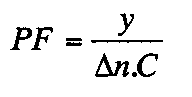
X=O又はNH
Y=独立してH又はCH3
L=カルボキシル官能基又はその誘導体で任意に置換される直鎖(C2〜C6)アルキレン)を有する。
The cationic groups that can be used to functionalize the glutamate residues of the present invention may be the same or different from each other,
Consistent with a histidine derivative, preferably its methyl ester and its ethyl ester, histidine, histamine, histidine amide, N-monomethyl derivative of histidine amide and N, N'-dimethyl derivative of histidine amide Or ・ The following general formula:
X = O or NH
Y = independently H or CH 3
L = straight chain (C 2 -C 6 ) alkylene optionally substituted with a carboxyl functional group or derivative thereof.
従って、本発明に使用できる陽イオン基は、下記式:
−NH−(CH2)w−NH3 +,Z−(ここで、wは2〜6の間であり、好ましくはwが4である)、
−NH−(CH2)4−NH−C(=NH)−NH3 +,Z−、
−O−(CH2)2−NH3 +,Z−、
−O−(CH2)2−N+(CH3)3,Z−、
下記式:
の内の一つを有することができ、ここで、Z−は、塩化物、硫酸塩、リン酸塩又は酢酸塩であり、好ましくは塩化物である。
Accordingly, the cationic group that can be used in the present invention has the following formula:
-NH- (CH 2) w -NH 3 +, Z - ( where, w is between 2-6, preferably w is 4),
-NH- (CH 2) 4 -NH- C (= NH) -NH 3 +, Z -,
-O- (CH 2) 2 -NH 3 +, Z -,
-O- (CH 2) 2 -N + (CH 3) 3, Z -,
Following formula:
Wherein Z − is chloride, sulfate, phosphate or acetate, preferably chloride.
例えば、陽イオン基は、下記式:
好ましい実施形態によれば、本発明のポリアミノ酸は、平均して、ポリマー鎖につき少なくとも三つの疎水基(GH)を有する。 According to a preferred embodiment, the polyamino acids of the invention on average have at least three hydrophobic groups (GH) per polymer chain.
有利には、疎水基GHの少なくとも一つが、疎水基GHをポリグルタミン酸塩鎖(例えば、ポリグルタミン酸塩骨格の主鎖)に結合できる少なくとも一つのスペーサー接続部(または残基)(スペーサー)を備える疎水性グラフト部中に含まれる。この接続部は、例えば、少なくとも一つの直接的な共有結合及び/又は少なくとも一つのアミド結合及び/又は少なくとも一つのエステル結合を備えることができる。例えば、接続部は、ポリグルタミン酸塩の構成単量体単位以外の「アミノ酸」残基、アミノアルコールの誘導体、ポリアミン(例えばジアミン)の誘導体、ポリオール(例えばジオール)の誘導体及びヒドロキシ酸の誘導体からなる群に属するタイプとすることができる。 Advantageously, at least one of the hydrophobic groups GH comprises at least one spacer connection (or residue) (spacer) that can bind the hydrophobic group GH to a polyglutamate chain (eg the main chain of the polyglutamate backbone). It is contained in the hydrophobic graft part. This connection can for example comprise at least one direct covalent bond and / or at least one amide bond and / or at least one ester bond. For example, the connecting portion is composed of “amino acid” residues other than the constituent monomer units of polyglutamate, amino alcohol derivatives, polyamine (eg, diamine) derivatives, polyol (eg, diol) derivatives, and hydroxy acid derivatives. It can be a type belonging to a group.
GHのポリグルタミン酸塩鎖へのグラフトは、ポリグルタミン酸塩鎖に結合できるGH前駆体の使用を含むことができる。 Grafting GH onto polyglutamate chains can involve the use of GH precursors that can bind to the polyglutamate chains.
GHの前駆体は、実際には限定されず、アルコール及びアミンからなる群から選択され、当業者によれば容易に官能基化される。 The precursor of GH is not limited in practice and is selected from the group consisting of alcohols and amines and is easily functionalized by those skilled in the art.
好ましい実施形態によれば、疎水性グラフト部の疎水基GHは、8〜30個の炭素原子を有する。 According to a preferred embodiment, the hydrophobic group GH of the hydrophobic graft part has 8 to 30 carbon atoms.
これらの疎水基(GH)は、有利に、
・任意には少なくとも一つの不飽和結合及び/又は少なくとも一つのヘテロ原子を有することができる直鎖又は分岐C8〜C30アルキル、
・任意には少なくとも一つの不飽和結合及び/又は少なくとも一つのヘテロ原子を有することができるC8〜C30アルキルアリール又はアリールアルキル、並びに
・任意には少なくとも一つの不飽和結合及び/又は少なくとも一つのヘテロ原子を有することができるC8〜C30(多)環式化合物、
からなる群から慎重に選択される。
These hydrophobic groups (GH) are advantageously
- optionally at least one linear or branched C 8 -C 30 alkyl which may have an unsaturated bond and / or at least one heteroatom,
C 8 -C 30 alkylaryl or arylalkyl optionally having at least one unsaturated bond and / or at least one heteroatom, and optionally at least one unsaturated bond and / or at least one One of C 8 -C 30 (poly), which may have a hetero atom cyclic compound,
Carefully selected from the group consisting of
GHと共に疎水性グラフト部を形成する接続部は、二価、三価又は四価の接続部(実際には五価又はそれ以上さえもある)とすることができる。二価の接続部の場合、疎水性グラフト部は単一のGH基を有するのに対し、三価の接続部は、疎水性グラフト部上に二分の性質を与え、すなわち、該グラフト部が二つのGH「腕」を示す。三価の接続部の例には、「アミノ酸」残基、例えば「グルタミン酸」、又はポリオール残基、例えばグリセロールが含まれる。従って、二分のGHを備える疎水性グラフト部の有利であるが非限定的な二つの例は、ジアルキルグリセロール及びグルタミン酸ジアルキルである。 The connection that forms the hydrophobic graft with GH can be a bivalent, trivalent or tetravalent connection (actually pentavalent or even higher). In the case of a divalent joint, the hydrophobic graft has a single GH group, whereas the trivalent joint imparts a dichotomous nature on the hydrophobic graft, ie the graft is Two GH “arms” are shown. Examples of trivalent connections include “amino acid” residues, such as “glutamic acid”, or polyol residues, such as glycerol. Thus, two advantageous but non-limiting examples of hydrophobic grafts with a halved GH are dialkyl glycerol and dialkyl glutamate.
疎水基GHは、例えば、オクタノール、ドデカノール、テトラデカノール、ヘキサデカノール、オクタデカノール、オレイルアルコール、トコフェロール、及びコレステロールよりなる群から選択される基に由来する。 The hydrophobic group GH is derived, for example, from a group selected from the group consisting of octanol, dodecanol, tetradecanol, hexadecanol, octadecanol, oleyl alcohol, tocopherol, and cholesterol.
上述のように、中性基(NG)は、ヒドロキシエチルアミノ−ラジカル、ヒドロキシアルキルオキシ−ラジカル又はポリオキシアルキレンの基から選択できる。 As mentioned above, the neutral group (NG) can be selected from hydroxyethylamino-radical, hydroxyalkyloxy-radical or polyoxyalkylene groups.
他の代替の態様によれば、本発明に用いるポリグルタミン酸塩はまた、グルタミン酸塩残基に結合したポリアルキレン(好ましくはポリエチレン)グリコール型のグラフト部を少なくとも一つ有することができる。 According to another alternative embodiment, the polyglutamate used in the present invention may also have at least one polyalkylene (preferably polyethylene) glycol type graft portion attached to a glutamate residue.
好ましくは、本発明に従うポリグルタミン酸塩の骨格は、α−L−グルタミン酸塩及び/又はα−グルタミン酸残基を備える。 Preferably, the polyglutamate skeleton according to the invention comprises α-L-glutamate and / or α-glutamate residues.
更に好ましくは、本発明に用いるポリグルタミン酸塩が、下記式(I):
・Aは、独立して、
NHR基(ここで、RはH、直鎖C2〜C10もしくは分岐C3〜C10アルキル又はベンジルを示す)、
次式:
R7は、OH、OR9又はNHR10であり、
R8、R9及びR10は、独立して、H、直鎖C2〜C10もしくは分岐C3〜C10アルキル又はベンジルである)の末端アミノ酸残基又は末端アミノ酸誘導体、
であり;
・Bは、直接結合、又は二価、三価もしくは四価の結合基であり、好ましくは−O−、−NH−、−N(C1〜C5アルキル)−、アミノ酸(好ましくは天然アミノ酸)残基、ジオール残基、トリオール残基、ジアミン残基、トリアミン残基、アミノアルコール残基又は1〜6の炭素原子を有するヒドロキシ酸残基から選択され;
・Dは、H、直鎖C2〜C10もしくは分岐C3〜C10アシル基又はピログルタミン酸塩であり;
・疎水基(GH)は、それぞれが互いに独立して、
・任意には少なくとも一つの不飽和結合及び/又は少なくとも一つのヘテロ原子(好ましくはO及び/又はN及び/又はS)を有することができる直鎖または分岐C8〜C30アルキル、又は
・任意には少なくとも一つの不飽和結合及び/又は少なくとも一つのヘテロ原子(好ましくはO及び/又はN及び/又はS)を有することができるC8〜C30アルキルアリール又はアリールアルキル、又は
・任意には少なくとも一つの不飽和結合及び/又は少なくとも一つのヘテロ原子(好ましくはO及び/又はN及び/又はS)を有することができるC8〜C30(多)環式化合物、
から選択される基であり;
好ましくは、疎水基(GH)の少なくとも一つが、グラフトによって、オクタノール、ドデカノール、テトラデカノール、ヘキサデカノール、オクタデカノール、オレイルアルコール、トコフェロール及びコレステロールからなる群から選択される前駆体から得られ、Bが直接結合を表し;
・R70は、
−NH−(CH2)w−NH3 +(ここで、wは2〜6の間であり、好ましくはwが4である)、
−NH−(CH2)4−NH−C(=NH)−NH3 +、
−O−(CH2)2−NH3 +、
−O−(CH2)2−N+(CH3)3、
下記式:
次式:
から選択される基であり、
R70基の対アニオンが、便宜の基であり、特に塩化物、硫酸塩、リン酸塩又は酢酸塩から選択され、好ましくは塩化物であり;
・R90は、ヒドロキシエチルアミノ−、ヒドロキシアルキルオキシ−、又はポリオキシアルキレンであり;
・p,q,r及びsは、正の整数であり;
・(p)/(p+q+r+s)は、疎水基GHのモルグラフト度として定義され、2〜30モル%の範囲であり、但し、各コポリマー鎖は、平均して、少なくとも三つの疎水性グラフト部を有しており;
・(q)/(p+q+r+s)は、陽イオン基のモルグラフト度として定義され、10〜98モル%の範囲であり;
・(p+q+r+s)は、50〜300の範囲であり、好ましくは100〜250の間であり;
・(r)/(p+q+r+s)は、0〜78モル%の範囲であり;
・(s)/(p+q+r+s)は、0〜55モル%の範囲である)を有し、また、その製剤可能な塩を包含する。
More preferably, the polyglutamate used in the present invention is represented by the following formula (I):
A is independently
An NHR group (where R represents H, straight chain C 2 -C 10 or branched C 3 -C 10 alkyl or benzyl),
The following formula:
R 7 is OH, OR 9 or NHR 10 ;
R 8 , R 9 and R 10 are independently H, linear C 2 -C 10 or branched C 3 -C 10 alkyl or benzyl) terminal amino acid residue or terminal amino acid derivative,
Is;
· B is a direct bond, or a divalent, trivalent or tetravalent linking group, preferably -O -, - NH -, - N (C 1 ~C 5 alkyl) -, the amino acid (preferably natural amino acids ) Selected from residues, diol residues, triol residues, diamine residues, triamine residues, amino alcohol residues or hydroxy acid residues having 1 to 6 carbon atoms;
· D is, H, a straight-chain C 2 -C 10 or branched C 3 -C 10 acyl group, or pyroglutamate;
-Hydrophobic groups (GH) are independent of each other,
A linear or branched C 8 -C 30 alkyl, optionally having at least one unsaturated bond and / or at least one heteroatom (preferably O and / or N and / or S), or C 8 -C 30 alkylaryl or arylalkyl which can have at least one unsaturated bond and / or at least one heteroatom (preferably O and / or N and / or S), or optionally A C 8 -C 30 (poly) cyclic compound which can have at least one unsaturated bond and / or at least one heteroatom (preferably O and / or N and / or S),
A group selected from:
Preferably, at least one of the hydrophobic groups (GH) is obtained by grafting from a precursor selected from the group consisting of octanol, dodecanol, tetradecanol, hexadecanol, octadecanol, oleyl alcohol, tocopherol and cholesterol. , B represents a direct bond;
・ R 70 is
-NH- (CH 2) w -NH 3 + ( where, w is between 2-6, preferably w is 4),
-NH- (CH 2) 4 -NH- C (= NH) -NH 3 +,
-O- (CH 2) 2 -NH 3 +,
-O- (CH 2) 2 -N + (CH 3) 3,
Following formula:
The following formula:
A group selected from
The counter anion of the R 70 group is a convenient group, in particular selected from chloride, sulfate, phosphate or acetate, preferably chloride;
R 90 is hydroxyethylamino-, hydroxyalkyloxy-, or polyoxyalkylene;
P, q, r and s are positive integers;
(P) / (p + q + r + s) is defined as the molar grafting degree of the hydrophobic group GH and ranges from 2 to 30 mol%, provided that each copolymer chain has, on average, at least three hydrophobic graft portions. And
(Q) / (p + q + r + s) is defined as the molar grafting degree of the cationic group and is in the range of 10 to 98 mol%;
(P + q + r + s) is in the range of 50 to 300, preferably between 100 and 250;
-(R) / (p + q + r + s) is in the range of 0-78 mol%;
(S) / (p + q + r + s) is in the range of 0-55 mol%) and also includes formulatable salts thereof.
更に、ヒスチジンに由来する式(I)のポリアミノ酸の調製及び合成に関する詳細に関しては、特許出願FR 05 53302を参照されたい。
更に、ヒスチジンに由来するもの以外の式(I)のポリアミノ酸の調製及び合成に関する詳細に関しては、仏国特許出願FR 07 03185を参照されたい。
In addition, see patent application FR 05 53302 for details on the preparation and synthesis of polyamino acids of formula (I) derived from histidine.
For further details regarding the preparation and synthesis of polyamino acids of formula (I) other than those derived from histidine, reference is made to French patent application FR 07 03185.
好ましくは、疎水基GH及び陽イオン基は、ペンダント(又は垂れ下がっている)基としてランダムに位置している。 Preferably, the hydrophobic group GH and the cationic group are randomly located as pendant (or pendant) groups.
概して、上述の一般式(I)は、単にブロックコポリマーだけでなく、ランダムコポリマー又はマルチブロックコポリマーをも示すものとして解釈されるべきである。 In general, the above general formula (I) should be construed as indicating not only block copolymers but also random or multi-block copolymers.
好ましくは、本発明に従う製剤中のポリマー(PO)の濃度は、特に活性成分(AP)が治療用タンパク質である場合、4〜50mg/mlの間とすることができる。この濃度の範囲内では、小口径の針、例えばゲージ27、更にはゲージ29の針によって、製剤を容易に注入することができる。例2、3及び4は、かかる製剤を詳細に説明する。 Preferably, the concentration of polymer (PO) in the preparation according to the invention can be between 4 and 50 mg / ml, especially when the active ingredient (AP) is a therapeutic protein. Within this concentration range, the preparation can be easily injected with a small-diameter needle, such as a gauge 27 or even a gauge 29 needle. Examples 2, 3 and 4 describe such formulations in detail.
好ましくは、本発明に従う製剤中のポリマー(PO)の濃度が、5〜30mg/mlの間とすることができ、更に好ましくは5〜15mg/mlの間である。 Preferably, the concentration of polymer (PO) in the formulation according to the invention can be between 5 and 30 mg / ml, more preferably between 5 and 15 mg / ml.
有利には、活性成分(AP)濃度のポリマー(PO)濃度に対する比Rが、0.0001〜1.5の間とすることができる。また、この比Rは、0.01〜1.2の間とすることもできる。 Advantageously, the ratio R of active ingredient (AP) concentration to polymer (PO) concentration can be between 0.0001 and 1.5. The ratio R can also be between 0.01 and 1.2.
代替の態様によれば、本発明に従う製剤は、陽イオン基(CG)のモル濃度に対して、の二価の陽イオンZn++を0.05〜2モル当量の割合で備えることができる。 According to an alternative embodiment, the formulation according to the invention can comprise 0.05 to 2 molar equivalents of the divalent cation Zn ++ relative to the molar concentration of cationic groups (CG).
特に、本発明に従う製剤は、陽イオン基(CG)のモル濃度に対して、追加された二価の陽イオンZn++を0.25〜0.75モル当量の割合で備えることができ、好ましくは0.5eqに等しく、更に好ましくは、陽イオン基(CG)が、ヒスチジンエステル、好ましくはそのメチルエステル及びそのエチルエステル、ヒスチジノール、ヒスタミン、ヒスチジンアミド、ヒスチジンアミドのN−モノメチル誘導体及びヒスチジンアミドのN,N'−ジメチル誘導体からなる群から選択されたヒスチジン誘導体から得られる場合である。 In particular, the preparation according to the invention can comprise the added divalent cation Zn ++ in a proportion of 0.25 to 0.75 molar equivalents relative to the molar concentration of the cationic groups (CG), preferably Is more preferably equal to 0.5 eq, more preferably the cationic group (CG) is a histidine ester, preferably its methyl ester and its ethyl ester, histidinol, histamine, histidine amide, N-monomethyl derivatives of histidine amide and histidine amide. This is a case obtained from a histidine derivative selected from the group consisting of N, N′-dimethyl derivatives.
他の代替の態様によれば、本発明に従う製剤は、追加される二価の陽イオンを備えていない。 According to another alternative embodiment, the formulation according to the invention does not comprise an added divalent cation.
本発明に用いるポリマーは、2000〜200000g/molの間のモル質量を有し、好ましくは5000〜100000g/molの間である。 The polymer used in the present invention has a molar mass between 2000 and 200000 g / mol, preferably between 5000 and 100000 g / mol.
本発明の特に好適な実施形態によれば、陽イオン基(CG)が半中和pHが7.0未満の弱塩基から選択される場合、本発明に用いるポリマー(PO)は、pGlu(x)GH(y)CG(z)NG(1−x−y−z)の構造を示し、xは0〜20%の間で、yは2〜30%の間で、zは60〜95%の間で、1−x−y−zは0〜15%の間となる。 According to a particularly preferred embodiment of the present invention, when the cationic group (CG) is selected from a weak base having a semi-neutralized pH of less than 7.0, the polymer (PO) used in the present invention is pGlu (x ) GH (y) CG (z) Indicates the structure of NG (1-xyz) , where x is between 0 and 20%, y is between 2 and 30%, and z is between 60 and 95%. 1-xyz is between 0-15%.
また、x、y及びzの値は、xが0〜20%の間、yが2〜10%の間、zが75〜95%の間、1−x−y−zが0〜15%の間となるようにすることもできる。 Also, the values of x, y and z are as follows: x is 0 to 20%, y is 2 to 10%, z is 75 to 95%, 1-xyz is 0 to 15%. It can also be between.
また、x、y及びzの値は、xが0〜20%の間、yが15〜25%の間、zが60〜80%の間、1−x−y−zが0〜15%の間となるようにすることもできる。 Also, the values of x, y and z are as follows: x is 0 to 20%, y is 15 to 25%, z is 60 to 80%, and 1-xyz is 0 to 15%. It can also be between.
ポリマーPOが中性基(NG)を有していない場合、x、y及びzの値は、xが0〜20%の間、yが2〜30%の間、zが60〜95%の間となるようにすることができる。 When the polymer PO has no neutral groups (NG), the values of x, y and z are such that x is between 0-20%, y is between 2-30%, z is 60-95% Can be between.
本発明の他の好適な実施態様によれば、陽イオン基(CG)が第4級アンモニウム又は半中和pHが8.0より大きい少なくとも一つの強塩基を含む群から選択される場合、x、y及びzの値は、xが10〜50%の間、yが2〜30%の間、zが15〜50%の間、1−x−y−zが10〜55%の間となるようにすることができる。 According to another preferred embodiment of the invention, when the cationic group (CG) is selected from the group comprising quaternary ammonium or at least one strong base with a semi-neutralized pH greater than 8.0, x , Y and z values are as follows: x is between 10-50%, y is between 2-30%, z is between 15-50%, 1-xyz is between 10-55%. Can be.
また、x、y及びzの値は、xが15〜30%の間、yが2〜30%の間、zが15〜25%の間、1−x−y−zが40〜55%の間となるようにすることもできる。 Also, the values of x, y and z are as follows: x is 15-30%, y is 2-30%, z is 15-25%, 1-xyz is 40-55%. It can also be between.
また、x、y及びzの値は、xが25〜50%の間、yが2〜30%の間、zが25〜50%の間、1−x−y−zが10〜30%の間となるようにすることもできる。 The values of x, y, and z are as follows: x is 25 to 50%, y is 2 to 30%, z is 25 to 50%, and 1-xyz is 10 to 30%. It can also be between.
ポリマーPOが中性基(NG)を有していない場合、x、y及びzの値は、xが10〜55%の間、yが2〜30%の間、zが40〜60%の間となるようにすることもできる。 When the polymer PO has no neutral groups (NG), the values of x, y and z are such that x is between 10 and 55%, y is between 2 and 30%, and z is between 40 and 60%. It can also be between.
陽イオン電荷が過剰であるため、本発明に用いるポリマーPOは、陽イオン性であり、製剤のpHf値で可溶である。この電荷は、中性pHにて部分的又は完全に中和されるため、ポリマーが沈殿する。理論によって制限されるものではないが、pHの上昇により誘発されるこの沈殿現象は、製剤pHと生理学的pHの間でポリマーに対する全電荷の減少と、疎水性側基の存在とに起因すると思われる。 Due to the excess of cationic charge, the polymer PO used in the present invention is cationic and soluble at the pHf value of the formulation. This charge is partially or completely neutralized at neutral pH, causing the polymer to precipitate. Without being limited by theory, this precipitation phenomenon induced by an increase in pH appears to be due to a decrease in the total charge on the polymer between the formulation pH and physiological pH and the presence of hydrophobic side groups. It is.
変性ポリグルタミン酸塩の残りのカルボキシル官能基は、pH及び組成に応じて、中性(COOH形態)であるか又はイオン化されている(COO−陰イオン)と理解すべきである。そのため、i)グルタミン酸塩残基もしくはグルタミン酸の残基又はii)ポリグルタミン酸もしくはポリグルタミン酸塩という用語の双方を同じ意味で用いることができる。 It should be understood that the remaining carboxyl functionality of the modified polyglutamate is either neutral (COOH form) or ionized (COO - anion) depending on pH and composition. Therefore, both i) glutamate residue or glutamic acid residue or ii) polyglutamic acid or polyglutamate can be used interchangeably.
同様に、アミノ基は、主にそのpKaより下のどんなpHでもイオン化されることになり、また、第4級アンモニウムはどんなpHでもイオン化されることになる。 Similarly, amino groups will be ionized primarily at any pH below their pKa, and quaternary ammonium will be ionized at any pH.
水溶液中では、対カチオンは、ナトリウム、カルシウムもしくはマグネシウム等の金属陽イオン、又はトリエタノールアミン、トリス(ヒドロキシメチル)−アミノメタンもしくはポリエチレンイミン等のポリアミン等の有機陽イオンとなり得る。それが二価である場合、対カチオンは、二つの閉鎖した一価の陰イオン基を塩化することができる。 In aqueous solution, the counter cation can be a metal cation such as sodium, calcium or magnesium or an organic cation such as triethanolamine, tris (hydroxymethyl) -aminomethane or polyamine such as polyethyleneimine. If it is divalent, the counter cation can salify two closed monovalent anionic groups.
陽イオン基の対アニオンは、塩化物、硫酸塩、リン酸塩又は酢酸塩からなる群から選択されるのが好ましい。 The counter anion of the cationic group is preferably selected from the group consisting of chloride, sulfate, phosphate or acetate.
それが二価である場合、対アニオンは、二つの閉鎖した一価の陽イオン基を塩化することができる。 If it is divalent, the counter anion can salify two closed monovalent cationic groups.
本明細書において、本発明に従うポリマーの「製剤可能な塩」という用語は、ポリマーのイオン化した官能基と会合した対イオンを持つ全てのポリマーを含むと理解される。 As used herein, the term “formulatable salt” of a polymer according to the invention is understood to include all polymers having a counterion associated with the ionized functional groups of the polymer.
本発明に用いるのに適切なポリアミノ酸は、例えば、当業者に知られた法によって得られる。第一に、α型のポリアミノ酸を得るために最も広く用いられている技術は、例えば、論文「Biopolymers,1976,15,1869」及びH.R.Kricheldorfによる研究「alpha−Amino acid N−carboxy Anhydride and related Heterocycles」,Springer Verlag(1987)に記載されるように、N−カルボキシアミノ酸無水物(NCA)の重合に基づいている。NCA誘導体は、好ましくは、NCA−Glu−O−R3(R3=メチル、エチル又はベンジル)である。その後、ポリマーは、酸の形でポリマーを得るための適切な条件下で加水分解される。これらの方法は、出願人の特許FR−A−2 801 226にて与えられた説明によって引き出される。 Polyamino acids suitable for use in the present invention are obtained, for example, by methods known to those skilled in the art. First, the most widely used technique for obtaining α-type polyamino acids is described in, for example, the paper “Biopolymers, 1976, 15, 1869” and H.C. R. Based on the polymerization of N-carboxyamino acid anhydride (NCA) as described in a study by Kricheldorf, “alpha-Amino acid N-carbohydrate and related Heterocycles”, Springer Verlag (1987). The NCA derivative is preferably NCA-Glu-O—R 3 (R 3 = methyl, ethyl or benzyl). The polymer is then hydrolyzed under suitable conditions to obtain the polymer in acid form. These methods are derived from the explanation given in the applicant's patent FR-A-2 801 226.
本発明に従って使用できるいくらかのポリマーは、例えば、様々な重量を有するポリ(α−L−グルタミン酸)、ポリ(α−D−グルタミン酸)、ポリ(α−D,L−グルタミン酸塩)及びポリ(γ−L−グルタミン酸)のタイプであり、商業的に入手できる。 Some polymers that can be used in accordance with the present invention include, for example, poly (α-L-glutamic acid), poly (α-D-glutamic acid), poly (α-D, L-glutamate) and poly (γ -L-glutamic acid) type and is commercially available.
GHグラフト部のポリマーの酸性基とのカップリングは、カップリング剤としてのカルボジイミド及び任意の4−ジメチルアミノピリジン等の触媒の存在下、ジメチルホルムアミド(DMF)、N−メチルピロリドン(NMP)又はジメチルスルホキシド(DMSO)等の適切な溶媒中でのポリアミノ酸の反応によって容易に行われる。カルボジイミドは、例えば、ジシクロへキシルカルボジイミド又はジイソプロピルカルボジイミドである。グラフト度は、成分及び反応物質の化学量論又は反応時間によって化学的に制御される。「スペーサー」によって官能基化した疎水性グラフト部は、通常のペプチドカップリング又は酸性触媒による直接縮合によって得られる。 Coupling of the GH graft part with the acidic group of the polymer is carried out in the presence of carbodiimide as a coupling agent and an optional catalyst such as 4-dimethylaminopyridine, dimethylformamide (DMF), N-methylpyrrolidone (NMP) or dimethyl. Easily carried out by reaction of the polyamino acid in a suitable solvent such as sulfoxide (DMSO). The carbodiimide is, for example, dicyclohexylcarbodiimide or diisopropylcarbodiimide. The degree of grafting is chemically controlled by the stoichiometry or reaction time of the components and reactants. Hydrophobic grafts functionalized with “spacers” can be obtained by conventional peptide coupling or by direct condensation with an acidic catalyst.
カチオン性基及び任意には中性基のポリマーの酸性官能基とのカップリングは、カップリング剤としてのクロロホルマートの存在下、ジメチルホルムアミド、N−メチルピロリドン(NMP)又はジメチルスルホキシド(DMSO)等の適切な溶媒中、第二の段階において同時に行われる。 Coupling of cationic groups and optionally neutral groups with acidic functional groups of polymers can be accomplished in the presence of chloroformate as a coupling agent in the presence of dimethylformamide, N-methylpyrrolidone (NMP) or dimethyl sulfoxide (DMSO). In a suitable solvent such as in the second stage simultaneously.
カチオン性基が化学的に差異のない二つのアミノ官能基を有する場合(例えば、直鎖ジアミン)、二つの官能基のうち一つを保護する形でそれを導入することができる。その後、保護基を開裂する最終段階を加える。 If the cationic group has two amino functional groups that are not chemically different (eg, a linear diamine), it can be introduced in a way that protects one of the two functional groups. Thereafter, a final step of cleaving the protecting group is added.
上記基をカップリングするための重合化学及び反応は、標準となっており、当業者によく知られている(例えば、上述の出願人による特許又は特許出願参照)。 Polymerization chemistries and reactions for coupling the above groups are standard and well known to those skilled in the art (see, for example, the above-referenced patents or patent applications).
本発明に従う製剤の調製例については、以下に述べる実施例にて詳細に説明する。 Preparation examples of the preparation according to the present invention will be described in detail in the examples described below.
上述の本発明に従う製剤の特徴によって、当業者は、ポリマーPOに基づく全ての製剤から、条件(a)、(b)、(c)及び(d)を同時に満たし、このため、前述した要件に対して最適なものを選択することができる。 Due to the characteristics of the formulation according to the invention described above, the person skilled in the art satisfies the conditions (a), (b), (c) and (d) from all formulations based on the polymer PO at the same time. The most suitable one can be selected.
条件(c)及び(d)は、特に選択的である。製剤がpHfでコロイド溶液を形成しない場合、当業者は、このpH値で、多くの非電離モノマーを示すポリマーを選択することになる。一方、ポリマーが沈殿する場合には、このpHでイオン化されるモノマーの数を増やすことが望ましい。 Conditions (c) and (d) are particularly selective. If the formulation does not form a colloidal solution at pHf, one skilled in the art will select a polymer that exhibits many non-ionized monomers at this pH value. On the other hand, if the polymer precipitates, it is desirable to increase the number of monomers ionized at this pH.
しかしながら、直観で分かるものではないが、pHfにてコロイド溶液になり、生理学的pHで沈殿する製剤の中には、条件(d)を満たさないので除外されるものもあるはずであることを指摘することは重要である。従って、条件(d)は、当業者にとって本発明に従う製剤を選択するのに便利な方法である。 However, not intuitively, it is pointed out that some formulations that become colloidal solutions at pH f and precipitate at physiological pH should be excluded because they do not meet condition (d). It is important to do. Condition (d) is therefore a convenient way for a person skilled in the art to select a formulation according to the invention.
条件(d)は、本発明に従う製剤が生理学的pHより低いか又はそれに等しいpHに対して沈殿することを意味することを指摘することは重要である。これは、本発明に従う酸性の製剤1mlと緩衝溶液Tp 1mlとを混合した後、その緩衝溶液のpHより低いか又はそれに等しいpH値、即ち<7.2で沈殿が見られるからである。 It is important to point out that condition (d) means that the formulation according to the invention precipitates for a pH below or equal to physiological pH. This is because, after mixing 1 ml of the acidic formulation according to the invention with 1 ml of buffer solution Tp, precipitation is seen at a pH value lower than or equal to the pH of the buffer solution, ie <7.2.
本発明に従う製剤を選択する第二の方法は、沈殿因子PFを推定することである。この因子は、以下の方法で評価される。
a)pH*として記録される沈殿pHの測定
酸性pHf3〜6.5にて、APを持つコロイド溶液は、ナノ粒子を備える透明の液体として存在し、該ナノ粒子の平均流体力学的直径は、T'テストに従い動的光散乱によって測定したところ、0.5μm未満か又はそれに等しく、好ましくは5〜500nmの間であり、更に好ましくは10〜80nmの間である。pHを高めると、本発明に従う溶液は、生理学的pHより低いか又はそれに等しいpHに対して沈殿する必要がある。該溶液が沈殿するpH*値は、Pテストに従って測定される。
b)PFの測定
TM法に従って、ポリマーPO1mgを備えるコロイド溶液0.5mlをpHfからpH*にするのに必要な水酸化ナトリウムのモル数,Δnの測定である。
Cを製剤中のポリマーPOの濃度とし(mg/gで表す)、yを疎水性サイドグラフト部を有するポリマーPOの単量体のモル分率とすることによって、製剤の沈殿因子PFは、下記式:
a) Measurement of precipitation pH recorded as pH * At acidic pH f3-6.5, the colloidal solution with AP exists as a clear liquid with nanoparticles, the mean hydrodynamic diameter of the nanoparticles is As measured by dynamic light scattering according to the T ′ test, it is less than or equal to 0.5 μm, preferably between 5 and 500 nm, more preferably between 10 and 80 nm. As the pH is increased, the solution according to the invention needs to precipitate for a pH below or equal to the physiological pH. The pH * value at which the solution precipitates is measured according to the P test.
b) Measurement of PF According to the TM method, Δn is the number of moles of sodium hydroxide required to bring 0.5 ml of the colloidal solution containing 1 mg of polymer PO from pHf to pH * .
By setting C as the concentration of polymer PO in the formulation (expressed in mg / g) and y as the molar fraction of the polymer PO monomer having a hydrophobic side graft portion, the precipitation factor PF of the formulation is formula:
本発明の特定の実施において、本発明に従う製剤は、沈殿因子PFが200より大きいことを特徴とし、好ましくは400より大きく、より好ましくは800より大きく、更に好ましくは1500より大きい。 In a particular implementation of the invention, the formulation according to the invention is characterized by a precipitation factor PF of greater than 200, preferably greater than 400, more preferably greater than 800, even more preferably greater than 1500.
本発明に従う製剤の驚くべき態様は、生理学的pHにて沈殿する間に形成されるポリマー鎖の網状構造によって、活性成分(AP)の放出を遅らせることができるが、その粒子の中心でこの同じ活性成分(AP)を補足しない。従って、本発明に従う製剤は、活性成分(AP)の持続的放出と良好な生物学的利用能の両方を得ることができる。 The surprising aspect of the formulation according to the invention is that the polymer chain network formed during precipitation at physiological pH can delay the release of the active ingredient (AP), but this same at the center of the particle Does not supplement active ingredient (AP). Thus, the formulations according to the invention can obtain both sustained release of the active ingredient (AP) and good bioavailability.
活性成分(AP)は、好ましくは、タンパク質、糖タンパク質、一つまたはそれ以上のポリアルキレングルコール鎖と結合したタンパク質[好ましくは、ポリエチレングリコール(PEG):「PEG化タンパク質」]、ペプチド、多糖類、リポ糖類、オリゴヌクレオチド、ポリヌクレオチド及びそれらの混合物からなる群から選択され、
更に好ましくは、エポエチンアルファ、エポエチンベータ、ダーベポエチン等のエリスロポエチン、ヘモグロビンラフィマー、それらの類似体又はそれらの誘導体;オキシトシン、バソプレシン、副腎皮質刺激ホルモン、上皮細胞増殖因子、血小板由来増殖因子(PDGF)、造血を刺激する因子及びそれらの混合物の他、アルテプラーゼ、テネクテプラーゼ、第VII(a)因子又は第VII因子等の血液因子;ヘモグロビン、シトクロム、アルブミン、プロラクチン、ルリベリンの他、ロイプロリド、ゴセレリン、トリプトレリン、ブセレリン又はナファレリン等の黄体形成ホルモン放出ホルモン(LHRH)及び類似体;LHRHアンタゴニスト、LHRH競合体、ヒト、ブタ又はウシの成長ホルモン(GHs)、成長ホルモン放出因子、インスリン、ソマトスタチン、グルカゴン、インターロイキン又はその混合体(IL−2,IL−11,IL−12)の他、インターフェロンアルファ、アルファ−2b、ベータ、ベータ−1a又はガンマ等のインターフェロン;ガストリン、テトラガストリン、ペンタガストリン、ウロガストロン、セクレチン、カルシトニン、エンケファリン、エンドモルフィン、アンジオテンシン、甲状腺刺激ホルモン放出ホルモン(TRH)、腫瘍壊死因子(TNF)、神経成長因子(NGF)の他、ベクラペルミン、トラフェルミン、アンセスチム又はケラチノサイト成長因子等の成長因子、顆粒球コロニー刺激因子(G−CSF)、顆粒球マクロファージコロニー刺激因子(GM−CSF)、マクロファージコロニー刺激因子(M−CSF)、ヘパリナーゼ、骨形成タンパク質(BMP)、hANP、グルカゴン様ペプチド(GLP−1)、VEG−F、組換えB型肝炎表面抗原(rHBsAg)、レニン、サイトカイン、ブラジキニン、バシトラシン、ポリミキシン、コリスチン、チロシジン、グラミシジン、エタネルセプト、イミグルセラーゼ、ドロトレコギンアルファ、シクロスポリン及び合成類似体、並びに酵素、サイトカイン、抗体、抗原及びワクチンの製剤可能な修飾体及び断片、リツキシマブ、インフリキシマブ、トラスツズマブ、アダリムマブ、オマリズマブ、トシツモマブ、エファリズマブ及びセツキシマブ等の抗体の下位群から選択される。
The active ingredient (AP) is preferably a protein, glycoprotein, protein linked to one or more polyalkylene glycol chains [preferably polyethylene glycol (PEG): “PEGylated protein”], peptide, Selected from the group consisting of sugars, liposaccharides, oligonucleotides, polynucleotides and mixtures thereof;
More preferably, erythropoietin such as epoetin alfa, epoetin beta, darbepoetin, hemoglobin raffimer, analogs or derivatives thereof; oxytocin, vasopressin, corticotropin, epidermal growth factor, platelet derived growth factor (PDGF), In addition to factors that stimulate hematopoiesis and mixtures thereof, blood factors such as alteplase, tenecteplase, factor VII (a) or factor VII; hemoglobin, cytochrome, albumin, prolactin, ruliberin, leuprolide, goserelin, triptorelin, buserelin Or luteinizing hormone releasing hormone (LHRH) and analogs such as nafarelin; LHRH antagonists, LHRH competitors, human, porcine or bovine growth hormones (GHs), growth hormone releasing factors , Insulin, somatostatin, glucagon, interleukin or a mixture thereof (IL-2, IL-11, IL-12), interferon such as interferon alpha, alpha-2b, beta, beta-1a or gamma; gastrin, tetra In addition to gastrin, pentagastrin, urogastrone, secretin, calcitonin, enkephalin, endomorphin, angiotensin, thyroid-stimulating hormone-releasing hormone (TRH), tumor necrosis factor (TNF), nerve growth factor (NGF), beclapermin, trafermin, ancestim or Growth factors such as keratinocyte growth factor, granulocyte colony stimulating factor (G-CSF), granulocyte macrophage colony stimulating factor (GM-CSF), macrophage colony stimulating factor (M-CSF) Heparinase, bone morphogenetic protein (BMP), hANP, glucagon-like peptide (GLP-1), VEG-F, recombinant hepatitis B surface antigen (rHBsAg), renin, cytokine, bradykinin, bacitracin, polymyxin, colistin, tyrosidin, gramicidin , Etanercept, imiglucerase, drotrecogin alfa, cyclosporine and synthetic analogs, and pharmaceutically acceptable modifications and fragments of enzymes, cytokines, antibodies, antigens and vaccines, rituximab, infliximab, trastuzumab, adalimumab, omalizumab, tositumomab, eflizumab and cetuximab From a subgroup of antibodies such as
他の適切な活性成分は、多糖類(例えばヘパリン)及びオリゴ−又はポリヌクレオチド、DNA、RNA、iRNA、抗体及び生細胞である。活性成分の他の分類は、中枢神経系で作用する医薬品物質、例えば、リスペリドン、ズクロペンチキソール、フルフェナジン、ペルフェナジン、フルペンチキソール、ハロペリドール、フルスピリレン、クエチアピン、クロザピン、アミスルプリド、スルピリド、ジプラシドン等を含む。 Other suitable active ingredients are polysaccharides (eg heparin) and oligo- or polynucleotides, DNA, RNA, iRNA, antibodies and living cells. Other classes of active ingredients include pharmaceutical substances that act in the central nervous system, such as risperidone, zuclopentixol, fluphenazine, perphenazine, flupentixol, haloperidol, fluspirylene, quetiapine, clozapine, amisulpride, sulpiride, Including ziprasidone.
代替の態様によれば、活性成分は、アントラサイクリン、タキソイドもしくはカンプトテシンのファミリーに属するか又はロイプロリドもしくはシクロスポリン等のペプチドのファミリーに属する疎水性、親水性又は両親媒性の有機小分子、及びそれらの混合物である。 According to an alternative embodiment, the active ingredient is a hydrophobic, hydrophilic or amphiphilic small organic molecule belonging to the family of anthracyclines, taxoids or camptothecins or belonging to the family of peptides such as leuprolide or cyclosporine, and their It is a mixture.
他の代替の態様によれば、活性成分は、有利には、以下に示す活性物質のファミリーの内の少なくとも1種から選択される。アルコール依存症の治療薬、アルツハイマー病の治療薬、麻酔薬、末端肥大症の治療薬、鎮痛剤、抗ぜんそく薬、アレルギーの治療薬、抗癌剤、抗炎症薬、抗凝結剤及び抗トロビン薬、抗けいれん剤、抗てんかん薬、抗糖尿病薬、制吐薬、抗緑内障薬、抗ヒスタミン剤、抗感染薬、抗生物質、抗真菌剤、抗ウイルス剤、抗パーキンソン薬、抗コリン作用薬、咳止め、炭酸脱水酵素阻害薬、心血管作動薬、脂質低下薬、抗不整脈剤、血管拡張剤、抗狭心症薬、降圧剤、血管保護剤、コリンエステラーゼ阻害剤、中枢神経系疾患の治療薬、中枢神経系の刺激剤、避妊薬、受精促進剤、子宮陣痛の誘導剤及び阻害剤、嚢胞性線維症の治療薬、ドーパミン受容体作用薬、子宮内膜症の治療薬、勃起障害の治療薬、不妊治療の薬、消化器疾患の治療薬、免疫刺激剤及び免疫抑制剤、記憶障害の治療薬、抗片頭痛薬、筋弛緩剤、ヌクレオシド類似体、骨粗鬆症の治療薬、副交感神経興奮薬、プロスタグランジン、精神刺激薬、鎮静剤、睡眠薬及び精神安定剤、神経安定剤、抗不安薬、精神刺激薬、抗うつ剤、皮膚治療薬、ステロイド及びホルモン、アンフェタミン、食欲抑制剤、ノンアナルジージクペインキラー(nonanalgesic painkiller)、バルビツール酸系催眠薬、ベンゾジアゼピン、下剤、向精神薬、並びにこれらの製品の組み合わせである。 According to another alternative aspect, the active ingredient is advantageously selected from at least one of the following families of active substances: Alcoholism, Alzheimer's, anesthetic, acromegaly, analgesic, antiasthma, allergy, anticancer, anti-inflammatory, anticoagulant and antithrombin Anticonvulsant, antiepileptic, antidiabetic, antiemetic, antiglaucoma, antihistamine, antiinfective, antibiotic, antifungal, antiviral, antiparkinsonian, anticholinergic, cough, carbonic anhydrase Inhibitors, cardiovascular agonists, lipid lowering drugs, antiarrhythmic agents, vasodilators, antianginal agents, antihypertensive agents, vascular protective agents, cholinesterase inhibitors, therapeutic agents for central nervous system diseases, stimulation of the central nervous system Agents, contraceptives, fertility promoters, uterine labor inducers and inhibitors, cystic fibrosis drugs, dopamine receptor agonists, endometriosis drugs, erectile dysfunction drugs, fertility drugs , Drugs for digestive disorders, Epidemic stimulants and immunosuppressants, memory disorder drugs, anti-migraine drugs, muscle relaxants, nucleoside analogs, osteoporosis drugs, parasympathomimetics, prostaglandins, psychostimulants, sedatives, hypnotics and Tranquilizer, nerve stabilizer, anxiolytic, psychostimulant, antidepressant, skin treatment, steroids and hormones, amphetamine, appetite suppressant, nonanalgesic painkiller, barbituric acid hypnosis Drugs, benzodiazepines, laxatives, psychotropic drugs, and combinations of these products.
本発明に従う製剤を、経口的に、非経口的に、経鼻的に、膣内に、眼球に、皮下に、静脈内に、筋肉内に、皮内に、経皮的に、腹腔内に、脳内に、又は口腔内に投与することができる。 The preparation according to the invention is administered orally, parenterally, nasally, intravaginally, ocularly, subcutaneously, intravenously, intramuscularly, intradermally, transdermally, intraperitoneally Can be administered intracerebrally or intraorally.
他の態様によれば、本発明は、少なくとも一つの活性成分を持続放出するためのポリマーPOに基づいた製剤を調製する方法を提供するものであり、該製剤は、特に上述のものであり、前記方法は、
1)3〜6.5の間のpH値で、ポリアミノ酸ポリマー(PO)の水性コロイド溶液を準備する工程であって、陽イオン基(CG)、疎水基(GH)、任意の中性基(NG)及び任意のグルタミン酸塩の各モル分率が、1mlの前記製剤が体積1mlのテスト緩衝溶液Tpとの混合中に沈殿するほどである工程と;
2)少なくとも一つの活性成分(AP)を工程1において得られたポリマー(PO)に加える工程であって、前記活性成分が前記ポリマーのコロイド溶液の粒子と非共有で会合している工程と、
を備える。
According to another aspect, the present invention provides a method for preparing a formulation based on polymer PO for sustained release of at least one active ingredient, said formulation being in particular as described above, The method
1) A step of preparing an aqueous colloidal solution of a polyamino acid polymer (PO) at a pH value between 3 and 6.5, comprising a cationic group (CG), a hydrophobic group (GH), and any neutral group Each molar fraction of (NG) and optional glutamate is such that 1 ml of said formulation is precipitated during mixing with 1 ml of volume of test buffer solution Tp;
2) adding at least one active ingredient (AP) to the polymer (PO) obtained in step 1, wherein the active ingredient is non-covalently associated with particles of the colloidal solution of the polymer;
Is provided.
本発明に従う方法の必須の特徴は、高分子電解質ポリマー(PO)粒子のコロイド溶液と活性成分(AP)との単純な混合によって、活性成分を持つ粒子が3〜6.5の間のpHfにて自発的に形成されることである。 An essential feature of the method according to the invention is that the particles with the active ingredient are brought to a pH f between 3 and 6.5 by simple mixing of a colloidal solution of polyelectrolyte polymer (PO) particles and the active ingredient (AP). It is formed spontaneously.
タンパク質、ペプチド又は小分子等の活性成分は、ポリアミノ酸タイプのポリマー(PO)と自発的に会合することができる。 Active ingredients such as proteins, peptides or small molecules can spontaneously associate with polyamino acid type polymers (PO).
本発明の特定の実施において、活性成分(AP)による高分子電解質ポリマー(PO)ナノ粒子の積み込みは、活性成分(AP)の溶液を高分子電解ポリマー(PO)のコロイド溶液と単純に混合することによって行われる。この会合は、純粋に物理的であり、活性成分(AP)とポリマー(PO)間の共有結合の形成を必要としない。理論に制限されるものではないが、この非特異的な会合は、ポリマー(PO)と活性成分(AP)間の疎水的及び/又は静電気的な相互作用によって起こると考えられる。ペプチドの性質を持つ特定の受容体又は抗原/抗体もしくは酵素/基質タイプの特定の受容体を介して、APをPOナノ粒子に結合する必要がなく、多くの場合、望ましくないことさえあることに注意すべきである。 In a particular implementation of the invention, loading of polyelectrolyte polymer (PO) nanoparticles with active ingredient (AP) simply mixes the solution of active ingredient (AP) with the colloidal solution of polyelectrolyte polymer (PO). Is done by. This association is purely physical and does not require the formation of a covalent bond between the active ingredient (AP) and the polymer (PO). Without being limited by theory, it is believed that this non-specific association occurs due to hydrophobic and / or electrostatic interactions between the polymer (PO) and the active ingredient (AP). There is no need to bind AP to PO nanoparticles via specific receptors of peptide nature or antigen / antibody or enzyme / substrate type specific receptors, and in many cases even undesirable. You should be careful.
本発明に従う方法の好ましい実施形態においては、該方法は、得られた粒子の化学的な架橋の工程を含まない。従って、得られる粒子は、化学的に架橋されないが、それでも持続時間にわたって活性成分(AP)を放出する。この化学的な架橋がないことは、決定的な利点である。これは、化学的な架橋がないことによって、活性成分(AP)を備える粒子を架橋する工程の間に起こり得る活性成分(AP)の化学分解を避けることができるからである。これは、かかる化学的な架橋が一般に重合可能なものの活性化によって行われ、UV放射物又はグルタルアルデヒド等の変性剤を元来含むからである。 In a preferred embodiment of the method according to the invention, the method does not include a step of chemical crosslinking of the resulting particles. Thus, the resulting particles are not chemically cross-linked, but still release the active ingredient (AP) over time. The absence of this chemical cross-linking is a critical advantage. This is because the absence of chemical crosslinking avoids chemical degradation of the active ingredient (AP) that can occur during the step of crosslinking particles comprising the active ingredient (AP). This is because such chemical cross-linking is generally effected by activation of what is polymerizable and inherently contains a modifier such as UV radiation or glutaraldehyde.
有利には、本発明に従う方法は、乾燥粉末の形態で粒子を得るために、例えば凍結乾燥によって、液体製剤を脱水する工程を備える。 Advantageously, the method according to the invention comprises the step of dehydrating the liquid formulation, for example by lyophilization, in order to obtain particles in the form of a dry powder.
また、本発明は、上述した水性懸濁液を備える液体製剤から得られた乾燥粉末の形態を備える少なくとも一つの活性成分(AP)を持続放出するための固体の製剤に関するものである。 The present invention also relates to a solid formulation for sustained release of at least one active ingredient (AP) comprising a dry powder obtained from a liquid formulation comprising the aqueous suspension described above.
乾燥粉末は、本発明に従う液体製剤をpH7にして生体外でそれを沈殿させ、次いで、例えば凍結乾燥によってそれを脱水することで得られることができる。 A dry powder can be obtained by bringing the liquid formulation according to the invention to pH 7 to precipitate it in vitro and then dehydrating it, for example by freeze-drying.
有利には、かかる固体製剤は、吸入投与及び肺内投与に使用される。 Advantageously, such solid formulations are used for inhalation and pulmonary administration.
他の態様によれば、本発明の対象は、薬剤を調製する方法であり、特に、経口、経鼻、肺、膣又は眼球経路による、非経口、粘膜、皮下、筋内、皮内、経皮、腹腔内もしくは脳内投与又は腫瘍への投与用の薬剤を調製する方法であり、前記方法は、上述の製剤の少なくとも一つを用いることから本質的になる。 According to another aspect, the subject of the invention is a method of preparing a medicament, in particular parenteral, mucosal, subcutaneous, intramuscular, intradermal, transdermal, by oral, nasal, pulmonary, vaginal or ocular routes. A method for preparing a medicament for intradermal, intraperitoneal or intracerebral administration or administration to a tumor, said method consisting essentially of using at least one of the aforementioned formulations.
1)合成
a)比較:疎水基を有する陰イオン高分子電解質ポリマーPOの合成(合成起源のα−トコフェロールでグラフトしたポリグルタミン酸塩)
ポリオキシエチレン基準に対して約16900Daに相当する重量のα−L−ポリグルタミン酸15gを80℃で加熱しながらジメチルホルムアミド(DMF)288ml中に溶解させ、ポリマーを溶解させた。その溶液を15℃に冷却し、あらかじめ8mlのDMF中に溶解させた2.5gのD,L-α−トコフェロール(>98%、Fluka(登録商標)から得られる)と、あらかじめ1mlのDMF中に溶解させた280mgの4−ジメチルアミノピリジンと、あらかじめ6mlのDMF中に溶解させた1.6gのジイソプロピルカルボジイミドとを続けて加える。3時間攪拌した後、反応媒体を、15%の塩化ナトリウムと塩酸を含む水1200ml(pH2)に注ぎ込む。その後、沈澱したポリマーを濾過によって回収し、0.1Nの塩酸、水、及びジイソプロピルエーテルで洗浄する。その後、ポリマーを真空下40℃のオーブン中で乾燥させる。およそ90%の収率を得る。モル質量を立体排除クロマトグラフィーによって測定したところ、ポリオキシエチレン基準に対して15500である。グラフトしたトコフェロールのレベルをプロトンNMR分光法によって測定したところ、5.1モル%である。
1) Synthesis
a) Comparison: Synthesis of anionic polyelectrolyte polymer PO having a hydrophobic group (polyglutamate grafted with α-tocopherol of synthetic origin)
While heating at 80 ° C., 15 g of α-L-polyglutamic acid having a weight corresponding to about 16900 Da relative to the polyoxyethylene standard was dissolved in 288 ml of dimethylformamide (DMF) to dissolve the polymer. The solution was cooled to 15 ° C. and 2.5 g D, L-α-tocopherol (> 98%, obtained from Fluka®) previously dissolved in 8 ml DMF and previously in 1 ml DMF. 280 mg 4-dimethylaminopyridine dissolved in 1 ml and 1.6 g diisopropylcarbodiimide previously dissolved in 6 ml DMF are subsequently added. After stirring for 3 hours, the reaction medium is poured into 1200 ml of water (pH 2) containing 15% sodium chloride and hydrochloric acid. The precipitated polymer is then collected by filtration and washed with 0.1N hydrochloric acid, water, and diisopropyl ether. The polymer is then dried in an oven at 40 ° C. under vacuum. A yield of approximately 90% is obtained. The molar mass is measured by steric exclusion chromatography and is 15500 relative to the polyoxyethylene standard. The level of grafted tocopherol was measured by proton NMR spectroscopy to be 5.1 mol%.
b)陽イオン高分子電解質ポリマーPO−A1の合成(合成起源のα−トコフェロールとヒスチジンアミドとでグラフトしたポリグルタミン酸塩)
5%ラセミ体のα−トコフェロールでランダムにグラフトしたDPが220のポリ(グルタミン酸)3gをNMP38ml中に80℃で加熱することにより溶解させる。この溶液を0℃に冷却し、2.74gのクロロギ酸イソブチルと、次いで2.2mlのN−メチルモルホリンとを加える。0℃にて温度を維持しながら反応媒体を10分間攪拌する。同時に、8.65gのヒスチジンアミド・二塩酸塩を108mlのNMP中に懸濁させる。その次に、10.6mlのトリエチルアミンを加え、得られた懸濁液を20℃で数分間攪拌した後、0℃に冷却する。次いで、活性化したポリマーの溶液をヒスチジンアミド懸濁液に加える。反応媒体を0℃で2時間攪拌した後、20℃で一晩攪拌する。その後、0.62mlの35%HClと、次いで83mlの水とを加える。その後、得られた溶液をpH3〜4の水500mlに注ぎ込む。その後、その溶液を8分量の食塩水(0.9%のNaCl)と4分量の水に対してダイアフィルターで濾過する。その後、ポリマー溶液を300mlの体積に濃縮する(ポリマー濃度は18mg/gである)。グラフトしたヒスチジンアミドの割合は、D2O中での1H NMRにより測定したところ、95%である。 3 g of poly (glutamic acid) having a DP of 220 randomly grafted with 5% racemic α-tocopherol is dissolved in 38 ml of NMP by heating at 80 ° C. The solution is cooled to 0 ° C. and 2.74 g of isobutyl chloroformate and then 2.2 ml of N-methylmorpholine are added. The reaction medium is stirred for 10 minutes while maintaining the temperature at 0 ° C. At the same time, 8.65 g histidine amide dihydrochloride is suspended in 108 ml NMP. Then 10.6 ml of triethylamine is added and the resulting suspension is stirred at 20 ° C. for several minutes and then cooled to 0 ° C. The activated polymer solution is then added to the histidine amide suspension. The reaction medium is stirred at 0 ° C. for 2 hours and then at 20 ° C. overnight. Thereafter 0.62 ml of 35% HCl and then 83 ml of water are added. The resulting solution is then poured into 500 ml of water having a pH of 3-4. The solution is then diafiltered against 8 parts saline solution (0.9% NaCl) and 4 parts water. The polymer solution is then concentrated to a volume of 300 ml (polymer concentration is 18 mg / g). The proportion of grafted histidine amide is 95% as determined by 1 H NMR in D 2 O.
c)陽イオン高分子電解質ポリマーPO−A2の合成(合成起源のα−トコフェロールとヒスチジンアミドとでグラフトしたポリグルタミン酸塩)
20%ラセミ体のα−トコフェロールでランダムにグラフトしたDPが220のポリ(グルタミン酸)10gをNMP125ml中に80℃で加熱することにより溶解させる。この溶液を0℃に冷却し、5.5gのクロロギ酸イソブチルと、次いで4.4mlのN−メチルモルホリンとを加える。0℃にて温度を維持しながら、反応媒体を10分間攪拌する。同時に、12.9gのヒスチジンアミド・二塩酸塩を161mlのNMP中に懸濁させる。その次に、15.8mlのトリエチルアミンを加え、得られた懸濁液を20℃で数分間攪拌した後、0℃に冷却する。次いで、活性化したポリマーの溶液をヒスチジンアミド懸濁液に加える。反応媒体を0℃で2時間攪拌した後、20℃で一晩攪拌する。その後、1.46mlの35%HClと、次いで200mlの水とを加える。更に、200mlの水と、その後に650mlのエタノールを加え、その次に、pH3〜4の水650ml中に注ぎ込む。その後、その溶液を8分量の食塩水(0.9%のNaCl)と4分量の水に対してダイアフィルターで濾過する。最終的に、ポリマー溶液を250mlの体積に濃縮する(ポリマー濃度は50mg/gである)。グラフトしたヒスチジンアミドの割合は、D2O中での1H NMRにより測定したところ、70%である。 10 g of poly (glutamic acid) having a DP of 220 randomly grafted with 20% racemic α-tocopherol is dissolved in 125 ml of NMP by heating at 80 ° C. The solution is cooled to 0 ° C. and 5.5 g of isobutyl chloroformate and then 4.4 ml of N-methylmorpholine are added. The reaction medium is stirred for 10 minutes while maintaining the temperature at 0 ° C. At the same time, 12.9 g histidine amide dihydrochloride is suspended in 161 ml NMP. Then 15.8 ml of triethylamine are added and the resulting suspension is stirred for several minutes at 20 ° C. and then cooled to 0 ° C. The activated polymer solution is then added to the histidine amide suspension. The reaction medium is stirred at 0 ° C. for 2 hours and then at 20 ° C. overnight. Thereafter, 1.46 ml of 35% HCl and then 200 ml of water are added. An additional 200 ml of water, followed by 650 ml of ethanol, is then poured into 650 ml of pH 3-4 water. The solution is then diafiltered against 8 parts saline solution (0.9% NaCl) and 4 parts water. Finally, the polymer solution is concentrated to a volume of 250 ml (polymer concentration is 50 mg / g). The proportion of grafted histidine amide is 70% as determined by 1 H NMR in D 2 O.
d)陽イオン高分子電解質ポリマーPO−Bの合成(合成起源のα−トコフェロールと、エタノールアミンと、アルギニンアミドとでグラフトしたポリグルタミン酸塩)
5%ラセミ体のα−トコフェロールでランダムにグラフトしたDPが220のポリ(グルタミン酸)10gをNMP125ml中に80℃で溶解させる。この溶液を0℃に冷却し、5.6mlのクロロギ酸イソブチルと、次いで4.8mlのN−メチルモルホリンとを加える。この反応混合物を0℃で15分間攪拌する。同時に、7.4gのアルギニンアミド・二塩酸塩をNMP93ml中に懸濁させ、次いで4.7mlのトリエチルアミンと、1.2mlのエタノールアミンとを加える。得られた懸濁液を20℃で数分間攪拌した後、0℃に冷却する。次いで、活性化したポリマーの乳濁液をこの懸濁液に加え、反応混合物を0℃で2時間攪拌した後、20℃で一晩攪拌する。2.07mlの35%HCl溶液と、次いで200mlの水とを加えた後、反応混合物を、HClによってpH=3まで酸性にされた水670ml中に滴下し、該pHは1NのHCl溶液で約3に維持される。得られた溶液を8分量の食塩水(0.9%)と4分量の水に対してダイアフィルターで濾過し、約250mlの体積に濃縮する。グラフトしたアルギニンアミドとグラフトしたエタノールアミンの割合は、D2O中でのプロトンNMRにより測定したところ、それぞれ40%と22%である。 10 g of poly (glutamic acid) having a DP of 220 randomly grafted with 5% racemic α-tocopherol is dissolved at 125 ° C. in 125 ml of NMP. The solution is cooled to 0 ° C. and 5.6 ml of isobutyl chloroformate and then 4.8 ml of N-methylmorpholine are added. The reaction mixture is stirred at 0 ° C. for 15 minutes. At the same time, 7.4 g of arginineamide dihydrochloride is suspended in 93 ml of NMP, then 4.7 ml of triethylamine and 1.2 ml of ethanolamine are added. The resulting suspension is stirred at 20 ° C. for several minutes and then cooled to 0 ° C. The activated polymer emulsion is then added to this suspension and the reaction mixture is stirred at 0 ° C. for 2 hours and then at 20 ° C. overnight. After adding 2.07 ml of 35% HCl solution and then 200 ml of water, the reaction mixture is dropped into 670 ml of water acidified with HCl to pH = 3, which is about 1N HCl solution. 3 is maintained. The resulting solution is diafiltered against 8 parts saline solution (0.9%) and 4 parts water and concentrated to a volume of about 250 ml. The proportions of grafted arginine amide and grafted ethanolamine are 40% and 22%, respectively, as measured by proton NMR in D 2 O.
2)例1(比較):陽イオン誘導体を有していないポリマーPOに基づく製剤(合成a)
合成a)に従って得られたポリマーPOを用いる。
PO溶液12.64gを水2.19gで希釈することで、ポリマーPOのコロイド溶液24mg/gを得る。その次に、必要量のNaCl水溶液とNaOH溶液とをそれぞれ導入することによって、コロイドPO溶液のオスモル濃度及びそのpHを290mOsm及びpH6.95に調整する。
以下、得られた製剤の特性を表に示す。
粒径をT'テストに従って測定する。
The polymer PO obtained according to synthesis a) is used.
By diluting 12.64 g of the PO solution with 2.19 g of water, a colloidal solution of polymer PO of 24 mg / g is obtained. Next, the osmolality of the colloidal PO solution and its pH are adjusted to 290 mOsm and pH 6.95 by introducing the required amounts of NaCl aqueous solution and NaOH solution, respectively.
The characteristics of the obtained preparation are shown in the table below.
The particle size is measured according to the T ′ test.
3)例2:ポリマーPO−A1に基づく製剤
3.1)例2.1:PO−A1の濃度が10mg/gと等しく、IFN-αを備える
a)PO−A1のコロイド溶液の調製
上述の合成b)に従って得られたポリマーPO−A1を用いる。
PO−A1を水で希釈し、pHを(適切なNaOH溶液で)調整し、オスモル濃度を(適切なNaCl溶液で)調整する。
PO-A1 is diluted with water, the pH is adjusted (with the appropriate NaOH solution), and the osmolality (with the appropriate NaCl solution) is adjusted.
b)タンパク質のポリマーPO−A1との会合
2.4mg/gのタンパク質IFN−α2.18gをPO−A1のコロイド溶液8gに加え、適切なNaCl溶液(0.18g)で希釈することによって、最終濃度を調整する。
b) Association of the protein with the polymer PO-A1 By adding 2.18 g of 2.4 mg / g protein IFN-α to 8 g of the colloidal solution of PO-A1 and diluting with an appropriate NaCl solution (0.18 g) Adjust the density.
c)25℃で一晩の会合
以下、最終製剤の特徴を表に示す。
粒径をT'テストに従って測定する。
The particle size is measured according to the T ′ test.
3.2)例2.2:PO−A1の濃度が45mg/gに等しい
上述の合成b)に従って得られたポリマーPO−A1を用いる。
PO−A1を水で希釈し、pHを(適切なNaOH溶液で)調整し、オスモル濃度を(適切なNaCl溶液で)調整する。
PO-A1 is diluted with water, the pH is adjusted (with the appropriate NaOH solution), and the osmolality (with the appropriate NaCl solution) is adjusted.
3.3)例2.3:PO−A1の濃度が10mg/gに等しく、IFN-α及び陽イオンZn++を備える
a)0.5eq.のZn++を備えるPO−A1のコロイド溶液の調製
上述の合成b)に従って得られたポリマーPO−A1を用いる。
PO−A1を水で希釈し、pHを(適切なNaOH溶液で)調整し、オスモル濃度を(適切なNaCl溶液で)調整する。
PO-A1 is diluted with water, the pH is adjusted (with the appropriate NaOH solution), and the osmolality (with the appropriate NaCl solution) is adjusted.
b)タンパク質のポリマーPO−A1との会合
2.4mg/gのタンパク質IFN−α2.17gを段階a)で調製したPO−A1のコロイド溶液7.96gに加え、適切なNaCl溶液(0.18g)で希釈することによって、最終濃度を調整する。
b) Association of the protein with the polymer PO-A1 2.17 g of 2.4 mg / g protein IFN-α are added to 7.96 g of the colloidal solution of PO-A1 prepared in step a) and a suitable NaCl solution (0.18 g ) To adjust the final concentration.
c)25℃で一晩の会合 c) An overnight meeting at 25 ° C
d)陽イオンZn++の添加
溶液中に存在する陽イオン誘導体当たり0.5モル当量の陽イオンZn++を達成するため、濃縮された204mg/gのZnCl2溶液の必要量を先の製剤に加える。
以下、最終製剤の特徴を表に示す。
粒径をT'テストに従って測定する。
The characteristics of the final formulation are shown in the table below.
The particle size is measured according to the T ′ test.
4)例3:IFN−αを備える30mg/gのポリマーPO−A2に基づく製剤
a)PO−A2のコロイド溶液の調製
上述の合成c)に従って得られたポリマーPO−A2を用いる。
PO−A2を水で希釈し、pHを(適切なNaOH溶液で)調整し、オスモル濃度を(適切なNaCl溶液で)調整する。
PO-A2 is diluted with water, pH is adjusted (with appropriate NaOH solution), and osmolarity (with appropriate NaCl solution) is adjusted.
b)タンパク質のポリマーPO−A2との会合
2.4mg/gのタンパク質IFN−α2.18gをPO−A2のコロイド溶液8gに加え、適切なNaCl溶液(0.18g)で希釈することによって、最終濃度を調整する。
b) Association of the protein with the polymer PO-A2 The final solution is obtained by adding 2.18 g of 2.4 mg / g protein IFN-α to 8 g of the colloidal solution of PO-A2 and diluting with an appropriate NaCl solution (0.18 g). Adjust the density.
c)25℃で一晩の会合
以下、最終製剤の特徴を表に示す。
粒径をT'テストに従って測定する。
The particle size is measured according to the T ′ test.
5)例4:IFN−αを備えるか又は備えていないポリマーPO−Bに基づく製剤
5.1)例4.1:PO−Bの濃度が10mg/gに等しく、IFN-αを備える
a)PO−Bのコロイド溶液の調製
上述の合成d)に従って得られたポリマーPO−Bを用いる。
PO−Bを水で希釈し、pHを(適切なNaOH溶液で)調整し、オスモル濃度を(適切なNaCl溶液で)調整する。
PO-B is diluted with water, pH is adjusted (with appropriate NaOH solution), and osmolarity (with appropriate NaCl solution) is adjusted.
b)タンパク質のポリマーPO−Bとの会合
2.7mg/gのタンパク質IFN−α1.8gをPO−Bのコロイド溶液8gに加え、適切なNaCl溶液で希釈することによって、最終濃度を調整する。
b) Association of the protein with the polymer PO-B The final concentration is adjusted by adding 1.8 g of 2.7 mg / g protein IFN-α to 8 g of the colloidal solution of PO-B and diluting with an appropriate NaCl solution.
c)25℃で一晩の会合
粒径をT'テストに従って測定する。
以下、最終製剤の特徴を表に示す。
The characteristics of the final formulation are shown in the table below.
5.2)例4.2:PO−Bの濃度が45mg/gに等しい
上述の合成d)に従って得られたポリマーPO−Bを用いる。
PO−Bを水で希釈し、pHを(適切なNaOH溶液で)調整し、オスモル濃度を(適切なNaCl溶液で)調整する。
PO-B is diluted with water, pH is adjusted (with appropriate NaOH solution), and osmolarity (with appropriate NaCl solution) is adjusted.
6)例5(比較):IFN−αを備えるPOに基づく粒子の調製
上述の合成a)に従って得られたポリマーPOを用いる。
ポリマーPOを水中に溶解することで、ポリマーPOのコロイド溶液を得、NaOH溶液を加えることでpHを7.52に調整する。必要量のNaCl水溶液を導入することで溶液のオスモル濃度を108mOsmに調整する。ポリマーPOの濃度を29.05mg/gに調整する。
濃縮された2.4mg/gのタンパク質IFN−αを先のポリマーPOコロイド溶液に加える。25℃で一晩、会合を形成する。
以下、得られた粒子の特徴を表に示す。
粒径をT'テストに従って測定する。
A polymer PO colloidal solution is obtained by dissolving the polymer PO in water, and the pH is adjusted to 7.52 by adding an NaOH solution. The osmolarity of the solution is adjusted to 108 mOsm by introducing the required amount of NaCl aqueous solution. The polymer PO concentration is adjusted to 29.05 mg / g.
Concentrated 2.4 mg / g protein IFN-α is added to the polymer PO colloid solution. Form an association overnight at 25 ° C.
The characteristics of the obtained particles are shown in the table below.
The particle size is measured according to the T ′ test.
7)例2、3及び5の生体外での結果
このために、本発明に従う製剤からの活性成分の放出をLテストによって測定する。
Lテストにおける放出を時間と共に放出されるタンパク質の割合の形式で図1に示す。
比較の例5の製剤は、POの粒子を23mg/gで含んでおり、10時間で放出されたタンパク質が93%であることを特徴とする放出プロファイルを示す。
例2.1及び3の製剤は、48時間でそれぞれ67%及び65%の注入されたタンパク質を放出するという遅延放出プロファイルを示す。
例2.3の粒子の場合、実験の終わりでゼロにならない放出流量の形成が観察され、48時間で注入されたタンパク質の59%が放出される。
7) In vitro results of Examples 2, 3 and 5 For this purpose, the release of the active ingredient from the formulation according to the invention is measured by the L test.
Release in the L test is shown in FIG. 1 in the form of the percentage of protein released over time.
The formulation of Comparative Example 5 has a release profile characterized by containing PO particles at 23 mg / g and 93% protein released in 10 hours.
The formulations of Examples 2.1 and 3 show delayed release profiles that release 67% and 65% of injected protein at 48 hours, respectively.
For the particles of Example 2.3, formation of a non-zero release flow rate is observed at the end of the experiment, and 59% of the injected protein is released at 48 hours.
8)例2、3及び5の生体内での結果
44匹のラットを8又は12匹の5グループに分け、並行して即時放出IR製剤もしくは比較の例5に対応する持続放出製剤、又は本発明の例2及び3の製剤の一つを300μg/kgの投与量で受けた。
以下、薬物動態の結果を表に示す。
The pharmacokinetic results are shown in the table below.
Cmaxは、すべての動物に対するタンパク質の平均最大血漿中濃度を示す。
Tmax中央値は、血漿中濃度が最大となる時間の中央値を示す。
AUCは、時間の関数として血漿中濃度の曲線下平均面積を示す。
T50%AUCは、曲線下面積がその合計値の50%に到する平均時間を示す。
RBAは、検討中の製剤の曲線下面積のIFN IR製剤の曲線下面積に対する比を示す。
C max indicates the mean maximum plasma concentration of the protein for all animals.
The median T max indicates the median time at which the plasma concentration is maximum.
AUC shows the mean area under the curve of plasma concentration as a function of time.
T50% AUC indicates the average time for the area under the curve to reach 50% of its total value.
RBA indicates the ratio of the area under the curve of the formulation under consideration to the area under the curve of the IFN IR formulation.
すべての製剤は、IRに対してCmaxの低下を伴う持続放出プロファイルを示す。
比較例5との比較すると、本発明に従う全ての製剤の終わりの傾きがより小さく、持続した残留吸着を示唆する。
例2.1及び例3の製剤(10mg/g PO−A1および30mg/g PO−A2)に関しては、それぞれのRBA値が57%及び約100%を示す5日以上かけての持続放出に(比較例5の製剤の約3日と比較して)注目すべきである。
All formulations show a sustained release profile with a decrease in Cmax relative to IR.
Compared to Comparative Example 5, the end slope of all formulations according to the invention is smaller, suggesting sustained residual adsorption.
For the formulations of Example 2.1 and Example 3 (10 mg / g PO-A1 and 30 mg / g PO-A2), the sustained release over 5 days with respective RBA values of 57% and about 100% ( Of note (compared to about 3 days for the formulation of Comparative Example 5).
Claims (20)
(a)ポリマー(PO)が、グルタミン酸残基を含むポリアミノ酸であり、ここで、
一部のグルタミン酸残基は、それぞれがペンダントの陽イオン基(CG)を有し、前記陽イオン基は、互いに同一でも異なっていてもよく、
他のグルタミン酸残基は、それぞれがペンダントの疎水基(GH)を有し、前記疎水基(GH)は、互いに同一でも異なっていてもよく、
任意には、更に他のグルタミン酸残基が、それぞれペンダントの中性基(NG)を有し、前記中性基(NG)は、互いに同一でも異なっていてもよく、
任意には、更に他のグルタミン酸残基が、未変性であること;
(b)前記製剤のpHのpHf値が、3.0〜6.5の間であること;
(c)前記pHf値にて、ポリマー(PO)が、活性成分(AP)と自発的に非共有で会合しているコロイド溶液を形成すること;及び
(d)1mlの前記製剤が、体積1mlのテスト緩衝溶液Tpとの混合中に沈殿すること、
を満たすことを特徴とする製剤。 A liquid formulation for sustained release of at least one active ingredient (AP), said formulation being aqueous based on colloidal particles of at least one active ingredient (AP) and a polymer (PO) or a pharmaceutically acceptable salt thereof. And the following four conditions:
(A) the polymer (PO) is a polyamino acid containing a glutamic acid residue,
Some glutamic acid residues each have a pendant cationic group (CG), and the cationic groups may be the same or different from each other;
The other glutamic acid residues each have a pendant hydrophobic group (GH), and the hydrophobic groups (GH) may be the same or different from each other,
Optionally, further other glutamic acid residues each have a pendant neutral group (NG), which may be the same or different from each other,
Optionally, further other glutamic acid residues are native;
(B) the pH value of the formulation is between 3.0 and 6.5;
(C) at the pHf value, the polymer (PO) forms a colloidal solution spontaneously non-covalently associated with the active ingredient (AP); and (d) 1 ml of the formulation has a volume of 1 ml. Precipitation during mixing with the test buffer solution Tp of
A preparation characterized by satisfying
−NH−(CH2)w−NH3 +,Z−(ここで、wは2〜6の間であり、好ましくはwが4である)、
−NH−(CH2)4−NH−C(=NH)−NH3 +,Z−、
−O−(CH2)2−NH3 +,Z−、
−O−(CH2)2−N+(CH3)3,Z−、及び
下記式:
から選択され、Z−が、塩化物、硫酸塩もしくはリン酸塩又は酢酸塩であり、好ましくは塩化物であることを特徴とする請求項6に記載の製剤。 The cationic group (CG) has the following groups:
-NH- (CH 2) w -NH 3 +, Z - ( where, w is between 2-6, preferably w is 4),
-NH- (CH 2) 4 -NH- C (= NH) -NH 3 +, Z -,
-O- (CH 2) 2 -NH 3 +, Z -,
—O— (CH 2 ) 2 —N + (CH 3 ) 3 , Z − , and the following formula:
7. Formulation according to claim 6, characterized in that Z < - > is chloride, sulfate or phosphate or acetate, preferably chloride.
yが2〜30%の間であり、
zが10%より大きいか又は10%と等しく、(x−10)%から(x+15)%の間であり、
中性基の数は100%に到達するための追加のパーセンテージに相当しており、任意には0と等しくすることができることを特徴とする請求項3、6及び7のいずれかに記載の製剤。 x is between 10 and 55%,
y is between 2-30%;
z is greater than or equal to 10% and between (x−10)% and (x + 15)%;
8. A formulation according to any one of claims 3, 6 and 7, characterized in that the number of neutral groups corresponds to an additional percentage to reach 100% and can optionally be equal to zero. .
yが2〜7.5%の間であり、
zが20%より大きいか又は20%と等しく、(x−10)%から(x+15)%の間であり、
中性基の数は100%に到達するための追加のパーセンテージに相当しており、任意には0と等しくすることができることを特徴とする請求項3、6及び7のいずれかに記載の製剤。 x is between 20-55%,
y is between 2 and 7.5%;
z is greater than or equal to 20% and between (x−10)% and (x + 15)%;
8. A formulation according to any one of claims 3, 6 and 7, characterized in that the number of neutral groups corresponds to an additional percentage to reach 100% and can optionally be equal to zero. .
・任意には少なくとも一つの不飽和結合及び/又は少なくとも一つのヘテロ原子を有することができる直鎖又は分岐C8〜C30アルキル、
・任意には少なくとも一つの不飽和結合及び/又は少なくとも一つのヘテロ原子を有することができるC8〜C30アルキルアリール又はアリールアルキル、並びに
・任意には少なくとも一つの不飽和結合及び/又は少なくとも一つのヘテロ原子を有することができるC8〜C30(多)環式化合物、
からなる群から選択されることを特徴とする請求項1〜4のいずれかに記載の製剤。 The hydrophobic group (GH) is
- optionally at least one linear or branched C 8 -C 30 alkyl which may have an unsaturated bond and / or at least one heteroatom,
C 8 -C 30 alkylaryl or arylalkyl optionally having at least one unsaturated bond and / or at least one heteroatom, and optionally at least one unsaturated bond and / or at least one One of C 8 -C 30 (poly), which may have a hetero atom cyclic compound,
The preparation according to any one of claims 1 to 4, wherein the preparation is selected from the group consisting of:
・Aは、独立して、
−NHR基(ここで、RはH、直鎖C2〜C10もしくは分岐C3〜C10アルキル又はベンジルを示す)、
次式:
R7は、OH、OR9又はNHR10であり、
R8、R9及びR10は、独立して、H、直鎖C2〜C10もしくは分岐C3〜C10アルキル又はベンジルである)の末端アミノ酸残基又は末端アミノ酸誘導体、
であり;
・Bは、直接結合、又は二価、三価もしくは四価の結合基であり、好ましくは−O−、−NH−、−N(C1〜C5アルキル)−、アミノ酸(好ましくは天然アミノ酸)残基、ジオール残基、トリオール残基、ジアミン残基、トリアミン残基、アミノアルコール残基又は1〜6の炭素原子を有するヒドロキシ酸残基のラジカルから選択され;
・Dは、H、直鎖C2〜C10もしくは分岐C3〜C10アシル基又はピログルタミン酸塩であり;
・疎水基GHは、それぞれが互いに独立して、
・任意には少なくとも一つの不飽和結合及び/又は少なくとも一つのヘテロ原子(好ましくはO及び/又はN及び/又はS)を有することができる直鎖又は分岐C8〜C30アルキル、又は
・任意には少なくとも一つの不飽和結合及び/又は少なくとも一つのヘテロ原子(好ましくはO及び/又はN及び/又はS)を有することができるC8〜C30アルキルアリール又はアリールアルキル、又は
・任意には少なくとも一つの不飽和結合及び/又は少なくとも一つのヘテロ原子(好ましくはO及び/又はN及び/又はS)を有することができるC8〜C30(多)環式化合物、
から選択される基であり;
・R70は、
−NH−(CH2)w−NH3 +(ここで、wは2〜6の間であり、好ましくはwが4である)、
−NH−(CH2)4−NH−C(=NH)−NH3 +、
−O−(CH2)2−NH3 +、
−O−(CH2)2−N+(CH3)3、
下記式:
次式:
から選択される基であり、
前記R70の対アニオンが、便宜の基であり、好ましくは塩化物であり;
・R90は、ヒドロキシエチルアミノ−、ヒドロキシアルキルオキシ−、又はポリオキシアルキレンであり;
・p,q,r及びsは、正の整数であり;
・(p)/(p+q+r+s)は、疎水基GHのモルグラフト度として定義され、2〜30モル%の範囲であり、但し、各コポリマー鎖は、平均して、少なくとも三つの疎水性グラフト部を有しており;
・(q)/(p+q+r+s)は、陽イオン基のモルグラフト度として定義され、10〜98モル%の範囲であり;
・(p+q+r+s)は、50〜300の範囲であり、好ましくは100〜250の間であり;
・(r)/(p+q+r+s)は、0〜78モル%の範囲であり;
・(s)/(p+q+r+s)は、0〜55モル%の範囲である)を有することを特徴とする請求項1に記載の製剤。 The polyamino acid (PO) is represented by the following formula (I):
A is independently
-NHR group (wherein, R represents indicates H, a straight-chain C 2 -C 10 or branched C 3 -C 10 alkyl or benzyl),
The following formula:
R 7 is OH, OR 9 or NHR 10 ;
R 8 , R 9 and R 10 are independently H, linear C 2 -C 10 or branched C 3 -C 10 alkyl or benzyl) terminal amino acid residue or terminal amino acid derivative,
Is;
· B is a direct bond, or a divalent, trivalent or tetravalent linking group, preferably -O -, - NH -, - N (C 1 ~C 5 alkyl) -, the amino acid (preferably natural amino acids ) Selected from radicals of residues, diol residues, triol residues, diamine residues, triamine residues, amino alcohol residues or hydroxy acid residues having 1 to 6 carbon atoms;
· D is, H, a straight-chain C 2 -C 10 or branched C 3 -C 10 acyl group, or pyroglutamate;
The hydrophobic groups GH are independent of each other,
A linear or branched C 8 -C 30 alkyl, optionally having at least one unsaturated bond and / or at least one heteroatom (preferably O and / or N and / or S), or C 8 -C 30 alkylaryl or arylalkyl which can have at least one unsaturated bond and / or at least one heteroatom (preferably O and / or N and / or S), or optionally A C 8 -C 30 (poly) cyclic compound which can have at least one unsaturated bond and / or at least one heteroatom (preferably O and / or N and / or S),
A group selected from:
・ R 70 is
-NH- (CH 2) w -NH 3 + ( where, w is between 2-6, preferably w is 4),
-NH- (CH 2) 4 -NH- C (= NH) -NH 3 +,
-O- (CH 2) 2 -NH 3 +,
-O- (CH 2) 2 -N + (CH 3) 3,
Following formula:
The following formula:
A group selected from
The counter anion of R 70 is a convenient group, preferably a chloride;
R 90 is hydroxyethylamino-, hydroxyalkyloxy-, or polyoxyalkylene;
P, q, r and s are positive integers;
(P) / (p + q + r + s) is defined as the molar grafting degree of the hydrophobic group GH and ranges from 2 to 30 mol%, provided that each copolymer chain has, on average, at least three hydrophobic graft portions. And
(Q) / (p + q + r + s) is defined as the molar grafting degree of the cationic group and is in the range of 10 to 98 mol%;
(P + q + r + s) is in the range of 50 to 300, preferably between 100 and 250;
-(R) / (p + q + r + s) is in the range of 0-78 mol%;
The formulation according to claim 1, wherein (s) / (p + q + r + s) is in the range of 0 to 55 mol%.
更に好ましくは、エポエチンアルファ、エポエチンベータ、ダーベポエチン等のエリスロポエチン、ヘモグロビンラフィマー、それらの類似体又はそれらの誘導体;オキシトシン、バソプレシン、副腎皮質刺激ホルモン、上皮細胞増殖因子、血小板由来増殖因子(PDGF)、造血を刺激する因子及びそれらの混合物の他、アルテプラーゼ、テネクテプラーゼ、第VII(a)因子又は第VII因子等の血液因子;ヘモグロビン、シトクロム、アルブミン、プロラクチン、ルリベリンの他、ロイプロリド、ゴセレリン、トリプトレリン、ブセレリン又はナファレリン等の黄体形成ホルモン放出ホルモン(LHRH)及び類似体;LHRHアンタゴニスト、LHRH競合体、ヒト、ブタ又はウシの成長ホルモン(GHs)、成長ホルモン放出因子、インスリン、ソマトスタチン、グルカゴン、インターロイキン又はそれらの混合物(IL−2,IL−11,IL−12)の他、インターフェロンアルファ、アルファ−2b、ベータ、ベータ−1a又はガンマ等のインターフェロン;ガストリン、テトラガストリン、ペンタガストリン、ウロガストロン、セクレチン、カルシトニン、エンケファリン、エンドモルフィン、アンジオテンシン、甲状腺刺激ホルモン放出ホルモン(TRH)、腫瘍壊死因子(TNF)、神経成長因子(NGF)の他、ベクラペルミン、トラフェルミン、アンセスチム又はケラチノサイト成長因子等の成長因子、顆粒球コロニー刺激因子(G−CSF)、顆粒球マクロファージコロニー刺激因子(GM−CSF)、マクロファージコロニー刺激因子(M−CSF)、ヘパリナーゼ、骨形成タンパク質(BMP)、hANP、グルカゴン様ペプチド(GLP−1)、VEG−F、組換えB型肝炎表面抗原(rHBsAg)、レニン、サイトカイン、ブラジキニン、バシトラシン、ポリミキシン、コリスチン、チロシジン、グラミシジン、エタネルセプト、イミグルセラーゼ、ドロトレコギンアルファ、シクロスポリン及び合成類似体、並びに酵素、サイトカイン、抗体、抗原及びワクチンの製剤可能な活性修飾体及び断片、リツキシマブ、インフリキシマブ、トラスツズマブ、アダリムマブ、オマリズマブ、トシツモマブ、エファリズマブ及びセツキシマブ等の抗体の下位群から選択されることを特徴とする請求項1に記載の製剤。 The active ingredient (AP) is a protein, glycoprotein, protein linked to one or more polyalkylene glycol chains [preferably polyethylene glycol (PEG): “PEGylated protein”], peptide, polysaccharide, Selected from the group consisting of liposaccharides, oligonucleotides, polynucleotides, and mixtures thereof;
More preferably, erythropoietin such as epoetin alfa, epoetin beta, darbepoetin, hemoglobin raffimer, analogs or derivatives thereof; oxytocin, vasopressin, corticotropin, epidermal growth factor, platelet derived growth factor (PDGF), In addition to factors that stimulate hematopoiesis and mixtures thereof, blood factors such as alteplase, tenecteplase, factor VII (a) or factor VII; hemoglobin, cytochrome, albumin, prolactin, ruliberin, leuprolide, goserelin, triptorelin, buserelin Or luteinizing hormone releasing hormone (LHRH) and analogs such as nafarelin; LHRH antagonists, LHRH competitors, human, porcine or bovine growth hormones (GHs), growth hormone releasing factors , Insulin, somatostatin, glucagon, interleukin or mixtures thereof (IL-2, IL-11, IL-12), interferon such as interferon alpha, alpha-2b, beta, beta-1a or gamma; gastrin, tetra In addition to gastrin, pentagastrin, urogastrone, secretin, calcitonin, enkephalin, endomorphin, angiotensin, thyroid-stimulating hormone-releasing hormone (TRH), tumor necrosis factor (TNF), nerve growth factor (NGF), beclapermin, trafermin, ancestim or Growth factors such as keratinocyte growth factor, granulocyte colony stimulating factor (G-CSF), granulocyte macrophage colony stimulating factor (GM-CSF), macrophage colony stimulating factor (M-CS) ), Heparinase, bone morphogenetic protein (BMP), hANP, glucagon-like peptide (GLP-1), VEG-F, recombinant hepatitis B surface antigen (rHBsAg), renin, cytokine, bradykinin, bacitracin, polymyxin, colistin, tyrosidin , Gramicidin, etanercept, imiglucerase, drotrecogin alfa, cyclosporine and synthetic analogs, and pharmaceutically active modifications and fragments of enzymes, cytokines, antibodies, antigens and vaccines, rituximab, infliximab, trastuzumab, adalimumab, omalizumab, tositumomab, 2. The formulation of claim 1, wherein the formulation is selected from a subgroup of antibodies such as efalizumab and cetuximab.
1)3〜6.5の間のpH値で、ポリアミノ酸ポリマー(PO)の水性コロイド溶液を準備する工程であって、前記ポリアミノ酸ポリマー(PO)がグルタミン酸残基を含み、ここで、
一部のグルタミン酸残基は、それぞれがペンダントの陽イオン基(CG)を有し、前記陽イオン基は、互いに同一でも異なっていてもよく、
他のグルタミン酸残基は、それぞれがペンダントの疎水基(GH)を有し、前記疎水基(GH)は、互いに同一でも異なっていてもよく、
任意には、更に他のグルタミン酸残基が、それぞれペンダントの中性基(NG)を有し、前記中性基(NG)は、互いに同一でも異なっていてもよく、
任意には、更に他のグルタミン酸残基が、未変性であり;
陽イオン基(CG)、疎水基(GH)、任意の中性基(NG)及び任意のグルタミン酸塩の各モル分率は、1mlの前記製剤が体積1mlのテスト緩衝溶液Tpとの混合中に沈殿するほどである工程と;
2)少なくとも一つの活性成分(AP)を工程1において得られたポリマー(PO)に加える工程であって、前記活性成分が前記ポリマーのコロイド溶液の粒子と非共有で会合している工程と、
を備えることを特徴とする方法。 A method for preparing a sustained release formulation of at least one active ingredient (AP) according to any of claims 1-18,
1) preparing an aqueous colloidal solution of polyamino acid polymer (PO) at a pH value between 3 and 6.5, wherein said polyamino acid polymer (PO) comprises glutamic acid residues, wherein
Some glutamic acid residues each have a pendant cationic group (CG), and the cationic groups may be the same or different from each other;
The other glutamic acid residues each have a pendant hydrophobic group (GH), and the hydrophobic groups (GH) may be the same or different from each other,
Optionally, further other glutamic acid residues each have a pendant neutral group (NG), which may be the same or different from each other,
Optionally, still other glutamate residues are native;
Each molar fraction of cationic group (CG), hydrophobic group (GH), optional neutral group (NG) and optional glutamate is determined during mixing of 1 ml of the formulation with 1 ml volume of test buffer solution Tp. A step that is precipitating;
2) adding at least one active ingredient (AP) to the polymer (PO) obtained in step 1, wherein the active ingredient is non-covalently associated with particles of the colloidal solution of the polymer;
A method comprising the steps of:
Applications Claiming Priority (2)
| Application Number | Priority Date | Filing Date | Title |
|---|---|---|---|
| FR0703186A FR2915683B1 (en) | 2007-05-03 | 2007-05-03 | SELF-PRECIPITANT PHARMACEUTICAL FORMULATIONS FOR MODIFIED RELEASE OF ACTIVE INGREDIENTS |
| PCT/EP2008/055506 WO2008135562A1 (en) | 2007-05-03 | 2008-05-05 | Self-precipitating pharmaceutical formulations for the modified release of active principle |
Publications (1)
| Publication Number | Publication Date |
|---|---|
| JP2010526041A true JP2010526041A (en) | 2010-07-29 |
Family
ID=39027559
Family Applications (1)
| Application Number | Title | Priority Date | Filing Date |
|---|---|---|---|
| JP2010504756A Pending JP2010526041A (en) | 2007-05-03 | 2008-05-05 | Self-precipitating formulations for controlled release of active ingredients |
Country Status (12)
| Country | Link |
|---|---|
| US (1) | US8236353B2 (en) |
| EP (1) | EP2155164A1 (en) |
| JP (1) | JP2010526041A (en) |
| KR (1) | KR20100016513A (en) |
| CN (1) | CN101674809A (en) |
| AU (1) | AU2008248603A1 (en) |
| BR (1) | BRPI0809288A2 (en) |
| CA (1) | CA2685873A1 (en) |
| FR (1) | FR2915683B1 (en) |
| IL (1) | IL201465A0 (en) |
| MX (1) | MX2009011814A (en) |
| WO (1) | WO2008135562A1 (en) |
Families Citing this family (10)
| Publication number | Priority date | Publication date | Assignee | Title |
|---|---|---|---|---|
| ES2563737T3 (en) * | 2011-05-20 | 2016-03-16 | Ares Trading S.A. | IFN-beta compositions, preparation methods and uses thereof |
| EP2741765B9 (en) | 2011-08-10 | 2016-09-28 | Adocia | Injectable solution of at least one type of basal insulin |
| EP2814461B1 (en) * | 2012-01-09 | 2019-07-24 | Adocia | Injectable solution having a ph of 7 and including at least basal insulin, the pi of which is between 5.8 and 8.5, and a substituted co-poly(amino acid) |
| US20150314003A2 (en) | 2012-08-09 | 2015-11-05 | Adocia | Injectable solution at ph 7 comprising at least one basal insulin the isoelectric point of which is between 5.8 and 8.5 and a hydrophobized anionic polymer |
| US20160303242A1 (en) | 2013-12-09 | 2016-10-20 | Durect Corporation | Pharmaceutically Active Agent Complexes, Polymer Complexes, and Compositions and Methods Involving the Same |
| US9849125B1 (en) | 2015-11-03 | 2017-12-26 | Banner Lifie Sciences LLC | Anti-overingestion dosage forms |
| CN109562063A (en) * | 2016-06-07 | 2019-04-02 | 阿道恰公司 | The composition of the injectable aqueous solutions form of copolymerization amino acid comprising human glucagon and terminal graft |
| FR3052072A1 (en) * | 2016-06-07 | 2017-12-08 | Adocia | PH 7 INJECTABLE SOLUTION COMPRISING AT LEAST ONE BASIC INSULIN WITH A PI BETWEEN 5.8 AND 8.5 AND A CO-POLYAMINOACIDE CARRYING CARBOXYLATE LOADS AND HYDROPHOBIC RADICALS |
| US10335375B2 (en) | 2017-05-30 | 2019-07-02 | Patheon Softgels, Inc. | Anti-overingestion abuse deterrent compositions |
| CN111698999A (en) * | 2017-12-06 | 2020-09-22 | 阿道恰公司 | Injectable solution with pH7 comprising at least one basal insulin with PI between 5.8 and 8.5 and a polyamino acid with carboxylate charge and hydrophobic group |
Citations (1)
| Publication number | Priority date | Publication date | Assignee | Title |
|---|---|---|---|---|
| WO2006079614A2 (en) * | 2005-01-27 | 2006-08-03 | Flamel Technologies | Copolyhydroxyalkylglutamines which are functionalised with hydrophobic groups and applications thereof, such as in therapeutics |
Family Cites Families (11)
| Publication number | Priority date | Publication date | Assignee | Title |
|---|---|---|---|---|
| KR20010030891A (en) | 1997-10-03 | 2001-04-16 | 마크로메드 인코퍼레이션 | BIODEGRADABLE LOW MOLECULAR WEIGHT TRIBLOCK POLY(LACTIDE-co-GLYCOLIDE) POLYETHYLENE GLYCOL COPOLYMERS HAVING REVERSE THERMAL GELATION PROPERTIES |
| US6201072B1 (en) * | 1997-10-03 | 2001-03-13 | Macromed, Inc. | Biodegradable low molecular weight triblock poly(lactide-co- glycolide) polyethylene glycol copolymers having reverse thermal gelation properties |
| EP0963758A3 (en) * | 1998-05-07 | 2000-03-22 | Universiteit Gent | Synthetic polyaminoacid complexes for delivery of nucleic acids to target cells |
| US6143314A (en) * | 1998-10-28 | 2000-11-07 | Atrix Laboratories, Inc. | Controlled release liquid delivery compositions with low initial drug burst |
| FR2786098B1 (en) * | 1998-11-20 | 2003-05-30 | Flamel Tech Sa | POLYAMINOACID-BASED PARTICLES (S) THAT MAY BE USED AS ACTIVE INGREDIENTS (VECTORS), COLLOIDAL SUSPENSION COMPRISING SAME AND METHODS OF MAKING SAME |
| FR2801226B1 (en) | 1999-11-23 | 2002-01-25 | Flamel Tech Sa | COLLOIDAL SUSPENSION OF SUBMICRONIC PARTICLES FOR VECTORIZATION OF ACTIVE INGREDIENTS AND METHOD OF PREPARATION |
| FR2840614B1 (en) * | 2002-06-07 | 2004-08-27 | Flamel Tech Sa | POLYAMINOACIDS FUNCTIONALIZED BY ALPHA-TOCOPHEROL AND THEIR PARTICULARLY THERAPEUTIC APPLICATIONS |
| FR2855521B1 (en) * | 2003-05-28 | 2005-08-05 | Flamel Tech Sa | POLYAMINOACIDES FUNCTIONALIZED BY AT LEAST ONE YDROPHOBIC GROUP AND THEIR PARTICULARLY THERAPEUTIC APPLICATIONS. |
| FR2862536B1 (en) * | 2003-11-21 | 2007-11-23 | Flamel Tech Sa | PHARMACEUTICAL FORMULATIONS FOR THE PROLONGED DELIVERY OF ACTIVE (S) PRINCIPLE (S) AND THEIR PARTICULARLY THERAPEUTIC APPLICATIONS |
| FR2892725B1 (en) | 2005-10-31 | 2011-03-04 | Flamel Tech Sa | POLYGLUTAMIC ACIDS FUNCTIONALIZED BY DERIVATIVES OF HISTIDINE AND HYDROPHOBIC GROUPS AND THEIR PARTICULARLY THERAPEUTIC APPLICATIONS |
| FR2915748B1 (en) | 2007-05-03 | 2012-10-19 | Flamel Tech Sa | POLYGLUTAMIC ACIDS FUNCTIONALIZED BY CATIONIC GROUPS AND HYDROPHOBIC GROUPS AND THEIR APPLICATIONS, IN PARTICULAR THERAPEUTIC |
-
2007
- 2007-05-03 FR FR0703186A patent/FR2915683B1/en not_active Expired - Fee Related
-
2008
- 2008-05-05 JP JP2010504756A patent/JP2010526041A/en active Pending
- 2008-05-05 KR KR1020097023698A patent/KR20100016513A/en not_active Ceased
- 2008-05-05 MX MX2009011814A patent/MX2009011814A/en unknown
- 2008-05-05 WO PCT/EP2008/055506 patent/WO2008135562A1/en not_active Ceased
- 2008-05-05 CN CN200880014417A patent/CN101674809A/en active Pending
- 2008-05-05 AU AU2008248603A patent/AU2008248603A1/en not_active Abandoned
- 2008-05-05 CA CA002685873A patent/CA2685873A1/en not_active Withdrawn
- 2008-05-05 US US12/149,541 patent/US8236353B2/en not_active Expired - Fee Related
- 2008-05-05 BR BRPI0809288-5A2A patent/BRPI0809288A2/en not_active IP Right Cessation
- 2008-05-05 EP EP08750063A patent/EP2155164A1/en not_active Withdrawn
-
2009
- 2009-10-12 IL IL201465A patent/IL201465A0/en unknown
Patent Citations (1)
| Publication number | Priority date | Publication date | Assignee | Title |
|---|---|---|---|---|
| WO2006079614A2 (en) * | 2005-01-27 | 2006-08-03 | Flamel Technologies | Copolyhydroxyalkylglutamines which are functionalised with hydrophobic groups and applications thereof, such as in therapeutics |
Non-Patent Citations (1)
| Title |
|---|
| JPN6012031350; Wei-Chiang Shen: Biochimica et Biophysica Acta 1034(1), 1990, p.122-124 * |
Also Published As
| Publication number | Publication date |
|---|---|
| KR20100016513A (en) | 2010-02-12 |
| BRPI0809288A2 (en) | 2014-10-14 |
| US20090011028A1 (en) | 2009-01-08 |
| CA2685873A1 (en) | 2008-11-13 |
| EP2155164A1 (en) | 2010-02-24 |
| US8236353B2 (en) | 2012-08-07 |
| CN101674809A (en) | 2010-03-17 |
| IL201465A0 (en) | 2010-05-31 |
| FR2915683A1 (en) | 2008-11-07 |
| FR2915683B1 (en) | 2009-08-07 |
| MX2009011814A (en) | 2009-11-13 |
| AU2008248603A1 (en) | 2008-11-13 |
| WO2008135562A1 (en) | 2008-11-13 |
Similar Documents
| Publication | Publication Date | Title |
|---|---|---|
| JP2010526041A (en) | Self-precipitating formulations for controlled release of active ingredients | |
| US8716217B2 (en) | Polyglutamic acids functionalized by cationic groups and hydrophobic groups and applications thereof, in particular therapeutic applications thereof | |
| KR101463952B1 (en) | Pharmaceutical formulations for the sustained release of active ingredient(s), as well as their applications, especially therapeutic | |
| US20080152675A1 (en) | Dispersion of polyamino acids in a continuous lipid phase | |
| JP5302197B2 (en) | Microparticles based on amphiphilic copolymers and modified release active ingredients, and pharmaceutical formulations containing them | |
| EP2042184B1 (en) | Physiologically active polypeptide, polymer micelle having protein enclosed therein, and process for production of the polymer micelle | |
| US20080102128A1 (en) | Modified-release microparticles based on amphiphilic copolymer and on active principles(s) and pharmaceutical formulations comprising them | |
| ZA200603950B (en) | Pharmaceutical formulations for the sustained release of one or more active principles and applications thereof, such as therapeutic applications | |
| US8481019B2 (en) | Modified-release particles of polyelectrolytes and pharmaceutical formulations thereof | |
| CN103379903A (en) | Process for preparing nanoparticles of two polyamino acids of opposite charge, one of the two of which is in charge surplus | |
| US20120156256A1 (en) | Nanoparticles having at least one active ingredient and at least two polyelectrolytes | |
| HK1126408A (en) | Physiologically active polypeptide, polymer micelle having protein enclosed therein, and process for production of the polymer micelle |
Legal Events
| Date | Code | Title | Description |
|---|---|---|---|
| A621 | Written request for application examination |
Free format text: JAPANESE INTERMEDIATE CODE: A621 Effective date: 20110218 |
|
| A977 | Report on retrieval |
Free format text: JAPANESE INTERMEDIATE CODE: A971007 Effective date: 20130131 |
|
| A131 | Notification of reasons for refusal |
Free format text: JAPANESE INTERMEDIATE CODE: A131 Effective date: 20130205 |
|
| A601 | Written request for extension of time |
Free format text: JAPANESE INTERMEDIATE CODE: A601 Effective date: 20130418 |
|
| A602 | Written permission of extension of time |
Free format text: JAPANESE INTERMEDIATE CODE: A602 Effective date: 20130425 |
|
| A02 | Decision of refusal |
Free format text: JAPANESE INTERMEDIATE CODE: A02 Effective date: 20131119 |