JP2008123792A - battery - Google Patents
battery Download PDFInfo
- Publication number
- JP2008123792A JP2008123792A JP2006305341A JP2006305341A JP2008123792A JP 2008123792 A JP2008123792 A JP 2008123792A JP 2006305341 A JP2006305341 A JP 2006305341A JP 2006305341 A JP2006305341 A JP 2006305341A JP 2008123792 A JP2008123792 A JP 2008123792A
- Authority
- JP
- Japan
- Prior art keywords
- negative electrode
- lithium
- positive electrode
- solvent
- battery
- Prior art date
- Legal status (The legal status is an assumption and is not a legal conclusion. Google has not performed a legal analysis and makes no representation as to the accuracy of the status listed.)
- Pending
Links
Images
Classifications
-
- Y—GENERAL TAGGING OF NEW TECHNOLOGICAL DEVELOPMENTS; GENERAL TAGGING OF CROSS-SECTIONAL TECHNOLOGIES SPANNING OVER SEVERAL SECTIONS OF THE IPC; TECHNICAL SUBJECTS COVERED BY FORMER USPC CROSS-REFERENCE ART COLLECTIONS [XRACs] AND DIGESTS
- Y02—TECHNOLOGIES OR APPLICATIONS FOR MITIGATION OR ADAPTATION AGAINST CLIMATE CHANGE
- Y02E—REDUCTION OF GREENHOUSE GAS [GHG] EMISSIONS, RELATED TO ENERGY GENERATION, TRANSMISSION OR DISTRIBUTION
- Y02E60/00—Enabling technologies; Technologies with a potential or indirect contribution to GHG emissions mitigation
- Y02E60/10—Energy storage using batteries
Landscapes
- Secondary Cells (AREA)
- Battery Electrode And Active Subsutance (AREA)
Abstract
【課題】サイクル特性および保存特性を向上させることが可能な電池を提供する。
【解決手段】正極21および負極22と共に電解液を備え、正極21と負極22との間に設けられたセパレータ23に電解液が含浸されている。負極22の負極活物質は、X線回折法により測定される(002)面の面間隔が0.37nm以上である難黒鉛化性炭素を含有している。電解液の溶媒は、4,5−ジフルオロ−1,3−ジオキソラン−2−オンなどの炭酸ジフルオロエチレンを含有している。負極活物質が黒鉛などの他の炭素材料を含有し、あるいは溶媒が4−フルオロ−1,3−ジオキソラン−2−オンなどの他のハロゲン化炭酸エチレンを含有する場合と比較して、負極22におけるリチウムの受け入れ性が向上すると共に、電解液の分解反応が抑制される。
【選択図】図1A battery capable of improving cycle characteristics and storage characteristics is provided.
An electrolytic solution is provided together with a positive electrode and a negative electrode, and a separator provided between the positive electrode and the negative electrode is impregnated with the electrolytic solution. The negative electrode active material of the negative electrode 22 contains non-graphitizable carbon having a (002) plane spacing of 0.37 nm or more as measured by an X-ray diffraction method. The solvent of the electrolytic solution contains difluoroethylene carbonate such as 4,5-difluoro-1,3-dioxolan-2-one. Compared with the case where the negative electrode active material contains another carbon material such as graphite, or the solvent contains other halogenated ethylene carbonate such as 4-fluoro-1,3-dioxolan-2-one, the negative electrode 22 The lithium acceptability is improved and the decomposition reaction of the electrolytic solution is suppressed.
[Selection] Figure 1
Description
本発明は、正極および負極と共に電解液を備えた電池に関する。 The present invention relates to a battery including an electrolyte solution together with a positive electrode and a negative electrode.
近年、カメラ一体型VTR(video tape recorder )、携帯電話あるいはノートパソコンなどのポータブル電子機器が広く普及しており、その小型化、軽量化および長寿命化が強く求められている。これに伴い、ポータブル電子機器の電源として、電池、特に軽量で高エネルギー密度を得ることが可能な二次電池の開発が進められている。 In recent years, portable electronic devices such as a camera-integrated VTR (video tape recorder), a mobile phone, or a laptop computer have been widely used, and there is a strong demand for miniaturization, weight reduction, and long life. Accordingly, as a power source for portable electronic devices, development of a battery, in particular, a secondary battery that is lightweight and capable of obtaining a high energy density is underway.
中でも、充放電反応にリチウムの吸蔵および放出を利用する二次電池(いわゆるリチウムイオン二次電池)は、鉛電池やニッケルカドミウム電池と比較して大きなエネルギー密度が得られるため、大いに期待されている。 Among them, secondary batteries that use the insertion and extraction of lithium for charge / discharge reactions (so-called lithium ion secondary batteries) are highly expected because they provide a higher energy density than lead batteries and nickel cadmium batteries. .
二次電池の構成に関しては、各種性能の改善を目的として、既にいくつかの技術が提案されている。具体的には、安全性やサイクル特性などを向上させるために、電解液の溶媒として炭酸モノフルオロエチレンあるいは炭酸ジフルオロエチレンなどのハロゲン化炭酸エチレンが用いられている(例えば、特許文献1〜3参照。)。この場合には、負極の負極活物質として、黒鉛、難黒鉛化性炭素あるいは易黒鉛化性炭素などの炭素材料が用いられている。また、サイクル特性を向上させるために、電解質塩として環状イミド塩が用いられている(例えば、特許文献4参照。)。
最近の電子機器では、高性能化および多機能化が益々進行する傾向にあるため、二次電池の充放電が頻繁に繰り返されることによりサイクル特性が低下しやすい傾向にある。特に、大きな充電電流を要する急速充電用途では、充電時に負極の電流密度が高くなりすぎてリチウムの受け入れ性が追いつかなくなるため、リチウム金属が析出しやすくなる。この負極に析出したリチウム金属は失活しやすいため、サイクル特性を低下させる原因となる。 In recent electronic devices, high performance and multi-functionality tend to progress more and more, and therefore, cycle characteristics tend to be deteriorated due to frequent repeated charging and discharging of secondary batteries. In particular, in a rapid charging application that requires a large charging current, the current density of the negative electrode becomes too high during charging and lithium acceptability cannot catch up, so that lithium metal is likely to be deposited. Since the lithium metal deposited on the negative electrode is easily deactivated, it causes a decrease in cycle characteristics.
また、最近の電子機器では、CPU(central processing unit )に代表される電子部品の高性能化などの要因に伴って発熱量が益々増加する傾向にあるため、二次電池が高温雰囲気中に晒されることにより保存特性も低下しやすい傾向にある。 Also, in recent electronic devices, the amount of heat generation tends to increase with factors such as higher performance of electronic components typified by CPU (central processing unit), so secondary batteries are exposed to a high temperature atmosphere. As a result, the storage characteristics tend to deteriorate.
本発明はかかる問題点に鑑みてなされたもので、その目的は、サイクル特性および保存特性を向上させることが可能な電池を提供することにある。 The present invention has been made in view of such problems, and an object thereof is to provide a battery capable of improving cycle characteristics and storage characteristics.
本発明の電池は、正極および負極と共に電解液を備えたものであり、負極がX線回折法により測定される(002)面の面間隔が0.37nm以上である難黒鉛化性炭素を含有し、電解液が炭酸ジフルオロエチレンを含有する溶媒を含むものである。 The battery of the present invention is provided with an electrolyte together with a positive electrode and a negative electrode, and contains a non-graphitizable carbon having a (002) plane spacing of 0.37 nm or more as measured by the X-ray diffraction method of the negative electrode. In addition, the electrolytic solution contains a solvent containing difluoroethylene carbonate.
本発明の電池によれば、負極がX線回折により測定される(002)面の面間隔が0.37nm以上である難黒鉛化性炭素を含有し、電解液が炭酸ジフルオロエチレンを含有する溶媒を含んでいるので、サイクル特性および保存特性を向上させることができる。 According to the battery of the present invention, the negative electrode contains non-graphitizable carbon whose (002) plane spacing measured by X-ray diffraction is 0.37 nm or more, and the electrolytic solution contains difluoroethylene carbonate. Therefore, cycle characteristics and storage characteristics can be improved.
以下、本発明の実施の形態について、図面を参照して詳細に説明する。 Hereinafter, embodiments of the present invention will be described in detail with reference to the drawings.
[第1の実施の形態]
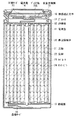
図1は、本発明の第1の実施の形態に係る電池の断面構成を表している。この電池は、例えば、負極の容量が電極反応物質であるリチウムの吸蔵および放出に基づく容量成分により表されるリチウムイオン二次電池である。図1では、いわゆる円筒型と呼ばれる電池構造を示している。
[First Embodiment]
FIG. 1 shows a cross-sectional configuration of a battery according to the first embodiment of the present invention. This battery is, for example, a lithium ion secondary battery in which the capacity of the negative electrode is represented by a capacity component based on insertion and extraction of lithium as an electrode reactant. FIG. 1 shows a so-called cylindrical battery structure.
この二次電池は、ほぼ中空円柱状の電池缶11の内部に、正極21および負極22がセパレータ23を介して巻回された巻回電極体20と、一対の絶縁板12,13とが収納されたものである。電池缶11は、例えば、ニッケル(Ni)めっきが施された鉄(Fe)により構成されており、その一端部および他端部はそれぞれ閉鎖および開放されている。一対の絶縁板12,13は、巻回電極体20を挟み、その巻回周面に対して垂直に延在するように配置されている。
In this secondary battery, a spirally
電池缶11の開放端部には、電池蓋14と、その内側に設けられた安全弁機構15および熱感抵抗素子(Positive Temperature Coefficient;PTC素子)16とがガスケット17を介してかしめられることにより取り付けられており、電池缶11の内部は密閉されている。電池蓋14は、例えば、電池缶11と同様の材料により構成されている。安全弁機構15は、熱感抵抗素子16を介して電池蓋14と電気的に接続されている。この安全弁機構15では、内部短絡あるいは外部からの加熱などに起因して内圧が一定以上となった場合に、ディスク板15Aが反転することにより電池蓋14と巻回電極体20との間の電気的接続が切断されるようになっている。熱感抵抗素子16は、温度の上昇に応じて抵抗が増大することにより電流を制限し、大電流に起因する異常な発熱を防止するものである。ガスケット17は、例えば、絶縁材料により構成されており、その表面にはアスファルトが塗布されている。
The battery lid 11 is attached to the open end of the battery can 11 by caulking a gasket 17 through a gasket 17 and a
巻回電極体20の中心には、例えば、センターピン24が挿入されている。この巻回電極体20では、アルミニウム(Al)などにより構成された正極リード25が正極21に接続されており、ニッケルなどにより構成された負極リード26が負極22に接続されている。正極リード25は、安全弁機構15に溶接されることにより電池蓋14と電気的に接続されており、負極リード26は、電池缶11に溶接されることにより電気的に接続されている。
For example, a center pin 24 is inserted in the center of the
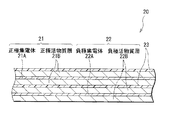
図2は、図1に示した巻回電極体20の一部を拡大して表している。正極21は、例えば、対向する一対の面を有する正極集電体21Aの両面に正極活物質層21Bが設けられたものである。なお、図示はしないが、正極集電体21Aの片面のみに正極活物質層21Bが設けられていてもよい。正極集電体21Aは、例えば、アルミニウム、ニッケルあるいはステンレスなどの金属材料により構成されている。正極活物質層21Bは、正極活物質として、電極反応物質であるリチウムを吸蔵および放出することが可能な正極材料のいずれか1種あるいは2種以上を含んでおり、必要に応じて導電剤や結着剤などを含んでいてもよい。
FIG. 2 shows an enlarged part of the spirally
リチウムを吸蔵および放出することが可能な正極材料としては、例えば、リチウム酸化物、リチウム硫化物、リチウムを含む層間化合物、あるいはリチウムリン酸化合物などのリチウム含有化合物が挙げられる。中でも、リチウム遷移金属酸化物(リチウムと遷移金属元素とを構成元素として含む酸化物)が好ましく、具体的には、リチウムと遷移金属元素とを含む複合酸化物、あるいはリチウムと遷移金属元素とを含むリン酸化合物などが好ましい。特に、遷移金属元素としては、コバルト(Co)、ニッケル、マンガン(Mn)、鉄、アルミニウム、バナジウム(V)、およびチタン(Ti)のうちの少なくとも1種を含むものが好ましい。その化学式は、例えば、Lix MIO2 あるいはLiy MIIPO4 で表される。式中、MIおよびMIIは、1種類以上の遷移金属元素を含む。また、xおよびyの値は、電池の充放電状態によって異なるが、通常、0.05≦x≦1.10、0.05≦y≦1.10である。 Examples of the positive electrode material capable of inserting and extracting lithium include lithium-containing compounds such as lithium oxide, lithium sulfide, an intercalation compound containing lithium, and a lithium phosphate compound. Among these, a lithium transition metal oxide (an oxide containing lithium and a transition metal element as a constituent element) is preferable. Specifically, a composite oxide containing lithium and a transition metal element, or lithium and a transition metal element is used. The phosphoric acid compound containing is preferable. In particular, the transition metal element preferably contains at least one of cobalt (Co), nickel, manganese (Mn), iron, aluminum, vanadium (V), and titanium (Ti). The chemical formula is represented by, for example, Li x MIO 2 or Li y MIIPO 4 . In the formula, MI and MII contain one or more transition metal elements. Moreover, although the value of x and y changes with charge / discharge states of a battery, it is 0.05 <= x <= 1.10 and 0.05 <= y <= 1.10 normally.
リチウムと遷移金属元素とを含む複合酸化物の具体例としては、リチウムコバルト複合酸化物(Lix CoO2 )、リチウムニッケル複合酸化物(Lix NiO2 )、リチウムニッケルコバルト複合酸化物(Lix Ni1-z Coz O2 (z<1))、リチウムニッケルコバルトマンガン複合酸化物(Lix Ni(1-v-w) Cov Mnw O2 (v+w<1))、あるいはスピネル型構造を有するリチウムマンガン複合酸化物(LiMn2 O4 )などが挙げられる。リチウムと遷移金属元素とを含むリン酸化合物の具体例としては、リチウム鉄リン酸化合物(LiFePO4 )あるいはリチウム鉄マンガンリン酸化合物(LiFe1-u Mnu PO4 (u<1))などが挙げられる。 Specific examples of the composite oxide containing lithium and a transition metal element include lithium cobalt composite oxide (Li x CoO 2 ), lithium nickel composite oxide (Li x NiO 2 ), and lithium nickel cobalt composite oxide (Li x Ni 1-z Co z O 2 (z <1)), lithium nickel cobalt manganese composite oxide (Li x Ni (1-vw) Co v Mn w O 2 (v + w <1)), or a spinel structure Examples thereof include lithium manganese composite oxide (LiMn 2 O 4 ). Specific examples of the phosphate compound containing lithium and a transition metal element include a lithium iron phosphate compound (LiFePO 4 ) or a lithium iron manganese phosphate compound (LiFe 1-u Mn u PO 4 (u <1)). Can be mentioned.
リチウムを吸蔵および放出することが可能な正極材料としては、例えば、他の金属化合物あるいは高分子材料も挙げられる。他の金属化合物としては、例えば、酸化チタン、酸化バナジウムあるいは二酸化マンガンなどの酸化物、または二硫化鉄、二硫化チタンあるいは硫化モリブデンなどの二硫化物が挙げられる。高分子材料としては、例えば、ポリアニリンあるいはポリチオフェンなどが挙げられる。 Examples of the positive electrode material capable of inserting and extracting lithium include other metal compounds and polymer materials. Examples of the other metal compound include oxides such as titanium oxide, vanadium oxide, and manganese dioxide, or disulfides such as iron disulfide, titanium disulfide, and molybdenum sulfide. Examples of the polymer material include polyaniline and polythiophene.
負極22は、例えば、対向する一対の面を有する負極集電体22Aの両面に負極活物質層22Bが設けられたものである。なお、図示はしないが、負極集電体22Aの片面のみに負極活物質層22Bが設けられていてもよい。負極集電体22Aは、例えば、銅(Cu)、ニッケルあるいはステンレスなどの金属材料により構成されている。負極活物質層22Bは、負極活物質として、電極反応物質であるリチウムを吸蔵および放出することが可能な負極材料を含んでおり、必要に応じて導電剤や結着剤などを含んでいてもよい。
In the
負極活物質は、リチウムを吸蔵および放出することが可能な負極材料として、X線回折法により測定される(002)面の面間隔が0.37nm以上である難黒鉛化性炭素を含有している。この難黒鉛化性炭素を含有しているのは、充放電時に生じる結晶構造の変化が非常に少ないため、高いエネルギー密度が得られるからである。また、リチウムの受け入れ性が高く、リチウムの析出が抑制されるため、放電容量の低下も抑制されるからである。これにより、サイクル特性および保存特性が向上する。なお、(002)面の面間隔については、例えば、X線としてCuKα線を用いると共に高純度シリコンを標準物質としたX線回折法(「大谷杉郎,炭素繊維,p.733−742(1986),近代編集」)により測定可能である。この難黒鉛化性炭素としては、例えば、真密度が1.70g/cm3未満であると共に、空気中での示差熱分析(differential thermal analysis;DTA)において700℃以上に発熱ピークを示さないものが好ましい。 The negative electrode active material contains non-graphitizable carbon having a (002) plane spacing of 0.37 nm or more as measured by an X-ray diffraction method as a negative electrode material capable of inserting and extracting lithium. Yes. The reason why the non-graphitizable carbon is contained is that a high energy density can be obtained because there is very little change in the crystal structure that occurs during charging and discharging. Moreover, it is because the acceptability of lithium is high, and since precipitation of lithium is suppressed, the fall of discharge capacity is also suppressed. Thereby, cycle characteristics and storage characteristics are improved. The (002) plane spacing is, for example, an X-ray diffraction method using CuKα rays as X-rays and using high-purity silicon as a standard substance (“Otani Sugirou, Carbon Fiber, p. 733-742 (1986). ), Modern Editing ”)). The non-graphitizable carbon has, for example, a true density of less than 1.70 g / cm 3 and no exothermic peak at 700 ° C. or higher in differential thermal analysis (DTA) in air. Is preferred.
なお、負極活物質は、上記した難黒鉛化性炭素と共に、他のリチウムを吸蔵および放出することが可能な負極材料の1種あるいは2種以上を含んでいてもよい。 In addition, the negative electrode active material may contain 1 type, or 2 or more types of the negative electrode material which can occlude and discharge | release other lithium with the above-mentioned non-graphitizable carbon.
導電剤としては、例えば、黒鉛、カーボンブラックあるいはケッチェンブラックなどの炭素材料が挙げられる。これらは単独で用いられてもよいし、複数種が混合されて用いられてもよい。この導電剤は、導電性を有する材料であれば、金属材料あるいは導電性高分子などであってもよい。 Examples of the conductive agent include carbon materials such as graphite, carbon black, and ketjen black. These may be used alone or in combination of two or more. The conductive agent may be a metal material or a conductive polymer as long as it is a conductive material.
結着剤としては、例えば、スチレンブタジエン系ゴム、フッ素系ゴムあるいはエチレンプロピレンジエンなどの合成ゴムや、ポリフッ化ビニリデンなどの高分子材料が挙げられる。これらは単独で用いられてもよいし、複数種が混合されて用いられてもよい。 Examples of the binder include synthetic rubbers such as styrene butadiene rubber, fluorine rubber or ethylene propylene diene, and polymer materials such as polyvinylidene fluoride. These may be used alone or in combination of two or more.
この二次電池では、正極活物質と負極活物質(リチウムを吸蔵および放出することが可能な負極材料)との間で量を調整することにより、正極活物質による充電容量よりも負極活物質による充電容量の方が大きくなっている。これにより、負極22では、完全充電時においてもリチウム金属が析出しないようになっている。
In this secondary battery, by adjusting the amount between the positive electrode active material and the negative electrode active material (the negative electrode material capable of inserting and extracting lithium), the charge capacity by the negative electrode active material is higher than the charge capacity by the positive electrode active material. The charge capacity is larger. Thereby, in the
セパレータ23は、正極21と負極22とを隔離し、両極の接触による電流の短絡を防止しつつリチウムイオンを通過させるものである。このセパレータ23は、例えば、ポリテトラフルオロエチレン、ポリプロピレンあるいはポリエチレンなどの合成樹脂からなる多孔質膜、またはセラミックからなる多孔質膜により構成されており、これらの2種以上の多孔質膜が積層された構造を有していてもよい。中でも、ポリオレフィン製の多孔質膜は、ショート防止効果に優れ、かつ、シャットダウン効果により電池の安全性向上が図られるので好ましい。特に、ポリエチレンは、100℃以上160℃以下の範囲内でシャットダウン効果が得られると共に、電気化学的安定性にも優れているので好ましい。また、ポリプロピレンも好ましく、他にも化学的安定性を備えた樹脂であれば、ポリエチレンあるいはポリプロピレンと共重合させたものであったり、ブレンド化したものであってもよい。
The
このセパレータ23には、液状の電解質である電解液が含浸されている。この電解液は、例えば、溶媒と、それに溶解された電解質塩とを含んでいる。
The
溶媒は、炭酸ジフルオロエチレンを含有している。この炭酸ジフルオロエチレンを含有しているのは、負極22に被膜が形成され、その負極22が電解液から保護されるため、電解液の分解反応が抑制されるからである。また、負極22においてリチウムの受け入れ性が向上するため、放電容量の低下が抑制されるからである。これにより、サイクル特性および保存特性が向上する。この場合には、さらに、上記した被膜が薄くて緻密なため、その被膜を形成するために使用されるリチウムの量が少なくて済む。これにより、充放電効率が向上すると共に、負荷特性が向上する。
The solvent contains difluoroethylene carbonate. This difluoroethylene carbonate is contained because a coating is formed on the
炭酸ジフルオロエチレンとしては、例えば、4,4−ジフルオロ−1,3−ジオキソラン−2−オン、トランス−4,5−ジフルオロ−1,3−ジオキソラン−2−オンあるいはシス−4,5−ジフルオロ−1,3−ジオキソラン−2−オンなどが挙げられる。中でも、トランス−4,5−ジフルオロ−1,3−ジオキソラン−2−オンあるいはシス−4,5−ジフルオロ−1,3−ジオキソラン−2−オンが好ましい。十分な効果が得られるからである。特に、4,5−ジフルオロ−1,3−ジオキソラン−2−オンとしては、より高い効果を得るために、シス異性体よりもトランス異性体が好ましい。 Examples of the difluoroethylene carbonate include 4,4-difluoro-1,3-dioxolan-2-one, trans-4,5-difluoro-1,3-dioxolan-2-one, and cis-4,5-difluoro- 1,3-dioxolan-2-one and the like can be mentioned. Among them, trans-4,5-difluoro-1,3-dioxolan-2-one or cis-4,5-difluoro-1,3-dioxolan-2-one is preferable. This is because a sufficient effect can be obtained. In particular, as 4,5-difluoro-1,3-dioxolan-2-one, a trans isomer is preferable to a cis isomer in order to obtain a higher effect.
溶媒中における炭酸ジフルオロエチレンの含有量は、例えば、1重量%以上10重量%以下の範囲内であるのが好ましい。この範囲内において、十分な効果が得られるからである。 The content of difluoroethylene carbonate in the solvent is preferably in the range of, for example, 1% by weight to 10% by weight. This is because a sufficient effect can be obtained within this range.
この溶媒は、例えば、さらに、炭酸プロピレンを含有しているのが好ましい。炭酸ジフルオロエチレンと併用されることにより、両者の相乗効果によって負極22に良好な被膜が形成されるため、サイクル特性や保存特性がより向上するからである。
This solvent preferably further contains, for example, propylene carbonate. This is because when used in combination with difluoroethylene carbonate, a good film is formed on the
なお、溶媒は、上記した炭酸ジフルオロエチレン等と共に、他の溶媒(例えば、有機溶剤などの非水溶媒)を含んでいてもよい。この他の溶媒としては、例えば、炭酸エチレン、炭酸ブチレン、炭酸ビニレン、炭酸ビニルエチレン、炭酸ジメチル、炭酸ジエチル、炭酸エチルメチル、炭酸メチルプロピル、γ−ブチロラクトン、γ−バレロラクトン、1,2−ジメトキシエタン、テトラヒドロフラン、2−メチルテトラヒドロフラン、テトラヒドロピラン、1,3−ジオキソラン、4−メチル−1,3−ジオキソラン、1,3−ジオキサン、1,4−ジオキサン、酢酸メチル、酢酸エチル、プロピオン酸メチル、プロピオン酸エチル、酪酸メチル、イソ酪酸メチル、トリメチル酢酸メチル、トリメチル酢酸エチル、アセトニトリル、グルタロニトリル、アジポニトリル、メトキシアセトニトリル、3−メトキシプロピオニトリル、N,N−ジメチルホルムアミド、N−メチルピロリジノン、N−メチルオキサゾリジノン、N,N’−ジメチルイミダゾリジノン、ニトロメタン、ニトロエタン、スルホラン、ジメチルスルフォキシド、リン酸トリメチル、リン酸トリエチルあるいはエチレンスルフィトなどが挙げられる。また、他の溶媒としては、例えば、ビストリフルオロメチルスルホニルイミドトリメチルヘキシルアンモニウムなどの常温溶融塩なども挙げられる。これらは単独で用いられてもよいし、複数種が混合されて用いられてもよい。中でも、溶媒は、炭酸エチレン、炭酸ビニレン、炭酸ジメチル、炭酸エチルメチル、炭酸ジエチルおよびエチレンスルフィトからなる群のうちの少なくとも1種を含んでいるのが好ましい。優れた容量特性、サイクル特性および保存特性が得られるからである。この場合には、特に、炭酸エチレンあるいは炭酸プロピレンなどの高粘度(高誘電率)溶媒(例えば、比誘電率ε≧30)と、炭酸ジメチル、炭酸エチルメチルあるいは炭酸ジエチルなどの低粘度溶媒(例えば、粘度≦1mPa・s)とを混合して含んでいるのが好ましい。電解質塩の解離性およびイオンの移動度が向上するため、より高い効果が得られるからである。 The solvent may contain another solvent (for example, a nonaqueous solvent such as an organic solvent) in addition to the above-described difluoroethylene carbonate. Other solvents include, for example, ethylene carbonate, butylene carbonate, vinylene carbonate, vinyl ethylene carbonate, dimethyl carbonate, diethyl carbonate, ethyl methyl carbonate, methyl propyl carbonate, γ-butyrolactone, γ-valerolactone, 1,2-dimethoxy. Ethane, tetrahydrofuran, 2-methyltetrahydrofuran, tetrahydropyran, 1,3-dioxolane, 4-methyl-1,3-dioxolane, 1,3-dioxane, 1,4-dioxane, methyl acetate, ethyl acetate, methyl propionate, Ethyl propionate, methyl butyrate, methyl isobutyrate, methyl trimethyl acetate, ethyl trimethyl acetate, acetonitrile, glutaronitrile, adiponitrile, methoxyacetonitrile, 3-methoxypropionitrile, N, N-dimethylformamide, N-methyl Examples include rupyrrolidinone, N-methyloxazolidinone, N, N'-dimethylimidazolidinone, nitromethane, nitroethane, sulfolane, dimethyl sulfoxide, trimethyl phosphate, triethyl phosphate, and ethylene sulfite. Examples of other solvents include room temperature molten salts such as bistrifluoromethylsulfonylimide trimethylhexylammonium. These may be used alone or in combination of two or more. Among them, the solvent preferably contains at least one member selected from the group consisting of ethylene carbonate, vinylene carbonate, dimethyl carbonate, ethyl methyl carbonate, diethyl carbonate, and ethylene sulfite. This is because excellent capacity characteristics, cycle characteristics and storage characteristics can be obtained. In this case, in particular, a high viscosity (high dielectric constant) solvent such as ethylene carbonate or propylene carbonate (for example, a relative dielectric constant ε ≧ 30) and a low viscosity solvent such as dimethyl carbonate, ethyl methyl carbonate or diethyl carbonate (for example, Viscosity ≦ 1 mPa · s) is preferably included. This is because the dissociation property of the electrolyte salt and the ion mobility are improved, so that a higher effect can be obtained.
電解質塩は、例えば、リチウム塩などの軽金属塩のいずれか1種あるいは2種以上を含んでいる。このリチウム塩としては、例えば、六フッ化リン酸リチウム(LiPF6 )、四フッ化ホウ酸リチウム(LiBF4 )、過塩素酸リチウム(LiClO4 )、六フッ化ヒ酸リチウム(LiAsF6 )、テトラフェニルホウ酸リチウム(LiB(C6 H5 )4 )、メタンスルホン酸リチウム(LiCH3 SO3 )、トリフルオロメタンスルホン酸リチウム(LiCF3 SO3 )、テトラクロロアルミン酸リチウム(LiAlCl4 )、六フッ化ケイ酸リチウム(Li2 SiF6 )、塩化リチウム(LiCl)あるいは臭化リチウム(LiBr)などが挙げられる。優れた容量特性、サイクル特性および保存特性が得られるからである。これらは単独で用いられてもよいし、複数種が混合されて用いられてもよい。中でも、電解質塩は、六フッ化リン酸リチウム、四フッ化ホウ酸リチウム、過塩素酸リチウムおよび六フッ化ヒ素酸リチウムからなる群のうちの少なくとも1種を含んでいるのが好ましい。より高い効果が得られるからである。この場合には、特に、六フッ化リン酸リチウムを含んでいるのがより好ましい。導電率が高く内部抵抗が低下するため、さらに高い効果が得られるからである。 The electrolyte salt includes, for example, any one or more of light metal salts such as a lithium salt. Examples of the lithium salt include lithium hexafluorophosphate (LiPF 6 ), lithium tetrafluoroborate (LiBF 4 ), lithium perchlorate (LiClO 4 ), lithium hexafluoroarsenate (LiAsF 6 ), lithium tetraphenylborate (LiB (C 6 H 5) 4), methanesulfonic acid lithium (LiCH 3 SO 3), lithium trifluoromethanesulfonate (LiCF 3 SO 3), tetrachloroaluminate lithium (LiAlCl 4), six Examples thereof include lithium fluorosilicate (Li 2 SiF 6 ), lithium chloride (LiCl), and lithium bromide (LiBr). This is because excellent capacity characteristics, cycle characteristics and storage characteristics can be obtained. These may be used alone or in combination of two or more. Among these, the electrolyte salt preferably contains at least one member selected from the group consisting of lithium hexafluorophosphate, lithium tetrafluoroborate, lithium perchlorate, and lithium hexafluoroarsenate. This is because a higher effect can be obtained. In this case, it is more preferable that lithium hexafluorophosphate is included. This is because the electrical conductivity is high and the internal resistance is lowered, so that a higher effect can be obtained.
この電解質塩は、例えば、さらに、化1、化2および化3で表される化合物を含んでいるのが好ましい。より高い効果が得られるからである。これらは単独で用いられてもよいし、複数種が混合されて用いられてもよい。特に、電解質塩は、上記した六フッ化リン酸リチウムと共に化1〜化3に示した化合物からなる群のうちの少なくとも1種を含んでいれば、著しく高い効果が得られる。 This electrolyte salt preferably further contains, for example, compounds represented by chemical formula 1, chemical formula 2 and chemical formula 3. This is because a higher effect can be obtained. These may be used alone or in combination of two or more. In particular, if the electrolyte salt contains at least one member selected from the group consisting of the compounds shown in Chemical Formulas 1 to 3 together with the above-described lithium hexafluorophosphate, a remarkably high effect can be obtained.
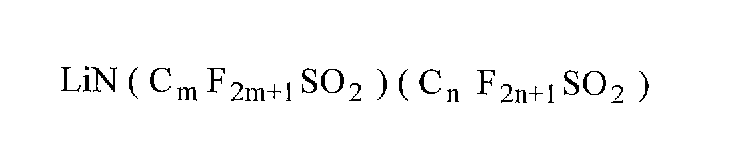
化1に示した鎖状の化合物としては、例えば、ビス(トリフルオロメタンスルホニル)イミドリチウム(LiN(CF3 SO2 )2 )、ビス(ペンタフルオロエタンスルホニル)イミドリチウム(LiN(C2 F5 SO2 )2)、(トリフルオロメタンスルホニル)
(ペンタフルオロエタンスルホニル)イミドリチウム(LiN(CF3 SO2 )(C2 F5 SO2 ))、(トリフルオロメタンスルホニル)(ヘプタフルオロプロパンスルホニル)イミドリチウム(LiN(CF3 SO2 )(C3 F7 SO2 ))あるいは(トリフルオロメタンスルホニル)(ノナフルオロブタンスルホニル)イミドリチウム(LiN(CF3 SO2 )(C4 F9 SO2 ))などが挙げられる。中でも、ビス(トリフルオロメタンスルホニル)イミドリチウムが好ましい。十分な効果が得られるからである。
Examples of the chain compound shown in Chemical Formula 1 include bis (trifluoromethanesulfonyl) imide lithium (LiN (CF 3 SO 2 ) 2 ), bis (pentafluoroethanesulfonyl) imide lithium (LiN (C 2 F 5 SO 2 ) 2 ), (trifluoromethanesulfonyl)
(Pentafluoroethanesulfonyl) imidolithium (LiN (CF 3 SO 2 ) (C 2 F 5 SO 2 )), (trifluoromethanesulfonyl) (heptafluoropropanesulfonyl) imide lithium (LiN (CF 3 SO 2 ) (C 3 F 7 SO 2)), or (trifluoromethanesulfonyl) (nonafluorobutanesulfonyl) imide (LiN (CF 3 SO 2) (C 4 F 9 SO 2)) , and the like. Of these, bis (trifluoromethanesulfonyl) imidolithium is preferable. This is because a sufficient effect can be obtained.
化2に示した環状の化合物としては、例えば、化4で表される一連の化合物が挙げられる。すなわち、化4に示した(1)の1,2−パーフルオロエタンジスルホニルイミドリチウム、(2)の1,3−パーフルオロプロパンジスルホニルイミドリチウム、(3)の1,3−パーフルオロブタンジスルホニルイミドリチウムあるいは(4)の1,4−パーフルオロブタンジスルホニルイミドリチウムなどである。中でも、1,3−パーフルオロプロパンジスルホニルイミドリチウムが好ましい。十分な効果が得られるからである。 Examples of the cyclic compound represented by Chemical Formula 2 include a series of compounds represented by Chemical Formula 4. That is, 1,2-perfluoroethanedisulfonylimide lithium of (1) shown in Chemical formula 4, 1,3-perfluoropropane disulfonylimide lithium of (2), 1,3-perfluorobutane of (3) Disulfonylimide lithium or 1,4-perfluorobutane disulfonylimide lithium of (4). Among these, 1,3-perfluoropropane disulfonylimide lithium is preferable. This is because a sufficient effect can be obtained.
化3に示した鎖状の化合物としては、例えば、トリス(トリフルオロメタンスルホニル)メチドリチウム(LiC(SO2 CF3 )3 )などが挙げられる。十分な効果が得られるからである。 Examples of the chain compound shown in Chemical Formula 3 include tris (trifluoromethanesulfonyl) methide lithium (LiC (SO 2 CF 3 ) 3 ). This is because a sufficient effect can be obtained.
電解質塩の含有量は、溶媒に対して0.3mol/kg以上3.0mol/kg以下の範囲内であるのが好ましい。この範囲外ではイオン伝導性が極端に低下するため、容量特性などが十分に得られないおそれがあるからである。 The content of the electrolyte salt is preferably in the range of 0.3 mol / kg or more and 3.0 mol / kg or less with respect to the solvent. Outside this range, the ionic conductivity is extremely lowered, so that there is a possibility that sufficient capacity characteristics and the like may not be obtained.
この二次電池は、例えば、以下のようにして製造される。 This secondary battery is manufactured as follows, for example.
まず、例えば、正極集電体21Aの両面に正極活物質層21Bを形成することにより、正極21を作製する。この正極活物質層21Bを形成する際には、正極活物質の粉末と、導電剤と、結着剤とを混合した正極合剤を溶剤に分散させることによりペースト状の正極合剤スラリーとし、その正極合剤スラリーを正極集電体21Aに塗布して乾燥させたのちに圧縮成型する。また、例えば、正極21と同様の手順にしたがって負極集電体22Aの両面に負極活物質層22Bを形成することにより、負極22を作製する。
First, for example, the
続いて、正極集電体21Aに正極リード25を溶接して取り付けると共に、負極集電体22Aに負極リード26を溶接して取り付ける。続いて、正極21と負極22とをセパレータ23を介して巻回させることにより巻回電極体20を形成し、正極リード25の先端部を安全弁機構15に溶接すると共に負極リード26の先端部を電池缶11に溶接したのち、巻回電極体20を一対の絶縁板12,13で挟みながら電池缶11の内部に収納する。続いて、電池缶11の内部に電解液を注入してセパレータ23に含浸させる。最後に、電池缶11の開口端部に電池蓋14、安全弁機構15および熱感抵抗素子16をガスケット17を介してかしめることにより固定する。これにより、図1および図2に示した二次電池が完成する。
Subsequently, the cathode lead 25 is attached by welding to the cathode
この二次電池では、充電を行うと、例えば、正極21からリチウムイオンが放出され、電解液を介して負極22に吸蔵される。一方、放電を行うと、例えば、負極22からリチウムイオンが放出され、電解液を介して正極21に吸蔵される。
In the secondary battery, when charged, for example, lithium ions are extracted from the
この二次電池によれば、負極22の負極活物質がX線回折法により測定される(002)面の面間隔が0.37nm以上である難黒鉛化性炭素を含有しているので、黒鉛などの他の炭素材料を含有している場合と比較して、リチウムの受け入れ性が向上する。また、電解液の溶媒が炭酸ジフルオロエチレンを含有しているので、炭酸モノフルオロエチレンなどの他のハロゲン化炭酸エチレンを含有している場合と比較して、リチウムの受け入れ性が向上すると共に、電解液の分解反応が抑制される。したがって、サイクル特性および保存特性を向上させることができる。この場合には、溶媒中における炭酸ジフルオロエチレンの含有量が1重量%以上10重量%以下の範囲内であれば、十分な効果を得ることができる。
According to this secondary battery, since the negative electrode active material of the
この二次電池では、特に、上記した作用により、大きな充電電流を要する急速充電用途に用いられ、すなわち負極22の電流密度が高くなった場合においても、リチウムの受け入れ性が十分に得られる。したがって、急速充電用途においてもサイクル特性および保存特性を確保することができる。
In particular, the secondary battery is used for rapid charging applications requiring a large charging current due to the above-described action. That is, even when the current density of the
この他、上記した二次電池では、溶媒が炭酸プロピレンを含有していれば、より高い効果を得ることができる。また、電解質塩が化1〜化3に示した化合物を含有していれば、より高い効果を得ることができる。 In addition, in the secondary battery described above, a higher effect can be obtained if the solvent contains propylene carbonate. Moreover, if the electrolyte salt contains the compounds shown in Chemical Formulas 1 to 3, higher effects can be obtained.
[第2の実施の形態]
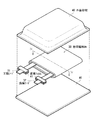
図3は、第2の実施の形態に係る電池の分解斜視構成を表している。この電池は、正極リード31および負極リード32が取り付けられた巻回電極体30をフィルム状の外装部材40の内部に収納したものであり、この電池構造は、いわゆるラミネートフィルム型と呼ばれている。
[Second Embodiment]
FIG. 3 illustrates an exploded perspective configuration of the battery according to the second embodiment. In this battery, a
正極リード31および負極リード32は、例えば、それぞれ外装部材40の内部から外部に向かって同一方向に導出されている。正極リード31は、例えば、アルミニウムなどの金属材料により構成されており、負極リード32は、例えば、銅、ニッケルあるいはステンレスなどの金属材料により構成されている。これらは、例えば、薄板状または網目状の構造を有している。
For example, the
外装部材40は、例えば、ナイロンフィルム、アルミニウム箔およびポリエチレンフィルムがこの順に貼り合わされた矩形状のアルミラミネートフィルムにより構成されている。この外装部材40では、例えば、ポリエチレンフィルムが巻回電極体30と対向していると共に、各外縁部が融着あるいは接着剤により互いに密着されている。外装部材40と正極リード31および負極リード32との間には、外気の侵入を防止するための密着フィルム41が挿入されている。この密着フィルム41は、正極リード31および負極リード32に対して密着性を有する材料、例えば、ポリエチレン、ポリプロピレン、変性ポリエチレンあるいは変性ポリプロピレンなどのポリオレフィン樹脂により構成されている。
The
なお、外装部材40は、上記した3層構造のアルミラミネートフィルムに代えて、他の構造を有するラミネートフィルムにより構成されていてもよいし、またはポリプロピレンなどの高分子フィルムあるいは金属フィルムにより構成されていてもよい。
The
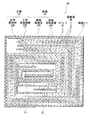
図4は、図3に示した巻回電極体30のIV−IV線に沿った断面構成を表している。この電極巻回体30は、正極33および負極34がセパレータ35および電解質36を介して積層されたのちに巻回されたものであり、その最外周部は保護テープ37により保護されている。
FIG. 4 shows a cross-sectional configuration along line IV-IV of the spirally
正極33は、正極集電体33Aの両面に正極活物質層33Bが設けられたものである。負極34は、負極集電体34Aの両面に負極活物質層34Bが設けられたものであり、その負極活物質層34Bが正極活物質層33Bと対向するように配置されている。正極集電体33A、正極活物質層33B、負極集電体34A、負極活物質層34Bおよびセパレータ35の構成は、それぞれ上記した第1の実施の形態の電池における正極集電体21A、正極活物質層21B、負極集電体22A、負極活物質層22Bおよびセパレータ23の構成と同様である。
The
電解質36は、電解液と、それを保持する高分子化合物とを含んでおり、いわゆるゲル状になっている。ゲル状の電解質は、高いイオン伝導率(例えば室温で1mS/cm以上)が得られると共に漏液が防止されるので好ましい。
The
高分子化合物としては、例えば、ポリアクリロニトリル、ポリフッ化ビニリデン、ポリフッ化ビニリデンとポリヘキサフルオロピレンとの共重合体、ポリテトラフルオロエチレン、ポリヘキサフルオロプロピレン、ポリエチレンオキサイド、ポリプロピレンオキサイド、ポリフォスファゼン、ポリシロキサン、ポリ酢酸ビニル、ポリビニルアルコール、ポリメタクリル酸メチル、ポリアクリル酸、ポリメタクリル酸、スチレン−ブタジエンゴム、ニトリル−ブタジエンゴム、ポリスチレンあるいはポリカーボネートなどが挙げられる。これらは単独で用いられてもよいし、複数種が混合されて用いられてもよい。特に、電気化学的安定性の点から、ポリアクリロニトリル、ポリフッ化ビニリデン、ポリヘキサフルオロプロピレンあるいはポリエチレンオキサイドなどが好ましい。電解液中における高分子化合物の含有量は、両者の相溶性によっても異なるが、例えば、5質量%以上50質量%以下の範囲内であることが好ましい。 Examples of the polymer compound include polyacrylonitrile, polyvinylidene fluoride, a copolymer of polyvinylidene fluoride and polyhexafluoropyrene, polytetrafluoroethylene, polyhexafluoropropylene, polyethylene oxide, polypropylene oxide, polyphosphazene, poly Examples thereof include siloxane, polyvinyl acetate, polyvinyl alcohol, polymethyl methacrylate, polyacrylic acid, polymethacrylic acid, styrene-butadiene rubber, nitrile-butadiene rubber, polystyrene, and polycarbonate. These may be used alone or in combination of two or more. In particular, from the viewpoint of electrochemical stability, polyacrylonitrile, polyvinylidene fluoride, polyhexafluoropropylene, polyethylene oxide, and the like are preferable. The content of the polymer compound in the electrolytic solution varies depending on the compatibility between the two, but is preferably in the range of, for example, 5% by mass or more and 50% by mass or less.
電解液の組成は、例えば、第1の実施の形態の電池における電解液と同様である。ただし、この場合の溶媒とは、液状の溶媒だけでなく、電解質塩を解離させることが可能なイオン伝導性を有するものまで含む広い概念である。したがって、イオン伝導性を有する高分子化合物を用いる場合には、その高分子化合物も溶媒に含まれる。 The composition of the electrolytic solution is the same as, for example, the electrolytic solution in the battery according to the first embodiment. However, the solvent in this case is not only a liquid solvent but also a broad concept including those having ion conductivity capable of dissociating the electrolyte salt. Accordingly, when a polymer compound having ion conductivity is used, the polymer compound is also included in the solvent.
なお、電解質36としては、電解液を高分子化合物に保持させたものに代えて、電解液がそのまま用いられてもよい。この場合には、電解液がセパレータ35に含浸される。
As the
この二次電池は、例えば、以下のようにして製造される。 This secondary battery is manufactured as follows, for example.
まず、電解液と、高分子化合物と、混合溶剤とを含む前駆溶液を調製し、正極33および負極34のそれぞれに塗布したのちに混合溶剤を揮発させることにより、電解質36を形成する。続いて、正極集電体33Aに正極リード31を取り付けると共に、負極集電体34Aに負極リード32を取り付ける。続いて、電解質36が形成された正極33と負極34とをセパレータ35を介して積層させたのち、長手方向に巻回させると共に最外周部に保護テープ37を接着させることにより、巻回電極体30を形成する。続いて、外装部材40の間に巻回電極体30を挟み込み、その外装部材40の外縁部同士を熱融着などで密着させることにより、巻回電極体30を封入する。その際、正極リード31および負極リード32と外装部材40との間に、密着フィルム41を挿入する。これにより、図3および図4に示した二次電池が完成する。
First, a precursor solution containing an electrolytic solution, a polymer compound, and a mixed solvent is prepared, applied to each of the
なお、この二次電池は、以下のようにして製造されてもよい。まず、正極33および負極34にそれぞれ正極リード31および負極リード32を取り付けたのち、正極33と負極34とをセパレータ35を介して積層および巻回させると共に最外周部に保護テープ37を接着させることにより、巻回電極体30の前駆体である巻回体を形成する。続いて、外装部材40の間に巻回体を挟み込み、一辺の外周縁部を除く残りの外周縁部を熱融着などで密着させることにより、袋状の外装部材40の内部に収納する。続いて、電解液と、高分子化合物の原料であるモノマーと、重合開始剤と、必要に応じて重合禁止剤などの他の材料とを含む電解質用組成物を調製し、袋状の外装部材40の内部に注入したのち、外装部材40の開口部を熱融着などで密封する。最後に、モノマーを熱重合させて高分子化合物とすることにより、ゲル状の電解質36を形成する。これにより、図3および図4に示した二次電池が完成する。
In addition, this secondary battery may be manufactured as follows. First, after attaching the
この二次電池の作用および効果は、上記した第1の実施の形態において説明した二次電池と同様である。 The operation and effect of this secondary battery are the same as those of the secondary battery described in the first embodiment.
本発明の実施例について詳細に説明する。 Examples of the present invention will be described in detail.
(実施例1−1〜1−3)
図3および図4に示したラミネートフィルム型の二次電池を作製した。この際、負極34の容量がリチウムの吸蔵および放出に基づく容量成分により表されるリチウムイオン二次電池となるようにした。
(Examples 1-1 to 1-3)
The laminate film type secondary battery shown in FIGS. 3 and 4 was produced. At this time, a lithium ion secondary battery in which the capacity of the
まず、正極33を作製した。すなわち、炭酸リチウム(Li2 CO3 )と炭酸コバルト(CoCO3 )とを0.5:1のモル比で混合したのち、空気中において900℃で5時間焼成することにより、リチウムコバルト複合酸化物(LiCoO2 )を得た。続いて、正極活物質としてリチウムコバルト複合酸化物91質量部と、導電剤としてグラファイト6質量部と、結着剤としてポリフッ化ビニリデン3質量部とを混合して正極合剤としたのち、N−メチル−2−ピロリドンに分散させることにより、ペースト状の正極合剤スラリーとした。最後に、厚さ12μmの帯状のアルミニウム箔からなる正極集電体33Aの両面に正極合剤スラリーを均一に塗布して乾燥させたのち、ロールプレス機で圧縮成型することにより、正極活物質層33Bを形成した。こののち、正極集電体33Aの一端に、アルミニウム製の正極リード31を溶接して取り付けた。
First, the
次に、負極34を作製した。すなわち、出発原料としての石油ピッチに、酸素を含む官能基を10%〜20%導入(いわゆる酸素架橋)したのち、不活性ガス気流中において1000℃で焼成することにより、難黒鉛化性炭素を得た。この難黒鉛化性炭素は、ガラス状炭素に近い性質を示し、その物性は、X線回折法により測定されるC軸方向の格子面間隔d002 が0.376nm、真密度が1.58g/cm3 であった。続いて、負極活物質として平均粒径10μmの難黒鉛化性炭素粉末90質量部と、結着剤としてポリフッ化ビニリデン10質量部とを混合して負極合剤としたのち、N−メチル−2−ピロリドンに分散させることにより、負極合剤スラリーとした。最後に、厚さ15μmの帯状の銅箔からなる負極集電体34Aの両面に負極合剤スラリーを均一に塗布して乾燥させたのち、ロールプレス機で圧縮成型することにより、負極活物質層34Bを形成した。こののち、負極集電体34Aの一端に、ニッケル製の負極リード32を取り付けた。
Next, the
次に、正極33と、厚さ25μmの微多孔性ポリエチレン延伸フィルムからなるセパレータ35と、負極34とをこの順に積層し、長手方向に渦巻状に多数回巻回させたのち、粘着テープからなる保護テープ37で巻き終わり部分を固定することにより、巻回電極体30の前駆体である巻回体を形成した。続いて、外側から、厚さ30μmのナイロンと、厚さ40μmのアルミニウム箔と、厚さ30μmの無延伸ポリプロピレンとが積層された3層構成(総厚100μm)のラミネートフィルムからなる外装部材40の間に巻回体を挟み込んだのち、一辺を除く外縁部同士を熱融着することにより、袋状の外装部材40の内部に巻回体を収納した。続いて、外装部材40の開口部を通じて電解液を注入し、その電解液を電解質36としてセパレータ35に含浸させることにより、巻回電極体30を形成した。
Next, a
電解液としては、溶媒として、炭酸エチレン(EC)と、炭酸ジエチル(DEC)と、炭酸ジフルオロエチレン(DFEC)とを混合した混合溶媒を用い、電解質塩として、六フッ化リン酸リチウム(LiPF6 )を用いた。その際、DFECとして4,5−ジフルオロ−1,3−ジオキソラン−2−オンを用い、溶媒の組成(EC:DEC:DFEC)を重量比で29:70:1(実施例1−1)、27.5:67.5:5(実施例1−2)、25:65:10(実施例1−3)とした。また、電解液中におけるLiPF6 の濃度を1.0mol/dm3 とした。 As an electrolytic solution, a mixed solvent obtained by mixing ethylene carbonate (EC), diethyl carbonate (DEC), and difluoroethylene carbonate (DFEC) is used as a solvent, and lithium hexafluorophosphate (LiPF 6 ) is used as an electrolyte salt. ) Was used. At that time, 4,5-difluoro-1,3-dioxolan-2-one was used as DFEC, and the composition of the solvent (EC: DEC: DFEC) was 29: 70: 1 by weight ratio (Example 1-1). It was set as 27.5: 67.5: 5 (Example 1-2) and 25:65:10 (Example 1-3). The concentration of LiPF 6 in the electrolytic solution was 1.0 mol / dm 3 .
最後に、真空雰囲気中において外装部材40の開口部を熱融着して封止することにより、ラミネートフィルム型の二次電池が完成した。
Finally, the laminated film type secondary battery was completed by thermally sealing and sealing the opening of the
(実施例1−4〜1−6)
電解質塩として、ビス(トリフルオロメタンスルホニル)イミドリチウム(LiTFSI:実施例1−4)、化4(2)に示した1,3−パーフルオロプロパンジスルホニルイミドリチウム(実施例1−5)、トリス(トリフルオロメタンスルホニル)メチドリチウム(LiTFSM:実施例1−6)を加えたことを除き、実施例1−1と同様の手順を経た。その際、電解液中におけるLiPF6 の濃度を0.9mol/dm3としたと共に、加えた一連の電解質塩の濃度を0.1mol/dm3 とした。
(Examples 1-4 to 1-6)
As the electrolyte salt, bis (trifluoromethanesulfonyl) imide lithium (LiTFSI: Example 1-4), 1,3-perfluoropropanedisulfonylimide lithium (Example 1-5) shown in Chemical Formula 4 (2), Tris The same procedure as in Example 1-1 was performed, except that (trifluoromethanesulfonyl) methide lithium (LiTFSM: Example 1-6) was added. At that time, the concentration of LiPF 6 in the electrolytic solution together with a 0.9 mol / dm 3, a series of concentrations of the electrolyte salt was added was 0.1 mol / dm 3.
(実施例1−7)
溶媒として炭酸プロピレン(PC)を加えたことを除き、実施例1−1と同様の手順を経た。その際、溶媒の組成(EC:DEC:DFEC:PC)を重量比で19:70:1:10とした。
(Example 1-7)
A procedure similar to that of Example 1-1 was performed except that propylene carbonate (PC) was added as a solvent. At that time, the composition of the solvent (EC: DEC: DFEC: PC) was 19: 70: 1: 10 by weight.
(比較例1−1)
負極活物質として人造黒鉛を用いて負極22を作製したと共に、溶媒としてECとDECとを混合した混合溶媒を用いたことを除き、実施例1−1と同様の手順を経た。その際、負極活物質として平均粒径20μmの人造黒鉛粉末90質量部と、結着剤としてポリフッ化ビニリデン10質量部とを混合して負極合剤とすることにより、負極22を作製した。また、溶媒の組成(EC:DEC)を重量比で30:70とした。
(Comparative Example 1-1)
A
(比較例1−2)
比較例1−1と同様に負極活物質として人造黒鉛を用いて負極22を作製したことを除き、実施例1−1と同様の手順を経た。
(Comparative Example 1-2)
The same procedure as in Example 1-1 was performed except that the
(比較例1−3)
溶媒としてECとDECとを混合した混合溶媒を用いたことを除き、実施例1−1と同様の手順を経た。その際、溶媒の組成(EC:DEC)を重量比で30:70とした。
(Comparative Example 1-3)
A procedure similar to that of Example 1-1 was performed except that a mixed solvent obtained by mixing EC and DEC was used as a solvent. At that time, the composition of the solvent (EC: DEC) was 30:70 by weight.
(比較例1−4〜1−6)
溶媒としてDFECに代えて炭酸フルオロエチレン(FEC:比較例1−4)、炭酸クロロエチレン(ClEC:比較例1−5)、炭酸ジクロロエチレン(DClEC:比較例1−6)を用いたことを除き、実施例1−1と同様の手順を経た。
(Comparative Examples 1-4 to 1-6)
Except for using fluoroethylene carbonate (FEC: Comparative Example 1-4), chloroethylene carbonate (ClEC: Comparative Example 1-5), dichloroethylene carbonate (DClEC: Comparative Example 1-6) instead of DFEC as a solvent, The same procedure as in Example 1-1 was performed.
(比較例1−7)
溶媒にDFECを含有させなかったことを除き、実施例1−7と同様の手順を経た。その際、溶媒の組成(EC:DEC:PC)を重量比で20:70:10とした。
(Comparative Example 1-7)
The same procedure as in Example 1-7 was performed, except that DFEC was not contained in the solvent. At that time, the composition of the solvent (EC: DEC: PC) was 20:70:10 by weight.
これらの実施例1−1〜1−7および比較例1−1〜1−7の二次電池についてサイクル特性および保存特性を調べたところ、表1に示した結果が得られた。 When the cycle characteristics and storage characteristics of the secondary batteries of Examples 1-1 to 1-7 and Comparative Examples 1-1 to 1-7 were examined, the results shown in Table 1 were obtained.
サイクル特性を調べる際には、以下の手順によって二次電池を繰り返し充放電させることにより、放電容量維持率を求めた。まず、23℃の雰囲気中において2サイクル充放電させることにより、2サイクル目の放電容量を測定した。続いて、60℃の恒温槽中においてサイクル数の合計が52サイクルとなるまで充放電させることにより、52サイクル目の放電容量を測定した。最後に、放電容量維持率(%)=(52サイクル目の放電容量/2サイクル目の放電容量)×100を算出した。1サイクルの充電条件としては、1Cの定電流で電池電圧が4.2Vに達するまで充電したのち、引き続き4.2Vの定電圧で総充電時間が2時間になるまで充電した。また、1サイクルの放電条件としては、0.5Cの定電流で電池電圧が3.0Vに達するまで放電した。この「C」とは、電流条件を表す値であり、「1C」は理論容量を1時間で放電しきる電流値、「0.5C」は理論容量を2時間で放電しきる電流値である。 When examining the cycle characteristics, the secondary battery was repeatedly charged and discharged by the following procedure to obtain the discharge capacity retention rate. First, the discharge capacity at the second cycle was measured by charging and discharging two cycles in an atmosphere at 23 ° C. Subsequently, the discharge capacity at the 52nd cycle was measured by charging and discharging in a constant temperature bath at 60 ° C. until the total number of cycles reached 52 cycles. Finally, the discharge capacity retention ratio (%) = (discharge capacity at the 52nd cycle / discharge capacity at the second cycle) × 100 was calculated. As charging conditions for one cycle, the battery was charged with a constant current of 1 C until the battery voltage reached 4.2 V, and then charged with a constant voltage of 4.2 V until the total charging time was 2 hours. In addition, as a discharge condition for one cycle, the battery was discharged at a constant current of 0.5 C until the battery voltage reached 3.0V. “C” is a value representing a current condition, “1C” is a current value at which the theoretical capacity can be discharged in 1 hour, and “0.5C” is a current value at which the theoretical capacity can be discharged in 2 hours.
保存特性を調べる際には、以下の手順によって二次電池を保存することにより、放電容量維持率を求めた。まず、23℃の雰囲気中において2サイクル充放電させることにより、2サイクル目の放電容量(保存前の放電容量)を測定した。続いて、再度充電した状態において80℃の恒温槽中に10日間保存したのち、23℃の雰囲気中において放電させることにより、3サイクル目の放電容量(保存後の放電容量)を測定した。最後に、放電容量維持率(%)=(保存後の放電容量/保存前の放電容量)×100を算出した。1サイクルの充放電条件は、サイクル特性を調べた場合と同様にした。 When examining the storage characteristics, the secondary battery was stored according to the following procedure to obtain the discharge capacity maintenance ratio. First, the discharge capacity at the second cycle (discharge capacity before storage) was measured by charging and discharging two cycles in an atmosphere at 23 ° C. Subsequently, after being stored again in a constant temperature bath at 80 ° C. for 10 days in a charged state, the discharge capacity in the third cycle (discharge capacity after storage) was measured by discharging in an atmosphere at 23 ° C. Finally, discharge capacity retention rate (%) = (discharge capacity after storage / discharge capacity before storage) × 100 was calculated. The charge / discharge conditions for one cycle were the same as when the cycle characteristics were examined.
表1に示したように、負極活物質が難黒鉛化性炭素を含有すると共に電解液の溶媒がDFECを含有する実施例1−1〜1−3では、負極活物質が人造黒鉛を含有すると共に溶媒がDFECを含有しない比較例1−1と比較して、サイクル特性および保存特性の放電容量維持率がいずれも高くなった。この場合には、比較例1−2の結果から明らかなように、負極活物質が人造黒鉛を含有する場合において溶媒がDFECを含有したとしても、放電容量維持率は実施例1−1〜1−3に及ばなかった。この結果は、負極活物質として人造黒鉛を用いた場合はもちろんのこと、その場合において溶媒にDFECを含有させたとしても、リチウムの受け入れ性が十分に得られないことを表している。 As shown in Table 1, in Examples 1-1 to 1-3 in which the negative electrode active material contains non-graphitizable carbon and the electrolyte solvent contains DFEC, the negative electrode active material contains artificial graphite. At the same time, the discharge capacity retention ratio of the cycle characteristics and the storage characteristics was higher than those of Comparative Example 1-1 in which the solvent did not contain DFEC. In this case, as is clear from the results of Comparative Example 1-2, even when the negative electrode active material contains artificial graphite, even if the solvent contains DFEC, the discharge capacity retention ratios of Examples 1-1 to 1-1 -3. This result indicates that not only when artificial graphite is used as the negative electrode active material, but also when DFEC is contained in the solvent, sufficient acceptability of lithium cannot be obtained.
また、実施例1−1〜1−3では、負極活物質が難黒鉛化性炭素を含有すると共に溶媒がDFECを含有しない比較例1−3と比較して、サイクル特性および保存特性の放電容量維持率がいずれも高くなった。この結果は、負極活物質として難黒鉛化性炭素を用いた場合には、それだけではリチウムの受け入れ性が未だ十分でなく、しかも電解液の分解反応が十分に抑制されないことを表している。この場合には、比較例1−4〜1−6の結果から明らかなように、負極活物質が難黒鉛化性炭素を含有する場合において溶媒がFEC、ClECあるいはDClECを含有したとしても、放電容量維持率は実施例1−1〜1−3に及ばなかった。この結果は、電解液にハロゲン化炭酸エチレンを含有させることにより電解液の分解反応を十分に抑制するためには、FECおよびClECなどのモノハロゲン化炭酸エチレンやDClECなどのジハロゲン化炭酸エチレンよりもDFECが有利であることを表している。 Moreover, in Examples 1-1 to 1-3, the discharge capacity of the cycle characteristics and the storage characteristics was compared with Comparative Example 1-3 in which the negative electrode active material contained non-graphitizable carbon and the solvent did not contain DFEC. The maintenance rate increased. This result indicates that when non-graphitizable carbon is used as the negative electrode active material, the lithium acceptability is not yet sufficient, and the decomposition reaction of the electrolytic solution is not sufficiently suppressed. In this case, as is clear from the results of Comparative Examples 1-4 to 1-6, even when the negative electrode active material contains non-graphitizable carbon, even if the solvent contains FEC, ClEC or DClEC, the discharge is performed. The capacity retention rate did not reach Examples 1-1 to 1-3. This result shows that the inclusion of halogenated ethylene carbonate in the electrolyte sufficiently suppresses the decomposition reaction of the electrolyte compared to monohalogenated ethylene carbonate such as FEC and ClEC and dihalogenated ethylene carbonate such as DClEC. It shows that DFEC is advantageous.
特に、実施例1−1〜1−3について上記した結果が得られた場合におけるDFECの含有量の下限および上限は、それぞれ1重量%および10重量%であった。 In particular, the lower limit and the upper limit of the content of DFEC when the above-described results were obtained for Examples 1-1 to 1-3 were 1% by weight and 10% by weight, respectively.
これらのことから、二次電池では、負極が難黒鉛化性炭素を含有すると共に電解液の溶媒が炭酸ジフルオロエチレンを含有することにより、サイクル特性および保存特性が向上することが確認された。この場合には、溶媒中における炭酸ジフルオロエチレンの含有量が1重量%以上10重量%以下の範囲内であればよいことも確認された。 From these facts, it was confirmed that in the secondary battery, the cycle characteristics and the storage characteristics were improved when the negative electrode contained non-graphitizable carbon and the electrolyte solvent contained difluoroethylene carbonate. In this case, it was also confirmed that the content of difluoroethylene carbonate in the solvent should be in the range of 1 wt% to 10 wt%.
また、電解質塩がLiPF6 と共にLiTFSI、1,3−パーフルオロプロパンジスルホニルイミドリチウム(化4(2))あるいはLiTFSMを含有する実施例1−4〜1−6では、電解質塩がLiPF6 のみを含有する実施例1−1と比較して、サイクル特性および保存特性の放電容量維持率がいずれも高くなった。このことから、負極が難黒鉛化性炭素を含有すると共に溶媒がDFECを含有する二次電池では、電解質塩が化1〜化3に示した化合物を含有することにより、サイクル特性および保存特性がより向上することが確認された。 The electrolyte salt with LiPF 6 LiTFSI, 1,3 perfluoropropane disulfonyl imide (Formula 4 (2)) or Example 1-4~1-6 containing LiTFSM, electrolyte salt only LiPF 6 Compared with Example 1-1 containing, both the discharge capacity retention ratio of the cycle characteristics and the storage characteristics increased. From this, in the secondary battery in which the negative electrode contains non-graphitizable carbon and the solvent contains DFEC, the electrolyte salt contains the compounds shown in Chemical Formulas 1 to 3, and thus cycle characteristics and storage characteristics are improved. It was confirmed that it improved further.
さらに、電解液の溶媒がPCを含有する実施例1−7では、PCを含有しない実施例1−1と比較して、保存特性の放電容量維持率は同等であったが、サイクル特性の放電容量維持率が高くなった。もちろん、溶媒がDFECおよびPCを含有する実施例1−7では、溶媒がPCを含有するもののDFECを含有しない比較例1−7と比較して、サイクル特性および保存特性の放電容量維持率がいずれも高くなった。このことから、上記した二次電池では、溶媒がPCを含有することにより、サイクル特性がより向上することが確認された。 Further, in Example 1-7 in which the solvent of the electrolytic solution contains PC, the discharge capacity retention rate of the storage characteristics was the same as that of Example 1-1 in which no PC was contained, but the discharge of the cycle characteristics was similar. Capacity maintenance rate became high. Of course, in Example 1-7 in which the solvent contains DFEC and PC, as compared with Comparative Example 1-7 in which the solvent contains PC but does not contain DFEC, the cycle capacity and the storage capacity discharge capacity retention rate are higher. It was also expensive. From this, it was confirmed that in the secondary battery described above, the cycle characteristics were further improved when the solvent contained PC.
(実施例2−1〜2−7、比較例2−1〜2−7)
急速充電条件においてサイクル特性および保存特性を調べるために、実施例1−1〜1−7および比較例1−1〜1−7と同様の手順を経た。
(Examples 2-1 to 2-7, Comparative Examples 2-1 to 2-7)
In order to examine cycle characteristics and storage characteristics under fast charge conditions, the same procedures as in Examples 1-1 to 1-7 and Comparative Examples 1-1 to 1-7 were performed.
これらの実施例2−1〜2−7および比較例2−1〜2−7の二次電池について、充電電流を3Cに変更したことを除き、実施例1−1〜1−7および比較例1−1〜1−7の場合と同様にサイクル特性および保存特性を調べたところ、表2に示した結果が得られた。この「3C」とは、理論容量を20分間で放電しきる電流値である。 For the secondary batteries of Examples 2-1 to 2-7 and Comparative Examples 2-1 to 2-7, Examples 1-1 to 1-7 and Comparative Examples were changed except that the charging current was changed to 3C. When the cycle characteristics and the storage characteristics were examined in the same manner as in 1-1 to 1-7, the results shown in Table 2 were obtained. This “3C” is a current value at which the theoretical capacity can be discharged in 20 minutes.
表2に示したように、急速充電条件においてサイクル特性および保存特性を調べた場合においても、表1とほぼ同様の結果が得られた。 As shown in Table 2, when the cycle characteristics and the storage characteristics were examined under the quick charge condition, the same results as in Table 1 were obtained.
すなわち、負極活物質の種類(難黒鉛化性炭素の含有の有無)および溶媒の組成(DFECの含有の有無)に関して、実施例2−1〜2−3では、溶媒中におけるDFECの含有量の下限および上限がそれぞれ1重量%および10重量%である場合において、比較例2−1〜2−6と比較して、サイクル特性および保存特性の放電容量維持率がいずれも高くなった。このことから、二次電池では、負極が難黒鉛化性炭素を含有すると共に電解液の溶媒が炭酸ジフルオロエチレンを含有することによりサイクル特性および保存特性が向上すると共に、この場合には溶媒中における炭酸ジフルオロエチレンの含有量が1重量%以上10重量%以下の範囲内であればよいことが確認された。 That is, with respect to the type of negative electrode active material (whether or not containing non-graphitizable carbon) and the composition of the solvent (whether or not containing DFEC), in Examples 2-1 to 2-3, the content of DFEC in the solvent When the lower limit and the upper limit were 1% by weight and 10% by weight, respectively, the discharge capacity retention ratios of the cycle characteristics and the storage characteristics were higher than those of Comparative Examples 2-1 to 2-6. From this, in the secondary battery, the negative electrode contains non-graphitizable carbon and the electrolyte solvent contains difluoroethylene carbonate, thereby improving cycle characteristics and storage characteristics. In this case, in the solvent It was confirmed that the content of difluoroethylene carbonate should be in the range of 1 wt% to 10 wt%.
また、電解質塩の種類(化1〜化3に示した化合物の有無)に関して、実施例2−4〜2−6では、実施例2−1と比較して、サイクル特性の放電容量維持率はほぼ同等であったが、保存特性の放電容量維持率が高くなった。このことから、負極が難黒鉛化性炭素を含有すると共に溶媒がDFECを含有する二次電池では、電解質塩が化1〜化3に示した化合物を含有することにより、保存特性がより向上することが確認された。 In addition, regarding the type of electrolyte salt (the presence or absence of the compounds shown in Chemical Formula 1 to Chemical Formula 3), in Examples 2-4 to 2-6, the discharge capacity retention rate of the cycle characteristics is higher than that of Example 2-1. Although it was almost the same, the discharge capacity maintenance rate of the storage characteristics became high. From this, in the secondary battery in which the negative electrode contains non-graphitizable carbon and the solvent contains DFEC, the storage characteristics are further improved when the electrolyte salt contains the compounds shown in Chemical Formulas 1 to 3. It was confirmed.
さらに、溶媒の組成(PCの含有の有無)に関して、実施例2−7では、実施例2−1と比較して、サイクル特性および保存特性の放電容量維持率がいずれも高くなった。もちろん、実施例2−7では、比較例2−7と比較して、サイクル特性および保存特性の放電容量維持率がいずれも高くなった。このことから、上記した二次電池では、溶媒がPCを含有することにより、サイクル特性および保存特性がより向上することが確認された。 Furthermore, regarding the composition of the solvent (whether or not containing PC), in Example 2-7, the discharge capacity retention ratio of the cycle characteristics and the storage characteristics was higher than those in Example 2-1. Of course, in Example 2-7, both the discharge capacity retention rates of the cycle characteristics and the storage characteristics were higher than those of Comparative Example 2-7. From this, in the above-mentioned secondary battery, it was confirmed that the cycle characteristics and the storage characteristics were further improved when the solvent contained PC.
上記した表1および表2の結果から明らかなように、充電電流の値に関係なく、負極が難黒鉛化性炭素を含有すると共に電解液の溶媒がDFECを含有することにより、サイクル特性および保存特性が向上することが確認された。特に、充電電流を大きくした場合(例えば3C)において、サイクル特性および保存特性の放電容量維持率の増加率が大きくなったことから、急速充電用途においてより高い効果が得られることがわかった。この結果は、充電電流を大きくすると、負極22においてリチウムの受け入れ性が追いつかなくなる傾向にあることから、難黒鉛化性炭素およびDFECによる受け入れ性向上効果が際立って発揮されたものと考えられる。
As is clear from the results of Tables 1 and 2 above, the cycle characteristics and storage are maintained when the negative electrode contains non-graphitizable carbon and the electrolyte solvent contains DFEC regardless of the value of the charging current. It was confirmed that the characteristics were improved. In particular, when the charging current is increased (for example, 3C), the increase rate of the discharge capacity maintenance rate of the cycle characteristics and the storage characteristics is increased, and it has been found that a higher effect can be obtained in the rapid charging application. This result shows that the acceptability improvement effect by non-graphitizable carbon and DFEC was conspicuously exhibited because the acceptability of lithium does not catch up with the
以上、実施の形態および実施例を挙げて本発明を説明したが、本発明は上記した実施の形態および実施例において説明した態様に限定されず、種々の変形が可能である。例えば、上記した実施の形態および実施例では、本発明の電池として、負極の容量がリチウムの吸蔵および放出に基づく容量成分により表されるリチウムイオン二次電池について説明したが、必ずしもこれに限られるものではない。本発明の電池は、リチウムを吸蔵および放出することが可能な負極材料の充電容量を正極の充電容量よりも小さくすることにより、負極の容量がリチウムの吸蔵および放出に基づく容量成分とリチウムの析出および溶解に基づく容量成分とを含み、かつ、それらの容量成分の和により表される二次電池についても同様に適用可能である。 The present invention has been described with reference to the embodiments and examples. However, the present invention is not limited to the embodiments described in the above embodiments and examples, and various modifications can be made. For example, in the above-described embodiments and examples, the lithium ion secondary battery in which the capacity of the negative electrode is represented by a capacity component based on insertion and extraction of lithium has been described as the battery of the present invention. It is not a thing. In the battery of the present invention, the negative electrode material capable of occluding and releasing lithium has a smaller charge capacity than the positive electrode, so that the capacity of the negative electrode is determined based on the storage and release of lithium and the deposition of lithium. Further, the present invention can be similarly applied to a secondary battery that includes a capacity component based on dissolution and is expressed by the sum of the capacity components.
また、上記した実施の形態および実施例では、電極反応物質としてリチウムを用いる場合について説明したが、ナトリウム(Na)あるいはカリウム(K)などの他の1A族元素や、マグネシウムあるいはカルシウム(Ca)などの2A族元素や、アルミニウムなどの他の軽金属を用いてもよい。この場合においても、負極活物質として、上記した実施の形態で説明した負極材料を用いることが可能である。 In the above-described embodiments and examples, the case where lithium is used as the electrode reactant has been described. However, other Group 1A elements such as sodium (Na) or potassium (K), magnesium or calcium (Ca), etc. Other light metals such as 2A group elements and aluminum may be used. Even in this case, the negative electrode material described in the above embodiment can be used as the negative electrode active material.
また、上記した実施の形態または実施例では、本発明の電池の電池構造として、円筒型あるいはラミネートフィルム型を例に挙げて説明したが、本発明の電池は、コイン型、ボタン型あるいは角型などの他の構造を有する電池、または積層構造などの他の構造を有する電池についても同様に適用可能である。また、本発明の電池は、二次電池に限らず、一次電池などの他の種類の電池についても同様に適用可能である。 In the above-described embodiments or examples, the battery structure of the battery of the present invention has been described by taking a cylindrical type or a laminate film type as an example. However, the battery of the present invention has a coin type, a button type, or a square type. The present invention can be similarly applied to batteries having other structures such as, or batteries having other structures such as a laminated structure. Further, the battery of the present invention is not limited to the secondary battery, but can be similarly applied to other types of batteries such as a primary battery.
また、上記した実施の形態および実施例では、溶媒中における炭酸ジフルオロエチレンの含有量について、実施例の結果から導き出された適正範囲を説明しているが、その説明は、含有量が上記した範囲外となる可能性を完全に否定するものではない。すなわち、上記した適正範囲は、あくまで本発明の効果を得る上で特に好ましい範囲であり、本発明の効果が得られるのであれば、含有量が上記した範囲から多少外れてもよい。 In the above-described embodiment and examples, the appropriate range derived from the results of the examples is described for the content of difluoroethylene carbonate in the solvent. The possibility of going outside is not completely denied. In other words, the appropriate range described above is a particularly preferable range for obtaining the effect of the present invention, and the content may be slightly deviated from the above range as long as the effect of the present invention is obtained.
11…電池缶、12,13…絶縁板、14…電池蓋、15…安全弁機構、15A…ディスク板、16…熱感抵抗素子、17…ガスケット、20,30…巻回電極体、21,33…正極、21A,33A…正極集電体、21B,33B…正極活物質層、22,34…負極、22A,34A…負極集電体、22B,34B…負極活物質層、23,35…セパレータ、24…センターピン、25,31…正極リード、26,32…負極リード、36…電解質、37…保護テープ、40…外装部材、41…密着フィルム。 DESCRIPTION OF SYMBOLS 11 ... Battery can, 12, 13 ... Insulation board, 14 ... Battery cover, 15 ... Safety valve mechanism, 15A ... Disc board, 16 ... Heat sensitive resistance element, 17 ... Gasket, 20, 30 ... Winding electrode body, 21, 33 ... Positive electrode, 21A, 33A ... Positive electrode current collector, 21B, 33B ... Positive electrode active material layer, 22, 34 ... Negative electrode, 22A, 34A ... Negative electrode current collector, 22B, 34B ... Negative electrode active material layer, 23, 35 ... Separator 24, center pin, 25, 31 ... positive electrode lead, 26, 32 ... negative electrode lead, 36 ... electrolyte, 37 ... protective tape, 40 ... exterior member, 41 ... adhesion film.
Claims (6)
前記負極は、X線回折法により測定される(002)面の面間隔が0.37nm以上である難黒鉛化性炭素を含有し、
前記電解液は、炭酸ジフルオロエチレンを含有する溶媒を含む
ことを特徴とする電池。 A battery comprising an electrolyte solution together with a positive electrode and a negative electrode,
The negative electrode contains non-graphitizable carbon having a (002) plane interval of 0.37 nm or more measured by an X-ray diffraction method,
The battery includes a solvent containing difluoroethylene carbonate.
The battery according to claim 1, wherein the positive electrode, the negative electrode, and the electrolytic solution are accommodated in a film-shaped exterior member.
Priority Applications (1)
| Application Number | Priority Date | Filing Date | Title |
|---|---|---|---|
| JP2006305341A JP2008123792A (en) | 2006-11-10 | 2006-11-10 | battery |
Applications Claiming Priority (1)
| Application Number | Priority Date | Filing Date | Title |
|---|---|---|---|
| JP2006305341A JP2008123792A (en) | 2006-11-10 | 2006-11-10 | battery |
Publications (1)
| Publication Number | Publication Date |
|---|---|
| JP2008123792A true JP2008123792A (en) | 2008-05-29 |
Family
ID=39508335
Family Applications (1)
| Application Number | Title | Priority Date | Filing Date |
|---|---|---|---|
| JP2006305341A Pending JP2008123792A (en) | 2006-11-10 | 2006-11-10 | battery |
Country Status (1)
| Country | Link |
|---|---|
| JP (1) | JP2008123792A (en) |
Cited By (1)
| Publication number | Priority date | Publication date | Assignee | Title |
|---|---|---|---|---|
| JP2015162421A (en) * | 2014-02-28 | 2015-09-07 | 日立マクセル株式会社 | Nonaqueous electrolyte secondary battery |
-
2006
- 2006-11-10 JP JP2006305341A patent/JP2008123792A/en active Pending
Cited By (1)
| Publication number | Priority date | Publication date | Assignee | Title |
|---|---|---|---|---|
| JP2015162421A (en) * | 2014-02-28 | 2015-09-07 | 日立マクセル株式会社 | Nonaqueous electrolyte secondary battery |
Similar Documents
| Publication | Publication Date | Title |
|---|---|---|
| KR101438185B1 (en) | Battery | |
| US9748574B2 (en) | Anode and secondary battery | |
| KR100603303B1 (en) | Lithium Battery with Efficient Performance | |
| JP4775346B2 (en) | Lithium ion secondary battery | |
| US7709142B2 (en) | Electrolytic solution containing 4-fluoro-1, 3-dioxolane-2-one solvent | |
| KR20080055626A (en) | Electrolyte and Battery | |
| KR20090020487A (en) | Nonaqueous Electrolyte Secondary Battery | |
| US9509015B2 (en) | Battery | |
| JP2009054288A (en) | Electrolyte and secondary battery | |
| JP2009054287A (en) | Electrolyte and battery | |
| JP2012003994A (en) | Nonaqueous electrolyte battery and nonaqueous electrolyte | |
| KR20100036955A (en) | Non-aqueous electrolyte battery | |
| US8377598B2 (en) | Battery having an electrolytic solution containing difluoroethylene carbonate | |
| JP2008135273A (en) | Electrolyte and battery | |
| JP2008123714A (en) | Electrolyte and battery | |
| KR20090076844A (en) | battery | |
| JP2009032491A (en) | Electrolyte and battery | |
| JP4538753B2 (en) | Electrolyte for lithium ion secondary battery and lithium ion secondary battery | |
| JP5109349B2 (en) | Secondary battery | |
| JP2009054286A (en) | Electrolyte and battery | |
| JP5168593B2 (en) | Lithium ion secondary battery | |
| JP2002015768A (en) | Manufacturing method of non-aqueous electrolyte secondary battery | |
| JP2002260726A (en) | Non-aqueous electrolyte secondary battery | |
| JP2008066062A (en) | Non-aqueous electrolyte composition and non-aqueous electrolyte secondary battery | |
| JP4134556B2 (en) | Nonaqueous electrolyte secondary battery |