JP2005293592A - Secure storage of data on the network - Google Patents
Secure storage of data on the network Download PDFInfo
- Publication number
- JP2005293592A JP2005293592A JP2005101729A JP2005101729A JP2005293592A JP 2005293592 A JP2005293592 A JP 2005293592A JP 2005101729 A JP2005101729 A JP 2005101729A JP 2005101729 A JP2005101729 A JP 2005101729A JP 2005293592 A JP2005293592 A JP 2005293592A
- Authority
- JP
- Japan
- Prior art keywords
- data
- computer
- information
- storage means
- policy
- Prior art date
- Legal status (The legal status is an assumption and is not a legal conclusion. Google has not performed a legal analysis and makes no representation as to the accuracy of the status listed.)
- Pending
Links
Images
Classifications
-
- G—PHYSICS
- G06—COMPUTING OR CALCULATING; COUNTING
- G06F—ELECTRIC DIGITAL DATA PROCESSING
- G06F3/00—Input arrangements for transferring data to be processed into a form capable of being handled by the computer; Output arrangements for transferring data from processing unit to output unit, e.g. interface arrangements
- G06F3/06—Digital input from, or digital output to, record carriers, e.g. RAID, emulated record carriers or networked record carriers
- G06F3/0601—Interfaces specially adapted for storage systems
- G06F3/0628—Interfaces specially adapted for storage systems making use of a particular technique
- G06F3/0638—Organizing or formatting or addressing of data
-
- G—PHYSICS
- G06—COMPUTING OR CALCULATING; COUNTING
- G06F—ELECTRIC DIGITAL DATA PROCESSING
- G06F16/00—Information retrieval; Database structures therefor; File system structures therefor
- G06F16/20—Information retrieval; Database structures therefor; File system structures therefor of structured data, e.g. relational data
- G06F16/27—Replication, distribution or synchronisation of data between databases or within a distributed database system; Distributed database system architectures therefor
-
- G—PHYSICS
- G06—COMPUTING OR CALCULATING; COUNTING
- G06F—ELECTRIC DIGITAL DATA PROCESSING
- G06F16/00—Information retrieval; Database structures therefor; File system structures therefor
- G06F16/10—File systems; File servers
-
- G—PHYSICS
- G06—COMPUTING OR CALCULATING; COUNTING
- G06F—ELECTRIC DIGITAL DATA PROCESSING
- G06F21/00—Security arrangements for protecting computers, components thereof, programs or data against unauthorised activity
- G06F21/60—Protecting data
- G06F21/62—Protecting access to data via a platform, e.g. using keys or access control rules
- G06F21/6218—Protecting access to data via a platform, e.g. using keys or access control rules to a system of files or objects, e.g. local or distributed file system or database
-
- G—PHYSICS
- G06—COMPUTING OR CALCULATING; COUNTING
- G06F—ELECTRIC DIGITAL DATA PROCESSING
- G06F3/00—Input arrangements for transferring data to be processed into a form capable of being handled by the computer; Output arrangements for transferring data from processing unit to output unit, e.g. interface arrangements
- G06F3/06—Digital input from, or digital output to, record carriers, e.g. RAID, emulated record carriers or networked record carriers
- G06F3/0601—Interfaces specially adapted for storage systems
- G06F3/0602—Interfaces specially adapted for storage systems specifically adapted to achieve a particular effect
- G06F3/062—Securing storage systems
-
- G—PHYSICS
- G06—COMPUTING OR CALCULATING; COUNTING
- G06F—ELECTRIC DIGITAL DATA PROCESSING
- G06F3/00—Input arrangements for transferring data to be processed into a form capable of being handled by the computer; Output arrangements for transferring data from processing unit to output unit, e.g. interface arrangements
- G06F3/06—Digital input from, or digital output to, record carriers, e.g. RAID, emulated record carriers or networked record carriers
- G06F3/0601—Interfaces specially adapted for storage systems
- G06F3/0668—Interfaces specially adapted for storage systems adopting a particular infrastructure
- G06F3/067—Distributed or networked storage systems, e.g. storage area networks [SAN], network attached storage [NAS]
-
- G—PHYSICS
- G06—COMPUTING OR CALCULATING; COUNTING
- G06F—ELECTRIC DIGITAL DATA PROCESSING
- G06F2221/00—Indexing scheme relating to security arrangements for protecting computers, components thereof, programs or data against unauthorised activity
- G06F2221/21—Indexing scheme relating to G06F21/00 and subgroups addressing additional information or applications relating to security arrangements for protecting computers, components thereof, programs or data against unauthorised activity
- G06F2221/2129—Authenticate client device independently of the user
-
- G—PHYSICS
- G06—COMPUTING OR CALCULATING; COUNTING
- G06F—ELECTRIC DIGITAL DATA PROCESSING
- G06F2221/00—Indexing scheme relating to security arrangements for protecting computers, components thereof, programs or data against unauthorised activity
- G06F2221/21—Indexing scheme relating to G06F21/00 and subgroups addressing additional information or applications relating to security arrangements for protecting computers, components thereof, programs or data against unauthorised activity
- G06F2221/2149—Restricted operating environment
Landscapes
- Engineering & Computer Science (AREA)
- Theoretical Computer Science (AREA)
- Physics & Mathematics (AREA)
- General Engineering & Computer Science (AREA)
- General Physics & Mathematics (AREA)
- Databases & Information Systems (AREA)
- Human Computer Interaction (AREA)
- Data Mining & Analysis (AREA)
- Health & Medical Sciences (AREA)
- Bioethics (AREA)
- General Health & Medical Sciences (AREA)
- Computer Hardware Design (AREA)
- Computer Security & Cryptography (AREA)
- Software Systems (AREA)
- Computing Systems (AREA)
- Information Retrieval, Db Structures And Fs Structures Therefor (AREA)
- Storage Device Security (AREA)
Abstract
【課題】ネットワーク内の汎用コンピュータで実行される、データのアイテムを記憶する方法及びネットワークで、ネットワークの遠隔記憶場所でのデータのアイテムの記憶を管理・達成するために動作可能であるコンピュータ装置。
【解決手段】ネットワークで使用可能な記憶手段を特定し、特定使用可能記憶手段のデータ記憶容量の利用可能性に関する情報を収集し、分割ポリシーに従いデータアイテムを分割し、特定使用可能記憶手段の間で分散ポリシーに従い結果データのフラグメントを分散する。ネットワークのネットワークでアクセス可能記憶手段を特定する記憶空間特定手段と、使用可能記憶手段のデータ記憶容量の利用可能性に関する情報を収集する記憶利用可能性情報収集手段と、分割ポリシーに従ってデータアイテムを分割する分割手段と、特定使用可能記憶手段の間で分散ポリシーに従って結果データのフラグメントを分散する分散手段とを備える。
【選択図】図1A method of storing an item of data, executed on a general purpose computer in a network, and a computer apparatus operable to manage and accomplish storage of the item of data at a remote storage location of the network.
A storage means that can be used in a network is identified, information on availability of data storage capacity of the specific usable storage means is collected, a data item is divided according to a division policy, and the specific usable storage means To distribute the result data fragments according to the distribution policy. A data space is divided according to a division policy, a storage space specifying means for specifying an accessible storage means in the network, a storage availability information collecting means for collecting information on availability of data storage capacity of the usable storage means, and a division policy And dividing means for distributing the fragments of the result data among the specific usable storage means according to the distribution policy.
[Selection] Figure 1
Description
本発明は、単一の場所でのデータの記憶に関するセキュリティ問題を回避する、安全な方法でのデータの記憶に関する。 The present invention relates to storing data in a secure manner that avoids the security issues associated with storing data at a single location.
コンピュータをベースにした技術の多くの応用例では、後で使用したり、ユーザへの出力用に検索するためにデータを記憶することが必要である。コンピュータネットワークが個人的な性質であるか、あるいは別の理由から機密であるデータを用いることが増え、その結果、データはそれがアクセス権のないユーザによって検索またはアクセスされるのを防ぐために、あるレベルのセキュリティの適用を受けることを必要とする。 In many applications of computer-based technology, it is necessary to store data for later use or retrieval for output to the user. Computer networks are more likely to use data that is personal or sensitive for other reasons, so that the data is present to prevent it from being retrieved or accessed by unauthorized users You need to be subject to level security.
多くのケースでは、情報への未許可のアクセスは、データのブロックの一部だけに対するアクセスを獲得するという点で有益となる可能性がある。例えば、銀行口座と承認パスワードの関係性を設定するルックアップテーブルでは、このような情報の未許可の検索には、表の全内容の検索をすることは必要としない。表のただ1つのエントリが関係する口座の名義人に重大な結果を生じさせることがある。 In many cases, unauthorized access to information can be beneficial in that it gains access to only a portion of a block of data. For example, in a lookup table that sets the relationship between a bank account and an authorization password, an unauthorized search for such information does not require a full search of the table. A single entry in the table can have serious consequences for the account holder concerned.
したがって、データに適用されるセキュリティのレベルが、情報の理解可能な検索を防止するに十分であることを確実にすることは重要である。 It is therefore important to ensure that the level of security applied to the data is sufficient to prevent understandable retrieval of information.
実施されると、データへの未許可のアクセスを防止するために使用できる多様なセキュリティ機構が提案されてきた。これらの機構は、通常、データにアクセスする人または装置の証明を確立するための認証、及びデータを理解不能とする暗号化を必要とする。しかしながら、セキュリティ機構が調えられた状態でデータが単一の場所に記憶される場合に、セキュリティ機構が権限なしにデータへのアクセスを求める個人または装置によって破られた場合には、その場所に記憶されているデータ全体にアクセス可能となることがある。 When implemented, various security mechanisms have been proposed that can be used to prevent unauthorized access to data. These mechanisms typically require authentication to establish proof of the person or device accessing the data and encryption that renders the data unintelligible. However, when data is stored in a single location with the security mechanism in place, if the security mechanism is broken by an individual or device seeking access to the data without authorization, it is stored in that location. May be accessible to the entire stored data.
コンピュータシステム内に記憶されるデータのセキュリティの耐性を増すためには、ネットワークのサーバの間でデータを分散することは既知である。この技法の1つの応用例が、インターネット上のサーバの間でコンテンツを分散することによりセキュリティを提供するプブリウスシステム(Publius system)である。このケースでは、セキュリティは、インターネットを介してデータを検索する機会を高めながら、データの未許可の編集を妨げることを意図としている。これは、インターネットを介しての検索のためにデータを受け入れるサーバをなんらかの方法で動作不能にすることにより、アクセス権のない人がデータへのアクセスを混乱させるのを防止する。 In order to increase the security tolerance of data stored in a computer system, it is known to distribute the data among the servers of the network. One application of this technique is the Publius system that provides security by distributing content among servers on the Internet. In this case, security is intended to prevent unauthorized editing of the data while increasing the opportunity to retrieve the data over the Internet. This prevents unauthorized users from disrupting access to the data in some way by disabling the server that accepts the data for retrieval over the Internet.
一方ではアクセス権のない人または悪意のある人がサーバ上で動作するデータに変更を加えるのをより困難にすることによって、他方では情報へのアクセスを混乱させる行為をより複雑なプロセスにすることによって、アクセス権のない第三者が情報へのアクセスを混乱させる能力は大幅に抑えられる。 On the one hand, it makes it more difficult for an unauthorized person or a malicious person to make changes to the data running on the server, and on the other hand, making the act of disrupting access to information a more complex process This greatly reduces the ability of unauthorized third parties to disrupt access to information.
プブリウスシステムでは、発行元コンピュータ装置がコンテンツを暗号化し、それをインターネット上で使用可能なウェブサーバのサブセットの上で立ち上げさせる。該暗号化は、n個のシェアに分割される鍵を使用して実行され、その結果それらの内の任意のk個はオリジナルの鍵を再生できるが、k−1個のシェアの検索は該鍵を確定するには不十分である。各サーバは暗号化されたコンテンツ及びシェアの1つを受信する。 In the Publius system, the publisher computer device encrypts the content and launches it on a subset of web servers available on the Internet. The encryption is performed using a key that is divided into n shares, so that any k of them can reproduce the original key, but the search for k-1 shares It is not enough to fix the key. Each server receives one of the encrypted content and share.
この時点では、単に個々のサーバに記憶されているコンテンツを見ることによって、サーバ上に記憶されているデータの性質を決定することは不可能である。データは完全に暗号化され、ランダムに出現する。理解可能な方法でコンテンツをブラウズするためには、インターネットにアクセスするブラウジング装置が、サーバの1つから暗号化されたプブリウスコンテンツ、及びシェアの内のk個を検索しなければならない。 At this point, it is impossible to determine the nature of the data stored on the server simply by looking at the content stored on the individual servers. Data is fully encrypted and appears randomly. In order to browse the content in an understandable manner, a browsing device accessing the Internet must retrieve the encrypted Publius content from one of the servers and k of the shares.
このようにしてコンテンツを公開するプロセスにより、暗号化されたデータを回復するために使用される特定のユニフォームリソースロケータ(URL)、及び鍵の構築を可能にする十分なシェアが生成される。公開されたコンテンツは、コンテンツに、又はURLへの任意の修正によりブラウジング装置が情報を見つけることを不可能にすることになり、あるいは検証失敗となるようにURLに暗号化により結び付けられている。 In this way, the process of publishing content generates a specific uniform resource locator (URL) that is used to recover the encrypted data, and sufficient shares that allow key construction. Published content is tied to the URL or encrypted so that any modification to the URL will make it impossible for the browsing device to find the information, or a verification failure.
この公開機構に加えて、プブリウスシステムは、公開者が自分のプブリウスコンテンツを更新または削除できるようにする一方で、アクセス権のない関係者が同じことを行うのを防止する。プブリウス技術での全体的な意図とは、インターネット上で公開される文書が複数の場所に記憶され、その結果それらの場所の内の1つが攻撃を受けた場合にも、該公開されたコンテンツに他の場所からアクセスできることを確実にすることである。 In addition to this publishing mechanism, the Publius system allows publishers to update or delete their Publius content, while preventing unauthorized parties from doing the same. The overall intention of the Publius technology is that documents published on the Internet are stored in multiple locations, so that even if one of those locations is attacked, the published content It is to ensure that it can be accessed from other places.
このシステムは、データの固有のセキュリティへの機能強化を与えることを目的としていないし、それを行うことをしない。それは、第三者がインターネット上で公開されるデータのアクセス許容度を危うくすることを防止することに関連している。基本的には、この処置に関する意図とは、機密データへのアクセスを制限することよりは、むしろデータに対するアクセスを強化し、維持することである。これは、本来、データへのアクセスが厳しく管理されていることを確実にすることに関する本発明とは別の技術的な問題である。 This system is not intended to provide an enhancement to the inherent security of the data and does not do so. It is related to preventing third parties from compromising the accessibility of data published on the Internet. Basically, the intent for this procedure is to strengthen and maintain access to data rather than restricting access to sensitive data. This is essentially a technical problem separate from the present invention relating to ensuring that access to data is strictly controlled.
ネットワーク内でのデータ記憶を改善するため通信網で使用するセキュリティシステムを提供することが本発明の目的である。 It is an object of the present invention to provide a security system for use in a communication network to improve data storage within the network.
装置のユーザがネットワーク上でのデータ記憶の分散性質に実質的に気付かないように、問題のデータ記憶ネットワークにアクセスできる装置を提供することが本発明の他の目的である。 It is another object of the present invention to provide a device that can access the data storage network in question so that the user of the device is substantially unaware of the distributed nature of the data storage over the network.
データへのアクセスがセキュリティ体制を前提とするように、且つ単一の記憶場所の障害が、記憶されているデータのアイテムの理解可能性の障害にならないように、ネットワーク内でデータを記憶する方法を提供することも本発明のさらに他の目的である。 A method for storing data in a network so that access to the data is subject to a security regime and that failure of a single storage location does not interfere with comprehension of items of stored data It is still another object of the present invention.
したがって、本発明の第1の局面によると、ネットワークの汎用コンピュータで実行される、データのアイテムを記憶する方法は、ネットワークで使用可能な記憶手段を特定するステップと、使用可能な記憶手段でデータ記憶容量の利用可能性に関して情報を収集するステップと、分割ポリシーに従って前記データのアイテムを分割するステップと、分散ポリシーに従って前記特定された使用可能な記憶手段の間で結果として生じたデータのフラグメント(断片)を分散するステップとを備える。 Thus, according to a first aspect of the present invention, a method for storing an item of data, executed on a general purpose computer of a network, comprises the steps of identifying storage means usable in the network and data in the usable storage means. Collecting information regarding storage capacity availability; dividing the item of data according to a partitioning policy; and resulting data fragments between the identified available storage means according to a distribution policy ( Distributing the fragments).
前記方法は、データを分割する前記ステップに先行して、データの分割ポリシーを決定するステップを備えてよい。 The method may comprise the step of determining a data division policy prior to the step of dividing the data.
データの分割ポリシーを決定するステップは、データのタイプ及びデータの指定されたフラグメントの理解可能性のレベルに基づいて、分割されるデータのタイプを決定することと、データを分割する前記ステップによりデータが分割されなければならないフラグメントの性質及びサイズを決定することとを含んでよい。 Determining the data splitting policy includes determining the type of data to be split based on the type of data and the level of comprehension of the specified fragment of data, and dividing the data by said step Determining the nature and size of the fragments that must be split.
データを分割するステップは、結果として生じるデータのフラグメントがデータの交互配置された部分を含むように、データのセグメントを特定することと、データのフラグメントとして非近接の複数のセグメントを特定することを含んでもよい。 The step of dividing the data includes identifying a segment of data such that the resulting fragment of data includes interleaved portions of the data and identifying a plurality of non-adjacent segments as data fragments. May be included.
該方法は、データを分散する前記ステップに先行して、データの分散ポリシーを決定するステップを含んでもよい。 The method may include the step of determining a data distribution policy prior to the step of distributing the data.
データの分散ポリシーを決定するステップは、データを分割する前記ステップで生成されるデータのフラグメントの数、及び使用可能な記憶手段の数に基づいて実行されてもよい。 The step of determining a data distribution policy may be performed based on the number of data fragments generated in the step of dividing the data and the number of available storage means.
データのための分散ポリシーを決定するステップは、ステップがその上で実行されるデータのタイプに基づいて実行されてもよい。そのようにして、データを分散する前記ステップでのデータフラグメントの記憶は、データのタイプ、したがって例えば、データに対する緊急の将来のアクセスが予想される範囲を考慮に入れるために制御できる。 The step of determining a distribution policy for the data may be performed based on the type of data on which the step is performed. As such, the storage of data fragments in the step of distributing data can be controlled to take into account the type of data, and thus, for example, the extent to which urgent future access to the data is expected.
使用可能な記憶手段のデータ記憶容量の利用可能性に関する情報を収集するステップは、特定された記憶手段に関する情報を収集することを含んでもよく、それに基づいて分散ポリシーを決定できる。前記情報は、記憶手段に記憶される情報の情報検索速度、物理的な場所及び/または汎用コンピュータからの物理的な距離、記憶手段の予定休止時間、及び記憶手段の所有者により課される記憶手段に対する料金情報の全てまたはどれかを含んでもよい。 Collecting information regarding the availability of data storage capacity of available storage means may include collecting information regarding the identified storage means, based on which a distribution policy can be determined. The information includes information retrieval speed of information stored in the storage means, physical location and / or physical distance from the general purpose computer, scheduled downtime of the storage means, and storage imposed by the owner of the storage means. It may include all or any of the fee information for the means.
本発明の第2の局面によると、ネットワークで動作可能であり、ネットワーク内の遠隔記憶場所でのデータのアイテムの記憶を管理及び達成するためのコンピュータ装置は、ネットワーク内のネットワークでアクセス可能な記憶手段を認識するための記憶空間認識手段と、使用可能記憶手段でのデータ記憶容量の仕様可能性に関する情報を収集するための記憶可能性情報収集手段と、分割ポリシーに従ってデータのアイテムを分割するための分割手段と、分散ポリシーに従って特定された使用可能記憶手段の間で結果として生じるデータのフラグメントを分散するための分散手段とを具備する。 According to a second aspect of the present invention, a computer device operable in a network and for managing and achieving storage of an item of data at a remote storage location in the network is stored in the network in the network. A storage space recognition means for recognizing the means, a storability information collection means for collecting information on the specifiability of the data storage capacity in the usable storage means, and for dividing an item of data according to a division policy And means for distributing the resulting fragments of data among the available storage means identified according to the distribution policy.
コンピュータ装置は、データの分割ポリシーを決定するための分割ポリシー決定手段を含んでもよい。 The computer apparatus may include a division policy determining means for determining a data division policy.
分割ポリシー決定手段は、分割されるデータのタイプを決定するためのデータタイプ決定手段を含んでもよく、データタイプ決定手段は、データのタイプ及びデータの所定フラグメントの理解容易性のレベルに基づいて、分割手段によりデータが分割されたフラグメントの性質及びサイズを決定するために動作可能である。 The split policy determining means may include a data type determining means for determining the type of data to be split, the data type determining means based on the type of data and the level of understandability of a predetermined fragment of data, It is operable to determine the nature and size of the fragment into which the data has been divided by the dividing means.
分割手段は、データのセグメントを識別するため、及び前記セグメントの非近接の複数を前記データのフラグメントとして割り当てるために動作可能であってもよく、それにより前記データの結果のフラグメントが前記データの交互配置部分により構成される。フラグメント装置は、データの分散ポリシーを決定するための分散ポリシー決定手段をさらに含んでもよい。 The dividing means may be operable to identify segments of data and to assign non-adjacent multiples of the segments as fragments of the data so that the resulting fragments of the data are alternating between the data. Consists of arrangement parts. The fragment device may further include a distribution policy determining means for determining a distribution policy of the data.
分散ポリシー決定手段は、データを分割する前記ステップで生成されるデータのフラグメントの数、及び使用中のネットワークでアクセス可能で使用可能な記憶手段の数に基づいて分散ポリシーを決定するために動作可能であってよい。 The distribution policy determination means is operable to determine the distribution policy based on the number of data fragments generated in the step of dividing the data and the number of storage means accessible and usable in the network in use. It may be.
分散ポリシー決定手段は、該ステップが実行されるデータのタイプに基づいて分散ポリシーを決定するために動作可能であってもよい。そのようにして、分散手段によるデータフラグメントの記憶は、データのタイプ、したがって例えば、データへの緊急の将来のアクセスが予想される範囲を考慮に入れるために制御できる。 The distribution policy determination means may be operable to determine a distribution policy based on the type of data on which the step is performed. In that way, the storage of data fragments by the distribution means can be controlled to take into account the type of data and thus, for example, the extent to which urgent future access to the data is expected.
記憶可能性情報収集手段は、使用中の前記ネットワーク内で特定された記憶手段に関する情報を収集するように動作可能であってよく、分散ポリシーをそれに基づいて決定できる。前記情報は、記憶手段に記憶される情報に対する情報検索速度、物理的な場所及び/または前記汎用コンピュータからの物理的な距離、記憶手段の予定休止時間、及び記憶手段の所有者により課される記憶手段の料金情報の全てまたはどれかを含んでもよい。 The storability information collection means may be operable to collect information regarding the storage means identified in the network in use, and a distribution policy can be determined based thereon. The information is imposed by the information retrieval speed for the information stored in the storage means, the physical location and / or the physical distance from the general purpose computer, the scheduled downtime of the storage means, and the owner of the storage means. All or any of the fee information of the storage means may be included.
本発明の第3の局面は、それぞれがネットワーク内の少なくとも1つの他の装置と通信しているコンピュータ装置のネットワークを提供し、コンピュータ装置の少なくとも1つは本発明の第2の態様に従ってコンピュータ装置として構成されるか、あるいは本発明の第1の局面の方法を実行するように構成され、コンピュータ装置の少なくとも1つの他の装置は別のコンピュータ装置からデータを受信し、最終的な検索のために前記データを記憶することができる記憶手段として構成される。 A third aspect of the present invention provides a network of computer devices each communicating with at least one other device in the network, wherein at least one of the computer devices is a computer device according to the second aspect of the present invention. Or configured to perform the method of the first aspect of the present invention, wherein at least one other device of the computer device receives data from another computer device for final retrieval. Are configured as storage means capable of storing the data.
用途に特定となるように構成された、つまり本発明の第1の局面の方法を実行するように設計された独自の装置として、あるいは本発明の第2の局面の装置として構成された装置を提供できるが、本発明の第4の局面は、コンピュータにロードされると、そのコンピュータに本発明の第1の局面による方法を実行させ、あるいは本発明の第2の局面に従った装置として構成されるようになるコンピュータ実行可能命令を定める情報を運ぶコンピュータ読み取り可能プログラムキャリヤ媒体を提供する。 A device configured to be application specific, that is, as a unique device designed to carry out the method of the first aspect of the invention, or as a device of the second aspect of the invention Although provided, a fourth aspect of the present invention, when loaded into a computer, causes the computer to perform the method according to the first aspect of the present invention or is configured as an apparatus according to the second aspect of the present invention. A computer readable program carrier medium carrying information defining computer executable instructions to be played is provided.
同様に、本発明の第5の局面は、コンピュータにロードされると、そのコンピュータに本発明の第1の局面に従った方法を実行させ、あるいは本発明の第2の局面に従った装置として構成されるようになるコンピュータ実行可能命令を定める情報を伝搬するコンピュータ受信可能情報キャリヤ信号を提供する。 Similarly, a fifth aspect of the present invention, when loaded into a computer, causes the computer to perform a method according to the first aspect of the present invention or as an apparatus according to the second aspect of the present invention. A computer receivable information carrier signal is provided that carries information defining computer executable instructions to be constructed.
本発明の他の局面及び利点は、添付図面を参照し、一例として、本発明の特定の実施形態の以下の説明から明らかになるであろう。 Other aspects and advantages of the present invention will become apparent from the following description of specific embodiments of the invention, by way of example, with reference to the accompanying drawings.
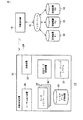
図1に示されるように、移動通信システム10は、無線接続によって移動通信網14とデータ通信している移動通信装置12を含む。実際問題として、この無線接続は、GPRSまたは第三世代モバイルシステム(3G)などの従来の手段によって実現できる。
As shown in FIG. 1, a
このようにして確立された無線データ通信は、移動通信装置12が、遠隔で配置される記憶装置18を含む、インターネット16のデータリソースへのアクセスを獲得できるようにする。図1に描かれている概略図では、3台の記憶装置18が描かれているが、インターネットが潜在的にさらに多くの記憶装置との通信を可能にすることが理解されるであろう。
The wireless data communication established in this way allows the
移動通信装置12の構造及び機能をここに説明する。この実施形態での構造及び機能はハードウェアとソフトウェア両方によって実現される。説明を容易にするために、図1に示されているような移動通信装置12は概略で、つまりハードウェア機能性またはソフトウェア機能性の態様を区別せずに示す。
The structure and function of the
移動通信装置12は、アンテナ24によって他の装置との通信を確立する通信装置22を含み、通信はOSIモデルを使用するなどの確立された通信プロトコルに従う。使用中、データは移動通信装置12の他の機能要素によって通信装置22に渡すことができ、通信装置22は従来の方法でデータの送信及び受信を処理できる。
The
実際面ではディスプレイ、キーボード及び/またはポインティングデバイス(マウス、ジョイスティックなど)及び音声出力のようなユーザ作動可能入力手段を含むことができるユーザ入出力装置26は、ユーザに対する情報の提示用、及びデータ入力として解釈されるユーザ入力アクションを監視するためのユーザインタフェースの確立を可能にする。
In practice, a user input /
オペレーティングシステム30は、ローカルデータ記憶装置32の管理などの移動通信装置12の根本的な動作を実行するために移動通信装置12で実行される。オペレーティングシステム30は、eメール処理アプリケーション、ブラウザ及びマルチメディアアプリケーションを含んでよいユーザアプリケーション34によって使用される機能性を提供する。
The
安全データ記憶装置36は、ローカルデータ記憶装置32と対照的に、データを安全に遠隔に、つまり記憶装置18などの記憶場所内に記憶するための機能をオペレーティングシステム30に提供するために、移動通信装置12内で動作可能である。該安全データ記憶装置36は、ユーザアプリケーション34によってそれに送信されるようなデータを処理し、通信装置22を介して記憶装置18への伝送のためにデータを処理するために、オペレーティングシステム30と連動して動作する。
The secure
安全データ記憶装置36は、データに適用されるセキュリティのレベルを考慮して必要とされる範囲までデータを分割し、検索の容易さ及びデータの再アセンブリとセキュリティを天秤にかけるようにフラグメントを分散するために動作できる。分割戦略は、データの個々のフラグメントがデータの全体的な性質を明らかにしないことを確実にするように設計される。
例えば、理解可能な1つの情報を、単に該情報を2つのフラグメントに分割するだけで理解不能とすることができる場合には、適切なセキュリティが該情報を2つのフラグメントに分割してから、該2つのフラグメントを別々の場所に記憶することにより可能になる可能性がある。テキスト記述がこのカテゴリに該当する―それぞれのファイルが元のテキストファイルの交互に並ぶ文字を受け入れる、2つの別個のファイルにデータを分割することにより、結果として生じるテキスト文字の文字列は一般的には理解できない。 For example, if an understandable piece of information can be made unintelligible simply by splitting the information into two fragments, appropriate security will split the information into two fragments before It may be possible by storing the two fragments in separate locations. Text descriptions fall into this category—by splitting the data into two separate files, each file accepting alternating characters from the original text file, the resulting text character string is typically Cannot understand.
これに対して、1個のデータが、そのそれぞれが悪意のある受取人にとって潜在的に貴重である複数の個々のデータのアイテムを有する場合には、データは、それぞれの個々のフラグメントが理解可能な1つの情報を生じさせないことを確実にするために、より高い程度まで分割する必要があるであろう。クレジットカードの詳細がこのカテゴリに該当する可能性がある。 On the other hand, if a piece of data has multiple items of individual data, each of which is potentially valuable to a malicious recipient, the data can be understood by each individual fragment It may be necessary to divide to a higher degree to ensure that no single information is generated. Credit card details may fall into this category.
分割しても多少理解可能性が残るデータのフラグメントが生じる場合でさえ、理解可能性は非常にわずかであり、悪意的に妨害されたフラグメントから意味を抽出するプロセスは、興味を引くには余りにも複雑で、且つ時間を要することになる。類推により、一般的に公開鍵暗号化は大部分の使用に高いレベルのセキュリティを提供すると考えられている。その動作は、公開鍵から秘密鍵を推定するためには、公開鍵がその素因数に分けられなければならないという事実に依存している。公開鍵は非常に多くの素因数だけを有する非常に大きな数であるため、これは計算上非常に困難であり、実際の時間尺度では通常不可能と考えられている。 Even if there are fragments of data that remain somewhat comprehensible after splitting, the comprehension is negligible and the process of extracting meaning from maliciously disturbed fragments is too interesting to attract Is also complicated and time consuming. By analogy, public key cryptography is generally considered to provide a high level of security for most uses. Its operation relies on the fact that in order to infer a secret key from a public key, the public key must be divided into its prime factors. Since the public key is a very large number with only a large number of prime factors, this is very computationally difficult and is usually considered impossible on an actual time scale.
しかしながら、公開鍵が少なくとも理論的には攻撃に対して弱いという事実は、公開鍵暗号化により暗号化された情報が許可なくしてアクセスできるという可能性を残す。この理論上の可能性は、セキュリティレベルが大部分の使用にとっては十分であり、最も極端なケースを除けば極めて精巧な攻撃も防ぐことになるため、許容できる障害としてユーザによって受け入れられている。 However, the fact that public keys are at least theoretically vulnerable to attack leaves the possibility that information encrypted by public key encryption can be accessed without permission. This theoretical possibility has been accepted by users as an acceptable fault because the security level is sufficient for most uses and will prevent even the most elaborate attacks except in the most extreme cases.
分割ポリシーが、(ユーザ入出力装置26によって定義されるユーザインタフェースに対するユーザ入力アクションによる入力のような)ユーザによって所望されるセキュリティのレベル、及びデータフラグメントの記憶のために使用可能な図1に描かれている記憶装置18の数によって影響を受けることがある。このようにして、データの全てを回復しなければならない場合には相当多くの数の攻撃が無事に行われなければならないので、データに適用されるセキュリティの全体的なレベルは、単一の場所にデータを記憶することに比較して強化される。
A split policy is depicted in FIG. 1 that can be used for storage of a user desired level of security (such as input by a user input action on a user interface defined by the user input / output device 26) and data fragments. May be affected by the number of
さらに、分散ポリシー及び分割ポリシーが攻撃者にも既知でない限り、データを再構築することは困難であろう。 Furthermore, it will be difficult to reconstruct the data unless the distribution policy and split policy are also known to the attacker.
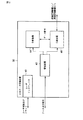
安全データ記憶装置36の構造及び機能性を、ここで図2を参照して説明する。安全データ記憶装置36は、ユーザ入出力装置26でユーザインタフェースの定義のためのデータを生成し、ユーザ入力アクションに対応してデータを受け入れるために動作可能であるユーザインタフェースを含む。このようにして、移動通信装置12のユーザは、必要に応じて安全データ記憶装置36の設定を管理し、微調整することができる。
The structure and functionality of the safety
安全データ記憶装置36の管理装置42は、分割装置44及び分散装置46の動作を監視・調整する。該分割装置44は、安全な記憶のために安全データ記憶装置36に提示されるデータを分割するために動作可能である。分割装置44はデータを分析し、分割ポリシーを作成するために動作可能であり、後者がどのようにデータを分割する必要があるのかを決定する。以後、分割装置44は該分割ポリシーに従ってデータを分割する。分割装置44は、遠隔場所に安全に記憶されているデータの検索時に、分割されたデータを再組み立てすることもできる。
The
分散装置46は、システムに提示され、分割装置44により分割されるデータを分散するために動作可能である。分散装置46は、インターネット16を介したアクセスに使用可能であり、データフラグメントの記憶を行うことができる記憶装置18のリストを管理する。記憶装置18に対する各エントリに対して、リストは、データのフラグメントにとって最も適切な記憶場所を決定するにあたり使用される、記憶装置18の1つ以上の特徴も記録する。
The
使用可能な記憶装置18ごとに記憶される特徴は、分散装置46がその特定の記憶装置18を使用する必要があるかどうかを決定する際に、記憶装置18の利用可能性はいくつかの要因の1つにすぎないという事実を反映している。記憶装置の信頼性も重要である。つまり、記憶装置18は記憶の時点で使用可能である可能性があるが、該記憶装置の将来の利用可能性も考慮に入れなければならないことを確実にする。データの恒久的なアクセスが必要とされているときに、特定の時間帯でのデータ検索可能データだけに使用可能であることは、使用される記憶装置にとっては望ましくないであろう。さらに、分散ポリシーはより信頼性が低い記憶装置を使用するが、より信頼性が低い記憶装置に記憶されるデータフラグメントのコピーを別の記憶装置でも記憶することにより冗長性を生じさせるため、ある特定の記憶装置の低い信頼性は、安全な記憶手順を用いなければ、信頼性の役割は果たさないかも知れない。
The feature stored for each
したがって、本発明の本実施形態では、使用される記憶装置は、アップタイム(動作可能時間)、物理場所(移動通信装置12に対する近接は、それがデータ記憶及び検索時間に影響を及ぼす可能性があるために望ましい)及び使用可能な容量などの多くのパラメータでそれらのサービス利用可能性を通知する。記憶機能が移動通信装置のユーザに課されるコストに基づいて記憶装置によって提供される場合、該特定の記憶装置を使用するコストも公表されてよい。
Thus, in this embodiment of the present invention, the storage device used is uptime (operational time), physical location (proximity to the
分散装置46は、使用可能な記憶装置18の間でどのようにしてデータフラグメントが分散されなければならないのかを決定する分散ポリシーを作成するために、一覧表示される記憶装置18の特徴を使用する。次に、分散装置46は、記憶装置18の間でデータフラグメントを分散する。分散装置46は、関係するデータの分散ポリシーに従って記憶装置18からデータフラグメントを検索することもできる。
The
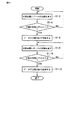
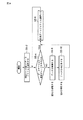
管理装置42が動作する方法を、ここに図4を参照して説明する。図4に示されているプロセスは、オペレーティングシステム30によって、つまり暗黙に且つユーザが知ることなく、あるいはユーザの制御下で、ユーザ入出力装置から受信されるユーザ入力アクションを介してユーザアプリケーション34によって明示的に、安全な記憶のためのデータが安全データ記憶装置に渡されるときに開始する。該プロセスは、管理装置42が記憶されるデータの制御を分割装置44に渡すと、ステップS1−2で開始する。基本的に、この制御の通路は、分割装置44に対するデータ自体の論理的な通路と見なすことができる。
The manner in which the
事実上、データは、データの記憶時まで処理動作全体の間、ローカルデータ記憶装置32に物理的に記憶されてよいが、データの制御は分割装置44に渡される。
In effect, the data may be physically stored in the local
次に、処理はステップS1−4で、分割装置44による分割が無事に終了したかどうかを設定することによって続行する。無事に終了しなかった場合には、プロセスはステップS1−2に戻り、データの制御を分割装置44に渡してデータの分割を再度試行することによって続行する。
Next, in step S1-4, the process continues by setting whether or not the division by the dividing
分割装置44によるデータの分割が無事に行われた場合、次に管理装置42は、ステップS1−6において結果として生じるデータのための分割ポリシーデータを記憶する。。この分割ポリシーは、データの検索時に分割装置44によって生成されるデータフラグメントから元のデータを再組み立てするために使用される。
If the data is successfully divided by the dividing
これに続き管理装置42は、ステップS1−8で分散装置46にデータの制御を渡す。ステップS1−10では、管理装置42は、分散が無事に行われたかどうかを確認する。前記のように、分散が無事に行われず、したがって管理装置42が分散装置46から分散ポリシーを受信しない結果となった場合には、ステップS1−8が繰り返され、分割されたデータの分散が再度試行される。
Following this, the
データフラグメントの分散が無事に行われた場合には、管理装置42におけるプロセスは、結果として生じるデータのための分散ポリシーを記憶することによりステップS1−12で続行する。この後者のポリシーは、データの検索の要求時に、分散装置46がデータの分散されたフラグメントを検索できるようにし、その結果それらが分割装置44により記憶されている分割ポリシーに従って再アセンブリできるようにする情報を提供する。そしてプロセスは終了する。
If the data fragment has been successfully distributed, the process at the
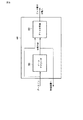
分割装置44は図3にさらに詳しく示されており、安全に記憶されるデータを受信し、データを分析してどの分割アルゴリズムがどのような条件で適用されなければならないのかを確認するために動作可能であるデータアナライザ50を有する。この命令の組み合わせが分割ポリシーとして知られている。この分割ポリシーは、分割ポリシーとともに安全に記憶されるデータを受信し、データを相応して分割するために動作可能であるデータ分割器52に渡される。分割ポリシーは、万一データが後に検索される必要がある場合の記憶のために、管理装置42にも戻される。その動作を実行するデータ分割器52から生じるデータフラグメントは、分散ポリシーに従った分散のために分散装置46に渡される。
The
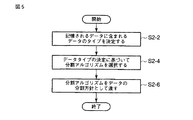
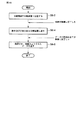
ここで、データアナライザ50の動作を、図5を参照して説明する。ステップS2−2では、安全に記憶されるデータに含まれるデータのタイプが決定される。テキストファイルあるいはビデオファイルまたは音声ファイルなどの多様な種類のデータが考えられる。使用される分割ポリシーはデータのタイプに依存するであろう。
Here, the operation of the
例えば、テキストファイル(読み取り可能テキストの大部分を含む全てのファイル)は、好ましくは相対的に高い度合いで分割されなければならず、各フラグメントは文書全体を通して拡散される複数セクションから構成する。これは、1つまたは2つのフラグメントが危い場合にも、文書全体の完全な意味が既知とならないことを確実になると考えられる。これに対して、いくつかのビデオ及び音声コーデックは、失われるフレームを隔離するのには十分に耐性があり、したがってファイル構造がコンテンツの少なくとも一部の回復を可能にするので、交互配置されたフラグメントを特定することは不適切になり、したがってファイルを大きく連続的なパートに簡単に分割するのがより適切と考えられる。他の符号化された画像またはビデオのフォーマットは、ファイルがマルチメディアプレーヤで再生できるようにするためにファイル全体を使用できるようにする必要があり、したがってこのケースでは任意の分割ポリシーが適切となると思われる。 For example, text files (all files that contain most of the readable text) should preferably be split to a relatively high degree, with each fragment consisting of multiple sections that are spread throughout the document. This will ensure that the full meaning of the entire document is not known even if one or two fragments are dangerous. In contrast, some video and audio codecs are interleaved because they are sufficiently resistant to isolate lost frames and thus the file structure allows recovery of at least part of the content It would be inappropriate to identify fragments, so it would be more appropriate to simply split a file into large, continuous parts. Other encoded image or video formats need to be able to use the entire file to allow the file to be played on the multimedia player, so in this case any split policy is appropriate Seem.
このようにして、ステップS2−4では、前記ステップで決定されたデータのタイプに適切な分割アルゴリズムが選択される。次にステップS2−6では、分割アルゴリズムが追加の使用のためにデータの分割ポリシーとして指定される。そして手順が終了する。 Thus, in step S2-4, a division algorithm appropriate for the type of data determined in the above step is selected. Next, in step S2-6, a partitioning algorithm is designated as a data partitioning policy for additional use. Then the procedure ends.
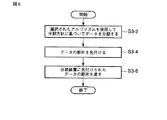
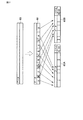
図6は、分割ポリシー及び分割されるデータの受信時に、分割装置44のデータ分割器52で実行される分割のプロセスを示す。図6のプロセスの使用の特定の例が図7に示され、データ60のパケットが処理ステップを通して渡される。該例はテキストファイルから構成され、データアナライザ50により実行されるように図5のプロセスで確認されたデータのアイテムに基づいており、したがって分割ポリシーはデータのセクションへの高い度合いの分割から構成され、それぞれのフラグメントはテキストファイル全体を通して拡散されるセクションから構成されている。
FIG. 6 shows the division process performed by the
このようにして、ステップS3−2では、データ60は分割ポリシーに基づき、選択されたアルゴリズムを使用して分割される。図7に図示されるように、データは、フラグメントAまたはBに向かうことになるようにデータのさまざまなセクションを特定することにより分割される。次に、セクションはフラグメントの中に組み入れられる。
In this way, in step S3-2, the
次にステップS3−4では、図7に図示されるようにフラグメントが名付けられ、それぞれのフラグメントは一意のフラグメント識別子(この例ではAまたはB)及びデータ識別子(この例ではXX)で名付けられる。これらの識別子により、該データの検索が必要とされるその後でのデータのトレーシングが可能になる。 Next, in step S3-4, the fragments are named as illustrated in FIG. 7, and each fragment is named with a unique fragment identifier (A or B in this example) and a data identifier (XX in this example). These identifiers allow tracing of the data after which the data needs to be retrieved.
ステップS3−6では、標識付データフラグメントがフラグメントの分散のために分散装置46に渡される。
In step S3-6, the tagged data fragment is passed to the
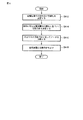
分散装置46の動作を、ここで、分散装置46がデータのフラグメントを分散できるプロセスを示す図8を参照して説明する。いつでも可能な分散の範囲は、使用可能な記憶装置18の数、使用可能な記憶装置18の信頼性、使用可能な装置18の非有用性の任意の予想時間(動作不能時間(down time))、移動通信装置12のユーザが使用するための使用可能記憶装置18の特性により課されるあらゆるコスト、及び(高速アクセス速度及び信頼性がある接続を促進する)記憶装置18の物理的な接近に依存している。
The operation of the
したがって、図8に示されているプロセスのステップS4−2では、記憶装置18の利用可能性及び信頼性が決定される。これは、使用可能記憶装置により利用できる情報に基づいて実行される。この情報は、放送によって、インターネットを介して情報を供給することによって、あるいは任意の他の従来の手段によって利用できてもよい。
Therefore, in step S4-2 of the process shown in FIG. 8, the availability and reliability of the
次にステップS4−4では、分散ポリシーは、使用可能記憶装置18の信頼性に基づき、及び前述されたような記憶されている特徴に基づいて決定される。この例では、全ての利用できる情報を考慮に入れるために全ての特徴が使用される。ステップS4−6では、分割装置44によって生じたデータフラグメントが、決定された分割ポリシーに従って、分散装置46によって分散される。最後に、ステップS4−8では、確立された分散ポリシーは記憶のために管理装置42に渡され、その結果安全に記憶されるデータが検索されなければならないときには、分散ポリシーはアクセスを可能にするために分散装置46に戻すことができる。
Next, in step S4-4, the distribution policy is determined based on the reliability of the
実際には、設計者は、アプリケーションに特定のハードウェアの動作により機能のどの態様が送達される必要があるのか、及びコンピュータ上でのソフトウェアの実行によりどれが送達される必要があるのかに関し、かなりの設計の自由を有することが理解されるであろう。 In practice, the designer is concerned with which aspects of functionality need to be delivered to the application by specific hardware operations and what needs to be delivered by running software on the computer. It will be appreciated that there is considerable design freedom.
多様な異なる分割アルゴリズムを使用できるであろうことが理解される一方、図5に説明されるプロセスはある特定のデータにとって適切な分割アルゴリズムを決定する最も有効な方法を提供する。 While it will be appreciated that a variety of different partitioning algorithms could be used, the process described in FIG. 5 provides the most effective way to determine the appropriate partitioning algorithm for a particular data.
本発明に従ってデータの安全な記憶を可能とするために、必ずしも記憶されるフラグメント数と同一程度の記憶装置台数がある必要はない。単一の記憶装置18でデータの同じアイテムのいくつかの明らかに切断されたフラグメントを、他の記憶装置18で他のこのようなフラグメントを記憶することにより、使用可能記憶装置18の数が記憶されるフラグメントの数より少ない場合にも、分散の効果は少なくとも部分的に維持できることが理解できる。
In order to enable safe storage of data in accordance with the present invention, there need not necessarily be as many storage devices as the number of fragments stored. By storing several apparently cut fragments of the same item of data in a
分散ポリシーの決定においては、分散装置46は記憶されている特徴のどれかまたは全てを考慮に入れてよいか、あるいは単に使用可能な記憶装置18に基づいて分散ポリシーを決定してよいことが理解できる。
In determining the distribution policy, it is understood that the
分割されたデータを再組み立てするプロセス同様に、データを分割するプロセスが固有の処理オーバヘッドを有することを認識しなければならない。したがって、データを分割するとき、及び検索時にデータを再組み立てするときの両方において、システムに不必要な処理要求を出すことになるので、分割の使いすぎはシステム性能に否定的な影響を及ぼす可能性がある。本発明の実施形態に従ってデータの分割及び分散に関連する処理要件を考慮する必要がある。 Similar to the process of reassembling the divided data, it must be recognized that the process of dividing the data has its own processing overhead. Therefore, overuse of partitioning can negatively impact system performance, as it will place unnecessary processing requirements on the system both when partitioning data and when reassembling data during retrieval. There is sex. Processing requirements associated with data partitioning and distribution in accordance with embodiments of the present invention should be considered.
さらに、比較的遠隔のサーバ場所、または低いデータ検索率で接続を介してのみアクセス可能な場所が使用される場合には特に、分割されたデータを分散するプロセスはデータ検索率を高めることができる。本発明の好ましい実施形態では、分散ポリシーの決定はこの要因を考慮に入れる必要がある。 In addition, the process of distributing the segmented data can increase the data search rate, especially when a relatively remote server location or a location that is accessible only via a connection with a low data search rate is used. . In the preferred embodiment of the present invention, the determination of the distribution policy needs to take this factor into account.
遠隔に記憶されているデータを利用することにより、移動通信装置自体の記憶情報より多くの情報の記憶を可能にする。しかしながら、いずれ、分割及び分散ポリシーのデータの蓄積が扱いにくくなり、本発明の実施形態はこの情報の遠隔且つ安全な記憶のための機能も含むことができた。好ましくは、頻繁にアクセスされるデータに関係する分割データ及び分散データは、高速検索を主として考慮しないで記憶できる、アクセス頻度の低いデータとは別に(できるだけ局所的に)記憶される。 By using data stored remotely, it is possible to store more information than that stored in the mobile communication device itself. Eventually, however, the storage of split and distributed policy data became cumbersome and embodiments of the present invention could also include functionality for remote and secure storage of this information. Preferably, the divided data and distributed data related to frequently accessed data are stored separately (as locally as possible) from the infrequently accessed data that can be stored mainly without considering high-speed retrieval.
データの分散がデータのセキュリティを維持するために適切なレベルでありつづけることを確実にするために、分割され、分散されたデータ上で分散アルゴリズム及び分割アルゴリズムは、周期的に実行される。さらに、これにより(記憶料金の増加または非利用可能性時間の改変などの)記憶装置18の特徴のあらゆる変更を考慮に入れることができる。 In order to ensure that the data distribution continues to be at an appropriate level to maintain data security, the distribution algorithm and the division algorithm are periodically executed on the divided data. In addition, this allows for any changes in the characteristics of the storage device 18 (such as increased storage fees or altered non-availability time).
図9は、管理装置42が分割及び分散の効果を周期的にチェックする方法を示している。ステップS5−2では、管理装置42は、チェックされる分割装置44及び分散装置46を使用して過去に遠隔に記憶されたデータアイテムを選択する。ステップS5−4では、データアイテムは、それがいつ最後にチェックされたのか、あるいはいつ最後に記憶されたのかを確認する。これが相対的に最近に発生した場合(移動通信装置自体の動作性能に関連して決定される基準)には、ステップS5−6で、管理装置42は検討のために次のデータ装置を選択し、検索及び再記憶を正当化するために過去において十分な時間で記憶されたデータアイテムが検出されるまで、ステップS5−4で問い合わせを繰り返す。
FIG. 9 shows a method in which the
ステップS5−8では、手順は続行し、管理装置42は、分割装置44及び分散装置46を使用して選択されたデータアイテムの検索を命令する。これが達成されるプロセスは図10に示され、さらに詳しく後述される。
In step S5-8, the procedure continues and the
前記に注記したように、分割装置44がデータを分割し、分散装置46がデータの分割を分散するプロセスは、それらがそれぞれ分割ポリシー及び分散ポリシーの中で定められる一式のリバーシブル規則に従うため逆にできる。
As noted above, the process by which the
ステップS5−8でデータの検索が無事に行われたのに続き、ステップS5−10で、データは再記憶され、図4に示されている管理装置42内のプロセスを利用する。次に、プロセスは、安全データ記憶装置42により過去に記憶されたデータアイテムを追加検討するためにステップS5−6に戻ることによって続行する。
Following the successful retrieval of the data in step S5-8, the data is re-stored in step S5-10 and utilizes the process in the
図9に示されているプロセスに図示されるように再記憶のため、あるいは移動通信装置12の別のプロセスにおける使用のために問題のデータが必要とされているためなどの、データの検索のプロセスは図10に示されている。ステップS6−2では、管理装置42は、分散情報により特定されるデータが検索用であるという命令とともに、分散装置46に分散情報(つまり分散ポリシー及び他の特定情報)を送信する。次に、分散装置46は、情報を検索し、情報が検索された旨の信号を管理装置に送り返すように構成される。検索時、分散装置46は、検索されたデータフラグメントに対する操作上の制御を管理装置42に移す。
The retrieval of data, such as because the data in question is needed for storage as illustrated in the process shown in FIG. 9 or for use in another process of the
情報の検索、及び管理装置42によるその旨のメッセージの対応する受信に続き、管理装置42は、対応する分割ポリシー、及び分割装置44がフラグメントからデータアイテムを再組み立てしなければならない旨の命令とともに、データフラグメントの操作上の制御を分割装置44に渡す。分割装置44は、データを分割するために使用される場合と同じ手順を、逆方向に適用する。データの再組み立ての完了時、分割装置44は管理装置42にメッセージを送り返し、再組み立てされたデータに対する操作上の制御を管理装置42に移す。
Following the retrieval of the information and the corresponding reception of the message to that effect by the
次に、フラグメントの再組み立ての完了及びフラグメント装置44からのメッセージの受信時、管理装置42は、移動通信装置10で実行される別のプロセスからの要求、または図9に示されているプロセスに再記憶されるデータとして、該再組み立てされたフラグメントを出力する。
Next, upon completion of reassembly of the fragment and receipt of the message from the
本発明は、前述された特定の実施形態に示されているように、典型的な移動通信装置は局所的な記憶容量に対する制限を有するため、移動通信装置の動作に重要な利点を提供する。相対的に静的な装置を用いて非常に大量のメモリを提供できるのに対して、移動通信装置はある程度までその物理的なサイズによって制約を受ける。したがって、使いすぎ及びその結果生じる装置の故障を回避するために、メモリリソースを管理する必要がある。 The present invention provides significant advantages for the operation of mobile communication devices, as shown in the specific embodiments described above, because typical mobile communication devices have limitations on local storage capacity. While a relatively large amount of memory can be provided using relatively static devices, mobile communication devices are limited to some extent by their physical size. Therefore, memory resources need to be managed to avoid overuse and consequent device failure.
したがって、移動通信装置に遠隔記憶を提供するための動機付けは高い。しかしながら、これは遠隔に記憶されるデータに固有の危険性につながる場合があり、本発明は、移動通信装置がユーザにより要求されるようにデータを検索できるようにデータを分割・分散することにより、この問題を解決する。 Therefore, the motivation for providing remote storage to mobile communication devices is high. However, this may lead to inherent dangers with remotely stored data, and the present invention allows the mobile communication device to divide and distribute the data so that the data can be retrieved as required by the user. To solve this problem.
本発明は、一例として、本発明がハードウェアまたはソフトウェアに関して、あるいは該2つの組み合わせに関して装置の所定の機能性において具現化される移動通信装置に関連して説明されてきたが、本発明が、その上にロードされるソフトウェアによって構成される、汎用コンピュータまたはプログラマブル通信装置で提供でき、該ソフトウェアがコンピュータのための1つ以上のプログラムを備え、該プログラムまたは各プログラムがコンピュータプログラム製品からコンピュータの中にロードできることが理解できる。このようなコンピュータプログラム製品の例は、(光ディスクまたは磁気ディスクなどの)コンピュータ読み取り可能キャリヤ媒体、またはフラッシュメモリなどの電子記憶媒体、あるいはコンピュータで受信可能であり、コンピュータにロードされるときにコンピュータ内でコンピュータプログラム製品を構築するための対応するコンピュータ実行可能命令を含むファイルを構成するデータを持つ信号を含む。 The present invention has been described by way of example in connection with a mobile communication device in which the present invention is embodied in hardware or software or in a given functionality of the device with respect to a combination of the two. It can be provided by a general purpose computer or a programmable communication device constituted by software loaded thereon, the software comprising one or more programs for the computer, wherein the program or each program is stored in the computer from a computer program product Can understand that can be loaded. Examples of such computer program products are computer readable carrier media (such as optical or magnetic disks), or electronic storage media such as flash memory, or in a computer that can be received by a computer and loaded into the computer. Including a signal having data constituting a file including corresponding computer-executable instructions for constructing a computer program product.
さらに、汎用コンピューティング装置の構成は、任意の使用可能な方法によりソフトウェアまたはハードウェアプラグインを既存の機能性に導入し、該コンピューティング装置を本発明の特定の実施形態に従って動作するように再構成することを含めることも考えられる。 In addition, the configuration of a general purpose computing device may introduce software or hardware plug-ins into existing functionality in any available way and reconfigure the computing device to operate in accordance with certain embodiments of the invention. It is also possible to include constructing.
Claims (24)
前記ネットワークにおいて使用可能記憶手段を特定すること、
前記使用可能記憶手段のデータ記憶容量の利用可能性に関する情報を収集すること、
分割ポリシーに従って前記データのアイテムを分割すること、
分散ポリシーに従って結果として生じるデータのフラグメントを、前記特定された使用可能記憶手段の間で分散すること、
を含む、方法。 A method of storing an item of data for execution on a general purpose computer in a network comprising:
Identifying usable storage means in the network;
Collecting information on availability of data storage capacity of the usable storage means;
Splitting the item of data according to a split policy;
Distributing the resulting fragments of data according to a distribution policy among the identified available storage means;
Including a method.
Applications Claiming Priority (1)
| Application Number | Priority Date | Filing Date | Title |
|---|---|---|---|
| GB0407484A GB2412760B (en) | 2004-04-01 | 2004-04-01 | Secure storage of data in a network |
Publications (2)
| Publication Number | Publication Date |
|---|---|
| JP2005293592A true JP2005293592A (en) | 2005-10-20 |
| JP2005293592A5 JP2005293592A5 (en) | 2007-08-30 |
Family
ID=32247729
Family Applications (1)
| Application Number | Title | Priority Date | Filing Date |
|---|---|---|---|
| JP2005101729A Pending JP2005293592A (en) | 2004-04-01 | 2005-03-31 | Secure storage of data on the network |
Country Status (3)
| Country | Link |
|---|---|
| US (2) | US20050240749A1 (en) |
| JP (1) | JP2005293592A (en) |
| GB (1) | GB2412760B (en) |
Cited By (5)
| Publication number | Priority date | Publication date | Assignee | Title |
|---|---|---|---|---|
| JP2007122282A (en) * | 2005-10-26 | 2007-05-17 | Canon Inc | Distributed processing system and distributed processing method |
| JP2007172351A (en) * | 2005-12-22 | 2007-07-05 | Matsushita Electric Works Ltd | File management system |
| JP2007172390A (en) * | 2005-12-22 | 2007-07-05 | Matsushita Electric Works Ltd | File management system |
| JP2019008373A (en) * | 2017-06-20 | 2019-01-17 | 日本電気株式会社 | Virtual tape management apparatus, virtual tape management method and program |
| JP2019523458A (en) * | 2016-08-04 | 2019-08-22 | エーアイティー オーストリアン インスティテュート オブ テクノロジー ゲゼルシャフト ミット ベシュレンクテル ハフツングAIT Austrian Institute of Technology GmbH | A method for checking the availability and integrity of distributed data objects |
Families Citing this family (40)
| Publication number | Priority date | Publication date | Assignee | Title |
|---|---|---|---|---|
| US8266438B2 (en) | 2004-10-25 | 2012-09-11 | Security First Corp. | Secure data parser method and system |
| WO2006102270A2 (en) * | 2005-03-22 | 2006-09-28 | Cooper Kim A | Performance motivation systems and methods for contact centers |
| US7685165B2 (en) * | 2005-04-01 | 2010-03-23 | International Business Machines Corporation | Policy based resource management for legacy data |
| US8171101B2 (en) * | 2005-09-30 | 2012-05-01 | Cleversafe, Inc. | Smart access to a dispersed data storage network |
| CA2629015A1 (en) | 2005-11-18 | 2008-05-08 | Rick L. Orsini | Secure data parser method and system |
| US8996586B2 (en) * | 2006-02-16 | 2015-03-31 | Callplex, Inc. | Virtual storage of portable media files |
| US10303783B2 (en) * | 2006-02-16 | 2019-05-28 | Callplex, Inc. | Distributed virtual storage of portable media files |
| JP2009535660A (en) * | 2006-04-27 | 2009-10-01 | エヌエックスピー ビー ヴィ | Safe storage system and safe storage method |
| JP4778361B2 (en) * | 2006-05-19 | 2011-09-21 | 日立オムロンターミナルソリューションズ株式会社 | Authentication apparatus, authentication system, and apparatus confirmation method for authentication apparatus |
| US8233624B2 (en) * | 2007-05-25 | 2012-07-31 | Splitstreem Oy | Method and apparatus for securing data in a memory device |
| KR101469540B1 (en) * | 2007-05-31 | 2014-12-05 | 삼성전자주식회사 | Method and apparatus for discovering Universal Plug and Play device using resource information |
| US9203928B2 (en) | 2008-03-20 | 2015-12-01 | Callahan Cellular L.L.C. | Data storage and retrieval |
| US7636758B1 (en) | 2008-07-10 | 2009-12-22 | Gene Fein | Advertisement forwarding storage and retrieval network |
| US7599997B1 (en) | 2008-08-01 | 2009-10-06 | Gene Fein | Multi-homed data forwarding storage |
| US7636759B1 (en) | 2008-09-29 | 2009-12-22 | Gene Fein | Rotating encryption in data forwarding storage |
| US8458285B2 (en) | 2008-03-20 | 2013-06-04 | Post Dahl Co. Limited Liability Company | Redundant data forwarding storage |
| US7636761B1 (en) | 2008-09-29 | 2009-12-22 | Gene Fein | Measurement in data forwarding storage |
| US8386585B2 (en) | 2008-04-25 | 2013-02-26 | Tajitshu Transfer Limited Liability Company | Real-time communications over data forwarding framework |
| US8452844B2 (en) | 2008-05-07 | 2013-05-28 | Tajitshu Transfer Limited Liability Company | Deletion in data file forwarding framework |
| US8370446B2 (en) | 2008-07-10 | 2013-02-05 | Tajitshu Transfer Limited Liability Company | Advertisement forwarding storage and retrieval network |
| US8599678B2 (en) | 2008-07-10 | 2013-12-03 | Tajitshu Transfer Limited Liability Company | Media delivery in data forwarding storage network |
| GB2463078B (en) * | 2008-09-02 | 2013-04-17 | Extas Global Ltd | Distributed storage |
| US8478823B2 (en) * | 2008-09-29 | 2013-07-02 | Tajitshu Transfer Limited Liability Company | Selective data forwarding storage |
| US8352635B2 (en) | 2008-09-29 | 2013-01-08 | Tajitshu Transfer Limited Liability Company | Geolocation assisted data forwarding storage |
| EP2182464B1 (en) * | 2008-11-04 | 2018-04-04 | Amadeus S.A.S. | Method and system for storing and retrieving information |
| US20100161926A1 (en) * | 2008-12-23 | 2010-06-24 | Hong Li | Data protection by segmented storage |
| US8788831B2 (en) * | 2009-03-20 | 2014-07-22 | Barracuda Networks, Inc. | More elegant exastore apparatus and method of operation |
| US8285997B2 (en) * | 2009-03-20 | 2012-10-09 | Barracuda Networks, Inc. | Backup apparatus with higher security and lower network bandwidth consumption |
| US9875033B2 (en) * | 2009-05-12 | 2018-01-23 | International Business Machines Corporation | Apparatus and method for minimizing data storage media fragmentation |
| EP2252061A1 (en) * | 2009-05-15 | 2010-11-17 | Thomson Licensing | Method and system for storing and distributing electronic content |
| GB2467989B (en) * | 2009-07-17 | 2010-12-22 | Extas Global Ltd | Distributed storage |
| US8769035B2 (en) * | 2009-10-30 | 2014-07-01 | Cleversafe, Inc. | Distributed storage network for storing a data object based on storage requirements |
| DE102011077512A1 (en) * | 2010-06-14 | 2012-03-01 | Fraunhofer-Gesellschaft zur Förderung der angewandten Forschung e.V. | Method for the secure processing of data stored in an electronic safe |
| US9100186B2 (en) * | 2011-03-07 | 2015-08-04 | Security First Corp. | Secure file sharing method and system |
| EP2956887A1 (en) | 2013-02-13 | 2015-12-23 | Security First Corp. | Systems and methods for a cryptographic file system layer |
| US9563372B2 (en) * | 2014-04-04 | 2017-02-07 | Vivint, Inc. | Using hard drive on panels for data storage |
| US9733849B2 (en) | 2014-11-21 | 2017-08-15 | Security First Corp. | Gateway for cloud-based secure storage |
| US10198589B2 (en) * | 2015-01-03 | 2019-02-05 | Mcafee, Llc | Secure distributed backup for personal device and cloud data |
| DE102017223898A1 (en) * | 2017-12-31 | 2019-07-04 | Bundesdruckerei Gmbh | Safely store and access files with a web application |
| US11848990B2 (en) * | 2021-10-15 | 2023-12-19 | Siden, Inc. | Method and system for distributing and storing content using local clouds and network clouds |
Citations (7)
| Publication number | Priority date | Publication date | Assignee | Title |
|---|---|---|---|---|
| WO2000045358A1 (en) * | 1999-01-28 | 2000-08-03 | Yutaka Yasukura | Method for securing safety of electronic information |
| WO2001046808A1 (en) * | 1999-12-20 | 2001-06-28 | Dai Nippon Printing Co., Ltd. | Distributed data archive device and system |
| WO2002027501A1 (en) * | 2000-09-20 | 2002-04-04 | Yutaka Yasukura | Method of editing/restoring electronic information |
| JP2002297447A (en) * | 2001-03-29 | 2002-10-11 | Mitsubishi Heavy Ind Ltd | Content security method |
| JP2003296179A (en) * | 2002-03-29 | 2003-10-17 | Mitsubishi Electric Corp | Information processing apparatus and network file method |
| JP2003316652A (en) * | 2002-04-25 | 2003-11-07 | Nec Engineering Ltd | Data file storage service system and operation control method thereof |
| JP2003330787A (en) * | 2002-04-24 | 2003-11-21 | Internatl Business Mach Corp <Ibm> | Distributed file system using distribution and collection |
Family Cites Families (4)
| Publication number | Priority date | Publication date | Assignee | Title |
|---|---|---|---|---|
| US4817050A (en) * | 1985-11-22 | 1989-03-28 | Kabushiki Kaisha Toshiba | Database system |
| US5423037A (en) * | 1992-03-17 | 1995-06-06 | Teleserve Transaction Technology As | Continuously available database server having multiple groups of nodes, each group maintaining a database copy with fragments stored on multiple nodes |
| US5454103A (en) * | 1993-02-01 | 1995-09-26 | Lsc, Inc. | Method and apparatus for file storage allocation for secondary storage using large and small file blocks |
| US20030061491A1 (en) * | 2001-09-21 | 2003-03-27 | Sun Microsystems, Inc. | System and method for the allocation of network storage |
-
2004
- 2004-04-01 GB GB0407484A patent/GB2412760B/en not_active Expired - Fee Related
-
2005
- 2005-03-31 JP JP2005101729A patent/JP2005293592A/en active Pending
- 2005-04-01 US US11/095,507 patent/US20050240749A1/en not_active Abandoned
-
2007
- 2007-08-06 US US11/834,460 patent/US20070271349A1/en not_active Abandoned
Patent Citations (7)
| Publication number | Priority date | Publication date | Assignee | Title |
|---|---|---|---|---|
| WO2000045358A1 (en) * | 1999-01-28 | 2000-08-03 | Yutaka Yasukura | Method for securing safety of electronic information |
| WO2001046808A1 (en) * | 1999-12-20 | 2001-06-28 | Dai Nippon Printing Co., Ltd. | Distributed data archive device and system |
| WO2002027501A1 (en) * | 2000-09-20 | 2002-04-04 | Yutaka Yasukura | Method of editing/restoring electronic information |
| JP2002297447A (en) * | 2001-03-29 | 2002-10-11 | Mitsubishi Heavy Ind Ltd | Content security method |
| JP2003296179A (en) * | 2002-03-29 | 2003-10-17 | Mitsubishi Electric Corp | Information processing apparatus and network file method |
| JP2003330787A (en) * | 2002-04-24 | 2003-11-21 | Internatl Business Mach Corp <Ibm> | Distributed file system using distribution and collection |
| JP2003316652A (en) * | 2002-04-25 | 2003-11-07 | Nec Engineering Ltd | Data file storage service system and operation control method thereof |
Cited By (6)
| Publication number | Priority date | Publication date | Assignee | Title |
|---|---|---|---|---|
| JP2007122282A (en) * | 2005-10-26 | 2007-05-17 | Canon Inc | Distributed processing system and distributed processing method |
| JP2007172351A (en) * | 2005-12-22 | 2007-07-05 | Matsushita Electric Works Ltd | File management system |
| JP2007172390A (en) * | 2005-12-22 | 2007-07-05 | Matsushita Electric Works Ltd | File management system |
| JP2019523458A (en) * | 2016-08-04 | 2019-08-22 | エーアイティー オーストリアン インスティテュート オブ テクノロジー ゲゼルシャフト ミット ベシュレンクテル ハフツングAIT Austrian Institute of Technology GmbH | A method for checking the availability and integrity of distributed data objects |
| JP7116722B2 (en) | 2016-08-04 | 2022-08-10 | エーアイティー オーストリアン インスティテュート オブ テクノロジー ゲゼルシャフト ミット ベシュレンクテル ハフツング | Methods for checking the availability and integrity of distributed data objects |
| JP2019008373A (en) * | 2017-06-20 | 2019-01-17 | 日本電気株式会社 | Virtual tape management apparatus, virtual tape management method and program |
Also Published As
| Publication number | Publication date |
|---|---|
| GB0407484D0 (en) | 2004-05-05 |
| GB2412760A (en) | 2005-10-05 |
| US20070271349A1 (en) | 2007-11-22 |
| GB2412760B (en) | 2006-03-15 |
| US20050240749A1 (en) | 2005-10-27 |
Similar Documents
| Publication | Publication Date | Title |
|---|---|---|
| US20050240749A1 (en) | Secure storage of data in a network | |
| JP6835999B2 (en) | Virtual service provider zone | |
| JP6609010B2 (en) | Multiple permission data security and access | |
| US20190205317A1 (en) | Systems and methods for secure storage and retrieval of data objects | |
| JP5963936B2 (en) | Server device, secret search program, recording medium, and secret search system | |
| WO2021088278A1 (en) | File storage method, terminal, and storage medium | |
| US20130173916A1 (en) | Secure storage system for distributed data | |
| EP3794536B1 (en) | Methods and systems for safe creation, custody, recovery, and management of a digital asset | |
| WO2007008807A2 (en) | Secure local storage of files | |
| CN105812427B (en) | File uploads and method for down loading, device and file server | |
| KR102542213B1 (en) | Real-time encryption/decryption security system and method for data in network based storage | |
| CN104615929A (en) | Security key device for secure cloud services, and system and method of providing security cloud services | |
| EP2912816A1 (en) | Method and apparatus for managing access rights | |
| WO2013127877A1 (en) | Delivering data over a network | |
| WO2019173774A1 (en) | Systems and methods for secure storage and retrieval of data objects | |
| CN110855753A (en) | Bank operation system, method and server | |
| CN116432193A (en) | A financial database data protection transformation method and its financial data protection system | |
| CN103488755B (en) | A kind of file system access method and apparatus | |
| CN120675747A (en) | Log auditing method, system, device, electronic equipment and medium | |
| WO2008020932A2 (en) | Abstracted and optimized online backup and digital asset management service | |
| CN113486380B (en) | Encryption method of text file | |
| Recabarren et al. | Toward uncensorable, anonymous and private access over Satoshi blockchains | |
| Feng et al. | An efficient hot/cold data separation scheme for storage optimization in consortium blockchain full nodes | |
| CN108984114A (en) | Data processing method and solid state hard disk | |
| Yang et al. | Overview of blockchain and cloud service integration |
Legal Events
| Date | Code | Title | Description |
|---|---|---|---|
| A131 | Notification of reasons for refusal |
Free format text: JAPANESE INTERMEDIATE CODE: A131 Effective date: 20070508 |
|
| A521 | Request for written amendment filed |
Free format text: JAPANESE INTERMEDIATE CODE: A523 Effective date: 20070709 |
|
| A524 | Written submission of copy of amendment under article 19 pct |
Free format text: JAPANESE INTERMEDIATE CODE: A524 Effective date: 20070709 |
|
| A131 | Notification of reasons for refusal |
Free format text: JAPANESE INTERMEDIATE CODE: A131 Effective date: 20070911 |
|
| A02 | Decision of refusal |
Free format text: JAPANESE INTERMEDIATE CODE: A02 Effective date: 20071204 |