JP2004536498A - Method and apparatus for forming and distributing real-time interactive content over wireless communication networks and the Internet - Google Patents
Method and apparatus for forming and distributing real-time interactive content over wireless communication networks and the InternetInfo
- Publication number
- JP2004536498A JP2004536498A JP2002590620A JP2002590620A JP2004536498A JP 2004536498 A JP2004536498 A JP 2004536498A JP 2002590620 A JP2002590620 A JP 2002590620A JP 2002590620 A JP2002590620 A JP 2002590620A JP 2004536498 A JP2004536498 A JP 2004536498A
- Authority
- JP
- Japan
- Prior art keywords
- content
- operator
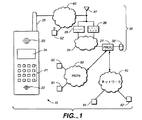
- handheld device
- server
- representation
- Prior art date
- Legal status (The legal status is an assumption and is not a legal conclusion. Google has not performed a legal analysis and makes no representation as to the accuracy of the status listed.)
- Granted
Links
Images
Classifications
-
- H—ELECTRICITY
- H04—ELECTRIC COMMUNICATION TECHNIQUE
- H04L—TRANSMISSION OF DIGITAL INFORMATION, e.g. TELEGRAPHIC COMMUNICATION
- H04L67/00—Network arrangements or protocols for supporting network services or applications
- H04L67/01—Protocols
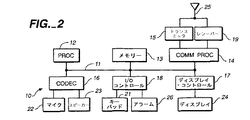
- H04L67/04—Protocols specially adapted for terminals or networks with limited capabilities; specially adapted for terminal portability
-
- G—PHYSICS
- G10—MUSICAL INSTRUMENTS; ACOUSTICS
- G10H—ELECTROPHONIC MUSICAL INSTRUMENTS; INSTRUMENTS IN WHICH THE TONES ARE GENERATED BY ELECTROMECHANICAL MEANS OR ELECTRONIC GENERATORS, OR IN WHICH THE TONES ARE SYNTHESISED FROM A DATA STORE
- G10H1/00—Details of electrophonic musical instruments
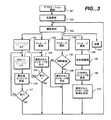
- G10H1/0033—Recording/reproducing or transmission of music for electrophonic musical instruments
- G10H1/0083—Recording/reproducing or transmission of music for electrophonic musical instruments using wireless transmission, e.g. radio, light, infrared
-
- G—PHYSICS
- G10—MUSICAL INSTRUMENTS; ACOUSTICS
- G10H—ELECTROPHONIC MUSICAL INSTRUMENTS; INSTRUMENTS IN WHICH THE TONES ARE GENERATED BY ELECTROMECHANICAL MEANS OR ELECTRONIC GENERATORS, OR IN WHICH THE TONES ARE SYNTHESISED FROM A DATA STORE
- G10H1/00—Details of electrophonic musical instruments
- G10H1/36—Accompaniment arrangements
- G10H1/361—Recording/reproducing of accompaniment for use with an external source, e.g. karaoke systems
-
- H—ELECTRICITY
- H04—ELECTRIC COMMUNICATION TECHNIQUE
- H04L—TRANSMISSION OF DIGITAL INFORMATION, e.g. TELEGRAPHIC COMMUNICATION
- H04L51/00—User-to-user messaging in packet-switching networks, transmitted according to store-and-forward or real-time protocols, e.g. e-mail
- H04L51/58—Message adaptation for wireless communication
-
- H—ELECTRICITY
- H04—ELECTRIC COMMUNICATION TECHNIQUE
- H04M—TELEPHONIC COMMUNICATION
- H04M3/00—Automatic or semi-automatic exchanges
- H04M3/42—Systems providing special services or facilities to subscribers
- H04M3/50—Centralised arrangements for answering calls; Centralised arrangements for recording messages for absent or busy subscribers ; Centralised arrangements for recording messages
- H04M3/53—Centralised arrangements for recording incoming messages, i.e. mailbox systems
- H04M3/533—Voice mail systems
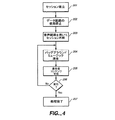
- H04M3/53366—Message disposing or creating aspects
-
- G—PHYSICS
- G10—MUSICAL INSTRUMENTS; ACOUSTICS
- G10H—ELECTROPHONIC MUSICAL INSTRUMENTS; INSTRUMENTS IN WHICH THE TONES ARE GENERATED BY ELECTROMECHANICAL MEANS OR ELECTRONIC GENERATORS, OR IN WHICH THE TONES ARE SYNTHESISED FROM A DATA STORE
- G10H2210/00—Aspects or methods of musical processing having intrinsic musical character, i.e. involving musical theory or musical parameters or relying on musical knowledge, as applied in electrophonic musical tools or instruments
- G10H2210/571—Chords; Chord sequences
- G10H2210/621—Chord seventh dominant
-
- G—PHYSICS
- G10—MUSICAL INSTRUMENTS; ACOUSTICS
- G10H—ELECTROPHONIC MUSICAL INSTRUMENTS; INSTRUMENTS IN WHICH THE TONES ARE GENERATED BY ELECTROMECHANICAL MEANS OR ELECTRONIC GENERATORS, OR IN WHICH THE TONES ARE SYNTHESISED FROM A DATA STORE
- G10H2220/00—Input/output interfacing specifically adapted for electrophonic musical tools or instruments
- G10H2220/155—User input interfaces for electrophonic musical instruments
- G10H2220/221—Keyboards, i.e. configuration of several keys or key-like input devices relative to one another
- G10H2220/261—Numeric keypad used for musical purposes, e.g. musical input via a telephone or calculator-like keyboard
-
- G—PHYSICS
- G10—MUSICAL INSTRUMENTS; ACOUSTICS
- G10H—ELECTROPHONIC MUSICAL INSTRUMENTS; INSTRUMENTS IN WHICH THE TONES ARE GENERATED BY ELECTROMECHANICAL MEANS OR ELECTRONIC GENERATORS, OR IN WHICH THE TONES ARE SYNTHESISED FROM A DATA STORE
- G10H2230/00—General physical, ergonomic or hardware implementation of electrophonic musical tools or instruments, e.g. shape or architecture
- G10H2230/005—Device type or category
- G10H2230/015—PDA [personal digital assistant] or palmtop computing devices used for musical purposes, e.g. portable music players, tablet computers, e-readers or smart phones in which mobile telephony functions need not be used
-
- G—PHYSICS
- G10—MUSICAL INSTRUMENTS; ACOUSTICS
- G10H—ELECTROPHONIC MUSICAL INSTRUMENTS; INSTRUMENTS IN WHICH THE TONES ARE GENERATED BY ELECTROMECHANICAL MEANS OR ELECTRONIC GENERATORS, OR IN WHICH THE TONES ARE SYNTHESISED FROM A DATA STORE
- G10H2240/00—Data organisation or data communication aspects, specifically adapted for electrophonic musical tools or instruments
- G10H2240/171—Transmission of musical instrument data, control or status information; Transmission, remote access or control of music data for electrophonic musical instruments
- G10H2240/201—Physical layer or hardware aspects of transmission to or from an electrophonic musical instrument, e.g. voltage levels, bit streams, code words or symbols over a physical link connecting network nodes or instruments
- G10H2240/241—Telephone transmission, i.e. using twisted pair telephone lines or any type of telephone network
- G10H2240/251—Mobile telephone transmission, i.e. transmitting, accessing or controlling music data wirelessly via a wireless or mobile telephone receiver, analogue or digital, e.g. DECT, GSM, UMTS
-
- H—ELECTRICITY
- H04—ELECTRIC COMMUNICATION TECHNIQUE
- H04M—TELEPHONIC COMMUNICATION
- H04M1/00—Substation equipment, e.g. for use by subscribers
- H04M1/72—Mobile telephones; Cordless telephones, i.e. devices for establishing wireless links to base stations without route selection
- H04M1/724—User interfaces specially adapted for cordless or mobile telephones
- H04M1/72403—User interfaces specially adapted for cordless or mobile telephones with means for local support of applications that increase the functionality
- H04M1/7243—User interfaces specially adapted for cordless or mobile telephones with means for local support of applications that increase the functionality with interactive means for internal management of messages
-
- H—ELECTRICITY
- H04—ELECTRIC COMMUNICATION TECHNIQUE
- H04M—TELEPHONIC COMMUNICATION
- H04M1/00—Substation equipment, e.g. for use by subscribers
- H04M1/72—Mobile telephones; Cordless telephones, i.e. devices for establishing wireless links to base stations without route selection
- H04M1/724—User interfaces specially adapted for cordless or mobile telephones
- H04M1/72403—User interfaces specially adapted for cordless or mobile telephones with means for local support of applications that increase the functionality
- H04M1/72442—User interfaces specially adapted for cordless or mobile telephones with means for local support of applications that increase the functionality for playing music files
-
- H—ELECTRICITY
- H04—ELECTRIC COMMUNICATION TECHNIQUE
- H04M—TELEPHONIC COMMUNICATION
- H04M2203/00—Aspects of automatic or semi-automatic exchanges
- H04M2203/45—Aspects of automatic or semi-automatic exchanges related to voicemail messaging
- H04M2203/4581—Sending message identifiers instead of whole messages
-
- H—ELECTRICITY
- H04—ELECTRIC COMMUNICATION TECHNIQUE
- H04M—TELEPHONIC COMMUNICATION
- H04M3/00—Automatic or semi-automatic exchanges
- H04M3/42—Systems providing special services or facilities to subscribers
- H04M3/487—Arrangements for providing information services, e.g. recorded voice services or time announcements
-
- H—ELECTRICITY
- H04—ELECTRIC COMMUNICATION TECHNIQUE
- H04M—TELEPHONIC COMMUNICATION
- H04M3/00—Automatic or semi-automatic exchanges
- H04M3/42—Systems providing special services or facilities to subscribers
- H04M3/50—Centralised arrangements for answering calls; Centralised arrangements for recording messages for absent or busy subscribers ; Centralised arrangements for recording messages
- H04M3/53—Centralised arrangements for recording incoming messages, i.e. mailbox systems
- H04M3/5307—Centralised arrangements for recording incoming messages, i.e. mailbox systems for recording messages comprising any combination of audio and non-audio components
-
- H—ELECTRICITY
- H04—ELECTRIC COMMUNICATION TECHNIQUE
- H04M—TELEPHONIC COMMUNICATION
- H04M3/00—Automatic or semi-automatic exchanges
- H04M3/42—Systems providing special services or facilities to subscribers
- H04M3/50—Centralised arrangements for answering calls; Centralised arrangements for recording messages for absent or busy subscribers ; Centralised arrangements for recording messages
- H04M3/53—Centralised arrangements for recording incoming messages, i.e. mailbox systems
- H04M3/533—Voice mail systems
- H04M3/53366—Message disposing or creating aspects
- H04M3/53375—Message broadcasting
Landscapes
- Engineering & Computer Science (AREA)
- Computer Networks & Wireless Communication (AREA)
- Signal Processing (AREA)
- Physics & Mathematics (AREA)
- Acoustics & Sound (AREA)
- Multimedia (AREA)
- Telephonic Communication Services (AREA)
- Information Transfer Between Computers (AREA)
- Mobile Radio Communication Systems (AREA)
Abstract
セルラー・フォン(10)のような装置を用い、操作者は、装置により演奏されるバックグラウンド・ミュージックを聴きながら装置へ歌うか、或いは装置上のボタン(21)を押すことによりメッセージを形成することができる。操作者は音楽機器を演奏したことがあるならば、ボタンを押すことにより、音を形成することができる。遠隔サーバー(30)は操作者の音声又は触感入力の表示を記憶し、少なくとも1人の受信者(42,52,62)へメッセージを送り、このメッセージは、操作者により初めに観察された一時的関係を基本的に保存する方式で操作者入力及びバックグラウンド・ミュージックを演奏する。
【選択図】図1Using a device such as a cellular phone (10), the operator sings into the device while listening to the background music played by the device, or forms a message by pressing a button (21) on the device. be able to. If the operator has ever played a music device, he can form a sound by pressing a button. The remote server (30) stores an indication of the operator's voice or tactile input and sends a message to at least one recipient (42, 52, 62), where the message is temporarily observed by the operator. Performs operator input and background music in a manner that basically preserves the relationship.
[Selection diagram] Fig. 1
Description
【0001】
発明の分野
本発明はコンピュータ及びネットワークを用いるメッセージの形成及び分布に関し、更に詳しくは、モバイルテレホンなどの手持型装置を使用する操作者により形成された聴覚的又は視覚的コンテンツを有するメッセージを操作者が分配することを可能にする方法及びシステムに関する。
【0002】
発明の背景
セルラーフォン(cellular telephone)、所謂パーソナル・ディジタル・アシスタント(PDA)及びハンドヘルド・コンピュータなどのモバイル装置の使用は、ほんの数年前の最も楽観的な予想さえも大きく越える割合で拡大している。セルラーフォンは、安価であり、個人が気軽に持ち運んでも友人らや娯楽ソースに接触することができるので広く容認されている。例えば音楽または動画を再生及び記録するような他のモバイル装置も娯楽を提供し、また個人に楽しみを与えるので、広く容認されてきている。
【0003】
これらのモバイル装置はあらゆる世代の個人により世界中で用いられているが、特に「ポップカルチャー」の流行やライフスタイルを取り入れる世代に特に普及している。ポップカルチャーは全人口の大きな割合(特に若い世代)を占めており、世界中で即座に受け入れられている。
【0004】
専門的なソースにより記録又は分配される音楽及び動画はポップカルチャーの重要な部分である。しかしながら、個人が自分自身の聴覚的又は視覚的コンテンツを形成し、それを友人らと共有する趣味が広がっている。残念ながら、音楽及び動画のような聴覚的及び視覚的コンテンツの形成及び分配には、小型でない即ちセルラーフォンのようには容易に持ち運べない装置の使用が要求される。セルラーフォンのようなモバイル装置を用いて聴覚と視覚のうちの少なくとも一方又は双方を形成及び分配させる能力が要請される。
【0005】
本発明の開示
本発明の目的はモバイル装置を用いる音楽又は動画のようなコンテンツの形成及び分配を与えることである。
【0006】
本発明の1つの観点によれば、操作者が指示及び第1のコンテンツの表現の呈示を受けるハンドヘルド装置を使用し、このハンドヘルド装置を介して少なくとも1つの受信者の識別と、操作者により制御された一時的な関係に従って第1のコンテンツの呈示に時間的に重なる第2のコンテンツとを与え、遠隔サーバーに対して第2のコンテンツの表現と受信者の識別とを与え、遠隔サーバーに少なくとも1つの受信者へ一時的な関係に従ってアレンジされた第1のコンテンツと第2のコンテンツとを表すメッセージを送らせる。
【0007】
本発明の他の観点によれば、システムは、ハンドヘルド装置を含み、この装置は無線機と処理回路とを有し、その処理回路は、ハンドへルド装置に操作者へ指示を表す出力と、第1のコンテンツの表現とを与えさせ、少なくとも1つの受信者の識別を表す入力と、操作者により制御された一時的な関係に従って第1のコンテンツの呈示に時間的に重なる第2のコンテンツとを操作者から受け取って、無線機を通じて第2のコンテンツの表現と少なくとも1つの受信者の識別とを送り、第2のコンテンツの表現及び少なくとも1つの受信者の識別とを受信して保存するサーバー・サブシステムを含み、少なくとも1つの受信者へ、一時的な関係に従ってアレンジされた第1のコンテンツと第2のコンテンツとを表すメッセージとを送る。
【0008】
本発明の他の観点によれば、ハンドヘルド装置の操作者の制御の下に生成されたハンドへルド装置のからの少なくとも1つの信号を受信するサーバー・システムを備え、そのハンドヘルド装置は、第1のコンテンツの識別子と、操作者により制御された一時的な関係に従って第1のコンテンツのハンドヘルド装置による呈示に時間的に重なる第2のコンテンツと、少なくとも1つの受信者の識別とを搬送し、サーバー・システムは、一時的な関係を識別する情報を得て、少なくとも1つの受信者へ第1のコンテンツと、一時的な関係に従ってアレンジされた第2のコンテンツとを表すメッセージを受信する。
【0009】
本発明の様々な特徴及びその好ましい実践とは以下の説明及び添付図面を参照することにより良く理解されるものであり、幾つかの添付図面においては同様な参照符号は同様な要素を示すものとする。以下の説明及び添付図面におけるコンテンツとは単なる例示として示すものであり、本発明の目的を限定するように理解すべきではない。
【0010】
本発明の実施形態
A.概観
図1は、モバイル装置10の操作者がサーバー30と対話して、聴覚的コンテンツと視覚的コンテンツとの少なくとも一方又はその両方についてのオリジナルのコンテンツと予め存在するコンテンツとの組み合わせを有するメッセージを生成し、これらのメッセージの受信者42、52、62のような少なくとも1つの受信者への分配を制御できるシステムの模式図である。
【0011】
以下の説明は特にセルラーフォン、公衆電話交換ネットワーク(PSTN)、及びインターネットを参照する。これらの設備は本発明が如何にして利用されるかの重要な例であるが、本発明は単にこれらの特定の例よりも更に広範囲の設備に実施して使用してもよい。セルラーフォンは、装置10として使用し得る装置の一例にすぎない。適宜な装置の他の例は、PDA、ポータブル・コンピュータ(ハンドヘルド・コンピュータを含む)、及び双方向ラジオを含む。本発明の教示は、定置型又は卓上電話機及び定置型又はデスクトップ・コンピュータに適用し得る。既存の又は将来的に予想される標準に適合するセルラー技術は、装置10に使用し得る交信技術の一例である。インターネット及びPSTNはシステムコンポーネント間の交信を与えるのに使用し得る設備の例である。基本的に任意の設備又は技術は、無線放送、ポイント対ポイント、及び多点交信チャンネルなど、空中、或いは電線や光ファイバーなどの伝達媒体を通じて超音波、無線、光信号を搬送するものを含む。
【0012】
1.アプリケーション
本発明の2つのアプリケーションは本明細書においてはSongMail及びMusicDIY(do it yourself) と称する。SongMail及びMusicDIYは、装置10の操作者に、予め存在するコンテンツ(例えばバックグラウンド・ミュージックや、操作者により与えられた付加的なコンテンツなど)を含むメッセージの形成を可能とし、次いでこのメッセージを受信者が聞くことが可能な形態で少なくとも1つの受信者へ送信することを可能とさせる。SongMailアプリケーションにおいては、操作者は音声発話などの聴覚的コンテンツを与える。MusicDIYアプリケーションにおいては、操作者は、装置10の少なくとも1つの入力デバイスを起動することにより音楽機器を再生するのと同様な方式で聴覚的コンテンツを与える。
【0013】
SongMail及びMusicDIYは聴覚的コンテンツに関連するが、本発明は、受信者により知覚できる視覚的コンテンツを含む基本的に任意のコンテンツの呈示を包含するメッセージを作成するために用いてもよい。更に、SongMail及びMusicDIYアプリケーションそれ自身は、例えば視覚的コンテンツを含むように拡張可能である。これらのアプリケーションを以下に詳細に説明するが、これらは本発明により与えることができるアプリケーションの単なる例示として示したものである。
【0014】
2.交信
図1を参照すると、本発明の様々な特徴を組み込むシステムは、サーバー30と装置10との間の交信設備、サーバー30と潜在的受信器(例えばコンピュータ・システム42、電話52、モバイル装置62など)との間の交信設備を含む。システムは、サーバー30とサービス又はコンテンツのプロバイダとの間の交信設備も含み、これらはコンピュータ・システム41及び電話51により示されている。例えば、サーバー30はコンピュータ・システム41から予め存在するコンテンツを獲得でき、このコンテンツは、記憶デバイス33におけるサーバー自身のコンテンツ・データ・ベースからは利用可能ではないものである。
【0015】
サーバー30と装置10との間の交信設備は、装置10の操作者がメッセージを作成してサーバー30へ送信するのに使用され、サーバー30は、そのメッセージを少なくとも1つの受信者へ連続的に送信する。サーバー30と受信先との間の交信設備は、サーバーによりメッセージを受信先へ分配するのに用いられる。サーバー30とサービス又はコンテンツ(例えば予め録音された音楽又は動画)のプロバイダとの間の交信設備は、サーバーによりこれらのサービス又はコンテンツを獲得するのに用いられる。
【0016】
広範な交信技術、技法及びプロトコルを使用することができる。特定の交信設備に制約されないが、図1に示した設備が本発明の多くの実施にとって商業的に重要であることが予測される。
【0017】
3.サーバー
サーバー30は、プロセッサ31と、記憶デバイス33と、PSTN50のような交信設備に対する接続と、携帯電話システムと、ネットワーク40とを含む通常のハードウェアにより実行し得る。ネットワーク40は、インターネットのようなグローバル・ネットワークとしてもよく、或いは社内イントラネットなどのより限定的なネットワークとしてもよい。
【0018】
以下に説明する様々なアプリケーションを支援する環境は、公知のオペレーティング・システム、例えばLinux、Unix(登録商標)、又は種々のバージョンのWindows(登録商標)により提供し得る。
【0019】
本発明の実践は、特定のソフトウェア環境を必須とするものではない。図1におけるサーバー30の表示は、単独のプロセッサ31を有する1つのコンピュータ・システムを示唆しているが、サーバー30は、各々が単独又は多重プロセッサを有する少なくとも1つのコンピュータ・システムにより実行してもよい。これらのシステムは互いに近接して配置してもよく、広く離間させてもよい。特定の実行又は構成に限定されるものではない。
【0020】
サーバー30は、上述のSongMail及びMusicDIYを実行するのに使用し得る多数のサービスを与える。本発明の様々な実行におけるサーバー30により与え得る幾つかのサービスの例は、電子メール(e−mail)、対話型音声応答(Interactive Voice Response: IVR)、ショート・メッセージ・サービス(Short Message Services: SMS)又はマルチメディア・メッセージ(Multimedia Messaging Service: MMS)、ワイアレス・アクセス・プロトコル(Wireless Access Protocol: WAP)、及びハイパーテキスト・トランスファー・プロトコル(Hypertext Transfer Protocol: HTTP)を含む。これらのサービスは、現在の公知のサービスの例であり、おそらくこれらは、より発展する対応する将来のサービスに置き換えられるであろう。本発明の教示に従えば、サーバー30は、これらの形式のサービスの既存の及び将来のバージョンと共に与えられるか作動し得る。
【0021】
多重デバイスを含み得る記憶デバイス33は、プロセッサ31により実行されるオペレーティング・システム及びアプリケーション・システム・ソフトウェアを記憶すると共に、このソフトウェアにより用いられたデータを記憶する。データの3つの例は、操作者・プロファイル、コンテンツ・データベース、及び操作者により形成されたメッセージである。操作者・プロファイルは、特定の操作者に関連したアカウンティング情報及び個人的嗜好のようなデータを包含してもよい。操作者の嗜好の例は、音楽又は録音アーティストの好みのタイプの表示とし得る。操作者・プロファイルは、潜在的受信先の「アドレス帳」を含むこともできる。コンテンツ・データベースは、操作者が、操作者自身のコンテンツを有するメッセージを含むように選択できる予め存在するコンテンツを包含する。好ましくは、データベースは、コンテンツにより搬送されるアーティスト、タイトル、コンテンツの形式又はスタイルによるか、或いはコンテンツにより搬送される基本的なメッセージ又は雰囲気による選択を促進するように配置される。
【0022】
サーバー30は、システムの他のコンポーネントとの交信に基本的に任意の形態を使用してもよい。図1に示される実行においては、サーバー30は、無線チャンネル60を通じてモバイル装置10,62と交信し、PSTN50を通じて電話51,52と交信し、ネットワーク40を通じてコンピュータ・システム41,42と交信する。信号は無線チャンネル60を通じてレシーバー35及びトランスミッタ36によりそれぞれ送信及び受信され、そのレシーバー35及びトランスミッタ36は少なくとも1つのアンテナ37へ接続され、且つ交信設備34によりプロセッサ31へ接続されている。レシーバー35及びトランスミッタ36はプロセッサ31に近接して配置してもよく、或いは広く離間させてもよい。1つの実行においては、交信設備34は、多重レシーバー35、多重トランスミッタ36、及び多重アンテナ37を含むセルラーフォン・システムへの接続を与える。
【0023】
説明を簡単にするために以下の説明は、サーバー30が、1つのプロセッサ31を有する単独のコンピュータ・システムにより実現された実施を参照することにする。尚、そのプロセッサ31は、1つの記憶デバイス33、PSTN50、ネットワーク40、レシーバー35及びトランスミッタ36へ接続されている。実施及び構成における様々な変形例が可能である。
【0024】
4.ハンドヘルド装置
図1におけるモバイル装置10の図示はセルラーフォンを示唆しているが、既に説明したように他の形式の装置を使用してもよい。図示された特定の実施において、装置10は多重入力デバイス及び多重出力デバイスを有する。この入力デバイスは、操作者により起動され得るキーパッドのようなスイッチ21の配列と、操作者が話したり或いは他の聴覚的入力を与え得る聴覚入力トランスデューサ22を含む。出力デバイスは、ラウドスピーカーのような聴覚出力トランスデューサ23と、可視的情報を表示し得る液晶ディスプレイ(LCD)パネルのような可視的ディスプレイ24とを含む。図示しない他の機器においては、装置10はPDAであり、これは、入力のためのスイッチ21の配列と、出力のための可視的ディスプレイ24とを有するが、聴覚入力又は出力トランスデューサを持たなくてもよい。
【0025】
セルラーフォンとしての装置10の仮想的な実施を図2に模式的に示す。この実施においては、プロセッサ12はコンピューティング資源を与える回路系を表す。メモリ13は揮発又は非揮発情報記憶を与え、これは例えばランダム・アクセス・メモリ及び様々な形式のリード・オンリー・メモリである。入力/出力コントロール18は、スイッチ21の配列(キーパッド)及び聴覚出力トランスデューサ26(圧電デバイス)のような入出力デバイスに対するインターフェースを表す。ディスプレイ・コントロール17は、ディスプレイ・デバイス24(LCDパネル)に対するインターフェースを表す。Codec16は、聴覚入力トランスデューサ22(マイクロフォン)から受け取って聴覚出力トランスデューサ(ラウドスピーカー)へ送る聴覚信号のエンコーディング及びデコーディングを与える回路系を示す。交信プロセッサ14は、トランスミッタ15及びレシーバー19へのインターフェースを示し、そのトランスミッタ15及びレシーバー19はアンテナ25へ接続されており、このアンテナ25が無線チャンネルを通じて信号を送受信する。図示された例においては、装置10の様々な部品がバス11へ接続されており、これは1つよりも多くの物理的バスを表し得る。バス・アーキテクチュア以外のアーキテクチュアを用いて他の実施を実現してもよい。
【0026】
例えばPDAの代替的な実施は、様々な部品、例えばCodec16、聴覚入力トランスデューサ22及び聴覚出力トランスデューサ23を廃して、他の部品、例えば交信プロセッサ14、トランスミッタ15、レシーバー19及びアンテナ25を、装置10の外部における別個の装置により設けてもよい。多くの変形例が可能である。
【0027】
これらの部品の少なくとも1つの機能は、ディスクリート・ロジック部品と、1つ又はそれ以上のASICとプログラム制御プロセッサとの少なくとも何れか一方又は双方とを含む広範な方法により実現できる。実現の形式は限定的でない。
【0028】
実際的な実施において重要であろう幾つかの部品、例えばアンテナ送受切換器、パワーマネジメント回路系などは、本発明の原理においては重要ではないので、例示の明瞭化のために図においては省略してある。
【0029】
B.アプリケーション
SongMail及びMusicDIYアプリケーションについての実施の詳細の殆どは、装置10の特性と、装置10、サーバー30及び受信先をリンクする交信技術とに部分的に依存している。本項目における説明は各アプリケーションの概念的な全体像を与えるものであり、実際的な実施に必要であろう詳細な考察については省略してある。付加的な考察は、様々な実施技術の説明に関して以下に説明する。
【0030】
1.SongMail
操作者は、聴覚入力及び出力トランスデューサを有する電話機又は他の装置を用いてSongMailメッセージを形成し得る。好ましくは、電話機は、スイッチ21の配列(これは対応するボタンの配列を押すことにより起動できる)と、聴覚入力トランスデューサ22(例えばマイクロフォン)と、聴覚出力トランスデューサ23(例えばラウドスピーカー)と、ラスター化(rasterized)された可視的ディスプレイ・デバイス24(例えばLCDパネル)とを有する。操作者は、SongMail処理を、例えば装置10の少なくとも1つボタンを押すことにより開始する。装置10は、その少なくとも1つの出力デバイスを用い、プロンプトや他の情報を表し、これは、例えば聴覚出力トランスデューサ23を通じて聴覚的情報を示すか、或いは好ましくはディスプレイ・デバイス24を通じて可視的な情報を表示することにより、SongMail処理の間に操作者を案内する。装置10が代表的なモバイル電話であるならば、例えば可視的ディスプレイ・デバイス24は、操作者により入力された電話番号の通常の表示のみを与えて、以下に説明するように、操作者による音声交信経路の設定を支援する。応答において、操作者は装置10の少なくとも1つの入力デバイスを用いてメッセージの形成及び分配を制御する。例えば、音声入力は聴覚入力トランスデューサ22を通じて与えられるか、好ましくは、スイッチ21の配列における少なくとも1つのスイッチを起動するようにボタンを押し下げることにより、触覚入力を設けることができる。
【0031】
a)設定
SongMail処理の1つの概念的実施における各ステップを図3に示す。この処理のステップ101において、操作者は、如何なる方式にせよ特定の実施のために適宜な方式でSongMailアプリケーションを開始する。 ステップ102において、操作者は、処理中に操作者を案内するプロンプトや他の情報を与えるのに用いるシステムについての言語を選択する。ステップ103においては、操作者は、(1)新たなメッセージを形成、(2)既に形成されたメッセージを聞く、(3)既に形成されたメッセージを削除、(4)既に形成されたメッセージを送信、又は(5)放棄を選択し得る。好適な実施においては、既に形成されたメッセージが存在しなければ、メッセージを聞く、削除する、又は送信するのオプションは提供されない。操作者が、新たなメッセージの形成を選択したならば、この処理はステップ114へ続く。操作者が、既に形成されたメッセージを聞くことを選択したならば、この処理はステップ124へ続く。操作者が既に形成されたメッセージの削除を選択したならば、プロセスはステップ134へ続く。操作者が、既に形成されたメッセージの送信を選択したならば、この処理はステップ144へ続く。操作者が、放棄を選択したならば、この処理はステップ104へ続き、このステップ104は処理を停止させるのに必要な動作を実行する。
【0032】
b)形成
ステップ114において、操作者はそのメッセージについての「バックグラウンド・ミュージック(背景音楽)」を選択する。好適な実施形態においては、操作者は、タイトル、アーティスト、音楽のタイプ、または、この音楽により搬送されるメッセージ又は雰囲気によりバックグラウンド・ミュージックを選択することができる。また、このシステムは、記憶デバイス33に記憶された操作者の嗜好に従ってフィルタリングされて配置されたコンテンツ・データベースにおける幾つかのみを操作者へ示すようにしてもよい。
【0033】
用語「バックグラウンド・ミュージック」は、操作者により与えられた「操作者コンテンツ」に対してシステムにより与えられた予め存在するコンテンツを指すものとして用いる。この予め存在するコンテンツはバックグラウンド・ミュージックとする必要はないが、このような音楽は人気のある選択となるであろう。1つの実施においては、サーバー30は、予め存在するコンテンツを記憶デバイス33上のデータベースに記憶させ、操作者が選択したコンテンツを装置10へ送信する。他の実施においては、予め存在するコンテンツは、例えば取り外し式ソリッドステート・メモリ・デバイスにより装置10に記憶される。
【0034】
ステップ115において、システムは、選択されたバックグラウンド・ミュージックの演奏を聴覚出力トランスデューサ23を通じて呈示し、操作者から聴覚入力トランスデューサ22を通じて操作者コンテンツを受け取る。ステップ116は操作者がバックグラウンド・ミュージックを聞きながら、例えば歌うことを可能とする。これは操作者に、操作者コンテンツをバックグラウンド・ミュージックの呈示に時間的に重畳させ、この重畳の一時的な関係を制御させることを可能にする。
【0035】
ステップ115及び116は、ステップ117が操作者コンテンツの形成が終了したことを判断するまで繰り返される。次にこの処理はステップ103へ続く。代替的に、方法は、操作者が少なくとも1つの受信者を特定して、その受信先へ、メッセージと共に、形成したばかりの操作者コンテンツを送信することを可能とするステップへ続けてもよい。メッセージを送信し得る1つの方式を以下に示す。好ましくは、方法は、操作者がメッセージを送信することを可能にするステップへ直接に進むならば、一つのステップは、操作者がメッセージの送信を断つことを可能にするように与えられる。
【0036】
好ましくはサーバー30は記憶デバイス30に、操作者コンテンツを含むが、操作者により選択されたバックグラウンド・ミュージックを含まないメッセージの表現を記憶する。サーバー30は、選択されたバックグラウンド・ミュージックの識別と、これら2つのコンテンツの間の一時的な関係の指標とのみを記憶する。バックグラウンド・ミュージックそれ自身は、他の場合にはコンテンツ・データベースに記憶される。メッセージは受信先へ或いは操作者へ校閲するために送信され、バックグラウンド・ミュージックと操作者コンテンツとの表現は、これら操作者コンテンツが与えられたときに操作者により観察された2つのコンテンツの間の一時的関係を実質的に保存する方式で組み合わせられる。
【0037】
セルラーフォン・システムのような特定の技術が、選択された音楽を操作者へ呈示するために装置10へ送信し、且つ装置10から操作者コンテンツを受信するのに用いられた際には、一般に、その伝達における無視できない遅延が生じる。これらの遅延を判定できなければ、サーバー10は操作者コンテンツとバックグラウンド・ミュージックの呈示との間の一時的な関係を判定できないので、メッセージを受信先へ送信するときに、この関係を保存できない。これらの遅延を判定し得る幾つかの手法を以下に説明する。原理的には、これらの遅延を判定する手法は本発明に対しては重要なものではない。
【0038】
操作者が、セルラーフォンサービスのような送信サービスと、そのサービスのプロバイダとを用いるならば、伝達遅延の見積もりを与えることができ、この見積もられたラウンド・トリップ遅延を、操作者コンテンツが与えられたときに、操作者が知覚する一時的な関係を見積もるのに使用できる。
【0039】
サービス・プロバイダが伝達遅延の見積もりを与えることができないならば、サーバー30は、何らかの認識可能な事象をサーバー30へ交信して戻す信号を装置10へ送ることにより、遅延を測定できる。装置10は特定の信号に対して自動的に応答する幾つかの特徴を含むので、サーバー30は、操作者が関与することなく、この遅延を測定できる。別の手法では、サーバー30は、操作者が何らかの動作(例えばボタンを押す動作)をなすように装置10への指示の伝達と、操作者が行為をなす装置10からの受信との間の時間間隔を観察することにより遅延を測定し得る。
【0040】
遅延が正確に解らないのであれば、サーバー30は操作者により知覚された一時的関係を正確には判定できないので、メッセージが受信先又は校閲のために操作者へ送信された際に、この一時的な関係をシステムが正確に保存することを妨げ得る。しかしながら、サーバー30が遅延を正確な度合いで判定できるならば、操作者コンテンツが与えられたときに、操作者により観察された一時的関係を実質的に保存できる。
【0041】
c)聞く
ステップ124において、操作者は既に形成されたメッセージを校閲のために選択する。ステップ125においては、装置10は、操作者コンテンツと、そのメッセージについて選択されたバックグラウンド・ミュージックとの表現を呈示する。その呈示は、操作者コンテンツが初めに与えられたときに操作者により観察された一時的関係を実質的に保存する方式で、操作者コンテンツの表現と選択されたバックグラウンド・ミュージックの表現とを重ね合わせる。この呈示は、ステップ126が、呈示が終了したか、或いは例えばボタンを押すことにより操作者が呈示の終了を要請したかを判断するまで継続する。この処理はステップ103へ続く。
【0042】
d)削除
ステップ134において操作者は、既に形成されたメッセージを削除するように選択する。ステップ135において、削除を確認するように要請する。削除が確認されたなら、メッセージはステップ136で削除されて、処理はステップ103に続く。削除が確認されないならば、処理はステップ103へ続く。
【0043】
e)送信
ステップ144において、操作者は既に形成されたメッセージを送信するように選択される。ステップ145において、操作者は少なくとも1つの受信者を識別する。セルラーフォンを用いる好ましい実施においては、操作者は電話機上の少なくとも1つのボタンを押して1つの電話番号を特定するか、操作者によって既に確立されて、サーバー30により記憶デバイス33に記憶された電話番号又はeメール・アドレスのリストから1つの受信者を選択することができる。代替的な実施においては、操作者は文字数字を特定する公知技術に従って電話機上のボタンを押すことによりeメール・アドレスを特定することが可能になる。選択的なステップ146は、メッセージに含めるべき何らかの付加的なメッセージ(例えばメッセージを受信者へ紹介するテキスト又は視覚的イメージ)を操作者に選択させることを可能とする。この処理はステップ103へ続く。
【0044】
ステップ147において、サーバー30は、メッセージの表現をステップ145において指定された各受信先へ、その各受信先に適宜な送達方法により送信する。メッセージの表現は様々な方法を用いて伝達し得る。「直接」方式は、メッセージのオーラル・コンテンツを、所謂音声メール(ボイス・メール)を音声メール加入者へ伝達する方式と殆ど同様な方式で受信先へ直接に伝達する。この直接法は、聴覚出力トランスデューサを有し、処理能力が殆ど又は全く無い通常の電話機又は他のデバイスへの伝達に適している。「通知」方式は、メッセージを検索するための指示を有する通知のみを伝達する。通知方式は、通常の電話機を含む基本的に任意の形式の装置への伝達に適するが、特に適するのは、例えばSMSの方式によるセルラーフォンへの伝達、eメールの方式によるコンピュータへの伝達である。音声通知は通常の電話機又はセルラーフォンへ送信することができる。受信先デバイスの操作者は、通知に含まれる指示に従うことにより実際のメッセージ・コンテンツを検索できる。以下、伝達の方式について、より詳細に説明する。
【0045】
伝達方式は、ステップ145において明確に指定してもよいが、場合によっては、受信先の認証から正しい方法を推論することを可能とし得る。例えば、受信先eメール・アドレスから、又はモバイル装置の電話番号から認証方式を推論することを可能とし得る。
【0046】
使用された伝達方式に拘わらず、受信先がメッセージの聴覚的コンテンツを最終的に受信するとき、メッセージ・コンテンツの呈示は、操作者コンテンツが最初に与えられたときに操作者により観察された一時的関係を実質的に保持する方式で、選択されたバックグラウンド・ミュージックの表現を有する操作者コンテンツの表現を含む。
【0047】
付加的な考慮について以下に説明する。
【0048】
2.MusicDIY
操作者は、電話機、PDA、或いは、スイッチのような入力デバイスの配列及び聴覚出力トランスデューサを有する他の装置を用いて、MusicDIYを形成し得る。好ましくは、この装置は、スイッチ21の配列(これは、対応するボタンの配列を押すことにより起動できる)と、聴覚出力トランスデューサ23(例えばラウドスピーカー)と、ラスター化可視的ディスプレイ・デバイス24(例えばLCDパネル)とを有する。操作者は、MusicDIY処理を、例えば装置10の少なくとも1つのボタンを押すことにより開始する。装置10は、その少なくとも1つの出力デバイスを用い、プロンプトや他の情報を表し、これは、例えばディスプレイ・デバイス24を通じて可視的な情報を表示することにより、MusicDIY処理の間に操作者を案内する。装置10が代表的なモバイル電話であるならば、例えば可視的ディスプレイ・デバイス24は、操作者により入力された電話番号の通常の表示のみを与えて、以下に説明するように、操作者による音声交信経路の設定を支援する。応答において、操作者は装置10の少なくとも1つの入力デバイスを用いてメッセージの形成及び分配を制御する。好ましくは、スイッチ21の配列における少なくとも1つのスイッチを起動するようにボタンを押し下げることにより、触覚入力を設けることができる。
【0049】
図3に示してSongMailに関連して上述した方法は、MusicDIY処理の1つの概念的実施を説明することにも用いることができる。SongMailについて上述した各ステップの説明は、対応する方式でMusicDIYに適用することができるので、ステップ115における差異について説明することの他には、説明する必要がない。
【0050】
ステップ115においてシステムは、選択されたバックグラウンド・ミュージックの演奏を、SongMailにおいてなされたように、聴覚出力トランスデューサを通じて与えるが、MusicDIYについては、操作者は聴覚入力トランスデューサを通じて聴覚コンテンツを直接与えない代わりに、音楽機器の再生と同様な方式でスイッチ21の配列の少なくとも1つのスイッチを起動することにより聴覚的コンテンツを間接的に与える。装置10は、スイッチの起動に応答して音を生成し、この音を聴覚出力トランスデューサ23を通じて操作者へ示す。これは操作者に、装置10で形成された音楽を聞かせて、バックグラウンド・ミュージックの呈示と、操作者によって形成された音楽との間の一時的な関係を制御する。
【0051】
装置10は、通常の音楽機器によってなされるのと同様に特定のスイッチの起動に応答して、定型的な注釈又は音を生成するが、好適な実施においては、装置10は、特定のスイッチの起動に応答して生成される音を変化させる。好ましくは、音がバックグラウンド・ミュージックの特性に応じて変化して、スイッチの配列における任意のスイッチの起動が、装置10に所望の音楽規則に従う音を生成させる。換言すれば、スイッチの配列を音の位置付けに適合させて、どのスイッチが起動されたかに拘わらず、バックグラウンド・ミュージックに組み合わされた操作者コンテンツの全体的効果を楽しいものになるようにしてある。1つの実施においては、制御情報にバックグラウンド・ミュージックが与えられており、これはスイッチ対音の位置付けが如何にして何時変更されたかを示している。これについて以下により詳細に述べる。
【0052】
C.通信設備
図3に示して上述した処理は、様々な通信技術を用いる実施に直接関係する幾つかの考慮すべき事項を省略してある。これらの考慮すべき事項について以下に述べる。
【0053】
1.サーバー−操作者通信
本発明に対する原理においては、装置10について特定の通信設備が重要なわけではないが、多くのアプリケーションに対ステップ1セルラーフォン・システムを介しての通信が商業的に重要であることが予想される。幾つかの形式のセルラーフォン・システムに使用可能な技術について以下に述べる。これらの技術の多くは広範な様々な組み合わせとして使用できることが明らかである。
【0054】
a)データ及び音声通信設備の連続使用
第1の技術は、データ及び音声通信設備を与える少なくとも1つの通信システムに使用し得る。この第1の技術によれば、操作者はデータ通信設備を用いてアプリケーションをセットアップして、次いでこのデータ通信設備を用いるのを止めて、メッセージコンテンツを形成する音声通信設備を使用する。この第1の技術は例えばデータ及び音声通信に同時アクセスを与えないセルラーフォン・システムに使用し得る。
【0055】
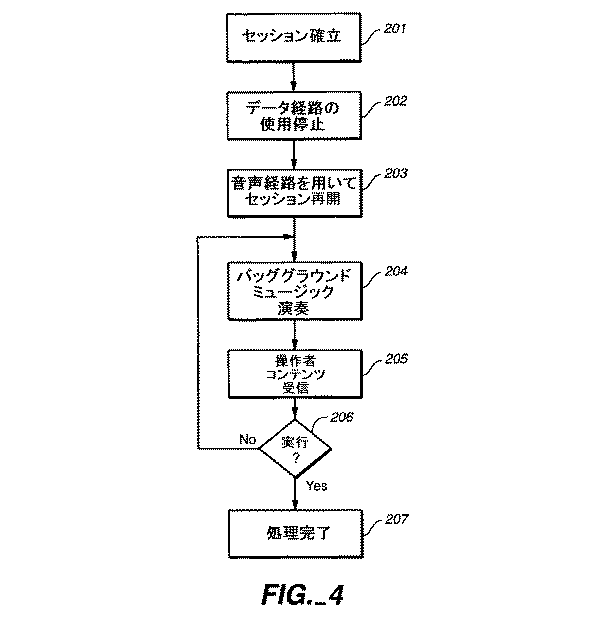
第1の技術を組み込み得る1つの方式を図4に示す。ステップ201において、データ通信経路を(この経路を所望のアプリケーション(例えばSongMail又はMusicDIY)、言語、及びバックグラウンド・ミュージックのような操作者の選択を搬送するのに未だ利用及び使用可能でないならば)開始することによりアプリケーション「セッション」が確立される。代替的実施において、ステップ201は操作者に対し、直ぐに形成されるメッセージについての少なくとも1つの受信者を特定させる。
【0056】
ステップ202において、データ通信経路の使用が終了する。サーバー30は記憶デバイス33上に情報を記憶し、その記憶デバイスはアプリケーションのセットアップ中に操作者により与えられた任意の選択又は他のデータを記憶する。この情報はアプリケーション・セッションの残りを実行するのに用いられる。
【0057】
ステップ203において、セッションは音声通信経路(この経路が未だ利用可能でないならば)を開始することにより継続される。これを如何になすかについての幾つかの例を以下に述べる。
【0058】
第1の例において、データ通信経路の使用を終えるに先立って、サーバー30は情報を装置10へ送り、この情報は、セッションを識別し、且つ操作者が電話をかけるための電話番号を特定するコードを含む。例えば、利用可能であるならば、この情報を送るのにSMSを用いてもよい。電話呼び出しを受けるのに応答して、サーバー30は操作者に対し、おそらく電話機上のボタンを押すことにより、セッション・コードに入るかを尋ねる。代替的に、装置10はセッションを識別する情報を記憶し、可聴信号(例えばDTMFトーン)をサーバー30へ送ることによりセッションを自動的に識別する。何れの場合においても、サーバー30は例えばIVRを用いる音声通信チャンネルからセッション・コードを得ることができる。サーバー30が有効なセッション・コードを受け取ったとき、サーバーは音声通信経路を用いてアプリケーション・セッションを続ける。
【0059】
第2の例において、データ通信経路の使用を終えるのに先立って、サーバー30は操作者の呼び出しに使用する電話番号を得る。この番号は、操作者から直接に得てもよく、或いはこの操作者について記憶デバイス33上に記憶されたプロファイル情報から直接に得てもよい。サーバー30は、操作者にこの番号を確認するように尋ねてもよい。この音声通信経路は、サーバー30がこの電話番号を用いる操作者へ達したときに確立される。次いでサーバー30は操作者に対し、操作者の識別を確認、或いは上述したのと同様な方式で特定のセッションの識別を確認する或るコードを入力するように尋ねてもよい。サーバー30が首尾よく操作者に接触したとき、サーバーは音声通信経路を用いるアプリケーション・セッションを続ける。
【0060】
第3の例において、装置10において実行されるアプリケーションは、サーバー30を呼び出すのにワイアレス・テレフォニー・アプリケーション・インターフェース(WTAI)を通じて設けられたようなサービスを用い、音声通信経路を確立し、WAPのようなプロトコルを用いてDTMFトーンのような可聴信号を送ることによりセッションを識別する。
【0061】
第4の例において、データ通信経路の使用を終えるのに先立って、装置10はユーザー識別子を含む情報をサーバー30へ送る。音声通信経路を開始する電話呼び出しを受けるのに応答して、サーバー30はユーザー識別子を自動的に決定してセッションを識別する。例えば装置10が電話番号に関連するならば、装置10はその関連する電話番号をサーバー30へ送ってもよく、サーバー30はセッションに関係する他の情報を記憶する。サーバー30は「Caller ID」のようなテレフォン・システムの特徴又は自動番号識別(automatic number identification:ANI)を用いることによりユーザー識別子を自動的に決定してもよい。
【0062】
ステップ204において、サーバー30は所望によりプロンプト又は指示を与えることができ、またサーバーはバックグラウンド・ミュージックの呈示を自動的に開始するか、或いは操作者が例えば電話機上のボタンを押すことにより開始コマンドを与えるまで待つかの何れもなし得る。
【0063】
ステップ205において、サーバー30は操作者コンテンツを受け取ってこれを記憶デバイス33に記憶する。
【0064】
ステップ204及び205は、バックグラウンド・ミュージックの演奏継続及び操作者コンテンツの呈示をステップ206が形成プロセスの完了を判断するまで繰り返す。これは例えば、或る時間のしきい値を越えて操作者入力がない時間間隔を検出するか、例えば電話機上の特定のボタンを押すことにより操作者から特定のコマンドを受け取るか、或いはバックグランド・ミュージックの演奏が終了したときに判別するようにしてもよい。
【0065】
ステップ207におけるアプリケーションの残りは様々な方式に実施し得る。1つの実施においては、ステップ207は形成されたメッセージをアプリケーションのセットアップ中に識別された受信先へ送信する。他の実施においては、ステップ207は操作者にメッセージを聞くことを可能とし、音声通信のみを用いる技術について以下に説明するのと同様な方式で他の機能を実行する。
【0066】
他の実施においては、ステップ207は音声通信経路の使用を終えて、データ通信経路の使用を開始することによりアプリケーション・セッションを続ける。操作者は、同時発生データ及び音声通信設備を用いる技術について以下に説明するのと同様な方式でメッセージを送り得る。
【0067】
第1の技術の代替的実施において、ステップ202及びステップ203は異なる方式で実行する。ステップ202において、操作者の嗜好及び選択を示す情報は、サーバー30ではなく、装置10内に記憶される。ステップ203において、装置10内で実行されるアプリケーションは、サーバー呼び出しにWTAIを通じて与えられるようなサービスを利用し、音声通信経路を確立し、WAPのようなプロトコルを用いるDTMFトーンのような可聴信号を送ることにより操作者の嗜好及び選択を識別する。
【0068】
b)音声通信設備のみの使用
第2の技術は通信設備を与える任意の通信システムと共に使用し得る。第2の技術に従って、操作者がアプリケーションをセットアップし、音声通信設備のみを用いてメッセージ・コンテンツを形成する。
【0069】
第2の技術を実施し得る1つの方式を図3に示す。ステップ101において、音声通信経路が(既に利用可能でないならば)確立される。ステップの残りは操作者に選択を形成させて、且つ音声通信経路を通じてコマンドを入力させることにより実行される。これは例えば音声発話により、又は電話機上のボタンを押すことにより実行し得る。サーバー30は音声発話を解釈する音声認識ソフトウェアを用いてもよい。便利な実施は、操作者選択及びコマンドを示すのに通常のデュアル・トーン多重周波数(dual-tone multiple-frequency:DTMF)信号を用いる。文字数字は公知の技術を用いることによりボタンを介して入力し得る。
【0070】
音声認識を用いたならば、この特徴は、操作者がSongMailアプリケーションについて操作者コンテンツを与える間には、抑制するか或いは注意深く制御せねばならない。これは例えば、音声認識について、限りのある記憶された単語を、操作者コンテンツとして操作者が発声しそうもないものに限定することにより達成し得る。音声認識は、処理のこの段階の間には抑制して、DTMF信号のみをコマンドとして認識することが好ましい。
【0071】
DTMF認識を用いたならば、この特徴は、操作者がMusicDIYアプリケーションについて操作者コンテンツを与える間には、抑制するか或いは注意深く制御せねばならない。好ましくは、装置10がこれを可能とするのであれば、MusicDIYの形成段階の間には全てのDTMF生成を抑制する。しかしながら、ハッシュ(#)ボタン又は星(*)ボタンなどの1つのボタンは形成段階を停止させるコマンドを表すように確保してもよい。これに代えて、全てのボタンを操作者コンテンツの入力について利用可能として、音声認識は、この段階を停止させるコマンドを認識するのに利用可能としてもよい。
【0072】
c)データ及び音声通信設備の同時使用
第3の技術は、データ及び音声通信設備への同時アクセスを与える任意の通信システムと共に使用し得る。この第3の技術によれば、操作者は、データ通信設備を用いるアプリケーションの使用をセットアップし、次いで、データ通信設備の間欠使用を伴わずに、音声通信設備を用いてメッセージを形成する。
【0073】
第3の技術を実施し得る1つの方式を図3に示す。ステップ101において、データ及び音声通信経路は、何れも既に利用可能でないならば必要に応じて確立される。ステップの残りは、操作者に選択をさせ、且つデータ通信経路を通じてコマンドを入力させると共に、音声通信経路を通じてバックグラウンド・ミュージックを受信することにより実行される。
【0074】
d)データ通信設備のみの使用
第4の技術は、データ通信経路を通じて操作者コンテンツを送ることを可能にする「IP上の音声」のような特徴を用いる。これはデータ通信経路を用いて実行すべきセットアップとメッセージ形成との両方のアプリケーションを可能とする。
【0075】
第4の技術を実施し得る1つの手法を図3に示す。ステップ101において、データ通信経路が既に利用可能でないならば、これを確立する。ステップの残りは、操作者に選択をさせ、且つデータ通信経路を通じてコマンドを入力させ、バックグラウンド・ミュージックを受信すると共に、データ通信経路を通じて操作者コンテンツを与えることにより実行される。
【0076】
2.サーバー−受信先通信
サーバー30はメッセージ・コンテンツを直接に受信先へ配信することができるが、好ましい実施はメッセージに代わる通知のみを配信し、これはメッセージを検索する指示を含み、これを形成した操作者からの紹介や説明を含むこともできる。これは様々な手法で実行し得る。特定の手法が本発明に重要ということはない。
【0077】
通知を送る1つの手法は、SMS又はMMSのようなテレフォン・システムのメッセージング・サービスを用いることによる。SMSメッセージのコンテンツは、例えば長さに制約があるので、テキストのみとなるが、装置10はユーザーにメッセージ中のテキスト(例えば電話番号)にマーク付けしてもよく、このマーク付けされたテキストを電話呼び出しに用いてもよい。他のテキスト、例えばメッセージ・コード又はセッション・コードをマーク付けしてサーバー30へ送り、検索するメッセージを識別することもできる。これらの特徴はメッセージ検索に要する労力を軽減する。
【0078】
通知を送る他の方式はeメールによるものであり、これはSMS以上の容量を与える。eメール・メッセージは、検索するメッセージを含むネットワーク40上のファイルにリンクするUniform ResourceLocator(URL)を含む。通常のブラウザ又は様々なeメール・ソフトウェアを用いると、受信者は単にURLリンク上をクリックするポインティング・デバイス(例えばマウス)を使用することによりメッセージを検索できる。eメール・メッセージは、メッセージを形成した操作者により選択されたグラフィカル・イメージのような付加的なコンテンツをも含む。
【0079】
通知を送る他の方法は聴覚的情報による。例えば音声合成ソフトウェアを用いると、サーバー30は電話により受信先へ送信されるか、又は受信先の音声メール・ボックスへ直接に保存できる通知を生成することができる。1つの実施において、この通知は、呼び出しの電話番号と、検索するメッセージを識別するコードとを含む。他の実施においては、通知は受信者に対し、名前で識別される操作者がメッセージを形成したことを説明し、次いで受信者にこれを受信することを希望するかを尋ねる。受信者が配信を肯定するならば、サーバー30は電話を通じてメッセージを配信する。サーバー30は受信者へ音声メッセージを返信するか、或いはこのメッセージを他者へ送ることを可能にしてもよい。
【0080】
このメッセージ自体はコンテンツを呈示する能力のある基本的に任意のフォーマットで保存又は搬送し得る。
【0081】
D.付加的な特徴
MusicDIYアプリケーションの好適な実施において、装置10はバックグラウンド・ミュージックに同期するように適合されており、スイッチ配列における任意のスイッチの起動が装置10に所望の音楽規則に従う音を生成するようにしてある。この特徴は、どのスイッチが起動されたかに拘わらず、バックグラウンド・ミュージックに組み合わされた操作者コンテンツの全体的効果が心地よいものとなるように用いることができる。
【0082】
装置10は、スイッチ配列内の各スイッチに関連するマッピングを変更することにより特定の音又はノートに適合できる。少なくとも1つのマッピング関係を本明細書では「マップ」と称し、これはアプリオリに装置10に記憶することができるか、又はバックグラウンド・ミュージックと共に送る情報から得ることができる。
【0083】
1.同期
特定の時間に有効なマップは、バックグラウンド・ミュージックが操作者へ呈示されるにつれて変更されるか、或いは1組のマップから選択される。使用するマップの識別及びこのマップを用いるべき時間とは、制御情報により特定され、その制御情報はバックグラウンド・ミュージックが受信されるか操作者へ呈示される時間の間、又はそれに先立って受信される。一般に、マッピングは、バックグラウンド・ミュージックにおけるキー変化又はコード変化に一致する時間に適合する。
【0084】
制御情報が呈示に先立って受信されたならば、これは使用するマップ及びこのマップを何時使用するかを指定せねばならない。これは、音楽の開始に対してずらしたバックグラウンド・ミュージック内の時間にマップ識別子を関連させることにより、所望のマップ及び対応する時間を指定し得る。例えば、7@37.2を指定する制御情報は、装置10がバックグラウンド・ミュージックの開始から37.2秒後の時刻における時点において、既に記憶されているマップの組から7番目のマップを用いて開始することを示す。
【0085】
制御音楽がバックグラウンド・ミュージックの呈示の間に受信されるならば、その時間は、制御情報が受信されたときの時間によって示されているので、使用すべきマップのみを指定するようにしてもよい。
【0086】
2.マッピング
好ましい実施においては、マップは、標準的な音楽理論に従って、且つ5つのジャズ/ポップ音楽コード、即ちメジャー、ドミナント7th、マイナー(ドリアン)、ハーフ・ディミニッシュ(ロクリアン)及びディミニッシュに基づいて基本的に予め定められたスケール構造である。
【0087】
コードはスケールと称される一連のトーンを表す。他のコードのスケールは、特定のコードのベーストーンに対してコンソナンス又は非コンソナンスのそれらの「音」又は音程に従って順序付けられている。任意の特定のコードに比較的に協和する5度以上のスケールを有することも少なくはない。
【0088】
以下の表は所定のコード(本明細書においては「ベースコード」と称する)の2つの例を示し、且つ他のコードはベースコードと協和する。ベースコードは第1のカラムに示されており、これはバックグラウンド・ミュージックに生じるコードを示す。ベースコードのノートを第2のカラムに示す。ベースコードに協和する他のコードを第3のカラムに示す。両方の例においては、コンソナントコードは基本コードと同一になるように選択される。コンソナントコードのスケールにおけるノートを第4のカラムに示す。
【0089】
【表1】
装置10は、通常の12キー・パッド(1−9,*,0,#にラベル付けされたボタンを持つ)を有するモバイル・フォンとし、2つの協和コードは以下のようにキーパッドへマップ付けできる。
【0091】
Cメジャー Cドミナント7th
C D E C D E
F G A F G A
B C D Bb C D
E F G E F G
各時間について、ベースコードはバックグラウンド・ミュージック内で変化し、マッピングは、非コンソナンス又は「間違った」ノートを形成するキーがないように変化させねばならない。
【0092】
例えば、バックグラウンド・ミュージックの最初の4つのコードを仮定すると、Fメジャー、Eマイナー7th(Em7)、A7th、Dマイナー7th(Dm7)である。更に、各基本コードについて選択されたコンソナントスケールは、ベースコードそれ自身のスケールであると仮定する。これら4つのコードについてのキーは以下のようにマップ付けできる。
【0093】
【0094】
残念ながら、熟練したミュージシャンはこの方式におけるスケールでは演奏しない。これに代えて、ミュージシャンは、バックグラウンド・ミュージック内のコードがコード/スケール関係、リズム音形、音程置換に応じて変化するにつれて最も適切な一連のノートを選択する。上述したようなコード構造に従うキーの単純なマッピングは、音楽的に習熟していない操作者に経験の実践に匹敵する能力を与えるには充分でない。
【0095】
経験の実践は、マップからマップへの論理的流れを制御することにより多いに高められる。2つの異なるマッピング関係がこれを達成するために組み合わせて使用し得る。第1のマッピング関係は上述したコード/スケールマッピング関係である。このマッピングはミュージシャンにより予め確立されている。特定の関係は、ミュージシャンが特定の歌について最も適合すると思うのはどれかに従ってミュージシャンによって選択することができる。これに代えて、ミュージシャンは異なる音楽スタイル、即ちジャズ、ブルース、フォーク、ポップに応じて幾つかの関係を確立でき、操作者は所望のスタイルを選択する機会を与えられる。これは第1のコード/スケールマッピング関係を確立する。
【0096】
第2のマッピング関係は異なるマップの間の流れの変化を制御する。この第2の流れ関係もミュージシャンにより確立できるか、或いはサーバー30又は装置10により自動的に与えられる。
【0097】
上述の例を用いると、コード/スケールマップは上記に説明した4つのコードについて確立されている。これらのマップの間の流れの変化は「1」キーに割り当てられた各スケールのノートに適合させることにより制御される。特定のマップについて「1」キーに割り当てられたノートは半音階の或るノートであり、これは先行するマップについて「1」キーが割り当てられている。これは以下のマップのシーケンスを与える。
【0098】
【0099】
マッピング変化の流れを制御することにより、操作者は、特定のキーを押すことにより生成されて、且つ押されたキーの進行により自然に対応する音楽を形成するノートを良好に予測することができる。
【0100】
代替的な関係はマップの間の流れの変化を制御するのに使用できる。例えば、コードの第3、第5又は第7のノートは特定のマップについて「1」キーを割り当てることができ、同様なノートには半音階内の後続のマップについて「1」キーが割り当てられる。操作者は、マッピング流れの関係が5キー上の後続のマップに整合するならば、上記に示した4つのコードについてのマップは、「1」キーをノートC,C#,C#及びCにするマップとなる。
【図面の簡単な説明】
【0101】
【図1】図1はハンドヘルドテレホンの操作者が、様々なネットワーク及び通信経路へ接続されたサーバーに相互作用し得るシステムの模式的なブロック図である。
【図2】図2はハンドヘルドテレホンの1つの仮想的な実践における主要部品の模式的ブロック図である。
【図3】図3は個人がセルラーフォン又はPDAのような装置を用いて聴覚的コンテンツを持つメッセージを形成及び分配させることを可能にするプロセスを示す。
【図4】図4は個人が不一致データ及び音声交信経路を用いて聴覚的コンテンツを持つメッセージを形成及び分配させることを可能にするプロセスを示す。[0001]
Field of the invention
The present invention relates to the formation and distribution of messages using computers and networks, and more particularly to the distribution of messages having auditory or visual content formed by operators using hand-held devices such as mobile telephones. Methods and systems that enable
[0002]
Background of the Invention
The use of mobile devices, such as cellular telephones, so-called personal digital assistants (PDAs) and handheld computers, is growing at a rate that far exceeds even the most optimistic expectations of just a few years ago. Cellular phones are widely accepted because they are inexpensive and allow individuals to easily contact their friends and entertainment sources when they carry them easily. Other mobile devices, such as, for example, playing and recording music or video, are also widely accepted because they provide entertainment and also provide personal enjoyment.
[0003]
These mobile devices are used by individuals of all ages around the world, but are especially widespread among those who adopt the "pop culture" fad and lifestyle. Pop culture accounts for a large proportion of the total population, especially the younger generation, and is instantly accepted worldwide.
[0004]
Music and video recorded or distributed by professional sources are an important part of pop culture. However, there is a growing interest in individuals forming their own auditory or visual content and sharing it with friends. Unfortunately, the formation and distribution of auditory and visual content such as music and animation requires the use of devices that are not small or that are not easily portable, such as cellular phones. There is a need for the ability to form and distribute hearing and / or vision using a mobile device such as a cellular phone.
[0005]
Disclosure of the present invention
It is an object of the present invention to provide for the formation and distribution of content such as music or video using a mobile device.
[0006]
According to one aspect of the invention, an operator uses a handheld device that receives instructions and presentation of a representation of a first content, through which identification of at least one recipient and control by the operator. Providing the second content temporally overlapping the presentation of the first content according to the determined temporary relationship, providing the remote server with a representation of the second content and identification of the recipient, Having one recipient send a message representing the first content and the second content arranged according to a temporary relationship.
[0007]
According to another aspect of the invention, a system includes a handheld device, the device having a radio and a processing circuit, the processing circuit including an output on a handheld device for indicating an instruction to an operator; An input representing the identity of at least one recipient and a second content temporally overlapping presentation of the first content according to a temporary relationship controlled by the operator. From the operator, sending the representation of the second content and the identity of the at least one recipient via the radio, and receiving and storing the representation of the second content and the identity of the at least one recipient Sending a message to the at least one recipient, the message representing the first content and the second content arranged according to a temporary relationship;
[0008]
According to another aspect of the invention, there is provided a server system for receiving at least one signal from a handheld device generated under the control of an operator of the handheld device, the handheld device comprising a first system. Carrying the content identifier, the second content temporally overlapping the presentation of the first content by the handheld device according to the operator-controlled temporary relationship, and at least one recipient identification, the server comprising: The system obtains information identifying the temporary relationship and receives a message representing at least one recipient the first content and the second content arranged according to the temporary relationship.
[0009]
The various features of the invention and its preferred practice will be better understood by referring to the following description and accompanying drawings, wherein like reference numerals designate like elements throughout the several views. I do. The content in the following description and the accompanying drawings is shown by way of example only and should not be understood as limiting the purpose of the present invention.
[0010]
Embodiment of the present invention
A. Overview
FIG. 1 illustrates that an operator of a
[0011]
The following description makes particular reference to cellular phones, the Public Switched Telephone Network (PSTN), and the Internet. Although these facilities are important examples of how the present invention may be utilized, the present invention may be practiced and used on a wider range of facilities than merely these particular examples. A cellular phone is just one example of a device that can be used as
[0012]
1. application
The two applications of the present invention are referred to herein as SongMail and MusicDIY (do it yourself). SongMail and MusicDIY allow the operator of the
[0013]
Although SongMail and MusicDIY relate to auditory content, the present invention may be used to create messages that include the presentation of essentially any content, including visual content that can be perceived by the recipient. In addition, the SongMail and MusicDIY applications themselves are extensible, for example, to include visual content. These applications are described in detail below, but are provided as merely exemplary of the applications that can be provided by the present invention.
[0014]
2. Communication
Referring to FIG. 1, a system incorporating various features of the present invention includes a communication facility between
[0015]
The communication facility between the
[0016]
A wide variety of communication techniques, techniques and protocols can be used. Although not limited to a particular communication facility, it is anticipated that the facility shown in FIG. 1 will be of commercial importance for many implementations of the present invention.
[0017]
3. server
The
[0018]
The environment supporting the various applications described below may be provided by a known operating system, for example, Linux, Unix, or various versions of Windows.
[0019]
The practice of the present invention does not require a particular software environment. Although the representation of
[0020]
The
[0021]
A
[0022]
[0023]
For simplicity, the following description will refer to an implementation in which
[0024]
4. Handheld device
Although the illustration of the
[0025]
A virtual implementation of the
[0026]
For example, an alternative implementation of a PDA would eliminate various components, such as
[0027]
The functions of at least one of these components can be implemented in a wide variety of ways, including discrete logic components and / or one or more ASICs and / or program control processors. The form of implementation is not limited.
[0028]
Some components that may be important in practical implementation, such as antenna duplexers, power management circuitry, etc., are not important in the principles of the present invention and have been omitted from the figures for illustrative clarity. It is.
[0029]
B. application
Most of the implementation details for SongMail and MusicDIY applications will depend in part on the characteristics of
[0030]
1. SongMail
The operator may compose a SongMail message using a telephone or other device having audible input and output transducers. Preferably, the telephone comprises an array of switches 21 (which can be activated by pressing a corresponding array of buttons), an auditory input transducer 22 (eg a microphone), an auditory output transducer 23 (eg a loudspeaker), and a rasterizer. (rasterized) visible display device 24 (eg, LCD panel). The operator starts the SongMail process by, for example, pressing at least one button of the
[0031]
a) Settings
Each step in one conceptual implementation of the SongMail process is shown in FIG. In
[0032]
b) formation
In
[0033]
The term "background music" is used to refer to pre-existing content provided by the system for "operator content" provided by the operator. This pre-existing content need not be background music, but such music would be a popular choice. In one embodiment, the
[0034]
In
[0035]
[0036]
Preferably,
[0037]
When certain techniques, such as a cellular phone system, are used to transmit selected music to the
[0038]
If the operator uses a transmission service, such as a cellular phone service, and the provider of the service, an estimate of the propagation delay can be provided, and the estimated round trip delay is provided by the operator content. It can be used to estimate the temporary relationship perceived by the operator when it is done.
[0039]
If the service provider is unable to provide an estimate of the propagation delay, the
[0040]
If the delay is not known exactly, the
[0041]
c) Listen
In
[0042]
d) Delete
In
[0043]
e) Send
In
[0044]
In
[0045]
The transmission scheme may be explicitly specified in
[0046]
Regardless of the transmission method used, when the recipient ultimately receives the audible content of the message, the presentation of the message content will take place at the time the operator content was initially presented and the temporary content observed by the operator. And a representation of operator content having a representation of the selected background music in a manner that substantially retains the target relationship.
[0047]
Additional considerations are described below.
[0048]
2. MusicDIY
An operator can form a MusicDIY using a telephone, PDA, or other device having an array of input devices such as switches and an audible output transducer. Preferably, the device comprises an array of switches 21 (which can be activated by pressing a corresponding array of buttons), an audible output transducer 23 (eg, a loudspeaker), and a rasterized visual display device 24 (eg, a loudspeaker). LCD panel). The operator starts the MusicDIY process by, for example, pressing at least one button of the
[0049]
The method illustrated in FIG. 3 and described above in connection with SongMail can also be used to illustrate one conceptual implementation of MusicDIY processing. The description of each step described above for SongMail can be applied to MusicDIY in a corresponding manner, so there is no need to explain except for the difference in
[0050]
In
[0051]
The
[0052]
C. Communication equipment
The process shown in FIG. 3 and described above omits some considerations that are directly related to implementation using various communication technologies. These considerations are discussed below.
[0053]
1. Server-operator communication
In accordance with the principles of the present invention, the particular communication facilities are not critical for
[0054]
a) Continuous use of data and voice communication equipment
The first technique may be used for at least one communication system providing data and voice communication facilities. According to this first technique, an operator sets up an application using a data communication facility and then stops using the data communication facility and uses a voice communication facility to form the message content. This first technique may be used, for example, in a cellular phone system that does not provide simultaneous access to data and voice communications.
[0055]
One way in which the first technique can be incorporated is shown in FIG. In
[0056]
In
[0057]
In
[0058]
In a first example, prior to terminating the use of the data communication path,
[0059]
In a second example, prior to ending use of the data communication path,
[0060]
In a third example, an application running on
[0061]
In a fourth example, prior to ending use of the data communication path,
[0062]
In
[0063]
In
[0064]
[0065]
The rest of the application in
[0066]
In another implementation,
[0067]
In an alternative implementation of the first technique, steps 202 and 203 perform in a different manner. In
[0068]
b) Use of voice communication equipment only
The second technique may be used with any communication system that provides communication facilities. According to a second technique, an operator sets up the application and forms the message content using only voice communication equipment.
[0069]
One way in which the second technique can be implemented is shown in FIG. In
[0070]
With voice recognition, this feature must be suppressed or carefully controlled while the operator provides operator content for the SongMail application. This can be achieved, for example, for speech recognition by limiting the limited stored words to those that are unlikely to be uttered by the operator as operator content. Preferably, speech recognition is suppressed during this stage of the process, and only DTMF signals are recognized as commands.
[0071]
With DTMF recognition, this feature must be suppressed or carefully controlled while the operator provides operator content for the MusicDIY application. Preferably, if the
[0072]
c) Simultaneous use of data and voice communication equipment
The third technique may be used with any communication system that provides simultaneous access to data and voice communication facilities. According to this third technique, the operator sets up the use of the application using the data communication equipment, and then forms the message using the voice communication equipment without intermittent use of the data communication equipment.
[0073]
One way in which the third technique can be implemented is shown in FIG. In
[0074]
d) Use only data communication equipment
A fourth technique uses features such as "voice over IP" that allow operator content to be sent over a data communication path. This enables both setup and message formation applications to be performed using the data communication path.
[0075]
One approach that can implement the fourth technique is shown in FIG. In
[0076]
2. Server-receiver communication
Although the
[0077]
One way to send the notification is by using a telephone system messaging service such as SMS or MMS. Although the content of the SMS message is only text, for example due to length restrictions, the
[0078]
Another way to send notifications is by email, which gives more capacity than SMS. The e-mail message includes a Uniform ResourceLocator (URL) that links to a file on the network 40 containing the message to retrieve. Using a conventional browser or various email software, the recipient can retrieve the message by simply using a pointing device (eg, a mouse) that clicks on the URL link. The e-mail message also contains additional content, such as a graphical image selected by the operator who formed the message.
[0079]
Another way to send a notification is by audible information. For example, using speech synthesis software, the
[0080]
The message itself can be stored or transported in essentially any format capable of presenting the content.
[0081]
D. Additional features
In a preferred implementation of the MusicDIY application, the
[0082]
[0083]
1. Sync
The map valid at a particular time may be changed as the background music is presented to the operator, or may be selected from a set of maps. The identification of the map to be used and the time to use this map is specified by control information, which is received during or before the time when the background music is received or presented to the operator. You. In general, the mapping is adapted to times that correspond to key or chord changes in the background music.
[0084]
If control information is received prior to presentation, it must specify the map to use and when to use this map. This may specify a desired map and corresponding time by associating a map identifier with a time in the background music that is offset relative to the start of the music. For example, the control information specifying 7@37.2 uses the seventh map from the already stored map set at a time point at which the
[0085]
If the control music is received during the presentation of the background music, the time is indicated by the time when the control information was received, so that only the map to be used may be specified. Good.
[0086]
2. mapping
In a preferred implementation, the map is basically pre-made according to standard music theory and based on five jazz / pop music chords: major, dominant 7th, minor (Dorian), half diminished (Locrian) and diminished. It is a fixed scale structure.
[0087]
A chord represents a series of tones called a scale. The scales of the other chords are ordered according to their “consonance” or non-consonance “sound” or pitch relative to the particular chord's base tone. Often, it has a scale of 5 degrees or more that is relatively consonant with any particular code.
[0088]
The following table shows two examples of a given code (referred to herein as a "base code"), and other codes harmonize with the base code. The base code is shown in the first column, which indicates the code that occurs in the background music. The base chord notes are shown in the second column. Other codes that are consonant with the base code are shown in the third column. In both examples, the consonant code is chosen to be identical to the base code. The notes on the consonant code scale are shown in the fourth column.
[0089]
[Table 1]
[0091]
C Major C Dominant 7th
CDE C D E
FGAFAGA
BCD BbCD
EFFGEFGG
For each time, the base chord changes in the background music, and the mapping must change so that there are no keys forming non-consonant or "wrong" notes.
[0092]
For example, assuming the first four chords of background music, they are F major, E minor 7th (Em7), A7th, and D minor 7th (Dm7). Further assume that the consonant scale selected for each elementary code is the scale of the base code itself. The keys for these four codes can be mapped as follows.
[0093]
[0094]
Unfortunately, skilled musicians do not play on the scale in this fashion. Instead, the musician selects the most appropriate series of notes as the chords in the background music change according to chord / scale relationships, rhythmic shapes, and pitch replacement. The simple mapping of keys according to the chord structure as described above is not enough to give a musically unskilled operator an ability comparable to practical practice.
[0095]
The practice of experience is greatly enhanced by controlling the logical flow from map to map. Two different mapping relationships can be used in combination to achieve this. The first mapping relationship is the code / scale mapping relationship described above. This mapping is pre-established by the musician. The particular relationship can be selected by the musician according to what the musician thinks fits best for a particular song. Alternatively, the musician can establish several relationships according to different music styles: jazz, blues, folk, pop, and the operator is given the opportunity to select the desired style. This establishes a first code / scale mapping relationship.
[0096]
The second mapping relationship controls the change in flow between different maps. This second flow relationship can also be established by the musician or provided automatically by the
[0097]
Using the above example, code / scale maps have been established for the four codes described above. The change in flow between these maps is controlled by adapting to the notes of each scale assigned to the "1" key. The note assigned to the "1" key for a particular map is a chromatic note, which has been assigned the "1" key for the preceding map. This gives the following sequence of maps:
[0098]
[0099]
By controlling the flow of the mapping changes, the operator can better predict the notes that are generated by pressing a particular key and that form the corresponding music naturally with the progress of the pressed key. .
[0100]
Alternative relationships can be used to control flow changes between maps. For example, the third, fifth, or seventh note of a chord may be assigned a "1" key for a particular map, and similar notes will be assigned a "1" key for subsequent maps in a chromatic scale. If the mapping flow relationship matches the subsequent map on the 5 key, the map for the four codes shown above will have the "1" key assigned to notes C, C #, C # and C. Map.
[Brief description of the drawings]
[0101]
FIG. 1 is a schematic block diagram of a system in which a handheld telephone operator can interact with servers connected to various networks and communication paths.
FIG. 2 is a schematic block diagram of the main components in one virtual practice of a handheld telephone.
FIG. 3 shows a process that allows an individual to form and distribute messages with audio content using a device such as a cellular phone or PDA.
FIG. 4 shows a process that allows an individual to form and distribute messages with auditory content using mismatched data and voice traffic paths.
Claims (34)
前記ハンドヘルド装置の操作の制御において操作者を支援する情報を前記ラスター可視的ディスプレイを通じて呈示する段階と、
前記少なくとも1つの出力デバイスを通じて第1のコンテンツの表現の呈示を与える段階と、
操作者により制御された一時的な関係に従って第1のコンテンツの呈示に時間的に重なる第2のコンテンツと、少なくとも1つの受信者の識別子とを前記少なくとも1つの入力デバイスを通じて与える段階と、
前記無線トランスミッタを通じて、前記ハンドヘルド装置から空間的に離間した遠隔サーバーに対して第2のコンテンツの表現と少なくとも1つの受信者の識別子とを送ると共に、前記遠隔サーバーに前記一時的な関係に従ってアレンジされた第1のコンテンツ及び第2のコンテンツを表すメッセージを前記少なくとも1つの受信者へ送らせる段階とを含む方法。A method of using a handheld device, the handheld device comprising at least one output device including a raster visual display for presenting output to an operator, and at least one input device including a switch arrangement receiving input from the operator. , A wireless transmitter, and processing circuitry for controlling operation of the at least one output device and the at least one input device and the wireless transmitter, the method comprising:
Presenting information that assists an operator in controlling the operation of the handheld device through the raster visual display;
Providing a presentation of a representation of a first content through said at least one output device;
Providing, through the at least one input device, second content temporally overlapping presentation of the first content according to a temporary relationship controlled by an operator, and at least one recipient identifier;
Sending a second content representation and at least one recipient identifier to a remote server spatially separated from the handheld device through the wireless transmitter and arranged to the remote server according to the temporary relationship; Sending a message representing said first content and said second content to said at least one recipient.
(a)ハンドヘルド装置を備え、このハンドヘルド装置は、操作者へ出力を呈示するラスター可視的ディスプレイを含む少なくとも1つの出力デバイスと、操作者から入力を受けるスイッチ配列を含む少なくとも1つの入力デバイスと、第1の無線トランスミッタと、処理回路とを含み、その処理回路は前記ハンドヘルド装置に対し、
(1)前記ハンドヘルド装置の操作の制御において操作者を支援する情報を前記ラスター可視的ディスプレイを通じて呈示させ、
(2)前記少なくとも1つの出力デバイスを通じて第1のコンテンツの表現の呈示を与えさせ、
(3)操作者により制御された一時的な関係に従って第1のコンテンツの呈示に時間的に重なる第2のコンテンツと、少なくとも1つの受信者の識別子とを表す少なくとも1つの信号を前記前記少なくとも1つの入力デバイスを通じて操作者から受け取らせ、
(4)第1の無線トランスミッタを通じて、第2のコンテンツの表現と少なくとも1つの受信者の識別子とを送らせ、
前記システムは更に、
(b)サーバー・サブシステムを備え、このサーバー・サブシステムは、無線レシーバーと、少なくとも1つの記憶デバイスと、処理回路とを有し、その処理回路は前記サーバー・サブシステムに対し、
(1)第2のコンテンツの表現及び少なくとも1つの受信者を前記無線レシーバーを通じて受け取り、且つ前記少なくとも1つの記憶デバイスに記憶させ、
(2)少なくとも1つの受信者へ前記一時的な関係に従ってアレンジされた第1のコンテンツ及び第2のコンテンツを表すメッセージを送らせるシステム。A system for generating a message,
(A) comprising a handheld device, the handheld device comprising at least one output device including a raster visual display for presenting output to an operator; and at least one input device including a switch arrangement receiving input from the operator; A first wireless transmitter and a processing circuit, wherein the processing circuit comprises:
(1) presenting information that assists an operator in controlling the operation of the handheld device through the raster visual display;
(2) providing presentation of a representation of a first content through said at least one output device;
(3) providing at least one signal representing at least one signal representing second content temporally overlapping presentation of the first content according to a temporary relationship controlled by an operator, and at least one recipient identifier; Received from the operator through two input devices,
(4) sending a representation of the second content and an identifier of at least one recipient through the first wireless transmitter;
The system further comprises:
(B) comprising a server subsystem, the server subsystem including a wireless receiver, at least one storage device, and processing circuitry, wherein the processing circuitry provides the server subsystem with:
(1) receiving a representation of a second content and at least one recipient through the wireless receiver and storing in the at least one storage device;
(2) A system for causing at least one recipient to send a message representing the first content and the second content arranged according to the temporary relationship.
(a)ハンドヘルド装置からこのハンドヘルド装置の操作者の制御下で生成された少なくとも1つの信号を前記無線レシーバーから受け取り、その少なくとも1つの信号は、
(i)第1のコンテンツの識別子と、
(ii)第1のコンテンツの前記ハンドヘルド装置による提示に、操作者により制御された一時的な関係に従って時間的に重畳された第2のコンテンツと、
(iii)少なくとも1つの受信者の識別子とを搬送し、
前記処理回路は前記サーバー・システムに対し、
(b)前記一時的な関係を識別する情報を獲得させ、
(c)少なくとも1つの受信者へ前記一時的な関係に従ってアレンジされた第1のコンテンツ及び第2のコンテンツを表すメッセージを送らせるサーバー・システム。A server system having a wireless receiver, at least one storage device, and processing circuitry, the processing circuitry comprising:
(A) receiving from the wireless receiver at least one signal generated from the handheld device under the control of an operator of the handheld device, the at least one signal comprising:
(I) an identifier of the first content;
(Ii) second content temporally superimposed on presentation of the first content by the handheld device according to a temporary relationship controlled by an operator;
(Iii) carry at least one recipient identifier;
The processing circuit provides the server system with:
(B) acquiring information identifying the temporary relationship;
(C) a server system for sending to at least one recipient a message representing the first content and the second content arranged according to the temporary relationship.
前記ハンドヘルド装置の操作の制御において操作者を支援する情報を前記ラスター可視的ディスプレイを通じて呈示する段階と、
前記少なくとも1つの出力デバイスを通じて第1のコンテンツの表現の呈示を与える段階と、
操作者により制御された一時的な関係に従って第1のコンテンツの呈示に時間的に重なる第2のコンテンツと、少なくとも1つの受信者の識別子とを前記少なくとも1つの入力デバイスを通じて与える段階と、
前記無線トランスミッタを通じて、前記ハンドヘルド装置から空間的に離間した遠隔サーバーに対して第2のコンテンツの表現と少なくとも1つの受信者の識別子とを送ると共に、前記遠隔サーバーに前記一時的な関係に従ってアレンジされた第1のコンテンツ及び第2のコンテンツを表すメッセージを前記少なくとも1つの受信者へ送らせる段階とを含む媒体。A medium readable by a device implementing a program of instructions executed by at least one device, the method implementing a method of using a handheld device, the handheld device having a raster visual display for presenting output to an operator. At least one output device, at least one input device including a switch arrangement for receiving input from an operator, a wireless transmitter, and controlling operation of the at least one output device and the at least one input device and the wireless transmitter. Processing circuit, wherein the method comprises:
Presenting information that assists an operator in controlling the operation of the handheld device through the raster visual display;
Providing a presentation of a representation of a first content through said at least one output device;
Providing, through the at least one input device, second content temporally overlapping presentation of the first content according to a temporary relationship controlled by an operator, and at least one recipient identifier;
Sending a second content representation and at least one recipient identifier to a remote server spatially separated from the handheld device through the wireless transmitter and arranged to the remote server according to the temporary relationship; Sending a message representing the first content and the second content to the at least one recipient.
Applications Claiming Priority (3)
| Application Number | Priority Date | Filing Date | Title |
|---|---|---|---|
| TW090111564A TW511365B (en) | 2001-05-15 | 2001-05-15 | Method allowing individual user to record song and forward to others for listening by connecting to a service provider with telecommunication device signal |
| US09/963,348 US6640086B2 (en) | 2001-05-15 | 2001-09-25 | Method and apparatus for creating and distributing real-time interactive media content through wireless communication networks and the internet |
| PCT/US2002/015188 WO2002093873A1 (en) | 2001-05-15 | 2002-05-13 | Method and apparatus for creating and distributing real-time interactive media content through wireless communication networks and the internet |
Related Child Applications (1)
| Application Number | Title | Priority Date | Filing Date |
|---|---|---|---|
| JP2008266432A Division JP5033756B2 (en) | 2001-05-15 | 2008-10-15 | Method and apparatus for creating and distributing real-time interactive content on wireless communication networks and the Internet |
Publications (2)
| Publication Number | Publication Date |
|---|---|
| JP2004536498A true JP2004536498A (en) | 2004-12-02 |
| JP4357175B2 JP4357175B2 (en) | 2009-11-04 |
Family
ID=26667014
Family Applications (1)
| Application Number | Title | Priority Date | Filing Date |
|---|---|---|---|
| JP2002590620A Expired - Fee Related JP4357175B2 (en) | 2001-05-15 | 2002-05-13 | Method and apparatus for creating and distributing real-time interactive content on wireless communication networks and the Internet |
Country Status (11)
| Country | Link |
|---|---|
| EP (1) | EP1388245B8 (en) |
| JP (1) | JP4357175B2 (en) |
| CN (1) | CN100456763C (en) |
| AT (1) | ATE306775T1 (en) |
| AU (1) | AU2002309787B2 (en) |
| CA (1) | CA2447153C (en) |
| CY (1) | CY1105284T1 (en) |
| DE (1) | DE60206619T2 (en) |
| DK (1) | DK1388245T3 (en) |
| ES (1) | ES2246401T3 (en) |
| WO (1) | WO2002093873A1 (en) |
Families Citing this family (6)
| Publication number | Priority date | Publication date | Assignee | Title |
|---|---|---|---|---|
| GB2395631B (en) * | 2002-11-22 | 2006-05-31 | Hutchison Whampoa Three G Ip | Reproducing speech files in mobile telecommunications devices |
| KR100408738B1 (en) * | 2003-04-08 | 2003-12-03 | Information Co Ltd H | Mobile terminal having effect sound/background sound output function by using engaged key button |
| US7164906B2 (en) | 2004-10-08 | 2007-01-16 | Magix Ag | System and method of music generation |
| JP4682602B2 (en) | 2004-11-30 | 2011-05-11 | ヤマハ株式会社 | Music player |
| EP1875704A1 (en) * | 2005-04-13 | 2008-01-09 | Nokia Siemens Networks Gmbh & Co. Kg | Method for synchronising medium flows in a packet-switched mobile radio network, terminal and arrangement for said method |
| WO2007058522A1 (en) * | 2005-11-15 | 2007-05-24 | Navtion B.V. | Method and system for composing a personalized message |
Family Cites Families (6)
| Publication number | Priority date | Publication date | Assignee | Title |
|---|---|---|---|---|
| KR19990010664U (en) * | 1997-08-29 | 1999-03-15 | 최상옥 | Portable subtitler |
| KR100270340B1 (en) * | 1998-08-17 | 2000-12-01 | 김대기 | Song accompaniment service system using mobile phone network and its implementation method |
| JP2003513538A (en) * | 1999-10-22 | 2003-04-08 | アクティブスカイ,インコーポレイテッド | Object-oriented video system |
| JP2001211485A (en) * | 2000-01-25 | 2001-08-03 | Ntt Docomo Inc | Mobile device and remote control method for electronic device |
| JP2001339487A (en) * | 2000-05-25 | 2001-12-07 | Yamaha Corp | Portable communication terminal device |
| AU2001260785A1 (en) * | 2000-06-01 | 2001-12-11 | Hanseulsoft Co., Ltd. | Apparatus and method for providing song accompanying/music playing service usingwireless terminal |
-
2002
- 2002-05-13 JP JP2002590620A patent/JP4357175B2/en not_active Expired - Fee Related
- 2002-05-13 ES ES02736808T patent/ES2246401T3/en not_active Expired - Lifetime
- 2002-05-13 CA CA002447153A patent/CA2447153C/en not_active Expired - Fee Related
- 2002-05-13 EP EP02736808A patent/EP1388245B8/en not_active Expired - Lifetime
- 2002-05-13 AU AU2002309787A patent/AU2002309787B2/en not_active Ceased
- 2002-05-13 WO PCT/US2002/015188 patent/WO2002093873A1/en not_active Ceased
- 2002-05-13 AT AT02736808T patent/ATE306775T1/en active
- 2002-05-13 DE DE60206619T patent/DE60206619T2/en not_active Expired - Lifetime
- 2002-05-13 DK DK02736808T patent/DK1388245T3/en active
- 2002-05-13 CN CNB028099311A patent/CN100456763C/en not_active Expired - Fee Related
-
2005
- 2005-11-15 CY CY20051101398T patent/CY1105284T1/en unknown
Also Published As
| Publication number | Publication date |
|---|---|
| WO2002093873A8 (en) | 2003-02-20 |
| DK1388245T3 (en) | 2006-02-20 |
| ATE306775T1 (en) | 2005-10-15 |
| AU2002309787B2 (en) | 2005-10-27 |
| DE60206619T2 (en) | 2006-06-22 |
| EP1388245B8 (en) | 2005-12-14 |
| CY1105284T1 (en) | 2010-03-03 |
| CN100456763C (en) | 2009-01-28 |
| ES2246401T3 (en) | 2006-02-16 |
| CA2447153A1 (en) | 2002-11-21 |
| EP1388245B1 (en) | 2005-10-12 |
| EP1388245A1 (en) | 2004-02-11 |
| CN1509559A (en) | 2004-06-30 |
| CA2447153C (en) | 2006-03-28 |
| JP4357175B2 (en) | 2009-11-04 |
| DE60206619D1 (en) | 2005-11-17 |
| WO2002093873A1 (en) | 2002-11-21 |
Similar Documents
| Publication | Publication Date | Title |
|---|---|---|
| JP5033756B2 (en) | Method and apparatus for creating and distributing real-time interactive content on wireless communication networks and the Internet | |
| JP2009112000A6 (en) | Method and apparatus for creating and distributing real-time interactive content on wireless communication networks and the Internet | |
| US8204492B2 (en) | Methods and systems for processing a communication from a calling party | |
| US8385527B2 (en) | Method and apparatus for overlaying whispered audio onto a telephone call | |
| US20020013708A1 (en) | Speech synthesis | |
| US9489947B2 (en) | Voicemail system and method for providing voicemail to text message conversion | |
| EP1774761A1 (en) | Method and system for introducing events into a current voice call | |
| KR20090009183A (en) | Communication method and communication system | |
| KR100747450B1 (en) | Multimedia content service providing system for call waiting and its method | |
| JP4357175B2 (en) | Method and apparatus for creating and distributing real-time interactive content on wireless communication networks and the Internet | |
| AU2002309787A1 (en) | Method and apparatus for creating and distributing real-time interactive media content through wireless communication networks and the internet | |
| KR100390643B1 (en) | Method for Generation of Voice Message with Sound Effects and Method for Voice Mail Service Using it | |
| WO2008100420A1 (en) | Providing network-based access to personalized user information | |
| CN101986682A (en) | Coloring ring back tone-on-demand method and system | |
| IE20040072U1 (en) | A telephone system and method |
Legal Events
| Date | Code | Title | Description |
|---|---|---|---|
| A521 | Request for written amendment filed |
Free format text: JAPANESE INTERMEDIATE CODE: A821 Effective date: 20050527 |
|
| A711 | Notification of change in applicant |
Free format text: JAPANESE INTERMEDIATE CODE: A711 Effective date: 20050527 |
|
| A521 | Request for written amendment filed |
Free format text: JAPANESE INTERMEDIATE CODE: A821 Effective date: 20050527 |
|
| A977 | Report on retrieval |
Free format text: JAPANESE INTERMEDIATE CODE: A971007 Effective date: 20060619 |
|
| A131 | Notification of reasons for refusal |
Free format text: JAPANESE INTERMEDIATE CODE: A131 Effective date: 20061010 |
|
| A601 | Written request for extension of time |
Free format text: JAPANESE INTERMEDIATE CODE: A601 Effective date: 20070104 |
|
| A602 | Written permission of extension of time |
Free format text: JAPANESE INTERMEDIATE CODE: A602 Effective date: 20070112 |
|
| A02 | Decision of refusal |
Free format text: JAPANESE INTERMEDIATE CODE: A02 Effective date: 20070710 |
|
| A521 | Request for written amendment filed |
Free format text: JAPANESE INTERMEDIATE CODE: A523 Effective date: 20071108 |
|
| A911 | Transfer to examiner for re-examination before appeal (zenchi) |
Free format text: JAPANESE INTERMEDIATE CODE: A911 Effective date: 20080117 |
|
| A131 | Notification of reasons for refusal |
Free format text: JAPANESE INTERMEDIATE CODE: A131 Effective date: 20080415 |
|
| A601 | Written request for extension of time |
Free format text: JAPANESE INTERMEDIATE CODE: A601 Effective date: 20080714 |
|
| A602 | Written permission of extension of time |
Free format text: JAPANESE INTERMEDIATE CODE: A602 Effective date: 20080722 |
|
| A601 | Written request for extension of time |
Free format text: JAPANESE INTERMEDIATE CODE: A601 Effective date: 20080814 |
|
| A602 | Written permission of extension of time |
Free format text: JAPANESE INTERMEDIATE CODE: A602 Effective date: 20080821 |
|
| A601 | Written request for extension of time |
Free format text: JAPANESE INTERMEDIATE CODE: A601 Effective date: 20080912 |
|
| A602 | Written permission of extension of time |
Free format text: JAPANESE INTERMEDIATE CODE: A602 Effective date: 20080922 |
|
| A521 | Request for written amendment filed |
Free format text: JAPANESE INTERMEDIATE CODE: A523 Effective date: 20081015 |
|
| A131 | Notification of reasons for refusal |
Free format text: JAPANESE INTERMEDIATE CODE: A131 Effective date: 20090331 |
|
| A521 | Request for written amendment filed |
Free format text: JAPANESE INTERMEDIATE CODE: A523 Effective date: 20090630 |
|
| TRDD | Decision of grant or rejection written | ||
| A01 | Written decision to grant a patent or to grant a registration (utility model) |
Free format text: JAPANESE INTERMEDIATE CODE: A01 Effective date: 20090728 |
|
| A01 | Written decision to grant a patent or to grant a registration (utility model) |
Free format text: JAPANESE INTERMEDIATE CODE: A01 |
|
| A61 | First payment of annual fees (during grant procedure) |
Free format text: JAPANESE INTERMEDIATE CODE: A61 Effective date: 20090804 |
|
| FPAY | Renewal fee payment (event date is renewal date of database) |
Free format text: PAYMENT UNTIL: 20120814 Year of fee payment: 3 |
|
| R150 | Certificate of patent or registration of utility model |
Free format text: JAPANESE INTERMEDIATE CODE: R150 |
|
| FPAY | Renewal fee payment (event date is renewal date of database) |
Free format text: PAYMENT UNTIL: 20130814 Year of fee payment: 4 |
|
| FPAY | Renewal fee payment (event date is renewal date of database) |
Free format text: PAYMENT UNTIL: 20130814 Year of fee payment: 4 |
|
| FPAY | Renewal fee payment (event date is renewal date of database) |
Free format text: PAYMENT UNTIL: 20130814 Year of fee payment: 4 |
|
| FPAY | Renewal fee payment (event date is renewal date of database) |
Free format text: PAYMENT UNTIL: 20130814 Year of fee payment: 4 |
|
| FPAY | Renewal fee payment (event date is renewal date of database) |
Free format text: PAYMENT UNTIL: 20130814 Year of fee payment: 4 |
|
| R250 | Receipt of annual fees |
Free format text: JAPANESE INTERMEDIATE CODE: R250 |
|
| R250 | Receipt of annual fees |
Free format text: JAPANESE INTERMEDIATE CODE: R250 |
|
| R250 | Receipt of annual fees |
Free format text: JAPANESE INTERMEDIATE CODE: R250 |
|
| LAPS | Cancellation because of no payment of annual fees |