JP2004362129A - E-mail encrypted delivery system and method - Google Patents
E-mail encrypted delivery system and method Download PDFInfo
- Publication number
- JP2004362129A JP2004362129A JP2003157985A JP2003157985A JP2004362129A JP 2004362129 A JP2004362129 A JP 2004362129A JP 2003157985 A JP2003157985 A JP 2003157985A JP 2003157985 A JP2003157985 A JP 2003157985A JP 2004362129 A JP2004362129 A JP 2004362129A
- Authority
- JP
- Japan
- Prior art keywords
- encrypted
- electronic mail
- encryption key
- electronic
- Prior art date
- Legal status (The legal status is an assumption and is not a legal conclusion. Google has not performed a legal analysis and makes no representation as to the accuracy of the status listed.)
- Pending
Links
Images

Landscapes
- Information Transfer Between Computers (AREA)
Abstract
【課題】同一の相手であっても送信する電子メール毎に電子メールの復号化の可否を設定可能とした電子メール暗号化配信システムおよびその方法を提供する。
【解決手段】電子メール暗号化配信システム10は、照合手段12と、電子メール作成受付手段13と、電子メール暗号化手段14と、暗号化鍵生成手段15とを備えるメール中継サーバ11を具備し、このメール中継サーバ11がメール暗号化配信サービスを許可した者か否かを判別する照合行程と、電子メール入力を受け付ける電子メール作成受付行程と、暗号化電子メールを作成する電子メール暗号化ステップと、指定されたアドレスに暗号化電子メールを送信する暗号化電子メール送信ステップと、暗号化電子メールを復号する使い捨て暗号化鍵を生成する暗号化鍵生成ステップと、生成された使い捨て暗号化鍵を指定されたアドレスに送信する暗号化鍵送信ステップとを実行する。
【選択図】 図1Provided is an electronic mail encryption / distribution system and method for enabling setting of whether or not electronic mail can be decrypted for each electronic mail to be transmitted even to the same party.
An electronic mail encrypted distribution system includes a mail relay server including a collating unit, an electronic mail creation receiving unit, an electronic mail encrypting unit, and an encryption key generating unit. A verification process for determining whether or not the mail relay server 11 has authorized the mail encryption distribution service, an e-mail creation reception process for receiving an e-mail input, and an e-mail encryption step for generating an encrypted e-mail. And an encrypted e-mail sending step of transmitting an encrypted e-mail to a specified address, an encryption key generating step of generating a disposable encryption key for decrypting the encrypted e-mail, and a generated disposable encryption key And transmitting an encryption key to the designated address.
[Selection diagram] Fig. 1
Description
【0001】
【発明の属する技術分野】
本発明は、電子メールのセキュリティを確保するシステムおよびその方法に係り、特に、電子メールの暗号化を行う電子メール暗号化配信システムおよびその方法に関する。
【0002】
【従来の技術】
以下に、従来の電子メール暗号化配信システムおよびその方法の一実施例を図面を参照して説明する。
【0003】
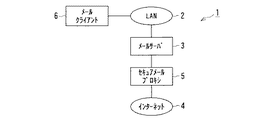
図5に従来の電子メールのセキュリティを確保する電子メール暗号化配信システムの一実施例である電子メール暗号化配信システム1のシステム構成概略を表す構成概略図を示す。
【0004】
図5に示される電子メール暗号化配信システム1は、ローカルエリアネットワーク(以下、Local Area Network:LANとする)2に電気的に接続されるメールサーバ3とインターネット4との間に電子メールのセキュリティに関する処理を行うプロキシ(以下、セキュアメールプロキシとする)5を電気的に接続する。
【0005】
セキュアメールプロキシ5は、電子メールの暗号化/複合化や、書名の添付/改竄(かいざん)の検出等を実行する。セキュアメールプロキシ5の処理操作により、メールサーバ3、電子メールユーザが利用するメールクライアント6の端末種類およびセキュリティ機能の実装の有無によらず電子メールのセキュリティ確保を実現する。
【0006】
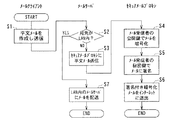
図6に電子メール暗号化配信システム1における電子メール送信時のメールサーバ3、セキュアメールプロキシ5およびメールクライアント6の処理操作について説明した説明図(流れ図)を示す。
【0007】
図6によれば、電子メール暗号化配信システム1における電子メール送信は、まず、ステップS1で、ユーザがメールクライアント6を利用して電子メールのメッセージを作成後、入力時の文章(以下、平文とする)のままメールサーバ3に送信する。
【0008】
メールサーバ3でメールクライアント6からの平文を受信すると、次に、ステップS2でメールサーバ3は、メールクライアント6から送信された電子メールの電子メールアドレスを確認し、電子メールアドレスがLAN2内か否かをチェックする。電子メールアドレスがLAN2の外部の場合(ステップS2でNOの場合)、ステップS3に進み、ステップS3でメールサーバ3は、受信した平文をセキュアメールプロキシ5へ送信する。
【0009】
セキュアメールプロキシ5で平文を受信すると、次に、ステップS4でセキュアメールプロキシ5は、受信した平文を公開鍵で暗号化する。そして、ステップS5で、電子メール発信者の電子メールアドレスに対応する秘密鍵を用いて、当該平文のメッセージダイジェスト(ハッシュ値)を計算し、計算した値を秘密鍵で暗号化した上でメール発信者の署名として添付する。
【0010】
メール発信者の署名を添付すると、最後に、ステップS6でセキュアメールプロキシ5は、メール発信者の署名が添付され、暗号化された電子メール(以下、署名付き暗号化メールとする)をインターネット4に送信する。
【0011】
また、ステップS2において、電子メールアドレスがLAN2内か否かをチェックして、電子メールアドレスがLAN2の外部の場合(ステップS2でNOの場合)、ステップS7に進み、ステップS7でメールサーバ3は、受信した平文をLAN2内の電子メールアドレス(メールサーバ)へ送信する。
【0012】
次に、電子メール暗号化配信システム1における電子メール受信時のメールサーバ3、セキュアメールプロキシ5およびメールクライアント6の処理操作について説明する。
【0013】
図7は、電子メール暗号化配信システム1における電子メール受信時のメールサーバ3、セキュアメールプロキシ5およびメールクライアント6の処理操作について説明した説明図(流れ図)である。
【0014】
図7によれば、電子メール暗号化配信システム1における電子メール受信時は、まず、ステップS11で、セキュアメールプロキシ5が、図6に示される説明図のステップS6においてインターネット4に送信された署名付き暗号化をインターネット4から受信する。
【0015】
セキュアメールプロキシ5が署名付き暗号化を受信したら、次にステップS12でセキュアメールプロキシ5は、電子メールに添付された署名を電子メール送信者の公開鍵で復号する。そして、ステップS13で、署名のハッシュ値と受信した電子メールのメッセージダイジェスト(ハッシュ値)とを比較して電子メールが改竄されているか否かを検査する。
【0016】
ステップS13において、電子メールが改竄されているか否かを検査して、電子メールが改竄されていない場合(ステップS13でNO)は、ステップS14に進み、ステップS14でセキュアメールプロキシ5は、電子メールのアドレスに対応する秘密鍵を用いて暗号化されている電子メールを復号化する。
【0017】
ステップS14で平文に復号された電子メールのメッセージ(以下、平文メールとする)は、ステップS15で、セキュアメールプロキシ5がLAN2内にあるメールサーバ3へ配送する。そして、ステップS16で、メールサーバ3が平文メールを受信する。
【0018】
メールサーバ3が平文メールを受信した後に、ステップS17で、電子メールの送信者が入力した電子メールアドレスのメールクライアント6から電子メールの配信要求があると、ステップS18で、メールサーバ3は、平文メールを配信要求先へ配信する。そして、ステップS19で、メールクライアント6から電子メールの配信要求をしたユーザは、メールクライアント6で平文メールを受信する。
【0019】
また、ステップS13において、電子メールが改竄されているか否かを検査して、電子メールが改竄されている場合(ステップS13でYES)は、ステップS20に進み、ステップS20でセキュアメールプロキシ5は、電子メールの受信を拒否する。
【0020】
上述した電子メール暗号化配信システムおよびその方法の一例は、特開2002−24147号公報に掲載されている。(例えば、特許文献1参照)。
【0021】
【特許文献1】
特開2002−24177号公報([0002]〜[0006],[0010],[0018],[0032]〜[0035],[0038],[0040],[0042]〜[0043],[0045],[0047]〜[0050],図1,図4,図5)
【0022】
【発明が解決しようとする課題】
従来の電子メール暗号化配信システムおよびその方法は、電子メールの送信者が送信相手を間違えて本来送信するべきでない相手に送信した場合、電子メール受信者は、電子メールの内容を確認することができる。従って、送信時の不注意等によって、本来送信するべきでない相手、すなわち、第三者に内容が漏洩してしまう問題があった。
【0023】
また、一度、公開鍵および秘密鍵を登録すると、登録した相手は一様に暗号化された電子メールを読むことが可能となるため、電子メール毎に復号化の可否の設定をすることができず、特に重要度の高い内容が何らかの手違い等で第三者に漏洩してしまうおそれがあった。
【0024】
本発明は、上述した事情を考慮してなされたものであり、同一の相手であっても送信する電子メールの内容の重要度や秘密度に応じて、電子メールの復号化の可否の設定を可能とした電子メール暗号化配信システムおよびその方法を提供することを目的とする。
【0025】
また、本発明の他の目的は、電子メールの送信者が送信相手を間違えて本来送信するべきでない相手に送信した場合であっても、受信者が内容を読むことができなくなるように図ったことにある。
【0026】
【課題を解決するための手段】
本発明に係る暗号化電子メール暗号化配信システムは、上述した課題を解決するため、請求項1に記載したように、送信する電子メールを暗号化して配信するメール中継サーバを具備し、このメール中継サーバは、電子メールを暗号化する電子メール暗号化手段と、この電子メール暗号化手段で暗号化された電子メールを復号化する暗号化鍵を電子メールの送信者に送信する暗号化鍵生成手段とを備えることを特徴とする。
【0027】
上述した課題を解決するため、本発明に係る暗号化電子メール暗号化配信システムは、請求項2に記載したように、前記メール中継サーバは、電子メール送信要求元が電子メール暗号化配信サービスを許可されているか否かを照合により判断する照合手段と、電子メール送信要求元が電子メール暗号化配信サービスを許可されていると前記照合手段が判断した場合、電子メールの作成を受け付ける電子メール作成受付手段とを備えることを特徴とする。
【0028】
また、上述した課題を解決するため、本発明に係る暗号化電子メール暗号化配信システムは、請求項3に記載したように、前記暗号化鍵生成手段は、暗号化する電子メール毎に暗号化鍵を生成し、生成される暗号化鍵は、暗号化した電子メールの復号にのみ有効な使い捨て暗号化鍵であることを特徴とする。
【0029】
本発明に係る暗号化電子メール暗号化配信方法は、上述した課題を解決するため、請求項4に記載したように、メール中継サーバが送信する電子メールの作成を受け付ける電子メール作成受付行程と、この電子メール作成受付行程で入力された電子メールを暗号化した暗号化電子メールおよび前記暗号化電子メールを復号する暗号化鍵を指定された電子メールアドレスに送信する電子メール暗号化配信行程とを具備することを特徴とする。
【0030】
上述した課題を解決するため、本発明に係る暗号化電子メール暗号化配信方法は、請求項5に記載したように、前記電子メール暗号化配信行程が、電子メール作成受付行程で入力された電子メールを暗号化して前記暗号化電子メールを作成する電子メール暗号化ステップと、前記暗号化電子メールを受信アドレス欄の電子メールアドレスに送信する暗号化電子メール送信ステップと、前記暗号化電子メールを復号する暗号化鍵を生成する暗号化鍵生成ステップと、前記暗号化鍵を送信アドレス欄の電子メールアドレスに送信する暗号化鍵送信ステップとを備えることを特徴とする。
【0031】
また、上述した課題を解決するため、本発明に係る暗号化電子メール暗号化配信方法は、請求項6に記載したように、メール中継サーバにアクセスし、電子メール暗号化配信サービスを要求する電子メール送信要求元に対して、電子メール暗号化配信サービスが許可されているか否かを判定する照合行程を具備することを特徴とする。
【0032】
【発明の実施の形態】
以下に、本発明に係る電子メール暗号化配信システムおよびその方法について図面を参照して説明する。
【0033】
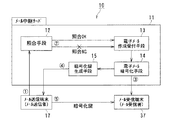
図1に本発明に係る電子メール暗号化配信システムの一実施例である電子メール暗号化配信システム10のシステム構成および電子メール送信手順を概略的に説明した説明図である。
【0034】
図1に示される電子メール暗号化配信システム10は、受信した電子メールを暗号化して配信するメール中継サーバ11を具備する。
【0035】
メール中継サーバ11は、利用者を照合により判断する照合手段12と、利用者が正しい場合に電子メールの入力を受け付ける電子メール作成受付手段13と、電子メール作成受付手段13で作成された電子メールを暗号化する電子メール暗号化手段14と、電子メール暗号化手段14で暗号化された電子メール(以下、暗号化電子メールとする)を復号化する使い捨て暗号化鍵を生成し、電子メール入力者(送信者)に送信する暗号化鍵生成手段15とを備える。
【0036】
図1に示される電子メール暗号化配信システム10を利用して電子メールを暗号化して送信する迄の手順について説明する。
【0037】
電子メール送信要求元としての電子メール送信者は、例えば、パーソナルコンピュータ(以下、PCとする)、携帯電話、携帯情報端末(以下、Personal Digital Assistance:PDAとする)等の電子メール送信用可能な端末(以下、メール送信端末とする)17からメール中継サーバ11内の指定されたURL(Uniform Resource Locator)を入力してアクセスする(図1における▲1▼に該当)。
【0038】
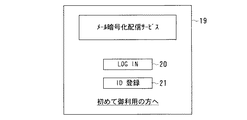
電子メール送信者がアクセスすると、後段で説明する図2に示される初期画面19がメール送信端末17に表示される。
【0039】
図2は、メール送信端末17に表示される初期画面19の一例を説明する説明図である。
【0040】
電子メール送信要求元としての図2によれば、初期画面19は、電子メール入力画面にログインするためのログインボタン20と、ログインIDおよびパスワードを登録するためのID登録ボタン21を有する。
【0041】
電子メール送信者は、事前にID登録を完了させた上で、初期画面19に表示されるログインボタン20を押す。電子メール送信者がログインボタン20を押すと、後段で説明する図3に示されるログイン画面22がメール送信端末17に表示される。
【0042】
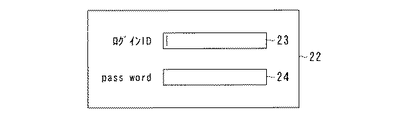
図3は、メール送信端末17に表示されるログイン画面22の一例を説明する説明図である。
【0043】
図3に示されるログイン画面22には、名前に相当するログインID入力欄23と、パスワードを入力するパスワード入力欄24とがある。電子メール送信者は、ログイン画面22のログインID入力欄23に事前登録しておいた自己のログインIDを、パスワード入力欄24に事前登録しておいたパスワードとを入力する。電子メール送信者がログインIDおよびパスワードの入力を完了すると、メール中継サーバ11は、電子メールを暗号化して配信する電子メール暗号化配信手順を実行する。
【0044】
電子メール暗号化配信手順は、メール中継入力者がサーバ11へアクセスしたメール暗号化配信サービスを許可した者か否かを判定する照合行程と、送信する電子メールの作成を受け付ける電子メール作成受付行程と、この電子メール作成受付行程で入力された電子メールを暗号化した暗号化電子メールおよびこの暗号化電子メールを復号する暗号化鍵を指定された電子メールアドレスに送信する電子メール暗号化配信行程とを具備する。
【0045】
電子メール暗号化配信手順では、まず、メール中継サーバ11に備えられる照合手段12が、照合行程として、パスワードの入力者がメール暗号化配信サービスを許可した者か否かを入力したログインIDおよびパスワードの正誤で判別する。
【0046】
入力したログインIDおよびパスワードが正しい場合、メール中継サーバ11が備える照合手段12が電子メールの入力画面へのログインを許可する。一方、入力したログインIDおよびパスワードを誤った場合、電子メールの入力画面へのログインを許可しない(図1における▲2▼)。
【0047】
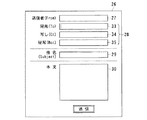
図4にメール送信端末17に表示される電子メールの入力画面(以下、電子メール入力画面とする)26の一例を示す。
【0048】
図4に示される電子メール入力画面26は、送信者の電子メールアドレス入力欄(以下、送信アドレス入力欄とする)27と、メール受信者の電子メールアドレス入力欄(以下、受信アドレス入力欄)28と、件名入力欄29と、本文入力欄30と、送信ボタン31とを有する。また、電子メール入力画面26の受信アドレス入力欄28は、一般の電子メールと同様に、宛先(To)入力欄33と、写し(Cc)入力欄34と、秘写(Bcc)入力欄35とがある。
【0049】
メール中継サーバ11は、照合行程の次に電子メール作成受付行程を実行する。そして、メール中継サーバ11は、図4に示される電子メールの電子メール入力画面26において、電子メール送信者からの入力を受け付ける。
【0050】
メール中継サーバ11が電子メールの入力を受け付けを許可したら、電子メール送信者は、まず、自分の電子メールアドレスを送信アドレス欄27に入力し、送信したい相手の電子メールアドレス、すなわち、宛先を受信アドレス欄28に入力する。例えば、送信したい相手が1名なら、送信したい相手の電子メールアドレスを宛先(To)入力欄33に入力する。
【0051】
電子メールのアドレス入力が完了したら、次に、電子メール送信者は、件名入力欄29を選択し、件名を入力する。件名の入力が完了したら次に、本文入力欄30を選択し送信したい文章を作成する。入力に際しては、そのままの文章、すなわち、平文で行う。そして、電子メール入力画面26において、送信アドレス欄27、受信アドレス欄28、件名入力欄29および本文入力欄30の入力が完了すると、電子メール送信者の電子メールの入力(作成)作業は完了する。
【0052】
電子メール送信者は、電子メール入力画面26において、送信アドレス欄27、受信アドレス欄28、件名入力欄29および本文入力欄30の入力が完了すると、電子メール入力画面26内の送信ボタン31を押す。電子メール送信者が送信ボタン31を押すと、メール中継サーバ11は、電子メール作成受付行程を完了して、電子メール暗号化配信ステップを実行する。
【0053】
電子メール暗号化配信ステップは、電子メール作成受付行程で入力され作成された電子メールを暗号化して暗号化された電子メール(以下、暗号化電子メールとする)を作成する電子メール暗号化ステップと、暗号化電子メールを指定されたアドレスに送信する暗号化電子メール送信ステップと、暗号化電子メールを復号する暗号化鍵を生成する暗号化鍵生成ステップと、暗号化鍵を指定されたアドレスに送信する暗号化鍵送信ステップとを備える。
【0054】
電子メール暗号化配信ステップの電子メール暗号化ステップは、メール中継サーバ11が備える電子メール暗号化手段14でなされる。電子メール暗号化手段14は、電子メール送信者が入力した電子メールの本文、すなわち、本文入力欄30に記載される内容を暗号化する。
【0055】
次に、電子メール暗号化ステップが完了すると、電子メール暗号化手段14は、暗号化電子メール送信ステップを実行する。電子メール暗号化手段14は、受信アドレス入力欄28に入力された電子メールアドレスへ電子メールを送信する(図1における▲3▼)。
【0056】
一方、電子メール暗号化配信ステップの暗号化鍵生成ステップは、メール中継サーバ11が備える暗号化鍵生成手段15でなされる。暗号化鍵生成手段15は、上記メール暗号化ステップにおいて暗号化された電子メールに限って復号可能な暗号化鍵(以下、使い捨て暗号化鍵とする)を生成する。
【0057】
次に、暗号化鍵生成ステップが完了すると、暗号化鍵生成手段15は、暗号化鍵送信ステップを実行する。暗号化鍵生成手段15は、生成した使い捨て暗号化鍵を電子メール送信者、すなわち、送信アドレス入力欄27に入力された電子メールアドレスへ電子メールを送信する(図1における▲4▼)。
【0058】
電子メール暗号化手段14が実行する暗号化電子メール送信ステップ(図1における▲3▼)および暗号化鍵生成手段15が実行する暗号化鍵送信ステップ(図1における▲4▼)が完了すると、電子メール暗号化配信ステップは完了する。
【0059】
電子メール受信者は、電子メール暗号化配信ステップが完了したら、メール中継サーバ11から配信された電子メールを、例えば、PC、携帯電話、PDA等の電子メールの受信可能なメール受信端末37を用いて受信する(図1における▲5▼)。ここで、受信されるメールは、暗号化電子メールである。
【0060】
この暗号化された電子メールを電子メール受信者が読むためには、暗号化鍵生成手段15で生成された暗号化鍵を使って暗号化された電子メールを復号する必要がある。復号することで暗号化された電子メールは平文となり読むことが可能となる。
【0061】
但し、暗号化鍵生成手段15で生成される暗号化鍵は、その回に限り暗号化された電子メールを復号することができる使い捨て暗号化鍵である為、暗号化電子メールの受信者は、たとえ同じ送信者から受信した暗号化電子メールであっても、電子メール受信する度に使い捨て暗号化鍵を入手する必要がある。
【0062】
一方、電子メール送信者は、電子メール暗号化配信ステップが完了したら、メール中継サーバ11から受信した暗号化鍵を送信するか否かを判断する。送信した電子メールを読んでもらいたい場合は、電子メールを送信した相手にメール中継サーバ11を経由せずに電子メールの受信者に暗号化鍵を送信すれば良い(図1における▲4▼)。尚、電子メールアドレスの入力ミス等で送信した電子メールを読まれたくない場合は、使い捨て暗号化鍵を送信しなければ良い。
【0063】
尚、本実施の形態の説明では、メール中継サーバ11は照合手段12を備えるとしているが、照合手段12は必ずしも必要ではない。メール中継サーバ11の指定したアドレスに電子メールを平文で送信するようにしても良い。照合手段12がない場合においては、照合行程も不要となる。
【0064】
また、図3および図4に示されるログイン画面22および電子メール入力画面26については、一実施例であり、図に示されるものに限定されない。例えば、電子メール入力画面26において、電子メールアドレスを登録管理できるアドレス帳を呼び出すボタンやシグネチャー(署名)を添付するボタンを設ける等、一般的に使用され得る形態であれば差し支えない。
【0065】
さらに、図3に示されるログイン画面22において、電子メール送信者がある一定回数ログインを失敗した場合、強制的にログイン画面22から図に示されないログイン失敗画面等を表示する他のURLへ移動させたり、ログインを受け付けなくする等の方法を採っても良い。
【0066】
一方、図4に示される電子メール入力画面26において、送信アドレス欄27に自分の電子メールアドレスを入力するとしているが、事前登録の際に送信先の電子メールアドレスを登録させて、電子メール入力画面26における送信アドレス欄27を登録時に設定した電子メールアドレスとして入力を省略できる様に設定しても良い。
【0067】
また、ログイン後の電子メール入力画面26において、暗号化鍵を電子メールの送信者以外にも、特定の宛先の受信者に対して配信するか否かを設定可能に構成しても良い。
【0068】
以上、電子メール暗号化配信システム10およびその方法によれば、同一の相手であっても送信する電子メールの内容の重要度や秘密度に応じて、電子メールの復号化の可否の設定を可能とした電子メール暗号化配信システムおよびその方法を提供することができる。
【0069】
また、電子メールの送信者が送信相手を間違えて本来送信するべきでない相手に送信した場合であっても、使い捨て暗号化鍵がないと内容を読むことができないので、第三者に内容が漏洩するのを防止することができる。
【0070】
【発明の効果】
本発明に係る電子メール暗号化配信システムおよびその方法によれば、同一の相手であっても送信する電子メールの内容の重要度や秘密度に応じて、電子メールの復号化の可否の設定を可能とした電子メール暗号化配信システムおよびその方法を提供することができる。
【0071】
また、電子メールの送信者が送信相手を間違えて本来送信するべきでない相手に送信した場合であっても、使い捨て暗号化鍵がないと内容を読むことができないので、第三者に内容が漏洩する事がない。
【図面の簡単な説明】
【図1】本発明に係る電子メール暗号化配信システムの一実施例の構成概略を表したシステム構成概略図。
【図2】本発明に係る電子メール暗号化配信システムにおいて、メール送信端末に表示される初期画面の一例を示した説明図。
【図3】本発明に係る電子メール暗号化配信システムにおいて、メール送信端末に表示されるログイン画面の一例を示した説明図。
【図4】本発明に係る電子メール暗号化配信システムにおいて、メール送信端末に表示される電子メールの入力画面の一例を示した説明図。
【図5】従来の電子メールのセキュリティを確保する電子メール暗号化配信システムの一実施例におけるシステム構成概略を表す構成概略図。
【図6】電子メール暗号化配信システムにおける電子メール送信時の処理操作について説明した説明図。
【図7】電子メール暗号化配信システムにおける電子メール受信時の処理操作について説明した説明図。
【符号の説明】
10 電子メール暗号化配信システム
11 メール中継サーバ
12 照合手段
13 電子メール作成受付手段
14 電子メール暗号化手段
15 暗号化鍵生成手段
17 メール送信端末
19 初期画面
20 ログインボタン
21 ID登録ボタン
22 ログイン画面
23 ログインID入力欄
24 パスワード入力欄
26 電子メール入力画面
27 送信アドレス入力欄
28 受信アドレス入力欄
29 件名入力欄
30 本文入力欄
31 送信ボタン
33 宛先(To)入力欄
34 写し(Cc)入力欄
35 秘写(Bcc)入力欄
37 メール受信端末[0001]
TECHNICAL FIELD OF THE INVENTION
The present invention relates to a system and a method for ensuring security of an e-mail, and more particularly, to an e-mail encryption / distribution system and a method for encrypting an e-mail.
[0002]
[Prior art]
An embodiment of a conventional electronic mail encrypted distribution system and its method will be described below with reference to the drawings.
[0003]
FIG. 5 is a schematic configuration diagram showing an outline of a system configuration of an electronic mail encrypted
[0004]
The electronic mail encrypted
[0005]
The
[0006]
FIG. 6 is an explanatory diagram (flow chart) for explaining the processing operation of the
[0007]
According to FIG. 6, in the e-mail transmission in the e-mail encrypted
[0008]
When the
[0009]
When the plaintext is received by the
[0010]
After attaching the signature of the mail sender, finally, in step S6, the
[0011]
In step S2, it is checked whether the e-mail address is within LAN2. If the e-mail address is outside LAN2 (NO in step S2), the process proceeds to step S7, and in step S7,
[0012]
Next, processing operations of the
[0013]
FIG. 7 is an explanatory diagram (flow chart) for explaining the processing operation of the
[0014]
According to FIG. 7, when receiving the electronic mail in the electronic mail encrypted
[0015]
When the
[0016]
In step S13, it is checked whether the e-mail has been tampered with. If the e-mail has not been tampered with (NO in step S13), the process proceeds to step S14. Decrypts the encrypted e-mail using the secret key corresponding to the e-mail address.
[0017]
The e-mail message decrypted in plaintext in step S14 (hereinafter, referred to as plaintext mail) is delivered by the
[0018]
After the
[0019]
In step S13, it is checked whether the e-mail has been tampered with. If the e-mail has been tampered with (YES in step S13), the process proceeds to step S20. Refuse to receive email.
[0020]
An example of the above-described electronic mail encrypted distribution system and its method is disclosed in JP-A-2002-24147. (For example, see Patent Document 1).
[0021]
[Patent Document 1]
JP-A-2002-24177 ([0002] to [0006], [0010], [0018], [0032] to [0035], [0038], [0040], [0042] to [0043], [0045] ], [0047] to [0050], FIGS. 1, 4, and 5)
[0022]
[Problems to be solved by the invention]
A conventional e-mail encrypted distribution system and method is that an e-mail recipient can confirm the contents of an e-mail if the e-mail sender mistakenly sends the e-mail to a person who should not be sent. it can. Therefore, there has been a problem that contents are leaked to a party to whom transmission should not be performed, that is, a third party due to carelessness at the time of transmission.
[0023]
Further, once the public key and the private key are registered, the registered person can read the uniformly encrypted e-mail, so that the setting of the decryption can be made for each e-mail. However, there is a possibility that particularly important contents may be leaked to a third party due to some mistake or the like.
[0024]
The present invention has been made in view of the above-described circumstances, and even in the case of the same person, the setting of the possibility of decryption of the e-mail is made according to the importance and secrecy of the contents of the e-mail to be transmitted. It is an object of the present invention to provide an electronic mail encrypted distribution system and a method thereof.
[0025]
Another object of the present invention is to prevent the recipient from reading the contents even when the sender of the e-mail mistakenly sends the e-mail to a person who should not be sent. It is in.
[0026]
[Means for Solving the Problems]
In order to solve the above-described problems, an encrypted electronic mail encrypted distribution system according to the present invention includes a mail relay server that encrypts and transmits an electronic mail to be transmitted, and includes the mail relay server. The relay server generates an e-mail encrypting means for encrypting the e-mail and an encryption key for transmitting an encryption key for decrypting the e-mail encrypted by the e-mail encrypting means to a sender of the e-mail. Means.
[0027]
In order to solve the above-mentioned problem, in the encrypted electronic mail encrypted delivery system according to the present invention, as described in claim 2, the mail relay server is configured such that an electronic mail transmission request source provides an electronic mail encrypted delivery service. Collating means for judging whether or not the e-mail is transmitted, and e-mail preparation for accepting e-mail creation when the collating means determines that the source of the e-mail transmission request is permitted the e-mail encrypted distribution service. And receiving means.
[0028]
Further, in order to solve the above-mentioned problem, according to a third aspect of the present invention, there is provided an encrypted electronic mail encrypted delivery system, wherein the encryption key generating unit includes an encryption key generating unit for encrypting each electronic mail to be encrypted. A key is generated, and the generated encryption key is a disposable encryption key effective only for decrypting the encrypted electronic mail.
[0029]
In order to solve the above-mentioned problems, the encrypted electronic mail encrypted distribution method according to the present invention, as described in claim 4, an electronic mail creation receiving process for receiving the creation of an electronic mail transmitted by the mail relay server, An encrypted e-mail obtained by encrypting the e-mail input in the e-mail creation acceptance step and an e-mail encrypted distribution step of transmitting an encryption key for decrypting the encrypted e-mail to a specified e-mail address. It is characterized by having.
[0030]
In order to solve the above-mentioned problem, an encrypted e-mail encrypted distribution method according to the present invention, as described in
[0031]
In order to solve the above-mentioned problem, an encrypted electronic mail encrypted delivery method according to the present invention provides an electronic mail that accesses a mail relay server and requests an electronic mail encrypted delivery service. It is characterized in that it has a collation step of judging whether or not the electronic mail encrypted distribution service is permitted for the mail transmission request source.
[0032]
BEST MODE FOR CARRYING OUT THE INVENTION
Hereinafter, an electronic mail encrypted distribution system and a method thereof according to the present invention will be described with reference to the drawings.
[0033]
FIG. 1 is an explanatory diagram schematically illustrating a system configuration and an e-mail transmission procedure of an e-mail
[0034]
The electronic mail
[0035]
The mail relay server 11 includes a collating
[0036]
A procedure for encrypting and transmitting an electronic mail using the electronic mail
[0037]
An e-mail sender as an e-mail transmission request source can transmit e-mails from a personal computer (hereinafter, referred to as a PC), a mobile phone, a portable information terminal (hereinafter, referred to as a PDA), or the like. A designated URL (Uniform Resource Locator) in the mail relay server 11 is input from a terminal (hereinafter, referred to as a mail transmission terminal) 17 to access (corresponding to (1) in FIG. 1).
[0038]
When the e-mail sender accesses, an
[0039]
FIG. 2 is an explanatory diagram illustrating an example of the
[0040]
According to FIG. 2 as an e-mail transmission request source, the
[0041]
The e-mail sender presses the
[0042]
FIG. 3 is an explanatory diagram illustrating an example of the
[0043]
The
[0044]
The e-mail encrypted distribution procedure includes a collation step for determining whether the mail relay input person has authorized the e-mail encrypted distribution service accessing the server 11, and an e-mail creation reception step for accepting the creation of an e-mail to be transmitted. And an encrypted email that encrypts the email input in the email creation receiving process and an encryption key for decrypting the encrypted email to a designated email address. And
[0045]
In the e-mail encrypted distribution procedure, first, the collation means 12 provided in the mail relay server 11 performs, as a collation process, a login ID and a password which are input as to whether or not the person who has input the password is a person who has authorized the e-mail encrypted distribution service. Is determined by the right or wrong.
[0046]
If the entered login ID and password are correct, the verification means 12 provided in the mail relay server 11 permits the login to the input screen of the e-mail. On the other hand, if the entered login ID and password are incorrect, login to the input screen for e-mail is not permitted ((2) in FIG. 1).
[0047]
FIG. 4 shows an example of an e-mail input screen (hereinafter referred to as an e-mail input screen) 26 displayed on the
[0048]
An
[0049]
The mail relay server 11 executes an electronic mail creation receiving process after the checking process. Then, the mail relay server 11 accepts an input from the e-mail sender on the
[0050]
If the mail relay server 11 permits the input of the e-mail, the e-mail sender first inputs his / her own e-mail address in the
[0051]
When the input of the e-mail address is completed, the e-mail sender next selects the
[0052]
The e-mail sender presses the send button 31 in the
[0053]
The e-mail encryption distribution step includes an e-mail encryption step of encrypting the e-mail input and created in the e-mail creation reception process to create an encrypted e-mail (hereinafter, referred to as an encrypted e-mail). Transmitting an encrypted e-mail to a specified address, transmitting an encrypted e-mail to a specified address, generating an encryption key for decrypting the encrypted e-mail, and generating an encryption key. And transmitting an encryption key.
[0054]
The e-mail encryption step of the e-mail encryption distribution step is performed by the e-mail encryption means 14 provided in the mail relay server 11. The
[0055]
Next, when the e-mail encryption step is completed, the e-mail encryption means 14 executes an encrypted e-mail transmission step. The e-mail encryption means 14 transmits the e-mail to the e-mail address input in the reception address input field 28 ((3) in FIG. 1).
[0056]
On the other hand, the encryption key generation step of the electronic mail encryption distribution step is performed by the encryption key generation means 15 provided in the mail relay server 11. The encryption
[0057]
Next, when the encryption key generation step is completed, the encryption key generation means 15 executes an encryption key transmission step. The encryption key generation means 15 transmits the generated disposable encryption key to the e-mail sender, that is, the e-mail address input in the transmission address input box 27 ([4] in FIG. 1).
[0058]
When the encrypted e-mail transmission step performed by the e-mail encryption means 14 (3 in FIG. 1) and the encryption key transmission step performed by the encryption key generation means 15 (4 in FIG. 1) are completed, The e-mail encrypted distribution step is completed.
[0059]
Upon completion of the e-mail encrypted distribution step, the e-mail recipient uses the e-mail distributed from the e-mail relay server 11 by using the
[0060]
In order for the e-mail recipient to read the encrypted e-mail, it is necessary to decrypt the encrypted e-mail using the encryption key generated by the encryption key generation means 15. The decrypted email becomes plain text and can be read.
[0061]
However, since the encryption key generated by the encryption key generation means 15 is a disposable encryption key that can decrypt the encrypted e-mail only once, the recipient of the encrypted e-mail is Even if an encrypted e-mail is received from the same sender, a disposable encryption key must be obtained each time the e-mail is received.
[0062]
On the other hand, the e-mail sender determines whether to transmit the encryption key received from the mail relay server 11 when the e-mail encryption distribution step is completed. If the user wants to read the transmitted e-mail, the encryption key may be transmitted to the recipient of the e-mail without passing through the mail relay server 11 to the person who sent the e-mail ((4) in FIG. 1). . If the user does not want to read the transmitted e-mail due to an input error of the e-mail address or the like, the disposable encryption key need not be transmitted.
[0063]
In the description of the present embodiment, the mail relay server 11 includes the
[0064]
Also, the
[0065]
Further, in the
[0066]
On the other hand, in the
[0067]
Further, on the electronic
[0068]
As described above, according to the e-mail
[0069]
Even if the sender of the e-mail mistakenly sends the message to a person who should not be sent, the contents cannot be read without the disposable encryption key, so the contents are leaked to a third party. Can be prevented.
[0070]
【The invention's effect】
ADVANTAGE OF THE INVENTION According to the e-mail encrypted distribution system and method thereof according to the present invention, even if the same party is involved, the setting of whether or not the e-mail can be decrypted is made according to the importance and secrecy of the contents of the e-mail to be transmitted. It is possible to provide an encrypted electronic mail distribution system and method thereof.
[0071]
In addition, even if the sender of the e-mail mistakenly sends the message to the person who should not be sent, the contents cannot be read without the disposable encryption key, so the contents are leaked to a third party. I have nothing to do.
[Brief description of the drawings]
FIG. 1 is a schematic system configuration diagram showing a schematic configuration of an embodiment of an electronic mail encrypted distribution system according to the present invention.
FIG. 2 is an explanatory diagram showing an example of an initial screen displayed on a mail transmitting terminal in the electronic mail encrypted distribution system according to the present invention.
FIG. 3 is an explanatory diagram showing an example of a login screen displayed on a mail transmitting terminal in the electronic mail encrypted distribution system according to the present invention.
FIG. 4 is an explanatory diagram showing an example of an electronic mail input screen displayed on the mail transmitting terminal in the electronic mail encrypted distribution system according to the present invention.
FIG. 5 is a schematic configuration diagram showing an outline of a system configuration in an embodiment of a conventional e-mail encrypted distribution system for ensuring security of e-mail.
FIG. 6 is an explanatory diagram illustrating a processing operation at the time of transmitting an electronic mail in the electronic mail encrypted distribution system.
FIG. 7 is an explanatory diagram illustrating a processing operation at the time of receiving an electronic mail in the electronic mail encrypted distribution system.
[Explanation of symbols]
DESCRIPTION OF
Claims (6)
電子メールを暗号化する電子メール暗号化手段と、
この電子メール暗号化手段で暗号化された電子メールを復号化する暗号化鍵を電子メールの送信者に送信する暗号化鍵生成手段とを備えることを特徴とする電子メール暗号化配信システム。A mail relay server for encrypting and delivering an e-mail to be transmitted is provided.
An email encryption means for encrypting the email;
An encryption key generating means for transmitting an encryption key for decrypting the electronic mail encrypted by the electronic mail encrypting means to a sender of the electronic mail.
電子メール送信要求元が電子メール暗号化配信サービスを許可されていると前記照合手段が判断した場合、電子メールの作成を受け付ける電子メール作成受付手段とを備えることを特徴とする請求項1記載の電子メール暗号化配信システム。The mail relay server, a collation unit that determines by collation whether the electronic mail transmission request source is authorized for the electronic mail encrypted distribution service,
2. The electronic mail creation request receiving means according to claim 1, further comprising: an electronic mail creation accepting means for accepting the creation of an electronic mail when the collating means determines that the electronic mail transmission request source is authorized for the electronic mail encrypted distribution service. Email encrypted distribution system.
この電子メール作成受付行程で入力された電子メールを暗号化した暗号化電子メールおよび前記暗号化電子メールを復号する暗号化鍵を指定された電子メールアドレスに送信する電子メール暗号化配信行程とを具備することを特徴とする電子メール暗号化配信方法。An email creation acceptance process for accepting creation of an email transmitted by the email relay server;
An encrypted e-mail obtained by encrypting the e-mail input in the e-mail creation acceptance step and an e-mail encrypted distribution step of transmitting an encryption key for decrypting the encrypted e-mail to a specified e-mail address. An e-mail encrypted distribution method comprising:
前記暗号化電子メールを受信アドレス欄の電子メールアドレスに送信する暗号化電子メール送信ステップと、
前記暗号化電子メールを復号する暗号化鍵を生成する暗号化鍵生成ステップと、
前記暗号化鍵を送信アドレス欄の電子メールアドレスに送信する暗号化鍵送信ステップとを備えることを特徴とする請求項4に記載の電子メール暗号化配信方法。The e-mail encryption distribution process, an e-mail encryption step of encrypting the e-mail input in the e-mail creation reception process to create the encrypted e-mail,
Transmitting the encrypted e-mail to an e-mail address in a receiving address column;
An encryption key generation step of generating an encryption key for decrypting the encrypted email,
5. The method according to claim 4, further comprising: transmitting an encryption key to an e-mail address in a transmission address field. 6.
Priority Applications (1)
| Application Number | Priority Date | Filing Date | Title |
|---|---|---|---|
| JP2003157985A JP2004362129A (en) | 2003-06-03 | 2003-06-03 | E-mail encrypted delivery system and method |
Applications Claiming Priority (1)
| Application Number | Priority Date | Filing Date | Title |
|---|---|---|---|
| JP2003157985A JP2004362129A (en) | 2003-06-03 | 2003-06-03 | E-mail encrypted delivery system and method |
Publications (1)
| Publication Number | Publication Date |
|---|---|
| JP2004362129A true JP2004362129A (en) | 2004-12-24 |
Family
ID=34051538
Family Applications (1)
| Application Number | Title | Priority Date | Filing Date |
|---|---|---|---|
| JP2003157985A Pending JP2004362129A (en) | 2003-06-03 | 2003-06-03 | E-mail encrypted delivery system and method |
Country Status (1)
| Country | Link |
|---|---|
| JP (1) | JP2004362129A (en) |
Cited By (4)
| Publication number | Priority date | Publication date | Assignee | Title |
|---|---|---|---|---|
| JP2010081432A (en) * | 2008-09-26 | 2010-04-08 | Nakayo Telecommun Inc | E-mail relay apparatus and method of relaying e-mail |
| KR100974622B1 (en) | 2007-07-10 | 2010-08-09 | 고려대학교 산학협력단 | Email transmission method providing confidentiality and omnidirectional security and recording medium recording the same |
| JP2012244304A (en) * | 2011-05-17 | 2012-12-10 | Metawater Co Ltd | Information encryption processing system and information encryption processing method |
| US9288172B2 (en) | 2010-10-22 | 2016-03-15 | Fujitsu Limited | Access restriction device, access restriction method, computer readable storage medium |
Citations (6)
| Publication number | Priority date | Publication date | Assignee | Title |
|---|---|---|---|---|
| JPH03235442A (en) * | 1990-02-09 | 1991-10-21 | Toshiba Corp | Ciphered communication system |
| JPH1168730A (en) * | 1997-08-15 | 1999-03-09 | Nec Commun Syst Ltd | Cryptographic gateway device |
| JPH11340965A (en) * | 1998-05-28 | 1999-12-10 | Hitachi Ltd | E-mail key registration device, e-mail transmission device, e-mail reception device, and e-mail system |
| JP2001060944A (en) * | 1999-08-24 | 2001-03-06 | Hitachi Ltd | Cryptographic communication system |
| JP2001154962A (en) * | 1999-11-29 | 2001-06-08 | Kansai Tlo Kk | Communication system, relay device, recording medium, and transmission medium |
| JP2002044462A (en) * | 2000-07-21 | 2002-02-08 | Matsushita Graphic Communication Systems Inc | Encryption processing apparatus and encryption processing method |
-
2003
- 2003-06-03 JP JP2003157985A patent/JP2004362129A/en active Pending
Patent Citations (6)
| Publication number | Priority date | Publication date | Assignee | Title |
|---|---|---|---|---|
| JPH03235442A (en) * | 1990-02-09 | 1991-10-21 | Toshiba Corp | Ciphered communication system |
| JPH1168730A (en) * | 1997-08-15 | 1999-03-09 | Nec Commun Syst Ltd | Cryptographic gateway device |
| JPH11340965A (en) * | 1998-05-28 | 1999-12-10 | Hitachi Ltd | E-mail key registration device, e-mail transmission device, e-mail reception device, and e-mail system |
| JP2001060944A (en) * | 1999-08-24 | 2001-03-06 | Hitachi Ltd | Cryptographic communication system |
| JP2001154962A (en) * | 1999-11-29 | 2001-06-08 | Kansai Tlo Kk | Communication system, relay device, recording medium, and transmission medium |
| JP2002044462A (en) * | 2000-07-21 | 2002-02-08 | Matsushita Graphic Communication Systems Inc | Encryption processing apparatus and encryption processing method |
Cited By (4)
| Publication number | Priority date | Publication date | Assignee | Title |
|---|---|---|---|---|
| KR100974622B1 (en) | 2007-07-10 | 2010-08-09 | 고려대학교 산학협력단 | Email transmission method providing confidentiality and omnidirectional security and recording medium recording the same |
| JP2010081432A (en) * | 2008-09-26 | 2010-04-08 | Nakayo Telecommun Inc | E-mail relay apparatus and method of relaying e-mail |
| US9288172B2 (en) | 2010-10-22 | 2016-03-15 | Fujitsu Limited | Access restriction device, access restriction method, computer readable storage medium |
| JP2012244304A (en) * | 2011-05-17 | 2012-12-10 | Metawater Co Ltd | Information encryption processing system and information encryption processing method |
Similar Documents
| Publication | Publication Date | Title |
|---|---|---|
| US8370444B2 (en) | Generating PKI email accounts on a web-based email system | |
| US6807277B1 (en) | Secure messaging system with return receipts | |
| JP5356947B2 (en) | Email encryption system | |
| US20020023213A1 (en) | Encryption system that dynamically locates keys | |
| US20090150675A1 (en) | Secure message forwarding system detecting user's preferences including security preferences | |
| JPH06276221A (en) | Electronic mail system containing top secret mail function | |
| JP2010522488A (en) | Secure electronic messaging system requiring key retrieval to distribute decryption key | |
| CN101378442B (en) | Image communication system and image communication apparatus | |
| US7660987B2 (en) | Method of establishing a secure e-mail transmission link | |
| JP2011521484A (en) | Signature method and apparatus | |
| CA2638407A1 (en) | Method and system for delivering secure messages to a computer desktop | |
| US7676674B2 (en) | Method for authenticating electronic documents | |
| US20070022291A1 (en) | Sending digitally signed emails via a web-based email system | |
| JP2000196583A (en) | Broadcast communication system | |
| US20050228687A1 (en) | Personal information management system, mediation system and terminal device | |
| US8033459B2 (en) | System and method for secure electronic data delivery | |
| JP3711931B2 (en) | E-mail system, processing method thereof, and program thereof | |
| JPWO2019234801A1 (en) | Service provision system and service provision method | |
| US20070022292A1 (en) | Receiving encrypted emails via a web-based email system | |
| JP4751296B2 (en) | E-mail transmission / reception system | |
| GB2382011A (en) | Secure and mediated access to network accessible services (e-services) | |
| JP4248489B2 (en) | File transfer system and file transfer method | |
| JP5417026B2 (en) | Password notification device and password notification system | |
| JP2005311909A (en) | Encrypted document data transfer processing method | |
| JP2005293324A (en) | Updating method for web contents |
Legal Events
| Date | Code | Title | Description |
|---|---|---|---|
| A621 | Written request for application examination |
Free format text: JAPANESE INTERMEDIATE CODE: A621 Effective date: 20051206 |
|
| A977 | Report on retrieval |
Free format text: JAPANESE INTERMEDIATE CODE: A971007 Effective date: 20080519 |
|
| A131 | Notification of reasons for refusal |
Free format text: JAPANESE INTERMEDIATE CODE: A131 Effective date: 20080610 |
|
| A521 | Written amendment |
Free format text: JAPANESE INTERMEDIATE CODE: A523 Effective date: 20080806 |
|
| A131 | Notification of reasons for refusal |
Free format text: JAPANESE INTERMEDIATE CODE: A131 Effective date: 20081007 |
|
| A521 | Written amendment |
Free format text: JAPANESE INTERMEDIATE CODE: A523 Effective date: 20081202 |
|
| A02 | Decision of refusal |
Free format text: JAPANESE INTERMEDIATE CODE: A02 Effective date: 20090303 |