JP2004304792A - Method for providing digital cinema content based on audience measured standard - Google Patents
Method for providing digital cinema content based on audience measured standard Download PDFInfo
- Publication number
- JP2004304792A JP2004304792A JP2004085166A JP2004085166A JP2004304792A JP 2004304792 A JP2004304792 A JP 2004304792A JP 2004085166 A JP2004085166 A JP 2004085166A JP 2004085166 A JP2004085166 A JP 2004085166A JP 2004304792 A JP2004304792 A JP 2004304792A
- Authority
- JP
- Japan
- Prior art keywords
- content
- scene
- audience
- image
- alternative
- Prior art date
- Legal status (The legal status is an assumption and is not a legal conclusion. Google has not performed a legal analysis and makes no representation as to the accuracy of the status listed.)
- Pending
Links
Images




Landscapes
- Two-Way Televisions, Distribution Of Moving Picture Or The Like (AREA)
- Television Systems (AREA)
Abstract
Description
本発明は、一般的に、デジタルシネマに関わり、より具体的には、広告者によって提供され、且つ、人口統計学的及び関連の観客測定基準に基づいて選択的に表示される可変デジタルシネマシーンコンテンツを供給する方法及び装置に係る。 The present invention relates generally to digital cinema, and more particularly to a variable digital cinema machine provided by an advertiser and selectively displayed based on demographic and relevant audience metrics. A method and apparatus for providing content.
動画フィルム製作及び配給の従来のモデルでは、動画の娯楽コンテンツは決まっており、フィルム−オン−リールの技術の実際的な制約により制限される。リール上のものが全て、観客構成に関わらず、任意の且つ全ての観客に表示される。一般的に、例えば、可変コンテンツによって様々な基準化されたレーティング(例えば、成人向け(制限された)という意味のR、保護者同伴が推奨されるという意味のPG)を有するバージョンを供給するために映画の様々なバージョンが製作される。しかし、このような種類のバージョン分けは、厳密に決められており、別のバージョンがより適切である場合でも観客に合うようフィルムコンテンツを適応させる機会はない。 In the traditional model of motion picture film production and distribution, motion picture entertainment content is fixed and limited by practical constraints of film-on-reel technology. Everything on the reel is displayed to any and all spectators, regardless of spectator composition. Generally, for example, to provide a version with variable scaled content (eg, R for adult (restricted), PG for parental companion recommendation) with variable content. Various versions of the movie are produced. However, this type of versioning is strictly defined and there is no opportunity to adapt the film content to the audience, even if another version is more appropriate.
観客グループに対する娯楽、広告、及び宣伝材料のターゲットを決めるための基盤として人口統計学的測定基準が用いられている。様々な例のうち、特許文献1(ハーツ(Herz)外)は、ケーブルテレビジョンの顧客が利用可能となる材料を顧客に合わせて調整するために顧客プロファイルを利用する方法を開示する。特許文献2(ピーターズ(Peters)外)は、個人により持ち運ばれる携帯情報端末(PDA)といったデジタル装置から入手した人口統計学的及び嗜好情報に基づいて、公共の場所においてターゲットにされた広告を供給する方法及びシステムを開示する。特許文献3(ワチョブ(Wachob))は、各視聴者サイトに対する人口統計学的且つ嗜好プロファイルデータに基づいて、テレビ視聴者に人口統計学的にターゲットが向けられたコマーシャル広告を供給することを開示する。特許文献4(トーマス(Thomas))は、人口統計学的且つ嗜好情報に基づいて、要求者にターゲットにされたインターネットコンテンツを供給する方法を開示する。 Demographic metrics are used as a basis for targeting entertainment, advertising, and promotional materials to a group of audiences. Among various examples, U.S. Pat. No. 6,077,098 (Herz et al.) Discloses a method of utilizing a customer profile to tailor the materials available to a cable television customer to the customer. U.S. Patent No. 6,037,035 (ex. Peters) discloses an advertisement targeted at public places based on demographic and preference information obtained from digital devices such as personal digital assistants (PDAs). A method and system for dispensing is disclosed. U.S. Patent No. 6,077,045 (Wachob) discloses providing demographically targeted commercial advertisements to television viewers based on demographic and preference profile data for each viewer site. I do. U.S. Patent No. 6,077,086 (Thomas) discloses a method of providing targeted Internet content to a requestor based on demographic and preference information.
人口統計学的測定基準は、全体的な観客の関心及び動画の商業的な成功又は失敗の相対的な度合いに関する生のフィードバックデータを入手するために動画製作者及び配給会社により用いられてきている。しかし、これまでのところ、人口統計学的な観客のデータは、動画コンテンツを特定の観客に適応させるよう用いられてはおらず、また、他の市販される人口統計学的データも、特定の視聴ロケーションにおける特集を組んだ表示に対し観客を惹きつけるよう用いられてはいない。 Demographic metrics have been used by video producers and distributors to obtain raw feedback data on overall audience interest and the relative degree of commercial success or failure of the video. . However, to date, demographic audience data has not been used to adapt video content to a particular audience, nor has other commercially available demographic data It is not used to attract spectators to featured displays at locations.
デジタルシネマの登場により、色の増強及び他の画像化改善の機会だけではなく、より柔軟な表示構成を可能にする将来性のある技術的利点に多くの関心が向けられている。これらの技術的及び性能の利点に加えて、より経済的な動画配給、市場及び視聴者人口統計に対する改善された適応、一部のタイプのコンテンツの地域に根付いたカスタマイズ化、及び、劇場での経験をより面白くさせる全体的な発展のための利点及び機会がかなりあるように思われる。これらの利点と共に、動画コンテンツを製作し配給するスタジオ、及び、これらのコンテンツを観客に見せる劇場の両者に収益増加の機会が与えられる。 With the advent of digital cinema, much attention has been focused on the potential technical advantages that enable more flexible display configurations, as well as the opportunity for color enhancement and other imaging improvements. In addition to these technical and performance benefits, more economical video distribution, improved adaptation to markets and audience demographics, local customization of some types of content, and There seem to be considerable advantages and opportunities for overall development that make the experience more interesting. Along with these benefits, both studios that produce and distribute video content and theaters that show these content to the audience provide opportunities for increased revenue.
動画フィルム配給の従来のモデルは、配給及び表示過程の全体の硬直した管理に特徴付けられ、地域での適応に対する柔軟性がない。図1を参照するに、従来の動画フィルム配給システム10のブロック図を示す。製作スタジオ20は、フィルム特集、広告、予告編、プレビュー、及び、劇場表示のための他のコンテンツを、一般的には別個のコンテンツフィルム30として作るコンテンツプロバイダ22からコンテンツを取得する。スタジオ20は、編集、マスターテープの作成、プリントフィルム24の用意を行い、配給網26を介して劇場28にそのプリントフィルム24を提供する。図1の従来モデルでは、スタジオ20が、各劇場28で何が視聴されるのかを指示する。何が上映されるかに関するこの管理は、フィルム特集だけではなく、任意の広告、又は、将来の上映作品のプレビュー等の予告編にも関連する。従来の構成では、劇場28は、フィルムと他の関連のコンテンツの表示に関してスタジオ20の命令に従う。一般的に、実際に、劇場28の運営者/所有者は、メインのフィルムに、予告編、広告、又は他のコンテンツを差し込むことが要求され、従って、フィルムは、スタジオ20の特定の要件に応じて上映される。図1に示す比較的柔軟性に欠けた構成では、画像コンテンツを動的に追加する又は変更する機会がない。
Traditional models of motion picture film distribution are characterized by an overall rigid management of the distribution and display process, and lack the flexibility for local adaptation. Referring to FIG. 1, a block diagram of a conventional motion picture
スタジオ20の大きな収入源は、広告及び宣伝源からもたらされる。広告者は、自分達の製品を動画に登場させるために、製品配置(プロダクトプレイスメント)に多額を支払う。例えば、自動車製造業者は、自社製品をセットの一部として用いてもらうために割増金を支払う。同様に、ソフトドリンクの製造業者は、自社製品のラベル、自動販売機、又は、ビルボード広告を背景に登場させる、又は、俳優に会社のロゴが入ったTシャツを着せるために支払う。従来のフィルムに基づいたプリント準備及び配給方法では、このような「隠れた」広告による収益は、スタジオ20に行く。劇場28は、この広告収益の利益は享受しない。当然ながら、一部の国内及び海外で広告される製品については、広告者は、フィルムの国内及び世界中での配給により利益を得る。しかし、地元の小売商人による広告又は宣伝コンテンツを映したシーンがしばしばあり、その小売商人の製品又はサービスは、その地域でしか知られていない場合がある。例えば、シーンの背景は、ある地域にしかない食料品店のアウトレット、家庭用電気器具店、公衆電話、ガソリンスタンド、又は、製品アウトレットを映す場合がある。このようなコンテンツでは、この宣伝空間の再販売による潜在的な収入は、図1の従来のフィルムに基づいたプリント及び配給方法では、望むことができない。
A significant source of revenue for
まとめると、図1に示すような従来のフィルムに基づくプリント及び配給方法では、スタジオ20のみが、劇場28に配給されるプリントフィルム24のコンテンツを管理する。劇場28が宣伝収益を共有する機会はない。同様に、従来のフィルムに基づいたプリント及び配給方法では、広告又は宣伝性質とは限らないコンテンツを含む他の種類のローカルコンテンツを追加する機会がない。例えば、表示される動画自体に、視聴している観客の構成員を含むことにおける娯楽の価値があり、これは、全体の娯楽の経験を高める。ほんの一例として、動画における人ごみのシーンは、観客の構成員を使って追加され得る追加の画像を可能にし得る。この可能性は、観客の映画への関心及び反応を高めるよう用いることができる。
In summary, in the conventional film-based printing and distribution method as shown in FIG. 1, only the
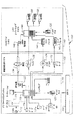
デジタルシネマの潜在的な利点の1つは、画像が格納される方法と、画像がデータから表示される方法に関する。図2を参照するに、スタジオ110からポストプロダクション設備111に動画画像を供給するデジタルシネマ準備及び配給システム100のブロック図を示す。ポストプロダクション設備111では、動画画像をデジタル化し、デジタル化された画像を、伝送システム130を介して、一般的には映画館であるエキシビジョンシステム140に供給する。(ポストプロダクション設備111は、スタジオ110の管理下にあるか、又は、(一般的にそうであるように)全体のシステム100において独立した実体として存在し得る)。ポストプロダクション設備111では、フィルム112に対しデジタルマスタリングが行われる。フィルム112は、フィルム特集、広告、予告編等といった画像コンテンツを含む。データシネシステム114は、フィルムコンテンツをデジタル画像コンテンツに変換し、デジタル画像コンテンツを、一般的に、ディスクアレイ120によりサポートされるレンダリングシステム118に供給し、レンダリングシステム118は、配給及び表示に適した解像度で動画画像データを表示する。レンダリングシステム118は、データテープ、DSテープ、データカム装置といった補助入力装置116からの入力も受け付け得る。マスタリングされた完成デジタルシネマ出力は、データストリームとして伝送システム130に供給される。伝送システム130は、ポストプロダクション設備111の機器に接続される送信器122と通信する衛星138を利用し得る。他の代替の伝送媒体は、ファイバーケーブル接続136、又は、例えば、DVD又は光学ディスクといった光学媒体134或いはデータテープといった磁気媒体132を用いた伝送を含む。エキシビジョンシステム140では、マスタリングされたデジタル画像データが、例えば、受信器148、光学媒体読取り器144、磁気媒体読取り器142において、又は、データ又は光ファイバケーブル接続136を介して受信される。シネマオペレーティングシステム146は、一般的に、ディスクアレイ120によりサポートされ、デジタル入力データを受信し、入力データストリームを表示のために処理し、このデータを、1つ以上のデジタルプロジェクタ150による画像形成及び投影のために供給する。
One of the potential advantages of digital cinema relates to the way images are stored and the way images are displayed from data. Referring to FIG. 2, a block diagram of a digital cinema preparation and
デジタル画像処理において画像を重ね合わせるために多くの方法が開発されている。例えば、特許文献5(ムーライ(Murray))は、インターネットを介して供給されるデジタルデータストリームとしてのグラフィカルコンテンツの配達に用いる重ね合わせ技術を開示する。特許文献6(ガリオネ(Gaglione)外)及び特許文献7(カワナミ外)は、異なる解像度を有し得る画像を含む様々なタイプの画像を合成する技術を開示する。テレビ放送では、2次元ブルースクリーン方法が広く用いられて、1つの動く画像を別の画像の上に重ねることを可能にしている。天気予報は、この方法が用いられる最良の既知の例である。気象学者が、動的に変化する地図の前にいるかのように見えるが、実際は、気象学者は、ブルースクリーンの前に立っていて、天気地図は別のカメラを用いて記録され、遮られていない青の画素に重ね合わされている。 Many methods have been developed for superimposing images in digital image processing. For example, U.S. Pat. No. 5,074,859 (Murray) discloses a superposition technique for use in delivering graphical content as a digital data stream supplied over the Internet. U.S. Pat. Nos. 6,059,026 (Gallione et al.) And U.S. Pat. No. 6,028,026 (Kawanami et al.) Disclose techniques for synthesizing various types of images, including images that may have different resolutions. In television broadcasting, the two-dimensional blue screen method is widely used to allow one moving image to be overlaid on another image. Weather forecast is the best known example where this method is used. It looks as if the meteorologist is in front of a dynamically changing map, but in reality, the meteorologist is standing in front of a blue screen, and the weather map is recorded using another camera and is obstructed. There are no blue pixels superimposed.
より高度な3次元方法及び技術が、テレビジョンで流すためのビデオデータストリームに広告及び宣伝コンテンツを入れるために開発され且つ用いられている。馴染みのある例としては、テレビ放送されるスポーツイベントの背景広告に見受けられる。例えば、野球で、ピッチャーのマウンドからのテレビ放送される眺めは、バッターの背後に広告掲示板を映し出す。この広告掲示板は、放送スタジオで付加される。実際には、ピッチャーは、バッターの背後には暗い壁しか見ず、というのは、明るい白の広告掲示板は、ピッチャーの集中力をそぐからである。このようなタイプの広告材料を組み込む高度な技術は、電子的に追加された広告が、TVの視聴者に対し自然な見た目があるよう開発され、正しい遠近感と好適な輝度、色調、及び他の属性を有する。例えば、特許文献8(ロッサー(Rosser)外)は、テレビ放送されるビデオシーケンスへのロゴの挿入を開示する。特許文献9(ルーケット(Luquet)外)は、広告又は他の材料に置き換えるために連続するビデオフレームにおけるターゲット領域を識別する方法を開示し、この方法は、カメラの焦点距離及び仰角及び方位角における変化に適応する方法と、そのターゲット領域の一部をオブジェクトが遮ることを可能にする方法を含む。特許文献10(デシュパンデ(Deshpande)外)は、広告の挿入のために、ビデオ表示に仮想の代替の表示領域を与える方法を開示する。特許文献11(クレイトマン(Kreitman)外)は、ビデオ画像を合成するための画像変換方法を開示する。特許文献12(ウィリアムズ(Williams)外)は、オーディオエンハンスメントと共に画像挿入する方法を開示する。 More sophisticated three-dimensional methods and techniques have been developed and used to include advertising and promotional content in video data streams for television streaming. A familiar example is found in background advertisements for televised sporting events. For example, in baseball, a televised view from a pitcher's mound projects an advertising billboard behind the batter. This advertising bulletin board is added at the broadcasting studio. In practice, the pitcher only sees a dark wall behind the batter, because a bright white billboard distracts the pitcher. The advanced technology incorporating this type of advertising material is that electronically added advertisements are developed to have a natural look to TV viewers, with correct perspective and favorable brightness, color, and other Has the attribute of For example, U.S. Pat. No. 6,037,098 (Rosser et al.) Discloses the insertion of a logo into a television broadcasted video sequence. U.S. Patent No. 6,077,045 (Luquet et al.) Discloses a method for identifying a target area in a continuous video frame for replacement with an advertisement or other material, the method including a camera focal length and elevation and azimuth angle. Methods include adapting to changes and allowing the object to block a portion of its target area. U.S. Patent Application Publication No. US 2005/0128260 A1 (Deshpande et al.) Discloses a method of providing a virtual alternative display area on a video display for insertion of an advertisement. U.S. Pat. No. 6,074,839 (Kreitman et al.) Discloses an image conversion method for synthesizing video images. U.S. Patent Application Publication No. US 2005/0128260 A1 (Williams et al.) Discloses a method for image insertion with audio enhancement.
特許文献13(コホー(Khoo)外)は、テレビの視聴者に向けて放送されるデジタルデータストリームに製品を配置する及び広告表示するための方法及びシステムを開示する。特許文献13の開示内容に記載されるスキームでは、放送スタジオは、埋め込まれた広告を、個々の視聴者について得られた個々の人口統計学的データに基づいて放送動画に代入する能力を有する。代替の画像コンテンツを供給するために、画像処理装置は、編集可能な領域を識別し、典型的には、個々の視聴者の人口統計学的データに基づいて1つの製品を別の製品に代えることによってその領域に拡大縮小された広告画像を与える。特許文献9の開示内容に記載される作業は、従って、スタジオで行われ、それぞれ特定の視聴者の人口統計学的プロファイルに的を絞った複数の異なる動画表示の作成か、又は、人口統計学的測定基準に基づいて、各個人化される動画表示の「進行中(on the fly)」の作成のいずれかを可能にする。特許文献13の開示内容の方法は、代替の広告コンテンツを供給するのに用いることができるが、この特徴の有用性及び潜在的な有効性を制限する欠点がある。1つの不利点は、この方法を用いるときの放送スタジオにより行われる管理レベルに関するものである。地元又は地域のための変更が、広告のために置換可能なシーンコンテンツを利用する選択肢はない。更に、スタジオのみで行われるシーンコンテンツの代入の能力を有する特許文献13の開示内容の方法は、広告者が、代替のシーンコンテンツの価値を適切に評価することができるようになる測定基準を提供しない。例えば、追跡シーンにおいて広告掲示板がちらりと見えることは、広告者にとって、会話だけからなるシーンの背景に映される製品表示を有するよりも価値が下である。特許文献13の開示内容に記載される方法の別の欠点は、シーンの視覚的特性、シーンの全体の「ルック・アンド・フィール」に関するものである。任意の代替のシーンコンテンツは、カメラの視覚、輝度、焦点といったシーンの多数の視覚的特性に合うよう条件付けられなければならない。代替のシーンコンテンツは、シーンの背景又は前景にあることが可能であり、理想的な焦点条件で与えられた場合には現実的には見えない場合がある。従って、コンテンツの厳しい管理と、広告者及び代替のコンテンツをシーン自体に組み込む者にとって置換可能なコンテンツに関する情報の制限された利用可能性と、スタジオ環境以外での使用の制限された柔軟性により、特許文献13の開示内容に提供される解決策は、地元又は地域レベルでの代替のシーンコンテンツの挿入を可能にすること、又は、代替のシーンコンテンツがシーンの視覚的特性に審美的に合うことを可能にすることにあまり適していない。 U.S. Patent No. 6,077,045 (Khoo et al.) Discloses a method and system for placing and advertising products in a digital data stream that is broadcast to television viewers. In the scheme described in the disclosure of U.S. Pat. No. 6,037,045, a broadcast studio has the ability to substitute embedded advertisements into broadcast videos based on individual demographic data obtained for individual viewers. To provide alternative image content, the image processing device identifies editable regions and typically substitutes one product for another based on demographic data of individual viewers. Thus, a scaled-down advertisement image is given to the area. The work described in the disclosure of U.S. Pat. No. 6,037,045 is therefore performed in a studio, either creating a plurality of different animated displays, each focused on a particular viewer's demographic profile, or Allows for either "on the fly" creation of each personalized video display based on statistical metrics. The method disclosed in US Pat. No. 6,037,045 can be used to serve alternative advertising content, but has the disadvantage of limiting the usefulness and potential effectiveness of this feature. One disadvantage relates to the level of management performed by the broadcast studio when using this method. There is no option to make use of scene content where changes for local or regional use can be replaced for advertising. Further, the method of the disclosure of U.S. Patent No. 6,038,067, which has the ability to substitute scene content only in the studio, provides a metric that allows the advertiser to properly value the value of the alternative scene content. do not do. For example, a glimpse of a billboard in a tracking scene is less valuable to an advertiser than having a product display in the background of a scene consisting solely of conversation. Another shortcoming of the method described in the disclosure of US Pat. No. 6,077,073 relates to the visual characteristics of the scene, the overall "look and feel" of the scene. Any alternative scene content must be conditioned to match a number of visual characteristics of the scene, such as camera vision, brightness, and focus. Alternate scene content may be in the background or foreground of the scene and may not be realistic when given an ideal focus condition. Thus, due to the tight management of content, the limited availability of information about replaceable content for advertisers and those who incorporate alternative content into the scene itself, and the limited flexibility of use outside of a studio environment, The solution provided in the disclosure of US Pat. No. 6,037,045 allows for the insertion of alternative scene content at the local or regional level, or the alternative scene content aesthetically matches the visual characteristics of the scene. Not very suitable for allowing.
従って、観客測定基準に応じて連続画像フレームの一部にコンテンツを追加するために動画画像を変更する技術的なツールは存在するが、このような種類の画像操作は、現在、発信元のテレビスタジオ又は放送設備のみにおいて行われている。これらの技術を用いての動画画像の地域的な変更の手段は与えられていない。その結果、劇場は、画像コンテンツを挿入することによる地元及び地域的な広告から宣伝機会を利用することができない。広告者は、置換可能なシーンコンテンツの潜在的な効果性を評価するために制限された情報しか得ることができない。劇場は、例えば、観客の構成員の画像を追加するといったように、映画を良く見に行く人の経験の喜びを高めるための広告以外の種類のコンテンツを追加することもできない。 Thus, while there are technical tools that modify video images to add content to a portion of a sequence of image frames in response to audience metrics, such types of image manipulation are currently available on the originating television Performed only in studios or broadcast facilities. No means is provided for regional modification of moving image using these techniques. As a result, theaters cannot take advantage of promotional opportunities from local and regional advertising by inserting image content. Advertisers can only get limited information to evaluate the potential effectiveness of replaceable scene content. Theaters also cannot add other types of content other than advertising to enhance the enjoyment of the moviegoer's experience, such as adding images of audience members.
フィルム内の広告及び宣伝コンテンツに加えて、広告を含み、上映の間に表示される宣伝用「予告編」もあり得る。従来のフィルムに基づいたモデルでは、このような予告編は、劇場において、スタジオ又は配給会社から与えられる指示に基づいて、動画フィルム内に挿入される。動画環境に用いられる他の画像コンテンツには、上映の間に表示されるスライドショー広告が含まれる。従来の慣習では、同じ広告又は宣伝表現が、観客の人口統計に関係なくフィルムが上映されるたびに登場する。視聴する観客の構成に合うよう予告編又はスライドショー材料を変えることができることに、価値があることを理解することができるであろう。 In addition to the advertising and promotional content in the film, there may also be promotional "trailers" that contain the advertising and are displayed during the show. In a conventional film-based model, such trailers are inserted in motion picture film at the theater based on instructions given by the studio or distributor. Other image content used in the moving image environment includes slide show advertisements that are displayed during the show. In conventional practice, the same advertisement or promotional expression appears each time a film is played, regardless of the demographics of the audience. It will be appreciated that the ability to change the trailer or slideshow material to suit the composition of the viewing audience is valuable.
従来の動画環境では、一部の宣伝及び広告の収益は、映画内に製品又は企業シンボルを表示すること、又は、上映の間に広告予告編を表示することによって得られている。しかし、フィルムの地域の映画上映者への利益という選択肢はない。プロダクトプレイスメント又は他の広告からの任意の収益を含む表示コンテンツは、スタジオ及び配給会社により管理される。対照的に、テレビ放送では、特定の広告時間枠が、コマーシャルの地域局販売に割当てられている。しかし、動画表現は、コマーシャルによって中断されず、現在のところ、フィルムコンテンツ又は予告編のための任意の宣伝収益への地域参加の選択肢はない。 In a traditional video environment, some advertising and advertising revenue is derived from displaying a product or company symbol in a movie, or displaying an advertisement trailer during a show. However, there is no option to benefit the film's local movie screeners. Display content, including any revenue from product placements or other advertising, is managed by studios and distributors. In contrast, in television broadcasts, certain advertising time frames are allocated to regional office sales of commercials. However, the animated representation is not interrupted by commercials and there is currently no option of local participation in any promotional revenue for film content or trailers.
広告は、所望の人口統計学的プロファイルに応じて厳密にターゲットが絞られると最も効果的であるのは広く認識されている。同じ製品であっても、異なる視聴観客に向けてしばしば異なるように広告される。従って、例えば、全く同一の朝食用シリアルも、健康的で、繊維が多く、低脂肪で、栄養価が高いことに関心のある観客には、そのシリアルが健康的で、繊維が多く、低脂肪で、栄養価が高いということを宣伝し、それ以外の観客には、そのシリアルが、楽しく、色鮮やかで、甘く、愉快にサクサクしていることを宣伝し得る。テレビ広告では、視聴観客の人口統計学的プロファイルは、関連の番組のコンテンツと視聴者調査から入手した統計データの妥当性とについての前提から推論される。このような人口統計学的な予測は、多少、誤差はあるものの、プロファイルされた大衆の視聴観客に対して広告時間枠のスケジュール決め及び購入を決めるために利用される。しかし、観客が実際に座席に座る劇場環境では、人口統計データは、より一層信頼度が高い。同じ動画を、一日のうちの時間又は他の因子に依存して、非常に様々な人口統計グループに対し上映することができる。広告者にとっては、このように簡単にプロファイルを作ることのできる観客にコマーシャルメッセージの的を絞ることができる可能性は、かなりの価値があり、特に、動画を見る観客は、一般的に、広告者が家庭における観客に対して対処しなければならない干渉のレベルと同じレベルを有さないから価値がある。 It is widely recognized that advertisements are most effective when they are tightly targeted according to the desired demographic profile. The same product is often advertised differently to different audiences. Thus, for example, an identical breakfast cereal may be healthy, high in fiber, low in fat, and interested in nutritious audiences. So, you can advertise that the cereal is nutritious, and to the rest of the audience that the cereal is fun, colorful, sweet and crisp. In television advertising, the demographic profile of the audience is inferred from assumptions about the content of the relevant program and the validity of the statistical data obtained from audience surveys. Such demographic projections are used to schedule and purchase advertising time frames for the profiled public audience, albeit with some error. However, in a theater environment where the audience actually sits, demographic data is even more reliable. The same video can be shown to a wide variety of demographic groups, depending on the time of day or other factors. For advertisers, the ability to target a commercial message to an audience that can be easily profiled is of considerable value, especially when watching a video, Is valuable because they do not have the same level of interference that people have to deal with the audience at home.
従って、劇場運営者は、広告、宣伝、及び、娯楽の向上のために、動画及び関連の表示コンテンツに特定のコンテンツを追加する又は変更する可能性を有することによって利益を得ることができる。ことのことは特に、この変更が、視聴観客から入手した人口統計情報に基づく場合に有利である。観客測定基準に基づいた宣伝コンテンツのために利用可能な空間のローカルでの利用は、従来のフィルムに基づいた表示技術では利用可能ではなかったやり方で広告による収益を得る機会を映画上映者が利用することを可能にする。
本発明は、上述した1つ以上の問題を解決することを目的とする。 The present invention is directed to overcoming one or more of the problems set forth above.
要約するに、本発明の1つの面によると、本発明は、複数のオリジナルシーンシーケンスと、更に、1つ以上のオリジナルシーンシーケンス内に選択可能なシーンコンテンツを有するデジタルデータストリームとして受信する動画を表示する方法にある。本発明の方法は、(a)動画の上映時に、複数の観客構成員について観客に関するデータを入手する段階と、(b)動画におけるオリジナルシーンシーケンスの1つについてのシーンコンテンツの代替のシーケンス用のデジタル画像データを受信する段階と、(c)観客に関するデータに依存して、上映時にオリジナルシーンシーケンスの1つについてのデジタルデータストリームに、シーンコンテンツの代替のシーケンスを代入し、それにより、観客に関するデータに応じて、表示のために選択可能なシーンコンテンツを変更する段階と、(d)シーンコンテンツの代替のシーケンスを表示するための費用を得る段階とを含む。 In summary, in accordance with one aspect of the present invention, the present invention provides a method for receiving a plurality of original scene sequences and a moving image received as a digital data stream having selectable scene content in one or more of the original scene sequences. How to display. The method of the present invention comprises the steps of: (a) obtaining audience-related data for a plurality of spectator members at the time of movie presentation; and (b) an alternative sequence of scene content for one of the original scene sequences in the movie. Receiving the digital image data; and (c) substituting an alternative sequence of scene content into the digital data stream for one of the original scene sequences during the show, depending on the data about the audience, thereby relating to the audience. Modifying the selectable scene content for display in response to the data; and (d) obtaining a cost for displaying an alternative sequence of scene content.
本発明の別の面によると、本発明は、観客に対しての表示のためのデジタル動画表現内に、広告者の宣伝コンテンツを組み込む方法にある。この面による方法は、(a)少なくとも1つの変更可能なシーンシーケンス、第1のシーンコンテンツの代替のシーケンス、及び、第2のシーンコンテンツの代替のシーケンスを含み、第1又は第2のシーンコンテンツの代替のシーケンスが変更可能なシーンシーケンスの一部として挿入される動画デジタルデータストリームを受信する段階と、(b)デジタル動画の上映時に、観客に関するデータを入手する段階と、(c)少なくとも1つの変更可能なシーンシーケンスにおいて、第1のシーンコンテンツの代替のシーケンスか又は第2のシーンコンテンツの代替のシーケンスを表示するための費用を、広告者から入手する段階と、(d)第1のシーンコンテンツの代替のシーケンスか又は第2のシーンコンテンツの代替のシーケンスを、少なくとも1つの変更可能なシーンシーケンスにおいて動画デジタルデータストリーム中に挿入し、第1又は第2のシーンコンテンツの代替のコンテンツの選択は、観客について入手したデータに基づく段階とを含む。 According to another aspect of the invention, the invention resides in a method of incorporating an advertiser's promotional content into a digital animated representation for display to an audience. The method according to this aspect comprises: (a) at least one changeable scene sequence, an alternative sequence of first scene content, and an alternative sequence of second scene content, wherein the first or second scene content is Receiving a video digital data stream in which the alternative sequence is inserted as part of a modifiable scene sequence; (b) obtaining data about the audience when the digital video is shown; and (c) at least one of: Obtaining, from an advertiser, a cost for displaying an alternative sequence of the first scene content or an alternative sequence of the second scene content in one of the changeable scene sequences; An alternative sequence of scene content or an alternative sequence of second scene content, Without even inserted in one modifiable scene sequence during video digital data stream, the selection of alternative content of the first or second scene content includes the steps based on the data obtained for the audience.
本発明の更なる面によると、本発明は、観客に対しての表示のためのデジタル動画内に、広告者の宣伝コンテンツを組み込む方法にある。この面による方法は、(a)デジタル動画データストリーム内の少なくとも1つの変更可能な宣伝シーンシーケンスを識別する段階と、(b)デジタル動画の上映時における表示のために少なくとも1つの変更可能な宣伝シーンシーケンスを購入するために、広告者から費用を入手する段階と、(c)少なくとも1つの変更可能な宣伝シーンシーケンと、少なくとも1つのシーンコンテンツの変更可能なシーケンスを含む動画デジタルデータストリームを受信する段階と、(d)デジタル動画の上映時に観客に関するデータを入手する段階と、(e)少なくとも1つのシーンコンテンツの代替のシーケンスを、観客に関するデータに基づいて、表示のために動画デジタルデータストリーム内に挿入する段階とを含む。 According to a further aspect of the invention, the invention resides in a method of incorporating an advertiser's promotional content into a digital video for display to an audience. The method according to this aspect comprises: (a) identifying at least one changeable promotion scene sequence in the digital video data stream; and (b) at least one changeable promotion for display upon presentation of the digital video. Obtaining costs from an advertiser to purchase a scene sequence; and (c) receiving a video digital data stream including at least one changeable promotional scene sequence and at least one changeable sequence of scene content. (D) obtaining data about the audience at the time of showing the digital video, and (e) displaying an alternative sequence of at least one scene content for display based on the data about the audience. Inserting into the inside.
本発明の特徴は、1つ以上の上映について、デジタル動画表現の特定のシーン内のシーンコンテンツを変更する機会にある。 A feature of the present invention is the opportunity to change scene content within a particular scene of a digital motion picture representation for one or more presentations.
本発明は、動画表現内の宣伝材料を、視聴する観客の人口統計及び嗜好に対し、ある程度適応させることを可能にすることが利点である。 The present invention has the advantage that it allows the advertising material in the animation representation to be adapted to some extent to the demographics and preferences of the viewing audience.
本発明は、劇場所有者が、動画フィルムを表示する際の画像コンテンツの宣伝機会から利益を得ることを可能にすることが利点である。以前は、スタジオのみが、宣伝コンテンツの利用を管理し、宣伝コンテンツに対する支払いを受けていた。画像コンテンツに加えて、関連付けられるオーディオコンテンツも、挿入される画像コンテンツに付随するよう与えられ得る。 The present invention has the advantage of enabling theater owners to benefit from the opportunity to promote image content when displaying motion picture film. Previously, only studios controlled the use of advertising content and received payment for advertising content. In addition to image content, associated audio content may also be provided to accompany the inserted image content.
本発明は更に、ローカルの劇場所有者又は他の映画上映者が、人々の画像を表示されるフィルムの選択された部分に動的に加えることを可能にし、それにより、一部の種類の観客により楽しさと参加している感じを与え、また、ローカルの広告者に自社のメッセージを提示する機会を与えることが利点である。 The present invention further allows local theater owners or other movie screeners to dynamically add images of people to selected portions of the displayed film, thereby providing some types of audience It is an advantage to give more fun and a sense of participation and to give local advertisers the opportunity to present their message.
本発明の上述した及び他の目的、特徴、及び、利点は、本発明の例示的な実施例を図示し且つ説明する図面を参照しながら、以下の詳細な説明を読むことにより当業者により明らかとなろう。 The above and other objects, features and advantages of the present invention will become apparent to those skilled in the art from a reading of the following detailed description, with reference to the drawings, which illustrate and describe example embodiments of the invention. Let's be.
本願の説明は、本発明の装置の一部を形成する、又は、本発明の装置とより直接的に協働する構成要素に特に関連する。尚、具体的に図示しない、又は、説明しない構成要素は、当業者には周知である様々な形態を取り得ることを理解するものとする。 The description of the present application is particularly relevant to components forming part of, or cooperating more directly with, the devices of the present invention. It is to be understood that components not specifically shown or described may take various forms well known to those skilled in the art.
本発明の好適な実施例は、例えば、年齢及び性別といった人口統計学的因子を用いることに主に向けられるが、他の種類の観客測定基準も、動画中のシーンコンテンツを左右するよう用いることも可能である。関連する観客測定基準には、例えば、入場者数、測定された又は知覚された行動反応、雑音レベル、報告される又は知覚される好き嫌いに関する情報、又は、飲料、ポップコーン、及び他のアイテムの購入行動が含まれ得る。更に、上映の予定又は同時上映のタイミングにより予想される往来のパターンや他の因子も、以下に説明するように動画コンテンツを左右するよう用いられる観客測定基準の種類として広く考えられ得る。 Although the preferred embodiment of the present invention is primarily directed to using demographic factors such as age and gender, other types of audience metrics may also be used to influence the scene content in the video. Is also possible. Relevant audience metrics include, for example, the number of visitors, measured or perceived behavioral responses, noise levels, information about likes or dislikes reported or perceived, or the purchase of beverages, popcorn, and other items Actions can be included. In addition, traffic patterns and other factors expected due to the scheduled or simultaneous timing of the screening can also be widely considered as types of audience metrics used to influence the video content, as described below.
観客測定基準を入手する
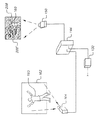
視聴観客に関する人口統計学的且つ他の関連のデータは、多数の方法で入手することができる。図5を参照するに、観客構成員80についての人口統計学的且つ出席データを収集し且つデータに応答するよう構成されるエキシビジョンシステム140の構成要素を示す。人口統計データ入力点70において、従業員72が、観客構成員80に関する情報を、例えば、チケットを販売するときや入場時に引き渡したときに、コンソール74に入力する。データベース76内に観客測定基準は格納され、シネマオペレーティングシステム146に対し利用可能にする。シネマオペレーティングシステム146は、上述の背景セクションにて説明した伝送システム130からデジタルシネマデータ82も受信する。人口統計データ及び他の観客測定基準に基づいて、シネマオペレーティングシステム146は、プロジェクタ150による表示用にデジタルシネマコンテンツを適応させる。
Obtaining Audience Metrics Demographic and other relevant data about the viewing audience can be obtained in a number of ways. Referring to FIG. 5, components of an
人口統計データは、一般的に、観客構成員80の年齢及び性別に関する情報を含み、追加の情報を含むことが可能である。人口統計データを入手するために多数の代替の方法を用いることができる。劇場の従業員72が、手動又は自動化された方法を用いて、このデータを収集し且つ報告することができる。パターン認識ソフトウェアと共に電子カメラ84を用いて、それにより、例えば、入場すると又は着席したときに、各観客構成員80に関する情報を入手することができる。観客構成員80自身に、チケット販売時に、入場時に、又は着座時に、携帯端末上に、人口統計学的又は嗜好に関する情報を入力するよう求める場合もある。
Demographic data generally includes information regarding the age and gender of the
観客の人口統計学データ又は他の観客の測定基準データが入手される方法に関係なく、このデータは、シーンコンテンツの代替のシーケンスを選択し且つ適応させる基盤として用いることが可能である。適応されるシーンコンテンツのシーケンスは、以下に説明するように、フレーム内の画像コンテンツであっても、完全なフレームシーケンスであってもよい。 Regardless of how the audience demographic data or other audience metric data is obtained, this data can be used as a basis for selecting and adapting alternative sequences of scene content. The sequence of scene content to be adapted may be the image content in a frame or a complete frame sequence, as described below.
フレーム内の部分シーンコンテンツを修正する
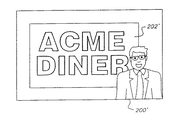
図3a、3b、3c、及び3dを参照するに、1つの画像フレーム200に対し、可変コンテンツ表示領域204を画成し且つ操作するために本発明がどのように動作するのかを説明する例示的なシーケンスを示す。一連の映画画像フレーム200にて、このシーケンスは、図3aの最初に撮影されたシーンから始まる。最初に撮影されたシーンには、置換可能な画像エレメント202がある。1つの好適な実施例では、置換可能な画像エレメント202は、例えば、広告掲示板、バス又は他の車両上のプラカード、お店の窓にある又は窓の上にある看板、電話ボックスのロゴ、又は、シーンコンテンツの背景に映る一部の他の識別可能なエレメントといった何らかの広告の形式を含む。図3bに示すように、可変コンテンツ表示領域204は、境界座標を与える複数の頂点206により画成される形状及び寸法を有する。可変コンテンツ表示領域204の形状、寸法、及び配置を含む情報が与えられるに、代替のコンテンツ208を、図3cの例に示すように、用意することができる。次に、代替のコンテンツ208は、可変コンテンツ表示領域204の形状及び他の特性に適応されて、修正された画像フレーム200’に代替の置換可能な画像コンテンツ202’を供給する。
Referring to FIGS. 3a, 3b, 3c, and 3d, which modify the partial scene content within a frame, see how the present invention defines and manipulates a variable
図3dに示すように代替の置換可能な画像コンテンツ202’を代入する可能性は、デジタル撮像の本質に関わり、この本質により、画像フレーム200は、画素の2次元マトリクスとして表現される。このことは、デジタル撮像技術において、当業者には周知である。各画素は、画素がどのように表示されるのかを決定する1つ以上の対応するデータ値を有する。図2を再び参照するに、図3dの修正された画像フレーム200’を投影するために、代替の置換可能な画像コンテンツ202’のデジタル画素データは、デジタルプロジェクタ150に供給されるデジタルデータストリーム内に挿入される。尚、フレーム200中の可変コンテンツ表示領域204の境界線上又は境界線の付近にある画素は、最初に撮影されたコンテンツと代替のコンテンツ208との視覚的な変化を改善するよう調整され得る。このような調整は、例えば、ぼかし、又は、フェザリングで有り得、最初に撮影された画素と、代替のコンテンツを含む画素との変化に適用される。必ずしも必要ではないが、このことは、可変コンテンツ表示領域に隣接するが可変コンテンツ表示領域内ではない画素を修正することにより行われることが好適である。
The possibility of substituting alternative replaceable image content 202 'as shown in Fig. 3d concerns the nature of digital imaging, whereby the
可変コンテンツ表示領域204用のメタデータ
図2と、図3a−3dのシーケンスを共に再び参照するに、本発明は、エキシビジョンシステム140において、ポストプロダクション設備111から伝送されるデジタルデータとして派生する画像フレーム200を修正する方法を提供する。
Referring again to both the metadata of FIG. 2 and the sequences of FIGS. 3 a-3 d for the variable
画像フレーム200の修正を可能にするために、スタジオ110は、デジタル画像データストリームと共に十分なメタデータを供給しなければならない。必要最小限として、このメタデータは、どのフレーム200が置換可能な画像コンテンツ202を有するかに関する情報、各フレーム200内の可変コンテンツ表示領域204の形状、寸法、及び、配置に関する情報を含んでいなければならない。少なくとも、このタイプのデータは、画像フレーム200のどの画素が対応する画像データストリームにおいて置換可能であるかを識別する「生の」情報を与える。或いは、変更可能な領域を特定するマスク又は選択チャンネルが供給される場合もある。しかし、視覚技術における当業者には明らかであるように、可変コンテンツ表示領域204自体の場所を識別するだけでは、置換可能な画像コンテンツ202’の信用できる、視覚的に適した代入のための十分な情報を与えない。つまり、カメラアングル、焦点距離、輝度条件、画像寸法等のシーンの視覚特性に関する更なる情報が、視覚的に容認可能な修正された画像フレーム200’を供給するよう画像データを好適に調整するためには、考慮されなければならない。焦点情報も、代替の置換可能な画像コンテンツ202’の画像フレーム200の他の構成要素に対しての見た目を決定するのに有用である。更に、寸法的及び視野のファクタデータは共に、少なくとも部分的に、1つの画像フレーム200と次の画像フレームとでは、容易に変更する場合がある。
To enable modification of the
表1を参照するに、様々な画像フレーム200に与えられる幾つかの簡潔且つ単純なメタデータを示し、重要なメタデータフィールドを識別する。重要なメタデータは、以下を含み得る。 Referring to Table 1, some concise and simple metadata provided for various image frames 200 is shown, identifying important metadata fields. Important metadata may include:
(a)フレーム識別番号。上述したように、各フレーム200は、順次割当てられるフレーム番号を有し、このフレーム番号は、動画の第1のフレームから始まる。
(A) Frame identification number. As described above, each
(b)境界座標。境界座標は、図3bに示すように、可変コンテンツ表示領域204の頂点206を、一般的に、画素を単位とし、周知のデカルト座標モデルを用いて識別する。フレーム200内の又はフレーム200のエッジに沿っての一部の点が、一般的に、ホーム(オリジン)又は(0,0)場所として割当てられる。
(B) Boundary coordinates. The boundary coordinates, as shown in FIG. 3b, identify the
(c)カメラ焦点設定及びカメラ角度データ。これらのパラメータは、適切な視角と遠近感が得られるよう代替のコンテンツ208を調整するために必要である。代替のコンテンツ208を得るときに適切な視角を与えることができない場合、このことは、画像データ変換を用いることによりしばしば補正することができる。米国特許第6,075,542号の「A Method of Combining Two Digital Images」(フレッドルンド(Fredlund)外)に教示されるように、例えば、広告掲示板といった挿入された矩形の変更を特定する情報が含まれ、それにより、最終的な見た目が、カメラによって表されるような遠近感に合うようにされる。米国特許第6,075,542号は、本願に参考として組み込まれる。
(C) Camera focus setting and camera angle data. These parameters are needed to adjust the
(d)輝度及びコントラストデータ。このデータは、全体のシーンの照明条件に関する情報を含み、これは、自然な見た目を有するよう画像フレーム200に当てはめるよう代替のコンテンツ208を適応するのに必要である。動画の作成者は、輝度、コントラスト、彩度、又は、他の画像パラメータに対し制限を特定し、挿入された画素に自然な見た目を与えることを支援し得る。
(D) Luminance and contrast data. This data includes information about the lighting conditions of the entire scene, which is necessary to adapt the
(e)必要に応じて他の記述情報。例えば、シーンの環境条件が、反射、雨、雪、又は、霧を含む場合、複雑性は増す。フレーム200における可変コンテンツ表示領域204の位置により、投影光損失を幾らか補正する必要が有り得る。焦点情報は、画像の先鋭度及び他のパラメータを決定するのに重要で有り得る。
(E) Other descriptive information as needed. For example, complexity is increased if the environmental conditions of the scene include reflection, rain, snow, or fog. Depending on the position of the variable
表1の列挙は、例示的に過ぎず、代替の及び/又は追加のメタデータフィールドを設けて、より正確にシーンの視野条件を決定することができる。メタデータのデータ形式は、例えば、周知のコンマ区切りフィールド(comma separated field)を用いるような単純なオープンデータ形式で有り得る。圧縮、復号化に鍵を必要とするセキュリティアルゴリズム、又は、データ転送のための他の周知のメカニズムを用いるようなより複雑な符号化スキームを用いることも可能である。 The enumeration in Table 1 is merely exemplary, and alternative and / or additional metadata fields can be provided to more accurately determine scene viewing conditions. The data format of the metadata can be, for example, a simple open data format using a well-known comma separated field. It is also possible to use security algorithms that require keys for compression and decryption, or more complex encoding schemes, such as using other well-known mechanisms for data transfer.
各画像フレーム200に関連付けられるメタデータは、非画像化されたメタデータとしてタグ付けされるが画像データストリーム内に供給されて、画像フレーム200のための画像データと共に伝送されるか、又は、画像データストリームに用いられる同じ伝送セッション時に伝送され得る。或いは、このメタデータは、別個の媒体上に、又は、デジタルシネマ画像化データの伝送に付随するファイルとして供給されることも可能である。又は、画像データ自体の伝送とは別個の時間の又は画像データ自体の伝送と同期する、メタデータ転送のための別個のチャネルを設けることも可能である。
The metadata associated with each
実際には、任意の識別される可変コンテンツ表示領域204に対し、置換可能な画像コンテンツ202として用いられるデフォルトコンテンツが、スタジオ110により供給される。従って、エキシビジョンシステム140の運営者は、置換可能な画像コンテンツ202に対し代替の置換可能な画像コンテンツ202’を代入するか、オリジナルの置換可能な画像コンテンツ202を維持するかの選択肢を有する。映画劇場環境において、例えば、このような代入を提供することは、例えば、観客の人口統計に基づいて、適切又は有利である場合と、そうでない場合もあり得る。
In practice, for any identified variable
尚、代替のシーンコンテンツのために供給されるメタデータは、更に、広告者及び潜在的な広告空間を販売する者に対し有用な測定基準も与える。例えば、製品を配置するプロダクトプレイスメント機会のために置換可能な画像コンテンツ202を利用する潜在的な価値を評価するには、広告者は、動画における特定のシーケンスの継続時間、焦点、及び照明条件に関するメタデータに基づいて判断することができる。
It should be noted that the metadata provided for alternative scene content also provides useful metrics to advertisers and potential ad space sellers. For example, to assess the potential value of utilizing
観客測定基準は、代替のコンテンツ208のターゲットをより効果的に絞るために利用することも可能である。観客の人口統計及び他の観客測定基準に基づいて選択される、代替のコンテンツ208として機能し得る候補画像が多数利用可能であり得る。十代前半が大半を占める観客に対しては、例えば、特定の代替のコンテンツ208は、若い観客の関心にターゲットが絞られた広告材料であり得る。成人が大半を占める観客に対しては、このより年上のグループにターゲットが絞られた別の代替のコンテンツ208が用いられ得る。このようにして、人口統計データ及び他の観客測定基準を用いて、任意の1つの上映の間に修正された画像フレーム200’のコンテンツを決定することができる。
Audience metrics can also be used to more effectively target
表1.メタデータの例 Table 1. Example metadata
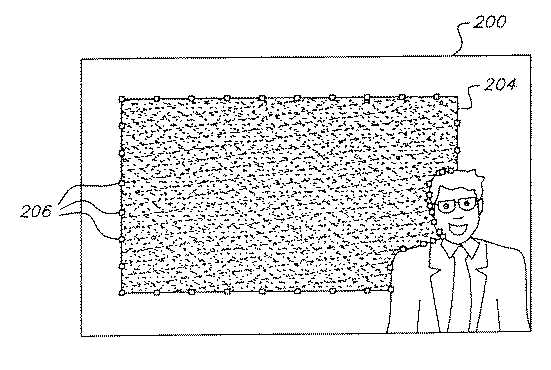
図3aに示す例示的な実施例では、置換可能な画像エレメント202は、背景シーンコンテンツの一部である広告を含む。しかし、最も広いコンテキストでは、置換可能な画像エレメント202は、画像フレーム200の任意の部分を含み得る。本発明の方法を用いるに、任意の背景エレメントが、置換可能な画像エレメント202として識別されることが可能であり、与えられた適切なメタデータと置き換えられることが可能である。前景エレメントや人も加えることができる。
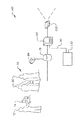
図4を参照するに、画像フレーム200に人又はオブジェクトの画像を加えることを可能にする代替のコンテンツ208を得るための構成要素の配置を示す。ブルースクリーン162の前の被写体160は、デジタルビデオカメラ164により撮影され、このように得られたデジタル画像データは、シネマオペレーティングシステム146に供給される。シネマオペレーティングシステム146は、プログラムされた命令に従い、このデジタル画像データを、上述したように伝送システム130を介して得られたデジタル動画のための画像データと合成する。シネマオペレーティングシステム146は、次に、デジタル画像データストリームをデジタルプロジェクタ150に送信し、修正された画像フレーム200’が表示される。
Referring to FIG. 4, the arrangement of components to obtain an
テレビ放送において周知であるように、クロマキー、又は、「ブルースクリーン」技術は、画像オーバレイに用いられる。周知のクロマキー方法を用いて、気象学者は、あたかもその場にいるように背景マップ又は動くディスプレイを指し示すが、実際には、背景ディスプレイを別個に撮影するスタジオのクルーが、画像を合成し、本物のような見た目を与えるという彼らの仕事をきちんとこなすことを期待しながら、気象学者は、テレビジョンスタジオにおいて、何もないブルーのスクリーンに対しジェスチャーする。 As is well known in television broadcasting, chromakey or "blue screen" technology is used for image overlays. Using well-known chromakey methods, meteorologists point to a background map or a moving display as if they were there, but in fact, a studio crew, who separately shoots the background display, synthesizes the image and creates a real Meteorologists gesture in the television studio against an empty blue screen, hoping to do their job of giving a look like.
図4の構成では、被写体160の画像160’は、動画中に表示されるよう捕捉されることが可能である。クロマキー技術を用いて、画像160’は、画像フレーム200中に代替のコンテンツ208として挿入される。クロマキーを用いて、シネマオペレーティングシステム146は、ブルースクリーン162からの青の画素か、又は、画像160’の一部である画素を検出するか否かを判断し、被写体160の画像160’を動的に隔離して、画像160’を代替のコンテンツ208として供給することが可能となるよう適宜応答する。この効果を用いて、例えば、ショーの前に撮影された観客の構成員が、人ごみのシーンや、様々なタイプのアドベンチャー又はコメディーのシーンといった適切なシーンの動画に「登場」することができる。この目的のために、デジタルビデオカメラ164及びブルースクリーン162は、映画館のロビー、又は、例えば、観客の画像160’を得るために適した他の場所に置くことができる。
In the configuration of FIG. 4, an image 160 'of the subject 160 can be captured for display in a moving image. Using chroma key technology,
図4に示す技術を用いたオブジェクト又は人の動画画像フレーム200への挿入は、図3a乃至3d及び表1を参照して上述した代入例に用いられるメタデータとは異なるメタデータを必要とし得る。例えば、可変コンテンツ表示領域204の幾何学的属性の正確な記述ではなく、背景のより一般的な記述及びスケーリング情報が、共通に譲受された米国特許第5,867,282号(フレッドルンド(Fredlund)外)に開示される技術を用いて供給され得る。この特許は、本願に参照として組み込む。一部のカメラアングル、焦点距離、及び、輝度データも必要となる場合がある。追加のメタデータは、シーンの全体的なタイプ、及び、好適な被写体タイプ(例えば、年齢又は性別による)、姿勢又はジェスチャー、及び、画像160’をシーンに最も好適にはめ込むことを支援する他の情報を示し得る。
Insertion of an object or person into the moving
例えば、上述したように観客の人口統計により示唆される場合、多数の利用可能な代替の置換可能な画像コンテンツ202’シーケンスから1つを選択することが有利であり得る。例えば、広告コンテンツの場合、代替の置換可能な画像コンテンツ202’の第1の特定のシーケンスは、十代前半の視聴者に最も適しており、一方、代替の置換可能な画像コンテンツ202’の第2のシーケンスは、より年齢が上のグループに最も適する場合がある。 For example, it may be advantageous to select one from a number of available alternative replaceable image content 202 'sequences, as indicated by audience demographics as described above. For example, in the case of advertising content, the first particular sequence of alternative replaceable image content 202 'is most suitable for early teenage viewers, while the first particular sequence of alternative replaceable image content 202' The two sequence may be best suited for older groups.
シーンコンテンツの代替のシーケンスの活用
画像フレーム200内の代替のコンテンツを選択するための基盤として機能するだけでなく、観客の測定基準は、1つ以上のフレームシーケンスを選択するための基盤としても機能することが可能であり、各フレームシーケンスは、動画における1つのシーン又は一部の時間的なシーンセグメントを与える一連のフレームのセットである。例えば、特定のシーン又はシーンの一部は、若い人が多い観客に対しては消去又は省略され、或いは、若い観客に対しては延長されて年配の観客には短くされ得る。従来のフィルム表示を用いてでは非常に困難であった劇場において同じシーンの様々なバージョンを容易に代入することのできる可能性は、デジタルシネマ技術を用いて可能となる。
Leveraging Alternative Sequences of Scene Content In addition to serving as the basis for selecting alternative content within the
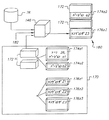
図6のブロック図を参照するに、シネマオペレーティングシステム146が画像表示データストリーム180を、データベース76からの観客人口統計、又は、他の因子に基づいて選択された代替のシーンコンテンツの一部を用いてアセンブルする。この可能性のために、スタジオ110は、多数の画像データストリームを含む複合映画170を供給する。図6の単純化された例では、画像データストリームは以下の通りである。
Referring to the block diagram of FIG. 6,
(a)ベースコンテンツ172。1つの上映と次の上映とで異ならない1つ以上のシーンを含む。
(A)
(b)選択可能なシーン174a1及び174a2。選択可能なシーン174a1又は174a2のうちの1つのみが、表示画像データストリーム180内に含まれる。
(B) Selectable scenes 174a1 and 174a2. Only one of the selectable scenes 174a1 or 174a2 is included in the display
(c)選択可能なエンディング176z1、176z2、及び176z3。選択可能なエンディング176z1、176z2、及び176z3のうちの1つのみが、表示画像データストリーム180内に含まれる。
(C) Selectable endings 176z1, 176z2, and 176z3. Only one of the selectable endings 176z1, 176z2, and 176z3 is included in the display
実際には、完全な動画のオリジナルの画像データストリーム内に与えられる、選択可能なシーン174a1及び174a2のうちの1つは、デフォルトである。同様に、選択可能なエンディング176z1、176z2、及び176z3のうちの1つもデフォルトである。従って、観客測定基準に基づいた判断がなされない場合、デフォルトのオリジナルのシーンが、デジタル画像データストリーム中に使用される。 In practice, one of the selectable scenes 174a1 and 174a2 provided in the original image data stream of the complete motion picture is the default. Similarly, one of the selectable endings 176z1, 176z2, and 176z3 is also the default. Thus, if no decision is made based on audience metrics, a default original scene is used in the digital image data stream.
図6に示す構成では、スタジオ110は、複合映画170の全ての構成要素を供給する。更に、スタジオ110は、各選択可能なシーン174a1及び174a2と、各選択可能なエンディング176z1、176z2、及び176z3を記述する選択可能なシーンメタデータ182も供給する。1つの好適な実施例では、選択可能なシーンメタデータ182は、シーン記述、符号化された人口統計データ、タイミング、及び他の情報を含む表2中の情報を有する。この場合、映画の上映者は、選択可能なシーンメタデータ182を利用して、どのシーンセグメントを表示するのかを、観客測定基準及び他の因子に基づいて決定することができる。シネマオペレーティングシステム146は、観客測定基準及び関連の変数に基づいて決定を行うようプログラムされることが好適である。決定が与えられると、シネマオペレーティングシステム146上の画像処理論理を用いて、選択された材料を画像表示データストリーム180中にはめ込むことができる。
In the configuration shown in FIG. 6, the
図6に示す構成を用いると、映画の上映者は、例えば、観客の人口統計、入場者数、トラフィックロジスティックス、観客行動といった観客測定基準、又は、一日における時間、季節、天候条件、又はポップコーンの在庫レベルといった他の因子に基づいて、同じフィルムについて、多数の異なる画像表示データストリーム180を供給することができる。例えば、繁忙期には、選択可能なエンディング176z3よりも短い選択可能なエンディング176z1を上映することが有利である。更に、画像表示データストリーム180は、上映の前、又は、上映の間に行われた決定に基づいて、動的にアセンブルされ得ることに注意しなければならない。人口統計データベース76が遠隔からアクセス可能である場合、画像表示データストリーム180は、例えば、スタジオ110によって又はフィルム配給会社によって遠隔サーバにおいてアセンブルされることも可能である。
Using the configuration shown in FIG. 6, movie screeners can be viewed as audience metrics, such as audience demographics, attendance, traffic logistics, audience behavior, or time of day, season, weather conditions, or popcorn. Many different image display data streams 180 can be provided for the same film, based on other factors such as the stock level of the image. For example, during busy periods, it may be advantageous to show a selectable ending 176z1 that is shorter than the selectable ending 176z3. Further, it should be noted that the image
選択可能なシーン174a1、174a2、又は、選択可能なエンディング176z1、176z2、及び176z3を指定するために用いた同じアプローチを、画像表示データストリーム180の一部として広告又は宣伝予告編又はスライドショーコンテンツを指定するのに用いることも可能である。つまり、選択可能なコンテンツは、フィルム自体の一部、又は、広告予告編といった一部の他の構成要素であることが可能である。
The same approach used to specify selectable scenes 174a1, 174a2, or selectable endings 176z1, 176z2, and 176z3, specifies an advertisement or trailer or slideshow content as part of the image
表2 シーンメタデータ182の例
Table 2 Example of
明らかなように、本発明の方法は、劇場所有者及び他の動画上映者に利益を上げる機会を提供する。従来は、スタジオ110のみの領分であった現在上映される映画中の広告空間の販売は、今度は、動画上映者に有益となることが可能である。この新しい可能性を活用するために、動画フィルムは、コンテンツトラッキングリストが与えられ、このリストは、フィルムにおいて代替のコンテンツ208を用いることのできる場所についての情報を含む。例として、表3は、少数の予想される情報フィールドを有するコンテンツトラッキングリストを示す。
シーケンスIDは、フィルムにおけるシーンのシーケンスを示す。他の情報は、どのようなタイプの広告又は宣伝空間が利用可能であるかに関するアイデアを与え、利用可能な継続時間を示し、その空間に対する潜在的な又は実際のクライアントを列挙し、時間単位当たりの利用可能な空間の費用を示した十分なデータを供給する。この情報が与えられると、劇場所有者、又は、地域の映画上映者は、地元のクライアントを勧誘して、彼らに、フィルム中の1つ以上のセグメントに対し代替のコンテンツ208を供給する機会を提示する。代替のコンテンツ208の撮影は、一般的に、(表3の例にあるように)適用可能なシーンシーケンス情報と、(表1の例にあるように)メタデータが与えられて、外部の代理人により供給され得る。
The sequence ID indicates a sequence of a scene on the film. Other information gives ideas on what type of advertising or advertising space is available, indicates the duration available, enumerates potential or actual clients for that space, Supply sufficient data indicating the cost of available space. Given this information, theater owners or local movie screeners have the opportunity to recruit local clients to provide them with
表3.コンテンツトラッキング例 Table 3. Content tracking example
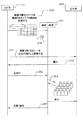
図7のフローシーケンスを続けるに、詳述段階252において、上映者240は、メタデータ情報を広告者260に供給する。次に、広告者260は、宣伝用の画像コンテンツの準備が整う。コンテンツ供給段階254において、広告者260は、デジタル動画画像データストリームに用いるために好適に準備が整えられたコンテンツを供給する。次に、上映者240が、代替のコンテンツ208としてフレーム200内に入れられるか、又は、以下に説明するように、代替シーンコンテンツのためのフレームの完全なシーケンスとして入れられるかに関わらず、代入コンテンツを組み込む。
Continuing with the flow sequence of FIG. 7, in a detailed step 252, the
図7のトランザクションシーケンスは、本発明の範囲内における任意の数の修正を許可する。例えば、スタジオ110は、単純にメタデータと、任意の必要な復号化情報を、動画フィルムの販売、リース、又は配給の一部として供給し得る。又は、映画上映者240は、任意のローカルで販売される宣伝コンテンツの表示のために使用料を支払うことが必要な場合がある。スタジオ110は、デジタル動画コンテンツ、メタデータ、有効化復号化コード、及び、任意の他のデータを、ネットワーク化されたサーバから、又は、例えば、光学ディスク又は磁気テープ媒体といった任意の他の好適なデータ運搬媒体を用いて供給し得る。
The transaction sequence of FIG. 7 allows any number of modifications within the scope of the present invention. For example,
映画上映者240は、広告者260と任意の数の様々に可能な取り決めをし得る。特に、観客測定基準を用いて、有る場合には、どの代替のシーンコンテンツを用いるのかを決定することができ得る。例えば、広告者260は、観客の中に16歳から44歳までの男性が少なくとも200人いる場合にのみ、動画デジタル画像データストリーム中に特定の宣伝コンテンツを組み込むよう主張し得る。請求書作成の取り決めも、サイズや人口統計といった観客測定基準に基づいて追加の宣伝コンテンツの価格を調節するよう交渉することが可能である。複数の広告者260が、同じシーンシーケンスに対し入札することも可能であり、それにより、様々な宣伝コンテンツが、様々な番組において見られることとなり、このことは、どの宣伝コンテンツが、観客測定基準に基づいて表示されるのかを決定する可能性も含む。動画を伝送するために用いたのと同じデータネットワーク又は一部の他のネットワーク接続を、支払い認証又は観客測定基準データを、スタジオ110又は広告者260に戻すためのバックチャネルとして用いることが可能である。その広い意味において、広告者260は、販売製品を製造する又は特定のサービスを提供する企業、個人、組織、又は、何らかの支払いに対し宣伝露出を与えるよう依頼される代理店又は代表者であることが可能である。
観客測定基準を利用する更に別の選択肢として、段階的なスケールを用いることが可能であり、それにより、広告者260へも費用は、特定の人口統計学的基準に見合う観客内の人数に基づく。従って、例えば、ターゲットにされる観客が、16歳から35歳までの女性である場合、宣伝コンテンツに対する広告者260への費用は、この基準に見合う観客の構成員数に依存して変化し得る。
As yet another option of using audience metrics, a gradual scale can be used, so that the cost to
別の実施例
本発明の方法を用いて、代替のコンテンツ208と任意の付随するオーディオコンテンツが挿入されるデジタル動画表示データの実際のレンダリングは、動画が表示されるときに「リアルタイム」に動的に行われ得る。或いは、レンダリングは、予め行われ、レンダリングされたバージョンは、図2に示すようにディスクアレイ120上に、後で視聴するために一時的に格納されることが可能である。
Alternative Embodiment Using the method of the present invention, the actual rendering of the digital video display data into which the
尚、スタジオ110は、代替のコンテンツ208を受け付けることのできるフレーム200シーケンスを任意の数を指定し得る。映画上映者又は劇場所有者は、これらのフレーム200シーケンスのうちの任意のものを修正するか、又は、全く修正しない選択肢を有する。符号化によって、スタジオ110が、エキシビジョンシステム140の所有者又は運営者からの一部の支払いの受け取りに基づいて、フレーム200のコンテンツの修正を可能にする又は不可能にすることを可能にする。
Note that the
任意の可変コンテンツ表示領域204に対し、映画上映者又は劇場所有者は、代替のコンテンツ208の可能な候補のセットから選択する選択肢を有し得る。従って、例えば、異なる広告者が、異なる番組にて自社の宣伝材料を異なるように映し得る。広告者260は、上述した技術背景の中で説明したように、例えば、朝食のシリアルの栄養価の高い側面を強調する(例えば、50歳以上の視聴者に向けて)か、又は、面白くて甘い側面を強調する(観客測定基準が年齢の若い視聴者を示す場合)といったように、観客測定基準に依存して、代替のシーンコンテンツを用いて、同じ製品を異なるように宣伝し得る。
For any variable
デフォルト画像が、代替コンテンツ208として与えられ得る。このデフォルト画像は、映画上映者240が、1つ以上の可変コンテンツ表示領域204を販売しない場合に用いられる。
A default image may be provided as
選択可能なコンテンツのためのトランザクションフロー
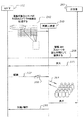
図8を参照するに、映画上映者240が、図8のシーケンスよりもより受身的な役割を果たす1つの実施例における収益源として代替のシーンコンテンツ208を使用するフローシーケンス図を示す。最初の伝送段階242において、スタジオ110は、可変コンテンツ表示領域204又は完全なシーンのための代替のコンテンツを有するデジタル映画を、映画上映者240に供給する。販売提供段階244において、スタジオ110は、動画の1つ以上の上映において、観客の測定基準に応じて表示される代替のシーンコンテンツ208を購入する機会を、映画上映者260に提供する。代替のシーンコンテンツ208は、スタジオ110により与えられるメタデータに基づいて、スタジオ110又は広告者260により準備されることが可能である。広告者260は、購入段階248において、宣伝空間を購入する。次に、有効化段階262において、スタジオ110は、広告者260によって購入され、表示のために与えられる代替のコンテンツの復号化及び使用のための有効化コードを、映画上映者240に供給する。上映時に、映画上映者240は、測定基準収集段階264において、観客測定基準を入手する。次に、好適な観客測定基準に基づいて、代替のシーンコンテンツ208が表示される。この表示動作は記録されて、報告段階266においてスタジオ110に報告される。
Transaction Flow for Selectable Content Referring to FIG. 8,
図8の構成は、代替のシーンコンテンツ208の表示のための多数の代替のスキームを可能にする。例えば、
(a)各上映において、宣伝シーンのセットのうちの任意の特定の1つを表示する、又は、特定のフレーム200コンテンツを含むための決定は、入手した観客測定基準に基づくことが可能である。従って、例えば、特定の映画が、ターゲットの年齢グループに対して特別な関心を有する場合、このグループに対しターゲットが絞られた代替のシーンコンテンツ208が表示され得る。例えば、任意のある時間に1つの又は別の選択的な予告編を上映する、又は、単純にデフォルトコンテンツを表示するための決定は、上映時に収集された観客測定基準に依存し得る。
The configuration of FIG. 8 allows for a number of alternative schemes for the display of
(A) At each show, the decision to display any particular one of the set of promotional scenes or to include the
(b)請求料率は、観客の測定基準に基づいて調節することができる。従って、例えば、映画上映者240は、ターゲットの人口統計グループの構成員の少なくとも特定の閾値の人数の観客がいると判断されると、代替のシーンコンテンツ208の表示に対し割増料金を課金することが可能であり得る。反対に、観客の測定基準が、特定の上映においてターゲットの人口統計グループの構成員がほとんどいないことを示すと、宣伝料率もそれに応じて低くされ得る。
(B) The billing rate can be adjusted based on audience metrics. Thus, for example, the
(c)様々な広告者260といった様々なソースからの代替のシーンコンテンツ208が、動画の各上映について利用可能で有り得、宣伝コンテンツA又は宣伝コンテンツBを表示する決定は、着席する観客に応じて決められる。
(C)
(d)ネットワーク接続を、観客測定基準を報告する、又は、図8に示した任意のトランザクション段階のための「バックチャネル」として用い得る。特に、購入段階248又は有効化段階262は、ネットワーク接続を有利に利用することができ、それにより、例えば、観客測定基準に基づいて、1つの上映と次の上映のシーンコンテンツ及び料金における差を可能にする。
(D) The network connection may report audience metrics or be used as a "back channel" for any of the transaction phases shown in FIG. In particular, the
尚、観客の特性にターゲットが絞られたシーンコンテンツを代入することができる可能性は、特定の市場に対し広告の向上した有効性を提示することのできる広告者260に有利であることを理解するものとする。同様に、映画上映者240及びスタジオ110も、広告者260に対して宣伝空間のより効果的な利用法を提示することが可能となることによって利益を得る。
It should be understood that the possibility of substituting targeted scene content for audience characteristics is advantageous to
図8を更に参照するに、測定基準収集段階264は、手動による計数から観客構成に関するデータを自動的に入手する高度なパターン認識機器を用いての報告を含む様々な方法によって行うことが可能である。
Still referring to FIG. 8, the
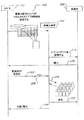
図9を参照するに、別の実施例において、収益源として代替のシーンコンテンツ208を使用するフローシーケンス図を示す。最初の伝送段階242において、スタジオ110は、デジタル映画を映画上映者240に供給し、また、ビデオコンテンツ、オーディオコンテンツ、又はその両方に関わらず、1つ以上のフレーム200シーケンスにおける可変コンテンツ表示領域204か又は完全なシーンに対し利用可能であり、スタジオ110により準備された代替のコンテンツのリストを供給する。デフォルトのコンテンツが供給されるが、購入された場合には、代替のコンテンツが代入されることが可能である。このようにすると、ローカルの又は地域の広告者は、所定の人口統計学的構成を有する観客に対する提示のために、スタジオで用意された代替のコンテンツを購入することができる。交渉段階268において、映画上映者240、又は、映画上映者240又はスタジオ110により依頼される代理店は、広告者260と、動画の1つ以上の上映にて観客測定基準に応じて表示される代替のコンテンツの販売を交渉する。注文段階270において、広告者260は、交渉した販売に基づいて代替のコンテンツを購入する。配達段階272において、スタジオ110は、注文された代替のコンテンツを、復号化キー又はメタデータといった任意の要求される有効化データと共に供給する。上映時に、映画上映者240は、測定基準収集段階264において観客測定基準を入手する。次に、好適な観客測定基準に基づいて、購入された代替のシーンコンテンツ208が表示される。この表示動作は記録され、報告段階266において、スタジオ110に報告される。
Referring to FIG. 9, in another embodiment, a flow sequence diagram for using
代替のオーディオコンテンツ
代替のコンテンツ208は、ビデオ又はオーディオ、或いは、その両方を含み得ることを協調する。代替のコンテンツ208がビデオコンテンツのみの場合、オリジナルのサウンドトラックが用いられ得る。代替のコンテンツ208がオーディオコンテンツのみの場合、オリジナルのビデオフレームが用いられ得る。代替のコンテンツ208がビデオとオーディオコンテンツの両方を有する第3の代替は、現行のコンテンツを上書きするか、又は、代替のコンテンツ208からのオーディオを現行のコンテンツとミックスし得る。上述した説明は、代替のビジュアルコンテンツを用いることに主に向けられているが、図7、8、及び9に示すトランザクションは、オーディオ又はビデオ、或いは、その両方である代替のシーンコンテンツにも用いられ得る。
Alternate Audio
本発明の方法を用いる代替のうちには、オーディオコンテンツを代替のコンテンツ208の一部として組み込むトランザクションがある。サウンドトラックデータは、任意の修正された画像フレーム200’と調和するために動画サウンドトラックデータの一部に代入するか、又は、一部と共にミックスされることが可能である。オーディオコンテンツは、現行のオーディオコンテンツに対し代入されるか、又は、1つ以上のビデオクリップとして動画に選択的に挿入されることが可能である。例えば、広告ジングルを、映画シーンの背景で聴くことができる。或いは、観客測定基準に基づいて選択される様々なサウンドトラックコンテンツ208を用いることができる。例えば、選択された映画には、このことは、観客測定基準に基づいて選択される代替のサウンドトラックの機会さえも提供し得る。
Among the alternatives using the method of the present invention are transactions that incorporate audio content as part of
図10を参照するに、観客測定基準に基づいて特定のオーディオコンテンツを選択し、且つ、この活動から収益を得るために、代替のコンテンツ208としてオーディオコンテンツを入手する段階を示すフローシーケンス図を示す。最初の伝送段階242において、スタジオ110は、デジタル動画画像データストリームとしてデジタル映画を映画上映者240に供給する。更に、スタジオ110は、置換又はミキシングが許可されるオーディオコンテンツに関する情報を、メタデータとして供給する。販売提供段階274において、映画上映者240は、置換可能なシーンコンテンツのために利用可能な宣伝空間を、広告社260に対し販売する。広告者260は、購入段階276において、オーディオクリップのための宣伝空間を購入する。配達及び有効化段階302において、スタジオ110は、例えば、コードのようなオーディオクリップの有効化情報と、必要に応じて任意の追加のメタデータを、映画上映者240に供給する。オーディオコンテンツ自体は一般的に、広告者260によって供給され、ただし、スタジオ110は、ローカル又は地域的な購入用に代替のオーディオコンテンツを提供し得る。
Referring to FIG. 10, a flow sequence diagram illustrating the steps of selecting specific audio content based on audience metrics and obtaining audio content as
図10のフローシーケンスを続けるに、映画上映者240は、データ収集段階264において、観客測定基準を入手する。入手した観客測定基準に基づいて、映画上映者240は、再生段階300において、特定の上映時に再生される代替のオーディオクリップの可能なセットから1つを選択する。映画上映者240は、次に、選択したオーディオクリップを上映中に挿入する。この活動は、記録され、報告段階266においてスタジオ110に報告される。
Continuing with the flow sequence of FIG. 10,
図10のトランザクションシーケンスは、本発明の範囲内で多数の変更を許可する。例えば、スタジオ110は、単純に、メタデータと、代替のコンテンツ208としてのオーディオ挿入に適した任意の必要な符号化情報を、その販売、リース、又は、動画フィルムの配給の一部として供給し得る。又は、映画上映者240は、任意のローカルで販売される宣伝コンテンツの提示のための使用料を支払うことを要求される場合がある。追加の請求書作成の取り決めも、サイズや人口統計といった観客測定基準に基づいて追加される宣伝コンテンツの価格を調節するよう交渉することが可能である。広告者260には、例えば、宣伝空間を購入するミュージシャンを含み得る。スタジオ110又は映画上映者240は、現行のオーディオコンテンツを広告者260に供給して、追加のコンテンツとのミキシングを許可する場合がある。
The transaction sequence of FIG. 10 permits a number of changes within the scope of the present invention. For example,
画像表示データストリーム180の構成に影響を与えることに加えて、観客人口統計データ又は関連の観客測定基準は、ロビーや、劇場以外の他の場所に配置されるディスプレイ上の広告又は宣伝コンテンツを選択するための基盤として用いることが可能である。
In addition to affecting the composition of the image
10 動画フィルム配給システム
20 スタジオ
22 コンテンツプロバイダ
24 プリントフィルム
26 配給網
28 劇場
30 コンテンツフィルム
70 人口統計学的データの入力点
72 従業員
74 コンソール
76 データベース
80 観客構成員
82 デジタルシネマデータ
84 カメラ
100 デジタルシネマ準備及び配給システム
110 スタジオ
112 フィルム
114 データシネシステム
116 補助入力装置
118 レンダリングシステム
120 ディスクアレイ
122 送信器
130 伝送システム
132 磁気媒体
134 光学媒体
136 ファイバーケーブル接続
138 衛星
140 エキシビジョンシステム
142 磁気媒体読取り器
144 光学媒体読取り器
1467 シネマオペレーティングシステム
148 受信器
150 デジタルプロジェクタ
160 被写体、画像
162 ブルースクリーン
164 デジタルビデオカメラ
170 複合映画
172 ベースコンテンツ
174a1、174a2、選択可能なシーン
176z1、176z2、176z3 選択可能なエンディング
180 画像表示データストリーム
182 シーンメタデータ
200 画像フレーム
200’ 修正された画像フレーム
202 置換可能な画像エレメント
202’ 代替の置換可能な画像コンテンツ
204 可変コンテンツ表示領域
206 頂点
208 代替のコンテンツ
240 映画上映者
242 最初の伝送段階
244 販売提供段階
264、248 購入段階
250 有効化段階
252 詳細段階
254 コンテンツ供給段階
260 広告者
262 有効化段階
264 測定基準収集段階
266 報告段階
268 交渉段階
270 注文段階
272 配達段階
274 販売提供段階
276 購入段階
300 再生段階
302 配達及び有効化段階
Claims (7)
(a)前記動画の上映時に、複数の観客構成員について観客に関するデータを入手する段階と、
(b)前記動画における前記オリジナルシーンシーケンスの1つについてのシーンコンテンツの代替のシーケンスのデジタル画像データを受信する段階と、
(c)前記観客に関するデータに依存して、前記上映時に、前記オリジナルシーンシーケンスの前記1つに対し、前記デジタルデータストリームに前記シーンコンテンツの代替のシーケンスを代入し、それにより、前記観客に関するデータに応じて、表示のために選択可能なシーンコンテンツを変更する段階と、
(d)前記シーンコンテンツの代替のシーケンスを表示するための費用を得る段階と、を含む方法。 A method of displaying a plurality of original scene sequences, and further a moving image to be received as a digital data stream having selectable scene content in one or more of the original scene sequences,
(A) at the time of showing the video, obtaining data about the audience for a plurality of audience members;
(B) receiving an alternate sequence of scene content digital image data for one of the original scene sequences in the video;
(C) substituting an alternative sequence of the scene content into the digital data stream for the one of the original scene sequences during the show, depending on the data about the audience, thereby providing data about the audience. Changing the selectable scene content for display according to the
(D) obtaining a cost for displaying an alternative sequence of said scene content.
Applications Claiming Priority (1)
| Application Number | Priority Date | Filing Date | Title |
|---|---|---|---|
| US40250303P | 2003-03-28 | 2003-03-28 |
Publications (1)
| Publication Number | Publication Date |
|---|---|
| JP2004304792A true JP2004304792A (en) | 2004-10-28 |
Family
ID=33415799
Family Applications (1)
| Application Number | Title | Priority Date | Filing Date |
|---|---|---|---|
| JP2004085166A Pending JP2004304792A (en) | 2003-03-28 | 2004-03-23 | Method for providing digital cinema content based on audience measured standard |
Country Status (1)
| Country | Link |
|---|---|
| JP (1) | JP2004304792A (en) |
Cited By (16)
| Publication number | Priority date | Publication date | Assignee | Title |
|---|---|---|---|---|
| KR100761957B1 (en) | 2007-01-30 | 2007-10-01 | 주식회사 코난테크놀로지 | Method and system for analyzing user reaction in key shot purchase ads |
| KR100761956B1 (en) | 2007-01-12 | 2007-10-01 | 주식회사 코난테크놀로지 | Video Ad Management Method and System |
| KR100815548B1 (en) | 2007-09-05 | 2008-03-20 | (주)디엠씨미디어 | Theater advertising agency service management method applying billing method according to the number of audience and central server used for this |
| KR100840018B1 (en) | 2007-06-20 | 2008-06-20 | (주)올라웍스 | Method and system for providing advertisement through user-generated content |
| JP2008529338A (en) * | 2005-01-20 | 2008-07-31 | コーニンクレッカ フィリップス エレクトロニクス エヌ ヴィ | Automatic generation of trailers including product placement |
| JP2009529300A (en) * | 2006-03-07 | 2009-08-13 | ソニー・コンピュータ・エンタテインメント・アメリカ・インク | Dynamic replacement and insertion method of movie stage props in program content |
| JP2009532956A (en) * | 2006-03-30 | 2009-09-10 | エスアールアイ インターナショナル | Method and apparatus for annotating media streams |
| JP2012531154A (en) * | 2009-06-22 | 2012-12-06 | シンヴォルヴ ベーフェーベーアー | Interactive digital cinema system method |
| US8451380B2 (en) | 2007-03-22 | 2013-05-28 | Sony Computer Entertainment America Llc | Scheme for determining the locations and timing of advertisements and other insertions in media |
| US8549554B2 (en) | 2006-03-07 | 2013-10-01 | Sony Computer Entertainment America Llc | Dynamic replacement of cinematic stage props in program content |
| US8566865B2 (en) | 2006-03-07 | 2013-10-22 | Sony Computer Entertainment America Llc | Dynamic insertion of cinematic stage props in program content |
| US8793256B2 (en) | 2008-03-26 | 2014-07-29 | Tout Industries, Inc. | Method and apparatus for selecting related content for display in conjunction with a media |
| US8988609B2 (en) | 2007-03-22 | 2015-03-24 | Sony Computer Entertainment America Llc | Scheme for determining the locations and timing of advertisements and other insertions in media |
| JP2016509811A (en) * | 2013-02-07 | 2016-03-31 | トムソン ライセンシングThomson Licensing | Method and corresponding device for providing targeted content in video image frames |
| JP2016167271A (en) * | 2016-03-15 | 2016-09-15 | ヤフー株式会社 | Service providing device, service providing method, and service providing program |
| KR101817145B1 (en) | 2016-04-12 | 2018-01-11 | (주)지니트 | system and method for chroma-key composing using multi-layers |
Citations (2)
| Publication number | Priority date | Publication date | Assignee | Title |
|---|---|---|---|---|
| JP2001326928A (en) * | 2000-05-18 | 2001-11-22 | Sony Corp | Large video equipment |
| JP2002074160A (en) * | 2000-08-24 | 2002-03-15 | Sony Corp | Information provision method |
-
2004
- 2004-03-23 JP JP2004085166A patent/JP2004304792A/en active Pending
Patent Citations (2)
| Publication number | Priority date | Publication date | Assignee | Title |
|---|---|---|---|---|
| JP2001326928A (en) * | 2000-05-18 | 2001-11-22 | Sony Corp | Large video equipment |
| JP2002074160A (en) * | 2000-08-24 | 2002-03-15 | Sony Corp | Information provision method |
Cited By (30)
| Publication number | Priority date | Publication date | Assignee | Title |
|---|---|---|---|---|
| JP2008529338A (en) * | 2005-01-20 | 2008-07-31 | コーニンクレッカ フィリップス エレクトロニクス エヌ ヴィ | Automatic generation of trailers including product placement |
| US8566865B2 (en) | 2006-03-07 | 2013-10-22 | Sony Computer Entertainment America Llc | Dynamic insertion of cinematic stage props in program content |
| US9038100B2 (en) | 2006-03-07 | 2015-05-19 | Sony Computer Entertainment America Llc | Dynamic insertion of cinematic stage props in program content |
| US8860803B2 (en) | 2006-03-07 | 2014-10-14 | Sony Computer Entertainment America Llc | Dynamic replacement of cinematic stage props in program content |
| JP2009529300A (en) * | 2006-03-07 | 2009-08-13 | ソニー・コンピュータ・エンタテインメント・アメリカ・インク | Dynamic replacement and insertion method of movie stage props in program content |
| JP2012135040A (en) * | 2006-03-07 | 2012-07-12 | Sony Computer Entertainment America Llc | Dynamic replacement and insertion method of cinematic stage props in program content |
| JP2012135039A (en) * | 2006-03-07 | 2012-07-12 | Sony Computer Entertainment America Llc | Dynamic replacement and insertion method of cinematic stage props in program content |
| US8549554B2 (en) | 2006-03-07 | 2013-10-01 | Sony Computer Entertainment America Llc | Dynamic replacement of cinematic stage props in program content |
| JP2009532956A (en) * | 2006-03-30 | 2009-09-10 | エスアールアイ インターナショナル | Method and apparatus for annotating media streams |
| US8645991B2 (en) | 2006-03-30 | 2014-02-04 | Tout Industries, Inc. | Method and apparatus for annotating media streams |
| KR100761956B1 (en) | 2007-01-12 | 2007-10-01 | 주식회사 코난테크놀로지 | Video Ad Management Method and System |
| KR100761957B1 (en) | 2007-01-30 | 2007-10-01 | 주식회사 코난테크놀로지 | Method and system for analyzing user reaction in key shot purchase ads |
| US8665373B2 (en) | 2007-03-22 | 2014-03-04 | Sony Computer Entertainment America Llc | Scheme for determining the locations and timing of advertisements and other insertions in media |
| US9497491B2 (en) | 2007-03-22 | 2016-11-15 | Sony Interactive Entertainment America Llc | Scheme for determining the locations and timing of advertisements and other insertions in media |
| US10003831B2 (en) | 2007-03-22 | 2018-06-19 | Sony Interactvie Entertainment America LLC | Scheme for determining the locations and timing of advertisements and other insertions in media |
| US9872048B2 (en) | 2007-03-22 | 2018-01-16 | Sony Interactive Entertainment America Llc | Scheme for determining the locations and timing of advertisements and other insertions in media |
| US10715839B2 (en) | 2007-03-22 | 2020-07-14 | Sony Interactive Entertainment LLC | Scheme for determining the locations and timing of advertisements and other insertions in media |
| US8988609B2 (en) | 2007-03-22 | 2015-03-24 | Sony Computer Entertainment America Llc | Scheme for determining the locations and timing of advertisements and other insertions in media |
| US9538049B2 (en) | 2007-03-22 | 2017-01-03 | Sony Interactive Entertainment America Llc | Scheme for determining the locations and timing of advertisements and other insertions in media |
| US9237258B2 (en) | 2007-03-22 | 2016-01-12 | Sony Computer Entertainment America Llc | Scheme for determining the locations and timing of advertisements and other insertions in media |
| US10531133B2 (en) | 2007-03-22 | 2020-01-07 | Sony Interactive Entertainment LLC | Scheme for determining the locations and timing of advertisements and other insertions in media |
| US8451380B2 (en) | 2007-03-22 | 2013-05-28 | Sony Computer Entertainment America Llc | Scheme for determining the locations and timing of advertisements and other insertions in media |
| KR100840018B1 (en) | 2007-06-20 | 2008-06-20 | (주)올라웍스 | Method and system for providing advertisement through user-generated content |
| KR100815548B1 (en) | 2007-09-05 | 2008-03-20 | (주)디엠씨미디어 | Theater advertising agency service management method applying billing method according to the number of audience and central server used for this |
| US8793256B2 (en) | 2008-03-26 | 2014-07-29 | Tout Industries, Inc. | Method and apparatus for selecting related content for display in conjunction with a media |
| US9749590B2 (en) | 2009-06-22 | 2017-08-29 | Cinvolve Bvba | Method for interactive digital cinema system |
| JP2012531154A (en) * | 2009-06-22 | 2012-12-06 | シンヴォルヴ ベーフェーベーアー | Interactive digital cinema system method |
| JP2016509811A (en) * | 2013-02-07 | 2016-03-31 | トムソン ライセンシングThomson Licensing | Method and corresponding device for providing targeted content in video image frames |
| JP2016167271A (en) * | 2016-03-15 | 2016-09-15 | ヤフー株式会社 | Service providing device, service providing method, and service providing program |
| KR101817145B1 (en) | 2016-04-12 | 2018-01-11 | (주)지니트 | system and method for chroma-key composing using multi-layers |
Also Published As
| Publication number | Publication date |
|---|---|
| HK1069054A1 (en) | 2005-05-06 |
Similar Documents
| Publication | Publication Date | Title |
|---|---|---|
| CN100466722C (en) | Method for forming digital cinema content according to audience metrics | |
| JP2004304794A (en) | Method for displaying movie | |
| US6912039B2 (en) | Method for staging motion picture content by exhibitor | |
| US8860803B2 (en) | Dynamic replacement of cinematic stage props in program content | |
| US9038100B2 (en) | Dynamic insertion of cinematic stage props in program content | |
| US10387920B2 (en) | System and method for offering and billing advertisement opportunities | |
| EP2523192B1 (en) | Dynamic replacement of cinematic stage props in program content | |
| JP2004304791A (en) | Method and apparatus for modifying digital cinema frame content | |
| US20030028432A1 (en) | Method for the customization of commercial product placement advertisements in digital media | |
| EP2728536A1 (en) | System and method for offering and billing advertisement opportunities | |
| CN115443662A (en) | Create video for content insertion | |
| US20130198010A1 (en) | Method for producing a media production whose profits are collected prior to the production thereof so that it can be provided and/or shown to the audience for free | |
| HK1069054A1 (en) | Method for providing digital cinema content based upon audience metrics | |
| HK1069054B (en) | Method for providing digital cinema content based upon audience metrics | |
| HK1069949A (en) | Method for adapting digital cinema content to audience metrics | |
| HK1069948A (en) | Method and system for modifying digital cinema frame |
Legal Events
| Date | Code | Title | Description |
|---|---|---|---|
| A521 | Written amendment |
Free format text: JAPANESE INTERMEDIATE CODE: A523 Effective date: 20040729 |
|
| A621 | Written request for application examination |
Free format text: JAPANESE INTERMEDIATE CODE: A621 Effective date: 20070221 |
|
| A131 | Notification of reasons for refusal |
Free format text: JAPANESE INTERMEDIATE CODE: A131 Effective date: 20100105 |
|
| A521 | Written amendment |
Free format text: JAPANESE INTERMEDIATE CODE: A523 Effective date: 20100405 |
|
| A02 | Decision of refusal |
Free format text: JAPANESE INTERMEDIATE CODE: A02 Effective date: 20100420 |