JP2004164609A - Universal input device - Google Patents
Universal input device Download PDFInfo
- Publication number
- JP2004164609A JP2004164609A JP2003342616A JP2003342616A JP2004164609A JP 2004164609 A JP2004164609 A JP 2004164609A JP 2003342616 A JP2003342616 A JP 2003342616A JP 2003342616 A JP2003342616 A JP 2003342616A JP 2004164609 A JP2004164609 A JP 2004164609A
- Authority
- JP
- Japan
- Prior art keywords
- input device
- area
- image
- representing
- data
- Prior art date
- Legal status (The legal status is an assumption and is not a legal conclusion. Google has not performed a legal analysis and makes no representation as to the accuracy of the status listed.)
- Pending
Links
Images
Classifications
-
- G—PHYSICS
- G06—COMPUTING OR CALCULATING; COUNTING
- G06F—ELECTRIC DIGITAL DATA PROCESSING
- G06F3/00—Input arrangements for transferring data to be processed into a form capable of being handled by the computer; Output arrangements for transferring data from processing unit to output unit, e.g. interface arrangements
- G06F3/01—Input arrangements or combined input and output arrangements for interaction between user and computer
- G06F3/03—Arrangements for converting the position or the displacement of a member into a coded form
- G06F3/033—Pointing devices displaced or positioned by the user, e.g. mice, trackballs, pens or joysticks; Accessories therefor
- G06F3/0354—Pointing devices displaced or positioned by the user, e.g. mice, trackballs, pens or joysticks; Accessories therefor with detection of two-dimensional [2D] relative movements between the device, or an operating part thereof, and a plane or surface, e.g. 2D mice, trackballs, pens or pucks
-
- G—PHYSICS
- G06—COMPUTING OR CALCULATING; COUNTING
- G06F—ELECTRIC DIGITAL DATA PROCESSING
- G06F3/00—Input arrangements for transferring data to be processed into a form capable of being handled by the computer; Output arrangements for transferring data from processing unit to output unit, e.g. interface arrangements
- G06F3/01—Input arrangements or combined input and output arrangements for interaction between user and computer
- G06F3/03—Arrangements for converting the position or the displacement of a member into a coded form
- G06F3/033—Pointing devices displaced or positioned by the user, e.g. mice, trackballs, pens or joysticks; Accessories therefor
- G06F3/0354—Pointing devices displaced or positioned by the user, e.g. mice, trackballs, pens or joysticks; Accessories therefor with detection of two-dimensional [2D] relative movements between the device, or an operating part thereof, and a plane or surface, e.g. 2D mice, trackballs, pens or pucks
- G06F3/03545—Pens or stylus
-
- G—PHYSICS
- G06—COMPUTING OR CALCULATING; COUNTING
- G06F—ELECTRIC DIGITAL DATA PROCESSING
- G06F3/00—Input arrangements for transferring data to be processed into a form capable of being handled by the computer; Output arrangements for transferring data from processing unit to output unit, e.g. interface arrangements
- G06F3/01—Input arrangements or combined input and output arrangements for interaction between user and computer
- G06F3/03—Arrangements for converting the position or the displacement of a member into a coded form
Landscapes
- Engineering & Computer Science (AREA)
- General Engineering & Computer Science (AREA)
- Theoretical Computer Science (AREA)
- Human Computer Interaction (AREA)
- Physics & Mathematics (AREA)
- General Physics & Mathematics (AREA)
- User Interface Of Digital Computer (AREA)
- Position Input By Displaying (AREA)
- Character Discrimination (AREA)
Abstract
Description
本発明は、滑らかな電子インクを生成するためのコンピュータ入力デバイスに関する。より詳細には、本発明は、一般的なユーザインターフェースを提供しながら、多様なプラットフォーム上で使用することができる入力デバイスに関する。 The present invention relates to a computer input device for producing a smooth electronic ink. More particularly, the present invention relates to input devices that can be used on a variety of platforms while providing a general user interface.
コンピューティングシステムは、人々の生活の仕方を劇的に変化させている。コンピュータの第一波は、法外に高価であり、またビジネス環境においてだけ費用対効果が大きかった。コンピュータがより手頃になるにつれ、職場でも家庭でもパーソナルコンピュータの使用は、とても広く普及し、コンピュータは、オフィスにおける机や家庭における台所用テーブルと同じぐらい一般的になっている。マイクロプロセッサが、テレビジョンおよびその他の娯楽システムにおける使用から自動車の動作を調整するためのデバイスに至るまで、人々の日常生活のすべての態様に組み込まれている。 Computing systems are dramatically changing the way people live. The first wave of computers was prohibitively expensive and cost-effective only in business environments. As computers become more affordable, the use of personal computers, both at work and at home, has become so widespread that computers have become as common as desks in offices and kitchen tables in homes. Microprocessors are incorporated into all aspects of people's daily lives, from use in televisions and other entertainment systems to devices for regulating the operation of vehicles.
大型オフィス施設の数フロア全体を占有してデータを超高速処理する装置(data crunching device)からラップトップコンピュータまたはその他の携帯コンピューティングデバイスに至るまでコンピューティングデバイスの進展は、ドキュメントが生成され、情報が記憶される仕方に劇的な影響を及ぼしている。そのような携帯コンピューティングにより、個人が、オフィス以外の場所で、それらのコンピューティングデバイスを使用して手紙をタイプし、覚書の草稿を作成し、メモを取り、画像を作成し、多数の作業を行うことが可能になった。専門化(玄人)も専門化でない人も同様に、自身のコンピューティングの要求をあらゆる場所で満たすデバイスを使用して移動中に、作業を行う能力が与えられている。 The evolution of computing devices, from data crunching devices occupying several entire floors of large office facilities to laptop computers or other portable computing devices, has led to the generation of documents and information. Has a dramatic effect on the way that is remembered. With such mobile computing, individuals can use their computing devices to type letters, draft memorandums, take notes, create images, and perform numerous tasks outside of the office. It became possible to do. Both professional (non-professional) and non-professional are given the ability to work on the move with devices that meet their computing needs everywhere.
通常のコンピュータシステム、特にMicrosoft Windows(登録商標)などのグラフィカルユーザインターフェース(GUI)システムを使用するコンピュータシステムは、ユーザ選択を行なうための1つまたは複数のボタンを備えたキーボード(テキスト(文章)を入力するための)やポインティングデバイス(マウスなどの)などの1つまたは複数の個別の入力デバイスからユーザ入力を受け入れるのに適するように最適化されている。 Conventional computer systems, particularly those using a graphical user interface (GUI) system such as Microsoft Windows®, include a keyboard (text) with one or more buttons for making user selections. Optimized to accept user input from one or more individual input devices, such as an input device (for input) and a pointing device (such as a mouse).
コンピューティング世界の最初の目標の1つは、すべての机上にコンピュータが置かれるようにすることであった。大体において、この目標は、パーソナルコンピュータが事務の仕事場(office workplace)に遍在するようになることによって実現されている。ノートブックコンピュータおよび高機能パーソナルデータアシスタント(PDA)の登場で、事務の仕事場は、作業が達せられる様々な従来にはなかった現場を含むように拡張されている。ますます、コンピュータユーザは、自身のコンピューティングデバイスのそれぞれに関する多様なユーザインターフェースの達人にならなければならない。標準のパーソナルコンピュータに対するマウスおよびキーボードのインターフェースから、パーソナルデータアシスタントの簡略化された抵抗式スタイラス(resistive stylus)や、さらにはセルラー電話機の最小限のキーに至るまで、ユーザは、基礎的な技術を使用することができる前に、習熟する必要がある様々なユーザインターフェースに直面させられている。 One of the first goals of the computing world was to have computers on every desk. To a large extent, this goal has been realized by personal computers becoming ubiquitous in office workplaces. With the advent of notebook computers and advanced personal data assistants (PDAs), office workplaces have been expanded to include a variety of non-traditional sites where work can be accomplished. Increasingly, computer users must become versatile user interface masters for each of their computing devices. From the mouse and keyboard interface to a standard personal computer, to the simplified resistive stylus of a personal data assistant, and even the minimal keys of a cellular phone, the user needs to develop basic technologies. You are faced with various user interfaces that need to be mastered before they can be used.
技術の進歩にもかかわらず、ほとんどのユーザは、自身の主な編集ツールとして紙に印刷されたドキュメントを使用する傾向がある。印刷された紙のいくつかの利点には、その読みやすさ、および持ち運びやすさが含まれる。その他の利点には、注釈付きの紙のドキュメントを共用できること、および印刷された紙を容易に記録文書として保管(archive)できることが含まれる。高性能のコンピューティングシステムと印刷された紙の機能の間の隔たりを埋める1つのユーザインターフェースが、スタイラスベースのユーザインターフェースである。スタイラスベースのユーザインターフェースに関する1つの手法は、(今日のPDAでの一般的な)抵抗技術を使用することである。別の手法は、ノートブックコンピュータ内の能動センサ(アクティブセンサ)を使用することである。コンピューティング世界の次の目標の1つは、コンピュータを操作するためのユーザインターフェースをユーザに取り戻すことである。 Despite technological advances, most users tend to use documents printed on paper as their primary editing tool. Some advantages of printed paper include its readability and portability. Other advantages include the ability to share annotated paper documents, and the ease with which printed paper can be archived as a recorded document. One user interface that bridges the gap between sophisticated computing systems and printed paper features is the stylus-based user interface. One approach to stylus-based user interfaces is to use resistive technology (common in today's PDAs). Another approach is to use an active sensor (active sensor) in the notebook computer. One of the next goals of the computing world is to bring back the user interface for operating the computer to the user.
スタイラスの使用に関連する欠点は、そのようなデバイスが、センサボードを含むコンピューティングデバイスに結び付いていることである。言い換えれば、スタイラスは、必須のセンサボードと併せて使用された場合にだけ、入力を生成するのに使用することができる。さらに、スタイラスの検出は、感知ボード(センサボード)に対するスタイラスの近接の度合いによって影響を受ける。 A disadvantage associated with the use of a stylus is that such devices are tied to computing devices, including sensor boards. In other words, the stylus can be used to generate an input only when used in conjunction with the required sensor board. Furthermore, stylus detection is affected by the degree of proximity of the stylus to the sensing board (sensor board).
当該技術分野において、様々なコンピューティングデバイスのいずれの1つに対しても入力デバイスとして機能することができ、様々な状況において動作することができる携帯コンピューティングデバイスの必要性が存在する。 There is a need in the art for a portable computing device that can function as an input device for any one of a variety of computing devices and can operate in a variety of situations.
本発明は、以上に確認した課題の1つまたは複数に対処し、これにより、多様なコンピューティングプラットフォームにわたって共通のユーザインターフェースをユーザに提供する。 The present invention addresses one or more of the issues identified above, thereby providing a user with a common user interface across a variety of computing platforms.
本発明の態様は、データが向けられているデバイスとは独立して、電子インクを生成し、かつ/またはその他の入力を生成するための入力デバイスを提供する。この入力デバイスは、ペンの形状に形成することが可能であり、また慣れ親しんだ形で入力デバイスの動きを円滑にするインクカートリッジを含むことも、含まないことも可能である。 Aspects of the invention provide an input device for generating electronic ink and / or generating other input independent of the device to which the data is directed. The input device may be formed in the shape of a pen, and may or may not include an ink cartridge that facilitates movement of the input device in a familiar manner.
本発明の態様の以上の概要、ならびに様々な実施形態の以下の詳細な説明は、添付の図面と併せて読むことでよりよく理解される。添付の図面は、請求する本発明に関する限定としてではなく、例示のために含めている。 The foregoing summary of aspects of the invention, as well as the following detailed description of various embodiments, is better understood when read in conjunction with the appended drawings. The accompanying drawings are included by way of illustration, and not by way of limitation, on the claimed invention.
本発明の態様は、デスクトップコンピュータまたはノートブックコンピュータを制御すること、ホワイトボード上に書込みを行うこと、PDAまたはセルラー電話機を制御すること、または以上のプラットフォームのいずれにも移植することができる電子インクを生成することから、様々な異なるコンピューティングプラットフォームにおいて使用することができる入力デバイスに関する。以下の説明は、次のいくつかの項目に分かれている。すなわち、用語、汎用動作環境、汎用ペンおよび汎用カメラ、能動的符号化、受動的符号化、慣性センサ、付加的な構成部品、サンプルとしての実施形態である。 Aspects of the invention relate to controlling a desktop or notebook computer, writing on a whiteboard, controlling a PDA or cellular telephone, or electronic ink that can be ported to any of the above platforms. Generating input devices that can be used on a variety of different computing platforms. The following description is divided into several items: That is, the terms, general operating environment, general purpose pen and general purpose camera, active coding, passive coding, inertial sensors, additional components, and embodiments as samples.
用語
ペン:インクを蓄える能力を含むことも含まないことも可能な任意の書込み用具。一部の例では、インク能力を全く有さないスタイラス(針筆)を本発明の実施形態によるペンとして使用することができる。
Terminology Pen: Any writing implement that may or may not include the ability to store ink. In some cases, a stylus that has no ink capability can be used as a pen according to embodiments of the present invention.
カメラ:画像取り込み系
能動的符号化(アクティブコーディング):適切な処理アルゴリズムを使用して入力デバイスの位置および/または動きを特定する目的で入力デバイスが上部に位置しているオブジェクト(対象)内または表面の符号を取り込むこと。
Camera: Image Capture System Active Coding (Active Coding): In or on the object (target) on which the input device is located for the purpose of determining the position and / or movement of the input device using appropriate processing algorithms Capture the sign of the surface.
受動的符号化(パッシブコーディング):適切な処理アルゴリズムを使用して入力デバイスが上部で動かされるオブジェクトまたは表面から得られた、入力デバイスの動き/位置を検出する目的で取り込まれる符号以外の、画像データを利用して入力デバイスの動き/位置を検出すること。 Passive coding: An image, other than a code captured from an object or surface on which the input device is moved using an appropriate processing algorithm, for the purpose of detecting the movement / position of the input device. Detect motion / position of input device using data.
入力デバイス:情報を生成し、処理するために構成されることが可能な情報を入力するためのデバイス
能動的入力デバイス(アクティブ入力デバイス):入力デバイス内部に組み込まれたセンサを使用して標識(signal)を能動的に測定し、入力デバイスの位置および/または動きを示すデータを生成する入力デバイス。
Input Devices: Devices for inputting information that can be configured to generate and process information. Active Input Devices (Active Input Devices): Signs using sensors incorporated inside the input device ( signal) to actively measure and generate data indicative of the position and / or movement of the input device.
受動的入力デバイス(パッシブ入力デバイス):入力デバイス内部以外に組み込まれたセンサを使用して動きが検出される入力デバイス。
コンピューティングデバイス:デスクトップコンピュータ、ラップトップコンピュータ、Tablet(タブレット) PC(商標)、パーソナルデータアシスタント、電話機、または入力デバイスを含む情報を処理するように構成された任意のデバイス。
Passive input device (Passive input device): An input device whose movement is detected using a sensor incorporated outside the input device.
Computing device: Any device configured to process information, including desktop computers, laptop computers, Tablet PCs ™, personal data assistants, telephones, or input devices.
汎用動作環境
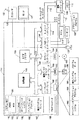
図1は、本発明の様々な態様を実施するのに使用することができる汎用デジタルコンピューティング環境の例を示す機能ブロック図である。図1で、コンピュータ100は、処理ユニット110と、システムメモリ120と、システムメモリから処理ユニット110までを含む様々なシステム構成部品を接続するシステムバス130とを含む。システムバス130は、様々なバスアーキテクチャの任意のものを使用するメモリバスまたはメモリコントローラ、周辺バス、およびローカルバスを含むいくつかのタイプのバス構造の任意のものであることが可能である。システムメモリ120は、読取り専用メモリ(ROM)140およびランダムアクセスメモリ(RAM)150を含む。
General Operating Environment FIG. 1 is a functional block diagram illustrating an example of a general digital computing environment that can be used to implement various aspects of the present invention. In FIG. 1, the
起動中などにコンピュータ100内部の要素間で情報を転送するのを助ける基本ルーチンを含む基本入力/出力システム160(BIOS)が、ROM140の中に記憶されている。また、コンピュータ100は、ハードディスク(図示せず)に対して読取りおよび書込みを行うためのハードディスクドライブ170、取外し可能な磁気ディスク190に対して読取りおよび書込みを行うための磁気ディスクドライブ180、およびCD ROMまたはその他の光媒体などの取外し可能な光ディスク192に対して読取りおよび書込みを行うための光ディスクドライブ191も含む。ハードディスクドライブ170、磁気ディスクドライブ180、および光ディスクドライブ191は、それぞれ、ハードディスクドライブインターフェース192、磁気ディスクドライブインターフェース193、および光ディスクドライブインターフェース194によってシステムバス130に接続される。以上のドライブおよび関連するコンピュータ可読媒体により、コンピュータ可読命令、データ構造、プログラムモジュール、およびその他のデータの不揮発性記憶がパーソナルコンピュータ100に提供される。磁気カセット、フラッシュメモリカード、デジタルビデオディスク、ベルヌーイカートリッジ、ランダムアクセスメモリ(RAM)、読取り専用メモリ(ROM)などのコンピュータがアクセス可能なデータを記憶することができる他のタイプのコンピュータ可読媒体も、例示的な動作環境において使用できることが、当分野の技術者には認められよう。
A basic input / output system 160 (BIOS) containing basic routines that help transfer information between elements inside the
オペレーティングシステム195、1つまたは複数のアプリケーションプログラム196、その他のプログラムモジュール197、およびプログラムデータ198を含め、いくつかのプログラムモジュールが、ハードディスクドライブ170、磁気ディスク190、光ディスク192、ROM140、またはRAM150に記憶されていることが可能である。ユーザは、キーボード101やポインティングデバイス102などの入力デバイスを介してコマンドおよび情報をコンピュータ100に入力することができる。その他の入力デバイス(図示せず)には、マイクロホン、ジョイスティック、ゲームパッド、サテライトディッシュ(衛星放送受信アンテナ)、スキャナ等が含まれることが可能である。以上の入力デバイス、およびその他の入力デバイスは、しばしば、システムバスに接続されたシリアルポートインターフェース106を介して処理ユニット110に接続されるが、パラレルポート、ゲームポート、またはユニバーサルシリアルバス(Universal Serial Bus)(USB)などの他のインターフェースで接続してもよい。さらに、以上のデバイスは、適切なインターフェース(図示せず)を介してシステムバス130に直接に接続してもよい。また、モニタ107、またはその他のタイプの表示デバイスも、ビデオアダプタ108などのインターフェースを介してシステムバス130に接続される。モニタに加えて、パーソナルコンピュータは、通常、スピーカやプリンタなどのその他の周辺出力デバイス(図示せず)も含む。好ましい実施形態では、ペンデジタイザ165および付随するペンまたはスタイラス166が、手書きの入力をデジタル式に取り込むために提供される。ペンデジタイザ165とシリアルポートの間で直接の接続を示しているが、実際には、ペンデジタイザ165は、当技術分野で周知のとおり、パラレルポートまたはその他のインターフェース、およびシステムバス130を介して処理ユニット110に直接に接続することも可能である。さらに、デジタイザ165をモニタ107とは別に示しているが、デジタイザ165の使用可能な入力エリアは、モニタ107の表示エリアと同一の広がりを有することが好ましい。さらに、デジタイザ165は、モニタ107に組み込むこと、またはモニタに添えられている、または別の仕方で取り付けられる別個のデバイスとして存在することが可能である。
Several program modules, including
コンピュータ100は、遠隔コンピュータ109などの1つまたは複数の遠隔コンピュータに対する論理接続を使用するネットワーク化された環境において動作することが可能である。遠隔コンピュータ109は、サーバ、ルータ、ネットワークPC、ピアデバイス(対等装置)、またはその他の一般的なネットワークノードであることが可能であり、通常、コンピュータ100に関連して前述した要素の多く、またはすべてを含むが、メモリ記憶デバイス111だけを図1に示している。図1に描いた論理接続は、ローカルエリアネットワーク(LAN)112およびワイドエリアネットワーク(WAN)113を含む。そのようなネットワーキング環境は、オフィス、企業全体のコンピュータ網、イントラネット(企業内ネットワーク)、およびインターネットにおいて一般的である。
LANネットワーキング環境で使用される場合、コンピュータ100は、ネットワークインターフェースまたはネットワークアダプタ114を介してローカルネットワーク112に接続される。WANネットワーキング環境で使用される場合、パーソナルコンピュータ100は、通常、インターネットなどのワイドエリアネットワーク113を介して通信を確立するためのモデム115、またはその他の手段を含む。内部にあることも外部にあることも可能なモデム115は、シリアルポートインターフェース106を介してシステムバス130に接続される。ネットワーク化された環境では、パーソナルコンピュータ100に関連して描いたプログラムモジュール、またはプログラムモジュールの部分は、遠隔のメモリ記憶デバイスの中に記憶されることが可能である。
When used in a LAN networking environment, the
図示したネットワーク接続は例示的なものであり、コンピュータ間で通信リンクを確立するための他の技術も使用できることが認められよう。TCP/IP、イーサネット(登録商標)、FTP、HTTPなどの様々な周知のプロトコルの任意のものの存在が想定されており、またシステムは、ユーザがWebベースのサーバからWebページを取り出すことが可能になるように、クライアント−サーバ構成で動作させることが可能である。様々な従来のWebブラウザの任意のものを使用して、Webページ上のデータの表示および操作を行うことができる。 It will be appreciated that the network connections shown are exemplary and other techniques for establishing a communication link between the computers can be used. It is envisioned that any of a variety of well-known protocols, such as TCP / IP, Ethernet, FTP, HTTP, etc., are assumed, and the system allows users to retrieve web pages from web-based servers. It is possible to operate in a client-server configuration. Any of a variety of conventional web browsers can be used to display and manipulate data on web pages.
汎用のペンおよびカメラ
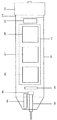
図2は、本発明の様々な態様に従って使用するための入力デバイスの例示的な実施形態を提示している。以下に、いくつかの異なる要素および/またはセンサについて述べる。様々なセンサの組合せを使用して本発明の態様を実施することができる。さらに、磁気センサ、加速度計、ジャイロスコープ、マイクロホン、あるいは表面またはオブジェクト(対象)に対する入力デバイスの位置を検出することが可能な任意のセンサを含む、追加のセンサも含まれることが可能である。図2で、ペン201は、インクカートリッジ202と、圧力センサ203と、カメラ204と、誘導素子205と、プロセッサ206と、メモリ207と、トランシーバ208と、電源209と、ドッキングステーション210と、キャップ211と、ディスプレイ212とを含む。様々な部品が、例えば、図示していないバスを使用して、必要に応じて電気的に接続されることが可能である。ペン201は、デスクトップコンピュータ、ラップトップコンピュータ、Tablet PC(商標)、パーソナルデータアシスタント、電話機、または情報を処理し、かつ/または表示することができる任意のデバイスを含む一連のデバイスに対する入力デバイスの役割をすることが可能である。
Universal Pen and Camera FIG. 2 presents an exemplary embodiment of an input device for use in accordance with various aspects of the present invention. The following describes some different elements and / or sensors. Various sensor combinations can be used to implement aspects of the present invention. In addition, additional sensors may be included, including magnetic sensors, accelerometers, gyroscopes, microphones, or any sensor capable of detecting the position of the input device relative to a surface or object (object). In FIG. 2, the
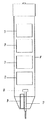
入力デバイス201は、定番のペンと紙の筆記または描画を行うためのインクカートリッジ202を含むことが可能である。さらに、ユーザは、ペン特有の仕方で入力デバイスを操作しながら、デバイスを使用して電子インクを生成することが可能である。したがって、インクカートリッジ202は、紙の上に手書きのストロークを生成するための快適な慣れ親しんだ媒体を提供する一方、ペンの動きが記録されて、電子インクを生成するのに使用される。インクカートリッジ202は、いくつかの周知の技術の任意のものを使用して後退位置から書込み位置に動かすことができる。代替として、インクカートリッジ202は、丸い先端部を有するプラスチックカートリッジなどのインクを含まないが、ユーザが、ペンまたは表面に損傷を与えることなく、表面にペンを動かすことを可能にするカートリッジで置き換えることができる。さらに、例えば、スタイラスによって生成される信号と同様の仕方で入力デバイスを示す信号を提供することにより、入力デバイスの相対的な動きを検出するのを助ける誘導素子または誘導素子群も含まれることが可能である。オブジェクト上に位置している間にペンが押圧された際に示されるであろう入力を示すための圧力センサ203も含まれ、それは、例えば、マウスボタンの入力を選択することによって達せられるようなオブジェクトの選択または指示を円滑にすることが可能である。代替として、圧力センサ203が、生成される電子インクの幅を変化させる際に使用するために、ユーザがペンを使用してストロークを形成する押し下げ力(押圧力)を検出することが可能である。さらに、センサ203は、カメラの動作を起動させることが可能である。代替の様式では、カメラ204は、圧力センサ203の設定とは独立に動作してもよい。
The
さらに、スイッチとして動作することが可能な圧力センサに加えて、入力デバイスの動作を制御するための様々な設定を行う追加のスイッチも含まれることが可能である。例えば、1つまたは複数のスイッチが、入力デバイスの外側上に備えられて、入力デバイスに電源投入する、カメラまたは光源を起動する、センサの感度、または光源の明るさを制御する、テキストへの変換が行われないスケッチモード(素描モード)に入力デバイスを設定する、入力データを内部に記憶するようにデバイスを設定する、入力データを処理し、記憶する、入力デバイスが通信することができる相手のコンピューティングデバイスなどの処理ユニットにデータを伝送する、または所望されることが可能なあらゆる設定を制御するのに使用されることが可能である。 Further, in addition to a pressure sensor that can operate as a switch, additional switches that perform various settings to control the operation of the input device can also be included. For example, one or more switches are provided on the outside of the input device to power on the input device, activate a camera or light source, control the sensitivity of the sensor, or the brightness of the light source, to the text, Set the input device to sketch mode (drawing mode) where no conversion is performed; set the device to store input data internally; process and store input data; partner with which the input device can communicate It can be used to transmit data to a processing unit, such as a computing device, or to control any settings that may be desired.
カメラ204が、ペンが上部で動かされる表面の画像を取り込むように含められることが可能である。また、誘導素子205も、誘導システムにおけるスタイラスとして使用される場合に、ペンのパフォーマンス(性能)を向上させるように含まれることが可能である。プロセッサ206は、以下により詳細に説明するとおり、本発明の様々な態様に関連する機能を行うための任意の周知のプロセッサから構成されることが可能である。同様に、メモリ207は、データを記憶するためのRAM、ROM、および/またはデバイスを制御するため、またはデータを処理するためのソフトウェアを格納するための任意のメモリデバイスを含むことが可能である。入力デバイスは、トランシーバ208をさらに含むことが可能である。トランシーバは、他のデバイスとの情報交換を可能にする。例えば、Bluetooth技術、またはその他の無線技術を使用して通信を円滑にすることができる。その他のデバイスには、入力デバイスをさらに含めることが可能なコンピューティングデバイスが含まれることが可能である。
A
電源209が含まれることが可能であり、ペン201がホスト装置とは独立に、またはホスト装置から遠隔で使用される場合、データが処理され、記憶され、かつ/または表示されるデバイスに電力を供給することができる。電源209は、あらゆる位置で入力デバイス201に組み込まれることが可能であり、電源が取替え可能である場合、即時の取替えに合わせて配置され、あるいは電源が充電可能である場合、充電を容易にするように配置されることが可能である。代替として、ペンは、カーバッテリにペン201を電気的に接続するためのアダプタや壁コンセント(wall outlet)に接続された充電器などの代替の電源、コンピュータの電源、または任意の他の電源に接続することができる。
A
ドッキングステーションリンク212を使用して、入力デバイスと、外部ホストコンピュータなどの第2のデバイスの間で情報を転送することができる。ドッキングステーションリンクは、図示していないドッキングステーションに接続された際、または電源に接続された際に電源209を再充電するための構造も含むことが可能である。USB、またはその他の接続が、ドッキングステーションリンクを介して、または代替のポートを介して入力デバイスをホストコンピュータに取外し可能なように接続することが可能である。代替として、データを転送するため、または受信するために有線による接続(hardwire connection)を使用してペンをデバイスに接続することもできる。有線によって接続された構成では、ドッキングステーションリンクは、入力デバイスをホストに直接に有線によって接続する方を選んだときは取り除かれる。ドッキングステーションリンクは、別のデバイスと通信するための別のシステム(例えば、Bluetooth 802.116)を使用して除外すること、または置き換えることができる。
The
入力デバイス201は、入力デバイス201を、例えば、感知ボードを含むデバイスとともに使用することができるように、抵抗方式の感知を容易にするための金属先端部を備えていることが可能な取外し可能なキャップ211をさらに含むことが可能である。入力デバイス201の胴は、プラスチック、金属、樹脂、またはこれらの組合せ、あるいは入力デバイスの構成部品に、または全体的な構造に保護を提供することができる任意の材料から構成されることが可能である。胴体(chassis)は、デバイスの敏感な電子構成部品のいくつか、またはすべてを電気的に遮蔽するための金属製仕切り(隔壁)を含むことが可能である。入力デバイスは、ペンの形状に対応することが可能な細長い形状であることが可能である。ただし、デバイスは、入力デバイスおよび/またはインク生成デバイスとしてのデバイスの使用に適合する色々な形状で形成することができる。
The
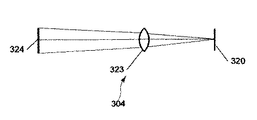
図3A〜図3Cは、本発明の態様に従って使用するためのカメラの3つの例示的な実施形態を描いている。前述したとおり、入力デバイス201は,例えば、カメラを使用してペンの動きを検出することによって電子インクを生成するのに使用することができる。カメラ304が、ペンが上部で動く表面の画像を取り込み、画像解析を介して、走査されている表面上のペンの動きの量を検出するように含めることが可能である。動きは、ドキュメント(文書)に相関させられ、電子インクをドキュメントに電子式に移す、追加する、または関連させる(例えば、入力された注釈を元のドキュメントとは別に記憶する)ことが可能である。
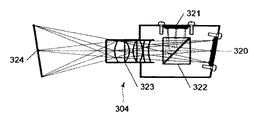
3A-3C depict three exemplary embodiments of a camera for use in accordance with aspects of the present invention. As described above, the
図3Aに示すとおり、一実施形態では、カメラ304は、例えば、画像感知素子アレイ(撮像素子アレイ)から構成されるイメージセンサ320を含む。例えば、カメラは、縦1.79mm横1.79mmの正方形のエリア(局所、区域)を縦32ピクセル横32ピクセルの解像度で走査する能力を有するCMOSイメージセンサから構成されることが可能である。そのような1つのイメージセンサに関する最小露出フレームレート(画面書き換え速度)は、およそ330Hzであるが、例示的なイメージセンサは、110Hzの処理速度で動作することができる。選択されるイメージセンサは、カラーイメージセンサ、グレースケールイメージセンサを含むこと、または単一のしきい値を超える輝度を検出するように動作することが可能である。ただし、カメラ、またはカメラの構成部品の選択は、カメラに関連する所望の動作パラメータに基づき、パフォーマンス(性能)やコスト(費用)などの考慮、または入力デバイスの位置を正確に計算するのに必要とされる解像度などの要因によって規定される可能性があるようなその他の考慮に基づき、異なるであろう。
As shown in FIG. 3A, in one embodiment, the
光源321が、入力デバイスがその上部で移動する表面に対して照明することが可能である。その光源は、例えば、単一の発光ダイオード(LED)、LEDアレイ、またはその他の発光デバイスから構成されることが可能である。光源は、白を含め、単色の光を生成すること、または複数の色を生成することが可能である。要望通に光を方向付けるように、ハーフミラー322がカメラ内部に含まれることが可能である。カメラ304は、光源321からの光を走査される表面324に集束させるため、かつ/またはその表面から反射された光をイメージセンサ320に集束させる1つまたは複数の光学デバイス323をさらに含むことが可能である。
A
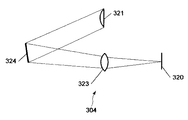
図3Aに示すとおり、光源321から放出された光は、入射光の方向に応じて光を反射し、あるいは透過させるミラーであるハーフミラー322によって反射される。反射された光は、次に、レンズ系323に向けられ、その下の反射面まで送られる。光は、次に、その表面で反射され、レンズ系323を通り、ミラーを通過する透過角度でハーフミラー322に当たり、感知アレイ320に入射する。もちろん、より少ない、またはより多い数の構成部品を組み込んだカメラを含め、多種多様な構成部品を含むカメラを使用して画像データを取り込むことができる。構成部品の構成の変形も、多数であることが可能である。単に一例を提示すると、単純化された構成では、光源と感知アレイを一緒に配置して、光源と感知アレイの両方が画像の取り込まれるべき表面に位置するようにすることができる。その場合、カメラ内部で反射は全く必要ないので、システムからハーフミラーを取り除くことができる。図3Bに示すとおり、単純化された構成では、光源321は、レンズ323およびセンサ320からある距離で配置される。さらに単純化された構成では、図3Cに示すとおり、光源を取り除くことができ、オブジェクトの表面で反射される周辺光が、レンズ323によってセンサ320上に集束させられる。
As shown in FIG. 3A, the light emitted from the
したがって、カメラに組み込まれる構成部品、または構成部品の配置の変形を、本発明の態様に適合する仕方で使用することができる。例えば、カメラおよび/またはカートリッジの配置および/または向きは、多種多様なカメラおよび/またはインクの構成および向きを可能にするように、図2に示したものとは異なることが可能である。例えば、カメラ304、またはカメラ304の構成部品の任意の部品を、図示したのと同じ開口内にではなく、インクカートリッジのために設けられた開口に隣接する開口内に配置することが可能である。さらなる例として、カメラ304を入力デバイスの中心に配置して、インクカートリッジをカメラの脇に配置することができる。同様に、光源321を、カメラの残りの構成部品を収納する構造内に組み込むこと、または1つまたは複数の構成部品をその他の構成部品と分離して配置することが可能である。さらに、光源および/または光学系を使用し、必要に応じて図示した構成部品に追加の構成部品および/またはソフトウェアを備え、あるいは変更を加えて、投影機構(light projecting feature)も使用可能にすることができる。
Thus, variations of the components, or the arrangement of the components, incorporated into the camera can be used in a manner consistent with aspects of the present invention. For example, the arrangement and / or orientation of the camera and / or cartridge can be different from that shown in FIG. 2 to allow for a wide variety of camera and / or ink configurations and orientations. For example, the
能動的符号化
入力デバイスの検出および/または位置決定を助けるため、入力デバイスが上部に置かれるオブジェクトの表面には、その表面のエリアの相対位置を表す画像データを含むことが可能である。1つの例示的な実施形態では、走査される表面は、ホストコンピュータまたはその他の外部コンピューティングデバイスのディスプレイを含むことが可能であり、このディスプレイは、デスクトップコンピュータ、ラップトップコンピュータ、Tablet PC(商標)、パーソナルデータアシスタント、電話機、デジタルカメラ、または情報を表示することができる任意のデバイスのモニタに対応することが可能である。したがって、Tablet PC(商標)の画面上に生成された書き込み用紙またはその他の画像が、ドキュメント全体の中のドキュメントのその部分の相対位置を表わす符合に対応する、または画像の任意の他の部分に関するデータを含むことが可能である。情報は、相対位置を示すのに使用することができる英数字、符号化パターン、または画像データの任意の判別可能なパターンを含むことが可能な画像から成ることが可能である。オブジェクトの表面内のエリアの場所を指定する際に使用するために選択される画像または画像群は、センサのピクセル解像度、および/または走査される表面内に含まれる画像データのピクセル解像度などの、カメラに組み込まれる走査デバイスの感度に依存することが可能である。オブジェクトから抽出された位置情報は、次に、オブジェクト上の入力デバイスの動きを追跡するのに使用することができる。その情報を使用して、入力デバイスの動きに対応する電子インクまたはその他の情報を正確に生成することができる。位置情報は、入力が行われるべき画像内の位置を検出することにも、オブジェクト表面上の入力デバイスの動きの表示を提供することにも使用することができる。例えば、もたらされる情報をワードプロセッシングソフトウェアと対話形式で使用して、ドキュメント(文書)における変更を生成することができる。
Active Coding To aid detection and / or localization of the input device, the surface of the object upon which the input device rests may include image data representing the relative position of an area of the surface. In one exemplary embodiment, the surface to be scanned can include a display on a host computer or other external computing device, which can be a desktop computer, a laptop computer, a Tablet PC ™. It can accommodate monitors for personal data assistants, telephones, digital cameras, or any device capable of displaying information. Thus, the writing paper or other image generated on the screen of the Tablet PC ™ may correspond to a code representing the relative position of that portion of the document within the entire document, or may relate to any other portion of the image. It can include data. The information can consist of images that can include alphanumeric characters, encoded patterns, or any identifiable pattern of image data that can be used to indicate relative positions. The image or images selected for use in specifying the location of the area within the surface of the object may include the pixel resolution of the sensor and / or the pixel resolution of the image data contained within the surface being scanned. It is possible to depend on the sensitivity of the scanning device integrated in the camera. The location information extracted from the object can then be used to track the movement of the input device on the object. The information can be used to accurately generate electronic ink or other information corresponding to movement of the input device. The position information can be used to detect the position in the image where the input is to take place, as well as to provide an indication of the movement of the input device on the surface of the object. For example, the information provided can be used interactively with word processing software to generate changes in a document.
代替の実施形態では、入力デバイスと組合せで使用されるオブジェクトは、例えば、背景に位置情報が含められている用紙から成ることが可能である。位置情報は、入力デバイスに関連するセンサによって感知され、用紙上の特定の部位の相対位置を表わすのに使用することができる任意の形態の符号、光学表現、またはその他の形態で組み込むことが可能である。 In an alternative embodiment, the object used in combination with the input device can, for example, consist of a sheet of paper with location information in the background. The position information can be sensed by a sensor associated with the input device and incorporated in any form of sign, optical representation, or other form that can be used to represent the relative position of a particular portion on the paper. It is.
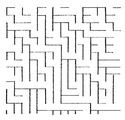
図4は、ドキュメントの位置を符号化するための例示的な技術を示している。この例では、画像の背景は、大きい集まりで見た場合、迷路様のパターンを形成する細線を含むことが可能である。固有の向きと相対位置を有するいくつかの細線から成る迷路デザイン内の線のそれぞれの集まりは、例えば、ドキュメントの他の部分に対する迷路パターンのその部分の位置を示すことが可能である。取り込まれた画像の中で見られる迷路パターンの復号化は、多数の復号化スキームに従って行うことができる。一実施形態では、線の特定の構成および集まりを復号化して位置情報を生成することができる。別の実施形態では、取り込まれたデータの位置の指示を、サンプリングされたパターンに対応する符号を画像から抽出し、その符号を使用して、そのエリアの場所を特定するデータを含むルックアップテーブルのアドレスを参照することによって導出することができる。 FIG. 4 illustrates an exemplary technique for encoding the position of a document. In this example, the background of the image can include thin lines forming a maze-like pattern when viewed in a large cluster. Each collection of lines in the maze design consisting of several thin lines having a unique orientation and relative position can indicate, for example, the position of that part of the maze pattern relative to other parts of the document. The decoding of the maze pattern found in the captured image can be performed according to a number of decoding schemes. In one embodiment, certain configurations and collections of lines can be decoded to generate location information. In another embodiment, an indication of the location of the captured data is a look-up table that includes data that extracts a code corresponding to the sampled pattern from the image and uses the code to locate the area. Can be derived by referring to the address of
受動的符号化
位置符号が存在しない場合でも、イメージセンサによって取り込まれた画像を解析して、画像取り込みの時点における入力デバイスの位置を割り出すことができる。連続する画像を使用して、異なる時点における入力デバイスの相対位置を計算することができる。この情報の相関により、担体(substrate)上における入力デバイスの正確な軌跡がもたらされることが可能である。この軌跡情報を使用して、例えば、手書きのストロークを正確に表わす電子インクを生成することができる。
Passive Encoding Even in the absence of a position code, the image captured by the image sensor can be analyzed to determine the position of the input device at the time of image capture. Successive images can be used to calculate the relative position of the input device at different times. Correlation of this information can result in an accurate trajectory of the input device on the substrate. Using the trajectory information, for example, electronic ink that accurately represents a handwritten stroke can be generated.
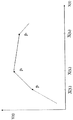
図5は、これを元にして電子インクを生成することができる軌跡パターンを例示している。この例では、第1の取り込まれた画像は、第1の時刻t1における入力デバイスの第1の位置p1を示す迷路パターンの部分を含むことが可能である。次の取り込まれた画像は、第2の時刻t2における第2の位置p2の位置情報を提供する、この例では迷路パターンの異なる部分である符号化された画像データの一部分を含むことが可能である。第3の取り込まれた画像は、迷路パターンの第3の部分を含み、これにより、第3の時刻t3における第3の位置p3にある入力デバイスの位置を示すことが可能である。このデータを使用して、以上3つのポイントが、時刻t1からt3までの入力デバイスの軌跡を示すことが可能である。入力デバイスが辿ったインキング(inking)パターンを推定するためのアルゴリズムを適用して、電子インクを生成することができる。適用されるアルゴリズムの複雑さにより、生成されるインクの正確さが規定されることが可能である。例えば、基本的なインキングアルゴリズムは、単にドットを変化しない太さの直線でつなぐことが可能である。前回のサンプリングポイント、サンプリング間の時間、または入力が動かされた速度または加速を示すその他のデータ、使用された押圧の力を示すデータ、あるいは任意の他の妥当なデータを考慮に入れるアルゴリズムを処理して、入力デバイスの実際の動き(例えば、他のセンサからの)をより正確に表わす電子インクを提供することが可能である。 FIG. 5 illustrates a trajectory pattern from which electronic ink can be generated based on the trajectory pattern. In this example, the first captured image may include a portion of the maze pattern that indicates a first position p1 of the input device at a first time t1. Next the captured image, can provide a second position information of the position p 2 at the second time t 2, the in this example comprising a portion of the encoded image data is a different portion of the maze pattern It is possible. Third captured image includes a third portion of the maze pattern, thereby, it is possible to indicate the position of the third input device in the position p 3 of the third time t 3. Using this data, more than three points may indicate a trace of the input device from time t 1 to t 3. An algorithm for estimating the inking pattern followed by the input device can be applied to generate electronic ink. The complexity of the applied algorithm can define the accuracy of the ink produced. For example, a basic inking algorithm can simply connect dots with straight lines of unchanged thickness. Processes algorithms that take into account the last sampling point, the time between samplings, or other data indicating the speed or acceleration at which the input was moved, data indicating the pressure used, or any other reasonable data Thus, it is possible to provide electronic ink that more accurately represents the actual movement of the input device (eg, from other sensors).
カメラ304によって行われる光学走査は、様々な時点における入力デバイスの位置と特定するのに必要なデータを生成することができ、その情報を使用して電子インクを生成することができる。1つの例示的な実施形態では、時刻t1に取り込まれた画像を時刻t2に取り込まれた画像と比較することにより、t1からt2までの期間中にペンがあるポイントから別のポイントに動いた距離を示すデータが提供されることが可能である。次に、以上2つのデータポイント、および/または動いた相対距離を使用して、手書きのストロークを表わす電子インクを生成するために入力デバイスの動きの軌跡を生成することができる。相対的な動きを計算するために、2つまたは多数の画像、あるいは取り込まれた画像の部分を比較することは、異なる解析によって実行することも可能である。その場合、複数の画像の中に現れる特徴を比較することができ、それらの画像内のある場所から別の場所への特徴または特徴群の相対的な動きにより、ペンの動きの正確な指示が提供されることが可能である。不規則なサンプリング周期が使用される場合、サンプリング周期の変動を補償するように処理アルゴリズムを変更して、入力デバイスの動きと、それぞれの動きに要する実際の時間の間の相関をより正確に示すことができる。動きの速度を示す情報が、適切な太さの電子インクを生成するのに役立つ可能性がある。
The optical scanning performed by the
そのような実施形態によれば、入力デバイスが上部で動く表面には、コンピューティングデバイスのディスプレイ、マウスパッド、デスクトップ、あるいはその表面上の入力デバイスの動きを示すオブジェクトまたは画像データが抽出されることが可能な任意の一様でない反射面が含まれることが可能である。取り込まれた画像データを処理することができる追跡アルゴリズムは、固定であること、または取り込まれた画像の特性に応じて異なることも可能である。単純な追跡アルゴリズムを使用して、プロセッサは、例えば、デスクトップの木材の木目を検出することができ、カメラによって取り込まれたイメージシーケンスの比較に基づき、連続する画像内における木目の特定のパターンの相対位置を使用して、様々な時点における入力の位置、および/またはその表面上の入力デバイスの相対的な動きを検出することができる。画像内の特徴がそれほど容易に判別されず、画像が一様である場合、より複雑な追跡アルゴリズムが必要とされる可能性がある。 According to such an embodiment, the surface on which the input device moves is extracted with an object or image data indicative of the movement of the input device on the display, mouse pad, desktop, or surface of the computing device. Any non-uniform reflective surface that can be included can be included. The tracking algorithm that can process the captured image data can be fixed or can vary depending on the characteristics of the captured image. Using a simple tracking algorithm, the processor can detect, for example, wood grain on the desktop, and based on a comparison of the image sequence captured by the camera, the relative position of a particular pattern of wood grain in successive images. The position can be used to detect the position of the input at various times and / or the relative movement of the input device on its surface. If the features in the image are not so easily determined and the image is uniform, more complex tracking algorithms may be needed.
ハードウェアアーキテクチャ
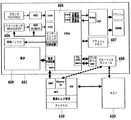
図6は、本発明の一実施形態によるシステムのハードウェアアーキテクチャを示す図である。前述の実施形態で示したのと同じ、または関連する構成部品の多くを同様の符号を使用して表わす。プロセッサ606は、本発明の様々な態様に関連する機能を行うための任意の周知のプロセッサから成ることが可能である。例えば、プロセッサは、FPSLIC AT94S40を含むことが可能であり、AVRコアを有するFPGAから成ることが可能である。この特定のデバイスは、20MHzクロックを含み、20MIPSの速度で動作することが可能である。もちろん、入力デバイス601内部で使用するためのプロセッサの選択は、システムのコストおよび/または処理速度要件によって規定される可能性がある。プロセッサ606は、入力デバイス内部で画像解析が行われる場合、そのような解析を行うことができる。代替として、処理は、デバイス601に組み込まれたデジタル信号プロセッサ(DSP)などの第2のプロセッサによって行われることが可能である。プロセッサ606は、入力デバイスが非アクティブであるときに様々な構成部品の電力を遮断するなどの、電源609に蓄えられた電力を保存するように電力消費を低減することに不可欠なステップを行うようにさらに動作することが可能であり、入力デバイスが非アクティブであることは、デバイスの動きおよび/または位置を示すデータに基づくことが可能である。プロセッサ606は、例えば、光源の輝度に合わせて調整すること、またはカメラの感知アレイ604の感度に合わせて調整することを含め、様々な構成部品のパフォーマンス(性能)を較正し、調整するようにさらに動作することが可能である。また、プロセッサ、または連結されたデジタル信号プロセッサは、複数の記憶されている画像処理アルゴリズムのなかから選択を行うことが可能であり、また例えば、デバイスが上部で動かされる表面に関連する特性に従って動きを検出するのに最も適した画像解析アルゴリズムを選択するように制御されることが可能である。したがって、アルゴリズムは、入力デバイスにプログラミングされた動作の考慮事項に基づいて自動的に選択されることが可能である。代替として、入力デバイスは、例えば、力センサの作動を介して入力された、またはコマンドに対応する手書きのストロークに基づいて入力されたユーザの選択に基づいて制御され、設定が確立されることが可能である。
Hardware Architecture FIG. 6 is a diagram illustrating a hardware architecture of a system according to an embodiment of the present invention. Many of the same or related components as shown in the previous embodiments are denoted using similar reference numerals.
一実施形態では、メモリ607は、1つまたは複数のRAM、ROM、フラッシュメモリ、あるいはデータを記憶するため、デバイスを制御するためのソフトウェアを記憶するため、またはデータを処理するためのソフトウェアを記憶するための任意のメモリデバイスまたはメモリデバイス群を含むことが可能である。前述したとおり、位置情報を表わすデータは、入力デバイス601内部で処理され、ホストコンピュータ620に転送するためにメモリ607の中に記憶されることが可能である。代替として、取り込まれた画像データは、処理するため、または別の目的でホスト装置620に転送するために入力デバイス601内部のメモリ607の中にバッファリングされることが可能である。
In one embodiment,
トランシーバ、つまり通信ユニット608は、送信ユニットと受信ユニットとを含むことが可能である。前述したとおり、電子インクを生成し、かつ/または表示するのに適した形態に処理された、または別の形に処理された入力デバイスの動きを表わす情報が、前述したデスクトップコンピュータ、ラップトップコンピュータ、Tablet PC(商標)、パーソナルデータアシスタント、電話機、あるいはユーザ入力および電子インクが有用である可能性がある他のそのようなデバイスなどのホストコンピュータ620に伝送されることが可能である。トランシーバ608は、短距離無線通信、赤外線通信を行うための、ブルートウス(Bluetooth)技術を含む任意の無線通信技術を使用して、あるいはセルラー技術または他の長距離無線技術さえ使用して外部デバイスと通信することができる。代替として、トランシーバ608は、USB接続を介するなどのホストコンピュータに対する直接リンクを介して、またはドッキングクレイドル(docking cradle)630を介して間接的にデータの伝送を制御することが可能である。また、入力デバイスは、専用接続を使用して特定のホストコンピュータに有線で接続することも可能である。また、トランシーバ608を使用して情報および/またはソフトウェアを受信することもでき、この情報および/またはソフトウェアを、一実施形態では、入力デバイスのパフォーマンスを向上させるために使用することが可能である。例えば、プロセッサの制御機能を更新するためのプログラム情報を前述した技術の任意のものを介してアップロードすることができる。さらに、画像データを解析するため、および/または入力デバイスを較正するためのソフトウェアを含め、ソフトウェアを入力デバイスに伝送することも可能であり、外部デバイスからダウンロードすることができる。
The transceiver or
プロセッサ606は、対話モデルに従って動作することが可能である。対話モデルは、ユニットが入力デバイスの機能をする外部デバイスに関わらず電子インクが生成される一貫した体験(experience)が保たれるようにするためのソフトウェアの形態で実装することができる。対話モデルは、デスクトップコンピュータ、ラップトップコンピュータ、Tablet PC(商標)、パーソナルデータアシスタント、電話機、ホワイトボードを含むあらゆるホスト装置上で、または入力デバイスを介して入力されたデータを記憶する、表示する、または記録することが可能な任意のデバイス上で使用するのに全般的に適した形態に変換するために、取り込まれたデータを処理することができる。プロセッサ606は、自らが接続されている先のデバイス、または手書きの入力を表わすデータを対象としているデバイスを認識することができ、そのような認識に基づき、認識された特定のデバイスに適切な形態に入力データを変換する処理を選択することができる。その場合、それぞれの受け手となる可能性があるコンピューティングデバイスに役立つ形態への変換は、入力デバイス内部に含まれ、必要に応じて供与される。対象とする受取り側デバイスの認識は、デバイスが無線で、または直接に接続されている場合、デバイス間の通信の結果として達成することができる。代替として、ユーザが、データが向けられているデバイスまたはデバイス群の識別を入力デバイスに直接に入力することができる。もちろん、入力デバイスがディスプレイを含む場合、そのディスプレイおよび/または多数の他のデバイスで使用するのに適したデフォルトの処理アルゴリズムを使用してデータを処理することができる。
慣性センサ
図7に示すとおり、入力デバイス701は、同様の符号で表わされる前述した構成部品に加えて、ペンの動き、位置、または向きを感知するための1つまたは複数の慣性センサ715も含むことが可能である。例えば、入力デバイス701は、複数の方向におけるペンの角速度を表わすデータを提供するためのジャイロスコープを含むことが可能である。入力デバイス701は、ペンにかかる加速度または重力を測定する1つまたは複数の加速度計、または加速度計のセットを含むことが可能である。また、ペンの動きを表わすデータは、地球の磁場の測定値の変動を検出することによってペンの動きを測定する磁気センサを使用して得ることも可能である。このセンサは、画像データ以外のデータに基づいて入力デバイスの動きを検出するため、慣性センサとして本明細書で説明している。ジャイロスコープ、加速度計、磁気センサ、誘導素子、あるいは入力デバイスの動きを測定するための任意のデバイスまたはデバイス群を含むことが可能な入力デバイスとともに、または入力デバイス内部に組み込まれる慣性センサのいずれか、または任意のものからのデータをカメラからのデータと組合せで使用して、入力デバイスの動きまたは位置を表わすデータを得ることができ、これにより、電子インクを生成するためのデータを生成することができる。
Inertial Sensors As shown in FIG. 7, the
サンプルとしての実施形態
I.入力デバイスは、能動的符号化を使用して動作することができる
A.能動的符号化は、ディスプレイ上、または他の書込み面上の入力情報のエントリに関する位置情報を提供する
前述したとおり、入力デバイスが上部に置かれ、かつ/または動かされるオブジェクトの表面が、その表面内の各エリアの場所または相対位置を示す符号化された画像データを含むことが可能である。オブジェクトはラップトップコンピュータのようなコンピューティングデバイスのディスプレイを含むことが可能である。一実施形態では、ドキュメントが、メモリから呼び出され、画面上に表示されることが可能である。そのドキュメント内では、背景などに、ドキュメントの各エリアの位置を示す符号化された情報が符号化されていることが可能である。例えば、ドキュメントの背景は、迷路パターン(maze pattern)を含み、そのパターンの十分に大きい部分が、ドキュメント全体における各エリアを一意的に特定していることが可能である。入力デバイスをこの符号化された位置情報と組合せで使用して、ラップトップのディスプレイが画面上の入力デバイスの動きを検出するためのセンサを含まない場合でも、指定された位置でドキュメントに注釈または編集を加えることが可能である。したがって、入力デバイスは、入力デバイスに関連するセンサが、このデバイスの位置または場所を示すデータを生成するように「能動的入力デバイス」として機能することが可能である。
Embodiment as a sample I. Input Devices Can Operate Using Active Coding Active encoding provides position information for an entry of input information on a display or other writing surface. As described above, the surface of the object on which the input device is placed and / or moved is the surface of the object on which the input device is placed and / or moved. May include encoded image data indicating the location or relative position of each area within. The object can include a display of a computing device, such as a laptop computer. In one embodiment, a document can be retrieved from memory and displayed on a screen. In the document, encoded information indicating the position of each area of the document can be encoded in the background or the like. For example, the background of the document may include a maze pattern, and a sufficiently large portion of the pattern may uniquely identify each area in the entire document. The input device is used in combination with this encoded location information to annotate or document the document at the specified location, even if the laptop display does not include a sensor to detect movement of the input device on the screen. It is possible to make edits. Thus, the input device can function as an "active input device" such that sensors associated with the input device generate data indicating the location or location of the device.
一例では、入力デバイスに組み込まれたイメージセンサが、入力デバイスが上部に置かれ、かつ/または動かされる表示画面の表面を表わす画像データを取り込む。センサは、入力デバイスの相対位置を示す位置コードを含む画像を取り込む。ユーザが、表示された画像上を動かし、表示されている電子ドキュメントに注釈を入力し、かつ/または編集を行うと、入力デバイスは、その入力、およびその入力が組み込まれるべきドキュメント内の場所を表わすデータを表わす信号を生成する。ラップトップの制御は、マウスの代わりに、入力デバイスを使用して行うこともでき、あるいはカーソルの動き、および選択の作動を含む他の標準の入力機能を行うことができる。 In one example, an image sensor integrated into the input device captures image data representing a surface of a display screen on which the input device is placed and / or moved. The sensor captures an image including a position code indicating a relative position of the input device. As the user moves over the displayed image, enters annotations and / or edits the displayed electronic document, the input device determines the input and the location in the document where the input is to be incorporated. A signal representing the data to be represented is generated. Control of the laptop may be performed using an input device instead of a mouse, or may perform other standard input functions, including cursor movement and actuation of selections.
入力デバイスをワードプロセッシングソフトウェアと組合せで使用して、例えば、テキストを削除し、新しいテキストを挿入することによってドキュメントを編集することができる。コンピューティングデバイスの画面上に表示されたドキュメントを編集するのに、ユーザは、所望の位置で画面上に入力デバイスを置く。テキストを削除するのに、ユーザは、画面の近くに入力デバイスを位置させ、表示されているテキストの画像を取消す動作でデバイスを動かすことができる。位置コードを感知することにより、画像を処理して、ペンが取消しの動きで動かされたことを判定することができるとともに、ユーザが入力デバイスを動かした場所に対応するテキストを特定することができる。したがって、入力はそのデータを消去するために使うことが可能である。 An input device can be used in combination with word processing software to edit a document, for example, by deleting text and inserting new text. To edit a document displayed on a screen of a computing device, a user places an input device on the screen at a desired position. To delete text, the user can move the device with the action of positioning the input device near the screen and canceling the displayed text image. By sensing the position code, the image can be processed to determine that the pen has been moved in a undo motion and to identify the text corresponding to where the user moved the input device. . Thus, the input can be used to erase that data.
次に、ユーザは、新しいテキストを挿入することを望む可能性がある。慣れ親しんだ仕方で、ユーザは、新しいテキストが挿入されるべき位置に、「キャロット(carrot)」、つまり逆さまの「V」などのテキストを挿入するための記号を描くことができる。入力デバイスまたはホストコンピュータの中に記憶された入力を画像データおよび/またはコマンドに変換するための処理ソフトウェアが、その記号をテキストを挿入するための制御信号として認識する。次に、入力デバイスの助けを借りて、ユーザは、挿入されるべきテキストを手で書き込むことができる。 Next, the user may want to insert new text. In a familiar manner, the user can draw a symbol for inserting a text, such as a "carrot", ie, an upside-down "V", where new text is to be inserted. Processing software for converting input stored in the input device or host computer into image data and / or commands recognizes the symbol as a control signal for inserting text. Then, with the help of the input device, the user can manually write the text to be inserted.
代替の実施形態では、ユーザは、注釈が関係する原文を指し示すハイライトで注を追加することができる。例えば、ユーザは、画面上に表示されるプルダウンメニュー、またはハイライトボタンを使用して、ハイライトされるべきテキスト(文章)を選択することができる。次に、入力デバイスは、ハイライトのために選択されるべきテキスト上にドラッグされる。次に、ハイライトされた/選択されたテキストに関連付けられるべきコメントが、ハイライトされたテキストに隣接した位置でディスプレイの画面上に書き込まれることが可能である。操作が完了した際、ユーザは、注釈の入力を完了するために必要なプロンプトを選択することができる。ドキュメントに対する以上の変更のすべては、ディスプレイが入力デバイスの動きを検出するためのセンサを含むかどうかに関わらず、入力デバイスを使用して生成することができる。 In an alternative embodiment, the user can add a note with a highlight that points to the source text to which the annotation pertains. For example, the user can select a text to be highlighted using a pull-down menu displayed on the screen or a highlight button. Next, the input device is dragged over the text to be selected for highlighting. Next, a comment to be associated with the highlighted / selected text can be written on the display screen at a location adjacent to the highlighted text. When the operation is completed, the user can select the prompt required to complete the annotation entry. All of the above changes to the document can be generated using the input device, whether or not the display includes a sensor for detecting movement of the input device.
ドキュメントに対する変更は、テキストに変換される画像データ、電子インク、またはデータの形態でドキュメント内に表示し、かつ/または組み込むことができる。入力をテキストに変換することは、ユーザに見えない形で行われ、したがって、テキストが、入力されたとおりに画面上のドキュメントの表示において現れることが可能である。代替として、ユーザの手書きが、ドキュメントの本文内で現れることが可能である。編集の即時表示を実現するのに、ペンの動き、およびそのような編集の場所を表わす情報が、継続的にラップトップデバイスに伝送されることが可能である。 Changes to the document can be displayed and / or incorporated into the document in the form of image data, electronic ink, or data that is converted to text. Converting the input to text is invisible to the user, so that the text can appear in the display of the document on the screen as entered. Alternatively, the user's handwriting can appear in the body of the document. To provide an immediate display of edits, pen movements and information representing the location of such edits can be continuously transmitted to the laptop device.
前述したとおり、入力を行う個人の身元も記録されることが可能である。例えば、入力デバイスは、ユーザおよび/または特定の入力デバイスを識別する情報を生成することが可能である。識別情報は、生成された入力データに付加されることが可能である。代替として、そのような識別情報が、ホスト装置に伝送される別個の信号として提供されることも可能である。 As mentioned above, the identity of the individual making the input can also be recorded. For example, an input device may generate information identifying a user and / or a particular input device. The identification information can be added to the generated input data. Alternatively, such identification information can be provided as a separate signal transmitted to the host device.
前述の例示的な実施形態は、入力デバイスが上部で動かされる表面をラップトップデバイスのディスプレイとして特定したが、入力デバイスは、デバイスが上部で動かされることが可能な任意のオブジェクトの表面内に組み込まれた符号を使用して位置を検出するように機能することも可能である。したがって、入力デバイスをデスクトップコンピュータ、Tablet PC(商標)、パーソナルデータアシスタント、電話機、または情報を表示することができる任意のデバイスのモニタと組合せで使用して、位置符号を組み込んだ画像を生成し、かつ/または編集することができる。また、符号化された情報は、そのようなデバイスの表示画面上に置かれた透明シート内に組み込むこと、または保護フィルムを含め、ディスプレイと組合せで使用することができる表面内に組み込むことも可能である。 Although the previous exemplary embodiment identified the surface on which the input device was moved as a display of a laptop device, the input device was incorporated within the surface of any object on which the device could be moved. It is also possible to function to detect the position using the given code. Thus, the input device is used in combination with a monitor of a desktop computer, Tablet PC ™, personal data assistant, telephone, or any device capable of displaying information to generate an image incorporating position codes, And / or can be edited. The encoded information can also be incorporated into a transparent sheet placed on the display screen of such a device, or into a surface that can be used in combination with a display, including a protective film. It is.
また、符号化された情報は、用紙などの書込み面上、または書込み材料上に、その表面上の位置を一意的に特定するように組み込むことも可能である。例えば、用紙の背景に位置情報を組み込むことが可能である。前述したとおり、位置情報は、用紙上の特定の部位の相対位置を表わす任意の形態の指示または符号を含むことが可能である。したがって、入力デバイスを符号化された用紙に関連して使用して、適切な位置でユーザの手書きに対応する情報を記録することができる。例えば、入力デバイスと、符号化された位置情報を組み込んだ書込み面だけを装備して、タクシーに乗りながら、入力デバイスを使用して顧客に対する手紙の草稿を作成することができる。入力デバイスを使用して用紙に書込みを行うと、テキストまたはその他の入力情報に対応するジェスチャ(振る舞い)は、ある時点における入力デバイスの位置の変化を検出することによって認識される。次に、入力は、そのジェスチャに対応する情報を生成するのに使用するために電子インクまたはその他の電子データに変換されることが可能である。入力の変換は、入力デバイス内部で、または入力デバイスに接続されたホストコンピューティングデバイスによって受信された場合に、入力が生成されるにつれて行われることが可能である。代替として、そのような変換は、後の時点で行われることも可能である。例えば、入力デバイスを使用して生成された情報が、後の時点における適切な処理のためにメモリの中に記憶され、受け手および/またはホストコンピュータに伝送されることが可能である。 The encoded information can also be incorporated on a writing surface such as a sheet of paper or on a writing material so as to uniquely identify a position on the surface. For example, it is possible to incorporate position information into the background of a sheet. As described above, the position information can include an instruction or a sign in any form indicating the relative position of a specific portion on the sheet. Therefore, the input device can be used in connection with the encoded paper to record information corresponding to the user's handwriting at an appropriate position. For example, a user can draft a letter to a customer using the input device while riding a taxi, with only the input device and a writing surface incorporating the encoded location information. When writing on paper using an input device, a gesture corresponding to text or other input information is recognized by detecting a change in the position of the input device at a certain point in time. The input can then be converted to electronic ink or other electronic data for use in generating information corresponding to the gesture. Transformation of the input can occur as the input is generated, as received within the input device or by a host computing device connected to the input device. Alternatively, such a conversion can be performed at a later point in time. For example, information generated using the input device may be stored in memory for appropriate processing at a later point in time and transmitted to a recipient and / or a host computer.
入力デバイスを使用して生成されたデータは、手書きの手紙であるか、記号であるか、単語であるか、または他の書かれた画像であるかに関わらず、位置符号によって特定された位置でドキュメント内に組み込むことができる。したがって、フォーマットされたテンプレートが存在しない場合でも、前述した手紙などのドキュメントのレイアウトを、情報が入力されるべきドキュメント内の位置を割り出す位置情報を使用して実現することができる。例えば、起草者の住所、受取人の住所、手紙の本文と結び、および残りの構成部品が、適切な位置で用紙に入力されることが可能である。スキャナ(画像読み取り部)によって取り込まれ符号化された位置情報を使用して、電子ドキュメントに対応する内容を形成する語またはその他の画像が適切な位置で組み込まれる。 The data generated using the input device, whether it is a handwritten letter, symbol, word, or other written image, is identified by a position code Can be included in the document. Therefore, even when a formatted template does not exist, the layout of a document such as a letter described above can be realized using position information for determining a position in a document where information should be input. For example, the author's address, the recipient's address, the text of the letter, and the remaining components can be entered on the form at the appropriate locations. Using the position information captured and encoded by the scanner (image reader), words or other images forming the content corresponding to the electronic document are incorporated at the appropriate locations.
また、検出された位置情報を使用して、入力デバイスは、コマンドを入力すること、選択を行うこと等のためにホストコンピューティングデバイスと対話することもできる。コンピューティングデバイスがWebブラウズ特性を有する携帯カメラまたは電話機である場合、入力デバイスをスタイラスまたはマウスのように使用して、表示されたボタンまたはメニューから選択を行うことができる。したがって、入力デバイスを使用してホストコンピュータのブラウザを起動し、前述したドキュメントなどのファイルを、遠隔で記憶されているファイルでさえ、取り出すためのオプションを選択することができる。入力デバイスを使用して、ユーザは、自身が必要とする情報を含むファイルのダウンロードを選択することができる。次に、ユーザは、入力デバイスを介してダウンロードされたファイルまたはファイル群に注釈を入力することができる。入力デバイスが遠隔コンピューティングデバイスと通信を行う備えを有する場合、それらの編集をファイルのダウンロード元である遠隔の場所に伝送することができる。代替として、入力デバイスがホストコンピューティングデバイスと通信していると想定すると、その編集を使用して入力デバイスおよび/またはホストコンピューティングデバイスの内部に記憶されたファイルを編集することができる。 Using the detected location information, the input device can also interact with the host computing device to enter commands, make selections, and the like. If the computing device is a portable camera or telephone with web browsing characteristics, the input device can be used like a stylus or mouse to make selections from displayed buttons or menus. Thus, the input device can be used to launch a browser on the host computer and select an option to retrieve a file, such as the aforementioned document, even a remotely stored file. Using the input device, the user can choose to download a file containing the information he needs. The user can then enter annotations into the downloaded file or files via the input device. If the input device is equipped to communicate with a remote computing device, those edits can be transmitted to a remote location from which the file was downloaded. Alternatively, assuming that the input device is in communication with the host computing device, the edits can be used to edit files stored inside the input device and / or the host computing device.
別の実施形態では、ホストコンピューティングデバイスのモニタ上に表示されるファイルは、EXCEL(商標)などの表計算ソフトウェアを使用して生成されたスプレッドシートであることが可能である。位置符号を使用して位置をスプレッドシート(表計算シート)内の所与のセルに関連付けることができる。ユーザは、画面上に表示されたセルの中に数字エントリを入力することが可能である。その時点で、入力デバイスが、入力デバイスの位置に関連する画像を取り込み、その情報をホストコンピューティングデバイスに伝送する。例えば、ホストコンピューティングデバイス内にあり、スプレッドシートソフトウェアと組合せで動作している処理ソフトウェアが、検出された位置符号に基づいてエントリのために選択されたセルの識別を特定し、それに応じてスプレッドシートドキュメントを変更する。 In another embodiment, the file displayed on the monitor of the host computing device may be a spreadsheet generated using spreadsheet software such as EXCEL ™. A position code can be used to associate a position with a given cell in a spreadsheet. The user can enter a numeric entry into a cell displayed on the screen. At that point, the input device captures an image associated with the location of the input device and transmits that information to the host computing device. For example, processing software residing in the host computing device, operating in combination with spreadsheet software, determines the identity of the cell selected for entry based on the detected position code and spreads accordingly. Change the sheet document.
また、入力デバイスを使用して、特定のジェスチャ、または特定のジェスチャの組合せに関連する画像、または他のあらかじめ記憶された情報を呼び出すこともできる。例えば、入力デバイスを使用して、処理アルゴリズムデバイスが認識するようにプログラミングされている記号を描くことが可能である。迷路パターンを使用して、そのパターン上の入力デバイスの動きを正確に検出し、その動きに関連する特定の記号を検出できるようにすることが可能である。例えば、ユーザが、入力デバイスを制御して、会社のロゴに関連付けられるように自身が以前に特定した記号を用紙上に描くことが可能である。迷路パターンにより、文字「M」の直後に続く文字「S」に対応する動きの組合せが、マイクロソフトコーポレーションのロゴの入力を指定する命令として識別されることが可能である。この結果、そのようなあらかじめ記憶された情報が、以前の入力のシーケンスの入力によってドキュメント内に入力されることが可能である。 The input device may also be used to invoke an image or other pre-stored information associated with a particular gesture or combination of particular gestures. For example, an input device can be used to draw a symbol that is programmed to be recognized by a processing algorithm device. A maze pattern can be used to accurately detect the movement of an input device on the pattern and to be able to detect certain symbols associated with the movement. For example, a user can control an input device to draw on a piece of paper a previously identified symbol to be associated with a company logo. The maze pattern allows a combination of movements corresponding to the letter "S" immediately following the letter "M" to be identified as an instruction to specify the input of the Microsoft Corporation logo. As a result, such pre-stored information can be entered into the document by inputting a previous sequence of inputs.
B.能動的符号化は、ホストコンピューティングデバイスが入力デバイスの動きを感知するセンサを含む場合、位置情報を提供することが可能である
入力デバイスは、受動的入力デバイスとしても使用することができる。この様式では、入力デバイスは、例えば、抵抗方式の感知を使用する入力デバイスの動きを感知するコンピューティングデバイスと組合せで使用することができる。Tablet PC(商標)またはパーソナルデータアシスタントなどの入力デバイスの動きを検出するためのセンサボードを含むデバイスと組合せで使用される場合、入力デバイスは、スタイラスのように機能することが可能である。入力デバイスを使用すると、入力デバイスが画面に非常に近接に位置付けられて、電子インクまたはその他の画像データが生成されることが可能である。また、制御機能も同様の仕方で入力することができる。さらに、特定のコンピューティングデバイスのモニタ上に表示される画像は、ドキュメントのその部分の相対位置を表わす符号に対応するデータを含むことも可能である。次に、カメラを使用してオブジェクトから抽出される位置情報を、コンピューティングデバイスのセンサを使用して検出される動きの代わりとして、またはそれと組合せで使用して入力デバイスの動きを追跡することができる。
B. Active encoding can provide location information if the host computing device includes a sensor that senses movement of the input device. The input device can also be used as a passive input device. In this manner, the input device can be used, for example, in combination with a computing device that senses movement of the input device using resistive sensing. When used in combination with a device that includes a sensor board to detect movement of the input device, such as a Tablet PC ™ or a personal data assistant, the input device can function like a stylus. With an input device, the input device can be positioned very close to the screen and electronic ink or other image data can be generated. Control functions can also be entered in a similar manner. Further, the image displayed on the monitor of a particular computing device may include data corresponding to a code representing the relative position of that portion of the document. The position information extracted from the object using the camera may then be used to track the movement of the input device instead of or in combination with the movement detected using the sensors of the computing device. it can.
例えば、ユーザが、Tablet PC(商標)またはパーソナルデータアシスタントなどの入力デバイスの位置を検出する能力を既に含む携帯コンピューティングデバイス上で画像を生成する、または変更することを望む可能性がある。入力デバイスは、入力デバイスの動きを表わす情報が、コンピューティングデバイスによって生成されるように、受動的入力デバイスとしてだけ機能することが可能である。ただし、コンピューティングデバイスのセンサは、所与の状況においてユーザが必要とする範囲のペンの動きを検出する能力を有さない可能性がある。例えば、ユーザが不安定な車両の中で移動している場合、ユーザ入力の正確な検出が妨げられる可能性がある。ユーザが、コンピューティングデバイスのディスプレイの画面上で入力デバイスを動かすことによってファイルを編集する際、入力デバイスが、揺さぶられて、センサボード(感知盤)から相当な距離をずらされる可能性がある。コンピューティングデバイスのセンサによって生成される信号がそれほど正確でなくなっていても、入力デバイスによって取り込まれた画像データを使用して、コンピューティングデバイスの表面に水平な平面内の入力デバイスの動きを検出することができる。コンピュータデバイスのセンサが、もはや入力デバイスの動きを検出することができない場合でも、入力デバイスのイメージセンサは、ユーザの意図する入力を反映するように入力デバイスの動きの正確な表現を維持するのに十分なだけの情報を生成することができる。したがって、入力デバイスの動きを感知する能力を含むコンピューティングデバイスと組合せで使用される場合でも、入力デバイスは、受動的入力デバイス、または能動的入力デバイスとして機能することができる。 For example, a user may want to create or modify an image on a portable computing device that already includes the ability to detect the location of an input device such as a Tablet PC ™ or a personal data assistant. The input device can only function as a passive input device, such that information representing the movement of the input device is generated by the computing device. However, the sensors of the computing device may not have the ability to detect the range of pen movement required by the user in a given situation. For example, if the user is moving in an unstable vehicle, accurate detection of user input may be hindered. When a user edits a file by moving the input device over the screen of the display of the computing device, the input device can be shaken and displaced a considerable distance from the sensor board. Using the image data captured by the input device to detect movement of the input device in a plane horizontal to the surface of the computing device, even though the signal generated by the sensor of the computing device is less accurate be able to. Even when the sensor of the computing device can no longer detect the movement of the input device, the image sensor of the input device can maintain an accurate representation of the movement of the input device to reflect the user's intended input. Only enough information can be generated. Thus, even when used in combination with a computing device that includes the ability to sense movement of the input device, the input device can function as a passive input device or an active input device.
II.入力デバイスは、受動的符号化技術を使用して動作することができる
A.受動的符号化は、ディスプレイ上またはその他の書込み面上で入力情報を入力するための位置情報を提供する
入力デバイスを任意の用紙、書込み面、またはその他の担体に関連して使用して、ユーザの手書きに対応する情報を記録することも可能である。この場合も、入力デバイスおよび書込み面だけを装備して、入力デバイスを使用してクライアントに対する手紙の草案を書くことができる。この場合、入力デバイスの動きが、担体の表面の画像内に埋め込まれた符号以外を使用して検出されて、ジェスチャが、受動的符号化に依拠して検出される。例えば、ユーザが、無地の用紙上に文字を下書きすることが可能である。ユーザが入力デバイスを使用して書き込むと、イメージセンサが、用紙の画像を取り込む。画像内のオブジェクトが特定されることが可能であり、一連の取り込まれた画像内のオブジェクトの動きが、動きを示す。感知されるオブジェクトには、用紙の透かし、またはその他の欠陥に対応することが可能な用紙の表面上のアーチファクトまたはその他のオブジェクトが含まれることが可能である。代替として、用紙は、やはり表面上のペンの動きを計算するのに使用することができる罫線を含むことが可能である。用紙が存在しない場合でも、入力デバイスの相対的な動きを特定することが可能である。入力デバイスを机の表面上で動かし、木材の木目が、入力デバイスの相対的な動きを検出するのに必要なオブジェクトを提供することが可能である。前述したのと同様のやり方で、ユーザは、用紙上、または上部で動きが光学的に検出されることが可能な任意の表面上に文字を下書きすることができる。入力デバイスの動きが、メモリの中に記憶され、かつ/またはそのジェスチャを表わす情報に変換されることが可能である。
II. Input Devices Can Operate Using Passive Coding Techniques Passive encoding provides positional information for inputting input information on a display or other writing surface, using an input device in connection with any paper, writing surface, or other carrier to allow the user to It is also possible to record information corresponding to the handwriting of. Again, with only an input device and a writing surface, the input device can be used to draft a letter to the client. In this case, the movement of the input device is detected using a code other than the code embedded in the image of the surface of the carrier, and the gesture is detected based on passive coding. For example, a user can draft a character on plain paper. When the user writes using the input device, the image sensor captures the image of the paper. Objects in the image can be identified, and the movement of the object in the sequence of captured images indicates the movement. The sensed objects can include artifacts or other objects on the surface of the paper that can accommodate paper watermarks or other defects. Alternatively, the paper can include ruled lines that can also be used to calculate pen movement on the surface. Even when there is no paper, the relative movement of the input device can be specified. The input device can be moved over a desk surface and the wood grain can provide the objects needed to detect the relative movement of the input device. In a manner similar to that described above, the user can draft characters on paper, or any surface on which movement can be optically detected. The movement of the input device can be stored in memory and / or converted to information representing the gesture.
さらに別の実施形態では、携帯デバイスを携帯コンピューティングデバイスの代替品として使用することが可能である。例えば、技術者が、設計チームの残りのメンバに会うために列車で移動している際、自身の会社のペースメーカに関連する回路障害に対する解決策をうまく作りあげたものの、ラップトップ、またはその他のコンピューティングデバイスが利用できず、自身の考えを記録するための適切な代替品として自身の入力デバイスを利用することが可能である。利用できる時間を最大限に活用して(また、インクカートリッジを取外し、あるいはキャップをはめて)、ユーザは、自身の目の前の椅子の背に、問題の疑われる電気回路に対する変更を表わすスケッチを書く。ユーザは、入力デバイスを起動し、スケッチを生成するのに良いモードに入力デバイスを設定し(これは、例えば、変換が作動しないようにすることを含む可能性がある)、問題に対する解決策を表わす単純化された図案をスケッチすることを始める。すると、入力デバイスが、手書きのストロークを表わすファイルを記憶することができる。スケッチモードから切り替えて、スケッチの妥当な部分の隣に注釈およびリファレンス(基準、参照)を書き留めることができ、そのエントリが、画像ファイル内に組み込まれる。例えば、ユーザは、文字に対応するジェスチャが認識される注釈モードに切り替えることができる。これにより、ユーザは、自らが提案した解決策の説明をスケッチとともに組み込むことができる。医療研究センタに到着するまで待つ代わりに、操作者は、予定の会合に先立つ熟考のために、図面を設計チームの残りのメンバに伝送することを選択することができる。そのような伝送は、入力デバイスから修正されたドキュメントをセルラー電話機などの携帯無線装置にアップロードすることを含め、あらゆる仕方で実行することが可能である。次に、その情報を使用して、VISIO(商標)ドキュメントなどの画像ファイルを生成することができる。 In yet another embodiment, a portable device can be used as a replacement for a portable computing device. For example, while a technician is traveling on a train to meet the rest of the design team, he has successfully crafted a solution to a circuit fault associated with his company's pacemaker, but has a laptop or other computer. No input device is available, and it is possible to use one's own input device as a suitable substitute for recording one's thoughts. Making the most of the available time (and removing or capping the ink cartridges), the user places a sketch on the back of the chair in front of him to indicate any changes to the suspect circuit. write. The user activates the input device, sets the input device to a mode that is good for generating sketches (this may include, for example, disabling the conversion) and provides a solution to the problem. Start sketching a simplified pattern to represent. Then, the input device can store the file representing the handwritten stroke. Switching from sketch mode, annotations and references (references, references) can be written down next to the relevant part of the sketch, and the entry is incorporated into the image file. For example, a user can switch to an annotation mode in which a gesture corresponding to a character is recognized. This allows the user to incorporate the description of the solution he has proposed along with the sketch. Instead of waiting for arrival at the medical research center, the operator may choose to transmit the drawing to the remaining members of the design team for consideration prior to the scheduled meeting. Such transmission can be performed in any manner, including uploading the modified document from the input device to a portable wireless device, such as a cellular telephone. The information can then be used to generate an image file, such as a VISIO ™ document.
チームの残りのメンバに伝送されると、図面のスケッチに対応する前述したファイルが、チームメンバのホストコンピューティングデバイスのモニタ上に表示されることが可能である。例えば、画像をよび付随するテキストをデスクトップコンピュータのディスプレイ上に提示することができる。モニタ上に表示されるファイルの画像に近接して入力デバイスを位置付けることにより、表示されている注釈にさらなる注釈を追加することができる。その場合、入力デバイスの動きは、入力デバイスの光学センサによって取り込まれた画像内のオブジェクトの相対的な動きを測定することによって検出されることが可能である。入力デバイスによって生成された信号は、入力デバイス内部に記憶されたソフトウェアによって処理されること、または処理のためにホストコンピューティングデバイスに伝送されることが可能である。検出された動きの処理により、入力デバイスを介して入力された電子インク、テキスト、または注釈を表わすその他のデータが生成されることが可能である。 Once transmitted to the rest of the team, the aforementioned file corresponding to the sketch of the drawing may be displayed on a monitor of the team member's host computing device. For example, an image and accompanying text can be presented on a desktop computer display. By positioning the input device close to the image of the file displayed on the monitor, additional annotations can be added to the displayed annotation. In that case, movement of the input device can be detected by measuring the relative movement of the object in the image captured by the optical sensor of the input device. The signals generated by the input device can be processed by software stored inside the input device or transmitted to a host computing device for processing. Processing of the detected motion can generate electronic ink, text, or other data representative of the annotation entered via the input device.
B.受動的符号化は、ホストコンピューティングデバイスが入力デバイスの動きを感知するためのセンサを含む場合、位置情報を提供することができる
入力デバイスは、位置符号が存在しない場合でも、入力デバイスの動きを検出するためのセンサを有するコンピューティングデバイスと併せて使用することが可能である。例えば、入力デバイスは、スタイラスとともに使用するように設計されたパーソナルデータアシスタント上またはその他のコンピューティングデバイス上で手書きの注釈を生成するためのソースとして使用することができる。したがって、ユーザは、用事を済ませている最中に、既存の「所用リスト(to do list)」のことを思い出させられて、項目を追加することを所望することが可能である。ユーザは、パーソナルデータアシスタントなどのホストコンピューティングデバイスの中に記憶されたリストを取り出す。入力デバイスの先端をパーソナルデータアシスタントのディスプレイ上に位置付けて、ユーザは、メニューを渉り、所望されるリストを取り出す選択を行うことができる。そのリストが提示されると、ユーザは、ホスト装置の画面上で、既に完了したタスクの記述の隣に位置する空のボックスの中にチェックを入力することができる。入力デバイスは、ボックスに対応するデータを含む画面の画像を取り込み、そのデータをホストコンピューティングデバイスに伝送する。次に、画像データを解析するための処理アルゴリズムを使用して、ホストコンピューティングデバイスは、ボックスの形状を入力が行われることが可能なオブジェクトとして検出する。うまくチェックマークを入力するため、画像データは、「チェック」の認識される形状を形成するジェスチャであるボックスのエリア上、およびエリア内のペンの動きを検出するように処理される。次に、ホスト装置は、ボックス内にチェックの表示を含めるようにリストに関連するファイルを変更する。リスト内の最後の項目に続くスペース上に入力デバイスを位置付けて、ユーザは、追加の項目を記述するテキストを入力する。ホスト装置のセンサが、入力デバイスの動きを検出し、その入力を表わすデータを生成する。入力は、テキストに変換され、空のボックスとともにユーザに表示される。
B. Passive encoding can provide location information if the host computing device includes a sensor to sense movement of the input device.The input device can detect movement of the input device even if the position code is not present. It can be used in conjunction with a computing device that has a sensor for detection. For example, an input device can be used as a source for generating handwritten annotations on a personal data assistant or other computing device designed for use with a stylus. Thus, the user may be reminded of an existing "to do list" while completing a task and may wish to add an item. The user retrieves a list stored in a host computing device, such as a personal data assistant. With the tip of the input device positioned on the display of the personal data assistant, the user can navigate through the menu and make a selection to retrieve the desired list. When the list is presented, the user can enter a check in the empty box next to the description of the task already completed on the screen of the host device. The input device captures an image of a screen including data corresponding to the box and transmits the data to a host computing device. Next, using a processing algorithm to analyze the image data, the host computing device detects the shape of the box as an object on which input can be made. To successfully enter a check mark, the image data is processed to detect movement of the pen on and within the area of the box, which is the gesture that forms the recognized shape of the "check". Next, the host device modifies the file associated with the list to include the display of the check in the box. With the input device positioned on the space following the last item in the list, the user enters text describing additional items. A sensor in the host device detects movement of the input device and generates data representing the input. The input is converted to text and displayed to the user with an empty box.
同様に、例えば、宿題の小説を読んでいる学生などのMicrosoft Readerのユーザが、該当するテキストの隣に注釈を書き留めることを望む可能性がある。携帯ホスト装置のモニタ上に表示された画像に、入力デバイスを使用して注釈が書き込まれる。例えば、ユーザは、ホストコンピュータ、例えば、Tablet PC(商標)のモニタ上に入力デバイスを位置させ、該当するテキストの隣に手書きの注釈を入力する。このジェスチャが、ホスト装置のセンサによって検出され、画像データに変換され、画面上で表示される電子データとして記憶される。注釈は、手書きの形態のままであること、または英数字に変換されることが可能である。注釈は、添付されたコメントを閲覧することを作動されること、あるいは注釈が存在することのハイライトまたは何らかの他の指示の上に入力デバイスを位置付けることなどの追加の機能を起動することなしには、見られないことが可能である。したがって、覚書は、別個のファイルの中に記憶されること、またはホストコンピュータ内部に記憶された小説の電子バージョンのコピーとともに記憶されることが可能である。 Similarly, a Microsoft Reader user, such as, for example, a student reading a homework novel, may want to write down an annotation next to the relevant text. An annotation is written on the image displayed on the monitor of the portable host device using the input device. For example, the user positions the input device on a monitor of a host computer, for example, a Tablet PC (trademark), and inputs a handwritten annotation next to the corresponding text. This gesture is detected by a sensor of the host device, converted into image data, and stored as electronic data displayed on a screen. Annotations can remain in handwritten form or be converted to alphanumeric characters. The annotation can be activated to view the attached comments or without activating additional features such as highlighting the presence of the annotation or positioning the input device over some other indication. Can be unseen. Thus, the memorandum can be stored in a separate file or with a copy of the electronic version of the novel stored inside the host computer.
III.追加のセンサは、入力デバイスの相対位置を示す追加の情報を生成することが可能である
さらに別の実施形態では、入力デバイスの一部を形成する追加のセンサからの情報を使用して、他の形態の動き検出を補完する、または他の形態の動き検出に完全に取って代わることが可能である。そのような追加のセンサは、入力デバイスの直線加速、速度、回転、押圧の力、傾き、電磁場の変化、または入力デバイスの動きまたは位置の任意の感知される指示を検出することができる。そのような情報は、より正確な動き検出を生成しようとする取り組みに役立つ可能性がある。代替として、追加のセンサは、所与の時点で入手可能な情報だけを提供することが可能である。例えば、入力デバイスを何も書き込まれていない用紙などの全体的に一様な表面と併せて使用することができる。そのような場合、光学センサによって取り込まれた画像により、入力デバイスの動きをむらなく正確に検出するには不十分である情報が提供される可能性がある。入力デバイスの動きを追跡するためのオブジェクトを検出することがより困難になった場合など、光学式の動き検出がより困難になった場合、動きを光学式に検出するための一実施形態によれば、追加のセンサからの追加の情報を使用してより精度の高い動き検出を提供することができる。具体的には、位置および/または動きを特定するのに使用されるアルゴリズムまたはアルゴリズム群が、追加の情報を考慮に入れる計算を組み込み、これにより、光学式の動き検出の場合、動きおよび/または位置の検出を補完することが可能である。
III. Additional sensors may generate additional information indicating the relative position of the input device. In yet another embodiment, information from additional sensors forming part of the input device may be used to generate additional information. It is possible to complement or completely replace other forms of motion detection. Such additional sensors may detect linear acceleration, speed, rotation, pressing force, tilt of the input device, changes in the electromagnetic field, or any perceived indication of movement or position of the input device. Such information may be helpful in efforts to generate more accurate motion detection. Alternatively, additional sensors may provide only information available at a given time. For example, an input device can be used with a generally uniform surface, such as blank paper. In such a case, the image captured by the optical sensor may provide insufficient information to accurately and evenly detect movement of the input device. According to one embodiment for optically detecting motion, when optical motion detection becomes more difficult, such as when it becomes more difficult to detect an object for tracking the movement of an input device. For example, additional information from additional sensors can be used to provide more accurate motion detection. In particular, the algorithm or algorithms used to determine position and / or motion incorporate calculations that take into account additional information, which in the case of optical motion detection, It is possible to complement position detection.
光学検出が有用な結果を提供することができない場合、追加のセンサが、動きを検出するのに使用される情報だけを提供することが可能である。例えば、ユーザが、ラミネート加工された調理台の一様な白い台上に描画をスケッチしようと試みた場合、光学感知システムは、動きを表わす十分なデータを提供できない可能性がある。その場合、追加のセンサが、入力情報の一応は満足できる正確な表現を生成するのに十分な情報を提供することが可能である。 If optical detection cannot provide useful results, additional sensors can provide only the information used to detect motion. For example, if a user attempts to sketch a drawing on a uniform white table of a laminated worktop, the optical sensing system may not be able to provide enough data to describe the movement. In that case, additional sensors may provide enough information to produce a prima faciely accurate representation of the input information.
例えば、入力デバイスが、走査されている表面から十分な距離を離れた場合、光学センサユニットは、提供された画像の正確な表現を取り込まない可能性がある。その場合、追加のセンサからの追加の情報を使用して、入力デバイスが上部で動かされるオブジェクトの画像によって獲得されるデータを補足することができる。したがって、入力デバイスが、入力デバイスが上部で動かされるディスプレイから1インチ(2.54cm)以上離れた(z軸)場合でも、入力デバイス内部のセンサは、ディスプレイの平面内の、すなわち、水平方向および垂直方向のペンの動きの指示を提供することができる。 For example, if the input device is far enough from the surface being scanned, the optical sensor unit may not capture an accurate representation of the provided image. In that case, additional information from additional sensors can be used to supplement the data acquired by the image of the object on which the input device is moved. Thus, even if the input device is more than 1 inch (2.54 cm) away from the display on which the input device is moved (z-axis), the sensors inside the input device will be in the plane of the display, ie, in the horizontal and horizontal directions. An indication of vertical pen movement can be provided.
例えば、ラップトップコンピュータと併せて使用される入力デバイスが、ユーザの前の折りたたみ式台上に置かれる。迷路パターンが背景に組み込まれたドキュメントの画像が、ラップトップの画面上に表示される。ユーザによって入力された注釈が、ベタのブルーのインクで示されることが可能である。飛行機が乱気流に遭遇してシートベルトのサインが点灯される。ユーザがラップトップコンピュータのキーボードに手を伸ばし、別の語を注釈に追加する際、ユーザの手が、画面の表面から急にそれる。イメージセンサは、表示された迷路パターンを形成する線を正確に検出することができない可能性があるが、x軸およびy軸の動きが、入力デバイス内部に組み込まれた追加のセンサによって測定される。 For example, an input device used in conjunction with a laptop computer is placed on a foldable table in front of the user. An image of the document with the maze pattern embedded in the background is displayed on the laptop screen. Annotations entered by the user can be shown in solid blue ink. The airplane encounters turbulence and the seatbelt sign lights up. As the user reaches for the laptop computer keyboard and adds another word to the annotation, the user's hand jumps off the surface of the screen. The image sensor may not be able to accurately detect the lines forming the displayed maze pattern, but the x and y axis movement is measured by additional sensors built inside the input device .
ドキュメントの寿命に対する入力デバイスの影響
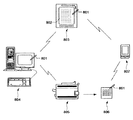
図8は、様々な環境において入力デバイスを使用してドキュメントが作成され、伝送され、編集される際の本発明の例示的な実施形態による入力デバイスの使用を示している。以下の説明は、入力デバイスの使用の単なる例示であり、本発明の構造または機能を制限するものではない。
Effect of Input Device on Document Lifetime FIG. 8 illustrates the use of an input device according to an exemplary embodiment of the present invention when a document is created, transmitted, and edited using the input device in various environments. ing. The following description is merely illustrative of the use of the input device and does not limit the structure or function of the present invention.
入力デバイスを使用して、多種多様な環境において、多数のデバイスに関連して使用するためのドキュメントの作成および/または編集を可能にすることにより、ドキュメントの寿命を延長することができる。入力デバイス801を使用して、ドキュメント802を図示するTablet PC803などの1つのコンピューティングデバイスの画面上で電子式に作成することができる。例えば、入力デバイスを使用してドキュメントの手書きの草稿を生成することができる。Tablet PC803の画面上で入力された情報に対応する電子インクが、入力デバイスがTablet PC803のためのスタイラスとして機能して生成される。電子インクは、テキストの形態に変換して、Tablet PC803の中に記憶することができる。
Input devices can be used to extend the life of a document by enabling the creation and / or editing of a document for use in connection with multiple devices in a wide variety of environments. Using the
ドキュメントを表わす電子ファイルをデスクトップPC804などの第2のコンピューティングデバイスに伝送することができる。この環境では、ドキュメントは、独立の入力ユニットとして動作する入力デバイスを使用してデスクトップデバイスの画面上で編集することができる。入力デバイスは、ドキュメントの表示された画像内の入力デバイスの相対位置を感知するため、ディスプレイが入力デバイスの位置を感知するために要素を含まない場合でも、デスクトップデバイスの画面上で入力された編集が電子ドキュメントの中で反映されることが可能である。入力デバイスを使用して生成される編集は、生成されるにつれてデスクトップPC804に伝送すること、または後の時点で任意のPCに伝送するために入力デバイス内部に記憶することが可能である。編集は、デスクトップPC804の中に記憶されたドキュメントのバージョンに入力することができる。
An electronic file representing the document can be transmitted to a second computing device, such as
また、作成されたドキュメントは、デスクトップPC804にリンクされたプリンタ805などのプリンタによってハードコピー(hard−copy)として出力することも可能である。ハードコピー806バージョンのドキュメントは、例えば、迷路パターンを使用して、ドキュメントの中の任意の位置における入力デバイスの相対位置を指定する情報または符号を含むことが可能である。ハードコピーは、入力デバイスを各人が有する1名または複数名のユーザによって加筆されることが可能であり、各ユーザの編集は、別個の入力デバイスによって生成される。編集を表わす情報とともに、その編集を生成するのに使用されたペンを特定する情報も提供されることが可能である。例えば、入力は、ドキュメントに加えられた変更を追跡するためのアプリケーションで見られるような下線が引かれた色付きのテキストを使用して反映されることが可能である。編集/入力は、そのドキュメントに組み込むために、デスクトップPC804からTablet PC803に転送されることが可能である。代替として、編集は、入力デバイス内部に記憶して、後の時点でアップロードすることが可能である。
The created document can also be output as a hard copy by a printer such as a
また、ドキュメントは、無地の用紙上に出力すること、または入力デバイスの相対位置の指示を含まない任意の担体上に出力することもできる。この場合も、ハードコピーは、入力デバイスを有する1名または複数名のユーザによって加筆されることが可能であり、各ユーザの編集は、入力デバイスによって生成される。この例では、ペンの位置および動きは、用紙上の入力デバイスの動きを光学式に感知するための符号化技術を使用して特定することができる。前述したとおり、位置/動きは、画像データの各フレーム内のオブジェクトの相対位置が検出され、入力デバイスの動きを特定するのに使用される比較アルゴリズムを使用して特定することができる。結果の編集は、例えば、元のデータファイルを更新するために、ドキュメントが由来するコンピューティングデバイスに伝送することができる。編集は、無線通信また有線通信を介して、あるいは編集を含むデバイスをコンピューティングデバイスにドッキングした際に、宛先デバイスに伝送するためにポケットPC807などのコンピューティングデバイスを介して伝送することができる。
The document can also be output on plain paper or on any carrier that does not include an indication of the relative position of the input device. Again, the hard copy can be edited by one or more users with the input device, and each user's edits are generated by the input device. In this example, the position and movement of the pen can be determined using encoding techniques to optically sense movement of the input device on the paper. As described above, the position / motion can be determined using a comparison algorithm in which the relative position of the object within each frame of image data is detected and used to determine the motion of the input device. The resulting compilation can be transmitted to the computing device from which the document originated, for example, to update the original data file. The edits can be transmitted via wireless or wired communication, or via a computing device such as a
また、電子ドキュメントは、図示したTablet PCなどの第2のコンピューティングデバイスに伝送することも可能である。その環境では、ドキュメントは、簡単なスタイラスなどの入力デバイスを使用してタブレットデバイスの画面上で編集することが可能である。その入力を、例えば、ドキュメントに対する注釈として、またはドキュメントに組み込むための編集として、Tablet PCから、そのドキュメントの元のコピーを記憶しているコンピューティングデバイスに転送することができる。 The electronic document can also be transmitted to a second computing device, such as the illustrated Tablet PC. In that environment, the document can be edited on the screen of a tablet device using an input device such as a simple stylus. The input can be transferred from the Tablet PC to a computing device that stores the original copy of the document, for example, as an annotation on the document or as an edit for incorporation into the document.
追加の構成部品
以上の説明および添付の図は、特定の構成部品を利用する実施形態を描いたが、構成部品の追加、および/または描いた任意の構成部品の除去も本発明の範囲に含まれる。同様に、入力デバイス構造内部の様々な構成部品の再配置も、カメラまたは慣性センサがペンの動きを検出し、電子インクを生成する精度に大きい影響を与えることなく、実施することができる。例えば、イメージセンサは、入力デバイスが上部で動かされることが可能な表面またはオブジェクトの特性を検出するための感知デバイスで置き換えること、または補完することが可能である。したがって、可視光スペクトル外のエネルギーの放射に基づいてパターンを検出することが可能なようにオブジェクトの表面上に迷路パターンが形成された場合、オブジェクトに伝わったそのようなエネルギーの反射率、またはそのような感知技術で表面の任意の特性の感知を検出し、オブジェクトの表面上の入力デバイスの位置および/または動きを特定するのに使用することが可能である。さらなる例として、マイクロホンが、入力デバイスが上部に置かれたオブジェクトからの音響反射または音響放出を検出するようにマイクロホン感知システムを使用することが可能である。
Additional Components While the above description and the accompanying figures depict embodiments utilizing particular components, the addition of components and / or removal of any depicted components is within the scope of the invention. It is. Similarly, repositioning of various components within the input device structure can be performed without significantly affecting the accuracy with which a camera or inertial sensor detects pen movement and generates electronic ink. For example, the image sensor can be replaced or supplemented with a sensing device for detecting a property of a surface or object on which the input device can be moved. Thus, if a maze pattern is formed on the surface of an object so that the pattern can be detected based on the emission of energy outside the visible light spectrum, the reflectivity of such energy transmitted to the object, or its Such sensing techniques can detect the sensing of any property of the surface and can be used to determine the position and / or movement of the input device on the surface of the object. As a further example, the microphone can use the microphone sensing system to detect acoustic reflections or emissions from objects on which the input device is placed.
以上に説明し、示した例示的な実施形態は、ペンの形状で実施される入力デバイスを説明した。ただし、本発明の態様は、あらゆる形状およびサイズの入力デバイスに適用可能である。 The exemplary embodiment described and illustrated above described an input device implemented in the form of a pen. However, aspects of the present invention are applicable to input devices of any shape and size.
そのような入力デバイスの使用により、あらゆる場所でパーソナルコンピューティングが可能になるはずである。したがって、説明した入力デバイスを備えたユーザは、どこにいるかに関わらず、データファイルを生成すること、または編集することができる。オフィス環境で、教室で、ホテルで、移動中に、または浜辺でも、ドキュメントおよびその他の情報を生成すること、編集すること、または記録することが可能である。 The use of such input devices should enable personal computing everywhere. Thus, a user with the described input device can create or edit data files regardless of where they are. In an office environment, in a classroom, at a hotel, on the move, or even on the beach, documents and other information can be created, edited, or recorded.
前述したとおり、入力デバイスは、適切なディスプレイを含むことが可能である。代替として、ホストコンピューティングデバイスのディスプレイを使用して、作成されたドキュメントおよび画像を閲覧することができる。ユーザは、テキストなどの情報が入力される前、または入力された後にドキュメントのフォーマットを選択すること、またはドキュメントを閲覧し、ドキュメントのフォーマットに変更を加えることが可能である。前述の例の文脈では、そのようなディスプレイ上で作成されたドキュメントを見ることで、ユーザは、自分の住所を含むヘッダを適切な位置で挿入することができる。 As mentioned above, the input device can include a suitable display. Alternatively, the display of the host computing device can be used to view the created documents and images. The user can select the format of the document before or after information such as text is entered, or view the document and make changes to the format of the document. In the context of the foregoing example, viewing a document created on such a display allows the user to insert a header containing his address at the appropriate location.
本発明は、特許請求の範囲を使用して定義されているが、本発明は、任意の組合せで、または部分的な組合せ(sub combination)で本明細書に説明した要素およびステップを含むものとされることが可能であるということから、特許請求の範囲は、例示的である。したがって、説明、特許請求の範囲、図面を含め、様々な組合せ、または部分的な組合せで本明細書からの1つまたは複数の要素を組み込んだ本発明を定義するためのあらゆる代替の組合せが存在する。本明細書に鑑みて、本発明の態様の代替の組合せを独立で、または本明細書に定義する1つまたは複数の要素またはステップと組合せで、本発明の変更形態または代替形態として、または本発明の一部として利用できることが、当分野の技術者には明白であろう。本明細書に含まれる本発明の記載した説明は、すべてのそのような変更形態および代替形態を範囲に含むものとされることが可能である。例えば、様々な実施形態において、データのある順序を示した。ただし、データのあらゆる並べ替えが、本発明によって包含される。また、サイズ(例えば、バイトまたはビットの)などの特性のある単位が使用される場合、あらゆる他の他にも想定されている。 Although the invention is defined using the claims, it is intended that the invention include the elements and steps described herein in any combination or subcombinations. The claims are exemplary because they can be used. Thus, there are all alternative combinations, including the description, claims, and drawings, to define the invention incorporating one or more elements from this specification in various combinations or subcombinations. I do. In view of the present specification, alternative combinations of aspects of the present invention, alone or in combination with one or more elements or steps defined herein, as a modification or alternative to the present invention, or It will be apparent to one skilled in the art that it can be used as part of the invention. The written description of the invention contained herein is capable of covering all such modifications and alterations. For example, in various embodiments, certain orders of data have been shown. However, any permutation of the data is encompassed by the present invention. Also, if any unit with characteristics such as size (e.g., in bytes or bits) is used, then everything else is envisioned.
101 キーボード
102 マウス
106 シリアルポートインターフェース
107 モニタ
108 ビデオアダプタ
109 遠隔コンピュータ
110 処理装置
111 メモリ
112 ローカルエリアネットワーク
113 ワイドエリアネットワーク
114 ネットワークインターフェース
115 モデム
120 システムメモリ
130 システムバス
165 デジタイザ
166 スタイラス
192 ハードディスクインターフェース
193 磁気ディスクドライブインターフェース
194 光ドライブインターフェース
195 オペレーティングシステム
196 アプリケーションプログラム
197 他のプログラムモジュール
198 プログラムデータ
201,701 ペン(入力デバイス)
202,702 インクカートリッジ
203,703 圧力センサ
204,704 カメラ
205 誘導素子
206,706 プロセッサ
207,707 メモリ
208,708 トランシーバ
209 電源
210 ドッキングステーション
211 キャップ
212 ドッキングステーションリング(ディスプレイ)
304 カメラ
320 イメージセンサ(感知アレイ)
321 光源
322 ハーフミラー
323 レンズ系(レンズ)
324 表面
601 入力デバイス
604 感知アレイ(イメージセンサ)
606 プロセッサ
607 メモリ
608 トランシーバ(通信ユニット)
609 電源
620 ホスト装置(ホストコンピュータ)
630 ドッキングクレイドル
715 慣性センサ
801 入力デバイス
802 ドキュメント
803 TabletPC(第1のコンピューティングデバイス)
804 デスクトップPC(第2のコンピューティングデバイス)
805 プリンタ
806 ハードコピー
807 ポケットPC
101 Keyboard 102
202, 702
304
321
324
606
609
630 Docking cradle 715
804 Desktop PC (second computing device)
805
Claims (74)
該入力デバイスが上部に位置するオブジェクトのエリアの画像を取り込み、取り込まれた画像データを生成するための画像取り込みユニットと、
前記取り込まれた画像データを処理するプロセッサと、
前記データを記憶するメモリと
を具備することを特徴とする入力デバイス。 An input device for generating data representing a handwritten stroke,
An image capturing unit for capturing an image of an area of the object on which the input device is located, and generating captured image data;
A processor for processing the captured image data;
An input device, comprising: a memory for storing the data.
前記プロセッサは、前記取り込まれた画像を処理し、前記取り込まれた画像内の入力デバイスが上部に位置する前記エリアの前記位置を表わすデータを検出し、前記検出されたデータを処理してユーザ入力を表わす情報を生成することを特徴とする請求項1に記載の入力デバイス。 The image capture unit captures multiple images of multiple areas of the object;
The processor processes the captured image, detects data representing the location of the area on which the input device is located in the captured image, and processes the detected data for user input. The input device according to claim 1, wherein the input device generates information representing:
入力デバイスが上部に位置するオブジェクトのエリアの画像を取り込み、取り込まれた画像データを生成するための画像取り込みユニットと、
前記画像取り込みユニットを制御するコントローラと、
前記取り込まれた画像を表わすデータを記憶するメモリと、
前記取り込まれた画像データを処理するプロセッサと、
外部処理装置と通信する通信ユニットと
を具備することを特徴とする入力デバイス。 An input device for generating a user input based on a handwritten stroke,
An image capturing unit for capturing an image of an area of the object on which the input device is located at an upper part and generating captured image data;
A controller for controlling the image capturing unit;
A memory for storing data representing the captured image;
A processor for processing the captured image data;
An input device, comprising: a communication unit that communicates with an external processing device.
オブジェクトのエリア上に入力デバイスを位置するステップと、
前記入力デバイスが上部に位置する前記オブジェクトの前記エリアの画像を取り込むステップと、
取り込まれた画像に基づいて前記入力デバイスの前記位置を表わすデータを生成するステップと、
前記データを基に画像ファイルを生成するステップと
を含むことを特徴とする方法。 A method for generating image information representing a user input, comprising:
Positioning an input device over an area of the object;
The input device captures an image of the area of the object located at the top,
Generating data representing the position of the input device based on the captured image;
Generating an image file based on said data.
前記入力デバイスが上部で動かされる前記オブジェクトの多数のエリアの多数の画像を取り込むステップと、
前記取り込まれた画像内の前記入力デバイスが上部に位置する前記エリアの前記位置を表わすデータを検出するステップと、
ユーザ入力を表わす情報を生成するステップと
をさらに含むことを特徴とする請求項47に記載の方法。 Moving the input device over a number of areas of the object;
Capturing the multiple images of multiple areas of the object on which the input device is moved;
Detecting data representing the position of the area in which the input device is located in the captured image;
Generating information representative of user input. The method of claim 47, further comprising:
前記伝送されたデータに基づいて前記入力デバイスの位置を表わすデータを生成するステップと、
前記入力デバイスの位置を表わすデータを基に手書きのユーザ入力を表わす画像を生成するステップと
をさらに含むことを特徴とする請求項47に記載の方法。 Transmitting data representing the captured image from the input device to an external processing device;
Generating data representing the position of the input device based on the transmitted data;
Generating an image representative of a handwritten user input based on the data representative of the position of the input device.
オブジェクトのエリア上に入力デバイスを位置するステップと、
前記入力デバイスの前記位置を表わす情報を含む、前記入力デバイスが上部に位置する前記オブジェクトの前記エリアの画像を取り込むステップと、
前記取り込まれた画像データをコンピューティングデバイス上で使用するためのフォーマットに変換するステップと
を含むことを特徴とする方法。 A method for generating image information representing user input on a plurality of computing devices, comprising:
Positioning an input device over an area of the object;
Including information representing the position of the input device, capturing an image of the area of the object on which the input device is located;
Converting the captured image data into a format for use on a computing device.
The method of claim 69, further comprising generating data representative of the position of the input device based on the captured image data.
Applications Claiming Priority (1)
| Application Number | Priority Date | Filing Date | Title |
|---|---|---|---|
| US10/284,417 US7009594B2 (en) | 2002-10-31 | 2002-10-31 | Universal computing device |
Publications (2)
| Publication Number | Publication Date |
|---|---|
| JP2004164609A true JP2004164609A (en) | 2004-06-10 |
| JP2004164609A5 JP2004164609A5 (en) | 2006-11-02 |
Family
ID=32093521
Family Applications (1)
| Application Number | Title | Priority Date | Filing Date |
|---|---|---|---|
| JP2003342616A Pending JP2004164609A (en) | 2002-10-31 | 2003-09-30 | Universal input device |
Country Status (6)
| Country | Link |
|---|---|
| US (2) | US7009594B2 (en) |
| EP (1) | EP1416423A3 (en) |
| JP (1) | JP2004164609A (en) |
| KR (1) | KR101026630B1 (en) |
| CN (1) | CN1320506C (en) |
| BR (1) | BR0304250A (en) |
Cited By (7)
| Publication number | Priority date | Publication date | Assignee | Title |
|---|---|---|---|---|
| JP2006073011A (en) * | 2004-09-02 | 2006-03-16 | Microsoft Corp | Maze pattern analyzing method and its device |
| JP2009076051A (en) * | 2007-09-18 | 2009-04-09 | Acer Inc | Multi-mode switching function input device, rod-shaped input device, and electronic system |
| JP2009181511A (en) * | 2008-01-31 | 2009-08-13 | Fuji Xerox Co Ltd | Electronic writing instrument |
| JP2011113191A (en) * | 2009-11-25 | 2011-06-09 | Seiko Epson Corp | Information processing device and information processing system |
| US8694053B2 (en) | 2005-06-20 | 2014-04-08 | Samsung Electronics Co., Ltd. | Method for realizing user interface using camera and mobile communication terminal for the same |
| JP2019512136A (en) * | 2016-02-25 | 2019-05-09 | オー.ペン.エス.アール.オー. | Wireless positioning pen with pressure sensitive tip |
| JP2019512755A (en) * | 2016-03-15 | 2019-05-16 | グァンドン ゾンファ タッチ コントロール テクノロジー カンパニー リミテッド | Variable capacitive pressure sensor and stylus pen |
Families Citing this family (60)
| Publication number | Priority date | Publication date | Assignee | Title |
|---|---|---|---|---|
| US7113171B2 (en) * | 1997-06-10 | 2006-09-26 | Mark Vayda | Universal input device |
| US8279169B2 (en) * | 1997-06-10 | 2012-10-02 | Mark Vayda | Universal input device and system |
| SE0200419L (en) * | 2002-02-12 | 2003-08-13 | Anoto Ab | Electronic pen and sensor arrangement and control device for such |
| US20030231189A1 (en) * | 2002-05-31 | 2003-12-18 | Microsoft Corporation | Altering a display on a viewing device based upon a user controlled orientation of the viewing device |
| US7009594B2 (en) * | 2002-10-31 | 2006-03-07 | Microsoft Corporation | Universal computing device |
| US7262764B2 (en) * | 2002-10-31 | 2007-08-28 | Microsoft Corporation | Universal computing device for surface applications |
| US7133563B2 (en) * | 2002-10-31 | 2006-11-07 | Microsoft Corporation | Passive embedded interaction code |
| US7116840B2 (en) | 2002-10-31 | 2006-10-03 | Microsoft Corporation | Decoding and error correction in 2-D arrays |
| US7289105B2 (en) * | 2003-06-04 | 2007-10-30 | Vrbia, Inc. | Real motion detection sampling and recording for tracking and writing instruments using electrically-active viscous material and thin films |
| US20050024346A1 (en) * | 2003-07-30 | 2005-02-03 | Jean-Luc Dupraz | Digital pen function control |
| WO2005029380A1 (en) * | 2003-09-17 | 2005-03-31 | Astellas Pharma Inc. | Medicine research information collection system |
| US20050125717A1 (en) * | 2003-10-29 | 2005-06-09 | Tsakhi Segal | System and method for off-line synchronized capturing and reviewing notes and presentations |
| US7583842B2 (en) * | 2004-01-06 | 2009-09-01 | Microsoft Corporation | Enhanced approach of m-array decoding and error correction |
| US7263224B2 (en) * | 2004-01-16 | 2007-08-28 | Microsoft Corporation | Strokes localization by m-array decoding and fast image matching |
| FR2866458B1 (en) * | 2004-02-12 | 2006-07-14 | Commissariat Energie Atomique | METHOD FOR RECOGNIZING THE TRACK OF A TIP OF A BODY ON A SUPPORT |
| GB2412153A (en) * | 2004-03-20 | 2005-09-21 | Hewlett Packard Development Co | Digital pen with a memory tag reader/writer |
| US20050289453A1 (en) * | 2004-06-21 | 2005-12-29 | Tsakhi Segal | Apparatys and method for off-line synchronized capturing and reviewing notes and presentations |
| EP1787281A2 (en) * | 2004-07-15 | 2007-05-23 | N-Trig Ltd. | Automatic switching for a dual mode digitizer |
| US7656395B2 (en) * | 2004-07-15 | 2010-02-02 | Microsoft Corporation | Methods and apparatuses for compound tracking systems |
| WO2006006174A2 (en) * | 2004-07-15 | 2006-01-19 | N-Trig Ltd. | A tracking window for a digitizer system |
| CN1993688B (en) * | 2004-08-03 | 2012-01-18 | 西尔弗布鲁克研究有限公司 | Printing shortening starting time |
| US7505982B2 (en) * | 2004-12-03 | 2009-03-17 | Microsoft Corporation | Local metadata embedding solution |
| US7536051B2 (en) * | 2005-02-17 | 2009-05-19 | Microsoft Corporation | Digital pen calibration by local linearization |
| US7607076B2 (en) * | 2005-02-18 | 2009-10-20 | Microsoft Corporation | Embedded interaction code document |
| US7826074B1 (en) | 2005-02-25 | 2010-11-02 | Microsoft Corporation | Fast embedded interaction code printing with custom postscript commands |
| US7532366B1 (en) | 2005-02-25 | 2009-05-12 | Microsoft Corporation | Embedded interaction code printing with Microsoft Office documents |
| US20060215913A1 (en) * | 2005-03-24 | 2006-09-28 | Microsoft Corporation | Maze pattern analysis with image matching |
| US7421439B2 (en) * | 2005-04-22 | 2008-09-02 | Microsoft Corporation | Global metadata embedding and decoding |
| US20060242562A1 (en) * | 2005-04-22 | 2006-10-26 | Microsoft Corporation | Embedded method for embedded interaction code array |
| US7599560B2 (en) | 2005-04-22 | 2009-10-06 | Microsoft Corporation | Embedded interaction code recognition |
| US7400777B2 (en) | 2005-05-25 | 2008-07-15 | Microsoft Corporation | Preprocessing for information pattern analysis |
| US7729539B2 (en) | 2005-05-31 | 2010-06-01 | Microsoft Corporation | Fast error-correcting of embedded interaction codes |
| US7580576B2 (en) * | 2005-06-02 | 2009-08-25 | Microsoft Corporation | Stroke localization and binding to electronic document |
| US7528848B2 (en) * | 2005-06-30 | 2009-05-05 | Microsoft Corporation | Embedded interaction code decoding for a liquid crystal display |
| US7619607B2 (en) * | 2005-06-30 | 2009-11-17 | Microsoft Corporation | Embedding a pattern design onto a liquid crystal display |
| US7817816B2 (en) * | 2005-08-17 | 2010-10-19 | Microsoft Corporation | Embedded interaction code enabled surface type identification |
| US7622182B2 (en) | 2005-08-17 | 2009-11-24 | Microsoft Corporation | Embedded interaction code enabled display |
| US20080143691A1 (en) * | 2005-11-23 | 2008-06-19 | Quiteso Technologies, Llc | Systems and methods for enabling tablet PC/pen to paper space |
| JP4770614B2 (en) * | 2006-07-11 | 2011-09-14 | 株式会社日立製作所 | Document management system and document management method |
| US8330773B2 (en) | 2006-11-21 | 2012-12-11 | Microsoft Corporation | Mobile data and handwriting screen capture and forwarding |
| JP5060798B2 (en) * | 2007-02-23 | 2012-10-31 | 任天堂株式会社 | Information processing program and information processing apparatus |
| US8040320B2 (en) * | 2007-11-05 | 2011-10-18 | Eldad Shemesh | Input device and method of operation thereof |
| US8152642B2 (en) | 2008-03-12 | 2012-04-10 | Echostar Technologies L.L.C. | Apparatus and methods for authenticating a user of an entertainment device using a mobile communication device |
| US9210355B2 (en) | 2008-03-12 | 2015-12-08 | Echostar Technologies L.L.C. | Apparatus and methods for controlling an entertainment device using a mobile communication device |
| US8243028B2 (en) * | 2008-06-13 | 2012-08-14 | Polyvision Corporation | Eraser assemblies and methods of manufacturing same |
| JP5531412B2 (en) * | 2009-01-14 | 2014-06-25 | シャープ株式会社 | Electronic device and information processing method |
| EP2219100A1 (en) * | 2009-02-12 | 2010-08-18 | Siemens Aktiengesellschaft | Electronic operational pen for an operating device with a touch screen |
| KR101669618B1 (en) * | 2010-01-15 | 2016-10-26 | 삼성전자주식회사 | Display apparatus and display method thereof |
| CN103946773A (en) * | 2011-08-29 | 2014-07-23 | S·瓦利切克 | Multifunction pen input peripheral computer controller |
| US9690877B1 (en) * | 2011-09-26 | 2017-06-27 | Tal Lavian | Systems and methods for electronic communications |
| JP6141887B2 (en) * | 2012-02-29 | 2017-06-07 | クゥアルコム・インコーポレイテッドQualcomm Incorporated | Display spatially related annotations for written content |
| TW201423497A (en) * | 2012-12-12 | 2014-06-16 | Hon Hai Prec Ind Co Ltd | Digital pen and digital writing module |
| CN103870019A (en) * | 2012-12-17 | 2014-06-18 | 鸿富锦精密工业(深圳)有限公司 | Digital pen and digital writing module |
| EP3079052A4 (en) * | 2014-12-18 | 2017-08-16 | Wacom Co., Ltd. | Digital ink generating device, digital ink generating method, and digital ink reproduction device |
| KR102312888B1 (en) * | 2015-05-13 | 2021-10-15 | 삼성전자주식회사 | Input apparatus, electronic device having the same and control method thereof |
| DE202016103403U1 (en) * | 2016-06-28 | 2017-09-29 | Stabilo International Gmbh | Spring-loaded battery contact with sensor protection |
| CN110895452B (en) * | 2019-03-25 | 2020-07-10 | 广西北部湾在线投资控股有限公司 | State detection platform based on cloud server |
| US11157099B2 (en) * | 2019-08-05 | 2021-10-26 | Adx Research, Inc. | Electronic writing device and a method for operating the same |
| TWM607724U (en) * | 2020-11-03 | 2021-02-11 | 吳榮 | Multi-use auxiliary device |
| US11922835B2 (en) * | 2021-01-26 | 2024-03-05 | OAW Holdings LLC | On-air status indicator |
Family Cites Families (97)
| Publication number | Priority date | Publication date | Assignee | Title |
|---|---|---|---|---|
| US4561105A (en) * | 1983-01-19 | 1985-12-24 | Communication Intelligence Corporation | Complex pattern recognition method and system |
| US4829583A (en) * | 1985-06-03 | 1989-05-09 | Sino Business Machines, Inc. | Method and apparatus for processing ideographic characters |
| US5051736A (en) | 1989-06-28 | 1991-09-24 | International Business Machines Corporation | Optical stylus and passive digitizing tablet data input system |
| US5247137A (en) * | 1991-10-25 | 1993-09-21 | Mark Epperson | Autonomous computer input device and marking instrument |
| US5294792A (en) | 1991-12-31 | 1994-03-15 | Texas Instruments Incorporated | Writing tip position sensing and processing apparatus |
| JPH0644005A (en) * | 1992-01-24 | 1994-02-18 | Seiko Instr Inc | Coordinate input device |
| US5756981A (en) * | 1992-02-27 | 1998-05-26 | Symbol Technologies, Inc. | Optical scanner for reading and decoding one- and-two-dimensional symbologies at variable depths of field including memory efficient high speed image processing means and high accuracy image analysis means |
| US5280289A (en) * | 1992-04-23 | 1994-01-18 | Hughes Aircraft Company | Automatic signal thresholding system |
| EP0658263B1 (en) * | 1992-09-01 | 2003-11-05 | Apple Computer, Inc. | Improved vector quantization |
| JPH06266490A (en) * | 1993-03-12 | 1994-09-22 | Toshiba Corp | Information input device and position recognition system for information input |
| US5414538A (en) * | 1993-10-07 | 1995-05-09 | Xerox Corporation | Image-dependent exposure enhancement |
| US6243071B1 (en) * | 1993-11-03 | 2001-06-05 | Apple Computer, Inc. | Tool set for navigating through an electronic book |
| DE69425412T2 (en) * | 1993-11-23 | 2001-03-08 | International Business Machines Corp., Armonk | System and method for automatic handwriting recognition using a user-independent chirographic label alphabet |
| DK0686291T3 (en) * | 1993-12-01 | 2001-12-03 | Motorola Inc | Combined dictionary-based and probable-character string handwriting recognition |
| US5406479A (en) * | 1993-12-20 | 1995-04-11 | Imatron, Inc. | Method for rebinning and for correcting cone beam error in a fan beam computed tomographic scanner system |
| US5774602A (en) * | 1994-07-13 | 1998-06-30 | Yashima Electric Co., Ltd. | Writing device for storing handwriting |
| EP0693739A3 (en) * | 1994-07-13 | 1997-06-11 | Yashima Denki Kk | Method and apparatus capable of storing and reproducing handwriting |
| US5748808A (en) * | 1994-07-13 | 1998-05-05 | Yashima Electric Co., Ltd. | Image reproducing method and apparatus capable of storing and reproducing handwriting |
| US5661506A (en) * | 1994-11-10 | 1997-08-26 | Sia Technology Corporation | Pen and paper information recording system using an imaging pen |
| CA2163316A1 (en) * | 1994-11-21 | 1996-05-22 | Roger L. Collins | Interactive play with a computer |
| DE69523024T2 (en) | 1994-12-16 | 2002-03-14 | Hyundai Electronics America Mi | Digitizing pen and operating procedures |
| US5926567A (en) * | 1995-03-01 | 1999-07-20 | Compaq Computer Corporation | Method and apparatus for storing and rapidly displaying graphic data |
| JP3668275B2 (en) * | 1995-03-15 | 2005-07-06 | シャープ株式会社 | Digital information recording method, decoding method and decoding device |
| JPH08255233A (en) | 1995-03-16 | 1996-10-01 | Toshiba Corp | Bar code encoding system |
| JP3474022B2 (en) * | 1995-04-20 | 2003-12-08 | 株式会社日立製作所 | Map display device, map display method, arithmetic processing unit for map display device, and navigation system |
| JPH08313215A (en) * | 1995-05-23 | 1996-11-29 | Olympus Optical Co Ltd | Two-dimensional distance sensor |
| JPH0944592A (en) * | 1995-05-23 | 1997-02-14 | Olympus Optical Co Ltd | Information reproduction system |
| US7770013B2 (en) * | 1995-07-27 | 2010-08-03 | Digimarc Corporation | Digital authentication with digital and analog documents |
| US6081261A (en) * | 1995-11-01 | 2000-06-27 | Ricoh Corporation | Manual entry interactive paper and electronic document handling and processing system |
| US5902968A (en) | 1996-02-20 | 1999-05-11 | Ricoh Company, Ltd. | Pen-shaped handwriting input apparatus using accelerometers and gyroscopes and an associated operational device for determining pen movement |
| JP3671517B2 (en) * | 1996-04-24 | 2005-07-13 | ユニマテック株式会社 | Fluorine-containing copolymer elastomer, production method and composition thereof |
| US6014462A (en) * | 1996-07-08 | 2000-01-11 | Ricoh Company, Ltd. | Image processing apparatus and method for distinguishing alphanumeric symbols on a white background and those on a mesh pattern and individually processing such image data |
| US6202060B1 (en) * | 1996-10-29 | 2001-03-13 | Bao Q. Tran | Data management system |
| US6157935A (en) * | 1996-12-17 | 2000-12-05 | Tran; Bao Q. | Remote data access and management system |
| US5995084A (en) * | 1997-01-17 | 1999-11-30 | Tritech Microelectronics, Ltd. | Touchpad pen-input and mouse controller |
| JPH10256921A (en) | 1997-03-13 | 1998-09-25 | Olympus Optical Co Ltd | Digital data modulation and demodulation method and digital data modulation and demodulation device |
| JP3186643B2 (en) * | 1997-05-08 | 2001-07-11 | 日本電気株式会社 | Wireless device comprising a charger and a charger and a portable wireless device |
| JP4363667B2 (en) * | 1997-06-06 | 2009-11-11 | コーニンクレッカ フィリップス エレクトロニクス エヌ ヴィ | Image noise compression method |
| US20030146883A1 (en) * | 1997-08-28 | 2003-08-07 | Visualabs Inc. | 3-D imaging system |
| US6181329B1 (en) * | 1997-12-23 | 2001-01-30 | Ricoh Company, Ltd. | Method and apparatus for tracking a hand-held writing instrument with multiple sensors that are calibrated by placing the writing instrument in predetermined positions with respect to the writing surface |
| US6362440B1 (en) * | 1998-03-27 | 2002-03-26 | International Business Machines Corporation | Flexibly interfaceable portable computing device |
| US6330976B1 (en) * | 1998-04-01 | 2001-12-18 | Xerox Corporation | Marking medium area with encoded identifier for producing action through network |
| JP2002523830A (en) * | 1998-08-18 | 2002-07-30 | デジタル インク インコーポレーテッド | Handwriting device with detection sensor for absolute and relative positioning |
| US6970183B1 (en) * | 2000-06-14 | 2005-11-29 | E-Watch, Inc. | Multimedia surveillance and monitoring system including network configuration |
| US6226636B1 (en) | 1998-11-20 | 2001-05-01 | Philips Electronics North America Corp. | System for retrieving images using a database |
| US6278968B1 (en) * | 1999-01-29 | 2001-08-21 | Sony Corporation | Method and apparatus for adaptive speech recognition hypothesis construction and selection in a spoken language translation system |
| JP3513420B2 (en) * | 1999-03-19 | 2004-03-31 | キヤノン株式会社 | Coordinate input device, control method therefor, and computer-readable memory |
| US6614422B1 (en) * | 1999-11-04 | 2003-09-02 | Canesta, Inc. | Method and apparatus for entering data using a virtual input device |
| US6847356B1 (en) * | 1999-08-13 | 2005-01-25 | Canon Kabushiki Kaisha | Coordinate input device and its control method, and computer readable memory |
| JP3587506B2 (en) * | 1999-08-30 | 2004-11-10 | 富士重工業株式会社 | Stereo camera adjustment device |
| SE517445C2 (en) | 1999-10-01 | 2002-06-04 | Anoto Ab | Position determination on a surface provided with a position coding pattern |
| US6874420B2 (en) * | 1999-10-22 | 2005-04-05 | Cc1, Inc. | System and method for register mark recognition |
| MXPA02004128A (en) * | 1999-10-25 | 2004-04-02 | Silverbrook Res Pty Ltd | ELECTRONICALLY CONTROLLABLE FEATHER. |
| US6710770B2 (en) * | 2000-02-11 | 2004-03-23 | Canesta, Inc. | Quasi-three-dimensional method and apparatus to detect and localize interaction of user-object and virtual transfer device |
| US6880755B2 (en) * | 1999-12-06 | 2005-04-19 | Xerox Coporation | Method and apparatus for display of spatially registered information using embedded data |
| US6935562B2 (en) * | 1999-12-06 | 2005-08-30 | Xerox Corporation | Operations on images having glyph carpets |
| US6870547B1 (en) * | 1999-12-16 | 2005-03-22 | Eastman Kodak Company | Method and apparatus for rendering a low-resolution thumbnail image suitable for a low resolution display having a reference back to an original digital negative and an edit list of operations |
| CN100430873C (en) | 1999-12-23 | 2008-11-05 | 阿诺托股份公司 | Information management system and related methods and uses |
| US7295193B2 (en) * | 1999-12-23 | 2007-11-13 | Anoto Ab | Written command |
| SE0000951L (en) | 2000-03-21 | 2001-09-22 | Anoto Ab | Device and method for spatial relationship determination |
| AU2001253161A1 (en) * | 2000-04-04 | 2001-10-15 | Stick Networks, Inc. | Method and apparatus for scheduling presentation of digital content on a personal communication device |
| US20060082557A1 (en) * | 2000-04-05 | 2006-04-20 | Anoto Ip Lic Hb | Combined detection of position-coding pattern and bar codes |
| US6751352B1 (en) | 2000-05-25 | 2004-06-15 | Hewlett-Packard Development Company, L.P. | Method and apparatus for generating and decoding a visually significant barcode |
| US6585154B1 (en) * | 2000-08-03 | 2003-07-01 | Yaakov Ostrover | System, method and devices for documents with electronic copies attached thereto |
| US20020163511A1 (en) * | 2000-11-29 | 2002-11-07 | Sekendur Oral Faith | Optical position determination on any surface |
| JP2002240387A (en) * | 2000-12-12 | 2002-08-28 | Ricoh Co Ltd | Image forming method, image forming apparatus, and image information management system |
| US20040128511A1 (en) * | 2000-12-20 | 2004-07-01 | Qibin Sun | Methods and systems for generating multimedia signature |
| US6681060B2 (en) | 2001-03-23 | 2004-01-20 | Intel Corporation | Image retrieval using distance measure |
| US20040032393A1 (en) * | 2001-04-04 | 2004-02-19 | Brandenberg Carl Brock | Method and apparatus for scheduling presentation of digital content on a personal communication device |
| KR100408518B1 (en) * | 2001-04-12 | 2003-12-06 | 삼성전자주식회사 | Pen input device and Measuring method of coordinate |
| US7176906B2 (en) * | 2001-05-04 | 2007-02-13 | Microsoft Corporation | Method of generating digital ink thickness information |
| US6933933B2 (en) * | 2001-10-02 | 2005-08-23 | Harris Corporation | Pen cartridge that transmits acceleration signal for recreating handwritten signatures and communications |
| US7283676B2 (en) * | 2001-11-20 | 2007-10-16 | Anoto Ab | Method and device for identifying objects in digital images |
| US6744967B2 (en) * | 2001-12-20 | 2004-06-01 | Scientific-Atlanta, Inc. | Program position user interface for personal video recording time shift buffer |
| JP4102105B2 (en) | 2002-05-24 | 2008-06-18 | 株式会社日立製作所 | Document entry system using electronic pen |
| US6919892B1 (en) * | 2002-08-14 | 2005-07-19 | Avaworks, Incorporated | Photo realistic talking head creation system and method |
| US6993185B2 (en) * | 2002-08-30 | 2006-01-31 | Matsushita Electric Industrial Co., Ltd. | Method of texture-based color document segmentation |
| US7023426B1 (en) * | 2002-09-16 | 2006-04-04 | Hewlett-Packard Development Company, L.P. | User input device |
| US7133031B2 (en) * | 2002-10-31 | 2006-11-07 | Microsoft Corporation | Optical system design for a universal computing device |
| US7009594B2 (en) * | 2002-10-31 | 2006-03-07 | Microsoft Corporation | Universal computing device |
| US7262764B2 (en) * | 2002-10-31 | 2007-08-28 | Microsoft Corporation | Universal computing device for surface applications |
| US7116840B2 (en) * | 2002-10-31 | 2006-10-03 | Microsoft Corporation | Decoding and error correction in 2-D arrays |
| US7142197B2 (en) * | 2002-10-31 | 2006-11-28 | Microsoft Corporation | Universal computing device |
| US7139740B2 (en) * | 2003-01-17 | 2006-11-21 | Ayala Francisco J | System and method for developing artificial intelligence |
| TWI285868B (en) * | 2003-01-20 | 2007-08-21 | Ind Tech Res Inst | Method and apparatus to enhance response time of display |
| EP1619874B1 (en) * | 2003-04-25 | 2016-02-03 | Oki Data Corporation | Watermark information detection method |
| US7583842B2 (en) * | 2004-01-06 | 2009-09-01 | Microsoft Corporation | Enhanced approach of m-array decoding and error correction |
| US7263224B2 (en) * | 2004-01-16 | 2007-08-28 | Microsoft Corporation | Strokes localization by m-array decoding and fast image matching |
| US20060125805A1 (en) * | 2004-03-17 | 2006-06-15 | James Marggraff | Method and system for conducting a transaction using recognized text |
| US7505982B2 (en) * | 2004-12-03 | 2009-03-17 | Microsoft Corporation | Local metadata embedding solution |
| US7536051B2 (en) * | 2005-02-17 | 2009-05-19 | Microsoft Corporation | Digital pen calibration by local linearization |
| US7532366B1 (en) * | 2005-02-25 | 2009-05-12 | Microsoft Corporation | Embedded interaction code printing with Microsoft Office documents |
| US7421439B2 (en) * | 2005-04-22 | 2008-09-02 | Microsoft Corporation | Global metadata embedding and decoding |
| US7542976B2 (en) * | 2005-04-22 | 2009-06-02 | Microsoft Corporation | Local metadata embedding and decoding |
| US7720286B2 (en) * | 2005-05-25 | 2010-05-18 | Advanced Digital Systems, Inc. | System and method for associating handwritten information with one or more objects via discontinuous regions of a printed pattern |
| US7580576B2 (en) * | 2005-06-02 | 2009-08-25 | Microsoft Corporation | Stroke localization and binding to electronic document |
| US7528848B2 (en) * | 2005-06-30 | 2009-05-05 | Microsoft Corporation | Embedded interaction code decoding for a liquid crystal display |
-
2002
- 2002-10-31 US US10/284,417 patent/US7009594B2/en not_active Expired - Fee Related
-
2003
- 2003-09-18 EP EP03021237A patent/EP1416423A3/en not_active Withdrawn
- 2003-09-25 BR BR0304250-2A patent/BR0304250A/en not_active IP Right Cessation
- 2003-09-26 CN CNB03160143XA patent/CN1320506C/en not_active Expired - Fee Related
- 2003-09-29 KR KR1020030067328A patent/KR101026630B1/en not_active Expired - Fee Related
- 2003-09-30 JP JP2003342616A patent/JP2004164609A/en active Pending
-
2006
- 2006-01-11 US US11/329,060 patent/US20060109263A1/en not_active Abandoned
Cited By (11)
| Publication number | Priority date | Publication date | Assignee | Title |
|---|---|---|---|---|
| JP2006073011A (en) * | 2004-09-02 | 2006-03-16 | Microsoft Corp | Maze pattern analyzing method and its device |
| US8694053B2 (en) | 2005-06-20 | 2014-04-08 | Samsung Electronics Co., Ltd. | Method for realizing user interface using camera and mobile communication terminal for the same |
| US8965452B2 (en) | 2005-06-20 | 2015-02-24 | Samsung Electronics Co., Ltd | Method for realizing user interface using camera and mobile communication terminal for the same |
| US9836196B2 (en) | 2005-06-20 | 2017-12-05 | Samsung Electronics Co., Ltd. | Method for realizing user interface using camera and mobile communication terminal for the same |
| US10545645B2 (en) | 2005-06-20 | 2020-01-28 | Samsung Electronics Co., Ltd | Method for realizing user interface using camera and mobile communication terminal for the same |
| JP2009076051A (en) * | 2007-09-18 | 2009-04-09 | Acer Inc | Multi-mode switching function input device, rod-shaped input device, and electronic system |
| US8564574B2 (en) | 2007-09-18 | 2013-10-22 | Acer Incorporated | Input apparatus with multi-mode switching function |
| JP2009181511A (en) * | 2008-01-31 | 2009-08-13 | Fuji Xerox Co Ltd | Electronic writing instrument |
| JP2011113191A (en) * | 2009-11-25 | 2011-06-09 | Seiko Epson Corp | Information processing device and information processing system |
| JP2019512136A (en) * | 2016-02-25 | 2019-05-09 | オー.ペン.エス.アール.オー. | Wireless positioning pen with pressure sensitive tip |
| JP2019512755A (en) * | 2016-03-15 | 2019-05-16 | グァンドン ゾンファ タッチ コントロール テクノロジー カンパニー リミテッド | Variable capacitive pressure sensor and stylus pen |
Also Published As
| Publication number | Publication date |
|---|---|
| US20060109263A1 (en) | 2006-05-25 |
| US20040085286A1 (en) | 2004-05-06 |
| EP1416423A2 (en) | 2004-05-06 |
| CN1320506C (en) | 2007-06-06 |
| KR20040038643A (en) | 2004-05-08 |
| EP1416423A3 (en) | 2005-07-13 |
| US7009594B2 (en) | 2006-03-07 |
| KR101026630B1 (en) | 2011-04-04 |
| CN1499446A (en) | 2004-05-26 |
| BR0304250A (en) | 2004-09-08 |
Similar Documents
| Publication | Publication Date | Title |
|---|---|---|
| US7009594B2 (en) | Universal computing device | |
| US7262764B2 (en) | Universal computing device for surface applications | |
| KR101109235B1 (en) | Optical system design for general purpose computing devices | |
| KR101037240B1 (en) | General purpose computing device | |
| US7627703B2 (en) | Input device with audio capabilities | |
| CN102224484B (en) | Handwriting input and output systems, handwriting input sheets, information input systems, information input auxiliary sheets | |
| US20070003168A1 (en) | Computer input device | |
| US20050253743A1 (en) | Method for making a product | |
| JP4220206B2 (en) | PROCEDURE SYSTEM, SERVER DEVICE THEREOF, AND COMPUTER PROGRAM | |
| JP2008181510A (en) | A system for collecting and managing handwritten written information using a digital pen | |
| HK1079305A (en) | Universal computing device | |
| HK1141607B (en) | Note capture device | |
| HK1141607A1 (en) | Note capture device | |
| JP2005178219A (en) | Electronic blackboard |
Legal Events
| Date | Code | Title | Description |
|---|---|---|---|
| A521 | Request for written amendment filed |
Free format text: JAPANESE INTERMEDIATE CODE: A523 Effective date: 20060912 |
|
| A621 | Written request for application examination |
Free format text: JAPANESE INTERMEDIATE CODE: A621 Effective date: 20060912 |
|
| A871 | Explanation of circumstances concerning accelerated examination |
Free format text: JAPANESE INTERMEDIATE CODE: A871 Effective date: 20060912 |
|
| A975 | Report on accelerated examination |
Free format text: JAPANESE INTERMEDIATE CODE: A971005 Effective date: 20061030 |
|
| A131 | Notification of reasons for refusal |
Free format text: JAPANESE INTERMEDIATE CODE: A131 Effective date: 20061107 |
|
| A02 | Decision of refusal |
Free format text: JAPANESE INTERMEDIATE CODE: A02 Effective date: 20070223 |
|
| RD13 | Notification of appointment of power of sub attorney |
Free format text: JAPANESE INTERMEDIATE CODE: A7433 Effective date: 20070525 |
|
| A521 | Request for written amendment filed |
Free format text: JAPANESE INTERMEDIATE CODE: A821 Effective date: 20070525 |
|
| A521 | Request for written amendment filed |
Free format text: JAPANESE INTERMEDIATE CODE: A523 Effective date: 20070625 |
|
| A911 | Transfer to examiner for re-examination before appeal (zenchi) |
Free format text: JAPANESE INTERMEDIATE CODE: A911 Effective date: 20070628 |
|
| A912 | Re-examination (zenchi) completed and case transferred to appeal board |
Free format text: JAPANESE INTERMEDIATE CODE: A912 Effective date: 20070713 |
|
| RD13 | Notification of appointment of power of sub attorney |
Free format text: JAPANESE INTERMEDIATE CODE: A7433 Effective date: 20100517 |
|
| A521 | Request for written amendment filed |
Free format text: JAPANESE INTERMEDIATE CODE: A821 Effective date: 20100517 |