EP4583076A1 - Display control device, information display system, display control method, and computer-readable non-temporary recording medium storing program - Google Patents
Display control device, information display system, display control method, and computer-readable non-temporary recording medium storing program Download PDFInfo
- Publication number
- EP4583076A1 EP4583076A1 EP23860154.6A EP23860154A EP4583076A1 EP 4583076 A1 EP4583076 A1 EP 4583076A1 EP 23860154 A EP23860154 A EP 23860154A EP 4583076 A1 EP4583076 A1 EP 4583076A1
- Authority
- EP
- European Patent Office
- Prior art keywords
- vehicle
- distance
- display
- information
- display medium
- Prior art date
- Legal status (The legal status is an assumption and is not a legal conclusion. Google has not performed a legal analysis and makes no representation as to the accuracy of the status listed.)
- Pending
Links
Images



Classifications
-
- G—PHYSICS
- G09—EDUCATION; CRYPTOGRAPHY; DISPLAY; ADVERTISING; SEALS
- G09G—ARRANGEMENTS OR CIRCUITS FOR CONTROL OF INDICATING DEVICES USING STATIC MEANS TO PRESENT VARIABLE INFORMATION
- G09G5/00—Control arrangements or circuits for visual indicators common to cathode-ray tube indicators and other visual indicators
- G09G5/22—Control arrangements or circuits for visual indicators common to cathode-ray tube indicators and other visual indicators characterised by the display of characters or indicia using display control signals derived from coded signals representing the characters or indicia, e.g. with a character-code memory
- G09G5/24—Generation of individual character patterns
-
- B—PERFORMING OPERATIONS; TRANSPORTING
- B60—VEHICLES IN GENERAL
- B60K—ARRANGEMENT OR MOUNTING OF PROPULSION UNITS OR OF TRANSMISSIONS IN VEHICLES; ARRANGEMENT OR MOUNTING OF PLURAL DIVERSE PRIME-MOVERS IN VEHICLES; AUXILIARY DRIVES FOR VEHICLES; INSTRUMENTATION OR DASHBOARDS FOR VEHICLES; ARRANGEMENTS IN CONNECTION WITH COOLING, AIR INTAKE, GAS EXHAUST OR FUEL SUPPLY OF PROPULSION UNITS IN VEHICLES
- B60K35/00—Instruments specially adapted for vehicles; Arrangement of instruments in or on vehicles
- B60K35/20—Output arrangements, i.e. from vehicle to user, associated with vehicle functions or specially adapted therefor
- B60K35/28—Output arrangements, i.e. from vehicle to user, associated with vehicle functions or specially adapted therefor characterised by the type of the output information, e.g. video entertainment or vehicle dynamics information; characterised by the purpose of the output information, e.g. for attracting the attention of the driver
-
- B—PERFORMING OPERATIONS; TRANSPORTING
- B60—VEHICLES IN GENERAL
- B60K—ARRANGEMENT OR MOUNTING OF PROPULSION UNITS OR OF TRANSMISSIONS IN VEHICLES; ARRANGEMENT OR MOUNTING OF PLURAL DIVERSE PRIME-MOVERS IN VEHICLES; AUXILIARY DRIVES FOR VEHICLES; INSTRUMENTATION OR DASHBOARDS FOR VEHICLES; ARRANGEMENTS IN CONNECTION WITH COOLING, AIR INTAKE, GAS EXHAUST OR FUEL SUPPLY OF PROPULSION UNITS IN VEHICLES
- B60K35/00—Instruments specially adapted for vehicles; Arrangement of instruments in or on vehicles
- B60K35/10—Input arrangements, i.e. from user to vehicle, associated with vehicle functions or specially adapted therefor
-
- B—PERFORMING OPERATIONS; TRANSPORTING
- B60—VEHICLES IN GENERAL
- B60K—ARRANGEMENT OR MOUNTING OF PROPULSION UNITS OR OF TRANSMISSIONS IN VEHICLES; ARRANGEMENT OR MOUNTING OF PLURAL DIVERSE PRIME-MOVERS IN VEHICLES; AUXILIARY DRIVES FOR VEHICLES; INSTRUMENTATION OR DASHBOARDS FOR VEHICLES; ARRANGEMENTS IN CONNECTION WITH COOLING, AIR INTAKE, GAS EXHAUST OR FUEL SUPPLY OF PROPULSION UNITS IN VEHICLES
- B60K35/00—Instruments specially adapted for vehicles; Arrangement of instruments in or on vehicles
- B60K35/20—Output arrangements, i.e. from vehicle to user, associated with vehicle functions or specially adapted therefor
- B60K35/21—Output arrangements, i.e. from vehicle to user, associated with vehicle functions or specially adapted therefor using visual output, e.g. blinking lights or matrix displays
- B60K35/215—Output arrangements, i.e. from vehicle to user, associated with vehicle functions or specially adapted therefor using visual output, e.g. blinking lights or matrix displays characterised by the combination of multiple visual outputs, e.g. combined instruments with analogue meters and additional displays
-
- B—PERFORMING OPERATIONS; TRANSPORTING
- B60—VEHICLES IN GENERAL
- B60K—ARRANGEMENT OR MOUNTING OF PROPULSION UNITS OR OF TRANSMISSIONS IN VEHICLES; ARRANGEMENT OR MOUNTING OF PLURAL DIVERSE PRIME-MOVERS IN VEHICLES; AUXILIARY DRIVES FOR VEHICLES; INSTRUMENTATION OR DASHBOARDS FOR VEHICLES; ARRANGEMENTS IN CONNECTION WITH COOLING, AIR INTAKE, GAS EXHAUST OR FUEL SUPPLY OF PROPULSION UNITS IN VEHICLES
- B60K35/00—Instruments specially adapted for vehicles; Arrangement of instruments in or on vehicles
- B60K35/20—Output arrangements, i.e. from vehicle to user, associated with vehicle functions or specially adapted therefor
- B60K35/21—Output arrangements, i.e. from vehicle to user, associated with vehicle functions or specially adapted therefor using visual output, e.g. blinking lights or matrix displays
- B60K35/22—Display screens
-
- B—PERFORMING OPERATIONS; TRANSPORTING
- B60—VEHICLES IN GENERAL
- B60K—ARRANGEMENT OR MOUNTING OF PROPULSION UNITS OR OF TRANSMISSIONS IN VEHICLES; ARRANGEMENT OR MOUNTING OF PLURAL DIVERSE PRIME-MOVERS IN VEHICLES; AUXILIARY DRIVES FOR VEHICLES; INSTRUMENTATION OR DASHBOARDS FOR VEHICLES; ARRANGEMENTS IN CONNECTION WITH COOLING, AIR INTAKE, GAS EXHAUST OR FUEL SUPPLY OF PROPULSION UNITS IN VEHICLES
- B60K35/00—Instruments specially adapted for vehicles; Arrangement of instruments in or on vehicles
- B60K35/20—Output arrangements, i.e. from vehicle to user, associated with vehicle functions or specially adapted therefor
- B60K35/21—Output arrangements, i.e. from vehicle to user, associated with vehicle functions or specially adapted therefor using visual output, e.g. blinking lights or matrix displays
- B60K35/23—Head-up displays [HUD]
-
- B—PERFORMING OPERATIONS; TRANSPORTING
- B60—VEHICLES IN GENERAL
- B60K—ARRANGEMENT OR MOUNTING OF PROPULSION UNITS OR OF TRANSMISSIONS IN VEHICLES; ARRANGEMENT OR MOUNTING OF PLURAL DIVERSE PRIME-MOVERS IN VEHICLES; AUXILIARY DRIVES FOR VEHICLES; INSTRUMENTATION OR DASHBOARDS FOR VEHICLES; ARRANGEMENTS IN CONNECTION WITH COOLING, AIR INTAKE, GAS EXHAUST OR FUEL SUPPLY OF PROPULSION UNITS IN VEHICLES
- B60K35/00—Instruments specially adapted for vehicles; Arrangement of instruments in or on vehicles
- B60K35/20—Output arrangements, i.e. from vehicle to user, associated with vehicle functions or specially adapted therefor
- B60K35/29—Instruments characterised by the way in which information is handled, e.g. showing information on plural displays or prioritising information according to driving conditions
-
- B—PERFORMING OPERATIONS; TRANSPORTING
- B60—VEHICLES IN GENERAL
- B60K—ARRANGEMENT OR MOUNTING OF PROPULSION UNITS OR OF TRANSMISSIONS IN VEHICLES; ARRANGEMENT OR MOUNTING OF PLURAL DIVERSE PRIME-MOVERS IN VEHICLES; AUXILIARY DRIVES FOR VEHICLES; INSTRUMENTATION OR DASHBOARDS FOR VEHICLES; ARRANGEMENTS IN CONNECTION WITH COOLING, AIR INTAKE, GAS EXHAUST OR FUEL SUPPLY OF PROPULSION UNITS IN VEHICLES
- B60K35/00—Instruments specially adapted for vehicles; Arrangement of instruments in or on vehicles
- B60K35/60—Instruments characterised by their location or relative disposition in or on vehicles
-
- B—PERFORMING OPERATIONS; TRANSPORTING
- B60—VEHICLES IN GENERAL
- B60K—ARRANGEMENT OR MOUNTING OF PROPULSION UNITS OR OF TRANSMISSIONS IN VEHICLES; ARRANGEMENT OR MOUNTING OF PLURAL DIVERSE PRIME-MOVERS IN VEHICLES; AUXILIARY DRIVES FOR VEHICLES; INSTRUMENTATION OR DASHBOARDS FOR VEHICLES; ARRANGEMENTS IN CONNECTION WITH COOLING, AIR INTAKE, GAS EXHAUST OR FUEL SUPPLY OF PROPULSION UNITS IN VEHICLES
- B60K35/00—Instruments specially adapted for vehicles; Arrangement of instruments in or on vehicles
- B60K35/80—Arrangements for controlling instruments
- B60K35/81—Arrangements for controlling instruments for controlling displays
-
- B—PERFORMING OPERATIONS; TRANSPORTING
- B60—VEHICLES IN GENERAL
- B60Q—ARRANGEMENT OF SIGNALLING OR LIGHTING DEVICES, THE MOUNTING OR SUPPORTING THEREOF OR CIRCUITS THEREFOR, FOR VEHICLES IN GENERAL
- B60Q1/00—Arrangement of optical signalling or lighting devices, the mounting or supporting thereof or circuits therefor
- B60Q1/26—Arrangement of optical signalling or lighting devices, the mounting or supporting thereof or circuits therefor the devices being primarily intended to indicate the vehicle, or parts thereof, or to give signals, to other traffic
- B60Q1/50—Arrangement of optical signalling or lighting devices, the mounting or supporting thereof or circuits therefor the devices being primarily intended to indicate the vehicle, or parts thereof, or to give signals, to other traffic for indicating other intentions or conditions, e.g. request for waiting or overtaking
- B60Q1/503—Arrangement of optical signalling or lighting devices, the mounting or supporting thereof or circuits therefor the devices being primarily intended to indicate the vehicle, or parts thereof, or to give signals, to other traffic for indicating other intentions or conditions, e.g. request for waiting or overtaking using luminous text or symbol displays in or on the vehicle, e.g. static text
- B60Q1/5035—Arrangement of optical signalling or lighting devices, the mounting or supporting thereof or circuits therefor the devices being primarily intended to indicate the vehicle, or parts thereof, or to give signals, to other traffic for indicating other intentions or conditions, e.g. request for waiting or overtaking using luminous text or symbol displays in or on the vehicle, e.g. static text electronic displays
- B60Q1/5037—Arrangement of optical signalling or lighting devices, the mounting or supporting thereof or circuits therefor the devices being primarily intended to indicate the vehicle, or parts thereof, or to give signals, to other traffic for indicating other intentions or conditions, e.g. request for waiting or overtaking using luminous text or symbol displays in or on the vehicle, e.g. static text electronic displays the display content changing automatically, e.g. depending on traffic situation
-
- B—PERFORMING OPERATIONS; TRANSPORTING
- B60—VEHICLES IN GENERAL
- B60Q—ARRANGEMENT OF SIGNALLING OR LIGHTING DEVICES, THE MOUNTING OR SUPPORTING THEREOF OR CIRCUITS THEREFOR, FOR VEHICLES IN GENERAL
- B60Q1/00—Arrangement of optical signalling or lighting devices, the mounting or supporting thereof or circuits therefor
- B60Q1/26—Arrangement of optical signalling or lighting devices, the mounting or supporting thereof or circuits therefor the devices being primarily intended to indicate the vehicle, or parts thereof, or to give signals, to other traffic
- B60Q1/50—Arrangement of optical signalling or lighting devices, the mounting or supporting thereof or circuits therefor the devices being primarily intended to indicate the vehicle, or parts thereof, or to give signals, to other traffic for indicating other intentions or conditions, e.g. request for waiting or overtaking
- B60Q1/507—Arrangement of optical signalling or lighting devices, the mounting or supporting thereof or circuits therefor the devices being primarily intended to indicate the vehicle, or parts thereof, or to give signals, to other traffic for indicating other intentions or conditions, e.g. request for waiting or overtaking specific to autonomous vehicles
-
- B—PERFORMING OPERATIONS; TRANSPORTING
- B60—VEHICLES IN GENERAL
- B60Q—ARRANGEMENT OF SIGNALLING OR LIGHTING DEVICES, THE MOUNTING OR SUPPORTING THEREOF OR CIRCUITS THEREFOR, FOR VEHICLES IN GENERAL
- B60Q1/00—Arrangement of optical signalling or lighting devices, the mounting or supporting thereof or circuits therefor
- B60Q1/26—Arrangement of optical signalling or lighting devices, the mounting or supporting thereof or circuits therefor the devices being primarily intended to indicate the vehicle, or parts thereof, or to give signals, to other traffic
- B60Q1/50—Arrangement of optical signalling or lighting devices, the mounting or supporting thereof or circuits therefor the devices being primarily intended to indicate the vehicle, or parts thereof, or to give signals, to other traffic for indicating other intentions or conditions, e.g. request for waiting or overtaking
- B60Q1/525—Arrangement of optical signalling or lighting devices, the mounting or supporting thereof or circuits therefor the devices being primarily intended to indicate the vehicle, or parts thereof, or to give signals, to other traffic for indicating other intentions or conditions, e.g. request for waiting or overtaking automatically indicating risk of collision between vehicles in traffic or with pedestrians, e.g. after risk assessment using the vehicle sensor data
-
- B—PERFORMING OPERATIONS; TRANSPORTING
- B60—VEHICLES IN GENERAL
- B60Q—ARRANGEMENT OF SIGNALLING OR LIGHTING DEVICES, THE MOUNTING OR SUPPORTING THEREOF OR CIRCUITS THEREFOR, FOR VEHICLES IN GENERAL
- B60Q1/00—Arrangement of optical signalling or lighting devices, the mounting or supporting thereof or circuits therefor
- B60Q1/26—Arrangement of optical signalling or lighting devices, the mounting or supporting thereof or circuits therefor the devices being primarily intended to indicate the vehicle, or parts thereof, or to give signals, to other traffic
- B60Q1/50—Arrangement of optical signalling or lighting devices, the mounting or supporting thereof or circuits therefor the devices being primarily intended to indicate the vehicle, or parts thereof, or to give signals, to other traffic for indicating other intentions or conditions, e.g. request for waiting or overtaking
- B60Q1/547—Arrangement of optical signalling or lighting devices, the mounting or supporting thereof or circuits therefor the devices being primarily intended to indicate the vehicle, or parts thereof, or to give signals, to other traffic for indicating other intentions or conditions, e.g. request for waiting or overtaking for issuing requests to other traffic participants; for confirming to other traffic participants they can proceed, e.g. they can overtake
-
- G—PHYSICS
- G08—SIGNALLING
- G08G—TRAFFIC CONTROL SYSTEMS
- G08G1/00—Traffic control systems for road vehicles
- G08G1/16—Anti-collision systems
- G08G1/166—Anti-collision systems for active traffic, e.g. moving vehicles, pedestrians, bikes
-
- G—PHYSICS
- G08—SIGNALLING
- G08G—TRAFFIC CONTROL SYSTEMS
- G08G1/00—Traffic control systems for road vehicles
- G08G1/16—Anti-collision systems
- G08G1/167—Driving aids for lane monitoring, lane changing, e.g. blind spot detection
-
- G—PHYSICS
- G09—EDUCATION; CRYPTOGRAPHY; DISPLAY; ADVERTISING; SEALS
- G09G—ARRANGEMENTS OR CIRCUITS FOR CONTROL OF INDICATING DEVICES USING STATIC MEANS TO PRESENT VARIABLE INFORMATION
- G09G5/00—Control arrangements or circuits for visual indicators common to cathode-ray tube indicators and other visual indicators
- G09G5/36—Control arrangements or circuits for visual indicators common to cathode-ray tube indicators and other visual indicators characterised by the display of a graphic pattern, e.g. using an all-points-addressable [APA] memory
-
- B—PERFORMING OPERATIONS; TRANSPORTING
- B60—VEHICLES IN GENERAL
- B60K—ARRANGEMENT OR MOUNTING OF PROPULSION UNITS OR OF TRANSMISSIONS IN VEHICLES; ARRANGEMENT OR MOUNTING OF PLURAL DIVERSE PRIME-MOVERS IN VEHICLES; AUXILIARY DRIVES FOR VEHICLES; INSTRUMENTATION OR DASHBOARDS FOR VEHICLES; ARRANGEMENTS IN CONNECTION WITH COOLING, AIR INTAKE, GAS EXHAUST OR FUEL SUPPLY OF PROPULSION UNITS IN VEHICLES
- B60K2360/00—Indexing scheme associated with groups B60K35/00 or B60K37/00 relating to details of instruments or dashboards
- B60K2360/16—Type of output information
- B60K2360/166—Navigation
-
- B—PERFORMING OPERATIONS; TRANSPORTING
- B60—VEHICLES IN GENERAL
- B60K—ARRANGEMENT OR MOUNTING OF PROPULSION UNITS OR OF TRANSMISSIONS IN VEHICLES; ARRANGEMENT OR MOUNTING OF PLURAL DIVERSE PRIME-MOVERS IN VEHICLES; AUXILIARY DRIVES FOR VEHICLES; INSTRUMENTATION OR DASHBOARDS FOR VEHICLES; ARRANGEMENTS IN CONNECTION WITH COOLING, AIR INTAKE, GAS EXHAUST OR FUEL SUPPLY OF PROPULSION UNITS IN VEHICLES
- B60K2360/00—Indexing scheme associated with groups B60K35/00 or B60K37/00 relating to details of instruments or dashboards
- B60K2360/16—Type of output information
- B60K2360/175—Autonomous driving
-
- B—PERFORMING OPERATIONS; TRANSPORTING
- B60—VEHICLES IN GENERAL
- B60K—ARRANGEMENT OR MOUNTING OF PROPULSION UNITS OR OF TRANSMISSIONS IN VEHICLES; ARRANGEMENT OR MOUNTING OF PLURAL DIVERSE PRIME-MOVERS IN VEHICLES; AUXILIARY DRIVES FOR VEHICLES; INSTRUMENTATION OR DASHBOARDS FOR VEHICLES; ARRANGEMENTS IN CONNECTION WITH COOLING, AIR INTAKE, GAS EXHAUST OR FUEL SUPPLY OF PROPULSION UNITS IN VEHICLES
- B60K2360/00—Indexing scheme associated with groups B60K35/00 or B60K37/00 relating to details of instruments or dashboards
- B60K2360/16—Type of output information
- B60K2360/178—Warnings
-
- B—PERFORMING OPERATIONS; TRANSPORTING
- B60—VEHICLES IN GENERAL
- B60K—ARRANGEMENT OR MOUNTING OF PROPULSION UNITS OR OF TRANSMISSIONS IN VEHICLES; ARRANGEMENT OR MOUNTING OF PLURAL DIVERSE PRIME-MOVERS IN VEHICLES; AUXILIARY DRIVES FOR VEHICLES; INSTRUMENTATION OR DASHBOARDS FOR VEHICLES; ARRANGEMENTS IN CONNECTION WITH COOLING, AIR INTAKE, GAS EXHAUST OR FUEL SUPPLY OF PROPULSION UNITS IN VEHICLES
- B60K2360/00—Indexing scheme associated with groups B60K35/00 or B60K37/00 relating to details of instruments or dashboards
- B60K2360/16—Type of output information
- B60K2360/179—Distances to obstacles or vehicles
-
- B—PERFORMING OPERATIONS; TRANSPORTING
- B60—VEHICLES IN GENERAL
- B60K—ARRANGEMENT OR MOUNTING OF PROPULSION UNITS OR OF TRANSMISSIONS IN VEHICLES; ARRANGEMENT OR MOUNTING OF PLURAL DIVERSE PRIME-MOVERS IN VEHICLES; AUXILIARY DRIVES FOR VEHICLES; INSTRUMENTATION OR DASHBOARDS FOR VEHICLES; ARRANGEMENTS IN CONNECTION WITH COOLING, AIR INTAKE, GAS EXHAUST OR FUEL SUPPLY OF PROPULSION UNITS IN VEHICLES
- B60K2360/00—Indexing scheme associated with groups B60K35/00 or B60K37/00 relating to details of instruments or dashboards
- B60K2360/18—Information management
- B60K2360/186—Displaying information according to relevancy
- B60K2360/1868—Displaying information according to relevancy according to driving situations
-
- B—PERFORMING OPERATIONS; TRANSPORTING
- B60—VEHICLES IN GENERAL
- B60K—ARRANGEMENT OR MOUNTING OF PROPULSION UNITS OR OF TRANSMISSIONS IN VEHICLES; ARRANGEMENT OR MOUNTING OF PLURAL DIVERSE PRIME-MOVERS IN VEHICLES; AUXILIARY DRIVES FOR VEHICLES; INSTRUMENTATION OR DASHBOARDS FOR VEHICLES; ARRANGEMENTS IN CONNECTION WITH COOLING, AIR INTAKE, GAS EXHAUST OR FUEL SUPPLY OF PROPULSION UNITS IN VEHICLES
- B60K2360/00—Indexing scheme associated with groups B60K35/00 or B60K37/00 relating to details of instruments or dashboards
- B60K2360/40—Hardware adaptations for dashboards or instruments
- B60K2360/48—Sensors
-
- B—PERFORMING OPERATIONS; TRANSPORTING
- B60—VEHICLES IN GENERAL
- B60K—ARRANGEMENT OR MOUNTING OF PROPULSION UNITS OR OF TRANSMISSIONS IN VEHICLES; ARRANGEMENT OR MOUNTING OF PLURAL DIVERSE PRIME-MOVERS IN VEHICLES; AUXILIARY DRIVES FOR VEHICLES; INSTRUMENTATION OR DASHBOARDS FOR VEHICLES; ARRANGEMENTS IN CONNECTION WITH COOLING, AIR INTAKE, GAS EXHAUST OR FUEL SUPPLY OF PROPULSION UNITS IN VEHICLES
- B60K2360/00—Indexing scheme associated with groups B60K35/00 or B60K37/00 relating to details of instruments or dashboards
- B60K2360/77—Instrument locations other than the dashboard
- B60K2360/797—Instrument locations other than the dashboard at the vehicle exterior
-
- B—PERFORMING OPERATIONS; TRANSPORTING
- B60—VEHICLES IN GENERAL
- B60Q—ARRANGEMENT OF SIGNALLING OR LIGHTING DEVICES, THE MOUNTING OR SUPPORTING THEREOF OR CIRCUITS THEREFOR, FOR VEHICLES IN GENERAL
- B60Q2400/00—Special features or arrangements of exterior signal lamps for vehicles
- B60Q2400/50—Projected symbol or information, e.g. onto the road or car body
-
- G—PHYSICS
- G09—EDUCATION; CRYPTOGRAPHY; DISPLAY; ADVERTISING; SEALS
- G09G—ARRANGEMENTS OR CIRCUITS FOR CONTROL OF INDICATING DEVICES USING STATIC MEANS TO PRESENT VARIABLE INFORMATION
- G09G2380/00—Specific applications
- G09G2380/10—Automotive applications
Definitions
- the present invention relates to a display control device, an information display system, a display control method, and a computer-readable non-temporary recording medium storing a program.
- a known notification device notifies another vehicle attempting to pass in front of a host vehicle of information about a vehicle present in a blind spot of the other vehicle (see, for example, PTL 1).
- the notification device described in PTL 1 determines whether there is a vehicle in the blind spot of the recognized other vehicle. If the notification device determines that a vehicle is present in the blind spot, the notification device causes a display provided on a front surface of the vehicle or the like to display information about the vehicle present in the blind spot.
- a host vehicle is an autonomous vehicle that is unmanned and travels autonomously on a priority road
- another vehicle is a non-autonomous vehicle that is driven non-autonomously by a person and travels on a non-priority road.
- the host vehicle proceeds toward an intersection without traffic lights and the other vehicle attempts to enter the intersection.
- a driver of the other vehicle may misjudge the distance to the autonomous vehicle or the time until the autonomous vehicle approaches.
- the other vehicle may enter the intersection at a wrong timing and cause the autonomous vehicle to slow down or stop.
- an object of the present invention is to provide a display control device, an information display system, a display control method, and a computer-readable non-temporary recording medium storing a program, which assist a driver of another vehicle attempting to pass in front of a host vehicle in recognizing the distance to the host vehicle and the time until the host vehicle approaches.
- a display control device is a display control device controlling a display operation of a display medium that is mounted in a vehicle and displays information toward a traveling direction of the vehicle, the display control device recognizes, based on a recognition result of an external sensor mounted in the vehicle, a distance between the vehicle and another vehicle present in the traveling direction of the vehicle, causes the display medium to display distance information used for announcing the recognized distance between the vehicle and the other vehicle, and changes the distance information displayed on the display medium in accordance with a change in the recognized distance between the vehicle and the other vehicle.
- FIGs. 2 to 4 are diagrams illustrating examples of a state where the other vehicle 2 should be notified of the approach of the vehicle 1.
- FIGs. 2 to 4 illustrate the priority road 3, the non-priority road 4, and the intersection 5 between the priority road 3 and the non-priority road 4.
- the control ECU 13 determines that there is another vehicle 2 that should be notified of the approach of the vehicle 1.
- the other vehicle 2 may pass through the intersection 5 by turning right, as illustrated in FIG. 3 , or the other vehicle 2 may pass through the intersection 5 by traveling straight, as illustrated in FIG. 4 .
- the display medium 11 may display any one of the character information, the pictogram A, the pictogram B, and the signal lamp when the vehicle 1 is traveling or stops, or may display two or more of these pieces of information. In the latter case, for example, the display medium 11 may alternately display the pictogram A, the pictogram B, or the signal lamp and the character information, or may sequentially display three or more among the character information, the pictogram A, the pictogram B, and the signal lamp.
- FIG. 7 is a diagram illustrating an example of a method by which the display medium 11 displays distance information.
- the display medium 11 alternately displays the character information and the image information (for example, the pictogram A, as illustrated in FIG. 7 ) when the inter-vehicle distance changes from a long distance to a short distance.
- the image information for example, the pictogram A, as illustrated in FIG. 7
- the driver of the other vehicle 2 can intuitively understand the meaning of the numbers that are directly recognizable from the character information.
- FIG. 8 is a flowchart illustrating a process of the control ECU 13.
- step S1 the control ECU 13 determines whether the vehicle 1 is traveling on the priority road 3. If an affirmative determination is obtained in step S1, the processing proceeds to step S2, and if a negative determination is obtained in step S1, the processing proceeds to step S16.
- step S16 the control ECU 13 causes the display medium 11 to continue to display a normal display. Note that the normal display is displayed on the display medium 11 before the start of step S1.
- step S2 the control ECU 13 determines whether another vehicle 2 is present in the traveling direction of the vehicle 1. If an affirmative determination is obtained in step S2, the processing proceeds to step S3, and if a negative determination is obtained in step S2, the processing proceeds to step S16. In step S16, the control ECU 13 causes the display medium 11 to continue to display the normal display.
- step S3 the control ECU 13 determines, based on the TTC, whether there is a possibility that the other vehicle 2 enters a predicted route of the vehicle 1 from the non-priority road 4. If an affirmative determination is obtained in step S3, the processing proceeds to step S4, and if a negative determination is obtained in step S3, the processing proceeds to step S16. In step S16, the control ECU 13 causes the display medium 11 to continue to display the normal display.
- step S4 the control ECU 13 determines whether the vehicle 1 is stopped. If an affirmative determination is obtained in step S4, the processing proceeds to step S13, and if a negative determination is obtained in step S4, the processing proceeds to step S5. In steps S1 to S4, the control ECU 13 causes the display medium 11 to continue to display the normal display.
- step S5 the control ECU 13 determines whether the distance between the vehicle 1 and the other vehicle 2 in front of the vehicle 1 (inter-vehicle distance) is 50 m or more, based on various types of detection information of the external sensor 21 transmitted from the ADAS_ECU 23. If an affirmative determination is obtained in step S5, the processing proceeds to step S6, and if a negative determination is obtained in step S5, the processing proceeds to step S7.
- step S6 the control ECU 13 causes the display medium 11 to display content used when the inter-vehicle distance is 50 m or more.
- step S7 the control ECU 13 determines whether the inter-vehicle distance is 30 m or more, based on various types of detection information of the external sensor 21 transmitted from the ADAS_ECU 23. If an affirmative determination is obtained in step S7, the processing proceeds to step S8, and if a negative determination is obtained in step S7, the processing proceeds to step S9.
- step S8 the control ECU 13 causes the display medium 11 to display content used when the inter-vehicle distance is 49 to 30 m.
- step S9 the control ECU 13 determines whether the inter-vehicle distance is 20 m or more, based on the various types of detection information of the external sensor 21 transmitted from the ADAS_ECU 23. If an affirmative determination is obtained in step S9, the processing proceeds to step S10, and if a negative determination is obtained in step S9, the processing proceeds to step S11.
- step S10 the control ECU 13 causes the display medium 11 to display content used when the inter-vehicle distance is 29 to 20 m.
- step S11 the control ECU 13 determines whether the inter-vehicle distance is 1 m or more, based on the various types of detection information of the external sensor 21 transmitted from the ADAS_ECU 23. If an affirmative determination is obtained in step S11, the processing proceeds to step S12, and if a negative determination is obtained in step S11, the processing proceeds to step S13.
- step S12 the control ECU 13 causes the display medium 11 to display content used when the inter-vehicle distance is 19 to 1 m.
- step S13 the control ECU 13 causes the display medium 11 to display content used during a stop.
- step S14 the control ECU 13 determines whether the other vehicle 2 in front of the vehicle 1 has passed, based on the various types of detection information of the external sensor 21 transmitted from the ADAS_ECU 23. If an affirmative determination is obtained in step S14, the processing proceeds to step S15, and if a negative determination is obtained in step S14, the processing proceeds to step S4.
- step S15 the control ECU 13 causes the display medium 11 to display content used after the other vehicle 2 has passed. Thus, the process is completed.
- the control ECU 13 recognizes the distance (inter-vehicle distance) between the vehicle 1 and the other vehicle 2 present in the traveling direction of the vehicle 1, based on a recognition result of the external sensor 21 mounted in the vehicle 1, and causes the display medium 11 to display distance information used for announcing the recognized inter-vehicle distance.
- the control ECU 13 changes the distance information displayed on the display medium 11 in accordance with a change in the recognized inter-vehicle distance.
- the driver of the other vehicle 2 can recognize that the inter-vehicle distance is gradually decreasing, and can be urged to make a careful decision as to whether to cross. Therefore, it is possible to prevent the driver of the other vehicle 2 from misjudging the distance to the vehicle 1 and the time until the approach of the vehicle 1, which is an autonomous vehicle, and it is possible to prevent the other vehicle 2 from entering the path of the vehicle 1 at the wrong timing, causing the vehicle 1 to slow down or stop.
- the control ECU 13 determines, based on the recognition result of the external sensor 21, whether the other vehicle 2 starts crossing the path of the vehicle 1, and whether the inter-vehicle distance is a distance at which the vehicle 1 needs to brake.
- the control ECU 13 causes the display medium 11 to display stop information used for announcing that the vehicle 1 stops.
- the control ECU 13 recognizes the time to collision TTC between the vehicle 1 and the other vehicle 2, based on the recognition result of the external sensor 21, and determines whether the inter-vehicle distance is a distance at which the vehicle 1 needs to brake, based on a time obtained by adding a reaction time ⁇ of the driver to the recognized time to collision TTC.
- the control ECU 13 recognizes the time to collision TTC between the vehicle 1 and the other vehicle 2, based on the recognition result of the external sensor 21, and determines whether the inter-vehicle distance is a distance at which the vehicle 1 needs to brake, based on a time obtained by adding a reaction time ⁇ of the driver to the recognized time to collision TTC.
- control ECU 13 causes the display medium 11 to alternately display character information and image information.
- image information the driver of the other vehicle 2 can intuitively understand the meaning of the numbers that are directly recognizable from the character information. Therefore, it is possible to assist the driver of the other vehicle 2 in deciding whether to start crossing the intersection.
- the control ECU 13 that controls a display operation of the display medium 11 and the ADAS_ECU 23 that uses the ADAS 20 to execute autonomous drive control of the vehicle 1 are provided.
- the ADAS_ECU 23 may also control the display operation of the display medium 11.
- the vehicle 1 is a level 4 or level 5 autonomous vehicle
- the other vehicle 2 is a non-autonomous vehicle.
- the vehicle 1 and the other vehicle 2 may be autonomous vehicles of level 3 or lower, or the vehicle 1 may be a non-autonomous vehicle.
- the display medium 11 is provided functionally and structurally independent of the headlight and the signal lamp.
- the display medium 11 may be structurally integrally formed with the headlight and the signal lamp to not impede the functions of these lights.
- the external sensor 21 is provided structurally independent of the display medium 11.
- the external sensor 21 may be structurally integrally formed with the display medium 11.
- a program used for operating the control ECU 13 is stored in the memory of the control ECU 13 and is not updated.
- the program may be updated via a system in the vehicle 1, such as the ADAS 20.
Landscapes
- Engineering & Computer Science (AREA)
- Mechanical Engineering (AREA)
- Transportation (AREA)
- Chemical & Material Sciences (AREA)
- Combustion & Propulsion (AREA)
- Physics & Mathematics (AREA)
- General Physics & Mathematics (AREA)
- Computer Hardware Design (AREA)
- Theoretical Computer Science (AREA)
- Automation & Control Theory (AREA)
- Traffic Control Systems (AREA)
- Controls And Circuits For Display Device (AREA)
Abstract
To assist a driver of another vehicle attempting to pass in front of a host vehicle in recognizing the distance to the host vehicle and the time until the host vehicle approaches. A control ECU controlling a display operation of a display medium that is mounted in a vehicle and displays information toward a traveling direction of the vehicle recognizes, based on a recognition result of an external sensor mounted in the vehicle, a distance between the vehicle and another vehicle present in the traveling direction of the vehicle, causes the display medium to display distance information used for announcing the recognized distance between the vehicle and the other vehicle, and changes the distance information displayed on the display medium in accordance with a change in the recognized distance between the vehicle and the other vehicle.
Description
- The present invention relates to a display control device, an information display system, a display control method, and a computer-readable non-temporary recording medium storing a program.
- A known notification device notifies another vehicle attempting to pass in front of a host vehicle of information about a vehicle present in a blind spot of the other vehicle (see, for example, PTL 1). When recognizing another vehicle, the notification device described in
PTL 1 determines whether there is a vehicle in the blind spot of the recognized other vehicle. If the notification device determines that a vehicle is present in the blind spot, the notification device causes a display provided on a front surface of the vehicle or the like to display information about the vehicle present in the blind spot. - PTL 1:
Japanese Unexamined Patent Application Publication No. 2020-107163 - Below, a case is considered where a host vehicle is an autonomous vehicle that is unmanned and travels autonomously on a priority road, and another vehicle is a non-autonomous vehicle that is driven non-autonomously by a person and travels on a non-priority road. The host vehicle proceeds toward an intersection without traffic lights and the other vehicle attempts to enter the intersection. In this case, a driver of the other vehicle may misjudge the distance to the autonomous vehicle or the time until the autonomous vehicle approaches. In this case, the other vehicle may enter the intersection at a wrong timing and cause the autonomous vehicle to slow down or stop.
- In consideration of the above-described circumstances, an object of the present invention is to provide a display control device, an information display system, a display control method, and a computer-readable non-temporary recording medium storing a program, which assist a driver of another vehicle attempting to pass in front of a host vehicle in recognizing the distance to the host vehicle and the time until the host vehicle approaches.
- A display control device according to the present invention is a display control device controlling a display operation of a display medium that is mounted in a vehicle and displays information toward a traveling direction of the vehicle, the display control device recognizes, based on a recognition result of an external sensor mounted in the vehicle, a distance between the vehicle and another vehicle present in the traveling direction of the vehicle, causes the display medium to display distance information used for announcing the recognized distance between the vehicle and the other vehicle, and changes the distance information displayed on the display medium in accordance with a change in the recognized distance between the vehicle and the other vehicle.
- An information display system according to the present invention is an information display system including a display medium that is mounted in a vehicle and displays information toward a traveling direction of the vehicle, and a display control device that controls a display operation of the display medium, in which the display control device recognizes, based on a recognition result of an external sensor mounted in the vehicle, a distance between the vehicle and another vehicle present in the traveling direction of the vehicle, causes the display medium to display distance information used for announcing the recognized distance between the vehicle and the other vehicle, and changes the distance information displayed on the display medium in accordance with a change in the recognized distance between the vehicle and the other vehicle.
- A display control method according to the present invention is a display control method executed by a display control device controlling a display operation of a display medium that is mounted in a vehicle and displays information toward a traveling direction of the vehicle, the display control method includes a step of recognizing, based on a recognition result of an external sensor mounted in the vehicle, a distance between the vehicle and another vehicle present in a traveling direction of the vehicle, and a step of causing the display medium to display distance information used for announcing the recognized distance between the vehicle and the other vehicle, and changing the distance information displayed on the display medium in accordance with a change in the recognized distance between the vehicle and the other vehicle.
- A computer-readable non-temporary recording medium storing a program according to the present invention stores a program that causes a display control device controlling a display operation of a display medium mounted in a vehicle and displaying information toward a traveling direction of the vehicle, to execute a procedure of recognizing, based on a recognition result of an external sensor mounted in the vehicle, a distance between the vehicle and another vehicle present in a traveling direction of the vehicle, and a procedure of causing the display medium to display distance information used for announcing the recognized distance between the vehicle and the other vehicle, and changing the distance information displayed on the display medium in accordance with a change in the recognized distance between the vehicle and the other vehicle.
- According to the present invention, it is possible to assist a driver of another vehicle passing in front of a host vehicle in recognizing the distance to the host vehicle and the time until the host vehicle approaches.
-
- [
FIG. 1] FIG. 1 is a block diagram illustrating an outline of an information display system mounted in a vehicle according to one embodiment of the present invention. - [
FIG. 2] FIG. 2 is a diagram illustrating an example of a state where another vehicle should be notified of the approach of the vehicle. - [
FIG. 3] FIG. 3 is a diagram illustrating an example of a state where another vehicle should be notified of the approach of the vehicle. - [
FIG. 4] FIG. 4 is a diagram illustrating an example of a state where another vehicle should be notified of the approach of the vehicle. - [
FIG. 5] FIG. 5 is a table illustrating an example of distance information displayed by a display medium. - [
FIG. 6] FIG. 6 is a table illustrating an example of information displayed on the display medium when a vehicle stops to give way to another vehicle. - [
FIG. 7] FIG. 7 is a diagram illustrating an example of a method by which the display medium displays distance information. - [
FIG. 8] FIG. 8 is a flowchart illustrating a process of a control ECU. - The present invention will be described below with reference to preferred embodiments. Note that the present invention is not limited to the embodiments described below, and can be appropriately modified without departing from the spirit of the present invention. In the embodiments described below, a part of the illustration and explanation of the configuration may be omitted. However, well-known or commonly known technologies may be appropriately applied as the omitted technologies within the scope that does not contradict the contents described below.
-
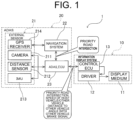
FIG. 1 is a block diagram illustrating an outline of avehicle 1 in which aninformation display system 10 according to an embodiment of the present invention is mounted. Thevehicle 1 illustrated inFIG. 1 is an autonomous vehicle that travels autonomously without a driver on a priority road 3 (seeFIG. 2 ). Thevehicle 1 is a bus having an autonomous driving level oflevel 4 orlevel 5. - The
vehicle 1 includes theinformation display system 10 and an advanced driver-assistance system (hereinafter referred to as Advanced Driver-Assistance Systems (ADAS)) 20. Theinformation display system 10 includes adisplay medium 11, adriver 12, and a control Electronic Control Unit (ECU) 13. - The
display medium 11 is a display mounted in a front portion of thevehicle 1, and displays information toward a traveling direction of thevehicle 1. Examples of thedisplay medium 11 include a Liquid Crystal Display (LCD), a Light Emitting Diode (LED) display, and an Organic Light Emitting Diode (OLED) display. Thedisplay medium 11 is arranged at a position visible to a driver of another vehicle 2 (seeFIG. 2 ) attempting to cross in front of thevehicle 1, and displays information in a manner visible to the driver of theother vehicle 2 located about 50 m in front of thevehicle 1. - The
driver 12 is a display driver who controls thedisplay medium 11 and causes thedisplay medium 11 to display information, based on display information transmitted from thecontrol ECU 13. The information displayed on thedisplay medium 11 includes distance information indicating a distance between thevehicle 1 and theother vehicle 2 in front of thevehicle 1. This distance information includes character information and image information. The character information is information by which it is possible to directly recognize the distance between thevehicle 1 and theother vehicle 2 in front of thevehicle 1 by characters such as 30 m, 20 m, and the like. The image information includes information such as a pictogram and a signal lamp by which it is possible to intuitively recognize the distance between thevehicle 1 and theother vehicle 2 in front of thevehicle 1 by an image. Each piece of distance information is provided in a plurality of patterns in accordance with the distance between thevehicle 1 and theother vehicle 2 in front of thevehicle 1. The distance information will be described in detail later. - The
control ECU 13 stores a program used for controlling a display operation of thedisplay medium 11, and thecontrol ECU 13 is operated by the program. The program is stored in a computer-readable non-temporary recording medium. That is, thecontrol ECU 13 includes a computer-readable non-temporary recording medium that stores a program. Based on various types of information transmitted from the ADAS 20, thecontrol ECU 13 determines whether there is anothervehicle 2 that should be notified of information indicating that thevehicle 1 approaches. If theother vehicle 2 is present in front of thevehicle 1, thecontrol ECU 13 calculates the distance between thevehicle 1 and theother vehicle 2. The various types of information transmitted from the ADAS 20 include information used for identifying thepriority road 3 and a non-priority road 4 (seeFIG. 2 ), information used for identifying an intersection 5 (seeFIG. 2 ), information about the vehicle speed of thevehicle 1 and theother vehicle 2, information about the distance between thevehicle 1 and theother vehicle 2, information about the relative angle between thevehicle 1 and theother vehicle 2, and information regarding a brake operation of thevehicle 1. Thecontrol ECU 13 generates display information in accordance with the calculated distance between thevehicle 1 and theother vehicle 2 and transmits the display information to thedriver 12. - The ADAS 20 includes an
external sensor 21, anavigation system 22, and an ADAS_ECU 23. Theexternal sensor 21 includes acamera 211 that acquires image data, adistance sensor 212 that acquires distance data, an Inertial Measurement Unit (IMU) 213 that acquires behavior data of thevehicle 1 such as speed, acceleration, and orientation, and a Global Positioning System (GPS)receiver 214 that acquires position data. - The
camera 211 is a sensing camera that uses image recognition technology to sense a target object such as a vehicle, a road sign, and a pedestrian in the vicinity of thevehicle 1 from an acquired image. Thecamera 211 is mounted in a front portion, a side portion, a rear portion, or the like of thevehicle 1, and senses a target object such as a vehicle, a road sign, and a pedestrian located in front of, on the side of, or behind thevehicle 1, and transmits sensing information to the ADAS_ECU 23. - The
distance sensor 212 is a laser radar (Light Imaging Detection and Ranging (LiDAR)), a millimeter wave radar, or the like. Thedistance sensor 212 detects the distance to the target object in front of thevehicle 1 and transmits the sensing information to the ADAS_ECU 23. The laser radar measures the distance to a target object and analyzes a property of the target object. Examples of analyzing a property of the target object include recognizing road shapes based on curbstones and the like, and recognizing white lines by utilizing reflectance. A millimeter wave radar directly measures the distance to a target object. - The
IMU 213 includes a 3-axis acceleration sensor, a 3-axis gyro sensor, and the like, and senses the speed, the acceleration, the orientation, and the like of thevehicle 1 and transmits sensing information to theADAS_ECU 23. TheGPS receiver 214 receives a GPS signal and calculates position information of thevehicle 1. TheGPS receiver 214 transmits the calculated position information to thenavigation system 22. - The
navigation system 22 calculates a traveling position of thevehicle 1, based on the position information of thevehicle 1 transmitted from theGPS receiver 214 and map information stored in a memory (not illustrated), and transmits a calculation result to theADAS_ECU 23. At this time, thenavigation system 22 determines whether the traveling position of thevehicle 1 is on thepriority road 3, whether thevehicle 1 is traveling toward theintersection 5 such as a T-junction, a crossroads, and the like, and transmits a determination result to theADAS_ECU 23. - The
ADAS_ECU 23 executes autonomous drive control of thevehicle 1, based on various types of detection information transmitted from theexternal sensor 21 and various types of navigation information transmitted from thenavigation system 22. Further, theADAS_ECU 23 transmits, to thecontrol ECU 13, various types of detection information transmitted from theexternal sensor 21 and various types of navigation information transmitted from thenavigation system 22. - Based on the various types of detection information of the
external sensor 21 transmitted from theADAS_ECU 23 and the various types of navigation information transmitted from thenavigation system 22, thecontrol ECU 13 determines whether there is anothervehicle 2 that should be notified of information indicating that thevehicle 1 approaches. Specifically, thecontrol ECU 13 determines whether a Time to Collision (TTC) expressed by Equation (1) below satisfies a condition expressed by Relationship (2) below.
- Here, L is the distance between the
vehicle 1 and theother vehicle 2, and V is the relative speed (absolute value) between thevehicle 1 and theother vehicle 2.
- Here, α is the time required for a driver of the
other vehicle 2 to grasp a dangerous situation and react (hereinafter referred to as reaction time). T' is the time obtained by adding a predetermined extra time β to T0 (T0 + β), T0 being the time required for theother vehicle 2 to pass the intersection 5 (hereinafter referred to as passing time), and T' is a value calculated based on a previously determined predetermined value or various types of detection information from theexternal sensor 21 and navigation information. Note that α is preferably 0.75 sec or more, and examples of α include 0.75 sec, 1.0 sec, and 1.5 sec. -
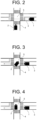
FIGs. 2 to 4 are diagrams illustrating examples of a state where theother vehicle 2 should be notified of the approach of thevehicle 1.FIGs. 2 to 4 illustrate thepriority road 3, thenon-priority road 4, and theintersection 5 between thepriority road 3 and thenon-priority road 4. As illustrated inFIG. 2 , in a state where thevehicle 1 is traveling on thepriority road 3 toward theintersection 5 and theother vehicle 2 is attempting to enter theintersection 5 from thenon-priority road 4, the control ECU 13 (seeFIG. 1 ) determines that there is anothervehicle 2 that should be notified of the approach of thevehicle 1. Theother vehicle 2 may pass through theintersection 5 by turning right, as illustrated inFIG. 3 , or theother vehicle 2 may pass through theintersection 5 by traveling straight, as illustrated inFIG. 4 . -
FIG. 5 is a table illustrating examples of distance information displayed by thedisplay medium 11. As illustrated in the table, a display aspect of the distance information displayed by thedisplay medium 11 changes in accordance with the distance between thevehicle 1 and the other vehicle 2 (hereinafter referred to as inter-vehicle distance). - For example, in a case where the inter-vehicle distance is sufficiently long that the
vehicle 1 does not need to brake even if theother vehicle 2 crosses in front of thevehicle 1, such as when the inter-vehicle distance is 50 m or more, thedisplay medium 11 does not display any content or displays information that reassures the driver of theother vehicle 2. For example, in the example of a first distance in the first column from the left inFIG. 5 , among the pieces of image information, a pictogram A (facial expression) is a pictorial symbol of a smiling face that reassures the driver of theother vehicle 2. In the example of the first distance in the first column from the left inFIG. 5 , character information and, among the pieces of image information, a pictogram B (a vehicle and a target object) and a signal lamp are not displayed. - In a case where the inter-vehicle distance is close to a boundary determining whether the
vehicle 1 needs to brake if theother vehicle 2 crosses in front of thevehicle 1, such as when the inter-vehicle distance is 40 to 30 m, thedisplay medium 11 displays information requesting the driver of theother vehicle 2 to make a careful decision. For example, in the example of a second distance in the second column from the left inFIG. 5 , the character information is an actual measurement value of the inter-vehicle distance, and the pictogram A among the pieces of image information is a pictorial symbol having a serious expression that alerts the driver of theother vehicle 2. Further, the pictogram B among the pieces of image information is a pictorial symbol expressing that the distance between thevehicle 1 and the target object is a distance at which caution is required, and the signal lamp among the pieces of image information is in a state where one of three levels (a lowermost level) is illuminated. - For example, in a case where the inter-vehicle distance is a distance at which the
vehicle 1 needs to brake if theother vehicle 2 crosses in front of thevehicle 1, such as when the inter-vehicle distance is 29 to 20 m, thedisplay medium 11 displays information urging the driver of theother vehicle 2 not to cross. For example, in the example of a third distance in the third column from the left inFIG. 5 , the character information is the actual measurement value of the inter-vehicle distance, and the pictogram A among the pieces of image information is a pictorial symbol having a confused expression that urges the driver of theother vehicle 2 not to cross. Further, the pictogram B among the pieces of image information is a pictorial symbol expressing that the distance between thevehicle 1 and the target object is such a short distance that a collision will occur unless a brake operation is performed, and among the pieces of image information, the signal lamp is in a state where two of the three levels (the lowermost level and the middle level) are illuminated. - For example, in a case where the inter-vehicle distance is a distance at which the
vehicle 1 needs to brake suddenly if theother vehicle 2 crosses in front of thevehicle 1, such as when the inter-vehicle distance is 19 to 1 m, thedisplay medium 11 displays information warning the driver of theother vehicle 2 not to cross. For example, in the example of a fourth distance in the fourth column from the left inFIG. 5 , the character information is the actual measurement value of the inter-vehicle distance, and the pictogram A among the pieces of image information is a pictorial symbol having a panicked expression that warns the driver of theother vehicle 2 not to cross. Further, the pictogram B among the pieces of image information is a pictorial symbol expressing that the distance between the target object and thevehicle 1 is such a short distance that a collision will occur unless a sudden brake operation is performed, and among the pieces of image information, the signal lamp is in a state where three levels of the three levels are illuminated. - For example, after the
vehicle 1 or theother vehicle 2 passes through theintersection 5, thedisplay medium 11 does not displayed any content or displays information that reassures the driver of theother vehicle 2. For example, in an example after the passage of thevehicle 1 or theother vehicle 2 in the fifth column from the left inFIG. 5 , among the pieces of image information, the pictogram A is a pictorial symbol of a smiling face that reassures the driver of theother vehicle 2. In the example after the passage of thevehicle 1 or theother vehicle 2 in the fifth column from the left inFIG. 5 , the character information and, among the pieces of image information, the pictogram B and the signal lamp are not displayed. -
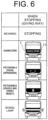
FIG. 6 is a table illustrating an example of information displayed by thedisplay medium 11 when thevehicle 1 stops to give way to theother vehicle 2. As illustrated in the table, the character information on thedisplay medium 11 is a message such as "Vehicle Stops" to announce that the vehicle stops, and the pictogram A among the pieces of image information is a pictorial symbol having an expression conveying affection. Further, the pictogram B among the pieces of image information is a pictorial symbol expressing a stopping vehicle, and the signal lamp among the pieces of image information is in a slowly blinking state. - The
display medium 11 may display any one of the character information, the pictogram A, the pictogram B, and the signal lamp when thevehicle 1 is traveling or stops, or may display two or more of these pieces of information. In the latter case, for example, thedisplay medium 11 may alternately display the pictogram A, the pictogram B, or the signal lamp and the character information, or may sequentially display three or more among the character information, the pictogram A, the pictogram B, and the signal lamp. -
FIG. 7 is a diagram illustrating an example of a method by which thedisplay medium 11 displays distance information. As illustrated inFIG. 7 , thedisplay medium 11 alternately displays the character information and the image information (for example, the pictogram A, as illustrated inFIG. 7 ) when the inter-vehicle distance changes from a long distance to a short distance. Thus, by the image information, the driver of theother vehicle 2 can intuitively understand the meaning of the numbers that are directly recognizable from the character information. -
FIG. 8 is a flowchart illustrating a process of thecontrol ECU 13. First, in step S1, thecontrol ECU 13 determines whether thevehicle 1 is traveling on thepriority road 3. If an affirmative determination is obtained in step S1, the processing proceeds to step S2, and if a negative determination is obtained in step S1, the processing proceeds to step S16. In step S16, thecontrol ECU 13 causes thedisplay medium 11 to continue to display a normal display. Note that the normal display is displayed on thedisplay medium 11 before the start of step S1. - In step S2, the
control ECU 13 determines whether anothervehicle 2 is present in the traveling direction of thevehicle 1. If an affirmative determination is obtained in step S2, the processing proceeds to step S3, and if a negative determination is obtained in step S2, the processing proceeds to step S16. In step S16, thecontrol ECU 13 causes thedisplay medium 11 to continue to display the normal display. - In step S3, the
control ECU 13 determines, based on the TTC, whether there is a possibility that theother vehicle 2 enters a predicted route of thevehicle 1 from thenon-priority road 4. If an affirmative determination is obtained in step S3, the processing proceeds to step S4, and if a negative determination is obtained in step S3, the processing proceeds to step S16. In step S16, thecontrol ECU 13 causes thedisplay medium 11 to continue to display the normal display. - In step S4, the
control ECU 13 determines whether thevehicle 1 is stopped. If an affirmative determination is obtained in step S4, the processing proceeds to step S13, and if a negative determination is obtained in step S4, the processing proceeds to step S5. In steps S1 to S4, thecontrol ECU 13 causes thedisplay medium 11 to continue to display the normal display. - In step S5, the
control ECU 13 determines whether the distance between thevehicle 1 and theother vehicle 2 in front of the vehicle 1 (inter-vehicle distance) is 50 m or more, based on various types of detection information of theexternal sensor 21 transmitted from theADAS_ECU 23. If an affirmative determination is obtained in step S5, the processing proceeds to step S6, and if a negative determination is obtained in step S5, the processing proceeds to step S7. - In step S6, the
control ECU 13 causes thedisplay medium 11 to display content used when the inter-vehicle distance is 50 m or more. On the other hand, in step S7, thecontrol ECU 13 determines whether the inter-vehicle distance is 30 m or more, based on various types of detection information of theexternal sensor 21 transmitted from theADAS_ECU 23. If an affirmative determination is obtained in step S7, the processing proceeds to step S8, and if a negative determination is obtained in step S7, the processing proceeds to step S9. - In step S8, the
control ECU 13 causes thedisplay medium 11 to display content used when the inter-vehicle distance is 49 to 30 m. On the other hand, in step S9, thecontrol ECU 13 determines whether the inter-vehicle distance is 20 m or more, based on the various types of detection information of theexternal sensor 21 transmitted from theADAS_ECU 23. If an affirmative determination is obtained in step S9, the processing proceeds to step S10, and if a negative determination is obtained in step S9, the processing proceeds to step S11. - In step S10, the
control ECU 13 causes thedisplay medium 11 to display content used when the inter-vehicle distance is 29 to 20 m. On the other hand, in step S11, thecontrol ECU 13 determines whether the inter-vehicle distance is 1 m or more, based on the various types of detection information of theexternal sensor 21 transmitted from theADAS_ECU 23. If an affirmative determination is obtained in step S11, the processing proceeds to step S12, and if a negative determination is obtained in step S11, the processing proceeds to step S13. - In step S12, the
control ECU 13 causes thedisplay medium 11 to display content used when the inter-vehicle distance is 19 to 1 m. On the other hand, in step S13, thecontrol ECU 13 causes thedisplay medium 11 to display content used during a stop. - The processing proceeds from steps S6, S8, S10, S12, and S13 to step S14. In step S14, the
control ECU 13 determines whether theother vehicle 2 in front of thevehicle 1 has passed, based on the various types of detection information of theexternal sensor 21 transmitted from theADAS_ECU 23. If an affirmative determination is obtained in step S14, the processing proceeds to step S15, and if a negative determination is obtained in step S14, the processing proceeds to step S4. - In step S15, the
control ECU 13 causes thedisplay medium 11 to display content used after theother vehicle 2 has passed. Thus, the process is completed. - As described above, in the present embodiment, the
control ECU 13 recognizes the distance (inter-vehicle distance) between thevehicle 1 and theother vehicle 2 present in the traveling direction of thevehicle 1, based on a recognition result of theexternal sensor 21 mounted in thevehicle 1, and causes thedisplay medium 11 to display distance information used for announcing the recognized inter-vehicle distance. Thus, it is possible to assist the driver of theother vehicle 2 in recognizing the distance to thevehicle 1 and the time until thevehicle 1 approaches, when theother vehicle 2 attempts to cross thepriority road 3 on which thevehicle 1, which is an autonomous vehicle, is traveling. In particular, thecontrol ECU 13 changes the distance information displayed on thedisplay medium 11 in accordance with a change in the recognized inter-vehicle distance. Thus, the driver of theother vehicle 2 can recognize that the inter-vehicle distance is gradually decreasing, and can be urged to make a careful decision as to whether to cross. Therefore, it is possible to prevent the driver of theother vehicle 2 from misjudging the distance to thevehicle 1 and the time until the approach of thevehicle 1, which is an autonomous vehicle, and it is possible to prevent theother vehicle 2 from entering the path of thevehicle 1 at the wrong timing, causing thevehicle 1 to slow down or stop. - In the present embodiment, after the
control ECU 13 causes thedisplay medium 11 to display the distance information, thecontrol ECU 13 determines, based on the recognition result of theexternal sensor 21, whether theother vehicle 2 starts crossing the path of thevehicle 1, and whether the inter-vehicle distance is a distance at which thevehicle 1 needs to brake. When theother vehicle 2 starts crossing the path of thevehicle 1 and the inter-vehicle distance is a distance at which thevehicle 1 needs to brake, thecontrol ECU 13 causes thedisplay medium 11 to display stop information used for announcing that thevehicle 1 stops. Thus, it is possible to notify the driver of theother vehicle 2 of information indicating that thevehicle 1, which is an autonomous vehicle, stops when theother vehicle 2 attempts to cross thepriority road 3 on which thevehicle 1, which is an autonomous vehicle, is traveling. - In the present embodiment, the
control ECU 13 recognizes the time to collision TTC between thevehicle 1 and theother vehicle 2, based on the recognition result of theexternal sensor 21, and determines whether the inter-vehicle distance is a distance at which thevehicle 1 needs to brake, based on a time obtained by adding a reaction time α of the driver to the recognized time to collision TTC. Thus, it is possible to notify the driver of theother vehicle 2 early enough of information indicating that the inter-vehicle distance is a distance at which thevehicle 1 needs to brake. - In the present embodiment, the
control ECU 13 causes thedisplay medium 11 to alternately display character information and image information. Thus, by the image information, the driver of theother vehicle 2 can intuitively understand the meaning of the numbers that are directly recognizable from the character information. Therefore, it is possible to assist the driver of theother vehicle 2 in deciding whether to start crossing the intersection. - The present invention has been described above based on the above-mentioned embodiments. However, the present invention is not limited to the above-mentioned embodiments, and modifications may be made without departing from the spirit of the present invention, and techniques from the embodiments and well-known or commonly-known techniques may be used in combination.
- For example, in the above-described embodiment, the
control ECU 13 that controls a display operation of thedisplay medium 11 and theADAS_ECU 23 that uses theADAS 20 to execute autonomous drive control of thevehicle 1 are provided. However, theADAS_ECU 23 may also control the display operation of thedisplay medium 11. Further, in the above-described embodiment, thevehicle 1 is alevel 4 orlevel 5 autonomous vehicle, and theother vehicle 2 is a non-autonomous vehicle. However, thevehicle 1 and theother vehicle 2 may be autonomous vehicles oflevel 3 or lower, or thevehicle 1 may be a non-autonomous vehicle. - In the above-described embodiment, the
display medium 11 is provided functionally and structurally independent of the headlight and the signal lamp. However, thedisplay medium 11 may be structurally integrally formed with the headlight and the signal lamp to not impede the functions of these lights. In the above-described embodiment, theexternal sensor 21 is provided structurally independent of thedisplay medium 11. However, theexternal sensor 21 may be structurally integrally formed with thedisplay medium 11. - Further, in the above-described embodiment, a program used for operating the
control ECU 13 is stored in the memory of thecontrol ECU 13 and is not updated. However, the program may be updated via a system in thevehicle 1, such as theADAS 20. -
- 1: Vehicle
- 2: Other vehicle
- 3: Priority road
- 4: Non-priority road
- 5: Intersection
- 10: Information display system
- 11: Display medium
- 13: Control ECU (display control device)
- 21: External sensor
- L: Distance
- TTC: Time to Collision
- α: Reaction time
Claims (8)
- A display control device (13) controlling a display operation of a display medium (11) that is mounted in a vehicle (1) and displays information toward a traveling direction of the vehicle (1), the display control device (13)recognizing, based on a recognition result of an external sensor (21) mounted in the vehicle (1), a distance (L) between the vehicle (1) and another vehicle (2) present in the traveling direction of the vehicle (1);causing the display medium (11) to display distance information used for announcing the recognized distance (L) between the vehicle (1) and the other vehicle (2); andchanging the distance information displayed on the display medium (11) in accordance with a change in the recognized distance (L) between the vehicle (1) and the other vehicle (2).
- The display control device (13) according to claim 1, which after causing the display medium (11) to display the distance information, determines, based on the recognition result of the external sensor (21), whether the other vehicle (2) starts crossing a path of the vehicle (1), and whether the distance (L) between the vehicle (1) and the other vehicle (2) is a distance at which the vehicle (1) needs to brake; and
when the other vehicle (2) starts crossing the path of the vehicle (1) and the distance (L) between the vehicle (1) and the other vehicle (2) is a distance at which the vehicle (1) needs to brake, causes the display medium (11) to display stop information used for announcing that the vehicle (1) stops. - The display control device (13) according to claim 2, which recognizes a time to collision (TTC) between the vehicle (1) and the other vehicle (2), based on the recognition result of the external sensor (21); and
determines whether the distance (L) between the vehicle (1) and the other vehicle (2) is a distance at which the vehicle (1) needs to brake, based on a time obtained by adding a reaction time of a driver of the other vehicle (2) to the recognized time to collision (TTC). - The display control device (13) according to claim 1, whereinthe distance information includes first distance information including character information or image information, and second distance information including character information or image information, a display aspect of the second distance information being different from a display aspect of the first distance information, andthe first distance information and the second distance information are alternately displayed.
- The display control device (13) according to claim 1, which causes the display medium (11) to display the distance information in a state where the vehicle (1) is traveling autonomously on a priority road (3) toward an intersection (5) between the priority road (3) and a non-priority road (4), and before the other vehicle (2) is traveling non-autonomously from the non-priority road (4) into the intersection (5).
- An information display system (10), comprising:a display medium (11) that is mounted in a vehicle (1) and displays information toward a traveling direction of the vehicle (1); anda display control device (13) that controls a display operation of the display medium (11), whereinthe display control device (13)recognizes, based on a recognition result of an external sensor (21) mounted in the vehicle (1), a distance (L) between the vehicle (1) and another vehicle (2) present in a traveling direction of the vehicle (1),causes the display medium (11) to display distance information used for announcing the recognized distance (L) between the vehicle (1) and the other vehicle (2), andchanges the distance information displayed on the display medium (11) in accordance with a change in the recognized distance (L) between the vehicle (1) and the other vehicle (2).
- A display control method executed by a display control device (13) controlling a display operation of a display medium (11) that is mounted in a vehicle (1) and displays information toward a traveling direction of the vehicle (1), the display control method comprising:a step of recognizing, based on a recognition result of an external sensor (21) mounted in the vehicle (1), a distance (L) between the vehicle (1) and another vehicle (2) present in a traveling direction of the vehicle (1); anda step of causing the display medium (11) to display distance information used for announcing the recognized distance (L) between the vehicle (1) and the other vehicle (2), and changing the distance information displayed on the display medium (11) in accordance with a change in the recognized distance (L) between the vehicle (1) and the other vehicle (2).
- A computer-readable non-temporary recording medium storing a program that causes a display control device (13) controlling a display operation of a display medium (11) mounted in a vehicle (1) and displaying information toward a traveling direction of the vehicle (1), to executea procedure of recognizing, based on a recognition result of an external sensor (21) mounted in the vehicle (1), a distance (L) between the vehicle (1) and another vehicle (2) present in a traveling direction of the vehicle (1); anda procedure of causing the display medium (11) to display distance information used for announcing the recognized distance (L) between the vehicle (1) and the other vehicle (2), and changing the distance information displayed on the display medium (11) in accordance with a change in the recognized distance (L) between the vehicle (1) and the other vehicle (2).
Applications Claiming Priority (2)
| Application Number | Priority Date | Filing Date | Title |
|---|---|---|---|
| JP2022137574A JP2024033768A (en) | 2022-08-31 | 2022-08-31 | Display control device, information display system, display control method, and program |
| PCT/JP2023/030297 WO2024048391A1 (en) | 2022-08-31 | 2023-08-23 | Display control device, information display system, display control method, and computer-readable non-temporary recording medium storing program |
Publications (1)
| Publication Number | Publication Date |
|---|---|
| EP4583076A1 true EP4583076A1 (en) | 2025-07-09 |
Family
ID=90099625
Family Applications (1)
| Application Number | Title | Priority Date | Filing Date |
|---|---|---|---|
| EP23860154.6A Pending EP4583076A1 (en) | 2022-08-31 | 2023-08-23 | Display control device, information display system, display control method, and computer-readable non-temporary recording medium storing program |
Country Status (5)
| Country | Link |
|---|---|
| US (1) | US20260054571A1 (en) |
| EP (1) | EP4583076A1 (en) |
| JP (1) | JP2024033768A (en) |
| CN (1) | CN119948546A (en) |
| WO (1) | WO2024048391A1 (en) |
Family Cites Families (5)
| Publication number | Priority date | Publication date | Assignee | Title |
|---|---|---|---|---|
| JP2006209325A (en) * | 2005-01-26 | 2006-08-10 | Denso Corp | Alarm device for vehicle and alarm generation method in vehicle |
| JP2013089095A (en) * | 2011-10-20 | 2013-05-13 | Toyota Motor Corp | Vehicle body display controller |
| JP2019109737A (en) * | 2017-12-19 | 2019-07-04 | 三菱自動車工業株式会社 | Drive support device |
| JP7095591B2 (en) | 2018-12-28 | 2022-07-05 | トヨタ自動車株式会社 | Notification device and vehicle control device |
| JP7526979B2 (en) * | 2019-10-03 | 2024-08-02 | 株式会社ユピテル | Systems and programs |
-
2022
- 2022-08-31 JP JP2022137574A patent/JP2024033768A/en active Pending
-
2023
- 2023-08-23 CN CN202380062491.XA patent/CN119948546A/en active Pending
- 2023-08-23 US US19/104,889 patent/US20260054571A1/en active Pending
- 2023-08-23 EP EP23860154.6A patent/EP4583076A1/en active Pending
- 2023-08-23 WO PCT/JP2023/030297 patent/WO2024048391A1/en not_active Ceased
Also Published As
| Publication number | Publication date |
|---|---|
| US20260054571A1 (en) | 2026-02-26 |
| CN119948546A (en) | 2025-05-06 |
| WO2024048391A1 (en) | 2024-03-07 |
| JP2024033768A (en) | 2024-03-13 |
Similar Documents
| Publication | Publication Date | Title |
|---|---|---|
| EP3744599B1 (en) | Automatic driving vehicle control method and control device | |
| EP2988098B1 (en) | Driver assistance system with non-static symbol of fluctuating shape | |
| CN109712432B (en) | System and method for projecting a trajectory of an autonomous vehicle onto a road surface | |
| JP4134894B2 (en) | Vehicle driving support device | |
| CN107107919B (en) | Autopilot controls | |
| CN108602513B (en) | driving aids | |
| US10597031B2 (en) | Drive assist apparatus | |
| EP3757967A1 (en) | Vehicle warning device | |
| US20170113665A1 (en) | Algorithms for avoiding automotive crashes at left and right turn intersections | |
| US20050273264A1 (en) | Method and device for warning a driver of lane departure | |
| JP4466438B2 (en) | Route guidance system | |
| JP6974367B2 (en) | Vehicle control systems, vehicle control methods, and programs | |
| JP2005161977A (en) | Vehicle travel support device | |
| CN116061960B (en) | Driving assistance device | |
| US20240308539A1 (en) | Vehicle, control device and control method therefor | |
| KR20180089717A (en) | Driving Support Device Of Vehicle And Driving Method Thereof | |
| CN110221596A (en) | Controller of vehicle | |
| CN112298175A (en) | Platoon driving controller, system including the same, and platoon driving control method | |
| JP2016224553A (en) | Vehicle traffic information display system | |
| JP7271941B2 (en) | Vehicle display system | |
| US20260054571A1 (en) | Display control device, information display system, display control method, and computer-readable non-temporary recording medium storing program | |
| KR20210063893A (en) | Apparatus for assisting lane change a vehicle, system having the same and method thereof | |
| JP7751495B2 (en) | Driving assistance devices | |
| JP7243798B2 (en) | Driving support device | |
| WO2025192190A1 (en) | Vehicular notification control device and vehicular notification control method |
Legal Events
| Date | Code | Title | Description |
|---|---|---|---|
| STAA | Information on the status of an ep patent application or granted ep patent |
Free format text: STATUS: THE INTERNATIONAL PUBLICATION HAS BEEN MADE |
|
| PUAI | Public reference made under article 153(3) epc to a published international application that has entered the european phase |
Free format text: ORIGINAL CODE: 0009012 |
|
| STAA | Information on the status of an ep patent application or granted ep patent |
Free format text: STATUS: REQUEST FOR EXAMINATION WAS MADE |
|
| 17P | Request for examination filed |
Effective date: 20250227 |
|
| AK | Designated contracting states |
Kind code of ref document: A1 Designated state(s): AL AT BE BG CH CY CZ DE DK EE ES FI FR GB GR HR HU IE IS IT LI LT LU LV MC ME MK MT NL NO PL PT RO RS SE SI SK SM TR |
|
| DAV | Request for validation of the european patent (deleted) | ||
| DAX | Request for extension of the european patent (deleted) |