EP4582147A2 - Behandlung des hyperinflammatorischen syndroms - Google Patents
Behandlung des hyperinflammatorischen syndroms Download PDFInfo
- Publication number
- EP4582147A2 EP4582147A2 EP25176477.5A EP25176477A EP4582147A2 EP 4582147 A2 EP4582147 A2 EP 4582147A2 EP 25176477 A EP25176477 A EP 25176477A EP 4582147 A2 EP4582147 A2 EP 4582147A2
- Authority
- EP
- European Patent Office
- Prior art keywords
- lidocaine
- disease
- treatment
- patient
- pharmaceutically acceptable
- Prior art date
- Legal status (The legal status is an assumption and is not a legal conclusion. Google has not performed a legal analysis and makes no representation as to the accuracy of the status listed.)
- Pending
Links
Images



Classifications
-
- A—HUMAN NECESSITIES
- A61—MEDICAL OR VETERINARY SCIENCE; HYGIENE
- A61K—PREPARATIONS FOR MEDICAL, DENTAL OR TOILETRY PURPOSES
- A61K31/00—Medicinal preparations containing organic active ingredients
- A61K31/16—Amides, e.g. hydroxamic acids
- A61K31/165—Amides, e.g. hydroxamic acids having aromatic rings, e.g. colchicine, atenolol, progabide
- A61K31/167—Amides, e.g. hydroxamic acids having aromatic rings, e.g. colchicine, atenolol, progabide having the nitrogen of a carboxamide group directly attached to the aromatic ring, e.g. lidocaine, paracetamol
-
- A—HUMAN NECESSITIES
- A61—MEDICAL OR VETERINARY SCIENCE; HYGIENE
- A61K—PREPARATIONS FOR MEDICAL, DENTAL OR TOILETRY PURPOSES
- A61K31/00—Medicinal preparations containing organic active ingredients
-
- A—HUMAN NECESSITIES
- A61—MEDICAL OR VETERINARY SCIENCE; HYGIENE
- A61K—PREPARATIONS FOR MEDICAL, DENTAL OR TOILETRY PURPOSES
- A61K47/00—Medicinal preparations characterised by the non-active ingredients used, e.g. carriers or inert additives; Targeting or modifying agents chemically bound to the active ingredient
- A61K47/44—Oils, fats or waxes according to two or more groups of A61K47/02-A61K47/42; Natural or modified natural oils, fats or waxes, e.g. castor oil, polyethoxylated castor oil, montan wax, lignite, shellac, rosin, beeswax or lanolin
-
- A—HUMAN NECESSITIES
- A61—MEDICAL OR VETERINARY SCIENCE; HYGIENE
- A61K—PREPARATIONS FOR MEDICAL, DENTAL OR TOILETRY PURPOSES
- A61K9/00—Medicinal preparations characterised by special physical form
- A61K9/0012—Galenical forms characterised by the site of application
- A61K9/0014—Skin, i.e. galenical aspects of topical compositions
-
- A—HUMAN NECESSITIES
- A61—MEDICAL OR VETERINARY SCIENCE; HYGIENE
- A61K—PREPARATIONS FOR MEDICAL, DENTAL OR TOILETRY PURPOSES
- A61K9/00—Medicinal preparations characterised by special physical form
- A61K9/0012—Galenical forms characterised by the site of application
- A61K9/0019—Injectable compositions; Intramuscular, intravenous, arterial, subcutaneous administration; Compositions to be administered through the skin in an invasive manner
-
- A—HUMAN NECESSITIES
- A61—MEDICAL OR VETERINARY SCIENCE; HYGIENE
- A61K—PREPARATIONS FOR MEDICAL, DENTAL OR TOILETRY PURPOSES
- A61K9/00—Medicinal preparations characterised by special physical form
- A61K9/0012—Galenical forms characterised by the site of application
- A61K9/0053—Mouth and digestive tract, i.e. intraoral and peroral administration
-
- A—HUMAN NECESSITIES
- A61—MEDICAL OR VETERINARY SCIENCE; HYGIENE
- A61K—PREPARATIONS FOR MEDICAL, DENTAL OR TOILETRY PURPOSES
- A61K9/00—Medicinal preparations characterised by special physical form
- A61K9/0012—Galenical forms characterised by the site of application
- A61K9/0053—Mouth and digestive tract, i.e. intraoral and peroral administration
- A61K9/006—Oral mucosa, e.g. mucoadhesive forms, sublingual droplets; Buccal patches or films; Buccal sprays
-
- A—HUMAN NECESSITIES
- A61—MEDICAL OR VETERINARY SCIENCE; HYGIENE
- A61P—SPECIFIC THERAPEUTIC ACTIVITY OF CHEMICAL COMPOUNDS OR MEDICINAL PREPARATIONS
- A61P1/00—Drugs for disorders of the alimentary tract or the digestive system
- A61P1/04—Drugs for disorders of the alimentary tract or the digestive system for ulcers, gastritis or reflux esophagitis, e.g. antacids, inhibitors of acid secretion, mucosal protectants
-
- A—HUMAN NECESSITIES
- A61—MEDICAL OR VETERINARY SCIENCE; HYGIENE
- A61P—SPECIFIC THERAPEUTIC ACTIVITY OF CHEMICAL COMPOUNDS OR MEDICINAL PREPARATIONS
- A61P1/00—Drugs for disorders of the alimentary tract or the digestive system
- A61P1/06—Anti-spasmodics, e.g. drugs for colics, esophagic dyskinesia
-
- A—HUMAN NECESSITIES
- A61—MEDICAL OR VETERINARY SCIENCE; HYGIENE
- A61P—SPECIFIC THERAPEUTIC ACTIVITY OF CHEMICAL COMPOUNDS OR MEDICINAL PREPARATIONS
- A61P11/00—Drugs for disorders of the respiratory system
-
- A—HUMAN NECESSITIES
- A61—MEDICAL OR VETERINARY SCIENCE; HYGIENE
- A61P—SPECIFIC THERAPEUTIC ACTIVITY OF CHEMICAL COMPOUNDS OR MEDICINAL PREPARATIONS
- A61P11/00—Drugs for disorders of the respiratory system
- A61P11/16—Central respiratory analeptics
-
- A—HUMAN NECESSITIES
- A61—MEDICAL OR VETERINARY SCIENCE; HYGIENE
- A61P—SPECIFIC THERAPEUTIC ACTIVITY OF CHEMICAL COMPOUNDS OR MEDICINAL PREPARATIONS
- A61P13/00—Drugs for disorders of the urinary system
- A61P13/02—Drugs for disorders of the urinary system of urine or of the urinary tract, e.g. urine acidifiers
-
- A—HUMAN NECESSITIES
- A61—MEDICAL OR VETERINARY SCIENCE; HYGIENE
- A61P—SPECIFIC THERAPEUTIC ACTIVITY OF CHEMICAL COMPOUNDS OR MEDICINAL PREPARATIONS
- A61P13/00—Drugs for disorders of the urinary system
- A61P13/10—Drugs for disorders of the urinary system of the bladder
-
- A—HUMAN NECESSITIES
- A61—MEDICAL OR VETERINARY SCIENCE; HYGIENE
- A61P—SPECIFIC THERAPEUTIC ACTIVITY OF CHEMICAL COMPOUNDS OR MEDICINAL PREPARATIONS
- A61P13/00—Drugs for disorders of the urinary system
- A61P13/12—Drugs for disorders of the urinary system of the kidneys
-
- A—HUMAN NECESSITIES
- A61—MEDICAL OR VETERINARY SCIENCE; HYGIENE
- A61P—SPECIFIC THERAPEUTIC ACTIVITY OF CHEMICAL COMPOUNDS OR MEDICINAL PREPARATIONS
- A61P15/00—Drugs for genital or sexual disorders; Contraceptives
-
- A—HUMAN NECESSITIES
- A61—MEDICAL OR VETERINARY SCIENCE; HYGIENE
- A61P—SPECIFIC THERAPEUTIC ACTIVITY OF CHEMICAL COMPOUNDS OR MEDICINAL PREPARATIONS
- A61P17/00—Drugs for dermatological disorders
- A61P17/06—Antipsoriatics
-
- A—HUMAN NECESSITIES
- A61—MEDICAL OR VETERINARY SCIENCE; HYGIENE
- A61P—SPECIFIC THERAPEUTIC ACTIVITY OF CHEMICAL COMPOUNDS OR MEDICINAL PREPARATIONS
- A61P19/00—Drugs for skeletal disorders
- A61P19/02—Drugs for skeletal disorders for joint disorders, e.g. arthritis, arthrosis
-
- A—HUMAN NECESSITIES
- A61—MEDICAL OR VETERINARY SCIENCE; HYGIENE
- A61P—SPECIFIC THERAPEUTIC ACTIVITY OF CHEMICAL COMPOUNDS OR MEDICINAL PREPARATIONS
- A61P21/00—Drugs for disorders of the muscular or neuromuscular system
- A61P21/04—Drugs for disorders of the muscular or neuromuscular system for myasthenia gravis
-
- A—HUMAN NECESSITIES
- A61—MEDICAL OR VETERINARY SCIENCE; HYGIENE
- A61P—SPECIFIC THERAPEUTIC ACTIVITY OF CHEMICAL COMPOUNDS OR MEDICINAL PREPARATIONS
- A61P25/00—Drugs for disorders of the nervous system
- A61P25/02—Drugs for disorders of the nervous system for peripheral neuropathies
-
- A—HUMAN NECESSITIES
- A61—MEDICAL OR VETERINARY SCIENCE; HYGIENE
- A61P—SPECIFIC THERAPEUTIC ACTIVITY OF CHEMICAL COMPOUNDS OR MEDICINAL PREPARATIONS
- A61P25/00—Drugs for disorders of the nervous system
- A61P25/08—Antiepileptics; Anticonvulsants
-
- A—HUMAN NECESSITIES
- A61—MEDICAL OR VETERINARY SCIENCE; HYGIENE
- A61P—SPECIFIC THERAPEUTIC ACTIVITY OF CHEMICAL COMPOUNDS OR MEDICINAL PREPARATIONS
- A61P25/00—Drugs for disorders of the nervous system
- A61P25/14—Drugs for disorders of the nervous system for treating abnormal movements, e.g. chorea, dyskinesia
- A61P25/16—Anti-Parkinson drugs
-
- A—HUMAN NECESSITIES
- A61—MEDICAL OR VETERINARY SCIENCE; HYGIENE
- A61P—SPECIFIC THERAPEUTIC ACTIVITY OF CHEMICAL COMPOUNDS OR MEDICINAL PREPARATIONS
- A61P25/00—Drugs for disorders of the nervous system
- A61P25/28—Drugs for disorders of the nervous system for treating neurodegenerative disorders of the central nervous system, e.g. nootropic agents, cognition enhancers, drugs for treating Alzheimer's disease or other forms of dementia
-
- A—HUMAN NECESSITIES
- A61—MEDICAL OR VETERINARY SCIENCE; HYGIENE
- A61P—SPECIFIC THERAPEUTIC ACTIVITY OF CHEMICAL COMPOUNDS OR MEDICINAL PREPARATIONS
- A61P29/00—Non-central analgesic, antipyretic or antiinflammatory agents, e.g. antirheumatic agents; Non-steroidal antiinflammatory drugs [NSAID]
-
- A—HUMAN NECESSITIES
- A61—MEDICAL OR VETERINARY SCIENCE; HYGIENE
- A61P—SPECIFIC THERAPEUTIC ACTIVITY OF CHEMICAL COMPOUNDS OR MEDICINAL PREPARATIONS
- A61P3/00—Drugs for disorders of the metabolism
- A61P3/08—Drugs for disorders of the metabolism for glucose homeostasis
- A61P3/10—Drugs for disorders of the metabolism for glucose homeostasis for hyperglycaemia, e.g. antidiabetics
-
- A—HUMAN NECESSITIES
- A61—MEDICAL OR VETERINARY SCIENCE; HYGIENE
- A61P—SPECIFIC THERAPEUTIC ACTIVITY OF CHEMICAL COMPOUNDS OR MEDICINAL PREPARATIONS
- A61P31/00—Antiinfectives, i.e. antibiotics, antiseptics, chemotherapeutics
- A61P31/04—Antibacterial agents
-
- A—HUMAN NECESSITIES
- A61—MEDICAL OR VETERINARY SCIENCE; HYGIENE
- A61P—SPECIFIC THERAPEUTIC ACTIVITY OF CHEMICAL COMPOUNDS OR MEDICINAL PREPARATIONS
- A61P31/00—Antiinfectives, i.e. antibiotics, antiseptics, chemotherapeutics
- A61P31/12—Antivirals
- A61P31/14—Antivirals for RNA viruses
-
- A—HUMAN NECESSITIES
- A61—MEDICAL OR VETERINARY SCIENCE; HYGIENE
- A61P—SPECIFIC THERAPEUTIC ACTIVITY OF CHEMICAL COMPOUNDS OR MEDICINAL PREPARATIONS
- A61P35/00—Antineoplastic agents
-
- A—HUMAN NECESSITIES
- A61—MEDICAL OR VETERINARY SCIENCE; HYGIENE
- A61P—SPECIFIC THERAPEUTIC ACTIVITY OF CHEMICAL COMPOUNDS OR MEDICINAL PREPARATIONS
- A61P37/00—Drugs for immunological or allergic disorders
-
- A—HUMAN NECESSITIES
- A61—MEDICAL OR VETERINARY SCIENCE; HYGIENE
- A61P—SPECIFIC THERAPEUTIC ACTIVITY OF CHEMICAL COMPOUNDS OR MEDICINAL PREPARATIONS
- A61P37/00—Drugs for immunological or allergic disorders
- A61P37/02—Immunomodulators
- A61P37/06—Immunosuppressants, e.g. drugs for graft rejection
-
- A—HUMAN NECESSITIES
- A61—MEDICAL OR VETERINARY SCIENCE; HYGIENE
- A61P—SPECIFIC THERAPEUTIC ACTIVITY OF CHEMICAL COMPOUNDS OR MEDICINAL PREPARATIONS
- A61P37/00—Drugs for immunological or allergic disorders
- A61P37/08—Antiallergic agents
-
- A—HUMAN NECESSITIES
- A61—MEDICAL OR VETERINARY SCIENCE; HYGIENE
- A61P—SPECIFIC THERAPEUTIC ACTIVITY OF CHEMICAL COMPOUNDS OR MEDICINAL PREPARATIONS
- A61P5/00—Drugs for disorders of the endocrine system
-
- A—HUMAN NECESSITIES
- A61—MEDICAL OR VETERINARY SCIENCE; HYGIENE
- A61P—SPECIFIC THERAPEUTIC ACTIVITY OF CHEMICAL COMPOUNDS OR MEDICINAL PREPARATIONS
- A61P9/00—Drugs for disorders of the cardiovascular system
- A61P9/10—Drugs for disorders of the cardiovascular system for treating ischaemic or atherosclerotic diseases, e.g. antianginal drugs, coronary vasodilators, drugs for myocardial infarction, retinopathy, cerebrovascula insufficiency, renal arteriosclerosis
Definitions
- the invention relates to an antagonist of a mammalian P2X7 receptor (P2X7R) for use in the treatment of a hyperinflammatory syndrome in a mammalian patient, by primary lymph node targeted administration of the said P2X7R antagonist in the said patient to a concentration in the said targeted lymph nodes that is above the maximal tolerable plasma level of the said antagonist in the said mammal.
- P2X7R mammalian P2X7 receptor
- a hyperinflammatory syndrome, or hyperinflammation is a known phenomenon in the medical art and is a symptom of a vast plurality of diseases resulting in dramatic if not lethal effects for the patient.
- the term 'hyperinflammation' as used herein is defined by the following 6 criteria ( Webb et al., Lancet Rheumatol 2020, 2, (12) 754-763 ):
- Dyspnoea and pneumonia are common and abundant symptoms coinciding with hyperinflammation, in particular as a result of airways infections.
- a major event for hyperinflammation to occur is the release of intracellular ATP.
- the intercellular signalling by nucleotides (ATP, ADP, UTP and UDP) and nucleoside (adenosine) is known in the art as purinergic signalling.
- ATP release can rise by more than 1000-fold; such conditions may occur for the diseases as mentioned in the corresponding section 'diseases involving hyperinflammation' below, and include e.g. inflammation reactions, mechanical stress, surfactant release, membrane depolarisation, hypoxia.
- a plurality of receptors is known, for the ligand adenosine, also known as P1 receptors, and for nucleotide ligands, known as P2 receptors.
- the required extracellular concentrations of the ligand to reach an effect halfway between baseline and maximal effect (half maximal effective dose - EC 50 ) for adenosine is in the nanomolar range, whereas for ATP, UTP or ADP these concentrations range from 0.01 to 10 ⁇ M. All these receptors are known to be subject to desensitisation. Desensitisation of a receptor is defined as being unresponsive to activation by the ligand, resulting in zero transmembrane anion current.
- P2X7R one of the P2 receptors, the P2X7R, is not prone to desensitisation, and the EC 50 for ATP to activate this receptor is much higher, namely at >1 mM. At such an ATP level, all other P1 and P2 purinergic receptors are fully desensitized.
- the physiological inflammatory response is deactivated (known as immune paralysis), rendering the patient susceptible to secondary infections.
- Tregs Regulatory T-cells
- the P2X7R plays an important role in many chronic and acute diseases. These diseases may be confined to 1 organ (Alzheimer's disease, multiple sclerosis, colitis) or may be diffusely disseminated as in bacterial sepsis or severe microbial infections, such as COVID-19, see also the below section 'diseases involving hyperinflammation'.
- the current treatments of hyperinflammation are actually anti-inflammatory treatments.
- the drugs literally block the activation of the immune response by the inhibition of one or more pro-inflammatory pathways. These treatments undermine the physiological function of the pro-inflammatory immune response, namely, to recognise an "attack” by the invading microorganisms ("alarm phase") followed by the activation of the first line of defence (the innate immune system) and when required the activation of the adaptive immune system to specifically disarm the invader.
- Examples of such drug that hamper the inflammatory response of the patients are dexamethasone, baricitinib and anakinra.
- the present invention now provides a method for treatment of patients suffering from hyperinflammation without hampering the inflammatory response of the patients or at least to a much lesser extent.
- the P2X7R could be a good candidate to target when treating hyperinflammation and concomitant dyspnoea and pneumonia.
- a P2X7R antagonist would block the vigorous activation of the P2X7Rs. Because a large proportion of the ATP release to the extracellular space is mediated by the P2X7Rs, antagonism thereof would result in the decrease of the extracellular ATP concentrations. This can potentially abrogate hyperinflammation and the concomitant immune paralysis.
- P2X7R antagonists have been identified thus far ( North and Jarvis, Mol Phar, 2013 (83) 759-769 ; Sluyter, Adv Exp Med Biol Prot Rev 2017 (19) 17 - 53 ). In order to achieve an effect, these antagonists have been administered systemically, in order to be transported by the blood to the envisaged site of action.
- CE-224,535 500 Pfizer
- AZD9056 Astra-Zeneca
- JNJ54175446 Johnson & Johnson
- the anaesthetic lidocaine has been reported to be a P2X7R antagonist ( Okura et al., Anesth Analg 2015, 120 (3), 597 - 605 ). Additional P2X7R antagonists are listed in the below section 'P2X7R antagonists'.
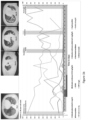
- the sixth patient is a 59-year-old male with fever, dyspnoea and cough due to COVID-19.
- CT scan showed bilateral ground glass opacities.
- Co-morbidity Hypertension on medication. The patient was admitted to the general ward. KL-6 233 U/L, white blood cell count and platelet count were normal. Albumin was 3.6 g/dl.
- the initial ventilator settings Pressure control, peak inspiratory pressure 22 cm H 2 O, PEEP 10 cm H 2 O, respiratory rate 20/min. Continuous subdermal lidocaine of 1 mg/kg/hr was initiated after admission to the ICU.
- the ventilator settings could be decreased, the PaO 2 /FiO 2 ratio remained 207 mm Hg during the weaning period, CRP was 0.7 mg/L.
- CRP was 0.7 mg/L.
- the patient was extubated, he was orientated, no signs of confusion were detected.
- On day 13 the patient was discharged from the ICU. Tocilizumab was given on day 4.
- the patient received Favipiravir for 11 days. No new ECG changes were observed during treatment with lidocaine. Blood metHb were within the normal range (0.1 - 0.3%). He was discharged from the hospital on day 20 and at 3 months after admission he is doing well, played golf and has returned to work.
- Lidocaine infusion reduced the symptoms to tolerable levels.
- the Tegaderm wound dressing was damaged during the night and part of the dose of the cream was lost. She woke up with sternal pain, pain in the area of the right dorsal Latissimus muscle with a feeling of malaise. SpO 2 98%, HR 74/min, BP 114/71, temperature 35.3 degrees centigrade. A new cream dose was applied and an extra 100 mg cream was rubbed into the skin as a bolus dose. After 1 hour the clinical condition improved. The lidocaine 400 mg cream was set to be administered every 6 hours.
- lidocaine cream On day 32, 07:30, the absorption of the lidocaine cream was less than 80%. Her clinical condition was worse, the SpO 2 dipped regularly to 90%. Beclomethasone nose spray 2 x 200 ⁇ g was given. She needed regular sigh and coughing to keep the SpO 2 above 92%. An extra 100 mg cream was rubbed into the skin as a bolus dose resulting in an improvement of the symptoms within 30 minutes. At 12:00 left knee became extremely painful and was treated again with a new cream dose and an extra 100 mg cream was rubbed into the skin as a bolus dose again resulting in the improvement of the symptoms. The total daily dose of lidocaine cream was 2000 mg.
- lidocaine cream was tapered down to 4 x 100 mg/d without Tegaderm covering.
- lidocaine On day 5 the patient received 5 x 60 mg lidocaine using a metered dose. The drug was administered sublingually and kept in the mouth for 15 minutes. Thereafter, the lidocaine solution was swallowed. Inhalation of the lidocaine was avoided. Formulation of the lidocaine: Xylocaine 5 g in 50 ml (10% solution, 100 mg/ml), ethanol 96%, polyethylene glycol 400, banana essence, and purified water. On day 6 (24 hours after the initiation of the treatment) the runny nose, headache, neck pain and neck stiffness disappeared. On day 6 the patient received lidocaine 4 x 60 mg/d and from day 7 on the patient was treated with lidocaine 3 x 60 mg/d.
- statin related In January 2012 a 59-year-old man suffered from progressive muscle pains, initially referred to as statin related. could hardly turn over in bed. The patient experienced varying loss of strength, weight remained stable 54 kg. No fever. In addition, the patient reported fatigue and general malaise. No familial skin or muscle disorders, but asthma and CVD. Eighteen months previously, the patient had a tick bite and developed erythema with erythema chronicum migrans (ECM). On the suspicion of an infection with Borrelia Burgdorferi the patient was treated with amoxicillin for 4 weeks. Laboratory results revealed an increasing erythrocyte sedimentation rate of 47 mm/hr (November 1, 2012) and 85 mm/hr (February 2013). Chest X-ray and CT scan of the chest and abdomen were unremarkable. The diagnosis was polymyalgia rheumatica. The patient was initially treated with high dose corticosteroids. This medication was tapered down and discontinued after 6 months.
- Imaging of the spine ruled out any structural impinging of the motor nerve tracts.
- EMG revealed denervation in the limb muscles. The diagnosis was ALS.
- the patient was treated with sublingual lipophilic lidocaine base 4 x 100 mg/d (Xylocaine spray 5 g in 50 ml in a metered spray bottle).
- the patient kept the lidocaine solution in the mouth for 15 minutes, then the patient swallowed the solution as intended.
- the symptoms started 6 years earlier with episodic loss of memory gradually followed by the inability to remember new information. In contrast old memories seemed to be intact.
- the symptoms developed to such an extent that social functioning, daily activity as cooking, gardening and shopping were severely affected. No familial history of cardiovascular, psychiatric or neurological diseases was present.
- MMSE Mini Mental State Examination
- Routine blood chemistry and haematology were normal. Analysis of the thyroid function, blood rheumatology screening vitamin B12 and homocysteine showed no abnormalities.
- Urine (24-hour sample) analysis showed no evidence of heavy metal poisoning.
- Routine Chest X-ray was normal. MRI of the brain was unremarkable. The diagnosis was Alzheimer's disease.
- the patient was transferred to a dementia nursing home.
- the patient received sublingual lipophilic lidocaine base 4 x 100 mg/d (Xylocaine spray 5 g in 50 ml in a metered spray bottle).
- the patient kept the lidocaine solution in the mouth for maximal 15 minutes, then swallowed the solution as intended. Medication compliance was secured by a specialised nurse.
- the patient was treated with levodopa and initially the symptoms improved clearly. After 6 years the symptoms returned and after increasing the levodopa dosage the patient developed levodopa-induced chorea. The patient had never been treated with neuroleptic drugs.
- GCS Glasgow Coma Score
- CT scan of the head and cervical spine was unremarkable.
- One hour after arrival her level of consciousness started to decrease and she developed generalised epileptic seizures.
- lidocaine base 4 100 mg/d (Xylocaine spray 5 g in 50 ml in a metered spray bottle).
- the patient kept the lidocaine solution in the mouth for maximal 15 minutes, then the patient swallowed the solution as intended.
- a 36-year-old male was diagnosed having myasthenia gravis. He suffered from muscle weakness of the arms and hand after physical activity. The diagnosis was confirmed with EMG and positive test for antibodies against acetylcholine receptor (AChR). He was treated with oral anticholinesterase drug (mestinon) 4 x 60 mg/d. During an infection with influenza A virus, the patient developed severe weakness of his arms and hands and the anticholinesterase treatment was no longer effective. The patient was treated with sublingual lipophilic lidocaine base 4 x 100 mg/d (Xylocaine spray 5 g in 50 ml in a metered spray bottle). The patient kept the lidocaine solution in the mouth for maximal 15 minutes, then the patient swallowed the solution as intended.
- Example 25 chronic obstructive pulmonary disease (COPD)
- a 67-year-old female was diagnosed with COPD. The diagnosis was confirmed by the finding of an FEV 1 of 72% (moderate COPD) during spirometer testing. Chest X-ray and routine blood tests are unremarkable.
- the patient was treated with beclomethasone 2 x 40 microgram/d. The following 6 years she suffered from progressive shortness of breath during physical exercise such as climbing a staircase at home and cycling. Her daily activities were severely affected by her symptoms. The FEV 1 decrease to 60%.
- the patient was treated with sublingual lipophilic lidocaine base 4 x 100 mg/d (Xylocaine spray 5 g in 50 ml in a metered spray bottle).
- a 40-year-old female was diagnosed ulcerative colitis 5 years ago. He symptoms were episodes of abdominal pain, bloody diarrhoea with mucus, anaemia and weight loss. With the exception of anaemia, routine blood laboratory test was unremarkable. CT scan showed mural thickening of about 8 mm in several segments of the colon. Colonoscopy revealed segmental colonic inflammation with erythema, loss of normal vascular pattern, granularity, erosions, bleeding, and ulcerations. There is a clear distinct demarcation between inflamed and normal bowel mucosa. No signs of dysplasia or malignant conversion were observed. Histopathology showed decreased crypt density, irregular aspect of the mucosa and diffuse inflammation. No granulomas were found.
- a 1.5-year-old dog developed small holes in the perianal region, white opaque fluid oozing from the opening of the holes.
- the size of the holes became progressively larger and the fistulae started to smell badly and he started to develop diarrhoea.
- the dog was in pain especially during defecation.
- Physical examination revealed very painful and inflamed perianal fistulae.
- the dog was diagnosed with inflammatory bowel disease with perianal fistulae.
- the diagnosis was inflammatory bowel disease with perianal fistulae.
- a veterinarian decided to operate and remove the anal sacs. After the operation the disease showed an accelerated progress and the suffering increased significantly.
- the dog was treated with lipophilic lidocaine base 4 x 100 mg/d (Xylocaine spray 5 g in 50 ml in a metered spray bottle) applied into the largest fistula. After 1 week the oozing opaque fluid secretion and the bad odour had disappeared. Even during defecation the pain was significantly alleviated. The lining of the fistula started to produce granulation tissue. Lidocaine alleviated the symptoms and infection of anal fistulae.
- DMARDs disease-modifying antirheumatic drugs
- methotrexate and tocilizumab treatment with disease-modifying antirheumatic drugs
- the patient was treated with sublingual lipophilic lidocaine base 4 x 100 mg/d (Xylocaine spray 5 g in 50 ml in a metered spray bottle).
- the patient kept the lidocaine solution in the mouth for maximal 15 minutes, then the patient swallowed the solution as intended.
- the clinical disease activity index score for rheumatoid arthritis was improved from 52 points of a total of 76 points to 2 points indicating a remission.
- the treatment resulted in clinically significant improvement of the clinical disease activity after treatment with sublingual lidocaine in severe rheumatoid arthritis.
- Example 31 Ischaemic cardiomyopathy in a patient with diabetes mellitus
- a 61-year-old male with a 15-year history of diabetes mellitus Eight years earlier he underwent a stenting procedure followed by a coronary artery bypass graft (CABG) operation because of a three-vessel disease. The last 5 years the patient suffered from repeated chest pain, a gradually increasing dyspnoea at night and during exercise and extreme fatigue. His blood pressure was 140/90 mm Hg. He was diagnosed with ischaemic cardiomyopathy. The estimated transthoracic echocardiographic cardiac ejection fraction was 31%. The diagnosis was ischaemic cardiomyopathy. The patient was not eligible for surgical treatment and requested us to treat him with lidocaine.
- CABG coronary artery bypass graft
- Example 32 Acute lumbago in a patient with a history of polymyalqia rheumatica
- a 79-year-old man with confirmed SLE was referred to the hospital.
- the diagnosis SLE was established when the patient was 42 years old. In the course of time he was regularly admitted to the hospital because of recurrent SLE-induced pericarditis with pericardial effusion, peritonitis and pleuritis. A few days before he was referred to us a new episode of peritonitis started to develop. He suffered from abdominal pain, nausea and an obvious abdominal distension due to ascites. The patient had a feeling of having lack of energy. Laboratory examination of the peritoneal fluid: IL-6 11.000 pg/ml (while serum IL-6 was 28 pg/ml) and LDH 102 IU/L.
- the patient was treated with sublingual lipophilic lidocaine base 4 x 100 mg/d (Xylocaine spray 5 g in 50 ml in a metered spray bottle).
- the patient kept the lidocaine solution in the mouth for 15 minutes, then the patient swallowed the solution as intended.
- the treatment with sublingual lidocaine was continued.
- Section B Diseases involving hyperinflammation - involving the activation of P2X7R of the immune system
- Clostridial myonecrosis Clostridium perfringens, k. Gas gangrene, (3) Hyperinflammation and cytokine storm, (4) Anaphylactic reaction including shock, (5) Systemic allergic reactions, (6) Systemic reactions (SIRS) following trauma, (7) Acute post-operative (post-transplantation) inflammation and SIRS.
- SIRS Systemic allergic reactions
- Pityriasis alba b. Pityriasis lichenoides chronica, c. Pityriasis rosea, d. Pityriasis circinata, e. Pityriasis rubra pilaris, f. Pityriasis versicolor, g. Dandruff, historically called Pityriasis capitis, h. Pityriasis amiantacea, i. Pityriasis lichenoides et varioliformis acuta (PLEVA), j. Mucha-Habermann disease, (29) Vitiligo, (30) Angioedema: a.
- trachomatis infections Meningitis, cerebritis and brain abscess; Bacterial meningitis; Brain abscess, suppurative intracranial infections; Cerebral malaria: Plasmodium falciparum; Spinal epidural abscess; Japanese encephalitis; Erysipelas Cellulitis; Folliculitis; Myositis and myonecrosis; Tetanus; Legionella infections; Infective gastroenteritis; Pneumonia; Acute respiratory distress syndrome (ARDS); Lung abscess; Infective endocarditis.
- ARDS Acute respiratory distress syndrome
- Coccidioidomycosis Histoplasmosis; Blastomycosis; Phaeohyphomycosis; Penicilliosis; Sporotrichosis; Paracoccidioidomycosis; Candidiasis; Aspergillosis; Cryptococcosis; Mucormycosis (zygomycosis); Scedosporiosis; Trichosporonosis; Fusariosis; Pneumocystosis.
- Entamoeba histolytica Malaria: Plasmodium falciparum; Babesiosis; Leishmaniasis; Chagas disease and African trypanosomiasis; Toxoplasmosis; Trichomoniasis.
- CADASIL Cerebral Autosomal Dominant Arteriopathy with Subcortical Infarcts and Leukoencephalopathy
- Ischaemic stroke (2) Ischaemic stroke, (3) Aneurysmal subarachnoid haemorrhage, (4) Cerebral ischaemia following subarachnoid haemorrhage, (5) Cerebral vasospasm; Atherosclerosis; Systemic arterial hypertension; Pulmonary hypertension; Deep venous thrombosis and pulmonary embolism;
- Heart (1) Angina pectoris, (2) Myocardial ischaemia, (3) Myocardial infarction, (4) Myocardial stunning, Myocardial hibernation, (5) Post-ischaemic myocardial dysfunction, (6) Ischaemic cardiomyopathy, (7) Atrial and ventricular arrhythmia including atrial fibrillation, (8) Post-myocardial infarction syndrome, (9) Post-pericardiotomy syndrome, (10) Pericardi
- Chronic secondary polyneuropathies b. Chronic inflammatory demyelinating polyneuropathy (CIDP), c. Progressive inflammatory neuropathy, d. Guillain Barré syndrome, e. Critical illness polyneuropathy, f. Acute and chronic motor axonal neuropathy; Hereditary neuropathies: a. Charcot-Marie-Tooth disease type 1, 2 and 3, b. Hereditary neuralgic amyotrophy; Myotonic dystrophy type I and II; Amyotrophic lateral sclerosis (ALS); Neuralgic amyotrophy (Parsonage-Turner Syndrome); Neuromyotonia; Myasthenia gravis; Restless legs syndrome; Stiff-person syndrome.
- CIDP chronic inflammatory demyelinating polyneuropathy
- CIDP Chronic inflammatory demyelinating polyneuropathy
- Progressive inflammatory neuropathy d. Guillain Barré syndrome
- Critical illness polyneuropathy f. Acute and chronic motor axonal neuropathy
- Generalised epileptic seizures (grand mal) including status epilepticus; Focal epileptic seizures: a. Frontal lobe epilepsy, b. Temporal lobe epilepsy, c. Benign Rolandic epilepsy, d. Benign occipital epilepsy of childhood; Autosomal dominant nocturnal frontal lobe epilepsy; Childhood absence epilepsy; Dravet syndrome; Epilepsy in females with mental retardation; Juvenile myoclonic epilepsy; Lennox-Gastaut syndrome; Febrile infection-related epilepsy syndrome; West syndrome; Ohtahara syndrome; Reflex epilepsies; Progressive myoclonic epilepsies; Rasmussen's encephalitis.
- Schizophrenia Depression; Bipolar disorder; Occupational burnout; Pediatric Autoimmune Neuropsychiatric Disorder Associated with Streptococcus (PANDAS); Attention deficit hyperactivity disorder Posttraumatic stress disorder; Fibromyalgia.
- Interstitial pulmonary fibrosis (ILD); Retroperitoneal fibrosis; Primary biliary cholangitis (primary biliary cirrhosis or primary liver cirrhosis).
- Secondary pulmonary fibrosis Secondary inflammation due to cystic fibrosis; Primary sclerosing cholangitis; Interstitial bladder fibrosis; Secondary liver cirrhosis: a. Alcoholic cirrhosis, b. Hepatitis C-induced cirrhosis, c. Human immunodeficiency virus-induced cirrhosis, d. Metastatic carcinomatosis cirrhosis.
- Fibrosis formation induced by medical, surgical or radioactive treatments, i.e. Post abdominal operation peritoneal fibrosis with or without ileus; Fibrosis following organ transplantation; Chemotherapy-induced chronic gastrointestinal fibrosis.
- Paraneoplastic cerebellar degeneration Lambert-Eaton myasthenic syndrome; Paraneoplastic cerebellar degeneration; Encephalomyelitis, limbic encephalitis; Brainstem encephalitis; Opsoclonus myoclonus ataxia syndrome; Anti-NMDA receptor encephalitis; Polymyositis; Acanthosis nigricans; Dermatomyositis; Leser-Trélat sign; Necrolytic migratory erythema; Sweet's syndrome; Florid cutaneous papillomatosis; Pyoderma gangrenosum; Acquired generalized hypertrichosis.
- Foregut NETs (stomach, proximal duodenum, thymus, lung and bronchus), b. Pancreatic NETs, c. Midgut GEP-NET (from distal half of 2nd part of the duodenum to the proximal two-thirds of the transverse colon), appendix NETs, e. Hindgut NETs, (7) Liver and gallbladder NETs, (8) Adrenal tumours and adrenomedullary tumours, (9) , (10) Pheochromocytoma, (11) Peripheral nervous system NETs: a. Schwannoma, b. Paraganglioma, c.
- Genitourinary tract NETs a. urinary tract carcinoid tumour and neuroendocrine carcinoma, b. ovary NETs, c. NETs of the cervix, d. Prostate NETs, e. Testes NETs, (14) Merkel cell carcinoma of skin (trabecular cancer), (15) Hereditary NETs: a. Multiple endocrine neoplasia type 1 (MEN1) and type 2 (MEN2), b. Von Hippel-Lindau (VHL) disease, c. Neurofibromatosis type 1 and type 2, d. Schwanomatosis, e. Tuberous sclerosis, f. Carney complex (LAMB or NAME syndrome).
- MEN1 Multiple endocrine neoplasia type 1
- MEN2 b. Von Hippel-Lindau
- VHL Von Hippel-Lindau
- Neurofibromatosis type 1 and type 2 d. Schwanomatosis, e. Tube
- Brain tumours and spinal tumours a. Metastatic brain tumours, b, Pilocytic astrocytoma, c. Glioma, d. Glioblastoma multiforme (GBM), e. Oligodendroglioma, f. Ependymoma, g. Medulloblastoma, h. Meningeal tumours, i. Meningioma, j. Metastatic meningitis carcinomatosis.
- GBM Glioblastoma multiforme
- Ureteral neoplasm (3) Bladder tumours: a. Metastatic tumours, b. Papillary transitional cell carcinoma, c. Non-papillary transitional cell carcinoma, d. Squamous cell carcinoma, e. Adenocarcinomas, f. Sarcomas, g. Small cell carcinomas, (4) Ovarian tumours, a. Malignant ovarian cancer: a1. Epithelial cancers, a2. Germ cell cancers, a3. Stromal cancers, b. Benign: b1.Surface epithelial tumours, b2. Stromal tumours, b3. Germ cell tumours, (5) Uterine tumours: a.
- Yolk sac tumour b.
- Trophoblastic tumours b1. Choriocarcinoma, b2. Monophasic choriocarcinoma, b3. Placental site trophoblastic tumour, b4.
- Nephroblastoma-like tumour c6. Teratomic tumour with somatic-type malignancy, d.
- Sex cord - gonadal stromal tumours d1. Leydig cell tumour, d2.
- Sertoli cell tumour d3. Lipid rich variant, d4. Sclerosing variant, d5. Large cell calcifying variant, d6. Intratubular Sertoli cell neoplasia in Peutz-Jeghers syndrome, d7. Granulosa cell tumour, d8. Adult type, d9. Juvenile type, d10.Thecoma fibroma group, d11. Thecoma, d12. Fibroma, d13. Incompletely differentiated tumours, d14. Mixed types tumours, e. Mixed germ cell and sex cord/gonadal stromal tumours: e1. Gonadoblastoma, e2.
- Carcinoma i. Tumours of the paratesticular structures: i1 Adenomatous tumour, i2 .Malignant and benign mesothelioma, i3. Adenocarcinoma of the epididymis, i4. Papillary cystadenoma of the epididymis, i5. Melanotic neuroectodermal tumour, i6. Desmoplastic small round cell tumour, j. Mesenchymal tumours of the spermatic cord and testicular adnexae: j1. Lipoma. J2. Liposarcoma, j3. Rhabdomyosarcoma, j4. Aggressive angiomyxoma, j5.
- Angiomyofibroblastoma-like tumour see myxoma), j6. Fibromatosis, j7. Fibroma, j8. Solitary fibrous tumour, j9. Others, k. Secondary tumours of the testis, (8) Urethral cancer: a. Transitional cell carcinoma, b. Squamous-cell carcinoma, c. Adenocarcinoma, d. Melanoma, e. Prostate tumours, f. Metastatic prostate tumour, g. Benign prostatic hyperplasia, i. Prostate cancer, (9) Penile tumours: a. Phimosis, b. Penile cancer.
Landscapes
- Health & Medical Sciences (AREA)
- Life Sciences & Earth Sciences (AREA)
- Chemical & Material Sciences (AREA)
- Pharmacology & Pharmacy (AREA)
- Veterinary Medicine (AREA)
- Public Health (AREA)
- General Health & Medical Sciences (AREA)
- Medicinal Chemistry (AREA)
- Animal Behavior & Ethology (AREA)
- Engineering & Computer Science (AREA)
- Bioinformatics & Cheminformatics (AREA)
- Chemical Kinetics & Catalysis (AREA)
- Nuclear Medicine, Radiotherapy & Molecular Imaging (AREA)
- General Chemical & Material Sciences (AREA)
- Organic Chemistry (AREA)
- Epidemiology (AREA)
- Neurology (AREA)
- Neurosurgery (AREA)
- Biomedical Technology (AREA)
- Immunology (AREA)
- Urology & Nephrology (AREA)
- Pulmonology (AREA)
- Pain & Pain Management (AREA)
- Dermatology (AREA)
- Diabetes (AREA)
- Physiology (AREA)
- Nutrition Science (AREA)
- Orthopedic Medicine & Surgery (AREA)
- Rheumatology (AREA)
- Physical Education & Sports Medicine (AREA)
- Endocrinology (AREA)
- Vascular Medicine (AREA)
- Cardiology (AREA)
- Heart & Thoracic Surgery (AREA)
- Psychiatry (AREA)
- Hospice & Palliative Care (AREA)
- Virology (AREA)
- Communicable Diseases (AREA)
- Oncology (AREA)
- Oil, Petroleum & Natural Gas (AREA)
Applications Claiming Priority (5)
| Application Number | Priority Date | Filing Date | Title |
|---|---|---|---|
| NL2025253A NL2025253B1 (en) | 2020-03-31 | 2020-03-31 | Use of lidocaine in treatment of respiratory diseases |
| NL2025541 | 2020-05-08 | ||
| NL2027321A NL2027321B1 (en) | 2021-01-14 | 2021-01-14 | Treatment of hyperinflammatory syndrome |
| PCT/NL2021/050208 WO2021201680A1 (en) | 2020-03-31 | 2021-03-31 | Treatment of hyperinflammatory syndrome |
| EP21717576.9A EP4125843B1 (de) | 2020-03-31 | 2021-03-31 | Behandlung des hyperinflammatorischen syndroms |
Related Parent Applications (1)
| Application Number | Title | Priority Date | Filing Date |
|---|---|---|---|
| EP21717576.9A Division EP4125843B1 (de) | 2020-03-31 | 2021-03-31 | Behandlung des hyperinflammatorischen syndroms |
Publications (2)
| Publication Number | Publication Date |
|---|---|
| EP4582147A2 true EP4582147A2 (de) | 2025-07-09 |
| EP4582147A3 EP4582147A3 (de) | 2025-09-24 |
Family
ID=75439420
Family Applications (2)
| Application Number | Title | Priority Date | Filing Date |
|---|---|---|---|
| EP21717576.9A Active EP4125843B1 (de) | 2020-03-31 | 2021-03-31 | Behandlung des hyperinflammatorischen syndroms |
| EP25176477.5A Pending EP4582147A3 (de) | 2020-03-31 | 2021-03-31 | Behandlung des hyperinflammatorischen syndroms |
Family Applications Before (1)
| Application Number | Title | Priority Date | Filing Date |
|---|---|---|---|
| EP21717576.9A Active EP4125843B1 (de) | 2020-03-31 | 2021-03-31 | Behandlung des hyperinflammatorischen syndroms |
Country Status (13)
| Country | Link |
|---|---|
| US (2) | US12419848B2 (de) |
| EP (2) | EP4125843B1 (de) |
| JP (2) | JP2023521623A (de) |
| CN (1) | CN115605194A (de) |
| AU (1) | AU2021248263B2 (de) |
| BR (1) | BR112022019824A2 (de) |
| CA (1) | CA3178140A1 (de) |
| ES (1) | ES3032941T3 (de) |
| HR (1) | HRP20250999T1 (de) |
| IL (1) | IL296719A (de) |
| PL (1) | PL4125843T3 (de) |
| RS (1) | RS67100B1 (de) |
| WO (1) | WO2021201680A1 (de) |
Families Citing this family (4)
| Publication number | Priority date | Publication date | Assignee | Title |
|---|---|---|---|---|
| GB2607584B (en) * | 2021-06-03 | 2024-07-17 | Stichting Medische Kliniek Velsen | Composition and method of treatment |
| CN114948938B (zh) * | 2022-02-22 | 2023-08-11 | 江苏省中医院 | 白术内酯i在制备预防和/或治疗宫颈癌的药物中的用途 |
| NL2034624B1 (en) * | 2023-04-19 | 2024-10-28 | Maring Holdings Ag | Post-COVID treatment |
| GB2639834A (en) * | 2024-03-22 | 2025-10-08 | Remicine Ip B V | Composition and method of treatment |
Citations (3)
| Publication number | Priority date | Publication date | Assignee | Title |
|---|---|---|---|---|
| WO2007109192A2 (en) | 2006-03-16 | 2007-09-27 | Renovis, Inc. | Bicycloheteroaryl compounds as p2x7 modulators and uses thereof |
| KR101398264B1 (ko) | 2006-07-06 | 2014-05-26 | 글락소 그룹 리미티드 | P2x7수용체 길항제로서의 치환된 n페닐메틸5옥소프롤린2아미드 및 그의 사용 방법 |
| US20170100331A1 (en) | 2015-10-12 | 2017-04-13 | Jeffrey Alan KLEIN | Tumescent infiltration drug delivery of high subcutaneous drug concentrations with prolonged local and systemic effects and minimal local or systemic toxicity |
Family Cites Families (7)
| Publication number | Priority date | Publication date | Assignee | Title |
|---|---|---|---|---|
| GB9704349D0 (en) * | 1997-03-03 | 1997-04-23 | Chiroscience Ltd | Levobupivacaine and its use |
| DE19713263C2 (de) * | 1997-03-29 | 1999-11-04 | Carsten Goldschmidt | Verwendung einer Procainhydrochlorid-Injektionslösung zur Entzündungshemmung |
| AU2001271386B2 (en) * | 2000-06-23 | 2005-04-07 | Mayo Foundation For Medical Education And Research | Methods of treating neutrophil-related diseases with topical anesthetics |
| JP2012524771A (ja) * | 2009-04-23 | 2012-10-18 | ロンドンファーマ リミテッド | 中性油を含む舌下用の医薬組成物 |
| GB201305622D0 (en) * | 2013-03-27 | 2013-05-15 | Sas Ltd | Composition |
| RU2558462C1 (ru) * | 2014-06-27 | 2015-08-10 | государственное бюджетное образовательное учреждение высшего профессионального образования "Омская государственная медицинская академия" Министерства здравоохранения Российской Федерации (ГБОУ ВПО ОмГМА Минздрава России) | Способ лечения острого послеродового эндометрита |
| CA3081484A1 (en) | 2017-11-01 | 2019-05-09 | Clexio Biosciences Ltd. | Finished fibrous structures and methods of their use and preparation |
-
2021
- 2021-03-31 CA CA3178140A patent/CA3178140A1/en active Pending
- 2021-03-31 WO PCT/NL2021/050208 patent/WO2021201680A1/en not_active Ceased
- 2021-03-31 EP EP21717576.9A patent/EP4125843B1/de active Active
- 2021-03-31 RS RS20250801A patent/RS67100B1/sr unknown
- 2021-03-31 PL PL21717576.9T patent/PL4125843T3/pl unknown
- 2021-03-31 EP EP25176477.5A patent/EP4582147A3/de active Pending
- 2021-03-31 CN CN202180025176.0A patent/CN115605194A/zh active Pending
- 2021-03-31 BR BR112022019824A patent/BR112022019824A2/pt unknown
- 2021-03-31 IL IL296719A patent/IL296719A/en unknown
- 2021-03-31 AU AU2021248263A patent/AU2021248263B2/en active Active
- 2021-03-31 US US17/907,640 patent/US12419848B2/en active Active
- 2021-03-31 ES ES21717576T patent/ES3032941T3/es active Active
- 2021-03-31 HR HRP20250999TT patent/HRP20250999T1/hr unknown
- 2021-03-31 JP JP2022559877A patent/JP2023521623A/ja active Pending
-
2025
- 2025-08-07 JP JP2025132193A patent/JP2025166088A/ja active Pending
- 2025-08-21 US US19/306,003 patent/US20250367144A1/en active Pending
Patent Citations (3)
| Publication number | Priority date | Publication date | Assignee | Title |
|---|---|---|---|---|
| WO2007109192A2 (en) | 2006-03-16 | 2007-09-27 | Renovis, Inc. | Bicycloheteroaryl compounds as p2x7 modulators and uses thereof |
| KR101398264B1 (ko) | 2006-07-06 | 2014-05-26 | 글락소 그룹 리미티드 | P2x7수용체 길항제로서의 치환된 n페닐메틸5옥소프롤린2아미드 및 그의 사용 방법 |
| US20170100331A1 (en) | 2015-10-12 | 2017-04-13 | Jeffrey Alan KLEIN | Tumescent infiltration drug delivery of high subcutaneous drug concentrations with prolonged local and systemic effects and minimal local or systemic toxicity |
Non-Patent Citations (24)
| Title |
|---|
| ALETAHASMOLEN, CLIN. EXP. RHEUMATOL, vol. 23, September 2005 (2005-09-01), pages 100 - 8 |
| BIN DAYEL A ET AL., MOL PHARMACOL, vol. 96, no. 3, 2019, pages 355 - 363 |
| CARROLL ET AL., PURINERGIC SIGNAL, vol. 5, no. 1, 2009, pages 63 - 73 |
| CASELEY EA ET AL., BIOCHEM PHARMACOL, no. 116, 2016, pages 130 - 13973 |
| DI VERGILIO ET AL., BR J PHARMACOL, 2020 |
| DONNELLY-ROBERTS DL ET AL., NEUROPHARMACOLOGY, vol. 56, no. 1, 2009, pages 223 - 9 |
| GOYAL ET AL., NANOMED BIOTECHNOL, vol. 46, 2018, pages 539 - 551 |
| GRONINGSSON ET AL.: "In Analytical Profiles of Drug Substances", vol. 14, 1985, ACADEMIC PRESS, pages: 207 - 243 |
| HATEF ET AL., AESTHET SURG J, vol. 209, no. 2, pages 122 - 128 |
| KURTZKE, NEUROLOGY, vol. 33, no. 11, 1983, pages 1444 - 52 |
| LESCH ET AL., J DENT RES, vol. 68, no. 9, 1989, pages 1345 - 1349 |
| MEHTA N ET AL., BIOORG MED CHEM, vol. 201422, no. 1, pages 54 - 88 |
| NORTH RA ET AL., PHYSIOL REV, vol. 82, no. 4, 2002, pages 1013 - 67 |
| NORTHJARVIS, MOL PHAR, no. 83, 2013, pages 759 - 769 |
| OKURA ET AL., ANESTH ANALG, vol. 120, no. 3, 2015, pages 597 - 605 |
| RANIERI ET AL., JAMA, vol. 307, no. 23, 2020, pages 252 - 2533 |
| RUIZ-RUIZ ET AL., FRONT MOL NEUROSCI, vol. 13, 2020, pages 93 |
| SAVIO ET AL., FRONT PHARMACOL, vol. 9, 2018, pages 52 |
| SCHENK ET AL., SCI SIGNAL, vol. 4, no. 162, 2011, pages 12 |
| SLUYTER, ADV EXP MED BIOL -PROT REV, no. 19, 2017, pages 17 - 53 |
| SLUYTER, ADV EXP MED BIOL PROT REV, no. 19, 2017, pages 17 - 53 |
| THOMASY ET AL., AM J VET RES, vol. 66, no. 7, 2005, pages 1162 - 1166 |
| WEBB ET AL., LANCET RHEUMATOL, vol. 2, no. 12, 2020, pages 754 - 763 |
| ZHAO ET AL., FRONT IMMUNOL, vol. 10, 2019, pages 2524 |
Also Published As
| Publication number | Publication date |
|---|---|
| RS67100B1 (sr) | 2025-09-30 |
| ES3032941T3 (en) | 2025-07-29 |
| CA3178140A1 (en) | 2021-10-07 |
| IL296719A (en) | 2022-11-01 |
| EP4125843B1 (de) | 2025-05-21 |
| CN115605194A (zh) | 2023-01-13 |
| US20250367144A1 (en) | 2025-12-04 |
| EP4582147A3 (de) | 2025-09-24 |
| HRP20250999T1 (hr) | 2025-10-24 |
| BR112022019824A2 (pt) | 2022-11-22 |
| US20230128348A1 (en) | 2023-04-27 |
| JP2025166088A (ja) | 2025-11-05 |
| JP2023521623A (ja) | 2023-05-25 |
| EP4125843A1 (de) | 2023-02-08 |
| AU2021248263B2 (en) | 2024-09-19 |
| WO2021201680A1 (en) | 2021-10-07 |
| US12419848B2 (en) | 2025-09-23 |
| EP4125843C0 (de) | 2025-05-21 |
| PL4125843T3 (pl) | 2025-09-22 |
| AU2021248263A1 (en) | 2022-11-03 |
Similar Documents
| Publication | Publication Date | Title |
|---|---|---|
| EP4125843B1 (de) | Behandlung des hyperinflammatorischen syndroms | |
| Frohman et al. | Part II. High-dose methotrexate with leucovorin rescue for severe COVID-19: an immune stabilization strategy for SARS-CoV-2 induced ‘PANIC’attack | |
| JPH05506007A (ja) | 2’3’―ジデオキシイノシンによるヒトのレトロウィルス感染症の治療 | |
| CA2393437A1 (en) | Exo-s-mecamylamine formulation and use in treatment | |
| JP2013535437A5 (de) | ||
| US6528081B1 (en) | Nasal spray liquid | |
| CA3019769C (en) | Methods of treating parkinson's disease by administration of apomorphine to an oral mucosa | |
| JP2006513184A5 (de) | ||
| JP2007291067A (ja) | 医薬組成物 | |
| US6498173B1 (en) | Synergistic combination comprising roflumilast and a pde-3 inhibitor | |
| NL2027321B1 (en) | Treatment of hyperinflammatory syndrome | |
| IL110006A (en) | Pharmaceutical compositions with sensoric block and minimal motor blockade comprising ropivacaine salts | |
| US20110118297A1 (en) | Tivozanib and Temsirolimus in Combination | |
| US20080293804A1 (en) | Pharmaceutical Nasal Spray Formulation of Acetaminophen (paracetamol) | |
| GB2607584A (en) | Composition and method of treatment | |
| US11497747B2 (en) | Compositions and methods for treating lung injuries associated with SARS-CoV-2 infections | |
| EP2726078B1 (de) | Verfahren zur behandlung von immunvermittelten erkrankungen des nervensystems mittels verabreichung einer verbindung mit wirkstoffen zur hemmung der wirkung von prokineticin-rezeptoren | |
| Patil et al. | Insight of Engineered Nano-based Biologics Approaches used to Combat Autoimmune Disease using TNF-α & IL Inhibitors | |
| WO2023027994A1 (en) | Methods for treating nervous system disorders with antipurinergic agents | |
| JP2006522060A5 (de) | ||
| Bounia et al. | Treating scleroderma lung disease with B cell depletion | |
| Kurata et al. | Phase I and pharmacokinetic (PK) study of Nedaplatin (254-S) in elderly patients with advanced non-small cell lung cancer (NSCLC) | |
| Saito et al. | A Phase I study of Nedaplatin (CDGP) and docetaxel (TXT) in patients with advanced non-small cell lung cancer (NSCLC) | |
| Fujiwara et al. | Combination of nedaplatin and vindesine for the treatment of relapsed or refractory non-small cell lung cancer (NSCLC) |
Legal Events
| Date | Code | Title | Description |
|---|---|---|---|
| PUAI | Public reference made under article 153(3) epc to a published international application that has entered the european phase |
Free format text: ORIGINAL CODE: 0009012 |
|
| STAA | Information on the status of an ep patent application or granted ep patent |
Free format text: STATUS: THE APPLICATION HAS BEEN PUBLISHED |
|
| AC | Divisional application: reference to earlier application |
Ref document number: 4125843 Country of ref document: EP Kind code of ref document: P |
|
| AK | Designated contracting states |
Kind code of ref document: A2 Designated state(s): AL AT BE BG CH CY CZ DE DK EE ES FI FR GB GR HR HU IE IS IT LI LT LU LV MC MK MT NL NO PL PT RO RS SE SI SK SM TR |
|
| REG | Reference to a national code |
Ref country code: DE Ref legal event code: R079 Free format text: PREVIOUS MAIN CLASS: A61P0037080000 Ipc: A61K0031167000 |
|
| PUAL | Search report despatched |
Free format text: ORIGINAL CODE: 0009013 |
|
| AK | Designated contracting states |
Kind code of ref document: A3 Designated state(s): AL AT BE BG CH CY CZ DE DK EE ES FI FR GB GR HR HU IE IS IT LI LT LU LV MC MK MT NL NO PL PT RO RS SE SI SK SM TR |
|
| RIC1 | Information provided on ipc code assigned before grant |
Ipc: A61K 31/167 20060101AFI20250821BHEP Ipc: A61P 11/00 20060101ALI20250821BHEP Ipc: A61P 11/16 20060101ALI20250821BHEP Ipc: A61K 31/00 20060101ALI20250821BHEP Ipc: A61K 9/00 20060101ALI20250821BHEP Ipc: A61K 9/70 20060101ALI20250821BHEP Ipc: A61K 47/44 20170101ALI20250821BHEP Ipc: A61P 1/06 20060101ALI20250821BHEP Ipc: A61P 9/10 20060101ALI20250821BHEP Ipc: A61P 13/02 20060101ALI20250821BHEP Ipc: A61P 13/10 20060101ALI20250821BHEP Ipc: A61P 13/12 20060101ALI20250821BHEP Ipc: A61P 19/02 20060101ALI20250821BHEP Ipc: A61P 25/02 20060101ALI20250821BHEP Ipc: A61P 25/08 20060101ALI20250821BHEP Ipc: A61P 25/28 20060101ALI20250821BHEP Ipc: A61P 35/00 20060101ALI20250821BHEP Ipc: A61P 37/00 20060101ALI20250821BHEP Ipc: A61P 37/08 20060101ALI20250821BHEP |