EP4580289A1 - Verfahren und vorrichtung zur verwendung in einem drahtloskommunikationsknoten - Google Patents
Verfahren und vorrichtung zur verwendung in einem drahtloskommunikationsknoten Download PDFInfo
- Publication number
- EP4580289A1 EP4580289A1 EP23851742.9A EP23851742A EP4580289A1 EP 4580289 A1 EP4580289 A1 EP 4580289A1 EP 23851742 A EP23851742 A EP 23851742A EP 4580289 A1 EP4580289 A1 EP 4580289A1
- Authority
- EP
- European Patent Office
- Prior art keywords
- value
- numerical
- equal
- difference
- target
- Prior art date
- Legal status (The legal status is an assumption and is not a legal conclusion. Google has not performed a legal analysis and makes no representation as to the accuracy of the status listed.)
- Pending
Links
Images



Classifications
-
- H—ELECTRICITY
- H04—ELECTRIC COMMUNICATION TECHNIQUE
- H04L—TRANSMISSION OF DIGITAL INFORMATION, e.g. TELEGRAPHIC COMMUNICATION
- H04L5/00—Arrangements affording multiple use of the transmission path
- H04L5/003—Arrangements for allocating sub-channels of the transmission path
- H04L5/0053—Allocation of signalling, i.e. of overhead other than pilot signals
-
- H—ELECTRICITY
- H04—ELECTRIC COMMUNICATION TECHNIQUE
- H04W—WIRELESS COMMUNICATION NETWORKS
- H04W72/00—Local resource management
- H04W72/04—Wireless resource allocation
Definitions
- the present application relates to a transmission method and an apparatus in wireless communication systems, in particular a wireless signal transmission method and an apparatus in a wireless communication system that supports cellular networks.
- 5G NR supports diversified UE (User Equipment), including conventional UE, UE with high processing capacity, and UE reduced capabilities (RedCap UE). How to achieve support for RedCap UE is an important topic for 5G NR.
- UE User Equipment
- RedCap UE UE reduced capabilities
- RedCap UE Resource assignment for RedCap UE is an aspect that must be considered. It should be noted that the scenario of supporting RedCap UE is used as an example in the above description; the present application is similarly applicable to other scenarios, such as those only supporting conventional UE, those supporting UE with high processing capabilities, eMBB (Enhance Mobile Broadband), URLLC (Ultra Reliable and Low Latency Communication), MBS (Multicast Broadcast Services), IoT (Internet of Things), Internet of Vehicles, NTN (non-terrestrial networks), shared spectrum and the like, and achieves similar technical effects.
- eMBB Enhance Mobile Broadband
- URLLC User Service and Low Latency Communication
- MBS Multicast Broadcast Services
- IoT Internet of Things
- NTN non-terrestrial networks
- the adoption of unified solutions for different scenarios may also help reduce hardware complexity and cost, or improve performance.
- Embodiments of any of the nodes of the present application and the features of the embodiments may be applied to any other node without conflict.
- the embodiments of the present application and the features in the embodiments may be arbitrarily combined with one another without conflict.
- a method used in a first wireless communication node characterized in that, the method comprises:
- an advantage of the method described above includes: enhanced adaptability to diversified UE types.
- an advantage of the method described above includes: enhanced adaptability between BWP configuration and unconventional UEs (including RedCap UEs, UEs with high processing capabilities, and the like).
- an advantage of the method described above includes: improved transmission performance.
- the methods described above are characterized in that, the difference value between any two adjacent numerical values in the second numerical-value set is equal to a second difference value; the second difference value is not equal to the first difference value, and the second difference value is a positive integer.
- the methods described above are characterized in that, the target indication value is equal to the product of a first target numerical value and a first intermediate value plus the product of a second target numerical value and a second intermediate value plus a third target numerical value; the first intermediate value is equal to the ratio of the reference start index value to the first difference value, the second intermediate value is equal to the ratio of the reference length value to the second difference value; the first target indication value is equal to 1 or -1, the second target numerical value is equal to a first reference numerical value or the product of the first reference numerical value and -1, the first reference numerical value is equal to one of the size of the initial BWP and the size of CORESET 0, and the third target numerical value is related to the first reference numerical value.
- the methods described above are characterized in that, the cardinal number of the first numerical-value set is equal to the first reference numerical value, and the cardinal number of the second numerical-value set is not greater than the cardinal number of the first numerical-value set.
- the methods described above are characterized in that, the second difference value is equal to 1 or is related to the capabilities of the first node.
- the methods described above are characterized in that, the index of the starting resource block occupied by the first signal is equal to the reference start index value and the number of the resource blocks occupied by the first signal is equal to the reference length value.
- the methods described above are characterized in that, the first signaling comprises a first field, wherein the first field in the first signaling is used to determine the target indication value; the first field in the first signaling in the range of values for an RIV is a first indication-value set, the first indication-value set comprises a plurality of indication values, and each indication value in the first indication-value set corresponds to a first type start index value and a first type length value; for any indication value in the first indication-value set: the corresponding first type start index value is equal to one numerical value in the first numerical-value set and the corresponding first type length value is equal to one numerical value in the second numerical-value set.
- a method used in a second wireless communication node characterized in that, the method comprises:
- the methods described above are characterized in that, the first difference value is greater than the second difference value.
- the methods described above are characterized in that, the second difference value is equal to 1 or is related to the capabilities of the first node.
- the methods described above are characterized in that, the index of the starting resource block occupied by the first signal is equal to the reference start index value and the number of the resource blocks occupied by the first signal is equal to the reference length value.
- the methods described above are characterized in that, the reference length value and the first difference value satisfy the following relationship: the remainder obtained by dividing the reference length value by the first difference value is greater than zero.
- a first wireless communication node characterized in that, the node comprises:
- a method used in a first wireless communication node characterized in that, the method comprises:
- an advantage of the method described above includes: UE with reduced adaptability.
- an advantage of the method described above includes: enhanced adaptability to diversified UE types.
- an advantage of the method described above includes: improved transmission performance.
- an advantage of the method described above includes: improved flexibility.
- an advantage of the method described above includes: improved utilization efficiency of bits in control signaling.
- an advantage of the method described above includes: where control signaling bits are limited, the number of resource blocks allowed to be scheduled is not a positive integer multiple of the first difference value, which improves scheduling flexibility and facilitates improvement in transmission performance or resource utilization efficiency.
- an advantage of the method described above includes: good compatibility.
- an advantage of the method described above includes: few changes to the existing 3GPP standards.
- the methods described above are characterized in that, the reference start index value is equal to a non-negative integer multiple of the first difference value.
- the methods described above are characterized in that, the target indication value corresponds to the reference start index value and the reference length value.
- the methods described above are characterized in that, the reference length value depends on the target indication value
- the methods described above are characterized in that, the expression "the target indication value has a corresponding relationship with the reference start index value, wherein the corresponding relationship between the target indication value and the reference start index value is related to the first difference value” comprises: the target indication value is equal to a third target numerical value minus the first intermediate value minus the product of the first reference numerical value and the second intermediate value; the first intermediate value is equal to the ratio of the reference start index value to the first difference value, the second intermediate value is a positive integer not greater than the first reference numerical value minus the first intermediate value; the first reference value is equal to one of the size of the initial BWP and the size of CORESET 0; the third target numerical value is related to the first reference numerical value.
- the methods described above are characterized in that, the target indication value is equal to the product of a first target numerical value and a first intermediate value plus the product of a second target numerical value and a second intermediate value plus a third target numerical value; the first intermediate value is equal to the ratio of the reference start index value to the first difference value, the second intermediate value is equal to the ratio of the reference length value to the second difference value, wherein the second difference value is a positive integer; the first target indication value is equal to 1 or -1, the second target numerical value is equal to a first reference numerical value or the product of the first reference numerical value and -1, the first reference numerical value is equal to one of the size of the initial BWP and the size of CORESET 0, and the third target numerical value is related to the first reference numerical value.
- the methods described above are characterized in that, the cardinal number of the first numerical-value set is equal to the first reference numerical value, and the cardinal number of the second numerical-value set is not greater than the cardinal number of the first numerical-value set.
- the methods described above are characterized in that, the first difference value is greater than the second difference value.
- the methods described above are characterized in that, the first difference value is related to the size of an activated BWP.
- the methods described above are characterized in that, the second difference value is equal to 1 or is related to the capabilities of the first node.
- the methods described above are characterized in that, the reference start index value is equal to a non-negative integer multiple of the first difference value.
- the methods described above are characterized in that, the reference length value and the first difference value are coprime.
- a method used in a second wireless communication node characterized in that, the method comprises:
- the methods described above are characterized in that, the reference start index value is equal to a non-negative integer multiple of the first difference value.
- the methods described above are characterized in that, the target indication value corresponds to the reference start index value and the reference length value.
- the methods described above are characterized in that, the reference length value depends on the target indication value.
- the methods described above are characterized in that, the expression "the target indication value has a corresponding relationship with the reference start index value, wherein the corresponding relationship between the target indication value and the reference start index value is related to the first difference value" comprises: the target indication value is equal to the first intermediate value plus the product of the first reference numerical value and the second intermediate value minus the first reference numerical value; the first intermediate value is equal to the ratio of the reference start index value to the first difference value, the second intermediate value is a positive integer not greater than the first reference numerical value minus the first intermediate value; the first reference numerical value is equal to one of the size of the initial BWP and the size of CORESET 0.
- the methods described above are characterized in that, the expression "the target indication value has a corresponding relationship with the reference start index value, wherein the corresponding relationship between the target indication value and the reference start index value is related to the first difference value” comprises: the target indication value is equal to a third target numerical value minus the first intermediate value minus the product of the first reference numerical value and the second intermediate value; the first intermediate value is equal to the ratio of the reference start index value to the first difference value, the second intermediate value is a positive integer not greater than the first reference numerical value minus the first intermediate value; the first reference value is equal to one of the size of the initial BWP and the size of CORESET 0; the third target numerical value is related to the first reference numerical value.
- the methods described above are characterized in that, the target indication value is equal to the product of a first target numerical value and a first intermediate value plus the product of a second target numerical value and a second intermediate value plus a third target numerical value; the first intermediate value is equal to the ratio of the reference start index value to the first difference value, the second intermediate value is equal to the ratio of the reference length value to the second difference value, wherein the second difference value is a positive integer; the first target indication value is equal to 1 or -1, the second target numerical value is equal to a first reference numerical value or the product of the first reference numerical value and -1, the first reference numerical value is equal to one of the size of the initial BWP and the size of CORESET 0, and the third target numerical value is related to the first reference numerical value.
- the methods described above are characterized in that, the first signaling comprises a first field, wherein the first field in the first signaling is used to determine the target indication value; the first field in the first signaling in the range of values for an RIV is a first indication-value set, the first indication-value set comprises a plurality of indication values, and each indication value in the first indication-value set corresponds to a first type start index value and a first type length value; for any indication value in the first indication-value set: the corresponding first type start index value is equal to one numerical value in the first numerical-value set and the corresponding first type length value is equal to one numerical value in the second numerical-value set.
- the methods described above are characterized in that, the target indication value is any indication value in the first indication-value set; the reference start index value is the first type start index value corresponding to the target indication value, and the reference length value is the first type length value corresponding to the target indication value.
- the methods described above are characterized in that, the difference value between any two adjacent numerical values in the second numerical-value set is equal to a second difference value; the second difference value is not equal to the first difference value, and the second difference value is a positive integer.
- the methods described above are characterized in that, the cardinal number of the first numerical-value set is equal to the first reference numerical value, and the cardinal number of the second numerical-value set is not greater than the cardinal number of the first numerical-value set.
- the methods described above are characterized in that, the first difference value is greater than the second difference value.
- the methods described above are characterized in that, the first difference value is related to the size of an activated BWP.
- the methods described above are characterized in that, the second difference value is equal to 1 or is related to the capabilities of the receiver of the first signaling.
- the methods described above are characterized in that, the reference start index value is equal to a non-negative integer multiple of the first difference value.
- the methods described above are characterized in that, the reference length value and the first difference value are coprime.
- a first wireless communication node characterized in that, the node comprises:
- the first node described above is characterized in that, the reference start index value is equal to a non-negative integer multiple of the first difference value.
- the first node described above is characterized in that, the reference length value depends on the target indication value.
- the first node described above is characterized in that, the expression "the target indication value has a corresponding relationship with the reference start index value, wherein the corresponding relationship between the target indication value and the reference start index value is related to the first difference value" comprises: the target indication value is equal to the product of a first target numerical value and a first intermediate value plus the product of a second target numerical value and a second intermediate value plus a third target numerical value; the first intermediate value is equal to the ratio of the reference start index value to the first difference value, the second intermediate value is a positive integer not greater than the first reference numerical value minus the first intermediate value; the first target indication value is equal to 1 or -1, the second target numerical value is equal to the first reference numerical value or the product of the first reference numerical value and -1, the first reference numerical value is equal to one of the size of the initial BWP and the size of CORESET 0, and the third target numerical value is related to the first reference numerical value.
- the first node described above is characterized in that, the expression "the target indication value has a corresponding relationship with the reference start index value, wherein the corresponding relationship between the target indication value and the reference start index value is related to the first difference value" comprises: the target indication value is equal to the first intermediate value plus the product of the first reference numerical value and the second intermediate value minus the first reference numerical value; the first intermediate value is equal to the ratio of the reference start index value to the first difference value, the second intermediate value is a positive integer not greater than the first reference numerical value minus the first intermediate value; the first reference numerical value is equal to one of the size of the initial BWP and the size of CORESET 0.
- the first node described above is characterized in that, the expression "the target indication value has a corresponding relationship with the reference start index value, wherein the corresponding relationship between the target indication value and the reference start index value is related to the first difference value" comprises: the target indication value is equal to a third target numerical value minus the first intermediate value minus the product of the first reference numerical value and the second intermediate value; the first intermediate value is equal to the ratio of the reference start index value to the first difference value, the second intermediate value is a positive integer not greater than the first reference numerical value minus the first intermediate value; the first reference value is equal to one of the size of the initial BWP and the size of CORESET 0; the third target numerical value is related to the first reference numerical value.
- the first node described above is characterized in that, the target indication value is equal to the product of a first target numerical value and a first intermediate value plus the product of a second target numerical value and a second intermediate value plus a third target numerical value; the first intermediate value is equal to the ratio of the reference start index value to the first difference value, the second intermediate value is equal to the ratio of the reference length value to the second difference value, wherein the second difference value is a positive integer; the first target indication value is equal to 1 or -1, the second target numerical value is equal to a first reference numerical value or the product of the first reference numerical value and -1, the first reference numerical value is equal to one of the size of the initial BWP and the size of CORESET 0, and the third target numerical value is related to the first reference numerical value.
- the first node described above is characterized in that, the first signaling comprises a first field, wherein the first field in the first signaling is used to determine the target indication value; the first field in the first signaling in the range of values for an RIV is a first indication-value set, the first indication-value set comprises a plurality of indication values, and each indication value in the first indication-value set corresponds to a first type start index value and a first type length value; for any indication value in the first indication-value set: the corresponding first type start index value is equal to one numerical value in the first numerical-value set and the corresponding first type length value is equal to one numerical value in the second numerical-value set.
- the first node described above is characterized in that, the target indication value is any indication value in the first indication-value set; the reference start index value is the first type start index value corresponding to the target indication value, and the reference length value is the first type length value corresponding to the target indication value.
- the first node described above is characterized in that, the difference value between any two adjacent numerical values in the second numerical-value set is equal to a second difference value; the second difference value is not equal to the first difference value, and the second difference value is a positive integer.
- the first node described above is characterized in that, the cardinal number of the first numerical-value set is equal to the first reference numerical value, and the cardinal number of the second numerical-value set is not greater than the cardinal number of the first numerical-value set.
- an advantage of the method described above includes: UE with reduced adaptability.
- the greatest numerical value in the range of values for the reference length value is not greater than 26.
- the remainder obtained by dividing the reference length value by the first difference value is greater than zero.
- the first difference value is one of 2, 4, and 8.
- the methods described above are characterized in that, the numerical values in the range of values for the reference start index value are all non-negative integer multiples of the first difference value.
- the range of values for the reference start index value comprises at least one non-negative integer.
- the range of values for the reference start index value comprises a plurality of non-negative integers.
- the numerical values in the range of values for the reference start index value are all non-negative integer.
- the smallest numerical value in the range of values for the reference start index value is equal to 0.
- the greatest numerical value in the range of values for the reference start index value is not greater than the product of the difference value of the first reference numerical value minus 1 and the first difference value.
- the methods described above are characterized in that,
- the methods described above are characterized in that, the reference length value depends on the target indication value.
- the methods described above are characterized in that, the expression "the target indication value has a corresponding relationship with the reference start index value, wherein the corresponding relationship between the target indication value and the reference start index value is related to the first difference value” comprises: the target indication value is equal to the product of a first target numerical value and a first intermediate value plus the product of a second target numerical value and a second intermediate value plus a third target numerical value; the first intermediate value is equal to the ratio of the reference start index value to the first difference value, the second intermediate value is a positive integer not greater than the first reference numerical value minus the first intermediate value; the first target indication value is equal to 1 or -1, the second target numerical value is equal to the first reference numerical value or the product of the first reference numerical value and -1, the first reference numerical value is equal to one of the size of the initial BWP and the size of CORESET 0, and the third target numerical value is related to the first reference numerical value.
- the methods described above are characterized in that, the expression "the target indication value has a corresponding relationship with the reference start index value, wherein the corresponding relationship between the target indication value and the reference start index value is related to the first difference value" comprises: the target indication value is equal to the first intermediate value plus the product of the first reference numerical value and the second intermediate value minus the first reference numerical value; the first intermediate value is equal to the ratio of the reference start index value to the first difference value, the second intermediate value is a positive integer not greater than the first reference numerical value minus the first intermediate value; the first reference numerical value is equal to one of the size of the initial BWP and the size of CORESET 0.
- the methods described above are characterized in that, the expression "the target indication value has a corresponding relationship with the reference start index value, wherein the corresponding relationship between the target indication value and the reference start index value is related to the first difference value” comprises: the target indication value is equal to a third target numerical value minus the first intermediate value minus the product of the first reference numerical value and the second intermediate value; the first intermediate value is equal to the ratio of the reference start index value to the first difference value, the second intermediate value is a positive integer not greater than the first reference numerical value minus the first intermediate value; the first reference value is equal to one of the size of the initial BWP and the size of CORESET 0; the third target numerical value is related to the first reference numerical value.
- the methods described above are characterized in that, the target indication value is equal to the product of a first target numerical value and a first intermediate value plus the product of a second target numerical value and a second intermediate value plus a third target numerical value; the first intermediate value is equal to the ratio of the reference start index value to the first difference value, the second intermediate value is equal to the ratio of the reference length value to the second difference value, wherein the second difference value is a positive integer; the first target indication value is equal to 1 or -1, the second target numerical value is equal to a first reference numerical value or the product of the first reference numerical value and -1, the first reference numerical value is equal to one of the size of the initial BWP and the size of CORESET 0, and the third target numerical value is related to the first reference numerical value.
- the methods described above are characterized in that, the first signaling comprises a first field, wherein the first field in the first signaling is used to determine the target indication value; the first field in the first signaling in the range of values for an RIV is a first indication-value set, the first indication-value set comprises a plurality of indication values, and each indication value in the first indication-value set corresponds to a first type start index value and a first type length value; for any indication value in the first indication-value set: the corresponding first type start index value is equal to one numerical value in the first numerical-value set and the corresponding first type length value is equal to one numerical value in the second numerical-value set.
- the methods described above are characterized in that, the target indication value is any indication value in the first indication-value set; the reference start index value is the first type start index value corresponding to the target indication value, and the reference length value is the first type length value corresponding to the target indication value.
- the methods described above are characterized in that, the difference value between any two adjacent numerical values in the second numerical-value set is equal to a second difference value; the second difference value is not equal to the first difference value, and the second difference value is a positive integer.
- the methods described above are characterized in that, the cardinal number of the first numerical-value set is equal to the first reference numerical value, and the cardinal number of the second numerical-value set is not greater than the cardinal number of the first numerical-value set.
- the methods described above are characterized in that, the first difference value is greater than the second difference value.
- the methods described above are characterized in that, the first difference value is related to the size of an activated BWP.
- the methods described above are characterized in that, the second difference value is equal to 1 or is related to the capabilities of the first node.
- the methods described above are characterized in that, the reference start index value is equal to a non-negative integer multiple of the first difference value.
- the methods described above are characterized in that, the reference length value and the first difference value are coprime.
- a method used in a second wireless communication node characterized in that, the method comprises:
- the methods described above are characterized in that, the numerical values in the range of values for the reference start index value are all non-negative integer multiples of the first difference value.
- the methods described above are characterized in that,
- the methods described above are characterized in that, the reference start index value is equal to a non-negative integer multiple of the first difference value.
- the methods described above are characterized in that, the target indication value corresponds to the reference start index value and the reference length value.
- the methods described above are characterized in that, the first signaling comprises a first field, wherein the first field in the first signaling is used to determine the target indication value; the first field in the first signaling in the range of values for an RIV is a first indication-value set, the first indication-value set comprises a plurality of indication values, and each indication value in the first indication-value set corresponds to a first type start index value and a first type length value; for any indication value in the first indication-value set: the corresponding first type start index value is equal to one numerical value in the first numerical-value set and the corresponding first type length value is equal to one numerical value in the second numerical-value set.
- the first node described above is characterized in that, the cardinal number of the first numerical-value set is equal to the first reference numerical value, and the cardinal number of the second numerical-value set is not greater than the cardinal number of the first numerical-value set.
- the first node described above is characterized in that, the first difference value is greater than the second difference value.
- the first node described above is characterized in that, the first difference value is related to the size of an activated BWP.
- the first node described above is characterized in that, the reference start index value is equal to a non-negative integer multiple of the first difference value.
- the first node described above is characterized in that, the reference length value and the first difference value are coprime.
- the node comprises:
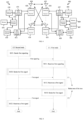
- Embodiment 1 exemplifies a processing flow chart of a first node according to one embodiment of the present application, as shown in FIG. 1 .
- the first node in the present application receives first signaling in Step 101; receives a first signal, or sends the first signal in Step 102.
- the first signaling is physical layer signaling.
- the first signaling comprises physical layer signaling.
- the first signaling is downlink control signaling.
- the first signaling is in a DCI (downlink control information) format (DCI format).
- DCI downlink control information
- the first signaling is a DCI signaling.
- the first signaling is signaling in a DCI format.
- the first node receives the first signaling in a physical layer control channel.
- the first node receives the first signaling in a PDCCH (physical downlink control channel).
- PDCCH physical downlink control channel
- the first signaling is in DCI format 1_0.
- the first signaling is in DCI format 0_0.
- the first signaling is in DCI format 1_0 in a USS (UE-specific search space).
- the size of the first signaling is derived based on the size of DCI format 1_0 in a CSS (common search space).
- the first signaling is in a DCI format in a USS, and the size of the first signaling is derived based on the size of the DCI format in a CSS.
- the size of the first signaling is derived based on the initial downlink (DL) BWP or CORESET 0.
- the first signaling is in DCI format 0_0 in a USS.
- the size of the first signaling is derived based on the initial uplink (UL) BWP.
- the first signaling is in DCI format 4_1.
- the non-negative integer multiple of a numerical value is 0 or a positive integer multiple of this numerical value.
- the expression "the first field in the first signaling is used to determine the target indication value" comprises: the first field in the first signaling comprises the target indication value.
- a first type length value corresponding to at least one indication value in the first indication-value set is equal to this numerical value in the second numerical-value set.
- Embodiment 14 exemplifies a processing flow chart of a first node according to one embodiment of the present application, as shown in FIG. 14 .
- the first node in the present application receives first signaling in Step 1401; receives a first signal, or sends the first signal in Step 1402.
- the first difference value depends on the size of the activated BWP.
- the first difference value is associated with the size of the initial BWP.
- the first difference value depends on the size of the initial BWP.
- the expression "the target indication value has a corresponding relationship with the reference start index value, wherein the corresponding relationship between the target indication value and the reference start index value is related to the first difference value” comprises: a first intermediate value is equal to the ratio of the reference start index value to the first difference value, and the target indication value and the first intermediate value satisfy a predefined equation relationship.
- the expression "the target indication value has a corresponding relationship with the reference start index value, wherein the corresponding relationship between the target indication value and the reference start index value is related to the first difference value" comprises: the reference start index value is associated with the target indication value.
- the target indication value is an indication of the reference start index value.
- the target indication value is an indication of the reference length value.
- the target indication value is used to determine the reference start index value.
- both the target indication value and the first difference value are used to determine the reference start index value.
- the reference start index value depends on the target indication value and the first reference numerical value.
- the reference start index value depends on the target indication value, the size of the activated BWP and the first reference numerical value.
- the reference start index value depends on the target indication value and the first difference value.
- the target indication value is used to determine the index of a unique starting resource block.
- the target indication value indicates a first intermediate value
- the reference start index value is equal to the product of the first intermediate value and the first difference value
- the corresponding relationship between the target indication value and the reference start index value depends on the first difference value.
- the definition of the first node based on a reference indication value is the reference start index value, with the target indication value used as an input.
- the corresponding relationship between the target indication value and the reference start index value comprises: mapping the target indication value to the reference start index value.
- the first node performs mapping from the target indication value to the reference start index value based on the definition of a resource indication value (RIV).
- RIV resource indication value
- the first node performs mapping from the target indication value to a first intermediate value based on the definition of a resource indication value (RIV), and the reference start index value is equal to the product of the first intermediate value and the first difference value.
- RIV resource indication value
- the target indication value is equal to the first intermediate value plus the product of the first reference numerical value and the second intermediate value minus the first reference numerical value;
- the first intermediate value is equal to the ratio of the reference start index value to the first difference value,
- the second intermediate value is a positive integer not greater than the first reference numerical value minus the first intermediate value;
- the first reference numerical value is equal to one of the size of the initial BWP and the size of CORESET 0.
- the difference value of the second intermediate value minus 1 is not greater than the ratio of the first reference numerical value to 2, with the result rounded down to the nearest integer.
- the target indication value is equal to a third target numerical value minus the first intermediate value minus the product of the first reference numerical value and the second intermediate value;
- the first intermediate value is equal to the ratio of the reference start index value to the first difference value, the second intermediate value is a positive integer not greater than the first reference numerical value minus the first intermediate value;
- the first reference value is equal to one of the size of the initial BWP and the size of CORESET 0;
- the third target numerical value is related to the first reference numerical value.
- the difference value of the second intermediate value minus 1 is greater than the ratio of the first reference numerical value to 2, with the result rounded down to the nearest integer.
- the third target numerical value is equal to the product of the first reference numerical value to the first reference numerical value plus the first reference numerical value minus 1.
- the target indication value is equal to the product of a first target numerical value and a first intermediate value plus the product of a second target numerical value and a second intermediate value plus a third target numerical value;
- the first intermediate value is equal to the ratio of the reference start index value to the first difference value, the second intermediate value is a positive integer not greater than the first reference numerical value minus the first intermediate value;
- the first target indication value is equal to 1 or -1, the second target numerical value is equal to the first reference numerical value or the product of the first reference numerical value and -1, the first reference numerical value is equal to one of the size of the initial BWP and the size of CORESET 0, and the third target numerical value is related to the first reference numerical value.
- the meaning of "the remainder obtained by dividing one numerical value by the first difference value is greater than zero" includes: the result obtained by the first difference value of this numerical modulus (mod) is greater than zero.
- the reference start index value is associated with the target indication value.
- the target indication value is used to determine the reference start index value.
- the reference length value depends on the target indication value.
- the reference start index value is equal to a non-negative integer multiple of the first difference value.
- the reference length value depends on the target indication value
- the expression "the target indication value has a corresponding relationship with the reference start index value, wherein the corresponding relationship between the target indication value and the reference start index value is related to the first difference value” comprises: the target indication value is equal to the product of a first target numerical value and a first intermediate value plus the product of a second target numerical value and a second intermediate value plus a third target numerical value; the first intermediate value is equal to the ratio of the reference start index value to the first difference value, the second intermediate value is a positive integer not greater than the first reference numerical value minus the first intermediate value; the first target indication value is equal to 1 or -1, the second target numerical value is equal to the first reference numerical value or the product of the first reference numerical value and -1, the first reference numerical value is equal to one of the size of the initial BWP and the size of CORESET 0, and the third target numerical value is related to the first reference numerical value.
- the expression "the target indication value has a corresponding relationship with the reference start index value, wherein the corresponding relationship between the target indication value and the reference start index value is related to the first difference value” comprises: the target indication value is equal to the first intermediate value plus the product of the first reference numerical value and the second intermediate value minus the first reference numerical value; the first intermediate value is equal to the ratio of the reference start index value to the first difference value, the second intermediate value is a positive integer not greater than the first reference numerical value minus the first intermediate value; the first reference numerical value is equal to one of the size of the initial BWP and the size of CORESET 0.
- the expression "the target indication value has a corresponding relationship with the reference start index value, wherein the corresponding relationship between the target indication value and the reference start index value is related to the first difference value” comprises: the target indication value is equal to a third target numerical value minus the first intermediate value minus the product of the first reference numerical value and the second intermediate value; the first intermediate value is equal to the ratio of the reference start index value to the first difference value, the second intermediate value is a positive integer not greater than the first reference numerical value minus the first intermediate value; the first reference value is equal to one of the size of the initial BWP and the size of CORESET 0; the third target numerical value is related to the first reference numerical value.
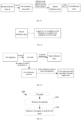
- Embodiment 15 exemplifies a schematic diagram of the relationship between a target indication value, a second intermediate value, and a reference length value, according to one embodiment of the present application, as shown in FIG. 15 .
- the target indication value corresponds to a second intermediate value
- the reference length value is not greater than the product of the second intermediate value and the first difference value
- the target indication value corresponds to a reference start index value and a reference length value.
- the expression "the target indication value corresponds to a reference start index value and a reference length value” comprises: the target indication value corresponds to a second intermediate value, and the reference length value is associated with the second intermediate value.
- the target indication value corresponds to the reference length value.
- the target indication value indicates the reference start index value and the reference length value.
- the expression "the target indication value corresponds to the reference length value” comprises: the reference length value depends on the target indication value.
- the expression "the target indication value corresponds to the reference length value” comprises: the target indication value corresponds to a second intermediate value, and the reference length value is associated with the second intermediate value.
- the expression "the target indication value corresponds to a second intermediate value” comprises: the target indication value indicates a second intermediate value.
- the corresponding relationship between the target indication value and the second intermediate value is based on the definition of an RIV.
- the difference value of the second intermediate value minus 1 is not greater than the ratio of the first reference numerical value to 2, with the result rounded down to the nearest integer.
- the difference value of the second intermediate value minus 1 is greater than the ratio of the first reference numerical value to 2, with the result rounded down to the nearest integer.
- the third target numerical value is equal to the product of the first reference numerical value to the first reference numerical value plus the first reference numerical value minus 1.
- the expression "the target indication value corresponds to a second intermediate value” comprises: the target indication value is equal to the product of a first target numerical value and a first intermediate value plus the product of a second target numerical value and a second intermediate value plus a third target numerical value; the first intermediate value is equal to the ratio of the reference start index value to the first difference value, the second intermediate value is a positive integer not greater than the first reference numerical value minus the first intermediate value; the first target indication value is equal to 1 or -1, the second target numerical value is equal to the first reference numerical value or the product of the first reference numerical value and -1, the first reference numerical value is equal to one of the size of the initial BWP and the size of CORESET 0, and the third target numerical value is related to the first reference numerical value.
- the expression "the reference length value is associated with the second intermediate value” comprises: the reference length value is equal to the second intermediate value.
- the expression "the reference length value is associated with the second intermediate value” comprises: the reference length value is not greater than the second intermediate value.
- the expression "the reference length value is associated with the second intermediate value” comprises: the reference length value is equal to the product of the second intermediate value and the second difference value.
- the expression "the reference length value is associated with the second intermediate value” comprises: the reference length value is not greater than the product of the second intermediate value and the second difference value.
- the expression "the reference length value is associated with the second intermediate value” comprises: the reference length value is equal to whichever is smaller of the product of the second intermediate value and the second difference value, and a first threshold.
- the expression "the reference length value is associated with the second intermediate value” comprises: the reference length value is not greater than whichever is smaller of the second intermediate value and a first threshold.
- the expression "the reference length value is associated with the second intermediate value” comprises: the reference length value is equal to whichever is smaller of the product of the second intermediate value and the first difference value, and a first threshold.
- the reference length value is not greater than the product of the second intermediate value and the first difference value.
- the reference length value is equal to the product of the second intermediate value and the second difference value.
- the reference length value is not greater than the product of the second intermediate value and the second difference value.
- the reference length value is equal to whichever is smaller of the product of the second intermediate value and the second difference value, and a first threshold.
- the second difference value is equal to 1.
- the second difference value is smaller than the first difference value.
- the second difference value is not greater than the first difference value.
- the reference length value is equal to whichever is smaller of the product of the second intermediate value and the first difference value, and a first threshold.
- the reference length value depends on the size relationship between the product of the second intermediate value and the first difference value, and a first threshold.
- the size relationship between the product of the second intermediate value and the first difference value, and a first threshold is used to determine the reference length value.
- the reference length value is equal to the product of the second intermediate value and the second difference value
- the second difference value is smaller than the first difference value
- the reference length value is equal to the product of the second intermediate value and the first difference value
- the second difference value is equal to one of 1, 2, 4, and 8.
- the second difference value is equal to one numerical value that is smaller than the first difference value in a feature numerical-value set.
- the second difference value is equal to the greatest numerical value that is smaller than the first difference value in a feature numerical-value set.
- the first threshold is configurable.
- the first threshold is configured for RRC signaling.
- the first threshold is one in the second numerical-value set.
- the first node sends a target information block, and the target information block comprises UE capability information; based on the target information block, the second difference value is equal to a positive integer that is smaller than the first difference value.
- the first node sends a target information block, and the target information block comprises UE capability information; based on the target information block, the first threshold is present.
- the name of the target information block comprises RedCap.
- the name of a UE capability information element included in the target information block comprises RedCap.
- the target information block comprises physical layer signaling.
- the target information block is downlink control signaling.
- the target information block is dynamically configured.
- the target information block comprises signaling of Layer 1 (L1).
- the target information block comprises higher layer signaling.
- the target information block comprises one or a plurality of fields in a higher layer signaling.
- the target information block comprises RRC (Radio Resource Control) signaling.
- RRC Radio Resource Control
- the target information block comprises a MAC CE (Medium Access Control Layer Control Element).
- MAC CE Medium Access Control Layer Control Element
- the target information block comprises one or a plurality of fields in RRC signaling.
- the target information block comprises one or a plurality of fields in an IE (Information Element).
- the sending of the target information block is prior to the receiving of the first signaling.
- the remainder obtained by dividing the first threshold by the first difference value is greater than zero.
- the first threshold and the first difference value are coprime.
- the first threshold is a positive integer.
- the first threshold is 7.
- the first threshold is 8.
- the first threshold is 9.
- the first threshold is 10.
- the first threshold is 17.
- the first threshold is 18.
- the first threshold is 19.
- the first threshold is 20.
- the first threshold is 21.
- the first threshold is 22.
- the first threshold is 23.
- the first threshold is 24.
- the first threshold is 25.
- the first threshold is 26.
- the first threshold is 27.
- the first threshold is 28.
- the first threshold is 30.
- the first threshold is not greater than the total number of PRBs included in 1M bandwidth.
- the first threshold is not greater than the total number of PRBs included in 2M bandwidth.
- the first threshold is not greater than the total number of PRBs included in 4M bandwidth.
- the first threshold is not greater than the total number of PRBs included in 5M bandwidth.
- the first threshold is not greater than the total number of PRBs included in 10M bandwidth.
- the first threshold is not greater than the total number of PRBs included in 20M bandwidth.
- the first node sends a first information block and then receives a second information block; wherein the first information block comprises UE capability information; based on the first information block, the second information block is used to indicate the first threshold in a first range of numerical values.
- the second difference value is equal to 1.
- the second difference value is equal to a positive integer smaller than the first difference value.
- the expression "the first information block comprises UE capability information” comprises: the first information block comprises at least one UE capability information element.
- the name of the first information block comprises RedCap.
- the name of a UE capability information element included in the first information block comprises RedCap.
- the first information block is used to indicate UE capabilities supported by a RedCap UE (a UE with reduced capabilities).
- the first information block is physical layer signaling.
- the first information block comprises physical layer signaling.
- the second information block is physical layer signaling.
- the second information block comprises one or a plurality of fields in RRC signaling.
- the greatest numerical value in the first range of numerical values is 10.
- the greatest numerical value in the first range of numerical values is 11.
- the greatest numerical value in the first range of numerical values is 12.
- the greatest numerical value in the first range of numerical values is 13.
- the greatest numerical value in the first range of numerical values is 14.
- the greatest numerical value in the first range of numerical values is 15.
- the greatest numerical value in the first range of numerical values is 16.
- the greatest numerical value in the first range of numerical values is 17.
- the greatest numerical value in the first range of numerical values is 18.
- the greatest numerical value in the first range of numerical values is 19.
- the greatest numerical value in the first range of numerical values is 21.
- the greatest numerical value in the first range of numerical values is 22.
- the greatest numerical value in the first range of numerical values is 23.
- the greatest numerical value in the first range of numerical values is 24.
- the greatest numerical value in the first range of numerical values is 25.
- the greatest numerical value in the first range of numerical values is 27.
- the greatest numerical value in the first range of numerical values is 28.
- the greatest numerical value in the first range of numerical values is 29.
- the greatest numerical value in the first range of numerical values is 30.
- the greatest numerical value in the first range of numerical values is not greater than the total number of PRBs included in 2M bandwidth.
- the greatest numerical value in the first range of numerical values is not greater than the total number of PRBs included in 3M bandwidth.
- the greatest numerical value in the first range of numerical values is not greater than the total number of PRBs included in 4M bandwidth.
- the greatest numerical value in the first range of numerical values is not greater than the total number of PRBs included in 20M bandwidth.
- the greatest numerical value in the first range of numerical values is not greater than the total number of PRBs included in 100M bandwidth.
- the sending of the first information block is prior to the receiving of the first signaling.
- the receiving of the second information block is prior to receiving of the first signaling.
- Embodiment 16 exemplifies a structural block diagram of a processing apparatus in a first node equipment, as shown in FIG. 16 .
- a first node equipment processing apparatus 1600 comprises a first transceiver 1603, wherein the first transceiver 1603 comprises a first receiver 1601 and a first transmitter 1602.
- the first node equipment 1600 is a base station.
- the first node equipment 1600 is a user equipment.
- the first node equipment 1600 is a user equipment that supports V2X communication.
- the first transmitter 1602 comprises at least the first three of the antenna 452, the transmitter 454, the multi-antenna transmitting processor 457, the transmitting processor 468, the controller/processor 459, the memory 460, and the data source 467 in FIG. 4 of the present application.
- the first receiver 1601 receives first signaling, wherein the first signaling is used to determine a target indication value, and the target indication value is a non-negative integer; the first receiver 1601 receives a first signal. or the first transmitter 1602 sends the first signal; wherein a first numerical-value set comprises a plurality of numerical values, and the first numerical-value set is related to at least one of the size of a BWP and the size of a CORESET; the difference value between any two adjacent numerical values in the first numerical-value set is equal to a first difference value, and the first difference value is a positive integer greater than 1; a second numerical-value set comprises a plurality of numerical values, the numerical values in the second numerical-value set are all positive integers, and at least one numerical value in the second numerical-value set is not a multiple of the first difference value; the target indication value corresponds to a reference start index value and a reference length value, the reference start index value is equal to one numerical value in the first numerical-value set, and the reference
- the index of the starting resource block occupied by the first signal is equal to the reference start index value and the number of the resource blocks occupied by the first signal is equal to the reference length value.
- the first signaling comprises a first field, wherein the first field in the first signaling is used to determine the target indication value; the first field in the first signaling in the range of values for an RIV is a first indication-value set, the first indication-value set comprises a plurality of indication values, and each indication value in the first indication-value set corresponds to a first type start index value and a first type length value; for any indication value in the first indication-value set: the corresponding first type start index value is equal to one numerical value in the first numerical-value set and the corresponding first type length value is equal to one numerical value in the second numerical-value set.
- the target indication value is any indication value in the first indication-value set;
- the reference start index value is the first type start index value corresponding to the target indication value, and the reference length value is the first type length value corresponding to the target indication value.
- the first receiver 1601 receives first signaling, wherein the first signaling is used to determine a target indication value, and the target indication value is a non-negative integer; the first receiver 1601 receives a first signal, or the first transmitter 1602 sends the first signal; wherein the first difference value is related to the size of a BWP, and the first difference value is a positive integer greater than 1; the reference start index value is the index of a starting resource block occupied by the first signal, the target indication value has a corresponding relationship with the reference start index value, wherein the corresponding relationship between the target indication value and the reference start index value is related to the first difference value; the reference length value is the number of resource blocks occupied by the first signal, and the reference length value and the first difference value satisfy the following relationship: the remainder obtained by dividing the reference length value by the first difference value is greater than zero.
- the reference start index value is equal to a non-negative integer multiple of the first difference value.
- the target indication value corresponds to the reference start index value and the reference length value.
- the reference length value depends on the target indication value
- the expression "the target indication value has a corresponding relationship with the reference start index value, wherein the corresponding relationship between the target indication value and the reference start index value is related to the first difference value” comprises: the target indication value is equal to the product of a first target numerical value and a first intermediate value plus the product of a second target numerical value and a second intermediate value plus a third target numerical value; the first intermediate value is equal to the ratio of the reference start index value to the first difference value, the second intermediate value is a positive integer not greater than the first reference numerical value minus the first intermediate value; the first target indication value is equal to 1 or -1, the second target numerical value is equal to the first reference numerical value or the product of the first reference numerical value and -1, the first reference numerical value is equal to one of the size of the initial BWP and the size of CORESET 0, and the third target numerical value is related to the first reference numerical value.
- the expression "the target indication value has a corresponding relationship with the reference start index value, wherein the corresponding relationship between the target indication value and the reference start index value is related to the first difference value” comprises: the target indication value is equal to the first intermediate value plus the product of the first reference numerical value and the second intermediate value minus the first reference numerical value; the first intermediate value is equal to the ratio of the reference start index value to the first difference value, the second intermediate value is a positive integer not greater than the first reference numerical value minus the first intermediate value; the first reference numerical value is equal to one of the size of the initial BWP and the size of CORESET 0.
- the expression "the target indication value has a corresponding relationship with the reference start index value, wherein the corresponding relationship between the target indication value and the reference start index value is related to the first difference value” comprises: the target indication value is equal to a third target numerical value minus the first intermediate value minus the product of the first reference numerical value and the second intermediate value; the first intermediate value is equal to the ratio of the reference start index value to the first difference value, the second intermediate value is a positive integer not greater than the first reference numerical value minus the first intermediate value; the first reference value is equal to one of the size of the initial BWP and the size of CORESET 0; the third target numerical value is related to the first reference numerical value.
- the target indication value is equal to the product of a first target numerical value and a first intermediate value plus the product of a second target numerical value and a second intermediate value plus a third target numerical value;
- the first intermediate value is equal to the ratio of the reference start index value to the first difference value
- the second intermediate value is equal to the ratio of the reference length value to the second difference value
- the second difference value is a positive integer;
- the first target indication value is equal to one of 1 and -1
- the second target numerical value is equal to one of a first reference numerical value and the product of the first reference numerical value and -1
- the first reference numerical value is equal to one of the size of the initial BWP and the size of CORESET 0, and the third target numerical value is related to the first reference numerical value.
- the first signaling comprises a first field, wherein the first field in the first signaling is used to determine the target indication value; the first field in the first signaling in the range of values for an RIV is a first indication-value set, the first indication-value set comprises a plurality of indication values, and each indication value in the first indication-value set corresponds to a first type start index value and a first type length value; for any indication value in the first indication-value set: the corresponding first type start index value is equal to one numerical value in the first numerical-value set and the corresponding first type length value is equal to one numerical value in the second numerical-value set.
- the target indication value is any indication value in the first indication-value set;
- the reference start index value is the first type start index value corresponding to the target indication value, and the reference length value is the first type length value corresponding to the target indication value.
- the difference value between any two adjacent numerical values in the second numerical-value set is equal to a second difference value; the second difference value is not equal to the first difference value, and the second difference value is a positive integer.
- the cardinal number of the first numerical-value set is equal to the first reference numerical value, and the cardinal number of the second numerical-value set is not greater than the cardinal number of the first numerical-value set.
- the first difference value is greater than the second difference value.
- the first difference value is related to the size of the activated BWP.
- the second difference value is equal to 1 or related to the capabilities of the first node.
- the reference start index value is equal to a non-negative integer multiple of the first difference value.
- the first receiver 1601 receives first signaling, wherein the first signaling is used to determine a target indication value, and the target indication value is a non-negative integer; wherein the first difference value is related to the size of a BWP, and the first difference value is a positive integer greater than 1; the reference start index value is the index of a starting resource block, the target indication value has a corresponding relationship with the reference start index value, wherein the corresponding relationship between the target indication value and the reference start index value is related to the first difference value; the reference length value is the number of assigned resource blocks, the target indication value corresponds to the reference length value, and the remainder obtained by dividing one numerical value in the range of values for the reference length value by the first difference value is greater than zero.
Landscapes
- Engineering & Computer Science (AREA)
- Signal Processing (AREA)
- Computer Networks & Wireless Communication (AREA)
- Mobile Radio Communication Systems (AREA)
Applications Claiming Priority (3)
| Application Number | Priority Date | Filing Date | Title |
|---|---|---|---|
| CN202210966575 | 2022-08-12 | ||
| CN202210986266.2A CN117768074A (zh) | 2022-08-12 | 2022-08-17 | 一种被用于无线通信的节点中的方法和装置 |
| PCT/CN2023/111372 WO2024032521A1 (zh) | 2022-08-12 | 2023-08-07 | 一种被用于无线通信的节点中的方法和装置 |
Publications (1)
| Publication Number | Publication Date |
|---|---|
| EP4580289A1 true EP4580289A1 (de) | 2025-07-02 |
Family
ID=89850759
Family Applications (1)
| Application Number | Title | Priority Date | Filing Date |
|---|---|---|---|
| EP23851742.9A Pending EP4580289A1 (de) | 2022-08-12 | 2023-08-07 | Verfahren und vorrichtung zur verwendung in einem drahtloskommunikationsknoten |
Country Status (2)
| Country | Link |
|---|---|
| EP (1) | EP4580289A1 (de) |
| WO (1) | WO2024032521A1 (de) |
Family Cites Families (4)
| Publication number | Priority date | Publication date | Assignee | Title |
|---|---|---|---|---|
| CN110035513B (zh) * | 2018-01-12 | 2021-05-25 | 电信科学技术研究院有限公司 | 一种coreset的分配方法、用户终端和网络侧设备 |
| CN111417193B (zh) * | 2019-01-07 | 2023-05-09 | 中国移动通信有限公司研究院 | 一种带宽部分bwp的接入方法、终端及基站 |
| CN114071775B (zh) * | 2020-08-05 | 2025-01-03 | 北京三星通信技术研究有限公司 | 用于上行传输的方法和设备 |
| CN114553377B (zh) * | 2020-11-25 | 2024-10-18 | 上海朗帛通信技术有限公司 | 一种被用于无线通信的节点中的方法和装置 |
-
2023
- 2023-08-07 EP EP23851742.9A patent/EP4580289A1/de active Pending
- 2023-08-07 WO PCT/CN2023/111372 patent/WO2024032521A1/zh not_active Ceased
Also Published As
| Publication number | Publication date |
|---|---|
| WO2024032521A1 (zh) | 2024-02-15 |
Similar Documents
| Publication | Publication Date | Title |
|---|---|---|
| US12244522B2 (en) | Method and device in a node used for wireless communication | |
| US12101810B2 (en) | Method and device in a node used for wireless communication | |
| WO2021139550A1 (en) | Method and device in a node used for wireless communication | |
| US20240259138A1 (en) | Method and device in a node used for wireless communication | |
| US20190380096A1 (en) | Method and device in ue and base station for power adjustment | |
| EP4583444A1 (de) | Verfahren und vorrichtung zur verwendung in einem drahtloskommunikationsknoten | |
| US20230232373A1 (en) | Method and device in nodes used for wireless communication | |
| EP4311330A1 (de) | Verfahren und vorrichtung zur verwendung in einem knoten für drahtlose kommunikation | |
| EP4580099A1 (de) | Verfahren und vorrichtung zur verwendung in einem knoten für drahtlose kommunikation | |
| US20220255675A1 (en) | Method and device in nodes used for wireless communication | |
| CN116113051B (zh) | 一种被用于无线通信的节点中的方法和装置 | |
| WO2023160462A1 (zh) | 一种被用于无线通信的节点中的方法和装置 | |
| CN117768074A (zh) | 一种被用于无线通信的节点中的方法和装置 | |
| EP4580289A1 (de) | Verfahren und vorrichtung zur verwendung in einem drahtloskommunikationsknoten | |
| EP4580292A1 (de) | Verfahren und vorrichtung zur verwendung in einem knoten für drahtlose kommunikation | |
| US12250686B2 (en) | Method and device in nodes used for wireless communication | |
| EP4580101A1 (de) | Verfahren zur verwendung in einem drahtloskommunikationsknoten und vorrichtung | |
| EP4187833A1 (de) | Verfahren zur verwendung in einem knoten zur drahtlosen kommunikation und vorrichtung | |
| EP4704484A1 (de) | Verfahren und vorrichtung zur verwendung in einem knoten für drahtlose kommunikation | |
| EP4723528A1 (de) | Verfahren und vorrichtung zur verwendung in einem knoten für drahtlose kommunikation | |
| WO2024131548A1 (zh) | 一种被用于无线通信的节点中的方法和装置 | |
| EP4723774A1 (de) | Verfahren und vorrichtung zur verwendung in einem knoten für drahtlose kommunikation | |
| CN118265166A (zh) | 一种被用于无线通信的节点中的方法和装置 | |
| CN117769021A (zh) | 一种被用于无线通信的节点中的方法和装置 | |
| WO2023143225A1 (zh) | 一种被用于无线通信的节点中的方法和装置 |
Legal Events
| Date | Code | Title | Description |
|---|---|---|---|
| STAA | Information on the status of an ep patent application or granted ep patent |
Free format text: STATUS: THE INTERNATIONAL PUBLICATION HAS BEEN MADE |
|
| PUAI | Public reference made under article 153(3) epc to a published international application that has entered the european phase |
Free format text: ORIGINAL CODE: 0009012 |
|
| STAA | Information on the status of an ep patent application or granted ep patent |
Free format text: STATUS: REQUEST FOR EXAMINATION WAS MADE |
|
| 17P | Request for examination filed |
Effective date: 20250312 |
|
| AK | Designated contracting states |
Kind code of ref document: A1 Designated state(s): AL AT BE BG CH CY CZ DE DK EE ES FI FR GB GR HR HU IE IS IT LI LT LU LV MC ME MK MT NL NO PL PT RO RS SE SI SK SM TR |
|
| RAP1 | Party data changed (applicant data changed or rights of an application transferred) |
Owner name: APOGEE NETWORKS, LLC |
|
| DAV | Request for validation of the european patent (deleted) | ||
| DAX | Request for extension of the european patent (deleted) |