EP4580000A1 - Wireless power transmission device - Google Patents
Wireless power transmission device Download PDFInfo
- Publication number
- EP4580000A1 EP4580000A1 EP23860756.8A EP23860756A EP4580000A1 EP 4580000 A1 EP4580000 A1 EP 4580000A1 EP 23860756 A EP23860756 A EP 23860756A EP 4580000 A1 EP4580000 A1 EP 4580000A1
- Authority
- EP
- European Patent Office
- Prior art keywords
- wireless power
- power transmission
- transmission device
- circuit
- frame
- Prior art date
- Legal status (The legal status is an assumption and is not a legal conclusion. Google has not performed a legal analysis and makes no representation as to the accuracy of the status listed.)
- Pending
Links
Images


Classifications
-
- H—ELECTRICITY
- H02—GENERATION; CONVERSION OR DISTRIBUTION OF ELECTRIC POWER
- H02J—ELECTRIC POWER NETWORKS; CIRCUIT ARRANGEMENTS OR SYSTEMS FOR SUPPLYING OR DISTRIBUTING ELECTRIC POWER; SYSTEMS FOR STORING ELECTRIC ENERGY
- H02J7/00—Circuit arrangements for charging or discharging batteries or for supplying loads from batteries
- H02J7/70—Circuit arrangements for charging or discharging batteries or for supplying loads from batteries characterised by the mechanical construction
- H02J7/731—Circuit arrangements for charging or discharging batteries or for supplying loads from batteries characterised by the mechanical construction specially adapted for holding portable devices containing batteries
-
- H—ELECTRICITY
- H02—GENERATION; CONVERSION OR DISTRIBUTION OF ELECTRIC POWER
- H02J—ELECTRIC POWER NETWORKS; CIRCUIT ARRANGEMENTS OR SYSTEMS FOR SUPPLYING OR DISTRIBUTING ELECTRIC POWER; SYSTEMS FOR STORING ELECTRIC ENERGY
- H02J50/00—Circuit arrangements or systems for wireless supply or distribution of electric power
- H02J50/005—Mechanical details of housing or structure aiming to accommodate the power transfer means, e.g. mechanical integration of coils, antennas or transducers into emitting or receiving devices
-
- H—ELECTRICITY
- H02—GENERATION; CONVERSION OR DISTRIBUTION OF ELECTRIC POWER
- H02J—ELECTRIC POWER NETWORKS; CIRCUIT ARRANGEMENTS OR SYSTEMS FOR SUPPLYING OR DISTRIBUTING ELECTRIC POWER; SYSTEMS FOR STORING ELECTRIC ENERGY
- H02J50/00—Circuit arrangements or systems for wireless supply or distribution of electric power
- H02J50/10—Circuit arrangements or systems for wireless supply or distribution of electric power using inductive coupling
-
- H—ELECTRICITY
- H02—GENERATION; CONVERSION OR DISTRIBUTION OF ELECTRIC POWER
- H02J—ELECTRIC POWER NETWORKS; CIRCUIT ARRANGEMENTS OR SYSTEMS FOR SUPPLYING OR DISTRIBUTING ELECTRIC POWER; SYSTEMS FOR STORING ELECTRIC ENERGY
- H02J50/00—Circuit arrangements or systems for wireless supply or distribution of electric power
- H02J50/90—Circuit arrangements or systems for wireless supply or distribution of electric power involving detection or optimisation of position, e.g. alignment
-
- H—ELECTRICITY
- H05—ELECTRIC TECHNIQUES NOT OTHERWISE PROVIDED FOR
- H05K—PRINTED CIRCUITS; CASINGS OR CONSTRUCTIONAL DETAILS OF ELECTRIC APPARATUS; MANUFACTURE OF ASSEMBLAGES OF ELECTRICAL COMPONENTS
- H05K7/00—Constructional details common to different types of electric apparatus
- H05K7/20—Modifications to facilitate cooling, ventilating, or heating
- H05K7/20009—Modifications to facilitate cooling, ventilating, or heating using a gaseous coolant in electronic enclosures
- H05K7/20136—Forced ventilation, e.g. by fans
- H05K7/20145—Means for directing air flow, e.g. ducts, deflectors, plenum or guides
Definitions
- the disclosure relates to wireless power transmission devices.
- Wireless charging technology uses wireless power transmission/reception, and is a technology that is capable of charging the battery of an electronic device (e.g., a mobile phone) without connecting a separate charging connector.
- an electronic device e.g., a mobile phone
- the absence of a connector for connecting to an external device may enhance the waterproof function.
- the wireless power transmission device may transfer power using one or more of an inductive coupling scheme based on an electromagnetic induction phenomenon by the wireless power signal and an electromagnetic resonance coupling scheme based on an electromagnetic resonance phenomenon by the wireless power signal of a specific frequency.
- An electronic device that supports wireless charging power reception may receive power from an external device through a coil and charge a battery using the input power.
- An electronic device that supports wireless charging power transmission may supply wireless power to another electronic device using the power from the battery or power input from a connected wired charger.
- the wireless charging power transmission device may generate designated power using the power from an external device (e.g., a TA adapter) or a battery and supply the generated power to the other electronic device (e.g., a smartphone, a smart watch, or a wireless earphone (e.g., true wireless stereo)) through the coil.
- a wireless power transmission device may comprise a housing including a upper enclosure and a frame surrounding at least a portion of the upper enclosure and including an edge area including a plurality of valleys and a plurality of mountains, a transmission coil disposed below the upper enclosure, a magnetic body disposed below the upper enclosure, surrounding at least a portion of the transmission coil, and spaced apart from the frame, and a fan positioned below the magnetic body.
- a wireless power transmission device may comprise a housing including an upper enclosure and a frame surrounding at least a portion of the upper enclosure, a transmission coil disposed below the upper enclosure, a magnetic body surrounding at least a portion of the transmission coil and spaced apart from the transmission coil, and a fan disposed below the transmission coil.
- the frame may include an edge area including a plurality of mountains and a plurality of valleys.
- the fan may be configured to transfer air to an outside of the wireless power transmission device through a second empty space formed by the plurality of valleys and the plurality of mountains and a first empty space between the magnetic body and the housing.
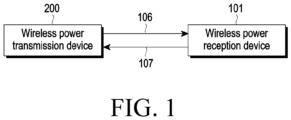
- a wireless power transmission device 200 may wirelessly transmit power 106 to a wireless power reception device 101.
- the wireless power transmission device 200 may receive information 107 from the wireless power reception device 101.
- the wireless power transmission device 200 may transmit power 106 as per an induction scheme.
- the wireless power transmission device 200 may include at least one of, e.g., a power source, a DC-DC conversion circuit (e.g., DC/DC converter), DC-AC conversion circuit (e.g., inverter), an amplifying circuit, an impedance matching circuit, at least one capacitor, at least one coil, or a communication modulation circuit.
- the at least one capacitor together with the at least one coil may constitute a resonance circuit.
- That the wireless power transmitting device 200 or the wireless power reception device 101 performs a specific operation may mean that the controller or another hardware device triggers the specific operation as an instruction for performing the specific operation, which is stored in a storage circuit (e.g., a memory) of the wireless power transmitting device 200 or the wireless power reception device 101, is executed.
- a storage circuit e.g., a memory
- the power generation circuit 11b may convert a DC current output from the power adapter 11c into an AC current and output the AC current.
- the power generation circuit 11b may include a predetermined amplifier (not shown). If the DC voltage or current input through the power adapter 11c is less than a set gain, it may be amplified to a set value using the amplifier.
- the power generation circuit 11b may include a circuit for converting a DC current input from the power adapter 11c into an AC based on a control signal input from the control circuit 12.
- the power generation circuit 11b may include a bridge circuit including a plurality of switches.
- the coil 11L may include a plurality of coils (or coils wound multiple times), and the plurality of coils (or coils wound multiple times) may share at least a portion of the power generation circuit 11b.
- the power generation circuit 11b may convert the DC current into AC through a predetermined inverter.
- the power generation circuit 11b may include a gate driving device (not shown).
- the gate driving device may change the DC current to AC while controlling the DC current by turning on/off.
- the power generation circuit 11b may generate an AC power signal through a wireless power generator (e.g., an oscillator).
- the matching circuit 11a may perform impedance matching. For example, if the AC signal output from the power generation circuit 11b is transferred to the coil 11L, an electromagnetic field may be formed in the coil 11L by the AC signal. In an embodiment, the AC signal may be provided only to some of the plurality of coils (or coils wound multiple times), which is described below in greater detail. The frequency band of the formed electromagnetic field signal may be adjusted by adjusting the impedance of the matching circuit 11a.
- the matching circuit 11a may control the output power transmitted to the electronic device 101 through the coil 11L to have high efficiency or high power by impedance adjustment. The matching circuit 11a may adjust impedance based on the control of the control circuit 12.
- the control circuit 12 may control to wirelessly transmit power to the electronic device 101 through the power transmission circuit 11.
- the control circuit 12 may control to wirelessly transmit or receive information from the electronic device 101 through the communication circuit 13.
- the control circuit 12 may calculate the amount of power received from the electronic device 101 based on the current or voltage measured by the sensing circuit 14.
- the charging configuration information may be information related to the battery state of the electronic device 101 at a wireless charging time point between the wireless power transmission device 10 and the electronic device 101.
- the charging configuration information may include at least one of a total battery capacity, a remaining battery capacity, a number of times of charging, a battery usage amount, a charging mode, a charging method, or a radio frequency band of the electronic device 101.
- the environment information may be information obtained by measuring the charging environment of the electronic device 101 by the interface 24 of the electronic device 101, and may include, e.g., at least one of temperature data including at least one of the internal temperature or the external temperature of the electronic device 101, illuminance data indicating illuminance (brightness) around the electronic device 101, or sound data indicating sound (noise) around the electronic device 101.
- the control circuit 12 may be controlled to generate or transmit power to be transmitted to the electronic device 101 based on the charging configuration information among the received information. Alternatively, the control circuit 12 may determine or change the amount of power transmitted to the electronic device 101 based on at least some of the received information(e.g., at least one of the power amount control information, environment information, or time information). Alternatively, the matching circuit 11a may be controlled to change the impedance.
- the communication circuit 13 may communicate with the electronic device 101 in a predetermined manner.
- the communication circuit 13 may perform data communication with the communication circuit 23 of the electronic device 101.
- the communication circuit 13 may unicast, multicast, or broadcast the signal.
- the communication circuit 13 may include at least one of a first communication circuit 13a implemented as one piece of hardware with the power transmission circuit 11 to allow the wireless power transmission device 10 to perform communication in an in-band form, or a second communication circuit 13b implemented in hardware different from the power transmission circuit 11 to allow the wireless power transmission device 10 to perform communication in an out-of-band form.
- the first communication circuit 13 may receive the frequency and the signal level of an electromagnetic field signal received through the coil 11L of the power transmission circuit 11.
- the control circuit 12 may extract information received from the electronic device 101 by decoding the frequency and the signal level of the received electromagnetic field signal.
- the first communication circuit 13 may apply a signal for information about the wireless power transmission device 10 to be transmitted to the electronic device 101 to the coil 11L of the power transmission circuit 11, or may add a signal for information about the wireless power transmission device 10 to an electromagnetic field signal generated when a signal output from the matching circuit 11a is applied to the coil 11L and transmit the same to the electronic device 101.
- the control circuit 12 may control to change the state of connection to at least one of the inductor or capacitor of the matching circuit 11a and output it through on/off control of the switch device included in the matching circuit 11a.
- the second communication circuit 13b may perform communication with the communication circuit 23 of the electronic device 101 using near-field communication (NFC), Zigbee communication, infrared communication, visible light communication, Bluetooth communication, or a Bluetooth low energy (BLE) scheme.
- NFC near-field communication
- Zigbee communication Zigbee communication
- infrared communication visible light communication
- Bluetooth communication Bluetooth low energy
- the above-described communication scheme of the communication circuit 13 is merely an example, and the scope of embodiments of the disclosure are not limited to a specific communication scheme performed by the communication circuit 13.
- the electronic device 101 may include a power reception circuit 21, a control circuit 22, a communication circuit 23, or an interface 24.
- the power reception circuit 21 of the electronic device 101 may receive power from the power transmission circuit 11 of the wireless power transmission device 10.
- the power reception circuit 21 may be implemented in the form of a built-in battery, or may be implemented in the form of a power reception interface to receive power from the outside.
- the power reception circuit 21 may include a matching circuit 21a, a rectification circuit 21b, an adjustment circuit 21c, a switch circuit 21d, a battery 21e, or a coil 21L.
- the power reception circuit 21 may receive wireless power in the form of electromagnetic waves generated corresponding to the current/voltage applied to the coil 11L of the power transmission circuit 11 through the coil 21L.
- the power reception circuit 21 may receive power using the electromotive force formed in the coil 11L of the power transmission circuit 11 and the coil 21L of the power reception circuit 21.
- the matching circuit 21a may perform impedance matching. For example, power transmitted through the coil 11L of the wireless power transmission device 10 may be transferred to the coil 21L to form an electromagnetic field.
- the matching circuit 21a may adjust the frequency band of the formed electromagnetic field signal by adjusting the impedance. By adjusting the impedance, the matching circuit 21a may control the input power received from the wireless power transmission device 10 through the coil 21L to have high efficiency and high output.
- the matching circuit 21a may adjust impedance based on the control of the control circuit 22.
- the matching circuit 21a may include at least one of an inductor (e.g., a coil (or a conductive pattern)), a capacitor, or a switch device.
- the control circuit 22 may control a connection state with at least one of the inductor or the capacitor through the switch device, thereby performing impedance matching.
- the rectification circuit 21b may rectify the wireless power received by the coil 21L in the form of DC, and may be implemented in the form of, e.g., a bridge diode.
- the adjustment circuit 21c may convert the rectified power to a set voltage or current.
- the adjustment circuit 21c may include a DC/DC converter (not shown).
- the adjustment circuit 21c may convert the rectified power so that the voltage of the output terminal becomes 5V.
- a minimum value or a maximum value of a voltage that may be applied may be set at the front end of the adjustment circuit 21c.
- the switch circuit 21d may connect the adjustment circuit 21c and the battery 21e.
- the switch circuit 21d may maintain an on/off state under the control of the control circuit 52.
- the battery 21e may be charged by receiving power input from the adjustment circuit 21c.
- a charger (not shown) may be further disposed between the switch circuit 21d and the battery 21e, and the charger (not shown) may change the voltage or current of power received in a predetermined mode (e.g., a constant current (CC) mode or a constant voltage (CV) mode) and charge the battery 21e.
- a predetermined mode e.g., a constant current (CC) mode or a constant voltage (CV) mode
- the DC/DC converter of the adjustment circuit 21c may directly charge the battery 21e, or the charger (not shown) may adjust the power output from the adjustment circuit 21c once again to charge the battery 21e.
- the electronic device 101 may include a sensing circuit, and the sensing circuit may sense a state change in the power received by the electronic device 101.
- the sensing circuit may periodically or aperiodically measure the current/voltage value received in the coil 21L through a predetermined current/voltage sensor.
- the electronic device 101 may calculate the amount of power received by the electronic device 101 based on the measured current/voltage.
- the electronic device 101 may be utilized to change the matching circuit 21a based on the measured current/voltage.
- the sensing circuit may sense a change in the charging environment of the electronic device 101.
- the sensing circuit may periodically or aperiodically measure at least one of the internal temperature or the external temperature of the electronic device 101 through a predetermined temperature sensor.
- the communication circuit 23 may communicate with the wireless power transmission device 10 in a predetermined manner.
- the communication circuit 23 may perform data communication with the communication circuit 13 of the wireless power transmission device 10.
- the communication circuit 23 may exchange a control signal through data communication with the wireless power transmission device 10.
- the communication circuit 23 may operate in the same or similar manner to the communication circuit 13 of the wireless power transmission device 10.
- the control circuit 22 may transmit charging configuration information for receiving a required amount of power to the wireless power transmission device 10 based on information related to the battery state of the electronic device 101 through the communication circuit 23. For example, if the wireless power transmission device 10 capable of transmitting wireless power is identified, the control circuit 22 may transmit the charging configuration information for receiving a required amount of power to the wireless power transmission device 10 through the communication circuit 23 based on at least one of the total battery capacity, the remaining battery capacity, the number of times of charging, the battery usage, the charging mode, the charging scheme, or the radio reception frequency band of the electronic device 101.
- the control circuit 22 may transmit the power amount control information for controlling the amount of power received from the wireless power transmission device 10 to the wireless power transmission device 10 according to a change in the amount of power charged in the electronic device 101, through the communication circuit 23.
- the first communication circuit 23a may include a switch, a capacitor, or a resistor.
- the control circuit 22 may turn on/off the switch according to the binary code of the data to be transmitted based on the on/off keying modulation scheme.
- the impedance sensed by the wireless power transmission device 10 may detect a change in the magnitude of power or the magnitude of current in the power transmission circuit 11 as the switch is turned on/off, and may be demodulated into a binary code so that data to be transmitted by the electronic device 101 may be obtained.
- the electronic device 101 interface 24 may connect a TA (or an external electronic device) to the electronic device 101 through a connector.
- the interface 24 may include a USB communication module connected to the control circuit 22 or the processor through a designated system interface, e.g., an inter-integrated circuit (I2C).
- the TA may communicate with the USB communication module of the wireless power reception device 101 through the CC terminal of the USB C type.
- the USB communication module may include a USB power delivery (PD) communication module for USB power delivery (PD) communication.
- the TA may be a TA supporting a programmable power supply (PPS) standard or a general TA not supporting the PPS.
- PPS programmable power supply
- the TA supporting the PPS may variously change or adjust the output TA voltage or the output TA current under the control of the control circuit 22 of the wireless power reception device 101.
- the output TA voltage or the output TA current may be fixed.
- the interface 24 may be a wired interface.
- FIG. 2 illustrates that the wireless power transmission device 10 and the electronic device 101 include only the power transmission circuit 11 and the power reception circuit 21, respectively, each of the wireless power transmission device 10 and the electronic device 101 may include both the power transmission circuit 11 and the power reception circuit 21. Accordingly, the wireless power transmission device 10 and the electronic device 101 according to an embodiment of the disclosure may function as both the power transmission device and the electronic device.
- FIG. 3 is a perspective view illustrating a wireless power transmission device and an electronic device receiving wireless power according to an embodiment of the disclosure.
- FIG. 4 is an exploded perspective view illustrating a wireless power transmission device according to an embodiment of the disclosure.
- the wireless power transmission device 200 may supply power to the adjacent wireless power reception device 101.
- the configuration of the wireless power transmission device 200 and the wireless power reception device 101 of FIGS. 3 and 4 may be identical in whole or part to the configuration of the wireless power transmission device 200 and the wireless power reception device 101 of FIGS. 1 and/or 2.
- the irregular pattern 215a in a state in which the wireless power reception device 101 is disposed on the wireless power transmission device 200 (e.g., FIG. 2 ), there may be an empty space between the wireless power reception device 101 and the wireless power transmission device 200.
- air in the empty space positioned between the wireless power reception device 101 and the wireless power transmission device 200 may flow to the outside through the surface of the wireless power reception device 101 and the groove 216b of the irregular pattern 215a.
- the transmission coil 320 may be positioned below the upper enclosure 311.
- the transmission coil 320 may be positioned below the second surface 311c of the upper enclosure 311.
Landscapes
- Engineering & Computer Science (AREA)
- Power Engineering (AREA)
- Computer Networks & Wireless Communication (AREA)
- Microelectronics & Electronic Packaging (AREA)
- Physics & Mathematics (AREA)
- Thermal Sciences (AREA)
- Charge And Discharge Circuits For Batteries Or The Like (AREA)
Abstract
Description
- The disclosure relates to wireless power transmission devices.
- Wireless charging technology uses wireless power transmission/reception, and is a technology that is capable of charging the battery of an electronic device (e.g., a mobile phone) without connecting a separate charging connector. The absence of a connector for connecting to an external device may enhance the waterproof function.
- The wireless power transmission device may transfer power using one or more of an inductive coupling scheme based on an electromagnetic induction phenomenon by the wireless power signal and an electromagnetic resonance coupling scheme based on an electromagnetic resonance phenomenon by the wireless power signal of a specific frequency.
- An electronic device that supports wireless charging power reception may receive power from an external device through a coil and charge a battery using the input power. An electronic device that supports wireless charging power transmission may supply wireless power to another electronic device using the power from the battery or power input from a connected wired charger. For example, the wireless charging power transmission device may generate designated power using the power from an external device (e.g., a TA adapter) or a battery and supply the generated power to the other electronic device (e.g., a smartphone, a smart watch, or a wireless earphone (e.g., true wireless stereo)) through the coil.
- According to an embodiment of the disclosure, a wireless power transmission device may comprise a housing including a upper enclosure and a frame surrounding at least a portion of the upper enclosure and including an edge area including a plurality of valleys and a plurality of mountains, a transmission coil disposed below the upper enclosure, a magnetic body disposed below the upper enclosure, surrounding at least a portion of the transmission coil, and spaced apart from the frame, and a fan positioned below the magnetic body.
- According to an embodiment of the disclosure, a wireless power transmission device may comprise a housing including an upper enclosure and a frame surrounding at least a portion of the upper enclosure, a transmission coil disposed below the upper enclosure, a magnetic body surrounding at least a portion of the transmission coil and spaced apart from the transmission coil, and a fan disposed below the transmission coil. The frame may include an edge area including a plurality of mountains and a plurality of valleys. The fan may be configured to transfer air to an outside of the wireless power transmission device through a second empty space formed by the plurality of valleys and the plurality of mountains and a first empty space between the magnetic body and the housing.
-
-
FIG. 1 is a block diagram illustrating a wireless power transmission device and a wireless power reception device according to an embodiment of the disclosure; -
FIG. 2 is a block diagram illustrating a wireless power transmission device according to an induction scheme and an electronic device receiving wireless power according to an embodiment of the disclosure; -
FIG. 3 is a perspective view illustrating a wireless power transmission device and an electronic device receiving wireless power according to an embodiment of the disclosure; -
FIG. 4 is an exploded perspective view illustrating a wireless power transmission device according to an embodiment of the disclosure; -
FIG. 5 is an exploded perspective view illustrating a wireless power transmission device according to an embodiment of the disclosure; -
FIG. 6 is an exploded perspective view illustrating a transmission assembly according to an embodiment of the disclosure; -
FIG. 7 is a cross-sectional view illustrating a wireless power transmission device where the wireless power transmission device is positioned according to an embodiment of the disclosure; -
FIG. 8 is a cross-sectional view illustrating a wireless power transmission device where the wireless power transmission device is positioned according to an embodiment of the disclosure; -
FIG. 9 is a top view illustrating a frame according to an embodiment of the disclosure; -
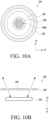
FIG. 10A is a top view illustrating a wireless power transmission device including a magnetic body, a ferrite, and an upper enclosure according to an embodiment of the disclosure; and -
FIG. 10B is a view illustrating an air flow of a wireless power transmission device including a magnetic body, a ferrite, and an upper enclosure according to an embodiment of the disclosure. -
FIG. 1 is a block diagram illustrating a wireless power transmission device and a wireless power reception device according to an embodiment of the disclosure. - Referring to
FIG. 1 , a wirelesspower transmission device 200 may wirelessly transmitpower 106 to a wirelesspower reception device 101. The wirelesspower transmission device 200 may receiveinformation 107 from the wirelesspower reception device 101. For example, the wirelesspower transmission device 200 may transmitpower 106 as per an induction scheme. Adopting the induction scheme, the wirelesspower transmission device 200 may include at least one of, e.g., a power source, a DC-DC conversion circuit (e.g., DC/DC converter), DC-AC conversion circuit (e.g., inverter), an amplifying circuit, an impedance matching circuit, at least one capacitor, at least one coil, or a communication modulation circuit. The at least one capacitor together with the at least one coil may constitute a resonance circuit. The wirelesspower transmission device 200 may be implemented in a scheme defined in the wireless power consortium (WPC) Qi standard. The wirelesspower transmission device 200 may include a coil that is capable of produce a magnetic field when letting an electric current flow thereacross by a induction scheme. The process of the wirelesspower transmission device 200 producing an induced magnetic field may be represented as the wirelesspower transmission device 200 wirelessly transmitting thepower 106. Further, an induced electromotive force (or current, voltage, and/or power) may be generated by the magnetic field generated around the coil of the wirelesspower reception device 101. The process of producing an induced electromotive force through the coil may be represented as the 'wirelesspower reception device 101 wirelessly receives thepower 106.' - The wireless
power transmission device 200 according to an embodiment may communicate with the wirelesspower reception device 101. For example, the wireless power transmittingdevice 200 may communicate with the wirelesspower reception device 101 according to an in-band scheme. The wirelesspower transmitting device 200 may modulate data to be transmitted according to, e.g., a frequency shift keying (FSK) modulation scheme, and the wirelesspower reception device 101 may perform modulation according to an amplitude shift keying (ASK) modulation scheme, thereby providinginformation 107. The wirelesspower transmitting device 200 may identify theinformation 107 provided by the wirelesspower reception device 101 based on the amplitude of the current and/or voltage applied to the transmission coil. InFIG. 1 , the wirelesspower reception device 101 is shown as directly transmitting theinformation 107 to the wireless power transmittingdevice 200, but this is merely for an easy understanding, and it will be appreciated by one of ordinary skill in the art that that the wirelesspower reception device 101 only controls on/off of at least one switch therein. The operation of performing modulation based on an ASK modulation scheme and/or FSK modulation scheme may be understood as the operation of transmitting data (or packets) according to the in-band communication scheme, and the operation of performing demodulation based on the ASK demodulation scheme and/or FSK demodulation scheme may be understood as the operation of receiving data (or packets) according to the in-band communication scheme. Meanwhile, data transmission/reception according to the in-band communication scheme is merely an example, and it will be appreciated by one of ordinary skill in the art that the wirelesspower transmission device 200 and the wirelesspower reception device 101 may transmit/receive data based on an out-of-band scheme (e.g., Bluetooth low energy (BLE) scheme or various short-range communication schemes). - In the disclosure, that the wireless power transmitting
device 200 or the wirelesspower reception device 101 performs a specific operation may mean that various pieces of hardware included in the wirelesspower transmitting device 200 or the wirelesspower reception device 101, e.g., a controller (e.g., a micro-controlling unit (MCU), a field programmable gate array (FPGA), an application specific integrated circuit (ASIC), a microprocessor, or an application processor (AP)) performs the specific operation. Or, that the wireless power transmittingdevice 200 or the wirelesspower reception device 101 performs a specific operation may also mean that the connector controls another hardware device to perform the specific operation. That the wireless power transmittingdevice 200 or the wirelesspower reception device 101 performs a specific operation may mean that the controller or another hardware device triggers the specific operation as an instruction for performing the specific operation, which is stored in a storage circuit (e.g., a memory) of the wirelesspower transmitting device 200 or the wirelesspower reception device 101, is executed. -
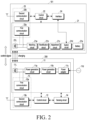
FIG. 2 is a block diagram illustrating a wireless power transmission device according to an induction scheme and an electronic device receiving wireless power according to an embodiment of the disclosure. - The wireless
power transmission device 200 according to an embodiment of the disclosure may include at least one of apower transmission circuit 11, acontrol circuit 12, acommunication circuit 13, or asensing circuit 14. Anelectronic device 101 wirelessly receiving power may include at least one of apower reception circuit 21, acontrol circuit 22, acommunication circuit 23, or aninterface 24. - The
power transmission circuit 11 according to an embodiment of the disclosure may provide power to theelectronic device 101. Thepower transmission circuit 11 may include apower adapter 11c, apower generation circuit 11b, amatching circuit 11a, a coil (or conductive pattern) 11L, or afirst communication circuit 13a. Thepower transmission circuit 11 may be configured to wirelessly transmit power to theelectronic device 101 through thecoil 11L. Thepower transmission circuit 11 may receive power from the outside in the form of a DC waveform or an AC waveform, and may supply the received power to theelectronic device 101 in the form of an AC waveform. Thecoil 11L may include a plurality of coils and/or coils wound multiple times. - The
power adapter 11c may receive AC or DC power from the outside, or may receive a power signal of a built-in battery device and output the same as DC power having a set voltage value. According to an embodiment, thepower adapter 11c may be electrically connected to thepower supply unit 11d positioned outside. For example, a cable of thepower supply unit 11d may be directly connected to thepower adapter 11c having a terminal. The voltage value of the DC power output from thepower adapter 11c may be controlled by thecontrol circuit 12. The DC power output from thepower adapter 11c may be output to thepower generation circuit 11b. - The
power generation circuit 11b may convert a DC current output from thepower adapter 11c into an AC current and output the AC current. Thepower generation circuit 11b may include a predetermined amplifier (not shown). If the DC voltage or current input through thepower adapter 11c is less than a set gain, it may be amplified to a set value using the amplifier. Thepower generation circuit 11b may include a circuit for converting a DC current input from thepower adapter 11c into an AC based on a control signal input from thecontrol circuit 12. Thepower generation circuit 11b may include a bridge circuit including a plurality of switches. Thecoil 11L may include a plurality of coils (or coils wound multiple times), and the plurality of coils (or coils wound multiple times) may share at least a portion of thepower generation circuit 11b. This is described below in greater detail. For example, thepower generation circuit 11b may convert the DC current into AC through a predetermined inverter. Thepower generation circuit 11b may include a gate driving device (not shown). The gate driving device may change the DC current to AC while controlling the DC current by turning on/off. Alternatively, thepower generation circuit 11b may generate an AC power signal through a wireless power generator (e.g., an oscillator). - The
matching circuit 11a may perform impedance matching. For example, if the AC signal output from thepower generation circuit 11b is transferred to thecoil 11L, an electromagnetic field may be formed in thecoil 11L by the AC signal. In an embodiment, the AC signal may be provided only to some of the plurality of coils (or coils wound multiple times), which is described below in greater detail. The frequency band of the formed electromagnetic field signal may be adjusted by adjusting the impedance of thematching circuit 11a. Thematching circuit 11a may control the output power transmitted to theelectronic device 101 through thecoil 11L to have high efficiency or high power by impedance adjustment. Thematching circuit 11a may adjust impedance based on the control of thecontrol circuit 12. Thematching circuit 11a may include at least one of an inductor (e.g., a coil (or a conductive pattern)), a capacitor, or a switch device. Thecontrol circuit 12 may control the connection state with at least one of the inductor or the capacitor through the switch device, thereby performing impedance matching. At least one of thecontrol circuit 12 or the control circuit 52 may be implemented as various circuits capable of performing computation such as a general-purpose processor such as a CPU, a minicomputer, a microprocessor, a micro controlling unit (MCU), a field programmable gate array (FPGA), or the like, but the type thereof is not limited. - If a current is applied to the
coil 11L, thecoil 11L may form a magnetic field for inducing or resonating a current in theelectronic device 101. Thefirst communication circuit 13a (e.g., a resonant circuit) may perform communication (e.g., data communication) in an in-band form using electromagnetic waves generated by thecoil 11L. - The
sensing circuit 14 may periodically or aperiodically measure a change in current/voltage applied to thecoil 11L of thepower transmission circuit 11. The wireless power transmission device 10 may change the amount of power to be transmitted according to a change in the current/voltage applied to thecoil 11L. Alternatively, thesensing circuit 14 may periodically or aperiodically sense a temperature change in the wireless power transmission device 10. According to an embodiment, thesensing circuit 14 may include at least one of a current/voltage sensor or a temperature sensor. - The
control circuit 12 may control to wirelessly transmit power to theelectronic device 101 through thepower transmission circuit 11. Thecontrol circuit 12 may control to wirelessly transmit or receive information from theelectronic device 101 through thecommunication circuit 13. Thecontrol circuit 12 may calculate the amount of power received from theelectronic device 101 based on the current or voltage measured by thesensing circuit 14. - According to an embodiment, the received information may include at least one of charging configuration information related to the battery state of the
electronic device 101, power amount control information related to adjustment of the amount of power transmitted to theelectronic device 101, environment information related to the charging environment of theelectronic device 101, or time information about theelectronic device 101. - The charging configuration information may be information related to the battery state of the
electronic device 101 at a wireless charging time point between the wireless power transmission device 10 and theelectronic device 101. For example, the charging configuration information may include at least one of a total battery capacity, a remaining battery capacity, a number of times of charging, a battery usage amount, a charging mode, a charging method, or a radio frequency band of theelectronic device 101. - The power amount control information may be information for controlling the amount of initial power transmitted according to a change in the amount of power charged in the
electronic device 101 during wireless charging between the wireless power transmission device 10 and theelectronic device 101. - The environment information may be information obtained by measuring the charging environment of the
electronic device 101 by theinterface 24 of theelectronic device 101, and may include, e.g., at least one of temperature data including at least one of the internal temperature or the external temperature of theelectronic device 101, illuminance data indicating illuminance (brightness) around theelectronic device 101, or sound data indicating sound (noise) around theelectronic device 101. - The
control circuit 12 may be controlled to generate or transmit power to be transmitted to theelectronic device 101 based on the charging configuration information among the received information. Alternatively, thecontrol circuit 12 may determine or change the amount of power transmitted to theelectronic device 101 based on at least some of the received information(e.g., at least one of the power amount control information, environment information, or time information). Alternatively, thematching circuit 11a may be controlled to change the impedance. - The
communication circuit 13 may communicate with theelectronic device 101 in a predetermined manner. Thecommunication circuit 13 may perform data communication with thecommunication circuit 23 of theelectronic device 101. For example, thecommunication circuit 13 may unicast, multicast, or broadcast the signal. - According to an embodiment, the
communication circuit 13 may include at least one of afirst communication circuit 13a implemented as one piece of hardware with thepower transmission circuit 11 to allow the wireless power transmission device 10 to perform communication in an in-band form, or asecond communication circuit 13b implemented in hardware different from thepower transmission circuit 11 to allow the wireless power transmission device 10 to perform communication in an out-of-band form. - According to an embodiment, if the
communication circuit 13 includes thefirst communication circuit 13a capable of performing communication in an in-band form, thefirst communication circuit 13 may receive the frequency and the signal level of an electromagnetic field signal received through thecoil 11L of thepower transmission circuit 11. Thecontrol circuit 12 may extract information received from theelectronic device 101 by decoding the frequency and the signal level of the received electromagnetic field signal. Alternatively, thefirst communication circuit 13 may apply a signal for information about the wireless power transmission device 10 to be transmitted to theelectronic device 101 to thecoil 11L of thepower transmission circuit 11, or may add a signal for information about the wireless power transmission device 10 to an electromagnetic field signal generated when a signal output from thematching circuit 11a is applied to thecoil 11L and transmit the same to theelectronic device 101. Thecontrol circuit 12 may control to change the state of connection to at least one of the inductor or capacitor of thematching circuit 11a and output it through on/off control of the switch device included in thematching circuit 11a. - According to an embodiment, if the
communication circuit 13 includes asecond communication circuit 13b capable of performing communication in an out-of-band form, thesecond communication circuit 13b may perform communication with thecommunication circuit 23 of theelectronic device 101 using near-field communication (NFC), Zigbee communication, infrared communication, visible light communication, Bluetooth communication, or a Bluetooth low energy (BLE) scheme. - The above-described communication scheme of the
communication circuit 13 is merely an example, and the scope of embodiments of the disclosure are not limited to a specific communication scheme performed by thecommunication circuit 13. - According to an embodiment of the disclosure, the
electronic device 101 may include apower reception circuit 21, acontrol circuit 22, acommunication circuit 23, or aninterface 24. Thepower reception circuit 21 of theelectronic device 101 may receive power from thepower transmission circuit 11 of the wireless power transmission device 10. Thepower reception circuit 21 may be implemented in the form of a built-in battery, or may be implemented in the form of a power reception interface to receive power from the outside. Thepower reception circuit 21 may include amatching circuit 21a, arectification circuit 21b, anadjustment circuit 21c, aswitch circuit 21d, abattery 21e, or acoil 21L. - The
power reception circuit 21 may receive wireless power in the form of electromagnetic waves generated corresponding to the current/voltage applied to thecoil 11L of thepower transmission circuit 11 through thecoil 21L. For example, thepower reception circuit 21 may receive power using the electromotive force formed in thecoil 11L of thepower transmission circuit 11 and thecoil 21L of thepower reception circuit 21. - The
matching circuit 21a may perform impedance matching. For example, power transmitted through thecoil 11L of the wireless power transmission device 10 may be transferred to thecoil 21L to form an electromagnetic field. Thematching circuit 21a may adjust the frequency band of the formed electromagnetic field signal by adjusting the impedance. By adjusting the impedance, thematching circuit 21a may control the input power received from the wireless power transmission device 10 through thecoil 21L to have high efficiency and high output. Thematching circuit 21a may adjust impedance based on the control of thecontrol circuit 22. Thematching circuit 21a may include at least one of an inductor (e.g., a coil (or a conductive pattern)), a capacitor, or a switch device. Thecontrol circuit 22 may control a connection state with at least one of the inductor or the capacitor through the switch device, thereby performing impedance matching. - The
rectification circuit 21b may rectify the wireless power received by thecoil 21L in the form of DC, and may be implemented in the form of, e.g., a bridge diode. - The
adjustment circuit 21c may convert the rectified power to a set voltage or current. Theadjustment circuit 21c may include a DC/DC converter (not shown). For example, theadjustment circuit 21c may convert the rectified power so that the voltage of the output terminal becomes 5V. Alternatively, a minimum value or a maximum value of a voltage that may be applied may be set at the front end of theadjustment circuit 21c. - The
switch circuit 21d may connect theadjustment circuit 21c and thebattery 21e. Theswitch circuit 21d may maintain an on/off state under the control of the control circuit 52. - The
battery 21e may be charged by receiving power input from theadjustment circuit 21c. In another embodiment, a charger (not shown) may be further disposed between theswitch circuit 21d and thebattery 21e, and the charger (not shown) may change the voltage or current of power received in a predetermined mode (e.g., a constant current (CC) mode or a constant voltage (CV) mode) and charge thebattery 21e. In various embodiments of the disclosure, the DC/DC converter of theadjustment circuit 21c may directly charge thebattery 21e, or the charger (not shown) may adjust the power output from theadjustment circuit 21c once again to charge thebattery 21e. - According to an embodiment, the
electronic device 101 may include a sensing circuit, and the sensing circuit may sense a state change in the power received by theelectronic device 101. For example, the sensing circuit may periodically or aperiodically measure the current/voltage value received in thecoil 21L through a predetermined current/voltage sensor. Theelectronic device 101 may calculate the amount of power received by theelectronic device 101 based on the measured current/voltage. Theelectronic device 101 may be utilized to change thematching circuit 21a based on the measured current/voltage. - According to an embodiment, the sensing circuit may sense a change in the charging environment of the
electronic device 101. For example, the sensing circuit may periodically or aperiodically measure at least one of the internal temperature or the external temperature of theelectronic device 101 through a predetermined temperature sensor. - The
communication circuit 23 may communicate with the wireless power transmission device 10 in a predetermined manner. Thecommunication circuit 23 may perform data communication with thecommunication circuit 13 of the wireless power transmission device 10. Thecommunication circuit 23 may exchange a control signal through data communication with the wireless power transmission device 10. Thecommunication circuit 23 may operate in the same or similar manner to thecommunication circuit 13 of the wireless power transmission device 10. - The
control circuit 22 may transmit charging configuration information for receiving a required amount of power to the wireless power transmission device 10 based on information related to the battery state of theelectronic device 101 through thecommunication circuit 23. For example, if the wireless power transmission device 10 capable of transmitting wireless power is identified, thecontrol circuit 22 may transmit the charging configuration information for receiving a required amount of power to the wireless power transmission device 10 through thecommunication circuit 23 based on at least one of the total battery capacity, the remaining battery capacity, the number of times of charging, the battery usage, the charging mode, the charging scheme, or the radio reception frequency band of theelectronic device 101. - The
control circuit 22 may transmit the power amount control information for controlling the amount of power received from the wireless power transmission device 10 to the wireless power transmission device 10 according to a change in the amount of power charged in theelectronic device 101, through thecommunication circuit 23. Thefirst communication circuit 23a may include a switch, a capacitor, or a resistor. Thecontrol circuit 22 may turn on/off the switch according to the binary code of the data to be transmitted based on the on/off keying modulation scheme. The impedance sensed by the wireless power transmission device 10 may detect a change in the magnitude of power or the magnitude of current in thepower transmission circuit 11 as the switch is turned on/off, and may be demodulated into a binary code so that data to be transmitted by theelectronic device 101 may be obtained. - The
electronic device 101interface 24 may connect a TA (or an external electronic device) to theelectronic device 101 through a connector. Theinterface 24 may include a USB communication module connected to thecontrol circuit 22 or the processor through a designated system interface, e.g., an inter-integrated circuit (I2C). For example, the TA may communicate with the USB communication module of the wirelesspower reception device 101 through the CC terminal of the USB C type. According to an embodiment, the USB communication module may include a USB power delivery (PD) communication module for USB power delivery (PD) communication. According to an embodiment, the TA may be a TA supporting a programmable power supply (PPS) standard or a general TA not supporting the PPS. For example, the TA supporting the PPS may variously change or adjust the output TA voltage or the output TA current under the control of thecontrol circuit 22 of the wirelesspower reception device 101. In the TA that does not support the PPS, the output TA voltage or the output TA current may be fixed. Theinterface 24 may be a wired interface. - Although
FIG. 2 illustrates that the wireless power transmission device 10 and theelectronic device 101 include only thepower transmission circuit 11 and thepower reception circuit 21, respectively, each of the wireless power transmission device 10 and theelectronic device 101 may include both thepower transmission circuit 11 and thepower reception circuit 21. Accordingly, the wireless power transmission device 10 and theelectronic device 101 according to an embodiment of the disclosure may function as both the power transmission device and the electronic device. -
FIG. 3 is a perspective view illustrating a wireless power transmission device and an electronic device receiving wireless power according to an embodiment of the disclosure.FIG. 4 is an exploded perspective view illustrating a wireless power transmission device according to an embodiment of the disclosure. - Referring to
FIGS. 3 and4 , the wirelesspower transmission device 200 may supply power to the adjacent wirelesspower reception device 101. The configuration of the wirelesspower transmission device 200 and the wirelesspower reception device 101 ofFIGS. 3 and4 may be identical in whole or part to the configuration of the wirelesspower transmission device 200 and the wirelesspower reception device 101 ofFIGS. 1 and/or 2. - The wireless
power transmission device 200 may include ahousing 210 supporting the wirelesspower reception device 101. Thehousing 210 may receive a component (e.g., the magnetic body 330) inside the wirelesspower transmission device 200. - According to an embodiment, the
housing 210 may include anupper enclosure 211. Theupper enclosure 211 may be referred to as a front plate, an upper housing, an upper cover, a front cover, or an upper surface housing. Theupper enclosure 211 may form at least a portion of the external appearance of the wirelesspower transmission device 200. For example, theupper enclosure 211 may form a front surface of the wirelesspower transmission device 200 and may face the wirelesspower reception device 101. Theupper enclosure 211 may include anedge area 215 including anirregular pattern 215a. Theirregular pattern 215a may be a portion of theedge area 215 protruding upward (+Z direction) of theedge area 215. According to an embodiment, theirregular pattern 215a may be referred to as a structure including a plurality ofmountains 216a. According to an embodiment, due to theirregular pattern 215a, in a state in which the wirelesspower reception device 101 is disposed on the wireless power transmission device 200 (e.g.,FIG. 2 ), there may be an empty space between the wirelesspower reception device 101 and the wirelesspower transmission device 200. For example, air in the empty space positioned between the wirelesspower reception device 101 and the wirelesspower transmission device 200 may flow to the outside through the surface of the wirelesspower reception device 101 and thegroove 216b of theirregular pattern 215a. - According to an embodiment, the
upper enclosure 211 may include at least one first through hole (e.g., the first throughhole 311a ofFIG. 5 ). For example, theupper enclosure 211 may include the first throughhole 311a together with theirregular pattern 215a. - The shape of the
irregular pattern 215a of theedge area 215 illustrated inFIG. 4 is selective. For example,FIG. 4 illustrates that theirregular pattern 215a has the plurality ofmountains 216a protruding from theflat surface 216b, but the shape of theirregular pattern 215a is not limited thereto. For example, theirregular pattern 215a may have a substantially wavy surface. InFIG. 4 , a structure in which theirregular pattern 215a protrudes upward (+Z direction) of theedge area 215 is disclosed, but the structure of theirregular pattern 215a is not limited thereto. For example, in an embodiment, theirregular pattern 215a may surround at least a portion of theupper enclosure 211. In an embodiment (e.g.,FIG. 7 ), theirregular pattern 215a may protrude upward (+Z direction) from a portion (e.g., the frame 313) of thehousing 310. In an embodiment (e.g.,FIG. 8 ), theirregular pattern 215a may protrude upward (+Z direction) from a portion (e.g., the edge area 315) of thehousing 310. According to an embodiment, thehousing 210 may include aprotection member 213 surrounding at least a portion of theupper enclosure 211. According to an embodiment, theprotection member 213 may support or surround at least a portion of theedge area 215. According to an embodiment, theprotection member 213 may be referred to as a deco member. - According to an embodiment, the
housing 210 may include arear case 212. Therear case 212 may form at least a portion of the external appearance of the wirelesspower transmission device 200. For example, therear case 212 may form at least a portion of a side surface and at least a portion of a rear surface of the wirelesspower transmission device 200. - According to an embodiment, the
housing 210 may include a supportingmember 217. The supportingmember 217 may support a component (e.g., thetransmission coil 220 and/or the magnetic body 330) of the wirelesspower transmission device 200. The supportingmember 217 may be positioned above (+Z) therear case 212. According to an embodiment, the supportingmember 217 may include a duct for guiding the flow of air generated by thefan 240. - According to an embodiment, the structure of the
housing 210 is selective. For example, the shape of theprotection member 213, therear case 212, and/or the supportingmember 217 may be changed according to the design of the wirelesspower transmission device 200. According to an embodiment, theprotection member 213, therear case 212, and/or the supportingmember 217 may be referred to as a frame. According to an embodiment, at least a portion of the frame (e.g., therear case 212, theprotection member 213, and/or the supporting member 217) may be integrally formed with the upper enclosure. - According to an embodiment, the wireless
power transmission device 200 may include atransmission coil 220. The transmission coil 230 may be identical in whole or part to the configuration of thecoil 11L ofFIG. 2 . For example, the transmission coil 230 may form an electromagnetic field by an AC signal output from thepower generation circuit 11b ofFIG. 2 . - According to an embodiment, the wireless
power transmission device 200 may include afan 240. According to an embodiment, thefan 240 may generate a flow of air for reducing the temperature of the wirelesspower transmission device 200 and/or the wirelesspower reception device 101. Thefan 240 may be disposed inside thehousing 210. - In the disclosure, the wireless
power reception device 101 is illustrated as a smartphone, but this is selective. For example, the wirelesspower reception device 101 may be a portable electronic device including a smart watch, a wireless earphone, or a battery. - In the disclosure, the structure of the wireless
power transmission device 200 is selective. For example, althoughFIG. 2 illustrates the wirelesspower transmission device 200 having a substantially cylindrical shape, the structure of the wirelesspower transmission device 200 is not limited thereto. The size of the wirelesspower transmission device 200 is selective. For example, the width of the wirelesspower transmission device 200 may be less than or equal to the width of the wirelesspower reception device 101. -
FIG. 5 is an exploded perspective view illustrating a wireless power transmission device according to an embodiment of the disclosure.FIG. 6 is an exploded perspective view illustrating a transmission assembly according to an embodiment of the disclosure. - Referring to
FIGS. 5 and6 , the wirelesspower transmission device 200 may include a housing 310 (e.g., anupper enclosure 311 and a frame 313) and apower transmission module 250. The configuration of the wirelesspower transmission device 200 ofFIG. 4 and/orFIG. 5 may be identical in whole or part to the configuration of the wirelesspower transmission device 200 ofFIG. 1 ,FIG. 2 , and/orFIG. 3 . For example, the configuration of theupper enclosure 311 ofFIG. 5 may be identical in whole or part to the configuration of theupper enclosure 311 ofFIG. 4 . The configuration of theframe 313 ofFIG. 5 may be identical in whole or part to the configuration of theprotection member 213, therear case 212, and/or the supportingmember 217 ofFIG. 4 . - According to an embodiment, the
upper enclosure 311 may include at least one first throughhole 311a. The inside of the wirelesspower transmission device 200 may communicate with the outside of the wirelesspower transmission device 200 through the first throughhole 311a. The first throughhole 311a may be an air hole penetrating theupper enclosure 311. - According to an embodiment, the
frame 313 may include at least one second throughhole 313a. The inside of the wirelesspower transmission device 200 may communicate with the outside of the wirelesspower transmission device 200 through the second throughhole 313a. For example, the air inside the wirelesspower transmission device 200 may be transferred to the outside of the wirelesspower transmission device 200 through the second throughhole 313a. Air outside the wirelesspower transmission device 200 may pass through the second throughhole 313a and be sucked into the wirelesspower transmission device 200. The second throughhole 313a may be an air hole penetrating theframe 313. - According to an embodiment, the
edge area 315 may include at least one third throughhole 313b. The inside of the wirelesspower transmission device 200 may communicate with the outside of the wirelesspower transmission device 200 through the third throughhole 313b. For example, the air inside the wirelesspower transmission device 200 may be transferred to the outside of the wirelesspower transmission device 200 through the third throughhole 313b. Air outside the wirelesspower transmission device 200 may pass through the third throughhole 313b and be sucked into the wirelesspower transmission device 200. The third throughhole 313b may be an air hole penetrating theedge area 315. - According to an embodiment, the wireless
power transmission device 200 may include apower transmission module 250 for providing power to the wirelesspower reception device 101. Thepower transmission module 250 may be disposed in a space formed by theupper enclosure 311 and theframe 313. For example, thepower transmission module 250 may be positioned between theupper enclosure 311 and theframe 313. Thepower transmission module 250 may be referred to as a power transmission assembly. - According to an embodiment, the
power transmission module 250 may include atransmission coil 320. The configuration of thetransmission coil 320 may be identical in whole or part to the configuration of thetransmission coil 220 ofFIG. 4 . For example, if a current is applied, thetransmission coil 320 may form a magnetic field for inducing or resonating the current. - According to an embodiment, the
transmission coil 320 may have a closed curve shape. For example, air passing through a through hole (e.g., the first throughhole 311a, the second throughhole 313a, and/or the third throughhole 360a) may flow to the inside or outside of the wirelesspower transmission device 200 through an empty space surrounded by thetransmission coil 320. - According to an embodiment, the
power transmission module 250 may include amagnetic body 330. According to an embodiment, themagnetic body 330 may guide the position of the wirelesspower transmission device 200 so that thetransmission coil 320 of the wirelesspower transmission device 200 is positioned to correspond to the reception coil (e.g., thepower reception circuit 21 ofFIG. 2 ) of the wireless power reception device (e.g., the wirelesspower reception device 101 ofFIG. 4 ). According to an embodiment, the wirelesspower reception device 101 may detect whether the wirelesspower transmission device 200 approaches by detecting themagnetic body 330. According to an embodiment, themagnetic body 330 may surround at least a portion of thetransmission coil 320 and/or at least a portion of theferrite 360. - According to an embodiment, the
power transmission module 250 may include aferrite 360. Theferrite 360 may be a component for increasing the strength of the magnetic field transferred to the wireless power reception device (e.g., the wirelesspower reception device 101 ofFIG. 3 ). According to an embodiment, theferrite 360 may include body centered cubic iron. According to an embodiment, theferrite 360 may be referred to as a ferrite sheet or a magnetic field reinforcing member. According to an embodiment, theferrite 360 may include at least one third throughhole 360a. The inside of the wirelesspower transmission device 200 may communicate with the outside of the wirelesspower transmission device 200 through the third throughhole 360a. - According to an embodiment, the
power transmission module 250 may include a shieldingmember 370. The shieldingmember 370 may shield at least a portion of the magnetic field of themagnetic body 330. According to an embodiment, the shieldingmember 370 may be disposed below (-Z) themagnetic body 330. The shieldingmember 370 may surround at least a portion of thetransmission coil 320 and/or at least a portion of theferrite 360. -
FIG. 7 is a cross-sectional view illustrating a wireless power transmission device according to an embodiment of the disclosure.FIG. 8 is a cross-sectional view illustrating a wireless power transmission device according to an embodiment of the disclosure. - Referring to
FIG. 7 and/orFIG. 8 , a wirelesspower transmission device 200 may include ahousing 310, atransmission coil 320, amagnetic body 330, afan 340, acircuit board 350, and/or aferrite 360. The configuration of thehousing 310, thetransmission coil 320, themagnetic body 330, thefan 340, and theferrite 360 ofFIG. 7 and/orFIG. 8 may be identical in whole or part to the configuration of thehousing 310, thetransmission coil 320, themagnetic body 330, thefan 240, and theferrite 360 ofFIG. 4 ,FIG. 5 , and/orFIG. 6 . - According to an embodiment, the
housing 310 may include anupper enclosure 311. Theupper enclosure 311 may include afirst surface 311b (e.g., an upper surface) to face the wirelesspower reception device 101 and asecond surface 311c (e.g., a rear surface) opposite to thefirst surface 311b. Theupper enclosure 311 may include at least one first throughhole 311a penetrating thefirst surface 311b and thesecond surface 311c. The first throughhole 311a may provide a path through which air flows for heat dissipation of the wirelesspower transmission device 200 and/or thepower reception device 101. For example, at least a portion of the air outside the wirelesspower transmission device 200 may be transferred to the inside of the wirelesspower transmission device 200 through the first throughhole 311a. At least a portion of the air inside the wirelesspower transmission device 200 may be transferred to the outside of the wirelesspower transmission device 200 through the first throughhole 311a. For example, an air flow for heat dissipation of the wirelesspower transmission device 200 and/or the wirelesspower reception device 101 may be generated by the first throughhole 311a. According to an embodiment, the first throughhole 311a may be referred to as a first air hole. - According to an embodiment, the
upper enclosure 311 may be formed in various shapes. According to an embodiment (e.g.,FIG. 7 ), theupper enclosure 311 may be integrally formed with thesidewall structure 317. For example, theupper enclosure 311 may substantially surround some (e.g., thetransmission coil 320 and the magnetic body 330) of the components of the wirelesspower transmission device 200. According to an embodiment (e.g.,FIG. 8 ), theupper enclosure 311 may have a substantially flat plate shape. - According to an embodiment, the
housing 310 may include aframe 313. Theframe 313 may surround at least a portion of theupper enclosure 311. Theframe 313 may receive components (e.g., thetransmission coil 320, themagnetic body 330, thefan 340, and the ferrite 360) of the wirelesspower transmission device 200. Theframe 313 may surround at least some of the components of the wirelesspower transmission device 200. According to an embodiment, theupper enclosure 311, theside wall structure 317, and/or thelower enclosure 319 may be surrounded by theframe 313. According to an embodiment, the configuration of theframe 313 may be identical in whole or part to the configuration of therear case 212 ofFIG. 4 . For example, theframe 313 may be referred to as a portion of thehousing 310 that forms at least a portion of the side surface and/or the rear surface of thehousing 310. - According to an embodiment, the
frame 313 may include anedge area 315. According to an embodiment, theedge area 315 may be formed in a wavy pattern shape. For example, theedge area 315 may have a sine-shaped surface shape. Theedge area 315 may include a plurality of mountains (e.g., themountain 315a ofFIG. 9 ) and a plurality of valleys (e.g., thevalley 315b ofFIG. 9 ). According to an embodiment, if the wirelesspower reception device 101 is disposed on the wireless power transmission device 200 (e.g., during charging), at least some of themountains 315a may contact the wirelesspower reception device 101, and at least some of thevalleys 315b may be spaced apart from the wirelesspower reception device 101. - According to an embodiment, the
edge area 315 may provide a path of air for heat dissipation of the wirelesspower transmission device 200. For example, air passing through the second space S2 between the surface of theedge area 315 and the wirelesspower reception device 101 may disperse heat of the wirelesspower transmission device 200 and/or the wirelesspower reception device 101. For example, at least a portion of the air inside the wirelesspower transmission device 200 may be transferred to the outside of the wirelesspower transmission device 200 through a space (e.g., the second space S2) between theedge area 315 and the surface of the wirelesspower reception device 101. At least a portion of the air outside the wirelesspower transmission device 200 may be transferred to the inside of the wirelesspower transmission device 200 through the second space S2. The second space S2 may be an empty space formed by surfaces (e.g., themountains 315a and thevalleys 315b ofFIG. 9 ) of theedge area 315. - According to an embodiment, the
frame 313 may protrude further forward or upward (+Z direction) of the wirelesspower transmission device 200 than theupper enclosure 311. For example, theedge area 315 of theframe 313 may further protrude upward (+Z direction) by a first distance d1 than thefirst surface 311b of theupper enclosure 311. - According to an embodiment, the
housing 310 may include asidewall structure 317. Thesidewall structure 317 may surround components (e.g., thetransmission coil 320, themagnetic body 330, thefan 340, and the ferrite 360) of the wirelesspower transmission device 200. According to an embodiment, thesidewall structure 317 may extend from theupper enclosure 311. For example, thesidewall structure 317 may extend from thesecond surface 311c of theupper enclosure 311 downward (-Z direction) of the wirelesspower transmission device 200. According to an embodiment, at least a portion of thesidewall structure 317 may be referred to as a supporting member. Thesidewall structure 317 may support components (e.g., thetransmission coil 320, themagnetic body 330, thefan 340, and/or the ferrite 360) of the wirelesspower transmission device 200. According to an embodiment, the shape of thesidewall structure 317 may be changed according to the design of the wirelesspower transmission device 200, and may be excluded from some drawings (e.g.,FIG. 8 ) for convenience of description. - According to an embodiment, the wireless
power transmission device 200 may include a supporting member (e.g., 217) for supporting components (e.g., thetransmission coil 320, themagnetic body 330, thefan 340, and/or the ferrite 360). For convenience of description, the supportingmember 217 is excluded fromFIG. 7 . In an embodiment, the supportingmember 217 may support theferrite 360 in a state of being connected (e.g., screw-fastened) with a portion of thehousing 310 under the ferrite 360 (-Z direction). In an embodiment, the supportingmember 217 may support theferrite 360 in a state of being connected (e.g., screw-fastened) with a portion of thehousing 310 under the circuit board 350 (-Z direction). - According to an embodiment, the
housing 310 may include alower enclosure 319. Thelower enclosure 319 may be surrounded by thesidewall structure 317. Thelower enclosure 319 may extend from thesidewall structure 317. Thelower enclosure 319 may be positioned between thefan 340 and thetransmission coil 320. In an embodiment, thelower enclosure 319 may extend from a portion (e.g., the sidewall structure 317) of thehousing 310 and may support an electronic component (e.g., the circuit board 350). For example, thefan 340 may be positioned between thelower enclosure 319 and theframe 313. - According to an embodiment, the
lower enclosure 319 may include at least one through hole (not shown). The through hole formed in thelower enclosure 319 may provide a path through which air of the wirelesspower transmission device 200 flows. - According to an embodiment, the configuration of the
upper enclosure 311 and/or thelower enclosure 319 is selective. For example, in an embodiment (not shown), thesidewall structure 317 and thelower enclosure 319 may be omitted. According to an embodiment, the wirelesspower transmission device 200 may be provided as an integral component. For example, at least one of thetransmission coil 320, thefan 340, thecircuit board 350, and/or theferrite 360 may be connected to theframe 313. In the wirelesspower transmission device 200 provided as an integral component, thesidewall structure 317 and thelower enclosure 319 may be omitted. - According to an embodiment, the
transmission coil 320 may be positioned below theupper enclosure 311. For example, thetransmission coil 320 may be positioned below thesecond surface 311c of theupper enclosure 311. - According to an embodiment, the
magnetic body 330 may be spaced apart from at least a portion of thehousing 310. As themagnetic body 330 and thehousing 310 are spaced apart from each other, at least a portion of the air inside the wirelesspower transmission device 200 may be transferred to the outside of the wirelesspower transmission device 200 through the space between themagnetic body 330 and thehousing 310. According to an embodiment, themagnetic body 330 may be spaced apart from thetransmission coil 320. - Referring to
FIG. 7 , themagnetic body 330 may be spaced apart from theframe 313. For example, themagnetic body 330 may be attached to or connected to thesecond surface 311c of theupper enclosure 311. Themagnetic body 330 may be spaced apart from theframe 313 and may form a first space S1 through which air may pass. The first space S1 may be referred to as an empty space between themagnetic body 330 and theframe 313. Themagnetic body 330 may surround at least a portion of thetransmission coil 320. - Referring to
FIG. 8 , themagnetic body 330 may be spaced apart from theupper enclosure 311. For example, themagnetic body 330 may be disposed on the inner surface of theframe 313. Themagnetic body 330 may be spaced apart from theupper enclosure 311 and may form a third space S3 through which air may pass. The third space S3 may be referred to as an empty space between themagnetic body 330 and theupper enclosure 311. Themagnetic body 330 may surround at least a portion of thetransmission coil 320 and/or at least a portion of theupper enclosure 311. According to an embodiment (e.g.,FIG. 8 ), a portion of theedge area 315 may extend to overlap theupper enclosure 311. - According to an embodiment, the
fan 340 may generate a flow of air for heat dissipation of the wirelesspower transmission device 200 and/or the wirelesspower reception device 101. According to an embodiment, thefan 340 may be referred to as a cooling fan. - According to an embodiment, the
fan 340 may generate a flow of air upward (+Z direction), downward (-Z direction), and/or laterally of the wirelesspower transmission device 200. - Referring to
FIG. 7 , thefan 340 may transfer the air inside the wirelesspower transmission device 200 to the outside of the wirelesspower transmission device 200 or may transfer the air outside the wirelesspower transmission device 200 to the inside of the wirelesspower transmission device 200, through the first space S1 and the second space S2. As air flows into the wirelesspower transmission device 200, the temperature of the wirelesspower transmission device 200 may be reduced. As air is discharged to the outside of the wirelesspower transmission device 200, the temperature of the outside (e.g., the wireless power reception device 101) of the wirelesspower transmission device 200 may be reduced. - According to an embodiment, the
fan 340 may generate a first air flow w1 that transfers at least a portion of the air inside the wirelesspower transmission device 200 to the outside of the wirelesspower transmission device 200 through the first space S1 and the second space S2. According to an embodiment, thefan 340 may generate a second air flow w2 that transfers at least a portion of the air outside the wirelesspower transmission device 200 to the inside of the wirelesspower transmission device 200 through the second space S2 and the first space S1. - Referring to
FIG. 8 , thefan 340 may transfer the air inside the wirelesspower transmission device 200 to the outside of the wirelesspower transmission device 200 or may transfer the air outside the wirelesspower transmission device 200 to the inside of the wireless power transmission device 200 ]through the second space S2 and the third space S3. According to an embodiment, thefan 340 may generate a fifth air flow w5 that transfers at least a portion of the air inside the wirelesspower transmission device 200 to the outside of the wirelesspower transmission device 200 through the second space S2 and the third space S3. According to an embodiment, thefan 340 may generate a sixth air flow w6 that transfers at least a portion of the air outside the wirelesspower transmission device 200 to the inside of the wirelesspower transmission device 200 through the third space S3 and the second space S2. According to an embodiment, the fifth air flow w5 and/or the sixth air flow w6 may pass through the third throughhole 313b. - According to an embodiment, the
fan 340 may transfer the air inside the wirelesspower transmission device 200 to the outside of the wirelesspower transmission device 200 or may transfer the air outside the wirelesspower transmission device 200 to the inside of the wirelesspower transmission device 200 through a through hole (e.g., the first throughhole 311a, the second throughhole 313a, and/or the third throughhole 360a) of the wirelesspower transmission device 200. According to an embodiment, thefan 340 may receive air from the outside of the wirelesspower transmission device 200 through the second throughhole 313a and may generate a third air flow w3 that transfers air to the outside (e.g., the wireless power reception device 101) of the wirelesspower transmission device 200 through the first throughhole 311a and the third throughhole 360a. According to an embodiment, thefan 340 may receive air through the first throughhole 311a and the third throughhole 360a, and may generate a fourth air flow w4 that transfers air to the outside of the wirelesspower transmission device 200 through the second throughhole 313a. - According to an embodiment, the
fan 340 may be provided as a modular component. For example, thefan 340 may be selectively assembled or attached to the wirelesspower transmission device 200. According to an embodiment, a portion (e.g., the frame 313) of thehousing 310 receiving thefan 340 may be coupled to a portion (e.g., theupper enclosure 311, thesidewall structure 317, and/or the lower enclosure 319) of thehousing 310 receiving components (e.g., thetransmission coil 320, thecircuit board 350, and/or the ferrite 360) for wireless charging. - According to an embodiment, the position where the
fan 340 is disposed may be selectively designed. For example, inFIGS. 7 and8 , thefan 340 is disposed below (-Z) thecircuit board 350, but the position of thefan 340 is not limited thereto. For example, in an embodiment, thefan 340 may be positioned between theferrite 360 and thecircuit board 350. - According to an embodiment, the
sidewall structure 317 and/or thelower enclosure 319 may be excluded from the wirelesspower transmission device 200. For example, thesidewall structure 317 and/or thelower enclosure 319 may be excluded from the structure in which thefan 340 is provided as a component integrated with the wirelesspower transmission device 200. - According to an embodiment, the
circuit board 350 may receive an electronic component (e.g., thepower transmission circuit 11, thecontrol circuit 12, thecommunication circuit 13, and/or thesensing circuit 14 ofFIG. 2 ) for the operation of the wirelesspower transmission device 200. Thecircuit board 350 may receive a processor configured to control thepower transmission circuit 11 to apply power to thetransmission coil 320. - According to an embodiment, the
circuit board 350 may be disposed in thehousing 310. According to an embodiment, thecircuit board 350 may be disposed above the fan 340 (+Z direction). The temperature of the electronic component received in thecircuit board 350 may be reduced by the flow of air generated by thefan 340. For example, at least a portion of heat generated by the electronic component received in thecircuit board 350 may be dispersed by the air flow (e.g., the third air flow w3 and/or the fourth air flow w4) generated by thefan 340. The position where thecircuit board 350 is disposed is selective. For example, according to an embodiment (not shown), thecircuit board 350 may be disposed below the fan 340 (in the -Z direction). -
FIG. 9 is a top view illustrating an edge area according to an embodiment of the disclosure. - Referring to
FIG. 9 , theedge area 315 may include a plurality ofmountains 315a and a plurality ofvalleys 315b. The configuration of theedge area 315 ofFIG. 9 may be identical in whole or part to the configuration of theedge area 215 ofFIG. 4 . For example, the configuration of themountains 315a and thevalleys 315b ofFIG. 9 may be identical in whole or part to the configuration of themountains 216a and thevalleys 216b of theirregular pattern 215a ofFIG. 4 . - According to an embodiment, the
edge area 315 may have a curved shape for leading to an air flow. For example, the height (e.g., the length in the Z-axis direction) of theedge area 315 may be different for each portion. According to an embodiment, theedge area 315 may include a plurality ofmountains 315a and a plurality ofvalleys 315b. According to an embodiment, theedge area 315 may be formed in a wavy pattern shape. For example, the height of theedge area 315 may have a sine-shaped or cosine-shaped surface. For example, the plurality ofmountains 315a and/or the plurality ofvalleys 315b may have a curved surface. According to an embodiment, the shape of themountain 315a and thevalley 315b positioned in theedge area 315 may be various. For example, themountain 315a and/or thevalley 315b may have a wavy pattern or a straight line shape. Due to the shape of themountain 315a and/or thevalley 315b, the shape of theedge area 315 may be implemented in various ways. - The structure of the
edge area 315 ofFIG. 9 may be applied to theedge area 315 of the frame (e.g., theframe 313 ofFIG. 7 and/orFIG. 8 ) described above. -
FIG. 10A is a top view illustrating a wireless power transmission device including a magnetic body, a ferrite, and an upper enclosure according to an embodiment of the disclosure.FIG. 10B is a view illustrating an air flow of a wireless power transmission device including a magnetic body, a ferrite, and an upper enclosure according to an embodiment of the disclosure. - Referring to
FIG. 10A and/orFIG. 10B , a wirelesspower transmission device 200 may include atransmission coil 320, amagnetic body 330, afan 340, and/or aferrite 360. - The configuration of the
transmission coil 320, themagnetic body 330, thefan 340, and/or theferrite 360 ofFIG. 10A and/orFIG. 10B may be identical in whole or part to the configuration of thetransmission coil 320, themagnetic body 330, thefan 340, and/or theferrite 360 ofFIG. 7 and/orFIG. 8 . - According to an embodiment, the
magnetic body 330 may be spaced apart from thetransmission coil 320. For example, themagnetic body 330 may surround at least a portion of thetransmission coil 320 while being spaced apart from thetransmission coil 320. At least a portion of the air generated by thefan 340 may be transferred to the outside of the wirelesspower transmission device 200 through a space (e.g., the third space S3 ofFIG. 8 ) between themagnetic body 330 and thetransmission coil 320. - According to an embodiment, the
ferrite 360 may include a plurality of third throughholes 360a. Referring toFIG. 10A , when the wirelesspower transmission device 200 is viewed from above (+Z direction), the third throughhole 360a of theferrite 360 may overlap the empty space 320a surrounded by thetransmission coil 320. For example, the flow of air generated by thefan 340 may flow to the outside of the wirelesspower transmission device 200 through the third throughhole 360a of theferrite 360 and the empty space 320a surrounded by thetransmission coil 320. - The structure of the wireless
power transmission device 200 ofFIG. 10A and/orFIG. 10B may be applied to the wireless power transmission device (e.g., the wirelesspower transmission device 200 ofFIG. 7 and/orFIG. 8 ) described above. - When wireless power transmission is used, charging efficiency may be reduced due to heat generated in the power transmission circuit and/or the power reception circuit.
- According to an embodiment of the disclosure, there may be provided a wireless power transmission device capable of reducing overheating of a wireless power transmission device and/or a wireless power reception device by dispersing the heat generated during wireless power transmission.
- The disclosure is not limited to the foregoing embodiments but various modifications or changes may rather be made thereto without departing from the spirit and scope of the disclosure.
- According to an embodiment of the disclosure, a wireless power transmission device (e.g., the wireless
power transmission device 200 ofFIG. 1 ) may comprise a housing (e.g., thehousing 310 ofFIG. 7 ) including a upper enclosure (e.g., theupper enclosure 311 ofFIG. 7 ) and a frame (e.g., theframe 313 ofFIG. 7 ) surrounding at least a portion of the upper enclosure and including an edge area (e.g., theedge area 315 ofFIG. 7 ) including a plurality of valleys (e.g., thevalley 315b ofFIG. 9 ) and a plurality of mountains (e.g., themountain 315a ofFIG. 9 ), a transmission coil (e.g., thetransmission coil 320 ofFIG. 7 ) disposed below the upper enclosure, a magnetic body (e.g., themagnetic body 330 ofFIG. 7 ) disposed below the upper enclosure, surrounding at least a portion of the transmission coil, and spaced apart from the frame, and a fan (e.g., thefan 340 ofFIG. 7 ) positioned below the magnetic body. - According to an embodiment, the fan may be configured to discharge air inside the wireless power transmission device to an outside of the wireless power transmission device via a first space (e.g., the first space S1 of
FIG. 7 ) between the frame and the magnetic body and a second space (e.g., the second space S2 ofFIG. 7 ) formed by the plurality of valleys and the plurality of mountains or the fan is configured to suck air outside the wireless power transmission device into the wireless power transmission device via the second space and the first space. For example, air inside the wireless power transmission device may be transferred to an outside of the wireless power transmission device through the first space between the frame and the magnetic body and the second space formed by the plurality of valleys and the plurality of mountains, using the fan. For example, air outside the wireless power transmission device may be transferred to the inside of the wireless power transmission device through the second space formed by the plurality of valleys and the plurality of mountains and the first space between the frame and the magnetic body using the fan. As the air outside the wireless power transmission device which has a relatively low temperature is transferred to the inside of the wireless power transmission device, the temperature of the wireless power transmission device and/or the electronic device (e.g., the wireless power reception device) may be reduced. - According to an embodiment, the housing may include a sidewall structure (e.g., the
sidewall structure 317 ofFIG. 7 ) extending from the upper enclosure for containing the transmission coil and the magnetic body and a lower enclosure (e.g., thelower enclosure 319 ofFIG. 7 ) connected to the sidewall structure. The frame may surround the sidewall structure. - According to an embodiment, the fan may be connected to the frame, and the fan may be positioned between the lower enclosure and the frame.
- According to an embodiment, at least one of the transmission coil, the ferrite, the circuit board, and the fan may be connected to the frame.
- According to an embodiment, the upper enclosure may include a first surface (e.g., the
first surface 311b ofFIG. 7 ) configured to face an external electronic device (e.g., the wirelesspower reception device 101 ofFIG. 3 ) to receive power from the wireless power transmission device, a second surface (e.g., thesecond surface 311c ofFIG. 7 ) opposite to the first surface, and at least one first through hole (e.g., the first throughhole 311a ofFIG. 7 ) penetrating the first surface and the second surface. - According to an embodiment, the frame may include at least one second through hole (e.g., the second through
hole 313a ofFIG. 7 ). - According to an embodiment, the wireless power transmission device may further comprise a ferrite (e.g., the
ferrite 360 ofFIG. 7 ) positioned below the transmission coil. - According to an embodiment, the ferrite may include at least one third through hole (e.g., the third through
hole 360a ofFIG. 7 ). - According to an embodiment, the edge area of the frame may protrude further forward (e.g., +Z direction of
FIG. 7 ) of the wireless power transmission device than the first surface (e.g., thefirst surface 311b ofFIG. 7 ) of the upper enclosure. As the edge area further protrudes than the first surface, a path through which air flows may be formed. As air flows, the maximum temperature of the wireless power transmission device and/or the wireless power reception device may be reduced, and charging efficiency may be increased. - According to an embodiment, the wireless power transmission device may comprise a power transmission circuit (e.g., the
power transmission circuit 11 ofFIG. 2 ) and a circuit board (e.g., thecircuit board 350 ofFIG. 7 ) receiving a processor configured to control the power transmission circuit to apply power to the transmission coil. - According to an embodiment, the fan may be positioned between the circuit board and the frame.
- According to an embodiment, the fan may be positioned between the transmission coil and/or the ferrite and the circuit board.
- According to an embodiment, the magnetic body may be spaced apart from the transmission coil.
- According to an embodiment, the fan may be configured to generate an air flow configured to be transferred to the outside of the wireless power transmission device through at least one first through hole (e.g., the first through
hole 311a ofFIG. 7 ) of the upper enclosure, at least one second through hole (e.g., the second throughhole 313a ofFIG. 7 ) of the frame, and at least one third through hole (e.g., the third throughhole 360a ofFIG. 7 ) of the ferrite. - According to an embodiment, at least some of the plurality of mountains may be configured to contact the wireless power reception device (e.g., the wireless
power reception device 101 ofFIG. 7 ). The plurality of valleys may be configured to be spaced apart from the wireless power reception device. For example, when the wirelesspower reception device 101 is disposed on the wirelesspower transmission device 200 for charging, air may flow through the space between the plurality of valleys and the wireless power reception device. - According to an embodiment of the disclosure, a wireless power transmission device (e.g., the wireless
power transmission device 200 ofFIG. 1 ) may comprise a housing (e.g., thehousing 310 ofFIG. 5 ) including an upper enclosure (e.g., theupper enclosure 311 ofFIG. 5 ) and a frame (e.g., theframe 313 ofFIG. 5 ) surrounding at least a portion of the upper enclosure, a transmission coil (e.g., thetransmission coil 320 ofFIG. 5 ) disposed below the upper enclosure, a magnetic body (e.g., themagnetic body 330 ofFIG. 5 ) surrounding at least a portion of the transmission coil and spaced apart from the transmission coil, and a fan (e.g., thefan 240 ofFIG. 4 ) disposed below the transmission coil. The frame may include an edge area (e.g., theedge area 315 ofFIG. 9 ) including a plurality of mountains (e.g., themountain 315a ofFIG. 9 ) and a plurality of valleys (e.g., thevalley 315b ofFIG. 9 ). The fan may be configured to transfer air to an outside of the wireless power transmission device through a second empty space (e.g., the second space S2 ofFIG. 7 and/orFIG. 8 ) formed by the plurality of valleys and the plurality of mountains and a first empty space (e.g., the first space S1 ofFIG. 7 and/or the third space S3 ofFIG. 8 ) between the magnetic body and the housing. - According to an embodiment, the magnetic body may be connected to a rear surface (e.g., the
second surface 311b ofFIG. 7 ) of the upper enclosure. The first empty space may be a space (e.g., the first space S1 ofFIG. 7 ) between the frame and the magnetic body. - According to an embodiment, the magnetic body may be attached to the frame. The first empty space may be a space (e.g., the third space S3 of
FIG. 8 ) between the magnetic body and the enclosure. - According to an embodiment, the plurality of mountains of the edge area may protrude further forward of the wireless power transmission device than the front surface (e.g., the
first surface 311b ofFIG. 7 and/orFIG. 8 ) of the upper enclosure. - According to an embodiment, the fan may be configured to generate an air flow configured to be transferred to the outside of the wireless power transmission device through at least one first through hole (e.g., the first through
hole 311a ofFIG. 5 ) of the upper enclosure and at least one second through hole (e.g., the second throughhole 313a ofFIG. 5 ) of the frame. - It is apparent to one of ordinary skill in the art that the wireless power transmission device as described above are not limited to the above-described embodiments and those shown in the drawings, and various changes, modifications, or alterations may be made thereto without departing from the scope of the disclosure.
Claims (15)
- A wireless power transmission device (200), comprising:a housing (210, 310) including a front plate (211, 311) and a frame (313) surrounding at least a portion of the front plate and including an edge area (215, 315) including a plurality of valleys (216b, 315b) and a plurality of mountains (216a, 315a);a transmission coil (220, 320) disposed below the front plate;a magnetic body (330) disposed below the front plate, surrounding at least a portion of the transmission coil, and spaced apart from the frame; anda fan (240, 340) positioned below the magnetic body.
- The wireless power transmission device of claim 1, wherein the fan is configured to discharge air inside the wireless power transmission device to an outside of the wireless power transmission device via a first space (S1) between the frame and the magnetic body and a second space (S2) formed by the plurality of valleys and the plurality of mountains, or the fan is configured to suck air outside the wireless power transmission device into the wireless power transmission device via the second space and the first space.
- The wireless power transmission device of claim 1 or 2, wherein the housing includes a sidewall structure (317) extending from the front plate for containing the transmission coil and the magnetic body, and a lower enclosure (319) connected to the sidewall structure, and
wherein the frame surrounds the sidewall structure. - The wireless power transmission device of claim 3, wherein the fan is connected to the frame, and the fan is positioned between the lower enclosure and the frame.
- The wireless power transmission device of any one of claims 1 to 4, wherein at least one of the transmission coil and the fan is connected to the frame.
- The wireless power transmission device of any one of claims 1 to 5, wherein the front plate includes a first surface (311b) configured to face an external electronic device for receiving power from the wireless power transmission device, a second surface (311c) opposite to the first surface, and at least one first through hole (311a) penetrating the first surface and the second surface.
- The wireless power transmission device of any one of claims 1 to 6, wherein the frame includes at least one second through hole (313a).
- The wireless power transmission device of any one of claims 1 to 7, further comprising a ferrite (360) positioned below the transmission coil.
- The wireless power transmission device of claim 8, wherein the ferrite includes at least one third through hole (360a).
- The wireless power transmission device of any one of claims 1 to 9, wherein the edge area of the frame protrudes further forward of the wireless power transmission device than the first surface (311b) of the front plate.
- The wireless power transmission device of any one of claims 1 to 10, further comprising a circuit board (350) receiving a power transmission circuit (11) and a processor configured to control the power transmission circuit to apply power to the transmission coil.
- The wireless power transmission device of claim 11, wherein the fan is positioned between the circuit board and the frame.
- The wireless power transmission device of any one of claims 1 to 12, wherein the magnetic body is spaced apart from the transmission coil.
- The wireless power transmission device of claim 7, wherein the fan is configured to generate an air flow configured to be transferred to an outside of the wireless power transmission device via at least one first through hole 311a of the front plate and at least one second through hole 313a of the frame.
- The wireless power transmission device of any one of claims 1 to 14, wherein at least some of the plurality of mountains are configured to contact the wireless power reception device, and at least some of the plurality of valleys are configured to be spaced apart from the wireless power reception device.
Applications Claiming Priority (3)
| Application Number | Priority Date | Filing Date | Title |
|---|---|---|---|
| KR20220108735 | 2022-08-29 | ||
| KR1020220128980A KR20240030884A (en) | 2022-08-29 | 2022-10-07 | Wireless power transmitting device |
| PCT/KR2023/012362 WO2024049078A1 (en) | 2022-08-29 | 2023-08-21 | Wireless power transmission device |
Publications (2)
| Publication Number | Publication Date |
|---|---|
| EP4580000A1 true EP4580000A1 (en) | 2025-07-02 |
| EP4580000A4 EP4580000A4 (en) | 2025-12-17 |
Family
ID=90098221
Family Applications (1)
| Application Number | Title | Priority Date | Filing Date |
|---|---|---|---|
| EP23860756.8A Pending EP4580000A4 (en) | 2022-08-29 | 2023-08-21 | DEVICE FOR WIRELESS POWER TRANSMISSION |
Country Status (3)
| Country | Link |
|---|---|
| US (1) | US20250202282A1 (en) |
| EP (1) | EP4580000A4 (en) |
| WO (1) | WO2024049078A1 (en) |
Family Cites Families (9)
| Publication number | Priority date | Publication date | Assignee | Title |
|---|---|---|---|---|
| US11309122B2 (en) * | 2016-09-12 | 2022-04-19 | Holygo Corporation | Wireless charging coil structure with function of heat dissipation |
| KR102414050B1 (en) * | 2017-07-10 | 2022-06-28 | 주식회사 바른 | Wireless charger that directly cools the portable terminal |
| KR102202882B1 (en) * | 2019-07-12 | 2021-01-15 | 니덱모빌리티코리아 주식회사 | Wireless Charging Apparatus for Vehicle with Ventilation Structure |
| US11476706B2 (en) * | 2019-08-16 | 2022-10-18 | Aptiv Technologies Limited | Wireless device charger with cooling device |
| KR102780304B1 (en) * | 2019-11-25 | 2025-03-14 | 삼성전자주식회사 | Cooling fan controlling method and wireless charging device |
| KR20210101887A (en) * | 2020-02-11 | 2021-08-19 | 엘지전자 주식회사 | Wireless charging apparatus capable of releasing heat generated by wireless power transmission |
| KR102302100B1 (en) * | 2020-05-22 | 2021-09-13 | 김효진 | Wireless power charger of smart device for vehicle |
| KR102432872B1 (en) * | 2020-12-17 | 2022-08-16 | 에스케이씨 주식회사 | Wireless charging device and vehicle comprising same |
| US20220006322A1 (en) * | 2021-08-25 | 2022-01-06 | Shenzhen Sea Star Sounds Co.,Ltd | Wireless charger with cooling function |
-
2023
- 2023-08-21 EP EP23860756.8A patent/EP4580000A4/en active Pending
- 2023-08-21 WO PCT/KR2023/012362 patent/WO2024049078A1/en not_active Ceased
-
2025
- 2025-02-27 US US19/065,549 patent/US20250202282A1/en active Pending
Also Published As
| Publication number | Publication date |
|---|---|
| WO2024049078A1 (en) | 2024-03-07 |
| US20250202282A1 (en) | 2025-06-19 |
| EP4580000A4 (en) | 2025-12-17 |
Similar Documents
| Publication | Publication Date | Title |
|---|---|---|
| EP3131178B1 (en) | Wireless power transmission device | |
| CN104428972B (en) | Systems, methods, and apparatus for small device wireless charging modes | |
| KR102441498B1 (en) | Coil device and wireless charging device including the same | |
| KR101959099B1 (en) | Wireless power receiver with multiple receiver coils | |
| JP6140428B2 (en) | Power transmission coil and wireless power transmission device | |
| CN101431258A (en) | Power transferring coil unit, mobile terminal, power transmitting apparatus, and power transferring system | |
| CN103765729A (en) | power repeater | |
| KR101983174B1 (en) | A wireless power receiver and an electronic apparatus comprising the same | |
| JP6186372B2 (en) | Wireless power transmission apparatus and method | |
| KR20240033273A (en) | Wireless power mode switching | |
| JPH0739077A (en) | Cordless power station | |
| TWM461243U (en) | Wireless charging device | |
| JP2015231329A (en) | Wireless power transmission device | |
| KR102883158B1 (en) | Wireless power charging device | |
| EP4580000A1 (en) | Wireless power transmission device | |
| US10523057B2 (en) | Wireless charging module with versatile charging orientation and modularized sensing device therewith | |
| WO2026064133A1 (en) | Wireless charger device supporting multiple wireless power transfer specifications | |
| CN107710555A (en) | Wireless power transmission device and control method thereof | |
| CN110601382A (en) | Microwave battery management circuit and method thereof | |
| KR20240030884A (en) | Wireless power transmitting device | |
| KR20240139525A (en) | Apparatus for Transmitting power wirelessly | |
| KR20040098819A (en) | Wireless power supplier and wireless power receiver | |
| CN119605054A (en) | Magnetic displacement control module and electronic device including the module | |
| CN223729483U (en) | Multifunctional wireless charger | |
| KR20170139319A (en) | A wireless power transmitter and a wireless power receiver |
Legal Events
| Date | Code | Title | Description |
|---|---|---|---|
| STAA | Information on the status of an ep patent application or granted ep patent |
Free format text: STATUS: THE INTERNATIONAL PUBLICATION HAS BEEN MADE |
|
| PUAI | Public reference made under article 153(3) epc to a published international application that has entered the european phase |
Free format text: ORIGINAL CODE: 0009012 |
|
| STAA | Information on the status of an ep patent application or granted ep patent |
Free format text: STATUS: REQUEST FOR EXAMINATION WAS MADE |
|
| 17P | Request for examination filed |
Effective date: 20250326 |
|
| AK | Designated contracting states |
Kind code of ref document: A1 Designated state(s): AL AT BE BG CH CY CZ DE DK EE ES FI FR GB GR HR HU IE IS IT LI LT LU LV MC ME MK MT NL NO PL PT RO RS SE SI SK SM TR |
|
| REG | Reference to a national code |
Ref country code: DE Ref legal event code: R079 Free format text: PREVIOUS MAIN CLASS: H02J0050000000 Ipc: H02J0007000000 |
|
| DAV | Request for validation of the european patent (deleted) | ||
| DAX | Request for extension of the european patent (deleted) | ||
| A4 | Supplementary search report drawn up and despatched |
Effective date: 20251118 |
|
| RIC1 | Information provided on ipc code assigned before grant |
Ipc: H02J 7/00 20060101AFI20251112BHEP Ipc: H02J 50/10 20160101ALI20251112BHEP Ipc: H02J 50/90 20160101ALI20251112BHEP |