EP4579178A1 - Leveling system and laser optical receiver - Google Patents
Leveling system and laser optical receiver Download PDFInfo
- Publication number
- EP4579178A1 EP4579178A1 EP23872513.9A EP23872513A EP4579178A1 EP 4579178 A1 EP4579178 A1 EP 4579178A1 EP 23872513 A EP23872513 A EP 23872513A EP 4579178 A1 EP4579178 A1 EP 4579178A1
- Authority
- EP
- European Patent Office
- Prior art keywords
- light
- receiving tube
- horizontal
- vertical
- receiving
- Prior art date
- Legal status (The legal status is an assumption and is not a legal conclusion. Google has not performed a legal analysis and makes no representation as to the accuracy of the status listed.)
- Pending
Links
Images





Classifications
-
- G—PHYSICS
- G01—MEASURING; TESTING
- G01C—MEASURING DISTANCES, LEVELS OR BEARINGS; SURVEYING; NAVIGATION; GYROSCOPIC INSTRUMENTS; PHOTOGRAMMETRY OR VIDEOGRAMMETRY
- G01C15/00—Surveying instruments or accessories not provided for in groups G01C1/00 - G01C13/00
- G01C15/002—Active optical surveying means
- G01C15/004—Reference lines, planes or sectors
-
- G—PHYSICS
- G01—MEASURING; TESTING
- G01C—MEASURING DISTANCES, LEVELS OR BEARINGS; SURVEYING; NAVIGATION; GYROSCOPIC INSTRUMENTS; PHOTOGRAMMETRY OR VIDEOGRAMMETRY
- G01C9/00—Measuring inclination, e.g. by clinometers, by levels
- G01C9/02—Details
- G01C9/06—Electric or photoelectric indication or reading means
Definitions
- the present invention relates to a leveling system and a laser light receiver for receiving and leveling horizontal laser light from a rotating laser device.
- the rotating laser device includes a rotating head installed at a measurement reference point and including a laser light source, and horizontally turns laser light at a reference height.
- the laser light receiver detects a collision position of the laser light in a detection body provided with a light receiving sensor, and detects a position in a height direction (vertical direction) of the laser light receiver with respect to the laser light.
- Patent Literature 1 discloses a laser light receiver in which a plurality of photodiodes are provided around a vertical axis as a light receiving sensor, the light receiving sensor is configured to be movable in a vertical direction, and laser light is always received at a center position in a height direction (vertical direction) of the light receiving sensor.
- Patent Literature 1 Japanese Published Unexamined Patent Application No. 2020-169921
- the arithmetic processing unit reads and obtains the front-rear inclination ⁇ corresponding to the difference distance Dv detected by the vertical light-receiving tube and reads and obtains the left-right inclination ⁇ corresponding to the difference distance Dh detected by the horizontal light-receiving tube from a front-rear inclination detection table storing a correspondence relationship between the difference distance Dv and the front-rear inclination ⁇ and a horizontal inclination detection table storing a correspondence relationship between the difference distance Dh and the left-right inclination ⁇ .
- the horizontal light-receiving tube includes two of a first horizontal light-receiving tube and a second horizontal light-receiving tube
- the vertical light-receiving tube includes one vertical light-receiving tube
- the first horizontal light-receiving tube, the second horizontal light-receiving tube, and the vertical light-receiving tube are disposed in a C shape or an I shape such that an intersection between an extension from the center position of each of the first horizontal light-receiving tube and the second horizontal light-receiving tube and an extension from the center position of the vertical light-receiving tube is aligned with a light receiver center
- the rotating laser device emits laser light at the height H, and laser light at a height H+d and laser light at a height H-d deviating upward and downward from the laser light at the height H by a separation distance d between the center
- a laser light receiver that receives laser light horizontally emitted at a predetermined height H from a measurement reference point
- the laser light receiver including a vertical light-receiving tube and a horizontal light-receiving tube, as light receiving sensors, each including a columnar light guide, light receiving units disposed at both ends of the light guide, and a light coupling layer configured to divide the laser light toward both the ends of the light guide; and an arithmetic processing unit connected to the light receiving units, in which the arithmetic processing unit specifies a collision position of the laser light from each of light reception signals of the light receiving units, and calculates a side on which the collision position is located with a center position of a length of the light guide as a boundary and a difference distance of the collision position from the center position, and detects a front-rear inclination ⁇ of the light receiver from a difference distance Dv of the vertical light-receiving tube, and detects a left-right inclination
Landscapes
- Physics & Mathematics (AREA)
- Engineering & Computer Science (AREA)
- General Physics & Mathematics (AREA)
- Radar, Positioning & Navigation (AREA)
- Remote Sensing (AREA)
- Length Measuring Devices By Optical Means (AREA)
Abstract
Description
- The present invention relates to a leveling system and a laser light receiver for receiving and leveling horizontal laser light from a rotating laser device.
- Surveying work in various constructions such as building, civil engineering, and interior construction uses a rotating laser device and a laser light receiver for leveling. The rotating laser device includes a rotating head installed at a measurement reference point and including a laser light source, and horizontally turns laser light at a reference height. The laser light receiver detects a collision position of the laser light in a detection body provided with a light receiving sensor, and detects a position in a height direction (vertical direction) of the laser light receiver with respect to the laser light.
Patent Literature 1 discloses a laser light receiver in which a plurality of photodiodes are provided around a vertical axis as a light receiving sensor, the light receiving sensor is configured to be movable in a vertical direction, and laser light is always received at a center position in a height direction (vertical direction) of the light receiving sensor. - Patent Literature 1:
Japanese Published Unexamined Patent Application No. 2020-169921 - However, the laser light receiver in
Patent Literature 1 needs to include a tilt sensor in order to prevent an error caused by an inclination of the laser light receiver. - The present invention has been made to solve such a problem, and an object thereof is to detect an inclination of a laser light receiver without using a tilt sensor.
- In order to solve the above problem, according to a first aspect of the present invention, there is provided a leveling system including a rotating laser device configured to horizontally emit laser light at a predetermined height H from a measurement reference point; and a laser light receiver configured to receive the laser light, in which the laser light receiver includes, as light receiving sensors, a vertical light-receiving tube and a horizontal light-receiving tube each including a columnar light guide, light receiving units disposed at both ends of the light guide, and a light coupling layer configured to divide the laser light toward both the ends of the light guide, and an arithmetic processing unit connected to the light receiving units, and the arithmetic processing unit specifies a collision position of the laser light from each of light reception signals of the light receiving units, and calculates a side on which the collision position is located with a center position of a length of the light guide as a boundary and a difference distance of the collision position from the center position, and detects a front-rear inclination θ of the light receiver from a difference distance Dv of the vertical light-receiving tube, and detects a left-right inclination δ of the light receiver from a difference distance Dh of the horizontal light-receiving tube.
- According to a leveling system of a second aspect, in the first aspect, preferably, the arithmetic processing unit calculates the front-rear inclination θ from Numerical Formula 1 and calculates the left-right inclination δ from
Numerical Formula 2. - According to a leveling system of a third aspect, in the first aspect, preferably, the arithmetic processing unit reads and obtains the front-rear inclination θ corresponding to the difference distance Dv detected by the vertical light-receiving tube and reads and obtains the left-right inclination δ corresponding to the difference distance Dh detected by the horizontal light-receiving tube from a front-rear inclination detection table storing a correspondence relationship between the difference distance Dv and the front-rear inclination θ and a horizontal inclination detection table storing a correspondence relationship between the difference distance Dh and the left-right inclination δ.
- According to a leveling system of a fourth aspect, in any one of the first to third aspects, the vertical light-receiving tube and the horizontal light-receiving tube are preferably disposed in a T shape such that a central axis of the horizontal light-receiving tube is aligned with the center position of the vertical light-receiving tube and a light receiver center is aligned with the center position of the horizontal light-receiving tube.
- According to a leveling system of a fifth aspect, in any one of the first to third aspects, preferably, the vertical light-receiving tube includes two of a first vertical light-receiving tube and a second vertical light-receiving tube, and the horizontal light-receiving tube includes one horizontal light-receiving tube, and the first vertical light-receiving tube, the second vertical light-receiving tube, and the horizontal light-receiving tube are disposed in an H shape such that a central axis of the horizontal light-receiving tube is aligned with the center position of each of the first vertical light-receiving tube and the second vertical light-receiving tube, and a light receiver center is aligned with the center position of the horizontal light-receiving tube.
- According to a leveling system of a sixth aspect, in any one of the first to third aspects, preferably, in the laser light receiver, the horizontal light-receiving tube includes two of a first horizontal light-receiving tube and a second horizontal light-receiving tube, and the vertical light-receiving tube includes one vertical light-receiving tube, and the first horizontal light-receiving tube, the second horizontal light-receiving tube, and the vertical light-receiving tube are disposed in a C shape or an I shape such that an intersection between an extension from the center position of each of the first horizontal light-receiving tube and the second horizontal light-receiving tube and an extension from the center position of the vertical light-receiving tube is aligned with a light receiver center, and the rotating laser device emits laser light at the height H, and laser light at a height H+d and laser light at a height H-d deviating upward and downward from the laser light at the height H by a separation distance d between the center position of each of the first horizontal light-receiving tube and the second horizontal light-receiving tube and a central axis of the horizontal light-receiving tube, and the first horizontal light-receiving tube calculates the difference distance Dh with the laser light at the height H+d, and the second horizontal light-receiving tube calculates the difference distance Dh with the laser light at the height H-d.
- According to a leveling system of a seventh aspect, in any one of the first to third aspects, preferably, in the laser light receiver, the vertical light-receiving tube includes two of a first vertical light-receiving tube and a second vertical light-receiving tube, the horizontal light-receiving tube includes two of a first horizontal light-receiving tube and a second horizontal light-receiving tube, the first vertical light-receiving tube, the second vertical light-receiving tube, the first horizontal light-receiving tube, and the second horizontal light-receiving tube are disposed in a rectangular shape such that an intersection between an extension from the center position of each of the first vertical light-receiving tube and the second vertical light-receiving tube and an extension from the center position of each of the first horizontal light-receiving tube and the second horizontal light-receiving tube is aligned with a light receiver center, and the rotating laser device emits laser light at the height H, and laser light at a height H+d and laser light at a height H-d deviating upward and downward from the laser light at the height H by a separation distance d between the center position of each of the first horizontal light-receiving tube and the second horizontal light-receiving tube and a central axis of the horizontal light-receiving tube, and the first horizontal light-receiving tube calculates the difference distance Dh with the laser light at the height H+d, and the second horizontal light-receiving tube calculates the difference distance Dh with the laser light at the height H-d.
- According to an eighth aspect, there is preferably provided a laser light receiver that receives laser light horizontally emitted at a predetermined height H from a measurement reference point, the laser light receiver including a vertical light-receiving tube and a horizontal light-receiving tube, as light receiving sensors, each including a columnar light guide, light receiving units disposed at both ends of the light guide, and a light coupling layer configured to divide the laser light toward both the ends of the light guide; and an arithmetic processing unit connected to the light receiving units, in which the arithmetic processing unit specifies a collision position of the laser light from each of light reception signals of the light receiving units, and calculates a side on which the collision position is located with a center position of a length of the light guide as a boundary and a difference distance of the collision position from the center position, and detects a front-rear inclination θ of the light receiver from a difference distance Dv of the vertical light-receiving tube, and detects a left-right inclination δ of the light receiver from a difference distance Dh of the horizontal light-receiving tube.
-
-
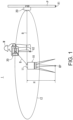
FIG. 1 is an external perspective view of a leveling system according to a first embodiment. -
FIG. 2 is a front perspective view of a light receiver of the same leveling system. -
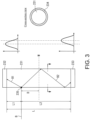
FIG. 3 is a diagram for describing a light receiving sensor of the light receiver of the same leveling system. -
FIG. 4A is a diagram for describing detection of a front-rear inclination performed by the light receiver of the same leveling system. -
FIG. 4B is a diagram for describing detection of a left-right inclination performed by the light receiver of the same leveling system. -
FIG. 5A is a diagram for describing calculation of a front-rear inclination performed by the light receiver of the same leveling system. -
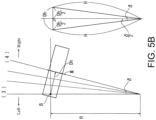
FIG. 5B is a diagram for describing calculation of a left-right inclination performed by the light receiver of the same leveling system. -
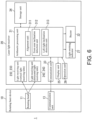
FIG. 6 is a configuration block diagram of the same leveling system. -
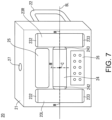
FIG. 7 is a front perspective view of a light receiver of a leveling system according to a second embodiment. -
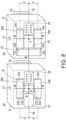
FIG. 8 is a front perspective view of a light receiver of a leveling system according to a third embodiment. -
FIGS. 9(1) and 9(2) illustrate configuration examples of a rotating laser device according to the third embodiment. -
FIG. 10 is a front perspective view of a light receiver of a leveling system according to a fourth embodiment. -
FIG. 11 is a configuration block diagram of a modification example of the leveling system of the embodiments. -
FIG. 12 illustrates an example of an inclination detection table according to a modification example. Advantageous Effects of Invention - According to the present invention, a laser light receiver for leveling can detect an inclination of the laser light receiver.
- Next, a preferred embodiment of the present invention will be described with reference to the drawings. In the following description of the embodiment, the same type of configuration is denoted by the same name, and redundant description will be omitted as appropriate.
-
FIG. 1 is an external perspective view of aleveling system 1 according to a first embodiment, andFIG. 2 is a front perspective view of alight receiver 20. Theleveling system 1 includes arotating laser device 10 and a laser light receiver (hereinafter, simply referred to as light receiver) 20. - The rotating
laser device 10 includes a rotatinghead 11 including alaser light source 14 such as a light emitting diode (LED), a semiconductor laser (LD), or a super luminescent diode (SLED). The rotatinghead 11 emits laser light B serving as pulsed laser light. The laser light B has an intensity modulated to a predetermined frequency. The rotatinglaser device 10 is erected at one measurement reference point RP on the ground via a leveling stand, and rotates the rotatinghead 11 to rotate laser light B to be turned on ahorizontal reference plane 12 having a height H used for leveling from the measurement reference point RP. The rotatinglaser device 10 includes acommunication unit 13 that will be described later, and transmits information regarding the height H to thelight receiver 20. - As illustrated in
FIG. 2 , thelight receiver 20 includes acase 21, ahandle 22, a vertical light-receiving tube 23, a horizontal light-receiving tube 24, adisplay unit 25, anoperation unit 26, and alight emitting indicator 27. The vertical light-receiving tube 23, the horizontal light-receiving tube 24, thedisplay unit 25, and theoperation unit 26 are disposed on a front surface of thecase 21. Thelight emitting indicator 27 is disposed at a position, such as an upper surface of thecase 21, where an operator can easily visually recognize thelight emitting indicator 27. A pair of left andright handles 22 are disposed on a rear surface of the case 21 (inFIG. 2 , the left handle in a front view is invisible). The vertical light-receivingtube 23 and the horizontal light-receivingtube 24 are light receiving sensors of thelight receiver 20. As illustrated inFIG. 1 , thelight receiver 20 is fixed at a certain height, for example, immediately above a measurement point X1. Thelight receiver 20 uses a known fixture to be supported by a support member P such as a pole or a leveling rod to receive the laser light B at the height. Alternatively, an operator W may support thelight receiver 20 at a certain height, for example, immediately above a measurement point X2 while using thelight emitting indicator 27 and/or abuzzer 32 that will be described later. Thelight receiver 20 receives the laser light B at the height. - The vertical light-
receiving tube 23 is disposed such that an axial direction thereof is the vertical direction, and the horizontal light-receiving tube 24 is disposed such that an axial direction thereof is the horizontal direction, and since the vertical light-receivingtube 23 and the horizontal light-receiving tube 24 have the same configuration, a configuration of the light receiving sensor will be described by using the vertical light-receiving tube 23.FIG. 3 is a diagram for describing the light receiving sensor (vertical light-receiving tube 23) of thelight receiver 20, and is a diagram illustrating a side surface of the vertical light-receiving tube 23. InFIG. 3 , the left side is the front surface of thecase 21 and the side that receives the laser light B. - The vertical light-receiving
tube 23 includes a columnarlight guide 231, alight receiving unit 232 disposed at one end portion of thelight guide 231, and alight receiving unit 233 disposed at the other end portion. Thelight receiving units light receiving units arithmetic processing unit 31 that will be described later. A material of thelight guide 231 is not limited as long as the laser light B is guided in thelight guide 231, and is, for example, transparent glass or quartz, or resin such as acryl or polycarbonate. Thelight guide 231 is a cylinder or an elliptical column having a prescribed length L in the axial direction or has a columnar shape capable of guiding light through total reflection. The columnar shape also has the prescribed length L in the axial direction. Alight coupling layer 234 is formed on the light guide 231 (see a cross-section view). Thelight coupling layer 234 couples the laser light B to thelight guide 231 using principles of diffraction, refraction, scattering, reflection, dispersion, and/or fluorescence of the light (the laser light is incident into the light guide without being reflected outward of the light guide). Thelight coupling layer 234 is formed by, for example, applying a coating material in which fluorescent particles are dispersed in a solution to the surface of thelight guide 231 or providing a resin layer containing fluorescent particles on the surface of thelight guide 231. - As illustrated in
FIG. 3 , when the laser light B collides with thelight guide 231, at acollision position 235, the laser light B is coupled into thelight guide 231 by thelight coupling layer 234 and is divided into laser light B1 directed to onelight receiving unit 232 and laser light B2 directed to the otherlight receiving unit 233 in the opposite direction. When thecollision position 235 is the center position M in the axial direction of thelight guide 231, a distance L1 by which the laser light B1 is guided and a distance L2 by which the laser light B2 is guided are the same, so that waveforms of light reception signals of thelight receiving units collision position 235 deviates from the center position M of thelight guide 231, the distances L1 and L2 by which the laser light B1 and the laser light B2 are guided are different, so that waveforms of the light reception signals of thelight receiving units FIG. 3 , since thecollision position 235 is above the center position M of thelight guide 231 and the distance L1 is shorter than the distance L2, the light reception signal in thelight receiving unit 233 delays with respect to the light reception signal in thelight receiving unit 232. Thearithmetic processing unit 31 calculates the distances L1 and L2 from a time difference or a phase difference between the light reception signals, the prescribed length L, and a light propagation speed of thelight guide 231 to specify thecollision position 235. In addition, thearithmetic processing unit 31 detects on which side thecollision position 235 is located with the center position M as a boundary. Thearithmetic processing unit 31 also calculates a difference distance D of thecollision position 235 from the center position M based on the prescribed length L and the distance L1 or L2. For example, inFIG. 3 , D is obtained from L/2-L1 or L2-L/2. - Here, as illustrated in
FIG. 2 , thelight receiver 20 has the vertical light-receivingtube 23 and the horizontal light-receivingtube 24 that are disposed in a "T" shape such that the central axis of the horizontal light-receivingtube 24 is aligned with a center position M of a length L of the vertical light-receivingtube 23, and a light receiver center C is aligned with a center position M of a length L of the horizontal light-receivingtube 24. When the laser light B does not collide with the light receiver center C, thelight emitting indicator 27 blinks and/or thebuzzer 32 that will be described later emits a signal sound, and the operator can alignrotating laser device 10 with thelight receiver 20. When the operator performs alignment such that the laser light B collides with the light receiver center C, the laser light B passes on a line BL inFIG. 2 . - After the above alignment, as illustrated in
FIG. 4A , thelight receiver 20 being inclined by θ in the front-rear direction causes thecollision position 235 in the vertical light-receivingtube 23 to deviate to a position higher than the center position M and also causes the light reception signals in thelight receiving units arithmetic processing unit 31 detects a difference distance Dv. In addition, as illustrated inFIG. 4B , thelight receiver 20 being inclined to the left by δ1 causes thecollision position 235 in the horizontal light-receivingtube 24 to deviate to the right from the center position M and delays the light reception signal in alight receiving unit 242 with respect to the light reception signal in alight receiving unit 243. Thus, thearithmetic processing unit 31 detects a difference distance Dh. As illustrated inFIG. 4B , thelight receiver 20 being inclined to the right by δ2 causes thecollision position 235 in the horizontal light-receivingtube 24 to deviate to the left from the center position M and delays the light reception signal in thelight receiving unit 243 with respect to the light reception signal in thelight receiving unit 242. Thus, thearithmetic processing unit 31 detects a difference distance Dh. - Thus, the
light receiver 20 being inclined by θ in the front-rear direction enables the inclination θ of thelight receiver 20 in the front or rear direction to be calculated from a relationship illustrated inFIG. 5A . When thelight receiver 20 is inclined by θ rearward, the laser light B is orthogonally incident on (the front side surface of) the vertical light-receivingtube 23 at a prescribed height H through alignment. Thereafter, when thelight receiver 20 has no front-rear inclination, thecollision position 235 of the laser light B becomes the center position M. However, when thelight receiver 20 has a front-rear inclination, thecollision position 235 of the laser light B becomes higher than the center position M, and thearithmetic processing unit 31 detects the difference distance Dv. The difference distance Dv becomes longer as the inclination θ increases, and the inclination θ and a value of the difference distance Dv are in a one-to-one correspondence. Here, the inclination θ is obtained according toNumerical Formula 1 by using the difference distance Dv on the basis of a right triangle formed by the state (1) in which thelight receiver 20 is upright, the state (2) in which thelight receiver 20 is inclined rearward, and the laser light B.
- The
light receiver 20 being inclined by δ to the left and right enables the left or right inclination δ of thelight receiver 20 to be calculated from a relationship illustrated inFIG. 5B . When thelight receiver 20 is inclined to the right by δ, the laser light B is orthogonally incident on (the front side surface of) the horizontal light-receivingtube 24 at the specified height H through alignment. Thereafter, when thelight receiver 20 has no right inclination, thecollision position 235 of the laser light B becomes the center position M. However, when thelight receiver 20 has a right inclination, thecollision position 235 of the laser light B becomes higher than the center position M, and thearithmetic processing unit 31 detects the difference distance Dh. The difference distance Dh becomes longer as the inclination δ increases, and the inclination δ and a value of the difference distance Dh are in a one-to-one correspondence. Here, the inclination δ is obtained according toNumerical Formula 2 by using the difference distance Dh on the basis of an isosceles triangle formed by the state (3) in which thelight receiver 20 is upright, the state (4) in which thelight receiver 20 is inclined to the right, and the difference distance Dh. As illustrated inFIG. 4B , when the difference distance Dh deviates to the left, the left-right inclination is obtained by specifying the right inclination δ2, and when the difference distance Dh deviates to the right, the left-right inclination is obtained by specifying the left inclination δ1.
-
FIG. 6 is a configuration block diagram of theleveling system 1 based on the above description. As described above, therotating laser device 10 includes the rotatinghead 11 that emits the laser light B and thecommunication unit 13. Thelight receiver 20 includes thearithmetic processing unit 31, thebuzzer 32, acommunication unit 33, astorage unit 34, thelight receiving units 232 and 233 (of the vertical light-receiving tube), thelight receiving units 242 and 243 (of the horizontal light-receiving tube), thedisplay unit 25, theoperation unit 26, and thelight emitting indicator 27. - The
display unit 25 is a liquid crystal or organic EL display, and displays alignment and inclination detection that will be described later. Theoperation unit 26 is a button or a switch, and can perform operations at the time of alignment and inclination detection. Thelight receiving units 232 and 233 (of the vertical light-receiving tube) and thelight receiving units 242 and 243 (of the horizontal light-receiving tube) are as described above, and the respective receiving units transmit a light reception signal to thearithmetic processing unit 31. Thecommunication unit 33 can wirelessly communicate with thecommunication unit 13 of therotating laser device 10, and receives information regarding the height H of the laser light B from thecommunication unit 13. For example, Bluetooth (registered trademark), various wireless LAN standards, infrared communication, a mobile phone line, or other wireless lines may be used for the communication. - The
arithmetic processing unit 31 includes an integrated circuit in which at least a central processing unit (CPU) and a memory (such as a random access memory (RAM) or a read only memory (ROM)) are mounted on an integrated circuit, a set of integrated circuits, a microcontroller, and a microprocessor. - The
arithmetic processing unit 31 includes functional units such as analignment unit 311, a front-rearinclination detection unit 312, and a left-rightinclination detection unit 313. Each functional unit is configured by an electronic circuit such as a CPU, an application specific integrated circuit (ASIC), and a programmable logic device (PLD) such as a field programmable gate array (FPGA). - The
alignment unit 311 aligns therotating laser device 10 and thelight receiver 20, that is, aligns the laser light B and the light receiver center C (FIG. 2 ) at the start of leveling. The operator keeps thelight receiver 20 upright and horizontal by using, for example, a horizontal bubble tube (not illustrated) as a guide, and gives an instruction for alignment from theoperation unit 26. When the laser light B does not collide with the light receiver center C, thealignment unit 311 displays a difference (a difference in the vertical direction can be detected by the vertical light-receivingtube 23, and a difference in the horizontal direction can be detected by the horizontal light-receiving tube 24) from the light receiver center C on thedisplay unit 25 by using, for example, an arrow, and notifies the operator of the difference by blinking thelight emitting indicator 27 and/ or emitting a signal sound of thebuzzer 32. - When the
light receiver 20 is inclined in the front-rear direction after the alignment and the vertical light-receivingtube 23 detects the difference distance Dv, the front-rearinclination detection unit 312 calculates the front-rear inclination θ from theabove Numerical Formula 1, and displays the front or rear inclination and an angle of the inclination θ on thedisplay unit 25. When the front-rearinclination detection unit 312 has detected the front-rear inclination θ, the front-rearinclination detection unit 312 notifies the operator of the front-rear inclination θ by blinking thelight emitting indicator 27 and/or emitting a signal sound of thebuzzer 32. - When the
light receiver 20 is inclined in the left-right direction after the alignment and the horizontal light-receivingtube 24 detects the difference distance Dh, the left-rightinclination detection unit 313 calculates the left-right inclination δ from theabove Numerical Formula 2, and displays an angle of the inclination δ on thedisplay unit 25 together with whether the inclination is the left inclination or the right inclination. When the left-rightinclination detection unit 313 has detected the left-right inclination δ, the left-rightinclination detection unit 313 notifies the operator of the left-right inclination δ by blinking thelight emitting indicator 27 and/or emitting a signal sound of thebuzzer 32. - The arithmetic processing unit 31 (
functional units buzzer 32 and thelight emitting indicator 27, and thebuzzer 32 and thelight emitting indicator 27 operate at the time of alignment and at the time of inclination detection. A signal sound, a lighting color, or a blinking pattern of thebuzzer 32 and thelight emitting indicator 27 is preferably changed according to operations of thefunctional units - The
storage unit 34 includes, for example, a RAM and a ROM as a main storage device, and a hard disk drive (HDD) as an auxiliary storage device. Thestorage unit 34 stores each processing program performed by thearithmetic processing unit 31. - As described above, according to the
leveling system 1 of the present embodiment, when thelight receiver 20 is inclined after the alignment, since thelight receiver 20 includes the light receiving sensors including the vertical light-receivingtube 23 and the horizontal light-receivingtube 24, the vertical light-receivingtube 23 detects a front-rear inclination, and the horizontal light-receivingtube 24 detects a left-right inclination and notifies the operator of the detected inclinations. In particular, thelight receiver 20 can calculate numerical values of its own front-rear inclination θ and left-right inclination δ, and can notify the operator with specific numerical values via thedisplay unit 25. -
FIG. 7 is a front perspective view of alight receiver 20 of aleveling system 1 according to a second embodiment. Thelight receiver 20 of the present embodiment includes two vertical light-receivingtubes 23 of the first embodiment. The left vertical light-receiving tube in a front view is a first vertical light-receivingtube 23L, and the right vertical light-receiving tube is a second vertical light-receivingtube 23R. The light receiving sensors of thelight receiver 20 are disposed in an "H" shape such that the central axis of the horizontal light-receivingtube 24 is aligned with the center position M of the length L of each of the first vertical light-receivingtube 23L and the second vertical light-receivingtube 23R, and the light receiver center C is aligned with the center position M of the length L of the horizontal light-receivingtube 24. Thedisplay unit 25 and theoperation unit 26 are disposed in these margins. - In the present embodiment, when the
light receiver 20 is inclined in the front-rear direction after alignment, the first vertical light-receivingtube 23L and the second vertical light-receivingtube 23R detect the difference distance Dv, and matching (including not only exact matching, but also a numerical value within a predetermined allowable range) occurs between the front-rear inclinations θ of the first vertical light-receivingtube 23L and the second vertical light-receivingtube 23R, the front-rearinclination detection unit 312 notifies the operator of the matching by using thedisplay unit 25, thebuzzer 32, and thelight emitting indicator 27. According to the present embodiment, since the operator performs matching by using the two vertical light-receivingtubes 23, the detection accuracy of a front-rear inclination is improved. -
FIG. 8 is a front perspective view of alight receiver 20 of aleveling system 1 according to a third embodiment. Thelight receiver 20 according to the present embodiment includes two horizontal light-receivingtubes 24 of the first embodiment. In a front view, the upper horizontal light-receiving tube is a first horizontal light-receivingtube 24U, and the lower horizontal light-receiving tube is a second horizontal light-receivingtube 24D. The light receiving sensors of thelight receiver 20 are disposed in a "C" shape or an "I" shape such that an intersection between the extension from the center position M of the length L of each of the first horizontal light-receivingtube 24U and the second horizontal light-receivingtube 24D and the extension from the center position M of the length L of the vertical light-receivingtube 23 is aligned with the light receiver center C. A separation distance d between the center position M of the vertical light-receivingtube 23 and the central axis of each of the horizontal light-receivingtubes display unit 25 and theoperation unit 26 are disposed in these margins. -
FIGS. 9(1) and 9(2) illustrate configuration examples of arotating laser device 10 according to the third embodiment. Therotating laser device 10 according to the present embodiment emits laser light B at a height H, laser light B' at a height H+d, and laser light B" at a height H-d. For example, as exemplified inFIG. 9(1) , therotating laser device 10 includes arotating mirror 15 disposed in the vicinity of an optical axis of alaser light source 14 and fixedmirrors mirror 15, and regularly changes a rotation angle of therotating mirror 15 to generate the laser light B directly emitted at the height H, the laser light B' reflected by the rotatingmirror 15 and emitted from the upper fixedmirror 16 at the height H+d, and the laser light B" reflected by the rotatingmirror 15 and emitted from the lower fixedmirror 17 at the height H-d. Alternatively, as exemplified inFIG. 9(2) , therotating laser device 10 includes auxiliarylaser light sources 14' and 14" disposed above and below a mainlaser light source 14 by a distance d, and emits laser light B at a height H from the mainlaser light source 14, laser light B' at a height H+d from the auxiliary laser light source 14', and the laser light B" at a height H-d from the auxiliarylaser light source 14". The present embodiment is not limited to these examples, and therotating laser device 10 of the present embodiment can move an emission height of the laser light B up and down by the separation distance d from the height H by using a combination of known optical elements such as a rotating mirror, a beam splitter, and a prism. - In the present embodiment, the
rotating laser device 10 emits the laser light B at the height H, the laser light B' at the height H+d, and the laser light B" of the laser light B at the height H-d on the basis of a predetermined rule. After the alignment, the front-rearinclination detection unit 312 detects the front-rear inclination θ on the basis of the laser light B at the height H. After the alignment, the left-rightinclination detection unit 313 detects the left-right inclination δ on the basis of the laser light B' at the height H+d and the laser light B" at the height H-d. When thelight receiver 20 is inclined in the left-right direction, the first horizontal light-receivingtube 24U detects the difference distance Dh with the laser light B' at the height H+d and the second horizontal light-receivingtube 24D detects the difference distance Dh with the laser light B" at the height H-d, and matching (including not only exact matching, but also a numerical value within a predetermined allowable range) occurs between the left-right inclinations δ of the first horizontal light-receivingtube 24U and the second horizontal light-receivingtube 24D, the left-rightinclination detection unit 313 notifies the operator of the matching by using thedisplay unit 25, thebuzzer 32, and thelight emitting indicator 27. According to the present embodiment, since the operator performs matching by using the two horizontal light-receivingtubes 24, the detection accuracy of a left-right inclination is improved. -
FIG. 10 is a front perspective view of alight receiver 20 of aleveling system 1 according to a fourth embodiment. Thelight receiver 20 of the present embodiment includes the first vertical light-receivingtube 23L and the second vertical light-receivingtube 23R of the second embodiment, and the first horizontal light-receivingtube 24U and the second horizontal light-receivingtube 24D of the third embodiment, and includes the light receiving sensors disposed in a "rectangular" shape. Thedisplay unit 25 and theoperation unit 26 are disposed in these margins. Similarly to the third embodiment, therotating laser device 10 according to the present embodiment can also move an emission height of the laser light B up and down by the separation distance d from the height H. - In the present embodiment, similarly to the second embodiment, when the front-rear inclinations θ of the first vertical light-receiving
tube 23L and the second vertical light-receivingtube 23R match each other, and when the left-right inclinations δ of the first horizontal light-receivingtube 24U and the second horizontal light-receivingtube 24D match each other, the operator is notified of the matching by using thedisplay unit 25, thebuzzer 32, and thelight emitting indicator 27. According to the present embodiment, since the two vertical light-receivingtubes 23 and the two horizontal light-receivingtubes 24 are aligned, the detection accuracy of both the front-rear inclination and the horizontal inclination is improved. - Preferred modification examples of the first to fourth embodiments will be described.
FIG. 11 is a configuration block diagram of a modification example. Thearithmetic processing unit 31 of theleveling system 1 may include a front-rear inclinationtable creation unit 314 and a left-right inclinationtable creation unit 315. The front-rear inclination θ and the left-right inclination δ depend on the height H of the laser light B as expressed byNumerical Formulas rotating laser device 10, the front-rear inclinationtable creation unit 314 creates a front-rear inclination detection table 341 storing a correspondence relationship between the difference distance Dv and the front-rear inclination θ on the basis ofNumerical Formula 1, and stores the front-rear inclination detection table 341 in thestorage unit 34. Similarly, the left-right inclinationtable creation unit 315 creates a left-right inclination detection table 342 storing a correspondence relationship between the difference distance Dh and the left-right inclination δ on the basis ofNumerical Formula 2, and stores the left-right inclination detection table 342 in thestorage unit 34.FIG. 12 exemplifies the front-rear inclination detection table 341 and the left-right inclination detection table 342 when a resolution is in units of 0.5 mm. The front-rear inclination detection table 341 stores the inclination angle θ corresponding to each difference distance Dv, in which the center position M of the vertical light-receivingtube 23 is 0 [mm], the difference distance Dv detected on thelight receiving unit 232 side from the center position M is positive, and the difference distance Dv detected on thelight receiving unit 233 side from the center position M is negative. The left-right inclination detection table 342 stores the inclination angle δ corresponding to each difference distance Dh, in which the center position M of the horizontal light-receivingtube 24 is 0 [mm], the difference distance Dh detected on thelight receiving unit 242 side from the center position M is positive, the difference distance Dh detected on thelight receiving unit 243 side from the center position M is negative. - According to the present modification example, since the correspondence relationships with the front-rear inclination and the left-right inclination are obtained in advance, the front-rear
inclination detection unit 312 and the left-rightinclination detection unit 313 may read and obtain the front-rear inclination θ and the left-right inclination δ corresponding to the difference distance Dv and the difference distance Dh from the detection tables 341 and 342, which is efficient. When the height H to be used is determined in advance, creating the detection tables 341 and 342 in advance with another personal computer and storing the detection tables 341 and 342 in thestorage unit 34 are also effective. - Although the preferred embodiments and modifications of the present invention have been described above, the above is an example of the present invention, and these can be combined on the basis of knowledge of those skilled in the art, and such forms are also included in the scope of the present invention.
-
- 1
- Leveling system
- 10
- Rotating laser device
- 11
- Rotating head
- 12
- Horizontal reference plane
- 13
- Communication unit
- 14
- Laser light source
- 20
- Laser light receiver
- 21
- Case
- 22
- Handle
- 23
- Vertical light-receiving tube
- 231
- Light guide
- 232
- Light receiving unit
- 233
- Light receiving unit
- 234
- Light coupling layer
- 235
- Collision position
- 24
- Horizontal light-receiving tube
- 242
- Light receiving unit
- 243
- Light receiving unit
- 25
- Display unit
- 26
- Operation unit
- 27
- Light emitting indicator
- 31
- Arithmetic processing unit
- 311
- Alignment unit
- 312
- Front-rear inclination detection unit
- 313
- Left-right inclination detection unit
- 314
- Front-rear inclination table creation unit
- 315
- Left-right inclination table creation unit
- 32
- Buzzer
- 33
- Communication unit
- 34
- Storage unit
- 341
- Front-rear inclination detection table
- 342
- Left-right inclination detection table
Claims (8)
- A leveling system comprising:a rotating laser device configured to horizontally emit laser light at a predetermined height H from a measurement reference point; anda laser light receiver configured to receive the laser light, whereinthe laser light receiver includes, as light receiving sensors, a vertical light-receiving tube and a horizontal light-receiving tube each including a columnar light guide, light receiving units disposed at both ends of the light guide, and a light coupling layer configured to divide the laser light toward both the ends of the light guide, and an arithmetic processing unit connected to the light receiving units, andthe arithmetic processing unitspecifies a collision position of the laser light from each of light reception signals of the light receiving units, and calculates a side on which the collision position is located with a center position of a length of the light guide as a boundary and a difference distance of the collision position from the center position, anddetects a front-rear inclination θ of the light receiver from a difference distance Dv of the vertical light-receiving tube, and detects a left-right inclination δ of the light receiver from a difference distance Dh of the horizontal light-receiving tube.
- The leveling system according to claim 1, wherein the arithmetic processing unit calculates the front-rear inclination θ from Numerical Formula 1 and calculates the left-right inclination δ from Numerical Formula 2.


- The leveling system according to claim 1, wherein the arithmetic processing unit reads and obtains the front-rear inclination θ corresponding to the difference distance Dv detected by the vertical light-receiving tube and reads and obtains the left-right inclination δ corresponding to the difference distance Dh detected by the horizontal light-receiving tube from a front-rear inclination detection table storing a correspondence relationship between the difference distance Dv and the front-rear inclination θ and a horizontal inclination detection table storing a correspondence relationship between the difference distance Dh and the left-right inclination δ.
- The leveling system according to claim 1, wherein the vertical light-receiving tube and the horizontal light-receiving tube are disposed in a T shape such that a central axis of the horizontal light-receiving tube is aligned with the center position of the vertical light-receiving tube and a light receiver center is aligned with the center position of the horizontal light-receiving tube.
- The leveling system according to claim 1, wherein the vertical light-receiving tube includes two of a first vertical light-receiving tube and a second vertical light-receiving tube, and the horizontal light-receiving tube includes one horizontal light-receiving tube, and the first vertical light-receiving tube, the second vertical light-receiving tube, and the horizontal light-receiving tube are disposed in an H shape such that a central axis of the horizontal light-receiving tube is aligned with the center position of each of the first vertical light-receiving tube and the second vertical light-receiving tube, and a light receiver center is aligned with the center position of the horizontal light-receiving tube.
- The leveling system according to claim 1, whereinin the laser light receiver, the horizontal light-receiving tube includes two of a first horizontal light-receiving tube and a second horizontal light-receiving tube, and the vertical light-receiving tube includes one vertical light-receiving tube, and the first horizontal light-receiving tube, the second horizontal light-receiving tube, and the vertical light-receiving tube are disposed in a C shape or an I shape such that an intersection between an extension from the center position of each of the first horizontal light-receiving tube and the second horizontal light-receiving tube and an extension from the center position of the vertical light-receiving tube is aligned with a light receiver center, andthe rotating laser device emits laser light at the height H, and laser light at a height H+d and laser light at a height H-d deviating upward and downward from the laser light at the height H by a separation distance d between the center position of each of the first horizontal light-receiving tube and the second horizontal light-receiving tube and a central axis of the horizontal light-receiving tube, andthe first horizontal light-receiving tube calculates the difference distance Dh with the laser light at the height H+d, and the second horizontal light-receiving tube calculates the difference distance Dh with the laser light at the height H-d.
- The leveling system according to claim 1, whereinin the laser light receiver, the vertical light-receiving tube includes two of a first vertical light-receiving tube and a second vertical light-receiving tube, the horizontal light-receiving tube includes two of a first horizontal light-receiving tube and a second horizontal light-receiving tube, the first vertical light-receiving tube, the second vertical light-receiving tube, the first horizontal light-receiving tube, and the second horizontal light-receiving tube are disposed in a rectangular shape such that an intersection between an extension from the center position of each of the first vertical light-receiving tube and the second vertical light-receiving tube and an extension from the center position of each of the first horizontal light-receiving tube and the second horizontal light-receiving tube is aligned with a light receiver center, andthe rotating laser device emits laser light at the height H, and laser light at a height H+d and laser light at a height H-d deviating upward and downward from the laser light at the height H by a separation distance d between the center position of each of the first horizontal light-receiving tube and the second horizontal light-receiving tube and a central axis of the horizontal light-receiving tube, andthe first horizontal light-receiving tube calculates the difference distance Dh with the laser light at the height H+d, and the second horizontal light-receiving tube calculates the difference distance Dh with the laser light at the height H-d.
- A laser light receiver that receives laser light horizontally emitted at a predetermined height H from a measurement reference point, the laser light receiver comprising:a vertical light-receiving tube and a horizontal light-receiving tube, as light receiving sensors, each including a columnar light guide, light receiving units disposed at both ends of the light guide, and a light coupling layer configured to divide the laser light toward both the ends of the light guide; andan arithmetic processing unit connected to the light receiving units, whereinthe arithmetic processing unitspecifies a collision position of the laser light from each of light reception signals of the light receiving units, and calculates a side on which the collision position is located with a center position of a length of the light guide as a boundary and a difference distance of the collision position from the center position, anddetects a front-rear inclination θ of the light receiver from a difference distance Dv of the vertical light-receiving tube, and detects a left-right inclination δ of the light receiver from a difference distance Dh of the horizontal light-receiving tube.
Applications Claiming Priority (2)
| Application Number | Priority Date | Filing Date | Title |
|---|---|---|---|
| JP2022157332A JP2024051269A (en) | 2022-09-30 | 2022-09-30 | Leveling system and laser optical receiver |
| PCT/JP2023/035367 WO2024071291A1 (en) | 2022-09-30 | 2023-09-28 | Leveling system and laser optical receiver |
Publications (2)
| Publication Number | Publication Date |
|---|---|
| EP4579178A1 true EP4579178A1 (en) | 2025-07-02 |
| EP4579178A4 EP4579178A4 (en) | 2025-12-24 |
Family
ID=90478054
Family Applications (1)
| Application Number | Title | Priority Date | Filing Date |
|---|---|---|---|
| EP23872513.9A Pending EP4579178A4 (en) | 2022-09-30 | 2023-09-28 | LEVELING SYSTEM AND OPTICAL LASER RECEIVER |
Country Status (3)
| Country | Link |
|---|---|
| EP (1) | EP4579178A4 (en) |
| JP (1) | JP2024051269A (en) |
| WO (1) | WO2024071291A1 (en) |
Families Citing this family (1)
| Publication number | Priority date | Publication date | Assignee | Title |
|---|---|---|---|---|
| JP7847691B1 (en) * | 2025-04-25 | 2026-04-17 | 三菱電機株式会社 | Installation methods for stationary equipment and surveying systems |
Family Cites Families (8)
| Publication number | Priority date | Publication date | Assignee | Title |
|---|---|---|---|---|
| US6292258B1 (en) * | 1999-07-29 | 2001-09-18 | Spectra Precision, Inc. | Laser receiver with out-of-plumb indication and compensation |
| CH694705A5 (en) * | 1999-12-16 | 2005-06-15 | Ammann Lasertechnik | Leveling with at least one recipient for determining a position with respect to at least two light or laser beams emit the leveler. |
| AU2001279795A1 (en) * | 2000-08-01 | 2002-02-13 | Mirko Essling | Measuring device and measuring method for determining distance and/or position |
| DE102010043359A1 (en) * | 2010-11-04 | 2012-05-10 | Robert Bosch Gmbh | Light beam receiver with voice output |
| EP2639548A1 (en) * | 2012-03-15 | 2013-09-18 | Leica Geosystems AG | Laser Receiver capable to detect its own Movements |
| EP3404362B1 (en) * | 2017-05-18 | 2020-04-08 | Leica Geosystems AG | Light receiver for position referencing |
| EP3404361B1 (en) * | 2017-05-18 | 2019-07-17 | Leica Geosystems AG | Light receiver |
| JP2020169921A (en) | 2019-04-04 | 2020-10-15 | 株式会社トプコン | Surveying robot and surveying robot system |
-
2022
- 2022-09-30 JP JP2022157332A patent/JP2024051269A/en active Pending
-
2023
- 2023-09-28 EP EP23872513.9A patent/EP4579178A4/en active Pending
- 2023-09-28 WO PCT/JP2023/035367 patent/WO2024071291A1/en not_active Ceased
Also Published As
| Publication number | Publication date |
|---|---|
| JP2024051269A (en) | 2024-04-11 |
| WO2024071291A1 (en) | 2024-04-04 |
| EP4579178A4 (en) | 2025-12-24 |
Similar Documents
| Publication | Publication Date | Title |
|---|---|---|
| JP3272699B2 (en) | Optical distance measuring device | |
| CN102759349B (en) | Measurement set point indicating device | |
| JP5140430B2 (en) | Direction measuring method and use of direction indicator and measuring system | |
| CN101965498B (en) | Geodetic apparatus and method for controlling the same | |
| US6411372B1 (en) | Geodetic instrument with laser arrangement | |
| JP2001117019A (en) | Tachymeter telescope | |
| JPH09257478A (en) | Laser surveying machine | |
| EP4579178A1 (en) | Leveling system and laser optical receiver | |
| US7115852B2 (en) | Photodetection device for rotary laser system | |
| CN108205141B (en) | Method for operating a laser distance measuring device | |
| EP4261500B1 (en) | Surveying instrument | |
| JP2009510413A (en) | Two-sided reflector and two-side target object | |
| CN210346665U (en) | Portable multifunctional electronic hand level | |
| CN108957484A (en) | A kind of AGV trolley laser scanning safety guard | |
| JP2000234929A (en) | Interconnecting automatic position/attitude measuring system | |
| JP2024051267A (en) | Leveling system and laser receiver | |
| JP4335271B2 (en) | Vertical judgment sensor and vertical survey system | |
| EP4579184A1 (en) | Surveying system and laser receiver | |
| JP2003021514A (en) | Machine height measuring device for surveying machine and surveying machine using it and machine height measuring method for surveying machine | |
| CN104155657B (en) | Range-measurement system for cable laying range finding | |
| CN114877859A (en) | House building settlement monitoring method and special monitoring device | |
| JP4418712B2 (en) | Tilt measuring instrument | |
| JP3031832U (en) | Cylindrical target | |
| JP2689266B2 (en) | Three-dimensional position measuring device | |
| ES2333151T3 (en) | APPARATUS AND METHOD FOR DETERMINING AN ELEVATION OF WORK TOOLS. |
Legal Events
| Date | Code | Title | Description |
|---|---|---|---|
| STAA | Information on the status of an ep patent application or granted ep patent |
Free format text: STATUS: THE INTERNATIONAL PUBLICATION HAS BEEN MADE |
|
| PUAI | Public reference made under article 153(3) epc to a published international application that has entered the european phase |
Free format text: ORIGINAL CODE: 0009012 |
|
| STAA | Information on the status of an ep patent application or granted ep patent |
Free format text: STATUS: REQUEST FOR EXAMINATION WAS MADE |
|
| 17P | Request for examination filed |
Effective date: 20250325 |
|
| AK | Designated contracting states |
Kind code of ref document: A1 Designated state(s): AL AT BE BG CH CY CZ DE DK EE ES FI FR GB GR HR HU IE IS IT LI LT LU LV MC ME MK MT NL NO PL PT RO RS SE SI SK SM TR |
|
| A4 | Supplementary search report drawn up and despatched |
Effective date: 20251121 |
|
| RIC1 | Information provided on ipc code assigned before grant |
Ipc: G01C 9/06 20060101AFI20251117BHEP Ipc: G01C 15/00 20060101ALI20251117BHEP |
|
| DAV | Request for validation of the european patent (deleted) | ||
| DAX | Request for extension of the european patent (deleted) |