EP4576718A1 - Nachrichtenübertragungsverfahren, kommunikationsvorrichtung und speichermedium - Google Patents
Nachrichtenübertragungsverfahren, kommunikationsvorrichtung und speichermedium Download PDFInfo
- Publication number
- EP4576718A1 EP4576718A1 EP23854416.7A EP23854416A EP4576718A1 EP 4576718 A1 EP4576718 A1 EP 4576718A1 EP 23854416 A EP23854416 A EP 23854416A EP 4576718 A1 EP4576718 A1 EP 4576718A1
- Authority
- EP
- European Patent Office
- Prior art keywords
- communication device
- message
- address
- transmitting
- type
- Prior art date
- Legal status (The legal status is an assumption and is not a legal conclusion. Google has not performed a legal analysis and makes no representation as to the accuracy of the status listed.)
- Pending
Links
Images







Classifications
-
- H—ELECTRICITY
- H04—ELECTRIC COMMUNICATION TECHNIQUE
- H04L—TRANSMISSION OF DIGITAL INFORMATION, e.g. TELEGRAPHIC COMMUNICATION
- H04L45/00—Routing or path finding of packets in data switching networks
- H04L45/74—Address processing for routing
- H04L45/745—Address table lookup; Address filtering
-
- H—ELECTRICITY
- H04—ELECTRIC COMMUNICATION TECHNIQUE
- H04L—TRANSMISSION OF DIGITAL INFORMATION, e.g. TELEGRAPHIC COMMUNICATION
- H04L45/00—Routing or path finding of packets in data switching networks
- H04L45/24—Multipath
-
- H—ELECTRICITY
- H04—ELECTRIC COMMUNICATION TECHNIQUE
- H04L—TRANSMISSION OF DIGITAL INFORMATION, e.g. TELEGRAPHIC COMMUNICATION
- H04L45/00—Routing or path finding of packets in data switching networks
- H04L45/30—Routing of multiclass traffic
-
- H—ELECTRICITY
- H04—ELECTRIC COMMUNICATION TECHNIQUE
- H04L—TRANSMISSION OF DIGITAL INFORMATION, e.g. TELEGRAPHIC COMMUNICATION
- H04L61/00—Network arrangements, protocols or services for addressing or naming
- H04L61/09—Mapping addresses
- H04L61/25—Mapping addresses of the same type
- H04L61/2503—Translation of Internet protocol [IP] addresses
- H04L61/2514—Translation of Internet protocol [IP] addresses between local and global IP addresses
-
- H—ELECTRICITY
- H04—ELECTRIC COMMUNICATION TECHNIQUE
- H04L—TRANSMISSION OF DIGITAL INFORMATION, e.g. TELEGRAPHIC COMMUNICATION
- H04L61/00—Network arrangements, protocols or services for addressing or naming
- H04L61/09—Mapping addresses
- H04L61/25—Mapping addresses of the same type
- H04L61/2503—Translation of Internet protocol [IP] addresses
- H04L61/2517—Translation of Internet protocol [IP] addresses using port numbers
-
- H—ELECTRICITY
- H04—ELECTRIC COMMUNICATION TECHNIQUE
- H04L—TRANSMISSION OF DIGITAL INFORMATION, e.g. TELEGRAPHIC COMMUNICATION
- H04L61/00—Network arrangements, protocols or services for addressing or naming
- H04L61/09—Mapping addresses
- H04L61/25—Mapping addresses of the same type
- H04L61/2503—Translation of Internet protocol [IP] addresses
- H04L61/256—NAT traversal
-
- H—ELECTRICITY
- H04—ELECTRIC COMMUNICATION TECHNIQUE
- H04L—TRANSMISSION OF DIGITAL INFORMATION, e.g. TELEGRAPHIC COMMUNICATION
- H04L61/00—Network arrangements, protocols or services for addressing or naming
- H04L61/50—Address allocation
- H04L61/5007—Internet protocol [IP] addresses
Definitions
- This application belongs to the technical field of communications, and in particular, to a message transmitting method, a communication device, and a storage medium.
- there may be one or more paths for transmitting a message between communication devices for example: there may be one or more paths for transmitting a message in a personal IoT network (Personal IoT Network, PIN).
- PIN Personal IoT Network
- Embodiments of this application provide a message transmitting method, a communication device, and a storage medium, which can solve the problem of poor transmission performance of the communication device.
- the first information includes at least one of the following: a relationship between a target address of the first message and the first communication device, a state of the first communication device in a mobile communication network, and priority of the first path.
- the first communication device has a capability of being connected to the mobile communication network.
- the mapping relationship includes at least one of the following:
- the first type address is an address allocated by the communication device, and the second type address is an address associated with the first type address.
- a message transmitting method including: transmitting, by a third communication device, a first message to a fourth communication device based on a mapping relationship.
- the mapping relationship includes at least one of the following:
- the first type address is an address allocated by the communication device, and the second type address is an address associated with the first type address.
- a message transmitting apparatus including:
- the first information includes at least one of the following: a relationship between a target address of the first message and the first communication device, a state of the first communication device in a mobile communication network, and priority of the first path.
- a message transmitting apparatus including: a transmitting module, configured to transmit a first message to a fourth communication device based on a mapping relationship.
- the mapping relationship includes at least one of the following:
- the first type address is an address allocated by the communication device, and the second type address is an address associated with the first type address.
- a message transmitting apparatus including: a transmitting module, configured to transmit a first message to a fourth communication device based on a mapping relationship.
- the mapping relationship includes at least one of the following:
- the first type address is an address allocated by the communication device, and the second type address is an address associated with the first type address.
- a communication device includes a processor and a memory.
- the memory stores a program or instructions executable on the processor, and the program or the instructions implement, when executed by the processor, steps of the method according to the first aspect.
- a communication device including a processor and a communication interface.
- the communication interface is configured for a first communication device to receive a first message, and on the basis of first information, to transmit the first message or stop transmitting the first message through a first path.
- the first information includes at least one of the following: a relationship between a target address of the first message and the first communication device, a state of the first communication device in a mobile communication network, and priority of the first path.
- the first communication device has a capability of being connected to the mobile communication network.
- a communication device includes a processor and a memory.
- the memory stores a program or instructions executable on the processor, and the program or the instructions implement, when executed by the processor, steps of the method according to the second aspect.
- a communication device including a processor and a communication interface.
- the communication interface is configured to transmit a first message to a fourth communication device based on a mapping relationship.
- the mapping relationship includes at least one of the following: a first mapping relationship between a first type address and a communication device; a second mapping relationship between a second type address and the communication device; and a third mapping relationship between the first type address and the second type address.
- the first type address is an address allocated by the communication device
- the second type address is an address associated with the first type address.
- a readable storage medium stores a program or instructions.
- the program or instructions implement, when executed by a processor, steps of the method according to the first aspect, or implement steps of the method according to the second aspect, or implement steps of the method according to the third aspect.
- a chip includes a processor and a communication interface.
- the communication interface is coupled to the processor.
- the processor is configured to execute a program or instructions to implement the method according to the first aspect, or implement the method according to the second aspect, or implement the method according to the third aspect.
- a computer program/program product is provided.
- the computer program/program product is stored in a storage medium.
- the computer program/program product is executed by at least one processor to implement steps of the message transmitting method according to the first aspect, or the computer program/program product is executed by at least one processor to implement steps of the message transmitting method according to the second aspect, or the computer program/program product is executed by at least one processor to implement steps of the message transmitting method according to the third aspect.
- the first message may be transmitted through the first path or the first message may be stopped transmitting based on at least one of the relationship between the target address of the first message and the first communication device, the state of the first communication device in the mobile communication network, and the priority of the first path, so that transmission performance of a communication device can be improved.
- technologies described in this application are not limited to a long term evolution (Long Term Evolution, LTE)/evolution (LTE-Advanced, LTE-A) system of the LTE, and may alternatively be used for other wireless communication systems such as a code division multiple access (Code Division Multiple Access, CDMA) system, a time division multiple access (Time Division Multiple Access, TDMA) system, a frequency division multiple access (Frequency Division Multiple Access, FDMA) system, an orthogonal frequency division multiple access (Orthogonal Frequency Division Multiple Access, OFDMA) system, and a single-carrier frequency division multiple access (Single-carrier Frequency Division Multiple Access, SC-FDMA) system, and other systems.
- CDMA code division multiple access
- Time Division Multiple Access Time Division Multiple Access
- FDMA frequency division multiple access
- OFDMA Orthogonal Frequency Division Multiple Access
- SC-FDMA single-carrier frequency division multiple access
- FIG. 1 is a block diagram of a wireless communication system to which an embodiment of this application is applicable.
- the wireless communication system includes a terminal 11 and a network side device 12.
- the terminal 11 may be a terminal side device such as a mobile phone, a tablet personal computer (Tablet Personal Computer), a laptop computer (Laptop Computer) or referred to as a notebook computer, a personal digital assistant (Personal Digital Assistant, PDA), a palm computer, a netbook, an ultra-mobile personal computer (ultra-mobile personal computer, UMPC), a mobile Internet device (Mobile Internet Device, MID), an augmented reality (augmented reality, AR)/virtual reality (virtual reality, VR) device, a robot, a wearable device (Wearable Device), a vehicle user equipment (Vehicle User Equipment, VUE), a pedestrian user equipment (Pedestrian User Equipment, PUE), a smart home device (a home device with a wireless communication function, such as a refrigerator, a television, a washing machine, or furniture),
- the wearable device includes: a smart watch, a smart bracelet, a smart headphone, smart glasses, smart jewelry (a smart wristlet, a smart bracelet, a smart ring, a smart necklace, a smart anklet, a smart ankle chain, and the like), a smart wristband, smart clothing, and the like.
- the network side device 12 may include an access network device or a core network device.
- the network side device 12 may alternatively be referred to as a radio access network device, a radio access network (Radio Access Network, RAN), a radio access network function, or a radio access network unit.
- RAN Radio Access Network
- the network side device 12 may include a base station, a wireless local area network (Wireless Local Area Network, WLAN) access point or a WiFi node, or the like.
- the base station may be referred to as a Node B, an evolved Node B (evolved Node B, eNB), an access point, a base transceiver station (Base Transceiver Station, BTS), a radio base station, a radio transceiver, a basic service set (Basic Service Set, BSS), an extended service set (Extended Service Set, ESS), a home Node B, a home evolved Node B, a transmitting receiving point (Transmitting Receiving Point, TRP) or an appropriate term in the field.
- a Node B an evolved Node B (evolved Node B, eNB)
- BTS Base Transceiver Station
- BTS Base Transceiver Station
- BTS Base Transceiver Station
- BTS Base Transceiver Station
- BTS Base Transcei
- the base station is not limited to a specific technical vocabulary. It is to be noted that, in the embodiments of this application, only a base station in an NR system is introduced as an example, and a specific type of the base station is not limited.
- the core network device may include, but is not limited to, at least one of the following: a core network node, a core network function, a mobility management entity (Mobility Management Entity, MME), an access and mobility management function (Access and Mobility Management Function, AMF), a session management function (Session Management Function, SMF), a user plane function (User Plane Function, UPF), a policy control function (Policy Control Function, PCF), a policy and charging rules function (Policy and Charging Rules Function, PCRF), an edge application server discovery function (Edge Application Server Discovery Function, EASDF), a unified data management (Unified Data Management, UDM), a unified data repository (Unified Data Repository, UDR), a home subscriber server (Home Subscriber Server, HSS), and a Centralized network configuration (Centralized network configuration, CNC), a network repository function (Network Repository Function, NRF), a network exposure function (Network Exposure Function, NEF), a local NEF (Local NEF, or
- the embodiments of this application may be applied to a PIN.
- the PIN may be a network that is based on a large quantity of increased consumer Internet of Things devices, and is formed and derived from these Internet of Things devices. These devices may be wearable devices (that is, devices on human bodies, such as a camera, a headphone, a watch, an earphone, and a health monitor), or Internet of Things devices at home (such as a smart light, a camera, a thermostat, a door sensor, a voice assistant, a loudspeaker, a refrigerator, and a washing machine). Users mainly use all these Internet of Things devices at home or around bodies to create a personal Internet of Things network. Generally, the PIN is commonly used in scenarios such as a home and an office.
- the Internet of Things devices deployed in these scenarios may achieve interconnection, mutual communication, and access to services, thereby being called personal Internet of Things.
- the Internet of Things device in the PIN may access a mobile communication network (for example: a 5 th (5 th Generation, 5G) network), access other servers of the network, or complete a service through a device with a gateway function in the PIN by means of a mechanism or implementation.
- 5G 5 th Generation
- the PIN may include the following devices: a PIN element (a PIN element, PINE, alternatively referred to as a PIN device), a PIN element with management capability (a PIN Element with Management Capability, PEMC), a PIN element with gateway capability (a PIN Element with Gateway Capability, PEGC), a PIN server (a PIN server), and a PIN management function (a PIN Management Function, PINMF).
- a PIN element a PIN element, PINE, alternatively referred to as a PIN device
- a PIN element with management capability a PIN Element with Management Capability, PEMC
- a PIN element with gateway capability a PIN Element with Gateway Capability, PEGC
- PIN server a PIN server
- PIN management function a PIN Management Function
- the PINE is a terminal or a device in the PIN, and is a basic element that constitutes the PIN.
- the PEMC is configured to manage the entire PIN, for example, adding a PINE to the PIN managed by the PEMC.
- the PEGC is responsible for routing traffic of the PINE to a destination, for example, in a case that a PINE needs to communicate with another PINE in the PIN, the PINE may be routed through the PEGC.
- the PINMF is responsible for signal processing related to the PIN, (Identify, ID) allocation related to the PIN, and the like, and may be a PIN server out of a core network of a mobile communication device (for example: a SGC), or may be a network function (NF) or a trusted application function (AF) in the core network of the mobile communication device.
- a mobile communication device for example: a SGC
- NF network function
- AF trusted application function
- signaling interaction may be performed between the PIN devices through the path 1, the path 2, or the path 3.
- transmitting through the SGC generally refers to that the PEGC transmits the message to the PINMF, and then the message is forwarded through the PINMF. Therefore, when the PINMF is a server out of the SGC, transmitting the message through the SGC is consistent with transmitting the message through the path 3, both of which are on a user plane.
- the message may be transmitted on a control plane of the SGC, that is, a non-access stratum (Non-Access Stratum, NAS) message is used for forwarding. Therefore, in this case, transmitting the message through the SGC is inconsistent with transmitting the message through the path 3, transmitting through the SGC refers to transmitting through the NAS message, and transmitting through the path 3 refers to transmitting through the user plane.
- NAS Non-Access Stratum
- FIG. 2 only takes an example in which a mobile communication network is a 5G network for describing.
- the mobile communication device may alternatively be a 6G network or other mobile communication networks. This is not limited.
- using a local area network of the mobile communication device may be that the UPF configures a mapping relationship between a PDU session and a PEGC, and a message, corresponding to the PEGC to which a transmitting end transmits the message, is directly forwarded through the corresponding PDU session.
- a local area network of the mobile communication device for example: a SG-LAN
- the foregoing first device may be a communication device such as the foregoing PINE and PEMC, for example: the first device corresponding to a source address of the foregoing first message.
- That the first communication device receives a first message from a first communication device may be that the first message is a message generated by the first communication device.
- Step 302 On the basis of first information, the first communication device transmits the first message or stops transmitting the first message through a first path.
- the first type address is an address allocated by the first communication device, and the second type address is an address associated with the first type address.
- the address domain of the foregoing first communication device may be an address range corresponding to the first communication device. That the target address belongs to the address domain of the first communication device may include at least one of the following:
- the foregoing second type address may be that the first communication device (for example, the PEGC) will perform translation on an address of the PIN device when the PIN device is registered, at this time, the translated address is the second type address.
- the second type address may be referred to as an outer address (an outer address), or may be referred to as a translated address.
- the address may be an Internet Protocol (Internet Protocol, IP) address, a port number, a fully qualified domain name (Fully Qualified Domain Name, FQDN), a uniform resource locator (Uniform Resource Locator, URL), or a medium access control (Medium Access Control, MAC) address.
- IP Internet Protocol
- FQDN Fully Qualified Domain Name
- URL Uniform Resource Locator
- MAC Medium Access Control
- the second type address is an address associated with the first type address includes:
- address/port mapping configuration may be performed on the PEGC by using an address/port map (Port Map, MAP) technology; when an external network user needs to access an internal service, the PEGC maps a request to an internal server; and when the internal server returns corresponding data, the PEGC forwards the data to the external network.
- An external user can access the internal service by using the address/port map technology, but the external user can only see the address of the PEGC rather than a real address of the internal server, which enhances security of the internal server.
- a source address may be used as the first type address when the PIN device transmits a message, because the PIN device can not necessarily obtain the second type address, for example, NAT is performed on the PEGC when the PINE is registered, then the PEGC does not necessarily transmits the address obtained after the NAT to the PINE.
- the source address may alternatively be used as the second type address when the PIN device transmits the message.
- the first communication device may directly transmit the first message to the second device; in a case that the target address of the first message belongs to the address domain of the first communication device, the first communication device may directly transmit the first message to the second device; and on the contrary, the first communication device cannot directly transmit the first message to the second device.
- the state of the first communication device in the mobile communication network includes at least one of the following:
- That the first communication device has or does not have a capability of transmitting a message through the local area network of the mobile communication network may be that the first communication device may or may not transmit the message through the local area network of the mobile communication network.
- That the first communication device is connected in the mobile communication network may be that the first communication device is 5G mobility management connected (5GS Mobility Management CONNECTED, SGMM-CONNECTED), or connection management connected (Connection Management CONNECTED, CM-CONNECTED), which may specifically include:
- That the first communication device is idle in the mobile communication network may be that the first communication device is 5G mobility management idle (5GS Mobility Management IDLE, SGMM-IDLE), or connection management idle (Connection Management IDLE, CM-IDLE), which may specifically include:
- the first communication device may further determine a state in the mobile communication network, and may be connected in a case that the first communication device is idle.
- the first communication device In a case that the first communication device is in the local area network of the mobile communication network, the first communication device supports transmitting the first message through the local area network of the mobile communication network; or in a case that the first communication device has a capability of transmitting a message through the local area network of the mobile communication network, the first communication device supports transmitting the first message through the local area network of the mobile communication network; or in a case that the first communication device is connected in the mobile communication network, the first communication device supports transmitting the first message through the local area network of the mobile communication network; and on the contrary, the first communication device does not support transmitting the first message through the local area network of the mobile communication network.
- the foregoing first path includes at least one of the following: a direct connection path, a path of transmitting through the local area network of the mobile communication network, and a path of transmitting through a second communication device.
- the foregoing three paths may be three paths shown in FIG. 2 .
- a target address of the foregoing first message is at least one of the following: a first type address and a second type address.
- the first type address is an address allocated by the first communication device, and the second type address is an address associated with the first type address.
- the target address of the first message is the first type address, and that based on first information, the first communication device transmits the first message through a first path includes at least one of the following:
- That the first communication device is incapable of transmitting a message through the local area network of the mobile communication network may be that the first communication device is incapable of transmitting a message through the local area network of the mobile communication network (for example, the SG-LAN fails to transmit the message), which does not mean that the first communication device does not have a capability of establishing the local area network of the mobile communication network.
- the first communication device has a capability of transmitting a message through the local area network of the mobile communication network may include a capability of establishing the local area network of the mobile communication network, which may alternatively be understood that in a case that the first communication device successfully establishes the local area network of the mobile communication network, the first communication device has the capability of transmitting the message through the local area network of the mobile communication network, or the first communication device can transmit the message through the established local area network of the mobile communication network.
- that the first communication device does not have a capability of transmitting a message through the local area network of the mobile communication network may be that the first communication device does not have a capability of establishing the local area network of the mobile communication network, or, the first communication device fails to establish the local area network of the mobile communication network, or, the first communication device cannot transmit the message through the established local area network of the mobile communication network.
- different paths may be selected to transmit the first message according to different first information, so as to improve the transmission performance of the first communication device.
- That the first communication device transmits the first message through the second communication device may include at least one of the following:
- the foregoing translation may be NAT or NAPT.
- Address translation involved in the embodiments of this application may be NAT or NAPT. Details are not described in other places again.
- That the first communication device transmits the first message to the second communication device through a tunnel between the first communication device and the second communication device may be that in a case that there is a tunnel between the first communication device and the second communication device, the first message is transmitted to the second communication device through the tunnel.
- That the first communication device translates the target address of the first message into the first type address of the first communication device, and transmits the first message obtained after translation to the second communication device may be that in a case that there is no tunnel between the first communication device and the second communication device, the target address of the first message is translated into the first type address of the first communication device, and the first message obtained after translation is transmitted to the second communication device.
- That the first message is transmitted to the second communication device through the tunnel may be that a layer of tunnel information is encapsulated in the message, and the foregoing first message is transmitted to the second communication device.
- a layer of tunnel information is encapsulated in the address information of the first message (for example: IP information), for example, a layer of tunnel information is encapsulated outside a source address and target information, and a receiver may obtain address information and user load by stripping the tunnel information after receiving a packet.
- That the first type address of the second device corresponding to the target address of the first message is added to the first message may be that the first type address of the second device is added to the first message before transmitting the first message obtained after translation to the second communication device, that is, an address of a real target PIN device is added to the first message.
- the first type address of the second device is added to the load of the first message, that is, the address of the real target PIN device is added to the load, so that a real payload includes two parts of information, one is real user data, and the other part is a real address of a peer end.
- the communication device since the first type address of the second device corresponding to the target address of the first message is added to the first message, the communication device, after receiving the first message, may determine a real target PIN device of the first message, and quickly and directly transmits the first message to the real target PIN device.
- That the source address of the first message is set as the first type address of the first communication device may be that the source address of the first message is set as the first type address of the first communication device before the first message obtained after translation is transmitted to the second communication device.
- a real source address of the first message that is, an address of a source PIN device of the first message, may be added to the first message.
- the source address of the first message is set as the first type address of the first communication device, which facilitates transmission of the first message.
- the first communication device may transmit the foregoing first message through the following paths:
- the target address of the first message is the second type address, and that based on first information, the first communication device transmits the first message through a first path includes at least one of the following:
- different paths may be selected to transmit the first message according to different first information, so as to improve the transmission performance of the first communication device.
- That the first communication device transmits the first message through the local area network of the mobile communication network may include at least one of the following:
- the third communication device is a communication device in the mobile communication network.
- the foregoing third communication device may be a core network device, for example, a UPF.
- the transmitting the first message to the third communication device through the PDU session may be that a PDU session corresponding to the first communication device is determined based on a mapping relationship between the PDU session and the communication device, and then the foregoing first message is transmitted to the third communication device through the PDU.
- different type addresses of the first communication device may correspond to different PDU sessions, for example: That the first communication device transmits the first message to the third communication device through the PDU session may be that the first message is transmitted to the third communication device through the PDU session corresponding to the second type address.
- the translating the target address of the first message into the first type address and transmitting the first message to the third communication device through the PDU session may be that the foregoing first message is transmitted to the third communication device through the PDU session corresponding to the first type address.
- the method before translating the target address of the first message into the first type address, the method further includes at least one of the following:
- the foregoing first request message may be used to request to translate the address in the message into the first type address.
- the foregoing first request message may further include address information of other messages, that is, include a plurality of target addresses, and the first communication device transmits the target addresses to the second communication device at one time to request the second communication device to translate these addresses.
- the second type address may be accurately translated in the foregoing two manners.
- the first communication device transmits the first message through the second communication device includes at least one of the following:
- That the first communication device transmits the first message to the second communication device through a tunnel between the first communication device and the second communication device may be that in a case that there is a tunnel between the first communication device and the second communication device, the first message is transmitted to the second communication device through the tunnel.
- That the first communication device translates the target address of the first message into the second type address of the first communication device, and transmits the first message obtained after translation to the second communication device may be that in a case that there is no tunnel between the first communication device and the second communication device, the target address of the first message is translated into the second type address of the first communication device, and the first message obtained after translation is transmitted to the second communication device.
- the method further includes at least one of the following:
- the foregoing addition may be that the second type address of the second device corresponding to the target address of the foregoing first message is added to a load, that is, a real target address of the first message is added to the load of the first message.
- the communication device since the second type address of the second device corresponding to the target address of the first message is added to the first message, the communication device, after receiving the first message, may determine a real target PIN device of the first message, and quickly and directly transmit the first message to the real target PIN device.
- a real source address of the first message that is, an address of a source PIN device of the first message, may be added to the first message.
- the source address of the first message is set as the second type address of the first communication device, which facilitates transmission of the first message.
- An embodiment may be as follows: in a case that the foregoing target address is the foregoing second type address, the first communication device may transmit the foregoing first message through the following paths:
- the first communication device receives a first message; and based on first information, the first communication device transmits the first message or stops transmitting the first message through a first path.
- the first information includes at least one of the following: a relationship between a target address of the first message and the first communication device, a state of the first communication device in a mobile communication network, and priority of the first path.
- the first communication device has a capability of being connected to the mobile communication network.
- the first message may be transmitted through the first path or the first message may be stopped transmitting based on at least one of the relationship between the target address of the first message and the first communication device, the state of the first communication device in the mobile communication network, and the priority of the first path, so that transmission performance of a communication device can be improved.
- Step 601 A second communication device transmits a first message to a fourth communication device based on a mapping relationship.
- the mapping relationship includes at least one of the following:
- the first type address is an address allocated by the communication device, and the second type address is an address associated with the first type address.
- the second communication device may be a PIN server, a PINMF, or a PEMC.
- That the second communication device transmits a first message to a fourth communication device based on a mapping relationship may be that the foregoing fourth communication device is determined based on the foregoing mapping relationship, and the first message is transmitted to the fourth communication device.
- the foregoing fourth communication device may be a PEMC, a PINE, or a PEGC.
- the first message is transmitted to the fourth communication device based on the mapping relationship, so that transmission performance can be improved, and the first message may be prevented from being transmitted to a wrong communication peer end.
- that the second type address is an address associated with the first type address includes:
- the first type address the second type address, and the translation, refer to the embodiment shown in FIG. 3 . Details are not described herein again.
- the method further includes at least one of the following:
- the foregoing first communication device may be the first communication device in the embodiment shown in FIG. 3 .
- mapping relationship may be obtained may be that the foregoing mapping relationship is obtained from at least one of a PEMC, a PINE, a PIN server, a UDM, a PCF, a UDR, and the like.
- the mapping relationship may be pre-configured by the foregoing second communication device.
- the target address of the first message is the first type address
- that the second communication device transmits the first message to the fourth communication device based on the mapping relationship includes at least one of the following:
- the transmitting the first message to the fourth communication device through the tunnel between the second communication device and the fourth communication device may be that the first message is transmitted in a case that there is a tunnel between the second communication device and the fourth communication device.
- That the second communication device obtains the target address contained in the first message, determines the fourth communication device corresponding to the target address based on the first mapping relationship, and transmits the first message to the fourth communication device may be that the first message is transmitted in a case that there is no tunnel between the second communication device and the fourth communication device.
- the method further includes at least one of the following:
- the foregoing three steps may be performed before transmitting the first message to the fourth communication device, so that the source address of the first message received by the fourth communication device is the first type address of the second communication device, or the target address is the second type address, and the first message includes a real source address. Therefore, the fourth communication device may transmit a response message based on the real source address.
- the second communication device sets target address information of the first message as the first type address, and load of the first message carries the first type address of a real source PIN device.
- the second communication device sets target address information as the second type address, and load of the first message carries the first type address of the real source PIN device.
- the target address of the first message is the second type address
- that the second communication device transmits the first message to the fourth communication device based on the mapping relationship includes at least one of the following:
- the transmitting the first message to the fourth communication device through the tunnel between the second communication device and the fourth communication device may be that the first message is transmitted in a case that there is a tunnel between the second communication device and the fourth communication device.
- That the second communication device obtains the target address carried in the first message, determines the fourth communication device corresponding to the target address based on the second mapping relationship, and transmits the first message to the fourth communication device may be that the first message is transmitted in a case that there is no tunnel between the second communication device and the fourth communication device.
- the method further includes: the second communication device translates the target address of the first message into the first type address.
- the first message may be transmitted based on the target address of the first type address.
- the method further includes at least one of the following:
- the second communication device translates the source address of the first message into the second type address of the second communication device, and load of the first message carries the second type address of the real source PIN device.
- the second communication device sets target address information as the first type address, and load of the first message carries the second type address of the real source PIN device.
- the method further includes at least one of the following:
- the second communication device translates the source address of the first message into the first type address of the second communication device, and load of the first message carries the first type address of the real source PIN device.
- the second communication device sets target address information as the first type address, and load of the first message carries the first type address of the real source PIN device.
- the first message is transmitted to the fourth communication device based on the mapping relationship, so that transmission performance can be improved, and the first message may be prevented from being transmitted to a wrong communication peer end.
- Step 701 A third communication device transmits a first message to a fourth communication device based on a mapping relationship.
- the mapping relationship includes at least one the following:
- the first type address is an address allocated by the communication device, and the second type address is an address associated with the first type address.
- the foregoing third communication device may be a core network device, for example, a UPF.
- the first message is transmitted to the fourth communication device based on the mapping relationship, so that transmission performance can be improved, and the first message may be prevented from being transmitted to a wrong communication peer end.
- the first type address the second type address, and the translation, refer to the embodiment shown in FIG. 3 . Details are not described herein again.
- a third communication device transmits a first message to a fourth communication device based on a mapping relationship includes:
- the foregoing first PDU session is a PDU session corresponding to the foregoing first communication device
- the foregoing second PDU session is a PDU session corresponding to the foregoing fourth communication device.
- the third communication device transmits the first message to the fourth communication device through a second PDU session based on the mapping relationship includes at one of the following:
- the second PDU session corresponding to the first type address obtained after translation may be the second PDU session determined based on the mapping relationship between the first type address and the PDU session.
- the method further includes: the third communication device obtains the mapping relationship.
- mapping relationship may be obtained may be that the foregoing mapping relationship is obtained from at least one of a PEMC, a PINE, a PIN server, a UDM, a PCF, a UDR, and the like.
- the mapping relationship may be pre-configured by the foregoing third communication device.
- the first message is transmitted to the fourth communication device based on the mapping relationship, so that transmission performance can be improved, and the first message may be prevented from being transmitted to a wrong communication peer end.
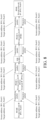
- the message transmitting method is illustrated by taking an example in which the first communication device is a PEGC1, the second communication device is a PIN server, the third communication device is a UPF, and the fourth communication device is a PEGC2 or a PINE.
- a target address of a message is a first type address, and the message is transmitted through a path 1 (a direct connection path).
- path 1 a direct connection path
- the PIN device obtains address information of a target PIN device. That the PIN device obtains address information of a target PIN device includes: the PIN device transmits a request message to a PIN server; and a response message is obtained, where the response message includes address information of the target PIN device in a PIN network identified by a PIN ID.
- the request message may include at least one of the following: the PIN ID and a target PIN device ID. It is worth noting that the address information of the target PIN device ID may be first type address information, or may be a second type address.
- the PEMC When transmitting the message, the PEMC sets a first type IP address as source IP information of the PEMC, and sets a first type IP address of a target PINE as target IP information of the PEMC.
- the PEGC selects a routing path based on the target address information.
- the routing paths include:
- the PIN server will allocate an IP segment for the PEGC, which is used for the PEGC to generate (or allocate) an inner IP (that is, a first type IP) used in the PIN.
- the PEGC determines, based on the target address information, which may be understood as based on a target IP address of the PEGC, whether the target IP address is an IP address allocated by this PEGC.
- the PEGC may further establish a direct connection with the PINE or the PEGC.
- the PEGC when it is detected that the address information is the first type address information, the PEGC selects the direct connection path to transmit the message. In a case that there is no direct connection between the PEGC and the target PIN device, the PEGC establishes a direct connection with the PIN device.
- the PEGC when it is detected that the address information is the first type address, the PEGC prioritizes transmitting the message through the direct connection path. In a case that there is no direct connection between the PEGC and the target PIN device, or a direct connection between the PEGC and the target PIN device fails to be established, the PEGC selects the SGC or the PIN server to transmit the message.
- the PEGC When the PINE replies the message, since the carried target address information is IP#1, the PEGC will process according to steps in Embodiment 1, that is, in a processing manner after the PEGC receives a target IP allocated by the PEGC.
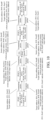
- a target address of a message is a first type address, and the message is transmitted through a path 2 (a path of transmitting through a local area network of the mobile communication network), taking FIG. 8 as an example for describing.
- a PEGC1, a PEGC2, and a 5GS only serve as routing functions, and this routing only performs data forwarding without address translation.
- the PEGC1 determines that IP#3 is allocated by the PEGC1 (otherwise, Embodiment 1 is performed).
- the PEGC1 determines that the target address (IP#3) does not belong to an address after NAT performed by the PEGC1 (otherwise, Embodiment 5 is performed).
- the PEGC1 determines that the target address is neither allocated by the PEGC1, nor belongs to the address after the NAT performed by the PEGC1, which may be referred to as that the target address does not belong to an IP domain of the PEGC1.
- the PEGC determines that the PEGC is in the SG-LAN, so the 5G-LAN is selected to transmit the message.
- the PEGC transmits the message to a UPF through a PDU session, and the UPF may determine, based on a mapping relationship between the PDU session and an IP address segment, that the IP address segment where the IP#3 is located is allocated by the PEGC2. Therefore, the UPF transmits the message to the PEGC2 through the PDU session without changing a source address (IP#1) and a target address (IP#3) of the message.
- the PEGC2 may determine that the IP#3 is allocated by the PEGC2, so that the received message is directly routed to a PINE. This method is the same as that described in Embodiment 1, that is, a processing manner after the PEGC receives a target IP allocated by the PEGC.
- mapping relationship between the PDU session and the IP address segment of the PEGC may be configured to the UPF when the SG-LAN is established.
- the PEGC1 when receiving the message, the PEGC1 may not perform address translation on the target address information in the message.
- the PEGC1 cannot determine whether the PEGC2 is in the SG-LAN. In some embodiments, when the PEGC1 fails to transmit by using the SG-LAN, the PEGC1 transmits by using a path 3.
- a target address of a message is a first type address, and there is a tunnel between a PEGC1 and a PIN server, taking FIG. 9 as an example for describing.
- the PEGC1 determines that the target address IP#3 does not belong to an address after NAT performed by the PEGC1 (in a case that the target address IP#3 belongs to an address after NAT performed by the PEGC1, Embodiment 5 is performed).
- the PEGC1 determines that the PEGC1 is not in a SG-LAN, or cannot transmit the message through the SG-LAN (otherwise, Embodiment 2, Embodiment 6, or Embodiment 7 are performed).
- a target address of a message is a first type address, and there is no tunnel between a PEGC1 and a PIN server, taking FIG. 10 as an example for describing.
- a PEMC When transmitting a message, a PEMC sets a first type IP address as source IP information of the PEMC, and sets the first type address of a target PINE as target IP information.
- the PEGC1 determines that IP#3 is not allocated by the PEGC1.
- the PEGC1 determines that the target address IP#3 does not belong to an address after NAT performed by the PEGC1 (in a case that the target address IP#3 belongs to an address after NAT performed by the PEGC1, Embodiment 5 is performed).
- the PEGC1 determines that the PEGC1 is not in a SG-LAN, or cannot transmit the message through the SG-LAN (otherwise, Embodiment 2, Embodiment 6, or Embodiment 7 are performed).
- the PEGC1 determines to use the PIN server to forward the message (a path 3).
- the PEGC1 transmits the message to the PIN server. Since there is no tunnel between the PEGC1 and the PIN server, supporting of an application layer protocol is needed, that is, after the PEGC completes address translation, a real target address needs to be placed in payload, and the PIN server determines which target this message needs to be transmitted to by solving the real target address.
- the PEGC1 performs address translation to convert a target IP into the PIN server.
- the PEGC1 needs to carry the IP (that is, IP#3, Port#3) of the real target PIN device in the payload.
- the PEGC1 performs translation on a source IP.
- the PIN server needs to save a mapping relationship between the first type address and a PEGC. Based on the mapping relationship, the PIN server may determine that there is a mapping relationship between the IP#3 and a PEGC2. Based on the mapping relationship, the PIN server may determine that there is a mapping relationship between the IP#1 and the PEGC1.
- the PIN server may save a mapping relationship between a first type address and a second type address. Based on the mapping relationship, the PIN server may determine that there is a mapping relationship between the IP#3 and IP#B2.
- the PIN server transmits the message from the PEGC1 to the PEGC2.
- the PIN server sets source address information as the first type address.
- the PIN server needs to carry the first type address (that is, IP#1, Port#1) of a real source PIN device in the payload.
- the payload carries the first type address (that is, IP#1, Port#1) of the real source PIN device, a source address of an IP and a port of the PIN server, and a target address is the first type address (that is, IP#3, Port#3) or the second type address (that is, IP#B2, Port#B2) of a PINE, depending on whether the PIN server has replaced the target address.
- first type address that is, IP#1, Port#1
- a target address is the first type address (that is, IP#3, Port#3) or the second type address (that is, IP#B2, Port#B2) of a PINE, depending on whether the PIN server has replaced the target address.
- the PIN server sets target address information as the first type address (that is, IP#3, Port#3), and the PIN server carries the first type address (that is, IP#1, Port#1) of the real source PIN device in the payload.
- the PIN server sets target address information as the second type address (that is, IP#B2, Port# B2), and the PIN server carries the first type address (that is, IP#1, Port#1) of the real source PIN device in the payload.
- a target address of a message is a second type address, and the message is transmitted through a path 1 (a direct connection path), taking FIG. 11 as an example for describing.
- a PEMC When transmitting the message, a PEMC sets a first type IP address as source IP information of the PEMC, and sets a second type IP address of the target PINE as target IP information of the PEMC.
- a PEGC1 determines that a target address (IP#A2) belongs to an address after NAT performed by the PEGC1, so that the PEGC1 translates the target address into a target address before NAT of the target PINE (that is, into the first type address), that is, the IP#A2 is translated into IP#2.
- IP#A2 a target address before NAT of the target PINE (that is, into the first type address), that is, the IP#A2 is translated into IP#2.
- IP#A2 IP#2
- the PEGC selects a routing path based on the target address information.
- the routing paths include:
- the PEGC may further establish a direct connection with the PINE or the PEGC.
- the PEGC when it is detected that the address information is the first type address information, the PEGC selects the direct connection path to transmit the message. In a case that there is no direct connection between the PEGC and the target PIN device, the PEGC establishes a direct connection with the PIN device.
- routing paths there is priority among different routing paths.
- the PEGC when it is detected that the address information is the first type address, the PEGC prioritizes transmitting the message through the direct connection path. In a case that there is no direct connection between the PEGC and the target PIN device, or a direct connection between the PEGC and the target PIN device fails to be established, the PEGC selects the SGC or the PIN server to transmit the message.
- the PEGC1 When the PINE replies the message, since the carried target address information is IP#1, the PEGC1 will process according to steps in Embodiment 1, that is, in a processing manner after the PEGC receives a target IP allocated by the PEGC.
- a target address of a message is a second type address, and the message is transmitted through a path 2 (a path of transmitting through a local area network of the mobile communication network), taking FIG. 12 an example for describing.
- a PEMC When transmitting a message, a PEMC sets a first type IP address as source IP information of the PEMC, and sets a second type address of a target PINE as target IP information.
- the PEGC1 determines that a target address IP#B1 is not allocated by the PEGC1 (in a case that the target address IP#B1 is allocated by the PEGC1, Embodiment 1 is performed).
- the PEGC1 determines that the target address IP#B1 does not belong to an address after NAT performed by the PEGC1 (in a case that the target address IP#B1 belongs to an address after NAT performed by the PEGC1, Embodiment 5 is performed).
- the PEGC1 determines that the PEGC1 is in a SG-LAN, so the 5G-LAN is selected to transmit the message.
- the PEGC1 transmits the message to a UPF through a PDU session.
- the UPF needs to save a mapping relationship between an address after NAT of a PINE and the PDU session, or a mapping relationship between an address after NAT of the PINE and the address before NAT of the PINE, then obtains a mapping relationship between the address after NAT and the PDU session through the mapping relationship between the address before NAT and the PDU session, and transmits the target address IP#B1 to a PEGC2 through the PDU session with the PEGC2.
- a target IP address is set as a first type address (IP#3) of the PINE.
- IP#3 IP#3
- Case 1 In a case that the UPF sets the target IP address as the first type address of the PINE, for the PEGC2, the IP#3 is an IP address allocated by the PEGC2, so Embodiment 1 is performed.
- Case 2 In a case that the UPF does not set the target IP address as the first type address of the PINE, for the PEGC2, a source IP in a received message is IP#1, Port#1, and a target IP is IP#B1, port#B1, then the PEGC2 may determine that the target address (IP#B1) belongs to an address after NAT performed by the PEGC2, so Embodiment 5 is performed.
- the PEGC2 may transmit the message to the PINE.
- Target info carried in the PINE is IP#1, Port#1, so for the PEGC2, Embodiment 2 is performed, that is, when the first type address is taken as the target address, the PEGC2 determines that IP#1 does not belong to an IP domain of the PEGC2, and the PEGC2 is in a SG-LAN.
- the PEGC1 determines that the target address IP#B1 does not belong to an address after NAT performed by the PEGC1 (in a case that the target address IP#B1 belongs to an address after NAT performed by the PEGC1, Embodiment 5 is performed).
- the PEGC1 needs to obtain a mapping relationship between a first type address and a second type address of a target address.
- a PIN server configures the mapping relationship to the PEGC1.
- the PEGC1 obtains the mapping relationship from the PIN server when the PIN server is registered.
- the PEGC1 performs address translation (that is, mapping IP#B1 to IP#3) according to the mapping relationship.
- Manner 2.2 The PEGC1 transmits a second request message to the PIN server.
- the second request message is used to request the PIN server to perform address translation.
- the second request message includes: target address information, a PIN ID, and a PEGC1 ID.
- the PEGC1 obtains a second response message transmitted by the PIN server.
- the second response message includes target address information (that is, IP#3) obtained after translation.
- the second response message further includes at least one of the following: target address information before translation, a PIN ID, and a PEGC2 ID. It is worth noting that, in a case that the target address is first type address information, the target address information after translation is the same as the target address information before translation.
- Either the manner 2.1 or the manner 2.2 may be selected.
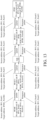
- a target address of a message is a second type address, and there is a tunnel between a PEGC1 and a PIN server, taking FIG. 14 as an example for describing.
- the PEGC1 determines that IP#B2 is not allocated by the PEGC1.
- the PEGC1 determines that the PEGC1 is not in the SG-LAN, so the message cannot be transmitted through the SG-LAN. (Otherwise, Embodiment 2, Embodiment 6, or Embodiment 7 is performed).
- the PEGC1 determines to use the PIN server to forward the message (a path 3).
- the PEGC1 transmits the message to the PIN server. Since there is a tunnel between the PEGC1 and the PIN server, the PEGC1 directly transmits the message to the PIN server through the tunnel, and the PIN server performs further forwarding. Therefore, the PEGC1 does not perform address translation on the message.
- the PIN server needs to save a mapping relationship between the second type address and a PEGC. Based on the mapping relationship, the PIN server may determine that there is a mapping relationship between the IP#B2 and PEGC2, so that the PIN server transmits the message to the PEGC2 through a tunnel corresponding to the PEGC2.
- a target IP address is set as a first type address (IP#3) of the PINE.
- Case 1 In a case that the PIN server sets the target IP address as the first type address of the PINE, for the PEGC2, the IP#3 is an IP address allocated by the PEGC2, so Embodiment 1 is performed.
- Case 2 In a case that the PIN server does not set the target IP address as the first type address of the PINE, for the PEGC2, a source IP in a received message is IP#1, and Port#1, a target IP is IP#B2, port#B2, then the PEGC2 may determine that a target address (IP#B1) belongs to an address after NAT performed by the PEGC2, so Embodiment 5 is performed.
- IP#B1 IP#B1
- the PEGC2 may transmit the message to the PINE.
- Target info carried in the PINE is IP#1, Port#1, so for the PEGC2, Embodiment 3 is performed, that is, when the first type address is taken as the target address, the PEGC2 determines that IP#1 does not belong to an IP domain of the PEGC2, and the PEGC2 is in a SG-LAN.
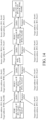
- a target address of a message is a second type address, and there is no tunnel between a PEGC1 and a PIN server.
- FIG. 15 is only one of four cases of this embodiment.
- a PEMC When transmitting a message, a PEMC sets a first type IP address as source IP information of the PEMC, and sets a second type address of a target PINE as target IP information.
- the PEGC1 determines that IP#B2 is not allocated by the PEGC1.
- the PEGC1 determines that the PEGC1 is not in the SG-LAN, so the message cannot be transmitted through the SG-LAN. (Otherwise, Embodiment 2, Embodiment 6, or Embodiment 7 is performed).
- the PEGC1 determines to use the PIN server to forward the message (a path 3).
- the PEGC1 transmits the message to the PIN server. Since there is no tunnel between the PEGC1 and the PIN server, supporting of an application layer protocol is needed, that is, after the PEGC completes address translation, a real target address needs to be placed in payload, and the PIN server determines which target this message needs to be transmitted to by solving the real target address.
- the PEGC1 performs address translation to convert a target IP into the PIN server.
- the PEGC1 needs to carry the IP (that is, IP#B2, Port#B2) of the real target PIN device in the payload.
- the PEGC1 performs translation on a source IP.
- the PIN server needs to save a mapping relationship between the second type address and a PEGC. Based on the mapping relationship, the PIN server may determine that there is a mapping relationship between the IP#B2 and a PEGC2. Based on the mapping relationship, the PIN server may determine that there is a mapping relationship between IP#A2 and the PEGC1.
- the PIN server may save a mapping relationship between a first type address and a second type address. Based on the mapping relationship, the PIN server may determine that there is a mapping relationship between the IP#A2 and IP#1. In a case that the PEGC1 does not perform translation on the source IP, a source IP in a packet received by the PIN server is the first type address (IP#1) of the PEGC.
- the PIN server transmits the message from the PEGC1 to the PEGC2.
- the PIN server sets target address information as the second type address (that is, IP#B2, Port#B2. This information may be solved by the PIN server from the payload in the message from the PEGC1).
- the PIN server sets target address information as the first type address (that is, IP#3, Port#3.
- the PIN server needs to obtain a mapping relationship between the IP#3 and the IP#B2 of the PINE from the foregoing mapping relationship between the first type address and the second type address).
- the PIN server needs to carry the IP (that is, IP#A2, Port#A2; or IP#1, Port#1, depending on whether the PIN server saves the mapping relationship between the first type address and the second type address, or whether the PEGC1 has performed address translation on the source address) of a real source PIN device in the payload.
- IP that is, IP#A2, Port#A2; or IP#1, Port#1, depending on whether the PIN server saves the mapping relationship between the first type address and the second type address, or whether the PEGC1 has performed address translation on the source address
- the PIN server sets target address information as the first type address (that is, IP#3, Port#3), and the PIN server carries the first type address (that is, IP#1, Port#1) of the real source PIN device in the payload.
- the PIN server sets target address information as the first type address (that is, IP#3, Port#3), and the PIN server carries the second type address (that is, IP#A2, Port#A2) of the real source PIN device in the payload.
- Case 3 The PIN server sets target address information as the second type address (that is, IP#B2, Port# B2), and the PIN server carries the first type address (that is, IP#1, Port#1) of the real source PIN device in the payload.
- Case 4 The PIN server sets target address information as the second type address (that is, IP#B2, Port#B2), and the PIN server carries the second type address (that is, IP#A2, Port#A2) of the real source PIN device in the payload.
- the first communication device has a capability of being connected to the mobile communication network.
- the foregoing apparatus is an apparatus corresponding to the first communication device, for example, the first communication device includes the foregoing apparatus, or the foregoing apparatus is the first communication device.
- the apparatus further includes: a first obtaining module, configured to obtain the first information.
- the relationship between the target address of the first message and the first communication device includes at least one of the following:
- the first type address is an address allocated by the first communication device, and the second type address is an address associated with the first type address.
- the state of the first communication device in the mobile communication network includes at least one of the following:
- the target address of the first message is one of the following: a first type address and a second type address.
- the first type address is an address allocated by the first communication device, and the second type address is an address associated with the first type address.
- the second type address is an address associated with the first type address includes:
- the target address of the foregoing first message is the first type address
- the first transmitting module 1602 is configured for at least one of the following:
- the transmitting the first message through the second communication device includes at least one of the following:
- the apparatus further includes at least one of the following:
- the target address of the first message is the second type address
- the transmitting module 1602 is configured for at least one of the following:
- the transmitting the first message through the local area network of the mobile communication network includes at least one of the following:
- the third communication device is a communication device in the mobile communication network.
- the apparatus further includes at least one of the following:
- the transmitting the first message through the second communication device includes at least one of the following:
- the apparatus further includes at least one of the following:
- the foregoing message transmitting apparatus can improve transmission performance of the communication device.
- the message transmitting apparatus in the embodiments of this application may be an electronic device, for example, an electronic device with an operating system, or a component, such as an integrated circuit or a chip, in the electronic device.
- the electronic device may be a first communication device.
- the message transmitting apparatus provided in the embodiments of this application can implement various processes implemented in the method embodiment shown in FIG. 3 , and achieve the same technical effect. To avoid repetition, details are not described herein again.
- the message transmitting apparatus 1700 includes: a transmitting module 1701, configured to transmit a first message to a fourth communication device based on a mapping relationship.
- the mapping relationship includes at least one of the following:
- the first type address is an address allocated by the communication device, and the second type address is an address associated with the first type address.
- the foregoing apparatus is an apparatus corresponding to the second communication device, for example, the second communication device includes the foregoing apparatus, or the foregoing apparatus is the second communication device.
- the second type address is an address associated with the first type address includes:
- the apparatus further includes at least one of the following:
- the target address of the first message is the first type address
- the transmitting module 1701 is configured for at least one of the following:
- the apparatus further includes at least one of the following:
- the radio frequency unit 2001 is further configured for at least one of the following:
- the processor 2010 is configured to: translate the target address of the first message into the first type address.
- the processor 2010 is configured for at least one of the following:
- the foregoing communication device may improve transmission performance of the communication device.
- the embodiments of this application further provide a third communication device, including a processor and a communication interface.
- the communication interface is configured to transmit a first message to a fourth communication device based on a mapping relationship.
- the mapping relationship includes at least one of the following: a third mapping relationship between a first type address and a second type address; and a fourth mapping relationship between the second type address and a protocol data unit PDU session.
- the first type address is an address allocated by the communication device
- the second type address is an address associated with the first type address.
- the embodiment of the third communication device corresponds to the method embodiment on the third communication device side, and all implementation processes and implementations of the method embodiment are applicable to the embodiment of the third communication device, with the same technical effect achieved.
- FIG. 21 is a schematic diagram of a hardware structure of a communication device that implements the embodiments of this application.
- the communication device 2100 includes: a processor 2101, a network interface 2102, and a memory 2103.
- the network interface 2102 is, for example, a common public radio interface (a common public radio interface, CPRI).
- the communication device 2100 of the embodiments of this application further includes: instructions or a program stored in the memory 2103 and executable on the processor 2101.
- the processor 2101 calls the instructions or the program in the memory 2103 to perform the method performed by various modules shown in FIG. 13 , and achieve the same technical effect. To avoid repetition, details are not described herein again.
- the first type address is an address allocated by the communication device, and the second type address is an address associated with the first type address.
- the foregoing communication device may improve transmission performance of the communication device.
- the chip mentioned in the embodiments of this application may alternatively be referred to as a system-level chip, a system chip, a chip system, a system on chip, or the like.
- the technical solutions of this application essentially, or the part contributing to the related art may be embodied in the form of a computer software product.
- the computer software product is stored in a storage medium (for example, a ROM/RAM, a magnetic disc, or a compact disc) including several instructions to enable a terminal (which may be a mobile phone, a computer, a server, an air conditioner, a network side device, or the like) to perform the methods described in various embodiments of this application.
Landscapes
- Engineering & Computer Science (AREA)
- Computer Networks & Wireless Communication (AREA)
- Signal Processing (AREA)
- Mobile Radio Communication Systems (AREA)
- Communication Control (AREA)
Applications Claiming Priority (2)
| Application Number | Priority Date | Filing Date | Title |
|---|---|---|---|
| CN202210996000.6A CN117640501A (zh) | 2022-08-18 | 2022-08-18 | 消息发送方法、通信设备及存储介质 |
| PCT/CN2023/113013 WO2024037515A1 (zh) | 2022-08-18 | 2023-08-15 | 消息发送方法、通信设备及存储介质 |
Publications (2)
| Publication Number | Publication Date |
|---|---|
| EP4576718A1 true EP4576718A1 (de) | 2025-06-25 |
| EP4576718A4 EP4576718A4 (de) | 2025-11-19 |
Family
ID=89940701
Family Applications (1)
| Application Number | Title | Priority Date | Filing Date |
|---|---|---|---|
| EP23854416.7A Pending EP4576718A4 (de) | 2022-08-18 | 2023-08-15 | Nachrichtenübertragungsverfahren, kommunikationsvorrichtung und speichermedium |
Country Status (4)
| Country | Link |
|---|---|
| US (1) | US20250193109A1 (de) |
| EP (1) | EP4576718A4 (de) |
| CN (1) | CN117640501A (de) |
| WO (1) | WO2024037515A1 (de) |
Family Cites Families (5)
| Publication number | Priority date | Publication date | Assignee | Title |
|---|---|---|---|---|
| CN110365587B (zh) * | 2018-03-26 | 2022-04-19 | 阿里巴巴集团控股有限公司 | 设备间通信方法、装置、设备和存储介质 |
| CN109412926B (zh) * | 2018-11-16 | 2021-04-27 | 新华三技术有限公司 | 一种隧道建立方法和装置 |
| CN113302951B (zh) * | 2019-01-14 | 2024-08-27 | 苹果公司 | 5g系统中的车联万物pc5能力的管理 |
| WO2021226937A1 (zh) * | 2020-05-14 | 2021-11-18 | Oppo广东移动通信有限公司 | 一种多路径传输方法及装置、网络设备、终端 |
| WO2022126399A1 (zh) * | 2020-12-15 | 2022-06-23 | 华为技术有限公司 | 一种通信方法及通信装置 |
-
2022
- 2022-08-18 CN CN202210996000.6A patent/CN117640501A/zh active Pending
-
2023
- 2023-08-15 EP EP23854416.7A patent/EP4576718A4/de active Pending
- 2023-08-15 WO PCT/CN2023/113013 patent/WO2024037515A1/zh not_active Ceased
-
2025
- 2025-02-18 US US19/056,065 patent/US20250193109A1/en active Pending
Also Published As
| Publication number | Publication date |
|---|---|
| WO2024037515A1 (zh) | 2024-02-22 |
| EP4576718A4 (de) | 2025-11-19 |
| US20250193109A1 (en) | 2025-06-12 |
| CN117640501A (zh) | 2024-03-01 |
Similar Documents
| Publication | Publication Date | Title |
|---|---|---|
| WO2023165480A1 (zh) | 数据传输方法、装置、终端、设备及存储介质 | |
| US20240357470A1 (en) | Data transmission method and apparatus, and terminal | |
| WO2024120352A1 (zh) | 通信方法、终端及核心网功能 | |
| WO2024120282A1 (zh) | 信息发送、信息接收方法、装置、终端及网络侧设备 | |
| EP4576718A1 (de) | Nachrichtenübertragungsverfahren, kommunikationsvorrichtung und speichermedium | |
| WO2024061091A1 (zh) | 一种网络通信的方法、装置、网络侧设备、终端及介质 | |
| WO2023143423A1 (zh) | 信息获取与存储、上报方法、装置、终端及网络功能 | |
| CN117479113A (zh) | 交互方法、装置、设备及存储介质 | |
| CN117177229A (zh) | 数据传输方法、装置、通信设备及网元 | |
| US20250158954A1 (en) | Rule processing method, communication device, and network side device | |
| CN116567591B (zh) | 直连空口配置方法、终端及网络侧设备 | |
| CN116567777B (zh) | 接入参数使用方法、终端及网络侧 | |
| US20250175924A1 (en) | Method and apparatus for registering pin device, and communication device | |
| US20250323832A1 (en) | Policy configuration method and apparatus, terminal, network-side device, and readable storage medium | |
| US20250323958A1 (en) | Communication Method, User Equipment, and Network Side Device | |
| CN115714985B (zh) | 地址转换控制方法、装置、终端及网元 | |
| CN120224362A (zh) | 注册方法、装置、终端及网络侧设备 | |
| WO2024061144A1 (zh) | 网络路由的配置方法、装置、网络侧设备及终端 | |
| CN117835213A (zh) | 一种信息获取方法、装置、终端设备及网络侧设备 | |
| CN117834423A (zh) | 个人物联网中的设备切换方法、通信方法及设备 | |
| CN117793054A (zh) | 网关信息的使用方法、装置、终端及网络侧设备 | |
| WO2025139925A1 (zh) | 通信处理方法、装置、终端及网络侧设备 | |
| CN117641497A (zh) | 设备路径选择方法、装置、终端及网络侧设备 | |
| WO2023143414A1 (zh) | 数据传输、配置方法、装置、终端及网络侧设备 | |
| CN116266916A (zh) | Rsc确定方法、终端及网络侧设备 |
Legal Events
| Date | Code | Title | Description |
|---|---|---|---|
| STAA | Information on the status of an ep patent application or granted ep patent |
Free format text: STATUS: THE INTERNATIONAL PUBLICATION HAS BEEN MADE |
|
| PUAI | Public reference made under article 153(3) epc to a published international application that has entered the european phase |
Free format text: ORIGINAL CODE: 0009012 |
|
| STAA | Information on the status of an ep patent application or granted ep patent |
Free format text: STATUS: REQUEST FOR EXAMINATION WAS MADE |
|
| 17P | Request for examination filed |
Effective date: 20250318 |
|
| AK | Designated contracting states |
Kind code of ref document: A1 Designated state(s): AL AT BE BG CH CY CZ DE DK EE ES FI FR GB GR HR HU IE IS IT LI LT LU LV MC ME MK MT NL NO PL PT RO RS SE SI SK SM TR |
|
| REG | Reference to a national code |
Ref country code: DE Ref legal event code: R079 Free format text: PREVIOUS MAIN CLASS: H04L0045300000 Ipc: H04L0045745000 |
|
| A4 | Supplementary search report drawn up and despatched |
Effective date: 20251017 |
|
| RIC1 | Information provided on ipc code assigned before grant |
Ipc: H04L 45/745 20220101AFI20251013BHEP Ipc: H04L 45/24 20220101ALI20251013BHEP Ipc: H04L 45/30 20220101ALI20251013BHEP Ipc: H04L 61/2514 20220101ALI20251013BHEP Ipc: H04L 61/2517 20220101ALI20251013BHEP Ipc: H04L 61/5007 20220101ALN20251013BHEP |
|
| DAV | Request for validation of the european patent (deleted) | ||
| DAX | Request for extension of the european patent (deleted) |