EP4559757A1 - Method and system for controlling avoidance mode of vehicle front-passenger-seat screen, vehicle, and storage medium - Google Patents
Method and system for controlling avoidance mode of vehicle front-passenger-seat screen, vehicle, and storage medium Download PDFInfo
- Publication number
- EP4559757A1 EP4559757A1 EP23929858.1A EP23929858A EP4559757A1 EP 4559757 A1 EP4559757 A1 EP 4559757A1 EP 23929858 A EP23929858 A EP 23929858A EP 4559757 A1 EP4559757 A1 EP 4559757A1
- Authority
- EP
- European Patent Office
- Prior art keywords
- passenger
- seat
- seat display
- vehicle
- display
- Prior art date
- Legal status (The legal status is an assumption and is not a legal conclusion. Google has not performed a legal analysis and makes no representation as to the accuracy of the status listed.)
- Pending
Links
Images




Classifications
-
- B—PERFORMING OPERATIONS; TRANSPORTING
- B60—VEHICLES IN GENERAL
- B60R—VEHICLES, VEHICLE FITTINGS, OR VEHICLE PARTS, NOT OTHERWISE PROVIDED FOR
- B60R11/00—Arrangements for holding or mounting articles, not otherwise provided for
- B60R11/02—Arrangements for holding or mounting articles, not otherwise provided for for radio sets, television sets, telephones, or the like; Arrangement of controls thereof
- B60R11/0229—Arrangements for holding or mounting articles, not otherwise provided for for radio sets, television sets, telephones, or the like; Arrangement of controls thereof for displays, e.g. cathodic tubes
-
- B—PERFORMING OPERATIONS; TRANSPORTING
- B60—VEHICLES IN GENERAL
- B60K—ARRANGEMENT OR MOUNTING OF PROPULSION UNITS OR OF TRANSMISSIONS IN VEHICLES; ARRANGEMENT OR MOUNTING OF PLURAL DIVERSE PRIME-MOVERS IN VEHICLES; AUXILIARY DRIVES FOR VEHICLES; INSTRUMENTATION OR DASHBOARDS FOR VEHICLES; ARRANGEMENTS IN CONNECTION WITH COOLING, AIR INTAKE, GAS EXHAUST OR FUEL SUPPLY OF PROPULSION UNITS IN VEHICLES
- B60K35/00—Instruments specially adapted for vehicles; Arrangement of instruments in or on vehicles
- B60K35/50—Instruments characterised by their means of attachment to or integration in the vehicle
- B60K35/53—Movable instruments, e.g. slidable
-
- B—PERFORMING OPERATIONS; TRANSPORTING
- B60—VEHICLES IN GENERAL
- B60K—ARRANGEMENT OR MOUNTING OF PROPULSION UNITS OR OF TRANSMISSIONS IN VEHICLES; ARRANGEMENT OR MOUNTING OF PLURAL DIVERSE PRIME-MOVERS IN VEHICLES; AUXILIARY DRIVES FOR VEHICLES; INSTRUMENTATION OR DASHBOARDS FOR VEHICLES; ARRANGEMENTS IN CONNECTION WITH COOLING, AIR INTAKE, GAS EXHAUST OR FUEL SUPPLY OF PROPULSION UNITS IN VEHICLES
- B60K2360/00—Indexing scheme associated with groups B60K35/00 or B60K37/00 relating to details of instruments or dashboards
- B60K2360/77—Instrument locations other than the dashboard
- B60K2360/777—Instrument locations other than the dashboard on or in sun visors
-
- B—PERFORMING OPERATIONS; TRANSPORTING
- B60—VEHICLES IN GENERAL
- B60R—VEHICLES, VEHICLE FITTINGS, OR VEHICLE PARTS, NOT OTHERWISE PROVIDED FOR
- B60R11/00—Arrangements for holding or mounting articles, not otherwise provided for
- B60R2011/0001—Arrangements for holding or mounting articles, not otherwise provided for characterised by position
- B60R2011/0003—Arrangements for holding or mounting articles, not otherwise provided for characterised by position inside the vehicle
- B60R2011/0028—Ceiling, e.g. roof rails
-
- B—PERFORMING OPERATIONS; TRANSPORTING
- B60—VEHICLES IN GENERAL
- B60R—VEHICLES, VEHICLE FITTINGS, OR VEHICLE PARTS, NOT OTHERWISE PROVIDED FOR
- B60R11/00—Arrangements for holding or mounting articles, not otherwise provided for
- B60R2011/0042—Arrangements for holding or mounting articles, not otherwise provided for characterised by mounting means
- B60R2011/008—Adjustable or movable supports
- B60R2011/0092—Adjustable or movable supports with motorization
Definitions
- the present invention relates to the field of vehicle intelligent control technologies, and in particular, to a method and system for controlling avoidance mode of vehicle front-passenger-seat screen, vehicle, and storage medium.
- a convenient and intelligent cabin is more preferred by the user.
- a vehicle cabin becomes a leisure and entertainment place for the user in most cases.
- Creating an intelligent cabin for scenario-based design has gradually become a vehicle highlight, significantly enhancing the user's vehicle use experience.
- a patent document CN110316114B discloses a vehicle, a vehicle-mounted display terminal system, and a control method therefor.
- the vehicle-mounted display terminal system includes: a display terminal; an execution mechanism, configured to adjust the display terminal; a receiving module, configured to receive a user instruction; and a control module.
- the control module is configured to: control, based on the user instruction, the vehicle-mounted display terminal system to enter a front-passenger entertainment mode; after the vehicle-mounted display terminal system enters the front-passenger entertainment mode, control, by using the execution mechanism, the display terminal to be in a preset state; obtain angle information of the display terminal corresponding to the front-passenger entertainment mode, and control, based on the angle information by using the execution mechanism, the display terminal to rotate by a corresponding angle, to face a front passenger seat position.
- the display terminal of the system is a central control screen, and the display terminal is controlled to be switched to a landscape mode to facilitate watching by the front passenger when a front passenger starts the front-passenger entertainment mode.
- a front-passenger-seat display is capable of being rotatably disposed on a roof of a vehicle front-passenger's side.
- this arrangement manner affects getting on/off of the front passenger.
- the present invention aims to provide a vehicle front-passenger-seat display courtesy mode control method and system, a vehicle, and a storage medium.
- a front-passenger-seat display can be controlled to rotate toward a front windshield side, to protect safety of a front passenger and the front-passenger-seat display.
- the present invention provides a vehicle front-passenger-seat display courtesy mode control method.
- a front-passenger-seat display is capable of being rotatably disposed on a roof of a vehicle front-passenger's side, the front-passenger-seat display has a courtesy mode, and the method includes the following steps:
- the avoidance position has a maximum unfolding angle ⁇ max of the front-passenger-seat display, to prevent the front passenger from bumping against the front-passenger-seat display.
- the present invention provides a vehicle front-passenger-seat display courtesy mode control system, including:
- the controller can perform the steps of the vehicle front-passenger-seat display courtesy mode control method according to the present invention.
- the present invention provides a vehicle, using the vehicle front-passenger-seat display courtesy mode control system according to the present invention.
- the present invention provides a storage medium.
- the memory stores a computer-readable program, and when the computer-readable program is invoked, the steps of the vehicle front-passenger-seat display courtesy mode control method according to the present invention can be performed.
- 1 Module base; 11: Mounting structure; 2: Rotating mechanism; 21: Master pin boss; 22: Slave pin boss; 221: Rotation limiting groove; 222: Slave mounting hole; 23: Motor; 24: Gear box; 25: Main shaft; 26: Damper; 27: Mechanism housing; 271: Left sleeve; 272: Middle sleeve; 273: Right sleeve; 2731: Right-side rotating shaft; 2732: Rotation limiting member; 2733: Harness via; 274: Mounting lug; 28: Circuit board; 3: Display; 31: Specular reflection film; 4: Module housing; 41: Avoidance groove; 5: Decorative panel; 6: Vehicle front roof crossmember; and 7: Front windshield.
- a vehicle front-passenger-seat display courtesy mode control method is provided.
- a front-passenger-seat display is capable of being rotatably disposed on a roof of a vehicle front-passenger's side, the front-passenger-seat display has a courtesy mode, and the method includes the following steps:
- the front-passenger-seat display when the front-passenger-seat display is in an unfolded state, controlling the courtesy mode of the front-passenger-seat display to be in an enabled (also referred as on) and standby state; and when it is detected that a vehicle door is opened and it is identified that a front passenger has an intention to get off or a passenger has an intention to take a front passenger seat, activating the courtesy mode of the front-passenger-seat display, and controlling the front-passenger-seat display to move toward a front windshield side to be in an avoidance position; and when the front-passenger-seat display is in the courtesy mode, in response to detecting that the front-passenger's side vehicle door is in a closed state (which indicates that the front passenger has been seated), controlling the front-passenger-seat display to move to a position before the courtesy mode is activated, exiting the courtesy mode, and entering a state in which the courtesy mode is in the enabled and stand
- the front-passenger-seat display is capable of being rotatably disposed on the roof of the vehicle front-passenger's side, to ensure that the front passenger has an optimal watching angle during watching.
- the front-passenger-seat display is controlled to rotate toward the front windshield side to be in the avoidance position, to protect safety of the front passenger (that is, prevent the passenger from bumping the head) and the front-passenger-seat display (that is, prevent the front-passenger-seat display from being damaged).
- the front-passenger-seat display is controlled to return to the position before the courtesy mode is entered, to facilitate watching by the front passenger, thereby improving intelligence of a vehicle.
- a vehicle front-passenger-seat display courtesy mode control system including a front-passenger-seat display, a vehicle door assembly, a human body detection module, and a controller.
- the front-passenger-seat display has a courtesy mode, and the front-passenger-seat display is capable of being rotatably disposed on a roof of a vehicle front-passenger's side.
- the vehicle door assembly is configured to output vehicle door status information.
- the human body detection module is configured to detect whether there is a person on a front passenger seat.
- the controller is separately connected to the front-passenger-seat display, the vehicle door assembly, and the human body detection module. The controller can perform the steps of the vehicle front-passenger-seat display courtesy mode control method described in this embodiment.
- the human body detection module may be a camera that can detect an area in which the front passenger seat is located, or may be a pressure sensor installed on the front passenger seat, or the like.
- the human body detection module is a camera
- a method for identifying whether the front passenger has an intention to get off and an intention to get on is used below to describe a method for identifying whether the front passenger has an intention to get off and an intention to get on.
- a camera installed in the vehicle identifies whether there is a person on the front passenger seat. If the camera identifies a person in the vehicle, it is considered that the front passenger has an intention to get off.
- a camera installed in the vehicle identifies whether there is a person on the front passenger seat. If the camera identifies no person in the vehicle, it is considered that the front passenger has an intention to get on.
- the camera can be integrated into the front-passenger-seat display, and the camera cannot be seen when the front-passenger-seat display is a screen-on state and a screen-off state.
- the front-passenger-seat display includes a sun shading display module and a first control unit connected to the sun shading display module.
- the controller may use an in-vehicle infotainment controller of an in-vehicle infotainment system (including a voice recognition module), and the in-vehicle infotainment controller is connected to the first control unit of the front-passenger-seat display through a CAN bus.
- the first control unit is connected to a rotating mechanism of the front-passenger-seat display through a hard line.
- the first control unit controls the rotating mechanism of the front-passenger-seat display to work, to implement rotation of the front-passenger-seat display.
- the sun shading display module includes a module base 1, a rotating mechanism 2, a display 3, and a module housing 4.
- a mounting structure 11 configured to be connected to a vehicle front roof crossmember 6 is disposed on an upper part of the module base 1.
- a lower part of the module base 1 is connected to the module housing 4, and a cavity is formed between the lower part of the module base 1 and the module housing 4.
- the rotating mechanism 2 includes a fastened assembly, an electric drive assembly, and a mechanism housing 27, the fastened assembly is fastened in the cavity, the electric drive assembly is connected to the fastened assembly, and the electric drive assembly can drive the mechanism housing 27 to rotate.
- An avoidance groove 41 is provided at a position that is on the module housing 4 and that corresponds to the mechanism housing 27, the mechanism housing 27 protrudes from the avoidance groove 41, and one end of the display 3 is connected to the mechanism housing 27.
- the mounting structure 11 includes two positioning pins and four bolt connecting holes.
- the module base 1 is connected to the vehicle front roof crossmember 6 by using the mounting structure 11, so that the vehicle sun shading apparatus can be mounted in front of and above the front passenger seat.
- the display 3 faces the module housing 4 in a horizontal posture.
- the electric drive assembly can drive the mechanism housing 27 to rotate, and the mechanism housing 27 drives the display 3 to rotate, so that the display 3 rotates in a direction close to a front windshield 7 and does not hover until rotating to an angle at which sunlight can be shaded.
- sunlight radiation can be reduced, and the front passenger can be prevented from direct strong light, improving riding comfort of the front passenger.
- the electric drive assembly can drive the mechanism housing 27 to rotate, and the mechanism housing 27 drives the display 3 to rotate, so that the display 3 rotates in the direction close to the front windshield 7 and does not hover until rotating to an angle suitable for watching.
- the audio/video entertainment requirement of the front passenger can be met, increasing functional diversity and practicality of the vehicle sun shading apparatus.
- the fastened assembly includes a master pin boss 21 and a slave pin boss 22 that are respectively disposed on two sides of left and right sides of the mechanism housing 27.
- the master pin boss 21 and the slave pin boss 22 are separately connected to the mechanism housing 27 by using a screw.
- the electric drive assembly includes a motor 23, a gear box 24, and a main shaft 25 that are sequentially drivingly connected to each other.
- An end that is of the main shaft 25 and that is away from the gear box 24 is fastened to the master pin boss 21, and both the motor 23 and the gear box 24 are fastened to an inner wall of the mechanism housing 27.
- the mechanism housing 27 is hollow inside, and can be configured to accommodate the motor 23, the gear box 24, and a damper 26.
- the gear box 24 can convert a high rotational speed and low torque output by the motor 23 into a low rotational speed and high torque.
- the main shaft 25 cannot rotate. Therefore, when the motor 23 works, the motor 23 and the gear box 24 are enabled to rotate relative to the main shaft 25 and the master pin boss 21. Both the motor 23 and the gear box 24 are fastened to the mechanism housing 27. Therefore, when the motor 23 works, the mechanism housing 27 can be driven to rotate relative to the master pin boss 21, so that the display 3 moves relative to the master pin boss 21 and the module housing 4.
- the electric drive assembly further includes the damper 26, and the damper 26 is configured to increase a friction force existing when the mechanism housing 27 and the main shaft 25 rotate relative to each other. Increasing the friction force existing when the mechanism housing 27 and the main shaft 25 rotate relative to each other can enable the mechanism housing 27 to stably rotate.
- the mechanism housing 27 includes a left sleeve 271, a middle sleeve 272, and a right sleeve 273 that are sequentially connected.
- a left-side rotating shaft is disposed at a left end of the left sleeve 271, a master mounting hole is provided on the master pin boss 21, and the left-side rotating shaft can be connected to the master mounting hole through rotation.
- a right-side rotating shaft 2731 is disposed at a right end of the right sleeve 273, a slave mounting hole 222 is provided on the slave pin boss 22, and the right-side rotating shaft 2731 can be connected to the slave mounting hole 222 through rotation. This structure setting can ensure that the mechanism housing 27 can rotate relative to the fastening assembly.
- the left sleeve 271 and the right sleeve 273 each are provided with a mounting lug 274 connected to the display 3.
- the display 3 After the display 3 is connected to the two mounting lugs 274, the display 3 can rotate synchronously with the left sleeve 271 and the right sleeve 273.
- the electric drive assembly further includes a circuit board 28 disposed in the cavity, and the circuit board 28 is connected to the module housing 4.
- a harness via 2733 is provided inside the right-side rotating shaft 2731, and a harness of the circuit board 28 passes through the slave mounting hole 222 and the harness via 2733, and is connected to the motor 23.
- a decorative panel 5 disposed in the cavity is further included, and the decorative panel 5 is connected to the module base 1.
- the decorative panel 5 can be configured to shield a bolt used at a connection between the module base 1 and the vehicle front roof crossmember 6.
- a vehicle is provided, using the vehicle front-passenger-seat display courtesy mode control system described in this embodiment.
- a storage medium is provided.
- the memory stores a computer-readable program, and when the computer-readable program is invoked, the steps of the vehicle front-passenger-seat display courtesy mode control method described in this embodiment can be performed.
- the front-passenger-seat display is controlled, based on the target rotation angle of the front-passenger-seat display, to rotate to a target position, and the front-passenger-seat display is controlled to be turned on to enter the TV mode.
- a vehicle automatically controls the front passenger seat and the front-passenger-seat display to move, and enables a position of the front passenger seat to match an unfolding angle of the front-passenger-seat display, so that the front passenger rests at a comfortable position and watches the front-passenger-seat display. In this manner, comfort of a user at the front passenger seat is improved.
- the TV mode of the front-passenger-seat display exits.
- the target rotation angle a2 of the front-passenger-seat display is calculated based on the seat position Ps1 of the front passenger seat is specifically as follows:
- S is a horizontal distance between a backrest headrest position R of the front passenger seat and the front-passenger-seat display in a vertical state
- ⁇ is an included angle between a rotating screen of the front-passenger-seat display in the vertical state and a line of sight of a person on the front passenger seat
- H0 is a vertical distance between a front-passenger-seat display center position of the front-passenger-seat display in the vertical state and a seat surface of the front passenger seat
- H1 is a distance between the backrest headrest position R of the front passenger seat in a vertical state of a backrest and a seat surface
- L0 is a horizontal distance between a zero position of the front passenger seat and the front-passenger-seat display in the vertical state.
- the position L1 and the backrest angle a1 of the adjusted front passenger seat in the front-to-back direction are re-obtained.
- the target rotation angle a2 of the front-passenger-seat display is recalculated based on the position L1 and the backrest angle a1 of the adjusted front passenger seat in the front-to-back direction, and the front-passenger-seat display is controlled, based on the target rotation angle a2 of the front-passenger-seat display, to rotate to the target position. In this way, it is ensured that the front passenger is in a best watching state in real time.
- the front-passenger-seat display when the front-passenger-seat display is in the TV mode, in response to detecting that the unfolding angle of the front-passenger-seat display is less than a preset screen-off angle (for example, 30°), the front-passenger-seat display is controlled to be turned off, to save energy and reduce consumption.
- a preset screen-off angle for example, 30°
- the TV mode of the front-passenger-seat display is activated in a plurality of manners, for example, button-based triggering, voice-based triggering, adjustment of the unfolding angle of the front-passenger-seat display, and adjustment of the unfolding angle of the front-passenger-seat display.
- Voice-based triggering When the TV mode of the front-passenger-seat display is not activated, the instruction for activating the TV mode of the front-passenger-seat display is sent in response to that a voice instruction for enabling the front-passenger-seat display to enter the TV mode is received. For example, after the user says “enable the TV mode", the in-vehicle infotainment system actively asks the user, through voice, "whether to enable the TV mode”. If an answer of "yes" is detected, the in-vehicle infotainment system controls the front-passenger-seat display to rotate to a position of the TV mode, to help the user watch a video. If another answer is detected, the vehicle does not perform any operation.
- Adjustment of the unfolding angle of the front-passenger-seat display When the TV mode of the front-passenger-seat display is not activated, and it is detected that the unfolding angle of the front-passenger-seat display is greater than a first preset angle value (which indicates that the user may have an intention to watch a video), information about determining whether to enable the TV mode of the front-passenger-seat display is sent, and the instruction for activating the TV mode of the front-passenger-seat display is sent when information about determining to enable the TV mode of the front-passenger-seat display is received.
- a first preset angle value which indicates that the user may have an intention to watch a video
- Adjustment of the unfolding angle of the front-passenger-seat display is specifically as follows: When the TV mode of the front-passenger-seat display is not activated, in response to detecting that the backrest angle of the front passenger seat is greater than a second preset angle value (which indicates that the user may have an intention to have a rest), information about determining whether to enable the TV mode of the front-passenger-seat display is sent (for example, the in-vehicle infotainment system actively asks the user, through voice, "whether to enable the TV mode"), and the instruction for activating the TV mode of the front-passenger-seat display is sent when information about determining to enable the TV mode of the front-passenger-seat display is received.
- a second preset angle value which indicates that the user may have an intention to have a rest
- a vehicle front-passenger-seat display courtesy mode control system including a front-passenger-seat display, a vehicle door assembly, a human body detection module, a TV mode activation module, an angle detection module, a front passenger seat, and a controller.
- the front-passenger-seat display has a courtesy mode, and the front-passenger-seat display is capable of being rotatably disposed on a roof of a vehicle front-passenger's side.
- the vehicle door assembly is configured to output vehicle door status information.
- the human body detection module is configured to detect whether there is a person on the front passenger seat.
- the TV mode activation module is configured to send an instruction for activating a TV mode of the front-passenger-seat display.
- the angle detection module is configured to collect a rotation angle of the front-passenger-seat display.
- the front passenger seat includes a seat and a second control unit that controls a backrest angle and position adjustment in a front-to-back direction.
- the controller is separately connected to the front-passenger-seat display, the vehicle door assembly, the human body detection module, the TV mode activation module, the angle detection module, and the front passenger seat. The controller can perform the steps of the vehicle front-passenger-seat display courtesy mode control method described in this embodiment.
- the in-vehicle infotainment controller is connected to the second control unit of the front passenger seat through a CAN bus.
- the second control unit is connected to a movement actuator of the front passenger seat through a hard line.
- the second control unit controls the movement actuator of the front passenger seat to work, to implement a backrest adjustment and a front-rear position adjustment of the seat.
- the angle detection module is an angle sensor, and a real-time rotation angle of the front-passenger-seat display is detected by using the angle sensor.
- the angle information is returned to the controller in real time.
- a vehicle is provided, using the vehicle front-passenger-seat display courtesy mode control system described in this embodiment.
- a storage medium is provided.
- the memory stores a computer-readable program, and when the computer-readable program is invoked, the steps of the vehicle front-passenger-seat display courtesy mode control method described in this embodiment can be performed.
- the storage medium illustrated in the foregoing embodiments may be a computer-readable signal medium, a computer-readable storage medium, or any combination thereof.
Landscapes
- Engineering & Computer Science (AREA)
- Mechanical Engineering (AREA)
- Chemical & Material Sciences (AREA)
- Combustion & Propulsion (AREA)
- Transportation (AREA)
- Fittings On The Vehicle Exterior For Carrying Loads, And Devices For Holding Or Mounting Articles (AREA)
Abstract
Description
- The present invention relates to the field of vehicle intelligent control technologies, and in particular, to a method and system for controlling avoidance mode of vehicle front-passenger-seat screen, vehicle, and storage medium.
- As a user imposes a higher intelligence requirement, a convenient and intelligent cabin is more preferred by the user. A vehicle cabin becomes a leisure and entertainment place for the user in most cases. Creating an intelligent cabin for scenario-based design has gradually become a vehicle highlight, significantly enhancing the user's vehicle use experience.
- For example, a patent document
CN110316114B discloses a vehicle, a vehicle-mounted display terminal system, and a control method therefor. The vehicle-mounted display terminal system includes: a display terminal; an execution mechanism, configured to adjust the display terminal; a receiving module, configured to receive a user instruction; and a control module. The control module is configured to: control, based on the user instruction, the vehicle-mounted display terminal system to enter a front-passenger entertainment mode; after the vehicle-mounted display terminal system enters the front-passenger entertainment mode, control, by using the execution mechanism, the display terminal to be in a preset state; obtain angle information of the display terminal corresponding to the front-passenger entertainment mode, and control, based on the angle information by using the execution mechanism, the display terminal to rotate by a corresponding angle, to face a front passenger seat position. Where the display terminal of the system is a central control screen, and the display terminal is controlled to be switched to a landscape mode to facilitate watching by the front passenger when a front passenger starts the front-passenger entertainment mode. In this manner, viewing of navigation or other information by the driver is affected, and a watching angle of the front passenger is not optimal. To resolve the foregoing problems, it is creatively proposed that a front-passenger-seat display is capable of being rotatably disposed on a roof of a vehicle front-passenger's side. However, this arrangement manner affects getting on/off of the front passenger. - Therefore, it is necessary to develop a vehicle front-passenger-seat display courtesy mode control method and system, a vehicle, and a storage medium.
- The present invention aims to provide a vehicle front-passenger-seat display courtesy mode control method and system, a vehicle, and a storage medium. When a user takes a front passenger seat or leaves a front passenger seat position, a front-passenger-seat display can be controlled to rotate toward a front windshield side, to protect safety of a front passenger and the front-passenger-seat display.
- According to a first aspect, the present invention provides a vehicle front-passenger-seat display courtesy mode control method. A front-passenger-seat display is capable of being rotatably disposed on a roof of a vehicle front-passenger's side, the front-passenger-seat display has a courtesy mode, and the method includes the following steps:
- when the front-passenger-seat display is in an unfolded state, controlling the courtesy mode of the front-passenger-seat display to be in an enabled and standby state; and when it is detected that a vehicle door is opened and it is identified that a front passenger has an intention to get off or a passenger has an intention to take a front passenger seat, activating the courtesy mode of the front-passenger-seat display, and controlling the front-passenger-seat display to move toward a front windshield side to be in an avoidance position; and
- when the front-passenger-seat display is in the courtesy mode, in response to detecting that the front-passenger's side vehicle door is in a closed state, controlling the front-passenger-seat display to move to a position before the courtesy mode is activated, exiting the courtesy mode, and entering a state in which the courtesy mode is in the enabled and standby state.
- Optionally, the avoidance position has a maximum unfolding angle βmax of the front-passenger-seat display, to prevent the front passenger from bumping against the front-passenger-seat display.
- According to a second aspect, the present invention provides a vehicle front-passenger-seat display courtesy mode control system, including:
- a front-passenger-seat display, where the front-passenger-seat display has a courtesy mode, and the front-passenger-seat display is capable of being rotatably disposed on a roof of a vehicle front-passenger's side;
- a vehicle door assembly, configured to output vehicle door status information;
- a human body detection module, configured to detect whether there is a person on a front passenger seat; and
- a controller, where the controller is separately connected to the front-passenger-seat display, the vehicle door assembly, and the human body detection module.
- The controller can perform the steps of the vehicle front-passenger-seat display courtesy mode control method according to the present invention.
- According to a third aspect, the present invention provides a vehicle, using the vehicle front-passenger-seat display courtesy mode control system according to the present invention.
- According to a fourth aspect, the present invention provides a storage medium. The memory stores a computer-readable program, and when the computer-readable program is invoked, the steps of the vehicle front-passenger-seat display courtesy mode control method according to the present invention can be performed.
- Beneficial effects of the present invention are as follows:
- (1) When a user takes a front passenger seat or leaves a front passenger seat position, a front-passenger-seat display is controlled to rotate toward a front windshield side, to protect safety of a front passenger and the front-passenger-seat display. After the front passenger completely leaves the front passenger seat, the front-passenger-seat display is controlled to return to a position before a courtesy mode is entered, to facilitate watching by the front passenger, thereby improving intelligence of a vehicle.
- (2) The front-passenger-seat display is capable of being rotatably disposed on a roof of a vehicle front-passenger's side. When the front-passenger-seat display is in a folded state, the front-passenger-seat display is almost parallel to the roof of the vehicle, to reduce occupation of internal space of the vehicle. When the front-passenger-seat display is in an unfolded state, the front-passenger-seat display and the roof of the vehicle form a specific included angle, to implement sun shading. A sun shading function and an audio/video display function are completed by using only one front-passenger-seat display. In this way, structural integration and function maximization are implemented, and user experience is improved.
-
-
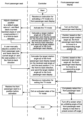
FIG. 1 is a flowchart of controlling a courtesy mode according to an embodiment; -
FIG. 2 is a flowchart of controlling a TV mode according to an embodiment; -
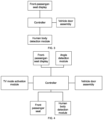
FIG. 3 is a block diagram of a principle according toEmbodiment 1; -
FIG. 4 is a block diagram of a principle according toEmbodiment 2; -
FIG. 5 is a diagram of a principle of calculating a target rotation angle a2 of a front-passenger-seat display according to an embodiment; -
FIG. 6 is a schematic structural diagram in which a front-passenger-seat display is connected to a vehicle front roof crossmember according to an embodiment; -
FIG. 7 is a schematic structural diagram in which a front-passenger-seat display, a vehicle front roof crossmember, and a front windshield fit each other according to an embodiment; -
FIG. 8 is a schematic exploded diagram of the front-passenger-seat display according to an embodiment; -
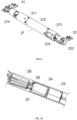
FIG. 9 is a schematic structural diagram of the rotating mechanism according to an embodiment; -
FIG. 10 is a schematic diagram of a partial cross-section of the rotating mechanism according to an embodiment; -
FIG. 11 is a schematic structural diagram of the right sleeve and a slave pin boss according to an embodiment; and -
FIG. 12 is a schematic structural diagram of the slave pin boss according to an embodiment. - In the
figures: 1 : Module base; 11: Mounting structure; 2: Rotating mechanism; 21: Master pin boss; 22: Slave pin boss; 221: Rotation limiting groove; 222: Slave mounting hole; 23: Motor; 24: Gear box; 25: Main shaft; 26: Damper; 27: Mechanism housing; 271: Left sleeve; 272: Middle sleeve; 273: Right sleeve; 2731: Right-side rotating shaft; 2732: Rotation limiting member; 2733: Harness via; 274: Mounting lug; 28: Circuit board; 3: Display; 31: Specular reflection film; 4: Module housing; 41: Avoidance groove; 5: Decorative panel; 6: Vehicle front roof crossmember; and 7: Front windshield. - The following describes implementations of the technical solutions of the present invention with reference to accompanying drawings and preferred embodiments. A person skilled in the art can easily understand other advantages and effects of the present invention based on content disclosed in this specification. The present invention may be further implemented or applied by using other different specific implementations. Various details in this specification may also be modified or altered based on different viewpoints and applications without departing from the present invention. It should be understood that the preferred embodiments are merely intended to describe the present invention, and are not intended to limit the protection scope of the present invention.
- As shown in
FIG. 1 , in this embodiment, a vehicle front-passenger-seat display courtesy mode control method is provided. A front-passenger-seat display is capable of being rotatably disposed on a roof of a vehicle front-passenger's side, the front-passenger-seat display has a courtesy mode, and the method includes the following steps: - when the front-passenger-seat display is in an unfolded state, controlling the courtesy mode of the front-passenger-seat display to be in an enabled (also referred as on) and standby state; and when it is detected that a vehicle door is opened and it is identified that a front passenger has an intention to get off or a passenger has an intention to take a front passenger seat, activating the courtesy mode of the front-passenger-seat display, and controlling the front-passenger-seat display to move toward a front windshield side to be in an avoidance position; and when the front-passenger-seat display is in the courtesy mode, in response to detecting that the front-passenger's side vehicle door is in a closed state (which indicates that the front passenger has been seated), controlling the front-passenger-seat display to move to a position before the courtesy mode is activated, exiting the courtesy mode, and entering a state in which the courtesy mode is in the enabled and standby state.
- In this embodiment, the front-passenger-seat display is capable of being rotatably disposed on the roof of the vehicle front-passenger's side, to ensure that the front passenger has an optimal watching angle during watching. When a user takes a front passenger seat or leaves a front passenger seat position, the front-passenger-seat display is controlled to rotate toward the front windshield side to be in the avoidance position, to protect safety of the front passenger (that is, prevent the passenger from bumping the head) and the front-passenger-seat display (that is, prevent the front-passenger-seat display from being damaged). After the front passenger completely leaves the front passenger seat, the front-passenger-seat display is controlled to return to the position before the courtesy mode is entered, to facilitate watching by the front passenger, thereby improving intelligence of a vehicle.
- As shown in
FIG. 3 , in this embodiment, a vehicle front-passenger-seat display courtesy mode control system is provided, including a front-passenger-seat display, a vehicle door assembly, a human body detection module, and a controller. The front-passenger-seat display has a courtesy mode, and the front-passenger-seat display is capable of being rotatably disposed on a roof of a vehicle front-passenger's side. The vehicle door assembly is configured to output vehicle door status information. The human body detection module is configured to detect whether there is a person on a front passenger seat. The controller is separately connected to the front-passenger-seat display, the vehicle door assembly, and the human body detection module. The controller can perform the steps of the vehicle front-passenger-seat display courtesy mode control method described in this embodiment. - In this embodiment, the human body detection module may be a camera that can detect an area in which the front passenger seat is located, or may be a pressure sensor installed on the front passenger seat, or the like.
- In this embodiment, an example in which the human body detection module is a camera is used below to describe a method for identifying whether the front passenger has an intention to get off and an intention to get on.
- When a received vehicle door state sent by the vehicle door assembly is an opened state, a camera installed in the vehicle identifies whether there is a person on the front passenger seat. If the camera identifies a person in the vehicle, it is considered that the front passenger has an intention to get off.
- When a received vehicle door state sent by the vehicle door assembly is an opened state, a camera installed in the vehicle identifies whether there is a person on the front passenger seat. If the camera identifies no person in the vehicle, it is considered that the front passenger has an intention to get on.
- In this embodiment, the camera can be integrated into the front-passenger-seat display, and the camera cannot be seen when the front-passenger-seat display is a screen-on state and a screen-off state.
- In this embodiment, the front-passenger-seat display includes a sun shading display module and a first control unit connected to the sun shading display module.
- In this embodiment, the controller may use an in-vehicle infotainment controller of an in-vehicle infotainment system (including a voice recognition module), and the in-vehicle infotainment controller is connected to the first control unit of the front-passenger-seat display through a CAN bus. The first control unit is connected to a rotating mechanism of the front-passenger-seat display through a hard line. The first control unit controls the rotating mechanism of the front-passenger-seat display to work, to implement rotation of the front-passenger-seat display.
- As shown in
FIG. 6 to FIG. 12 , in this embodiment, the sun shading display module includes amodule base 1, arotating mechanism 2, adisplay 3, and amodule housing 4. A mountingstructure 11 configured to be connected to a vehiclefront roof crossmember 6 is disposed on an upper part of themodule base 1. A lower part of themodule base 1 is connected to themodule housing 4, and a cavity is formed between the lower part of themodule base 1 and themodule housing 4. Therotating mechanism 2 includes a fastened assembly, an electric drive assembly, and amechanism housing 27, the fastened assembly is fastened in the cavity, the electric drive assembly is connected to the fastened assembly, and the electric drive assembly can drive themechanism housing 27 to rotate. Anavoidance groove 41 is provided at a position that is on themodule housing 4 and that corresponds to themechanism housing 27, themechanism housing 27 protrudes from theavoidance groove 41, and one end of thedisplay 3 is connected to themechanism housing 27. The mountingstructure 11 includes two positioning pins and four bolt connecting holes. - The
module base 1 is connected to the vehiclefront roof crossmember 6 by using the mountingstructure 11, so that the vehicle sun shading apparatus can be mounted in front of and above the front passenger seat. When the vehicle sun shading apparatus is not in use, thedisplay 3 faces themodule housing 4 in a horizontal posture. When the front passenger has a sun shading requirement, for example, the vehicle is driving in strong sunlight, the electric drive assembly can drive themechanism housing 27 to rotate, and themechanism housing 27 drives thedisplay 3 to rotate, so that thedisplay 3 rotates in a direction close to afront windshield 7 and does not hover until rotating to an angle at which sunlight can be shaded. In this case, sunlight radiation can be reduced, and the front passenger can be prevented from direct strong light, improving riding comfort of the front passenger. When the front passenger has an audio/video entertainment requirement, the electric drive assembly can drive themechanism housing 27 to rotate, and themechanism housing 27 drives thedisplay 3 to rotate, so that thedisplay 3 rotates in the direction close to thefront windshield 7 and does not hover until rotating to an angle suitable for watching. In this case, the audio/video entertainment requirement of the front passenger can be met, increasing functional diversity and practicality of the vehicle sun shading apparatus. - In this embodiment, the fastened assembly includes a
master pin boss 21 and aslave pin boss 22 that are respectively disposed on two sides of left and right sides of themechanism housing 27. Themaster pin boss 21 and theslave pin boss 22 are separately connected to themechanism housing 27 by using a screw. - In this embodiment, the electric drive assembly includes a
motor 23, agear box 24, and amain shaft 25 that are sequentially drivingly connected to each other. An end that is of themain shaft 25 and that is away from thegear box 24 is fastened to themaster pin boss 21, and both themotor 23 and thegear box 24 are fastened to an inner wall of themechanism housing 27. Themechanism housing 27 is hollow inside, and can be configured to accommodate themotor 23, thegear box 24, and adamper 26. Thegear box 24 can convert a high rotational speed and low torque output by themotor 23 into a low rotational speed and high torque. When themotor 23 works, power of themotor 23 is sequentially transmitted to thegear box 24 and themain shaft 25, so that themain shaft 25 rotates relative to themotor 23 and thegear box 24. However, after themain shaft 25 is fastened to themaster pin boss 21, themain shaft 25 cannot rotate. Therefore, when themotor 23 works, themotor 23 and thegear box 24 are enabled to rotate relative to themain shaft 25 and themaster pin boss 21. Both themotor 23 and thegear box 24 are fastened to themechanism housing 27. Therefore, when themotor 23 works, themechanism housing 27 can be driven to rotate relative to themaster pin boss 21, so that thedisplay 3 moves relative to themaster pin boss 21 and themodule housing 4. - In this embodiment, the electric drive assembly further includes the
damper 26, and thedamper 26 is configured to increase a friction force existing when themechanism housing 27 and themain shaft 25 rotate relative to each other. Increasing the friction force existing when themechanism housing 27 and themain shaft 25 rotate relative to each other can enable themechanism housing 27 to stably rotate. - In this embodiment, the
mechanism housing 27 includes aleft sleeve 271, amiddle sleeve 272, and aright sleeve 273 that are sequentially connected. A left-side rotating shaft is disposed at a left end of theleft sleeve 271, a master mounting hole is provided on themaster pin boss 21, and the left-side rotating shaft can be connected to the master mounting hole through rotation. A right-siderotating shaft 2731 is disposed at a right end of theright sleeve 273, aslave mounting hole 222 is provided on theslave pin boss 22, and the right-siderotating shaft 2731 can be connected to theslave mounting hole 222 through rotation. This structure setting can ensure that themechanism housing 27 can rotate relative to the fastening assembly. - In this embodiment, a
rotation limiting member 2732 is disposed on the right-siderotating shaft 2731, and arotation limiting groove 221 configured to fit therotation limiting member 2732 is disposed in theslave pin boss 22. Therotation limiting member 2732 is inserted into therotation limiting groove 221, so that a rotation angle of right-side rotation can be limited. In a process in which therotation limiting member 2732 rotates from a position at which therotation limiting member 2732 abuts against a head end of therotation limiting groove 221 to a position at which therotation limiting member 2732 abuts against a tail end of therotation limiting groove 221, the right-siderotating shaft 2731 rotates by 170°. - In this embodiment, the
left sleeve 271 and theright sleeve 273 each are provided with a mountinglug 274 connected to thedisplay 3. After thedisplay 3 is connected to the two mountinglugs 274, thedisplay 3 can rotate synchronously with theleft sleeve 271 and theright sleeve 273. - In this embodiment, the electric drive assembly further includes a
circuit board 28 disposed in the cavity, and thecircuit board 28 is connected to themodule housing 4. A harness via 2733 is provided inside the right-siderotating shaft 2731, and a harness of thecircuit board 28 passes through theslave mounting hole 222 and the harness via 2733, and is connected to themotor 23. - In this embodiment, a
decorative panel 5 disposed in the cavity is further included, and thedecorative panel 5 is connected to themodule base 1. Thedecorative panel 5 can be configured to shield a bolt used at a connection between themodule base 1 and the vehiclefront roof crossmember 6. - In this embodiment, a
specular reflection film 31 is disposed on thedisplay 3. When thedisplay 3 is in a screen-on state, thespecular reflection film 31 can normally transmit light, and does not affect watching by the front passenger. When the front passenger has a makeup mirror requirement, the electric drive assembly can drive themechanism housing 27 to rotate, and themechanism housing 27 drives thedisplay 3 to rotate, so that thedisplay 3 rotates in the direction close to thefront windshield 7 and does not hover until rotating to an angle at which thedisplay 3 faces the front passenger. Thedisplay 3 is in a screen-off state. In this case, thedisplay 3 with thespecular reflection film 31 can serve as a makeup mirror to meet the makeup mirror requirement of the front passenger. - In this embodiment, a vehicle is provided, using the vehicle front-passenger-seat display courtesy mode control system described in this embodiment.
- In this embodiment, a storage medium is provided. The memory stores a computer-readable program, and when the computer-readable program is invoked, the steps of the vehicle front-passenger-seat display courtesy mode control method described in this embodiment can be performed.
- As shown in
FIG. 2 , in this embodiment, in a method for a vehicle front-passenger-seat display courtesy mode, the front-passenger-seat display further has a TV mode. The front passenger seat includes a seat and a second control unit that controls a backrest angle and front-rear position adjustment of the seat, and the second control unit establishes a communication connection to a controller. - As shown in
FIG. 2 , when the TV mode of the front-passenger-seat display is not activated, in response to that an instruction for activating the TV mode of the front-passenger-seat display is received, the front passenger seat is controlled to move to a seat position Ps1 memorized in the TV mode. The seat position Ps1 includes a position L1 of the front passenger seat in the front-to-back direction and a backrest angle a1. A target rotation angle a2 of the front-passenger-seat display is calculated based on the seat position Ps1 of the front passenger seat. The front-passenger-seat display is controlled, based on the target rotation angle of the front-passenger-seat display, to rotate to a target position, and the front-passenger-seat display is controlled to be turned on to enter the TV mode. In other words, after a user enables a TV mode function, a vehicle automatically controls the front passenger seat and the front-passenger-seat display to move, and enables a position of the front passenger seat to match an unfolding angle of the front-passenger-seat display, so that the front passenger rests at a comfortable position and watches the front-passenger-seat display. In this manner, comfort of a user at the front passenger seat is improved. - In this embodiment, before the front passenger seat moves to the seat position Ps1 memorized in the TV mode, if it is detected that the front passenger seat stops moving (for example, it is detected that an adjustment switch of the front passenger seat is pressed down and the front passenger seat stops moving), the TV mode of the front-passenger-seat display exits.
- As shown in
FIG. 5 , in this embodiment, that the target rotation angle a2 of the front-passenger-seat display is calculated based on the seat position Ps1 of the front passenger seat is specifically as follows: - The position L1 and the backrest angle a1 of the front passenger seat in the front-to-back direction are obtained, and the target rotation angle a2 of the front-passenger-seat display is calculated. A calculation formula is as follows:


- Herein, S is a horizontal distance between a backrest headrest position R of the front passenger seat and the front-passenger-seat display in a vertical state; β is an included angle between a rotating screen of the front-passenger-seat display in the vertical state and a line of sight of a person on the front passenger seat; H0 is a vertical distance between a front-passenger-seat display center position of the front-passenger-seat display in the vertical state and a seat surface of the front passenger seat; H1 is a distance between the backrest headrest position R of the front passenger seat in a vertical state of a backrest and a seat surface; and L0 is a horizontal distance between a zero position of the front passenger seat and the front-passenger-seat display in the vertical state. If the calculated target rotation angle a2 is greater than or equal to a maximum unfolding angle βmax, the front-passenger-seat display is adjusted to the maximum unfolding angle βmax.
- If it is detected that the seat position is adjusted when the front-passenger-seat display is in the TV mode, the position L1 and the backrest angle a1 of the adjusted front passenger seat in the front-to-back direction are re-obtained. The target rotation angle a2 of the front-passenger-seat display is recalculated based on the position L1 and the backrest angle a1 of the adjusted front passenger seat in the front-to-back direction, and the front-passenger-seat display is controlled, based on the target rotation angle a2 of the front-passenger-seat display, to rotate to the target position. In this way, it is ensured that the front passenger is in a best watching state in real time.
- In this embodiment, when an exit instruction or a voice exit instruction sent by a TV mode disable button disposed on an in-vehicle infotainment screen is received, the TV mode exits, and the front-passenger-seat display is controlled to rotate to a retracted position.
- In this embodiment, when the front-passenger-seat display is in the TV mode, in response to detecting that the unfolding angle of the front-passenger-seat display is less than a preset screen-off angle (for example, 30°), the front-passenger-seat display is controlled to be turned off, to save energy and reduce consumption.
- In this embodiment, the TV mode of the front-passenger-seat display is activated in a plurality of manners, for example, button-based triggering, voice-based triggering, adjustment of the unfolding angle of the front-passenger-seat display, and adjustment of the unfolding angle of the front-passenger-seat display.
- Button-based triggering: When the TV mode of the front-passenger-seat display is not activated, the instruction for activating the TV mode of the front-passenger-seat display is sent in response to detecting that a TV mode activation button is triggered.
- Voice-based triggering: When the TV mode of the front-passenger-seat display is not activated, the instruction for activating the TV mode of the front-passenger-seat display is sent in response to that a voice instruction for enabling the front-passenger-seat display to enter the TV mode is received. For example, after the user says "enable the TV mode", the in-vehicle infotainment system actively asks the user, through voice, "whether to enable the TV mode". If an answer of "yes" is detected, the in-vehicle infotainment system controls the front-passenger-seat display to rotate to a position of the TV mode, to help the user watch a video. If another answer is detected, the vehicle does not perform any operation.
- Adjustment of the unfolding angle of the front-passenger-seat display: When the TV mode of the front-passenger-seat display is not activated, and it is detected that the unfolding angle of the front-passenger-seat display is greater than a first preset angle value (which indicates that the user may have an intention to watch a video), information about determining whether to enable the TV mode of the front-passenger-seat display is sent, and the instruction for activating the TV mode of the front-passenger-seat display is sent when information about determining to enable the TV mode of the front-passenger-seat display is received.
- Adjustment of the unfolding angle of the front-passenger-seat display is specifically as follows: When the TV mode of the front-passenger-seat display is not activated, in response to detecting that the backrest angle of the front passenger seat is greater than a second preset angle value (which indicates that the user may have an intention to have a rest), information about determining whether to enable the TV mode of the front-passenger-seat display is sent (for example, the in-vehicle infotainment system actively asks the user, through voice, "whether to enable the TV mode"), and the instruction for activating the TV mode of the front-passenger-seat display is sent when information about determining to enable the TV mode of the front-passenger-seat display is received.
- As shown in
FIG. 4 , in this embodiment, a vehicle front-passenger-seat display courtesy mode control system is provided, including a front-passenger-seat display, a vehicle door assembly, a human body detection module, a TV mode activation module, an angle detection module, a front passenger seat, and a controller. The front-passenger-seat display has a courtesy mode, and the front-passenger-seat display is capable of being rotatably disposed on a roof of a vehicle front-passenger's side. The vehicle door assembly is configured to output vehicle door status information. The human body detection module is configured to detect whether there is a person on the front passenger seat. The TV mode activation module is configured to send an instruction for activating a TV mode of the front-passenger-seat display. The angle detection module is configured to collect a rotation angle of the front-passenger-seat display. The front passenger seat includes a seat and a second control unit that controls a backrest angle and position adjustment in a front-to-back direction. The controller is separately connected to the front-passenger-seat display, the vehicle door assembly, the human body detection module, the TV mode activation module, the angle detection module, and the front passenger seat. The controller can perform the steps of the vehicle front-passenger-seat display courtesy mode control method described in this embodiment. - In this embodiment, the in-vehicle infotainment controller is connected to the second control unit of the front passenger seat through a CAN bus. The second control unit is connected to a movement actuator of the front passenger seat through a hard line. The second control unit controls the movement actuator of the front passenger seat to work, to implement a backrest adjustment and a front-rear position adjustment of the seat.
- In this embodiment, the angle detection module is an angle sensor, and a real-time rotation angle of the front-passenger-seat display is detected by using the angle sensor. The angle information is returned to the controller in real time.
- In this embodiment, a vehicle is provided, using the vehicle front-passenger-seat display courtesy mode control system described in this embodiment.
- In this embodiment, a storage medium is provided. The memory stores a computer-readable program, and when the computer-readable program is invoked, the steps of the vehicle front-passenger-seat display courtesy mode control method described in this embodiment can be performed.
- The remaining parts are the same as those in
Embodiment 2. - It should be noted that the storage medium illustrated in the foregoing embodiments may be a computer-readable signal medium, a computer-readable storage medium, or any combination thereof.
- The foregoing embodiments are preferred implementations of the present invention. However, the implementations of the present invention are not limited to the foregoing embodiments. Any other change, modification, substitution, combination, and simplification without departing from the principle of the present invention shall be equivalent replacement manners, and shall be included in the protection scope of the present invention.
Claims (5)
- A vehicle front-passenger-seat display courtesy mode control method, wherein a front-passenger-seat display is capable of being rotatably disposed on a roof of a vehicle front-passenger's side, the front-passenger-seat display has a courtesy mode, and the method comprises:when the front-passenger-seat display is in an unfolded state, controlling the courtesy mode of the front-passenger-seat display to be in an enabled and standby state; and when it is detected that a vehicle door is opened and it is identified that a front passenger has an intention to get off or a passenger has an intention to take a front passenger seat, activating the courtesy mode of the front-passenger-seat display, and controlling the front-passenger-seat display to move toward a front windshield side to be in an avoidance position; andwhen the front-passenger-seat display is in the courtesy mode, in response to detecting that the front-passenger's side vehicle door is in a closed state, controlling the front-passenger-seat display to move to a position before the courtesy mode is activated, exiting the courtesy mode, and entering a state in which the courtesy mode is in the enabled and standby state.
- The vehicle front-passenger-seat display courtesy mode control method according to claim 1, wherein the avoidance position has a maximum unfolding angle βmax of the front-passenger-seat display.
- A vehicle front-passenger-seat display courtesy mode control system, comprising:a front-passenger-seat display, wherein the front-passenger-seat display has a courtesy mode, and the front-passenger-seat display is capable of being rotatably disposed on a roof of a vehicle front-passenger's side;a vehicle door assembly, configured to output vehicle door status information;a human body detection module, configured to detect whether there is a person on a front passenger seat; anda controller, wherein the controller is separately connected to the front-passenger-seat display, the vehicle door assembly, and the human body detection module, whereinthe controller is capable of performing the vehicle front-passenger-seat display courtesy mode control method according to claim 1 or 2.
- A vehicle, using the vehicle front-passenger-seat display courtesy mode control system according to claim 3.
- A storage medium, wherein the memory stores a computer-readable program, and the computer-readable program is invoked to perform the vehicle front-passenger-seat display courtesy mode control method according to claim 1 or 2.
Applications Claiming Priority (2)
| Application Number | Priority Date | Filing Date | Title |
|---|---|---|---|
| CN202310317152.3A CN116039528B (en) | 2023-03-29 | 2023-03-29 | Control method and system for secondary driving screen gifts mode of vehicle, vehicle and storage medium |
| PCT/CN2023/121345 WO2024198284A1 (en) | 2023-03-29 | 2023-09-26 | Method and system for controlling avoidance mode of vehicle front-passenger-seat screen, vehicle, and storage medium |
Publications (2)
| Publication Number | Publication Date |
|---|---|
| EP4559757A1 true EP4559757A1 (en) | 2025-05-28 |
| EP4559757A4 EP4559757A4 (en) | 2026-03-11 |
Family
ID=86116651
Family Applications (1)
| Application Number | Title | Priority Date | Filing Date |
|---|---|---|---|
| EP23929858.1A Pending EP4559757A4 (en) | 2023-03-29 | 2023-09-26 | METHOD AND SYSTEM FOR CONTROLLING THE AVOIDANCE MODE OF A VEHICLE FRONT PASSENGER SEAT SHIELD, VEHICLE AND STORAGE MEDIUM |
Country Status (3)
| Country | Link |
|---|---|
| EP (1) | EP4559757A4 (en) |
| CN (1) | CN116039528B (en) |
| WO (1) | WO2024198284A1 (en) |
Families Citing this family (1)
| Publication number | Priority date | Publication date | Assignee | Title |
|---|---|---|---|---|
| CN116039528B (en) * | 2023-03-29 | 2023-07-04 | 长安新能源南京研究院有限公司 | Control method and system for secondary driving screen gifts mode of vehicle, vehicle and storage medium |
Family Cites Families (18)
| Publication number | Priority date | Publication date | Assignee | Title |
|---|---|---|---|---|
| JPH05278463A (en) * | 1992-03-31 | 1993-10-26 | Suzuki Motor Corp | Mounting structure for vehicular sun visor |
| KR20050028506A (en) * | 2003-09-18 | 2005-03-23 | 현대자동차주식회사 | Monitor moving apparatus of bus |
| JP2007196886A (en) * | 2006-01-27 | 2007-08-09 | Toyota Motor Corp | Sun visor control device |
| JP2008230586A (en) * | 2007-05-08 | 2008-10-02 | Bayleaf:Kk | Sunshade device |
| JP2011230684A (en) * | 2010-04-28 | 2011-11-17 | Sanyo Electric Co Ltd | In-vehicle display system |
| JP6384322B2 (en) * | 2014-12-26 | 2018-09-05 | トヨタ自動車株式会社 | Vehicle display device |
| JP2017074869A (en) * | 2015-10-15 | 2017-04-20 | トヨタ自動車株式会社 | Vehicle display device |
| KR20180067008A (en) * | 2016-12-12 | 2018-06-20 | 윤성민 | Light detected automoatic sunvisor for cars |
| CN107901734A (en) * | 2017-11-28 | 2018-04-13 | 许啸 | A kind of sunshading board easy to use |
| CN110316114B (en) * | 2018-03-30 | 2021-07-20 | 比亚迪股份有限公司 | Vehicle, vehicle display terminal system and control method thereof |
| KR102676244B1 (en) * | 2019-10-30 | 2024-06-20 | 현대자동차주식회사 | Sun visor apparatus for vehicle and method for controlling the same |
| KR20240009982A (en) * | 2021-06-15 | 2024-01-23 | 애플 인크. | Systems with moveable displays |
| CN113928253B (en) * | 2021-10-29 | 2023-07-14 | 深蓝汽车科技有限公司 | A vehicle-mounted display control method, system, and vehicle |
| CN115675195A (en) * | 2022-09-28 | 2023-02-03 | 重庆长安汽车股份有限公司 | Automobile seat control method and system and automobile |
| CN116039528B (en) * | 2023-03-29 | 2023-07-04 | 长安新能源南京研究院有限公司 | Control method and system for secondary driving screen gifts mode of vehicle, vehicle and storage medium |
| CN116021967B (en) * | 2023-03-29 | 2023-06-13 | 长安新能源南京研究院有限公司 | Human-computer interaction method, system and vehicle of sunshade screen for vehicle co-pilot |
| CN116022039B (en) * | 2023-03-29 | 2023-06-09 | 长安新能源南京研究院有限公司 | Control method and system for secondary driving screen TV mode of vehicle, vehicle and storage medium |
| CN116001535B (en) * | 2023-03-29 | 2023-06-13 | 长安新能源南京研究院有限公司 | Control method and system of auxiliary driving sunshade screen, vehicle and storage medium |
-
2023
- 2023-03-29 CN CN202310317152.3A patent/CN116039528B/en active Active
- 2023-09-26 EP EP23929858.1A patent/EP4559757A4/en active Pending
- 2023-09-26 WO PCT/CN2023/121345 patent/WO2024198284A1/en not_active Ceased
Also Published As
| Publication number | Publication date |
|---|---|
| WO2024198284A1 (en) | 2024-10-03 |
| EP4559757A4 (en) | 2026-03-11 |
| WO2024198284A9 (en) | 2025-01-09 |
| CN116039528A (en) | 2023-05-02 |
| CN116039528B (en) | 2023-07-04 |
Similar Documents
| Publication | Publication Date | Title |
|---|---|---|
| EP4559703A1 (en) | Human-computer interaction method and system for vehicle front passenger seat sun visor screen, and vehicle | |
| KR102898358B1 (en) | Arm rest apparatus for vehicle and method for controlling operation of arm rest | |
| EP2540571B1 (en) | Left/right rearview device for a vehicle | |
| US9616815B2 (en) | Vehicle interior rearview mirror assembly with actuator | |
| WO2020195625A1 (en) | Information processing device, information processing method, and information processing program | |
| CN116022039B (en) | Control method and system for secondary driving screen TV mode of vehicle, vehicle and storage medium | |
| IL136652A0 (en) | A closed-loop control system in a car | |
| CN116001535B (en) | Control method and system of auxiliary driving sunshade screen, vehicle and storage medium | |
| EP4559757A1 (en) | Method and system for controlling avoidance mode of vehicle front-passenger-seat screen, vehicle, and storage medium | |
| CN113669572A (en) | Adjusting device of vehicle-mounted screen, vehicle-mounted display device and vehicle | |
| CN113859152A (en) | Control method of automatic sun shading device | |
| CN118025054A (en) | Control method and system for intelligently adjusting comfortable posture and vehicle | |
| CN110228418B (en) | Control method, device and system for vehicle interior rearview mirror and vehicle | |
| CN110316078B (en) | Vehicle, and control system and control method based on vehicle-mounted display terminal | |
| CN118991652A (en) | Cabin control method, device and system | |
| CN107176102B (en) | A kind of safety-type rearview mirror of intelligence and its working method | |
| US11858319B2 (en) | Automatic sunvisor assembly | |
| JP2005119523A (en) | Sun visor apparatus for vehicle | |
| KR100380820B1 (en) | Rotation system of a rearview mirror of an automobile for providing a driver with an optimum rearview on time | |
| KR200391972Y1 (en) | Back mirror for vechicle | |
| CN119872427A (en) | Control method of vehicle and vehicle-mounted projection system | |
| CN120135089A (en) | A control method, device, vehicle and equipment for electronic exterior rearview mirror | |
| KR20250001157A (en) | Automatic sun-visor controlling system for vehicles | |
| CN121536139A (en) | A sun visor, a vehicle, and a method for controlling shading. | |
| JPH0848145A (en) | Vehicle sun visor device |
Legal Events
| Date | Code | Title | Description |
|---|---|---|---|
| STAA | Information on the status of an ep patent application or granted ep patent |
Free format text: STATUS: THE INTERNATIONAL PUBLICATION HAS BEEN MADE |
|
| PUAI | Public reference made under article 153(3) epc to a published international application that has entered the european phase |
Free format text: ORIGINAL CODE: 0009012 |
|
| STAA | Information on the status of an ep patent application or granted ep patent |
Free format text: STATUS: REQUEST FOR EXAMINATION WAS MADE |
|
| 17P | Request for examination filed |
Effective date: 20250220 |
|
| AK | Designated contracting states |
Kind code of ref document: A1 Designated state(s): AL AT BE BG CH CY CZ DE DK EE ES FI FR GB GR HR HU IE IS IT LI LT LU LV MC ME MK MT NL NO PL PT RO RS SE SI SK SM TR |
|
| REG | Reference to a national code |
Ref country code: DE Ref legal event code: R079 Free format text: PREVIOUS MAIN CLASS: B60R0011020000 Ipc: B60K0035530000 |
|
| A4 | Supplementary search report drawn up and despatched |
Effective date: 20260209 |
|
| RIC1 | Information provided on ipc code assigned before grant |
Ipc: B60K 35/53 20240101AFI20260203BHEP Ipc: B60R 11/02 20060101ALI20260203BHEP Ipc: B60N 2/02 20060101ALI20260203BHEP Ipc: B60J 3/02 20060101ALI20260203BHEP |