EP4548780A1 - Fpr2-agonist mit aussenmembranvesikeln aus milchsäurebakterium - Google Patents
Fpr2-agonist mit aussenmembranvesikeln aus milchsäurebakterium Download PDFInfo
- Publication number
- EP4548780A1 EP4548780A1 EP23811906.9A EP23811906A EP4548780A1 EP 4548780 A1 EP4548780 A1 EP 4548780A1 EP 23811906 A EP23811906 A EP 23811906A EP 4548780 A1 EP4548780 A1 EP 4548780A1
- Authority
- EP
- European Patent Office
- Prior art keywords
- genus
- lactobacillus
- lactic acid
- outer membrane
- membrane vesicles
- Prior art date
- Legal status (The legal status is an assumption and is not a legal conclusion. Google has not performed a legal analysis and makes no representation as to the accuracy of the status listed.)
- Pending
Links
Images





Classifications
-
- A—HUMAN NECESSITIES
- A61—MEDICAL OR VETERINARY SCIENCE; HYGIENE
- A61P—SPECIFIC THERAPEUTIC ACTIVITY OF CHEMICAL COMPOUNDS OR MEDICINAL PREPARATIONS
- A61P17/00—Drugs for dermatological disorders
- A61P17/16—Emollients or protectives, e.g. against radiation
-
- A—HUMAN NECESSITIES
- A61—MEDICAL OR VETERINARY SCIENCE; HYGIENE
- A61K—PREPARATIONS FOR MEDICAL, DENTAL OR TOILETRY PURPOSES
- A61K9/00—Medicinal preparations characterised by special physical form
- A61K9/48—Preparations in capsules, e.g. of gelatin, of chocolate
- A61K9/50—Microcapsules having a gas, liquid or semi-solid filling; Solid microparticles or pellets surrounded by a distinct coating layer, e.g. coated microspheres, coated drug crystals
- A61K9/5005—Wall or coating material
- A61K9/5063—Compounds of unknown constitution, e.g. material from plants or animals
- A61K9/5068—Cell membranes or bacterial membranes enclosing drugs
-
- A—HUMAN NECESSITIES
- A23—FOODS OR FOODSTUFFS; TREATMENT THEREOF, NOT COVERED BY OTHER CLASSES
- A23L—FOODS, FOODSTUFFS OR NON-ALCOHOLIC BEVERAGES, NOT OTHERWISE PROVIDED FOR; PREPARATION OR TREATMENT THEREOF
- A23L33/00—Modifying nutritive qualities of foods; Dietetic products; Preparation or treatment thereof
- A23L33/10—Modifying nutritive qualities of foods; Dietetic products; Preparation or treatment thereof using additives
- A23L33/135—Bacteria or derivatives thereof, e.g. probiotics
-
- A—HUMAN NECESSITIES
- A61—MEDICAL OR VETERINARY SCIENCE; HYGIENE
- A61K—PREPARATIONS FOR MEDICAL, DENTAL OR TOILETRY PURPOSES
- A61K35/00—Medicinal preparations containing materials or reaction products thereof with undetermined constitution
- A61K35/66—Microorganisms or materials therefrom
- A61K35/74—Bacteria
- A61K35/741—Probiotics
- A61K35/744—Lactic acid bacteria, e.g. enterococci, pediococci, lactococci, streptococci or leuconostocs
-
- A—HUMAN NECESSITIES
- A61—MEDICAL OR VETERINARY SCIENCE; HYGIENE
- A61K—PREPARATIONS FOR MEDICAL, DENTAL OR TOILETRY PURPOSES
- A61K35/00—Medicinal preparations containing materials or reaction products thereof with undetermined constitution
- A61K35/66—Microorganisms or materials therefrom
- A61K35/74—Bacteria
- A61K35/741—Probiotics
- A61K35/744—Lactic acid bacteria, e.g. enterococci, pediococci, lactococci, streptococci or leuconostocs
- A61K35/747—Lactobacilli, e.g. L. acidophilus or L. brevis
-
- A—HUMAN NECESSITIES
- A61—MEDICAL OR VETERINARY SCIENCE; HYGIENE
- A61K—PREPARATIONS FOR MEDICAL, DENTAL OR TOILETRY PURPOSES
- A61K8/00—Cosmetics or similar toiletry preparations
- A61K8/02—Cosmetics or similar toiletry preparations characterised by special physical form
- A61K8/14—Liposomes; Vesicles
-
- A—HUMAN NECESSITIES
- A61—MEDICAL OR VETERINARY SCIENCE; HYGIENE
- A61K—PREPARATIONS FOR MEDICAL, DENTAL OR TOILETRY PURPOSES
- A61K8/00—Cosmetics or similar toiletry preparations
- A61K8/18—Cosmetics or similar toiletry preparations characterised by the composition
- A61K8/96—Cosmetics or similar toiletry preparations characterised by the composition containing materials, or derivatives thereof of undetermined constitution
- A61K8/99—Cosmetics or similar toiletry preparations characterised by the composition containing materials, or derivatives thereof of undetermined constitution from microorganisms other than algae or fungi, e.g. protozoa or bacteria
-
- A—HUMAN NECESSITIES
- A61—MEDICAL OR VETERINARY SCIENCE; HYGIENE
- A61K—PREPARATIONS FOR MEDICAL, DENTAL OR TOILETRY PURPOSES
- A61K9/00—Medicinal preparations characterised by special physical form
- A61K9/0012—Galenical forms characterised by the site of application
- A61K9/0053—Mouth and digestive tract, i.e. intraoral and peroral administration
- A61K9/0056—Mouth soluble or dispersible forms; Suckable, eatable, chewable coherent forms; Forms rapidly disintegrating in the mouth; Lozenges; Lollipops; Bite capsules; Baked products; Baits or other oral forms for animals
-
- A—HUMAN NECESSITIES
- A61—MEDICAL OR VETERINARY SCIENCE; HYGIENE
- A61K—PREPARATIONS FOR MEDICAL, DENTAL OR TOILETRY PURPOSES
- A61K9/00—Medicinal preparations characterised by special physical form
- A61K9/0087—Galenical forms not covered by A61K9/02 - A61K9/7023
- A61K9/0095—Drinks; Beverages; Syrups; Compositions for reconstitution thereof, e.g. powders or tablets to be dispersed in a glass of water; Veterinary drenches
-
- A—HUMAN NECESSITIES
- A61—MEDICAL OR VETERINARY SCIENCE; HYGIENE
- A61P—SPECIFIC THERAPEUTIC ACTIVITY OF CHEMICAL COMPOUNDS OR MEDICINAL PREPARATIONS
- A61P25/00—Drugs for disorders of the nervous system
- A61P25/28—Drugs for disorders of the nervous system for treating neurodegenerative disorders of the central nervous system, e.g. nootropic agents, cognition enhancers, drugs for treating Alzheimer's disease or other forms of dementia
-
- A—HUMAN NECESSITIES
- A61—MEDICAL OR VETERINARY SCIENCE; HYGIENE
- A61P—SPECIFIC THERAPEUTIC ACTIVITY OF CHEMICAL COMPOUNDS OR MEDICINAL PREPARATIONS
- A61P29/00—Non-central analgesic, antipyretic or antiinflammatory agents, e.g. antirheumatic agents; Non-steroidal antiinflammatory drugs [NSAID]
-
- A—HUMAN NECESSITIES
- A61—MEDICAL OR VETERINARY SCIENCE; HYGIENE
- A61P—SPECIFIC THERAPEUTIC ACTIVITY OF CHEMICAL COMPOUNDS OR MEDICINAL PREPARATIONS
- A61P29/00—Non-central analgesic, antipyretic or antiinflammatory agents, e.g. antirheumatic agents; Non-steroidal antiinflammatory drugs [NSAID]
- A61P29/02—Non-central analgesic, antipyretic or antiinflammatory agents, e.g. antirheumatic agents; Non-steroidal antiinflammatory drugs [NSAID] without antiinflammatory effect
-
- A—HUMAN NECESSITIES
- A61—MEDICAL OR VETERINARY SCIENCE; HYGIENE
- A61P—SPECIFIC THERAPEUTIC ACTIVITY OF CHEMICAL COMPOUNDS OR MEDICINAL PREPARATIONS
- A61P37/00—Drugs for immunological or allergic disorders
- A61P37/02—Immunomodulators
-
- A—HUMAN NECESSITIES
- A61—MEDICAL OR VETERINARY SCIENCE; HYGIENE
- A61Q—SPECIFIC USE OF COSMETICS OR SIMILAR TOILETRY PREPARATIONS
- A61Q17/00—Barrier preparations; Preparations brought into direct contact with the skin for affording protection against external influences, e.g. sunlight, X-rays or other harmful rays, corrosive materials, bacteria or insect stings
- A61Q17/04—Topical preparations for affording protection against sunlight or other radiation; Topical sun tanning preparations
-
- A—HUMAN NECESSITIES
- A61—MEDICAL OR VETERINARY SCIENCE; HYGIENE
- A61Q—SPECIFIC USE OF COSMETICS OR SIMILAR TOILETRY PREPARATIONS
- A61Q19/00—Preparations for care of the skin
-
- A—HUMAN NECESSITIES
- A61—MEDICAL OR VETERINARY SCIENCE; HYGIENE
- A61Q—SPECIFIC USE OF COSMETICS OR SIMILAR TOILETRY PREPARATIONS
- A61Q19/00—Preparations for care of the skin
- A61Q19/08—Anti-ageing preparations
-
- C—CHEMISTRY; METALLURGY
- C12—BIOCHEMISTRY; BEER; SPIRITS; WINE; VINEGAR; MICROBIOLOGY; ENZYMOLOGY; MUTATION OR GENETIC ENGINEERING
- C12N—MICROORGANISMS OR ENZYMES; COMPOSITIONS THEREOF; PROPAGATING, PRESERVING, OR MAINTAINING MICROORGANISMS; MUTATION OR GENETIC ENGINEERING; CULTURE MEDIA
- C12N1/00—Microorganisms; Compositions thereof; Processes of propagating, maintaining or preserving microorganisms or compositions thereof; Processes of preparing or isolating a composition containing a microorganism; Culture media therefor
- C12N1/20—Bacteria; Culture media therefor
-
- C—CHEMISTRY; METALLURGY
- C12—BIOCHEMISTRY; BEER; SPIRITS; WINE; VINEGAR; MICROBIOLOGY; ENZYMOLOGY; MUTATION OR GENETIC ENGINEERING
- C12N—MICROORGANISMS OR ENZYMES; COMPOSITIONS THEREOF; PROPAGATING, PRESERVING, OR MAINTAINING MICROORGANISMS; MUTATION OR GENETIC ENGINEERING; CULTURE MEDIA
- C12N1/00—Microorganisms; Compositions thereof; Processes of propagating, maintaining or preserving microorganisms or compositions thereof; Processes of preparing or isolating a composition containing a microorganism; Culture media therefor
- C12N1/20—Bacteria; Culture media therefor
- C12N1/205—Bacterial isolates
-
- A—HUMAN NECESSITIES
- A23—FOODS OR FOODSTUFFS; TREATMENT THEREOF, NOT COVERED BY OTHER CLASSES
- A23V—INDEXING SCHEME RELATING TO FOODS, FOODSTUFFS OR NON-ALCOHOLIC BEVERAGES AND LACTIC OR PROPIONIC ACID BACTERIA USED IN FOODSTUFFS OR FOOD PREPARATION
- A23V2002/00—Food compositions, function of food ingredients or processes for food or foodstuffs
-
- A—HUMAN NECESSITIES
- A23—FOODS OR FOODSTUFFS; TREATMENT THEREOF, NOT COVERED BY OTHER CLASSES
- A23V—INDEXING SCHEME RELATING TO FOODS, FOODSTUFFS OR NON-ALCOHOLIC BEVERAGES AND LACTIC OR PROPIONIC ACID BACTERIA USED IN FOODSTUFFS OR FOOD PREPARATION
- A23V2200/00—Function of food ingredients
- A23V2200/30—Foods, ingredients or supplements having a functional effect on health
- A23V2200/318—Foods, ingredients or supplements having a functional effect on health having an effect on skin health and hair or coat
-
- A—HUMAN NECESSITIES
- A23—FOODS OR FOODSTUFFS; TREATMENT THEREOF, NOT COVERED BY OTHER CLASSES
- A23V—INDEXING SCHEME RELATING TO FOODS, FOODSTUFFS OR NON-ALCOHOLIC BEVERAGES AND LACTIC OR PROPIONIC ACID BACTERIA USED IN FOODSTUFFS OR FOOD PREPARATION
- A23V2200/00—Function of food ingredients
- A23V2200/30—Foods, ingredients or supplements having a functional effect on health
- A23V2200/322—Foods, ingredients or supplements having a functional effect on health having an effect on the health of the nervous system or on mental function
-
- C—CHEMISTRY; METALLURGY
- C12—BIOCHEMISTRY; BEER; SPIRITS; WINE; VINEGAR; MICROBIOLOGY; ENZYMOLOGY; MUTATION OR GENETIC ENGINEERING
- C12R—INDEXING SCHEME ASSOCIATED WITH SUBCLASSES C12C - C12Q, RELATING TO MICROORGANISMS
- C12R2001/00—Microorganisms ; Processes using microorganisms
- C12R2001/01—Bacteria or Actinomycetales ; using bacteria or Actinomycetales
- C12R2001/225—Lactobacillus
Definitions
- the present invention relates to an invention characterized in that outer membrane vesicles derived from lactic acid bacteria are used to activate FPR2.
- Outer membrane vesicles are substances covered with a lipid bilayer membrane that are released from various cells. Outer membrane vesicles can pass through the blood-brain barrier (Non Patent Literatures 5 and 6). Outer membrane vesicles are stable even after being taken up by host cells (Non Patent Literature 7). Outer membrane vesicles having these characteristics are expected to be applied to drug delivery systems (Non Patent Literatures 6 and 7).
- Outer membrane vesicles derived from lactic acid bacteria have physiological activities, such as suppressing the secretion of inflammatory mediators (IL-6, etc.), inducing differentiation into M2 macrophages, suppressing inflammatory responses by macrophages, and enhancing the host immune response to vancomycin-resistant enterococci (Patent Literatures 1 to 6 and Non Patent Literatures 1 and 2).
- Non Patent Literature 14 It has also been reported that outer membrane vesicles derived from Lactiplantibacillus plantarum induce IL-10 (Non Patent Literature 14) and that outer membrane vesicles derived from Lacticaseibacillus paracasei (former classification name: Lactobacillus paracasei) alleviate inflammatory responses in the intestine (Non Patent Literature 15).
- Formyl Peptide Receptor is a receptor for formylmethionyl peptides known as chemotactic factors.
- Non Patent Literature 3 Various substances are known to act as FPR2 agonists or antagonists.
- FPR2 regulates both innate immunity mediated by phagocytes and acquired immunity mediated by B cells and the like (Patent Literature 7).
- FPR2 plays an important role in host defense and inflammatory responses and is recognized as a target for therapeutic agents for inflammatory diseases and the like (Non Patent Literature 4).
- FPR2 agonists are known as therapeutic agents for diseases associated with FPR2 (such as inflammatory diseases) (Patent Literature 7).
- FPR2 (FPRL-1) is also a functional receptor for amyloid ⁇ 42 (A ⁇ 42), which is important in the pathophysiology of neurotoxicity associated with Alzheimer's disease (Non Patent Literature 8). It has been suggested that the peptide Humanin (HN), which binds to FPR2, can exert a neuroprotective effect by competitively inhibiting access of FPR2 to A ⁇ 42 (Non Patent Literature 8). Humanin (HN) acts more strongly on FPR2 than on FPR1 (Non Patent Literature 9).
- FPR2 is expressed in epithelial cells of the colon and mediates N-formyl peptidedependent epithelial cell proliferation and regeneration. In addition, FPR2 plays an important role in maintaining homeostasis, inflammation, and mediating epithelial repair in the colon (Non Patent Literature 10).
- FPR2 agonists have also been demonstrated to be beneficial in preclinical models of chronic inflammatory human diseases, including infectious diseases, psoriasis, dermatitis, inflammatory bowel syndrome, Crohn's disease, ocular inflammation, sepsis, pain, metabolism/diabetes, cancer, COPD, asthma and allergic diseases, cystic fibrosis, acute lung injury and fibrosis, rheumatoid arthritis and other joint diseases, Alzheimer's disease, renal fibrosis, and organ transplantation (Patent Literature 7 and Non Patent Literatures 12 and 13).
- infectious diseases including infectious diseases, psoriasis, dermatitis, inflammatory bowel syndrome, Crohn's disease, ocular inflammation, sepsis, pain, metabolism/diabetes, cancer, COPD, asthma and allergic diseases, cystic fibrosis, acute lung injury and fibrosis, rheumatoid arthritis and other joint diseases, Alzheimer's disease, renal fibrosis, and organ transplantation
- Substances that activate FPR2 are considered to be useful for the treatment of diseases associated with FPR2.
- Outer membrane vesicles have properties (such as excellent stability) that are advantageous for the aforementioned treatment.
- an object of the present invention is to provide outer membrane vesicles capable of activating FPR2.
- the present invention relates to the following [1] to [36].
- outer membrane vesicles derived from specific lactic acid bacteria activate FPR2. Furthermore, as shown in Examples described below, outer membrane vesicles derived from specific lactic acid bacteria induce IL-10 via activation of FPR2, protect the skin from ultraviolet rays, and protect neuronal cells from neurocytotoxicity.
- the present invention using these outer membrane vesicles as an active ingredient is useful for the treatment of diseases associated with FPR2 and the like.
- the outer membrane vesicles used in the present invention are derived from lactic acid bacteria (1) to (6) below.
- Any known lactic acid bacterial strain that belongs to any one of (1) to (6) above and secretes outer membrane vesicles can be used in the present invention without particular limitation. Since outer membrane vesicles exert their effects after being taken or ingested, bacterial strains whose safety in animals has been confirmed are preferable.
- lactic acid bacteria are lactic acid bacteria of (1) genus Lactobacillus, (2) genus Lacticaseibacillus, (3) genus Lactiplantibacillus, (4) genus Ligilactobacillus, or (5) genus Lactococcus.
- More preferable lactic acid bacteria are lactic acid bacteria of (1) genus Lactobacillus, (2) genus Lacticaseibacillus, (3) genus Lactiplantibacillus, or (4) genus Ligilactobacillus.
- lactic acid bacteria are lactic acid bacteria of (1) genus Lactobacillus, (2) genus Lacticaseibacillus, or (4) genus Ligilactobacillus.
- Particularly preferable lactic acid bacteria are lactic acid bacteria of (1) genus Lactobacillus or (2) genus Lacticaseibacillus.
- lactic acid bacteria of the genus Lactobacillus include the following.
- lactic acid bacteria of the genus Lactobacillus are Lactobacillus delbrueckii subsp. bulgaricus, Lactobacillus helveticus, Lactobacillus acidophilus, Lactobacillus delbrueckii, or Lactobacillus gasseri.
- preferable lactic acid bacteria of the genus Lactobacillus are Lactobacillus gasseri, Lactobacillus amylovorus, Lactobacillus crispatus, or Lactobacillus johnsonii.
- preferable lactic acid bacteria of the genus Lactobacillus are Lactobacillus delbrueckii subsp. bulgaricus, Lactobacillus helveticus, Lactobacillus acidophilus, Lactobacillus delbrueckii, Lactobacillus gasseri, Lactobacillus amylovorus, Lactobacillus crispatus, or Lactobacillus johnsonii.
- Lactobacillus are Lactobacillus delbrueckii subsp. bulgaricus, Lactobacillus helveticus, or Lactobacillus acidophilus.
- lactic acid bacteria of the genus Lactobacillus are Lactobacillus delbrueckii subsp. bulgaricus, Lactobacillus helveticus, Lactobacillus acidophilus, Lactobacillus gasseri, Lactobacillus amylovorus, Lactobacillus crispatus, or Lactobacillus johnsonii.
- Lactobacillus delbrueckii subsp. bulgaricus Lactobacillus helveticus, Lactobacillus acidophilus, Lactobacillus gasseri, or Lactobacillus johnsonii.
- Lactobacillus delbrueckii subsp. bulgaricus may be any available bacterial strain and may include the type strain Lactobacillus delbrueckii subsp. bulgaricus T.
- Lactobacillus helveticus may be any available bacterial strain and may include the type strain Lactobacillus helveticus T.
- Lactobacillus acidophilus may be any available bacterial strain and may include the type strain Lactobacillus acidophilus T. Lactobacillus acidophilus may include other bacterial strains, such as strain JCM1023 and strain CP1613. Lactobacillus acidophilus strain CP1613 is a species of lactic acid bacterium belonging to Lactobacillus acidophilus, and has been internationally deposited with the NITE Patent Microorganisms Depositary of the National Institute of Technology and Evaluation (Room 122, 2-5-8 Kazusa-Kamatari, Kisarazu-shi, Chiba 292-0818, Japan ), an international depositary authority under the Budapest Treaty, under accession number NITE BP-1513 on January 18, 2013.
- Lactobacillus gasseri may be any available bacterial strain and may include the type strain Lactobacillus gasseri T. Lactobacillus gasseri may include other bacterial strains, such as strain CP2305. Lactobacillus gasseri strain CP2305 is a species of lactic acid bacterium belonging to Lactobacillus gasseri, and has been internationally deposited with the NITE Patent Microorganisms Depositary of the National Institute of Technology and Evaluation (Room 120, 2-5-8 Kazusa-Kamatari, Kisarazu-shi, Chiba 292-0818, Japan ), an international depositary authority under the Budapest Treaty, under accession number FERM BP-11331 (deposited on September 11, 2007).
- Lactobacillus amylovorus may be any available bacterial strain and may include the type strain Lactobacillus amylovorus T.
- Lactobacillus crispatus may be any available bacterial strain and may include the type strain Lactobacillus crispatus T.
- Lactobacillus johnsonii may be any available bacterial strain and may include the type strain Lactobacillus johnsonii T.
- lactic acid bacteria of the genus Lacticaseibacillus examples include the following.
- lactic acid bacteria of the genus Lacticaseibacillus are Lacticaseibacillus rhamnosus, Lacticaseibacillus paracasei, or Lacticaseibacillus casei.
- Lacticaseibacillus are Lacticaseibacillus paracasei or Lacticaseibacillus casei.
- Lacticaseibacillus rhamnosus may be any available bacterial strain and may include the type strain Lacticaseibacillus rhamnosus T.
- Lacticaseibacillus paracasei may be any available bacterial strain and may include the type strain Lacticaseibacillus paracasei T. Lacticaseibacillus paracasei may include other bacterial strains, such as strain JCM1133 and strain CP3526.
- Lacticaseibacillus paracasei strain CP3526 is a species of lactic acid bacterium belonging to Lacticaseibacillus paracasei, and has been internationally deposited with the NITE Patent Microorganisms Depositary of the National Institute of Technology and Evaluation (Room 122, 2-5-8 Kazusa-Kamatari, Kisarazu-shi, Chiba 292-0818, Japan ), an international depositary authority under the Budapest Treaty, under accession number NITE BP-03625 on March 18, 2022.
- Lacticaseibacillus casei may be any available bacterial strain and may include the type strain Lacticaseibacillus casei T.
- the lactic acid bacterium of the genus Lacticaseibacillus may be a lactic acid bacterium other than Lacticaseibacillus paracasei.
- lactic acid bacteria of the genus Lactiplantibacillus include the following.
- Preferable lactic acid bacteria of the genus Lactiplantibacillus are Lactiplantibacillus plantarum or Lactiplantibacillus pentosus.
- lactic acid bacteria of the genus Lactiplantibacillus are Lactiplantibacillus plantarum.
- Lactiplantibacillus plantarum may be any available bacterial strain and may include the type strain Lactiplantibacillus plantarum T.
- Lactiplantibacillus pentosus may be any available bacterial strain and may include the type strain Lactiplantibacillus pentosus T.
- the lactic acid bacterium of the genus Lactiplantibacillus may be a lactic acid bacterium other than Lactiplantibacillus plantarum.
- lactic acid bacteria of the genus Ligilactobacillus include the following.
- Preferable lactic acid bacteria of the genus Ligilactobacillus are Ligilactobacillus salivarius.
- Ligilactobacillus salivarius may be any available bacterial strain and may include the type strain Ligilactobacillus salivarius T.
- lactic acid bacteria of the genus Lactococcus are Lactococcus lactis subsp. lactis or Lactococcus lactis subsp. cremoris.
- lactic acid bacteria of the genus Lactococcus are Lactococcus lactis subsp. lactis.
- Lactococcus lactis subsp. lactis may be any available bacterial strain and may include the type strain Lactococcus lactis subsp. lactis T.
- thermophilus may be any available bacterial strain and may include the type strain Streptococcus salivarius subsp. thermophilus T.
- Mutants or derivatives of the specific bacterial strains mentioned above can also be used as long as they secrete outer membrane vesicles.
- Preferable lactic acid bacteria are at least one selected from the group consisting of the following:
- preferable lactic acid bacteria are at least one selected from the group consisting of the following:
- preferable lactic acid bacteria are at least one selected from the group consisting of the following:
- More preferable lactic acid bacteria are at least one selected from the group consisting of the following:
- more preferable lactic acid bacteria are at least one selected from the group consisting of the following:
- more preferable lactic acid bacteria are at least one selected from the group consisting of the following:
- lactic acid bacteria are at least one selected from the group consisting of the following:
- lactic acid bacteria are at least one selected from the group consisting of the following:
- lactic acid bacteria are at least one selected from the group consisting of the following:
- Still further preferable lactic acid bacteria are at least one selected from the group consisting of the following:
- still further preferable lactic acid bacteria are at least one selected from the group consisting of the following:
- lactic acid bacteria are at least one selected from the group consisting of the following:
- Particularly preferable lactic acid bacteria are at least one selected from the group consisting of the following:
- particularly preferable lactic acid bacteria are at least one selected from the group consisting of the following:
- particularly preferable lactic acid bacteria are at least one selected from the group consisting of the following:
- lactic acid bacteria are at least one selected from the group consisting of the following:
- the most preferable lactic acid bacteria are at least one selected from the group consisting of the following:
- a single strain of lactic acid bacterium may be used, or multiple strains may be used in combination. Therefore, outer membrane vesicles derived from two or more species of lactic acid bacteria can be used in the present invention.
- Outer membrane vesicles derived from bacteria are substances secreted from bacteria.
- Outer membrane vesicles derived from lactic acid bacteria are spherical structures composed of cell membranes (lipid bilayer membranes) of lactic acid bacteria, and their diameter is generally about 20 to 500 nm.
- the spherical structures may contain nucleic acids (DNA and RNA) and proteins (such as enzymes).
- Outer membrane vesicles derived from cell membranes of lactic acid bacteria may also contain membrane proteins, peptidoglycans (PG), and the like present in the lipid bilayer membranes of lactic acid bacteria ( Journal of the Japanese Society of Lactic Acid Bacteria, 27(1), 10-16, 2016 , and Microbiol Spectr., 7(1)., 2019 ).
- Outer membrane vesicles derived from bacteria are also referred to as membrane vesicles, extracellular vesicles (EV), extracellular vesicles, microvesicles, membrane vesicles (MV), outer membrane vesicles (OMV), and the like.
- the medium preferably contains a carbon source, a nitrogen source, inorganic salts, and the like, so that lactic acid bacteria can be efficiently cultured.
- the medium may be a natural medium or a synthetic medium, and a known medium suitable for the bacterial strain to be used can be appropriately selected.
- Examples of the carbon source include lactose, glucose, sucrose, fructose, galactose, and waste molasses.
- nitrogen source examples include organic nitrogen-containing substances, such as casein hydrolysates, whey protein hydrolysates, and soybean protein hydrolysates.
- inorganic salts examples include phosphates, sodium, potassium, and magnesium.
- Examples of the medium suitable for lactic acid bacteria include MRS medium, GLM medium, GAM medium, BL medium, Briggs Liver Broth, animal milk, skim milk, and milk whey, with MRS medium and GLM medium being preferable.
- the lactic acid bacteria can be cultured, for example, at a temperature of 20 to 50°C (preferably 30 to 40°C) under static or anaerobic conditions.
- the culture temperature can be adjusted by a constant temperature bath, a mantle heater, a jacket, or the like.
- the anaerobic condition refers to a low oxygen environment in which lactic acid bacteria can grow.
- Anaerobic conditions can be set using an anaerobic chamber, an anaerobic box, or a sealed container or bag containing an oxygen scavenger.
- Examples of the culture format include static culture, shaking culture, and tank culture.
- the culture time is, for example, 3 to 96 hours, preferably 12 to 32 hours.
- the acquisition of outer membrane vesicles from a lactic acid bacterial culture solution can be achieved by appropriately combining one or more known separation and purification means based on the mass and size of the outer membrane vesicles.
- Examples of the separation and purification means include centrifugation, ultracentrifugation, and filtration.
- outer membrane vesicles can be obtained using the following procedure.
- the lactic acid bacterial culture solution is subjected to centrifugation (for example, centrifugal force: 3,000 to 15,000 g, preferably 8,000 to 10,000 g) to precipitate bacterial cells.
- the supernatant after centrifugation is filtered through a filter having a pore size (for example, 220 to 1,000 nm, preferably 450 nm (0.45 ⁇ m)) that allows outer membrane vesicles to pass through.
- the filtrate containing outer membrane vesicles is subjected to ultracentrifugation (for example, centrifugal force: 100,000 to 300,000 g, preferably 150,000 to 300,000 g) to obtain outer membrane vesicles as a precipitate.
- the precipitate may be further subjected to filtration.
- FPR2 Forml Peptide Receptor 2
- FPR2 is a G protein-coupled receptor and is a receptor for peptides having N-formylmethionine (for example, f-Met-Leu-Phe (FMLP)).
- FPR2 is one of the FPR families (FPR1, FPR2, and FPR3) present in humans.
- FPR2 is sometimes referred to as FPRL-1 or FPRL1.
- FPR1 is called a formyl peptide receptor, and FPR2 and FPR3 are called formyl peptide-like receptors.
- FPR2 has higher sequence homology with FPR3 than with FPR1 ( Pharmacol Rev 61:119-161, 2009 ).
- outer membrane vesicles derived from specific lactic acid bacteria are used to activate FPR2 (activation by binding to FPR2).
- one aspect of the present invention is an FPR2 agonist comprising outer membrane vesicles derived from specific lactic acid bacteria as an active ingredient. Furthermore, the use of outer membrane vesicles derived from specific lactic acid bacteria for preparing an FPR2 agonist is also one aspect of the present invention.
- the present invention relates to an FPR2 agonist comprising outer membrane vesicles derived from specific lactic acid bacteria capable of activating FPR2.
- outer membrane vesicles derived from lactic acid bacteria used as an active ingredient of the FPR2 agonist in the present invention are known to be very stable and have a property of being able to remain in the body for a long time without being completely decomposed even after being taken up by cells; therefore, unlike conventional substances having agonist activity against FPR2, the outer membrane vesicles themselves are considered to have both the FPR2 agonistic function and the function of stably delivering themselves into the body.
- outer membrane vesicles derived from lactic acid bacteria can be easily obtained by culturing lactic acid bacteria.
- FPR2 agonists have been demonstrated to be beneficial in preclinical models of chronic inflammatory human diseases, including chronic inflammation resolution, infectious diseases, psoriasis, dermatitis, inflammatory bowel syndrome, Crohn's disease, ocular inflammation, sepsis, pain, metabolism/diabetes, cancer, COPD, asthma and allergic diseases, cystic fibrosis, acute lung injury and fibrosis, rheumatoid arthritis and other joint diseases, Alzheimer's disease, renal fibrosis, and organ transplantation (Patent Literature 7 and Non Patent Literatures 12 and 13); therefore, the outer membrane vesicles derived from specific lactic acid bacteria of the present invention are considered to be useful for the treatment of diseases associated with FPR2.
- FPR2 agonistic activity can be measured using a known assay system (for example, a reporter assay described in International Publication No. WO2020/026979 ) capable of measuring activation by a ligand of a G protein-coupled receptor (GPCR).
- This reporter assay is provided as a commissioned service (for example, "Tanso Biosciences' GPCR Commissioned Test" in partnership with Cosmo Bio Co., Ltd.).
- the outer membrane vesicles of lactic acid bacteria according to the present invention preferably activate FPR2 selectively.
- FPR2 means having agonistic activity against FPR2 but not having agonistic activity against FPR1. Since FPR1 is associated with the induction of inflammatory responses (Non Patent Literature 3), an FPR2 agonist that "selectively activates FPR2" can treat diseases associated with FPR2 without inducing inflammatory responses.
- FPR2 agonists can be used to treat diseases associated with FPR2.
- Diseases associated with FPR2 include not only those that are targets of pharmaceuticals but also those that are targets of functional foods and/or drinks and functional cosmetics.
- Treatment includes not only acts intended for treatment and prevention (use of an FPR2 agonist as a pharmaceutical or quasi-drug) but also acts intended for health promotion (use of an FPR2 agonist as a functional food and/or drink or a functional cosmetic).
- FPR2 agonists can be applied to both therapeutic use (medical use) and non-therapeutic use (non-medical use).
- Examples of "diseases associated with FPR2" include the following.
- Inflammatory diseases heart disease, chronic airway disease, cancer, sepsis, allergy symptoms, circulatory disorders, neuroinflammation, neuropathy, pain, prion diseases, amyloidosis, immune disorders, Behcet's disease, Sweet's disease, systemic lupus erythematosus (SLE), Wegener's granulomatosis, viral infection, diabetes, bacterial infection, physical disorders including physical trauma and radiation exposure, vasoconstriction, anaphylactic reaction, allergic reaction, rhinitis, shock (endotoxic, hemorrhagic, traumatic, visceral ischemic, and circulatory shock), rheumatoid arthritis, gout, benign prostatic hyperplasia, myocardial ischemia, myocardial infarction, heart failure, brain injury, lung disease, COPD, COAD, COLD, acute lung injury, acute respiratory distress syndrome, chronic bronchitis, emphysema, asthma (allergic and nonallergic asthma), cystic fibro
- the diseases mentioned above can be classified, for example, as follows.
- FPR2 is known to be involved in brain neurotoxicity, intestinal epithelial cell homeostasis and inflammation, and proliferation and regeneration (Non Patent Literatures 8 to 11 mentioned previously). Epithelial cells are also present in the skin. In addition, outer membrane vesicles can pass through the blood-brain barrier (Non Patent Literatures 5 and 6).
- FPR2 agonists are preferably used for the treatment of brain diseases (for example, Alzheimer's disease (including initial symptoms such as forgetfulness), dementia (including alcoholic dementia), and migraine), digestive diseases (for example, esophagitis, gastritis, enteritis, inflammatory bowel syndrome, and ulcerative colitis), and skin diseases (for example, dermatitis (including allergic dermatitis, atopic dermatitis, and seborrheic dermatitis), acne, rash, sunburn, hot flushes, eczema, aging caused by ultraviolet rays, itching and discomfort, perioral dermatitis, hyperpigmentation disorders, and alopecia) by binding to and activating FPR2.
- brain diseases for example, Alzheimer's disease (including initial symptoms such as forgetfulness), dementia (including alcoholic dementia), and migraine
- digestive diseases for example, esophagitis, gastritis, enteritis, inflammatory bowel syndrome, and ulcerative colitis
- skin diseases for example, dermatitis (including
- the content of outer membrane vesicles derived from lactic acid bacteria in an FPR2 agonist can be appropriately set according to the condition, symptoms, etc. of the subject to which the agonist is applied.
- the content (number) of outer membrane vesicles per mL of FPR2 agonist is, for example, 2 ⁇ 10 3 to 2 ⁇ 10 14 vesicles/mL, preferably 2 ⁇ 10 4 to 2 ⁇ 10 12 vesicles/mL, and more preferably 2 ⁇ 10 5 to 2 ⁇ 10 10 vesicles/mL.
- the FPR2 agonist can be applied without limitation to animals expressing FPR2.
- the subject is preferably a mammal (human and non-human mammal (for example, horse or cow)), more preferably human.
- the sex and age of the subject are not limited.
- outer membrane vesicles derived from specific lactic acid bacteria are used to induce the production and secretion of IL-10 (hereinafter also referred to as "IL-10 induction").
- IL-10 induction This aspect can be understood as an IL-10 inducer containing outer membrane vesicles of lactic acid bacteria according to the present invention as an active ingredient.
- IL-10 is an anti-inflammatory cytokine produced and secreted by immune cells such as macrophages, helper T cells, and regulatory T cells.
- IL-10 inducers can be used to treat diseases associated with IL-10.
- Diseases associated with IL-10 include not only those that are targets of pharmaceuticals but also those that are targets of functional foods and/or drinks and functional cosmetics.
- Treatment includes not only acts intended for treatment and prevention (use of an IL-10 inducer as a pharmaceutical or quasi-drug) but also acts intended for health promotion (use of an IL-10 inducer as a functional food and/or drink or a functional cosmetic).
- IL-10 inducers can be applied to both therapeutic use (medical use) and non-therapeutic use (non-medical use).
- Examples of "diseases associated with IL-10" include (1) inflammatory diseases, (2) digestive diseases, (3) skin diseases, (4) brain diseases, and (5) other diseases described above.
- the content of outer membrane vesicles derived from lactic acid bacteria in an IL-10 inducer can be appropriately set according to the condition, symptoms, etc. of the subject to which the IL-10 inducer is applied.
- the content (number) of outer membrane vesicles per mL of IL-10 inducer is, for example, 2 ⁇ 10 3 to 2 ⁇ 10 14 vesicles/mL, preferably 2 ⁇ 10 4 to 2 ⁇ 10 12 vesicles/mL, and more preferably 2 ⁇ 10 5 to 2 ⁇ 10 10 vesicles/mL.
- the IL-10 inducer can be applied without limitation to animals.
- the subject is preferably a mammal (human and non-human mammal (for example, horse or cow)), more preferably human.
- the sex and age of the subject are not limited.
- outer membrane vesicles derived from specific lactic acid bacteria are used to protect the skin from ultraviolet rays.
- This aspect can be understood as a skin protectant against ultraviolet rays containing outer membrane vesicles of lactic acid bacteria according to the present invention as an active ingredient.
- outer membrane vesicles protect the skin from ultraviolet rays via activation of FPR2.
- This aspect can be understood as a skin protectant against ultraviolet rays by FPR2 activation containing outer membrane vesicles of lactic acid bacteria according to the present invention as an active ingredient.
- Skin protectants against ultraviolet rays can be used to treat skin diseases associated with ultraviolet rays.
- Skin diseases associated with ultraviolet rays include not only those that are targets of pharmaceuticals but also those that are targets of functional foods and/or drinks and functional cosmetics.
- Treatment includes not only acts intended for treatment and prevention (use of a skin protectant as a pharmaceutical or quasi-drug) but also acts intended for health promotion (use of a skin protectant as a functional food and/or drink or a functional cosmetic).
- Skin protectants can be applied to both therapeutic use (medical use) and non-therapeutic use (non-medical use).
- Examples of "skin diseases associated with ultraviolet rays” include (3) skin diseases described above.
- the content of outer membrane vesicles derived from lactic acid bacteria in a skin protectant can be appropriately set according to the condition, symptoms, etc. of the subject to which the skin protectant is applied.
- the content (number) of outer membrane vesicles per mL of skin protectant is, for example, 2 ⁇ 10 3 to 2 ⁇ 10 14 vesicles/mL, preferably 2 ⁇ 10 4 to 2 ⁇ 10 12 vesicles/mL, and more preferably 2 ⁇ 10 5 to 2 ⁇ 10 10 vesicles/mL.
- the skin protectant can be applied without limitation to animals.
- the subject is preferably a mammal (human and non-human mammal (for example, horse or cow)), more preferably human.
- the sex and age of the subject are not limited.
- outer membrane vesicles derived from specific lactic acid bacteria are used to protect neuronal cells from neurocytotoxicity.
- This aspect can be understood as a neuronal cell protectant against neurocytotoxicity containing outer membrane vesicles of lactic acid bacteria according to the present invention as an active ingredient.
- outer membrane vesicles protect neuronal cells from neurocytotoxicity via activation of FPR2.
- This aspect can be understood as a neuronal cell protectant against neurocytotoxicity by FPR2 activation containing outer membrane vesicles of lactic acid bacteria according to the present invention as an active ingredient.
- neurocytotoxicity examples include neurocytotoxicity caused by endogenous toxins (amyloid ⁇ , oxygen radicals, etc.) and neurocytotoxicity caused by exogenous toxins (ethanol, etc.).
- Neuronal cell protectants against neurocytotoxicity can be used to treat diseases associated with neurocytotoxicity.
- Diseases associated with neurocytotoxicity include not only those that are targets of pharmaceuticals but also those that are targets of functional foods and/or drinks and functional cosmetics.
- Treatment includes not only acts intended for treatment and prevention (use of a neuronal cell protectant as a pharmaceutical or quasi-drug) but also acts intended for health promotion (use of a neuronal cell protectant as a functional food and/or drink or a functional cosmetic).
- Neuronal cell protectants can be applied to both therapeutic use (medical use) and non-therapeutic use (non-medical use).
- Examples of "diseases associated with neurocytotoxicity” include (4) brain diseases described above.
- the content of outer membrane vesicles derived from lactic acid bacteria in a neuronal cell protectant can be appropriately set according to the condition, symptoms, etc. of the subject to which the neuronal cell protectant is applied.
- the content (number) of outer membrane vesicles per mL of neuronal cell protectant is, for example, 2 ⁇ 10 3 to 2 ⁇ 10 14 vesicles/mL, preferably 2 ⁇ 10 4 to 2 ⁇ 10 12 vesicles/mL, and more preferably 2 ⁇ 10 5 to 2 ⁇ 10 10 vesicles/mL.
- the neuronal cell protectant can be applied without limitation to animals.
- the subject is preferably a mammal (human and non-human mammal (for example, horse or cow)), more preferably human.
- the sex and age of the subject are not limited.
- the FPR2 agonist may contain one or more optional components as long as the effects of the active ingredient are not impaired.
- the optional components can be appropriately selected according to the usage mode of the FPR2 agonist and the like.
- the optional components may be additives used in pharmaceuticals, cosmetics, foods and/or drinks, and the like.
- oils and fats vegetable oils (soybean oil, corn oil, safflower oil, olive oil, etc.) and animal oils and fats (beef tallow, sardine oil, etc.)); crude drugs (royal jelly, ginseng, etc.); amino acids (glutamine, cysteine, leucine, arginine, etc.); polyhydric alcohols (ethylene glycol, polyethylene glycol, propylene glycol, glycerin, and sugar alcohols (sorbitol, erythritol, xylitol, maltitol, mannitol, etc.)); natural polymers (gum arabic, agar, soluble corn fiber, gelatin, xanthan gum, casein, gluten or gluten hydrolysate, lecithin, starch, dextrin, etc.); vitamins (vitamin C, vitamin B complex, etc.); minerals (calcium, magnesium, zinc, iron, etc.); dietary fiber (mann
- the FPR2 agonist may optionally contain functional components other than the active ingredient (outer membrane vesicles derived from lactic acid bacteria), such as taurine, glutathione, carnitine, creatine, coenzyme Q, glucuronic acid, glucuronolactone, capsicum extract, ginger extract, cacao extract, guarana extract, garcinia extract, theanine, ⁇ -aminobutyric acid, capsaicin, capsiate, various organic acids, flavonoids, polyphenols, catechins, xanthine derivatives, indigestible oligosaccharides such as fructooligosaccharides, and polyvinylpyrrolidone.
- functional components other than the active ingredient such as taurine, glutathione, carnitine, creatine, coenzyme Q, glucuronic acid, glucuronolactone, capsicum extract, ginger extract, cacao extract, guarana extract, garcinia extract, theanine, ⁇ -a
- the optional components are known substances and are readily available in the market or preparable.
- a single species of optional component may be used, or multiple species may be used in combination.
- the content of the optional components can be appropriately set according to the purpose of the blending and the like.
- outer membrane vesicles derived from specific lactic acid bacteria of the present invention can be used as pharmaceuticals or quasi-drugs. Therefore, one aspect of the present invention is a pharmaceutical composition comprising outer membrane vesicles derived from lactic acid bacteria as an active ingredient. Furthermore, the use of outer membrane vesicles of lactic acid bacteria for preparing a pharmaceutical composition is also one aspect of the present invention.
- the pharmaceutical composition can be used for the treatment of the "diseases associated with FPR2" described above.
- the pharmaceutical composition can be used as an active ingredient in a method of treating a "disease associated with FPR2," comprising administering an effective amount to a subject to be treated for the "disease associated with FPR2" described above.
- the dosage form of the pharmaceutical composition is not particularly limited.
- examples of the dosage form include oral preparations (tablets, capsules, granules, powders, fine granules, syrups, dry syrups, solutions, suspensions, inhalants, etc.); enteral preparations (suppositories, etc.); infusions; injections; and external preparations (aerosols, solutions, emulsions, creams, ointments, gels, lotions, poultices, tapes, etc.).
- oral preparations and external preparations are preferable.
- Liquid preparations such as solutions and suspensions, may be in a form that is dissolved or suspended in water or another suitable medium immediately before taking.
- Tablets, granules, and the like may have their surfaces coated by a known method.
- the pharmaceutical composition may be a sustained-release preparation, a delayed-release preparation, or an immediate-release preparation prepared according to known release control techniques.
- the pharmaceutical composition may optionally contain pharmaceutically acceptable carriers or additives.
- Examples of pharmaceutically acceptable carriers and additives include water, organic solvents, collagen, polyvinyl alcohol, polyvinylpyrrolidone, carboxyvinyl polymer, sodium alginate, water-soluble dextran, water-soluble dextrin, sodium carboxymethyl starch, pectin, xanthan gum, gum arabic, casein, gelatin, agar, glycerin, propylene glycol, polyethylene glycol, petrolatum, paraffin, stearyl alcohol, stearic acid, human serum albumin, mannitol, sorbitol, lactose, surfactants, and artificial cell structures (such as liposomes).
- the pharmaceutical composition can be applied without limitation to animals expressing FPR2.
- the subject is preferably a mammal (human and non-human mammal (for example, horse or cow)), more preferably human.
- the sex and age of the subject are not limited.
- the dosage of the pharmaceutical composition can be appropriately set according to the type of target disease, age and weight of the administration target, administration route, number of administrations, administration purpose, and the like.
- the number of outer membrane vesicles per kg of body weight of the subject is, for example, 2 ⁇ 10 6 to 2 ⁇ 10 14 vesicles/kg, preferably 2 ⁇ 10 8 to 2 ⁇ 10 13 vesicles/kg.
- the administration interval can be appropriately set according to the type of target disease, etc., and may be once a day, or may be administered in several divided doses.
- outer membrane vesicles derived from specific lactic acid bacteria of the present invention can be used as an active ingredient of a cosmetic composition. Therefore, one aspect of the present invention is a cosmetic composition comprising outer membrane vesicles derived from lactic acid bacteria as an active ingredient.
- the cosmetic composition of the present invention is a cosmetic composition in which the outer membrane vesicles derived from specific lactic acid bacteria of the present invention activate FPR2 to exert a certain function (for example, anti-inflammatory action, epithelial cell regeneration and repair action, etc.) on a living body, that is, a cosmetic composition for FPR2 activation.
- a cosmetic composition for FPR2 activation for example, anti-inflammatory action, epithelial cell regeneration and repair action, etc.
- the cosmetic composition may optionally contain, in addition to outer membrane vesicles derived from lactic acid bacteria, additives that are acceptable for blending into cosmetic compositions.
- additives include adjuvants and carriers, such as antioxidants, stabilizers, solubilizers, vitamins, pigments, and fragrances.
- Examples of product forms of the cosmetic composition include cosmetics, such as lotions, various creams, essences, and foundations, and facial cleansers, soaps, shampoos, treatments, and cosmetic serums.
- Examples of dosage forms of the cosmetic composition include lotions, creams, essences, soaps, shampoos, treatments, foams, and foundations.
- the content of outer membrane vesicles in the cosmetic composition can be appropriately set in consideration of the form of the cosmetic composition and the required functions.
- the content (number) of outer membrane vesicles per mL of cosmetic composition is, for example, 2 ⁇ 10 3 to 2 ⁇ 10 14 vesicles/mL, preferably 2 ⁇ 10 4 to 2 ⁇ 10 12 vesicles/mL.
- cosmetic composition is also applied to cases where the IL-10 inducers, skin protectants, and neuronal cell protectants according to the present invention are used as cosmetic compositions.
- the outer membrane vesicles derived from specific lactic acid bacteria of the present invention can be used as foods and/or drinks (foods and beverages). Therefore, one aspect of the present invention is a food and/or drink containing outer membrane vesicles derived from lactic acid bacteria. Foods and/or drinks include all foods and/or drinks to which outer membrane vesicles derived from lactic acid bacteria can be added.
- foods and/or drinks include functional foods and/or drinks (including those in various forms, such as tablet-shaped candies, tablets, chewable tablets, tablets, powders, fine powders, capsules, granules, and drinks); beverages (tea beverages (green tea, oolong tea, black tea, etc.), soft drinks, jelly drinks, sports drinks, milk beverages, carbonated drinks, vegetable drinks, fruit drinks, fermented vegetable drinks, fermented fruit drinks, fermented milk drinks (yogurt, etc.), lactic acid bacteria beverages, milk beverages (coffee milk, fruit milk, etc.), powder beverages, cocoa beverages, milk, and purified water, etc.); spreads (butter, jam, Japanese rice seasonings, margarine, etc.); mayonnaise; shortening; custard cream; dressings; breads; cooked rice; noodles; pasta; miso soup; tofu; yogurt; soups or sauces; confectionery (biscuits, cookies, chocolate, candy, cakes, ice cream, chewing gum, tablets, etc.); and
- Functional foods and/or drinks refer to foods and/or drinks in which the outer membrane vesicles derived from specific lactic acid bacteria of the present invention activate FPR2 to exert a certain function (for example, anti-inflammatory action, epithelial cell regeneration and repair action, brain function improving action, etc.) on a living body, that is, foods and/or drinks for FPR2 activation.
- a certain function for example, anti-inflammatory action, epithelial cell regeneration and repair action, brain function improving action, etc.
- Functional foods and/or drinks include all so-called health foods and/or drinks.
- Examples of functional foods and/or drinks include foods with health claims (including foods for specified health use (including foods for specified health use with conditions), foods with functional claims, and foods with nutrient functional claims), foods and/or drinks for special dietary use, dietary supplement foods and/or drinks, health supplement foods and/or drinks, supplements (including various dosage forms, such as tablets, coated tablets, sugar-coated tablets, capsules, and liquids), and beauty foods and/or drinks (such as diet foods and/or drinks).
- Functional foods and/or drinks include health foods and/or drinks to which health claims based on the food standards of the Codex Alimentarius (by the Codex Alimentarius Commission) are applied.
- the foods and/or drinks may optionally contain, in addition to outer membrane vesicles derived from lactic acid bacteria, additives that are acceptable for blending into foods and/or drinks.
- additives examples include color developers (sodium nitrite, etc.); colorants (gardenia pigments, Red 102, etc.); flavors (orange flavors, etc.); sweeteners (stevia, aspartame, etc.); preservatives (sodium acetate, sorbic acid, etc.); emulsifiers (sodium chondroitin sulfate, propylene glycol fatty acid ester, etc.); antioxidants (disodium EDTA, vitamin C, etc.); pH adjusters (citric acid, etc.); chemical seasonings (sodium inosinate, etc.); thickeners (xanthan gum, etc.); leavening agents (calcium carbonate, etc.); antifoaming agents (calcium phosphate); binders (sodium polyphosphate, etc.); nutritional enhancers (calcium enhancers, vitamin A, etc.); and excipients (water-soluble dextrin, etc.).
- color developers sodium nitrite, etc.
- Foods and/or drinks containing outer membrane vesicles derived from lactic acid bacteria can be produced by means available in the food field.
- outer membrane vesicles prepared in a liquid, gel, solid, powder, or granular form may be blended into foods and/or drinks.
- outer membrane vesicles may be directly mixed, dissolved, or suspended in food and/or drink materials.
- Outer membrane vesicles may be applied, coated, impregnated, or sprayed onto foods and/or drinks.
- Outer membrane vesicles may be uniformly dispersed or unevenly distributed in foods and/or drinks.
- outer membrane vesicles may be encapsulated in capsules, edible films, edible coating agents, and the like.
- outer membrane vesicles may be molded into shapes, such as tablets, after adding appropriate excipients or the like.
- the foods and/or drinks containing outer membrane vesicles may be further processed, and such processed products are also included in the scope of the present invention.
- the content of outer membrane vesicles in foods and/or drinks can be appropriately set in consideration of the form of the foods and/or drinks, the required taste, and the like.
- the content (number) of outer membrane vesicles per mL of the beverage is, for example, 2 ⁇ 10 3 to 2 ⁇ 10 14 vesicles/mL, preferably 2 ⁇ 10 4 to 2 ⁇ 10 12 vesicles/mL.
- the intake interval can be appropriately set according to the type of food and/or drink, etc., and may be once a day, or may be taken in several divided doses.
- outer membrane vesicles derived from specific lactic acid bacteria of the present invention can also be used as animal feed.
- feed examples include feed for livestock (cows, pigs, etc.), racehorses, and pets (dogs, cats, etc.).
- feed is almost the same as foods and/or drinks except that the target is non-human, the above description regarding foods and/or drinks is also applied to feed.
- outer membrane vesicles derived from specific lactic acid bacteria of the present invention can be used as an active ingredient of a consumer product composition. Therefore, one aspect of the present invention is a consumer product composition comprising outer membrane vesicles derived from lactic acid bacteria as an active ingredient.
- the consumer product composition of the present invention is a consumer product composition in which the outer membrane vesicles derived from specific lactic acid bacteria of the present invention activate FPR2 to exert a certain function (for example, anti-inflammatory action, epithelial cell regeneration and repair action, etc.) on a living body, that is, a consumer product composition for FPR2 activation.
- a certain function for example, anti-inflammatory action, epithelial cell regeneration and repair action, etc.
- Examples of the consumer product composition include deodorants, disinfectants, antiperspirants, fine fragrances such as perfumes, compositions for treating hard surfaces such as fabrics and floors, and products such as wipes, with deodorants and disinfectants being preferable.
- Examples of dosage forms of the consumer product composition include liquid, solid, semi-solid, gel, spray, foam, liquid film, and foam forms.
- the consumer product composition may optionally contain, in addition to outer membrane vesicles derived from lactic acid bacteria, additives that are acceptable for blending into consumer product compositions.
- additives include surfactants, chelating agents, dispersants, enzymes, enzyme stabilizers, brighteners, foam suppressants, dyes, fragrances, pigments, fabric softeners, and anti-caking agents.
- the content of outer membrane vesicles in the consumer product composition can be appropriately set in consideration of the product form.
- the content (number) of outer membrane vesicles per mL of consumer product composition is, for example, 2 ⁇ 10 3 to 2 ⁇ 10 14 vesicles/mL, preferably 2 ⁇ 10 4 to 2 ⁇ 10 12 vesicles/mL.
- consumer product composition is also applied to cases where the IL-10 inducers, skin protectants, and neuronal cell protectants according to the present invention are used as consumer product compositions.
- Table 1 Twenty-six species of bacteria shown in Table 1 were used. Table 1 No. Bacterial Name Strain Name 1 Lactobacillus delbrueckii subsp. bulgaricus T JCM1002 2 Lactobacillus helveticus T JCM1120 3 Lactobacillus acidophilus T JCM1132 4 Lactobacillus acidophilus JCM1023 5 Lactobacillus acidophilus CP1613 20 Lactobacillus gasseri T JCM1131 21 Lactobacillus gasseri CP2305 22 Lactobacillus amylovorus T JCM1126 23 Lactobacillus crispatus T JCM1185 24 Lactobacillus johnsonii T JCM2012 25 Lacticaseibacillus casei T JCM1134 6 Lacticaseibacillus rhamnosus T JCM1136 7 Lacticaseibacillus paracasei T JCM8130 8 Lacticaseibacillus paracasei JCM1133 9 Lac
- the pre-culture solution was inoculated into MRS liquid medium (inoculation amount: 5% by volume) and subjected to main culture (static culture at 37°C for 16 hours).
- the main culture solution was subjected to centrifugation (Tomy Seiko, MX-301, 10,000 g for 5 minutes).
- the supernatant after centrifugation was filtered through a polyvinylidene fluoride (PVDF) membrane filter (pore size: 0.45 ⁇ m).
- PVDF polyvinylidene fluoride
- the filtrate was subjected to ultracentrifugation (manufactured by Beckman Coulter, Optima XE-90, 150,000 g for 2 hours).
- the precipitate obtained by removing the supernatant after ultracentrifugation was suspended in 2.5 mL of phosphate buffered saline (PBS) previously filtered through a PVDF membrane filter (pore size: 0.1 ⁇ m) to obtain an outer membrane vesicle suspension.
- PBS phosphate buffered saline
- the outer membrane vesicle suspension was mixed with MRS liquid medium (manufactured by BD Japan) previously filtered through a PVDF membrane filter (pore size: 0.1 ⁇ m) at a volume ratio of 1:1.
- the mixture was treated with ExoQuick-TC (registered trademark) ULTRA (manufactured by System Biosciences, LLC) and further filtered through a PVDF membrane filter (pore size: 0.45 ⁇ m) to obtain a purified outer membrane vesicle suspension.
- ExoQuick-TC registered trademark
- ULTRA manufactured by System Biosciences, LLC
- the purified outer membrane vesicle suspension was appropriately diluted with a buffer attached to ExoQuick-TC (registered trademark) ULTRA (manufactured by System Biosciences, LLC) to prepare a suspension having an outer membrane vesicle concentration of 6 ⁇ 10 8 vesicles/mL. This suspension was stored frozen (-20°C) until used in the activity tests described below.
- the reaction solution was filtered through a PVDF membrane filter (pore size: 0.45 ⁇ m), and the filtrate was diluted 100-fold with PBS.
- the number of outer membrane vesicles in the diluted solution was measured using a "Small particle detection mode" of an ultra-sensitive high-end benchtop flow cytometer (Cell Stream, manufactured by Luminex).
- the laser output at wavelengths of 488 nm and 642 nm was set to 100%, and the output of forward scattered light and side scattered light was set to 0%.
- the number of particles detected at an excitation wavelength of 488 nm and a fluorescence wavelength of 528 nm was measured for 180 seconds, and the number of detected particles was defined as the number of outer membrane vesicles contained in the purified outer membrane vesicle suspension.
- Lactococci were subjected to pre-culture using GLM17 medium (static culture at 30°C for 16 hours).
- the GLM17 medium was prepared by adding 0.5% by weight of glucose and 0.5% by weight of lactose to M17 liquid medium (manufactured by BD Japan).
- the pre-culture solution was inoculated into GLM17 medium (inoculation amount: 5% by volume) and subjected to main culture (static culture at 30°C for 16 hours).
- the main culture solution was subjected to centrifugation (Tomy Seiko, MX-301, 10,000 g for 5 minutes).
- Escherichia coli was subjected to pre-culture using LB medium (manufactured by Kanto Chemical Co., Inc.) (shaking culture at 37°C for 16 hours).
- the pre-culture solution was inoculated into LB medium (inoculation amount: 5% by volume) and subjected to main culture (shaking culture at 37°C for 16 hours).
- the main culture solution was subjected to centrifugation (Tomy Seiko, MX-301, 8,000 g for 5 minutes).
- the FPR2 agonistic activity of outer membrane vesicles was evaluated by "Tanso Biosciences' GPCR Commissioned Test" (in partnership with Cosmo Bio Co., Ltd.). In this test, a reporter assay employing the measurement principle described in International Publication No. WO2020/026979 was carried out.
- An outer membrane vesicle suspension (final concentration of the number of outer membrane vesicles: 2 ⁇ 10 6 vesicles/mL) prepared from a frozen suspension (described above) was used as an evaluation sample.
- a blank sample was prepared according to the following procedure.
- MRS liquid medium manufactured by BD Japan
- PVDF membrane filter pore size: 0.1 ⁇ m
- PBS phosphate buffered saline
- PVDF membrane filter pore size: 0.1 ⁇ m
- the peptide WKYMVM (Trp-Lys-Tyr-Met-Val-Met-NH2) (SEQ ID NO: 1) was used instead of outer membrane vesicles.
- This peptide is known to have FPR2 agonistic activity ( Molecules 2017, 22, 455 ).
- a sample containing only the solvent used in the test was used as a negative control sample.
- the outer membrane vesicles derived from lactic acid bacteria according to the present invention had FPR2 agonistic activity.
- outer membrane vesicles derived from lactic acid bacteria other than the lactic acid bacteria according to the present invention and outer membrane vesicles derived from Escherichia coli did not have FPR2 agonistic activity. Therefore, it was shown that among outer membrane vesicles derived from bacteria, the outer membrane vesicles derived from specific species of lactic acid bacteria according to the present invention are useful as FPR2 agonists.
- the FPR1 agonistic activity of outer membrane vesicles was evaluated by "Tanso Biosciences' GPCR Commissioned Test" (in partnership with Cosmo Bio Co., Ltd.). In this test, a reporter assay employing the measurement principle described in International Publication No. WO2020/026979 was carried out.
- An outer membrane vesicle suspension (final concentration of the number of outer membrane vesicles: 2 ⁇ 10 6 vesicles/mL) prepared from a frozen suspension (described above) was used as an evaluation sample.
- a blank sample was prepared according to the following procedure.
- MRS liquid medium manufactured by BD Japan
- PVDF membrane filter pore size: 0.1 ⁇ m
- PBS phosphate buffered saline
- PVDF membrane filter pore size: 0.1 ⁇ m
- N-formylmethionyl-leucyl-phenylalanine was used instead of outer membrane vesicles.
- This peptide is known to have FPR1 agonistic activity (reference: Molecules 2017, 22, 455 ).
- a sample containing only the solvent used in the test was used as a negative control sample.
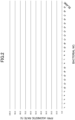
- the FPR1 agonistic rate was calculated according to the following formula. The results of the agonistic rate are shown as the average of the values calculated in three tests. The results are shown in Table 3 and Fig. 2 .
- FPR1 agonistic rate (%) [(Reporter luminescence by test sample-Reporter luminescence by negative control sample)/(Reporter luminescence by positive control sample-Reporter luminescence by negative control sample)] ⁇ 100
- the outer membrane vesicles derived from lactic acid bacteria according to the present invention did not have FPR1 agonistic activity. Therefore, it was shown that the outer membrane vesicles are useful as selective agonists of FPR2 because they selectively activate FPR2.
- the anti-inflammatory cytokine IL-10 inducing ability in M2 macrophages differentiated from human monocyte-derived cells was evaluated by the following procedure, which is a modification of the method described in the literature ( BMC Cancer 15:577 (2015 )).
- THP-1 cells that had been subcultured in a medium (growth medium) prepared by adding 10% by volume of fetal bovine serum (hiFBS, Cytiva) inactivated at 56°C for 30 minutes and 1% by volume of penicillin-streptomycin solution (manufactured by FUJIFILM Wako Pure Chemical Corporation) to RPMI 1640 medium (manufactured by Nacalai Tesque, Inc.) were suspended in a medium prepared by adding 150 nM of phorbol 12-myristate 13-acetate (PMA, Sigma-Aldrich) to the growth medium so as to have a concentration of 1 ⁇ 10 6 cells/mL, seeded in 96-well plates at 0.1 mL per well, and cultured at 37°C for 24 hours in the presence of 5% by volume of CO 2 .
- growth medium prepared by adding 10% by volume of fetal bovine serum (hiFBS, Cytiva) inactivated at 56°C for 30 minutes and 1% by volume of penicillin
- the medium was removed, the cells were washed twice with the growth medium, 0.1 mL of the growth medium was added, and the cells were cultured at 37°C for 24 hours in the presence of 5% by volume of CO 2 .
- the medium was removed, 0.1 mL of a medium prepared by adding 20 ng/mL of Human IL-4 (R&D Systems) and 20 ng/mL of Human IL-13 (Thermo Fisher Scientific) to the growth medium was added, and the cells were cultured at 37°C for 24 hours in the presence of 5% by volume of CO 2 .
- a medium prepared by adding 20 ng/mL of Human IL-4 (R&D Systems) and 20 ng/mL of Human IL-13 (Thermo Fisher Scientific) to the growth medium was added, and the cells were cultured at 37°C for 24 hours in the presence of 5% by volume of CO 2 .
- the cells were washed twice with the growth medium, 0.1 mL of the growth medium was added, 2% by volume of a test substance (described below) was added, and the cells were cultured at 37°C for 24 hours in the presence of 5% CO 2 .
- the culture supernatant was collected, and the IL-10 concentration in the supernatant was calculated using Human IL-10 DuoSet ELISA (R&D Systems).
- TLR2 Toll-like receptor
- test samples were added to the cells in a test state at 2% by volume. Therefore, the final concentration of the test sample at the time of the test was 1/50 of the concentration at the time of preparation.
- the IL-10 inducing activity of the test samples was evaluated according to the procedure described in [Reference Example 1] above.
- a blank sample was prepared by the method described in [Example 1] above.
- 500 ng/mL of FSL-1 (InvivoGen) was used as a positive control sample.
- a sample containing only the solvent used in the test was used as a negative control sample.
- test samples were added to the cells in a test state at 2% by volume. Therefore, the final concentration of outer membrane vesicles at the time of the test was 1/50 of the concentration at the time of preparation.
- outer membrane vesicles derived from lactic acid bacteria having FPR2 agonistic activity (bacterial No. 1 to 4, 20, 21, 24, 25, 7, 9, 10, 26, 11, and 15 (Example 1)) showed a significantly higher IL-10 induction rate compared to outer membrane vesicles of lactic acid bacterium (bacterial No. 12) having no FPR2 agonistic activity. Therefore, it was shown that among outer membrane vesicles derived from bacteria, the outer membrane vesicles derived from specific species of lactic acid bacteria according to the present invention are useful as IL-10 inducers by FPR2 activation. This suggested that the FPR2 agonistic activity is important in the anti-inflammatory action of outer membrane vesicles derived from specific species of lactic acid bacteria according to the present invention.
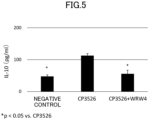
- a purified outer membrane vesicle suspension derived from Lacticaseibacillus paracasei strain CP3526 (bacterial No. 9) was prepared according to the procedure described in [Preparation Example] above, except that the outer membrane vesicle concentration was set to 2.5 ⁇ 10 9 vesicles/mL.
- test samples were used, namely outer membrane vesicles alone (CP3526 group), a mixture of outer membrane vesicles and 50000 nM of WRW4 (H-Trp-Arg-Trp-Trp-Trp-Trp-NH2 (SEQ ID NO: 3), Bachem AG), which is an FPR2 antagonist (CP3526+WRW4 group), and a solvent alone (negative control group).
- CP3526 group outer membrane vesicles alone
- WRW4 H-Trp-Arg-Trp-Trp-Trp-Trp-Trp-NH2 (SEQ ID NO: 3)
- Bachem AG which is an FPR2 antagonist
- CP3526+WRW4 group CP3526+WRW4 group
- solvent alone negative control group
- test samples were added to the cells in a test state at 2% by volume. Therefore, the final concentration of outer membrane vesicles at the time of the test was 1/50 of the concentration at the time of preparation.
- the IL-10 concentration was evaluated according to the procedure described in [Reference Example 1] above.
- the IL-10 concentration with addition of the FPR2 antagonist (CP3526+WRW4 group) was significantly lower than that without addition (CP3526 group). Therefore, it was shown that the outer membrane vesicles derived from Lacticaseibacillus paracasei strain CP3526 according to the present invention induce IL-10 via activation of FPR2. This suggested that the FPR2 agonistic activity is necessary for the anti-inflammatory action of outer membrane vesicles derived from specific species of lactic acid bacteria according to the present invention in immune cells.
- a purified outer membrane vesicle suspension derived from Lacticaseibacillus paracasei strain CP3526 (bacterial No. 9) was prepared according to the procedure described in [Preparation Example] above, except that the outer membrane vesicle concentration was set to 1.0 ⁇ 10 10 vesicles/mL.
- test samples were used, namely outer membrane vesicles alone (CP3526 group), a mixture of outer membrane vesicles and 50000 nM of WRW4 (Bachem AG), which is an FPR2 antagonist (CP3526+WRW4 group), and a solvent alone (negative control group).
- CP3526 group outer membrane vesicles alone
- WRW4 WRW4
- FPR2 antagonist CP3526+WRW4 group
- solvent alone negative control group
- Proliferated normal human epidermal keratinocytes were suspended in HuMedia-KG2 (KURABO INDUSTRIES LTD.) at a concentration of 1.0 ⁇ 10 5 cells/mL, seeded in 96-well black plates at 0.1 mL per well, and cultured at 37°C for 24 hours in the presence of 5% by volume of CO 2 .
- the cells were washed with PBS, 0.02 mL of PBS was added, and the cells were irradiated with 75 mJ/cm 2 of UV-B.
- the cells were cultured for 24 hours, and the number of viable cells was measured by the WST-8 assay.
- the measurement by the WST-8 assay was as follows.
- the medium was replaced with HuMedia-KG2 containing 10% by volume of Cell Count Reagent SF (Nacalai Tesque), and the cells were incubated in a CO 2 incubator, and the amount of change in absorbance (450 nm) over 60 minutes from 30 minutes to 90 minutes after the incubation was measured.
- the cell viability was determined by dividing each value of the amount of change by the average value of the amount of change in absorbance in three tests without UV-B irradiation and multiplying the result by 100.
- outer membrane vesicles significantly improved the viability of skin cells after ultraviolet irradiation compared to no addition. Furthermore, the viability was significantly lower with addition of the FPR2 antagonist than without addition. Therefore, it was shown that the outer membrane vesicles derived from Lacticaseibacillus paracasei strain CP3526 according to the present invention protect the skin from ultraviolet rays via activation of FPR2. This suggested that the FPR2 agonistic activity is necessary for the protective action of outer membrane vesicles derived from specific species of lactic acid bacteria according to the present invention in skin cells.
- a purified outer membrane vesicle suspension derived from Lacticaseibacillus paracasei strain CP3526 (bacterial No. 9) was prepared according to the procedure described in [Preparation Example] above, except that the outer membrane vesicle concentration was set to 1.0 ⁇ 10 10 vesicles/mL.
- test samples Two types of test samples were used, namely outer membrane vesicles alone (CP3526 group) and a solvent alone (negative control group).
- Proliferated PC-12 cells were suspended at a concentration of 8 ⁇ 10 4 cells/mL in a medium (growth induction medium) prepared by adding 5% by volume of fetal bovine serum (FBS, Thermo Fisher Scientific), 10% by volume of Horse Serum (hiHS, Thermo Fisher Scientific) inactivated at 56°C for 30 minutes, and 1% by volume of penicillin-streptomycin solution (P/S) (Nacalai Tesque) to DMEM (1.0 g/L Glucose) (containing L-glutamine and pyruvate) (liquid) (DMEM (LG), Nacalai Tesque), seeded in Collagen IV coated 96-well plates (Corning) at 0.1 mL per well, and cultured at 37°C in the presence of 5% by volume of CO 2 .
- a medium growth induction medium
- FBS fetal bovine serum
- hiHS Horse Serum
- P/S penicillin-streptomycin solution
- a differentiation medium a medium prepared by adding 0.1% by volume of FBS, 0.1% by volume of hiHS, 1% by volume of P/S, and 50 ng/mL of Mouse NGF 2.5S Native Protein (NGF, Thermo Fisher Scientific) to DMEM (LG) to induce neuronal differentiation.
- a differentiation medium a medium prepared by adding 0.1% by volume of FBS, 0.1% by volume of hiHS, 1% by volume of P/S, and 50 ng/mL of Mouse NGF 2.5S Native Protein (NGF, Thermo Fisher Scientific) to DMEM (LG)
- the medium On day 5 after seeding, the medium was replaced with a differentiation medium containing 2% by volume of the test sample, and the cells were cultured at 37°C for 1 hour in the presence of 5% by volume of CO 2 .
- the medium was replaced with a differentiation medium containing 60 ⁇ M of ⁇ Amyloid 1-42 (amyloid ⁇ , Sigma-Aldrich) (neurocytotoxicity) and 2% by volume of the test sample, and the cells were cultured at 37°C for 24 hours in the presence of 5% by volume of CO 2 .
- a differentiation medium containing 60 ⁇ M of ⁇ Amyloid 1-42 (amyloid ⁇ , Sigma-Aldrich) (neurocytotoxicity) and 2% by volume of the test sample, and the cells were cultured at 37°C for 24 hours in the presence of 5% by volume of CO 2 .
- the measurement method was as follows. "Cell” ATP Assay reagent Ver. 2 (Toyo B-Net Co., Ltd.) was added at 0.1 mL/well, and the mixture was stirred for 1 minute with a plate shaker. The mixture was incubated at 23°C for 10 minutes, 100 ⁇ L of the mixture was transferred to a 96-well black plate, and the luminescence was measured. The cell viability was determined by dividing each luminescence by the average value of the luminescence in five tests without amyloid ⁇ treatment and multiplying the result by 100.
- outer membrane vesicles significantly improved the viability of neuronal cells after amyloid ⁇ treatment compared to no addition. Therefore, it was shown that the outer membrane vesicles derived from Lacticaseibacillus paracasei strain CP3526 according to the present invention protect neuronal cells from neurocytotoxicity. This suggested that outer membrane vesicles derived from specific species of lactic acid bacteria according to the present invention have useful effects on neuronal cell damage caused by neurocytotoxicity.
- the present invention is applicable to pharmaceuticals, foods and/or drinks, and the like.
Landscapes
- Health & Medical Sciences (AREA)
- Life Sciences & Earth Sciences (AREA)
- Chemical & Material Sciences (AREA)
- General Health & Medical Sciences (AREA)
- Veterinary Medicine (AREA)
- Animal Behavior & Ethology (AREA)
- Public Health (AREA)
- Engineering & Computer Science (AREA)
- Medicinal Chemistry (AREA)
- Pharmacology & Pharmacy (AREA)
- Bioinformatics & Cheminformatics (AREA)
- Microbiology (AREA)
- Organic Chemistry (AREA)
- Mycology (AREA)
- Epidemiology (AREA)
- General Chemical & Material Sciences (AREA)
- Chemical Kinetics & Catalysis (AREA)
- Nuclear Medicine, Radiotherapy & Molecular Imaging (AREA)
- Biotechnology (AREA)
- Zoology (AREA)
- Molecular Biology (AREA)
- Biomedical Technology (AREA)
- Genetics & Genomics (AREA)
- Dermatology (AREA)
- Wood Science & Technology (AREA)
- Tropical Medicine & Parasitology (AREA)
- Neurosurgery (AREA)
- Immunology (AREA)
- Neurology (AREA)
- Virology (AREA)
- Biochemistry (AREA)
- General Engineering & Computer Science (AREA)
- Birds (AREA)
- Rheumatology (AREA)
- Pain & Pain Management (AREA)
- Nutrition Science (AREA)
- Polymers & Plastics (AREA)
- Psychiatry (AREA)
- Food Science & Technology (AREA)
- Hospice & Palliative Care (AREA)
Applications Claiming Priority (2)
| Application Number | Priority Date | Filing Date | Title |
|---|---|---|---|
| JP2022086832 | 2022-05-27 | ||
| PCT/JP2023/019763 WO2023229034A1 (ja) | 2022-05-27 | 2023-05-26 | 乳酸菌由来の外膜小胞を含有するfpr2作動剤 |
Publications (1)
| Publication Number | Publication Date |
|---|---|
| EP4548780A1 true EP4548780A1 (de) | 2025-05-07 |
Family
ID=88919523
Family Applications (1)
| Application Number | Title | Priority Date | Filing Date |
|---|---|---|---|
| EP23811906.9A Pending EP4548780A1 (de) | 2022-05-27 | 2023-05-26 | Fpr2-agonist mit aussenmembranvesikeln aus milchsäurebakterium |
Country Status (7)
| Country | Link |
|---|---|
| US (1) | US20250205164A1 (de) |
| EP (1) | EP4548780A1 (de) |
| JP (1) | JPWO2023229034A1 (de) |
| KR (1) | KR20250013176A (de) |
| CN (1) | CN119300729A (de) |
| AU (1) | AU2023277074A1 (de) |
| WO (1) | WO2023229034A1 (de) |
Families Citing this family (3)
| Publication number | Priority date | Publication date | Assignee | Title |
|---|---|---|---|---|
| WO2025183190A1 (ja) * | 2024-02-28 | 2025-09-04 | 株式会社ヤクルト本社 | グラム陽性菌の膜小胞の製造方法及びその膜小胞の利用 |
| CN118240723B (zh) * | 2024-05-29 | 2024-08-23 | 上海羽冠生物技术有限公司 | 一种通过发酵产生细菌外膜囊泡的方法 |
| CN120290395A (zh) * | 2025-04-15 | 2025-07-11 | 华中农业大学 | 一种用于缓解溃疡性结肠炎的副干酪乳酪杆菌胞外囊泡及其应用 |
Family Cites Families (10)
| Publication number | Priority date | Publication date | Assignee | Title |
|---|---|---|---|---|
| JP5635690B2 (ja) | 2010-07-01 | 2014-12-03 | ポステック アカデミー‐インダストリー ファウンデーション | 細菌由来マイクロベシクルを用いた癌治療及び癌診断方法 |
| KR20160110232A (ko) | 2015-03-11 | 2016-09-21 | 주식회사 엠디헬스케어 | 유산균 유래 세포밖 소포체를 유효성분으로 포함하는 염증질환의 예방 또는 치료용 조성물 |
| KR102348048B1 (ko) * | 2017-06-29 | 2022-01-10 | (주)아모레퍼시픽 | 유산균 유래의 세포밖 베지클을 포함하는 항노화용 조성물 |
| KR102335710B1 (ko) | 2017-10-31 | 2021-12-07 | (주)아모레퍼시픽 | 유산균 유래의 세포밖 베지클을 포함하는 면역조절용 조성물 |
| BR112020009133A2 (pt) | 2017-11-15 | 2020-10-13 | Evelo Biosciences, Inc. | composições e métodos de tratamento de distúrbios imunológicos usando cepas de bactérias lactococcus imunomoduladoras |
| KR102194286B1 (ko) | 2018-02-08 | 2020-12-22 | 주식회사 엠디헬스케어 | 락토코커스 속 세균 유래 나노소포 및 이의 용도 |
| US10676431B2 (en) | 2018-03-05 | 2020-06-09 | Bristol-Myers Squibb Company | Phenylpyrrolidinone formyl peptide 2 receptor agonists |
| KR102101692B1 (ko) | 2018-03-05 | 2020-04-20 | 주식회사 엠디헬스케어 | 락토바실러스 속 세균 유래 나노소포 및 이의 용도 |
| US12247244B2 (en) | 2018-07-31 | 2025-03-11 | The University Of Tokyo | Membrane protein activity measurement method |
| WO2022039514A1 (ko) * | 2020-08-20 | 2022-02-24 | 주식회사 리스큐어바이오사이언시스 | 락토바실러스 사케이 또는 이로부터 유래된 세포밖 소포체를 유효성분으로 포함하는 뇌질환의 치료용 조성물 |
-
2023
- 2023-05-26 US US18/869,516 patent/US20250205164A1/en active Pending
- 2023-05-26 JP JP2024523365A patent/JPWO2023229034A1/ja active Pending
- 2023-05-26 CN CN202380042768.2A patent/CN119300729A/zh active Pending
- 2023-05-26 AU AU2023277074A patent/AU2023277074A1/en active Pending
- 2023-05-26 EP EP23811906.9A patent/EP4548780A1/de active Pending
- 2023-05-26 KR KR1020247040518A patent/KR20250013176A/ko active Pending
- 2023-05-26 WO PCT/JP2023/019763 patent/WO2023229034A1/ja not_active Ceased
Also Published As
| Publication number | Publication date |
|---|---|
| JPWO2023229034A1 (de) | 2023-11-30 |
| AU2023277074A1 (en) | 2024-12-19 |
| CN119300729A (zh) | 2025-01-10 |
| US20250205164A1 (en) | 2025-06-26 |
| WO2023229034A1 (ja) | 2023-11-30 |
| KR20250013176A (ko) | 2025-01-31 |
Similar Documents
| Publication | Publication Date | Title |
|---|---|---|
| EP4548780A1 (de) | Fpr2-agonist mit aussenmembranvesikeln aus milchsäurebakterium | |
| US9468657B2 (en) | Lactic acid bacterium agent for improving lipid metabolism | |
| JP5840368B2 (ja) | 関節炎予防改善用物質 | |
| JP5923238B2 (ja) | 迷走神経活性化剤 | |
| JP5690435B2 (ja) | 乳酸菌又はその処理物を含む脂質代謝及び/又は糖代謝改善剤 | |
| JP5686680B2 (ja) | 乳酸菌発酵によるカゼイン由来ペプチドの製造方法 | |
| US20120328735A1 (en) | Process for preparing casein-derived peptides by fermentation of lactic acid bacteria | |
| EP3479837B1 (de) | Zusammensetzung zur linderung von renaler anämie | |
| JP5950993B2 (ja) | 迷走神経活性化剤 | |
| AU2017287987A1 (en) | Cartilage regeneration facilitating composition | |
| AU2015201076B2 (en) | Lipid metabolism-improving agent |
Legal Events
| Date | Code | Title | Description |
|---|---|---|---|
| STAA | Information on the status of an ep patent application or granted ep patent |
Free format text: STATUS: THE INTERNATIONAL PUBLICATION HAS BEEN MADE |
|
| PUAI | Public reference made under article 153(3) epc to a published international application that has entered the european phase |
Free format text: ORIGINAL CODE: 0009012 |
|
| STAA | Information on the status of an ep patent application or granted ep patent |
Free format text: STATUS: REQUEST FOR EXAMINATION WAS MADE |
|
| 17P | Request for examination filed |
Effective date: 20241211 |
|
| AK | Designated contracting states |
Kind code of ref document: A1 Designated state(s): AL AT BE BG CH CY CZ DE DK EE ES FI FR GB GR HR HU IE IS IT LI LT LU LV MC ME MK MT NL NO PL PT RO RS SE SI SK SM TR |
|
| DAV | Request for validation of the european patent (deleted) | ||
| DAX | Request for extension of the european patent (deleted) |