EP4537951A1 - Cold rolling equipment, steel plate manufacturing equipment, cold rolling method, and steel plate manufacturing method - Google Patents
Cold rolling equipment, steel plate manufacturing equipment, cold rolling method, and steel plate manufacturing method Download PDFInfo
- Publication number
- EP4537951A1 EP4537951A1 EP23842656.3A EP23842656A EP4537951A1 EP 4537951 A1 EP4537951 A1 EP 4537951A1 EP 23842656 A EP23842656 A EP 23842656A EP 4537951 A1 EP4537951 A1 EP 4537951A1
- Authority
- EP
- European Patent Office
- Prior art keywords
- steel strip
- cold
- metal steel
- rollers
- cold rolling
- Prior art date
- Legal status (The legal status is an assumption and is not a legal conclusion. Google has not performed a legal analysis and makes no representation as to the accuracy of the status listed.)
- Pending
Links
Images

Classifications
-
- B—PERFORMING OPERATIONS; TRANSPORTING
- B21—MECHANICAL METAL-WORKING WITHOUT ESSENTIALLY REMOVING MATERIAL; PUNCHING METAL
- B21B—ROLLING OF METAL
- B21B37/00—Control devices or methods specially adapted for metal-rolling mills or the work produced thereby
- B21B37/74—Temperature control, e.g. by cooling or heating the rolls or the product
-
- B—PERFORMING OPERATIONS; TRANSPORTING
- B21—MECHANICAL METAL-WORKING WITHOUT ESSENTIALLY REMOVING MATERIAL; PUNCHING METAL
- B21B—ROLLING OF METAL
- B21B41/00—Guiding, conveying, or accumulating easily-flexible work, e.g. wire, sheet metal bands, in loops or curves; Loop lifters
- B21B41/08—Guiding, conveying, or accumulating easily-flexible work, e.g. wire, sheet metal bands, in loops or curves; Loop lifters without overall change in the general direction of movement of the work
- B21B41/10—Loop deflectors
-
- B—PERFORMING OPERATIONS; TRANSPORTING
- B21—MECHANICAL METAL-WORKING WITHOUT ESSENTIALLY REMOVING MATERIAL; PUNCHING METAL
- B21B—ROLLING OF METAL
- B21B1/00—Metal-rolling methods or mills for making semi-finished products of solid or profiled cross-section; Sequence of operations in milling trains; Layout of rolling-mill plant, e.g. grouping of stands; Succession of passes or of sectional pass alternations
- B21B1/22—Metal-rolling methods or mills for making semi-finished products of solid or profiled cross-section; Sequence of operations in milling trains; Layout of rolling-mill plant, e.g. grouping of stands; Succession of passes or of sectional pass alternations for rolling plates, strips, bands or sheets of indefinite length
- B21B2001/221—Metal-rolling methods or mills for making semi-finished products of solid or profiled cross-section; Sequence of operations in milling trains; Layout of rolling-mill plant, e.g. grouping of stands; Succession of passes or of sectional pass alternations for rolling plates, strips, bands or sheets of indefinite length by cold-rolling
-
- B—PERFORMING OPERATIONS; TRANSPORTING
- B21—MECHANICAL METAL-WORKING WITHOUT ESSENTIALLY REMOVING MATERIAL; PUNCHING METAL
- B21B—ROLLING OF METAL
- B21B27/00—Rolls, roll alloys or roll fabrication; Lubricating, cooling or heating rolls while in use
- B21B27/06—Lubricating, cooling or heating rolls
- B21B27/10—Lubricating, cooling or heating rolls externally
- B21B2027/103—Lubricating, cooling or heating rolls externally cooling externally
-
- B—PERFORMING OPERATIONS; TRANSPORTING
- B21—MECHANICAL METAL-WORKING WITHOUT ESSENTIALLY REMOVING MATERIAL; PUNCHING METAL
- B21B—ROLLING OF METAL
- B21B2275/00—Mill drive parameters
- B21B2275/02—Speed
- B21B2275/06—Product speed
-
- B—PERFORMING OPERATIONS; TRANSPORTING
- B21—MECHANICAL METAL-WORKING WITHOUT ESSENTIALLY REMOVING MATERIAL; PUNCHING METAL
- B21B—ROLLING OF METAL
- B21B38/00—Methods or devices for measuring, detecting or monitoring specially adapted for metal-rolling mills, e.g. position detection, inspection of the product
- B21B38/006—Methods or devices for measuring, detecting or monitoring specially adapted for metal-rolling mills, e.g. position detection, inspection of the product for measuring temperature
-
- B—PERFORMING OPERATIONS; TRANSPORTING
- B21—MECHANICAL METAL-WORKING WITHOUT ESSENTIALLY REMOVING MATERIAL; PUNCHING METAL
- B21B—ROLLING OF METAL
- B21B45/00—Devices for surface or other treatment of work, specially combined with or arranged in, or specially adapted for use in connection with, metal-rolling mills
- B21B45/02—Devices for surface or other treatment of work, specially combined with or arranged in, or specially adapted for use in connection with, metal-rolling mills for lubricating, cooling, or cleaning
- B21B45/0203—Cooling
- B21B45/0209—Cooling devices, e.g. using gaseous coolants
- B21B45/0215—Cooling devices, e.g. using gaseous coolants using liquid coolants, e.g. for sections, for tubes
- B21B45/0218—Cooling devices, e.g. using gaseous coolants using liquid coolants, e.g. for sections, for tubes for strips, sheets, or plates
Definitions
- coolant is injected towards the biting area between the work rolls and the steel sheet to lubricate the steel sheet during rolling and to prevent thermal deformation of the work rolls.
- the injected coolant bounces off the work roll and flows across the steel sheet toward the entry side.
- the temperature of the steel sheet is lowered by the coolant that flows toward the entry side (coolant liquid ride).
- the liquid ride length of the coolant in the longitudinal direction of the steel sheet is longer at slower line speeds.
- a faster line speed yields a stronger force, by the steel sheet, drawing in the coolant.
- the liquid ride length thus tends to be shorter. Therefore, when the line speed is slow, the steel sheet is cooled to about the temperature of the coolant even if the steel sheet is preheated.
- the steel sheet temperature rises due to processing heat generated during rolling, but if the temperature is too high, the heat input to the work rolls increases during rolling, and a thermal crown is formed on the work rolls. The formation of thermal crowns deteriorates the rolling shape of the steel sheet.
- the steel sheet temperature in the downstream stand of a multi-stage rolling mill or the like is too high due to processing heat generated during rolling, the steel sheet temperature is lowered by the coolant liquid ride, and the amount of heat input to the work rolls can be suppressed.
- the rolling speed is high, the liquid ride length becomes short, making the cooling effect small.
- a cold rolling line, a steel sheet production line, a cold rolling method, and a steel sheet production method that can suppress work roll deformation and brittle cracking during rolling can be provided.
- Each of the first through fourth cold mills is equipped with a coolant header (see FIG. 1 ) that injects coolant towards the work rolls and the metal steel strip.
- the coolant is a liquid mixture of rolling oil and water, for example, and is injected to ensure lubrication and to cool the work rolls.
- Steel sheets produced by production lines equipped with cold rolling lines include, for example, electrical steel sheets. Since an electrical steel sheet usually has a ductility brittle transition temperature of 70 °C to 80 °C, the electrical steel sheet is heated to a temperature above the ductility brittle transition temperature (such as 200 °C to 500 °C) before being inserted into the rolling line and rolled.
- sheet temperature the temperature of the metal steel strip at the time of biting in the cold mill
- the lower graph in FIG. 3 illustrates the change in temperature of the metal steel strip.
- the vertical axis indicates the temperature of the metal steel strip
- the horizontal axis indicates the position in the production process corresponding to the cold rolling line illustrated in the upper portion of the diagram.
- Coolant injected in the first through fourth cold mills bounces off the work rolls and flows over the metal steel strip toward the entry side (upstream), yielding a coolant liquid ride.
- the length, in the longitudinal direction (conveyance direction) of the metal steel strip, of the coolant liquid ride becomes longer at slower line speeds, but becomes shorter at higher line speeds because the coolant is drawn in more strongly by the steel sheet.
- a cold rolling line the metal steel strip is rolled and stretched in the longitudinal direction by the rolling mill.
- the line speed therefore increases from the cold mills on the upstream side towards the cold mills on the downstream side.
- the coolant liquid ride length becomes longer at the first cold mill and the second cold mill, where the line speed is relatively slow, and the temperature of the metal steel strip falls below the optimal temperature (below the ductility brittle transition temperature).
- the coolant liquid ride length is short at the fourth cold mill, where the line speed is relatively high, and heat such as processing heat generated during rolling accumulates, raising the temperature of the work rolls to or above the shape defect occurrence temperature, at which shape defects occur in the metal steel strip.
- the cold rolling line according to the present embodiment can adjust the length of the coolant liquid ride by setting the inclination angle of the metal steel strip with respect to the biting area of the cold mill upstream from each cold mill, based on the results of measuring sheet temperature and the like as illustrated in FIG. 3 below, for example.
- the length of the coolant liquid ride being adjusted, the temperature of the metal steel strip remains within the optimal temperature range, thereby suppressing deformation of the work rolls and suppressing brittle cracking during rolling.
- each of the rollers on the entry side of the cold mill can be adjusted in height by a lifting and lowering device.
- the lifting and lowering device is, for example, a screw jack but is not limited to any particular device.
- the control unit controls the height difference of the plurality of rollers by causing the lifting and lowering device to lift and lower the rollers via a control signal.
- the control unit controls the plurality of rollers so that the metal steel strip is at a lower position towards the downstream side in the conveyance direction.
- the angle of the entering metal steel strip with respect to the horizontal direction at the biting area of the cold mill is the inclination angle, and in the example in FIG. 1 , the control unit controls the inclination angle to be positive.
- the control unit can increase the temperature of the metal steel strip by controlling the metal steel strip to be at a lower position towards the downstream side in the conveyance direction at the entry side of the cold mill, where the temperature of the metal steel strip has dropped below the optimal temperature.
- the coolant liquid ride length is generally longer at the entry side of the most upstream mill provided farthest upstream, and the temperature of the metal steel strip falls below the optimal temperature.
- the control unit preferably controls the plurality of rollers so that the inclination angle is 2° or more.
- the control unit preferably controls the plurality of rollers so that the inclination angle is 10° or less.
- the inclination angle is less than 2°, the degree of shortening of the coolant liquid ride length is small, and the effect of temperature increase is small.
- the inclination angle is greater than 10°, smooth conveyance of the metal steel strip may be hindered.
- the control unit may therefore control the plurality of rollers so that the inclination angle is 5° or more to 10° or less.
- the inclined portion should have a certain length, because if it is too short, the coolant liquid ride may surpass the inclined portion.
- the length of the inclined portion is preferably 1 m or more as an example.
- an upper limit may be set on the length of the inclined portion due to equipment constraints.
- the length of the inclined portion is preferably 3 m or less as an example.
- control unit may set the inclination angle based on at least one of the steel type of the metal steel strip, the line speed, the injection flow rate of the coolant, the temperature of the metal steel strip, and a target temperature of the metal steel strip, at the upstream side of the one or more cold mills including the most downstream mill.
- the control unit may set the inclination angle of the fourth cold mill (the most downstream mill) based, for example, on the temperature of the metal steel strip and the target temperature of the metal steel strip.
- the control unit may calculate the optimal coolant ride length based, for example, on the type of the metal steel strip, the line speed, and the injection flow rate of the coolant, and set the inclination angle of the fourth cold mill so that the coolant ride length matches the calculated value.
- the control unit preferably controls the plurality of rollers so that the inclination angle is -10° or more.
- the control unit preferably controls the plurality of rollers so that the inclination angle is -2° or less.
- the degree of increase in the coolant liquid ride length is small, and the effect of temperature decrease is small.
- the inclination angle is less than -10°, smooth conveyance of the metal steel strip may be hindered.
- the inclination angle is -3° or less, it may be possible to extend the length of the coolant liquid ride by a factor of three or more.
- the control unit may therefore control the plurality of rollers so that the inclination angle is -10° or more to -3° or less.
- the type of cold mill included in the cold rolling line is not limited.
- the cold mill may, for example, be a multi-stage rolling mill or a reverse rolling mill. Different types of cold mills may also be included. Even if the cold mill is a reverse rolling mill, it suffices to set the inclination angle to adjust the length of the coolant liquid ride so that the temperature of the metal steel strip is in the optimal range.
- the cold rolling line according to the present embodiment is used as part of a steel sheet production line, as described above.
- the control unit of the cold rolling line can perform a cold rolling method that includes controlling the plurality of rollers so that the metal steel strip is at a lower position towards a downstream side in the conveyance direction at an upstream side of one or more cold mills including the most upstream mill.
- the control unit of the cold rolling line can perform a cold rolling method that includes controlling the plurality of rollers so that the metal steel strip is at a higher position towards a downstream side in the conveyance direction at an upstream side of one or more cold mills including the most downstream mill.
- the steel sheet production line can perform a steel sheet production method including performing the cold rolling method and furthermore cutting the metal steel strip.
- each of the intermediate cold mills may be adjusted by the control unit to have a positive inclination angle or a negative inclination angle, or adjustment of the inclination angle may be omitted.
- a rolling experiment was conducted by changing the inclination angle from 0° to 10°.
- the inclination angle of the first cold mill No. 1 std.
- the coolant flow rate was 100 L/min to 300 L/min.
- the initial temperature of the steel sheet (metal steel strip) for sheet passing was 200 °C.
- the steel sheet (metal steel strip) size was set for a width of 1000 mm and an initial thickness of 2.0 mm.
- the line speed was 15 mpm or 100 mpm.
- the plate thickness was set to be from 2.0 mm to 1.2 mm by rolling in the first cold mill.
- the coolant used was 5 % rolling oil plus 95 % pure water.
- the coolant temperature was 60 °C.
- Table 2 illustrates the results of the first experiment. Under a set of conditions including No. 1, the liquid ride length was 100 mm or less, but sticking occurred. Although no burning occurred under a set of conditions including No. 5, the coolant ride length was a long value of 600 mm, and the plate temperature at the entry side was 60 °C, which was 140 °C lower than the initial temperature, causing sheet fracture. No. 3 and No. 4 are the results of inclining the pass line, and no sticking occurred in either case. In No. 3 and No. 4, the plate temperature on the entry side was also 80 °C or more, which is equal to or greater than the ductility brittle transition temperature, and no sheet fracture occurred.
- Table 3 illustrates the results of the second experiment. Setting the inclination angle to 0° and the sheet temperature at the entry side to 250 °C yielded a coolant liquid ride length of 400 mm, and quarter elongation (shape defect) occurred. Setting the inclination angle to -2° and the sheet temperature at the entry side to 250 °C yielded a coolant liquid ride length of 1500 mm, and quarter elongation did not occur.
Landscapes
- Engineering & Computer Science (AREA)
- Mechanical Engineering (AREA)
- Metal Rolling (AREA)
Abstract
Description
- The present disclosure relates to a cold rolling line, a steel sheet production line, a cold rolling method, and a steel sheet production method.
- Steel sheets containing Si, such as electrical steel sheets, have low toughness and are prone to brittle fracture during rolling. In general, the higher the Si content in a steel sheet, the lower the ductility brittle transition temperature tends to be. One method to prevent brittle fracture is to heat a steel sheet above the ductility brittle transition temperature before rolling.
- In steel sheet rolling lines, tandem mills, and the like, coolant is injected towards the biting area between the work rolls and the steel sheet to lubricate the steel sheet during rolling and to prevent thermal deformation of the work rolls. The injected coolant bounces off the work roll and flows across the steel sheet toward the entry side. When a steel sheet is heated before rolling, the temperature of the steel sheet is lowered by the coolant that flows toward the entry side (coolant liquid ride).
- The liquid ride length of the coolant in the longitudinal direction of the steel sheet is longer at slower line speeds. In addition, a faster line speed yields a stronger force, by the steel sheet, drawing in the coolant. The liquid ride length thus tends to be shorter. Therefore, when the line speed is slow, the steel sheet is cooled to about the temperature of the coolant even if the steel sheet is preheated.
- For example, Patent Literature (PTL) 1 discloses a technique for installing a liquid drainage device that blows air for liquid drainage on an upper roller to prevent coolant sprayed on the upper roller of a rolling mill from falling onto the strip and lowering the strip temperature.
- In order to resolve the lack of lubrication of the steel sheet caused by the liquid drainage device in PTL 1, a technique for supplying a small amount of emulsion to the steel sheet at a high concentration has been disclosed, as illustrated in PTL 2, for example.
- On the other hand, in the back-end stand of a multi-stage rolling mill or the like, the steel sheet temperature rises due to processing heat generated during rolling, but if the temperature is too high, the heat input to the work rolls increases during rolling, and a thermal crown is formed on the work rolls. The formation of thermal crowns deteriorates the rolling shape of the steel sheet.
- In particular, as the rolling speed increases, the heat input per unit time increases, causing the thermal crowns to grow further and deteriorating the rolling shape of the steel sheet.
-
- PTL 1:
JP 2000-271614 A - PTL 2:
JP 2006-272382 A - Although the liquid drainage device described in PTL 1 is effective for suppressing sheet temperature drop, this technique tends to cause poor lubrication of the steel sheets, resulting in sticking.
- In the case of PTL 2, the emulsion is supplied to the steel sheet at the entry side of the rolling mill. The steel sheet is therefore cooled by the liquid ride of the emulsion, and the temperature of the steel sheet is lowered.
- Here, if the steel sheet temperature in the downstream stand of a multi-stage rolling mill or the like is too high due to processing heat generated during rolling, the steel sheet temperature is lowered by the coolant liquid ride, and the amount of heat input to the work rolls can be suppressed. However, when the rolling speed is high, the liquid ride length becomes short, making the cooling effect small.
- The cooling capacity is also improved by increasing the coolant flow rate, and the cooling capacity is further improved by increasing the liquid ride length. However, pump augmentation, coolant water supply pipe diameter, and circulation tank size need to be reconsidered.
- It is an aim of the present disclosure, conceived in light of such issues, to provide a cold rolling line, a steel sheet production line, a cold rolling method, and a steel sheet production method that can suppress work roll deformation and brittle cracking during rolling.
-
- (1) A cold rolling line according to an embodiment of the present disclosure includes:
- one or more cold mills configured to inject coolant towards a work roll and a metal steel strip and to cold roll the metal steel strip, a plurality of rollers provided upstream from the one or more cold mills in a conveyance direction of the metal steel strip and used to convey the metal steel strip, and a control unit configured to control a height difference of the plurality of rollers, wherein
- the control unit is configured to control the plurality of rollers so that the metal steel strip is at a lower position towards a downstream side in the conveyance direction at an upstream side of at least a portion of the one or more cold mills including a most upstream mill provided farthest upstream.
- (2) As an embodiment of the present disclosure, in (1), the control unit is configured to set an inclination angle of the metal steel strip with respect to a biting area of the one or more cold mills based on at least one of a steel type of the metal steel strip, a line speed, an injection flow rate of the coolant, a temperature of the metal steel strip, and a target temperature of the metal steel strip, at an upstream side of at least a portion of the one or more cold mills including the most upstream mill.
- (3) As an embodiment of the present disclosure, in (2), the control unit is configured to control the plurality of rollers so that the inclination angle is 2° or more to 10° or less.
- (4) As an embodiment of the present disclosure, in any one of (1) to (3), the one or more cold mills includes a plurality of cold mills, and
the control unit is configured to control the plurality of rollers so that the metal steel strip is at a higher position towards a downstream side in the conveyance direction at an upstream side of at least a portion of the one or more cold mills including a most downstream mill provided farthest downstream. - (5) A cold rolling line according to an embodiment of the present disclosure includes one or more cold mills configured to inject coolant towards a work roll and a metal steel strip and to cold roll the metal steel strip, a plurality of rollers provided upstream from the one or more cold mills in a conveyance direction of the metal steel strip and used to convey the metal steel strip, and a control unit configured to control a height difference of the plurality of rollers, wherein
the control unit is configured to control the plurality of rollers so that the metal steel strip is at a higher position towards a downstream side in the conveyance direction at an upstream side of at least a portion of the one or more cold mills including a most downstream mill provided farthest downstream. - (6) As an embodiment of the present disclosure, in (5), the control unit is configured to set an inclination angle of the metal steel strip with respect to a biting area of the one or more cold mills based on at least one of a steel type of the metal steel strip, a line speed, an injection flow rate of the coolant, a temperature of the metal steel strip, and a target temperature of the metal steel strip, at an upstream side of at least a portion of the one or more cold mills including the most downstream mill.
- (7) As an embodiment of the present disclosure, in (6), the control unit is configured to control the plurality of rollers so that the inclination angle is -10° or more to -2° or less.
- (8) A steel sheet production line according to an embodiment of the present disclosure includes the cold rolling line according to any one of (1) to (7), and a line for cutting the metal steel strip.
- (9) A cold rolling method according to an embodiment of the present disclosure is a cold rolling method to be performed on a cold rolling line including one or more cold mills configured to inject coolant towards a work roll and a metal steel strip and to cold roll the metal steel strip, a plurality of rollers provided upstream from the one or more cold mills in a conveyance direction of the metal steel strip and used to convey the metal steel strip, and a control unit configured to control a height difference of the plurality of rollers, the cold rolling method including:
controlling, by the control unit, the plurality of rollers so that the metal steel strip is at a lower position towards a downstream side in the conveyance direction at an upstream side of at least a portion of the one or more cold mills including a most upstream mill provided farthest upstream. - (10) A cold rolling method according to an embodiment of the present disclosure is a cold rolling method to be performed on a cold rolling line including one or more cold mills configured to inject coolant towards a work roll and a metal steel strip and to cold roll the metal steel strip, a plurality of rollers provided upstream from the one or more cold mills in a conveyance direction of the metal steel strip and used to convey the metal steel strip, and a control unit configured to control a height difference of the plurality of rollers, the cold rolling method including:
controlling, by the control unit, the plurality of rollers so that the metal steel strip is at a higher position towards a downstream side in the conveyance direction at an upstream side of at least a portion of the one or more cold mills including a most downstream mill provided farthest downstream. - (11) A steel sheet production method according to an embodiment of the present disclosure includes performing the cold rolling method according to (9) or (10), and cutting the metal steel strip.
- According to the present disclosure, a cold rolling line, a steel sheet production line, a cold rolling method, and a steel sheet production method that can suppress work roll deformation and brittle cracking during rolling can be provided.
- In the accompanying drawings:
-
FIG. 1 is a diagram illustrating an example configuration of cold mill provided in a cold rolling line according to an embodiment of the present disclosure; -
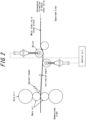
FIG. 2 is a diagram illustrating an example configuration of cold mill provided in a cold rolling line according to an embodiment of the present disclosure; and -
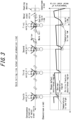
FIG. 3 is a diagram illustrating the change in temperature of a metal steel strip in the cold rolling line. - A cold rolling line, a steel sheet production line, a cold rolling method, and a steel sheet production method according to an embodiment of the present disclosure will be described below with reference to the drawings.
- First, with reference to
FIG. 3 , an example of the temperature change of a metal steel strip in a cold rolling line is explained. In the example inFIG. 3 , the cold rolling line is equipped with a heating device, a plurality of rollers, and first through fourth cold mills. The first through fourth cold mills perform cold rolling of a metal steel strip that is heated by the heating device and conveyed by the plurality of rollers. The cold rolling line includes the heating device, the first cold mill, the second cold mill, the third cold mill, and the fourth cold mill in this order from the upstream side to the downstream side in the conveyance direction of the metal steel strip. The cold rolling line may form part of a steel sheet production line. The steel sheet production line may be further equipped with a line for cutting the metal steel strip, for example located downstream from the fourth cold mill, to cut out steel sheets of the desired size. - Each of the first through fourth cold mills is equipped with a coolant header (see
FIG. 1 ) that injects coolant towards the work rolls and the metal steel strip. The coolant is a liquid mixture of rolling oil and water, for example, and is injected to ensure lubrication and to cool the work rolls. - When a metal steel strip enters a cold mill, brittle fracture may occur if the metal steel strip is not at a certain temperature. Steel sheets produced by production lines equipped with cold rolling lines include, for example, electrical steel sheets. Since an electrical steel sheet usually has a ductility brittle transition temperature of 70 °C to 80 °C, the electrical steel sheet is heated to a temperature above the ductility brittle transition temperature (such as 200 °C to 500 °C) before being inserted into the rolling line and rolled. However, if the temperature of the steel sheet is lowered by rolling oil provided during rolling or the like, and the temperature of the metal steel strip at the time of biting in the cold mill (hereinafter also referred to as "sheet temperature") falls below the ductility brittle transition temperature, fracture is likely to occur. In the cold rolling line, the sheet temperature could be lower than expected, depending on the liquid ride of the rolling oil.
- On the other hand, a high sheet temperature at the time of biting can prevent fracture, but due to heat such as processing heat generated during rolling, the sheet temperature can become even higher in the downstream rolling passes. If sheet temperature is higher than expected, the thermal crown of the work rolls may grow and cause shape defects in the post-rolling metal steel strip.
- The lower graph in
FIG. 3 illustrates the change in temperature of the metal steel strip. The vertical axis indicates the temperature of the metal steel strip, and the horizontal axis indicates the position in the production process corresponding to the cold rolling line illustrated in the upper portion of the diagram. Coolant injected in the first through fourth cold mills bounces off the work rolls and flows over the metal steel strip toward the entry side (upstream), yielding a coolant liquid ride. The length, in the longitudinal direction (conveyance direction) of the metal steel strip, of the coolant liquid ride becomes longer at slower line speeds, but becomes shorter at higher line speeds because the coolant is drawn in more strongly by the steel sheet. In a cold rolling line, the metal steel strip is rolled and stretched in the longitudinal direction by the rolling mill. The line speed therefore increases from the cold mills on the upstream side towards the cold mills on the downstream side. In the example inFIG. 3 , the coolant liquid ride length becomes longer at the first cold mill and the second cold mill, where the line speed is relatively slow, and the temperature of the metal steel strip falls below the optimal temperature (below the ductility brittle transition temperature). The coolant liquid ride length is short at the fourth cold mill, where the line speed is relatively high, and heat such as processing heat generated during rolling accumulates, raising the temperature of the work rolls to or above the shape defect occurrence temperature, at which shape defects occur in the metal steel strip. - As explained below, the cold rolling line according to the present embodiment can adjust the length of the coolant liquid ride by setting the inclination angle of the metal steel strip with respect to the biting area of the cold mill upstream from each cold mill, based on the results of measuring sheet temperature and the like as illustrated in
FIG. 3 below, for example. By the length of the coolant liquid ride being adjusted, the temperature of the metal steel strip remains within the optimal temperature range, thereby suppressing deformation of the work rolls and suppressing brittle cracking during rolling. -
FIG. 1 is a diagram illustrating an example configuration of a cold mill provided in a cold rolling line according to the present embodiment. The cold rolling line includes one or more cold mills configured to inject coolant towards a work roll and a metal steel strip and to cold roll the metal steel strip, a plurality of rollers provided upstream from the cold mills in the conveyance direction of the metal steel strip and used to convey the metal steel strip, and a control unit that controls the height difference of the plurality of rollers. The number of cold mills included in the cold rolling line is not particularly limited but is described as being four in the present embodiment, as illustrated inFIG. 3 .FIG. 1 illustrates an enlarged view of one cold mill in the plurality of cold mills included in the cold rolling line. - As illustrated in
FIG. 1 , each of the rollers on the entry side of the cold mill can be adjusted in height by a lifting and lowering device. The lifting and lowering device is, for example, a screw jack but is not limited to any particular device. The control unit controls the height difference of the plurality of rollers by causing the lifting and lowering device to lift and lower the rollers via a control signal. In the example illustrated inFIG. 1 , the control unit controls the plurality of rollers so that the metal steel strip is at a lower position towards the downstream side in the conveyance direction. The angle of the entering metal steel strip with respect to the horizontal direction at the biting area of the cold mill is the inclination angle, and in the example inFIG. 1 , the control unit controls the inclination angle to be positive. When the inclination angle is positive, the coolant that bounces off the work roll and flows over the metal steel strip toward the entry side (upstream side) returns to the biting area of the cold mill due to the inclination. The length of the coolant liquid ride can thus be shortened. Therefore, the control unit can increase the temperature of the metal steel strip by controlling the metal steel strip to be at a lower position towards the downstream side in the conveyance direction at the entry side of the cold mill, where the temperature of the metal steel strip has dropped below the optimal temperature. The coolant liquid ride length is generally longer at the entry side of the most upstream mill provided farthest upstream, and the temperature of the metal steel strip falls below the optimal temperature. The control unit may therefore control the metal steel strip to be at a lower position lower towards the downstream side in the conveyance direction at the upstream side of one or more cold mills including the most upstream mill. In the example inFIG. 3 , the control unit raises and lowers the rollers at the entry side so that the inclination angle becomes positive for the first cold mill (the most upstream mill) and the second cold mill, thereby shortening the coolant liquid ride length and increasing the temperature of the metal steel strip to be within the optimal temperature range. - Here, the control unit may set the inclination angle in the first cold mill to the same inclination angle as the second cold mill, or to a different angle. The control unit may set the inclination angle based on at least one of the steel type of the metal steel strip, the line speed, the injection flow rate of the coolant, the temperature of the metal steel strip, and a target temperature of the metal steel strip, at the upstream side of the one or more cold mills including the most upstream mill. The control unit may set the inclination angle of the first cold mill (the most upstream mill) based, for example, on the temperature of the metal steel strip and the target temperature of the metal steel strip. The control unit may also set the inclination angle of the second cold mill to be smaller than the inclination angle of the first cold mill, based on differences in line speed, for example.
- The control unit preferably controls the plurality of rollers so that the inclination angle is 2° or more. The control unit preferably controls the plurality of rollers so that the inclination angle is 10° or less. As illustrated in the experimental examples described below, when the inclination angle is less than 2°, the degree of shortening of the coolant liquid ride length is small, and the effect of temperature increase is small. When the inclination angle is greater than 10°, smooth conveyance of the metal steel strip may be hindered. In a case in which the inclination angle is 5° or more, it may be possible to shorten the length of the coolant liquid ride by 50 % or more. The control unit may therefore control the plurality of rollers so that the inclination angle is 5° or more to 10° or less.
- Here, the inclined portion should have a certain length, because if it is too short, the coolant liquid ride may surpass the inclined portion. The length of the inclined portion is preferably 1 m or more as an example. In addition, an upper limit may be set on the length of the inclined portion due to equipment constraints. The length of the inclined portion is preferably 3 m or less as an example.
-
FIG. 2 is a diagram illustrating another example configuration of a cold mill provided in a cold rolling line according to the present embodiment. The cold rolling line includes one or more cold mills, a plurality of rollers, and a control unit, as inFIG. 1 .FIG. 2 is described as illustrating an enlarged view of one cold mill in the plurality of cold mills included in the same cold rolling line asFIG 1 . - Each of the rollers on the entry side of the cold mill can be adjusted in height by a lifting and lowering device, as in
FIG. 1 . In the example illustrated inFIG. 2 , the control unit controls the plurality of rollers so that the metal steel strip is at a higher position towards the downstream side in the conveyance direction. In other words, in the example inFIG. 2 , the control unit controls the inclination angle to be negative. When the inclination angle is negative, the coolant that bounces off the work roll and flows over the metal steel strip toward the entry side (upstream side) extends further upstream due to the inclination. The length of the coolant liquid ride can thus be increased. Therefore, the control unit can decrease the temperature of the metal steel strip by controlling the metal steel strip to be at a higher position towards the downstream side in the conveyance direction at the entry side of the cold mill, where the temperature of the metal steel strip has risen to or above the shape defect occurrence temperature. The coolant liquid ride length is generally shorter at the entry side of the most downstream mill provided farthest downstream, and the temperature of the metal steel strip rises to or above the shape defect occurrence temperature due to the accumulation of heat such as processing heat during rolling. The control unit may therefore control the metal steel strip to be at a higher position lower towards the downstream side in the conveyance direction at the upstream side of one or more cold mills including the most downstream mill. In the example inFIG. 3 , the control unit raises and lowers the rollers at the entry side so that the inclination angle becomes negative for the fourth cold mill (the most downstream mill), thereby increasing the coolant liquid ride length and decreasing the temperature of the metal steel strip to be within the optimal temperature range. - Here, the control unit may set the inclination angle based on at least one of the steel type of the metal steel strip, the line speed, the injection flow rate of the coolant, the temperature of the metal steel strip, and a target temperature of the metal steel strip, at the upstream side of the one or more cold mills including the most downstream mill. The control unit may set the inclination angle of the fourth cold mill (the most downstream mill) based, for example, on the temperature of the metal steel strip and the target temperature of the metal steel strip. The control unit may calculate the optimal coolant ride length based, for example, on the type of the metal steel strip, the line speed, and the injection flow rate of the coolant, and set the inclination angle of the fourth cold mill so that the coolant ride length matches the calculated value.
- The control unit preferably controls the plurality of rollers so that the inclination angle is -10° or more. The control unit preferably controls the plurality of rollers so that the inclination angle is -2° or less. As illustrated in the experimental examples described below, when the inclination angle is -2° or more, the degree of increase in the coolant liquid ride length is small, and the effect of temperature decrease is small. When the inclination angle is less than -10°, smooth conveyance of the metal steel strip may be hindered. In a case in which the inclination angle is -3° or less, it may be possible to extend the length of the coolant liquid ride by a factor of three or more. The control unit may therefore control the plurality of rollers so that the inclination angle is -10° or more to -3° or less.
- Here, the type of cold mill included in the cold rolling line is not limited. The cold mill may, for example, be a multi-stage rolling mill or a reverse rolling mill. Different types of cold mills may also be included. Even if the cold mill is a reverse rolling mill, it suffices to set the inclination angle to adjust the length of the coolant liquid ride so that the temperature of the metal steel strip is in the optimal range.
- The cold rolling line may have a limiting mechanism to prevent the inclination angle from exceeding a predetermined angle range (for example, -10° to 10°). The limiting mechanism may, for example, be a mechanical stopper or a device that limits the range of motion of the lifting and lowering device based on a signal from a proximity switch or other detection device.
- The cold rolling line according to the present embodiment is used as part of a steel sheet production line, as described above. The control unit of the cold rolling line can perform a cold rolling method that includes controlling the plurality of rollers so that the metal steel strip is at a lower position towards a downstream side in the conveyance direction at an upstream side of one or more cold mills including the most upstream mill. The control unit of the cold rolling line can perform a cold rolling method that includes controlling the plurality of rollers so that the metal steel strip is at a higher position towards a downstream side in the conveyance direction at an upstream side of one or more cold mills including the most downstream mill. The steel sheet production line can perform a steel sheet production method including performing the cold rolling method and furthermore cutting the metal steel strip.
- As described above, through the aforementioned configuration or processes (steps), the cold rolling line, steel sheet production line, cold rolling method, and steel sheet production method according to the present embodiment adjust the length of coolant liquid ride to bring the temperature of the metal steel strip within the optimal temperature range. Therefore, deformation of the work rolls can be controlled, and brittle cracking during rolling can be suppressed.
- While embodiments of the present disclosure have been described with reference to the drawings, it should be noted that various modifications and amendments may easily be implemented by those skilled in the art based on the present disclosure. For example, functions or the like included in each component or the like can be rearranged without logical inconsistency, and a plurality of components or the like can be combined into one or divided. Embodiments according to the present disclosure can also be realized as a program executed by a processor included in an apparatus or as a storage medium having the program recorded thereon. Such embodiments are also to be understood as included in the scope of the present disclosure.
- A cold rolling line including four cold mills has been described in the above embodiment with reference to
FIG. 3 , but the number of cold mills that the cold rolling line includes is not limited. For example, a cold rolling line may include only one cold mill, and the control unit may be configured to perform only one of control of the plurality of rollers so that the metal steel strip is at a lower position towards a downstream side in the conveyance direction and control of the plurality of rollers so that the metal steel strip is at a higher position towards a downstream side in the conveyance direction. In a case in which the cold rolling line includes a plurality of cold mills, each of the intermediate cold mills, excluding the most upstream mill and the most downstream mill, may be adjusted by the control unit to have a positive inclination angle or a negative inclination angle, or adjustment of the inclination angle may be omitted. - The effects of the present disclosure will be described in detail below based on examples (experimental examples), but the subject matter of the present disclosure is not limited to the examples.
- Rolling experiments were conducted using the cold rolling line described in the above embodiment to determine whether sticking and sheet fracture occur after rolling. The cold rolling line was equipped with four cold mills, as illustrated in
FIG. 3 . The components (mass%) of the targeted steel sample IDs A-C are illustrated in Table 1. In Table 1, "Bal." indicates that the balance is Fe. -
(Table 1) Si (mass%) Mn (mass%) Al (mass%) Fe (mass%) Steel sample ID A 2 1 0.5 Bal Steel sample ID B 3.5 1 0.5 Bal Steel sample ID C 5 1 0.5 Bal - A rolling experiment (first experiment) was conducted by changing the inclination angle from 0° to 10°. In the first experiment, the inclination angle of the first cold mill (No. 1 std.), which is the most upstream mill, was changed. The coolant flow rate was 100 L/min to 300 L/min. The initial temperature of the steel sheet (metal steel strip) for sheet passing was 200 °C. The steel sheet (metal steel strip) size was set for a width of 1000 mm and an initial thickness of 2.0 mm. The line speed was 15 mpm or 100 mpm. The plate thickness was set to be from 2.0 mm to 1.2 mm by rolling in the first cold mill. The coolant used was 5 % rolling oil plus 95 % pure water. The coolant temperature was 60 °C.
- Table 2 illustrates the results of the first experiment. Under a set of conditions including No. 1, the liquid ride length was 100 mm or less, but sticking occurred. Although no burning occurred under a set of conditions including No. 5, the coolant ride length was a long value of 600 mm, and the plate temperature at the entry side was 60 °C, which was 140 °C lower than the initial temperature, causing sheet fracture. No. 3 and No. 4 are the results of inclining the pass line, and no sticking occurred in either case. In No. 3 and No. 4, the plate temperature on the entry side was also 80 °C or more, which is equal to or greater than the ductility brittle transition temperature, and no sheet fracture occurred.
- Other results are illustrated in Table 2. For the Comparative Examples, the inclination angle was 0°, and sheet fracture occurred at a high rate. As can be seen from the Examples in Table 2, in a case in which the initial temperature of the steel sheet (metal steel strip) is 200 °C, the prevention effect is further enhanced if the inclination angle of the most upstream rolling mill is 5° or more in order to incline the pass line and prevent sheet fracture. This result is considered to be similar for the intermediate cold mills, where the temperature of the steel sheet (metal steel strip) on the entry side is below the ductility brittle transition temperature.
-
(Table 2) No. Steel sample ID Sheet temperature at No. 1 std entry side Target temperature at No. 1 std biting area Line speed (No. 1 std entry side) Coolant flow rate (steel sheet upper side) No. 1 std inclination angle (+: entry side > biting area, -: entry side < biting area) Estimated ΔT (error temperature) Fracture rate (per 100 coils) Notes 1 A 150 °C 100°C 15 mpm 100 L/min 0° -37 °C 0.5 % Reference Example 2 A 150 °C 100 °C 15 mpm 100 L/min 2° -24 °C 0.2 % Example 3 A 150 °C 100°C 15 mpm 100 L/min 5° -2 °C 0.1 % Example 4 A 150 °C 100°C 15 mpm 100 L/mm 10° +1 °C 0.1 % Example 5 A 200 °C 100°C 15 mpm 100 L/min 0° -35 °C 0.5 % Reference Example 6 A 150 °C 60°C 15 mpm 100 L/min 0° -3 °C 0.4 % Reference Example 7 A 150 °C 100 °C 100 mpm 100 L/min 0° -5 °C 0.4 % Reference Example 8 A 150 °C 100°C 15 mpm 300 L/mm 0° -55 °C 0.4 % Reference Example 9 B 150 °C 100°C 15 mpm 100 L/min 0° -38 °C 3.3 % Comparative Example 10 B 150 °C 100°C 15 mpm 100 L/min 2° -21 °C 0.4 % Example 11 B 150 °C 100°C 15 mpm 100 L/min 5° -5 °C 0.2% Example 12 B 150 °C 100 °C 15 mpm 100 L/min 10° +2 °C 0.2 % Example 13 B 200 °C 100°C 15 mpm 100 L/min 0° -34 °C 3.3 % Reference Example 14 B 150 °C 60°C 15 mpm 100 L/mm 0° +1 °C 3.5 % Reference Example 15 B 150 °C 100°C 100 mpm 100 L/min 0° -22°C 1.0 % Reference Example 16 B 150 °C 100°C 15 mpm 300 L/mm 0° -55 °C 3.4 % Reference Example 17 C 150 °C 100 °C 15 mpm 100 L/mm 0° -35 °C 4.0% Comparative Example 18 C 150 °C 100°C 15 mpm 100 L/min 2° -25°C 0.5 % Example 19 C 150 °C 100°C 15 mpm 100 L/min 5° -10 °C 0.2% Example 20 C 150 °C 100°C 15 mpm 100 L/min 10° -2 °C 0.7 % Example 21 C 200 °C 100°C 15 mpm 100 L/min 0° -36 °C 4.7 % Reference Example 22 C 150 °C 60°C 15 mpm 100 L/min 0° -3 °C 4.4 % Reference Example 23 C 150 °C 100 °C 100 mpm 100 L/min 0° -20°C 3.3 % Reference Example 24 C 150 °C 100°C 15 mpm 300 L/mm 0° -55 °C 4.9 % Reference Example - Rolling experiments were also conducted using the cold rolling line described in the above embodiment to determine whether shape defects occur after rolling. The cold rolling line was equipped with four cold mills, as illustrated in
FIG. 3 . The components (mass%) of the targeted steel sample IDs A-C are illustrated in Table 1. - A rolling experiment (second experiment) was conducted by changing the inclination angle from 0° to -10°. In the second experiment, the inclination angle of the fourth cold mill (No. 4 std.), which is the most downstream mill, was changed. The coolant flow rate was 2000 L/min to 3000 L/min. The initial temperature of the steel sheet (metal steel strip) for sheet passing was 300 °C. The steel sheet (metal steel strip) size was set for a width of 1000 mm and an initial thickness of 2.0 mm. The line speed was set to 1000 mpm to 1500 mpm. The plate thickness was set to be from 0.4 mm to 0.3 mm by rolling in the fourth cold mill. The coolant used was 5 % rolling oil plus 95 % pure water. The coolant temperature was 60 °C.
- Table 3 illustrates the results of the second experiment. Setting the inclination angle to 0° and the sheet temperature at the entry side to 250 °C yielded a coolant liquid ride length of 400 mm, and quarter elongation (shape defect) occurred. Setting the inclination angle to -2° and the sheet temperature at the entry side to 250 °C yielded a coolant liquid ride length of 1500 mm, and quarter elongation did not occur.
- Other results are illustrated in Table 3. For the Comparative Examples, the inclination angle was 0°, and shape defects occurred at a high rate. As can be seen from the Examples in Table 3, in a case in which the initial temperature of the steel sheet (metal steel strip) is 300 °C, the prevention effect is enhanced if the inclination angle of the most downstream rolling mill is -2° or less in order to incline the pass line and prevent shape defects. This result is considered to be similar for the intermediate cold mills, where the temperature of the steel sheet (metal steel strip) on the entry side is at or above the shape defect occurrence temperature.
-
(Table 3) No. Steel sample ID Sheet temperature at No. 4 std entry side Target temperature at No. 4 std biting area Line speed (No. 4 std entry side) Coolant flow rate (steel sheet upper side) No. 4 std inclination angle (+: entry side > biting area, -: entry side < biting area) Estimated ΔT (error temperature) Fracture rate (per 100 coils) Notes 1 A 250 °C 150°C 1000 mpm 3000 L/min 0° +62 °C 1.5 % Comparative Example 2 A 250 °C 150 °C 1000 mpm 3000 L/min -2° +12 °C 0.4 % Example 3 A 250 °C 150°C 1000 mpm 3000 L/min -5° ±0 °C 0.3 % Example 4 A 250 °C 150 °C 1000 mpm 3000 L/mm -10° -5 °C 0.2 % Example 5 A 300 °C 150 °C 1000 mpm 3000 L/min 0° +50 °C 2.0 % Reference Example 6 A 250 °C 200 °C 1000 mpm 3000 L/min 0° +12 °C 1.5 % Reference Example 7 A 250 °C 150 °C 1500 mpm 3000 L/mm 0° +70 °C 2.5 % Reference Example 8 A 250 °C 150 °C 1000 mpm 2000 L/min 0° +54 °C 2.2 % Reference Example 9 B 250 °C 150°C 1000 mpm 3000 L/mm 0° +60 °C 1.3 % Comparative Example 10 B 250 °C 150 °C 1000 mpm 3000 L/mm -2° +13 °C 0.3 % Example 11 B 250 °C 150 °C 1000 mpm 3000 L/mm -5° +1 °C 0.3 % Example 12 B 250 °C 150°C 1000 mpm 3000 L/min -10° -2 °C 0.1 % Example 13 B 300 °C 150 °C 1000 mpm 3000 L/min 0° +51 °C 2.1 % Reference Example 14 B 250 °C 200 °C 1000 mpm 3000 L/min 0° +10 °C 1.7 % Reference Example 15 B 250 °C 150°C 1500 mpm 3000 L/min 0° +74 °C 2.4 % Reference Example 16 B 250 °C 150 °C 1000 mpm 2000 L/min 0° +52 °C 2.3 % Reference Example 17 C 250 °C 150°C 1000 mpm 3000 L/min 0° +61 °C 1.6 % Comparative Example 18 C 250 °C 150°C 1000 mpm 3000 L/mm -20 +13 °C 0.5 % Example 19 C 250 °C 150 °C 1000 mpm 3000 L/min -5° +2 °C 0.4 % Example 20 C 250 °C 150°C 1000 mpm 3000 L/min -10° -4 °C 0.5 % Example 21 C 300 °C 150 °C 1000 mpm 3000 L/mm 0° +55 °C 2.0 % Reference Example 22 C 250 °C 200 °C 1000 mpm 3000 L/min 0° +13 °C 1.9 % Reference Example 23 C 250 °C 150°C 1500 mpm 3000 L/mm 0° +78 °C 2.1 % Reference Example 24 C 250 °C 150 °C 1000 mpm 2000 L/mm 0° +55 °C 2.2 % Reference Example
Claims (11)
- A cold rolling line comprising one or more cold mills configured to inject coolant towards a work roll and a metal steel strip and to cold roll the metal steel strip, a plurality of rollers provided upstream from the one or more cold mills in a conveyance direction of the metal steel strip and used to convey the metal steel strip, and a control unit configured to control a height difference of the plurality of rollers, wherein
the control unit is configured to control the plurality of rollers so that the metal steel strip is at a lower position towards a downstream side in the conveyance direction at an upstream side of at least a portion of the one or more cold mills including a most upstream mill provided farthest upstream. - The cold rolling line according to claim 1, wherein the control unit is configured to set an inclination angle of the metal steel strip with respect to a biting area of the one or more cold mills based on at least one of a steel type of the metal steel strip, a line speed, an injection flow rate of the coolant, a temperature of the metal steel strip, and a target temperature of the metal steel strip, at an upstream side of at least a portion of the one or more cold mills including the most upstream mill.
- The cold rolling line according to claim 2, wherein the control unit is configured to control the plurality of rollers so that the inclination angle is 2° or more and is 10° or less.
- The cold rolling line according to any one of claims 1 to 3, wherein the one or more cold mills comprises a plurality of cold mills, and
the control unit is configured to control the plurality of rollers so that the metal steel strip is at a higher position towards a downstream side in the conveyance direction at an upstream side of at least a portion of the one or more cold mills including a most downstream mill provided farthest downstream. - A cold rolling line comprising one or more cold mills configured to inject coolant towards a work roll and a metal steel strip and to cold roll the metal steel strip, a plurality of rollers provided upstream from the one or more cold mills in a conveyance direction of the metal steel strip and used to convey the metal steel strip, and a control unit configured to control a height difference of the plurality of rollers, wherein
the control unit is configured to control the plurality of rollers so that the metal steel strip is at a higher position towards a downstream side in the conveyance direction at an upstream side of at least a portion of the one or more cold mills including a most downstream mill provided farthest downstream. - The cold rolling line according to claim 5, wherein the control unit is configured to set an inclination angle of the metal steel strip with respect to a biting area of the one or more cold mills based on at least one of a steel type of the metal steel strip, a line speed, an injection flow rate of the coolant, a temperature of the metal steel strip, and a target temperature of the metal steel strip, at an upstream side of at least a portion of the one or more cold mills including the most downstream mill.
- The cold rolling line according to claim 6, wherein the control unit is configured to control the plurality of rollers so that the inclination angle is -10° or more and is -2° or less.
- A steel sheet production line comprising the cold rolling line according to any one of claims 1 to 7, and a line for cutting the metal steel strip.
- A cold rolling method to be performed on a cold rolling line comprising one or more cold mills configured to inject coolant towards a work roll and a metal steel strip and to cold roll the metal steel strip, a plurality of rollers provided upstream from the one or more cold mills in a conveyance direction of the metal steel strip and used to convey the metal steel strip, and a control unit configured to control a height difference of the plurality of rollers, the cold rolling method comprising:
controlling, by the control unit, the plurality of rollers so that the metal steel strip is at a lower position towards a downstream side in the conveyance direction at an upstream side of at least a portion of the one or more cold mills including a most upstream mill provided farthest upstream. - A cold rolling method to be performed on a cold rolling line comprising one or more cold mills configured to inject coolant towards a work roll and a metal steel strip and to cold roll the metal steel strip, a plurality of rollers provided upstream from the one or more cold mills in a conveyance direction of the metal steel strip and used to convey the metal steel strip, and a control unit configured to control a height difference of the plurality of rollers, the cold rolling method comprising:
controlling, by the control unit, the plurality of rollers so that the metal steel strip is at a higher position towards a downstream side in the conveyance direction at an upstream side of at least a portion of the one or more cold mills including a most downstream mill provided farthest downstream. - A steel sheet production method comprising performing the cold rolling method according to claim 9 or 10, and cutting the metal steel strip.
Applications Claiming Priority (2)
| Application Number | Priority Date | Filing Date | Title |
|---|---|---|---|
| JP2022115033A JP7722288B2 (en) | 2022-07-19 | 2022-07-19 | Cold rolling equipment, steel plate manufacturing equipment, cold rolling method, and steel plate manufacturing method |
| PCT/JP2023/016986 WO2024018724A1 (en) | 2022-07-19 | 2023-04-28 | Cold rolling equipment, steel plate manufacturing equipment, cold rolling method, and steel plate manufacturing method |
Publications (2)
| Publication Number | Publication Date |
|---|---|
| EP4537951A1 true EP4537951A1 (en) | 2025-04-16 |
| EP4537951A4 EP4537951A4 (en) | 2025-10-29 |
Family
ID=89617328
Family Applications (1)
| Application Number | Title | Priority Date | Filing Date |
|---|---|---|---|
| EP23842656.3A Pending EP4537951A4 (en) | 2022-07-19 | 2023-04-28 | COLD ROLLING EQUIPMENT, STEEL SHEET MANUFACTURING EQUIPMENT, COLD ROLLING PROCESS AND STEEL SHEET MANUFACTURING PROCESS |
Country Status (4)
| Country | Link |
|---|---|
| US (1) | US20250375803A1 (en) |
| EP (1) | EP4537951A4 (en) |
| JP (1) | JP7722288B2 (en) |
| WO (1) | WO2024018724A1 (en) |
Family Cites Families (5)
| Publication number | Priority date | Publication date | Assignee | Title |
|---|---|---|---|---|
| JPS56158204A (en) * | 1980-05-07 | 1981-12-05 | Nippon Steel Corp | Asymmetrical rolling method for strip |
| JPS5736001A (en) * | 1980-08-12 | 1982-02-26 | Ishikawajima Harima Heavy Ind Co Ltd | Method and apparatus for lubricating different roll speed rolling work |
| JPS58202911A (en) * | 1982-05-20 | 1983-11-26 | Ishikawajima Harima Heavy Ind Co Ltd | Multistage rolling mill and its rolling method |
| JPH0796302A (en) * | 1993-09-28 | 1995-04-11 | Nippon Steel Corp | Rolling method for steel strip |
| JP3539269B2 (en) * | 1999-03-24 | 2004-07-07 | Jfeスチール株式会社 | Cold rolling work roll cooling liquid draining device and draining method |
-
2022
- 2022-07-19 JP JP2022115033A patent/JP7722288B2/en active Active
-
2023
- 2023-04-28 US US18/874,242 patent/US20250375803A1/en active Pending
- 2023-04-28 WO PCT/JP2023/016986 patent/WO2024018724A1/en not_active Ceased
- 2023-04-28 EP EP23842656.3A patent/EP4537951A4/en active Pending
Also Published As
| Publication number | Publication date |
|---|---|
| EP4537951A4 (en) | 2025-10-29 |
| US20250375803A1 (en) | 2025-12-11 |
| JP7722288B2 (en) | 2025-08-13 |
| WO2024018724A1 (en) | 2024-01-25 |
| JP2024013098A (en) | 2024-01-31 |
Similar Documents
| Publication | Publication Date | Title |
|---|---|---|
| EP2465620B1 (en) | Method for cooling hot-rolled steel strip | |
| CN112157128B (en) | A method for reducing the hardness of round steel and slow cooling equipment thereof | |
| CN115446123B (en) | Control method for warping and buckling of slab | |
| EP1935521B1 (en) | A hot rolling mill for a steel plate or sheet and hot rolling methods using such mill | |
| CN115193911A (en) | Bar short-process production method based on deformation temperature cooperative control | |
| CN111282993A (en) | Production method and system for short-flow continuous casting and rolling of near-net shape rail billets | |
| CN106636591B (en) | A kind of controlled rolling and controlled cooling method of big specification high-carbon-chromium bearing steel | |
| CN109226258B (en) | A method for preventing roll marks of medium and high carbon hot-rolled strip steel | |
| US20250375803A1 (en) | Cold rolling equipment, steel plate manufacturing equipment, cold rolling method, and steel plate manufacturing method | |
| CN1309506C (en) | Strip Manufacturing Equipment | |
| JP6881670B2 (en) | Rolling method of steel sheet and manufacturing method of steel sheet | |
| KR101665795B1 (en) | Method for manufacturing soft steel wire rod | |
| CN117399441B (en) | Control method for reducing head-tail shearing amount of non-quenched and tempered steel wire rod | |
| JP2005296973A (en) | Manufacturing method and apparatus for hot-rolled steel sheet | |
| WO2017130767A1 (en) | Production equipment line for hot-rolled steel strips and production method for hot-rolled steel strip | |
| KR101018178B1 (en) | Wire Rod Manufacturing Method | |
| JP5854177B1 (en) | Hot rolling method for high carbon steel | |
| JP7342831B2 (en) | Hot rolling mill and hot rolled steel sheet manufacturing method | |
| KR101320309B1 (en) | Method for redusing buckle of annealing furnace | |
| RU2679159C1 (en) | Method of manufacture of specially thin hot-rolled stripes on a wide-striped mill of the casting complex | |
| JP2010089096A (en) | Method of manufacturing austenitic stainless steel strip | |
| CN112296097B (en) | Method for controlling edge crack of strip steel through roller shape of crystallization roller | |
| CN114433639B (en) | Production method capable of reducing flying and warping of ultrathin strip steel on CSP production line | |
| KR100511117B1 (en) | Hearth rolls for heating furnace and soaking furnace of vertical heat treating furnace and vertical heat treating furnace including hearth rolls | |
| CN119566071A (en) | A method for preventing edge quality defects of hot-rolled strip steel |
Legal Events
| Date | Code | Title | Description |
|---|---|---|---|
| STAA | Information on the status of an ep patent application or granted ep patent |
Free format text: STATUS: THE INTERNATIONAL PUBLICATION HAS BEEN MADE |
|
| PUAI | Public reference made under article 153(3) epc to a published international application that has entered the european phase |
Free format text: ORIGINAL CODE: 0009012 |
|
| STAA | Information on the status of an ep patent application or granted ep patent |
Free format text: STATUS: REQUEST FOR EXAMINATION WAS MADE |
|
| 17P | Request for examination filed |
Effective date: 20250107 |
|
| AK | Designated contracting states |
Kind code of ref document: A1 Designated state(s): AL AT BE BG CH CY CZ DE DK EE ES FI FR GB GR HR HU IE IS IT LI LT LU LV MC ME MK MT NL NO PL PT RO RS SE SI SK SM TR |
|
| REG | Reference to a national code |
Ref country code: DE Ref legal event code: R079 Free format text: PREVIOUS MAIN CLASS: B21B0003020000 Ipc: B21B0037740000 |
|
| DAV | Request for validation of the european patent (deleted) | ||
| DAX | Request for extension of the european patent (deleted) | ||
| A4 | Supplementary search report drawn up and despatched |
Effective date: 20250929 |
|
| RIC1 | Information provided on ipc code assigned before grant |
Ipc: B21B 37/74 20060101AFI20250923BHEP Ipc: B21B 41/10 20060101ALI20250923BHEP Ipc: B21B 1/22 20060101ALN20250923BHEP Ipc: B21B 27/10 20060101ALN20250923BHEP Ipc: B21B 45/02 20060101ALN20250923BHEP Ipc: B21B 38/00 20060101ALN20250923BHEP |