EP4516807A1 - Zusammensetzungen zur verwendung in einem verfahren zur bereitstellung einer verbesserten transplantation hämatopoetischer stammzellen - Google Patents
Zusammensetzungen zur verwendung in einem verfahren zur bereitstellung einer verbesserten transplantation hämatopoetischer stammzellen Download PDFInfo
- Publication number
- EP4516807A1 EP4516807A1 EP23382878.9A EP23382878A EP4516807A1 EP 4516807 A1 EP4516807 A1 EP 4516807A1 EP 23382878 A EP23382878 A EP 23382878A EP 4516807 A1 EP4516807 A1 EP 4516807A1
- Authority
- EP
- European Patent Office
- Prior art keywords
- cells
- hematopoietic stem
- composition
- engraftment
- hematopoietic
- Prior art date
- Legal status (The legal status is an assumption and is not a legal conclusion. Google has not performed a legal analysis and makes no representation as to the accuracy of the status listed.)
- Withdrawn
Links
Images




Classifications
-
- C—CHEMISTRY; METALLURGY
- C07—ORGANIC CHEMISTRY
- C07K—PEPTIDES
- C07K16/00—Immunoglobulins [IG], e.g. monoclonal or polyclonal antibodies
- C07K16/18—Immunoglobulins [IG], e.g. monoclonal or polyclonal antibodies against material from animals or humans
- C07K16/28—Immunoglobulins [IG], e.g. monoclonal or polyclonal antibodies against material from animals or humans against receptors, cell surface antigens or cell surface determinants
- C07K16/2803—Immunoglobulins [IG], e.g. monoclonal or polyclonal antibodies against material from animals or humans against receptors, cell surface antigens or cell surface determinants against the immunoglobulin superfamily
-
- A—HUMAN NECESSITIES
- A61—MEDICAL OR VETERINARY SCIENCE; HYGIENE
- A61K—PREPARATIONS FOR MEDICAL, DENTAL OR TOILETRY PURPOSES
- A61K39/00—Medicinal preparations containing antigens or antibodies
- A61K39/395—Antibodies; Immunoglobulins; Immune serum, e.g. antilymphocytic serum
-
- A—HUMAN NECESSITIES
- A61—MEDICAL OR VETERINARY SCIENCE; HYGIENE
- A61P—SPECIFIC THERAPEUTIC ACTIVITY OF CHEMICAL COMPOUNDS OR MEDICINAL PREPARATIONS
- A61P37/00—Drugs for immunological or allergic disorders
- A61P37/02—Immunomodulators
- A61P37/06—Immunosuppressants, e.g. drugs for graft rejection
-
- C—CHEMISTRY; METALLURGY
- C07—ORGANIC CHEMISTRY
- C07K—PEPTIDES
- C07K16/00—Immunoglobulins [IG], e.g. monoclonal or polyclonal antibodies
- C07K16/18—Immunoglobulins [IG], e.g. monoclonal or polyclonal antibodies against material from animals or humans
- C07K16/28—Immunoglobulins [IG], e.g. monoclonal or polyclonal antibodies against material from animals or humans against receptors, cell surface antigens or cell surface determinants
- C07K16/2803—Immunoglobulins [IG], e.g. monoclonal or polyclonal antibodies against material from animals or humans against receptors, cell surface antigens or cell surface determinants against the immunoglobulin superfamily
- C07K16/2812—Immunoglobulins [IG], e.g. monoclonal or polyclonal antibodies against material from animals or humans against receptors, cell surface antigens or cell surface determinants against the immunoglobulin superfamily against CD4
-
- C—CHEMISTRY; METALLURGY
- C07—ORGANIC CHEMISTRY
- C07K—PEPTIDES
- C07K16/00—Immunoglobulins [IG], e.g. monoclonal or polyclonal antibodies
- C07K16/18—Immunoglobulins [IG], e.g. monoclonal or polyclonal antibodies against material from animals or humans
- C07K16/28—Immunoglobulins [IG], e.g. monoclonal or polyclonal antibodies against material from animals or humans against receptors, cell surface antigens or cell surface determinants
- C07K16/2803—Immunoglobulins [IG], e.g. monoclonal or polyclonal antibodies against material from animals or humans against receptors, cell surface antigens or cell surface determinants against the immunoglobulin superfamily
- C07K16/2815—Immunoglobulins [IG], e.g. monoclonal or polyclonal antibodies against material from animals or humans against receptors, cell surface antigens or cell surface determinants against the immunoglobulin superfamily against CD8
-
- A—HUMAN NECESSITIES
- A61—MEDICAL OR VETERINARY SCIENCE; HYGIENE
- A61K—PREPARATIONS FOR MEDICAL, DENTAL OR TOILETRY PURPOSES
- A61K39/00—Medicinal preparations containing antigens or antibodies
- A61K2039/505—Medicinal preparations containing antigens or antibodies comprising antibodies
- A61K2039/507—Comprising a combination of two or more separate antibodies
-
- A—HUMAN NECESSITIES
- A61—MEDICAL OR VETERINARY SCIENCE; HYGIENE
- A61K—PREPARATIONS FOR MEDICAL, DENTAL OR TOILETRY PURPOSES
- A61K39/00—Medicinal preparations containing antigens or antibodies
- A61K2039/545—Medicinal preparations containing antigens or antibodies characterised by the dose, timing or administration schedule
-
- C—CHEMISTRY; METALLURGY
- C07—ORGANIC CHEMISTRY
- C07K—PEPTIDES
- C07K2317/00—Immunoglobulins specific features
- C07K2317/70—Immunoglobulins specific features characterized by effect upon binding to a cell or to an antigen
- C07K2317/76—Antagonist effect on antigen, e.g. neutralization or inhibition of binding
Definitions
- the present invention relates to a composition comprising at least one monoclonal antibody directed against a protein expressed on hematopoietic stem cells for use in a method of providing stem cell engraftment in a subject and for use in a method of treatment of hereditary anemias, bone marrow failures, immunodeficiencies and metabolic diseases in a subject.
- the methods comprise at least one conditioning step, wherein the conditioning step comprises the administration of the composition comprising at least one monoclonal antibody directed against a protein expressed on hematopoietic stem cells and the simultaneous or subsequent administration of at least one hematopoietic stem cell mobilization agent to the subject.
- Hematopoietic stem cell transplantation is used to treat various types of cancer, blood disorders, and other serious illnesses.
- the goal of HSCT is to replace patient's diseased or damaged blood-forming cells with healthy stem cells that can generate new, healthy blood cells.
- the conditioning regimen is designed to eliminate unhealthy cells, create space in the bone marrow for the transplanted stem cells to grow, and suppress the immune system to prevent rejection of the transplanted cells.
- conditioning regimens have relied on chemotherapy and/or radiation therapy to damage the DNA of diseased cells and suppress the immune system (Gyurkocza & Sandmaier, 2014).
- these treatments can cause significant side effects, such as nausea, hair loss, increased risk of infections, bleeding, organ damage, and the development of secondary cancers. Therefore, this treatment may not be suitable for all patients.
- RIC reduced-intensity conditioning
- immunomodulatory conditioning the use of monoclonal antibodies designed to recognize and bind to specific cells or proteins to selectively deplete certain immune cells or block certain signalling pathways and finally the use of drugs that induce the mobilization of HSPC.
- Monoclonal antibodies can be used to selectively deplete T cells or natural killer (NK) cells from the patient's immune system or block certain signalling pathways that are involved in immune activation, such as the CD40-CD40L pathway. By blocking these pathways, the patient's immune system can be suppressed without causing significant damage to their DNA.
- C-kit is an integral transmembrane receptor protein expressed on the surface of hematopoietic stem cells and is involved in regulating their proliferation and survival (Chandrakasan et al., 2017).
- CD47 conversely, is a protein expressed on the surface of various cell types, which plays a role in immune regulation (Brunstein et al., 2011) (Majeti et al., 2009). Investigations have shown that targeted disruption of c-kit or CD47 signalling pathways may serve to the efficacy of conditioning regimens, by promoting the eradication of malignant cells and facilitating the engraftment of donor stem cells.
- hematopoietic growth factors such as granulocyte-colony stimulating factor (G-CSF) and/or chemoquine signalling inhibitors, like plerixafor (Plx) or BIO5192, are some examples of drugs used for this purpose (Gratmple et al., 2010).
- G-CSF granulocyte-colony stimulating factor
- Plx plerixafor
- BIO5192 chemoquine signalling inhibitors
- hematopoietic gene therapy requires the infusion of autologous cells that have been corrected ex vivo.
- This autologous hematopoietic stem cell transplantation allows the transfer of genetically corrected HSPCs to replace diseased cells, providing a lifelong source of healthy blood cells (Anasetti et al., 2012).
- This autologous approach has shown effective in treating genetic disorders such as severe combined immunodeficiency (SCID), sickle cell disease (SCD), and ⁇ thalassemia( ⁇ -Tal).
- SCID severe combined immunodeficiency
- SCD sickle cell disease
- ⁇ thalassemia( ⁇ -Tal) ⁇ thalassemia( ⁇ -Tal).
- Autologous HSCT in gene therapy requires also hematopoietic conditioning.
- PTD Pyruvate kinase deficiency
- PKD hemolytic anemia
- This impairment leads to a decreased ability of red blood cells to generate ATP, resulting in hemolytic anemia (Van Wijk & Van Solinge, 2005) (Zanella et al., 2005) (Grace et al., 2018).
- PKD can present with a wide range of clinical symptoms, including fatigue, jaundice, and splenomegaly. The severity of the disease can vary widely, with some individuals being asymptomatic while others require regular blood transfusions or splenectomy.
- the treatment options for pyruvate kinase deficiency (PKD) are mostly palliative and include blood transfusions, folic acid supplementation, and in severe cases, splenectomy (Zanella & Bianchi, 2000).
- PKD bone marrow transplantation
- An allosteric activator of the pyruvate kinase, PyruK-2 has shown promising results in non-transfusion-dependent patients but still requires further study (Enegela & Anjum, 2022).
- gene therapy using lentiviral vectors is being tested in clinical trials for the treatment of PKD, with very promising results.
- Non-genotoxic conditioning will definitively increase the effectiveness of this treatment.
- US2021/0100848 discloses method for mobilizing HSCs or HPCs in a subject with compounds such as granulocyte-colony stimulating factor (G-CSF), sildenafil citrate or AMD3100 (also known as (Plerixafor).
- G-CSF granulocyte-colony stimulating factor
- AMD3100 also known as (Plerixafor).
- G-CSF granulocyte-colony stimulating factor
- AMD3100 also known as (Plerixafor).
- the percentage of engraftment obtained through such mobilization step alone is limited.
- ADC Antibody drug conjugates
- hematopoietic conditioning is performed using chemotherapy with genotoxic agents, usually a tightly controlled Busulfan dosage. This conditioning regime is very toxic with important side effects as described above. To allow the use of gene therapy as the first treatment option for anaemias, and many other hematologic diseases, new less harmful conditioning regimens are required.
- the present invention therefore in one aspect relates to a composition comprising at least one monoclonal antibody directed against a protein expressed on hematopoietic cells for use in a method of providing stem cell engraftment in a subject, the method comprising at least one conditioning step that comprises simultaneously or subsequently administering to said subject
- the present invention in a further aspect relates to a composition comprising at least one monoclonal antibody directed against a protein expressed on hematopoietic stem cells for use in a method of treatment of hereditary anemias, bone marrow failures, immunodeficiencies and metabolic diseases in a subject in need thereof, wherein the method of treatment comprises at least one conditioning step, wherein the conditioning step comprises the administration of the composition comprising at least one monoclonal antibody directed against a protein expressed on hematopoietic stem cells and the simultaneous or subsequent administration of at least one hematopoietic stem cell mobilization agent to the subject.
- the present invention relates to a composition comprising at least one monoclonal antibody directed against a protein expressed on hematopoietic stem cells for use in a method of treatment of a disease that is curable by autologous or allogeneic hematopoietic progenitors stem cell transplantation, wherein the method of treatment comprises at least one conditioning step, wherein the conditioning step comprises the administration of the composition comprising at least one monoclonal antibody directed against a protein expressed on hematopoietic stem cells and the simultaneous or subsequent administration of at least one hematopoietic stem cell mobilization agent to the subject.
- composition comprising at least one monoclonal antibody directed against a protein expressed on hematopoietic stem cells and the hematopoietic stem cell mobilization agent is administered to the subject prior to the subject receiving an allogeneic or autologous hematopoietic stem cell transplant.
- composition comprising at least one monoclonal antibody directed against a protein expressed on hematopoietic cells and the hematopoietic stem cell mobilization agent is administered in a single dose prior to transplant.
- the at least one monoclonal antibody directed against a protein expressed on hematopoietic cells is selected from an anti CD47, an anti c-kit (anti CD117), an anti-CD45, an anti-CD135, an anti-CD34, an anti CD4, an anti CD3 and an anti CD38 antibody, or combinations thereof.
- the at least one monoclonal antibody is directed against CD47 and/or c-kit (CD117).
- the hematopoietic stem cell mobilization agent is selected from the group consisting of Plerixafor, G-CSF, GM-CSF, GM-CSF, BIO5192, or combinations thereof.
- the hematopoietic stem cell mobilization agent is Plerixafor.
- the administration of the at least one monoclonal antibody directed against a protein expressed on hematopoietic cells and the at least one hematopoietic stem cell mobilization agent is done subsequently, preferably with about 5 min to 3h, from about 20 min to 2h, from about 40 min to 1.5h, from about 50 min to 1h between first and second administration.
- the administration of the composition comprising at least one monoclonal antibody directed against a protein expressed on hematopoietic cells and the at least one hematopoietic stem cell mobilization agent is done substantially simultaneously.
- the conditioning step further comprises administering at least one agent that induces transient immunosuppression in said subject.
- said agent that induces transient immunosuppression in said subject is selected from the group consisting of agents that inhibit CD4, CD8, CD122 and CD40L, or combinations thereof.
- said agents that inhibit CD4, CD8, CD122 and CD40L are selected from an anti CD4 antibody, an anti CD8 antibody, an anti CD122 antibody, an anti CD40L antibody, mycophenolic acid, cyclosporine A, rapamycin, FK506 and corticosteroids, or combinations thereof.
- the hereditary anemias are selected from B-thalassemia, sickle cell disease (SCD) or pyruvate kinase deficiency (PKD).
- hereditary anemia is pyruvate kinase deficiency.
- the bone marrow failures are selected from Fanconi anemia (FA), Blackfan-Diamond anemia (BDA), dyskeratosis congenita (DC), Shwachman-Diamond syndrome (SDS), congenital amegakaryocytic thrombocytopenia (CAMT) or reticular dysgenesis (RD).
- FA Fanconi anemia
- BDA Blackfan-Diamond anemia
- DC dyskeratosis congenita
- SDS Shwachman-Diamond syndrome
- AVT congenital amegakaryocytic thrombocytopenia
- RD reticular dysgenesis
- the immunodeficiencies are selected from adenosine deaminase (ADA) deficiency, X-linked severe combined immunodeficiency (SCID), Wiskott Aldrich or X-linked chronic granulomatous disease (X-CGD).
- ADA adenosine deaminase
- SCID severe combined immunodeficiency
- X-CGD X-linked chronic granulomatous disease
- the metabolic diseases are selected from metachromatic leukodystrophy or Mucopolysaccharidosis 1 or 3.
- administering or “administration” refers to the process by which agents, compositions, dosage forms and/or combinations disclosed herein are delivered to a subject for treatment or prophylactic purposes.
- Compositions, dosage forms and/or combinations disclosed herein are administered in accordance with good medical practices taking into account the subject's clinical condition, the site and method of administration, dosage, subject age, sex, body weight, and other factors known to the physician.
- administering or “administration” include providing, giving, dosing and/or prescribing agents, compositions, dosage forms and/or combinations disclosed herein by a clinician or other clinical professional.
- antibody refers to a molecule comprising at least one immunoglobulin domain that binds to, or is immunologically reactive with, a particular target.
- the term includes whole antibodies and any antigen binding portion or single chains thereof and combinations thereof; for instance, the term “antibody” in particular includes bivalent antibodies and bivalent bispecific antibodies.
- a typical type of antibody comprises at least two heavy chains (“HC") and two light chains (“LC”) interconnected by disulfide bonds.
- Each "heavy chain” comprises a "heavy chain variable domain” and a "heavy chain constant domain”.
- the heavy chain constant domain typically comprises three constant domains, CH1, CH2, and CH3.
- Each "light chain” comprises a "light chain variable domain” and a "light chain constant domain”.
- the light chain constant domain can be of the kappa type or of the lambda type.
- the VH and VL domains can be further subdivided into regions of hypervariability, termed Complementarity Determining Regions ("CDR"), interspersed with regions that are more conserved, termed “framework regions" ("FW").
- CDR Complementarity Determining Regions
- FW framework regions
- Each VH and VL is composed of three CDRs and four FWs, arranged from amino-terminus to carboxy-terminus in the following order: FW1, CDR1, FW2, CDR2, FW3, CDR3, FW4.
- an antibody encompasses intact polyclonal antibodies, intact monoclonal antibodies, bivalent antibody fragments (such as F(ab')2), multispecific antibodies such as bispecific antibodies, chimeric antibodies, humanized antibodies, human antibodies, and any other modified immunoglobulin molecule comprising an antigen binding site.
- An antibody can be of any the five major classes (isotypes) of immunoglobulins: IgA, IgD, IgE, IgG, and IgM, or subclasses thereof (e.g.
- IgG1, IgG2, IgG3, IgG4, IgA1 and IgA2) based on the identity of their heavy-chain constant domains referred to as alpha, delta, epsilon, gamma, and mu, respectively.
- the different classes of immunoglobulins have different and well-known subunit structures and three-dimensional configurations.
- Antibodies can be naked or conjugated to other molecules such as therapeutic agents or diagnostic agents to form immunoconjugates.
- composition refers to a composition that is physiologically acceptable and pharmacologically acceptable.
- the composition includes an agent for buffering and preservation in storage, and can include buffers and carriers for appropriate delivery, depending on the route of administration.
- pharmaceutical acceptable carrier refers to any and all solvents, dispersion media, coatings, antibacterial and antifungal agents, isotonic and absorption delaying agents, compatible with pharmaceutical administration.
- pharmaceutically active substances are well known in the art.
- Acceptable carriers, excipients, or stabilizers are nontoxic to recipients at the dosages and concentrations employed and, without limiting the scope of the present invention, include: additional buffering agents; preservatives; co-solvents; antioxidants, including ascorbic acid and methionine; chelating agents such as EDTA; metal complexes (e.g., Zn-protein complexes); biodegradable polymers, such as polyesters; salt-forming counterions, such as sodium, polyhydric sugar alcohols; amino acids, such as alanine, glycine, glutamine, asparagine, histidine, arginine, lysine, ornithine, leucine, 2-phenylalanine, glutamic acid, and threonine; organic sugars or sugar alcohols, such as lactitol, stachyose, mannose, sorbose, xylose, ribose, ribitol, myoinisitose, myoinis
- compositions described herein may also be included in a pharmaceutical composition described herein, provided that they do not adversely affect the desired characteristics of the pharmaceutical composition.
- the term "subject,” herein are used herein interchangeably to include a human or animal.
- the animal subject may be a mammal, a primate (e.g., a monkey), a livestock animal (e.g., a horse, a cow, a sheep, a pig, or a goat), a companion animal (e.g., a dog, a cat), a laboratory test animal (e.g., a mouse, a rat, a guinea pig, a bird), an animal of veterinary significance, or an animal of economic significance.
- a primate e.g., a monkey
- livestock animal e.g., a horse, a cow, a sheep, a pig, or a goat
- a companion animal e.g., a dog, a cat
- a laboratory test animal e.g., a mouse, a rat, a guinea pig, a bird
- an animal of veterinary significance or
- treating refers to an approach for obtaining beneficial or desired results including but not limited to a therapeutic benefit and/or a prophylactic benefit.
- therapeutic benefit is meant any therapeutically relevant improvement in or effect on one or more diseases, conditions, or symptoms under treatment.
- the compositions may be administered to a subject at risk of developing a particular disease, condition, or symptom, or to a subject reporting one or more of the physiological symptoms of a disease, even though the disease, condition, or symptom may not have yet been manifested.
- the inventors have therefore herein developed a new approach to find a solution to this problem by combining the monoclonal antibody treatment with the use of drug mobilizers with the idea of facilitating the interaction of the monoclonal antibodies with the hematopoietic stem and progenitors' cells when they are mobilized to the peripheral blood. With this strategy they have been able to achieve significantly higher exogenous engraftment with therapeutic efficacy, lower risk of engraftment failure and similar kinetics of hematopoietic recovery.
- Example 1 the inventors could show that the combination of antibody conditioning and HSPC drug mobilizers increase engraftment in a wild type mouse model of autologous non-genotoxic conditioning (Example 1).
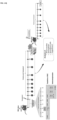
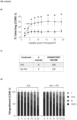
- the newly established conditioning treatment consists of three steps as described in Figure 1A and further detailed in the example. It was observed that the addition of Plx significantly increased engraftment in conditioned mice over time in comparison with MoAb alone treatment ( Figure 1B ). Data also showed no engraftment failure when Plx was added into the treatment vs 20% of engraftment failure with the MoAb alone treatment ( Figure 1C ). Importantly, normal recovery rates and mature lineage proportions were observed at 6 months post-transplantation ( Figure 1D ) and no differences were observed between the two approaches.
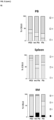
- the inventors could also observe that cells from mice previously mobilized with Plx maintained their engraftment capacity into secondary recipients ( Figure 3A ). Moreover, in secondary recipients transplanted with cells from primary recipients conditioned with the MoAb cocktail plus Plx, the engraftment in LSK and in more immature populations (MPP, ST-HSC and LT-HSC) was slightly increased compared to non-PIx treated mice ( Figure 3B-C ). The presence of CD45.1 cells from primary recipients was also detected 5 months after transplant in secondary recipients, although no differences were observed in the different hematopoietic organs for both conditioning treatments.
- the multilineage engraftment in MoAb plus Plx conditioned mice was analysed by assessing the chimerism in different cell lineages ( Figure 7C ) providing insights into the extent and durability of the engraftment of donor cells in different hematopoietic lineages and helping to evaluate the effectiveness of the conditioning treatment in achieving multilineage engraftment in this specific mouse model.
- both strategies treatments to mobilize hematopoietic stem and progenitors' cells from their bone marrow niches and specific elimination of these hematopoietic stem and progenitors' cells, have been applied separately, obtaining partial exogenous hematopoietic engraftments, the combination of both strategies facilitated the interaction of the monoclonal antibodies with the hematopoietic stem and progenitors' cells at the time they were mobilized to the peripheral blood.
- the present invention therefore in one aspect relates to a composition comprising at least one monoclonal antibody directed against a protein expressed on hematopoietic cells for use in a method of providing stem cell engraftment in a subject, the method comprising at least one conditioning step that comprises simultaneously or subsequently administering to said subject
- the present invention in a further aspect relates to a composition comprising at least one monoclonal antibody directed against a protein expressed on hematopoietic stem cells for use in a method of treatment of hereditary anemias, bone marrow failures, immunodeficiencies and metabolic diseases in a subject in need thereof, wherein the method of treatment comprises at least one conditioning step, wherein the conditioning step comprises the administration of the composition comprising at least one monoclonal antibody directed against a protein expressed on hematopoietic stem cells and the simultaneous or subsequent administration of at least one hematopoietic stem cell mobilization agent to the subject.
- hereditary anemias generally refers to hereditary diseases that cause a reduction in the number or functionality of the red blood cells in a subject which can result in anemia and can require sporadic or regular red blood cell transfusions.
- Simultaneous administration refers to substantially simultaneous administration meaning that the composition comprising at least one monoclonal antibody directed against a protein expressed on hematopoietic cells and the hematopoietic stem cell mobilization agent can be administered in the same pharmaceutical composition, or immediately after each other in two separate pharmaceutical compositions.
- Subsequent administration refers to the administration of the composition comprising at least one monoclonal antibody directed against a protein expressed on hematopoietic stem cells and the hematopoietic stem cell mobilization agent one after the other.
- the time between first and second administration can be from about 5 min to 3 h, from about 20 min to 2 min, from about 40 min to 1.5h, from about 50 min to 1h.
- the administration can be repeated, i.e., after the first and second administration (one administration cycle), a second administration cycle again comprising a first and a second administration in the same order as the first administration cycle can be added.
- a second administration cycle again comprising a first and a second administration in the same order as the first administration cycle can be added.
- the second administration in the first cycle can be done between 1 min and 2 h after the first administration and the second cycle started the latest after 24h of the first cycle.
- the mobilization agent such as for examples G-CSF, can be administered up to 5 to 7 days after the at least one monoclonal antibody.
- the mobilization agent such as for example BIO5192
- the hematopoietic stem cell mobilization agent can be administered first and the composition comprising at least one monoclonal antibody directed against a protein expressed on hematopoietic stem cells second, or vice versa.
- the hematopoietic stem cell mobilization agent is administered first and the composition comprising at least one monoclonal antibody directed against a protein expressed on hematopoietic cells second.
- the administration is done subsequently with from about 40 min to 1.5h, from about 50 min to 1h between first and second administration. It has been found that in the mouse model the administration of the antibody at one hour after the mobilization was preferred, as at that timepoint the mobilization of the cells was at its peak. The benefit of such an administration is the facilitation of the interaction of the monoclonal antibodies with the hematopoietic stem and progenitors' cells directly at the time point when they are mobilized to the peripheral blood.
- the administration is done simultaneously.
- Depletion regimes serve to reduce or eliminate endogenous HSPCs.
- Endogenous HSPCs can be reduced by a factor of e.g., at least 10%, 25%, 50%, 75% or 90% before introducing replacement HSPCs.
- Some regimes do not reduce endogenous HSPCs by more than, e.g., 90%, 75%, 50%, 25% or 10% before introducing replacement HSPCs.
- Some regimes reduce endogenous HSPCs by 25-75% or 25-95%.
- Depletion regimes can also be defined by corresponding percentage reductions of HSCs or HPCs, the constituent cells of HSPCs. Because both express anti-c-kit, both can undergo deletion to a similar extent.
- CD117 is a receptor tyrosine kinase type III, which binds to stem cell factor (SCF), also known as "steel factor” or "c-kit ligand".
- SCF stem cell factor
- CD117 binds to SCF it forms a dimer that activates its intrinsic tyrosine kinase activity, that in turn phosphorylates and activates signal transduction molecules that propagate the signal in the cell.
- CD117 is an important cell surface marker used to identify certain types of hematopoietic (blood) progenitors in the bone marrow.
- HSC Hematopoietic stem cells
- MPP multipotent progenitors
- CMP common myeloid progenitors
- a number of antibodies that specifically bind human CD117 are known in the art and commercially available, including without limitation SR1, 2B8, ACK2, YB5-B8, 57A5, 104D2, etc. (see US20180214525 ).
- SR1, 2B8, ACK2, YB5-B8, 57A5, 104D2, etc. see US20180214525 .
- anti-c-kit immunotherapeutic agents that can be used in the present invention include FSI-174 (FortySeven, Inc.), and CDX-0158 or CDX-0159 (Celldex Therapeutics, Inc.) as well as inhibitors of c-kit described in the following publications: WO199203459 , WO199221766 , WO2007127317 , WO2008115300 , WO2012154480 , WO2019155067 , and WO2020076105 .
- any of these antibodies including chimeric, veneered or humanized forms, or antibodies binding the same epitope or competing therewith for binding to c-kit can be used in the herein disclosed methods.
- An effective dose of an anti-CD117 antibody may be administered in one or more doses, including a single dose, which may be at least about one week, i.e., 7 days, prior to transplantation, at least about 6 days, at least about 5 days prior to transplantation, at least about 4 days, at least about 3 days prior to transplantation.
- the anti-CD117 is given 5 or 6 days prior to transplantation.
- the period of time between dosing and transplantation is sufficient to substantially eliminate the anti-CD117 antibody from the circulation of the recipient.
- the decrease in peak serum levels following administration is usually the time sufficient for the level to decrease as least about 10-fold from peak levels, usually at least about 100-fold, 1000-fold, 10,000-fold, or more. It is preferable to introduce the donor stem cells within the empty niche "window" following the wash-out period, usually within about 3 days, about 2 days, about 1 day, or at the time of clearance.
- an effective dose of an anti-CD117 antibody is up to about 10 mg/kg, up to about 5 mg/kg; up to about 1 mg/kg, up to about 0.5 mg/kg; up to about 0.1 mg/kg; up to about 0.05 mg/kg; where the dose may vary with the specific antibody and recipient.
- the depletion regime can also include an immunotherapeutic agent inhibiting CD47-SIRP ⁇ interaction for use in combination with an antibody against c-kit (see WO2016033201 ).
- an immunotherapeutic agent inhibiting CD47-SIRP ⁇ interaction for use in combination with an antibody against c-kit (see WO2016033201 ).
- Such an agent promotes effector-mediated elimination of endogenous HSPCs mediated by anti-c-kit.
- CD47 is also known as any of IAP, MERG, and 0A3.
- Human CD47, which is targeted by immunotherapeutic agents in treatment of humans, has been assigned exemplary accession numbers NCBI Gene ID: 961 and UniProt Q08722.
- anti-CD47 agent or “agent that provides for CD47 blockade” refers to any agent that reduces the binding of CD47 (e.g., on a target cell) to SIRPa (e.g., on a phagocytic cell).
- suitable anti-CD47 reagents include SIRPa reagents, including without limitation high affinity SIRPa polypeptides, anti- SIRPa antibodies, soluble CD47 polypeptides, and anti-CD47 antibodies or antibody fragments.
- a suitable anti-CD47 agent e.g. an anti-CD47 antibody, a SIRPa reagent, etc. specifically binds CD47 to reduce the binding of CD47 to SIRPa.
- Suitable anti-CD47 antibodies for use in the methods of present invention include clones B6H12, 5F9, 8B6, C3, (for example as described in WO2011/143624 ) CC9002 ( Vonderheide, Nat Med 2015; 21: 1122-3, 2015 ), and SRF231 (Surface Oncology).
- Suitable anti-CD47 antibodies include human, humanized or chimeric versions of such antibodies, antibodies binding to the same epitope or competing therewith for binding to CD47.
- Humanized antibodies e.g., hu5F9-lgG4- WO2011/143624 ) are especially useful for in vivo applications in humans due to their low antigenicity.
- immunotherapeutic agents against CD47 inhibiting its interaction with SIRP ⁇ include anti-CD47 mAbs (Vx-1004), anti-human CD47 mAbs (CNTO-7108), CC-90002, CC-90002-ST-001, NI-1701, NI-1801, RCT-1938, ALX-148, RRx-001, DSP-107, VT-1021, TTI-621, TTI-622, IMM-02 SGN-CD47M.
- the at least one monoclonal antibody directed against a protein expressed on hematopoietic cells is selected from an anti CD47, an anti c-kit (anti CD117), an anti-CD45, an anti-CD135, an anti-CD34, an anti CD4, an anti CD3 and an anti CD38 antibody, or a combination thereof.
- the monoclonal antibody used is anti CD47, anti c/kit, or a combination thereof.
- the effective dose of an anti-CD47 agent can vary with the agent, but will generally range from up to about 50 mg/kg, up to about 40 mg/kg, up to about 30 mg/kg, up to about 20 mg/kg, up to about 10 mg/kg, up to about 5 mg/kg; up to about 1 mg/kg, up to about 0.5 mg/kg; up to about 0.1 mg/kg; up to about 0.05 mg/kg; where the dose may vary with the specific antibody and recipient.
- Agents that bind to CD47 e.g. soluble SIRPa polypeptides and anti- CD47 antibodies, may be administered at higher doses due to the larger number of CD47 expressing cells in the body.
- the anti-CD47 agent may be administered one or a plurality of days prior to transplantation, and in some embodiments is administered daily for a period of from about 1, about 2, about 3, about 4, about 5, about 6, about 7 or more days, i.e. from about 1 to 7 days, from about 1 to 5 days, from about 1 to 3 days, etc.
- the "anti-CD47 agent” is an anti-CD47 antibody. In a preferred embodiment it is given 7 days prior to transplantation followed by a daily administration from day 5 to day 2 prior to transplantation.
- targeting CD47 can affect the donor stem cells after infusion, and therefore a wash-out period is required before infusion of hematopoietic cells.
- the washout period may be shorter than with the c-kit antibody, but is typically at least about 24 hours, at least 36 hours, at least 48 hours, and may be up to about one week, up to about 5 days, up to about 3 days, etc.
- Immunotherapeutic agents including antibodies and Fc fusion proteins, are administered in a regime effective to achieve the desired purpose of reducing or eliminating endogenous HSPCs.
- An effective regime refers to a combination of dose, frequency of administration and route of administration.
- a regime of an antibody specifically binding to c-kit preferably delivers sufficient antibody for substantial saturation of c-kit receptors on the target population of HSPC's expressing c-kit but not a vast excess over such an amount resulting in unnecessary long persistence of anti-c-kit after administration, which may result in delay in administering replacement HSPC's or unintended killing of replacement of HSPC's. It has been found that a total amount of anti-c-kit of about 0.15-2 mg/kg is suitable for such purposes.
- This amount can be administered as a single dose, two doses, or three or more dosages.
- One regime involves administering a single dose of e.g., 0.15-1 mg/kg, 0.25-1 mg/kg, 0.25-0.5 mg/kg, or 0.3 mg/kg anti-c-kit.
- Another regime involves administering two doses of e.g., 0.15-1 mg/kg, 0.25-1 mg/kg, 0.25-0.5 mg/kg, or 0.3 mg/kg anti-c-kit spaced by 3-7 days.
- Another regime involves administering three or more doses of 0.15-1 mg/kg, 0.25-1 mg/kg, 0.25-0.5 mg/kg, or 0.3 mg/kg anti-c-kit, optionally spaced by 10-30 days.
- Dosage provided are for antibodies to c-kit, particularly any of the humanized SR1 antibodies as described above. These dosages also provide guidance for other immunotherapeutic agents; however, dosages of such agents can be adjusted for differences in molecular weight and/or binding affinity to achieve substantially the same level of reduction of HSPCs expressing c-kit as obtained for humanized SR1.
- Immunotherapy agents inhibiting CD47-SIRP ⁇ are administered in a regime effective to promote reduction of HSPCs expressing c-kit by an immunotherapeutic agent specifically binding to c-kit (anti-c-kit).
- Anti-c-kit may or may not effect reduction of HSPCs expressing c-kit in the absence promotion by an immunotherapy agent inhibiting CD47-SIRP ⁇ .
- Exemplary doses for immunotherapy agents inhibiting CD47-SIRP ⁇ are at least any of 0.05 mg/kg, 0.1 mg/kg, 0.5 mg/kg, 1 mg/kg up to any of 5 mg/kg, 10 mg/kg, 20 mg/kg, 30 mg/kg 40 mg/kg or 50 mg/kg.
- Some exemplary ranges are 0.05 mg/kg-50 mg/kg, 0.1 mg/kg to 20 mg/kg, 1 mg/kg to 10 mg/kg, or 10 mg/kg to 30 mg/kg.
- such immunotherapeutic agents can be administered initially at one or more priming doses, followed by one or more therapeutic doses to reduce undesired crosslinking of red blood cells, as described by e.g., WO2017181033 .
- a preferred regime is a priming dose at 0.5 to 5 mg/kg, e.g., 1 mg/kg following by a therapeutic dose of 10-30 or 15-20 mg/kg.
- the therapeutic dose is administered e.g., 3-15 or 5-10 or 7 days after the priming dose.
- Combination or co-administration treatment with anti-c-kit and an immunotherapeutic agent inhibiting CD47-SIRP ⁇ involves administering the respective agents sufficiently proximal in time for the latter to promote reduction of HSPCs expressing c-kit by the former. Typically in combination regimes both agents are present at detectable levels in subject serum at the same time. In some combination regimes, a priming dose of an immunotherapeutic agent inhibiting CD47-SIRP ⁇ is administered followed by administration of a dose of anti-C-kit and a therapeutic dose of the immunotherapeutic agent inhibiting CD47-SIRP ⁇ at the same time. In some such regimes, the two agents are administered simultaneously by co-infusion.
- multiple doses of an immunotherapeutic agent specifically binding to c-kit and multiple doses of an immunotherapeutic agent inhibiting CD47-SIRP ⁇ are administered, optionally in a pairwise manner with one dose of each being administered on the same day.
- Such regimes can be preceded by a priming dose of the immunotherapeutic agent inhibiting CD47-SIRP ⁇ .
- Combination treatment with an immunotherapeutic agent specifically binding to c-kit and an immunotherapeutic agent specifically binding to CD47 or SIRP ⁇ can be performed in further combination with one or more agents effective to deplete other cells of the immune system.
- MCL1 apoptosis regulator, BCL2 family member (MCL1) inhibitors can be used to ablate NK cell.
- an ablation regime as described herein is combined with an inhibitor of MCL1 apoptosis regulator, BCL2 family member (MCL1, TM; EAT; MCL1L; MCL1S; Mcl-1; BCL2L3; MCL1-ES; bcl2-L-3; mcl1/EAT; NCBI Gene ID: 4170).
- MCL1 inhibitors examples include AMG-176, AMG-397, S-64315, AZD-5991, 483-LM, A-1210477, UMI-77, JKY-5-037, APG-3526 and those described in WO2018183418 , WO2016033486 , and WO2017147410 .
- Immunotherapeutic agents are typically administered as pharmaceutical compositions in which the agent is combined with one or more pharmaceutically acceptable carriers.
- aqueous carriers can be used, e.g., buffered saline and the like. These solutions are sterile and generally free of undesirable matter. These compositions may be sterilized by conventional techniques.
- the compositions may contain pharmaceutically acceptable auxiliary substances as required to approximate physiological conditions such as pH adjusting and buffering agents, toxicity adjusting agents and the like, e.g., sodium acetate, sodium chloride, potassium chloride, calcium chloride, sodium lactate and the like.
- the concentration of active agent in these formulations can vary widely, and is selected primarily based on fluid volumes, viscosities, body weight and the like in accordance with the particular mode of administration selected and the patient's needs (e.g., Remington's Pharmaceutical Science (15th ed., 1980 ) and Goodman & Gillman, The Pharmacological Basis of Therapeutics (Hardman et al., eds., 1996 ).
- the conditioning step further comprises administering at least one agent that induces transient immunosuppression in said subject.
- the at least one agent that induces transient immunosuppression is suitable for depleting one or both of T lymphocytes and natural killer (NK) cells.
- Agents that deplete T cells specifically include without limitation, agents, including antibodies, specific for CD3, CD4, CD8, etc.
- Agents that deplete T cells and NK cells include without limitation, agents, including antibodies, specific for CD2, CD52, CD45, anti-thymocyte globulin (ATG), etc.
- Agents that deplete NK cells specifically include without limitation, agents, including antibodies, specific for CD122, CD56, etc.
- the depleting agent(s) can be administered prior to infusion of the exogenous stem cells, and are optionally active after infusion, so long as the targeted cells have been depleted when the exogenous stem cells are administered.
- the at least one agent that induces transient immunosuppression is selected from the groups consisting of agents that inhibit CD4, CD8, CD122 and CD40L, such as for example anti CD4, anti CD8, anti CD122 and anti CD40L antibodies, or combinations thereof.
- the at least one agent that induces transient immunosuppression is selected from the mycophenolic acid, cyclosporine A, rapamycin, FK506, and corticosteroids.
- the HSPCs to be introduced into a subject can be autologous (from that subject), allogenic (from another individual of the same species), or xenogenic (from a different species). If allogenic, the HSPCs can be matched fully or partially or unmatched for MHC alleles.
- HSPCs Although all HSPCs are capable of propagation and differentiation into cells of myeloid or lymphoid linages or both, HSPCs include cells at different stages of differentiation. Primitive stem cells can propagate indefinitely and form all cell types of myeloid and lymphoid lineages. Primitive stem cells differentiate into multi-potent progenitors, which can give rise to all cells of both myeloid and lymphoid lineages but cannot propagate indefinitely. Multipotent progenitors give rise to oligo-potent progenitors including the common lymphoid progenitor, CLP, which gives rise to mature B lymphocytes, T lymphocytes, and natural killer (NK) cells.
- CLP common lymphoid progenitor
- Multipotent progenitors also give rise to the common myeloid progenitor (CMP) which further differentiates into granulocyte-macrophage progenitors, which differentiate into monocytes/macrophages and granulocytes, and megakaryocyte/erythrocyte progenitors, which differentiate into megakaryocytes/platelets and erythrocytes (see FIG. 1 of Bryder et al., Am. J. Pathol. 169, 338-346 (2006 )).
- CMP common myeloid progenitor
- HSPCs can be obtained by harvesting from bone marrow, from peripheral blood or umbilical cord blood.
- Bone marrow is generally aspirated from the posterior iliac crests while the donor is under either regional or general anesthesia. Additional bone marrow can be obtained from the anterior iliac crest.
- Mobilization of stem cells from the bone marrow into peripheral blood can be achieved by cytokines such as G-CSF, GM-CSF or Plerixafor (also known as AMD3100 or Mozobil).
- the hematopoietic stem cell mobilization agent is selected from the group consisting of Plerixafor, G-CSF, GM-CSF, GM-CSF, BIO5192, or combinations thereof.
- the hematopoietic stem cell mobilization agent is Plerixafor.
- HSPCs can also be obtained from umbilical cord blood typically for allogenic transplant.
- UCB is enriched in primitive stem/progenitor cells able to produce in vivo long-term repopulating stem cells.
- Blood cells isolated from these procedures can undergo enrichment for HSPCs or a subset thereof, e.g., primitive stem cells and/or common progenitor by affinity enrichment for characteristic cell surface markers.
- markers include CD34; CD90 (thy-1); CD59; CD1 10 (c-mpl); c-kit (CD-117).
- Cells can be selected by affinity methods, including magnetic bead selection, flow cytometry, and the like from the donor hematopoietic cell sample.
- affinity methods including magnetic bead selection, flow cytometry, and the like from the donor hematopoietic cell sample.
- Several immunoselection devices including Ceparte, Isolex 300i, and CliniMACS are commercially available for CD34+ cell selection.
- the HSPC composition can be at least about 50% pure, as defined by the percentage of cells that are CD34+ in the population, may be at least about 75% pure, at least about 85% pure, at least about 95% pure, or more.
- Hematopoietic stem and progenitors' cell (HSPCs) transplant of healthy cells is currently the only curative treatment for diverse diseases affecting the blood system, including hereditary anemias, bone marrow failures, immunodeficiencies and metabolic diseases.
- the methods of present invention provide an improved method of treatment to these disorders by increasing the engraftment efficiency. Furthermore, it could surprisingly be shown that already with lower engraftment a phenotype reversion could be observed compared with other genotoxic conditioning treatments.
- the hereditary anemias are selected from B-thalassemia, sickle cell disease (SCD) or pyruvate kinase deficiency (PKD).
- hereditary anemia is pyruvate kinase deficiency.
- PTD Pyruvate kinase deficiency
- HSCT hematopoietic stem cell transplant
- HSPC hematopoietic stem and progenitor cell
- the method of present invention is particularly suitable for the treatment of pyruvate kinase deficiency.
- the bone marrow failures are selected from Fanconi anemia (FA), Blackfan-Diamond anemia (BDA), dyskeratosis congenita (DC), Shwachman-Diamond syndrome (SDS), congenital amegakaryocytic thrombocytopenia (CAMT) or reticular dysgenesis (RD).
- FA Fanconi anemia
- BDA Blackfan-Diamond anemia
- DC dyskeratosis congenita
- SDS Shwachman-Diamond syndrome
- AVT congenital amegakaryocytic thrombocytopenia
- RD reticular dysgenesis
- the immunodeficiencies are selected from adenosine deaminase (ADA) deficiency, X-linked severe combined immunodeficiency (SCID), Wiskott Aldrich or X-linked chronic granulomatous disease (X-CGD).
- ADA adenosine deaminase
- SCID severe combined immunodeficiency
- X-CGD X-linked chronic granulomatous disease
- the metabolic diseases are selected from metachromatic leukodystrophy or Mucopolysaccharidosis 1 or 3.
- Example 1 Combination of antibody conditioning and HSPC drug mobilizers increase engraftment in wild type (C57BL/6) model of autologous non-genotoxic conditioning
- This conditioned treatment is divided in three different steps. In the first one, specific antibodies, anti-CD117 (c-kit) (ACK2) to deplete mouse hematopoietic stem, and anti-CD47 to block a dominant anti-phagocytic signal ("don't eat me” signal) were used.
- the second step involved immunosuppression using anti-CD122 to deplete host NK cells, anti-CD40-CD40L to further inhibit T cell-mediated rejection, and anti-CD4/anti-CD8 to reduce possible host rejection.
- the third step focused on the addition of the HSPC drug mobilizer, Plx, with the idea of removing the HSPCs from the bone marrow to make them more accessible to the antibody treatment.
- the experimental procedure consisted in the use of HSPC from CD45.1 donors to be infused in conditioned CD45.2 recipients of the C57BL/6 strain. Fifteen thousand lineage negative, c-kit positive and Sca-1 positive (LSK) cells were transplanted into conditioned mice and engraftment was determined by the presence of more than 1% of donor cells in peripheral blood lineages, measured periodically through blood sampling and flow cytometry. The addition of Plx significantly increased engraftment in conditioned mice over time in comparison with MoAb alone treatment ( Figure 1B ).
- Example 2 The combination of MoAbs plus Plerixafor depletes hematopoietic progenitors and stem cells in bone marrow of Pyruvate Kinase Deficiency mice.
- the second step of the conditioning treatment is related to immunosuppression.
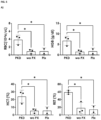
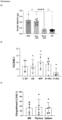
- the percentage of lymphoid cells in peripheral blood We observed a slightly decrease in terms of absolute number of lymphoid cells, corresponding to a significant reduction in the CD3 + compartment ( Figure 6C ). Further analysis of CD3 + cells revealed a significant reduction in both CD4 + and CD8 + cells. As expected, there were no significant changes in the percentage of lymphoid B cells ( figure 6D ).
- Example 3 The addition of Plx to the MoAb conditioning reduces mortality associated with the treatment and allows exogenous engraftment in PKD mice.
- Example 4 Infusion of wild-type cells in MoAb plus Plerixafor conditioned PKD mice reverts PKD disease parameters.
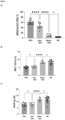
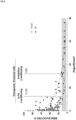
- mice engrafted with wild-type cells reverted the anemic phenotype. Due to the high variability of engraftment observed mice, we classified transplanted animals in two groups, with higher than or lower than 10% engraftment of exogenous cells. We conducted a detailed analysis of red blood cell parameters and spleen weight. We observed a significant reduction in all parameters that reach normal levels in the group engrafted with more than 10% exogenous cells ( Figure 8A-C ). Normal levels were also observed in spleen weight in this group ( Figure 8D ). We conducted a more extensive analysis of engraftment in the reverted mice ( Figure 8E and F ).
- Example 5 Non-genotoxic conditioning allows lower therapeutic engraftment levels than genotoxic ones
- C57BL/6J (B6) were obtained from the Jackson Laboratory (Bar Harbor, ME) and bred at the CIEMAT animal facility (registration number 28079-21 A).
- the AcB55 recombinant mice (also recorded as PKD mice) carrying the 269T>A loss-of-function mutation in the Pklr gene were obtained from Emerillon Therapeutics (Montreal, Quebec, Canada).
- PKD mice The AcB55 recombinant mice carrying the 269T>A loss-of-function mutation in the Pklr gene were obtained from Emerillon Therapeutics (Montreal, Quebec, Canada).
- As the genetic background of ACB55 was both 87,5 % A/J + 12,5 % C57BL/6J we backcrossed onto an inbred mouse strain C57BL/6J for N7 generations.
- mice were maintained under standard conditions (high-efficiency particulate [HEPA]-filtered air, regulated temperature of 22 °C, light/dark cycle of 12 hours, and food and ultraviolet- irradiated water ad libitum ) and routinely screened for pathogens. All experimental procedures were carried out according to Spanish and European regulations. Mice used in the experiment were 6-12 weeks old, and both male and female mice were used. Transplant recipients within each experiment were age-matched and randomized to experimental groups.
- HEPA high-efficiency particulate
- mice were conditioned with a combination of 6 different antibodies over a period of seven days prior to transplantation.
- Day 0 correspond to the day of transplantation.
- mice received 100 ⁇ g on Day -7, followed by 500 ⁇ g daily from Day -5 through Day -2.
- anti-c-kit clone ACK2
- mice received 400 ⁇ g of diphenhydramine intraperitoneally.
- Both anti-CD4 (clone GK1.5) and anti-CD8 were given as 100 ⁇ g injections daily from Day -2 through Day 0.
- mice received one dose of Plerixafor (Mozobil. 5mg/Kg) subcutaneously on Day -5 one hour before anti-c-kit injection.
- total bone marrow cells were collected at 6 months following the primary transplantation and a range of 5 ⁇ 10 6 -10 ⁇ 10 6 whole bone marrow cells were transplanted via intravenous injection into lethally irradiated RFP mice with two doses of 4.50 Gy spaced 24 h.
- Peripheral blood samples were collected every two weeks during the first 3 months after transplantation, followed by monthly collections until the end of the experiment (6 months). Total engraftment and lineage-specific engraftment were analysed by flow cytometry. Additionally, haematological counts were performed using a Sysmex TM analyser (XN-Vet1000N) to monitor the evolution of blood parameters over time.
- Spleens and thymuses were harvested from conditioned mice and directly mashed through a 40-micrometer filter.
- BM was harvested by flushing the bones under sterile conditions with PBS (PBS; Sigma-Aldrich, St Louis, MO, USA) + BSA 0.2% buffer and washed once with phosphate buffered saline.
- PBS PBS
- BSA 0.2% buffer
- the obtained cells from spleens, thymuses, and bone marrow were lysed if required and stained with the following antibodies for engraftment analysis CD45.2-APC (104. Biolegend), CD45.1-PE or CD45.1-BV711 (A20.
- CD11b-A647 or CD11b-BV711 M1/70. Biolegend
- Gr1-FITC RB6-8C5.
- B220-PeFIRE700 RA3-6B2. Biolegend
- B220-PeCy5 RA3-6B2.
- BD Pharmingen CD3-APCCy7 (17A2. Biolegend).
- the following antibodies were used Ter119-Alexa 700 (Ter119. Biolegend), CD45.1-PE (A20. Biolegend), CD71-FITC (C2. BD Pharmingen) and CD45.1-BV711 (A20. Biolegend).
- BM was stained with CD45.1-PE or CD45.1 PercPCy5.5 (A20. Biolegend), lineage cocktail in FITC including CD3 (145-2C11. BD Pharmingen), Gr1 (RB6-8C5. Biolegend), CD11b (M1/70. eBioscience), Ter119 (Ter119. Biolegend), and stem cell specific markers such as c-kit-BV711 (2B9. Biolegend), Sca1-APCCy7 (D7. Biolegend), CD48-Pecy7 (HM48-1. eBiosciences) and CD150-APC (TC15-12F12.2. Biolegend). Prior to analysis, DAPI or IP was added as a viability stain depending on the antibody panel. Samples were analysed using a BD Fortessa TM flow cytometer.
Landscapes
- Health & Medical Sciences (AREA)
- Immunology (AREA)
- Chemical & Material Sciences (AREA)
- Organic Chemistry (AREA)
- Medicinal Chemistry (AREA)
- Life Sciences & Earth Sciences (AREA)
- General Health & Medical Sciences (AREA)
- Engineering & Computer Science (AREA)
- Genetics & Genomics (AREA)
- Molecular Biology (AREA)
- Proteomics, Peptides & Aminoacids (AREA)
- Biophysics (AREA)
- Biochemistry (AREA)
- Bioinformatics & Cheminformatics (AREA)
- Public Health (AREA)
- Pharmacology & Pharmacy (AREA)
- Animal Behavior & Ethology (AREA)
- Veterinary Medicine (AREA)
- Chemical Kinetics & Catalysis (AREA)
- General Chemical & Material Sciences (AREA)
- Nuclear Medicine, Radiotherapy & Molecular Imaging (AREA)
- Transplantation (AREA)
- Microbiology (AREA)
- Mycology (AREA)
- Epidemiology (AREA)
- Medicines Containing Antibodies Or Antigens For Use As Internal Diagnostic Agents (AREA)
Priority Applications (2)
| Application Number | Priority Date | Filing Date | Title |
|---|---|---|---|
| EP23382878.9A EP4516807A1 (de) | 2023-08-28 | 2023-08-28 | Zusammensetzungen zur verwendung in einem verfahren zur bereitstellung einer verbesserten transplantation hämatopoetischer stammzellen |
| PCT/EP2024/073905 WO2025045868A1 (en) | 2023-08-28 | 2024-08-27 | Compositions for use in a method of providing improved hematopoietic stem cell engraftment |
Applications Claiming Priority (1)
| Application Number | Priority Date | Filing Date | Title |
|---|---|---|---|
| EP23382878.9A EP4516807A1 (de) | 2023-08-28 | 2023-08-28 | Zusammensetzungen zur verwendung in einem verfahren zur bereitstellung einer verbesserten transplantation hämatopoetischer stammzellen |
Publications (1)
| Publication Number | Publication Date |
|---|---|
| EP4516807A1 true EP4516807A1 (de) | 2025-03-05 |
Family
ID=87863528
Family Applications (1)
| Application Number | Title | Priority Date | Filing Date |
|---|---|---|---|
| EP23382878.9A Withdrawn EP4516807A1 (de) | 2023-08-28 | 2023-08-28 | Zusammensetzungen zur verwendung in einem verfahren zur bereitstellung einer verbesserten transplantation hämatopoetischer stammzellen |
Country Status (2)
| Country | Link |
|---|---|
| EP (1) | EP4516807A1 (de) |
| WO (1) | WO2025045868A1 (de) |
Citations (20)
| Publication number | Priority date | Publication date | Assignee | Title |
|---|---|---|---|---|
| WO1992003459A1 (en) | 1990-08-27 | 1992-03-05 | Sloan-Kettering Institute For Cancer Research | LIGAND FOR THE c-KIT RECEPTOR AND METHODS OF USE THEREOF |
| WO1992021766A1 (de) | 1991-05-25 | 1992-12-10 | Boehringer Mannheim Gmbh | Monoklonale antikörper gegen c-kit |
| WO2007127317A2 (en) | 2006-04-24 | 2007-11-08 | Amgen Inc. | Humanized c-kit antibody |
| WO2008067115A2 (en) | 2006-11-03 | 2008-06-05 | The Board Of Trustees Of The Leland Stanford Junior University | Selective immunodepletion of endogenous stem cell niche for engraftment |
| WO2008115300A1 (en) | 2006-12-01 | 2008-09-25 | Apocell, Inc. | C-kit phosphorylation in cancer |
| WO2011143624A2 (en) | 2010-05-14 | 2011-11-17 | The Board Of Trustees Of The Leland Stanford Junior University | Humanized and chimeric monoclonal antibodies to cd47 |
| WO2012154480A1 (en) | 2011-05-12 | 2012-11-15 | ImClone, LLC | c-KIT ANTIBODIES AND USES THEREOF |
| WO2016033201A1 (en) | 2014-08-26 | 2016-03-03 | The Board Of Trustees Of The Leland Stanford Junior University | Engraftment of stem cells with a combination of an agent that targets stem cells and modulation of immunoregulatory signaling |
| WO2016033486A1 (en) | 2014-08-29 | 2016-03-03 | Amgen Inc. | Tetrahydronaphthalene derivatives that inhibit mcl-1 protein |
| WO2017147410A1 (en) | 2016-02-25 | 2017-08-31 | Amgen Inc. | Compounds that inhibit mcl-1 protein |
| WO2017181033A1 (en) | 2016-04-15 | 2017-10-19 | The Board Of Trustees Of The Leland Stanford Junior University | Methods for determining and achieving therapeutically effective doses of anti-cd47 agents in treatment of cancer |
| US20180214525A1 (en) | 2015-08-03 | 2018-08-02 | Globeimmune, Inc. | Modified yeast-brachyury immunotherapeutic compositions |
| WO2018140940A1 (en) | 2017-01-30 | 2018-08-02 | The Board Of Trustees Of The Leland Stanford Junior University | A non-genotoxic conditioning regimen for stem cell transplantation |
| WO2018183418A1 (en) | 2017-03-30 | 2018-10-04 | Amgen Inc. | Compounds that inhibit mcl-1 protein |
| WO2019113437A1 (en) * | 2017-12-08 | 2019-06-13 | The Board Of Trustees Of The Leland Stanford Junior University | Hematopoietic stem cell engraftment |
| WO2019155067A1 (en) | 2018-02-09 | 2019-08-15 | Ultrahuman Five Limited | C-kit antibodies |
| WO2020076105A1 (ko) | 2018-10-10 | 2020-04-16 | 주식회사 노벨티노빌리티 | 신규 항-c-kit 항체 |
| WO2021007266A1 (en) | 2019-07-09 | 2021-01-14 | Hemogenyx Llc | Method of eliminating hematopoietic stem cells/hematopoietic progenitors (hsc/hp) in a patient using bi-specific antibodies |
| US20210100848A1 (en) | 2019-10-08 | 2021-04-08 | The Regents Of The University Of California | Methods and compositions for hematopoietic stem cell mobilization |
| US20220118022A1 (en) | 2020-10-19 | 2022-04-21 | Washington University | Conditioning agents for use in allogeneic hematopoetic stem cell transplantation |
Family Cites Families (3)
| Publication number | Priority date | Publication date | Assignee | Title |
|---|---|---|---|---|
| US8436A (en) | 1851-10-14 | Solar lamp for burning lard or oil | ||
| US150A (en) | 1837-03-25 | Island | ||
| WO2016164502A1 (en) * | 2015-04-06 | 2016-10-13 | President And Fellows Of Harvard College | Compositions and methods for non-myeloablative conditioning |
-
2023
- 2023-08-28 EP EP23382878.9A patent/EP4516807A1/de not_active Withdrawn
-
2024
- 2024-08-27 WO PCT/EP2024/073905 patent/WO2025045868A1/en active Pending
Patent Citations (22)
| Publication number | Priority date | Publication date | Assignee | Title |
|---|---|---|---|---|
| WO1992003459A1 (en) | 1990-08-27 | 1992-03-05 | Sloan-Kettering Institute For Cancer Research | LIGAND FOR THE c-KIT RECEPTOR AND METHODS OF USE THEREOF |
| WO1992021766A1 (de) | 1991-05-25 | 1992-12-10 | Boehringer Mannheim Gmbh | Monoklonale antikörper gegen c-kit |
| WO2007127317A2 (en) | 2006-04-24 | 2007-11-08 | Amgen Inc. | Humanized c-kit antibody |
| US7915391B2 (en) | 2006-04-24 | 2011-03-29 | Amgen Inc. | Humanized c-Kit antibody |
| US8436150B2 (en) | 2006-04-24 | 2013-05-07 | Amgen Inc. | Humanized C-kit antibody |
| WO2008067115A2 (en) | 2006-11-03 | 2008-06-05 | The Board Of Trustees Of The Leland Stanford Junior University | Selective immunodepletion of endogenous stem cell niche for engraftment |
| WO2008115300A1 (en) | 2006-12-01 | 2008-09-25 | Apocell, Inc. | C-kit phosphorylation in cancer |
| WO2011143624A2 (en) | 2010-05-14 | 2011-11-17 | The Board Of Trustees Of The Leland Stanford Junior University | Humanized and chimeric monoclonal antibodies to cd47 |
| WO2012154480A1 (en) | 2011-05-12 | 2012-11-15 | ImClone, LLC | c-KIT ANTIBODIES AND USES THEREOF |
| WO2016033201A1 (en) | 2014-08-26 | 2016-03-03 | The Board Of Trustees Of The Leland Stanford Junior University | Engraftment of stem cells with a combination of an agent that targets stem cells and modulation of immunoregulatory signaling |
| WO2016033486A1 (en) | 2014-08-29 | 2016-03-03 | Amgen Inc. | Tetrahydronaphthalene derivatives that inhibit mcl-1 protein |
| US20180214525A1 (en) | 2015-08-03 | 2018-08-02 | Globeimmune, Inc. | Modified yeast-brachyury immunotherapeutic compositions |
| WO2017147410A1 (en) | 2016-02-25 | 2017-08-31 | Amgen Inc. | Compounds that inhibit mcl-1 protein |
| WO2017181033A1 (en) | 2016-04-15 | 2017-10-19 | The Board Of Trustees Of The Leland Stanford Junior University | Methods for determining and achieving therapeutically effective doses of anti-cd47 agents in treatment of cancer |
| WO2018140940A1 (en) | 2017-01-30 | 2018-08-02 | The Board Of Trustees Of The Leland Stanford Junior University | A non-genotoxic conditioning regimen for stem cell transplantation |
| WO2018183418A1 (en) | 2017-03-30 | 2018-10-04 | Amgen Inc. | Compounds that inhibit mcl-1 protein |
| WO2019113437A1 (en) * | 2017-12-08 | 2019-06-13 | The Board Of Trustees Of The Leland Stanford Junior University | Hematopoietic stem cell engraftment |
| WO2019155067A1 (en) | 2018-02-09 | 2019-08-15 | Ultrahuman Five Limited | C-kit antibodies |
| WO2020076105A1 (ko) | 2018-10-10 | 2020-04-16 | 주식회사 노벨티노빌리티 | 신규 항-c-kit 항체 |
| WO2021007266A1 (en) | 2019-07-09 | 2021-01-14 | Hemogenyx Llc | Method of eliminating hematopoietic stem cells/hematopoietic progenitors (hsc/hp) in a patient using bi-specific antibodies |
| US20210100848A1 (en) | 2019-10-08 | 2021-04-08 | The Regents Of The University Of California | Methods and compositions for hematopoietic stem cell mobilization |
| US20220118022A1 (en) | 2020-10-19 | 2022-04-21 | Washington University | Conditioning agents for use in allogeneic hematopoetic stem cell transplantation |
Non-Patent Citations (6)
| Title |
|---|
| "Remington's Pharmaceutical Sciences", 1980 |
| "UniProt", Database accession no. Q08722 |
| BRYDER ET AL., AM. J. PATHOL., vol. 169, 2006, pages 338 - 346 |
| GOODMANGILLMAN ET AL.: "The Pharmacological Basis of Therapeutics", 1996 |
| VONDERHEIDE, NAT MED, vol. 21, 2015, pages 1122 - 3 |
| WEISKOPF ET AL., J. CLIN. INVEST, vol. 126, 2016, pages 2610 - 262 |
Also Published As
| Publication number | Publication date |
|---|---|
| WO2025045868A1 (en) | 2025-03-06 |
Similar Documents
| Publication | Publication Date | Title |
|---|---|---|
| US11905333B2 (en) | Selective immunodepletion of endogenous stem cell niche for engraftment | |
| AU748443B2 (en) | Costimulatory blockade and mixed chimerism in transplantation | |
| Lemoli et al. | Concomitant mobilization of plasma cells and hematopoietic progenitors into peripheral blood of multiple myeloma patients: positive selection and transplantation of enriched CD34+ cells to remove circulating tumor cells | |
| US20100255009A1 (en) | Methods for Inducing Mixed Donor-Recipient Chimerism in an Allograft Transplant Recipient | |
| EP3280720A1 (de) | Zusammensetzungen und verfahren zur nicht-myeloablativen konditionierung | |
| KR20190109440A (ko) | 줄기 세포 이식을 위한 비-유전독성 컨디셔닝 레지멘 | |
| Parrondo et al. | Bispecific antibodies for the treatment of relapsed/refractory multiple myeloma: updates and future perspectives | |
| WO2004002425A2 (en) | Process for promoting graft acceptance by depletion of hematopoietic stem cells | |
| WO2002040640A2 (en) | Methods of using cd8+/tcr- facilitating cells (fc) for the engraftment of purified hematopoietic stem cells (hsc) | |
| WO1995013093A1 (en) | Treatment of a patient prior to transplantation | |
| KR102693802B1 (ko) | 변형된 이식편의 사전 사용에 의한 이식편 거부의 방지 | |
| Bauer Jr et al. | Nonmyeloablative hematopoietic stem cell transplantation corrects the disease phenotype in the canine model of leukocyte adhesion deficiency | |
| WO2025045868A1 (en) | Compositions for use in a method of providing improved hematopoietic stem cell engraftment | |
| US20040228845A1 (en) | Methods of using CD8+/TCR- facilitating cells (FC) for the engraftment of purified hematopoietic stem cells (HSC) | |
| JP2010508854A (ja) | 幹細胞移植の後の生着を改善するための方法 | |
| US20260060988A1 (en) | Transient low-dose methotrexate for tolerance to alloimmunity | |
| WO1995021527A1 (en) | Stem cell engraftment | |
| HK40069666A (en) | Selective immunodepletion of endogenous stem cell niche for engraftment | |
| Diaconescu et al. | Anti-thymocyte-globulin (ATG) in the nonmyeloablative conditioning for canine hematopoietic cell transplant (HCT) | |
| Murphy | Hematopoietic chimerism and donor-specific skin allograft tolerance after non-genotoxic CD117 antibody-drug-conjugate conditioning in MHC-mismatched allotransplantation | |
| MAJOR et al. | CYTOMEGALOVIRUS (CMV) INFECTION IN ALLOGENEIC NON-MYELOA-BLATIVE STEM CELL TRANSPLANTATION RECIPIENTS | |
| Amabile et al. | Concomitant mobilization of plasma cells and hematopoietic | |
| WO2005001040A2 (en) | Non-lethal conditioning methods for conditioning a recipient for bone marrow transplantation |
Legal Events
| Date | Code | Title | Description |
|---|---|---|---|
| PUAI | Public reference made under article 153(3) epc to a published international application that has entered the european phase |
Free format text: ORIGINAL CODE: 0009012 |
|
| STAA | Information on the status of an ep patent application or granted ep patent |
Free format text: STATUS: THE APPLICATION HAS BEEN PUBLISHED |
|
| AK | Designated contracting states |
Kind code of ref document: A1 Designated state(s): AL AT BE BG CH CY CZ DE DK EE ES FI FR GB GR HR HU IE IS IT LI LT LU LV MC ME MK MT NL NO PL PT RO RS SE SI SK SM TR |
|
| STAA | Information on the status of an ep patent application or granted ep patent |
Free format text: STATUS: THE APPLICATION IS DEEMED TO BE WITHDRAWN |
|
| 18D | Application deemed to be withdrawn |
Effective date: 20250906 |