EP4483960A2 - Therapeutic agent for myalgic encephalomyelitis/chronic fatigue syndrome - Google Patents
Therapeutic agent for myalgic encephalomyelitis/chronic fatigue syndrome Download PDFInfo
- Publication number
- EP4483960A2 EP4483960A2 EP24213294.2A EP24213294A EP4483960A2 EP 4483960 A2 EP4483960 A2 EP 4483960A2 EP 24213294 A EP24213294 A EP 24213294A EP 4483960 A2 EP4483960 A2 EP 4483960A2
- Authority
- EP
- European Patent Office
- Prior art keywords
- chronic fatigue
- fatigue syndrome
- myalgic encephalomyelitis
- therapeutic agent
- fibromyalgia
- Prior art date
- Legal status (The legal status is an assumption and is not a legal conclusion. Google has not performed a legal analysis and makes no representation as to the accuracy of the status listed.)
- Pending
Links
Images
Classifications
-
- A—HUMAN NECESSITIES
- A61—MEDICAL OR VETERINARY SCIENCE; HYGIENE
- A61K—PREPARATIONS FOR MEDICAL, DENTAL OR TOILETRY PURPOSES
- A61K31/00—Medicinal preparations containing organic active ingredients
- A61K31/13—Amines
- A61K31/135—Amines having aromatic rings, e.g. ketamine, nortriptyline
- A61K31/137—Arylalkylamines, e.g. amphetamine, epinephrine, salbutamol, ephedrine or methadone
-
- A—HUMAN NECESSITIES
- A61—MEDICAL OR VETERINARY SCIENCE; HYGIENE
- A61P—SPECIFIC THERAPEUTIC ACTIVITY OF CHEMICAL COMPOUNDS OR MEDICINAL PREPARATIONS
- A61P21/00—Drugs for disorders of the muscular or neuromuscular system
-
- A—HUMAN NECESSITIES
- A61—MEDICAL OR VETERINARY SCIENCE; HYGIENE
- A61P—SPECIFIC THERAPEUTIC ACTIVITY OF CHEMICAL COMPOUNDS OR MEDICINAL PREPARATIONS
- A61P25/00—Drugs for disorders of the nervous system
-
- A—HUMAN NECESSITIES
- A61—MEDICAL OR VETERINARY SCIENCE; HYGIENE
- A61P—SPECIFIC THERAPEUTIC ACTIVITY OF CHEMICAL COMPOUNDS OR MEDICINAL PREPARATIONS
- A61P29/00—Non-central analgesic, antipyretic or antiinflammatory agents, e.g. antirheumatic agents; Non-steroidal antiinflammatory drugs [NSAID]
- A61P29/02—Non-central analgesic, antipyretic or antiinflammatory agents, e.g. antirheumatic agents; Non-steroidal antiinflammatory drugs [NSAID] without antiinflammatory effect
-
- A—HUMAN NECESSITIES
- A61—MEDICAL OR VETERINARY SCIENCE; HYGIENE
- A61P—SPECIFIC THERAPEUTIC ACTIVITY OF CHEMICAL COMPOUNDS OR MEDICINAL PREPARATIONS
- A61P3/00—Drugs for disorders of the metabolism
- A61P3/02—Nutrients, e.g. vitamins, minerals
-
- A—HUMAN NECESSITIES
- A61—MEDICAL OR VETERINARY SCIENCE; HYGIENE
- A61P—SPECIFIC THERAPEUTIC ACTIVITY OF CHEMICAL COMPOUNDS OR MEDICINAL PREPARATIONS
- A61P43/00—Drugs for specific purposes, not provided for in groups A61P1/00-A61P41/00
Definitions
- the present invention relates to a therapeutic agent for myalgic encephalomyelitis (ME)/chronic fatigue syndrome (CFS), and fibromyalgia.
- ME myalgic encephalomyelitis
- CFS chronic fatigue syndrome
- a novel therapeutic agent for myalgic encephalomyelitis/chronic fatigue syndrome ME/CFS
- a novel therapeutic agent for fibromyalgia can be provided.
- the therapeutic agent is preferably a therapeutic agent containing a compound selected from amiselimod hydrochloride, ceralifimod, cenerimod, etrasimod arginine, ozanimod hydrochloride, ponesimod and siponimod fumarate, more preferably a therapeutic agent containing amiselimod hydrochloride.
- Amiselimod or a pharmaceutically acceptable salt thereof can be produced, for example, by the method described in patent document 1.
- Cenerimod or a pharmaceutically acceptable salt thereof can be produced, for example, by the method described in International Publication No. WO 2011/007324 .
- Ozanimod or a pharmaceutically acceptable salt thereof can be produced, for example, by the method described in International Publication No. WO 2011/060389 .
- Examples of the pharmaceutically acceptable additive include excipient, disintegrant, disintegration aid, binder, lubricant, coating agent, dye, diluent, base, dissolving agent, solubilizing agent, isotonicity agent, pH adjuster, stabilizer, propellant, adhesive, and the like.
- preparation suitable for oral administration examples include tablet, capsule, powder, fine granules, granule, liquid, syrup and the like, and examples of the preparation suitable for parenteral administration include injection, drip infusion, suppository, and the like.
- excipients such as glucose, lactose, D-mannitol, starch, crystalline cellulose, and the like; disintegrants or disintegration aid such as carboxymethylcellulose, starch, carboxymethylcellulose calcium, and the like; binders such as hydroxypropylcellulose, hydroxypropylmethylcellulose, polyvinylpyrrolidone, gelatin, and the like; lubricants such as magnesium stearate, talc and the like; coating agents such as hydroxypropylmethylcellulose, sucrose, polyethylene glycol, titanium oxide, and the like; bases such as petrolatum, liquid paraffin, polyethylene glycol, gelatin, kaolin, glycerol, purified water, hard fat, and the like can be used as additives.
- excipients such as glucose, lactose, D-mannitol, starch, crystalline cellulose, and the like
- disintegrants or disintegration aid such as carboxymethylcellulose, starch, carboxymethylcellulose calcium, and the like
- dissolving agents or solubilizing agents that can constitute an aqueous or on-use soluble injection such as injectable distilled water, saline, propylene glycol, and the like; isotonicity agents such as glucose, sodium chloride, D-mannitol, glycerol, and the like; pH adjusters such as inorganic acid, organic acid, inorganic base, organic base, and the like; and the like can be used as preparation additives.
- the daily dose of amiselimod for an adult is, for example, 0.05 mg - 1.0 mg, preferably, 0.08mg - 0.7 mg, more preferably, 0.1 mg - 0.4 mg, for example, as amiselimod hydrochloride.
- the daily dose of ceralifimod for an adult is, for example, 0.05 - 0.3 mg, preferably, 0.05 - 0.15 mg, more preferably, 0.05 mg, 0.10 mg, or 0.15 mg.
- the daily dose of ozanimod for an adult is, for example, 0.25 - 2 mg, preferably, 0.5 mg, or 1 mg, for example, as ozanimod hydrochloride.
- the daily administration frequency of the therapeutic agent of the present invention can be appropriately increased or decreased according to various conditions such as the kind of the disease to be the treatment target, progression of disease or degree of symptoms, age and body weight of patients, and the like.
- the frequency is generally, for example, once per day, twice per day, three times per day, preferably once per day, for an adult.
- Examples of the known therapeutic drug for myalgic encephalomyelitis/chronic fatigue syndrome include pregabalin, mirogabalin, tramadol, acetaminophen, non-steroidal antiinflammatory agents (NSAIDs) (e.g., aspirin, loxoprofen, ibuprofen, celecoxib and the like), monoamine oxidase (MAO) inhibitor (e.g., selegiline, rasagiline, safinamide, isoniazid, and the like), serotonin selective reuptake inhibitor (SSRI) (e.g., fluvoxamine, paroxetine, sertraline, escitalopram, and the like), serotonin/noradrenaline selective reuptake inhibitor (SNRI) (e.g., milnacipran, duloxetine, and the like), noradrenergic and specific serotonergic antidepressant (NaSSA) (e.g.,
- a myalgic encephalomyelitis/chronic fatigue syndrome (ME/CFS)-improving effect by the administration of the compound (amiselimod hydrochloride) relating to the present invention was verified as follows according to the method of Tanaka et al. (Establishment and assessment of a rat model fatigue. Neuroscience letters 2003, 352: 159-162 ) using a water-immersion stress loaded rat (fatigue rat) model.
- the animal used was 9-week-old Slc:SD rat.
- the rats were bred (water-immersion breeding) for 6 days in a plastic cage (W: 445 x D: 276 x H: 204 mm) containing tap water (water temperature: 23 ⁇ 1°C) to a height of 1.5 cm, and a weight-loaded forced swimming test was conducted on the final day.
- a weight-loaded forced swimming test a rat with a weight equivalent to 8% of its body weight attached to its tail was placed in a circular water tank (diameter: 18 cm, height: 70 cm, water depth: 40 cm, water temperature: 23 ⁇ 1°C), and the time from the start of swimming until the rat's nose sinks from the water surface for 20 seconds was measured.
- the weight-loaded forced swimming test was conducted blindly.
- the swimming time of the fatigue control group was significantly shorter than that of the normal control group.
- Administration of 0.1, 0.3 and 1 mg/kg amiselimod hydrochloride significantly prolonged the swimming time as compared to the fatigue control group ( Fig. 1 ).
- Example 2 Method of generating fibromyalgia (FM) model and evaluation method thereof
- FM is a chronic intractable disease whose main symptom is systemic pain. It has been reported that it occurs very frequently with ME/CFS, and there are many common aspects such as similar symptoms, activation of microglia in the spinal cord and brain, and the like (Fibromyalgia Medical Guideline 2017 Japan College of Fibromyalgia Investigation).
- Chronic restraint stress Bardin, L., Malfetes, N., Newman-Tancredi, A., Depoortère, R., Chronic restraint stress induces mechanical and cold allodynia, and enhances inflammatory pain in rat: Relevance to human stress-associated painful pathologies, Behav. Brain Res., 205 (2009) 360-366 ), repeated cold stress ( Nasu, T., Taguchi, T., Mizumura, K., Persistent deep mechanical hyperalgesia induced by repeated cold stress in rats, Eur. J.
- the example of (2) is generated by subcutaneous administration of a biogenic amine depleting agent, reserpine ( Green, P.G., Chen, X., Alvarez, P., Ferrari, L.F., Levine, J.D., Early-life stress produces muscle hyperalgesia and nociceptor sensitization in the adult rat, Pain, 152 (2011) 2549-2556 ), or administration of acidic saline (pH 4) to gastrocnemial muscle.
- a biogenic amine depleting agent Green, P.G., Chen, X., Alvarez, P., Ferrari, L.F., Levine, J.D.
- Acidic saline pH 4
- a phenotype has been reported in which the subdiaphragmatic vagus nerve is cut and the pain threshold is lowered in any of these methods.
- Reserpine is prepared to have a final concentration of 0.5% acetic acid, and is administered subcutaneously to the back of SD rats at a dose of 1 mg/kg once a day for 3 days.
- the von Frey test or the like is performed, in which von Frey filament is pressed perpendicularly to the sole of paw and the threshold is measured when the paw is raised.
- a Randall Selitto method or the like is performed in which a pressure that increases continuously at a constant rate is applied to the hind limb of rat and the escape threshold is measured.
- Amiselimod hydrochloride is prepared in a vehicle such as 0.5% HPMC, and is orally administered at the same time as reserpine administration or 5 days after the final administration of reserpine, and the prophylactic effect and therapeutic effect on a decrease in the pain threshold are confirmed by the above-mentioned evaluation.
- the therapeutic agent of the present invention containing 2-amino-2-[2-(4-heptyloxy-3-trifluoromethylphenyl)ethyl]propane-1,3-diol or a pharmaceutically acceptable salt thereof, and the like is useful as a therapeutic agent for myalgic encephalomyelitis/chronic fatigue syndrome (ME/CFS) and the like.
- ME/CFS myalgic encephalomyelitis/chronic fatigue syndrome
Landscapes
- Health & Medical Sciences (AREA)
- Pharmacology & Pharmacy (AREA)
- Veterinary Medicine (AREA)
- Public Health (AREA)
- Chemical & Material Sciences (AREA)
- General Health & Medical Sciences (AREA)
- Animal Behavior & Ethology (AREA)
- Medicinal Chemistry (AREA)
- Life Sciences & Earth Sciences (AREA)
- Nuclear Medicine, Radiotherapy & Molecular Imaging (AREA)
- General Chemical & Material Sciences (AREA)
- Chemical Kinetics & Catalysis (AREA)
- Organic Chemistry (AREA)
- Engineering & Computer Science (AREA)
- Bioinformatics & Cheminformatics (AREA)
- Neurology (AREA)
- Epidemiology (AREA)
- Emergency Medicine (AREA)
- Orthopedic Medicine & Surgery (AREA)
- Neurosurgery (AREA)
- Biomedical Technology (AREA)
- Physical Education & Sports Medicine (AREA)
- Pain & Pain Management (AREA)
- Rheumatology (AREA)
- Nutrition Science (AREA)
- Diabetes (AREA)
- Hematology (AREA)
- Obesity (AREA)
- Pharmaceuticals Containing Other Organic And Inorganic Compounds (AREA)
- Acyclic And Carbocyclic Compounds In Medicinal Compositions (AREA)
Abstract
Description
- The present invention relates to a therapeutic agent for myalgic encephalomyelitis (ME)/chronic fatigue syndrome (CFS), and fibromyalgia.
- Myalgic encephalomyelitis/chronic fatigue syndrome (ME/CFS) is also referred to as chronic fatigue and immune dysfunction syndrome, SEID (systemic exertion intolerance disease), and the like, and is a disease with the main symptoms of general malaise/fatigue which is so strong that daily life is significantly impaired, slight fever, lymph node swelling, headache, loss of muscle strength, sleep disorder, a decrease in thinking ability and concentration, and the like, under which these conditions do not recover but continue for a long time even after rest. Even with some therapeutic intervention, a certain number of patients are in constant need of assistance in their daily lives due to severe fatigue that debilitates the whole body, weakness, pain in the joint and muscle tendon tissues of the whole body, cognitive dysfunction and the like.
- However, there are currently no medicaments approved by the authorities as therapeutic drugs in the United States, Europe or Japan. There are academic reports teaching that some selective serotonin reuptake inhibitors (SSRI), some monoamine oxidation enzymes (MAO) inhibitors and some Chinese herbal medicines alleviate depressive symptoms, pain symptoms, and the like. However, only a small number of cases have been examined or only a part of patients proved effective. Globally, the double-stranded RNA rintatolimod (Ampligen (registered trademark)) received approval only in Argentina.
- Patent document 1: International Publication No.
WO 2007/069712 - A method for sufficiently treating myalgic encephalomyelitis/chronic fatigue syndrome (ME/CFS) and fibromyalgia has not been established, and a compound useful for the treatment thereof or a therapeutic agent containing same has been demanded. The present invention aims to provide a therapeutic agent for myalgic encephalomyelitis/chronic fatigue syndrome (ME/CFS) or fibromyalgia.
- The present inventors have conducted intensive studies and surprisingly found that 2-amino-2-[2-(4-heptyloxy-3-trifluoromethylphenyl)ethyl]propane-1,3-diol (amiselimod) or a pharmaceutically acceptable salt thereof is useful for myalgic encephalomyelitis/chronic fatigue syndrome (ME/CFS) and fibromyalgia, particularly, for myalgic encephalomyelitis/chronic fatigue syndrome (ME/CFS). They have conducted further studies and completed the present invention.
- The present invention provides the following.
- [1] A therapeutic agent for a disease selected from myalgic encephalomyelitis/chronic fatigue syndrome (ME/CFS), and fibromyalgia, comprising 2-amino-2-[2-(4-heptyloxy-3-trifluoromethylphenyl)ethyl]propane-1,3-diol (amiselimod) or a pharmaceutically acceptable salt thereof (e.g., amiselimod hydrochloride).
- [2] The therapeutic agent of the above-mentioned [1], wherein the disease is myalgic encephalomyelitis/chronic fatigue syndrome.
- [3] The therapeutic agent of the above-mentioned [1] or [2], wherein the myalgic encephalomyelitis/chronic fatigue syndrome is myalgic encephalomyelitis/chronic fatigue syndrome associated with fatigue symptoms.
- [4] A method for treating a disease selected from myalgic encephalomyelitis/chronic fatigue syndrome (ME/CFS), and fibromyalgia, comprising administering an effective amount of the therapeutic agent of any of the above-mentioned [1] to [3].
- [5] The method of the above-mentioned [4], wherein the disease is myalgic encephalomyelitis/chronic fatigue syndrome.
- [6] The method of the above-mentioned [4] or [5], wherein the myalgic encephalomyelitis/chronic fatigue syndrome is myalgic encephalomyelitis/chronic fatigue syndrome associated with fatigue symptoms.
- [7] Use of the therapeutic agent of any of the above-mentioned [1] to [3] for treating a disease selected from myalgic encephalomyelitis/chronic fatigue syndrome, and fibromyalgia.
- [8] The use of the above-mentioned [7], wherein the disease is myalgic encephalomyelitis/chronic fatigue syndrome.
- [9] The use of the above-mentioned [7] or [8], wherein the myalgic encephalomyelitis/chronic fatigue syndrome is myalgic encephalomyelitis/chronic fatigue syndrome associated with fatigue symptoms.
- [10] Use of the therapeutic agent of any of the above-mentioned [1] to [3] in producing a therapeutic agent for a disease selected from myalgic encephalomyelitis/chronic fatigue syndrome, and fibromyalgia.
- [11] The use of the above-mentioned [10], wherein the disease is myalgic encephalomyelitis/chronic fatigue syndrome.
- [12] The use of the above-mentioned [10] or [11], wherein the myalgic encephalomyelitis/chronic fatigue syndrome is myalgic encephalomyelitis/chronic fatigue syndrome associated with fatigue symptoms.
- [13] A therapeutic agent for a disease selected from myalgic encephalomyelitis/chronic fatigue syndrome, and fibromyalgia, comprising 1-[[6-[(2-methoxy-4-propylphenyl)methoxy]-1-methyl-3,4-dihydronaphthalen-2-yl]methyl]azetidine-3-carboxylic acid (ceralifimod), or a pharmaceutically acceptable salt thereof.
- [14] A therapeutic agent for a disease selected from myalgic encephalomyelitis/chronic fatigue syndrome, and fibromyalgia, comprising (2S)-3-[4-[5-(2-cyclopentyl-6-methoxypyridin-4-yl)-1,2,4-oxadiazol-3-yl]-2-ethyl-6-methylphenoxy]propane-1,2-diol (cenerimod), or a pharmaceutically acceptable salt thereof.
- [15] A therapeutic agent for a disease selected from myalgic encephalomyelitis/chronic fatigue syndrome, and fibromyalgia, comprising 2-[(3R)-7-[[4-cyclopentyl-3-(trifluoromethyl)phenyl]methoxy]-1,2,3,4-tetrahydrocyclopenta[b]indol-3-yl]acetic acid (etrasimod), or a pharmaceutically acceptable salt thereof (e.g., etrasimod arginine).
- [16] A therapeutic agent for a disease selected from myalgic encephalomyelitis/chronic fatigue syndrome, and fibromyalgia, comprising 5-(3-{(1S)-1-[(2-hydroxyethyl)amino]-2,3-dihydro-1H-inden-4-yl}-2-isopropoxybenzonitrile (ozanimod), or a pharmaceutically acceptable salt thereof (e.g., ozanimod hydrochloride).
- [17] A therapeutic agent for a disease selected from myalgic encephalomyelitis/chronic fatigue syndrome, and fibromyalgia, comprising (2Z,5Z)-5-{3-chloro-4-[(2R)-2,3-dihydroxy propoxy]benzylidene}-3-(2-methylphenyl)-2-(propylimino)-1,3-thiazolidin-4-one (ponesimod), or a pharmaceutically acceptable salt thereof.
- [18] A therapeutic agent for a disease selected from myalgic encephalomyelitis/chronic fatigue syndrome, and fibromyalgia, comprising 1-{4-[(1E)-N-{[4-cyclohexyl-3-(trifluoromethyl)benzyl]oxy}ethaneimidoyl]-2-ethylbenzyl}-3-azetidine carboxylic acid (siponimod), or a pharmaceutically acceptable salt thereof (e.g., siponimod fumarate).
- [19] The therapeutic agent of any of the above-mentioned [13] to [18], wherein the disease is myalgic encephalomyelitis/chronic fatigue syndrome.
- [20] The therapeutic agent of any of the above-mentioned [13] to [19], wherein the myalgic encephalomyelitis/chronic fatigue syndrome is chronic fatigue syndrome associated with fatigue symptoms.
- [21] A method for treating a disease selected from myalgic encephalomyelitis/chronic fatigue syndrome, and fibromyalgia, comprising administering an effective amount of the therapeutic agent of any of the above-mentioned [13] to [20] .
- [22] The method of the above-mentioned [21], wherein the disease is myalgic encephalomyelitis/chronic fatigue syndrome.
- [23] The method of the above-mentioned [21] or [22], wherein the chronic fatigue syndrome is myalgic encephalomyelitis/chronic fatigue syndrome associated with fatigue symptoms.
- [24] Use of the therapeutic agent of any of the above-mentioned [13] to [20] for treating a disease selected from myalgic encephalomyelitis/chronic fatigue syndrome, and fibromyalgia.
- [25] The use of the above-mentioned [24], wherein the disease is myalgic encephalomyelitis/chronic fatigue syndrome.
- [26] The use of the above-mentioned [24] or [25], wherein the chronic fatigue syndrome is myalgic encephalomyelitis/chronic fatigue syndrome associated with fatigue symptoms.
- [27] Use of the therapeutic agent of any of the above-mentioned [13] to [20] in producing a therapeutic agent for a disease selected from myalgic encephalomyelitis/chronic fatigue syndrome (ME/CFS), and fibromyalgia.
- [28] The use of the above-mentioned [27], wherein the disease is myalgic encephalomyelitis/chronic fatigue syndrome.
- [29] The use of the above-mentioned [27] or [28], wherein the chronic fatigue syndrome is myalgic encephalomyelitis/chronic fatigue syndrome associated with fatigue symptoms.
- According to the present invention, a novel therapeutic agent for myalgic encephalomyelitis/chronic fatigue syndrome (ME/CFS), and a novel therapeutic agent for fibromyalgia can be provided.
-
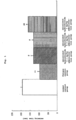
Fig. 1 shows the effectiveness of amiselimod hydrochloride on swimming time in a weight-loaded forced swimming test of an animal model (fatigue rat) with myalgic encephalomyelitis/chronic fatigue syndrome (ME/CFS). A significant difference was observed in the fatigue control group as compared with the normal control group (inFig. 1 , **: p<0.01, according to Student's t-test). A significant difference was observed in the amiselimod hydrochloride 0.1 mg/kg administration group, amiselimod hydrochloride 0.3 mg/kg administration group, andamiselimod hydrochloride 1 mg/kg administration group as compared with the fatigue control group (inFig. 1 , #: p<0.05, ##: p<0.01, according to Williams multiple comparison test). - Preferred embodiments of the present invention are shown below.
- The therapeutic agent in the present invention is specifically a therapeutic agent containing a compound selected from 2-amino-2-[2-(4-heptyloxy-3-trifluoromethylphenyl)ethyl]propane-1,3-diol (amiselimod), 1-[[6-[(2-methoxy-4-propylphenyl)methoxy]-1-methyl-3,4-dihydronaphthalen-2-yl]methyl]azetidine-3-carboxylic acid (ceralifimod), (2S)-3-[4-[5-(2-cyclopentyl-6-methoxypyridin-4-yl)-1,2,4-oxadiazol-3-yl]-2-ethyl-6-methylphenoxy]propane-1,2-diol (cenerimod), 2-[(3R)-7-[[4-cyclopentyl-3-(trifluoromethyl)phenyl]methoxy]-1,2,3,4-tetrahydrocyclopenta[b]indol-3-yl]acetic acid (etrasimod), 5-(3-{(1S)-1-[(2-hydroxyethyl)amino]-2,3-dihydro-1H-inden-4-yl}-2-isopropoxybenzonitrile (ozanimod), (2Z,5Z)-5-{3-chloro-4-[(2R)-2,3-dihydroxy propoxy]benzylidene}-3-(2-methylphenyl)-2-(propylimino)-1,3-thiazolidin-4-one (ponesimod), and 1-{4-[(1E)-N-{[4-cyclohexyl-3-(trifluoromethyl)benzyl]oxy}ethaneimidoyl]-2-ethylbenzyl}-3-azetidinecarboxylic acid (siponimod) or a pharmaceutically acceptable salt thereof (sometimes to be collectively referred to as the active ingredient in the present specification), preferably a therapeutic agent containing 2-amino-2-[2-(4-heptyloxy-3-trifluoromethylphenyl)ethyl]propane-1,3-diol (amiselimod) or a pharmaceutically acceptable salt thereof, particularly preferably a therapeutic agent containing 2-amino-2-[2-(4-heptyloxy-3-trifluoromethylphenyl)ethyl]propane-1,3-diol hydrochloride (amiselimod hydrochloride).
- In one embodiment, the therapeutic agent is preferably a therapeutic agent containing a compound selected from amiselimod hydrochloride, ceralifimod, cenerimod, etrasimod arginine, ozanimod hydrochloride, ponesimod and siponimod fumarate, more preferably a therapeutic agent containing amiselimod hydrochloride.
- In the present invention, the compound used as the active ingredient or a pharmaceutically acceptable salt thereof can be produced, for example, by the following production method, and it may be produced by any known method.
- Amiselimod or a pharmaceutically acceptable salt thereof can be produced, for example, by the method described in
patent document 1. - Ceralifimod or a pharmaceutically acceptable salt thereof can be produced, for example, by the method described in International Publication No.
WO 2005/020882 . - Cenerimod or a pharmaceutically acceptable salt thereof can be produced, for example, by the method described in International Publication No.
WO 2011/007324 . - Etrasimod or a pharmaceutically acceptable salt thereof can be produced, for example, by the method described in International Publication No.
WO 2010/011316 . - Ozanimod or a pharmaceutically acceptable salt thereof can be produced, for example, by the method described in International Publication No.
WO 2011/060389 . - Ponesimod or a pharmaceutically acceptable salt thereof can be produced, for example, by the method described in International Publication No.
WO 2005/054215 . - Siponimod or a pharmaceutically acceptable salt thereof can be produced, for example, by the method described in International Publication No.
WO 2004/103306 . - Examples of the pharmaceutically acceptable salt in the present invention include inorganic acid salt, organic acid salt, alkali metal salt, alkaline earth metal salt, and the like.
- The therapeutic agent for a disease selected from myalgic encephalomyelitis/chronic fatigue syndrome and fibromyalgia in the present invention is preferably a therapeutic agent for myalgic encephalomyelitis/chronic fatigue syndrome, more preferably a therapeutic agent for myalgic encephalomyelitis/chronic fatigue syndrome associated with fatigue symptoms.
- In one embodiment, the therapeutic agent for a disease selected from myalgic encephalomyelitis/chronic fatigue syndrome and fibromyalgia in the present invention can also be used as a prophylactic agent for a disease selected from myalgic encephalomyelitis/chronic fatigue syndrome and fibromyalgia.
- The prophylactic agent for a disease selected from myalgic encephalomyelitis/chronic fatigue syndrome and fibromyalgia is preferably a prophylactic agent for myalgic encephalomyelitis/chronic fatigue syndrome, more preferably a prophylactic agent for myalgic encephalomyelitis/chronic fatigue syndrome associated with fatigue symptoms.
- In the present specification, the fatigue symptoms refer to, for example, symptoms that last or recur repeatedly (observed in 50% or more of the evaluation period used for diagnosis) for at least 6 months in which the main symptom is strong fatigue that significantly impairs daily life, preferably, symptoms that last or recur repeatedly for at least 6 months in which the main symptom is as mentioned above and general malaise after a light labor lasts for 24 hours or more and is not relieved by rest or sleep.
- In the present invention, examples of the "fatigue symptoms" of the "myalgic encephalomyelitis/chronic fatigue syndrome associated with fatigue symptoms" include fatigue symptoms satisfying the following (a); preferably fatigue symptoms satisfying the following (a) and (b); more preferably fatigue symptoms satisfying the following (a), (b) and (c); particularly preferably fatigue symptoms satisfying the following (a), (b) and (c), and (d) and/or (e).
- (a) Significant hypofunction or dysfunction is observed compared to the occupational, academic, social, and personal activity levels before the onset, and lasts for 6 months or more accompanied by a feeling of fatigue. The level thereof is often severe to the extent that it is equivalent to apparent onset of the disease, and the symptoms are not caused by recent excessive labor and are not alleviated by rest.
- (b) malaise after labor
- (c) no recovery by sleeping
- (d) disorder of cognition function
- (e) unable to get up or stand
- As the therapeutic agent of the present invention, the active ingredient may be administered as it is to a patient. Preferably, it is administered as a preparation in the form of a pharmaceutical composition containing the active ingredient and a pharmaceutically acceptable additive.
- Examples of the pharmaceutically acceptable additive include excipient, disintegrant, disintegration aid, binder, lubricant, coating agent, dye, diluent, base, dissolving agent, solubilizing agent, isotonicity agent, pH adjuster, stabilizer, propellant, adhesive, and the like.
- Examples of the preparation suitable for oral administration include tablet, capsule, powder, fine granules, granule, liquid, syrup and the like, and examples of the preparation suitable for parenteral administration include injection, drip infusion, suppository, and the like.
- In the preparation suitable for oral administration, for example, excipients such as glucose, lactose, D-mannitol, starch, crystalline cellulose, and the like; disintegrants or disintegration aid such as carboxymethylcellulose, starch, carboxymethylcellulose calcium, and the like; binders such as hydroxypropylcellulose, hydroxypropylmethylcellulose, polyvinylpyrrolidone, gelatin, and the like; lubricants such as magnesium stearate, talc and the like; coating agents such as hydroxypropylmethylcellulose, sucrose, polyethylene glycol, titanium oxide, and the like; bases such as petrolatum, liquid paraffin, polyethylene glycol, gelatin, kaolin, glycerol, purified water, hard fat, and the like can be used as additives. In the preparation suitable for injection or drip, dissolving agents or solubilizing agents that can constitute an aqueous or on-use soluble injection such as injectable distilled water, saline, propylene glycol, and the like; isotonicity agents such as glucose, sodium chloride, D-mannitol, glycerol, and the like; pH adjusters such as inorganic acid, organic acid, inorganic base, organic base, and the like; and the like can be used as preparation additives.
- The administration route of the therapeutic agent of the present invention is not particularly limited, and the therapeutic agent can be administered orally or parenterally (e.g., intravenous, intramuscular, subcutaneous or intradermal injection, drip, or inhalation, and the like), preferably orally.
- The dose of the therapeutic agent of the present invention can be appropriately determined according to various conditions such as the kind of the disease to be the treatment target, progression of disease or degree of symptoms, age and body weight of patients, and the like.
- The daily dose of amiselimod for an adult is, for example, 0.05 mg - 1.0 mg, preferably, 0.08mg - 0.7 mg, more preferably, 0.1 mg - 0.4 mg, for example, as amiselimod hydrochloride.
- The daily dose of ceralifimod for an adult is, for example, 0.05 - 0.3 mg, preferably, 0.05 - 0.15 mg, more preferably, 0.05 mg, 0.10 mg, or 0.15 mg.
- The daily dose of cenerimod for an adult is, for example, 0.5 - 25 mg, preferably, 0.5 - 4 mg, more preferably, 0.5, 1, 2, or 4 mg.
- The daily dose of etrasimod for an adult is, for example, etrasimod arginine, for example, 1 - 2 mg, preferably, 1 mg, or 2 mg.
- The daily dose of ozanimod for an adult is, for example, 0.25 - 2 mg, preferably, 0.5 mg, or 1 mg, for example, as ozanimod hydrochloride.
- The daily dose of ponesimod for an adult is, for example, 1 - 75 mg, preferably, 10 - 40 mg, more preferably, 10 mg, 20 mg, or 40 mg.
- The daily dose of siponimod for an adult is, for example, 0.25 mg - 10 mg, preferably, 0.25 mg, 0.5 mg, 1.25 mg, 2 mg, or 10 mg, for example, as siponimod fumarate.
- The daily administration frequency of the therapeutic agent of the present invention can be appropriately increased or decreased according to various conditions such as the kind of the disease to be the treatment target, progression of disease or degree of symptoms, age and body weight of patients, and the like. The frequency is generally, for example, once per day, twice per day, three times per day, preferably once per day, for an adult.
- The therapeutic agent for myalgic encephalomyelitis/chronic fatigue syndrome (ME/CFS) of the present invention contains the active ingredient, and can further used in combination with or formulated as a combination agent with known therapeutic agents for myalgic encephalomyelitis/chronic fatigue syndrome (ME/CFS). Examples of the known therapeutic drug for myalgic encephalomyelitis/chronic fatigue syndrome (ME/CFS) include pregabalin, mirogabalin, tramadol, acetaminophen, non-steroidal antiinflammatory agents (NSAIDs) (e.g., aspirin, loxoprofen, ibuprofen, celecoxib and the like), monoamine oxidase (MAO) inhibitor (e.g., selegiline, rasagiline, safinamide, isoniazid, and the like), serotonin selective reuptake inhibitor (SSRI) (e.g., fluvoxamine, paroxetine, sertraline, escitalopram, and the like), serotonin/noradrenaline selective reuptake inhibitor (SNRI) (e.g., milnacipran, duloxetine, and the like), noradrenergic and specific serotonergic antidepressant (NaSSA) (e.g., mirtazapine and the like), benzodiazepine sleeping drugs (e.g., etizolam and the like), nonbenzodiazepine sleeping drugs (e.g., zolpidem, zopiclone, and the like), clomipramine, an extract from inflamed cutaneous tissue of rabbits inoculated with vaccinia virus (e.g., Neurotropin and the like), Chinese herbal medicament (e.g., Hochuekkito, Juzentaihoto, and the like), Ampligen (registered trademark), and the like.
- The present invention is explained in more detail in the following by referring to Examples, which are not to be construed as limitative.
- A myalgic encephalomyelitis/chronic fatigue syndrome (ME/CFS)-improving effect by the administration of the compound (amiselimod hydrochloride) relating to the present invention was verified as follows according to the method of Tanaka et al. (Establishment and assessment of a rat model fatigue. Neuroscience letters 2003, 352: 159-162) using a water-immersion stress loaded rat (fatigue rat) model.
- The animal used was 9-week-old Slc:SD rat. The rats were bred (water-immersion breeding) for 6 days in a plastic cage (W: 445 x D: 276 x H: 204 mm) containing tap water (water temperature: 23±1°C) to a height of 1.5 cm, and a weight-loaded forced swimming test was conducted on the final day. In the weight-loaded forced swimming test, a rat with a weight equivalent to 8% of its body weight attached to its tail was placed in a circular water tank (diameter: 18 cm, height: 70 cm, water depth: 40 cm, water temperature: 23±1°C), and the time from the start of swimming until the rat's nose sinks from the water surface for 20 seconds was measured. The weight-loaded forced swimming test was conducted blindly.
- Amiselimod hydrochloride (0.1, 0.3 and 1 mg/kg administration) was orally administered once a day for 6 days from the start date of the water-immersion breeding. As control groups, a normal control group for normal breeding and a fatigue control group for water-immersion breeding were set, and the vehicle (0.5% HPMC) was administered to both groups. The number of cases was 10 in each group.
- As a result, the swimming time of the fatigue control group was significantly shorter than that of the normal control group. Administration of 0.1, 0.3 and 1 mg/kg amiselimod hydrochloride significantly prolonged the swimming time as compared to the fatigue control group (
Fig. 1 ). - FM is a chronic intractable disease whose main symptom is systemic pain. It has been reported that it occurs very frequently with ME/CFS, and there are many common aspects such as similar symptoms, activation of microglia in the spinal cord and brain, and the like (Fibromyalgia Medical Guideline 2017 Japan College of Fibromyalgia Investigation).
- As non-clinical FM models, plural models due to (1) stress load, (2) drug administration, (3) nerve damage, and the like have been reported. As an example of (1), various physical and mental stress loads including forced swimming stress (Suarez-Roca, H., Quintero, L., Arcaya, J.L., Maixner, W., Rao, S.G., Stress-induced muscle and cutaneous hyperalgesia: differential effect of milnacipran, Physiol. Behav., 88 (2006) 82-87), chronic restraint stress (Bardin, L., Malfetes, N., Newman-Tancredi, A., Depoortère, R., Chronic restraint stress induces mechanical and cold allodynia, and enhances inflammatory pain in rat: Relevance to human stress-associated painful pathologies, Behav. Brain Res., 205 (2009) 360-366), repeated cold stress (Nasu, T., Taguchi, T., Mizumura, K., Persistent deep mechanical hyperalgesia induced by repeated cold stress in rats, Eur. J. Pain, 14 (2010) 236-244; and Nishiyori, M., Ueda, H., Prolonged gabapentin analgesia in an experimental mouse model of fibromyalgia, Mol. Pain, 4 (2008) 52), multiple continuous stress (Yasui, M., Yoshimura, T., Takeuchi, S., Tokizane, K., Tsuda, M., Inoue, K., Kiyama, H., A Chronic fatigue syndrome model demonstrates mechanical allodynia and muscular hyperalgesia via spinal microglial activation, Glia, 62 (2014) 1407-1417), sound stress (Khasar, S.G., Dina, O.A., Green, P.G., Levine, J.D., Sound stress-induced long-term enhancement of mechanical hyperalgesia in rats is maintained by sympathoadrenal catecholamines, J. Pain, 10 (2009) 1073-1077), maternal separation stress (Green, P.G., Chen, X., Alvarez, P., Ferrari, L.F., Levine, J.D., Early-life stress produces muscle hyperalgesia and nociceptor sensitization in the adult rat, Pain, 152 (2011) 2549-2556), and the like are used. The example of (2) is generated by subcutaneous administration of a biogenic amine depleting agent, reserpine (Green, P.G., Chen, X., Alvarez, P., Ferrari, L.F., Levine, J.D., Early-life stress produces muscle hyperalgesia and nociceptor sensitization in the adult rat, Pain, 152 (2011) 2549-2556), or administration of acidic saline (pH 4) to gastrocnemial muscle. As an example of (3), a phenotype has been reported in which the subdiaphragmatic vagus nerve is cut and the pain threshold is lowered in any of these methods.
- A method of generating an FM model by administration of reserpine, which is widely used among the above, and an evaluation method thereof are described. Reserpine is prepared to have a final concentration of 0.5% acetic acid, and is administered subcutaneously to the back of SD rats at a dose of 1 mg/kg once a day for 3 days. To evaluate the pain threshold for mechanical stimulation, the von Frey test or the like is performed, in which von Frey filament is pressed perpendicularly to the sole of paw and the threshold is measured when the paw is raised. To evaluate the pain threshold for pressure stimulation, a Randall Selitto method or the like is performed in which a pressure that increases continuously at a constant rate is applied to the hind limb of rat and the escape threshold is measured. Amiselimod hydrochloride is prepared in a vehicle such as 0.5% HPMC, and is orally administered at the same time as reserpine administration or 5 days after the final administration of reserpine, and the prophylactic effect and therapeutic effect on a decrease in the pain threshold are confirmed by the above-mentioned evaluation.
- The therapeutic agent of the present invention containing 2-amino-2-[2-(4-heptyloxy-3-trifluoromethylphenyl)ethyl]propane-1,3-diol or a pharmaceutically acceptable salt thereof, and the like is useful as a therapeutic agent for myalgic encephalomyelitis/chronic fatigue syndrome (ME/CFS) and the like.
- This application is based on patent application No.
2020-019153 -
- 1. A therapeutic agent for a disease selected from myalgic encephalomyelitis/chronic fatigue syndrome, and fibromyalgia, comprising 2-amino-2-[2-(4-heptyloxy-3-trifluoromethylphenyl)ethyl]propane-1,3-diol or a pharmaceutically acceptable salt thereof.
- 2. The therapeutic agent according to
item 1, wherein the disease is myalgic encephalomyelitis/chronic fatigue syndrome. - 3. The therapeutic agent according to
item 1 or 2, wherein the myalgic encephalomyelitis/chronic fatigue syndrome is myalgic encephalomyelitis/chronic fatigue syndrome associated with fatigue symptoms. - 4. A method for treating a disease selected from myalgic encephalomyelitis/chronic fatigue syndrome, and fibromyalgia, comprising administering an effective amount of the therapeutic agent according to any one of
items 1 to 3. - 5. The method according to item 4, wherein the disease is myalgic encephalomyelitis/chronic fatigue syndrome.
- 6. The method according to item 4 or 5, wherein the myalgic encephalomyelitis/chronic fatigue syndrome is myalgic encephalomyelitis/chronic fatigue syndrome associated with fatigue symptoms.
- 7. Use of the therapeutic agent according to any one of
items 1 to 3 for treating a disease selected from myalgic encephalomyelitis/chronic fatigue syndrome, and fibromyalgia. - 8. The use according to item 7, wherein the disease is myalgic encephalomyelitis/chronic fatigue syndrome.
- 9. The use according to item 7 or 8, wherein the myalgic encephalomyelitis/chronic fatigue syndrome is myalgic encephalomyelitis/chronic fatigue syndrome associated with fatigue symptoms.
- 10. Use of the therapeutic agent according to any one of
items 1 to 3 in producing a therapeutic agent for a disease selected from myalgic encephalomyelitis/chronic fatigue syndrome, and fibromyalgia. - 11. The use according to item 10, wherein the disease is myalgic encephalomyelitis/chronic fatigue syndrome.
- 12. The use according to item 10 or 11, wherein the myalgic encephalomyelitis/chronic fatigue syndrome is myalgic encephalomyelitis/chronic fatigue syndrome associated with fatigue symptoms.
Claims (1)
- A therapeutic agent comprising 2-amino-2-[2-(4-heptyloxy-3-trifluoromethylphenyl)ethyl]propane-1,3-diol or a pharmaceutically acceptable salt thereof for use in the treatment of fibromyalgia.
Applications Claiming Priority (3)
| Application Number | Priority Date | Filing Date | Title |
|---|---|---|---|
| JP2020019153 | 2020-02-06 | ||
| EP21750441.4A EP4101445B1 (en) | 2020-02-06 | 2021-02-05 | Amiselimod for use in the treatment of myalgic encephalomyelitis/chronic fatigue syndrome |
| PCT/JP2021/004216 WO2021157682A1 (en) | 2020-02-06 | 2021-02-05 | Therapeutic agent for myalgic encephalomyelitis/chronic fatigue syndrome |
Related Parent Applications (2)
| Application Number | Title | Priority Date | Filing Date |
|---|---|---|---|
| EP21750441.4A Division-Into EP4101445B1 (en) | 2020-02-06 | 2021-02-05 | Amiselimod for use in the treatment of myalgic encephalomyelitis/chronic fatigue syndrome |
| EP21750441.4A Division EP4101445B1 (en) | 2020-02-06 | 2021-02-05 | Amiselimod for use in the treatment of myalgic encephalomyelitis/chronic fatigue syndrome |
Publications (2)
| Publication Number | Publication Date |
|---|---|
| EP4483960A2 true EP4483960A2 (en) | 2025-01-01 |
| EP4483960A3 EP4483960A3 (en) | 2025-03-05 |
Family
ID=77199358
Family Applications (2)
| Application Number | Title | Priority Date | Filing Date |
|---|---|---|---|
| EP21750441.4A Active EP4101445B1 (en) | 2020-02-06 | 2021-02-05 | Amiselimod for use in the treatment of myalgic encephalomyelitis/chronic fatigue syndrome |
| EP24213294.2A Pending EP4483960A3 (en) | 2020-02-06 | 2021-02-05 | Therapeutic agent for myalgic encephalomyelitis/chronic fatigue syndrome |
Family Applications Before (1)
| Application Number | Title | Priority Date | Filing Date |
|---|---|---|---|
| EP21750441.4A Active EP4101445B1 (en) | 2020-02-06 | 2021-02-05 | Amiselimod for use in the treatment of myalgic encephalomyelitis/chronic fatigue syndrome |
Country Status (8)
| Country | Link |
|---|---|
| US (1) | US12569455B2 (en) |
| EP (2) | EP4101445B1 (en) |
| JP (2) | JP7773909B2 (en) |
| CN (2) | CN118662488A (en) |
| AR (1) | AR121276A1 (en) |
| ES (1) | ES3034261T3 (en) |
| TW (1) | TWI888484B (en) |
| WO (1) | WO2021157682A1 (en) |
Citations (8)
| Publication number | Priority date | Publication date | Assignee | Title |
|---|---|---|---|---|
| WO2004103306A2 (en) | 2003-05-19 | 2004-12-02 | Irm Llc | Immunosuppressant compounds and compositions |
| WO2005020882A2 (en) | 2003-08-29 | 2005-03-10 | Ono Pharmaceutical Co | Compound capable of binding s1p receptor and pharmaceutical use thereof |
| WO2005054215A1 (en) | 2003-11-21 | 2005-06-16 | Actelion Pharmaceuticals Ltd | 5-(benz- (z) -ylidene) -thiazolidin-4-one derivatives as immunosuppressant agents |
| WO2007069712A1 (en) | 2005-12-15 | 2007-06-21 | Mitsubishi Tanabe Pharma Corporation | Amine compound and use thereof for medical purposes |
| WO2010011316A1 (en) | 2008-07-23 | 2010-01-28 | Arena Pharmaceuticals, Inc. | SUBSTITUTED 1,2,3,4- TETRAHYDROCYCLOPENTA[b]INDOL-3-YL) ACETIC ACID DERIVATIVES USEFUL IN THE TREATMENT OF AUTOIMMUNE AND INFLAMMATORY DISORDERS |
| WO2011007324A1 (en) | 2009-07-16 | 2011-01-20 | Actelion Pharmaceuticals Ltd | Pyridin-4-yl derivatives |
| WO2011060389A1 (en) | 2009-11-13 | 2011-05-19 | Receptos, Inc. | Sphingosine 1 phosphate receptor modulators and methods of chiral synthesis |
| JP2020019153A (en) | 2018-07-30 | 2020-02-06 | キヤノン株式会社 | Printing system, printing apparatus, control method therefor, and program |
Family Cites Families (3)
| Publication number | Priority date | Publication date | Assignee | Title |
|---|---|---|---|---|
| US8217027B2 (en) | 2006-12-21 | 2012-07-10 | Abbott Laboratories | Sphingosine-1-phosphate receptor agonist and antagonist compounds |
| EP2142184B1 (en) | 2007-05-04 | 2018-10-24 | Novartis AG | Use of s1p receptor modulator |
| EP2805730A1 (en) * | 2013-05-21 | 2014-11-26 | Bergen Teknologioverforing AS | Nitric oxide donor for the treatment of chronic fatigue syndrome |
-
2021
- 2021-02-05 CN CN202410993474.4A patent/CN118662488A/en active Pending
- 2021-02-05 US US17/795,609 patent/US12569455B2/en active Active
- 2021-02-05 TW TW110104423A patent/TWI888484B/en active
- 2021-02-05 WO PCT/JP2021/004216 patent/WO2021157682A1/en not_active Ceased
- 2021-02-05 AR ARP210100303A patent/AR121276A1/en unknown
- 2021-02-05 JP JP2021575875A patent/JP7773909B2/en active Active
- 2021-02-05 CN CN202180009634.1A patent/CN114980874B/en active Active
- 2021-02-05 EP EP21750441.4A patent/EP4101445B1/en active Active
- 2021-02-05 EP EP24213294.2A patent/EP4483960A3/en active Pending
- 2021-02-05 ES ES21750441T patent/ES3034261T3/en active Active
-
2025
- 2025-11-10 JP JP2025188894A patent/JP2026027404A/en active Pending
Patent Citations (8)
| Publication number | Priority date | Publication date | Assignee | Title |
|---|---|---|---|---|
| WO2004103306A2 (en) | 2003-05-19 | 2004-12-02 | Irm Llc | Immunosuppressant compounds and compositions |
| WO2005020882A2 (en) | 2003-08-29 | 2005-03-10 | Ono Pharmaceutical Co | Compound capable of binding s1p receptor and pharmaceutical use thereof |
| WO2005054215A1 (en) | 2003-11-21 | 2005-06-16 | Actelion Pharmaceuticals Ltd | 5-(benz- (z) -ylidene) -thiazolidin-4-one derivatives as immunosuppressant agents |
| WO2007069712A1 (en) | 2005-12-15 | 2007-06-21 | Mitsubishi Tanabe Pharma Corporation | Amine compound and use thereof for medical purposes |
| WO2010011316A1 (en) | 2008-07-23 | 2010-01-28 | Arena Pharmaceuticals, Inc. | SUBSTITUTED 1,2,3,4- TETRAHYDROCYCLOPENTA[b]INDOL-3-YL) ACETIC ACID DERIVATIVES USEFUL IN THE TREATMENT OF AUTOIMMUNE AND INFLAMMATORY DISORDERS |
| WO2011007324A1 (en) | 2009-07-16 | 2011-01-20 | Actelion Pharmaceuticals Ltd | Pyridin-4-yl derivatives |
| WO2011060389A1 (en) | 2009-11-13 | 2011-05-19 | Receptos, Inc. | Sphingosine 1 phosphate receptor modulators and methods of chiral synthesis |
| JP2020019153A (en) | 2018-07-30 | 2020-02-06 | キヤノン株式会社 | Printing system, printing apparatus, control method therefor, and program |
Non-Patent Citations (8)
| Title |
|---|
| BARDIN, L.MALFETES, N.NEWMAN-TANCREDI, A.DEPOORTÈRE, R.: "Chronic restraint stress induces mechanical and cold allodynia, and enhances inflammatory pain in rat: Relevance to human stress-associated painful pathologies", BEHAV. BRAIN RES., vol. 205, 2009, pages 360 - 366, XP026673465, DOI: 10.1016/j.bbr.2009.07.005 |
| GREEN, P.G.CHEN, X.ALVAREZ, P.FERRARI, L.F.LEVINE, J.D.: "Early-life stress produces muscle hyperalgesia and nociceptor sensitization in the adult rat", PAIN, vol. 152, 2011, pages 2549 - 2556, XP028320130, DOI: 10.1016/j.pain.2011.07.021 |
| KHASAR, S.G.DINA, O.A.GREEN, P.G.LEVINE, J.D.: "Sound stress-induced long-term enhancement of mechanical hyperalgesia in rats is maintained by sympathoadrenal catecholamines", J. PAIN, vol. 10, 2009, pages 1073 - 1077, XP086772797, DOI: 10.1016/j.jpain.2009.04.005 |
| NASU, T.TAGUCHI, T.MIZUMURA, K.: "Persistent deep mechanical hyperalgesia induced by repeated cold stress in rats", EUR. J. PAIN, vol. 14, 2010, pages 236 - 244, XP026923105, DOI: 10.1016/j.ejpain.2009.05.009 |
| NISHIYORI, M.UEDA, H.: "Prolonged gabapentin analgesia in an experimental mouse model of fibromyalgia", MOL. PAIN, vol. 4, 2008, pages 52, XP021045099, DOI: 10.1186/1744-8069-4-52 |
| SUAREZ-ROCA, H.QUINTERO, L.ARCAYA, J.L.MAIXNER, W.RAO, S.G.: "Stress-induced muscle and cutaneous hyperalgesia: differential effect of milnacipran", PHYSIOL. BEHAV., vol. 88, 2006, pages 82 - 87, XP028059360, DOI: 10.1016/j.physbeh.2006.03.010 |
| TANAKA: "Establishment and assessment of a rat model fatigue", NEUROSCIENCE LETTERS, vol. 352, 2003, pages 159 - 162 |
| YASUI, M.YOSHIMURA, T.TAKEUCHI, S.TOKIZANE, K.TSUDA, M.INOUE, K.KIYAMA, H.: "A Chronic fatigue syndrome model demonstrates mechanical allodynia and muscular hyperalgesia via spinal microglial activation", GLIA, vol. 62, 2014, pages 1407 - 1417, XP071739907, DOI: 10.1002/glia.22687 |
Also Published As
| Publication number | Publication date |
|---|---|
| US20230055568A1 (en) | 2023-02-23 |
| AR121276A1 (en) | 2022-05-04 |
| EP4101445A1 (en) | 2022-12-14 |
| TW202139982A (en) | 2021-11-01 |
| TWI888484B (en) | 2025-07-01 |
| CN114980874B (en) | 2024-08-13 |
| EP4101445A4 (en) | 2023-06-14 |
| ES3034261T3 (en) | 2025-08-14 |
| JP2026027404A (en) | 2026-02-18 |
| CN118662488A (en) | 2024-09-20 |
| CN114980874A (en) | 2022-08-30 |
| WO2021157682A1 (en) | 2021-08-12 |
| JP7773909B2 (en) | 2025-11-20 |
| JPWO2021157682A1 (en) | 2021-08-12 |
| EP4101445B1 (en) | 2025-04-30 |
| US12569455B2 (en) | 2026-03-10 |
| EP4483960A3 (en) | 2025-03-05 |
Similar Documents
| Publication | Publication Date | Title |
|---|---|---|
| ES2310715T3 (en) | USE OF THE MILLER (1S, 2R) OF THE MILNACIPRAN FOR THE PREPARATION OF A MEDICINAL PRODUCT | |
| ES2359441T3 (en) | USE OF THE MILLER (1S, 2R) OF THE MILNACIPRAN FOR THE PREPARATION OF A MEDICINAL PRODUCT. | |
| JP2008531714A (en) | Pharmaceutical composition for the treatment and / or prevention of anxiety disorders | |
| CN102470124B (en) | cell protectant | |
| JP2008542378A (en) | Methods and compositions for managing psychotic disorders | |
| PT1463528E (en) | Selective norepinephrine serotonin reuptake inhibitors for treating fibromyalgia syndrome, chronic fatique syndrome and pain | |
| PT2701693T (en) | Tapentadol for preventing and treating depression and anxiety | |
| BRPI0610509A2 (en) | drug addiction treatment | |
| WO2002078629A2 (en) | Acute pharmacologic augmentation of psychotherapy with enhancers of learning or conditioning | |
| WO2020132378A2 (en) | Compositions and methods of treatment for neurological disorders comprising depression | |
| EP3132803B1 (en) | Preventive or therapeutic agent for pain associated with herpes zoster in acute phase | |
| JPS59501460A (en) | Improved analgesic and anti-inflammatory compositions comprising caffeine and methods of use thereof | |
| Levin et al. | Life-threatening serotonin toxicity due to a citalopram-fluconazole drug interaction: case reports and discussion | |
| TW449474B (en) | Composition for alleviating pain | |
| US20060167026A1 (en) | Antipsychotic molecular-targeting epithelial growth factor receptor | |
| MXPA02005380A (en) | Combination treatment for sleep disorders including sleep apnea. | |
| EP3654960A1 (en) | Ambroxol to improve and/or extend healthspan, lifespan and/or mental acuity | |
| US12569455B2 (en) | Therapeutic agent for myalgic encephalomyelitis/chronic fatigue syndrome | |
| JP4895219B2 (en) | Pain treatment agent containing ROCK inhibitor | |
| JP2021522271A (en) | Ways to improve frailty and aging | |
| CN1541093A (en) | Novel use of combined 5-HI1A agonists and selective serotonin reuptake inhibitors | |
| JP2010528044A (en) | How to improve physical function in fibromyalgia | |
| US20110065749A1 (en) | Method and pharmaceutical composition for treatment of mental disorders | |
| CN1671368A (en) | Treatment of depression secondary to pain (DSP) | |
| JP6551671B2 (en) | Alzheimer's treatment |
Legal Events
| Date | Code | Title | Description |
|---|---|---|---|
| PUAI | Public reference made under article 153(3) epc to a published international application that has entered the european phase |
Free format text: ORIGINAL CODE: 0009012 |
|
| STAA | Information on the status of an ep patent application or granted ep patent |
Free format text: STATUS: THE APPLICATION HAS BEEN PUBLISHED |
|
| AC | Divisional application: reference to earlier application |
Ref document number: 4101445 Country of ref document: EP Kind code of ref document: P |
|
| AK | Designated contracting states |
Kind code of ref document: A2 Designated state(s): AL AT BE BG CH CY CZ DE DK EE ES FI FR GB GR HR HU IE IS IT LI LT LU LV MC MK MT NL NO PL PT RO RS SE SI SK SM TR |
|
| REG | Reference to a national code |
Ref country code: DE Ref legal event code: R079 Free format text: PREVIOUS MAIN CLASS: A61P0029020000 Ipc: A61K0031137000 |
|
| PUAL | Search report despatched |
Free format text: ORIGINAL CODE: 0009013 |
|
| P01 | Opt-out of the competence of the unified patent court (upc) registered |
Free format text: CASE NUMBER: APP_1335/2025 Effective date: 20250109 |
|
| AK | Designated contracting states |
Kind code of ref document: A3 Designated state(s): AL AT BE BG CH CY CZ DE DK EE ES FI FR GB GR HR HU IE IS IT LI LT LU LV MC MK MT NL NO PL PT RO RS SE SI SK SM TR |
|
| RIC1 | Information provided on ipc code assigned before grant |
Ipc: A61P 29/02 20060101ALI20250130BHEP Ipc: A61P 25/00 20060101ALI20250130BHEP Ipc: A61P 21/00 20060101ALI20250130BHEP Ipc: A61P 3/02 20060101ALI20250130BHEP Ipc: A61K 31/137 20060101AFI20250130BHEP |
|
| STAA | Information on the status of an ep patent application or granted ep patent |
Free format text: STATUS: REQUEST FOR EXAMINATION WAS MADE |
|
| 17P | Request for examination filed |
Effective date: 20250903 |
|
| STAA | Information on the status of an ep patent application or granted ep patent |
Free format text: STATUS: EXAMINATION IS IN PROGRESS |
|
| 17Q | First examination report despatched |
Effective date: 20260205 |
|
| RAP3 | Party data changed (applicant data changed or rights of an application transferred) |
Owner name: TANABE PHARMA CORPORATION |