EP4474512A1 - Hochfestes stahlblech und herstellungsverfahren dafür - Google Patents
Hochfestes stahlblech und herstellungsverfahren dafür Download PDFInfo
- Publication number
- EP4474512A1 EP4474512A1 EP23774242.4A EP23774242A EP4474512A1 EP 4474512 A1 EP4474512 A1 EP 4474512A1 EP 23774242 A EP23774242 A EP 23774242A EP 4474512 A1 EP4474512 A1 EP 4474512A1
- Authority
- EP
- European Patent Office
- Prior art keywords
- less
- inv
- steel sheet
- temperature
- content
- Prior art date
- Legal status (The legal status is an assumption and is not a legal conclusion. Google has not performed a legal analysis and makes no representation as to the accuracy of the status listed.)
- Pending
Links
Images

Classifications
-
- C—CHEMISTRY; METALLURGY
- C22—METALLURGY; FERROUS OR NON-FERROUS ALLOYS; TREATMENT OF ALLOYS OR NON-FERROUS METALS
- C22C—ALLOYS
- C22C38/00—Ferrous alloys, e.g. steel alloys
- C22C38/04—Ferrous alloys, e.g. steel alloys containing manganese
-
- C—CHEMISTRY; METALLURGY
- C21—METALLURGY OF IRON
- C21D—MODIFYING THE PHYSICAL STRUCTURE OF FERROUS METALS; GENERAL DEVICES FOR HEAT TREATMENT OF FERROUS OR NON-FERROUS METALS OR ALLOYS; MAKING METAL MALLEABLE, e.g. BY DECARBURISATION OR TEMPERING
- C21D1/00—General methods or devices for heat treatment, e.g. annealing, hardening, quenching or tempering
- C21D1/18—Hardening; Quenching with or without subsequent tempering
-
- C—CHEMISTRY; METALLURGY
- C21—METALLURGY OF IRON
- C21D—MODIFYING THE PHYSICAL STRUCTURE OF FERROUS METALS; GENERAL DEVICES FOR HEAT TREATMENT OF FERROUS OR NON-FERROUS METALS OR ALLOYS; MAKING METAL MALLEABLE, e.g. BY DECARBURISATION OR TEMPERING
- C21D6/00—Heat treatment of ferrous alloys
- C21D6/005—Heat treatment of ferrous alloys containing Mn
-
- C—CHEMISTRY; METALLURGY
- C21—METALLURGY OF IRON
- C21D—MODIFYING THE PHYSICAL STRUCTURE OF FERROUS METALS; GENERAL DEVICES FOR HEAT TREATMENT OF FERROUS OR NON-FERROUS METALS OR ALLOYS; MAKING METAL MALLEABLE, e.g. BY DECARBURISATION OR TEMPERING
- C21D8/00—Modifying the physical properties of ferrous metals or ferrous alloys by deformation combined with, or followed by, heat treatment
- C21D8/02—Modifying the physical properties of ferrous metals or ferrous alloys by deformation combined with, or followed by, heat treatment during manufacturing of plates or strips
-
- C—CHEMISTRY; METALLURGY
- C21—METALLURGY OF IRON
- C21D—MODIFYING THE PHYSICAL STRUCTURE OF FERROUS METALS; GENERAL DEVICES FOR HEAT TREATMENT OF FERROUS OR NON-FERROUS METALS OR ALLOYS; MAKING METAL MALLEABLE, e.g. BY DECARBURISATION OR TEMPERING
- C21D8/00—Modifying the physical properties of ferrous metals or ferrous alloys by deformation combined with, or followed by, heat treatment
- C21D8/02—Modifying the physical properties of ferrous metals or ferrous alloys by deformation combined with, or followed by, heat treatment during manufacturing of plates or strips
- C21D8/0221—Modifying the physical properties of ferrous metals or ferrous alloys by deformation combined with, or followed by, heat treatment during manufacturing of plates or strips characterised by the working steps
- C21D8/0226—Hot rolling
-
- C—CHEMISTRY; METALLURGY
- C21—METALLURGY OF IRON
- C21D—MODIFYING THE PHYSICAL STRUCTURE OF FERROUS METALS; GENERAL DEVICES FOR HEAT TREATMENT OF FERROUS OR NON-FERROUS METALS OR ALLOYS; MAKING METAL MALLEABLE, e.g. BY DECARBURISATION OR TEMPERING
- C21D8/00—Modifying the physical properties of ferrous metals or ferrous alloys by deformation combined with, or followed by, heat treatment
- C21D8/02—Modifying the physical properties of ferrous metals or ferrous alloys by deformation combined with, or followed by, heat treatment during manufacturing of plates or strips
- C21D8/0221—Modifying the physical properties of ferrous metals or ferrous alloys by deformation combined with, or followed by, heat treatment during manufacturing of plates or strips characterised by the working steps
- C21D8/0236—Cold rolling
-
- C—CHEMISTRY; METALLURGY
- C21—METALLURGY OF IRON
- C21D—MODIFYING THE PHYSICAL STRUCTURE OF FERROUS METALS; GENERAL DEVICES FOR HEAT TREATMENT OF FERROUS OR NON-FERROUS METALS OR ALLOYS; MAKING METAL MALLEABLE, e.g. BY DECARBURISATION OR TEMPERING
- C21D8/00—Modifying the physical properties of ferrous metals or ferrous alloys by deformation combined with, or followed by, heat treatment
- C21D8/02—Modifying the physical properties of ferrous metals or ferrous alloys by deformation combined with, or followed by, heat treatment during manufacturing of plates or strips
- C21D8/0247—Modifying the physical properties of ferrous metals or ferrous alloys by deformation combined with, or followed by, heat treatment during manufacturing of plates or strips characterised by the heat treatment
- C21D8/0263—Modifying the physical properties of ferrous metals or ferrous alloys by deformation combined with, or followed by, heat treatment during manufacturing of plates or strips characterised by the heat treatment following hot rolling
-
- C—CHEMISTRY; METALLURGY
- C21—METALLURGY OF IRON
- C21D—MODIFYING THE PHYSICAL STRUCTURE OF FERROUS METALS; GENERAL DEVICES FOR HEAT TREATMENT OF FERROUS OR NON-FERROUS METALS OR ALLOYS; MAKING METAL MALLEABLE, e.g. BY DECARBURISATION OR TEMPERING
- C21D8/00—Modifying the physical properties of ferrous metals or ferrous alloys by deformation combined with, or followed by, heat treatment
- C21D8/02—Modifying the physical properties of ferrous metals or ferrous alloys by deformation combined with, or followed by, heat treatment during manufacturing of plates or strips
- C21D8/0247—Modifying the physical properties of ferrous metals or ferrous alloys by deformation combined with, or followed by, heat treatment during manufacturing of plates or strips characterised by the heat treatment
- C21D8/0273—Final recrystallisation annealing
-
- C—CHEMISTRY; METALLURGY
- C21—METALLURGY OF IRON
- C21D—MODIFYING THE PHYSICAL STRUCTURE OF FERROUS METALS; GENERAL DEVICES FOR HEAT TREATMENT OF FERROUS OR NON-FERROUS METALS OR ALLOYS; MAKING METAL MALLEABLE, e.g. BY DECARBURISATION OR TEMPERING
- C21D8/00—Modifying the physical properties of ferrous metals or ferrous alloys by deformation combined with, or followed by, heat treatment
- C21D8/02—Modifying the physical properties of ferrous metals or ferrous alloys by deformation combined with, or followed by, heat treatment during manufacturing of plates or strips
- C21D8/0278—Modifying the physical properties of ferrous metals or ferrous alloys by deformation combined with, or followed by, heat treatment during manufacturing of plates or strips involving a particular surface treatment
-
- C—CHEMISTRY; METALLURGY
- C21—METALLURGY OF IRON
- C21D—MODIFYING THE PHYSICAL STRUCTURE OF FERROUS METALS; GENERAL DEVICES FOR HEAT TREATMENT OF FERROUS OR NON-FERROUS METALS OR ALLOYS; MAKING METAL MALLEABLE, e.g. BY DECARBURISATION OR TEMPERING
- C21D9/00—Heat treatment, e.g. annealing, hardening, quenching or tempering, adapted for particular articles; Furnaces therefor
- C21D9/46—Heat treatment, e.g. annealing, hardening, quenching or tempering, adapted for particular articles; Furnaces therefor for sheet metals
-
- C—CHEMISTRY; METALLURGY
- C22—METALLURGY; FERROUS OR NON-FERROUS ALLOYS; TREATMENT OF ALLOYS OR NON-FERROUS METALS
- C22C—ALLOYS
- C22C38/00—Ferrous alloys, e.g. steel alloys
- C22C38/001—Ferrous alloys, e.g. steel alloys containing N
-
- C—CHEMISTRY; METALLURGY
- C22—METALLURGY; FERROUS OR NON-FERROUS ALLOYS; TREATMENT OF ALLOYS OR NON-FERROUS METALS
- C22C—ALLOYS
- C22C38/00—Ferrous alloys, e.g. steel alloys
- C22C38/002—Ferrous alloys, e.g. steel alloys containing In, Mg, or other elements not provided for in one single group C22C38/001 - C22C38/60
-
- C—CHEMISTRY; METALLURGY
- C22—METALLURGY; FERROUS OR NON-FERROUS ALLOYS; TREATMENT OF ALLOYS OR NON-FERROUS METALS
- C22C—ALLOYS
- C22C38/00—Ferrous alloys, e.g. steel alloys
- C22C38/005—Ferrous alloys, e.g. steel alloys containing rare earths, i.e. Sc, Y, Lanthanides
-
- C—CHEMISTRY; METALLURGY
- C22—METALLURGY; FERROUS OR NON-FERROUS ALLOYS; TREATMENT OF ALLOYS OR NON-FERROUS METALS
- C22C—ALLOYS
- C22C38/00—Ferrous alloys, e.g. steel alloys
- C22C38/008—Ferrous alloys, e.g. steel alloys containing tin
-
- C—CHEMISTRY; METALLURGY
- C22—METALLURGY; FERROUS OR NON-FERROUS ALLOYS; TREATMENT OF ALLOYS OR NON-FERROUS METALS
- C22C—ALLOYS
- C22C38/00—Ferrous alloys, e.g. steel alloys
- C22C38/02—Ferrous alloys, e.g. steel alloys containing silicon
-
- C—CHEMISTRY; METALLURGY
- C22—METALLURGY; FERROUS OR NON-FERROUS ALLOYS; TREATMENT OF ALLOYS OR NON-FERROUS METALS
- C22C—ALLOYS
- C22C38/00—Ferrous alloys, e.g. steel alloys
- C22C38/06—Ferrous alloys, e.g. steel alloys containing aluminium
-
- C—CHEMISTRY; METALLURGY
- C22—METALLURGY; FERROUS OR NON-FERROUS ALLOYS; TREATMENT OF ALLOYS OR NON-FERROUS METALS
- C22C—ALLOYS
- C22C38/00—Ferrous alloys, e.g. steel alloys
- C22C38/08—Ferrous alloys, e.g. steel alloys containing nickel
-
- C—CHEMISTRY; METALLURGY
- C22—METALLURGY; FERROUS OR NON-FERROUS ALLOYS; TREATMENT OF ALLOYS OR NON-FERROUS METALS
- C22C—ALLOYS
- C22C38/00—Ferrous alloys, e.g. steel alloys
- C22C38/10—Ferrous alloys, e.g. steel alloys containing cobalt
-
- C—CHEMISTRY; METALLURGY
- C22—METALLURGY; FERROUS OR NON-FERROUS ALLOYS; TREATMENT OF ALLOYS OR NON-FERROUS METALS
- C22C—ALLOYS
- C22C38/00—Ferrous alloys, e.g. steel alloys
- C22C38/12—Ferrous alloys, e.g. steel alloys containing tungsten, tantalum, molybdenum, vanadium, or niobium
-
- C—CHEMISTRY; METALLURGY
- C22—METALLURGY; FERROUS OR NON-FERROUS ALLOYS; TREATMENT OF ALLOYS OR NON-FERROUS METALS
- C22C—ALLOYS
- C22C38/00—Ferrous alloys, e.g. steel alloys
- C22C38/14—Ferrous alloys, e.g. steel alloys containing titanium or zirconium
-
- C—CHEMISTRY; METALLURGY
- C22—METALLURGY; FERROUS OR NON-FERROUS ALLOYS; TREATMENT OF ALLOYS OR NON-FERROUS METALS
- C22C—ALLOYS
- C22C38/00—Ferrous alloys, e.g. steel alloys
- C22C38/16—Ferrous alloys, e.g. steel alloys containing copper
-
- C—CHEMISTRY; METALLURGY
- C22—METALLURGY; FERROUS OR NON-FERROUS ALLOYS; TREATMENT OF ALLOYS OR NON-FERROUS METALS
- C22C—ALLOYS
- C22C38/00—Ferrous alloys, e.g. steel alloys
- C22C38/18—Ferrous alloys, e.g. steel alloys containing chromium
- C22C38/32—Ferrous alloys, e.g. steel alloys containing chromium with boron
-
- C—CHEMISTRY; METALLURGY
- C22—METALLURGY; FERROUS OR NON-FERROUS ALLOYS; TREATMENT OF ALLOYS OR NON-FERROUS METALS
- C22C—ALLOYS
- C22C38/00—Ferrous alloys, e.g. steel alloys
- C22C38/18—Ferrous alloys, e.g. steel alloys containing chromium
- C22C38/34—Ferrous alloys, e.g. steel alloys containing chromium with more than 1.5% by weight of silicon
-
- C—CHEMISTRY; METALLURGY
- C22—METALLURGY; FERROUS OR NON-FERROUS ALLOYS; TREATMENT OF ALLOYS OR NON-FERROUS METALS
- C22C—ALLOYS
- C22C38/00—Ferrous alloys, e.g. steel alloys
- C22C38/18—Ferrous alloys, e.g. steel alloys containing chromium
- C22C38/38—Ferrous alloys, e.g. steel alloys containing chromium with more than 1.5% by weight of manganese
-
- C—CHEMISTRY; METALLURGY
- C22—METALLURGY; FERROUS OR NON-FERROUS ALLOYS; TREATMENT OF ALLOYS OR NON-FERROUS METALS
- C22C—ALLOYS
- C22C38/00—Ferrous alloys, e.g. steel alloys
- C22C38/60—Ferrous alloys, e.g. steel alloys containing lead, selenium, tellurium, or antimony, or more than 0.04% by weight of sulfur
-
- C—CHEMISTRY; METALLURGY
- C23—COATING METALLIC MATERIAL; COATING MATERIAL WITH METALLIC MATERIAL; CHEMICAL SURFACE TREATMENT; DIFFUSION TREATMENT OF METALLIC MATERIAL; COATING BY VACUUM EVAPORATION, BY SPUTTERING, BY ION IMPLANTATION OR BY CHEMICAL VAPOUR DEPOSITION, IN GENERAL; INHIBITING CORROSION OF METALLIC MATERIAL OR INCRUSTATION IN GENERAL
- C23C—COATING METALLIC MATERIAL; COATING MATERIAL WITH METALLIC MATERIAL; SURFACE TREATMENT OF METALLIC MATERIAL BY DIFFUSION INTO THE SURFACE, BY CHEMICAL CONVERSION OR SUBSTITUTION; COATING BY VACUUM EVAPORATION, BY SPUTTERING, BY ION IMPLANTATION OR BY CHEMICAL VAPOUR DEPOSITION, IN GENERAL
- C23C2/00—Hot-dipping or immersion processes for applying the coating material in the molten state without affecting the shape; Apparatus therefor
- C23C2/02—Pretreatment of the material to be coated, e.g. for coating on selected surface areas
-
- C—CHEMISTRY; METALLURGY
- C23—COATING METALLIC MATERIAL; COATING MATERIAL WITH METALLIC MATERIAL; CHEMICAL SURFACE TREATMENT; DIFFUSION TREATMENT OF METALLIC MATERIAL; COATING BY VACUUM EVAPORATION, BY SPUTTERING, BY ION IMPLANTATION OR BY CHEMICAL VAPOUR DEPOSITION, IN GENERAL; INHIBITING CORROSION OF METALLIC MATERIAL OR INCRUSTATION IN GENERAL
- C23C—COATING METALLIC MATERIAL; COATING MATERIAL WITH METALLIC MATERIAL; SURFACE TREATMENT OF METALLIC MATERIAL BY DIFFUSION INTO THE SURFACE, BY CHEMICAL CONVERSION OR SUBSTITUTION; COATING BY VACUUM EVAPORATION, BY SPUTTERING, BY ION IMPLANTATION OR BY CHEMICAL VAPOUR DEPOSITION, IN GENERAL
- C23C2/00—Hot-dipping or immersion processes for applying the coating material in the molten state without affecting the shape; Apparatus therefor
- C23C2/02—Pretreatment of the material to be coated, e.g. for coating on selected surface areas
- C23C2/022—Pretreatment of the material to be coated, e.g. for coating on selected surface areas by heating
- C23C2/0224—Two or more thermal pretreatments
-
- C—CHEMISTRY; METALLURGY
- C23—COATING METALLIC MATERIAL; COATING MATERIAL WITH METALLIC MATERIAL; CHEMICAL SURFACE TREATMENT; DIFFUSION TREATMENT OF METALLIC MATERIAL; COATING BY VACUUM EVAPORATION, BY SPUTTERING, BY ION IMPLANTATION OR BY CHEMICAL VAPOUR DEPOSITION, IN GENERAL; INHIBITING CORROSION OF METALLIC MATERIAL OR INCRUSTATION IN GENERAL
- C23C—COATING METALLIC MATERIAL; COATING MATERIAL WITH METALLIC MATERIAL; SURFACE TREATMENT OF METALLIC MATERIAL BY DIFFUSION INTO THE SURFACE, BY CHEMICAL CONVERSION OR SUBSTITUTION; COATING BY VACUUM EVAPORATION, BY SPUTTERING, BY ION IMPLANTATION OR BY CHEMICAL VAPOUR DEPOSITION, IN GENERAL
- C23C2/00—Hot-dipping or immersion processes for applying the coating material in the molten state without affecting the shape; Apparatus therefor
- C23C2/02—Pretreatment of the material to be coated, e.g. for coating on selected surface areas
- C23C2/024—Pretreatment of the material to be coated, e.g. for coating on selected surface areas by cleaning or etching
-
- C—CHEMISTRY; METALLURGY
- C23—COATING METALLIC MATERIAL; COATING MATERIAL WITH METALLIC MATERIAL; CHEMICAL SURFACE TREATMENT; DIFFUSION TREATMENT OF METALLIC MATERIAL; COATING BY VACUUM EVAPORATION, BY SPUTTERING, BY ION IMPLANTATION OR BY CHEMICAL VAPOUR DEPOSITION, IN GENERAL; INHIBITING CORROSION OF METALLIC MATERIAL OR INCRUSTATION IN GENERAL
- C23C—COATING METALLIC MATERIAL; COATING MATERIAL WITH METALLIC MATERIAL; SURFACE TREATMENT OF METALLIC MATERIAL BY DIFFUSION INTO THE SURFACE, BY CHEMICAL CONVERSION OR SUBSTITUTION; COATING BY VACUUM EVAPORATION, BY SPUTTERING, BY ION IMPLANTATION OR BY CHEMICAL VAPOUR DEPOSITION, IN GENERAL
- C23C2/00—Hot-dipping or immersion processes for applying the coating material in the molten state without affecting the shape; Apparatus therefor
- C23C2/04—Hot-dipping or immersion processes for applying the coating material in the molten state without affecting the shape; Apparatus therefor characterised by the coating material
- C23C2/06—Zinc or cadmium or alloys based thereon
-
- C—CHEMISTRY; METALLURGY
- C23—COATING METALLIC MATERIAL; COATING MATERIAL WITH METALLIC MATERIAL; CHEMICAL SURFACE TREATMENT; DIFFUSION TREATMENT OF METALLIC MATERIAL; COATING BY VACUUM EVAPORATION, BY SPUTTERING, BY ION IMPLANTATION OR BY CHEMICAL VAPOUR DEPOSITION, IN GENERAL; INHIBITING CORROSION OF METALLIC MATERIAL OR INCRUSTATION IN GENERAL
- C23C—COATING METALLIC MATERIAL; COATING MATERIAL WITH METALLIC MATERIAL; SURFACE TREATMENT OF METALLIC MATERIAL BY DIFFUSION INTO THE SURFACE, BY CHEMICAL CONVERSION OR SUBSTITUTION; COATING BY VACUUM EVAPORATION, BY SPUTTERING, BY ION IMPLANTATION OR BY CHEMICAL VAPOUR DEPOSITION, IN GENERAL
- C23C2/00—Hot-dipping or immersion processes for applying the coating material in the molten state without affecting the shape; Apparatus therefor
- C23C2/26—After-treatment
- C23C2/28—Thermal after-treatment, e.g. treatment in oil bath
-
- C—CHEMISTRY; METALLURGY
- C21—METALLURGY OF IRON
- C21D—MODIFYING THE PHYSICAL STRUCTURE OF FERROUS METALS; GENERAL DEVICES FOR HEAT TREATMENT OF FERROUS OR NON-FERROUS METALS OR ALLOYS; MAKING METAL MALLEABLE, e.g. BY DECARBURISATION OR TEMPERING
- C21D2211/00—Microstructure comprising significant phases
- C21D2211/001—Austenite
-
- C—CHEMISTRY; METALLURGY
- C21—METALLURGY OF IRON
- C21D—MODIFYING THE PHYSICAL STRUCTURE OF FERROUS METALS; GENERAL DEVICES FOR HEAT TREATMENT OF FERROUS OR NON-FERROUS METALS OR ALLOYS; MAKING METAL MALLEABLE, e.g. BY DECARBURISATION OR TEMPERING
- C21D2211/00—Microstructure comprising significant phases
- C21D2211/002—Bainite
-
- C—CHEMISTRY; METALLURGY
- C21—METALLURGY OF IRON
- C21D—MODIFYING THE PHYSICAL STRUCTURE OF FERROUS METALS; GENERAL DEVICES FOR HEAT TREATMENT OF FERROUS OR NON-FERROUS METALS OR ALLOYS; MAKING METAL MALLEABLE, e.g. BY DECARBURISATION OR TEMPERING
- C21D2211/00—Microstructure comprising significant phases
- C21D2211/005—Ferrite
-
- C—CHEMISTRY; METALLURGY
- C21—METALLURGY OF IRON
- C21D—MODIFYING THE PHYSICAL STRUCTURE OF FERROUS METALS; GENERAL DEVICES FOR HEAT TREATMENT OF FERROUS OR NON-FERROUS METALS OR ALLOYS; MAKING METAL MALLEABLE, e.g. BY DECARBURISATION OR TEMPERING
- C21D2211/00—Microstructure comprising significant phases
- C21D2211/008—Martensite
Definitions
- the present invention relates to a high strength steel sheet excellent in tensile strength, El, toughness, flatness in the width direction, and working embrittlement resistance, and to a method for manufacturing the same.
- the high strength steel sheet of the present invention may be suitably used as structural members, such as automobile parts.
- Steel sheets for automobiles are being increased in strength in order to reduce CO 2 emissions by weight reduction of vehicles and to enhance crashworthiness by weight reduction of automobile bodies at the same time, with introduction of new laws and regulations one after another.
- high strength steel sheets having a tensile strength (TS) of 980 MPa or higher grade are increasingly applied to principal structural parts of automobiles.
- High strength steel sheets used in automobiles require excellent press formability.
- high strength steel sheets with high El are suitably applied to automobile frame parts, such as bumpers. From the point of view of crash safety, excellent toughness and working embrittlement resistance are required.
- Patent Literature 1 describes that warpage of a steel sheet causes operational troubles in forming lines and adversely affects the dimensional accuracy of products.
- the present inventors carried out extensive studies and have found that the dimensional accuracy of products is affected not only by the warpage of steel sheets but also by the flatness in the width direction that is evaluated as steepness.
- the steepness in the width direction is suitably 0.02 or less in order to achieve excellent dimensional accuracy.
- Patent Literature 2 provides a high strength steel sheet having a tensile strength of 1100 MPa or more and being excellent in YR, surface quality, and weldability, and a method for manufacturing the same.
- the technique described in Patent Literature 2 does not take into consideration El, toughness, flatness in the width direction, and working embrittlement resistance.
- Patent Literature 3 provides a hot-dip galvanized steel sheet with excellent press formability and low-temperature toughness that has a tensile strength of 980 MPa or more, and a method for manufacturing the same. While the steel sheet of Patent Literature 3 is improved in embrittlement at low temperatures, the technique does not take into consideration the working embrittlement of the steel sheet or the flatness in the width direction.
- the present invention has been developed in view of the circumstances discussed above. Objects of the present invention are therefore to provide a high strength steel sheet having 980 MPa or higher TS and 10% or more El and being excellent in toughness, flatness in the width direction, and working embrittlement resistance; and to provide a method for manufacturing the same.
- a high strength steel sheet can be obtained that has 980 MPa or higher TS and 10% or more El and excels in toughness, flatness in the width direction, and working embrittlement resistance.
- the high strength steel sheet of the present invention may be applied to automobile structural members to reduce the weight of automobile bodies and thereby to enhance fuel efficiency.
- the present invention is highly valuable in industry.
- Carbon is one of the important basic components of steel. Particularly in the present invention, carbon is an important element that affects the amount of martensite.
- the C content is less than 0.030%, the amount of martensite is so small that realizing 980 MPa or higher TS is difficult.
- the C content is more than 0.500%, martensite becomes brittle to cause deterioration in toughness and working embrittlement resistance.
- the C content is limited to 0.030% or more and 0.500% or less.
- the lower limit of the C content is preferably 0.050% or more.
- the upper limit of the C content is preferably 0.400% or less.
- the lower limit of the C content is more preferably 0.100% or more.
- the upper limit of the C content is more preferably 0.350% or less.
- Silicon is one of the important basic components of steel and is an important element that affects TS and the amount of retained austenite.
- the Si content is less than 0.50%, the strength of martensite decreases to make it difficult to achieve 980 MPa or higher TS.
- the Si content is more than 2.50%, the amount of retained austenite is increased excessively, and toughness and working embrittlement resistance are lowered.
- the Si content is limited to 0.50% or more and 2.50% or less.
- the lower limit of the Si content is preferably 0.55% or more.
- the upper limit of the Si content is preferably 2.00% or less.
- the lower limit of the Si content is more preferably 0.60% or more.
- the upper limit of the Si content is more preferably 1.80% or less.
- Manganese is one of the important basic components of steel and is an important element that affects the amount of martensite.
- the Mn content is less than 1.00%, the amount of martensite is so small that realizing 980 MPa or higher TS is difficult.
- the Mn content is more than 5.00%, martensite becomes brittle to cause deterioration in toughness and working embrittlement resistance.
- the Mn content is limited to 1.00% or more and 5.00% or less.
- the lower limit of the Mn content is preferably 1.50% or more.
- the upper limit of the Mn content is preferably 4.50% or less.
- the lower limit of the Mn content is more preferably 2.00% or more.
- the upper limit of the Mn content is more preferably 4.00% or less.
- the P content needs to be 0.100% or less.
- the lower limit of the P content is not particularly specified. In view of the fact that phosphorus is a solid solution strengthening element and can increase the strength of steel sheets, the lower limit is preferably 0.001% or more. For the reasons above, the P content is limited to 0.100% or less. The lower limit of the P content is preferably 0.001% or more. The upper limit of the P content is preferably 0.070% or less.
- the S content needs to be 0.0200% or less.
- the lower limit of the S content is not particularly specified but is preferably 0.0001% or more due to production technique limitations. For the reasons above, the S content is limited to 0.0200% or less.
- the lower limit of the S content is preferably 0.0001% or more.
- the upper limit of the S content is preferably 0.0050% or less.
- the Al content needs to be 1.000% or less.
- the lower limit of the Al content is not particularly specified.
- the Al content is preferably 0.001% or more.
- the Al content is limited to 1.000% or less.
- the lower limit of the Al content is preferably 0.001% or more.
- the upper limit of the Al content is preferably 0.500% or less.
- the N content needs to be 0.0100% or less.
- the lower limit of the N content is not particularly specified but the N content is preferably 0.0001% or more due to production technique limitations. For the reasons above, the N content is limited to 0.0100% or less.
- the lower limit of the N content is preferably 0.0001% or more.
- the upper limit of the N content is preferably 0.0050% or less.
- the O content needs to be 0.0100% or less.
- the lower limit of the O content is not particularly specified but the O content is preferably 0.0001% or more due to production technique limitations. For the reasons above, the O content is limited to 0.0100% or less.
- the lower limit of the O content is preferably 0.0001% or more.
- the upper limit of the O content is preferably 0.0050% or less.
- the chemical composition of the high strength steel sheet according to an embodiment of the present invention includes the components described above, and the balance is Fe and incidental impurities.
- the incidental impurities include Zn, Pb, As, Ge, Sr, and Cs. A total of 0.100% or less of these impurities is acceptable.
- the high strength steel sheet of the present invention may further include at least one element selected from, in mass%, Ti: 0.200% or less, Nb: 0.200% or less, V: 0.200% or less, Ta: 0.10% or less, W: 0.10% or less, B: 0.0100% or less, Cr: 1.00% or less, Mo: 1.00% or less, Ni: 1.00% or less, Co: 0.010% or less, Cu: 1.00% or less, Sn: 0.200% or less, Sb: 0.200% or less, Ca: 0.0100% or less, Mg: 0.0100% or less, REM: 0.0100% or less, Zr: 0.100% or less, Te: 0.100% or less, Hf: 0.10% or less, and Bi: 0.200% or less.
- These elements may be contained singly or in combination.
- the contents of Ti, Nb, and V are each 0.200% or less, coarse precipitates and inclusions will not occur in large amounts and thus will not cause lowering of the ultimate deformability of steel sheets; hence there will be no deterioration in toughness or working embrittlement resistance.
- the contents of Ti, Nb, and V are each preferably 0.200% or less.
- the lower limits of the contents of Ti, Nb, and V are not particularly specified.
- These elements form fine carbides, nitrides, or carbonitrides during hot rolling or continuous annealing to increase the strength of steel sheets.
- the contents of Ti, Nb, and V are each more preferably 0.001% or more.
- titanium, niobium, and vanadium When titanium, niobium, and vanadium are added, the contents thereof are each limited to 0.200% or less for the reasons above.
- the lower limits of the contents of Ti, Nb, and V, when added, are each more preferably 0.001% or more.
- the upper limits of the contents of Ti, Nb, and V, when added, are each more preferably 0.100% or less.
- the contents of Ta and W are each preferably 0.10% or less.
- the lower limits of the contents of Ta and W are not particularly specified. These elements form fine carbides, nitrides, or carbonitrides during hot rolling or continuous annealing to increase the strength of steel sheets.
- the contents of Ta and W are each more preferably 0.01% or more.
- tantalum and tungsten are added, the contents thereof are each limited to 0.10% or less for the reasons above.
- the lower limits of the contents of Ta and W, when added, are each more preferably 0.01% or more.
- the upper limits of the contents of Ta and W, when added, are each more preferably 0.08% or less.
- the B content is preferably 0.0100% or less.
- the lower limit of the B content is not particularly specified.
- the B content is more preferably 0.0003% or more in view of the fact that this element is segregated at austenite grain boundaries during annealing and enhances hardenability.
- boron is added, the content thereof is limited to 0.0100% or less for the reasons above.
- the lower limit of the content of B, when added is more preferably 0.0003% or more.
- the upper limit of the content of B, when added, is more preferably 0.0080% or less.
- the contents of Cr, Mo, and Ni are each preferably 1.00% or less.
- the lower limits of the contents of Cr, Mo, and Ni are not particularly specified. In view of the fact that these elements enhance hardenability, the contents of Cr, Mo, and Ni are each more preferably 0.01% or more.
- chromium, molybdenum, and nickel are added, the contents thereof are each limited to 1.00% or less for the reasons above.
- the lower limits of the contents of Cr, Mo, and Ni, when added, are each more preferably 0.01% or more.
- the upper limits of the contents of Cr, Mo, and Ni, when added, are each more preferably 0.80% or less.
- the Co content is preferably 0.010% or less.
- the lower limit of the Co content is not particularly specified. In view of the fact that this element enhances hardenability, the Co content is more preferably 0.001% or more.
- cobalt is added, the content thereof is limited to 0.010% or less for the reasons above.
- the lower limit of the content of Co, when added is more preferably 0.001% or more.
- the upper limit of the content of Co, when added, is more preferably 0.008% or less.
- the Cu content is preferably 1.00% or less.
- the lower limit of the Cu content is not particularly specified. In view of the fact that this element enhances hardenability, the Cu content is preferably 0.01% or more.
- the content thereof is limited to 1.00% or less for the reasons above.
- the lower limit of the content of Cu, when added, is more preferably 0.01% or more.
- the upper limit of the content of Cu, when added, is more preferably 0.80% or less.
- the Sn content is preferably 0.200% or less.
- the lower limit of the Sn content is not particularly specified.
- the Sn content is more preferably 0.001% or more in view of the fact that tin enhances hardenability (in general, is an element that enhances corrosion resistance).
- tin enhances hardenability
- the content thereof is limited to 0.200% or less for the reasons above.
- the lower limit of the content of Sn, when added is more preferably 0.001% or more.
- the upper limit of the content of Sn, when added, is more preferably 0.100% or less.
- the Sb content is preferably 0.200% or less.
- the lower limit of the Sb content is not particularly specified. In view of the fact that this element enables control of the thickness of surface layer softening and the strength, the Sb content is more preferably 0.001% or more.
- antimony is added, the content thereof is limited to 0.200% or less for the reasons above.
- the lower limit of the content of Sb, when added, is more preferably 0.001% or more.
- the upper limit of the content of Sb, when added, is more preferably 0.100% or less.
- the contents of Ca, Mg, and REM are each 0.0100% or less, coarse precipitates and inclusions will not occur in increased amounts and thus will not cause lowering of the ultimate deformability of steel sheets; hence there will be no deterioration in toughness or working embrittlement resistance.
- the contents of Ca, Mg, and REM are each preferably 0.0100% or less.
- the lower limits of the contents of Ca, Mg, and REM are not particularly specified.
- the contents of Ca, Mg, and REM are each more preferably 0.0005% or more.
- the contents thereof are each limited to 0.0100% or less for the reasons above.
- the lower limits of the contents of Ca, Mg, and REM, when added, are each more preferably 0.0005% or more.
- the upper limits of the contents of Ca, Mg, and REM, when added, are each more preferably 0.0050% or less.
- the contents of Zr and Te are each preferably 0.100% or less.
- the lower limits of the contents of Zr and Te are not particularly specified. In view of the fact that these elements change the shapes of nitrides and sulfides into spheroidal and enhance the ultimate deformability of steel sheets, the contents of Zr and Te are each more preferably 0.001% or more. When zirconium and tellurium are added, the contents thereof are each limited to 0.100% or less for the reasons above.
- the lower limits of the contents of Zr and Te, when added are each more preferably 0.001% or more.
- the upper limits of the contents of Zr and Te, when added, are each more preferably 0.080% or less.
- the Hf content is preferably 0.10% or less.
- the lower limit of the Hf content is not particularly specified. In view of the fact that this element changes the shapes of nitrides and sulfides into spheroidal and enhances the ultimate deformability of steel sheets, the Hf content is more preferably 0.01% or more. When hafnium is added, the content thereof is limited to 0.10% or less for the reasons above.
- the lower limit of the content of Hf, when added is more preferably 0.01% or more.
- the upper limit of the content of Hf, when added, is more preferably 0.08% or less.
- the Bi content is preferably 0.200% or less.
- the lower limit of the Bi content is not particularly specified. In view of the fact that this element reduces the occurrence of segregation, the Bi content is more preferably 0.001% or more.
- the content thereof is limited to 0.200% or less for the reasons above.
- the lower limit of the content of Bi, when added, is more preferably 0.001% or more.
- the upper limit of the content of Bi, when added, is more preferably 0.100% or less.
- the element does not impair the advantageous effects of the present invention and is regarded as an incidental impurity.
- This configuration is a very important requirement that constitutes the present invention. 980 MPa or higher TS can be achieved when the area fraction of martensite is 60% or more. Thus, the area fraction of martensite is limited to 60% or more. The area fraction is preferably 62% or more, and more preferably 64% or more.
- This configuration is a very important requirement that constitutes the present invention.
- the volume fraction of retained austenite is less than 3%, it is difficult to realize 10% or more El and it is also difficult to attain excellent toughness because the toughness enhancement effect by retained austenite cannot be obtained.
- the amount of retained austenite is more than 15%, retained austenite is excessively transformed into hard martensite at the time of working and the steel sheet is lowered in ultimate deformability and will not attain excellent working embrittlement resistance.
- the retained austenite is limited to 3% or more and 15% or less.
- the lower limit of the amount of retained austenite is preferably 5% or more.
- the upper limit of the amount of retained austenite is preferably 140 or less.
- the lower limit of the amount of retained austenite is more preferably 7% or more.
- the upper limit of the amount of retained austenite is more preferably 13% or less.
- retained austenite is measured as follows.
- the steel sheet is polished to expose a face 0.1 mm below 1/4 sheet thickness and is thereafter further chemically polished to expose a face 0.1 mm below the face exposed above.
- the face is analyzed with an X-ray diffractometer using CoK ⁇ radiation to determine the integral intensity ratios of the diffraction peaks of ⁇ 200 ⁇ , ⁇ 220 ⁇ , and ⁇ 311 ⁇ planes of fcc iron and ⁇ 200 ⁇ , ⁇ 211 ⁇ , and ⁇ 220 ⁇ planes of bcc iron.
- Nine integral intensity ratios thus obtained are averaged to determine retained austenite.
- This configuration is a very important requirement that constitutes the present invention.
- the total amount of ferrite and bainitic ferrite is 10% or less, it is difficult to achieve 10% or more El.
- the total amount of ferrite and bainitic ferrite is limited to more than 10%.
- the total amount is preferably 120 or more, and more preferably 13% or more.
- the upper limit of the total amount of ferrite and bainitic ferrite is not particularly limited.
- the total amount of ferrite and bainitic ferrite is measured as follows. A longitudinal cross section of the steel sheet is polished and is etched with 3 vol% Nital. A portion at 1/4 sheet thickness (a location corresponding to 1/4 of the sheet thickness in the depth direction from the steel sheet surface) is observed using SEM in 10 fields of view at a magnification of ⁇ 2000. In the microstructure images, ferrite and bainitic ferrite are recessed structures having a flat interior and containing no inner carbides. The values thus obtained are averaged to determine the total amount of ferrite and bainitic ferrite.
- the amount of martensite is measured as follows.
- the amount of martensite can be determined by measuring the amounts of retained austenite, ferrite, and bainitic ferrite based on the methods described above, and subtracting the total thereof from 100%.
- the amount of martensite in the present invention includes both quenched martensite and tempered martensite. Because the volume fraction of retained austenite is almost equal to the area fraction, the amount is subtracted as such from 100% together with the amounts of ferrite and bainitic ferrite expressed in area fraction.
- a prior austenite grain contains up to four kinds of packets distinguished by crystal habit plane formed by transformation.
- the packet having the largest area in a prior austenite grain is the packet that occupies the largest area among such packets.
- the proportion of one packet in a prior austenite grain is determined by dividing the area of the packet of interest by the area of the whole prior austenite grain.
- the present inventors have found that strain among the packets is reduced and the flatness in the width direction is improved by lowering the proportion of a packet having the largest area in a prior austenite grain.
- the present inventors have also found that lowering the proportion of a packet having the largest area in a prior austenite grain leads to a fine microstructure and suppresses crack propagation, thereby enhancing the working embrittlement resistance of the steel sheet.
- the average of the proportions of packets having the largest area in prior austenite grains is limited to 70% or less.
- the average proportion is preferably 60% or less.
- the lower limit of the average proportion of packets having the largest area in prior austenite grains is not particularly limited.
- the grains contain up to four kinds of packets.
- the proportion of a packet having the largest area in the prior austenite grain is 25%.
- the lower limit of the average proportion of packets having the largest area in prior austenite grains is preferably 25% or more.
- the lower limit of the average proportion is not necessarily limited thereto.
- the average proportion of packets having the largest area in prior austenite grains is measured as follows. First, a test specimen for microstructure observation is sampled from the cold rolled steel sheet. Next, the sampled test specimen is polished by vibration polishing with colloidal silica to expose a cross section in the rolling direction (a longitudinal cross section) for use as observation surface. The observation surface is specular. Next, electron backscatter diffraction (EBSD) measurement is performed with respect to a portion at 1/4 sheet thickness (a location corresponding to 1/4 of the sheet thickness in the depth direction from the steel sheet surface) to obtain local crystal orientation data.
- EBSD electron backscatter diffraction
- the SEM magnification is ⁇ 1000
- the step size is 0.2 um
- the measured region is 80 um square
- the WD is 15 mm.
- the local orientation data obtained is analyzed with OIM Analysis 7 (OIM), and a map (a CP map) that shows close-packed plane groups (CP groups) with different colors is created using the method described in Non Patent Literature 1.
- OIM OIM Analysis 7
- a map a CP map that shows close-packed plane groups (CP groups) with different colors is created using the method described in Non Patent Literature 1.
- a packet is defined as a region or regions belonging to the same CP group. From the CP map obtained, the area of the packet having the largest area is determined and is divided by the area of the whole prior austenite grain to give the proportion of the packet having the largest area in the prior austenite grain. This analysis is performed with respect to 10 or more adjacent prior austenite grains, and the results are averaged to give the average proportion of packets having the largest area in prior austenite grains.
- a steel material may be obtained by any known steelmaking method without limitation, such as a converter or an electric arc furnace.
- the steel slab (the slab) is preferably produced by a continuous casting method.
- the slab heating temperature, the slab soaking holding time, and the coiling temperature in hot rolling are not particularly limited.
- the steel slab may be hot rolled in such a manner that the slab is heated and is then rolled, that the slab is subjected to hot direct rolling after continuous casting without being heated, or that the slab is subjected to a short heat treatment after continuous casting and is then rolled.
- the slab heating temperature, the slab soaking holding time, the finish rolling temperature, and the coiling temperature in hot rolling are not particularly limited.
- the lower limit of the slab heating temperature is preferably 1100°C or above.
- the upper limit of the slab heating temperature is preferably 1300°C or below.
- the lower limit of the slab soaking holding time is preferably 30 minutes or more.
- the upper limit of the slab soaking holding time is preferably 250 minutes or less.
- the lower limit of the finish rolling temperature is preferably Ar 3 transformation temperature or above.
- the lower limit of the coiling temperature is preferably 350°C or above.
- the upper limit of the coiling temperature is preferably 650°C or below.
- the hot rolled steel sheet thus produced is pickled.
- Pickling can remove oxides on the steel sheet surface and is thus important to ensure good chemical convertibility and a high quality of coating in the final high strength steel sheet.
- Pickling may be performed at a time or several.
- the hot rolled sheet that has been pickled may be cold rolled directly or may be subjected to heat treatment before cold rolling.
- the rolling reduction in cold rolling and the sheet thickness after rolling are not particularly limited.
- the lower limit of the rolling reduction is preferably 30% or more.
- the upper limit of the rolling reduction is preferably 80% or less.
- the advantageous effects of the present invention may be obtained without any limitations on the number of rolling passes and the rolling reduction in each pass.
- the cold rolled steel sheet obtained as described above is annealed. Annealing conditions are as follows.
- the annealing temperature Ta is below 700°C, the amount of martensite is so small that realizing 980 MPa or higher TS is difficult.
- the annealing temperature is above 900°C, the total amount of ferrite and bainitic ferrite decreases to make it difficult to achieve 10% or more El.
- the annealing temperature is limited to 700°C or above and 900°C or below.
- the lower limit of the annealing temperature is preferably 750°C or above.
- the upper limit of the annealing temperature is preferably 870°C or below.
- the holding time at the annealing temperature Ta is less than 10 seconds, the amount of martensite is so small that realizing 980 MPa or higher TS is difficult.
- the holding time at the annealing temperature Ta is more than 1000 seconds, the total amount of ferrite and bainitic ferrite decreases to make it difficult to achieve 10% or more El.
- the holding time at the annealing temperature Ta is limited to 10 seconds or more and 1000 seconds or less.
- the lower limit of the holding time at the annealing temperature Ta is preferably 50 seconds or more.
- the upper limit of the holding time at the annealing temperature Ta is preferably 500 seconds or less.
- the steel sheet is bent and unbent 1 to 15 times in total with a roll having a radius of 800 mm or less.
- the steel sheet being annealed is subjected to bending and unbending 16 times or more with a roll having a radius of 800 mm or less, the steel sheet is deteriorated in ultimate deformability and also in working embrittlement resistance.
- the total count of bending and unbending with a roll having a radius of 800 mm or less is limited to 1 or more and 15 or less.
- the radius of the roll is preferably 600 mm or less.
- the lower limit of the total count of bending and unbending is preferably 3 or more.
- the upper limit of the total count of bending and unbending is preferably 10 or less.
- the lower limit of the radius of the roll is not necessarily limited but is preferably 50 mm or more.
- bending and unbending is a treatment that bends the steel sheet with a roll in one direction according to a known technique and unbends the steel sheet in the opposite direction to cancel the bend. Bending and unbending are not counted in pairs. That is, each bending is counted one and each unbending is counted one.
- the average cooling rate in the temperature range from 700°C to 600°C affects the proportion of a packet having the largest area in a prior austenite grain.
- the average cooling rate in the temperature range from 700°C to 600°C is less than 20°C/s, the effects imparted by bending and unbending of the steel sheet during annealing are lowered and the amount of nucleation sites for martensite transformation is reduced. Consequently, the average proportion of packets having the largest area in prior austenite grains exceeds 70%, and the flatness in the width direction and also the working embrittlement resistance are deteriorated.
- the average cooling rate from 750°C to 600°C is limited to 20°C/s or more and is preferably 30°C/s or more. The upper limit is not necessarily limited but is preferably 100°C/s or less.
- the average cooling rate in the temperature range from 499°C to Ms affects the total area fraction of ferrite and bainitic ferrite.
- the average cooling rate in the temperature range from 499°C to Ms is 20°C/s or more, the total amount of ferrite and bainitic ferrite decreases to make it difficult to achieve 10% or more El.
- the average cooling rate in the temperature range from 499°C to Ms is limited to less than 20°C/s.
- the average cooling rate is preferably 18°C/s or less.
- the lower limit is not necessarily limited but is preferably 5°C/s or more.
- the steel sheet in the temperature range from 499°C to Ms is bent and unbent 1 to 15 times in total with a roll having a radius of 800 mm or less.
- the steel sheet in the temperature range from 499°C to Ms is subjected to bending and unbending 16 times or more with a roll having a radius of 800 mm or less, the steel sheet is deteriorated in ultimate deformability and also in working embrittlement resistance.
- the total count of bending and unbending in the temperature range from 499°C to Ms with a roll having a radius of 800 mm or less is limited to 1 or more and 15 or less.
- the radius of the roll is preferably 600 mm or less.
- the lower limit of the total count of bending and unbending is preferably 3 or more.
- the lower limit of the total count of bending and unbending is preferably 10 or less.
- the lower limit of the radius of the roll is not necessarily limited but is preferably 50 mm or more.
- the average cooling rate in the temperature range from Ms to the cooling stop temperature Tb affects the proportion of a packet having the largest area in a prior austenite grain.
- the average cooling rate in the temperature range from Ms to the cooling stop temperature Tb is more than 150°C/s, the martensite transformation rate is so fast that a packet grows fast easily. Consequently, the average proportion of packets having the largest area in prior austenite grains exceeds 70%, and the flatness in the width direction and also the working embrittlement resistance are deteriorated.
- the average cooling rate in the temperature range from Ms to the cooling stop temperature Tb is limited to 150°C/s or less.
- the average cooling rate is preferably 120°C/s or less.
- the lower limit is not necessarily limited but is preferably 5°C/s or more.
- the present inventors have found that the application of tension to the steel sheet in the temperature range from Ms to the cooling stop temperature Tb affects the proportion of a packet having the largest area in a prior austenite grain.
- the tension applied to the steel sheet in the temperature range from Ms to the cooling stop temperature Tb is less than 5 MPa, the amount of martensite nucleation sites is reduced. Consequently, the average proportion of packets having the largest area in prior austenite grains exceeds 70%, and the flatness in the width direction and also the working embrittlement resistance are deteriorated.
- the tension applied to the steel sheet in the temperature range from Ms to the cooling stop temperature Tb is limited to 5 MPa or more and 100 MPa or less.
- the lower limit of the tension applied to the steel sheet in the temperature range from Ms to the cooling stop temperature Tb is preferably 6 MPa or more.
- the upper limit of the tension applied to the steel sheet in the temperature range from Ms to the cooling stop temperature Tb is preferably 50 MPa or less.
- the tension is applied in a usual manner. As an example, the tension may be applied by controlling the roll speeds of the rolls in the furnace.
- the cooling stop temperature Tb When the cooling stop temperature Tb is below 100°C, the amount of retained austenite decreases and bendability is lowered. When, on the other hand, the cooling stop temperature Tb is above (Ms - 80°C), the amount of retained austenite is excessively increased and the prior austenite grain size is excessively enlarged to cause deterioration in working embrittlement resistance. Thus, the cooling stop temperature Tb is limited to 100°C or above and (Ms - 80°C) or below. The lower limit of the cooling stop temperature Tb is preferably 120°C or above. The upper limit of the cooling stop temperature Tb is preferably (Ms - 100°C) or below.
- the steel sheet After the cooling is stopped at the cooling stop temperature Tb, the steel sheet is held at the temperature or is reheated and held at a temperature of 450°C or below to stabilize retained austenite.
- the tempering temperature When the tempering temperature is below Tb, retained austenite cannot be obtained as desired; consequently El is lowered and excellent toughness is hardly obtained.
- the tempering temperature is above 450°C, martensite is excessively tempered to make it difficult to achieve 980 MPa or higher TS.
- the tempering temperature is limited to Tb or above and 450°C or below.
- the lower limit of the tempering temperature is preferably (Tb + 10°C) or above.
- the upper limit of the tempering temperature is preferably 420°C or below.
- the holding time at the tempering temperature is less than 10 seconds, austenite stabilization is insufficient and retained austenite cannot be obtained as desired; consequently El is lowered and excellent toughness is hardly obtained.
- the holding time at the tempering temperature is more than 1000 seconds, martensite is excessively tempered to make it difficult to achieve 980 MPa or higher TS.
- the holding time at the tempering temperature is limited to 10 seconds or more and 1000 seconds or less.
- the lower limit of the holding time at the tempering temperature is preferably 50 seconds or more.
- the upper limit of the holding time at the tempering temperature is preferably 800 seconds or less.
- Post-temper cooling is not particularly limited and the steel sheet may be cooled to a desired temperature in an appropriate manner.
- the desired temperature is preferably about room temperature.
- the high strength steel sheet described above may be worked under conditions where the amount of equivalent plastic strain is 0.10% or more and 5.00% or less. The working may be followed by reheating at 100°C or above and 400°C or below.
- the steel sheet is usually traded after being cooled to room temperature.
- the high strength steel sheet may be subjected to coating treatment during annealing or after annealing.
- the coating treatment during annealing may be hot-dip galvanizing treatment performed when the annealed steel sheet is being cooled or has been cooled from 700°C to 600°C at an average cooling rate of 20°C/s or more.
- the hot-dip galvanizing treatment may be followed by alloying.
- the coating treatment after annealing may be Zn-Ni electrical alloy coating treatment or pure Zn electroplated coating treatment performed after tempering.
- a coated layer may be formed by electroplated coating, or hot-dip zinc-aluminum-magnesium alloy coating may be applied. While the coating treatment has been described above focusing on zinc coating, the types of coating metals, such as Zn coating and Al coating, are not particularly limited. Other conditions in the manufacturing method are not particularly limited.
- the series of treatments including annealing, hot-dip galvanizing, and alloying treatment of the coated zinc layer is preferably performed on hot-dip galvanizing line CGL (continuous galvanizing line).
- hot-dip galvanizing treatment may be followed by wiping.
- Conditions for operations, such as coating, other than those conditions described above may be determined in accordance with the usual hot-dip galvanizing technique.
- the steel sheet After the coating treatment after annealing, the steel sheet may be worked again under conditions where the amount of equivalent plastic strain is 0.10% or more and 5.00 or less. The working may be followed by reheating at 100°C or above and 400°C or below.
- EX. V 0.157 1.38 2.80 0.009 0.0012 0.004 0.005 0.924 INV.
- Tb Average cooling rate in temperature range of Ms-Tb (°C/s)
- Type 1
- EX. 2 B 840 129 10 68 13 3 347 267 202 14 8 258 131 CR INV.
- EX. 3 B 740 81 10 63 15 3 348 268 231 16 10 327 119 CR INV.
- Ta (°C) Annealing time (s) Count of bending and unbending durin annealing (times) Average cooling rate in temperature range of 700-600°C (°C/s) Average cooling rate in temperature range of 499°C-Ms (°C/s) Count of bending and unbending in temperature range of 499°C-Ms (times) Ms (°C) (Ms-80) (°C) Cooling stop temp.
- Tb (°C) Average cooling rate in temperature range of Ms-Tb (°C/s) Tension in temperature range of Ms-Tb (MPa) Tempering temp.
- the amount of martensite, the amount of retained austenite, and the total amount of ferrite and bainitic ferrite were determined by the methods described hereinabove.
- the average proportion of packets having the largest area in prior austenite grains was determined by the method described hereinabove.
- test specimen (gauge length: 50 mm, parallel section width: 25 mm) was sampled so that the longitudinal direction of the test specimen would be perpendicular to the rolling direction.
- a tensile test was performed in accordance with JIS Z 2241 under conditions where the crosshead speed was 1.67 ⁇ 10 -1 mm/sec. TS and El were thus measured. In the present invention, 980 MPa or higher TS was determined to be acceptable, and 10% or more El was determined to be acceptable.
- a Charpy test specimen was a 2 mm deep V-notched test piece that was a stack of steel sheets fastened together with bolts to eliminate any gaps between the steel sheets. The number of steel sheets that were stacked was controlled so that the thickness of the stack as the test piece would be closer to 10 mm. When, for example, the sheet thickness was 1.2 mm, eight sheets were stacked to give a 9.6 mm thick test piece. The Charpy test specimen was evaluated as "excellent in toughness" when the stack had a strength of 40 J/cm 2 or more. Conditions other than those described above conformed to JIS Z 2242: 2018.
- the cold rolled steel sheets obtained as described above were analyzed to measure the flatness in the width direction.
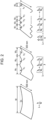
- the measurement is illustrated in Fig. 2 .
- a sheet with a length of 500 mm in the rolling direction (coil width ⁇ 500 mm L ⁇ sheet thickness) was cut out from the coil and was placed on a surface plate in such a manner that the warp at the ends would face upward.
- the height on the steel sheet was measured with a contact displacement meter by continuously moving the stylus over the width. Based on the results, the steepness as an index of the flatness of the steel sheet shape was measured as illustrated in Fig. 2 .
- the flatness was rated as " ⁇ " when the steepness was more than 0.02, as “o” when the steepness was more than 0.01 and 0.02 or less, and as “ ⁇ ” when the steepness was 0.01 or less.
- the steel sheet was evaluated as "excellent in the flatness in the width direction" when the steepness was 0.02 or less.
- the working embrittlement resistance was evaluated by Charpy test.
- a Charpy test specimen was a 2 mm deep V-notched test piece that was a stack of steel sheets fastened together with bolts to eliminate any gaps between the steel sheets. The number of steel sheets that were stacked was controlled so that the thickness of the stack as the test piece would be closer to 10 mm. When, for example, the sheet thickness was 1.2 mm, eight sheets were stacked to give a 9.6 mm thick test piece. The sheets for stacking into the Charpy test specimen were sampled so that the width direction would be the longitudinal direction.
- the ratio vE 0% /vE 10% of the absorbed impact energy at room temperature of the as-produced (unworked) steel sheet to that of the steel sheet after 10% rolling was measured.
- the working embrittlement resistance was rated as " ⁇ " when vE 0% /vE 10% was less than 0.6, as “o” when vE 0% /vE 10% was 0.6 or more and less than 0.7, and as " ⁇ ” when vE 0% /vE 10% was 0.7 or more.
- the Charpy test specimen was evaluated as "excellent in working embrittlement resistance" when vE 0% /vE 10% was 0.6 or more. Conditions other than those described above conformed to JIS Z 2242: 2018.
Landscapes
- Chemical & Material Sciences (AREA)
- Engineering & Computer Science (AREA)
- Materials Engineering (AREA)
- Mechanical Engineering (AREA)
- Metallurgy (AREA)
- Organic Chemistry (AREA)
- Thermal Sciences (AREA)
- Physics & Mathematics (AREA)
- Crystallography & Structural Chemistry (AREA)
- Chemical Kinetics & Catalysis (AREA)
- Oil, Petroleum & Natural Gas (AREA)
- Heat Treatment Of Sheet Steel (AREA)
- Heat Treatment Of Steel (AREA)
Applications Claiming Priority (2)
| Application Number | Priority Date | Filing Date | Title |
|---|---|---|---|
| JP2022049759 | 2022-03-25 | ||
| PCT/JP2023/002917 WO2023181643A1 (ja) | 2022-03-25 | 2023-01-30 | 高強度鋼板およびその製造方法 |
Publications (2)
| Publication Number | Publication Date |
|---|---|
| EP4474512A1 true EP4474512A1 (de) | 2024-12-11 |
| EP4474512A4 EP4474512A4 (de) | 2025-05-14 |
Family
ID=87519385
Family Applications (1)
| Application Number | Title | Priority Date | Filing Date |
|---|---|---|---|
| EP23774242.4A Pending EP4474512A4 (de) | 2022-03-25 | 2023-01-30 | Hochfestes stahlblech und herstellungsverfahren dafür |
Country Status (6)
| Country | Link |
|---|---|
| US (1) | US20250197979A1 (de) |
| EP (1) | EP4474512A4 (de) |
| JP (1) | JP7323095B1 (de) |
| KR (1) | KR20240152339A (de) |
| CN (1) | CN118829740A (de) |
| MX (1) | MX2024011505A (de) |
Family Cites Families (9)
| Publication number | Priority date | Publication date | Assignee | Title |
|---|---|---|---|---|
| JPS4947176B1 (de) | 1970-09-21 | 1974-12-14 | ||
| JPH0477272U (de) | 1990-11-20 | 1992-07-06 | ||
| EP3564400B1 (de) * | 2016-12-27 | 2021-03-24 | JFE Steel Corporation | Hochfestes galvanisiertes stahlblech und verfahren zur herstellung davon |
| JP6860420B2 (ja) * | 2017-05-24 | 2021-04-14 | 株式会社神戸製鋼所 | 高強度鋼板およびその製造方法 |
| WO2019106895A1 (ja) | 2017-11-29 | 2019-06-06 | Jfeスチール株式会社 | 高強度亜鉛めっき鋼板およびその製造方法 |
| JP2020020033A (ja) * | 2018-07-20 | 2020-02-06 | 日本製鉄株式会社 | 鋼材およびその製造方法 |
| WO2020158066A1 (ja) * | 2019-01-30 | 2020-08-06 | Jfeスチール株式会社 | 高強度鋼板およびその製造方法 |
| US12480175B2 (en) * | 2020-03-31 | 2025-11-25 | Jfe Steel Corporation | Steel sheet, member, and method for producing them |
| MX2023011533A (es) * | 2021-03-31 | 2023-10-06 | Jfe Steel Corp | Lamina de acero, miembro, y metodo para producir la lamina de acero, y metodo para producir el miembro. |
-
2023
- 2023-01-30 EP EP23774242.4A patent/EP4474512A4/de active Pending
- 2023-01-30 KR KR1020247030560A patent/KR20240152339A/ko active Pending
- 2023-01-30 JP JP2023528942A patent/JP7323095B1/ja active Active
- 2023-01-30 MX MX2024011505A patent/MX2024011505A/es unknown
- 2023-01-30 CN CN202380027200.3A patent/CN118829740A/zh active Pending
- 2023-01-30 US US18/846,913 patent/US20250197979A1/en active Pending
Also Published As
| Publication number | Publication date |
|---|---|
| US20250197979A1 (en) | 2025-06-19 |
| JP7323095B1 (ja) | 2023-08-08 |
| MX2024011505A (es) | 2024-09-24 |
| EP4474512A4 (de) | 2025-05-14 |
| JPWO2023181643A1 (de) | 2023-09-28 |
| CN118829740A (zh) | 2024-10-22 |
| KR20240152339A (ko) | 2024-10-21 |
Similar Documents
| Publication | Publication Date | Title |
|---|---|---|
| EP3875623B1 (de) | Hochfestes stahlblech und verfahren zu seiner herstellung | |
| EP2982772B1 (de) | Durch warmumformung geformter gegenstand, kaltgewalztes stahlblech und verfahren zur herstellung des durch warmumformung geformten gegenstands | |
| EP1354970B1 (de) | Hochfeste, mit schmelzflüssigem zink verzinkte stahlplatte, die eine hervorragende auftragsadhäsion aufweist und zum pressformen geeignet ist, und verfahren zu ihrer herstellung | |
| EP4332254B1 (de) | Hochfestes stahlblech und verfahren zur herstellung desselben | |
| EP3971308B1 (de) | Hochfestes element, verfahren zur herstellung hochfestes element und verfahren zur herstellung von stahlblech für hochfestes element | |
| CN113227456B (zh) | 被覆钢构件、被覆钢板及它们的制造方法 | |
| EP3239338B1 (de) | Heisspressgeformte teile mit hervorragenden biegeeigenschaften und verfahren zur herstellung davon | |
| EP3822382A1 (de) | Hochfestes stahlblech und verfahren zur herstellung davon | |
| EP3875625A1 (de) | Hochfestes element, verfahren zur herstellung eines hochfesten elements und verfahren zur herstellung eines stahlblechs für hochfestes element | |
| EP4332253B1 (de) | Hochfestes stahlblech und verfahren zur herstellung desselben | |
| WO2023181640A1 (ja) | 高強度鋼板およびその製造方法 | |
| CN116997671B (zh) | 热冲压用钢板及热冲压成型体 | |
| WO2023181641A1 (ja) | 高強度鋼板およびその製造方法 | |
| EP4474511A1 (de) | Hochfestes stahlblech und verfahren zur herstellung davon | |
| EP3929314A1 (de) | Heissgepresstes element und verfahren zu seiner herstellung und verfahren zur herstellung von stahlblech für heissgepresste elemente | |
| EP4474509A1 (de) | Hochfestes stahlblech und herstellungsverfahren dafür | |
| EP4474512A1 (de) | Hochfestes stahlblech und herstellungsverfahren dafür | |
| EP4578986A1 (de) | Kaltgewalztes stahlblech zur heisspressformung mit ausgezeichneter oberflächenqualität, heisspressgeformtes element und verfahren zur herstellung davon | |
| WO2023181642A1 (ja) | 高強度鋼板およびその製造方法 | |
| CN120693415A (zh) | 具有改进的抗氢脆性的高强度钢 | |
| EP4474510A1 (de) | Hochfestes stahlblech und verfahren zur herstellung davon | |
| WO2023047991A1 (ja) | 熱間プレス用鋼板、その製造方法、熱間プレス部材およびその製造方法 | |
| JP7845583B2 (ja) | 鋼板、部材およびそれらの製造方法 | |
| JP7755220B1 (ja) | 鋼板 | |
| EP4656755A1 (de) | Stahlblech und element sowie verfahren zur herstellung des stahlblechs und verfahren zur herstellung des besagten elements |
Legal Events
| Date | Code | Title | Description |
|---|---|---|---|
| STAA | Information on the status of an ep patent application or granted ep patent |
Free format text: STATUS: THE INTERNATIONAL PUBLICATION HAS BEEN MADE |
|
| PUAI | Public reference made under article 153(3) epc to a published international application that has entered the european phase |
Free format text: ORIGINAL CODE: 0009012 |
|
| STAA | Information on the status of an ep patent application or granted ep patent |
Free format text: STATUS: REQUEST FOR EXAMINATION WAS MADE |
|
| 17P | Request for examination filed |
Effective date: 20240903 |
|
| AK | Designated contracting states |
Kind code of ref document: A1 Designated state(s): AL AT BE BG CH CY CZ DE DK EE ES FI FR GB GR HR HU IE IS IT LI LT LU LV MC ME MK MT NL NO PL PT RO RS SE SI SK SM TR |
|
| REG | Reference to a national code |
Ref country code: DE Ref legal event code: R079 Free format text: PREVIOUS MAIN CLASS: C22C0038000000 Ipc: C21D0008020000 |
|
| A4 | Supplementary search report drawn up and despatched |
Effective date: 20250409 |
|
| RIC1 | Information provided on ipc code assigned before grant |
Ipc: C23C 2/28 20060101ALI20250404BHEP Ipc: C23C 2/06 20060101ALI20250404BHEP Ipc: C23C 2/02 20060101ALI20250404BHEP Ipc: C21D 9/46 20060101ALI20250404BHEP Ipc: C22C 38/60 20060101ALI20250404BHEP Ipc: C22C 38/38 20060101ALI20250404BHEP Ipc: C22C 38/34 20060101ALI20250404BHEP Ipc: C22C 38/32 20060101ALI20250404BHEP Ipc: C22C 38/16 20060101ALI20250404BHEP Ipc: C22C 38/14 20060101ALI20250404BHEP Ipc: C22C 38/12 20060101ALI20250404BHEP Ipc: C22C 38/10 20060101ALI20250404BHEP Ipc: C22C 38/08 20060101ALI20250404BHEP Ipc: C22C 38/06 20060101ALI20250404BHEP Ipc: C22C 38/04 20060101ALI20250404BHEP Ipc: C22C 38/02 20060101ALI20250404BHEP Ipc: C22C 38/00 20060101ALI20250404BHEP Ipc: C21D 8/02 20060101AFI20250404BHEP |
|
| DAV | Request for validation of the european patent (deleted) | ||
| DAX | Request for extension of the european patent (deleted) |