EP4471016A1 - Kristallform und salz einer phenothiazinverbindung, herstellungsverfahren dafür und verwendung davon - Google Patents
Kristallform und salz einer phenothiazinverbindung, herstellungsverfahren dafür und verwendung davon Download PDFInfo
- Publication number
- EP4471016A1 EP4471016A1 EP23746231.2A EP23746231A EP4471016A1 EP 4471016 A1 EP4471016 A1 EP 4471016A1 EP 23746231 A EP23746231 A EP 23746231A EP 4471016 A1 EP4471016 A1 EP 4471016A1
- Authority
- EP
- European Patent Office
- Prior art keywords
- ethyl
- methylpiperazin
- phenyl
- phenothiazine
- crystal form
- Prior art date
- Legal status (The legal status is an assumption and is not a legal conclusion. Google has not performed a legal analysis and makes no representation as to the accuracy of the status listed.)
- Pending
Links
Images




Classifications
-
- C—CHEMISTRY; METALLURGY
- C07—ORGANIC CHEMISTRY
- C07D—HETEROCYCLIC COMPOUNDS
- C07D279/00—Heterocyclic compounds containing six-membered rings having one nitrogen atom and one sulfur atom as the only ring hetero atoms
- C07D279/10—1,4-Thiazines; Hydrogenated 1,4-thiazines
- C07D279/14—1,4-Thiazines; Hydrogenated 1,4-thiazines condensed with carbocyclic rings or ring systems
- C07D279/18—[b, e]-condensed with two six-membered rings
- C07D279/20—[b, e]-condensed with two six-membered rings with hydrogen atoms directly attached to the ring nitrogen atom
-
- C—CHEMISTRY; METALLURGY
- C07—ORGANIC CHEMISTRY
- C07D—HETEROCYCLIC COMPOUNDS
- C07D417/00—Heterocyclic compounds containing two or more hetero rings, at least one ring having nitrogen and sulfur atoms as the only ring hetero atoms, not provided for by group C07D415/00
- C07D417/02—Heterocyclic compounds containing two or more hetero rings, at least one ring having nitrogen and sulfur atoms as the only ring hetero atoms, not provided for by group C07D415/00 containing two hetero rings
- C07D417/10—Heterocyclic compounds containing two or more hetero rings, at least one ring having nitrogen and sulfur atoms as the only ring hetero atoms, not provided for by group C07D415/00 containing two hetero rings linked by a carbon chain containing aromatic rings
-
- A—HUMAN NECESSITIES
- A61—MEDICAL OR VETERINARY SCIENCE; HYGIENE
- A61K—PREPARATIONS FOR MEDICAL, DENTAL OR TOILETRY PURPOSES
- A61K31/00—Medicinal preparations containing organic active ingredients
- A61K31/33—Heterocyclic compounds
- A61K31/395—Heterocyclic compounds having nitrogen as a ring hetero atom, e.g. guanethidine or rifamycins
- A61K31/54—Heterocyclic compounds having nitrogen as a ring hetero atom, e.g. guanethidine or rifamycins having six-membered rings with at least one nitrogen and one sulfur as the ring hetero atoms, e.g. sulthiame
- A61K31/5415—Heterocyclic compounds having nitrogen as a ring hetero atom, e.g. guanethidine or rifamycins having six-membered rings with at least one nitrogen and one sulfur as the ring hetero atoms, e.g. sulthiame ortho- or peri-condensed with carbocyclic ring systems, e.g. phenothiazine, chlorpromazine, piroxicam
-
- A—HUMAN NECESSITIES
- A61—MEDICAL OR VETERINARY SCIENCE; HYGIENE
- A61P—SPECIFIC THERAPEUTIC ACTIVITY OF CHEMICAL COMPOUNDS OR MEDICINAL PREPARATIONS
- A61P25/00—Drugs for disorders of the nervous system
-
- A—HUMAN NECESSITIES
- A61—MEDICAL OR VETERINARY SCIENCE; HYGIENE
- A61P—SPECIFIC THERAPEUTIC ACTIVITY OF CHEMICAL COMPOUNDS OR MEDICINAL PREPARATIONS
- A61P25/00—Drugs for disorders of the nervous system
- A61P25/28—Drugs for disorders of the nervous system for treating neurodegenerative disorders of the central nervous system, e.g. nootropic agents, cognition enhancers, drugs for treating Alzheimer's disease or other forms of dementia
-
- A—HUMAN NECESSITIES
- A61—MEDICAL OR VETERINARY SCIENCE; HYGIENE
- A61P—SPECIFIC THERAPEUTIC ACTIVITY OF CHEMICAL COMPOUNDS OR MEDICINAL PREPARATIONS
- A61P3/00—Drugs for disorders of the metabolism
-
- A—HUMAN NECESSITIES
- A61—MEDICAL OR VETERINARY SCIENCE; HYGIENE
- A61P—SPECIFIC THERAPEUTIC ACTIVITY OF CHEMICAL COMPOUNDS OR MEDICINAL PREPARATIONS
- A61P35/00—Antineoplastic agents
-
- A—HUMAN NECESSITIES
- A61—MEDICAL OR VETERINARY SCIENCE; HYGIENE
- A61P—SPECIFIC THERAPEUTIC ACTIVITY OF CHEMICAL COMPOUNDS OR MEDICINAL PREPARATIONS
- A61P9/00—Drugs for disorders of the cardiovascular system
-
- A—HUMAN NECESSITIES
- A61—MEDICAL OR VETERINARY SCIENCE; HYGIENE
- A61P—SPECIFIC THERAPEUTIC ACTIVITY OF CHEMICAL COMPOUNDS OR MEDICINAL PREPARATIONS
- A61P9/00—Drugs for disorders of the cardiovascular system
- A61P9/10—Drugs for disorders of the cardiovascular system for treating ischaemic or atherosclerotic diseases, e.g. antianginal drugs, coronary vasodilators, drugs for myocardial infarction, retinopathy, cerebrovascula insufficiency, renal arteriosclerosis
-
- C—CHEMISTRY; METALLURGY
- C07—ORGANIC CHEMISTRY
- C07B—GENERAL METHODS OF ORGANIC CHEMISTRY; APPARATUS THEREFOR
- C07B2200/00—Indexing scheme relating to specific properties of organic compounds
- C07B2200/13—Crystalline forms, e.g. polymorphs
Definitions
- the present disclosure belongs to the field of medicinal chemistry, and in particular relates to a crystal form of a medicinal phenothiazine compound, a salt, a preparation method therefor and use thereof.
- Ferroptosis is iron-dependent programmed cell death driven by lipid peroxidation. Morphologically, ferroptosis mainly manifests as reduced mitochondrial volume, increased mitochondrial membrane density, reduction or disappearance of mitochondrial cristae and rupture of the outer mitochondrial membrane, whereas the size of the nucleus is normal. These are main morphological characteristics of ferroptosis that are distinct from apoptosis, necrosis, and autophagy. Biochemical features in ferroptosis involve accumulation of intracellular iron and reactive oxygen species (ROS), activation of mitogen-activated protein kinase (MAPK) signaling, inhibition of cystine/glutamate transporter protein system, increased NADPH oxidation, etc.
- ROS reactive oxygen species
- MEK mitogen-activated protein kinase
- ferroptosis inhibitor is a potential medicament for the treatment of these diseases.
- An object of the present disclosure is to provide various crystal forms of 2-(1-(4-(4-methylpiperazin-1-yl)phenyl)ethyl)-10H-phenothiazine, in particular various crystal forms of its hydrochloride salt, which have improved druggability, such as stability, solubility, hygroscopicity, and bioavailability.
- Another object of the present disclosure is to provide a pharmaceutical composition comprising the above crystal form, a preparation method therefor and use thereof.
- a crystal Form A of 2-(1-(4-(4-methylpiperazin-1-yl)phenyl)ethyl)-10H-phenothiazine hydrochloride wherein the X-ray powder diffraction pattern with Cu-K ⁇ radiation of the crystal Form A comprises characteristic peaks at 2 ⁇ of 10.68 ⁇ 0.2°, 14.36 ⁇ 0.2°, 18.57 ⁇ 0.2°, 21.08 ⁇ 0.2°, 22.14 ⁇ 0.2°, 23.40 ⁇ 0.2°, and 29.03 ⁇ 0.2°.
- the X-ray powder diffraction pattern with Cu-K ⁇ radiation of the crystal Form A comprises characteristic peaks at 2 ⁇ of 10.68 ⁇ 0.2°, 14.36 ⁇ 0.2°, 17.84 ⁇ 0.2°, 18.57 ⁇ 0.2°, 21.08 ⁇ 0.2°, 22.14 ⁇ 0.2°, 23.40 ⁇ 0.2°, 27.50 ⁇ 0.2°, and 29.03 ⁇ 0.2°.
- the X-ray powder diffraction pattern with Cu-K ⁇ radiation of the crystal Form A comprises characteristic peaks at 2 ⁇ of 10.68 ⁇ 0.2°, 14.36 ⁇ 0.2°, 16.54 ⁇ 0.2°, 17.84 ⁇ 0.2°, 18.57 ⁇ 0.2°, 20.89 ⁇ 0.2°, 21.08 ⁇ 0.2°, 22.14 ⁇ 0.2°, 22.92 ⁇ 0.2°, 23.40 ⁇ 0.2°, 25.88 ⁇ 0.2°, 27.50 ⁇ 0.2°, and 29.03 ⁇ 0.2°.
- the X-ray powder diffraction pattern with Cu-K ⁇ radiation of the crystal Form A comprises characteristic peaks at 2 ⁇ of 10.68 ⁇ 0.2°, 12.63 ⁇ 0.2°, 14.36 ⁇ 0.2°, 16.06 ⁇ 0.2°, 16.54 ⁇ 0.2°, 17.84 ⁇ 0.2°, 18.57 ⁇ 0.2°, 20.89 ⁇ 0.2°, 21.08 ⁇ 0.2°, 22.14 ⁇ 0.2°, 22.92 ⁇ 0.2°, 23.40 ⁇ 0.2°, 25.11 ⁇ 0.2°, 25.51 ⁇ 0.2°, 25.88 ⁇ 0.2°, 27.50 ⁇ 0.2°, 28.54 ⁇ 0.2°, 29.03 ⁇ 0.2°, and 33.55 ⁇ 0.2°.
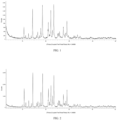
- the X-ray powder diffraction pattern with Cu-K ⁇ radiation of the crystal Form A at 2 ⁇ is shown in FIG. 1 .
- a crystal Form B of 2-(1-(4-(4-methylpiperazin-1-yl)phenyl)ethyl)-10H-phenothiazine hydrochloride wherein the X-ray powder diffraction pattern with Cu-K ⁇ radiation of the crystal Form B comprises characteristic peaks at 2 ⁇ of 16.46 ⁇ 0.2°, and 22.01 ⁇ 0.2°.
- the X-ray powder diffraction pattern with Cu-K ⁇ radiation of the crystal Form B comprises characteristic peaks at 2 ⁇ of 16.46 ⁇ 0.2°, 22.01 ⁇ 0.2°, 27.62 ⁇ 0.2°, 28.91 ⁇ 0.2°, and 33.41 ⁇ 0.2°.
- the X-ray powder diffraction pattern with Cu-K ⁇ radiation of the crystal Form B comprises characteristic peaks at 2 ⁇ of 5.41 ⁇ 0.2°, 10.92 ⁇ 0.2°, 16.46 ⁇ 0.2°, 22.01 ⁇ 0.2°, 27.62 ⁇ 0.2°, 28.91 ⁇ 0.2°, and 33.41 ⁇ 0.2°.
- the X-ray powder diffraction pattern with Cu-K ⁇ radiation of the crystal Form B at 20 is shown in FIG. 3 .
- a pharmaceutical composition comprising the hydrochloride salt crystal Form A, or the hydrochloride salt crystal Form B, and a pharmaceutically acceptable carrier.
- hydrochloride salt crystal Form A the hydrochloride salt crystal Form B, or the pharmaceutical composition in the manufacture of a medicament for preventing and/or treating a disease selected from the group consisting of a cancer, organ damage, and degenerative disease.
- hydrochloride salt crystal Form A the hydrochloride salt crystal Form B, or the pharmaceutical composition in the manufacture of a medicament for preventing and/or treating a disease selected from the group consisting of a cancer, neurodegenerative disease, cardiovascular and cerebrovascular disease, immune-related disease, liver and kidney failure, inflammation, and metabolic diseases.
- a disease selected from the group consisting of a cancer, neurodegenerative disease, cardiovascular and cerebrovascular disease, immune-related disease, liver and kidney failure, inflammation, and metabolic diseases.
- the disease is selected from, but not limited to, the group consisting of a cancer, Alzheimer's disease, Parkinson's disease, multiple sclerosis, Huntington's chorea, amyotrophic lateral sclerosis, stroke, ischemia-reperfusion injury, atherosclerosis, immune-related disease, liver and kidney failure, inflammation, diabetes, and diabetic complications.
- the stroke is hemorrhagic stroke and/or ischemic stroke.
- the ischemic stroke is also known as cerebral infarction.
- hydrochloride salt crystal Form A the hydrochloride salt crystal Form B, or the pharmaceutical composition in the manufacture of a ferroptosis inhibitor.
- a method for producing the hydrochloride salt crystal Form A comprising dispersing the compound of 2-(1-(4-(4-methylpiperazin-1-yl)phenyl)ethyl)-10H-phenothiazine in methanol at 10°C to 40°C, followed by dropwise adding a mixed solution of concentrated hydrochloric acid and methanol, stirring for crystallization, filtering, washing a filter cake with methanol, and drying the filter cake under vacuum to obtain a crystal substance.
- a weight ratio of the methanol as a solvent to the compound of 2-(1-(4-(4-methylpiperazin-1-yl)phenyl)ethyl)-10H-phenothiazine is 5:1-15:1, for example, 5:1, 5.5:1, 6:1, 6.5:1, 7:1, 7.5:1, 8:1, 8.5:1, 9:1, 9.5:1, 10:1, 10.46:1, 11:1, 11.5:1, 12:1, 12.5:1, 13:1, 13.5:1, 14:1, 14.5:1, or 15:1.
- a weight ratio of the compound of 2-(1-(4-(4-methylpiperazin-1-yl)phenyl)ethyl)-10H-phenothiazine to the concentrated hydrochloric acid is 1:1-8:1, for example, 1:1, 1.5:1, 2:1, 2.5:1, 3:1, 3.5:1, 4:1, 4.15:1, 4.5:1, 5:1, 5.5:1, 6:1, 6.5:1, 7:1, 7.5:1, or 8:1.
- the stirring for crystallization is performed for 1h to 8h, for example, 1h, 2h, 3h, 4h, 5h, 6h, 7h or 8h.
- a method for producing the hydrochloride salt crystal Form A comprising dispersing a compound of 2-(1-(4-(4-methylpiperazin-1-yl)phenyl)ethyl)-10R-phenothiazine in acetone and water at 10°C to 40°C, followed by dropwise adding a mixed solution of concentrated hydrochloric acid, acetone and water, stirring for crystallization, filtering, washing a filter cake with acetone, and drying the filter cake under vacuum to obtain a crystal substance.
- a weight ratio of the acetone and water as solvent to the compound of 2-(1-(4-(4-methylpiperazin-1-yl)phenyl)ethyl)-10H-phenothiazine is (1-8):(0.5-3):(0.5-3), preferably (4-6):(0.5-1):(0.5-1); for example 4:1:1, 4.74:1:1, or 5:1:1.
- a weight ratio of the compound of 2-(1-(4-(4-methylpiperazin-1-yl)phenyl)ethyl)-10H-phenothiazine to the concentrated hydrochloric acid is 1:1-8:1, for example, 1:1, 1.5:1, 2:1, 2.5:1, 3:1, 3.66:1, 4:1, 4.5:1, 5:1, 5.5:1, 6:1, 6.5:1, 7:1, 7.5:1, or 8:1.
- the stirring for crystallization is performed for 1h to 8h, preferably for 2h to 5h.
- the mass fraction of the concentrated hydrochloric acid in the preparation method above is not less than 20%, such as 20%, 25%, 30%, 35%, 36%, 37%, 38%, 39%, or 40%.
- organ injury used herein may refer to any damage, impairment, reduction or loss of one or more functions of an organ or tissue associated with the organ. Injuries may include, but are not limited to, changes in organ tissue or structure in the form of damage or change from normal conditions, for example, the development of areas of tissue necrosis, or disruption or loss of integrity of cellular or tissue structures, or an abnormal aggregation of cellular matter or debris from for example, cell inflammation processes or cell apoptosis. It should be appreciated that different organ and tissue types may present different injury pathologies. An organ injury may also lead to the pathogenesis of a condition or disease associated with the injury, i.e. a condition associated with the organ injury.
- a molar ratio of 2-(1-(4-(4-methylpiperazin-1-yl)phenyl)ethyl)-10R-phenothiazine to hydrochloric acid in the hydrochloride salt crystal form of the present disclosure is 1:(1 ⁇ 0.5); for example1:(1 ⁇ 0.4), 1:(1 ⁇ 0.2) or 1:(1 ⁇ 0.1), such as 1:1.
- crystal Form A of 2-(1-(4-(4-methylpiperazin-1-yl)phenyl)ethyl)-10H-phenothiazine hydrochloride in the present disclosure
- crystal Form B of 2-(1-(4-(4-methylpiperazin-1-yl)phenyl)ethyl)-10H-phenothiazine hydrochloride in the present disclosure is also referred to as crystal Form B.
- the crystal Form A has a vapor sorption of only 0.36% at 25°C/80% RH, indicating that it is slightly hygroscopic, which is superior to the crystal form B.
- solubility crystal Form A has a better solubility than crystal Form B in both water and hydrochloric acid, e.g., in water and a hydrochloric acid solution with a pH value of 1.0, the solubility of crystal Form A is greater than that of crystal Form B by more than 10 times.
- the crystal Form A with better solubility instead has better stability.
- crystal Form A is unchanged in crystal form under accelerated and stabilized conditions, whereas crystal Form B starts to transform to crystal Form A on day 2 at room temperature.
- crystal Form A starts to transform to crystal Form A on day 2 at room temperature.
- crystal Form A After subjecting the crystal Form A to a long-term condition of 25°C/60% RH and an accelerated condition of 40°C/75% RH for one week, its purity is essentially unchanged, its chemical stability is good and no changes in crystal form are observed in the samples.
- the crystal Form A is unchanged in crystal form.
- the total impurity content of the crystal Form A is significantly lower than that of crystal form B, and its stability is better than that of crystal form B.
- Another object of the present disclosure is to provide a variety of pharmaceutically acceptable salts of the compound 2-(1-(4-(4-methylpiperazin-1-yl)phenyl)ethyl)-10H-phenothiazine, which show a significant improvement over the free compound in terms of both solubility and stability.
- Another object of the present disclosure is to provide a method for preparing the salts above and use thereof.
- a molar ratio of 2-(1-(4-(4-methylpiperazin-1-yl)phenyl)ethyl)-10H-phenothiazine to hydrochloric acid in the 2-(1-(4-(4-methylpiperazin-1-yl)phenyl)ethyl)-10H-phenothiazine hydrochloride is 1:(0.5-2); for example 1:1, or 1:2.
- a molar ratio of the compound of 2-(1-(4-(4-methylpiperazin-1-yl)phenyl)ethyl)-10R-phenothiazine to an acid in the salts of the present disclosure all fluctuate appropriately within an acceptable range.
- the molar ratio of 2-(1-(4-(4-methylpiperazin-1-yl)phenyl)ethyl)-10H-phenothiazine to an acid could be 1:(2 ⁇ 0.4), for example, 1:(2 ⁇ 0.3), 1:(2 ⁇ 0.2), 1:(2 ⁇ 0.1), or 1:2.
- the acid is selected from the group consisting of hydrochloric acid, methanesulfonic acid, ethanesulfonic acid, p-toluenesulfonic acid, citric acid, fumaric acid, maleic acid, tartaric acid, hydrobromic acid, oxalic acid, phosphoric acid, sulfuric acid, acetic acid, propionic acid, perchloric acid, malic acid, salicylic acid, mandelic acid, lactic acid and succinic acid.
- the molar ratio of 2-(1-(4-(4-methylpiperazin-1-yl)phenyl)ethyl)-10H-phenothiazine to an acid is 1:(1 ⁇ 0.2), for example, 1:(1 ⁇ 0.15), 1:(1 ⁇ 0.1), 1:(1 ⁇ 0.05), or 1:1.
- the acid is selected from the group consisting of hydrochloric acid, methanesulfonic acid, ethanesulfonic acid, p-toluenesulfonic acid, citric acid, fumaric acid, maleic acid, tartaric acid, hydrobromic acid, oxalic acid, phosphoric acid, sulfuric acid, acetic acid, propionic acid, perchloric acid, malic acid, salicylic acid, mandelic acid, lactic acid and succinic acid.
- a method for producing the salt of 2-(1-(4-(4-methylpiperazin-1-yl)phenyl)ethyl)-10H-phenothiazine comprising performing a reaction of 2-(1-(4-(4-methylpiperazin-1-yl)phenyl)ethyl)-10R-phenothiazine and an acid to form a salt.
- the reaction is carried out in water and/or an organic solvent, and the solvent is selected from the group consisting of a ketone with 2 to 6 carbon atoms, ethyl acetate, lower fatty alcohol, tetrahydrofuran and a combination thereof.
- the lower fatty alcohol refers to an alcohol containing 1-8 carbon atoms.
- the ketone with 2 to 6 carbon atoms is preferably acetone.
- the lower fatty alcohol is optionally selected from the group consisting of methanol, ethanol, propanol and isopropanol.
- the reaction is carried out in a solvent selected from the group consisting of acetone, methanol, ethanol, and a combination thereof.
- the acid is selected from the group consisting of hydrochloric acid, HCl, methanesulfonic acid, ethanesulfonic acid, p-toluenesulfonic acid, citric acid, fumaric acid, maleic acid, and tartaric acid, and more preferably hydrochloric acid.
- the hydrochloric acid refers to an aqueous solution of HCl
- HCl refers to HCl gas.
- a method for producing 2-(1 -(4-(4-methylpiperazin-1-yl)phenyl)ethyl)-10H-phenothiazine hydrochloride comprising reacting 2-(1-(4-(4-methylpiperazin-1-yl)phenyl)ethyl)-10H-phenothiazine with hydrochloric acid in acetone, ethanol, isopropanol or tetrahydrofuran, stirring, and filtering.
- a pharmaceutical composition comprising the salt of 2-(1-(4-(4-methylpiperazin-1-yl)phenyl)ethyl)-10R-phenothiazine and one or more pharmaceutically acceptable carriers and/or diluents; preferably, the salt is 2-(1-(4-(4-methylpiperazin-1-yl)phenyl)ethyl)-10H-phenothiazine hydrochloride.
- a disease selected from the group consisting of a cancer, neurodegenerative disease, cardiovascular and cerebrovascular disease, immune-related disease, liver and kidney failure, inflammation and metabolic disease.
- the disease is selected from the group consisting of a cancer, Alzheimer's disease, Parkinson's disease, multiple sclerosis, Huntington's chorea, amyotrophic lateral sclerosis, stroke, ischemia-reperfusion injury, immune-related disease, liver and kidney failure, inflammation, atherosclerosis, diabetes, and diabetic complications.
- the stroke is hemorrhagic stroke and/or ischemic stroke.
- the ischemic stroke is also known as cerebral infarction.
- the hydrochloride salt has better solubility compared to other salts.
- the hydrochloride salt has a 7-fold increase in the solubility compared to citrate salt with a good solubility, and a more than 35-fold increase in the solubility compared to maleate and fumarate salts.
- the hydrochloride salt has a better stability compared to other salts.
- under high temperature, high humidity and illumination conditions the hydrochloride salt has a better stability than that of other salts, and its total impurity content is significantly lower than that of other salts.
- the color of the hydrochloride salt in a hydrochloric acid solution of pH 1.0 is unchanged, whereas the color of other salts, such as citrate, fumarate, and maleate salts, are significantly changed, indicating that hydrochloride salt has a better stability.
- the hygroscopicity of the hydrochloride salt is lower than that of other salts.
- the hydrochloride salt shows a good solidification property, while other salts such as mesylate and p-toluenesulfonate salts tend to be a viscous paste.
- Example 1 Method 1 of preparing the crystal Form A of 2-(1-(4-(4-methylpiperazin-1-yl)phenyl)ethyl)-10H-phenothiazine hydrochloride
- Nitrogen was introduced into a 50L reaction kettle to replace the gas therein, and then 1.70 kg of 2-(1-(4-(4-methylpiperazin-1-yl)phenyl)ethyl)-10R-phenothiazine (free state) and 17.78 kg of methanol were added to the reaction kettle under the nitrogen atmosphere and stirred.
- a mixed solution of 0.41 kg of concentrated hydrochloric acid (36% by mass) and 0.82 kg of methanol was added dropwise to the reaction kettle at 25 ⁇ 5°C. After approximately 1 h of dropwise addition was completed, the reaction mixture was stirred at a temperature kept at 25 ⁇ 5°C for 2-4 h for crystallization and then filtered.
- the filter cake was washed with 1.50 kg of methanol and dried under vacuum at a pressure of -0.08MPa to -0.10MPa at 40-50°C for 12-16 h.
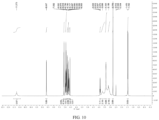
- the resulting product was collected to obtain the crystal Form A of 2-(1-(4-(4-methylpiperazin-1-yl)phenyl)ethyl)-10R-phenothiazine hydrochloride in total of 1.64 kg with a yield of 88.3%, which was identified as crystal Form A by XRPD detection (XRPD pattern is shown in FIG. 1 ).
- the resulting crystal Form A has a purity of 99.76%, and a maximum single impurity content of 0.068%.
- the total impurity and single impurity were less than the control limit of ⁇ 0.15% as stipulated in the Technical Guidelines for the Study of Impurities in Chemical Drugs published by the State Pharmaceutical Administration (SDA) and the ICHQ3A (the maximum daily dosage of this product per day was ⁇ 2 g/day).
- SDA State Pharmaceutical Administration
- ICHQ3A the maximum daily dosage of this product per day was ⁇ 2 g/day.
- the profile of purity detection is shown in FIG. 4 , wherein the major peak named as DA414 represents crystal Form A of 2-(1-(4-(4-methylpiperazin-1-yl)phenyl)ethyl)-10H-phenothiazine hydrochloride.
- Example 2 Method 2 of preparing the crystal Form A of 2-(1-(4-(4-methylpiperazin-1-yl)phenyl)ethyl)-10H-phenothiazine hydrochloride
- Nitrogen was introduced into a 50L reaction kettle to replace the gas therein, and then 1.50 kg of 2-(1-(4-(4-methylpiperazin-1-yl)phenyl)ethyl)-10H-phenothiazine (free state), 7.11 kg of acetone and 1.50 kg of water were added to the reaction kettle under the nitrogen atmosphere and stirred.
- a mixed solution of 0.41 kg concentrated hydrochloric acid (36% by mass), 0.68 kg of acetone and 0.15 kg of water was added dropwise to the reaction kettle at 25 ⁇ 5°C. After approximately 1 h of dropwise addition was completed, the reaction mixture was stirred for crystallization at a temperature kept at 25 ⁇ 5°C for 2-4 h and then filtered.
- the filter cake was washed with 1.50 kg of acetone and dried under vacuum at a pressure of -0.08MPa to -0.10MPa at 40-50°C for 12-16 h.
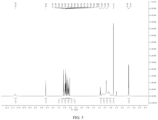
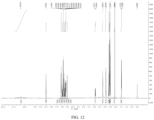
- the resulting product was collected to obtain 1.30 kg of crystal Form A of 2-(1-(4-(4-methylpiperazin-1-yl)phenyl)ethyl)-10R-phenothiazine hydrochloride with a yield of 79.5%, which was identified as crystal Form A by XRPD detection (XRPD pattern is shown in FIG. 2 ).
- Example 3 Method of preparing the crystal Form B of 2-(1-(4-(4-methylpiperazin-1-yl)phenyl)ethyl)-10H-phenothiazine hydrochloride
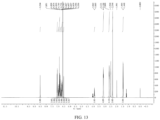
- Crystal Form A of 2-(1-(4-(4-methylpiperazin-1-yl)phenyl)ethyl)-10H-phenothiazine hydrochloride was weighed, added with 0.2 mL of N,N-dimethylformamide, and dissolved by ultrasonication. The solution was filtered into a 5 mL vial with a stirrer, and then dropwise added with 4 mL of ethyl acetate under stirring at room temperature. A large amount of solid was precipitated. The mixture was filtered. The filter cake was dried under vacuum at room temperature overnight, which was identified as crystal Form B by XRPD detection (XRPD pattern of crystal Form B is shown in FIG. 3 ).
- Example 4 XRPD detection of the crystal Form A of 2-(1-(4-(4-methylpiperazin-1-yl)phenyl)ethyl)-10H-phenothiazine hydrochloride
- the XRPD pattern of the crystal form of 2-(1-(4-(4-methylpiperazin-1-yl)phenyl)ethyl)-10H-phenothiazine hydrochloride is shown in FIG. 1 .
- XRPD data is shown in Table 2. This crystal form was named as crystal Form A.
- Example 5 XRPD detection of the crystal Form B of 2-(1-(4-(4-methylpiperazin-1-yl)phenyl)ethyl)-10H-phenothiazine hydrochloride.
- the XRPD pattern of the crystal form of 2-(1-(4-(4-methylpiperazin-1-yl)phenyl)ethyl)-10H-phenothiazine hydrochloride is shown in FIG. 3 .
- XRPD data is shown in Table 4. This crystal form was named as crystal Form B.
- Table 4 XRPD data of crystal Form B Number 2 ⁇ Intensity Number 2 ⁇ Intensity 1 5.41 5.2% 5 27.62 6.6% 2 10.92 3.0% 6 28.91 4.3% 3 16.46 28.1% 7 33.41 6.7% 4 22.01 100%
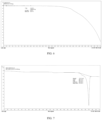
- the TGA profile of crystal Form A is shown in FIG. 6 .
- the DSC pattern of crystal Form A is shown in FIG. 7 .
- the DSC pattern showed that the crystal Form A has a single heat absorption peak and a melting point of about 265.31°C, indicating that the crystal Form A has good thermodynamic stability.
- Example 9 Other methods of preparing crystal Form A
- the XRPD detection results show that the crystal forms of the samples prepared in Example 9 were all crystal Form A (XRPD pattern is not shown).
- Example 10 Other methods of preparing crystal Form B
- the XRPD detection results show that the crystal form of the samples prepared in example 10 were all crystal Form B (XRPD pattern was not shown).
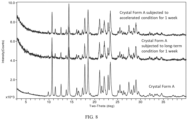
- Assay 1 The samples of crystal Form A were placed under long-term condition (25°C/60% RH) and accelerated condition (40°C/75% RH) for one week, and the change on crystal form was detected. The results show that after the samples of crystal Form A were placed under the two test conditions for one week, its purity was basically unchanged, the chemical stability was good, and no changes in crystal form were observed.
- the comparative XRPD patterns of the sample before and after stability assay are shown in FIG. 8 .
- Assay 1 Approximately 10 mg of the crystal Form A of 2-(1-(4-(4-methylpiperazin-1-yl)phenyl)ethyl)-10H-phenothiazine hydrochloride was weighed into a 5 mL vial, and added with 1 mL of a single solvent or mixed solvent listed in Table 19. The resulting suspension was magnetically stirred at 5°C for approximately 3 days. The solid was collected by centrifugation and subjected to XRPD detection. The sample did not undergo crystal transformation. The results are shown in Table 19.
- Assay 2 Approximately 10 mg of the crystal Form A of 2-(1-(4-(4-methylpiperazin-1-yl)phenyl)ethyl)-10H-phenothiazine hydrochloride was weighed into a 5 mL vial, and added with 0.5 mL of a single solvent or mixed solvent listed in Table 20 to obtain a suspension. The suspension was magnetically stirred at room temperature for approximately 3 days. Afterwards, the solid was collected by centrifugation and subjected to XRPD detection. The sample did not undergo crystal transformation. The results are shown in Table 20.
- Assay 3 Approximately 10 mg of the crystal Form A of 2-(1-(4-(4-methylpiperazin-1-yl)phenyl)ethyl)-10H-phenothiazine hydrochloride was weighed into a 5 mL vial, and added with 0.5 mL of a single solvent or mixed solvent listed in Table 21. The resulting suspension was magnetically stirred at 50°C for approximately 3 days. Afterwards, the solid was collected by centrifugation and subjected to XRPD detection. The sample did not undergo crystal transformation. The results are shown in Table 21.
- a certain amount of crystal Form B sample was weighed into a sample vial. Then the sample vial was sealed and left at room temperature for 2 days and 5 days. Then, a certain amount of samples in the sample vial was taken and subjected to XRPD detection. The results show that the crystal Form B sample, after being sealed and left at room temperature for 2 days, began to undergo crystal transformation into crystal Form A; and after being sealed and left at room temperature for 5 days, the crystal Form B sample partially transformed into crystal Form A, indicating that the crystal Form B was unstable.
- the XRPD pattern of the crystal Form B in stability assay is shown in FIG. 9 , which indicates that the crystal Form A has a better stability than that of the crystal Form B.
- the crystal Form A has good properties such as compressibility, flowability, specific surface area, stacking density, porosity, and particle size, making it very suitable for the development and preparation as pharmaceutical formulations.
- the crystal Form B does not have these properties.
- the crystal Form A and the crystal Form B were subjected to influencing factor test. After being placed under high temperature (60°C), high humidity (25°C/90% ⁇ 5% RH), and illumination (45001x ⁇ 5001x) conditions for 30 days, the crystal Form A showed a better stability and a lower impurity content than that of the crystal form B.
- the crystal Form A had a better stability and a lower total impurity content compared to the corresponding free compound.
- the crystal Form A and crystal Form B were placed under accelerated (40°C ⁇ 2°C, 75% RH ⁇ 10% RH) conditions for 6 months, and the total impurity content of the crystal Form A and crystal Form B was detected.
- Table 22 stability assay of different crystal forms
- Table 22 Stability assay of different crystal forms Item Comparative stability assay of crystal form Collection time point On day 0, and at month 6 Detection items Oxidized impurity, maximum unknown single impurity and total impurity Experimental condition Accelerated condition (40°C ⁇ 2°C, 75% RH ⁇ 10% RH) Crystal Form Crystal Form A Crystal Form B Experimental result On day 0 At month 6 On day 0 At month 6 Total impurity: 0.25% Total impurity: 0.41% Total impurity: 0.28% Total impurity: 0.88%
- Example 15 Study on the inhibition of ferroptosis by the compound of the present disclosure
- a screening model for ferroptosis was constructed to investigate a ferroptosis inhibitor.
- the screening model for ferroptosis was mainly based on the CCK8 cell viability test. Firstly, mouse hippocampal neuronal cells HT22 and human neuroblastoma SH-SY5Y cells were cultured in a dish. 80 ⁇ L of cells (5000 cells/well) in logarithmic growth phase were seeded to a 96-well plate per well, and then cultured in an incubator at 37°C, 5% CO 2 to allow adhesion of cells.
- Each group was also set up with 3 replicate wells to ensure the accuracy of the results.
- the inhibition rate change curve was fitted and the IC 50 was calculated by the software GraphPadPrism6.
- the operating procedure was the same as method 1 except that the solvent acetone therein was replaced by ethanol to obtain the product of 2-(1-(4-(4-methylpiperazin-1-yl)phenyl)ethyl)-10H-phenothiazine hydrochloride, which was structurally confirmed to be the same as the product obtained by method 1.
- the operating procedure was the same as method 1 except that the solvent acetone therein was replaced by isopropanol to obtain the product of 2-(1-(4-(4-methylpiperazin-1-yl)phenyl)ethyl)-10H-phenothiazine hydrochloride, which was structurally confirmed to be the same as the product obtained by method 1.
- the operating procedure was the same as method 1 except that the solvent acetone therein was replaced by tetrahydrofuran to obtain the product of 2-(1-(4-(4-methylpiperazin-1-yl)phenyl)ethyl)-10H-phenothiazine hydrochloride, which was structurally confirmed to be the same as the product obtained by method 1.
- the impurities of the above hydrochloride salt products were detected and the total impurity content was 0.10% to 0.25%.
- the impurities of the above citrate salt product were detected and the total impurity content was 0.64% to 0.80%.
- the impurities of the above fumarate salt product were detected and the total impurity content was 0.76% to 0.84%.
- the filter cake was dried to obtain 132.8 mg of 2-(1-(4-(4-methylpiperazin-1-yl)phenyl)ethyl)-10H-phenothiazine maleate, with a yield of 68.6%, and a total impurity content of 0.42%.
- 2-(1-(4-(4-methylpiperazin-1-yl)phenyl)ethyl)-10H-phenothiazine esylate was prepared by replacing fumaric acid with ethanesulfonic acid.
- 2-(1-(4-(4-methylpiperazin-1-yl)phenyl)ethyl)-10H-phenothiazine malate was prepared by replacing fumaric acid with malic acid.
- 2-(1-(4-(4-methylpiperazin-1-yl)phenyl)ethyl)-10H-phenothiazine succinate was prepared by replacing fumaric acid with butanedioic acid.
- solubility of the hydrochloride salt was also significantly better compared to the solubility of the other salts of the compound, wherein the solubility of the hydrochloride salt was 7 times higher than that of the citrate salt with a good solubility, and more than 35 times higher than that of the maleate and fumarate salts.
- test substance was placed in a suitable constant temperature equipment at 60°C, the samples were taken on days 5, 10 and 30, respectively.
- Table 26 Data for stability at high temperature condition Condition High temperature (60°C) (Amount of impurity at a level greater than the reporting limit) Collection time point Day 0 Day 5 Day 10 Day 30 Compound 2-(1-(4-(4-methylpiperazin-1-yl)phenyl)ethyl)-10H -phenothiazine 9 - - - 2-(1-(4-(4-methylpiperazin-1-yl)phenyl)ethyl)-10H -phenothiazine hydrochloride 2 2 2 2 2-(1-(4-(4-methylpiperazin-1-yl)phenyl)ethyl)-10H -phenothiazine citrate 7 7 8 8 2-(1-(4-(4-methylpiperazin-1-yl)phenyl)ethyl)-10H -phenothiazine fumarate 8 8 8 8 2-(1-(4-(4-methylpiperazin-1-yl)phenyl)ethy
- test substance was placed in a constant humidity airtight container at 25°C under a relative humidity of 90% ⁇ 5% for 30 days, and the samples were taken on days 5, 10, and 30.
- Table 27 Data for stability under high humidity condition Condition High humidity (Relative humidity 90% ⁇ 5%) (Amount of impurity at a level greater than the reporting limit) Collection time point Day 0 Day 5 Day 10 Day 30 Compound 2-(1-(4-(4-methylpiperazin-1-yl)phenyl)ethyl)-10H -phenothiazine 9 - - - 2-(1-(4-(4-methylpiperazin-1-yl)phenyl)ethyl)-10H -phenothiazine hydrochloride 2 2 2 2 2-(1-(4-(4-methylpiperazin-1-yl)phenyl)ethyl)-10H -phenothiazine citrate 7 6 8 6 2-(1-(4-(4-methylpiperazin-1-yl)phenyl)ethyl)-10H -phenothiazine fumarate 8 8 8 8 2-(1-(4-(4-methylpiperazin-1-yl)phenyl
- the test substance was placed in a stability test chamber under a condition of illuminance of 45001x ⁇ 5001x, a total illuminance of the light source not less than 1.2 ⁇ 10 6 lux• hr and near-ultra violet light energy not less than 200W•hr/m 2 for 30 days.
- the samples were taken on days 5, 10, and 30.
- the results of the illumination test show that, the salts of 2-(1-(4-(4-methylpiperazin-1-yl)phenyl)ethyl)-10H-phenothiazine were more stable than free 2-(1-(4-(4-methylpiperazin-1-yl)phenyl)ethyl)-10H-phenothiazine under the illumination condition.
- the citrate salt was changed from light yellow to grey after 5 days of illumination, and then turned to dark grey after 10 days of illumination.
- the hydrochloride salt had a better stability compared to other salts under the illumination condition, with no change in properties and appearance, and a low content of total impurity.
- Table 28 Data for stability under illumination condition Condition Illumination (illuminance of 45001x ⁇ 5001x) (Amount of impurity at a level greater than the reporting limit) Collection time point Day 0 Day 5 Day 10 Day 30 Compound 2-(1-(4-(4-methylpiperazin-1-yl)phenyl)ethyl)-10H -phenothiazine 9 - - - 2-(1-(4-(4-methylpiperazin-1-yl)phenyl)ethyl)-10H -phenothiazine hydrochloride 2 2 2 2 2-(1-(4-(4-methylpiperazin-1-yl)phenyl)ethyl)-10H -phenothiazine citrate 7 7 9 10 2-(1-(4-(4-methylpiperazin-1-yl)phenyl)ethyl)-10H -phenothiazine fumarate 8 9 8 7 2-(1-(4-(4-methylpiperazin-1-yl
- the results of the stability test show that, compared to the corresponding free compound and other salts thereof, the stability of 2-(1-(4-(4-methylpiperazin-1-yl)phenyl)ethyl)-10H-phenothiazine hydrochloride was higher at high temperature and under high humidity and illumination conditions, and its total impurity content was significantly lower.
- the salts obtained in above examples such as 2-(1-(4-(4-methylpiperazin-1-yl)phenyl)ethyl)-10H-phenothiazine, 2-(1-(4-(4-methylpiperazin-1-yl)phenyl)ethyl)-10H-phenothiazine hydrochloride, and 2-(1-(4-(4-methylpiperazine-1-yl)phenyl)ethyl)-10H-phenothiazine citrate, were subjected to hygroscopicity test.
Landscapes
- Health & Medical Sciences (AREA)
- Chemical & Material Sciences (AREA)
- Organic Chemistry (AREA)
- Animal Behavior & Ethology (AREA)
- Pharmacology & Pharmacy (AREA)
- Life Sciences & Earth Sciences (AREA)
- General Health & Medical Sciences (AREA)
- Public Health (AREA)
- Veterinary Medicine (AREA)
- Medicinal Chemistry (AREA)
- Engineering & Computer Science (AREA)
- Bioinformatics & Cheminformatics (AREA)
- Chemical Kinetics & Catalysis (AREA)
- Nuclear Medicine, Radiotherapy & Molecular Imaging (AREA)
- General Chemical & Material Sciences (AREA)
- Epidemiology (AREA)
- Neurology (AREA)
- Neurosurgery (AREA)
- Biomedical Technology (AREA)
- Obesity (AREA)
- Cardiology (AREA)
- Heart & Thoracic Surgery (AREA)
- Hematology (AREA)
- Diabetes (AREA)
- Vascular Medicine (AREA)
- Urology & Nephrology (AREA)
- Hospice & Palliative Care (AREA)
- Psychiatry (AREA)
- Pharmaceuticals Containing Other Organic And Inorganic Compounds (AREA)
- Nitrogen- Or Sulfur-Containing Heterocyclic Ring Compounds With Rings Of Six Or More Members (AREA)
Applications Claiming Priority (3)
| Application Number | Priority Date | Filing Date | Title |
|---|---|---|---|
| CN202210108728 | 2022-01-28 | ||
| CN202210108746 | 2022-01-28 | ||
| PCT/CN2023/073055 WO2023143350A1 (zh) | 2022-01-28 | 2023-01-19 | 吩噻嗪类化合物的晶型、盐、制备方法及用途 |
Publications (2)
| Publication Number | Publication Date |
|---|---|
| EP4471016A1 true EP4471016A1 (de) | 2024-12-04 |
| EP4471016A4 EP4471016A4 (de) | 2025-12-31 |
Family
ID=87470768
Family Applications (1)
| Application Number | Title | Priority Date | Filing Date |
|---|---|---|---|
| EP23746231.2A Pending EP4471016A4 (de) | 2022-01-28 | 2023-01-19 | Kristallform und salz einer phenothiazinverbindung, herstellungsverfahren dafür und verwendung davon |
Country Status (8)
| Country | Link |
|---|---|
| US (1) | US20250145605A1 (de) |
| EP (1) | EP4471016A4 (de) |
| JP (1) | JP2025502542A (de) |
| KR (1) | KR20240134998A (de) |
| CN (1) | CN118613475A (de) |
| AU (1) | AU2023213780B2 (de) |
| CA (1) | CA3249374A1 (de) |
| WO (1) | WO2023143350A1 (de) |
Family Cites Families (3)
| Publication number | Priority date | Publication date | Assignee | Title |
|---|---|---|---|---|
| WO2011115069A1 (ja) * | 2010-03-19 | 2011-09-22 | 第一三共株式会社 | 結晶の網羅的探索 |
| CN109796424A (zh) * | 2019-02-19 | 2019-05-24 | 四川大学 | 一种抑制铁死亡的小分子化合物及其制备方法与应用 |
| JP7433292B2 (ja) * | 2018-04-27 | 2024-02-19 | チョンドゥー ホンハオ インベストメント カンパニー リミテッド | 10h-フェノチアジン系フェロトーシス阻害剤、その製造方法、及び用途 |
-
2023
- 2023-01-19 CA CA3249374A patent/CA3249374A1/en active Pending
- 2023-01-19 KR KR1020247027914A patent/KR20240134998A/ko active Pending
- 2023-01-19 WO PCT/CN2023/073055 patent/WO2023143350A1/zh not_active Ceased
- 2023-01-19 CN CN202380019090.6A patent/CN118613475A/zh active Pending
- 2023-01-19 JP JP2024544862A patent/JP2025502542A/ja active Pending
- 2023-01-19 EP EP23746231.2A patent/EP4471016A4/de active Pending
- 2023-01-19 AU AU2023213780A patent/AU2023213780B2/en active Active
- 2023-01-19 US US18/833,411 patent/US20250145605A1/en active Pending
Also Published As
| Publication number | Publication date |
|---|---|
| AU2023213780A1 (en) | 2024-08-08 |
| WO2023143350A1 (zh) | 2023-08-03 |
| JP2025502542A (ja) | 2025-01-24 |
| KR20240134998A (ko) | 2024-09-10 |
| EP4471016A4 (de) | 2025-12-31 |
| US20250145605A1 (en) | 2025-05-08 |
| CN118613475A (zh) | 2024-09-06 |
| AU2023213780B2 (en) | 2025-11-13 |
| CA3249374A1 (en) | 2025-01-16 |
Similar Documents
| Publication | Publication Date | Title |
|---|---|---|
| EP3682884B1 (de) | Krystalline formen von daprodustat (gsk1278863), ein peroraler hypoxie-induzierbaren faktor prolyl hydroxylase inhibitor (hif-phi) zur behandlung von anämie, und ihre herstellungsverfahren | |
| EP2548879B1 (de) | Kristall eines diaminderivats und verfahren zu dessen herstellung | |
| EP3549932B1 (de) | Neue kristallformen von {[5-(3-chlorphenyl)-3-hydroxypyridin-2-carbonyl]amino}essigsäure und herstellungsverfahren dafür | |
| EP4286377A1 (de) | Kristallform von resmetirom, herstellungsverfahren dafür und verwendung davon | |
| US10752595B2 (en) | Crystalline forms of a bromodomain and extraterminal protein inhibitor drug, processes for preparation thereof, and use thereof | |
| WO2021129465A1 (zh) | 一种Resmetirom晶型及其制备方法和用途 | |
| EP3495352B1 (de) | Kristallformen eines androgenrezeptorantagonisten, herstellungsverfahren und verwendung davon | |
| US11117876B2 (en) | Crystalline form of ozanimod hydrochloride, and processes for preparation thereof | |
| Chen et al. | Impact of bile salt on solution-mediated phase transformation of pharmaceutical cocrystals: the importance of coformer release kinetics | |
| JP7537811B2 (ja) | カリプラジン医薬組成物、製造方法及び応用 | |
| CN115925710A (zh) | 恩替卡韦药用盐及其制备方法、药物组合物和应用 | |
| EP4471016A1 (de) | Kristallform und salz einer phenothiazinverbindung, herstellungsverfahren dafür und verwendung davon | |
| EP3572399A1 (de) | Kristallform von gft-505 sowie herstellungsverfahren dafür und verwendung davon | |
| EP4249476A1 (de) | Salz einer benzothiazolverbindung sowie kristallform und verwendung davon | |
| US20220251044A1 (en) | Crystal form of hypoxia-inducible factor-prolyl hydroxylase inhibitor | |
| WO2019134455A1 (zh) | Acalabrutinib的新晶型及其制备方法和用途 | |
| EP4056182A1 (de) | Kristalline form von aprocitentan, herstellungsverfahren dafür und verwendung davon | |
| WO2019105359A1 (zh) | Acalabrutinib的晶型及其制备方法和用途 | |
| EP4477642A1 (de) | Kristalline form einer cyclohexenonverbindung | |
| CN120247776A (zh) | 一种琥珀酸多西拉敏新晶型及制备方法 | |
| WO2018162393A1 (en) | Vinpocetine co-crystals and preparation process thereof | |
| WO2018130226A1 (zh) | 利奥西呱的新晶型及其制备方法和用途 |
Legal Events
| Date | Code | Title | Description |
|---|---|---|---|
| STAA | Information on the status of an ep patent application or granted ep patent |
Free format text: STATUS: THE INTERNATIONAL PUBLICATION HAS BEEN MADE |
|
| PUAI | Public reference made under article 153(3) epc to a published international application that has entered the european phase |
Free format text: ORIGINAL CODE: 0009012 |
|
| STAA | Information on the status of an ep patent application or granted ep patent |
Free format text: STATUS: REQUEST FOR EXAMINATION WAS MADE |
|
| 17P | Request for examination filed |
Effective date: 20240828 |
|
| AK | Designated contracting states |
Kind code of ref document: A1 Designated state(s): AL AT BE BG CH CY CZ DE DK EE ES FI FR GB GR HR HU IE IS IT LI LT LU LV MC ME MK MT NL NO PL PT RO RS SE SI SK SM TR |
|
| DAV | Request for validation of the european patent (deleted) | ||
| DAX | Request for extension of the european patent (deleted) | ||
| A4 | Supplementary search report drawn up and despatched |
Effective date: 20251203 |
|
| RIC1 | Information provided on ipc code assigned before grant |
Ipc: C07D 279/20 20060101AFI20251127BHEP Ipc: A61K 31/5415 20060101ALI20251127BHEP Ipc: A61P 35/00 20060101ALI20251127BHEP Ipc: A61P 3/00 20060101ALI20251127BHEP Ipc: A61P 9/00 20060101ALI20251127BHEP Ipc: A61P 25/00 20060101ALI20251127BHEP |