EP4467673A1 - System for recovering lithium of waste cathode material - Google Patents
System for recovering lithium of waste cathode material Download PDFInfo
- Publication number
- EP4467673A1 EP4467673A1 EP24173737.8A EP24173737A EP4467673A1 EP 4467673 A1 EP4467673 A1 EP 4467673A1 EP 24173737 A EP24173737 A EP 24173737A EP 4467673 A1 EP4467673 A1 EP 4467673A1
- Authority
- EP
- European Patent Office
- Prior art keywords
- water
- unit
- cathode material
- waste cathode
- lithium
- Prior art date
- Legal status (The legal status is an assumption and is not a legal conclusion. Google has not performed a legal analysis and makes no representation as to the accuracy of the status listed.)
- Pending
Links
Images


Classifications
-
- C—CHEMISTRY; METALLURGY
- C22—METALLURGY; FERROUS OR NON-FERROUS ALLOYS; TREATMENT OF ALLOYS OR NON-FERROUS METALS
- C22B—PRODUCTION AND REFINING OF METALS; PRETREATMENT OF RAW MATERIALS
- C22B26/00—Obtaining alkali, alkaline earth metals or magnesium
- C22B26/10—Obtaining alkali metals
- C22B26/12—Obtaining lithium
-
- B—PERFORMING OPERATIONS; TRANSPORTING
- B01—PHYSICAL OR CHEMICAL PROCESSES OR APPARATUS IN GENERAL
- B01D—SEPARATION
- B01D61/00—Processes of separation using semi-permeable membranes, e.g. dialysis, osmosis or ultrafiltration; Apparatus, accessories or auxiliary operations specially adapted therefor
- B01D61/02—Reverse osmosis; Hyperfiltration ; Nanofiltration
- B01D61/025—Reverse osmosis; Hyperfiltration
- B01D61/026—Reverse osmosis; Hyperfiltration comprising multiple reverse osmosis steps
-
- C—CHEMISTRY; METALLURGY
- C01—INORGANIC CHEMISTRY
- C01D—COMPOUNDS OF ALKALI METALS, i.e. LITHIUM, SODIUM, POTASSIUM, RUBIDIUM, CAESIUM, OR FRANCIUM
- C01D15/00—Lithium compounds
- C01D15/08—Carbonates; Bicarbonates
-
- C—CHEMISTRY; METALLURGY
- C22—METALLURGY; FERROUS OR NON-FERROUS ALLOYS; TREATMENT OF ALLOYS OR NON-FERROUS METALS
- C22B—PRODUCTION AND REFINING OF METALS; PRETREATMENT OF RAW MATERIALS
- C22B1/00—Preliminary treatment of ores or scrap
- C22B1/02—Roasting processes
-
- C—CHEMISTRY; METALLURGY
- C22—METALLURGY; FERROUS OR NON-FERROUS ALLOYS; TREATMENT OF ALLOYS OR NON-FERROUS METALS
- C22B—PRODUCTION AND REFINING OF METALS; PRETREATMENT OF RAW MATERIALS
- C22B3/00—Extraction of metal compounds from ores or concentrates by wet processes
- C22B3/02—Apparatus therefor
-
- C—CHEMISTRY; METALLURGY
- C22—METALLURGY; FERROUS OR NON-FERROUS ALLOYS; TREATMENT OF ALLOYS OR NON-FERROUS METALS
- C22B—PRODUCTION AND REFINING OF METALS; PRETREATMENT OF RAW MATERIALS
- C22B3/00—Extraction of metal compounds from ores or concentrates by wet processes
- C22B3/20—Treatment or purification of solutions, e.g. obtained by leaching
- C22B3/22—Treatment or purification of solutions, e.g. obtained by leaching by physical processes, e.g. by filtration, by magnetic means, or by thermal decomposition
-
- C—CHEMISTRY; METALLURGY
- C22—METALLURGY; FERROUS OR NON-FERROUS ALLOYS; TREATMENT OF ALLOYS OR NON-FERROUS METALS
- C22B—PRODUCTION AND REFINING OF METALS; PRETREATMENT OF RAW MATERIALS
- C22B3/00—Extraction of metal compounds from ores or concentrates by wet processes
- C22B3/20—Treatment or purification of solutions, e.g. obtained by leaching
- C22B3/22—Treatment or purification of solutions, e.g. obtained by leaching by physical processes, e.g. by filtration, by magnetic means, or by thermal decomposition
- C22B3/24—Treatment or purification of solutions, e.g. obtained by leaching by physical processes, e.g. by filtration, by magnetic means, or by thermal decomposition by adsorption on solid substances, e.g. by extraction with solid resins
-
- C—CHEMISTRY; METALLURGY
- C22—METALLURGY; FERROUS OR NON-FERROUS ALLOYS; TREATMENT OF ALLOYS OR NON-FERROUS METALS
- C22B—PRODUCTION AND REFINING OF METALS; PRETREATMENT OF RAW MATERIALS
- C22B3/00—Extraction of metal compounds from ores or concentrates by wet processes
- C22B3/20—Treatment or purification of solutions, e.g. obtained by leaching
- C22B3/42—Treatment or purification of solutions, e.g. obtained by leaching by ion-exchange extraction
-
- C—CHEMISTRY; METALLURGY
- C22—METALLURGY; FERROUS OR NON-FERROUS ALLOYS; TREATMENT OF ALLOYS OR NON-FERROUS METALS
- C22B—PRODUCTION AND REFINING OF METALS; PRETREATMENT OF RAW MATERIALS
- C22B3/00—Extraction of metal compounds from ores or concentrates by wet processes
- C22B3/20—Treatment or purification of solutions, e.g. obtained by leaching
- C22B3/44—Treatment or purification of solutions, e.g. obtained by leaching by chemical processes
-
- C—CHEMISTRY; METALLURGY
- C22—METALLURGY; FERROUS OR NON-FERROUS ALLOYS; TREATMENT OF ALLOYS OR NON-FERROUS METALS
- C22B—PRODUCTION AND REFINING OF METALS; PRETREATMENT OF RAW MATERIALS
- C22B7/00—Working up raw materials other than ores, e.g. scrap, to produce non-ferrous metals and compounds thereof; Methods of a general interest or applied to the winning of more than two metals
- C22B7/006—Wet processes
-
- H—ELECTRICITY
- H01—ELECTRIC ELEMENTS
- H01M—PROCESSES OR MEANS, e.g. BATTERIES, FOR THE DIRECT CONVERSION OF CHEMICAL ENERGY INTO ELECTRICAL ENERGY
- H01M10/00—Secondary cells; Manufacture thereof
- H01M10/54—Reclaiming serviceable parts of waste accumulators
-
- B—PERFORMING OPERATIONS; TRANSPORTING
- B01—PHYSICAL OR CHEMICAL PROCESSES OR APPARATUS IN GENERAL
- B01D—SEPARATION
- B01D2321/00—Details relating to membrane cleaning, regeneration, sterilization or to the prevention of fouling
- B01D2321/02—Forward flushing
-
- B—PERFORMING OPERATIONS; TRANSPORTING
- B01—PHYSICAL OR CHEMICAL PROCESSES OR APPARATUS IN GENERAL
- B01D—SEPARATION
- B01D61/00—Processes of separation using semi-permeable membranes, e.g. dialysis, osmosis or ultrafiltration; Apparatus, accessories or auxiliary operations specially adapted therefor
- B01D61/02—Reverse osmosis; Hyperfiltration ; Nanofiltration
- B01D61/025—Reverse osmosis; Hyperfiltration
-
- B—PERFORMING OPERATIONS; TRANSPORTING
- B01—PHYSICAL OR CHEMICAL PROCESSES OR APPARATUS IN GENERAL
- B01D—SEPARATION
- B01D65/00—Accessories or auxiliary operations, in general, for separation processes or apparatus using semi-permeable membranes
- B01D65/02—Membrane cleaning or sterilisation ; Membrane regeneration
-
- Y—GENERAL TAGGING OF NEW TECHNOLOGICAL DEVELOPMENTS; GENERAL TAGGING OF CROSS-SECTIONAL TECHNOLOGIES SPANNING OVER SEVERAL SECTIONS OF THE IPC; TECHNICAL SUBJECTS COVERED BY FORMER USPC CROSS-REFERENCE ART COLLECTIONS [XRACs] AND DIGESTS
- Y02—TECHNOLOGIES OR APPLICATIONS FOR MITIGATION OR ADAPTATION AGAINST CLIMATE CHANGE
- Y02P—CLIMATE CHANGE MITIGATION TECHNOLOGIES IN THE PRODUCTION OR PROCESSING OF GOODS
- Y02P10/00—Technologies related to metal processing
- Y02P10/20—Recycling
-
- Y—GENERAL TAGGING OF NEW TECHNOLOGICAL DEVELOPMENTS; GENERAL TAGGING OF CROSS-SECTIONAL TECHNOLOGIES SPANNING OVER SEVERAL SECTIONS OF THE IPC; TECHNICAL SUBJECTS COVERED BY FORMER USPC CROSS-REFERENCE ART COLLECTIONS [XRACs] AND DIGESTS
- Y02—TECHNOLOGIES OR APPLICATIONS FOR MITIGATION OR ADAPTATION AGAINST CLIMATE CHANGE
- Y02W—CLIMATE CHANGE MITIGATION TECHNOLOGIES RELATED TO WASTEWATER TREATMENT OR WASTE MANAGEMENT
- Y02W30/00—Technologies for solid waste management
- Y02W30/50—Reuse, recycling or recovery technologies
- Y02W30/84—Recycling of batteries or fuel cells
Definitions
- the present disclosure relates to a system for recovering lithium of a waste cathode material, more particularly, to a system for recovering lithium of a waste cathode material capable of improving a recovery rate of lithium and preventing scaling of the reverse osmosis membrane by using RO concentration, while decreasing the energy consumption.
- waste cathode materials such as LCO (i.e., lithium/cobalt) through heat treatment
- the waste cathode materials undergo heat-treatment process.
- lithium carbonate compound (S) produced in this way is washed with water, the lithium carbonate compound is separated into a solid transition metal material (e.g., Ni/Mn/Co/Al) and a liquid lithium carbonate (L), and the separated liquid lithium carbonate (L) is evaporated/concentrated to obtain high-purity lithium carbonate (S).
- a solid transition metal material e.g., Ni/Mn/Co/Al
- Li lithium carbonate
- lithium hydroxide can also be obtained by reacting the separated liquid lithium carbonate with metal hydroxide and then evaporating/concentrating it.
- the method of evaporation/concentration is generally used in obtaining the high-purity lithium carbonate; however, the method of evaporation/concentration consumes a large amount of energy.
- An object of the present disclosure is to provide a system for recovering lithium of a waste cathode material, which is capable of improving a recovery rate of lithium and preventing scales of the reverse osmosis membrane by using RO concentration, while decreasing the energy consumption.
- a system for recovering lithium of a waste cathode material includes: a heat-treating unit configured to heat-treat a waste cathode material to convert into soluble and insoluble materials; a water-leaching unit configured to leach the heat-treated waste cathode material with water to separate into an insoluble material and a water-leached solution comprising a lithium ion and a carbonate ion; and an reverse osmosis (RO) concentration unit configured to concentrate the water-leached solution using reverse osmosis.
- a concentration of a lithium ion in the water-leached solution which is separated from the water-leaching unit may be 2,000 ppm or less.
- a system for recovering lithium of a waste cathode material includes: a heat-treating unit configured to heat-treat a waste cathode material to convert the waste cathode material into heat-treated waste cathode material including (or consisting of) soluble and insoluble materials; a water-leaching unit configured to leach the heat-treated waste cathode material with water to separate the heat-treated waste cathode material into an insoluble material and a water-leached solution comprising lithium ions and carbonate ions; and a reverse osmosis (RO) concentration unit configured to concentrate the water-leached solution using reverse osmosis.
- a heat-treating unit configured to heat-treat a waste cathode material to convert the waste cathode material into heat-treated waste cathode material including (or consisting of) soluble and insoluble materials
- a water-leaching unit configured to leach the heat-treated waste cathode material with water to separate the heat-treated waste cathode
- the water-leaching unit may be configured to separate the water-leached solution with a concentration of lithium ions of 2,000 ppm or less. That is, the concentration of lithium ions in the water-leached solution which is separated from the water-leaching unit may be 2,000 ppm or less.
- a powder of the waste cathode material which is heat-treated in the heat-treating unit may be water-leached with water at a weight ratio of 1:30 to 1:100.
- a gas containing carbon dioxide may be supplied to the water-leached solution. That is, the system may be configured to supply a gas containing carbon dioxide to the water-leached solution.
- the gas containing carbon dioxide may be a flue gas which is generated in and/or discharged from the heat-treating unit.
- the system may be configured to supply the gas containing carbon dioxide and/or the flue gas from the heat-treating unit to the water-leached solution and/or to the water-leaching unit.
- the flue gas may pass through a dust collecting device before being supplied to the water-leached solution. That is, the system may include a dust collecting device provided between the heat-treating unit and one of the water-leaching unit and the water-leached solution in order to allow flue gas and/or the gas containing carbon dioxide to pass therethrough.
- a pH of the water-leached solution separated in the water-leaching unit may be equal to or less than 10.
- a pH of the water-leached solution to which the gas containing carbon dioxide is supplied may be equal to or less than 10.
- a pH of the water-leached solution before the gas containing carbon dioxide is supplied may be equal to or less than 10.
- a lithium ion may be concentrated to 3,000ppm or more. That is, the RO concentration unit may be configured to increase a concentration of lithium ions to 3,000 ppm or more.
- the RO concentration unit may include a first reverse osmosis device and a second reverse osmosis device.
- first reverse osmosis device When reverse osmosis is performed in one among the first reverse osmosis device and the second reverse osmosis device, flushing may be performed in a remaining reverse osmosis device. That is, when reverse osmosis is performed in one of the first reverse osmosis device and the second reverse osmosis device, the RO concentration unit may be configured to flush the other reverse osmosis device.
- Permeate which is used for reverse osmosis in the RO concentration unit may be supplied to the water-leaching unit.
- the system for recovering lithium of a waste cathode material may further include: a crystallization unit configured to increase a temperature of concentrated solution which is concentrated in the RO concentration unit to crystallize lithium carbonate.
- a crystallization filtrate which is not crystallized in the crystallization unit may be merged with the water-leached solution discharged from the water-leaching unit and then may be supplied to the RO concentration unit. That is, the system may be configured to merge or combine a crystallization filtrate which is not crystallized in the crystallization unit with the water-leached solution discharged from the water-leaching unit.
- the system may be further configured to supply the crystallization filtrate merged with the water-leached solution to the RO concentration unit.
- the system for recovering lithium of a waste cathode material may further include: a heat exchange unit configured to allow heat exchange to be performed between the crystallization filtrate and the concentrated solution discharged from the RO concentration unit.
- the system for recovering lithium of a waste cathode material may further include a separation unit configured to perform solid-liquid separation of the lithium carbonate crystallized in the crystallization unit and the crystallization filtrate.
- the system for recovering lithium of a waste cathode material may further include a merging part at which the crystallization filtrate is merged with the water-leached solution discharged from the water-leaching unit.
- the system for recovering lithium of a waste cathode material may further include a main flow path through which the crystallization filtrate flows from the separation unit to the merging part.
- the system for recovering lithium of a waste cathode material may further include a bypass flow path branched from the main flow path.
- the system for recovering lithium of a waste cathode material may further include an ion exchange resin provided in the bypass flow path.
- a portion of the crystallization filtrate separated in the separation unit may be supplied to the bypass flow path, passes through the ion exchange resin, and then merged with the water-leached solution.
- the system for recovering lithium of a waste cathode material may further include: a micro filter provided between the water-leaching unit and the RO concentration unit.
- the crystallization filtrate may be cooled in the heat exchange unit to 40°C or lower.
- the recovery rate of lithium may be improved while decreasing energy consumption, by using the RO concentration as a method for concentrating a water leached solution.
- concentration multiples may be increased and the scaling of the reverse osmosis membrane may be prevented by supplying a gas containing carbon dioxide to the water leached solution so as to lower a pH.
- the scaling of the reverse osmosis membrane may be prevented by configuring the RO concentration unit with the first reverse osmosis device and the second reverse osmosis device and operating the first reverse osmosis device and the second reverse osmosis device alternately.
- the crystallization filtrate is cooled to satisfy the reference temperature before being introduced into the RO concentration unit, and the concentrated solution is heated to reduce the energy necessary for the crystallization.
- the system for recovering lithium of a waste cathode material may include a heat-treating unit 100, a water-leaching unit 200, an RO concentration unit 300, a crystallization unit 400, a separation unit 500, a heat exchange unit 600, and an ion exchange resin 700.
- the heat-treating unit 100 is configured to heat-treat a waste cathode material to convert the waste cathode material into soluble and insoluble materials.
- the waste cathode material is not specifically limited, and may include various forms such a waste cathode material, cathode material scraps, stacks and batteries containing lithium that are discarded due to defects or depletion.
- soluble materials such as lithium carbonate (Li2CO3), lithium oxide (Li2O), and lithium hydroxide (LiOH) may be generated.
- insoluble materials such as an nickel oxide, a cobalt oxide, an manganese oxide, and similar compounds may be generated.
- the content of each component may vary.
- the heat-treating unit 100 may include a heat-treating furnace, wherein the heat-treating furnace may utilize a hydrocarbon fluid for combustion inside the heat treatment furnace. This combustion heats the interior of the heat-treating furnace, thereby creating a carbon dioxide atmosphere due to the presence of the carbon dioxide in the emission gases generated during the burning of the hydrocarbon fluid. Therefore, when a powder of waste cathode material containing lithium is introduced into the interior of the heat-treating furnace, it may react with the carbon dioxide present in the emission gases.
- the present disclosure is not limited to this process, and an additional carbon dioxide gas may be injected into the interior of the heat-treating furnace.
- the water-leaching unit 200 is configured to leach the heat-treated waste cathode material with water to separate into an insoluble particulate material and a water-leached solution.
- This water-leached solution may contain various components including a lithium ion, a carbonate ion, and other relevant substances. That is, the water-leaching unit 200 dissolves the soluble material by water-leaching the powder of the heat-treated waste cathode material.
- the separated water-leached solution is supplied to the RO concentration unit 300, which is to be described later.
- the water being used for the leaching process may be the distilled water.
- the concentration of a lithium ion within the water-leached solution, which has been separated in the water-leaching unit 200 it is preferrable for the concentration of a lithium ion within the water-leached solution, which has been separated in the water-leaching unit 200, to be 2,000 ppm or less. This concentration ensures that the amount of eluted lithium is maximized.
- the concentration of the lithium ion within the water-leached solution may vary depending on the weight ratio between the powder of the heat-treated waste cathode material and water used for water-leaching in the water-leaching unit 200.
- the table 1 provides the concentration of the lithium ion contained in the water-leached solution and the amount of lithium eluted, when conducting water leaching 1 kg of the same heat-treated powder with 20kg, 30kg, 50kg, and 100kg of water, respectively. According to the table 1, when the weight ratio between the heat-treated powder and the water is 1:20 and 1:30, the concentrations of the lithium ion are similar, and the amount of eluted lithium increases by about 1.5 times.
- the concentration of the lithium ion contained in the water-leached solution is equal to or less than 2,000ppm, the amount of the eluted lithium is maximized, and the recovery rate of the lithium can be improved.
- the powder of the waste cathode material, which has undergone heat treatment in the heat-treating unit 100 it is preferable for the powder of the waste cathode material, which has undergone heat treatment in the heat-treating unit 100, to be water-leached with water at a weight ratio ranging from 1:30 to 1:100.
- the RO concentration unit 300 concentrates the water-leached solution by using the reverse osmosis (RO).
- the RO concentration unit 300 includes a first reverse osmosis device 320 and a second reverse osmosis device 340.
- the scaling of the reverse osmosis membrane can be prevented by alternately operating the first reverse osmosis device 320 and the second reverse osmosis device 340.
- the first reverse osmosis device 320 includes a first concentration chamber 322 to which the water-leached solution is supplied, a first processing chamber 326 to which the permeate is supplied, and a first reverse osmosis membrane 324 provided between the first concentration chamber 322 and the first processing chamber 326.
- the first reverse osmosis device 320 may further includes a pressurization device for pressurizing the water-leached solution in the first concentration chamber 322.
- the water-leached solution is supplied to the first concentration chamber 322, the permeate is supplied to the first processing chamber 326, and by pressurizing the water-leached solution with the pressurization device, the water in the first concentration chamber 322 is moved to the first processing chamber 326, thereby the water-leached solution in the first concentration chamber 322 can be concentrated.
- the permeate may be a distilled water.
- the second reverse osmosis device 340 includes a second concentration chamber 342 to which the water-leached solution is supplied, a second processing chamber 346 to which the permeate is supplied, and a second reverse osmosis membrane 344 provided between the second concentration chamber 342 and the second processing chamber 346.
- the second reverse osmosis device 340 may further includes a pressurization device for pressurizing the water-leached solution in the second concentration chamber 342.
- flushing is performed in the other reverse osmosis device. That is, when the reverse osmosis is performed and the water-leached solution is supplied to the first reverse osmosis device 320, flushing of the reverse osmosis membrane is performed in the second reverse osmosis device 340 by providing pure water or a detergent to the second reverse osmosis device 340, instead of the water-leached solution.
- the reverse osmosis process and the flushing process of the first reverse osmosis device 320 and the second reverse osmosis device 340 are alternately performed. This ensures that the metal and other impurities adhering to the surface of the reverse osmosis membrane are periodically cleaned, thereby preventing scaling.
- the permeate used in the reverse osmosis in the RO concentration unit 300 may be supplied to the water-leaching unit 200 to be used for the water-leaching. By doing so, the amount of water supplied separately for the water leaching can be reduced.
- the gas containing carbon dioxide may be supplied to the water-leached solution to lower the pH of the water-leached solution.
- This is preferrable because the high pH of the water-leaching solution imposes limitations on the final concentration achievable in the RO concentration unit 300, leading to scaling issue.
- the final concentration that can be achieved in the RO concentration unit 300 increases, thus improving the efficiency of the RO concentration process.
- the table 2 provides the concentration multiples operable in the RO concentration unit according to the pH of the water-leached solution. "O” indicates that the operation with the corresponding concentration multiples is feasible at the given pH, while “X” indicates that the operation with the corresponding concentration multiples is not feasible at the given pH due to scaling issues.
- the table 3 provides concentration changes of the carbonate ion and the hydrogen carbonate ion which are present when operating the RO concentration unit with the concentration multiples according to the pH of the water-leached solution.
- the scaling may be formed by crystallization in the course of the RO concentration since the concentration of the lithium ion is 3,000 ppm, and the concentration of the carbonate ion is 12,861 ppm, which are more than the solubility of the lithium carbonate.
- the concentration of the lithium ion is 3,000 ppm, and the concentration of the carbonate ion is 8,913 ppm, which are less than the solubility of the lithium carbonate, thereby the concern of the scaling to occur is diminished.
- the pH of the water-leached solution it is possible to increase the concentration multiples of the lithium ion.
- the possibility of crystallization of the lithium carbonate is low at the pH of 9.0 or less, however, in the actual RO concentration evaluation, in the condition of pH 10 or less, the lithium has been concentrated to 3,000 ppm without the occurrence of scaling. That is estimated to be blended effects of other ions contained in the solution, such as hydrogen carbonate ion and sulfateion. As described above, if increasing the concentration of the lithium ion two times through the RO concentration, the energy expense taken in the concentration/ crystallization at the following stage may be lowered by 50%, enhancing economy of the lithium recovery process.
- the pH of the water-leached solution to which the gas containing carbon dioxide is supplied may be 10 or less.
- the lithium ion is concentrated to 3,000 ppm or more in the RO concentration unit 300, as the gas containing carbon dioxide is supplied, and therefore, the pH of the water-leached solution is adjusted to 9 or less.
- FIG. 1 it is illustrated that the gas containing carbon dioxide is supplied to the water-leached solution contained in the water-leaching unit 200.
- the present disclosure is not limited to such embodiment, and the gas containing carbon dioxide may be supplied to the water-leached solution discharged from the water-leaching unit 200.
- the crystallization unit 400 is configured to crystallize the lithium carbonate by increasing the temperature of the concentrated solution which has been concentrated in the RO concentration unit 300.
- the crystallization unit 400 may crystallize the lithium carbonate by heating the concentrated solution at about 60°C to 80°C.
- the separation unit 500 is configured to perform solid-liquid separation of the crystallization filtrate which has not been crystallized and the lithium carbonate which has been crystallized in the crystallization unit 400.
- the crystallization filtrate may be merged with the water-leached solution, and then supplied to the RO concentration unit 300 again.
- a main flow path 510 is provided, through which the crystallization filtrate flows from the separation unit 500 to a merging part 530. At the merging part 530, the crystallization filtrate is merged with the water-leached solution.
- the crystallization filtrate discharged from the separation unit 500 may be cooled by using the concentrated solution discharged from the RO concentration unit 300.
- the present disclosure may further include the heat exchange unit 600, in which the crystallization filtrate discharged from the separation unit 500 and the concentrated solution discharged from the RO concentration unit 300 exchange heat each other.
- the temperature of the crystallization filtrate which has been separated in the separation unit 500 is about 80°C
- the temperature of the concentrated solution which has been discharged from the RO concentration unit 300 is about 20°C.
- the heat may be transferred from the crystallization filtrate to the concentrated solution.
- the temperature of the crystallization filtrate may be lowered to satisfy the temperature required for the entry into the RO concentration unit 300.
- the temperature of the concentrated solution may be heightened, thereby reducing the energy expense necessary for the crystallization to be performed in the later stage.
- the temperature of the crystallization filtrate may change from about 80°C to 20°C
- the temperature of the concentrated solution may change from about 20°C to 70°C.
- a bypass flow path 520 may be branched from the main flow path 510.
- an ion exchange resin 700 may be provided.
- the bypass flow path 520 may be branched from the main flow path 510, and then may be merged to the main flow path 510. Or, the bypass flow path 520 may be merged at the merging part 530 allowing merging with the water-leached solution.
- a portion of the crystallization filtrate preferably ranging from 10% to 30%, is directed to the bypass flow path 520, where it passes through the ion exchange resin 700.
- the concentration of the ionic impurities e.g., calcium ion, magnesium ion, etc.
- the concentration of the impurities may be effectively controlled by treating a portion of the crystallization filtrate with the weak acid cation exchange resin in the ion exchange resin 700 before it is reused (i.e., before it returns to the main flow path 510 or is merged with the merging part 530).
- an aqueous lithium hydroxide solution may be formed by allowing the crystallized lithium carbonate and hydroxide salt (e.g., calcium hydroxide, sodium hydroxide, barium hydroxide, etc.) to react with each other.
- the formation of lithium hydroxide (LiOH) may be achieved through processes such as evaporation, concentration, and crystallization, or through process of involving mixing with ethanol followed by crystallization, among other methods.
- the formation of the lithium hydroxide may be achieved, without crystallizing the lithium carbonate in the crystallization unit 400 after passing through the RO concentration unit 300.
- This may be achieved by generating the aqueous lithium hydroxide solution through the reaction between the concentrated solution and the sodium hydroxide.
- the process can involve evaporation, concentration, and crystallization, or it may involve mixing with ethanol followed by crystallization, among other methods.
- the second embodiment includes the same configuration as that of the system for recovering lithium with reference to FIG. 1 except that it includes dust collecting device 800.
- the flue gas discharged from the heat-treating unit 100 after burning contains the carbon dioxide. That is, when burning the hydrocarbon fluid inside the heat treatment furnace of the heat-treating unit 100, the flue gas discharged from the heat-treating unit 100 contains carbon dioxide. According to the second embodiment of the present invention, this flue gas containing carbon dioxide is utilized. This eliminates a need to supply the gas containing carbon dioxide separately.
- the flue gas passes through the dust collecting device 800 and then is supplied to the water-leached solution.
- the dust collecting device 800 may be separately installed between the heat-treating unit 100 and the water-leaching unit 200. However, according to an embodiment, a dust collecting device may be installed inside the heat-treating unit 100 as a part.
- the third embodiment includes the same configuration as that of the system for recovering lithium described with reference to FIG. 1 except that it further includes a micro filter 900.
- the micro filter 900 may be located between the water-leaching unit 200 and the RO concentration unit 300.
- the water-leached solution may contain about 10 ppm or more than 100 ppm of anions such as fluoride ion, sulfate ion, and the like depending on a content of a binder and the like contained in the waste cathode material. Also, it may contain cations such as calcium ion and the like by a few ppm in the water-leached solution. The cations may form calcium fluoride in the solution. Alternatively, for the purpose of removing the fluoride ion, calcium ion may be additionally supplied by injection of calcium hydroxide (Ca(OH)2). The solubility of the calcium fluoride (CaF2) is very low in the high pH range of pH 7 or more, therefore, crystals of the calcium fluoride (CaF2) may be formed.
- anions such as fluoride ion, sulfate ion, and the like depending on a content of a binder and the like contained in the waste cathode material.
- the crystallized particulate materials may be filtered. This allows the concentration of the lithium ion to be stably performed in the RO concentration unit 300.
Landscapes
- Chemical & Material Sciences (AREA)
- Engineering & Computer Science (AREA)
- Materials Engineering (AREA)
- Manufacturing & Machinery (AREA)
- Organic Chemistry (AREA)
- Mechanical Engineering (AREA)
- Life Sciences & Earth Sciences (AREA)
- Environmental & Geological Engineering (AREA)
- General Life Sciences & Earth Sciences (AREA)
- Metallurgy (AREA)
- Geology (AREA)
- Geochemistry & Mineralogy (AREA)
- Chemical Kinetics & Catalysis (AREA)
- General Chemical & Material Sciences (AREA)
- Electrochemistry (AREA)
- Water Supply & Treatment (AREA)
- Nanotechnology (AREA)
- Inorganic Chemistry (AREA)
- Manufacture And Refinement Of Metals (AREA)
- Processing Of Solid Wastes (AREA)
- Separation Using Semi-Permeable Membranes (AREA)
Abstract
Disclosed is a system for recovering lithium of a waste cathode material, including: a heat-treating unit configured to heat-treat a waste cathode material to convert into soluble and insoluble materials; a water-leaching unit configured to leach the heat-treated waste cathode material with water to separate into an insoluble material and a water-leached solution comprising a lithium ion and a carbonate ion; and an reverse osmosis (RO) concentration unit configured to concentrate the water-leached solution using reverse osmosis, and a concentration of a lithium ion in the water-leached solution which is separated from the water-leaching unit may be 2,000 ppm or less.
Description
- The present application claims priority to
Korea Patent Application No. 10-2023-0067744, filed May 25, 2023 - The present disclosure relates to a system for recovering lithium of a waste cathode material, more particularly, to a system for recovering lithium of a waste cathode material capable of improving a recovery rate of lithium and preventing scaling of the reverse osmosis membrane by using RO concentration, while decreasing the energy consumption.
- In the process of manufacturing a cathode material for a secondary battery, a substantial amount of defective or scrap cathode material is typically generated. Efforts have been made to recover transition metals, including lithium, from this waste cathode material.
- In a method of recovering lithium carbonate or lithium hydroxide from waste cathode materials such as LCO (i.e., lithium/cobalt) through heat treatment, the waste cathode materials undergo heat-treatment process.
- When the lithium carbonate compound (S) produced in this way is washed with water, the lithium carbonate compound is separated into a solid transition metal material (e.g., Ni/Mn/Co/Al) and a liquid lithium carbonate (L), and the separated liquid lithium carbonate (L) is evaporated/concentrated to obtain high-purity lithium carbonate (S). In addition, lithium hydroxide can also be obtained by reacting the separated liquid lithium carbonate with metal hydroxide and then evaporating/concentrating it.
- As described above, the method of evaporation/concentration is generally used in obtaining the high-purity lithium carbonate; however, the method of evaporation/concentration consumes a large amount of energy.
- An object of the present disclosure is to provide a system for recovering lithium of a waste cathode material, which is capable of improving a recovery rate of lithium and preventing scales of the reverse osmosis membrane by using RO concentration, while decreasing the energy consumption.
- The object is solved by the features of the independent claim. The technical problem to be achieved by the present disclosure is not limited to the above-mentioned technical problem, and other technical problems that are not mentioned will be clearly understood by ordinary-skilled persons in the art to which the present disclosure pertains from the following description.
- According to one aspect, a system for recovering lithium of a waste cathode material includes: a heat-treating unit configured to heat-treat a waste cathode material to convert into soluble and insoluble materials; a water-leaching unit configured to leach the heat-treated waste cathode material with water to separate into an insoluble material and a water-leached solution comprising a lithium ion and a carbonate ion; and an reverse osmosis (RO) concentration unit configured to concentrate the water-leached solution using reverse osmosis. A concentration of a lithium ion in the water-leached solution which is separated from the water-leaching unit may be 2,000 ppm or less.
- According to a further aspect, a system for recovering lithium of a waste cathode material includes: a heat-treating unit configured to heat-treat a waste cathode material to convert the waste cathode material into heat-treated waste cathode material including (or consisting of) soluble and insoluble materials; a water-leaching unit configured to leach the heat-treated waste cathode material with water to separate the heat-treated waste cathode material into an insoluble material and a water-leached solution comprising lithium ions and carbonate ions; and a reverse osmosis (RO) concentration unit configured to concentrate the water-leached solution using reverse osmosis. The water-leaching unit may be configured to separate the water-leached solution with a concentration of lithium ions of 2,000 ppm or less. That is, the concentration of lithium ions in the water-leached solution which is separated from the water-leaching unit may be 2,000 ppm or less.
- The system according to any one of these aspects may include one or more of the following features:
In the water-leaching unit, a powder of the waste cathode material which is heat-treated in the heat-treating unit may be water-leached with water at a weight ratio of 1:30 to 1:100. - A gas containing carbon dioxide may be supplied to the water-leached solution. That is, the system may be configured to supply a gas containing carbon dioxide to the water-leached solution.
- The gas containing carbon dioxide may be a flue gas which is generated in and/or discharged from the heat-treating unit. The system may be configured to supply the gas containing carbon dioxide and/or the flue gas from the heat-treating unit to the water-leached solution and/or to the water-leaching unit.
- The flue gas may pass through a dust collecting device before being supplied to the water-leached solution. That is, the system may include a dust collecting device provided between the heat-treating unit and one of the water-leaching unit and the water-leached solution in order to allow flue gas and/or the gas containing carbon dioxide to pass therethrough.
- A pH of the water-leached solution separated in the water-leaching unit may be equal to or less than 10. A pH of the water-leached solution to which the gas containing carbon dioxide is supplied may be equal to or less than 10. A pH of the water-leached solution before the gas containing carbon dioxide is supplied may be equal to or less than 10.
- In the RO concentration unit, a lithium ion may be concentrated to 3,000ppm or more. That is, the RO concentration unit may be configured to increase a concentration of lithium ions to 3,000 ppm or more.
- The RO concentration unit may include a first reverse osmosis device and a second reverse osmosis device. When reverse osmosis is performed in one among the first reverse osmosis device and the second reverse osmosis device, flushing may be performed in a remaining reverse osmosis device. That is, when reverse osmosis is performed in one of the first reverse osmosis device and the second reverse osmosis device, the RO concentration unit may be configured to flush the other reverse osmosis device.
- Permeate which is used for reverse osmosis in the RO concentration unit may be supplied to the water-leaching unit.
- The system for recovering lithium of a waste cathode material may further include: a crystallization unit configured to increase a temperature of concentrated solution which is concentrated in the RO concentration unit to crystallize lithium carbonate. A crystallization filtrate which is not crystallized in the crystallization unit may be merged with the water-leached solution discharged from the water-leaching unit and then may be supplied to the RO concentration unit. That is, the system may be configured to merge or combine a crystallization filtrate which is not crystallized in the crystallization unit with the water-leached solution discharged from the water-leaching unit. The system may be further configured to supply the crystallization filtrate merged with the water-leached solution to the RO concentration unit.
- The system for recovering lithium of a waste cathode material may further include: a heat exchange unit configured to allow heat exchange to be performed between the crystallization filtrate and the concentrated solution discharged from the RO concentration unit.
- The system for recovering lithium of a waste cathode material may further include a separation unit configured to perform solid-liquid separation of the lithium carbonate crystallized in the crystallization unit and the crystallization filtrate.
- The system for recovering lithium of a waste cathode material may further include a merging part at which the crystallization filtrate is merged with the water-leached solution discharged from the water-leaching unit.
- The system for recovering lithium of a waste cathode material may further include a main flow path through which the crystallization filtrate flows from the separation unit to the merging part.
- The system for recovering lithium of a waste cathode material may further include a bypass flow path branched from the main flow path. The system for recovering lithium of a waste cathode material may further include an ion exchange resin provided in the bypass flow path.
- A portion of the crystallization filtrate separated in the separation unit may be supplied to the bypass flow path, passes through the ion exchange resin, and then merged with the water-leached solution.
- The system for recovering lithium of a waste cathode material may further include: a micro filter provided between the water-leaching unit and the RO concentration unit.
- The crystallization filtrate may be cooled in the heat exchange unit to 40°C or lower.
- According to the present disclosure, the recovery rate of lithium may be improved while decreasing energy consumption, by using the RO concentration as a method for concentrating a water leached solution.
- In addition, concentration multiples may be increased and the scaling of the reverse osmosis membrane may be prevented by supplying a gas containing carbon dioxide to the water leached solution so as to lower a pH.
- Further, the scaling of the reverse osmosis membrane may be prevented by configuring the RO concentration unit with the first reverse osmosis device and the second reverse osmosis device and operating the first reverse osmosis device and the second reverse osmosis device alternately.
- Moreover, by including the heat exchange unit and having the crystallization filtrate and the concentrated solution perform heat exchange each other in the heat exchange unit, the crystallization filtrate is cooled to satisfy the reference temperature before being introduced into the RO concentration unit, and the concentrated solution is heated to reduce the energy necessary for the crystallization.
- In addition, since at least a portion of the crystallization filtrate passes through the ion exchange resin and is introduced into the RO concentration unit, the suppression of the increase of impurities which occurs because of the reuse is achieved.
- The effects of the embodiments of the present disclosure are not limited to the above-mentioned effects, and it should be understood that the effects of the present disclosure include all effects that could be inferred from the configuration of the invention described in the detailed description of the invention or the appended claims.
-
-
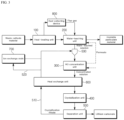
FIG. 1 is a configuration diagram illustrating a configuration of the system for recovering lithium of a waste cathode material according to a first embodiment of the present disclosure, -
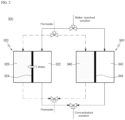
FIG. 2 is a configuration diagram illustrating a configuration of an RO concentration unit ofFIG. 1 in detail, -
FIG. 3 is a configuration diagram illustrating a configuration of a system for recovering lithium of a waste cathode material according to a second embodiment of the present disclosure, and -
FIG. 4 is a configuration diagram illustrating a configuration of a system for recovering lithium of a waste cathode material according to a third embodiment of the present disclosure. - Hereinafter, preferred embodiments of a system for recovering lithium of a waste cathode material will be described with reference to the accompanying drawings.
- Further, terms, as will be mentioned hereinafter, are terms defined in consideration of their function in the present invention, which may be varied according to the intention of a user, practice, or the like. The following embodiments are merely examples of components described in claims, and should not be interpreted as limiting the scope of the present invention.
- In the accompanying drawings, portions unrelated to the description will be omitted in order to clearly describe the present invention, and similar reference numerals will be used to describe similar portions throughout the present specification. Throughout the present specification, unless explicitly described otherwise, "comprising" any components will be understood to imply the inclusion of other components rather than the exclusion of any other components.
- First, a system for recovering lithium of a waste cathode material according to a first embodiment of the present disclosure will be described with reference to
FIGS. 1 and2 . - The system for recovering lithium of a waste cathode material may include a heat-treating
unit 100, a water-leaching unit 200, anRO concentration unit 300, acrystallization unit 400, aseparation unit 500, aheat exchange unit 600, and anion exchange resin 700. - The heat-treating
unit 100 is configured to heat-treat a waste cathode material to convert the waste cathode material into soluble and insoluble materials. Here, the waste cathode material is not specifically limited, and may include various forms such a waste cathode material, cathode material scraps, stacks and batteries containing lithium that are discarded due to defects or depletion. - By the heat treatment of the waste cathode material, soluble materials such as lithium carbonate (Li2CO3), lithium oxide (Li2O), and lithium hydroxide (LiOH) may be generated. Also, insoluble materials such as an nickel oxide, a cobalt oxide, an manganese oxide, and similar compounds may be generated. Depending on the methods and conditions of the heat treatment, the content of each component may vary.
- According to an embodiment, the heat-treating
unit 100 may include a heat-treating furnace, wherein the heat-treating furnace may utilize a hydrocarbon fluid for combustion inside the heat treatment furnace. This combustion heats the interior of the heat-treating furnace, thereby creating a carbon dioxide atmosphere due to the presence of the carbon dioxide in the emission gases generated during the burning of the hydrocarbon fluid. Therefore, when a powder of waste cathode material containing lithium is introduced into the interior of the heat-treating furnace, it may react with the carbon dioxide present in the emission gases. However, the present disclosure is not limited to this process, and an additional carbon dioxide gas may be injected into the interior of the heat-treating furnace. - The water-
leaching unit 200 is configured to leach the heat-treated waste cathode material with water to separate into an insoluble particulate material and a water-leached solution. This water-leached solution may contain various components including a lithium ion, a carbonate ion, and other relevant substances. That is, the water-leaching unit 200 dissolves the soluble material by water-leaching the powder of the heat-treated waste cathode material. The separated water-leached solution is supplied to theRO concentration unit 300, which is to be described later. The water being used for the leaching process may be the distilled water. - During the process, it is preferrable for the concentration of a lithium ion within the water-leached solution, which has been separated in the water-
leaching unit 200, to be 2,000 ppm or less. This concentration ensures that the amount of eluted lithium is maximized. - The concentration of the lithium ion within the water-leached solution may vary depending on the weight ratio between the powder of the heat-treated waste cathode material and water used for water-leaching in the water-
leaching unit 200. For reference, the table 1 provides the concentration of the lithium ion contained in the water-leached solution and the amount of lithium eluted, when conducting water leaching 1 kg of the same heat-treated powder with 20kg, 30kg, 50kg, and 100kg of water, respectively. According to the table 1, when the weight ratio between the heat-treated powder and the water is 1:20 and 1:30, the concentrations of the lithium ion are similar, and the amount of eluted lithium increases by about 1.5 times. On contrary, when the weight ratio between the heat-treated powder and the water is 1:50 and 1:100, despite a significant increase in water volume, the amount of the eluted lithium does not increase substantially compared to the 1:30 weight ratio, due to the lowered lithium ion concentration.[Table 1] Heat-treated powder (kg) Water (kg) Li(mg/L) Eluted lithium (mg) 1 20 2,241 44,820 1 30 2,249 67,466 1 50 1,431 71,574 1 100 733 73,312 - As such, when the concentration of the lithium ion contained in the water-leached solution is equal to or less than 2,000ppm, the amount of the eluted lithium is maximized, and the recovery rate of the lithium can be improved.
- In particular, in the water-
leaching unit 200, it is preferable for the powder of the waste cathode material, which has undergone heat treatment in the heat-treatingunit 100, to be water-leached with water at a weight ratio ranging from 1:30 to 1:100. - The
RO concentration unit 300 concentrates the water-leached solution by using the reverse osmosis (RO). As illustrated inFIG. 2 , theRO concentration unit 300 according to the present embodiment includes a firstreverse osmosis device 320 and a secondreverse osmosis device 340. The scaling of the reverse osmosis membrane can be prevented by alternately operating the firstreverse osmosis device 320 and the secondreverse osmosis device 340. - In more detail, the first
reverse osmosis device 320 includes afirst concentration chamber 322 to which the water-leached solution is supplied, afirst processing chamber 326 to which the permeate is supplied, and a firstreverse osmosis membrane 324 provided between thefirst concentration chamber 322 and thefirst processing chamber 326. Though not illustrated, the firstreverse osmosis device 320 may further includes a pressurization device for pressurizing the water-leached solution in thefirst concentration chamber 322. As such, the water-leached solution is supplied to thefirst concentration chamber 322, the permeate is supplied to thefirst processing chamber 326, and by pressurizing the water-leached solution with the pressurization device, the water in thefirst concentration chamber 322 is moved to thefirst processing chamber 326, thereby the water-leached solution in thefirst concentration chamber 322 can be concentrated. The permeate may be a distilled water. - Likewise, the second
reverse osmosis device 340 includes asecond concentration chamber 342 to which the water-leached solution is supplied, asecond processing chamber 346 to which the permeate is supplied, and a secondreverse osmosis membrane 344 provided between thesecond concentration chamber 342 and thesecond processing chamber 346. Though not illustrated, the secondreverse osmosis device 340 may further includes a pressurization device for pressurizing the water-leached solution in thesecond concentration chamber 342. - During the reverse osmosis process in either the first
reverse osmosis device 320 or the secondreverse osmosis device 340, flushing is performed in the other reverse osmosis device. That is, when the reverse osmosis is performed and the water-leached solution is supplied to the firstreverse osmosis device 320, flushing of the reverse osmosis membrane is performed in the secondreverse osmosis device 340 by providing pure water or a detergent to the secondreverse osmosis device 340, instead of the water-leached solution. The reverse osmosis process and the flushing process of the firstreverse osmosis device 320 and the secondreverse osmosis device 340 are alternately performed. This ensures that the metal and other impurities adhering to the surface of the reverse osmosis membrane are periodically cleaned, thereby preventing scaling. - According to the embodiment, the permeate used in the reverse osmosis in the
RO concentration unit 300 may be supplied to the water-leaching unit 200 to be used for the water-leaching. By doing so, the amount of water supplied separately for the water leaching can be reduced. - According to an embodiment, the gas containing carbon dioxide may be supplied to the water-leached solution to lower the pH of the water-leached solution. This is preferrable because the high pH of the water-leaching solution imposes limitations on the final concentration achievable in the
RO concentration unit 300, leading to scaling issue. By lowering the pH of the water-leached solution, the final concentration that can be achieved in theRO concentration unit 300 increases, thus improving the efficiency of the RO concentration process. - For reference, the table 2 provides the concentration multiples operable in the RO concentration unit according to the pH of the water-leached solution. "O" indicates that the operation with the corresponding concentration multiples is feasible at the given pH, while "X" indicates that the operation with the corresponding concentration multiples is not feasible at the given pH due to scaling issues. The table 3 provides concentration changes of the carbonate ion and the hydrogen carbonate ion which are present when operating the RO concentration unit with the concentration multiples according to the pH of the water-leached solution.
[Table 2] concentration multiples Li(ppm) pH 8.2 pH 9.0 pH 9.5 pH 10 pH 11 1.0 1,400 O O O O O 1.1 1,600 O O O O O 1.3 1,800 O O O O O 2.1 3,000 O O O O X 3.6 5,000 O X X X X [Table 3] Concentration multiples Li (ppm) pH9 pH9.5 pH10 pH11 CO3 (ppm) HCO3 (ppm) CO3 (ppm) HCO3 (ppm) CO3 (ppm) HCO3 (ppm) CO3 (ppm) HCO3 (ppm) 1.0 1,400 2,338 7,551 4,494 3,117 5,485 1,140 5,938 120 1.1 1,600 3,384 7,182 5,408 3,274 6,346 1,146 6,802 119 1.3 1,800 4,062 7,557 6,086 3,390 7,212 1,141 7,666 118 2.1 3,000 8,913 8,224 10,188 6,186 12,454 1,031 12,861 105 - The solubility of the lithium carbonate (Li2CO3) is 13.2g/100mL (Ksp = 2.5x10⁻²) at 25°C, and the solubility of the lithium hydrogencarbonate (LiHCO3) is high, therefore, the lithium hydrogencarbonate does not form crystals. Meanwhile, the concentrations of the carbonate ion and the hydrogen carbonate ion contained in the water-leached solution change according to the pH. For example, when concentrating the water-leached solution, of which the concentration of the lithium ion is 1,400ppm at the PH of 11, about 2.1 times, the scaling may be formed by crystallization in the course of the RO concentration since the concentration of the lithium ion is 3,000 ppm, and the concentration of the carbonate ion is 12,861 ppm, which are more than the solubility of the lithium carbonate. However, when adjusting the water-leached solution to have a pH 9 and then concentrating the water-leached solution about 2.1 times, the concentration of the lithium ion is 3,000 ppm, and the concentration of the carbonate ion is 8,913 ppm, which are less than the solubility of the lithium carbonate, thereby the concern of the scaling to occur is diminished. As such, by adjusting the pH of the water-leached solution to be lower, it is possible to increase the concentration multiples of the lithium ion. If only the lithium ion and the carbonate ion are present in the solution, theoretically, the possibility of crystallization of the lithium carbonate is low at the pH of 9.0 or less, however, in the actual RO concentration evaluation, in the condition of pH 10 or less, the lithium has been concentrated to 3,000 ppm without the occurrence of scaling. That is estimated to be blended effects of other ions contained in the solution, such as hydrogen carbonate ion and sulfateion. As described above, if increasing the concentration of the lithium ion two times through the RO concentration, the energy expense taken in the concentration/ crystallization at the following stage may be lowered by 50%, enhancing economy of the lithium recovery process.
- The pH of the water-leached solution to which the gas containing carbon dioxide is supplied may be 10 or less. In particular, it is preferable that the lithium ion is concentrated to 3,000 ppm or more in the
RO concentration unit 300, as the gas containing carbon dioxide is supplied, and therefore, the pH of the water-leached solution is adjusted to 9 or less. As such, it is possible to manufacture the lithium solution having a high concentration by using the RO concentration, which consumes less energy compared to the evaporation/concentration. - In
FIG. 1 , it is illustrated that the gas containing carbon dioxide is supplied to the water-leached solution contained in the water-leaching unit 200. However, the present disclosure is not limited to such embodiment, and the gas containing carbon dioxide may be supplied to the water-leached solution discharged from the water-leaching unit 200. - The
crystallization unit 400 is configured to crystallize the lithium carbonate by increasing the temperature of the concentrated solution which has been concentrated in theRO concentration unit 300. Thecrystallization unit 400 may crystallize the lithium carbonate by heating the concentrated solution at about 60°C to 80°C. - The
separation unit 500 is configured to perform solid-liquid separation of the crystallization filtrate which has not been crystallized and the lithium carbonate which has been crystallized in thecrystallization unit 400. In order to reuse the lithium ion contained in the crystallization filtrate, the crystallization filtrate may be merged with the water-leached solution, and then supplied to theRO concentration unit 300 again. To this end, amain flow path 510 is provided, through which the crystallization filtrate flows from theseparation unit 500 to a mergingpart 530. At the mergingpart 530, the crystallization filtrate is merged with the water-leached solution. - In general, since the temperature allowing the entry to the
RO concentration unit 300 is 40°C or less, the crystallization filtrate having a high temperature must be cooled before entering theRO concentration unit 300. According to an embodiment, the crystallization filtrate discharged from theseparation unit 500 may be cooled by using the concentrated solution discharged from theRO concentration unit 300. To this end, the present disclosure may further include theheat exchange unit 600, in which the crystallization filtrate discharged from theseparation unit 500 and the concentrated solution discharged from theRO concentration unit 300 exchange heat each other. For example, the temperature of the crystallization filtrate which has been separated in theseparation unit 500 is about 80°C, and the temperature of the concentrated solution which has been discharged from theRO concentration unit 300 is about 20°C. Through the heat exchange between the crystallization filtrate and the concentrated solution in theheat exchange unit 600, the heat may be transferred from the crystallization filtrate to the concentrated solution. Through this heat exchange, the temperature of the crystallization filtrate may be lowered to satisfy the temperature required for the entry into theRO concentration unit 300. Also, the temperature of the concentrated solution may be heightened, thereby reducing the energy expense necessary for the crystallization to be performed in the later stage. For example, the temperature of the crystallization filtrate may change from about 80°C to 20°C, and the temperature of the concentrated solution may change from about 20°C to 70°C. - According to an embodiment, additionally, a
bypass flow path 520 may be branched from themain flow path 510. Within thisbypass flow path 520, anion exchange resin 700 may be provided. Thebypass flow path 520 may be branched from themain flow path 510, and then may be merged to themain flow path 510. Or, thebypass flow path 520 may be merged at the mergingpart 530 allowing merging with the water-leached solution. According to an embodiment, a portion of the crystallization filtrate, preferably ranging from 10% to 30%, is directed to thebypass flow path 520, where it passes through theion exchange resin 700. By way of using thebypass flow path 520 and theion exchange resin 700, it becomes possible to suppress the increase of the impurities caused by reuse of the crystallization filtrate. As the number of reuse of the crystallization filtrate increases, the concentration of the ionic impurities (e.g., calcium ion, magnesium ion, etc.) contained in the crystallization filtrate may increase. The concentration of the impurities may be effectively controlled by treating a portion of the crystallization filtrate with the weak acid cation exchange resin in theion exchange resin 700 before it is reused (i.e., before it returns to themain flow path 510 or is merged with the merging part 530). - According to an embodiment, an aqueous lithium hydroxide solution may be formed by allowing the crystallized lithium carbonate and hydroxide salt (e.g., calcium hydroxide, sodium hydroxide, barium hydroxide, etc.) to react with each other. The formation of lithium hydroxide (LiOH) may be achieved through processes such as evaporation, concentration, and crystallization, or through process of involving mixing with ethanol followed by crystallization, among other methods.
- In addition, according to an embodiment, the formation of the lithium hydroxide (LiOH) may be achieved, without crystallizing the lithium carbonate in the
crystallization unit 400 after passing through theRO concentration unit 300. This may be achieved by generating the aqueous lithium hydroxide solution through the reaction between the concentrated solution and the sodium hydroxide. Subsequently, the process can involve evaporation, concentration, and crystallization, or it may involve mixing with ethanol followed by crystallization, among other methods. - Next, referring to
FIG. 3 , the system for recovering lithium according to a second embodiment of the present disclosure will be described. - The second embodiment includes the same configuration as that of the system for recovering lithium with reference to
FIG. 1 except that it includesdust collecting device 800. The flue gas discharged from the heat-treatingunit 100 after burning contains the carbon dioxide. That is, when burning the hydrocarbon fluid inside the heat treatment furnace of the heat-treatingunit 100, the flue gas discharged from the heat-treatingunit 100 contains carbon dioxide. According to the second embodiment of the present invention, this flue gas containing carbon dioxide is utilized. This eliminates a need to supply the gas containing carbon dioxide separately. - Therefore, according to the second embodiment, the flue gas passes through the
dust collecting device 800 and then is supplied to the water-leached solution. Thedust collecting device 800 may be separately installed between the heat-treatingunit 100 and the water-leaching unit 200. However, according to an embodiment, a dust collecting device may be installed inside the heat-treatingunit 100 as a part. - Last, with reference to
FIG. 4 , the system for recovering lithium according to a third embodiment of the present disclosure will be described. - The third embodiment includes the same configuration as that of the system for recovering lithium described with reference to
FIG. 1 except that it further includes amicro filter 900. Themicro filter 900 may be located between the water-leaching unit 200 and theRO concentration unit 300. - The water-leached solution may contain about 10 ppm or more than 100 ppm of anions such as fluoride ion, sulfate ion, and the like depending on a content of a binder and the like contained in the waste cathode material. Also, it may contain cations such as calcium ion and the like by a few ppm in the water-leached solution. The cations may form calcium fluoride in the solution. Alternatively, for the purpose of removing the fluoride ion, calcium ion may be additionally supplied by injection of calcium hydroxide (Ca(OH)2). The solubility of the calcium fluoride (CaF2) is very low in the high pH range of pH 7 or more, therefore, crystals of the calcium fluoride (CaF2) may be formed.
- By having the
micro filter 900 before the water-leached solution enters theRO concentration unit 300, the crystallized particulate materials may be filtered. This allows the concentration of the lithium ion to be stably performed in theRO concentration unit 300. - The present disclosure is not limited to the specific exemplary embodiments and descriptions, various modifications can be made by any person skilled in the art to which the present disclosure pertains without departing from the subject matter of the present disclosure as claimed in the claims, and the modifications are within the scope defined by the claims. Also, it is noted that any one feature of an embodiment of the present disclosure described in the specification may be applied to another embodiment of the present disclosure. Similarly, the present invention encompasses any embodiment that combines features of one embodiment and features of another embodiment.
-
- 100: heat-treating unit
- 200: water-leaching unit
- 300: RO concentration unit
- 320: first reverse osmosis device
- 322: first concentration chamber
- 324: first reverse osmosis membrane
- 326: first processing chamber
- 340: second reverse osmosis device
- 342: second concentration chamber
- 344: second reverse osmosis membrane
- 346: second processing chamber
- 400: crystallization unit
- 500: separation unit
- 510: main flow path
- 520: bypass flow path
- 530: merging part
- 600: heat exchange unit
- 700: ion exchange resin
- 800: dust collecting device
- 900: micro filter
Claims (15)
- A system for recovering lithium of a waste cathode material, comprising:a heat-treating unit configured to heat-treat a waste cathode material to convert into soluble and insoluble materials;a water-leaching unit configured to leach the heat-treated waste cathode material with water to separate into an insoluble material and a water-leached solution comprising a lithium ion and a carbonate ion; andan reverse osmosis, RO, concentration unit configured to concentrate the water-leached solution using reverse osmosis,wherein the water-leaching unit is configured to separate the water-leached solution with a concentration of lithium ion of 2,000 ppm or less.
- The system for recovering lithium of a waste cathode material of claim 1,
wherein in the water-leaching unit, a powder of the waste cathode material which is heat-treated in the heat-treating unit is water-leached with water at a weight ratio of 1:30 to 1:100. - The system for recovering lithium of a waste cathode material of claim 1 or 2,
wherein the system is configured to supply a gas containing carbon dioxide to the water-leached solution. - The system for recovering lithium of a waste cathode material of claim 3,wherein the gas containing carbon dioxide is a flue gas which is generated and discharged from the heat-treating unit; and/orwherein the system is configured to supply the gas containing carbon dioxide from the heat-treating unit to the water-leached solution and/or to the water-leaching unit.
- The system for recovering lithium of a waste cathode material of claim 3 or 4,
wherein the system comprises a dust collecting device through which the gas containing carbon dioxide passes before being supplied to the water-leached solution. - The system for recovering lithium of a waste cathode material of claim 3, 4 or 5,
wherein a pH of the water-leached solution to which the gas containing carbon dioxide is supplied is equal to or less than 10. - The system for recovering lithium of a waste cathode material of claim 6,
wherein the RO concentration unit is configured to increase the concentration of lithium ions is to 3,000ppm or more. - The system for recovering lithium of a waste cathode material according to any one of the preceding claims,
wherein the RO concentration unit comprises a first reverse osmosis device and a second reverse osmosis device, and when reverse osmosis is performed in one among the first reverse osmosis device and the second reverse osmosis device, flushing is performed in the other reverse osmosis device. - The system for recovering lithium of a waste cathode material according to any one of the preceding claims,
wherein the system is configured to supply permeate which is used for reverse osmosis in the RO concentration unit to the water-leaching unit. - The system for recovering lithium of a waste cathode material according to any one of the preceding claims, further comprising:a crystallization unit configured to increase a temperature of concentrated solution which is concentrated in the RO concentration unit to crystallize lithium carbonate,wherein a crystallization filtrate which is not crystallized in the crystallization unit is merged with the water-leached solution discharged from the water-leaching unit and then is supplied to the RO concentration unit.
- The system for recovering lithium of a waste cathode material of claim 10, further comprising:
a heat exchange unit configured to allow heat exchange to be performed between the crystallization filtrate and the concentrated solution discharged from the RO concentration unit. - The system for recovering lithium of a waste cathode material of claim 11,
wherein the heat exchange unit is configured to cool the crystallization filtrate to 40°C or lower. - The system for recovering lithium of a waste cathode material of claim 10, 11 or 12, further comprising:a separation unit configured to perform solid-liquid separation of the lithium carbonate crystallized in the crystallization unit and the crystallization filtrate,a merging part at which the crystallization filtrate is merged with the water-leached solution discharged from the water-leaching unit,a main flow path through which the crystallization filtrate flows from the separation unit to the merging part,a bypass flow path branched from the main flow path, andan ion exchange resin provided in the bypass flow path.
- The system for recovering lithium of a waste cathode material of claim 13,
wherein a portion of the crystallization filtrate separated in the separation unit is supplied to the bypass flow path, passes through the ion exchange resin and then merged with the water-leached solution. - The system for recovering lithium of a waste cathode material according to any one of the preceding claims, further comprising:
a micro filter provided between the water-leaching unit and the RO concentration unit.
Applications Claiming Priority (1)
| Application Number | Priority Date | Filing Date | Title |
|---|---|---|---|
| KR1020230067744A KR102921604B1 (en) | 2023-05-25 | 2023-05-25 | Lithium recovering system from waste cathode material |
Publications (1)
| Publication Number | Publication Date |
|---|---|
| EP4467673A1 true EP4467673A1 (en) | 2024-11-27 |
Family
ID=90971721
Family Applications (1)
| Application Number | Title | Priority Date | Filing Date |
|---|---|---|---|
| EP24173737.8A Pending EP4467673A1 (en) | 2023-05-25 | 2024-05-02 | System for recovering lithium of waste cathode material |
Country Status (3)
| Country | Link |
|---|---|
| US (1) | US20240392410A1 (en) |
| EP (1) | EP4467673A1 (en) |
| KR (1) | KR102921604B1 (en) |
Citations (12)
| Publication number | Priority date | Publication date | Assignee | Title |
|---|---|---|---|---|
| US6048507A (en) * | 1997-12-09 | 2000-04-11 | Limtech | Process for the purification of lithium carbonate |
| JP4896108B2 (en) * | 2008-10-24 | 2012-03-14 | 日本化学工業株式会社 | Method for producing high purity lithium carbonate |
| CN107017443A (en) * | 2017-03-28 | 2017-08-04 | 北京科技大学 | A kind of method of the comprehensively recovering valuable metal from waste and old lithium ion battery |
| CN110828927A (en) * | 2019-10-18 | 2020-02-21 | 广西银亿新材料有限公司 | Method for comprehensively recovering waste lithium ion batteries |
| US10604414B2 (en) * | 2017-06-15 | 2020-03-31 | Energysource Minerals Llc | System and process for recovery of lithium from a geothermal brine |
| US10648090B2 (en) * | 2018-02-17 | 2020-05-12 | Lilac Solutions, Inc. | Integrated system for lithium extraction and conversion |
| CN113164972A (en) * | 2019-06-07 | 2021-07-23 | 川崎重工业株式会社 | Treatment system and treatment method for waste lithium ion battery |
| US11174532B1 (en) * | 2018-03-09 | 2021-11-16 | Terralithium Llc | Processes for producing lithium compounds using reverse osmosis |
| CA3178796A1 (en) * | 2020-05-15 | 2021-11-18 | Alexandru SONOC | Hydrometallurgical recycling of lithium-ion battery electrodes |
| JP2022164547A (en) * | 2021-04-15 | 2022-10-27 | Dowaエコシステム株式会社 | Method for recovering lithium from lithium ion secondary battery |
| CA3167919A1 (en) * | 2021-07-19 | 2023-01-19 | Aqueous Resources LLC | Electro-pressure membrane method for recovery and concentration of lithium from aqueous sources |
| KR20230067744A (en) | 2021-11-08 | 2023-05-17 | 삼성디스플레이 주식회사 | Display device |
Family Cites Families (4)
| Publication number | Priority date | Publication date | Assignee | Title |
|---|---|---|---|---|
| KR20110076240A (en) * | 2009-12-29 | 2011-07-06 | 재단법인 포항산업과학연구원 | Heavy metal ion and chromaticity removal method in leachate |
| KR101731213B1 (en) * | 2016-05-26 | 2017-04-27 | (주)이엠티 | A Method For Recovering Lithium Compound From A Spent Lithium Batteries |
| KR101828168B1 (en) | 2016-08-23 | 2018-02-09 | 부경대학교 산학협력단 | Recovery method of lithium carbonate and recovery system of lithium carbonate |
| KR102420751B1 (en) * | 2021-04-23 | 2022-07-15 | 두산에너빌리티 주식회사 | Heat treatment method of disposed cathode matherials and recorvery method of lithium carbonate using the same |
-
2023
- 2023-05-25 KR KR1020230067744A patent/KR102921604B1/en active Active
-
2024
- 2024-04-01 US US18/623,029 patent/US20240392410A1/en active Pending
- 2024-05-02 EP EP24173737.8A patent/EP4467673A1/en active Pending
Patent Citations (12)
| Publication number | Priority date | Publication date | Assignee | Title |
|---|---|---|---|---|
| US6048507A (en) * | 1997-12-09 | 2000-04-11 | Limtech | Process for the purification of lithium carbonate |
| JP4896108B2 (en) * | 2008-10-24 | 2012-03-14 | 日本化学工業株式会社 | Method for producing high purity lithium carbonate |
| CN107017443A (en) * | 2017-03-28 | 2017-08-04 | 北京科技大学 | A kind of method of the comprehensively recovering valuable metal from waste and old lithium ion battery |
| US10604414B2 (en) * | 2017-06-15 | 2020-03-31 | Energysource Minerals Llc | System and process for recovery of lithium from a geothermal brine |
| US10648090B2 (en) * | 2018-02-17 | 2020-05-12 | Lilac Solutions, Inc. | Integrated system for lithium extraction and conversion |
| US11174532B1 (en) * | 2018-03-09 | 2021-11-16 | Terralithium Llc | Processes for producing lithium compounds using reverse osmosis |
| CN113164972A (en) * | 2019-06-07 | 2021-07-23 | 川崎重工业株式会社 | Treatment system and treatment method for waste lithium ion battery |
| CN110828927A (en) * | 2019-10-18 | 2020-02-21 | 广西银亿新材料有限公司 | Method for comprehensively recovering waste lithium ion batteries |
| CA3178796A1 (en) * | 2020-05-15 | 2021-11-18 | Alexandru SONOC | Hydrometallurgical recycling of lithium-ion battery electrodes |
| JP2022164547A (en) * | 2021-04-15 | 2022-10-27 | Dowaエコシステム株式会社 | Method for recovering lithium from lithium ion secondary battery |
| CA3167919A1 (en) * | 2021-07-19 | 2023-01-19 | Aqueous Resources LLC | Electro-pressure membrane method for recovery and concentration of lithium from aqueous sources |
| KR20230067744A (en) | 2021-11-08 | 2023-05-17 | 삼성디스플레이 주식회사 | Display device |
Non-Patent Citations (1)
| Title |
|---|
| SWAIN BASUDEV: "Cost effective recovery of lithium from lithium ion battery by reverse osmosis and precipitation: a perspective", J CHEM TECHNOL BIOTECHNOL, vol. 93, 19 May 2017 (2017-05-19), pages 311 - 319, XP093216456 * |
Also Published As
| Publication number | Publication date |
|---|---|
| KR102921604B1 (en) | 2026-02-02 |
| US20240392410A1 (en) | 2024-11-28 |
| KR20240169923A (en) | 2024-12-03 |
Similar Documents
| Publication | Publication Date | Title |
|---|---|---|
| EP3607099B1 (en) | Process for the recovery of lithium | |
| EP3473738B1 (en) | Process for recovering components from pickling acid residue | |
| JP7101995B2 (en) | Lithium recovery method | |
| KR101713600B1 (en) | Method of recovering lithium in wastewater obtained from waste lithium battery recycling process | |
| CN111187913A (en) | Method for selectively recovering lithium and copper in waste lithium iron phosphate batteries | |
| JPH1154159A (en) | Method for recovering and regenerating cobalt, nickel or manganese and lithium from waste battery cathode material and battery cathode material | |
| JP2020132950A (en) | Cobalt recovery method | |
| KR20220132582A (en) | Method for producing mixed metal salts | |
| EP3984958A1 (en) | Method and apparatus for producing vanadium compound, and method and apparatus for producing redox-flow battery electrolyte | |
| JP2022164547A (en) | Method for recovering lithium from lithium ion secondary battery | |
| JP5062111B2 (en) | Method for producing high-purity arsenous acid aqueous solution from copper-free slime | |
| EP4467673A1 (en) | System for recovering lithium of waste cathode material | |
| EP4556585A1 (en) | Lithium recovery system for black mass | |
| WO2025065232A1 (en) | Method for recycling waste lithium iron phosphate | |
| KR20220039398A (en) | Method for recovering lithium from cathode material washing liquid in the form of lithium carbonate | |
| KR102640253B1 (en) | Recovery method of lithium from materials in waste lithium battery | |
| EP4377485B1 (en) | Crystallization process for the separation of metals | |
| EP4296388A1 (en) | Valuable metal recovery method and recovery apparatus | |
| KR102825914B1 (en) | Method for recovering lithium from cathode material washing liquid in the form of lithium phosphate | |
| JP2023129361A (en) | Method for producing lithium concentrate and method for producing lithium phosphate used therein | |
| CN116904772A (en) | Process for extracting vanadium from crystallized vanadium slag using Bayer method denominator liquid | |
| JP6860628B2 (en) | Vanadium compound manufacturing method and manufacturing equipment, and redox flow battery electrolyte manufacturing method and manufacturing equipment | |
| KR102856818B1 (en) | Method for recovering valuable metal from waste electrode materials | |
| KR20230081901A (en) | Selective recovery of lithium from ternary cathode active material of spent lithium ion batteries | |
| KR20220039401A (en) | Pretreatment process of the cathode material washing solution |
Legal Events
| Date | Code | Title | Description |
|---|---|---|---|
| PUAI | Public reference made under article 153(3) epc to a published international application that has entered the european phase |
Free format text: ORIGINAL CODE: 0009012 |
|
| STAA | Information on the status of an ep patent application or granted ep patent |
Free format text: STATUS: REQUEST FOR EXAMINATION WAS MADE |
|
| 17P | Request for examination filed |
Effective date: 20240502 |
|
| AK | Designated contracting states |
Kind code of ref document: A1 Designated state(s): AL AT BE BG CH CY CZ DE DK EE ES FI FR GB GR HR HU IE IS IT LI LT LU LV MC ME MK MT NL NO PL PT RO RS SE SI SK SM TR |