EP4467663A2 - Epigenetische modifikation ausgewählter gene als marker für hypersomnolenz - Google Patents
Epigenetische modifikation ausgewählter gene als marker für hypersomnolenz Download PDFInfo
- Publication number
- EP4467663A2 EP4467663A2 EP24205945.9A EP24205945A EP4467663A2 EP 4467663 A2 EP4467663 A2 EP 4467663A2 EP 24205945 A EP24205945 A EP 24205945A EP 4467663 A2 EP4467663 A2 EP 4467663A2
- Authority
- EP
- European Patent Office
- Prior art keywords
- chromosome
- ucsc
- reference genome
- human reference
- human
- Prior art date
- Legal status (The legal status is an assumption and is not a legal conclusion. Google has not performed a legal analysis and makes no representation as to the accuracy of the status listed.)
- Pending
Links
Images

Classifications
-
- C—CHEMISTRY; METALLURGY
- C12—BIOCHEMISTRY; BEER; SPIRITS; WINE; VINEGAR; MICROBIOLOGY; ENZYMOLOGY; MUTATION OR GENETIC ENGINEERING
- C12Q—MEASURING OR TESTING PROCESSES INVOLVING ENZYMES, NUCLEIC ACIDS OR MICROORGANISMS; COMPOSITIONS OR TEST PAPERS THEREFOR; PROCESSES OF PREPARING SUCH COMPOSITIONS; CONDITION-RESPONSIVE CONTROL IN MICROBIOLOGICAL OR ENZYMOLOGICAL PROCESSES
- C12Q1/00—Measuring or testing processes involving enzymes, nucleic acids or microorganisms; Compositions therefor; Processes of preparing such compositions
- C12Q1/68—Measuring or testing processes involving enzymes, nucleic acids or microorganisms; Compositions therefor; Processes of preparing such compositions involving nucleic acids
- C12Q1/6876—Nucleic acid products used in the analysis of nucleic acids, e.g. primers or probes
- C12Q1/6883—Nucleic acid products used in the analysis of nucleic acids, e.g. primers or probes for diseases caused by alterations of genetic material
-
- C—CHEMISTRY; METALLURGY
- C12—BIOCHEMISTRY; BEER; SPIRITS; WINE; VINEGAR; MICROBIOLOGY; ENZYMOLOGY; MUTATION OR GENETIC ENGINEERING
- C12Q—MEASURING OR TESTING PROCESSES INVOLVING ENZYMES, NUCLEIC ACIDS OR MICROORGANISMS; COMPOSITIONS OR TEST PAPERS THEREFOR; PROCESSES OF PREPARING SUCH COMPOSITIONS; CONDITION-RESPONSIVE CONTROL IN MICROBIOLOGICAL OR ENZYMOLOGICAL PROCESSES
- C12Q2600/00—Oligonucleotides characterized by their use
- C12Q2600/154—Methylation markers
Definitions
- the invention is directed to tools and methods for diagnosing and providing a prognosis of hypersomnolence, idiopathic hypersomnia, and long sleep time using differentially methylated positions.
- IH idiopathic hypersomnia
- SNPs single nucleotide polymorphisms in PAX8 and its related antisense gene ( PAX8-AS1 ) have repeatedly demonstrated significant effects on habitual sleep duration ( Gottling et al. Mol Psychiatry. 2015, 20(10):1232-1239 ; Lane et al. Nat Genet. 2017, 49(2):274-281 ; Dashti et al. Nat Commun. 2019, 10(1): 1100 ; Jones et al. PLoS Genet. 2016, 12(8):e1006125 ; Jones et al. Nat Commun. 2019, 10(1): 1585 ).
- GWAS help identify potential genes linked to phenotypic traits
- additional methods are needed to help diagnose and treat patients and examine specific identified genes that relate to the pathophysiology of human disease.
- One aspect of the invention is directed to a method comprising isolating target DNA from a biofluid sample from a subject to obtain isolated target DNA, treating the isolated target DNA with bisulfite to generate bisulfite modified DNA, amplifying the bisulfite modified DNA with primers specific to one or more human genomic positions to generate amplified DNA, and quantifying methylation at the one or more human genomic positions in the amplified DNA.
- the one or more human genomic positions comprise 1 or more, 2 or more, 3 or more, 4 or more, 5 or more, 6 or more, 7 or more, 8 or more, 9 or more, 10 or more, 11 or more, 12 or more, 13 or more, 14 or more, 15 or more, 16 or more, 17 or more, 18 or more, 19 or more, 20 or more, 21 or more, 22 or more, 23 or more, 24 or more, 25 or more, 26 or more, or each of 113992930 of chromosome 2, 113993052 of chromosome 2, 113993142 of chromosome 2, 113993304 of chromosome 2, 113993313 of chromosome 2, 113994035 of chromosome 2, 113994578 of chromosome 2, 113995370 of chromosome 2, 113995456 of chromosome 2, 124985406 of chromosome 9, 124985756 of chromosome 9, 124987896 of chromosome 9, 124988720 of
- the one or more human genomic positions comprise one or more, two or more, three or more, four or more, five or more, six or more, seven or more, eight or more, or each of 113992930 of chromosome 2, 113993052 of chromosome 2, 113993142 of chromosome 2, 113993304 of chromosome 2, 113993313 of chromosome 2, 113994035 of chromosome 2, 113994578 of chromosome 2, 113995370 of chromosome 2, and 113995456 of chromosome 2.
- the one or more human genomic positions comprise one or more, two or more, three or more, four or more, five or more, or each of 113993142 of chromosome 2, 113993304 of chromosome 2, 113993313 of chromosome 2, 113994578 of chromosome 2, 113995370 of chromosome 2, and 113995456 of chromosome 2.
- the one or more human genomic positions comprise one or more, two or more, or each of 113994578 of chromosome 2, 113995370 of chromosome 2, and 113995456 of chromosome 2.
- the one or more human genomic positions comprise 1 or more, 2 or more, 3 or more, 4 or more, 5 or more, 6 or more, 7 or more, 8 or more, 9 or more, 10 or more, 11 or more, 12 or more, 13 or more, 14 or more, 15 or more, 16 or more, 17 or more, or each of 124985406 of chromosome 9, 124985756 of chromosome 9, 124987896 of chromosome 9, 124988720 of chromosome 9, 124989052 of chromosome 9, 124989241 of chromosome 9, 124989294 of chromosome 9, 124989337 of chromosome 9, 124989408 of chromosome 9, 124989550 of chromosome 9, 124989839 of chromosome 9, 46391392 of chromosome 4, 46391436 of chromosome 4, 46391448 of chromosome 4, 46391476 of chromosome 4, 46391524 of chromosome 4, 4639
- the one or more human genomic positions comprise one or more, two or more, three or more, four or more, five or more, six or more, seven or more, eight or more, nine or more, ten or more, or each of 124985406 of chromosome 9, 124985756 of chromosome 9, 124987896 of chromosome 9, 124988720 of chromosome 9, 124989052 of chromosome 9, 124989241 of chromosome 9, 124989294 of chromosome 9, 124989337 of chromosome 9, 124989408 of chromosome 9, 124989550 of chromosome 9, and 124989839 of chromosome 9.
- the one or more human genomic positions comprise one or more, two or more, three or more, four or more, five or more, six or more, or each of 46391392 of chromosome 4, 46391436 of chromosome 4, 46391448 of chromosome 4, 46391476 of chromosome 4, 46391524 of chromosome 4, 46391532 of chromosome 4, and 46391694 of chromosome 4.
- the primers consist of fewer than 60 total primers, fewer than 54 total primers, fewer than 48 total primers, fewer than 42 total primers, fewer than 36 total primers, fewer than 30 total primers, fewer than 24 total primers, fewer than 20 total primers, fewer than 18 total primers, fewer than 16 total primers, fewer than 14 total primers, fewer than 12 total primers, fewer than 10 total primers, fewer than 8 total primers, fewer than 6 total primers, fewer than 4 total primers, or fewer than 2 total primers.
- the primers comprise one or more pairs of primers. In some embodiments, each pair of primers amplifies a DNA fragment of 100-400 bp, 150-350 bp, or 200-300 bp in length.
- the one or more pairs of primers consists of fewer than 30 pairs of primers, fewer than 25 pairs of primers, fewer than 20 pairs of primers, fewer than 18 pairs of primers, fewer than 16 pairs of primers, fewer than 14 pairs of primers, fewer than 12 pairs of primers, fewer than 10 pairs of primers, fewer than 9 pairs of primers, fewer than 8 pairs of primers, fewer than 7 pairs of primers, fewer than 6 pairs of primers, fewer than 5 pairs of primers, fewer than 4 pairs of primers, fewer than 3 pairs of primers, fewer than 2 pairs of primers, or 1 pair of primers.
- the biofluid is selected from the group consisting of saliva, blood, cerebrospinal fluid, sweat, tears, semen, and urine. In some embodiments, the biofluid is blood or saliva.
- the subject is a human.
- the biofluid sample is from a healthy subject.
- the biofluid sample is from a subject previously diagnosed with diabetes, asthma, or hypertension.
- Another aspect of the invention is directed to a method of amplification, such as a method of amplifying a differentially methylated position (DMP).
- the method comprises providing a reaction mixture comprising bisulfite modified target DNA from a biofluid sample from a subject and primers specific to one or more human genomic positions, heating the reaction mixture to a first predetermined temperature for a first predetermined time, cooling the reaction mixture to a second predetermined temperature for a second predetermined time under conditions to allow the primers to hybridize with complementary sequences on the bisulfite modified target DNA, and repeating the heating and the cooling, wherein an amplified target DNA sample is formed.
- the primers consist of fewer than 60 total primers, fewer than 54 total primers, fewer than 48 total primers, fewer than 42 total primers, fewer than 36 total primers, fewer than 30 total primers, fewer than 24 total primers, fewer than 20 total primers, fewer than 18 total primers, fewer than 16 total primers, fewer than 14 total primers, fewer than 12 total primers, fewer than 10 total primers, fewer than 8 total primers, fewer than 6 total primers, fewer than 4 total primers, or fewer than 2 total primers.
- the one or more pairs of primers consists of fewer than 30 pairs of primers, fewer than 25 pairs of primers, fewer than 20 pairs of primers, fewer than 18 pairs of primers, fewer than 16 pairs of primers, fewer than 14 pairs of primers, fewer than 12 pairs of primers, fewer than 10 pairs of primers, fewer than 9 pairs of primers, fewer than 8 pairs of primers, fewer than 7 pairs of primers, fewer than 6 pairs of primers, fewer than 5 pairs of primers, fewer than 4 pairs of primers, fewer than 3 pairs of primers, fewer than 2 pairs of primers, or 1 pair of primers.
- the biofluid is selected from the group consisting of saliva, blood, cerebrospinal fluid, sweat, tears, semen, and urine.
- the biofluid is blood or saliva, in some embodiments, the subject is a human.
- the reaction mixture additionally comprises a polymerase and free nucleotides comprising adenine, thymine, cytosine, and guanine. In some embodiments, the reaction mixture additionally comprises a reaction buffer and MgCl 2 . In some embodiments, at least one of the primers is biotinylated.
- the primers consist of fewer than 60 total primers, fewer than 54 total primers, fewer than 48 total primers, fewer than 42 total primers, fewer than 36 total primers, fewer than 30 total primers, fewer than 24 total primers, fewer than 20 total primers, fewer than 18 total primers, fewer than 16 total primers, fewer than 14 total primers, fewer than 12 total primers, fewer than 10 total primers, fewer than 8 total primers, fewer than 6 total primers, fewer than 4 total primers, or fewer than 2 total primers.
- the primers comprise one or more pairs of primers. In some embodiments, each pair of primers amplifies a DNA fragment of 100-400 bp, 150-350 bp, or 200-300 bp in length.
- the biomarker panel comprises a probe specific to each of the one or more human genomic positions.
- characteristic biomarkers may be used to assay methylation in DNA isolated from a biofluid sample from a subject. These characteristic biomarkers may be used in the development of a screening panel, a resequencing panel, or a diagnostic kit for the processing of DNA isolated from a biofluid sample from a subject.
- hypersomnolence refers to excessive daytime sleepiness often accompanied by prolonged sleep duration. Biological and physiological causes of hypersomnolence are not universally known, many subjects may receive an ambiguous diagnosis despite comprehensive evaluation. Hypersomnolence is associated with a number of clinical phenotypes including, but not limited to reduced mean sleep latency (MSL), increased total sleep time (TST), increased pupillary unrest index (PUI), and increased lapses on a psychomotor vigilance test (PVT). Methods for measuring each of the hypersomnolence-associated phenotypes are known in the art.
- the hypersomnolence-associated phenotype is reduced MSL.
- MSL may be measured using a multiple sleep latency test in which quantifies sleep propensity during repeated nap opportunities and the presence of sleep onset rapid eye movement (REM) periods.
- MSL measurements associated with hypersomnolence are less than 5 minutes for pathogenic sleepiness, and less than 8-10 minutes for moderate sleepiness.
- the hypersomnolence-associated phenotype is increased TST.
- TST may be measured using ad libitum polysomnography.
- TST associated with hypersomnolence is greater than 9 hours. In more severe forms it is greater than 10 or 11 hours.
- the hypersomnolence-associated phenotype is increased PUI.
- PUI may be measured using infrared pupillometry.
- PUI associated with hypersomnolence is at least 9.8 (unitless).
- the hypersomnolence-associated phenotype is lapses in the PVT.
- PVT is a well-validated measure used in sleep research to quantify the ability to sustain attention and response in a timely manner to salient signals.
- a PVT lapse is generally characterized as a failure to respond to the given stimuli within a predetermined time (typically 500 msec).
- PVT lapses associated with hypersomnolence is at least 4.8 lapses.
- idiopathic hypersomnia refers to excessive daytime sleepiness even after a full or prolonged night's sleep.
- a subject with idiopathic hypersomnia may sleep normally or for long periods during the night but is still excessively sleepy during the day, which may cause dangerous situations if sleepiness is brought on during driving, working, or other activities. Napping generally does not relieve the sleepiness of an individual with idiopathic hypersomnia.
- long sleep time refers to acute or chronic periods of sleep by an individual that are longer than about 9 hours for an adult human, about 10 hours for a teenaged human, or about 12 hours for a young child.
- differentially methylated positions associated with the PAX8 and PAX8-AS 1 genes that are characteristic of hypersomnolence, idiopathic hypersomnia, and long sleep time in a subject. Also described herein are differentially methylated positions associated with LHX6 that are characteristic of mean sleep latency and GABRA2 that are characteristic of pupillary unrest index.
- DMP differentiated positions
- the DMP corresponds to a position with a change in methylation that correlates to a hypersomnolence clinical phenotype as outlined in Table 1 and Table 2.
- Table 1 Differentially methylated positions within PAX8 and PAX8-AS1 associated with total sleep time.
- significant change refers to a change (i.e., increase or a decrease) with a statistical signification of aLIS P -value ⁇ 0.05 when compared to hypersomnolence clinical phenotype.
- significant increase refers to an increase with a statistical signification of aLIS P-value ⁇ 0.05 when compared to hypersomnolence clinical phenotype.
- significant decrease refers to a decrease with a statistical significance of aLIS P-value ⁇ 0.05 when compared to hypersomnolence clinical phenotype.
- DMP-associated genes refers to the genes in which the DMPs are located or the genes with which the DMPs are most closely associated.
- the DMP may be in the coding region of the DMP-associated gene.
- the DMP may be in the promoter region of the DMP-associated gene.
- the DMP-associated genes are PAX8, PAX8-AS1, LHX6, and GABRA2.
- CpG island refers to short CpG-rich areas defined as >0.5 kb stretches of DNA with a G+C content greater than or equal to 55% and an observed: expected frequency of at least 0.6.
- CpG are located in the promoter region and 5' to the transcription start site, although a CpG island may occur anywhere in a gene.
- a CpG shore refers to a region with lower CpG density than a CpG island that lies within the 2 kb up- and downstream of a CpG island.
- a CpG shelf refer to the 2 kb outside of a CpG shore.
- a CpG canyon refers to regions of low methylation more than 3.5 kb distant from CpG islands and CpG shores that frequently contain transcription factors.
- a CpG ocean refers to regions with low methylation and not characterized as either a CpG island, CpG shore, CpG shelf, or CpG canyon.
- a gene body refers to the entire gene from transcription start site to the end of the transcript.
- a gene desert refers to regions with very few, if any, genes in a 500 kb region. See, for example, Asmar et al. (DNA methylation and hydroxymethylation in cancer, Epigenetic Cancer Therapy, 2015, p. 9-30 ) which is incorporated herein by reference in its entirety.
- DMP biomarker candidates associated with PAX8 and PAX8-AS1 show significant (aLIS P-value ⁇ 0.05) association between degree of methylation in target regions and total sleep time measured with ad libitum polysomnography when DNA samples from subjects with hypersomnolence are analyzed.
- DMP biomarkers associated with PAX8 and PAX8-AS1 are recited in Table 1.
- the CpG sites of interest within an about 400 base pair region (SEQ ID NO:1) located in the coding region of the PAX8 gene and near the promoter of the PAX8-AS1 gene. All DMPs in this about 400 base pair region are hypermethylated ( i.e ., increasing methylation is associated with longer sleep time). In some embodiments, the CpG sites of interest are within the region defined by SEQ ID NO:2.
- SEQ ID NO:2 CpG DMPs indicated in BOLD , the ⁇ 400 bp region of SEQ ID NO:1 is in italics ):
- DMP biomarker candidates associated with LHX6 show significant (aLIS P-value ⁇ 0.05) association between degree of methylation in target regions and mean sleep latency measured by multiple sleep latency test when DNA samples from subjects with hypersomnolence are analyzed. DMP biomarkers associated with LHX6 are recited in Table 2.
- SEQ ID NO:3 CpG DMPs indicated in BOLD , the top candidate region of SEQ ID NO:4 is in italics )
- DMP biomarker candidates associated with GABRA2 show significant (aLIS P-value ⁇ 0.05) association between degree of methylation in target regions and pupillary unrest index measured by infrared pupillometry when DNA samples from subjects with hypersomnolence are analyzed.
- DMP biomarkers associated with GABRA2 are recited in Table 2.
- Any combination of DMPs outlined in Tables 1 and 2 may be used to diagnose or give a prognosis of hypersomnolence, idiopathic hypersomnia, or long sleep time in a subject. Any combination of DMPs outlined in Tables 1 and 2 may be used in an assay to quantify methylation. Any combination of DMPs outlined in Tables 1 and 2 may be used in an assay to amplify the DMPs or DMP-associated genes for sequencing to quantify methylation.
- the DMPs of interest are within any one or more of SEQ ID NO:1, SEQ ID NO:2, SEQ ID NO:3, SEQ ID NO:4, SEQ ID NO:5, SEQ ID NO:6, SEQ ID NO:7, SEQ ID NO:10, SEQ ID NO:11, SEQ ID NO:18, SEQ ID NO:19, SEQ ID NO:24, SEQ ID NO:25, SEQ ID NO:34, and SEQ ID NO:35.
- At least 1, at least 2, at least 3, at least 4, at least 5, at least 6, at least 7, at least 8, or all 9 of the DMPs of PAX8 and PAX8-AS1 outlined in Table 1 are assayed to diagnose or give a prognosis of hypersomnolence, idiopathic hypersomnia, or long sleep time in a subject.
- at least 1 or both of the DMP-associated genes PAX8 and PAX8-AS1 are assayed to diagnose or give a prognosis of hypersomnolence, idiopathic hypersomnia, or long sleep time.
- At least 1, at least 2, at least 3, at least 4, at least 5, at least 6, at least 7, at least 8, at least 9, at least 10, or all 11 of the DMPs of LHX6 outlined in Table 2 are assayed. In some embodiments, at least 1, at least 2, at least 3, at least 4, at least 5, at least 6, or all 7 of the DMPs of GABRA2 outlined in Table 2 are assayed.
- the biomarkers described herein are used in the production of a biomarker panel for use in assaying DNA methylation.
- the biomarker panel includes probes or primers specific to the sequences of the DMPs or DMP-associated genes disclosed herein.
- the biomarker panel includes probes or primers specific to the sequences of the DMP-associated genes PAX8 and PAX8-AS1.
- the biomarker panel includes probes or primers specific to the sequences of the DMP-associated genes LHX6 and GABRA2.
- the biomarker panel includes probes and/or primers specific to the DMPs listed in Tables 1 and 2.
- the biomarker panel includes probes and/or primers specific to any one or more of SEQ ID NO:1, SEQ ID NO:2, SEQ ID NO:3, SEQ ID NO:4, SEQ ID NO:5, SEQ ID NO:6, SEQ ID NO:7, SEQ ID NO:10, SEQ ID NO:11, SEQ ID NO:18, SEQ ID NO:19, SEQ ID NO:24, SEQ ID NO:25, SEQ ID NO:34, and SEQ ID NO:35.
- Primers specific to the DMPs or DMP-associated genes disclosed herein are between about 10 base pairs (bp) and about 40 bp and are complementary to sequences upstream and downstream of the DMP or DMP-associated gene of interest.
- a pair of forward and reverse primers that are designed to be complementary to the sequences flanking the DMP or DMP-associated gene are included.
- the size of the fragment to be amplified by the primer pair can range from less than 50 bp to greater than 10,000 bp.
- Primers can be designed that are complementary to a sequence less than 50 bp upstream of the DMP or more than 1,000 bp upstream depending on the sequence technology selected and the application of the biomarker panel.
- a primer set can be designed to amplify i) the exact target region; or ii) a region encompassing the DMP including upstream and downstream regions.
- the size of the fragment to be amplified by the primer pair has a length less than 1000 bp, less than 950 bp, less than 900 bp, less than 850 bp, less than 800 bp, less than 750 bp, less than 700 bp, less than 650 bp, less than 600 bp, less than 550 bp, less than 500 bp, less than 450 bp, less than 400 bp, 350 bp, less than 300 bp, less than 250 bp, less than 200 bp, less than 150 bp, less than 100 bp, less than 75 bp, or less than 500 bp.
- the size of the fragment to be amplified by the primer pair has a length of at least 100 bp, at least 125 bp, at least 150 bp, at least 175 bp, or at least 200 bp and less than 400 bp, less than 375 bp, less than 350 bp, less than 325 bp, or less than 300 bp.
- Probes specific to the DMPs or DMP-associated genes disclosed herein are between about 10 bp and about 40 bp and are commentary to sequences including or adjacent to the DMP or DMP-associated gene of interest. In some embodiments, the probe is complementary to the DMP of interest.
- the disclosure includes a number of preferred primers and probes for amplification, selection, and identification of specific DMPs or DMP-associated genes.
- DMPs and DMP-associated genes can be amplified, selected, and identified by primers and probes other than those specific disclosed, which have been presented for purposes of illustration.
- the biomarker panel is compatible with a number of amplification and sequencing schemes and the scope of the claims should not be limited to the description of the embodiments contained herein.
- Probes or primers for use in the biomarker panels described herein may be fused to a tag or label.
- Suitable tags and labels are known in the art, including but not limited to fluorescent labels (e.g., GFP, RFP, etc.), biotin, and combinations thereof.
- the probe or primer is biotinylated and the biotinylated probe or primer bound sequence can be purified or captured with a streptavidin bound substrate.
- the primers or probes are covalently or non-covalently linked to a substrate.
- Suitable substrates for the biomarker panel include a bead, a plate, a microfluidic devise, a cuvette, a chip, a multiwell plate (e.g. 6-, 12-, 24-, 48-, 96-, 384-, or 1536-well plates).
- Primers specific to the DMPs or DMP-associated genes disclosed herein can be obtained using a number of methods known in the art.
- the abundance of 5mC and/or 5hmC in regions of interest can be interrogated (see below for an exemplary method).
- genomic sequences corresponding to each locus can be obtained from a reference genome and imported to a methyl primer design software package, such as the Thermo Fisher Scientific Methyl Primer Express v1.0 software, to generate high quality PCR primers pairs for methylation mapping.
- a second pair of primers can be designed that contains the initial primer sequence flanked by a sequencing adapter sequence (e.g., Illumina or others). Primers can be ordered through any preferred provider.
- An exemplary method for interrogating the abundance of 5mC and/or 5hmC in regions TM of interest can be performed with the Methyl Primer Express Software v1.0 (Thermo Fisher TM Scientific). Methyl Primer Express can be downloaded from the Thermo Fisher Scientific Applied Biosystems website (www.thermofisher.com/us/en/home.html). The target sequence can be input into the box labeled "Insert Nucleotide Sequence.” (To increase the likelihood of finding primers that will create an amplicon of ⁇ 200 base pairs (bp) or larger, input a minimum sequence of ⁇ 500 base pairs.
- bisulfite sequencing primer design can be selected by clicking "Design BSP Primers.”
- BSP Bisulfite Sequencing Primers.
- MSP Methylation-Specific Primers.
- Parameters used to design the BSPs can be reviewed by clicking "Next.” (It is preferred to design primers that will generate an amplicon length of 200 to 300 base pairs. Amplicons ⁇ 200 base pairs will result in sequencing the adaptors, meaning it will not maximize the data from the final sequencing run. Primers are preferably between 20 to 30 base pairs in length.
- Annealing temperature of the PCR should have a small range (e.g., 58° to 60°C).) It is preferred to initially weight performance towards the Low Speed/High Accuracy setting (between 8 to 10). If no appropriate primers are found, the scale can be moved towards the Hi Speed/Low Accuracy; however, this is not preferred.
- the designed primers can be purchased through any of a number of standard primer providers. Exemplary parameters include 25 nmole DNA oligos, standard desalting, and RNase free water (unless shipped desiccated). Two to three primer pairs per target region can be designed and purchased for simultaneous testing.
- Exemplary non-modified and bisulfite-modified regions of interest for PAX8/PAX8-AS1, LHX6, and GABRA2 comprising the DMPs disclosed herein and exemplary primers for amplifying the DMPs are provided below. All positions below refer to the UCSC hg19 human reference genome assembly.
- the biomarker panel is a microarray.
- the primers or probes are biotinylated and bind to streptavidin coated substrates for selection of the DMPs or DMP-associated genes targeted by the probe or primers.
- the streptavidin-coated substrates are beads.
- Described herein are methods to assay the methylation status of DMPs or DMP-associated genes described herein to diagnose or give a prognosis for hypersomnolence, idiopathic hypersomnia, or long sleep time in an individual.
- Methylation levels of at least one DMP or DMP-associated gene recited in Tables 1 and 2, or any combination of DMPs or DMP-associated genes recited therein, is measured in target DNA from a biofluid sample from a subj ect.
- Methylation may be quantified by any suitable means known in the art. Suitable methods for assaying quantification are disclosed, for example, by Kurdyukov and Bullock ("DNA methylation analysis: Choosing the right method," Biology, 2016, 5(3 )). Suitable methods for quantifying or assaying methylation may include, but are not limited to methylation specific polymerase chain reaction (PCR), high resolution melting, cold-PCR, pyrosequencing, PCR and sequencing, bead array, and digestion-based assay followed by PCR or quantitative PCR (qPCR).
- PCR methylation specific polymerase chain reaction
- the target DNA is bisulfite modified.
- Bisulfite treatment mediates the deamination of cytosine to uracil, whereby the modified uracil residue will be read as a thymine as determined by PCR-amplification and sequencing.
- Methylated cytosine (5mC) resides are protected from this conversion and will remain as cytosine.
- target genomic DNA may be isolated from a biofluid sample from a subject.
- the target DNA is isolated from a biofluid sample from a human.
- biofluid refers to a biological fluid produced by a subject. Suitable biofluids include, but are not limited to blood, saliva, sweat, urine, semen, tears, and cerebrospinal fluid. In some embodiments, the biofluid is selected from the group consisting of blood, saliva, sweat, urine, semen, tears, and cerebrospinal fluid. In some embodiments, the biofluid is blood. In some embodiments, the biofluid is saliva.
- target DNA will be contacted with probes specific to the DMPs outlined in Tables 1 and 2 to isolate and enrich these genomic regions from the target DNA sample.
- sequences of the DMP is used as bait to isolate the genomic regions of interest for amplification and sequencing.
- methylated adapters are ligated to the enriched regions.
- the sample with the ligated methylated adapters may then be subject to sodium bisulfite modification.
- the target DNA sample is bisulfite modified without first enriching the sample of the genomic regions of the DMPs. In some embodiments, the target DNA is first bisulfite modified then enriched for the genomic regions of the DMPs.
- target DNA or bisulfite modified target DNA is subject to amplification.
- the amplification may be polymerase chain reaction (PCR) amplification.
- PCR amplification will include single or multiple pair(s) of primers and probes at specific DMPs outlined in Tables 1 and 2.
- the target DNA amplification and methylation quantification will be evaluated in one or multiple tubes.
- methylation is quantified by amplification and sequencing of target DNA.
- Bisulfite modified target DNA may be subject to PCR to amplify target regions comprising DMPs outlined in Tables 1 and 2.
- the PCR reaction mixture typically includes at least one pair of primers designed to target a DMP detailed in Tables 1 and 2, PCR buffer, dNTPs (e.g., adenine, thymine, cytosine and guanine), MgCl 2 , and polymerase.
- PCR amplification generally includes the steps of heating the reaction mixture to separate the strands of the target DNA, annealing the primers to the target DNA by cooling the reaction mixture, allowing the polymerase to extend the primers by addition of NTPs, and repeating the process at least 2, at least 5, at least 10, at least 15, at least 20, at least 25, or at least 30 times to produce a PCR amplification product.
- the target DNA in the reaction mixture is single stranded, the initial heating step may be omitted, however this heating step will need to be included when the second and subsequent times the reaction is completed to separate the extended primer strands from the opposite strand and DNA (e.g., the target DNA or another previously extended primer strand).
- the target DNA is bisulfite modified prior to amplification.
- the bisulfite modified target DNA is used in a methylation-specific-quantitative PCR (MS-QPCR) reaction such as MethylLight ( WO 2000/070090A1 ) or HeavyMethyl ( WO 2002/072880A2 ).
- MS-QPCR methylation-specific-quantitative PCR
- a reaction mixture for use in a MethylLight methylation specific PCR reaction would contain primers and probes specific to the DMPs recited in Tables 1 and 2, PCR buffer, dNTPs (e.g., adenine, thymine, cytosine and guanine), MgCl 2 , and polymerase.
- a typical kit for methylation specific PCR may include primers and probes specific to the DMPs recited in Tables 1 and 2, wild type reference gene primers such as ⁇ -actin, PCR buffer, dNTPs, MgCl 2 , polymerase, positive and negative methylation controls, and a dilution reference.
- the MS-QPCR may be carried out in one or multiple reaction tubes.
- either the forward or reverse primer of the primer pair used in the PCR amplification reaction is biotinylated.
- PCR products may be purified, captured, and/or sorted with a streptavidin coated substrate.
- the substrate is a streptavidin coated bead.
- the beads are streptavidin sepharose beads. In some embodiments, the beads are magnetic.
- the PCR amplification product is contacted with one or more probes specific for and complementary to a DMP detailed in Tables 1 and 2.
- the probe may be biotinylated.
- the PCR amplification product and probe mixture can then be purified, captured and/or sorted with a streptavidin coated substrate.
- the substrate is a streptavidin coated bead.
- the beads are streptavidin sepharose beads.
- the streptavidin beads are magnetic.
- methylation is quantified using pyrosequencing.
- Bisulfite modified target DNA may be subject to PCR to amplify target regions comprising DMPs outlined in Tables 1 and 2 as described above.
- PCR amplification products are purified, denatured to single-stranded DNA, and annealed to a sequencing primer for methylation quantification by pyrosequencing of the DMP or DMP-associated gene as detailed in Tables 1 and 2.
- methylation may be quantified with PyroMark TM MD Pyrosequencing System (Qiagen) using PyroPyroMark ® Gold Q96 Reagents (Qiagen, Cat# 972804) (QIAGEN PyroMark Gold Q96 Reagents Handbook 08/2009, 36-38).
- bisulfite treated DNA is subject to an Invader ® assay to detect changes in methylation.
- the Invader ® assay entails the use of Invader ® chemistry (Hologic Inc.; invaderchemistry.com; Day, S., and Mast, A. Invader assay, 2004 ; Chapter in Encyclopedia of Diagnostic Genomics and Proteomics. Marcel Dekker, Inc ., U.S. Patent Nos. 7,011,944 ; 6,913,881 ; 6,875,572 and 6,872,816 ).
- Invader ® assay one would use a structure-specific flap endonuclease (FEN) to cleave a three-dimensional complex formed by hybridization of C/T specific overlapping oligonucleotides to target DNA containing a CG site.
- FEN flap endonuclease
- Initial PCR amplification of the bisulfite treated target DNA may be necessary if the quantity of the bisulfite treated target DNA is less than 20 ng.
- the methylation status is measured by methylation-specific PCR, quantitative methylation-specific PCR, methylation-sensitive DNA restriction enzyme analysis, or bisulfite genomic sequencing PCR, or quantitative bisulfite pyrosequencing. See, e.g., U.S. Patent Nos. 10,370,726 and 10,934,592 , which are incorporated herein by reference in their entireties
- Methylation status of the DMPs and DMP-associated genes described herein may be useful in identification and management of both acute and chronic sleep problems in a subject.
- Assays described herein are useful for identifying insufficient sleep time in persons complaining of daytime sleepiness improving patient care in sleep medicine.
- the assays described can also be used as to quantify change in sleep duration in research and clinical care (e.g., identifying increased sleep time caused by a medication; clarifying whether a behavioral intervention increases sleep time in people who are chronically sleep restricted, etc.) or in general assessments of sleep time in a subject.
- the methylation assays to evaluate sleep in a subject as described herein can be used to optimize mental performance, to optimize physical performance, to optimize recovery after mental exertion, to optimize recovery after physical exertion, to optimize academic performance, to help control weight, to help reduce weight, to help reduce obesity, to help control acute pain, to help control chronic pain, and to prevent the onset of medical, psychiatric, and neurological disease.
- Methods described herein for assaying methylation to evaluate sleep in a subject as described herein may be used to increase or optimize fecundity or fertility in a subject.
- the methods described herein for assaying methylation to evaluate sleep in a subject as described herein may be used to aid in a subject's general wellness during pregnancy.
- the methods described herein for assaying methylation to evaluate sleep in a subject may be used to aid in post-partum recovery and mental and physical wellness post-partum.
- the methods described herein for assaying methylation to evaluate sleep in a subject may be used to increase or optimize wound healing.
- the methods may also help in physical or mental trauma recovery in an individual or in post-surgical recovery.
- the methods described herein for assaying methylation may be used to evaluate sleep duration and sleepiness in a subject. In some embodiments, the methods described herein for assaying methylation may be used to evaluate sleep duration and sleepiness in a subject diagnosed with a sleep disorder (e.g., insomnia, restless legs syndrome, circadian rhythm sleep-wake disorders, sleep apnea, and parasomnias).
- a sleep disorder e.g., insomnia, restless legs syndrome, circadian rhythm sleep-wake disorders, sleep apnea, and parasomnias.
- methods described herein for assaying methylation may be used to evaluate sleep duration in a subject with a medical or neurological disorder (e.g., cancer, coronary heart disease, atrial fibrillation, congestive heart failure, epilepsy/seizure disorders, thyroid dysfunction, Parkinson's disease, fibromyalgia, Myotonic dystrophy, Kline Levin Syndrome, rheumatologic disease such as systemic lupus erythematosus, renal disease, hepatic disease such as non-alcoholic fatty liver disease, diabetes, hypertension, and asthma).
- a psychiatric disorder e.g., mood, thought, attentional, psychotic, personality, anxiety, and PTSD
- Assaying methylation status of the DMPs and DMP-associated genes described herewith will be beneficial as a measure of habitual sleep duration to help subjects identify if they are sleeping too little or too much to maintain personal wellness.
- assays for determining the methylation status of DMPs or DMP-associated genes described herein may be incorporated into a person fitness tracker and the target DNA may be from sweat.
- Assaying methylation status of the DMPs and DMP-associated genes described herein may also be beneficial for use in employee health screening (e.g., to determine if an employee is at risk for chronic disease), for use in actuarial sciences and risk estimation (e.g., to determine if an individual has sleep insufficiencies or excessive sleep times that would be associated with increased mortality), to monitor sleep and its impact on chronic disease treatment (e.g., identifying and characterizing sleep duration can improve management of chronic illnesses such as diabetes, asthma, and hypertension), identification of individuals who may be at risk for psychological disorders or mental illness (e.g. too much or too little sleep are associated with and may precede major depressive disorder, manic episodes, etc. allowing for targeted intervention strategies to prevent negative mental illness outcomes), and to determine the factors associated with attention and cognitive disorders (e.g. characterization of sleep loss as a contributing factor to attention-deficit hyperactivity disorder and Alzheimer's disease).
- employee health screening e.g., to determine if an employee is at risk for chronic disease
- Methylation status of the DMPs and DMP-associated genes described herein may also be beneficial in occupational health and safety applications. For example, identification of people who are sleeping too little to safely perform their required occupational duties (e.g., airplane pilots, bus/train drivers, long haul truckers, etc.), forensic applications (e.g., determining if reduced sleep duration or excessive sleep preceding an accident was a contributing factor in the accident, etc.), and in law-enforcement (e.g., analysis of compliance or non-compliance with fatigued-driver laws where it is a crime to drive if a person has been awake for greater than 24 hours, etc.).
- occupational duties e.g., airplane pilots, bus/train drivers, long haul truckers, etc.
- forensic applications e.g., determining if reduced sleep duration or excessive sleep preceding an accident was a contributing factor in the accident, etc.
- law-enforcement e.g., analysis of compliance or non-compliance with fatigued-driver laws where it is
- the methods described herein additionally include a step of treating or providing treatment recommendations to a subject diagnosed with hypersomnolence, idiopathic hypersomnia, or long sleep time.
- Suitable treatments include administering to a subject a wake promoting medication or stimulant (e.g., amphetamines, modafinil, etc.), administering to a subject an oxybate or derivative thereof (e.g., sodium oxybate), or having the subject undergo sleep extension therapy (e.g., sleeping 1-2 hours longer to see if this improves symptoms).
- suitable treatments may include changing one or more sleep practices to improve sleep quality (e.g., amount of light, ambient noise, temperature, etc.), changing the time of day a subject sleeps (e.g., going to bed earlier or staying up later), having a subject nap more or less during the day, or administrating to a subject one or more over the counter sleep promoting aids such as melatonin.
- sleep quality e.g., amount of light, ambient noise, temperature, etc.
- time of day a subject sleeps e.g., going to bed earlier or staying up later
- having a subject nap more or less during the day e.g., going to bed earlier or staying up later
- genomic positions described herein refer to genomic positions as provided in the UCSC hg19 human reference genome ( Fujita PA, Rhead B, Zweig AS, Hinrichs AS, Karolchik D, Cline MS, Goldman M, Barber GP, Clawson H, Coelho A, Diekhans M, Dreszer TR, Giardine BM, Harte RA, Hillman-Jackson J, Hsu F, Kirkup V, Kuhn RM, Learned K, Li CH, Meyer LR, Pohl A, Raney BJ, Rosenbloom KR, Smith KE, Haussler D, Kent WJ.
- the UCSC Genome Browser database update 2011. Nucleic Acids Res.
- Alignments are typically performed by computer programs that apply various algorithms, however it is also possible to perform an alignment by hand. Alignment programs typically iterate through potential alignments of sequences and score the alignments using substitution tables, employing a variety of strategies to reach a potential optimal alignment score. Commonly-used alignment algorithms include, but are not limited to, CLUSTALW, (see, Thompson J. D., Higgins D. G., Gibson T.
- Exemplary programs that implement one or more of the above algorithms include, but are not limited to MegAlign from DNAStar (DNAStar, Inc. 3801 Regent St. Madison, Wis. 53705), MUSCLE, T-Coffee, CLUSTALX, CLUSTALV, JalView, Phylip, and Discovery Studio from Accelrys (Accelrys, Inc., 10188 Telesis Ct, Suite 100, San Diego, Calif. 92121).
- MegAlign is used to implement the CLUSTALW alignment algorithm with the following parameters: Gap Penalty 10, Gap Length Penalty 0.20, Delay Divergent Seqs (30%) DNA Transition Weight 0.50, Protein Weight matrix Gonnet Series, DNA Weight Matrix IUB.
- genomic positions of any CpG sites described herein refer to the position of the C in the CpG site in the original genome.
- a reference to "A and/or B", when used in conjunction with open-ended language such as “comprising” can refer, in one embodiment, to A only (optionally including elements other than B); in another embodiment, to B only (optionally including elements other than A); in yet another embodiment, to both A and B (optionally including other elements); etc.
- the terms “approximately” or “about” in reference to a number are generally taken to include numbers that fall within a range of 5% in either direction (greater than or less than) the number unless otherwise stated or otherwise evident from the context (except where such number would exceed 100% of a possible value). Where ranges are stated, the endpoints are included within the range unless otherwise stated or otherwise evident from the context.
- Hypersomnolence broadly defined as excessive daytime sleepiness often accompanied by prolonged sleep duration, is one of the most common symptom constellations encountered in persons with sleep disorders. While the pathophysiology of hypersomnolence can be identified in some cases, for example orexin deficiency in type 1 narcolepsy, 1 the cause of hypersomnolence cannot universally be determined for many patients despite comprehensive evaluation, resulting in ambiguous diagnoses and a lack of targeted therapies to improve symptomatology. Thus, there is a clear need to better understand the biological basis of unexplained hypersomnolence to advance clinical care through the development of advanced diagnostics and personalized therapeutics for these patients.
- hypersomnolence is a multifaceted symptom, for which no singular objective measure is able to fully capture the subjective complaint.
- MSLT multiple sleep latency test
- 4-6 While the MSLT remains a key tool in the practice of sleep medicine, it quantifies sleep propensity during repeated nap opportunities and the presence of sleep onset REM periods, but does not capture other relevant aspects of hypersomnolence.
- epigenetics the study of molecular modifications not affecting the genetic code itself, may be highly applicable to the study of unexplained hypersomnolence.
- Employing epigenetic methodologies is a crucial step in clarifying how candidate genes are related to specific observable and measurable phenotypes in sleep disorders.
- combining epigenetics with a detailed and objective phenotyping approach is likely to advance our understanding of how specific gene regulatory elements are related to the pathophysiology of human disease.
- the present examples examined alterations in DNA methylation, a key component of epigenetic regulation, in a well-characterized sample of patients with unexplained hypersomnolence, to determine if epigenetic modification of candidate genes were related to specific aspects of the hypersomnolence phenotype.
- the hypersomnolence phenotype was determined using four parameters: 1) mean sleep latency on MSLT, 2) total sleep time on ad libitum polysomnography, 3) pupillary unrest index measured by infrared pupillometry, and 4) lapses on the psychomotor vigilance task. All measures were collected within a single sleep laboratory visit.
- the pupillographic sleepiness test (PST) and the psychomotor vigilance task were collected with values at each timepoint averaged.
- the PST is an assessment of drowsiness under constant darkness that records oscillations of the pupil diameter via a computer-based infrared video technique. 25 These undulations result from progressive reduction of noradrenergic central activation from the locus coeruleus, resulting in disinhibition of the parasympathetic Edinger-Westphal nucleus.
- the fluctuations in pupil diameter are utilized to calculate the pupillary unrest index (PUI), defined by absolute values of cumulative changes in pupil size based on the mean values of consecutive data sequences, 20 with higher values suggestive of increased drowsiness. Reproducibility, reliability, and normative values of the PUI have been established for adults. 19,21-23 The PSTEco system (AMTech, Germany) was used for ascertainment of PUI in the present examples and was applied following established protocols. 19
- the 10-minute psychomotor vigilance task was collected after PST to minimize the potential impact of time-on-task effects from this measure of neurobehavioral alertness on PUI.
- the PVT is a well-validated measure used in sleep research that quantifies the ability to sustain attention and respond in a timely manner to salient signals. 24
- the PVT requires responses to a stimulus (digital counter) by pressing a button as soon as the stimulus appears, which stops the stimulus counter and displays the reaction time in milliseconds for a 1-second period.
- the number of lapses (failure to respond within 500 msec of stimulus; Tukey transformed) was considered the primary PVT measure of interest in the present examples.
- Saliva samples were collected from participants approximately two hours after awakening using Oragene kits for DNA methylation analysis (DNA Genotek, Canada). DNA was extracted following the manufacturers protocol. Genomic DNA samples were resolved on a 1% agarose gel, to verify the DNA was of high molecular weight, and quantified using Qubit (Qiagen, USA). Genome-wide DNA methylation levels were determined using the HumanMethylationEPIC array and raw intensity data files were imported into the R package minfi to assess sample quality, calculate the detection P-value of each tested probe, filter probes, and determine beta values. 25 Probes were background- and control-corrected, followed by subset-quantile within array normalization to correct for probe-type bias.
- Probes were removed from further analysis if: one sample or more exhibited a detection P-value > 0.01; the probe contained a known single nucleotide polymorphism (SNP); the probe was derived from a sex chromosome; the probe measured methylation at a cytosine followed by a nucleotide other than guanine; or the probe was a cross-reactive probe. With these filtration criteria, 97,964 probes were discarded and 768,127 probes were available for further analysis.
- SNP single nucleotide polymorphism
- PVT and ESS slightly elevated ⁇ score suggests modest inflation of the generated P -values, indicative of potential bias in the model.
- these two models were reanalyzed without adjusting for surrogate variables and the genomic inflation factor was reassessed.
- the R package NHMMfdr used here reports a BIC score based on the P -values generated from model fitting for both the adjusted and unadjusted models. Model fitting in NHMMfdr resulted in a lower BIC score using the unadjusted models for PVT and ESS.
- differential methylation modeling should not adjust for the identified surrogate variable for the PVT and ESS variables.
- the deflated lambdas for these two cases would result in type II error (i.e., false negative), and may be caused by population stratification in our sample, potentially stemming from the higher proportion of female to male participants.
- the R package NHMMfdr was used to detect the adjusted local index of significance (aLIS), an extension of adjusted P -values, for each probe by first converting all P -values to z-scores, followed by employing a Hidden Markov Model to determine the "aLIS P -value.” 31 An aLIS P -value threshold of ⁇ 0.05 was used to identify significant differentially methylated loci.
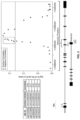
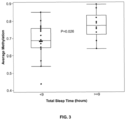
- PAX8 / PAX8-AS1 DNA methylation levels are associated with sleep duration
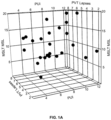
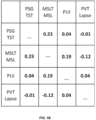
- Genome-wide DNA methylation levels are associated with other aspects of the hypersomnolence phenotype
- LHX6 contained 11 DMPs associated with mean sleep latency on the MSLT (Table 2).
- MSLT mean sleep latency
- All six DMPs within this cluster had a negative correlation with MSLT MSL (i.e., increasing methylation was associated with reduced sleep latency).
- GABRA2 contained 7 DMPs associated with PUI using infrared pupillometry (Table 2). These 7 DMPs were within a small ( ⁇ 300 base pair) region located in the promoter of the GABRA2 gene. The majority (6/7) of these DMPs had a negative correlation with sleep duration (i.e., decreasing methylation was associated with increasing PUI). Significant findings were not found using either ESS or PVT as the independent variable in either the hypothesis-driven or genome-wide analyses.
- PAX8 / PAX8-AS1 DNA methylation levels are associated with sleep duration quantified using in-laboratory ad libitum polysomnography in a well-characterized, unmedicated group of clinical patients with unexplained hypersomnolence.
- 9 differentially methylated sites within PAX8 / PAX8AS1 were associated with sleep duration, of which 5 formed a distinct cluster of CpG sites within a small ( ⁇ 400 base pair) region in the body of the PAX8 gene and promoter of PAX8-AS1.
- Antisense genes frequently play key roles in reducing expression of overlapping sense genes and form self-influencing circuits with regulatory advantages over transcription factor proteins 34 , the location and clustering of these significantly differentially methylated CpG sites increase the likelihood they may directly impact both PAX8 and PAX8-AS1 expression. In fact, more than 70% of the transcripts in humans have antisense transcripts that are generated by independent promoters. 35 Antisense transcript can function by the act of its own transcription in cis (controlling genes locally on the DNA strand involved in its origination), which regulates sense gene expression by interfering/blocking sense transcriptional machinery. 36
- PAX8 While the specific determinants of habitual sleep time remain unknown, recent genome wide association studies (GWAS) have highlighted the role of PAX8 / PAX8-AS1 in human sleep duration. PAX8 likely serves several roles as a master transcription factor crucial to embryonic development and maintenance functions after birth. 38 Using both self-report and accelerometer data in population-based cohorts, SNPs in PAX8 / PAX8-AS1 have repeatedly demonstrated significant effects on sleep duration. 12-16 However, the SNPs themselves impact sleep duration only marginally (i.e., only a few minutes longer sleep per day).
- PAX8 / PAX8-AS1 DNA methylation changes in PAX8 / PAX8-AS1 may be a biomarker for, or mechanistically related to hypersomnia.
- the present examples demonstrate a significant association between PAX8 / PAX8-AS1 DNA methylation levels and objectively quantified sleep duration in persons with unexplained hypersomnolence.
- a method comprising: isolating target DNA from a biofluid sample from a subject to obtain isolated target DNA; treating the isolated target DNA with bisulfite to generate bisulfite modified DNA; amplifying the bisulfite modified DNA with primers specific to one or more human genomic positions to generate amplified DNA, wherein the one or more human genomic positions comprise one or more of 113992930 of chromosome 2, 113993052 of chromosome 2, 113993142 of chromosome 2, 113993304 of chromosome 2, 113993313 of chromosome 2, 113994035 of chromosome 2, 113994578 of chromosome 2, 113995370 of chromosome 2, 113995456 of chromosome 2, 124985406 of chromosome 9, 124985756 of chromosome 9, 124987896 of chromosome 9, 124988720 of chromosome 9, 124989052 of chromosome 9, 124
- the one or more human genomic positions may comprise one or more of 113993142 of chromosome 2, 113993304 of chromosome 2, 113993313 of chromosome 2, 113994578 of chromosome 2, 113995370 of chromosome 2, and 113995456 of chromosome 2.
- the one or more human genomic positions may comprise one or more of 113994578 of chromosome 2, 113995370 of chromosome 2, and 113995456 of chromosome 2.
- the one or more human genomic positions may comprise seven or more of 113992930 of chromosome 2, 113993052 of chromosome 2, 113993142 of chromosome 2, 113993304 of chromosome 2, 113993313 of chromosome 2, 113994035 of chromosome 2, 113994578 of chromosome 2, 113995370 of chromosome 2, and 113995456 of chromosome 2.
- the one or more human genomic positions may comprise each of 113992930 of chromosome 2, 113993052 of chromosome 2, 113993142 of chromosome 2, 113993304 of chromosome 2, 113993313 of chromosome 2, 113994035 of chromosome 2, 113994578 of chromosome 2, 113995370 of chromosome 2, and 113995456 of chromosome 2.
- the one or more human genomic positions may comprise one or more of 124985406 of chromosome 9, 124985756 of chromosome 9, 124987896 of chromosome 9, 124988720 of chromosome 9, 124989052 of chromosome 9, 124989241 of chromosome 9, 124989294 of chromosome 9, 124989337 of chromosome 9, 124989408 of chromosome 9, 124989550 of chromosome 9, 124989839 of chromosome 9, 46391392 of chromosome 4, 46391436 of chromosome 4, 46391448 of chromosome 4, 46391476 of chromosome 4, 46391524 of chromosome 4, 46391532 of chromosome 4, and 46391694 of chromosome 4.
- the one or more human genomic positions may comprise one or more of 124985406 of chromosome 9, 124985756 of chromosome 9, 124987896 of chromosome 9, 124988720 of chromosome 9, 124989052 of chromosome 9, 124989241 of chromosome 9, 124989294 of chromosome 9, 124989337 of chromosome 9, 124989408 of chromosome 9, 124989550 of chromosome 9, and 124989839 of chromosome 9.
- the one or more human genomic positions may comprise each of 124985406 of chromosome 9, 124985756 of chromosome 9, 124987896 of chromosome 9, 124988720 of chromosome 9, 124989052 of chromosome 9, 124989241 of chromosome 9, 124989294 of chromosome 9, 124989337 of chromosome 9, 124989408 of chromosome 9, 124989550 of chromosome 9, and 124989839 of chromosome 9.
- the one or more human genomic positions may comprise one or more of 46391392 of chromosome 4, 46391436 of chromosome 4, 46391448 of chromosome 4, 46391476 of chromosome 4, 46391524 of chromosome 4, 46391532 of chromosome 4, and 46391694 of chromosome 4.
- the one or more human genomic positions may comprise each of 46391392 of chromosome 4, 46391436 of chromosome 4, 46391448 of chromosome 4, 46391476 of chromosome 4, 46391524 of chromosome 4, 46391532 of chromosome 4, and 46391694 of chromosome 4.
- the primers may comprise one or more pairs of primers, each pair of primers amplifying a DNA fragment of 150-350 bp in length, optionally wherein the one or more pairs of primers consists of fewer than 10 pairs of primers.
- the biofluid may be selected from the group consisting of saliva, blood, cerebrospinal fluid, sweat, tears, semen, and urine and is preferably blood or saliva.
- the subject may be a human.
- the biofluid sample may be from a healthy subject.
- the biofluid sample may be from a subject with a mean sleep latency as measured by a multiple sleep latency test of less than 10 minutes, from a subject with a pupillary unrest index as measured by infrared pupillometry of at least 9.8, from a subject demonstrating lapses in a psychomotor vigilance test of at least 4.8, and/or from a subject previously diagnosed with diabetes, asthma, or hypertension.
- the quantifying may provide a degree of methylation at the one or more human genomic positions in the amplified DNA, and the degree of methylation at the one or more human genomic positions may indicate total sleep time in the subject.
- the quantifying may provide a degree of methylation at the one or more human genomic positions in the amplified DNA, and the degree of methylation at the one or more human genomic positions may indicate hypersomnolence in the subject.
- the method may further comprise administering to the subject a wake promoting medication.
- a wake promoting medication such as an amphetamine or modafinil.
- the method may further comprise administering to the subject an oxybate or derivative thereof.
- the method may further comprise having the subject undergo sleep extension therapy.
- a method of amplification comprising: providing a reaction mixture comprising bisulfite modified target DNA from a biofluid sample from a subject and primers specific to one or more human genomic positions, wherein the one or more human genomic positions comprise one or more of 113992930 of chromosome 2, 113993052 of chromosome 2, 113993142 of chromosome 2, 113993304 of chromosome 2, 113993313 of chromosome 2, 113994035 of chromosome 2, 113994578 of chromosome 2, 113995370 of chromosome 2, 113995456 of chromosome 2, 124985406 of chromosome 9, 124985756 of chromosome 9, 124987896 of chromosome 9, 124988720 of chromosome 9, 124989052 of chromosome 9, 124989241 of chromosome 9, 124989294 of chromosome 9, 124989337 of
- the one or more human genomic positions may comprise one or more of 113993142 of chromosome 2, 113993304 of chromosome 2, 113993313 of chromosome 2, 113994578 of chromosome 2, 113995370 of chromosome 2, and 113995456 of chromosome 2.
- the one or more human genomic positions may comprise one or more of 113994578 of chromosome 2, 113995370 of chromosome 2, and 113995456 of chromosome 2.
- the one or more human genomic positions may comprise seven or more of 113992930 of chromosome 2, 113993052 of chromosome 2, 113993142 of chromosome 2, 113993304 of chromosome 2, 113993313 of chromosome 2, 113994035 of chromosome 2, 113994578 of chromosome 2, 113995370 of chromosome 2, and 113995456 of chromosome 2.
- the one or more human genomic positions may comprise each of 113992930 of chromosome 2, 113993052 of chromosome 2, 113993142 of chromosome 2, 113993304 of chromosome 2, 113993313 of chromosome 2, 113994035 of chromosome 2, 113994578 of chromosome 2, 113995370 of chromosome 2, and 113995456 of chromosome 2.
- the one or more human genomic positions may comprise one or more of 124985406 of chromosome 9, 124985756 of chromosome 9, 124987896 of chromosome 9, 124988720 of chromosome 9, 124989052 of chromosome 9, 124989241 of chromosome 9, 124989294 of chromosome 9, 124989337 of chromosome 9, 124989408 of chromosome 9, 124989550 of chromosome 9, 124989839 of chromosome 9, 46391392 of chromosome 4, 46391436 of chromosome 4, 46391448 of chromosome 4, 46391476 of chromosome 4, 46391524 of chromosome 4, 46391532 of chromosome 4, and 46391694 of chromosome 4.
- the one or more human genomic positions may comprise one or more of 124985406 of chromosome 9, 124985756 of chromosome 9, 124987896 of chromosome 9, 124988720 of chromosome 9, 124989052 of chromosome 9, 124989241 of chromosome 9, 124989294 of chromosome 9, 124989337 of chromosome 9, 124989408 of chromosome 9, 124989550 of chromosome 9, and 124989839 of chromosome 9.
- the one or more human genomic positions may comprise each of 124985406 of chromosome 9, 124985756 of chromosome 9, 124987896 of chromosome 9, 124988720 of chromosome 9, 124989052 of chromosome 9, 124989241 of chromosome 9, 124989294 of chromosome 9, 124989337 of chromosome 9, 124989408 of chromosome 9, 124989550 of chromosome 9, and 124989839 of chromosome 9.
- the one or more human genomic positions may comprise one or more of 46391392 of chromosome 4, 46391436 of chromosome 4, 46391448 of chromosome 4, 46391476 of chromosome 4, 46391524 of chromosome 4, 46391532 of chromosome 4, and 46391694 of chromosome 4.
- the one or more human genomic positions may comprise each of 46391392 of chromosome 4, 46391436 of chromosome 4, 46391448 of chromosome 4, 46391476 of chromosome 4, 46391524 of chromosome 4, 46391532 of chromosome 4, and 46391694 of chromosome 4.
- the primers may comprise one or more pairs of primers, each pair of primers amplifying a DNA fragment of 150-350 bp in length, optionally the one or more pairs of primers consists of fewer than 10 pairs of primers.
- the biofluid may be selected from the group consisting of saliva, blood, cerebrospinal fluid, sweat, tears, semen, and urine, preferably the biofluid is blood or saliva.
- the subject may be a human.
- the reaction mixture may additionally comprise a polymerase and free nucleotides comprising adenine, thymine, cytosine, and guanine.
- the reaction mixture may additionally comprise a reaction buffer and MgCl 2 .
- At least one of the primers may be biotinylated.
- a biomarker panel comprising a probe, primers, or a combination thereof specific to one or more human genomic positions, wherein the one or more human genomic positions comprise one or more of 113992930 of chromosome 2, 113993052 of chromosome 2, 113993142 of chromosome 2, 113993304 of chromosome 2, 113993313 of chromosome 2, 113994035 of chromosome 2, 113994578 of chromosome 2, 113995370 of chromosome 2, 113995456 of chromosome 2, 124985406 of chromosome 9, 124985756 of chromosome 9, 124987896 of chromosome 9, 124988720 of chromosome 9, 124989052 of chromosome 9, 124989241 of chromosome 9, 124989294 of chromosome 9, 124989337 of chromosome 9, 124989408 of chromosome 9, 124989550 of
- the one or more human genomic positions may comprise one or more of 113993142 of chromosome 2, 113993304 of chromosome 2, 113993313 of chromosome 2, 113994578 of chromosome 2, 113995370 of chromosome 2, and 113995456 of chromosome 2.
- the one or more human genomic positions may comprise one or more of 113994578 of chromosome 2, 113995370 of chromosome 2, and 113995456 of chromosome 2.
- the one or more human genomic positions may comprise seven or more of 113992930 of chromosome 2, 113993052 of chromosome 2, 113993142 of chromosome 2, 113993304 of chromosome 2, 113993313 of chromosome 2, 113994035 of chromosome 2, 113994578 of chromosome 2, 113995370 of chromosome 2, and 113995456 of chromosome 2.
- the one or more human genomic positions may comprise each of 113992930 of chromosome 2, 113993052 of chromosome 2, 113993142 of chromosome 2, 113993304 of chromosome 2, 113993313 of chromosome 2, 113994035 of chromosome 2, 113994578 of chromosome 2, 113995370 of chromosome 2, and 113995456 of chromosome 2.
- the one or more human genomic positions may comprise one or more of 124985406 of chromosome 9, 124985756 of chromosome 9, 124987896 of chromosome 9, 124988720 of chromosome 9, 124989052 of chromosome 9, 124989241 of chromosome 9, 124989294 of chromosome 9, 124989337 of chromosome 9, 124989408 of chromosome 9, 124989550 of chromosome 9, 124989839 of chromosome 9, 46391392 of chromosome 4, 46391436 of chromosome 4, 46391448 of chromosome 4, 46391476 of chromosome 4, 46391524 of chromosome 4, 46391532 of chromosome 4, and 46391694 of chromosome 4.
- the one or more human genomic positions may comprise one or more of 124985406 of chromosome 9, 124985756 of chromosome 9, 124987896 of chromosome 9, 124988720 of chromosome 9, 124989052 of chromosome 9, 124989241 of chromosome 9, 124989294 of chromosome 9, 124989337 of chromosome 9, 124989408 of chromosome 9, 124989550 of chromosome 9, and 124989839 of chromosome 9.
- the one or more human genomic positions may comprise each of 124985406 of chromosome 9, 124985756 of chromosome 9, 124987896 of chromosome 9, 124988720 of chromosome 9, 124989052 of chromosome 9, 124989241 of chromosome 9, 124989294 of chromosome 9, 124989337 of chromosome 9, 124989408 of chromosome 9, 124989550 of chromosome 9, and 124989839 of chromosome 9.
- the one or more human genomic positions may comprise one or more of 46391392 of chromosome 4, 46391436 of chromosome 4, 46391448 of chromosome 4, 46391476 of chromosome 4, 46391524 of chromosome 4, 46391532 of chromosome 4, and 46391694 of chromosome 4.
- the one or more human genomic positions may comprise each of 46391392 of chromosome 4, 46391436 of chromosome 4, 46391448 of chromosome 4, 46391476 of chromosome 4, 46391524 of chromosome 4, 46391532 of chromosome 4, and 46391694 of chromosome 4.
- the biomarker panel may comprise primers specific to the one or more human genomic positions, wherein the primers comprise one or more pairs of primers, each pair of primers amplifying a DNA fragment of 150-350 bp in length, optionally the one or more pairs of primers consist of fewer than 10 pairs of primers.
- the biomarker panel may comprise a probe specific to each of the one or more human genomic positions.
- the biomarker panel may comprise probes and the probes may consist of fewer than 28 probes.
- Either the probes or the primers may be arrayed on a substrate.
- the substrate may be selected from the group consisting of a chip, a bead, a plate, a microfluidic device, or a multiwall plate.
- the biomarker panel may comprise: a probe specific to each of the one or more human genomic positions; primers specific to each of the one or more human genomic positions; and a carri er.
- the carrier may be a substrate, which is optionally a chip, a bead, a plate, a microfluidic device, or a multiwall plate.
- the probes may be arrayed on the substrate.
- the carrier may be a buffered solution.
Landscapes
- Chemical & Material Sciences (AREA)
- Life Sciences & Earth Sciences (AREA)
- Proteomics, Peptides & Aminoacids (AREA)
- Health & Medical Sciences (AREA)
- Organic Chemistry (AREA)
- Wood Science & Technology (AREA)
- Analytical Chemistry (AREA)
- Zoology (AREA)
- Genetics & Genomics (AREA)
- Engineering & Computer Science (AREA)
- Pathology (AREA)
- Immunology (AREA)
- Microbiology (AREA)
- Molecular Biology (AREA)
- Biotechnology (AREA)
- Biophysics (AREA)
- Physics & Mathematics (AREA)
- Biochemistry (AREA)
- Bioinformatics & Cheminformatics (AREA)
- General Engineering & Computer Science (AREA)
- General Health & Medical Sciences (AREA)
- Measuring Or Testing Involving Enzymes Or Micro-Organisms (AREA)
Applications Claiming Priority (3)
| Application Number | Priority Date | Filing Date | Title |
|---|---|---|---|
| US202063029127P | 2020-05-22 | 2020-05-22 | |
| EP21739195.2A EP4150119B1 (de) | 2020-05-22 | 2021-05-21 | Epigenetische modifikation ausgewählter gene als marker für hypersomnolenz |
| PCT/US2021/033677 WO2021237103A1 (en) | 2020-05-22 | 2021-05-21 | Epigenetic modification of select genes as markers of hypersomnolence |
Related Parent Applications (2)
| Application Number | Title | Priority Date | Filing Date |
|---|---|---|---|
| EP21739195.2A Division EP4150119B1 (de) | 2020-05-22 | 2021-05-21 | Epigenetische modifikation ausgewählter gene als marker für hypersomnolenz |
| EP21739195.2A Division-Into EP4150119B1 (de) | 2020-05-22 | 2021-05-21 | Epigenetische modifikation ausgewählter gene als marker für hypersomnolenz |
Publications (2)
| Publication Number | Publication Date |
|---|---|
| EP4467663A2 true EP4467663A2 (de) | 2024-11-27 |
| EP4467663A3 EP4467663A3 (de) | 2025-02-26 |
Family
ID=76808126
Family Applications (2)
| Application Number | Title | Priority Date | Filing Date |
|---|---|---|---|
| EP21739195.2A Active EP4150119B1 (de) | 2020-05-22 | 2021-05-21 | Epigenetische modifikation ausgewählter gene als marker für hypersomnolenz |
| EP24205945.9A Pending EP4467663A3 (de) | 2020-05-22 | 2021-05-21 | Epigenetische modifikation ausgewählter gene als marker für hypersomnolenz |
Family Applications Before (1)
| Application Number | Title | Priority Date | Filing Date |
|---|---|---|---|
| EP21739195.2A Active EP4150119B1 (de) | 2020-05-22 | 2021-05-21 | Epigenetische modifikation ausgewählter gene als marker für hypersomnolenz |
Country Status (3)
| Country | Link |
|---|---|
| US (1) | US20230203585A1 (de) |
| EP (2) | EP4150119B1 (de) |
| WO (1) | WO2021237103A1 (de) |
Citations (8)
| Publication number | Priority date | Publication date | Assignee | Title |
|---|---|---|---|---|
| WO2000070090A1 (en) | 1999-05-14 | 2000-11-23 | University Of Southern California | Process for high throughput dna methylation analysis |
| WO2002072880A2 (de) | 2001-03-09 | 2002-09-19 | Epigenomics Ag | Verfahren zum nachweis von cytosin-methylierungsmustern mit hoher sensitivität |
| US6872816B1 (en) | 1996-01-24 | 2005-03-29 | Third Wave Technologies, Inc. | Nucleic acid detection kits |
| US6875572B2 (en) | 1996-01-24 | 2005-04-05 | Third Wave Technologies, Inc. | Nucleic acid detection assays |
| US6913881B1 (en) | 1996-01-24 | 2005-07-05 | Third Wave Technologies, Inc. | Methods and compositions for detecting target sequences |
| US7011944B2 (en) | 1996-01-24 | 2006-03-14 | Third Wave Technologies, Inc. | Invasive cleavage of nucleic acids |
| US10370726B2 (en) | 2016-04-14 | 2019-08-06 | Mayo Foundation For Medical Education And Research | Detecting colorectal neoplasia |
| US10934592B2 (en) | 2017-02-28 | 2021-03-02 | Mayo Foundation For Medical Education And Research | Detecting prostate cancer |
Family Cites Families (2)
| Publication number | Priority date | Publication date | Assignee | Title |
|---|---|---|---|---|
| US6582908B2 (en) * | 1990-12-06 | 2003-06-24 | Affymetrix, Inc. | Oligonucleotides |
| WO2013033627A2 (en) * | 2011-09-01 | 2013-03-07 | The Regents Of The University Of California | Diagnosis and treatment of arthritis using epigenetics |
-
2021
- 2021-05-21 EP EP21739195.2A patent/EP4150119B1/de active Active
- 2021-05-21 WO PCT/US2021/033677 patent/WO2021237103A1/en not_active Ceased
- 2021-05-21 EP EP24205945.9A patent/EP4467663A3/de active Pending
- 2021-05-21 US US17/926,804 patent/US20230203585A1/en active Pending
Patent Citations (8)
| Publication number | Priority date | Publication date | Assignee | Title |
|---|---|---|---|---|
| US6872816B1 (en) | 1996-01-24 | 2005-03-29 | Third Wave Technologies, Inc. | Nucleic acid detection kits |
| US6875572B2 (en) | 1996-01-24 | 2005-04-05 | Third Wave Technologies, Inc. | Nucleic acid detection assays |
| US6913881B1 (en) | 1996-01-24 | 2005-07-05 | Third Wave Technologies, Inc. | Methods and compositions for detecting target sequences |
| US7011944B2 (en) | 1996-01-24 | 2006-03-14 | Third Wave Technologies, Inc. | Invasive cleavage of nucleic acids |
| WO2000070090A1 (en) | 1999-05-14 | 2000-11-23 | University Of Southern California | Process for high throughput dna methylation analysis |
| WO2002072880A2 (de) | 2001-03-09 | 2002-09-19 | Epigenomics Ag | Verfahren zum nachweis von cytosin-methylierungsmustern mit hoher sensitivität |
| US10370726B2 (en) | 2016-04-14 | 2019-08-06 | Mayo Foundation For Medical Education And Research | Detecting colorectal neoplasia |
| US10934592B2 (en) | 2017-02-28 | 2021-03-02 | Mayo Foundation For Medical Education And Research | Detecting prostate cancer |
Non-Patent Citations (75)
| Title |
|---|
| ALISCH RSCHOPRA PFOX AS ET AL.: "Differentially methylated plasticity genes in the amygdala of young primates are linked to anxious temperament, an at risk phenotype for anxiety and depressive disorders", J NEUROSCI., vol. 34, no. 47, 2014, pages 15548 - 15556, XP055858888, DOI: 10.1523/JNEUROSCI.3338-14.2014 |
| ALISCH RSVAN HULLE CCHOPRA P ET AL.: "A multi-dimensional characterization of anxiety in monozygotic twin pairs reveals susceptibility loci in humans", TRANSL PSYCHIATRY., vol. 7, no. 12, 2017, pages 1282 |
| ÄMMÄLÄ AJURRILA ASLAHTINEN A ET AL.: "Epigenetic dysregulation of genes related to synaptic long-term depression among adolescents with depressive disorder and sleep symptoms", SLEEP MED., vol. 61, 2019, pages 95 - 103, XP085786784, DOI: 10.1016/j.sleep.2019.01.050 |
| ARYEE MJJAFFE AECORRADA-BRAVO H ET AL.: "Minfi: a flexible and comprehensive Bioconductor package for the analysis of Infinium DNA methylation microarrays", BIOINFORMATICS (OXFORD, ENGLAND, vol. 30, no. 10, 2014, pages 1363 - 1369, XP093087605, DOI: 10.1093/bioinformatics/btu049 |
| ASMAR ET AL.: "DNA methylation and hydroxymethylation in cancer", EPIGENETIC CANCER THERAPY, 2015, pages 9 - 30 |
| BERRY RBROOKS RGAMALDO C ET AL.: "The AASM Manual for the Scoring of Sleep and Associated Events: Rules, Terminology and Technical Specifications, Version 2.0. Darien", ILLINOIS: AMERICAN ACADEMY OF SLEEP MEDICINE, 2012 |
| BLIWISE DL: "Is the measurement of sleepiness the Holy Grail of sleep medicine?", AM J RESPIR CRIT CARE MED., vol. 163, no. 7, 2001, pages 1517 - 1519 |
| BODENMANN SHOHOFF CFREITAG C ET AL.: "Polymorphisms of ADORA2A modulate psychomotor vigilance and the effects of caffeine on neurobehavioural performance and sleep EEG after sleep deprivation", BR J PHARMACOL., vol. 165, no. 6, 2012, pages 1904 - 1913, XP071170775, DOI: 10.1111/j.1476-5381.2011.01689.x |
| BYRNE EMGEHRMAN PRMEDLAND SE ET AL.: "A genome-wide association study of sleep habits and insomnia", AM J MED GENET B NEUROPSYCHIATR GENET., vol. 162, no. 5, 2013, pages 439 - 451 |
| CHEN YCCHEN TWSU MC ET AL.: "Whole Genome DNA Methylation Analysis of Obstructive Sleep Apnea: IL1R2, NPR2, AR, SP140 Methylation and Clinical Phenotype", SLEEP, vol. 39, no. 4, 2016, pages 743 - 755, XP055781269, DOI: 10.5665/sleep.5620 |
| CORTESE RZHANG CBAO R ET AL.: "DNA Methylation Profiling of Blood Monocytes in Patients With Obesity Hypoventilation Syndrome: Effect of Positive Airway Pressure Treatment", CHEST., vol. 150, no. 1, 2016, pages 91 - 101 |
| DASHTI HSJONES SEWOOD AR ET AL.: "Genome-wide association study identifies genetic loci for self-reported habitual sleep duration supported by accelerometer-derived estimates", NAT COMMUN., vol. 10, no. 1, 2019, pages 1100 |
| DAUVILLIERS YARNULF IMIGNOT E: "Narcolepsy with cataplexy", LANCET., vol. 369, no. 9560, 2007, pages 499 - 511 |
| DAY, S.MAST, A., INVADER ASSAY, 2004 |
| DINGES DFPOWELL JW: "Microcomputer analysis of performance on a portable, simple visual RT task sustained operations", BEHAVIORAL RESEARCH METHODS, INSTRUMENTATION, AND COMPUTERS., vol. 17, 1985, pages 652 - 655 |
| EGGERT TSAUTER CPOPP RZEITLHOFER JDANKER-HOPFE H ET AL.: "The Pupillographic SleepinessTest in adults: effect of age, gender, and time of day on pupillometric variables", AM J HUM BIOL., vol. 24, no. 6, 2012, pages 820 - 828, XP071942184, DOI: 10.1002/ajhb.22326 |
| EVANGELISTA ELOPEZ RBARATEAU L ET AL.: "Alternative diagnostic criteria for idiopathic hypersomnia: A 32-hour protocol", ANN NEUROL., vol. 83, no. 2, 2018, pages 235 - 247 |
| FANG JWANG YKRUEGER JM: "Effects of interleukin-1 beta on sleep are mediated by the type I receptor", AM J PHYSIOL., vol. 274, 1998, pages 655 - 660 |
| FERNANDEZ LPLOPEZ-MARQUEZ ASANTISTEBAN P: "Thyroid transcription factors in development, differentiation and disease", NAT REV ENDOCRINOL., vol. 11, no. 1, 2015, pages 29 - 42 |
| FUJITA PARHEAD BZWEIG ASHINRICHS ASKAROLCHIK DCLINE MSGOLDMAN MBARBER GPCLAWSON HCOELHO A: "The UCSC Genome Browser database: update 2011", NUCLEIC ACIDS RES., vol. 39, January 2011 (2011-01-01), pages 876 - 82 |
| GOEL NBANKS SMIGNOT EDINGES DF: "PER3 polymorphism predicts cumulative sleep homeostatic but not neurobehavioral changes to chronic partial sleep deprivation", PLOS ONE, vol. 4, no. 6, 2009, pages 5874 |
| GOTTLIEB DJHEK KCHEN TH ET AL.: "Novel loci associated with usual sleep duration: the CHARGE Consortium Genome-Wide Association Study", MOL PSYCHIATRY., vol. 20, no. 10, 2015, pages 1232 - 1239, XP037790555, DOI: 10.1038/mp.2014.133 |
| GOTTLIEB DJO'CONNOR GTWILK JB: "Genome-wide association of sleep and circadian phenotypes", BMC MED GENET., vol. 8, 2007, pages 9 |
| HONGAY CFGRISAFI PLGALITSKI TFINK GR: "Antisense transcription controls cell fate in Saccharomyces cerevisiae", CELL, vol. 127, no. 4, 2006, pages 735 - 745 |
| HUANG HZHU YELIOT MN ET AL.: "Combining Human Epigenetics and Sleep Studies in Caenorhabditis elegans: A Cross-Species Approach for Finding Conserved Genes Regulating Sleep", SLEEP., vol. 40, no. 6, 2017 |
| JANSEN ECDOLINOY DCO'BRIEN LM ET AL.: "Sleep duration and fragmentation in relation to leukocyte DNA methylation in adolescents", SLEEP, vol. 42, no. 9, 2019 |
| JOHNS MW: "A new method for measuring daytime sleepiness: the Epworth sleepiness scale", SLEEP., vol. 14, no. 6, 1991, pages 540 - 545, XP055561606, DOI: 10.1093/sleep/14.6.540 |
| JOHNS MW: "Sensitivity and specificity of the multiple sleep latency test (MSLT), the maintenance of wakefulness test and the epworth sleepiness scale: failure of the MSLT as a gold standard", J SLEEP RES., vol. 9, no. 1, 2000, pages 5 - 11 |
| JONES SETYRRELL JWOOD AR ET AL.: "Genome-Wide Association Analyses in 128,266 Individuals Identifies New Morningness and Sleep Duration Loci", PLOS GENET., vol. 12, no. 8, 2016, pages 1006125 |
| JONES SEVAN HEES VTMAZZOTTI DR ET AL.: "Genetic studies of accelerometer-based sleep measures yield new insights into human sleep behaviour", NAT COMMUN., vol. 10, no. 1, 2019, pages 1585 |
| JOTUN-HEIN, MUSCLE ET AL.: "MUSCLE: a multiple sequence alignment method with reduced time and space complexity", BMC BIOINFORMATICS, vol. 5, 2004, pages 113, XP021000496, DOI: 10.1186/1471-2105-5-113 |
| KATAYAMA STOMARU YKASUKAWA T ET AL.: "Antisense transcription in the mammalian transcriptome", SCIENCE, vol. 309, no. 5740, 2005, pages 1564 - 1566, XP003020135, DOI: 10.1126/science.1112009 |
| KHANTROTTI, CHEST., vol. 148, no. 1, 2015, pages 262 - 273 |
| KIM HDINGES DFYOUNG T: "Sleep-disordered breathing and psychomotor vigilance in a community-based sample", SLEEP., vol. 30, no. 10, 2007, pages 1309 - 1316 |
| KUAN PFCHIANG DY: "Integrating prior knowledge in multiple testing under dependence with applications to detecting differential DNA methylation", BIOMETRICS., vol. 68, no. 3, 2012, pages 774 - 783, XP071098569, DOI: 10.1111/j.1541-0420.2011.01730.x |
| LAMMERS GJBASSETTI CLADOLENC-GROSELJ L ET AL.: "Diagnosis of central disorders of hypersomnolence: A reappraisal by European experts", SLEEP MED REV., vol. 52, 2020, pages 101306, XP086203177, DOI: 10.1016/j.smrv.2020.101306 |
| LANE JMLIANG JVLASAC I ET AL.: "Genome-wide association analyses of sleep disturbance traits identify new loci and highlight shared genetics with neuropsychiatric and metabolic traits", NAT GENET., vol. 49, no. 2, 2017, pages 274 - 281 |
| LARKIN M. A. ET AL.: "CLUSTALW2, ClustalW and ClustalX version 2", BIOINFORMATICS, vol. 23, no. 21, 2007, pages 2947 - 2948 |
| LEEK JTJOHNSON WEPARKER HSJAFFE AESTOREY JD: "The sva package for removing batch effects and other unwanted variation in high-throughput experiments", BIOINFORMATICS (OXFORD, ENGLAND)., vol. 28, no. 6, 2012, pages 882 - 883, XP093097004, DOI: 10.1093/bioinformatics/bts034 |
| LEENEN FAMULLER CPTURNER JD: "DNA methylation: conducting the orchestra from exposure to phenotype?", CLIN EPIGENETICS., vol. 8, 2016, pages 92 |
| LEU-SEMENESCU SLOUIS PARNULF I: "Benefits and risk of sodium oxybate in idiopathic hypersomnia versus narcolepsy type 1: a chart review", SLEEP MED, vol. 17, 2016, pages 38 - 44, XP029405316, DOI: 10.1016/j.sleep.2015.10.005 |
| LITTNER MRKUSHIDA CWISE M ET AL.: "Practice parameters for clinical use of the multiple sleep latency test and the maintenance of wakefulness test", SLEEP., vol. 28, no. 1, 2005, pages 113 - 121 |
| LIU KKIM JKIM DW ET AL.: "Lhx6-positive GABA-releasing neurons of the zona incerta promote sleep", NATURE, vol. 548, no. 7669, 2017, pages 582 - 587 |
| LOPEZ RDOUKKALI ABARATEAU L ET AL.: "Test-Retest Reliability of the Multiple Sleep Latency Test in Central Disorders of Hypersomnolence", SLEEP, vol. 40, no. 12, 2017 |
| LUDTKE HKORNER AWILHELM BWILHELM H: "Reproducibility of the pupillographic sleepiness test in healthy men", SOMNOLOGIE., vol. 4, 2000, pages 170 - 172 |
| LUDTKE HWILHELM BADLER MSCHAEFFEL FWILHELM H: "Mathematical procedures in data recording and processing of pupillary fatigue waves", VISION RES., vol. 38, no. 19, 1998, pages 2889 - 2896, XP055560110, DOI: 10.1016/S0042-6989(98)00081-9 |
| MAKSIMOVIC JGORDON LOSHLACK A: "SWAN: Subset-quantile within array normalization for illumina infinium HumanMethylation450 BeadChips", GENOME BIOLOGY., vol. 13, no. 6, 2012, pages 44, XP021127743, DOI: 10.1186/gb-2012-13-6-r44 |
| NILSSON EKBOSTROM AEMWINYI JSCHIÖTH HB: "Epigenomics of Total Acute Sleep Deprivation in Relation to Genome-Wide DNA Methylation Profiles and RNA Expression", OMICS., vol. 20, no. 6, 2016, pages 334 - 342 |
| NOTREDAME ET AL.: "T-Coffee: A novel method for multiple sequence alignments", JOURNAL OF MOLECULAR BIOLOGY, vol. 302, 2000, pages 205 - 217, XP004469125, DOI: 10.1006/jmbi.2000.4042 |
| OHAYON MMREYNOLDS CFDAUVILLIERS Y: "Excessive sleep duration and quality of life", ANN NEUROL, vol. 73, no. 6, 2013, pages 785 - 794, XP071640709, DOI: 10.1002/ana.23818 |
| PAK VMMAZZOTTI DRKEENAN BT ET AL.: "Candidate Gene Analysis in the Sao Paulo Epidemiologic Sleep Study (EPISONO) Shows an Association of Variant in PDE4D and Sleepiness", SLEEP MED., vol. 20181, no. 47, pages 106 - 12 |
| PAPALE LASELTZER LJMADRID APOLLAK SDALISCH RS: "Differentially Methylated Genes in Saliva are linked to Childhood Stress", SCI REP., vol. 8, no. 1, 2018, pages 10785 |
| PARSONS MJLESTER KJBARCLAY NLNOLAN PMELEY TCGREGORY AM: "Replication of Genome-Wide Association Studies (GWAS) loci for sleep in the British G1219 cohort", AM J MED GENET B NEUROPSYCHIATR GENET, vol. 162, no. 5, 2013, pages 431 - 438 |
| PELECHANO VSTEINMETZ LM: "Gene regulation by antisense transcription", NAT REV GENET, vol. 14, no. 12, 2013, pages 880 - 893, XP055243155, DOI: 10.1038/nrg3594 |
| PIZZA F: "Sleepiness and Human Impact Assessment", 2014, SPRINGER, article "Sleepiness Assessment", pages: 313 - 324 |
| PIZZA FMOGHADAM KKVANDI S ET AL.: "Daytime continuous polysomnography predicts MSLT results in hypersomnias of central origin", J SLEEP RES., vol. 22, no. 1, 2013, pages 32 - 40 |
| PLANTE DTCOOK JDPRAIRIE ML: "Multimodal Assessment Increases Objective Identification of Hypersomnolence in Patients Referred for Multiple Sleep Latency Testing", J CLIN SLEEP MED., 2020 |
| RAIZEN DMWU MN: "Genome-wide association studies of sleep disorders", CHEST., vol. 139, no. 2, 2011, pages 446 - 452 |
| RITCHIE MEPHIPSON BWU D ET AL.: "limma powers differential expression analyses for RNA-sequencing and microarray studies", NUCLEIC ACIDS RESEARCH, vol. 43, no. 7, 2015, pages 47, XP093214494, DOI: 10.1093/nar/gkv007 |
| ROBINSON PN: "Deep phenotyping for precision medicine", HUM MUTAT., vol. 33, no. 5, 2012, pages 777 - 780, XP071975705, DOI: 10.1002/humu.22080 |
| RUOFF CPIZZA FTROTTI LM ET AL.: "The MSLT is Repeatable in Narcolepsy Type 1 But Not Narcolepsy Type 2: A Retrospective Patient Study", J CLIN SLEEP MED., 2017 |
| RUPP TLWESENSTEN NJNEWMAN RBALKIN TJ: "PER3 and ADORA2A polymorphisms impact neurobehavioral performance during sleep restriction", J SLEEP RES., vol. 22, no. 2, 2013, pages 160 - 165 |
| SANGAL RBTHOMAS LMITLER MM: "Maintenance of wakefulness test and multiple sleep latency test. Measurement of different abilities in patients with sleep disorders", CHEST., vol. 101, no. 4, 1992, pages 898 - 902 |
| SHIMADA MMIYAGAWA TKAWASHIMA M ET AL.: "An approach based on a genome-wide association study reveals candidate loci for narcolepsy", HUM GENET., vol. 128, no. 4, 2010, pages 433 - 441, XP019849408 |
| SHINNO HISHIKAWA IYAMANAKA M ET AL.: "Effect of levothyroxine on prolonged nocturnal sleep time and excessive daytime somnolence in patients with idiopathic hypersomnia", SLEEP MED., vol. 12, no. 6, 2011, pages 578 - 583, XP028226347, DOI: 10.1016/j.sleep.2011.02.004 |
| SIEGMUND KDCONNOR CMCAMPAN M ET AL.: "DNA methylation in the human cerebral cortex is dynamically regulated throughout the life span and involves differentiated neurons", PLOS ONE., vol. 2, no. 9, 2007, pages 895 |
| THOMPSON J. D.HIGGINS D. G.GIBSON T. J.CLUSTAL W: "improving the sensitivity of progressive multiple sequence alignment through sequence weighting, position- specific gap penalties and weight matrix choice", NUCLEIC ACIDS RESEARCH, vol. 22, 1994, pages 4673 - 4680, XP002956304 |
| TRIVEDI MSHOLGER DBUI ATCRADDOCK TJATARTAR JL: "Short-term sleep deprivation leads to decreased systemic redox metabolites and altered epigenetic status", PLOS ONE, vol. 12, no. 7, 2017, pages e0181978, XP093137308, DOI: 10.1371/journal.pone.0181978 |
| TROTTI LMSTAAB BARYE DB: "Test-retest reliability of the multiple sleep latency test in narcolepsy without cataplexy and idiopathic hypersomnia", J CLIN SLEEP MED., vol. 9, no. 8, 2013, pages 789 - 795 |
| VERNET CARNULF I: "Idiopathic hypersomnia with and without long sleep time: a controlled series of 75 patients", SLEEP., vol. 32, no. 6, 2009, pages 753 - 759 |
| WANG HLANE JMJONES SE ET AL.: "Genome-wide association analysis of self-reported daytime sleepiness identifies 42 loci that suggest biological subtypes", NAT COMMUN., vol. 10, no. 1, 2019, pages 3503 |
| WANG ZWILSON CMMENDELEV N ET AL.: "Acute and Chronic Molecular Signatures and Associated Symptoms of Blast Exposure in Military Breachers", J NEUROTRAUMA., vol. 37, no. 10, 2020, pages 1221 - 1232 |
| WILHELM BBITTNER EHOFMANN A ET AL.: "Short-term reproducibility and variability of the pupillographic sleepiness test", AM J HUM BIOL., vol. 27, no. 6, 2015, pages 862 - 866 |
| WILHELM BKORNER AHELDMAIER KMOLL KWILHELM HLUDTKE H: "Normative Values of the Pupillographic Sleepiness Test in Male and Female Subjects Aged 20 to 60 Years", SOMNOLOGIE., vol. 5, 2001, pages 115 - 120 |
| WOCKNER LFNOBLE EPLAWFORD BR ET AL.: "Genome-wide DNA methylation analysis of human brain tissue from schizophrenia patients", TRANSL PSYCHIATRY, vol. 4, 2014, pages 339 |
Also Published As
| Publication number | Publication date |
|---|---|
| EP4467663A3 (de) | 2025-02-26 |
| US20230203585A1 (en) | 2023-06-29 |
| WO2021237103A1 (en) | 2021-11-25 |
| EP4150119A1 (de) | 2023-03-22 |
| EP4150119B1 (de) | 2024-12-04 |
Similar Documents
| Publication | Publication Date | Title |
|---|---|---|
| US11884980B2 (en) | Method for detection of traumatic brain injury | |
| Fikri et al. | Reelin (RELN) DNA methylation in the peripheral blood of schizophrenia | |
| Menezes et al. | Genetic biomarkers for differential diagnosis of major depressive disorder and bipolar disorder: a systematic and critical review | |
| Chakraborty et al. | Dysregulation of DGCR6 and DGCR6L: psychopathological outcomes in chromosome 22q11. 2 deletion syndrome | |
| WO2021204205A1 (zh) | 一种借助高通量测序检测smn1基因突变的方法和系统 | |
| Gordevičius et al. | Identification of fetal unmodified and 5-hydroxymethylated CG sites in maternal cell-free DNA for non-invasive prenatal testing | |
| Aggarwal et al. | Optimal reference gene selection for expression studies in human reticulocytes | |
| Liu et al. | Haplotypes of the D-amino acid oxidase gene are significantly associated with schizophrenia and its neurocognitive deficits | |
| Chen et al. | DNA methylation array identifies golli-MBP as a biomarker for disease severity in childhood atopic dermatitis | |
| EP3813814B1 (de) | Verfahren und zusammensetzungen im zusammenhang mit personalisiertem schmerzmanagement | |
| Holland et al. | Cri du chat syndrome patients have DNA methylation changes in genes linked to symptoms of the disease | |
| US20200080132A1 (en) | Test for detecting alzheimers disease | |
| Chen et al. | Single probe PCR melting curve analysis MTHFR C677T SNP sites | |
| EP3274477A1 (de) | Verfahren zur ermittlung des risikos für autismus | |
| Guo et al. | Genome-wide DNA methylation analysis of middle-aged and elderly monozygotic twins with age-related hearing loss in Qingdao, China | |
| CN106661618B (zh) | Dna甲基化状态作为酒精使用和戒酒的生物标志物 | |
| Sui et al. | Differential expression profile study and gene function analysis of maternal foetal-derived circRNA for screening for Down's syndrome | |
| EP4150119B1 (de) | Epigenetische modifikation ausgewählter gene als marker für hypersomnolenz | |
| Plante et al. | PAX8/PAX8-AS1 DNA methylation levels are associated with objective sleep duration in persons with unexplained hypersomnolence using a deep phenotyping approach | |
| CA2980811A1 (en) | Method of treatment using genetic predictors of a response to treatment with crhr1 antagonists | |
| WO2012017867A1 (ja) | 精神疾患の検査方法、精神疾患用の検査キット、ならびに精神疾患治療剤および/または予防剤の評価方法 | |
| US20180142298A1 (en) | Systems and methods to predict autism before onset of behavioral symptoms and/or to diagnose autism | |
| Boström et al. | Epigenetic changes in the CYP2D6 gene are related to severity of suicide attempt: A cross-sectional study of suicide attempters | |
| CA2667812A1 (en) | Methods to identify patients at risk of developing adverse events during treatment with antidepressant medication | |
| WO2016061677A1 (en) | Dna methylation markers for neurodevelopmental syndromes |
Legal Events
| Date | Code | Title | Description |
|---|---|---|---|
| PUAI | Public reference made under article 153(3) epc to a published international application that has entered the european phase |
Free format text: ORIGINAL CODE: 0009012 |
|
| STAA | Information on the status of an ep patent application or granted ep patent |
Free format text: STATUS: THE APPLICATION HAS BEEN PUBLISHED |
|
| AC | Divisional application: reference to earlier application |
Ref document number: 4150119 Country of ref document: EP Kind code of ref document: P |
|
| AK | Designated contracting states |
Kind code of ref document: A2 Designated state(s): AL AT BE BG CH CY CZ DE DK EE ES FI FR GB GR HR HU IE IS IT LI LT LU LV MC MK MT NL NO PL PT RO RS SE SI SK SM TR |
|
| PUAL | Search report despatched |
Free format text: ORIGINAL CODE: 0009013 |
|
| AK | Designated contracting states |
Kind code of ref document: A3 Designated state(s): AL AT BE BG CH CY CZ DE DK EE ES FI FR GB GR HR HU IE IS IT LI LT LU LV MC MK MT NL NO PL PT RO RS SE SI SK SM TR |
|
| RIC1 | Information provided on ipc code assigned before grant |
Ipc: C12Q 1/6883 20180101AFI20250120BHEP |
|
| STAA | Information on the status of an ep patent application or granted ep patent |
Free format text: STATUS: REQUEST FOR EXAMINATION WAS MADE |
|
| 17P | Request for examination filed |
Effective date: 20250305 |
|
| STAA | Information on the status of an ep patent application or granted ep patent |
Free format text: STATUS: EXAMINATION IS IN PROGRESS |
|
| 17Q | First examination report despatched |
Effective date: 20250718 |
|
| GRAP | Despatch of communication of intention to grant a patent |
Free format text: ORIGINAL CODE: EPIDOSNIGR1 |
|
| STAA | Information on the status of an ep patent application or granted ep patent |
Free format text: STATUS: GRANT OF PATENT IS INTENDED |
|
| INTG | Intention to grant announced |
Effective date: 20260122 |