EP4459912A2 - Verfahren und vorrichtung zur bestimmung von übertragungsinformationen sowie endgerät - Google Patents
Verfahren und vorrichtung zur bestimmung von übertragungsinformationen sowie endgerät Download PDFInfo
- Publication number
- EP4459912A2 EP4459912A2 EP24201856.2A EP24201856A EP4459912A2 EP 4459912 A2 EP4459912 A2 EP 4459912A2 EP 24201856 A EP24201856 A EP 24201856A EP 4459912 A2 EP4459912 A2 EP 4459912A2
- Authority
- EP
- European Patent Office
- Prior art keywords
- priority
- pusch
- target
- control information
- case
- Prior art date
- Legal status (The legal status is an assumption and is not a legal conclusion. Google has not performed a legal analysis and makes no representation as to the accuracy of the status listed.)
- Pending
Links
Images



Classifications
-
- H—ELECTRICITY
- H04—ELECTRIC COMMUNICATION TECHNIQUE
- H04W—WIRELESS COMMUNICATION NETWORKS
- H04W72/00—Local resource management
- H04W72/12—Wireless traffic scheduling
- H04W72/1263—Mapping of traffic onto schedule, e.g. scheduled allocation or multiplexing of flows
- H04W72/1268—Mapping of traffic onto schedule, e.g. scheduled allocation or multiplexing of flows of uplink data flows
-
- H—ELECTRICITY
- H04—ELECTRIC COMMUNICATION TECHNIQUE
- H04L—TRANSMISSION OF DIGITAL INFORMATION, e.g. TELEGRAPHIC COMMUNICATION
- H04L5/00—Arrangements affording multiple use of the transmission path
- H04L5/003—Arrangements for allocating sub-channels of the transmission path
- H04L5/0044—Allocation of payload; Allocation of data channels, e.g. PDSCH or PUSCH
-
- H—ELECTRICITY
- H04—ELECTRIC COMMUNICATION TECHNIQUE
- H04L—TRANSMISSION OF DIGITAL INFORMATION, e.g. TELEGRAPHIC COMMUNICATION
- H04L1/00—Arrangements for detecting or preventing errors in the information received
- H04L1/12—Arrangements for detecting or preventing errors in the information received by using return channel
- H04L1/16—Arrangements for detecting or preventing errors in the information received by using return channel in which the return channel carries supervisory signals, e.g. repetition request signals
- H04L1/1607—Details of the supervisory signal
- H04L1/1664—Details of the supervisory signal the supervisory signal being transmitted together with payload signals; piggybacking
-
- H—ELECTRICITY
- H04—ELECTRIC COMMUNICATION TECHNIQUE
- H04L—TRANSMISSION OF DIGITAL INFORMATION, e.g. TELEGRAPHIC COMMUNICATION
- H04L1/00—Arrangements for detecting or preventing errors in the information received
- H04L1/12—Arrangements for detecting or preventing errors in the information received by using return channel
- H04L1/16—Arrangements for detecting or preventing errors in the information received by using return channel in which the return channel carries supervisory signals, e.g. repetition request signals
- H04L1/1607—Details of the supervisory signal
- H04L1/1671—Details of the supervisory signal the supervisory signal being transmitted together with control information
-
- H—ELECTRICITY
- H04—ELECTRIC COMMUNICATION TECHNIQUE
- H04L—TRANSMISSION OF DIGITAL INFORMATION, e.g. TELEGRAPHIC COMMUNICATION
- H04L1/00—Arrangements for detecting or preventing errors in the information received
- H04L1/12—Arrangements for detecting or preventing errors in the information received by using return channel
- H04L1/16—Arrangements for detecting or preventing errors in the information received by using return channel in which the return channel carries supervisory signals, e.g. repetition request signals
- H04L1/18—Automatic repetition systems, e.g. Van Duuren systems
- H04L1/1829—Arrangements specially adapted for the receiver end
- H04L1/1854—Scheduling and prioritising arrangements
-
- H—ELECTRICITY
- H04—ELECTRIC COMMUNICATION TECHNIQUE
- H04L—TRANSMISSION OF DIGITAL INFORMATION, e.g. TELEGRAPHIC COMMUNICATION
- H04L1/00—Arrangements for detecting or preventing errors in the information received
- H04L1/12—Arrangements for detecting or preventing errors in the information received by using return channel
- H04L1/16—Arrangements for detecting or preventing errors in the information received by using return channel in which the return channel carries supervisory signals, e.g. repetition request signals
- H04L1/18—Automatic repetition systems, e.g. Van Duuren systems
- H04L1/1867—Arrangements specially adapted for the transmitter end
- H04L1/188—Time-out mechanisms
-
- H—ELECTRICITY
- H04—ELECTRIC COMMUNICATION TECHNIQUE
- H04L—TRANSMISSION OF DIGITAL INFORMATION, e.g. TELEGRAPHIC COMMUNICATION
- H04L5/00—Arrangements affording multiple use of the transmission path
- H04L5/0091—Signalling for the administration of the divided path, e.g. signalling of configuration information
- H04L5/0094—Indication of how sub-channels of the path are allocated
-
- H—ELECTRICITY
- H04—ELECTRIC COMMUNICATION TECHNIQUE
- H04W—WIRELESS COMMUNICATION NETWORKS
- H04W72/00—Local resource management
- H04W72/02—Selection of wireless resources by user or terminal
-
- H—ELECTRICITY
- H04—ELECTRIC COMMUNICATION TECHNIQUE
- H04W—WIRELESS COMMUNICATION NETWORKS
- H04W72/00—Local resource management
- H04W72/04—Wireless resource allocation
- H04W72/115—Grant-free or autonomous transmission
-
- H—ELECTRICITY
- H04—ELECTRIC COMMUNICATION TECHNIQUE
- H04W—WIRELESS COMMUNICATION NETWORKS
- H04W72/00—Local resource management
- H04W72/20—Control channels or signalling for resource management
- H04W72/21—Control channels or signalling for resource management in the uplink direction of a wireless link, i.e. towards the network
-
- H—ELECTRICITY
- H04—ELECTRIC COMMUNICATION TECHNIQUE
- H04W—WIRELESS COMMUNICATION NETWORKS
- H04W72/00—Local resource management
- H04W72/50—Allocation or scheduling criteria for wireless resources
- H04W72/56—Allocation or scheduling criteria for wireless resources based on priority criteria
- H04W72/566—Allocation or scheduling criteria for wireless resources based on priority criteria of the information or information source or recipient
- H04W72/569—Allocation or scheduling criteria for wireless resources based on priority criteria of the information or information source or recipient of the traffic information
-
- H—ELECTRICITY
- H04—ELECTRIC COMMUNICATION TECHNIQUE
- H04L—TRANSMISSION OF DIGITAL INFORMATION, e.g. TELEGRAPHIC COMMUNICATION
- H04L1/00—Arrangements for detecting or preventing errors in the information received
- H04L1/12—Arrangements for detecting or preventing errors in the information received by using return channel
- H04L1/16—Arrangements for detecting or preventing errors in the information received by using return channel in which the return channel carries supervisory signals, e.g. repetition request signals
- H04L1/18—Automatic repetition systems, e.g. Van Duuren systems
-
- H—ELECTRICITY
- H04—ELECTRIC COMMUNICATION TECHNIQUE
- H04L—TRANSMISSION OF DIGITAL INFORMATION, e.g. TELEGRAPHIC COMMUNICATION
- H04L1/00—Arrangements for detecting or preventing errors in the information received
- H04L1/12—Arrangements for detecting or preventing errors in the information received by using return channel
- H04L1/16—Arrangements for detecting or preventing errors in the information received by using return channel in which the return channel carries supervisory signals, e.g. repetition request signals
- H04L1/18—Automatic repetition systems, e.g. Van Duuren systems
- H04L1/1822—Automatic repetition systems, e.g. Van Duuren systems involving configuration of automatic repeat request [ARQ] with parallel processes
Definitions
- This application relates to the technical field of radio communications, and specifically, to a transmission information determining method and apparatus, and a terminal.
- an uplink configured grant (Configured Grant, CG) mechanism is enhanced from two aspects, namely, ultra-reliable and low latency communications (Ultra-Reliable and Low Latency Communications, URLLC) and an unlicensed band (NR unlicensed band, NR-U), respectively.
- NR-U-oriented uplink CG enhancement is to avoid a possible negative impact caused by a failure in Listen Before Talk (Listen Before Talk, LBT), and to provide greater flexibility for a terminal (UE) to transmit a CG physical uplink shared channel (Physical Uplink Control Shared Channel, PUSCH).
- URLLC-oriented uplink CG mechanism enhancement is to meet the latency and reliability requirements during service transmission and to support running of different types of service data on the UE.
- the functions of the uplink CG in the URLLC and the uplink CG in the NR-U are different, and the functions of the uplink CG in the URLLC and the uplink CG in the NR-U need to be coordinated.
- Embodiments of this application provide a transmission information determining method and apparatus, and a terminal, which can coordinate functions of an uplink CG in a URLLC and an uplink CG in an NR-U, so that a related mechanism of the uplink CG can support a URLLC service on an unlicensed spectrum.
- a first aspect provides a transmission information determining method, performed by a terminal.
- the method includes: determining target transmission information of CG transmission according to a target parameter of a configured grant physical uplink shared channel CG PUSCH, where the target transmission information includes at least one of a configuration manner of a retransmission timer, a channel multiplexing manner, a multiplexing encoding manner, or redundant version information.
- a second aspect provides a transmission information determining apparatus.
- the apparatus includes: a determining module, configured to determine target transmission information of CG transmission according to a target parameter of a configured grant physical uplink shared channel CG PUSCH, where the target transmission information includes at least one of a configuration manner of a retransmission timer, a channel multiplexing manner, a multiplexing encoding manner, or redundant version information; and a transceiver.
- a third aspect provides a terminal.
- the terminal includes a processor, a memory, and a program or instructions stored on the memory and executable by the processor, where the program or instructions, when executed by the processor, implement the steps of the method according to the first aspect.
- a fourth aspect provides a readable storage medium.
- the readable storage medium stores a program or instruction, where the program or instructions, when executed by the processor, implement the steps of the method according to the first aspect.
- a fifth aspect provides a chip.
- the chip includes a processor and a communication interface, where the communication interface is coupled to the processor, and the processor is configured to run a program or instructions of a network-side device, to implement the method according to the first aspect.
- a sixth aspect provides a computer program product.
- the computer program product includes a processor, a memory, and a program or instructions stored on the memory and executable by the processor, where the program or instructions, when executed by the processor, implement the steps of the method according to the first aspect.
- target transmission information of CG transmission is determined according to a target parameter of a configured grant physical uplink shared channel CG PUSCH, where the target transmission information includes at least one of a configuration manner of a retransmission timer, a channel multiplexing manner, a multiplexing encoding manner, or redundant version information. Therefore, functions of an uplink CG in a URLLC and an uplink CG in an NR-U can be effectively coordinated, so that a related mechanism of the uplink CG can support a URLLC service on an unlicensed spectrum.
- first and second are used to distinguish similar objects, but are unnecessarily used to describe a specific sequence or order. It should be understood that the data in such a way are interchangeable in proper circumstances, so that the embodiments of this application can be implemented in other orders than the order illustrated or described herein.
- Objects distinguished by “first” and “second” are usually one type, and the quantity of objects is not limited.
- the first object may be one or more than one.
- “and/or” means at least one of the connected objects, and the character “/" generally indicates an "or” relationship between the associated objects.
- LTE Long Term Evolution
- LTE-Advanced LTE-Advanced
- LTE-A LTE-Advanced
- CDMA Code Division Multiple Access
- TDMA Time Division Multiple Access
- FDMA Frequency Division Multiple Access
- OFDMA Orthogonal Frequency Division Multiple Access
- SC-FDMA Single-carrier Frequency-Division Multiple Access
- system and “network” in the embodiments of this application are often used interchangeably, and the described technology can be used not only for the above systems and radio technologies, but also for other systems and radio technologies.
- NR New Radio
- the following description describes a new radio (New Radio, NR) system for example objectives, and NR terms are used in most of the description below, although these technologies are also applicable to applications other than NR system applications, such as a 6 th generation (6 th Generation, 6G) communication system.
- 6G 6 th generation
- FIG. 1 is a block diagram of an applicable radio communication system according to an embodiment of this application.
- the radio communication system includes a terminal 11 and a network-side device 12.
- the terminal 11 may also be referred to as a terminal device or a user terminal (User Equipment, UE).
- UE User Equipment
- the terminal 11 may be a terminal-side device such as a mobile phone, a tablet computer (Tablet Personal Computer), a laptop computer (Laptop Computer) or referred to as a notebook computer, a personal digital assistant (Personal Digital Assistant, PDA), a palm computer, a netbook, an ultra-mobile personal computer (ultra-mobile personal computer, UMPC), a mobile Internet device (Mobile Internet Device, MID), a wearable device (Wearable Device) or in-vehicle equipment (VUE), or a pedestrian terminal (PUE).
- the wearable device includes: a bracelet, a headphone, glasses, or the like. It should be noted that the embodiments of this application are not limited to the specific type of the terminal 11.
- the network-side device 12 may be a base station or a core network, where the base station may be referred to as a node B, an evolved node B, an access point, a base transceiver station (Base Transceiver Station, BTS), a radio base station, a radio transceiver, a basic service set (Basic Service Set, BSS), an extended service set (Extended Service Set, ESS), a B node, an evolved B node (eNB), a home B node, a home evolved B node, a WLAN access point, a Wi-Fi node, a transmitting receiving point (Transmitting Receiving Point, TRP) or other suitable term in the field, as long as the same technical effect is achieved, the base station is not limited to specific technical vocabularies, and it should be noted that, in the embodiments of this application, a base station in the NR system is used as an example only and the specific type of the base station is not limited.
- FIG. 2 is a schematic flowchart of a transmission information determining method 200 according to an exemplary embodiment of this application.
- the method 200 may be applied to but not limited to a terminal, and may be specifically executed by software or/and hardware installed in a terminal.
- the method includes at least the following steps.
- S210 Determine target transmission information of CG transmission according to a target parameter of a CG PUSCH.
- the target transmission information includes at least one of a configuration manner of a retransmission timer, a channel multiplexing manner, a multiplexing encoding manner, or redundant version information.
- the target parameter of the CG PUSCH may be a parameter used for indicating a number of CG PUSCHs configured on one frequency domain resource, or may be a parameter used for indicating whether a conflict in a time domain resource occurs between the CG PUSCH and a physical uplink control channel (Physical Uplink Control Channel, PUCCH), a parameter used for indicating multiplexing a hybrid automatic repeat request acknowledgement (Hybrid automatic repeat request acknowledgement, HARQ-ACK) carried by the PUCCH and CG uplink control information (Uplink Control Information, UCI) carried by the CG PUSCH, and a parameter used for indicating that no predetermined parameter is set or that a predetermined parameter is not effective, where the predetermined parameter includes Configuredgrantconfig-StartingfromRV0 or the like.
- PUCCH Physical Up
- the terminal determines the target transmission information, such as a configuration manner of a retransmission timer (Retransmission Timer), a channel multiplexing manner, a multiplexing encoding manner, redundant version information, or the like, of the CG transmission according to the target parameter of the CG PUSCH, so that the functions of the uplink CG in the URLLC and the uplink CG in the NR-U (such as the foregoing retransmission timer function, the channel multiplexing function, the multiplexing encoding function, or the like) can be effectively coordinated, and a related mechanism of the uplink CG can support a URLLC service on an unlicensed spectrum, thereby ensuring the communication transmission performance.
- a retransmission timer Retransmission Timer
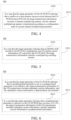
- FIG. 3 is a schematic flowchart of a transmission information determining method 300 according to an exemplary embodiment of this application.
- the method 300 may be applied to but not limited to a terminal, and may be specifically executed by software or/and hardware installed in a terminal.
- the method includes at least the following steps.
- S310 Determine target transmission information of CG transmission according to a target parameter of a CG PUSCH.
- an implementation process of S310 may include S320 shown in FIG. 3 , and the content is in the following.
- the target transmission information includes a configuration manner of the retransmission timer.
- the frequency domain resource may include a bandwidth part (Bandwidth Part, BWP) and/or a cell (cell). It may be understood that the retransmission timer may also be recorded as a CG retransmission timer.
- the configuration manner of the retransmission timer may include at least one of the following (1) to (4). (1) A retransmission timer of each CG PUSCH is independently configured. For example, if it is assumed that BWP#1 is configured with two CG PUSCHs, respectively recorded as CG #0 and CG #1, the configuration manner of the retransmission timer may be shown in Table 1 below.
- the frequency domain resource may include a BWP or a cell.
- the configuration manner of the retransmission timer may include that a retransmission timer is configured or a retransmission timer is not configured.
- each of the plurality of the CG PUSCHs is configured with a retransmission timer, or none of the plurality of CG PUSCHs is configured with a retransmission timer.
- Example 1 If it is assumed that the frequency domain resource is a BWP, where BWP #1 is configured with CG #0 and CG #1 and BWP #2 is configured with CG#2 and CG#3, the configuration manner of the retransmission timer is shown in Table 2 above.
- Example 2 If it is assumed that the frequency domain resource is a cell, where BWP #1 is configured with CG#0 and CG#1 and BWP #2 is configured with CG#2 and CG#3, the configuration manner of the retransmission timer is shown in Table 3 below. Table 3 Retransmission Configuration of Timer BWP #1 BWP #2 CG#0 CG#1 CG#2 CG#3 Configured Configured Configured Configured Not configured Not configured Not configured Not configured
- the priority may be a physical layer priority (phy-PriorityIndex).
- that the configuration manners of the retransmission timers of the CG PUSCHs configured with a same priority are the same includes any of the following (31) to (33):
- the first specified priority is different from the second specified priority.
- the first specified priority may be a high priority and the second specified priority may be a low priority, and vice versa, which is not limited in this embodiment.
- the type refers to a type 1 (Type 1) and a Type 2, namely, a Type 1 CG PUSCH and a Type 2 CG PUSCH.
- timing lengths of five retransmission timers respectively corresponding to CG PUSCH#0, CG PUSCH#1, CG PUSCH#2, CG PUSCH#3, and CG PUSCH#4 may be different one another, or may be partially different, which is not limited in this embodiment.
- a plurality of optional configuration manners of the CG retransmission timers are provided, which effectively coordinate the functions of the retransmission timers of the uplink CG in the URLLC and the uplink CG in the NR-U, so that a configuration mechanism of the retransmission timers of the uplink CG can support a URLLC service on an unlicensed spectrum.
- FIG. 4 is a schematic flowchart of a transmission information determining method 400 according to an exemplary embodiment of this application.
- the method 400 may be applied to but not limited to a terminal, and may be specifically executed by software or/and hardware installed in a terminal.
- the method includes at least the following steps.
- S410 Determine target transmission information of CG transmission according to a target parameter of a CG PUSCH.
- an implementation process of S410 may include S420 shown in FIG. 4 , and the content is in the following.
- the target transmission information includes a channel multiplexing manner, and the channel multiplexing manner is determined according to a configuration state of a preset channel multiplexing parameter (cg-UCI-Multiplexing).
- the target PUCCH and the CG PUSCH pertain to a same PUCCH group (PUCCH group).
- the channel multiplexing parameter may include a first channel multiplexing parameter and a second channel multiplexing parameter, where the first channel multiplexing parameter refers to a cg-UCI-Multiplexing parameter in Rel-16, and the first channel multiplexing parameter retains the configuration and meaning of the cg-UCI-Multiplexing parameter in the Rel-16, which may refer to related description in the Rel-16 for details.
- the second channel multiplexing parameter refers to the cg-UCI-Multiplexing parameter in the Rel-17, where a configuration or meaning of the cg-UCI-Multiplexing parameter is enhanced or given.
- the channel multiplexing manner includes at least one of the following:
- the CG PUSCH may carry CG UCI
- the target PUCCH may be configured with at least two priorities, for example, a first priority and a second priority, where the first priority is higher than the second priority.
- the first priority may be a high priority and the second priority may be a low priority.
- the CG PUSCH and the first control information and the second control information carried by the target PUCCH may be all configured with at least a first priority and a second priority, where the first priority is higher than the second priority.
- the first priority is a high priority and the second priority is a low priority.
- the first control information may include an HARQ-ACK and/or channel state information (Channel State Information, CSI) or the like
- the second control information may include a scheduling request (Scheduling Request, SR).
- target PUCCH the CG PUSCH, the first control information, and the second control information mentioned in subsequent embodiments may refer to the foregoing descriptions, and details are not described in the subsequent portions of this application.
- the target PUCCH carries first control information
- the first control information is multiplexed on the CG PUSCH for transmission.
- the first control information is multiplexed on the CG PUSCH
- the first control information and the CG UCI carried by the CG PUSCH may be multiplexed.
- the multiplexing the first control information on the CG PUSCH for transmission may include: in a case that the target PUCCH carries the first control information and the priority of the target PUCCH is the second priority, discarding the target PUCCH and multiplexing the first control information on the CG PUSCH for transmission.
- the target PUCCH carries second control information and a priority of the second control information is the second priority
- the second control information is discarded and the CG PUSCH is transmitted.
- the target PUCCH carries second control information and a priority of the second control information is a first priority
- the second control information is multiplexed on the CG PUSCH for transmission.
- the target PUCCH carries second control information and a priority of the second control information is a first priority
- the second control information is transmitted and the CG PUSCH is discarded.
- the channel multiplexing manner includes at least one of the following (1) to (3).
- the multiplexing the first control information on the CG PUSCH for transmission may include: in a case that the target PUCCH carries the first control information and the priority of the target PUCCH is the first priority, multiplexing the first control information on the CG PUSCH for transmission.
- the target PUCCH carries second control information
- the second control information is discarded and the CG PUSCH is transmitted.
- the target PUCCH carries the second control information and the priority of the target PUCCH is the first priority
- the second control information is discarded and the CG PUSCH is transmitted.
- the first control information may be multiplexed on the CG PUSCH for transmission regardless of the priority of the target PUCCH.
- the channel multiplexing manner includes at least one of the following (1) to (4).
- the channel multiplexing manner includes at least one of the following (1) to (4).
- the channel multiplexing manner includes at least one of the following (1) to (6).
- the second channel multiplexing parameter may have at least a first specified value, a second specified value, and a third specified value, for example, p0, p1, and both.
- a value of the second channel multiplexing parameter may be obtained from an indication of radio resource control (Radio Resource Control, RRC) or/and activation downlink control information (activation Downlink Control Information, DCI).
- RRC Radio Resource Control
- DCI activation Downlink Control Information
- the second channel multiplexing parameter may be a value configured by an RRC, for example, ⁇ p0 ⁇ , ⁇ p1 ⁇ , or ⁇ both ⁇ .
- the value of the second channel multiplexing parameter is a target value further indicated by the activation DCI, where the target value is one of the plurality of values indicated by the RRC.
- the specified type may be the Type 2, or the like.
- the activation DCI is needed to further indicate which of the plurality of values configured by the RRC is to be used; if the RRC is configured with only one value, an indication by activation DCI is not needed, and the value indicated by the RRC is directly used as the value of the second channel multiplexing parameter; or in a case that the type of the CG PUSCH is a specified type, the value of the second channel multiplexing parameter may not be configured, or whether the second channel multiplexing parameter is ⁇ p0, p1, both ⁇ is indicated by the activation DCI.
- the RRC indicates three values, namely, p0, p1, and both
- the value of the second channel multiplexing parameter may be a target value indicated by the activation DCI, for example, p1.
- the terminal may select one value from the plurality of values indicated by the RRC and feed back the selected value to a network-side device or the like.
- the channel multiplexing manner includes at least one of the following (1) to (9).
- (1) The target PUCCH is transmitted and the CG PUSCH is discarded.
- the target control information includes first control information and/or second control information.
- a priority of the CG PUSCH is a first priority and a priority of target control information carried by the target PUCCH is a second priority
- the target PUCCH is discarded
- a priority of the CG PUSCH is a second priority and a priority of target control information carried by the target PUCCH is the second priority
- the target control information is multiplexed on the CG PUSCH for transmission.
- a priority of the CG PUSCH is a second priority and a priority of target control information carried by the target PUCCH is a first priority
- the target PUCCH is transmitted and the CG PUSCH is discarded.
- the target PUCCH is transmitted and the CG PUSCH is discarded.
- a priority of the CG PUSCH is a first priority and a priority of target control information carried by the target PUCCH is a second priority
- the target control information is discarded and the CG PUSCH is transmitted.
- a priority of the CG PUSCH is a second priority and a priority of target control information carried by the target PUCCH is a first priority
- the target PUCCH is transmitted and the CG PUSCH is discarded.
- the target PUCCH is transmitted and the CG PUSCH is discarded.
- the channel multiplexing parameter for example, the first channel multiplexing parameter or the second channel multiplexing parameter
- the rules for the UCI carried by the target PUCCH and multiplexing of the CG PUSCH may adopt the rule of URLLC/IIoT in the Rel-16 and/or the Rel-17, which is not described in this embodiment.
- a plurality of channel multiplexing manners are provided according to the configuration state of the channel multiplexing parameter, which can effectively solve the problem that the target parameter of the CG PUSCH indicates that a conflict in a time domain resource exists between the CG PUSCH and the target PUCCH, and further effectively coordinate the channel multiplexing function of the uplink CG in the URLLC and the uplink CG in the NR-U introduced in the Rel-16, so that the channel multiplexing mechanism of the uplink CG can support a URLLC service on an unlicensed spectrum.
- this embodiment also effectively protects the transmission performance of the high-priority CG-PUSCH and the high-priority UCI, and improves the communication performance of a radio communication system.
- FIG. 5 is a schematic flowchart of a transmission information determining method 500 according to an exemplary embodiment of this application.
- the method 500 may be applied to but not limited to a terminal, and may be specifically executed by software or/and hardware installed in a terminal.
- the method includes at least the following steps.
- an implementation process of S5 10 may further include S520 shown in FIG. 5 , and the content is in the following.
- the target transmission information includes a multiplexing encoding manner.
- the multiplexing encoding manner includes independent encoding and joint encoding.
- the CG UCI and the HARQ-ACK carried by the CG PUSCH are jointly encoded.
- the CG UCI and the HARQ-ACK are encoded according to a predetermined encoding rule, where the predetermined encoding rule is the joint encoding or the independent encoding.
- the CG PUSCH and the HARQ-ACK are each configured with at least the first priority and the second priority, and the first priority is higher than the second priority.
- the predetermined encoding rule may be obtained from an indication by RRC.
- the first priority may be a high priority
- the second priority may be a low priority
- the CG PUSCH carries CG UCI used for indicating related information of the CG PUSCH, where the related information may be a HARQ process ID (process ID), a number (Number), a new data indication (New Data Indication, NDI), and a redundant version (Redundancy version, RV), a shared channel occupancy time (Channel Occupancy Time, COT), or the like.
- the HARQ-ACK and the CG PUSCH may be encoded according to different priority information of the HARQ-ACK and the CG PUSCH, for example, joint encoding or independent encoding, thereby effectively coordinating the multiplexing encoding function of the uplink CG in the URLLC and the uplink CG in the NR-U introduced in the Rel-16, so that the channel multiplexing mechanism of the uplink CG can support a URLLC service on an unlicensed spectrum.
- FIG. 6 is a schematic flowchart of a transmission information determining method 600 according to an exemplary embodiment of this application.
- the method 600 may be applied to but not limited to a terminal, and may be specifically executed by software or/and hardware installed in a terminal.
- the method includes at least the following steps.
- an implementation process of S610 may further include S620 and S630 shown in FIG. 6 , and the content is in the following.
- the target transmission information of the CG transmission includes redundant version information, and the redundant version information is determined by the terminal.
- the predetermined parameter may be expressed as Configuredgrantconfig-StartingfromRV0 or the like.
- redundant version indication information is sent to a network-side device, where the redundant version indication information is used for indicating version information of a redundant version determined by the terminal.
- the redundant version (RV) of the CG PUSCH initially transmitted is determined by a user, and the independently determined redundant version is reported to the network-side device through the CG-UCI.
- the target transmission information of the CG transmission includes redundant version information, and the redundant version information is predetermined information.
- the predetermined parameter Configuredgrantconfig-StartingfromRV0 is set to "on” (that is, the predetermined parameter is effective), and/or the CG PUSCH does not support CG-UCI
- the redundant version (RV) of the initial transmission of the CG PUSCH needs to be predetermined information, for example, "0".
- predetermined parameter Configuredgrantconfig-StartingfromRV0 may be issued by the network-side device and indicated to the terminal.
- the redundant version information used in the CG PUSCH transmission can be determined according to a configuration or an effective condition of a predetermined parameter, thereby effectively coordinating the configuration of a high-level parameter and ensuring the CG transmission performance.
- the execution body of the transmission information determining method provided in the foregoing embodiments of this application may be a transmission information determining apparatus, or a control module, in the transmission information determining apparatus, for performing the transmission information determining method.
- the transmission information determining apparatus provided in this embodiment of this application is described by an example in which the transmission information determining apparatus performs the transmission information determining method.
- FIG. 7a is a block diagram of a transmission information determining apparatus 700 according to an exemplary embodiment of this application.
- the transmission information determining apparatus 700 includes: a determining module 710, configured to determine target transmission information of CG transmission according to a target parameter of a configured grant physical uplink shared channel CG PUSCH, where the target transmission information includes at least one of a configuration manner of a retransmission timer, a channel multiplexing manner, a multiplexing encoding manner, or redundant version information; and a transceiver.
- the target transmission information includes the configuration manner of the retransmission timer, where the configuration manner of the retransmission timer includes at least one of the following: a retransmission timer of each CG PUSCH is independently configured; configuration manners of retransmission timers of all CG PUSCHs on a same frequency domain resource are the same; configuration manners of CG retransmission timers of CG PUSCHs configured with a same priority are the same; or configuration manners of CG retransmission timers of CG PUSCHs of a same type are the same, where the frequency domain resource includes a bandwidth part BWP or a cell, and the configuration manners of the retransmission timers include that a retransmission timer is configured or that a retransmission timer is not configured.
- that configuration manners of CG retransmission timers of CG PUSCHs configured with a same priority includes any of the following: a CG PUSCH configured with a first specified priority is not configured with a retransmission timer; a CG PUSCH configured with a second specified priority is configured with a retransmission timer; or a CG PUSCH not configured with a specified priority is configured with a retransmission timer.
- the configuration manners of the retransmission timers are all that a retransmission timer is configured, at least a part of the retransmission timers among the plurality of retransmission timers are different.
- the target transmission information includes the channel multiplexing manner and the determining module 710 is configured to determine the channel multiplexing manner according to a preset configuration state of a channel multiplexing parameter, where the target PUCCH and the CG PUSCH pertain to the same PUCCH group.
- the channel multiplexing manner includes at least one of the following: in a case that a priority of the target PUCCH is a first priority, transmitting the target PUCCH and discarding the CG PUSCH; in a case that the target PUCCH carries first control information, multiplexing the first control information on the CG PUSCH for transmission; in a case that a priority of the target PUCCH is the second priority and the target PUCCH carries second control information, discarding the second control information and transmitting the CG PUSCH; in a case that the target PUCCH carries second control information and a priority of the second control information is the second priority, discarding the second control information and transmitting the CG PUSCH; in a case that the target PUCCH carries second control information and a priority of the second control information is the second priority, discarding the second control information and transmitting the CG PUSCH; in a case that the target PUCCH carries second control information and a priority of the second control information is the second priority, discarding the second control
- the multiplexing the first control information on the CG PUSCH for transmission includes: in a case that the target PUCCH carries the first control information and the priority of the target PUCCH is the second priority, discarding the target PUCCH and multiplexing the first control information on the CG PUSCH for transmission.
- the channel multiplexing manner includes at least one of the following: in a case that a priority of the target PUCCH is a second priority, discarding the target PUCCH and transmitting the CG PUSCH; in a case that the target PUCCH carries first control information, multiplexing the first control information on the CG PUSCH for transmission; or in a case that the target PUCCH carries second control information, discarding the second control information and transmitting the CG PUSCH.
- the multiplexing the first control information on the CG PUSCH for transmission includes: in a case that the target PUCCH carries the first control information and the priority of the target PUCCH is the first priority, multiplexing the first control information on the CG PUSCH for transmission; and in a case that the target PUCCH carries the second control information, the discarding the second control information and transmitting the CG PUSCH includes: in a case that the target PUCCH carries the second control information and the priority of the target PUCCH is the first priority, discarding the second control information and transmitting the CG PUSCH.
- the channel multiplexing manner includes at least one of the following: in a case that the target PUCCH carries first control information and the first control information is an HARQ-ACK, transmitting the target PUCCH carrying the HARQ-ACK and discarding the CG PUSCH; in a case that the target PUCCH carries first control information and the first control information is CSI having a first priority, transmitting the target PUCCH carrying the CSI and discarding the CG PUSCH; in a case that the target PUCCH carries first control information and the first control information is CSI having the second priority, multiplexing the CSI on the CG PUSCH for transmission; or in a case that the target PUCCH carries second priority, multiplexing the CSI on the CG PUSCH for transmission; or in a case that the target PUCCH carries second priority, multiplexing the CSI on the CG PUSCH for transmission; or in a case that the target PUCCH carries second priority, multiplexing the CSI on the CG PUSCH for
- the channel multiplexing manner includes at least one of the following: in a case that a priority of the target PUCCH is the first priority and the target PUCCH carries first control information, multiplexing the first control information on the CG PUSCH for transmission; in a case that a priority of the target PUCCH is the first priority and the target PUCCH carries second control information, discarding the second control information and transmitting the CG PUSCH; in a case that a priority of the target PUCCH is a first priority, transmitting the target PUCCH and discarding the CG PUSCH; or in a case that a priority of the target PUCCH is a second priority, discarding the target PUCCH and transmitting the CG PUSCH, where the CG PUSCH, the target PUCCH, the first control information, and the second control information are each configured with at
- the channel multiplexing manner includes at least one of the following: in a case that a value of the second channel multiplexing parameter is a first specified value and a priority of target control information carried by the target PUCCH is a second priority, multiplexing the target control information on the CG PUSCH for transmission, where the target control information includes first control information and/or second control information; in a case that a value of the second channel multiplexing parameter is a first specified value and a priority of the target control information carried by the target PUCCH is a first priority, transmitting the target PUCCH and discarding the CG PUSCH; in a case that a value of the second channel multiplexing parameter is a first specified value and a priority of the target control information carried by the target PUCCH is a first priority, multiplexing the target control information on the CG PUSCH for transmission; in a case that a value of the second channel multiplexing parameter
- the value of the second channel multiplexing parameter is obtained from an indication by radio resource control RRC or/and activation downlink control information DCI.
- the value of the second channel multiplexing parameter is a target value indicated by the activation DCI, where the target value is one of the plurality of values indicated by the RRC.
- the channel multiplexing manner includes at least one of the following: transmitting the target PUCCH and discarding the CG PUSCH; in a case that a priority of the CG PUSCH is a first priority and a priority of target control information carried by the target PUCCH is the first priority, multiplexing the target control information on the CG PUSCH for transmission, where the target control information includes first control information and/or second control information; in a case that a priority of the CG PUSCH is a first priority and a priority of target control information carried by the target PUCCH is a second priority, discarding the target PUCCH and transmitting the CG PUSCH; in a case that a priority of the CG PUSCH is a second priority and a priority of target control information carried by the target PUCCH is the second priority, multiplexing the target control information on the CG PUSCH for transmission; in a case that a priority of the CG PUSCH is a second priority and a priority of target control information carried by the target PUCCH
- the first control information includes a hybrid automatic repeat request acknowledgement HARQ-ACK and/or channel state information CSI
- the second control information includes a scheduling request SR
- the target transmission information includes a multiplexing encoding manner, and the multiplexing encoding manner includes independent encoding and joint encoding.
- the CG UCI and the HARQ-ACK carried by the CG PUSCH are jointly encoded; or in a case that the CG PUSCH has a first priority and the HARQ-ACK has a second priority, or in a case that a priority of the CG PUSCH is a second priority and a priority of the HARQ-ACK is a first priority, the CG UCI and the HARQ-ACK are encoded according to a predetermined encoding rule, where the predetermined encoding rule is the j oint encoding or the independent encoding.
- the CG PUSCH and the HARQ-ACK are each configured with at least the first priority and the second priority, and the first priority
- the predetermined encoding rule is obtained from an indication by RRC.
- the target transmission information of the CG transmission includes redundant version information, and the redundant version information is determined by the terminal; or in a case that the target parameter of the CG PUSCH indicates that a predetermined parameter is effective or the CG PUSCH does not carry CG UCI, the target transmission information of the CG transmission includes redundant version information, and the redundant version information is predetermined information.
- the apparatus 700 further includes: a sending module 720, configured to: in a case that the redundant version information is determined by the terminal, send redundant version indication information to a network-side device, where the redundant version indication information is used for indicating version information of a redundant version determined by the terminal.
- a sending module 720 configured to: in a case that the redundant version information is determined by the terminal, send redundant version indication information to a network-side device, where the redundant version indication information is used for indicating version information of a redundant version determined by the terminal.
- target transmission information of CG transmission is determined according to a target parameter of a configured grant physical uplink shared channel CG PUSCH, where the target transmission information includes at least one of a configuration manner of a retransmission timer, a channel multiplexing manner, a multiplexing encoding manner, or redundant version information. Therefore, functions of an uplink CG in a URLLC and an uplink CG in an NR-U can be effectively coordinated, so that a related mechanism of the uplink CG can support a URLLC service on an unlicensed spectrum.
- the transmission information determining apparatus 700 in this embodiment of this application may be an apparatus, or may be a component, an integrated circuit, or a chip in a terminal.
- the apparatus 700 may be a mobile terminal or a non-mobile terminal.
- the mobile terminal may include, but is not limited to, the types of the terminal 11 listed above, and the non-mobile terminal may be a server, a network attached storage (Network Attached Storage, NAS), a personal computer (personal computer, PC), a television (television, TV), an automatic teller machine, a self-service machine, or the like, which are not specifically limited in this embodiment of this application.
- Network Attached Storage Network Attached Storage
- the transmission information determining apparatus 700 in this embodiment of this application may be an apparatus having an operating system.
- the operating system may be an Android (Android) operating system, may be an ios operating system, or may be another possible operating system, which is not specifically limited in this embodiment of this application.
- the transmission information determining apparatus 700 provided in this embodiment of this application can implement the processes implemented in the method embodiments of FIG. 2 to FIG. 6 , and in addition the same technical effect can be achieved, which are not repeated herein in order to avoid duplication.
- an embodiment of this application further provides a communication device 800, including a processor 801, a memory 802, a program or instructions stored on the memory 802 and capable of being run on the processor 801.
- a communication device 800 including a processor 801, a memory 802, a program or instructions stored on the memory 802 and capable of being run on the processor 801.
- the program or the instructions in a case that executed by the processor 801, implement the processes of the foregoing embodiment of the transmission information determining method, and in addition the same technical effect can be achieved.
- the program or the instructions in a case that executed by the processor 801, implement the processes of the foregoing embodiment of the transmission information determining method, and in addition the same technical effect can be achieved, which are not repeated herein in order to avoid duplication.
- FIG. 9 is a schematic structural diagram of a hardware structure of a terminal 900 for implementing an embodiment of this application.
- the terminal 900 includes, but is not limited to, components such as a radio frequency unit 901, a network module 902, an audio output unit 903, an input unit 904, a sensor 905, a display unit 906, a user input unit 907, an interface unit 908, a memory 909, and a processor 910.
- the terminal 900 may further include a power supply (for example, a battery) for supplying power to various components, and the power supply may be logically connected to the processor 910 through a power management system, so as to implement functions such as managing charging or discharging, and power consumption management through the power management system.
- a power supply for example, a battery
- the terminal structure shown in FIG. 9 does not constitute a limitation to the terminal, and the terminal may include more or fewer components than illustrated, or a combination of specific components, or arrangement of different components, which are not described herein again.
- the input unit 904 may include a graphics processing unit (Graphics a Processing Unit, GPU) 1041 and a microphone 9042.
- the graphics processing unit 9041 processes image data of a still picture or a video obtained by an image capture apparatus (such as a camera) in a video capture mode or an image capture mode.
- the display unit 906 may include a display panel 9061.
- the display panel 9061 may be configured in a form of a liquid crystal display, an organic light emitting diode, or the like.
- the user input unit 907 includes a touch panel 9071 and another input device 9072.
- the touch panel 9071 is also referred to as a touchscreen.
- the touch panel 9071 may include a touch detection apparatus and a touch controller.
- the another input device 9072 may include, but is not limited to, a physical keyboard, a function key (such as a volume control key, a switch key, or the like), a trackball, a mouse, and an operating lever, which is not described in detail herein.
- the radio frequency unit 901 receives downlink data from a network-side device to then send the downlink data to the processor 910 for processing; and in addition, sends uplink data to the network-side device.
- the radio frequency unit 901 includes, but is not limited to, an antenna, at least one amplifier, a transceiver, a coupler, a low noise amplifier, a duplexer, or the like.
- the memory 909 may be configured to store a software program or instructions, and various data.
- the memory 909 may mainly include a storage program or instruction area and a storage data area, where the storage program or instruction area may store an operating system, an application program or instructions required for at least one function (for example, a sound playing function, an image playing function, or the like).
- the memory 909 may include a high-speed random access memory, and may also include a non-volatile memory, where the non-volatile memory may be a Read-Only Memory (Read-Only Memory, ROM), a programmable ROM (Programmable ROM, PROM), an erasable programmable read-only memory (Erasable PROM, EPROM), an electrically erasable programmable read-only memory (Electrically EPROM, EEPROM), or a flash memory, for example, at least one disk storage device, flash storage device, or other non-volatile solid-state storage device.
- ROM Read-Only Memory
- PROM programmable ROM
- Erasable PROM Erasable PROM
- EPROM electrically erasable programmable read-only memory
- EEPROM electrically erasable programmable read-only memory
- flash memory for example, at least one disk storage device, flash storage device, or other non-volatile solid-state storage device.
- the processor 910 may include one or more processing units.
- the processor 910 may be integrated with an application processor and a modulation and demodulation processor, where the application processor mainly processes an operating system, a user interface, an application program, or instructions, and the like, and the modulation and demodulation processor mainly processes radio communications, for example, a baseband processor. It may be understood that the foregoing modulation and demodulation processor may also not be integrated into the processor 910.
- the processor 910 is configured to determine target transmission information of CG transmission according to a target parameter of a configured grant physical uplink shared channel CG PUSCH, where the target transmission information includes at least one of a configuration manner of a retransmission timer, a channel multiplexing manner, a multiplexing encoding manner, or redundant version information.
- target transmission information of CG transmission is determined according to a target parameter of a configured grant physical uplink shared channel CG PUSCH, where the target transmission information includes at least one of a configuration manner of a retransmission timer, a channel multiplexing manner, a multiplexing encoding manner, or redundant version information. Therefore, functions of an uplink CG in a URLLC and an uplink CG in an NR-U can be effectively coordinated, so that a related mechanism of the uplink CG can support a URLLC service on an unlicensed spectrum.
- An embodiment of this application further provides a readable storage medium.
- the readable storage medium stores a program or instructions, where the program or instructions, when executed by a processor, implement all processes of the embodiments of the above transmission information determining method, and can achieve the same technical effects. To avoid repetition, details are not described herein again.
- the processor is the processor in the terminal in the above embodiments.
- the readable storage medium includes a computer-readable storage medium, for example, a computer read-only memory (Read-Only Memory, ROM), a random access memory (Random Access Memory, RAM), a magnetic disk, or an optical disc.
- An embodiment of this application further provides a chip.
- the chip includes: a processor and a communication interface, where the communication interface is coupled to the processor, and the processor is configured to run a program or instructions of a network-side device, to implement all processes of the embodiments of the above transmission information determining method, and can achieve the same technical effects. To avoid repetition, details are not described herein again.
- the chip mentioned in this embodiment of this application may also be referred to as a system-level chip, a system chip, a chip system, a system on chip, or the like.
- An embodiment of this application further provides a computer program product.
- the computer program product includes a processor, a memory, and a program or instructions stored on the memory and executable on the processor, where the program or instructions, when executed by the processor, implement all processes of the embodiments of the above transmission information determining method, and can achieve the same technical effects. To avoid repetition, details are not described herein again.It should be noted that the terms “include”, “comprise”, or any other variation thereof in this specification is intended to cover a non-exclusive inclusion, which specifies the presence of stated processes, methods, objects, or apparatuses, but do not preclude the presence or addition of one or more other processes, methods, objects, or apparatuses.
- the computer software product is stored in a storage medium (for example, a read-only memory (ROM)/random access memory (RAM), a magnetic disk or an optical disc), and includes several instructions for instructing a terminal (which may be a mobile phone, a computer, a server, an air conditioner, a network device, or the like) to perform the method described in the embodiments of this application.
- a storage medium for example, a read-only memory (ROM)/random access memory (RAM), a magnetic disk or an optical disc
- a terminal which may be a mobile phone, a computer, a server, an air conditioner, a network device, or the like
Landscapes
- Engineering & Computer Science (AREA)
- Signal Processing (AREA)
- Computer Networks & Wireless Communication (AREA)
- Mobile Radio Communication Systems (AREA)
Applications Claiming Priority (3)
| Application Number | Priority Date | Filing Date | Title |
|---|---|---|---|
| CN202011038658.3A CN114285534B (zh) | 2020-09-28 | 2020-09-28 | 传输信息确定方法、装置和终端 |
| EP21871607.4A EP4221035A4 (de) | 2020-09-28 | 2021-09-24 | Verfahren und vorrichtung zur bestimmung von übertragungsinformationen sowie endgerät |
| PCT/CN2021/120375 WO2022063238A1 (zh) | 2020-09-28 | 2021-09-24 | 传输信息确定方法、装置和终端 |
Related Parent Applications (1)
| Application Number | Title | Priority Date | Filing Date |
|---|---|---|---|
| EP21871607.4A Division EP4221035A4 (de) | 2020-09-28 | 2021-09-24 | Verfahren und vorrichtung zur bestimmung von übertragungsinformationen sowie endgerät |
Publications (2)
| Publication Number | Publication Date |
|---|---|
| EP4459912A2 true EP4459912A2 (de) | 2024-11-06 |
| EP4459912A3 EP4459912A3 (de) | 2025-03-12 |
Family
ID=80846250
Family Applications (2)
| Application Number | Title | Priority Date | Filing Date |
|---|---|---|---|
| EP24201856.2A Pending EP4459912A3 (de) | 2020-09-28 | 2021-09-24 | Verfahren und vorrichtung zur bestimmung von übertragungsinformationen sowie endgerät |
| EP21871607.4A Pending EP4221035A4 (de) | 2020-09-28 | 2021-09-24 | Verfahren und vorrichtung zur bestimmung von übertragungsinformationen sowie endgerät |
Family Applications After (1)
| Application Number | Title | Priority Date | Filing Date |
|---|---|---|---|
| EP21871607.4A Pending EP4221035A4 (de) | 2020-09-28 | 2021-09-24 | Verfahren und vorrichtung zur bestimmung von übertragungsinformationen sowie endgerät |
Country Status (5)
| Country | Link |
|---|---|
| US (1) | US20230232397A1 (de) |
| EP (2) | EP4459912A3 (de) |
| JP (1) | JP7531695B2 (de) |
| CN (1) | CN114285534B (de) |
| WO (1) | WO2022063238A1 (de) |
Families Citing this family (2)
| Publication number | Priority date | Publication date | Assignee | Title |
|---|---|---|---|---|
| WO2023204683A1 (ko) * | 2022-04-22 | 2023-10-26 | 엘지전자 주식회사 | 무선 통신 시스템에서 상향링크 제어 정보를 송수신하는 방법 및 장치 |
| CN117336872A (zh) * | 2022-06-22 | 2024-01-02 | 维沃移动通信有限公司 | 共享信道的方法、设备及可读存储介质 |
Family Cites Families (28)
| Publication number | Priority date | Publication date | Assignee | Title |
|---|---|---|---|---|
| KR101695023B1 (ko) * | 2010-03-29 | 2017-01-10 | 삼성전자주식회사 | 다중 안테나 기술을 지원하는 무선 통신 시스템의 상향 링크에서 재전송 제어 방법 및 장치 |
| PL3100535T3 (pl) * | 2014-01-29 | 2019-09-30 | Interdigital Patent Holdings, Inc. | Transmisje łącza uplink w komunikacji bezprzewodowej |
| WO2016117929A1 (en) * | 2015-01-20 | 2016-07-28 | Lg Electronics Inc. | Method for transmitting uplink control information and apparatus therefor |
| KR102103301B1 (ko) * | 2015-09-10 | 2020-04-22 | 후아웨이 테크놀러지 컴퍼니 리미티드 | 데이터 송신 방법, 단말기 및 ran 디바이스 |
| EP3516908B1 (de) * | 2017-01-05 | 2020-11-18 | Telefonaktiebolaget LM Ericsson (PUBL) | Verfahren und endgerätevorrichtung zur anpassung der übertragungsleistung |
| WO2018226065A1 (ko) * | 2017-06-08 | 2018-12-13 | 엘지전자 주식회사 | Nr에서 이중 연결을 지원하는 방법 및 장치 |
| CN109391421B (zh) * | 2017-08-11 | 2022-02-18 | 华为技术有限公司 | 传输上行控制信息的方法、终端设备和网络设备 |
| US10945280B2 (en) * | 2017-09-08 | 2021-03-09 | Sharp Kabushiki Kaisha | User equipments, base stations and methods for uplink transmission without grant |
| US10681648B2 (en) * | 2018-01-10 | 2020-06-09 | Comcast Cable Communications, Llc | Power control for channel state information |
| CN110034905B (zh) * | 2018-01-12 | 2022-08-09 | 华为技术有限公司 | 上行信息传输方法及装置 |
| CN111541524B (zh) * | 2018-01-24 | 2023-04-18 | Oppo广东移动通信有限公司 | 控制传输信道上的传输的传输信道分配装置和方法 |
| CN112369097B (zh) * | 2018-07-03 | 2024-07-02 | 上海诺基亚贝尔股份有限公司 | 用于具有配置许可的上行链路传输的统一上行链路控制信息 |
| CN111181693B (zh) * | 2018-11-09 | 2021-08-31 | 华为技术有限公司 | 发送数据的方法、发送数据的装置、以及终端设备 |
| CN111182634B (zh) * | 2018-11-22 | 2021-09-14 | 维沃移动通信有限公司 | 数据传输方法、终端及网络设备 |
| CN111436136B (zh) * | 2019-01-11 | 2022-03-25 | 华为技术有限公司 | 免授权传输的方法及装置 |
| CA3071984A1 (en) * | 2019-02-11 | 2020-08-11 | Comcast Cable Communications, Llc | Power control and retransmission |
| US12213186B2 (en) * | 2019-02-14 | 2025-01-28 | Apple Inc. | On collision handling of MsgA PUSCH in 2-step RACH and other uplink channels |
| CN111278129B (zh) * | 2019-04-29 | 2023-03-14 | 维沃移动通信有限公司 | 上行控制信息发送、接收方法、终端及网络侧设备 |
| US11456817B2 (en) * | 2019-08-15 | 2022-09-27 | Lg Electronics Inc. | Method and apparatus for transmitting and receiving signal in wireless communication system |
| US20210051671A1 (en) * | 2019-08-15 | 2021-02-18 | Lg Electronics Inc. | Method and apparatus for transmitting and receiving signal in wireless communication system |
| US20210092763A1 (en) * | 2019-09-20 | 2021-03-25 | Samsung Electronics Co., Ltd. | Method and apparatus for uci multiplexing in wireless communication systems |
| US12119994B2 (en) * | 2019-09-27 | 2024-10-15 | Qualcomm Incorporated | Offset and dynamic feedback information validation for configured grants |
| KR20210037375A (ko) * | 2019-09-27 | 2021-04-06 | 삼성전자주식회사 | 무선 통신 시스템에서 상향링크 제어 정보 송수신 방법 및 장치 |
| WO2021063620A1 (en) * | 2019-10-04 | 2021-04-08 | Telefonaktiebolaget Lm Ericsson (Publ) | Configured ul with repetition |
| EP4055735B1 (de) | 2019-11-07 | 2025-01-01 | Telefonaktiebolaget LM Ericsson (publ) | Zeitgeberhandhabung in konfigurationen mit mehreren aktiven berechtigungen |
| WO2022032616A1 (en) * | 2020-08-14 | 2022-02-17 | Qualcomm Incorporated | Unified feedback for configured grant for ultra reliable communication and unlicensed spectrum |
| CN115968574A (zh) * | 2020-09-02 | 2023-04-14 | 高通股份有限公司 | 用于基于帧的设备的信道占用时间共享 |
| CN116458225B (zh) * | 2020-09-25 | 2025-04-04 | 高通股份有限公司 | 不同优先级的上行链路控制信息(uci)和经配置授权-uci(cg-uci)的复用 |
-
2020
- 2020-09-28 CN CN202011038658.3A patent/CN114285534B/zh active Active
-
2021
- 2021-09-24 EP EP24201856.2A patent/EP4459912A3/de active Pending
- 2021-09-24 EP EP21871607.4A patent/EP4221035A4/de active Pending
- 2021-09-24 WO PCT/CN2021/120375 patent/WO2022063238A1/zh not_active Ceased
- 2021-09-24 JP JP2023518799A patent/JP7531695B2/ja active Active
-
2023
- 2023-03-27 US US18/126,932 patent/US20230232397A1/en active Pending
Also Published As
| Publication number | Publication date |
|---|---|
| US20230232397A1 (en) | 2023-07-20 |
| EP4221035A1 (de) | 2023-08-02 |
| EP4221035A4 (de) | 2024-06-19 |
| JP7531695B2 (ja) | 2024-08-09 |
| JP2023543761A (ja) | 2023-10-18 |
| EP4459912A3 (de) | 2025-03-12 |
| CN114285534B (zh) | 2024-08-06 |
| CN114285534A (zh) | 2022-04-05 |
| WO2022063238A1 (zh) | 2022-03-31 |
Similar Documents
| Publication | Publication Date | Title |
|---|---|---|
| CN114363986B (zh) | Pucch重复传输次数确定方法、装置及终端 | |
| US12520306B2 (en) | Uplink channel transmission method and apparatus, and terminal | |
| US12538348B2 (en) | Method and apparatus for determining number of coded modulation symbols, and communications device | |
| CN113939036B (zh) | 信道监听、传输方法、终端及网络侧设备 | |
| US20230171751A1 (en) | Collision processing method and apparatus | |
| CN115085870B (zh) | 半静态harq-ack码本的生成方法及终端 | |
| US12477536B2 (en) | Schedule transmission of physical uplink shared channel (PUSCH) on an unlicensed band | |
| US20230232397A1 (en) | Transmission information determining method and apparatus, and terminal | |
| US20230254867A1 (en) | Uplink transmission processing method and apparatus, and terminal | |
| US20240023108A1 (en) | Method and apparatus for determining pucch resource, and terminal | |
| CN113965301A (zh) | 物理上行控制信道资源重叠的处理方法及装置 | |
| CN113890701B (zh) | 旁链路传输方法、传输装置和终端 | |
| US20240155615A1 (en) | Method and apparatus for handling overlapping of pucch time domain resources | |
| US12537631B2 (en) | Resource allocation method and apparatus, and terminal | |
| CN115334676A (zh) | 上行传输的复用指示方法、装置、终端及网络侧设备 | |
| US20240080847A1 (en) | Information transmission method and apparatus, terminal, and storage medium | |
| CN114650120B (zh) | 信息确定方法、装置及通信设备 | |
| CN114727389B (zh) | 通信传输方法、装置和通信设备 | |
| CN115087121B (zh) | Cot确定方法、上行传输方法和设备 | |
| CN113890698A (zh) | 旁链路传输方法、传输装置和通信设备 | |
| WO2024125458A1 (zh) | Dci处理方法、ue和网络侧设备 | |
| WO2024217341A1 (zh) | 传输处理方法、装置、终端及可读存储介质 | |
| JP2024533740A (ja) | 物理アップリンク制御チャネルpucch伝送電力の制御方法、端末、及び可読記憶媒体 | |
| WO2023125775A1 (zh) | 数据处理方法、装置、通信设备及可读存储介质 | |
| CN114630367A (zh) | 数据接收方法、装置、终端及可读存储介质 |
Legal Events
| Date | Code | Title | Description |
|---|---|---|---|
| PUAI | Public reference made under article 153(3) epc to a published international application that has entered the european phase |
Free format text: ORIGINAL CODE: 0009012 |
|
| STAA | Information on the status of an ep patent application or granted ep patent |
Free format text: STATUS: REQUEST FOR EXAMINATION WAS MADE |
|
| 17P | Request for examination filed |
Effective date: 20240923 |
|
| AC | Divisional application: reference to earlier application |
Ref document number: 4221035 Country of ref document: EP Kind code of ref document: P |
|
| AK | Designated contracting states |
Kind code of ref document: A2 Designated state(s): AL AT BE BG CH CY CZ DE DK EE ES FI FR GB GR HR HU IE IS IT LI LT LU LV MC MK MT NL NO PL PT RO RS SE SI SK SM TR |
|
| REG | Reference to a national code |
Ref country code: DE Ref legal event code: R079 Free format text: PREVIOUS MAIN CLASS: H04L0001160700 Ipc: H04L0001182900 |
|
| RIC1 | Information provided on ipc code assigned before grant |
Ipc: H04L 1/1607 20230101ALI20241112BHEP Ipc: H04W 72/12 20230101ALI20241112BHEP Ipc: H04L 5/00 20060101ALI20241112BHEP Ipc: H04L 1/1867 20230101ALI20241112BHEP Ipc: H04L 1/1829 20230101AFI20241112BHEP |
|
| PUAL | Search report despatched |
Free format text: ORIGINAL CODE: 0009013 |
|
| AK | Designated contracting states |
Kind code of ref document: A3 Designated state(s): AL AT BE BG CH CY CZ DE DK EE ES FI FR GB GR HR HU IE IS IT LI LT LU LV MC MK MT NL NO PL PT RO RS SE SI SK SM TR |
|
| RIC1 | Information provided on ipc code assigned before grant |
Ipc: H04L 1/1607 20230101ALI20250204BHEP Ipc: H04W 72/12 20230101ALI20250204BHEP Ipc: H04L 5/00 20060101ALI20250204BHEP Ipc: H04L 1/1867 20230101ALI20250204BHEP Ipc: H04L 1/1829 20230101AFI20250204BHEP |