EP4459902A2 - Verfahren und vorrichtung zur bestimmung eines codebuchs für hybride automatische wiederholungsanfragen und vorrichtung dafür - Google Patents
Verfahren und vorrichtung zur bestimmung eines codebuchs für hybride automatische wiederholungsanfragen und vorrichtung dafür Download PDFInfo
- Publication number
- EP4459902A2 EP4459902A2 EP24200264.0A EP24200264A EP4459902A2 EP 4459902 A2 EP4459902 A2 EP 4459902A2 EP 24200264 A EP24200264 A EP 24200264A EP 4459902 A2 EP4459902 A2 EP 4459902A2
- Authority
- EP
- European Patent Office
- Prior art keywords
- target
- information
- harq
- ack
- user equipment
- Prior art date
- Legal status (The legal status is an assumption and is not a legal conclusion. Google has not performed a legal analysis and makes no representation as to the accuracy of the status listed.)
- Pending
Links
Images

Classifications
-
- H—ELECTRICITY
- H04—ELECTRIC COMMUNICATION TECHNIQUE
- H04L—TRANSMISSION OF DIGITAL INFORMATION, e.g. TELEGRAPHIC COMMUNICATION
- H04L5/00—Arrangements affording multiple use of the transmission path
- H04L5/003—Arrangements for allocating sub-channels of the transmission path
- H04L5/0053—Allocation of signalling, i.e. of overhead other than pilot signals
- H04L5/0055—Physical resource allocation for ACK/NACK
-
- H—ELECTRICITY
- H04—ELECTRIC COMMUNICATION TECHNIQUE
- H04L—TRANSMISSION OF DIGITAL INFORMATION, e.g. TELEGRAPHIC COMMUNICATION
- H04L1/00—Arrangements for detecting or preventing errors in the information received
- H04L1/12—Arrangements for detecting or preventing errors in the information received by using return channel
- H04L1/16—Arrangements for detecting or preventing errors in the information received by using return channel in which the return channel carries supervisory signals, e.g. repetition request signals
- H04L1/18—Automatic repetition systems, e.g. Van Duuren systems
- H04L1/1812—Hybrid protocols; Hybrid automatic repeat request [HARQ]
-
- H—ELECTRICITY
- H04—ELECTRIC COMMUNICATION TECHNIQUE
- H04L—TRANSMISSION OF DIGITAL INFORMATION, e.g. TELEGRAPHIC COMMUNICATION
- H04L1/00—Arrangements for detecting or preventing errors in the information received
- H04L1/12—Arrangements for detecting or preventing errors in the information received by using return channel
- H04L1/16—Arrangements for detecting or preventing errors in the information received by using return channel in which the return channel carries supervisory signals, e.g. repetition request signals
- H04L1/18—Automatic repetition systems, e.g. Van Duuren systems
- H04L1/1822—Automatic repetition systems, e.g. Van Duuren systems involving configuration of automatic repeat request [ARQ] with parallel processes
-
- H—ELECTRICITY
- H04—ELECTRIC COMMUNICATION TECHNIQUE
- H04L—TRANSMISSION OF DIGITAL INFORMATION, e.g. TELEGRAPHIC COMMUNICATION
- H04L1/00—Arrangements for detecting or preventing errors in the information received
- H04L1/12—Arrangements for detecting or preventing errors in the information received by using return channel
- H04L1/16—Arrangements for detecting or preventing errors in the information received by using return channel in which the return channel carries supervisory signals, e.g. repetition request signals
- H04L1/18—Automatic repetition systems, e.g. Van Duuren systems
- H04L1/1829—Arrangements specially adapted for the receiver end
- H04L1/1854—Scheduling and prioritising arrangements
-
- H—ELECTRICITY
- H04—ELECTRIC COMMUNICATION TECHNIQUE
- H04L—TRANSMISSION OF DIGITAL INFORMATION, e.g. TELEGRAPHIC COMMUNICATION
- H04L1/00—Arrangements for detecting or preventing errors in the information received
- H04L1/12—Arrangements for detecting or preventing errors in the information received by using return channel
- H04L1/16—Arrangements for detecting or preventing errors in the information received by using return channel in which the return channel carries supervisory signals, e.g. repetition request signals
- H04L1/18—Automatic repetition systems, e.g. Van Duuren systems
- H04L1/1829—Arrangements specially adapted for the receiver end
- H04L1/1858—Transmission or retransmission of more than one copy of acknowledgement message
-
- H—ELECTRICITY
- H04—ELECTRIC COMMUNICATION TECHNIQUE
- H04L—TRANSMISSION OF DIGITAL INFORMATION, e.g. TELEGRAPHIC COMMUNICATION
- H04L1/00—Arrangements for detecting or preventing errors in the information received
- H04L1/12—Arrangements for detecting or preventing errors in the information received by using return channel
- H04L1/16—Arrangements for detecting or preventing errors in the information received by using return channel in which the return channel carries supervisory signals, e.g. repetition request signals
- H04L1/18—Automatic repetition systems, e.g. Van Duuren systems
- H04L1/1829—Arrangements specially adapted for the receiver end
- H04L1/1861—Physical mapping arrangements
-
- H—ELECTRICITY
- H04—ELECTRIC COMMUNICATION TECHNIQUE
- H04L—TRANSMISSION OF DIGITAL INFORMATION, e.g. TELEGRAPHIC COMMUNICATION
- H04L1/00—Arrangements for detecting or preventing errors in the information received
- H04L1/12—Arrangements for detecting or preventing errors in the information received by using return channel
- H04L1/16—Arrangements for detecting or preventing errors in the information received by using return channel in which the return channel carries supervisory signals, e.g. repetition request signals
- H04L1/18—Automatic repetition systems, e.g. Van Duuren systems
- H04L1/1867—Arrangements specially adapted for the transmitter end
- H04L1/1887—Scheduling and prioritising arrangements
-
- H—ELECTRICITY
- H04—ELECTRIC COMMUNICATION TECHNIQUE
- H04L—TRANSMISSION OF DIGITAL INFORMATION, e.g. TELEGRAPHIC COMMUNICATION
- H04L1/00—Arrangements for detecting or preventing errors in the information received
- H04L1/12—Arrangements for detecting or preventing errors in the information received by using return channel
- H04L1/16—Arrangements for detecting or preventing errors in the information received by using return channel in which the return channel carries supervisory signals, e.g. repetition request signals
- H04L1/18—Automatic repetition systems, e.g. Van Duuren systems
- H04L1/1867—Arrangements specially adapted for the transmitter end
- H04L1/1896—ARQ related signaling
-
- H—ELECTRICITY
- H04—ELECTRIC COMMUNICATION TECHNIQUE
- H04L—TRANSMISSION OF DIGITAL INFORMATION, e.g. TELEGRAPHIC COMMUNICATION
- H04L5/00—Arrangements affording multiple use of the transmission path
- H04L5/003—Arrangements for allocating sub-channels of the transmission path
- H04L5/0053—Allocation of signalling, i.e. of overhead other than pilot signals
-
- H—ELECTRICITY
- H04—ELECTRIC COMMUNICATION TECHNIQUE
- H04W—WIRELESS COMMUNICATION NETWORKS
- H04W72/00—Local resource management
- H04W72/04—Wireless resource allocation
- H04W72/11—Semi-persistent scheduling
-
- H—ELECTRICITY
- H04—ELECTRIC COMMUNICATION TECHNIQUE
- H04W—WIRELESS COMMUNICATION NETWORKS
- H04W72/00—Local resource management
- H04W72/12—Wireless traffic scheduling
- H04W72/1263—Mapping of traffic onto schedule, e.g. scheduled allocation or multiplexing of flows
- H04W72/1273—Mapping of traffic onto schedule, e.g. scheduled allocation or multiplexing of flows of downlink data flows
-
- H—ELECTRICITY
- H04—ELECTRIC COMMUNICATION TECHNIQUE
- H04W—WIRELESS COMMUNICATION NETWORKS
- H04W72/00—Local resource management
- H04W72/20—Control channels or signalling for resource management
- H04W72/23—Control channels or signalling for resource management in the downlink direction of a wireless link, i.e. towards a terminal
-
- H—ELECTRICITY
- H04—ELECTRIC COMMUNICATION TECHNIQUE
- H04W—WIRELESS COMMUNICATION NETWORKS
- H04W72/00—Local resource management
- H04W72/20—Control channels or signalling for resource management
- H04W72/23—Control channels or signalling for resource management in the downlink direction of a wireless link, i.e. towards a terminal
- H04W72/232—Control channels or signalling for resource management in the downlink direction of a wireless link, i.e. towards a terminal the control data signalling from the physical layer, e.g. DCI signalling
Definitions
- Embodiments of the present disclosure generally relate to the communication technical field, and more particularly, to the technical field regarding codebook feedback.
- Unlicensed spectrum is the spectrum allocated by countries and regions that can be used for radio device communication. This spectrum is generally considered to as a shared spectrum, that is, communication devices in different communication systems can use this spectrum as long as the communication devices meet regulatory requirements set by the countries or regions on the spectrum, and there is no need to apply for an exclusive spectrum license from a government.
- a new Hybrid Automatic Repeat-reQuest (HARQ) feedback method is introduced in the New Radio (NR) unlicensed spectrum system, which is referred to as One-Shot HARQ feedback.
- a network device may trigger User Equipment (UE) to perform One-Shot HARQ feedback through Downlink Control Information (DCI) information, that is, trigger the UE to feed a Type-3 codebook back to the network device.
- the Type-3 codebook may include two types: Type 1 is One-Shot HARQ feedback that carries New Data Indicator (NDI); Type 2 is One-Shot HARQ feedback that does not carry NDI.
- the network device may perform configurations for the UE through Radio Resource Control (RRC) signaling, and thus the UE carries NDI information or does not carry NDI information when performing HARQ feedback.
- RRC Radio Resource Control
- Embodiments of the present disclosure provide a method, an apparatus, and a device for ensuring that user equipment can correctly feed back HARQ-ACK information.
- HARQ-ACK Hybrid Automatic Repeat-reQuest-Acknowledge
- HARQ-ACK Hybrid Automatic Repeat-reQuest-Acknowledge
- HARQ-ACK Hybrid Automatic Repeat-reQuest-Acknowledge
- HARQ-ACK Hybrid Automatic Repeat-reQuest-Acknowledge
- HARQ-ACK Hybrid Automatic Repeat-reQuest-Acknowledge
- a network device including a processor, a memory and a network interface, wherein the processor is configured to call a program in the memory to execute any one of the Hybrid Automatic Repeat-reQuest-Acknowledge (HARQ-ACK) codebook determination methods applied to a network device in embodiments of the present disclosure, and send an execution result through the network interface.
- HARQ-ACK Hybrid Automatic Repeat-reQuest-Acknowledge
- a chip including a processor configured to call and run a computer program in a memory to cause a device in which the chip is installed to perform any one of the Hybrid Automatic Repeat-reQuest-Acknowledge (HARQ-ACK) codebook determination methods in embodiments of the present disclosure.
- HARQ-ACK Hybrid Automatic Repeat-reQuest-Acknowledge
- HARQ-ACK Hybrid Automatic Repeat-reQuest-Acknowledge
- HARQ-ACK Hybrid Automatic Repeat-reQuest-Acknowledge
- the beneficial effects of the present disclosure are as follows: when the HARQ-ACK information bit for each TB is fed back, the HARQ-ACK information included in the Type-3 HARQ-ACK codebook to be fed back is determined according to the data scheduling information corresponding to the target TB in the target HARQ process, rather than directly setting the HARQ-ACK information as NACK after the user equipment has reported ACK. In this way, embodiments of the present disclosure can ensure that the Type-3 HARQ-ACK codebook is correctly reset or generated.
- system and "network” are often used interchangeably herein.
- the term “and/or” herein is only an association relationship to describe associated objects, indicating that there can be three kinds of relationships, for example, A and/or B can mean three cases: A alone, B alone, and A and B together.
- the character “j” herein generally indicates that the associated objects are an "or" relationship.
- B corresponding to A means that B is associated with A, and B can be determined according to A.
- determining B based on A does not mean determining B based only on A, but B may be determined based on A and/or other information.
- FIG. 1 shows a wireless communication system 100 to which the embodiments of the present disclosure are applied.
- the wireless communication system 100 includes: a network device 110 and at least one user equipment 120 located within the coverage of the network device 110. Communication is performed between the network device 110 and the user equipment 120.
- the wireless communication system 100 may include multiple network devices, and the coverage of each network device may include other user equipment, and embodiments of the present disclosure do not impose specific limitations on this.
- the network device 110 may provide communication coverage for a specific geographic area, and may communicate with user equipment (e.g., UE) within the coverage area.
- the network device 100 may be a base station (Base Transceiver Station, BTS) in a GSM system or a CDMA system, or may be a base station (NodeB, NB) in a WCDMA system, or an evolved base station (Evolutional Node B, eNB or eNodeB) in an LTE system, or a wireless controller in a Cloud Radio Access Network (CRAN), or the network device can be a relay station, an access point, an in-vehicle device, a wearable device, a network side device in the 5G network or a network device in a future evolved Public Land Mobile Network (PLMN).
- BTS Base Transceiver Station
- NodeB NodeB
- NB evolved base station
- Evolutional Node B, eNB or eNodeB evolved base station
- LTE Long Term Evolution
- CRAN Cloud Radio Access Network
- the network device can be a relay station, an access point, an in-vehicle device, a wearable device
- GSM Global System of Mobile communication
- CDMA Code Division Multiple Access
- WCDMA Wideband Code Division Multiple Access
- GPRS General Packet Radio Service
- LTE Long Term Evolution
- LTE-A Advanced Long Term Evolution
- NR New Radio
- UMTS Universal Mobile Telecommunication System
- WLAN Wireless Local Area Networks
- WiFi Wireless Fidelity
- the user equipment 120 may be mobile or stationary. According to some embodiments, the user equipment 120 may refer to an access terminal, User Equipment (UE), subscriber unit, subscriber station, mobile station, mobile terminal, remote station, remote terminal, mobile device, user device, terminal, wireless communication device, user agent or user apparatus.
- the access terminal may be a cellular phone, a cordless phone, a Session Initiation Protocol (SIP) phone, a Wireless Local Loop (WLL) station, a Personal Digital Assistant (PDA), a handheld device with a wireless communication function, a computing devices or other processing devices connected to a wireless modem, an in-vehicle device, a wearable device, user equipment in 5G networks or user equipment in future evolved PLMNs, etc.
- SIP Session Initiation Protocol
- WLL Wireless Local Loop
- PDA Personal Digital Assistant
- D2D Device to Device
- M2M Machine to Machine
- MTC Machine Type Communication
- V2V Vehicle to Vehicle
- the communication system in embodiments of the present disclosure may be applied to a Carrier Aggregation (CA) scenario, or may be applied to a Dual Connectivity (DC) scenario, or may be applied to a Standalone (SA) network deployment scenario.
- CA Carrier Aggregation
- DC Dual Connectivity
- SA Standalone
- Embodiments of the present disclosure do not limit the applied spectrum.
- the embodiments of the present disclosure may be applied to licensed spectrum, and may also be applied to unlicensed spectrum.
- FIG. 2 is a HARQ-ACK codebook determination method provided by the first embodiment of the present disclosure. The method includes:
- step S210 a network device sends trigger information to user equipment.
- the trigger information is used to indicate the user equipment to perform One-Shot HARQ-ACK feedback.
- the trigger information includes Downlink Control Information (DCI) sent by the network device to the user equipment.
- DCI Downlink Control Information
- the user determines the Type-3 HARQ-ACK codebook. Specifically, the user equipment determines HARQ-ACK information for a target TB in a target HARQ process in the Type-3 HARQ-ACK codebook according to data scheduling information corresponding to the target TB in the target HARQ process.
- the Type-3 HARQ-ACK codebook includes HARQ-ACK information corresponding to all HARQ processes on all configured carriers in a Physical Uplink Control Channel (PUCCH) group.
- PUCCH Physical Uplink Control Channel
- the network device receives the Type-3 HARQ-ACK codebook fed back by the user equipment.
- the Type3 codebook includes two types: Type 1 is One-Shot HARQ feedback that carries New Data Indicator (NDI); Type 2 is One-Shot HARQ feedback that does not carry NDI.
- the network device may perform configurations for User Equipment (UE) through Radio Resource Control (RRC) signaling, so that the UE carries NDI information or does not carry NDI information when performing HARQ feedback.
- UE User Equipment
- RRC Radio Resource Control
- Type 1 One-Shot HARQ Feedback carrying NDI
- Type 2 One-Shot HARQ feedback without NDI
- the data scheduling information may be used to indicate that the target TB is currently scheduled for new transmission, retransmission, or unscheduled.
- the HARK-ACK information includes ACK information or NACK information.
- the data scheduling information corresponding to the target TB includes one of first information, second information and third information.
- the first information includes: information that the target TB is currently scheduled for new transmission;
- the information that the target TB is currently scheduled for new transmission includes that: current NDI information for the target TB has a value different from last NDI information, or the target TB is a TB in Semi-Persistent Scheduling (SPS) PDSCH.
- SPS Semi-Persistent Scheduling
- the information that the target TB is currently scheduled for retransmission includes that: the current NDI information for the target TB has a value the same as the last NDI information, or the target TB is the TB in the SPS PDSCH and the value of the NDI information is 1.
- the information that the target TB is not currently scheduled includes that: the target TB does not currently correspond to NDI information, or the target TB does not currently correspond to NDI information and is not the TB in the SPS PDSCH.
- the target TB not currently corresponding to DCI information includes that: the target TB is not currently indicated by DCI with NDI information.
- the DCI includes an NDI field, or in other words, each TB corresponds to one piece of NDI information.
- each TB corresponds to one piece of NDI information.
- the NDI information corresponding to the TB number received by the terminal device is toggled with respect to the last NDI information corresponding to the TB number received by the terminal device, it means that the TB currently received by the terminal device is a new transmission; if the NDI information corresponding to the TB number received by the terminal device is not toggled with respect to the last NDI information corresponding to the TB number received by the terminal device, it means that the TB currently received by the terminal device is a retransmission.
- the SPS PDSCH transmitted on downlink SPS configuration resources only includes initial transmission. If the initial transmission of a HARQ process fails and retransmission is needed, the network device schedules the same HARQ process through DCI scrambled by Configured Scheduling Radio Network Temporary Identifier (CS-RNTI), and sets the NDI field to "1". That is, if the terminal device receives the DCI scrambled by CS-RNTI and the NDI field is set to "1", the terminal device considers the HARQ process scheduled by the DCI to be retransmission. In other words, the TB with the NDI field set to "1" in the HARQ process is a TB in the SPS PDSCH.
- CS-RNTI Configured Scheduling Radio Network Temporary Identifier
- the information that the target TB is currently scheduled for new transmission includes that: the terminal device receives DCI, the DCI includes scheduling information for the target TB in the target HARQ process, and the NDI information corresponding to the target TB is toggled with respect to the last NDI information corresponding to the target TB in the target HARQ process; or, the terminal device receives the SPS PDSCH corresponding to the target TB in the target HARQ process.
- the information that the target TB is currently scheduled for retransmission includes that: the terminal device receives DCI, the DCI includes scheduling information for the target TB in the target HARQ process, and the NDI information corresponding to the target TB is not toggled with respect to the last NDI information corresponding to the target TB in the target HARQ process; or, the terminal device receives a DCI scrambled by CS-RNTI, and the DCI includes the scheduling information for the target TB in the target HARQ process, and the NDI information corresponding to the target TB is set to "1".
- the information that the target TB is not currently scheduled includes that: the terminal device has not received DCI including the scheduling information for the target TB in the target HARQ process; or, the terminal device does not receive SPS PDSCH corresponding to the target TB in the target HARQ process.
- the information that the target TB is currently scheduled includes: the information that the target TB is currently scheduled for new transmission, or the information that the target TB is currently scheduled for retransmission.
- determining the HARQ-ACK information for the target TB in the target HARQ process in the Type-3 HARQ-ACK codebook according to the data scheduling information corresponding to the target TB in the target HARQ process in S220 includes: for the target TB in the target HARQ process, if the user equipment has reported ACK and the data scheduling information corresponding to the target TB is the second information or the third information, determining, by the user equipment, that the HARQ-ACK information for the target TB is NACK.
- determining the HARQ-ACK information for the target TB in the target HARQ process in the Type-3 HARQ-ACK codebook according to the data scheduling information corresponding to the target TB in the target HARQ process in S220 includes: for the target TB in the target HARQ process, if the user terminal has reported ACK and the data scheduling information corresponding to the target TB is the first information, determining, by the user equipment, that the HARQ-ACK information for the target TB is a decoding result.
- determining the HARQ-ACK information for the target TB in the target HARQ process in the Type-3 HARQ-ACK codebook according to the data scheduling information corresponding to the target TB in the target HARQ process in S220 includes: for the target TB in the target HARQ process, if the user equipment has reported NACK and the data scheduling information corresponding to the target TB is the first information or the second information, determining, by the user equipment, that the HARQ-ACK information for the target TB is a decoding result.
- determining the HARQ-ACK information for the target TB in the target HARQ process in the Type-3 HARQ-ACK codebook according to the data scheduling information corresponding to the target TB in the target HARQ process in S220 includes: for the target TB in the target HARQ process, if the user terminal has reported NACK and the data scheduling information corresponding to the target TB is the third information, determining, by the user equipment, that the HARQ-ACK information for the target TB is NACK.
- determining the HARQ-ACK information for the target TB in the target HARQ process in the Type-3 HARQ-ACK codebook according to the data scheduling information corresponding to the target TB in the target HARQ process in S220 includes: for the target TB in the target HARQ process, if the user terminal has reported ACK or NACK and the data scheduling information corresponding to the target TB includes the third information, determining, by the user equipment, that the HARQ-ACK information for the target TB is NACK.
- determining the HARQ-ACK information for the target TB in the target HARQ process in the Type-3 HARQ-ACK codebook according to the data scheduling information corresponding to the target TB in the target HARQ process in S220 includes: for the target TB in the target HARQ process, if the user terminal has reported ACK or NACK and the data scheduling information corresponding to the target TB includes the first information, determining, by the user equipment, that the HARQ-ACK information for the target TB is a decoding result of the target TB.
- determining the HARQ-ACK information for the target TB in the target HARQ process in the Type-3 HARQ-ACK codebook according to the data scheduling information corresponding to the target TB in the target HARQ process in S220 includes: for the target TB in the target HARQ process, if the user terminal has reported NACK and the data scheduling information corresponding to the target TB includes information that the target TB is currently scheduled, determining, by the user equipment, that the HARQ-ACK information for the target TB is a decoding result of the target TB.
- the information that the target TB is currently scheduled includes first information and/or second information.
- the user equipment may also be configured through RRC signaling, so that when the user equipment performs HARQ feedback, the user equipment determines whether to perform Code Block Group (CBG)-based feedback for a carrier configured with a CBG-based transmission.
- CBG Code Block Group
- TB-based feedback is not performed.
- the ordering of the HARQ codebook follows the following principle: CBG first, or then TB, then HARQ process, and finally carrier. For example, for each carrier in the carriers arranged in ascending order, in each HARQ process among HARQ processes arranged in ascending order, the HARQ-ACK information bit corresponding to each TB of each HARQ process is fed back.
- the bit length of the HARQ-ACK information for the target TB is determined according to the CBG feedback length; otherwise, the bit length of the HARQ-ACK information for the target TB is determined according to the TB feedback length.
- the CBG feedback length is determined according to the maxCodeBlockGroupsPerTransportBlock parameter.
- the TB feedback length is determined according to the maxNrofCodeWordsScheduledByDCI parameter.
- determining the HARQ-ACK information for the target TB in the target HARQ process in the Type-3 HARQ-ACK codebook includes: determining a bit length of the HARQ-ACK information for the target TB according to the CBG feedback length; or, determining the bit length of the HARQ-ACK information for the target TB according to the TB feedback length.
- the first embodiment of the present disclosure may be expressed in the following manner:
- the UE in the feedback procedure based on CBG, for the target TB in the target HARQ process, if the UE has previously reported ACK, then the UE sets the corresponding HARQ-ACK information bit to NACK; otherwise, the UE feeds back the corresponding HARQ-ACK information.
- the problem that may occur in this procedure is that, when the same HARQ process is scheduled in two Type-3 HARQ-ACK codebook feedback procedures and the corresponding decoding information is ACK in the two procedures, the second Type-3 HARQ-ACK codebook does not include the ACK information obtained when the HARQ process is scheduled for the second time, and instead, the HARQ-ACK information is set as NACK after the ACK information is fed back in the last scheduling. As a result, the feedback of the Type-3 HARQ-ACK codebook is incorrect.
- the UE in the feedback procedure based on TB, for the target TB in the target HARQ process, if the UE has previously reported NACK, UE feeds back corresponding HARQ-ACK information; otherwise, the UE sets the corresponding HARQ-ACK information bit to NACK.
- the problem that may occur in this procedure is that, when the same HARQ process is scheduled in two Type-3 HARQ-ACK codebook feedback procedures and the first decoding information is ACK, the second Type-3 HARQ-ACK codebook does not include the ACK information obtained when the HARQ process is scheduled for the second time, and instead, the HARQ-ACK information is set as NACK after the ACK information is fed back in the last scheduling. As a result, the feedback of the Type-3 HARQ-ACK codebook is incorrect.
- the HARQ-ACK information included in the Type-3 HARQ-ACK codebook to be fed back is determined according to the data scheduling information corresponding to the target TB in the target HARQ process, rather than directly setting the HARQ-ACK information as NACK after the user equipment has reported ACK. In this way, embodiments of the present disclosure can ensure that the Type-3 HARQ-ACK codebook is correctly reset or generated.
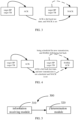
- FIG. 5 is a HARQ-ACK codebook determination device 300 provided by a second embodiment of the present disclosure.
- the device 300 is applied to user equipment, and the device 300 includes: an information receiving module 310 and a determination module 320.
- the information receiving module 310 is configured to receive trigger information sent by a network device, wherein the trigger information is used to indicate the user equipment to perform One-Shot HARQ-ACK feedback.
- the determination module 320 is configured to, according to data scheduling information corresponding to a target Transport Block (TB) in a target HARQ process, determine HARQ-ACK information for the target TB in the target HARQ process in a Type-3 HARQ-ACK codebook, wherein the Type-3 HARQ-ACK codebook includes HARQ-ACK information corresponding to all HARQ processes on all configured carriers in a Physical Uplink Control Channel (PUCCH) group.
- TB Transport Block
- PUCCH Physical Uplink Control Channel
- the data scheduling information corresponding to the target TB includes one of first information, second information and third information, wherein:
- the information that the target TB is currently scheduled for new transmission includes that: current NDI information for the target TB has a value different from last NDI information, or the target TB is a TB in Semi-Persistent Scheduling (SPS) PDSCH; or,
- SPS Semi-Persistent Scheduling
- the determination module 320 is configured to: for the target TB in the target HARQ process, in response to the user equipment having reported ACK and the data scheduling information corresponding to the target TB being the second information or the third information, determine that the HARQ-ACK information for the target TB is NACK.
- the determination module 320 is configured to: for the target TB in the target HARQ process, in response to the user terminal having reported ACK and the data scheduling information corresponding to the target TB being the first information, determine that the HARQ-ACK information for the target TB is a decoding result.
- the determination module 320 is configured to: for the target TB in the target HARQ process, in response to the user equipment having reported NACK and the data scheduling information corresponding to the target TB being the first information or the second information, determine that the HARQ-ACK information for the target TB is a decoding result.
- the determination module 320 is configured to: for the target TB in the target HARQ process, in response to the user terminal having reported NACK and the data scheduling information corresponding to the target TB being the third information, determine that the HARQ-ACK information for the target TB is NACK.
- the user equipment in the One-Shot HARQ feedback, may be configured through RRC signaling, so that when the user equipment performs HARQ feedback, the user equipment determines whether to perform CBG-based feedback for a carrier for which CBG-based transmission is configured.
- the determination module 320 is further configured to: if the user equipment is configured to feed back One-Shot HARQ-ACK information based on CBG and a target cell corresponding to the target HARQ process is configured with the CBG feedback length, determine the bit length of the HARQ-ACK information for the target TB according to the CBG feedback length; otherwise, determine the bit length of the HARQ-ACK information for the target TB according to the TB feedback length.
- the determination module 320 determines the bit length of the HARQ-ACK information for the target TB according to the CBG feedback length; otherwise, the determination module 320 determines the bit length of the HARQ-ACK information for the target TB according to the TB feedback length.
- the trigger information includes Downlink Control Information (DCI) sent by the network device to the user equipment.
- DCI Downlink Control Information
- FIG. 6 is a HARQ-ACK codebook determination device 400 provided by the third embodiment of the present disclosure.
- the device 400 is applied to a network device, and the device 400 includes a trigger module 410 and a codebook receiving module 420.
- the trigger module 410 is configured to send trigger information to user equipment, wherein the trigger information is used to indicate the user equipment to perform One-Shot HARQ-ACK feedback.
- the codebook receiving module 420 is configured to receive a Type-3 HARQ-ACK codebook which is fed back by the user equipment, wherein the Type-3 HARQ-ACK codebook includes HARQ-ACK information corresponding to all HARQ processes on all configured carriers in a Physical Uplink Control Channel (PUCCH) group, and HARQ-ACK information for a target Transport Block (TB) in a target HARQ process in the Type-3 HARQ-ACK codebook is determined by the user equipment according to data scheduling information corresponding to the target TB in the target HARQ process.
- PUCCH Physical Uplink Control Channel
- the data scheduling information corresponding to the target TB includes one of first information, second information and third information, wherein:
- the information that the target TB is currently scheduled for new transmission includes that: current NDI information for the target TB has a value different from last NDI information, or the target TB is a TB in Semi-Persistent Scheduling (SPS) PDSCH.
- SPS Semi-Persistent Scheduling
- the information that the target TB is currently scheduled for retransmission includes that: the current NDI information for the target TB has a value the same as the last NDI information, or the target TB is the TB in the SPS PDSCH and the value of the NDI information is 1.
- the information that the target TB is not currently scheduled includes that: the target TB does not currently correspond to NDI information, or the target TB does not currently correspond to NDI information and is not the TB in the SPS PDSCH.
- the trigger information includes Downlink Control Information (DCI) sent by the network device to the user equipment.
- DCI Downlink Control Information
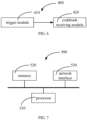
- FIG. 7 is a schematic structural diagram of a HARQ-ACK codebook determination device 500 provided by the fourth embodiment of the present disclosure.
- the HARQ-ACK codebook determination device 500 includes: a processor 510, a memory 520 and a network interface 530.
- the processor 510 calls the program in the memory 520 to execute the corresponding processes implemented by the network device in the HARQ-ACK codebook determination method provided in the first embodiment above, or to execute the corresponding processes implemented by the user equipment in the HARQ-ACK codebook determination method provided in the first embodiment above, and the execution result is sent out through the network interface 530.
- the processor 510 may be an independent component, or may be a collective term for multiple processing components.
- the processor 510 may be a CPU, an ASIC, or one or more integrated circuits configured to implement the above methods, such as at least one microprocessor DSP, or at least one programmable gate array FPGA, etc.
- each flow and/or block in the flowcharts and/or block diagrams, and combinations of flows and/or blocks in the flowcharts and/or block diagrams can be implemented by computer program instructions.
- These computer program instructions may be provided to the processor of a general purpose computer, a special purpose computer, an embedded processor, a chip or other programmable data processing device to produce a machine, so that the instructions to be executed by the processor of the computer or other programmable data processing device generates device for implementing the functions specified in a flow or flows of the flowcharts and/or a block or blocks of the block diagrams.
- the program may be stored in a computer-readable storage medium, and the storage medium may include: a read only memory (ROM), a random access memory (RAM,), a magnetic disk or an optical disk, and the like.
- HARQ-ACK Hybrid Automatic Repeat-reQuest-Acknowledge
- the data scheduling information corresponding to the target TB comprises one of first information, second information and third information, wherein:
- the method according to example 2 or 3, wherein determining the HARQ-ACK information for the target TB in the target HARQ process in the Type-3 HARQ-ACK codebook according to the data scheduling information corresponding to the target TB in the target HARQ process comprises: for the target TB in the target HARQ process, in response to the user equipment having reported ACK and the data scheduling information corresponding to the target TB being the second information or the third information, determining, by the user equipment, that the HARQ-ACK information for the target TB is NACK.
- the method according to example 2 or 3, wherein determining the HARQ-ACK information for the target TB in the target HARQ process in the Type-3 HARQ-ACK codebook according to the data scheduling information corresponding to the target TB in the target HARQ process comprises: for the target TB in the target HARQ process, in response to the user terminal having reported ACK and the data scheduling information corresponding to the target TB being the first information, determining, by the user equipment, that the HARQ-ACK information for the target TB is a decoding result.
- the method according to example 2 or 3, wherein determining the HARQ-ACK information for the target TB in the target HARQ process in the Type-3 HARQ-ACK codebook according to the data scheduling information corresponding to the target TB in the target HARQ process comprises: for the target TB in the target HARQ process, in response to the user equipment having reported NACK and the data scheduling information corresponding to the target TB being the first information or the second information, determining, by the user equipment, that the HARQ-ACK information for the target TB is a decoding result.
- the method according to example 2 or 3, wherein determining the HARQ-ACK information for the target TB in the target HARQ process in the Type-3 HARQ-ACK codebook according to the data scheduling information corresponding to the target TB in the target HARQ process comprises: for the target TB in the target HARQ process, in response to the user terminal having reported NACK and the data scheduling information corresponding to the target TB being the third information, determining, by the user equipment, that the HARQ-ACK information for the target TB is NACK.
- the method according to any one of examples 1 to 7, wherein determining the HARQ-ACK information for the target TB in the target HARQ process in the Type-3 HARQ-ACK codebook comprises:
- the bit length of the HARQ-ACK information for the target TB is determined according to the CBG feedback length; otherwise, the bit length of the HARQ-ACK information for the target TB is determined according to the TB feedback length.
- the trigger information comprises Downlink Control Information (DCI) sent by the network device to the user equipment.
- DCI Downlink Control Information
- HARQ-ACK Hybrid Automatic Repeat-reQuest-Acknowledge
- the data scheduling information corresponding to the target TB comprises one of first information, second information and third information, wherein:
- the trigger information comprises Downlink Control Information (DCI) sent by the network device to the user equipment.
- DCI Downlink Control Information
- HARQ-ACK Hybrid Automatic Repeat-reQuest-Acknowledge
- the device according to example 15, wherein the data scheduling information corresponding to the target TB comprises one of first information, second information and third information, wherein:
- the device configured to: for the target TB in the target HARQ process, in response to the user equipment having reported ACK and the data scheduling information corresponding to the target TB being the second information or the third information, determine that the HARQ-ACK information for the target TB is NACK.
- the device configured to: for the target TB in the target HARQ process, in response to the user terminal having reported ACK and the data scheduling information corresponding to the target TB being the first information, determine that the HARQ-ACK information for the target TB is a decoding result.
- the device configured to: for the target TB in the target HARQ process, in response to the user equipment having reported NACK and the data scheduling information corresponding to the target TB being the first information or the second information, determine that the HARQ-ACK information for the target TB is a decoding result.
- the device according to example 16 or 17, wherein the determination module is configured to: for the target TB in the target HARQ process, in response to the user terminal having reported NACK and the data scheduling information corresponding to the target TB being the third information, determine that the HARQ-ACK information for the target TB is NACK.
- the device according to any one of examples 15 to 21, wherein the determination module is further configured to:
- the determination module is configured to: in response to the user equipment being configured to feed back One-Shot HARQ-ACK information based on CBG, and a target cell corresponding to the target HARQ process being configured with the CBG feedback length, determine the bit length of the HARQ-ACK information for the target TB according to the CBG feedback length; otherwise, determine the bit length of the HARQ-ACK information for the target TB according to the TB feedback length.
- the device according to any one of examples 15 to 23, wherein the trigger information comprises Downlink Control Information (DCI) sent by the network device to the user equipment.
- DCI Downlink Control Information
- HARQ-ACK Hybrid Automatic Repeat-reQuest-Acknowledge
- the device according to example 25, wherein the data scheduling information corresponding to the target TB comprises one of first information, second information and third information, wherein:
- the device according to any one of examples 25 to 27, wherein the trigger information comprises Downlink Control Information (DCI) sent by the network device to the user equipment.
- DCI Downlink Control Information
- HARQ-ACK Hybrid Automatic Repeat-reQuest-Acknowledge
- a network device comprising a processor, a memory and a network interface, wherein the processor is configured to call a program in the memory to execute the Hybrid Automatic Repeat-reQuest-Acknowledge (HARQ-ACK) codebook determination method according to any one of examples 11 to 14, and send an execution result through the network interface.
- HARQ-ACK Hybrid Automatic Repeat-reQuest-Acknowledge
- a chip comprising a processor configured to call and run a computer program in a memory to cause a device in which the chip is installed to perform the Hybrid Automatic Repeat-reQuest-Acknowledge (HARQ-ACK) codebook determination method according to any one of examples 1 to 14.
- HARQ-ACK Hybrid Automatic Repeat-reQuest-Acknowledge
- a computer-readable storage medium having programs for a Hybrid Automatic Repeat-reQuest-Acknowledge (HARQ-ACK) codebook determination method stored thereon, wherein when the programs for the HARQ-ACK codebook determination method are executed by a processor, the processor is caused to perform the HARQ-ACK codebook determination method according to any one of examples 1 to 14.
- HARQ-ACK Hybrid Automatic Repeat-reQuest-Acknowledge
- HARQ-ACK Hybrid Automatic Repeat-reQuest-Acknowledge
Landscapes
- Engineering & Computer Science (AREA)
- Signal Processing (AREA)
- Computer Networks & Wireless Communication (AREA)
- Mobile Radio Communication Systems (AREA)
- Detection And Prevention Of Errors In Transmission (AREA)
- Communication Control (AREA)
Applications Claiming Priority (3)
| Application Number | Priority Date | Filing Date | Title |
|---|---|---|---|
| CN202010093734 | 2020-02-14 | ||
| EP20919075.0A EP4057753A4 (de) | 2020-02-14 | 2020-04-29 | Verfahren und vorrichtung zur bestimmung eines hybriden automatischen wiederholungsaufforderungsbestätigungs-codebuchs und vorrichtung dafür |
| PCT/CN2020/087679 WO2021159615A1 (zh) | 2020-02-14 | 2020-04-29 | 混合自动重传请求应答码本确定方法、装置及其设备 |
Related Parent Applications (1)
| Application Number | Title | Priority Date | Filing Date |
|---|---|---|---|
| EP20919075.0A Division EP4057753A4 (de) | 2020-02-14 | 2020-04-29 | Verfahren und vorrichtung zur bestimmung eines hybriden automatischen wiederholungsaufforderungsbestätigungs-codebuchs und vorrichtung dafür |
Publications (2)
| Publication Number | Publication Date |
|---|---|
| EP4459902A2 true EP4459902A2 (de) | 2024-11-06 |
| EP4459902A3 EP4459902A3 (de) | 2024-12-25 |
Family
ID=77292017
Family Applications (2)
| Application Number | Title | Priority Date | Filing Date |
|---|---|---|---|
| EP24200264.0A Pending EP4459902A3 (de) | 2020-02-14 | 2020-04-29 | Verfahren und vorrichtung zur bestimmung eines codebuchs für hybride automatische wiederholungsanfragen und vorrichtung dafür |
| EP20919075.0A Ceased EP4057753A4 (de) | 2020-02-14 | 2020-04-29 | Verfahren und vorrichtung zur bestimmung eines hybriden automatischen wiederholungsaufforderungsbestätigungs-codebuchs und vorrichtung dafür |
Family Applications After (1)
| Application Number | Title | Priority Date | Filing Date |
|---|---|---|---|
| EP20919075.0A Ceased EP4057753A4 (de) | 2020-02-14 | 2020-04-29 | Verfahren und vorrichtung zur bestimmung eines hybriden automatischen wiederholungsaufforderungsbestätigungs-codebuchs und vorrichtung dafür |
Country Status (6)
| Country | Link |
|---|---|
| US (1) | US12262379B2 (de) |
| EP (2) | EP4459902A3 (de) |
| JP (1) | JP7466662B2 (de) |
| KR (1) | KR20220141795A (de) |
| CN (2) | CN114287163A (de) |
| WO (1) | WO2021159615A1 (de) |
Families Citing this family (5)
| Publication number | Priority date | Publication date | Assignee | Title |
|---|---|---|---|---|
| US12418365B2 (en) * | 2020-04-17 | 2025-09-16 | Telefonaktiebolaget Lm Ericsson (Publ) | Semi-static HARQ codebook for DL-SPS |
| CN113676292B (zh) * | 2020-05-15 | 2023-04-07 | 维沃移动通信有限公司 | 信息传输、harq-ack码本的生成、传输方法及设备 |
| US12009932B2 (en) * | 2020-09-25 | 2024-06-11 | Qualcomm Incorporated | Type 3 hybrid automatic repeat request codebook for sidelink |
| CN119138073A (zh) * | 2022-09-30 | 2024-12-13 | Oppo广东移动通信有限公司 | 反馈信息的确定方法、装置、设备及存储介质 |
| US20250323763A1 (en) * | 2024-04-12 | 2025-10-16 | Qualcomm Incorporated | Feedback for multiple new data indicators |
Family Cites Families (25)
| Publication number | Priority date | Publication date | Assignee | Title |
|---|---|---|---|---|
| WO2010002130A2 (en) * | 2008-07-03 | 2010-01-07 | Lg Electronics Inc. | Method for processing ndi in random access procedure and a method for transmitting and receiving a signal using the same |
| CN102036398B (zh) * | 2009-09-29 | 2015-06-03 | 中兴通讯股份有限公司 | 一种中继节点及其传输数据的方法 |
| CN103139717B (zh) * | 2011-11-30 | 2015-11-25 | 鼎桥通信技术有限公司 | 群组业务调度方法、基站和用户设备 |
| US8885752B2 (en) | 2012-07-27 | 2014-11-11 | Intel Corporation | Method and apparatus for feedback in 3D MIMO wireless systems |
| EP3094130A4 (de) * | 2014-01-29 | 2017-01-25 | Huawei Technologies Co., Ltd. | Datenübertragungsverfahren, -vorrichtung und -system |
| CN105790897B (zh) * | 2014-12-26 | 2020-10-30 | 北京三星通信技术研究有限公司 | 一种混合自动重传请求(harq)的方法和设备 |
| US10673593B2 (en) * | 2016-11-03 | 2020-06-02 | Huawei Technologies Co., Ltd. | HARQ signaling for grant-free uplink transmissions |
| CN108633097B (zh) * | 2017-03-24 | 2023-05-09 | 北京三星通信技术研究有限公司 | 无线通信方法和用户设备 |
| CN108809534B (zh) * | 2017-05-05 | 2022-07-01 | 北京三星通信技术研究有限公司 | 调度方法、harq-ack反馈方法和相应设备 |
| CN109586866B (zh) * | 2017-09-28 | 2024-06-28 | 华为技术有限公司 | 通信方法、装置和设备 |
| CN109639398B (zh) * | 2017-10-09 | 2021-12-31 | 华为技术有限公司 | Harq-ack反馈码本的发送方法、装置及设备 |
| US20210184801A1 (en) | 2017-11-15 | 2021-06-17 | Idac Holdings, Inc. | Method and apparatus for harq-ack codebook size determination and resource selection in nr |
| CN110086583B (zh) | 2018-01-26 | 2021-05-07 | 电信科学技术研究院有限公司 | 一种dai的指示方法、用户终端和网络侧设备 |
| CN110351025B (zh) * | 2018-04-04 | 2022-04-05 | 华为技术有限公司 | 信息反馈方法、装置和系统 |
| CN110635868B (zh) * | 2018-06-21 | 2021-02-09 | 维沃移动通信有限公司 | 混合自动重传请求反馈信息harq-ack处理方法及装置 |
| EP3834324A1 (de) * | 2018-08-07 | 2021-06-16 | IDAC Holdings, Inc. | Verfahren und vorrichtung zur harq-erweiterung |
| EP4057537B1 (de) * | 2019-11-06 | 2026-02-18 | LG Electronics Inc. | Verfahren und vorrichtung zum senden oder empfangen eines signals in einem drahtloskommunikationssystem |
| WO2021091258A1 (ko) * | 2019-11-06 | 2021-05-14 | 엘지전자 주식회사 | 무선 통신 시스템에서 신호 송수신 방법 및 장치 |
| US12184430B2 (en) * | 2019-11-08 | 2024-12-31 | Lenovo (Beijing) Ltd. | Method and apparatus for determining one shot HARQ-ACK codebook |
| CN112839379B (zh) | 2019-11-22 | 2024-11-19 | 北京三星通信技术研究有限公司 | 发送上行链路信号的方法及设备 |
| EP3895353A1 (de) * | 2020-01-16 | 2021-10-20 | Ofinno, LLC | Quittierungsübertragung in drahtlosen kommunikationssystemen |
| WO2021147076A1 (zh) * | 2020-01-23 | 2021-07-29 | Oppo广东移动通信有限公司 | Harq-ack码本的反馈方法、装置、设备及存储介质 |
| CN113498585A (zh) * | 2020-02-07 | 2021-10-12 | Oppo广东移动通信有限公司 | 信息接收的方法、发送的方法、装置和设备 |
| US11838915B2 (en) * | 2020-02-12 | 2023-12-05 | Intel Corporation | One-shot feedback and SCell dormancy behavior in 5G NR networks |
| US20240023135A1 (en) * | 2021-05-31 | 2024-01-18 | Apple Inc. | HARQ-ACK Codebook Handling |
-
2020
- 2020-04-29 EP EP24200264.0A patent/EP4459902A3/de active Pending
- 2020-04-29 CN CN202080060711.1A patent/CN114287163A/zh active Pending
- 2020-04-29 EP EP20919075.0A patent/EP4057753A4/de not_active Ceased
- 2020-04-29 KR KR1020227026826A patent/KR20220141795A/ko not_active Withdrawn
- 2020-04-29 JP JP2022547790A patent/JP7466662B2/ja active Active
- 2020-04-29 WO PCT/CN2020/087679 patent/WO2021159615A1/zh not_active Ceased
- 2020-04-29 CN CN202210514406.6A patent/CN114978454B/zh active Active
-
2022
- 2022-06-09 US US17/836,232 patent/US12262379B2/en active Active
Also Published As
| Publication number | Publication date |
|---|---|
| US20220304029A1 (en) | 2022-09-22 |
| EP4057753A1 (de) | 2022-09-14 |
| US12262379B2 (en) | 2025-03-25 |
| JP2023513165A (ja) | 2023-03-30 |
| CN114287163A (zh) | 2022-04-05 |
| EP4459902A3 (de) | 2024-12-25 |
| CN114978454A (zh) | 2022-08-30 |
| KR20220141795A (ko) | 2022-10-20 |
| JP7466662B2 (ja) | 2024-04-12 |
| CN114978454B (zh) | 2023-12-08 |
| EP4057753A4 (de) | 2023-01-11 |
| WO2021159615A1 (zh) | 2021-08-19 |
Similar Documents
| Publication | Publication Date | Title |
|---|---|---|
| JP7093856B2 (ja) | フィードバック情報の伝送方法及び装置 | |
| US12262379B2 (en) | Method and apparatus for determining hybrid automatic repeat request acknowledgment codebook, and device thereof | |
| CN110784928B (zh) | 传输定时信息发送方法、接收方法及装置 | |
| US12445251B2 (en) | Communication method and device, and storage medium | |
| JP2022517198A (ja) | チャネルアクセススキームの決定方法及び装置、端末装置、ネットワーク装置 | |
| CN113170492A (zh) | 随机接入的方法、终端设备和网络设备 | |
| US12438646B2 (en) | Sidelink feedback information processing method, terminal device, and network device | |
| CN115208520B (zh) | 确定混合自动重传请求进程信息的方法、设备及存储介质 | |
| JP7509805B2 (ja) | ランダムアクセス方法、端末デバイス及びネットワークデバイス | |
| JP7387009B2 (ja) | Harq-ackコードブックを決定するための方法、装置、デバイス及び記憶媒体 | |
| KR20210008411A (ko) | 업링크 신호의 송신 방법 및 단말기 | |
| EP3386254B1 (de) | Verfahren zur trägerübergreifenden planung, und vorrichtungen | |
| CN113517973B (zh) | 无线通信方法、终端设备和网络设备 | |
| US12034672B2 (en) | Method for determining contention window size (CWS), and related product | |
| US20210392662A1 (en) | Method and apparatus for processing autonomous transmission of user equipment | |
| CN113039851B (zh) | 无线通信方法、网络设备和终端设备 | |
| KR20220126289A (ko) | 정보 피드백 방법 및 관련 장치 | |
| US20230345495A1 (en) | Uplink control information sending method and receiving method, apparatuses, device, and medium | |
| WO2021155602A1 (zh) | 信号传输方法、装置及设备 | |
| CN114337940A (zh) | 一种harq码本确定方法及装置、终端设备、网络设备 | |
| CN119211883A (zh) | 无线通信方法、终端设备和网络设备 | |
| WO2021062874A1 (zh) | 竞争窗口大小的确定方法,网络设备,终端设备 |
Legal Events
| Date | Code | Title | Description |
|---|---|---|---|
| PUAI | Public reference made under article 153(3) epc to a published international application that has entered the european phase |
Free format text: ORIGINAL CODE: 0009012 |
|
| STAA | Information on the status of an ep patent application or granted ep patent |
Free format text: STATUS: THE APPLICATION HAS BEEN PUBLISHED |
|
| AC | Divisional application: reference to earlier application |
Ref document number: 4057753 Country of ref document: EP Kind code of ref document: P |
|
| AK | Designated contracting states |
Kind code of ref document: A2 Designated state(s): AL AT BE BG CH CY CZ DE DK EE ES FI FR GB GR HR HU IE IS IT LI LT LU LV MC MK MT NL NO PL PT RO RS SE SI SK SM TR |
|
| REG | Reference to a national code |
Ref country code: DE Ref legal event code: R079 Free format text: PREVIOUS MAIN CLASS: H99Z9999999999 Ipc: H04W0072020000 |
|
| PUAL | Search report despatched |
Free format text: ORIGINAL CODE: 0009013 |
|
| AK | Designated contracting states |
Kind code of ref document: A3 Designated state(s): AL AT BE BG CH CY CZ DE DK EE ES FI FR GB GR HR HU IE IS IT LI LT LU LV MC MK MT NL NO PL PT RO RS SE SI SK SM TR |
|
| RIC1 | Information provided on ipc code assigned before grant |
Ipc: H04L 1/18 20230101ALI20241119BHEP Ipc: H04W 72/02 20090101AFI20241119BHEP |
|
| STAA | Information on the status of an ep patent application or granted ep patent |
Free format text: STATUS: REQUEST FOR EXAMINATION WAS MADE |
|
| 17P | Request for examination filed |
Effective date: 20250619 |
|
| STAA | Information on the status of an ep patent application or granted ep patent |
Free format text: STATUS: EXAMINATION IS IN PROGRESS |
|
| 17Q | First examination report despatched |
Effective date: 20260319 |