EP4456594A1 - Qoe-konfigurationsfreigabeverfahren und vorrichtung und computerlesbares speichermedium - Google Patents
Qoe-konfigurationsfreigabeverfahren und vorrichtung und computerlesbares speichermedium Download PDFInfo
- Publication number
- EP4456594A1 EP4456594A1 EP22909494.1A EP22909494A EP4456594A1 EP 4456594 A1 EP4456594 A1 EP 4456594A1 EP 22909494 A EP22909494 A EP 22909494A EP 4456594 A1 EP4456594 A1 EP 4456594A1
- Authority
- EP
- European Patent Office
- Prior art keywords
- qoe
- configuration
- release
- type parameter
- terminal
- Prior art date
- Legal status (The legal status is an assumption and is not a legal conclusion. Google has not performed a legal analysis and makes no representation as to the accuracy of the status listed.)
- Pending
Links
- 238000000034 method Methods 0.000 title claims abstract description 74
- 238000005259 measurement Methods 0.000 claims description 177
- 238000004590 computer program Methods 0.000 claims description 27
- 238000004891 communication Methods 0.000 abstract description 6
- 238000007726 management method Methods 0.000 description 12
- 238000010586 diagram Methods 0.000 description 11
- 230000008569 process Effects 0.000 description 11
- 230000005540 biological transmission Effects 0.000 description 10
- 238000012545 processing Methods 0.000 description 9
- 230000006870 function Effects 0.000 description 8
- 230000011664 signaling Effects 0.000 description 4
- 230000007774 longterm Effects 0.000 description 3
- 238000010295 mobile communication Methods 0.000 description 3
- 238000012986 modification Methods 0.000 description 3
- 230000004048 modification Effects 0.000 description 3
- 230000003287 optical effect Effects 0.000 description 3
- 239000000835 fiber Substances 0.000 description 2
- 230000003993 interaction Effects 0.000 description 2
- 230000002093 peripheral effect Effects 0.000 description 2
- 230000004913 activation Effects 0.000 description 1
- 230000001413 cellular effect Effects 0.000 description 1
- 239000003795 chemical substances by application Substances 0.000 description 1
- 238000013500 data storage Methods 0.000 description 1
- 238000005538 encapsulation Methods 0.000 description 1
- 238000005516 engineering process Methods 0.000 description 1
- 238000012423 maintenance Methods 0.000 description 1
- 238000004519 manufacturing process Methods 0.000 description 1
- 238000013507 mapping Methods 0.000 description 1
- 239000004065 semiconductor Substances 0.000 description 1
Images




Classifications
-
- H—ELECTRICITY
- H04—ELECTRIC COMMUNICATION TECHNIQUE
- H04W—WIRELESS COMMUNICATION NETWORKS
- H04W24/00—Supervisory, monitoring or testing arrangements
- H04W24/02—Arrangements for optimising operational condition
-
- H—ELECTRICITY
- H04—ELECTRIC COMMUNICATION TECHNIQUE
- H04L—TRANSMISSION OF DIGITAL INFORMATION, e.g. TELEGRAPHIC COMMUNICATION
- H04L41/00—Arrangements for maintenance, administration or management of data switching networks, e.g. of packet switching networks
- H04L41/50—Network service management, e.g. ensuring proper service fulfilment according to agreements
- H04L41/5061—Network service management, e.g. ensuring proper service fulfilment according to agreements characterised by the interaction between service providers and their network customers, e.g. customer relationship management
- H04L41/5067—Customer-centric QoS measurements
-
- H—ELECTRICITY
- H04—ELECTRIC COMMUNICATION TECHNIQUE
- H04W—WIRELESS COMMUNICATION NETWORKS
- H04W24/00—Supervisory, monitoring or testing arrangements
- H04W24/10—Scheduling measurement reports ; Arrangements for measurement reports
-
- H—ELECTRICITY
- H04—ELECTRIC COMMUNICATION TECHNIQUE
- H04W—WIRELESS COMMUNICATION NETWORKS
- H04W24/00—Supervisory, monitoring or testing arrangements
- H04W24/08—Testing, supervising or monitoring using real traffic
Definitions
- the present disclosure relates to the technical field of radio communications, in particular to a QoE configuration release method, device and computer-readable storage medium.
- the goal of Quality of Experience is to collect user experience quality parameters of different service types.
- the core network or the operation administration and maintenance (OAM) entity transmits the QoE configuration to the radio access network (RAN)
- the RAN forwards the QoE configuration to the user equipment (UE)
- the UE collects the relevant QoE measurement report, and reports it to the RAN side, and then reports it to the server through the RAN, where the UE can also be called a terminal.
- the QoE measurement report is generated by the application layer of the terminal. After the report is generated, the QoE measurement report is transmitted to the access stratum (AS) of the UE, and the AS of the UE transmits the QoE measurement report to the RAN side through a radio resource control (RRC) message.
- AS access stratum
- RRC radio resource control
- the RAN side needs to release the QoE configuration of the UE due to some reasons, the RAN notifies the UE of the QoE ID that needs to be released, and the terminal releases all QoE configuration corresponding to the QoE ID. Therefore, the current QoE configuration release method is too single.
- the present application provides a method for releasing QoE configuration, device, and computer-readable storage medium for flexibly releasing QoE configuration.
- embodiments of the present application provide a method for releasing QoE configuration, including: receiving QoE configuration release information transmitted by a network side device, wherein the QoE configuration release information comprises a release type parameter, and the release type parameter is used to indicate a type of QoE configuration to be released by a terminal; determining target QoE configuration that needs to be released according to the release type parameter; and releasing the target QoE configuration.
- embodiments of the present application also provides a method for releasing QoE configuration, including: generating QoE configuration release information comprising a release type parameter after determining that the terminal needs to release the QoE configuration; wherein the release type parameter is used to indicate a type of QoE configuration to be released by a terminal; transmitting the QoE configuration release information to the terminal.
- a terminal including: a memory, a processor, and a transceiver; where: the memory is configured to store computer programs; the transceiver is configured to transmit and receive data under a control of the processor; the processor is configured to read the computer programs in the memory and perform the following operations: receiving QoE configuration release information transmitted by a network side device, where the QoE configuration release information comprises a release type parameter, and the release type parameter is used to indicate a type of QoE configuration to be released by a terminal; determining target QoE configuration that needs to be released according to the release type parameter; and releasing the target QoE configuration.
- embodiments of the present application provide a network side device, including a memory, a processor, and a transceiver; where: the memory is configured to store computer programs; the transceiver is configured to transmit and receive data under the control of the processor; the processor is configured to read the computer programs in the memory and perform the following operations: generating QoE configuration release information comprising a release type parameter after determining that the terminal needs to release the QoE configuration; wherein the release type parameter is used to indicate a type of QoE configuration to be released by a terminal; transmitting the QoE configuration release information to the terminal.
- embodiments of the present application provide a device for releasing QoE configuration, including: a receiving module, configured to receive QoE configuration release information transmitted by a network side device, wherein the QoE configuration release information comprises a release type parameter, and the release type parameter is used to indicate a type of QoE configuration to be released by a terminal; a determining module, configured to determine target QoE configuration that needs to be released according to the release type parameter; and release the target QoE configuration.
- embodiments of the present application provide a device for releasing QoE configuration, including: a generating module, configured to generate QoE configuration release information comprising a release type parameter after determining that the terminal needs to release the QoE configuration; wherein the release type parameter is used to indicate a type of QoE configuration to be released by a terminal; a transmitting module, configured to transmit the QoE configuration release information to the terminal.
- embodiments of the present application provide a computer-readable storage medium, the computer-readable storage medium stores computer programs, the computer programs are configured to cause the computer execute the methods in the above-mentioned first aspect or the second aspect.
- the release type parameter is used for indicating the type of QoE configuration to be released by the terminal, and the terminal can determine the target QoE configuration that needs to be released corresponding to the release type parameter based on the release type parameter in the QoE configuration release information, and release the target QoE configuration.
- the network side device notifies the terminal of the QoE configuration type that needs to be released, and the terminal, according to the QoE configuration type notified by the network side device, releases the QoE configuration corresponding to the QoE configuration type notified by the network side device, so that the QoE configuration can be released flexibly and system performance can be further improved.
- plurality in embodiments of the present application refers to two or more, and other quantifiers are similar.
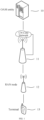
- the radio communication system includes an OAM entity 10, a Core Network (CN) device 11, a RAN node 12, and a terminal 13.
- OAM entity an OAM entity
- CN Core Network
- embodiments of the present application provide two kinds of QoE measurement.
- One of which is signaling based (Signalling based) the process is that the OAM entity 10 transmits the QoE configuration to the core network, and the core network device 11 transmits the QoE configuration to the RAN node 12.
- the RAN node 12 forwards the QoE configuration to the terminal 13; and the QoE configuration in this case is for a specific UE.
- the other of which is a management based (Management based)
- the process is that the OAM entity 10 directly transmits the QoE configuration to the RAN node 12, the RAN node 12 then forwards the QoE configuration to the terminal 13, and in this case, the QoE configuration is configured for multiple UEs.
- the RAN node 12 After the RAN node 12 determines that the terminal needs to release the QoE configuration, it generates QoE configuration release information that includes a release type parameter, and the release type parameter is configured to indicate the type of QoE configuration that needs to be released by the terminal; and the RAN node 12 transmits the QoE configuration release information to the terminal 13.
- the terminal 13 receives the QoE configuration release information including the release type parameter transmitted by the RAN node 12; and determines the target QoE configuration to be released according to the release type parameter in the QoE configuration release information, and releases the target QoE configuration.
- the RAN node determines whether the terminal needs to release the QoE configuration, the RAN node determines whether the current terminal moves out of the effective range of the QoE configuration, and after the terminal moves out of the effective range of the QoE configuration, the RAN node determines that the terminal needs to release the QoE configuration. Or, the RAN node determines whether there is a network failure, if the RAN node determines that the QoE configuration needs to be released due to the type of network failure, the RAN node determines that the terminal needs to release the QoE configuration. Or, after the RAN node determines that the QoE configuration needs to be released due to manual network management, the RAN node determines that the terminal needs to release the QoE configuration.
- the RAN node of the radio communication system in embodiments of the present application transmits a RRC reconfiguration message to the terminal after determining that the terminal needs to release the QoE configuration; where, the RRC reconfiguration message includes QoE configuration release information, and the QoE configuration release information includes the release type parameter.
- the release type parameters in embodiments of the present application include a configuration type parameter and/or a service type parameter.
- the configuration type parameter can be the first configuration type parameter, for example, the first configuration type can be a QoE configuration type (Traditional QoE) invisible to the network side device, or the first configuration type can be the Traditional QoE and the QoE configuration type (RAN-visible QoE) visible to the network side device.
- the first configuration type can be a QoE configuration type (Traditional QoE) invisible to the network side device, or the first configuration type can be the Traditional QoE and the QoE configuration type (RAN-visible QoE) visible to the network side device.
- the service type parameter includes but not limited to: string, streaming media, Multimedia Telephony Service for IMS (MTSI).
- MTSI Multimedia Telephony Service for IMS
- the terminal After receiving the RRC reconfiguration message transmitted by the network side device, the terminal parses the QoE configuration release information from the RRC reconfiguration message, and obtains the release type parameter included in the QoE configuration release information, and determines the target QoE configuration corresponding to the release type parameter according to the release type parameter, and release the target QoE configuration.
- the applicable system may be a global system of mobile communication (GSM) system, a code division multiple access (CDMA) system, a wideband code division multiple access (WCDMA) general packet radio service (GPRS) system, a long term evolution (LTE) system, a LTE frequency division duplex (FDD) system, a LTE time division duplex (TDD) system, a long term evolution advanced (LTE-A) system, an universal mobile telecommunications system (UMTS), a worldwide interoperability for microwave access (WiMAX) system, a 5G new radio (NR) system, etc.
- GSM global system of mobile communication
- CDMA code division multiple access
- WCDMA wideband code division multiple access
- GPRS general packet radio service
- LTE long term evolution
- FDD frequency division duplex
- TDD LTE time division duplex
- LTE-A long term evolution advanced
- UMTS universal mobile telecommunications system
- WiMAX worldwide interoperability for microwave access
- NR 5G new radio
- the terminal involved in embodiments of the present application may be a device that provides voice and/or data connectivity to users, a handheld device with a wireless connection function, or other processing devices connected to a wireless modem.
- the names of terminal device may be different.
- a terminal may be called the user equipment (UE).
- the wireless terminal device can communicate with one or more core networks (CN) via the radio access network (RAN), and the wireless terminal device can be a mobile terminal device, such as a mobile phone (or called a "cellular "telephones) and computers with mobile terminal device, such as portable, pocket, hand-held, computer built-in or vehicle-mounted mobile devices, which exchange language and/or data with the radio access network.
- CN core networks
- RAN radio access network
- Wireless terminal device can also be called system, subscriber unit, subscriber station, mobile station, mobile station, remote station, access point, remote terminal device, access terminal device, user terminal device, user agent, and user device, which are not limited in embodiments of this application.
- the network side device involved in embodiments of the present application may be a base station, and the base station may include multiple cells that provide services for terminals.
- base stations can also be referred to as access points, or devices in the access network that communicate with wireless terminal devices through one or more sectors on the air interface, or other names.
- the network side device can be configured to exchange received air frames and internet protocol (IP) packets, and act as a router between the wireless terminal device and the rest of the access network, where the rest of the access network can include Internet Protocol (IP) communication network.
- IP Internet Protocol
- the network side device can also coordinate attribute management of the air interface.
- the network side device involved in embodiments of the present application may be a Global System for Mobile communications, (GSM), or a network device (Base Transceiver Station, BTS) in the Code Division Multiple Access (CDMA), it can also be a network device (NodeB) in Wideband Code Division Multiple Access (WCDMA), or it can be an evolved network (evolutional Node B, eNB or e-NodeB) in a long term evolution (LTE) system, 5G base station (gNB) in the 5G network architecture (next generation system), can also be a Home evolved Node B (HeNB), relay node, a femto, a pico, etc., are not limited in embodiments of the present application.
- GSM Global System for Mobile communications
- BTS Base Transceiver Station
- WCDMA Wideband Code Division Multiple Access
- evolutional Node B, eNB or e-NodeB evolved network
- LTE long term evolution
- gNB 5G base station
- HeNB Home
- MIMO transmission can be Single User MIMO (SU-MIMO) or Multi-User MIMO (MU-MIMO).
- MIMO transmission can be 2D-MIMO, 3D-MIMO, FD-MIMO, or massive-MIMO, or diversity transmission, precoding transmission, or beamforming transmission, etc.
- release type parameter(s) in embodiments of the present application include the configuration type parameter and/or the service type parameters.
- the QoE configuration type may be a configuration type that is invisible to the network side device, or may be a configuration type that is visible to the network side device.
- the network side device in embodiments of the present application may be a RAN node.
- the processes that the RAN node transmits the QoE configuration to the UE are the same and the configuration parameters are also the same.
- the QoE configuration file is encapsulated in a file for the RAN node, and the RAN node does not unseal the file and directly and transparently transmits it to the UE through RRC signaling. This type of QoE configuration is not visible to the RAN node.
- QoE measurement management parameters are defined in the R16 protocol version, including but not limited to the following parameters.
- This parameter is configured to define the IP address to which the QMC record is transmitted, and the IPv4 or IPv6 address can be used specifically.
- the QoE reference is globally unique and consists of MCC+MNC+QMC ID.
- MCC and MNC come from the management system together with the trace activation request, and are used to define a PLMN contained in the management system, and the QMC ID is a 3-byte string.
- the QoE identifier information can also be called measurement ID (measurement identifier). This parameter is used to identify the QoE configuration and measurement report on the UE side, and is used for the interaction between the RAN node and the UE on the air interface.
- the RAN node is responsible for mapping the ID with the above-mentioned QoE reference one by one.
- This parameter is the QoE configuration file defined by the application layer service.
- This parameter is used to define the service type that requires QoE measurement; where the service type parameter includes string, streaming media, MTSI and other types.
- This parameter is used to define the effective area of QoE configuration, which can include cell list, TA list, etc.
- the AS After the AS of the UE receives the QoE configuration through the RRC message, the AS transmits the QoE configuration to the application layer through the directory defined by the AT command, wherein the QoE configuration includes the parameters: Service Type, QoE reference and QMC configuration file.
- the application layer starts to measure according to the configuration file, and generates a QoE measurement report according to the configuration conditions.
- the application layer of the UE transmits the QoE report to the AS of the UE through the AT command, the AS of the UE immediately transmits the QoE to the RAN node through the RRC message; and the RAN node transmits the report to the server corresponding to the IP address defined by the configuration file, thereby completing the QoE configuration and measurement report collection process.
- the QoE visible to the network side device can be called RAN-visible QoE.
- This type of QoE configuration is generated by the RAN node and configured to the UE. After the RAN node receives the QoE report from the UE, the RAN node can directly understand the QoE report, rather than reporting it after encapsulation.
- RAN-visible QoE measures management parameters, including but not limited to the following parameters.
- the reported QoE parameters such as Buffer level, Playout delay (play delay), etc., collected by the UE.
- the QoE identifier information can also be called measurement ID. This parameter is used to identify the QoE configuration and the measurement report on the UE side, and is used for the interaction between the RAN node and the UE on the air interface. This identifier shares the same identifier with the QoE of the first configuration type.
- This parameter is used to define the service type that requires QoE measurement.
- the service type parameters include string, streaming media, MTSI and other types.
- the network side device when the network side device determines that the terminal needs to release the QoE configuration, the network side device transmits the QoE configuration release information to the terminal.
- the terminal performs configuration release after receiving the QoE configuration release information, and processes the collected measurement report data according to the actual situation.
- the reason why the network side device determines that the terminal needs to release the QoE configuration and generates the release message includes but is not limited to normal release, and the terminal moves out of the effective range of the QoE configuration.
- Normal release includes, but is not limited to: release by human management, release due to network failure.
- the terminal After receiving the QoE configuration release information transmitted by the network side device, the terminal determines the target QoE configuration that needs to be released corresponding to the release type parameter according to the release type parameter in the QoE configuration release information, and releases the target QoE configuration.
- the target QoE configuration to be released is determined according to the release type parameter included in the QoE configuration release information.
- the release type parameter includes the configuration type parameter.
- the QoE identifier information is also included in the QoE configuration release information transmitted by the network side device to the terminal.
- the terminal determines a candidate QoE configuration corresponding to the QoE identifier information according to the QoE identifier information, and selects a QoE configuration corresponding to the configuration type parameter from the candidate QoE configuration as the target QoE configuration.
- the QoE configuration release information transmitted by the network side device to the terminal in embodiments of the present application includes the QoE identifier information and the configuration type parameter.
- the configuration type parameter included in the QoE configuration release information is the first configuration type parameter, then all QoE configuration in the candidate QoE configuration is used as the target QoE configuration.
- the configuration type of QoE includes the QoE configuration (Traditional QoE) that is invisible to network side device and the QoE configuration (RAN-visible QoE) that is visible to network side device, then the first configuration type parameter can be the Traditional QoE, or the first configuration type parameter can be the Traditional QoE and the RAN-visible QoE.
- a QoE configuration visible to the network side device is selected from the candidate QoE configuration as the target QoE configuration.
- the configuration type of QoE includes the QoE configuration (Traditional QoE) that is invisible to network side device and the QoE configuration (RAN-visible QoE) that is visible to network side device, then the second configuration type parameter can be the RAN-visible QoE.
- the release type parameter includes the service type parameter.
- the QoE configuration release information transmitted by the network side device to the terminal includes the service type parameter
- the QoE configuration corresponding to the service type parameter is used as the target QoE configuration.
- the terminal determines all QoE configuration corresponding to the service type parameter as the target QoE configuration. For example, assuming that the service type parameter included in the QoE configuration release information are the string, the terminal uses the QoE configuration of the string type as the target QoE configuration.
- Release type parameters include the configuration type parameter and the service type parameter.
- the QoE configuration corresponding to the configuration type parameter is selected from the QoE configuration corresponding to the service type parameter as the target QoE configuration.
- the QoE configuration can be divided into the QoE configuration of different configuration types based on the configuration type parameters, the QoE configuration can also be divided into the QoE configuration of different service types based on the service type parameter.
- the terminal determines a part of the QoE configuration based on the service type parameter included in the QoE configuration release information, and the terminal determines a part of QoE configuration based on the configuration type parameter included in the QoE configuration release information, and determines the same QoE configuration in the two parts as the target QoE configuration.
- the QoE configuration corresponding to the service type parameter may be determined based on the service type parameter, and then the QoE configuration corresponding to the configuration type parameter is selected from the QoE configuration corresponding to the service type parameter as the target QoE configuration.
- the configuration type parameter included in the QoE configuration release information is the first configuration type parameter, then all QoE configuration corresponding to the service type parameter is used as the target QoE configuration.
- the QoE configuration type includes the Traditional QoE and the RAN-visible QoE
- the first configuration type parameter carried in the QoE configuration release information can be expressed as the Traditional QoE.
- the configuration type parameter included in the QoE configuration release information received by the terminal is Traditional QoE
- the terminal releases all QoE configuration corresponding to the service type parameter, that is, the terminal releases the Traditional QoE configuration and the RAN-visible QoE configuration corresponding to the service type parameter.
- the first configuration type parameter carried in the QoE configuration release information can be expressed as the Traditional QoE and the RAN-visible QoE.
- the terminal When the configuration type parameter included in the QoE configuration release information received by the terminal are the Traditional QoE and the RAN-visible QoE, the terminal release all QoE configuration corresponding to the service type parameter, that is, the terminal releases the Traditional QoE configuration and the RAN-visible QoE configuration corresponding to the service type parameter.
- the QoE configuration visible to the network side device is selected from the QoE configuration corresponding to the service type parameter as the target QoE configuration.
- the QoE configuration type includes the Traditional QoE and the RAN-visible QoE
- the second configuration type parameter carried in the QoE configuration release information can be expressed as the RAN-visible QoE.
- the configuration type parameter included in the QoE configuration release information received by the terminal is the RAN-visible QoE
- the terminal releases the RAN-visible QoE configuration corresponding to the service type parameter.
- the QoE configuration release information in embodiments of the present application also includes a release reason parameter used to indicate the reason for releasing the QoE configuration.
- the release reason parameter includes but not limited to normal release, and the terminal moves out of the effective range of the QoE configuration.
- the release timing of the release target QoE configuration is determined according to the release reason parameter. After the release timing is reached, the target QoE configuration is released.
- the release reason parameter indicates that the reason for releasing the QoE configuration is normal release
- the current moment is used as the release timing for releasing the target QoE configuration.
- the target QoE configuration is released immediately after the target QoE configuration that needs to be released is determined, and the measurement report related to the target QoE configuration is deleted.
- the release timing for releasing the target QoE configuration is determined according to the current QoE measurement state of the terminal.
- the current moment is used as the release timing for releasing the target QoE configuration. If the current QoE measurement state of the terminal is that QoE measurement is being performed, a moment at which the QoE measurement ends is determined as the release timing for releasing the target QoE configuration.
- the terminal needs to complete this QoE measurement. After this QoE measurement is completed, a QoE measurement report is generated according to the QoE measurement result and the target QoE configuration is released.
- the QoE measurement report obtained by the terminal performing QoE measurement can be processed in the following manner. If a target network side device accessed by the terminal after the terminal moves out of the effective range of the QoE configuration supports reporting of measurement reports, the QoE measurement report is reported to the target network side device.
- the target network side device which the terminal switches to access supports reporting of measurement reports, it means that the target network side device can receive the measurement report reported by the terminal, and the terminal can report the QoE measurement report obtained by performing QoE measurement to the target network side device.
- the QoE measurement report is stored.
- the terminal reports the QoE measurement report to a network side device that supports reporting of measurement reports after the terminal accesses the network side device that supports reporting of measurement reports.
- the terminal stores the QoE measurement report until the terminal switches again and accesses the network side device that supports reporting of measurement report, and the terminal reports the QoE measurement report to the network side device that supports reporting of measurement report.
- the QoE measurement report is stored. Another optional implementation method is that if the terminal accesses a network side node, supporting reporting of measurement reports, within a preset period of time, the QoE measurement report is reported to the network side device that supports reporting of measurement reports, otherwise, the QoE measurement report is deleted.
- the QoE measurement report is stored, and the timer can be started at the same time and the preset duration can be set. If the terminal accesses a network side device that supports reporting of measurement reports before the timing of the timer ends, the QoE measurement report is reported to the network side device that supports reporting of measurement reports. If the terminal is not accessed to the network side device that supports reporting of measurement reports at the end of the timing of the timer, the stored QoE measurement report is deleted.
- the terminal may release the target QoE configuration immediately after receiving the QoE configuration release information and determining the target QoE configuration that needs to be released.
- the encoding structure corresponding to the method for releasing QoE configuration implemented in the present application may be the following.
- the QoE configuration release information transmitted by the network side device to the terminal includes the QoE identifier, the configuration type parameter which is Traditional QoE, and the release reason which is normal release.
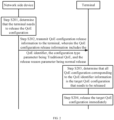
- the method for releasing QoE configuration includes the following steps.
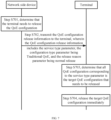
- Step S201 the network side device determines that the terminal needs to release the QoE configuration.
- Step S202 the network side device transmits QoE configuration release information to the terminal, wherein QoE configuration release information includes the QoE identifier, the configuration type parameter which is Traditional QoE, and the release reason parameter which is normal release.
- Step S203 the terminal determines that all QoE configuration corresponding to the QoE identifier information is the target QoE configuration that needs to be released.
- all QoE configuration corresponding to the QoE identifier information includes the Traditional QoE and the RAN-visible QoE.
- Step S204 the terminal immediately releases the target QoE configuration.
- the QoE configuration release process is the same as that shown in FIG. 2 .
- the QoE configuration release information transmitted by the network side device to the terminal includes the QoE identifier, the configuration type parameter which is RAN-visible QoE, and the release reason which is normal release.
- the method for releasing QoE configuration includes the following steps.
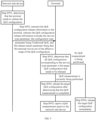
- Step S301 the network side device determines that the terminal needs to release the QoE configuration.
- Step S302 the network side device transmits QoE configuration release information to the terminal, wherein the QoE configuration release information includes the QoE identifier, the configuration type parameter which is RAN-visible QoE, and the release reason parameter which is normal release.
- Step S303 the terminal determines that QoE configuration of the RAN-visible QoE type in the QoE configuration corresponding to the QoE identifier information is the target QoE configuration that needs to be released.
- Step S304 the terminal immediately releases the target QoE configuration.
- the QoE configuration release information transmitted by the network side device to the terminal includes the QoE identifier, the configuration type parameter which is Traditional QoE, and the release reason which is that the terminal moves out of the effective range of the QoE configuration.
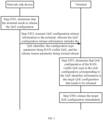
- the method for releasing QoE configuration includes the following steps.
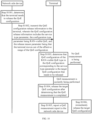
- Step S401 the network side device determines that the terminal needs to release the QoE configuration.
- Step S402 the network side device transmits the QoE configuration release information to the terminal, wherein the QoE configuration release information includes the QoE identifier, the configuration type parameter which is Traditional QoE, and the release reason parameter.
- the release reason parameter is that the terminal moves out of the effective range of the QoE configuration.
- Step S403 the terminal determines that all QoE configuration corresponding to the QoE identifier information is the target QoE configuration that needs to be released.
- all QoE configuration corresponding to the QoE identifier information includes the Traditional QoE and the RAN-visible QoE.
- the terminal determines whether QoE measurement is currently being performed; if yes, step S404 is executed, if not, step S406 is executed.
- Step S404 the terminal releases the target QoE configuration after determining that the QoE measurement is completed.
- Step S405 the terminal reports a QoE measurement report to the network side device.
- the terminal needs to determine the specific manner for reporting the measurement report according to whether the target network side device accessed by the terminal supports reporting the measurement report after moving out of the effective range of the QoE configuration.
- the specific manner for the terminal to determine and report the measurement report can refer to the description above.
- Step S406 the terminal immediately releases the target QoE configuration.
- the QoE configuration release process is the same as that shown in FIG. 4 .
- the QoE configuration release information transmitted by the network side device to the terminal includes the QoE identifier, the configuration type parameter which is RAN-visible QoE, and the release reason.
- the release reason is that the terminal moves out of the effective range of the QoE configuration.
- the method for releasing QoE configuration includes the following steps.
- Step S501 the network side device determines that the terminal needs to release the QoE configuration.
- Step S502 the network side device transmits the QoE configuration release information to the terminal, wherein the QoE configuration release information includes the QoE identifier, the configuration type parameter which is RAN-visible QoE, and the release reason parameter.
- the release reason parameter is that the terminal moves out of the effective range of the QoE configuration.
- Step S503 the terminal determines that QoE configuration of the RAN-visible QoE type in the QoE configuration corresponding to the QoE identifier information is the target QoE configuration that needs to be released.
- the terminal determines whether QoE measurement is currently being performed; if yes, step S504 is executed, if not, step S506 is executed.
- Step S504 the terminal releases the target QoE configuration after determining that the QoE measurement is completed.
- Step S505 the terminal reports a QoE measurement report to the network side device.
- the terminal needs to determine the specific manner for reporting the measurement report according to whether the target network side device accessed by the terminal supports reporting the measurement report after moving out of the effective range of the QoE configuration.
- the specific manner for the terminal to determine and report the measurement report can refer to the description above.
- Step S506 the terminal immediately releases the target QoE configuration.
- the QoE configuration release information transmitted by the network side device to the terminal includes a service type parameter.
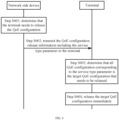
- the method for releasing QoE configuration includes the following steps.
- Step S601 the network side device determines that the terminal needs to release the QoE configuration.
- Step S602 the network side device transmits the QoE configuration release information including the service type parameter to the terminal.
- Step S603 the terminal determines that all QoE configuration corresponding to the service type parameter is the target QoE configuration that needs to be released.
- Step S604 the terminal immediately releases the target QoE configuration.
- the QoE configuration release information transmitted by the network side device to the terminal includes the service type parameter, the configuration type parameter which is Traditional QoE, and the release reason which is normal release.
- the method for releasing QoE configuration includes the following steps.
- Step S701 the network side device determines that the terminal needs to release the QoE configuration.
- Step S702 the network side device transmits the QoE configuration release information to the terminal, wherein the QoE configuration release information includes the service type parameter, the configuration type parameter which is Traditional QoE, and the release reason parameter which is normal release.
- Step S703 the terminal determines that all QoE configuration corresponding to the service type parameter is the target QoE configuration that needs to be released.
- Step S704 the terminal immediately releases the target QoE configuration.
- the QoE configuration release process is the same as that shown in FIG. 7 .
- the QoE configuration release information transmitted by the network side device to the terminal includes the service type parameter, the configuration type parameter which is RAN-visible QoE, and the release reason which is normal release.
- the method for releasing QoE configuration includes the following steps.
- Step S801 the network side device determines that the terminal needs to release the QoE configuration.
- Step S802 the network side device transmits the QoE configuration release information to the terminal, wherein the QoE configuration release information includes the service type parameter, the configuration type parameter which is RAN-visible QoE, and the release reason parameter which is normal release.
- Step S803 the terminal determines that QoE configuration of the RAN-visible QoE type in the QoE configuration corresponding to the service type parameter is the target QoE configuration that needs to be released.
- Step S804 the terminal immediately releases the target QoE configuration.
- the QoE configuration release information transmitted by the network side device to the terminal includes the service type parameter, the configuration type parameter which is Traditional QoE, and the release reason.
- the release reason is that the terminal moves out of the effective range of the QoE configuration.
- the method for releasing QoE configuration includes the following steps.
- Step S901 the network side device determines that the terminal needs to release the QoE configuration.
- Step S902 the network side device transmits the QoE configuration release information to the terminal, wherein the QoE configuration release information includes the service type parameter, the configuration type parameter which is Traditional QoE, and the release reason parameter.
- the release reason parameter is that the terminal moves out of the effective range of the QoE configuration.
- Step S903 the terminal determines that all QoE configuration corresponding to the service type parameter is the target QoE configuration that needs to be released.
- the terminal determines whether QoE measurement is currently being performed; if yes, step S904 is executed, if not, step S906 is executed.
- Step S904 the terminal releases the target QoE configuration after determining that the QoE measurement is completed.
- Step S905 the terminal reports a QoE measurement report to the network side device.
- the terminal needs to determine the specific manner for reporting the measurement report according to whether the target network side device accessed by the terminal supports reporting the measurement report after moving out of the effective range of the QoE configuration.
- the specific manner for the terminal to determine and report the measurement report can refer to the description above.
- Step S906 the terminal immediately releases the target QoE configuration.
- the QoE configuration release process is the same as that shown in FIG. 9 .
- the QoE configuration release information transmitted by the network side device to the terminal includes the service type parameter, the configuration type parameter which is RAN-visible QoE, and the release reason.
- the release reason is that the terminal moves out of the effective range of the QoE configuration.
- the method for releasing QoE configuration includes the following steps.
- Step S1001 the network side device determines that the terminal needs to release the QoE configuration.
- Step S1002 the network side device transmits the QoE configuration release information to the terminal, wherein the QoE configuration release information includes the service type parameter, the configuration type parameter which is RAN-visible QoE, and the release reason parameter.
- the release reason parameter is that the terminal moves out of the effective range of the QoE configuration.
- Step S1003 the terminal determines that QoE configuration of the RAN-visible QoE type in the QoE configuration corresponding to the service type parameter is the target QoE configuration that needs to be released.
- the terminal determines whether QoE measurement is currently being performed; if yes, step S1004 is executed, if not, step S 1006 is executed.
- Step S1004 the terminal releases the target QoE configuration after determining that the QoE measurement is completed.
- Step S1005 the terminal reports a QoE measurement report to the network side device.
- the terminal needs to determine the specific manner for reporting the measurement report according to whether the target network side device accessed by the terminal supports reporting the measurement report after moving out of the effective range of the QoE configuration.
- the specific manner for the terminal to determine and report the measurement report can refer to the description above.
- Step S1006 the terminal immediately releases the target QoE configuration.
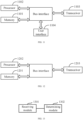
- embodiments of the present application provides a terminal, including a memory 1101, a processor 1102, and a transceiver 1103; the memory 1101 is configured to store computer programs; the transceiver 1103 is configured to transmit and receive data under the control of the processor 1102; the processor 1102 is configured to read the computer programs in the memory 1101 and perform the following operations: receiving QoE configuration release information transmitted by the network side device, where the QoE configuration release information includes a release type parameter, and the release type parameter is configured to indicate a type of QoE configuration to be released by a terminal; determining target QoE configuration that needs to be released according to the release type parameter; and releasing the target QoE configuration.
- the processor 1102 is specifically configured to: if the release type parameter includes a configuration type parameter, and the QoE configuration release information further includes QoE identifier information, determine candidate QoE configuration corresponding to the QoE identifier information according to the QoE identifier information, and select QoE configuration corresponding to the configuration type parameter from the candidate QoE configuration as the target QoE configuration; or if the release type parameter includes a service type parameter, use QoE configuration corresponding to the service type parameter as the target QoE configuration; or if the release type parameter includes a configuration type parameter and a service type parameter, select QoE configuration corresponding to the configuration type parameter as the target QoE configuration from QoE configuration corresponding to the service type parameter.
- the processor 1102 when selecting the QoE configuration corresponding to the configuration type parameter from the candidate QoE configuration as the target QoE configuration, is specifically configured to: if the configuration type parameter is a first configuration type parameter, use all QoE configuration in the candidate QoE configuration as the target QoE configuration; if the configuration type parameter is a second configuration type parameter, select QoE configuration visible to the network side device from the candidate QoE configuration as the target QoE configuration.
- the processor 1102 when selecting the QoE configuration corresponding to the configuration type parameter from the QoE configuration corresponding to the service type parameter as the target QoE configuration, is specifically configured to: if the configuration type parameter is a first configuration type parameter, use all QoE configuration corresponding to the service type parameter as the target QoE configuration; if the configuration type parameter is a second configuration type parameter, select QoE configuration visible to the network side device as the target QoE configuration from QoE configuration corresponding to the service type parameter.
- the QoE configuration release information further includes a release reason parameter for indicating a reason for releasing the QoE configuration; the processor 1102 is specifically configured to: determine a release timing for releasing the target QoE configuration according to a release reason parameter comprised in the QoE configuration release information; and release the target QoE configuration after the release timing is reached.
- the processor 1102 is specifically configured to: if the release reason parameter indicates that a reason for releasing the QoE configuration is normal release, use a current moment as the release timing for releasing the target QoE configuration; if the release reason parameter indicates that a reason for releasing the QoE configuration is that the terminal moves out of an effective range of the QoE configuration, determine the release timing for releasing the target QoE configuration according to a current QoE measurement state of the terminal.
- the processor 1102 is specifically configured to: if the current QoE measurement state of the terminal is that no QoE measurement is performed, use a current moment as the release timing for releasing the target QoE configuration; if the current QoE measurement state of the terminal is that QoE measurement is being performed, determine a moment at which the QoE measurement ends as the release timing for releasing the target QoE configuration.
- the processor 1102 is further configured to: if a target network side device accessed by the terminal after the terminal moves out of the effective range of the QoE configuration supports reporting of measurement reports, report a QoE measurement report to the target network side device; if a target network side device accessed by the terminal after the terminal moves out of the effective range of the QoE configuration does not support reporting of measurement reports, store a QoE measurement report; after the terminal accesses a network side device that supports reporting of measurement reports, report the QoE measurement report to the network side device that supports reporting of measurement reports; or, if the terminal accesses a network side node that supports reporting of measurement reports within a preset period of time, report the QoE measurement report to a network side device that supports reporting of measurement reports, otherwise, delete the QoE measurement report.
- the bus architecture may include any number of interconnected buses and bridges, specifically one or more processors represented by the processor 1102 and various circuits of the memory represented by the memory 1101 are linked together.
- the bus architecture can also link together various other circuits such as peripherals, voltage regulators, and power management circuits, etc., which are well known in the art and therefore will not be further described herein.
- the bus interface provides the interface.
- the transceiver 1103 may be a plurality of elements, including a transmitter and a receiver, providing a unit for communicating with various other devices over transmission media, the transmission media includes wireless channels, wired channels, fiber optic cables, etc.
- the user interface 1104 may also be an interface capable of connecting externally and internally to required device, and the connected device includes but not limited to a keypad, a display, a speaker, a microphone, a joystick, and the like.
- the processor 1102 is responsible for managing the bus architecture and general processing, and the memory 1101 can store data used by the processor 1102 when performing operations.
- the processor 1102 can be a CPU (Central Processing Unit), ASIC (Application Specific Integrated Circuit), FPGA (Field-Programmable Gate Array) or CPLD (Complex Programmable Logic Device), and the processor can also adopt a multi-core architecture.
- CPU Central Processing Unit
- ASIC Application Specific Integrated Circuit
- FPGA Field-Programmable Gate Array
- CPLD Complex Programmable Logic Device
- the processor is configured to execute any one of the methods provided in the embodiments of the present application according to the obtained executable instructions by calling the computer program stored in the memory.
- the processor and memory may also be physically separated.
- embodiments of the present application provides a network side device, including a memory 1201, a processor 1202, and a transceiver 1203; the memory 1201 is configured to store computer programs; the transceiver 1203 is configured to transmit and receive data under the control of the processor 1202; the processor 1202 is configured to read the computer programs in the memory 1201 and perform the following operations: generating QoE configuration release information including a release type parameter after determining that the terminal needs to release the QoE configuration; where the release type parameter is configured to indicate a type of QoE configuration to be released by a terminal; transmitting the QoE configuration release information to the terminal.
- the release type parameter includes a configuration type parameter and/or a service type parameter
- the QoE configuration release information further includes a release reason parameter for indicating a reason for releasing the QoE configuration
- the processor 1202 is specifically configured to: transmit the QoE configuration release information including the release type parameter and the release reason parameter to the terminal; where the release reason parameter is configured to indicate the terminal to determine a release timing of the target QoE configuration according to the release reason parameter.
- the bus architecture may include any number of interconnected buses and bridges, specifically, one or more processors represented by the processor 1202 and various circuits of the memory represented by the memory 1201 are linked together.
- the bus architecture can also link together various other circuits such as peripherals, voltage regulators, and power management circuits, etc., which are well known in the art and therefore will not be further described herein.
- the bus interface provides the interface.
- the transceiver 1203 may be a plurality of elements, including a transmitter and a receiver, providing a unit for communicating with various other devices over transmission media, the transmission media includes wireless channels, wired channels, fiber optic cables, etc.
- the processor 1202 is responsible for managing the bus architecture and general processing, and the memory 1201 can store data used by the processor 1202 when performing operations.
- the processor 1202 may be a CPU, ASIC, FPGA or CPLD, and the processor may also adopt a multi-core architecture.
- embodiments of the present application provides a device for releasing QoE configuration, including: a receiving module 1301, configured to receive QoE configuration release information transmitted by the network side device, wherein the QoE configuration release information comprises a release type parameter, and the release type parameter is configured to indicate a type of QoE configuration to be released by a terminal; a determining module 1302, configured to determine target QoE configuration that needs to be released according to the release type parameter; and release the target QoE configuration.
- the determining module 1302 is specifically configured to: if the release type parameter includes a configuration type parameter, and the QoE configuration release information further includes QoE identifier information, determine candidate QoE configuration corresponding to the QoE identifier information according to the QoE identifier information, and select QoE configuration corresponding to the configuration type parameter from the candidate QoE configuration as the target QoE configuration; or if the release type parameter includes a service type parameter, use QoE configuration corresponding to the service type parameter as the target QoE configuration; or if the release type parameter includes a configuration type parameter and a service type parameter, select QoE configuration corresponding to the configuration type parameter as the target QoE configuration from QoE configuration corresponding to the service type parameter.
- the determining module 1302 when selecting the QoE configuration corresponding to the configuration type parameter from the candidate QoE configuration as the target QoE configuration, is specifically configured to: if the configuration type parameter is a first configuration type parameter, use all QoE configuration in the candidate QoE configuration as the target QoE configuration; if the configuration type parameter is a second configuration type parameter, select QoE configuration visible to the network side device from the candidate QoE configuration as the target QoE configuration.
- the determining module 1302 when selecting the QoE configuration corresponding to the configuration type parameter from the QoE configuration corresponding to the service type parameter as the target QoE configuration, is specifically configured to: if the configuration type parameter is a first configuration type parameter, use all QoE configuration corresponding to the service type parameter as the target QoE configuration; if the configuration type parameter is a second configuration type parameter, select QoE configuration visible to the network side device as the target QoE configuration from QoE configuration corresponding to the service type parameter.
- the QoE configuration release information further includes a release reason parameter for indicating a reason for releasing the QoE configuration; the determining module 1302 is specifically configured to: determine a release timing for releasing the target QoE configuration according to the release reason parameter comprised in the QoE configuration release information; and release the target QoE configuration after the release timing is reached.
- the determining module 1302 is specifically configured to: if the release reason parameter indicates that a reason for releasing the QoE configuration is normal release, use a current moment as the release timing for releasing the target QoE configuration; if the release reason parameter indicates that a reason for releasing the QoE configuration is that the terminal moves out of an effective range of the QoE configuration, determine the release timing for releasing the target QoE configuration according to a current QoE measurement state of the terminal.
- the determining module 1302 is specifically configured to: if the current QoE measurement state of the terminal is that no QoE measurement is performed, use a current moment as the release timing for releasing the target QoE configuration; if the current QoE measurement state of the terminal is that QoE measurement is being performed, determine a moment at which the QoE measurement ends as the release timing for releasing the target QoE configuration.
- the determining module 1302 is specifically configured to: if a target network side device accessed by the terminal after the terminal moves out of the effective range of the QoE configuration supports reporting of measurement reports, report a QoE measurement report to the target network side device; if a target network side device accessed by the terminal after the terminal moves out of the effective range of the QoE configuration does not support reporting of measurement reports, store a QoE measurement report; after the terminal accesses a network side device that supports reporting of measurement reports, report the QoE measurement report to the network side device that supports reporting of measurement reports; or, if the terminal accesses a network side node that supports reporting of measurement reports within a preset period of time, report the QoE measurement report to a network side device that supports reporting of measurement reports, otherwise, delete the QoE measurement report.
- embodiments of the present application provides a device for releasing QoE configuration, including: a generating module 1401, configured to generate QoE configuration release information including a release type parameter after determining that the terminal needs to release the QoE configuration; where the release type parameter is configured to indicate a type of QoE configuration to be released by a terminal; a transmitting module 1402, configured to transmit the QoE configuration release information to the terminal.
- a generating module 1401 configured to generate QoE configuration release information including a release type parameter after determining that the terminal needs to release the QoE configuration
- the release type parameter is configured to indicate a type of QoE configuration to be released by a terminal
- a transmitting module 1402 configured to transmit the QoE configuration release information to the terminal.
- the release type parameter includes a configuration type parameter and/or a service type parameter
- the QoE configuration release information further includes a release reason parameter for indicating a reason for releasing the QoE configuration
- the transmitting module 1402 is specifically configured to: transmit QoE configuration release information including the release type parameter and the release reason parameter to the terminal; where the release reason parameter is configured to indicate the terminal to determine a release timing of the target QoE configuration according to the release reason parameter.
- each functional module in each embodiment of the present application may be integrated into one processing module, each module may exist separately physically, or two or more modules may be integrated into one module.
- the above-mentioned integrated modules can be implemented in the form of hardware or in the form of software function modules.
- the integrated modules are realized in the form of software function modules and sold or used as independent products, they can be stored in a computer-readable storage medium.
- the technical solution of the present application is essentially or part of the contribution to the prior art or all or part of the technical solution can be embodied in the form of a software product, and the computer software product is stored in a storage medium , including several instructions to make a computer device (which may be a personal computer, a server, or a network device, etc.) or a processor (processor) execute all or part of the steps of the methods described in each embodiment of the present application.
- the aforementioned storage media include: U disk, mobile hard disk, read-only memory (ROM), random access memory (RAM), magnetic disk or optical disc and other media that can store program codes.
- embodiments of the present application provide a method for releasing QoE configuration, which corresponds to the terminal in the above system. Since the method and the system have similar problem-solving principles, the implementation of the method can refer to the implementation of the system, and repetitions will not be repeated again.
- a method for releasing QoE configuration is performed by the terminal side, and the method includes: step S1501, receiving QoE configuration release information transmitted by the network side device, where the QoE configuration release information includes a release type parameter, and the release type parameter is configured to indicate a type of QoE configuration to be vreleased by a terminal; step S1502, determining target QoE configuration that needs to be released according to the release type parameter; and releasing the target QoE configuration.
- the determining the target QoE configuration that needs to be released according to the release type parameter specifically includes: if the release type parameter includes a configuration type parameter, and the QoE configuration release information further includes QoE identifier information, determining candidate QoE configuration corresponding to the QoE identifier information according to the QoE identifier information, and selecting QoE configuration corresponding to the configuration type parameter from the candidate QoE configuration as the target QoE configuration; or if the release type parameter includes a service type parameter, using QoE configuration corresponding to the service type parameter as the target QoE configuration; or if the release type parameter includes a configuration type parameter and a service type parameter, selecting QoE configuration corresponding to the configuration type parameter as the target QoE configuration from QoE configuration corresponding to the service type parameter.
- the selecting the QoE configuration corresponding to the configuration type parameter from the candidate QoE configuration as the target QoE configuration includes: if the configuration type parameter is a first configuration type parameter, using all QoE configuration in the candidate QoE configuration as the target QoE configuration; if the configuration type parameter is a second configuration type parameter, selecting QoE configuration visible to the network side device from the candidate QoE configuration as the target QoE configuration.
- the selecting the QoE configuration corresponding to the configuration type parameter as the target QoE configuration from the QoE configuration corresponding to the service type parameter includes: if the configuration type parameter is a first configuration type parameter, using all QoE configuration corresponding to the service type parameter as the target QoE configuration; if the configuration type parameter is a second configuration type parameter, selecting QoE configuration visible to the network side device as the target QoE configuration from QoE configuration corresponding to the service type parameter.
- the QoE configuration release information further includes a release reason parameter for indicating a reason for releasing the QoE configuration; the releasing the target QoE configuration, specifically includes: determining a release timing for releasing the target QoE configuration according to a release reason parameter comprised in the QoE configuration release information; releasing the target QoE configuration after the release timing is reached.
- the determining the release timing for releasing the target QoE configuration according to the release reason parameter included in the QoE configuration release information specifically includes: if the release reason parameter indicates that a reason for releasing the QoE configuration is normal release, using a current moment as the release timing for releasing the target QoE configuration; if the release reason parameter indicates that a reason for releasing the QoE configuration is that the terminal moves out of an effective range of the QoE configuration, determining the release timing for releasing the target QoE configuration according to a current QoE measurement state of the terminal.
- the determining the release timing for releasing the target QoE configuration according to the current QoE measurement state of the terminal specifically includes: if the current QoE measurement state of the terminal is that no QoE measurement is performed, using a current moment as the release timing for releasing the target QoE configuration; if the current QoE measurement state of the terminal is that QoE measurement is being performed, determining a moment at which the QoE measurement ends as the release timing for releasing the target QoE configuration.
- the method further includes: if a target network side device accessed by the terminal after the terminal moves out of the effective range of the QoE configuration supports reporting of measurement reports, reporting a QoE measurement report to the target network side device; if a target network side device accessed by the terminal after the terminal moves out of the effective range of the QoE configuration does not support reporting of measurement reports, storing a QoE measurement report; after the terminal accesses a network side device that supports reporting of measurement reports, reporting the QoE measurement report to the network side device that supports reporting of measurement reports; or, if the terminal accesses a network side node that supports reporting of measurement reports within a preset period of time, reporting the QoE measurement report to a network side device that supports reporting of measurement reports, otherwise, deleting the QoE measurement report.
- embodiments of the present application also provide a method for releasing QoE configuration, which corresponds to the RAN node in the above system. Since the method and the system have similar problem-solving principles, the implementation of the method can refer to the implementation of the system, and repetitions will not be repeated again.
- a method for QoE releasing configuration is performed by a network side device, and the method includes: step S1601, generating QoE configuration release information including a release type parameter after determining that the terminal needs to release the QoE configuration; where the release type parameter is configured to indicate a type of QoE configuration to be released by a terminal; step S 1602, transmitting the QoE configuration release information to the terminal.
- the release type parameter includes a configuration type parameter and/or a service type parameter
- the QoE configuration release information further includes a release reason parameter for indicating a reason for releasing the QoE configuration
- the transmitting the QoE configuration release information to the terminal specifically includes: transmitting the QoE configuration release information including the release type parameter and the release reason parameter to the terminal; where the release reason parameter is configured to indicate the terminal to determine a release timing of the target QoE configuration according to the release reason parameter.
- embodiments of the present application further provide a computer-readable storage medium, where the computer-readable storage medium stores computer programs, and the computer programs are configured to cause the computer to execute any one of the above methods for releasing QoE configuration.
- the computer-readable storage medium can be any available medium or data storage device that can be accessed by a computer, including but not limited to magnetic storage (such as floppy disk, hard disk, magnetic tape, magneto-optical disk (MO), etc.), optical storage (such as CD, DVD, BD, HVD, etc.), and semiconductor memory (such as ROM, EPROM, EEPROM, non-volatile memory (NAND FLASH), solid-state drive (SSD)), etc.
- magnetic storage such as floppy disk, hard disk, magnetic tape, magneto-optical disk (MO), etc.
- optical storage such as CD, DVD, BD, HVD, etc.
- semiconductor memory such as ROM, EPROM, EEPROM, non-volatile memory (NAND FLASH), solid-state drive (SSD)
- the embodiments of the present disclosure may be provided as a method, a system, or a computer program product. Accordingly, the present disclosure may take the form of an entirely hardware embodiment, an entirely software embodiment, or an embodiment combining software and hardware aspects. Furthermore, the present disclosure may take the form of a computer program product embodied on one or more computer-usable storage medium (including but not limited to a disk storage, CD-ROM, an optical storage, and the like) having computer-usable program code embodied therein.
- a computer-usable storage medium including but not limited to a disk storage, CD-ROM, an optical storage, and the like
- These computer program instructions may also be stored in a computer-readable memory capable of directing a computer or other programmable data processing apparatus to function in a particular manner, such that the instructions stored in the computer-readable memory result in an article of manufacture including instruction devices, the instructions device implements the functions specified in one or more flows of the flowchart and/or one or more blocks of the block diagrams.
- These computer program instructions can also be loaded on a computer or other programmable data processing device to cause a series of operational steps to be performed on the computer or other programmable device to produce a computer-implemented process, such that the instructions performed on the computer or other programmable device provide steps for implementing the functions specified in the one or more flows of the flowcharts and/or one or more blocks of the block diagrams.
Landscapes
- Engineering & Computer Science (AREA)
- Computer Networks & Wireless Communication (AREA)
- Signal Processing (AREA)
- Business, Economics & Management (AREA)
- General Business, Economics & Management (AREA)
- Mobile Radio Communication Systems (AREA)
Applications Claiming Priority (2)
| Application Number | Priority Date | Filing Date | Title |
|---|---|---|---|
| CN202111602603.5A CN116347470A (zh) | 2021-12-24 | 2021-12-24 | 一种QoE配置释放方法、设备及计算机可读存储介质 |
| PCT/CN2022/127005 WO2023116176A1 (zh) | 2021-12-24 | 2022-10-24 | 一种QoE配置释放方法、设备及计算机可读存储介质 |
Publications (2)
| Publication Number | Publication Date |
|---|---|
| EP4456594A1 true EP4456594A1 (de) | 2024-10-30 |
| EP4456594A4 EP4456594A4 (de) | 2025-04-23 |
Family
ID=86890228
Family Applications (1)
| Application Number | Title | Priority Date | Filing Date |
|---|---|---|---|
| EP22909494.1A Pending EP4456594A4 (de) | 2021-12-24 | 2022-10-24 | Qoe-konfigurationsfreigabeverfahren und vorrichtung und computerlesbares speichermedium |
Country Status (4)
| Country | Link |
|---|---|
| US (1) | US20250047574A1 (de) |
| EP (1) | EP4456594A4 (de) |
| CN (1) | CN116347470A (de) |
| WO (1) | WO2023116176A1 (de) |
Families Citing this family (1)
| Publication number | Priority date | Publication date | Assignee | Title |
|---|---|---|---|---|
| WO2025068909A1 (en) * | 2023-09-29 | 2025-04-03 | Telefonaktiebolaget Lm Ericsson (Publ) | Session assistance information in rvqoe |
Family Cites Families (12)
| Publication number | Priority date | Publication date | Assignee | Title |
|---|---|---|---|---|
| CN100589398C (zh) * | 2006-05-19 | 2010-02-10 | 华为技术有限公司 | 对群组会话体验质量进行区分的方法及系统 |
| CN104581982B (zh) * | 2007-12-29 | 2016-03-30 | 华为技术有限公司 | 资源释放方法、终端、网络侧设备及网络系统 |
| KR20100062840A (ko) * | 2008-12-02 | 2010-06-10 | 한국전자통신연구원 | 인터넷 전화 사용자 체감 품질 측정 시스템, 방법 및 사후 처리 방법 |
| JP5414619B2 (ja) * | 2010-05-21 | 2014-02-12 | 株式会社日立製作所 | 複数無線システムの体感品質向上制御を行う無線通信システム,アクセスポイント,ゲートウェイ |
| WO2018150249A1 (en) * | 2017-02-14 | 2018-08-23 | Telefonaktiebolaget Lm Ericsson (Publ) | METHOD AND NETWORK NODES TO MANAGE QoE MEASUREMENT COLLECTION DURING RELOCATION OR HANDOVER |
| WO2021003753A1 (zh) * | 2019-07-11 | 2021-01-14 | Oppo广东移动通信有限公司 | 用于发送释放辅助指示消息的方法及设备 |
| US10715412B1 (en) * | 2020-03-05 | 2020-07-14 | Gigantic Ltd. | Systems and methods for monitoring of overall latency |
| CN113556754B (zh) * | 2020-04-23 | 2025-09-12 | 北京三星通信技术研究有限公司 | 一种业务体验测量收集方法和设备 |
| CN113676930A (zh) * | 2020-05-15 | 2021-11-19 | 华为技术有限公司 | 通信方法和通信装置 |
| KR20230007507A (ko) * | 2020-05-15 | 2023-01-12 | 후아웨이 테크놀러지 컴퍼니 리미티드 | 통신 방법 및 통신 장치 |
| WO2021242157A1 (en) * | 2020-05-29 | 2021-12-02 | Telefonaktiebolaget Lm Ericsson (Publ) | Handling of qoe measurements in inactive state |
| EP3920487B1 (de) * | 2020-06-04 | 2024-08-07 | Sandvine Corporation | System und verfahren zur erfahrungsqualitätsverwaltung |
-
2021
- 2021-12-24 CN CN202111602603.5A patent/CN116347470A/zh active Pending
-
2022
- 2022-10-24 EP EP22909494.1A patent/EP4456594A4/de active Pending
- 2022-10-24 US US18/718,792 patent/US20250047574A1/en active Pending
- 2022-10-24 WO PCT/CN2022/127005 patent/WO2023116176A1/zh not_active Ceased
Also Published As
| Publication number | Publication date |
|---|---|
| EP4456594A4 (de) | 2025-04-23 |
| US20250047574A1 (en) | 2025-02-06 |
| WO2023116176A1 (zh) | 2023-06-29 |
| CN116347470A (zh) | 2023-06-27 |
Similar Documents
| Publication | Publication Date | Title |
|---|---|---|
| CN116508349A (zh) | 通信方法,装置,可读存储介质和系统 | |
| EP4336891A1 (de) | Verfahren zur meldung von qoe-messberichten sowie vorrichtung, vorrichtung und speichermedium | |
| WO2023016446A1 (zh) | 基于ta的同步方法、设备、装置及存储介质 | |
| EP4336893A1 (de) | Verfahren zur meldung von qoe-messberichten, vorrichtung, vorrichtung und speichermedium | |
| CN115460625B (zh) | 数据传输方法、设备及存储介质 | |
| EP4572400A1 (de) | Informationsverarbeitungsverfahren und -vorrichtung sowie lesbares speichermedium | |
| CN116017615A (zh) | 小区重选、信息发送方法、装置、终端设备及网络设备 | |
| WO2022188437A1 (zh) | 信息处理方法、装置及存储介质 | |
| WO2024007916A1 (zh) | 成功切换报告的处理方法及装置 | |
| EP4456594A1 (de) | Qoe-konfigurationsfreigabeverfahren und vorrichtung und computerlesbares speichermedium | |
| TWI884482B (zh) | 一種資訊處理方法、裝置及可讀存儲介質 | |
| EP4564894A1 (de) | Verfahren und vorrichtung zur anzeige einer qoe-messkonfiguration | |
| CN115190605A (zh) | 数据传输方法、装置及存储介质 | |
| CN117098177A (zh) | 一种信息处理方法、装置及可读存储介质 | |
| CN115701169A (zh) | 一种资源确定及其指示方法、装置 | |
| EP4654664A1 (de) | Berichterzeugungsverfahren, informationsübertragungsverfahren, vorrichtung, endgerät und knoten | |
| EP4654737A1 (de) | Verfahren und vorrichtung zur bestimmung eines ankerpunktendgeräts und speichermedium | |
| EP4568301A1 (de) | Verfahren und vorrichtung zur messung der erfahrungsqualität von mbs | |
| CN119653406A (zh) | QoE测量、配置方法、装置、终端及网络设备 | |
| WO2024022442A1 (zh) | 一种体验质量报告的传输方法、装置、终端、sn及mn | |
| WO2024082905A1 (zh) | 协议数据单元pdu会话的建立方法及装置 | |
| CN119729603A (zh) | QoE测量报告的上报方法、获取方法、装置及存储介质 | |
| CN119946699A (zh) | 信息发送方法、保障QoE的方法、装置及存储介质 | |
| TW202420860A (zh) | 隨機接取過程prach發送功率的控制方法及裝置 | |
| CN117560715A (zh) | QoE测量报告的处理方法及装置 |
Legal Events
| Date | Code | Title | Description |
|---|---|---|---|
| STAA | Information on the status of an ep patent application or granted ep patent |
Free format text: STATUS: THE INTERNATIONAL PUBLICATION HAS BEEN MADE |
|
| PUAI | Public reference made under article 153(3) epc to a published international application that has entered the european phase |
Free format text: ORIGINAL CODE: 0009012 |
|
| STAA | Information on the status of an ep patent application or granted ep patent |
Free format text: STATUS: REQUEST FOR EXAMINATION WAS MADE |
|
| 17P | Request for examination filed |
Effective date: 20240722 |
|
| AK | Designated contracting states |
Kind code of ref document: A1 Designated state(s): AL AT BE BG CH CY CZ DE DK EE ES FI FR GB GR HR HU IE IS IT LI LT LU LV MC ME MK MT NL NO PL PT RO RS SE SI SK SM TR |
|
| REG | Reference to a national code |
Ref country code: DE Ref legal event code: R079 Free format text: PREVIOUS MAIN CLASS: H04W0024020000 Ipc: H04W0024100000 |
|
| DAV | Request for validation of the european patent (deleted) | ||
| DAX | Request for extension of the european patent (deleted) | ||
| A4 | Supplementary search report drawn up and despatched |
Effective date: 20250325 |
|
| RIC1 | Information provided on ipc code assigned before grant |
Ipc: H04W 24/08 20090101ALN20250319BHEP Ipc: H04L 41/5067 20220101ALI20250319BHEP Ipc: H04W 76/27 20180101ALI20250319BHEP Ipc: H04L 41/08 20220101ALI20250319BHEP Ipc: H04W 24/10 20090101AFI20250319BHEP |