EP4449918A1 - Ceramic atomization core having metal coating layer and preparation method therefor - Google Patents
Ceramic atomization core having metal coating layer and preparation method therefor Download PDFInfo
- Publication number
- EP4449918A1 EP4449918A1 EP22919892.4A EP22919892A EP4449918A1 EP 4449918 A1 EP4449918 A1 EP 4449918A1 EP 22919892 A EP22919892 A EP 22919892A EP 4449918 A1 EP4449918 A1 EP 4449918A1
- Authority
- EP
- European Patent Office
- Prior art keywords
- porous ceramic
- layer
- metal coating
- ceramic body
- coating layer
- Prior art date
- Legal status (The legal status is an assumption and is not a legal conclusion. Google has not performed a legal analysis and makes no representation as to the accuracy of the status listed.)
- Pending
Links
- 239000000919 ceramic Substances 0.000 title claims abstract description 257
- 229910052751 metal Inorganic materials 0.000 title claims abstract description 118
- 239000002184 metal Substances 0.000 title claims abstract description 118
- 238000000889 atomisation Methods 0.000 title claims abstract description 104
- 239000011247 coating layer Substances 0.000 title claims abstract description 103
- 238000002360 preparation method Methods 0.000 title claims abstract description 23
- 239000010410 layer Substances 0.000 claims abstract description 162
- 238000010438 heat treatment Methods 0.000 claims abstract description 82
- 238000000576 coating method Methods 0.000 claims abstract description 74
- 239000011248 coating agent Substances 0.000 claims abstract description 69
- 239000007788 liquid Substances 0.000 claims abstract description 29
- OKTJSMMVPCPJKN-UHFFFAOYSA-N Carbon Chemical compound [C] OKTJSMMVPCPJKN-UHFFFAOYSA-N 0.000 claims abstract description 9
- 230000000149 penetrating effect Effects 0.000 claims abstract description 4
- 230000007704 transition Effects 0.000 claims description 59
- 238000005245 sintering Methods 0.000 claims description 57
- 239000000843 powder Substances 0.000 claims description 55
- 239000000463 material Substances 0.000 claims description 48
- BQCADISMDOOEFD-UHFFFAOYSA-N Silver Chemical compound [Ag] BQCADISMDOOEFD-UHFFFAOYSA-N 0.000 claims description 43
- 229910052709 silver Inorganic materials 0.000 claims description 43
- 239000004332 silver Substances 0.000 claims description 43
- 238000005240 physical vapour deposition Methods 0.000 claims description 42
- VYPSYNLAJGMNEJ-UHFFFAOYSA-N Silicium dioxide Chemical compound O=[Si]=O VYPSYNLAJGMNEJ-UHFFFAOYSA-N 0.000 claims description 36
- 239000003795 chemical substances by application Substances 0.000 claims description 36
- 238000005516 engineering process Methods 0.000 claims description 34
- 239000002335 surface treatment layer Substances 0.000 claims description 34
- 238000007639 printing Methods 0.000 claims description 31
- MCMNRKCIXSYSNV-UHFFFAOYSA-N Zirconium dioxide Chemical compound O=[Zr]=O MCMNRKCIXSYSNV-UHFFFAOYSA-N 0.000 claims description 30
- 238000001035 drying Methods 0.000 claims description 28
- BASFCYQUMIYNBI-UHFFFAOYSA-N platinum Chemical compound [Pt] BASFCYQUMIYNBI-UHFFFAOYSA-N 0.000 claims description 28
- 238000001755 magnetron sputter deposition Methods 0.000 claims description 23
- 239000011148 porous material Substances 0.000 claims description 22
- 238000001746 injection moulding Methods 0.000 claims description 21
- 239000011241 protective layer Substances 0.000 claims description 21
- 238000005469 granulation Methods 0.000 claims description 18
- 230000003179 granulation Effects 0.000 claims description 18
- 229910052814 silicon oxide Inorganic materials 0.000 claims description 16
- 229910052581 Si3N4 Inorganic materials 0.000 claims description 15
- RTAQQCXQSZGOHL-UHFFFAOYSA-N Titanium Chemical compound [Ti] RTAQQCXQSZGOHL-UHFFFAOYSA-N 0.000 claims description 15
- HQVNEWCFYHHQES-UHFFFAOYSA-N silicon nitride Chemical compound N12[Si]34N5[Si]62N3[Si]51N64 HQVNEWCFYHHQES-UHFFFAOYSA-N 0.000 claims description 15
- 229910052719 titanium Inorganic materials 0.000 claims description 15
- 239000010936 titanium Substances 0.000 claims description 15
- 229910052697 platinum Inorganic materials 0.000 claims description 12
- 239000000203 mixture Substances 0.000 claims description 11
- 238000002156 mixing Methods 0.000 claims description 10
- 238000004506 ultrasonic cleaning Methods 0.000 claims description 10
- 238000001291 vacuum drying Methods 0.000 claims description 10
- NRTOMJZYCJJWKI-UHFFFAOYSA-N Titanium nitride Chemical compound [Ti]#N NRTOMJZYCJJWKI-UHFFFAOYSA-N 0.000 claims description 9
- 229920005989 resin Polymers 0.000 claims description 9
- 239000011347 resin Substances 0.000 claims description 9
- MZLGASXMSKOWSE-UHFFFAOYSA-N tantalum nitride Chemical compound [Ta]#N MZLGASXMSKOWSE-UHFFFAOYSA-N 0.000 claims description 9
- 238000005406 washing Methods 0.000 claims description 9
- 238000005303 weighing Methods 0.000 claims description 9
- XLOMVQKBTHCTTD-UHFFFAOYSA-N Zinc monoxide Chemical compound [Zn]=O XLOMVQKBTHCTTD-UHFFFAOYSA-N 0.000 claims description 8
- 238000000034 method Methods 0.000 claims description 8
- -1 polyethylene Polymers 0.000 claims description 7
- 229910052582 BN Inorganic materials 0.000 claims description 6
- PZNSFCLAULLKQX-UHFFFAOYSA-N Boron nitride Chemical compound N#B PZNSFCLAULLKQX-UHFFFAOYSA-N 0.000 claims description 6
- UQSXHKLRYXJYBZ-UHFFFAOYSA-N Iron oxide Chemical compound [Fe]=O UQSXHKLRYXJYBZ-UHFFFAOYSA-N 0.000 claims description 6
- PXHVJJICTQNCMI-UHFFFAOYSA-N Nickel Chemical compound [Ni] PXHVJJICTQNCMI-UHFFFAOYSA-N 0.000 claims description 6
- KDLHZDBZIXYQEI-UHFFFAOYSA-N Palladium Chemical compound [Pd] KDLHZDBZIXYQEI-UHFFFAOYSA-N 0.000 claims description 6
- PNEYBMLMFCGWSK-UHFFFAOYSA-N aluminium oxide Inorganic materials [O-2].[O-2].[O-2].[Al+3].[Al+3] PNEYBMLMFCGWSK-UHFFFAOYSA-N 0.000 claims description 6
- QVQLCTNNEUAWMS-UHFFFAOYSA-N barium oxide Chemical compound [Ba]=O QVQLCTNNEUAWMS-UHFFFAOYSA-N 0.000 claims description 6
- PMHQVHHXPFUNSP-UHFFFAOYSA-M copper(1+);methylsulfanylmethane;bromide Chemical compound Br[Cu].CSC PMHQVHHXPFUNSP-UHFFFAOYSA-M 0.000 claims description 6
- 239000004005 microsphere Substances 0.000 claims description 6
- SWELZOZIOHGSPA-UHFFFAOYSA-N palladium silver Chemical compound [Pd].[Ag] SWELZOZIOHGSPA-UHFFFAOYSA-N 0.000 claims description 6
- 229910045601 alloy Inorganic materials 0.000 claims description 5
- 239000000956 alloy Substances 0.000 claims description 5
- 150000002736 metal compounds Chemical class 0.000 claims description 5
- TWNQGVIAIRXVLR-UHFFFAOYSA-N oxo(oxoalumanyloxy)alumane Chemical compound O=[Al]O[Al]=O TWNQGVIAIRXVLR-UHFFFAOYSA-N 0.000 claims description 5
- 238000004381 surface treatment Methods 0.000 claims description 5
- 239000005909 Kieselgur Substances 0.000 claims description 4
- 239000004698 Polyethylene Substances 0.000 claims description 4
- 239000004115 Sodium Silicate Substances 0.000 claims description 4
- 235000021355 Stearic acid Nutrition 0.000 claims description 4
- 235000013871 bee wax Nutrition 0.000 claims description 4
- 239000012166 beeswax Substances 0.000 claims description 4
- 229910052810 boron oxide Inorganic materials 0.000 claims description 4
- JKWMSGQKBLHBQQ-UHFFFAOYSA-N diboron trioxide Chemical compound O=BOB=O JKWMSGQKBLHBQQ-UHFFFAOYSA-N 0.000 claims description 4
- QIQXTHQIDYTFRH-UHFFFAOYSA-N octadecanoic acid Chemical compound CCCCCCCCCCCCCCCCCC(O)=O QIQXTHQIDYTFRH-UHFFFAOYSA-N 0.000 claims description 4
- OQCDKBAXFALNLD-UHFFFAOYSA-N octadecanoic acid Natural products CCCCCCCC(C)CCCCCCCCC(O)=O OQCDKBAXFALNLD-UHFFFAOYSA-N 0.000 claims description 4
- 239000012188 paraffin wax Substances 0.000 claims description 4
- 229920000573 polyethylene Polymers 0.000 claims description 4
- NTHWMYGWWRZVTN-UHFFFAOYSA-N sodium silicate Chemical compound [Na+].[Na+].[O-][Si]([O-])=O NTHWMYGWWRZVTN-UHFFFAOYSA-N 0.000 claims description 4
- 229910052911 sodium silicate Inorganic materials 0.000 claims description 4
- 238000004544 sputter deposition Methods 0.000 claims description 4
- 239000008117 stearic acid Substances 0.000 claims description 4
- 239000011787 zinc oxide Substances 0.000 claims description 4
- WRIDQFICGBMAFQ-UHFFFAOYSA-N (E)-8-Octadecenoic acid Natural products CCCCCCCCCC=CCCCCCCC(O)=O WRIDQFICGBMAFQ-UHFFFAOYSA-N 0.000 claims description 3
- JTXMVXSTHSMVQF-UHFFFAOYSA-N 2-acetyloxyethyl acetate Chemical compound CC(=O)OCCOC(C)=O JTXMVXSTHSMVQF-UHFFFAOYSA-N 0.000 claims description 3
- LQJBNNIYVWPHFW-UHFFFAOYSA-N 20:1omega9c fatty acid Natural products CCCCCCCCCCC=CCCCCCCCC(O)=O LQJBNNIYVWPHFW-UHFFFAOYSA-N 0.000 claims description 3
- QSBYPNXLFMSGKH-UHFFFAOYSA-N 9-Heptadecensaeure Natural products CCCCCCCC=CCCCCCCCC(O)=O QSBYPNXLFMSGKH-UHFFFAOYSA-N 0.000 claims description 3
- 239000005995 Aluminium silicate Substances 0.000 claims description 3
- VYZAMTAEIAYCRO-UHFFFAOYSA-N Chromium Chemical compound [Cr] VYZAMTAEIAYCRO-UHFFFAOYSA-N 0.000 claims description 3
- 241000196324 Embryophyta Species 0.000 claims description 3
- 235000010469 Glycine max Nutrition 0.000 claims description 3
- 244000068988 Glycine max Species 0.000 claims description 3
- 229910018487 Ni—Cr Inorganic materials 0.000 claims description 3
- 239000005642 Oleic acid Substances 0.000 claims description 3
- ZQPPMHVWECSIRJ-UHFFFAOYSA-N Oleic acid Natural products CCCCCCCCC=CCCCCCCCC(O)=O ZQPPMHVWECSIRJ-UHFFFAOYSA-N 0.000 claims description 3
- 229910001252 Pd alloy Inorganic materials 0.000 claims description 3
- CYTYCFOTNPOANT-UHFFFAOYSA-N Perchloroethylene Chemical group ClC(Cl)=C(Cl)Cl CYTYCFOTNPOANT-UHFFFAOYSA-N 0.000 claims description 3
- 239000004952 Polyamide Substances 0.000 claims description 3
- 239000004743 Polypropylene Substances 0.000 claims description 3
- 239000004793 Polystyrene Substances 0.000 claims description 3
- 239000006004 Quartz sand Substances 0.000 claims description 3
- 229920002472 Starch Polymers 0.000 claims description 3
- CZMRCDWAGMRECN-UGDNZRGBSA-N Sucrose Chemical compound O[C@H]1[C@H](O)[C@@H](CO)O[C@@]1(CO)O[C@@H]1[C@H](O)[C@@H](O)[C@H](O)[C@@H](CO)O1 CZMRCDWAGMRECN-UGDNZRGBSA-N 0.000 claims description 3
- 229930006000 Sucrose Natural products 0.000 claims description 3
- GWEVSGVZZGPLCZ-UHFFFAOYSA-N Titan oxide Chemical compound O=[Ti]=O GWEVSGVZZGPLCZ-UHFFFAOYSA-N 0.000 claims description 3
- 229920002433 Vinyl chloride-vinyl acetate copolymer Polymers 0.000 claims description 3
- DHKHKXVYLBGOIT-UHFFFAOYSA-N acetaldehyde Diethyl Acetal Natural products CCOC(C)OCC DHKHKXVYLBGOIT-UHFFFAOYSA-N 0.000 claims description 3
- 150000001241 acetals Chemical class 0.000 claims description 3
- 235000012211 aluminium silicate Nutrition 0.000 claims description 3
- CFJRGWXELQQLSA-UHFFFAOYSA-N azanylidyneniobium Chemical compound [Nb]#N CFJRGWXELQQLSA-UHFFFAOYSA-N 0.000 claims description 3
- KGBXLFKZBHKPEV-UHFFFAOYSA-N boric acid Chemical compound OB(O)O KGBXLFKZBHKPEV-UHFFFAOYSA-N 0.000 claims description 3
- 239000004327 boric acid Substances 0.000 claims description 3
- 235000010338 boric acid Nutrition 0.000 claims description 3
- BRPQOXSCLDDYGP-UHFFFAOYSA-N calcium oxide Chemical compound [O-2].[Ca+2] BRPQOXSCLDDYGP-UHFFFAOYSA-N 0.000 claims description 3
- ODINCKMPIJJUCX-UHFFFAOYSA-N calcium oxide Inorganic materials [Ca]=O ODINCKMPIJJUCX-UHFFFAOYSA-N 0.000 claims description 3
- 239000000292 calcium oxide Substances 0.000 claims description 3
- 229910052804 chromium Inorganic materials 0.000 claims description 3
- 239000011651 chromium Substances 0.000 claims description 3
- VNNRSPGTAMTISX-UHFFFAOYSA-N chromium nickel Chemical compound [Cr].[Ni] VNNRSPGTAMTISX-UHFFFAOYSA-N 0.000 claims description 3
- 239000004927 clay Substances 0.000 claims description 3
- 229910052878 cordierite Inorganic materials 0.000 claims description 3
- JSKIRARMQDRGJZ-UHFFFAOYSA-N dimagnesium dioxido-bis[(1-oxido-3-oxo-2,4,6,8,9-pentaoxa-1,3-disila-5,7-dialuminabicyclo[3.3.1]nonan-7-yl)oxy]silane Chemical compound [Mg++].[Mg++].[O-][Si]([O-])(O[Al]1O[Al]2O[Si](=O)O[Si]([O-])(O1)O2)O[Al]1O[Al]2O[Si](=O)O[Si]([O-])(O1)O2 JSKIRARMQDRGJZ-UHFFFAOYSA-N 0.000 claims description 3
- KZHJGOXRZJKJNY-UHFFFAOYSA-N dioxosilane;oxo(oxoalumanyloxy)alumane Chemical compound O=[Si]=O.O=[Si]=O.O=[Al]O[Al]=O.O=[Al]O[Al]=O.O=[Al]O[Al]=O KZHJGOXRZJKJNY-UHFFFAOYSA-N 0.000 claims description 3
- 239000010433 feldspar Substances 0.000 claims description 3
- 239000000835 fiber Substances 0.000 claims description 3
- 235000013312 flour Nutrition 0.000 claims description 3
- 239000005350 fused silica glass Substances 0.000 claims description 3
- 239000011521 glass Substances 0.000 claims description 3
- 229910002804 graphite Inorganic materials 0.000 claims description 3
- 239000010439 graphite Substances 0.000 claims description 3
- QXJSBBXBKPUZAA-UHFFFAOYSA-N isooleic acid Natural products CCCCCCCC=CCCCCCCCCC(O)=O QXJSBBXBKPUZAA-UHFFFAOYSA-N 0.000 claims description 3
- NLYAJNPCOHFWQQ-UHFFFAOYSA-N kaolin Chemical compound O.O.O=[Al]O[Si](=O)O[Si](=O)O[Al]=O NLYAJNPCOHFWQQ-UHFFFAOYSA-N 0.000 claims description 3
- FUJCRWPEOMXPAD-UHFFFAOYSA-N lithium oxide Chemical compound [Li+].[Li+].[O-2] FUJCRWPEOMXPAD-UHFFFAOYSA-N 0.000 claims description 3
- 229910001947 lithium oxide Inorganic materials 0.000 claims description 3
- CPLXHLVBOLITMK-UHFFFAOYSA-N magnesium oxide Inorganic materials [Mg]=O CPLXHLVBOLITMK-UHFFFAOYSA-N 0.000 claims description 3
- 239000000395 magnesium oxide Substances 0.000 claims description 3
- AXZKOIWUVFPNLO-UHFFFAOYSA-N magnesium;oxygen(2-) Chemical compound [O-2].[Mg+2] AXZKOIWUVFPNLO-UHFFFAOYSA-N 0.000 claims description 3
- 150000002739 metals Chemical class 0.000 claims description 3
- 229910052863 mullite Inorganic materials 0.000 claims description 3
- 229910052759 nickel Inorganic materials 0.000 claims description 3
- 229910000623 nickel–chromium alloy Inorganic materials 0.000 claims description 3
- 229910052758 niobium Inorganic materials 0.000 claims description 3
- 239000010955 niobium Substances 0.000 claims description 3
- GUCVJGMIXFAOAE-UHFFFAOYSA-N niobium atom Chemical compound [Nb] GUCVJGMIXFAOAE-UHFFFAOYSA-N 0.000 claims description 3
- ZQPPMHVWECSIRJ-KTKRTIGZSA-N oleic acid Chemical compound CCCCCCCC\C=C/CCCCCCCC(O)=O ZQPPMHVWECSIRJ-KTKRTIGZSA-N 0.000 claims description 3
- 235000021313 oleic acid Nutrition 0.000 claims description 3
- 229910052763 palladium Inorganic materials 0.000 claims description 3
- 239000002245 particle Substances 0.000 claims description 3
- 229920003229 poly(methyl methacrylate) Polymers 0.000 claims description 3
- 229920000058 polyacrylate Polymers 0.000 claims description 3
- 229920002647 polyamide Polymers 0.000 claims description 3
- 239000004926 polymethyl methacrylate Substances 0.000 claims description 3
- 229920001155 polypropylene Polymers 0.000 claims description 3
- 229920002223 polystyrene Polymers 0.000 claims description 3
- 229920002689 polyvinyl acetate Polymers 0.000 claims description 3
- 239000011118 polyvinyl acetate Substances 0.000 claims description 3
- CHWRSCGUEQEHOH-UHFFFAOYSA-N potassium oxide Chemical compound [O-2].[K+].[K+] CHWRSCGUEQEHOH-UHFFFAOYSA-N 0.000 claims description 3
- 229910001950 potassium oxide Inorganic materials 0.000 claims description 3
- 239000004576 sand Substances 0.000 claims description 3
- HBMJWWWQQXIZIP-UHFFFAOYSA-N silicon carbide Chemical compound [Si+]#[C-] HBMJWWWQQXIZIP-UHFFFAOYSA-N 0.000 claims description 3
- 229910010271 silicon carbide Inorganic materials 0.000 claims description 3
- 239000000377 silicon dioxide Substances 0.000 claims description 3
- 239000008107 starch Substances 0.000 claims description 3
- 235000019698 starch Nutrition 0.000 claims description 3
- 239000005720 sucrose Substances 0.000 claims description 3
- 229910052715 tantalum Inorganic materials 0.000 claims description 3
- GUVRBAGPIYLISA-UHFFFAOYSA-N tantalum atom Chemical compound [Ta] GUVRBAGPIYLISA-UHFFFAOYSA-N 0.000 claims description 3
- OGIDPMRJRNCKJF-UHFFFAOYSA-N titanium oxide Inorganic materials [Ti]=O OGIDPMRJRNCKJF-UHFFFAOYSA-N 0.000 claims description 3
- 229920006163 vinyl copolymer Polymers 0.000 claims description 3
- 229920002554 vinyl polymer Polymers 0.000 claims description 3
- 239000002023 wood Substances 0.000 claims description 3
- 239000002131 composite material Substances 0.000 claims description 2
- 238000001771 vacuum deposition Methods 0.000 claims description 2
- 230000008021 deposition Effects 0.000 abstract description 7
- 229910052799 carbon Inorganic materials 0.000 abstract description 6
- 230000009286 beneficial effect Effects 0.000 abstract description 3
- 238000001704 evaporation Methods 0.000 abstract 1
- 239000000443 aerosol Substances 0.000 description 6
- 238000000151 deposition Methods 0.000 description 6
- 239000000243 solution Substances 0.000 description 6
- 238000000354 decomposition reaction Methods 0.000 description 5
- 239000000779 smoke Substances 0.000 description 5
- 239000008187 granular material Substances 0.000 description 3
- 230000008901 benefit Effects 0.000 description 2
- 230000007797 corrosion Effects 0.000 description 2
- 238000005260 corrosion Methods 0.000 description 2
- 239000003571 electronic cigarette Substances 0.000 description 2
- 230000002708 enhancing effect Effects 0.000 description 2
- 230000003647 oxidation Effects 0.000 description 2
- 238000007254 oxidation reaction Methods 0.000 description 2
- 239000000126 substance Substances 0.000 description 2
- 230000008646 thermal stress Effects 0.000 description 2
- ZOXJGFHDIHLPTG-BJUDXGSMSA-N Boron-10 Chemical compound [10B] ZOXJGFHDIHLPTG-BJUDXGSMSA-N 0.000 description 1
- LZBCVRCTAYKYHR-UHFFFAOYSA-N acetic acid;chloroethene Chemical compound ClC=C.CC(O)=O LZBCVRCTAYKYHR-UHFFFAOYSA-N 0.000 description 1
- 238000006243 chemical reaction Methods 0.000 description 1
- 235000019504 cigarettes Nutrition 0.000 description 1
- 238000004140 cleaning Methods 0.000 description 1
- 229920006026 co-polymeric resin Polymers 0.000 description 1
- 230000007547 defect Effects 0.000 description 1
- 238000009792 diffusion process Methods 0.000 description 1
- 239000003814 drug Substances 0.000 description 1
- 239000007772 electrode material Substances 0.000 description 1
- 230000008642 heat stress Effects 0.000 description 1
- 230000007774 longterm Effects 0.000 description 1
- 238000012986 modification Methods 0.000 description 1
- 230000004048 modification Effects 0.000 description 1
- 230000008569 process Effects 0.000 description 1
- 239000010453 quartz Substances 0.000 description 1
- 229910021332 silicide Inorganic materials 0.000 description 1
- 239000002210 silicon-based material Substances 0.000 description 1
- 238000007738 vacuum evaporation Methods 0.000 description 1
Images

Classifications
-
- C—CHEMISTRY; METALLURGY
- C04—CEMENTS; CONCRETE; ARTIFICIAL STONE; CERAMICS; REFRACTORIES
- C04B—LIME, MAGNESIA; SLAG; CEMENTS; COMPOSITIONS THEREOF, e.g. MORTARS, CONCRETE OR LIKE BUILDING MATERIALS; ARTIFICIAL STONE; CERAMICS; REFRACTORIES; TREATMENT OF NATURAL STONE
- C04B41/00—After-treatment of mortars, concrete, artificial stone or ceramics; Treatment of natural stone
- C04B41/80—After-treatment of mortars, concrete, artificial stone or ceramics; Treatment of natural stone of only ceramics
- C04B41/81—Coating or impregnation
- C04B41/89—Coating or impregnation for obtaining at least two superposed coatings having different compositions
- C04B41/90—Coating or impregnation for obtaining at least two superposed coatings having different compositions at least one coating being a metal
-
- A—HUMAN NECESSITIES
- A24—TOBACCO; CIGARS; CIGARETTES; SIMULATED SMOKING DEVICES; SMOKERS' REQUISITES
- A24F—SMOKERS' REQUISITES; MATCH BOXES; SIMULATED SMOKING DEVICES
- A24F40/00—Electrically operated smoking devices; Component parts thereof; Manufacture thereof; Maintenance or testing thereof; Charging means specially adapted therefor
- A24F40/10—Devices using liquid inhalable precursors
-
- A—HUMAN NECESSITIES
- A24—TOBACCO; CIGARS; CIGARETTES; SIMULATED SMOKING DEVICES; SMOKERS' REQUISITES
- A24F—SMOKERS' REQUISITES; MATCH BOXES; SIMULATED SMOKING DEVICES
- A24F40/00—Electrically operated smoking devices; Component parts thereof; Manufacture thereof; Maintenance or testing thereof; Charging means specially adapted therefor
- A24F40/40—Constructional details, e.g. connection of cartridges and battery parts
-
- A—HUMAN NECESSITIES
- A24—TOBACCO; CIGARS; CIGARETTES; SIMULATED SMOKING DEVICES; SMOKERS' REQUISITES
- A24F—SMOKERS' REQUISITES; MATCH BOXES; SIMULATED SMOKING DEVICES
- A24F40/00—Electrically operated smoking devices; Component parts thereof; Manufacture thereof; Maintenance or testing thereof; Charging means specially adapted therefor
- A24F40/40—Constructional details, e.g. connection of cartridges and battery parts
- A24F40/44—Wicks
-
- A—HUMAN NECESSITIES
- A24—TOBACCO; CIGARS; CIGARETTES; SIMULATED SMOKING DEVICES; SMOKERS' REQUISITES
- A24F—SMOKERS' REQUISITES; MATCH BOXES; SIMULATED SMOKING DEVICES
- A24F40/00—Electrically operated smoking devices; Component parts thereof; Manufacture thereof; Maintenance or testing thereof; Charging means specially adapted therefor
- A24F40/40—Constructional details, e.g. connection of cartridges and battery parts
- A24F40/46—Shape or structure of electric heating means
-
- A—HUMAN NECESSITIES
- A24—TOBACCO; CIGARS; CIGARETTES; SIMULATED SMOKING DEVICES; SMOKERS' REQUISITES
- A24F—SMOKERS' REQUISITES; MATCH BOXES; SIMULATED SMOKING DEVICES
- A24F40/00—Electrically operated smoking devices; Component parts thereof; Manufacture thereof; Maintenance or testing thereof; Charging means specially adapted therefor
- A24F40/70—Manufacture
-
- A—HUMAN NECESSITIES
- A24—TOBACCO; CIGARS; CIGARETTES; SIMULATED SMOKING DEVICES; SMOKERS' REQUISITES
- A24F—SMOKERS' REQUISITES; MATCH BOXES; SIMULATED SMOKING DEVICES
- A24F47/00—Smokers' requisites not otherwise provided for
-
- C—CHEMISTRY; METALLURGY
- C04—CEMENTS; CONCRETE; ARTIFICIAL STONE; CERAMICS; REFRACTORIES
- C04B—LIME, MAGNESIA; SLAG; CEMENTS; COMPOSITIONS THEREOF, e.g. MORTARS, CONCRETE OR LIKE BUILDING MATERIALS; ARTIFICIAL STONE; CERAMICS; REFRACTORIES; TREATMENT OF NATURAL STONE
- C04B33/00—Clay-wares
- C04B33/02—Preparing or treating the raw materials individually or as batches
- C04B33/13—Compounding ingredients
-
- C—CHEMISTRY; METALLURGY
- C04—CEMENTS; CONCRETE; ARTIFICIAL STONE; CERAMICS; REFRACTORIES
- C04B—LIME, MAGNESIA; SLAG; CEMENTS; COMPOSITIONS THEREOF, e.g. MORTARS, CONCRETE OR LIKE BUILDING MATERIALS; ARTIFICIAL STONE; CERAMICS; REFRACTORIES; TREATMENT OF NATURAL STONE
- C04B35/00—Shaped ceramic products characterised by their composition; Ceramics compositions; Processing powders of inorganic compounds preparatory to the manufacturing of ceramic products
- C04B35/01—Shaped ceramic products characterised by their composition; Ceramics compositions; Processing powders of inorganic compounds preparatory to the manufacturing of ceramic products based on oxide ceramics
- C04B35/14—Shaped ceramic products characterised by their composition; Ceramics compositions; Processing powders of inorganic compounds preparatory to the manufacturing of ceramic products based on oxide ceramics based on silica
-
- C—CHEMISTRY; METALLURGY
- C04—CEMENTS; CONCRETE; ARTIFICIAL STONE; CERAMICS; REFRACTORIES
- C04B—LIME, MAGNESIA; SLAG; CEMENTS; COMPOSITIONS THEREOF, e.g. MORTARS, CONCRETE OR LIKE BUILDING MATERIALS; ARTIFICIAL STONE; CERAMICS; REFRACTORIES; TREATMENT OF NATURAL STONE
- C04B35/00—Shaped ceramic products characterised by their composition; Ceramics compositions; Processing powders of inorganic compounds preparatory to the manufacturing of ceramic products
- C04B35/01—Shaped ceramic products characterised by their composition; Ceramics compositions; Processing powders of inorganic compounds preparatory to the manufacturing of ceramic products based on oxide ceramics
- C04B35/16—Shaped ceramic products characterised by their composition; Ceramics compositions; Processing powders of inorganic compounds preparatory to the manufacturing of ceramic products based on oxide ceramics based on silicates other than clay
- C04B35/18—Shaped ceramic products characterised by their composition; Ceramics compositions; Processing powders of inorganic compounds preparatory to the manufacturing of ceramic products based on oxide ceramics based on silicates other than clay rich in aluminium oxide
-
- C—CHEMISTRY; METALLURGY
- C04—CEMENTS; CONCRETE; ARTIFICIAL STONE; CERAMICS; REFRACTORIES
- C04B—LIME, MAGNESIA; SLAG; CEMENTS; COMPOSITIONS THEREOF, e.g. MORTARS, CONCRETE OR LIKE BUILDING MATERIALS; ARTIFICIAL STONE; CERAMICS; REFRACTORIES; TREATMENT OF NATURAL STONE
- C04B38/00—Porous mortars, concrete, artificial stone or ceramic ware; Preparation thereof
- C04B38/06—Porous mortars, concrete, artificial stone or ceramic ware; Preparation thereof by burning-out added substances by burning natural expanding materials or by sublimating or melting out added substances
- C04B38/063—Preparing or treating the raw materials individually or as batches
- C04B38/0635—Compounding ingredients
- C04B38/0645—Burnable, meltable, sublimable materials
- C04B38/068—Carbonaceous materials, e.g. coal, carbon, graphite, hydrocarbons
-
- C—CHEMISTRY; METALLURGY
- C04—CEMENTS; CONCRETE; ARTIFICIAL STONE; CERAMICS; REFRACTORIES
- C04B—LIME, MAGNESIA; SLAG; CEMENTS; COMPOSITIONS THEREOF, e.g. MORTARS, CONCRETE OR LIKE BUILDING MATERIALS; ARTIFICIAL STONE; CERAMICS; REFRACTORIES; TREATMENT OF NATURAL STONE
- C04B41/00—After-treatment of mortars, concrete, artificial stone or ceramics; Treatment of natural stone
- C04B41/009—After-treatment of mortars, concrete, artificial stone or ceramics; Treatment of natural stone characterised by the material treated
-
- C—CHEMISTRY; METALLURGY
- C04—CEMENTS; CONCRETE; ARTIFICIAL STONE; CERAMICS; REFRACTORIES
- C04B—LIME, MAGNESIA; SLAG; CEMENTS; COMPOSITIONS THEREOF, e.g. MORTARS, CONCRETE OR LIKE BUILDING MATERIALS; ARTIFICIAL STONE; CERAMICS; REFRACTORIES; TREATMENT OF NATURAL STONE
- C04B41/00—After-treatment of mortars, concrete, artificial stone or ceramics; Treatment of natural stone
- C04B41/45—Coating or impregnating, e.g. injection in masonry, partial coating of green or fired ceramics, organic coating compositions for adhering together two concrete elements
- C04B41/52—Multiple coating or impregnating multiple coating or impregnating with the same composition or with compositions only differing in the concentration of the constituents, is classified as single coating or impregnation
-
- H—ELECTRICITY
- H05—ELECTRIC TECHNIQUES NOT OTHERWISE PROVIDED FOR
- H05B—ELECTRIC HEATING; ELECTRIC LIGHT SOURCES NOT OTHERWISE PROVIDED FOR; CIRCUIT ARRANGEMENTS FOR ELECTRIC LIGHT SOURCES, IN GENERAL
- H05B3/00—Ohmic-resistance heating
- H05B3/02—Details
- H05B3/04—Waterproof or air-tight seals for heaters
-
- H—ELECTRICITY
- H05—ELECTRIC TECHNIQUES NOT OTHERWISE PROVIDED FOR
- H05B—ELECTRIC HEATING; ELECTRIC LIGHT SOURCES NOT OTHERWISE PROVIDED FOR; CIRCUIT ARRANGEMENTS FOR ELECTRIC LIGHT SOURCES, IN GENERAL
- H05B3/00—Ohmic-resistance heating
- H05B3/20—Heating elements having extended surface area substantially in a two-dimensional plane, e.g. plate-heater
- H05B3/22—Heating elements having extended surface area substantially in a two-dimensional plane, e.g. plate-heater non-flexible
- H05B3/26—Heating elements having extended surface area substantially in a two-dimensional plane, e.g. plate-heater non-flexible heating conductor mounted on insulating base
- H05B3/265—Heating elements having extended surface area substantially in a two-dimensional plane, e.g. plate-heater non-flexible heating conductor mounted on insulating base the insulating base being an inorganic material, e.g. ceramic
-
- H—ELECTRICITY
- H05—ELECTRIC TECHNIQUES NOT OTHERWISE PROVIDED FOR
- H05B—ELECTRIC HEATING; ELECTRIC LIGHT SOURCES NOT OTHERWISE PROVIDED FOR; CIRCUIT ARRANGEMENTS FOR ELECTRIC LIGHT SOURCES, IN GENERAL
- H05B3/00—Ohmic-resistance heating
- H05B3/40—Heating elements having the shape of rods or tubes
- H05B3/42—Heating elements having the shape of rods or tubes non-flexible
- H05B3/46—Heating elements having the shape of rods or tubes non-flexible heating conductor mounted on insulating base
-
- C—CHEMISTRY; METALLURGY
- C04—CEMENTS; CONCRETE; ARTIFICIAL STONE; CERAMICS; REFRACTORIES
- C04B—LIME, MAGNESIA; SLAG; CEMENTS; COMPOSITIONS THEREOF, e.g. MORTARS, CONCRETE OR LIKE BUILDING MATERIALS; ARTIFICIAL STONE; CERAMICS; REFRACTORIES; TREATMENT OF NATURAL STONE
- C04B2235/00—Aspects relating to ceramic starting mixtures or sintered ceramic products
- C04B2235/02—Composition of constituents of the starting material or of secondary phases of the final product
- C04B2235/30—Constituents and secondary phases not being of a fibrous nature
- C04B2235/32—Metal oxides, mixed metal oxides, or oxide-forming salts thereof, e.g. carbonates, nitrates, (oxy)hydroxides, chlorides
- C04B2235/3201—Alkali metal oxides or oxide-forming salts thereof
-
- C—CHEMISTRY; METALLURGY
- C04—CEMENTS; CONCRETE; ARTIFICIAL STONE; CERAMICS; REFRACTORIES
- C04B—LIME, MAGNESIA; SLAG; CEMENTS; COMPOSITIONS THEREOF, e.g. MORTARS, CONCRETE OR LIKE BUILDING MATERIALS; ARTIFICIAL STONE; CERAMICS; REFRACTORIES; TREATMENT OF NATURAL STONE
- C04B2235/00—Aspects relating to ceramic starting mixtures or sintered ceramic products
- C04B2235/02—Composition of constituents of the starting material or of secondary phases of the final product
- C04B2235/30—Constituents and secondary phases not being of a fibrous nature
- C04B2235/32—Metal oxides, mixed metal oxides, or oxide-forming salts thereof, e.g. carbonates, nitrates, (oxy)hydroxides, chlorides
- C04B2235/3217—Aluminum oxide or oxide forming salts thereof, e.g. bauxite, alpha-alumina
-
- C—CHEMISTRY; METALLURGY
- C04—CEMENTS; CONCRETE; ARTIFICIAL STONE; CERAMICS; REFRACTORIES
- C04B—LIME, MAGNESIA; SLAG; CEMENTS; COMPOSITIONS THEREOF, e.g. MORTARS, CONCRETE OR LIKE BUILDING MATERIALS; ARTIFICIAL STONE; CERAMICS; REFRACTORIES; TREATMENT OF NATURAL STONE
- C04B2235/00—Aspects relating to ceramic starting mixtures or sintered ceramic products
- C04B2235/02—Composition of constituents of the starting material or of secondary phases of the final product
- C04B2235/30—Constituents and secondary phases not being of a fibrous nature
- C04B2235/32—Metal oxides, mixed metal oxides, or oxide-forming salts thereof, e.g. carbonates, nitrates, (oxy)hydroxides, chlorides
- C04B2235/3284—Zinc oxides, zincates, cadmium oxides, cadmiates, mercury oxides, mercurates or oxide forming salts thereof
-
- C—CHEMISTRY; METALLURGY
- C04—CEMENTS; CONCRETE; ARTIFICIAL STONE; CERAMICS; REFRACTORIES
- C04B—LIME, MAGNESIA; SLAG; CEMENTS; COMPOSITIONS THEREOF, e.g. MORTARS, CONCRETE OR LIKE BUILDING MATERIALS; ARTIFICIAL STONE; CERAMICS; REFRACTORIES; TREATMENT OF NATURAL STONE
- C04B2235/00—Aspects relating to ceramic starting mixtures or sintered ceramic products
- C04B2235/02—Composition of constituents of the starting material or of secondary phases of the final product
- C04B2235/30—Constituents and secondary phases not being of a fibrous nature
- C04B2235/34—Non-metal oxides, non-metal mixed oxides, or salts thereof that form the non-metal oxides upon heating, e.g. carbonates, nitrates, (oxy)hydroxides, chlorides
- C04B2235/3409—Boron oxide, borates, boric acids, or oxide forming salts thereof, e.g. borax
-
- C—CHEMISTRY; METALLURGY
- C04—CEMENTS; CONCRETE; ARTIFICIAL STONE; CERAMICS; REFRACTORIES
- C04B—LIME, MAGNESIA; SLAG; CEMENTS; COMPOSITIONS THEREOF, e.g. MORTARS, CONCRETE OR LIKE BUILDING MATERIALS; ARTIFICIAL STONE; CERAMICS; REFRACTORIES; TREATMENT OF NATURAL STONE
- C04B2235/00—Aspects relating to ceramic starting mixtures or sintered ceramic products
- C04B2235/02—Composition of constituents of the starting material or of secondary phases of the final product
- C04B2235/30—Constituents and secondary phases not being of a fibrous nature
- C04B2235/34—Non-metal oxides, non-metal mixed oxides, or salts thereof that form the non-metal oxides upon heating, e.g. carbonates, nitrates, (oxy)hydroxides, chlorides
- C04B2235/3418—Silicon oxide, silicic acids or oxide forming salts thereof, e.g. silica sol, fused silica, silica fume, cristobalite, quartz or flint
-
- C—CHEMISTRY; METALLURGY
- C04—CEMENTS; CONCRETE; ARTIFICIAL STONE; CERAMICS; REFRACTORIES
- C04B—LIME, MAGNESIA; SLAG; CEMENTS; COMPOSITIONS THEREOF, e.g. MORTARS, CONCRETE OR LIKE BUILDING MATERIALS; ARTIFICIAL STONE; CERAMICS; REFRACTORIES; TREATMENT OF NATURAL STONE
- C04B2235/00—Aspects relating to ceramic starting mixtures or sintered ceramic products
- C04B2235/02—Composition of constituents of the starting material or of secondary phases of the final product
- C04B2235/30—Constituents and secondary phases not being of a fibrous nature
- C04B2235/34—Non-metal oxides, non-metal mixed oxides, or salts thereof that form the non-metal oxides upon heating, e.g. carbonates, nitrates, (oxy)hydroxides, chlorides
- C04B2235/3427—Silicates other than clay, e.g. water glass
-
- C—CHEMISTRY; METALLURGY
- C04—CEMENTS; CONCRETE; ARTIFICIAL STONE; CERAMICS; REFRACTORIES
- C04B—LIME, MAGNESIA; SLAG; CEMENTS; COMPOSITIONS THEREOF, e.g. MORTARS, CONCRETE OR LIKE BUILDING MATERIALS; ARTIFICIAL STONE; CERAMICS; REFRACTORIES; TREATMENT OF NATURAL STONE
- C04B2235/00—Aspects relating to ceramic starting mixtures or sintered ceramic products
- C04B2235/60—Aspects relating to the preparation, properties or mechanical treatment of green bodies or pre-forms
- C04B2235/602—Making the green bodies or pre-forms by moulding
- C04B2235/6022—Injection moulding
-
- C—CHEMISTRY; METALLURGY
- C04—CEMENTS; CONCRETE; ARTIFICIAL STONE; CERAMICS; REFRACTORIES
- C04B—LIME, MAGNESIA; SLAG; CEMENTS; COMPOSITIONS THEREOF, e.g. MORTARS, CONCRETE OR LIKE BUILDING MATERIALS; ARTIFICIAL STONE; CERAMICS; REFRACTORIES; TREATMENT OF NATURAL STONE
- C04B2235/00—Aspects relating to ceramic starting mixtures or sintered ceramic products
- C04B2235/70—Aspects relating to sintered or melt-casted ceramic products
- C04B2235/80—Phases present in the sintered or melt-cast ceramic products other than the main phase
-
- H—ELECTRICITY
- H05—ELECTRIC TECHNIQUES NOT OTHERWISE PROVIDED FOR
- H05B—ELECTRIC HEATING; ELECTRIC LIGHT SOURCES NOT OTHERWISE PROVIDED FOR; CIRCUIT ARRANGEMENTS FOR ELECTRIC LIGHT SOURCES, IN GENERAL
- H05B2203/00—Aspects relating to Ohmic resistive heating covered by group H05B3/00
- H05B2203/013—Heaters using resistive films or coatings
-
- H—ELECTRICITY
- H05—ELECTRIC TECHNIQUES NOT OTHERWISE PROVIDED FOR
- H05B—ELECTRIC HEATING; ELECTRIC LIGHT SOURCES NOT OTHERWISE PROVIDED FOR; CIRCUIT ARRANGEMENTS FOR ELECTRIC LIGHT SOURCES, IN GENERAL
- H05B2203/00—Aspects relating to Ohmic resistive heating covered by group H05B3/00
- H05B2203/021—Heaters specially adapted for heating liquids
-
- H—ELECTRICITY
- H05—ELECTRIC TECHNIQUES NOT OTHERWISE PROVIDED FOR
- H05B—ELECTRIC HEATING; ELECTRIC LIGHT SOURCES NOT OTHERWISE PROVIDED FOR; CIRCUIT ARRANGEMENTS FOR ELECTRIC LIGHT SOURCES, IN GENERAL
- H05B2203/00—Aspects relating to Ohmic resistive heating covered by group H05B3/00
- H05B2203/022—Heaters specially adapted for heating gaseous material
Definitions
- the present invention relates to the technical field of atomization core for an electronic atomizing device, and particularly relates to a ceramic atomization core having a metal coating layer and a preparation method therefor.
- An electronic atomization device heats a liquid to be atomized, i.e., an atomizing liquid, and emits smoke or aerosol for inhalation by a user.
- Existing electronic atomization device generally includes a battery component and an atomization component.
- the battery component has a battery supplying power to the atomizer, and the atomization component includes an atomization core.
- the atomization core generally includes a porous body and a heating element which atomizes atomizing liquid into aerosol when energized.
- the electronic atomization device is specifically applied to electronic cigarettes, medicine atomization devices, herbal essence atomization devices, etc. It basically provides heating and atomization functions, to convert an atomizing liquid such as a cigarette liquid, a medicinal liquid, and other solutions stored in the electronic atomization device into vapor, smoke, or aerosol.
- the atomization core is the key component of electronic atomization devices, including electronic cigarettes, and its performance directly determines the atomization efficiency of the atomizing liquid, as well as smoke properties, efficacy and safety.
- the heating element is the key component of the atomizer and atomization core.
- the traditional heating methods include the pre-embedded resistance heating wire, heating pad or printed circuit resistance heating.
- grid resistance wire is also adopted, but in his type of heating method, the actual effective atomization area is small, the circuit board cannot well match the atomization surface of the atomization core, therefore the atomization can only take place in the area contacting with the heating metal, leading to a limited atomization amount of the atomizing liquid.
- a ceramic surface has a large temperature gradient and is unevenly heated because only part of the circuit can generate heat, hence it is easy to cause carbon deposition and liquid leakage.
- the resistance wire or printed circuit heating method in the high temperature work conditions produces heat stress imbalance, and has the risk of circuit breakage, all of which will have a negative impact on the vaping experience and the consistency of the product.
- the present invention aims to solve the technical problems of small atomization amount, easy carbon deposition and liquid leakage, circuit breakage, and poor product consistency of existing atomization cores, and provides a ceramic atomization core with a metal coating layer and its preparation method.
- a technical solution of the present invention is to provide a ceramic atomization core with a metal coating layer, comprising a porous ceramic body and a nanoscale metal coating layer arranged on the surface of the porous ceramic body.
- the porous ceramic body is provided with a plurality of micropores for absorbing, penetrating, and conducting an atomization liquid.
- the metal coating layer has through film holes in the position corresponding to surface micropores of the porous ceramic body.
- the metal coating layer includes a heating layer, which generates heat after being electrified to evaporate the atomization liquid by heating.
- the metal coating layer further includes a transition layer, which is provided between the porous ceramic body and the heating layer, and the transition layer and the heating layer are composed of different metals, alloys, or metal compound materials.
- the porous ceramic body further includes a surface treatment layer, which is provided between the porous ceramic body and the metal coating layer.
- the surface treatment layer is composed of several nanoscale sublayers, and the adjacent sublayers are composed of different materials.
- it also includes a protective layer for protecting the heating layer, which is provided on the outer side of the metal coating layer.
- the porous ceramic body has a porosity of 10% -70%, and the micropores in the porous ceramic body have an average pore size of 0.5um-70um.
- the porous ceramic body is prepared by sintering a porous ceramic green body, and the porous ceramic green body includes the following composition materials by weight: 25% - 70% ceramic powder, 5%-40% pore forming agent, 5%-40% sintering auxiliary, and 10%-35% forming agent.
- a material of the ceramic powder includes at least one selected from the group consisting of kaolin, diatomaceous earth, alumina, silicon nitride, silicon carbide, quartz sand, glass sand, clay, feldspar powder, fused quartz, cordierite, and mullite.
- the ceramic powder further includes nano silica.
- the granularity of the ceramic powder is 100 mesh-2000 mesh.
- a material of the pore forming agent includes at least one selected from the group consisting of graphite, starch, wood powder, flour, soybean powder, polystyrene microspheres, polymethyl methacrylate microspheres, sucrose, and plant fibers.
- the particle size of the pore forming agent is 5um-100um.
- a material of the sintering auxiliary includes at least one selected from the group consisting of boron oxide, sodium silicate, silicon oxide, potassium oxide, lithium oxide, barium oxide, magnesium oxide, calcium oxide, iron oxide, titanium oxide, zinc oxide, and zirconia.
- a material of the forming agent includes at least one selected from the group consisting of paraffin, beeswax, boric acid, oleic acid, stearic acid, polyethylene, polypropylene, polyvinyl acetate, polyvinyl acetal, ethylene acetate vinyl copolymer resin, vinyl chloride vinyl acetate copolymer resin, perchloroethylene resin, polyacrylate, and polyamide.
- a material of the surface treatment layer includes at least one selected from the group consisting of zirconia, silicon oxide, aluminum nitride, and silicon nitride.
- the thickness of the surface treatment layer is 5nm-500nm.
- a material of the transition layer includes at least one selected from the group consisting of titanium, tantalum, niobium, titanium nitride, tantalum nitride, and niobium nitride
- a material of the heating layer includes at least one selected from the group consisting of platinum, silver, palladium, nickel, chromium, silver palladium alloy, and nickel chromium alloy.
- the thickness of the transition layer is 5nm-200nm, and the thickness of the heating layer is 50nm-1500nm.
- the transition layer and the heating layer are prepared by a metal coating process selected from the group consisting of direct current sputtering method, magnetron sputtering method, and vacuum evaporation method.
- a material of the protective layer includes at least one selected from the group consisting of aluminum oxide, silicon nitride, boron nitride, titanium nitride, and tantalum nitride.
- the thickness of the protective layer is 50nm-1um.
- the two distal ends of the metal coating layer are provided with electrode layers closely fit and bonded to the metal coating layer.
- the electrode layer with a thickness of 10um-200um is prepared by printing a silver paste, a silver palladium paste, or a nickel chromium paste on the porous ceramic body or the metal coating layer, and sintering.
- the present invention is further to provide a preparation method of a ceramic atomization core with a metal coating layer, comprising the following steps:
- Another technical solution of the present invention is to provide a preparation method of a ceramic atomization core with a metal coating layer, comprising the following steps:
- Additional technical solution of the present invention is to provide a preparation method of a ceramic atomization core with a metal coating layer, comprising the following steps:
- the dewaxing is carried out at a temperature of 300°C-800°C, and the secondary sintering is carried out at a temperature of 700°C-1200°C.
- the transition layer is formed by coating the surface of the ceramic body with a titanium target having a purity higher than 99%, and the transition layer has a thickness of 5nm-200nm.
- the heating layer coating is formed by coating the surface of the transition layer with a platinum target having a purity higher than 99%, and the heating layer has a thickness of 50nm-1500nm.
- the surface treatment is carried out by PVD coating or CVD coating on the atomizing surface of the porous ceramic body using at least one of zirconia, silicon oxide, aluminum nitride, or silicon nitride, to obtain the surface treatment layer with a thickness of 5nm-500nm.
- the surface treatment layer is obtained by four consecutive PVD coatings of zirconia, silicon oxide, zirconia, and silicon oxide on the atomizing surface of the porous ceramic body.
- the coating protection treatment is carried out by PVD coating on the outer surface of the silver electrode layer and the heating layer using at least one of alumina, silicon nitride, boron nitride, titanium nitride, and tantalum nitride, to obtain a protective layer with a thickness of 50nm-1um.
- a heating element of the atomization core is an ultra-thin nanoscale metal coating layer covering the surface of the porous ceramic body.
- the metal coating layer is also provided with through film holes, so the actual effective atomization area is large.
- aerosol can be released from the film holes freely, which can match well with the atomization surface, thus greatly improving the atomization amount of the atomization liquid.
- the entire surface of the metal coating layer can generate heat, the temperature of the atomization surface of the porous ceramic is uniformly heated, and it will not produce carbon deposition or liquid leakage easily. There is no uneven thermal stress under high temperature operation, and the metal coating layer has no risk of circuit breaking. These characteristics improve the product consistency in use and bring a good user experience.
- the ceramic atomization core with a metal coating layer of the present invention includes a porous ceramic body 1 and a metal coating layer 2.
- the porous ceramic body 1 is provided with a plurality of dense micropores 10 for absorbing, penetrating, and conducting the atomization liquid.
- the porous ceramic body 1 includes at least one atomizing surface 11 that heats and atomizes the atomization liquid to produce aerosol.
- the opposite side of the atomizing surface 11 is set as a liquid suction surface 12, and the atomizing liquid is transmitted from the liquid suction surface 12 to the atomizing surface 11.
- the metal coating layer 2 is provided on the atomizing surface 11 of the porous ceramic body.
- the metal coating layer 2 includes a heating layer 22, which generates heat after being electrified.
- the metal coating layer 2 includes a transition layer 21 and a heating layer 22 composed of two different metal or alloy or metal compound materials, respectively, which means the materials of the transition layer 21 and the heating layer 22 are two different metal or alloy or metal compound materials.
- the metal coating layer 2 is provided with through film holes 20 in the position corresponding to the micropores 10 on the surface of the porous ceramic body, i.e. the atomizing surface. Aerosol can be released from the film holes 20 unobstructed, so that the metal coating layer 2 can fit well with the atomizing surface 11. Therefore, the amount of atomized atomizing liquid is greatly increased, providing good user experience.
- the atomization core of the present invention has the advantages of a larger atomizing area and a more uniform temperature due to the entire coated porous ceramic body surface in contact with the metal coating layer as the atomizing surface, ensuring high smoke volume and avoiding the problems of carbon deposition and liquid leakage, as well as the problem of burnt smell and so on.
- the entire surface of the metal coating layer since the entire surface of the metal coating layer generates heat, the temperature of the atomizing surface of the porous ceramic body is uniformly heated, and there is no uneven thermal stress under high temperature operation. The porous ceramic body 1 will not fracture, and there is no risk of circuit breaking in the metal coating layer.
- another advantage of the nano layered metal coating layer as a heating element is that the conductivity and resistance value of the entire atomizing surface will not be affected by some point defects. Therefore, the product has high consistency, long cycle life, and can bring a stable experience.
- the metal coating layer 2 is formed by physical vapor deposition (PVD) method, and the metal target is coated on the surface of the porous ceramic body using a magnetron sputtering instrument.
- the metal coating layer 2 is a nanoscale metal layer, and during the sputtering coating, the nanoscale metal layer will not block the micron scale micropores 10 of the porous ceramic body. Therefore, the nanoscale metal coating layer 2 has the through film holes 20.
- the metal coating layer 2 includes a transition layer 21 and a heating layer 22 that are mutually closely fit and bonded, and the transition layer 21 is closely fit and bonded to the atomizing surface 11 of the porous ceramic body.
- the transition layer 21 is composed of metallic titanium with a thickness of 5nm-200nm
- the heating layer 22 is composed of metallic platinum with a thickness of 50nm-1500nm.
- the heating layer 22 adopts metallic platinum, mainly due to its lower resistivity, but more importantly, it has chemical inertness, which can effectively resist the mutual diffusion between the layer and the ceramic body at high working temperatures, leading to an increase in resistance and affecting the consistency of the atomizing core.
- the titanium coating of the transition layer 21 can not only enhance the adhesion between the metallic platinum and the ceramic body, but also prevent the reaction between the metallic platinum and silicon materials in the porous ceramic body forming silicides at high temperatures during the atomizer's operation.
- the transition layer 21 and the heating layer 22 can be composed of other metals, alloys, or metal compounds with similar properties.
- the porous ceramic body has a porosity of 10% -70%, and the micropores in the porous ceramic body have an average pore size of 0.5um-70um.
- the porous ceramic body is obtained by sintering a porous ceramic green body.
- the material of the porous ceramic green body includes the following components by weight: 25%-70% ceramic powder, 5%-40% pore forming agent, 5%-40% sintering auxiliary, and 10%-35% forming agent.
- the material of the ceramic powder includes at least one selected from the group consisting of kaolin, diatomaceous earth, alumina, silicon nitride, silicon carbide, quartz sand, glass sand, clay, feldspar powder, fused quartz, cordierite, and mullite.
- the material of the ceramic powder also includes nano silica.
- the ceramic powder has a granularity of 100 mesh-2000 mesh.
- the material of the pore forming agent includes at least one selected from the group consisting of graphite, starch, wood powder, flour, soybean powder, polystyrene microspheres, polymethyl methacrylate microspheres, sucrose, and plant fibers.
- the particle size of the pore forming agent is 5um-100um.
- the materials of the sintering auxiliary includesat least one selected from the group consisting of boron oxide, sodium silicate, silicon oxide, potassium oxide, lithium oxide, barium oxide, magnesium oxide, calcium oxide, iron oxide, titanium oxide, zinc oxide, and zirconia.
- the material of the forming agent includes at least one selected from the group consisting of paraffin, beeswax, boric acid, oleic acid, stearic acid, polyethylene, polypropylene, polyvinyl acetate, polyvinyl acetal, ethylene acetate vinyl copolymer resin, vinyl chloride vinyl acetate copolymer resin, perchloroethylene resin, polyacrylate, and polyamide.
- the material of the transition layer 21 includes at least one selected from the group consisting of titanium, tantalum, niobium, titanium nitride, tantalum nitride, and niobium nitride, while the material of the heating layer 22 includes at least one selected from the group consisting of platinum, silver, palladium, nickel, chromium, silver palladium alloy, and nickel chromium alloy.
- the thickness of the transition layer 21 is 5nm-200nm, and the thickness of the heating layer is 50nm-1500nm.
- the metal coating process for transition layer 21 and heating layer 22 includes direct current sputtering, magnetron sputtering, and vacuum evaporation.
- the two distal ends of the metal coating layer 2 are provided with electrode layers 23 closely fit and bonded to the metal coating layer.
- the electrode layer 23 is obtained by printing a silver paste, a silver palladium paste, or a nickel chromium paste on the porous ceramic body 1 or metal coating layer 2 and then sintering, the electrode layer has a thickness of 10um-200um.
- the porous ceramic body 1 is further provided with a surface treatment layer 15, which is provided between the porous ceramic body 1 and the metal coating layer 2.
- the surface treatment layer 15 can reduce the roughness and improve the flatness of the ceramic body surface, so that the metal coating layer 2 or transition layer 21 can better adhere to the porous ceramic body 1, further enhancing the adhesion of the heating layer 22 and making it more uniform.
- the surface treatment layer 15 is composed of several nanoscale sublayers, and the adjacent sublayers are formed with different materials.
- the materials of the surface treatment layer include at least one of zirconia, silicon oxide, aluminum nitride, and silicon nitride.
- the thickness of the surface treatment layer is 5nm-500nm.
- the atomization core also includes a protective layer 3 for protecting the heating layer 22.
- the protective layer 3 is provided on the outer side of the metal coating layer 2, and has the function of protecting the heating layer 22 from oxidation and corrosion.
- the material of the protective layer 3 includes at least one selected from the group consisting of aluminum oxide, silicon nitride, boron nitride, titanium nitride, and tantalum nitride, and the protective layer has a thickness of 50nm-1um.
- a preparation method for a ceramic atomizing core with a metal coating layer of the present invention comprising the following steps:
- Another preparation method of a ceramic atomization core with a metal coating layer of the present invention comprising the following steps:
- Another preparation method of a ceramic atomization core with a metal coating layer of the present invention comprising the following steps:
- the dewaxing is carried out at a temperature of 300°C-800°C
- the secondary sintering is carried out at a temperature of 700°C-1200°C.
- the transition layer is formed by coating the surface of the ceramic body with a titanium target having a purity higher than 99%, and the transition layer, namely a titanium coating, has a thickness of 5nm-200nm.
- the heating layer coating is formed by coating the surface of the transition layer with a platinum target having a purity higher than 99%, and the heating layer, namely a platinum coating, has a thickness of 50nm-1500nm.
- the material of the surface treatment layer includes at least one selected from the group consisting of zirconia, silicon oxide, aluminum nitride, or silicon nitride, and the surface treatment layer has a thickness of 5nm-500nm.
- the material of the protective layer 3 includes at least one selected from the group consisting of alumina, silicon nitride, boron nitride, titanium nitride, and tantalum nitride, and the protective layer has a thickness of 50nm-1um.
- the present invention provides a ceramic atomization core with a metal coating layer 2.
- the porous ceramic body 1 is a rectangular prism, and the bottom surface of the rectangular prism is provided with a metal coating layer 2.
- the two distal ends of the metal coating layer 2 are provided with electrode layers 23, which are composed of metallic silver.
- the thickness of the electrode layer 23 is 40um.
- Metallic silver is selected as the electrode material because it has extremely low electrical resistivity and good chemical stability, which can provide stable conductivity performance during atomizer operation.
- the present invention provides a ceramic atomization core with a metal coating layer 2.
- the porous ceramic body 1 is a cylinder with an atomization through-hole 100 in the center.
- the porous ceramic body 1 includes an inner layer 14 and an outer layer 13.
- the two end faces of the cylinder and the inner wall of the atomization through-hole 100 are provided with a metal coating layer 2.
- the two distal ends of the metal coating layer 2, namely the two end faces of the cylinder, are also provided with an electrode layer 23.
- the electrode layer 23 is composed of metallic silver, with a thickness of 40um.
- the present invention provides a ceramic atomization core with a metal coating layer 2.
- the porous ceramic body 1 is a rectangular prism, and the bottom surface of the porous ceramic body 1 is provided with a surface treatment layer 15.
- a metal coating layer 2 is provided on the surface treatment layer 15.
- the metal coating layer 2 includes a transition layer 21 and a heating layer 22.
- the two distal ends of the heating layer 22 are provided with electrode layers 23, which is composed of metallic silver.
- the protective layer 3 has the function of protecting the heating layer 22 from oxidation and corrosion, avoiding carbon deposition and blackening after long-term use. At the same time, the protective layer 3 has good thermal conductivity, so that the heating layer 22 generates heat more evenly, the surface temperature is easy to control, ensuring a better taste.
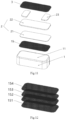
- the surface treatment layer 15 includes four layers, which are sequentially a zirconia layer 151, a silicon oxide layer 152, a zirconia layer 153, and a silicon oxide layer 154.
- the surface treatment layer 15 can reduce the roughness of the ceramic surface and improve the flatness, so that the metal coating layer 2 or transition layer 21 can better adhere to the porous ceramic body 1, further enhancing the adhesion of the heating layer 22 and making it more uniform.
- the surface treatment layer 15 is added to prevent the loss of atomizing liquid in the porous ceramic body 1, improve the liquid locking ability, and ensure the balance between liquid supply and atomization.
- the surface treatment layer 15 can also increase thermal resistance to prevent excessive heat transferring to the porous ceramic body, and prevent heat loss, so that the heating layer 22 can heat fast when working, to elevate the high atomization efficiency, generate large smoke volume, and ensure a good taste.
- the four sublayers of the surface treatment layer 15 can be coated in several steps using the same process, which can increase the thickness of the surface treatment layer 15 and better improve the flatness of the atomized surface of porous ceramic body 1.
- the preparation method of a ceramic atomization core with a metal coating layer 2 of the present invention includes the following steps:
- the above step of printing and sintering silver electrodes can be placed before the metal coating steps, that is, the silver electrodes were printed and sintered on the porous ceramic body first, before conducting the metal coating steps.
Landscapes
- Chemical & Material Sciences (AREA)
- Engineering & Computer Science (AREA)
- Ceramic Engineering (AREA)
- Materials Engineering (AREA)
- Structural Engineering (AREA)
- Organic Chemistry (AREA)
- Manufacturing & Machinery (AREA)
- Dispersion Chemistry (AREA)
- Other Surface Treatments For Metallic Materials (AREA)
- Application Of Or Painting With Fluid Materials (AREA)
Abstract
Description
- The present invention relates to the technical field of atomization core for an electronic atomizing device, and particularly relates to a ceramic atomization core having a metal coating layer and a preparation method therefor.
- An electronic atomization device heats a liquid to be atomized, i.e., an atomizing liquid, and emits smoke or aerosol for inhalation by a user. Existing electronic atomization device generally includes a battery component and an atomization component. The battery component has a battery supplying power to the atomizer, and the atomization component includes an atomization core. The atomization core generally includes a porous body and a heating element which atomizes atomizing liquid into aerosol when energized. The electronic atomization device is specifically applied to electronic cigarettes, medicine atomization devices, herbal essence atomization devices, etc. It basically provides heating and atomization functions, to convert an atomizing liquid such as a cigarette liquid, a medicinal liquid, and other solutions stored in the electronic atomization device into vapor, smoke, or aerosol.
- The atomization core is the key component of electronic atomization devices, including electronic cigarettes, and its performance directly determines the atomization efficiency of the atomizing liquid, as well as smoke properties, efficacy and safety. The heating element is the key component of the atomizer and atomization core. At present, the traditional heating methods include the pre-embedded resistance heating wire, heating pad or printed circuit resistance heating. In order to improve the heating circuit area, grid resistance wire is also adopted, but in his type of heating method, the actual effective atomization area is small, the circuit board cannot well match the atomization surface of the atomization core, therefore the atomization can only take place in the area contacting with the heating metal, leading to a limited atomization amount of the atomizing liquid. In addition, a ceramic surface has a large temperature gradient and is unevenly heated because only part of the circuit can generate heat, hence it is easy to cause carbon deposition and liquid leakage. Meanwhile, the resistance wire or printed circuit heating method in the high temperature work conditions produces heat stress imbalance, and has the risk of circuit breakage, all of which will have a negative impact on the vaping experience and the consistency of the product.
- The present invention aims to solve the technical problems of small atomization amount, easy carbon deposition and liquid leakage, circuit breakage, and poor product consistency of existing atomization cores, and provides a ceramic atomization core with a metal coating layer and its preparation method.
- A technical solution of the present invention is to provide a ceramic atomization core with a metal coating layer, comprising a porous ceramic body and a nanoscale metal coating layer arranged on the surface of the porous ceramic body. The porous ceramic body is provided with a plurality of micropores for absorbing, penetrating, and conducting an atomization liquid. The metal coating layer has through film holes in the position corresponding to surface micropores of the porous ceramic body. The metal coating layer includes a heating layer, which generates heat after being electrified to evaporate the atomization liquid by heating.
- Preferably, the metal coating layer further includes a transition layer, which is provided between the porous ceramic body and the heating layer, and the transition layer and the heating layer are composed of different metals, alloys, or metal compound materials.
- Preferably, the porous ceramic body further includes a surface treatment layer, which is provided between the porous ceramic body and the metal coating layer.
- Preferably, the surface treatment layer is composed of several nanoscale sublayers, and the adjacent sublayers are composed of different materials.
- Preferably, it also includes a protective layer for protecting the heating layer, which is provided on the outer side of the metal coating layer.
- Preferably, the porous ceramic body has a porosity of 10% -70%, and the micropores in the porous ceramic body have an average pore size of 0.5um-70um.
- Preferably, the porous ceramic body is prepared by sintering a porous ceramic green body, and the porous ceramic green body includes the following composition materials by weight: 25% - 70% ceramic powder, 5%-40% pore forming agent, 5%-40% sintering auxiliary, and 10%-35% forming agent.
- Preferably, a material of the ceramic powder includes at least one selected from the group consisting of kaolin, diatomaceous earth, alumina, silicon nitride, silicon carbide, quartz sand, glass sand, clay, feldspar powder, fused quartz, cordierite, and mullite.
- Preferably, the ceramic powder further includes nano silica.
- Preferably, the granularity of the ceramic powder is 100 mesh-2000 mesh.
- Preferably, a material of the pore forming agent includes at least one selected from the group consisting of graphite, starch, wood powder, flour, soybean powder, polystyrene microspheres, polymethyl methacrylate microspheres, sucrose, and plant fibers.
- Preferably, the particle size of the pore forming agent is 5um-100um.
- Preferably, a material of the sintering auxiliary includes at least one selected from the group consisting of boron oxide, sodium silicate, silicon oxide, potassium oxide, lithium oxide, barium oxide, magnesium oxide, calcium oxide, iron oxide, titanium oxide, zinc oxide, and zirconia.
- Preferably, a material of the forming agent includes at least one selected from the group consisting of paraffin, beeswax, boric acid, oleic acid, stearic acid, polyethylene, polypropylene, polyvinyl acetate, polyvinyl acetal, ethylene acetate vinyl copolymer resin, vinyl chloride vinyl acetate copolymer resin, perchloroethylene resin, polyacrylate, and polyamide.
- Preferably, a material of the surface treatment layer includes at least one selected from the group consisting of zirconia, silicon oxide, aluminum nitride, and silicon nitride.
- Preferably, the thickness of the surface treatment layer is 5nm-500nm.
- Preferably, a material of the transition layer includes at least one selected from the group consisting of titanium, tantalum, niobium, titanium nitride, tantalum nitride, and niobium nitride, and a material of the heating layer includes at least one selected from the group consisting of platinum, silver, palladium, nickel, chromium, silver palladium alloy, and nickel chromium alloy.
- Preferably, the thickness of the transition layer is 5nm-200nm, and the thickness of the heating layer is 50nm-1500nm.
- Preferably, the transition layer and the heating layer are prepared by a metal coating process selected from the group consisting of direct current sputtering method, magnetron sputtering method, and vacuum evaporation method.
- Preferably, a material of the protective layer includes at least one selected from the group consisting of aluminum oxide, silicon nitride, boron nitride, titanium nitride, and tantalum nitride.
- Preferably, the thickness of the protective layer is 50nm-1um.
- Preferably, the two distal ends of the metal coating layer are provided with electrode layers closely fit and bonded to the metal coating layer.
- Preferably, the electrode layer with a thickness of 10um-200um is prepared by printing a silver paste, a silver palladium paste, or a nickel chromium paste on the porous ceramic body or the metal coating layer, and sintering.
- The present invention is further to provide a preparation method of a ceramic atomization core with a metal coating layer, comprising the following steps:
- (1) weighing a ceramic powder, a sintering auxiliary, a pore forming agent, and a forming agent according to a composition, and mixing the weighed materials with an internal mixer and granulating to obtain a granulation body;
- (2) adding the granulation body in a mold of an injection molding machine to obtain a porous ceramic green body through injection molding;
- (3) embedding the porous ceramic green body into a dewaxing powder and performing dewaxing sintering, washing away the dewaxing powder and drying, and performing a secondary sintering to obtain the porous ceramic body;
- (4) subjecting the porous ceramic body to ultrasonic cleaning, drying, and vacuum drying treatment;
- (5) placing the porous ceramic body in a coating fixture with only an atomizing surface of the porous ceramic body exposed, coating the exposed surface of the porous ceramic body through physical vapor deposition coating technology, namely PVD technology, using a magnetron sputtering instrument, to form a transition layer;
- (6) after forming the transition layer, coating the transition layer by PVD technology, using a magnetron sputtering instrument, to form a heating layer;
- (7) after forming the heating layer, placing the porous ceramic body in a printing fixture, and printing a silver paste on the two distal ends of the heating layer through a pre-made screen, then leveling at a set temperature;
- (8) transferring the porous ceramic body printed with the silver paste to an oven for drying, and finally sintering to obtain a silver electrode layer.
- Another technical solution of the present invention is to provide a preparation method of a ceramic atomization core with a metal coating layer, comprising the following steps:
- (1) weighing a ceramic powder, a sintering auxiliary, a pore forming agent, and a forming agent according to a composition, and mixing the weighed materials with an internal mixer and granulating to obtain a granulation body;
- (2) adding the granulation body in a mold of an injection molding machine to obtain a porous ceramic green body through injection molding;
- (3) embedding the porous ceramic green body into a dewaxing powder and performing dewaxing sintering, washing away the dewaxing powder and drying, and performing a secondary sintering to obtain the porous ceramic body;
- (4) placing the porous ceramic body in a printing fixture, and printing a silver paste on the two distal ends of the porous ceramic body through a pre-made screen, then leveling at a set temperature;
- (5) transferring the porous ceramic body into an oven for drying, and finally sintering to obtain a ceramic atomization core with a silver electrode layer;
- (6) subjecting the porous ceramic body to ultrasonic cleaning, drying, and vacuum drying treatment;
- (7) placing the porous ceramic body in a coating fixture with only the atomizing surface of the porous ceramic body exposed, coating the exposed surface of the porous ceramic body through physical vapor deposition coating technology, namely PVD technology, using a magnetron sputtering instrument, to form a transition layer;
- (8) after forming the transition layer, coating the transition layer through PVD technology, using a magnetron sputtering, to form a heating layer.
- Additional technical solution of the present invention is to provide a preparation method of a ceramic atomization core with a metal coating layer, comprising the following steps:
- (1) weighing a ceramic powder, a sintering auxiliary, a pore forming agent, and a forming agent according to a composition, and mixing the weighed materials with an internal mixer and granulating to obtain a granulation body;
- (2) adding the granulation body in a mold of an injection molding machine to obtain a porous ceramic green body through injection molding;
- (3) embedding the porous ceramic green body into a dewaxing powder and performing dewaxing sintering, washing away the dewaxing powder and drying, and performing a secondary sintering to obtain the porous ceramic body;
- (4) subjecting the porous ceramic body to ultrasonic cleaning, drying, and vacuum drying treatment;
- (5) placing the porous ceramic body in a fixture, with only the atomizing surface of the porous ceramic body exposed, subjecting the exposed surface of the porous ceramic body to a surface treatment through PVD coating technology or CVD coating technology, to obtain a surface treatment layer;
- (6) placing the surface treated porous ceramic body in a coating fixture, with only the atomizing surface of the porous ceramic body exposed, and coating the surface treatment layer of the porous ceramic body through physical vapor deposition coating technology, namely PVD technology, using a magnetron sputtering instrument, to form a transition layer;
- (7) after forming the transition layer, coating the transition layer through PVD technology, using a magnetron sputtering instrument, to form a heating layer;
- (8) after forming the heating layer, placing the porous ceramic body in a printing fixture, and printing a silver paste on the two distal ends of the heating layer through a pre-made screen; leveling at a set temperature after the printing;
- (9) transferring the porous ceramic body to an oven for drying after printing the silver paste, finally sintering to obtain a silver electrode layer;
- (10) further subjecting the outer surface of the heating layer to a coating protection treatment to obtain a protective layer.
- Preferably, the dewaxing is carried out at a temperature of 300°C-800°C, and the secondary sintering is carried out at a temperature of 700°C-1200°C.
- Preferably, the transition layer is formed by coating the surface of the ceramic body with a titanium target having a purity higher than 99%, and the transition layer has a thickness of 5nm-200nm.
- Preferably, the heating layer coating is formed by coating the surface of the transition layer with a platinum target having a purity higher than 99%, and the heating layer has a thickness of 50nm-1500nm.
- Preferably, the surface treatment is carried out by PVD coating or CVD coating on the atomizing surface of the porous ceramic body using at least one of zirconia, silicon oxide, aluminum nitride, or silicon nitride, to obtain the surface treatment layer with a thickness of 5nm-500nm.
- Preferably, the surface treatment layer is obtained by four consecutive PVD coatings of zirconia, silicon oxide, zirconia, and silicon oxide on the atomizing surface of the porous ceramic body.
- Preferably, the coating protection treatment is carried out by PVD coating on the outer surface of the silver electrode layer and the heating layer using at least one of alumina, silicon nitride, boron nitride, titanium nitride, and tantalum nitride, to obtain a protective layer with a thickness of 50nm-1um.
- A heating element of the atomization core is an ultra-thin nanoscale metal coating layer covering the surface of the porous ceramic body. The metal coating layer is also provided with through film holes, so the actual effective atomization area is large. At the same time, aerosol can be released from the film holes freely, which can match well with the atomization surface, thus greatly improving the atomization amount of the atomization liquid. In addition, due to the fact that the entire surface of the metal coating layer can generate heat, the temperature of the atomization surface of the porous ceramic is uniformly heated, and it will not produce carbon deposition or liquid leakage easily. There is no uneven thermal stress under high temperature operation, and the metal coating layer has no risk of circuit breaking. These characteristics improve the product consistency in use and bring a good user experience.
-
-
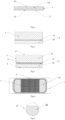
Figure 1 is schematic sectional view I of the atomization core structure of the present invention; -
Figure 2 is schematic sectional view II of the atomization core structure of the present invention; -
Figure 3 is schematic sectional view III of the atomization core structure of the present invention; -
Figure 4 is an upward view of the atomization core in Example 1 of the present invention; -
Figure 5 is an enlarged view of Part A of the metal coating layer of Examples 1 and 2 of the present invention; -
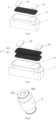
Figure 6 is a three-dimensional decomposition structure view I of the inverted atomization core in Example 1 of the present invention; -
Figure 7 is a three-dimensional decomposition structure view II of the inverted atomization core in Example 1 of the present invention; -
Figure 8 is a three-dimensional view of the atomization core in Example 2 of the present invention; -
Figure 9 is a three-dimensional decomposition structure view of the atomization core in Example 2 of the present invention; -
Figure 10 is a three-dimensional structural sectional view of the atomization core in Example 2 of the present invention; -
Figure 11 is a three-dimensional decomposition structure view of the inverted atomization core in Example 3 of the present invention; -
Figure 12 is a three-dimensional decomposition structure view of the surface treatment layer of the atomization core in Example 3 of the present invention. - As shown in
Figure 1 , the ceramic atomization core with a metal coating layer of the present invention includes a porousceramic body 1 and ametal coating layer 2. The porousceramic body 1 is provided with a plurality ofdense micropores 10 for absorbing, penetrating, and conducting the atomization liquid. The porousceramic body 1 includes at least oneatomizing surface 11 that heats and atomizes the atomization liquid to produce aerosol. The opposite side of theatomizing surface 11 is set as aliquid suction surface 12, and the atomizing liquid is transmitted from theliquid suction surface 12 to theatomizing surface 11. Themetal coating layer 2 is provided on theatomizing surface 11 of the porous ceramic body. Themetal coating layer 2 includes aheating layer 22, which generates heat after being electrified. Themetal coating layer 2 includes atransition layer 21 and aheating layer 22 composed of two different metal or alloy or metal compound materials, respectively, which means the materials of thetransition layer 21 and theheating layer 22 are two different metal or alloy or metal compound materials. Themetal coating layer 2 is provided with through film holes 20 in the position corresponding to themicropores 10 on the surface of the porous ceramic body, i.e. the atomizing surface. Aerosol can be released from the film holes 20 unobstructed, so that themetal coating layer 2 can fit well with theatomizing surface 11. Therefore, the amount of atomized atomizing liquid is greatly increased, providing good user experience. - After the
metal coating layer 2 is electrified through thesilver electrode 23, the entire coated surface of the porous ceramic body becomes an atomizing surface. The atomization core of the present invention has the advantages of a larger atomizing area and a more uniform temperature due to the entire coated porous ceramic body surface in contact with the metal coating layer as the atomizing surface, ensuring high smoke volume and avoiding the problems of carbon deposition and liquid leakage, as well as the problem of burnt smell and so on. In addition, since the entire surface of the metal coating layer generates heat, the temperature of the atomizing surface of the porous ceramic body is uniformly heated, and there is no uneven thermal stress under high temperature operation. The porousceramic body 1 will not fracture, and there is no risk of circuit breaking in the metal coating layer. Moreover, another advantage of the nano layered metal coating layer as a heating element is that the conductivity and resistance value of the entire atomizing surface will not be affected by some point defects. Therefore, the product has high consistency, long cycle life, and can bring a stable experience. - As shown in
Figure 2 , themetal coating layer 2 is formed by physical vapor deposition (PVD) method, and the metal target is coated on the surface of the porous ceramic body using a magnetron sputtering instrument. Themetal coating layer 2 is a nanoscale metal layer, and during the sputtering coating, the nanoscale metal layer will not block themicron scale micropores 10 of the porous ceramic body. Therefore, the nanoscalemetal coating layer 2 has the through film holes 20. Themetal coating layer 2 includes atransition layer 21 and aheating layer 22 that are mutually closely fit and bonded, and thetransition layer 21 is closely fit and bonded to theatomizing surface 11 of the porous ceramic body. Thetransition layer 21 is composed of metallic titanium with a thickness of 5nm-200nm, and theheating layer 22 is composed of metallic platinum with a thickness of 50nm-1500nm. Theheating layer 22 adopts metallic platinum, mainly due to its lower resistivity, but more importantly, it has chemical inertness, which can effectively resist the mutual diffusion between the layer and the ceramic body at high working temperatures, leading to an increase in resistance and affecting the consistency of the atomizing core. The titanium coating of thetransition layer 21 can not only enhance the adhesion between the metallic platinum and the ceramic body, but also prevent the reaction between the metallic platinum and silicon materials in the porous ceramic body forming silicides at high temperatures during the atomizer's operation. Thetransition layer 21 and theheating layer 22 can be composed of other metals, alloys, or metal compounds with similar properties. - The porous ceramic body has a porosity of 10% -70%, and the micropores in the porous ceramic body have an average pore size of 0.5um-70um.
- The porous ceramic body is obtained by sintering a porous ceramic green body. The material of the porous ceramic green body includes the following components by weight: 25%-70% ceramic powder, 5%-40% pore forming agent, 5%-40% sintering auxiliary, and 10%-35% forming agent.
- The material of the ceramic powder includes at least one selected from the group consisting of kaolin, diatomaceous earth, alumina, silicon nitride, silicon carbide, quartz sand, glass sand, clay, feldspar powder, fused quartz, cordierite, and mullite. The material of the ceramic powder also includes nano silica.
- The ceramic powder has a granularity of 100 mesh-2000 mesh.
- The material of the pore forming agent includes at least one selected from the group consisting of graphite, starch, wood powder, flour, soybean powder, polystyrene microspheres, polymethyl methacrylate microspheres, sucrose, and plant fibers.
- The particle size of the pore forming agent is 5um-100um.
- The materials of the sintering auxiliary includesat least one selected from the group consisting of boron oxide, sodium silicate, silicon oxide, potassium oxide, lithium oxide, barium oxide, magnesium oxide, calcium oxide, iron oxide, titanium oxide, zinc oxide, and zirconia.
- The material of the forming agent includes at least one selected from the group consisting of paraffin, beeswax, boric acid, oleic acid, stearic acid, polyethylene, polypropylene, polyvinyl acetate, polyvinyl acetal, ethylene acetate vinyl copolymer resin, vinyl chloride vinyl acetate copolymer resin, perchloroethylene resin, polyacrylate, and polyamide.
- The material of the
transition layer 21 includes at least one selected from the group consisting of titanium, tantalum, niobium, titanium nitride, tantalum nitride, and niobium nitride, while the material of theheating layer 22 includes at least one selected from the group consisting of platinum, silver, palladium, nickel, chromium, silver palladium alloy, and nickel chromium alloy. - The thickness of the
transition layer 21 is 5nm-200nm, and the thickness of the heating layer is 50nm-1500nm. - The metal coating process for
transition layer 21 andheating layer 22 includes direct current sputtering, magnetron sputtering, and vacuum evaporation. - The two distal ends of the
metal coating layer 2 are provided withelectrode layers 23 closely fit and bonded to the metal coating layer. - The
electrode layer 23 is obtained by printing a silver paste, a silver palladium paste, or a nickel chromium paste on the porousceramic body 1 ormetal coating layer 2 and then sintering, the electrode layer has a thickness of 10um-200um. - As shown in
Figure 3 , the porousceramic body 1 is further provided with asurface treatment layer 15, which is provided between the porousceramic body 1 and themetal coating layer 2. Thesurface treatment layer 15 can reduce the roughness and improve the flatness of the ceramic body surface, so that themetal coating layer 2 ortransition layer 21 can better adhere to the porousceramic body 1, further enhancing the adhesion of theheating layer 22 and making it more uniform. Thesurface treatment layer 15 is composed of several nanoscale sublayers, and the adjacent sublayers are formed with different materials. The materials of the surface treatment layer include at least one of zirconia, silicon oxide, aluminum nitride, and silicon nitride. The thickness of the surface treatment layer is 5nm-500nm. - As shown in
Figure 3 , the atomization core also includes aprotective layer 3 for protecting theheating layer 22. Theprotective layer 3 is provided on the outer side of themetal coating layer 2, and has the function of protecting theheating layer 22 from oxidation and corrosion. The material of theprotective layer 3 includes at least one selected from the group consisting of aluminum oxide, silicon nitride, boron nitride, titanium nitride, and tantalum nitride, and the protective layer has a thickness of 50nm-1um. - A preparation method for a ceramic atomizing core with a metal coating layer of the present invention, comprising the following steps:
- (1) weighing a ceramic powder, a sintering auxiliary, a pore forming agent, and a forming agent according to a composition, and mixing the weighed materials with an internal mixer and granulating to obtain a granulation body;
- (2) adding the granulation body in a mold of an injection molding machine to obtain a porous ceramic green body through injection molding;
- (3) embedding the porous ceramic green body into a dewaxing powder and performing dewaxing sintering, washing away the dewaxing powder and drying, and performing a secondary sintering to obtain the porous ceramic body;
- (4) subjecting the porous ceramic body to ultrasonic cleaning, drying, and vacuum drying treatment;
- (5) placing the porous ceramic body in a coating fixture with an atomizing surface of the porous ceramic body exposed only, coating the exposed surface of the porous ceramic body through physical vapor deposition coating technology, namely PVD technology, using a magnetron sputtering instrument, to form a transition layer;
- (6) after forming the transition layer, coating the transition layer by PVD technology, using a magnetron sputtering instrument, to form a heating layer;
- (7) after forming the heating layer, placing the porous ceramic body in a printing fixture, and printing a silver paste on the two distal ends of the heating layer through a pre-made screen, then leveling at a set temperature;
- (8) transferring the porous ceramic body printed with the silver paste to an oven for drying, and finally sintering to obtain a silver electrode layer.
- Another preparation method of a ceramic atomization core with a metal coating layer of the present invention, comprising the following steps:
- (1) weighing a ceramic powder, a sintering auxiliary, a pore forming agent, and a forming agent according to a composition, and mixing the weighed materials with an internal mixer and granulating to obtain a granulation body;
- (2) adding the granulation body in a mold of an injection molding machine to obtain a porous ceramic green body through injection molding;
- (3) embedding the porous ceramic green body into a dewaxing powder and performing dewaxing sintering, washing away the dewaxing powder and drying, and performing a secondary sintering to obtain the porous ceramic body;
- (4) placing the porous ceramic body in a printing fixture, and printing a silver paste on the two distal ends of the porous ceramic body through a pre-made screen, then leveling at a set temperature;
- (5) transferring the porous ceramic body into an oven for drying, and finally sintering to obtain a ceramic atomization core with a silver electrode layer;
- (6) subjecting the porous ceramic body to ultrasonic cleaning, drying, and vacuum drying treatment;
- (7) placing the porous ceramic body in a coating fixture with only the atomizing surface of the porous ceramic body exposed, coating the exposed surface of the porous ceramic body through physical vapor deposition coating technology, namely PVD technology, using a magnetron sputtering instrument, to form a transition layer;
- (8) after forming the transition layer, coating the transition layer through PVD technology, using a magnetron sputtering, to form a heating layer.
- Another preparation method of a ceramic atomization core with a metal coating layer of the present invention, comprising the following steps:
- (1) weighing a ceramic powder, a sintering auxiliary, a pore forming agent, and a forming agent according to a composition, and mixing the weighed materials with an internal mixer and granulating to obtain a granulation body;
- (2) adding the granulation body in a mold of an injection molding machine to obtain a porous ceramic green body through injection molding;
- (3) embedding the porous ceramic green body into a dewaxing powder and performing dewaxing sintering, washing away the dewaxing powder and drying, and performing a secondary sintering to obtain the porous ceramic body;
- (4) subjecting the porous ceramic body to ultrasonic cleaning, drying, and vacuum drying treatment;
- (5) placing the porous ceramic body into a fixture, with only the atomizing surface of the porous ceramic body exposed, subjecting the exposed surface of the porous ceramic body to a surface treatment through PVD coating technology or CVD coating technology, to obtain a surface treatment layer;
- (6) placing the surface treated porous ceramic body in a coating fixture, with only a atomizing surface of the porous ceramic body exposed, and coating the surface treatment layer of the porous ceramic body through physical vapor deposition coating technology, namely PVD technology, using a magnetron sputtering instrument, to form a transition layer;
- (7) after forming the transition layer, coating the transition layer through PVD technology, using a magnetron sputtering instrument, to form a heating layer;
- (8) after forming the heating layer coating, placing the porous ceramic body in a printing fixture, and printing a silver paste on the two distal ends of the heating layer through a pre-made screen, leveling at a set temperature after the printing;
- (9) transferring the porous ceramic body to an oven for drying after printing the silver paste, finally sintering to obtain a silver electrode layer;
- (10) further subjecting the outer surface of the heating layer to a coating protection treatment to obtain a protective layer.
- In the steps of the above methods,
the dewaxing is carried out at a temperature of 300°C-800°C, and the secondary sintering is carried out at a temperature of 700°C-1200°C. - The transition layer is formed by coating the surface of the ceramic body with a titanium target having a purity higher than 99%, and the transition layer, namely a titanium coating, has a thickness of 5nm-200nm.
- The heating layer coating is formed by coating the surface of the transition layer with a platinum target having a purity higher than 99%, and the heating layer, namely a platinum coating, has a thickness of 50nm-1500nm.
- The material of the surface treatment layer includes at least one selected from the group consisting of zirconia, silicon oxide, aluminum nitride, or silicon nitride, and the surface treatment layer has a thickness of 5nm-500nm.
- The material of the
protective layer 3 includes at least one selected from the group consisting of alumina, silicon nitride, boron nitride, titanium nitride, and tantalum nitride, and the protective layer has a thickness of 50nm-1um. - Detailed description of the present invention will be provided through specific embodiments below.
- As shown in
Figures 4-7 , the present invention provides a ceramic atomization core with ametal coating layer 2. The porousceramic body 1 is a rectangular prism, and the bottom surface of the rectangular prism is provided with ametal coating layer 2. The two distal ends of themetal coating layer 2 are provided withelectrode layers 23, which are composed of metallic silver. The thickness of theelectrode layer 23 is 40um. Metallic silver is selected as the electrode material because it has extremely low electrical resistivity and good chemical stability, which can provide stable conductivity performance during atomizer operation. - As shown in
Figures 8-10 , the present invention provides a ceramic atomization core with ametal coating layer 2. The porousceramic body 1 is a cylinder with an atomization through-hole 100 in the center. The porousceramic body 1 includes aninner layer 14 and anouter layer 13. The two end faces of the cylinder and the inner wall of the atomization through-hole 100 are provided with ametal coating layer 2. The two distal ends of themetal coating layer 2, namely the two end faces of the cylinder, are also provided with anelectrode layer 23. Theelectrode layer 23 is composed of metallic silver, with a thickness of 40um. - As shown in
Figure 11 , the present invention provides a ceramic atomization core with ametal coating layer 2. The porousceramic body 1 is a rectangular prism, and the bottom surface of the porousceramic body 1 is provided with asurface treatment layer 15. Ametal coating layer 2 is provided on thesurface treatment layer 15. Themetal coating layer 2 includes atransition layer 21 and aheating layer 22. The two distal ends of theheating layer 22 are provided withelectrode layers 23, which is composed of metallic silver. There is also aprotective layer 3 on theelectrode layer 23 and theheating layer 22, which is an aluminum oxide coating with a thickness of 100nm. Theprotective layer 3 has the function of protecting theheating layer 22 from oxidation and corrosion, avoiding carbon deposition and blackening after long-term use. At the same time, theprotective layer 3 has good thermal conductivity, so that theheating layer 22 generates heat more evenly, the surface temperature is easy to control, ensuring a better taste. - As shown in
Figure 12 , thesurface treatment layer 15 includes four layers, which are sequentially azirconia layer 151, asilicon oxide layer 152, azirconia layer 153, and asilicon oxide layer 154. Thesurface treatment layer 15 can reduce the roughness of the ceramic surface and improve the flatness, so that themetal coating layer 2 ortransition layer 21 can better adhere to the porousceramic body 1, further enhancing the adhesion of theheating layer 22 and making it more uniform. At the same time, thesurface treatment layer 15 is added to prevent the loss of atomizing liquid in the porousceramic body 1, improve the liquid locking ability, and ensure the balance between liquid supply and atomization. In addition, thesurface treatment layer 15 can also increase thermal resistance to prevent excessive heat transferring to the porous ceramic body, and prevent heat loss, so that theheating layer 22 can heat fast when working, to elevate the high atomization efficiency, generate large smoke volume, and ensure a good taste. The four sublayers of thesurface treatment layer 15 can be coated in several steps using the same process, which can increase the thickness of thesurface treatment layer 15 and better improve the flatness of the atomized surface of porousceramic body 1. - The preparation method of a ceramic atomization core with a
metal coating layer 2 of the present invention includes the following steps: - 1. Preparing materials and mixing: Materials of 45% ceramic powder, 18% sintering auxiliary, 17% pore forming agent, and 20% forming agent according to the composition in weight percentages are weighed and prepared, wherein the ceramic powder contains 70% quartz powder, 20% aluminum oxide powder, and 10% diatomaceous earth powder; the sintering auxiliary includes 20% sodium silicate, 40% silicon oxide, 30% boron oxide, and 10% zinc oxide; the forming agent includes 30% paraffin, 3% beeswax, 47% vinyl chloride acetate copolymer resin, 12% stearic acid, and 8% polyethylene. Mix the above materials with an internal mixer and granulate to obtain a granulated material.
- 2. Injection molding: The granulated material obtained in the previous step is added to the mold of the injection molding machine, to obtain a porous ceramic green body through injection molding.
- 3. Dewaxing sintering: Embed the porous ceramic green body obtained in the previous step into a dewaxing powder for dewaxing sintering at a dewaxing temperature of 650°C. The dewaxed green body is washed to remove the dewaxing powder, dried, and then subjected to secondary sintering at 1000°C to obtain the porous
ceramic body 1. - 4. Porous ceramic body cleaning: the porous
ceramic body 1 obtained in the previous step is subjected to ultrasonic cleaning, drying, and vacuum drying. - 5. Physical Vapor Deposition (PVD) coating: Place the previously processed porous
ceramic body 1 into a PVD fixture, exposing only the atomizing surface of the porous ceramic body. The exposed surface of the ceramic body is coated through PVD technology, to deposit thetransition layer 21, namely the titanium film first. Using a magnetron sputtering instrument, the titanium film having a thickness of 60nm was formed on the surface of the porousceramic body 1 with a titanium target of 99.99% purity. - 6. The platinum film was deposited after the titanium film deposition is completed. A platinum target with 99.99% purity is used to prepare a heating layer, namely the platinum film, with a thickness of 320nm on the surface of the porous
ceramic body 1. - 7. Printing silver electrode: Place the porous
ceramic body 1 deposited with platinum/titanium film obtained in the previous step in a printing fixture, and 70um thick silver paste was printed on the two distal ends of the platinum/titanium film through a pre-made screen. After the printing, level it at a temperature of 20°C for 10 minutes. - 8. Transfer the porous
ceramic body 1 printed with the silver paste to a 120°C oven and dry for 15 minutes, and finally sinter it at 750°C for 10 minutes, to obtainsilver electrodes 23 with a thickness of 40um at the two distal ends of themetal coating layer 2. - In other embodiments, the above step of printing and sintering silver electrodes can be placed before the metal coating steps, that is, the silver electrodes were printed and sintered on the porous ceramic body first, before conducting the metal coating steps.
- The above are only preferred embodiments of the present invention, and any equal changes and modifications made within the scope of the claims of the present invention should fall within the range covered by the claims of the present invention.
Claims (32)
- A ceramic atomization core with a metal coating layer, comprising a porous ceramic body and a nanoscale metal coating layer provided on the surface of the porous ceramic body; the porous ceramic body is provided with a plurality of micropores for absorbing, penetrating, and conducting a atomizing liquid, the metal coating layer has through film holes at the position corresponding to surface micropores of the porous ceramic body; the metal coating layer comprises a heating layer, which generates heat to evaporate the atomization liquid after being electrified.
- The ceramic atomization core with a metal coating layer according to claim 1, wherein the metal coating layer further comprises a transition layer provided between the porous ceramic body and the heating layer, the transition layer and the heating layer are composed of different metals, alloys, or metal compound materials.
- The ceramic atomization core with a metal coating layer according to claim 1 or 2, wherein the porous ceramic body further comprises a surface treatment layer provided between the porous ceramic body and the metal coating layer.
- The ceramic atomization core with a metal coating layer according to claim 3, wherein the surface treatment layer is composed of several nanoscale sublayers, and the adjacent sublayers are composed of different materials.
- The ceramic atomization core with a metal coating layer according to claim 1 or 2, further comprises a protective layer for protecting the heating layer, which is provided on the outer side of the metal coating layer.
- The ceramic atomization core with a metal coating layer according to claim 1, wherein the porous ceramic body has a porosity of 10% -70%, and the micropores in the porous ceramic body have an average pore size of 0.5um-70um.
- The ceramic atomization core with a metal coating layer according to claim 1, wherein the porous ceramic body is prepared by sintering a porous ceramic green body, and the porous ceramic green body comprises the following composition materials by weight: 25%-70% ceramic powder, 5%-40% pore forming agent, 5%-40% sintering auxiliary, and 10%-35% forming agent.
- The ceramic atomization core with a metal coating layer according to claim 7, wherein a material of the ceramic powder comprises at least one selected from the group consisting of kaolin, diatomaceous earth, alumina, silicon nitride, silicon carbide, quartz sand, glass sand, clay, feldspar powder, fused quartz, cordierite, and mullite.
- The ceramic atomization core with a metal coating layer according to claim 7, wherein the ceramic powder further comprises nano silica.
- The ceramic atomization core with a metal coating layer according to claim 7, wherein the ceramic powder has a granularity of 100 mesh - 2000 mesh.
- The ceramic atomization core with a metal coating layer according to claim 7, wherein a material of the pore forming agent comprises at least one selected from the group consisting of graphite, starch, wood powder, flour, soybean powder, polystyrene microspheres, polymethyl methacrylate microspheres, sucrose, and plant fibers.
- The ceramic atomization core with a metal coating layer according to claim 7, wherein the pore forming agent has a particle size of Sum-100um.
- The ceramic atomization core with a metal coating layer according to claim 7, wherein a material of the sintering auxiliary comprises at least one selected from the group consisting of boron oxide, sodium silicate, silicon oxide, potassium oxide, lithium oxide, barium oxide, magnesium oxide, calcium oxide, iron oxide, titanium oxide, zinc oxide, and zirconia.
- The ceramic atomization core with a metal coating layer according to claim 7, wherein a material of the forming agent comprises at least one selected from the group consisting of paraffin, beeswax, boric acid, oleic acid, stearic acid, polyethylene, polypropylene, polyvinyl acetate, polyvinyl acetal, ethylene acetate vinyl copolymer resin, vinyl chloride vinyl acetate copolymer resin, perchloroethylene resin, polyacrylate, and polyamide.
- The ceramic atomization core with a metal coating layer according to claim 3 or 4, wherein a material of the surface treatment layer comprises at least one selected from the group consisting of zirconia, silicon oxide, aluminum nitride, and silicon nitride.
- The ceramic atomization core with a metal coating layer according to claim 3 or 4, wherein a thickness of the surface treatment layer is 5nm-500nm.
- The ceramic atomization core with a metal coating layer according to claim 2, wherein a material of the transition layer comprises at least one selected from the group consisting of titanium, tantalum, niobium, titanium nitride, tantalum nitride, and niobium nitride, and a material of the heating layer comprises at least one selected from the group consisting of platinum, silver, palladium, nickel, chromium, silver palladium alloy, and nickel chromium alloy.
- The ceramic atomization core with a metal coating layer according to claim 2, wherein a thickness of the transition layer is 5nm-200nm, and a thickness of the heating layer is 50nm-1500nm.
- The ceramic atomization core with a metal coating layer according to claim 2, wherein the transition layer and heating layer are prepared by a metal coating process selected from the group consisting of direct current sputtering method, magnetron sputtering method, and vacuum evaporation method.
- The ceramic atomization core with a metal coating layer according to claim 5, wherein a material of the protective layer comprises at least one selected from the group consisting of aluminum oxide, silicon nitride, boron nitride, titanium nitride, and tantalum nitride.
- The ceramic atomization core with a metal coating layer according to claim 20, wherein a thickness of the protective layer is 50nm-1um.
- The ceramic atomization core with a metal coating layer according to claim 1, wherein two distal ends of the metal coating layer are provided with an electrode layer closely fit and bonded to the metal coating layer.
- The ceramic atomization core with a metal coating layer according to claim 22, wherein the electrode layer has a thickness of 10um-200um and is prepared by printing a silver paste, a silver palladium paste, or a nickel chromium paste on the porous ceramic body or the metal coating layer, then sintering.
- A preparation method of a ceramic atomization core with a metal coating layer, comprising the following steps:(1) weighing a ceramic powder, a sintering auxiliary, a pore forming agent, and a forming agent according to a composition, and mixing the weighed materials with an internal mixer and granulating to obtain a granulation body;(2) adding the granulation body into a mold in an injection molding machine to obtain a porous ceramic green body through injection molding;(3) embedding the porous ceramic green body into a dewaxing powder and performing dewaxing sintering, then washing away the dewaxing powder and drying the green body, and performing a secondary sintering to obtain a porous ceramic body;(4) subjecting the porous ceramic body to ultrasonic cleaning, drying, and vacuum drying treatment;(5) placing the porous ceramic body in a coating fixture with only an atomizing surface of the porous ceramic body exposed, coating the exposed surface of the porous ceramic body through physical vapor deposition coating technology, namely PVD technology, using a magnetron sputtering instrument, to form a transition layer;(6) after forming the transition layer, coating the transition layer by PVD technology, using a magnetron sputtering instrument, to form a heating layer;(7) after forming the heating layer, placing the porous ceramic body in a printing fixture, and printing a silver paste on the two distal ends of the heating layer through a pre-made screen, then leveling at a set temperature;(8) transferring the porous ceramic body printed with the silver paste to an oven for drying, and finally sintering to obtain a silver electrode layer.
- A preparation method of a ceramic atomization core with a metal coating layer, comprising the following steps:(1) weighing a ceramic powder, a sintering auxiliary, a pore forming agent, and a forming agent according to a composition, and mixing the weighed materials with an internal mixer and granulating to obtain a granulation body;(2) adding the granulation body in a mold of an injection molding machine to obtain a porous ceramic green body through injection molding;(3) embedding the porous ceramic green body into a dewaxing powder and performing dewaxing sintering, washing away the dewaxing powder and drying, and performing a secondary sintering to obtain the porous ceramic body;(4) placing the porous ceramic body in a printing fixture, and printing a silver paste on the two distal ends of the porous ceramic body through a pre-made screen, then leveling at a set temperature;(5) transferring the porous ceramic body into an oven for drying, and finally sintering to obtain a ceramic atomization core with a silver electrode layer;(6) subjecting the porous ceramic body to ultrasonic cleaning, drying, and vacuum drying treatment;(7) placing the porous ceramic body in a coating fixture with only the atomizing surface of the porous ceramic body exposed, coating the exposed surface of the porous ceramic body through physical vapor deposition coating technology, namely PVD technology, using a magnetron sputtering instrument, to form a transition layer;(8) after forming the transition layer, coating the transition layer through PVD technology, using a magnetron sputtering, to form a heating layer.
- A preparation method of a ceramic atomization core with a metal coating layer, comprising the following steps:(1) weighing a ceramic powder, a sintering auxiliary, a pore forming agent, and a forming agent according to a composition, and mixing the weighed materials with an internal mixer and granulating to obtain a granulation body;(2) adding the granulation body into a mold of an injection molding machine to obtain a porous ceramic green body through injection molding;(3) embedding the porous ceramic green body into a dewaxing powder and performing dewaxing sintering, washing away the dewaxing powder and drying, and performing a secondary sintering to obtain the porous ceramic body;(4) subjecting the porous ceramic body to ultrasonic cleaning, drying, and vacuum drying treatment;(5) placing the porous ceramic body in a fixture, with only an atomizing surface of the porous ceramic body exposed, subjecting the exposed surface of the porous ceramic body to a surface treatment through PVD coating technology or CVD coating technology, to obtain a surface treatment layer;(6) placing the surface treated porous ceramic body in a coating fixture, with only the atomizing surface of the porous ceramic body exposed, and coating the surface treatment layer of the porous ceramic body through physical vapor deposition coating technology, namely PVD technology, using a magnetron sputtering instrument, to form a transition layer;(7) after forming the transition layer, coating the transition layer through PVD technology, using a magnetron sputtering instrument, to form a heating layer;(8) after forming the heating layer, placing the porous ceramic body in a printing fixture, and printing a silver paste on the two distal ends of the heating layer through a pre-made screen; leveling at a set temperature after the printing;(9) transferring the porous ceramic body to an oven for drying after printing the silver paste, finally sintering to obtain a silver electrode layer;(10) further subjecting the outer surface of the heating layer to a coating protection treatment to obtain a protective layer.
- The preparation method of a ceramic atomization core with a metal coating layer according to claim 24, 25 or 26, wherein the dewaxing is carried out at a temperature of 300°C-800°C, and the secondary sintering is carried out at a temperature of 700°C-1200°C.
- The preparation method of a ceramic atomization core with a metal coating layer according to claim 24, 25 or 26, wherein the transition layer is formed with a titanium target having a purity higher than 99%, and the transition layer has a thickness of 5nm-200nm.
- The preparation method of a ceramic atomization core with a metal coating layer according to claim 24, 25 or 26, wherein the heating layer is formed with a platinum target having a purity higher than 99%, and the heating layer has a thickness of 50nm-1500nm.
- The preparation method of a ceramic atomization core with a metal coating layer according to claim 26, the surface treatment is carried out by PVD coating or CVD coating on the atomizing surface of the porous ceramic body using at least one of zirconia, silicon oxide, aluminum nitride, or silicon nitride, to obtain the surface treatment layer with a thickness of 5nm-500nm.
- The preparation method of a ceramic atomization core with a metal coating layer according to claim 30, wherein the surface treatment layer is obtained by four consecutive PVD coatings with zirconia, silicon oxide, zirconia, and silicon oxide on the atomizing surface of the porous ceramic body.
- The preparation method of a ceramic atomization core with a metal coating layer according to claim 26, wherein the coating with the protective layer is carried out by PVD coating on the outer surface of the silver electrode layer and the heating layer, using at least one of alumina, silicon nitride, boron nitride, titanium nitride, and tantalum nitride, to obtain the protective layer with a thickness of 50nm-1um.
Applications Claiming Priority (3)
| Application Number | Priority Date | Filing Date | Title |
|---|---|---|---|
| CN202210051190 | 2022-01-17 | ||
| CN202210093913.7A CN114287676B (en) | 2022-01-17 | 2022-01-26 | Ceramic atomizing core with metal coating layer and preparation method thereof |
| PCT/CN2022/127354 WO2023134258A1 (en) | 2022-01-17 | 2022-10-25 | Ceramic atomization core having metal coating layer and preparation method therefor |
Publications (2)
| Publication Number | Publication Date |
|---|---|
| EP4449918A1 true EP4449918A1 (en) | 2024-10-23 |
| EP4449918A4 EP4449918A4 (en) | 2025-04-16 |
Family
ID=80977587
Family Applications (1)
| Application Number | Title | Priority Date | Filing Date |
|---|---|---|---|
| EP22919892.4A Pending EP4449918A4 (en) | 2022-01-17 | 2022-10-25 | CERAMIC ATOMIZING CORE HAVING METAL COATING LAYER AND PREPARATION METHOD THEREOF |
Country Status (4)
| Country | Link |
|---|---|
| EP (1) | EP4449918A4 (en) |
| CN (1) | CN114287676B (en) |
| CA (1) | CA3248717A1 (en) |
| WO (1) | WO2023134258A1 (en) |
Cited By (1)
| Publication number | Priority date | Publication date | Assignee | Title |
|---|---|---|---|---|
| US20230413908A1 (en) * | 2022-06-24 | 2023-12-28 | Shenzhen Smoore Technology Limited | Heating element, vaporizer, and electronic vaporization device |
Families Citing this family (31)
| Publication number | Priority date | Publication date | Assignee | Title |
|---|---|---|---|---|
| WO2023045598A1 (en) * | 2021-09-22 | 2023-03-30 | 东莞市维万特智能科技有限公司 | Atomizing core, atomizer, aerosol generating device, and atomizing core preparation method |
| CN114287676B (en) * | 2022-01-17 | 2024-12-24 | 海宁新纳陶科技有限公司 | Ceramic atomizing core with metal coating layer and preparation method thereof |
| CN114451586A (en) * | 2022-01-17 | 2022-05-10 | 惠州市新泓威科技有限公司 | Atomizing core with nano metal coating layer |
| CN114847536A (en) * | 2022-04-20 | 2022-08-05 | 深圳麦克韦尔科技有限公司 | Atomizing core, atomizer and electronic atomization device |
| CN115028473B (en) * | 2022-05-06 | 2024-02-09 | 深圳市吉迩技术有限公司 | Method for preparing porous ceramic coated with metal coating and aerosol generating device |
| EP4298932B1 (en) * | 2022-05-13 | 2024-09-04 | Shenzhen Smoore Technology Limited | Heat generating element, atomizing assembly, and electronic atomizing device |
| CN114732171A (en) * | 2022-05-14 | 2022-07-12 | 深圳雾道科技有限公司 | Ceramic atomizing core structure and preparation method thereof |
| CN114983038B (en) * | 2022-05-30 | 2025-06-06 | 深圳市基克纳科技有限公司 | A method for preparing a ceramic core and its application |
| CN115024529A (en) * | 2022-06-06 | 2022-09-09 | 深圳市吉迩科技有限公司 | Heating element and preparation method thereof |
| CN115381141B (en) * | 2022-07-21 | 2025-02-18 | 深圳市赛尔美电子科技有限公司 | Net-shaped heating element, preparation method thereof and ceramic atomizer |
| CN115299649B (en) * | 2022-08-10 | 2025-10-03 | 深圳市吉迩科技有限公司 | Porous ceramic material for atomization, atomization core and preparation method thereof |
| CN115522187A (en) * | 2022-09-30 | 2022-12-27 | 深圳市吉迩科技有限公司 | A kind of ceramic plate film coating method based on electroless plating method |
| CN115500563A (en) * | 2022-10-17 | 2022-12-23 | 深圳市吉迩科技有限公司 | Porous ceramic substrate, ceramic atomizing core and preparation method thereof |
| CN115606876B (en) * | 2022-11-02 | 2025-06-10 | 深圳市赛尔美电子科技有限公司 | Preparation method of atomization core and electronic cigarette atomizer |
| WO2024103717A1 (en) * | 2022-11-19 | 2024-05-23 | 常州市派腾电子技术服务有限公司 | Atomization core, atomizer, and aerosol generation device |
| CN115976483A (en) * | 2022-12-13 | 2023-04-18 | 深圳市吉迩技术有限公司 | A high-power ceramic heating body and its preparation method |
| CN116082066A (en) * | 2022-12-28 | 2023-05-09 | 深圳市基克纳科技有限公司 | Ceramic substrate-metal thin film product and its preparation method and electronic atomizer |
| CN116041087B (en) * | 2023-01-31 | 2024-05-14 | 深圳市赛尔美电子科技有限公司 | Porous carbon atomization matrix, preparation method, electronic atomization core and electronic atomization device |
| CN116138502A (en) * | 2023-02-23 | 2023-05-23 | 深圳市吉嘉新材料科技有限公司 | Ceramic atomizing core and manufacturing method thereof |
| CN118576002A (en) * | 2023-03-03 | 2024-09-03 | 上海琨纬科技有限公司 | Atomizer core for electronic atomizer and processing method thereof |
| CN119488171A (en) * | 2023-08-17 | 2025-02-21 | 思摩尔国际控股有限公司 | Atomizer core, atomizer and electronic atomizer device |
| CN117303943B (en) * | 2023-09-27 | 2025-10-03 | 深圳市吉嘉新材料科技有限公司 | Conductive ceramic and preparation method thereof |
| CN117417202B (en) * | 2023-10-30 | 2026-01-06 | 深圳市吉嘉新材料科技有限公司 | Method for preparing ceramic substrate, atomizing core and aerosol forming device |
| CN117383969A (en) * | 2023-10-31 | 2024-01-12 | 深圳市吉迩科技有限公司 | Preparation method of thin film ceramic atomizing core |
| CN117447214A (en) * | 2023-11-03 | 2024-01-26 | 深圳市基克纳科技有限公司 | Wax discharge powder, wax discharge method, ceramic atomizing core and its preparation method, atomizer |
| CN117694615A (en) * | 2024-01-08 | 2024-03-15 | 海宁新纳陶科技有限公司 | Multi-layer porous ceramic matrix and atomization core thereof |
| CN117843394A (en) * | 2024-01-08 | 2024-04-09 | 海宁新纳陶科技有限公司 | Preparation method of multi-layer porous ceramic substrate and atomizing core thereof |
| CN120201601A (en) * | 2025-05-26 | 2025-06-24 | 常州联德陶业有限公司 | A high-power ceramic heater for new energy vehicles and a manufacturing method thereof |
| CN120790840B (en) * | 2025-09-12 | 2025-11-14 | 中国航发北京航空材料研究院 | High-yield ceramic core with compact-core porous structure and preparation method thereof |
| CN121178693A (en) * | 2025-11-24 | 2025-12-23 | 上海交通大学 | A hot stamping forming method for titanium alloy new energy battery casing, its products and applications |
| CN121342554A (en) * | 2025-12-19 | 2026-01-16 | 中南大学 | A method for preparing a carbide coating with high bonding strength on the graphite surface |
Family Cites Families (14)
| Publication number | Priority date | Publication date | Assignee | Title |
|---|---|---|---|---|
| DE2831478C2 (en) * | 1978-07-18 | 1986-01-16 | Robert Bosch Gmbh, 7000 Stuttgart | Electrochemical sensor and method for its manufacture |
| US7923105B2 (en) * | 2004-12-01 | 2011-04-12 | Ngk Insulators, Ltd. | Hydrogen separator and process for production thereof |
| CN106579564B (en) * | 2016-12-23 | 2020-03-31 | 湘潭大学 | Porous heating film and preparation method thereof |
| CN210203364U (en) * | 2019-02-27 | 2020-03-31 | 深圳市合元科技有限公司 | Electronic cigarette atomizer and electronic cigarette |
| CN110477463A (en) * | 2019-09-11 | 2019-11-22 | 深圳市博迪科技开发有限公司 | A kind of porous glass atomization device and electronic cigarette containing it |
| CN110627519A (en) * | 2019-10-16 | 2019-12-31 | 湖南嘉盛电陶新材料股份有限公司 | Method for manufacturing porous ceramic atomizing core |
| CN111053291B (en) * | 2019-12-02 | 2025-04-25 | 深圳麦克韦尔科技有限公司 | Electronic atomization device, atomization core and preparation method thereof |
| EP4085777A4 (en) * | 2020-01-17 | 2023-10-25 | Shenzhen Smoore Technology Limited | ELECTRONIC ATOMIZER, ATOMIZER AND HEATER OF AN ELECTRONIC ATOMIZER |
| CN213604378U (en) * | 2020-09-03 | 2021-07-06 | 深圳羽制科技有限公司 | Prevent sticking with paste core atomizer and have electron cigarette of this atomizer |
| CN214509370U (en) * | 2020-12-11 | 2021-10-29 | 常州市派腾电子技术服务有限公司 | Atomizing core, atomizer and aerosol generating device |
| CN112931952A (en) * | 2021-03-04 | 2021-06-11 | 深圳市基克纳科技有限公司 | Atomizing core and electronic atomization device |
| CN113173782A (en) * | 2021-04-23 | 2021-07-27 | 深圳市基克纳科技有限公司 | Composition and porous ceramic atomizing core containing micropores with gradient distribution |
| CN113826962A (en) * | 2021-09-22 | 2021-12-24 | 东莞市维万特智能科技有限公司 | Atomizing core, atomizer, aerosol generating device and preparation method of atomizing core |
| CN114287676B (en) * | 2022-01-17 | 2024-12-24 | 海宁新纳陶科技有限公司 | Ceramic atomizing core with metal coating layer and preparation method thereof |
-
2022
- 2022-01-26 CN CN202210093913.7A patent/CN114287676B/en active Active
- 2022-10-25 WO PCT/CN2022/127354 patent/WO2023134258A1/en not_active Ceased
- 2022-10-25 EP EP22919892.4A patent/EP4449918A4/en active Pending
- 2022-10-25 CA CA3248717A patent/CA3248717A1/en active Pending
Cited By (1)
| Publication number | Priority date | Publication date | Assignee | Title |
|---|---|---|---|---|
| US20230413908A1 (en) * | 2022-06-24 | 2023-12-28 | Shenzhen Smoore Technology Limited | Heating element, vaporizer, and electronic vaporization device |
Also Published As
| Publication number | Publication date |
|---|---|
| CN114287676B (en) | 2024-12-24 |
| WO2023134258A1 (en) | 2023-07-20 |
| CA3248717A1 (en) | 2025-07-09 |
| CN114287676A (en) | 2022-04-08 |
| EP4449918A4 (en) | 2025-04-16 |
Similar Documents
| Publication | Publication Date | Title |
|---|---|---|
| EP4449918A1 (en) | Ceramic atomization core having metal coating layer and preparation method therefor | |
| CN210203364U (en) | Electronic cigarette atomizer and electronic cigarette | |
| WO2023134196A1 (en) | Atomization core with nano metal coating layer | |
| CN111700310A (en) | Porous gradient ceramic heating element for liquid atomizer and preparation method thereof | |
| CN216983627U (en) | Atomizing core with nano metal coating layer | |
| CN114634372A (en) | Porous ceramic material for atomizing core, porous ceramic body, ceramic atomizing core, preparation method and electronic cigarette | |
| MY117862A (en) | Metal powder and process for preparing the same | |
| CN102815048A (en) | AlSiC composite material, preparation method thereof, and Ni-plated AlSiC composite material | |
| CN114736033A (en) | Ceramic atomizing core with porous heating body and preparation method thereof | |
| CN103011776A (en) | Ceramic and preparation method thereof as well as ceramic composite material and preparation method thereof | |
| WO2025148437A1 (en) | Multi-sheet-layer porous ceramic matrix and atomization core comprising same | |
| CN115108839A (en) | Atomizing core, preparation method of composite porous ceramic matrix for atomizing core and electronic atomizing device | |
| JP2021532539A (en) | Ceramic heating element and its manufacturing method and application | |
| US4135030A (en) | Tungsten impregnated casting mold | |
| CN210726703U (en) | Heating element with porous heat-insulating layer and low-temperature smoking set | |
| CN116369596A (en) | Atomization core and preparation method thereof, atomizer and electronic atomization device | |
| WO2024255462A1 (en) | Metal and porous ceramic dual-phase composite material and preparation method therefor, atomizer and electronic atomization device | |
| CN116332676B (en) | Carbon/carbon composite SiC/SiB 6 @Al 2 O 3 Glass composite antioxidation coating and preparation method thereof | |
| JP2008513598A (en) | Preparation and operation of vaporizer body for PVD metal deposition system | |
| JP7594043B2 (en) | Ceramics, atomizing cores and atomizers | |
| JP2748961B2 (en) | Method for producing surface-modified alumina ceramics | |
| CN219537481U (en) | Ceramic atomizing core and electronic cigarette atomizer | |
| CN110642644B (en) | Aluminum nitride ceramic copper-clad plate and preparation method thereof | |
| CN116138502A (en) | Ceramic atomizing core and manufacturing method thereof | |
| CN116715513A (en) | Ceramic powder, ceramic slurry and application thereof |
Legal Events
| Date | Code | Title | Description |
|---|---|---|---|
| STAA | Information on the status of an ep patent application or granted ep patent |
Free format text: STATUS: THE INTERNATIONAL PUBLICATION HAS BEEN MADE |
|
| PUAI | Public reference made under article 153(3) epc to a published international application that has entered the european phase |
Free format text: ORIGINAL CODE: 0009012 |
|
| STAA | Information on the status of an ep patent application or granted ep patent |
Free format text: STATUS: REQUEST FOR EXAMINATION WAS MADE |
|
| 17P | Request for examination filed |
Effective date: 20240717 |
|
| AK | Designated contracting states |
Kind code of ref document: A1 Designated state(s): AL AT BE BG CH CY CZ DE DK EE ES FI FR GB GR HR HU IE IS IT LI LT LU LV MC ME MK MT NL NO PL PT RO RS SE SI SK SM TR |
|
| A4 | Supplementary search report drawn up and despatched |
Effective date: 20250317 |
|
| RIC1 | Information provided on ipc code assigned before grant |
Ipc: H05B 3/46 20060101ALI20250311BHEP Ipc: H05B 3/26 20060101ALI20250311BHEP Ipc: H05B 3/04 20060101ALI20250311BHEP Ipc: C04B 41/90 20060101ALI20250311BHEP Ipc: C04B 35/14 20060101ALI20250311BHEP Ipc: C04B 38/06 20060101ALI20250311BHEP Ipc: A24F 40/10 20200101ALI20250311BHEP Ipc: A24F 40/46 20200101AFI20250311BHEP |
|
| DAV | Request for validation of the european patent (deleted) | ||
| DAX | Request for extension of the european patent (deleted) |