EP4435118A2 - Synthetische spike-in-steuerungen zur zellfreien medip-sequenzierung und verfahren zur verwendung davon - Google Patents
Synthetische spike-in-steuerungen zur zellfreien medip-sequenzierung und verfahren zur verwendung davon Download PDFInfo
- Publication number
- EP4435118A2 EP4435118A2 EP24177800.0A EP24177800A EP4435118A2 EP 4435118 A2 EP4435118 A2 EP 4435118A2 EP 24177800 A EP24177800 A EP 24177800A EP 4435118 A2 EP4435118 A2 EP 4435118A2
- Authority
- EP
- European Patent Office
- Prior art keywords
- dna
- methylated
- nucleic acid
- cell
- fragments
- Prior art date
- Legal status (The legal status is an assumption and is not a legal conclusion. Google has not performed a legal analysis and makes no representation as to the accuracy of the status listed.)
- Pending
Links
Images













Classifications
-
- C—CHEMISTRY; METALLURGY
- C12—BIOCHEMISTRY; BEER; SPIRITS; WINE; VINEGAR; MICROBIOLOGY; ENZYMOLOGY; MUTATION OR GENETIC ENGINEERING
- C12Q—MEASURING OR TESTING PROCESSES INVOLVING ENZYMES, NUCLEIC ACIDS OR MICROORGANISMS; COMPOSITIONS OR TEST PAPERS THEREFOR; PROCESSES OF PREPARING SUCH COMPOSITIONS; CONDITION-RESPONSIVE CONTROL IN MICROBIOLOGICAL OR ENZYMOLOGICAL PROCESSES
- C12Q1/00—Measuring or testing processes involving enzymes, nucleic acids or microorganisms; Compositions therefor; Processes of preparing such compositions
- C12Q1/68—Measuring or testing processes involving enzymes, nucleic acids or microorganisms; Compositions therefor; Processes of preparing such compositions involving nucleic acids
- C12Q1/6844—Nucleic acid amplification reactions
- C12Q1/6858—Allele-specific amplification
-
- C—CHEMISTRY; METALLURGY
- C12—BIOCHEMISTRY; BEER; SPIRITS; WINE; VINEGAR; MICROBIOLOGY; ENZYMOLOGY; MUTATION OR GENETIC ENGINEERING
- C12N—MICROORGANISMS OR ENZYMES; COMPOSITIONS THEREOF; PROPAGATING, PRESERVING, OR MAINTAINING MICROORGANISMS; MUTATION OR GENETIC ENGINEERING; CULTURE MEDIA
- C12N15/00—Mutation or genetic engineering; DNA or RNA concerning genetic engineering, vectors, e.g. plasmids, or their isolation, preparation or purification; Use of hosts therefor
- C12N15/09—Recombinant DNA-technology
- C12N15/10—Processes for the isolation, preparation or purification of DNA or RNA
- C12N15/1003—Extracting or separating nucleic acids from biological samples, e.g. pure separation or isolation methods; Conditions, buffers or apparatuses therefor
-
- C—CHEMISTRY; METALLURGY
- C12—BIOCHEMISTRY; BEER; SPIRITS; WINE; VINEGAR; MICROBIOLOGY; ENZYMOLOGY; MUTATION OR GENETIC ENGINEERING
- C12N—MICROORGANISMS OR ENZYMES; COMPOSITIONS THEREOF; PROPAGATING, PRESERVING, OR MAINTAINING MICROORGANISMS; MUTATION OR GENETIC ENGINEERING; CULTURE MEDIA
- C12N15/00—Mutation or genetic engineering; DNA or RNA concerning genetic engineering, vectors, e.g. plasmids, or their isolation, preparation or purification; Use of hosts therefor
- C12N15/09—Recombinant DNA-technology
- C12N15/10—Processes for the isolation, preparation or purification of DNA or RNA
- C12N15/1034—Isolating an individual clone by screening libraries
- C12N15/1082—Preparation or screening gene libraries by chromosomal integration of polynucleotide sequences, HR-, site-specific-recombination, transposons, viral vectors
-
- C—CHEMISTRY; METALLURGY
- C12—BIOCHEMISTRY; BEER; SPIRITS; WINE; VINEGAR; MICROBIOLOGY; ENZYMOLOGY; MUTATION OR GENETIC ENGINEERING
- C12Q—MEASURING OR TESTING PROCESSES INVOLVING ENZYMES, NUCLEIC ACIDS OR MICROORGANISMS; COMPOSITIONS OR TEST PAPERS THEREFOR; PROCESSES OF PREPARING SUCH COMPOSITIONS; CONDITION-RESPONSIVE CONTROL IN MICROBIOLOGICAL OR ENZYMOLOGICAL PROCESSES
- C12Q1/00—Measuring or testing processes involving enzymes, nucleic acids or microorganisms; Compositions therefor; Processes of preparing such compositions
- C12Q1/68—Measuring or testing processes involving enzymes, nucleic acids or microorganisms; Compositions therefor; Processes of preparing such compositions involving nucleic acids
- C12Q1/6806—Preparing nucleic acids for analysis, e.g. for polymerase chain reaction [PCR] assay
-
- C—CHEMISTRY; METALLURGY
- C12—BIOCHEMISTRY; BEER; SPIRITS; WINE; VINEGAR; MICROBIOLOGY; ENZYMOLOGY; MUTATION OR GENETIC ENGINEERING
- C12Q—MEASURING OR TESTING PROCESSES INVOLVING ENZYMES, NUCLEIC ACIDS OR MICROORGANISMS; COMPOSITIONS OR TEST PAPERS THEREFOR; PROCESSES OF PREPARING SUCH COMPOSITIONS; CONDITION-RESPONSIVE CONTROL IN MICROBIOLOGICAL OR ENZYMOLOGICAL PROCESSES
- C12Q1/00—Measuring or testing processes involving enzymes, nucleic acids or microorganisms; Compositions therefor; Processes of preparing such compositions
- C12Q1/68—Measuring or testing processes involving enzymes, nucleic acids or microorganisms; Compositions therefor; Processes of preparing such compositions involving nucleic acids
- C12Q1/6869—Methods for sequencing
-
- C—CHEMISTRY; METALLURGY
- C12—BIOCHEMISTRY; BEER; SPIRITS; WINE; VINEGAR; MICROBIOLOGY; ENZYMOLOGY; MUTATION OR GENETIC ENGINEERING
- C12Q—MEASURING OR TESTING PROCESSES INVOLVING ENZYMES, NUCLEIC ACIDS OR MICROORGANISMS; COMPOSITIONS OR TEST PAPERS THEREFOR; PROCESSES OF PREPARING SUCH COMPOSITIONS; CONDITION-RESPONSIVE CONTROL IN MICROBIOLOGICAL OR ENZYMOLOGICAL PROCESSES
- C12Q1/00—Measuring or testing processes involving enzymes, nucleic acids or microorganisms; Compositions therefor; Processes of preparing such compositions
- C12Q1/68—Measuring or testing processes involving enzymes, nucleic acids or microorganisms; Compositions therefor; Processes of preparing such compositions involving nucleic acids
- C12Q1/6804—Nucleic acid analysis using immunogens
-
- C—CHEMISTRY; METALLURGY
- C12—BIOCHEMISTRY; BEER; SPIRITS; WINE; VINEGAR; MICROBIOLOGY; ENZYMOLOGY; MUTATION OR GENETIC ENGINEERING
- C12Q—MEASURING OR TESTING PROCESSES INVOLVING ENZYMES, NUCLEIC ACIDS OR MICROORGANISMS; COMPOSITIONS OR TEST PAPERS THEREFOR; PROCESSES OF PREPARING SUCH COMPOSITIONS; CONDITION-RESPONSIVE CONTROL IN MICROBIOLOGICAL OR ENZYMOLOGICAL PROCESSES
- C12Q1/00—Measuring or testing processes involving enzymes, nucleic acids or microorganisms; Compositions therefor; Processes of preparing such compositions
- C12Q1/68—Measuring or testing processes involving enzymes, nucleic acids or microorganisms; Compositions therefor; Processes of preparing such compositions involving nucleic acids
- C12Q1/6869—Methods for sequencing
- C12Q1/6874—Methods for sequencing involving nucleic acid arrays, e.g. sequencing by hybridisation
-
- C—CHEMISTRY; METALLURGY
- C12—BIOCHEMISTRY; BEER; SPIRITS; WINE; VINEGAR; MICROBIOLOGY; ENZYMOLOGY; MUTATION OR GENETIC ENGINEERING
- C12Q—MEASURING OR TESTING PROCESSES INVOLVING ENZYMES, NUCLEIC ACIDS OR MICROORGANISMS; COMPOSITIONS OR TEST PAPERS THEREFOR; PROCESSES OF PREPARING SUCH COMPOSITIONS; CONDITION-RESPONSIVE CONTROL IN MICROBIOLOGICAL OR ENZYMOLOGICAL PROCESSES
- C12Q2522/00—Reaction characterised by the use of non-enzymatic proteins
- C12Q2522/10—Nucleic acid binding proteins
- C12Q2522/101—Single or double stranded nucleic acid binding proteins
-
- C—CHEMISTRY; METALLURGY
- C12—BIOCHEMISTRY; BEER; SPIRITS; WINE; VINEGAR; MICROBIOLOGY; ENZYMOLOGY; MUTATION OR GENETIC ENGINEERING
- C12Q—MEASURING OR TESTING PROCESSES INVOLVING ENZYMES, NUCLEIC ACIDS OR MICROORGANISMS; COMPOSITIONS OR TEST PAPERS THEREFOR; PROCESSES OF PREPARING SUCH COMPOSITIONS; CONDITION-RESPONSIVE CONTROL IN MICROBIOLOGICAL OR ENZYMOLOGICAL PROCESSES
- C12Q2535/00—Reactions characterised by the assay type for determining the identity of a nucleotide base or a sequence of oligonucleotides
- C12Q2535/122—Massive parallel sequencing
-
- C—CHEMISTRY; METALLURGY
- C12—BIOCHEMISTRY; BEER; SPIRITS; WINE; VINEGAR; MICROBIOLOGY; ENZYMOLOGY; MUTATION OR GENETIC ENGINEERING
- C12Q—MEASURING OR TESTING PROCESSES INVOLVING ENZYMES, NUCLEIC ACIDS OR MICROORGANISMS; COMPOSITIONS OR TEST PAPERS THEREFOR; PROCESSES OF PREPARING SUCH COMPOSITIONS; CONDITION-RESPONSIVE CONTROL IN MICROBIOLOGICAL OR ENZYMOLOGICAL PROCESSES
- C12Q2537/00—Reactions characterised by the reaction format or use of a specific feature
- C12Q2537/10—Reactions characterised by the reaction format or use of a specific feature the purpose or use of
- C12Q2537/164—Methylation detection other then bisulfite or methylation sensitive restriction endonucleases
-
- C—CHEMISTRY; METALLURGY
- C12—BIOCHEMISTRY; BEER; SPIRITS; WINE; VINEGAR; MICROBIOLOGY; ENZYMOLOGY; MUTATION OR GENETIC ENGINEERING
- C12Q—MEASURING OR TESTING PROCESSES INVOLVING ENZYMES, NUCLEIC ACIDS OR MICROORGANISMS; COMPOSITIONS OR TEST PAPERS THEREFOR; PROCESSES OF PREPARING SUCH COMPOSITIONS; CONDITION-RESPONSIVE CONTROL IN MICROBIOLOGICAL OR ENZYMOLOGICAL PROCESSES
- C12Q2545/00—Reactions characterised by their quantitative nature
- C12Q2545/10—Reactions characterised by their quantitative nature the purpose being quantitative analysis
-
- C—CHEMISTRY; METALLURGY
- C12—BIOCHEMISTRY; BEER; SPIRITS; WINE; VINEGAR; MICROBIOLOGY; ENZYMOLOGY; MUTATION OR GENETIC ENGINEERING
- C12Q—MEASURING OR TESTING PROCESSES INVOLVING ENZYMES, NUCLEIC ACIDS OR MICROORGANISMS; COMPOSITIONS OR TEST PAPERS THEREFOR; PROCESSES OF PREPARING SUCH COMPOSITIONS; CONDITION-RESPONSIVE CONTROL IN MICROBIOLOGICAL OR ENZYMOLOGICAL PROCESSES
- C12Q2545/00—Reactions characterised by their quantitative nature
- C12Q2545/10—Reactions characterised by their quantitative nature the purpose being quantitative analysis
- C12Q2545/101—Reactions characterised by their quantitative nature the purpose being quantitative analysis with an internal standard/control
-
- C—CHEMISTRY; METALLURGY
- C12—BIOCHEMISTRY; BEER; SPIRITS; WINE; VINEGAR; MICROBIOLOGY; ENZYMOLOGY; MUTATION OR GENETIC ENGINEERING
- C12Q—MEASURING OR TESTING PROCESSES INVOLVING ENZYMES, NUCLEIC ACIDS OR MICROORGANISMS; COMPOSITIONS OR TEST PAPERS THEREFOR; PROCESSES OF PREPARING SUCH COMPOSITIONS; CONDITION-RESPONSIVE CONTROL IN MICROBIOLOGICAL OR ENZYMOLOGICAL PROCESSES
- C12Q2600/00—Oligonucleotides characterized by their use
- C12Q2600/154—Methylation markers
-
- C—CHEMISTRY; METALLURGY
- C12—BIOCHEMISTRY; BEER; SPIRITS; WINE; VINEGAR; MICROBIOLOGY; ENZYMOLOGY; MUTATION OR GENETIC ENGINEERING
- C12Q—MEASURING OR TESTING PROCESSES INVOLVING ENZYMES, NUCLEIC ACIDS OR MICROORGANISMS; COMPOSITIONS OR TEST PAPERS THEREFOR; PROCESSES OF PREPARING SUCH COMPOSITIONS; CONDITION-RESPONSIVE CONTROL IN MICROBIOLOGICAL OR ENZYMOLOGICAL PROCESSES
- C12Q2600/00—Oligonucleotides characterized by their use
- C12Q2600/166—Oligonucleotides used as internal standards, controls or normalisation probes
Definitions
- the invention relates to the field of methylated DNA immunoprecipitation-sequencing and, more specifically, to methods of absolute quantification of cell-free methylated DNA.
- Methylated DNA immunoprecipitation-sequencing is becoming popular to measure DNA methylation. While cell-free methylated DNA immunoprecipitation-sequencing (cfMeDIP-seq) is robust for measuring DNA methylation at hypermethylated regions, there can be biological and technical variation that may influence results. Additionally, MeDIP-seq experiments traditionally quantifies read counts relative to experiment. This can contribute to lack of reproducibility and makes it difficult to compare results between different studies.
- a method of capturing and analyzing cell-free methylated DNA in a sample comprising the steps of: a) subjecting the sample to library preparation to permit subsequent sequencing of the cell-free methylated DNA; b) adding a predetermined amount of a set of control synthetic DNA fragments, wherein the control synthetic DNA fragments each have a known nucleic acid sequence that does not substantially align to a target genome sequence, and wherein at least some of the control synthetic DNA fragments in the set are methylated; c) denaturing the sample; d) capturing cell-free methylated DNA and the control synthetic DNA fragments using a binder selective for methylated polynucleotides; and e) amplifying and sequencing the captured cell-free methylated DNA and the control synthetic DNA fragments.
- a method of identifying a sequence for a control synthetic DNA fragment for use in capturing and analysis of cell-free methylated DNA, the method comprising the steps of: a) generating nucleic acid sequences based on a plurality of target fragment lengths, a target combined guanine and cytosine (G+C) content, and a target number of CpG dinucleotides for each fragment; and b) eliminating generated sequences that align to a human genome; wherein the plurality of target fragment lengths comprises 3 to 7 target fragment lengths that are between 50 to 500 base pairs (bp); wherein the target G+C content is between 0% to 100%; and wherein the target number of CpG dinucleotides for each fragment is between 0 and 1 ⁇ 2 of the length of the fragment in base pairs.
- a cell-free methylated DNA immunoprecipitation-sequencing (cfMeDIP-seq) method was developed to work with low input DNA and with circulating cell-free DNA (cfDNA).
- the cfMeDIP-seq method measures DNA methylation using low input cfDNA, making it ideal for liquid biopsy applications.
- the DNA methylation profiles obtained from cfMeDIP-seq helps to provide tissue of origin information, important in circulating tumour DNA studies.
- 1-6 Similar to classical enrichment protocols that are immunoprecipitation based and sequencing protocols such as RNA-seq, interpretation requires a reference or control for comparison. Reference controls have consisted of spike-in reference DNA fragments of known sequence. 7-11
- Spike-in controls overcome the assumption that DNA or RNA yields are equal in different experimental conditions and across all genomic regions. 8 As a result, spike-in controls also adjust for biological and technical bias. The addition of spike-in controls drastically changes the interpretation of RNA-seq, ChlP-seq and genomic sequencing results. 7-11 It has been suggested that all genome-wide analyses would benefit from the addition of spike-in controls. 8 Normalizing data by total number of reads per sample often masks differences in the variable of interest. Normalizing data to assume reference control DNA is the same between samples, allows for more accurate detection of differences and adjustment of biological variables that can influence results. 8,9 While DNA and RNA sequencing experiments have utilized spike-in controls, enrichment methods of measuring genome-wide DNA methylation have not.
- the spike-in controls correct for fragment length, G+C content and CpG fraction, and can be used to assess non-specific binding, an integral part of cfMeDIP-seq analysis.
- spike-in controls with unique molecular index were designed to adjust for polymerase chain reaction (PCR) bias, fragment length, combined guanine and cytosine (G+C) content, and number of CpG dinucleotides (CpG) per fragment. These modifications generate a quantitative measure of methylated DNA, rather than relative read counts and help mitigate batch effects.
- the spike-in controls are used in sequencing methods such as cfMeDIP-seq (cell-free methylated DNA immunoprecipitation and high-throughput sequencing).
- CfMeDIP-seq is used to perform genome-wide DNA methylation mapping using cell-free DNA.
- methylated DNA refers to DNA having methyl groups added as well as derivatives thereof.
- oxidized derivatives of methylated cytosine are derived through the 5mC oxidation pathway, and include 5-hydroxymethylcytosine, 5-formylcytosine and 5-carboxylcytosine (see Song, et al. Trends Biochem Sci. 2013 Oct; 38(10): 480-484 , the entire content of which is incorporated hereby in reference).
- a method of capturing and analyzing cell-free methylated DNA in a sample comprises:
- this method further comprises the step of calculating an amount, a concentration, or a molality of the cell-free methylated DNA in the sample based on the sequenced control synthetic DNA fragments.
- Cell-free methylated DNA is DNA that is circulating freely in the bloodstream and are methylated at various known regions of the DNA. Samples, for example, plasma samples, can be taken to analyze cell-free methylated DNA.
- library preparation includes end-repair, A-tailing, adapter ligation, or any other preparation performed on the cell-free DNA to permit subsequent sequencing of DNA.
- a target genome sequence refers to a genome to which the cell-free methylated DNA in the sample will be sequenced against.
- the target genome is a human genome.
- the target genome is a non-human genome.
- a "nucleic acid sequence that does not substantially align to a target genome sequence” refers to sequences having less than 30%, less than 20%, less than 10%, less than 5%, less than 3%, or less than 1% identity in an alignment to a target genome sequence.
- a nucleic acid sequence that does not substantially align to a target genome sequence has no more than 2, no more than 3, no more than 4, no more than 5, no more than 6, no more than 7, no more than 8, no more than 9, or no more than 10 aligned nucleotides identical to a target genome sequence.
- NGS next-generation sequencing
- Illumina Solexa
- Roche 454 sequencing Ion torrent: Proton / PGM sequencing
- SOLiD sequencing SOLiD sequencing.
- NGS allows for the sequencing of DNA and RNA much more quickly and cheaply than the previously used Sanger sequencing.
- said sequencing is optimized for short read sequencing.
- DNA samples may be denatured, for example, using sufficient heat.
- the set of control synthetic DNA fragments comprises a plurality of fragments having different predetermined lengths. In some embodiments, the set of control synthetic DNA fragments comprises between 3 to 7 predetermined fragment lengths, between 3 to 6 predetermined fragment lengths, or between 3 to 5 predetermined fragment lengths. In one embodiment, the set of control synthetic DNA fragments comprises 3 predetermined fragment lengths.
- control synthetic DNA fragments are 50 to 500 base pairs (bp) in length, preferably 80 to 320 bp in length.
- a set of synthetic DNA fragments has fragments of increasing lengths.
- a set has three predetermined lengths of 100 bp, 150bp, and 300 bp.
- a set of synthetic DNA fragments has fragments that are multiples of a shortest fragment length.
- a set has three predetermined lengths of 80 bp, 160 bp, and 320 bp.
- G+C content refers to the percentage of nucleotides in a DNA fragment that are guanine or cytosine.
- the control synthetic DNA fragments have a G+C content of between 0% to 100%, preferably between 25% to 75%.
- the three predetermined fragment lengths have a G+C content of 35%, 50%, and 65%, respectively.
- a CpG dinucleotide is a region of DNA where a cytosine nucleotide is followed by a guanine nucleotide in the linear sequence of bases along its 5' ⁇ 3' direction.
- each of the control synthetic DNA fragments comprises a number of CpG dinucleotides ranging between 0 and 1 ⁇ 2 of the length of the fragment in base pairs.
- each of the control synthetic DNA fragments comprises 1 to 25 CpG dinucleotides, preferably 1 to 16 CpG dinucleotides.
- the control synthetic DNA fragments have 1, 2, or 4 CpG sites per shortest fragment length.
- the control synthetic DNA fragments have one CpG site per 20 bp, per 40 bp or per 80 bp.
- control synthetic DNA fragments have a nucleic acid sequence as set forth in on or more of SEQ ID NO: 1-59.
- the method further comprises:
- some of the control synthetic DNA fragments in the set are methylated, while some of the control synthetic DNA fragments in the set are not methylated. In one embodiment, half of the control synthetic DNA fragments in the set are methylated, and the other half are unmethylated. In one embodiment, all of the control synthetic DNA fragments are methylated.
- the set of control synthetic DNA fragments comprise a first sequence that is methylated, and a second sequence that is unmethylated.
- the method further comprises estimating the amount of captured cell-free methylated DNA before amplification using unique molecular identifier (UMI) adapters.
- UMI unique molecular identifier
- the binder is a protein comprising a methyl-CpG-binding domain.
- MBD2 protein methyl-CpG-binding domain
- MBD methyl-CpG-binding domain
- MBD refers to certain domains of proteins and enzymes that is approximately 70 residues long and binds to DNA that contains one or more symmetrically methylated CpGs.
- MBD of MeCP2, MBD1, MBD2, MBD4 and BAZ2 mediates binding to DNA, and in cases of MeCP2, MBD1 and MBD2, preferentially to methylated CpG.
- Human proteins MECP2, MBD1, MBD2, MBD3, and MBD4 comprise a family of nuclear proteins related by the presence in each of a methyl-CpG-binding domain (MBD). Each of these proteins, with the exception of MBD3, is capable of binding specifically to methylated DNA.
- the binder is an antibody and capturing cell-free methylated DNA comprises immunoprecipitating the cell-free methylated DNA using the antibody.
- immunoprecipitation refers a technique of precipitating an antigen (such as polypeptides and nucleotides) out of solution using an antibody that specifically binds to that particular antigen. This process can be used to isolate and concentrate a particular protein or DNA from a sample and requires that the antibody be coupled to a solid substrate at some point in the procedure.
- the solid substrate includes for examples beads, such as magnetic beads. Other types of beads and solid substrates are known in the art.
- One exemplary antibody is 5-methylcytosine antibody.
- the method described herein further comprises the step of adding a second amount of control DNA to the sample after step (b).
- exemplary antibodies are 5-hydroxymethylcytosine antibody, 5-formylcytosine antibody, and 5-carboxylcytosine antibody.
- the sample has less than 100 ng of cell-free DNA
- the method further comprises adding a first amount of filler DNA to the sample, wherein at least a portion of the filler DNA is methylated.
- the filler DNA consisted of amplicons similar in size to an adapter-ligated cfDNA library and is composed of unmethylated and in vitro methylated DNA at different methylation levels. The addition of this filler DNA serves a practical use, allowing for the normalization of input DNA amount to 100 ng. This ensures that the downstream protocol remains the same for all samples regardless of the amount of available cfDNA.
- fill DNA can be noncoding DNA or it can consist of amplicons.
- the first amount of filler DNA comprises about 5%, 10%, 20%, 30%, 40%, 50%, 60%, 70%, 80%, 90%, or 100% methylated filler DNA with remainder being unmethylated filler DNA. In preferred embodiments, the first amount of filler DNA comprises about 50% methylated filler DNA. In some embodiments, between 5% and 50%, between 10%-40%, or between 15%-30% are methylated filler DNA
- the first amount of filler DNA is from 20 ng to 100 ng. In preferred embodiments, 30 ng to 100 ng of filler DNA. In more preferred embodiments 50 ng to 100 ng of filler DNA.
- the filler DNA is 50 bp to 800 bp long. In preferred embodiments, 100 bp to 600 bp long; and in more preferred embodiments 200 bp to 600 bp long.
- the filler DNA is double stranded.
- the filler DNA may also be endogenous or exogenous DNA.
- the filler DNA is non-human DNA, and in preferred embodiments, ⁇ DNA.
- ⁇ DNA refers to Enterobacteria phage ⁇ DNA.
- the filler DNA has no alignment to human DNA.
- methods of identifying a sequence for a control synthetic DNA fragment is provided.
- the control synthetic DNA fragment is then used in capturing and analysis of cell-free methylated DNA. The method involves:
- the plurality of target fragment lengths comprises 3 to 7 different target fragment lengths that are multiples of a unit length that is also the shortest fragment.
- a fragment length is between 50 to 500 base pairs (bp), preferably 80 to 320 bp.
- the target G+C content is between 0% to 100%, preferably between 25% to 75%.
- the target number of CpG sites for each fragment is between 0 and 1 ⁇ 2 of the length of the fragment in base pairs, and 1, 2, or 4 CpG sites per shortest fragment length.
- the target number of CpG dinucleotides is 1-25, preferably 1-16 CpG dinucleotides per fragment.
- the control synthetic DNA fragments have one CpG site per 20 bp, per 40 bp or per 80 bp.
- the method generates nucleic acid sequences that has three target fragment lengths that are 80 bp, 160 bp, or 320 bp, and the target G+C content is 35%, 50%, or 65%, respectively.
- spike-in controls were designed with integrated use of unique molecular indexes (UMIs) to adjust for polymerase chain reaction (PCR) bias, and immunoprecipitation bias caused by the fragment length, G+C content, and CpG density of the DNA fragments.
- UMIs unique molecular indexes
- PCR polymerase chain reaction
- immunoprecipitation bias caused by the fragment length, G+C content, and CpG density of the DNA fragments.
- DNA fragments were designed with combinations of methylation status (methylated and unmethylated), fragment length in base pair (bp) (80 bp, 160 bp, 320 bp), G+C content (35%, 50%, 65%), and fraction of CpGs within a fragment (1/80 bp, 1/40 bp, 1/20 bp). Spike-in control DNA sequence were checked to ensure they had no cross alignment to the human genome and minimized formation of secondary structures to avoid issues with amplification.
- the cfMeDIP-seq was carried out on either solely spike-in DNA fragments, spike-in DNA added to sheared HCT116 genomic DNA or spike-in DNA added to cfDNA from the stored plasma of acute myeloid leukemia (AML) patient samples to assess technical and biological biases, determine optimal amount of spike-in DNA required for an experiment and to assess batch effects, respectively.
- AML acute myeloid leukemia
- Spike-in controls were designed with unique molecular index (UMI) to adjust for polymerase chain reaction (PCR) bias, fragment length, G+C content, and number of CpGs per fragment to allow for absolute quantification rather than relative read counts.
- UMI unique molecular index
- Paired-end sequencing data previously generated by the cfMeDIP-seq protocol 6 was used to assess the different properties of cfDNA to aid in the design of synthetic controls 12 .
- the number of CpGs was assessed as an integer of fragment length in base pairs (i.e. 1 CpG in 80 bp fragment is comparable to 2 CpGs in a 160 bp fragment).
- the following spike-in fragment parameters were set as shown in Table 1. Number of CpGs within a fragment were set as an integer of fragment length [1/80, 1/40, 1/20].
- GenRGenS v.2.0 was used to generate the sequences.
- 13 BLASTn was used to ensure no alignment to the human reference genome (GRCh38/hg38), choosing sequences with the highest E-values possible.
- Integrated DNA Technologies (IDT) UNAFold TM software (IDT, Coralville, USA) was used to check for secondary DNA structure for 80 bp and 160 bp fragments. 4 UNAFold does not support sequences over 280 bp, therefore, RNAstructure TM software 8 was used to check for secondary DNA structures of the 320 bp fragments.
- the methylation reaction was incubated at 37 °C for 30 min, then 65 °C for 20 min.
- the methylated product was purified using the MinElute PCR Purification Kit TM (Qiagen, Hilden, Germany, Cat: 28004).
- MinElute PCR Purification Kit TM MinElute PCR Purification Kit TM (Qiagen, Hilden, Germany, Cat: 28004).
- HpyCH4IV Hpall or Afel restriction enzyme dependent on the fragment
- Methylation was considered verified when the PCR amplicon had a single band when run on a 2% agarose gel.
- molar amount of synthetic fragments were measured using Qubit. Table 2. Sequences of synthetic DNA spike-in controls.
- cfMeDIP-seq was performed on only the spike-in controls, not spiked in to a biological sample. Within each group of fragments lengths (80 bp, 160 bp, 320 bp), the total number of synthetic fragments was added together in equimolar amounts. The samples were then pooled together in equal amounts to make up 10 ng of input DNA (3:33 ng per fragment length). CfMeDIP-seq was as per Shen et al. [7]. UMI adapters were used to account for PCR amplification bias, which required the adapter ligation to be an overnight incubation at 4 °C with final adapter concentration adjusted to 0.09 pmol.
- HCT116 Spike-in controls to HCT116.
- the sheared HCT116 cfDNA mimic was kept at constant 10 ng, while varying the different concentrations of synthetic fragment pools, from 0.1 ng, 0.3 ng, and 1.0 ng of DNA.
- the samples were prepared the same way as in the pilot testing and sequenced on the MiSeq Nano, 1 million reads per flow cell, paired end 150 bp (Illumina, San Diego, USA). High resolution sequencing was then performed spiking in 0.1 ng, 0.05 ng and 0.01 ng of our control into 10 ng of HCT116 on the NovaSeq, 60 million reads per sample, paired end 2 ⁇ 100 bp (see Figure 2 ).
- cfMeDIP-seq was performed using the spike-in control DNA pools as the input.
- the input pool consisted of 9.99 ng of synthetic spike-in DNA, with equimolar amounts of each fragment size and within each fragment size pool, equimolar amounts of each methylation status (Table 2).
- the cfMeDIP-seq was performed as per Shen et al (2016) 2 with slight modifications.
- the xGen Stubby Adapter and unique dual indexing (UDI) primer pairs (Integrated DNA technologies, Coralville, IA, USA, Cat# 10005921) were used to account for PCR amplification bias.
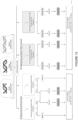
- Adapter ligation was performed overnight at 4 °C with final adapter concentration adjusted to 0.09 pmol by dilution. For each sample, 1 ng of the DNA denaturation product was saved as input. For each sample, we amplified both input and outputs followed by purification and dual size selected using AMPure XP beads (Beckman Coulter, Brea, CA, USA) for 150 bp-200 bp. Samples underwent sequencing (Princess Margaret Genomics Centre, Toronto, ON, CA) on a MiSeq Nano flowcell (Illumina, San Diego, CA, USA), paired-end 2 ⁇ 150 bp, 1 million reads per flow cell ( Figure 13 ).
- HCT116 genomic DNA ATCC, Manassas, VA, USA, RRID: CVCL_0291.
- the HCT116 genomic DNA was sheared was sheared using a LE220 ultrasonicator (Covaris, Woburn, MA, USA) and size selected using AMPure XP beads (Beckman Coulter, Brea, CA, USA) to mimic cfDNA input.
- Bioinformatic preprocessing The adapters were trimmed using fastp version 0.11.5 2 (see Formula 1) and removed reads with a phred score of less than 20.
- the reads were aligned to the sequences of the designed fragments using BowTie2 version 0.11.5 3 (see Formula 2). Subsequently, sequences that did not align to the present synthetic DNA were aligned to the human reference genome (GRCh38/hg38). 15 Over 98% of reads aligned to either spike-in control sequences or the human genome in every sample. Read pairs were removed when at least one read in the pair did not align or had low quality. Low quality was defined as a Phred score ⁇ 20. Reads that contained the same UMI were collapsed as counted as one read by matching the UMI sequences for each read per sample. bowtie 2 --local -x sequence reference --minins 80 --maxins 320
- a Gaussian generalized linear model was used with log link to create a value (molality) to account for fragment length, G+C content and number of CpG which can influence the results of these data. (Formula 5) Best model to use will differ on a per experiment basis.
- Absolute quantification from spike-in control data A generalized linear model was created to predict molar amount from deduplicated spike-in control read counts based on UMI consensus sequence, G+C content, CpG fraction, fragment length. To do this, the stats package in R version 3.4.1. was used. To reduce its left skew, a cube root transformation of CpG fraction was used. A Gaussian generalized linear model (Equation 6) was used to calculate molar amount ( ⁇ ) for each DNA fragment present in the original sample using regression coefficients ( ⁇ ) learned for each experiment.
- This model includes read counts ( x reads ), number of fragments ( x fragments ), length of fragments ( x len ), G+C content of fragments ( x GC ), and CpG fraction of fragments ( x 3 CpGfraction ).
- Regression coefficients ( ⁇ ) for each experiment and model can be found in Table 3.
- ⁇ ⁇ 0 + ⁇ reads x reads + ⁇ fragments x fragments + ⁇ len x len + ⁇ GC x GC + ⁇ CpGfraction x 3 CpGfraction Table 3.
- Regression coefficients ( ⁇ ) A Gaussian generalized linear model was used for all experiments.
- Intercept Coefficient Fragment length coefficient G+C content coefficient CpG fraction coefficient Read counts coefficient 0.01 ng in 10 ng HCT116 0.0039210000 -0.0000105700 0.0000030070 0.0001706000 -0.0000001584 Batch 1 0.0038410000 -1.1420000000 0.0000022400 0.0002940000 -0.0000001390 Batch 2 0.0039900000 -0.0000110500 0.0000012400 0.0001415000 -0.0000000049 Batch 3 0.0038670000 -0.0000112000 -0.0000014390 0.0004484000 -0.0000001343
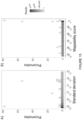
- Identifying regions to be filtered To assess the relationship between molar amount and mappability, umap k100 mappability scores were used. 23 Mappability scores were annotated to present 300 bp windows and used the minimum mappability score for every 300 bp window. Standard deviation was calculated between the two replicate samples for which 0.01 ng of synthetic DNA was spiked into 10 ng of HCT116 genomic DNA. The relationship between molar amount and mappability scores was assessed, and molar amount and standard deviation excluding simple repeat regions, 24 regions listed in ENCODE blacklist, 25 regions with mappability score ⁇ 0.5 and regions with standard deviation ⁇ 0.25. HOMER version 4.10.4 was used to investigate whether specific transcription factor binding motifs associated with our outliers. Window size was set to 300 bp and outliers were compared to the HOMER-generated randomized genomic background.
- HCT116 genomic DNA was run in triplicate on the Illumina EPIC array (Illumina, San Diego, CA, USA).
- the HCT116 genomic DNA samples run on the EPIC array are technical replicates of the HCT116 genomic DNA spiked with 0.01 ng spike-in control.
- EPIC array data was normalized and preprocessed using sesame.
- 27 CpGs was annotated on the EPIC array to 300 bp genomic windows. When >1 CpG probe annotated to a window, probe M-values were averaged across the window.
- Windows were removed that mapped to UCSC simple repeats, 24 ENCODE blacklist, 25 regions of low mappability ⁇ 0.50, and regions where standard deviation between replicates ⁇ 0.25. Correlation was assessed between EPIC array M-values and picomoles and EPIC array M-values and read counts at windows that contained ⁇ 3 CpG probes, ⁇ 5 CpG probes, ⁇ 7 CpG probes and ⁇ 10 CpG probes.
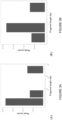
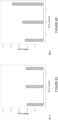
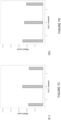
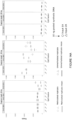
- the unmethylated fragments showed the same enrichment to 160 bp fragments and higher G+C content. This suggested that the unspecific binding of the cfMeDIP method was partial to fragments with higher G+C content. There was no association between the number of CpGs present within a fragment and the number of reads ( Figure 7 ).
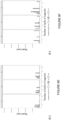
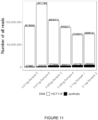
- HCT116 The total number of reads that were used towards the synthetic spike-in controls compared to the total number of reads used to our biological sample, HCT116 was assessed. This allowed optimization of the amount of spike-in controls that would be used in subsequent experiments, to maximize reads of a biological sample of interest while still getting enough information on the control fragments to correct biological and technical bias. Spiking in 0.01 ng of synthetic controls allowed use of ⁇ 0.01% of the reads to the controls, while leaving the rest to the biological sample. There was still >650,000 reads of control sequence to use for analysis ( Figure 11 ). Therefore, it was decided to use 0.01 ng of spike-in controls fragments in subsequent experiments.
- cfMeDIP-seq preferentially enriches for high G+C content regions.
- cfMeDIP-seq preferentially enriches for high G+C content regions.
- the synthetic spike-in controls output as well as the spike-in controls in 10 ng of HCT116 show an enrichment of 160 bp fragments which we expect due to our size selection step for fragments between 150 bp-200 bp.
- the cfMeDIP method we maintained enrichment for the 160 bp fragments and observe an enrichment towards fragments with higher G+C content and high CpG fraction ( Figure 14 ).
- the total number of reads used towards spike-in controls was assessed compared to the total number of reads used towards the biological sample, HCT116 genomic DNA. This allowed optimization of the amount of spike-in controls to be used in subsequent experiments, maximizing reads to biological sample of interest while obtaining sufficient reads from the spike-in controls to correct for biological and technical bias.
- Spiking in 0.01 ng of synthetic spike-in control DNA into present cfMeDIP-seq experiments allowed use of ⁇ 1% of the reads to the controls, while leaving the rest to biological sample. There were still >650,000 reads of control sequence to use for analysis. Therefore, it was decided to use 0.01 ng of spike-in control fragments in subsequent experiments.
- Filtering problematic regions removes potential sources of biological and technical artifacts.
- ENCODE blacklist regions regions with mappability scores ⁇ 0.5 and regions where standard deviation between the replicates ⁇ 0.25, we observed no relationship between molar amount and standard deviation, and no relationship between molar amount and mappability scores. This suggests that removing these regions is beneficial to reduce biological and technical artifacts.
- Absolute quantification correlates with M-values and performs comparatively to read counts.
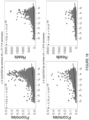
- the linear model was used to calculate molar amount for each 300 bp genomic window. Significant correlation was observed between molar amount and M-values across the genome in our HCT116 genomic DNA samples. A higher correlation was observed when the analyses was restricted to high CpG dense regions, defined as 300 bp windows with ⁇ 5 CpG probes representing DNA methylation on the EPIC array, within the 300 bp window. This is not surprising as the cfMeDIP-seq technique preferentially measures DNA methylation at high CpG dense regions. To compare with the current standard, read counts were correlated to M-values ( Figure 16 ). It was shown that molar amount performs similarly to read counts, but has the advantage of allowing for absolute quantification.
- the data showed the validity of using synthetic spike-in control DNA to improve results of cfMeDIP-seq experiments.
- the difference in non-specific binding to 5-methylcytosine in experiment 1, cfMeDIP-seq directly on spike-in controls, and experiment 2, cfMeDIP-seq on 0.01 ng spiked into HCT116 genomic DNA, can likely be explained by the difference in the proportion of methylated CpGs in the experimental samples.
- the spike-in controls contained 51% methylated CpGs, while the human genome contains approximately 70% methylated CpGs. 34 To reduce technical and biological artifacts, it was important to filter potentially problematic regions prior to analysis.
- spike-in controls helps to mitigate differences between batches due to a number of technical factors including: technician, adapters, sequencing machine, and adapter ligation incubation.
- principal components significantly associated with batch made up ⁇ 5% of the variance within the data.
- data normalized using QSEA had principal components significantly associated with processing batch contributing to ⁇ 85% of the variance within the data.
- the invention includes the aspects in the following paragraphs
Landscapes
- Chemical & Material Sciences (AREA)
- Life Sciences & Earth Sciences (AREA)
- Health & Medical Sciences (AREA)
- Organic Chemistry (AREA)
- Engineering & Computer Science (AREA)
- Zoology (AREA)
- Wood Science & Technology (AREA)
- Genetics & Genomics (AREA)
- Proteomics, Peptides & Aminoacids (AREA)
- Analytical Chemistry (AREA)
- Bioinformatics & Cheminformatics (AREA)
- Biotechnology (AREA)
- General Engineering & Computer Science (AREA)
- Physics & Mathematics (AREA)
- General Health & Medical Sciences (AREA)
- Molecular Biology (AREA)
- Microbiology (AREA)
- Biophysics (AREA)
- Biochemistry (AREA)
- Immunology (AREA)
- Biomedical Technology (AREA)
- Chemical Kinetics & Catalysis (AREA)
- Plant Pathology (AREA)
- Crystallography & Structural Chemistry (AREA)
- Pathology (AREA)
- Virology (AREA)
- Bioinformatics & Computational Biology (AREA)
- Measuring Or Testing Involving Enzymes Or Micro-Organisms (AREA)
Applications Claiming Priority (3)
| Application Number | Priority Date | Filing Date | Title |
|---|---|---|---|
| US201962931411P | 2019-11-06 | 2019-11-06 | |
| PCT/CA2020/051507 WO2021087615A1 (en) | 2019-11-06 | 2020-11-06 | Synthetic spike-in controls for cell-free medip sequencing and methods of using same |
| EP20884272.4A EP4055183A4 (de) | 2019-11-06 | 2020-11-06 | Synthetische spike-in kontrollen für die zellfreie medip-sequenzierung und verfahren zum verwenden derselben |
Related Parent Applications (1)
| Application Number | Title | Priority Date | Filing Date |
|---|---|---|---|
| EP20884272.4A Division EP4055183A4 (de) | 2019-11-06 | 2020-11-06 | Synthetische spike-in kontrollen für die zellfreie medip-sequenzierung und verfahren zum verwenden derselben |
Publications (2)
| Publication Number | Publication Date |
|---|---|
| EP4435118A2 true EP4435118A2 (de) | 2024-09-25 |
| EP4435118A3 EP4435118A3 (de) | 2025-01-15 |
Family
ID=75849048
Family Applications (2)
| Application Number | Title | Priority Date | Filing Date |
|---|---|---|---|
| EP24177800.0A Pending EP4435118A3 (de) | 2019-11-06 | 2020-11-06 | Synthetische spike-in-steuerungen zur zellfreien medip-sequenzierung und verfahren zur verwendung davon |
| EP20884272.4A Withdrawn EP4055183A4 (de) | 2019-11-06 | 2020-11-06 | Synthetische spike-in kontrollen für die zellfreie medip-sequenzierung und verfahren zum verwenden derselben |
Family Applications After (1)
| Application Number | Title | Priority Date | Filing Date |
|---|---|---|---|
| EP20884272.4A Withdrawn EP4055183A4 (de) | 2019-11-06 | 2020-11-06 | Synthetische spike-in kontrollen für die zellfreie medip-sequenzierung und verfahren zum verwenden derselben |
Country Status (9)
| Country | Link |
|---|---|
| US (1) | US20230024827A1 (de) |
| EP (2) | EP4435118A3 (de) |
| JP (1) | JP2023502018A (de) |
| KR (1) | KR20220098183A (de) |
| CN (1) | CN115087744A (de) |
| BR (1) | BR112022008714A2 (de) |
| CA (1) | CA3157323A1 (de) |
| GB (1) | GB2609715B (de) |
| WO (1) | WO2021087615A1 (de) |
Families Citing this family (4)
| Publication number | Priority date | Publication date | Assignee | Title |
|---|---|---|---|---|
| CN111154846A (zh) * | 2020-01-13 | 2020-05-15 | 四川大学华西医院 | 一种甲基化核酸的检测方法 |
| US12592321B2 (en) | 2020-06-19 | 2026-03-31 | University Health Network | Cancer detection and classification using methylome analysis |
| CN114045342A (zh) * | 2021-12-01 | 2022-02-15 | 大连晶泰生物技术有限公司 | 一种游离DNA(cfDNA)甲基化突变的检测方法及试剂盒 |
| KR20250019610A (ko) * | 2022-03-21 | 2025-02-10 | 빌리언투원, 인크. | 치료 모니터링을 위한 메틸화된 세포 유리 dna의 분자 계수 |
Family Cites Families (9)
| Publication number | Priority date | Publication date | Assignee | Title |
|---|---|---|---|---|
| PT2850211T (pt) * | 2012-05-14 | 2021-11-29 | Irepertoire Inc | Método para aumentar a precisão na deteção quantitativa de polinucleótidos |
| EP3022321B1 (de) * | 2013-07-16 | 2021-01-13 | Zymo Research Corporation | Bisulfitspiegelanalyse |
| EP3978627A1 (de) * | 2016-03-25 | 2022-04-06 | Karius, Inc. | Verfahren unter verwendung von synthetischen nukleinsäure-spike-ins |
| KR102522067B1 (ko) * | 2016-05-03 | 2023-04-13 | 유니버시티 헬스 네트워크 | 무-세포 메틸화된 dna의 포획 방법 및 이의 이용 |
| WO2018017710A1 (en) * | 2016-07-19 | 2018-01-25 | Exact Sciences Development Company, Llc | Nucleic acid control molecules from non-human organisms |
| BR112020000681A2 (pt) * | 2017-07-12 | 2020-07-14 | University Health Network | detecção e classificação de cancro utilizando análise de metilome |
| CN111094583A (zh) * | 2017-08-04 | 2020-05-01 | 十亿至一公司 | 与生物靶相关的定量中利用靶相关分子的测序输出确定和分析 |
| US20210156863A1 (en) * | 2017-11-03 | 2021-05-27 | University Health Network | Cancer detection, classification, prognostication, therapy prediction and therapy monitoring using methylome analysis |
| NZ765943A (en) * | 2018-01-08 | 2022-10-28 | Ludwig Inst For Cancer Res Ltd | Bisulfite-free, base-resolution identification of cytosine modifications |
-
2020
- 2020-11-06 CN CN202080092232.8A patent/CN115087744A/zh active Pending
- 2020-11-06 KR KR1020227018998A patent/KR20220098183A/ko active Pending
- 2020-11-06 JP JP2022526702A patent/JP2023502018A/ja active Pending
- 2020-11-06 GB GB2207732.5A patent/GB2609715B/en active Active
- 2020-11-06 EP EP24177800.0A patent/EP4435118A3/de active Pending
- 2020-11-06 EP EP20884272.4A patent/EP4055183A4/de not_active Withdrawn
- 2020-11-06 WO PCT/CA2020/051507 patent/WO2021087615A1/en not_active Ceased
- 2020-11-06 CA CA3157323A patent/CA3157323A1/en active Pending
- 2020-11-06 BR BR112022008714A patent/BR112022008714A2/pt unknown
-
2022
- 2022-05-04 US US17/736,570 patent/US20230024827A1/en active Pending
Non-Patent Citations (35)
| Title |
|---|
| ALTSCHUL, S. F.GISH, W.MILLER, W.MYERS, E. W.LIPMAN, D. J.: "Basic local alignment search tool", JOURNAL OF MOLECULAR BIOLOGY, vol. 215, no. 3, 1990, pages 403 - 410, XP002949123, DOI: 10.1006/jmbi.1990.9999 |
| AMEMIYA, H. M.KUNDAJE, A.BOYLE, A. P.: "The ENCODE blacklist: identification of problematic regions of the genome", SCIENTIFIC REPORTS, vol. 9, 2019, pages 1 - 5 |
| BEN LANGMEADSTEVEN L SALZBERG: "Fast gapped-read alignment with Bowtie 2", NATURE METHODS, vol. 9, no. 4, 2012, pages 357, XP002715401, DOI: 10.1038/nmeth.1923 |
| BLACKBURN, J.WONG, T.MADALA, B. S.BARKER, C.HARDWICK, S. A.REIS, A. L.DEVESON, I. W.MERCER, T. R.: "Use of synthetic DNA spike-in controls (sequins) for human genome sequencing", NATURE PROTOCOLS, vol. 14, 2019, pages 2119, XP036895259, DOI: 10.1038/s41596-019-0175-1 |
| CAO, F.WEI, A.HU, X.HE, Y.ZHANG, J.XIA, L.TU, K.YUAN, J.GUO, Z.LIU, H. ET AL.: "Integrated epigenetic biomarkers in circulating cell-free DNA as a robust classifier for pancreatic cancer", CLINICAL EPIGENETICS, vol. 12, 2020, pages 1 - 14, XP021279700, DOI: 10.1186/s13148-020-00898-2 |
| CHEN, K., HU, Z., XIA, Z., ZHAO, D., LI, W., TYLER, J. K.: "The overlooked fact: fundamental need for spike-in control for virtually all genome-wide analyses", MOLECULAR AND CELLULAR BIOLOGY, vol. 36, 2016, pages 662 - 667, XP055687658, DOI: 10.1128/MCB.00970-14 |
| CHEN, S.ZHOU, Y.CHEN, Y.GU, J.: "fastp: an ultra-fast all-in-one FASTQ preprocessor", BIOINFORMATICS, vol. 34, no. 17, 2018, pages i884 - i890, XP055862120, DOI: 10.1093/bioinformatics/bty560 |
| DEININGER, P: "Alu elements: know the SINEs", GENOME BIOLOGY, vol. 12, 2011, pages 236, XP093094392, DOI: 10.1186/gb-2011-12-12-236 |
| DEVESON, I. W.CHEN, W. Y.WONG, T.HARDWICK, S. A.ANDERSEN, S. B.NIELSEN, L. K.MATTICK, J. S.MERCER, T. R.: "Representing genetic variation with synthetic DNA standards", NATURE METHODS, vol. 13, 2016, pages 784, XP093021629, DOI: 10.1038/nmeth.3957 |
| EWING, B., GREEN, P.: "Base-calling of automated sequencer traces using phred II. Error probabilities.", GENOME RESEARCH, vol. 8, 1998, pages 186 - 194, XP000915053 |
| GRAVES-LINDSAY, T.ALBRACHT, D.FULTON, R. S.KREMITZKI, M.MAGRINI, V.MARKOVIC, C.MCGRATH, S.STEINBERG, K. M.WILSON, R. K. ET AL.: "Evaluation of GRCh38 and de novo haploid genome assemblies demonstrates the enduring quality of the reference assembly", GENOME RESEARCH, vol. 27, 2017, pages 849 - 864 |
| HEINZ, S.BENNER, C.SPANN, N.BERTOLINO, E.LIN, Y. C.LASLO, P.CHENG, J. X.MURRE, C.SINGH, H.GLASS, C. K.: "Simple combinations of lineage-determining transcription factors prime cis-regulatory elements required for macrophage and B cell identities", MOLECULAR CELL, vol. 38, 2010, pages 576 - 589 |
| HOLM, S: "A simple sequentially rejective multiple test procedure", SCANDINAVIAN JOURNAL OF STATISTICS, 1979, pages 65 - 70 |
| JIANG, L., SCHLESINGER, F., DAVIS, C. A., ZHANG, Y., LI, R., SALIT, M., GINGERAS, T. R., OLIVER, B.: "Synthetic spike-in standards for RNA-seq experiments", GENOME RESEARCH, vol. 21, 2011, pages 1543 - 1551, XP055152443, DOI: 10.1101/gr.121095.111 |
| KARIMZADEH, M., ERNST, C., KUNDAJE, A., HOFFMAN, M. M.: "Umap and Bismap: quantifying genome and methylome mappability", NUCLEIC ACIDS RESEARCH, vol. 46, 2018, pages e120 |
| KAROLCHIK, D.HINRICHS, A. S.FUREY, T. S.ROSKIN, K. M.SUGNET, C. W.HAUSSLER, D.KENT, W. J.: "The UCSC Table Browser data retrieval tool", NUCLEIC ACIDS RESEARCH, vol. 32, 2004, pages D493 - D496 |
| LASSETER, K.NASSAR, A. H.HAMIEH, L.BERCHUCK, J. E.NUZZO, P. V.KORTHAUER, K.SHINAGARE, A. B.OGOREK, B.MCKAY, R.THORNER, A. R. ET AL: "Plasma cell-free DNA variant analysis compared with methylated DNA analysis in renal cell carcinoma", GENETICS IN MEDICINE, 2020, pages 1 - 8 |
| LIENHARD, M.GRASSE, S.ROLFF, J.FRESE, S.SCHIRMER, U.BECKER, M.BÖRNO, S.TIMMERMANN, B.CHAVEZ, L.SÜLTMANN, H. ET AL.: "QSEA-modelling of genome-wide DNA methylation from sequencing enrichment experiments", NUCLEIC ACIDS RESEARCH, vol. 45, 2017, pages e44 - e44, XP055723787, DOI: 10.1093/nar/gkw1193 |
| MOULIERE, F.CHANDRANANDA, D.PISKORZ, A. M.MOORE, E. K.MORRIS, J.AHLBORN, L. B.MAIR, R.GORANOVA, T.MARASS, F.HEIDER, K. ET AL.: "Enhanced detection of circulating tumor DNA by fragment size analysis", SCIENCE TRANSLATIONAL MEDICINE, 2018, pages 10 |
| NASSIRI, F.CHAKRAVARTHY, A.FENG, S.SHEN, S. Y.NEJAD, R.ZUCCATO, J. A.VOISIN, M. R.PATIL, V.HORBINSKI, C.ALDAPE, K. ET AL.: "Detection and discrimination of intracranial tumors using plasma cell-free DNA methylomes", NATURE MEDICINE, vol. 26, 2020, pages 1044 - 1047, XP037191548, DOI: 10.1038/s41591-020-0932-2 |
| NUZZO, P. V.BERCHUCK, J. E.KORTHAUER, K.SPISAK, S.NASSAR, A. H.ABOU ALAIWI, S.CHAKRAVARTHY, A.SHEN, S. Y.BAKOUNY, Z.BOCCARDO, F. E: "Detection of renal cell carcinoma using plasma and urine cell-free DNA methylomes", NATURE MEDICINE, vol. 26, 2020, pages 1041 - 1043, XP037523308, DOI: 10.1038/s41591-020-0933-1 |
| ORLANDO, D. A.CHEN, M. W.BROWN, V. E.SOLANKI, S.CHOI, Y. J.OLSON, E. R.FRITZ, C. C.BRADNER, J. E.GUENTHER, M. G.: "Quantitative ChlP-Seq normalization reveals global modulation of the epigenome", CELL REPORTS, vol. 9, 2014, pages 1163 - 1170, XP055881602, DOI: 10.1016/j.celrep.2014.10.018 |
| OWCZARZY, R.TATAUROV, A. V.WU, Y.MANTHEY, J. A.MCQUISTEN, K. A.ALMABRAZI, H. G.PEDERSEN, K. F.LIN, Y.GARRETSON, J.MCENTAGGART, N. : "IDT SciTools: a suite for analysis and design of nucleic acid oligomers", NUCLEIC ACIDS RESEARCH, vol. 36, 2008, pages W163 - W169, XP055012782, DOI: 10.1093/nar/gkn198 |
| QUINLAN, A. R.HALL, I. M.: "BEDTools: a flexible suite of utilities for comparing genomic features", BIOINFORMATICS, vol. 26, 2010, pages 841 - 842, XP055307411, DOI: 10.1093/bioinformatics/btq033 |
| RE, A. C. D., COMPUTE.ES: COMPUTE EFFECT SIZES, 2013 |
| SHEN, S. Y.BURGENER, J. M.BRATMAN, S. V.DE CARVALHO, D. D.: "Preparation of cfMeDIP-seq libraries for methylome profiling of plasma cell-free DNA", NATURE PROTOCOLS, vol. 14, no. 10, 2019, pages 2749 - 2780, XP036888701, DOI: 10.1038/s41596-019-0202-2 |
| SHEN, S. Y.SINGHANIA, R.FEHRINGER, G.CHAKRAVARTHY, A.ROEHRL, M. H.CHADWICK, D.ZUZARTE, P. C.BORGIDA, A.WANG, T. T.LI, T. ET AL.: "Sensitive tumour detection and classification using plasma cell-free DNA methylomes", NATURE, vol. 563, no. 7732, 2018, pages 579, XP036867481, DOI: 10.1038/s41586-018-0703-0 |
| SONG ET AL., TRENDS BIOCHEM SCI, vol. 38, no. 10, October 2013 (2013-10-01), pages 480 - 484 |
| STRICHMAN-ALMASHANU, L. Z.LEE, R. S.ONYANGO, P. O.PERLMAN, E.FLAM, F.FRIEMAN, M. B.FEINBERG, A. P.: "A genome-wide screen for normally methylated human CpG islands that can identify novel imprinted genes", GENOME RESEARCH, vol. 12, 2002, pages 543 - 554, XP009090597, DOI: 10.1101/gr.224102. Article published online before print in March 2002 |
| TARAILO-GRAOVAC, M.CHEN, N.: "Using RepeatMasker to identify repetitive elements in genomic sequences", CURRENT PROTOCOLS IN BIOINFORMATICS, vol. 25, 2009, pages 4 - 10 |
| WANG, T. T.ABELSON, S.ZOU, J.LI, T.ZHAO, Z.DICK, J. E.SHLUSH, L. I.PUGH, T. J.BRATMAN, S. V.: "High efficiency error suppression for accurate detection of low-frequency variants", NUCLEIC ACIDS RESEARCH, vol. 47, 2019, pages e87 - e87, XP093095876, DOI: 10.1093/nar/gkz474 |
| XU, Z. Z.MATHEWS, D. H.: "RNA structure determination", 2016, SPRINGER, article "Secondary structure prediction of single sequences using RNA structure", pages: 15 - 34 |
| YANN PONTYMICHEL TERMIERALAIN DENISE: "GenRGenS: software for generating random genomic sequences and structures", BIOINFORMATICS, vol. 22, no. 12, 2006, pages 1534 - 1535 |
| ZHENJIANG ZECH XUDAVID H MATHEWS: "RNA Structure Determination", 2016, SPRINGER, article "Secondary structure prediction of single sequences using RNAstructure", pages: 15 - 34 |
| ZHOU, W.TRICHE JR, T. J.LAIRD, P. W.SHEN, H.: "SeSAMe: reducing artifactual detection of DNA methylation by Infinium BeadChips in genomic deletions", NUCLEIC ACIDS RESEARCH, vol. 46, 2018, pages e123 - e123 |
Also Published As
| Publication number | Publication date |
|---|---|
| GB2609715A (en) | 2023-02-15 |
| GB202207732D0 (en) | 2022-07-13 |
| US20230024827A1 (en) | 2023-01-26 |
| EP4055183A1 (de) | 2022-09-14 |
| BR112022008714A2 (pt) | 2022-07-19 |
| WO2021087615A1 (en) | 2021-05-14 |
| JP2023502018A (ja) | 2023-01-20 |
| CN115087744A (zh) | 2022-09-20 |
| EP4055183A4 (de) | 2023-12-06 |
| EP4435118A3 (de) | 2025-01-15 |
| CA3157323A1 (en) | 2021-05-14 |
| KR20220098183A (ko) | 2022-07-11 |
| GB2609715B (en) | 2025-07-30 |
Similar Documents
| Publication | Publication Date | Title |
|---|---|---|
| US20230024827A1 (en) | Synthetic spike-in controls for cell-free medip sequencing and methods of using same | |
| Lee et al. | Simultaneous profiling of chromatin accessibility and methylation on human cell lines with nanopore sequencing | |
| Dai et al. | Ultrafast bisulfite sequencing detection of 5-methylcytosine in DNA and RNA | |
| Rodin et al. | The landscape of somatic mutation in cerebral cortex of autistic and neurotypical individuals revealed by ultra-deep whole-genome sequencing | |
| Huang et al. | Genome-wide identification of mRNA 5-methylcytosine in mammals | |
| Clark et al. | Quantitative gene profiling of long noncoding RNAs with targeted RNA sequencing | |
| Gaiti et al. | Epigenetic evolution and lineage histories of chronic lymphocytic leukaemia | |
| Clark et al. | tRNA base methylation identification and quantification via high-throughput sequencing | |
| Naeem et al. | Reducing the risk of false discovery enabling identification of biologically significant genome-wide methylation status using the HumanMethylation450 array | |
| Salzman et al. | Cell-type specific features of circular RNA expression | |
| Clark et al. | A comparison of the whole genome approach of MeDIP-seq to the targeted approach of the Infinium HumanMethylation450 BeadChip® for methylome profiling | |
| Sati et al. | High resolution methylome map of rat indicates role of intragenic DNA methylation in identification of coding region | |
| Gu et al. | Canonical A-to-I and C-to-U RNA editing is enriched at 3′ UTRs and microRNA target sites in multiple mouse tissues | |
| Park et al. | Characterization of background noise in capture-based targeted sequencing data | |
| CN102165456B (zh) | 表征来自于遗传物质样品的序列的方法 | |
| Walker et al. | DNA methylation profiling: comparison of genome-wide sequencing methods and the Infinium Human Methylation 450 Bead Chip | |
| Su et al. | CpG_MPs: identification of CpG methylation patterns of genomic regions from high-throughput bisulfite sequencing data | |
| JP2017537646A (ja) | シーケンシングコントロール | |
| Fu et al. | Computational analysis of DNA methylation from long-read sequencing | |
| Chatterjee et al. | Genome-scale DNA methylome and transcriptome profiling of human neutrophils | |
| de Abreu et al. | Comparison of current methods for genome-wide DNA methylation profiling | |
| Trimarchi et al. | Enrichment-based DNA methylation analysis using next-generation sequencing: sample exclusion, estimating changes in global methylation, and the contribution of replicate lanes | |
| Porter et al. | Methylation array signals are predictive of chronological age without bisulfite conversion | |
| Kloetgen et al. | The PARA-suite: PAR-CLIP specific sequence read simulation and processing | |
| Su et al. | Enhancing RNA-seq bias mitigation with the Gaussian self-benchmarking framework: towards unbiased sequencing data |
Legal Events
| Date | Code | Title | Description |
|---|---|---|---|
| PUAI | Public reference made under article 153(3) epc to a published international application that has entered the european phase |
Free format text: ORIGINAL CODE: 0009012 |
|
| STAA | Information on the status of an ep patent application or granted ep patent |
Free format text: STATUS: THE APPLICATION HAS BEEN PUBLISHED |
|
| AC | Divisional application: reference to earlier application |
Ref document number: 4055183 Country of ref document: EP Kind code of ref document: P |
|
| AK | Designated contracting states |
Kind code of ref document: A2 Designated state(s): AL AT BE BG CH CY CZ DE DK EE ES FI FR GB GR HR HU IE IS IT LI LT LU LV MC MK MT NL NO PL PT RO RS SE SI SK SM TR |
|
| REG | Reference to a national code |
Ref country code: DE Ref legal event code: R079 Free format text: PREVIOUS MAIN CLASS: C12Q0001686900 Ipc: C12Q0001680000 |
|
| PUAL | Search report despatched |
Free format text: ORIGINAL CODE: 0009013 |
|
| AK | Designated contracting states |
Kind code of ref document: A3 Designated state(s): AL AT BE BG CH CY CZ DE DK EE ES FI FR GB GR HR HU IE IS IT LI LT LU LV MC MK MT NL NO PL PT RO RS SE SI SK SM TR |
|
| RIC1 | Information provided on ipc code assigned before grant |
Ipc: C12Q 1/6869 20180101ALI20241210BHEP Ipc: C12Q 1/6844 20180101ALI20241210BHEP Ipc: C12Q 1/6809 20180101ALI20241210BHEP Ipc: C12Q 1/68 20180101AFI20241210BHEP |
|
| STAA | Information on the status of an ep patent application or granted ep patent |
Free format text: STATUS: REQUEST FOR EXAMINATION WAS MADE |
|
| 17P | Request for examination filed |
Effective date: 20250715 |
|
| STAA | Information on the status of an ep patent application or granted ep patent |
Free format text: STATUS: EXAMINATION IS IN PROGRESS |
|
| 17Q | First examination report despatched |
Effective date: 20260211 |