EP4429686B1 - Postbiotic compositions comprising b. longum cect-7347 and l. rhamnosus cect-8361 and therapeutic uses thereof - Google Patents
Postbiotic compositions comprising b. longum cect-7347 and l. rhamnosus cect-8361 and therapeutic uses thereof Download PDFInfo
- Publication number
- EP4429686B1 EP4429686B1 EP22836184.6A EP22836184A EP4429686B1 EP 4429686 B1 EP4429686 B1 EP 4429686B1 EP 22836184 A EP22836184 A EP 22836184A EP 4429686 B1 EP4429686 B1 EP 4429686B1
- Authority
- EP
- European Patent Office
- Prior art keywords
- postbiotic
- composition
- composition according
- longum
- rhamnosus
- Prior art date
- Legal status (The legal status is an assumption and is not a legal conclusion. Google has not performed a legal analysis and makes no representation as to the accuracy of the status listed.)
- Active
Links
Images





Classifications
-
- A—HUMAN NECESSITIES
- A23—FOODS OR FOODSTUFFS; TREATMENT THEREOF, NOT COVERED BY OTHER CLASSES
- A23L—FOODS, FOODSTUFFS OR NON-ALCOHOLIC BEVERAGES, NOT OTHERWISE PROVIDED FOR; PREPARATION OR TREATMENT THEREOF
- A23L33/00—Modifying nutritive qualities of foods; Dietetic products; Preparation or treatment thereof
- A23L33/10—Modifying nutritive qualities of foods; Dietetic products; Preparation or treatment thereof using additives
- A23L33/135—Bacteria or derivatives thereof, e.g. probiotics
-
- A—HUMAN NECESSITIES
- A61—MEDICAL OR VETERINARY SCIENCE; HYGIENE
- A61K—PREPARATIONS FOR MEDICAL, DENTAL OR TOILETRY PURPOSES
- A61K35/00—Medicinal preparations containing materials or reaction products thereof with undetermined constitution
- A61K35/66—Microorganisms or materials therefrom
- A61K35/74—Bacteria
- A61K35/741—Probiotics
- A61K35/744—Lactic acid bacteria, e.g. enterococci, pediococci, lactococci, streptococci or leuconostocs
- A61K35/745—Bifidobacteria
-
- A—HUMAN NECESSITIES
- A61—MEDICAL OR VETERINARY SCIENCE; HYGIENE
- A61K—PREPARATIONS FOR MEDICAL, DENTAL OR TOILETRY PURPOSES
- A61K35/00—Medicinal preparations containing materials or reaction products thereof with undetermined constitution
- A61K35/66—Microorganisms or materials therefrom
- A61K35/74—Bacteria
- A61K35/741—Probiotics
- A61K35/744—Lactic acid bacteria, e.g. enterococci, pediococci, lactococci, streptococci or leuconostocs
- A61K35/747—Lactobacilli, e.g. L. acidophilus or L. brevis
-
- A—HUMAN NECESSITIES
- A61—MEDICAL OR VETERINARY SCIENCE; HYGIENE
- A61P—SPECIFIC THERAPEUTIC ACTIVITY OF CHEMICAL COMPOUNDS OR MEDICINAL PREPARATIONS
- A61P25/00—Drugs for disorders of the nervous system
- A61P25/22—Anxiolytics
-
- A—HUMAN NECESSITIES
- A61—MEDICAL OR VETERINARY SCIENCE; HYGIENE
- A61P—SPECIFIC THERAPEUTIC ACTIVITY OF CHEMICAL COMPOUNDS OR MEDICINAL PREPARATIONS
- A61P25/00—Drugs for disorders of the nervous system
- A61P25/24—Antidepressants
-
- A—HUMAN NECESSITIES
- A23—FOODS OR FOODSTUFFS; TREATMENT THEREOF, NOT COVERED BY OTHER CLASSES
- A23V—INDEXING SCHEME RELATING TO FOODS, FOODSTUFFS OR NON-ALCOHOLIC BEVERAGES AND LACTIC OR PROPIONIC ACID BACTERIA USED IN FOODSTUFFS OR FOOD PREPARATION
- A23V2002/00—Food compositions, function of food ingredients or processes for food or foodstuffs
-
- A—HUMAN NECESSITIES
- A23—FOODS OR FOODSTUFFS; TREATMENT THEREOF, NOT COVERED BY OTHER CLASSES
- A23V—INDEXING SCHEME RELATING TO FOODS, FOODSTUFFS OR NON-ALCOHOLIC BEVERAGES AND LACTIC OR PROPIONIC ACID BACTERIA USED IN FOODSTUFFS OR FOOD PREPARATION
- A23V2200/00—Function of food ingredients
- A23V2200/30—Foods, ingredients or supplements having a functional effect on health
- A23V2200/32—Foods, ingredients or supplements having a functional effect on health having an effect on the health of the digestive tract
- A23V2200/3204—Probiotics, living bacteria to be ingested for action in the digestive tract
-
- A—HUMAN NECESSITIES
- A23—FOODS OR FOODSTUFFS; TREATMENT THEREOF, NOT COVERED BY OTHER CLASSES
- A23V—INDEXING SCHEME RELATING TO FOODS, FOODSTUFFS OR NON-ALCOHOLIC BEVERAGES AND LACTIC OR PROPIONIC ACID BACTERIA USED IN FOODSTUFFS OR FOOD PREPARATION
- A23V2400/00—Lactic or propionic acid bacteria
- A23V2400/11—Lactobacillus
- A23V2400/175—Rhamnosus
-
- A—HUMAN NECESSITIES
- A23—FOODS OR FOODSTUFFS; TREATMENT THEREOF, NOT COVERED BY OTHER CLASSES
- A23V—INDEXING SCHEME RELATING TO FOODS, FOODSTUFFS OR NON-ALCOHOLIC BEVERAGES AND LACTIC OR PROPIONIC ACID BACTERIA USED IN FOODSTUFFS OR FOOD PREPARATION
- A23V2400/00—Lactic or propionic acid bacteria
- A23V2400/51—Bifidobacterium
- A23V2400/533—Longum
-
- A—HUMAN NECESSITIES
- A61—MEDICAL OR VETERINARY SCIENCE; HYGIENE
- A61K—PREPARATIONS FOR MEDICAL, DENTAL OR TOILETRY PURPOSES
- A61K2300/00—Mixtures or combinations of active ingredients, wherein at least one active ingredient is fully defined in groups A61K31/00 - A61K41/00
Definitions
- the present invention is defined in claims 1 to 12, relating to a postbiotic composition and its use in the treatment and/or prevention of anxiety disorders
- the gut-brain axis plays a potential role in the maintenance of the brain function as well as the gut homeostasis.
- distinct types of microbes such as orally administered probiotics, may modify the gut-brain axis and control the stress response, suggesting that probiotics may have a therapeutic role in the management of mood disorders, such as depression or anxiety disorders, by regulating "the microbiota-gut-brain axis".
- WO2019038449 A1 describes a pharmaceutical composition comprising non-viable Bifidobacterium longum, optionally in combination with Lactobacillus mucosae for use in reducing stress, anxiety and depression and for use in treating mood disorders, insomnia, delusional disorder, obsessive compulsive disorder, migraine, cognitive disorder, and attention disorder in a subject.
- WO2018220429A1 describes probiotic Lactobacillus rhamnosus for use in treating or preventing postnatal depression and post-natal anxiety.
- WO02018002238 A1 describes a composition comprising Lactococcus lactis and a combination of probiotic Bifidobacterium longum and Lactobacillus rhamnosus, for use in preventing and/or treating anxiety disorders and related conditions such as phobias, social anxiety disorder, panic disorder, obsessive-compulsive disorder and posttraumatic stress disorder.
- the composition is a nutritional composition, an infant formula or a pharmaceutical composition
- EP3222282 A1 describes probiotic compositions comprising B.longum CECT 7347 and/or L. rhamnosus CECT 8361 for use in the treatment and/or prevention of psoriasis.
- EP3851115 A1 describes a probiotic composition comprising Lactobacillus rhamnosus CECT 8361 and Bifidobacterium longum CECT 7347 for use in the treatment and/or prevention of oxidative stress in a subject.
- EP3272396 A1 describes a probiotic composition comprising Bifidobacterium longum CECT 7347 for use in the treatment and/or prevention of atopic dermatitis.
- Salminen Seppo et al. "The International Scientific Association of Probiotics and Prebiotics (ISAPP) consensus statement on the definition and scope of postbiotics", NATURE REVIEWS GASTROENTEROLOGY, NATURE PUBLISHING GROUP UK, LONDON, vol. 18, no. 9, (2021), pages 649-667 , discloses a postbiotic definition as a preparation of inanimate microorganisms and/or their components that confers a health benefit on the host.
- the invention relates to a postbiotic composition ("postbiotic composition of the invention” or “composition of the invention”) comprising non-viable Bifidobacterium longum strain CECT 7347 and non-viable Lactobacillus rhamnosus strain CECT 8361.
- CECT 7347 (ES1 or IATA-ES1) was isolated from faeces of a healthy breastfeeding child less than three (3) months old and deposited on 20 December 2007 under the Budapest Treaty in the Spanish Type Culture Collection as the International Depository Authority (based in Building 3 CUE, Parc Cientific Universitat de Valencia, C/ Catedrático Agustin Escardino, 9, 46980 Paterna (Valencia) SPAIN). The deposit number assigned was CECT 7347.
- the postbiotic composition comprises non-viable bacteria belonging to B. longum and L. rhamnosus.
- the taxonomy of both species is detailed below. Kingdom Class Order Family Genus Species Bacteria Firmicutes Actinobacteria Bifidobacteriaceae Bifidobacterium B. longum Bacteria Firmicutes Lactobacillales Lactobacillaceae Lactobacillus / Lacticaseibacillus L. rhamnosus
- Bifidobacterium are among the first microbes to colonize the human gastrointestinal tract (GIT) and are believed to exert positive health benefits on their host. Bifidobacteria have been commercially exploited as probiotic agents due to their associated health benefits and to being generally recognised as safe. Due to their purported health-promoting properties, these bacteria have been incorporated into many functional foods as active ingredients.
- Bifidobacteria naturally occur in a range of ecological niches that are either directly or indirectly connected to the animal GIT, such as the human oral cavity, the insect gut and sewage. To be able to survive in these particular ecological niches, Bifidobacterial must possess specific adaptations to be competitive.
- Bifidobacterium are gram-positive, non-motile, and often branched anaerobic bacteria. They are one of the major genera of bacteria that make up the GIT microbiota in mammals, and comprise over 30 different species. Among them, B. longum is a catalase-negative, branched rod-shaped bacterium.
- Lactobacillus (currently known as Lacticaseibacillus ) is the largest genus of the family Lactobacillaceae. Before its reclassification into 23 different genera ( Zheng et al. 2020 Int J Syst Evol Microbiol. 70(4):2782-2858 ), it consisted of 196 validly published species, commonly isolated not only from environments associated with fermented food, such as fruits, meat, sourdough, vegetables, and wine, but also from the gastrointestinal and vaginal tracts of humans and animals. Currently, they are widely applied in fields related to food, feed, pharmaceuticals and biotechnology; for example, they are used as dairy starters, probiotics, vaccine carriers and silage inoculants.
- Lactobacilli are gram-positive, rod-shaped, facultatively anaerobic or microaerophilic, non-spore-forming, acid-tolerant, and catalase-negative bacteria with DNA G+C content between 46 and 58 mol%.
- Lactobacillus casei, Lactobacillus paracasei, and Lactobacillus rhamnosus are phylogenetically and phenotypically closely related, and were formerly regarded as the L. casei group ( Zheng et al. 2020 Int J Syst Evol Microbiol. 70(4):2782-2858 ).
- the probiotic strains that are part of this group are used worldwide in fermented dairy products or food supplements and as probiotics to enhance host health.
- the postbiotic composition of the invention comprises non-viable forms of bacteria B. longum and L. rhamnosus.
- non-viable inanimate
- inactive inactivated
- Thermal processing is likely to be used in many instances to inactivate microorganisms, as there is a long history of thermal processing in the food industry.
- a common procedure to inactivate microorganisms is heat treatment. Heat is lethal to microorganisms, but each species has its own particular heat tolerance.
- the rate of destruction is logarithmic, as is their rate of growth. Thus, bacteria subjected to heat are killed at a rate that is proportional to the number of organisms present. The process is dependent both on the temperature of exposure and the time required at this temperature to accomplish to desired rate of destruction.
- the non-viable Bifidobacterium longum and Lactobacillus rhamnosus strains are heat-treated.
- a preferred embodiment provides the composition of the invention, wherein the non-viable B. longum strain CECT 7347 is heat-treated and the non-viable Lactobacillus rhamnosus strain CECT 8361 is heat-treated.
- the present invention also contemplates those bacterial strains derived from B. longum CECT 7347 and L. rhamnosus CECT 8361 strains ("parental strains") that may be part of the postbiotic composition of the invention as they retain the ability to reduce and/or improve the symptoms of anxiety disorders in the subject.
- Examples of bacterial strains derived from the parental strains comprised within the composition of the invention include genetically modified organisms which show variations in their genome compared to the genome of the strains of the invention, wherein the mutations do not affect the ability of strains and/or their components to reduce and/or improve the symptoms of anxiety disorders in the subject.
- Strains derived from B. longum CECT 7347 and L. rhamnosus CECT 8361 may be naturally or intentionally produced by mutagenesis methods known in the art, such as, but not limited to, growing the parent strain in the presence of mutagenic agents or stressors or genetic engineering directed to the modification, deletion and/or insertion of specific genes.
- the present invention also contemplates bacterial components, metabolites and molecules secreted by B. longum CECT 7347 and/or L . rhamnosus CECT 8361 strains and/or compositions comprising said components, as well as their use for the treatment and/or prevention of anxiety disorders.
- Bacterial components include, without limitation, components of the cell wall (by way of non-limiting example, peptidoglycan); nucleic acids; membrane components; and proteins, lipids, carbohydrates, and combinations thereof (such as lipoproteins, glycolipids or glycoproteins).
- Metabolites may include any molecule produced or modified by the bacterium as a result of its metabolic activity during growth, its use in technological processes or during its storage. Examples of these metabolites include, but are not limited to, organic and inorganic acids, proteins, peptides, amino acids, enzymes, lipids, carbohydrates, lipoproteins, glycolipids, glycoproteins, vitamins, salts, minerals or nucleic acids.
- Secreted molecules include any molecule secreted or released to the outside by the bacterium during growth, its use in technological processes (for example, food processing or drugs) or during its storage.
- these molecules include, but are not limited to, organic and inorganic acids, proteins, peptides, amino acids, enzymes, lipids, carbohydrates, lipoproteins, glycolipids, glycoproteins, vitamins, salts, minerals or nucleic acids.
- composition of the invention may be formulated for pharmaceutical administration, i.e., forming part of pharmaceutical products to be administered to the subject by any means of administration; and/or for food administration, i.e., forming part of the foods or nutritional supplements consumed in the subject's diet.
- the composition of the invention is a pharmaceutical composition ("pharmaceutical composition of the invention") and/or a nutritional composition (“nutritional composition of the invention").
- composition of the invention comprises non-viable B . longum CECT 7347 and L . rhamnosus CECT 8361 (and/or strains and/or cellular components derived therefrom) at any suitable concentration.
- composition of the invention may comprise (i) one or more components or compounds having any biological, pharmacological and/or veterinary useful activity, as an activity useful in the prevention and/or treatment of anxiety disorders in a subject; and/or (ii) one or more components that, upon administration to a subject, may increase, enhance and/or promote the activity of the postbiotics included in the composition of the invention.
- additional components or compounds must be compatible with the effect exerted by the non-viable strains of the composition of the invention.
- the pharmaceutical composition further comprises a pharmaceutically acceptable carrier and/or excipient.
- galenic form or “pharmaceutic form” is the configuration to which the active ingredients and excipients are adapted to provide a pharmaceutical composition or a drug. It is defined by the combination of the form in which the pharmaceutical composition is presented by the manufacturer and the form in which it is administered.
- compositions will be adapted to the type of administration used.
- the composition may be presented in the form of solutions or any other form of clinically permissible administration and in a therapeutically effective amount.
- the composition of the invention can be formulated into solid, semisolid or liquid preparations, such as tablets, capsules, powders, granules, solutions, suppositories, gels or microspheres.
- the composition of the invention is formulated in liquid form or in solid form.
- the solid formulation is selected from the group consisting of tablets, lozenges, sweets, chewable tablets, chewing gums, capsules, sachets, powders, gels, granules, coated particles or coated tablets, tablet, pills, troches, gastro-resistant tablets and capsules and dispersible strips and films.
- the liquid formulation is selected from the group consisting of oral solutions, suspensions, droplets, emulsions and syrups.
- composition of the invention may be administered to a subject together with other components or compounds, although these are not part of the composition of the invention. Examples of such components or compounds are detailed in preceding paragraphs.
- the nutritional composition of the invention is a food or a nutritional supplement.
- the nutritional composition of the invention is a food for specific nutritional and/or functional, biological and/or physiological purposes. In some specific embodiments of the invention, the nutritional composition of the invention is a medicinal food.
- the nutritional composition of the invention is a nutritional or dietary supplement.
- dietary supplement synonymous with any of the terms "dietary supplement”, “nutritional supplement”, “food supplement”, or “alimentary supplement” or “alimentary complement” refers to products or preparations whose purpose is to supplement the normal diet of a subject consisting of sources of concentrated nutrients or other substances with a nutritional or physiological effect.
- the B. longum CECT 7347, L. rhamnosus CECT 8361 and/or any strains and/or cellular components derived from them are the “substances” with a nutritional and/or physiological effect on the subject.
- the food supplement may be in single or combined form and be marketed in dosage form, i.e., in capsules, pills, tablets and other similar forms, sachets of powder, ampoules of liquids and drop dispensing bottles and other similar forms of liquids and powders designed to be taken in a single amount.
- composition of the invention can also be part of the so-called "food for special groups", i.e., foods that meet specific nutritional needs.
- Examples of foods that may comprise the composition of the invention include, but are not limited to, feed, dairy products, vegetable products, meat products, snacks, chocolates, beverages, baby food, cereals, fried foods, industrial bakery products and biscuits.
- dairy products include, but are not limited to, products derived from fermented milk (for example, but not limited to, yogurt or cheese) or non-fermented milk (for example, but not limited to, ice cream, butter, margarine or whey).
- the vegetable product is, for example, but not limited to, a cereal in any form of presentation, fermented (for example, soy yogurt, oat yogurt, etc.) or unfermented, and a snack.
- the beverages include, but are not limited to, non-fermented milk.
- Anxiety disorders are the most common of mental disorders in humans and affect nearly 30% of adults at some point in their lives.
- Anxiety disorders include, but without limitations, generalized anxiety disorder, panic disorder, specific phobia, agoraphobia, social anxiety disorder (previously called social phobia), noise aversion, and separation anxiety disorder.
- Panic disorder is usually characterized by recurrent panic attacks, an overwhelming combination of physical and psychological distress with rather sever symptoms.
- the attacks may be expected, such as a response to a feared object, or unexpected, apparently occurring for no reason. They may occur with other mental disorders such as depression or post-traumatic stress disorder (PTSD).
- PTSD post-traumatic stress disorder
- Agoraphobia is the fear of being in situations where escape may be difficult or embarrassing, or help might not be available in the event of panic symptoms.
- the fear is out of proportion to the actual situation and lasts generally six months or more and causes problems in functioning.
- anxiety disorders includes not only those anxiety disorders described above, but also related conditions, including but not limited to: post-traumatic stress disorder (PTSD); acute stress disorder; obsessive-compulsive disorder; and adjustment disorders.
- PTSD post-traumatic stress disorder
- acute stress disorder acute stress disorder
- obsessive-compulsive disorder and adjustment disorders.
- Acute stress disorder occurs in reaction to a traumatic event, just as PTSD, and the symptoms are similar. However, the symptoms occur between three days and one month after the event, causing cause major distress and problems in the subject's daily lives. About half of people with acute stress disorder go on to have PTSD. Psychotherapy and medication can both help control symptoms and prevent development of the acute stress disorder into PTSD.
- Obsessive-compulsive disorder is a disorder in which people have recurring, unwanted thoughts, ideas or sensations (obsessions) that make them feel driven to do something repetitively (compulsions). These compulsions can significantly interfere with a person's daily activities and social interactions, cause significant distress, and impair work or social functioning.
- Adjustment disorder also occurs in response to a stressful life event (or events).
- the emotional or behavioural symptoms a person experiences in response to the stressor are more severe or more intense than what would be reasonably expected for the type of event that occurred.
- Symptoms may include sadness, hopelessness, and physical manifestations like tremors, palpitations, and headaches. These symptoms cause significant distress or problems functioning in important areas of the subject's life, and begin usually within three months of the stressful event; they last no longer than six months after the stressor or its consequences have ended.
- the disorder is typically treated with psychotherapy.
- animals in particular mammals, may also develop anxiety.
- separation anxiety is commonly seen in pets. Separation anxiety is triggered when dogs or cats are separated from their guardians; escape attempts by the animals are often extreme and can result in self-injury.
- social stress may also play a critical role in pets' welfare.
- social stress, transportation and high level of density in farms may also play a critical role in farm animal disease prevention and animal farm's welfare, and may be a mediator by which common management practices can increase disease risk.
- Social factors including deprivation of social contact ('social isolation'), reducing space allowance ('crowding') and disturbing social order ('social instability') trigger physiological and behavioural indicators of stress in livestock.
- the present invention encompasses a method for use in the treatment or prevention of anxiety disorders in a subject ("method for use in the treatment or prevention of the invention") comprising administering the composition of the invention to a subject.
- composition of the invention relates to the first medical use of the composition of the invention.
- manufacture of a medicament for the treatment or prevention of anxiety disorders in a subject is herein described. All particular terms, definitions and embodiments of previous aspects of the invention are applicable to the method for use in treatment of and use of the invention.
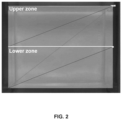
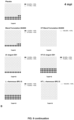
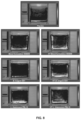
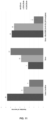
- the zone preference data was analysed focusing on the number of animals that barely spend time in the upper part of the tank, establishing a threshold of 30 s (10%) of the total NTT (Table 8).
- Experimental group code P) Placebo; Blend) Blend Formulation 0044009; HTBlend) HT Blend Formulation 004009; ES1) B . longum ES1; HTES1) HT B . longum ES1; BPL15) HT L. rhamnosus BPL15; HTBPL15) L.
- Blend Formulation 004009 and HT Blend Formulation 004009 groups After 2 months of probiotic or postbiotic intake, the lowest percentage of animals showing this type of behaviour is found in the Blend Formulation 004009 and HT Blend Formulation 004009 groups. Contrary, the highest proportion of these individuals was reported in Placebo group.
- C.elegans has become a good model for study of lifespan, obesity and metabolic syndrome. In addition, it has been used as a simple model to analyze many behaviors, that reveal cognitive impairment (learning and memory, AD, PD), or model aspects of various psychiatric disorders ( Dwyer DS. Crossing the Worm-Brain Barrier by Using Caenorhabditis elegans to Explore Fundamentals of Human Psychiatric Illness. Mol Neuropsychiatry. 2018, 3:170-179 ). In C.
- elegans neurotransmitters and neuropeptides are similar to the mammalian nervous system (dopamine, GABA, acetylcholine, serotonin, etc.), and the nematode shows a remarkable behavioral plasticity, similar to learning and memory in mammals.
- the perception of stressful or repellent stimulus is the first component of anxiety behavior in humans, which in turns is controlled by the amygdala, the HPA (hypothalamic-pituitary-adrenal gland) axis, and neuromodulators (e.g., serotonin).
- amygdala the amygdala
- HPA hypothalamic-pituitary-adrenal gland
- neuromodulators e.g., serotonin
- Serotonin pathway is underlying C. elegans aversive behavior, mediating avoidance to the repellent odorant, octanol. Therefore, we used avoidance behavior as an anxiety-related behavior in C. elegans.
- nematodes were incubated in NGM plates without OP50. This food deprivation provoked an increase of anxiety due to a decrease of levels of serotonin ( Chao, M. Y., et al. 2004, Proc Natl Acad Sci U S A. 26;101(43):15512-7. doi: 10.1073/pnas.0403369101. Epub 2004 Oct 18. PMID: 15492222; PMCID: PMC524441 ).
- This anxious condition induced an increase of time necessary for the nematode to move backwards the octanol stimulus.
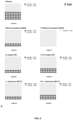
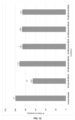
- the Figure 10 represents the time spent by nematodes to begin the backwards movement when they smell the octanol.
- control anxious worms without food take longer to avoid the octanol than control conditions nematodes with OP50.
- Nematodes incubated with the mix heat-treated L. rhamnosus CECT8361 and heat-treated B . longum CECT7347 (HT-BPL15+HT-ES1) significantly reduced the avoidance time (p value ⁇ 0.05) under food deprivation. Therefore, the mix heat-treated L. rhamnosus CECT8361 and heat-treated B. longum CECT7347 (HT-BPL15+HT-ES1) counteracted the anxiety-related behavior caused by the lack of food.
- C. elegans locomotion is characterized as sinusoidal waves though muscle contraction, which is mediated by acetylcholine (excitatory neurotransmitter).
- Octanol avoidance was used as anxiety-related behavior assay in C . elegans. The experiments were carried out using the "smell-on-a-stick" assay.
- octanol avoidance assays the blunt end of a hair (Loew-Cornell (Teaneck, NJ) 9000 Kolinsky 7 paintbrush) taped to a Pasteur pipette, was immersed in freshly prepared 30% octanol in EtOH (vol/vol) and placed in front of a forward-moving nematode. The amount of time that worms took to move backward was measured. Control condition nematodes were maintained in NGM with E. coli OP50.
- mice were transferred to NGM plates seeded with 100 ⁇ L of freshly overnight E. coli OP50. Nematodes were incubated 20 min in these plates before testing. For the anxiety condition, nematodes were incubated during 20 min in NGM plates without OP50. This food deprivation induces anxiety-related behavior due to a decrease of levels of serotonin.
- wild-type nematodes were age-synchronized in NGM plates supplemented with the corresponding blend of two heat treated strains at 10 8 cells (final dose). At young-adult stage, nematodes were transferred to NGM plates with each treatment but no food during 30 min. Afterwards, worms were placed in NGM plates without OP50 and with each treatment and tested 20 min later. The percentage of reduction time to respond to octanol in comparison to control anxious is represented.
- Table 9 Percentage of reduction time to avoidance behavior (anxiety model) in C . elegans obtained with the different blends included in this study.
Landscapes
- Health & Medical Sciences (AREA)
- Life Sciences & Earth Sciences (AREA)
- Mycology (AREA)
- Microbiology (AREA)
- Chemical & Material Sciences (AREA)
- Medicinal Chemistry (AREA)
- Pharmacology & Pharmacy (AREA)
- Animal Behavior & Ethology (AREA)
- General Health & Medical Sciences (AREA)
- Public Health (AREA)
- Veterinary Medicine (AREA)
- Molecular Biology (AREA)
- Epidemiology (AREA)
- Engineering & Computer Science (AREA)
- Chemical Kinetics & Catalysis (AREA)
- Biomedical Technology (AREA)
- Neurology (AREA)
- Neurosurgery (AREA)
- Bioinformatics & Cheminformatics (AREA)
- General Chemical & Material Sciences (AREA)
- Nuclear Medicine, Radiotherapy & Molecular Imaging (AREA)
- Organic Chemistry (AREA)
- Nutrition Science (AREA)
- Food Science & Technology (AREA)
- Polymers & Plastics (AREA)
- Pain & Pain Management (AREA)
- Psychiatry (AREA)
- Medicines Containing Material From Animals Or Micro-Organisms (AREA)
- Medicinal Preparation (AREA)
- Coloring Foods And Improving Nutritive Qualities (AREA)
- Grain Derivatives (AREA)
- Bakery Products And Manufacturing Methods Therefor (AREA)
- Meat, Egg Or Seafood Products (AREA)
- Non-Alcoholic Beverages (AREA)
- Confectionery (AREA)
- Pharmaceuticals Containing Other Organic And Inorganic Compounds (AREA)
Priority Applications (3)
| Application Number | Priority Date | Filing Date | Title |
|---|---|---|---|
| HRP20250886TT HRP20250886T1 (hr) | 2021-12-16 | 2022-12-16 | Postbiotički pripravci koji sadrže b. longum cect-7347 i l. rhamnosus cect-8361 i njihova terapijska uporaba |
| SI202230157T SI4429686T1 (sl) | 2021-12-16 | 2022-12-16 | Postbiotične sestavine, ki vsebujejo b. longum cect-7347 in l. rhamnosus cect-8361, ter njihove terapevtske uporabe |
| RS20250775A RS67080B1 (sr) | 2021-12-16 | 2022-12-16 | Postbiotske kompozicije koje sadrže b. longum cect-7347 i l. rhamnosus cect-8361 i njihova terapijska primena |
Applications Claiming Priority (2)
| Application Number | Priority Date | Filing Date | Title |
|---|---|---|---|
| EP21383147 | 2021-12-16 | ||
| PCT/EP2022/086359 WO2023111270A1 (en) | 2021-12-16 | 2022-12-16 | Use of postbiotics in the treatment and/or prevention of anxiety disorders |
Publications (2)
| Publication Number | Publication Date |
|---|---|
| EP4429686A1 EP4429686A1 (en) | 2024-09-18 |
| EP4429686B1 true EP4429686B1 (en) | 2025-07-02 |
Family
ID=78957397
Family Applications (1)
| Application Number | Title | Priority Date | Filing Date |
|---|---|---|---|
| EP22836184.6A Active EP4429686B1 (en) | 2021-12-16 | 2022-12-16 | Postbiotic compositions comprising b. longum cect-7347 and l. rhamnosus cect-8361 and therapeutic uses thereof |
Country Status (16)
| Country | Link |
|---|---|
| US (1) | US20250049863A1 (pl) |
| EP (1) | EP4429686B1 (pl) |
| JP (1) | JP2024546663A (pl) |
| KR (1) | KR20240130711A (pl) |
| CN (1) | CN118922199A (pl) |
| AU (1) | AU2022410395A1 (pl) |
| CA (1) | CA3239145A1 (pl) |
| DK (1) | DK4429686T3 (pl) |
| ES (1) | ES3048532T3 (pl) |
| HR (1) | HRP20250886T1 (pl) |
| HU (1) | HUE072443T2 (pl) |
| MX (1) | MX2024006254A (pl) |
| PL (1) | PL4429686T3 (pl) |
| RS (1) | RS67080B1 (pl) |
| SI (1) | SI4429686T1 (pl) |
| WO (1) | WO2023111270A1 (pl) |
Families Citing this family (3)
| Publication number | Priority date | Publication date | Assignee | Title |
|---|---|---|---|---|
| EP4527396A1 (en) * | 2023-09-22 | 2025-03-26 | Igen Biolab Group AG | Therapeutic use of a postbiotic composition for psychiatric disorders |
| CN117205238A (zh) * | 2023-10-24 | 2023-12-12 | 广东南芯医疗科技有限公司 | 鼠李糖乳杆菌nx-2在制备抗抑郁药物中的应用 |
| WO2025133678A1 (en) | 2023-12-20 | 2025-06-26 | Biocc Oü | Bifidobacterium longum strain biocc1719 dsm 34239 and its use as food supplement, beverage additive and for functional food |
Family Cites Families (6)
| Publication number | Priority date | Publication date | Assignee | Title |
|---|---|---|---|---|
| EP3222282A1 (en) * | 2016-03-21 | 2017-09-27 | Bionou Research, S.L. | Use of probiotics in the treatment and/or prevention of psoriasis |
| WO2018002240A1 (en) * | 2016-07-01 | 2018-01-04 | Nestec S.A. | Nutritional composition comprising a probiotic for the prevention and/or treatment of anxiety disorders and related conditions in a mammal |
| EP3272396A1 (en) * | 2016-07-18 | 2018-01-24 | Bionou Research, S.L. | Use of probiotics in the treatment and/or prevention of atopic dermatitis |
| US11439674B2 (en) * | 2017-06-02 | 2022-09-13 | University Of Otago | Use of lactic acid bacteria to treat or prevent at least one of postnatal depression and postnatal anxiety |
| CA3073615A1 (en) * | 2017-08-25 | 2019-02-28 | University College Cork - National University Of Ireland Cork | Bifidobacterium longum for treating obesity and weight management |
| EP3851115A1 (en) * | 2020-01-15 | 2021-07-21 | Biopolis, S.L. | Probiotic composition for its use as an antioxidant |
-
2022
- 2022-12-16 EP EP22836184.6A patent/EP4429686B1/en active Active
- 2022-12-16 RS RS20250775A patent/RS67080B1/sr unknown
- 2022-12-16 US US18/719,647 patent/US20250049863A1/en active Pending
- 2022-12-16 SI SI202230157T patent/SI4429686T1/sl unknown
- 2022-12-16 CN CN202280082907.XA patent/CN118922199A/zh active Pending
- 2022-12-16 CA CA3239145A patent/CA3239145A1/en active Pending
- 2022-12-16 PL PL22836184.6T patent/PL4429686T3/pl unknown
- 2022-12-16 HR HRP20250886TT patent/HRP20250886T1/hr unknown
- 2022-12-16 HU HUE22836184A patent/HUE072443T2/hu unknown
- 2022-12-16 AU AU2022410395A patent/AU2022410395A1/en active Pending
- 2022-12-16 JP JP2024533866A patent/JP2024546663A/ja active Pending
- 2022-12-16 DK DK22836184.6T patent/DK4429686T3/da active
- 2022-12-16 KR KR1020247022840A patent/KR20240130711A/ko active Pending
- 2022-12-16 MX MX2024006254A patent/MX2024006254A/es unknown
- 2022-12-16 WO PCT/EP2022/086359 patent/WO2023111270A1/en not_active Ceased
- 2022-12-16 ES ES22836184T patent/ES3048532T3/es active Active
Also Published As
| Publication number | Publication date |
|---|---|
| HUE072443T2 (hu) | 2025-11-28 |
| US20250049863A1 (en) | 2025-02-13 |
| RS67080B1 (sr) | 2025-08-29 |
| JP2024546663A (ja) | 2024-12-26 |
| KR20240130711A (ko) | 2024-08-29 |
| MX2024006254A (es) | 2024-08-20 |
| HRP20250886T1 (hr) | 2025-09-26 |
| WO2023111270A1 (en) | 2023-06-22 |
| DK4429686T3 (da) | 2025-08-18 |
| AU2022410395A1 (en) | 2024-06-06 |
| EP4429686A1 (en) | 2024-09-18 |
| CA3239145A1 (en) | 2023-06-22 |
| CN118922199A (zh) | 2024-11-08 |
| SI4429686T1 (sl) | 2025-09-30 |
| PL4429686T3 (pl) | 2025-09-15 |
| ES3048532T3 (en) | 2025-12-10 |
Similar Documents
| Publication | Publication Date | Title |
|---|---|---|
| EP4429686B1 (en) | Postbiotic compositions comprising b. longum cect-7347 and l. rhamnosus cect-8361 and therapeutic uses thereof | |
| CN110214014B (zh) | 益生菌在治疗和/或预防特应性皮炎中的用途 | |
| JP6596135B2 (ja) | 腸内環境改善、高脂肪食摂取による体重増加抑制またはピロリ菌抑制のための組成物 | |
| JP7724223B2 (ja) | 抗酸化剤として使用するためのプロバイオティクス組成物 | |
| US20240245737A1 (en) | Isolated microorganism lactiplantibacillus plantarum sni3 strain, formulation based on sni3 strain, its application on male vertebrates, breeding males and human males to favorably change their behavior, to decrease body fat content and increase sperm number and testosterone level as well as to manufacture sni3 based preparations: powder, solution, syrup, milk product, capsule, tablet or chewable tablet products | |
| Hegab et al. | Effect of probiotics on productive, physiological and microbiological parameters of New Zealand White rabbits reared under hot summer conditions | |
| WO2025008468A1 (en) | Bifidobacterium animalis subsp lactis strain cect 8145 and lta thereof health uses | |
| HK40115673A (en) | Postbiotic compositions comprising b. longum cect-7347 and l. rhamnosus cect-8361 and therapeutic uses thereof | |
| HK40115673B (en) | Postbiotic compositions comprising b. longum cect-7347 and l. rhamnosus cect-8361 and therapeutic uses thereof | |
| JP6543614B2 (ja) | レチノイン酸産生剤 | |
| CN119700833A (zh) | 鼠李糖乳杆菌gr-1在预防自闭样行为中的应用 | |
| JP2024536595A (ja) | 精神状態の健全、免疫の健康、脂肪代謝に効果をもたらすトリブチリン サプリメンテーション | |
| HK40053451A (en) | Probiotic composition for its use as an antioxidant | |
| HK40072465A (en) | Probiotic composition for use as an antioxidant | |
| HK40072465B (en) | Probiotic composition for use as an antioxidant |
Legal Events
| Date | Code | Title | Description |
|---|---|---|---|
| REG | Reference to a national code |
Ref country code: HR Ref legal event code: TUEP Ref document number: P20250886T Country of ref document: HR |
|
| STAA | Information on the status of an ep patent application or granted ep patent |
Free format text: STATUS: UNKNOWN |
|
| STAA | Information on the status of an ep patent application or granted ep patent |
Free format text: STATUS: THE INTERNATIONAL PUBLICATION HAS BEEN MADE |
|
| PUAI | Public reference made under article 153(3) epc to a published international application that has entered the european phase |
Free format text: ORIGINAL CODE: 0009012 |
|
| STAA | Information on the status of an ep patent application or granted ep patent |
Free format text: STATUS: REQUEST FOR EXAMINATION WAS MADE |
|
| 17P | Request for examination filed |
Effective date: 20240610 |
|
| AK | Designated contracting states |
Kind code of ref document: A1 Designated state(s): AL AT BE BG CH CY CZ DE DK EE ES FI FR GB GR HR HU IE IS IT LI LT LU LV MC ME MK MT NL NO PL PT RO RS SE SI SK SM TR |
|
| STAA | Information on the status of an ep patent application or granted ep patent |
Free format text: STATUS: EXAMINATION IS IN PROGRESS |
|
| 17Q | First examination report despatched |
Effective date: 20241028 |
|
| P01 | Opt-out of the competence of the unified patent court (upc) registered |
Free format text: CASE NUMBER: APP_57904/2024 Effective date: 20241024 |
|
| DAV | Request for validation of the european patent (deleted) | ||
| DAX | Request for extension of the european patent (deleted) | ||
| REG | Reference to a national code |
Ref country code: HK Ref legal event code: DE Ref document number: 40115673 Country of ref document: HK |
|
| GRAP | Despatch of communication of intention to grant a patent |
Free format text: ORIGINAL CODE: EPIDOSNIGR1 |
|
| STAA | Information on the status of an ep patent application or granted ep patent |
Free format text: STATUS: GRANT OF PATENT IS INTENDED |
|
| INTG | Intention to grant announced |
Effective date: 20250410 |
|
| GRAS | Grant fee paid |
Free format text: ORIGINAL CODE: EPIDOSNIGR3 |
|
| GRAA | (expected) grant |
Free format text: ORIGINAL CODE: 0009210 |
|
| STAA | Information on the status of an ep patent application or granted ep patent |
Free format text: STATUS: THE PATENT HAS BEEN GRANTED |
|
| AK | Designated contracting states |
Kind code of ref document: B1 Designated state(s): AL AT BE BG CH CY CZ DE DK EE ES FI FR GB GR HR HU IE IS IT LI LT LU LV MC ME MK MT NL NO PL PT RO RS SE SI SK SM TR |
|
| REG | Reference to a national code |
Ref country code: GB Ref legal event code: FG4D |
|
| REG | Reference to a national code |
Ref country code: CH Ref legal event code: EP |
|
| REG | Reference to a national code |
Ref country code: DE Ref legal event code: R096 Ref document number: 602022017088 Country of ref document: DE |
|
| REG | Reference to a national code |
Ref country code: IE Ref legal event code: FG4D |
|
| REG | Reference to a national code |
Ref country code: NL Ref legal event code: FP |
|
| REG | Reference to a national code |
Ref country code: CH Ref legal event code: PK Free format text: BERICHTIGUNGEN |
|
| REG | Reference to a national code |
Ref country code: DK Ref legal event code: T3 Effective date: 20250808 |
|
| REG | Reference to a national code |
Ref country code: SE Ref legal event code: TRGR |
|
| REG | Reference to a national code |
Ref country code: HR Ref legal event code: T1PR Ref document number: P20250886 Country of ref document: HR |
|
| REG | Reference to a national code |
Ref country code: SK Ref legal event code: T3 Ref document number: E 46931 Country of ref document: SK |
|
| REG | Reference to a national code |
Ref country code: GR Ref legal event code: EP Ref document number: 20250401698 Country of ref document: GR Effective date: 20251009 |
|
| REG | Reference to a national code |
Ref country code: HU Ref legal event code: AG4A Ref document number: E072443 Country of ref document: HU |
|
| PG25 | Lapsed in a contracting state [announced via postgrant information from national office to epo] |
Ref country code: PT Free format text: LAPSE BECAUSE OF FAILURE TO SUBMIT A TRANSLATION OF THE DESCRIPTION OR TO PAY THE FEE WITHIN THE PRESCRIBED TIME-LIMIT Effective date: 20251103 |
|
| REG | Reference to a national code |
Ref country code: ES Ref legal event code: FG2A Ref document number: 3048532 Country of ref document: ES Kind code of ref document: T3 Effective date: 20251210 |
|
| REG | Reference to a national code |
Ref country code: CH Ref legal event code: U11 Free format text: ST27 STATUS EVENT CODE: U-0-0-U10-U11 (AS PROVIDED BY THE NATIONAL OFFICE) Effective date: 20260101 |
|
| PG25 | Lapsed in a contracting state [announced via postgrant information from national office to epo] |
Ref country code: IS Free format text: LAPSE BECAUSE OF FAILURE TO SUBMIT A TRANSLATION OF THE DESCRIPTION OR TO PAY THE FEE WITHIN THE PRESCRIBED TIME-LIMIT Effective date: 20251102 |
|
| PGFP | Annual fee paid to national office [announced via postgrant information from national office to epo] |
Ref country code: NO Payment date: 20251231 Year of fee payment: 4 |
|
| REG | Reference to a national code |
Ref country code: LT Ref legal event code: MG9D |
|
| PGFP | Annual fee paid to national office [announced via postgrant information from national office to epo] |
Ref country code: AT Payment date: 20260113 Year of fee payment: 4 |
|
| PG25 | Lapsed in a contracting state [announced via postgrant information from national office to epo] |
Ref country code: FI Free format text: LAPSE BECAUSE OF FAILURE TO SUBMIT A TRANSLATION OF THE DESCRIPTION OR TO PAY THE FEE WITHIN THE PRESCRIBED TIME-LIMIT Effective date: 20250702 |
|
| PGFP | Annual fee paid to national office [announced via postgrant information from national office to epo] |
Ref country code: DK Payment date: 20251226 Year of fee payment: 4 |
|
| PGFP | Annual fee paid to national office [announced via postgrant information from national office to epo] |
Ref country code: HR Payment date: 20251204 Year of fee payment: 4 Ref country code: HU Payment date: 20251205 Year of fee payment: 4 Ref country code: FR Payment date: 20251226 Year of fee payment: 4 Ref country code: NL Payment date: 20251226 Year of fee payment: 4 |
|
| PGFP | Annual fee paid to national office [announced via postgrant information from national office to epo] |
Ref country code: GR Payment date: 20251230 Year of fee payment: 4 Ref country code: BE Payment date: 20251229 Year of fee payment: 4 Ref country code: TR Payment date: 20251216 Year of fee payment: 4 |
|
| REG | Reference to a national code |
Ref country code: HR Ref legal event code: ODRP Ref document number: P20250886 Country of ref document: HR Payment date: 20251204 Year of fee payment: 4 |
|
| PGFP | Annual fee paid to national office [announced via postgrant information from national office to epo] |
Ref country code: SE Payment date: 20251227 Year of fee payment: 4 |
|
| PGFP | Annual fee paid to national office [announced via postgrant information from national office to epo] |
Ref country code: IE Payment date: 20251229 Year of fee payment: 4 Ref country code: CZ Payment date: 20251209 Year of fee payment: 4 |
|
| PG25 | Lapsed in a contracting state [announced via postgrant information from national office to epo] |
Ref country code: LV Free format text: LAPSE BECAUSE OF FAILURE TO SUBMIT A TRANSLATION OF THE DESCRIPTION OR TO PAY THE FEE WITHIN THE PRESCRIBED TIME-LIMIT Effective date: 20250702 |
|
| PG25 | Lapsed in a contracting state [announced via postgrant information from national office to epo] |
Ref country code: BG Free format text: LAPSE BECAUSE OF FAILURE TO SUBMIT A TRANSLATION OF THE DESCRIPTION OR TO PAY THE FEE WITHIN THE PRESCRIBED TIME-LIMIT Effective date: 20250702 |
|
| PGFP | Annual fee paid to national office [announced via postgrant information from national office to epo] |
Ref country code: PL Payment date: 20251202 Year of fee payment: 4 |
|
| PGFP | Annual fee paid to national office [announced via postgrant information from national office to epo] |
Ref country code: SK Payment date: 20251203 Year of fee payment: 4 Ref country code: RO Payment date: 20251205 Year of fee payment: 4 |
|
| PGFP | Annual fee paid to national office [announced via postgrant information from national office to epo] |
Ref country code: RS Payment date: 20251202 Year of fee payment: 4 |
|
| PGFP | Annual fee paid to national office [announced via postgrant information from national office to epo] |
Ref country code: SI Payment date: 20251201 Year of fee payment: 4 |