EP4421091A1 - Menschliche fc-varianten mit verbesserter fcgamma-riia-bindungsselektivität - Google Patents
Menschliche fc-varianten mit verbesserter fcgamma-riia-bindungsselektivität Download PDFInfo
- Publication number
- EP4421091A1 EP4421091A1 EP22883941.1A EP22883941A EP4421091A1 EP 4421091 A1 EP4421091 A1 EP 4421091A1 EP 22883941 A EP22883941 A EP 22883941A EP 4421091 A1 EP4421091 A1 EP 4421091A1
- Authority
- EP
- European Patent Office
- Prior art keywords
- antibody
- cancer
- human antibody
- domain variant
- domain
- Prior art date
- Legal status (The legal status is an assumption and is not a legal conclusion. Google has not performed a legal analysis and makes no representation as to the accuracy of the status listed.)
- Pending
Links
Images



Classifications
-
- C—CHEMISTRY; METALLURGY
- C07—ORGANIC CHEMISTRY
- C07K—PEPTIDES
- C07K16/00—Immunoglobulins [IG], e.g. monoclonal or polyclonal antibodies
- C07K16/18—Immunoglobulins [IG], e.g. monoclonal or polyclonal antibodies against material from animals or humans
- C07K16/32—Immunoglobulins [IG], e.g. monoclonal or polyclonal antibodies against material from animals or humans against translation products of oncogenes
-
- A—HUMAN NECESSITIES
- A61—MEDICAL OR VETERINARY SCIENCE; HYGIENE
- A61P—SPECIFIC THERAPEUTIC ACTIVITY OF CHEMICAL COMPOUNDS OR MEDICINAL PREPARATIONS
- A61P35/00—Antineoplastic agents
-
- C—CHEMISTRY; METALLURGY
- C07—ORGANIC CHEMISTRY
- C07K—PEPTIDES
- C07K16/00—Immunoglobulins [IG], e.g. monoclonal or polyclonal antibodies
-
- C—CHEMISTRY; METALLURGY
- C07—ORGANIC CHEMISTRY
- C07K—PEPTIDES
- C07K2317/00—Immunoglobulins specific features
- C07K2317/20—Immunoglobulins specific features characterized by taxonomic origin
- C07K2317/24—Immunoglobulins specific features characterized by taxonomic origin containing regions, domains or residues from different species, e.g. chimeric, humanized or veneered
-
- C—CHEMISTRY; METALLURGY
- C07—ORGANIC CHEMISTRY
- C07K—PEPTIDES
- C07K2317/00—Immunoglobulins specific features
- C07K2317/50—Immunoglobulins specific features characterized by immunoglobulin fragments
- C07K2317/52—Constant or Fc region; Isotype
-
- C—CHEMISTRY; METALLURGY
- C07—ORGANIC CHEMISTRY
- C07K—PEPTIDES
- C07K2317/00—Immunoglobulins specific features
- C07K2317/50—Immunoglobulins specific features characterized by immunoglobulin fragments
- C07K2317/52—Constant or Fc region; Isotype
- C07K2317/524—CH2 domain
-
- C—CHEMISTRY; METALLURGY
- C07—ORGANIC CHEMISTRY
- C07K—PEPTIDES
- C07K2317/00—Immunoglobulins specific features
- C07K2317/50—Immunoglobulins specific features characterized by immunoglobulin fragments
- C07K2317/52—Constant or Fc region; Isotype
- C07K2317/526—CH3 domain
-
- C—CHEMISTRY; METALLURGY
- C07—ORGANIC CHEMISTRY
- C07K—PEPTIDES
- C07K2317/00—Immunoglobulins specific features
- C07K2317/70—Immunoglobulins specific features characterized by effect upon binding to a cell or to an antigen
- C07K2317/72—Increased effector function due to an Fc-modification
-
- C—CHEMISTRY; METALLURGY
- C07—ORGANIC CHEMISTRY
- C07K—PEPTIDES
- C07K2317/00—Immunoglobulins specific features
- C07K2317/70—Immunoglobulins specific features characterized by effect upon binding to a cell or to an antigen
- C07K2317/73—Inducing cell death, e.g. apoptosis, necrosis or inhibition of cell proliferation
-
- C—CHEMISTRY; METALLURGY
- C07—ORGANIC CHEMISTRY
- C07K—PEPTIDES
- C07K2317/00—Immunoglobulins specific features
- C07K2317/70—Immunoglobulins specific features characterized by effect upon binding to a cell or to an antigen
- C07K2317/73—Inducing cell death, e.g. apoptosis, necrosis or inhibition of cell proliferation
- C07K2317/732—Antibody-dependent cellular cytotoxicity [ADCC]
-
- C—CHEMISTRY; METALLURGY
- C07—ORGANIC CHEMISTRY
- C07K—PEPTIDES
- C07K2317/00—Immunoglobulins specific features
- C07K2317/90—Immunoglobulins specific features characterized by (pharmaco)kinetic aspects or by stability of the immunoglobulin
- C07K2317/92—Affinity (KD), association rate (Ka), dissociation rate (Kd) or EC50 value
-
- C—CHEMISTRY; METALLURGY
- C07—ORGANIC CHEMISTRY
- C07K—PEPTIDES
- C07K2317/00—Immunoglobulins specific features
- C07K2317/90—Immunoglobulins specific features characterized by (pharmaco)kinetic aspects or by stability of the immunoglobulin
- C07K2317/94—Stability, e.g. half-life, pH, temperature or enzyme-resistance
Definitions
- the present invention relates to Fc variants that have improved half-life by binding and unbinding to FcRn in a pH-dependent manner and have improved human FcyRIIa binding capacity to induce phagocytosis of target cells and molecules of IgG antibodies.
- Protein therapeutic agents have very high specificity for disease targets and low side effects and toxicity and thus are widely used in clinical trials by rapidly replacing non-specific small molecule compound therapeutic agents, and among protein therapeutic agents currently used in clinical trials, antibody therapeutic agents and Fc-fusion protein therapeutic agents that are fused with the Fc region of an antibody make up the largest part.
- Therapeutic antibodies show very high specificity for targets compared to conventional small molecule drugs, have not only low biotoxicity and few side effects, but also an excellent blood half-life of about 3 weeks, and thus are considered as one of the most effective cancer therapy methods.
- large pharmaceutical companies and research institutes around the world are accelerating the research and development of therapeutic antibodies that specifically bind to cancer cells, including cancer-causing factors, to effectively remove the cancer cells.
- the antibody provides a linkage between the humoral and cellular immune systems, and a Fab region of the antibody recognizes an antigen, whereas an Fc domain region binds to a receptor (Fc receptor or FcR) for an antibody (immunoglobulin) on a cell that is differentially expressed by all immune competent cells and has different mechanisms depending on a type of FcyR expressed on the surface of the binding immune cell.
- Fc receptor or FcR immunoglobulin
- An Fc receptor binding site on the Fc region of the antibody binds to the Fc receptor (FcR) on the cell, and the antibody binds to the Fc receptor on the cell surface through the Fc region to trigger a variety of important biological responses, including control of phagocytosis and destruction of antibody-coated particles, removal of immune complexes, lysis of antibody-coated target cells by killing cells (antibody-dependent cell-mediated cytotoxicity, or ADCC), release of inflammatory mediators, placental transfer and immunoglobulin production ( Deo, Y.M. et al., Immunol. Today 18(3):127-135 (1997 )).
- the Fc domain plays a critical role in the collection of immune cells and ADCC and antibody dependent cellular phagocytosis (ADCP).
- ADCC and ADCP functions which are the effector functions of the antibody, depend on interaction with Fc receptors present on the surfaces of many cells. Accordingly, attempts to modify antibodies to collect specific cells may be very important in the field of treatment.
- Human Fc receptors are classified into five types, and four of the five major types of human FcyR induce immune activating or inflammatory responses, and FcyRIIb induces immune inhibiting or anti-inflammatory responses.
- Fc receptor e.g., immune activating receptor: FcyRI, FcyRIIa, FcyRIIIa / immune inhibiting receptor: FcyRIIb
- FcyRIIb immune activating receptor
- attempts to modify the antibodies so as to collect specific cells are very important in the therapeutic field.
- Fc receptor e.g., immune activating receptor: FcyRI, FcyRIIa, FcyRIIIa / immune inhibiting receptor: FcyRIIb
- FcyRIIb immune activating receptor
- FcyRIIb immune inhibiting receptor
- ADCC ADCC mechanism in which the effector cell recognizes the Fcy region of the antibody and attacks and removes the antigen while preventing the action of the antigen due to binding to the antigen.
- ADCC ADCC mechanism in which the effector cell recognizes the Fcy region of the antibody and attacks and removes the antigen while preventing the action of the antigen due to binding to the antigen.
- mechanisms of feeding virus particles and infected cells and antigen presenting through ADCP of antibodies are very important.
- the macrophages that induce the mechanisms express both FcyRI and FcyRIIIa, including FcyRIIa on the surface, for effective removal of viruses and infected cells, it is essential to maintain binding capacity for other activating FcyRs while improving the affinity with FcyRIIa expressed on the surface of macrophages.
- FcRn neonatal Fc receptor
- the FcRn is mainly expressed in endothelial cells and epithelial cells and binds to the CH 2 -CH 3 boundary region of the antibody Fc region to maintain homeostasis of antibody concentration in the body and increase the half-life of antibodies in the blood through a recycling process to move into the cells and then be released into the plasma.
- the Fc fragment of immunoglobulin is taken up by endothelial cells through non-specific cellular uptake and then introduced into acidic endosomes.
- the FcRn binds to immunoglobulins under acidic pH ( ⁇ 6.5) in endosomes and releases the immunoglobulins under basic pH (> 7.4) in the bloodstream. Therefore, the FcRn recovers the immunoglobulins from the lysosomal degradation pathway.
- the amount of immunoglobulins may be increased by using more FcRn molecules for immunoglobulin binding.
- the FcRn is saturated to increase the proportion of cellularly taken immunoglobulins to be degraded ( Ghetie and Ward, Annu. Rev. Immunol. 18: 739-766, 2000 ).
- the blood half-life and persistence of the antibody largely depend on the binding between the Fc region of the antibody and FcRn (neonatal Fc receptor) as one of the IgG binding ligands.
- the Fc region of the antibody which is responsible for collecting immune leukocytes or serum complement molecules so as to eliminate damaged cells such as cancer cells or infected cells, is a region between the Cy2 and Cy3 domains, and mediates interaction with the neonatal receptor FcRn, whose binding recycles endocytosed antibodies from endosomes to the bloodstream ( Raghavan et al., 1996, Annu Rev Cell Dev Biol 12: 181-220 ; Ghetie et al., 2000, Annu Rev Immunol 18: 739-766 ).
- This process is caused by the large size of the full-length molecule and associated with the inhibition of kidney filtration to have a favorable antibody serum half-life in the range of 1 to 3 weeks.
- the binding of Fc to FcRn also plays an important role in antibody transport. Therefore, the Fc region plays an essential role in maintaining prolonged serum persistence by circulating antibodies through intracellular trafficking and recycling mechanisms, and thus in order to improve the blood half-life of the antibody, the pH-dependent binding capacity with FcRn needs to be improved.
- An object of the present invention is to provide a novel human antibody Fc domain variant.
- Another object of the present invention is to provide an antibody specific to an Fcy receptor or an immunologically active fragment thereof.
- yet another object of the present invention is to provide a nucleic acid molecule encoding the Fc domain variant, or the antibody or immunologically active fragment thereof, a vector including the nucleic acid molecule, and a host cell including the vector.
- yet another object of the present invention is to provide a bioactive polypeptide conjugate with increased in vivo half-life.
- Still another object of the present invention is to provide a pharmaceutical composition for treating or preventing cancer.
- Still another object of the present invention is to provide a method for preparing a human antibody Fc domain variant.
- Still another object of the present invention is to provide a method for preparing an antibody specific to an Fcy receptor.
- Still another object of the present invention is to provide a use of an antibody or an immunologically active fragment thereof for use in the preparation of an antibody therapeutic agent.
- Still another object of the present invention is to provide a use of an antibody or an immunologically active fragment thereof for the prevention or treatment of cancer.
- Still another object of the present invention is to provide a method for treating cancer including administering an antibody or an immunologically active fragment thereof in a pharmaceutically effective amount to a subject suffering from cancer.
- An aspect of the present invention provides a novel human antibody Fc domain variant with increased in vivo half-life and increased selective binding capacity to a specific Fcy receptor.
- another aspect of the present invention provides an antibody or an immunologically active fragment thereof including the novel human antibody Fc domain variant.
- yet another aspect of the present invention provides a bioactive polypeptide conjugate including the novel human antibody Fc domain variant.
- yet another aspect of the present invention provides a nucleic acid molecule encoding the Fc domain variant, or the antibody or immunologically active fragment thereof, a vector including the nucleic acid molecule, and a host cell including the vector.
- Still another aspect of the present invention provides a pharmaceutical composition for treating or preventing cancer including the Fc domain variant, the bioactive polypeptide conjugate, or the antibody or immunologically active fragment thereof as an active ingredient.
- Still another aspect of the present invention provides a method for preparing a human antibody Fc domain variant.
- Still another aspect of the present invention provides a method for preparing an antibody specific to an Fcy receptor.
- Still another aspect of the present invention provides a use of the antibody or immunologically active fragment thereof of the present invention for use in the preparation of an antibody therapeutic agent.
- Still another aspect of the present invention provides a use of the antibody or immunologically active fragment thereof of the present invention for the prevention or treatment of cancer.
- Still another aspect of the present invention provides a method for treating cancer including administering the antibody or immunologically active fragment thereof of the present invention in a pharmaceutically effective amount to a subject suffering from cancer.
- novel human Fc domain variants have lower capacity to bind to immune inhibiting receptor FcyRIIb and have higher capacity to bind to immune activating receptor FcyRIIa (increased A/I ratio) than a wild-type human antibody Fc domain and conventional antibodies approved as antibody therapeutic agents, thereby having remarkably improved ADCP induction ability and having maximized half-life in blood in which excellent pH-selective FcRn binding and unbinding capacity is exhibited, and thus bind to numerous peptide drug therapeutics having a low half-life and retention time in the body so as to enable the peptide drug therapeutics to have an increased blood half-life and exhibit long-term drug efficacy, and can maximize the immune mechanism of therapeutic protein drugs so as to be effectively used as an improved antibody drug.
- terminologies used in the present specification are terminologies used to properly express preferred examples of the present invention, which may vary according to a user, an operator's intention, or customs in the art to which the present invention pertains. Therefore, these terminologies used herein will be defined based on the contents throughout the specification. Throughout the specification, unless explicitly described to the contrary, when a certain part "comprises" a certain component, it will be understood to imply the inclusion of stated elements but not the exclusion of any other elements.
- the present invention relates to a human antibody Fc domain variant in which one or more amino acids selected from the group consisting of amino acids at positions 229, 231, 236, 243, 311, 355, 396 and 428 numbered according to a Kabat numbering system in a wide-type human antibody Fc domain are substituted with sequences different from wild-type amino acids.
- the human antibody Fc domain variant of the present invention may include one or more amino acid substitutions selected from the group consisting of C229R, A231V, G236A, G236W, F243L, Q311R, R355L, P396L, and M428L.
- the human antibody Fc domain variant of the present invention may be a human antibody Fc domain variant WHFc1 including amino acid substitutions of G236A, Q311R, P396L and M428L, and the human antibody Fc domain variant WHFc1 may include an amino acid sequence represented by SEQ ID NO: 1, which may be encoded with a nucleic acid molecule including a nucleotide sequence represented by SEQ ID NO: 2.
- the human antibody Fc domain variant of the present invention may be a human antibody Fc domain variant WHFc2 including amino acid substitutions of C229R, G236A, Q311R, P396L and M428L, and the human antibody Fc domain variant WHFc2 may include an amino acid sequence represented by SEQ ID NO: 3, which may be encoded with a nucleic acid molecule including a nucleotide sequence represented by SEQ ID NO: 4.
- the human antibody Fc domain variant of the present invention may be a human antibody Fc domain variant WHFc5 including amino acid substitutions of A231V, G236W, F243L, Q311R, R355L, P396L and M428L, and the human antibody Fc domain variant WHFc5 may include an amino acid sequence represented by SEQ ID NO: 5, which may be encoded by a nucleic acid molecule including a nucleotide sequence represented by SEQ ID NO: 6.
- the wild-type human antibody Fc domain may consist of an amino acid sequence represented by SEQ ID NO: 7, which may be encoded with a nucleic acid molecule represented by SEQ ID NO: 8.
- the human antibody Fc domain variant of the present invention may have enhanced binding capacity to FcyRIIa compared to the wild-type human antibody Fc domain.
- the human antibody Fc domain variant of the present invention has improved binding capacity to an activating receptor FcyRIIa compared to the wild-type Fc domain and has decreased binding capacity to an inhibiting receptor FcyRIIb compared to the wild-type Fc domain, thereby selectively enhancing the binding capacity to human FcyRIIa compared to human FcyRIIb.
- the human antibody Fc domain variant of the present invention may enhance the ability to induce antibody dependent cellular phagocytosis (ADCP) compared to the wild-type human antibody Fc domain.
- ADCP antibody dependent cellular phagocytosis
- the human antibody Fc domain variant of the present invention may exhibit low binding affinity to FcRn at pH 7.0 to 7.8 compared to the wild-type human antibody Fc domain and may be pH sensitive that exhibits high binding affinity to FcRn at pH 5.6 to 6.5 compared to the wild-type human antibody Fc domain.
- the Fc variant of the present invention may exhibit high binding affinity to FcRn compared to the wild-type immunoglobulin Fc region at pH 5.6 to 6.5, and may be under weak acidic conditions in endosomes, and pH 5.8 to 6.0.
- the pH-sensitive Fc variant of the present invention may have increased binding affinity to FcRn in the pH range compared to the wild-type Fc domain of 10% or more, 20% or more, 30% or more, 40% or more, 50% or more, 60% or more, 70% or more, 80% or more, 90% or more, or 100% or more, or 2 times or more, 3 times or more, 4 times or more, 5 times or more, 6 times or more, 7 times or more, 8 times or more, 9 times or more, 10 times or more, 20 times or more, 30 times or more, 40 times or more, 50 times or more, 60 times or more, 70 times or more, 80 times or more, 90 times or more, or 100 times or more compared to the wild-type Fc domain.
- the Fc variant of the present invention may exhibit low binding affinity to FcRn compared to the wild-type immunoglobulin Fc region at pH 7.0 to 7.8 and may be under a normal pH range of blood and pH 7.2 to 7.6.
- the degree of unbinding (dissociation) of the Fc variant of the present invention from FcRn in the pH range may be the same or may not be substantially changed compared to the wild-type Fc domain.
- the human antibody Fc domain variant of the present invention may have increased in vivo half-life compared to the wild-type human antibody Fc domain.
- the half-life of the human antibody Fc domain variant of the present invention may be increased at least 10%, at least 20%, at least 30%, at least 40%, at least 50%, at least 60%, at least 70%, at least 80%, at least 90%, or at least 100% compared to the wild-type human antibody Fc domain, or at least 2 times, at least 3 times, at least 4 times, at least 5 times, at least 6 times, at least 7 times, at least 8 times, at least 9 times or at least 10 times compared to the wild-type Fc domain.
- the human antibody may be IgA, IgM, IgE, IgD or IgG, or variants thereof, and may be IgG1, IgG2, IgG3 or IgG4, preferably an anti-HER2 antibody, and more preferably Trastuzumab.
- Papain degradation of the antibody forms two Fab domains and one Fc domain, and in a human IgG molecule, the Fc region is generated by papain degradation of the N-terminus at Cys 226 ( Deisenhofer, Biochemistry 20: 2361-2370, 1981 ).
- variants including amino acid mutations in the human antibody Fc region of the present invention are defined according to the amino acid modifications constituting an Fc region of a parent antibody, and conventional antibody numbering is followed by the EU index by Kabat ( Kabat et al., Sequence of proteins of immunological interest, 5th Ed., United States Public Health Service, National Institutes of Health, Bethesda, 1991 ).
- Fc domain variant may be used interchangeably with the "Fc variant”.
- wild-type polypeptide refers to an unmodified polypeptide that is modified later to produce a derivative.
- the wild-type polypeptide may be a polypeptide found in nature, or a derivative or manipulation of the polypeptide found in nature.
- the wild-type polypeptide may refer to a polypeptide itself, a composition including the wild-type polypeptide, or an amino acid sequence encoding the same.
- wild-type antibody refers to an unmodified antibody polypeptide in which amino acid residues are modified to produce a derivative.
- the "parent antibody” may be used to refer to an unmodified antibody polypeptide into which amino acid modifications are introduced to produce a derivative.
- amino acid modification/mutation refers to substitution, insertion and/or deletion, preferably substitution of amino acids in a polypeptide sequence.
- amino acid substitution or “substitution” means that an amino acid at a specific position in the polypeptide sequence of the wild-type human antibody Fc domain is replaced with another amino acid.
- an Fc variant including Q311R substitution means that glutamine, an amino acid residue at position 311 in the amino acid sequence of the Fc domain of the wild-type antibody, is replaced with arginine.
- Fc variant means including a modification of one or more amino acid residues compared to the wild-type antibody Fc domain.
- the Fc variant of the present invention includes one or more amino acid modifications compared to the wild-type antibody Fc domain (region or fragment), resulting in a difference in amino acid sequence.
- the amino acid sequence of the Fc variant according to the present invention is substantially homologous to the amino acid sequence of the wild-type antibody Fc domain.
- the amino acid sequence of the Fc variant according to the present invention has about 80% or more, preferably about 90% or more, and most preferably about 95% or more homology compared to the amino acid sequence of the wild-type antibody Fc domain.
- the amino acid modifications may be performed genetically using molecular biological methods, or also performed using enzymatic or chemical methods.
- the Fc variants of the present invention may be prepared by any method known in the art.
- the human antibody Fc variant according to the present invention is used to form a nucleic acid in which a polypeptide sequence including a specific amino acid modification is encoded and then, if desired, cloned into a host cell, expressed, and assayed.
- Various methods therefor are described in the literature ( Molecular Cloning-A Laboratory Manual, 3rd Ed., Maniatis, Cold Spring Harbor Laboratory Press, New York, 2001 ; Current Protocols in Molecular Biology, John Wiley & Sons ).
- the nucleic acid encoding the Fc variant according to the present invention may be inserted into an expression vector for protein expression.
- the expression vector generally includes a protein operably linked, i.e., functionally related to a control or regulatory sequence, a selectable marker, an optional fusion partner, and/or an additional element.
- the Fc variant according to the present invention may be produced by a method of inducing the protein expression by culturing a host cell transformed with nucleic acid, preferably a nucleic acid-containing expression vector encoding the Fc variant according to the present invention.
- a variety of suitable host cells including mammalian cells, bacteria, insect cells, and yeast may be used, but are not limited thereto.
- the Fc variant according to the present invention is produced using E. coli, which has low production cost and high industrial value, as a host cell.
- the scope of the present invention includes a method for preparing an Fc variant including culturing a host cell into which a nucleic acid encoding an Fc variant has been introduced, under conditions suitable for protein expression; and purifying or isolating the Fc variant expressed from the host cell.
- the term "FcRn” or "neonatal Fc receptor” refers to a protein that binds to an IgG antibody Fc region, which is at least partially encoded by an FcRn gene.
- the FcRn may be derived from any organism, including humans, mice, rats, rabbits, and monkeys, but is not limited thereto.
- a functional FcRn protein includes two polypeptides, often referred to as light and heavy chains. The light chain is ⁇ -2-microglobulin, and the heavy chain is encoded by the FcRn gene.
- the FcRn or one FcRn protein refers to a complex of the FcRn heavy chain and ⁇ -2-microglobulin.
- the present invention relates to an antibody specific to an Fcy receptor including the Fc domain variant of the present invention or an immunologically active fragment thereof.
- the antibody of the present invention may have improved binding capacity to the Fcy receptor.
- the antibody of the present invention may have increased in vivo half-life compared to the wild-type human antibody.
- the antibody may be a polyclonal antibody, a monoclonal antibody, a minibody, a domain antibody, a bispecific antibody, an antibody mimetic, a chimeric antibody, an antibody conjugate, a human antibody, or a humanized antibody.
- the immunologically active fragment may be Fab, Fd, Fab', dAb, F(ab'), F(ab') 2 , a single chain fragment variable (scFv), Fv, a single chain antibody, an Fv dimer, a complementarity determining region fragment, or a diabody.
- the antibody including the Fc domain variant of the present invention, or the immunologically active fragment thereof may increase an effector action and improve the binding capacity to an activating receptor FcyRIIa compared to the wild-type Fc domain, thereby increasing antibody-dependent cellular phagocytosis (ADCP).
- ADCP antibody-dependent cellular phagocytosis
- the antibody including the Fc domain variant of the present invention, or the immunologically active fragment thereof may increase an effector action and has improved binding capacity to FcyRIIa compared to binding capacity to FcyRIIb compared to the wild-type Fc domain to have high FcyRIIIa binding selectivity and a high A/I ratio, thereby increasing antibody dependent cellular phagocytosis (ADCP).
- ADCP antibody dependent cellular phagocytosis
- the A/I ratio is a ratio (A/I ratio) between the ability (A) of the Fc domain of the antibody to bind to activating FcyR and the ability (I) to bind to inhibitory FcyRIIb, and as the A/I ratio is increased, excellent ability to induce ADCC and ADCP is shown, so that it is important to selectively increase the binding capacity of the activating receptor compared to the binding capacity of FcyRIIb, which is an inhibiting receptor.
- the antibody may be isolated or purified by various methods known in the art.
- a standard purification method includes chromatographic techniques, electrophoresis, immunology, precipitation, dialysis, filtration, concentration, and chromatofocusing techniques.
- various natural proteins such as bacterial proteins A, G, and L are bound to the antibody and these proteins may be used for purification. Often, purification by specific fusion partners may be possible.
- the antibody includes functional fragments of an antibody molecule as well as a whole antibody form.
- the whole antibody has a structure having two full-length light chains and two full-length heavy chains, and each light chain is linked to the heavy chain by disulfide bonds.
- the functional fragment of the antibody molecule refers to a fragment having an antigen-binding function.
- the antibody fragment examples include (i) a Fab fragment consisting of a light chain variable region VL, a heavy chain variable region VH, a light chain constant region CL, and a first heavy chain constant region CH1; (ii) a Fd fragment consisting of VH and CH1 domains; (iii) an Fv fragment consisting of VL and VH domains of a single antibody; (iv) a dAb fragment consisting of a VH domain ( Ward ES et al., Nature 341:544-546 (1989 )); (v) an isolated CDR region; (vi) a F(ab')2 fragment, which is a bivalent fragment including two linked Fab fragments; (vii) a single-chain Fv molecule (scFv) in which the VH domain and the VL domain are linked to each other by a peptide linker to form an antigen-binding domain; (viii) a bispecific single-chain Fv dimer ( PCT/US92/09965
- the antibody or the immunologically active fragment thereof of the present invention may be selected from the group consisting of animal-derived antibodies, chimeric antibodies, humanized antibodies, human antibodies, and immunologically active fragments thereof.
- the antibody may be produced recombinantly or synthetically.
- the antibody or the immunologically active fragment thereof may be isolated from a living body (not present in a living body) or may non-naturally occur, and for example, may be synthetically or recombinantly produced.
- the "antibody” refers to a substance produced by stimulation of an antigen in the immune system, and the type thereof is not particularly limited, and may be obtained naturally or non-naturally (e.g., synthetically or recombinantly).
- the antibody is advantageous for mass expression and production because of being very stable in vivo as well as ex vivo and having a long half-life.
- avidity is very high.
- An intact antibody has a structure having two full-length light chains and two full-length heavy chains, and each light chain is linked to the heavy chain by disulfide bonds.
- the constant region of the antibody is divided into a heavy chain constant region and a light chain constant region, and the heavy chain constant region has gamma ( ⁇ ), mu ( ⁇ ), alpha ( ⁇ ), delta ( ⁇ ), and epsilon ( ⁇ ) types, and subclasses include gamma 1 ( ⁇ 1), gamma 2 ( ⁇ 2), gamma 3 ( ⁇ 3), gamma 4 ( ⁇ 4), alpha 1 ( ⁇ 1) and alpha 2 ( ⁇ 2).
- the light chain constant region has kappa ( ⁇ ) and lambda ( ⁇ ) types.
- the term "heavy chain” is interpreted as meaning including all of a full-length heavy chain including a variable region domain V H including an amino acid sequence having a sufficient variable region sequence to impart specificity to an antigen, three constant region domains C H 1, C H 2 and C H 3 and hinges, and fragments thereof.
- the term "light chain” is interpreted as meaning including all of a full-length light chain including a variable region domain V L including an amino acid sequence having a sufficient variable region sequence to impart specificity to an antigen and a constant region domain C L , and fragments thereof.
- the term "Fc domain”, “Fc fragment”, or “Fc region” forms an antibody with a Fab domain/fragment
- the Fab domain/fragment consists of a light chain variable region V L and a heavy chain variable region V H , a light chain constant region C L , and a first heavy chain constant region C H 1
- the Fc domain/fragment consists of a second constant region C H 2 and a third constant region C H 3 of the heavy chain.
- the present invention relates to a nucleic acid molecule encoding the Fc domain variant of the present invention, or an antibody including the Fc domain variant or an immunologically active fragment thereof.
- the nucleic acid molecule encoding the Fc variant according to the present invention may include a nucleotide sequence represented by SEQ ID NO: 2, 4, or 6.
- the present invention relates to a vector including the nucleic acid molecule and a host cell including the vector.
- the nucleic acid molecule of the present invention may be isolated or recombinant, and includes not only DNA and RNA in single-stranded and double-stranded forms, but also complementary sequences corresponding thereto.
- the isolated nucleic acid is a nucleic acid that is isolated from surrounding genetic sequences present in the genome of a subject from which the nucleic acid is isolated, in the case of a nucleic acid isolated from a naturally occurring source.
- a nucleic acid synthesized enzymatically or chemically from a template such as a PCR product, a cDNA molecule, or an oligonucleotide
- the nucleic acid produced from such a procedure may be understood as an isolated nucleic acid molecule.
- the isolated nucleic acid molecule refers to a nucleic acid molecule in the form of a separate fragment or as a component of a larger nucleic acid construct.
- the nucleic acid is operably linked when disposed in a functional relationship with another nucleic acid sequence.
- DNA of a pre-sequence or secretory leader is expressed as a preprotein in the form before the polypeptide is secreted to be operably linked to DNA of the polypeptide, and a promoter or enhancer is operably linked to a coding sequence when affecting the transcription of the polypeptide sequence, or a ribosome binding domain is operably linked to a coding sequence when disposed to promote the translation.
- the operably linked means that DNA sequences to be linked are located contiguously, and that the secretory leader exists contiguously in the same leading frame.
- the enhancer needs not to be contiguously located.
- the linkage is achieved by ligation at a convenient restriction enzyme site. When there is no site, synthetic oligonucleotide adapters or linkers are used according to conventional methods.
- the isolated nucleic acid molecule encoding the Fc domain variant of the present invention or the antibody including the Fc domain variant or the immunologically active fragment thereof, due to the degeneracy of codons or in consideration of codons preferred in an organism in which the protein is to be expressed, it will be well understood to those skilled in the art that various modifications in a coding region may be made within a range without changing the amino acid sequence of the Fc domain variant expressed from the coding region, or the antibody including the Fc domain variant or the immunologically active fragment thereof, and various modifications or changes may be made within a range without affecting the expression of the gene even in parts other than the coding region, and such modified genes are also included within the scope of the present invention.
- nucleic acid molecule of the present invention encodes a protein having equivalent activity thereto
- one or more nucleobases may be mutated by substitution, deletion, insertion, or a combination thereof, which are also included in the scope of the present invention.
- the sequence of such a nucleic acid molecule may be single- or double-stranded, and may be a DNA molecule or an RNA (mRNA) molecule.
- the isolated nucleic acid molecule encoding the Fc domain variant of the present invention, or the antibody including the Fc domain variant or the immunologically active fragment thereof may be inserted into an expression vector for protein expression.
- the expression vector generally includes a protein operably linked, i.e., functionally related to a control or regulatory sequence, a selectable marker, an optional fusion partner, and/or an additional element.
- the Fc domain variant of the present invention, the antibody including the Fc domain variant or the immunologically active fragment thereof may be produced by a method for inducing the protein expression by culturing a host cell transformed with a nucleic acid, preferably an expression vector including an isolated nucleic acid molecule encoding the Fc domain variant of the present invention, the antibody including the Fc domain variant or the immunologically active fragment thereof.
- a method for inducing the protein expression by culturing a host cell transformed with a nucleic acid, preferably an expression vector including an isolated nucleic acid molecule encoding the Fc domain variant of the present invention, the antibody including the Fc domain variant or the immunologically active fragment thereof.
- suitable host cells including mammalian cells, bacteria, insect cells, and yeast may be used, but are not limited thereto. Methods for introducing exogenous nucleic acid into a host cell are known in the art and will vary depending on a host cell to be used. Preferably, it is possible to produce E. coli
- the vector of the present invention may include a plasmid vector, a cosmid vector, a bacteriophage vector, a viral vector, etc., but is not limited thereto.
- the suitable vector includes a signal sequence or a leader sequence for membrane targeting or secretion in addition to expression regulatory elements such as a promoter, an operator, an initiation codon, a termination codon, a polyadenylation signal, and an enhancer and may be variously produced according to a purpose.
- the promoter of the vector may be constitutive or inductive.
- the signal sequence may use a PhoA signal sequence, an OmpA signal sequence, etc. in the case of Escherichia sp.
- the vector may include a selective marker for selecting a host cell including a vector and a replicable expression vector includes a replication origin.
- the term "vector” refers to a vehicle into which a nucleic acid sequence may be inserted for introduction into a cell capable of replicating the nucleic acid sequence.
- the nucleic acid sequence may be exogenous or heterologous.
- the vector may include plasmids, cosmids, and viruses (e.g., bacteriophages), but is not limited thereto.
- expression regulatory sequences such as a promoter, a terminator, and an enhancer, sequences for membrane targeting or secretion, etc. are appropriately selected according to a type of host cell to produce the Fc domain variant, or the antibody including the Fc domain variant or the immunologically active fragment thereof may be variously combined depending on a purpose.
- the term "expression vector” refers to a vector including a nucleic acid sequence encoding at least a portion of a gene product to be transcribed. In some cases, the RNA molecule is then translated into a protein, a polypeptide, or a peptide.
- the expression vector may include various regulatory sequences. In addition to regulatory sequences that regulate transcription and translation, vectors and expression vectors may also include nucleic acid sequences that serve other functions.
- the term "host cell” includes eukaryotes and prokaryotes, and refers to any transformable organism capable of replicating the vector or expressing a gene encoded by the vector.
- the host cell may be transfected or transformed by the vector, which means a process in which an exogenous nucleic acid molecule is delivered or introduced into the host cell.
- the host cell may be bacteria or animal cells
- the animal cell line may be a CHO cell, a HEK cell or a NSO cell
- the bacteria may be E. coli.
- the present invention relates to a bioactive polypeptide conjugate having an increased in vivo half-life by binding the human antibody Fc domain variant of the present invention and a bioactive polypeptide.
- the bioactive polypeptide may be selected from the group consisting of human growth hormone, growth hormone-releasing hormone, growth hormone-releasing peptide, interferon, colony-stimulating factor, interleukin, interleukin soluble receptor, TNF soluble receptor, glucocerebrosidase, macrophage activator, macrophage peptide, B-cell factor, T-cell factor, protein A, allergy suppressor, necrosis glycoprotein, immunotoxin, lymphotoxin, tumor necrosis factor, tumor suppressor, metastasis growth factor, alpha-1 antitrypsin, albumin, apolipoprotein-E, erythropoietin, hyperglycosylated erythropoietin, blood factor VII, blood factor VIII, blood factor IX, plasminogen activator, urokinase, streptokinase, protein C, C-reactive protein, renin inhibitor, collagenase inhibitor, superoxide dismutase,
- the human antibody Fc domain variant of the present invention may be usefully used as a carrier to increase the in vivo half-life of a bioactive polypeptide such as a protein drug, and the bioactive polypeptide conjugate including the human antibody Fc domain variant may be used as a sustained drug formulation with a significantly increased in vivo half-life.
- the human antibody Fc domain variant and the bioactive polypeptide of the present invention may be linked by a non-peptide polymer, and the non-peptide polymer usable in the present invention may be selected from the group consisting of polyethylene glycol, polypropylene glycol, copolymer of ethylene glycol and propylene glycol, polyoxyethylated polyol, polyvinyl alcohol, polysaccharide, dextran, polyvinyl ethyl ether, biodegradable polymer such as polylactic acid (PLA) and polylactic-glycolic acid (PLGA), lipid polymer, chitin, hyaluronic acid, and combinations thereof, preferably polyethylene glycol.
- PLA polylactic acid
- PLGA polylactic-glycolic acid
- an antibody drug may be bound to the bioactive polypeptide conjugate including the human antibody Fc domain variant of the present invention, and the antibody drug for cancer therapy may be trastuzumab, cetuximab, bevacizumab, rituximab, basiliximab, infliximab, ipilimumab, pembrolizumab, nivolumab, atezolizumab, or avelumab.
- a mechanism of collecting and delivering immune cells to a target antigen is one of the most important mechanisms, and since the Fc domain of the antibody plays a critical role in collecting immune cells and ADCP, the Fc variants with increased selective binding to the Fcy receptors of the present invention are advantageous to be used as therapeutic antibodies.
- the ADCP function of the antibody depends on interaction with the Fc gamma receptors (FcyR) present on the surfaces of many cells, and a type of immune cell to be collected is determined depending on which Fc receptor among five Fc receptors in humans the antibody binds to, attempts to modify the antibody so as to collect a specific cell are very important in the therapeutic field.
- FcyR Fc gamma receptors
- the present invention includes a method for preparing a sustained drug formulation by covalently linking the human antibody Fc domain variant of the present invention to a bioactive polypeptide through a non-peptide polymer.
- the preparation method according to the present invention may include covalently linking a bioactive polypeptide and a human antibody Fc domain variant through a non-peptide polymer having a reactive group at a terminal; and isolating a conjugate in which the bioactive polypeptide, the non-peptide polymer, and the human antibody Fc domain variant are covalently linked.
- the present invention relates to a pharmaceutical composition for preventing or treating cancer including the human antibody Fc domain variant of the present invention, the antibody including the Fc domain variant or immunologically active fragment thereof, or the bioactive polypeptide conjugate including the antibody as an active ingredient.
- the cancer may be any one selected from the group consisting of brain tumor, melanoma, myeloma, non-small cell lung cancer, oral cancer, liver cancer, stomach cancer, colon cancer, breast cancer, lung cancer, bone cancer, pancreatic cancer, skin cancer, head or neck cancer, cervical cancer, ovarian cancer, colorectal cancer, small intestine cancer, rectal cancer, fallopian tube carcinoma, perianal cancer, endometrial carcinoma, vaginal carcinoma, vulvar carcinoma, Hodgkin's disease, esophageal cancer, lymph adenocarcinoma, bladder cancer, gallbladder cancer, endocrine adenocarcinoma, thyroid cancer, parathyroid cancer, adrenal cancer, soft tissue sarcoma, urethral cancer, penile cancer, prostate cancer, chronic or acute leukemia, lymphocytic lymphoma, kidney or ureter cancer, renal cell carcinoma, renal pelvic carcinoma, central nervous system tumor, primary central nervous system lymphoma, spinal cord tumor
- the antibody including the Fc domain variant of the present invention or the immunologically active fragment thereof has high FcyRIIa binding selectivity and a high A/I ratio to increase the effector action and increase phagocytosis, so that the antibody including the Fc domain variant having FcyRIIa binding selectivity of the present invention or the immunologically active fragment thereof may maximize a cancer cell killing mechanism.
- the composition of the present invention may further include an immunogenic cell death inducing agent.
- the immunogenic cell death inducing agent may be any one or more selected from the group consisting of anthracycline-based anticancer agents, taxane-based anticancer agents, anti-EGFR antibodies, BK channel agonists, bortezomib, cardiac glycoside, cyclophosmide-based anticancer agents, GADD34/PP1 inhibitors, LV-tSMAC, Measles virus, bleomycin, mitoxantrone, or oxaliplatin.
- the anthracycline-based anticancer agent may be daunorubicin, doxorubicin, epirubicin, idarubicin, pixantrone, sabarubicin, or valrubicin, and the taxane-based anticancer agent may be paclitaxel or docetaxel.
- the pharmaceutical composition for preventing or treating cancer of the present invention is administered together with a chemical anticancer agent (anticancer agent) and the like to increase a cancer therapy effect of conventional anticancer agents through the death effect of cancer cells.
- Combined administration may be performed simultaneously or sequentially with the anticancer agent.
- anticancer agent examples include DNA alkylating agents such as mechloethamine, chlorambucil, phenylalanine, mustard, cyclophosphamide, ifosfamide, carmustine (BCNU), lomustine (CCNU), streptozotocin, busulfan, thiotepa, cisplatin, and carboplatin; anti-cancer antibiotics such as dactinomycin (actinomycin D), plicamycin, and mitomycin C; plant alkaloids such as vincristine, vinblastine, etoposide, teniposide, topotecan, and iridotecan, and the like, but are not limited thereto.
- DNA alkylating agents such as mechloethamine, chlorambucil, phenylalanine, mustard, cyclophosphamide, ifosfamide, carmustine (BCNU), lomustine (CCNU), streptozotocin, busulfan
- prevention means all actions that inhibit or delay the occurrence, spread, and recurrence of cancer by administration of the pharmaceutical composition according to the present invention.
- treatment refers to all actions that improve or beneficially change the death of cancer cells or the symptoms of cancer by administration of the composition of the present invention.
- Those skilled in the art to which the present invention pertains will be able to determine the degree of improvement, enhancement and treatment by knowing the exact criteria of a disease for which the composition of the present invention is effective by referring to data presented by the Korean Academy of Medical Sciences, etc.
- the term "therapeutically effective amount" used in combination with the active ingredient means an amount of pharmaceutically acceptable salt of the composition effective for preventing or treating a target disease
- the therapeutically effective amount of the composition of the present invention may vary depending on many factors, such as a method of administration, a target site, the condition of a patient, and the like. Accordingly, when used in the human body, the dose should be determined as an appropriate amount in consideration of both safety and efficiency. It is also possible to estimate the amount used in humans from the effective amount determined through animal experiments. These matters to be considered when determining the effective amount are described in, for example, Hardman and Limbird, eds., Goodman and Gilman's The Pharmacological Basis of Therapeutics, 10th ed. (2001), Pergamon Press ; and E.W. Martin ed., Remington's Pharmaceutical Sciences, 18th ed. (1990), Mack Publishing Co.
- the pharmaceutical composition of the present invention is administered in a pharmaceutically effective amount.
- pharmaceutically effective amount refers to an amount enough to treat the disease at a reasonable benefit/risk ratio applicable to medical treatment and enough not to cause side effects.
- the effective dose level may be determined according to factors including the health condition of a patient, the type and severity of cancer, the activity of a drug, the sensitivity to a drug, a method of administration, a time of administration, a route of administration, an excretion rate, duration of treatment, and drugs used in combination or simultaneously, and other factors well-known in the medical field.
- composition of the present invention may be administered as an individual therapeutic agent or in combination with other therapeutic agents, and may be administered sequentially or simultaneously with conventional therapeutic agents, and may be administered singly or multiply. It is important to administer an amount capable of obtaining a maximum effect with a minimal amount without side effects by considering all the factors, which may be easily determined by those skilled in the art.
- the pharmaceutical composition of the present invention may further include a pharmaceutically acceptable additive.
- the pharmaceutically acceptable additive may use starch, gelatinized starch, microcrystalline cellulose, lactose, povidone, colloidal silicon dioxide, calcium hydrogen phosphate, lactose, mannitol, syrup, arabic gum, pregelatinized starch, corn starch, powdered cellulose, hydroxypropyl cellulose, Opadry, sodium starch glycolate, lead carnauba, synthetic aluminum silicate, stearic acid, magnesium stearate, aluminum stearate, calcium stearate, white sugar, dextrose, sorbitol, talc and the like.
- the pharmaceutically acceptable additive according to the present invention is preferably included in an amount of 0.1 part by weight to 90 parts by weight based on the composition, but is not limited thereto.
- composition of the present invention may include a carrier, a diluent, an excipient, or a combination of two or more thereof, which are commonly used in biological agents.
- the pharmaceutically acceptable carrier is not particularly limited as long as the carrier is suitable for in vivo delivery of the composition, and may be used by combining, for example, compounds described in Merck Index, 13th ed., Merck & Co. Inc.
- the pharmaceutical composition may be prepared in injectable formulations such as an aqueous solution, a suspension, and an emulsion, pills, capsules, granules, or tablets by further adding a diluent, a dispersant, a surfactant, a binder, and a lubricant.
- the pharmaceutical composition may be prepared preferably according to each disease or ingredient using a suitable method in the art or a method disclosed in Remington's Pharmaceutical Science (Mack Publishing Company, Easton PA, 18th, 1990 ).
- composition of the present invention may be administered parenterally (e.g., applied with injectable formulations intravenously, subcutaneously, intraperitoneally or topically) or orally according to a desired method, and the range of the dose may vary depending on the body weight, age, sex, and health condition of a patient, a diet, an administration time, an administration method, an excretion rate, the severity of a disease, and the like.
- a daily dose of the composition according to the present invention is 0.0001 to 10 mg/ml, preferably 0.0001 to 5 mg/ml, and more preferably administered once to several times a day.
- Liquid formulations for oral administration of the composition of the present invention correspond to suspensions, internal solutions, emulsions, syrups, etc., and may include various excipients, such as wetting agents, sweeteners, fragrances, preservatives, and the like, in addition to water and liquid paraffin, which are commonly used simple diluents.
- Formulations for parenteral administration include sterilized aqueous solutions, non-aqueous solvents, suspensions, emulsions, lyophilized agents, suppositories, and the like.
- the present invention relates to a method for preparing a human antibody Fc domain variant including a) culturing a host cell including a vector including a nucleic acid molecule encoding the human antibody Fc domain variant of the present invention; and b) recovering a polypeptide expressed by the host cell.
- the present invention relates to a method for preparing an antibody specific to an Fcy receptor including a) culturing a host cell including a vector including a nucleic acid molecule encoding the antibody of the present invention or an immunologically active fragment thereof; and b) purifying the antibody expressed by the host cell.
- the purification of the antibody may include filtration, HPLC, anion exchange or cation exchange, high performance liquid chromatography (HPLC), affinity chromatography, or a combination thereof, preferably affinity chromatography using Protein A.
- the present invention relates to a use of an antibody including the Fc domain variant of the present invention or an immunologically active fragment thereof to be used for preparation of an antibody therapeutic agent.
- the present invention relates to a use of an antibody including the Fc domain variant of the present invention or an immunologically active fragment thereof for preventing or treating cancer.
- the present invention relates to a method for treating cancer including administering an antibody including the Fc domain variant of the present invention or an immunologically active fragment thereof in a pharmaceutically effective amount to a subject suffering from cancer.
- target substances were expressed and purified.
- Polyethylenimine (PEI, Polyscience, 23966) and the expression vector genes were mixed in 30 ml of a Freestyle 293 expression culture medium (Gibco, 12338-018) at a ratio of 4 : 1, incubated at room temperature for 20 minutes, and then transfected into Expi293F animal cells cultured at a density of 2 ⁇ 10 6 cells/ml and cultured for 7 days under conditions of 37°C, 125 rpm, and 8% CO 2 .
- a Freestyle 293 expression culture medium Gibco, 12338-018
- the supernatant was collected by centrifugation at 6000 ⁇ g for 15 minutes, and 12.5 ml of 25 ⁇ PBS was mixed with 30 ml of the culture supernatant and filtered using a 0.2 ⁇ m bottle top filter (Corning, 430513).
- Ni-NTA resin QIAGEN, 40724
- 500 ⁇ l of Ni-NTA resin was added to a culture medium transfected with each of the filtered pMAZ-hFcyRIIa-131H-streptavidin-His, pMAZ-hFcyRIIa-131R-streptavidin-His, and pMAZ-hFcyRIIb-streptavidin-His, stirred for 16 hours at 4°C, and then packed in a disposable polypropylene column to recover the resin.
- the resin was washed sequentially with 100 ml of PBS (pH 7.4), 25 ml of 10 mM imidazole buffer diluted in PBS, and 25 ml of 20 mM imidazole buffer diluted in PBS, and eluted with 250 mM imidazole buffer diluted in 4 ml of PBS.
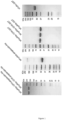
- the resin was washed with 100 ml 1 ⁇ PBS (pH 7.4) and eluted with 50 mM Tris-HCl and 10 mM GSH buffer (pH 8.0) diluted in 4 ml of 1 ⁇ PBS. Thereafter, the buffer was exchanged with 1 ⁇ PBS (pH 7.4) using Amicon Ultra-4 centrifugal filter units 3K (Merck Millipore, UFC800324), and as a result, it was confirmed by SDS-PAGE gel that high purity of hFc ⁇ RIIa-131H-streptavidin-His, hFc ⁇ RIIa-131R-streptavidin-His, hFcyRIIb-streptavidin-His, hFcyRIIa-131H-GST, hFcyRIIa-131R-GST, hFcyRIIb-GST and hFcRn-GST were successfully purified ( FIG.
- hFcyRIIa-131H-streptavidin-His and hFcyRIIa-131R-streptavidin-His were mixed at a ratio of 1 : 1 and Alexa647-conjugated tetrameric FcyRIIa was prepared using Alexa Fluor TM 647 Protein Labeling Kit (Imvitrogen, A20173).
- Example 2 Construction of yeast display library for screening Fc variants with improved pH-dependent FcRn binding capacity and FcyRIIa binding selectivity
- a DNA library was constructed in which mutations were introduced into an antibody Fc sequence introduced with Q311R/M428L having improved pH-dependent binding to FcRn with a probability of 1.468% of the entire Fc sequence through error-prone PCR.
- a yeast display library with a total of 3.25 ⁇ 10 7 antibody Fc diversity was constructed by transferring a total of 12 ⁇ g of the constructed DNA library to 400 ⁇ l of yeast sp.
- Saccharomyces cerevisiae competent cells through electroporation using a MicroPulser Electroporator (Bio-Rad, #1652100) along with 4 ⁇ g of a pCTCON vector encoding a Aga2 protein, a yeast cell wall anchoring protein for yeast display and a transformation selection marker gene ( Trp1 ) and then culturing the cells in 500 ml of a tryptophan-free SD medium [Difco Yeast nitrogen base (BD, 291940) 6.7 g/1, Bacto casamino acid (BD, 223050) 5.0 gll, Na 2 HPO 4 (JUNSEI,7558-79-4) 5.4 g/l, NaH 2 PO 4 .H 2 O (SAMCHUN, 10049-21-5) 8.56 g/l and Glucose (DUKSAN, 50-99-7) 20 g/l] to selectively survive only the transformed yeast sp. ( FIG. 2 ).
- the expression levels of the displayed Fc library were improved by culturing 5.5 ⁇ 10 8 cells of the constructed yeast library in 100 ml of the tryptophan-free SD medium for 16 hours at 30°C, and then culturing 7 ⁇ 10 8 cells in 100 ml of a tryptophan-free SG medium [Difco Yeast nitrogen base (BD, 291940) 6.7 g/l, Bacto casamino acid (BD, 223050) 5.0 gll, Na 2 HPO 4 (JUNSEI,7558-79-4) 5.4 g/l, NaH 2 PO 4 .H 2 O (SAMCHUN, 10049-21-5) 8.56 g/l and Galactose (Sigma-Aldrich, 59-23-4) 20 g/l] for 48 hours at 20°C.
- a tryptophan-free SG medium [Difco Yeast nitrogen base (BD, 291940) 6.7 g/l, Bacto casamino acid (BD, 22
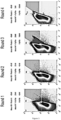
- the concentration of Alexa647-conjugated tetrameric FcyRIIa was decreased or the concentration of non-fluorescent tetrameric FcyRIIb was increased using the same method, and through a total of 4 rounds of sorting, cells displaying Fc variants with excellent binding capacity to FcyRIIa were enriched ( FIGS. 3 and 4 ).
- a Freestyle 293 expression culture medium Gibco, 12338-018
- PEI: variant gene 4:1
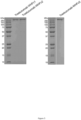
- the buffer was exchanged with 1 ⁇ PBS (pH 7.4) using Amicon Ultra-4 centrifugal filter units 3K (Merck Millipore, UFC800324), and it was confirmed by SDS-PAGE gel that the antibody Trastuzumab-Fc variants were successfully purified with high purity ( FIG. 5 ).
- the pH-dependent human FcRn binding capacity of Trastuzumab-Fc variants was analyzed using ELISA. Specifically, 50 ⁇ l each of HER2 diluted to 4 ⁇ g/ml in 0.05 M Na 2 CO 3 (pH 9.6) was incubated and immobilized in a flat bottom polystyrene High Bind 96 well microplate (Costar, 3590) for 16 hours at 4°C, and then blocked for 2 hours at room temperature with 4% skim milk (GenomicBase, SKI400) diluted in 100 ⁇ l of 1 ⁇ PBS (pH 7.4).
- the antibody reaction was performed for 1 hour at room temperature using 50 ⁇ l of anti-GST-HRP conjugate (GE Healthcare, RPN1236V) diluted in 1% skim milk (pH 6.0/pH 7.4) diluted in 1 ⁇ PBS and washed four times with 100 ⁇ l of 0.05% PBST (pH 6.0/pH 7.4).
- 50 ⁇ l each of a 1-Step Ultra TMB-ELISA substrate solution (Thermo Fisher Scientific, 34028) was added to develop color, and then added with 50 ⁇ l each of 2 M H 2 SO 4 to terminate the reaction.
- Absorbance was measured using an Epoch microplate spectrophotometer (BioTek).
- the Trastuzumab-Fc variants including the Fc variants of the present invention showed significantly improved hFcRn-dependent binding at pH 6.0 to pH 7.4 compared to Trastuzumab-Fc variants into which a DEA (S239D/I332E/G236A) variant was introduced ( FIG. 6 ).
- ELISA analysis was performed to confirm the FcyRs binding capacity of Trastuzumab-Fc variants, including Fc variants WHFc1, WHFc2, and WHFc5, respectively.
- 50 ⁇ l each of HER2 diluted to 4 ⁇ g/ml in 0.05 M Na 2 CO 3 (pH 9.6) was incubated and immobilized in a flat bottom polystyrene High Bind 96 well microplate (Costar, 3590) for 16 hours at 4°C, and then blocked for 2 hours at room temperature with 4% skim milk (GenomicBase, SKI400) diluted in 100 ⁇ l of 1 ⁇ PBS (pH 7.4).
- hFcyRs-GST hFcyRIIa-131H-GST, hFcyRIIa-131R-GST or hFcyRIIb-GST
- 50 ⁇ l of hFcyRs-GST serially diluted with 1% skim milk diluted in 1 ⁇ PBS (pH 7.4) was dispensed into each well and reacted at room temperature for 1 hour.
- antibody reaction was performed for 1 hour at room temperature using 50 ⁇ l of anti-GST-HRP conjugate (GE Healthcare, RPN1236V) and washed four times with 100 ⁇ l of 0.05% PBST (pH 7.4).
- 50 ⁇ l of a 1-Step Ultra TMB-ELISA substrate solution (Thermo Fisher Scientific, 34028) was added to develop color, and then added with 50 ⁇ l each of 2 M H 2 SO 4 to terminate the reaction.
- Absorbance was measured using an Epoch microplate spectrophotometer (BioTek).
- the Trastuzumab-Fc variants including the Fc variants WHFc1, WHFc2, and WHFc5 of the present invention had significantly improved binding capacity to hFcyRIIa-131H or hFcyRIIa-131R compared to a Trastuzumab-Fc variant into which a PFc29 variant was introduced, and it was confirmed that the Trastuzumab-Fc variants had binding capacity to hFc ⁇ RIIa-131H or hFcyRIIa-131R similarly to a Trastuzumab-Fc variant into which a DEA variant was introduced ( FIG. 7 ).
- the Trastuzumab-Fc variants into which DEA known to be greatly improved even in binding capacity to FcyRIIb, a receptor of inhibiting the immune cell activity compared to wild-type Trastuzumab and PFc29, an Fc variant with improved pH-dependent FcRn binding capacity the Trastuzumab-Fc variants including WHFc5 showed significantly reduced FcyRIIb binding capacity compared to DEA and pFc29, respectively ( FIG. 7 ). Therefore, it was confirmed that the selective binding of the Fc variants of the present invention to FcyRIIa compared to FcyRIIb was significantly improved compared to that of the DEA variant.
- the in vitro ADCP efficiency of Trastuzumab-Fc variants including Fc variants WHFc1 and WHFc2 was evaluated. Specifically, CD14+ monocytes were isolated from human PBMC and cultured in a RPMI-1640 medium including 15% FBS and 50 ng/ml GM-CSF for 7 days under conditions of 37°C and 5% CO 2 to be differentiated into macrophages.
- SK-BR-3 cells were stained with 2 ⁇ M PKH67 and dispensed at 2 ⁇ 10 4 cells in a 96-well V-bottom plate (Corning, 3894), and then the monocyte-derived macrophages were dispensed at 2 ⁇ 10 5 cells per well and incubated at 37°C and 5% CO 2 for 4 hours by adding 500 ng/ml each of the Trastuzumab-Fc variants of the present invention.
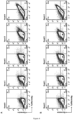
- the cells were isolated with Accutase (Innovative Cell Technologies, AT104), and the macrophages were stained with anti-CD14-APC antibody and anti-CD11b-APC antibody and analyzed by flow cytometry.
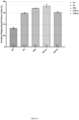
- the Trastuzumab-Fc variants of the present invention showed significantly high ADCP efficiency compared to Trastuzumab including wild-type Fc, and showed similar or better effects to or than Trastuzumab including conventional Fc variants ( FIG. 8 ).
Landscapes
- Health & Medical Sciences (AREA)
- Chemical & Material Sciences (AREA)
- Organic Chemistry (AREA)
- General Health & Medical Sciences (AREA)
- Medicinal Chemistry (AREA)
- Life Sciences & Earth Sciences (AREA)
- Biophysics (AREA)
- Genetics & Genomics (AREA)
- Proteomics, Peptides & Aminoacids (AREA)
- Molecular Biology (AREA)
- Biochemistry (AREA)
- Immunology (AREA)
- Veterinary Medicine (AREA)
- Public Health (AREA)
- General Chemical & Material Sciences (AREA)
- Chemical Kinetics & Catalysis (AREA)
- Pharmacology & Pharmacy (AREA)
- Animal Behavior & Ethology (AREA)
- Nuclear Medicine, Radiotherapy & Molecular Imaging (AREA)
- Oncology (AREA)
- Peptides Or Proteins (AREA)
Applications Claiming Priority (3)
| Application Number | Priority Date | Filing Date | Title |
|---|---|---|---|
| KR1020210138703A KR102773131B1 (ko) | 2021-10-18 | 2021-10-18 | pH-의존 FcRn 결합력과 FcγRIIa 결합 선택성이 향상된 인간 IgG1 Fc 변이체 |
| KR20210138628 | 2021-10-18 | ||
| PCT/KR2022/015800 WO2023068718A1 (ko) | 2021-10-18 | 2022-10-18 | FCγRIIA 결합 선택성이 향상된 인간 FC 변이체 |
Publications (2)
| Publication Number | Publication Date |
|---|---|
| EP4421091A1 true EP4421091A1 (de) | 2024-08-28 |
| EP4421091A4 EP4421091A4 (de) | 2026-02-11 |
Family
ID=86058275
Family Applications (1)
| Application Number | Title | Priority Date | Filing Date |
|---|---|---|---|
| EP22883941.1A Pending EP4421091A4 (de) | 2021-10-18 | 2022-10-18 | Menschliche fc-varianten mit verbesserter fcgamma-riia-bindungsselektivität |
Country Status (3)
| Country | Link |
|---|---|
| US (1) | US20250230257A1 (de) |
| EP (1) | EP4421091A4 (de) |
| WO (1) | WO2023068718A1 (de) |
Families Citing this family (1)
| Publication number | Priority date | Publication date | Assignee | Title |
|---|---|---|---|---|
| WO2024005424A1 (ko) * | 2022-06-29 | 2024-01-04 | 고려대학교 산학협력단 | FCγRIIA 결합 선택성이 향상된 인간 FC 변이체 |
Family Cites Families (8)
| Publication number | Priority date | Publication date | Assignee | Title |
|---|---|---|---|---|
| ATE199392T1 (de) | 1992-12-04 | 2001-03-15 | Medical Res Council | Multivalente und multispezifische bindungsproteine, deren herstellung und verwendung |
| US20090130021A1 (en) * | 2002-06-07 | 2009-05-21 | Gotz Munch | Methods, products and uses involving platelets and/or the vasculature |
| WO2007041635A2 (en) * | 2005-10-03 | 2007-04-12 | Xencor, Inc. | Fc variants with optimized fc receptor binding properties |
| AU2008247819B2 (en) * | 2007-05-01 | 2013-02-14 | Research Development Foundation | Immunoglobulin Fc libraries |
| US8362210B2 (en) * | 2010-01-19 | 2013-01-29 | Xencor, Inc. | Antibody variants with enhanced complement activity |
| US9209965B2 (en) | 2014-01-14 | 2015-12-08 | Microsemi Semiconductor Ulc | Network interface with clock recovery module on line card |
| KR101924485B1 (ko) * | 2018-01-31 | 2018-12-04 | 국민대학교 산학협력단 | 혈중 반감기 연장을 위한 항체 Fc 변이체들 |
| JP7634545B2 (ja) * | 2020-01-29 | 2025-02-21 | コリア ユニバーシティ リサーチ アンド ビジネス ファウンデーション | pH感応性FC変異体 |
-
2022
- 2022-10-18 WO PCT/KR2022/015800 patent/WO2023068718A1/ko not_active Ceased
- 2022-10-18 US US18/702,244 patent/US20250230257A1/en active Pending
- 2022-10-18 EP EP22883941.1A patent/EP4421091A4/de active Pending
Also Published As
| Publication number | Publication date |
|---|---|
| US20250230257A1 (en) | 2025-07-17 |
| EP4421091A4 (de) | 2026-02-11 |
| WO2023068718A1 (ko) | 2023-04-27 |
Similar Documents
| Publication | Publication Date | Title |
|---|---|---|
| CN107735105B (zh) | 抗ntb-a抗体和相关组合物以及方法 | |
| JP2021503927A (ja) | Cd47抗体及びがんを治療するためのその使用 | |
| KR102730638B1 (ko) | pH-감응성 Fc 변이체 | |
| JP7634545B2 (ja) | pH感応性FC変異体 | |
| US20250188185A1 (en) | GLYCOSYLATED FC VARIANTS WITH IMPROVED SELECTIVE BINDING AFFINITY TO FCyRIIIA | |
| EP4421091A1 (de) | Menschliche fc-varianten mit verbesserter fcgamma-riia-bindungsselektivität | |
| EP4421090A1 (de) | Fc-varianten mit verbesserter ph-abhängiger fcrn-bindungskapazität und fcgamma-riiia-bindungsselektivität | |
| KR102821393B1 (ko) | pH-의존 FcRn 결합력과 FcγRⅢa 결합 선택성이 향상된 Fc 변이체들 | |
| US20250304694A1 (en) | Glycosylated fc variants of which binding affinity for human fcgrs is removed | |
| CN118139878A (zh) | 具有提高的FcγRIIa结合选择性的人Fc变体 | |
| US20250297031A1 (en) | Human fc variants having improved fcgriia binding selectivity | |
| KR102835109B1 (ko) | pH-의존 FcRn 결합력과 FcγRⅡa 결합력이 향상된 인간 IgG1 Fc 변이체들 | |
| KR102803974B1 (ko) | pH-의존 FcRn 결합력과 FcγRⅢa 결합력이 향상된 Fc 변이체 | |
| WO2023043125A1 (ko) | 다양한 fc 감마 수용체들과의 결합력이 증대된 fc 변이체 | |
| EP4671271A1 (de) | Fc-varianten mit verbesserter affinität für humane c1q-bindung | |
| KR102939471B1 (ko) | 선택적 FcγRⅢa 결합력이 증가된 당화 Fc 변이체들 | |
| KR102939464B1 (ko) | FcγRⅢa 결합력이 향상된 당화 Fc 변이체들 | |
| CN121487965A (zh) | 消除效应器功能的Fab臂交换阻止型Fc变体 | |
| WO2025208010A1 (en) | Antibodies targeting human basal cell adhesion molecule | |
| KR20260009731A (ko) | 작용기 기능이 제거된 신규 당화 Fc 변이체 | |
| CN119708244A (zh) | 抗4-1bb×ccr8抗体及其用途 | |
| CN119700963A (zh) | 抗4-1bb和抗ccr8抗体及其用途 | |
| CN119816519A (zh) | 抗ror1抗体、包含其的双特异性抗体及其用途 |
Legal Events
| Date | Code | Title | Description |
|---|---|---|---|
| STAA | Information on the status of an ep patent application or granted ep patent |
Free format text: STATUS: THE INTERNATIONAL PUBLICATION HAS BEEN MADE |
|
| PUAI | Public reference made under article 153(3) epc to a published international application that has entered the european phase |
Free format text: ORIGINAL CODE: 0009012 |
|
| STAA | Information on the status of an ep patent application or granted ep patent |
Free format text: STATUS: REQUEST FOR EXAMINATION WAS MADE |
|
| 17P | Request for examination filed |
Effective date: 20240515 |
|
| AK | Designated contracting states |
Kind code of ref document: A1 Designated state(s): AL AT BE BG CH CY CZ DE DK EE ES FI FR GB GR HR HU IE IS IT LI LT LU LV MC ME MK MT NL NO PL PT RO RS SE SI SK SM TR |
|
| DAV | Request for validation of the european patent (deleted) | ||
| DAX | Request for extension of the european patent (deleted) | ||
| RIC1 | Information provided on ipc code assigned before grant |
Ipc: C07K 16/00 20060101AFI20251016BHEP Ipc: A61P 35/00 20060101ALI20251016BHEP Ipc: C07K 16/28 20060101ALI20251016BHEP Ipc: A61K 39/00 20060101ALI20251016BHEP |
|
| A4 | Supplementary search report drawn up and despatched |
Effective date: 20260112 |
|
| RIC1 | Information provided on ipc code assigned before grant |
Ipc: C07K 16/00 20060101AFI20260106BHEP Ipc: A61P 35/00 20060101ALI20260106BHEP Ipc: C07K 16/28 20060101ALI20260106BHEP Ipc: A61K 39/00 20060101ALI20260106BHEP |