EP4420731A2 - Virusähnliche partikelformulierungen - Google Patents
Virusähnliche partikelformulierungen Download PDFInfo
- Publication number
- EP4420731A2 EP4420731A2 EP24184083.4A EP24184083A EP4420731A2 EP 4420731 A2 EP4420731 A2 EP 4420731A2 EP 24184083 A EP24184083 A EP 24184083A EP 4420731 A2 EP4420731 A2 EP 4420731A2
- Authority
- EP
- European Patent Office
- Prior art keywords
- vlp
- ophthalmic composition
- capsid proteins
- ophthalmic
- composition
- Prior art date
- Legal status (The legal status is an assumption and is not a legal conclusion. Google has not performed a legal analysis and makes no representation as to the accuracy of the status listed.)
- Pending
Links
Images




Classifications
-
- A—HUMAN NECESSITIES
- A61—MEDICAL OR VETERINARY SCIENCE; HYGIENE
- A61K—PREPARATIONS FOR MEDICAL, DENTAL OR TOILETRY PURPOSES
- A61K41/00—Medicinal preparations obtained by treating materials with wave energy or particle radiation ; Therapies using these preparations
- A61K41/0057—Photodynamic therapy with a photosensitizer, i.e. agent able to produce reactive oxygen species upon exposure to light or radiation, e.g. UV or visible light; photocleavage of nucleic acids with an agent
- A61K41/0071—PDT with porphyrins having exactly 20 ring atoms, i.e. based on the non-expanded tetrapyrrolic ring system, e.g. bacteriochlorin, chlorin-e6, or phthalocyanines
-
- A—HUMAN NECESSITIES
- A61—MEDICAL OR VETERINARY SCIENCE; HYGIENE
- A61K—PREPARATIONS FOR MEDICAL, DENTAL OR TOILETRY PURPOSES
- A61K47/00—Medicinal preparations characterised by the non-active ingredients used, e.g. carriers or inert additives; Targeting or modifying agents chemically bound to the active ingredient
- A61K47/02—Inorganic compounds
-
- A—HUMAN NECESSITIES
- A61—MEDICAL OR VETERINARY SCIENCE; HYGIENE
- A61K—PREPARATIONS FOR MEDICAL, DENTAL OR TOILETRY PURPOSES
- A61K47/00—Medicinal preparations characterised by the non-active ingredients used, e.g. carriers or inert additives; Targeting or modifying agents chemically bound to the active ingredient
- A61K47/06—Organic compounds, e.g. natural or synthetic hydrocarbons, polyolefins, mineral oil, petrolatum or ozokerite
- A61K47/08—Organic compounds, e.g. natural or synthetic hydrocarbons, polyolefins, mineral oil, petrolatum or ozokerite containing oxygen, e.g. ethers, acetals, ketones, quinones, aldehydes, peroxides
- A61K47/14—Esters of carboxylic acids, e.g. fatty acid monoglycerides, medium-chain triglycerides, parabens or PEG fatty acid esters
-
- A—HUMAN NECESSITIES
- A61—MEDICAL OR VETERINARY SCIENCE; HYGIENE
- A61K—PREPARATIONS FOR MEDICAL, DENTAL OR TOILETRY PURPOSES
- A61K47/00—Medicinal preparations characterised by the non-active ingredients used, e.g. carriers or inert additives; Targeting or modifying agents chemically bound to the active ingredient
- A61K47/06—Organic compounds, e.g. natural or synthetic hydrocarbons, polyolefins, mineral oil, petrolatum or ozokerite
- A61K47/22—Heterocyclic compounds, e.g. ascorbic acid, tocopherol or pyrrolidones
-
- A—HUMAN NECESSITIES
- A61—MEDICAL OR VETERINARY SCIENCE; HYGIENE
- A61K—PREPARATIONS FOR MEDICAL, DENTAL OR TOILETRY PURPOSES
- A61K47/00—Medicinal preparations characterised by the non-active ingredients used, e.g. carriers or inert additives; Targeting or modifying agents chemically bound to the active ingredient
- A61K47/06—Organic compounds, e.g. natural or synthetic hydrocarbons, polyolefins, mineral oil, petrolatum or ozokerite
- A61K47/26—Carbohydrates, e.g. sugar alcohols, amino sugars, nucleic acids, mono-, di- or oligo-saccharides; Derivatives thereof, e.g. polysorbates, sorbitan fatty acid esters or glycyrrhizin
-
- A—HUMAN NECESSITIES
- A61—MEDICAL OR VETERINARY SCIENCE; HYGIENE
- A61K—PREPARATIONS FOR MEDICAL, DENTAL OR TOILETRY PURPOSES
- A61K47/00—Medicinal preparations characterised by the non-active ingredients used, e.g. carriers or inert additives; Targeting or modifying agents chemically bound to the active ingredient
- A61K47/50—Medicinal preparations characterised by the non-active ingredients used, e.g. carriers or inert additives; Targeting or modifying agents chemically bound to the active ingredient the non-active ingredient being chemically bound to the active ingredient, e.g. polymer-drug conjugates
- A61K47/51—Medicinal preparations characterised by the non-active ingredients used, e.g. carriers or inert additives; Targeting or modifying agents chemically bound to the active ingredient the non-active ingredient being chemically bound to the active ingredient, e.g. polymer-drug conjugates the non-active ingredient being a modifying agent
- A61K47/62—Medicinal preparations characterised by the non-active ingredients used, e.g. carriers or inert additives; Targeting or modifying agents chemically bound to the active ingredient the non-active ingredient being chemically bound to the active ingredient, e.g. polymer-drug conjugates the non-active ingredient being a modifying agent the modifying agent being a protein, peptide or polyamino acid
-
- A—HUMAN NECESSITIES
- A61—MEDICAL OR VETERINARY SCIENCE; HYGIENE
- A61K—PREPARATIONS FOR MEDICAL, DENTAL OR TOILETRY PURPOSES
- A61K47/00—Medicinal preparations characterised by the non-active ingredients used, e.g. carriers or inert additives; Targeting or modifying agents chemically bound to the active ingredient
- A61K47/50—Medicinal preparations characterised by the non-active ingredients used, e.g. carriers or inert additives; Targeting or modifying agents chemically bound to the active ingredient the non-active ingredient being chemically bound to the active ingredient, e.g. polymer-drug conjugates
- A61K47/69—Medicinal preparations characterised by the non-active ingredients used, e.g. carriers or inert additives; Targeting or modifying agents chemically bound to the active ingredient the non-active ingredient being chemically bound to the active ingredient, e.g. polymer-drug conjugates the conjugate being characterised by physical or galenical forms, e.g. emulsion, particle, inclusion complex, stent or kit
- A61K47/6901—Conjugates being cells, cell fragments, viruses, ghosts, red blood cells or viral vectors
-
- A—HUMAN NECESSITIES
- A61—MEDICAL OR VETERINARY SCIENCE; HYGIENE
- A61K—PREPARATIONS FOR MEDICAL, DENTAL OR TOILETRY PURPOSES
- A61K9/00—Medicinal preparations characterised by special physical form
- A61K9/0012—Galenical forms characterised by the site of application
- A61K9/0019—Injectable compositions; Intramuscular, intravenous, arterial, subcutaneous administration; Compositions to be administered through the skin in an invasive manner
-
- A—HUMAN NECESSITIES
- A61—MEDICAL OR VETERINARY SCIENCE; HYGIENE
- A61K—PREPARATIONS FOR MEDICAL, DENTAL OR TOILETRY PURPOSES
- A61K9/00—Medicinal preparations characterised by special physical form
- A61K9/0012—Galenical forms characterised by the site of application
- A61K9/0048—Eye, e.g. artificial tears
-
- A—HUMAN NECESSITIES
- A61—MEDICAL OR VETERINARY SCIENCE; HYGIENE
- A61K—PREPARATIONS FOR MEDICAL, DENTAL OR TOILETRY PURPOSES
- A61K9/00—Medicinal preparations characterised by special physical form
- A61K9/08—Solutions
-
- A—HUMAN NECESSITIES
- A61—MEDICAL OR VETERINARY SCIENCE; HYGIENE
- A61K—PREPARATIONS FOR MEDICAL, DENTAL OR TOILETRY PURPOSES
- A61K9/00—Medicinal preparations characterised by special physical form
- A61K9/10—Dispersions; Emulsions
-
- A—HUMAN NECESSITIES
- A61—MEDICAL OR VETERINARY SCIENCE; HYGIENE
- A61P—SPECIFIC THERAPEUTIC ACTIVITY OF CHEMICAL COMPOUNDS OR MEDICINAL PREPARATIONS
- A61P35/00—Antineoplastic agents
Definitions
- biotherapeutic formulations including ophthalmic formulations
- stability and structural integrity of the active molecule during transit and storage following multiple freeze-thaw cycles, successful delivery of the drug to its site of action, and speed and cost-effectiveness of development and the final product.
- Numerous details come into play including analytical methods and testing protocols, containers and closures, delivery devices and dosage forms, excipients and stabilizers, and compatibility of ingredients.
- ophthalmic compositions comprising a virus-like particle (VLP) drug conjugate comprising photosensitive molecules conjugated to capsid proteins of a VLP and 2-(N-morpholino)ethanesulfonic acid (MES) or a pharmaceutically acceptable salt thereof.
- VLP virus-like particle
- MES 2-(N-morpholino)ethanesulfonic acid
- the particular MES-based formulations provided herein eliminate visible aggregation and precipitation of the VLP drug conjugate, relative to other formulations tested, in some embodiments, without at a low salt concentration and/or with a pH that is suitable for ophthalmic administration (e.g., less than 7, such 6.5).
- ophthalmic compositions comprising a near-isotonic solution (255-345 mOsm/L) of a VLP drug conjugates comprising photosensitive molecules conjugated to capsid proteins of a VLP, wherein the VLP drug conjugates are in suspension.
- an isotonic solution has an isotonicity of approximately 290 mOsm/L
- a near-isotonic solution has an isotonicity of 255-345 mOsm/L.
- the ophthalmic compositions comprise VLP drug conjugates comprising photosensitive molecules conjugated to capsid proteins of a VLP, wherein the VLP drug conjugates do not aggregate to form visible particulate.
- the ophthalmic compositions further comprise at least one protective reagent and at least one surfactant. In some embodiments, the ophthalmic compositions further comprise at least one, at least two, or at least three reagent(s) selected from trehalose dihydrate, magnesium chloride (MgCl 2 ), sodium chloride (NaCl), and polysorbate 80 (PS80). In some embodiments, the ophthalmic compositions further comprise trehalose dihydrate, MgCl 2 , NaCl, and PS80.
- compositions comprise 0.01% to 0.1% (w/v) VLP drug conjugate.
- compositions may comprise 0.04% (w/v) VLP drug conjugate.
- the compositions comprise 0.1% to 1.0% (w/v) MES or a pharmaceutically acceptable salt thereof (e.g., MES hemisodium salt).
- the compositions may comprise 0.4% (w/v) MES or a pharmaceutically acceptable salt thereof.
- the compositions comprise 5 mM to 50 mM MES or a pharmaceutically acceptable salt thereof.
- the compositions may comprise 20 mM MES or a pharmaceutically acceptable salt thereof.
- compositions further comprise 1 % to 10% (w/v) trehalose dihydrate.
- compositions may further comprise 5% (w/v) trehalose dihydrate.
- the compositions further comprise 0.1% to 1.0% (w/v) NaCl.
- the compositions may further comprise 0.37% (w/v) NaCl.
- the compositions further comprise 20 mM to 100 mM NaCl.
- the compositions may further comprise 63 mM NaCl.
- the compositions further comprise 0.1% to 1.0% (w/v) MgCh.
- the compositions may further comprise 0.2% (w/v) MgCl 2 .
- the compositions further comprise 5 mM to 25 mM MgCl 2 .
- the compositions may further comprise 10 mM MgCh.
- compositions further comprise 0.01% to 0.1% (w/v) polysorbate 80.
- compositions may further comprise 0.05% (w/v) polysorbate 80.
- the compositions have a pH value of 5 to 8.
- the compositions may have a pH value of 6.5.
- the ophthalmic compositions comprise 0.43% (w/v) MES, 5% (w/v) trehalose dihydrate, 0.37% (w/v) NaCl, 0.2% MgCl 2 , 0.05% (w/v) polysorbate 80, and 0.04% (w/v) virus-like particle (VLP) drug conjugate, wherein the VLP drug conjugate comprises photosensitive molecules conjugated to capsid proteins of a VLP.
- VLP virus-like particle
- the ophthalmic compositions comprise 20 mM MES, 5% (w/v) trehalose dihydrate, 63 mM NaCl, 10 mM MgCl 2 , 0.05% (w/v) polysorbate 80, and 0.04% (w/v) VLP drug conjugate, wherein the VLP drug conjugate comprises photosensitive molecules conjugated to capsid proteins of a VLP.
- the photosensitive molecules comprise infrared or near-infrared (e.g., phthalocyanine) dye molecules.
- the photosensitive dye molecules may comprise IRDye ® 700DX molecules, IRDye ® 800CW molecules, or a mixture of IRDye ® 700DX and IRDye ® 800CW molecules.
- Other therapeutic and diagnostic photosensitive molecules are contemplated herein.
- the VLPs comprise 10-1000 photosensitive molecules, 10-500 photosensitive molecules, 50-1000 photosensitive molecules, 50-500 photosensitive molecules, 100-1000 photosensitive molecules, or 100-500 photosensitive molecules. In some embodiments, the VLPs comprise 300 photosensitive molecules.
- the VLP comprises papillomavirus capsid proteins (e.g., human papillomavirus capsid proteins).
- the papillomavirus capsid proteins may comprise L1 capsid proteins, L2 capsid proteins, or a combination of L1 and L2 capsid proteins.
- the L1 capsid proteins are modified to reduce immunogenicity of the VLP.
- methods that comprise administering to an eye of a subject an ophthalmic composition of the present disclosure, wherein the subject has ocular cancer (e.g., ocular melanoma), and wherein the ophthalmic solution is administered in an amount effective to treat the ocular melanoma.
- the ophthalmic composition is administered by intravitreal injection.
- the subject has an uveal melanoma.
- the subject has a choroidal melanoma.
- methods that comprise administering to an eye of a subject an ophthalmic composition of the present disclosure, wherein the subject has an indeterminate lesion, and wherein the ophthalmic solution is administered in an amount effective to treat the indeterminate lesion.
- compositions comprising a virus-like particle (VLP) drug conjugate comprising photosensitive molecules conjugated to capsid proteins of a VLP and 2-(N-morpholino)ethanesulfonic acid (MES).
- VLP virus-like particle
- MES 2-(N-morpholino)ethanesulfonic acid
- the chemical structure of MES contains a morpholine ring, has a molecular weight of 195.2, and the chemical formula is C 6 H 13 NO 4 S.
- the compositions comprise 0.1% to 1.0% (w/v) MES or a pharmaceutically acceptable salt thereof (e.g., MES hemisodium salt).
- compositions may comprise 0.1% to 0.9%, 0.1% to 0.8%, 0.1% to 0.7%, 0.1% to 0.6%, 0.1% to 0.5%, 0.1% to 4%, 0.2% to 1.0%, 0.2% to 0.9%, 0.2% to 0.8%, 0.2% to 0.7%, 0.2% to 0.6%, 0.2% to 0.5%, 0.2% to 0.4%, 0.3% to 1.0%, 0.3% to 0.9%, 0.3% to 0.8%, 0.3% to 0.7%, 0.3% to 0.6%, 0.3% to 0.5%, 0.3% to 0.4%, 0.4% to 1.0%, 0.4% to 0.9%, 0.4% to 0.8%, 0.4% to 0.7%, 0.4% to 0.6%, or 0.4% to 0.5% (w/v) MES.
- the compositions may comprise 0.1%, 0.2%, 0.3%, 0.4%, 0.5%, 0.6%, 0.7%, 0.8%, 0.9%, or 1% (w/v) MES. In some embodiments, the compositions may comprise 0.41%, 0.42%, 0.43%. 0.44%, or 0.45% (w/v) MES. In some embodiments, the compositions may comprise 0.43% (w/v) MES. In some embodiments, the compositions comprise 5 mM to 50 mM MES.
- the compositions may comprise 5 mM to 45 mM, 5 mM to 40 mM, 5 mM to 35 mM, 5 mM to 30 mM, 5 mM to 25 mM, 5 mM to 20 mM, 10 mM to 50 mM, 10 mM to 45 mM, 10 mM to 40 mM, 10 mM to 35 mM, 10 mM to 30 mM, 10 mM to 25 mM, 10 mM to 20 mM, 20 mM to 50 mM, 20 mM to 45 mM, 20 mM to 40 mM, 20 mM to 35 mM, 20 mM to 30 mM, or 20 mM to 25 mM MES.
- the compositions comprise 5 mM, 10 mM, 15 mM, 20 mM, 25 mM, 30 mM, 35 mM, 40 mM, 45 mM, or 50 mM MES. In some embodiments, the compositions comprise 15 mM, 16 mM, 17 mM, 18 mM, 19 mM, 20 mM, 21 mM, 22 mM, 23 mM, 24 mM, or 25 mM MES. In some embodiments, the compositions comprise 20 mM MES.
- the compositions comprise 0.01% to 0.1% (w/v) VLP drug conjugate.
- the compositions may comprise 0.01% to 0.09%, 0.01 % to 0.08%, 0.01% to 0.07%, 0.01% to 0.06%, 0.01% to 0.05%, 0.01% to 0.04%, 0.02% to 0.1%, 0.02% to 0.09%, 0.02% to 0.08%, 0.02% to 0.07%, 0.02% to 0.06%, 0.02% to 0.05%, 0.02% to 0.04%, 0.03% to 0.1%, 0.03% to 0.09%, 0.03% to 0.08%, 0.03% to 0.07%, 0.03% to 0.06%, 0.03% to 0.05%, 0.03% to 0.04%, 0.04% to 0.1%, 0.04% to 0.09%, 0.04% to 0.08%, 0.04% to 0.07%, 0.04% to 0.06%, or 0.04% to 0.05% (w/v) VLP drug conjugate.
- the compositions may comprise 0.01%, 0.02%, 0.03%, 0.04%, 0.05%, 0.06%, 0.07%, 0.08%, 0.09%, or 0.1% (w/v) VLP drug conjugate. In some embodiments, the compositions may comprise 0.03%, 0.035%, 0.04%, 0.045%, or 0.05% (w/v) VLP drug conjugate. In some embodiments, the compositions may comprise 0.04% (w/v) VLP drug conjugate.
- the compositions comprise 0.01% to 0.2% (w/v) VLP drug conjugate. In some embodiments, the compositions comprise 0.01% to 0.3% (w/v) VLP drug conjugate. In some embodiments, the compositions comprise 0.01% to 0.4% (w/v) VLP drug conjugate. In some embodiments, the compositions comprise 0.01% to 0.5% (w/v) VLP drug conjugate. In some embodiments, the compositions comprise 0.1%, 0.2%, 0.3%, 0.4%, or 0.5% (w/v) VLP drug conjugate.
- the ophthalmic compositions further comprise at least one, at least two, or at least three reagent(s) selected from trehalose dihydrate, magnesium chloride (MgCh), sodium chloride (NaCl), and polysorbate 80 (PS80).
- the ophthalmic compositions further comprise trehalose dihydrate and MgCh.
- the ophthalmic compositions further comprise trehalose dehydrate and NaCl.
- the ophthalmic compositions further comprise trehalose dehydrate and PS80.
- the ophthalmic compositions further comprise MgCl 2 and NaCl.
- the ophthalmic compositions further comprise MgCh and PS80.
- the ophthalmic compositions further comprise NaCl and PS80. In some embodiments, the ophthalmic compositions further comprise trehalose dihydrate, MgCl 2 and NaCl. In some embodiments, the ophthalmic compositions further comprise trehalose dihydrate, MgCl 2 and PS80. In some embodiments, the ophthalmic compositions further comprise trehalose dihydrate, NaCl, and PS80. In some embodiments, the ophthalmic compositions further comprise MgCl 2 , NaCl, and PS80. In some embodiments, the ophthalmic compositions further comprise trehalose dihydrate, MgCl 2 , NaCl, and PS80.
- Trehalose is a disaccharide formed by a 1,1-glycosidic bond between two ⁇ -glucose units. Trehalose forms a rhomboid crystal as a dihydrate, and anhydrous forms of trehalose readily regain moisture to form the dihydrate. As shown herein, this excipient has a significant positive effect on VLP drug conjugate recovery and stability in MES buffer containing NaCl and MgCh. In some embodiments, the compositions further comprise 1 % to 10% (w/v) trehalose dihydrate.
- compositions may comprise 1% to 9%, 1% to 8%, 1% to 7%, 1% to 6%, 1% to 5%, 2% to 10%, 2% to 9%, 2% to 8%, 2% to 7%, 2% to 6%, 2% to 5%, 3% to 10%, 3% to 9%, 3% to 8%, 3% to 7%, 3% to 6%, 3% to 5%, 3% to 4%, 4% to 10%, 4% to 9%, 4% to 8%, 4% to 7%, 4% to 6%, or 4% to 5%, 5% to 10%, 5% to 9%, 5% to 8%, 5% to 7%, or 5% to 6% (w/v) trehalose dihydrate.
- compositions further comprise 1%, 2%, 3%, 4%, 5%, 6%, 7%, 8%, 9%, or 10% trehalose (w/v) dihydrate. In some embodiments, the compositions further comprise 4%, 4.5%, 5%, 5.5%, or 6% trehalose dihydrate. In some embodiments, the compositions further comprise 5% trehalose dihydrate.
- the compositions further comprise a salt, such as sodium chloride (NaCl), for isotonicity.
- the compositions further comprise 0.1% to 1.0% NaCl.
- the compositions may comprise 0.1% to 0.9%, 0.1% to 0.8%, 0.1% to 0.7%, 0.1% to 0.6%, 0.1% to 0.5%, 0.1% to 4%, 0.2% to 1.0%, 0.2% to 0.9%, 0.2% to 0.8%, 0.2% to 0.7%, 0.2% to 0.6%, 0.2% to 0.5%, 0.2% to 0.4%, 0.3% to 1.0%, 0.3% to 0.9%, 0.3% to 0.8%, 0.3% to 0.7%, 0.3% to 0.6%, 0.3% to 0.5%, 0.3% to 0.4%, 0.4% to 1.0%, 0.4% to 0.9%, 0.4% to 0.8%, 0.4% to 0.7%, 0.4% to 0.6%, or 0.4% to 0.5% (w/v) NaCl.
- the compositions may comprise 0.1%, 0.2%, 0.3%, 0.4%, 0.5%, 0.6%, 0.7%, 0.8%, 0.9%, or 1% (w/v) NaCl. In some embodiments, the compositions further comprise 0.35%, 0.35%, 0.37%, 0.38%, or 0.39% (w/v) NaCl. In some embodiments, the compositions further comprise 0.37% (w/v) NaCl. In some embodiments, the compositions further comprise 20 mM to 100 mM NaCl.
- compositions may further comprise 20 mM to 90 mM, 20 mM to 80 mM, 20 mM to 70 mM, 20 mM to 60 mM, 20 mM to 50 mM, 30 mM to 100 mM, 30 mM to 90 mM, 30 mM to 80 mM, 30 mM to 70 mM, 30 mM to 60 mM, 30 mM to 50 mM, 40 mM to 100 mM, 40 mM to 90 mM, 40 mM to 80 mM, 40 mM to 70 mM, 40 mM to 60 mM, 40 mM to 50 mM, 50 mM to 100 mM, 50 mM to 90 mM, 50 mM to 80 mM, 50 mM to 70 mM, 50 mM to 60 mM, or 60 mM to 70 mM NaCl.
- compositions further comprise 60 mM, 61 mM, 62 mM, 63 mM, 64 mM, 65 mM, or 66 mM NaCl. In some embodiments, the compositions further comprise 63 mM NaCl.
- the compositions further comprise 0.1% to 1.0% (w/v) magnesium chloride (MgCl 2 ).
- MgCl 2 magnesium chloride
- the compositions may comprise 0.1% to 0.9%, 0.1% to 0.8%, 0.1% to 0.7%, 0.1% to 0.6%, 0.1% to 0.5%, 0.1% to 4%, 0.2% to 1.0%, 0.2% to 0.9%, 0.2% to 0.8%, 0.2% to 0.7%, 0.2% to 0.6%, 0.2% to 0.5%, 0.2% to 0.4%, 0.3% to 1.0%, 0.3% to 0.9%, 0.3% to 0.8%, 0.3% to 0.7%, 0.3% to 0.6%, 0.3% to 0.5%, 0.3% to 0.4%, 0.4% to 1.0%, 0.4% to 0.9%, 0.4% to 0.8%, 0.4% to 0.7%, 0.4% to 0.6%, or 0.4% to 0.5% (w/v) MgCl 2 .
- the compositions may comprise 0.1%, 0.2%, 0.3%, 0.4%, 0.5%, 0.6%, 0.7%, 0.8%, 0.9%, or 1% (w/v) MgCl 2 . In some embodiments, the compositions further comprise 0.1%, 0.15%, 0.2%, 0.25%, or 3% (w/v) MgCl 2 . In some embodiments, the compositions further comprise 0.2% (w/v) MgCl 2 . In some embodiments, the compositions further comprise 5 mM to 25 mM MgCh.
- the compositions may comprise 5 mM to 20 mM, 5 mM to 15 mM, 5 mM to 10 mM, 10 mM to 25 mM, 10 mM to 20 mM, or 10 mM to 15 mM MgCl 2 .
- the compositions further comprise 5 mM, 10 mM, 15 mM, 20 mM, or 25 mM MgCl 2 .
- the compositions further comprise 8 mM, 9 mM, 10 mM, 11 mM, or 12 mM MgCl 2 .
- the compositions further comprise 10 mM MgCl 2 .
- compositions further comprise a surfactant, for example, to increase protein recovery and stability.
- compositions further comprise 0.01% to 0.1% polysorbate 80.
- compositions may further comprise 0.05% polysorbate 80.
- compositions may comprise 0.01% to 0.09%, 0.01% to 0.08%, 0.01% to 0.07%, 0.01% to 0.06%, 0.01% to 0.05%, 0.01% to 0.04%, 0.02% to 0.1%, 0.02% to 0.09%, 0.02% to 0.08%, 0.02% to 0.07%, 0.02% to 0.06%, 0.02% to 0.05%, 0.02% to 0.04%, 0.03% to 0.1%, 0.03% to 0.09%, 0.03% to 0.08%, 0.03% to 0.07%, 0.03% to 0.06%, 0.03% to 0.05%, 0.03% to 0.04%, 0.04% to 0.1%, 0.04% to 0.09%, 0.04% to 0.08%, 0.04% to 0.07%, 0.04% to 0.06%, or 0.04% to 0.05% (w/v) polysorbate 80.
- the compositions may comprise 0.01%, 0.02%, 0.03%, 0.04%, 0.05%, 0.06%, 0.07%, 0.08%, 0.09%, or 0.1% (w/v) polysorbate 80. In some embodiments, the compositions may 0.04%, 0.045%, 0.05%, 0.055%, or 0.06% (w/v) polysorbate 80. In some embodiments, the compositions may comprise 0.05% (w/v) polysorbate 80.
- the compositions have a pH value of 5 to 8.
- the compositions may have a pH value of 5 to 7 or 6 to 8.
- the compositions have a pH value of 6.0, 6.1, 6.2, 6.3, 6.4, 6.5, 6.6., 6.7, 6.8, 6.9, or 7.0.
- the compositions have a pH value of 6.5.
- the ophthalmic compositions comprise 0.43% (w/v) MES, 5% (w/v) trehalose dihydrate, 0.37% (w/v) NaCl, 0.2% (w/v) MgCl 2 , 0.05% (w/v) polysorbate 80, and 0.04% (w/v) virus-like particle (VLP) drug conjugate, wherein the VLP drug conjugate comprises photosensitive molecules conjugated to capsid proteins of a VLP.
- VLP virus-like particle
- the ophthalmic compositions comprise 20 mM MES, 5% (w/v) trehalose dihydrate, 63 mM NaCl, 10 mM MgCl 2 , 0.05% (w/v) polysorbate 80, and 0.04% (w/v) VLP drug conjugate, wherein the VLP drug conjugate comprises photosensitive molecules conjugated to capsid proteins of a VLP.
- the formulation is visibly free from particulates.
- Visibly free from particulates means that a normal person (e.g., not having an uncorrected vision deficiency, not using a means to magnify the sample) does not perceive the presence of particulates (e.g., clumps, aggregates) in the formulation.
- compositions provided herein include at least one pharmaceutically-acceptable excipient (e.g., carrier, buffer, and/or salt, etc .) .
- excipient e.g., carrier, buffer, and/or salt, etc .
- a molecule or other substance/agent is considered "pharmaceutically acceptable” if it is approved or approvable by a regulatory agency of the Federal government or a state government or listed in the U.S. Pharmacopeia or other generally recognized pharmacopeia for use in animals, including humans.
- An excipient may be any inert (inactive), non-toxic agent, administered in combination with an agent provided herein.
- Non-limiting examples of excipients include buffers (e.g., sterile saline), salts, carriers, preservatives, fillers, surfactants, and coloring agents.
- pharmaceutically acceptable salt refers to those salts which are, within the scope of sound medical judgment, suitable for use in contact with the tissues of humans and lower animals without undue toxicity, irritation, allergic response, and the like, and are commensurate with a reasonable benefit/risk ratio.
- Pharmaceutically acceptable salts are well known in the art. For example, Berge et al. describe pharmaceutically acceptable salts in detail in J. Pharmaceutical Sciences, 1977, 66, 1-19 , incorporated herein by reference.
- Pharmaceutically acceptable salts of the compounds of the present disclosure include those derived from suitable inorganic and organic acids and bases.
- Examples of pharmaceutically acceptable, nontoxic acid addition salts are salts of an amino group formed with inorganic acids, such as hydrochloric acid, hydrobromic acid, phosphoric acid, sulfuric acid, and perchloric acid or with organic acids, such as acetic acid, oxalic acid, maleic acid, tartaric acid, citric acid, succinic acid, or malonic acid or by using other methods known in the art such as ion exchange.
- inorganic acids such as hydrochloric acid, hydrobromic acid, phosphoric acid, sulfuric acid, and perchloric acid
- organic acids such as acetic acid, oxalic acid, maleic acid, tartaric acid, citric acid, succinic acid, or malonic acid or by using other methods known in the art such as ion exchange.
- salts include adipate, alginate, ascorbate, aspartate, benzenesulfonate, benzoate, bisulfate, borate, butyrate, camphorate, camphorsulfonate, citrate, cyclopentanepropionate, digluconate, dodecylsulfate, ethanesulfonate, formate, fumarate, glucoheptonate, glycerophosphate, gluconate, hemisulfate, heptanoate, hexanoate, hydroiodide, 2-hydroxy-ethanesulfonate, lactobionate, lactate, laurate, lauryl sulfate, malate, maleate, malonate, methanesulfonate, 2-naphthalenesulfonate, nicotinate, nitrate, oleate, oxalate, palmitate, pamoate, pectinate,
- Salts derived from appropriate bases include alkali metal, alkaline earth metal, ammonium, and N+(C1-4 alkyl)4- salts.
- Representative alkali or alkaline earth metal salts include sodium, lithium, potassium, calcium, magnesium, and the like.
- Further pharmaceutically acceptable salts include, when appropriate, nontoxic ammonium, quaternary ammonium, and amine cations formed using counterions such as halide, hydroxide, carboxylate, sulfate, phosphate, nitrate, lower alkyl sulfonate, and aryl sulfonate.
- the ophthalmic composition in some embodiments, is formulated as a solution.
- the solution may be packaged in a vial or a pre-filled syringe, for example.
- Other packaging and delivery forms are contemplated herein.
- VLPs Virus-like Particles
- a VLP is a papillomavirus VLP.
- the VLP may be a human papillomavirus VLP (e.g., derived from a virus that can infect human), while in other embodiments, the VLP is a non-human papillomavirus VLP.
- non-human VLPs include those derived from, without limitation, bovine papillomaviruses, murine papillomaviruses, cotton-rabbit papillomaviruses and macaque or rhesus papillomaviruses.
- the VLPs are bovine papillomavirus VLPs ( e.g. , assembled from BPV L1 capsid proteins or a combination of BPV L1 and BPV L2 capsid proteins).
- a capsid protein is a protein monomer, several of which form a capsomer oligomer.
- a capsomer is the basic oligomeric structural unit of a viral capsid, which is an outer covering of protein that protects the genetic material of a virus such as, for example, human papillomavirus (HPV).
- the capsid proteins of the present disclosure include papillomavirus L1 major capsid proteins and papillomavirus L2 minor capsid proteins.
- the VLPs of the present disclosure contain only L1 capsid proteins, while in other embodiments, the VLPs contain a mixture (or combination) of L1 and L2 capsid proteins.
- a VLP comprises human papillomavirus capsid proteins.
- a VLP comprises non-human papillomavirus capsid proteins.
- the percentage of L1 capsid proteins in a VLP is greater than the percentage of L2 capsid proteins in the VLP.
- the percentage of L1 capsid proteins in a VLP is 80% to 100% (of the total number of capsid proteins in the virus-like particle).
- the percentage of L1 capsid proteins in a VLP is 80%, 85%, 90%, 91%, 92%, 93%, 94%, 95%, 96%, 97%, 98%, 99% or 100%.
- the percentage of L2 capsid proteins in a VLP is 1% to 25% (of the total number of capsid proteins in the VLP).
- the percentage of L2 capsid proteins in a VLP is 1%, 2%, 3%, 4%, 5%, 6%, 7%, 8%, 9%, 10%, 11%, 12%, 13%, 14%, 15%, 16%, 17%, 18%, 19% or 20%.
- a VLP contains 12 to 72 L2 proteins. In some embodiment, a VLP contains 360 L1 proteins and 12 to 72 L2 proteins. In some embodiments, capsid proteins assemble into VLPs having a diameter of 20 to 60 nm. For example, capsid proteins may assemble into VLPs having a diameter of 20, 25, 30, 35, 40, 45, 50, 55 or 60 nm.
- VLPs in accordance with the present disclosure may have a modified immunogenicity and/or antigenicity with respect to the wild type papillomavirus VLPs.
- the VLPs may, for example, be assembled from capsomers having a variant capsid protein with modified immunogenicity and/or antigenicity.
- a variant capsid protein with "modified immunogenicity and/or antigenicity" is one that is modified naturally or synthetically (e.g ., mutated, substituted, deleted, pegylated or inserted) at an amino acid to reduce or prevent recognition of the capsid protein by pre-existing (e.g ., endogenous) viral serotype-specific antibodies.
- a variant capsid protein may be a human papillomavirus (HPV) L1 variant, a non-human papillomavirus L1 variant, or a papillomavirus L1 variant based on a combination of amino acids from different HPV serotypes.
- HPV human papillomavirus
- a non-human papillomavirus L1 variant or a papillomavirus L1 variant based on a combination of amino acids from different HPV serotypes.
- an L1 variant with modified immunogenicity and/or antigenicity may be a recombinant protein based on HPV serotype 16 and HPV serotype 31 (referred to herein as a "variant HPV16/31 L1 protein"), which is described in International Pub. Nos. WO 2010/120266 , WO 2013/119877 , and WO 2015/042325 , the entirety of each of which is incorporated by reference herein.
- photosensitive molecules may be conjugated to capsid proteins (e.g., L1 and/or L2 capsid proteins) of the VLPs.
- the photosensitive molecules are covalently conjugated to capsid proteins of the VLPs.
- the photosensitive molecules are covalently conjugated to lysine residues of capsid proteins of the VLPs.
- VLPs that are conjugated to photosensitive molecules may be referred to herein as "VLP drug conjugates.”
- the photosensitive molecules comprise an NHS (N-Hydroxysuccinimide) ester group that reacts with an amine group of the capsid protein (e.g., amine group of lysine or other amino acid) to form a covalent amide bond.
- NHS N-Hydroxysuccinimide
- the ratio of photosensitive molecule (PM) to VLP may vary.
- the ratio of VLP:PM is about 1:10 to about 1:1000, about 1:10 to about 1:500, about 1:50 to about 1:500, or about 1:50 to about 1:1000. That it, in some embodiments, a VLP may comprise about 10 to about 1000 photosensitive molecules (e.g., of the same type or a mixture of different types).
- the ratio of VLP:PM is 1:10, 1:15, 1:20, 1:25, 1:50, 1:75, 1:100, 1:150, 1:200, 1:250, 1:300, 1:350, 1:400, 1:450, 1:500, 1:550, 1:600, 1:650, 1:700, 1:750, 1:800. 1:850, 1:900, 1:950 or 1:1000.
- the VLP may comprise 10-1000, 10-900, 10-800, 10-700, 10-600, 10-500, 10-400, 10-300, 10-200, 10-100, 20-1000, 20-900, 20-800, 20-700, 20-600, 20-500, 20-400, 20-300, 20-200, 20-100, 30-1000, 30-900, 30-800, 30-700, 30-600, 30-500, 30-400, 30-300, 30-200, 30-100, 40-1000, 40-900, 40-800, 40-700, 40-600, 40-500, 40-400, 40-300, 40-200, 40-100, 50-1000, 50-900, 50-800, 50-700, 50-600, 50-500, 50-400, 50-300, 50-200, 50-100, 60-1000, 60-900, 60-800, 60-700, 60-600, 60-500, 60-400, 60-300, 60-200, 60-100, 70-1000, 60-900, 60-800, 60-700, 60-600, 60-500, 60-400, 60
- the VLP may comprise 10, 25, 50, 75, 100, 125 150, 175, 200, 225, 250, 275, 300, 325, 350, 375, 400, 425, 450, 475, 500, 525, 550, 575, 600, 625, 650, 675, 700, 725, 750, 775, 800, 825, 850, 875, 900, 825, 950, 975, or 1000 photosensitive molecules.
- the VLP may comprise more than 1000 (e.g., 1500, 2000, etc.) photosensitive molecules or less than 10 photosensitive molecules.
- More than one photosensitive molecule may be conjugated to a single capsid protein.
- a single capsid protein e.g., L1 or L2 capsid protein
- 1 to 5 e.g., 1, 2, 3, 4 or 5
- more than one amino acids of a capsid protein may be conjugated to a photosensitive molecule.
- a single capsid protein may be conjugated to 1 to 2, 1 to 3, or 2 to 3 photosensitive molecules.
- a photosensitive molecule may be conjugated to 1, 2, 3, 4 or 5 different amino acids (e.g ., lysine, arginine and/or histidine, or other amino acid) of a single capsid protein.
- the VLPs include a combination of photosensitive molecules, such as therapeutic photosensitizing dye molecules and non-toxic imaging (e.g., fluorescent) dye molecules.
- photosensitizing dyes for use in accordance with the present disclosure include, without limitation, IRDye ® 700DX, HpD, Porfimer sodium( Photofrin ® , Photogem ® , Photosan Hemporfin ® ), m-THPC, Temoporfin (Foscan ® ), Verteporfin (Visudyne ® ), HPPH (Photochlor ® ), Palladium-bacteria-pheophorbide (Tookad ® ,) 5-ALA, 5 aminolevulinic acid (Levulan ® ), 5-ALA methylester (Metvix ® ), 5-ALA benzylester (Benzvix ® ), 5-ALA hexylester ( Hexvix ® ), lutetium (III)-texaphyrin or Motexafin-lutetium (Lutex ® , Lutrin ® , Angrin ® , Optrin
- the photosensitizing dye is the IRDye ® 700DX NHS ester having the chemical formula C 74 H 96 N 12 Na 4 O 27 S 6 Si 3 and dye structure:
- imaging dyes e.g., fluorescent dyes
- imaging dyes include, without limitation, IRDye ® 800CW, acridine orange, acridine yellow, Alexa Fluor, 7-Aminoactinomycin D, 8-Anilinonaphthalene-1-sulfonic acid, ATTO dyes, auramine-rhodamine stain, benzanthrone, bimane, 9,10-Bis(phenylethynyl)anthracene, 5,12-Bis(phenylethynyl)naphthacene, bisbenzimide, blacklight paint, calcein, carboxyfluorescein, carboxyfluorescein diacetate succinimidyl ester, carboxyfluorescein succinimidyl ester, 1-chloro-9,10-bis(phenylethynyl)anthracene, 2-chloro-9,10-bis(phenylethynyl)an
- the photosensitizing dye is the IRDye ® 800CW NHS ester having the chemical formula C 50 H 54 N 3 Na 3 O 17 S 4 and dye structure:
- Photosensitive molecules of the disclosure can be activated at a suitable wavelength.
- activation of the photosensitive molecules renders them cytotoxic or able to produce a cytotoxic molecule.
- Suitable wavelengths include, without limitation, ultraviolet wavelengths, visible wavelengths, infrared wavelengths and near infrared wavelengths.
- the photosensitive molecules are activated and become cytotoxic at a wavelength of 600 nm to 800 nm, or 660 nm to 740 nm.
- the photosensitive molecules are activated and become cytotoxic at a wavelength of about 600 nm, 610 nm, 620 nm, 630 nm, 640 nm, 650 nm, 660 nm, 670 nm, 680 nm, 690 nm, 700 nm, 710 nm, 720 nm, 730 nm, 740 nm, 750 nm, 760 nm, 770 nm, 780 nm, 790 nm or 800 nm.
- the photosensitive molecules are activated at a wavelength of less than 600 nm or more than 800 nm. Suitable wavelengths for photosensitive molecule activation will depend on the particular molecule used.
- mammalian cells such as 293T cells (e.g., HEK293F cells) may be grown ( e.g., in suspension culture) and transiently transfected with a nucleic acid (e.g ., bicistronic plasmid DNA) encoding HPV L1 (or L1 and L2) capsid proteins.
- a nucleic acid e.g ., bicistronic plasmid DNA
- HPV L1 or L1 and L2 capsid proteins
- the protocapsids may be subjected to host DNA clearance with benzonase treatment and a subsequent maturation process in vitro to form stable VLPs.
- the VLPs may be chemically conjugated with photosensitive molecules (e.g ., IR700 NHS ester) to produce the VLP drug conjugates.
- the VLP drug conjugate is prepared as follows: conjugation is performed with IRDye ® 700DX NHS Ester at a calculated molar excess of 300:1 (dye: VLP) for 2 hours following 1:1 dilution with 2X labelling buffer comprising 100 mM HEPES pH 7.5, 20 mM MgCl 2 , and 10% (w/v) trehalose dihydrate.
- the total protein concentration in some embodiments, is determined by the Bradford total protein assay (Pierce Bradford protein assay Cat. # 23200) according to the manufacturer's instructions using the micro-microplate procedure.
- the VLP drug conjugate in some embodiments, is then buffer exchanged into a particular formulation.
- methods of producing photosensitive molecules comprising (a) transiently transfecting cells with a nucleic acid that encodes one or more capsid proteins, thereby forming protocapsids, (b) collecting the protocapsids and subjecting the protocapsids to a maturation process in vitro, thereby forming stable VLPs, and (c) chemically conjugating the VLPs (capsids of the VLPs) to 10 to 1000 (e.g., 10-500, 50-1000, 50-500, 100-1000, 100-500, 100, 200, 300, 400, or 500) photosensitive molecules.
- 10 to 1000 e.g., 10-500, 50-1000, 50-500, 100-1000, 100-500, 100, 200, 300, 400, or 500
- the VLPs are conjugated to photosensitive molecules through an amide bond (e.g., by reacting an ester group of a photosensitive molecule with an amine group of an amino acid the capsid protein of a viral-like nanoparticle).
- Conjugation may be by any method known in the art.
- methods for conjugating photosensitive molecules to capsid proteins include reacting N-hydroxysuccinimide ester (NHS-ester)-labeled photosensitive molecules with amine groups on capsid proteins; reacting maleimide, iodoacetyl groups, or pyridyl disulfides-labeled photosensitive molecules with sulfhydryl groups on capsid proteins; and reacting primary amine-labeled photosensitive molecules with carboxyl groups on capsid proteins.
- NHS-ester N-hydroxysuccinimide ester
- conjugation includes reacting NHS-ester labeled-photosensitive molecules with amine groups on capsid proteins. Available amine groups are on the amino terminus of the capsid proteins or the ⁇ -amino group on any lysine amino acid.
- photosensitive molecules are conjugated to capsid proteins in a suitable buffer (e.g., PBS, pH 7.2, 0.3M - 0.5 M NaCl).
- a suitable buffer e.g., PBS, pH 7.2, 0.3M - 0.5 M NaCl
- photosensitive molecules and capsid proteins are mixed together at ratios of 1:200, 1:300, 1:400, 1:500, 1:600, 1:700, 1:800, 1:900, or 1:1000.
- the conjugation reactions in some embodiments, are performed at room temperature.
- VLPs and photosensitive molecules that are being conjugated may be exposed to a first light and a second light during conjugation.
- the first light is as described herein (e.g ., having a wavelength of 470-610 nm and an intensity of at least 500 lux).
- the second light is as described herein (e.g. , white light having an intensity of at least 500 lux). Exposure to the first and/or second light during conjugation may be for ensuring that the photosensitive molecules are conjugated to the VLPs, collecting samples from the conjugation reaction for quality control, or for checking the conjugation reaction for homogeneity. Homogeneity refers to a well-mixed solution that is visibly free from particulates.
- VLPs and photosensitive molecules are exposed to the first light during conjugation for no more than 15 minutes. In some embodiments, VLPs and photosensitive molecules are exposed to the first light during conjugation for 2-8 minutes. In some embodiments, VLPs and photosensitive molecules are exposed to the first light during conjugation for 3-10 minutes.
- VLPs and photosensitive molecules are exposed to the second light during conjugation for no more than 15 minutes. In some embodiments, VLPs and photosensitive molecules are exposed to the second light during conjugation for 1-5 minutes. In some embodiments, VLPs and photosensitive molecules are exposed to the second light during conjugation for 3-10 minutes.
- tumors include, without limitation, those located in the eye, lung, pleura, liver, pancreas, stomach, esophagus, colon, breast, ovary, prostate, brain, meninges, testis, kidneys, bladder, head, neck, cervix, larynx and/or skin.
- the present application provides methods and compositions for targeting cervical cancer cells, ovarian cancer cells, melanoma cancer cells, lung cancer cells, head and/or neck cancer cells, and bladder cancer cells.
- Other tumors may also be targeted.
- the tumor is an ocular tumor or lesion.
- the ocular tumor or lesion may be located in the vitreous, choroidal space, suprachoroidal space, iris, ciliary body, sclera, fovea, retina, optic disk, or optic nerve.
- a subject administered an ophthalmic composition of the present disclosure has an ocular tumor.
- the ocular tumor may be, for example, an uveal melanoma or a choroidal melanoma.
- the tumor in some embodiments, is cancerous or malignant. In some embodiments, the tumor is metastatic.
- lesion is a pre-cancerous lesion or an indeterminate lesion.
- a subject administered an ophthalmic composition of the present disclosure has an indeterminate lesion.
- a subject administered an ophthalmic composition of the present disclosure has a choroidal metastasis, which originated from elsewhere in the body and spread to the eye.
- the choroidal metastasis may have originated from a breast cancer or a lung cancer in men.
- compositions of the present disclosure are typically administered via intravitreal or suprachoroidal injection, although other routes of administration are contemplated herein.
- the ophthalmic composition (or any component thereof) is formulated as a solution. In some embodiments, the ophthalmic composition (or any component thereof) is lyophilized.
- VLP drug conjugate formulations In the initial evaluation of VLP drug conjugate formulations, a historical phosphate-based high salt formulation and three alternate formulations were tested to evaluate in-process recovery upon formulation of the bulk VLP drug conjugate as well as the parameters of the formulated materials in response to repeated freeze-thaw cycles.
- the data collected included protein recovery by the Bradford total protein assay, A280, SDS-PAGE banding pattern, VLP morphology by transmission electron microscopy, VLP size distribution by dynamic light scattering, VLP drug conjugate potency, ocular distribution of the VLP conjugate following suprachoroidal injection, and VLP drug conjugate safety in vivo.
- a bulk VLP drug conjugate was prepared by buffer exchange and concentration using tangential flow filtration (TFF) into each of four formulations (A, B, C, D).
- the control comprised the historical phosphate/high salt based formulation.
- Three additional trehalose-containing formulations were evaluated with the intent that the combination of buffer pH and trehalose excipient would protect the bioconjugate.
- Observations collected during the TFF procedure included the formation of visible aggregation in the PBS/High salt control formulation and the phosphate-based and trehalose/PS80 containing formulation A. No evidence of aggregation was seen for the HEPES or MES-based formulations containing trehalose and PS80 (Formulations B and C, respectively).
- Step recoveries were determined using the Bradford total protein assay.
- the two phosphate-based formulations resulted in ⁇ 48-58% step recovery, significantly lower than the recovery in HEPES (69.7%) and the MES-based formulation (79.3%) (Table 1).
- the concentrations of the final formulated samples were between 0.25 and 0.66 mg/mL. To avoid further processing manipulation and sample losses, a decision was made to evaluate the properties of these samples without further processing.
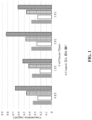
- Samples were filled into 2.0mL CZ resin vials. A number of vials from each formulation were stored at 2-8°C, while additional vials were frozen. Samples were subjected to one, three or five freeze-thaw cycles and the Bradford assay or UV-VIS was used to determine total protein recoveries. This data is presented below in Table 2 and graphically in FIGS. 1-2 .
- Table 2 Recovery by Bradford Total Protein Assay Formulation/Protein concentration (mg/mL) Freeze Thaw Cycles Control (mg/mL) A (mg/mL) B (mg/mL) C (mg/mL) 0 FT 0.34 0.25 0.45 0.66 1 FT 0.36 0.21 0.42 0.52 3 FT 0.37 0.27 0.47 0.82 5 FT 0.37 0.25 0.46 0.61
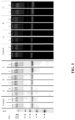
- Samples from each formulation were analyzed by SDS-PAGE and the gel imaged by standard Coomassie staining and also by fluorescence, using an Odyssey scanner to detect the fluorescence of the DX700 dye. Freshly prepared samples and those subjected to one, three or five cycles of freeze-thaw were analyzed. Samples were loaded by volume. A representative gel image showing the Coomassie stained gel and a fluorescence scan of the same gel for samples having undergone five freeze-thaw cycles is shown in FIG. 3 . Visual evaluation of the SDS-PAGE gel reveals a complex banding pattern characteristic of the VLP drug conjugate. A predominant band that is the L1 protein can be seen migrating at approximately 55 kDa.
- a faint band can also be seen above the 62 kDa marker and represents the L2 protein. Above the 98 kDa marker, a ladder of species is seen indicating some form of oligomeric material is present. The nature of this material is the subject of other technical reports and LC-MS analysis of in-gel digestion samples performed by SGS reveals that this material is protein comprising L1 and L2 sequences. Visually, the banding patterns are consistent across all samples and the band intensities and fluorescent signals can be seen to parallel the Bradford and Absorbance datasets.
- Example 4 Virus-like particle morphology and size distribution by Transmission Electron Microscopy
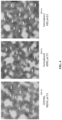
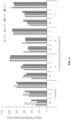
- the size of the particles were estimated by measuring the diameter of -60-90 particles and assembled capsomer material using AMT software. Most of the VLPs appear to be fully assembled, are observed to have a range of sizes, and are predominantly spherical or ellipsoidal in shape FIG. 4 . Similar ranges in apparent morphology have been observed in EM studies of HPV16 L1 and HPV11 L1 based VLPs as well as in unfractionated preparations of rabbit papillomavirus virus. TEM data is represented in Table 3 and graphically in FIG. 5 for the samples subjected to one, three and five cycles of freeze-thaw.
- Table 3 Particle Size Data via TEM Formulation CONTROL B C Treatment 1 FT 3 FT 5 FT 1 FT 3 FT 5 FT 1 FT 3 FT 5 FT Mean (nm) 50.86 50.11 51.02 56.57 52.21 53.26 54.67 51.55 54.22 SD 10.02 8.16 8.27 6.43 8.49 8.13 7.23 6.58 8.15 Range (min/max) 32.7/76.7 31.6/70.3 31.6/68.8 32.1/74.2 32.3/67.4 30.5/66 30.5/71.2 32/67.6 31.4/71
- Example 5 Particle Size Analysis Using Dynamic Light Scattering
- the average sizes of VLPs in each formulation were estimated by DLS assay before being frozen and following one, three or five freeze-thaw cycles.
- Laser-based DLS can monitor changes in the motion and structure of nanoparticles in solution (i.e. degradation or VLP-oligomerization) and provides information related to the average size and frequency distribution of particles.
- DLS data is summarized in Table 4 and presented graphically in FIG. 6 . In both, the values for mean diameter by number (N), volume (V) and intensity (I) are shown. Each gives a snapshot of the average particle size distribution and reports an average value for entire distribution. Irrespective of the formulation and number of freeze-thaw cycles, there was no apparent change seen in the average particle size distribution.
- the functional properties of the VLP drug conjugate were evaluated using an in vitro killing assay. Data generated in each of the four tested formulations of freshly prepared material and material stored in the final container closure and subject to one, three or five freeze-thaw cycles is shown in FIGS. 7A-7D . The limited capacity of staffing and the assay itself limited data points to one either side of the expected EC50. Irrespective of the formulation and number of freeze-thaw cycles, the VLP drug conjugate remained potent.
- AlexaFluor488*VLP was used in place of the VLP drug conjugate because it has similar physiochemical characteristics and is formulated in the same MES buffer as the VLP drug conjugate, but is more suitable for in vivo imaging.
- Ocular distribution was evaluated with Optical Coherence Tomography (OCT) and Fundus Autofluorescence (FAF) over time.
- OCT Optical Coherence Tomography
- FAF Fundus Autofluorescence
- VLP drug conjugate was administered in a dog study.
- the VLP drug conjugate was administered at a single dose-level via suprachoroidal space (SCS) 100 ⁇ l injection at the dose of 20 ⁇ g/eye followed by laser photoactivation 6-8 hours post injection to dogs. Dogs were treated once per week for 3 weeks (a total of 3 injections followed by laser treatment of 50 J/cm 2 6-8 hours post-injection for each week). After the 3 rd weekly treatment, animals were observed for 7 days (terminal sacrifice) or 35 days (recovery phase) to assess the reversibility, persistence, or delayed occurrence of effects. There were only minor VLP drug conjugate related microscopic ocular findings.
- VLP drug conjugate was formulated using four different formulations as outlined in Table 5.
- Table 5 Sample Formulations Description Test Formulation Control 20 mM Potassium Phosphate, 500 mM NaCl, pH 7.0 A 20 mM Potassium Phosphate, 5% trehalose dihydrate, 10 mM MgCl 2 , 63 mM NaCl, 0.05% PS80, pH 7.0 B 50 mM HEPES, 5% trehalose dihydrate, 10 mM MgCl 2 , 47 mM NaCl, 0.05% PS80, pH 7.5 C 20 mM MES, 5% trehalose dihydrate, 10 mM MgCl 2 , 63 mM NaCl, 0.05% PS80, pH 6.5
- Table 6 Equipment Description Manufacturer 1010 AMT camera Jeol USA Odyssey CLx LiCor NanoDrop 2000c Thermo Scientific FluorChem Gel Imager Cell Biosciences Synergy HT Microplate Reader Biotek Zeta PALS (DLS) Brookhaven Instruments Corp.
- the VLP drug conjugate was prepared from bulk VLP preparation. Bioconjugation was performed with DX700-NHS Ester at a calculated molar excess of 300:1 (dye: VLP) for 2 hours following 1:1 dilution with 2X labelling buffer comprising 100 mM HEPES pH 7.5, 20 mM MgCl 2 , 10% trehalose dihydrate. The total protein concentration was determined by the Bradford total protein assay (Pierce Bradford protein assay Cat. # 23200) according to the manufacturer's instructions using the micro-microplate procedure).
- the stock VLP drug conjugate was then buffer exchanged into a control formulation (Phosphate/high salt) and three candidate formulations each containing trehalose and PS80 at three different pH's (A, B and C).
- the overall experimental flow is shown in FIG. 8 .
- VLP drug conjugate product strength was determined by the Bradford total protein assay (Pierce Bradford protein assay Cat. # 23200 according to the manufacturer's instructions for the Micro-microplate format. A280nm was performed on undiluted samples using a nanodrop UV-VIS spectrophotometer blanked with sample matched buffers.
- test sample 50 ⁇ L was added to 150 ⁇ L of filtered PBS (Phosphate buffer saline, Boston Bioproducts Cat# BM220-S) and mixed gently by pipetting up and down 5 times.
- the diluted sample was then pipetted into a plastic cuvette (Fisher Cat# 14-955-125) and placed the cuvette in the DLS sample holder.
- the sample was analyzed using 90 Plus particle sizing software (Brookhaven Instruments). Briefly, the diluted sample was run three times, 2 minutes per run, at 25 °C with a 90° detector angle. Four separate distributions were recorded: Number, Volume, Intensity, and Surface Area. The polydispersity index of each sample run was also recorded to determine uniformity of the sample run.
- VLP drug conjugate samples prepared in the different buffers were prepared and provided to Northeastern University electron microscopy center either unfrozen (2-8°C) or stored frozen at -80°C and subsequently thawed 1, 3 or 5 times before analysis.
- Samples were analyzed by TEM as follows: A carbon coated EM grid (Carbon film 300 mesh copper grid) was placed on top of a drop of alcian blue dye (placed on a parafilm section) for 30 seconds with the carbon side up. The excess dye was removed by gentle blotting using a filter paper. The EM grid was washed with deionized sterile water by gently grazing the grid surface on top of a water droplet (placed on a parafilm section) for 1-2 sec.
- the washing was repeated two more times using a fresh water drop for each wash.
- the grid was placed on top of a 10 ⁇ l drop of sample suspension for about 1 min.
- the loaded grid was gently blotted to remove excess sample followed by three washes with deionized water using the same technique as explained in step 2.
- the loaded grid was then stained by gentle grazing on the surface of a drop of 1.5% uranyl acetate stain for 1-2 sec and blotted with filter paper.
- the staining step was repeated three more times on the same drop of uranyl acetate.
- a Jeol 1010 AMT camera was used (located at Electron Microscopy Center at Northeastern University, Boston).
- the prepared grid was placed into the TEM after few minutes of drying.
- the images were captured at a magnification of x15000, x25000, x30000, x40000, x50000, and x200000.
- the diameters of particles and assembled capsomers within a region of interest were measured at x40000 magnification by using the AMT software.
- the in vitro efficacy of the VLP drug conjugate was determined by performing a cell-killing assay (Aura-SOP-008) on the tumor cell line OCM-1. Due to sample and capacity limitations, only three product levels were evaluated near the expected EC50 of the product. Tumor cells were incubated with the VLP drug conjugate at various concentrations on ice for 1.5 hours. After this incubation, cells were washed to remove unbound VLP drug conjugate and subsequently re-suspended in sample diluent.
- VLP drug conjugate-bound cells for each VLP drug conjugate dilution were distributed to 3 wells of a 96-well plate (1/2 well, black, clear bottom) and irradiated with 25 J/cm2 of 690 nm wavelength light. Cells not irradiated served as controls.
Landscapes
- Health & Medical Sciences (AREA)
- Chemical & Material Sciences (AREA)
- Life Sciences & Earth Sciences (AREA)
- Animal Behavior & Ethology (AREA)
- Veterinary Medicine (AREA)
- Medicinal Chemistry (AREA)
- Public Health (AREA)
- General Health & Medical Sciences (AREA)
- Pharmacology & Pharmacy (AREA)
- Epidemiology (AREA)
- Engineering & Computer Science (AREA)
- Chemical Kinetics & Catalysis (AREA)
- General Chemical & Material Sciences (AREA)
- Oil, Petroleum & Natural Gas (AREA)
- Bioinformatics & Cheminformatics (AREA)
- Biochemistry (AREA)
- Molecular Biology (AREA)
- Hematology (AREA)
- Nuclear Medicine, Radiotherapy & Molecular Imaging (AREA)
- Organic Chemistry (AREA)
- Cell Biology (AREA)
- Ophthalmology & Optometry (AREA)
- Virology (AREA)
- Proteomics, Peptides & Aminoacids (AREA)
- Inorganic Chemistry (AREA)
- Dispersion Chemistry (AREA)
- Dermatology (AREA)
- Medicinal Preparation (AREA)
- Medicines That Contain Protein Lipid Enzymes And Other Medicines (AREA)
- Pharmaceuticals Containing Other Organic And Inorganic Compounds (AREA)
Applications Claiming Priority (3)
| Application Number | Priority Date | Filing Date | Title |
|---|---|---|---|
| US201962824227P | 2019-03-26 | 2019-03-26 | |
| PCT/US2020/024684 WO2020198344A1 (en) | 2019-03-26 | 2020-03-25 | Human papillomavirus nanoparticle formulations |
| EP20718514.1A EP3946256B1 (de) | 2019-03-26 | 2020-03-25 | Virusähnliche-partikel-formulierungen |
Related Parent Applications (1)
| Application Number | Title | Priority Date | Filing Date |
|---|---|---|---|
| EP20718514.1A Division EP3946256B1 (de) | 2019-03-26 | 2020-03-25 | Virusähnliche-partikel-formulierungen |
Publications (2)
| Publication Number | Publication Date |
|---|---|
| EP4420731A2 true EP4420731A2 (de) | 2024-08-28 |
| EP4420731A3 EP4420731A3 (de) | 2024-11-06 |
Family
ID=70277538
Family Applications (2)
| Application Number | Title | Priority Date | Filing Date |
|---|---|---|---|
| EP24184083.4A Pending EP4420731A3 (de) | 2019-03-26 | 2020-03-25 | Virusähnliche partikelformulierungen |
| EP20718514.1A Active EP3946256B1 (de) | 2019-03-26 | 2020-03-25 | Virusähnliche-partikel-formulierungen |
Family Applications After (1)
| Application Number | Title | Priority Date | Filing Date |
|---|---|---|---|
| EP20718514.1A Active EP3946256B1 (de) | 2019-03-26 | 2020-03-25 | Virusähnliche-partikel-formulierungen |
Country Status (9)
| Country | Link |
|---|---|
| US (1) | US20220152218A1 (de) |
| EP (2) | EP4420731A3 (de) |
| JP (2) | JP2022527273A (de) |
| KR (1) | KR20210151848A (de) |
| CN (1) | CN113905718B (de) |
| AU (2) | AU2020248407C1 (de) |
| CA (1) | CA3134820A1 (de) |
| ES (1) | ES2988090T3 (de) |
| WO (1) | WO2020198344A1 (de) |
Families Citing this family (4)
| Publication number | Priority date | Publication date | Assignee | Title |
|---|---|---|---|---|
| SG11201912480SA (en) | 2017-06-23 | 2020-01-30 | Pathovax Llc | Chimeric virus-like particles and uses thereof as antigen-specific redirectors of immune responses |
| WO2020139978A1 (en) | 2018-12-27 | 2020-07-02 | Verimmune Llc | Conjugated virus-like particles and uses thereof as anti-tumor immune redirectors |
| US11858964B2 (en) | 2020-10-19 | 2024-01-02 | Verimmune Inc. | Virus-inspired compositions and methods of redirecting preexisting immune responses using the same for treatment of cancer |
| WO2025185606A1 (en) * | 2024-03-04 | 2025-09-12 | Nanjing Legend Biotech Co., Ltd. | Composition for cryoprotection of viral vector or vlp |
Citations (3)
| Publication number | Priority date | Publication date | Assignee | Title |
|---|---|---|---|---|
| WO2010120266A1 (en) | 2009-04-13 | 2010-10-21 | Inserm, Institut National De La Sante Et De La Recherche Medicale | Hpv particles and uses thereof |
| WO2013119877A1 (en) | 2012-02-07 | 2013-08-15 | Aura Biosciences, Inc. | Virion-derived nanospheres for selective delivery of therapeutic and diagnostic agents to cancer cells |
| WO2015042325A1 (en) | 2013-09-18 | 2015-03-26 | Aura Biosciences, Inc. | Virus-like particle conjugates for diagnosis and treatment of tumors |
Family Cites Families (6)
| Publication number | Priority date | Publication date | Assignee | Title |
|---|---|---|---|---|
| US5409904A (en) * | 1984-11-13 | 1995-04-25 | Alcon Laboratories, Inc. | Hyaluronic acid compositions and methods |
| US9421199B2 (en) * | 2014-06-24 | 2016-08-23 | Sydnexis, Inc. | Ophthalmic composition |
| CN104689340B (zh) * | 2015-01-26 | 2018-07-06 | 中国农业科学院兰州兽医研究所 | 一种肿瘤药物靶向载体及应用 |
| RU2021108572A (ru) * | 2015-11-19 | 2021-04-07 | Новартис Аг | Буферы для стабилизации лентивирусных препаратов |
| JP6715004B2 (ja) * | 2015-12-25 | 2020-07-01 | 宏 半田 | 免疫賦活化剤およびその製造方法 |
| EP3609520A4 (de) * | 2017-04-12 | 2021-01-06 | Aura Biosciences, Inc. | Gezielte kombinationstherapie |
-
2020
- 2020-03-25 JP JP2021557349A patent/JP2022527273A/ja active Pending
- 2020-03-25 US US17/442,277 patent/US20220152218A1/en active Pending
- 2020-03-25 KR KR1020217034691A patent/KR20210151848A/ko active Pending
- 2020-03-25 CN CN202080038899.XA patent/CN113905718B/zh active Active
- 2020-03-25 WO PCT/US2020/024684 patent/WO2020198344A1/en not_active Ceased
- 2020-03-25 EP EP24184083.4A patent/EP4420731A3/de active Pending
- 2020-03-25 AU AU2020248407A patent/AU2020248407C1/en active Active
- 2020-03-25 CA CA3134820A patent/CA3134820A1/en active Pending
- 2020-03-25 ES ES20718514T patent/ES2988090T3/es active Active
- 2020-03-25 EP EP20718514.1A patent/EP3946256B1/de active Active
-
2025
- 2025-03-26 JP JP2025051782A patent/JP2025092555A/ja active Pending
- 2025-08-19 AU AU2025220715A patent/AU2025220715A1/en active Pending
Patent Citations (3)
| Publication number | Priority date | Publication date | Assignee | Title |
|---|---|---|---|---|
| WO2010120266A1 (en) | 2009-04-13 | 2010-10-21 | Inserm, Institut National De La Sante Et De La Recherche Medicale | Hpv particles and uses thereof |
| WO2013119877A1 (en) | 2012-02-07 | 2013-08-15 | Aura Biosciences, Inc. | Virion-derived nanospheres for selective delivery of therapeutic and diagnostic agents to cancer cells |
| WO2015042325A1 (en) | 2013-09-18 | 2015-03-26 | Aura Biosciences, Inc. | Virus-like particle conjugates for diagnosis and treatment of tumors |
Non-Patent Citations (2)
| Title |
|---|
| BERGE ET AL.: "describe pharmaceutically acceptable salts in detail in J.", PHARMACEUTICAL SCIENCES, vol. 66, 1977, pages 1 - 19 |
| BUCK, CURRENT PROTOCOLS IN CELL BIOLOGY, vol. 26, no. 1, 19 December 2007 (2007-12-19), pages 1 - 26 |
Also Published As
| Publication number | Publication date |
|---|---|
| CA3134820A1 (en) | 2020-10-01 |
| CN113905718B (zh) | 2024-12-10 |
| US20220152218A1 (en) | 2022-05-19 |
| JP2022527273A (ja) | 2022-06-01 |
| EP3946256A1 (de) | 2022-02-09 |
| AU2020248407C1 (en) | 2025-12-04 |
| EP3946256B1 (de) | 2024-07-17 |
| ES2988090T3 (es) | 2024-11-19 |
| KR20210151848A (ko) | 2021-12-14 |
| WO2020198344A1 (en) | 2020-10-01 |
| AU2020248407A1 (en) | 2021-10-28 |
| CN113905718A (zh) | 2022-01-07 |
| AU2025220715A1 (en) | 2025-09-04 |
| JP2025092555A (ja) | 2025-06-19 |
| AU2020248407B2 (en) | 2025-05-29 |
| EP4420731A3 (de) | 2024-11-06 |
Similar Documents
| Publication | Publication Date | Title |
|---|---|---|
| AU2025220715A1 (en) | Human Papillomavirus Nanoparticle Formulations | |
| US12029794B2 (en) | Virus-like particle conjugates for diagnosis and treatment of tumors | |
| JP6935973B2 (ja) | 医薬組成物 | |
| US20110142948A1 (en) | Nanoparticle Carrier Systems based on Human Serum Albumin for Photodynamic Therapy | |
| CN118846138A (zh) | 包含荧光团标记的uPAR靶向肽缀合物的组合物 | |
| BR112016005917B1 (pt) | Conjugados de partículas semelhantes a vírus, composição e seus usos | |
| HK1227301A1 (en) | Virus-like particle conjugates for treatment of tumors | |
| HK1227301B (en) | Virus-like particle conjugates for treatment of tumors |
Legal Events
| Date | Code | Title | Description |
|---|---|---|---|
| PUAI | Public reference made under article 153(3) epc to a published international application that has entered the european phase |
Free format text: ORIGINAL CODE: 0009012 |
|
| STAA | Information on the status of an ep patent application or granted ep patent |
Free format text: STATUS: THE APPLICATION HAS BEEN PUBLISHED |
|
| AC | Divisional application: reference to earlier application |
Ref document number: 3946256 Country of ref document: EP Kind code of ref document: P |
|
| AK | Designated contracting states |
Kind code of ref document: A2 Designated state(s): AL AT BE BG CH CY CZ DE DK EE ES FI FR GB GR HR HU IE IS IT LI LT LU LV MC MK MT NL NO PL PT RO RS SE SI SK SM TR |
|
| REG | Reference to a national code |
Ref country code: DE Ref legal event code: R079 Free format text: PREVIOUS MAIN CLASS: A61P0035000000 Ipc: A61K0009000000 |
|
| PUAL | Search report despatched |
Free format text: ORIGINAL CODE: 0009013 |
|
| AK | Designated contracting states |
Kind code of ref document: A3 Designated state(s): AL AT BE BG CH CY CZ DE DK EE ES FI FR GB GR HR HU IE IS IT LI LT LU LV MC MK MT NL NO PL PT RO RS SE SI SK SM TR |
|
| RIC1 | Information provided on ipc code assigned before grant |
Ipc: A61K 47/69 20170101ALI20241002BHEP Ipc: A61K 47/62 20170101ALI20241002BHEP Ipc: A61K 41/00 20200101ALI20241002BHEP Ipc: A61P 35/00 20060101ALI20241002BHEP Ipc: A61K 39/12 20060101ALI20241002BHEP Ipc: A61K 47/26 20060101ALI20241002BHEP Ipc: A61K 47/22 20060101ALI20241002BHEP Ipc: A61K 47/14 20170101ALI20241002BHEP Ipc: A61K 47/02 20060101ALI20241002BHEP Ipc: A61K 9/08 20060101ALI20241002BHEP Ipc: A61K 9/00 20060101AFI20241002BHEP |
|
| STAA | Information on the status of an ep patent application or granted ep patent |
Free format text: STATUS: REQUEST FOR EXAMINATION WAS MADE |
|
| 17P | Request for examination filed |
Effective date: 20250505 |