EP4398352A2 - Systeme und verfahren zum betrieb einer brennstoffzelle - Google Patents
Systeme und verfahren zum betrieb einer brennstoffzelle Download PDFInfo
- Publication number
- EP4398352A2 EP4398352A2 EP24150020.6A EP24150020A EP4398352A2 EP 4398352 A2 EP4398352 A2 EP 4398352A2 EP 24150020 A EP24150020 A EP 24150020A EP 4398352 A2 EP4398352 A2 EP 4398352A2
- Authority
- EP
- European Patent Office
- Prior art keywords
- fuel cell
- battery
- flow
- voltage
- ampere
- Prior art date
- Legal status (The legal status is an assumption and is not a legal conclusion. Google has not performed a legal analysis and makes no representation as to the accuracy of the status listed.)
- Pending
Links
Images



Classifications
-
- H—ELECTRICITY
- H01—ELECTRIC ELEMENTS
- H01M—PROCESSES OR MEANS, e.g. BATTERIES, FOR THE DIRECT CONVERSION OF CHEMICAL ENERGY INTO ELECTRICAL ENERGY
- H01M8/00—Fuel cells; Manufacture thereof
- H01M8/04—Auxiliary arrangements, e.g. for control of pressure or for circulation of fluids
- H01M8/04298—Processes for controlling fuel cells or fuel cell systems
- H01M8/04694—Processes for controlling fuel cells or fuel cell systems characterised by variables to be controlled
- H01M8/04746—Pressure; Flow
-
- H—ELECTRICITY
- H01—ELECTRIC ELEMENTS
- H01M—PROCESSES OR MEANS, e.g. BATTERIES, FOR THE DIRECT CONVERSION OF CHEMICAL ENERGY INTO ELECTRICAL ENERGY
- H01M8/00—Fuel cells; Manufacture thereof
- H01M8/06—Combination of fuel cells with means for production of reactants or for treatment of residues
- H01M8/0662—Treatment of gaseous reactants or gaseous residues, e.g. cleaning
-
- H—ELECTRICITY
- H01—ELECTRIC ELEMENTS
- H01M—PROCESSES OR MEANS, e.g. BATTERIES, FOR THE DIRECT CONVERSION OF CHEMICAL ENERGY INTO ELECTRICAL ENERGY
- H01M8/00—Fuel cells; Manufacture thereof
- H01M8/04—Auxiliary arrangements, e.g. for control of pressure or for circulation of fluids
- H01M8/04223—Auxiliary arrangements, e.g. for control of pressure or for circulation of fluids during start-up or shut-down; Depolarisation or activation, e.g. purging; Means for short-circuiting defective fuel cells
- H01M8/04238—Depolarisation
-
- H—ELECTRICITY
- H01—ELECTRIC ELEMENTS
- H01M—PROCESSES OR MEANS, e.g. BATTERIES, FOR THE DIRECT CONVERSION OF CHEMICAL ENERGY INTO ELECTRICAL ENERGY
- H01M10/00—Secondary cells; Manufacture thereof
- H01M10/42—Methods or arrangements for servicing or maintenance of secondary cells or secondary half-cells
- H01M10/48—Accumulators combined with arrangements for measuring, testing or indicating the condition of cells, e.g. the level or density of the electrolyte
-
- H—ELECTRICITY
- H01—ELECTRIC ELEMENTS
- H01M—PROCESSES OR MEANS, e.g. BATTERIES, FOR THE DIRECT CONVERSION OF CHEMICAL ENERGY INTO ELECTRICAL ENERGY
- H01M16/00—Structural combinations of different types of electrochemical generators
- H01M16/003—Structural combinations of different types of electrochemical generators of fuel cells with other electrochemical devices, e.g. capacitors, electrolysers
-
- H—ELECTRICITY
- H01—ELECTRIC ELEMENTS
- H01M—PROCESSES OR MEANS, e.g. BATTERIES, FOR THE DIRECT CONVERSION OF CHEMICAL ENERGY INTO ELECTRICAL ENERGY
- H01M16/00—Structural combinations of different types of electrochemical generators
- H01M16/003—Structural combinations of different types of electrochemical generators of fuel cells with other electrochemical devices, e.g. capacitors, electrolysers
- H01M16/006—Structural combinations of different types of electrochemical generators of fuel cells with other electrochemical devices, e.g. capacitors, electrolysers of fuel cells with rechargeable batteries
-
- H—ELECTRICITY
- H01—ELECTRIC ELEMENTS
- H01M—PROCESSES OR MEANS, e.g. BATTERIES, FOR THE DIRECT CONVERSION OF CHEMICAL ENERGY INTO ELECTRICAL ENERGY
- H01M8/00—Fuel cells; Manufacture thereof
- H01M8/04—Auxiliary arrangements, e.g. for control of pressure or for circulation of fluids
- H01M8/04007—Auxiliary arrangements, e.g. for control of pressure or for circulation of fluids related to heat exchange
- H01M8/04037—Electrical heating
-
- H—ELECTRICITY
- H01—ELECTRIC ELEMENTS
- H01M—PROCESSES OR MEANS, e.g. BATTERIES, FOR THE DIRECT CONVERSION OF CHEMICAL ENERGY INTO ELECTRICAL ENERGY
- H01M8/00—Fuel cells; Manufacture thereof
- H01M8/04—Auxiliary arrangements, e.g. for control of pressure or for circulation of fluids
- H01M8/04082—Arrangements for control of reactant parameters, e.g. pressure or concentration
- H01M8/04089—Arrangements for control of reactant parameters, e.g. pressure or concentration of gaseous reactants
- H01M8/04119—Arrangements for control of reactant parameters, e.g. pressure or concentration of gaseous reactants with simultaneous supply or evacuation of electrolyte; Humidifying or dehumidifying
- H01M8/04156—Arrangements for control of reactant parameters, e.g. pressure or concentration of gaseous reactants with simultaneous supply or evacuation of electrolyte; Humidifying or dehumidifying with product water removal
-
- H—ELECTRICITY
- H01—ELECTRIC ELEMENTS
- H01M—PROCESSES OR MEANS, e.g. BATTERIES, FOR THE DIRECT CONVERSION OF CHEMICAL ENERGY INTO ELECTRICAL ENERGY
- H01M8/00—Fuel cells; Manufacture thereof
- H01M8/04—Auxiliary arrangements, e.g. for control of pressure or for circulation of fluids
- H01M8/04082—Arrangements for control of reactant parameters, e.g. pressure or concentration
- H01M8/04201—Reactant storage and supply, e.g. means for feeding, pipes
-
- H—ELECTRICITY
- H01—ELECTRIC ELEMENTS
- H01M—PROCESSES OR MEANS, e.g. BATTERIES, FOR THE DIRECT CONVERSION OF CHEMICAL ENERGY INTO ELECTRICAL ENERGY
- H01M8/00—Fuel cells; Manufacture thereof
- H01M8/04—Auxiliary arrangements, e.g. for control of pressure or for circulation of fluids
- H01M8/04298—Processes for controlling fuel cells or fuel cell systems
- H01M8/04313—Processes for controlling fuel cells or fuel cell systems characterised by the detection or assessment of variables; characterised by the detection or assessment of failure or abnormal function
- H01M8/0432—Temperature; Ambient temperature
- H01M8/04358—Temperature; Ambient temperature of the coolant
-
- H—ELECTRICITY
- H01—ELECTRIC ELEMENTS
- H01M—PROCESSES OR MEANS, e.g. BATTERIES, FOR THE DIRECT CONVERSION OF CHEMICAL ENERGY INTO ELECTRICAL ENERGY
- H01M8/00—Fuel cells; Manufacture thereof
- H01M8/04—Auxiliary arrangements, e.g. for control of pressure or for circulation of fluids
- H01M8/04298—Processes for controlling fuel cells or fuel cell systems
- H01M8/04313—Processes for controlling fuel cells or fuel cell systems characterised by the detection or assessment of variables; characterised by the detection or assessment of failure or abnormal function
- H01M8/0438—Pressure; Ambient pressure; Flow
-
- H—ELECTRICITY
- H01—ELECTRIC ELEMENTS
- H01M—PROCESSES OR MEANS, e.g. BATTERIES, FOR THE DIRECT CONVERSION OF CHEMICAL ENERGY INTO ELECTRICAL ENERGY
- H01M8/00—Fuel cells; Manufacture thereof
- H01M8/04—Auxiliary arrangements, e.g. for control of pressure or for circulation of fluids
- H01M8/04298—Processes for controlling fuel cells or fuel cell systems
- H01M8/04313—Processes for controlling fuel cells or fuel cell systems characterised by the detection or assessment of variables; characterised by the detection or assessment of failure or abnormal function
- H01M8/04537—Electric variables
- H01M8/04574—Current
- H01M8/04582—Current of the individual fuel cell
-
- H—ELECTRICITY
- H01—ELECTRIC ELEMENTS
- H01M—PROCESSES OR MEANS, e.g. BATTERIES, FOR THE DIRECT CONVERSION OF CHEMICAL ENERGY INTO ELECTRICAL ENERGY
- H01M8/00—Fuel cells; Manufacture thereof
- H01M8/04—Auxiliary arrangements, e.g. for control of pressure or for circulation of fluids
- H01M8/04298—Processes for controlling fuel cells or fuel cell systems
- H01M8/04313—Processes for controlling fuel cells or fuel cell systems characterised by the detection or assessment of variables; characterised by the detection or assessment of failure or abnormal function
- H01M8/04537—Electric variables
- H01M8/04604—Power, energy, capacity or load
- H01M8/04619—Power, energy, capacity or load of fuel cell stacks
-
- H—ELECTRICITY
- H01—ELECTRIC ELEMENTS
- H01M—PROCESSES OR MEANS, e.g. BATTERIES, FOR THE DIRECT CONVERSION OF CHEMICAL ENERGY INTO ELECTRICAL ENERGY
- H01M8/00—Fuel cells; Manufacture thereof
- H01M8/04—Auxiliary arrangements, e.g. for control of pressure or for circulation of fluids
- H01M8/04298—Processes for controlling fuel cells or fuel cell systems
- H01M8/04313—Processes for controlling fuel cells or fuel cell systems characterised by the detection or assessment of variables; characterised by the detection or assessment of failure or abnormal function
- H01M8/04537—Electric variables
- H01M8/04604—Power, energy, capacity or load
- H01M8/04626—Power, energy, capacity or load of auxiliary devices, e.g. batteries, capacitors
-
- H—ELECTRICITY
- H01—ELECTRIC ELEMENTS
- H01M—PROCESSES OR MEANS, e.g. BATTERIES, FOR THE DIRECT CONVERSION OF CHEMICAL ENERGY INTO ELECTRICAL ENERGY
- H01M8/00—Fuel cells; Manufacture thereof
- H01M8/04—Auxiliary arrangements, e.g. for control of pressure or for circulation of fluids
- H01M8/04298—Processes for controlling fuel cells or fuel cell systems
- H01M8/04313—Processes for controlling fuel cells or fuel cell systems characterised by the detection or assessment of variables; characterised by the detection or assessment of failure or abnormal function
- H01M8/04537—Electric variables
- H01M8/04634—Other electric variables, e.g. resistance or impedance
- H01M8/04641—Other electric variables, e.g. resistance or impedance of the individual fuel cell
-
- H—ELECTRICITY
- H01—ELECTRIC ELEMENTS
- H01M—PROCESSES OR MEANS, e.g. BATTERIES, FOR THE DIRECT CONVERSION OF CHEMICAL ENERGY INTO ELECTRICAL ENERGY
- H01M8/00—Fuel cells; Manufacture thereof
- H01M8/04—Auxiliary arrangements, e.g. for control of pressure or for circulation of fluids
- H01M8/04298—Processes for controlling fuel cells or fuel cell systems
- H01M8/04694—Processes for controlling fuel cells or fuel cell systems characterised by variables to be controlled
- H01M8/04746—Pressure; Flow
- H01M8/04753—Pressure; Flow of fuel cell reactants
-
- H—ELECTRICITY
- H01—ELECTRIC ELEMENTS
- H01M—PROCESSES OR MEANS, e.g. BATTERIES, FOR THE DIRECT CONVERSION OF CHEMICAL ENERGY INTO ELECTRICAL ENERGY
- H01M8/00—Fuel cells; Manufacture thereof
- H01M8/04—Auxiliary arrangements, e.g. for control of pressure or for circulation of fluids
- H01M8/04298—Processes for controlling fuel cells or fuel cell systems
- H01M8/04694—Processes for controlling fuel cells or fuel cell systems characterised by variables to be controlled
- H01M8/04858—Electric variables
- H01M8/04865—Voltage
-
- H—ELECTRICITY
- H01—ELECTRIC ELEMENTS
- H01M—PROCESSES OR MEANS, e.g. BATTERIES, FOR THE DIRECT CONVERSION OF CHEMICAL ENERGY INTO ELECTRICAL ENERGY
- H01M8/00—Fuel cells; Manufacture thereof
- H01M8/04—Auxiliary arrangements, e.g. for control of pressure or for circulation of fluids
- H01M8/04298—Processes for controlling fuel cells or fuel cell systems
- H01M8/04694—Processes for controlling fuel cells or fuel cell systems characterised by variables to be controlled
- H01M8/04858—Electric variables
- H01M8/04865—Voltage
- H01M8/0488—Voltage of fuel cell stacks
-
- H—ELECTRICITY
- H01—ELECTRIC ELEMENTS
- H01M—PROCESSES OR MEANS, e.g. BATTERIES, FOR THE DIRECT CONVERSION OF CHEMICAL ENERGY INTO ELECTRICAL ENERGY
- H01M8/00—Fuel cells; Manufacture thereof
- H01M8/10—Fuel cells with solid electrolytes
- H01M8/1004—Fuel cells with solid electrolytes characterised by membrane-electrode assemblies [MEA]
-
- H—ELECTRICITY
- H01—ELECTRIC ELEMENTS
- H01M—PROCESSES OR MEANS, e.g. BATTERIES, FOR THE DIRECT CONVERSION OF CHEMICAL ENERGY INTO ELECTRICAL ENERGY
- H01M8/00—Fuel cells; Manufacture thereof
- H01M8/10—Fuel cells with solid electrolytes
- H01M2008/1095—Fuel cells with polymeric electrolytes
-
- H—ELECTRICITY
- H01—ELECTRIC ELEMENTS
- H01M—PROCESSES OR MEANS, e.g. BATTERIES, FOR THE DIRECT CONVERSION OF CHEMICAL ENERGY INTO ELECTRICAL ENERGY
- H01M2250/00—Fuel cells for particular applications; Specific features of fuel cell system
- H01M2250/20—Fuel cells in motive systems, e.g. vehicle, ship, plane
-
- H—ELECTRICITY
- H01—ELECTRIC ELEMENTS
- H01M—PROCESSES OR MEANS, e.g. BATTERIES, FOR THE DIRECT CONVERSION OF CHEMICAL ENERGY INTO ELECTRICAL ENERGY
- H01M2250/00—Fuel cells for particular applications; Specific features of fuel cell system
- H01M2250/40—Combination of fuel cells with other energy production systems
- H01M2250/402—Combination of fuel cell with other electric generators
-
- H—ELECTRICITY
- H01—ELECTRIC ELEMENTS
- H01M—PROCESSES OR MEANS, e.g. BATTERIES, FOR THE DIRECT CONVERSION OF CHEMICAL ENERGY INTO ELECTRICAL ENERGY
- H01M8/00—Fuel cells; Manufacture thereof
- H01M8/04—Auxiliary arrangements, e.g. for control of pressure or for circulation of fluids
- H01M8/04223—Auxiliary arrangements, e.g. for control of pressure or for circulation of fluids during start-up or shut-down; Depolarisation or activation, e.g. purging; Means for short-circuiting defective fuel cells
- H01M8/04268—Heating of fuel cells during the start-up of the fuel cells
-
- H—ELECTRICITY
- H01—ELECTRIC ELEMENTS
- H01M—PROCESSES OR MEANS, e.g. BATTERIES, FOR THE DIRECT CONVERSION OF CHEMICAL ENERGY INTO ELECTRICAL ENERGY
- H01M8/00—Fuel cells; Manufacture thereof
- H01M8/04—Auxiliary arrangements, e.g. for control of pressure or for circulation of fluids
- H01M8/04298—Processes for controlling fuel cells or fuel cell systems
- H01M8/04313—Processes for controlling fuel cells or fuel cell systems characterised by the detection or assessment of variables; characterised by the detection or assessment of failure or abnormal function
- H01M8/04537—Electric variables
- H01M8/04544—Voltage
- H01M8/04559—Voltage of fuel cell stacks
-
- H—ELECTRICITY
- H01—ELECTRIC ELEMENTS
- H01M—PROCESSES OR MEANS, e.g. BATTERIES, FOR THE DIRECT CONVERSION OF CHEMICAL ENERGY INTO ELECTRICAL ENERGY
- H01M8/00—Fuel cells; Manufacture thereof
- H01M8/04—Auxiliary arrangements, e.g. for control of pressure or for circulation of fluids
- H01M8/04298—Processes for controlling fuel cells or fuel cell systems
- H01M8/04313—Processes for controlling fuel cells or fuel cell systems characterised by the detection or assessment of variables; characterised by the detection or assessment of failure or abnormal function
- H01M8/04537—Electric variables
- H01M8/04574—Current
- H01M8/04589—Current of fuel cell stacks
-
- Y—GENERAL TAGGING OF NEW TECHNOLOGICAL DEVELOPMENTS; GENERAL TAGGING OF CROSS-SECTIONAL TECHNOLOGIES SPANNING OVER SEVERAL SECTIONS OF THE IPC; TECHNICAL SUBJECTS COVERED BY FORMER USPC CROSS-REFERENCE ART COLLECTIONS [XRACs] AND DIGESTS
- Y02—TECHNOLOGIES OR APPLICATIONS FOR MITIGATION OR ADAPTATION AGAINST CLIMATE CHANGE
- Y02E—REDUCTION OF GREENHOUSE GAS [GHG] EMISSIONS, RELATED TO ENERGY GENERATION, TRANSMISSION OR DISTRIBUTION
- Y02E60/00—Enabling technologies; Technologies with a potential or indirect contribution to GHG emissions mitigation
- Y02E60/30—Hydrogen technology
- Y02E60/50—Fuel cells
Definitions
- This invention relates in general to systems and methods for operating a fuel cell system and more particularly to systems and methods for reducing contaminants in a proton exchange membrane of a fuel cell system.
- Fuel cells electrochemically convert fuels and oxidants to electricity and heat and can be categorized according to the type of electrolyte (e.g., solid oxide, molten carbonate, alkaline, phosphoric acid or solid polymer) used to accommodate ion transfer during operation. Moreover, fuel cell assemblies can be employed in many (e.g., automotive to aerospace to industrial to residential) environments, for multiple applications.
- electrolyte e.g., solid oxide, molten carbonate, alkaline, phosphoric acid or solid polymer
- fuel cell assemblies can be employed in many (e.g., automotive to aerospace to industrial to residential) environments, for multiple applications.
- Two or more fuel cells can be connected together to increase the overall power output of the assembly.
- the cells are connected in series, wherein one side of a plate serves as an anode plate for one cell and the other side of the plate is the cathode plate for the adjacent cell.
- These are commonly referred to as bipolar plates.
- the anode plate of one cell is electrically connected to the separate cathode plate of an adjacent cell.
- these two plates are connected back to back and are often bonded together (e.g., bonded by adhesive, weld, or polymer). This bonded pair becomes as one, also commonly called a bipolar plate, since anode and cathode plates represent the positive and negative poles, electrically.
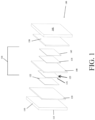
- FIG. 1 depicts a schematic exploded view of an example of an internal subassembly 100 of a fuel cell stack (e.g., a fuel cell 20 of FIG. 2 ) including a cathodic plate separator 110 at an outer end 115 and a plate separator seal 120 on an inner side thereof.
- a membrane electrode assembly (MEA) 130 is located between seal 120 and a second plate separator seal 150.
- An anode plate separator 160 is on a second end 165 of subassembly 100.
- MEA membrane electrode assembly
- MEA 130 includes a membrane 140 (e.g., an ion conducting membrane) between a cathode side catalyst layer 125 having a catalyst surface 126 and an anode side catalyst layer 135.
- a cathode side gas diffusion layer (GDL) 122 is located between cathode side catalyst layer 125 of the membrane electrode assembly 130 and plate separator 110.
- An anode side gas diffusion layer 145 is located between anode side catalyst layer 135 of membrane electrode assembly 130 and anode plate separator 160.
- Seal 120 and seal 150 may be received in a channel of on an inner side of plate separator 110 and anode plate separator 160, respectively. In another example, such seals may be injection molded around a membrane electrode assembly (e.g., membrane electrode assembly 130) or another fuel cell component.
- an electrical demand by a load 60 for example, an industrial electric vehicle (e.g., an electrically powered forklift truck), or any other load, such as any electric device, light bulb, radio, electric heater, a resistor 34, or fan motor, may be connected to energy storage device or a battery 30 and fuel cell stack (e.g., fuel cell 20) in parallel by an electrical connection.
- energy storage device or a battery 30 and fuel cell stack e.g., fuel cell 20
- power may flow from energy storage device or battery 30, fuel cell 20, or both to load 60.
- power may flow from both fuel cell 20 and energy storage device / battery 30 to load 60.
- power may flow to load 60 from fuel cell 20, while excess power from fuel cell 20 may flow into energy storage device or battery 30 to recharge energy storage device or battery 30 when required.
- loads that can source power such as regenerative braking
- power may flow from such a load (e.g., load 60) to energy storage device or battery 30.
- Resistor 34 may be a coolant heater (e.g., an electrical resistive heater) configured to heat a coolant in fluid communication with an interior of a fuel cell stack (e.g., fuel cell 20) to allow a temperature of the fuel cell stack (e.g., fuel cell 20) to be controlled.
- the coolant may be heated to heat the fuel cell stack (e.g., fuel cell 20) at the time of starting of operation of the stack.
- a controller 180 may control an operation of resistor 34 (e.g., an electrical resistive heater), such as by controlling a connection of the resistor to the fuel cell.
- the process of reducing voltage as described may be performed at intervals during regular operation of the stack (e.g., fuel cell 20) to produce electricity such that the stack may be maintained with contaminants at an acceptable level.
- a controller e.g., controller 180
- a fuel cell stack e.g., fuel cell 20
- resistor 34 e.g., a coolant heater
- a length of such a voltage cycle may range from several seconds up to a minute, for example.
- the cycling of voltage as described may be more desirable during lower load profiles when a fuel cell stack (e.g., fuel cell 20) may be sitting idle for longer periods of time because the increased idling allows for more contaminants to build up on cathode side catalyst surface 126 of catalyst layer 125.
- system controller 180 may determine that a voltage bleed down may or may not be necessary and not begin a voltage bleed down.
- Other sensors may include a voltage sensor 74 that may be connected to fuel cell 20 and system controller 180, a current sensor 70 that may be connected to fuel cell 20 and system controller 180, a sensor for measuring the air flow of oxidants from oxidant source that may be connected to oxidant source 150 and system controller 180, and any other sensors that measure parameters of fuel cell system.
- System controller 180 may use one or multiple sensors to sense, control, time, and determine various aspects of the voltage bleed down and the frequency that the voltage bleed down occurs.
- system controller 180 may have an oxidant source 150 supplying oxidants to cathode inlet 128 of fuel cell 20 at an air flow rate suitable for power production from fuel cell 20 to battery 30 to load 60.
- system controller 180 may have battery 30 connected to fuel cell 20 such that fuel cell 20 is supplying power to battery 30 and battery 30 is supplying power to load 60.
- system controller 180 may have resistor 34 disconnected from fuel cell 20 such that fuel cell 20 is not supplying an electrical current to resistor 34.
- system controller 180 may start the voltage bleed down cycle by cutting off air flow from oxidant source 150 to fuel cell 20 to prepare the fuel cell 20 for oxygen starvation and decontamination of contaminants in fuel cell 20.
- a certain ampere-hour threshold e.g. 10-25 ampere-hours
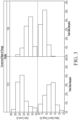
- system controller 180 may move on a Run Purge state 270, characterized by the increasing of current and returning fuel cell 20 to conditions for power production. In this state, system controller 180 may decide to gradually increase the flow of oxidants until the system controller 180 determines, based on feedback from current sensor, that the current of fuel cell 20 has returned to its normal current operating conditions.
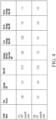
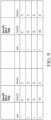
- Ramp Down 210, Discharge 220, H2 Inventory 230, Start Up 240, Prepurge Ramp 250, and Run Airramp 260 states may indicate an example of one voltage bleed down in between Run state 200 and Resume Run state 280 of fuel cell.
- System controller 180 may decide at a later time during Run state 200 or Resume Run state 280 to disconnect resistor 34 based on the temperature of fuel cell 20.
Landscapes
- Engineering & Computer Science (AREA)
- Life Sciences & Earth Sciences (AREA)
- Sustainable Development (AREA)
- Sustainable Energy (AREA)
- Chemical & Material Sciences (AREA)
- Chemical Kinetics & Catalysis (AREA)
- Electrochemistry (AREA)
- General Chemical & Material Sciences (AREA)
- Manufacturing & Machinery (AREA)
- Fuel Cell (AREA)
Applications Claiming Priority (1)
| Application Number | Priority Date | Filing Date | Title |
|---|---|---|---|
| US202263477974P | 2022-12-30 | 2022-12-30 |
Publications (2)
| Publication Number | Publication Date |
|---|---|
| EP4398352A2 true EP4398352A2 (de) | 2024-07-10 |
| EP4398352A3 EP4398352A3 (de) | 2025-03-12 |
Family
ID=89430092
Family Applications (1)
| Application Number | Title | Priority Date | Filing Date |
|---|---|---|---|
| EP24150020.6A Pending EP4398352A3 (de) | 2022-12-30 | 2024-01-02 | Systeme und verfahren zum betrieb einer brennstoffzelle |
Country Status (7)
| Country | Link |
|---|---|
| US (1) | US20240222670A1 (de) |
| EP (1) | EP4398352A3 (de) |
| JP (1) | JP2024096109A (de) |
| KR (1) | KR20240109226A (de) |
| CN (1) | CN118281265A (de) |
| AU (1) | AU2024200004A1 (de) |
| CA (1) | CA3225322A1 (de) |
Families Citing this family (1)
| Publication number | Priority date | Publication date | Assignee | Title |
|---|---|---|---|---|
| US20260006965A1 (en) | 2024-06-26 | 2026-01-01 | Samsung Display Co., Ltd. | Display device and electronic device including the same |
Family Cites Families (4)
| Publication number | Priority date | Publication date | Assignee | Title |
|---|---|---|---|---|
| JP3870665B2 (ja) * | 2000-06-01 | 2007-01-24 | 日産自動車株式会社 | 燃料電池システム |
| US6399231B1 (en) * | 2000-06-22 | 2002-06-04 | Utc Fuel Cells, Llc | Method and apparatus for regenerating the performance of a PEM fuel cell |
| JP6683953B2 (ja) * | 2016-10-05 | 2020-04-22 | 三菱自動車工業株式会社 | 燃料電池システム |
| US12444758B2 (en) * | 2021-08-19 | 2025-10-14 | Cummins Inc. | Fuel cell regeneration |
-
2023
- 2023-12-29 CA CA3225322A patent/CA3225322A1/en active Pending
-
2024
- 2024-01-02 KR KR1020240000567A patent/KR20240109226A/ko active Pending
- 2024-01-02 CN CN202410002928.7A patent/CN118281265A/zh active Pending
- 2024-01-02 AU AU2024200004A patent/AU2024200004A1/en active Pending
- 2024-01-02 US US18/402,007 patent/US20240222670A1/en active Pending
- 2024-01-02 EP EP24150020.6A patent/EP4398352A3/de active Pending
- 2024-01-04 JP JP2024000090A patent/JP2024096109A/ja active Pending
Also Published As
| Publication number | Publication date |
|---|---|
| CN118281265A (zh) | 2024-07-02 |
| US20240222670A1 (en) | 2024-07-04 |
| KR20240109226A (ko) | 2024-07-10 |
| JP2024096109A (ja) | 2024-07-11 |
| CA3225322A1 (en) | 2024-06-30 |
| EP4398352A3 (de) | 2025-03-12 |
| AU2024200004A1 (en) | 2024-07-18 |
Similar Documents
| Publication | Publication Date | Title |
|---|---|---|
| CN101606260B (zh) | 燃料电池系统 | |
| US8173313B2 (en) | Method of stopping a solid polymer type fuel cell system | |
| US9653744B2 (en) | Method of starting fuel cell system for vehicle and fuel cell system | |
| US6696190B2 (en) | Fuel cell system and method | |
| KR102681375B1 (ko) | 연료전지 스택의 성능 회복 방법 | |
| EP1998397B1 (de) | Brennstoffzellsystem und Verfahren zum Starten des Betriebs des Brennstoffzellsystems | |
| EP4398352A2 (de) | Systeme und verfahren zum betrieb einer brennstoffzelle | |
| US20120025619A1 (en) | Method for high voltage bus control in fuel cell vehicles | |
| US8647784B2 (en) | Fuel cell stack start method preventing cathode deterioration | |
| US9673462B2 (en) | Fuel cell-vehicle communications systems and methods | |
| WO2007139715A2 (en) | Fuel cell anode purge systems and methods | |
| WO2020138338A1 (ja) | 燃料電池の活性化方法及び活性化装置 | |
| JP3583914B2 (ja) | 燃料電池の補機用電源 | |
| CN115708238A (zh) | 燃料电池再生 | |
| KR101572033B1 (ko) | 연료전지 스택의 활성화 장치 | |
| US8993185B2 (en) | Method for determining an average cell voltage for fuel cells | |
| JP5333717B2 (ja) | 燃料電池システム | |
| JP7057540B2 (ja) | 燃料電池システム | |
| CN117219826A (zh) | 并联燃料电池系统的动态控制 | |
| BR102023027854A2 (pt) | Sistemas e métodos para operar uma célula a combustível | |
| KR101592682B1 (ko) | 연료 전지 스택 제어 방법 | |
| KR101601377B1 (ko) | 연료전지 공기극 공급 공기의 열교환기 장치 및 열 교환 방법 | |
| JP2011113661A (ja) | 燃料電池スタックおよび燃料電池システム | |
| KR20160098591A (ko) | 산화환원 유동 에너지 저장장치 및 그 제어방법 | |
| JP2007250216A (ja) | 燃料電池システム及びその運転方法 |
Legal Events
| Date | Code | Title | Description |
|---|---|---|---|
| PUAI | Public reference made under article 153(3) epc to a published international application that has entered the european phase |
Free format text: ORIGINAL CODE: 0009012 |
|
| STAA | Information on the status of an ep patent application or granted ep patent |
Free format text: STATUS: THE APPLICATION HAS BEEN PUBLISHED |
|
| AK | Designated contracting states |
Kind code of ref document: A2 Designated state(s): AL AT BE BG CH CY CZ DE DK EE ES FI FR GB GR HR HU IE IS IT LI LT LU LV MC ME MK MT NL NO PL PT RO RS SE SI SK SM TR |
|
| PUAL | Search report despatched |
Free format text: ORIGINAL CODE: 0009013 |
|
| AK | Designated contracting states |
Kind code of ref document: A3 Designated state(s): AL AT BE BG CH CY CZ DE DK EE ES FI FR GB GR HR HU IE IS IT LI LT LU LV MC ME MK MT NL NO PL PT RO RS SE SI SK SM TR |
|
| RIC1 | Information provided on ipc code assigned before grant |
Ipc: H01M 10/48 20060101ALI20250203BHEP Ipc: H01M 8/04858 20160101ALI20250203BHEP Ipc: H01M 8/04746 20160101ALI20250203BHEP Ipc: H01M 8/04537 20160101ALI20250203BHEP Ipc: H01M 8/04007 20160101ALI20250203BHEP Ipc: H01M 16/00 20060101ALI20250203BHEP Ipc: H01M 8/04223 20160101AFI20250203BHEP |
|
| STAA | Information on the status of an ep patent application or granted ep patent |
Free format text: STATUS: REQUEST FOR EXAMINATION WAS MADE |
|
| 17P | Request for examination filed |
Effective date: 20250912 |