EP4398209A1 - Money-processing apparatus and money-processing method - Google Patents
Money-processing apparatus and money-processing method Download PDFInfo
- Publication number
- EP4398209A1 EP4398209A1 EP22864464.7A EP22864464A EP4398209A1 EP 4398209 A1 EP4398209 A1 EP 4398209A1 EP 22864464 A EP22864464 A EP 22864464A EP 4398209 A1 EP4398209 A1 EP 4398209A1
- Authority
- EP
- European Patent Office
- Prior art keywords
- money
- unit
- storage unit
- amount
- storage
- Prior art date
- Legal status (The legal status is an assumption and is not a legal conclusion. Google has not performed a legal analysis and makes no representation as to the accuracy of the status listed.)
- Pending
Links
- 238000003672 processing method Methods 0.000 title 1
- 230000032258 transport Effects 0.000 claims description 224
- 238000000034 method Methods 0.000 claims description 19
- 238000007599 discharging Methods 0.000 abstract description 6
- 238000004064 recycling Methods 0.000 description 25
- 239000000203 mixture Substances 0.000 description 15
- 238000010586 diagram Methods 0.000 description 14
- 230000008859 change Effects 0.000 description 9
- 238000001514 detection method Methods 0.000 description 7
- 230000008569 process Effects 0.000 description 7
- 230000007423 decrease Effects 0.000 description 5
- 230000007246 mechanism Effects 0.000 description 5
- 230000006870 function Effects 0.000 description 3
- 238000009434 installation Methods 0.000 description 3
- 230000007723 transport mechanism Effects 0.000 description 3
- 238000000151 deposition Methods 0.000 description 1
- 230000000694 effects Effects 0.000 description 1
- 230000004048 modification Effects 0.000 description 1
- 238000012986 modification Methods 0.000 description 1
Images


Classifications
-
- G—PHYSICS
- G07—CHECKING-DEVICES
- G07D—HANDLING OF COINS OR VALUABLE PAPERS, e.g. TESTING, SORTING BY DENOMINATIONS, COUNTING, DISPENSING, CHANGING OR DEPOSITING
- G07D11/00—Devices accepting coins; Devices accepting, dispensing, sorting or counting valuable papers
- G07D11/20—Controlling or monitoring the operation of devices; Data handling
- G07D11/22—Means for sensing or detection
- G07D11/23—Means for sensing or detection for sensing the quantity of valuable papers in containers
-
- G—PHYSICS
- G07—CHECKING-DEVICES
- G07D—HANDLING OF COINS OR VALUABLE PAPERS, e.g. TESTING, SORTING BY DENOMINATIONS, COUNTING, DISPENSING, CHANGING OR DEPOSITING
- G07D1/00—Coin dispensers
-
- G—PHYSICS
- G07—CHECKING-DEVICES
- G07D—HANDLING OF COINS OR VALUABLE PAPERS, e.g. TESTING, SORTING BY DENOMINATIONS, COUNTING, DISPENSING, CHANGING OR DEPOSITING
- G07D11/00—Devices accepting coins; Devices accepting, dispensing, sorting or counting valuable papers
- G07D11/20—Controlling or monitoring the operation of devices; Data handling
- G07D11/24—Managing the inventory of valuable papers
-
- G—PHYSICS
- G07—CHECKING-DEVICES
- G07D—HANDLING OF COINS OR VALUABLE PAPERS, e.g. TESTING, SORTING BY DENOMINATIONS, COUNTING, DISPENSING, CHANGING OR DEPOSITING
- G07D11/00—Devices accepting coins; Devices accepting, dispensing, sorting or counting valuable papers
- G07D11/20—Controlling or monitoring the operation of devices; Data handling
- G07D11/24—Managing the inventory of valuable papers
- G07D11/25—Relocation of valuable papers within devices
-
- G—PHYSICS
- G07—CHECKING-DEVICES
- G07D—HANDLING OF COINS OR VALUABLE PAPERS, e.g. TESTING, SORTING BY DENOMINATIONS, COUNTING, DISPENSING, CHANGING OR DEPOSITING
- G07D11/00—Devices accepting coins; Devices accepting, dispensing, sorting or counting valuable papers
- G07D11/20—Controlling or monitoring the operation of devices; Data handling
- G07D11/32—Record keeping
- G07D11/34—Monitoring the contents of devices, e.g. the number of stored valuable papers
-
- G—PHYSICS
- G07—CHECKING-DEVICES
- G07D—HANDLING OF COINS OR VALUABLE PAPERS, e.g. TESTING, SORTING BY DENOMINATIONS, COUNTING, DISPENSING, CHANGING OR DEPOSITING
- G07D9/00—Counting coins; Handling of coins not provided for in the other groups of this subclass
-
- G—PHYSICS
- G07—CHECKING-DEVICES
- G07D—HANDLING OF COINS OR VALUABLE PAPERS, e.g. TESTING, SORTING BY DENOMINATIONS, COUNTING, DISPENSING, CHANGING OR DEPOSITING
- G07D11/00—Devices accepting coins; Devices accepting, dispensing, sorting or counting valuable papers
- G07D11/10—Mechanical details
- G07D11/12—Containers for valuable papers
- G07D11/13—Containers for valuable papers with internal means for handling valuable papers
-
- G—PHYSICS
- G07—CHECKING-DEVICES
- G07D—HANDLING OF COINS OR VALUABLE PAPERS, e.g. TESTING, SORTING BY DENOMINATIONS, COUNTING, DISPENSING, CHANGING OR DEPOSITING
- G07D2201/00—Coin dispensers
-
- G—PHYSICS
- G07—CHECKING-DEVICES
- G07D—HANDLING OF COINS OR VALUABLE PAPERS, e.g. TESTING, SORTING BY DENOMINATIONS, COUNTING, DISPENSING, CHANGING OR DEPOSITING
- G07D2211/00—Paper-money handling devices
Definitions
- PTL 1 Patent Literature 1
- a money handling apparatus described in PTL 1 is configured to allow a coin storage cassette to be detached and attached.
- the money handling apparatus discharges all the coins in the coin storage cassette to a transport path, recognizes the coins with a coin recognition unit, and returns the coins to the coin storage cassette again.
- the predetermined condition may be that the deemed storage amount is less than or equal to an amount of money allowed to be concurrently supported by the transport unit.
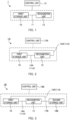
- FIG. 1 is a block diagram of the money handling apparatus.
- the amount of money, coins, or banknotes means the ones allowed to be used for comparison in magnitude on money, coins, or banknotes and is, for example, number, mass, or volume.
- the value can also be included in the amount of coins.
- the transport unit 11 transports money in the first storage unit 10.
- the transport unit 11 separates pieces of money and transports the pieces of money one by one.
- the money handling apparatus 1 performs reconciliation only when the deemed storage amount of the first storage unit 10 satisfies the predetermined condition. For this reason, regardless of the maximum storage amount of the first storage unit 10, the money handling apparatus 1 is capable of concurrently positioning all the money stored in the first storage unit 10 in a place other than the first storage unit 10. Therefore, it is possible to prevent mixture of money recognized by the recognition unit 12 (hereinafter, which may be referred to as "recognized money”) and money not yet recognized by the recognition unit 12 (hereinafter, which may be referred to as "not-yet-recognized money”) in the first storage unit 10.
- recognized money money not yet recognized by the recognition unit 12
- FIG. 2 is a block diagram of the money handling apparatus.
- the same names and the same reference signs denote components similar to those of the money handling apparatus 1 according to Embodiment 1, and the description is simplified or omitted.
- the money handling apparatus 1A shown in FIG. 2 includes the first storage unit 10, a transport unit 11A, the recognition unit 12, and a control unit 13A.
- the transport unit 11A includes a first transport unit 14A and a second transport unit 15A.
- the first transport unit 14A transports all the not-yet-recognized money in the first storage unit 10 to the recognition unit 12.
- the second transport unit 15A transports the recognized money to the first storage unit 10.
- the first transport unit 14A and the second transport unit 15A separate pieces of money and transport the pieces of money one by one.
- the control unit 13A performs reconciliation on the first storage unit 10 when the deemed storage amount of the first storage unit 10 satisfies a predetermined condition.
- the control unit 13A controls the first transport unit 14A such that the not-yet-recognized money in the first storage unit 10 is transported to the recognition unit 12 one by one.
- the control unit 13A accepts the storage amount of money in the first storage unit 10 based on a recognition result of the recognition unit 12.
- the control unit 13A controls the second transport unit 15A such that the recognized money is returned to the first storage unit 10.
- the transport unit 11A when the deemed storage amount of the first storage unit 10 satisfies the predetermined condition, the transport unit 11A is capable of concurrently supporting (transporting) all the money stored in the first storage unit 10 as recognized money or not-yet-recognized money. Therefore, even when reconciliation is performed in a case where the deemed storage amount of the first storage unit 10 satisfies the predetermined condition, recognized money and not-yet-recognized money do not mix in the first storage unit 10. On the other hand, when the deemed storage amount of the first storage unit 10 does not satisfy the predetermined condition, the transport unit 11A is not capable of concurrently supporting (transporting) all the money stored in the first storage unit 10 as recognized money or not-yet-recognized money.
- control unit 29 controls the cassette 30 such that not-yet-recognized coins (coins not recognized by the recognition unit 26) in the cassette 30 are dropped from the discharge outlet 302 as indicated by the arrow C1 in FIG. 5A by opening the receiving inlet 301 and the discharge outlet 302.
- the control unit 29 controls the withdrawal transport path 33 such that not-yet-recognized coins are transported to the feeding unit 31 one by one as indicated by the arrow C2.
- the control unit 29 controls the cassette 30, the withdrawal transport path 33, and the feeding unit 31 such that not-yet-recognized coins in the cassette 30 are transported as indicated by the arrows C1, C2, C3 in FIG. 5B .
- the control unit 29 controls the deposit transport path 32 and the chute 273 such that, as indicated by the arrow C5, lined not-yet-recognized coins are transported backward and recognized by the recognition unit 26 and recognized coins are transported to the cassette 30.
- the control unit 29 accepts the inventory amount of the cassette 30 based on a recognition result by the recognition unit 26. In this way, in the second reconciliation, only reconciliation on the first storage unit 10 is performed.
- the first predetermined condition is that the deemed storage amount of the cassette 30 is less than or equal to the amount of coins allowed to be concurrently positioned in a place other than the cassette 30 at the time of performing first reconciliation.
- the first predetermined condition may be that, at the time of determining whether the first predetermined condition is satisfied, the deemed storage amount of the cassette 30 is less than or equal to the amount of money allowed to be stored in the first denomination-specific storage unit 241 and the second denomination-specific storage unit 242 (storable amount) (Condition B).
- the storable amount of the first denomination-specific storage unit 241 may be calculated by subtracting the deemed storage amount of the first denomination-specific storage unit 241 from the maximum storage amount of the first denomination-specific storage unit 241.
- the storable amount of the second denomination-specific storage unit 242 may be calculated by subtracting the deemed storage amount of the second denomination-specific storage unit 242 from the maximum storage amount of the second denomination-specific storage unit 242.
- Setting of applying any one of Condition A (any one of the positions of Conditions A1 to A3), Condition B, and Condition C as the first predetermined condition may be performed based on manual setting operation, for example, at the time of shipment of the coin handling apparatus 2, at the time of installation of the coin handling apparatus 2 to a shop, or at the time of opening of business.
- step S6 when, for example, there is a typing error of a loaded amount of money in step S6 and, therefore, the actual storage amount of coins in the cassette 30 does not satisfy the first predetermined condition, that is, when the deemed storage amount of the cassette 30 is not correct, recognized coins return to the cassette 30 before the cassette 30 becomes empty.
- the deemed storage amount of the cassette 30 satisfies the first predetermined condition (for example, Condition A).
- control unit 29 determines in step S11 whether the cassette 30 becomes empty before recognized coins return to the cassette 30 in order to terminate first reconciliation in an uncompleted state.
- step S11 determines that the cassette 30 becomes empty before recognized coins return to the cassette 30 (step S11: YES).
- the control unit 29 determines that first reconciliation is complete (step S12). Then, the control unit 29 terminates first reconciliation and stores the reconciliation result in the management apparatus.
- the control unit 29 clears the reconciliation flag (step S13).
- step S11: NO when the control unit 29 determines that the cassette 30 does not become empty before recognized coins return to the cassette 30 (step S11: NO), that is, when recognized coins and not-yet-recognized coins mix in the cassette 30, the control unit 29 determines that first reconciliation is not complete (step S14).
- the control unit 29 may cause coins on the transport unit 25 and coins in the first denomination-specific storage unit 241 and the second denomination-specific storage unit 242 to return to the cassette 30 such that the deemed storage amount of the cassette 30 is equal to a deemed storage amount before first reconciliation is started.
- the control unit 29, for example executes the process of step S8 for determining whether to perform first reconciliation after a lapse of a predetermined time.
- step S8 determines not to perform first reconciliation
- step S15 determines whether the deemed storage amount of the cassette 30 satisfies the second predetermined condition
- the second predetermined condition is that the deemed storage amount of the cassette 30 is less than or equal to the amount of coins allowed to be concurrently positioned in a place other than the cassette 30 at the time of performing second reconciliation.
- Setting of applying any one of Conditions A1 to A3 as the second predetermined condition may be performed based on manual setting operation, for example, at the time of shipment of the coin handling apparatus 2, at the time of installation of the coin handling apparatus 2 to a shop, or at the time of opening of business.
- step S15 determines again whether the deemed storage amount of the cassette 30 satisfies the second predetermined condition after a lapse of a predetermined time (step S15).
- the control unit 29 determines again whether the deemed storage amount of the cassette 30 satisfies the second predetermined condition after a lapse of a predetermined time (step S15).
- the deemed storage amount can satisfy the second predetermined condition thereafter. This is the case where, for example, the deemed storage amount of the cassette 30 reduces as a result of refilling of change fund or the storable amount of the first denomination-specific storage unit 241 and the second denomination-specific storage unit 242 increases as a result of withdrawal.
- the control unit 29 executes the process of step S15 again after a lapse of a predetermined time.
- step S15 determines that the deemed storage amount of the cassette 30 satisfies the second predetermined condition.
- step S16 the control unit 29 performs second reconciliation. After that, the control unit 29 determines whether the cassette 30 becomes empty before recognized coins return to the cassette 30 (step S11).
- the coin handling apparatus 2 performs first reconciliation when the deemed storage amount of the cassette 30 satisfies the first predetermined condition.
- the coin handling apparatus 2 performs second reconciliation when the deemed storage amount of the cassette 30 satisfies the second predetermined condition. For this reason, at the time of performing first reconciliation and second reconciliation, it is possible to prevent mixture of recognized money and not-yet-recognized money in the cassette 30 regardless of the maximum storage amount of the cassette 30. Even when the number of pieces of money allowed to be concurrently transported by the transport unit 25 is not increased to remove limitations on the maximum storage amount of the cassette 30, it is possible to prevent mixture of recognized money and not-yet-recognized money in the cassette 30 at the time of first reconciliation and second reconciliation.
- the coin handling apparatus 2 is capable of appropriately performing first reconciliation and second reconciliation of the cassette 30 regardless of the maximum storage amount of the cassette 30 without leading to an increase in the size of the coin handling apparatus 2.
- reconciliation on the first denomination-specific storage unit 241 may be configured to be performed when, for example, the deemed storage amount of the first denomination-specific storage unit 241 satisfies a predetermined condition.
- the first denomination-specific storage unit 241 corresponds to the first storage unit according to the present disclosure.
- the predetermined condition in this case may be that the deemed storage amount of the first denomination-specific storage unit 241 is less than or equal to the supportable amount of the transport unit 25.
- the supportable amount of the transport unit 25 may be the amount of coins allowed to be concurrently supported in a third part path in the withdrawal transport path 33 and a fourth part path in the deposit transport path 32 (Condition A4).
- the third part path is a part from a dropped position (transport start position) of not-yet-recognized coins discharged from the first denomination-specific storage unit 241 to the feeding unit 31.
- the fourth part path is a part from the transport start position of not-yet-recognized coins fed out from the feeding unit 31 to the chute 271 leading to the first denomination-specific storage unit 241.
- the supportable amount of the transport unit 25 may be the amount of coins allowed to be held in the feeding unit 31 (Condition A2 described above).
- the supportable amount of the transport unit 25 may be a total amount of the amount of coins of Condition A4 and the amount of coins of Condition A2 (Condition A5).
- the supportable amount of the transport unit 25 may be a total amount of the amount of coins of Condition A4 and the amount of coins of Condition A2 (Condition A5).
- Embodiment 5 will be described with reference to the attached drawings.
- a banknote handling apparatus that is an example of the money handling apparatus will be described.
- the banknote handling apparatus is used as a settlement machine that is installed at a shop.
- FIG. 8 is a schematic diagram of the internal configuration of the banknote handling apparatus.
- a front side is a side to which a clerk or a customer of a shop in which the banknote handling apparatus is installed faces
- a back side is a side opposite to the front side.
- a right-hand side is a right-hand side when viewed from the clerk or the customer
- a left-hand side is a side opposite to the right-hand side.
- An upper side is an upper side when viewed from the clerk or the customer, and a lower side is a side opposite to the upper side.
- the safe unit 42 is configured to include a safe casing 52, an attachment unit 53, and a recycling storage unit 54.
- the deposit unit 47 is configured to be capable of depositing banknotes into the banknote handling apparatus 4.
- the withdrawal unit 48 is configured to be capable of withdrawing banknotes from the banknote handling apparatus 4.
- the rejecting unit 49 is configured to be capable of discharging banknotes not allowed to be deposited, as rejected banknotes.
- the recognition unit 51 is disposed in a first transport path 431 (described later).
- the recognition unit 51 recognizes the denomination, authenticity, fitness, and the like of banknotes to be transported by the first transport path 431 and counts the banknotes separately by denomination.
- the attachment unit 53 is, for example, provided at a front part inside the safe casing 52.
- a cassette 55 is detachably attached to the attachment unit 53.
- the cassette 55 is an example of the first storage unit according to the present disclosure.
- the cassette 55 includes a transport mechanism.
- the transport mechanism is configured to be capable of recycling banknotes by feeding banknotes from the outside of the cassette 55 to the inside of the cassette 55 and feeding banknotes from the inside of the cassette 55 to the outside of the cassette 55.
- banknotes that cannot be stored in the recycling storage unit 54 because the recycling storage unit 54 is full (overflow banknotes) or change fund to refill the recycling storage unit 54 may be illustrated as banknotes to be stored in the cassette 55.
- the first transport path 431 is configured in a loop shape.
- the first transport path 431 is capable of transporting banknotes in a clockwise direction and in a counter-clockwise direction in FIG. 8 .
- the second transport path 432 connects the deposit unit 47 with the first transport path 431 and transports banknotes from the deposit unit 47 toward the first transport path 431.
- the third transport path 433 connects the withdrawal unit 48 with the first transport path 431 and transports banknotes from the first transport path 431 toward the withdrawal unit 48.
- the fourth transport path 434 connects the rejecting unit 49 with the first transport path 431 and transports banknotes from the first transport path 431 toward the rejecting unit 49.
- the fifth transport path 435 connects the temporary storage unit 50 with the first transport path 431.
- the fifth transport path 435 transports banknotes from the first transport path 431 toward the temporary storage unit 50 and also transports banknotes from the temporary storage unit 50 toward the first transport path 431.
- the predetermined condition may be that the deemed storage amount of the cassette 55 is less than or equal to the amount of banknotes allowed to be stored in the temporary storage unit 50 (second storage unit) (storable amount) (Condition E).
- the predetermined condition may be that the deemed storage amount of the cassette 55 is less than or equal to a total amount of the supportable amount of the first transport path 431 and the storable amount of the temporary storage unit 50 (Condition F).
- every set time interval, time when set time comes, time when a clerk issues instructions, or time when a situation in which it is not possible to accept the inventory amount of the cassette 55 may be illustrated as timing to determine whether the deemed storage amount of the cassette 55 satisfies the predetermined condition.
- a situation in which the cassette 55 is detached and attached again, or a situation in which there occurs a jam of banknotes to be transported to the cassette 55 at the time of deposit or a jam of banknotes discharged from the cassette 55 may be illustrated as a situation in which it is not possible to accept the inventory amount of the cassette 55.
- control unit 45 controls the upper transport unit 43, the lower transport unit 44, the temporary storage unit 50, and the cassette 55 such that banknotes in the storable amount of the temporary storage unit 50 are transported to the temporary storage unit 50 as recognized banknotes by discharging banknotes in the cassette 55 and transporting the banknotes in a counter-clockwise direction in FIG. 8 with the first transport path 431 and the remaining banknotes are positioned on the first transport path 431.
- all the banknotes stored in the cassette 55 may be not allowed to be positioned in the temporary storage unit 50 or on the first transport path 431 in a state where the cassette 55 is empty.
- the control unit 29 may cause a notification unit to notify that the deemed storage amount of the cassette 30 satisfies the predetermined condition (the first predetermined condition or the second predetermined condition).
- the predetermined condition the first predetermined condition or the second predetermined condition
- a method of displaying notification on the operation display unit 28 with a character, a symbol, a color, or combinations of them or a method of providing notification by sound with a speaker may be illustrated as the notification method.
- the control unit 29 may start reconciliation when the control unit 29 receives instructions for starting reconciliation (first reconciliation or second reconciliation) through the operation display unit 28.
- a clerk is able to perform reconciliation on the cassette 30 at timing desired by the clerk after the deemed storage amount of the cassette 30 satisfies the predetermined condition.
- notification that the deemed storage amount of the first storage unit 10 or the cassette 55 satisfies the predetermined condition may be provided by the notification unit or reconciliation may be configured to be started when instructions from the input unit are received.
- the present disclosure is applicable to a money handling apparatus and a money handling method.
Landscapes
- Physics & Mathematics (AREA)
- General Physics & Mathematics (AREA)
- Financial Or Insurance-Related Operations Such As Payment And Settlement (AREA)
Abstract
Description
- The present disclosure relates to a money handling apparatus and a money handling method.
- Hitherto, there is known a money handling apparatus that handles deposit and withdrawal of coins (e.g., see Patent Literature (hereinafter, referred to as "PTL") 1). A money handling apparatus described in
PTL 1 is configured to allow a coin storage cassette to be detached and attached. When such a money handling apparatus performs reconciliation on the coin storage cassette, the money handling apparatus discharges all the coins in the coin storage cassette to a transport path, recognizes the coins with a coin recognition unit, and returns the coins to the coin storage cassette again. -
PTL 1
Japanese Patent Application Laid-open No. 2004-326542 - In reconciliation that is performed in the money handling apparatus described in
PTL 1, however, before coins discharged from the coin storage cassette and recognized by the coin recognition unit return to the coin storage cassette again, all the coins in the coin storage cassette need to be discharged to the transport path. For this reason, the maximum storage amount (capacity) of the coin storage cassette needs to be less than or equal to the number of coins allowed to be concurrently transported by the transport path. On the other hand, to remove such limitations on the maximum storage amount of the coin storage cassette, it is conceivable to increase the number of coins allowed to be concurrently transported by the transport path. In this case, the size of the money handling apparatus needs to be increased. - An object of the present disclosure is thus to provide a money handling apparatus and a money handling method capable of appropriately performing reconciliation on a first storage unit regardless of the maximum storage amount of the first storage unit without leading to an increase in the size of the money handling apparatus.
- A money handling apparatus according to the present disclosure includes a first storage unit that stores money and discharges the stored money, a transport unit that transports money, a recognition unit that recognizes money, and a control unit that performs reconciliation for accepting a storage amount of money in the first storage unit by the recognition unit's recognizing money that is discharged from the first storage unit and transported by the transport unit. The control unit performs the reconciliation when a deemed storage amount that is an amount of money deemed to be stored in the first storage unit satisfies a predetermined condition. The predetermined condition is that the deemed storage amount is less than or equal to an amount of the money allowed to be concurrently positioned in a place other than the first storage unit in the money handling apparatus.
- In the money handling apparatus according to the present disclosure, the transport unit may include a transport path that transports the money, and a feeding unit that temporarily holds a plurality of pieces of money and feeds out the held pieces of money one by one.
- In the money handling apparatus according to the present disclosure, the predetermined condition may be that the deemed storage amount is less than or equal to an amount of money allowed to be concurrently supported by the transport unit.
- In the money handling apparatus according to the present disclosure, the control unit may control the transport unit such that the money recognized by the recognition unit is returned to the first storage unit.
- The money handling apparatus according to the present disclosure may further include a second storage unit that stores the money recognized by the recognition unit, in which the control unit may control the transport unit such that the money is transported to the second storage unit, when the money recognized by the recognition unit is target money to be stored in the second storage unit.
- In the money handling apparatus according to the present disclosure, the second storage unit may include a plurality of denomination-specific storage units that stores the money by denomination, and the control unit may control the transport unit such that the money recognized by the recognition unit is transported to the denomination-specific storage unit corresponding to the denomination of the money.
- In the money handling apparatus according to the present disclosure, the predetermined condition may be that the deemed storage amount is less than or equal to an amount of money allowed to be stored in the second storage unit at time of determining whether the deemed storage amount satisfies the predetermined condition.
- In the money handling apparatus according to the present disclosure, the predetermined condition may be that the deemed storage amount is less than or equal to a total amount of an amount of money allowed to be concurrently supported by the transport unit and an amount of money allowed to be stored in the second storage unit at time of determining whether the deemed storage amount satisfies the predetermined condition.
- In the money handling apparatus according to the present disclosure, the control unit may control the transport unit such that the money recognized by the recognition unit is returned to the first storage unit, when the money recognized by the recognition unit is not allowed to be stored in the second storage unit.
- In the money handling apparatus according to the present disclosure, the control unit may determine that the reconciliation has been terminated in an uncompleted state, when the money recognized by the recognition unit has returned to the first storage unit before all the money in the first storage unit is discharged.
- The money handling apparatus according to the present disclosure may further include a notification unit that notifies that the deemed storage amount satisfies the predetermined condition.
- The money handling apparatus according to the present disclosure may further include an input unit that allows entry of an instruction for starting the reconciliation, in which the control unit may start the reconciliation when the control unit receives the instruction from the input unit.
- In the money handling apparatus according to the present disclosure, the control unit may determine whether the deemed storage amount satisfies the predetermined condition, based on a denomination of the money stored in the first storage unit.
- A money handling method according to the present disclosure is a method that is executed by a money handling apparatus including a first storage unit that stores money and discharges the stored money, and a recognition unit that recognizes money, the money handling method including: performing, by the money handling apparatus, reconciliation for accepting a storage amount of money in the first storage unit by recognizing money discharged from the first storage unit with the recognition unit, when a deemed storage amount that is an amount of money deemed to be stored in the first storage unit satisfies a predetermined condition, in which the predetermined condition is that the deemed storage amount is less than or equal to an amount of the money allowed to be concurrently positioned in a place other than the first storage unit in the money handling apparatus.
- With the money handling apparatus and the money handling method according to the present disclosure, it is possible to appropriately perform reconciliation on the first storage unit regardless of the maximum storage amount of the first storage unit without leading to an increase in the size of the money handling apparatus.
-
-
FIG. 1 is a block diagram of a money handling apparatus according toEmbodiment 1; -
FIG. 2 is a block diagram of a money handling apparatus according toEmbodiment 2; -
FIG. 3 is a block diagram of a money handling apparatus according to Embodiment 3; -
FIG. 4 is a schematic diagram of the internal configuration of a coin handling apparatus according to Embodiment 4; -
FIG. 5A is a diagram illustrating first reconciliation according to Embodiment 4; -
FIG. 5B is a diagram illustrating second reconciliation according to Embodiment 4; -
FIG. 6 is a flowchart of reconciliation according to Embodiment 4; -
FIG. 7 is a flowchart of reconciliation according to Embodiment 4 subsequent toFIG. 6 ; and -
FIG. 8 is a schematic diagram of the internal configuration of a banknote handling apparatus according to Embodiment 5. -
Embodiment 1 will be described with reference to the attached drawings. - Initially, the configuration of the money handling apparatus will be described.
FIG. 1 is a block diagram of the money handling apparatus. In the specification, the amount of money, coins, or banknotes means the ones allowed to be used for comparison in magnitude on money, coins, or banknotes and is, for example, number, mass, or volume. When a single piece of money, for example, one Euro coin is handled in the money handling apparatus, the value can also be included in the amount of coins. - The money handling
apparatus 1 shown inFIG. 1 handles money. Handling on money is, for example, settlement at a shop. Handling on money may be handling accompanied by deposit and withdrawal, other than settlement. Money that is handled by themoney handling apparatus 1 may be coins and may be banknotes. Themoney handling apparatus 1 includes afirst storage unit 10, atransport unit 11, arecognition unit 12, and acontrol unit 13. - The
first storage unit 10 stores money. Thefirst storage unit 10 has a mechanism of discharging money stored in thefirst storage unit 10. For example, a recycling storage unit for storing money used for settlement, an overflow storage unit for storing money that cannot be stored in the recycling storage unit because the recycling storage unit is full, a refilling storage unit for refilling the recycling storage unit with money, or the like may be applied as thefirst storage unit 10. A storage unit that functions as an overflow storage unit and a refilling storage unit may be applied as thefirst storage unit 10. Money in thefirst storage unit 10 increases or decreases as a result of, for example, settlement, manual loading by a clerk, or the like. Information indicating a deemed storage amount of thefirst storage unit 10 may be stored in a memory unit of themoney handling apparatus 1 or may be stored in a management apparatus that stores and manages information on themoney handling apparatus 1. A deemed storage amount of thefirst storage unit 10 is the amount of money deemed to be stored in thefirst storage unit 10. Information indicating a deemed storage amount of thefirst storage unit 10 may be updated based on a recognition result of therecognition unit 12, may be updated by a clerk performing input operation to an input unit, or may be updated based on a detection result of a sensor. - The
transport unit 11 transports money in thefirst storage unit 10. Thetransport unit 11 separates pieces of money and transports the pieces of money one by one. - The
recognition unit 12 recognizes, for example, the denomination, authenticity, fitness, and the like of money that is transported by thetransport unit 11 and counts the money. - The
control unit 13 controls thetransport unit 11 such that reconciliation for accepting a storage amount of money in thefirst storage unit 10 by therecognition unit 12's recognizing money in thefirst storage unit 10 is performed. Thecontrol unit 13 performs reconciliation on thefirst storage unit 10 when the deemed storage amount of thefirst storage unit 10 satisfies a predetermined condition. The predetermined condition according toEmbodiment 1 is that the deemed storage amount of thefirst storage unit 10 is less than or equal to the amount of money allowed to be concurrently positioned in a place other than thefirst storage unit 10 in themoney handling apparatus 1 when reconciliation is performed. Thecontrol unit 13 may acquire, from the memory unit or the management apparatus, information indicating the deemed storage amount of thefirst storage unit 10 and the predetermined condition. When thecontrol unit 13 performs reconciliation, thecontrol unit 13 controls thetransport unit 11 such that all the money in thefirst storage unit 10 is transported to therecognition unit 12 one by one. Thecontrol unit 13 accepts the storage amount of money in thefirst storage unit 10 based on the recognition result of therecognition unit 12. Thecontrol unit 13 causes the memory unit to store the reconciliation result or causes the management apparatus to send the reconciliation result. - Next, the operation of the
money handling apparatus 1 will be described. - The
control unit 13 determines whether the deemed storage amount of thefirst storage unit 10 satisfies the predetermined condition. For example, every set time interval, time when set time comes, time when a clerk issues instructions, or time when a situation in which it is not possible to accept an inventory amount (the storage amount of money) of thefirst storage unit 10 may be illustrated as timing to perform the determination. When thecontrol unit 13 determines that the deemed storage amount of thefirst storage unit 10 satisfies the predetermined condition, thecontrol unit 13 performs reconciliation on thefirst storage unit 10. On the other hand, when thecontrol unit 13 determines that the deemed storage amount of thefirst storage unit 10 does not satisfy the predetermined condition, thecontrol unit 13 does not perform reconciliation on thefirst storage unit 10. Even when the deemed storage amount of thefirst storage unit 10 satisfies the predetermined condition, thecontrol unit 13 does not need to start reconciliation until thecontrol unit 13 receives instructions for starting the reconciliation from the input unit based on input operation of a clerk. - In this way, the
money handling apparatus 1 performs reconciliation only when the deemed storage amount of thefirst storage unit 10 satisfies the predetermined condition. For this reason, regardless of the maximum storage amount of thefirst storage unit 10, themoney handling apparatus 1 is capable of concurrently positioning all the money stored in thefirst storage unit 10 in a place other than thefirst storage unit 10. Therefore, it is possible to prevent mixture of money recognized by the recognition unit 12 (hereinafter, which may be referred to as "recognized money") and money not yet recognized by the recognition unit 12 (hereinafter, which may be referred to as "not-yet-recognized money") in thefirst storage unit 10. Even when the number of pieces of money allowed to be concurrently transported by thetransport unit 11 is not increased to remove limitations on the maximum storage amount of thefirst storage unit 10, it is possible to prevent mixture of recognized money and not-yet-recognized money in thefirst storage unit 10 at the time of reconciliation. For this reason, the size of themoney handling apparatus 1 does not need to be increased. Therefore, themoney handling apparatus 1 is capable of appropriately performing reconciliation on thefirst storage unit 10 regardless of the maximum storage amount of thefirst storage unit 10 without leading to an increase in the size of themoney handling apparatus 1. - Next,
Embodiment 2 will be described with reference to the attached drawings. - Initially, the configuration of a money handling apparatus will be described.
FIG. 2 is a block diagram of the money handling apparatus. The same names and the same reference signs denote components similar to those of themoney handling apparatus 1 according toEmbodiment 1, and the description is simplified or omitted. - The
money handling apparatus 1A shown inFIG. 2 includes thefirst storage unit 10, atransport unit 11A, therecognition unit 12, and acontrol unit 13A. Thetransport unit 11A includes afirst transport unit 14A and asecond transport unit 15A. Thefirst transport unit 14A transports all the not-yet-recognized money in thefirst storage unit 10 to therecognition unit 12. Thesecond transport unit 15A transports the recognized money to thefirst storage unit 10. Thefirst transport unit 14A and thesecond transport unit 15A separate pieces of money and transport the pieces of money one by one. - The
control unit 13A performs reconciliation on thefirst storage unit 10 when the deemed storage amount of thefirst storage unit 10 satisfies a predetermined condition. When thecontrol unit 13A performs reconciliation, thecontrol unit 13A controls thefirst transport unit 14A such that the not-yet-recognized money in thefirst storage unit 10 is transported to therecognition unit 12 one by one. Thecontrol unit 13A accepts the storage amount of money in thefirst storage unit 10 based on a recognition result of therecognition unit 12. Thecontrol unit 13A controls thesecond transport unit 15A such that the recognized money is returned to thefirst storage unit 10. - The predetermined condition according to
Embodiment 2 is that the deemed storage amount of thefirst storage unit 10 is less than or equal to the amount of (supportable amount) of money allowed to be concurrently supported by thetransport unit 11A at the time of transporting money (that is, allowed to be concurrently positioned at thetransport unit 11A). In other words, the predetermined condition is that the deemed storage amount of thefirst storage unit 10 is less than or equal to a total amount of a supportable amount of not-yet-recognized money by thefirst transport unit 14A and a supportable amount of recognized money by thesecond transport unit 15A. When the deemed storage amount of thefirst storage unit 10 is the number of pieces of money, the supportable amount of thetransport unit 11A may be the number of pieces of money allowed to be concurrently supported by thetransport unit 11A at the time of transporting money. When the deemed storage amount of thefirst storage unit 10 is the mass of money, the supportable amount of thetransport unit 11A may be a total value of mass of money allowed to be concurrently supported by thetransport unit 11A at the time of transporting money. When the deemed storage amount of thefirst storage unit 10 is the volume of money, the supportable amount of thetransport unit 11A may be a total value of volume of money allowed to be concurrently supported by thetransport unit 11A at the time of transporting money. - Next, the operation of the
money handling apparatus 1A will be described. - The
control unit 13A determines, for example, at the timing illustrated inEmbodiment 1, whether the deemed storage amount of thefirst storage unit 10 satisfies the predetermined condition. When thecontrol unit 13A determines that the deemed storage amount of thefirst storage unit 10 satisfies the predetermined condition, thecontrol unit 13A performs reconciliation on thefirst storage unit 10. On the other hand, when thecontrol unit 13A determines that the deemed storage amount of thefirst storage unit 10 does not satisfy the predetermined condition, thecontrol unit 13A does not perform reconciliation on thefirst storage unit 10. Even when the deemed storage amount of thefirst storage unit 10 satisfies the predetermined condition, thecontrol unit 13A does not need to start reconciliation until thecontrol unit 13A receives instructions for starting reconciliation from an input unit based on input operation of a clerk. - Here, when the deemed storage amount of the
first storage unit 10 satisfies the predetermined condition, thetransport unit 11A is capable of concurrently supporting (transporting) all the money stored in thefirst storage unit 10 as recognized money or not-yet-recognized money. Therefore, even when reconciliation is performed in a case where the deemed storage amount of thefirst storage unit 10 satisfies the predetermined condition, recognized money and not-yet-recognized money do not mix in thefirst storage unit 10. On the other hand, when the deemed storage amount of thefirst storage unit 10 does not satisfy the predetermined condition, thetransport unit 11A is not capable of concurrently supporting (transporting) all the money stored in thefirst storage unit 10 as recognized money or not-yet-recognized money. Therefore, when reconciliation is performed in a case where the deemed storage amount of thefirst storage unit 10 does not satisfy the predetermined condition, recognized money returns to thefirst storage unit 10 in a state where not-yet-recognized money remains in thefirst storage unit 10, so recognized money and not-yet-recognized money mix in thefirst storage unit 10. - As described above, since the
money handling apparatus 1A performs reconciliation only when the deemed storage amount of thefirst storage unit 10 satisfies the predetermined condition, it is possible to prevent mixture of recognized money and not-yet-recognized money in thefirst storage unit 10 regardless of the maximum storage amount of thefirst storage unit 10. Even when the number of pieces of money allowed to be concurrently transported by thetransport unit 11A is not increased to remove limitations on the maximum storage amount of thefirst storage unit 10, it is possible to prevent mixture of recognized money and not-yet-recognized money in thefirst storage unit 10 at the time of reconciliation. For this reason, the size of themoney handling apparatus 1A does not need to be increased. Therefore, themoney handling apparatus 1A is capable of appropriately performing reconciliation on thefirst storage unit 10 regardless of the maximum storage amount of thefirst storage unit 10 without leading to an increase in the size of themoney handling apparatus 1A. - Next, Embodiment 3 will be described with reference to the attached drawings.
- Initially, the configuration of a money handling apparatus will be described.
FIG. 3 is a block diagram of the money handling apparatus. The same names and the same reference signs denote components similar to those of themoney handling apparatus 1 according toEmbodiment 1 and those of themoney handling apparatus 1A according toEmbodiment 2, and the description is simplified or omitted. - The
money handling apparatus 1B shown inFIG. 3 includes thefirst storage unit 10, asecond storage unit 16B, thetransport unit 11A, atransport unit 17B for the second storage unit, therecognition unit 12, and acontrol unit 13B. - The
second storage unit 16B stores money. Thesecond storage unit 16B has a mechanism of discharging money stored in thesecond storage unit 16B. For example, a recycling storage unit, a denomination-specific storage unit for storing money used for settlement by denomination, or the like may be applied as thesecond storage unit 16B. Money in thesecond storage unit 16B increases or decreases as a result of, for example, settlement, or the like. Information indicating a deemed storage amount of thesecond storage unit 16B (the amount of money deemed to be stored in thesecond storage unit 16B) may be stored in a memory unit or may be stored in a management apparatus of themoney handling apparatus 1B. Information indicating a deemed storage amount of thesecond storage unit 16B may be updated based on a recognition result of therecognition unit 12, may be updated by a clerk performing input operation to an input unit, or may be updated based on a detection result of a sensor. - The
transport unit 17B for the second storage unit is diverged from a middle part of thesecond transport unit 15A. Thetransport unit 17B for the second storage unit transports recognized money intended to be transported to thetransport unit 17B for the second storage unit, to thesecond storage unit 16B. - The
control unit 13B performs reconciliation on thefirst storage unit 10 when the deemed storage amount of thefirst storage unit 10 satisfies a predetermined condition. When thecontrol unit 13B performs reconciliation, thecontrol unit 13B controls thefirst transport unit 14A such that the not-yet-recognized money in thefirst storage unit 10 is transported to therecognition unit 12 one by one. Thecontrol unit 13B accepts the storage amount of money in thefirst storage unit 10 based on the recognition result of therecognition unit 12. Thecontrol unit 13B controls thesecond transport unit 15A and thetransport unit 17B for the second storage unit such that recognized money is transported to thefirst storage unit 10 or thesecond storage unit 16B based on the recognition result of therecognition unit 12. For example, thecontrol unit 13B controls thesecond transport unit 15A and thetransport unit 17B for the second storage unit such that recognized money is transported to thesecond storage unit 16B until thesecond storage unit 16B becomes full and, after thesecond storage unit 16B becomes full, recognized money is transported to thefirst storage unit 10. - The predetermined condition according to Embodiment 3 may be that the deemed storage amount of the
first storage unit 10 is less than or equal to the supportable amount of thetransport unit 11A. The predetermined condition may be that the deemed storage amount of thefirst storage unit 10 is less than or equal to the amount of money allowed to be stored (storable amount) in thesecond storage unit 16B at the time of determining whether the deemed storage amount of thefirst storage unit 10 satisfies the predetermined condition. The storable amount of thesecond storage unit 16B may be calculated by subtracting the deemed storage amount of thesecond storage unit 16B from the maximum storage amount of thesecond storage unit 16B. The predetermined condition may be that the deemed storage amount of thefirst storage unit 10 is less than or equal to a total amount of the supportable amount of thetransport unit 11A and the storable amount of thesecond storage unit 16B. As in the case ofEmbodiment 2, the deemed storage amount of thefirst storage unit 10, the supportable amount of thetransport unit 11A, and the storable amount of thesecond storage unit 16B may be expressed by the number of pieces of money, the mass of money, or the volume of money. - Next, the operation of the
money handling apparatus 1B will be described. Hereinafter, the case where the predetermined condition is that the deemed storage amount of thefirst storage unit 10 is less than or equal to a total amount of the supportable amount of thetransport unit 11A and the storable amount of thesecond storage unit 16B will be described. When the predetermined condition is that the deemed storage amount of thefirst storage unit 10 is less than or equal to the supportable amount of thetransport unit 11A or less than or equal to the storable amount of thesecond storage unit 16B as well, themoney handling apparatus 1B performs handling similar to that in the following description. - The
control unit 13B determines, for example, at the timing illustrated inEmbodiment 1, whether the deemed storage amount of thefirst storage unit 10 satisfies the predetermined condition. When thecontrol unit 13B determines that the deemed storage amount of thefirst storage unit 10 satisfies the predetermined condition, thecontrol unit 13B performs reconciliation on thefirst storage unit 10. On the other hand, when thecontrol unit 13B determines that the deemed storage amount of thefirst storage unit 10 does not satisfy the predetermined condition, thecontrol unit 13B does not perform reconciliation on thefirst storage unit 10. Even when the deemed storage amount of thefirst storage unit 10 satisfies the predetermined condition, thecontrol unit 13B does not need to start reconciliation until thecontrol unit 13B receives instructions for starting reconciliation from the input unit based on input operation of a clerk. - Here, when the deemed storage amount of the
first storage unit 10 satisfies the predetermined condition, thetransport unit 11A is capable of concurrently supporting (transporting) recognized money or not-yet-recognized money in a state where thefirst storage unit 10 is empty even when thesecond storage unit 16B is full as a result of transporting recognized money to thesecond storage unit 16B. Therefore, even when reconciliation is performed in a case where the deemed storage amount of thefirst storage unit 10 satisfies the predetermined condition, recognized money and not-yet-recognized money do not mix in thefirst storage unit 10. On the other hand, when the deemed storage amount of thefirst storage unit 10 does not satisfy the predetermined condition, thetransport unit 11A is not capable of concurrently supporting (transporting) recognized money or not-yet-recognized money in a state where thefirst storage unit 10 is empty after thesecond storage unit 16B becomes full. Therefore, when reconciliation is performed in a case where the deemed storage amount of thefirst storage unit 10 does not satisfy the predetermined condition, recognized money returns to thefirst storage unit 10 in a state where not-yet-recognized money remains in thefirst storage unit 10, so recognized money and not-yet-recognized money mix in thefirst storage unit 10. - As described above, since the
money handling apparatus 1B performs reconciliation only when the deemed storage amount of thefirst storage unit 10 satisfies the predetermined condition, it is possible to prevent mixture of recognized money and not-yet-recognized money in thefirst storage unit 10 regardless of the maximum storage amount of thefirst storage unit 10. Even when the number of pieces of money allowed to be concurrently transported by thetransport unit 11A is not increased to remove limitations on the maximum storage amount of thefirst storage unit 10, it is possible to prevent mixture of recognized money and not-yet-recognized money in thefirst storage unit 10 at the time of reconciliation. For this reason, the size of themoney handling apparatus 1B does not need to be increased. Therefore, themoney handling apparatus 1B is capable of appropriately performing reconciliation on thefirst storage unit 10 regardless of the maximum storage amount of thefirst storage unit 10 without leading to an increase in the size of themoney handling apparatus 1B. - Next, Embodiment 4 will be described with reference to the attached drawings. In Embodiment 4, a coin handling apparatus that is an example of the money handling apparatus will be described. For example, the coin handling apparatus is used as a settlement machine that is installed at a shop.
- Initially, the configuration of the coin handling apparatus will be described.
FIG. 4 is a schematic diagram of the internal configuration of the coin handling apparatus.FIG. 5A is a diagram illustrating first reconciliation.FIG. 5B is a diagram illustrating second reconciliation. In the following description, a front side is a side to which a clerk or a customer of a shop, in which the coin handling apparatus is installed, faces, and a back side is a side opposite to the front side. A right-hand side is a right-hand side when viewed from the clerk or the customer, and a left-hand side is a side opposite to the right-hand side. An upper side is an upper side when viewed from the clerk or the customer, and a lower side is a side opposite to the upper side. - The
coin handling apparatus 2 shown inFIG. 4 performs handling on coins that are an example of money. For example, deposit, withdrawal, and reconciliation can be illustrated as handling on coins. Thecoin handling apparatus 2 includes acasing 20, adeposit unit 21, awithdrawal unit 22, anattachment unit 23, arecycling storage unit 24, atransport unit 25, arecognition unit 26, a plurality ofchutes 27, anoperation display unit 28, and acontrol unit 29. - The
deposit unit 21 is provided in front of a top face part of thecasing 20. Thedeposit unit 21 is configured to allow coins to be deposited into thecoin handling apparatus 2. Thewithdrawal unit 22 is provided at an upper side on a front face part of thecasing 20. Thewithdrawal unit 22 is configured to allow coins to be withdrawn from thecoin handling apparatus 2. - A
cassette 30 is detachably attached to theattachment unit 23. Thecassette 30 is an example of the first storage unit according to the present disclosure. Theattachment unit 23 is hidden by a cover when thecassette 30 is not attached and is exposed when the cover is open. Thecassette 30 includes a receivinginlet 301 for storing coins into thecassette 30, adischarge outlet 302 for discharging coins in thecassette 30, an open-close door, and a connector. Thecassette 30 may further include a cassette transport unit for transporting coins in thecassette 30 to thedischarge outlet 302. Thecassette 30 is configured so that a clerk is able to open the open-close door and manually put (manually load) coins into thecassette 30. When a clerk attaches thecassette 30 to theattachment unit 23, a connector of thecassette 30 is connected to a connector of theattachment unit 23, with the result that thecontrol unit 29 is enabled to control thecassette 30. - Coins for refilling the
recycling storage unit 24 with change fund are stored in thecassette 30. When a first denomination-specific storage unit 241 and a second denomination-specific storage unit 242 (described later) of therecycling storage unit 24 are full, coins that cannot be fed into the first denomination-specific storage unit 241 or the second denomination-specific storage unit 242 are stored in thecassette 30 as overflow coins. In other words, thecassette 30 functions as a refilling storage unit and an overflow storage unit. Coins in thecassette 30 increase or decrease as a result of, for example, settlement or refilling of change fund. Coins in thecassette 30 increase or decrease as a result of manual loading or collection of coins by a clerk. Coins in thecassette 30 increase or decrease as a result of loading and collection of coins by a loading apparatus. Information indicating a deemed storage amount of the cassette 30 (that is, the amount of coins deemed to be stored in the cassette 30) is stored in a management apparatus that manages thecoin handling apparatus 2. Information indicating the deemed storage amount of thecassette 30 may be stored in a memory unit of thecoin handling apparatus 2. Information indicating the deemed storage amount of thecassette 30 is updated based on input operation to theoperation display unit 28 by a clerk, a detection result of a sensor provided for thecassette 30, or a loading result or collection result of coins in the loading apparatus. - The
recycling storage unit 24 is an example of the second storage unit according to the present disclosure. Therecycling storage unit 24 includes a plurality of (two in Embodiment 4) denomination-specific storage units 241, 242 (hereinafter, which may be referred to as the first denomination-specific storage unit 241 and the second denomination-specific storage unit 242). The first denomination-specific storage unit 241 and the second denomination-specific storage unit 242 are configured to be capable of storing coins and feeding out the stored coins. Information on a deemed storage amount of the first denomination-specific storage unit 241 and a deemed storage amount of the second denomination-specific storage unit 242 (that is, the amount of coins deemed to be stored in the first denomination-specific storage unit 241 and the amount of coins deemed to be stored in the second denomination-specific storage unit 242) is stored in the management apparatus. Information indicating the deemed storage amount of therecycling storage unit 24 may be stored in the memory unit of thecoin handling apparatus 2. Information indicating the deemed storage amount of the first denomination-specific storage unit 241 and the deemed storage amount of the second denomination-specific storage unit 242 is updated based on, for example, a detection result of a sensor provided for the first denomination-specific storage unit 241 and a detection result of a sensor provided for the second denomination-specific storage unit 242. A denomination of coins stored in the first denomination-specific storage unit 241 and a denomination of coins stored in the second denomination-specific storage unit 242 are set in advance. In the following description, a denomination of coins stored in the first denomination-specific storage unit 241 may be referred to as "first denomination", and a denomination of coins stored in the second denomination-specific storage unit 242 may be referred to as "second denomination". - The
transport unit 25 includes afeeding unit 31, adeposit transport path 32, and awithdrawal transport path 33. - The
feeding unit 31 is configured to be capable of receiving coins deposited from thedeposit unit 21 and feeding out the coins one by one or dropping the coins to thewithdrawal unit 22. Thefeeding unit 31 includes ahopper 311 that temporarily holds a plurality of coins and a feeding mechanism that feeds out coins in thehopper 311 one by one. For example, a mechanism of using a rotary disk that rotates in an inclined state and picking up and feeding out coins one by one with a plurality of protruding members in an outer region of the surface of the rotary disk may be illustrated as the feeding mechanism. - The
deposit transport path 32 transports coins fed out from thefeeding unit 31. Thedeposit transport path 32 separates coins and transports the coins one by one. Thedeposit transport path 32 is configured as a loop shape to be capable of transporting coins to the back side and then returning the coins to thefeeding unit 31. Thedeposit transport path 32 is made up of a combination of, for example, rollers, a belt wound around the rollers, a motor for driving the rollers, side walls, and the like. - The
withdrawal transport path 33 is provided below thefeeding unit 31. Thewithdrawal transport path 33 transports coins, fed out from the first denomination-specific storage unit 241 and the second denomination-specific storage unit 242, to thefeeding unit 31. Thewithdrawal transport path 33 transports coins, discharged and dropped from thecassette 30, to thefeeding unit 31. - The
recognition unit 26 is provided in thedeposit transport path 32. Therecognition unit 26 recognizes the denomination, authenticity, fitness, and the like of coins to be transported by thedeposit transport path 32 and counts the coins separately by denomination. - The plurality of
chutes 27 is provided downstream of therecognition unit 26 in thedeposit transport path 32 in a coin transport direction. The plurality ofchutes 27 is provided so as to be lined in the coin transport direction. Twochutes 271 of the plurality ofchutes 27 are configured to be capable of respectively guiding coins to the first denomination-specific storage unit 241 and the second denomination-specific storage unit 242. Anotherchute 272 is configured to be capable of guiding coins to thewithdrawal unit 22. A remaining onechute 273 is configured to be capable of guiding coins to thecassette 30. Each of thechutes 27 is normally closed by a gate and guides coins to the units by opening the gate. - The
operation display unit 28 is a touch panel display apparatus. Theoperation display unit 28 functions as an operation unit for inputting information on coin handling in thecoin handling apparatus 2 and a display unit that displays information on coin handling. Theoperation display unit 28 may be configured separately from thecoin handling apparatus 2 or may be configured integrally with thecoin handling apparatus 2. Theoperation display unit 28 may be configured such that the operation unit and the display unit are provided independently of each other. - The
control unit 29 controls the overall operation of thecoin handling apparatus 2. Thecontrol unit 29 controls deposit of coins a customer pays at the time of settlement of goods. When thecontrol unit 29 controls deposit, thecontrol unit 29, for example, controls thefeeding unit 31 and thedeposit transport path 32 such that coins received from thedeposit unit 21 and dropped to thehopper 311 are fed out and transported one by one. The denomination, authenticity, fitness, and the like of coins to be transported are recognized by therecognition unit 26. Thecontrol unit 29 controls thedeposit transport path 32 and the gates based on a recognition result in therecognition unit 26 such that coins not allowed to be deposited are discharged from thewithdrawal unit 22 as rejected coins. Thecontrol unit 29 controls thedeposit transport path 32 and thechutes 27 such that coins allowed to be deposited are stored in the first denomination-specific storage unit 241 and the second denomination-specific storage unit 242 separately by denomination. When the first denomination-specific storage unit 241 and the second denomination-specific storage unit 242 are full, thecontrol unit 29 controls thedeposit transport path 32 and thechutes 27 such that overflow coins are stored in thecassette 30. - The
control unit 29 controls withdrawal of coins at the time of settlement of goods. When thecontrol unit 29 controls withdrawal, thecontrol unit 29, for example, controls the first denomination-specific storage unit 241, the second denomination-specific storage unit 242, and thewithdrawal transport path 33 such that coins fed out from the first denomination-specific storage unit 241 and the second denomination-specific storage unit 242, storing coins intended for withdrawal, and dropped are transported to thehopper 311 one by one. Thecontrol unit 29 controls thefeeding unit 31 such that coins are discharged to thewithdrawal unit 22 by opening abottom part 312 of thehopper 311. - The
control unit 29 executes control for refilling therecycling storage unit 24 with coins stored in thecassette 30 while a shop is open. Thecontrol unit 29 may execute control for initially refilling therecycling storage unit 24 with coins stored in thecassette 30 as change fund, for example, before a shop opens. - For example, in a situation in which it is not possible to accept the inventory amount of the
cassette 30, thecontrol unit 29 performs reconciliation for accepting the inventory amount of thecassette 30 by therecognition unit 26's recognizing coins in thecassette 30. For example, a situation in which a jam of coins occurs or a situation in which thecassette 30 is detached from theattachment unit 23 and attached again can be illustrated as the situation in which it is not possible to accept the inventory amount of thecassette 30. Thecontrol unit 29 is capable of performing first reconciliation shown inFIG. 5A or second reconciliation shown inFIG. 5B . - The first reconciliation is handling in which, while reconciliation on the
cassette 30 is being performed, some of recognized coins (coins recognized by the recognition unit 26) are stored as change fund in the recycling storage unit 24 (the first denomination-specific storage unit 241 and the second denomination-specific storage unit 242). - In the first reconciliation, the
control unit 29 controls thecassette 30 such that not-yet-recognized coins (coins not recognized by the recognition unit 26) in thecassette 30 are dropped from thedischarge outlet 302 as indicated by the arrow C1 inFIG. 5A by opening the receivinginlet 301 and thedischarge outlet 302. Thecontrol unit 29 controls thewithdrawal transport path 33 such that not-yet-recognized coins are transported to thefeeding unit 31 one by one as indicated by the arrow C2. Thecontrol unit 29 controls thefeeding unit 31 such that a plurality of not-yet-recognized coins is temporarily held by thehopper 311 and the not-yet-recognized coins held by thehopper 311 are fed out to thedeposit transport path 32 one by one as indicated by the arrow C3. Thecontrol unit 29 controls thedeposit transport path 32 and thechutes recognition unit 26 and recognized coins are transported to thecassette 30, the first denomination-specific storage unit 241, or the second denomination-specific storage unit 242 based on the recognition result. At this time, thecontrol unit 29 controls thedeposit transport path 32 and thechutes 271 such that recognized coins intended to be stored in the first denomination-specific storage unit 241 and the second denomination-specific storage unit 242 are transported to the first denomination-specific storage unit 241 and the second denomination-specific storage unit 242 until the first denomination-specific storage unit 241 and the second denomination-specific storage unit 242 become full. When the first denomination-specific storage unit 241 and the second denomination-specific storage unit 242 are full, thecontrol unit 29 controls thedeposit transport path 32 and thechute 273 such that recognized coins are returned to thecassette 30. Then, thecontrol unit 29 accepts the inventory amount of thecassette 30 based on the recognition result by therecognition unit 26. In this way, in the first reconciliation, reconciliation on thefirst storage unit 10 and refilling therecycling storage unit 24 with change fund are concurrently performed. - On the other hand, the second reconciliation is handling in which reconciliation on the
cassette 30 is performed, all the recognized coins are returned to thecassette 30, and recognized coins are not stored in the recycling storage unit 24 (the first denomination-specific storage unit 241 and the second denomination-specific storage unit 242). - In the second reconciliation, the
control unit 29, as in the case of the first reconciliation, controls thecassette 30, thewithdrawal transport path 33, and thefeeding unit 31 such that not-yet-recognized coins in thecassette 30 are transported as indicated by the arrows C1, C2, C3 inFIG. 5B . Thecontrol unit 29 controls thedeposit transport path 32 and thechute 273 such that, as indicated by the arrow C5, lined not-yet-recognized coins are transported backward and recognized by therecognition unit 26 and recognized coins are transported to thecassette 30. Then, thecontrol unit 29 accepts the inventory amount of thecassette 30 based on a recognition result by therecognition unit 26. In this way, in the second reconciliation, only reconciliation on thefirst storage unit 10 is performed. - Next, reconciliation in a case where there occurs a situation in which it is not possible to accept the inventory amount of the
cassette 30 will be described as the operation of thecoin handling apparatus 2.FIGS. 6 and7 are flowcharts of reconciliation. - As shown in
FIG. 6 , thecontrol unit 29 performs handling based on normal operation (step S1). For example, deposit and withdrawal involved in settlement of goods and refilling of change fund can be illustrated as handling based on normal operation in step S1. Thecontrol unit 29 determines whether thecassette 30 is detached from theattachment unit 23 and is attached to theattachment unit 23 based on, for example, a connection status between the connector of thecassette 30 and the connector of the attachment unit 23 (step S2). - When the
control unit 29 determines that thecassette 30 is not detached and attached (step S2: NO), thecontrol unit 29 determines whether there occurs a jam that influences the inventory amount of the cassette 30 (step S3). Specifically, in step S3, thecontrol unit 29 determines whether there occurs a jam of coins to be transported to thecassette 30 during deposit or a jam of coins discharged from thecassette 30. When thecontrol unit 29 determines that there is no jam that influences the inventory amount of the cassette 30 (step S3: NO), thecontrol unit 29 performs handling based on normal operation (step S1). - On the other hand, when the
control unit 29 determines that thecassette 30 is detached and attached (step S2: YES), thecontrol unit 29 determines whether input of a loaded amount of money by a clerk is received (step S4). The input of loaded amount of money is performed at the time when the clerk manually loads thecassette 30 with coins (that is, coins are manually loaded). The clerk inputs the denomination and number of coins as a loaded amount of money with theoperation display unit 28. When the clerk inputs a loaded amount of money, the deemed storage amount of thecassette 30, stored in the management apparatus, is updated to a value to which the loaded amount of money input by the clerk is added. - When the
control unit 29 determines that input of a loaded amount of money is received (step S4: YES), the amount of coins, obtained by adding the amount of coins manually loaded and the deemed storage amount of thecassette 30 just before thecassette 30 is detached and attached is acquired from the management apparatus as the deemed storage amount of the cassette 30 (step S5). - On the other hand, when the
control unit 29 determines that there occurs a jam that influences the inventory amount of the cassette 30 (step S3: YES) or when thecontrol unit 29 determines that input of a loaded amount of money is not received (step S4: NO), the deemed storage amount of thecassette 30 at the time when preceding determination (step S3 or step S4) is performed is acquired from the management apparatus as the deemed storage amount of the cassette 30 (step S6). Thecontrol unit 29 sets a reconciliation flag after the process of step S5 or step S6 (step S7). - After the process of step S7, the
control unit 29 determines whether to perform first reconciliation, that is, whether to store coins of thecassette 30 in the recycling storage unit 24 (the first denomination-specific storage unit 241 and the second denomination-specific storage unit 242) at the time of reconciliation, as shown inFIG. 7 (step S8). Setting to perform first reconciliation or second reconciliation may be performed based on manual setting operation, for example, at the time of shipment of thecoin handling apparatus 2, at the time of installation of thecoin handling apparatus 2 to a shop, or at the time of opening of business. When thecontrol unit 29 determines to perform first reconciliation (step S8: YES), thecontrol unit 29 determines whether the deemed storage amount of thecassette 30 satisfies a first predetermined condition (step S9). - The first predetermined condition is that the deemed storage amount of the
cassette 30 is less than or equal to the amount of coins allowed to be concurrently positioned in a place other than thecassette 30 at the time of performing first reconciliation. - For example, the first predetermined condition according to Embodiment 4 may be that the deemed storage amount of the
cassette 30 is less than or equal to the supportable amount of the transport unit 25 (Condition A). The supportable amount of thetransport unit 25 may be the amount of coins allowed to be concurrently supported in thetransport unit 25 without mixing recognized coins and not-yet-recognized coins in thecassette 30. For example, the supportable amount of thetransport unit 25 may be the amount of coins allowed to be concurrently supported in afirst part path 331 surrounded by the continuous line and hatched inFIG. 5A in thewithdrawal transport path 33 and asecond part path 321 surrounded by the continuous line and hatched inFIG. 5A in the deposit transport path 32 (Condition A1). Thefirst part path 331 is a part from a dropped position (transport start position) P1 of not-yet-recognized coins discharged from thecassette 30 to thefeeding unit 31. Thesecond part path 321 is a part from a transport start position of not-yet-recognized coins fed out from thefeeding unit 31 to thechute 273 leading to thecassette 30. The supportable amount of thetransport unit 25 may be the amount of coins allowed to be held in the feeding unit 31 (Condition A2). Furthermore, the supportable amount of thetransport unit 25 may be a total amount of the amount of coins of Condition A1 and the amount of coins of Condition A2 (Condition A3). - For example, the first predetermined condition may be that, at the time of determining whether the first predetermined condition is satisfied, the deemed storage amount of the
cassette 30 is less than or equal to the amount of money allowed to be stored in the first denomination-specific storage unit 241 and the second denomination-specific storage unit 242 (storable amount) (Condition B). The storable amount of the first denomination-specific storage unit 241 may be calculated by subtracting the deemed storage amount of the first denomination-specific storage unit 241 from the maximum storage amount of the first denomination-specific storage unit 241. The storable amount of the second denomination-specific storage unit 242 may be calculated by subtracting the deemed storage amount of the second denomination-specific storage unit 242 from the maximum storage amount of the second denomination-specific storage unit 242. - For example, the first predetermined condition may be that the deemed storage amount of the
cassette 30 is less than or equal to a total amount of the supportable amount of the transport unit 25 (the amount of coins of any one of Conditions A1 to A3) and the storable amount of the first denomination-specific storage unit 241 and the second denomination-specific storage unit 242 (Condition C). - Setting of applying any one of Condition A (any one of the positions of Conditions A1 to A3), Condition B, and Condition C as the first predetermined condition may be performed based on manual setting operation, for example, at the time of shipment of the
coin handling apparatus 2, at the time of installation of thecoin handling apparatus 2 to a shop, or at the time of opening of business. - When the
control unit 29 determines that the deemed storage amount of thecassette 30 does not satisfy the first predetermined condition (step S9: NO), thecontrol unit 29 executes the process of step S9 after a lapse of a predetermined time. Here, even when it is once determined that the deemed storage amount of thecassette 30 does not satisfy the first predetermined condition, the deemed storage amount of thecassette 30 can satisfy the first predetermined condition thereafter. This is the case where, for example, the deemed storage amount of thecassette 30 reduces as a result of refilling of change fund or the storable amount of the first denomination-specific storage unit 241 and the second denomination-specific storage unit 242 increases as a result of withdrawal. To address such a situation, when thecontrol unit 29 determines in step S9 that the deemed storage amount of thecassette 30 does not satisfy the first predetermined condition, thecontrol unit 29 executes the process of step S9 again after a lapse of a predetermined time. - On the other hand, when the
control unit 29 determines that the deemed storage amount of thecassette 30 satisfies the first predetermined condition (step S9: YES), thecontrol unit 29 performs first reconciliation (step S10). After that, thecontrol unit 29 determines whether thecassette 30 becomes empty before recognized coins return to the cassette 30 (step S11). - First reconciliation is performed only when the deemed storage amount of the
cassette 30 satisfies the first predetermined condition. For this reason, basically, recognized coins do not return to thecassette 30 before thecassette 30 becomes empty. When, for example, coins stored in thecassette 30 are of one denomination (for example, the first denomination), recognized coins do not return to thecassette 30 before thecassette 30 becomes empty. - However, when, for example, there is a typing error of a loaded amount of money in step S6 and, therefore, the actual storage amount of coins in the
cassette 30 does not satisfy the first predetermined condition, that is, when the deemed storage amount of thecassette 30 is not correct, recognized coins return to thecassette 30 before thecassette 30 becomes empty. - Even when the actual storage amount of coins in the
cassette 30 satisfies the first predetermined condition, recognized coins can return to thecassette 30 before thecassette 30 becomes empty, depending on the order of coins that are discharged from thecassette 30. For example, a case where the supportable amount of thetransport unit 25 is 50 regardless of the denomination of coins, the storable amount of each of the first denomination-specific storage unit 241 and the second denomination-specific storage unit 242 is 50, and 75 of each of coins of the first denomination and coins of the second denomination is stored in thecassette 30 will be discussed. In this case, the deemed storage amount of thecassette 30 satisfies the first predetermined condition (for example, Condition A). Then, when first reconciliation is performed, recognized coins do not return to thecassette 30 before thecassette 30 becomes empty when, for example, the remaining coins of the first denomination are not recognized by therecognition unit 26 until the second denomination-specific storage unit 242 becomes full after the first denomination-specific storage unit 241 becomes full. When the remaining coins of the first denomination are recognized by therecognition unit 26 in a period from when the first denomination-specific storage unit 241 becomes full to when the second denomination-specific storage unit 242 becomes full, coins of the first denomination return to thecassette 30 before thecassette 30 becomes empty. - If recognized coins return to the
cassette 30 before thecassette 30 becomes empty, recognized coins and not-yet-recognized coins mix in thecassette 30, and it is not possible to accept the inventory amount of thecassette 30. In a case of a situation in which recognized coins and not-yet-recognized coins are mixed in thecassette 30, thecontrol unit 29 determines in step S11 whether thecassette 30 becomes empty before recognized coins return to thecassette 30 in order to terminate first reconciliation in an uncompleted state. - When the
control unit 29 determines that thecassette 30 becomes empty before recognized coins return to the cassette 30 (step S11: YES), thecontrol unit 29 determines that first reconciliation is complete (step S12). Then, thecontrol unit 29 terminates first reconciliation and stores the reconciliation result in the management apparatus. Thecontrol unit 29 clears the reconciliation flag (step S13). - On the other hand, when the
control unit 29 determines that thecassette 30 does not become empty before recognized coins return to the cassette 30 (step S11: NO), that is, when recognized coins and not-yet-recognized coins mix in thecassette 30, thecontrol unit 29 determines that first reconciliation is not complete (step S14). In this case, thecontrol unit 29 may cause coins on thetransport unit 25 and coins in the first denomination-specific storage unit 241 and the second denomination-specific storage unit 242 to return to thecassette 30 such that the deemed storage amount of thecassette 30 is equal to a deemed storage amount before first reconciliation is started. Then, thecontrol unit 29, for example, executes the process of step S8 for determining whether to perform first reconciliation after a lapse of a predetermined time. - When the
control unit 29 determines not to perform first reconciliation (step S8: NO), that is, when thecontrol unit 29 determines to perform second reconciliation, thecontrol unit 29 determines whether the deemed storage amount of thecassette 30 satisfies the second predetermined condition (step S15). - The second predetermined condition is that the deemed storage amount of the
cassette 30 is less than or equal to the amount of coins allowed to be concurrently positioned in a place other than thecassette 30 at the time of performing second reconciliation. - For example, the second predetermined condition according to Embodiment 4 may be that the deemed storage amount of the
cassette 30 is less than or equal to the supportable amount of the transport unit 25 (Condition A described above). The supportable amount of thetransport unit 25 is any one of the amount of coins of Condition A1 (the amount allowed to be concurrently supported on thefirst part path 331 and the second part path 321), the amount of coins of Condition A2 (the amount of coins allowed to be held in the feeding unit 31), and the amount of coins of Condition A3 (a total amount of the amount of coins of Condition A1 and the amount of coins of Condition A2), described above. - Setting of applying any one of Conditions A1 to A3 as the second predetermined condition may be performed based on manual setting operation, for example, at the time of shipment of the
coin handling apparatus 2, at the time of installation of thecoin handling apparatus 2 to a shop, or at the time of opening of business. - When the
control unit 29 determines that the deemed storage amount of thecassette 30 does not satisfy the second predetermined condition (step S15: NO), thecontrol unit 29 determines again whether the deemed storage amount of thecassette 30 satisfies the second predetermined condition after a lapse of a predetermined time (step S15). Here, even when it is once determined that the deemed storage amount does not satisfy the second predetermined condition, the deemed storage amount can satisfy the second predetermined condition thereafter. This is the case where, for example, the deemed storage amount of thecassette 30 reduces as a result of refilling of change fund or the storable amount of the first denomination-specific storage unit 241 and the second denomination-specific storage unit 242 increases as a result of withdrawal. To address such a situation, when thecontrol unit 29 determines in step S15 that the deemed storage amount of thecassette 30 does not satisfy the second predetermined condition, thecontrol unit 29 executes the process of step S15 again after a lapse of a predetermined time. - On the other hand, when the
control unit 29 determines that the deemed storage amount of thecassette 30 satisfies the second predetermined condition (step S15: YES), thecontrol unit 29 performs second reconciliation (step S16). After that, thecontrol unit 29 determines whether thecassette 30 becomes empty before recognized coins return to the cassette 30 (step S11). - Second reconciliation is performed only when the deemed storage amount of the
cassette 30 satisfies the second predetermined condition. For this reason, basically, recognized coins do not return to thecassette 30 before thecassette 30 becomes empty. - However, when, for example, there is a typing error of a loaded amount of money in step S6 and, therefore, the actual storage amount of coins in the
cassette 30 does not satisfy the second predetermined condition, that is, when the deemed storage amount of thecassette 30 is not correct, recognized coins return to thecassette 30 before thecassette 30 becomes empty. - As described above, when recognized coins return to the
cassette 30 before thecassette 30 becomes empty, it is not possible to accept the inventory amount of thecassette 30. In a case of a situation in which recognized coins and not-yet-recognized coins are mixed in thecassette 30, thecontrol unit 29 determines in step S11 whether thecassette 30 becomes empty before recognized coins return to thecassette 30 in order to terminate second reconciliation in an uncompleted state. After that, thecontrol unit 29 executes the processes of step S12 to step S16 described above. When thecontrol unit 29 determines in step S14 that second reconciliation is not complete, thecontrol unit 29 may cause coins on thetransport unit 25 to return to thecassette 30 such that the deemed storage amount of thecassette 30 is equal to the deemed storage amount before second reconciliation is started. - As described above, the
coin handling apparatus 2 performs first reconciliation when the deemed storage amount of thecassette 30 satisfies the first predetermined condition. Thecoin handling apparatus 2 performs second reconciliation when the deemed storage amount of thecassette 30 satisfies the second predetermined condition. For this reason, at the time of performing first reconciliation and second reconciliation, it is possible to prevent mixture of recognized money and not-yet-recognized money in thecassette 30 regardless of the maximum storage amount of thecassette 30. Even when the number of pieces of money allowed to be concurrently transported by thetransport unit 25 is not increased to remove limitations on the maximum storage amount of thecassette 30, it is possible to prevent mixture of recognized money and not-yet-recognized money in thecassette 30 at the time of first reconciliation and second reconciliation. For this reason, the size of thecoin handling apparatus 2 does not need to be increased. Therefore, thecoin handling apparatus 2 is capable of appropriately performing first reconciliation and second reconciliation of thecassette 30 regardless of the maximum storage amount of thecassette 30 without leading to an increase in the size of thecoin handling apparatus 2. - In Embodiment 4, reconciliation on the first denomination-
specific storage unit 241 may be configured to be performed when, for example, the deemed storage amount of the first denomination-specific storage unit 241 satisfies a predetermined condition. In this case, the first denomination-specific storage unit 241 corresponds to the first storage unit according to the present disclosure. The predetermined condition in this case may be that the deemed storage amount of the first denomination-specific storage unit 241 is less than or equal to the supportable amount of thetransport unit 25. - The supportable amount of the
transport unit 25 may be the amount of coins allowed to be concurrently supported in a third part path in thewithdrawal transport path 33 and a fourth part path in the deposit transport path 32 (Condition A4). The third part path is a part from a dropped position (transport start position) of not-yet-recognized coins discharged from the first denomination-specific storage unit 241 to thefeeding unit 31. The fourth part path is a part from the transport start position of not-yet-recognized coins fed out from thefeeding unit 31 to thechute 271 leading to the first denomination-specific storage unit 241. The supportable amount of thetransport unit 25 may be the amount of coins allowed to be held in the feeding unit 31 (Condition A2 described above). Furthermore, the supportable amount of thetransport unit 25 may be a total amount of the amount of coins of Condition A4 and the amount of coins of Condition A2 (Condition A5). In this case as well, as in the case of the above-described reconciliation on thecassette 30, it is possible to prevent mixture of recognized money and not-yet-recognized money in the first denomination-specific storage unit 241 at the time of reconciliation. - Next, Embodiment 5 will be described with reference to the attached drawings. In Embodiment 5, a banknote handling apparatus that is an example of the money handling apparatus will be described. For example, the banknote handling apparatus is used as a settlement machine that is installed at a shop.
- Initially, the configuration of the banknote handling apparatus will be described.
FIG. 8 is a schematic diagram of the internal configuration of the banknote handling apparatus. In the following description, a front side is a side to which a clerk or a customer of a shop in which the banknote handling apparatus is installed faces, and a back side is a side opposite to the front side. A right-hand side is a right-hand side when viewed from the clerk or the customer, and a left-hand side is a side opposite to the right-hand side. An upper side is an upper side when viewed from the clerk or the customer, and a lower side is a side opposite to the upper side. - The banknote handling apparatus 4 shown in
FIG. 8 performs handling on banknotes that are an example of money. For example, deposit, withdrawal, and reconciliation can be illustrated as handling on banknotes. The banknote handling apparatus 4 includes an upper-part handling unit 41, a lower-partsafe unit 42, anupper transport unit 43, alower transport unit 44, and acontrol unit 45. Thehandling unit 41 includes an upper-part casing 46. Adeposit unit 47, awithdrawal unit 48, a rejectingunit 49, atemporary storage unit 50, and arecognition unit 51 are disposed in the upper-part casing 46. - The
safe unit 42 is configured to include asafe casing 52, anattachment unit 53, and arecycling storage unit 54. - The
deposit unit 47 is configured to be capable of depositing banknotes into the banknote handling apparatus 4. Thewithdrawal unit 48 is configured to be capable of withdrawing banknotes from the banknote handling apparatus 4. The rejectingunit 49 is configured to be capable of discharging banknotes not allowed to be deposited, as rejected banknotes. - The
temporary storage unit 50 temporarily stores banknotes intended for deposit, for example, at the time of deposit. Thetemporary storage unit 50 is capable of feeding out the stored banknotes. Thetemporary storage unit 50 is a tape-type storage unit. Thetemporary storage unit 50 stores banknotes by taking up banknotes with a drum together with a tape. - The
recognition unit 51 is disposed in a first transport path 431 (described later). Therecognition unit 51 recognizes the denomination, authenticity, fitness, and the like of banknotes to be transported by thefirst transport path 431 and counts the banknotes separately by denomination. - The
attachment unit 53 is, for example, provided at a front part inside thesafe casing 52. Acassette 55 is detachably attached to theattachment unit 53. Thecassette 55 is an example of the first storage unit according to the present disclosure. Thecassette 55 includes a transport mechanism. The transport mechanism is configured to be capable of recycling banknotes by feeding banknotes from the outside of thecassette 55 to the inside of thecassette 55 and feeding banknotes from the inside of thecassette 55 to the outside of thecassette 55. For example, banknotes that cannot be stored in therecycling storage unit 54 because therecycling storage unit 54 is full (overflow banknotes) or change fund to refill therecycling storage unit 54 may be illustrated as banknotes to be stored in thecassette 55. Information indicating the deemed storage amount of the cassette 55 (the amount of banknotes deemed to be stored in the cassette 55) is stored in a management apparatus that manages the banknote handling apparatus 4. Information indicating the deemed storage amount of thecassette 55 may be stored in a memory unit of the banknote handling apparatus 4. Information indicating the deemed storage amount of thecassette 55 is updated based on a detection result of a sensor provided for thecassette 55 or a loading result of banknotes in a loading apparatus that loads thecassette 55 with banknotes. - The
recycling storage unit 54 is, for example, provided at a back-side part with respect to theattachment unit 53 inside thesafe casing 52. Therecycling storage unit 54 is an example of the second storage unit according to the present disclosure. Therecycling storage unit 54 includes a plurality of (two in Embodiment 5) denomination-specific storage units 541, 542 (hereinafter, which may be referred to as the first denomination-specific storage unit 541 and the second denomination-specific storage unit 542). The first denomination-specific storage unit 541 and the second denomination-specific storage unit 542, as in the case of thecassette 55, include a transport mechanism that feeds in and out banknotes to and from the first denomination-specific storage unit 541 and the second denomination-specific storage unit 542. Information on a deemed storage amount of the first denomination-specific storage unit 541 and a deemed storage amount of the second denomination-specific storage unit 542 (that is, the amount of banknotes deemed to be stored in the first denomination-specific storage unit 541 and the amount of banknotes deemed to be stored in the second denomination-specific storage unit 542) is stored in the management apparatus. Information indicating the deemed storage amount of the first denomination-specific storage unit 541 and the deemed storage amount of the second denomination-specific storage unit 542 may be stored in the memory unit of the banknote handling apparatus 4. Information indicating the deemed storage amount of the first denomination-specific storage unit 541 and the deemed storage amount of the second denomination-specific storage unit 542 is updated based on a detection result of a sensor provided for each of the first denomination-specific storage unit 541 and the second denomination-specific storage unit 542. A denomination of banknotes stored in the first denomination-specific storage unit 541 and a denomination of banknotes stored in the second denomination-specific storage unit 542 are set in advance. - The
upper transport unit 43 and thelower transport unit 44 separate banknotes and transport the banknotes one by one in the banknote handling apparatus 4. - The
upper transport unit 43 includes afirst transport path 431, asecond transport path 432, athird transport path 433, afourth transport path 434, and afifth transport path 435. - The
first transport path 431 is configured in a loop shape. Thefirst transport path 431 is capable of transporting banknotes in a clockwise direction and in a counter-clockwise direction inFIG. 8 . Thesecond transport path 432 connects thedeposit unit 47 with thefirst transport path 431 and transports banknotes from thedeposit unit 47 toward thefirst transport path 431. Thethird transport path 433 connects thewithdrawal unit 48 with thefirst transport path 431 and transports banknotes from thefirst transport path 431 toward thewithdrawal unit 48. Thefourth transport path 434 connects the rejectingunit 49 with thefirst transport path 431 and transports banknotes from thefirst transport path 431 toward the rejectingunit 49. Thefifth transport path 435 connects thetemporary storage unit 50 with thefirst transport path 431. Thefifth transport path 435 transports banknotes from thefirst transport path 431 toward thetemporary storage unit 50 and also transports banknotes from thetemporary storage unit 50 toward thefirst transport path 431. - The
lower transport unit 44 includes asixth transport path 441, aseventh transport path 442, and aneighth transport path 443. - The
sixth transport path 441 connects thecassette 55 attached to theattachment unit 53 with thefirst transport path 431. Thesixth transport path 441 transports banknotes from thefirst transport path 431 toward thecassette 55 and also transports banknotes from thecassette 55 toward thefirst transport path 431. Theseventh transport path 442 connects the first denomination-specific storage unit 541 with thefirst transport path 431. Theseventh transport path 442 transports banknotes from thefirst transport path 431 toward the first denomination-specific storage unit 541 and also transports banknotes from the first denomination-specific storage unit 541 toward thefirst transport path 431. Theeighth transport path 443 connects the second denomination-specific storage unit 542 with theseventh transport path 442. Theeighth transport path 443 transports banknotes from theseventh transport path 442 toward the second denomination-specific storage unit 542 and also transports banknotes from the second denomination-specific storage unit 542 toward thefirst transport path 431 via theseventh transport path 442. - The
control unit 45 controls the overall operation of the banknote handling apparatus 4. Thecontrol unit 45 controls deposit of banknotes a customer pays at the time of settlement of goods. Thecontrol unit 45 controls withdrawal of coins at the time of settlement of goods. - When the deemed storage amount of the
cassette 55 satisfies a predetermined condition, thecontrol unit 45 performs reconciliation for accepting the inventory amount of thecassette 55 by therecognition unit 51's recognizing banknotes in thecassette 55. The predetermined condition is that the deemed storage amount of thecassette 55 is less than or equal to the amount of coins allowed to be concurrently positioned in a place other than thecassette 55 at the time of performing reconciliation. The predetermined condition of Embodiment 5 may be that the deemed storage amount of thecassette 55 is less than or equal to the amount of banknotes allowed to be concurrently transported in the first transport path 431 (supportable amount) (Condition D). The predetermined condition may be that the deemed storage amount of thecassette 55 is less than or equal to the amount of banknotes allowed to be stored in the temporary storage unit 50 (second storage unit) (storable amount) (Condition E). The predetermined condition may be that the deemed storage amount of thecassette 55 is less than or equal to a total amount of the supportable amount of thefirst transport path 431 and the storable amount of the temporary storage unit 50 (Condition F). - For example, every set time interval, time when set time comes, time when a clerk issues instructions, or time when a situation in which it is not possible to accept the inventory amount of the
cassette 55 may be illustrated as timing to determine whether the deemed storage amount of thecassette 55 satisfies the predetermined condition. As in the case of Embodiment 4, for example, a situation in which thecassette 55 is detached and attached again, or a situation in which there occurs a jam of banknotes to be transported to thecassette 55 at the time of deposit or a jam of banknotes discharged from thecassette 55 may be illustrated as a situation in which it is not possible to accept the inventory amount of thecassette 55. - Next, reconciliation on the
cassette 55 will be described as the operation of the banknote handling apparatus 4. - The
control unit 45 determines at the above-described timing whether the deemed storage amount of thecassette 55 satisfies the predetermined condition. When thecontrol unit 45 determines that the deemed storage amount of thecassette 55 satisfies the predetermined condition, thecontrol unit 45 performs reconciliation on thecassette 55 by controlling theupper transport unit 43, thelower transport unit 44, thetemporary storage unit 50, and thecassette 55, for example, as follows. - Initially, the
control unit 45 controls theupper transport unit 43, thelower transport unit 44, thetemporary storage unit 50, and thecassette 55 such that banknotes in the storable amount of thetemporary storage unit 50 are transported to thetemporary storage unit 50 as recognized banknotes by discharging banknotes in thecassette 55 and transporting the banknotes in a counter-clockwise direction inFIG. 8 with thefirst transport path 431 and the remaining banknotes are positioned on thefirst transport path 431. Here, if such control is executed in a state where the deemed storage amount of thecassette 55 does not satisfy the predetermined condition, all the banknotes stored in thecassette 55 may be not allowed to be positioned in thetemporary storage unit 50 or on thefirst transport path 431 in a state where thecassette 55 is empty. In Embodiment 5, the above-described control is executed when the deemed storage amount of thecassette 55 satisfies the predetermined condition. Therefore, even when the predetermined condition is any one of the above-described Condition D, Condition E, and Condition F, all the banknotes stored in thecassette 55 are allowed to be positioned in thetemporary storage unit 50 or on thefirst transport path 431 in a state where thecassette 55 is empty. - Then, the
control unit 45 causes the banknotes positioned in thetemporary storage unit 50 or on thefirst transport path 431 to return to thecassette 55 in storage order as that before being discharged from thecassette 55. For example, thecontrol unit 45 controls theupper transport unit 43, thelower transport unit 44, and thecassette 55 such that banknotes on thefirst transport path 431 are transported in a clockwise direction inFIG. 8 and recognized by therecognition unit 51 and then stored in thecassette 55 as recognized banknotes. When all the banknotes on thefirst transport path 431 are stored in thecassette 55, thecontrol unit 45 controls thetemporary storage unit 50, theupper transport unit 43, thelower transport unit 44, and thecassette 55 such that banknotes in thetemporary storage unit 50 are transported in a clockwise direction inFIG. 8 by thefirst transport path 431 and recognized by therecognition unit 51 and then stored in thecassette 55 as recognized banknotes. Then, thecontrol unit 45 causes the management apparatus to store the reconciliation result. - As described above, the banknote handling apparatus 4 performs reconciliation when the deemed storage amount of the
cassette 55 satisfies the predetermined condition. For this reason, at the time of performing reconciliation, it is possible to position all the banknotes stored in thecassette 55 in thetemporary storage unit 50 or on thefirst transport path 431 in a state where thecassette 55 is empty regardless of the maximum storage amount of thecassette 55. Even when the number of banknotes allowed to be concurrently transported by thefirst transport path 431 is not increased to remove limitations on the maximum storage amount of thecassette 55, banknotes stored in thecassette 55 can be positioned in thetemporary storage unit 50 or on thefirst transport path 431 in a state where thecassette 55 is empty. For this reason, the size of the banknote handling apparatus 4 does not need to be increased. Therefore, the banknote handling apparatus 4 is capable of appropriately performing reconciliation on thecassette 55 regardless of the maximum storage amount of thecassette 55 without leading to an increase in the size of the banknote handling apparatus 4. - In Embodiment 5, reconciliation on the first denomination-
specific storage unit 541 may be configured to be performed when, for example, the deemed storage amount of the first denomination-specific storage unit 541 satisfies a predetermined condition (any one of Conditions D to F). In this case, the first denomination-specific storage unit 541 corresponds to the first storage unit according to the present disclosure. In this case as well, as in the case of the above-described reconciliation on thecassette 55, banknotes stored in the first denomination-specific storage unit 541 are once positioned in thetemporary storage unit 50 or on thefirst transport path 431 in a state where the first denomination-specific storage unit 541 is empty and then these banknotes may be sequentially recognized by therecognition unit 51. - The present disclosure is, of course, not limited to those described in the embodiments illustrated above, and various modifications may be added without departing from the purport. The above-described embodiments and variations described below may be combined in any way within an applicable range.
- For example, in Embodiment 4, the
control unit 29 may cause a notification unit to notify that the deemed storage amount of thecassette 30 satisfies the predetermined condition (the first predetermined condition or the second predetermined condition). For example, a method of displaying notification on theoperation display unit 28 with a character, a symbol, a color, or combinations of them or a method of providing notification by sound with a speaker may be illustrated as the notification method. In this case, thecontrol unit 29 may start reconciliation when thecontrol unit 29 receives instructions for starting reconciliation (first reconciliation or second reconciliation) through theoperation display unit 28. With such a configuration, a clerk is able to perform reconciliation on thecassette 30 at timing desired by the clerk after the deemed storage amount of thecassette 30 satisfies the predetermined condition. Similarly, inEmbodiments 1 to 3, and 5, notification that the deemed storage amount of thefirst storage unit 10 or thecassette 55 satisfies the predetermined condition may be provided by the notification unit or reconciliation may be configured to be started when instructions from the input unit are received. - In Embodiment 4, the
control unit 29 may determine whether the deemed storage amount of thecassette 30 satisfies the predetermined condition, based on the denomination of coins stored in thecassette 30. For example, thecontrol unit 29 may determine whether the deemed storage amount of thecassette 30 satisfies the predetermined condition, based on the size of coins, corresponding to the denomination of coins stored in thecassette 30. When it is determined whether the deemed storage amount of thecassette 30 satisfies the predetermined condition, based on the size of coins, the supportable amount of thetransport unit 25, for example, reduces as the size of coins increases. Similarly, inEmbodiments 1 to 3, and 5, it may be determined whether the deemed storage amount of thefirst storage unit 10 or thecassette 55 satisfies the predetermined condition, based on the denomination of money stored in thefirst storage unit 10 or thecassette 55. - The disclosure of
Japanese Patent Application No. 2021-143962, filed on September 3, 2021 - The present disclosure is applicable to a money handling apparatus and a money handling method.
Claims (14)
- A money handling apparatus comprising:a first storage unit that stores money and discharges the stored money;a transport unit that transports money;a recognition unit that recognizes money; anda control unit that performs reconciliation for accepting a storage amount of money in the first storage unit by the recognition unit's recognizing money that is discharged from the first storage unit and transported by the transport unit, whereinthe control unit performs the reconciliation when a deemed storage amount that is an amount of money deemed to be stored in the first storage unit satisfies a predetermined condition, andthe predetermined condition is that the deemed storage amount is less than or equal to an amount of the money allowed to be concurrently positioned in a place other than the first storage unit in the money handling apparatus.
- The money handling apparatus according to claim 1, wherein
the transport unit comprises:a transport path that transports the money; anda feeding unit that temporarily holds a plurality of pieces of money and feeds out the held pieces of money one by one. - The money handling apparatus according to claim 1 or 2, wherein
the predetermined condition is that the deemed storage amount is less than or equal to an amount of money allowed to be concurrently supported by the transport unit. - The money handling apparatus according to any one of claims 1 to 3, wherein
the control unit controls the transport unit such that the money recognized by the recognition unit is returned to the first storage unit. - The money handling apparatus according to claim 1 or 2, further comprising:a second storage unit that stores the money recognized by the recognition unit, whereinthe control unit controls the transport unit such that the money is transported to the second storage unit, when the money recognized by the recognition unit is target money to be stored in the second storage unit.
- The money handling apparatus according to claim 5, whereinthe second storage unit comprises a plurality of denomination-specific storage units that stores the money by denomination, andthe control unit controls the transport unit such that the money recognized by the recognition unit is transported to the denomination-specific storage unit corresponding to the denomination of the money.
- The money handling apparatus according to claim 5 or 6, wherein
the predetermined condition is that the deemed storage amount is less than or equal to an amount of money allowed to be stored in the second storage unit at time of determining whether the deemed storage amount satisfies the predetermined condition. - The money handling apparatus according to claim 5 or 6, wherein
the predetermined condition is that the deemed storage amount is less than or equal to a total amount of an amount of money allowed to be concurrently supported by the transport unit and an amount of money allowed to be stored in the second storage unit at time of determining whether the deemed storage amount satisfies the predetermined condition. - The money handling apparatus according to any one of claims 5 to 8, wherein
the control unit controls the transport unit such that the money recognized by the recognition unit is returned to the first storage unit, when the money recognized by the recognition unit is not allowed to be stored in the second storage unit. - The money handling apparatus according to claim 4 or 9, wherein
the control unit determines that the reconciliation has been terminated in an uncompleted state, when the money recognized by the recognition unit has returned to the first storage unit before all the money in the first storage unit is discharged. - The money handling apparatus according to any one of claims 1 to 10, further comprising:
a notification unit that notifies that the deemed storage amount satisfies the predetermined condition. - The money handling apparatus according to any one of claims 1 to 11, further comprising:an input unit that allows entry of an instruction for starting the reconciliation , whereinthe control unit starts the reconciliation when the control unit receives the instruction from the input unit.
- The money handling apparatus according to any one of claims 1 to 12, wherein
the control unit determines whether the deemed storage amount satisfies the predetermined condition, based on a denomination of the money stored in the first storage unit. - A money handling method that is executed by a money handling apparatus comprising a first storage unit that stores money and discharges the stored money, and a recognition unit that recognizes money, the money handling method comprising:performing, by the money handling apparatus, reconciliation for accepting a storage amount of money in the first storage unit by recognizing money discharged from the first storage unit with the recognition unit, when a deemed storage amount that is an amount of money deemed to be stored in the first storage unit satisfies a predetermined condition, whereinthe predetermined condition is that the deemed storage amount is less than or equal to an amount of the money allowed to be concurrently positioned in a place other than the first storage unit in the money handling apparatus.
Applications Claiming Priority (2)
| Application Number | Priority Date | Filing Date | Title |
|---|---|---|---|
| JP2021143962A JP2023037307A (en) | 2021-09-03 | 2021-09-03 | Money handling device and money handling method |
| PCT/JP2022/032325 WO2023032881A1 (en) | 2021-09-03 | 2022-08-29 | Money-processing apparatus and money-processing method |
Publications (2)
| Publication Number | Publication Date |
|---|---|
| EP4398209A1 true EP4398209A1 (en) | 2024-07-10 |
| EP4398209A4 EP4398209A4 (en) | 2024-12-25 |
Family
ID=85412756
Family Applications (1)
| Application Number | Title | Priority Date | Filing Date |
|---|---|---|---|
| EP22864464.7A Pending EP4398209A4 (en) | 2021-09-03 | 2022-08-29 | Money-processing apparatus and money-processing method |
Country Status (5)
| Country | Link |
|---|---|
| US (1) | US20240203190A1 (en) |
| EP (1) | EP4398209A4 (en) |
| JP (1) | JP2023037307A (en) |
| MX (1) | MX2024002627A (en) |
| WO (1) | WO2023032881A1 (en) |
Families Citing this family (1)
| Publication number | Priority date | Publication date | Assignee | Title |
|---|---|---|---|---|
| US12462634B2 (en) | 2024-01-19 | 2025-11-04 | Glory Ltd. | Withdrawal control apparatus, money handling system, withdrawal control method, and non-transitory computer-readable recording medium |
Family Cites Families (11)
| Publication number | Priority date | Publication date | Assignee | Title |
|---|---|---|---|---|
| JP3525031B2 (en) * | 1997-06-20 | 2004-05-10 | 富士通株式会社 | Automatic transaction equipment |
| JP3785281B2 (en) * | 1999-01-12 | 2006-06-14 | グローリー工業株式会社 | Circulating coin deposit and withdrawal machine |
| JP2002358556A (en) * | 2001-05-31 | 2002-12-13 | Omron Corp | Medium counting device and paper sheet processing device |
| JP3813474B2 (en) * | 2001-07-10 | 2006-08-23 | ローレル精機株式会社 | Coin deposit and withdrawal machine |
| JP4284101B2 (en) | 2003-04-25 | 2009-06-24 | グローリー株式会社 | Recycling processing equipment for circulating coin depositing and dispensing machine |
| JP6225700B2 (en) * | 2013-12-26 | 2017-11-08 | 沖電気工業株式会社 | Cash handling device and deposit / withdrawal system |
| JP7087320B2 (en) * | 2017-09-29 | 2022-06-21 | 富士電機株式会社 | Currency processing equipment |
| JP7138397B2 (en) * | 2018-06-27 | 2022-09-16 | グローリー株式会社 | Paper sheet processing device and paper sheet processing method |
| JP2021022037A (en) * | 2019-07-25 | 2021-02-18 | グローリー株式会社 | Paper sheet processing device |
| JP2021056742A (en) * | 2019-09-30 | 2021-04-08 | グローリー株式会社 | Paper sheet processor |
| JP2021143962A (en) | 2020-03-12 | 2021-09-24 | 株式会社ヒデ・ハウジング | Method, system, and program for precisely predicting photovoltaic power generation amount in consideration of shadow region |
-
2021
- 2021-09-03 JP JP2021143962A patent/JP2023037307A/en active Pending
-
2022
- 2022-08-29 MX MX2024002627A patent/MX2024002627A/en unknown
- 2022-08-29 WO PCT/JP2022/032325 patent/WO2023032881A1/en not_active Ceased
- 2022-08-29 EP EP22864464.7A patent/EP4398209A4/en active Pending
-
2024
- 2024-02-29 US US18/591,058 patent/US20240203190A1/en active Pending
Also Published As
| Publication number | Publication date |
|---|---|
| EP4398209A4 (en) | 2024-12-25 |
| JP2023037307A (en) | 2023-03-15 |
| MX2024002627A (en) | 2024-03-22 |
| US20240203190A1 (en) | 2024-06-20 |
| WO2023032881A1 (en) | 2023-03-09 |
Similar Documents
| Publication | Publication Date | Title |
|---|---|---|
| US8540068B2 (en) | Money handling machine | |
| EP2680213B1 (en) | Cash handling system, cash calculator, cash in-out device, and cash handling method | |
| EP2725558A1 (en) | Cash processing system, cash processing method, management unit and cash recycler device | |
| EP2410497A1 (en) | Currency handling machine | |
| EP3786908A1 (en) | Money handling apparatus | |
| EP4246474A1 (en) | Coin storage method and coin storage apparatus | |
| US20240203190A1 (en) | Money handling apparatus and money handling method | |
| JP2011060197A (en) | Bill processing device | |
| EP4318422A1 (en) | Currency processing method and currency processing device | |
| US12333885B2 (en) | Money handling apparatus and money handling method | |
| JP2000207606A (en) | Circulating coin reception/payment machine | |
| JPS5930185A (en) | Paper money dump control system | |
| JP2021120819A (en) | Automatic change machine and depositing/dispensing control method for money processing device | |
| JPH103566A (en) | Coin receiving and paying device | |
| JP2014182431A (en) | Currency processing device | |
| EP4425455A1 (en) | Control method for coin handling apparatus and coin handling apparatus | |
| JP5405184B2 (en) | Coin change machine and control method thereof | |
| JP3035140B2 (en) | Money receiving and dispensing machine | |
| US20250285489A1 (en) | Money handling apparatus and method of outputting information | |
| JP6695651B2 (en) | Cash handling equipment | |
| JP4501629B2 (en) | Coin deposit / withdrawal device | |
| JP7210371B2 (en) | coin handling equipment | |
| JP2026081028A (en) | Currency processing equipment | |
| JP2018049456A (en) | Money processing machine | |
| WO2010109659A1 (en) | Cash processor |
Legal Events
| Date | Code | Title | Description |
|---|---|---|---|
| STAA | Information on the status of an ep patent application or granted ep patent |
Free format text: STATUS: THE INTERNATIONAL PUBLICATION HAS BEEN MADE |
|
| PUAI | Public reference made under article 153(3) epc to a published international application that has entered the european phase |
Free format text: ORIGINAL CODE: 0009012 |
|
| STAA | Information on the status of an ep patent application or granted ep patent |
Free format text: STATUS: REQUEST FOR EXAMINATION WAS MADE |
|
| 17P | Request for examination filed |
Effective date: 20240222 |
|
| AK | Designated contracting states |
Kind code of ref document: A1 Designated state(s): AL AT BE BG CH CY CZ DE DK EE ES FI FR GB GR HR HU IE IS IT LI LT LU LV MC MK MT NL NO PL PT RO RS SE SI SK SM TR |
|
| DAV | Request for validation of the european patent (deleted) | ||
| DAX | Request for extension of the european patent (deleted) | ||
| A4 | Supplementary search report drawn up and despatched |
Effective date: 20241122 |
|
| P01 | Opt-out of the competence of the unified patent court (upc) registered |
Free format text: CASE NUMBER: APP_61178/2024 Effective date: 20241114 |
|
| RIC1 | Information provided on ipc code assigned before grant |
Ipc: G07D 11/25 20190101ALI20241118BHEP Ipc: G07D 11/23 20190101ALI20241118BHEP Ipc: G07D 11/50 20190101ALI20241118BHEP Ipc: G07D 11/34 20190101ALI20241118BHEP Ipc: G07D 11/24 20190101ALI20241118BHEP Ipc: G07D 11/12 20190101ALI20241118BHEP Ipc: G07D 9/00 20060101AFI20241118BHEP |