EP4394591A1 - Video processing method, video processing device, and computer-readable storage medium - Google Patents
Video processing method, video processing device, and computer-readable storage medium Download PDFInfo
- Publication number
- EP4394591A1 EP4394591A1 EP22871997.7A EP22871997A EP4394591A1 EP 4394591 A1 EP4394591 A1 EP 4394591A1 EP 22871997 A EP22871997 A EP 22871997A EP 4394591 A1 EP4394591 A1 EP 4394591A1
- Authority
- EP
- European Patent Office
- Prior art keywords
- video
- people
- user
- tagged
- tagging
- Prior art date
- Legal status (The legal status is an assumption and is not a legal conclusion. Google has not performed a legal analysis and makes no representation as to the accuracy of the status listed.)
- Pending
Links
Images





Classifications
-
- G—PHYSICS
- G06—COMPUTING OR CALCULATING; COUNTING
- G06F—ELECTRIC DIGITAL DATA PROCESSING
- G06F16/00—Information retrieval; Database structures therefor; File system structures therefor
- G06F16/70—Information retrieval; Database structures therefor; File system structures therefor of video data
- G06F16/78—Retrieval characterised by using metadata, e.g. metadata not derived from the content or metadata generated manually
- G06F16/783—Retrieval characterised by using metadata, e.g. metadata not derived from the content or metadata generated manually using metadata automatically derived from the content
- G06F16/7837—Retrieval characterised by using metadata, e.g. metadata not derived from the content or metadata generated manually using metadata automatically derived from the content using objects detected or recognised in the video content
- G06F16/784—Retrieval characterised by using metadata, e.g. metadata not derived from the content or metadata generated manually using metadata automatically derived from the content using objects detected or recognised in the video content the detected or recognised objects being people
-
- G—PHYSICS
- G06—COMPUTING OR CALCULATING; COUNTING
- G06V—IMAGE OR VIDEO RECOGNITION OR UNDERSTANDING
- G06V10/00—Arrangements for image or video recognition or understanding
- G06V10/70—Arrangements for image or video recognition or understanding using pattern recognition or machine learning
- G06V10/77—Processing image or video features in feature spaces; using data integration or data reduction, e.g. principal component analysis [PCA] or independent component analysis [ICA] or self-organising maps [SOM]; Blind source separation
- G06V10/778—Active pattern-learning, e.g. online learning of image or video features
- G06V10/7784—Active pattern-learning, e.g. online learning of image or video features based on feedback from supervisors
- G06V10/7788—Active pattern-learning, e.g. online learning of image or video features based on feedback from supervisors the supervisor being a human, e.g. interactive learning with a human teacher
-
- G—PHYSICS
- G06—COMPUTING OR CALCULATING; COUNTING
- G06F—ELECTRIC DIGITAL DATA PROCESSING
- G06F9/00—Arrangements for program control, e.g. control units
- G06F9/06—Arrangements for program control, e.g. control units using stored programs, i.e. using an internal store of processing equipment to receive or retain programs
- G06F9/44—Arrangements for executing specific programs
- G06F9/451—Execution arrangements for user interfaces
-
- G—PHYSICS
- G06—COMPUTING OR CALCULATING; COUNTING
- G06F—ELECTRIC DIGITAL DATA PROCESSING
- G06F16/00—Information retrieval; Database structures therefor; File system structures therefor
- G06F16/70—Information retrieval; Database structures therefor; File system structures therefor of video data
- G06F16/73—Querying
- G06F16/732—Query formulation
- G06F16/7335—Graphical querying, e.g. query-by-region, query-by-sketch, query-by-trajectory, GUIs for designating a person/face/object as a query predicate
-
- G—PHYSICS
- G06—COMPUTING OR CALCULATING; COUNTING
- G06F—ELECTRIC DIGITAL DATA PROCESSING
- G06F16/00—Information retrieval; Database structures therefor; File system structures therefor
- G06F16/70—Information retrieval; Database structures therefor; File system structures therefor of video data
- G06F16/73—Querying
- G06F16/735—Filtering based on additional data, e.g. user or group profiles
-
- G—PHYSICS
- G06—COMPUTING OR CALCULATING; COUNTING
- G06F—ELECTRIC DIGITAL DATA PROCESSING
- G06F16/00—Information retrieval; Database structures therefor; File system structures therefor
- G06F16/70—Information retrieval; Database structures therefor; File system structures therefor of video data
- G06F16/74—Browsing; Visualisation therefor
-
- G—PHYSICS
- G06—COMPUTING OR CALCULATING; COUNTING
- G06F—ELECTRIC DIGITAL DATA PROCESSING
- G06F16/00—Information retrieval; Database structures therefor; File system structures therefor
- G06F16/70—Information retrieval; Database structures therefor; File system structures therefor of video data
- G06F16/78—Retrieval characterised by using metadata, e.g. metadata not derived from the content or metadata generated manually
- G06F16/783—Retrieval characterised by using metadata, e.g. metadata not derived from the content or metadata generated manually using metadata automatically derived from the content
-
- G—PHYSICS
- G06—COMPUTING OR CALCULATING; COUNTING
- G06F—ELECTRIC DIGITAL DATA PROCESSING
- G06F16/00—Information retrieval; Database structures therefor; File system structures therefor
- G06F16/70—Information retrieval; Database structures therefor; File system structures therefor of video data
- G06F16/78—Retrieval characterised by using metadata, e.g. metadata not derived from the content or metadata generated manually
- G06F16/7867—Retrieval characterised by using metadata, e.g. metadata not derived from the content or metadata generated manually using information manually generated, e.g. tags, keywords, comments, title and artist information, manually generated time, location and usage information, user ratings
-
- G—PHYSICS
- G06—COMPUTING OR CALCULATING; COUNTING
- G06F—ELECTRIC DIGITAL DATA PROCESSING
- G06F16/00—Information retrieval; Database structures therefor; File system structures therefor
- G06F16/90—Details of database functions independent of the retrieved data types
- G06F16/95—Retrieval from the web
- G06F16/953—Querying, e.g. by the use of web search engines
- G06F16/9536—Search customisation based on social or collaborative filtering
-
- G06Q10/40—
-
- G—PHYSICS
- G06—COMPUTING OR CALCULATING; COUNTING
- G06V—IMAGE OR VIDEO RECOGNITION OR UNDERSTANDING
- G06V20/00—Scenes; Scene-specific elements
- G06V20/30—Scenes; Scene-specific elements in albums, collections or shared content, e.g. social network photos or video
-
- G—PHYSICS
- G06—COMPUTING OR CALCULATING; COUNTING
- G06V—IMAGE OR VIDEO RECOGNITION OR UNDERSTANDING
- G06V20/00—Scenes; Scene-specific elements
- G06V20/40—Scenes; Scene-specific elements in video content
- G06V20/41—Higher-level, semantic clustering, classification or understanding of video scenes, e.g. detection, labelling or Markovian modelling of sport events or news items
-
- G—PHYSICS
- G06—COMPUTING OR CALCULATING; COUNTING
- G06V—IMAGE OR VIDEO RECOGNITION OR UNDERSTANDING
- G06V20/00—Scenes; Scene-specific elements
- G06V20/40—Scenes; Scene-specific elements in video content
- G06V20/46—Extracting features or characteristics from the video content, e.g. video fingerprints, representative shots or key frames
-
- H—ELECTRICITY
- H04—ELECTRIC COMMUNICATION TECHNIQUE
- H04N—PICTORIAL COMMUNICATION, e.g. TELEVISION
- H04N21/00—Selective content distribution, e.g. interactive television or video on demand [VOD]
- H04N21/40—Client devices specifically adapted for the reception of or interaction with content, e.g. set-top-box [STB]; Operations thereof
- H04N21/47—End-user applications
- H04N21/478—Supplemental services, e.g. displaying phone caller identification, shopping application
- H04N21/4788—Supplemental services, e.g. displaying phone caller identification, shopping application communicating with other users, e.g. chatting
Definitions
- the first user is, for example, a video creator.
- the interactive interface is, for example, a video posting page.
- the first user can also select a corresponding people from a recommended tag list for tagging.
- Fig. 3C illustrates a schematic diagram of a "tag people” page on which a "tagged people " list is displayed according to some embodiments of the present disclosure.
- the "tagged people " list is in a lower area of the recommended tag list, which is presented only when there is a tagged people and can have thereon presented all tagged people in order of update time from morning till night.
- FIG. 3D and 3E illustrate the case where a single people is tagged and the case where multiple people are tagged, respectively.
- an avatar of the tagged people is displayed beside the "tag people” button.
- the number of the tagged people is M
- M 4 avatars of 2 tagged people and "+2" are displayed beside the "tag people” button.
- a video preview page of a cover can also be presented, as shown in Fig. 3F .
- the cover there are people in the video about to be posted, for example, after people have been tagged in the video, for example, 3 tagged people have been tagged, the tagging result is displayed on the video preview page, which provides an experience consistent with that of actually browsing a page of the video.
- an avatar of at least one tagged people in the video is displayed; and in the case where the expected interest value of the browser for the video is less than the threshold, a username of the at least one tagged people in the video is displayed.
- a label of the video displayed to the browser can be determined according to the browser's relationships with the first user and the tagged people in the video.
- the first label is, for example, "you are tagged in the video".
- the second label is, for example, "friend/your following ".
- the third label is, for example, "friend/following is tagged ".
- the fourth label is, for example, "no association ", or "low interest value", or "none". The association includes friend or follow. In the case where the fourth label is "none", there is no special label when the video is displayed.
- the avatar of the at least one tagged people in the video can be displayed.
- the username of the at least one tagged people in the video can be displayed.
- the video is displayed to the browser with the first label, the second label, or the third label because the expected browser has a high interest value for the video; and the video is displayed to the browser with the fourth label because the expected browser is uninterested in the video, i.e., having a low interest value, that is, the browser has no relationship with the video creator, and anyone in the video, such as friend/follow/matching friend, etc.
- the label item will be displayed as a low interest value in a new row.
- Fig. 4A illustrates the case where only 1 people is tagged. As shown in Fig. 4A , only 1 people is tagged, and an avatar and username of the tagged people are displayed. If the username of the tagged people is too long, tagged items and creation time (if any) can be displayed in a new row. In this case, if the username of the tagged user is still too long, the display of the avatar is retained and the username is processed by using a symbol " ⁇ ".
- Fig. 4C and Fig.4D respectively illustrate schematic diagrams of low-interest-value display pages according to some embodiments of the present disclosure.
- Fig. 4C illustrates the case where only 1 people is tagged. As shown in Fig. 4C , only 1 people is tagged, and a username of the tagged people is displayed. In Fig. 4C , there is no label corresponding to a relationship, i.e., the fourth label is none.
- Fig. 4D illustrates the case where multiple people are tagged. As shown in Fig. 4D , since multiple people are tagged and display of all usernames will occupy the display page excessively, the display is only that multiple people are tagged, for example, "2 people" are tagged. In Fig. 4D , there is also no label corresponding to a relationship, i.e., the fourth label is also none.
- the expected interest value of the browser for the video is not fixed, but may vary with browser's behaviors or other features, other than depending on the browser's relationships with the first user and the tagged people in the video.
- the expected interest value of the browser for the video can be adjusted according to duration of browsing the video by the browser. For example, when it is monitored that stay time of viewing the video by the browser having the expected low interest value exceeds a threshold, for example, the user views the video for 5 seconds, the expected low interest value can be adjusted to a high interest value, thereby adjusting the display page.
- the expected interest value of the browser for the video can also be adjusted according to other features associated with the browsing of the video, thereby changing the display page from the low-interest-value display to the high-interest-value display.
- a hot area such as an avatar or people icon to see people in the video.
- the hot area can be the same for the high-interest-value and low-interest-value displays.
- a tag list of the people in the video is displayed. For example, when the browser clicks on an avatar of a tagged people , a floating layer with a list of the tagged people is displayed.
- Fig. 4E and Fig. 4F illustrate the case where a single people is tagged and the case where multiple people are tagged, respectively.
- the display page has thereon displayed an avatar, nickname, and username of the tagged people in the video, for example, B, and has thereon displayed his relationship with the browser, for example, "friend".
- a button for an operation by the browser such as a "message” button shown in Fig. 4E , is also provided on a right side of these items of the tagged people .
- the display page has thereon displayed avatars, nicknames, and usernames of multiple tagged people in the video, and has thereon displayed their relationships with the browser, such as “friend”, “be a friend with the tagged people ", “people you may know”, “from your contacts”.
- Buttons for operations by the browser for example, buttons shown in Fig. 4F such as “message”, “following”, “follow” and the like, are also provided on a right side of these items of the tagged people.
- the browser can swipe down to close the floating layer or can click on a close button to return to the news feed display.
- a notification and push can also be sent to a user account of the tagged people .
- a tagged user receives a message "AA tagged you in the video”.
- Fig. 5A also shows that tagging time is "1 hour ago”.
- a page shown in Fig. 5B is entered.
- Fig. 5B shows details of the notification and push.
- an interactive page for editing the tagging result can also be provided to the first user or a second user.
- Fig. 6 illustrates a flow diagram of a video processing method according to other embodiments of the present disclosure.
- Fig. 6A illustrates a display page when the video creator browses a posted video according to some embodiments of the present disclosure.
- Fig. 6B illustrates a display page provided with an entry to "edit a tagged people " and having thereon displayed a tagged people in the video according to some embodiments of the present disclosure.
- Fig. 6C illustrates an "edit a tagged people " page according to some embodiments of the present disclosure.
- Fig. 6D illustrates a sharing page according to some embodiments of the present disclosure.
- Fig. 6 differs from Fig. 1 in that step S7 is further included. Only a difference between Fig. 6 and Fig. 1 will be described below, and the same parts will not be repeated.
- the video creator can also click on a sharing button provided in Fig. 6A , i.e. an entry to "sharing floating layer”, to enter the sharing page as shown in Fig. 6D .
- a sharing button provided in Fig. 6A , i.e. an entry to "sharing floating layer”, to enter the sharing page as shown in Fig. 6D .
- the entry to "edit a tagged people " is provided in the "sharing floating layer” and located before “privacy setting", and after it is clicked, the page of "edit a tagged people " as shown in Fig. 6C can also be entered to perform the editing operation.
- the sharing button will become the “tag people” button, and after it is clicked, the sharing floating layer is opened, and the entry to "tag people” is arranged in front, for example, at the head.
- Fig. 7 illustrates a flow diagram of a video processing method according to still other embodiments of the present disclosure.
- Fig. 7A illustrates a display page when the second user browses a posted video according to some embodiments of the present disclosure.
- Fig. 7B illustrates a "delete a tag” page according to some embodiments of the present disclosure.
- Fig. 7C illustrates an "add back a tag” page according to some embodiments of the present disclosure.
- Fig. 7D illustrates a sharing page according to other embodiments of the present disclosure.
- modifying a tag of the people in the video by the second user comprises at least one of: adding a tag to an untagged people in the video; or deleting a tag for the second user.
- Fig. 7A shows a label of "you have been tagged” and shows the number of the tagged people and partial avatars.
- the second user can click on a non-icon position as shown in Fig. 7A and then the "delete a tag" page as shown in Fig. 7B can be entered.
- the second user can see a "delete a tag” or “not tag” button provided on a right side of his own username in the list of the tagged people in the video shown in Fig. 7B , and after the button is clicked, the tag of the second user can be deleted.
- the display page will prompt "you have deleted your own tag from the video”. The second user revisits the list of the tagged people and he has not been included therein.
- the display 91 is further configured to display the tagging result in-feed outside the video display interface when the video is posted on a social network in response to the tagging operation of the first user.
- the apparatus can also comprise a memory that can have thereon stored various information generated in an operation by units included in the video processing apparatus, programs and data for the operation, and the like.
- the memory can be a volatile memory and/or non-volatile memory.
- the memory can include, but is not limited to, a random access memory (RAM), dynamic random access memory (DRAM), static random access memory (SRAM), read-only memory (ROM), flash memory.
- RAM random access memory
- DRAM dynamic random access memory
- SRAM static random access memory
- ROM read-only memory
- flash memory can also be located outside the video processing apparatus.
- a video processing apparatus 10 can be various types of devices, for example, they can include, but are not limited to, mobile terminals such as a mobile phone, a notebook computer, a digital broadcast receiver, a PDA (people al digital assistant), a PAD (tablet computer), a PMP (portable multimedia player), a vehicle-mounted terminal (for example, a vehicle-mounted navigation terminal), and fixed terminals such as a digital TV, a desktop computer.
- mobile terminals such as a mobile phone, a notebook computer, a digital broadcast receiver, a PDA (people al digital assistant), a PAD (tablet computer), a PMP (portable multimedia player), a vehicle-mounted terminal (for example, a vehicle-mounted navigation terminal), and fixed terminals such as a digital TV, a desktop computer.
- the processor 102 can be embodied as various suitable processors, processing devices, and the like, such as a central processing unit (CPU), graphics processing unit (GPU), network processor (NP), and the like; and can also be a digital signal processor (DSP), application specific integrated circuit (ASIC), field programmable gate array (FPGA) or other programmable logic device, discrete gate or transistor logic, discrete hardware component.
- the central processing unit (CPU) can be an X86 or ARM architecture, etc.
- the memory 101 can include any combination of various forms of computer-readable storage media, for example, a volatile memory and/or non-volatile memory.
- the memory 101 can include, for example, a system memory having thereon stored, for example, an operating system, application, boot loader, database, another program, and the like.
- Various applications, various data and the like can also be stored in the storage medium.
- a process described above with reference to a flow diagram can be implemented as a computer software program.
- a computer program product is comprised, which comprises a computer program carried on a computer-readable medium, the computer program comprising program code for performing the method illustrated by the flow diagram.
- the computer program can be downloaded and installed from a network through the communication portion 1109, or installed from the storage portion 1108, or installed from the ROM 1102.
- the computer program when executed by the CPU 1101, performs the above functions defined in the method of the embodiment of the present disclosure.
- the above computer-readable medium can be embodied in the electronic device; or can be separate and not assembled into the electronic device.
- a computer program comprising: instructions which, when executed by a processor, cause the processor to perform the method according to any of the above embodiments.
- the instructions can be embodied as computer program code.
- the remote computer can be connected to the user's computer through any type of network, including a local area network (LAN) or a wide area network (WAN), or can be connected to an external computer (for example, through Internet by using an Internet service provider).
- LAN local area network
- WAN wide area network
- Internet service provider an Internet service provider
Landscapes
- Engineering & Computer Science (AREA)
- Theoretical Computer Science (AREA)
- Multimedia (AREA)
- Physics & Mathematics (AREA)
- General Physics & Mathematics (AREA)
- Databases & Information Systems (AREA)
- General Engineering & Computer Science (AREA)
- Data Mining & Analysis (AREA)
- Library & Information Science (AREA)
- Computational Linguistics (AREA)
- Software Systems (AREA)
- Human Computer Interaction (AREA)
- Mathematical Physics (AREA)
- Signal Processing (AREA)
- Health & Medical Sciences (AREA)
- Artificial Intelligence (AREA)
- Computer Vision & Pattern Recognition (AREA)
- Computing Systems (AREA)
- Evolutionary Computation (AREA)
- General Health & Medical Sciences (AREA)
- Medical Informatics (AREA)
- User Interface Of Digital Computer (AREA)
- Two-Way Televisions, Distribution Of Moving Picture Or The Like (AREA)
- Information Transfer Between Computers (AREA)
Abstract
Description
- This application claims priority to
Chinese Patent Application No. 202111139005.9, entitled "VIDEO PROCESSING METHOD, VIDEO PROCESSING APPARATUS, AND COMPUTER-READABLE STORAGE MEDIUM", and filed on September 27, 2021 - This disclosure relates to the field of computer technologies, and in particular, to a video processing method, a video processing apparatus, and a computer-readable storage medium.
- A social network can, according to an input of a user, provide various services, such as photo or video sharing, messaging, etc., to facilitate social interaction between users.
- By using interaction with the social network, the user can upload digital media to a system for browsing by others. The digital media can include images, video, audio, text, and the like. For example, the user can post his own created video onto the social network, and initiate interactions with other users through an operation such as prompt and the like. The other users on the social network can interact with the video creator by browsing, liking, commenting, and the like.
- With the user's increasing dependence on the social network, the user has higher and higher experience requirements for the social network.
- According to some embodiments of the present disclosure, there is provided a video processing method, comprising:
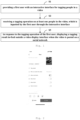
- providing a first user with an interactive interface for tagging people in a video;
- receiving a tagging operation on at least one people in the video, which is inputted by the first user through the interactive interface; and
- in response to the tagging operation of the first user, displaying a tagging result in-feed outside a video display interface when the video is posted on a social network.
- According to other embodiments of the present disclosure, there is provided a video processing apparatus, comprising:
- a display configured to provide a first user with an interactive interface for tagging people in a video;
- a processor configured to receive a tagging operation on at least one people in the video, which is inputted by the first user through the interactive interface,
- wherein the display is further configured to display, in response to the tagging operation of the first user, a tagging result in-feed outside the video display interface when the video is posted on a social network.
- According to still other embodiments of the present disclosure, there is provided a video processing apparatus, comprising:
- a memory; and
- a processor coupled to the memory, the processor being configured to perform, based on instructions stored in the memory, one or more steps in the video processing method according to any of the embodiments in the present disclosure.
- According to further embodiments of the present disclosure, there is provided a computer-readable storage medium having thereon stored a computer program which, when executed by a processor, performs the video processing method according to any of the embodiments in the present disclosure.
- The "SUMMARY" is provided to introduce, in a brief form, concepts that will be described in detail in the following " DETAILED DESCRIPTION". The "SUMMARY" is not intended to identify key features or essential features of the claimed technical solutions, nor is it intended to be used for limiting the scope of the claimed technical solutions.
- Other features, aspects, and advantages of the present disclosure will become apparent from the following detailed description of exemplary embodiments thereof, which proceeds with reference to the accompanying drawings.
- Preferred embodiments of the present disclosure will be described below with reference to the accompanying drawings. The accompanying drawings described herein are used for providing further understanding of the present disclosure, and the accompanying drawings together with the following detailed description are incorporated in and form a part of this specification and serve to illustrate the present disclosure. It should be understood that the drawings in the following description relate only to some embodiments of the present disclosure and do not limit the present disclosure. In the drawings:
-
Fig. 1 illustrates a flow diagram of a video processing method according to some embodiments of the present disclosure; -
Fig. 2 illustrates a schematic diagram of an interactive interface according to some embodiments of the present disclosure; -
Figs. 2A and 2B respectively illustrate interactive pages on which a tagging-introduction floating layer is presented in different ways according to some embodiments of the present disclosure; -
Fig. 3A illustrates a schematic diagram of a "tag people" page in a search state according to some embodiments of the present disclosure; -
Fig. 3B illustrates a schematic diagram of a "tag people" page in a recommendation state according to some embodiments of the present disclosure; -
Fig. 3C illustrates a schematic diagram of a "tag people" page on which a "tagged people " list is displayed according to some embodiments of the present disclosure; -
Figs. 3D and 3E illustrate interactive interfaces before a video is posted in the case where a single people is tagged and in the case where multiple people are tagged, respectively, according to some embodiments of the present disclosure; -
Fig. 3F illustrates a video preview page before a video is posted according to some embodiments of the present disclosure; -
Figs. 4A and 4B respectively illustrate schematic diagrams of high-interest-value display pages according to some embodiments of the present disclosure; -
Figs. 4C and 4D respectively illustrate schematic diagrams of low-interest-value display pages according to some embodiments of the present disclosure; -
Figs. 4E and 4F illustrate displaying a floating layer with a tagged-people list in the case where a single people is tagged and in the case where multiple people are tagged, respectively, according to some embodiments of the present disclosure; -
Fig. 5A illustrates a page on which a notification and push are sent to a user account of a tagged people after a video is posted according to some embodiments of the present disclosure; -
Fig. 5B illustrates details of the notification and push inFig. 5A ; -
Fig. 6 illustrates a flow diagram of a video processing method according to other embodiments of the present disclosure; -
Fig. 6A illustrates a display page when a video creator browses a posted video according to some embodiments of the present disclosure; -
Fig. 6B illustrates a display page provided with an entry to "edit a tagged people " and having thereon displayed a tagged people in the video according to some embodiments of the present disclosure; -
Fig. 6C illustrates an "edit a tagged people " page according to some embodiments of the present disclosure; -
Fig. 6D illustrates a sharing page according to some embodiments of the present disclosure; -
Fig. 7 illustrates a flow diagram of a video processing method according to still other embodiments of the present disclosure; -
Fig. 7A illustrates a display page when a second user browses the posted video according to some embodiments of the present disclosure; -
Fig. 7B illustrates a "delete a tag" page according to some embodiments of the present disclosure; -
Fig. 7C illustrates an "add back a tag" page according to some embodiments of the present disclosure; -
Fig. 7D illustrates a sharing page according to other embodiments of the present disclosure; -
Fig. 8 illustrates a display page of friending from a tagged video according to some embodiments of the present disclosure; -
Fig. 9 illustrates a block diagram of a video processing apparatus according to some embodiments of the present disclosure; -
Fig. 10 illustrates a block diagram of a video processing apparatus according to other embodiments of the present disclosure; -
Fig. 11 illustrates a block diagram of an electronic device according to some embodiments of the present disclosure. - It should be understood that sizes of various portions shown in the drawings are not necessarily drawn to an actual scale for ease of description. Identical or similar reference numbers are used in the drawings to refer to identical or similar components. Therefore, once a certain item is defined in one drawing, it may not be further discussed in a subsequent drawing.
- The technical solutions in the embodiments of the present disclosure will be described clearly and completely in conjunction with the drawings in the embodiments of the present disclosure, but it is obvious that the embodiments described are only some of the embodiments of the present disclosure, not all of them. The following description of the embodiments is merely illustrative in nature and is in no way intended to limit this disclosure, its application, or uses. It should be understood that the present disclosure can be implemented in various forms and should not be construed as limited to the embodiments set forth herein.
- It should be understood that the various steps recited in a method embodiment of the present disclosure can be performed in a different order, and/or performed in parallel. Moreover, the method embodiment can include additional steps and/or omit performing the illustrated steps. The scope of the present disclosure is not limited in this respect. Unless specifically stated otherwise, relative arrangements of components and steps, numerical expressions, and numerical values set forth in these embodiments should be construed as merely illustrative, without limiting the scope of the present disclosure.
- A term "comprising" and variations thereof used in this disclosure are intended to be an open-minded term that includes at least subsequent elements/features, but do not exclude other elements/features, i.e., "comprising but not limited to". Furthermore, A term "including" and variations thereof used in this disclosure are intended to be an open-minded term that includes at least subsequent elements/features, but does not exclude other elements/features, i.e., "including but not limited to". Therefore, "comprising" is synonymous with "including". A term "based on" means "based at least in part on".
- "One embodiment", "some embodiments", or "an embodiment" termed throughout this specification means that a specific feature, structure, or characteristic described in conjunction with an embodiment is included in at least one embodiment of the present invention. For example, the term "one embodiment" represents "at least one embodiment"; the term "another embodiment" represents "at least one additional embodiment"; the term "some embodiments" represents "at least some embodiments". Moreover, a phrase "in one embodiment", "in some embodiments", or "in an embodiment" appearing in various places throughout this specification do not necessarily all refer to a same one embodiment, but can also refer to the same one embodiment.
- It should be noted that terms such as "first", "second", and the like mentioned in the present disclosure are only used for distinguishing different devices, modules or units, and are not used for limiting the order or interdependence of functions performed by these devices, modules or units. Unless otherwise specified, the terms "first", "second", and the like are not intended to imply that objects so described must be in a given order in time, space, ranking, or others.
- It should be noted that the modifying of "one" or "more" mentioned in this disclosure is intended to be illustrative rather than limiting, and that those skilled in the art should appreciate that it should be understood as "one or more" unless otherwise expressly stated in the context.
- Names of messages or information interacted between a plurality of devices in the embodiments of the present disclosure are for illustrative purposes only, and are not intended to limit the scope of the messages or information.
- The embodiments of the present disclosure will be described in detail below in conjunction with the accompanying drawings, but the present disclosure is not limited to these specific embodiments. These specific embodiments can be combined with each other below, and a same or similar concept or process may not be repeated in some embodiments. Furthermore, in one or more embodiments, the specific features, structures, or characteristics can be combined in any suitable manner that would be apparent to one of ordinary skill in the art from this disclosure.
- It should be understood that how an image or video to be applied/processed is obtained is also not limited in the present disclosure. In one embodiment of the present disclosure, the image or video can be acquired from a storage device, such as an internal memory or an external storage device, and in one other embodiment of the present disclosure, the image or video can be taken by a camera assembly. It should be noted that in the context of this specification, a type of the image or video is not specifically limited. Furthermore, the image or video can be an original image or video obtained by a camera device, or an image or video after the original image or video has been subjected to a specific process, such as preliminary filtering, antialiasing, color adjustment, contrast adjustment, normalization, and the like. It should be noted that a preprocessing operation can further include another type of preprocessing operation known in the art and will not be described in detail herein.
- With the user's increasing dependence on the social network, the user has higher and higher experience requirements for the social network. To further enhance experience on the social network, people tagging function is introduced for a video on the social network. Once the tagging function is enabled, a creator will be able to tag people in the video and continue to edit a tagging result after the video is posted, for example, adding a tag, deleting a tag, changing a tag, etc.
-
Fig. 1 illustrates a flow diagram of a video processing method according to some embodiments of the present disclosure. - As shown in
Fig. 1 , the video processing method comprises: step S1, providing a first user with an interactive interface for tagging people in a video; step S3, receiving a tagging operation on at least one people in the video, which is inputted by the first user through the interactive interface; and step S5, in response to the tagging operation of the first user, displaying a tagging result in-feed outside a video display interface when the video is posted on a social network. - In the step S1, the first user is, for example, a video creator. The interactive interface is, for example, a video posting page.
-
Fig. 2 illustrates a schematic diagram of an interactive interface according to some embodiments of the present disclosure. As shown inFig. 2 , an entry to "tag people" is provided below a title of the video posting page, and after the entry is clicked, the "tag people" page is entered to perform a tagging operation. After the "tag people" page is entered, the first user can select a corresponding people to tag. - For a user unfamiliar with a tagging function, for example, for a user that uses the social network with the tagging function for the first time, a floating layer introducing the tagging function can also be provided. The floating layer introducing the tagging function can also be presented when a device enters a version of a social network with the tagging function for the first time.
-
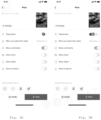
Fig. 2A and Fig. 2B respectively illustrate interactive pages on which the tagging-introduction floating layer is presented in different ways, but the tagging-introduction floating layer each comprises: a title "tag people in this video"; and statements "people tagged by you are visible to anyone capable of viewing this video" and "you can edit tagged people after the video is posted. The people tagged by you can also delete themselves." - The tagging-introduction floating layer can be closed by clicking on a confirmation button, "OK", a closing button, "x", and a top mask area in
Figs. 2A and 2B . -
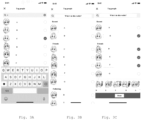
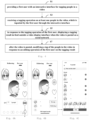
Fig. 3A illustrates a schematic diagram of a "tag people" page in a search state according to some embodiments of the present disclosure. A search box on the page as shown inFig. 3A can be used by the first user for searching for people to be tagged. Within a search range are all users, other than those blacklisted by the first user and those blacklisting the first user. A search result is presented in real time according to input text. - On the page are displayed an avatar, nickname and username of each user found. For example, as shown in
Fig. 3A , if a letter "a" is entered in the search box, on the page are displayed all usernames with an initial "a" or "A", as well as a corresponding avatar and nickname of each user. In some embodiments, on the page is also displayed a relationship between each user and the first user, for example, friend and follow. - The first user can, after clicking on any user, process that user into a "selected" state and add him to a "tagged people " list. For example, as shown in
Fig. 3A , the first user selects a user C as a tag of the people , that is, one certain people appearing in the video is tagged as "C". - In some embodiments, the first user can also select a corresponding people from a recommended tag list for tagging.
-
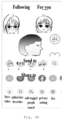
Fig. 3B illustrates a schematic diagram of a "tag people" page in a recommendation state according to some embodiments of the present disclosure. As shown inFig. 3B , the recommended tag list can be divided into three areas: recently, friend and follow. - In some embodiments, the "recently" area can include 2 lists, namely a "people recently tagged " list and a "people recently sending a message" list, wherein the "people recently tagged" list is arranged before the "people recently sending a message" list, i. e., the "people recently tagged" list is presented first, and then the "people recently sending a message" list is presented. The two lists can be separately sorted according to last interaction time, and the number of all presented people can be set according to page presenting requirements, for example, 10 people are presented at most.
- In the "friend" and "follow" lists are respectively listed people who is a friend with the first user and people who is followed by the first user, which can also be sorted according to initials. As shown in
Fig. 3B , for each recommended user, his avatar, nickname, and username are presented. - The first user, after clicking on any user, processes that user into the "selected" state and adds him into the "tagged people " list. When there is a tagged people , a page shown in
Fig. 3C appears. -
Fig. 3C illustrates a schematic diagram of a "tag people" page on which a "tagged people " list is displayed according to some embodiments of the present disclosure. As shown inFig. 3C , the "tagged people " list is in a lower area of the recommended tag list, which is presented only when there is a tagged people and can have thereon presented all tagged people in order of update time from morning till night. - In some embodiments, the first user can click on "x" in a top right corner of each tagged people to cancel his "selected" state. After clicking on a "finish (X)" button, the tagging state can be saved and the page is closed, where X is the number of tagged people.
- After the first user completes the tagging operation on the people in the video through the interactive interface, an interactive interface before the video is posted is shown in
Fig. 3D and 3E. Fig. 3D and 3E illustrate the case where a single people is tagged and the case where multiple people are tagged, respectively. - As shown in
Fig. 3D , an avatar of the tagged people is displayed beside the "tag people" button. In the case where the number of the tagged people is M, on the video posting page is displayed avatars of N tagged people and a difference X between the number of the tagged people and the number of displayed avatars, where M is a positive integer greater than 1, N is a positive integer greater than 1, M is greater than N, and X=M-N. As shown inFig. 3E , M=4, avatars of 2 tagged people and "+2" are displayed beside the "tag people" button. - Before the video is posted, a video preview page of a cover can also be presented, as shown in
Fig. 3F . Although there are no people in the cover, there are people in the video about to be posted, for example, after people have been tagged in the video, for example, 3 tagged people have been tagged, the tagging result is displayed on the video preview page, which provides an experience consistent with that of actually browsing a page of the video. - After the first user completes the tagging operation on the people in the video through the interactive interface, in response to the operation of posting the video by the first user, the tagging result is displayed in-feed outside the video display interface when the video is posted in the social network. The display page can include not only the tagging result of the video, but also other news feeds, and how to display these news feeds depends on an expected interest value of a browser. That is, the video can be displayed with a corresponding news feed according to the expected interest value of the browser for the video.
- In some embodiments, the expected interest value of the browser for the video can be determined according to browser's relationships with the first user and the tagged people in the video. Different news feed display manners can be selected according to the expected interest value.
- For example, in the case where the expected interest value of the browser for the video is greater than or equal to a threshold, an avatar of at least one tagged people in the video is displayed; and in the case where the expected interest value of the browser for the video is less than the threshold, a username of the at least one tagged people in the video is displayed.
- In addition, a label of the video displayed to the browser can be determined according to the browser's relationships with the first user and the tagged people in the video.
- In some embodiments, in the case where the browser is one of the tagged people in the video, the label is determined as a first label, i.e., the video can be displayed with the first label; in the case where the browser is not one of the tagged people in the video but is in association with the first user and a tagged people in the video, the label is determined as a second label, i.e., the video is displayed with the second label; in the case where the browser is not one of the tagged people in the video, is not in association with the first user, but is in association with the tagged people in the video, the label is determined as a third label, i.e., the video is displayed with the third label; and in the case where the browser is not one of the tagged people in the video and is not in association with the first user and the tagged people in the video, the label is determined as a fourth label, i.e. , the video is displayed with the fourth label.
- The first label is, for example, "you are tagged in the video". The second label is, for example, "friend/your following ". The third label is, for example, "friend/following is tagged ". The fourth label is, for example, "no association ", or "low interest value", or "none". The association includes friend or follow. In the case where the fourth label is "none", there is no special label when the video is displayed.
- In the case of the first label, the second label, and the third label, i.e., the expected browser has a high interest value for the video, the avatar of the at least one tagged people in the video can be displayed. In the case of the fourth label, i.e., the expected browser has a low interest value for the video, the username of the at least one tagged people in the video can be displayed. Regardless of whether the expected interest value is high or low, there can be different display pages according to the number of the tagged people in the video.
- It should be appreciated that the video is displayed to the browser with the first label, the second label, or the third label because the expected browser has a high interest value for the video; and the video is displayed to the browser with the fourth label because the expected browser is uninterested in the video, i.e., having a low interest value, that is, the browser has no relationship with the video creator, and anyone in the video, such as friend/follow/matching friend, etc. When the video creator and the browser are matching friends and the video creator is displayed in a form of card, the label item will be displayed as a low interest value in a new row.
-
Fig. 4A and Fig. 4B respectively illustrate schematic diagrams of high-interest-value display pages according to some embodiments of the present disclosure. -
Fig. 4A illustrates the case where only 1 people is tagged. As shown inFig. 4A , only 1 people is tagged, and an avatar and username of the tagged people are displayed. If the username of the tagged people is too long, tagged items and creation time (if any) can be displayed in a new row. In this case, if the username of the tagged user is still too long, the display of the avatar is retained and the username is processed by using a symbol "···". -
Fig. 4A also illustrates a label (third label) of "friend is tagged". When the display page is clicked, a tag list floating layer is opened. -
Fig. 4B illustrates the case where multiple people are tagged. As shown inFig. 4B , since multiple people are tagged and display of all avatars and usernames will occupy the display page excessively, only avatars of part (for example, 2 people) of the tagged people are displayed, but the number of the tagged people is displayed, for example, "5 people" are tagged, and the usernames of the tagged people are no longer displayed.Fig. 4B also illustrates a label (second label) of "friend". -
Fig. 4C and Fig.4D respectively illustrate schematic diagrams of low-interest-value display pages according to some embodiments of the present disclosure. -
Fig. 4C illustrates the case where only 1 people is tagged. As shown inFig. 4C , only 1 people is tagged, and a username of the tagged people is displayed. InFig. 4C , there is no label corresponding to a relationship, i.e., the fourth label is none. -
Fig. 4D illustrates the case where multiple people are tagged. As shown inFig. 4D , since multiple people are tagged and display of all usernames will occupy the display page excessively, the display is only that multiple people are tagged, for example, "2 people" are tagged. InFig. 4D , there is also no label corresponding to a relationship, i.e., the fourth label is also none. - The expected interest value of the browser for the video is not fixed, but may vary with browser's behaviors or other features, other than depending on the browser's relationships with the first user and the tagged people in the video.
- In some embodiments, the expected interest value of the browser for the video, which is determined according to the relationships, can be adjusted according to duration of browsing the video by the browser. For example, when it is monitored that stay time of viewing the video by the browser having the expected low interest value exceeds a threshold, for example, the user views the video for 5 seconds, the expected low interest value can be adjusted to a high interest value, thereby adjusting the display page.
- In other embodiments, the expected interest value of the browser for the video can also be adjusted according to other features associated with the browsing of the video, thereby changing the display page from the low-interest-value display to the high-interest-value display.
- When the browser wants to see who is in the video, he can click on a hot area such as an avatar or people icon to see people in the video. The hot area can be the same for the high-interest-value and low-interest-value displays. In response to a clicking operation of the browser on the tagging result in the video, a tag list of the people in the video is displayed. For example, when the browser clicks on an avatar of a tagged people , a floating layer with a list of the tagged people is displayed.
Fig. 4E and Fig. 4F illustrate the case where a single people is tagged and the case where multiple people are tagged, respectively. - As shown in
Fig. 4E , the display page has thereon displayed an avatar, nickname, and username of the tagged people in the video, for example, B, and has thereon displayed his relationship with the browser, for example, "friend". A button for an operation by the browser, such as a "message" button shown inFig. 4E , is also provided on a right side of these items of the tagged people . - As shown in
Fig. 4F , the display page has thereon displayed avatars, nicknames, and usernames of multiple tagged people in the video, and has thereon displayed their relationships with the browser, such as "friend", "be a friend with the tagged people ", "people you may know", "from your contacts". Buttons for operations by the browser, for example, buttons shown inFig. 4F such as "message", "following", "follow" and the like, are also provided on a right side of these items of the tagged people. - A height of the above floating layer can be adjusted to a certain percentage of the screen, for example 50% at most, to display more tagged people.
- In the floating layer, the multiple tagged users can be sorted according to their relationships with the browser, for example, the browser himself is first displayed, then friends are displayed, then matching friends are displayed, then followings are displayed, and finally strangers are displayed. Of course, the multiple tagged users can also be displayed in a tagging order.
- The browser can swipe down to close the floating layer or can click on a close button to return to the news feed display.
- After the video is posted, a notification and push can also be sent to a user account of the tagged people . As shown in
Fig. 5A , a tagged user receives a message "AA tagged you in the video".Fig. 5A also shows that tagging time is "1 hour ago". After a corresponding operation is performed according to an indication of "swipe up for opening" shown inFig. 5A , a page shown inFig. 5B is entered.Fig. 5B shows details of the notification and push. - After the video is posted, an interactive page for editing the tagging result can also be provided to the first user or a second user.
- Editing the tagging result by the first user after the video is posted will be described below in conjunction with
Fig. 6 andFigs. 6A to 6D .Fig. 6 illustrates a flow diagram of a video processing method according to other embodiments of the present disclosure.Fig. 6A illustrates a display page when the video creator browses a posted video according to some embodiments of the present disclosure.Fig. 6B illustrates a display page provided with an entry to "edit a tagged people " and having thereon displayed a tagged people in the video according to some embodiments of the present disclosure.Fig. 6C illustrates an "edit a tagged people " page according to some embodiments of the present disclosure.Fig. 6D illustrates a sharing page according to some embodiments of the present disclosure. -
Fig. 6 differs fromFig. 1 in that step S7 is further included. Only a difference betweenFig. 6 andFig. 1 will be described below, and the same parts will not be repeated. - In step S7, after the video is posted, a tag of the people in the video is modified in response to an editing operation of the first user on the tagging result. As described above, the first user can be the video creator.
- When the video creator browses the posted video, the display page as shown in
Fig. 6A can be presented. The video creator can click on a non-icon position as shown inFig. 6A and can enter the display page of the tagged people in the video, as shown inFig. 6B . As shown inFig. 6B , the entry to "edit a tagged people " is provided below the list of the tagged people in the video in the display page, and after clicking on it, the "edit a tagged people " page shown inFig. 6C can be entered to perform the editing operation. - In some embodiments, the video creator can also click on a sharing button provided in
Fig. 6A , i.e. an entry to "sharing floating layer", to enter the sharing page as shown inFig. 6D . As shown inFig. 6D , the entry to "edit a tagged people " is provided in the "sharing floating layer" and located before "privacy setting", and after it is clicked, the page of "edit a tagged people " as shown inFig. 6C can also be entered to perform the editing operation. - After the "edit a tagged people " page is entered, the first user can edit the list of the tagged people. The modifying a tag of the people in the video can comprise at least one of: adding a tag to an untagged people in the video; or deleting a tag for the tagged people in the video.
- For example, the first user can click on "x" in a top right corner of each tagged people as shown in
Fig. 6C , to cancel his "tagged" state. After a "finish" button is clicked, a state after the editing can be saved and the page is closed. - In some embodiments, if the posted video is identified as "multi-people participation", i.e. there are multiple people in the video but no people has been tagged yet, the sharing button will become the "tag people" button, and after it is clicked, the sharing floating layer is opened, and the entry to "tag people" is arranged in front, for example, at the head.
- Editing the tagging result by the second user after the video is posted will be described below in conjunction with
Fig. 7 andFigs. 7A to 7D .Fig. 7 illustrates a flow diagram of a video processing method according to still other embodiments of the present disclosure.Fig. 7A illustrates a display page when the second user browses a posted video according to some embodiments of the present disclosure.Fig. 7B illustrates a "delete a tag" page according to some embodiments of the present disclosure.Fig. 7C illustrates an "add back a tag" page according to some embodiments of the present disclosure.Fig. 7D illustrates a sharing page according to other embodiments of the present disclosure. -
Fig. 7 differs fromFig. 1 in that step S6 is further included. Only a difference betweenFig. 7 andFig. 1 will be described below, and same parts will not be repeated. In step S6, after the video is posted, a tag of the people in the video is modified in response to an editing operation of the second user on the tagging result. - The second user is different from the first user. The second user can be a different identity. The second user may or may not be people in the video. For the case where the second user is the people in the video, he may or may not have been tagged. Different identities correspond to different editing authorities.
- For the case where the second user is one of the tagged people in the video, modifying a tag of the people in the video by the second user comprises at least one of: adding a tag to an untagged people in the video; or deleting a tag for the second user.
- Unlike the first user, when the second user browses the posted video, the display page as shown in
Fig. 7A is presented.Fig. 7A shows a label of "you have been tagged" and shows the number of the tagged people and partial avatars. The second user can click on a non-icon position as shown inFig. 7A and then the "delete a tag" page as shown inFig. 7B can be entered. - As the tagged people , the second user can see a "delete a tag" or "not tag" button provided on a right side of his own username in the list of the tagged people in the video shown in
Fig. 7B , and after the button is clicked, the tag of the second user can be deleted. After the above operation, the display page will prompt "you have deleted your own tag from the video". The second user revisits the list of the tagged people and he has not been included therein. - Accordingly, the display page shown in
Fig. 7B can be changed to the display page shown inFig. 7C , and the "delete a tag" or "not tag" button can be changed to an "add back a tag" button, and after it is clicked, the tagging can be made again. - In some embodiments, the second user can also enter the sharing page as shown in
Fig. 7D by using the "sharing floating layer". As shown inFig. 7D , the "delete a tag" or "not tag" button is provided in the "sharing floating layer", and is located at the head, and after it is clicked, the display page on which the tag can be deleted as shown inFig. 7B can also be entered. - For the case where the second user is not the tagged people in the video, the modifying a tag of the people in the video by the second user comprises: adding a tag to an untagged people in the video.
- In addition to editing the tagging result, the second user can also friend from the tagged video, as shown in
Fig. 8. Fig. 8 shows a friend matching the video creator. For example,Fig. 8 shows by whom the video creator is followed, and follow information is in a new row where the tagged people are listed, for example 3 people are tagged. The browser can click on a corresponding people to friend.Fig. 8 can only show a username by employing the low-interest-value display page, to avoid an overlap of the friending button with the avatars on the page of the tagged people. -
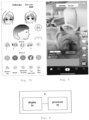
Fig. 9 illustrates a block diagram of a video processing apparatus according to some embodiments of the present disclosure. - As shown in
Fig. 9 , avideo processing apparatus 9 comprises: adisplay 91 configured to provide a first user with an interactive interface for tagging people in a video; and aprocessor 92 configured to receive a tagging operation on at least one people in the video, which is inputted by the first user through the interactive interface. - The
display 91 is further configured to display the tagging result in-feed outside the video display interface when the video is posted on a social network in response to the tagging operation of the first user. - Furthermore, although not shown, the apparatus can also comprise a memory that can have thereon stored various information generated in an operation by units included in the video processing apparatus, programs and data for the operation, and the like. The memory can be a volatile memory and/or non-volatile memory. For example, the memory can include, but is not limited to, a random access memory (RAM), dynamic random access memory (DRAM), static random access memory (SRAM), read-only memory (ROM), flash memory. Of course, the memory can also be located outside the video processing apparatus.
-
Fig. 10 illustrates a block diagram of a video processing apparatus according to other embodiments of the present disclosure. - In some embodiments, a
video processing apparatus 10 can be various types of devices, for example, they can include, but are not limited to, mobile terminals such as a mobile phone, a notebook computer, a digital broadcast receiver, a PDA (people al digital assistant), a PAD (tablet computer), a PMP (portable multimedia player), a vehicle-mounted terminal (for example, a vehicle-mounted navigation terminal), and fixed terminals such as a digital TV, a desktop computer. - As shown in
Fig. 10 , thevideo processing apparatus 10 comprises: amemory 101 and aprocessor 102 coupled to thememory 101. It should be noted that components of thevideo processing apparatus 10 shown inFig. 10 are only exemplary and not limiting, and thevideo processing apparatus 10 can also have other components according to requirements for practical application. Theprocessor 102 can control the other components in thevideo processing apparatus 10 to perform a desired function. - In some embodiments, the
memory 101 is configured to store one or more computer-readable instructions. Theprocessor 102 is configured to execute the computer-readable instructions which, when executed by theprocessor 102, implement the method according to any of the above embodiments. For a specific implementation of each step of the method and its related explanation, reference can be made to the above embodiments, which are not repeated herein. - For example, the
processor 102 and thememory 101 can be in direct or indirect communication with each other. For example, theprocessor 102 and thememory 101 can in communication through a network. The network can comprise a wireless network, a wired network, and/or any combination of the wireless and wired networks. Theprocessor 102 and thememory 101 can also communicate with each other through a system bus, which is not limited in the present disclosure. - For example, the
processor 102 can be embodied as various suitable processors, processing devices, and the like, such as a central processing unit (CPU), graphics processing unit (GPU), network processor (NP), and the like; and can also be a digital signal processor (DSP), application specific integrated circuit (ASIC), field programmable gate array (FPGA) or other programmable logic device, discrete gate or transistor logic, discrete hardware component. The central processing unit (CPU) can be an X86 or ARM architecture, etc. For example, thememory 101 can include any combination of various forms of computer-readable storage media, for example, a volatile memory and/or non-volatile memory. Thememory 101 can include, for example, a system memory having thereon stored, for example, an operating system, application, boot loader, database, another program, and the like. Various applications, various data and the like can also be stored in the storage medium. - In addition, according to some embodiments of the present disclosure, in the case where various operations/processes according to the present disclosure are implemented by software and/or firmware, a program constituting the software can be installed from a storage medium or a network to a computer system having a dedicated hardware structure, for example, a computer system of an
electronic device 1100 shown inFig. 11 , which is capable of performing various functions including functions such as those described above and the like, when the various programs are installed thereon. - In
Fig. 11 , a central processing unit (CPU) 1101 performs various processes according to a program stored in a read-only memory (ROM) 1102 or a program loaded from astorage portion 1108 to a random access memory (RAM) 1103. In theRAM 1103, data needed when theCPU 1101 executes the various processes and the like is also stored as needed. The central processing unit is merely exemplary and can be other types of processors, such as the various processors described above. TheROM 1102,RAM 1103, andstorage portion 1108 can be various forms of computer-readable storage media, as described below. It is noted that although theROM 1102,RAM 1103, andstorage portion 1108 are shown separately inFig. 11 , one or more of them can be combined or located in a same memory or storage module, or different memories or storage modules. - The
CPU 1101,ROM 1102, andRAM 1103 are connected to each other via abus 1104. An input/output interface 1105 is also connected to thebus 1104. - The following components are connected to the input/output interface 1105: an
input portion 1106 such as a touch screen, a touch pad, a keyboard, a mouse, an image sensor, a microphone, an accelerometer, a gyroscope, or the like; anoutput portion 1107 including a display such as a cathode ray tube (CRT), a liquid crystal display (LCD), a speaker, a vibrator, or the like; astorage portion 1108 including a hard disk, a magnetic tape, or the like; and acommunication portion 1109 including a network interface card such as a LAN card, a modem, or the like. Thecommunication portion 1109 allows performing communication processing via a network such as Internet. It will be readily appreciated that while the various devices or modules in theelectronic device 1100 shown inFig. 11 communicate through thebus 1104, they can also communicate through a network or in other ways, wherein the network can include a wireless network, a wired network, and/or any combination of the wireless and wired networks. - A
driver 1110 is also connected to the input/output interface 1105 as needed. A removable medium 1111 such as a magnetic disk, an optical disk, a magneto-optical disk, a semiconductor memory, or the like is mounted on thedrive 1110 as needed, so that a computer program read out therefrom is installed in thestorage portion 1108 as needed. - In the case where the above series of processes is realized by software, a program constituting the software can be installed from a network such as Internet or a storage medium such as the
removable medium 1111. - According to an embodiment of the present disclosure, a process described above with reference to a flow diagram can be implemented as a computer software program. For example, in an embodiment of the present disclosure, a computer program product is comprised, which comprises a computer program carried on a computer-readable medium, the computer program comprising program code for performing the method illustrated by the flow diagram. In such an embodiment, the computer program can be downloaded and installed from a network through the
communication portion 1109, or installed from thestorage portion 1108, or installed from theROM 1102. The computer program, when executed by theCPU 1101, performs the above functions defined in the method of the embodiment of the present disclosure. - It should be noted that in the context of this disclosure, the computer-readable medium can be any tangible medium that can have thereon contained, or stored a program for use by or in conjunction with an instruction execution system, apparatus, or device. The computer-readable medium can be a computer-readable signal medium or a computer-readable storage medium or any combination of the two. The computer-readable storage medium can be, for example, but is not limited to: an electronic, magnetic, optical, electromagnetic, infrared, or semiconductor system, apparatus, or device, or any combination of the above. More specific examples of the computer-readable storage medium can include, but are not limited to: an electrical connection having one or more wires, a portable computer diskette, a hard disk, a random access memory (RAM), a read-only memory (ROM), an erasable programmable read-only memory (EPROM or flash memory), an optical fiber, a portable compact disc read-only memory (CD-ROM), an optical storage device, a magnetic storage device, or any suitable combination of the above. In the present disclosure, the computer-readable storage medium can be any tangible medium that can have thereon contained, or stored a program for use by or in conjunction with an instruction execution system, apparatus, or device. However, in the present disclosure, the computer-readable signal medium can include a data signal propagated in baseband or as part of a carrier wave, in which computer-readable program code is carried. Such a propagated data signal can take a variety of forms, including but not limited to, an electro-magnetic signal, an optical signal, or any suitable combination of the above. The computer-readable signal medium can be any computer-readable medium other than the computer-readable storage medium, and can send, propagate, or transmit a program for use by or in conjunction with an instruction execution system, apparatus, or device. The program code embodied on the computer-readable medium can be transmitted by using any suitable medium, including but not limited to: a wire, optical cable, RF (radio frequency), etc. , or any suitable combination of the above.
- The above computer-readable medium can be embodied in the electronic device; or can be separate and not assembled into the electronic device.
- In some embodiments, there is also provided a computer program, comprising: instructions which, when executed by a processor, cause the processor to perform the method according to any of the above embodiments. For example, the instructions can be embodied as computer program code.
- In an embodiment of the present disclosure, computer program code for performing an operation of the present disclosure can be written in any combination of one or more programming languages, including but not limited to an object-oriented programming language such as Java, Smalltalk, C++, and including conventional procedural programming languages, such as the "C" programming language or similar programming languages. The program code can execute entirely on a user's computer, partly on the user's computer, as a stand-alone software package, partly on the user's computer and partly on a remote computer or entirely on the remote computer or server. In the scene that the remote computer is involved, the remote computer can be connected to the user's computer through any type of network, including a local area network (LAN) or a wide area network (WAN), or can be connected to an external computer (for example, through Internet by using an Internet service provider).
- Flow diagrams and block diagrams in the drawings illustrate the architecture, functions, and operations of possible implementations of systems, methods and computer program products according to various embodiments of the present disclosure. In this regard, each block in the flow diagrams or block diagrams can represent one module, program segment, or portion of code, which comprises one or more executable instructions for implementing a specified logic function. It should also be noted that, in some alternative implementations, functions noted in blocks can occur in a different order of those noted in the drawings. For example, two blocks shown in succession can, in fact, be executed substantially in parallel, and they can sometimes be executed in a reverse order, which depends on a function involved. It will also be noted that each block of the block diagrams and/or flow diagrams, and a combination of blocks in the block diagrams and/or flow diagrams, can be implemented by a special-purpose hardware-based system that performs specified functions or operations, or a combination of special-purpose hardware and computer instructions.
- A module, component or unit described in an embodiment of the present disclosure can be implemented by software or hardware. A name of the module, component, or unit does not, in some cases, constitute a limitation on the module, component, or unit itself.
- The above functions herein can be performed, at least in part, by one or more hardware logic components. For example, without limitation, an exemplary hardware logic component that can be used includes: a field programmable gate array (FPGA), application specific integrated circuit (ASIC), application specific standard product (ASSP), system on chip (SOC), complex programmable logic device (CPLD), and the like.
- The foregoing description is only some embodiments of the present disclosure and explanations of the applied technical principles. It should be appreciated by those skilled in the art that the disclosure scope involved in this disclosure is not limited to a technical solution formed by a specific combination of the above features, but also encompasses another technical solution formed by any combination of the above features or their equivalent features without departing from the above disclosure concepts. For example, it is a technical solution formed by replacing the above features with technical features having functions similar to the disclosed (but not limited to) in the present disclosure.
- In the description provided herein, numerous specific details are set forth. However, it is understood that embodiments of this invention can be implemented without these specific details . In other cases, well-known methods, structures and techniques have not been shown in detail in order not to obscure the understanding of this description.
- Furthermore, while various operations are depicted in a specific order, this should not be understood as requiring that these operations be performed in the specific order shown or in sequential order. Under certain circumstances, multitasking and parallel processing can be advantageous. Similarly, while several specific implementation details are included in the above discussion, these should not be construed as limitations on the scope of the present disclosure. Certain features that are described in the context of separate embodiments can also be implemented in combination in a single embodiment. Conversely, various features that are described in the context of a single embodiment can also be implemented in multiple embodiments separately or in any suitable sub-combination.
- Although some specific embodiments of the present disclosure have been described in detail by way of examples, it should be understood by those skilled in the art that the above examples are for illustration only and are not intended to limit the scope of the present disclosure. It should be appreciated by those skilled in the art that modifications can be made to the above embodiments without departing from the scope and spirit of the present disclosure. The scope of the present disclosure is defined by the attached claims.
Claims (18)
- A video processing method, comprising:providing a first user with an interactive interface for tagging people in a video;receiving a tagging operation on at least one people in the video, which is inputted by the first user through the interactive interface; andin response to the tagging operation of the first user, displaying a tagging result in-feed outside a video display interface when the video is posted on a social network.
- The video processing method according to claim 1, further comprising:
after the video is posted, modifying a tag of people in the video in response to an editing operation of the first user on the tagging result. - The video processing method according to claim 1 or claim 2, wherein the first user is a video creator, the modifying a tag of people in the video in response to an editing operation of the first user on the tagging result comprise at least one of:adding a tag to an untagged people in the video; ordeleting a tag for a tagged people in the video.
- The video processing method according to any of claims 1 to 3, further comprising:
after the video is posted, modifying a tag of people in the video in response to an editing operation of a second user on the tagging result, wherein the second user is different from the first user. - The video processing method according to claim 4, wherein the second user is one of tagged people in the video, the modifying a tag of people in the video in response to an editing operation of a second user on the tagging result comprises at least one of:adding a tag to an untagged people in the video; ordeleting a tag for the second user.
- The video processing method according to claim 4, wherein the second user is not a tagged people in the video, the modifying a tag of people in the video in response to an editing operation of a second user on the tagging result comprises:
adding a tag to an untagged people in the video. - The video processing method according to any of claims 1 to 6, wherein the displaying a tagging result in-feed outside a video display interface comprises:
displaying the video in a corresponding feed according to an expected interest value of a browser for the video. - The video processing method according to claim 7, wherein the displaying a tagging result in-feed outside a video display interface further comprises:determining the expected interest value of the browser for the video according to browser's relationships with the first user and the tagged people in the video; ordetermining a label of the video displayed to the browser according to the browser's relationships with the first user and the tagged people in the video.
- The video processing method according to claim 8, wherein:in the case where the browser is one of the tagged people in the video, determining the label as a first label;in the case where the browser is not one of the tagged people in the video but is in association with the first user and the tagged people in the video, determining the label as a second label;in the case where the browser is not one of the tagged people in the video, is not in association with the first user, but is in association with the tagged people in the video, determining the label as a third label; andin the case where the browser is neither one of the tagged people in the video nor in association with the first user and the tagged people in the video, determining the label as a fourth label.
- The video processing method according to claim 8 or claim 9, wherein the displaying the video in a corresponding feed according to an expected interest value of a browser for the video comprises:in the case where the expected interest value of the browser for the video is greater than or equal to a threshold, displaying an avatar of the at least one tagged people in the video; andin the case where the expected interest value of the browser for the video is less than the threshold, displaying a username of the at least one tagged people in the video.
- The video processing method according to claim 8, wherein the displaying a tagging result in-feed outside a video display interface further comprises:
adjusting the expected interest value of the browser for the video, which is determined according to the relationships, according to a duration of browsing the video by the browser. - The video processing method according to any of claims 1 to 9, further comprising:
in response to a clicking operation of the browser on the tagging result in the video, displaying a tagging list of the people in the video. - The video processing method according to claim 1 or claim 4, wherein the providing an interactive interface for tagging people in a video comprises at least one of:providing a search interface;providing a recommended tag list; ordisplaying a list of the tagged people in the video.
- The video processing method according to any of claims 1 to 9, wherein in the case where a number of the tagged people is M, displaying, on a video posting page, avatars of N tagged people and a difference X between the number of the tagged people and a number of displayed avatars, where M is a positive integer greater than 1, N is a positive integer greater than 1, M is greater than N, and X=M-N.
- A video processing apparatus, comprising:a display configured to provide a first user with an interactive interface for tagging people in a video;a processor configured to receive a tagging operation on at least one people in the video, which is inputted by the first user through the interactive interface,wherein the display is further configured to display, in response to the tagging operation of the first user, a tagging result in-feed outside the video display interface when the video is posted on a social network.
- A video processing apparatus, comprising:a memory; anda processor coupled to the memory, the processor being configured to perform, based on instructions stored in the memory, one or more steps in the video processing method according to any of claims 1 to 14.
- A non-transitory computer-readable storage medium having thereon stored a computer program which, when executed by a processor, performs the video processing method according to any of claims 1 to 14.
- A computer program comprising:
instructions which, when executed by a processor, cause the processor to perform one or more steps of the information processing method according to any of claims 1 to 14.
Applications Claiming Priority (3)
| Application Number | Priority Date | Filing Date | Title |
|---|---|---|---|
| CN202111139005 | 2021-09-27 | ||
| CN202210142810.5A CN114253653A (en) | 2021-09-27 | 2022-02-16 | Video processing method, video processing apparatus, and computer-readable storage medium |
| PCT/CN2022/120111 WO2023045951A1 (en) | 2021-09-27 | 2022-09-21 | Video processing method, video processing device, and computer-readable storage medium |
Publications (2)
| Publication Number | Publication Date |
|---|---|
| EP4394591A1 true EP4394591A1 (en) | 2024-07-03 |
| EP4394591A4 EP4394591A4 (en) | 2024-12-25 |
Family
ID=80796962
Family Applications (1)
| Application Number | Title | Priority Date | Filing Date |
|---|---|---|---|
| EP22871997.7A Pending EP4394591A4 (en) | 2021-09-27 | 2022-09-21 | VIDEO PROCESSING METHOD, VIDEO PROCESSING DEVICE, AND COMPUTER-READABLE STORAGE MEDIUM |
Country Status (5)
| Country | Link |
|---|---|
| US (3) | US11899717B2 (en) |
| EP (1) | EP4394591A4 (en) |
| JP (1) | JP7677723B2 (en) |
| CN (1) | CN114253653A (en) |
| WO (1) | WO2023045951A1 (en) |
Families Citing this family (4)
| Publication number | Priority date | Publication date | Assignee | Title |
|---|---|---|---|---|
| CN114253653A (en) | 2021-09-27 | 2022-03-29 | 北京字节跳动网络技术有限公司 | Video processing method, video processing apparatus, and computer-readable storage medium |
| CN115510481B (en) * | 2022-09-26 | 2024-11-08 | 北京有竹居网络技术有限公司 | Rights management method, device, electronic equipment and medium for video |
| CN115494987B (en) * | 2022-10-12 | 2025-04-11 | 腾讯科技(深圳)有限公司 | Video-based interactive method, device, computer equipment and storage medium |
| US12504866B2 (en) * | 2022-11-29 | 2025-12-23 | Snap Inc | Automated tagging of content items |
Family Cites Families (15)
| Publication number | Priority date | Publication date | Assignee | Title |
|---|---|---|---|---|
| US7813557B1 (en) * | 2006-01-26 | 2010-10-12 | Adobe Systems Incorporated | Tagging detected objects |
| US9143573B2 (en) | 2008-03-20 | 2015-09-22 | Facebook, Inc. | Tag suggestions for images on online social networks |
| US8856641B2 (en) * | 2008-09-24 | 2014-10-07 | Yahoo! Inc. | Time-tagged metainformation and content display method and system |
| KR101598632B1 (en) * | 2009-10-01 | 2016-02-29 | 마이크로소프트 테크놀로지 라이센싱, 엘엘씨 | Mobile terminal and its tag editing method |
| US8467660B2 (en) * | 2011-08-23 | 2013-06-18 | Ash K. Gilpin | Video tagging system |
| US20170310629A1 (en) * | 2012-10-30 | 2017-10-26 | Google Inc. | Providing Reverse Preference Designations In a Network |
| KR101769071B1 (en) | 2016-05-10 | 2017-08-18 | 네이버 주식회사 | Method and system for manufacturing and using video tag |
| CN106851407A (en) | 2017-01-24 | 2017-06-13 | 维沃移动通信有限公司 | A method and terminal for controlling video playback progress |
| US20180300046A1 (en) * | 2017-04-12 | 2018-10-18 | International Business Machines Corporation | Image section navigation from multiple images |
| US10798446B2 (en) * | 2018-01-04 | 2020-10-06 | International Business Machines Corporation | Content narrowing of a live feed based on cognitive profiling |
| CN110868639B (en) * | 2019-11-28 | 2021-03-12 | 北京达佳互联信息技术有限公司 | Video synthesis method and device |
| JP7485893B2 (en) | 2019-12-23 | 2024-05-17 | 株式会社Mixi | Information processing device, control program, and control method |
| CN111629252B (en) | 2020-06-10 | 2022-03-25 | 北京字节跳动网络技术有限公司 | Video processing method and device, electronic equipment and computer readable storage medium |
| CN112040330B (en) | 2020-09-09 | 2021-12-07 | 北京字跳网络技术有限公司 | Video file processing method and device, electronic equipment and computer storage medium |
| CN114253653A (en) | 2021-09-27 | 2022-03-29 | 北京字节跳动网络技术有限公司 | Video processing method, video processing apparatus, and computer-readable storage medium |
-
2022
- 2022-02-16 CN CN202210142810.5A patent/CN114253653A/en active Pending
- 2022-04-19 US US17/724,034 patent/US11899717B2/en active Active
- 2022-09-21 JP JP2024519130A patent/JP7677723B2/en active Active
- 2022-09-21 EP EP22871997.7A patent/EP4394591A4/en active Pending
- 2022-09-21 WO PCT/CN2022/120111 patent/WO2023045951A1/en not_active Ceased
-
2024
- 2024-01-12 US US18/411,921 patent/US12386893B2/en active Active
-
2025
- 2025-07-15 US US19/269,686 patent/US20250342206A1/en active Pending
Also Published As
| Publication number | Publication date |
|---|---|
| US20230099444A1 (en) | 2023-03-30 |
| CN114253653A (en) | 2022-03-29 |
| JP7677723B2 (en) | 2025-05-15 |
| US12386893B2 (en) | 2025-08-12 |
| JP2024539567A (en) | 2024-10-29 |
| US20250342206A1 (en) | 2025-11-06 |
| WO2023045951A1 (en) | 2023-03-30 |
| EP4394591A4 (en) | 2024-12-25 |
| US20240273142A1 (en) | 2024-08-15 |
| US11899717B2 (en) | 2024-02-13 |
Similar Documents
| Publication | Publication Date | Title |
|---|---|---|
| EP4394591A1 (en) | Video processing method, video processing device, and computer-readable storage medium | |
| US20250316006A1 (en) | Video sharing method and apparatus, device, and medium | |
| US12375746B2 (en) | Video posting method and apparatus, electronic device, and storage medium | |
| US20250355544A1 (en) | Association information display method and apparatus, device, storage medium and program product | |
| CN110392312B (en) | Group chat construction method, system, medium and electronic device | |
| US20240177249A1 (en) | Interaction method based on multimedia object, device, electronic apparatus and non-transitory computer-readable storage medium | |
| EP4429258A1 (en) | Video processing method, video processing apparatus, and computer-readable storage medium | |
| US12401844B2 (en) | Video processing method, video processing apparatus, and non-transitory computer-readable storage medium | |
| EP4429254A1 (en) | Video processing method, video processing apparatus, and computer-readable storage medium | |
| CN114816599A (en) | Image display method, apparatus, device and medium | |
| CN110619099A (en) | Comment content display method, device, equipment and storage medium | |
| WO2025168063A1 (en) | Information sharing method and apparatus, information display method and apparatus, and electronic device | |
| CN118535812A (en) | Method, device, equipment and storage medium for displaying recommended information | |
| CN118037373A (en) | A recommended method and related equipment | |
| CN113157370B (en) | Page display method and device, electronic equipment and storage medium | |
| CN118660206B (en) | Interaction methods, electronic devices, storage media and program products | |
| EP4465157A1 (en) | Interaction method and apparatus, electronic device, storage medium, and program product | |
| CN119557032A (en) | Interface display method, device, electronic device, storage medium and program product | |
| CN111159584A (en) | Method, device and computer readable medium for displaying weather information | |
| CN113590975A (en) | Social relationship establishing method and device and electronic equipment | |
| CN110703971A (en) | Method and device for publishing information | |
| US20230396621A1 (en) | Method and system for creating social media content collections | |
| CN118820494A (en) | Resource recommendation method, device, equipment and storage medium | |
| CN114968463A (en) | Entity display method, device, equipment and medium | |
| CN111526408A (en) | Information content generating and displaying method and device and computer readable storage medium |
Legal Events
| Date | Code | Title | Description |
|---|---|---|---|
| STAA | Information on the status of an ep patent application or granted ep patent |
Free format text: STATUS: THE INTERNATIONAL PUBLICATION HAS BEEN MADE |
|
| PUAI | Public reference made under article 153(3) epc to a published international application that has entered the european phase |
Free format text: ORIGINAL CODE: 0009012 |
|
| STAA | Information on the status of an ep patent application or granted ep patent |
Free format text: STATUS: REQUEST FOR EXAMINATION WAS MADE |
|
| 17P | Request for examination filed |
Effective date: 20240328 |
|
| AK | Designated contracting states |
Kind code of ref document: A1 Designated state(s): AL AT BE BG CH CY CZ DE DK EE ES FI FR GB GR HR HU IE IS IT LI LT LU LV MC MK MT NL NO PL PT RO RS SE SI SK SM TR |
|
| A4 | Supplementary search report drawn up and despatched |
Effective date: 20241122 |
|
| RIC1 | Information provided on ipc code assigned before grant |
Ipc: H04N 21/4788 20110101ALI20241118BHEP Ipc: G06F 9/451 20180101AFI20241118BHEP |
|
| DAV | Request for validation of the european patent (deleted) | ||
| DAX | Request for extension of the european patent (deleted) | ||
| STAA | Information on the status of an ep patent application or granted ep patent |
Free format text: STATUS: EXAMINATION IS IN PROGRESS |
|
| 17Q | First examination report despatched |
Effective date: 20250805 |