EP4394050A1 - Device for estimating amount of slag in furnace, method for estimating amount of slag in furnace, and method for producing molten steel - Google Patents
Device for estimating amount of slag in furnace, method for estimating amount of slag in furnace, and method for producing molten steel Download PDFInfo
- Publication number
- EP4394050A1 EP4394050A1 EP22886419.5A EP22886419A EP4394050A1 EP 4394050 A1 EP4394050 A1 EP 4394050A1 EP 22886419 A EP22886419 A EP 22886419A EP 4394050 A1 EP4394050 A1 EP 4394050A1
- Authority
- EP
- European Patent Office
- Prior art keywords
- slag
- furnace
- converter
- bulk density
- volume
- Prior art date
- Legal status (The legal status is an assumption and is not a legal conclusion. Google has not performed a legal analysis and makes no representation as to the accuracy of the status listed.)
- Pending
Links
- 239000002893 slag Substances 0.000 title claims abstract description 358
- 238000000034 method Methods 0.000 title claims description 47
- 229910000831 Steel Inorganic materials 0.000 title claims description 17
- 239000010959 steel Substances 0.000 title claims description 17
- 238000004519 manufacturing process Methods 0.000 title claims description 10
- 238000004364 calculation method Methods 0.000 claims abstract description 71
- 238000007664 blowing Methods 0.000 claims abstract description 61
- 239000002184 metal Substances 0.000 claims abstract description 31
- 229910052751 metal Inorganic materials 0.000 claims abstract description 31
- 239000002994 raw material Substances 0.000 claims description 15
- 238000007670 refining Methods 0.000 claims description 15
- 238000012545 processing Methods 0.000 description 21
- 238000005259 measurement Methods 0.000 description 17
- XEEYBQQBJWHFJM-UHFFFAOYSA-N Iron Chemical compound [Fe] XEEYBQQBJWHFJM-UHFFFAOYSA-N 0.000 description 10
- VYPSYNLAJGMNEJ-UHFFFAOYSA-N Silicium dioxide Chemical compound O=[Si]=O VYPSYNLAJGMNEJ-UHFFFAOYSA-N 0.000 description 6
- 229910052742 iron Inorganic materials 0.000 description 5
- 238000010801 machine learning Methods 0.000 description 4
- 238000010079 rubber tapping Methods 0.000 description 4
- QVGXLLKOCUKJST-UHFFFAOYSA-N atomic oxygen Chemical compound [O] QVGXLLKOCUKJST-UHFFFAOYSA-N 0.000 description 3
- 230000001914 calming effect Effects 0.000 description 3
- 229910052681 coesite Inorganic materials 0.000 description 3
- 229910052906 cristobalite Inorganic materials 0.000 description 3
- 239000001301 oxygen Substances 0.000 description 3
- 229910052760 oxygen Inorganic materials 0.000 description 3
- 239000000377 silicon dioxide Substances 0.000 description 3
- 229910052682 stishovite Inorganic materials 0.000 description 3
- 238000003860 storage Methods 0.000 description 3
- 229910052905 tridymite Inorganic materials 0.000 description 3
- 238000005303 weighing Methods 0.000 description 3
- 235000008733 Citrus aurantifolia Nutrition 0.000 description 2
- 235000011941 Tilia x europaea Nutrition 0.000 description 2
- 238000004590 computer program Methods 0.000 description 2
- 238000005261 decarburization Methods 0.000 description 2
- 238000010586 diagram Methods 0.000 description 2
- 230000000694 effects Effects 0.000 description 2
- 230000006870 function Effects 0.000 description 2
- 230000005484 gravity Effects 0.000 description 2
- 239000012535 impurity Substances 0.000 description 2
- 230000010365 information processing Effects 0.000 description 2
- 239000004571 lime Substances 0.000 description 2
- 238000012986 modification Methods 0.000 description 2
- 230000004048 modification Effects 0.000 description 2
- 210000003625 skull Anatomy 0.000 description 2
- 238000012935 Averaging Methods 0.000 description 1
- 239000011449 brick Substances 0.000 description 1
- 239000002826 coolant Substances 0.000 description 1
- 238000013461 design Methods 0.000 description 1
- 238000011161 development Methods 0.000 description 1
- 230000002349 favourable effect Effects 0.000 description 1
- 238000011010 flushing procedure Methods 0.000 description 1
- 239000007789 gas Substances 0.000 description 1
- 238000012417 linear regression Methods 0.000 description 1
- 239000004973 liquid crystal related substance Substances 0.000 description 1
- 239000000463 material Substances 0.000 description 1
- 239000000203 mixture Substances 0.000 description 1
- 230000000007 visual effect Effects 0.000 description 1
Images

Classifications
-
- G—PHYSICS
- G01—MEASURING; TESTING
- G01G—WEIGHING
- G01G17/00—Apparatus for or methods of weighing material of special form or property
- G01G17/04—Apparatus for or methods of weighing material of special form or property for weighing fluids, e.g. gases, pastes
-
- C—CHEMISTRY; METALLURGY
- C21—METALLURGY OF IRON
- C21C—PROCESSING OF PIG-IRON, e.g. REFINING, MANUFACTURE OF WROUGHT-IRON OR STEEL; TREATMENT IN MOLTEN STATE OF FERROUS ALLOYS
- C21C5/00—Manufacture of carbon-steel, e.g. plain mild steel, medium carbon steel or cast steel or stainless steel
- C21C5/28—Manufacture of steel in the converter
-
- C—CHEMISTRY; METALLURGY
- C21—METALLURGY OF IRON
- C21C—PROCESSING OF PIG-IRON, e.g. REFINING, MANUFACTURE OF WROUGHT-IRON OR STEEL; TREATMENT IN MOLTEN STATE OF FERROUS ALLOYS
- C21C5/00—Manufacture of carbon-steel, e.g. plain mild steel, medium carbon steel or cast steel or stainless steel
- C21C5/28—Manufacture of steel in the converter
- C21C5/30—Regulating or controlling the blowing
-
- C—CHEMISTRY; METALLURGY
- C21—METALLURGY OF IRON
- C21C—PROCESSING OF PIG-IRON, e.g. REFINING, MANUFACTURE OF WROUGHT-IRON OR STEEL; TREATMENT IN MOLTEN STATE OF FERROUS ALLOYS
- C21C5/00—Manufacture of carbon-steel, e.g. plain mild steel, medium carbon steel or cast steel or stainless steel
- C21C5/28—Manufacture of steel in the converter
- C21C5/30—Regulating or controlling the blowing
- C21C5/32—Blowing from above
-
- C—CHEMISTRY; METALLURGY
- C21—METALLURGY OF IRON
- C21C—PROCESSING OF PIG-IRON, e.g. REFINING, MANUFACTURE OF WROUGHT-IRON OR STEEL; TREATMENT IN MOLTEN STATE OF FERROUS ALLOYS
- C21C5/00—Manufacture of carbon-steel, e.g. plain mild steel, medium carbon steel or cast steel or stainless steel
- C21C5/28—Manufacture of steel in the converter
- C21C5/42—Constructional features of converters
- C21C5/46—Details or accessories
- C21C5/4673—Measuring and sampling devices
-
- F—MECHANICAL ENGINEERING; LIGHTING; HEATING; WEAPONS; BLASTING
- F27—FURNACES; KILNS; OVENS; RETORTS
- F27B—FURNACES, KILNS, OVENS OR RETORTS IN GENERAL; OPEN SINTERING OR LIKE APPARATUS
- F27B3/00—Hearth-type furnaces, e.g. of reverberatory type; Electric arc furnaces ; Tank furnaces
- F27B3/10—Details, accessories or equipment, e.g. dust-collectors, specially adapted for hearth-type furnaces
- F27B3/28—Arrangement of controlling, monitoring, alarm or the like devices
-
- F—MECHANICAL ENGINEERING; LIGHTING; HEATING; WEAPONS; BLASTING
- F27—FURNACES; KILNS; OVENS; RETORTS
- F27D—DETAILS OR ACCESSORIES OF FURNACES, KILNS, OVENS OR RETORTS, IN SO FAR AS THEY ARE OF KINDS OCCURRING IN MORE THAN ONE KIND OF FURNACE
- F27D19/00—Arrangements of controlling devices
-
- F—MECHANICAL ENGINEERING; LIGHTING; HEATING; WEAPONS; BLASTING
- F27—FURNACES; KILNS; OVENS; RETORTS
- F27D—DETAILS OR ACCESSORIES OF FURNACES, KILNS, OVENS OR RETORTS, IN SO FAR AS THEY ARE OF KINDS OCCURRING IN MORE THAN ONE KIND OF FURNACE
- F27D21/00—Arrangement of monitoring devices; Arrangement of safety devices
-
- F—MECHANICAL ENGINEERING; LIGHTING; HEATING; WEAPONS; BLASTING
- F27—FURNACES; KILNS; OVENS; RETORTS
- F27D—DETAILS OR ACCESSORIES OF FURNACES, KILNS, OVENS OR RETORTS, IN SO FAR AS THEY ARE OF KINDS OCCURRING IN MORE THAN ONE KIND OF FURNACE
- F27D21/00—Arrangement of monitoring devices; Arrangement of safety devices
- F27D21/0028—Devices for monitoring the level of the melt
-
- G—PHYSICS
- G01—MEASURING; TESTING
- G01F—MEASURING VOLUME, VOLUME FLOW, MASS FLOW OR LIQUID LEVEL; METERING BY VOLUME
- G01F23/00—Indicating or measuring liquid level or level of fluent solid material, e.g. indicating in terms of volume or indicating by means of an alarm
- G01F23/22—Indicating or measuring liquid level or level of fluent solid material, e.g. indicating in terms of volume or indicating by means of an alarm by measuring physical variables, other than linear dimensions, pressure or weight, dependent on the level to be measured, e.g. by difference of heat transfer of steam or water
- G01F23/28—Indicating or measuring liquid level or level of fluent solid material, e.g. indicating in terms of volume or indicating by means of an alarm by measuring physical variables, other than linear dimensions, pressure or weight, dependent on the level to be measured, e.g. by difference of heat transfer of steam or water by measuring the variations of parameters of electromagnetic or acoustic waves applied directly to the liquid or fluent solid material
- G01F23/284—Electromagnetic waves
-
- G—PHYSICS
- G01—MEASURING; TESTING
- G01N—INVESTIGATING OR ANALYSING MATERIALS BY DETERMINING THEIR CHEMICAL OR PHYSICAL PROPERTIES
- G01N9/00—Investigating density or specific gravity of materials; Analysing materials by determining density or specific gravity
- G01N9/32—Investigating density or specific gravity of materials; Analysing materials by determining density or specific gravity by using flow properties of fluids, e.g. flow through tubes or apertures
-
- C—CHEMISTRY; METALLURGY
- C21—METALLURGY OF IRON
- C21C—PROCESSING OF PIG-IRON, e.g. REFINING, MANUFACTURE OF WROUGHT-IRON OR STEEL; TREATMENT IN MOLTEN STATE OF FERROUS ALLOYS
- C21C5/00—Manufacture of carbon-steel, e.g. plain mild steel, medium carbon steel or cast steel or stainless steel
- C21C5/28—Manufacture of steel in the converter
- C21C5/42—Constructional features of converters
- C21C5/46—Details or accessories
- C21C5/4673—Measuring and sampling devices
- C21C2005/468—Means for determining the weight of the converter
-
- C—CHEMISTRY; METALLURGY
- C21—METALLURGY OF IRON
- C21C—PROCESSING OF PIG-IRON, e.g. REFINING, MANUFACTURE OF WROUGHT-IRON OR STEEL; TREATMENT IN MOLTEN STATE OF FERROUS ALLOYS
- C21C2300/00—Process aspects
- C21C2300/06—Modeling of the process, e.g. for control purposes; CII
Definitions
- the components and the temperature of hot metal tapped out of a blast furnace are adjusted in refining equipment, such as pretreatment equipment, converters, or secondary refining equipment.
- the converters are a process of blowing oxygen into the furnaces, so as to remove impurities from molten metal and raise the temperature, and they play a very important role, for example, in controlling steel quality and rationalizing refining costs.
- the furnace slag weight after the slag-removal has been calculated by an operator by visually estimating the slag amount discharged out of the furnace by the slag-removal, or by weighing a pot that receives the slag discharged out of the furnace by the slag-removal and measuring the weight of the discharged slag, to thereby determine the charge amount of auxiliary raw materials in the secondary blowing.
- visual estimation is inaccurate because slag is bubbled during blowing treatment due to CO gas or the like generated by reaction in the furnace, and its bulk density varies significantly.
- the furnace slag amount estimation device the furnace slag amount estimation method, and the molten steel production method by which the furnace slag weight after slag-removal can be estimated with high accuracy are provided.
- FIG. 1 is a schematic diagram illustrating a configuration of a furnace slag amount estimation device 1 according to an embodiment of the present disclosure.
- the furnace slag amount estimation device 1 is used as part of equipment for producing molten steel.
- the equipment for producing molten steel includes refining equipment, and a blowing control system that includes the furnace slag amount estimation device 1.
- the refining equipment includes a converter 100, a lance 103, a hopper 104 above the furnace, and a slag height measurement device 105.
- the lance 103 is arranged above molten metal 101 in the converter 100.
- High-pressure oxygen is ejected from a tip of the lance 103 toward the molten metal 101 located below.
- the high-pressure oxygen oxidizes impurities in the molten metal 101 and incorporates them into slag 102 (refining treatment).
- Auxiliary raw materials, including lime, carburization materials, and coolants, are charged into the converter 100 from the hopper 104 above the furnace or the like and incorporated into the molten metal 101 and the slag 102.
- the slag height measurement device 105 is set at the top of the converter 100 and measures the distance from a furnace throat of the converter 100 to a surface of the slag 102 contained in the converter 100.
- the slag height measurement device 105 may be, for example, a microwave rangefinder.
- the microwave rangefinder may measure the distances to the furnace throat of the converter 100 and to the surface of the slag 102 in the converter 100, by converting time it takes to emit microwaves and receive reflected waves from the furnace throat of the converter 100 and from the surface of the slag 102 in the converter 100 into distances.
- the slag height may be measured at any time or continuously. Signals indicating measurement results of the slag height measurement device 105 are transmitted to a control terminal 10.
- auxiliary raw materials are charged into the converter 100 for the purpose of dephosphorization and/or decarburization, for example.
- the molten metal 101 is tapped out. Normally, these processes are repeated with multiple charges in the refining.
- the slag 102 from the secondary blowing of the n th charge that remains in the converter 100 may be carried over to the (n+1) th charge.
- Blowing conditions including the amount of auxiliary raw materials to be charged from the hopper 104 above the furnace or the like, in the secondary blowing are determined based on results of the primary blowing and results of the slag-removal treatment.
- the furnace slag amount estimation device 1 is a device that estimates the weight of the slag 102 in the converter 100 after the slag-removal treatment.
- the database 12 stores various measurement results and calculation results in blowing treatment and slag-removal treatment, models and parameters for calculating the furnace slag amount, and estimation results of the furnace slag amount.
- the database 12 is configured, for example, by a storage device, such as memory or a hard disk drive.
- the storage device may further store computer programs.
- Various types of information input through the input unit 11 and estimation results of the furnace slag amount that have been calculated by the slag weight calculation unit 15 are transmitted to the database 12.
- the models and parameters stored in the database 12 are to be used by the slag bulk density calculation unit 13 and the slag volume calculation unit 14.
- the furnace slag amount estimation device 1 estimates the weight of the slag 102 after the slag-removal treatment with high accuracy, by executing processing of a furnace slag amount estimation method which will be described below. Operations performed by the furnace slag amount estimation device 1 to execute the furnace slag amount estimation method will be described below with reference to the flowchart of FIG. 2 .
- various machine learning models can be built using not only linear regression models but also objective variables and explanatory variables, which are track record values, as teacher data.
- a highly accurate model based on any method may be used.
Landscapes
- Engineering & Computer Science (AREA)
- Chemical & Material Sciences (AREA)
- Organic Chemistry (AREA)
- Metallurgy (AREA)
- Materials Engineering (AREA)
- Manufacturing & Machinery (AREA)
- Physics & Mathematics (AREA)
- General Engineering & Computer Science (AREA)
- Mechanical Engineering (AREA)
- General Physics & Mathematics (AREA)
- Electromagnetism (AREA)
- Thermal Sciences (AREA)
- Fluid Mechanics (AREA)
- Pathology (AREA)
- Immunology (AREA)
- General Health & Medical Sciences (AREA)
- Biochemistry (AREA)
- Analytical Chemistry (AREA)
- Life Sciences & Earth Sciences (AREA)
- Health & Medical Sciences (AREA)
- Carbon Steel Or Casting Steel Manufacturing (AREA)
- Vertical, Hearth, Or Arc Furnaces (AREA)
- Waste-Gas Treatment And Other Accessory Devices For Furnaces (AREA)
Abstract
Description
- The present disclosure relates to a furnace slag amount estimation device, a furnace slag amount estimation method, and a molten steel production method. The present disclosure relates, in particular, to a furnace slag amount estimation device, a furnace slag amount estimation method, and a molten steel production method by which a furnace slag amount in refining equipment in the iron and steel industry is estimated.
- At steelworks, the components and the temperature of hot metal tapped out of a blast furnace are adjusted in refining equipment, such as pretreatment equipment, converters, or secondary refining equipment. The converters are a process of blowing oxygen into the furnaces, so as to remove impurities from molten metal and raise the temperature, and they play a very important role, for example, in controlling steel quality and rationalizing refining costs. In recent years, the development of hot metal pretreatment treatment methods (desiliconization treatment and dephosphorization treatment) in converters has progressed, and a method is becoming popular in which a converter is tilted after blowing treatment so as to discharge slag in the furnace out of the furnace (slag-removal), and then the converter is turned upright so as to perform continuing blowing treatment. In this method, the charge amount of auxiliary raw materials, such as lime, is adjusted so as to obtain desired components of slag in blowing (secondary blowing) after the slag-removal, based on the components of slag at the end of blowing (primary blowing) before the slag-removal and a furnace slag weight after the slag-removal. Conventionally, the furnace slag weight after the slag-removal has been calculated by an operator by visually estimating the slag amount discharged out of the furnace by the slag-removal, or by weighing a pot that receives the slag discharged out of the furnace by the slag-removal and measuring the weight of the discharged slag, to thereby determine the charge amount of auxiliary raw materials in the secondary blowing. However, visual estimation is inaccurate because slag is bubbled during blowing treatment due to CO gas or the like generated by reaction in the furnace, and its bulk density varies significantly. Furthermore, it is difficult to prevent slag from overflowing from the pot during the slag-removal process. Moreover, the effects of metal spilled during the slag-removal and iron droplet in slag cannot be eliminated, and the accuracy of measuring the slag weight by a weighing instrument is not always high. The low accuracy of estimating the furnace slag weight after the slag-removal tends to lead to excessive charging of auxiliary raw materials in the secondary blowing, thus resulting in a lower cost efficiency and a lower iron yield rate.
- Patent Literature (PTL) 1 therefore describes a method of estimating calming properties of slag in a furnace by measuring a slag height in the furnace multiple times before slag-removal, and estimating a furnace slag weight after the slag-removal, based on the calming properties and a tilt pattern of the converter during the slag-removal.
- PTL 1:
WO 2020/129887 A1 - In
PTL 1, however, the furnace slag weight after the slag-removal is calculated, based on a slag volume in the furnace that has been geometrically calculated from the calming properties during the slag-removal and a tilt angle of the converter. For example, when the shape of a furnace throat of the converter changes due to wear of refractory bricks, attachment of skull, or the like, the relationship between the tilt angle of the converter and the furnace slag volume changes, and the estimated value of the furnace slag weight deviates from the actual value. In addition, the shape in the vicinity of the furnace throat of the converter may change due to attachment of skull or the like, even during one time of blowing treatment. It is therefore difficult to obtain accurate shape information at all times. Thus, it is difficult to estimate the furnace slag weight after the slag-removal with high accuracy by such a method of geometrically calculating the furnace slag volume from the tilt angle of the converter. - It would be helpful to provide a furnace slag amount estimation device, a furnace slag amount estimation method, and a molten steel production method by which a furnace slag weight after slag-removal can be estimated with high accuracy.
- A furnace slag amount estimation device according to an embodiment of the present disclosure is
a furnace slag amount estimation device that estimates a slag weight remaining inside a converter in blowing treatment that includes a process of tilting the converter so as to discharge slag in a furnace out of the furnace, the furnace slag amount estimation device including: - an input unit configured to receive input data including furnace shape data for the converter, data on components and temperatures of molten metal and slag before start of or during the blowing treatment, and slag height data in the furnace of the converter;
- a slag bulk density calculation unit configured to calculate a slag bulk density after the converter is tilted and the slag is discharged, using the input data and a slag bulk density estimation model;
- a slag volume calculation unit configured to calculate a slag volume in the furnace after the converter is tilted and the slag is discharged, using the slag height data after the converter is tilted and the slag is discharged, the furnace shape data, and a slag volume estimation model; and
- a slag weight calculation unit configured to calculate the slag weight in the furnace after the converter is tilted and the slag is discharged, using the calculated slag bulk density and the calculated slag volume.
- A furnace slag amount estimation method according to an embodiment of the present disclosure is
a furnace slag amount estimation method to be executed by a furnace slag amount estimation device that estimates a slag weight remaining inside a converter in blowing treatment that includes a process of tilting the converter so as to discharge slag in a furnace out of the furnace, the furnace slag amount estimation method including: - an input step of receiving input data including furnace shape data for the converter, data on components and temperatures of molten metal and slag before start of or during the blowing treatment, and slag height data in the furnace of the converter;
- a slag bulk density calculation step of calculating a slag bulk density after the converter is tilted and the slag is discharged, using the input data and a slag bulk density estimation model;
- a slag volume calculation step of calculating a slag volume in the furnace after the converter is tilted and the slag is discharged, using the slag height data after the converter is tilted and the slag is discharged, the furnace shape data, and a slag volume estimation model; and
- a slag weight calculation step of calculating the slag weight in the furnace after the converter is tilted and the slag is discharged, using the calculated slag bulk density and the calculated slag volume.
- A molten steel production method according to an embodiment of the present disclosure includes
producing molten steel, by determining a charge amount of auxiliary raw materials in secondary blowing, based on the slag weight in the furnace calculated by the above furnace slag amount estimation method, and performing refining operation. - According to the present disclosure, the furnace slag amount estimation device, the furnace slag amount estimation method, and the molten steel production method by which the furnace slag weight after slag-removal can be estimated with high accuracy are provided.
- In the accompanying drawings:
-
FIG. 1 is a schematic diagram illustrating a configuration of a furnace slag amount estimation device according to an embodiment; and -
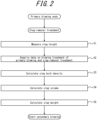
FIG. 2 is a flowchart illustrating processing of a furnace slag amount estimation method according to an embodiment of the present disclosure. - Hereinafter, a furnace slag amount estimation device, a furnace slag amount estimation method, and a molten steel production method according to an embodiment of the present disclosure will be described with reference to the drawings. Here, the furnace slag amount means a slag weight remaining inside (in the furnace of) a converter.
-
FIG. 1 is a schematic diagram illustrating a configuration of a furnace slagamount estimation device 1 according to an embodiment of the present disclosure. In the present embodiment, the furnace slagamount estimation device 1 is used as part of equipment for producing molten steel. The equipment for producing molten steel includes refining equipment, and a blowing control system that includes the furnace slagamount estimation device 1. - As illustrated in
FIG. 1 , the refining equipment includes aconverter 100, alance 103, ahopper 104 above the furnace, and a slagheight measurement device 105. Thelance 103 is arranged abovemolten metal 101 in theconverter 100. High-pressure oxygen is ejected from a tip of thelance 103 toward themolten metal 101 located below. The high-pressure oxygen oxidizes impurities in themolten metal 101 and incorporates them into slag 102 (refining treatment). Auxiliary raw materials, including lime, carburization materials, and coolants, are charged into theconverter 100 from thehopper 104 above the furnace or the like and incorporated into themolten metal 101 and theslag 102. - The slag
height measurement device 105 is set at the top of theconverter 100 and measures the distance from a furnace throat of theconverter 100 to a surface of theslag 102 contained in theconverter 100. The slagheight measurement device 105 may be, for example, a microwave rangefinder. The microwave rangefinder may measure the distances to the furnace throat of theconverter 100 and to the surface of theslag 102 in theconverter 100, by converting time it takes to emit microwaves and receive reflected waves from the furnace throat of theconverter 100 and from the surface of theslag 102 in theconverter 100 into distances. The slag height may be measured at any time or continuously. Signals indicating measurement results of the slagheight measurement device 105 are transmitted to acontrol terminal 10. - Here, in refining using the
converter 100, the processes of "loading," "primary blowing," "slag-removal," "secondary blowing," and "tapping" are performed in sequence during a single charge. In the "loading" process, raw materials, such as hot metal, are loaded into theconverter 100. In the "primary blowing" process, auxiliary raw materials are charged into theconverter 100 for the purpose of, for example, desiliconization, or desiliconization and dephosphorization, and blowing is performed. In the "slag-removal" process, part of theslag 102 with a relatively low basicity (CaO concentration/SiO2 concentration) generated in the primary blowing is discharged out of the furnace by slag-removal treatment. In the "secondary blowing" process, auxiliary raw materials are charged into theconverter 100 for the purpose of dephosphorization and/or decarburization, for example. In the "tapping" process, themolten metal 101 is tapped out. Normally, these processes are repeated with multiple charges in the refining. Theslag 102 from the secondary blowing of the nth charge that remains in theconverter 100 may be carried over to the (n+1)th charge. - Some of the processes will be explained more concretely with reference to the refining equipment of
FIG. 1 . After the primary blowing ends, thelance 103 is withdrawn to the top of theconverter 100, and the slag-removal treatment is conducted, by tilting theconverter 100 so as to discharge theslag 102 in the furnace out of the furnace. The slag-removal treatment ends immediately before themolten metal 101 is discharged, and after theconverter 100 is returned to the upright position, thelance 103 is again installed on top of themolten metal 101, and the secondary blowing is started. Blowing conditions, including the amount of auxiliary raw materials to be charged from thehopper 104 above the furnace or the like, in the secondary blowing are determined based on results of the primary blowing and results of the slag-removal treatment. The furnace slagamount estimation device 1 is a device that estimates the weight of theslag 102 in theconverter 100 after the slag-removal treatment. - The blowing control system includes the
control terminal 10, adisplay device 20, and the furnace slagamount estimation device 1 as main components. Thecontrol terminal 10 may be configured by an information processing device, such as a personal computer or a workstation. Thecontrol terminal 10 collects track record data regarding blowing treatment and slag-removal treatment, and controls blowing conditions, including the amount of auxiliary raw materials to be charged from thehopper 104 above the furnace or the like, so that the temperature and the component concentrations of themolten metal 101 and the composition of theslag 102 are within desired ranges. Thedisplay device 20 may be configured by a liquid crystal display (LCD) or cathode ray tube (CRT) display, for example. Thedisplay device 20 may display calculation results or the like that are output from the furnace slagamount estimation device 1. - The furnace slag
amount estimation device 1 is configured by an information processing device, such as a personal computer or a workstation. The furnace slagamount estimation device 1 includes aninput unit 11, adatabase 12, a slag bulkdensity calculation unit 13, a slagvolume calculation unit 14, a slagweight calculation unit 15, and anoutput unit 16. - The
input unit 11 is an input interface that receives various types of information related to the refining equipment. Theinput unit 11 may include, for example, a keyboard, a mouse, a pointing device, a data receiver, and/or a graphical user interface (GUI). Theinput unit 11 receives track record information, parameter setting values, or the like from the outside and writes the information into thedatabase 12 and transmits it to the slag bulkdensity calculation unit 13 and the slagvolume calculation unit 14. Input data is input into theinput unit 11 from thecontrol terminal 10. The input data includes furnace shape data, which indicates measurement results or calculation results regarding the furnace shape of theconverter 100. The input data includes data that indicates measurement results or calculation results regarding the components and the temperature of themolten metal 101 and theslag 102 before the start of or during blowing treatment. The input data also includes slag height data, which indicates measurement results of the slag height in the furnace of theconverter 100 after slag-removal treatment. Additionally, theinput unit 11 can be used for manual data input (manual input) by, for example, an operator of the refining equipment. Parameter setting values for a model formula may be input manually. - The
database 12 stores various measurement results and calculation results in blowing treatment and slag-removal treatment, models and parameters for calculating the furnace slag amount, and estimation results of the furnace slag amount. Thedatabase 12 is configured, for example, by a storage device, such as memory or a hard disk drive. The storage device may further store computer programs. Various types of information input through theinput unit 11 and estimation results of the furnace slag amount that have been calculated by the slagweight calculation unit 15 are transmitted to thedatabase 12. The models and parameters stored in thedatabase 12 are to be used by the slag bulkdensity calculation unit 13 and the slagvolume calculation unit 14. - The slag bulk
density calculation unit 13, the slagvolume calculation unit 14, and the slagweight calculation unit 15 are configured by an arithmetic processing device, such as a CPU. The slag bulkdensity calculation unit 13, the slagvolume calculation unit 14, and the slagweight calculation unit 15 may be realized, for example, by the arithmetic processing device reading and executing a computer program. The slag bulkdensity calculation unit 13, the slagvolume calculation unit 14, and the slagweight calculation unit 15 may include dedicated arithmetic devices or arithmetic circuits. - Using input data stored in the
database 12 and a slag bulk density estimation model, the slag bulkdensity calculation unit 13 conducts calculation to estimate the bulk density of theslag 102 in the furnace after slag-removal treatment (after theconverter 100 is tilted so as to discharge at least part of the slag 102). The slag bulkdensity calculation unit 13 may calculate the bulk density of theslag 102 using data regarding the primary blowing treatment and the slag-removal treatment that have been transmitted from theinput unit 11 as the input data. The slag bulkdensity calculation unit 13 transmits the calculated bulk density of theslag 102 after the slag-removal treatment to the slagweight calculation unit 15. - Using measurement results regarding the height of the
slag 102 in the furnace after the slag-removal treatment (slag height data), furnace shape data, and a slag volume estimation model, the slagvolume calculation unit 14 calculates the volume of theslag 102 after the slag-removal treatment. The slagvolume calculation unit 14 transmits the calculated volume of theslag 102 after the slag-removal treatment to the slagweight calculation unit 15. - Using the slag bulk density after the slag-removal treatment that has been calculated by the slag bulk
density calculation unit 13 and the slag volume after the slag-removal treatment that has been calculated by the slagvolume calculation unit 14, the slagweight calculation unit 15 calculates the slag weight in the furnace after the slag-removal treatment. The slagweight calculation unit 15 transmits the calculated furnace slag amount (weight of theslag 102 remaining in the furnace after the slag-removal treatment) to theoutput unit 16. - The
output unit 16 transmits the furnace slag amount that has been calculated by the slagweight calculation unit 15 to thecontrol terminal 10 and to thedatabase 12. In secondary blowing, various manipulated variables are determined and operating conditions are changed, based on calculation results output from the furnace slagamount estimation device 1. Theoutput unit 16 also has the function of transmitting the information calculated by the furnace slagamount estimation device 1 to thedisplay device 20, so that the calculation results output from the furnace slagamount estimation device 1 can be displayed. - The furnace slag
amount estimation device 1 with the above configuration estimates the weight of theslag 102 after the slag-removal treatment with high accuracy, by executing processing of a furnace slag amount estimation method which will be described below. Operations performed by the furnace slagamount estimation device 1 to execute the furnace slag amount estimation method will be described below with reference to the flowchart ofFIG. 2 . -
FIG. 2 is the flowchart illustrating processing of the furnace slag amount estimation method according to an embodiment of the present disclosure. The flowchart ofFIG. 2 starts at a time when primary blowing ends. That is, after the primary blowing ends, furnace slag amount estimation processing proceeds to Step S1. - In processing of Step S1, after slag-removal treatment ends, the height of the
slag 102 in theconverter 100 is measured. The height of theslag 102 may be measured after theconverter 100 is returned to the upright position, so as to make it easy to calculate the volume as will be described later. The height of theslag 102 in the furnace may be obtained based on a single measurement value, but is preferably obtained as a representative value of the height of theslag 102 over any given period of time, by averaging multiple measurement values that vary in time and space. The measured height of theslag 102 in the furnace is transmitted to theinput unit 11. This completes the processing of Step S1, and the furnace slag amount estimation processing proceeds to Step S2. - In processing of Step S2, the
input unit 11 acquires data on the blowing treatment, the slag-removal treatment, or the like. More specifically, theinput unit 11 acquires input data, including furnace shape data for theconverter 100, data on the components and the temperatures of themolten metal 101 and theslag 102 before the start of or during the blowing treatment, and slag height data in the furnace of theconverter 100. Step S2 can be referred to as an input step. Here, the furnace shape data included in the input data may be generated based on measurements of theconverter 100 before the "loading" process, that is, those of theconverter 100 before raw materials are loaded, and may be acquired from thecontrol terminal 10 together with other data in Step S2. Theinput unit 11 also transmits track record data, parameter setting values, or the like to thedatabase 12, the slag bulkdensity calculation unit 13, and the slagvolume calculation unit 14. This completes the processing of Step S2, and the furnace slag amount estimation processing proceeds to Step S3. - In processing of Step S3, the slag bulk
density calculation unit 13 estimates the bulk density of the slag 102 (slag bulk density Ds) after the slag-removal treatment using the input data stored in thedatabase 12 and a slag bulk density estimation model. Step S3 can be referred to as a slag bulk density calculation step. Examples of the slag bulk density estimation model may include a linear combination model as illustrated in Formula (1) below.
[Math. 1]
- In the formula, i denotes a parameter that identifies the item of explanatory variables obtained from results of the primary blowing treatment and results of the slag-removal treatment. vi denotes the explanatory variables. Ai denotes a coefficient corresponding to each explanatory variable. The explanatory variables include at least the tilt angle at which the
slag 102 begins to be discharged from the furnace throat as theconverter 100 is tilted in the slag-removal treatment, and slag-removal treatment time, which is time taken to execute the slag-removal treatment. The explanatory variables may further include the maximum tilt angle during the slag-removal treatment, a calculated value of the weight of theslag 102 in the furnace at the end of the primary blowing, a calculated value of slag basicity (CaO concentration/SiO2 concentration), a calculated value of the iron concentration in the slag, a calculated value of iron flushing weight in the slag, and the like. Here, when the slag begins to flow out by tilting the furnace body, the slag height is almost equal to a furnace height. The volume of the slag in the furnace, which is closely related to the bulk density, can be calculated from the tilt angle of the furnace body at which the slag begins to flow out and the furnace shape data. It is therefore important that the explanatory variables include at least the tilt angle at which theslag 102 begins to be discharged from the furnace throat. Furthermore, theslag 102 before slag-removal treatment contains a large amount of air bubbles and has a relatively low bulk density, and during the slag-removal treatment, the air bubbles are often released and the bulk density increases. Accordingly, the longer the slag-removal treatment time, the higher the bulk density of theslag 102 after the slag-removal treatment tends to be. It is therefore important that the explanatory variables include at least the slag-removal treatment time. - The slag bulk density estimation model after the slag-removal is not limited to the aforementioned linear combination model formula, and a machine learning model or the like may also be used.
- Here, the machine learning model can be built based on past data stored in the
database 12 prior to operation. Explanatory variables can be obtained from observable measured values and analytical values, calculated values based on these, or the like. The slag bulk density may be obtained from a calculation result of the volume of slag remaining in the furnace, a measured value of the furnace slag amount, or the like, as will be described below. - The measured value of the furnace slag amount may be obtained from the difference between the furnace slag amount before the slag-removal, which is calculated based on the charge amount of auxiliary raw materials during the primary blowing, and the furnace slag amount after the slag-removal, which is measured by the weighing instrument. The furnace slag amount may also be obtained, by calculating backwards a removed slag weight, from analytical values of the components of slag after the slag-removal and the charge amount of auxiliary raw materials during the primary blowing.
- As described above, various machine learning models can be built using not only linear regression models but also objective variables and explanatory variables, which are track record values, as teacher data. A highly accurate model based on any method may be used.
- The slag bulk
density calculation unit 13 transmits the calculated bulk density of theslag 102 after the slag-removal treatment to the slagweight calculation unit 15. This completes the processing of Step S3, and the furnace slag amount estimation processing proceeds to Step S4. - In processing of Step S4, the slag
volume calculation unit 14 calculates the volume of theslag 102 after the slag-removal treatment using the slag height data for theslag 102 in the furnace after the slag-removal treatment, the furnace shape data, and a slag volume estimation model. Step S4 can be referred to as a slag volume calculation step. In the present embodiment, the volume (Vs) of theslag 102 in the furnace after the slag-removal treatment is calculated by the slag volume estimation model. The slag volume estimation model illustrated in Formula (2) below uses the height (Hslag) of theslag 102 in the furnace, the furnace shape data, a measured value (Wmetal) of the weight of themolten metal 101, and the specific gravity (ρmetal) of themolten metal 101.
[Math. 2]
- Here, V(Hslag) denotes the total volume of the
molten metal 101 and theslag 102 in theconverter 100 that is determined from the height (Hslag) of theslag 102 in the furnace and the furnace shape data. V(Hslag) may be obtained by the integral method based on the furnace shape data, as a furnace volume from a bottom of the furnace to the height of theslag 102. Alternatively, calculated values of V(Hslag) corresponding to heights from the bottom of the furnace may be stored in thedatabase 12 in advance, based on the furnace shape data, and V(Hslag) may be obtained by selecting a calculated value stored in thedatabase 12 that corresponds to the height of theslag 102. Here, the measured value of the weight of themolten metal 101 and the specific gravity are obtained from measurement results or calculation results of the components of themolten metal 101 before the start of or during the blowing treatment that are included in the input data. Additionally, the furnace shape data preferably include furnace profile information measured by a laser rangefinder or the like. For example, the inside of the furnace before the primary blowing starts may be measured by the laser rangefinder, to thereby obtain distance data from a centerline of the furnace body at predetermined intervals in a vertical direction and at predetermined angles around the centerline. The acquired distance data is stored in thedatabase 12 as a set of points in a polar coordinate system, so as to be used as the furnace body profile information to calculate the furnace volume. - When the furnace body is tilted, the tilt angle may be included as an input and the height of the
slag 102 may be corrected based on the tilt angle before calculating the volume. - The slag volume estimation model is not limited to the above formula, and a machine learning model or the like may also be used.
- Here, the furnace shape data may be updated at appropriate times by new measurements, so as to reflect changes in the shape or the like. The furnace shape data may also be corrected using the amount of wear in the furnace that is estimated based, for example, on the count of times the
converter 100 has been used. The slagvolume calculation unit 14 transmits the calculated volume of theslag 102 after the slag-removal treatment to the slagweight calculation unit 15. This completes the processing of Step S4, and the furnace slag amount estimation processing proceeds to Step S5. - In processing of Step S5, the slag
weight calculation unit 15 calculates the weight of theslag 102 after the slag-removal treatment. The weight of theslag 102 after the slag-removal treatment is calculated, by multiplying the estimated value of the bulk density of theslag 102 after the slag-removal treatment that has been calculated by the slag bulkdensity calculation unit 13 by the volume of theslag 102 after the slag-removal treatment that has been calculated by the slagvolume calculation unit 14. Step S5 can be referred to as a slag weight calculation step. - The
output unit 16 transmits the weight of theslag 102 after the slag-removal treatment that has been calculated by the slagweight calculation unit 15 to thedatabase 12. Theoutput unit 16 also transmits the weight of theslag 102 after the slag-removal treatment to thecontrol terminal 10. Thecontrol terminal 10 may determine conditions for secondary blowing treatment, based on results of the slag-removal treatment and results of the primary blowing treatment, including the obtained weight of theslag 102. Theoutput unit 16 also transmits the weight of theslag 102 after the slag-removal treatment to thedisplay device 20. An operator can change the conditions for the secondary blowing treatment in accordance with the weight of theslag 102 after the slag-removal treatment that is displayed on thedisplay device 20. This completes the processing of Step S5, and the furnace slag amount estimation processing is completed. - Based on the slag weight remaining inside the
converter 100 that is estimated by the above furnace slag amount estimation method, optimal slag design in the secondary blowing can be made. That is, based on the estimated furnace slag amount, the charge amount of auxiliary raw materials is determined so as to obtain an optimum basicity (CaO concentration/SiO2 concentration), and refining operation (decarburization blowing) is conducted, to thereby produce good molten steel. Thus, based on the slag weight in the furnace calculated by the above furnace slag amount estimation method, a favorable molten steel production method can be realized. - As described above, according to the furnace slag
amount estimation device 1, the furnace slag amount estimation method, and the molten steel production method according to the present embodiment, a slag weight in the furnace after slag-removal can be calculated using a calculated value of slag bulk density after the slag-removal, and a furnace slag volume that has been calculated from measurement results regarding a slag height. This makes it possible to eliminate variation factors, such as changes in the shape in the vicinity of a furnace throat of a converter, and to estimate the furnace slag weight after the slag-removal with high accuracy. - Although an embodiment of the present disclosure has been described based on the drawings and examples, it is to be noted that various modifications and changes may be easily made by those skilled in the art based on the present disclosure. Accordingly, such modifications and changes are included within the scope of the present disclosure. For example, functions or the like included in each component, each step, or the like can be rearranged without logical inconsistency, and a plurality of components, steps, or the like can be combined into one or divided. An embodiment according to the present disclosure can also be implemented as a program that is executed by a processor included in a device, or as a storage medium in which the program is recorded. It is to be understood that these are included within the scope of present disclosure.
- For example, in the present embodiment, the furnace slag amount estimation method that is to be performed after slag-removal treatment without tapping is described. Here, in a case in which tapping is performed after blowing treatment and some of the slag in the furnace is carried over to the next blowing treatment, the furnace slag amount can also be estimated by the same furnace slag amount estimation method, by setting the weight of molten metal in the furnace to 0.
-
- 1
- Furnace slag amount estimation device
- 10
- Control terminal
- 11
- Input unit
- 12
- Database
- 13
- Slag bulk density calculation unit
- 14
- Slag volume calculation unit
- 15
- Slag weight calculation unit
- 16
- Output unit
- 20
- Display device
- 100
- Converter
- 101
- Molten metal
- 102
- Slag
- 103
- Lance
- 104
- Hopper above furnace
- 105
- Slag height measurement device
Claims (9)
- A furnace slag amount estimation device that estimates a slag weight remaining inside a converter in blowing treatment that includes a process of tilting the converter so as to discharge slag in a furnace out of the furnace, the furnace slag amount estimation device comprising:an input unit configured to receive input data including furnace shape data for the converter, data on components and temperatures of molten metal and slag before start of or during the blowing treatment, and slag height data in the furnace of the converter;a slag bulk density calculation unit configured to calculate a slag bulk density after the converter is tilted and the slag is discharged, using the input data and a slag bulk density estimation model;a slag volume calculation unit configured to calculate a slag volume in the furnace after the converter is tilted and the slag is discharged, using the slag height data after the converter is tilted and the slag is discharged, the furnace shape data, and a slag volume estimation model; anda slag weight calculation unit configured to calculate the slag weight in the furnace after the converter is tilted and the slag is discharged, using the calculated slag bulk density and the calculated slag volume.
- The furnace slag amount estimation device according to claim 1, wherein the slag bulk density estimation model uses, as inputs, at least explanatory variables including a tilt angle at which the slag begins to flow out as the converter is tilted, and slag-removal treatment time, and uses, as an output, the slag bulk density.
- The furnace slag amount estimation device according to claim 1 or 2, wherein the slag volume estimation model is configured to calculate a furnace volume from a bottom of the furnace to a height of slag, based on the furnace shape data obtained by measuring a shape in the furnace before the blowing treatment and on the slag height data.
- The furnace slag amount estimation device according to any one of claims 1 to 3, wherein the slag height data is measured by a microwave rangefinder.
- A furnace slag amount estimation method to be executed by a furnace slag amount estimation device that estimates a slag weight remaining inside a converter in blowing treatment that includes a process of tilting the converter so as to discharge slag in a furnace out of the furnace, the furnace slag amount estimation method comprising:an input step of receiving input data including furnace shape data for the converter, data on components and temperatures of molten metal and slag before start of or during the blowing treatment, and slag height data in the furnace of the converter;a slag bulk density calculation step of calculating a slag bulk density after the converter is tilted and the slag is discharged, using the input data and a slag bulk density estimation model;a slag volume calculation step of calculating a slag volume in the furnace after the converter is tilted and the slag is discharged, using the slag height data after the converter is tilted and the slag is discharged, the furnace shape data, and a slag volume estimation model; anda slag weight calculation step of calculating the slag weight in the furnace after the converter is tilted and the slag is discharged, using the calculated slag bulk density and the calculated slag volume.
- The furnace slag amount estimation method according to claim 5, wherein the slag bulk density estimation model uses, as inputs, at least explanatory variables including a tilt angle at which the slag begins to flow out as the converter is tilted, and slag-removal treatment time, and uses, as an output, the slag bulk density.
- The furnace slag amount estimation method according to claim 5 or 6, wherein the slag volume estimation model is configured to calculate a furnace volume from a bottom of the furnace to a height of slag, based on the furnace shape data including furnace profile information obtained by measuring a shape in the furnace before the blowing treatment and on the slag height data.
- The furnace slag amount estimation method according to any one of claims 5 to 7, wherein the slag height data is measured by a microwave rangefinder.
- A molten steel production method comprising producing molten steel, by determining a charge amount of auxiliary raw materials in secondary blowing, based on the slag weight in the furnace calculated by the furnace slag amount estimation method according to any one of claims 5 to 8, and performing refining operation.
Applications Claiming Priority (2)
| Application Number | Priority Date | Filing Date | Title |
|---|---|---|---|
| JP2021176692A JP2023066147A (en) | 2021-10-28 | 2021-10-28 | In-furnace slag amount estimation device, in-furnace slag amount estimation method, and molten steel production method |
| PCT/JP2022/030648 WO2023074085A1 (en) | 2021-10-28 | 2022-08-10 | Device for estimating amount of slag in furnace, method for estimating amount of slag in furnace, and method for producing molten steel |
Publications (2)
| Publication Number | Publication Date |
|---|---|
| EP4394050A1 true EP4394050A1 (en) | 2024-07-03 |
| EP4394050A4 EP4394050A4 (en) | 2024-11-13 |
Family
ID=86159331
Family Applications (1)
| Application Number | Title | Priority Date | Filing Date |
|---|---|---|---|
| EP22886419.5A Pending EP4394050A4 (en) | 2021-10-28 | 2022-08-10 | DEVICE FOR ESTIMATING THE AMOUNT OF SLAG IN A FURNACE, METHOD FOR ESTIMATING THE AMOUNT OF SLAG IN A FURNACE, AND METHOD FOR PRODUCING MOLTEN STEEL |
Country Status (7)
| Country | Link |
|---|---|
| US (1) | US20240393159A1 (en) |
| EP (1) | EP4394050A4 (en) |
| JP (2) | JP2023066147A (en) |
| KR (1) | KR20240055776A (en) |
| CN (1) | CN118103529A (en) |
| TW (1) | TWI848350B (en) |
| WO (1) | WO2023074085A1 (en) |
Families Citing this family (3)
| Publication number | Priority date | Publication date | Assignee | Title |
|---|---|---|---|---|
| JP7758214B2 (en) * | 2023-07-10 | 2025-10-22 | Jfeスチール株式会社 | Apparatus for estimating the amount of slag in a furnace, method for estimating the amount of slag in a furnace, and method for producing molten steel |
| CN117073818A (en) * | 2023-08-09 | 2023-11-17 | 中电建铁路建设投资集团有限公司 | A device and method for automatically weighing and predicting the amount of slag produced in shield tunnels |
| CN118600138A (en) * | 2024-03-13 | 2024-09-06 | 东北大学 | Electric arc furnace steel tapping control method, system and equipment |
Family Cites Families (11)
| Publication number | Priority date | Publication date | Assignee | Title |
|---|---|---|---|---|
| JPS5948926B2 (en) * | 1979-02-24 | 1984-11-29 | 川崎製鉄株式会社 | Molten metal container slag control method |
| JPS61195913A (en) * | 1985-02-25 | 1986-08-30 | Sumitomo Metal Ind Ltd | Method for controlling carbon content in molten steel in vacuum refining furnace |
| WO2001096616A1 (en) * | 2000-06-14 | 2001-12-20 | Nkk Corporation | Method and apparatus for producing desulfurizing agent for hot-metal |
| CN102183288B (en) * | 2011-03-03 | 2013-01-02 | 浙江大学 | Refining aluminum consumption control method based on remote infrared monitoring |
| CN103397134B (en) * | 2013-07-15 | 2014-12-31 | 江苏省沙钢钢铁研究院有限公司 | A Method of Calculating the Residual Slag Amount of Converter According to the Tilting Angle of Converter |
| JP6164151B2 (en) * | 2014-05-14 | 2017-07-19 | Jfeスチール株式会社 | Method for refining molten iron using a converter-type refining furnace |
| CN108779504B (en) * | 2016-07-27 | 2020-05-26 | 日本制铁株式会社 | Slag discharge weight estimation method and slag discharge weight estimation device |
| JP6601631B2 (en) * | 2017-01-27 | 2019-11-06 | Jfeスチール株式会社 | Method for estimating amount of waste from molten metal refining vessel and method for refining molten metal |
| JP6904157B2 (en) * | 2017-08-17 | 2021-07-14 | 日本製鉄株式会社 | Operation schedule creation method, equipment and programs |
| CN111712585B (en) * | 2018-04-24 | 2022-07-26 | 日本制铁株式会社 | Foaming and calming method for discharging slag and refining equipment for same |
| TW202030334A (en) * | 2018-12-17 | 2020-08-16 | 日商日本製鐵股份有限公司 | Residual slag amount estimation method and residual slag amount estimation device |
-
2021
- 2021-10-28 JP JP2021176692A patent/JP2023066147A/en active Pending
-
2022
- 2022-08-10 KR KR1020247009869A patent/KR20240055776A/en active Pending
- 2022-08-10 WO PCT/JP2022/030648 patent/WO2023074085A1/en not_active Ceased
- 2022-08-10 CN CN202280069654.2A patent/CN118103529A/en active Pending
- 2022-08-10 EP EP22886419.5A patent/EP4394050A4/en active Pending
- 2022-08-10 US US18/691,887 patent/US20240393159A1/en active Pending
- 2022-08-22 TW TW111131418A patent/TWI848350B/en active
-
2025
- 2025-01-28 JP JP2025012302A patent/JP7662115B1/en active Active
Also Published As
| Publication number | Publication date |
|---|---|
| TW202334442A (en) | 2023-09-01 |
| JP7662115B1 (en) | 2025-04-15 |
| JP2025066819A (en) | 2025-04-23 |
| TWI848350B (en) | 2024-07-11 |
| WO2023074085A1 (en) | 2023-05-04 |
| EP4394050A4 (en) | 2024-11-13 |
| KR20240055776A (en) | 2024-04-29 |
| CN118103529A (en) | 2024-05-28 |
| JP2023066147A (en) | 2023-05-15 |
| US20240393159A1 (en) | 2024-11-28 |
Similar Documents
| Publication | Publication Date | Title |
|---|---|---|
| US20240393159A1 (en) | Furnace slag amount estimation device, furnace slag amount estimation method, and molten steel production method | |
| CN108779506B (en) | Method for estimating phosphorus concentration in molten steel and converter blowing control device | |
| CN108779504B (en) | Slag discharge weight estimation method and slag discharge weight estimation device | |
| JP6841391B2 (en) | Estimating method and estimation device for the amount of residual slag in the furnace | |
| KR102348892B1 (en) | Molten metal component estimation apparatus, molten metal component estimation method, and molten metal manufacturing method | |
| JP6897261B2 (en) | Phosphorus concentration estimation method in molten steel, converter blowing control device, program and recording medium | |
| JP6989056B1 (en) | Decarburization end point determination method, decarburization end point determination device, steelmaking secondary refining operation method, and molten steel manufacturing method | |
| JP5527180B2 (en) | Converter blowing method and converter blowing system | |
| JP2018119195A (en) | Method for estimating amount of slag discharged from refining vessel and method for refining molten metal | |
| JP6773001B2 (en) | Refining conditions determination method, refining equipment control method, and molten iron refining method | |
| JP6414045B2 (en) | Molten component estimation device and molten component estimation method | |
| JP6897260B2 (en) | Phosphorus concentration estimation method in molten steel, converter blowing control device, program and recording medium | |
| RU2843645C2 (en) | Device for estimating amount of furnace slag, method for estimating amount of furnace slag and method for production of liquid steel | |
| JP7758214B2 (en) | Apparatus for estimating the amount of slag in a furnace, method for estimating the amount of slag in a furnace, and method for producing molten steel | |
| US20250179597A1 (en) | Furnace state estimation device, furnace state estimation method, and molten steel production method | |
| CN117737338A (en) | Method for predicting liquid level of converter molten pool | |
| JP6795133B1 (en) | Blow control method and smelt control device for converter type dephosphorization smelting furnace | |
| JP7319538B2 (en) | Converter blowing control device, converter blowing control method and program | |
| JP6547901B2 (en) | Hot metal pretreatment method and hot metal pretreatment control device | |
| JP2021110012A (en) | Estimation apparatus of phosphorus concentration in molten steel, statistical model construction apparatus, estimation method of phosphorus concentration in molten steel, statistical model construction method, and program | |
| RU2833841C2 (en) | Apparatus for evaluating state of furnace, method for evaluating state of furnace and method for producing liquid steel | |
| JP2019183222A (en) | T.Fe ESTIMATION METHOD, T.Fe CONTROL METHOD, STATISTICAL MODEL CREATION METHOD, CONVERTER BLOWING CONTROL DEVICE, STATISTICAL MODEL CREATION DEVICE, AND PROGRAM | |
| JP2024085816A (en) | Converter blowing control method and converter blowing control device | |
| CN118996043A (en) | Prediction method for predicting insertion depth of sublance by adopting sublance and furnace lining thickness gauge | |
| CN121189533A (en) | A method for predicting the amount of steel left in a quantum electric furnace and recommending the amount of steel to be charged based on the liquid level depth. |
Legal Events
| Date | Code | Title | Description |
|---|---|---|---|
| STAA | Information on the status of an ep patent application or granted ep patent |
Free format text: STATUS: THE INTERNATIONAL PUBLICATION HAS BEEN MADE |
|
| PUAI | Public reference made under article 153(3) epc to a published international application that has entered the european phase |
Free format text: ORIGINAL CODE: 0009012 |
|
| STAA | Information on the status of an ep patent application or granted ep patent |
Free format text: STATUS: REQUEST FOR EXAMINATION WAS MADE |
|
| 17P | Request for examination filed |
Effective date: 20240325 |
|
| AK | Designated contracting states |
Kind code of ref document: A1 Designated state(s): AL AT BE BG CH CY CZ DE DK EE ES FI FR GB GR HR HU IE IS IT LI LT LU LV MC MK MT NL NO PL PT RO RS SE SI SK SM TR |
|
| A4 | Supplementary search report drawn up and despatched |
Effective date: 20241011 |
|
| RIC1 | Information provided on ipc code assigned before grant |
Ipc: F27D 21/00 20060101ALI20241007BHEP Ipc: F27D 19/00 20060101ALI20241007BHEP Ipc: F27B 3/28 20060101ALI20241007BHEP Ipc: C21C 5/46 20060101ALI20241007BHEP Ipc: C21C 5/30 20060101ALI20241007BHEP Ipc: C21C 5/28 20060101AFI20241007BHEP |
|
| DAV | Request for validation of the european patent (deleted) | ||
| DAX | Request for extension of the european patent (deleted) |