EP4391144A1 - Method and system for inspecting and separating batteries - Google Patents
Method and system for inspecting and separating batteries Download PDFInfo
- Publication number
- EP4391144A1 EP4391144A1 EP23737489.7A EP23737489A EP4391144A1 EP 4391144 A1 EP4391144 A1 EP 4391144A1 EP 23737489 A EP23737489 A EP 23737489A EP 4391144 A1 EP4391144 A1 EP 4391144A1
- Authority
- EP
- European Patent Office
- Prior art keywords
- battery
- good
- batteries
- predetermined number
- good battery
- Prior art date
- Legal status (The legal status is an assumption and is not a legal conclusion. Google has not performed a legal analysis and makes no representation as to the accuracy of the status listed.)
- Pending
Links
Images







Classifications
-
- H—ELECTRICITY
- H01—ELECTRIC ELEMENTS
- H01M—PROCESSES OR MEANS, e.g. BATTERIES, FOR THE DIRECT CONVERSION OF CHEMICAL ENERGY INTO ELECTRICAL ENERGY
- H01M10/00—Secondary cells; Manufacture thereof
- H01M10/42—Methods or arrangements for servicing or maintenance of secondary cells or secondary half-cells
-
- B—PERFORMING OPERATIONS; TRANSPORTING
- B07—SEPARATING SOLIDS FROM SOLIDS; SORTING
- B07C—POSTAL SORTING; SORTING INDIVIDUAL ARTICLES, OR BULK MATERIAL FIT TO BE SORTED PIECE-MEAL, e.g. BY PICKING
- B07C5/00—Sorting according to a characteristic or feature of the articles or material being sorted, e.g. by control effected by devices which detect or measure such characteristic or feature; Sorting by manually actuated devices, e.g. switches
- B07C5/34—Sorting according to other particular properties
- B07C5/344—Sorting according to other particular properties according to electric or electromagnetic properties
-
- B—PERFORMING OPERATIONS; TRANSPORTING
- B07—SEPARATING SOLIDS FROM SOLIDS; SORTING
- B07C—POSTAL SORTING; SORTING INDIVIDUAL ARTICLES, OR BULK MATERIAL FIT TO BE SORTED PIECE-MEAL, e.g. BY PICKING
- B07C5/00—Sorting according to a characteristic or feature of the articles or material being sorted, e.g. by control effected by devices which detect or measure such characteristic or feature; Sorting by manually actuated devices, e.g. switches
- B07C5/36—Sorting apparatus characterised by the means used for distribution
-
- H—ELECTRICITY
- H01—ELECTRIC ELEMENTS
- H01M—PROCESSES OR MEANS, e.g. BATTERIES, FOR THE DIRECT CONVERSION OF CHEMICAL ENERGY INTO ELECTRICAL ENERGY
- H01M10/00—Secondary cells; Manufacture thereof
- H01M10/42—Methods or arrangements for servicing or maintenance of secondary cells or secondary half-cells
- H01M10/4285—Testing apparatus
-
- H—ELECTRICITY
- H01—ELECTRIC ELEMENTS
- H01M—PROCESSES OR MEANS, e.g. BATTERIES, FOR THE DIRECT CONVERSION OF CHEMICAL ENERGY INTO ELECTRICAL ENERGY
- H01M10/00—Secondary cells; Manufacture thereof
- H01M10/42—Methods or arrangements for servicing or maintenance of secondary cells or secondary half-cells
- H01M10/48—Accumulators combined with arrangements for measuring, testing or indicating the condition of cells, e.g. the level or density of the electrolyte
- H01M10/482—Accumulators combined with arrangements for measuring, testing or indicating the condition of cells, e.g. the level or density of the electrolyte for several batteries or cells simultaneously or sequentially
-
- H—ELECTRICITY
- H01—ELECTRIC ELEMENTS
- H01M—PROCESSES OR MEANS, e.g. BATTERIES, FOR THE DIRECT CONVERSION OF CHEMICAL ENERGY INTO ELECTRICAL ENERGY
- H01M10/00—Secondary cells; Manufacture thereof
- H01M10/54—Reclaiming serviceable parts of waste accumulators
-
- Y—GENERAL TAGGING OF NEW TECHNOLOGICAL DEVELOPMENTS; GENERAL TAGGING OF CROSS-SECTIONAL TECHNOLOGIES SPANNING OVER SEVERAL SECTIONS OF THE IPC; TECHNICAL SUBJECTS COVERED BY FORMER USPC CROSS-REFERENCE ART COLLECTIONS [XRACs] AND DIGESTS
- Y02—TECHNOLOGIES OR APPLICATIONS FOR MITIGATION OR ADAPTATION AGAINST CLIMATE CHANGE
- Y02E—REDUCTION OF GREENHOUSE GAS [GHG] EMISSIONS, RELATED TO ENERGY GENERATION, TRANSMISSION OR DISTRIBUTION
- Y02E60/00—Enabling technologies; Technologies with a potential or indirect contribution to GHG emissions mitigation
- Y02E60/10—Energy storage using batteries
Definitions
- the present disclosure relates to a method and system for inspecting a battery to determine whether the battery is good and separating the battery depending on whether the battery is good.
- secondary batteries go through processes, where various processes corresponding to the type of secondary batteries are applied.
- secondary batteries are produced through processes such as an electrode process, an assembly process, and a formation process, and during the production of secondary batteries, there is also a process of inspecting the secondary batteries to determine whether the secondary batteries are good and separating defective batteries.
- the inspection on the secondary batteries performed as to whether the secondary batteries are good, and if there is a defective battery, a good battery and the defective battery are discharged together, the defective battery is separated through an extra operation, and then the good battery is put back in.
- An aspect of the present disclosure provides a method and system capable of, for batteries determined to be good or defective through inspection, automatically transporting and keeping defective batteries and automatically transporting and temporarily storing good batteries, and automatically discharging a predetermined number of good batteries for the next process when certain requirements are met.
- a method for inspecting and separating a secondary battery including: determining which of a predetermined number of batteries is a good battery; when not all of the predetermined number of batteries are determined to be good batteries, receiving a good battery temporarily stored in a good battery storage unit by transfer, when it is possible to form a good battery group including only good batteries by receiving the good battery temporarily stored in the good battery storage unit by transfer, and temporarily storing a good battery among the predetermined number of batteries by transferring the good battery to the good battery storage unit, when it is not possible to form a good battery group including only good batteries by receiving the good battery temporarily stored in the good battery storage unit by transfer; and discharging the good battery group when the good battery group is formed.
- the method for inspecting and separating a secondary battery may further include discharging all of the predetermined number of batteries when all of the predetermined number of batteries are determined to be good batteries.
- the method for inspecting and separating a secondary battery may further include transferring a defective battery determined not to be a good battery among the predetermined number of batteries to a defective battery storage unit for storage.
- the determining of which of the predetermined number of batteries is a good battery may include determining which of the predetermined number of batteries is a good battery based on at least one of a voltage test, a current test, and a resistance test for the predetermined number of batteries.
- the good battery group may include the same number of good batteries as the predetermined number.
- the method for inspecting and separating a secondary battery may further include, prior to the determining of which of the predetermined number of batteries is a good battery, sequentially receiving battery groups each including the predetermined number of batteries.
- the transfer may be performed by using a suction pad.
- the method for inspecting and separating a secondary battery may further include discharging all of the predetermined number of batteries or the good battery group to a battery operation unit to perform a predetermined operation.
- a system for inspecting and separating a secondary battery including: a battery inspection unit that determines which of a predetermined number of batteries is a good battery; a battery separation unit that separates and discharges the predetermined number of batteries; a good battery storage unit in which good batteries are temporarily stored; and a control unit electrically connected to the battery inspection unit and the battery separation unit, and the control unit controls the battery inspection unit to determine which of the predetermined number of batteries is a good battery, and controls the battery separation unit to: when not all of the predetermined number of batteries are determined to be good batteries, receive a good battery temporarily stored in the good battery storage unit by transfer, when it is possible to form a good battery group by receiving the good battery temporarily stored in the good battery storage unit by transfer; and temporarily store a good battery among the predetermined number of batteries by transferring the good battery to the good battery storage unit, when it is not possible to form a good battery group including only good batteries by receiving the good battery temporarily stored in the good battery storage unit by transfer
- the system for inspecting and separating a secondary battery may further include a defective battery storage unit that stores a defective battery, and the control unit may control the battery separation unit to transfer a defective battery determined not to be a good battery among the predetermined number of batteries to the defective battery storage unit.
- the control unit may control the battery inspection unit to determine which of the predetermined number of batteries is a good battery based on at least one of a voltage test, a current test, and a resistance test for the predetermined number of batteries.
- the good battery group may include the same number of good batteries as the predetermined number.
- the battery separation unit may transfer the good battery using a suction pad.
- the system for inspecting and separating a secondary battery may further include a battery supply unit that sequentially supplies battery groups each including the predetermined number of batteries to the battery inspection unit.
- the system for inspecting and separating a secondary battery may further include a battery operation unit that performs a predetermined operation on the discharged all of the predetermined number of batteries, or the discharged good battery group.
- the control unit may control the battery separation unit to, when all of the predetermined number of batteries are determined to be good batteries, discharge all of the predetermined number of batteries.
- a process is not performed in which a good battery and a defective battery are discharged together, the defective battery and the good battery are separated from each other, and then the good battery is put in back, and thus an unnecessary manual task may be omitted.
- the inspection and separation process may be efficiently and simply performed.
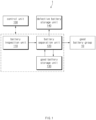
- FIG. 1 illustrates an inspection-separation system 1 of a secondary battery according to an embodiment of the present disclosure (hereinafter, an "inspection-separation system 1") .
- the inspection-separation system 1 may include a battery inspection unit 110.
- the battery inspection unit 110 may perform an inspection to determine which of batteries supplied to the inspection-separation system 1 is a good battery. For example, the battery inspection unit 110 may determine which of sequentially supplied batteries is a good battery based on at least one of a voltage test, a current test, and a resistance test for the batteries.
- the battery inspection unit 110 may sequentially receive battery groups each including a predetermined number of batteries for inspection. For example, battery groups including a predetermined number of batteries may be sequentially supplied to the battery inspection unit 110, and the battery inspection unit 110 may determine which of a predetermined number of batteries included in each of the sequentially supplied battery groups is a good battery.
- the inspection-separation system 1 may include a battery separation unit 120.
- the battery separation unit 120 may perform a separation operation on batteries that have been determined to be good batteries or defective batteries. For example, the battery separation unit 120 may transfer batteries determined to be good batteries to a good battery storage unit 130 and may transfer batteries that are not determined to be good batteries to a defective battery storage unit 140. The battery separation unit 120 may suck the batteries using a suction pad, and transfer the sucked batteries to one of the good battery storage unit 130 and the defective battery storage unit 140.
- the inspection-separation system 1 may include the good battery storage unit 130.
- the good battery storage unit 130 may store batteries determined to be good batteries (or good batteries). For example, good batteries may be temporarily stored in the good battery storage unit 130 prior to discharging the good batteries from the inspection-separation system 1.
- the inspection-separation system 1 may include the defective battery storage unit 140.
- the defective battery storage unit 140 may store batteries that are not determined to be good batteries (or defective batteries). For example, defective batteries that are not to be discharged as good batteries from the inspection-separation system 1 may be stored in the defective battery storage unit 140.
- the inspection-separation system 1 may further include a control unit 100.
- the control unit 100 may be electrically connected to at least one of the battery inspection unit 110 and the battery separation unit 120, and may control operations performed by at least one of the battery inspection unit 110 and the battery separation unit 120.
- the inspection-separation system 1 may discharge a good battery group 10.
- the good battery group 10 may be a battery group including only good batteries.
- the inspection-separation system 1 may discharge good batteries after forming the good battery group 10 including only a predetermined number of good batteries for process efficiency.
- the predetermined number of good batteries included in the good battery group 10 may be the same as the predetermined number of batteries included in each of the battery groups sequentially supplied to the battery inspection unit 110. However, the number may not be limited thereto.
- FIG. 2 is a flowchart illustrating a procedure for inspecting and separating secondary batteries according to an embodiment of the present disclosure.
- the battery inspection unit 110 may determine which of a predetermined number of batteries is a good battery.
- the battery inspection unit 110 may determine which of the batteries is a good battery based on at least one of a voltage test, a current test, and a resistance test for the batteries. For a specific example, when the number of batteries included in each of the battery groups sequentially supplied to the battery inspection unit 110 is four, the battery inspection unit 110 may determine which of the four batteries is a good battery.
- step 220 it is possible to identify whether all of the predetermined number of batteries are determined to be good batteries.
- the battery separation unit 120 may identify whether all of the predetermined number of batteries are determined to be good batteries.
- the battery separation unit 120 may perform step 230 when it is identified that all of the predetermined number of batteries are determined to be good batteries.
- step 230 it is possible to discharge all of the predetermined number of batteries.
- the battery separation unit 120 may discharge all of the predetermined number of batteries as the good battery group 10.
- the battery separation unit 120 may discharge the four batteries as the good battery group 10.
- the battery separation unit 120 may perform step 240 when it is not identified that all of the predetermined number of batteries are determined to be good batteries.
- the battery separation unit 120 may identify whether the formation of the good battery group 10 is possible, by transferring, to the defective battery storage unit 140, defective batteries from among the predetermined number of batteries and receiving the good batteries from the good battery storage unit 130 by transfer. For a specific example, when the number of good batteries stored in the good battery storage unit 130 is insufficient to form the good battery group 10, the battery separation unit 120 may identify that the formation of the good battery group 10 is not possible. For another example, when the number of good batteries stored in the good battery storage unit 130 is smaller than the number of defective batteries transferred to the defective battery storage unit 140, the battery separation unit 120 may identify that the formation of the good battery group 10 is not possible.
- the battery separation unit 120 may identify that the formation of the good battery group 10 is possible. In addition, when the number of good batteries stored in the good battery storage unit 130 is equal to or greater than the number of defective batteries transferred to the defective battery storage unit 140, the battery separation unit 120 may identify that the formation of the good battery group 10 is possible.
- the battery separation unit 120 may perform step 250.
- step 250 it is possible to form the good battery group 10 by receiving good batteries by transfer.
- the battery separation unit 120 may receive good batteries stored in the good battery storage unit 130 by transfer, and may form the good battery group 10 including a predetermined number of good batteries by receiving the good batteries by transfer.
- step 260 it is possible to discharge the good battery group 10.
- the battery separation unit 120 may discharge the good battery group 10 from the inspection-separation system 1 for another process.
- the battery separation unit 120 may perform step 270.
- step 270 defective batteries among the predetermined number of batteries may be transferred to the defective battery storage unit 140.
- the battery separation unit 120 may identify that the formation of the good battery group 10 is not possible.
- the battery separation unit 120 may transfer defective batteries among the predetermined number of supplied batteries to the defective battery storage unit 140.
- step 280 it is possible to temporarily store the good batteries among a predetermined number of batteries in the good battery storage unit 130.
- the battery separation unit 120 may temporarily store good batteries among a predetermined number of supplied batteries in the good battery storage unit 130.
- the control unit 100 of the inspection-separation system 1 may perform the operations of steps 210 to 280 described above by controlling at least one of the battery inspection unit 110 and the battery separation unit 120.
- FIGS. 3 to 10 a procedure for inspecting and separating the secondary batteries by the inspection-separation system 1 will be described in detail.
- the embodiments of FIGS. 3 to 10 will be described on the premise that the predetermined number is four, but this is an example for convenience of description and is not particularly limited thereto. Since battery groups are sequentially supplied, each embodiment may be described on the premise of the previous embodiment. For example, after the Nth embodiment, the N+1th embodiment may be performed on the premise of the Nth embodiment.
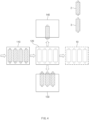
- FIG. 3 shows inspection and separation of secondary batteries according to a first embodiment of the present disclosure.
- the battery inspection unit 110 may receive a battery group including four batteries.
- the battery inspection unit 110 may perform an inspection to determine which battery of the supplied battery group is a good battery.
- the battery inspection unit 110 may determine which battery of the supplied battery group is a good battery based on at least one of a voltage test, a current test, and a resistance test for each battery included in the battery group.
- the battery inspection unit 110 may determine that all of the batteries included in the supplied battery group are good batteries 2. For example, when it is identified that all of the batteries included in the supplied battery group are determined to be good batteries 2, the battery separation unit 120 may discharge all of the four batteries as the good battery group 10.
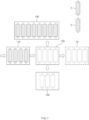
- FIG. 4 shows inspection and separation of secondary batteries according to a second embodiment of the present disclosure.
- the battery inspection unit 110 may determine that, among the four batteries, there are three good batteries 2 and there is one defective battery 3.
- the battery separation unit 120 may identify whether it is possible to form the good battery group 10 by receiving a good battery 2 from the good battery storage unit 130 by transfer. In this case, since no good battery 2 exists in the good battery storage unit 130 according to the first embodiment, it may not be possible to form the good battery group 10 including four good batteries. The battery separation unit 120 may identify that formation of the good battery group 10 is not possible, transfer the one defective battery 3 to the defective battery storage unit 140, and transfer the three good batteries 2 to the good battery storage unit 130.
- three good batteries 2 may exist in the good battery storage unit 130 and one defective battery 3 may exist in the defective battery storage unit 140.
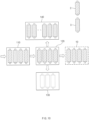
- FIG. 5 shows inspection and separation of secondary batteries according to a third embodiment of the present disclosure.
- the battery inspection unit 110 may determine that, among the four batteries, there are three good batteries 2 and there is one defective battery 3.
- the battery separation unit 120 may identify whether it is possible to form the good battery group 10 by receiving a good battery 2 from the good battery storage unit 130 by transfer. In this case, since three good batteries 2 exist in the good battery storage unit 130 according to the second embodiment, it may be possible to form the good battery group 10 including four good batteries by receiving one good battery 2 by transfer.
- the battery separation unit 120 may identify that formation of the good battery group 10 is possible, transfer the one defective battery 3 to the defective battery storage unit 140, and form the good battery group 10 by receiving the one good battery 2 from the good battery storage unit 130 by transfer.
- the battery separation unit 120 may discharge the good battery group 10 including four good batteries.
- two good batteries 2 may exist in the good battery storage unit 130 and two defective batteries 3 may exist in the defective battery storage unit 140.
- FIG. 6 shows inspection and separation of secondary batteries according to a fourth embodiment of the present disclosure.
- the battery inspection unit 110 may determine that, among the four batteries, there are two good batteries 2 and there are two defective batteries 3.
- the battery separation unit 120 may identify whether it is possible to form the good battery group 10 by receiving a good battery 2 from the good battery storage unit 130 by transfer. In this case, since two good batteries 2 exists in the good battery storage unit 130 according to the third embodiment, it may be possible to form the good battery group 10 including four good batteries by receiving two good batteries 2 by transfer.
- the battery separation unit 120 may identify that formation of the good battery group 10 is possible, transfer the two defective batteries 3 to the defective battery storage unit 140, and form the good battery group 10 by receiving the two good batteries 2 from the good battery storage unit 130 by transfer.
- the battery separation unit 120 may discharge the good battery group 10 including four good batteries.
- no good battery 2 may exist in the good battery storage unit 130 and four defective batteries 3 may exist in the defective battery storage unit 140.
- FIG. 7 shows inspection and separation of secondary batteries according to a fifth embodiment of the present disclosure.
- the battery inspection unit 110 may determine that, among the four batteries, there is no good battery 2 and there are four defective batteries 3.
- the battery separation unit 120 may identify whether it is possible to form the good battery group 10 by receiving a good battery 2 from the good battery storage unit 130 by transfer. In this case, since no good battery 2 exists in the good battery storage unit 130 according to the fourth embodiment, it may not be possible to form the good battery group 10 including four good batteries by receiving zero good batteries 2 by transfer.
- the battery separation unit 120 may identify that the formation of the good battery group 10 is not possible, and may transfer the four defective batteries 3 to the defective battery storage unit 140. The battery separation unit 120 may not discharge the good battery group 10.
- no good battery 2 may exist in the good battery storage unit 130 and eight defective batteries 3 may exist in the defective battery storage unit 140.
- FIG. 8 shows inspection and separation of secondary batteries according to a sixth embodiment of the present disclosure.
- the battery inspection unit 110 may determine that, among the four batteries, there is one good battery and there are three defective batteries 3.
- the battery separation unit 120 may identify whether it is possible to form the good battery group 10 by receiving a good battery 2 from the good battery storage unit 130 by transfer. In this case, since no good battery 2 exists in the good battery storage unit 130 according to the fifth embodiment, it may not be possible to form the good battery group 10 including four good batteries by receiving a good battery 2 by transfer.
- the battery separation unit 120 may identify that formation of the good battery group 10 is not possible, transfer the three defective batteries 3 to the defective battery storage unit 140, and transfer the one good battery 2 to the good battery storage unit 130.
- the battery separation unit 120 may not discharge the good battery group 10.
- one good battery 2 may exist in the good battery storage unit 130 and eleven defective batteries 3 may exist in the defective battery storage unit 140.
- FIG. 9 shows inspection and separation of secondary batteries according to a seventh embodiment of the present disclosure.
- the battery inspection unit 110 may determine that, among the four batteries, there are four good batteries and there is no defective battery 3.
- the battery separation unit 120 may discharge all of the four batteries as the good battery group 10.
- one good battery 2 may exist in the good battery storage unit 130 and eleven defective batteries 3 may exist in the defective battery storage unit 140.
- FIG. 10 shows inspection and separation of secondary batteries according to an eighth embodiment of the present disclosure.
- the battery inspection unit 110 may determine that, among the four batteries, there are three good batteries and there is one defective battery 3.
- the battery separation unit 120 may identify whether it is possible to form the good battery group 10 by receiving a good battery 2 from the good battery storage unit 130 by transfer. In this case, since one good battery 2 exists in the good battery storage unit 130 according to the seventh embodiment, it may be possible to form the good battery group 10 including four good batteries by receiving the good battery 2 by transfer.
- the battery separation unit 120 may identify that formation of the good battery group 10 is possible, transfer the one defective battery 3 to the defective battery storage unit 140, and receive the one good battery 2 from the good battery storage unit 130 by transfer. When the battery separation unit 120 receives one good battery 2 by transfer, the good battery group 10 may be formed. The battery separation unit 120 may discharge the good battery group 10 including four good batteries.
- no good battery 2 may exist in the good battery storage unit 130 and twelve defective batteries 3 may exist in the defective battery storage unit 140.
- FIG. 11 shows a secondary battery manufacturing system 1-1 including a secondary battery inspection-separation system 1 according to another embodiment of the present disclosure.
- the secondary battery manufacturing system 1-1 (hereinafter, “manufacturing system 1-1") may include the above-described secondary battery inspection-separation system 1.
- the manufacturing system 1-1 may include a battery operation unit 150.
- the battery operation unit 150 may perform a predetermined operation on the good batteries included in the discharged good battery group 10.
- the battery operation unit 150 may perform lead cutting on the good batteries included in the good battery group 10.
- the battery operation unit 150 may identify an alignment state of the good batteries and a position of the lead according to the alignment state through a user interface (e.g., cutting vision), and may perform a predetermined cutting operation based on the identified alignment state and lead position.
- the manufacturing system 1-1 may include a battery supply unit 160.
- the battery supply unit 150 may sequentially supply battery groups each including a predetermined number of batteries to the battery inspection unit 110.
- the manufacturing system 1-1 may include a battery information checking unit 170.
- the battery information checking unit 170 may check battery information about each of a predetermined number of batteries included in the battery groups. For example, when each of a predetermined number of batteries has a barcode including battery information, the battery information checking unit 170 may obtain the battery information by reading the barcode.
- the battery information may include position information, identification information, and information on whether the battery is good.
- the battery separation unit 120 may perform suction with the suction pad based on position information on each of a predetermined number of batteries that has been identified as good batteries or defective batteries, thereby transferring the identified battery to the good battery storage unit 130 or the defective battery storage unit 140.
- the manufacturing system 1-1 may include a battery alignment unit 180.
- the battery alignment unit 180 may perform mechanical alignment on each battery included in the supplied battery group. For example, before the battery inspection unit 110 performs the inspection, each battery included in the battery group may be aligned so that the inspection may be performed smoothly.
- the control unit 100 may be electrically connected to at least one of the battery operation unit 150, the battery supply unit 160, the battery information checking unit 170, and the battery alignment unit 180, and may control operations of at least one of the battery operation unit 150, the battery supply unit 160, the battery information checking unit 170, and the battery alignment unit 180.
Landscapes
- Engineering & Computer Science (AREA)
- Manufacturing & Machinery (AREA)
- Chemical & Material Sciences (AREA)
- Chemical Kinetics & Catalysis (AREA)
- Electrochemistry (AREA)
- General Chemical & Material Sciences (AREA)
- Secondary Cells (AREA)
- Testing Electric Properties And Detecting Electric Faults (AREA)
Abstract
Description
- This application claims the benefit of
Korean Patent Application No. 10-2022-0003646, filed on January 10, 2022 - The present disclosure relates to a method and system for inspecting a battery to determine whether the battery is good and separating the battery depending on whether the battery is good.
- Due to issues such as environmental pollution and oil depletion, development of power generation based on eco-friendly energy resources such as solar heat, hydroelectric power, wind power, ocean energy, and biomass energy is in progress. In particular, research on secondary batteries capable of being repeatedly charged is being actively conducted, and aspects such as materials, efficiency, structure, stability, and systems of secondary batteries are being developed.
- During their production, secondary batteries go through processes, where various processes corresponding to the type of secondary batteries are applied. In general, secondary batteries are produced through processes such as an electrode process, an assembly process, and a formation process, and during the production of secondary batteries, there is also a process of inspecting the secondary batteries to determine whether the secondary batteries are good and separating defective batteries.
- According to the related art, during the production of secondary batteries, the inspection on the secondary batteries performed as to whether the secondary batteries are good, and if there is a defective battery, a good battery and the defective battery are discharged together, the defective battery is separated through an extra operation, and then the good battery is put back in.
- An aspect of the present disclosure provides a method and system capable of, for batteries determined to be good or defective through inspection, automatically transporting and keeping defective batteries and automatically transporting and temporarily storing good batteries, and automatically discharging a predetermined number of good batteries for the next process when certain requirements are met.
- According to an aspect of the present disclosure, there is provided a method for inspecting and separating a secondary battery, the method including: determining which of a predetermined number of batteries is a good battery; when not all of the predetermined number of batteries are determined to be good batteries, receiving a good battery temporarily stored in a good battery storage unit by transfer, when it is possible to form a good battery group including only good batteries by receiving the good battery temporarily stored in the good battery storage unit by transfer, and temporarily storing a good battery among the predetermined number of batteries by transferring the good battery to the good battery storage unit, when it is not possible to form a good battery group including only good batteries by receiving the good battery temporarily stored in the good battery storage unit by transfer; and discharging the good battery group when the good battery group is formed.
- The method for inspecting and separating a secondary battery may further include discharging all of the predetermined number of batteries when all of the predetermined number of batteries are determined to be good batteries.
- The method for inspecting and separating a secondary battery may further include transferring a defective battery determined not to be a good battery among the predetermined number of batteries to a defective battery storage unit for storage.
- The determining of which of the predetermined number of batteries is a good battery may include determining which of the predetermined number of batteries is a good battery based on at least one of a voltage test, a current test, and a resistance test for the predetermined number of batteries.
- The good battery group may include the same number of good batteries as the predetermined number.
- The method for inspecting and separating a secondary battery may further include, prior to the determining of which of the predetermined number of batteries is a good battery, sequentially receiving battery groups each including the predetermined number of batteries.
- The transfer may be performed by using a suction pad.
- The method for inspecting and separating a secondary battery may further include discharging all of the predetermined number of batteries or the good battery group to a battery operation unit to perform a predetermined operation.
- According to an aspect of the present disclosure, there is provided a system for inspecting and separating a secondary battery, the system including: a battery inspection unit that determines which of a predetermined number of batteries is a good battery; a battery separation unit that separates and discharges the predetermined number of batteries; a good battery storage unit in which good batteries are temporarily stored; and a control unit electrically connected to the battery inspection unit and the battery separation unit, and the control unit controls the battery inspection unit to determine which of the predetermined number of batteries is a good battery, and controls the battery separation unit to: when not all of the predetermined number of batteries are determined to be good batteries, receive a good battery temporarily stored in the good battery storage unit by transfer, when it is possible to form a good battery group by receiving the good battery temporarily stored in the good battery storage unit by transfer; and temporarily store a good battery among the predetermined number of batteries by transferring the good battery to the good battery storage unit, when it is not possible to form a good battery group including only good batteries by receiving the good battery temporarily stored in the good battery storage unit by transfer; and discharge the good battery group when the good battery group is formed.
- The system for inspecting and separating a secondary battery may further include a defective battery storage unit that stores a defective battery, and the control unit may control the battery separation unit to transfer a defective battery determined not to be a good battery among the predetermined number of batteries to the defective battery storage unit.
- The control unit may control the battery inspection unit to determine which of the predetermined number of batteries is a good battery based on at least one of a voltage test, a current test, and a resistance test for the predetermined number of batteries.
- The good battery group may include the same number of good batteries as the predetermined number.
- The battery separation unit may transfer the good battery using a suction pad.
- The system for inspecting and separating a secondary battery may further include a battery supply unit that sequentially supplies battery groups each including the predetermined number of batteries to the battery inspection unit.
- The system for inspecting and separating a secondary battery may further include a battery operation unit that performs a predetermined operation on the discharged all of the predetermined number of batteries, or the discharged good battery group.
- The control unit may control the battery separation unit to, when all of the predetermined number of batteries are determined to be good batteries, discharge all of the predetermined number of batteries.
- According to a preferred embodiment of the present disclosure, a process is not performed in which a good battery and a defective battery are discharged together, the defective battery and the good battery are separated from each other, and then the good battery is put in back, and thus an unnecessary manual task may be omitted.
- According to a preferred embodiment of the present disclosure, with the inspection and separation system for the batteries being automated and a task manually performed being omitted, the inspection and separation process may be efficiently and simply performed.
-
-
FIG. 1 is a diagram showing an inspection-separation system for secondary batteries according to an embodiment of the present disclosure; -
FIG. 2 is a flowchart illustrating a procedure for inspecting and separating secondary batteries according to an embodiment of the present disclosure; -
FIG. 3 is a diagram showing inspection and separation of secondary batteries according to a first embodiment of the present disclosure; -
FIG. 4 is a diagram showing inspection and separation of secondary batteries according to a second embodiment of the present disclosure; -
FIG. 5 is a diagram showing inspection and separation of secondary batteries according to a third embodiment of the present disclosure; -
FIG. 6 is a diagram showing inspection and separation of secondary batteries according to a fourth embodiment of the present disclosure; -
FIG. 7 is a diagram showing inspection and separation of secondary batteries according to a fifth embodiment of the present disclosure; -
FIG. 8 is a diagram showing inspection and separation of secondary batteries according to a sixth embodiment of the present disclosure; -
FIG. 9 is a diagram showing inspection and separation of secondary batteries according to a seventh embodiment of the present disclosure; -
FIG. 10 is a diagram showing inspection and separation of secondary batteries according to an eighth embodiment of the present disclosure; and -
FIG. 11 is a diagram showing a secondary battery manufacturing system including a secondary battery inspection-separation system according to another embodiment of the present disclosure. - Hereinafter, preferred embodiments of the present disclosure will be described in detail with reference to the accompanying drawings so that those skilled in the art may easily carry out the present disclosure. However, the present disclosure may be implemented in various different forms and is neither limited nor restricted by the following embodiments.
- In order to clearly illustrate the present disclosure, detailed descriptions of parts not related to the description or techniques known in the art that may unnecessarily obscure the subject matter of the present disclosure are omitted, and in the specification, when reference numerals are given to components in each of the drawings, the same or similar components will be designated by the same or similar reference numerals through the specification.
- In addition, terms or words used in this specification and claims should not be restrictively interpreted as ordinary meanings or dictionary-based meanings, but should be interpreted as meanings and concepts conforming to the scope of the present disclosure on the basis of the principle that an inventor can properly define the concept of a term to describe and explain his or her invention in the best ways.
-
FIG. 1 illustrates an inspection-separation system 1 of a secondary battery according to an embodiment of the present disclosure (hereinafter, an "inspection-separation system 1") . - The inspection-
separation system 1 may include abattery inspection unit 110. Thebattery inspection unit 110 may perform an inspection to determine which of batteries supplied to the inspection-separation system 1 is a good battery. For example, thebattery inspection unit 110 may determine which of sequentially supplied batteries is a good battery based on at least one of a voltage test, a current test, and a resistance test for the batteries. - The
battery inspection unit 110 may sequentially receive battery groups each including a predetermined number of batteries for inspection. For example, battery groups including a predetermined number of batteries may be sequentially supplied to thebattery inspection unit 110, and thebattery inspection unit 110 may determine which of a predetermined number of batteries included in each of the sequentially supplied battery groups is a good battery. - The inspection-
separation system 1 may include abattery separation unit 120. Thebattery separation unit 120 may perform a separation operation on batteries that have been determined to be good batteries or defective batteries. For example, thebattery separation unit 120 may transfer batteries determined to be good batteries to a goodbattery storage unit 130 and may transfer batteries that are not determined to be good batteries to a defectivebattery storage unit 140. Thebattery separation unit 120 may suck the batteries using a suction pad, and transfer the sucked batteries to one of the goodbattery storage unit 130 and the defectivebattery storage unit 140. - The inspection-
separation system 1 may include the goodbattery storage unit 130. The goodbattery storage unit 130 may store batteries determined to be good batteries (or good batteries). For example, good batteries may be temporarily stored in the goodbattery storage unit 130 prior to discharging the good batteries from the inspection-separation system 1. - The inspection-
separation system 1 may include the defectivebattery storage unit 140. The defectivebattery storage unit 140 may store batteries that are not determined to be good batteries (or defective batteries). For example, defective batteries that are not to be discharged as good batteries from the inspection-separation system 1 may be stored in the defectivebattery storage unit 140. - The inspection-
separation system 1 may further include acontrol unit 100. Thecontrol unit 100 may be electrically connected to at least one of thebattery inspection unit 110 and thebattery separation unit 120, and may control operations performed by at least one of thebattery inspection unit 110 and thebattery separation unit 120. - The inspection-
separation system 1 may discharge agood battery group 10. For example, thegood battery group 10 may be a battery group including only good batteries. When discharging good batteries, the inspection-separation system 1 may discharge good batteries after forming thegood battery group 10 including only a predetermined number of good batteries for process efficiency. The predetermined number of good batteries included in thegood battery group 10 may be the same as the predetermined number of batteries included in each of the battery groups sequentially supplied to thebattery inspection unit 110. However, the number may not be limited thereto. -
FIG. 2 is a flowchart illustrating a procedure for inspecting and separating secondary batteries according to an embodiment of the present disclosure. - According to step 210, it is possible to determine which of a predetermined number of batteries is a good battery. For example, the
battery inspection unit 110 may determine which of a predetermined number of batteries is a good battery. Thebattery inspection unit 110 may determine which of the batteries is a good battery based on at least one of a voltage test, a current test, and a resistance test for the batteries. For a specific example, when the number of batteries included in each of the battery groups sequentially supplied to thebattery inspection unit 110 is four, thebattery inspection unit 110 may determine which of the four batteries is a good battery. - According to step 220, it is possible to identify whether all of the predetermined number of batteries are determined to be good batteries. For example, the
battery separation unit 120 may identify whether all of the predetermined number of batteries are determined to be good batteries. Thebattery separation unit 120 may performstep 230 when it is identified that all of the predetermined number of batteries are determined to be good batteries. - According to step 230, it is possible to discharge all of the predetermined number of batteries. For example, when it is identified that all of the predetermined number of batteries are determined to be good batteries, the
battery separation unit 120 may discharge all of the predetermined number of batteries as thegood battery group 10. For a specific example, when it is identified that four batteries are inspected to determine which of them is a good battery and all the four batteries are determined to be good batteries, thebattery separation unit 120 may discharge the four batteries as thegood battery group 10. - The
battery separation unit 120 may performstep 240 when it is not identified that all of the predetermined number of batteries are determined to be good batteries. - According to step 240, it is possible to identify whether the
good battery group 10 may be formed by receiving the good batteries by transfer. For example, thebattery separation unit 120 may identify whether the formation of thegood battery group 10 is possible, by transferring, to the defectivebattery storage unit 140, defective batteries from among the predetermined number of batteries and receiving the good batteries from the goodbattery storage unit 130 by transfer. For a specific example, when the number of good batteries stored in the goodbattery storage unit 130 is insufficient to form thegood battery group 10, thebattery separation unit 120 may identify that the formation of thegood battery group 10 is not possible. For another example, when the number of good batteries stored in the goodbattery storage unit 130 is smaller than the number of defective batteries transferred to the defectivebattery storage unit 140, thebattery separation unit 120 may identify that the formation of thegood battery group 10 is not possible. - When the number of good batteries stored in the good
battery storage unit 130 is not insufficient to form thegood battery group 10, thebattery separation unit 120 may identify that the formation of thegood battery group 10 is possible. In addition, when the number of good batteries stored in the goodbattery storage unit 130 is equal to or greater than the number of defective batteries transferred to the defectivebattery storage unit 140, thebattery separation unit 120 may identify that the formation of thegood battery group 10 is possible. - When it is identified that the formation of the
good battery group 10 is possible, thebattery separation unit 120 may performstep 250. - According to step 250, it is possible to form the
good battery group 10 by receiving good batteries by transfer. For example, thebattery separation unit 120 may receive good batteries stored in the goodbattery storage unit 130 by transfer, and may form thegood battery group 10 including a predetermined number of good batteries by receiving the good batteries by transfer. - According to step 260, it is possible to discharge the
good battery group 10. For example, when thegood battery group 10 is formed, thebattery separation unit 120 may discharge thegood battery group 10 from the inspection-separation system 1 for another process. - When it is identified that the formation of the
good battery group 10 is not possible, thebattery separation unit 120 may performstep 270. - According to step 270, defective batteries among the predetermined number of batteries may be transferred to the defective
battery storage unit 140. For example, when the number of good batteries stored in the goodbattery storage unit 130 is insufficient to form thegood battery group 10, thebattery separation unit 120 may identify that the formation of thegood battery group 10 is not possible. When it is identified that the formation of thegood battery group 10 is not possible, thebattery separation unit 120 may transfer defective batteries among the predetermined number of supplied batteries to the defectivebattery storage unit 140. - According to step 280, it is possible to temporarily store the good batteries among a predetermined number of batteries in the good
battery storage unit 130. For example, when it is identified that the formation of thegood battery group 10 is not possible, thebattery separation unit 120 may temporarily store good batteries among a predetermined number of supplied batteries in the goodbattery storage unit 130. - The
control unit 100 of the inspection-separation system 1 may perform the operations ofsteps 210 to 280 described above by controlling at least one of thebattery inspection unit 110 and thebattery separation unit 120. - Hereinafter, with reference to the embodiments of
FIGS. 3 to 10 , a procedure for inspecting and separating the secondary batteries by the inspection-separation system 1 will be described in detail. In addition, the embodiments ofFIGS. 3 to 10 will be described on the premise that the predetermined number is four, but this is an example for convenience of description and is not particularly limited thereto. Since battery groups are sequentially supplied, each embodiment may be described on the premise of the previous embodiment. For example, after the Nth embodiment, the N+1th embodiment may be performed on the premise of the Nth embodiment. -
FIG. 3 shows inspection and separation of secondary batteries according to a first embodiment of the present disclosure. - The
battery inspection unit 110 may receive a battery group including four batteries. Thebattery inspection unit 110 may perform an inspection to determine which battery of the supplied battery group is a good battery. Thebattery inspection unit 110 may determine which battery of the supplied battery group is a good battery based on at least one of a voltage test, a current test, and a resistance test for each battery included in the battery group. - When all four batteries included in the supplied battery group are
good batteries 2, thebattery inspection unit 110 may determine that all of the batteries included in the supplied battery group aregood batteries 2. For example, when it is identified that all of the batteries included in the supplied battery group are determined to begood batteries 2, thebattery separation unit 120 may discharge all of the four batteries as thegood battery group 10. - In this case, no battery may exist in each of the good
battery storage unit 130 and the defectivebattery storage unit 140. -
FIG. 4 shows inspection and separation of secondary batteries according to a second embodiment of the present disclosure. - When there are three
good batteries 2 and onedefective battery 3 among the four batteries included in the supplied battery group, thebattery inspection unit 110 may determine that, among the four batteries, there are threegood batteries 2 and there is onedefective battery 3. - When identifying the determination made, the
battery separation unit 120 may identify whether it is possible to form thegood battery group 10 by receiving agood battery 2 from the goodbattery storage unit 130 by transfer. In this case, since nogood battery 2 exists in the goodbattery storage unit 130 according to the first embodiment, it may not be possible to form thegood battery group 10 including four good batteries. Thebattery separation unit 120 may identify that formation of thegood battery group 10 is not possible, transfer the onedefective battery 3 to the defectivebattery storage unit 140, and transfer the threegood batteries 2 to the goodbattery storage unit 130. - In this case, three
good batteries 2 may exist in the goodbattery storage unit 130 and onedefective battery 3 may exist in the defectivebattery storage unit 140. -
FIG. 5 shows inspection and separation of secondary batteries according to a third embodiment of the present disclosure. - When there are three
good batteries 2 and onedefective battery 3 among the four batteries included in the supplied battery group, thebattery inspection unit 110 may determine that, among the four batteries, there are threegood batteries 2 and there is onedefective battery 3. - When identifying the determination made, the
battery separation unit 120 may identify whether it is possible to form thegood battery group 10 by receiving agood battery 2 from the goodbattery storage unit 130 by transfer. In this case, since threegood batteries 2 exist in the goodbattery storage unit 130 according to the second embodiment, it may be possible to form thegood battery group 10 including four good batteries by receiving onegood battery 2 by transfer. - The
battery separation unit 120 may identify that formation of thegood battery group 10 is possible, transfer the onedefective battery 3 to the defectivebattery storage unit 140, and form thegood battery group 10 by receiving the onegood battery 2 from the goodbattery storage unit 130 by transfer. Thebattery separation unit 120 may discharge thegood battery group 10 including four good batteries. - In this case, two
good batteries 2 may exist in the goodbattery storage unit 130 and twodefective batteries 3 may exist in the defectivebattery storage unit 140. -
FIG. 6 shows inspection and separation of secondary batteries according to a fourth embodiment of the present disclosure. - When there are two
good batteries 2 and twodefective batteries 3 among the four batteries included in the supplied battery group, thebattery inspection unit 110 may determine that, among the four batteries, there are twogood batteries 2 and there are twodefective batteries 3. - When identifying the determination made, the
battery separation unit 120 may identify whether it is possible to form thegood battery group 10 by receiving agood battery 2 from the goodbattery storage unit 130 by transfer. In this case, since twogood batteries 2 exists in the goodbattery storage unit 130 according to the third embodiment, it may be possible to form thegood battery group 10 including four good batteries by receiving twogood batteries 2 by transfer. - The
battery separation unit 120 may identify that formation of thegood battery group 10 is possible, transfer the twodefective batteries 3 to the defectivebattery storage unit 140, and form thegood battery group 10 by receiving the twogood batteries 2 from the goodbattery storage unit 130 by transfer. Thebattery separation unit 120 may discharge thegood battery group 10 including four good batteries. - In this case, no
good battery 2 may exist in the goodbattery storage unit 130 and fourdefective batteries 3 may exist in the defectivebattery storage unit 140. -
FIG. 7 shows inspection and separation of secondary batteries according to a fifth embodiment of the present disclosure. - When there is no
good battery 2 and there are fourdefective batteries 3, among the four batteries included in the supplied battery group, thebattery inspection unit 110 may determine that, among the four batteries, there is nogood battery 2 and there are fourdefective batteries 3. - When identifying the determination made, the
battery separation unit 120 may identify whether it is possible to form thegood battery group 10 by receiving agood battery 2 from the goodbattery storage unit 130 by transfer. In this case, since nogood battery 2 exists in the goodbattery storage unit 130 according to the fourth embodiment, it may not be possible to form thegood battery group 10 including four good batteries by receiving zerogood batteries 2 by transfer. - The
battery separation unit 120 may identify that the formation of thegood battery group 10 is not possible, and may transfer the fourdefective batteries 3 to the defectivebattery storage unit 140. Thebattery separation unit 120 may not discharge thegood battery group 10. - In this case, no
good battery 2 may exist in the goodbattery storage unit 130 and eightdefective batteries 3 may exist in the defectivebattery storage unit 140. -
FIG. 8 shows inspection and separation of secondary batteries according to a sixth embodiment of the present disclosure. - When there is one
good battery 2 and threedefective batteries 3, among the four batteries included in the supplied battery group, thebattery inspection unit 110 may determine that, among the four batteries, there is one good battery and there are threedefective batteries 3. - When identifying the determination made, the
battery separation unit 120 may identify whether it is possible to form thegood battery group 10 by receiving agood battery 2 from the goodbattery storage unit 130 by transfer. In this case, since nogood battery 2 exists in the goodbattery storage unit 130 according to the fifth embodiment, it may not be possible to form thegood battery group 10 including four good batteries by receiving agood battery 2 by transfer. - The
battery separation unit 120 may identify that formation of thegood battery group 10 is not possible, transfer the threedefective batteries 3 to the defectivebattery storage unit 140, and transfer the onegood battery 2 to the goodbattery storage unit 130. Thebattery separation unit 120 may not discharge thegood battery group 10. - In this case, one
good battery 2 may exist in the goodbattery storage unit 130 and elevendefective batteries 3 may exist in the defectivebattery storage unit 140. -
FIG. 9 shows inspection and separation of secondary batteries according to a seventh embodiment of the present disclosure. - When there are four
good batteries 2 and there is nodefective battery 3, among the four batteries included in the supplied battery group, thebattery inspection unit 110 may determine that, among the four batteries, there are four good batteries and there is nodefective battery 3. - When the determination is identified that the four batteries included in the supplied battery group are all
good batteries 2, thebattery separation unit 120 may discharge all of the four batteries as thegood battery group 10. - In this case, one
good battery 2 may exist in the goodbattery storage unit 130 and elevendefective batteries 3 may exist in the defectivebattery storage unit 140. -
FIG. 10 shows inspection and separation of secondary batteries according to an eighth embodiment of the present disclosure. - When there are three
good batteries 2 and there is onedefective battery 3, among the four batteries included in the supplied battery group, thebattery inspection unit 110 may determine that, among the four batteries, there are three good batteries and there is onedefective battery 3. - When identifying the determination made, the
battery separation unit 120 may identify whether it is possible to form thegood battery group 10 by receiving agood battery 2 from the goodbattery storage unit 130 by transfer. In this case, since onegood battery 2 exists in the goodbattery storage unit 130 according to the seventh embodiment, it may be possible to form thegood battery group 10 including four good batteries by receiving thegood battery 2 by transfer. - The
battery separation unit 120 may identify that formation of thegood battery group 10 is possible, transfer the onedefective battery 3 to the defectivebattery storage unit 140, and receive the onegood battery 2 from the goodbattery storage unit 130 by transfer. When thebattery separation unit 120 receives onegood battery 2 by transfer, thegood battery group 10 may be formed. Thebattery separation unit 120 may discharge thegood battery group 10 including four good batteries. - In this case, no
good battery 2 may exist in the goodbattery storage unit 130 and twelvedefective batteries 3 may exist in the defectivebattery storage unit 140. -
FIG. 11 shows a secondary battery manufacturing system 1-1 including a secondary battery inspection-separation system 1 according to another embodiment of the present disclosure. - The secondary battery manufacturing system 1-1 (hereinafter, "manufacturing system 1-1") may include the above-described secondary battery inspection-
separation system 1. - The manufacturing system 1-1 may include a
battery operation unit 150. Thebattery operation unit 150 may perform a predetermined operation on the good batteries included in the dischargedgood battery group 10. For example, thebattery operation unit 150 may perform lead cutting on the good batteries included in thegood battery group 10. For a specific example, thebattery operation unit 150 may identify an alignment state of the good batteries and a position of the lead according to the alignment state through a user interface (e.g., cutting vision), and may perform a predetermined cutting operation based on the identified alignment state and lead position. - The manufacturing system 1-1 may include a
battery supply unit 160. Thebattery supply unit 150 may sequentially supply battery groups each including a predetermined number of batteries to thebattery inspection unit 110. - The manufacturing system 1-1 may include a battery
information checking unit 170. The batteryinformation checking unit 170 may check battery information about each of a predetermined number of batteries included in the battery groups. For example, when each of a predetermined number of batteries has a barcode including battery information, the batteryinformation checking unit 170 may obtain the battery information by reading the barcode. The battery information may include position information, identification information, and information on whether the battery is good. By the batteryinformation checking unit 170 obtaining battery information, thebattery separation unit 120 may perform suction with the suction pad based on position information on each of a predetermined number of batteries that has been identified as good batteries or defective batteries, thereby transferring the identified battery to the goodbattery storage unit 130 or the defectivebattery storage unit 140. - The manufacturing system 1-1 may include a
battery alignment unit 180. Thebattery alignment unit 180 may perform mechanical alignment on each battery included in the supplied battery group. For example, before thebattery inspection unit 110 performs the inspection, each battery included in the battery group may be aligned so that the inspection may be performed smoothly. - The
control unit 100 may be electrically connected to at least one of thebattery operation unit 150, thebattery supply unit 160, the batteryinformation checking unit 170, and thebattery alignment unit 180, and may control operations of at least one of thebattery operation unit 150, thebattery supply unit 160, the batteryinformation checking unit 170, and thebattery alignment unit 180. - While the present disclosure has been hereinabove described with regard to a limited number of embodiments and drawings, the present disclosure is not limited thereto and it is obvious to those skilled in the art that various modifications and changes may be made thereto within the technical aspects of the present disclosure and the equivalent scope of the appended claims.
-
- 1: inspection-separation system
- 1-1: secondary battery manufacturing system
- 2: good battery
- 3: defective batter

- 10: good battery group
- 100: control unit
- 110: battery inspection unit
- 120: battery separation unit
- 130: good battery storage unit
- 140: defective battery storage unit
- 150: battery operation unit
- 160: battery supply unit
- 170: battery information checking unit
- 180: battery alignment unit
Claims (16)
- A method for inspecting and separating a secondary battery, the method comprising:determining which of a predetermined number of batteries is a good battery;when not all of the predetermined number of batteries are determined to be good batteries:receiving a good battery temporarily stored in a good battery storage unit by transfer, when it is possible to form a good battery group including only good batteries by receiving the good battery temporarily stored in the good battery storage unit by transfer; andtemporarily storing a good battery among the predetermined number of batteries by transferring the good battery to the good battery storage unit, when it is not possible to form a good battery group including only good batteries by receiving the good battery temporarily stored in the good battery storage unit by transfer; anddischarging the good battery group when the good battery group is formed.
- The method of claim 1, further comprising discharging all of the predetermined number of batteries when all of the predetermined number of batteries are determined to be good batteries.
- The method of claim 1, further comprising transferring a defective battery determined not to be a good battery among the predetermined number of batteries to a defective battery storage unit for storage.
- The method of claim 1, wherein the determining of which of the predetermined number of batteries is a good battery includes determining which of the predetermined number of batteries is a good battery based on at least one of a voltage test, a current test, and a resistance test for the predetermined number of batteries.
- The method of claim 1, wherein the good battery group includes the same number of good batteries as the predetermined number.
- The method of claim 1, further comprising, prior to the determining of which of the predetermined number of batteries is a good battery, sequentially receiving battery groups each including the predetermined number of batteries.
- The method of claim 1, wherein the transfer is performed by using a suction pad.
- The method of claim 1, further comprising discharging all of the predetermined number of batteries or the good battery group to a battery operation unit to perform a predetermined operation.
- A system for inspecting and separating a secondary battery, the system comprising:a battery inspection unit that determines which of a predetermined number of batteries is a good battery;a battery separation unit that separates and discharges the predetermined number of batteries;a good battery storage unit in which good batteries are temporarily stored; anda control unit electrically connected to the battery inspection unit and the battery separation unit,wherein the control unit:controls the battery inspection unit to determine which of the predetermined number of batteries is a good battery; andcontrols the battery separation unit to:when not all of the predetermined number of batteries are determined to be good batteries,receive a good battery temporarily stored in the good battery storage unit by transfer, when it is possible to form a good battery group by receiving the good battery temporarily stored in the good battery storage unit by transfer; andtemporarily store a good battery among the predetermined number of batteries by transferring the good battery to the good battery storage unit, when it is not possible to form a good battery group including only good batteries by receiving the good battery temporarily stored in the good battery storage unit by transfer; anddischarge the good battery group when the good battery group is formed.
- The system of claim 9, further comprising a defective battery storage unit that stores a defective battery,
wherein the control unit controls the battery separation unit to transfer a defective battery determined not to be a good battery among the predetermined number of batteries to the defective battery storage unit. - The system of claim 9, wherein the control unit controls the battery inspection unit to determine which of the predetermined number of batteries is a good battery based on at least one of a voltage test, a current test, and a resistance test for the predetermined number of batteries.
- The system of claim 9, wherein the good battery group includes the same number of good batteries as the predetermined number.
- The system of claim 9, wherein the battery separation unit transfers the good battery using a suction pad.
- The system of claim 9, further comprising a battery supply unit that sequentially supplies battery groups each including the predetermined number of batteries to the battery inspection unit.
- The system of claim 9, further comprising a battery operation unit that performs a predetermined operation on the discharged all of the predetermined number of batteries, or the discharged good battery group.
- The system of claim 9, wherein the control unit controls the battery separation unit to, when all of the predetermined number of batteries are determined to be good batteries, discharge all of the predetermined number of batteries.
Applications Claiming Priority (2)
| Application Number | Priority Date | Filing Date | Title |
|---|---|---|---|
| KR1020220003646A KR102967432B1 (en) | 2022-01-10 | Method for inspecting and separating battery, and system for the method | |
| PCT/KR2023/000452 WO2023132741A1 (en) | 2022-01-10 | 2023-01-10 | Method and system for inspecting and separating batteries |
Publications (2)
| Publication Number | Publication Date |
|---|---|
| EP4391144A1 true EP4391144A1 (en) | 2024-06-26 |
| EP4391144A4 EP4391144A4 (en) | 2025-07-09 |
Family
ID=87074014
Family Applications (1)
| Application Number | Title | Priority Date | Filing Date |
|---|---|---|---|
| EP23737489.7A Pending EP4391144A4 (en) | 2022-01-10 | 2023-01-10 | METHOD AND SYSTEM FOR INSPECTING AND DISCONNECTING BATTERIES |
Country Status (5)
| Country | Link |
|---|---|
| US (1) | US20240390949A1 (en) |
| EP (1) | EP4391144A4 (en) |
| JP (1) | JP7831911B2 (en) |
| CN (1) | CN118044039A (en) |
| WO (1) | WO2023132741A1 (en) |
Family Cites Families (18)
| Publication number | Priority date | Publication date | Assignee | Title |
|---|---|---|---|---|
| KR0184068B1 (en) * | 1995-11-30 | 1999-10-01 | 배순훈 | Bad battery sorting device and control method |
| KR100217394B1 (en) * | 1996-11-30 | 1999-09-01 | 전주범 | Inferior battery discharging and loading apparatus of lithium battery |
| US20030209375A1 (en) | 1999-01-25 | 2003-11-13 | Zip Charge Corporation | Electrical vehicle energy supply system, electrical vehicle battery, electrical vehicle battery charging apparatus, battery supply apparatus, and electrical vehicle battery management system |
| JP2002233064A (en) | 2001-01-31 | 2002-08-16 | Sony Corp | Circuit device |
| KR100745586B1 (en) * | 2001-05-07 | 2007-08-02 | 삼성전자주식회사 | Battery Inspection Device |
| US6781344B1 (en) * | 2003-02-11 | 2004-08-24 | Fuji Photo Film, Inc. | Battery tester and sorting apparatus |
| KR100556301B1 (en) * | 2004-01-06 | 2006-03-03 | 주식회사 이랜텍 | Battery cell sorting storage device of smart battery |
| KR20110107070A (en) * | 2010-03-24 | 2011-09-30 | 삼성에스디아이 주식회사 | Battery sorting device and sorting method |
| US20110300416A1 (en) * | 2010-06-03 | 2011-12-08 | Bertness Kevin I | Battery pack maintenance for electric vehicle |
| JP2012028686A (en) | 2010-07-27 | 2012-02-09 | Nitto Denko Corp | Light emitting apparatus inspection method, and light emitting apparatus processing method after inspection |
| CN104868184B (en) * | 2015-05-07 | 2017-04-12 | 浙江工商大学 | Battery online dynamic matching optimization method and system facing to separation-type assembly line |
| JP7040369B2 (en) | 2018-09-07 | 2022-03-23 | トヨタ自動車株式会社 | Inspection method of power storage device |
| CN109585949B (en) | 2018-12-06 | 2020-08-28 | 枣庄学院 | A storage device for 18650 lithium battery and automatic detection and replacement method |
| US11474153B2 (en) | 2019-11-12 | 2022-10-18 | Midtronics, Inc. | Battery pack maintenance system |
| KR102345882B1 (en) * | 2020-05-20 | 2022-01-03 | (주) 인텍플러스 | Sorting system for battery exterior inspection |
| US12517178B2 (en) * | 2021-05-27 | 2026-01-06 | Midtronics, Inc. | Battery monitoring system |
| KR102862226B1 (en) * | 2021-08-03 | 2025-09-19 | 주식회사 엘지에너지솔루션 | Apparatus and system for battery inspection |
| US20250189591A1 (en) * | 2022-05-20 | 2025-06-12 | Lg Energy Solution, Ltd. | Battery diagnosis method, battery diagnosis apparatus and battery system providing the same |
-
2023
- 2023-01-10 CN CN202380013817.XA patent/CN118044039A/en active Pending
- 2023-01-10 EP EP23737489.7A patent/EP4391144A4/en active Pending
- 2023-01-10 WO PCT/KR2023/000452 patent/WO2023132741A1/en not_active Ceased
- 2023-01-10 US US18/694,580 patent/US20240390949A1/en active Pending
- 2023-01-10 JP JP2024520620A patent/JP7831911B2/en active Active
Also Published As
| Publication number | Publication date |
|---|---|
| JP7831911B2 (en) | 2026-03-17 |
| US20240390949A1 (en) | 2024-11-28 |
| EP4391144A4 (en) | 2025-07-09 |
| WO2023132741A1 (en) | 2023-07-13 |
| CN118044039A (en) | 2024-05-14 |
| KR20230108168A (en) | 2023-07-18 |
| JP2024537121A (en) | 2024-10-10 |
Similar Documents
| Publication | Publication Date | Title |
|---|---|---|
| Townsend et al. | A comprehensive review of energy sources for unmanned aerial vehicles, their shortfalls and opportunities for improvements | |
| AU2021220328B2 (en) | Battery charging and discharging using a battery bank during battery manufacture | |
| CN116457675A (en) | Battery diagnostic apparatus and method | |
| US9519028B2 (en) | Method and system for characterizing battery cells for use in battery packs | |
| KR101542094B1 (en) | Battery management system and battery pack protection apparatus including the same | |
| WO2016091116A1 (en) | Lithium ion battery screening method | |
| CN102059220B (en) | Integrated system for grading and sorting batteries | |
| CN104733769B (en) | The manufacture method of all-solid-state battery | |
| JP2014216134A (en) | Method of measuring battery | |
| KR102553873B1 (en) | System and method for generating battery diagnosis data using AI model based on image | |
| EP4343691A1 (en) | Training method and training device for defect detection model of battery cell | |
| CN112803512A (en) | Method and control device for operating a battery system and battery system | |
| US20240390949A1 (en) | Method and system for inspecting and separating battery | |
| US20250251460A1 (en) | Method, apparatus, medium and electronic device for identifying degradation degree of battery | |
| CN109638906A (en) | A battery management method, system and storage medium | |
| CN113552490A (en) | A Reconfigurable Battery Pack SOC Estimation Method Based on Rest Recovery Effect | |
| CN106450520A (en) | Power battery cell sorting method and system | |
| KR102967432B1 (en) | Method for inspecting and separating battery, and system for the method | |
| EP4336443B1 (en) | Method and apparatus for detecting defect of battery cell surface | |
| CN207265690U (en) | The electric power system of multivoltage unmanned aerial vehicle platform | |
| KR20140032971A (en) | Method and system for producing leaf-like or plate-like objects | |
| CN111834494A (en) | Preparation method, device, equipment and storage medium of battery assembly | |
| JP7823990B2 (en) | Cell ID recovery device and its operation method | |
| Oman | Advances in lithium and nickel-metal hydride battery performance | |
| CN110694946A (en) | Method for rapidly sorting lithium ion batteries |
Legal Events
| Date | Code | Title | Description |
|---|---|---|---|
| STAA | Information on the status of an ep patent application or granted ep patent |
Free format text: STATUS: THE INTERNATIONAL PUBLICATION HAS BEEN MADE |
|
| PUAI | Public reference made under article 153(3) epc to a published international application that has entered the european phase |
Free format text: ORIGINAL CODE: 0009012 |
|
| STAA | Information on the status of an ep patent application or granted ep patent |
Free format text: STATUS: REQUEST FOR EXAMINATION WAS MADE |
|
| 17P | Request for examination filed |
Effective date: 20240321 |
|
| AK | Designated contracting states |
Kind code of ref document: A1 Designated state(s): AL AT BE BG CH CY CZ DE DK EE ES FI FR GB GR HR HU IE IS IT LI LT LU LV MC ME MK MT NL NO PL PT RO RS SE SI SK SM TR |
|
| DAV | Request for validation of the european patent (deleted) | ||
| DAX | Request for extension of the european patent (deleted) | ||
| A4 | Supplementary search report drawn up and despatched |
Effective date: 20250605 |
|
| RIC1 | Information provided on ipc code assigned before grant |
Ipc: B07C 5/36 20060101ALI20250530BHEP Ipc: H01M 10/42 20060101AFI20250530BHEP |
|
| STAA | Information on the status of an ep patent application or granted ep patent |
Free format text: STATUS: EXAMINATION IS IN PROGRESS |
|
| 17Q | First examination report despatched |
Effective date: 20251022 |
|
| GRAP | Despatch of communication of intention to grant a patent |
Free format text: ORIGINAL CODE: EPIDOSNIGR1 |
|
| STAA | Information on the status of an ep patent application or granted ep patent |
Free format text: STATUS: GRANT OF PATENT IS INTENDED |
|
| INTG | Intention to grant announced |
Effective date: 20260220 |
|
| P01 | Opt-out of the competence of the unified patent court (upc) registered |
Free format text: CASE NUMBER: UPC_APP_0009397_4391144/2026 Effective date: 20260311 |
|
| GRAS | Grant fee paid |
Free format text: ORIGINAL CODE: EPIDOSNIGR3 |
|
| GRAA | (expected) grant |
Free format text: ORIGINAL CODE: 0009210 |
|
| STAA | Information on the status of an ep patent application or granted ep patent |
Free format text: STATUS: THE PATENT HAS BEEN GRANTED |