EP4349334B1 - Wohlschmeckende flüssige lösung mit hoher miglustatkonzentration - Google Patents
Wohlschmeckende flüssige lösung mit hoher miglustatkonzentration Download PDFInfo
- Publication number
- EP4349334B1 EP4349334B1 EP22306512.9A EP22306512A EP4349334B1 EP 4349334 B1 EP4349334 B1 EP 4349334B1 EP 22306512 A EP22306512 A EP 22306512A EP 4349334 B1 EP4349334 B1 EP 4349334B1
- Authority
- EP
- European Patent Office
- Prior art keywords
- miglustat
- solution
- formulation
- disease
- liquid formulation
- Prior art date
- Legal status (The legal status is an assumption and is not a legal conclusion. Google has not performed a legal analysis and makes no representation as to the accuracy of the status listed.)
- Active
Links
Images



Classifications
-
- A—HUMAN NECESSITIES
- A61—MEDICAL OR VETERINARY SCIENCE; HYGIENE
- A61K—PREPARATIONS FOR MEDICAL, DENTAL OR TOILETRY PURPOSES
- A61K31/00—Medicinal preparations containing organic active ingredients
- A61K31/33—Heterocyclic compounds
- A61K31/395—Heterocyclic compounds having nitrogen as a ring hetero atom, e.g. guanethidine or rifamycins
- A61K31/435—Heterocyclic compounds having nitrogen as a ring hetero atom, e.g. guanethidine or rifamycins having six-membered rings with one nitrogen as the only ring hetero atom
- A61K31/44—Non condensed pyridines; Hydrogenated derivatives thereof
- A61K31/445—Non condensed piperidines, e.g. piperocaine
-
- A—HUMAN NECESSITIES
- A61—MEDICAL OR VETERINARY SCIENCE; HYGIENE
- A61K—PREPARATIONS FOR MEDICAL, DENTAL OR TOILETRY PURPOSES
- A61K47/00—Medicinal preparations characterised by the non-active ingredients used, e.g. carriers or inert additives; Targeting or modifying agents chemically bound to the active ingredient
- A61K47/06—Organic compounds, e.g. natural or synthetic hydrocarbons, polyolefins, mineral oil, petrolatum or ozokerite
- A61K47/08—Organic compounds, e.g. natural or synthetic hydrocarbons, polyolefins, mineral oil, petrolatum or ozokerite containing oxygen, e.g. ethers, acetals, ketones, quinones, aldehydes, peroxides
- A61K47/10—Alcohols; Phenols; Salts thereof, e.g. glycerol; Polyethylene glycols [PEG]; Poloxamers; PEG/POE alkyl ethers
-
- A—HUMAN NECESSITIES
- A61—MEDICAL OR VETERINARY SCIENCE; HYGIENE
- A61K—PREPARATIONS FOR MEDICAL, DENTAL OR TOILETRY PURPOSES
- A61K47/00—Medicinal preparations characterised by the non-active ingredients used, e.g. carriers or inert additives; Targeting or modifying agents chemically bound to the active ingredient
- A61K47/06—Organic compounds, e.g. natural or synthetic hydrocarbons, polyolefins, mineral oil, petrolatum or ozokerite
- A61K47/08—Organic compounds, e.g. natural or synthetic hydrocarbons, polyolefins, mineral oil, petrolatum or ozokerite containing oxygen, e.g. ethers, acetals, ketones, quinones, aldehydes, peroxides
- A61K47/12—Carboxylic acids; Salts or anhydrides thereof
-
- A—HUMAN NECESSITIES
- A61—MEDICAL OR VETERINARY SCIENCE; HYGIENE
- A61K—PREPARATIONS FOR MEDICAL, DENTAL OR TOILETRY PURPOSES
- A61K47/00—Medicinal preparations characterised by the non-active ingredients used, e.g. carriers or inert additives; Targeting or modifying agents chemically bound to the active ingredient
- A61K47/06—Organic compounds, e.g. natural or synthetic hydrocarbons, polyolefins, mineral oil, petrolatum or ozokerite
- A61K47/22—Heterocyclic compounds, e.g. ascorbic acid, tocopherol or pyrrolidones
-
- A—HUMAN NECESSITIES
- A61—MEDICAL OR VETERINARY SCIENCE; HYGIENE
- A61K—PREPARATIONS FOR MEDICAL, DENTAL OR TOILETRY PURPOSES
- A61K47/00—Medicinal preparations characterised by the non-active ingredients used, e.g. carriers or inert additives; Targeting or modifying agents chemically bound to the active ingredient
- A61K47/06—Organic compounds, e.g. natural or synthetic hydrocarbons, polyolefins, mineral oil, petrolatum or ozokerite
- A61K47/26—Carbohydrates, e.g. sugar alcohols, amino sugars, nucleic acids, mono-, di- or oligo-saccharides; Derivatives thereof, e.g. polysorbates, sorbitan fatty acid esters or glycyrrhizin
-
- A—HUMAN NECESSITIES
- A61—MEDICAL OR VETERINARY SCIENCE; HYGIENE
- A61K—PREPARATIONS FOR MEDICAL, DENTAL OR TOILETRY PURPOSES
- A61K9/00—Medicinal preparations characterised by special physical form
- A61K9/0012—Galenical forms characterised by the site of application
- A61K9/0053—Mouth and digestive tract, i.e. intraoral and peroral administration
-
- A—HUMAN NECESSITIES
- A61—MEDICAL OR VETERINARY SCIENCE; HYGIENE
- A61K—PREPARATIONS FOR MEDICAL, DENTAL OR TOILETRY PURPOSES
- A61K9/00—Medicinal preparations characterised by special physical form
- A61K9/08—Solutions
-
- A—HUMAN NECESSITIES
- A61—MEDICAL OR VETERINARY SCIENCE; HYGIENE
- A61P—SPECIFIC THERAPEUTIC ACTIVITY OF CHEMICAL COMPOUNDS OR MEDICINAL PREPARATIONS
- A61P3/00—Drugs for disorders of the metabolism
Definitions
- the present invention relates to a stable and palatable formulation containing high amount of miglustat, that can be used especially by children or people having difficulties to swallow.
- This highly concentrated formulation contains at least 150 mg/mL of Miglustat, and, as excipients, sodium benzoate, tartaric acid, a sweetener, and optionally an acidic flavour.
- This formulation can be advantageously administered along with therapeutic disaccharidase enzyme activators, so as to alleviate the intestinal side effects of miglustat.
- Miglustat (1,5 [butylimino]-1,5-dideoxy-D-glucitol) is a single stereoisomer synthetically derived from an imino sugar extracted from plants and microorganisms. It has a molecular weight of 219 and is a white crystalline substance that is highly soluble in water (>1 g/mL at ambient temperature). It is used to treat mild to moderate type 1 Gaucher disease (GD1) when enzyme replacement therapy is unsuitable, and Niemann-Pick disease type C (NP-C), which are both inherited metabolic disorders (Riahi et al, 2015). It has also recently been shown to be a promising candidate for the treatment of the Batten disease (or JNCL or CLN3 disease) ( WO 2022/023573 ) or auto-immune diseases ( US 2010/022620 ).
- GD1 mild to moderate type 1 Gaucher disease
- NP-C Niemann-Pick disease type C
- the standard adult Miglustat dose for GD1 is 100 mg three times a day.
- the standard dose for adults and adolescents is 200 mg three times a day.
- the dose should be adjusted on the basis of their body surface area.
- Zavesca ® is currently only formulated as capsules of 100 mg. These capsules are not appropriate for children, because i) these are highly loaded with the active ingredient, such load being not appropriate for their body surface and ii) capsules cannot be easily swallowed by children or ill patients experiencing dysphagia. In this context, there is a need to reformulate Zavesca ® into a swallowable formulation, e.g., a liquid formulation which volume would depend on the patient's diverence.
- a first problem that arises from reformulating Zavesca ® in a liquid solution is that Miglustat has a very bitter taste that is generally regarded as inedible. Because of this intolerable taste, Miglustat cannot be simply added in a fruit-puree or in a beverage, these becoming instantaneously inedible as soon as Miglustat is added. It is therefore necessary to associate the molecule with flavorings and/or sweeteners that will mask this prejudicial taste and render the absorption pleasant for the patient, in particular for children.
- a second problem is linked to the well-known risk of gastrointestinal side effects that are usually associated with Zavesca ® uptake.
- Miglustat reaches a high concentration in the intestinal lumen, where it inhibits the disaccharidases and impairs the cleavage of carbohydrates which therefore abnormally accumulate.
- This accumulation of maldigested carbohydrates is associated with osmotic influx of water, increased fermentation activity of the commensal bacteria and production of irritating metabolites in the intestinal lumen, which lead to the appearance of gastrointestinal intolerances ( Amiri M. et al, J. Inherit Metab Dis (2012 ).
- a third problem is linked to the poor stability of Zavesca ® when formulated in a liquid suspension.
- a suspension of Zavesca ® with a final concentration of Miglustat 20mg/mL becomes brown even when stored in a refrigerated area, unless the pH of the suspensions is kept very acidic (Riahi et al, 2015). That's why it was recommended to reformulate Miglustat only extemporaneously, by dissolving Miglustat in water (see e.g. EP 3 944 858 ) or pure unsweetened fruit juice immediately prior to administration and that the solution should not be stored (Janssen scientific affairs document on the compounding of miglustat). This could possibly not be achieved by a health practitioner on a daily basis.
- a fourth problem is due to the fact that the ideal Zavesca ® solution should be much more concentrated than the 20 mg/mL Miglustat reported in the prior art, so that the volume to be administered to the patients could be smaller.
- 0.8mL of a 250 mg/mL solution would be easier to swallow than 10 mL of a 20 mg/mL solution.
- Using a smaller volume will however not solve the bitterness problem, since the bitterness is the same in a 10 mg/mL solution and in a 250 mg/mL solution, and it is strongly perceivable even in a 0.8mL volume.
- the technical problem which is herein posed was therefore to provide a liquid solution of Miglustat, that would be suitable for patients that have difficulty to swallow and / or that need particular dosage of the molecule (in particular children), said liquid solution containing at least 150 mg/mL of Miglustat, but at the same time being i) not bitter, ii) microbiologically stable in time (for at least one month in a non refrigerated area) and iii) containing no carbohydrate (to avoid gastrointestinal side effects).
- the AMICUS patent application WO2014/110270 disclosed parenteral formulations include 1-DNJ (in particular Miglustat), or a salt or derivative thereof, suspended in a buffer which is selected from sodium citrate, sodium acetate and sodium phosphate.
- concentration of the Miglustat in the formulation is low (within the range from about 10 mg/ml to about 100 mg/ml, or from about 20 mg/mg to about 50 mg/ml, or from about 20 mg/ml to about 35 mg/ml).
- This formulation is to be used intravenously or subcutaneously. This liquid solution therefore does not solve the technical problem of the invention.
- the formulation is composed of the active product ingredient miglustat, known for its competitive inhibition of the enzyme glucosylceramide synthase and also for the inhibition of disaccharidases which is suspected to induce gastrointestinal adverse effects.
- tartaric acid was selected to maintain an acidic pH between 3 and 5 for preservative efficacy purpose. Moreover, the adjunction of an acidic buffer would help mask the bitterness of the solution.
- GI adverse events mainly diarrhoea
- the suspected mechanism of action is the inhibition of intestinal disaccharidases by miglustat as sucrase isomaltase which reduces the absorption of disaccharides.
- Clinical practice demonstrated that GI events were responsive to a reduction in the consumption of saccharose, lactose and other carbone hydrates, otherwise a temporary reduction in the posology could be necessary (Zavesca SmPC).
- the bittersweet taste of Miglustat was managed with increasing the proportion of sweet taste and acid despite the challenges cited above (see Figure 4 ).
- the present invention targets an acidic liquid formulation for oral administration, said formulation containing at least 150 mg/mL of Miglustat, said liquid formulation containing :
- the formulation of the invention contains at least 150 mg/mL of Miglustat, preferably at least 200 mg/mL of Miglustat, more preferably at least 250 mg/mL of Miglustat, even more preferably between 250 mg/mL and 300mg/mL (included).
- Miglustat refers to the compound N-butyl-deoxynojirimycin (N-butyl DNJ), also named 1,5-(butylimino)-1,5-dideoxy-D-glucitol, N-butyl-deoxynojirimycin or (2R,3R,4R,5S)-1-butyl-2-(hydroxymethyl)piperidine-3,4,5-triol, as well as a salt thereof, provided said salt is capable of inhibiting the glucosylceramide synthase enzyme efficiently.
- Sodium benzoate ( CAS 532-32-1 ) is the sodium salt of benzoic acid. It is widely used as a food preservative (with an E number of E211) and a pickling agent. It appears as a white crystalline chemical with the formula C6H5COONa. It is also possible to use the benzoic acid (E210) in the composition of the invention.
- Tartaric acid ( CAS 87-69-4 , 2,3-Dihydroxybutanedioic acid) is an alpha-hydroxy-carboxylic acid, is diprotic and aldaric in acid characteristics, and is a dihydroxyl derivative of succinic acid. It has two enantiomers: (2R,3R)-tartaric acid (L-(+)-tartaric acid), and (2S,3S)-tartaric acid (D-(-)-tartaric acid). Both of them can be used in the composition of the invention.
- the tartrate salt can be also used.
- said sweetener is a mix of glycerin and monoammonium glycyrrhizate in a 10/1 ratio, for example the sweetener known as "Magnasweet MM110". It is formulated as a liquid solution.
- This sweetener is preferably used in an amount of 0.01% to 10% by weight (weight / weight), preferably from 1% to 10% by weight, more preferably from 2% to 7% by weight.
- flavour as used in the pharmaceutical industry, refers to either natural or artificial tastes, which may include fragrances and colours.
- flavours can be used for orally consumed products such as syrups, chewable tablets, suspensions, or gums in order to make the bitter taste of the medicine more palatable.
- the formulation of the invention may contain any flavour that is palatable for the treated patients.
- said flavour can be chosen in the group consisting of: ananas, anise, apple, apricot, banana, blackberry, blueberry, caramel, cherry, chocolate, cocoa, coconut, coffee, cola, cranberry, blackcurrant (cassis), redcurrant (or red currant), grape, grapefruit, grenadine, lemon, maple, mint, orange, walnut, passion fruit, peach, pear, pineapple, plum, prune, raspberry, strawberry, tangerine, tutti frutti, vanilla, etc.
- flavour used in the formulation of the invention is red currant or orange.
- the formulation of the invention also contains a "pharmaceutically acceptable carrier” or “excipient” or “solution”, which is a non-toxic liquid filler, diluent, or formulation auxiliary of any type.
- a pharmaceutically acceptable carrier or “excipient” or “solution”
- the formulation of the invention is an aqueous formulation and thus contains water as pharmaceutically acceptable excipient (typically between about 50% and 90% of water).
- the liquid formulation of the invention contains between 0.5 and 100 mg/mL of sodium benzoate.
- the liquid formulation of the invention contains between 50 and 200 mg/mL of tartaric acid.
- the liquid formulation of the invention contains between 0.1% to 10% by weight of a sweetener, preferably of a liquid mix of glycerin and monoammonium glycyrrhizate in a 10/1 ratio.
- a sweetener preferably of a liquid mix of glycerin and monoammonium glycyrrhizate in a 10/1 ratio.
- Said liquid mix is for example Magnasweet MM110.
- the liquid formulation of the invention contains between 0.1 and 10 % of an acidic flavour.
- the formulation of the invention preferably contains
- the formulation of the invention should not contain any carbohydrates, because the active ingredient miglustat is known for its competitive inhibition of gut disaccharidases, what triggers gastrointestinal adverse effects.
- the formulation of the invention is preferably a liquid solution having a low viscosity comprised between 1 and 20 mPa.s -1 , when measured in "standard conditions" (20°C, 1 atm.).
- the formulation of the invention should be sufficiently stable to be used for several weeks, preferably at room temperature, after the container is opened.
- the formulation of the invention remains unaltered (in taste, colour and microbiological composition) during several months at room temperature when the product is stored before being sold, and for at least two weeks, preferably three weeks, more preferably one month, at room temperature.
- the present invention relates to the liquid formulation as described above, for use as a medicament.
- This medicament or liquid formulation of the invention is for use in the treatment of lysosomal storage disorders.
- Non-limiting examples of lysosomal storage disorders and disorders characterized by lysosomal dysfunction include : Juvenile Neuronal Ceroid Lipofuscinosis (JNCL, juvenile Batten or CLN3 disease), Aspartylglucosaminuria, Cystinosis, Fabry Disease, San Filippo disease, Gaucher Disease Types I, II, and III, Glycogen Storage Disease II (Pompe Disease), GM2-Gangliosidosis Type I (Tay Sachs Disease), GM2-Gangliosidosis Type II (Sandhoff Disease), Metachromatic Leukodystrophy, Mucolipidosis Types I, II/III and IV, Mucopolysaccharide Storage Diseases, Niemann-Pick Disease Types A/B, C1 and C2, Schindler Disease Types I and II, CLN1 disease, CLN2 disease, CLN4 disease, CLN5 disease, CLN6 disease, CLN7 disease, CLN8
- the mucopolysaccharide storage disease is preferably selected from : Hurler syndrome (MPS IH), Hurler-Scheie syndrome (MPS IH/S), Scheie syndrome (MPS IS; Mucopolysaccharidosis type V), Hunter syndrome (MPS II), Sanfilippo syndrome A (MPS IIIA), Sanfilippo syndrome C (MPS IIIC), Sanfilippo syndrome D (MPS IIID), Morquio Type A, Morquio Type B, Maroteaux-Lamy (MPS VI), Sly diseases (MPS VII), and Natowicz syndrome (MPS IX).
- the formulation of the invention is for use in the treatment of Juvenile Neuronal Ceroid Lipofuscinosis (JNCL, juvenile Batten or CLN3 disease), Aspartylglucosaminuria, Cystinosis, San Filippo disease, Glycogen Storage Disease II (Pompe Disease), Metachromatic Leukodystrophy, Mucolipidosis Types I, II/III and IV, Mucopolysaccharide Storage Diseases, Niemann-Pick Disease Types A/B, C1 and C2, Schindler Disease Types I and II, CLN1 disease, CLN2 disease, CLN4 disease, CLN5 disease, CLN6 disease, CLN7 disease, CLN8 disease, CLN10 disease, CLN12 disease, CLN13 disease, and CLN14 disease.
- JNCL Juvenile Neuronal Ceroid Lipofuscinosis
- Aspartylglucosaminuria Cystinosis
- San Filippo disease Glycogen Storage Disease II (Pompe Disease)
- the formulation of the invention is for use in the treatment of Neuronal Ceroid Lipofuscinosis (CLN disease), in particular CLN1 disease, CLN2 disease, CLN3 disease, CLN4 disease, CLN5 disease, CLN6 disease, CLN7 disease, CLN8 disease, CLN10 disease, CLN11 disease, CLN12 disease, CLN13 disease, or CLN14 disease.
- CLN disease Neuronal Ceroid Lipofuscinosis
- the formulation of the invention is for use in the treatment of Juvenile Neuronal Ceroid Lipofuscinosis (JNCL, or Batten disease, or the CLN3 form of Batten disease). Although it shares some pattern with other CLN diseases, this disease is still very complicated to understand, due to the fact that the CLN3 primary function is still unknown, and because this protein has multiple interaction partners (Getty A.L. and Pearce D.A., 2011).
- JNCL is the most prevalent neurodegenerative disorder of childhood.
- a hallmark of JNCL is the intralysosomal accumulation of ceroid lipopigments in most nerve cells and in various extra-cerebral tissues, indicating impairment of autophagy-lysosome pathways.
- JNCL presents with vision failure and hearing loss, and progresses to include seizures, motor dysfunction, and dementia.
- JNCL patients experience relentless physical and cognitive decline that leads to death by the third decade of life.
- treating JNCL using the formulation of the invention of the present invention will prevent intralysosomal accumulation of ceroid lipopigments in nerve cells and in various cerebral and extra-cerebral tissues of a subject having JNCL, or will reduce or eliminate intralysosomal accumulation of the ceroid lipopigments.
- treating JNCL using the formulation of the invention will prevent, reverse, or arrest cognitive decline in a subject.
- Methods of determining cognitive decline resulting from JNCL in a subject are known in the art.
- treating JNCL using the formulation of the invention may prevent, reverse, or arrest vision failure.
- Treating JNCL using the formulation of the invention may also prevent, reverse, or arrest hearing loss.
- Treating JNCL using the formulation of the invention may also reduce the severity and/or intensity of seizures.
- treating JNCL using the formulation of the invention may improve or prevent motor dysfunction. Treating JNCL using the formulation of the invention may also improve or prevent dementia.
- the formulation of the invention is for use to treat patients suffering from neurodegenerative disorders known to be associated with a lysosomal disorder, especially when they experience dysphagia.
- the formulation of the invention is administered to human patients that have difficulties to swallow tablets or pills. It is particularly suited for patients presenting dysphagia, or conversely for children weighting less than 30kg.
- the liquid formulation of the invention is administered to human patients suffering from a lysosomal storage disorder, preferably to patient with dysphagia or patient suffering from the Batten Disease.
- the term "treat” may be used to describe prophylaxis, amelioration, prevention or cure of a lysosomal storage disorder and disorders characterized by lysosomal dysfunction and/or one or more of its associated symptoms. For instance, treatment of an existing lysosomal storage disorder and disorders characterized by lysosomal dysfunction may reduce, ameliorate or altogether eliminate the disorder, or prevent it from worsening. Prophylactic treatment may reduce the risk of developing a disorder and/or lessen its severity if the disorder later develops.
- Treatment with Miglustat is often associated with occurrence of gastrointestinal side effects similar to carbohydrate maldigestion symptoms, like diarrhea, bloating, vomiting, and abdominal cramps. These side effects have been shown to be due to Miglustat's interference with carbohydrate digestion in the intestinal lumen, notably via reversible inhibition of disaccharidases that cleave ⁇ -glycosidically linked carbohydrates ( Amiri M. et al, J. Inherit Metab Dis (2012 )). Also, it has been shown more recently that Miglustat interferes with the N-glycosylation of sucrase-isomaltase in the endoplasmic reticulum, thereby delaying its intracellular trafficking and apical targeting ( Amiri M. et al, J. Inherit Metab Dis (2014 )).
- Intestinal disaccharidases are integral membrane glycoproteins that are located in the brush border membrane of intestinal epithelial cells.
- Prominent members of this family of hydrolytic enzymes are: sucrase-isomaltase (SI), lactase- phlorizin hydrolase (LPH) and maltase-glucoamylase (MGA). These enzymes digest carbohydrates in the intestinal lumen and reveal preferential affinities toward cleavage of ⁇ - or ⁇ -glycosidic linkages.
- sucrase and isomaltase activities of SI as well as maltase and glucoamylase activities of MGA can hydrolase the ⁇ -glycosidic linkages of the major dietary carbohydrates such as starch, glycogen, sucrose and maltose.
- the resulting monosaccharides are eventually transported across the brush border membrane of epithelial cells into the cell interior.
- Miglustat When orally administered, Miglustat reaches a high concentration in the intestinal lumen, where it inhibits the disaccharidases and impairs the cleavage of carbohydrates which therefore abnormally accumulate.
- This accumulation of maldigested carbohydrates is associated with osmotic influx of water, increased fermentation activity of the commensal bacteria and production of irritating metabolites in the intestinal lumen, which lead to the appearance of gastrointestinal intolerances ( Amiri M. et al, J. Inherit Metab Dis (2012 ).
- the daily diet is normally composed of appreciable amounts of starch, sweets and soft drinks which are enriched in ⁇ -glycosidically linked sugars.
- Patients treated with Miglustat are therefore usually recommended to avoid absorbing carbohydrate containing meals during the few hours following Miglustat's intake, to avoid coincidence of these carbohydrate with Miglustat in the intestinal lumen ( Belmatoug N et al, J. Inherit Metab Dis 2011 ).
- the present invention relates to a combination product comprising the formulation of the invention, on one hand, and an activator of intestinal disaccharidase enzymes, on another hand, for simultaneous, separated, or staggered use in the treatment of the disorders mentioned above, according to claim 15.
- Non-limiting examples of lysosomal storage disorders and disorders characterized by lysosomal dysfunction include : Juvenile Neuronal Ceroid Lipofuscinosis (JNCL, juvenile Batten or CLN3 disease), Aspartylglucosaminuria, Cystinosis, Fabry Disease, San Filippo disease, Gaucher Disease Types I, II, and III, Glycogen Storage Disease II (Pompe Disease), GM2-Gangliosidosis Type I (Tay Sachs Disease), GM2-Gangliosidosis Type II (Sandhoff Disease), Metachromatic Leukodystrophy, Mucolipidosis Types I, II/III and IV, Mucopolysaccharide Storage Diseases, Niemann-Pick Disease Types A/B, C1 and C2, Schindler Disease Types I and II, CLN1 disease, CLN2 disease, CLN4 disease, CLN5 disease, CLN6 disease, CLN7 disease, CLN8 disease, CLN1 disease, CLN2
- the mucopolysaccharide storage disease is preferably selected from : Hurler syndrome (MPS IH), Hurler-Scheie syndrome (MPS IH/S), Scheie syndrome (MPS IS; Mucopolysaccharidosis type V), Hunter syndrome (MPS II), Sanfilippo syndrome A (MPS IIIA), Sanfilippo syndrome C (MPS IIIC), Sanfilippo syndrome D (MPS IIID), Morquio Type A, Morquio Type B, Maroteaux-Lamy (MPS VI), Sly diseases (MPS VII), and Natowicz syndrome (MPS IX).
- the combination product of the invention is for use to treat Juvenile Neuronal Ceroid Lipofuscinosis (JNCL, juvenile Batten or CLN3 disease), Aspartylglucosaminuria, Cystinosis, San Filippo disease, Glycogen Storage Disease II (Pompe Disease), Metachromatic Leukodystrophy, Mucolipidosis Types I, II/III and IV, Mucopolysaccharide Storage Diseases, Niemann-Pick Disease Types A/B, C1 and C2, Schindler Disease Types I and II, CLN1 disease, CLN2 disease, CLN4 disease, CLN5 disease, CLN6 disease, CLN7 disease, CLN8 disease, CLN10 disease, CLN12 disease, CLN13 disease, and CLN14 disease.
- the combination product of the invention enables to treat Neuronal Ceroid Lipofuscinosis (CLN disease), in particular CLN1 disease, CLN2 disease, CLN3 disease, CLN4 disease,
- activators of intestinal disaccharidase enzymes designate any molecule (e.g., small chemical compounds or enzyme proteins) or organisms (e.g., bacterial or yeast cells) that can enhance the activity and/or the expression level of at least one intestinal disaccharidase enzyme chosen among: invertase (EC 3.2.1.26), maltase (EC 3.2.1.20), trehalase (EC 3.2.1.18), sucrase-isomaltase (SI, EC 3.2.1.48 and EC 3.2.1.10 respectively), ⁇ -galactosidase (EC 3.2.1.21), lactase-phlorizin hydrolase (LPH, EC 3.2.1.108), sacrosidase (such as Sucraid ® ), amylase (EC 3.2.1.1) and amyloglucosidase (EC 3.2.1.3).
- invertase EC 3.2.1.26
- maltase EC 3.2.1.20
- trehalase EC 3.2.1.18
- these activators are the enzymes themselves obtained by purification or recombinant synthesis. In one embodiment, only one type of enzyme is administered. In another embodiment, a combination of different types of enzymes (e.g., two or three substitute enzymes) is administered. All these enzymes should still be active once reaching the intestine of the patients.
- these activators are bacterial probiotics or yeast cells that are known to express high amount of at least one of these intestinal hydrolytic enzymes.
- these activators are provided by administering the sucraid ® mixture or the Baker yeast Saccharomyces Cerevisiae, or the Saccharomyces boulardii yeast, through oral administration.
- the activator of the intestinal enzyme is administered few hours (typically one to three hours) before the formulation of the invention.
- an oral formulation was more appropriate for a precise dosage regarding the weight and size of each patient and also to better control the therapeutic window. Hence, the selection of a dose would be easier within the margin between the therapeutic efficacy and the gastro-intestinal effects.
- an oral paediatric solution requires a certain palatability, namely, a solution easy to swallow and with an acceptable taste for the patient. This last point was very challenging as the variety of sugars usually used to sweeten a solution were to be avoided as patients taking miglustat suffer from gastro intestinal effects due to the inhibition of disaccharidases.
- the drug-excipient study was conducted in different excipients (inactive ingredients) including viscosifier, preservatives, flavoring agents, sweetener, coloring agents, etc.
- Miglustat standard 5mg of Miglustat standard were accurately weighed and transferred into a clean and dry 50 mL volumetric flask. 30 mL of the diluent were added and sonicated to dissolve. Later, the diluent was further added to make up to the mark and mixed well.
- the contents of the sample vials were carefully transferred to a clean and dried 250 mL volumetric flask using a funnel.
- the vials and caps were rinsed carefully with 5 mL diluent for 4-5 times and all the washings were transferred into the volumetric flask.
- About 150 mL of diluent was added, then vortexed for about 3 min, then diluted to volume with diluent and mixed well.
- Table 1 Composition of tested solutions Composition mg/ml g/75 ml Miglustat 300 22.5 Miglustat + Sodium Ascorbate 300 + 3.28 22.5 + 0.246 Miglustat + Ascorbic acid 300 + 6.1 22.5 + 0.457 Miglustat + Sodium Ascorbate + Ascorbic acid 300 + 3.28+ 6.1 22.5 + 0.246 + 0.457 Miglustat + Tartaric Acid 300 + 100 22.5 + 7.5 Miglustat + Sodium Metabisulphite 300 + 2 22.5 + 1.5 Miglustat + Aspartame 300 + 0.126 22.5 + 0.00945 Miglustat + Acesulfame Potassium 300 + 192 22.5 + 14.4 Miglustat + Sodium Benzoate 300 + 3 22.5 + 0.225 Miglustat + Red currant 300 + 7.5 22.5 + 0.562 Miglustat + Black currant 300 + 7.5 22.5 + 0.562
- Vials were stored in climatic chambers with different environmental conditions: 25°C/60% RH, 40°C/75% RH and 60°C for up to 4 weeks, in closed containers.
- RH relative humidity
- Table 2 Storage conditions 1 week 2 weeks 3 weeks 4 weeks 25°C/60% RH D D, RS D D, RS 40°C/75% RH D D, RS D D, RS 60°C D, RS D : physical description
- RS investigation for related substances At each timepoint, related substances analysis and physical descriptions were performed on stored samples.
- Apothecon Pharmaceuticals Miglustat API Related substances method (QC-QCM-0778-01) was used for the analysis of the drug excipient compatibility samples, with the standard and sample preparation procedure. All the chromatographic conditions, mobile phase preparation, diluent and blank preparation were taken from Related substances method of QC-QCM-0778-01.
- experimenters were not allowed to drink anything but water. All formulations were blinded with codes and randomized for each experimenter following a Latin square design. Experimenters were asked to taste each formulation and, to give a global grade (0 to 20). After the test, experimenters properly rinse their mouth and respected a minimum of 10 minutes between each formulation. Means of all rates were calculated by a third party.
- Formulations were prepared with batch size ranging from 30 to 100 mL, according to the following compositions: Table 4: Composition of Miglustat solution F-18 F-12 F-13 F-20 F-21 F-26 F-27 F-28 F-37 mg / ml Miglustat 250.00 250.00 250.00 250.00 250.00 250.00 250.00 250.00 Tartaric acid - 150.00 150.00 100.00 100.00 88.20 88.20 88.20 88.20 88.20 Sodium benzoate - 3.00 3.00 2.30 2.30 2.30 2.30 2.30 2.30 2.30 2.30 2.30 2.30 2.30 2.30 2.30 Acesulfame K - - 5.00 - - 4.00 4.00 4.00 - Taste sense SR plus LQD - - - - 1.00 - 1.00 1.00 - Taste sense SR PDR - - - 1.00 - 1.00 - - - Magna sweet MM110 - 28.00 - 29.50 29.50 - - 29.50 -
- miglustat formulations were prepared as described above. A triplicate of each solution was analyzed by the electronic tongue. The distance between the mean sensor response for each solution and the mean response for miglustat alone at 250 mg/kg were calculated by PCA using Alpha soft (Version 12.0).
- Table 12 Physical description for combination of active and inactive ingredients (flavours) Formulations Condition/ Physical Description Initial, 60°C, 40°C/75%RH and 25°C/60%RH (closed) of Active + Inactive Ingredient Initial 60°C 40°C/75%RH 25°C/60%RH 1 week *1 week 2 weeks *3 weeks 4 weeks *1 week 2 weeks *3 weeks 4 weeks J-Miglustat + Black currant Clear Solution Pale brown color Solution Solution Pale brown color solution Solution Pale brown color solution Solution Pale brown color solution Solution Pale yellow colored solution Solution Pale yellow colored solution S-Miglustat + Red Currant Clear Solution Clear Solution Clear Solution Clear Solution Clear Solution Clear Solution Clear Solution Clear Solution Clear Solution Clear Solution Clear Solution Clear Solution Clear Solution Clear Solution Clear Solution Clear Solution Clear Solution Clear Solution Clear Solution Clear Solution Clear Solution Clear Solution Clear Solution Clear Solution Clear Solution Clear Solution Clear Solution Clear Solution Clear Solution Clear Solution Clear Solution Clear Solution Clear Solution Clear Solution Clear Solution Clear Solution Clear Solution Clear Solution Clear Solution Clear Solution Clear Solution Clear Solution Clear Solution Clear Solution Clear Solution Clear Solution Clear Solution Clear Solution Clear Solution Clear Solution Clear Solution
- Table 13 Physical description for combination of active and inactive ingredients (flavours) Formulations Condition/ Physical Description Initial, 60°C, 40°C/75%RH and 25°C/60%RH (closed) of Active + Inactive Ingredient Initial 60°C 40°C/75%RH 25°C/60%RH 1 week *1 week 2 weeks *3 weeks 4 weeks *1 week 2 weeks *3 weeks 4 weeks M-Miglustat + Macrogol 400 (PEG-400) Viscous solution Viscous clear solution Viscous solution Viscous solution Viscous clear solution Viscous solution Viscous clear solution with crystal formation at the bottom of the vial Solution Viscous clear solution Solution Viscous clear solution with crystal formation at the bottom of the vial N-Miglustat + Carbopol 971P Viscous solution Gel formation Solution Thick gel formation Solution Thick gel formation Viscous gel like Gel formation Viscous gel like Gel formation Viscous gel like Gel formation Viscous gel like Gel formation
- solution B, C and D presented an increase of the amount of impurities after 4 weeks in a closed recipient at 40°C/75%HR and at 25°C/60%HR.
- the 7 solutions containing Miglustat were prepared (see Table 4 describing the content of each solution).
- solution 37 (Miglustat 250mg/mL + tartaric acid + sodium benzoate) was the closest to miglustat alone (F-18) and solution 12 (Miglustat 250mg/mL + tartaric acid + sodium benzoate + Magna sweet + red currant) was the most distant from miglustat alone in term of taste according to e-tongue measurements.
- Miglustat alone at 250 mg/mL (formulation F-18) was compared to solutions of sodium chloride, caffeine, sucrose and citric acid at 10 mg/mL each to obtain its aromatic profile.
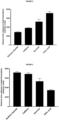
- Formulation F-12 was the only clear solution and the farthest form the miglustat alone according to e-tongue results. This solution was compared to solutions of sodium chloride, caffeine, sucrose and citric acid, at 10 mg/mL each, to understand its flavor profile. According to the distance analysed by the e-tongue system presented in Figure 3 , the formulation F-12 seems to be more distant to sodium chloride and closer to citric acid which is the opposite of the miglustat alone.
Landscapes
- Health & Medical Sciences (AREA)
- Chemical & Material Sciences (AREA)
- Life Sciences & Earth Sciences (AREA)
- Medicinal Chemistry (AREA)
- Pharmacology & Pharmacy (AREA)
- Animal Behavior & Ethology (AREA)
- General Health & Medical Sciences (AREA)
- Public Health (AREA)
- Veterinary Medicine (AREA)
- Epidemiology (AREA)
- General Chemical & Material Sciences (AREA)
- Chemical Kinetics & Catalysis (AREA)
- Engineering & Computer Science (AREA)
- Oil, Petroleum & Natural Gas (AREA)
- Biochemistry (AREA)
- Molecular Biology (AREA)
- Bioinformatics & Cheminformatics (AREA)
- Diabetes (AREA)
- Hematology (AREA)
- Obesity (AREA)
- Nuclear Medicine, Radiotherapy & Molecular Imaging (AREA)
- Organic Chemistry (AREA)
- Nutrition Science (AREA)
- Physiology (AREA)
- Medicinal Preparation (AREA)
- Seasonings (AREA)
- Acyclic And Carbocyclic Compounds In Medicinal Compositions (AREA)
- Pharmaceuticals Containing Other Organic And Inorganic Compounds (AREA)
Claims (15)
- Saure flüssige Formulierung zur oralen Verabreichung, wobei die Formulierung mindestens 150 mg/ml Miglustat enthält, wobei die flüssige Formulierung Folgendes enthält:- Natriumbenzoat als Konservierungsmittel,- Weinsäure, um den pH-Wert der Formulierung zwischen 3 und 5 zu halten,- ein Süßungsmittel, und- wahlweise ein Aroma.
- Flüssige Formulierung nach Anspruch 1, wobei das Süßungsmittel ein Gemisch aus Glycerin und Monoammoniumglycyrrhizat ist.
- Flüssige Formulierung nach einem der Ansprüche 1 bis 2, wobei das Aroma ausgewählt ist aus der Gruppe, die besteht aus: Ananas, Anis, Apfel, Aprikose, Banane, Brombeere, Heidelbeere, Karamell, Kirsche, Schokolade, Kokosnuss, Kaffee, Kakao, Cola, Cranberry, Schwarze Johannisbeere (Cassis), Rote Johannisbeere (oder rote Johannisbeere), Traube, Grapefruit, Grenadine, Zitrone, Ahorn, Minze, Orange, Walnuss, Passionsfrucht, Pfirsich, Birne, Ananas, Pflaume, Zwetschge, Himbeere, Erdbeere, Mandarine, Tutti Frutti, Vanille.
- Flüssige Formulierung nach einem der Ansprüche 1 bis 3, wobei das Aroma ein saures Aroma, typischerweise rote Johannisbeere oder Orange, ist.
- Flüssige Formulierung nach einem der Ansprüche 1 bis 4, die zwischen 0,5 und 100 mg/ml Natriumbenzoat enthält.
- Flüssige Formulierung nach einem der Ansprüche 1 bis 5, die zwischen 50 und 200 mg/ml Weinsäure enthält.
- Flüssige Formulierung nach einem der Ansprüche 1 bis 6, die zwischen 0,1 Gewichts-% und 10 Gewichts-% Süßungsmittel, vorzugsweise ein Gemisch aus Glycerin und Monoammoniumglycyrrhizat in einem Verhältnis von 10:1, enthält.
- Flüssige Formulierung nach einem der Ansprüche 1 bis 7, die zwischen 0,01 und 10 % des Aromas enthält.
- Flüssige Formulierung nach einem der Ansprüche 1 bis 8, die Folgendes enthält:- mindestens 150 mg/ml Miglustat,- zwischen 0,5 und 100 mg/ml Natriumbenzoat,- zwischen 50 und 200 mg/ml Weinsäure, derart dass der endgültige pH-Wert der Formulierung zwischen 3 und 5 beträgt,- zwischen 0,01 Gewichts-% und 10 Gewichts-%, vorzugsweise zwischen 1 Gewichts-% und 10 Gewichts-%, eines Gemischs aus Glycerin und Monoammoniumglycyrrhizat in einem Verhältnis von 10:1, und- zwischen 0,1 und 10 % rotes Johannisbeeren-oder Orangen-Aroma.
- Flüssige Formulierung nach einem der Ansprüche 1 bis 9, wobei sie keine Kohlenhydrate oder Geschmacksverstärker enthält.
- Flüssige Formulierung nach einem der Ansprüche 1 bis 10, wobei sie zwischen 250 mg/ml und 300 mg/ml Miglustat enthält.
- Flüssige Formulierung nach einem der Ansprüche 1 bis 11 zur Verwendung als ein Arzneimittel.
- Flüssige Formulierung nach einem der Ansprüche 1 bis 11 zur Verwendung bei der Behandlung von lysosomalen Speicherkrankheiten, vorzugsweise bei der Behandlung von neuronaler Ceroid-Lipofuszinose oder der Niemann-Pick-Krankheit Typ C oder Morbus Gaucher.
- Flüssige Formulierung nach Anspruch 13, wobei sie Patienten verabreicht wird, die an neuronaler Ceroid-Lipofuszinose Typ 3 leiden.
- Kombinationsprodukt, das die flüssige Formulierung nach einem der Ansprüche 1 bis 11 und einen Aktivator von Disaccharidase-Darmenzym umfasst, zur gleichzeitigen, getrennten oder gestaffelten Verwendung bei der Behandlung von lysosomalen Speicherkrankheiten, vorzugsweise bei der Behandlung von Kindern, die an Morbus Batten leiden, wobei der Aktivator vorzugsweise eine heterologe kleine chemische Verbindung, ein Enzymprotein oder ein lebender Organismus ist, die, das bzw. der die Aktivität oder das Expressionsniveau mindestens eines Disaccharidase-Darmenzyms erhöht, das ausgewählt ist aus: Invertase (EC 3.2.1.26), Maltase (EC 3.2.1.20), Trehalase (EC 3.2.1.18), Sucrase-Isomaltase (SI, EC 3.2.1.48 bzw. EC 3.2.1.10), β-Galactosidase (EC 3.2.1.21), Lactase-Phlorizin-Hydrolase (LPH, EC 3.2.1.108), Sacrosidase, Amylase (EC 3.2.1.1) und Amyloglucosidase (EC 3.2.1.3).
Priority Applications (16)
| Application Number | Priority Date | Filing Date | Title |
|---|---|---|---|
| ES22306512T ES3031740T3 (en) | 2022-10-07 | 2022-10-07 | Palatable liquid solution containing high concentration of miglustat |
| PL22306512.9T PL4349334T3 (pl) | 2022-10-07 | 2022-10-07 | Smaczny ciekły roztwór zawierający wysokie stężenie miglustatu |
| HUE22306512A HUE071860T2 (hu) | 2022-10-07 | 2022-10-07 | Ízletes, magas miglusztát koncentrációjú folyékony oldat |
| SM20250225T SMT202500225T1 (it) | 2022-10-07 | 2022-10-07 | Soluzione liquida gradevole al palato contenente un'altra concentrazione di miglustat |
| EP22306512.9A EP4349334B1 (de) | 2022-10-07 | 2022-10-07 | Wohlschmeckende flüssige lösung mit hoher miglustatkonzentration |
| HRP20250679TT HRP20250679T1 (hr) | 2022-10-07 | 2022-10-07 | Ukusna tekuća otopina koja sadrži veliku koncentraciju miglustata |
| PE2025000761A PE20251532A1 (es) | 2022-10-07 | 2023-10-09 | Solucion liquida de buen sabor con alta concentracion de miglustat |
| CN202380084161.0A CN120390639A (zh) | 2022-10-07 | 2023-10-09 | 含有高浓度美格鲁特的适口液体溶液 |
| AU2023357503A AU2023357503A1 (en) | 2022-10-07 | 2023-10-09 | Palatable liquid solution containing high concentration of miglustat |
| CR20250179A CR20250179A (es) | 2022-10-07 | 2023-10-09 | Solución líquida de buen sabor con alta concentración de miglustat |
| PCT/EP2023/077910 WO2024074723A1 (en) | 2022-10-07 | 2023-10-09 | Palatable liquid solution containing high concentration of miglustat |
| EP23787089.4A EP4598529A1 (de) | 2022-10-07 | 2023-10-09 | Wohlschmeckende flüssige lösung mit hoher miglustatkonzentration |
| DO2025000082A DOP2025000082A (es) | 2022-10-07 | 2025-04-02 | Solución líquida de buen sabor con alta concentración de miglustat |
| CL2025001013A CL2025001013A1 (es) | 2022-10-07 | 2025-04-03 | Solución líquida de buen sabor con alta concentración de miglustat. |
| MX2025004114A MX2025004114A (es) | 2022-10-07 | 2025-04-04 | Solucion liquida de buen sabor con alta concentracion de miglustat |
| CONC2025/0005057A CO2025005057A2 (es) | 2022-10-07 | 2025-04-23 | Solución líquida de buen sabor con alta concentración de miglustat |
Applications Claiming Priority (1)
| Application Number | Priority Date | Filing Date | Title |
|---|---|---|---|
| EP22306512.9A EP4349334B1 (de) | 2022-10-07 | 2022-10-07 | Wohlschmeckende flüssige lösung mit hoher miglustatkonzentration |
Publications (3)
| Publication Number | Publication Date |
|---|---|
| EP4349334A1 EP4349334A1 (de) | 2024-04-10 |
| EP4349334B1 true EP4349334B1 (de) | 2025-03-19 |
| EP4349334C0 EP4349334C0 (de) | 2025-03-19 |
Family
ID=83903187
Family Applications (2)
| Application Number | Title | Priority Date | Filing Date |
|---|---|---|---|
| EP22306512.9A Active EP4349334B1 (de) | 2022-10-07 | 2022-10-07 | Wohlschmeckende flüssige lösung mit hoher miglustatkonzentration |
| EP23787089.4A Pending EP4598529A1 (de) | 2022-10-07 | 2023-10-09 | Wohlschmeckende flüssige lösung mit hoher miglustatkonzentration |
Family Applications After (1)
| Application Number | Title | Priority Date | Filing Date |
|---|---|---|---|
| EP23787089.4A Pending EP4598529A1 (de) | 2022-10-07 | 2023-10-09 | Wohlschmeckende flüssige lösung mit hoher miglustatkonzentration |
Country Status (15)
| Country | Link |
|---|---|
| EP (2) | EP4349334B1 (de) |
| CN (1) | CN120390639A (de) |
| AU (1) | AU2023357503A1 (de) |
| CL (1) | CL2025001013A1 (de) |
| CO (1) | CO2025005057A2 (de) |
| CR (1) | CR20250179A (de) |
| DO (1) | DOP2025000082A (de) |
| ES (1) | ES3031740T3 (de) |
| HR (1) | HRP20250679T1 (de) |
| HU (1) | HUE071860T2 (de) |
| MX (1) | MX2025004114A (de) |
| PE (1) | PE20251532A1 (de) |
| PL (1) | PL4349334T3 (de) |
| SM (1) | SMT202500225T1 (de) |
| WO (1) | WO2024074723A1 (de) |
Family Cites Families (3)
| Publication number | Priority date | Publication date | Assignee | Title |
|---|---|---|---|---|
| GB0614947D0 (en) * | 2006-07-27 | 2006-09-06 | Isis Innovation | Epitope reduction therapy |
| WO2014110270A1 (en) | 2013-01-09 | 2014-07-17 | Amicus Therapeutics, Inc. | Stable parenteral dnj compositions |
| EP3944858A1 (de) * | 2020-07-30 | 2022-02-02 | Beyond Batten Disease Foundation | Kombinationsprodukt mit trehalose und miglustat zur behandlung von lysosomalen krankheiten |
-
2022
- 2022-10-07 ES ES22306512T patent/ES3031740T3/es active Active
- 2022-10-07 HU HUE22306512A patent/HUE071860T2/hu unknown
- 2022-10-07 EP EP22306512.9A patent/EP4349334B1/de active Active
- 2022-10-07 HR HRP20250679TT patent/HRP20250679T1/hr unknown
- 2022-10-07 SM SM20250225T patent/SMT202500225T1/it unknown
- 2022-10-07 PL PL22306512.9T patent/PL4349334T3/pl unknown
-
2023
- 2023-10-09 WO PCT/EP2023/077910 patent/WO2024074723A1/en not_active Ceased
- 2023-10-09 AU AU2023357503A patent/AU2023357503A1/en active Pending
- 2023-10-09 EP EP23787089.4A patent/EP4598529A1/de active Pending
- 2023-10-09 PE PE2025000761A patent/PE20251532A1/es unknown
- 2023-10-09 CN CN202380084161.0A patent/CN120390639A/zh active Pending
- 2023-10-09 CR CR20250179A patent/CR20250179A/es unknown
-
2025
- 2025-04-02 DO DO2025000082A patent/DOP2025000082A/es unknown
- 2025-04-03 CL CL2025001013A patent/CL2025001013A1/es unknown
- 2025-04-04 MX MX2025004114A patent/MX2025004114A/es unknown
- 2025-04-23 CO CONC2025/0005057A patent/CO2025005057A2/es unknown
Also Published As
| Publication number | Publication date |
|---|---|
| PE20251532A1 (es) | 2025-06-05 |
| WO2024074723A1 (en) | 2024-04-11 |
| EP4598529A1 (de) | 2025-08-13 |
| AU2023357503A1 (en) | 2025-04-24 |
| CN120390639A (zh) | 2025-07-29 |
| CO2025005057A2 (es) | 2025-07-28 |
| CL2025001013A1 (es) | 2025-08-08 |
| MX2025004114A (es) | 2025-09-02 |
| EP4349334A1 (de) | 2024-04-10 |
| DOP2025000082A (es) | 2025-07-31 |
| PL4349334T3 (pl) | 2025-07-14 |
| CR20250179A (es) | 2025-09-04 |
| SMT202500225T1 (it) | 2025-07-22 |
| EP4349334C0 (de) | 2025-03-19 |
| HRP20250679T1 (hr) | 2025-08-01 |
| HUE071860T2 (hu) | 2025-09-28 |
| ES3031740T3 (en) | 2025-07-10 |
Similar Documents
| Publication | Publication Date | Title |
|---|---|---|
| EP2497461B2 (de) | Pädiatrische Lösungen mit einem Beta-Blocker | |
| JP6320931B2 (ja) | リソソーム酵素を再構成する能力を有する化合物ならびにアンブロキソールおよび/またはアンブロキソールの誘導体の組み合わせ | |
| US11458111B2 (en) | Ketogenic diet compatible fenfluramine formulation | |
| US11766441B2 (en) | Oral liquid compositions including chlorpromazine | |
| MX2007014713A (es) | Formulacion pediatrica de topiramato. | |
| US9993445B1 (en) | Oral solution comprising atomoxetine hydrochloride and methods thereof | |
| US12605386B2 (en) | Sapropterin formulation | |
| EP4048230B1 (de) | Orale gliptinzusammensetzungen und verfahren zur herstellung davon | |
| EP4349334A1 (de) | Wohlschmeckende flüssige lösung mit hoher miglustatkonzentration | |
| EP3952867A1 (de) | Verfahren zur behandlung von nonsense-mutation vermittelter duchenne muskeldystrophie in pädiatrischen patienten | |
| HK40129583A (zh) | 含有高浓度美格鲁特的适口液体溶液 | |
| US5698562A (en) | Palatable trimethoprim oral solution | |
| US12539314B1 (en) | Aqueous oral compositions including potassium chloride | |
| EP4678174A1 (de) | Nizubaglustat zur behandlung von lysosomalen speicherstörungen | |
| WO2026039357A1 (en) | Formulations to promote optimized workouts | |
| GB2614972A (en) | Stable composition of chloral hydrate | |
| US20050232985A1 (en) | Ciprofloxacin hcl | |
| HK40120873A (en) | Method for treating nonsense mutation mediated duchenne muscular dystrophy in pediatric patients | |
| HK1174269A (en) | Paediatric solutions comprising a beta-blocker | |
| EP2680825A1 (de) | Orale prucaloprid-lösung |
Legal Events
| Date | Code | Title | Description |
|---|---|---|---|
| REG | Reference to a national code |
Ref country code: HR Ref legal event code: TUEP Ref document number: P20250679T Country of ref document: HR |
|
| STAA | Information on the status of an ep patent application or granted ep patent |
Free format text: STATUS: UNKNOWN |
|
| STAA | Information on the status of an ep patent application or granted ep patent |
Free format text: STATUS: EXAMINATION IS IN PROGRESS |
|
| PUAI | Public reference made under article 153(3) epc to a published international application that has entered the european phase |
Free format text: ORIGINAL CODE: 0009012 |
|
| 17P | Request for examination filed |
Effective date: 20230406 |
|
| AK | Designated contracting states |
Kind code of ref document: A1 Designated state(s): AL AT BE BG CH CY CZ DE DK EE ES FI FR GB GR HR HU IE IS IT LI LT LU LV MC ME MK MT NL NO PL PT RO RS SE SI SK SM TR |
|
| GRAP | Despatch of communication of intention to grant a patent |
Free format text: ORIGINAL CODE: EPIDOSNIGR1 |
|
| STAA | Information on the status of an ep patent application or granted ep patent |
Free format text: STATUS: GRANT OF PATENT IS INTENDED |
|
| INTG | Intention to grant announced |
Effective date: 20240430 |
|
| RIN1 | Information on inventor provided before grant (corrected) |
Inventor name: ANAGONOU, MELANIE Inventor name: CHARVERIAT, MATHIEU Inventor name: VEYS, JULIEN Inventor name: DUCHENE, ADELINE |
|
| GRAJ | Information related to disapproval of communication of intention to grant by the applicant or resumption of examination proceedings by the epo deleted |
Free format text: ORIGINAL CODE: EPIDOSDIGR1 |
|
| STAA | Information on the status of an ep patent application or granted ep patent |
Free format text: STATUS: EXAMINATION IS IN PROGRESS |
|
| INTC | Intention to grant announced (deleted) | ||
| GRAP | Despatch of communication of intention to grant a patent |
Free format text: ORIGINAL CODE: EPIDOSNIGR1 |
|
| STAA | Information on the status of an ep patent application or granted ep patent |
Free format text: STATUS: GRANT OF PATENT IS INTENDED |
|
| INTG | Intention to grant announced |
Effective date: 20241009 |
|
| GRAS | Grant fee paid |
Free format text: ORIGINAL CODE: EPIDOSNIGR3 |
|
| GRAA | (expected) grant |
Free format text: ORIGINAL CODE: 0009210 |
|
| STAA | Information on the status of an ep patent application or granted ep patent |
Free format text: STATUS: THE PATENT HAS BEEN GRANTED |
|
| AK | Designated contracting states |
Kind code of ref document: B1 Designated state(s): AL AT BE BG CH CY CZ DE DK EE ES FI FR GB GR HR HU IE IS IT LI LT LU LV MC ME MK MT NL NO PL PT RO RS SE SI SK SM TR |
|
| REG | Reference to a national code |
Ref country code: GB Ref legal event code: FG4D |
|
| REG | Reference to a national code |
Ref country code: CH Ref legal event code: EP |
|
| REG | Reference to a national code |
Ref country code: IE Ref legal event code: FG4D |
|
| REG | Reference to a national code |
Ref country code: DE Ref legal event code: R096 Ref document number: 602022011954 Country of ref document: DE |
|
| U01 | Request for unitary effect filed |
Effective date: 20250414 |
|
| U07 | Unitary effect registered |
Designated state(s): AT BE BG DE DK EE FI FR IT LT LU LV MT NL PT RO SE SI Effective date: 20250423 |
|
| PG25 | Lapsed in a contracting state [announced via postgrant information from national office to epo] |
Ref country code: RS Free format text: LAPSE BECAUSE OF FAILURE TO SUBMIT A TRANSLATION OF THE DESCRIPTION OR TO PAY THE FEE WITHIN THE PRESCRIBED TIME-LIMIT Effective date: 20250619 |
|
| REG | Reference to a national code |
Ref country code: ES Ref legal event code: FG2A Ref document number: 3031740 Country of ref document: ES Kind code of ref document: T3 Effective date: 20250710 |
|
| REG | Reference to a national code |
Ref country code: SK Ref legal event code: T3 Ref document number: E 46506 Country of ref document: SK |
|
| REG | Reference to a national code |
Ref country code: HR Ref legal event code: T1PR Ref document number: P20250679 Country of ref document: HR |
|
| REG | Reference to a national code |
Ref country code: GR Ref legal event code: EP Ref document number: 20250401142 Country of ref document: GR Effective date: 20250707 |
|
| REG | Reference to a national code |
Ref country code: HU Ref legal event code: AG4A Ref document number: E071860 Country of ref document: HU |
|
| REG | Reference to a national code |
Ref country code: HR Ref legal event code: ODRP Ref document number: P20250679 Country of ref document: HR Payment date: 20250924 Year of fee payment: 4 |
|
| PGFP | Annual fee paid to national office [announced via postgrant information from national office to epo] |
Ref country code: MC Payment date: 20250925 Year of fee payment: 4 Ref country code: GR Payment date: 20250919 Year of fee payment: 4 |
|
| PGFP | Annual fee paid to national office [announced via postgrant information from national office to epo] |
Ref country code: TR Payment date: 20250926 Year of fee payment: 4 Ref country code: PL Payment date: 20250918 Year of fee payment: 4 |
|
| PGFP | Annual fee paid to national office [announced via postgrant information from national office to epo] |
Ref country code: HR Payment date: 20250924 Year of fee payment: 4 |
|
| PGFP | Annual fee paid to national office [announced via postgrant information from national office to epo] |
Ref country code: IE Payment date: 20250918 Year of fee payment: 4 |
|
| U20 | Renewal fee for the european patent with unitary effect paid |
Year of fee payment: 4 Effective date: 20250911 |
|
| PGFP | Annual fee paid to national office [announced via postgrant information from national office to epo] |
Ref country code: SK Payment date: 20250925 Year of fee payment: 4 |
|
| PGFP | Annual fee paid to national office [announced via postgrant information from national office to epo] |
Ref country code: IS Payment date: 20250930 Year of fee payment: 4 |
|
| REG | Reference to a national code |
Ref country code: CH Ref legal event code: U11 Free format text: ST27 STATUS EVENT CODE: U-0-0-U10-U11 (AS PROVIDED BY THE NATIONAL OFFICE) Effective date: 20251101 |
|
| PGFP | Annual fee paid to national office [announced via postgrant information from national office to epo] |
Ref country code: HU Payment date: 20250923 Year of fee payment: 4 |
|
| PGFP | Annual fee paid to national office [announced via postgrant information from national office to epo] |
Ref country code: NO Payment date: 20250930 Year of fee payment: 4 |
|
| PGFP | Annual fee paid to national office [announced via postgrant information from national office to epo] |
Ref country code: SM Payment date: 20251022 Year of fee payment: 4 |
|
| PGFP | Annual fee paid to national office [announced via postgrant information from national office to epo] |
Ref country code: CH Payment date: 20251101 Year of fee payment: 4 |
|
| PGFP | Annual fee paid to national office [announced via postgrant information from national office to epo] |
Ref country code: CZ Payment date: 20251007 Year of fee payment: 4 Ref country code: CY Payment date: 20250922 Year of fee payment: 4 |
|
| PLBE | No opposition filed within time limit |
Free format text: ORIGINAL CODE: 0009261 |
|
| STAA | Information on the status of an ep patent application or granted ep patent |
Free format text: STATUS: NO OPPOSITION FILED WITHIN TIME LIMIT |
|
| REG | Reference to a national code |
Ref country code: CH Ref legal event code: L10 Free format text: ST27 STATUS EVENT CODE: U-0-0-L10-L00 (AS PROVIDED BY THE NATIONAL OFFICE) Effective date: 20260128 |
|
| PGFP | Annual fee paid to national office [announced via postgrant information from national office to epo] |
Ref country code: ES Payment date: 20251110 Year of fee payment: 4 |
|
| 26N | No opposition filed |
Effective date: 20251222 |