EP4345196A2 - Systeme und verfahren zur wasserelektrolyse mit elektroden mit übergangsmetall-phosphor-verbindungen - Google Patents
Systeme und verfahren zur wasserelektrolyse mit elektroden mit übergangsmetall-phosphor-verbindungen Download PDFInfo
- Publication number
- EP4345196A2 EP4345196A2 EP23196638.3A EP23196638A EP4345196A2 EP 4345196 A2 EP4345196 A2 EP 4345196A2 EP 23196638 A EP23196638 A EP 23196638A EP 4345196 A2 EP4345196 A2 EP 4345196A2
- Authority
- EP
- European Patent Office
- Prior art keywords
- catalyst layer
- anode
- cathode
- transport layer
- exchange membrane
- Prior art date
- Legal status (The legal status is an assumption and is not a legal conclusion. Google has not performed a legal analysis and makes no representation as to the accuracy of the status listed.)
- Pending
Links
Images


Classifications
-
- C—CHEMISTRY; METALLURGY
- C25—ELECTROLYTIC OR ELECTROPHORETIC PROCESSES; APPARATUS THEREFOR
- C25B—ELECTROLYTIC OR ELECTROPHORETIC PROCESSES FOR THE PRODUCTION OF COMPOUNDS OR NON-METALS; APPARATUS THEREFOR
- C25B9/00—Cells or assemblies of cells; Constructional parts of cells; Assemblies of constructional parts, e.g. electrode-diaphragm assemblies; Process-related cell features
- C25B9/17—Cells comprising dimensionally-stable non-movable electrodes; Assemblies of constructional parts thereof
- C25B9/19—Cells comprising dimensionally-stable non-movable electrodes; Assemblies of constructional parts thereof with diaphragms
- C25B9/23—Cells comprising dimensionally-stable non-movable electrodes; Assemblies of constructional parts thereof with diaphragms comprising ion-exchange membranes in or on which electrode material is embedded
-
- C—CHEMISTRY; METALLURGY
- C25—ELECTROLYTIC OR ELECTROPHORETIC PROCESSES; APPARATUS THEREFOR
- C25B—ELECTROLYTIC OR ELECTROPHORETIC PROCESSES FOR THE PRODUCTION OF COMPOUNDS OR NON-METALS; APPARATUS THEREFOR
- C25B1/00—Electrolytic production of inorganic compounds or non-metals
- C25B1/01—Products
- C25B1/02—Hydrogen or oxygen
- C25B1/04—Hydrogen or oxygen by electrolysis of water
-
- C—CHEMISTRY; METALLURGY
- C25—ELECTROLYTIC OR ELECTROPHORETIC PROCESSES; APPARATUS THEREFOR
- C25B—ELECTROLYTIC OR ELECTROPHORETIC PROCESSES FOR THE PRODUCTION OF COMPOUNDS OR NON-METALS; APPARATUS THEREFOR
- C25B11/00—Electrodes; Manufacture thereof not otherwise provided for
- C25B11/02—Electrodes; Manufacture thereof not otherwise provided for characterised by shape or form
- C25B11/03—Electrodes; Manufacture thereof not otherwise provided for characterised by shape or form perforated or foraminous
- C25B11/031—Porous electrodes
- C25B11/032—Gas diffusion electrodes
-
- C—CHEMISTRY; METALLURGY
- C25—ELECTROLYTIC OR ELECTROPHORETIC PROCESSES; APPARATUS THEREFOR
- C25B—ELECTROLYTIC OR ELECTROPHORETIC PROCESSES FOR THE PRODUCTION OF COMPOUNDS OR NON-METALS; APPARATUS THEREFOR
- C25B11/00—Electrodes; Manufacture thereof not otherwise provided for
- C25B11/02—Electrodes; Manufacture thereof not otherwise provided for characterised by shape or form
- C25B11/036—Bipolar electrodes
-
- C—CHEMISTRY; METALLURGY
- C25—ELECTROLYTIC OR ELECTROPHORETIC PROCESSES; APPARATUS THEREFOR
- C25B—ELECTROLYTIC OR ELECTROPHORETIC PROCESSES FOR THE PRODUCTION OF COMPOUNDS OR NON-METALS; APPARATUS THEREFOR
- C25B11/00—Electrodes; Manufacture thereof not otherwise provided for
- C25B11/04—Electrodes; Manufacture thereof not otherwise provided for characterised by the material
- C25B11/051—Electrodes formed of electrocatalysts on a substrate or carrier
- C25B11/052—Electrodes comprising one or more electrocatalytic coatings on a substrate
-
- C—CHEMISTRY; METALLURGY
- C25—ELECTROLYTIC OR ELECTROPHORETIC PROCESSES; APPARATUS THEREFOR
- C25B—ELECTROLYTIC OR ELECTROPHORETIC PROCESSES FOR THE PRODUCTION OF COMPOUNDS OR NON-METALS; APPARATUS THEREFOR
- C25B11/00—Electrodes; Manufacture thereof not otherwise provided for
- C25B11/04—Electrodes; Manufacture thereof not otherwise provided for characterised by the material
- C25B11/051—Electrodes formed of electrocatalysts on a substrate or carrier
- C25B11/052—Electrodes comprising one or more electrocatalytic coatings on a substrate
- C25B11/053—Electrodes comprising one or more electrocatalytic coatings on a substrate characterised by multilayer electrocatalytic coatings
-
- C—CHEMISTRY; METALLURGY
- C25—ELECTROLYTIC OR ELECTROPHORETIC PROCESSES; APPARATUS THEREFOR
- C25B—ELECTROLYTIC OR ELECTROPHORETIC PROCESSES FOR THE PRODUCTION OF COMPOUNDS OR NON-METALS; APPARATUS THEREFOR
- C25B11/00—Electrodes; Manufacture thereof not otherwise provided for
- C25B11/04—Electrodes; Manufacture thereof not otherwise provided for characterised by the material
- C25B11/051—Electrodes formed of electrocatalysts on a substrate or carrier
- C25B11/055—Electrodes formed of electrocatalysts on a substrate or carrier characterised by the substrate or carrier material
- C25B11/056—Electrodes formed of electrocatalysts on a substrate or carrier characterised by the substrate or carrier material consisting of textile or non-woven fabric
-
- C—CHEMISTRY; METALLURGY
- C25—ELECTROLYTIC OR ELECTROPHORETIC PROCESSES; APPARATUS THEREFOR
- C25B—ELECTROLYTIC OR ELECTROPHORETIC PROCESSES FOR THE PRODUCTION OF COMPOUNDS OR NON-METALS; APPARATUS THEREFOR
- C25B11/00—Electrodes; Manufacture thereof not otherwise provided for
- C25B11/04—Electrodes; Manufacture thereof not otherwise provided for characterised by the material
- C25B11/051—Electrodes formed of electrocatalysts on a substrate or carrier
- C25B11/055—Electrodes formed of electrocatalysts on a substrate or carrier characterised by the substrate or carrier material
- C25B11/057—Electrodes formed of electrocatalysts on a substrate or carrier characterised by the substrate or carrier material consisting of a single element or compound
- C25B11/061—Metal or alloy
-
- C—CHEMISTRY; METALLURGY
- C25—ELECTROLYTIC OR ELECTROPHORETIC PROCESSES; APPARATUS THEREFOR
- C25B—ELECTROLYTIC OR ELECTROPHORETIC PROCESSES FOR THE PRODUCTION OF COMPOUNDS OR NON-METALS; APPARATUS THEREFOR
- C25B11/00—Electrodes; Manufacture thereof not otherwise provided for
- C25B11/04—Electrodes; Manufacture thereof not otherwise provided for characterised by the material
- C25B11/051—Electrodes formed of electrocatalysts on a substrate or carrier
- C25B11/073—Electrodes formed of electrocatalysts on a substrate or carrier characterised by the electrocatalyst material
- C25B11/075—Electrodes formed of electrocatalysts on a substrate or carrier characterised by the electrocatalyst material consisting of a single catalytic element or catalytic compound
-
- C—CHEMISTRY; METALLURGY
- C25—ELECTROLYTIC OR ELECTROPHORETIC PROCESSES; APPARATUS THEREFOR
- C25B—ELECTROLYTIC OR ELECTROPHORETIC PROCESSES FOR THE PRODUCTION OF COMPOUNDS OR NON-METALS; APPARATUS THEREFOR
- C25B11/00—Electrodes; Manufacture thereof not otherwise provided for
- C25B11/04—Electrodes; Manufacture thereof not otherwise provided for characterised by the material
- C25B11/051—Electrodes formed of electrocatalysts on a substrate or carrier
- C25B11/073—Electrodes formed of electrocatalysts on a substrate or carrier characterised by the electrocatalyst material
- C25B11/075—Electrodes formed of electrocatalysts on a substrate or carrier characterised by the electrocatalyst material consisting of a single catalytic element or catalytic compound
- C25B11/089—Alloys
-
- C—CHEMISTRY; METALLURGY
- C25—ELECTROLYTIC OR ELECTROPHORETIC PROCESSES; APPARATUS THEREFOR
- C25B—ELECTROLYTIC OR ELECTROPHORETIC PROCESSES FOR THE PRODUCTION OF COMPOUNDS OR NON-METALS; APPARATUS THEREFOR
- C25B13/00—Diaphragms; Spacing elements
- C25B13/02—Diaphragms; Spacing elements characterised by shape or form
-
- C—CHEMISTRY; METALLURGY
- C25—ELECTROLYTIC OR ELECTROPHORETIC PROCESSES; APPARATUS THEREFOR
- C25B—ELECTROLYTIC OR ELECTROPHORETIC PROCESSES FOR THE PRODUCTION OF COMPOUNDS OR NON-METALS; APPARATUS THEREFOR
- C25B9/00—Cells or assemblies of cells; Constructional parts of cells; Assemblies of constructional parts, e.g. electrode-diaphragm assemblies; Process-related cell features
- C25B9/70—Assemblies comprising two or more cells
- C25B9/73—Assemblies comprising two or more cells of the filter-press type
- C25B9/75—Assemblies comprising two or more cells of the filter-press type having bipolar electrodes
-
- C—CHEMISTRY; METALLURGY
- C25—ELECTROLYTIC OR ELECTROPHORETIC PROCESSES; APPARATUS THEREFOR
- C25B—ELECTROLYTIC OR ELECTROPHORETIC PROCESSES FOR THE PRODUCTION OF COMPOUNDS OR NON-METALS; APPARATUS THEREFOR
- C25B9/00—Cells or assemblies of cells; Constructional parts of cells; Assemblies of constructional parts, e.g. electrode-diaphragm assemblies; Process-related cell features
- C25B9/70—Assemblies comprising two or more cells
- C25B9/73—Assemblies comprising two or more cells of the filter-press type
- C25B9/77—Assemblies comprising two or more cells of the filter-press type having diaphragms
-
- C—CHEMISTRY; METALLURGY
- C25—ELECTROLYTIC OR ELECTROPHORETIC PROCESSES; APPARATUS THEREFOR
- C25D—PROCESSES FOR THE ELECTROLYTIC OR ELECTROPHORETIC PRODUCTION OF COATINGS; ELECTROFORMING; APPARATUS THEREFOR
- C25D9/00—Electrolytic coating other than with metals
- C25D9/04—Electrolytic coating other than with metals with inorganic materials
- C25D9/08—Electrolytic coating other than with metals with inorganic materials by cathodic processes
-
- Y—GENERAL TAGGING OF NEW TECHNOLOGICAL DEVELOPMENTS; GENERAL TAGGING OF CROSS-SECTIONAL TECHNOLOGIES SPANNING OVER SEVERAL SECTIONS OF THE IPC; TECHNICAL SUBJECTS COVERED BY FORMER USPC CROSS-REFERENCE ART COLLECTIONS [XRACs] AND DIGESTS
- Y02—TECHNOLOGIES OR APPLICATIONS FOR MITIGATION OR ADAPTATION AGAINST CLIMATE CHANGE
- Y02E—REDUCTION OF GREENHOUSE GAS [GHG] EMISSIONS, RELATED TO ENERGY GENERATION, TRANSMISSION OR DISTRIBUTION
- Y02E60/00—Enabling technologies; Technologies with a potential or indirect contribution to GHG emissions mitigation
- Y02E60/30—Hydrogen technology
- Y02E60/36—Hydrogen production from non-carbon containing sources, e.g. by water electrolysis
Definitions
- the present invention generally relates to systems and methods for water electrolysis, and more particularly relates to systems and methods that include electrodes having transition metal-phosphorous-based compounds.
- Water electrolysis also known as “water splitting,” is the decomposition of liquid water (H 2 O) into oxygen gas (O 2 ) and hydrogen gas (H 2 ). This process includes passing an electric current through water with a voltage applied across an anode and a cathode. Hydrogen gas is produced at the cathode and oxygen gas is produced at the anode.
- water electrolysis typically includes a liquid electrolyte in the water or an ion exchange membrane (polymer electrolyte) between the anode and the cathode.
- Water electrolysis includes two half reactions including hydrogen evolution reaction (HER) at the cathode and oxygen evolution reaction (OER) at the anode.
- Efficiency of water electrolysis may be promoted by increasing electrochemical performance of electrode materials by, for example, providing a catalyst to increase the reaction rate of the half reactions occurring at the cathode, anode, or both.
- catalyst materials include noble metals or rare earth oxides. Although these materials provide high performance, they are not amenable to large-scale application due to their high cost and scarcity. Therefore, there is an ongoing desire for efficient catalyst materials that are low-cost and abundant.
- a system for water electrolysis.
- the system includes an ion exchange membrane, a first electrode catalyst layer on a first side of the ion exchange membrane, wherein the first electrode catalyst layer includes a transition metal-phosphorus-based compound electroplated to the first side of the ion exchange membrane, and a second electrode catalyst layer on a second side of the ion exchange membrane opposite the first side.
- a system for water electrolysis.
- the system includes an ion exchange membrane, an anode catalyst layer on a first side of the ion exchange membrane, wherein the anode catalyst layer includes a transition metal-phosphorus-based compound on the first side of the ion exchange membrane, and a cathode catalyst layer on a second side of the ion exchange membrane opposite the first side, wherein the cathode catalyst layer includes a compound comprising the transition metal on the second side of the ion exchange membrane.
- a method for performing water electrolysis includes providing an electrochemical cell that includes an ion exchange membrane, an anode catalyst layer that includes a transition metal-phosphorus-based compound on a first side of the ion exchange membrane, a cathode catalyst layer that includes a compound comprising the transition metal on a second side of the ion exchange membrane opposite the first side, an anode-side porous transport layer adjacent the anode catalyst layer and a cathode-side porous transport layer adjacent the cathode catalyst layer, each of the anode-side porous transport layer and the cathode-side porous transport layer includes a stainless steel wire mesh coated with an alloy of the transition metal, an anode-side bipolar plate adjacent the anode-side porous transport layer and a cathode-side bipolar plate adjacent the a cathode-side porous transport layer, each of the anode-side bipolar plate and the cathode-side bipolar plate includes a stainless steel plate coated with an alloy of the transition metal
- Electrolysis of water is the decomposition of water (H 2 O) into oxygen (O 2 ) and hydrogen (H 2 ) due to an electric current being passed through the water.
- the systems generally include an anode (or an anode catalyst layer), a cathode (or a cathode catalyst layer), and an electrolyte material separating the anode and the cathode.
- the systems disclosed herein include at least one electrode having a compound comprising phosphorus and a transition metal (e.g., iron (Fe), cobalt (Co), nickel (Ni)).
- one or both of the electrodes include a cobalt-phosphorus-based compound (Co-P), an iron-phosphorus-based compound (Fe-P), a nickel-phosphorus-based compound (Ni-P), a cobalt-nickel-phosphorus-based compound (Co-Ni-P), or a nickel-cobalt-phosphorus-based compound (Ni-Co-P).
- Suitable compounds include but are not limited to cobalt phosphide, cobalt phosphate, iron phosphide, iron phosphate, nickel phosphide, nickel phosphate, etc.
- the systems may have various structures that utilizes various electrolysis techniques.
- the system may include an anode and a cathode separated by an ion exchange membrane.
- An ion exchange membrane is a semipermeable membrane configured to conduct ions (e.g., hydrogen ion (H + ) or hydroxide ions (OH - )) and water from the cathode to the anode while simultaneously functioning as a reactant barrier (e.g., impedes transport of gases such as oxygen (O 2 ) or hydrogen (H 2 )).
- the anode and the cathode may be defined by an anode catalyst layer deposited on a first side of the ion exchange membrane (referred to as the anode-side) and a cathode catalyst layer deposited on a second side of the ion exchange membrane (referred to as the cathode-side) opposite the anode-side.
- the system may further include porous transport layers (PTLs) adjacent the anode and cathode catalyst layers configured to facilitate gas diffusion.
- PTLs porous transport layers
- the ion exchange membrane, anode catalyst layer, cathode catalyst layer, and PTLs in combination define an electrochemical cell.
- Bipolar plates may be provided to enclose the electrochemical cell and may include ports for transport of liquids and gases therethrough (e.g., water, hydrogen, oxygen).
- the system may include more than one electrochemical cells arranged in a stack.
- individual bipolar plates may function as both anode-side plates and cathode-side plates for adjacent electrochemical cells, that is, one or more of the bipolar plates may include flow paths, ports, channels, or the like provided on both sides thereof.
- the ion exchange membrane may be configured to conduct anions (e.g., hydroxide ions (OH - )) from the cathode catalyst layer to the anode catalyst layer.
- FIG. 1 presents an exemplary first system 100 configured for electrolysis that includes an AEM 110, an anode catalyst layer 120, an anode-side porous transport layer (PTL) 130, an anode-side bipolar plate 140, a cathode catalyst layer 150, a cathode-side PTL 160, and a cathode-side bipolar plate 170.
- anions e.g., hydroxide ions (OH - )
- FIG. 1 presents an exemplary first system 100 configured for electrolysis that includes an AEM 110, an anode catalyst layer 120, an anode-side porous transport layer (PTL) 130, an anode-side bipolar plate 140, a cathode catalyst layer 150, a cathode-side PTL 160, and a cathode-side bipolar
- the AEM 110 may be formed of various materials including certain ionomers, typically comprising polymer or composite materials.
- the AEM 110 includes a polymer material (backbone) having cationic ion-exchange groups tethered thereto (e.g., cations covalently bonded thereto).
- exemplary but nonlimiting materials include poly(fluorenyl-co-aryl piperidinium) (PFAP)-based and polybenzimidazole-based materials (e.g., doped with alkaline salts).
- the ion exchange membrane may be a proton exchange membrane (PEM) configured to conduct protons (e.g., hydrogen ion (H + )) from the anode catalyst layer to the cathode catalyst layer.
- PEM proton exchange membrane
- FIG. 2 presents an exemplary second system 200 configured for electrolysis that includes a PEM 210, an anode catalyst layer 220, an anode-side porous transport layer (PTL) 230, an anode-side bipolar plate 240, a cathode catalyst layer 250, a cathode-side PTL 260, and a cathode-side bipolar plate 270.
- PEM proton exchange membrane
- the PEM 210 may be formed of various materials including certain ionomers, typically comprising polymer or composite materials.
- the PEM 210 includes a polymer material (backbone) having anionic ion-exchange groups tethered thereto (e.g., anions covalently bonded thereto).
- Exemplary but nonlimiting materials include fluorinated polymers, partially fluorinated polymers, and polyaromatic polymers.
- PFSA fluoropolymer commercially available under the tradename Nafion ® from The Chemours Company FC, LLC.
- the anode catalyst layers 120, 220 of FIGS. 1 and 2 may include various materials including, but not limited to, compounds comprising phosphorus and a transition metal (e.g., iron (Fe), cobalt (Co), nickel (Ni)).
- the anode catalyst layers 120,220 include a Co-P-based alloy, an Fe-P-based alloy, or a Ni-P-alloy.
- the cathode catalyst layers 150, 250 of FIGS. 1 and 2 may include various materials including, but not limited to, compounds comprising noble metals (e.g., platinum (Pt), gold (Ag), palladium (Pd), iridium (Ir), rhodium (Rh), ruthenium (Ru)) and alloys thereof, compounds comprising rare earth oxides (e.g., neodymium(III) oxide), and compounds comprising phosphate and a transition metal (e.g., iron (Fe), cobalt (Co), nickel (Ni)).
- noble metals e.g., platinum (Pt), gold (Ag), palladium (Pd), iridium (Ir), rhodium (Rh), ruthenium (Ru)
- alloys thereof compounds comprising rare earth oxides (e.g., neodymium(III) oxide), and compounds comprising phosphate and a transition metal (e.g., iron (Fe), cobalt (
- the cathode catalyst layers 150, 250 include a compound comprising an alloy of the same transition metal(s) provided in the anode catalyst layers 120, 220 (e.g., a cobalt-based alloy, an iron-based alloy, or a nickel-based alloy).
- the anode-side PTLs 130, 230 and the cathode-side PTLs 160, 260 may be formed of various materials that provide high electron conductivity, high gas diffusivity, optionally, high corrosion resistance.
- the anode-side PTLs 130, 230 and the cathode-side PTLs 160, 260 may include a wire mesh or matrix formed of a metallic material having a coating thereon comprising a metal or alloy that is chemically similar to the corresponding anode catalyst layer 120/220 or cathode catalyst layer 150/250 (e.g., include the same transition metal(s)).
- the anode-side PTLs 130, 230 and/or the cathode-side PTLs 160, 260 include a wire mesh formed of, for example, titanium, aluminum, nickel, copper, zinc, or stainless steel (e.g., SS 304, SS 316, SS 430, SS A-286, etc.) and having a coating thereon comprising a transition metal-based compound, such as a cobalt-based alloy, an iron-based alloy, or a nickel-based alloy.
- a transition metal-based compound such as a cobalt-based alloy, an iron-based alloy, or a nickel-based alloy.
- the anode-side PTLs 130, 230 and/or the cathode-side PTLs 160, 260 may be electrically connected to the corresponding anode catalyst layer 120/220 or cathode catalyst layer 150/250, such that the anode-side PTLs 130, 230 and/or the cathode-side PTLs 160, 260 forms part of the corresponding electrode.
- the anode-side bipolar plates 140, 240 and the cathode-side bipolar plates 170, 270 may be formed of various materials that are rigid and, optionally, have high corrosion resistance.
- the anode-side bipolar plates 140, 240 and the cathode-side bipolar plates 170, 270 may include a metallic, ceramic, polymeric, or composite plate having a coating thereon comprising a metal or alloy that is chemically similar to the corresponding anode catalyst layer 120/220 or cathode catalyst layer 150/250 (e.g., include the same transition metal(s)).
- the anode-side PTLs 130, 230 and/or the cathode-side PTLs 160, 260 include a metallic plate (e.g., titanium, aluminum, nickel, copper, zinc, or stainless steel (e.g., SS 304, SS 316, SS 430, SS A-286, etc.)) having a coating thereon comprising a transition metal-based compound such as a cobalt-based alloy, an iron-based alloy, or a nickel-based alloy.
- a metallic plate e.g., titanium, aluminum, nickel, copper, zinc, or stainless steel (e.g., SS 304, SS 316, SS 430, SS A-286, etc.)
- a transition metal-based compound such as a cobalt-based alloy, an iron-based alloy, or a nickel-based alloy.
- the system may include an anode and a cathode separated by an alkaline electrolyzer configured to conduct anions (e.g., hydroxide ions (OH - )) from the cathode to the anode with hydrogen being generated on the cathode side.
- anions e.g., hydroxide ions (OH - )
- Exemplary but nonlimiting electrolyzers may include a liquid alkaline solution of sodium hydroxide or potassium hydroxide.
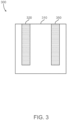
- FIG. 3 presents an exemplary third system 300 configured for electrolysis that includes a solution of an electrolyzer 310, an anode 320, and a cathode 350.
- the anode 320 and/or the cathode 350 may include materials such as those noted above for the anode catalyst layers 120, 220 and the cathode catalyst layers 150, 250.
- the first, second, and third systems 100, 200, 300 may be produced using various techniques and technologies.
- the anode catalyst layers 120, 220 may be formed by providing the ion exchange membrane (e.g., the AEM 110/PEM 210) and electroplating a metallic coating thereon.
- the anode catalyst layers 120, 220 may be formed by providing the AEM 110/PEM 210, locating at least a portion of the AEM 110/PEM 210 in a cobalt phosphate solution, and depositing a coating comprising a cobalt(II) phosphate-based alloy (CO 3 (PO 4 ) 2 ) on the AEM 110/PEM 210 via an electroplating process.
- the anode 320 may be formed by providing a core material (e.g., titanium, stainless steel, etc.), locating at least a portion of the core material in a cobalt phosphate solution, and depositing a coating comprising a cobalt(II) phosphate-based alloy (CO 3 (PO 4 ) 2 ) on the core material via an electroplating process.
- a core material e.g., titanium, stainless steel, etc.
- CO 3 (PO 4 ) 2 cobalt(II) phosphate-based alloy
- one or more intermediate layers may be provided between the anode catalyst layers 120, 220 and the ion exchange membrane (e.g., the AEM 110/PEM 210).
- a cobalt-based alloy may be deposited onto the AEM 110/PEM 210 via electroplating, and then the anode catalyst layer 120/220 may be formed thereon by electroplating thereon a coating comprising a cobalt(II) phosphate-based alloy (CO 3 (PO 4 ) 2 ).
- the cathode catalyst layers 150, 250 may be formed by providing the ion exchange membrane (e.g., the AEM 110/PEM 210) and electroplating a metallic coating thereon.
- the cathode catalyst layers 150, 250 may be formed by providing the AEM 110/PEM 210 and producing a coating thereon comprising a cobalt-based alloy via electroplating.
- the anode-side PTLs 130, 230 and the cathode-side PTLs 160, 260 may be formed by providing a metallic wire mesh (e.g., titanium, stainless steel, etc.) and electroplating the metallic wire mesh with a metallic coating.
- a metallic wire mesh e.g., titanium, stainless steel, etc.
- the anode-side PTLs 130, 230 and the cathode-side PTLs 160, 260 may be formed by providing a stainless steel wire mesh and producing a coating thereon comprising a cobalt-based alloy via electroplating.
- the anode-side bipolar plates 140, 240 and the cathode-side bipolar plates 170, 270 may be formed by providing a metallic plate (e.g., titanium, stainless steel, etc.) and electroplating the metallic plate with a metallic coating.
- a metallic plate e.g., titanium, stainless steel, etc.
- the anode-side bipolar plates 140, 240 and the cathode-side bipolar plates 170, 270 may be formed by providing a stainless steel plate and producing a coating thereon comprising a cobalt-based alloy via electroplating.
- Exemplary materials for certain layers of the anode-side PTL 130, 230, the anode-side bipolar plate 140, 240, the cathode-side PTL 160, 260, and the cathode-side bipolar plate 170, 270 and exemplary methods for depositing certain layers of the anode catalyst layer 120, 220, the anode 320, the cathode catalyst layer 150, 250, the cathode 350, the anode-side PTL 130, 230, the anode-side bipolar plate 140, 240, the cathode-side PTL 160, 260, and the cathode-side bipolar plate 170, 270 are disclosed in U.S. Patent Application Publication No. 2019/0292674 A1 to Ilgar et al. , incorporated herein in its entirety.
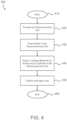
- FIG. 4 is a flow chart illustrating a nonlimiting method 400 for generating hydrogen gas.
- the method 400 may begin at 410 and provide one or more electrochemical cells, such as those described herein for the first and second systems 100, 200, at 420.
- An electrolyte solution (e.g., water, KOH, etc.) may be fed to the electrochemical cell(s) at 430 and then a voltage may be applied at 440 between an anode (e.g., the anode catalyst layer 120/220) and a cathode (e.g., the cathode catalyst layer 150/250) of the electrochemical cell(s) (e.g., at a voltage of 1.23V or more). While the voltage is being applied at 440, water of the electrolyte solution is decomposed into oxygen (O 2 ) at the anode and hydrogen (H 2 ) at the cathode.
- the method 400 may include collecting, storing, and/or using the produced hydrogen gas and/or the produced oxygen gas at 450.
- the method 400 may end at 460.
- the systems disclosed herein, including the first, second, and third systems 100,200,300, may be portions of a larger system configured for various purposes such as hydrogen gas generation, oxygen generation, and/or power generation.
- the system is a portion of an industrial system configured for hydrogen production.
- the system is a portion of a fuel cell configured for electricity generation.
- embodiments that include the anode catalyst layers 120, 220 with the transition metal-phosphorus-based compound may provide high electrolysis efficiency with improved corrosion resistance relative to, for example, nickel-based or stainless steel-based anodes, and improved abundance and reduced cost relative to, for example, platinum and rare earth oxides.
- embodiments that include electroplating transition metal alloy-based coatings on one or more of the anode catalyst layers 120, 220, the cathode catalyst layers 150, 250, the anode-side PTLs 130, 230, the cathode-side PTLs 160, 260, the anode-side bipolar plates 140, 240, and the cathode-side bipolar plates 170, 270 may provide improved corrosion resistance in alkaline electrolytes relative to, for example, nickel-based or stainless steel-based alloys, allow for use of low cost substrates, such as stainless steels, provide improved adhesion relative to various other deposition methods, and provide for ease of distribution of the coating over an entirety of surfaces of the substrates.
- embodiments that include the anode catalyst layers 120, 220 with the transition metal-phosphorus-based compound and one or more of the anode-side PTLs 130, 230, the cathode-side PTLs 160, 260, the anode-side bipolar plates 140, 240, and the cathode-side bipolar plates 170, 270 with a coating thereon comprising a compound with the same transition metal(s) as the anode catalyst layers 120, 220 may provide improvements to electrode stability due to similarity of the materials, and may provide a synergistic effect that provides additional catalytical reactivity.
Landscapes
- Chemical & Material Sciences (AREA)
- Engineering & Computer Science (AREA)
- Chemical Kinetics & Catalysis (AREA)
- Electrochemistry (AREA)
- Materials Engineering (AREA)
- Metallurgy (AREA)
- Organic Chemistry (AREA)
- Inorganic Chemistry (AREA)
- Electrodes For Compound Or Non-Metal Manufacture (AREA)
- Electrolytic Production Of Non-Metals, Compounds, Apparatuses Therefor (AREA)
Applications Claiming Priority (1)
| Application Number | Priority Date | Filing Date | Title |
|---|---|---|---|
| US17/937,000 US12595569B2 (en) | 2022-09-30 | 2022-09-30 | Systems and methods for water electrolysis with electrodes having transition metal-phosphorous-based compounds |
Publications (2)
| Publication Number | Publication Date |
|---|---|
| EP4345196A2 true EP4345196A2 (de) | 2024-04-03 |
| EP4345196A3 EP4345196A3 (de) | 2025-04-02 |
Family
ID=88017931
Family Applications (1)
| Application Number | Title | Priority Date | Filing Date |
|---|---|---|---|
| EP23196638.3A Pending EP4345196A3 (de) | 2022-09-30 | 2023-09-11 | Systeme und verfahren zur wasserelektrolyse mit elektroden mit übergangsmetall-phosphor-verbindungen |
Country Status (3)
| Country | Link |
|---|---|
| US (1) | US12595569B2 (de) |
| EP (1) | EP4345196A3 (de) |
| CN (1) | CN117802517A (de) |
Families Citing this family (2)
| Publication number | Priority date | Publication date | Assignee | Title |
|---|---|---|---|---|
| WO2025214595A1 (en) * | 2024-04-10 | 2025-10-16 | Robert Bosch Gmbh | Method of producing an electrochemical cell |
| US20260043153A1 (en) * | 2024-08-12 | 2026-02-12 | Honeywell International Inc. | Systems and methods for water electrolysis with electrodes having nickel-cobalt-phosphorous-based compounds |
Citations (1)
| Publication number | Priority date | Publication date | Assignee | Title |
|---|---|---|---|---|
| US20190292674A1 (en) | 2018-03-26 | 2019-09-26 | Honeywell International Inc. | Wear resistant coatings containing precipitation-hardened alloy bodies and methods for the formation thereof |
Family Cites Families (12)
| Publication number | Priority date | Publication date | Assignee | Title |
|---|---|---|---|---|
| KR101102905B1 (ko) | 2006-04-14 | 2012-01-11 | 어플라이드 머티어리얼스, 인코포레이티드 | 신뢰할 수 있는 연료 전지 전극 설계 |
| US20080160354A1 (en) | 2006-12-27 | 2008-07-03 | Weilong Zhang | Metal alloy bipolar plates for fuel cell |
| US20120156577A1 (en) * | 2010-08-20 | 2012-06-21 | Massachusetts Institute Of Technology | Methods for forming electrodes for water electrolysis and other electrochemical techniques |
| CN107293758A (zh) | 2012-01-13 | 2017-10-24 | 昭和电工株式会社 | 氧还原催化剂及其制造方法 |
| KR101733492B1 (ko) | 2015-01-09 | 2017-05-11 | 한국과학기술연구원 | 음극 및 양극에서 각각 수소와 산소를 발생시키는 비귀금속계 수전해 촉매 및 이의 제조방법 |
| KR102039536B1 (ko) | 2015-10-22 | 2019-11-01 | 커창 린 | 연료 전지 전극 재료 및 장치 |
| KR20190012100A (ko) * | 2017-07-26 | 2019-02-08 | 주식회사 패러데이오투 | 전기화학적 산소 발생 장치 |
| CN108360030B (zh) | 2018-01-23 | 2022-05-17 | 昆明理工大学 | 低共熔型离子液体中电沉积制备自支撑型纳米钴基双金属磷化物催化析氢电极材料的方法 |
| CN115250613A (zh) | 2020-01-10 | 2022-10-28 | 新南创新私人有限公司 | 催化剂 |
| JP7759935B2 (ja) | 2020-08-06 | 2025-10-24 | エヴォロー インコーポレイテッド | 水電解器 |
| WO2022184684A2 (de) | 2021-03-01 | 2022-09-09 | Cutting-Edge Nanomaterials (Cenmat) Ug (Haftungsbeschränkt) | Verfahren zur herstellung eines elektrokatalysators, elektrokatalysator, elektrode für eine elektrochemische zelle, ionenaustauschmembran, verfahren zum herstellen einer ionenaustauschmembran, wasserelektrolyseur und verfahren zum herstellen eines wasserelektrolyseurs |
| US20230366108A1 (en) * | 2022-05-10 | 2023-11-16 | Uop Llc | Catalyst coated ionically conductive membrane comprising conductive polymer for water electrolysis |
-
2022
- 2022-09-30 US US17/937,000 patent/US12595569B2/en active Active
-
2023
- 2023-09-06 CN CN202311143475.1A patent/CN117802517A/zh active Pending
- 2023-09-11 EP EP23196638.3A patent/EP4345196A3/de active Pending
Patent Citations (1)
| Publication number | Priority date | Publication date | Assignee | Title |
|---|---|---|---|---|
| US20190292674A1 (en) | 2018-03-26 | 2019-09-26 | Honeywell International Inc. | Wear resistant coatings containing precipitation-hardened alloy bodies and methods for the formation thereof |
Also Published As
| Publication number | Publication date |
|---|---|
| US20240110288A1 (en) | 2024-04-04 |
| EP4345196A3 (de) | 2025-04-02 |
| US12595569B2 (en) | 2026-04-07 |
| CN117802517A (zh) | 2024-04-02 |
Similar Documents
| Publication | Publication Date | Title |
|---|---|---|
| US12234566B2 (en) | Method for preparing a polymer membrane for a polymer electrolyte water electrolyser | |
| US20150349368A1 (en) | Reversible alkaline membrane hydrogen fuel cell-water electrolyzer | |
| US12595569B2 (en) | Systems and methods for water electrolysis with electrodes having transition metal-phosphorous-based compounds | |
| US20230203679A1 (en) | Membrane electrode assembly for pem water electrolysis capable of improving the electrical conductivity of the electrode layer and method of manufacturing thereof | |
| US20250034734A1 (en) | Porous Transport Layer for Use in a Polymer Electrolyte Membrane Electrolyzer, an Electrolyzer Comprising said Porous Transport Layer, a Method for Obtaining Said Porous Transport Layer and a Method for Electrolysing Water Using Said Porous Transport Layer | |
| EP2808425A1 (de) | Vorrichtung für elektrochemische reduktion und verfahren zur herstellung von stickstoff mit einer heterocyclischen aromatischen verbindung oder einer aromatischen kohlenwasserstoffverbindung | |
| JP3242171U (ja) | バイポーラ水電解水素製造装置 | |
| US20220102737A1 (en) | Enhanced durability of fuel cell metallic bipolar plate | |
| US20260043153A1 (en) | Systems and methods for water electrolysis with electrodes having nickel-cobalt-phosphorous-based compounds | |
| DE102020130695A1 (de) | Bauteil einer elektrochemischen Zelle sowie elektrochemische Zellen | |
| US7767360B2 (en) | Electrochemical cell apparatus | |
| US20090181281A1 (en) | Electrochemical cell bipolar plate | |
| US20060068253A1 (en) | Gas barrier for electrochemical cells | |
| Yuzer et al. | Ion-exchange membranes in electrolysis process | |
| US20070207368A1 (en) | Method and apparatus for electrochemical flow field member | |
| US20250250693A1 (en) | Direct integrated composite membranes for electrolyzers and methods for making the same | |
| US20250250699A1 (en) | Systems and methods for direct coating of electrodes on porous substrates for electrolyzers | |
| Vasudevan | Mitigating CO 2 crossover in Membrane Electrode Assembly Electrolyzer through microporous CO 2 regenerative film | |
| CA2400414C (en) | Methanol fuel cell with a metal-cation-conducting membrane | |
| WO2023129631A1 (en) | Redox ion exchange membranes and applications thereof | |
| WO2023037010A2 (en) | An electrolyzer electrocatalyst comprising cobalt (co) oxide, zirconium (zr) and a noble metal, an electrode comprising the electrocatalyst and the use of the electrocatalyst in an electrolysis process | |
| Yan et al. | Anion Exchange Membrane Water Electrolysis | |
| CN119530844A (zh) | 电极、膜电极接合体、电化学池、电堆、电解装置 | |
| KR20140034544A (ko) | 연료전지 막-전극 접합체 및 그 제조 방법 | |
| Colombo | PREPARATION AND PERFORMANCE EVALUATION OF MATERIALS FOR ELECTROCATALYTIC APPLICATIONS |
Legal Events
| Date | Code | Title | Description |
|---|---|---|---|
| PUAI | Public reference made under article 153(3) epc to a published international application that has entered the european phase |
Free format text: ORIGINAL CODE: 0009012 |
|
| STAA | Information on the status of an ep patent application or granted ep patent |
Free format text: STATUS: THE APPLICATION HAS BEEN PUBLISHED |
|
| AK | Designated contracting states |
Kind code of ref document: A2 Designated state(s): AL AT BE BG CH CY CZ DE DK EE ES FI FR GB GR HR HU IE IS IT LI LT LU LV MC ME MK MT NL NO PL PT RO RS SE SI SK SM TR |
|
| P01 | Opt-out of the competence of the unified patent court (upc) registered |
Free format text: CASE NUMBER: APP_41632/2024 Effective date: 20240715 |
|
| PUAL | Search report despatched |
Free format text: ORIGINAL CODE: 0009013 |
|
| AK | Designated contracting states |
Kind code of ref document: A3 Designated state(s): AL AT BE BG CH CY CZ DE DK EE ES FI FR GB GR HR HU IE IS IT LI LT LU LV MC ME MK MT NL NO PL PT RO RS SE SI SK SM TR |
|
| RIC1 | Information provided on ipc code assigned before grant |
Ipc: C25D 9/08 20060101ALI20250224BHEP Ipc: C25D 9/04 20060101ALI20250224BHEP Ipc: C25B 13/02 20060101ALI20250224BHEP Ipc: C25B 11/075 20210101ALI20250224BHEP Ipc: C25B 11/061 20210101ALI20250224BHEP Ipc: C25B 11/056 20210101ALI20250224BHEP Ipc: C25B 11/052 20210101ALI20250224BHEP Ipc: C25B 9/77 20210101ALI20250224BHEP Ipc: C25B 9/75 20210101ALI20250224BHEP Ipc: C25B 1/04 20210101AFI20250224BHEP |
|
| STAA | Information on the status of an ep patent application or granted ep patent |
Free format text: STATUS: REQUEST FOR EXAMINATION WAS MADE |
|
| 17P | Request for examination filed |
Effective date: 20251002 |