EP4316535A1 - Wound healing composition containing snail mucus - Google Patents
Wound healing composition containing snail mucus Download PDFInfo
- Publication number
- EP4316535A1 EP4316535A1 EP22188230.1A EP22188230A EP4316535A1 EP 4316535 A1 EP4316535 A1 EP 4316535A1 EP 22188230 A EP22188230 A EP 22188230A EP 4316535 A1 EP4316535 A1 EP 4316535A1
- Authority
- EP
- European Patent Office
- Prior art keywords
- wound healing
- composition according
- chitosan
- snail mucus
- healing composition
- Prior art date
- Legal status (The legal status is an assumption and is not a legal conclusion. Google has not performed a legal analysis and makes no representation as to the accuracy of the status listed.)
- Granted
Links
Images
Classifications
-
- A—HUMAN NECESSITIES
- A61—MEDICAL OR VETERINARY SCIENCE; HYGIENE
- A61L—METHODS OR APPARATUS FOR STERILISING MATERIALS OR OBJECTS IN GENERAL; DISINFECTION, STERILISATION OR DEODORISATION OF AIR; CHEMICAL ASPECTS OF BANDAGES, DRESSINGS, ABSORBENT PADS OR SURGICAL ARTICLES; MATERIALS FOR BANDAGES, DRESSINGS, ABSORBENT PADS OR SURGICAL ARTICLES
- A61L15/00—Chemical aspects of, or use of materials for, bandages, dressings or absorbent pads
- A61L15/16—Bandages, dressings or absorbent pads for physiological fluids such as urine or blood, e.g. sanitary towels, tampons
- A61L15/40—Bandages, dressings or absorbent pads for physiological fluids such as urine or blood, e.g. sanitary towels, tampons containing ingredients of undetermined constitution or reaction products thereof, e.g. plant or animal extracts
-
- A—HUMAN NECESSITIES
- A61—MEDICAL OR VETERINARY SCIENCE; HYGIENE
- A61L—METHODS OR APPARATUS FOR STERILISING MATERIALS OR OBJECTS IN GENERAL; DISINFECTION, STERILISATION OR DEODORISATION OF AIR; CHEMICAL ASPECTS OF BANDAGES, DRESSINGS, ABSORBENT PADS OR SURGICAL ARTICLES; MATERIALS FOR BANDAGES, DRESSINGS, ABSORBENT PADS OR SURGICAL ARTICLES
- A61L15/00—Chemical aspects of, or use of materials for, bandages, dressings or absorbent pads
- A61L15/16—Bandages, dressings or absorbent pads for physiological fluids such as urine or blood, e.g. sanitary towels, tampons
- A61L15/22—Bandages, dressings or absorbent pads for physiological fluids such as urine or blood, e.g. sanitary towels, tampons containing macromolecular materials
- A61L15/28—Polysaccharides or their derivatives
-
- A—HUMAN NECESSITIES
- A61—MEDICAL OR VETERINARY SCIENCE; HYGIENE
- A61L—METHODS OR APPARATUS FOR STERILISING MATERIALS OR OBJECTS IN GENERAL; DISINFECTION, STERILISATION OR DEODORISATION OF AIR; CHEMICAL ASPECTS OF BANDAGES, DRESSINGS, ABSORBENT PADS OR SURGICAL ARTICLES; MATERIALS FOR BANDAGES, DRESSINGS, ABSORBENT PADS OR SURGICAL ARTICLES
- A61L15/00—Chemical aspects of, or use of materials for, bandages, dressings or absorbent pads
- A61L15/16—Bandages, dressings or absorbent pads for physiological fluids such as urine or blood, e.g. sanitary towels, tampons
- A61L15/42—Use of materials characterised by their function or physical properties
- A61L15/44—Medicaments
Definitions
- the present invention belongs to the field of wound healing. More specifically, the present invention discloses a wound healing composition comprising natural raw materials, such as snail mucus and herbal extracts, as active ingredients. In addition, the present application discloses a method for producing the wound healing composition, in the micro-particle form.
- Chronic wounds represent a substantial burden on healthcare systems as incidences are rising each year in developed countries.
- EU alone the annual incidence of chronic wounds is estimated at four million individuals, and in total around 4% of health expenditure is allocated to chronic wound treatment.
- the current therapy regimes linked to infected wounds are relatively long-term, including treatment with skin substitutes, negative pressure wound therapy, growth factors and hyperbaric oxygen, in addition to wound dressings and care (several times daily).
- Prolonged frequent use of conventional pharmacological active substances, such as antibiotics can also lead to systemic toxicity and antibiotic resistance. Therefore, effective and targeted treatment of wounds is needed in order to improve patient outcomes and decrease the economic burden of such conditions.
- snail mucus or slime produced by snails has been extensively researched based on findings of its effective application in dermatology and cosmetics industries.
- composition of snail mucus mainly allantoin, collagen, elastin and glycolic acid
- snail mucus has been shown to improve skin condition, likely due to its high protein content and significant effects on cell regeneration and growth, whilst inhibiting inflammatory processes.
- its applications in the wound healing process have not been explored yet.
- compositions, films or bio-gels, and/or methods for preparing such products, for prevention and/or treatment of wounds and/or skin conditions are well documented in both patent and scientific literature, but these are all associated with disadvantages compared to the present invention.
- US9125964B2 describes a pharmaceutical composition and a method for treating a diabetic foot wound.
- the composition described is a viscous formulation that can be incorporated into conventional gels or creams and soaked in gauze and comprises snail slime and marigold extract.
- IN202041030334 describes a method for preparing a bio-gel synthesized from a mixture of snail slime and chitosan in powder form, wherein the chitosan is obtained from deacetylation of chitin. The resulting bio-gel is used for surgical wound healing.
- WO2019/155389A1 describes a composition for the prevention and treatment of ulcerative, inflammatory and/or erosive disorders of mucous membranes.
- the composition comprises: a mucoadhesive agent (such as chitin or chitosan), a bioadhesive agent (such as snail mucus), a pharmaceutical agent, a natural polymer (such as chitin or chitosan), and a cannabinoid (such as CBD, CBG or CBN).
- the composition may additionally comprise an anti-inflammatory agent such as Calendula.
- WO2020/201439A1 describes a film comprising gastropod slime such as snail slime or mucus and a polymer, such as chitosan, that is used for the treatment of various skin conditions, such as atopic dermatitis and psoriasis.
- the film may additionally comprise a microparticle system to modulate the release of the composition and increase skin permeability and its passage through the skin barrier.
- WO2020/144564A1 describes a composition comprising allantoin (extracted from snail slime or mucus), Hypericum oil (extracted from St. John's-wort) and Calendula.
- the composition may be formulated as a spray for the treatment of various skin conditions, such as psoriasis and eczema.
- the present application discloses a complex microparticulated system containing snail slime, chitosan and herbal extracts, that provides multi target synergistic approach, which is particularly suitable as a final dosage formulation for wound treatment.
- the purpose of this approach is to avoid the use of conventional pharmacological active substances, such as antibiotics, for wound treatment.
- the present invention utilizes a multicomponent approach to achieve the desired treatment.
- the present application discloses a novel approach for wound healing, based on the use of snail mucus in combination with other natural raw materials as active substances.
- the natural raw materials may include: a natural biopolymer, such as chitosan, and herbal extracts of cannabis, St. John's-wort (Hypericum perforatum) and pot marigold (Calendula officinalis). These components are encapsulated in one step process into microparticles and can be incorporated into an appropriate dosage form, such as a dressing, gel, cream, lotion, topical powder etc.
- composition according to the present invention contains selected herbal extracts as well as snail slime, which are encapsulated into chitosan-based microparticles, and preferably, subsequently formulated into film-dressing.
- Chitosan-based microparticles containing encapsulated active ingredients provide adequate swelling properties and prolonged release of active ingredients, thus enabling better therapeutic efficacy and wound treatment outcome.
- the present invention proposes the composition containing snail slime, Cannabidiol (CBD), St. John's-wort extract and pot marigold extract, encapsulated into chitosan-based microparticles.
- CBD Cannabidiol
- St. John's-wort extract and pot marigold extract encapsulated into chitosan-based microparticles.
- the proposed combination, and particularly formulation based on active ingredients encapsulated preferably in the form of chitosan-based microparticles contributes to enhanced antioxidant, anti-inflammatory, antimicrobial, and wound healing acceleration properties, without the risk of systemic toxicity, antibiotic resistance and/or other negative side effects associated with conventional treatments.
- microparticles containing the composition according to the present invention incorporated in topical formulations such as film-dressing, gel, cream, lotion, or topical powder, enable easy application, with controlled and extended-release properties, thus prolonging dosage intervals (once every couple of days), whilst enhancing efficacy in wound healing.
- the present invention provides a wound healing composition
- a wound healing composition comprising: Snail mucus, chitosan, Cannabidiol (which may be in the form of CBD oil which is made by ethanolic extraction, or CBD extract obtained by CO 2 extraction, or CBD crystals (isolates) from the cannabis plant and then diluted with a carrier oil like coconut oil, hemp seed oil or medium chain triglycerides), and ethanolic extracts of St. John's-wort ( Hypericum perforatum ) and pot marigold (Calendula officinalis).
- Snail mucus which may be in the form of CBD oil which is made by ethanolic extraction, or CBD extract obtained by CO 2 extraction, or CBD crystals (isolates) from the cannabis plant and then diluted with a carrier oil like coconut oil, hemp seed oil or medium chain triglycerides
- ethanolic extracts of St. John's-wort Hypericum perforatum
- pot marigold Calendula officinalis
- the present invention provides a method for making the wound healing composition, the method comprising the steps of:
- the present invention therefore provides a natural approach to wound healing, with improved efficacy, reduced or minimal side effects in comparison to conventional pharmacologically active substances, such as antibiotics, while at the same time allows easy application with controlled and extended-release properties, thus prolonging dosage intervals (once every couple of days).
- a wound healing composition containing natural raw materials, such as Snail mucus, Cannabis sativa, Hypericum perforatum and Calendula officinals as active substances, incorporated into a biopolymer network, such as chitosan cross-linked with TPP.
- the composition according to the present invention comprises the following components: snail mucus, chitosan, oil extract of Cannabis sativa (particularly the active ingredient Cannabidiol), as well as ethanolic extracts of St. John's-wort and pot marigold.
- the present invention finds particular application in the following fields: biomedical applications in humans and animals, such as for the treatment of skin conditions or wounds; and cosmetic applications in humans, such as anti-aging or acne treatment.
- biomedical applications in humans and animals such as for the treatment of skin conditions or wounds
- cosmetic applications in humans such as anti-aging or acne treatment.
- Chitosan is a naturally occurring marine polysaccharide derived from the deacetylation of chitin, which serves as a polymer matrix and supports tissue growth by stimulating cell proliferation.
- Cannabis sativa extracts are used due to their antioxidant and anti-inflammatory activities arising from biologically active compounds, such as amino acids, fatty acids, steroids, flavonoids, lignans, terpenoids, alkaloids and cannabinoids (notably cannabidiol (CBD), cannabinol (CBN) and cannabigerol (CBG)).
- biologically active compounds such as amino acids, fatty acids, steroids, flavonoids, lignans, terpenoids, alkaloids and cannabinoids (notably cannabidiol (CBD), cannabinol (CBN) and cannabigerol (CBG)
- CBD cannabidiol
- CBN cannabinol
- CBG cannabigerol
- pot marigold extract is included due to its anti-inflammatory, antimicrobial, antioxidant, and wound healing acceleration activities.
- the snail mucus extract is obtained using the following method, comprising two phases.
- freshly harvested snails preferably, 2.5 kg
- Said rinsing cycle is repeated three times.
- the snails are subsequently transferred to an extractor which is operably connected to the collection vessel for collecting the extracted snail mucus.
- the extractor preferably runs for at least 1 hour at about 30 rpm (see Figure 2a ).
- distilled water preferably 1L
- distilled water preferably 1L
- Said mucus residue is then separated from the processed snails by means of three consecutive separation steps of the phase two using sieves of different mesh size openings (from larger to smaller).
- the resulting residue mucus is mixed with the mucus collected from the first phase and filtered through filter under vacuum, preferably sintered glass 11G3 filter under vacuum.
- the mucus may be diluted with distilled water in mucus:water ratio of max 1:4.
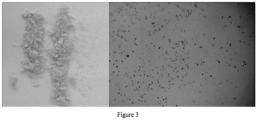
- the liquid mucus is freeze dried at -45 °C for at least 24 hours until a dry powder is obtained (see Figure 3 ).
- Freeze drying is a low temperature dehydration process which involves freezing the mucus, reducing the pressure and adding heat to remove any ice by transforming it into water vapor (sublimation).
- the snail mucus is in the form of powder. More preferably, the powder has a particle size of D50 4.7 ⁇ m ⁇ 0.0035 with Span value of 1.48 ⁇ 0.006.
- the said powder particle size D50 and Span value are determined in 96% ethanol by laser diffractometry using Mastersizer 2000, Malvern Instruments Ltd., UK equipped with Hydro 2000S, Malvern Instruments Ltd., UK, for wet dispersions.
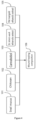
- FIG 4 provides an overview of the key components of the present invention that are combined to form the wound healing composition (106).
- the key components of the wound healing composition (106) are snail mucus extract (101), chitosan (102), Cannabidiol in form of CBD oil (103), St. John's-wort ethanolic extract (104) which preferably is prepared with 45% ethanol where the ratio between St. John's-wort and ethanol is 1:10 (w/w), and pot marigold ethanolic extract (105) which preferably is prepared with 70% ethanol where the ratio between pot marigold and ethanol is 1:10 (w/w).
- the w/w stands for weight per weight.
- the wound healing composition (106) comprises the following active ingredients: snail mucus (101), Cannabidiol in form of CBD oil (103), Hypericum perforatum ethanolic extract (104) and Calendula officinalis ethanolic extract (105) which are encapsulated in chitosan-based (102) microparticles.
- the wound healing composition (106) comprises:
- the wound healing composition comprises:
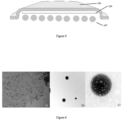
- the wound healing composition is in the form of chitosan-based microparticles (107) as shown in Figure 5 .
- the microparticles are subsequently incorporated into an appropriate dosage form, such as a dressing ( Figure 5 ) composed of backing adhesive (108) and film (109) loaded with microparticles (107), cream, gel, ointment, lotion, etc.
- Incorporation can be achieved using known methods in the art, for example through the use of an adhesive.
- a spray drying technique is used to produce the chitosan-based microparticles (see Figure 6 ).
- Spray drying is a continuous process for transforming a liquid or slurry feed into a powder (dried particles) by means of a gaseous hot drying medium.
- the resulting microparticles contain the active ingredients embedded.
- the weight percentage of snail mucus embedded into microparticles, expressed as total protein content, is ⁇ 15%, as determined by biuret test for protein (Cary 60 UV/VIS spectrophotometer, Agilent, USA).
- the microparticle size (D50) is in range of 5-7 ⁇ m with Span value in range of 1-2.5 when determined in 96% ethanol by laser diffractometry using Mastersizer 2000, Malvern Instruments Ltd., UK equipped with Hydro 2000S, Malvern Instruments Ltd., UK, for wet dispersions.
- Surface zeta potential of microparticles is in range of -25 to -45 mV determined in distilled water using Zetasizer Nano Series, Nano-ZS, Malvern Instruments Ltd., UK.
- microparticles As well known in the art, this technique offers retention of bioactivity, efficacy and stability of all active ingredients present.
- Other embodiments of the invention use alternative methods to produce the microparticles, including, for example, emulsion-diffusion and coacervation techniques followed by either spray drying or freeze drying.
Landscapes
- Health & Medical Sciences (AREA)
- Chemical & Material Sciences (AREA)
- Life Sciences & Earth Sciences (AREA)
- Public Health (AREA)
- Animal Behavior & Ethology (AREA)
- Veterinary Medicine (AREA)
- Hematology (AREA)
- Engineering & Computer Science (AREA)
- Materials Engineering (AREA)
- Epidemiology (AREA)
- General Health & Medical Sciences (AREA)
- Zoology (AREA)
- Botany (AREA)
- Chemical Kinetics & Catalysis (AREA)
- Medicinal Preparation (AREA)
- Pharmaceuticals Containing Other Organic And Inorganic Compounds (AREA)
- Medicines Containing Plant Substances (AREA)
- Medicines Containing Material From Animals Or Micro-Organisms (AREA)
Abstract
Description
- The present invention belongs to the field of wound healing. More specifically, the present invention discloses a wound healing composition comprising natural raw materials, such as snail mucus and herbal extracts, as active ingredients. In addition, the present application discloses a method for producing the wound healing composition, in the micro-particle form.
- Chronic wounds represent a substantial burden on healthcare systems as incidences are rising each year in developed countries. In the EU alone, the annual incidence of chronic wounds is estimated at four million individuals, and in total around 4% of health expenditure is allocated to chronic wound treatment. The current therapy regimes linked to infected wounds are relatively long-term, including treatment with skin substitutes, negative pressure wound therapy, growth factors and hyperbaric oxygen, in addition to wound dressings and care (several times daily). Prolonged frequent use of conventional pharmacological active substances, such as antibiotics, can also lead to systemic toxicity and antibiotic resistance. Therefore, effective and targeted treatment of wounds is needed in order to improve patient outcomes and decrease the economic burden of such conditions.
- In recent years, the mucus or slime produced by snails has been extensively researched based on findings of its effective application in dermatology and cosmetics industries. Notably, the composition of snail mucus (mainly allantoin, collagen, elastin and glycolic acid) has been shown to improve skin condition, likely due to its high protein content and significant effects on cell regeneration and growth, whilst inhibiting inflammatory processes. However, its applications in the wound healing process have not been explored yet.
- Pharmaceutical compositions, films or bio-gels, and/or methods for preparing such products, for prevention and/or treatment of wounds and/or skin conditions are well documented in both patent and scientific literature, but these are all associated with disadvantages compared to the present invention.
-
US9125964B2 IN202041030334 -
WO2019/155389A1 describes a composition for the prevention and treatment of ulcerative, inflammatory and/or erosive disorders of mucous membranes. The composition comprises: a mucoadhesive agent (such as chitin or chitosan), a bioadhesive agent (such as snail mucus), a pharmaceutical agent, a natural polymer (such as chitin or chitosan), and a cannabinoid (such as CBD, CBG or CBN). Furthermore, the composition may additionally comprise an anti-inflammatory agent such as Calendula. -
WO2020/201439A1 describes a film comprising gastropod slime such as snail slime or mucus and a polymer, such as chitosan, that is used for the treatment of various skin conditions, such as atopic dermatitis and psoriasis. The film may additionally comprise a microparticle system to modulate the release of the composition and increase skin permeability and its passage through the skin barrier. -
WO2020/144564A1 describes a composition comprising allantoin (extracted from snail slime or mucus), Hypericum oil (extracted from St. John's-wort) and Calendula. The composition may be formulated as a spray for the treatment of various skin conditions, such as psoriasis and eczema. - The present application discloses a complex microparticulated system containing snail slime, chitosan and herbal extracts, that provides multi target synergistic approach, which is particularly suitable as a final dosage formulation for wound treatment. The purpose of this approach is to avoid the use of conventional pharmacological active substances, such as antibiotics, for wound treatment. Thus, the present invention utilizes a multicomponent approach to achieve the desired treatment.
- Thus, the present application discloses a novel approach for wound healing, based on the use of snail mucus in combination with other natural raw materials as active substances. The natural raw materials may include: a natural biopolymer, such as chitosan, and herbal extracts of cannabis, St. John's-wort (Hypericum perforatum) and pot marigold (Calendula officinalis). These components are encapsulated in one step process into microparticles and can be incorporated into an appropriate dosage form, such as a dressing, gel, cream, lotion, topical powder etc.
- The composition according to the present invention contains selected herbal extracts as well as snail slime, which are encapsulated into chitosan-based microparticles, and preferably, subsequently formulated into film-dressing. Chitosan-based microparticles containing encapsulated active ingredients provide adequate swelling properties and prolonged release of active ingredients, thus enabling better therapeutic efficacy and wound treatment outcome.
- The present invention proposes the composition containing snail slime, Cannabidiol (CBD), St. John's-wort extract and pot marigold extract, encapsulated into chitosan-based microparticles. The proposed combination, and particularly formulation based on active ingredients encapsulated preferably in the form of chitosan-based microparticles, contributes to enhanced antioxidant, anti-inflammatory, antimicrobial, and wound healing acceleration properties, without the risk of systemic toxicity, antibiotic resistance and/or other negative side effects associated with conventional treatments. Furthermore, the microparticles containing the composition according to the present invention incorporated in topical formulations, such as film-dressing, gel, cream, lotion, or topical powder, enable easy application, with controlled and extended-release properties, thus prolonging dosage intervals (once every couple of days), whilst enhancing efficacy in wound healing.
- In one aspect, the present invention provides a wound healing composition comprising: Snail mucus, chitosan, Cannabidiol (which may be in the form of CBD oil which is made by ethanolic extraction, or CBD extract obtained by CO2 extraction, or CBD crystals (isolates) from the cannabis plant and then diluted with a carrier oil like coconut oil, hemp seed oil or medium chain triglycerides), and ethanolic extracts of St. John's-wort (Hypericum perforatum) and pot marigold (Calendula officinalis).
- In another aspect, the present invention provides a method for making the wound healing composition, the method comprising the steps of:
- combining snail mucus, chitosan, Cannabidiol in form of CBD oil, and ethanolic extracts of St. John's-wort (Hypericum perforatum) and pot marigold (Calendula officinalis); and
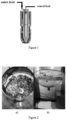
- formation of microparticles, preferably by spray drying technique, preferably by using double fluid nozzle, where snail mucus, Cannabidiol in form of CBD oil and ethanolic extracts of St. John's-wort (Hypericum perforatum) and pot marigold (Calendula officinalis)and cross-linking agent, such as tripolyphosphate (TPP), are sprayed through the central feed, while chitosan solution i.e. chitosan dissolved in 1% glacial acetic acid or 1% hydrochloric acid, is sprayed through the outer feed of the double fluid nozzle (
Fig. 1 ), which results in formation of microparticles. The composition undergoes spray-drying at elevated temperatures, preferably at 150° C. - The present invention therefore provides a natural approach to wound healing, with improved efficacy, reduced or minimal side effects in comparison to conventional pharmacologically active substances, such as antibiotics, while at the same time allows easy application with controlled and extended-release properties, thus prolonging dosage intervals (once every couple of days).
-
-
Fig. 1 . Schematic representation of double fluid nozzle. -
Fig. 2a : represents the top view of the snail mucus extractor. -
Fig. 2b : represents the bottom view of the collection vessel of snail mucus extractor. -
Fig. 3 : Macroscopic (left) and microscopic (right) images of snail mucus powder. -
Fig. 4 : illustrates an overview of the key components of the composition according to the present invention. -
Fig. 5 : is a schematic representation of microparticles (107) containing incorporated active ingredients according to the present invention. -
Fig. 6a-6c : represents microscopic images of spray-dried swellable microparticles of the present invention containing the snail mucus: a) image under light microscope b) TEM (transmission emission microscope) image c) zoomed TEM image. - Disclosed in the present application is a wound healing composition containing natural raw materials, such as Snail mucus, Cannabis sativa, Hypericum perforatum and Calendula officinals as active substances, incorporated into a biopolymer network, such as chitosan cross-linked with TPP. The composition according to the present invention comprises the following components: snail mucus, chitosan, oil extract of Cannabis sativa (particularly the active ingredient Cannabidiol), as well as ethanolic extracts of St. John's-wort and pot marigold.
- Due to its specific composition and multifunctional properties (wound healing, preventing or treating infections, scar reducing, etc.), the present invention finds particular application in the following fields: biomedical applications in humans and animals, such as for the treatment of skin conditions or wounds; and cosmetic applications in humans, such as anti-aging or acne treatment. Aside from the aforementioned benefits of snail mucus in improving skin condition, the introduction of chitosan and herbal extracts to the wound healing composition provides additional advantages. Chitosan is a naturally occurring marine polysaccharide derived from the deacetylation of chitin, which serves as a polymer matrix and supports tissue growth by stimulating cell proliferation. Cannabis sativa extracts are used due to their antioxidant and anti-inflammatory activities arising from biologically active compounds, such as amino acids, fatty acids, steroids, flavonoids, lignans, terpenoids, alkaloids and cannabinoids (notably cannabidiol (CBD), cannabinol (CBN) and cannabigerol (CBG)). Similarly, the clinical rationale for use of St. John's-wort ethanolic extract in the management of wounds is due to its antimicrobial and anti-inflammatory activities, as well as stimulatory effects on fibroblast motility, collagen production, and keratinocyte differentiation. Finally, pot marigold extract is included due to its anti-inflammatory, antimicrobial, antioxidant, and wound healing acceleration activities.
- In one embodiment of the invention, the snail mucus extract is obtained using the following method, comprising two phases. In the first phase, freshly harvested snails, preferably, 2.5 kg, are gathered and then rinsed with warm distilled water at about 30-35°C, for removal of environmental and mechanical contaminants. Any type of snails can be used for this purpose. Said rinsing cycle is repeated three times. The snails are subsequently transferred to an extractor which is operably connected to the collection vessel for collecting the extracted snail mucus. The extractor preferably runs for at least 1 hour at about 30 rpm (see
Figure 2a ). In the 20th and 40th minute of the 1hr of extraction, 200 ml of distilled water is sprayed on the snails in order to dilute the extracted snail mucus for easier flowing into the collection vessel. After about one hour, the rotation is stopped, and 200 ml of distilled water is sprayed on the processed snails three times. Between each round of water spraying the snails in the extractor, the snails are inverted i.e.mixed. The snail mucus extract located in the lower part of the collection vessel, which is operably connected to the extractor, is strained through a sieve (Fig. 2b ). Subsequently, the obtained liquid snail mucus extract is transferred to a second collection vessel. - In the second phase, distilled water, preferably 1L, is added to the processed snails from the first phase and mixed, preferably for about 10 minutes, to obtain the residue of the snail mucus. Said mucus residue is then separated from the processed snails by means of three consecutive separation steps of the phase two using sieves of different mesh size openings (from larger to smaller). The resulting residue mucus is mixed with the mucus collected from the first phase and filtered through filter under vacuum, preferably sintered glass 11G3 filter under vacuum. Optionally, the mucus may be diluted with distilled water in mucus:water ratio of max 1:4.
- The liquid mucus is freeze dried at -45 °C for at least 24 hours until a dry powder is obtained (see
Figure 3 ). Freeze drying is a low temperature dehydration process which involves freezing the mucus, reducing the pressure and adding heat to remove any ice by transforming it into water vapor (sublimation). - Preferably, the snail mucus is in the form of powder. More preferably, the powder has a particle size of D50 4.7µm±0.0035 with Span value of 1.48±0.006. The said powder particle size D50 and Span value are determined in 96% ethanol by laser diffractometry using Mastersizer 2000, Malvern Instruments Ltd., UK equipped with Hydro 2000S, Malvern Instruments Ltd., UK, for wet dispersions.
-
Figure 4 provides an overview of the key components of the present invention that are combined to form the wound healing composition (106). The key components of the wound healing composition (106) are snail mucus extract (101), chitosan (102), Cannabidiol in form of CBD oil (103), St. John's-wort ethanolic extract (104) which preferably is prepared with 45% ethanol where the ratio between St. John's-wort and ethanol is 1:10 (w/w), and pot marigold ethanolic extract (105) which preferably is prepared with 70% ethanol where the ratio between pot marigold and ethanol is 1:10 (w/w). The w/w stands for weight per weight. - Thus, the wound healing composition (106) according to the present invention comprises the following active ingredients: snail mucus (101), Cannabidiol in form of CBD oil (103), Hypericum perforatum ethanolic extract (104) and Calendula officinalis ethanolic extract (105) which are encapsulated in chitosan-based (102) microparticles.
- In a preferred embodiment of the invention, the wound healing composition (106) comprises:
- Snail mucus, 10-50 wt%;
- Chitosan, 10-15 wt%;
- Cannabidiol, 0.01-0.5 wt%;
- Hypericum perforatum ethanolic extract, 0.1-1 wt%;
- Calendula officinalis ethanolic extract, 0.1-1 wt% and
- Cross linking agent, preferably,
- Tripolyphosphate 35-40 wt%,
- More preferably, the wound healing composition comprises:
- Snail mucus, 49.5 wt%;
- Chitosan, 12.45 wt%;
- Cannabidiol, 0.05 wt%;
- Hypericum perforatum ethanolic extract, 0.5 wt%;
- Calendula officinalis ethanolic extract, 0.5 wt% and
- Tripolyphosphate 37 wt%,
- In a preferred embodiment of the invention, the wound healing composition is in the form of chitosan-based microparticles (107) as shown in
Figure 5 . The microparticles are subsequently incorporated into an appropriate dosage form, such as a dressing (Figure 5 ) composed of backing adhesive (108) and film (109) loaded with microparticles (107), cream, gel, ointment, lotion, etc. Incorporation can be achieved using known methods in the art, for example through the use of an adhesive. - In a preferred embodiment of the invention, a spray drying technique is used to produce the chitosan-based microparticles (see
Figure 6 ). Spray drying is a continuous process for transforming a liquid or slurry feed into a powder (dried particles) by means of a gaseous hot drying medium. The resulting microparticles contain the active ingredients embedded. The weight percentage of snail mucus embedded into microparticles, expressed as total protein content, is ≥15%, as determined by biuret test for protein (Cary 60 UV/VIS spectrophotometer, Agilent, USA). The Cannabidiol in the form of CBD oil, St. John's-wort ethanolic extract and Pot marigold ethanolic extract embedded into microparticles, expressed as total phenols is ≥0.7 wt%. The microparticle size (D50) is in range of 5-7 µm with Span value in range of 1-2.5 when determined in 96% ethanol by laser diffractometry using Mastersizer 2000, Malvern Instruments Ltd., UK equipped with Hydro 2000S, Malvern Instruments Ltd., UK, for wet dispersions. Surface zeta potential of microparticles is in range of -25 to -45 mV determined in distilled water using Zetasizer Nano Series, Nano-ZS, Malvern Instruments Ltd., UK. - As well known in the art, this technique offers retention of bioactivity, efficacy and stability of all active ingredients present. Other embodiments of the invention use alternative methods to produce the microparticles, including, for example, emulsion-diffusion and coacervation techniques followed by either spray drying or freeze drying.
Claims (15)
- A wound healing composition comprising the following components:• Snail mucus;• Chitosan;• Cannabidiol;• Hypericum perforatum ethanolic extract and• Calendula officinalis ethanolic extract
characterized by
the components being encapsulated with a cross linking agent in chitosan-based microparticles. - The wound healing composition according to claim 1, characterized in that the snail mucus is in a powder form.
- The wound healing composition according to claim 2, characterized in that the snail mucus powder has a particle size of D50 4.7µm±0.0035 with Span value of 1.48±0.006.
- The wound healing composition according to claims 1 to 3, characterized in that Cannabidiol is in form of CBD oil.
- The wound healing composition according to claims 1 to 4, characterized in that the composition contains snail mucus 10-50 wt%, based on the total weight of the composition.
- The wound healing composition according to claims 1 to 5, characterized in that the composition contains chitosan 10-15 wt%, based on the total weight of the composition.
- The wound healing composition according to claims 1 to 6, characterized in that the composition contains Cannabidiol 0.01-0.5 wt%, based on the total weight of the composition.
- The wound healing composition according to claims 1 to 7, characterized in that the composition contains Hypericum perforatum ethanolic extract 0.1-1 wt%, based on the total weight of the composition.
- The wound healing composition according to claims 1 to 8, characterized in that the composition contains Calendula officinalis ethanolic extract 0.1-1 wt%, based on the total weight of the composition.
- The wound healing composition according to claims 1 to 9, characterized in that the composition contains:Snail mucus, 49.5 wt%;Chitosan, 12.45 wt%;Cannabidiol, 0.05 wt%;Hypericum perforatum ethanolic extract, 0.5 wt% andCalendula officinalis ethanolic extract,
0.5wt%, based on the total weight of the
composition. - A topical drug formulation for wound healing containing the wound healing composition according to claims 1-10.
- The topical drug formulation according to claim 11, characterized in that the formulation is in the form of a film, cream, gel, ointment or a lotion.
- A method of making the wound healing composition according to claims 1-10, the method comprising the steps of:- extraction of snail mucus from snails;- freeze drying of snail mucus extract obtained in previous step, for at least 24 hours, at temperature at -45°C to obtain dry snail mucus powder;- combining the snail mucus obtained in the previous step with Cannabidiol, Hypericum perforatum ethanolic extract and Calendula officinalis ethanolic extract and with a cross linking agent; and- encapsulation into chitosan-based microparticles preferably by spray-drying process using double-fluid nozzle.
- The wound healing composition according to claims 1 to 10 for use as a medicament.
- The wound healing composition according to claim 14 for use in treatment of skin condition or wound, such as psoriasis, eczema, atopic dermatitis, diabetic foot ulcer.
Priority Applications (1)
| Application Number | Priority Date | Filing Date | Title |
|---|---|---|---|
| EP22188230.1A EP4316535B1 (en) | 2022-08-02 | 2022-08-02 | Wound healing composition containing snail mucus |
Applications Claiming Priority (1)
| Application Number | Priority Date | Filing Date | Title |
|---|---|---|---|
| EP22188230.1A EP4316535B1 (en) | 2022-08-02 | 2022-08-02 | Wound healing composition containing snail mucus |
Publications (3)
| Publication Number | Publication Date |
|---|---|
| EP4316535A1 true EP4316535A1 (en) | 2024-02-07 |
| EP4316535B1 EP4316535B1 (en) | 2024-11-20 |
| EP4316535C0 EP4316535C0 (en) | 2024-11-20 |
Family
ID=83080923
Family Applications (1)
| Application Number | Title | Priority Date | Filing Date |
|---|---|---|---|
| EP22188230.1A Active EP4316535B1 (en) | 2022-08-02 | 2022-08-02 | Wound healing composition containing snail mucus |
Country Status (1)
| Country | Link |
|---|---|
| EP (1) | EP4316535B1 (en) |
Citations (5)
| Publication number | Priority date | Publication date | Assignee | Title |
|---|---|---|---|---|
| US9125964B2 (en) | 2011-01-21 | 2015-09-08 | Muciderm S.A. | Pharmaceutical composition and device for preventing, treating and curing ulcers on a diabetic foot and other wounds, which includes snail slime from the species Cryptophalus aspersus or Helix aspersa muller and pharmaceutically acceptable carriers and/or additives |
| WO2019155389A1 (en) | 2018-02-06 | 2019-08-15 | Target Oncology Inc. | An aqueous mucoadhesive and bioadhesive composition for the treatment |
| WO2020144564A1 (en) | 2019-01-10 | 2020-07-16 | Paolo Ferrazza | Composition for the treatment of skin lesions and irritations |
| IN202041030334A (en) | 2020-07-16 | 2020-07-31 | Dr.V.KARTHIKEYAN | |
| WO2020201439A1 (en) | 2019-04-02 | 2020-10-08 | Alma Mater Studiorum - Università di Bologna | Polymer films comprising material secreted by gastropods |
-
2022
- 2022-08-02 EP EP22188230.1A patent/EP4316535B1/en active Active
Patent Citations (5)
| Publication number | Priority date | Publication date | Assignee | Title |
|---|---|---|---|---|
| US9125964B2 (en) | 2011-01-21 | 2015-09-08 | Muciderm S.A. | Pharmaceutical composition and device for preventing, treating and curing ulcers on a diabetic foot and other wounds, which includes snail slime from the species Cryptophalus aspersus or Helix aspersa muller and pharmaceutically acceptable carriers and/or additives |
| WO2019155389A1 (en) | 2018-02-06 | 2019-08-15 | Target Oncology Inc. | An aqueous mucoadhesive and bioadhesive composition for the treatment |
| WO2020144564A1 (en) | 2019-01-10 | 2020-07-16 | Paolo Ferrazza | Composition for the treatment of skin lesions and irritations |
| WO2020201439A1 (en) | 2019-04-02 | 2020-10-08 | Alma Mater Studiorum - Università di Bologna | Polymer films comprising material secreted by gastropods |
| IN202041030334A (en) | 2020-07-16 | 2020-07-31 | Dr.V.KARTHIKEYAN |
Non-Patent Citations (1)
| Title |
|---|
| DATABASE WPI Week 2020006, Derwent World Patents Index; AN 2020-75300Q, XP002808415 * |
Also Published As
| Publication number | Publication date |
|---|---|
| EP4316535B1 (en) | 2024-11-20 |
| EP4316535C0 (en) | 2024-11-20 |
Similar Documents
| Publication | Publication Date | Title |
|---|---|---|
| Abdulla et al. | Role of Ficus deltoidea extract in the enhancement of wound healing in experimental rats | |
| Akhtari et al. | Natural agents as wound-healing promoters | |
| Iqubal et al. | Natural, synthetic and their combinatorial nanocarriers based drug delivery system in the treatment paradigm for wound healing via dermal targeting | |
| CN105395440A (en) | A kind of peach gum mask and its preparation method and application | |
| EP3600348B1 (en) | Colloidal silver combined with plant extracts for use in treating wounds and other skin conditions | |
| CN103189066A (en) | Compositions for the treatment of peripheral ulcers of various origins | |
| EP4316535B1 (en) | Wound healing composition containing snail mucus | |
| KR102214985B1 (en) | Compositions for improving skin conditions comprising plant extracts or fractions thereof | |
| Monika et al. | Phytonanotechnology for enhanced wound healing activity | |
| KR101211754B1 (en) | Cosmetic compositions including an natural extract for improvement of stress acne | |
| KR20220011331A (en) | Cosmetic composition for improving atopic dermatitis and method of manufacturing the same | |
| WO2003033007A1 (en) | Pharmaceutical compositions for the topical use containing medicinal plants extracts with antiphlogistic and cicatrising activities | |
| CN105708770A (en) | Acne-removal cosmetic containing nano-sulfur | |
| CN110812377B (en) | Acne treatment and repair composition and application thereof | |
| Marlinawati et al. | Effect of papaya leaf extract gel (Carica papaya) on incision wound healing in Rattus norvegicus | |
| WO2007000651A1 (en) | Pharmaceutical and cosmetic compositions containing colostrum, tocopherols, zinc oxide and hyaluronic acid | |
| KR101799525B1 (en) | Composition for wounds healing and anti-wrinkle, and method for preparing the same | |
| Pandey et al. | Synthesis and characterization of nanoherbal formulations for topical wound healing applications | |
| KR102073009B1 (en) | Composition for prevention or treatment of skin inflammation comprising Centella asiatica phytosome and Mori Radicis Cortex extract | |
| KR102148095B1 (en) | Cosmetic composition for anti-aging or anti-wrinkle comprising epidermal growth factor, sericin, Foeniculum vulgare extract and Eugenia caryophyllus extract | |
| Esentürk‐Güzel et al. | Nanocarrier Applications for the Delivery of Bioactives for Topical Wound Healing | |
| CN116099029B (en) | A disposable postoperative dressing plant concentrated film and preparation method thereof | |
| CN105431158A (en) | Oil extracts of plants of the genus Rubus, and their use in the fields of medicine and cosmetology | |
| CN120227327B (en) | Cream for promoting healing of oral mucosal skin | |
| EP3013423B1 (en) | Composition comprising oleum coctus urticae |
Legal Events
| Date | Code | Title | Description |
|---|---|---|---|
| PUAI | Public reference made under article 153(3) epc to a published international application that has entered the european phase |
Free format text: ORIGINAL CODE: 0009012 |
|
| STAA | Information on the status of an ep patent application or granted ep patent |
Free format text: STATUS: THE APPLICATION HAS BEEN PUBLISHED |
|
| AK | Designated contracting states |
Kind code of ref document: A1 Designated state(s): AL AT BE BG CH CY CZ DE DK EE ES FI FR GB GR HR HU IE IS IT LI LT LU LV MC MK MT NL NO PL PT RO RS SE SI SK SM TR |
|
| STAA | Information on the status of an ep patent application or granted ep patent |
Free format text: STATUS: REQUEST FOR EXAMINATION WAS MADE |
|
| 17P | Request for examination filed |
Effective date: 20240704 |
|
| RBV | Designated contracting states (corrected) |
Designated state(s): AL AT BE BG CH CY CZ DE DK EE ES FI FR GB GR HR HU IE IS IT LI LT LU LV MC MK MT NL NO PL PT RO RS SE SI SK SM TR |
|
| GRAP | Despatch of communication of intention to grant a patent |
Free format text: ORIGINAL CODE: EPIDOSNIGR1 |
|
| STAA | Information on the status of an ep patent application or granted ep patent |
Free format text: STATUS: GRANT OF PATENT IS INTENDED |
|
| GRAS | Grant fee paid |
Free format text: ORIGINAL CODE: EPIDOSNIGR3 |
|
| GRAA | (expected) grant |
Free format text: ORIGINAL CODE: 0009210 |
|
| STAA | Information on the status of an ep patent application or granted ep patent |
Free format text: STATUS: THE PATENT HAS BEEN GRANTED |
|
| INTG | Intention to grant announced |
Effective date: 20240926 |
|
| AK | Designated contracting states |
Kind code of ref document: B1 Designated state(s): AL AT BE BG CH CY CZ DE DK EE ES FI FR GB GR HR HU IE IS IT LI LT LU LV MC MK MT NL NO PL PT RO RS SE SI SK SM TR |
|
| REG | Reference to a national code |
Ref country code: GB Ref legal event code: FG4D |
|
| REG | Reference to a national code |
Ref country code: CH Ref legal event code: EP |
|
| REG | Reference to a national code |
Ref country code: DE Ref legal event code: R096 Ref document number: 602022007848 Country of ref document: DE |
|
| REG | Reference to a national code |
Ref country code: IE Ref legal event code: FG4D |
|
| U01 | Request for unitary effect filed |
Effective date: 20241211 |
|
| U07 | Unitary effect registered |
Designated state(s): AT BE BG DE DK EE FI FR IT LT LU LV MT NL PT RO SE SI Effective date: 20250117 |
|
| U1O | Appointed representative for the unitary patent procedure deleted after the registration of the unitary effect | ||
| PG25 | Lapsed in a contracting state [announced via postgrant information from national office to epo] |
Ref country code: IS Free format text: LAPSE BECAUSE OF FAILURE TO SUBMIT A TRANSLATION OF THE DESCRIPTION OR TO PAY THE FEE WITHIN THE PRESCRIBED TIME-LIMIT Effective date: 20250320 Ref country code: HR Free format text: LAPSE BECAUSE OF FAILURE TO SUBMIT A TRANSLATION OF THE DESCRIPTION OR TO PAY THE FEE WITHIN THE PRESCRIBED TIME-LIMIT Effective date: 20241120 |
|
| PG25 | Lapsed in a contracting state [announced via postgrant information from national office to epo] |
Ref country code: ES Free format text: LAPSE BECAUSE OF FAILURE TO SUBMIT A TRANSLATION OF THE DESCRIPTION OR TO PAY THE FEE WITHIN THE PRESCRIBED TIME-LIMIT Effective date: 20241120 |
|
| PG25 | Lapsed in a contracting state [announced via postgrant information from national office to epo] |
Ref country code: NO Free format text: LAPSE BECAUSE OF FAILURE TO SUBMIT A TRANSLATION OF THE DESCRIPTION OR TO PAY THE FEE WITHIN THE PRESCRIBED TIME-LIMIT Effective date: 20250220 |
|
| PG25 | Lapsed in a contracting state [announced via postgrant information from national office to epo] |
Ref country code: GR Free format text: LAPSE BECAUSE OF FAILURE TO SUBMIT A TRANSLATION OF THE DESCRIPTION OR TO PAY THE FEE WITHIN THE PRESCRIBED TIME-LIMIT Effective date: 20250221 |
|
| PG25 | Lapsed in a contracting state [announced via postgrant information from national office to epo] |
Ref country code: PL Free format text: LAPSE BECAUSE OF FAILURE TO SUBMIT A TRANSLATION OF THE DESCRIPTION OR TO PAY THE FEE WITHIN THE PRESCRIBED TIME-LIMIT Effective date: 20241120 |
|
| PG25 | Lapsed in a contracting state [announced via postgrant information from national office to epo] |
Ref country code: RS Free format text: LAPSE BECAUSE OF FAILURE TO SUBMIT A TRANSLATION OF THE DESCRIPTION OR TO PAY THE FEE WITHIN THE PRESCRIBED TIME-LIMIT Effective date: 20250220 |
|
| PG25 | Lapsed in a contracting state [announced via postgrant information from national office to epo] |
Ref country code: SM Free format text: LAPSE BECAUSE OF FAILURE TO SUBMIT A TRANSLATION OF THE DESCRIPTION OR TO PAY THE FEE WITHIN THE PRESCRIBED TIME-LIMIT Effective date: 20241120 |
|
| PG25 | Lapsed in a contracting state [announced via postgrant information from national office to epo] |
Ref country code: SK Free format text: LAPSE BECAUSE OF FAILURE TO SUBMIT A TRANSLATION OF THE DESCRIPTION OR TO PAY THE FEE WITHIN THE PRESCRIBED TIME-LIMIT Effective date: 20241120 |
|
| PG25 | Lapsed in a contracting state [announced via postgrant information from national office to epo] |
Ref country code: CZ Free format text: LAPSE BECAUSE OF FAILURE TO SUBMIT A TRANSLATION OF THE DESCRIPTION OR TO PAY THE FEE WITHIN THE PRESCRIBED TIME-LIMIT Effective date: 20241120 |
|
| U20 | Renewal fee for the european patent with unitary effect paid |
Year of fee payment: 4 Effective date: 20250731 |
|
| PLBE | No opposition filed within time limit |
Free format text: ORIGINAL CODE: 0009261 |
|
| STAA | Information on the status of an ep patent application or granted ep patent |
Free format text: STATUS: NO OPPOSITION FILED WITHIN TIME LIMIT |
|
| PGFP | Annual fee paid to national office [announced via postgrant information from national office to epo] |
Ref country code: CH Payment date: 20250901 Year of fee payment: 4 |
|
| 26N | No opposition filed |
Effective date: 20250821 |
|
| PGFP | Annual fee paid to national office [announced via postgrant information from national office to epo] |
Ref country code: IE Payment date: 20250731 Year of fee payment: 4 |
|
| PG25 | Lapsed in a contracting state [announced via postgrant information from national office to epo] |
Ref country code: MC Free format text: LAPSE BECAUSE OF FAILURE TO SUBMIT A TRANSLATION OF THE DESCRIPTION OR TO PAY THE FEE WITHIN THE PRESCRIBED TIME-LIMIT Effective date: 20241120 |