EP4300908B1 - Basisstationsverwaltungssystem und -verfahren - Google Patents
Basisstationsverwaltungssystem und -verfahren Download PDFInfo
- Publication number
- EP4300908B1 EP4300908B1 EP23165914.5A EP23165914A EP4300908B1 EP 4300908 B1 EP4300908 B1 EP 4300908B1 EP 23165914 A EP23165914 A EP 23165914A EP 4300908 B1 EP4300908 B1 EP 4300908B1
- Authority
- EP
- European Patent Office
- Prior art keywords
- base station
- station management
- management device
- port number
- link
- Prior art date
- Legal status (The legal status is an assumption and is not a legal conclusion. Google has not performed a legal analysis and makes no representation as to the accuracy of the status listed.)
- Active
Links
Images


Classifications
-
- H—ELECTRICITY
- H04—ELECTRIC COMMUNICATION TECHNIQUE
- H04W—WIRELESS COMMUNICATION NETWORKS
- H04W24/00—Supervisory, monitoring or testing arrangements
-
- H—ELECTRICITY
- H04—ELECTRIC COMMUNICATION TECHNIQUE
- H04L—TRANSMISSION OF DIGITAL INFORMATION, e.g. TELEGRAPHIC COMMUNICATION
- H04L41/00—Arrangements for maintenance, administration or management of data switching networks, e.g. of packet switching networks
- H04L41/08—Configuration management of networks or network elements
- H04L41/0803—Configuration setting
-
- H—ELECTRICITY
- H04—ELECTRIC COMMUNICATION TECHNIQUE
- H04W—WIRELESS COMMUNICATION NETWORKS
- H04W76/00—Connection management
- H04W76/10—Connection setup
-
- H—ELECTRICITY
- H04—ELECTRIC COMMUNICATION TECHNIQUE
- H04W—WIRELESS COMMUNICATION NETWORKS
- H04W88/00—Devices specially adapted for wireless communication networks, e.g. terminals, base stations or access point devices
- H04W88/08—Access point devices
-
- H—ELECTRICITY
- H04—ELECTRIC COMMUNICATION TECHNIQUE
- H04L—TRANSMISSION OF DIGITAL INFORMATION, e.g. TELEGRAPHIC COMMUNICATION
- H04L2101/00—Indexing scheme associated with group H04L61/00
- H04L2101/60—Types of network addresses
- H04L2101/618—Details of network addresses
- H04L2101/663—Transport layer addresses, e.g. aspects of transmission control protocol [TCP] or user datagram protocol [UDP] ports
-
- H—ELECTRICITY
- H04—ELECTRIC COMMUNICATION TECHNIQUE
- H04L—TRANSMISSION OF DIGITAL INFORMATION, e.g. TELEGRAPHIC COMMUNICATION
- H04L61/00—Network arrangements, protocols or services for addressing or naming
-
- H—ELECTRICITY
- H04—ELECTRIC COMMUNICATION TECHNIQUE
- H04W—WIRELESS COMMUNICATION NETWORKS
- H04W92/00—Interfaces specially adapted for wireless communication networks
- H04W92/04—Interfaces between hierarchically different network devices
- H04W92/12—Interfaces between hierarchically different network devices between access points and access point controllers
Definitions
- the invention generally relates to authentication technology, and more particularly, to base station management technology in which a base station management device is configured to manage a plurality of base stations in a Call-Home mechanism.
- the Element Management System (EMS) network management end may communicate with the base station end through an O1 interface.
- the O1 interface is realized based on the Network Configuration Protocol (NETCONF).
- NETCONF Network Configuration Protocol
- the NETCONF is a network management standard developed and standardized by the Internet Engineering Task Force (IETF).
- the EMS network management end In a traditional base station deployment, the EMS network management end needs to know the Internet Protocol Address (IP address) of each base station, and based on the IP address of each base station, the EMS network management end establishes the link with each base station through the Transmission Control Protocol (TCP) and Secure Shell (SSH) protocol to manage each base station.
- TCP Transmission Control Protocol
- SSH Secure Shell
- a Call-Home mechanism In a Call-Home mechanism, when a base station leaves the factory, the IP of the EMS network management end and the default port number 4334 may be written in the base station.
- the base station When the base station is enabled, based on the Call-Home mechanism, the base station may use the IP of the EMS network management end and the default port number to establish the link with the EMS network management end through TCP and SSH.
- each base station may send the link request to the EMS network based on the same IP of the EMS network management end and the default port number. After a first base station has established the link with the EMS network management end, if the link needs to be maintained, the default port number will be occupied. Therefore, when a second base station sends a link request, because the default port number has been occupied by the first base station, the second base station may not establish a link with the EMS network management end. Therefore, in the current Call-Home mechanism, the EMS network management end only can manage one base station.
- US 2007/070987 A1 discloses a wireless communication terminal.
- KR 2002 0091483 A discloses a method for assigning a multi-port.
- a base station management system and method are provided to overcome the problems mentioned above.
- a first aspect of the invention provides a base station management system, comprising: a base station management device, managing a plurality of base stations; and a first base station, sending a first link request to the base station management device based on a default port number and a base station management device address through a communication interface, wherein after the base station management device receives the first link request, the base station management device establishes a link with the first base station based on the first link request, and changes a port number corresponding to the first base station from the default number to an unused first port number to release the default port number, wherein the first base station establishes the link with the base station management device again based on the first port number.
- the base station management device After the base station management device changes the port number corresponding to the first base station from the default number to the first port number, the base station management device terminates the link with the first base station.
- the first base station After the base station management device terminates the link with the first base station, the first base station sends the first link request to the base station management device based on the first port number and the base station management device address through the communication interface, and after the base station management device receives the first link request, the base station management device establishes the link with the first base station again based on the first link request.
- the base station management system further comprises: a second base station, sending a second link request to the base station management device based on the default port number and the base station management device address through the communication interface, wherein after the base station management device receives the second link request, the base station management device establishes a link with the second base station based on the second link request, and changes a port number corresponding to the second base station from the default number to an unused second port number to release the default port number, wherein the second base station establishes the link with the base station management device again based on the second port number.
- the first port number and the second port number are comprised in an unused port number interval.
- the base station management device adds a value to the first port number to generate the second port number.
- the communication interface is an O1 interface.
- the links between the base station management device and the base stations are established based on Transmission Control Protocol (TCP) and Secure Shell (SSH) protocol.
- TCP Transmission Control Protocol
- SSH Secure Shell
- a second aspect of the invention provides a base station management method, applied to a base station management system, comprising: sending, by a first base station of the base station management system, a first link request to a base station management device of the base station management system based on a default port number and a base station management device address through a communication interface; after the base station management device receives the first link request, establishing, by the base station management device, a link with the first base station based on the first link request; changing, by the base station management device, a port number corresponding to the first base station from the default number to an unused first port number to release the default port number; establishing, by the first base station, the link with the base station management device again based on the first port number.
- the base station management method further comprises: after the base station management device changes the port number corresponding to the first base station from the default number to the first port number, terminating, by the base station management device, the link with the first base station.
- the base station management method further comprises: after the base station management device terminates the link with the first base station, sending, by the first base station, the first link request to the base station management device based on the first port number and the base station management device address through the communication interface; and after the base station management device receives the first link request, establishing, by the base station management device, the link with the first base station again based on the first link request.
- the base station management further comprises: sending, by a second base station of the base station management system, a second link request to the base station management device based on the default port number and the base station management device address through the communication interface; after the base station management device receives the second link request, establishing, by the base station management device, a link with the second base station based on the second link request; changing, by the base station management device, a port number corresponding to the second base station from the default number to an unused second port number to release the default port number; and establishing, by the second base station, the link with the base station management device again based on the second port number.
- the first port number and the second port number are comprised in an unused port number interval.
- the base station management method further comprises: adding, by the base station management device, a value to the first port number to generate the second port number.
- the communication interface is an O1 interface.
- the links between the base station management device and the base stations are established based on Transmission Control Protocol (TCP) and Secure Shell (SSH) protocol.
- TCP Transmission Control Protocol
- SSH Secure Shell
- FIG.1 is a block diagram of base station management system 100 according to an embodiment of the invention.
- the base station management system 100 may comprise at least a base station management device 110, at least one base station 120 and a communication interface 130.
- FIG. 1 presents a simplified block diagram in which only the elements relevant to the invention are shown. However, the invention should not be limited to what is shown in FIG. 1 .
- the base station management system 100 may comprise a plurality of base stations.
- the base station management system 100 may be applied in an Open Radio Access Network (O-RAN) structure.
- the base station management device 110 may establish the link with the base station 120 based on the Transmission Control Protocol (TCP) and Secure Shell (SSH) protocol.
- TCP Transmission Control Protocol
- SSH Secure Shell
- the Call-Home mechanism is adopted to establish the link between the base station management device 110 and the base station 120, i.e., the link request is initiated by the base station end based on the information of the network management end.
- the base station management device 110 may be an Element Management System (EMS).
- EMS Element Management System
- the base station management device 110 may manage a plurality of base stations.
- the base station management device 110 may comprise a communication device 111, a storage device 112 and a processing device 113.
- the base station management device 110 of FIG. 1 presents a simplified block diagram in which only the elements relevant to the invention are shown. However, the invention should not be limited to what is shown in FIG. 1 .
- the base station management device 110 may also comprise other elements.
- the communication device 111 may transmit data or information to the base station 120 through the communication interface 130, and receive data of information from the base station 120 through the communication interface 130.
- the communication interface 130 may be the O1 interface.
- the storage device 112 may store the software and firmware program codes, system data, user data, etc. of the base station management device 110.
- the storage device 112 may be a volatile memory such as a Random Access Memory (RAM); a non-volatile memory such as a flash memory or Read-Only Memory (ROM); a hard disk; or any combination thereof.
- RAM Random Access Memory
- ROM Read-Only Memory
- the processor 113 may control the operations of the communication device 111 and the storage device 112. According to an embodiment of the invention, the processor 113 may also be arranged to execute the program codes stored in the storage device 112.
- the program codes accompanied by specific data in a data structure may also be referred to as a processor logic unit or a stack instance when being executed. Therefore, the processor 113 may be regarded as being comprised of a plurality of processor logic units, each for executing one or more specific functions or tasks of corresponding software modules.
- the base station 120 may be a Generation Node B (gNB). As shown in FIG. 1 , the base station 120 may comprise a communication device 121, a storage device 122 and a processing device 123. It should be noted that in order to clarify the concept of the invention, the base station 120 of FIG. 1 presents a simplified block diagram in which only the elements relevant to the invention are shown. However, the invention should not be limited to what is shown in FIG. 1 .
- the base station 120 may also comprise other elements
- the communication device 121 may transmit data or information to the base station management device 110 through the communication interface 130, and receive data of information from the base station management device 110 through the communication interface 130.
- the storage device 122 may store the software and firmware program codes, system data, user data, etc. of the base station 120.
- the storage device 122 may pre-store a default port number (e.g., 4334) and a base station management device address (i.e., the Internet Protocol Address (IP address) of the base station management device 110).
- IP address Internet Protocol Address
- the default port number and the address of the base station may be pre-written in the storage device 122 before the base station leaves the factory.
- the storage device 122 may be a volatile memory such as a Random Access Memory (RAM); a non-volatile memory such as a flash memory or Read-Only Memory (ROM); a hard disk; or any combination thereof.
- the processor 123 may control the operations of the communication device 121 and the storage device 122.
- the processor 123 may also be arranged to execute the program codes stored in the storage device 122.
- the program codes accompanied by specific data in a data structure may also be referred to as a processor logic unit or a stack instance when being executed. Therefore, the processor 123 may be regarded as being comprised of a plurality of processor logic units, each for executing one or more specific functions or tasks of corresponding software modules.
- the base station 120 may automatically send a link request to the base station management device 110 through the communication interface 130 (e.g., O1 interface) based on the pre-stored default port number (e.g., 4334).
- the communication interface 130 e.g., O1 interface
- the pre-stored default port number e.g., 4334
- the base station management device 110 may perform authentication for the base station 120 based on the information (e.g., the name and the password corresponding to the base station120) loaded in the link request.
- the base station management device 110 may transmit the message indicating that the link is established successfully to the base station 120 through the communication interface (i.e., the O1 interface).
- the base station management device 110 changes the port number corresponding to the base station 120 from the default port number to an unused port number (e.g., change from 4334 to 43334) to release the default port number (i.e., the default number is unused currently).
- the base station management device 110 may also tell the changed port number to the base station 120 through the communication interface 130. After the default port number is released, another base station may be able to use the default port number to establish link with the base station management device 110.
- the base station management device 110 selects one or more unused port numbers from a port number interval. According to an embodiment of the invention, when the base station management device 110 wants to select a next unused port number, the base station management device 110 may add a value to the prior selected unused port number (e.g., +1) to generate the port number which will be selected next time.
- a value to the prior selected unused port number e.g., +1
- the base station management device 110 After the base station management device 110 changes the port number corresponding to the base station 120 from the default number to an unused port number, the base station management device 110 starts to monitor the port corresponding to the changed port number, and terminate the link with the base station 120 first.
- the base station 120 After the base station management terminates the link with the base station 120, the base station 120 sends the link request to the base station management device 110 again through the communication interface based on the changed port number and the IP address of the base station management device 110.
- the base station management device 110 establishes the link with the base station 120 again according to the link request from the base station 120.
- the base station management device 110 may perform the same operations discussed in the above embodiments. Details are discussed below by referring to FIGs 2A-2B .
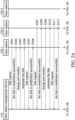
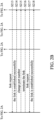
- FIG. 2A-2B is a flow chart of establishing link between the base station management device and a plurality of base stations according to an embodiment of the invention.
- the flow shown in FIG. 2A-2B may be applied to the base station management system 100.
- the base station 120 may also be applied to the base stations 120-1 ⁇ 120-3 of FIG. 2A-2B .
- the base station 120-1 sends a link request to the base station management 110 based on pre-stored default port number (e.g., 4334) and IP address of the base station management device 110 through the communication interface (i.e., O1 interface).
- pre-stored default port number e.g., 4334
- IP address of the base station management device 110 i.e., O1 interface
- step S202 when the base station management device 110 authenticates the base station 120-1 successfully based on the link request from the base station 120-1, the base station management device 110 may transmit the message indicating that the link is established successfully to the base station 120-1 through the communication interface.
- step S203 the base station management device 110 changes the port number corresponding to the base station 120-1 from the default port number to an unused first port number (e.g., from 4334 to 43334) to release the default port number, and then the base station management device 110 may tell the base station 120-1 the information of the changed port number through the communication interface. In addition, the base station management device 110 starts to monitor the port corresponding to the first port number.
- an unused first port number e.g., from 4334 to 43334
- step S204 the base station management device 110 terminates the link with the base station 120-1 first.
- step S205 the base station 120-1 sends the link request to base station management device 110 again based on the first port number and the IP address of the base station management device 110 through the communication interface (i.e., O1 interface).
- the communication interface i.e., O1 interface
- step S206 when the base station management device 110 authenticates the base station 120-1 successfully based on the link request from the base station 120-1, the base station management device 110 may transmit the message indicating that the link is established successfully to the base station 120-1 through the communication interface.
- step S207 because the default port number (e.g., 4334) has been released, the base station 120-2 may send a link request to the base station management 110 based on pre-stored default port number (e.g., 4334) and IP address of the base station management device 110 through the communication interface (i.e., O1 interface).
- the communication interface i.e., O1 interface
- step S208 when the base station management device 110 authenticates the base station 120-2 successfully based on the link request from the base station 120-2, the base station management device 110 may transmit the message indicating that the link is established successfully to the base station 120-2 through the communication interface.
- the base station management device 110 may change the port number corresponding to the base station 120-2 from the default port number to an unused second port number (e.g., from 4334 to 43335) to release the default port number, and then the base station management device 110 may tell the base station 120-2 the information of the changed port number through the communication interface. In addition, the base station management device 110 may start to monitor the port corresponding to the second port number.
- an unused second port number e.g., from 4334 to 43335
- the base station management device 110 may terminate the link with the base station 120-2 first.
- the base station 120-2 may send the link request to base station management device 110 again based on the second port number and the IP address of the base station management device 110 through the communication interface (i.e., O1 interface).
- the communication interface i.e., O1 interface
- step S212 when the base station management device 110 authenticates the base station 120-2 successfully based on the link request from the base station 120-2, the base station management device 110 may transmit the message indicating that the link is established successfully to the base station 120-2 through the communication interface.
- the base station 120-3 may send a link request to the base station management 110 based on pre-stored default port number (e.g., 4334) and IP address of the base station management device 110 through the communication interface (i.e., O1 interface).
- the communication interface i.e., O1 interface
- step S214 when the base station management device 110 authenticates the base station 120-3 successfully based on the link request from the base station 120-3, the base station management device 110 may transmit the message indicating that the link is established successfully to the base station 120-3 through the communication interface.
- the base station management device 110 may change the port number corresponding to the base station 120-3 from the default port number to an unused third port number (e.g., from 4334 to 43336) to release the default port number, and then the base station management device 110 may tell the base station 120-3 the information of the changed port number through the communication interface. In addition, the base station management device 110 may start to monitor the port corresponding to the third port number.
- an unused third port number e.g., from 4334 to 43336
- step S216 the base station management device 110 may terminate the link with the base station 120-3 first.
- the base station 120-3 may send the link request to base station management device 110 again based on the third port number and the IP address of the base station management device 110 through the communication interface (i.e., O1 interface).
- the communication interface i.e., O1 interface
- step S2128 when the base station management device 110 authenticates the base station 120-3 successfully based on the link request from the base station 120-3, the base station management device 110 may transmit the message indicating that the link is established successfully to the base station 120-3 through the communication interface.
- the base station management device 110 may manage base stations 120-1 ⁇ 120-3 at the same time through the Call-Home mechanism.
- the invention should not be limited thereto.
- the flow chart shown in FIG. 2A-2B may be applied to more base stations.
- FIG. 3 is a flow chart illustrating a base station management method according to an embodiment of the invention.
- the base station management method can be applied to the base station management system 100.
- a first base station of the base station management system 100 sends a first link request to a base station management device of the base station management system 100 according to a default port number and a base station management device address (i.e., the IP address of the base station management device) through a communication interface.
- the communication interface is O1 interface.
- step S320 after the base station management device of the base station management system 100 receives the first link request, the base station management device of the base station management system 100 establishes the link between the base station management device and the first base station based on the first link request.
- step S330 the base station management device of the base station management system 100 changes the port number corresponding to the first base station from the default port number to an unused first port number to release the default port number.
- step S340 the first base station of the base station management system 100 establishes the link with the base station management device of the base station management system 100 again based on the first port number.
- the base station management device of the base station management system 100 changes the port number corresponding to the first base station from the default port number to the first port number
- the base station management device terminates the link between the base station management device and the first base station.
- the first base station of the base station management system 100 sends the first link request to the base station management device of the base station management system 100 according to the first port number and the base station management device address (i.e., the IP address of the base station management device) through a communication interface.
- the base station management device of the base station management system 100 receives the first link request, the base station management device of the base station management system 100 establishes the link between the base station management device and the first base station again based on the first link request.
- a second base station of the base station management system 100 sends a second link request to the base station management device of the base station management system 100 according to the default port number and the base station management device address (i.e., the IP address of the base station management device) through the communication interface.
- the base station management device of the base station management system 100 receives the second link request
- the base station management device of the base station management system 100 establishes the link between the base station management device and the second base station based on the second link request.
- the base station management device of the base station management system 100 changes the port number corresponding to the second base station from the default port number to an unused second port number to release the default port number.
- the second base station of the base station management system 100 may establish the link with the base station management device of the base station management system 100 again based on the second port number.
- the base station management may use the Call-Home mechanism to establish the links between the base station management device and a plurality of base stations to manage base stations at the same time.
- a software module e.g., including executable instructions and related data
- other data may reside in a data memory such as RAM memory, flash memory, ROM memory, EPROM memory, EEPROM memory, registers, a hard disk, a removable disk, a CD-ROM, or any other form of computer-readable storage medium known in the art.
- a sample storage medium may be coupled to a machine such as, for example, a computer/processor (which may be referred to herein, for convenience, as a "processor”) such that the processor can read information (e.g., code) from and write information to the storage medium.
- a sample storage medium may be integral to the processor.
- the processor and the storage medium may reside in an ASIC.
- the ASIC may reside in user equipment.
- the processor and the storage medium may reside as discrete components in user equipment.
- any suitable computer-program product may comprise a computer-readable medium comprising codes relating to one or more of the aspects of the disclosure.
- a computer program product may comprise packaging materials.
Landscapes
- Engineering & Computer Science (AREA)
- Computer Networks & Wireless Communication (AREA)
- Signal Processing (AREA)
- Mobile Radio Communication Systems (AREA)
Claims (11)
- Basisstationsverwaltungssystem (100), umfassend:eine Basisstationsverwaltungsvorrichtung (110), die eine Vielzahl von Basisstationen (120-1, 120-2, 120-3) verwaltet; undeine erste Basisstation (120-1), die eine erste Verbindungsanforderung an die Basisstationsverwaltungsvorrichtung (110) basierend auf einer Standardportnummer und einer Basisstationsverwaltungsvorrichtungsadresse über eine Kommunikationsschnittstelle (130) sendet,wobei die Basisstationsverwaltungsvorrichtung (110) nach dem Empfang der ersten Verbindungsanforderung eine Verbindung mit der ersten Basisstation (120-1) basierend auf der ersten Verbindungsanforderung herstellt und eine der ersten Basisstation (120-1) entsprechende Portnummer von der Standardnummer in eine nicht verwendete erste Portnummer ändert, um die Standardportnummer freizugeben,wobei die erste Basisstation (120-1) die Verbindung mit der Basisstationsverwaltungsvorrichtung (110) wiederum basierend auf der ersten Portnummer herstellt,wobei, nachdem die Basisstationsverwaltungsvorrichtung (110) die der ersten Basisstation (120-1) entsprechende Portnummer von der Standardnummer auf die erste Portnummer ändert, die Basisstationsverwaltungsvorrichtung (110) die Verbindung mit der ersten Basisstation (120-1) beendet,wobei, nachdem die Basisstationsverwaltungsvorrichtung (110) die Verbindung mit der ersten Basisstation (120-1) beendet, die erste Basisstation (120-1) die erste Verbindungsanforderung basierend auf der ersten Portnummer und der Basisstationsverwaltungsvorrichtungsadresse über die Kommunikationsschnittstelle (130) an die Basisstationsverwaltungsvorrichtung (110) erneut sendet, und nachdem die Basisstationsverwaltungsvorrichtung (110) die erste Verbindungsanforderung erneut empfängt, die Basisstationsverwaltungsvorrichtung (110) die Verbindung mit der ersten Basisstation (120-1) basierend auf der ersten Verbindungsanforderung erneut herstellt.
- Basisstationsverwaltungssystem (100) nach Anspruch 1, ferner umfassend:eine zweite Basisstation (120-2), die eine zweite Verbindungsanforderung an die Basisstationsverwaltungsvorrichtung (110) basierend auf der Standardportnummer und der Basisstationsverwaltungsvorrichtungsadresse über die Kommunikationsschnittstelle (130) sendet,wobei die Basisstationsverwaltungsvorrichtung (110) nach dem Empfang der zweiten Verbindungsanforderung eine Verbindung mit der zweiten Basisstation (120-2) basierend auf der zweiten Verbindungsanforderung herstellt und eine der zweiten Basisstation (120-2) entsprechende Portnummer von der Standardnummer in eine nicht verwendete zweite Portnummer ändert, um die Standardportnummer freizugeben,wobei die zweite Basisstation (120-2) die Verbindung mit der Basisstationsverwaltungsvorrichtung (110) basierend auf der zweiten Portnummer erneut herstellt.
- Basisstationsverwaltungssystem (100) nach Anspruch 2, wobei die erste Portnummer und die zweite Portnummer in einem ungenutzten Portnummernintervall enthalten sind.
- Basisstationsverwaltungssystem (100) nach Anspruch 2, wobei die Basisstationsverwaltungsvorrichtung (110) zu der ersten Portnummer einen Wert hinzufügt, um die zweite Portnummer zu erzeugen.
- Basisstationsmanagementsystem (100) nach Anspruch 1, wobei die Kommunikationsschnittstelle (130) eine O1-Schnittstelle ist.
- Basisstationsmanagementsystem (100) nach Anspruch 1, wobei die Verbindungen zwischen der Basisstationsverwaltungsvorrichtung (110) und den Basisstationen (120-1, 120-2, 120-3) basierend auf Übertragungssteuerungsprotokoll, TCP, und Secure-Shell-, SSH-, Protokoll hergestellt werden.
- Basisstationsverwaltungsverfahren, das auf ein Basisstationsverwaltungssystem (100) angewendet wird, umfassend:Senden (S310) einer ersten Verbindungsanforderung an eine Basisstationsverwaltungsvorrichtung (110) des Basisstationsverwaltungssystems (100) durch eine erste Basisstation (120-1) des Basisstationsverwaltungssystems (100) basierend auf einer Standardportnummer und einer Basisstationsverwaltungsvorrichtungsadresse über eine Kommunikationsschnittstelle (130);nachdem die Basisstationsverwaltungsvorrichtung (110) die erste Verbindungsanforderung empfängt, Herstellen (S320) einer Verbindung mit der ersten Basisstation (120-1) durch die Basisstationsverwaltungsvorrichtung (110) basierend auf der ersten Verbindungsanforderung;Ändern (S330) einer der ersten Basisstation (120-1) entsprechenden Portnummer durch die Basisstationsverwaltungsvorrichtung (110) von der Standardnummer in eine nicht verwendete erste Portnummer, um die Standardportnummer freizugeben;nachdem die Basisstationsverwaltungsvorrichtung (110) die der ersten Basisstation (120-1) entsprechende Portnummer von der Standardnummer auf die erste Portnummer ändert, Beenden der Verbindung mit der ersten Basisstation (120-1) durch die Basisstationsverwaltungsvorrichtung (110);nachdem die Basisstationsverwaltungsvorrichtung (110) die Verbindung mit der ersten Basisstation (120-1) beendet, erneutes Senden der ersten Verbindungsanforderung, durch die erste Basisstation (120-1), basierend auf der ersten Portnummer und der Basisstationsverwaltungsvorrichtungsadresse über die Kommunikationsschnittstelle (130) an die Basisstationsverwaltungsvorrichtung (110); undnachdem die Basisstationsverwaltungsvorrichtung (110) die erste Verbindungsanforderung erneut empfängt, erneutes Herstellen der Verbindung mit der ersten Basisstation (120-1) durch die Basisstationsverwaltungsvorrichtung (110) basierend auf der ersten Verbindungsanforderung;und erneutes Herstellen (S340) der Verbindung mit der Basisstationsverwaltungsvorrichtung (110) durch die erste Basisstation (120-1) basierend auf der ersten Portnummer.
- Basisstationsverwaltungsverfahren nach Anspruch 7, ferner umfassend:Senden einer zweiten Verbindungsanforderung durch eine zweite Basisstation (120-2) des Basisstationsverwaltungssystems (100) an die Basisstationsverwaltungsvorrichtung (110) basierend auf der Standardportnummer und der Basisstationsverwaltungsvorrichtungsadresse über die Kommunikationsschnittstelle (130);nachdem die Basisstationsverwaltungsvorrichtung (110) die zweite Verbindungsanforderung empfängt, Herstellen einer Verbindung mit der zweiten Basisstation (120-2) durch die Basisstationsverwaltungsvorrichtung (110) basierend auf der zweiten Verbindungsanforderung;Ändern einer der zweiten Basisstation (120-2) entsprechenden Portnummer durch die Basisstationsverwaltungsvorrichtung (110) von der Standardnummer auf eine nicht verwendete zweite Portnummer, um die Standardportnummer freizugeben; undund erneutes Herstellen der Verbindung mit der Basisstationsverwaltungsvorrichtung (110) durch die zweite Basisstation (120-2) basierend auf der zweiten Portnummer.
- Basisstationsverwaltungsverfahren nach Anspruch 8, wobei die erste Portnummer und die zweite Portnummer in einem ungenutzten Portnummernintervall enthalten sind.
- Basisstationsverwaltungsverfahren nach Anspruch 8, ferner umfassend:
Hinzufügen eines Wertes zu der ersten Portnummer durch die Basisstationsverwaltungsvorrichtung (110), um die zweite Portnummer zu erzeugen. - Basisstationsverwaltungsverfahren nach Anspruch 7, wobei die Kommunikationsschnittstelle (130) eine O1-Schnittstelle ist; oder wobei die Verbindungen zwischen der Basisstationsverwaltungsvorrichtung (110) und den Basisstationen (120-1, 120-2, 120-3) basierend auf Übertragungssteuerungsprotokoll, TCP, und Secure-Shell-, SSH-, Protokoll hergestellt werden.
Applications Claiming Priority (1)
| Application Number | Priority Date | Filing Date | Title |
|---|---|---|---|
| CN202210758351.3A CN117354822A (zh) | 2022-06-29 | 2022-06-29 | 基站管理系统和方法 |
Publications (3)
| Publication Number | Publication Date |
|---|---|
| EP4300908A1 EP4300908A1 (de) | 2024-01-03 |
| EP4300908C0 EP4300908C0 (de) | 2025-02-19 |
| EP4300908B1 true EP4300908B1 (de) | 2025-02-19 |
Family
ID=85795334
Family Applications (1)
| Application Number | Title | Priority Date | Filing Date |
|---|---|---|---|
| EP23165914.5A Active EP4300908B1 (de) | 2022-06-29 | 2023-03-31 | Basisstationsverwaltungssystem und -verfahren |
Country Status (5)
| Country | Link |
|---|---|
| US (1) | US20240008104A1 (de) |
| EP (1) | EP4300908B1 (de) |
| JP (1) | JP7478886B2 (de) |
| CN (1) | CN117354822A (de) |
| ES (1) | ES3023943T3 (de) |
Families Citing this family (1)
| Publication number | Priority date | Publication date | Assignee | Title |
|---|---|---|---|---|
| CN119996184A (zh) * | 2025-02-24 | 2025-05-13 | 中国工商银行股份有限公司 | 端口资源回收方法、装置、设备、存储介质和程序产品 |
Family Cites Families (4)
| Publication number | Priority date | Publication date | Assignee | Title |
|---|---|---|---|---|
| KR100436136B1 (ko) * | 2001-05-30 | 2004-06-14 | 엘지전자 주식회사 | 망 관리 시스템에서 다중 포트 할당 방법 |
| JP4545671B2 (ja) * | 2005-09-29 | 2010-09-15 | 京セラ株式会社 | 無線通信端末及び無線通信方法 |
| MY192955A (en) | 2015-08-20 | 2022-09-19 | Huawei Tech Co Ltd | Method and apparatus for probing fronthaul topology |
| CN111083801B (zh) | 2018-10-22 | 2022-08-16 | 中兴通讯股份有限公司 | 建立x2链接的方法、ems、基站以及存储介质 |
-
2022
- 2022-06-29 CN CN202210758351.3A patent/CN117354822A/zh active Pending
-
2023
- 2023-01-04 US US18/149,821 patent/US20240008104A1/en active Pending
- 2023-03-31 EP EP23165914.5A patent/EP4300908B1/de active Active
- 2023-03-31 ES ES23165914T patent/ES3023943T3/es active Active
- 2023-05-30 JP JP2023088941A patent/JP7478886B2/ja active Active
Also Published As
| Publication number | Publication date |
|---|---|
| EP4300908A1 (de) | 2024-01-03 |
| ES3023943T3 (en) | 2025-06-03 |
| JP7478886B2 (ja) | 2024-05-07 |
| EP4300908C0 (de) | 2025-02-19 |
| CN117354822A (zh) | 2024-01-05 |
| JP2024007335A (ja) | 2024-01-18 |
| US20240008104A1 (en) | 2024-01-04 |
Similar Documents
| Publication | Publication Date | Title |
|---|---|---|
| US20060069836A1 (en) | Communication system and method for upgrade of user terminal software and user terminal upgraded by the same | |
| WO2004098150A1 (en) | Method for setting up a wireless system | |
| US7818437B2 (en) | Connection management system, connection management method, and management server | |
| EP4300908B1 (de) | Basisstationsverwaltungssystem und -verfahren | |
| JP2006129355A (ja) | 情報処理装置、データ伝送システム、データ伝送方法、および該データ伝送方法を情報処理装置に対して実行させるためのプログラム | |
| US20110153841A1 (en) | Operation setting method of relay apparatus, relay apparatus, and storage medium stored with program | |
| EP2642701A1 (de) | Relaisserver und relaiskommunikationssystem | |
| US9197557B2 (en) | Relay server and relay communication system | |
| US8478869B2 (en) | Information processing device and program | |
| US12615691B2 (en) | WiFi network access method, communication method, peripheral apparatus, and storage medium | |
| CN113783971B (zh) | 地址管理方法、网络设备及存储介质 | |
| CN117675685A (zh) | 交换机链路聚合方法、装置、设备及存储介质 | |
| EP4132053B1 (de) | Netzwerkschichtverbindungsverfahren, endgerät und computerlesbares speichermedium | |
| CN113965444B (zh) | 一种家庭网关的远程恢复方法和装置 | |
| EP3896926B1 (de) | Netzwerkvorrichtung und paketverarbeitungsverfahren damit | |
| TWI823450B (zh) | 基站管理系統和方法 | |
| JP4642674B2 (ja) | 端末管理システム | |
| CN112367390A (zh) | 终端间服务共享的方法、装置、设备及存储介质 | |
| JP2004199414A (ja) | 通信端末、通信方法及び通信プログラム | |
| JP2003348134A (ja) | 通信経路選択システム | |
| JP4159540B2 (ja) | 通信装置、その通信装置のipアドレス設定方法およびipアドレス設定プログラム | |
| US20230188419A1 (en) | Redundant storage of configuration of network devices | |
| CN118018969A (zh) | 基于cmpp服务的短信下发方法及系统 | |
| EP4109792A1 (de) | Verfahren und vorrichtung zur vermittlung der länge eines bidirektionalen weiterleitungsdetektionspakets und speichermedium | |
| JP2026044430A (ja) | ネットワークノード、方法、及びプログラム |
Legal Events
| Date | Code | Title | Description |
|---|---|---|---|
| PUAI | Public reference made under article 153(3) epc to a published international application that has entered the european phase |
Free format text: ORIGINAL CODE: 0009012 |
|
| STAA | Information on the status of an ep patent application or granted ep patent |
Free format text: STATUS: THE APPLICATION HAS BEEN PUBLISHED |
|
| AK | Designated contracting states |
Kind code of ref document: A1 Designated state(s): AL AT BE BG CH CY CZ DE DK EE ES FI FR GB GR HR HU IE IS IT LI LT LU LV MC ME MK MT NL NO PL PT RO RS SE SI SK SM TR |
|
| STAA | Information on the status of an ep patent application or granted ep patent |
Free format text: STATUS: REQUEST FOR EXAMINATION WAS MADE |
|
| 17P | Request for examination filed |
Effective date: 20240328 |
|
| RBV | Designated contracting states (corrected) |
Designated state(s): AL AT BE BG CH CY CZ DE DK EE ES FI FR GB GR HR HU IE IS IT LI LT LU LV MC ME MK MT NL NO PL PT RO RS SE SI SK SM TR |
|
| GRAP | Despatch of communication of intention to grant a patent |
Free format text: ORIGINAL CODE: EPIDOSNIGR1 |
|
| STAA | Information on the status of an ep patent application or granted ep patent |
Free format text: STATUS: GRANT OF PATENT IS INTENDED |
|
| RIC1 | Information provided on ipc code assigned before grant |
Ipc: H04L 101/663 20220101ALI20241122BHEP Ipc: H04L 61/00 20220101ALI20241122BHEP Ipc: H04L 61/2517 20220101ALI20241122BHEP Ipc: H04L 41/0803 20220101AFI20241122BHEP |
|
| INTG | Intention to grant announced |
Effective date: 20241204 |
|
| GRAS | Grant fee paid |
Free format text: ORIGINAL CODE: EPIDOSNIGR3 |
|
| GRAA | (expected) grant |
Free format text: ORIGINAL CODE: 0009210 |
|
| STAA | Information on the status of an ep patent application or granted ep patent |
Free format text: STATUS: THE PATENT HAS BEEN GRANTED |
|
| AK | Designated contracting states |
Kind code of ref document: B1 Designated state(s): AL AT BE BG CH CY CZ DE DK EE ES FI FR GB GR HR HU IE IS IT LI LT LU LV MC ME MK MT NL NO PL PT RO RS SE SI SK SM TR |
|
| REG | Reference to a national code |
Ref country code: GB Ref legal event code: FG4D |
|
| REG | Reference to a national code |
Ref country code: CH Ref legal event code: EP |
|
| REG | Reference to a national code |
Ref country code: IE Ref legal event code: FG4D |
|
| REG | Reference to a national code |
Ref country code: DE Ref legal event code: R096 Ref document number: 602023002063 Country of ref document: DE |
|
| U01 | Request for unitary effect filed |
Effective date: 20250313 |
|
| U07 | Unitary effect registered |
Designated state(s): AT BE BG DE DK EE FI FR IT LT LU LV MT NL PT RO SE SI Effective date: 20250321 |
|
| U20 | Renewal fee for the european patent with unitary effect paid |
Year of fee payment: 3 Effective date: 20250321 |
|
| REG | Reference to a national code |
Ref country code: ES Ref legal event code: FG2A Ref document number: 3023943 Country of ref document: ES Kind code of ref document: T3 Effective date: 20250603 |
|
| PG25 | Lapsed in a contracting state [announced via postgrant information from national office to epo] |
Ref country code: RS Free format text: LAPSE BECAUSE OF FAILURE TO SUBMIT A TRANSLATION OF THE DESCRIPTION OR TO PAY THE FEE WITHIN THE PRESCRIBED TIME-LIMIT Effective date: 20250519 |
|
| PG25 | Lapsed in a contracting state [announced via postgrant information from national office to epo] |
Ref country code: PL Free format text: LAPSE BECAUSE OF FAILURE TO SUBMIT A TRANSLATION OF THE DESCRIPTION OR TO PAY THE FEE WITHIN THE PRESCRIBED TIME-LIMIT Effective date: 20250219 |
|
| PGFP | Annual fee paid to national office [announced via postgrant information from national office to epo] |
Ref country code: ES Payment date: 20250402 Year of fee payment: 3 |
|
| PG25 | Lapsed in a contracting state [announced via postgrant information from national office to epo] |
Ref country code: IS Free format text: LAPSE BECAUSE OF FAILURE TO SUBMIT A TRANSLATION OF THE DESCRIPTION OR TO PAY THE FEE WITHIN THE PRESCRIBED TIME-LIMIT Effective date: 20250619 Ref country code: NO Free format text: LAPSE BECAUSE OF FAILURE TO SUBMIT A TRANSLATION OF THE DESCRIPTION OR TO PAY THE FEE WITHIN THE PRESCRIBED TIME-LIMIT Effective date: 20250519 |
|
| PG25 | Lapsed in a contracting state [announced via postgrant information from national office to epo] |
Ref country code: HR Free format text: LAPSE BECAUSE OF FAILURE TO SUBMIT A TRANSLATION OF THE DESCRIPTION OR TO PAY THE FEE WITHIN THE PRESCRIBED TIME-LIMIT Effective date: 20250219 |
|
| PG25 | Lapsed in a contracting state [announced via postgrant information from national office to epo] |
Ref country code: GR Free format text: LAPSE BECAUSE OF FAILURE TO SUBMIT A TRANSLATION OF THE DESCRIPTION OR TO PAY THE FEE WITHIN THE PRESCRIBED TIME-LIMIT Effective date: 20250520 |
|
| PG25 | Lapsed in a contracting state [announced via postgrant information from national office to epo] |
Ref country code: SM Free format text: LAPSE BECAUSE OF FAILURE TO SUBMIT A TRANSLATION OF THE DESCRIPTION OR TO PAY THE FEE WITHIN THE PRESCRIBED TIME-LIMIT Effective date: 20250219 |
|
| PG25 | Lapsed in a contracting state [announced via postgrant information from national office to epo] |
Ref country code: CZ Free format text: LAPSE BECAUSE OF FAILURE TO SUBMIT A TRANSLATION OF THE DESCRIPTION OR TO PAY THE FEE WITHIN THE PRESCRIBED TIME-LIMIT Effective date: 20250219 |
|
| PG25 | Lapsed in a contracting state [announced via postgrant information from national office to epo] |
Ref country code: SK Free format text: LAPSE BECAUSE OF FAILURE TO SUBMIT A TRANSLATION OF THE DESCRIPTION OR TO PAY THE FEE WITHIN THE PRESCRIBED TIME-LIMIT Effective date: 20250219 |
|
| PG25 | Lapsed in a contracting state [announced via postgrant information from national office to epo] |
Ref country code: MC Free format text: LAPSE BECAUSE OF FAILURE TO SUBMIT A TRANSLATION OF THE DESCRIPTION OR TO PAY THE FEE WITHIN THE PRESCRIBED TIME-LIMIT Effective date: 20250219 |
|
| PLBE | No opposition filed within time limit |
Free format text: ORIGINAL CODE: 0009261 |
|
| STAA | Information on the status of an ep patent application or granted ep patent |
Free format text: STATUS: NO OPPOSITION FILED WITHIN TIME LIMIT |
|
| PG25 | Lapsed in a contracting state [announced via postgrant information from national office to epo] |
Ref country code: IE Free format text: LAPSE BECAUSE OF NON-PAYMENT OF DUE FEES Effective date: 20250331 |
|
| 26N | No opposition filed |
Effective date: 20251120 |
|
| U20 | Renewal fee for the european patent with unitary effect paid |
Year of fee payment: 4 Effective date: 20260323 |