EP4289411A1 - Dental adhesive composition - Google Patents
Dental adhesive composition Download PDFInfo
- Publication number
- EP4289411A1 EP4289411A1 EP21924814.3A EP21924814A EP4289411A1 EP 4289411 A1 EP4289411 A1 EP 4289411A1 EP 21924814 A EP21924814 A EP 21924814A EP 4289411 A1 EP4289411 A1 EP 4289411A1
- Authority
- EP
- European Patent Office
- Prior art keywords
- meth
- agent
- acrylate compound
- adhesive composition
- dental adhesive
- Prior art date
- Legal status (The legal status is an assumption and is not a legal conclusion. Google has not performed a legal analysis and makes no representation as to the accuracy of the status listed.)
- Pending
Links
- 239000000203 mixture Substances 0.000 title claims abstract description 72
- 239000003479 dental cement Substances 0.000 title claims abstract description 64
- 239000003795 chemical substances by application Substances 0.000 claims abstract description 134
- -1 acrylate compound Chemical class 0.000 claims abstract description 66
- XLYOFNOQVPJJNP-UHFFFAOYSA-N water Substances O XLYOFNOQVPJJNP-UHFFFAOYSA-N 0.000 claims abstract description 36
- 239000002253 acid Substances 0.000 claims abstract description 29
- WOBHKFSMXKNTIM-UHFFFAOYSA-N Hydroxyethyl methacrylate Chemical compound CC(=C)C(=O)OCCO WOBHKFSMXKNTIM-UHFFFAOYSA-N 0.000 claims abstract description 21
- 239000003999 initiator Substances 0.000 claims abstract description 18
- 239000000945 filler Substances 0.000 claims abstract description 16
- 239000003960 organic solvent Substances 0.000 claims abstract description 9
- 125000002887 hydroxy group Chemical group [H]O* 0.000 claims description 5
- 238000007664 blowing Methods 0.000 claims description 4
- 125000001931 aliphatic group Chemical group 0.000 claims description 3
- 125000003118 aryl group Chemical group 0.000 claims description 3
- RYYWUUFWQRZTIU-UHFFFAOYSA-N Thiophosphoric acid Chemical group OP(O)(S)=O RYYWUUFWQRZTIU-UHFFFAOYSA-N 0.000 description 23
- 238000006116 polymerization reaction Methods 0.000 description 23
- 230000007423 decrease Effects 0.000 description 20
- VYPSYNLAJGMNEJ-UHFFFAOYSA-N Silicium dioxide Chemical compound O=[Si]=O VYPSYNLAJGMNEJ-UHFFFAOYSA-N 0.000 description 19
- 150000001252 acrylic acid derivatives Chemical class 0.000 description 19
- 238000005452 bending Methods 0.000 description 19
- 238000012360 testing method Methods 0.000 description 17
- 229910002012 Aerosil® Inorganic materials 0.000 description 12
- 238000010521 absorption reaction Methods 0.000 description 12
- CFKBCVIYTWDYRP-UHFFFAOYSA-N 10-phosphonooxydecyl 2-methylprop-2-enoate Chemical compound CC(=C)C(=O)OCCCCCCCCCCOP(O)(O)=O CFKBCVIYTWDYRP-UHFFFAOYSA-N 0.000 description 10
- 239000011521 glass Substances 0.000 description 10
- 150000003512 tertiary amines Chemical class 0.000 description 10
- 230000000052 comparative effect Effects 0.000 description 9
- HWSSEYVMGDIFMH-UHFFFAOYSA-N 2-[2-[2-(2-methylprop-2-enoyloxy)ethoxy]ethoxy]ethyl 2-methylprop-2-enoate Chemical compound CC(=C)C(=O)OCCOCCOCCOC(=O)C(C)=C HWSSEYVMGDIFMH-UHFFFAOYSA-N 0.000 description 8
- CSCPPACGZOOCGX-UHFFFAOYSA-N Acetone Chemical compound CC(C)=O CSCPPACGZOOCGX-UHFFFAOYSA-N 0.000 description 8
- ATUOYWHBWRKTHZ-UHFFFAOYSA-N Propane Chemical compound CCC ATUOYWHBWRKTHZ-UHFFFAOYSA-N 0.000 description 8
- 235000010354 butylated hydroxytoluene Nutrition 0.000 description 8
- 239000003112 inhibitor Substances 0.000 description 8
- XPPKVPWEQAFLFU-UHFFFAOYSA-J diphosphate(4-) Chemical group [O-]P([O-])(=O)OP([O-])([O-])=O XPPKVPWEQAFLFU-UHFFFAOYSA-J 0.000 description 7
- VFHVQBAGLAREND-UHFFFAOYSA-N diphenylphosphoryl-(2,4,6-trimethylphenyl)methanone Chemical compound CC1=CC(C)=CC(C)=C1C(=O)P(=O)(C=1C=CC=CC=1)C1=CC=CC=C1 VFHVQBAGLAREND-UHFFFAOYSA-N 0.000 description 6
- FFUAGWLWBBFQJT-UHFFFAOYSA-N hexamethyldisilazane Chemical compound C[Si](C)(C)N[Si](C)(C)C FFUAGWLWBBFQJT-UHFFFAOYSA-N 0.000 description 6
- 239000004615 ingredient Substances 0.000 description 6
- LFQSCWFLJHTTHZ-UHFFFAOYSA-N Ethanol Chemical compound CCO LFQSCWFLJHTTHZ-UHFFFAOYSA-N 0.000 description 5
- AMFGWXWBFGVCKG-UHFFFAOYSA-N Panavia opaque Chemical compound C1=CC(OCC(O)COC(=O)C(=C)C)=CC=C1C(C)(C)C1=CC=C(OCC(O)COC(=O)C(C)=C)C=C1 AMFGWXWBFGVCKG-UHFFFAOYSA-N 0.000 description 5
- 239000002202 Polyethylene glycol Substances 0.000 description 5
- OQHMGFSAURFQAF-UHFFFAOYSA-N [2-hydroxy-3-(2-methylprop-2-enoyloxy)propyl] 2-methylprop-2-enoate Chemical compound CC(=C)C(=O)OCC(O)COC(=O)C(C)=C OQHMGFSAURFQAF-UHFFFAOYSA-N 0.000 description 5
- 239000007767 bonding agent Substances 0.000 description 5
- 235000011180 diphosphates Nutrition 0.000 description 5
- 239000010419 fine particle Substances 0.000 description 5
- 239000012530 fluid Substances 0.000 description 5
- 238000000034 method Methods 0.000 description 5
- 229920001223 polyethylene glycol Polymers 0.000 description 5
- 239000000377 silicon dioxide Substances 0.000 description 5
- VNQXSTWCDUXYEZ-UHFFFAOYSA-N 1,7,7-trimethylbicyclo[2.2.1]heptane-2,3-dione Chemical compound C1CC2(C)C(=O)C(=O)C1C2(C)C VNQXSTWCDUXYEZ-UHFFFAOYSA-N 0.000 description 4
- BTLXPCBPYBNQNR-UHFFFAOYSA-N 1-hydroxyanthraquinone Chemical compound O=C1C2=CC=CC=C2C(=O)C2=C1C=CC=C2O BTLXPCBPYBNQNR-UHFFFAOYSA-N 0.000 description 4
- RBGUKBSLNOTVCD-UHFFFAOYSA-N 1-methylanthracene-9,10-dione Chemical compound O=C1C2=CC=CC=C2C(=O)C2=C1C=CC=C2C RBGUKBSLNOTVCD-UHFFFAOYSA-N 0.000 description 4
- SPSPIUSUWPLVKD-UHFFFAOYSA-N 2,3-dibutyl-6-methylphenol Chemical group CCCCC1=CC=C(C)C(O)=C1CCCC SPSPIUSUWPLVKD-UHFFFAOYSA-N 0.000 description 4
- RMCCONIRBZIDTH-UHFFFAOYSA-N 2-(2-methylprop-2-enoyloxy)ethyl 1,3-dioxo-2-benzofuran-5-carboxylate Chemical compound CC(=C)C(=O)OCCOC(=O)C1=CC=C2C(=O)OC(=O)C2=C1 RMCCONIRBZIDTH-UHFFFAOYSA-N 0.000 description 4
- PSYGHMBJXWRQFD-UHFFFAOYSA-N 2-(2-sulfanylacetyl)oxyethyl 2-sulfanylacetate Chemical compound SCC(=O)OCCOC(=O)CS PSYGHMBJXWRQFD-UHFFFAOYSA-N 0.000 description 4
- XFCMNSHQOZQILR-UHFFFAOYSA-N 2-[2-(2-methylprop-2-enoyloxy)ethoxy]ethyl 2-methylprop-2-enoate Chemical compound CC(=C)C(=O)OCCOCCOC(=O)C(C)=C XFCMNSHQOZQILR-UHFFFAOYSA-N 0.000 description 4
- KFZMGEQAYNKOFK-UHFFFAOYSA-N Isopropanol Chemical compound CC(C)O KFZMGEQAYNKOFK-UHFFFAOYSA-N 0.000 description 4
- LRHPLDYGYMQRHN-UHFFFAOYSA-N N-Butanol Chemical compound CCCCO LRHPLDYGYMQRHN-UHFFFAOYSA-N 0.000 description 4
- 229910052783 alkali metal Inorganic materials 0.000 description 4
- 150000003863 ammonium salts Chemical class 0.000 description 4
- 125000001797 benzyl group Chemical group [H]C1=C([H])C([H])=C(C([H])=C1[H])C([H])([H])* 0.000 description 4
- 229930006711 bornane-2,3-dione Natural products 0.000 description 4
- 150000001805 chlorine compounds Chemical class 0.000 description 4
- 150000001875 compounds Chemical class 0.000 description 4
- PODOEQVNFJSWIK-UHFFFAOYSA-N diphenylphosphoryl-(2,4,6-trimethoxyphenyl)methanone Chemical compound COC1=CC(OC)=CC(OC)=C1C(=O)P(=O)(C=1C=CC=CC=1)C1=CC=CC=C1 PODOEQVNFJSWIK-UHFFFAOYSA-N 0.000 description 4
- 238000009472 formulation Methods 0.000 description 4
- 238000005259 measurement Methods 0.000 description 4
- 239000000178 monomer Substances 0.000 description 4
- FZUGPQWGEGAKET-UHFFFAOYSA-N parbenate Chemical compound CCOC(=O)C1=CC=C(N(C)C)C=C1 FZUGPQWGEGAKET-UHFFFAOYSA-N 0.000 description 4
- 239000001294 propane Substances 0.000 description 4
- ARCGXLSVLAOJQL-UHFFFAOYSA-N trimellitic acid Chemical compound OC(=O)C1=CC=C(C(O)=O)C(C(O)=O)=C1 ARCGXLSVLAOJQL-UHFFFAOYSA-N 0.000 description 4
- SRPWOOOHEPICQU-UHFFFAOYSA-N trimellitic anhydride Chemical compound OC(=O)C1=CC=C2C(=O)OC(=O)C2=C1 SRPWOOOHEPICQU-UHFFFAOYSA-N 0.000 description 4
- ZWEHNKRNPOVVGH-UHFFFAOYSA-N 2-Butanone Chemical compound CCC(C)=O ZWEHNKRNPOVVGH-UHFFFAOYSA-N 0.000 description 3
- UEKHZPDUBLCUHN-UHFFFAOYSA-N 2-[[3,5,5-trimethyl-6-[2-(2-methylprop-2-enoyloxy)ethoxycarbonylamino]hexyl]carbamoyloxy]ethyl 2-methylprop-2-enoate Chemical compound CC(=C)C(=O)OCCOC(=O)NCCC(C)CC(C)(C)CNC(=O)OCCOC(=O)C(C)=C UEKHZPDUBLCUHN-UHFFFAOYSA-N 0.000 description 3
- NIXOWILDQLNWCW-UHFFFAOYSA-M Acrylate Chemical compound [O-]C(=O)C=C NIXOWILDQLNWCW-UHFFFAOYSA-M 0.000 description 3
- YMWUJEATGCHHMB-UHFFFAOYSA-N Dichloromethane Chemical compound ClCCl YMWUJEATGCHHMB-UHFFFAOYSA-N 0.000 description 3
- XEKOWRVHYACXOJ-UHFFFAOYSA-N Ethyl acetate Chemical compound CCOC(C)=O XEKOWRVHYACXOJ-UHFFFAOYSA-N 0.000 description 3
- OKKJLVBELUTLKV-UHFFFAOYSA-N Methanol Chemical compound OC OKKJLVBELUTLKV-UHFFFAOYSA-N 0.000 description 3
- ZMXDDKWLCZADIW-UHFFFAOYSA-N N,N-Dimethylformamide Chemical compound CN(C)C=O ZMXDDKWLCZADIW-UHFFFAOYSA-N 0.000 description 3
- 208000002599 Smear Layer Diseases 0.000 description 3
- YXFVVABEGXRONW-UHFFFAOYSA-N Toluene Chemical compound CC1=CC=CC=C1 YXFVVABEGXRONW-UHFFFAOYSA-N 0.000 description 3
- 208000008617 Tooth Demineralization Diseases 0.000 description 3
- 206010072665 Tooth demineralisation Diseases 0.000 description 3
- ULQMPOIOSDXIGC-UHFFFAOYSA-N [2,2-dimethyl-3-(2-methylprop-2-enoyloxy)propyl] 2-methylprop-2-enoate Chemical compound CC(=C)C(=O)OCC(C)(C)COC(=O)C(C)=C ULQMPOIOSDXIGC-UHFFFAOYSA-N 0.000 description 3
- 230000015556 catabolic process Effects 0.000 description 3
- 239000000805 composite resin Substances 0.000 description 3
- 238000006731 degradation reaction Methods 0.000 description 3
- 210000003298 dental enamel Anatomy 0.000 description 3
- 210000004268 dentin Anatomy 0.000 description 3
- NBIIXXVUZAFLBC-UHFFFAOYSA-M dihydrogenphosphate Chemical compound OP(O)([O-])=O NBIIXXVUZAFLBC-UHFFFAOYSA-M 0.000 description 3
- 239000012153 distilled water Substances 0.000 description 3
- 239000000463 material Substances 0.000 description 3
- 230000035699 permeability Effects 0.000 description 3
- 238000013001 point bending Methods 0.000 description 3
- 239000003505 polymerization initiator Substances 0.000 description 3
- FMNMEQSRDWIBFO-UHFFFAOYSA-N propanoyl phosphate Chemical compound CCC(=O)OP(O)(O)=O FMNMEQSRDWIBFO-UHFFFAOYSA-N 0.000 description 3
- 239000011347 resin Substances 0.000 description 3
- 229920005989 resin Polymers 0.000 description 3
- 239000000126 substance Substances 0.000 description 3
- SUEDCWGEKSLKOM-UHFFFAOYSA-N (2,6-dimethoxyphenyl)-diphenylphosphorylmethanone Chemical compound COC1=CC=CC(OC)=C1C(=O)P(=O)(C=1C=CC=CC=1)C1=CC=CC=C1 SUEDCWGEKSLKOM-UHFFFAOYSA-N 0.000 description 2
- SQWIEBKHVLRDRG-UHFFFAOYSA-N (2,6-dimethylphenyl)-diphenylphosphorylmethanone Chemical compound CC1=CC=CC(C)=C1C(=O)P(=O)(C=1C=CC=CC=1)C1=CC=CC=C1 SQWIEBKHVLRDRG-UHFFFAOYSA-N 0.000 description 2
- MSAHTMIQULFMRG-UHFFFAOYSA-N 1,2-diphenyl-2-propan-2-yloxyethanone Chemical compound C=1C=CC=CC=1C(OC(C)C)C(=O)C1=CC=CC=C1 MSAHTMIQULFMRG-UHFFFAOYSA-N 0.000 description 2
- DKEGCUDAFWNSSO-UHFFFAOYSA-N 1,8-dibromooctane Chemical compound BrCCCCCCCCBr DKEGCUDAFWNSSO-UHFFFAOYSA-N 0.000 description 2
- CXTPIHZYOGDSLV-UHFFFAOYSA-N 1-bromoanthracene-9,10-dione Chemical compound O=C1C2=CC=CC=C2C(=O)C2=C1C=CC=C2Br CXTPIHZYOGDSLV-UHFFFAOYSA-N 0.000 description 2
- BOCJQSFSGAZAPQ-UHFFFAOYSA-N 1-chloroanthracene-9,10-dione Chemical compound O=C1C2=CC=CC=C2C(=O)C2=C1C=CC=C2Cl BOCJQSFSGAZAPQ-UHFFFAOYSA-N 0.000 description 2
- DRIRMYPZOAOUPR-UHFFFAOYSA-N 10,10-dioxothioxanthen-9-one Chemical compound C1=CC=C2C(=O)C3=CC=CC=C3S(=O)(=O)C2=C1 DRIRMYPZOAOUPR-UHFFFAOYSA-N 0.000 description 2
- LRZPQLZONWIQOJ-UHFFFAOYSA-N 10-(2-methylprop-2-enoyloxy)decyl 2-methylprop-2-enoate Chemical compound CC(=C)C(=O)OCCCCCCCCCCOC(=O)C(C)=C LRZPQLZONWIQOJ-UHFFFAOYSA-N 0.000 description 2
- YEZOVIIHKKPUOS-UHFFFAOYSA-N 10-oxothioxanthen-9-one Chemical compound C1=CC=C2C(=O)C3=CC=CC=C3S(=O)C2=C1 YEZOVIIHKKPUOS-UHFFFAOYSA-N 0.000 description 2
- QRIMLDXJAPZHJE-UHFFFAOYSA-N 2,3-dihydroxypropyl 2-methylprop-2-enoate Chemical compound CC(=C)C(=O)OCC(O)CO QRIMLDXJAPZHJE-UHFFFAOYSA-N 0.000 description 2
- BRKORVYTKKLNKX-UHFFFAOYSA-N 2,4-di(propan-2-yl)thioxanthen-9-one Chemical compound C1=CC=C2C(=O)C3=CC(C(C)C)=CC(C(C)C)=C3SC2=C1 BRKORVYTKKLNKX-UHFFFAOYSA-N 0.000 description 2
- BTJPUDCSZVCXFQ-UHFFFAOYSA-N 2,4-diethylthioxanthen-9-one Chemical compound C1=CC=C2C(=O)C3=CC(CC)=CC(CC)=C3SC2=C1 BTJPUDCSZVCXFQ-UHFFFAOYSA-N 0.000 description 2
- OPLCSTZDXXUYDU-UHFFFAOYSA-N 2,4-dimethyl-6-tert-butylphenol Chemical compound CC1=CC(C)=C(O)C(C(C)(C)C)=C1 OPLCSTZDXXUYDU-UHFFFAOYSA-N 0.000 description 2
- LCHAFMWSFCONOO-UHFFFAOYSA-N 2,4-dimethylthioxanthen-9-one Chemical compound C1=CC=C2C(=O)C3=CC(C)=CC(C)=C3SC2=C1 LCHAFMWSFCONOO-UHFFFAOYSA-N 0.000 description 2
- NREFJJBCYMZUEK-UHFFFAOYSA-N 2-[2-[4-[2-[4-[2-[2-(2-methylprop-2-enoyloxy)ethoxy]ethoxy]phenyl]propan-2-yl]phenoxy]ethoxy]ethyl 2-methylprop-2-enoate Chemical compound C1=CC(OCCOCCOC(=O)C(=C)C)=CC=C1C(C)(C)C1=CC=C(OCCOCCOC(=O)C(C)=C)C=C1 NREFJJBCYMZUEK-UHFFFAOYSA-N 0.000 description 2
- VCUNKEUDSCZBQQ-UHFFFAOYSA-N 2-[[3,3,5-trimethyl-6-[2-(2-methylprop-2-enoyloxy)ethoxycarbonylamino]hexyl]carbamoyloxy]ethyl 2-methylprop-2-enoate Chemical compound CC(=C)C(=O)OCCOC(=O)NCC(C)CC(C)(C)CCNC(=O)OCCOC(=O)C(C)=C VCUNKEUDSCZBQQ-UHFFFAOYSA-N 0.000 description 2
- SQOUGRMFFXWSRY-UHFFFAOYSA-N 2-chloro-7-(trifluoromethyl)thioxanthen-9-one Chemical compound C1=C(Cl)C=C2C(=O)C3=CC(C(F)(F)F)=CC=C3SC2=C1 SQOUGRMFFXWSRY-UHFFFAOYSA-N 0.000 description 2
- FPKCTSIVDAWGFA-UHFFFAOYSA-N 2-chloroanthracene-9,10-dione Chemical compound C1=CC=C2C(=O)C3=CC(Cl)=CC=C3C(=O)C2=C1 FPKCTSIVDAWGFA-UHFFFAOYSA-N 0.000 description 2
- KMNCBSZOIQAUFX-UHFFFAOYSA-N 2-ethoxy-1,2-diphenylethanone Chemical compound C=1C=CC=CC=1C(OCC)C(=O)C1=CC=CC=C1 KMNCBSZOIQAUFX-UHFFFAOYSA-N 0.000 description 2
- SJEBAWHUJDUKQK-UHFFFAOYSA-N 2-ethylanthraquinone Chemical compound C1=CC=C2C(=O)C3=CC(CC)=CC=C3C(=O)C2=C1 SJEBAWHUJDUKQK-UHFFFAOYSA-N 0.000 description 2
- BQZJOQXSCSZQPS-UHFFFAOYSA-N 2-methoxy-1,2-diphenylethanone Chemical compound C=1C=CC=CC=1C(OC)C(=O)C1=CC=CC=C1 BQZJOQXSCSZQPS-UHFFFAOYSA-N 0.000 description 2
- 125000004200 2-methoxyethyl group Chemical group [H]C([H])([H])OC([H])([H])C([H])([H])* 0.000 description 2
- MYISVPVWAQRUTL-UHFFFAOYSA-N 2-methylthioxanthen-9-one Chemical compound C1=CC=C2C(=O)C3=CC(C)=CC=C3SC2=C1 MYISVPVWAQRUTL-UHFFFAOYSA-N 0.000 description 2
- DYRJLHNVMSBZLR-UHFFFAOYSA-N 2-nitrothioxanthen-9-one Chemical compound C1=CC=C2C(=O)C3=CC([N+](=O)[O-])=CC=C3SC2=C1 DYRJLHNVMSBZLR-UHFFFAOYSA-N 0.000 description 2
- KTALPKYXQZGAEG-UHFFFAOYSA-N 2-propan-2-ylthioxanthen-9-one Chemical compound C1=CC=C2C(=O)C3=CC(C(C)C)=CC=C3SC2=C1 KTALPKYXQZGAEG-UHFFFAOYSA-N 0.000 description 2
- VVBLNCFGVYUYGU-UHFFFAOYSA-N 4,4'-Bis(dimethylamino)benzophenone Chemical compound C1=CC(N(C)C)=CC=C1C(=O)C1=CC=C(N(C)C)C=C1 VVBLNCFGVYUYGU-UHFFFAOYSA-N 0.000 description 2
- SAPGBCWOQLHKKZ-UHFFFAOYSA-N 6-(2-methylprop-2-enoyloxy)hexyl 2-methylprop-2-enoate Chemical compound CC(=C)C(=O)OCCCCCCOC(=O)C(C)=C SAPGBCWOQLHKKZ-UHFFFAOYSA-N 0.000 description 2
- YJVIKVWFGPLAFS-UHFFFAOYSA-N 9-(2-methylprop-2-enoyloxy)nonyl 2-methylprop-2-enoate Chemical compound CC(=C)C(=O)OCCCCCCCCCOC(=O)C(C)=C YJVIKVWFGPLAFS-UHFFFAOYSA-N 0.000 description 2
- HRPVXLWXLXDGHG-UHFFFAOYSA-N Acrylamide Chemical compound NC(=O)C=C HRPVXLWXLXDGHG-UHFFFAOYSA-N 0.000 description 2
- HEDRZPFGACZZDS-UHFFFAOYSA-N Chloroform Chemical compound ClC(Cl)Cl HEDRZPFGACZZDS-UHFFFAOYSA-N 0.000 description 2
- QSJXEFYPDANLFS-UHFFFAOYSA-N Diacetyl Chemical group CC(=O)C(C)=O QSJXEFYPDANLFS-UHFFFAOYSA-N 0.000 description 2
- IAZDPXIOMUYVGZ-UHFFFAOYSA-N Dimethylsulphoxide Chemical compound CS(C)=O IAZDPXIOMUYVGZ-UHFFFAOYSA-N 0.000 description 2
- ASMQGLCHMVWBQR-UHFFFAOYSA-N Diphenyl phosphate Chemical compound C=1C=CC=CC=1OP(=O)(O)OC1=CC=CC=C1 ASMQGLCHMVWBQR-UHFFFAOYSA-N 0.000 description 2
- 238000005033 Fourier transform infrared spectroscopy Methods 0.000 description 2
- AMQJEAYHLZJPGS-UHFFFAOYSA-N N-Pentanol Chemical compound CCCCCO AMQJEAYHLZJPGS-UHFFFAOYSA-N 0.000 description 2
- NBIIXXVUZAFLBC-UHFFFAOYSA-L Phosphate ion(2-) Chemical compound OP([O-])([O-])=O NBIIXXVUZAFLBC-UHFFFAOYSA-L 0.000 description 2
- ABLZXFCXXLZCGV-UHFFFAOYSA-N Phosphorous acid Chemical group OP(O)=O ABLZXFCXXLZCGV-UHFFFAOYSA-N 0.000 description 2
- WYURNTSHIVDZCO-UHFFFAOYSA-N Tetrahydrofuran Chemical compound C1CCOC1 WYURNTSHIVDZCO-UHFFFAOYSA-N 0.000 description 2
- 238000007545 Vickers hardness test Methods 0.000 description 2
- 125000003647 acryloyl group Chemical group O=C([*])C([H])=C([H])[H] 0.000 description 2
- 239000000853 adhesive Substances 0.000 description 2
- 230000001070 adhesive effect Effects 0.000 description 2
- PYKYMHQGRFAEBM-UHFFFAOYSA-N anthraquinone Natural products CCC(=O)c1c(O)c2C(=O)C3C(C=CC=C3O)C(=O)c2cc1CC(=O)OC PYKYMHQGRFAEBM-UHFFFAOYSA-N 0.000 description 2
- 150000004056 anthraquinones Chemical class 0.000 description 2
- IVRMZWNICZWHMI-UHFFFAOYSA-N azide group Chemical group [N-]=[N+]=[N-] IVRMZWNICZWHMI-UHFFFAOYSA-N 0.000 description 2
- LHMRXAIRPKSGDE-UHFFFAOYSA-N benzo[a]anthracene-7,12-dione Chemical compound C1=CC2=CC=CC=C2C2=C1C(=O)C1=CC=CC=C1C2=O LHMRXAIRPKSGDE-UHFFFAOYSA-N 0.000 description 2
- RWCCWEUUXYIKHB-UHFFFAOYSA-N benzophenone Chemical compound C=1C=CC=CC=1C(=O)C1=CC=CC=C1 RWCCWEUUXYIKHB-UHFFFAOYSA-N 0.000 description 2
- 239000012965 benzophenone Substances 0.000 description 2
- VYHBFRJRBHMIQZ-UHFFFAOYSA-N bis[4-(diethylamino)phenyl]methanone Chemical compound C1=CC(N(CC)CC)=CC=C1C(=O)C1=CC=C(N(CC)CC)C=C1 VYHBFRJRBHMIQZ-UHFFFAOYSA-N 0.000 description 2
- 125000003178 carboxy group Chemical group [H]OC(*)=O 0.000 description 2
- LIKFHECYJZWXFJ-UHFFFAOYSA-N dimethyldichlorosilane Chemical compound C[Si](C)(Cl)Cl LIKFHECYJZWXFJ-UHFFFAOYSA-N 0.000 description 2
- 238000005530 etching Methods 0.000 description 2
- 238000011156 evaluation Methods 0.000 description 2
- 239000012535 impurity Substances 0.000 description 2
- OVHHHVAVHBHXAK-UHFFFAOYSA-N n,n-diethylprop-2-enamide Chemical compound CCN(CC)C(=O)C=C OVHHHVAVHBHXAK-UHFFFAOYSA-N 0.000 description 2
- 125000002467 phosphate group Chemical group [H]OP(=O)(O[H])O[*] 0.000 description 2
- XUYJLQHKOGNDPB-UHFFFAOYSA-N phosphonoacetic acid Chemical compound OC(=O)CP(O)(O)=O XUYJLQHKOGNDPB-UHFFFAOYSA-N 0.000 description 2
- XNGIFLGASWRNHJ-UHFFFAOYSA-N phthalic acid Chemical compound OC(=O)C1=CC=CC=C1C(O)=O XNGIFLGASWRNHJ-UHFFFAOYSA-N 0.000 description 2
- 125000001273 sulfonato group Chemical group [O-]S(*)(=O)=O 0.000 description 2
- VZGDMQKNWNREIO-UHFFFAOYSA-N tetrachloromethane Chemical compound ClC(Cl)(Cl)Cl VZGDMQKNWNREIO-UHFFFAOYSA-N 0.000 description 2
- YRHRIQCWCFGUEQ-UHFFFAOYSA-N thioxanthen-9-one Chemical compound C1=CC=C2C(=O)C3=CC=CC=C3SC2=C1 YRHRIQCWCFGUEQ-UHFFFAOYSA-N 0.000 description 2
- MFWFDRBPQDXFRC-LNTINUHCSA-N (z)-4-hydroxypent-3-en-2-one;vanadium Chemical compound [V].C\C(O)=C\C(C)=O.C\C(O)=C\C(C)=O.C\C(O)=C\C(C)=O MFWFDRBPQDXFRC-LNTINUHCSA-N 0.000 description 1
- RYHBNJHYFVUHQT-UHFFFAOYSA-N 1,4-Dioxane Chemical compound C1COCCO1 RYHBNJHYFVUHQT-UHFFFAOYSA-N 0.000 description 1
- QCUCAQZMPVIYAJ-UHFFFAOYSA-N 2-(4-methyl-1h-indol-3-yl)ethanamine Chemical compound CC1=CC=CC2=C1C(CCN)=CN2 QCUCAQZMPVIYAJ-UHFFFAOYSA-N 0.000 description 1
- ZNQVEEAIQZEUHB-UHFFFAOYSA-N 2-ethoxyethanol Chemical compound CCOCCO ZNQVEEAIQZEUHB-UHFFFAOYSA-N 0.000 description 1
- AUZRCMMVHXRSGT-UHFFFAOYSA-N 2-methylpropane-1-sulfonic acid;prop-2-enamide Chemical compound NC(=O)C=C.CC(C)CS(O)(=O)=O AUZRCMMVHXRSGT-UHFFFAOYSA-N 0.000 description 1
- AGBXYHCHUYARJY-UHFFFAOYSA-N 2-phenylethenesulfonic acid Chemical compound OS(=O)(=O)C=CC1=CC=CC=C1 AGBXYHCHUYARJY-UHFFFAOYSA-N 0.000 description 1
- 241000283690 Bos taurus Species 0.000 description 1
- DKPFZGUDAPQIHT-UHFFFAOYSA-N Butyl acetate Natural products CCCCOC(C)=O DKPFZGUDAPQIHT-UHFFFAOYSA-N 0.000 description 1
- NTIZESTWPVYFNL-UHFFFAOYSA-N Methyl isobutyl ketone Chemical compound CC(C)CC(C)=O NTIZESTWPVYFNL-UHFFFAOYSA-N 0.000 description 1
- UIHCLUNTQKBZGK-UHFFFAOYSA-N Methyl isobutyl ketone Natural products CCC(C)C(C)=O UIHCLUNTQKBZGK-UHFFFAOYSA-N 0.000 description 1
- CTQNGGLPUBDAKN-UHFFFAOYSA-N O-Xylene Chemical compound CC1=CC=CC=C1C CTQNGGLPUBDAKN-UHFFFAOYSA-N 0.000 description 1
- OFOBLEOULBTSOW-UHFFFAOYSA-N Propanedioic acid Natural products OC(=O)CC(O)=O OFOBLEOULBTSOW-UHFFFAOYSA-N 0.000 description 1
- XSTXAVWGXDQKEL-UHFFFAOYSA-N Trichloroethylene Chemical group ClC=C(Cl)Cl XSTXAVWGXDQKEL-UHFFFAOYSA-N 0.000 description 1
- 230000002378 acidificating effect Effects 0.000 description 1
- 150000007513 acids Chemical class 0.000 description 1
- QUZSUMLPWDHKCJ-UHFFFAOYSA-N bisphenol A dimethacrylate Chemical class C1=CC(OC(=O)C(=C)C)=CC=C1C(C)(C)C1=CC=C(OC(=O)C(C)=C)C=C1 QUZSUMLPWDHKCJ-UHFFFAOYSA-N 0.000 description 1
- 239000011248 coating agent Substances 0.000 description 1
- 238000000576 coating method Methods 0.000 description 1
- 239000008119 colloidal silica Substances 0.000 description 1
- QSAWQNUELGIYBC-UHFFFAOYSA-N cyclohexane-1,2-dicarboxylic acid Chemical compound OC(=O)C1CCCCC1C(O)=O QSAWQNUELGIYBC-UHFFFAOYSA-N 0.000 description 1
- 230000003247 decreasing effect Effects 0.000 description 1
- 239000005548 dental material Substances 0.000 description 1
- 239000000551 dentifrice Substances 0.000 description 1
- QLZHNIAADXEJJP-UHFFFAOYSA-L dioxido-oxo-phenyl-$l^{5}-phosphane Chemical compound [O-]P([O-])(=O)C1=CC=CC=C1 QLZHNIAADXEJJP-UHFFFAOYSA-L 0.000 description 1
- 230000000694 effects Effects 0.000 description 1
- JEGUKCSWCFPDGT-UHFFFAOYSA-N h2o hydrate Chemical compound O.O JEGUKCSWCFPDGT-UHFFFAOYSA-N 0.000 description 1
- FUZZWVXGSFPDMH-UHFFFAOYSA-N hexanoic acid Chemical compound CCCCCC(O)=O FUZZWVXGSFPDMH-UHFFFAOYSA-N 0.000 description 1
- 238000007654 immersion Methods 0.000 description 1
- 230000001771 impaired effect Effects 0.000 description 1
- 239000011256 inorganic filler Substances 0.000 description 1
- 229910003475 inorganic filler Inorganic materials 0.000 description 1
- 230000014759 maintenance of location Effects 0.000 description 1
- VZCYOOQTPOCHFL-UPHRSURJSA-N maleic acid Chemical compound OC(=O)\C=C/C(O)=O VZCYOOQTPOCHFL-UPHRSURJSA-N 0.000 description 1
- 239000011976 maleic acid Substances 0.000 description 1
- 150000002734 metacrylic acid derivatives Chemical class 0.000 description 1
- 229910052751 metal Inorganic materials 0.000 description 1
- 239000002184 metal Substances 0.000 description 1
- 238000012986 modification Methods 0.000 description 1
- 230000004048 modification Effects 0.000 description 1
- TWNQGVIAIRXVLR-UHFFFAOYSA-N oxo(oxoalumanyloxy)alumane Chemical compound O=[Al]O[Al]=O TWNQGVIAIRXVLR-UHFFFAOYSA-N 0.000 description 1
- 239000004033 plastic Substances 0.000 description 1
- 229920003023 plastic Polymers 0.000 description 1
- 238000002360 preparation method Methods 0.000 description 1
- BDERNNFJNOPAEC-UHFFFAOYSA-N propan-1-ol Chemical compound CCCO BDERNNFJNOPAEC-UHFFFAOYSA-N 0.000 description 1
- 239000003566 sealing material Substances 0.000 description 1
- YLQBMQCUIZJEEH-UHFFFAOYSA-N tetrahydrofuran Natural products C=1C=COC=1 YLQBMQCUIZJEEH-UHFFFAOYSA-N 0.000 description 1
- VZCYOOQTPOCHFL-UHFFFAOYSA-N trans-butenedioic acid Natural products OC(=O)C=CC(O)=O VZCYOOQTPOCHFL-UHFFFAOYSA-N 0.000 description 1
- UBOXGVDOUJQMTN-UHFFFAOYSA-N trichloroethylene Natural products ClCC(Cl)Cl UBOXGVDOUJQMTN-UHFFFAOYSA-N 0.000 description 1
- 150000003682 vanadium compounds Chemical class 0.000 description 1
- 239000008096 xylene Substances 0.000 description 1
Classifications
-
- A—HUMAN NECESSITIES
- A61—MEDICAL OR VETERINARY SCIENCE; HYGIENE
- A61K—PREPARATIONS FOR MEDICAL, DENTAL OR TOILETRY PURPOSES
- A61K6/00—Preparations for dentistry
- A61K6/30—Compositions for temporarily or permanently fixing teeth or palates, e.g. primers for dental adhesives
-
- A—HUMAN NECESSITIES
- A61—MEDICAL OR VETERINARY SCIENCE; HYGIENE
- A61K—PREPARATIONS FOR MEDICAL, DENTAL OR TOILETRY PURPOSES
- A61K6/00—Preparations for dentistry
- A61K6/80—Preparations for artificial teeth, for filling teeth or for capping teeth
- A61K6/884—Preparations for artificial teeth, for filling teeth or for capping teeth comprising natural or synthetic resins
- A61K6/887—Compounds obtained by reactions only involving carbon-to-carbon unsaturated bonds
Definitions
- the present invention relates to a dental adhesive composition.
- Two-agent type dental adhesive compositions are known to exhibit better adhesion to both tooth and to composite resin than one-agent type dental adhesive compositions.
- Such adhesion can be obtained by applying a first agent containing both an acidic compound and water to a target, acid-etching the target, removing water not involved in adhesion by air blowing, and then applying a second agent containing a polymerizable monomer and a photopolymerization initiator, followed by light irradiation.
- a dental adhesive system that consists of a primer composition consisting of a polymerizable monomer having an acidic group, a polymerizable monomer having a hydroxyl group, and water, and a bonding composition consisting of an acylphosphine oxide-based photopolymerization initiator and a polymerizable monomer (see PTL 1).
- a two-agent type dental adhesive composition includes: a first agent; and a second agent, wherein the first agent includes a (meth)acrylate compound having an acid group, a (meth)acrylate compound having no acid group, water, and a water-soluble organic solvent, wherein the second agent includes a multifunctional (meth)acrylate compound, a photopolymerization initiator, and a filler of 0 to 50 mass%, and wherein both the first agent and the second agent substantially do not contain 2-hydroxyethyl methacrylate.
- a dental adhesive composition according to the present embodiment is a two-agent type dental adhesive composition including a first agent and a second agent.
- (meth)acrylate refers to at least one selected from acrylates or methacrylates.
- the content of the (meth)acrylate compound having the acid group in the first agent is not particularly limited, but is, for example, 5 to 30 mass%, and preferably 10 to 20 mass%, for 100 mass% of the first agent.
- the content of the (meth)acrylate compound having the acid group in the first agent is 5 to 30 mass%, the initial adhesion of the dental adhesive composition is improved.
- the (meth)acrylate compound having no acid group is not particularly limited, but is, for example, di(meth)acrylate compound.
- the di(meth)acrylate compound is preferably di(meth)acrylate compounds having a molecular weight of less than 400, such as 2-hydroxy-1,3-dimethacryloyloxy propane, diethylene glycol dimethacrylate, triethylene glycol dimethacrylate, polyethylene glycol #200 dimethacrylate, 1,6-hexanediol dimethacrylate, 1,9-nonanediol dimethacrylate, 1,10-decanediol dimethacrylate, neopentyl glycol dimethacrylate, and the like, for example.
- the (meth)acrylate compound having no acid group may be used alone or in combination of two or more.
- the content of the (meth)acrylate compound having no acid group in the first agent is not particularly limited, but is, for example, 1 to 40 mass%, and preferably 5 to 25 mass%, for 100 mass% of the first agent.
- the content of the (meth)acrylate compound having no acid group in the first agent is 1 to 40 mass%, the adhesion of the dental adhesive composition is improved, and the mechanical strength of the hardened body of the dental adhesive composition is improved.
- the content of water in the dental composition is not particularly limited, but is, for example, preferably 1 to 50 mass%, and more preferably 5 to 40 mass%, for 100 mass% of the first agent.
- the content of water in the dental composition is 1 to 50 mass%, the solubility of the smear layer on the tooth surface is increased, and the tooth demineralization and the permeability into tooth of the dental adhesive composition as a primer, are improved.
- water-soluble organic solvent examples include, but are not limited to, methanol, ethanol, propanol, isopropanol, butanol, pentanol, acetone, methyl ethyl ketone, methyl isobutyl ketone, toluene, xylene, ethyl acetate, butyl acetate, cellosolve, tetrahydrofuran, dioxane, dichloromethane, chloroform, carbon tetrachloride, trichloroethylene, dimethylformamide, dimethyl sulfoxide, and the like.
- the water-soluble organic solvent may be used alone or in combination of two or more. Among these, ethanol, acetone, isopropanol, and butanol are preferred.
- the content of the water-soluble organic solvent in the first agent is not particularly limited, but is, for example, 10 to 50 mass%, and preferably 20 to 40 mass%, for 100 mass% of the first agent.
- the content of the water-soluble organic solvent in the dental adhesive composition is 10 mass% or more, the uniformity of the dental composition is improved, and when 50 mass% or less, the adhesion of the dental adhesive composition as a primer is improved.
- the first agent may further contain a photopolymerization initiator, a tertiary amine, a polymerization inhibitor, and a filler.
- photopolymerization initiator examples include, but are not particularly limited to, ⁇ -diketone compounds such as camphorquinone; acylphosphine oxide compounds such as 2,4,6-trimethylbenzoyldiphenylphosphine oxide, 2,4,6-trimethoxybenzoyldiphenylphosphine oxide, 2,6-dimethylbenzoyldiphenylphosphine oxide, 2,6-dimethoxybenzoyldiphenylphosphine oxide; benzyl ketal, diacetyl ketal, benzyl dimethyl ketal, benzyl diethyl ketal, benzyl bis(2-methoxyethyl) ketal, 4,4'-dimethyl(benzyl dimethyl ketal), anthraquinone, 1-chloroanthraquinone, 2-chloroanthraquinone, 1,2-benzanthraquinone, 1-hydroxyanthraquinone
- the content of the photopolymerization initiator in the first agent is not particularly limited, but is, for example, 0.01 to 5 mass%, and preferably 2 to 4 mass%, for 100 mass% of the first agent.
- the content of the photopolymerization initiator in the first agent is 0.01 to 5 mass%, the adhesion of the dental adhesive composition is improved, and the storage stability of the dental adhesive composition as a primer is improved.
- the tertiary amine may function as a polymerization accelerator.
- the tertiary amine is not particularly limited, but is preferably an aromatic tertiary amine such as ethyl 4-dimethylaminobenzoate, and the like, for example.
- the content of the tertiary amine in the first agent is not particularly limited, but is, for example, 0.01 to 3 mass%, and preferably 0.1 to 1 mass%, for 100 mass% of the first agent.
- the polymerization inhibitor is not particularly limited, but is dibutylhydroxytoluene, 2,6-t-butyl-2,4-xylenol, and the like, for example.
- the content of the polymerization inhibitor in the first agent is not particularly limited, but is, for example, 0.01 to 3 mass%, and preferably 0.1 to 1 mass%, for 100 mass% of the first agent.
- the filler is not particularly limited, but is preferably an inorganic filler, such as colloidal silica, fine particle silica whose surface is hydrophobized, aluminum oxide, and the like.
- the content of the filler in the first agent is not particularly limited, but is, for example, 0.01 to 30 mass%, and is preferably 0.1 to 10 mass%, for 100 mass% of the first agent.
- the first agent substantially does not contain 2-hydroxyethyl methacrylate (hereinafter sometimes abbreviated as HEMA).
- HEMA 2-hydroxyethyl methacrylate
- substantially does not contain means that the target ingredient, such as HEMA, is not intentionally included.
- the target ingredient that is “substantially does not contained” may be included as an unavoidable impurity.
- the content of the target ingredient as the unavoidable impurity is preferably less than 1%.
- the strength of the hardened layer of the dental adhesive composition decreases over time due to water absorption.
- the first agent substantially does not contain 2-hydroxyethyl methacrylate (HEMA)
- HEMA 2-hydroxyethyl methacrylate
- the first agent substantially does not contain a monofunctional (meth)acrylate compound having a hydroxyl group, such as 2,3-dihydroxypropyl methacrylate, and a monofunctional (meth)acrylamide, such as N,N-diethylacrylamide.
- a monofunctional (meth)acrylate compound having a hydroxyl group such as 2,3-dihydroxypropyl methacrylate
- a monofunctional (meth)acrylamide such as N,N-diethylacrylamide.
- the first agent preferably has a pH of 1.2 to 2.0, more preferably 1.5 to 2.0.
- the pH of the first agent is set to 1.2 to 2.0, the solubility of the smear layer on the tooth surface and the tooth demineralization are improved, and the adhesion of the dental adhesive composition is improved.
- the second agent also referred to as a bonding agent (or bond) includes a multifunctional (meth)acrylate compound, a photopolymerization initiator, and a filler of 0 to 50 mass%, and substantially does not contain 2-hydroxyethyl methacrylate (HEMA).
- HEMA 2-hydroxyethyl methacrylate
- the multifunctional (meth)acrylate compound in the second agent is not particularly limited, but is preferably a di(meth)acrylate compound, more preferably containing both a di(meth)acrylate compound having a molecular weight of 400 or more and a di(meth)acrylate compound having a molecular weight of less than 400.
- di(meth)acrylate compound having a molecular weight of 400 or more examples include aliphatic di(meth)acrylate compounds having a molecular weight of 400 or more and aromatic di(meth)acrylate compounds having a molecular weight of 400 or more.
- aliphatic di(meth)acrylate compounds having a molecular weight of 400 or more include 1,6-bis-[2-methacryloyloxyethoxycarbonylamino]-2,4,4-trimethylhexane (UDMA), polyethylene glycol #400 dimethacrylate, polyethylene glycol #600 dimethacrylate, polyethylene glycol #1000 dimethacrylate, and the like, for example.
- UDMA 1,6-bis-[2-methacryloyloxyethoxycarbonylamino]-2,4,4-trimethylhexane
- polyethylene glycol #400 dimethacrylate polyethylene glycol #600 dimethacrylate
- polyethylene glycol #1000 dimethacrylate polyethylene glycol #1000 dimethacrylate
- di(meth)acrylate compound having a molecular weight of less than 300 examples include 2-hydroxy-1,3-dimethacryloyloxypropane, diethylene glycol dimethacrylate, triethylene glycol dimethacrylate, polyethylene glycol #200 dimethacrylate, 1,6-hexanediol dimethacrylate, 1,9-nonanediol dimethacrylate, 1,10-decanediol dimethacrylate, neopentyl glycol dimethacrylate, and the like.
- di(meth)acrylate compounds containing a hydroxyl group are preferred, and 2-hydroxy-1,3-dimethacryloyloxypropane is more preferred.
- the content of the multifunctional (meth)acrylate compound in the second agent is not particularly limited, but is, for example, 50 to 99 mass%, and preferably 60 to 95 mass%, for 100 mass% of the second agent.
- the content of the multifunctional (meth)acrylate compound in the second agent is 50 to 99 mass%, the adhesion of the dental adhesive composition is improved, and the mechanical strength of the hardened body of the dental adhesive composition is improved.
- photopolymerization initiator in the second agent examples include, but are not particularly limited to, ⁇ -diketone compounds such as camphorquinone; acylphosphine oxide compounds such as 2,4,6-trimethylbenzoyldiphenylphosphine oxide, 2,4,6-trimethoxybenzoyldiphenylphosphine oxide, 2,6-dimethylbenzoyldiphenylphosphine oxide, 2,6-dimethoxybenzoyldiphenylphosphine oxide; benzyl ketal, diacetyl ketal, benzyl dimethyl ketal, benzyl diethyl ketal, benzyl bis(2-methoxyethyl) ketal, 4,4'-dimethyl(benzyl dimethyl ketal), anthraquinone, 1-chloroanthraquinone, 2-chloroanthraquinone, 1,2-benzanthraquinone, 1-hydroxyanthr
- the content of the photopolymerization initiator in the second agent is not particularly limited, but is, for example, 0.01 to 8 mass%, and preferably 3 to 6 mass%, for 100 mass% of the second agent.
- the content of the photopolymerization initiator in the second agent is 0.01 to 8 mass%, the adhesion of the dental adhesive composition is improved, and the storage stability of the dental adhesive composition as a bonding agent is improved.
- the second agent may further include a tertiary amine, and a polymerization inhibitor.
- the second agent substantially does not contain a monofunctional (meth)acrylate compound having a hydroxyl group, such as 2,3-dihydroxypropyl methacrylate, and a monofunctional (meth)acrylamide, such as N,N-diethylacrylamide.
- a monofunctional (meth)acrylate compound having a hydroxyl group such as 2,3-dihydroxypropyl methacrylate
- a monofunctional (meth)acrylamide such as N,N-diethylacrylamide.
- the second agent substantially does not contain the (meth)acrylate compound having an acid group.
- the second agent substantially contains the (meth)acrylate compound having an acid group, some types of photopolymerization initiators may cause degradation, resulting in a decrease in polymerizability.
- the second agent substantially does not contain the (meth)acrylate compound having an acid group, the storage stability of the photopolymerization initiator in the second agent can be improved and the decrease in polymerizability in the dental adhesive composition can be minimized.
- both the first agent and the second agent of the dental adhesive composition according to the present embodiment substantially do not contain 2-hydroxyethyl methacrylate (HEMA) as described above, the composition is resistant to strength degradation over time in a wet environment. Therefore, according to the present embodiment, the dental adhesive composition that improves adhesion and improves the mechanical strength of the hardened body can be obtained.
- HEMA 2-hydroxyethyl methacrylate
- the dental adhesive composition according to the present embodiment is used by applying the first agent described above to a target, followed by air blowing, and then applying the second agent described above to the target.
- the target may be either tooth or restorations (composite resin prostheses and the like).
- the air blowing may be performed by a publicly-known method and may be performed immediately after application of the first agent.
- the manner in which the first agent is applied to the target is freely-determined, but for example, the first agent may be applied to the target by a publicly-known method.
- the manner in which the second agent is applied to the target is freely-determined, but for example, the second agent may be applied to the target to which the first agent is applied by a publicly-known method.
- the dental adhesive composition according to the present embodiment can be used in the same manner as the conventional two-agent type dental adhesive composition by being used in such a manner, and is therefore easy to handle as a two-agent type dental adhesive composition.
- the application of the dental adhesive composition according to the present embodiment is not particularly limited but may include various dental materials.
- Examples of the application of the dental adhesive composition according to the present embodiment include dental cement, dental adhesive, dental temporary sealing material, dental coating material, dental hard resin, dental cutting resin material, dental temporary restorative material, dental filler, dentifrice, and the like.
- the dental adhesive composition of the present embodiment is suitably used for dental adhesive.
- a first agent which constitutes a two-agent type dental adhesive composition, was prepared with the formulation presented in Table 1.
- the first agent which was formulated in Table 1, had a pH of 1.5.
- PRIMER FORMULATION [wt%] ACETONE 25 GDMA 15 TEGDMA 5 AEROSIL R972 5 4-META 10 MDP 10 DISTILLED WATER 25 CQ 1 EPA 1 TPO 2 BHT 1 TOTAL 100
- a second agent which constitutes the two-agent type dental adhesive composition, was prepared with the formulation presented in Table 2. [Table 2] BONDING AGENT FORMULATION [wt%] EXAMPLE 1 EXAMPLE 2 EXAMPLE 3 EXAMPLE 4 EXAMPLE 5 EXAMPLE 6 EXAMPLE 7 COMPARATIVE EXAMPLE 1 COMPARATIVE EXAMPLE 2 COMPARATIVE EXAMPLE 3 Bis-GMA 13 13 13 13 13 18 13 13 13 BPE-200 13 UDMA 30 30 30 30 30 30 30 30 30 30 30 30 30 30 30 30 30 30 30 30 30 30 30 30 30 30 30 30 30 30 30 30 30 30 30 30 30 30 30 30 30 30 30 30 30 30 30 30 30 30 30 30 30 30 30 30 30 30 30 30 30 30 30 30 30 30 30 30 30 30 30 30 30 30 30 30 30 30 30 30 30 30 30 30 30 30 30 30 30 30 30 30 30 30 30 30 30 30 30 30 30 30 30 30 30 30 30 30 30 30 30 30 30 30 30 30 30 30 30 30 30 30 30 30 30 30 30 30
- a plastic mold with a hole of 2.38 mm in diameter was placed on the test surface, and the mold was irradiated with light using a light irradiator (G-Light Prima II Plus, manufactured by GC Corporation) for 10 seconds to harden the bond.
- the hole was filled with a composite resin (Clearfil AP-X, manufactured by Kuraray Noritake Dental Inc.) and irradiated with light using the light irradiator for 20 seconds.
- the mold was removed so that no load was applied to the specimen, and the specimen was stored in water at 37°C for 24 hours.
- a shear adhesion test was performed using a universal testing machine (EZ-S, manufactured by Shimadzu Corporation) (crosshead speed: 1 mm/min), and the shear adhesion strength was calculated from the dimensions and the stress values obtained in the shear adhesion test.
- the shear adhesion strength was evaluated for enamel on the following criteria: excellent: 35 MPa or more; good: 25 MPa or more and less than 35 MPa; and poor: less than 25 MPa, and for dentin on the following criteria: excellent: 45 MPa or more; good: 35 MPa or more and less than 45 MPa; and poor: less than 35 MPa.
- the results are presented in Table 3.
- the bending strength was measured by the bending test according to ISO 4049 (2019).
- a glass plate and a mold made of an OHP sheet for measuring dimensions were placed on a metal plate, and the mold was filled with the bond (the second fluid).
- Pressure bonding was performed using OHP sheets and glass plates. From the outside of the glass plates, light irradiation at nine points was applied to the back and front surfaces of the glass plate for 10 seconds each using the light irradiator (G-Light Prima II Plus, manufactured by GC Corporation) to harden the bonds. After standing in a thermostatic chamber at 37°C for 15 minutes, the specimen was removed from the mold, deburred using #320 water-resistant abrasive paper, and stored in water at 37°C for 24 hours or for 1 week.
- the decrease rate of bending strength was calculated from the following equation from the bending strength after one day and after one week obtained by the above bending test.
- the decrease rate of bending strength is negative, it indicates an increase in bending strength. This is because the water absorption of the hardened dental adhesive composition was suppressed, and furthermore, the decrease in polymerizability was reduced, and the polymerization progressed over time.
- the results are presented in Table 3.
- DECREASE RATE OF BENDING STRENGTH % BENDING STRENGTH ONE DAY ⁇ BENDING STRENGTH AFTER ONE WEEK BENDING STRENGTH AFTER ONE DAY ⁇ 100
- the Vickers hardness was measured by a Vickers hardness test.
- An OHP sheet was then placed thereon, and pressure welded using glass slides.
- the light irradiator (G-Light Prima II Plus, manufactured by GC Corporation)
- light irradiation at one point in the center and eight points on the circumference was applied on the back and front surfaces for 10 seconds each to harden the bond.
- the water absorption amount was measured by a water absorption test according to ISO 4049 (2019).
- An OHP sheet was then placed thereon, and pressure welded using glass slides.
- the light irradiator G-Light Prima II Plus, manufactured by GC Corporation
- light irradiation at one point in the center and eight points on the circumference was applied on the back and front surfaces for 20 seconds each to harden the bond.
- the obtained hardened body was stored as a test specimen in a desiccator in a thermostat set at 37°C.
- the volume (V) and weight (m1) of the constant-volume specimen were repeatedly determined until the mass loss was less than or equal to 0.1 g per 24 hours.
- the specimen was immersed in distilled water in a sample container and left in the thermostat set at 37°C for 1 week, after which the weight (m2) of the weighed specimen was determined.
- the results are presented in Table 3.
Landscapes
- Health & Medical Sciences (AREA)
- Oral & Maxillofacial Surgery (AREA)
- Epidemiology (AREA)
- Life Sciences & Earth Sciences (AREA)
- Animal Behavior & Ethology (AREA)
- General Health & Medical Sciences (AREA)
- Public Health (AREA)
- Veterinary Medicine (AREA)
- Plastic & Reconstructive Surgery (AREA)
- Dental Preparations (AREA)
- Adhesives Or Adhesive Processes (AREA)
Abstract
Description
- The present invention relates to a dental adhesive composition.
- Two-agent type dental adhesive compositions are known to exhibit better adhesion to both tooth and to composite resin than one-agent type dental adhesive compositions. Such adhesion can be obtained by applying a first agent containing both an acidic compound and water to a target, acid-etching the target, removing water not involved in adhesion by air blowing, and then applying a second agent containing a polymerizable monomer and a photopolymerization initiator, followed by light irradiation.
- As a two-agent type dental adhesive composition, for example, a dental adhesive system is disclosed that consists of a primer composition consisting of a polymerizable monomer having an acidic group, a polymerizable monomer having a hydroxyl group, and water, and a bonding composition consisting of an acylphosphine oxide-based photopolymerization initiator and a polymerizable monomer (see PTL 1).
- [PTL 1]
Japanese Laid-Open Patent Publication No. 2000-016911 - Conventional two-agent type dental adhesive compositions have a problem of decreasing strength over time in a wet environment.
- It is an object of the present invention to provide a dental adhesive composition that does not decrease in strength over time in the wet environment.
- According to one aspect of the present invention, a two-agent type dental adhesive composition includes: a first agent; and a second agent, wherein the first agent includes a (meth)acrylate compound having an acid group, a (meth)acrylate compound having no acid group, water, and a water-soluble organic solvent, wherein the second agent includes a multifunctional (meth)acrylate compound, a photopolymerization initiator, and a filler of 0 to 50 mass%, and wherein both the first agent and the second agent substantially do not contain 2-hydroxyethyl methacrylate.
- According to one aspect of the present invention, a dental adhesive composition that does not decrease in strength over time in a wet environment, can be provided.
- Hereinafter, embodiments of the present invention will be described in detail.
- A dental adhesive composition according to the present embodiment is a two-agent type dental adhesive composition including a first agent and a second agent.
- In the two-agent type dental adhesive composition, the first agent, also referred to as a pretreatment agent or a primer, includes a (meth)acrylate compound having an acid group, a (meth)acrylate compound having no acid group, water, and a water-soluble organic solvent, and substantially does not contain 2-hydroxyethyl methacrylate.
- In the present specification, the term (meth)acrylate refers to at least one selected from acrylates or methacrylates.
- Examples of the (meth)acrylate compound having an acid group include, but are not limited to, (meth)acrylates having a phosphate group, (meth)acrylates having a pyrophosphate group, (meth)acrylates having a carboxyl group, (meth)acrylates having a thiophosphate group, (meth)acrylates having a sulfonate group, (meth)acrylates having a phosphonate group, and the like.
- Examples of the (meth)acrylates having a phosphate group include 2-(meth)acryloyloxyethyl dihydrogen phosphate, bis[2-(meth)acryloyloxyethyl] hydrogen phosphate, 2-(meth)acryloyloxyethyl phenyl hydrogen phosphate, 6-(meth)acryloyloxyhexyl dihydrogen phosphate, 6-(meth)acryloyloxyhexyl phenyl hydrogen phosphate, 10-(meth)acryloyloxydecyl dihydrogen phosphate (hereinafter sometimes abbreviated as MDP), 1,3-di(meth)acryloyl propane-2-dihydrogen phosphate, 1,3-di(meth)acryloyl propane-2-phenyl hydrogen phosphate, bis[5-{2-(meth)acryloyloxyethoxycarbonyl} heptyl] hydrogen phosphate, and the like, and their acid chlorides, alkali metal salts, ammonium salts, and the like. Among these, 10-methacryloyloxydecyl dihydrogen phosphate (MDP) is preferred in terms of initial adhesion.
- Examples of the (meth)acrylates having a pyrophosphate group include bis(2-(meth)acryloyloxyethyl) pyrophosphate, bis(4-(meth)acryloyloxybutyl) pyrophosphate, bis(6-(meth)acryloyloxyhexyl) pyrophosphate, bis(8-(meth)acryloyloxyoctyl) pyrophosphate, bis(10-(meth)acryloyloxydecyl) pyrophosphate, and the like, and their acid chlorides, alkali metal salts, ammonium salts, and the like.
- Examples of the (meth)acrylates having a carboxyl group include 4-(meth)acryloyloxyethyl trimellitic acid (hereinafter sometimes abbreviated as 4-MET), 4-(meth)acryloyloxyethyl trimellitic anhydride (hereinafter sometimes abbreviated as 4-META), 4-(meth)acryloyloxydecyl trimellitic acid, 4-(meth)acryloyloxydecyl trimellitic anhydride, 11-(meth)acryloyloxy-1, 1-undecanedicarboxylic acid, 1,4-di(meth)acryloyloxypyromellitic acid, 2-(meth)acryloyloxyethyl maleic acid, 2-(meth)acryloyloxyethyl phthalic acid, 2-(meth)acryloyloxyethyl hexahydrophthalic acid, and the like. Among these, 4-(meth)acryloyloxyethyl trimellitic anhydride (4-META) is preferred in terms of initial adhesion.
- Examples of the (meth)acrylates having a thiophosphate group include 2-(meth)acryloyloxyethyl dihydrogen thiophosphate, 3-(meth)acryloyloxypropyl dihydrogen thiophosphate, 4-(meth)acryloyloxybutyl dihydrogen thiophosphate, 5-(meth)acryloyloxypentyl dihydrogen thiophosphate, 6-(meth)acryloyloxyhexyl dihydrogen thiophosphate, 7-(meth)acryloyloxyheptyl dihydrogen thiophosphate, 8-(meth)acryloyloxyoctyl dihydrogen thiophosphate, 9-(meth)acryloyloxynonyl dihydrogen thiophosphate, 10-(meth)acryloyloxydecyl dihydrogen thiophosphate (hereinafter sometimes abbreviated as MDTP), 11-(meth)acryloyloxyundecyl dihydrogen thiophosphate, 12-(meth)acryloyloxydodecyl dihydrogen thiophosphate, 13-(meth)acryloyloxytridecyl dihydrogen thiophosphate, 14-(meth)acryloyloxytetradecyl dihydrogen thiophosphate, 15-(meth)acryloyloxypentadecyl dihydrogen thiophosphate, 16-(meth)acryloyloxyhexadecyl dihydrogen thiophosphate, 17-(meth)acryloyloxyheptadecyl dihydrogen thiophosphate, 18-(meth)acryloyloxyoctadecyl dihydrogen thiophosphate, 19-(meth)acryloyloxynonadecyl dihydrogen thiophosphate, 20-(meth)acryloyloxyicosyl dihydrogen thiophosphate, and the like, and their acid chlorides, alkali metal salts, ammonium salts, and the like. Among these, 10-(meth)acryloyloxydecyl dihydrogen thiophosphate (MDTP) is preferred in terms of initial adhesion.
- Examples of the (meth)acrylates having a sulfonate group include 2-(meth)acrylamide-2 methylpropane sulfonic acid, styrene sulfonic acid, 2-sulfoethyl (meth)acrylate, and the like.
- Examples of the (meth)acrylates having a phosphonate group include 2-(meth)acryloyloxyethyl phenyl phosphonate, 5-(meth)acryloyloxypentyl-3 phosphonopropionate, 6-(meth)acryloyloxyhexyl-3 phosphonopropionate, 10-(meth)acryloyloxydecyl-3 phosphonopropionate, 6-(meth)acryloyloxyhexyl-3 phosphonoacetate, 10-(meth)acryloyloxydecyl-3 phosphonoacetate, and the like, and their acid chlorides, alkali metal salts, ammonium salts, and the like.
- The (meth)acrylate compound having the acid group may be used alone or in combination of two or more.
- The content of the (meth)acrylate compound having the acid group in the first agent is not particularly limited, but is, for example, 5 to 30 mass%, and preferably 10 to 20 mass%, for 100 mass% of the first agent. When the content of the (meth)acrylate compound having the acid group in the first agent is 5 to 30 mass%, the initial adhesion of the dental adhesive composition is improved.
- The (meth)acrylate compound having no acid group is not particularly limited, but is, for example, di(meth)acrylate compound. The di(meth)acrylate compound is preferably di(meth)acrylate compounds having a molecular weight of less than 400, such as 2-hydroxy-1,3-dimethacryloyloxy propane, diethylene glycol dimethacrylate, triethylene glycol dimethacrylate, polyethylene glycol #200 dimethacrylate, 1,6-hexanediol dimethacrylate, 1,9-nonanediol dimethacrylate, 1,10-decanediol dimethacrylate, neopentyl glycol dimethacrylate, and the like, for example. The (meth)acrylate compound having no acid group may be used alone or in combination of two or more.
- The content of the (meth)acrylate compound having no acid group in the first agent is not particularly limited, but is, for example, 1 to 40 mass%, and preferably 5 to 25 mass%, for 100 mass% of the first agent. When the content of the (meth)acrylate compound having no acid group in the first agent is 1 to 40 mass%, the adhesion of the dental adhesive composition is improved, and the mechanical strength of the hardened body of the dental adhesive composition is improved.
- As water, ion-exchanged water or distilled water is preferably used, although not particularly limited. When the first agent contains water, because the acid group of the (meth)acrylate having the acid group is dissociated, the solubility of the smear layer on the tooth surface is increased, and the tooth demineralization and the permeability into tooth of the dental adhesive composition as a primer, are improved. Therefore, when the tooth surface is pretreated with the first agent, the permeability into tooth of the dental adhesive composition as a primer is improved, and the adhesion of the dental adhesive composition is improved.
- The content of water in the dental composition is not particularly limited, but is, for example, preferably 1 to 50 mass%, and more preferably 5 to 40 mass%, for 100 mass% of the first agent. When the content of water in the dental composition is 1 to 50 mass%, the solubility of the smear layer on the tooth surface is increased, and the tooth demineralization and the permeability into tooth of the dental adhesive composition as a primer, are improved.
- Examples of the water-soluble organic solvent include, but are not limited to, methanol, ethanol, propanol, isopropanol, butanol, pentanol, acetone, methyl ethyl ketone, methyl isobutyl ketone, toluene, xylene, ethyl acetate, butyl acetate, cellosolve, tetrahydrofuran, dioxane, dichloromethane, chloroform, carbon tetrachloride, trichloroethylene, dimethylformamide, dimethyl sulfoxide, and the like. The water-soluble organic solvent may be used alone or in combination of two or more. Among these, ethanol, acetone, isopropanol, and butanol are preferred.
- The content of the water-soluble organic solvent in the first agent is not particularly limited, but is, for example, 10 to 50 mass%, and preferably 20 to 40 mass%, for 100 mass% of the first agent. When the content of the water-soluble organic solvent in the dental adhesive composition is 10 mass% or more, the uniformity of the dental composition is improved, and when 50 mass% or less, the adhesion of the dental adhesive composition as a primer is improved.
- The first agent may further contain a photopolymerization initiator, a tertiary amine, a polymerization inhibitor, and a filler.
- Examples of the photopolymerization initiator include, but are not particularly limited to, α-diketone compounds such as camphorquinone; acylphosphine oxide compounds such as 2,4,6-trimethylbenzoyldiphenylphosphine oxide, 2,4,6-trimethoxybenzoyldiphenylphosphine oxide, 2,6-dimethylbenzoyldiphenylphosphine oxide, 2,6-dimethoxybenzoyldiphenylphosphine oxide; benzyl ketal, diacetyl ketal, benzyl dimethyl ketal, benzyl diethyl ketal, benzyl bis(2-methoxyethyl) ketal, 4,4'-dimethyl(benzyl dimethyl ketal), anthraquinone, 1-chloroanthraquinone, 2-chloroanthraquinone, 1,2-benzanthraquinone, 1-hydroxyanthraquinone, 1-methylanthraquinone, 2-ethylanthraquinone, 1-bromoanthraquinone, thioxanthone, 2-isopropylthioxanthone, 2-nitrothioxanthone, 2-methylthioxanthone, 2,4-dimethylthioxanthone, 2,4-diethylthioxanthone, 2,4-diisopropylthioxanthone, 2-chloro-7-trifluoromethylthioxanthone, thioxanthone-10,10-dioxide, thioxanthone-10-oxide, benzoin methyl ether, benzoin ethyl ether, benzoin isopropyl ether, benzoin isobutyl ether, benzophenone, bis (4-dimethylaminophenyl) ketone, 4,4'-bis(diethylamino) benzophenone, and compounds containing an azide group. The photopolymerization initiator may be used alone or in combination of two or more.
- The content of the photopolymerization initiator in the first agent is not particularly limited, but is, for example, 0.01 to 5 mass%, and preferably 2 to 4 mass%, for 100 mass% of the first agent. When the content of the photopolymerization initiator in the first agent is 0.01 to 5 mass%, the adhesion of the dental adhesive composition is improved, and the storage stability of the dental adhesive composition as a primer is improved.
- The tertiary amine may function as a polymerization accelerator. The tertiary amine is not particularly limited, but is preferably an aromatic tertiary amine such as ethyl 4-dimethylaminobenzoate, and the like, for example. When the tertiary amine is contained, the content of the tertiary amine in the first agent is not particularly limited, but is, for example, 0.01 to 3 mass%, and preferably 0.1 to 1 mass%, for 100 mass% of the first agent.
- The polymerization inhibitor is not particularly limited, but is dibutylhydroxytoluene, 2,6-t-butyl-2,4-xylenol, and the like, for example. When the polymerization inhibitor is included, the content of the polymerization inhibitor in the first agent is not particularly limited, but is, for example, 0.01 to 3 mass%, and preferably 0.1 to 1 mass%, for 100 mass% of the first agent.
- The filler is not particularly limited, but is preferably an inorganic filler, such as colloidal silica, fine particle silica whose surface is hydrophobized, aluminum oxide, and the like. When the filler is contained, the content of the filler in the first agent is not particularly limited, but is, for example, 0.01 to 30 mass%, and is preferably 0.1 to 10 mass%, for 100 mass% of the first agent.
- The first agent substantially does not contain 2-hydroxyethyl methacrylate (hereinafter sometimes abbreviated as HEMA). As used herein, "substantially does not contain" means that the target ingredient, such as HEMA, is not intentionally included. The target ingredient that is "substantially does not contained" may be included as an unavoidable impurity. The content of the target ingredient as the unavoidable impurity is preferably less than 1%.
- When the first agent substantially contains 2-hydroxyethyl methacrylate (HEMA), the strength of the hardened layer of the dental adhesive composition decreases over time due to water absorption. In contrast, in the present embodiment, when the first agent substantially does not contain 2-hydroxyethyl methacrylate (HEMA), a decrease in strength over time of the hardened layer of the dental adhesive composition due to water absorption can be minimized.
- For the same reason as 2-hydroxyethyl methacrylate (HEMA), it is preferable that the first agent substantially does not contain a monofunctional (meth)acrylate compound having a hydroxyl group, such as 2,3-dihydroxypropyl methacrylate, and a monofunctional (meth)acrylamide, such as N,N-diethylacrylamide.
- The first agent preferably has a pH of 1.2 to 2.0, more preferably 1.5 to 2.0. When the pH of the first agent is set to 1.2 to 2.0, the solubility of the smear layer on the tooth surface and the tooth demineralization are improved, and the adhesion of the dental adhesive composition is improved.
- In the two-agent type dental adhesive composition, the second agent, also referred to as a bonding agent (or bond), includes a multifunctional (meth)acrylate compound, a photopolymerization initiator, and a filler of 0 to 50 mass%, and substantially does not contain 2-hydroxyethyl methacrylate (HEMA).
- The multifunctional (meth)acrylate compound in the second agent is not particularly limited, but is preferably a di(meth)acrylate compound, more preferably containing both a di(meth)acrylate compound having a molecular weight of 400 or more and a di(meth)acrylate compound having a molecular weight of less than 400.
- Examples of the di(meth)acrylate compound having a molecular weight of 400 or more include aliphatic di(meth)acrylate compounds having a molecular weight of 400 or more and aromatic di(meth)acrylate compounds having a molecular weight of 400 or more.
- Specific examples of the aliphatic di(meth)acrylate compounds having a molecular weight of 400 or more include 1,6-bis-[2-methacryloyloxyethoxycarbonylamino]-2,4,4-trimethylhexane (UDMA), polyethylene glycol #400 dimethacrylate, polyethylene glycol #600 dimethacrylate, polyethylene glycol #1000 dimethacrylate, and the like, for example.
- Specific examples of the aromatic di(meth)acrylate compounds having a molecular weight of 400 or more include bisphenol A diglycidyl methacrylate (Bis-GMA), 2-(4-(meth)acryloyloxydiethoxyphenyl)-2-(4-(meth)acryloyloxytriethoxyphenyl) propane, 2-(4-(meth)acryloyloxydipropoxyphenyl)-2-(4-(meth)acryloyloxytriethoxyphenyl) propane, 2,2-bis(4-(meth)acryloyloxypropoxyphenyl) propane, 2,2-bis(4-(meth)acryloyloxyisopropoxyphenyl) propane, and the like.
- The di(meth)acrylate compound having a molecular weight of less than 400 is not particularly limited, but is preferably a di(meth)acrylate compound having a molecular weight of less than 300.
- Examples of the di(meth)acrylate compound having a molecular weight of less than 300 include 2-hydroxy-1,3-dimethacryloyloxypropane, diethylene glycol dimethacrylate, triethylene glycol dimethacrylate, polyethylene glycol #200 dimethacrylate, 1,6-hexanediol dimethacrylate, 1,9-nonanediol dimethacrylate, 1,10-decanediol dimethacrylate, neopentyl glycol dimethacrylate, and the like. Among these, di(meth)acrylate compounds containing a hydroxyl group are preferred, and 2-hydroxy-1,3-dimethacryloyloxypropane is more preferred.
- The content of the multifunctional (meth)acrylate compound in the second agent is not particularly limited, but is, for example, 50 to 99 mass%, and preferably 60 to 95 mass%, for 100 mass% of the second agent. When the content of the multifunctional (meth)acrylate compound in the second agent is 50 to 99 mass%, the adhesion of the dental adhesive composition is improved, and the mechanical strength of the hardened body of the dental adhesive composition is improved.
- The proportion of the content of the di(meth)acrylate compound having a molecular weight of less than 400 to the content of the di(meth)acrylate compound having a molecular weight of 400 or more in the second agent is freely-determined, but is preferably 0.5 to 2, and even more preferably 0.8 to 1.4. When the proportion of the content of the di(meth)acrylate compound having a molecular weight of less than 400 to the content of the di(meth)acrylate compound having a molecular weight of 400 or more in the second agent is 0.5 to 2, adhesion of the dental adhesive composition is improved.
- Examples of the photopolymerization initiator in the second agent include, but are not particularly limited to, α-diketone compounds such as camphorquinone; acylphosphine oxide compounds such as 2,4,6-trimethylbenzoyldiphenylphosphine oxide, 2,4,6-trimethoxybenzoyldiphenylphosphine oxide, 2,6-dimethylbenzoyldiphenylphosphine oxide, 2,6-dimethoxybenzoyldiphenylphosphine oxide; benzyl ketal, diacetyl ketal, benzyl dimethyl ketal, benzyl diethyl ketal, benzyl bis(2-methoxyethyl) ketal, 4,4'-dimethyl(benzyl dimethyl ketal), anthraquinone, 1-chloroanthraquinone, 2-chloroanthraquinone, 1,2-benzanthraquinone, 1-hydroxyanthraquinone, 1-methylanthraquinone, 2-ethylanthraquinone, 1-bromoanthraquinone, thioxanthone, 2-isopropylthioxanthone, 2-nitrothioxanthone, 2-methylthioxanthone, 2,4-dimethylthioxanthone, 2,4-diethylthioxanthone, 2,4-diisopropylthioxanthone, 2-chloro-7-trifluoromethylthioxanthone, thioxanthone-10,10-dioxide, thioxanthone-10-oxide, benzoin methyl ether, benzoin ethyl ether, benzoin isopropyl ether, benzoin isobutyl ether, benzophenone, bis (4-dimethylaminophenyl) ketone, 4,4'-bis(diethylamino) benzophenone, and compounds containing an azide group. The photopolymerization initiator may be used alone or in combination of two or more.
- The content of the photopolymerization initiator in the second agent is not particularly limited, but is, for example, 0.01 to 8 mass%, and preferably 3 to 6 mass%, for 100 mass% of the second agent. When the content of the photopolymerization initiator in the second agent is 0.01 to 8 mass%, the adhesion of the dental adhesive composition is improved, and the storage stability of the dental adhesive composition as a bonding agent is improved.
- The second agent may include the filler. The content of the filler in the second agent is 0 to 50 mass%, and preferably 0.1 to 20 mass%. That is, when the second agent includes the filler, the filler of more than 50 mass% is not contained.
- When the content of the filler in the second agent exceeds 50 mass%, the operability may be impaired and the adhesion may be reduced because the polymerized component is reduced. In contrast, when the content of the filler in the second agent is 50 mass% or less, the dispersibility of the second agent is improved and the storage stability of the dental adhesive composition as a bonding agent is improved.
- The second agent may further include a tertiary amine, and a polymerization inhibitor.
- The tertiary amine in the second agent may function as a polymerization accelerator, as in the first agent. The tertiary amine in the second agent is not particularly limited, but is preferably an aromatic tertiary amine such as ethyl 4-dimethylaminobenzoate, and the like, for example. When the tertiary amine is contained, the content of the tertiary amine in the second agent is not particularly limited, but is, for example, 0.01 to 5 mass%, and preferably 1 to 4 mass%, for 100 mass% of the second agent.
- The polymerization inhibitor in the second agent is not particularly limited but is dibutylhydroxytoluene, 2,6-t-butyl-2,4-xylenol, and the like, for example. When the polymerization inhibitor is included, the content of the polymerization inhibitor in the second agent is not particularly limited, but is, for example, 0.01 to 3 mass%, and preferably 0.1 to 1 mass%, for 100 mass% of the second agent.
- The second agent substantially does not contain 2-hydroxyethyl methacrylate (HEMA). When the second agent substantially contains HEMA, the strength of the hardened layer of the dental adhesive composition decreases over time due to water absorption. In contrast, in the present embodiment, when the second agent substantially does not contain HEMA, a decrease in strength over time of the hardened layer of the dental adhesive composition due to water absorption can be minimized.
- For the same reason as 2-hydroxyethyl methacrylate (HEMA), it is preferable that the second agent substantially does not contain a monofunctional (meth)acrylate compound having a hydroxyl group, such as 2,3-dihydroxypropyl methacrylate, and a monofunctional (meth)acrylamide, such as N,N-diethylacrylamide.
- It is preferable that the second agent substantially does not contain the (meth)acrylate compound having an acid group. When the second agent substantially contains the (meth)acrylate compound having an acid group, some types of photopolymerization initiators may cause degradation, resulting in a decrease in polymerizability. In contrast, when the second agent substantially does not contain the (meth)acrylate compound having an acid group, the storage stability of the photopolymerization initiator in the second agent can be improved and the decrease in polymerizability in the dental adhesive composition can be minimized.
- It is even more preferable that the second agent substantially does not contain a chemical polymerization initiator. When the second agent contains the chemical polymerization initiator, the storage stability of the second agent as a bonding agent may decrease. Examples of such chemical polymerization initiators include vanadium compounds such as vanadium acetylacetonate.
- Because both the first agent and the second agent of the dental adhesive composition according to the present embodiment substantially do not contain 2-hydroxyethyl methacrylate (HEMA) as described above, the composition is resistant to strength degradation over time in a wet environment. Therefore, according to the present embodiment, the dental adhesive composition that improves adhesion and improves the mechanical strength of the hardened body can be obtained.
- The dental adhesive composition according to the present embodiment is used by applying the first agent described above to a target, followed by air blowing, and then applying the second agent described above to the target. Here, the target may be either tooth or restorations (composite resin prostheses and the like). The air blowing may be performed by a publicly-known method and may be performed immediately after application of the first agent.
- The manner in which the first agent is applied to the target is freely-determined, but for example, the first agent may be applied to the target by a publicly-known method. The manner in which the second agent is applied to the target is freely-determined, but for example, the second agent may be applied to the target to which the first agent is applied by a publicly-known method.
- The dental adhesive composition according to the present embodiment can be used in the same manner as the conventional two-agent type dental adhesive composition by being used in such a manner, and is therefore easy to handle as a two-agent type dental adhesive composition.
- The application of the dental adhesive composition according to the present embodiment is not particularly limited but may include various dental materials. Examples of the application of the dental adhesive composition according to the present embodiment include dental cement, dental adhesive, dental temporary sealing material, dental coating material, dental hard resin, dental cutting resin material, dental temporary restorative material, dental filler, dentifrice, and the like. Among these, the dental adhesive composition of the present embodiment is suitably used for dental adhesive.
- Hereinafter, the present invention will be further described using Examples and Comparative Examples. In the following, "part" and "%" are based on mass unless otherwise specified. In addition, various tests and evaluations are performed according to the following methods.
- A first agent, which constitutes a two-agent type dental adhesive composition, was prepared with the formulation presented in Table 1. The first agent, which was formulated in Table 1, had a pH of 1.5.
[Table 1] PRIMER FORMULATION [wt%] ACETONE 25 GDMA 15 TEGDMA 5 AEROSIL R972 5 4-META 10 MDP 10 DISTILLED WATER 25 CQ 1 EPA 1 TPO 2 BHT 1 TOTAL 100 - The specifications of ingredients indicated by abbreviations or product names in Table 1 are as follows.
-
- GDMA: 2-hydroxy-1,3-dimethacryloyloxypropane
- TEGDMA: triethylene glycol dimethacrylate
- AEROSIL (registered trademark) R972: fine particle silica surface-treated with dimethyldichlorosilane (DDS) (manufactured by Nippon Aerosil Co., Ltd.)
- 4-META: 4-methacryloyloxyethyl trimellitic anhydride
- MDP: 10-methacryloyloxydecyl dihydrogen phosphate
- CQ: camphorquinone
- EPA: ethyl 4-dimethylaminobenzoate
- TPO: 2,4,6-trimethoxybenzoyldiphenylphosphine oxide
- BHT: dibutylhydroxytoluene
- A second agent, which constitutes the two-agent type dental adhesive composition, was prepared with the formulation presented in Table 2.
[Table 2] BONDING AGENT FORMULATION [wt%] EXAMPLE 1 EXAMPLE 2 EXAMPLE 3 EXAMPLE 4 EXAMPLE 5 EXAMPLE 6 EXAMPLE 7 COMPARATIVE EXAMPLE 1 COMPARATIVE EXAMPLE 2 COMPARATIVE EXAMPLE 3 Bis-GMA 13 13 13 13 13 18 13 13 13 BPE-200 13 UDMA 30 30 30 30 30 30 30 30 30 30 GDMA 45 45 45 45 30 15 15 TEGDMA 45 45 NPG 45 HEMA 15 30 15 MDP 15 CQ 2 2 2 2 2 2 2 2 2 2 EPA 2 2 2 2 2 2 2 2 2 2 TPO 2 2 2 2 2 2 2 2 2 2 BHT 1 1 1 1 1 1 1 1 1 1 AEROSIL RX50 5 5 5 5 5 5 5 AEROSIL R812 5 AEROSIL RX200 5 TOTAL 100 100 100 100 100 100 100 100 100 100 - The specifications of ingredients indicated by abbreviations or product names in Table 2 are as follows.
-
- Bis-GMA: bisphenol A diglycidyl methacrylate
- BPE-200: ethoxylated bisphenol A dimethacrylate
- UDMA: 1,6-bis-[2-methacryloyloxyethoxycarbonylamino]-2,4,4-trimethylhexane
- GDMA: 2-hydroxy-1,3-dimethacryloyloxypropane
- TEGDMA: triethylene glycol dimethacrylate
- NPG: neopentyl glycol dimethacrylate
- HEMA: 2-hydroxyethyl methacrylate
- MDP: 10-methacryloyloxydecyl dihydrogen phosphate
- CQ: camphorquinone
- EPA: ethyl 4-dimethylaminobenzoate
- TPO: 2,4,6-trimethoxybenzoyldiphenylphosphine oxide
- BHT: dibutylhydroxytoluene
- AEROSIL (registered trademark) RX50: fine particle silica surface-treated with hexamethyldisilazane (manufactured by Nippon Aerosil Co., Ltd.)
- AEROSIL (registered trademark) R812: fine particle silica surface-treated with hexamethyldisilazane (manufactured by Nippon Aerosil Co., Ltd.)
- AEROSIL (registered trademark) RX200: fine particle silica surface-treated with hexamethyldisilazane (manufactured by Nippon Aerosil Co., Ltd.)
- The shear adhesion strength was measured with reference to the adhesion test according to ISO 29022 (2013). Bovine mandibular anterior teeth were embedded with room temperature polymerized resin. Then, enamel and dentin were exposed using #120 SiC water-resistant abrasive paper, and the test surface was polished using #400 SiC water-resistant abrasive paper. A self-etching primer (the first agent or a first fluid) was applied to the test surface using an applicator and allowed to stand for 10 seconds. A bond (the second agent or a second fluid) was then applied using an applicator. After the bond was equalized with low-pressure air, a plastic mold with a hole of 2.38 mm in diameter was placed on the test surface, and the mold was irradiated with light using a light irradiator (G-Light Prima II Plus, manufactured by GC Corporation) for 10 seconds to harden the bond. The hole was filled with a composite resin (Clearfil AP-X, manufactured by Kuraray Noritake Dental Inc.) and irradiated with light using the light irradiator for 20 seconds. The mold was removed so that no load was applied to the specimen, and the specimen was stored in water at 37°C for 24 hours. After measuring the dimensions of the obtained specimen, a shear adhesion test was performed using a universal testing machine (EZ-S, manufactured by Shimadzu Corporation) (crosshead speed: 1 mm/min), and the shear adhesion strength was calculated from the dimensions and the stress values obtained in the shear adhesion test. The measurement was performed by setting N=5. The shear adhesion strength was evaluated for enamel on the following criteria: excellent: 35 MPa or more; good: 25 MPa or more and less than 35 MPa; and poor: less than 25 MPa, and for dentin on the following criteria: excellent: 45 MPa or more; good: 35 MPa or more and less than 45 MPa; and poor: less than 35 MPa. The results are presented in Table 3.
- A ring of 10 mm in diameter and 1.0 mm thick, made of a OHP sheet, was placed on a glass slide, and the ring was overfilled with the second agent while ensuring that no air bubbles were formed. An OHP sheet was then placed thereon, and pressure welded using glass slides. Using the light irradiator (G-Light Prima II Plus, manufactured by GC Corporation), light irradiation at one point in the center was applied on the back and front surfaces for 10 seconds each to harden the bond. Five minutes after preparation, for the hardened body obtained, the peak after polymerization was measured using the ATR method of FT-IR (NICOLET (registered trademark) iS50, manufactured by Thermo Fisher Scientific Inc.). Similarly, the bond before hardening was measured by FT-IR and the peak before polymerization was measured. The peaks before and after polymerization were compared, and the polymerization rate was calculated from the following equation. All measurements were performed by setting N=5. The polymerization rate was evaluated based on the following criteria: excellent: 75% or more; good: 60% or more and less than 75%; and poor: less than 60%. The results are presented in Table 3.

- The bending strength was measured by the bending test according to ISO 4049 (2019). A glass plate and a mold made of an OHP sheet for measuring dimensions were placed on a metal plate, and the mold was filled with the bond (the second fluid). Pressure bonding was performed using OHP sheets and glass plates. From the outside of the glass plates, light irradiation at nine points was applied to the back and front surfaces of the glass plate for 10 seconds each using the light irradiator (G-Light Prima II Plus, manufactured by GC Corporation) to harden the bonds. After standing in a thermostatic chamber at 37°C for 15 minutes, the specimen was removed from the mold, deburred using #320 water-resistant abrasive paper, and stored in water at 37°C for 24 hours or for 1 week. After measuring the dimensions of the obtained specimen, a three-point bending test was performed using a universal testing machine (AG-IS, manufactured by Shimadzu Corporation) (crosshead speed: 1 mm/min). From the dimensions and the stress values obtained in the three-point bending test, the three-point bending strength was calculated and the bending strength after 1 day (24 hours) and after 1 week was measured. All measurements were performed by setting N=5. The bending strength was evaluated on the following criteria: excellent: 120 MPa or more; good: 100 MPa or more and less than 120 MPa; and poor: less than 100 MPa. The results are presented in Table 3.
- The decrease rate of bending strength was calculated from the following equation from the bending strength after one day and after one week obtained by the above bending test. When the decrease rate of bending strength is negative, it indicates an increase in bending strength. This is because the water absorption of the hardened dental adhesive composition was suppressed, and furthermore, the decrease in polymerizability was reduced, and the polymerization progressed over time. The results are presented in Table 3.

- The Vickers hardness was measured by a Vickers hardness test. A ring of 15 mm in diameter and 1.5 mm thick, made of a OHP sheet, was placed on a glass slide, and the ring was overfilled with the bond (the second fluid) while ensuring that no air bubbles were formed. An OHP sheet was then placed thereon, and pressure welded using glass slides. Using the light irradiator (G-Light Prima II Plus, manufactured by GC Corporation), light irradiation at one point in the center and eight points on the circumference was applied on the back and front surfaces for 10 seconds each to harden the bond. The obtained hardened body was polished sequentially using #1200, #2400, and #4000 SiC water-resistant abrasive paper, and stored in water at 37°C for 24 hours or for 1 week. The Vickers hardness of the obtained specimen after 1 day (24 hours) and after 1 week was measured using a micro-Vickers tester (HMV-G21D1, manufactured by Shimadzu Corporation) (HV 0.2, retention time 10 seconds, 3 specimens, N=5 per specimen). The Vickers hardness was evaluated on the following criteria: excellent: 25HV or more; good: 20HV or more and less than 25HV; and poor: less than 20HV. The results are presented in Table 3.
- The decrease rate in Vickers hardness was calculated from the Vickers hardness after one day and after one week obtained by the above Vickers hardness test, using the following equation. The results are presented in Table 3.

- The water absorption amount was measured by a water absorption test according to ISO 4049 (2019). A ring of 15 mm in diameter and 1.0 mm thick, made of a OHP sheet, was placed on a glass slide, and the ring was overfilled with the bond (the second fluid) while ensuring that no air bubbles were formed. An OHP sheet was then placed thereon, and pressure welded using glass slides. Using the light irradiator (G-Light Prima II Plus, manufactured by GC Corporation), light irradiation at one point in the center and eight points on the circumference was applied on the back and front surfaces for 20 seconds each to harden the bond. The obtained hardened body was stored as a test specimen in a desiccator in a thermostat set at 37°C. The volume (V) and weight (m1) of the constant-volume specimen were repeatedly determined until the mass loss was less than or equal to 0.1 g per 24 hours. The specimen was immersed in distilled water in a sample container and left in the thermostat set at 37°C for 1 week, after which the weight (m2) of the weighed specimen was determined. The water absorption amount was calculated from the following equation. The measurement was performed by setting N=5. The water absorption amount was evaluated the following criteria: excellent: less than 50 µg/mm3; good: 50 µg/mm3 or more and less than 60 µg/mm3; and poor: 60 µg/mm3 or more. The results are presented in Table 3.
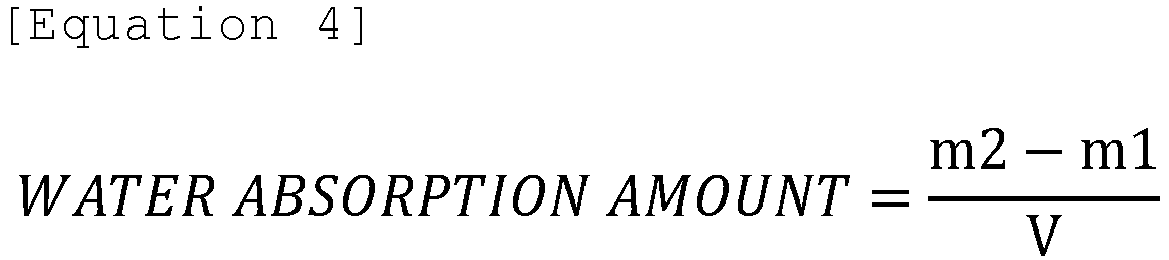
[Table 3] EVALUATION EXAMPLE 1 EXAMPLE 2 EXAMPLE 3 EXAMPLE 4 EXAMPLE 5 EXAMPLE 6 EXAMPLE 7 COMPARATIVE EXAMPLE 1 COMPARATIVE EXAMPLE 2 COMPARATIVE EXAMPLE 3 ADHESIVE STRENGTH TO SHEAR [MPa] ENAMEL 39.9 40.1 37.7 39.1 37.4 40.3 36.5 34.5 30.2 32.4 DENTIN 48.2 46.6 49.1 47.2 46.9 49.2 48 44.9 39.6 41.4 POLYMERIZATION RATE [%] 75.8 75.4 77.7 79.2 77.1 75 76.1 84 85.9 73.4 BENDING STRENGTH (AFTER ONE DAY) [MPa] 129 118.8 125.1 116.9 128 130 123.7 126.5 124.8 121.3 BENDING STRENGTH (AFTER ONE WEEK) [MPa] 126.1 123.6 124.9 118.8 124.4 129.3 121.6 120.4 108.3 109.3 DECREASE RATE OF BENDING STRENGTH [%] 2.2 -4.0 0.2 -1.6 2.8 0.5 1.7 4.8 13.2 9.9 VICKERS HARDNESS (AFTER ONE DAY) [HV] 26.3 24.9 27.2 28.2 27 26.7 28.5 23.2 17.7 18.4 VICKERS HARDNESS (AFTER ONE WEEK) [HV] 25.5 24.4 26.6 27.1 26.1 26.3 27.8 21.4 15.1 16.5 DECREASE RATE OF VICKERS HARDNESS [%] 3.0 2.0 3.7 3.9 3.3 1.5 3.1 7.8 14.7 10.3 WATER ABSORPTION AMOUNT [µg/mm3] 41 41.3 32.2 23.8 39.8 37 33.5 62.8 78.7 68.3 - From Table 1 to 3, it can be seen that when the second agents of Examples 1 to 7 are used, all items are excellent or good, indicating that the adhesive compositions exhibit good adhesion and are resistant to strength degradation over time in a wet environment.
- In contrast, when HEMA is blended (Comparative Examples 1, 2) and when HEMA and MDP are blended (Comparative Example 3) in the second agent, it can be seen that the bending strength and the Vickers hardness decrease after 1 week of immersion in water.
- Although the embodiments of the present invention have been described above, the present invention is not limited to specific embodiments, and various modifications and changes are possible within the scope of the invention described in the claims.
- The present application claims priority to
Japanese Patent Application No. 2021-17790, filed February 5, 2021
Claims (8)
- A two-agent type dental adhesive composition comprising:a first agent; anda second agent,wherein the first agent includesa (meth)acrylate compound having an acid group,a (meth)acrylate compound having no acid group,water, anda water-soluble organic solvent,wherein the second agent includesa multifunctional (meth)acrylate compound,a photopolymerization initiator, anda filler of 0 to 50 mass%, andwherein both the first agent and the second agent substantially do not contain 2-hydroxyethyl methacrylate.
- The dental adhesive composition according to claim 1, wherein the multifunctional (meth)acrylate compound in the second agent contains a di(meth)acrylate compound having a molecular weight of 400 or more and a di(meth)acrylate compound having a molecular weight of less than 400.
- The dental adhesive composition according to claim 2, wherein a proportion of a content of the di(meth)acrylate compound having the molecular weight of less than 400 to a content of the di(meth)acrylate compound having the molecular weight of 400 or more in the second agent is 0.5 to 2.
- The dental adhesive composition according to claim 2 or 3, wherein the di(meth)acrylate compound having the molecular weight of 400 or more in the second agent includes an aromatic di(meth)acrylate compound and an aliphatic di(meth)acrylate compound.
- The dental adhesive composition according to any one of claims 2 to 4, wherein the di(meth)acrylate compound having the molecular weight of less than 400 in the second agent is a di(meth)acrylate compound containing a hydroxyl group.
- The dental adhesive composition according to any one of claims 1 to 5, wherein the second agent substantially does not contain the (meth)acrylate compound having the acid group.
- The dental adhesive composition according to any one of claims 1 to 6, wherein a pH of the first agent is 1.2 to 2.0.
- The dental adhesive composition according to any one of claims 1 to 7, wherein the dental adhesive composition is used by applying the first agent to a target, followed by air blowing, and then applying the second agent to the target.
Applications Claiming Priority (2)
| Application Number | Priority Date | Filing Date | Title |
|---|---|---|---|
| JP2021017790A JP7743677B2 (en) | 2021-02-05 | 2021-02-05 | Dental adhesive composition |
| PCT/JP2021/044951 WO2022168429A1 (en) | 2021-02-05 | 2021-12-07 | Dental adhesive composition |
Publications (2)
| Publication Number | Publication Date |
|---|---|
| EP4289411A1 true EP4289411A1 (en) | 2023-12-13 |
| EP4289411A4 EP4289411A4 (en) | 2025-01-15 |
Family
ID=82741127
Family Applications (1)
| Application Number | Title | Priority Date | Filing Date |
|---|---|---|---|
| EP21924814.3A Pending EP4289411A4 (en) | 2021-02-05 | 2021-12-07 | DENTAL ADHESIVE COMPOSITION |
Country Status (7)
| Country | Link |
|---|---|
| US (1) | US20240108554A1 (en) |
| EP (1) | EP4289411A4 (en) |
| JP (1) | JP7743677B2 (en) |
| CN (1) | CN116829116A (en) |
| AU (1) | AU2021425801B2 (en) |
| CA (1) | CA3210680A1 (en) |
| WO (1) | WO2022168429A1 (en) |
Families Citing this family (1)
| Publication number | Priority date | Publication date | Assignee | Title |
|---|---|---|---|---|
| EP4484436A1 (en) * | 2023-06-30 | 2025-01-01 | Ivoclar Vivadent AG | Radical polymerisable materials for producing dental moulded bodies with low discoloration |
Family Cites Families (6)
| Publication number | Priority date | Publication date | Assignee | Title |
|---|---|---|---|---|
| JP4176196B2 (en) | 1998-06-29 | 2008-11-05 | 株式会社クラレ | Dental adhesive system |
| JP5342786B2 (en) * | 2007-01-17 | 2013-11-13 | クラレノリタケデンタル株式会社 | Dental bonding material and composite resin and composition suitable for them |
| WO2008114621A1 (en) * | 2007-03-20 | 2008-09-25 | Kuraray Medical Inc. | Polymerizable monomer, polymerizable composition and dental material |
| JP2010280630A (en) * | 2009-06-05 | 2010-12-16 | Gc Corp | Dental primer and dental adhesive set |
| JP6713819B2 (en) * | 2016-05-02 | 2020-06-24 | 株式会社ジーシー | Dental adhesive set |
| JP7364185B2 (en) | 2019-07-24 | 2023-10-18 | 大成建設株式会社 | Shoring erection method and shoring erection system |
-
2021
- 2021-02-05 JP JP2021017790A patent/JP7743677B2/en active Active
- 2021-12-07 AU AU2021425801A patent/AU2021425801B2/en active Active
- 2021-12-07 EP EP21924814.3A patent/EP4289411A4/en active Pending
- 2021-12-07 CN CN202180092714.8A patent/CN116829116A/en active Pending
- 2021-12-07 CA CA3210680A patent/CA3210680A1/en active Pending
- 2021-12-07 WO PCT/JP2021/044951 patent/WO2022168429A1/en not_active Ceased
- 2021-12-07 US US18/263,584 patent/US20240108554A1/en active Pending
Also Published As
| Publication number | Publication date |
|---|---|
| EP4289411A4 (en) | 2025-01-15 |
| JP2022120710A (en) | 2022-08-18 |
| CN116829116A (en) | 2023-09-29 |
| WO2022168429A1 (en) | 2022-08-11 |
| JP7743677B2 (en) | 2025-09-25 |
| AU2021425801A1 (en) | 2023-08-24 |
| AU2021425801B2 (en) | 2025-03-13 |
| CA3210680A1 (en) | 2022-08-11 |
| US20240108554A1 (en) | 2024-04-04 |
Similar Documents
| Publication | Publication Date | Title |
|---|---|---|
| US6174935B1 (en) | Dental adhesive kit | |
| US6916858B2 (en) | Dental adhesive composition | |
| EP3156032B1 (en) | Dental cement | |
| JP6785246B2 (en) | Dental Adhesive Material Kit | |
| US5290172A (en) | Method for preparing a tooth surface for bonding | |
| JP6333274B2 (en) | Dental bonding kit | |
| JP2000159621A (en) | Dental photopolymerizable composition | |
| EP1462079B1 (en) | Dental composition | |
| JP4746543B2 (en) | Adhesive composition having reduced polarity upon polymerization | |
| JPH02279615A (en) | Adhesive composition for dental use | |
| US7304096B2 (en) | Highly functional dental adhesive composition | |
| JP7743677B2 (en) | Dental adhesive composition | |
| EP4505991A1 (en) | Adhesive composition for dental use | |
| JP7782769B2 (en) | Dental composition and dental restoration kit | |
| JP7667693B2 (en) | Dental filling kit | |
| CN120529888A (en) | Dental restorative material composition | |
| JP2008189580A (en) | Multifunctional hydrophilic polymerizable monomer-containing composition | |
| WO2025052742A1 (en) | X-ray radiopaque compound and dental adhesive composition |
Legal Events
| Date | Code | Title | Description |
|---|---|---|---|
| STAA | Information on the status of an ep patent application or granted ep patent |
Free format text: STATUS: THE INTERNATIONAL PUBLICATION HAS BEEN MADE |
|
| PUAI | Public reference made under article 153(3) epc to a published international application that has entered the european phase |
Free format text: ORIGINAL CODE: 0009012 |
|
| STAA | Information on the status of an ep patent application or granted ep patent |
Free format text: STATUS: REQUEST FOR EXAMINATION WAS MADE |
|
| 17P | Request for examination filed |
Effective date: 20230810 |
|
| AK | Designated contracting states |
Kind code of ref document: A1 Designated state(s): AL AT BE BG CH CY CZ DE DK EE ES FI FR GB GR HR HU IE IS IT LI LT LU LV MC MK MT NL NO PL PT RO RS SE SI SK SM TR |
|
| DAV | Request for validation of the european patent (deleted) | ||
| DAX | Request for extension of the european patent (deleted) | ||
| A4 | Supplementary search report drawn up and despatched |
Effective date: 20241217 |
|
| RIC1 | Information provided on ipc code assigned before grant |
Ipc: A61K 6/887 20200101AFI20241211BHEP |